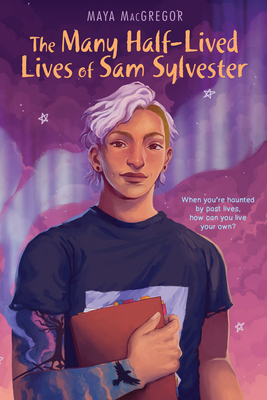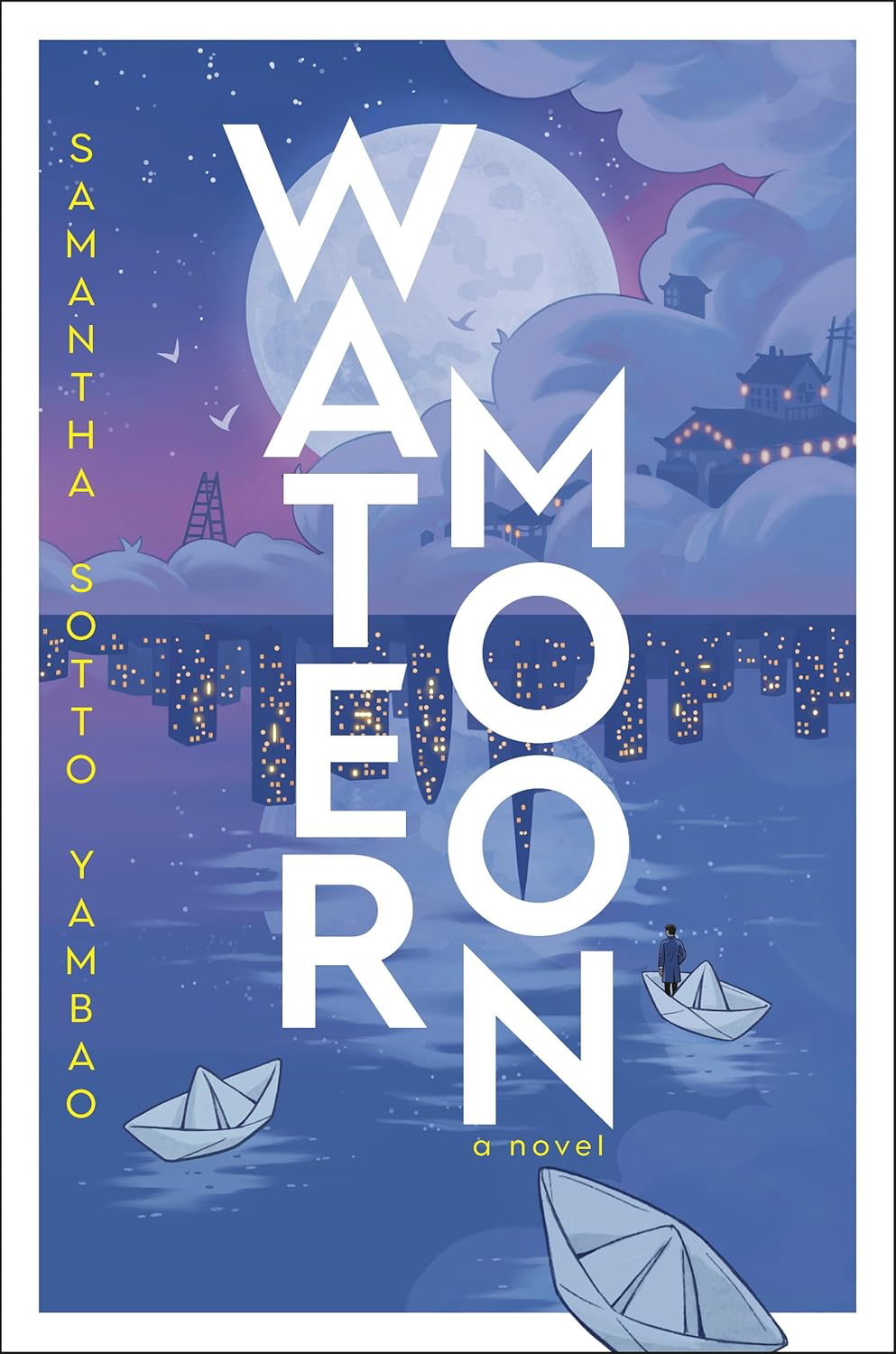
Posted in Sunday Songs

Sunday Songs: 3/23/25

Happy Sunday, bibliophiles!

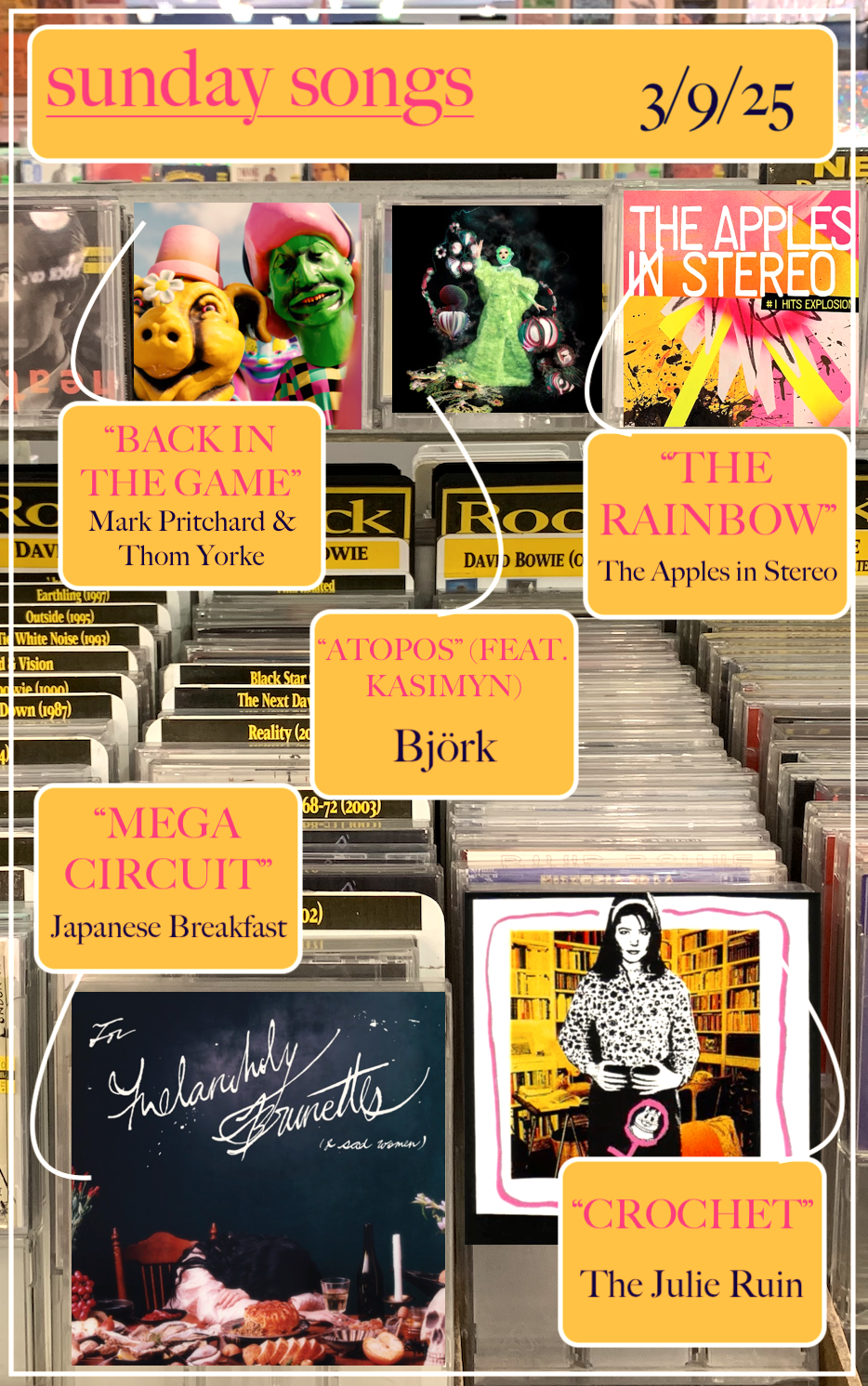
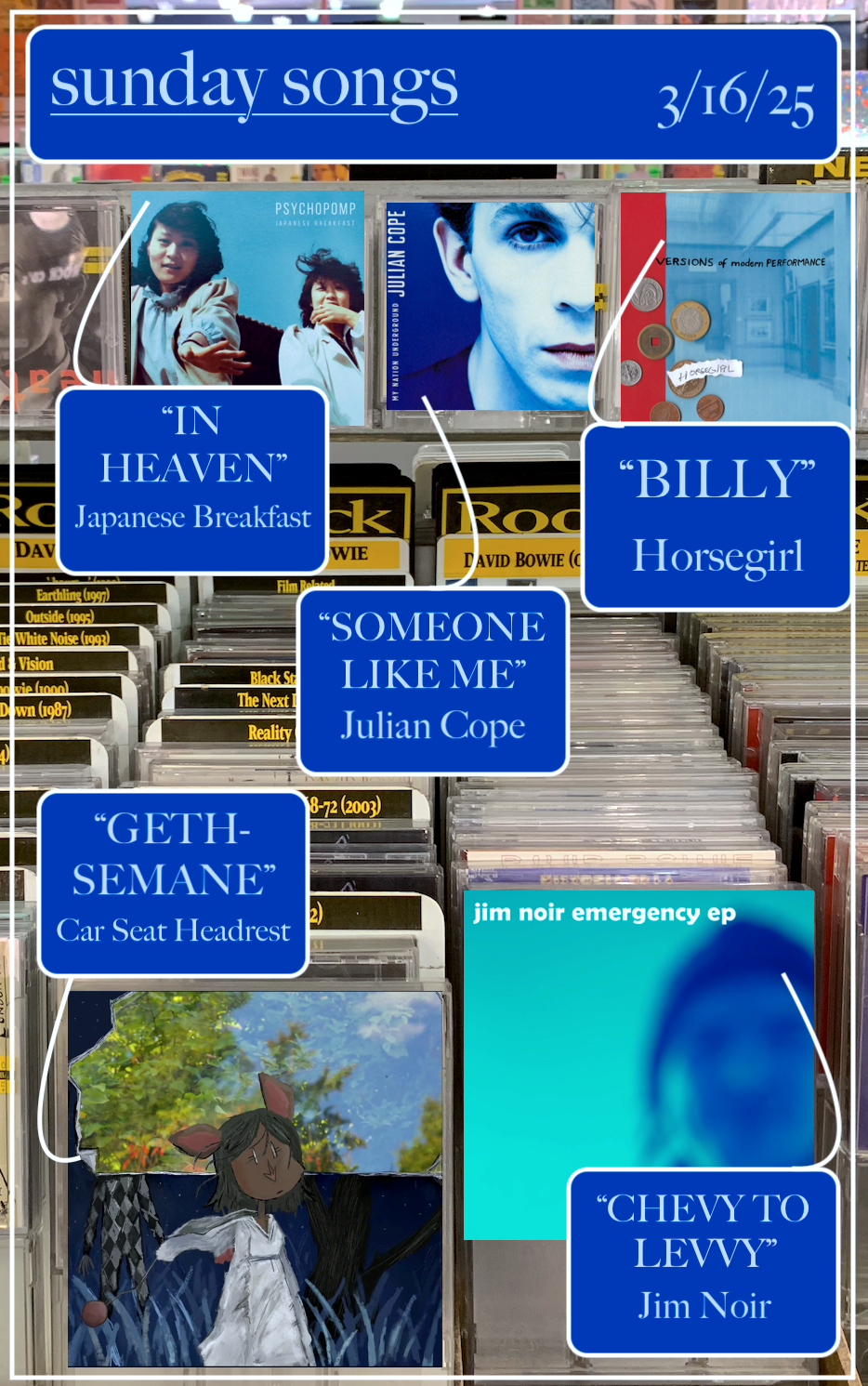
Since I haven’t been able to post in a few weeks, here are the Sunday Songs graphics from that time:

3/9/25:

3/16/25 (or, NEW CAR SEAT HEADREST IN MAY, WE ARE SO BACK):

This week: you thought this would be a quick post after I haven’t been able to write regularly for two weeks? WOE, TEN MINUTE SONG BE UPON YE!

Enjoy this week’s songs!

SUNDAY SONGS: 3/23/25

“Love” – Hana Vu

One of the best surprises a concert can have in store is a good opener. There are infinite jokes about bad openers, half of which…well, might be dogging on perfectly fine artists trying to get their foot in the door, and half of them are true. I really do try to at least go into openers with an open (no pun intended) mind, because everybody has to start somewhere, no matter how big of an artist they’re opening for. But sometimes it’s just up to your taste. Even with some cringy performances, you can at least tell that they’re trying.

I saw Soccer Mommy about two weeks ago (stellar performance!!!! as always!! and the crowd had basic human decency this time, unlike the parasitic frat bros that populated her crowd last time) with Hana Vu as the opener. I kept my expectations low. I expected to just nod along and twiddle my thumbs, but I think I may have found an excellent artist! She came off quite shy, mumbling to the audience and asking us what we had for dinner, but once she started performing, it was clear that Soccer Mommy had a worthy match to her sound. However, if I had to compare Vu to anyone, it would be to Lucy Dacus—they have a similar brand of indie rock, both bearing warm, rich vocals and guitar-driven angst with no shortage of heart. Nothing can come close to “Night Shift,” but Vu clearly studied how that song goes supernova at the end. The closer to her most recent album, Romanticism, “Love,” like Vu’s performance before Soccer Mommy, starts out unassumingly, but quickly becomes a dramatic landslide aided with thundering drumbeats, strings, and Hana Vu bellowing as though into a cavern. The lyrics, as sparse as they are, come sung clutching a bleeding heart in both hands, staining everything within arm’s reach. It truly lives up to the drama of the album cover, with Vu draped in robes and with a sword pressed to her neck, modeled after Artemisia Gentileschi’s “Judith Slaying Holofernes.” Either way, Hana Vu has earned a tally in favor of the good opening bands I’ve seen—and a place in my more regular rotation of artists. A big thank you to Soccer Mommy for giving a platform to Vu’s talent, and thank you to Vu for the fantastic opening act!

…AND A BOOK TO GO WITH IT:

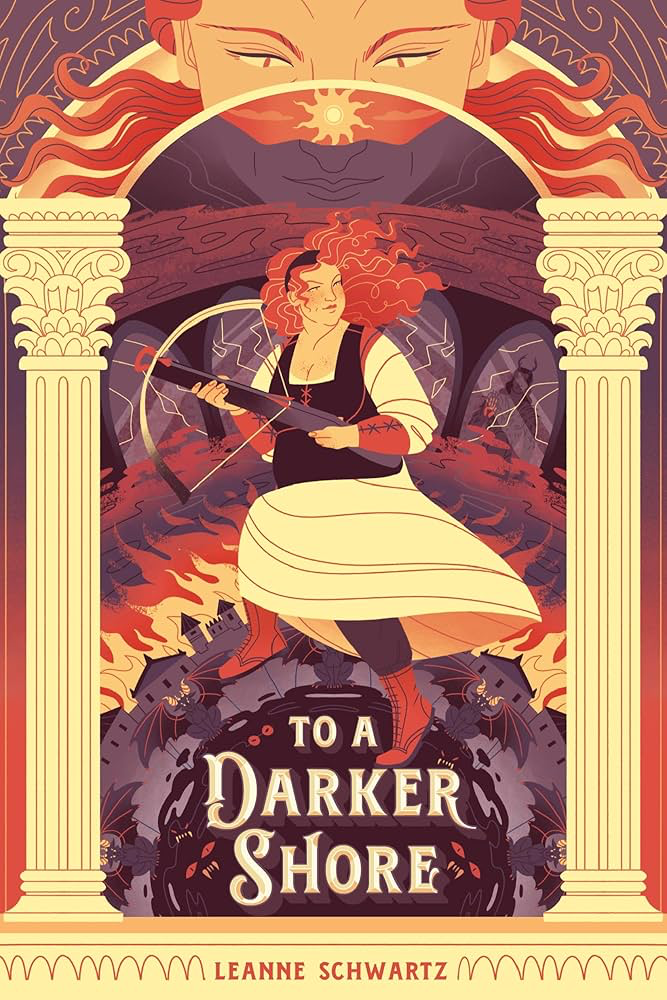
To a Darker Shore – Leanne Schwartz“I just want you to stay/You know I hate giving up/And oh, Well I guess it’s just me/Please don’t leave me alone/You know I can’t let you be…”

“Bad Timing” – Jim O’Rourke

Once my dad sent me this song, it was immediately relegated to my quiet instrumental study playlist. I shouldn’t say “relegated,” really. It’s a great song to peacefully study along with, but it keeps you on your toes. Ten minutes long and dense doesn’t make it sound appealing, but “Bad Timing” sounds like how those slow motion videos of flowers unfurling after the frost melts from their buds look. “Bad Timing” also proves my long song theory right with flying colors—the best ones have enough changes to keep you interested for ten minutes. This track in particular feels like two songs in one. The first is a homely, acoustic ditty, which peacefully bows out at the 2:50 mark, giving way to a chorus of plucked strings and, of all instruments that should sound shimmery, an accordion would be my last guess. Yet Jim O’Rourke pulls it off, making it shudder and glimmer along with the synths. You’re lured into a soft, ambient sense of security, but like rot climbing up the roots of a plant, O’Rourke tears away at the music, fiber by fiber, until the remnants are ablaze in distortion and ascending mayhem by the time you reach the eight and a half minute mark. It’s clear to me the magic O’Rourke made with producing almost all of Wilco’s albums—he has such a talent for taking a simple melody, stretching it out and contorting it as easily as a chef kneads dough. He put something entirely unassuming into the oven, and something wholly unexpected came out the other side once the experimental yeast rose.

On another note: I can’t for the life of me find who made the album art for Bad Timing, but it’s just so charming to me.

…AND A BOOK TO GO WITH IT:

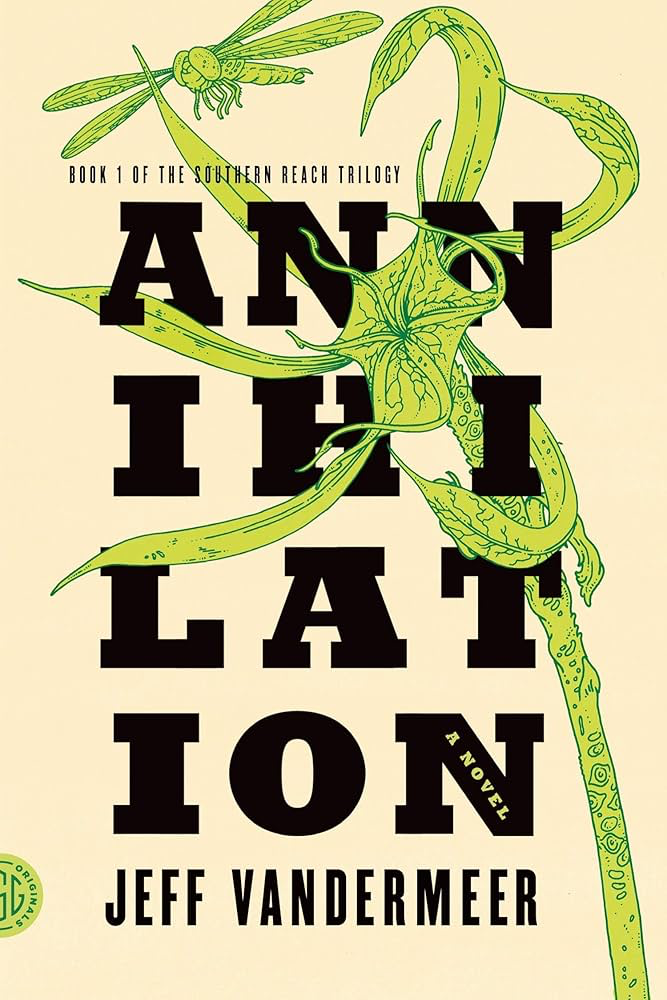
Annihilation – Jeff Vandermeereverything becomes slowly, gradually unrecognizable and strange, just like the progression of “Bad Timing”

“Ends Meet” – Panda Bear

Brian Wilson is alive and well, but what I’ve listened to of Sinister Grift feels like a glimpse into an alternate universe where Brian Wilson got temporally airlifted from the ’60s into the 2020s and had to find his way around. That, and if he’d been given nothing but a knapsack full of various synths and electronic knickknacks to carry with him on his time-out-of-time journey. “Ends Meet” is the definition of psychedelic, constantly fading in and out of focus like ripples over sunlit water. Noah Lennox’s voice also feels piped in from beneath the shallows of a reef—released this February as it was, everything I’ve heard of Panda has been carefully crafted to be specifically summery and aquatic, at least in sound (see: “Comfy in Nautica,” “Ferry Lady”*).

The existential lyricism feels at odds with the music at first glance: Lennox is confronting what we all have to confront at some point in our lives: we’re all gonna die, so what else is there to do? His answer is as simple and as difficult as any: appreciate everything in it, bad and good: “And when it is my time/Dig it all.” It’s a lesson I’ve been chipping away at for the better part of last year, what with my difficulty in staying present and not projecting myself into possible futures (not the time traveling Brian Wilson ones, unfortunately), but the way that Panda Bear takes it musically seems different than most. Sonically, “Ends Meets” feels so daydreamy and almost dissociative—its head isn’t in the clouds, it practically is the clouds. Even the face on the album cover of Sinister Grift looks like their mind is somewhere else entirely. But that in and of itself is putting that sentiment of being un-anchored into music and into words. It’s a jarring pairing in concept, tackling this subject matter with such an acid-tinged, vacation-like musical landscape, but to me, it’s the feeling of letting go of that burden, of knowing that all you can do in life is appreciate every facet of it.

*the “Ferry Lady” music video is about as trippy as you’d expect, so if you’re sensitive to flashing images or eye strain, you’ve been warned.

…AND A BOOK TO GO WITH IT:

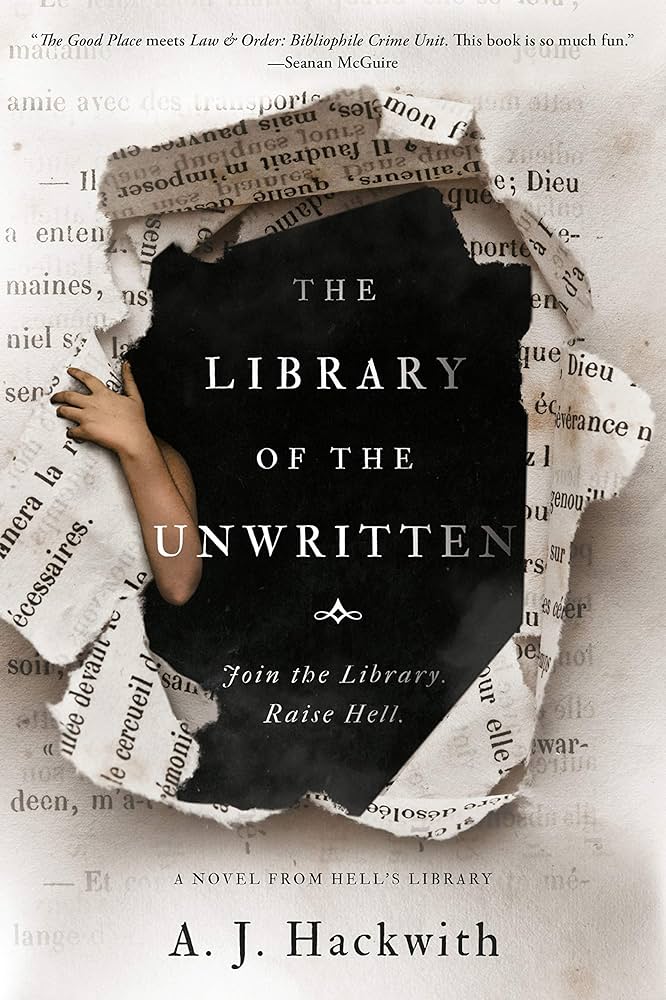
The Library of the Unwritten – A.J. Hackwith“They got a spot to bury you/It’s not news, you’re tremblin’ for what?/Just keep it in the groovе (Don’t let up)/But keep the doorways shut…”

“La Vie en Rose” (Édith Piaf cover) – Louis Armstrong & His Orchestra

I was never much of a Disney kid, but Wall-E, one of the first movies I saw in theaters as a kid, will always unlock a particularly special place in my heart. Star Wars was my true introduction to sci-fi, but the more I think about it, Wall-E was right up there in conditioning me to fall headfirst into the genre. Even now, in my twenties and watching Wall-E for a grade to analyze the gender dynamics for a class on Disney and gender…it broke me. I knew it would. Sure, Mark Fisher cites it by name in Capitalist Realism when he talks about how Hollywood has subsumed anti-capitalist resistance and yada yada yada, but…god, how could even the most shriveled soul not be moved by an almost newborn race of humankind returning to the same earth, babies treading over barren ground as the giddy captain gleefully lists off all the plants that can be grown in it? And you’re already crying? And then they hit you with “Down to Earth?” Diabolical.

Part of my class’s discussion on the gender dynamics of Wall-E, beyond how we’re socialized to see Wall-E and Eve as boy and girl even though they’re…intelligent machines with no gender to speak of, was how the viewer is socialized to show their relationship as romantic (and traditionally heterosexual) from the markedly older, “classic” media surrounding them. Notable songs and clips from Hello, Dolly! do the heavy lifting there, but in the barest sense, Louis Armstrong’s cover of “La Vie En Rose,” one of the more ubiquitously recognized love songs of this century, which plays when Wall-E first becomes romantically interested in Eve, adds to this effect. And while I see the argument, as women and gender studies/queer theory-pilled as I am, I really don’t think Wall-E is nearly as guilty as a whole cadre of other Disney movies who have improperly shaped particularly women and young girls’ views on how gender and romance should be. For me, “La Vie En Rose” feels as pure as Wall-E and Eve, in all of their innocent, nonsexual romance. Even as a little kid, only knowing Louis Armstrong from “What A Wonderful World” (and thinking that Grover from Sesame Street was behind the vocals), something about those piano flourishes unfurled a kind of petal inside of me. It’s one of the first examples I can name of a melody really scratching an itch in my brain. I’m next to illiterate when it comes to jazz, but Armstrong was clearly one of those rare people who could give his trumpet such an individual voice—by the end of the song, you could call it just as much of a vocalist as he is. Paired with the cinematography of Wall-E’s tire treads tracing neat lines in the trash-laden dirt, something about it felt so neat, so meant to be, a puzzle piece shifting into place. Both of them are clean, and yet not sanitized—they’re sweet, earnest, pure. A part of childhood me is warmed every time I hear this song, obviously, but even outside of that context, the soothing spell of this rendition is undeniable. As is Wall-E.

…AND A BOOK TO GO WITH IT:

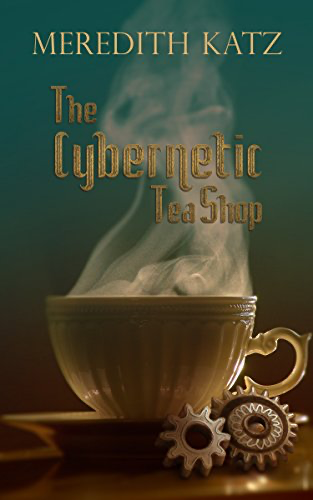
The Cybernetic Tea Shop – Meredith KatzLouis Armstrong’s take on “La Vie En Rose” is obvious coffee/tea shop music, but combined with my Wall-E association, why not return to this cozy, tender tea shop in a distant future?

“Here Comes Your Man” – Pixies

The music video for “Here Comes Your Man” has to be one of the more uncomfortable music video experiences I can think of, not because of any particular content, but more because you get the overwhelming feeling that nobody wants to be there. Every time they pan to Frank Black or Kim Deal (or Joey Santiago, honestly), they look like they’re trying to telepathically kill the cameramen, Professor X style. They don’t want to be there, the camera crew doesn’t want to be there, and they don’t want you there either…oh, my bad, sorry for the intrusion. I’ll see myself out. For good reason, though—they were averse to making music videos, and when their label pressured them to do so, they famously decided to stick it to the man and gape their mouths open like fish while the lyrics were playing. Given…well, everything I’ve heard about Frank Black, it could easily just be them being petty, but for an underground band who were achieving success they didn’t seem to want, it’s understandable.

I always feel a kind of odd shame when I like That One Song/Album That Got Popular with a certain band that the band openly hates with a passion. If I’d had the time to write a post last week, I would’ve said the same thing for Julian Cope and “Someone Like Me”My Nation Underground is one of his poppier albums, and one that he wasn’t satisfied with. (See also: “Me Myself & I,” a song I love, but that De La Soul inserts “we hate this song” into live performances of the lyrics…yeah, you get the picture.) For Pixies, they weren’t satisfied with this pop song to the point where they almost never performed it live. But…it’s so good. Sure, it’s simpler and more accessible than some of their work, but they knew how to make one of the most iconic alternative pop songs. Most alternative rock fans would probably be able to recognize that bassline immediately, all thanks to the timeless talent of Kim Deal. There’s layers to the genius of it—the harmonies of Deal and Black, the vague, surrealist lyrics about homeless people boarding a train before an earthquake, the faint comfort and hope in spite of that. The chorus of “here comes your man” was a last minute addition, but it’s always given a kind of solace for me, ever since I was a kid, before I understood the lyrics of the verse. Even with the bleak nature of the verse, it’s always implied a kind of salvation or relief to me. Bottom line: sometimes, even if That Song got popular, it’s obviously popular for a reason, but how talented a band’s craft is can often shine through in the charts.

Sometimes. We don’t talk about “Creep.”

…AND A BOOK TO GO WITH IT:

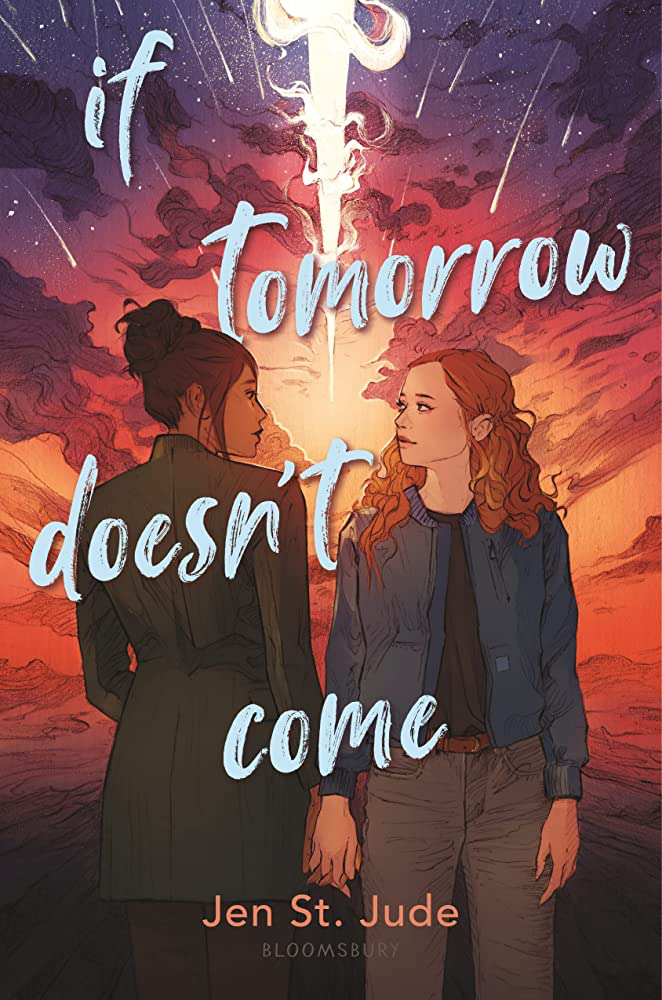
If Tomorrow Doesn’t Come – Jen St. Judea similar kind of disaster-oriented scenario to the song, of people scrambling to safety in the wake of a planet-destroying asteroid.

Since this post consists entirely of songs, consider all of them to be today’s song.

That’s it for this week’s Sunday Songs! Have a wonderful rest of your day, and take care of yourselves!

Posted in Book Review Tuesday

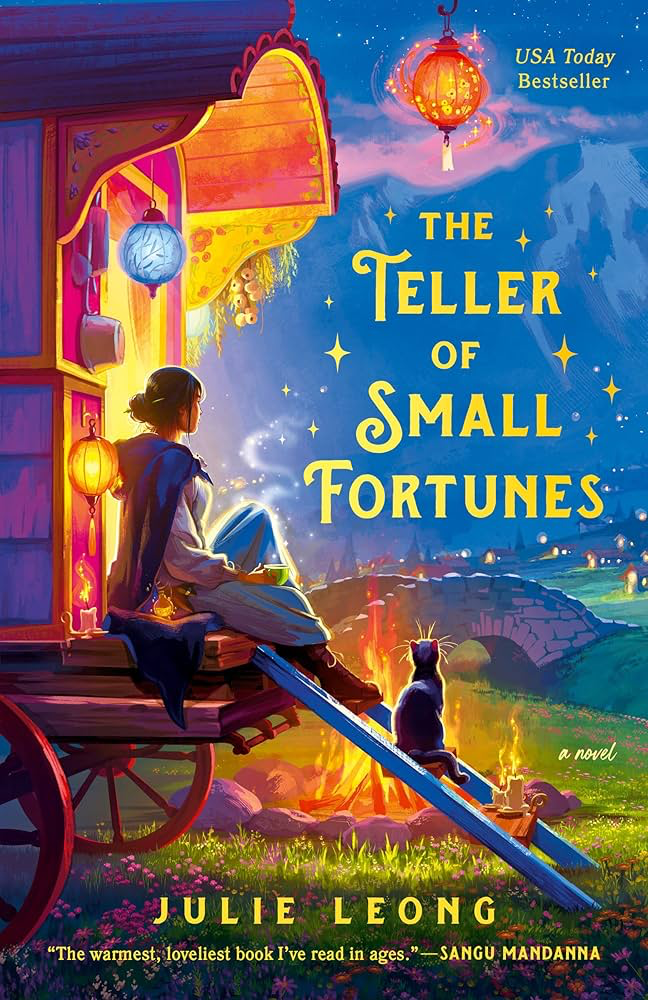
Book Review Tuesday (3/18/25) – The Teller of Small Fortunes

Happy Tuesday, bibliophiles!

You know it. You know I’m all for cozy literature. I wasn’t particularly in a moment where I needed cozy fantasy, but these days, I love to space them into my regular reading rotation to keep things lighter, if need be. I’m usually more for sci-fi than fantasy, but I love a good fantasy every once in a while. The Teller of Small Fortunes wasn’t the best cozy fantasy I’ve read, but like a mug of tea, it was great for a momentary hug of warmth and love.

Enjoy this week’s review!

The Teller of Small Fortunes – Julie Leong

Tao is an immigrant from Shinara, making a living far to the west in Eshtera. She makes a living off of fortune-telling, but hers are not like the grand tales that people expect from those with Shinn heritage. But Tao’s fortunes have a catch: they are small fortunes, minor events that seemingly have no consequence, but will add up towards a life of crucial choices. She cannot stay for long in one place, lest these fortunes pile up and her customers start to expect more complex predictions. But when she crosses paths with an ex-mercenary and a thief-turned-poet on the road, Tao has to keep a promise to the fortune she gave them: they’re looking for a missing girl, and Tao knows that she’ll be reunited with them. What’s unknown, however, is how it’ll happen…

TW/CW (from Julie Leong): political conflict, death of a parent, parental neglect, racism, grief, alcohol

While The Teller of Small Fortunes wasn’t the best cozy fantasy I’ve ever read, if you’re looking for something sweet to tide you over, look no further! In the mood for found family, cats, spells, and wonky pastries? I’ve got just the book for you.

Given the crowds that I hang around with, it might surprise you that I’ve never actually played DnD. I’ve always been adjacent to people who are into it and frequently play it, but I’ve never played myself. By osmosis, I know enough about it to discern that anyone who loves DnD will absolutely eat up The Teller of Small Fortunes! Somebody with more DnD knowledge could probably sort each character into a class, but I’m illiterate in that department; yet even still, I can tell that it came about in the way that many DnD campaigns seem to: out of love and out of friendship. Leong’s cozy fantasy has the perfect balance of wholesomeness, levity, and more serious themes, and overall, it’s an ode to the friends we find in unexpected places. The contrasting personalities of Tao, Mash, Silt, and Kina made for a delightful found family with goals that often got in the way of each other, but twisted to form a journey across a fantastical land that taught them lessons about identity, friendship, and individuality. It’s just so sweet. Admittedly, it did border on a bit cloying at times (even for me, both with my cozy fiction proclivities and my merciless sweet tooth), but overall, cozy fantasy fans will be more than satisfied. Plus, there’s a cat. Automatic win in my book.

Tao’s character arc and the themes around it were the heart of The Teller of Small Fortunes. This novel focuses heavily on her immigrant identity, but it explored something that I haven’t often seen with these narratives. In order to make a living outside of her home country, Tao has to perform a stereotype—in her case, being a seer. She relies on this preconceived notion of her people all being able to see the future, and knows that she’ll be able to make money off of it, yet she tries so hard to make it define her. On the other side of the coin, there’s the Guild of Mages, who physically want to use her as a pawn, fitting her into their similarly superficial stereotype of what a magic-user should be. Yes, The Teller of Small Fortunes is very much a “be yourself” narrative (I will always hate Disney for making people trivialize this kind of message), but it’s one that’s complicated by the nuance of the aspects of Tao’s identity. For her, being herself is a lifelong fight, held up by several systemic forces of oppression. Her journey is a mental one just as much as it is physical, and it required the same labor, with a satisfying conclusion: the conscious effort by her to not let other people box her in.

However, the writing sometimes got on my nerves. For me, cozy fantasy can sometimes fall into the trap of being almost condescending in its writing style; it veers to strongly into the “and what did we learn today, kids?” kind of storytelling, even if it’s often aimed at adults. There is a marked difference between having a low-stakes plot and dumbing down the language for your audience. The Teller of Small Fortunes didn’t completely fall into making the language overly digestible, but every plot point and side quest (of which there are many) tended to have a very clear, obviously stated lesson that accompanied the ending. Even if said plot points were well-executed—which they often were, especially the scene with the phoenix egg—their impact was often lessened by the regurgitating of what the scene was meant to mean for the characters and the message, as if we couldn’t figure it out. I honestly didn’t mind that these plot points, especially the ending, were wrapped up in notably kind, easier ways—that’s almost a staple of cozy fiction, at this point—but we didn’t have to get their message shoved in our faces on a neon sign. Additionally, as a character, Kina also erred on this side of saccharine—she was sweet in the way that some cozy fiction characters are, but like the pastries she made, it got a little too sweet in a grating way.

I also found the worldbuilding to be quite generic. The Teller of Small Fortunes was one of those fantasy novels that took existing countries, copied and pasted them into the narrative, and added magic and mythical creatures; Shinara was clearly an analogue for China, which, while it was great for the themes of anti-immigrant sentiment and xenophobia, didn’t make for worldbuilding that was interesting or novel in any way. The same can be said for most of the other places that Tao and the gang pass through—most of them fell under the “vaguely European, I will not elaborate” curse that plagues high fantasy, and the only things that distinguished them, if any, were some of the exports/trades that they had. I will say that I loved the system of the Guild of Mages, and they served as great commentary for tokenization and a distant but tangible source of corruption in the world, but they didn’t have enough of a presence for them to have an effect on the world for me. It all felt very lackluster to me in contrast to the care that was put into the characters. I also would’ve liked more clarification on the regional magic. It’s implied through some of Tao’s background that magic is often associated with/endemic to particular regions (hence the stereotypes of Shinn people being seers/fortune tellers and whatnot), but we don’t get a clarification of whether or not the rule also applies to the surrounding regions.

Overall, a cozy fantasy that had lovely, poignant characters and themes, but was less fortunate in the worldbuilding department. 3.5 stars!

The Teller of Small Fortunes is a standalone and Julie Leong’s debut. Her next novel, The Keeper of Magical Things, is a companion novel set in the same universe as The Teller of Small Fortunes, and is slated for release in October 2025.

Today’s song:

That’s it for this week’s Book Review Tuesday! Have a wonderful rest of your day, and take care of yourselves!

Posted in Books

The Bookish Mutant’s Feminist Books for Women’s History Month 🚺 (2025 Edition)

Happy Tuesday, bibliophiles!

Here in the U.S., March is Women’s History Month! Every year, I find myself repeating the same horrors about the attacks on women’s rights in the past five years. This year is no different, save for the fact that with Trump’s presidency, so many men have felt emboldened to let their misogyny run rampant—and our society seems to encourage it, time after time. Every year, we fight to make sure that misogyny, sexism, and rape culture become impermissible again. Though it seems like an uphill climb with no discernible light at the end of the tunnel, there will always be a constant: we will keep fighting for all women. For women of color, for immigrant women, for queer and trans women (especially trans women, because feminism wouldn’t be possible without them), for disabled women, for survivors. They keep pushing against them, so we’ll keep fighting—and keep reading. The good news is that literature is rife with heroines fighting against the system, and as long as these stories are told and spread, someone will be inspired to fight. So as with all the other year, I’ve compiled even more books of women fighting against oppression from a variety of perspectives, age ranges, and genres.

NOTE: once again, I’ve switched these posts to books for several age ranges, too lazy to change the header, etc. etc.

For my previous lists, click below: 

2021

2022

2023

2024

Let’s begin, shall we?

🚺THE BOOKISH MUTANT’S BOOKS FOR WOMEN’S HISTORY MONTH🚺

SCIENCE FICTION:

FANTASY:

REALISTIC FICTION:

NONFICTION:

TELL ME WHAT YOU THINK! Have you read any of these books, and if so, what did you think of them? What are your favorite feminist books? Let me know in the comments!

Today’s song:

How Women Made Music brought me here…

That’s it for this year’s Women’s History Month list! Have a wonderful rest of your day, and take care of yourselves!

Posted in Sunday Songs

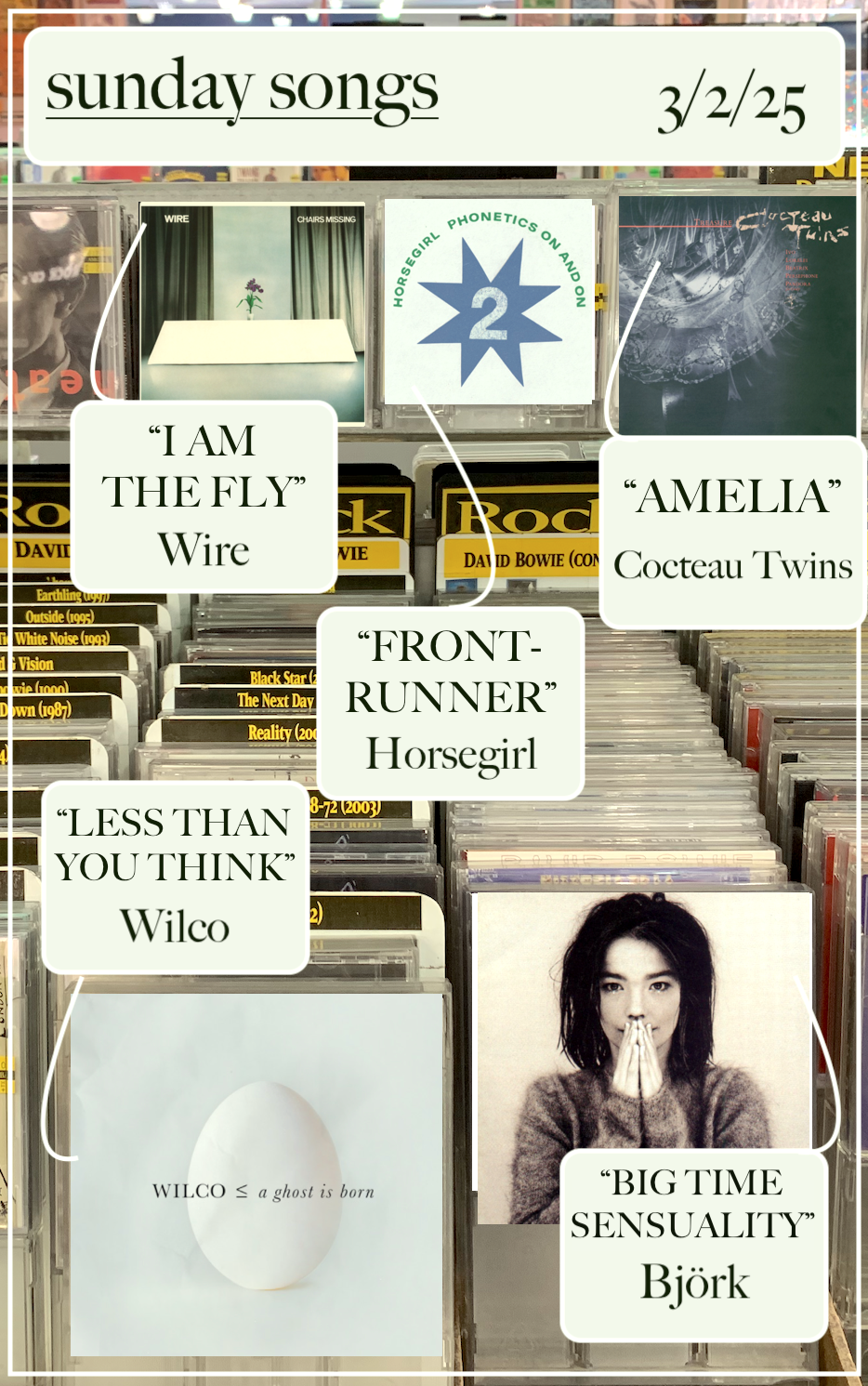
Sunday Songs: 3/2/25

Happy Sunday, bibliophiles! I hope this week has treated you well.

This week: were it not for me yapping about Horsegirl earlier this week, this post would be unfathomably long…sorry. Stick around for my rambling hitting concerning levels the minute I have more free time.

Enjoy this week’s songs!

SUNDAY SONGS: 3/2/25

“Less Than You Think” – Wilco

Since A Ghost Is Born got its anniversary reissue a few weeks back, I took the time to listen to the album in its entirety for the first time…surprising, I know! That being said, I’d basically listened to all but two tracks on the album, but I hadn’t gotten to listen to it all the way through in the right order. After a childhood being fed Wilco by my dad about as much as I was fed milk as a baby (both were nourishing and necessary for my development), only two tracks remained: “Wishful Thinking” and this track. It’s songs like “Less Than You Think” that make me remember how much of a poet Jeff Tweedy is. I don’t say that about every singer; in the abstract, music is poetry set to song, but it doesn’t often feel that way. In this case, it’s understandable that the poetry of “Less Than You Think” gets lost in the other masterpieces in Wilco’s catalogue. But it’s not just a case of an underrated track—there’s a reason this one gets lost in the fray so often. For three minutes, it’s any normal Wilco song—one of their sadder ballads, but standard Wilco fare…

…and then you realize that there’s 12 minutes left.

That 12 minutes is entirely composed of a shrill, grating stretch of electronic droning and background noise from the studio. To say that it’s excruciating to listen to, especially with the volume up after listening to the actual song part, is almost an understatement. It’s unpleasant in every sense of the word. Yet that’s precisely the point. Not to be the “🤓☝️ erm ackshually, this nigh-unlistenable 12 minutes of noise has a deep meaning that’s essential to the understanding of the song,” but…it does. It’s unlistenable because it’s meant to be unlistenable—Tweedy and the rest of the band used this song to recreate the experience of having chronic migraines, a condition Tweedy has had all his life, but was exacerbated by his painkiller addiction: “I don’t know why anyone would need to have that expressed to them musically. But it was all I had.” Tweedy put “Less Than You Think” out anyway, knowing that it’d be “the track everyone will hate,” saying that “I know ninety-nine percent of our fans won’t like that song, they’ll say its a ridiculous indulgence. Even I don’t want to listen to it every time I play through the album. But the times I do calm myself down and pay attention to it, I think it’s valuable and moving and cathartic. I wouldn’t have put it on the record if I didn’t think it was great.” And he’s right. Being so experimental with this catharsis brings us so much closer to the experience than words ever could, as much as a master wordsmith as Tweedy is. Catharsis for a pain as profound as this doesn’t have to be listenable or tolerable to be worth putting out into the world—it’s catharsis, after all. Sure, I’ve skipped it every time I’ve listened to it since, but once again…that’s the point. We’re meant to sympathize with Tweedy’s pain, but even he admits that it’s not exactly easy listening. (Some absolutely diabolical individual in the YouTube comments called it “the best song to tee up on the bar jukebox right before you leave…” Satan, is that you?)

But that glorious, incandescent three minutes before you get the worst headache you’ve ever experienced? Deeply moving, in an entirely different way. They got me. They got me good with the sad bastard music. The piano is played with such a heaviness that you can only imagine it being played with lead weights strapped to each finger. Delicate taps of the dulcimer climb up an invisible ladder, each strike coinciding with Tweedy’s repetition of “Lightly tapping/a high-pitched drum.” And for a song that Tweedy knew would be an instant skip for most of his listener, he packed it with some of A Ghost is Born‘s most downright poetic lyrics:

“As your spine starts to shine
You shiver at your soul
A fist so clear and climbing
Punches a hole in the sky
So you can see
For yourself
If you don’t believe me
There’s so much less
To this than you think…”

Yeah, I pulled a Lisa Hannigan again. I’m tempted to just copy and paste all of the lyrics. Punches a hole in the sky? More like punches a hole in my soul, ow. Though the lyrics toy with the chaos of the universe and the clarity of realizing that maybe everything hasn’t been choreographed by a higher power, I can’t help but connect it with Tweedy’s migraines—all the talk of shivering and “Your mind’s a machine” sounds an awful lot how I imagine living with both migraines and addiction must feel: a cycle of dullness and excruciating pain, exposing how much of the brain has been devoted to going through the motions. As for the solemn resignation to atheism, it connects to that experience—it seems pain that immeasurable makes you either seek out or entirely swear off of religion without a happy medium. With or without words, Tweedy conjures a pain he had to exorcise from his person, yet is able to resonate if you’re willing to dig through the earth to find it. Sometimes you have to make art from agony in order to make the burden lighter, whether or not you give it to the world. In any case, Jeff Tweedy makes the pain worth weathering.

…AND A BOOK TO GO WITH IT:

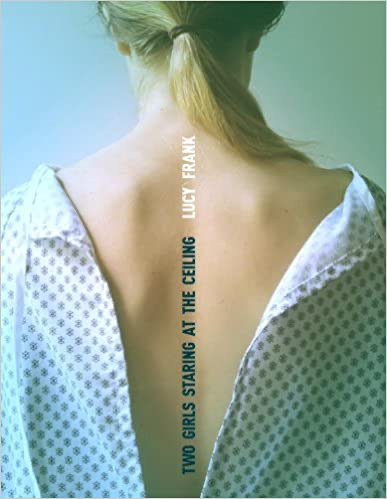
Two Girls Staring at the Ceiling – Lucy Franktold in sparse verse, these two characters go through a similar pain as they work through chronic pain diagnoses in the same hospital.

“Big Time Sensuality” – Björk

Today, on: Madeline listens to Björk’s discography wildly out of order…we’ve come to Debut. It’s another one of those albums that I’d listened to about half of already, but it was just track after track of honed energy and happiness…seriously, this album couldn’t have come at a better time in my life. I think listening to Post about this time last year and Debut now feel aligned with my life in some way. A lot of Björk’s experience at the time was drawn from moving from Iceland to the UK in her late twenties, and being adventurous, putting out her feelers, and embracing the newness of it all, taking everything in (see: “Enjoy”). In some ways, I feel a connection to that kind of exploration. Now that I’ve shed most of the apprehension of freshman year (though definitely not all), I feel like I’m slowly beginning to grow into a new place, a new home, a new environment. I know I’m a little dramatic about that…I’m going to a college that’s less than an hour away from my hometown, so I can’t quite compare. But there came a time when I realized I was living in a whole new place, and I’d barely scratched the surface of everything in it. After the initial crisis, I’ve begun dragging my friends to whatever new place that I can find. Baby steps, but I’m slowly cataloguing new restaurants that I’ve tried. New routes to class. New coffee places on campus, now that Starbucks jumped on the DEI-stripping bandwagon. I’m not throwing myself headfirst into a new city, immersing myself in the early ’90s rave nightlife like Björk did, but I can’t help but connect to that apprehension, that excitement of really knowing you’re somewhere new, physically and emotionally. I’d do well to take it to heart the more I grow up.

“Big Time Sensuality” embodies Björk’s absorption of ’90s house music while in London, and even though it’s far from the weirdest part of her catalogue, you can’t take the weird out of Björk. Even amidst the house beats behind her, you can’t erase the skyrocketing highs and growls that, even for her firs solo effort, were already staples of her vocal style. Despite what the title would have you believe, there’s nothing necessarily sexual about it, yet it retains the ecstasy you’d think it would have. This ecstasy, however, comes from a common theme on Debut: reaching out and taking risks to soak the fullest out of life: “I don’t know my future after this weekend/And I don’t want to.” Its heart is imbued with the rush of friendship, throwing your passion into your music, and independence in a few environment: Björk told David Hemingway that the song’s inspiration came from “[Creating] pretty deep, full-on love relationships with friends…I can be a coward a lot of the time and there comes a moment when I write a song when I get quite brave.” “Big Time Sensuality” throws itself face first into uncharted waters, all with a dimple-stretching grin. Björk’s already diverse vocal range embodies the chorus of “It takes courage to enjoy it/The hardcore and the gentle.” And the music video, directed by Stéphane Sednaoui, embodies that daring joy, with Björk dancing on the back of a truck bed driving through New York City, baring her grin for all to see.

…AND A BOOK TO GO WITH IT:

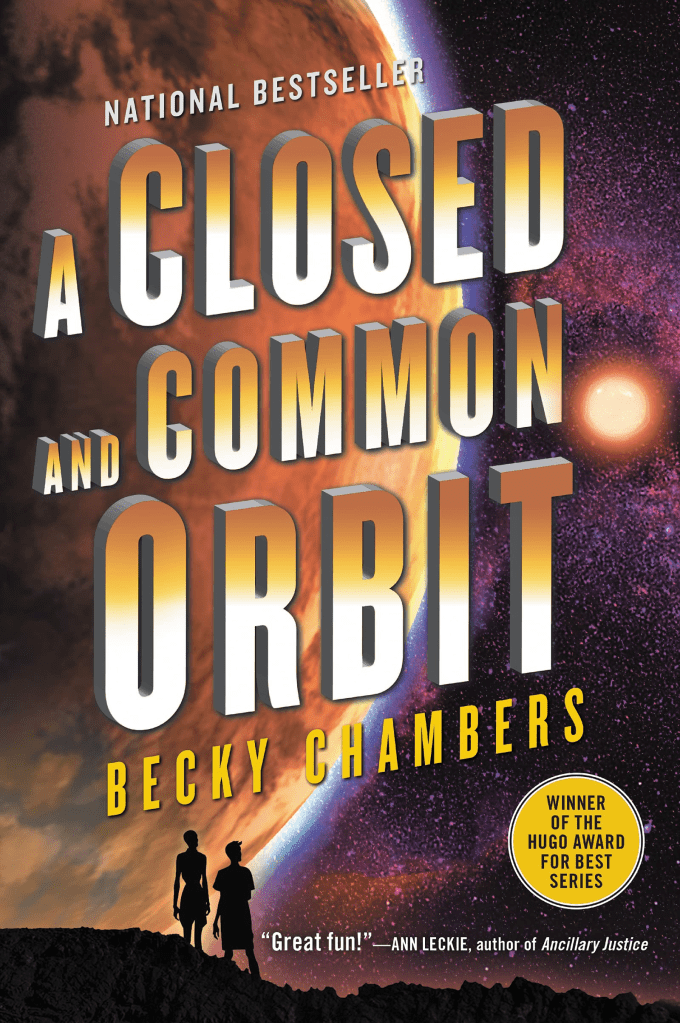
A Closed and Common Orbit (Wayfarers, #2) – Becky ChambersLovelace’s journey of having a body, separating herself from her old identity, and being a part of the sapient world mirrors much of the eager excitement of Debut.

“I Am The Fly” – Wire

All the cool people like Wire. I’m not saying that to assert that I’m [snaps fingers] hip (that alone proves that I’m really not). It’s more that if you rattle off any creative, clever band from the past three to four decades, they all name Wire as an influence–Sonic Youth, R.E.M., and Soundgarden are just a handful of people touched by their music, and you can hear their genealogy in grunge, hardcore punk, and even Britpop. (Heavy on the Britpop. See Elastica’s “Line Up,” one of several songs that Wire took Elastica to court over claims of plagiarism.) Want proof? How about Wire playing with Jon Spencer and St. Vincent back in 2015? See what I mean? They’re the great uniters. All the cool people like Wire.

For all intents and purposes, Wire left their more punk sound behind with Pink Flag (see “12XU”), trading it for a minimalist, synth-dominated sound on Chairs Missing. To my ear, it sounds like the musical equivalent of brutalism; to the touch, every texture is rough as concrete, but every edge is sanded down to absolute straightness. Graham Lewis’ thick bass dominates the sound, rippled through with guitars, handclaps, and a wall of synth so dense that it becomes more percussion than the actual drums. I can’t help but hear some leftover punk not in the sound, but in the lyrics. Houseflies don’t sound particularly punk at first glance (nor does Graham Lewis’ apparent thing for writing about winged insects on this album)—they’re more for being stepped on by a pair of massive docs than the subject of a song. But yet, this simple animal becomes so deeply punk: “I am the fly in the ointment/I can spread more disease than the fleas/Which nibble away at your window display.” At its core, punk is has always been about disruption, whether that’s in the abrasive quality of the music or grating against the establishment. A fly is a fundamental nuisance, a tiny speck of a creature that, as the song says, spreads disease so easily, ripping up the threads in the fabric of something pristine and perfect. No matter how many swings you take at them with a flyswatter, they always come out, reproducing rapidly…just like disease, and just like resistance. Even with the dry intonation of the lyrics, it reads to me as a deeply proud song, a finger crossed behind the back and a smirk on the face as the time bomb counts down its last second. It’s a promise, and it’s a declaration of purpose: disturbance.

…AND A BOOK TO GO WITH IT:

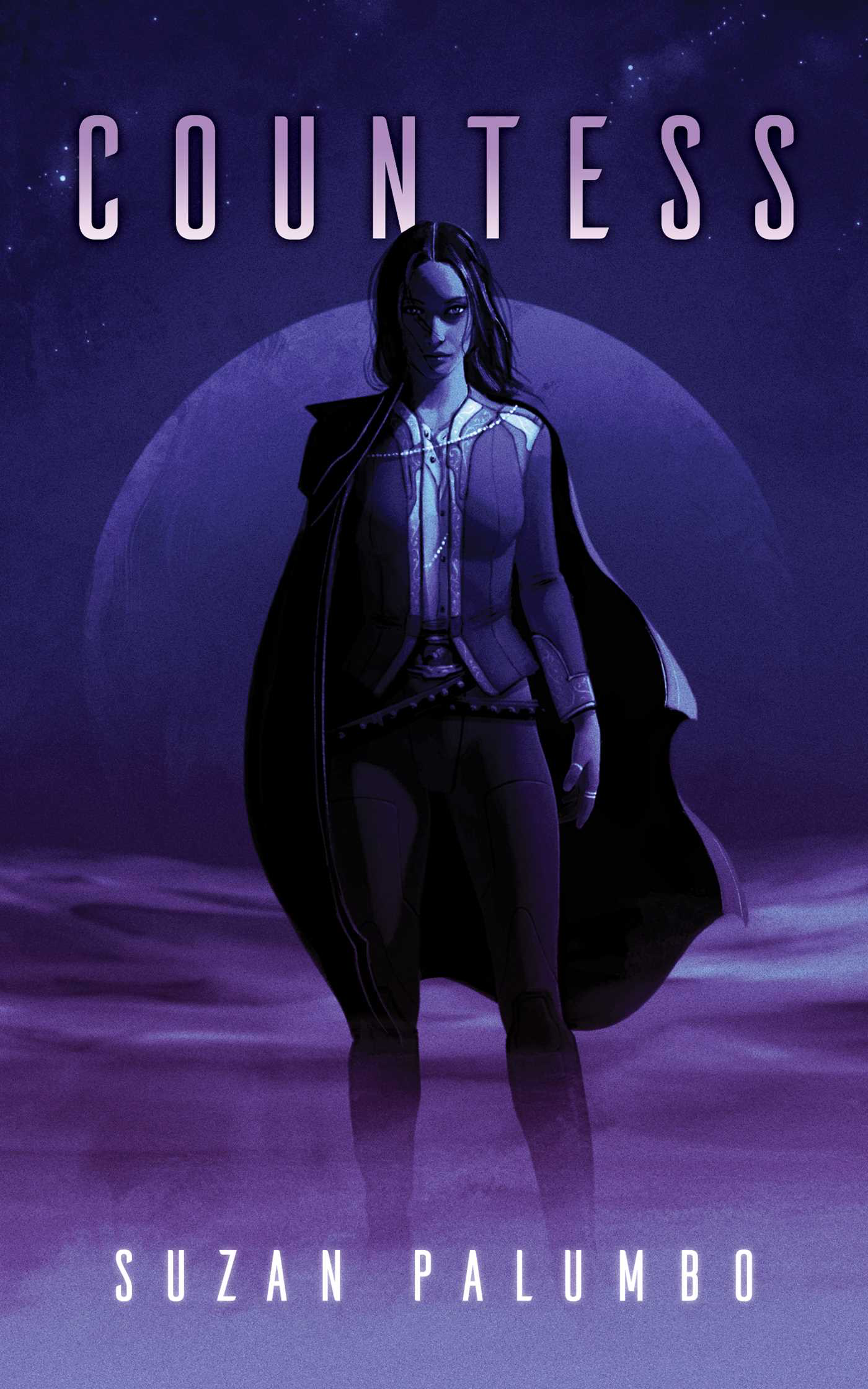
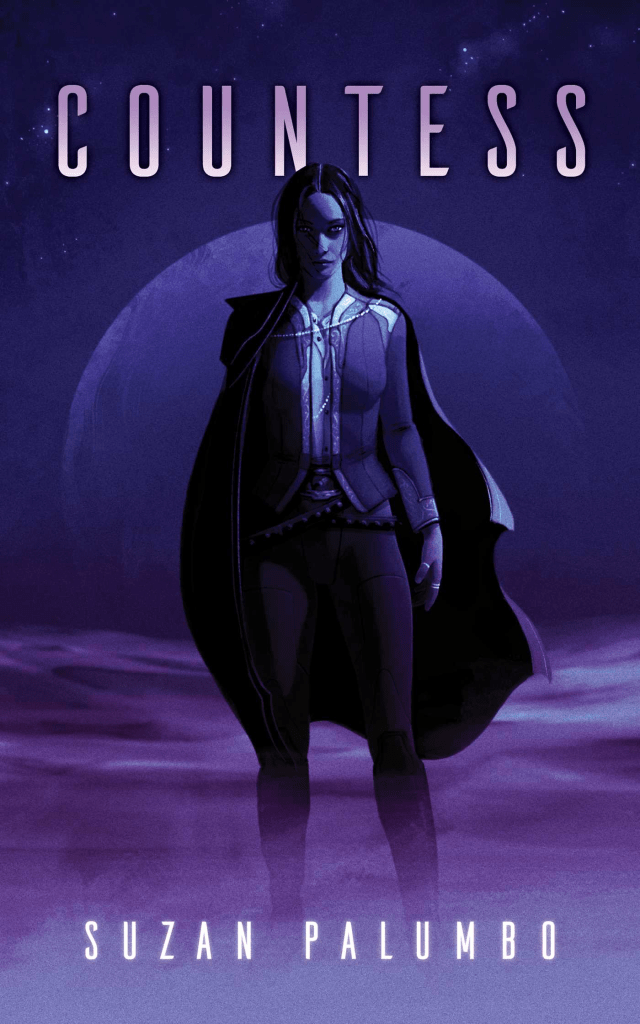
Countess – Suzan Palumbo“But there’s an air-pellet hole/I can crawl through to you/I am the fly in the ointment/I can spread more disease than the fleas/Which nibble away at your window display…”

“Frontrunner” – Horsegirl

See my review of Horsegirl’s new album, Phonetics On and On; bottom line, I LOVE HORSEGIRL. WE ARE BETTER FOR THEIR EXISTENCE.

…AND A BOOK TO GO WITH IT:

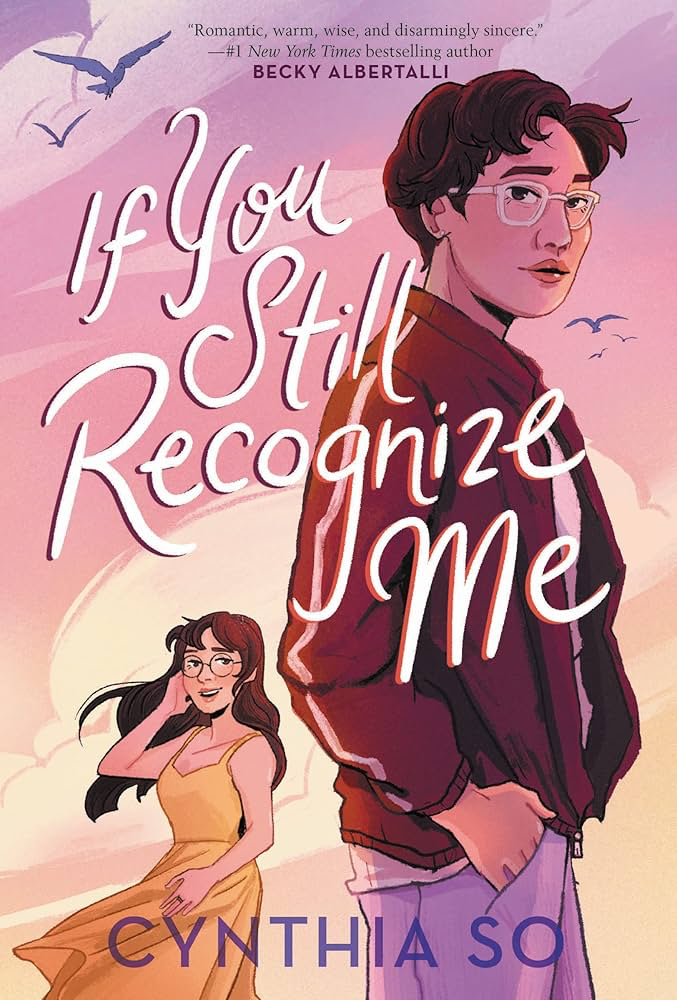
If You Still Recognize Me – Cynthia So“In the morning, when you’re sleeping/I can’t wait and I can’t wait to compromise…”

“Amelia” – Cocteau Twins

How does it feel? How does it feel for those of you with the right names to share a name with a Cocteau Twins track? For all of the Loreleis, Amelias, Beatrixes, Ivos, Carolyns, etc…do you realize how lucky you are?

Out of all of the Cocteau Twins songs I’ve heard, “Amelia” is one that embodies their general qualities the most, taken almost to an extreme. Regardless of whether or not I could hear the lyrics even if they weren’t nonsensical, they’re sunken so deep into the production that they become a kind of fog-like mist. The unmoored, bass-less flow of the track reminds me of something off of Victorialand, a record where bassist Simon Raymonde was notably missing. Liz Fraser’s vocals are as textural as ever, uttering a whole menagerie throat-fluttering bird calls amidst a barrage of gated reverb that descends upon you like the patter of heavy rain on a windshield. Next to some of their other tracks, it feels slightly less cohesive—the intensity of the gated reverb, reverb’d into high heaven as it is, doesn’t completely mesh with the airiness of the vocals or the other instrumentation. Somehow, it’s almost comforting—the Cocteau Twins stand out to me as a band who truly found their niche and stuck to it, digging in their heels to make that niche as unique and them as possible in the most artistic and adventurous way. Weirdly, it comforts me that it took them time to get their rhythm down, and even then, their earlier steps still blow me away. “Amelia” certainly does—the sheer variety of vocal styles that Fraser layers over one another is proof that even on a record that the band famously hated, their nascent talent couldn’t help but shine in its own way.

…AND A BOOK TO GO WITH IT:

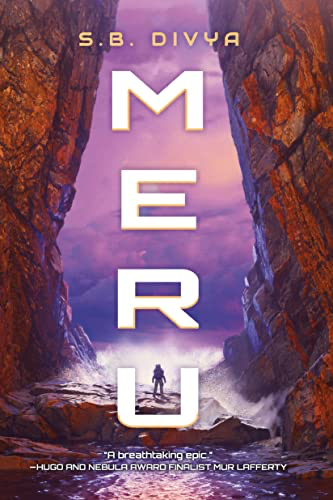
Meru – S.B. DivyaI can only imagine that the experience of being a god-like Alloy and floating in space sounds something like the Cocteau Twins.

Since this post consists entirely of songs, consider all of them to be today’s song.

That’s it for this week’s Sunday Songs! Have a wonderful rest of your day, and take care of yourselves!
Posted in Monthly Wrap-Ups

January/February Wrap-Up 🚍

Happy Friday, bibliophiles!

Man, time to do wrap-ups? Barely, but I have some time on my hands and there’s nothing I love more than organizing my reading stats into bulleted lists, so why not? (The only reason I’ve been able to make this many posts this week is because most of them were started several weeks prior, but I digress.)

The past few months have been strangely calm, if you set aside…well, everything that’s been going on lately. I don’t think I have to explain. I’ve been working really hard to try and be as levelheaded as I can in the face of all of these crises. Levelheaded and hopeful. Neither of these mean ignorant bliss to me—I’m continuing to speak up when I can, read what they don’t want us to read, and put my money into places that respect my existence. (wink wink, nudge nudge…hope everybody who was financially able participated in the economic boycott today! 😉) Miraculously, this semester has given me the space to work at practicing that—I’ve had a lot more free time (almost an alien concept after last semester), so I’ve been working at putting my energy into what counts, mainly being creative and feeding my soul. I finished the first draft of book 3 in the sci-fi trilogy I’ve been working at since I was 16 (!!!!!!!!!!). I’ve tried to take up knitting. (Unsuccessful so far, but I’m trying to keep at it), and I’ve tried to draw and read when I’ve got the time. That, and getting on the mining grind in Minecraft and being paralyzed as Severance consumes every waking thought I have. GOD, what a show. All this is to say that this isn’t a straight journey—I’m by no means a master at being levelheaded and balancing work with creativity, but I’m trying to learn from my mistakes. All you can do is try.

JANUARY READING WRAP-UP

I read 15 books in January! In the gap between winter break and the start of the spring semester, I read some fantastic books, from whimsical graphic novels to classic sci-fi hijinks.

2 – 2.75 stars:

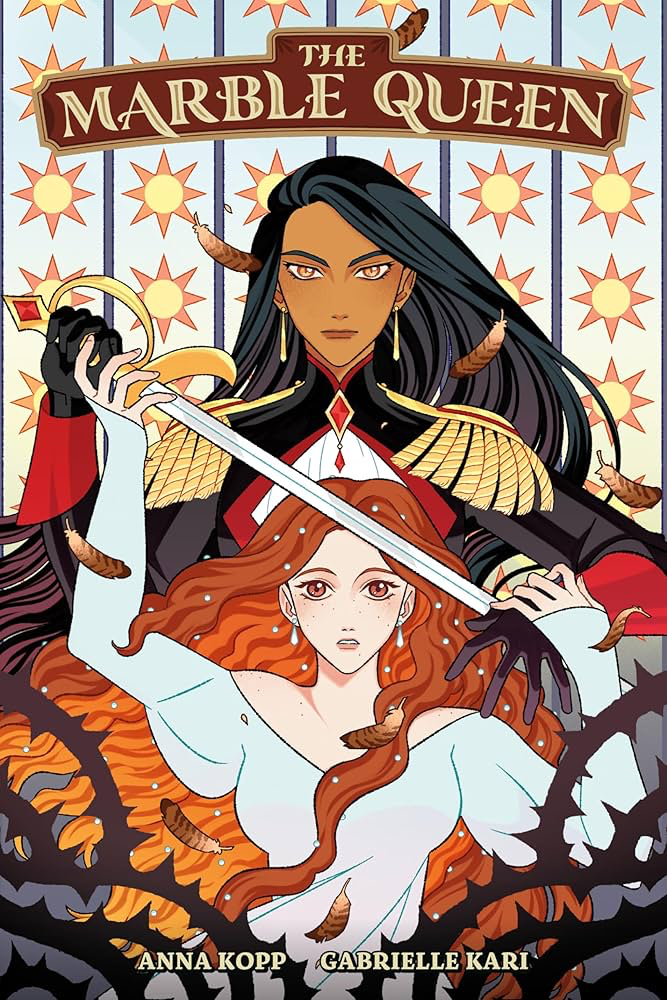
The Marble Queen

3 – 3.75 stars:

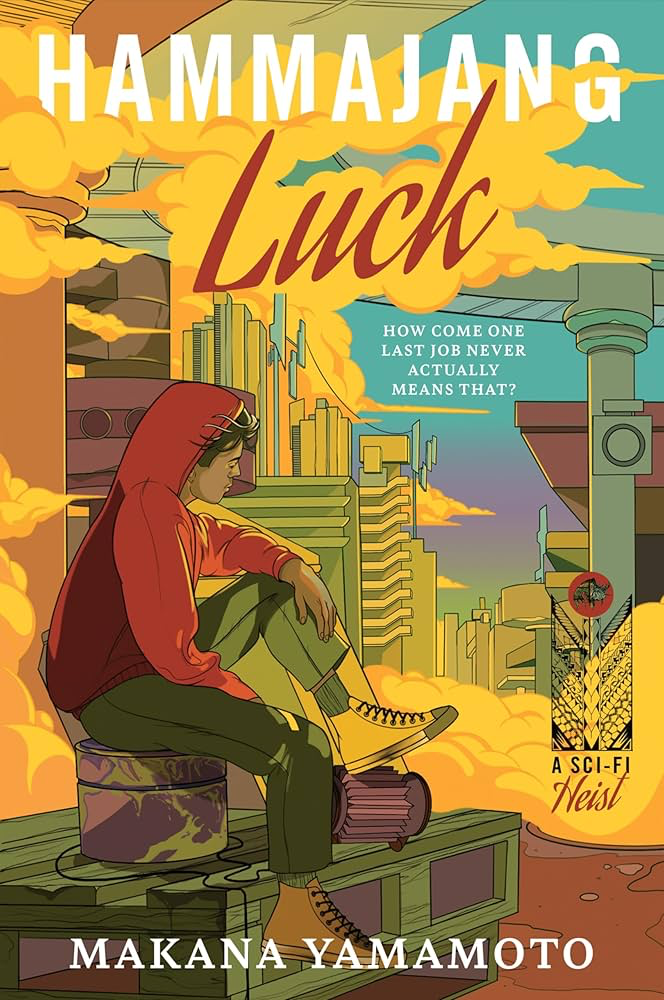
Hammajang Luck

4 – 4.75 stars:

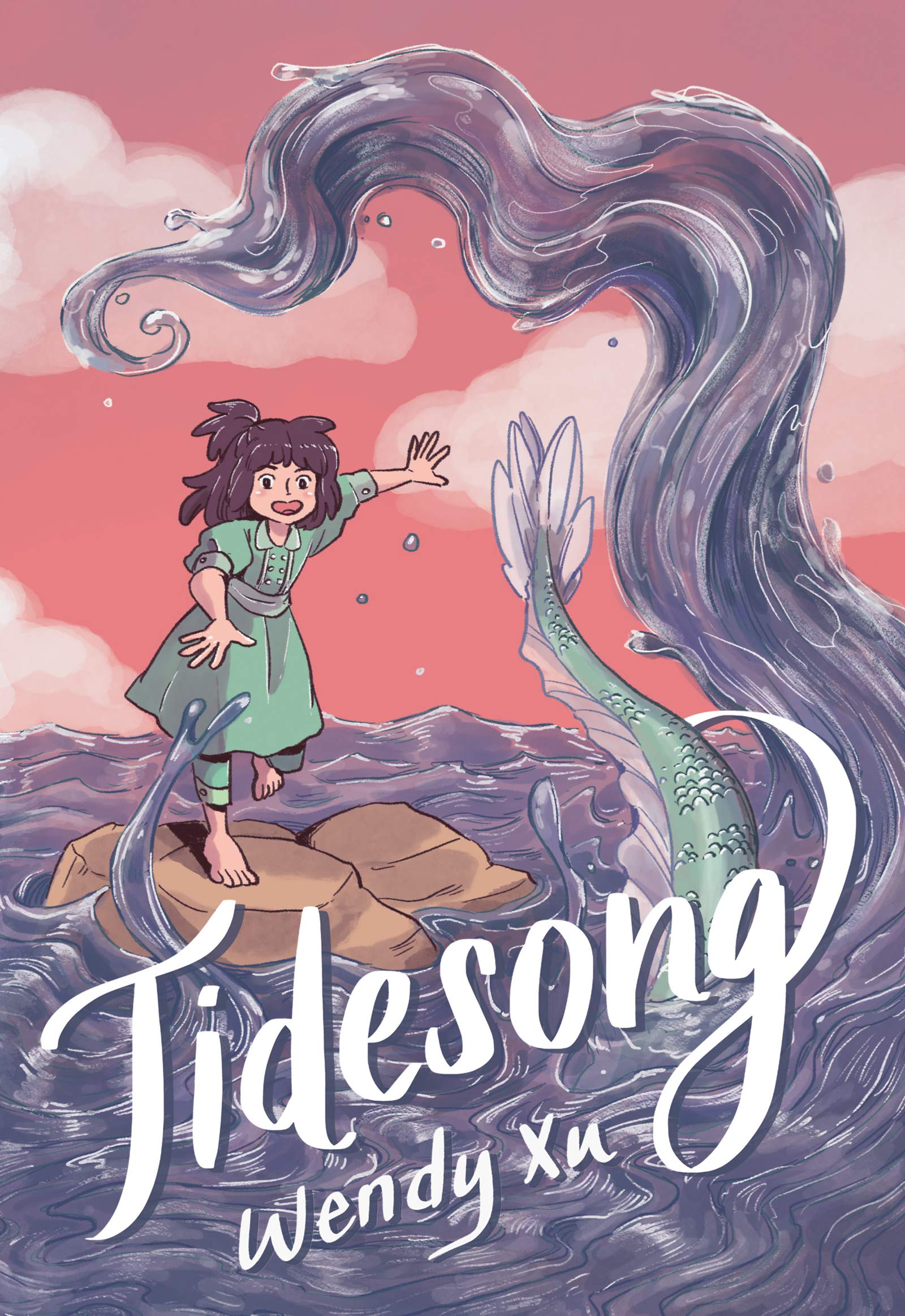
Tidesong

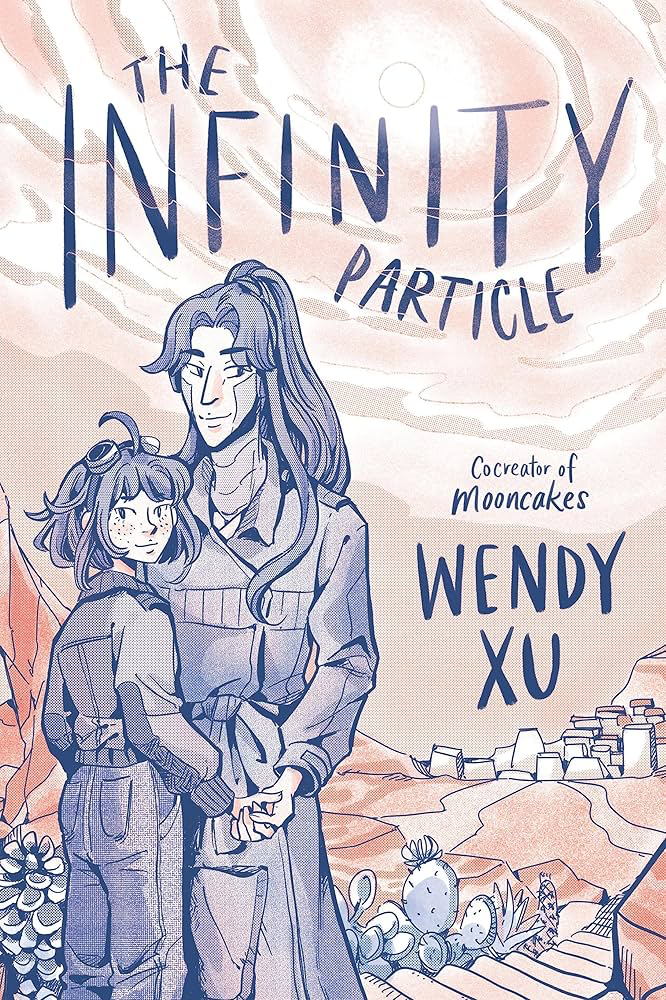
FAVORITE BOOK OF THE MONTH: The Infinity Particle – 4.5 stars

The Infinity Particle

REVIEWS:

BONUS:

SUNDAY SONGS:

FEBRUARY READING WRAP-UP

I read 13 books in February! This month was slightly slower (and shorter, obviously) than January, but I was able to read several books that I’ve been excited to get around to for months! As I usually do, I focused more on Black authors for Black History Month, and discovered some great books and authors as a result.

2 – 2.75 stars:

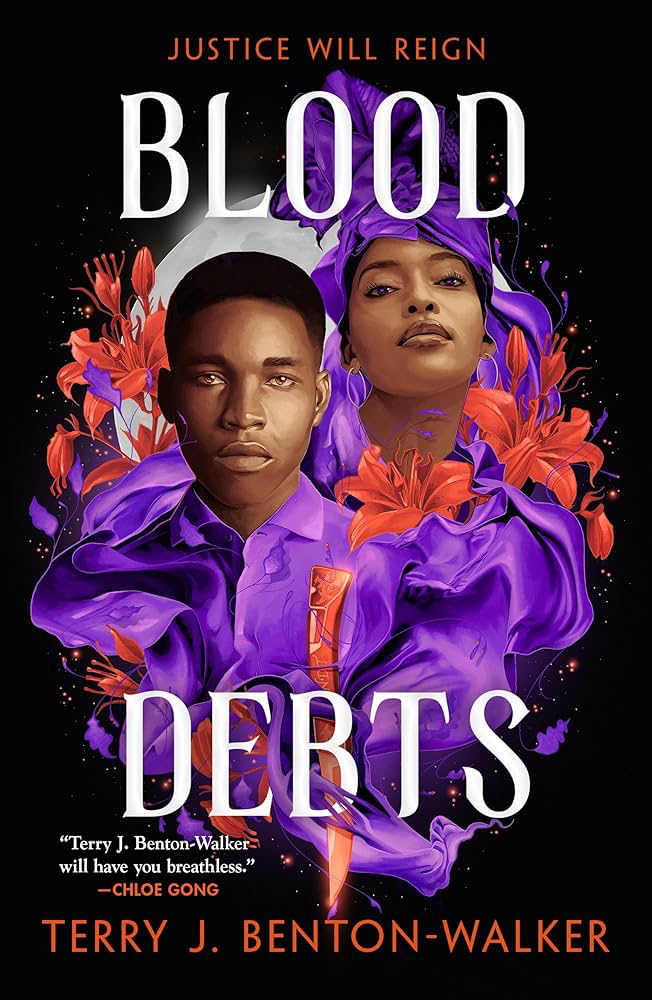
Blood Debts

3 – 3.75 stars:

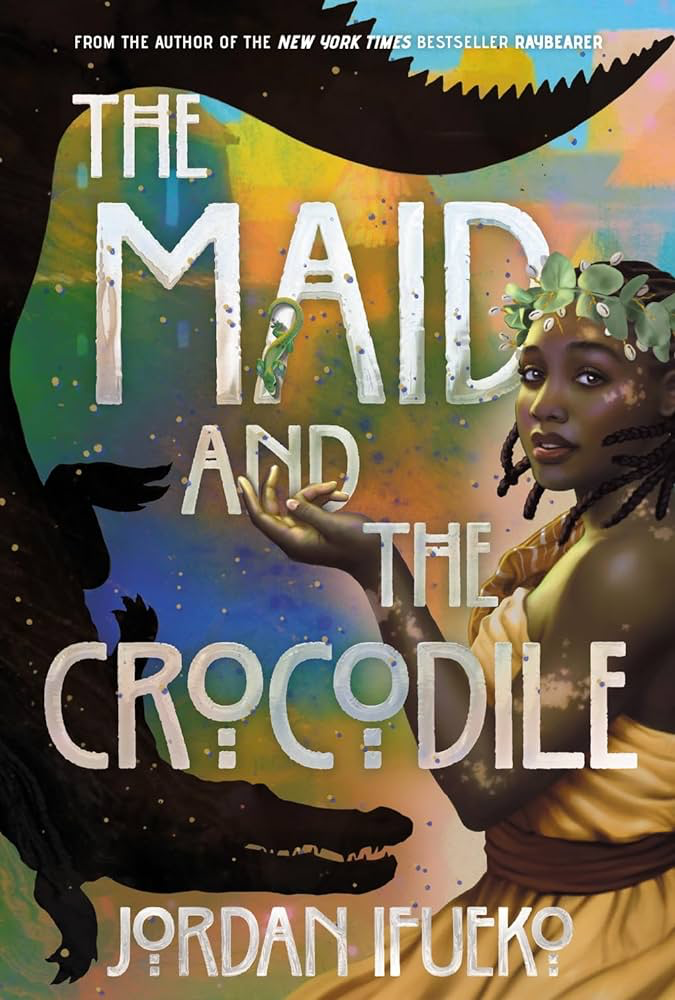
The Maid and the Crocodile

4 – 4.75 stars:

How to Be an Antiracist

FAVORITE BOOK OF THE MONTH: All About Love4 stars

All About Love

REVIEWS:

BONUS:

SUNDAY SONGS (+ more music stuff)

BONUS:

Today’s song:

DEBUT AAAAAAAUGH DEBUUUUUUUT

That’s it for my wrap-up of January and February! Have a wonderful rest of your day, and take care of yourselves!

Posted in Music

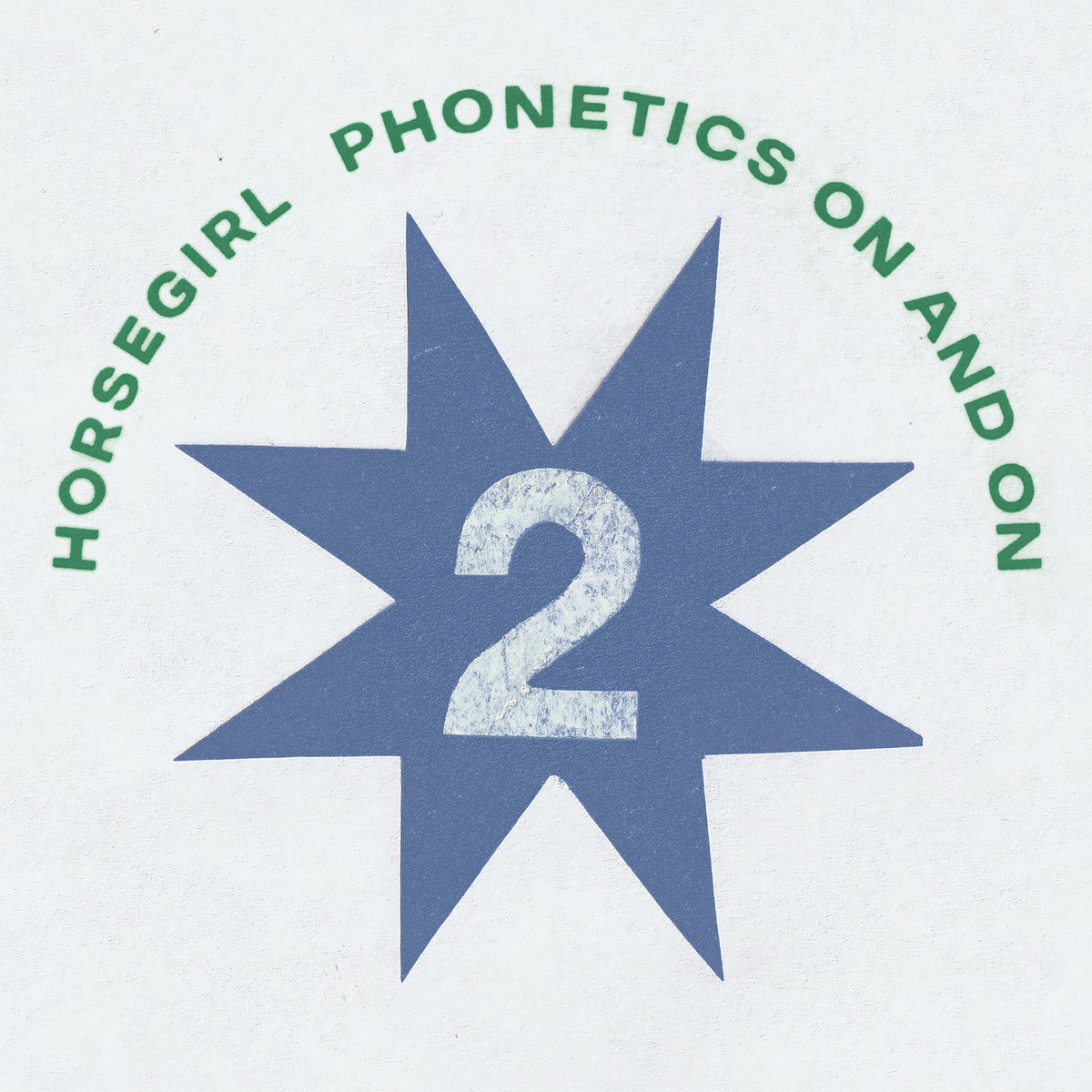
Phonetics On and On – album review

Happy Thursday, bibliophiles! Finally had time to do an album review…unprecedented…

I first fell in love with Horsegirl in my senior year of high school. Back then, they were afloat on a handful of singles and on the cusp of a debut album. By the time Versions of Modern Performance came out, it was the soundtrack to the summer before I went to college. Their clever, endlessly creative style, informed by the ’70s and the ’90s in equal measure, enchanted me—it felt like almost nothing like what many other musicians of their generation were putting out. Along came 2024, and the promise of something somehow even better was on the horizon: a new Horsegirl album, produced by Cate Le Bon and recorded in The Loft, the famous (at least to me) Chicago studio owned by Wilco. What could go wrong? Almost nothing, as it turns out—Phonetics On and On is proof that the playful, inventive spirit of Horsegirl lives on, and that it’s beginning to mature into something spectacular.

Enjoy this album review!

PHONETICS ON AND ON – HORSEGIRL

Release date: February 14, 2025 (Matador Records)

TRACK 1: “Where’d You Go?” – 8/10

Just shy of two minutes long, “Where’d You Go?” is a song that lives up to the band name—the propulsive beat has the urgency of a racehorse speeding down a track. Drenched in tight, Feelies-esque (crazy) rhythms, it kickstarts the album with a jolt of sparking energy. Gigi Reece’s drumming has the lightning-fast patter of rabbit’s feet against the dirt, while the dueling voices of Nora Cheng and Penelope Lowenstein tug the track in two directions, a short leash that snaps to allow for a crayon’s scribble of a guitar riff to burst in at the 1:12 mark. The frenetic energy is a remarkable bridge from their work on Versions of Modern Performance to this album—vestiges of their earlier compositions, but the beginnings of a divergence into musical maturity. That’s how you start an album.

TRACK 2: “Rock City” – 7.5/10

Reining in the freewheeling energy of “Where’d You Go?”, “Rock City” mellows the album into the pace that much of the rest of Phonetics On and On settles into. It’s odd to have a more transitional track by only track two, but that feels like the function of “Rock City” is to me—it’s one of the weaker songs on the album, but nonetheless great; it serves to weave together the fluctuations in energy from track one to many of the others. That being said, it’s not a bad song by any stretch of the imagination. With its pastoral imagery and catchy, upbeat stillness, it’s the perfect track to relax the unbridled momentum of the opener. Cheng’s lighter vocals give it a gentle levity, while the sudden jumpstart in structure at 3:16 ensures a recurring theme on the album—you can’t be lulled into a false sense of security, because Horsegirl always has something up their sleeves.

TRACK 3: “In Twos” – 8/10

Initially, “In Twos” wasn’t a standout track for me. The slow pace didn’t bother me, but it didn’t grab me like many of the other tracks did. Yet the more I listen to the lyrics, the better it gets. Horsegirl are masters of crafting emotion from simplicity; much of Phonetics On and On was inspired by their collective experience of uprooting from Chicago to New York City to go to school at NYU, and the isolation of coming of age and moving to a new city. You can feel that understated alienation all over “In Twos,” a slow, wistful recollection of how “every car that passes by drives to you” and “your footprints on the street, they walk in twos.” It’s almost resentment, but feels to me more like a familiar feeling: watching people live normal lives as an outsider. The Rolling Stones-like repetition of “and I try” reminds me of that aching, to want to be accepted and feel normal and live a traditional life, but knowing that you’ll never fully mesh with them, and that life has a different destiny for you, no matter how hard you try to fight it.

Oof. Definitely got me there. Horsegirl lures you in with the “dadadadadada”s and then boom. ALIENATION! Seriously, this is starting to become one of the more impactful tracks on the album.

TRACK 4: “2468” – 8/10

Reviewed on Sunday Songs, 12/1/24 – a fascinating first taste of the album—Feelies worship, weird violins, Wes Anderson quirks, and above all, weird talent.

TRACK 5: “Well I Know You’re Shy” – 8/10

Picking up the pace that “2468” jumpstarted, “Well I Know You’re Shy” is just about the most Velvet Underground love song I’ve heard since Lou Reed tapped Moe Tucker to sing “After Hours.” I realize it’s hyperbole, but I can’t help but see the DNA woven between the two. Composed of old-timey phone cords and shyly open windows, it presents a love song that could only happen between two sharply-dressed Wes Anderson characters. Punctuated by Nora Cheng’s clean guitar riffs, it talks of a romantic looking out their window wishing to “sing for you/I wanna sing like I do/out your window,” continually rueing the fact that “what happened out there/I wish it was me.” There’s no tormented confessions of love or on-your-knees begging for a kiss, but a precocious, simple wish: “What happened out there/Well I know you’re shy/If you’ll listen to me/You’ll know I want to say hi.” I hesitate to call it childlike, but it has a doe-eyed purity to it that makes it so charming.

TRACK 6: “Julie” – 8.5/10

Reviewed on Sunday Songs, 12/29/24 – a glimpse into Horsegirl’s emerging introspective side, proof of their untapped ability to tap into tender emotion.

TRACK 7: “Switch Over” – 9.5/10

Reviewed on Sunday Songs, 2/2/25 – still the brightest, catchiest, and really the best song on the whole album.

TRACK 8: “Information Content” – 8/10

This is one of the brightest songs on Phonetics On and On, and I don’t mean that in intelligence—listen and you’ll understand. “Information Content” glows with the blinking spirit of a glass lightbulb. The brightness comes in no small part from how jangly they go with the guitars on this one—in between Reece’s soft drumming and egg shakers, Cheng’s voice is allowed to be so cheerful and airy, even when the lyrics might as well be crossing items off a grocery list or striking a day from the calendar. That’s the power of Horsegirl to me (Horsepower?)—they dredge so much playful joy from the mundane and ordinary, making a trip to the kitchen into a spring-stepped skip. There’s something about “Information Content” that feels distinctly Wilco to me as well—it seems that the influence of The Loft rubbed off on them. (How could it not?) At 2:58, the guitar solo kicks in, but gets crumpled into tinfoil chaos just as quickly; it’s so prickly and collapses in the blink of an eye, and I can’t help but be reminded of Nels Cline’s improvisations and swift-fingered touch to his guitar playing, or even the way that Glenn Koche’s drumming descends into madness during “Via Chicago.” Of course, nobody can come close to that level of masterful insanity (especially on their second album), but I can hear the influence loud and clear—and I love it.

TRACK 9: “Frontrunner” – 8.5/10

The last single to be released before the entire album came out, “Frontrunner” lies in the same vein as “Julie”—a slow-paced, more instrospective side to Horsegirl that’s unafraid to strip down to more raw, spare elements. On the composition, the band said that this gentler track was born after “[I] had just had a really terrible, emotional day…and Nora and I were like, ‘OK, we should just play guitar today, you need to do something.’ And we wrote that song together.” It’s so simple, yet so heartwarming to me that such a tender song came out of ordinary moments that we’ve all shared with friends; Even before I knew the context behind it, “Frontrunner” rang proudly as such a distinctly friendship song to me, and I loved it for just that. For me, it embodies another kind of college feeling, the post-freshman feeling of realizing “oh my god, I’ve got friends?” and that realization powering you through the day that you have so many new, wonderful people to share your life with who are only an arm’s length away. The repetition of “I can’t wait/And I can’t wait/And I can’t wait” is filled with a wistful, anticipatory glee despite the slower tempo of the track, but the happiness on the horizon is what made it such a winner for me. A frontrunner, if you—[gets dragged off the stage by a comically large cane]

TRACK 10: “Sport Meets Sound” – 7/10

Horsegirl claimed that they’re mostly finished with the “joke titles” that composed most of Versions of Modern Performance (“Rock City” is allegedly the last of its kind), but…if this isn’t the most Versions of Modern Performance title I’ve ever laid eyes on…

Taking cues from the more laid-back tone of “Frontrunner,” “Sport Meets Sound,” contrary to the speed that the title implies, eases the album close to hitting the brakes. With a steady, marching band-like drumbeat from Reece and strings of “dadadadadada’s” aplenty, it doesn’t do a whole lot to distinguish itself from the other tracks, in the grand scheme of Phonetics On and On; like “In Twos” and “2468,” it’s lyrically twins with “Rock City” (see the “Young man sickened by the sight” refrain), but unlike those two, it doesn’t stand out as much as the former two do. But if that’s a weaker Horsegirl song…man, I’m so impressed with their output, because even at their weakest, they can make a truly catchy indie rock song, and that’s just what “Sport Meets Sound” is. It’s a transitional song to the end, and it works perfectly as such.

TRACK 11: “I Can’t Stand To See You” – 8/10

Sliding in to give Phonetics On and On a final spark of momentum, this track lifts the smile of the album at large, a peppy victory lap that unites all of the best aspects of the album at large. The jangle-o-meter has been calibrated so much that it’s broken, the spring in their metaphorical step is even springier, the “da-da-da-da-da’s” unfurl out before you like a promising scroll. The lyrics become playfully self-aware both of the song’s status as an album closer: “Do you want to go home now?/The night’s almost through.” Yet with a sly wink, they promise that they’ve got more up their sleeve: “Just another walk around the block now.” It feels more like a closing theme to a children’s TV show than a closing track to an album; It declares that there’s one more bout of carefree fun to have before Horsegirl has to say goodbye. In a way, it’s a thesis of the album’s spirit: so aware of itself that it becomes a blast, and so carefully constructed that the joy is an integral part of the process.

I averaged out all of the ratings for each track, and it came out to an 8.1! Without a doubt, Phonetics On and On is set to become one of my favorite albums of the year…and it’s only February. Horsegirl bring a welcome, much-needed dose of free-spirited yet tightly-constructed craft into their art and to the world, piling catchy melody after catchy melody for a record that sees them maturing into fledgling artists, yet never denies the play that is central to their ethos. I’d go so far as to say that we’re all better for the joy they bring to their music. I know I am.

Since this post consists entirely of songs, consider all of Phonetics On and On to be today’s song.

That’s it for this album review! Have a wonderful rest of your day, and take care of yourselves!

Posted in Book Review Tuesday

Book Review Tuesday (2/25/25) – When No One Is Watching

Happy Tuesday, bibliophiles!

I’ve had my eye on When No One Is Watching for a few years now. I’m not typically a thriller fan, but the concept intrigued me, despite the consistently mediocre to low ratings on Goodreads and The Storygraph. Alyssa Cole is a new-to-me author, and I figured I would give her book a try. However, I’ve come out of it with a mixed bag and uncertainty as to whether I’ll read more of her books in the future. When No One Is Watching had an excellent premise that it only halfway delivered on, but was still entertaining and timely in the end.

Enjoy this week’s review!

When No One Is Watching – Alyssa Cole

Sydney Green has called Brooklyn home for her entire life, yet her childhood is quickly slipping through her fingers. Her neighborhood, which was once home to a diverse group of homeowners, is quickly beginning to be gentrified. Condos are springing up where her neighbors once lived, and her Black and brown neighbors are being driven away one by one. Sydney suspects that something is amiss, and that there may be something more insidious to the gentrification of her neighborhood. With the help of Theo, her well-meaning neighbor, Sydney seeks to uncover the truth of her neighborhood’s fate, but what she finds may be even more sinister than she could have ever imagined.

TW/CW: racism, misogyny, gun violence, murder, loss of loved ones, police brutality, kidnapping

First off, When No One Is Watching is an incredibly timely thriller, and having a thriller surrounding the themes of gentrification is genius. When you strip past the apathy the general American population has of living not just on stolen land, but land that has driven its people of color into the worst possible conditions, it really is a frightening reality to live with. Even if the gentrification of neighborhoods itself isn’t some grand conspiracy, as it partially is in this novel, it’s a no-punches-pulled look at what’s happening to neighborhoods all over the country. Adding in snippets of social media doesn’t always work in books, but weaving in the neighborhood groupchat into When No One Is Watching also served to add a critical piece of the puzzle: that a lot of white people in such situations are so easily willing to dismiss any kind of racism if it doesn’t affect them, even if it’s happening in their own backyard. With an unflinching pen, Cole examines all of the aspects of gentrification, from its history to its current iterations, making for a thriller grounded in a real source of fright.

There are plenty of scary scenes in When No One Is Watching, but the fact that Cole mines the horror out of Syd being in an Uber and her driver driving her away from her destination should tell you something about where this novel lies. That particular scene is at the beginning of the book and isn’t the scariest thing that happens, but man…Cole is excellent at squeezing the horror from very grounded, real events. With the exception of the more sinister twist at the end, this novel creeped me out because almost everything that happened was real—its horror drawn from the realities of racism, misogyny, and gentrification. I can’t speak to this personally, but it felt like the inherent horror of being a marginalized person in the United States, but specifically of being a Black woman, a group that this country has historically done everything in its power to silence and oppress. It really gives weight to the expression “truth is stranger than fiction”—in this case, truth is scarier than fiction. That’s where Cole finds the fear, which made When No One Is Watching so effective in its brand of suspense.

However, a lot of the realism that came through in the suspense aspect of When No One Is Watching was deadened somewhat by the excessive use of modern internet lingo. I don’t mean the AAVE at all—that part was great, and I’m glad to see more of it integrated into literature, because there’s no need to cater to white audiences anymore at this point (and there’s many conversations to be had about how twitter/tiktok/etc. slang has subsumed AAVE so quickly and stripped it of its original meaning). No, I’m talking about the very millennial-sounding, tweet-ready one-liners that many of the characters dole out to make the story “funnier.” (Whew. Lots of hyphens in that sentence, even for me.) If I hadn’t seen the quote “I need you to channel the confidence of a mediocre white man” on at least 10 different t-shirts, stickers, and tweets, it would’ve been funny. About half of the humor in When No One Is Watching lands, but the other half is about the same as this: quips that have been circulated on the internet for at least a decade that could’ve been funny years ago, but have gone so stale that they’ve lost all novelty, originality, and more importantly humor. Again, I liked that When No One Is Watching was able to balance levity with some of the more thriller aspects, but it would’ve tipped the balance even more if more of the humor was original. Even five years after this book’s release, it was so easily dateable. Give it another five, and it’ll be painfully dated.

What hindered When No One Is Watching the most, however, wasn’t that: it was the pacing. It was just odd. When the suspenseful moments came, they were appropriately suspenseful, but there was so much middling around in between these moments for the first 75% of the novel that I started to question whether or not I was reading a thriller. But once the big twist comes in, it’s when I was about 80-85% of the way through the book—and the entirety of the big reveal, the climactic final battle, and the resolution were crammed into only about 15% of the book. It was whiplash-inducing, but not in a way that a thriller should be. Thrillers aren’t my go-to, but for more thriller/horror movies, I like when I have some breathing room between the suspenseful/scary moments (see: Alien, Nosferatu). When No One Is Watching theoretically had that down pat, but where it suffered was that the breathing room was rarely interesting. Other than the fantastic commentary on racism and gentrification, the plot between the suspense was just boring. I didn’t care much for Syd and Theo’s romantic subplot, I didn’t care for them randomly running around and ultimately discovering very little. So much of it could have been condensed in order for the climax to not feel like being chucked out of a bus window and onto the highway—not in a suspense way, but in a wild pacing way. Big reveal, shootout, resolution, and bam, it’s all over…in about 30 pages, tops. As with the humor, there needed to be balance with the plot—more suspense spread out through the novel, and more room to process and mine into the commentary of the climax.

All in all, a thriller with sharp, relevant commentary on racism and gentrification that excelled in its suspense, but was dragged down by uneven pacing and humor that dated itself far too quickly. 3 stars.

When No One Is Watching is a standalone, but Alyssa Cole is also the author of several other novels for adults, including the Reluctant Royals trilogy (A Princess in Theory, A Duke by Default, and A Prince on Paper), the Off the Grid trilogy (Radio Silence, Signal Boost, and Mixed Signals), The Loyal League trilogy (An Extraordinary Union, A Hope Divided, and An Unconventional Freedom), and many other novels.

Today’s song:

That’s it for this week’s Book Review Tuesday! Have a wonderful rest of your day, and take care of yourselves!

Posted in Sunday Songs

Sunday Songs: 2/23/25

Happy Sunday, bibliophiles! I hope this week has treated you well.

This week: British women dominating rock music for decades, American women giving the gays what they want, and Thom Yorke’s seeming inability to make a bad song since 1995.

Enjoy this week’s songs!

SUNDAY SONGS: 2/23/25

“Long Snake Moan” – PJ Harvey

Finally, finally, I’ve listened to a full PJ Harvey album! Took me long enough. Me and my arbitrary rules for listening to albums that I break half the time. Anyway. To Bring You My Love? I know this is the most vague descriptor you could give for an album, but it truly ROCKS. So many of these tracks embody the raw power that rock n’ roll can have. Not just that, but it feels like a love letter to the rich ancestry of the blues in rock n’ roll. Even without as much background knowledge of the blues, you can just feel the grimy, grungy crawling with threads of DNA in the history of blues in every growl that Harvey lets out. The desperation and wayward storytelling of “To Bring You My Love” and “Teclo” could’ve been fragments lost in the American south from decades before Harvey released the album. It feels to me like an example of the enduring power of any kind of music—here we have a white British woman in the mid-’90s taking inspiration from music from the ’20s-’40s made primarily by Black people all the way across the ocean, here in the States. Who would’ve thought.

One caveat with me saying that the album rocks: it’s got a relatively slow tempo, and we don’t get into the real guitars-going-crazy rock for a few songs. “Long Snake Moan” is one such song, and it knows it—Harvey’s sly “mmm-hmm” before the guitars slam into you like the brunt force of an avalanche is more proof of a smirk than a visual could ever be. She knows she’s about to absolutely wallop her listeners. And “Long Snake Moan” is one of the most enduring songs on the album. The title is a nod to Blind Lemon Jefferson’s “Black Snake Moan,” and though the sound differs, the desire of it is what fuels both; Harvey recalls a lust so all-consuming that “You’ll be drowning/Hell’s below, God above/All drunk on my love.” With every impassioned bellow, you can feel the ragged passion sloughing off every note, desperate yet distinctly conscious of its towering presence and power.

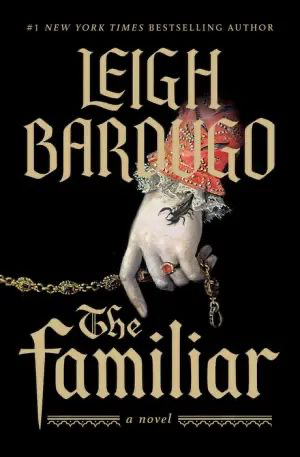
…AND A BOOK TO GO WITH IT:

The Familiar – Leigh Bardugo“In my dreaming/You’ll be drowning/Hell’s low, God above/All drunk on my love…”

“Ride” – The Vines

I was this close to calling The Vines Britpop, but as it turns out, they’re technically nothing of the sort. Not because of the sound, which very edges closer to the rockier side of Britpop, but because they’re Australian. I don’t want to risk the wrath of any Australians, so consider myself checked before I’ve gotten hypothetically wrecked. Oops.

Regardless of whether or not they wanted to hop on the bandwagon, “Ride” feels firmly between Blur’s grunge-parody-that-became-kinda-grunge self-titled album and Supergrass. (Craig Nicholls also kinda has that Britpop, bad-boy frontman look on lock. The bangs, the smolder…) And “Ride” is such an adrenaline rush of a rocker. Guitar tone? Heavy and clean in perfect balance. Vocals? Though Nicholls’ voice doesn’t stand out to me, that distorted scream in between the chorus reminds of the best of 2000’s rock. The art of the rock scream is a sacred one—a well-placed scream can make or break a song, and Nicholls’ is simultaneously put in the spotlight and tucked into the crashing rhythms of the chorus, a grungy accent that drives up the fuel-burning energy of the track. It’s got a rasp that’s perfect for just what it is—a headbangable, garage-y rock track begging for a flimsy stereo speaker to be blasted from.

…AND A BOOK TO GO WITH IT:

Victories Greater Than Death (Unstoppable, #1) – Charlie Jane Andersthe adrenaline-rushed, breakneck pace of this novel matches the reckless, rocking urgency of this track.

“Best Guess” – Lucy Dacus

This video is so cute and gay that I can almost ignore how annoying Cara Delevingne is…oh, no, wait, she’s caressing Lucy Dacus and hamming it up for the camera. Of course.

Either way, 2025 is shaping up to be an excellent year for music about tender love between queer women, between Send a Prayer My Way and everything that Lucy Dacus is putting out (aside from “Limerence”…oof). As much as Dacus’ emotional hard-hitters have a soft spot in my heart (was my 18-year-old brain permanently altered by the “Night Shift” belt? Perhaps), she makes tender, gentle love songs look easy. It rings similarly to her pair of Carole King covers (“Home Again” and “It’s Too Late”) from 2022, with the same slow rhythm and inner warmth; even with the fleeting mentions of over-the-moon obsession (“Tracing your tan lines/Making you mind/If this doesn’t work out/I’ll lose my mind”), it’s a very grounded, worldly kind of love song, in typical Dacus fashion. The first verse of the song centers around caressing the more physical aspects of her lover’s body, but it almost immediately professes that “I love your body/I love your mind/They will change/So will I.” So simply stated, but immediately after that, Dacus professes her undying love. That to me, feels like real love—appreciating your partner for everything that they are, impermanent as it may be. It shouldn’t be groundbreaking lyrical ground, and I don’t think it is, but it’s always refreshing when it comes up, with so many love songs focusing on youth and impermanent, surface-level qualities of people. Plus, “Best Guess” is just such a lovely, catchy song. That guitar riff at the end? Absolutely SUCCULENT. Waiter, more Lucy Dacus guitar work, please! Best-of lists are inevitably subjective, but you didn’t get named the 213th best guitarist of all time by Rolling Stone for nothing, queen! Plus, again…it’s gay. More music videos full of queer people AND queer people being happy, please!!

…AND A BOOK TO GO WITH IT:

Navigating With You – Jeremy Whitley and Cassio Ribeirosoft, tender, sapphic love…and bonding over manga.

“There, There” – Radiohead

It always comes back to Radiohead. I don’t talk about music videos as extensively as much as I do the songs themselves, but “There, There” has to be one of my favorite Radiohead music videos of all time. Maybe my favorite? Not sure. Directed by Chris Hopewell, it shows Thom Yorke, his movements edited to give the appearance that he’s a stop-motion puppet, wandering into a Beatrix Potter storybook; after peering into miniature houses hollowed into trees, he finds squirrels smoking pipes, a weasel riding a Penny-farthing, all manner of rodents having a feast, and a cat couple’s wedding ceremony officiated by a crow. Of course, Thom Yorke breaks the first rule of the Brothers Grimm (from which he and Hopewell drew inspiration for the video), that being “don’t steal the shiny clothes off of that ominous-looking tree.” You can imagine how well that goes for him. It goes contrary to the largely technological, dystopian aesthetic that has endured throughout Radiohead’s discography, despite their many changes in sound. Up until The King of Limbs, their music was rarely associated with such naturalistic imagery, but that kind of fairytale darkness, paired with the lyrics, makes for a different kind of eeriness than what they usually brew. It all makes the song’s alternate title, “The Boney King of Nowhere,” all the more fitting.

Now, the lyrics…”We are accidents waiting to happen?” WHEW. I always forget about that one…for a band that seems to churn out unforgettable lyrics at a concerning rate, even this feels like one of the most masterful lines they’ve ever come up with. Like the gleaming coat and boots that Yorke finds in the forest, “There, There” is a song of being tugged in a myriad of directions—likely all the wrong ones. In typical Radiohead fandom fashion, most people seem to be divided about what kind of temptation it’s specifically talking about—general religious, personal relationships, you get the picture. The emphasis on the personal pronouns—”I go walking in your landscape,” “We are accidents waiting to happen”—lead me to believe closer to the latter, though I and We can easily be other concepts. There’s an intoxication to “There, There,” a painfully magnetic urge to enter into something dangerous, something that will by all accounts destroy you, but the irresistible temptation remains: “There’s always a siren/Singing you to shipwreck/Steer away from these rocks/We’d be a walking disaster.” One part of you cries “Heaven sent you to me,” the other cries “We’d be a walking disaster.” The chorus of “Just ’cause you feel it/Doesn’t mean its there” is the perfect embodiment of keeping up the façade of devotion—or any kind of emotion that has such a sway that you’re convinced of its reality, even when it has no roots. The whole band makes this spectacle of temptation feel like a trek deep into the mouth of a cave; Phil Selway leans on the thumping of the tom-toms, creating a truly cavernous shell for the song, while the reverb on Jonny Greenwood’s and Ed O’Brien’s guitars echo as though confined by the same dappled walls.

I get so hyperbolic with Radiohead. God, I know I do. I swear that past a certain point (1995?), a good 75% of their songs are tiny masterclasses in how to be creative—how to craft an atmosphere, how to write a gut-punching lyric, how to make music that sticks.

…AND A BOOK TO GO WITH IT:

Someone You Can Build a Nest In – John Wiswell“Why so green and lonely?/Heaven sent you to me/We are accidents waiting to happen…”

“The World’s Biggest Paving Slab” – English Teacher

So listen. I haven’t seen Frank. The one with Michael Fassbender, right? I’ve been meaning to watch it for years, but I haven’t gotten around to it. Should this music video give me enough of an idea?

My entirely arbitrary album listening system Destiny has not yet decided whether or not English Teacher will end up being a band I actually get into, or if I’ll resign myself to going “oh, this song is GREAT” and put off listening to them for another three to five business years. They’ve only got one album, This Could Be Texas, so I really don’t have an excuse. It’s on the list, though. And that one album won last year’s Mercury Prize, so it has to be worth it—not necessarily by virtue of being award-winning, but beating out Beth Gibbons and Charli XCX isn’t exactly an easy feat, even for an award that seems to cater more to alternative artists. Either way, “The World’s Biggest Paving Slab” is proof that no matter what, some part of me will always be attracted to any kind of alt/indie rock coming out of the UK. Something must be in the water there. Or maybe I inherited the gene from my dad, who spent his high school days listening to Julian Cope. Probably both.

Even just from this glimpse, I can already see how much of an avant-garde sensibility that Lily Fontaine and company have; their chord progressions seem to slant ever so angularly, prickly and particular, until the chorus lets them dissipate like fog. The lyrics are a collage of people and curios from Fontaine’s hometown of Colne; being at university for four years gave her the space to look back on it: “witnessing the social, economic and political issues that exist around there in juxtaposition with the beauty of the landscape and the characters that live within in it.” “The World’s Biggest Paving Slab” evokes everything from banks to remnants of the witch trials and a far-right terrorist—a complex history within what, as far as I can tell, is an unassuming, rural place on the surface. Through Fontaine, Colne itself announces its presence as something to be “Walk[ed] all over,” yet also as something containing multitudes beneath the time-weathered stone, for those who care to notice. Fontaine’s vocals switch from airy in the chorus to spoken-word in the blink of an eye, but both ring equally as cries of complicated pride: “I am the world’s biggest paving slab/And the world’s smallest celebrity.”

…AND A BOOK TO GO WITH IT:

Lagoon – Nnedi Okoraforthe place couldn’t be further away, but it’s a similar concept united around the soul of a place—in this case, Lagos, Nigeria.

Since this post consists entirely of songs, consider all of them to be today’s song.

That’s it for this week’s Sunday Songs! Have a wonderful rest of your day, and take care of yourselves!
Posted in Book Review Tuesday

Book Review Tuesday (2/18/25) – Drown Me with Dreams (Sing Me to Sleep, #2)

Happy Tuesday, bibliophiles!

QUICK ANNOUNCEMENT: because I’m trying to divorce myself from Amazon as much as I can, I’m finally moving over from Goodreads to The Storygraph. From now on, my reviews will be available there @thebookishmutant.

I started the Sing Me to Sleep duology last year, and now that book 2 is out, I figured I would pick it up for Black History Month, but also so I could finally get some resolution! And I sure got a resolution…one that wasn’t as enjoyable as the first book, but nonetheless a twisty, romantic ending to a fantasy duology that balanced fun and social commentary.

Now, tread lightly! This review may contain spoilers for book one, Sing Me to Sleep. For my review of Sing Me to Sleep, click here!

Enjoy this week’s review!

Drown Me with Dreams (Sing Me to Sleep, #2) – Gabi Burton

Saoirse is on the run. Now that her siren identity has been exposed, she must flee to the other side of the wall that divides Keirdre from the rest of the world. Taking sanctuary with the budding Resistance, Saoirse discovers a world full of different species that Keirdre drove out of its kingdom, all waiting for the day that they can take back what is rightfully theirs. But tensions are brewing, and war is imminent. On the other side of the wall, King Hayes, her secret love, awaits, but do his loyalties remain with Saoirse? And will Saoirse be able to fend off the rising tides of war?

TW/CW (from Gabi Burton): murder, graphic violence, discrimination/segregation (fantasy), genocide themes, blood, descriptions of injury, imprisonment

You would think that a book that’s over 400 pages would have plenty of time to work out all of the wrinkles in the plot and the worldbuilding…apparently not. In a perfect world, Drown Me with Dreams would be a great second book in a trilogy, but in this world, it was a duology concluder that tried to do far too much. That doesn’t mean that it was bad by any stretch of the imagination, but it was certainly a step below Sing Me to Sleep.

Oops. I end up stumbling into books with startling relevance to the current climate, and oh my god, am I sick of using that phrase. But. Drown Me with Dreams does an excellent job of expanding on its themes of resistance, racism, and misinformation! Saoirse has now figured out that there’s a wide world beyond the walls of Keirdre that has been obscured by the racist regime in her home kingdom; now that she knows the truth, she’s exposed to a myriad of perspectives and has to do the work herself to deconstruct the lies she’s been fed all of her life. She meets dozens of new mythical species that have been respectively discriminated against by Keirdre, and finds out firsthand how many falsehoods that the ruling powers have upheld for decades. The simultaneous revelations and discomfort of Saoirse discovering the truth is such a wonderful thing for a YA fantasy book like this to explore—in the end, it’s up to us, in our varying experiences in the real world, to discover the truth about how our governments can shape (and mis-shape) the narratives we grow up on. I also love the themes of solidarity present—fantasy or not, I love that the kind of feminism that Drown Me with Dreams champions is the kind that holds celebrating individual experience and solidarity under shared oppressions in equal regard. It’s the kind of unity that I believe will push feminism forward, and it made for a powerful statement in Drown Me with Dreams.

Even though Saoirse and King Hayes were kept apart for the first half of the novel, Drown Me with Dreams had a great resolution to their romance! Was it classic, YA fantasy romance cheese? Yes. Was it good cheese? Absolutely. To paraphrase one of my high school English teachers, there’s a difference between gourmet cheese and “American cheese-food.” I’ve been a YA reader for quite some time now, and there’s a difference between cringeworthy cheese and high-quality cheese. Drown Me with Dreams falls into the latter category, 100%. There’s angsty angry-kissing aplenty, but it’s written believably. If anyone is looking to do slow-burn, enemies-to-lovers romance right, look no further. Saoirse and Hayes weren’t just given enough time to have their romance develop—the stakes of their forbidden love were built up for the whole series, and their chemistry together made for some high quality smoldering. It’s not trying to be enemies-to-lovers in the way that most BookTok fantasy books try and fail to do—Burton’s given us a well-developed romance you can root for, and it made Drown Me with Dreams a standout read in that department.

In my review for Sing Me to Sleep, I mentioned that the book’s main flaw was that it was juggling far too many characters. In that same review, I commended Burton’s ability to craft a rich, layered fantasy world. Both of those aspects collided in Drown Me with Dreams with disappointing results. In Drown Me with Dreams, we finally see the world beyond Keirdre, and it’s full of all of the creatures that Keirdre drove out—dryads, goblins, sprites, you name it. On the surface, I was so excited to see this aspect of the world, but two main issues arose. The first was that we were introduced to a truckload of characters, almost 80% of which had barely anything memorable about them other than the fact that they were from a “new” species. Some of them were slightly consequential, but only just. I had so much trouble keeping track of all of them, which definitely muddied my reading experience. The second problem was that all of this worldbuilding was crammed into a single book—with a kingdom and world this expansive, it needed at least another book to develop fully, which hindered how fleshed out the world ended up being, after all of these promises of it being fascinating and new. (Also, I get the point about racist narratives being made with the goblins, but…what was the reason for making goblins into glorified elves? Why did they need to be conventionally attractive?)

Which brings me to my second major gripe: this series should not have been a duology. Not only are we introduced to a staggering amount of worldbuilding that only amounts to a single book, the same goes for the plot. A full resistance movement, the tensions within said resistance movement, the looming threat of war from multiple sides, and the fallout from said monumental war are crammed into 424 pages…should be enough, right? Most of what I described only happens in the last 2/3rds of the book, and nothing gets nearly the attention it deserves. We get dragged along with a pointless red herring of a love triangle (only for Saoirse to end up with her main romantic interest and for the other guy to just DIE GRUESOMELY? I didn’t really care about the guy, but pour one out for Carrik), and all of the interpersonal conflict rarely lasts, only providing detours on what should’ve been a rich plot on its own. As with the worldbuilding. Drown Me with Dreams should have had at least one more book to expand on everything. It’s a case of Burton biting off far more than she could chew, to unfulfilling results.

All in all, a duology-concluder that didn’t deliver on its epic worldbuilding promises and rushed its climax to a dizzying degree, but delivered on its past themes and promised romance. 3.5 stars!

Drown Me with Dreams is the second and final book in the Sing Me to Sleep duology, which begins with Sing Me to Sleep.

Today’s song:

so uh guess who’s obsessed with the apple tv+ björk concert film

That’s it for this week’s Book Review Tuesday! Have a wonderful rest of your day, and take care of yourselves!
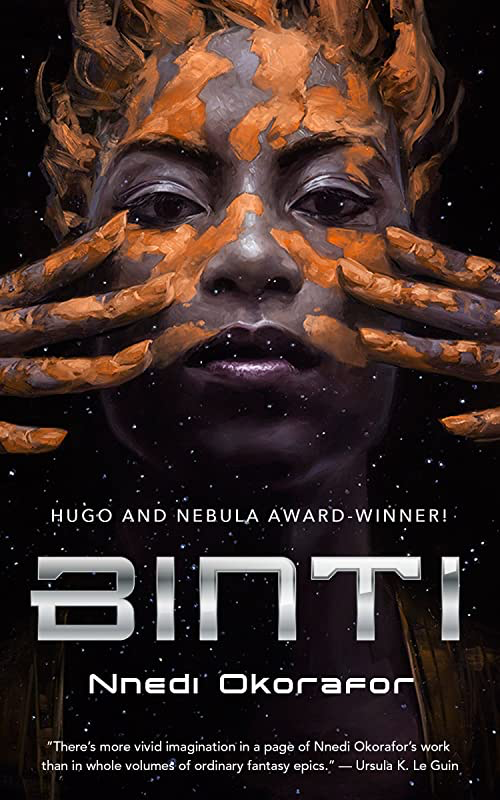
Posted in Sunday Songs

Sunday Songs: 2/16/25

Happy Sunday, bibliophiles! I hope this week has treated you well.
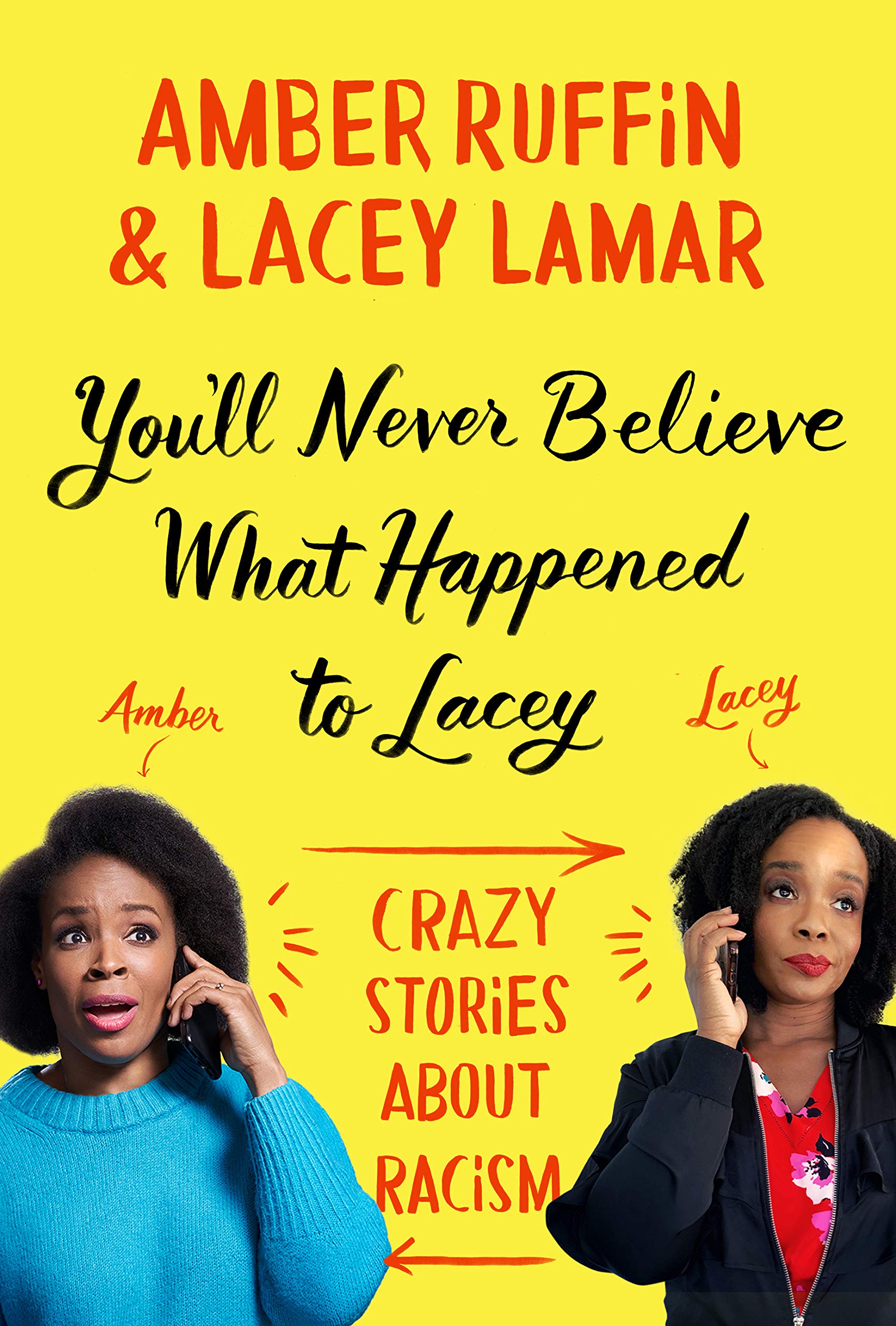
This week: We’ve got Paul McCartney and a song about a dog on the docket, but nowhere is “Martha My Dear” involved. Sorry, gang.

Enjoy this week’s songs!
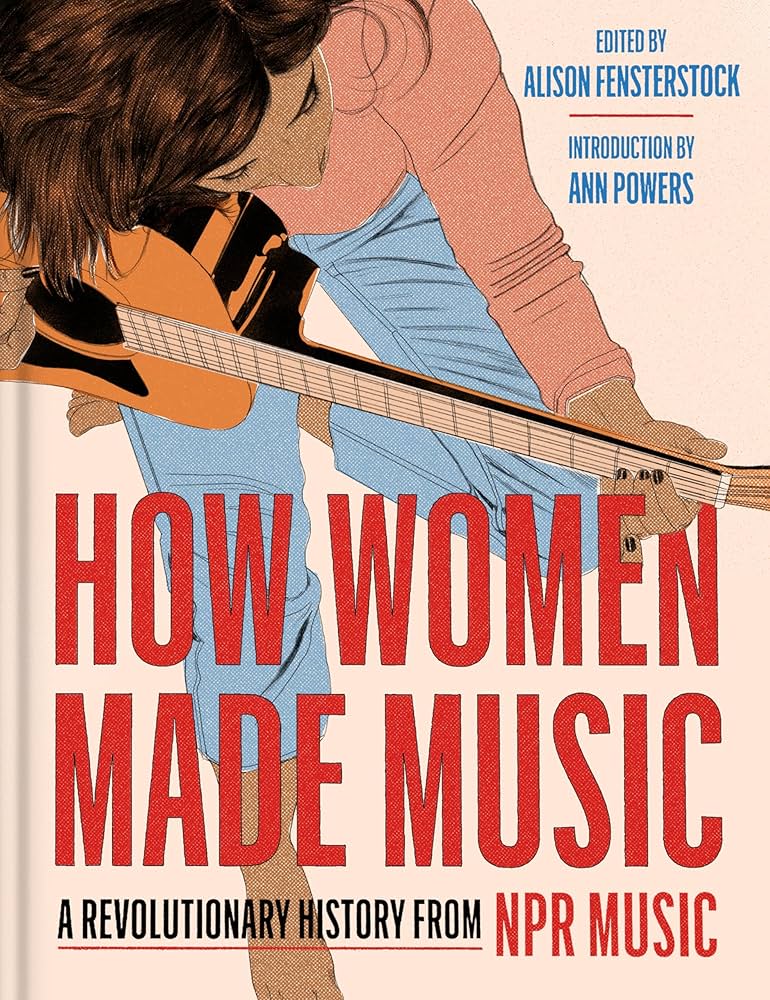
SUNDAY SONGS: 2/16/25

“Jimmy Fallon Big!” – Japanese Breakfast

Michelle Zauner jokingly referenced this song when posting about her recent appearance on the Tonight Show to promote “Orlando in Love,” the first (excellent) single from her forthcoming album For Melancholy Brunettes (& Sad Women). But before she got Jimmy Fallon Big, someone else tried to—Deven Craige, the bass player for her former band, Little Big League; Zauner wrote the song about how he split the band after his other band was, in his words, about to go “Jimmy Fallon big,” and decided to put his energy into that instead of Little Big League. The move left Zauner crushed: she told NPR in 2017 that “it felt like losing a brother, and there was this shame, feeling like I was never going to get there myself.” There’s truly something more than bittersweet about it—the passion she poured into every bit of the vocals shows a deep devotion to her former bandmate, and yet the resentment sloughs off of the chorus in relenting waves: “Why walk/When you can show up on time?” I mean, they’re on good terms now, but BURN.

I promise this segue will become relevant, but I recently listened to the first episode of Björk’s excellent Sonic Symbolism podcast, where she frequently refers to the history of music as a great tree with thousands of interspersed branches that connect and diverge from one another. Listening to “Jimmy Fallon Big!” is one of those 21st century moments where I can so clearly see the tree rings, the ancestry and lineage where an evolutionary branch broke off. Michelle Zauner has been crafting intricate, emotional dream pop for quite some time now (see: “Sit,” which I talked about back in July), but this track has the Cocteau Twins written all over it. It’s not just the warm, dreamlike drone of the instrumentals, but the way that said instrumentals obscure the meaning of the chorus almost completely. It makes the opening line of “We aren’t bound by law/We aren’t bound by anything at all” make all the more sense artistically. On the first few listens, I almost wondered if it was born from the same songwriting method that Fraser used to craft her nonsense miracles. Where they break off—besides having a clearer anchor tying the music down to earth, is how Zauner grounds the emotion; not many people can get to the level of Fraser, and I don’t think Zauner is one of them, but she’s got the clear talent of crafting the most elaborate musical smoke screen to cloak her misgivings.

…AND A BOOK TO GO WITH IT:

Radio Silence – Alice Osemanpainful secrets, fractured friendships, and a mysterious podcast.

“Uncle Albert/Admiral Halsey” – Paul & Linda McCartney

credit to @DannyVegito on twitter

Memes aside, shoutout to Paul McCartney and his joyous whimsy. I’m fully aware that I use the phrase “joyous whimsy” with the same frequency of congresspeople emailing you saying that you have a MIDNIGHT DONATION DEADLINE and it’s URGENT, and I don’t want to repeat myself, but I think the world needs more of it. And who’s got it? PAUL!
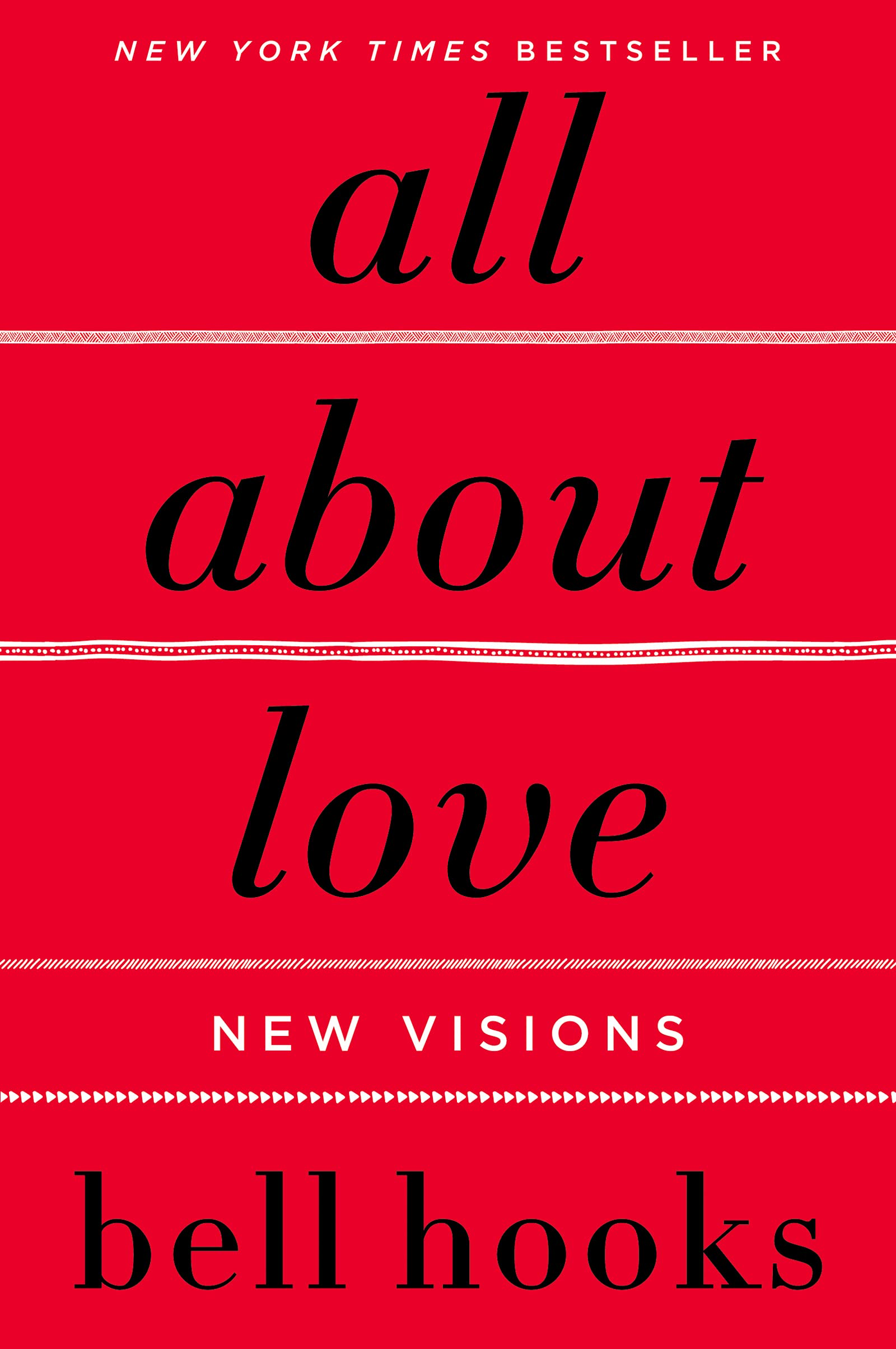
BUTTAH PIE!

BUTTAH PIE?

THE BUTTAH WOULDN’T MELT, SO I PUT IT IN THE PIE, ALRIGHT?

As far as Beatles lore goes, I feel like Ringo gets more of the credit for whimsy, and for good reason—the dude saw the other three tearing at each other’s necks and decided to write a song about an octopus. But as obnoxious as Paul got during a lot of those sessions, over the course of his career, he had a gentleness to his artistic soul too, and it showed in his songwriting.

“Admiral Halsey notified me/He had to have a berth or he couldn’t get to sea/I had another look and I had a cup of tea and butter pie?” C’mon. That sounds like something straight out of some 1940’s British children’s book with yellowing pages and inked illustrations. But uptight is the opposite of how McCartney and McCartney—Linda deserves the brunt of the credit for the sheer jubilation she brings to the “Hands across the water, Heads across the sky” refrain—delivers this song. Plus, the Admiral Halsey in question was loosely based off of an American admiral from World War II, and McCartney painted him as a stiff authoritarian who is “symbolic of authority and therefore not to be taken too seriously,” so it’s making him uptight just so you can stick your tongue in his face. It’s just so infectiously jolly. There’s an orange-hued, sunlit laughter to the whole bit. It’s got the warmth of reuniting with an old friend, or being back in some rose-tinted decade and sweeping your lover off their feet on the dance floor, particularly the “Admiral Halsey” section. It’s hard to think of a song so wonderfully carefree, in every sense of the word. Hands across the water, heads across the sky indeed.

…AND A BOOK TO GO WITH IT:

Tidesong – Wendy Xuhands across the water, as well as a hearty, healthy dose of childlike wonder.

“Falling to Pieces” – Faith No More

Hoooooowhee. Going straight from Paul & Linda McCartney frolicking through a field to Faith No More…I don’t think whiplash even begins to describe that. Well. Welcome to my shuffle.

Faith No More seem to have been on the fringes, even where hard rock is concerned, and it’s easy to see why even the freakier people weren’t as willing to embrace them—Mike Patton’s voice and their mishmash of rock and early hip-hop influences stand out immediately. As does the goofy video. The lyrics and subject matter are standard fare for any kind of alternative music of the time (“Indecision clouds my vision/No one listens/Because I’m somewhere in between/My love and my agony”), but everything else is just off the walls. Directed by Ralph Ziman, the video is the last thing you’d expect to match the song’s aesthetic—neon colors aplenty, Mike Patton in a bowler hat and some kind of clown suit for half the video, and enough fish that I imagine the storyboarding process went something like this. Patton’s distinct vocals rangefrom a nasally standard to a hint of the heights he’d later reach on “Midlife Crisis,” and they stand behind a bassline that holds all of the instrument’s resentment for being in the background for decades. Even in a subgenre that’s already weird, this is real weird, unpredictable, unabashed weirdness. Somebody needs to bring back green-screen goldfish back into hard rock.

…AND A BOOK TO GO WITH IT:

Shadow Speaker – Nnedi Okoraforthe lyrics are broad enough that I couldn’t narrow it down to a specific theme, so I added the mood—and came to this book, a bold, chaotic punch to the face.

“Sylvia” – Julien Baker & TORRES

On April 18th, I’ll have to show where my allegiance lies…Thee Black Boltz and Send A Prayer My Way come out on the same day. Well, okay. I’ve already decided. My allegiance is to Tunde Adebimpe, to the republic! But I’ll stagger my listening. The former has a priority over Julien Baker & TORRES, but I’ll give both a listen.

“Sylvia” is the second single Send A Prayer My Way, and it proves a valuable point: we need more good, wholesome songs about our pets. Why not write love songs for the little creatures that enrich our lives? I mentioned “Martha My Dear” earlier, but we need more songs about our furry (and not furry) friends, if you ask me. (See also: Jim Noir’s “My Little Cat”) TORRES takes the lead on this track, which recounts their experience with a foster dog and how a puppy can touch your heart in the way that only a puppy can: “anyone who has ever had the honor of sharing a home with a beloved pet knows that a pet is family—they’re the best friends you could ever have.”

They recalled an experience of taking Sylvia on the road and feeling as though they were truly meant to be. There’s something special about holding a puppy when you’ve just brought them home, and not just in the warm-and-fuzzy way. There’s an immediacy you feel, the knowledge that you’ve got a little heartbeat next to yours, a furry, helpless body that you’re suddenly in charge of. It really is a new member of the family, and one that you have the responsibility to protect. Puppies are exhausting—the time my boy Ringo slipped out of his collar, ran down the street, and evaded me for a solid five minutes before showing up on my porch with a shit-eating grin comes to mind. But “Sylvia” taps into that feeling of knowing you have more than a companion: “Haunted by all the goodnights that I’ve missed/Every time your cheek goes unkissed/A day for me is a week for you/And my life’s already halfway through/Tomorrow, today’s worries might turn out to be regrets…” It taps in to being conscious of your pet as something you can keep around for amusement, but a deeply ingrained part of your life, while retaining the simultaneous fear and joy of giving them all the love you can in their short lives.

And because we NEED a picture of sweet Sylvia…

BABYYYYYYYYYY

…AND A BOOK TO GO WITH IT:

The Book of Lost Things – John Connolly“Sylvia” had me thinking of fictional dogs—as far as books go, my first thought was of Boswell, David’s loyal dachshund that accompanies him on his adventures.

“Love Spreads” – The Stone Roses

Really and truly Severance-pilled rn…CAN WE TALK ABOUT SEVERANCE? The deepening of existing friendships and yet also the storylines of corporations driving a wedge in their workers to discourage them from solidarity? Unity…unions, perhaps? HELLY WOULDN’T BE CRUEL? SHAMBOLIC RUE? THE WORST MELON PARTY YET? A CHILD? PAPERCLIPS? THE TENDENCY OF CORPORATIONS TO SHOW PROGRESS AS MARGINALIZED PEOPLE SIMPLY SWALLOWED INTO THEIR SYSTEM? GOATS? THE—

Oh, wait, there’s a song here? ALL THE BETTER TO PUT INTO SEVERANCE

…AND A BOOK TO GO WITH IT:

A Song of Salvation – Alechia Dow “Let me put you in the picture/Let me show you what I mean/The messiah is my sister/Ain’t no king, man, she’s my queen…”

Since this posts consists entirely of songs, consider all of them to be today’s song.

That’s it for this week’s Sunday Songs! Have a wonderful rest of your day, and take care of yourselves!