Posted in Book Review Tuesday

Book Review Tuesday (7/2/24) – The WondLa Trilogy: A Re-Read Retrospective

Happy Tuesday, bibliophiles!

This is going to be different from my normal Book Review Tuesdays, as I’m reviewing an entire trilogy. Normally, that would be a tall order for a single post, but this trilogy is different. It’s a series that I read so often in middle school that even the teachers started to recognize the cover when I brought it in. It’s a series that has woven itself into the fabric of my life, just as Arius’ metaphor of time as a braided rope. It’s a series that inspired me to pursue writing—specifically writing science fiction.

In light of the new (and deeply disappointing) Apple TV+ series, I decided to re-read the series for the first time in six and a half years. Some novels you loved when you were younger don’t age well, but after I devoured all three books in the span of a day each, I can say that Tony DiTerlizzi’s WondLa trilogy has stood the test of time.

Enjoy this week’s reviews!

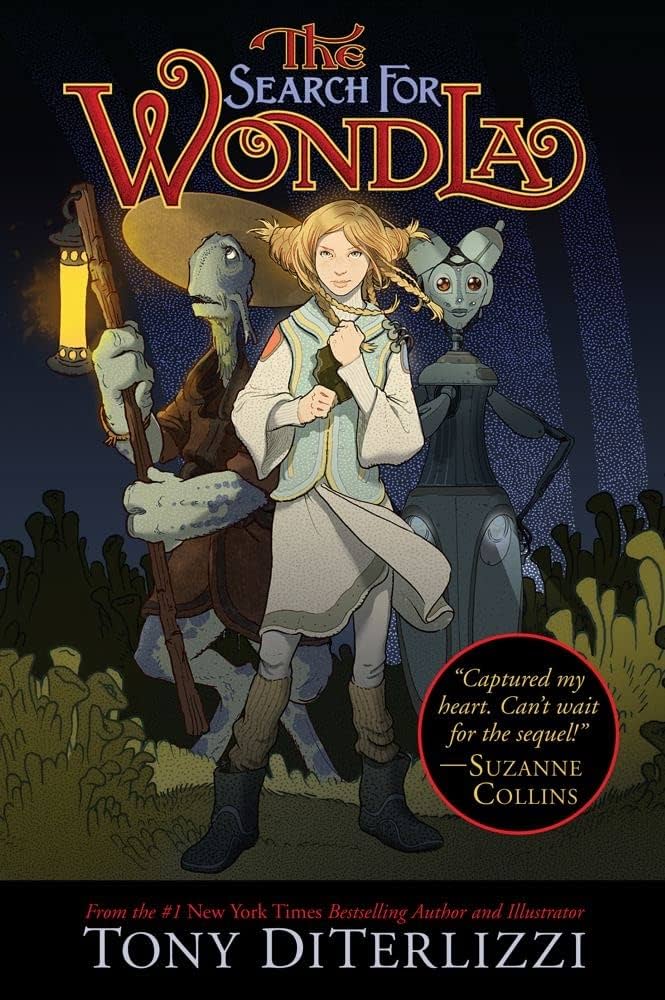
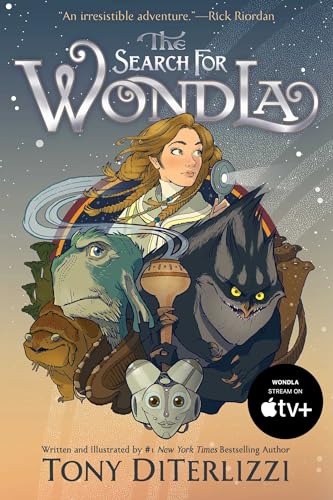
The Search for WondLa (The Search for WondLa, #1) – Tony DiTerlizzi
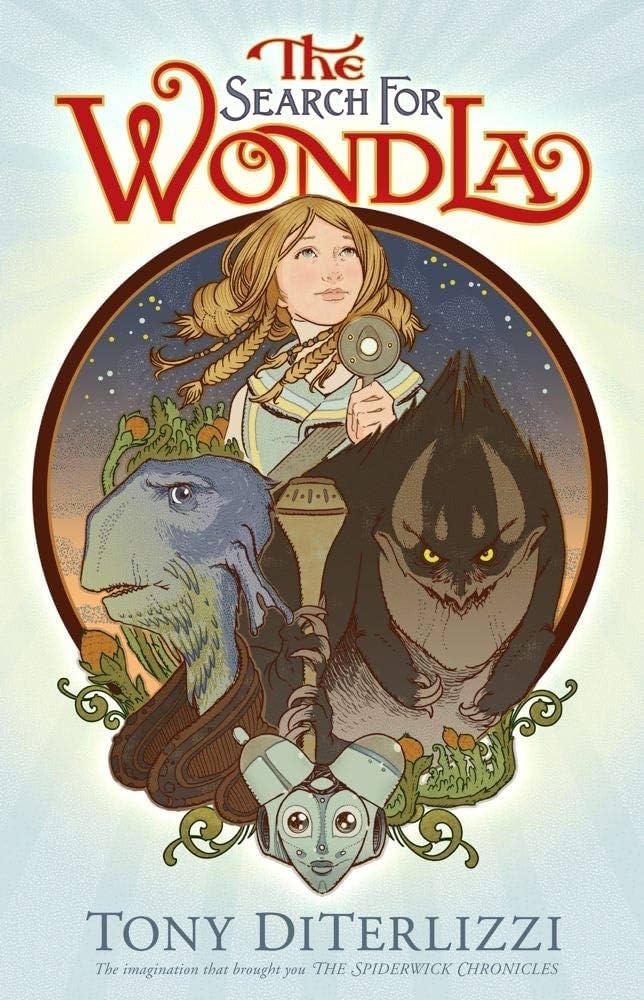
Summary from Goodreads:

When a marauder destroys the underground sanctuary that Eva Nine was raised in by the robot Muthr, the twelve-year-old girl is forced to flee aboveground. Eva Nine is searching for anyone else like her: She knows that other humans exist because of an item she treasures—a scrap of cardboard on which is depicted a young girl, an adult, and a robot, with the strange word, “WondLa.”

There definitely wasn’t an ulterior motive to me re-reading this series…totally not just to replace my reviews on Goodreads from 2016 (“OMG BEST BOOK EVER SQUEEEEEEEEEEEE but BIG FEELS”). Yeah.

The Search for WondLa is the reason why I decided that I wanted to write science fiction. It introduced me to a vast world of sci-fi literature that would become my favorite genre. It showed me a rich world full of bizarre, wonderful creatures and told me that I, too, had the power to foster such weirdness in my heart and bring it into the world. When I say that I don’t know where I would be without the WondLa trilogy, I’m not exaggerating in the slightest. Tony DiTerlizzi truly has, like Arius, given gifts to the world in the form of these novels.

The Search for WondLa coexists as a startlingly original piece of worldbuilding while also paying homage to a number of novels and stories—The Wonderful Wizard of Oz, of course, but also the older sci-fi that has inspired DiTerlizzi throughout his career, from Dune to Star Wars and others. There’s Jim Henson lurking in his fanciful creatures, Hiyao Miyazaki in his alien landscapes, and Ray Bradbury in his matter-of-fact, bombastic dialogue. On the subject of both Miyazaki and dialogue, what always cracks me up about this series (affectionately) is the various names DiTerlizzi gives to his characters and places. When I watched Nausicaä of the Valley of the Wind for the first time, my brother and I agreed that the long chunks of expository dialogue were all part of the hokey charm of the movie—it’s distinctly old sci-fi, and it’s so silly that it becomes charming. The same can be said for DiTerlizzi’s naming process…which is so unsubtle that it’s hilarious. Besteel? Surely he’s not a beast-like, predatory character. A fishing village by a lake? Can’t be anything but Lacus, right? Cæruleans? You’re not gonna believe what color these aliens are…but it’s WondLa’s charm. Intentional or not, these names might be one of the most faithful homages to the sci-fi genre.

Even if The Search for WondLa was the only book in the series, some of the character arcs are so expertly resolved within the span of a single book that it would be a satisfying standalone. Muthr’s may be the most clear-cut, but it’s nonetheless deeply impactful; her journey of battling with her own programming and beliefs and embracing the perilous, unknowable beauty of the natural world forms a key piece of the novel’s emotional anchor. She’s clearly the Tin Man, and although she can never fully adapt, by the end of her story, she has most definitely grown a heart. I think Rovender Kitt is the reason why I love the trope of gruff, older characters who reluctantly end up taking children under their wing on a fantastical journey. His development oscillates between heartbreaking and heartwarming in equal measure; Eva helped him remember to have empathy, and he, in turn, became the father figure that she never had. He never stops being gruff and sarcastic, but he rediscovers his caring core. The last few chapters of the novel are brutal for clear reasons, but Rovender’s breakdown, wracked with grief and survivor’s guilt, guts me every time. It’s a drastic shift from the Rovender we see at the beginning of the novel, but almost 500 pages is enough time for him to become the series’ epicenter of guidance and wisdom.

Part of my motivation to re-read the series was because of the Apple TV+ series (spoiler alert: it’s awful. They turned Eva into an adorkable Disney princess. Skip it.), but watching and reading them closely together made me realize what the show fundamentally gets wrong about the series: it’s weird, and it’s unafraid of being weird. All of the aliens have unique, truly otherworldly designs, with no punches held just because the target audience skews younger. Eva Nine is so far from perfect, even by the standards of young girls: her hair’s a mess, she doesn’t have a clue about surviving in the outside world, and yet confidently asserts that she can talk to animals, something that most would have left behind by the time they turn 12. But it’s all true! She’s unafraid of being weird, but that’s where her loneliness arises: she’s not just looking for humans, she’s looking for someone who understands the circumstances that molded her into the confidently strange person that she is…

Somebody hold me. No wonder I read this book to death when I was 12…

For its undeniable role in shaping the course of my life, 5 stars.

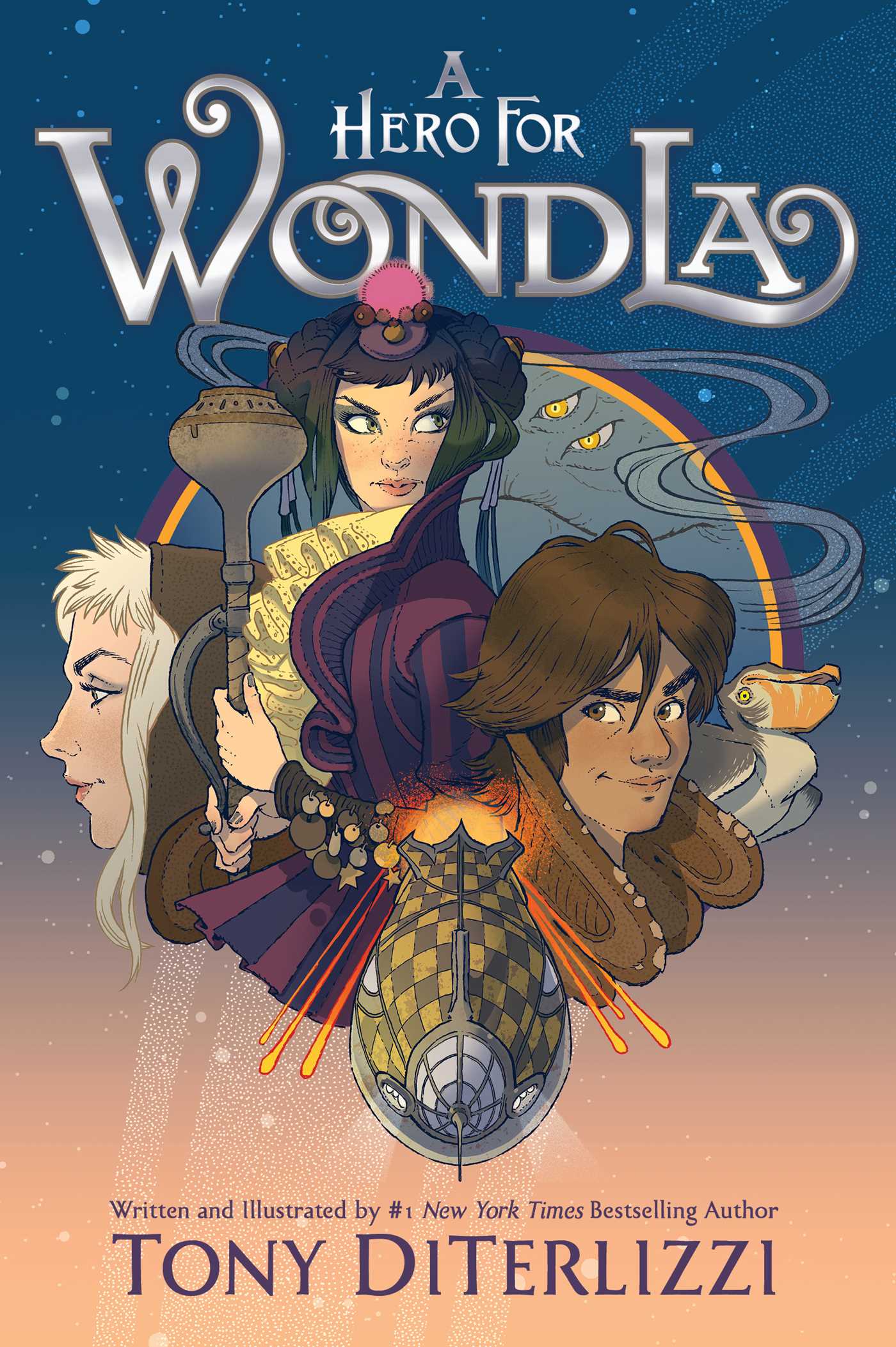
A Hero for WondLa (The Search for WondLa, #2) – Tony DiTerlizzi
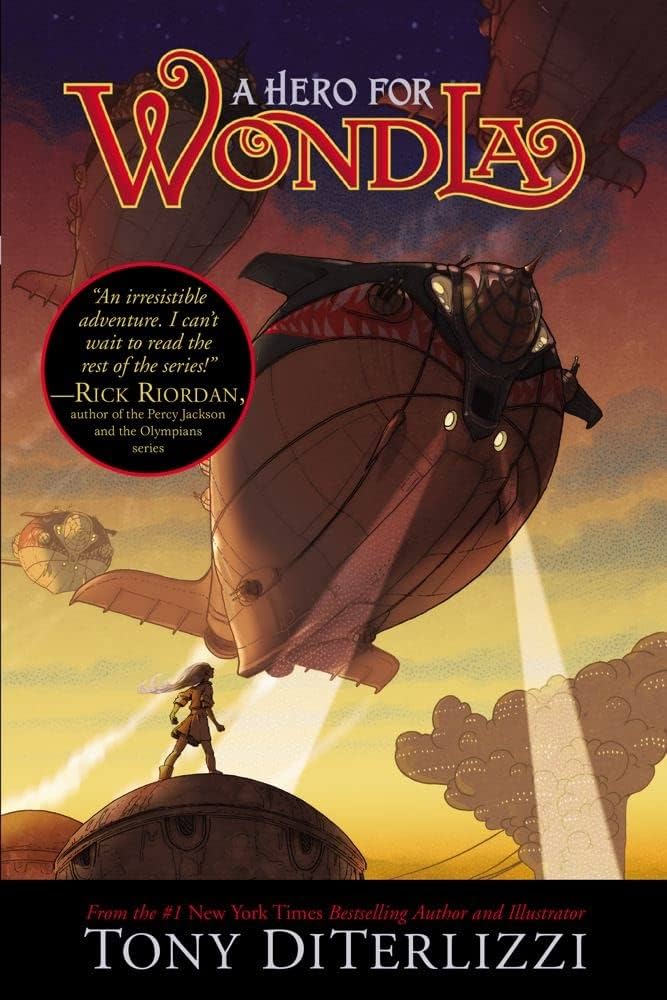
Summary from Goodreads:

Before the end of The Search for WondLa , Eva Nine had never seen another human, but after a human boy named Hailey rescues her along with her companions, she couldn’t be happier. Eva thinks she has everything she’s ever dreamed of, especially when Hailey brings her and her friends to the colony of New Attica, where humans of all shapes and sizes live in apparent peace and harmony.

But all is not idyllic in New Attica, and Eva Nine soon realizes that something sinister is going on—and if she doesn’t stop it, it could mean the end of everything and everyone on planet Orbona.

A Hero for WondLa is a truly worthy predecessor to book 1 for so many reasons, but what struck me the most upon re-reading it is how painfully accurate—and beautiful—Tony DiTerlizzi’s depiction of weird middle school girlhood is. I had to stop and remember that yes, this is a middle-aged man writing this, and yes, he has a daughter, but she was still a toddler when he wrote this…and yet he nails it. Right down to the smallest details.

A Hero for WondLa follows Eva Nine’s journey after she’s discovered that she’s not the only human. She visits New Attica, the pristine, final stronghold of the human race, where technology rules all. Eva’s first instinct is to fit in; she’s taken under the wing of Gen Pryde and her Mean Girls 2049 posse of identical, plastic friends, who are intent on making her fit in—they giggle at her sanctuary-born eccentricities, and she’s only praised when they mold her to look just like them. Even after that, they’re laughing behind their hands. She flees their false promise of friendship and into the arms of Eva Eight, her long-lost sister who has waited 100 years for her arrival. Eight hates New Attica and all of its lies, and promises Eva that she’s just like her. And yet, despite this insistence, Eva fails to find solace in her, either. It’s only when she becomes one with the Spirit of the Forest that she becomes her truest self—putting that which gives her power front and center. Like The Wizard of Oz, the (emerald) city she has spent her whole journey looking for is nothing but a sham, and in the end, there’s no place like “home”—the person that she is most comfortable being.

Oh, god. I need a minute. Ow. No other book I can think of captures the limbo of being 13 and not knowing who your real friends were lodged so deeply into my heart. Eva, like me, was so desperate for friendship and human connection that both attempts ended in complications, but through it all, everything came back to the found family she has built—the outcasts, the prisoners, the exiled. The ones who had her back. The ones who were just as confused as she was, but joined her journey after realizing the error in their ways.

The aesthetic language of A Hero for WondLa is drastically different than book one, with its pristine, plastic city of humans living in a bubble. Even the clean walls of Sanctuary 573 had a retro feel to them—likely centuries outdated from New Attica’s tech—but all of this is so blindingly new. None of the robots and automatons have the same old-fashioned friendliness as Muthr, trading approachability for sleekness and monstrous amounts of wires and tentacles. But along with it is a sinister aspect that DiTerlizzi doesn’t shy away from; I’d forgotten that, although the discussion is brief, that it’s implies that among all of the mind-control and executions that Cadmus Pryde is carrying out eugenics is casually a part of his long list of crimes against the last of humanity. The WondLa trilogy isn’t one to shy away from darkness (part of why it’s stood the test of time for me), but that aspect stood out, especially since this is science fiction we’re talking about, a genre that has a long history of portraying the eradication of disabilities as a sign of progress. I’d remembered that there are a handful of disabled characters, but having that as a clear signifier of evil in a middle-grade novel is something I can’t praise enough.

The Search for WondLa is a very self-contained story; although book sequels surpass it, in my opinion, the conclusion that it ended on (minus the epilogue) was hopeful and wrapped-up enough that it could have been a reasonable end to Eva Nine and Rovender’s journey. But this novel does such an excellent job of intensifying the stakes in so many ways. As Eva learns of a conflict that could soon entrench the whole planet in war, we get so many of the real time costs. Foreshadowed details, hinted at from the start of the series, metamorphose into sinister threats. Interpersonal relationships become tangled in this vast, interspecies conflict—nobody knows the truth. Side characters (although all but one do end up surviving in the end) often die mere chapters after they’re introduced. It’s a very tense book in and of itself, but as the setup to the massive conflict in the final book, it’s a masterclass in building up both physical and emotional stakes.

And…good god, all of Rovender’s emotional moments always kill me the most. Without going too in-depth, the scene of his complicated reunion with Antiquus destroyed me when I was younger, and it might have destroyed me even more…

It reminds me of another song that similarly destroys me:

“There will come a day/When the Earth will cease to spin/You’ll hold me close and say: ‘my God, where have you been?'” (Shakey Graves, “Chinatown”)

For the deeply emotional journey, then and now, 5 stars.

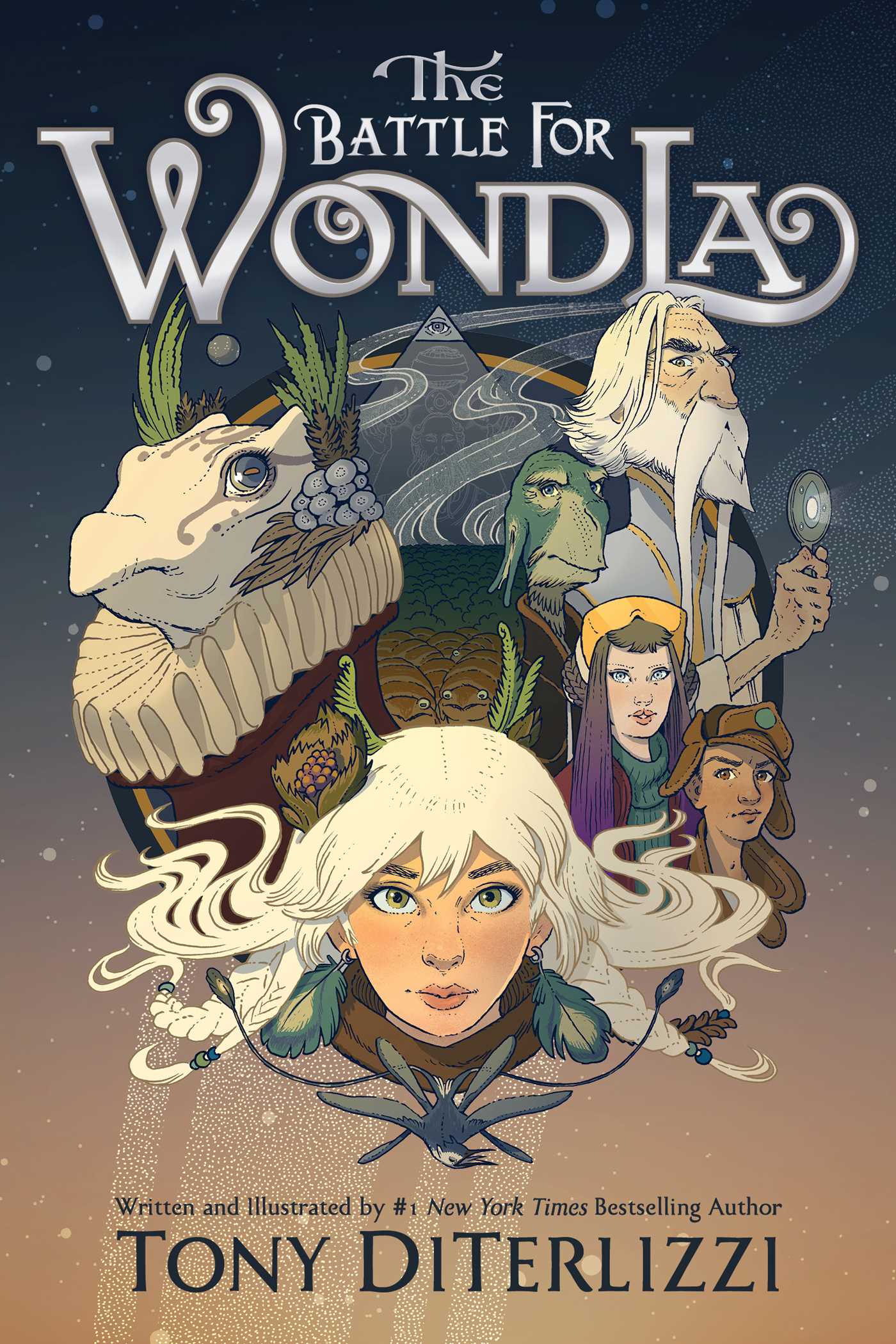
The Battle for WondLa (The Search for WondLa, #3) – Tony DiTerlizzi
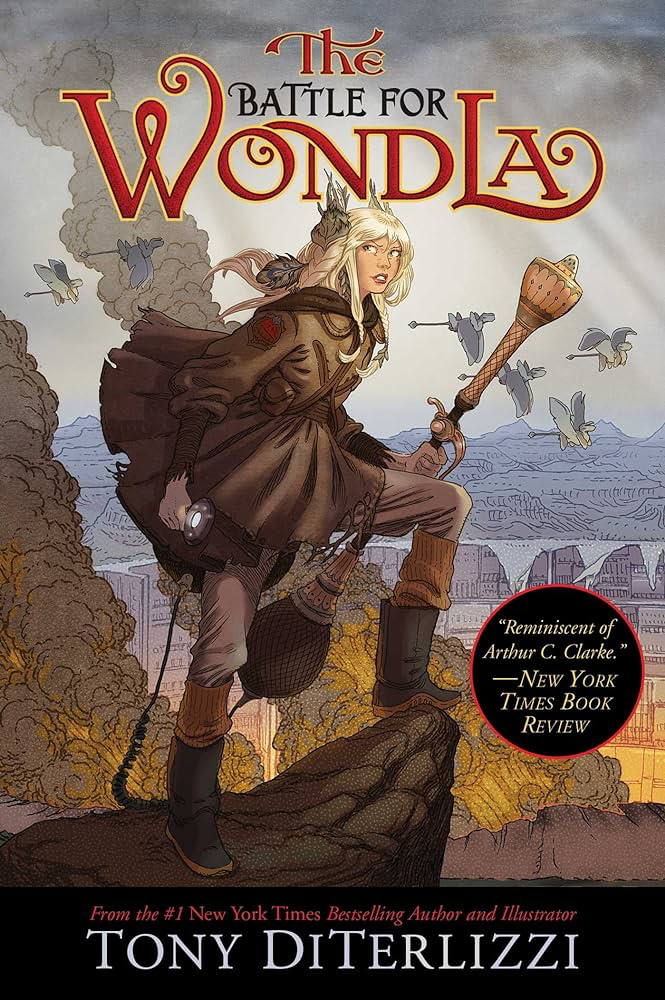
Summary from Goodreads:

All hope for a peaceful coexistence between humankind and aliens seems lost in the third installment of the WondLa trilogy. Eva Nine has gone into hiding for fear of luring the wicked Loroc to her companions. However, news of the city Solas being captured by the human leader, Cadmus Pryde, forces Eva into action once again. With help from an unlikely ally, Eva tries to thwart Loroc’s ultimate plan for both mankind and the alien life on Orbona.

The Battle for WondLa was my favorite book of the trilogy when I first read it, and I find myself agreeing with the sentiment almost a decade later. Was this influenced by the fact that, in retrospect, the original book cover almost certainly contributed to my bisexual awakening at age 12? Maaaaaaybe. In all seriousness, it’s such a brutal, beautiful, and downright exhilarating conclusion to a series like no other.

This incarnation of Eva Nine, as matured as we see her in the trilogy, has always been my favorite. After she embraces her powers and connection to the natural world, she’s such a fascinating hero to follow, partly because she never fully gives up her younger traits. In fact, her powers lie in what made her a target in the first novel—her sensitivity and empathy. Now that she can communicate with all of the creatures of Orbona, she uses her sensitivity to find it within herself to accept the machinations of the natural world and show mercy for even the most frightening of beasts. Sensitivity is her superpower, and that is such an important lesson for younger readers—especially young girls. It’s overwhelming to feel everything all of the time, especially when you’re Eva’s age, but having a heroine who wrestles with that and learns to fine tune her all-seeing empathy and use it to her advantage is so, so crucial. I’m likely among a majority when I say that my sensitivity was often treated as a weakness growing up, so having a heroine whose sensitivity saves the world is just about the best role model you could write for a young girl.

As the title suggests, The Battle for WondLa boasts some of the best battle scenes in the whole trilogy. I’m not talking about the massacre of New Attica, although that remains truly brutal, but the ones that display Tony DiTerlizzi’s talent the most is the scenes where Eva uses the sheer might of the forest to win her battles. Now that I’m older, I’ll inevitably associate WondLa with Björk for a number of reasons, but Eva Nine goes from that precocious, earlier “Human Behaviour” Björk straight into “Nattúra” as her development goes on—unflinching femininity channeling the incomprehensible power of nature. Does it get any better than that, folks? Actually, it does—watching Eva Nine take down a squadron of Warbots with the help of a herd of giant water bears. “My herd…help me.” COME ON. Eva getting injured and then being carried back into battle by the mother sand-sniper that she freed from the menagerie? GIVE IT TO ME!! A highlight of the novel, without a doubt.

What stands out to me about Battle is this novel’s willingness to make complicated characters. Whether they’re the culmination of arcs of characters who have been in the series for multiple books or side characters that only show up in the latter half of the novel, there’s something to be said for how unflinchingly complex everyone is, and how that further complicates Eva’s quest to unite humans and aliens on Orbona. Hailey, with whom Eva is still (justifiably) bitter over her treatment in New Attica, sheds his tough, cocky exterior to reveal a loyal, humble friend by the end of the novel. Zin’s scientific distance becomes a detriment to him in the wake of the death of his family—and the threat exerted by his power-hungry brother, making him realize the error in his lack of emotional intelligence. Redimus, who unintentionally caused nearly all the dominoes for the entire series to play out against Eva, is never written as fully black or white; Eva can never fully bring herself to forgive him, but she learns to accept his attempt to, in his own words, “rectify his past actions,” and to accept that everyone is a web of decisions and consequences that never fully align with each other. And that’s what makes her journey feel so much more earned.

At the heart of The Battle for WondLa is connectivity—it’s all very “I/O” to me. Loroc’s ultimate goal is to unite Orbona, but unity in the form of everyone, human and alien, being either enslaved or consumed by him. He tricks his allies with promises of harmony, only for them to realize that harmony ends up being the harmony of being together…inside of his stomach. Eva wins by championing the fact that it’s the uplifting of everyone’s unique strengths that makes a community strong, whether it’s the unity of the aliens or the interconnectedness of all of the plants and animals of Orbona. We are each an integral part of a community, whether it’s a food web or a village, and it is those unlikely connections that make us stronger. As with today, the greatest mistake that any civilization can make is thinking that we are separate from nature. To once again quote Peter Gabriel, “I’m just a part of everything,” and that is where strength—and love—come from.

All in all, an unforgettable finale for a series that changed the trajectory of my life overwhelmingly for the better. 5 stars.

Tony DiTerlizzi is the author of several books for both early readers (Adventure of Meno, Ted, Jimmy Zangwow’s Out-of-This-World Moonpie Adventure, G is for One Gzonk!) and middle grade (Kenny and the Dragon and The Spiderwick Chronicles, co-authored with Holly Black). All seven episodes of WondLa are now streaming on Apple TV+*.

*I could only make it through 5/7 episodes before I had to quit. Only watch it out of morbid curiosity or if you have intentions to read the books and see how you got robbed.

Today’s song:

thank you to my brother for turning me on to this one!!

That’s it for this week’s Book Review Tuesday! Have a wonderful rest of your day, and take care of yourselves!

Posted in Monthly Wrap-Ups

June 2024 Wrap-Up 🐻

Happy Sunday, bibliophiles!

Halfway through 2024…no! No we aren’t 😀😀😀😀😀😀😀😀😀😀😀😀😀😀😀😀

Let’s begin, shall we?

GENERAL THOUGHTS:

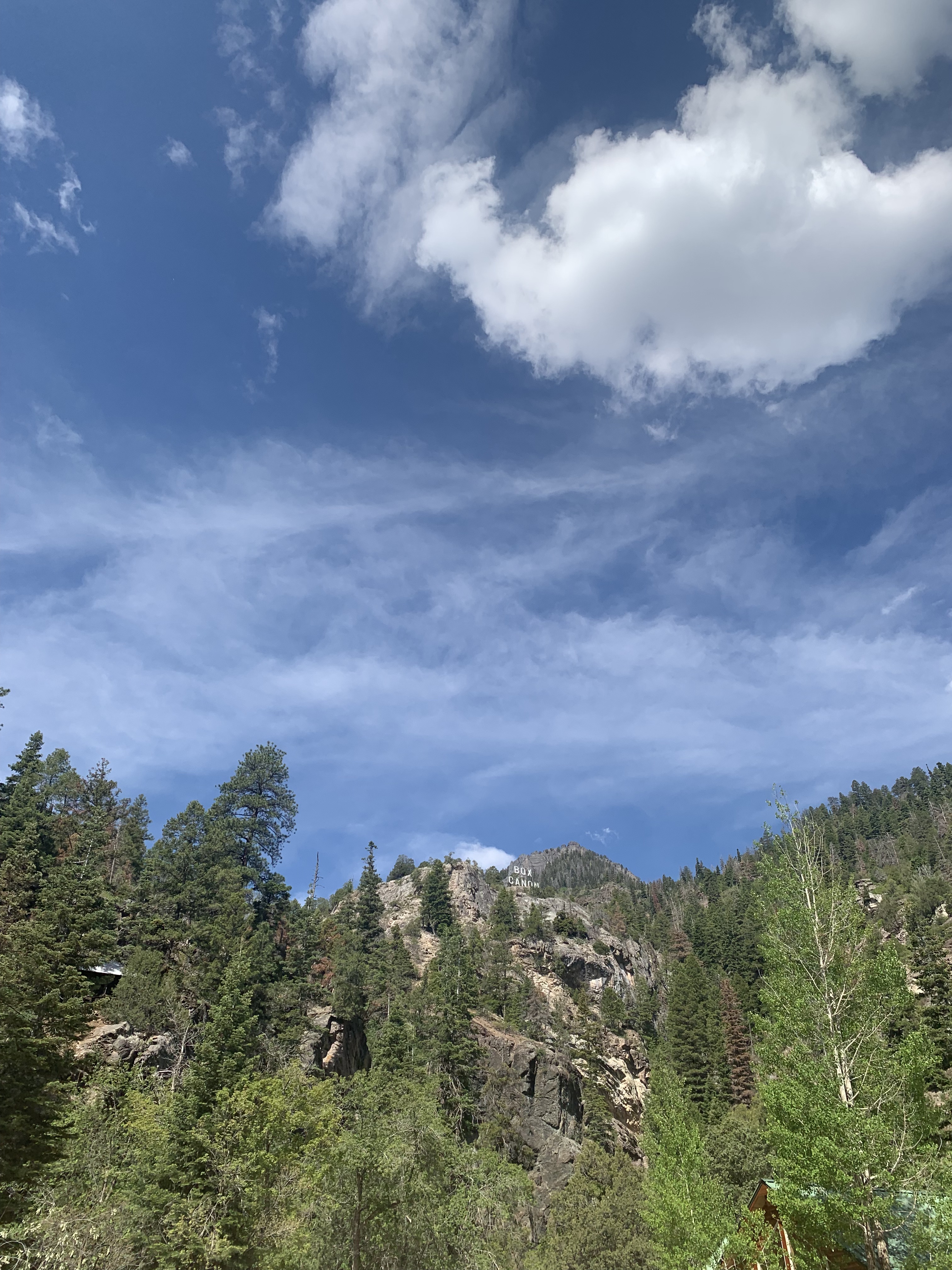
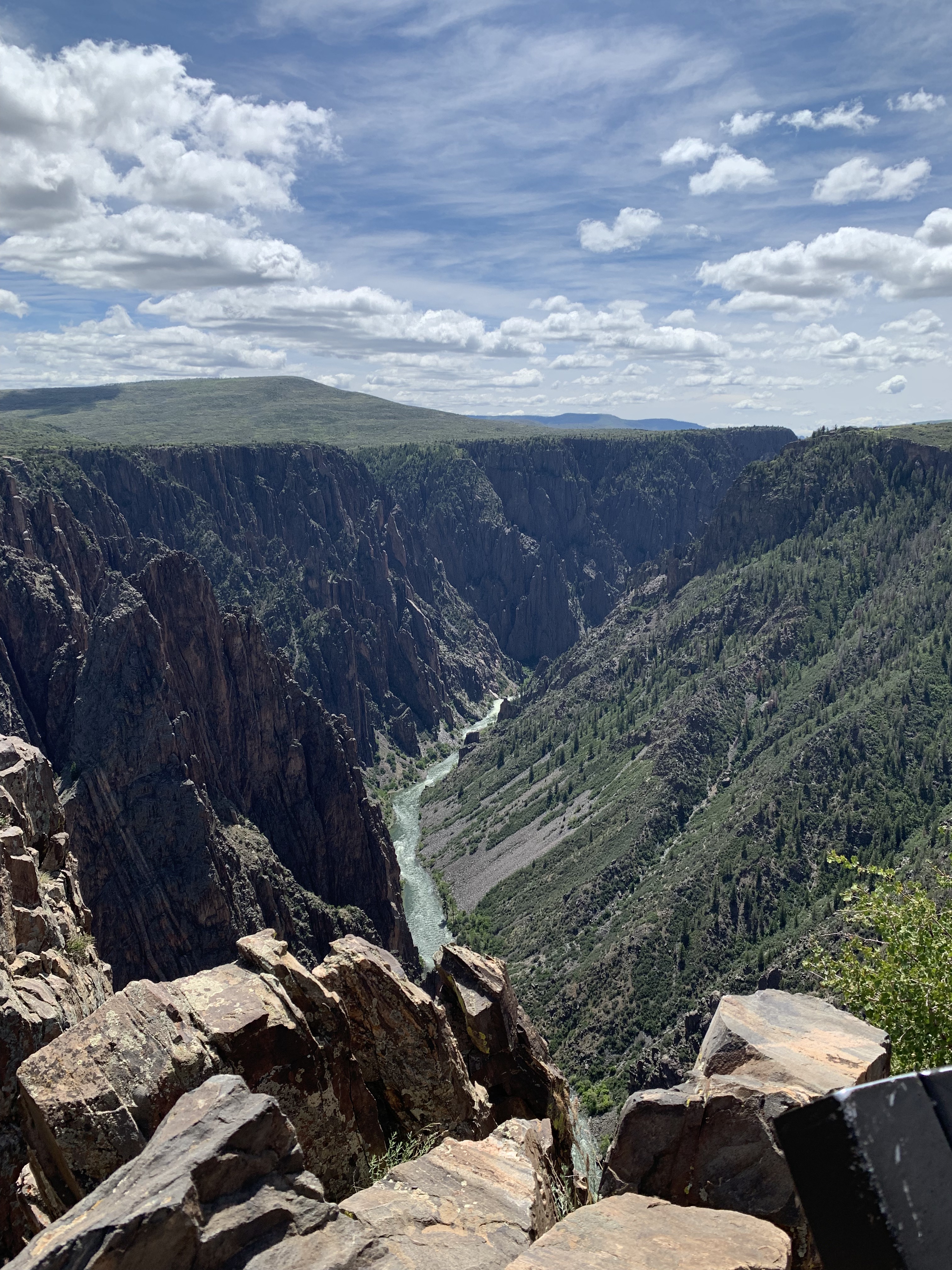
After how busy and hectic my sophomore year of college was, June has been a time to recharge in more ways than one. I went on a quiet vacation at the beginning of the month (Ouray and Black Canyon of the Gunnison—the latter is a very underrated national park, I highly recommend it!), and I’ve taken the rest of the month to…well, rest. I’ve tried to be on social media less and focus on art, writing, and generally nourishing my creativity. In preparation for Camp NaNoWriMo (I only ever do the July camp these days because November and April are both abysmally busy times for me now that I’m in college), I’ve decided to round out my sci-fi trilogy and write the first draft of book three; at this point, I’ve beefed up the outline like a grizzly bear before hibernation, so at least I’ll have some sense of direction…wish me luck!

My reading month started out slower, and it’s had some dips, as always, but I ended up reading loads of fantastic queer books for pride month! Predictably, one of my vacation souvenirs wasn’t something related to where we went…no, I bought a copy of The Familiar at a local bookstore (support ’em!) knowing that it would take eons for my hold to arrive at the library. Worth it. I also figured it was as good a time as any to re-read my favorite series from when I was a kid—the WondLa trilogy. My verdict? It healed my soul and reinvigorated my creativity. Some kid’s books don’t age well, but WondLa never gets old.

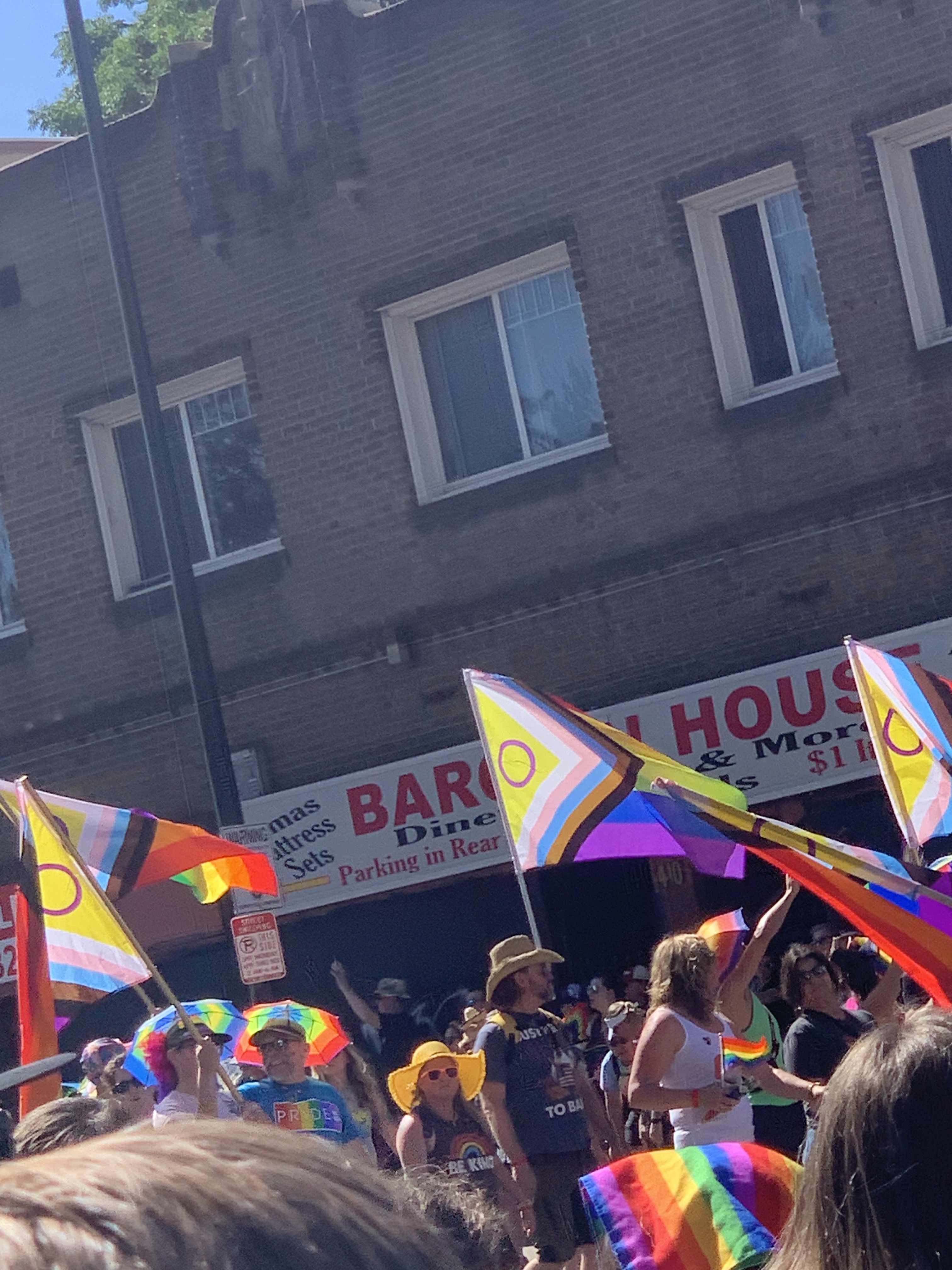
Other than that, I’ve just been making art, playing guitar, going to pride (so much fun!), watching Hacks, Succession (nearly finished with season 1, and all it’s done is made me fear business majors even more than I already do), and…morbidly, Apple TV+’s new show that they decided to call WondLa. I’m three episodes in, and it’s like watching a train wreck. Expect a retrospective on the WondLa trilogy and possibly a review of…whatever that show is that definitely isn’t WondLa.

On a lighter note, photos from my vacation and pride:

(The bear on the title of the post is in honor of a bear we saw crossing the road in Black Canyon. Could also represent bears in general? Happy pride.)

READING AND BLOGGING:

I read 18 books this month! It’s been another relaxed reading month, and although I had a slump towards the end of the month, I read several incredible books for pride month!

1 – 1.75 stars:

Wild Massive

2 – 2.75 stars:

The Buried and the Bound

3 – 3.75 stars:

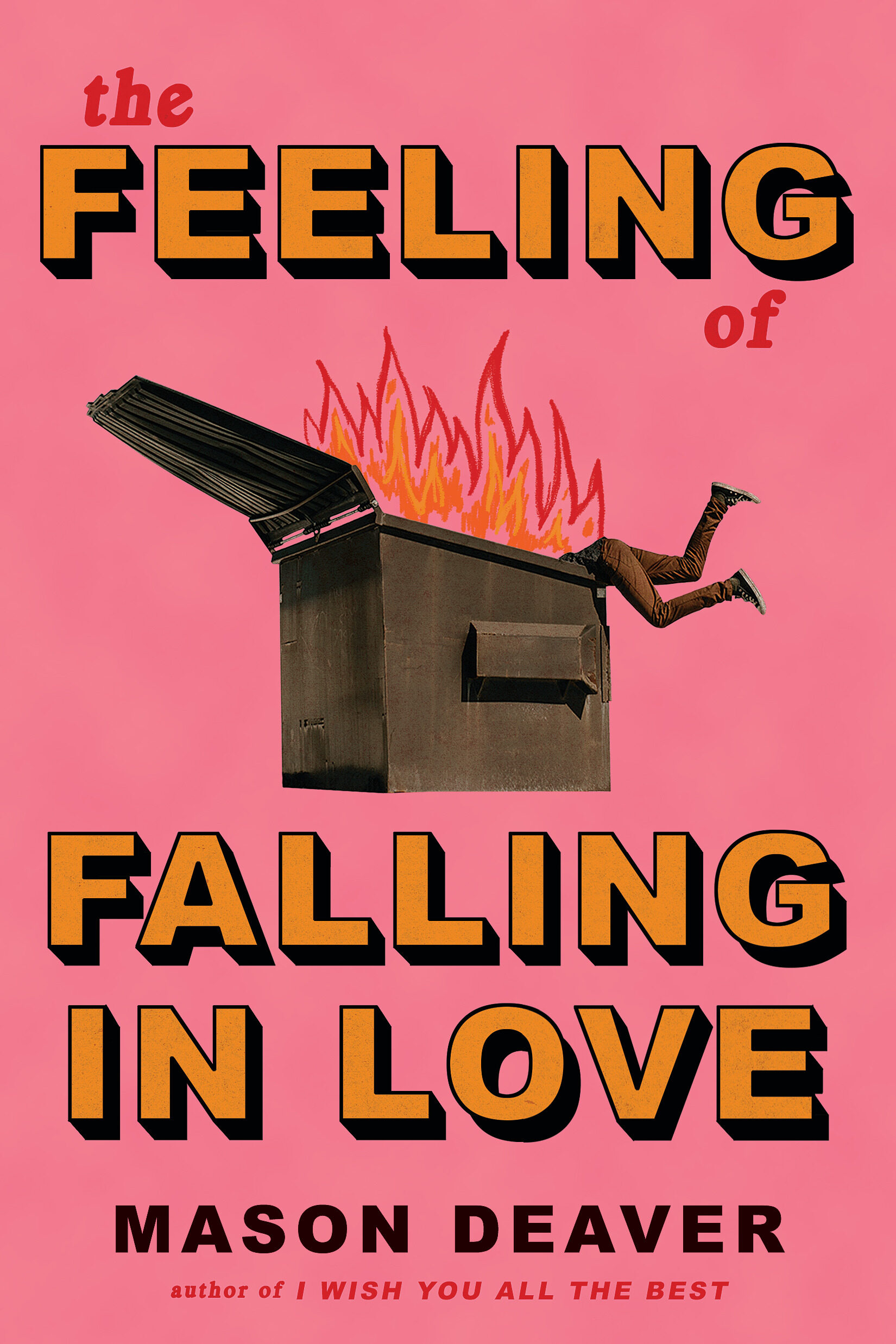
The Feeling of Falling in Love

4 – 4.75 stars:

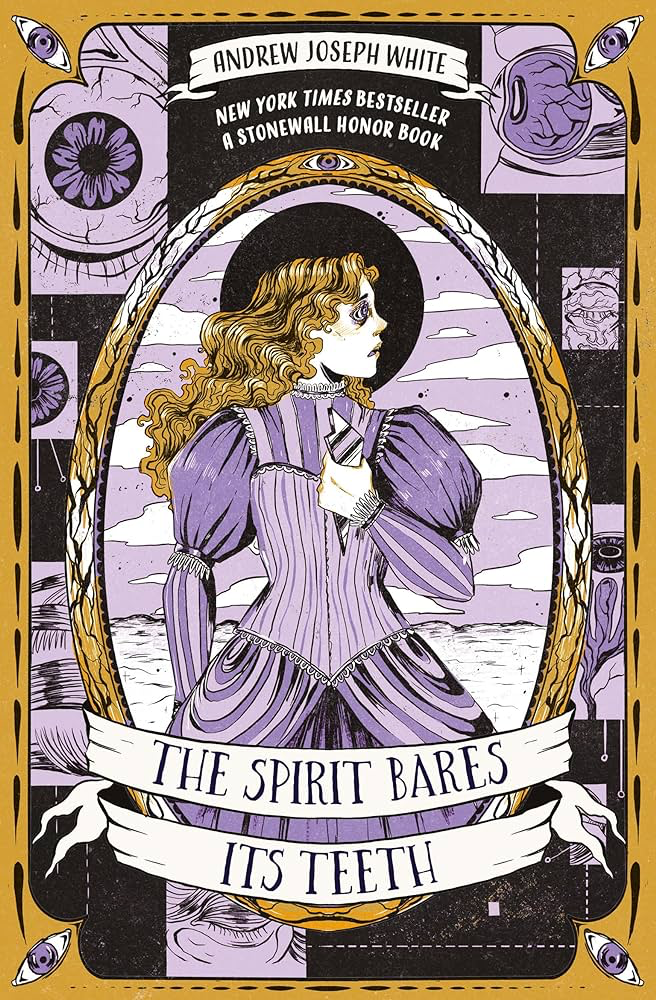
The Spirit Bares Its Teeth

5 stars:

The Battle for WondLa

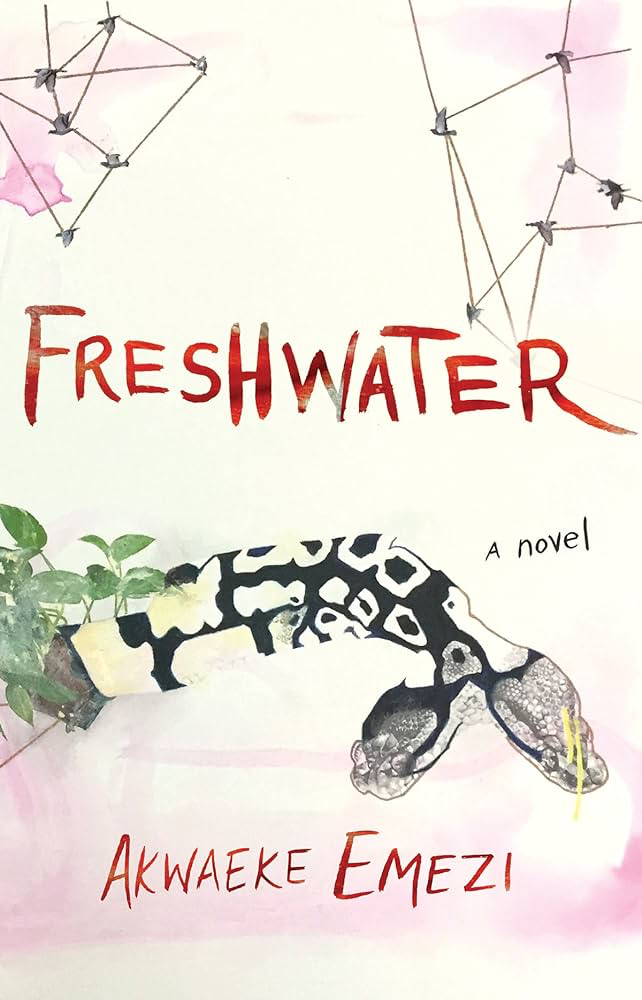
FAVORITE BOOK OF THE MONTH (NOT COUNTING RE-READS) – Freshwater – 4.5 stars

Freshwater

POSTS I’M PROUD OF:

POSTS FROM OTHER WONDERFUL PEOPLE THAT I ENJOYED:

SONGS/ALBUMS I’VE BEEN ENJOYING:

ADORE THIS ALBUM.
this song cracks me up…happy pride
forgot about this song for ages…thank you to my dad for resurrecting this one for me!
on a cocteau twins kick again…
LIVE LAUGH LISA GERMANO
great album!! with all the buzz it got when it came out, I’m surprised that I never heard anything about this one…
HOT WILCO SUMMER!!

Today’s song:

living for the Galaga noises at 0:26

That’s it for this month in blogging! Have a wonderful rest of your day, and take care of yourselves!

Posted in Sunday Songs

Sunday Songs: 6/30/24

Happy Sunday, bibliophiles! I hope this week has treated you well.

This week: this ain’t rock n’ roll…

Enjoy this week’s songs!

SUNDAY SONGS: 6/30/24

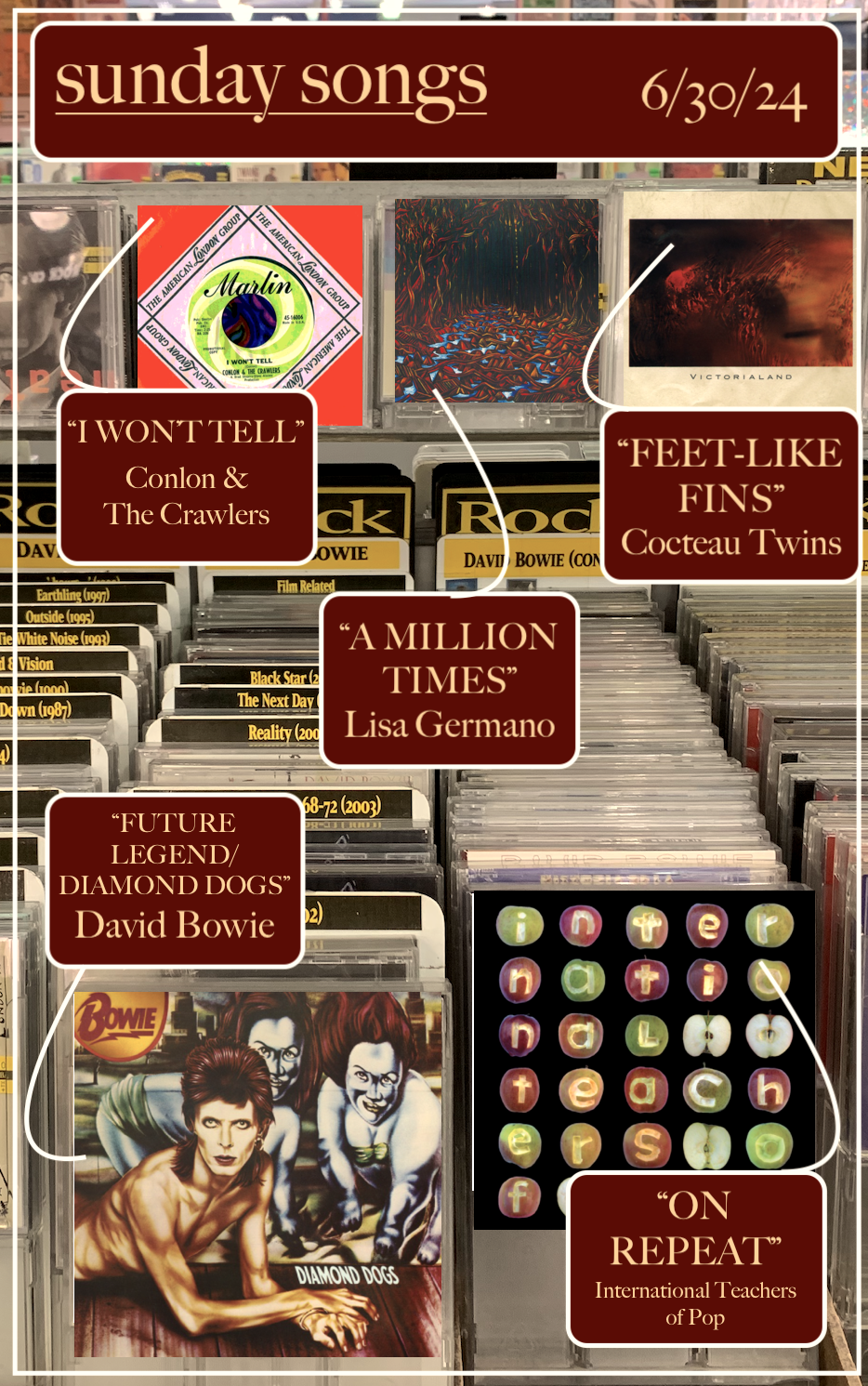
“Future Legend/Diamond Dogs” – David Bowie

Another victim of me trying stubbornly to fit this into a color scheme, and also a victim of me trying to align my albums with what I draw on the whiteboard of my dorm. Listen, if the original sleeve was banned in the U.S., that generally means it’s a cool album cover, but probably not a good idea to be displayed for the world and my RA to see. And I was not about to draw David Bowie’s anatomically accurate canine lower half. Nah.

A time-proven rule: nobody does it like Bowie. You can put on all of the theater and spooky voices that you like, but nobody will ever replicate the sheer goosebumps that the intro to this album induces. The same can be said for many songs on this album (see: “Sweet Thing/Candidate/Sweet Thing [reprise]”), but I put “Future Legend” and “Diamond Dogs” together because the most enriching way to experience them is to experience them as a single song, and that single song is one of my favorite album intros of all time. Diamond Dogs is glam rock covered in flies—the lovelorn hope of Ziggy Stardust remains, but stinking of a world left in tatters, a hunk of rotting meat left for the mutant vultures in the searing desert heat. Cobbled from shreds of William S. Burroughs and Bowie’s failed attempt at a musical adaption of 1984, this album is a dystopia full of lust and peril. As a prologue, “Future Legend” is the height of Bowie’s theatricality. On anybody else, a dog’s howl, distorted as though bellowed through a plastic tube would feel like a feeble attempt to set a scene. Bowie, of course, makes it into the most bone-chilling alarm bell signaling the beginning of the end. It’s not the kind of sound any normal dog makes— it immediately triggers a sense of uncanny valley, a hair’s breadth away from being distinctly, evolutionarily wrong. His staticky narration is accompanied by synthy moans and high-pitched, delirious singsong beasts echoing “love me, love me!” as he tells of an alien landscape where all that remains of the 20th century is the excess it produced, the last monoliths that the mutant survivors of some horrific extinction now cling to. Panting dogs and drooling bloodsuckers lick their lips in the distance as Bowie lifts the curtain to declare this an era beyond the collapsed remnants of our sense of time. No month, no four-digit number to designate this hellscape: it is the year of the Diamond Dogs.

And “Diamond Dogs?” Hearing it for the first time while freshly 13 rearranged my molecular structure. In that moment, nobody had ever done anything as cool as that. It’s still true.

Because there will never be another album intro like this:

And in the death, as the last few corpses lay rotting on the slimy thoroughfare,
The shutters lifted in inches in Temperance Building, high on Poacher’s Hill
And red, mutant eyes gaze down on Hunger City.
No more big wheels.

Fleas the size of rats sucked on rats the size of cats,
And ten thousand peoploids split into small tribes,
Coveting the highest of the sterile skyscrapers like packs of dogs assaulting the glass fronts of Love Me Avenue,
Ripping and rewrapping mink and shiny silver fox, now legwarmers.
Family badge of sapphire and cracked emerald.
Any day now…
The Year of the Diamond Dogs!

…AND A BOOK TO GO WITH IT:

1984 – George Orwellneed I really explain this?

“On Repeat” – International Teachers of Pop

In terms of Co-Pilot, I end up focusing. more on Jim Noir, which…well, he has played a very prominent part in my musical life, but Leonore Wheatley’s musical ventures rarely get the praise they deserve. Wheatley’s talents extend to The Soundcarriers (big thank you to my brother for introducing me to them!), Co-Pilot (who released their incredible album Rotate almost a year ago!! Make some noise!!), and International Teachers of Pop, where she provides vocals alongside Katie Mason.

I’ve heard far too many bands who desperately want to market themselves as a second-coming of a certain era of music (We haven’t recovered from what Stranger Things did to shove the ’80s in everybody’s faces…I want out), but only end up sounding like plastic imitations. The key, which this school board of musicians has figured out, is not to set out to imitate. This sounds like a product that emerged from a desire to have fun and make catchy dance-pop and not try and sound like somebody more famous. Fun should be the prime motivation to make music, especially in a side project like this, but the bar’s low in such a hit-churning industry. You can hear Erasure and the Pet Shop Boys in every synthy buzz and flourish, but not because they set out to sound like them—it’s an homage, never an imitation. Mason and Wheatley’s harmonies center this pulsating track, built for booming bass and bouncing feet. (It really was a shame to see how lukewarm the crowd was in the video above—why are they barely dancing??) With lyrics swimming between existential dread and a desire for oblivious joy, “On Repeat” is the product an extensive pop study. Maybe the name is a touch presumptuous, but they’ve got the talent to back up their assertion, tongue-in-cheek or not.

…AND A BOOK TO GO WITH IT:

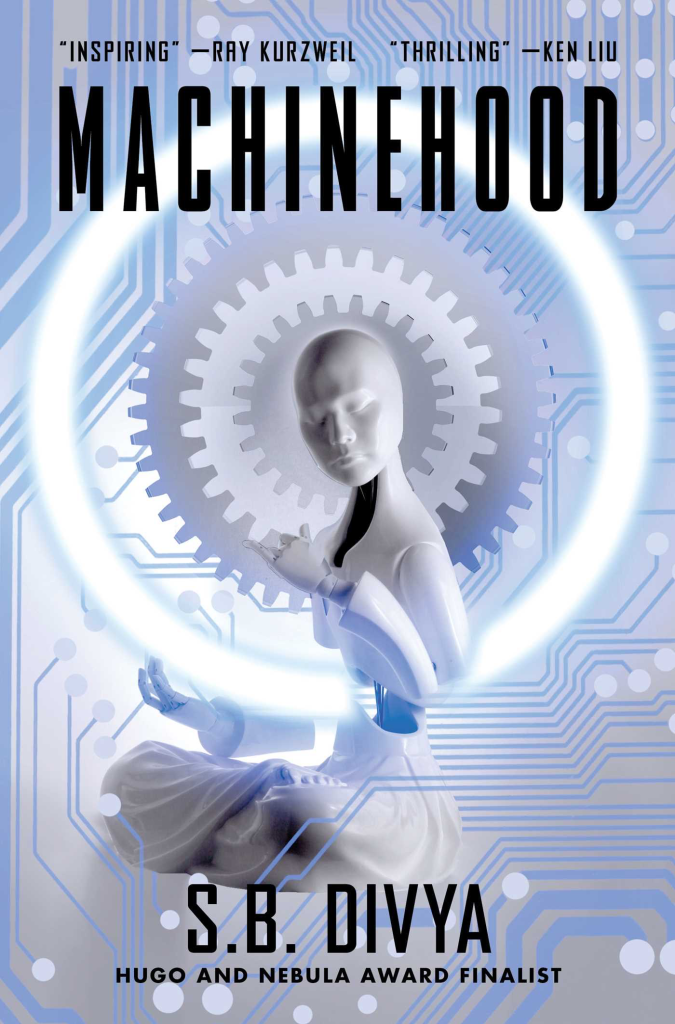
Machinehood – S.B. Divyaooh! aah! capitalism! woo! woo! yeah! this economy cannot sustain human life! get funky!

“I Won’t Tell” – Conlon & The Crawlers

Listen, I am BEGGING the Hacks fandom to do their stuff, because I can’t keep looping this song over and over on YouTube, and I don’t have a record player and therefore have no reason to snag the copies lingering on eBay…PLEASE. WE NEED TO GET THIS ON STREAMING. WHATEVER IT TAKES. DO YOUR STUFF!!!!!

“I Won’t Tell” was one of two one-off singles (the other being “You’re Comin’ On”) by Conlon & The Crawlers, an offshoot of The Nightcrawlers (top 10 band names that I totally want to steal for reasons that are totally not X-Men-related). From the looks of it, neither song went anywhere, and now the only remnants are floating around on eBay, and, thanks to some digging, a few eagle-eyed people on YouTube. All of this begs the question: how were they able to get this on Hacks? Somebody’s got a great record collection…unfortunately, the scene isn’t on YouTube, but it appears in Season 3, Episode 6, and briefly soundtracks a hilarious slo-mo of Ava and Deborah on a golf course, with Ava confidently strutting beside Deborah with her caddy vest on backwards.

The minute I heard it, I knew I had to hunt it down—it encapsulates a very distinct sound of the late-’60s that I just adore. It’s just deliciously jangly, from the opening riff (a reworked and arguably improved version of the opening to The Nightcrawlers’ “Little Black Egg”) to the almost banjo-like strum that builds the track’s backbone. Chuck Conlon’s butter-and-sugar voice spins the strings of “Little Black Egg” into a precocious, peculiar masterpiece—who would forget a song that opens with “A teaspoon holds more than a fork does/A long snail eats more than a short one?” This vibrant, jangly oddball is practically asking to be used for a tightly-shot Wes Anderson montage. Surely it’s obscure enough for him…

…AND A BOOK TO GO WITH IT:

Floating Hotel – Grace Curtislighthearted, jaunty, and equally matched on the Wes Anderson vibes front.

“A Million Times” – Lisa Germano

I’m not sure which direction I should go for next in terms of Lisa Germano’s discography. She has nine studio albums, two of which I’ve already listened to (Excerpts from a Love Circus and Slide). I know I’ll feel like a kicked puppy lying on a dirt road in the middle of nowhere after I listen to any given album, so chances are, it probably doesn’t matter where I start. Either way, on a whim, I dipped my toes into a handful of songs from her 2009 album Magic Neighbor. Many of the reviews have categorized it as having a childlike innocence juxtaposing the veil of darkness that never lifts from her discography, and there’s tangible strings of it stretched throughout. Even if you’ve dictionary-definition Been Through It like Germano has, I feel like you’d still have to have at least the tiniest mote of innocent glee—or humor—left in your soul to name a song “Kitty Train,” even if it’s a short instrumental break.

“A Million Times” has a childish glint to it, but childish here translates to complacency and toxicity; it feels like the emotional progression of “Small Heads,” musically twelve years down the line, but personally, only a handful. (At least…I hope so. I can only hope that the abusive bastard who inspired her to write any of the songs from Love Circus is just one guy, and that he got his comeuppance.) “Small Heads” acknowledges how unhappy she is in said relationship, but wryly admits that it’s not all the other party’s fault: “How convenient to forget/All the lies that you say/When you’re really really drunk…like me.” It’s a mutual kind of tangling, with both people ouroboros-ing themselves into their own minds so deeply that they’ve ceased to think of each other (“Did I ever think of you?/Did you ever think of me?/Probably not, with our heads in the clouds”), or, as Bowie might put it, “making love to [their] egos.” It’s all just fun and games, right? Whee! “What a lonely life!” she sings to the cheer of the crowd and dainty recorders.

Such fun and games echo through “A Million Times.” Said recorder has made a comeback, and all of the egg shakers and brushes in the background sound like remnants of rusty toys being disassembled. Just as childlike, Germano tosses the relationship across the room like a discarded doll, letting its limbs crumple now that she’s had her fun: “We fell in love and we were caught/Inside this game we call together/And it felt good until we found/We had more fun when we were strangers.” Every motion they go through is described in the same way that Ken tells Barbie “we’re girlfriend boyfriend,” smashing doll heads together to simulate kissing. Such kisses and games are a distraction from the inevitable implosion of their excuse for love—they’re so caught up in performing love that both of them have retreated into their own heads, convincing themselves, over and over, that they’re not sick of playing. It’s self-aware in the way that an arsonist is self-aware: they know that they’ve just burned down a building, but they’ll continue to set as many fires as they like. Germano seems to regress as she drags out her cry of “You can’t leave me/No, not really/We are happy with this misery/So we’ll start it all again/A million times, a million times.” Never before have I heard an accordion that sounds so distinctly ominous—the bellow of it as Germano’s lyrics get progressively poisonous might as well be the siren in a bomb shelter, a low, distant warning of disaster to come. “You can’t leave me” is simultaneously the rug of innocence being pulled out and the dread of pulling apart from someone who you know will collapse without you to parasitically cling to. Platonically, I’ve been the host/discarded toy in such situations, so for my sake and hers, I hope Germano’s since quit playing with her dollies. I’m willing to give her some leeway, since if she’s played up the eerie overtones in this song, she recognizes these patterns for the toxic mess they are.

…AND A BOOK TO GO WITH IT:

The Emperor and the Endless Palace – Justinian Huang“We fell in love and we were caught/Inside this game we call together/And it felt good until we found/We had more fun when we were strangers…”

“Feet-like Fins” – Cocteau Twins

Rounding out the month with yet another Cocteau Twins song…sorry, everybody. Get Victorialand‘ed, I guess. The only thing keeping me from swallowing this album in one gulp like some kind of deep-sea abomination of god is knowing that this is the perfect album for winter, what with the Artic and Antarctic inspiration.

Situated near the end of the album, “Feet-like Fins” is a dewy spiderweb of reverb that glitters in waning sunlight through gray clouds. Crested by soft cymbal crescendos, you can never pick out a note from the track that isn’t vibrating like raindrops on a speaker. Even the bongos that gently steady the melody never truly feel percussive, nothing but droplets sending ripples out into the frigid water. Like “Aikea-Guinea,” “Feet-like Fins” is distinctly watery, but where the former feels like being tossed through the waters of time, this track is a gradual descent into the ocean, watching the last threads of silky light disappear into the shallows as you’re pulled downwards. Judging from the “Frozen World,” Living Planet-inspired patchwork of the album, the feet-like fins likely belonged to the various seals that appear throughout the episode: crab-eater seals, fur seals, and elephant seals; Indeed, the sleek movements of this track mirror their bubble-trailing paths through the water as they hunt for prey.

…AND A BOOK TO GO WITH IT:

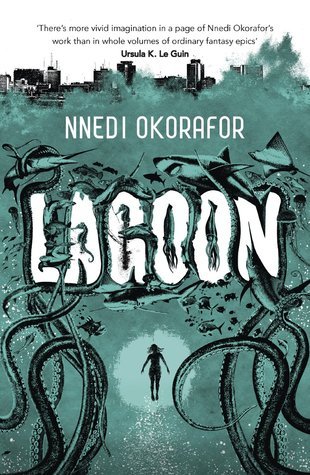
Lagoon – Nnedi Okorafora mysterious, alien lifeform stretches its feelers and emerges from the ocean…

Since this post consists entirely of songs, consider all of them to be today’s song.

That’s it for this week’s Sunday Songs! Have a wonderful rest of your day, and take care of yourselves!

Posted in Book Review Tuesday

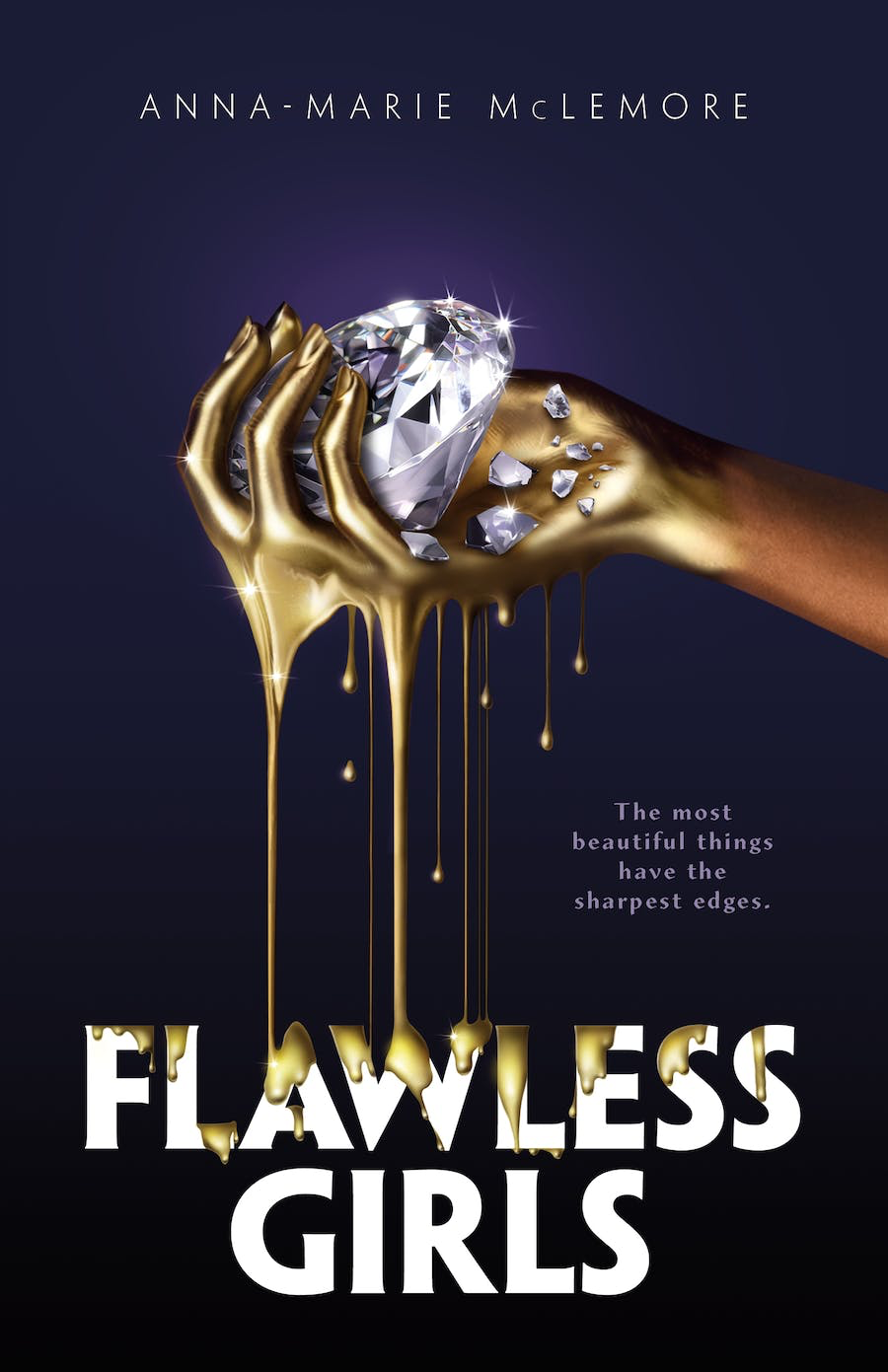
Book Review Tuesday (6/25/24) – Flawless Girls

Happy Tuesday, bibliophiles!

I’ve been a fan of Anna-Marie McLemore since high school, but over the past two years or so, I’ve seen a decline in quality in their books; for their last two releases, I chalked it up to co-authoring (Venom & Vow) and being constrained by what they had to work with, although that could be a stretch (Self-Made Boys: A Great Gatsby Remix). With their latest release, Flawless Girls, having a concerningly low average rating (3.30 at present), I expected the worst, but still wanted to believe that they could come back with something better. And…Flawless Girls was better, but only by a slim margin.

Enjoy this week’s review!

Flawless Girls – Anna-Marie McLemore

The Soler sisters—Isla and Renata—are famously wild, raised to be rebellious and questioning of their restrictive society from a young age. But their grandmother knows that society will frown upon such disobedient girls, and there is one last resort to keep them in line: the prestigious Alarie House, a finishing school famous for the assembly line of polite, high-society women that it churns out. After Renata returns from the Alarie House plagued by madness, Isla decides to dig into the dark corners of the school to see just what made her sister crumble. But what she finds in the corrupted heart of the Alarie House may put all of the girls in jeopardy…

TW/CW: prejudice against an intersex person, fire, body horror, misogyny, dysphoria, descriptions of injury, violence

For the past two years or so, I’ve seen a decline in Anna-Marie McLemore’s novels, which is something that I’ve dreaded saying. I didn’t want to force such words upon the same lyrical talent who wrote When the Moon Was Ours and Wild Beauty, but alas…maybe it wasn’t meant to last. Although it wasn’t as disappointing as Venom & Vow or Self-Made Boys, Flawless Girls was thoroughly messy, even if there were some bright spots in it.

What I want to emphasize the most about Flawless Girls is that, for all of its flaws (no pun intended), it had promise—it was just severely underdeveloped. If McLemore didn’t want to flesh out the concept of the novel, I think it would have worked spectacularly as a novella or even a short story. McLemore’s narration, even it wasn’t as lushly descriptive as I’ve come to know them for, had the feel of a cautionary fable, which was a perfect fit for this story. Even if it did feel like we were being sledgehammered in the face with the main metaphor, it nonetheless had the feeling of a dark fairytale or a fable. To be honest, Flawless Girls could work even better if it were aimed at younger YA audiences just coming into the genre, and I don’t mean that as a slight to the novel at all. It’s not subtle, but as a transitory book between middle grade and YA, it could work. With some significant polishing, of course.

Said main metaphor is femininity—more specifically the performance of it. The institution of the Alarie House served as a pointed commentary about the artificiality of our expectations for women and girls, and how unattainable and manicured these expectations are. It was especially poignant with Isla, a Latina and intersex protagonist struggling with performing femininity with a nonconforming body. Isla’s story felt incredibly personal—I had no idea that McLemore was also intersex, and it’s clear from every page that this is the story of their heart. There’s so little intersex representation out there, but that’s not the only reason why Flawless Girls, with a little polish, could be so important—it’s a fable of the madness that befalls women and feminine-presenting people crumbling under the weight of beauty and behavioral standards. Could it have been more subtle? Without a doubt. Was it impactful nonetheless? Absolutely.

That being said…a recurring thought I had while reading Flawless Girls was that it felt like a front for as many gemstone facts as possible. Next to the metaphor about femininity and performance, gemstones were right up there with the most striking motifs of the novel, but they were everywhere. Once you get past the 30% mark, characters will just ramble on about any kind of gemstone fact that they can shove in the span of two pages. At that point, a motif that bloats so much of the narrative just isn’t a motif anymore—it’s just swallowing everything else in its path. It did play a key role in the ending, but if McLemore wanted to make said ending more impactful, slimming down the endless character interactions where they just talk about gemstones for five pages would have been the right move. Like with jewelry, placement is key—you can’t just drown the narrative in a single motif and call it pretty.

Also, the worldbuilding is a mess. A complete mess. In the synopsis and the beginning of the novel, it’s stated that the reason that Isla and Renata are sent off to the Alarie House is that they’ve been raised to be rebellious and questioning of authority, and as they are Latina girls, it’s safer to teach them to keep quiet so that they don’t garner any unwanted attention. That would have been a very timely theme…if there was any indication of what society that Flawless Girls was set in! I assumed that it was a vaguely historical setting (and the author’s note didn’t clarify much else other than it being “historical”), but we get no sense of where we are in time, save for pre-21st century. Flawless Girls could equally work as being in a fantasy world or historical fiction with a touch of magical realism…but we have no idea which McLemore was going for, because outside of the Alarie House, nothing about the world is explained. No explanation of how and why the finishing schools came to be, no explanation of the technology level, no explanation of the (presumably) patriarchal powers pulling the strings and squeezing women into these molds. No worldbuilding, only gemstones!

All in all, a disappointing and messy effort from a longtime favorite that felt half-baked at best, but still shone in places. 3.25 stars.

Flawless Girls is a standalone, but Anna-Marie McLemore is also the author of Wild Beauty, When the Moon Was Ours, The Weight of Feathers, Lakelore, Dark and Deepest Red, Blanca & Roja, and Self-Made Boys: A Great Gatsby Remix. They also co-authored Venom & Vow (with Elliott McLeMore) and Miss Meteor (with Tehlor Kay Mejia), and have contributed short stories to several anthologies, including All Out: The No-Longer-Secret Stories of Queer Teens throughout the Ages, Eternally Yours, Color Outside the Lines, and many others.

Today’s song:

one of my favorite songs from this album!!

That’s it for this week’s Book Review Tuesday! Have a wonderful rest of your day, and take care of yourselves!
Posted in Sunday Songs

Sunday Songs: 6/23/24

Happy Sunday, bibliophiles! I hope this week has treated you well.

This week: I wouldn’t hold out hope for the tape deck…or the Creedence.

Enjoy this week’s songs!

SUNDAY SONGS: 6/23/24

“Soul Love” (Demo) – David Bowie

This week on me being incredibly predictable: needless to say, I’m a wreck again. The demos. The David Bowie demos. They got me…………..

As if I wasn’t already eviscerated by what I’ve heard of Divine Symmetry (see: “Quicksand” [Demo]), we’re already back at it again with Rock n’ Roll Star!, a collection of demos, rarities, and live recordings from The Rise and Fall of Ziggy Stardust and the Spiders from Mars. For me, an album is one of the few things that isn’t ruined by seeing all of the moving cogs inside of its stomach; seeing the nymphs of what would become rock classics makes the process even more admirable—and more human, knowing how many costumes each song had to try on before debuting. A piece of “Moonage Daydream” was once less than two minutes, much less spacey, and called “So Long 60’s”; “Lady Stardust” went through several vocal changes before coming out the other side. Most of these were changes that were necessary for the songs to shine.

And yet, the demo version of “Soul Love” feels like the proper way that the song should have been all along. On Ziggy Stardust, it serves to ground the grandiose, anguished lament of “Five Years,” calming the album in vignettes of grief and young lovers. This demo includes some of Bowie’s notes—you can hear him telling his producers that he envisions the final products with lots of saxophone, which it eventually gained. There was no way that “Soul Love” would have ever made it onto Ziggy Stardust in its sparse, acoustic form; there’s no room for that kind of true quiet on an album that’s not only so lofty in its story, but unabashedly theatrical and glam rock. “Soul Love” was always intimate, but in isolation, with only Bowie and his acoustic guitar, the intimacy feels exactly how it was intended. In such a soft, enclosed space, the secrecy of “A boy and girl are talking/New words/That only they can share” and the silent mourning of “She kneels before the grave/A brave son/Who gave his life to save the slogans.” In the landscape of the Ziggy Stardust narrative, “Soul Love” is the period after the announcement of Earth’s impending doom, where fleeting images of people are shown in private, emotional moments—lovers embracing in the darkness, and a mother grieving her fallen son, but thinking also of the future—was it for the best that he was slain before the calamitous end of the world? That privacy is what makes the acoustic version feel much more fitting to the true intent of the song; the performance itself is as secretive and soft of a moment as the very vignettes that Bowie describes; hunched over his guitar, for the first time, you understand the purpose with which he sings “all I have is my love of love,” solid against his beating heart like loose change in his breast pocket.

…AND A BOOK TO GO WITH IT:

Madman Yearbook ’95 – Mike Allredpure love and David Bowie references abound. Might just be my favorite comic of all time…

“Little Bird” – Lisa Hannigan

The more I listen to “Little Bird,” the more I’m tempted to just copy and paste the lyrics here in lieu of actually writing something, because how else could I do justice to this song? When you’ve got the talent to open a song like this, how do you describe it any better than her?

“Your heart sings like a kettle/And your words, they boil away like steam/And a lie burns long, while the truth bites quick/A heart is built for both, it seems/You are lonely as a church/Despite the queuing out your door/I am empty as a promise, no more.”

One verse. One verse, and I can already feel my chest caving in. Christ. You can dress your story with all the metaphors you like, but Hannigan places them so intentionally that they were never throwaways to make anything more purple or flowery; there’s a quiet tragedy to them, like the squeal of a tea kettle as its contents boil. And it’s not just tying objects like teakettles and churches—thinking to make words disappear in a flush of steam and making the pinnacle of isolation a church is what makes them dig so deeply; it’s Hannigan gives new eyes to these metaphors that turn them into such gut-wrenching poetry. It encapsulates a sensation I often felt as a child, and on occasion now that I’m older: that of being in such a large crowd of people, and everything seeming to collapse into silence and loneliness around you, even though you’re as surrounded and secure as can be. Loneliness, homesickness, lovesickness—the more company it has, the more it aches, I find. Whatever the opposite of claustrophobia is how “Little Bird” is—the feeling of being in an enclosed space, but such a large and unfurnished one that it makes your body instinctively crouch into a small shape. It’s the caldera of loneliness as you grapple with the space one filled by someone, but now occupied by the tug-of-war between whatever made you stay and what made you let them go: “When the time comes/And rights have been read/I think of you often/But for once, I meant what I said.” But the paper-thin, lead-heavy lyrics would not be the same without their messenger—nothing brings it sailing back home like Hannigan’s solemn, wavering warble, each tremble never failing to give me full-body tremors.

In case that wasn’t enough to elicit a good cry, here’s her performance of it on her Tiny Desk Concert (skip to 2:32):

…AND A BOOK TO GO WITH IT:

The Raven and the Reindeer – T. Kingfisher“I was salted by your hunger/Now you’ve gone and lost your appetite/And a little bird is every bit as handy in a fight….”

“We The People…” – A Tribe Called Quest

Of course I came back to this song in an election year. I distinctly remembering “We The People…” coloring the deep-rooted anxiety and turmoil of 2016, what with the hate machine that was Trump’s election campaign and eventual presidency. I really, really want to say that “We The People…” sounds dated, but nothing about it is. First off, A Tribe Called Quest are just that talented, but more importantly…nothing about this song’s politics is dated. Here we are in 2024, and Trump is back, and spewing the exact same rhetoric, now with callbacks to Hitler that aren’t even trying to hide it anymore. In his reelection campaign, the only change to his status are the impeachments (PLURAL, remember) and the 34 felony charges. Predictably, that’s done next to nothing to sway his rabid fanbase. I really wish I could say that this song was a product of its time. Maybe in 20 years, when all of this is behind us, it will be. But no, in eight years, nothing’s really changed. A Tribe Called Quest stripped the desires of Trump and his supporters down to the bone, and eight years later, it makes me ill to think that we’re trapped in this same cycle again.

But you know what else hasn’t changed? Our anger. Back in 2016, we knew the dangers of letting such a raging, narcissistic bigot with no political experience into the White House, and now we’ve survived it, and we’re bent on making sure it won’t happen again. The anger and determination of “We The People…” rings the same, but with more tenacity. It may be disheartening to be stuck in this hell time loop, but at least we have high-quality protest music whose wit (and infectious beat) hasn’t dulled in almost a decade. Thanks, Tribe.

…AND A BOOK TO GO WITH IT:

No Gods, No Monsters – Caldwell Turnbullpolitical unrest and injustice in modern America…now with more monsters.

“Aikea-Guinea” – Cocteau Twins

For the Cocteau Twins, the song’s title is often more important than the lyrics; it’s a placeholder for the abstract feeling that Elizabeth Fraser and company string together, an anchoring point for attempting to describe their lattice-like melodies. In Fraser’s own words, “aikea-guinea” is Scottish slang for “flat shells that have been bleached and smoothed out by the sea and the sand. I’ve just ruined it for you by telling you what it’s all about, haven’t I?”

I really don’t think it has, not at all. In fact, it only sharpens the image that “Aikea-Guinea” conjures as it fizzes like waves dissipating on a rocky shore. By 1985, gated reverb was king (and likely growing overused, at least in mainstream music…and remember, kids, we have “Intruder” to thank for it), but the Cocteau Twins knew just the way to use it to their advantage. By cloaking all of their percussion in it, “Aikea-Guinea” dissolves in your ears like fizzing candy, or more accurately, like crackling sea foam birthed from a freshly-broken wave. Like “Oomingmak,” it’s swathed in mist, but this mist comes from the aftermath of a storm out at sea, the air full of nostril-tingling salt and faint coldness making goosebumps prickle on your bare arms. With each punch of percussion, such seashells that Fraser described tumble through the water, colliding with each other as time and water erode them. Fraser’s voice, which bobs and balloons like frogs after nightfall, is as transient as plankton in the water, spiraling like the trails of bubbles that carry each shell through the currents of time.

…AND A BOOK TO GO WITH IT:

The Light at the Bottom of the World – London Shaha fitting soundtrack to an underwater England of the future.

“Lookin’ Out My Back Door” – Creedence Clearwater Revival

I’m not even that ardent of a Creedence Clearwater Revival fan—my knowledge doesn’t extend much past the hits—but I firmly believe that this is one of those songs, like David Bowie’s “Kooks,” that every kid should have in their life. The only crime about this song is that it wasn’t released in the same key as the music video, which, in my opinion, makes the lighthearted daydream of it feel all the more daydream-like. And speaking of daydreams…usually, I don’t get all up in arms when a given song gets interpreted as being about drugs, but oh my god. Please. “Oh, it’s about tripping, the spoon is an allusion to cocaine, the—” SHUT UP!! SHUT UP!!!!!!!!!!!!!! JOHN FOGERTY WROTE THIS SONG FOR HIS THREE-YEAR-OLD SON, YOU EDGELORDS!!! IT’S NOT AN ACID TRIP, THE LYRICS WERE INSPIRED BY DR. SEUSS!!! For fuck’s sake, man…of all the lyric interpretation cop-outs, this has to be one of the most offensive for me. Just because it was written in 1969 doesn’t mean that it’s about acid…

I guess what tweaks me so much, other than how much of a mainstay of my childhood that “Lookin’ Out My Back Door” was, is that people automatically see silly, nonsensical imagery and automatically attribute it to acid. Do none of you have any imagination? What, did you forget how you got bored in your childhood and started imagining happy creatures dancing on the lawn? Is that how out of touch you are with your inner child?? Okay, I’m getting far too worked up about that, but god. It genuinely gets under my skin that a song of such purity still gets misinterpreted like this. Just goes to show you how we treat childlike wonder and imagination.

Anyway. All that said, no amount of misinterpretation will ever sully this song to me; there’s a joyous warmth to it that really can only be the product of happy creatures dancing on the lawn. I remember imagining them somewhere along the lines of Mercer Mayer’s Little Critter books, and that’s the beauty of it. This song, like Dr. Seuss, was made to be a picture book: the language is simple enough for a child to understand, but there’s so much silliness and vibrance abound that, just like a peeling, well-loved board book, they’ll be asking to hear “doo, doo, doo, lookin’ out my back door” time and time again.

On another note: I’d planned on including “Lookin’ Out My Back Door” this week anyway, but putting it on the heels of rewatching The Big Lebowski recently was only fitting:

…AND A BOOK TO GO WITH IT:

And to Think That I Saw It on Mulberry Street – Dr. Seusssee above—this is the specific Dr. Seuss book that inspired the lyrics.

BONUS: an update to 6/2/24…they finally “Wuthering Heights”-‘d this shit up!!!!!

Since this post consists entirely of songs, consider all of them to be today’s song.

That’s it for this week’s Sunday Songs! Have a wonderful rest of your day, and take care of yourselves!

Posted in Book Review Tuesday

Book Review Tuesday (6/17/24) – Floating Hotel

Happy Tuesday, bibliophiles!

Old news: I’m desperate for good cozy sci-fi, and most of that desperation comes from the fact that nobody does it like Becky Chambers, but publishers will slap “perfect for Becky Chambers fans!” on literally any sci-fi book with a hint of several people crammed on a ship. It has to stop. Floating Hotel looked like it might actually live up to those expectations, but I was hesitant because I didn’t enjoy Grace Curtis’ debut, Frontier. But I’m glad I gave Floating Hotel a chance, because it was just what I needed!

Enjoy this week’s review!

Floating Hotel – Grace Curtis

The Grand Abeona Hotel knows no borders, no political affiliations, and no galaxy or planet to call home. But for many, the Grand Abeona is their home away from home—a safe haven where nobody cares who you are and why you’re here. Run by Carl, the aging manager who first came to the hotel as a stowaway, the Grand Abeona is home to a vibrant cast of characters, all of whom will have paths that will unexpectedly intersect. And as small mysteries begin piling up in the far corners of the Grand Abeona, Carl and the hotel’s misfit staff must pull the pieces together before the hotel itself is put in harm’s way.

TW/CW: death, torture (both offscreen), verbal abuse

In retrospect, there’s really no better book that I could have read on my Kindle, which has the Grand Budapest Hotel on the case. Some things were just meant to be.

I doubt anyone will ever top Becky Chambers in terms of cozy sci-fi, but Grace Curtis comes close—and that’s exactly why I’m so glad that I gave her another chance. Though it’s not without its mystery and relatively high-stakes subplots, Floating Hotel is a cup of tea for the soul: quiet, observant, and downright warm and charming.

My main issue with Frontier was that it promised action, but delivered next to nothing; it’s not that I don’t like books without action, but when your book’s tagline is “love, loss, and laser guns,” you kind of…have to deliver there, no? After reading Floating Hotel, it’s clear that quieter, cozy sci-fi is what Curtis was meant to write; aside from the rebellion subplot, which was relatively under-the-radar and wasn’t a major issue until the last 20% of the novel, this novel had comfortably low stakes. Although there was a fair amount of turmoil in the empire established in the world of Floating Hotel, you really do feel like the Grand Abeona is a safe haven from all of the ills of the galaxy. There, nobody cares who you are, so long as you have a story to tell.

Another issue with Frontier was that, with all of the characters and subplots it juggled, a lot of the plot points blended together, giving the reader little time to connect with anybody. If my leap from Frontier’s 2-star rating to my 4-star rating of Floating Hotel wasn’t indication enough, Curtis has significantly improved on that aspect of her writing in the space between the two novels! This novel similarly juggles a multitude of characters—many of whom only get one chapter in the vast sea of POVs—but all of them have a unique place in the story. None of the backstories or motivations felt forced, and all of them connected back to how the Grand Abeona has healed them as people; through all of their eyes, whether it’s a waitress, a piano player, or a professor visiting for a conference, you can see just how important of the Grand Abeona is as a safe haven. Floating Hotel is one of the few books with more than 10 (I think?) POVs that has truly worked for me, and it’s a combination of really being able to connect each one to the hotel and its story, and it incorporates other characters organically before we even get their POVs—the interconnectedness was so smooth that I didn’t mind the massive amount of voices displayed.

Curtis clearly understands the cozy part of cozy sci-fi that so many people who market books as “cozy” never seem to get—the near absence of stakes. For the majority of the novel, it’s a very down-to-earth, slice-of-life kind of plot where all of the mysteries are more humorous than troubling; I mean, one of the main subplots of the first half of the novel is trying to find the culprit of an anonymous admirer leaving love letters in the lobby index. And I ate it up. It’s just so gentle!! Is the fate of the galaxy at stake? Absolutely not! The hotel staff is just getting together once a week to watch terrible movies for nostalgia’s sake!! Peak cozy sci-fi right here, folks!! There are queer and disabled characters abound (WOOHOO!!), but neither homophobia nor ableism are plot points at all! They’re just going about their lives!! This is the stuff!!

What both Curtis and Becky Chambers get right about cozy sci-fi as well is that cozy doesn’t necessarily equal apolitical. In the background, there’s plenty of discussions of imperialism with the tyrannical empire crawling with shady cloning and nepotism (take a guess at how those two things tie together…). Curtis isn’t afraid to take stabs at capitalism, environmental destruction, xenophobia (I love the subplot about the empire banning media about aliens because it would compromise the perceived superiority of the human race), and so much more over the course of the novel, and it elevates it exponentially. It emphasizes another truth (for me, at least) about cozy sci-fi, and being a gentle person in general—cozy or quiet does not equal docile or unwilling to speak out about injustice. To quote IDLES, another bastion of kindness: “Ain’t no doormats here/It doesn’t mean you have to bow, or say “Your Highness”/Just kill ’em with kindness.”

All in all, a gentle and masterful piece of cozy sci-fi, and a marked improvement from Grace Curtis’ debut. Consider my faith in her writing restored! 4 stars!

Floating Hotel is a standalone, but Grace Curtis is also the author of Frontier.

Today’s song:

am I ashamed of listening to this on repeat while writing the third book in my sci-fi trilogy? absolutely not.

That’s it for this week’s Book Review Tuesday! Have a wonderful rest of your day, and take care of yourselves!
Posted in Book Tags

Read the Rainbow Book Tag 🏳️‍🌈🏳️‍⚧️

Happy Monday, bibliophiles!

I’m always up for a pride-themed book tag, so when I saw The Corner of Laura’s take on this one, I knew I had to give it a try! The tag was originally created by Isabelle @ Nine Tale Vixen.

RULES:

  • Link back to the person who tagged you
  • Credit & link back to the creator: Isabelle @ Nine Tale Vixen
  • Each book you pick should have an LGBTQIA+ main character and/or an LGBTQIA+ author. Try to include diverse books: different romantic/sexual/gender orientations, different ethnicities, etc.

Let’s begin, shall we?

🌈READ THE RAINBOW BOOK TAG🌈

RED: A book that gives you courage or is about courage

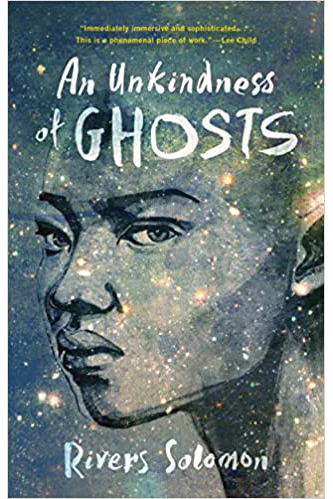
An Unkindness of Ghosts is a story of courage and resistance in circumstances that have all but walled you in—a generation ship that oppresses its lower-class passengers of color much like the antebellum South. Rivers Solomon never misses!

ORANGE: A book with a passionate/fierce protagonist

Jin-Lu from Road to Ruin is as tough as they come, but will do anything to protect the ones she loves. This novel was the perfect blend of post-apocalyptic sci-fi and fantasy!

YELLOW: A book that celebrates friendship

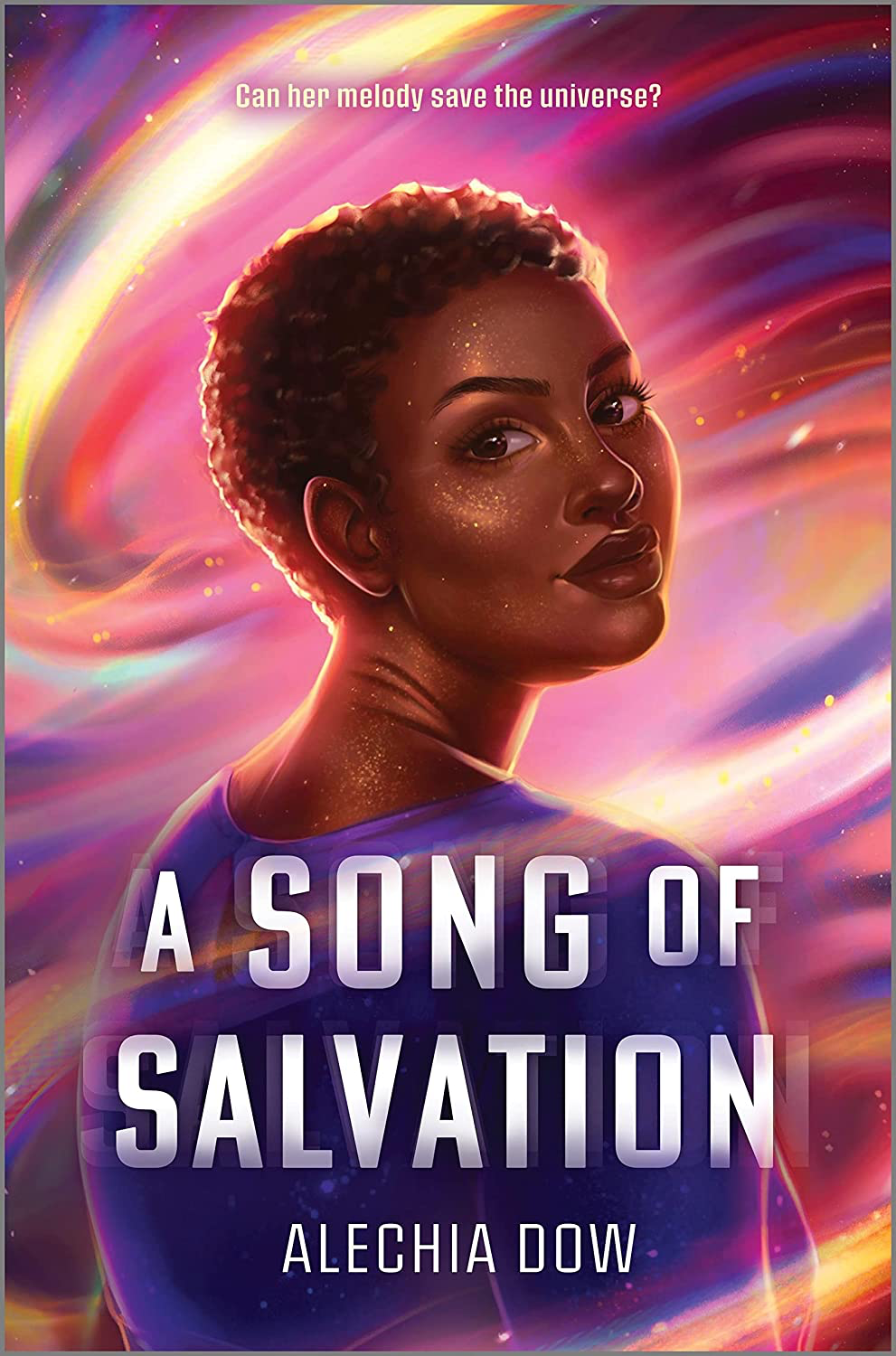
All of Alechia Dow’s books sparkle with themes of connection, but A Song of Salvation centers around the friendship (and eventual romance) between its three unlikely leads! Not her best, but still a sweet book.

GREEN: A Middle Grade book and/or a book featuring kids

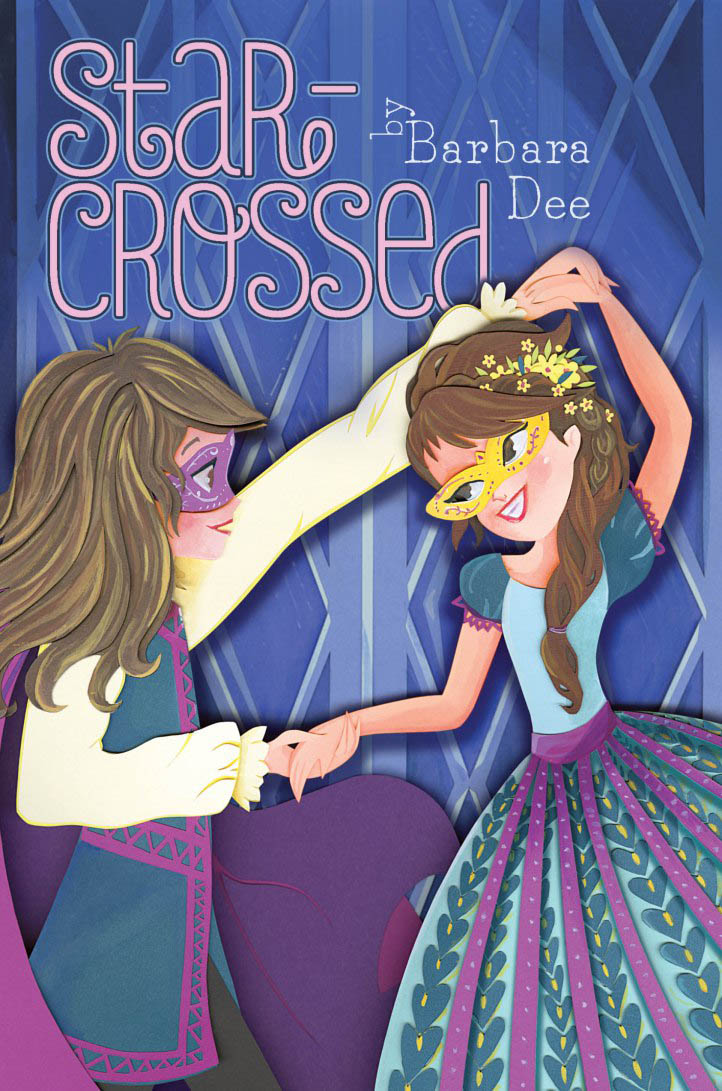
It’s been ages since I’ve read (or even thought about) Star-Crossed, but I’m glad I remembered it—such a sweet coming-of-age story about a bisexual girl playing a genderbent Romeo in her class production of Romeo & Juliet!

BLUE: A book which includes a wedding or an already-established LGBTQIA+ couple

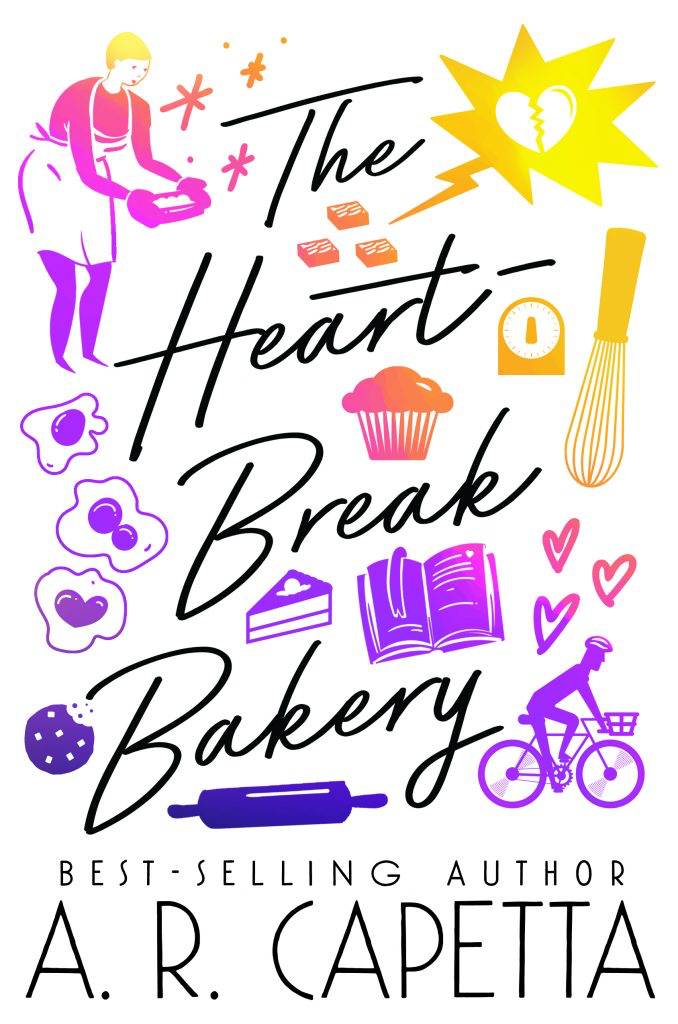
I seriously think that The Heartbreak Bakery has the most LGBTQ+ rep I’ve ever seen in a single book—several established queer couples, and characters spanning tons of sexualities, gender identities, and ethnicities!

PURPLE: A book featuring love at first sight

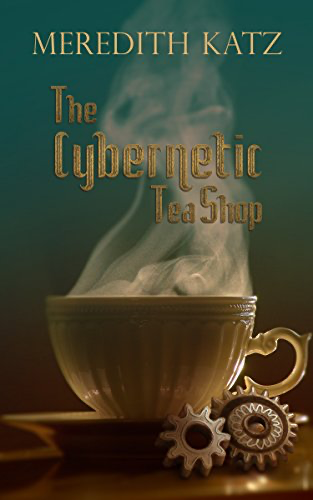
The Cybernetic Tea Shop is a sweet, cozy sci-fi novella about a robot who runs a tea shop and the romance that blooms between her and a technician!

BLACK: A book centered on an antihero or villain

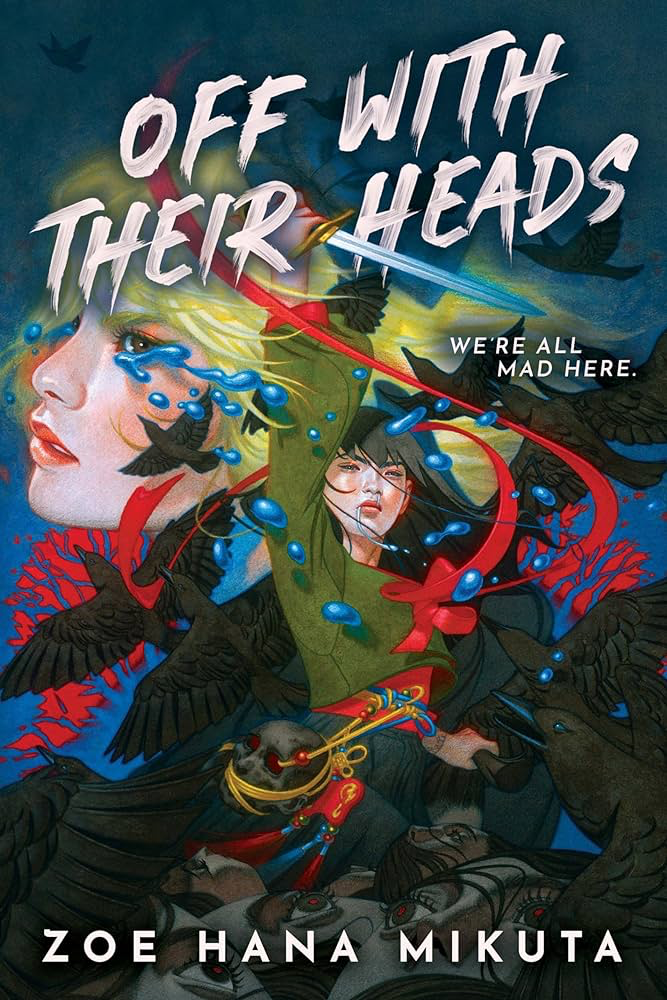
Off With Their Heads centers around two cunning, bloodthirsty, and vengeful characters, in an equally bloodthirsty and vengeful world loosely based on Alice in Wonderland.

BROWN: A book that celebrates family, chosen or given

Don’t let the gritty-looking title and cover fool you—Activation Degradation is one of the most emotional celebrations of found family that I’ve read all year! Highly recommend it.

LIGHT BLUE: A book about star-crossed lovers

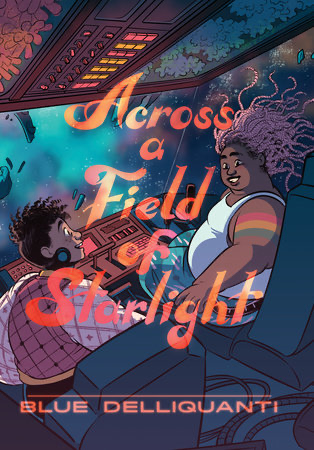
Across a Field of Starlight features a nonbinary romance that stretches across solar systems, war, and ideology.

PINK: A book as sweet as cotton candy

Just Your Local Bisexual Disaster is a lighthearted, sweet romance about a bisexual girl scrambling to find a date for her sister’s quinceañera—and sort out her messy romantic history.

WHITE: A book that isn’t focused on romance

Another piece of lovely cozy sci-fi (from the cozy sci-fi queen herself), A Psalm for the Wild-Built has no romance, and focuses on self-discovery and friendship!

PURPLE CIRCLE: A standalone book that is perfect and complete on its own

Only This Beautiful Moment is the story of three generations of men in an Iranian family, and the interwoven threads of sexuality, trauma, and love.

RAINBOW: Free choice! Recommend any LGBTQIA+ book that you love

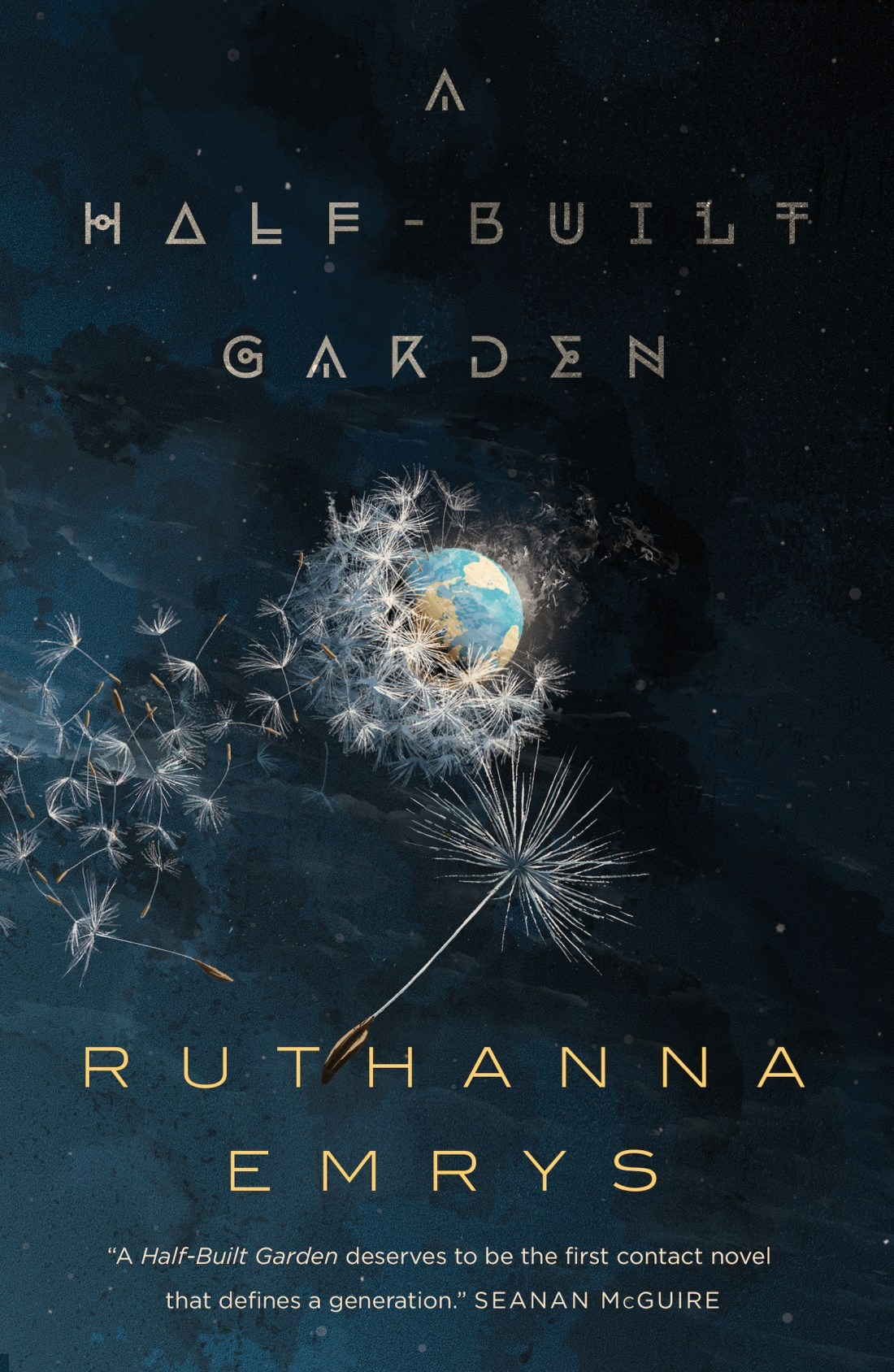
A Half-Built Garden was one of the best pieces of sci-fi that I read last year—a wonderfully nuanced and human vision of first contact, featuring a whole host of cleverly designed aliens!

I TAG ANYONE WHO WANTS TO PARTICIPATE!

Today’s song:

:,,,,,,,,,,)

That’s it for this book tag! Have a wonderful rest of your day, and take care of yourselves!
Posted in Sunday Songs

Sunday Songs: 6/16/24

Happy Sunday, bibliophiles!

First off: happy Father’s Day to my incredible dad! Not only are you such a wonderful role model for being a genuinely kind, accepting, and truly empathetic person, you’ve given me the gift of sharing music—what these posts are all about. To be able to share music with you back brings me all the joy in the world. I love you.

This week: 🚨SOCCER MOMMY HAS COME TO SAVE THE SECOND HALF OF 2024, THIS IS NOT A DRILL🚨

Enjoy this week’s songs!

SUNDAY SONGS: 6/16/24

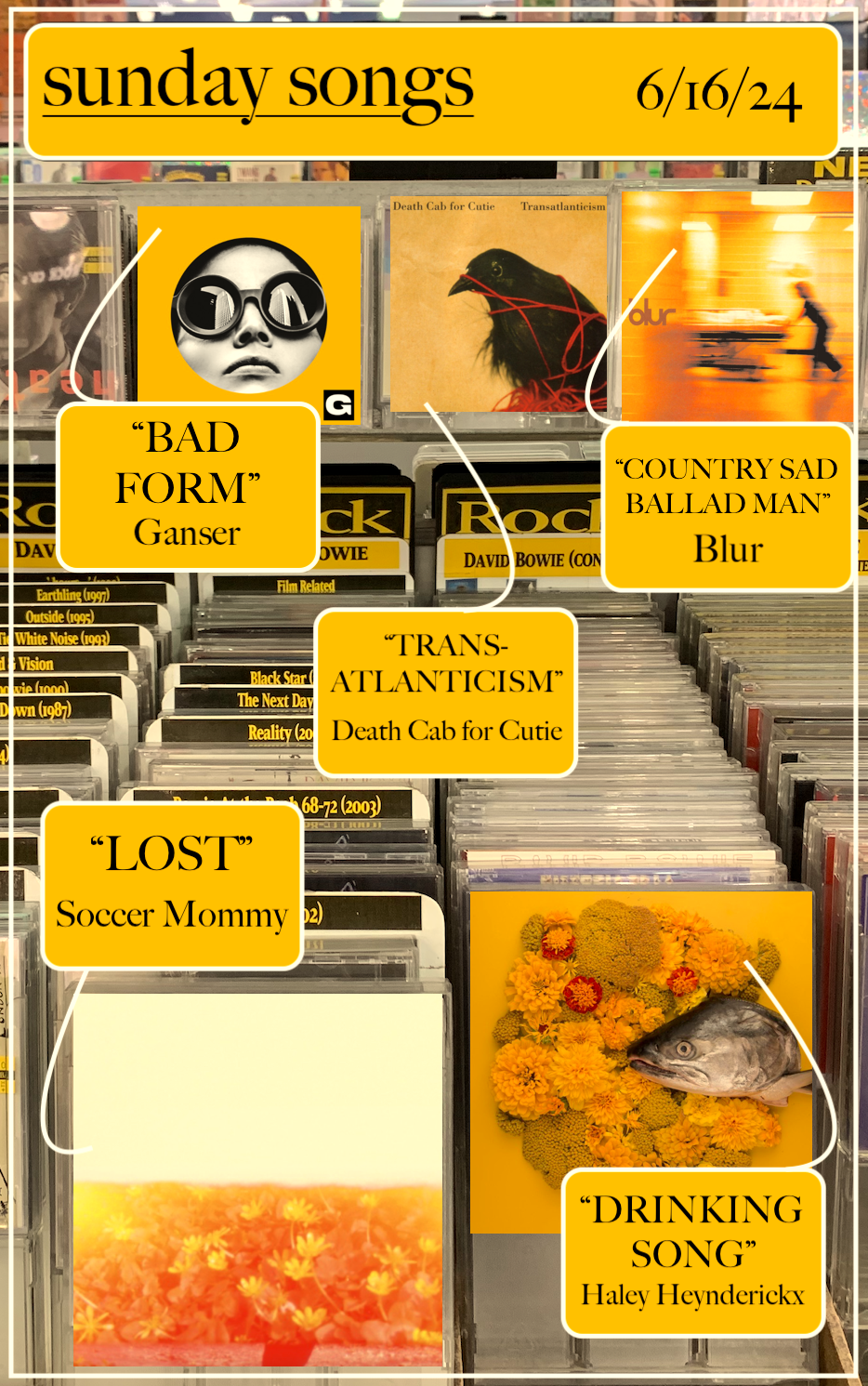
“Lost” – Soccer Mommy

SOCCER MOMMY RETURNS!!! Given the short tour (that’s nowhere near me……..no, I’m totally not mad, no way) that she’s currently embarking on to support some of this new material, there’s a fourth album (sixth, counting the self-released albums) on the horizon, and hopefully on a happier date. Poor thing. I still haven’t gotten over the fact that her last album, Sometimes, Forever, was unintentionally released on the day that Roe v. Wade was overturned. Jesus.

Something that I’ve admired over the years about Soccer Mommy is her willingness to experiment with her production. At their core, her songs have never changed their essence: honest, tender confessions of the trials of heartbreak, grief, and mental health. But the dressing is never the same twice, from color theory’s color-coded tonal shifts and synth-dusted melodies to the darker, more distorted soundscape of Sometimes, Forever. With the latter, Chelsea Wolfe wasn’t somebody that I’d readily compare to Soccer Mommy, but then she comes along with “Unholy Affliction,” and the comparison, at least on that track, is as clear as day. Just when you think she’s playing it safe, she comes out of nowhere with instrumentation that you’d never imagine attributed to her name—and almost every time, it still feels like nothing but Sophie Allison. There’s a boldness to her that’s rare in the genre; there is an expectation of sameness in the kind of indie circles she’s in, an expectation to box yourself into the image that the record label deems as “authentic” in order to stay in their good graces—and the good graces of fans who cling to their raw lyrics. Julien Baker, although her first two albums adhered to that, took a similar leap with Little Oblivions, and that, for me, was her best album to date.

But Soccer Mommy can’t help but be herself. “Lost” strays nearer to some of her sparer, more traditionally indie roots, but with production that feels spun from silk; inside of the glowing cocoon where Allison resides, threads of synth, birdsong, and yearning strings coalesce in what can only be described as the musical form of a grainy polaroid, a sunset tinged with ink, film, and bygone memories. Bygone memories, like much of her other material, is at the core of “Lost,” specifically bygone memories of those bygone. Given the trajectory of “yellow is the color of her eyes,” some have speculated that “Lost” is about her mother’s death, although Allison has chosen to not disclose the subject. whatever the case, I’m glad that Soccer Mommy doesn’t have the kind of rabid Swiftie fanbase that would relentlessly strip away at the press and at Allison herself to get to the bottom of who she’s mourning, because…that’s her own business, dammit. I’m glad us…whatever Soccer Mommy fans are called (does this fanbase have a name?) have the heart to give a human being space to breathe, because, judging from the lyrics (and all of color theory, frankly), Allison needs it. “Lost” distills grief in the truths of the cliche that every movie seems to repeat about grief: “I wish I’d had more time.” Most media leans on that universal kernel to hold the weight of such a complex, unmappable sensation, but Allison scratches at its heart; her grief rests not just in tangible objects, but in the reminders of the time never spent: “I’ve got a way/Of keeping her with me where I go/But how she feels, I’ll never know/It’s lost to me.” The pain of this track is in the insurmountable truth of never being able to fully know a person; of course you can never fully, truly know a person beyond yourself, but grief exacerbates that unsurmountable summit—even if you tell yourself that you could be a cartographer of a brain outside your own, that chance has all but slipped through your fingers. Grief has unrealistic expectations of you; in its throes, it tells you that you could have made up for all of the missed regrets in your lifetime, and that’s half of the knife in your gut. Half of the pain isn’t what didn’t happen, but what can’t happen, even in the alternate reality it presents. When she repeats “If I had another chance/I’d ask her then,” it doesn’t feel like a throwaway from a stale funeral in the MCU—it feels like the testimony of something still putting down the compass and fountain pen, knowing that this expedition was doomed from the start.

So, what, you ask, might us sad girls do while we wait for Soccer Mommy’s fourth LP, which will inevitably destroy us? Watch Allison and fellow storied sad girl Phoebe Bridgers unite to cover Elliott Smith:

…AND A BOOK TO GO WITH IT:

Only This Beautiful Moment – Abdi Nazemianbreaching generational lines to form an understanding of heritage, sexuality, and family.

“Drinking Song” – Haley Heynderickx

Contrary to the song title, Haley Heynderickx is (probably) not responsible for the kind of song that old men will sing in a pub while drunk for generations to come. I mean, that could be a possibility in some alternate universe. I’d like to see that. It’d make for an odd movie scene—nothing about this universe has changed, but instead of old Irish ballads, there’s a pub full of swaying people singing late-2010’s indie rock.

With a title like “Drinking Song,” I fully expected this song to be the prequel to “Oom Sha La La,” a telling of the period where “The milk [was] sour/I’ve barely been to college/And I’ve been doubtful/Of all that I have dreamed of.” Contrary to that, “Drinking Song” is a soft-spoken but resolute declaration of hope, delivered out a summer window while the crickets sing. Any darkness is the shroud of night, and all of the stars seem to bear witness to a constitution of better days to come: “And the edge of the world makes it seem/That everyone gone is still singing the same song/And I can believe in these things/That everyone’s singing along/The good and the bad and the gone.” There’s a kind of childlike optimism to the openness of Heynderickx’s declaration, but one with roots strong enough to hold it; with each repetition of “there’s a light at the end that I know,” that glow, like The Great Gatsby’s green light, pulses with more intensity with each incantation, until it becomes a portal to better times. It’s the opposite of negative overthinking; this song overflows with future vignettes of new cities to explore and new lovers to embrace, all held within the space of the back of your mind. “Drinking Song” is a snow globe containing every good future—all is too small to comprehend in the here and now, but with a little luck, you can hold them in your hands and watch them unfold before you.

…AND A BOOK TO GO WITH IT:

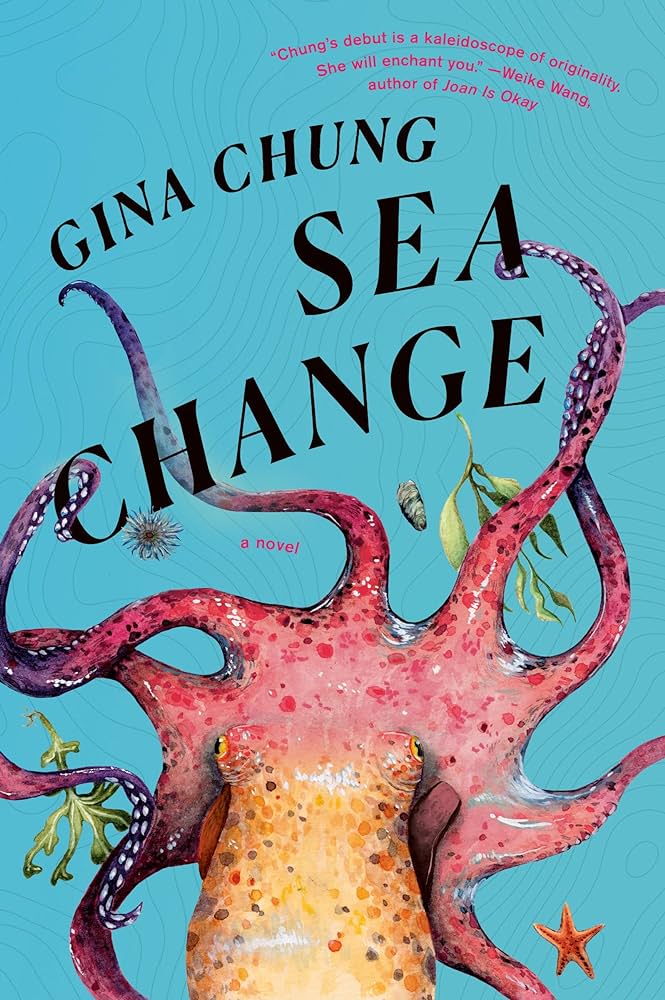
Sea Change – Gina Chungholding onto hope in a time of lovelessness and isolation.

“Bad Form” – Ganser

I like plenty of bands and artists whose catalogue consists of one or two songs tops (see: Wet Leg, Suki Waterhouse, etc.). What distinguishes said bands, for me, is that they’ve made a career out of making those two songs worth your time—they may only be two songs, but they play them well. Sure, “I Just Threw Out the Love of My Dreams” may be one of Weezer’s one, maybe two songs (and even that’s generous), but it’s such a bright and shining piece of machinery that you can’t help but gaze at said one song and know that, yeah, it may be the same song they’ve been peddling since 1994, but it’s one fantastic song.

The more I listen to Ganser, the more I realize that they fall into that camp. I hate to say that every time, but like I said, it’s not always an insult. Although they do have a good amount of deviation here and there, most of Just Look At That Sky, as much as I enjoyed it, is the same three off-kilter, drawled post-punk songs about being numb, exhausted, and angry, or some combination of the three. They’ve got a brand. Ganser, for me, stands out in that their three songs sound different enough from any given song that you can excuse them for relative lack of variety. None of their chords ever align pleasantly—it’s abrasive, grating, and honestly? Fun. As with “People Watching” (which I reviewed at the beginning of the month), Ganser makes the kind of punk that’s aware of how punk it sounds, and they lean into every inch of theatricality with their bleary-eyed drawls and itchy, buzz-saw guitar riffs, fuzzy and stinging like staring straight at the sun—just as like the climax of “Bad Form.” Ganser is a band that’s not afraid to make music that scratches your skin like un-filed, bitten nails, and if that’s their three songs, then three cheers for making three songs that are bold enough to sound unappealing.

…AND A BOOK TO GO WITH IT:

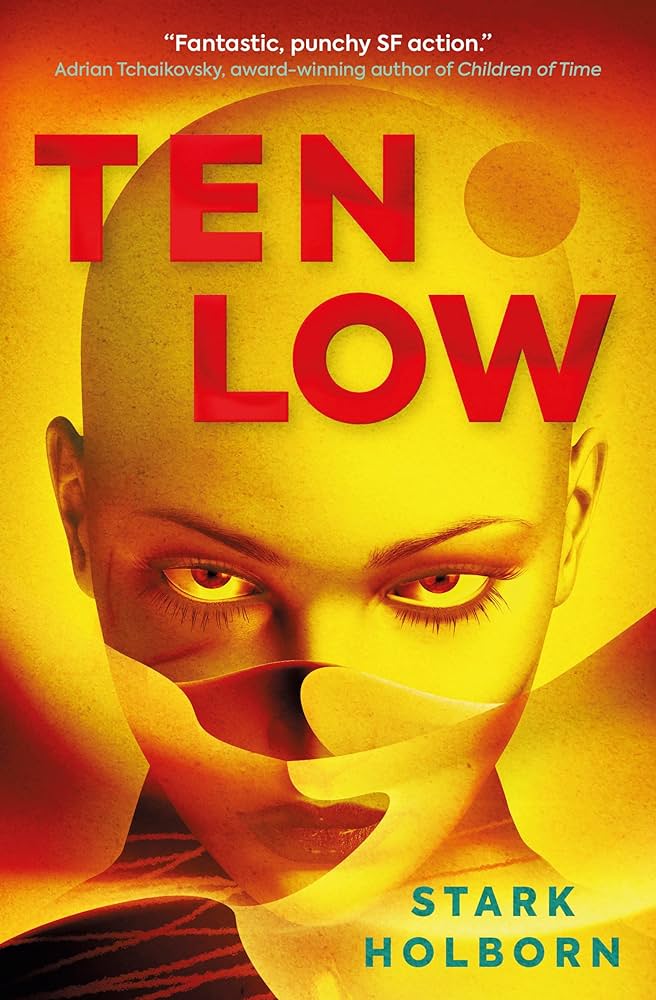
Ten Low (The Facts Sequence, #1) – Stark Holborn“I’m the other man/I’ll take the medicine/The room spins like a feather/Folding over and over…”

“Transatlanticism” – Death Cab for Cutie

I was first introduced to “Transatlanticism” when I was about 12 or 13. A few months after the first listen (and being irreparably entranced), I had an internship at a local flower shop, where the owner had Sirius XMU playing. This song came on at some point, and I’ll never forget the deeply concerned look she gave me when I told her, in the most 13-year-old way possible, how much I “loooooooooooved” this song. She was entirely justified.

Another thing that music criticism does that I’ve never understood: categorizing Death Cab for Cutie as emo. If I suspend my disbelief enough, I can see the basis being in the whine in Ben Gibbard’s voice, especially when he performs live, and the dramatic emotion is there, but…in what world does Death Cab for Cutie belong in the same breath as My Chemical Romance? Really? I could almost see them being the middle ground between emo and indie, with some of the lingering whine and drama, but the key with selling drama is what has always lost me with most emo music: it actually feels authentic. Never once does Gibbard sound like a suburban teenage boy who’s just discovered heartbreak and black eyeliner in one fell swoop. The whine, although it can fit into some of said teenage boy sensibilities (see: “We Looked Like Giants”), just seems more of a product of Gibbard’s natural range than it does a forced vehicle for airbrushed angst.

In theory, “Transatlanticism” fails my test of withstanding a long song; most of the time, in order for a long song to hold enough water past around the six minute mark, there has to be at least some sort of shift, whether that’s tonal, lyrical, or instrumental; it’s why “Cop Shoot Cop” by Spiritualized really feels like it’s over 17 minutes long, with its largely extended sleepwalk of monotony, whereas Nina Simone’s ten minute epic “Sinnerman” has the fervor and gusto, as well as an act structure similar to classical pieces, is a nail-biting journey that never lets go of your shirt collar. (To be fair to J. Spaceman, my guess is that the tedium is the intended effect, seeing as it’s about how his heroin addiction all but made him into a dead man walking. Knowing him, it’s fully intentional.) However, there’s songs like Blur’s “Tender”—nearly eight minutes long and without much change—that have the pure, undiluted heart to keep its sails billowing. You feel everything—it’s an IV drip straight through to the sparest, most instinctual emotions, heart-wrenching in its delicately-crafted simplicity. “Transatlanticism” takes a trick out of that same book; until the last third, all that accompanies Gibbard’s thinning, tender lament is about four piano chords, played over and over with a purposeful negative space between them. Come to think of it, negative space is exactly why “Transatlanticism” works so well. Transatlanticism as a whole is a concept album about long-distance relationships, and even without the lyrics, crushing as they are, you can sense the abyssal gulf cutting down the middle of this song. At the four-minute mark, after Gibbard has finished with the first repetition of “I need you so much closer,” a full minute passes of a single, instrumental strain: those same four chords, a spare guitar lick, and tiny tendrils of synth that faintly moan and rattle like dying machinery, as if trying to conceal their death rattles without bothering anyone. Transatlancism was aided with Brian Eno’s Oblique Strategies cards, and I wouldn’t be surprised if they drew the same cards that produced Bowie’s “Sense of Doubt”—”emphasize difference” and “try to make everything as similar as possible.”

The difference, in this case, is a shift in lyrical style; It’s all but silent compared to the lyrics in the first half, but that silence conveys the feeling of separation, of having a strand of your soul stretched across an ocean and not being able to see who’s on the other shore, just as heartbreakingly as words do. After Gibbard’s lament (“The rhythm of my footsteps crossing flatlands to your door/Have been silenced forevermore/The distance is quite simply much too far for me to row/It seems farther than ever before”), the exhaustion of sorrow leaves you with no strength to do anything but stare into the canyon wrought by distance, too far to even touch fingertips over. Simplicity is what kills me about this song; after that instrumental break, Gibbard repeats the “I need you so much closer” refrain, only to transform it to “I need you so much closer…so come on.” When all of the poetry’s drained, sometimes the most sparing lyricism destroys me. The ocean has spread its impossible distance before you, and all you can do is stare as far as you can, towards the bottom, with only the most baseline instincts of longing to keep you company. It’s such an artful buildup and approach to portraying such deep yearning—you feel that negative space as a tangible barrier. See what I mean about Death Cab for Cutie making their angst authentic? “Transatlanticism” hits me like a goddamn steam train every time without fail. Ow, dude, who kidnapped me and abandoned me in the onion-cutting factory?

…AND A BOOK TO GO WITH IT:

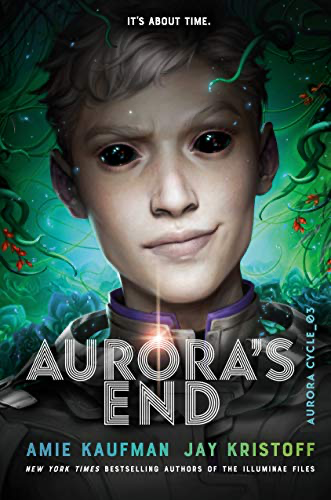
Aurora’s End (The Aurora Cycle, #3) – Amie Kaufman & Jay Kristoffow oof ow ouchie ow ow ow somebody hold me

“Country Sad Ballad Man” – Blur

And now, “Song 3.”

Blur’s self-titled album [slides Anthony Fantano glasses up bridge of nose] is an exercise in becoming the very thing you swore to destroy. After years of being right smack in the middle of the spotlight, participating in a manufactured battle of the bands, and pushing their mutual abuse of multiple substances to the edge, the band collectively decided that a change needed to be made. They packed their bags, temporarily relocated to Iceland, and hammered out a new album. The result was Blur, which had a much dingier, edgier, and altogether harder sound, with a lead single that famously parodied grunge, but then…circled around to being a smash success and an enduring stadium classic. That’s another story. (I’ll give you a hint: wooooooooohoo!) Yet, as much as they poked fun at American grunge, in all of its nihilistic, self-deprecating time in the sun, they slipped straight into the lifestyle, shedding their Britpop gloss for aggressive, alternative guitar, stubble, and, to the detriment of the whole band, excessive abuse of alcohol and heroin (see: “Beetlebum”).

Though the drug use is lamentable (to say the least), as all of the band members now agree, it was their mutual exhaustion and anger at being put through the British media meat grinder that allowed for such a hard—and delicious—left turn. On the verge of snapping, the band decided to put Parklife behind them and get grungy. It was bound to happen eventually, what with Graham Coxon’s adoration for the American alternative scene and the guitar sounds they were producing (should’ve listened to him earlier on that one…). Blur is all but absent of a bad track, crashing with the equivalent of a drum set tossed through a window one minute (“Chinese Bombs”) and slipping into acoustic melancholia in the next (“You’re So Great”). But “Country Sad Ballad Man,” for me, is a highlight I find myself sniffing out every six months or so. With one of the drier and more self-explanatory titles, this track feels like food left to rot out in a heatwave, festering and twangy. Every other lyric finds Damon Albarn stretching his voice into a creaky, scratching highs, as though mocking his own state of lying squarely at rock-bottom: “I haven’t felt my legs/Since the summer/And I don’t call my friends/Forgot their numbers.” The strings on Alex James’ upright bass come loose and unsteady, as though a few more takes of this song would’ve seen them snap off and collapse on the floor. Graham Coxon relishes in the alternative aggression that Britpop never fully allowed for, twisting riffs that seem to languish like drooping eyelids, dripping sweat and numbness. But the real freakout, one that must have been canned and compressed for ages, explodes in a vomit of wobbly distortion and screeching falsetto. It’s a vertigo-inducing outro that caves in like the mold-rotted roof of a wooden house, shattering in a hail of splinters and nails. In all of its spring-plucking chaos, there’s really no other lyric that fits it than Albarn’s self-aggrandizing, high-pitched screech of “I’ve done and fucked it!” yelled straight up from the well of rock bottom.

…AND A BOOK TO GO WITH IT:

So Lucky – Nicola Griffith“Yeah, I found nowhere/It got to know me…”

Since this post consists entirely of songs, consider all of them to be today’s song.

That’s it for this week’s Sunday Songs! Have a wonderful rest of your day, and take care of yourselves!
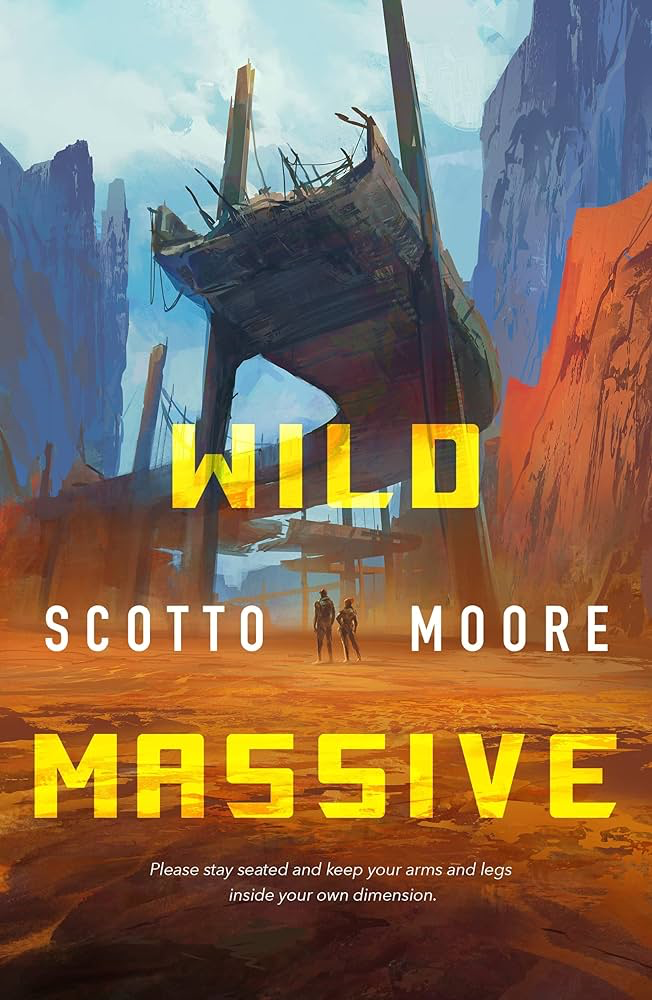
Posted in Books

🏳️‍🌈🏳️‍⚧️The Bookish Mutant’s Books for Pride Month (2024 Edition) 🏳️‍⚧️🏳️‍🌈

Happy Wednesday, bibliophiles!

Here in the U.S., June is Pride Month! And every month, I find myself having a downer of an introduction, just because the world only gets kinder to queer people in the smallest increments, it seems. The vocal minority in this country are still bent on erasing all evidence that queer people exist in the first place, like an offending stain on a white tablecloth. (A note to homophobes: has it ever occurred to you that you don’t have to look at pride flags or queer couples? You can just look away and not make it anybody else’s problem…life is so short, man.) But our community is one characterized by resilience: no amount of book bans, culture wars, or bigotry will wipe us off the map. We are are here, we have always been here, and we will always be here. Nothing you do will make us disappear. Don’t let the vocal minority distract you from the beauty created and progress made by our community.

So once again, here’s a list of YA and Adult books with queer characters and themes, curated by your local bisexual. I also added the specific representation of each book.

Just a refresher on my key:

MC: Main character

LI: Love interest

SC: Side character(s)

For my previous lists, see below:

Enjoy these book recs!

🌈THE BOOKISH MUTANT’S BOOKS FOR PRIDE MONTH (2024 EDITION)🌈

FANTASY

SCIENCE FICTION

REALISTIC FICTION:

TELL ME WHAT YOU THINK! Have you read any of these books, and if so, did you enjoy them? What are some of your favorite queer books that you’ve read in the last year? Let me know in the comments!

Today’s song:

That’s it for this year’s pride recommendations! Have a wonderful rest of your day, and take care of yourselves!
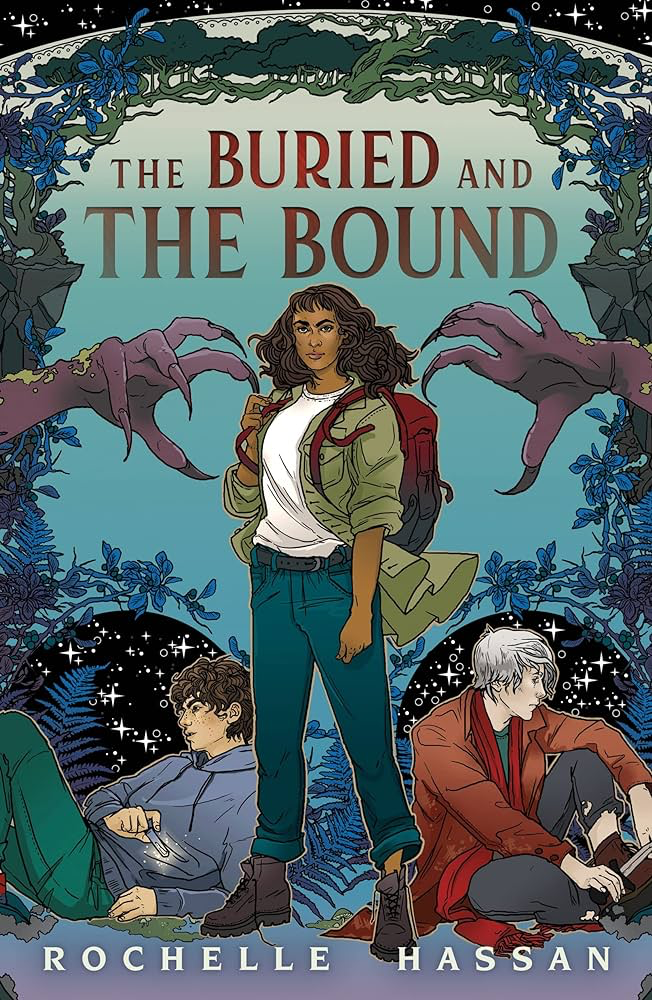
Posted in Book Review Tuesday

Book Review Tuesday (6/11/24) – Junker Seven

Happy Tuesday, bibliophiles! I’m back from vacation, and I’m feeling rested—and ready to review one of the books I read on my trip.

Junker Seven hung around on my TBR for about a year, and I ended up buying it on Kindle for my trip; as I’ve said ad nauseam, queer sci-fi is the stuff of life for me, so I’ll always lap it up when given the chance. Although I wish the worldbuilding (and the politics) were more creative, it was a solid tale of of love and the joy in reminding yourself that your existence is an act of resistance.

Enjoy this week’s review!

Junker Seven (Twin Suns duology, #1) – Olive J. Kelley

Castor Quasar makes a solitary but dangerous living as a junker, ferrying scrap—and fugitives—across the galaxy. They prefer to stay out of the business of others, whether that’s the widespread political unrest throughout the galaxy or simply making friends. But when Castor is offered a job with an exorbitant amount of money, they can’t help but be suspicious, even though the offer would mean valuable repairs for their ship—and an easier living. Their cargo is Juno Marcus, a trans activist with a target on her back and an urgent need to escape before the Intergalactic Peace Force finds her. Castor reluctantly agrees, but they soon find themself in over their head—and head over heels in love…

TW/CW: murder, loss of loved ones, transphobia, deadnaming, misgendering, ableism, police brutality

Junker Seven was by no means without its flaws, but if you’re looking for a love letter to trans love and identity, a slow-burn romance, and resistance in space, then you’ve come to the right place! Not my favorite, but this was a good book to start off pride month—unabashedly queer and political.

Structurally, there were a lot of odd worldbuilding choices (I’ll get to that later), but despite that, the world of Junker Seven felt wonderfully lived-in. The quiet moments where Castor was alone on their ship were what convinced me of this world being tangible; not everything is sleek, clean, and untouched. You never get the sense that the ship is cramped just because it was made so, but because of all of the choices that led Castor to the place they are today. It’s not just a plot device vehicle—it’s got special nooks and crannies that have been shifted over the years, and there’s a goldfish that’s been there through it all, Castor’s only constant companion. Details like this, as well as some of the pockets of resistance that Castor and Juno find throughout their journey, added a real human element to the story. Even with only two characters for most of the novel, Kelley did an excellent job of making the galaxy seem like a tangible place where humans have settled—and brought their unique ways into a new, far-future world.

If you’re looking for representation, especially trans representation, then you’re in the right place—Junker Seven has diversity in spades! Both the main character and the love interest are trans, as well as several side characters, and Castor is also disabled—they have burn scars, a prosthetic leg, and autism! The key part of said representation is that it never felt like a checklist; if the acknowledgements are any indication, Kelley’s goal was to create a resonant story of trans joy, love, and resistance, and though I’m not trans (disabled and queer, though), that love shone through; Junker Seven felt like a love letter to trans resistance all the way through, from Castor and Juno’s slowburn romance to Castor’s gradual radicalization. I love how the disability representation was handled as well! All of the details about Castor’s autism affects their job felt authentic as a neurodivergent person; no stone was left unturned, whether it was how wearing their prosthetic affected their sensory issues to how it affected their relationships. It’s clear from every page that the diversity in this novel wasn’t borne out of a need to tick off every possible marginalization—it was borne of a need to put authentic queer, trans, and disabled stories out into the world.
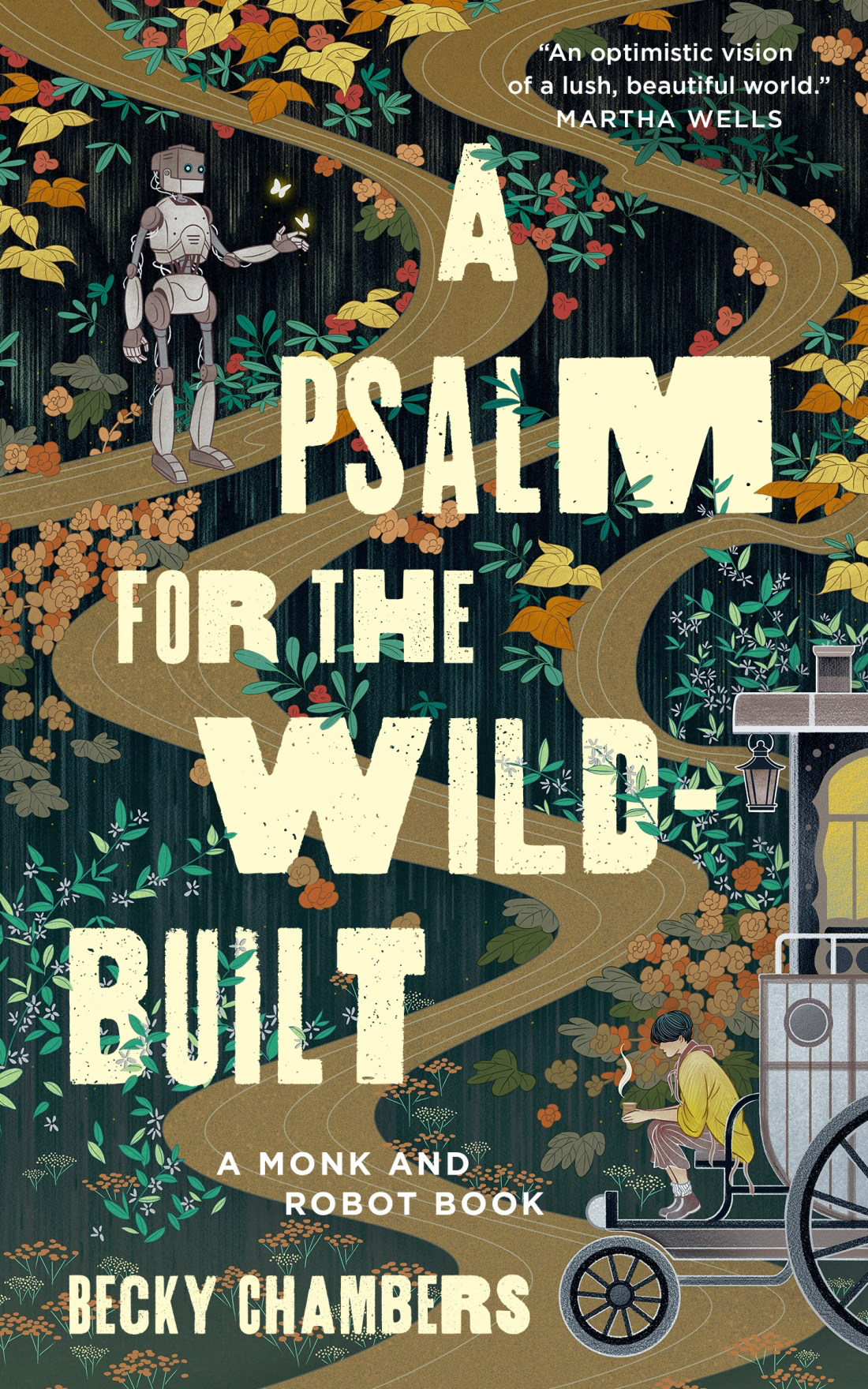
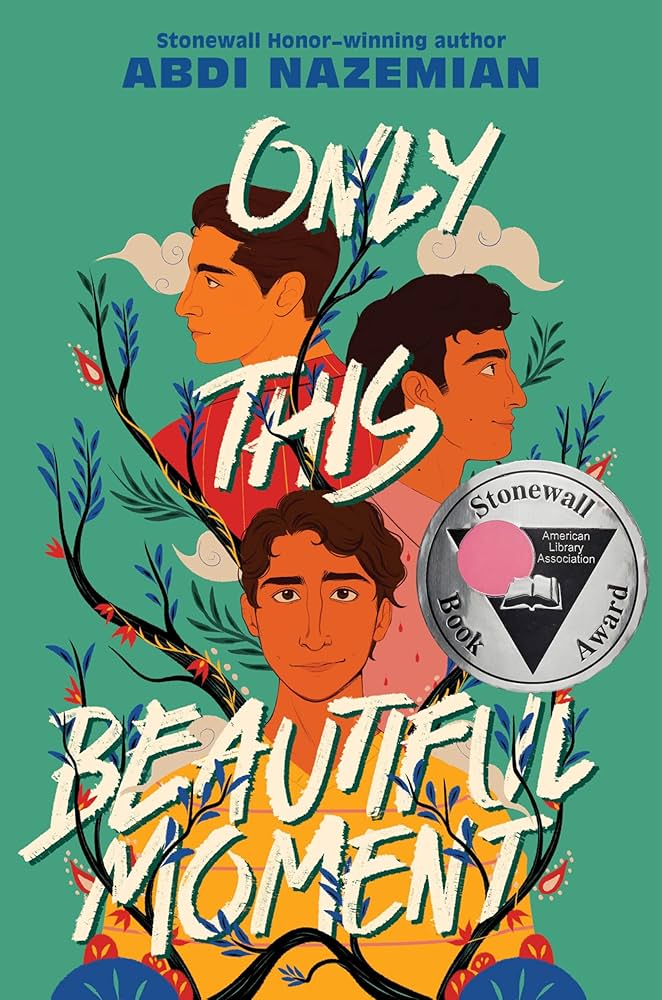
That being said, the worldbuilding of Junker Seven gets stranger the more I think about it. There are enough pockets that could convince you that, yes, this could be hard sci-fi that had some thought put into it, but the actual worldbuilding ends at the descriptions of the climates of the planets that Castor and Juno are hopping to and from. Other than that, the politics are the main focus, but given how political this book is, I was surprised at how unoriginal it was in terms of the evolution of politics and queer resistance. Junker Seven is set several hundred years from now, and yet the politics are all but copied and pasted from the U.S. politics of today—no changes whatsoever, save for being stricter when it comes to the treatment of trans people in particular. Yes, history does tend to repeat itself in terms of treatment of the marginalized, but it’s never in the exact same way twice; technology changes, rhetoric changes, leadership changes. None of that is reflected in Junker Seven; honestly, it was familiar to such a degree that it would have worked more if it were set in a less futuristic dystopia set on Earth. This story is set so far in the future that minimal changes in language and policy just makes no sense. It would have been so much more potent—and creative, frankly—to see how the adapted technology of the future actually factored into how trans people in this universe were being oppressed. There were a few throwaway mentions of more advanced technology that was being used to surveil trans people, but that was about the extent that anything changed. It all boiled down to unused potential—there were so many opportunities to explore how (possible) aspects like advancing technology, increased policing, and advancements in genetic modification could affect the status of trans people throughout the galaxy. And yet, Kelley chose to change almost nothing about our current political climate and paste it into space—to the detriment of my suspension of disbelief. Oppression of marginalized groups remains the same in its goals, but not necessarily in its methods—those change with the times.

What also suspended my disbelief was how little we knew about Marwood save for that he was horrible. Save for being a Trump stand-in, we knew almost nothing about him, save for that a) he’s evil (Trump), b) there’s a widespread news network that’s basically his mouthpiece that he uses to demonize trans people (Fox News), and c) did I mention? He’s evil. I will give Kelley some credit for at least establishing the Zephyr News aspect and the fact that his nepotistic predecessor both ended presidential term limits and instated Marwood in a corrupt, illegitimate election so that his fascist, ultra-conservative values would live on. That, at least, felt like a reasonable enough start for a villainous character, but that was it. The key word here is start. I wouldn’t say it completely falls into the dystopian trope of “we’re not going to say anything about the government, but you have to understand. They’re BAD, guys. BAD,” but it comes rather close. This circles back to my overarching issue of unoriginal worldbuilding, but I wanted to know what separated Marwood from any other run-of-the-mill fascist—did he come from a celebrity background and had no real political experience, like Reagan or Trump, or was he a more cold and calculating type with political prowess who knows exactly how to undo any kind of progress and twist the laws in order to abuse his power? A successful, frightening villain needs to be more than an evil cardboard standup that lurks in the shadows, and we never got more than fragments to show that Marwood was more than a stand-in fascist to move the plot along. (Also, did the entire galaxy, after blending into an almost universal accent after several hundred years, universally adopt a vaguely American two-party system and government? It’s…yeah, I have trouble believing that too.)

Although the disability representation is excellent, as I said before, I did find it odd that it wasn’t a part of Castor’s radicalization; being disabled in the 21st century is already a cyberpunk dystopia as it is, so I’m surprised that there wasn’t much discussion of not just Castor’s experience with being disabled, but how it affected their work or their perception of politics. Save for a throwaway line about an autistic person being driven to a life of crime because of how poorly said autism was treated and handled, there wasn’t much rumination on it other than that. I get that the main focus of Junker Seven was trans resistance specifically, I do wish we at least got more of it than what we got. Come to think of it…as diverse as Junker Seven was, there wasn’t a whole lot of intersectionality in terms of politics. I think there was…maybe one line about race and police brutality, and that was about it? I wouldn’t say that this is inherently a flaw of the book itself, but, once again, given how unabashedly political it was, I did find it odd that there wasn’t at least a small mention of the intersection of queer/trans issues with aspects like race, class, and disability.

All in all, a solid piece of queer sci-fi which suffered from unoriginal and nonsensical worldbuilding, but was nonetheless a shining ode to queer resistance. 3.5 stars!

Junker Seven is the first of the Twin Suns duology, followed by the forthcoming sequel Rebel Rising, which is slated for release in September. Kelley has also released D3F3CT: A Twin Suns Novella, set in the same universe as Junker Seven, as well as the novellas As the Light Goes Out and A Very Lighthouse Christmas. They have also contributed to Spectrum: An Autistic Horror Anthology and the forthcoming Dead Cowpokes Don’t Wrangle: A Weird West Anthology.

Today’s song:

why, why, WHY DID I PUT OFF LISTENING TO THIS ALBUM FOR SO LONG??

That’s it for this week’s Book Review Tuesday! Have a wonderful rest of your day, and take care of yourselves!