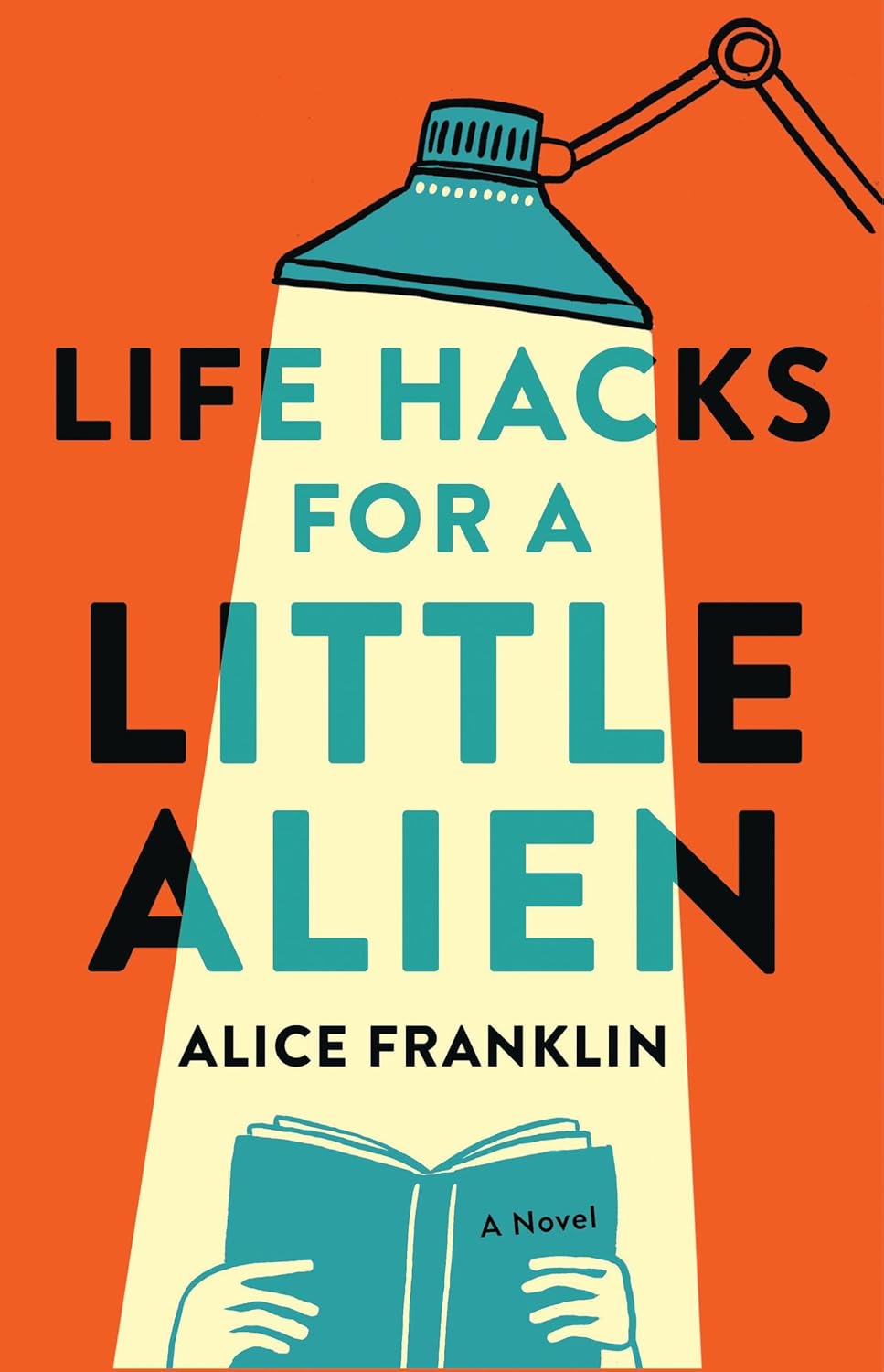
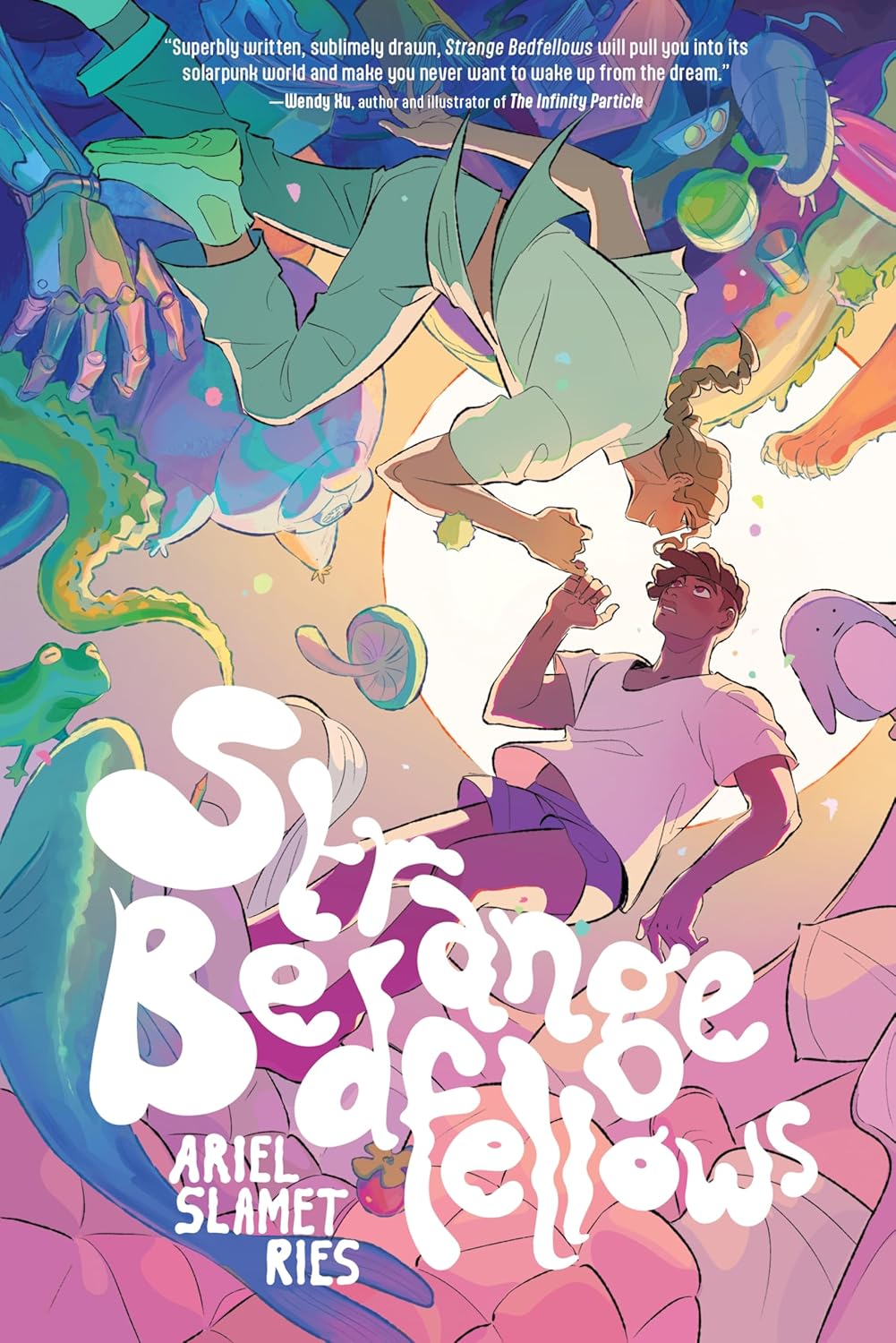
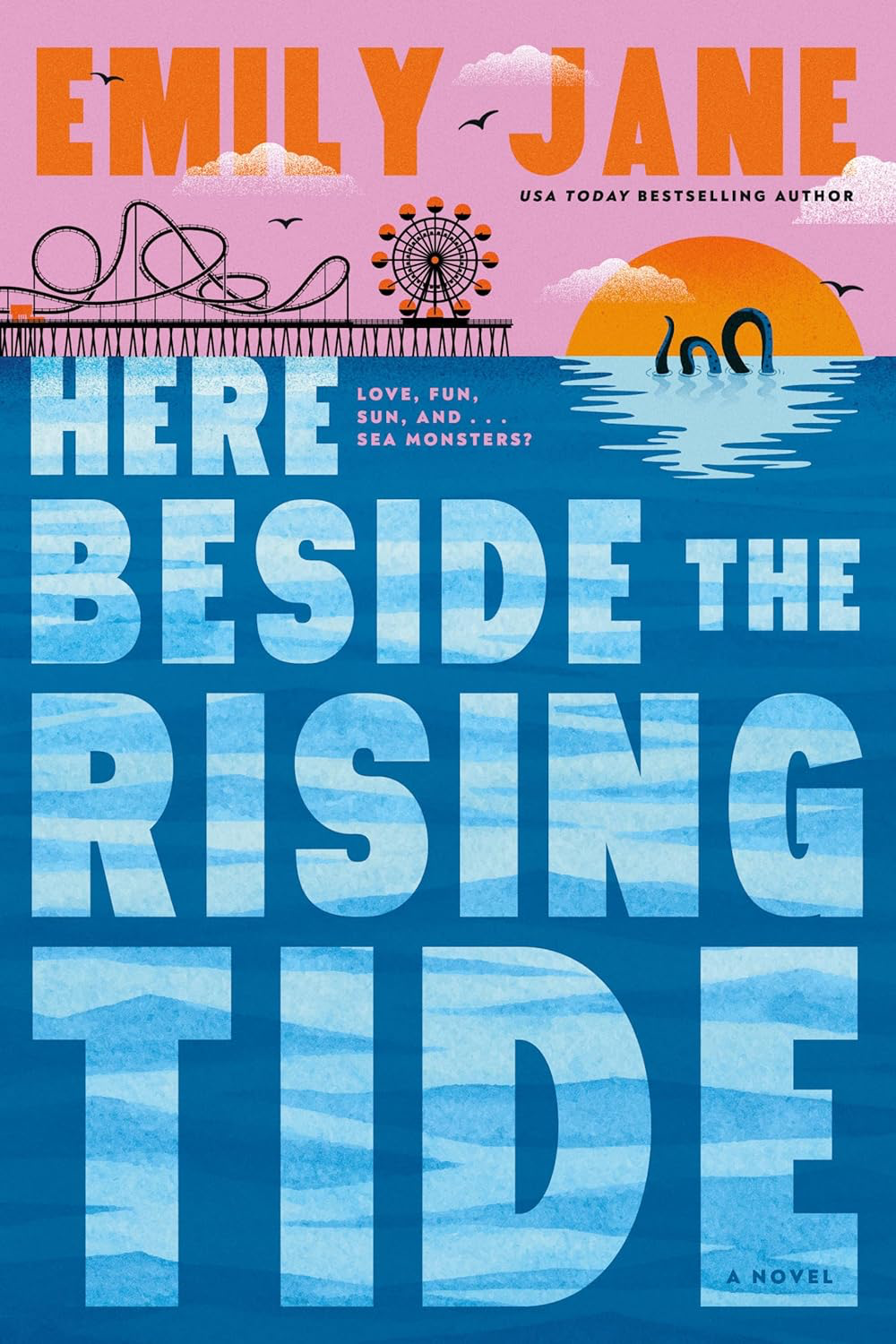
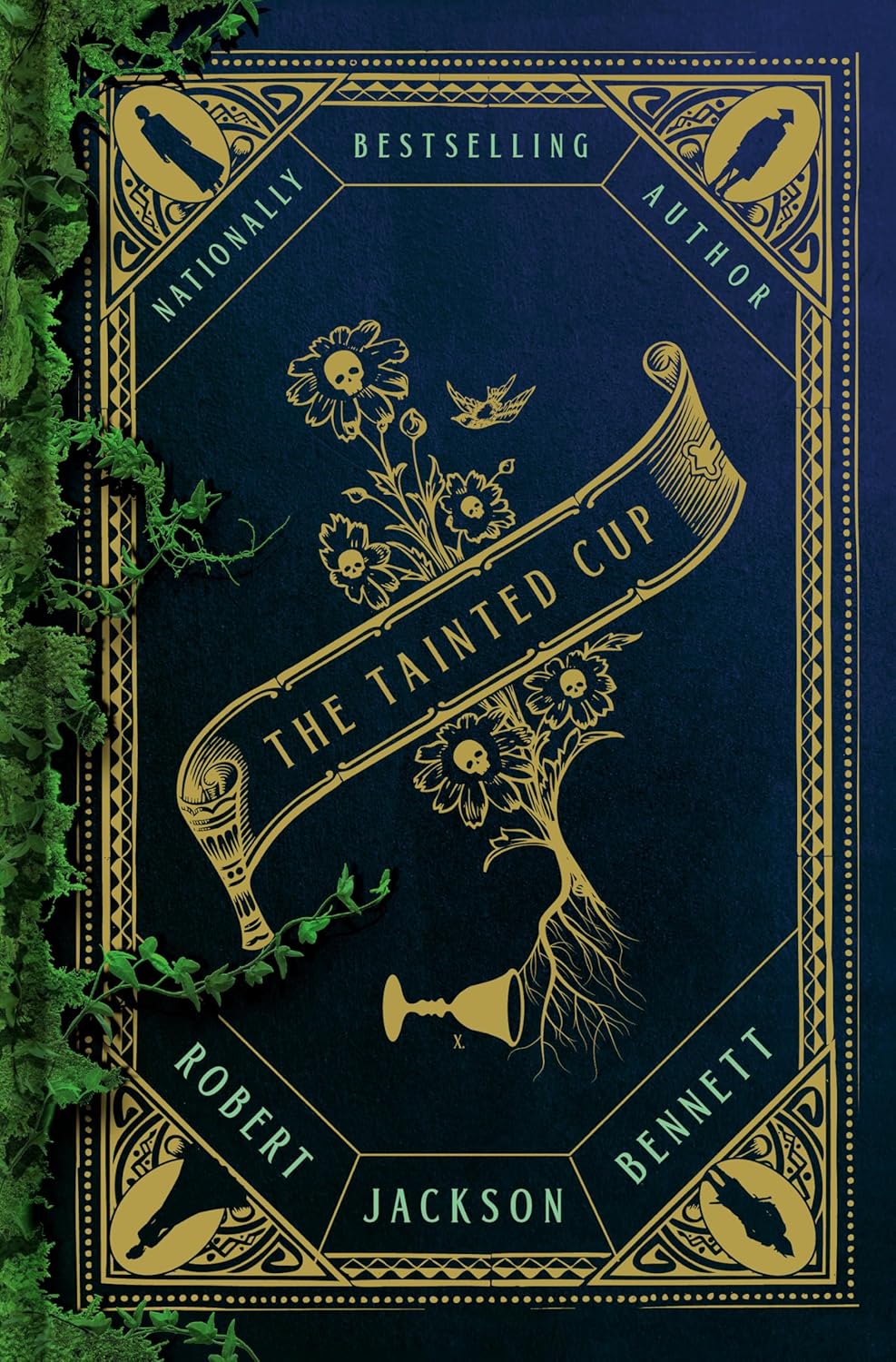
Posted in Books

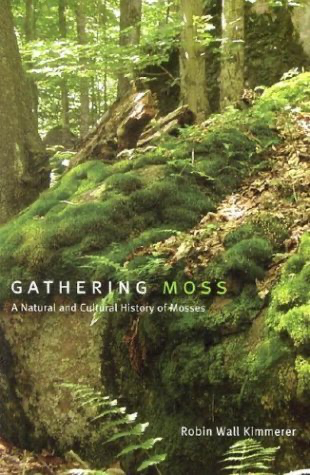
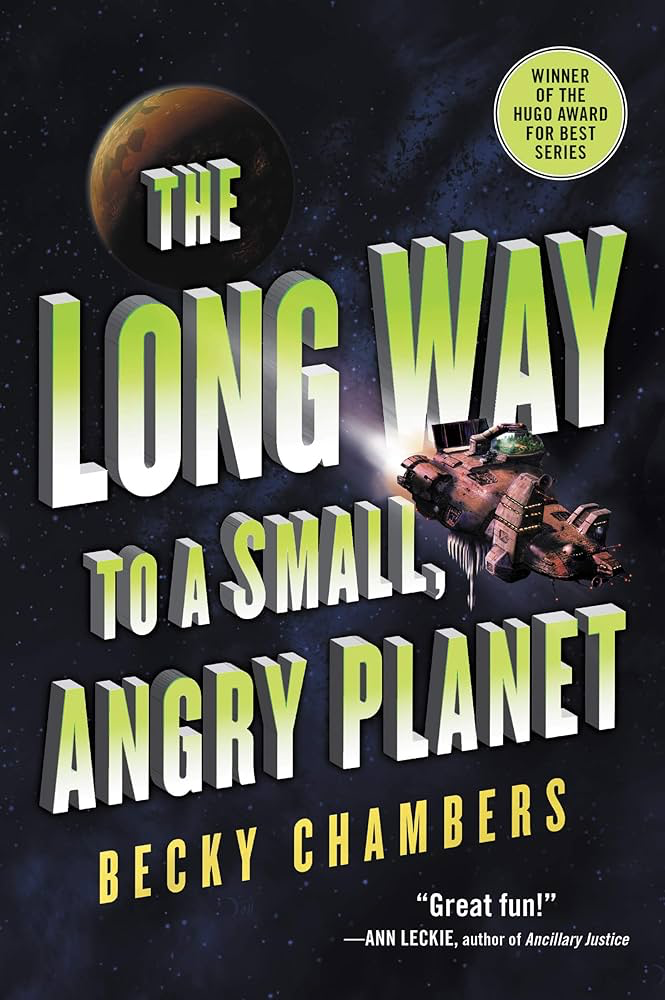
The Bookish Mutant’s Books for National Latine Heritage Month (2025 Edition)

TW/CW: there are mentions of gun violence/school shootings as well as deportations/racism in this post. If those are sensitive topics for you, scroll down to the bold, underlined text to see the book recommendations. Take care of yourself!

Happy Monday, bibliophiles! Looks like I’ll be back for the foreseeable future, now that I’ve adequately got my stuff in order life-wise. As much as I can.

I’d like to take a moment before I get into this post to talk about something nobody seems to want to talk about. I hate to start this off on a somber note, but I have to get this off my chest. I was planning on coming back to the blogosphere earlier, but last week happened to be a dumpster fire like no other. On Wednesday, September 10th, Evergreen High School—the high school I attended—was the victim of a school shooting. Yet nobody seemed to care, solely because a certain conservative influencer happened to be louder and more favored by Trump, and therefore more important, than my community. Days after this tragedy hit my community, it seemed to disappear from the headlines, even when it was revealed that the shooter, like so many in this country, had been radicalized by neo-Nazi and white supremacist ideologies online. I’m livid. I’m heartbroken. I’m only just now coming down from the horrific mess of feelings that came about on Wednesday. If you take anything from this part of the post, it’s that none of these shootings are nameless. This happened in the town where I grew up, where I made friends and had crushes and went through awkward high school stages, just like the rest of you. I beg of you: remember that school shootings are neither abstract nor nameless. End gun violence now. To everyone in the mountain community that I’ve called home for so many years, I love you. Take care of yourselves, take care of each other.

If you’d like to help out, the Colorado Healing Fund is taking donations to support repairs for EHS and to help the families whose children have been affected by this tragedy. Please chip in what you can. If not, keep speaking out. Remember Evergreen. Remember every other victim of gun violence.

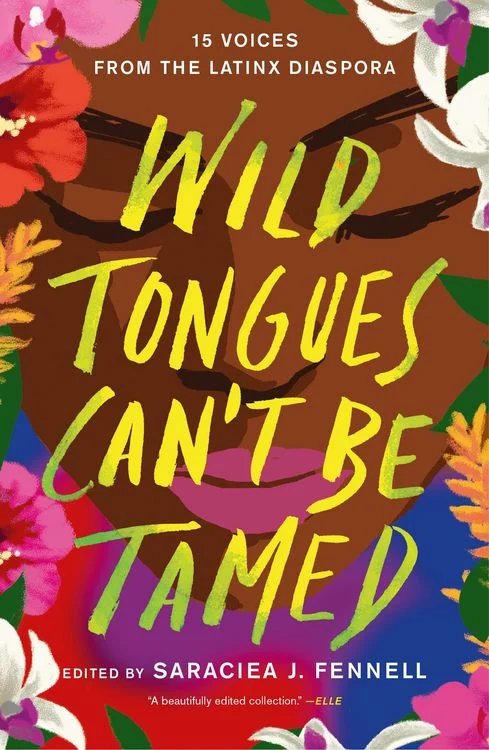
Now, then…here in the U.S., September 15th-October 15th is Latine Heritage Month! Regrettably, I never got around to making a full blown recommendations list like I usually do. September-October is a dicey time as far as getting my stuff together for school, but it is a little embarrassing, given that I’m half Latina. But there’s no time like the present.

Though I’m proud as ever of my heritage, I can’t help but find difficulty in being celebratory now, as with…well, any other specific identity-based post I’ve made in the past year. But this one feels especially raw, given how wantonly carelessly this country has treated its Latine diaspora for the past decade. It’s never stopped, but the fire has only grown greater this year, what with the inhumane ICE raids disproportionately targeting Latine immigrants. Just a week ago, the Supreme Court ruled that it was constitutional (if that word means anything anymore) to racially discriminate, especially against Latine individuals, during immigration stops. Somehow, our country has come to a place where powerful people can casually suggest that the entire Latine population of the United States be fed to alligators and face no consequences. It’s hard to be celebratory when a key part of my heritage and community is under attack, continually without consequences.

But as with any marginalized community, even in times of such strife as these, we must resist the fact that our lives are defined only by suffering. Every time I learn more about my Colombian heritage, I feel fuller. More me. Even though it’s only a half of me, I feel like I’m discovering more of myself. And that brings me so much joy. Reading beautiful books by Latine authors brings me joy. Eating food from my culture brings me joy. If nothing else, we must remember that joy is an act of resistance. No amount of slander and hurt from the government will make us less Latine. They can never erase us. So I hope we can come together and celebrate what makes us fuller and celebrate the joy of community, because that can never be extinguished.

For my past lists for Latinx Heritage Month, click here: 

NOTE: I’ve switched to using “Latine” as opposed to “Latinx” from now on, as there have been criticisms that “Latinx” is more Westernized; though Spanish is a gendered language, the suffix -e is frequently used to denote gender neutrality. Personally, I use Latina to refer to myself since I’m a cis woman, but I generally use Latine to refer to the community at large. If you’re in the community, use whichever language suits you best. I’m just too lazy to change my header…oops.

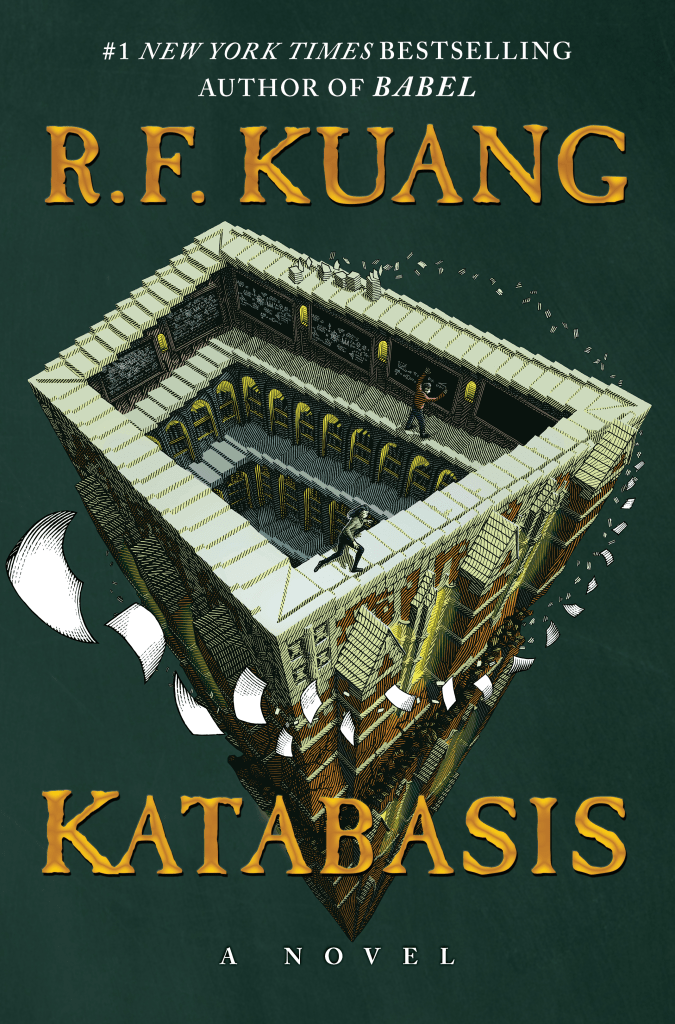
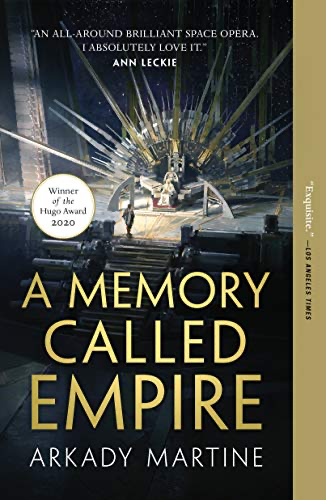
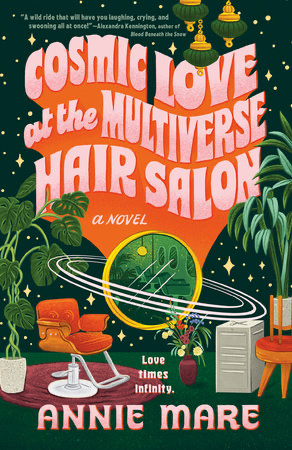
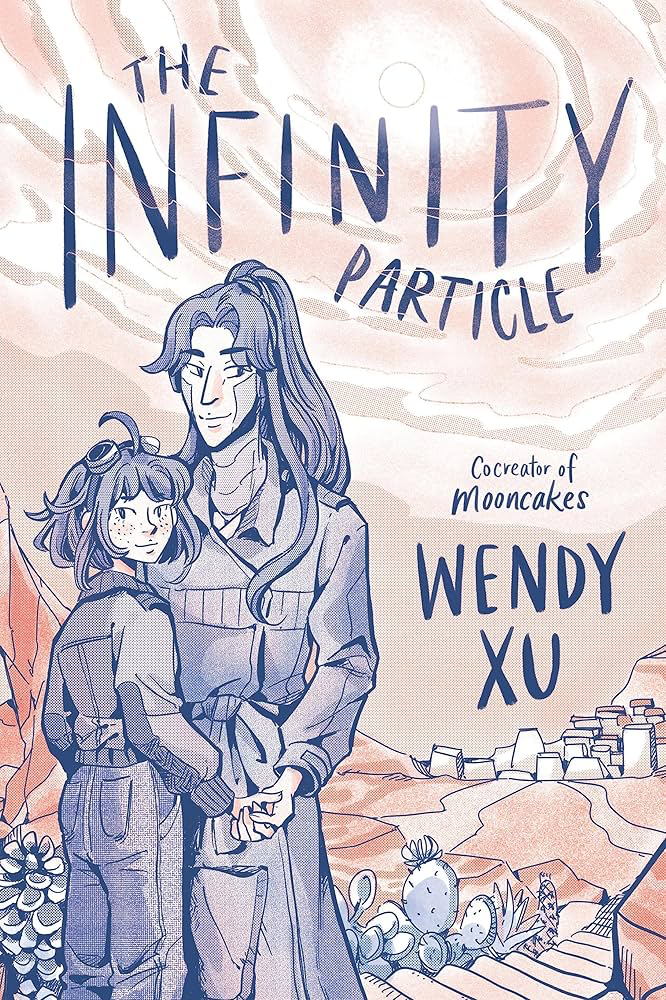
THE BOOKISH MUTANT’S BOOKS FOR NATIONAL LATINE HERITAGE MONTH (2025 EDITION)

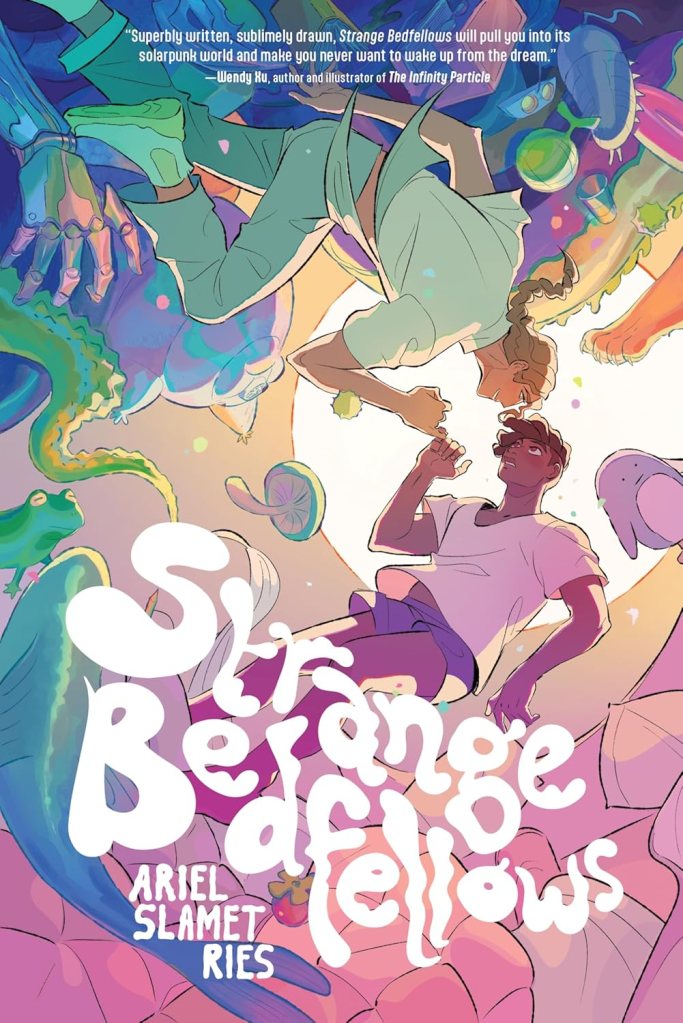
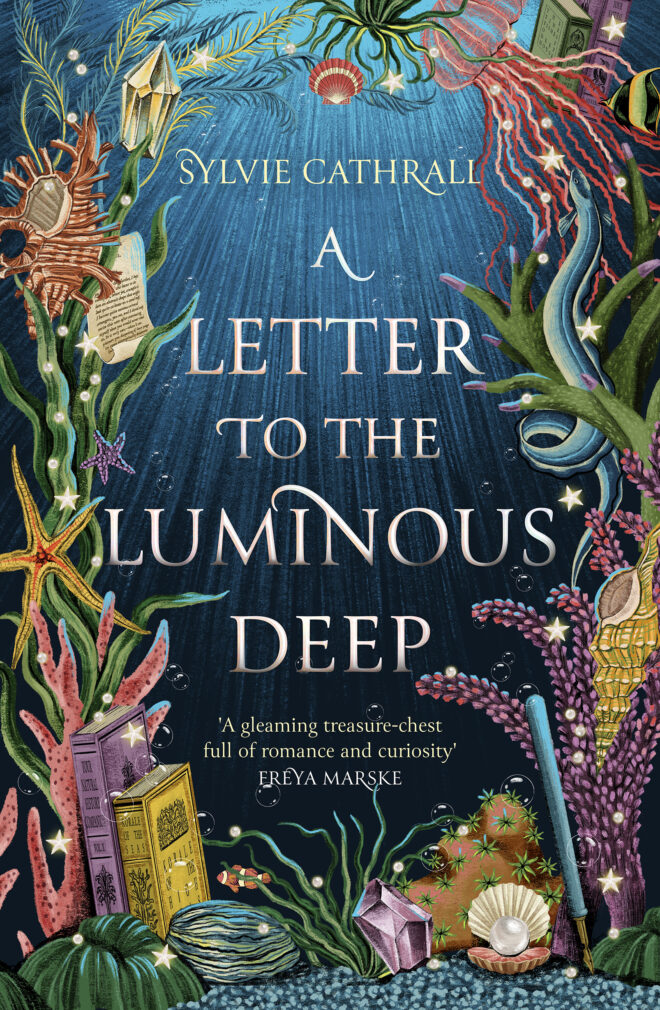
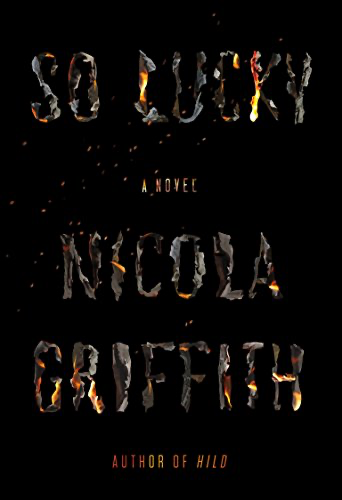
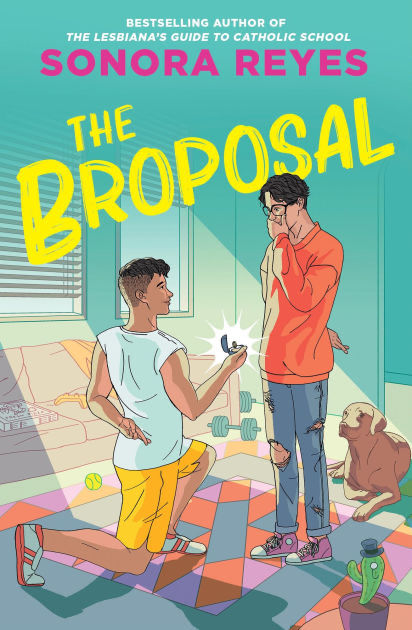
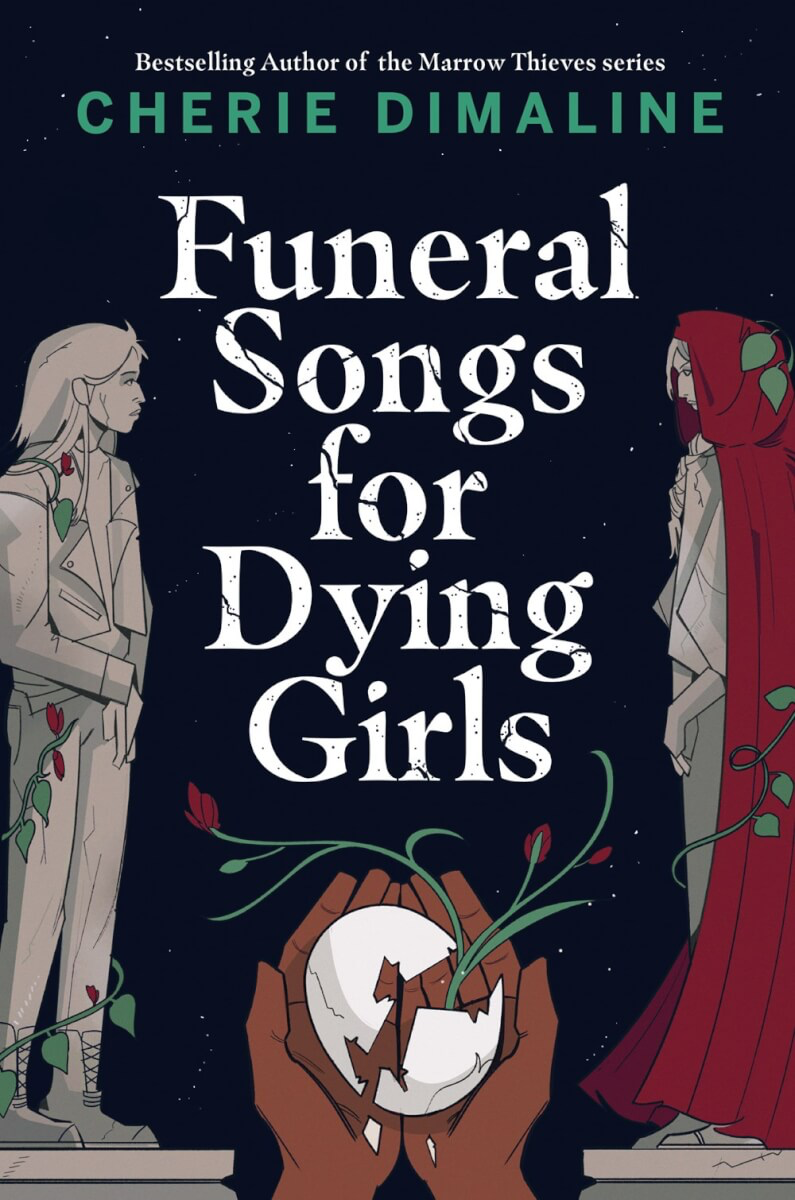
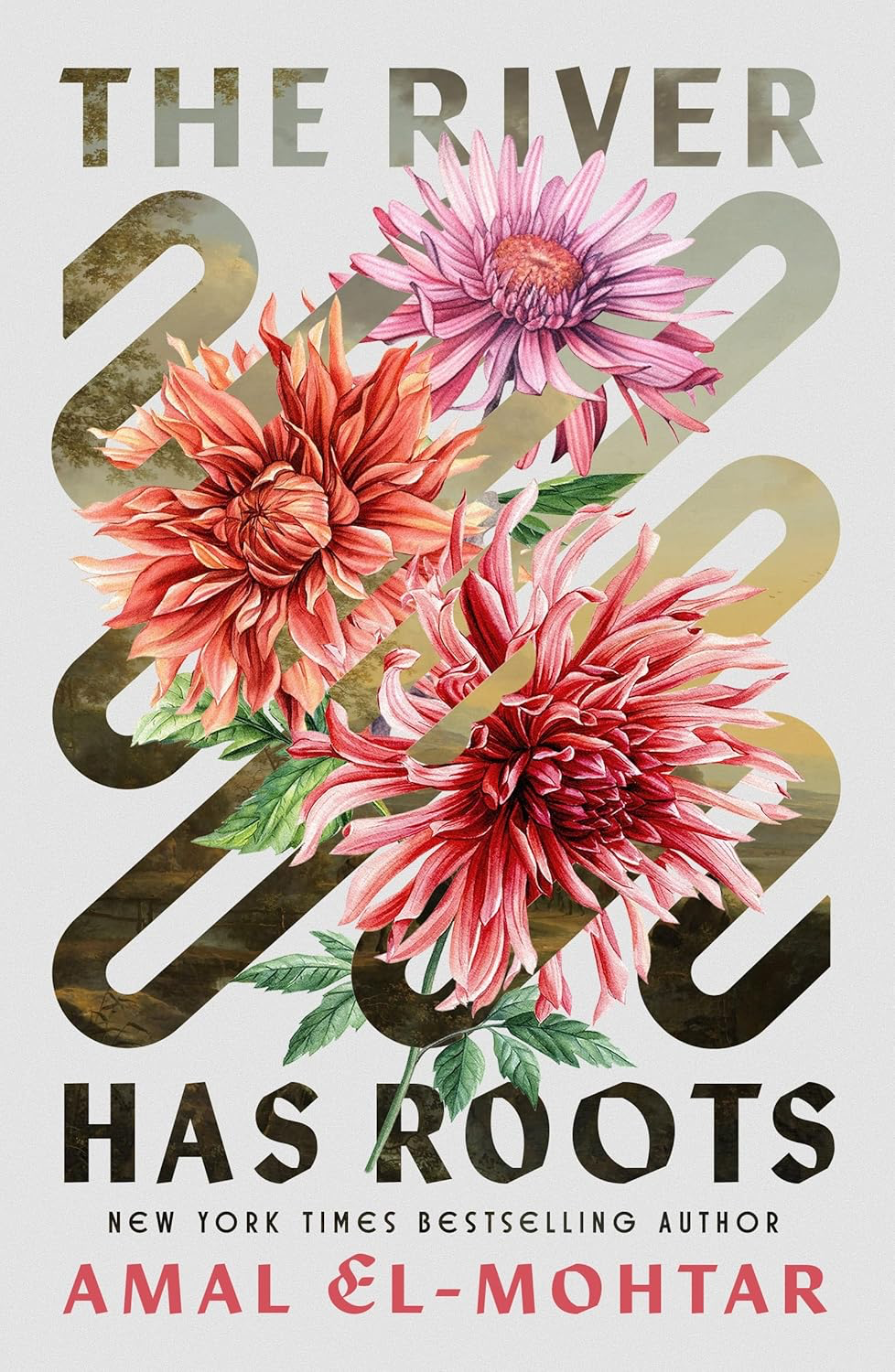
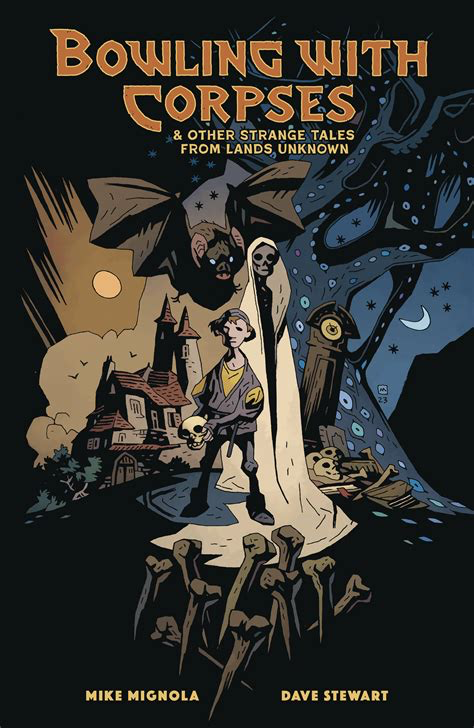
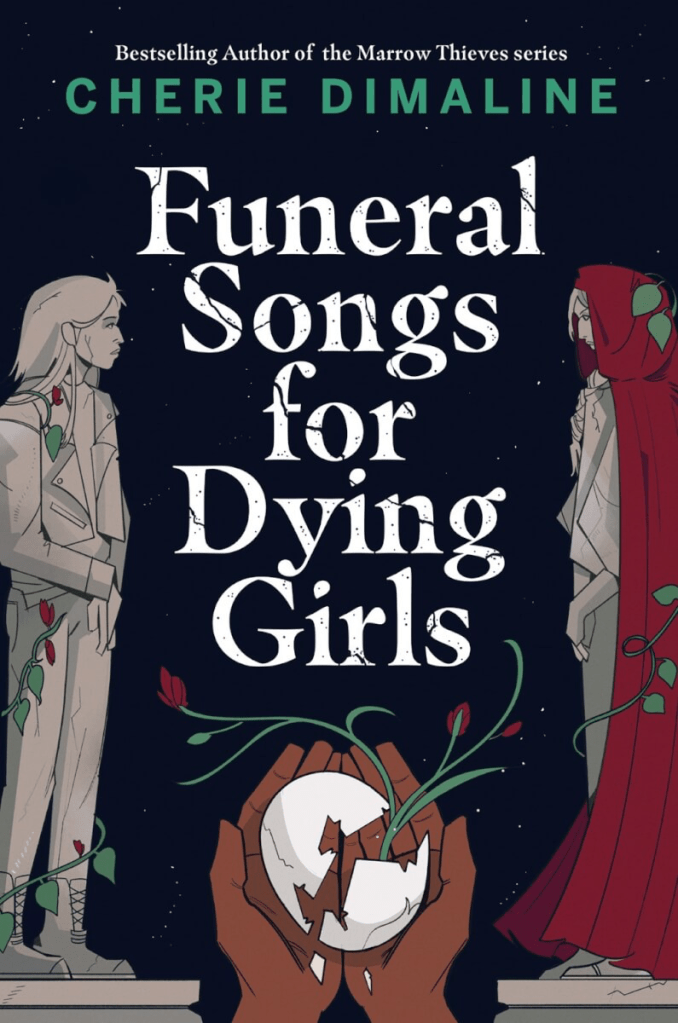
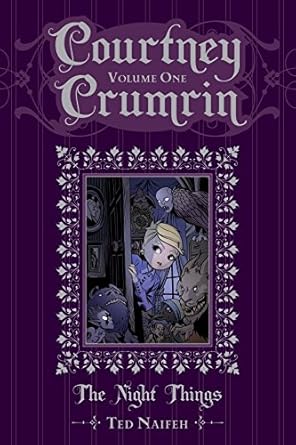
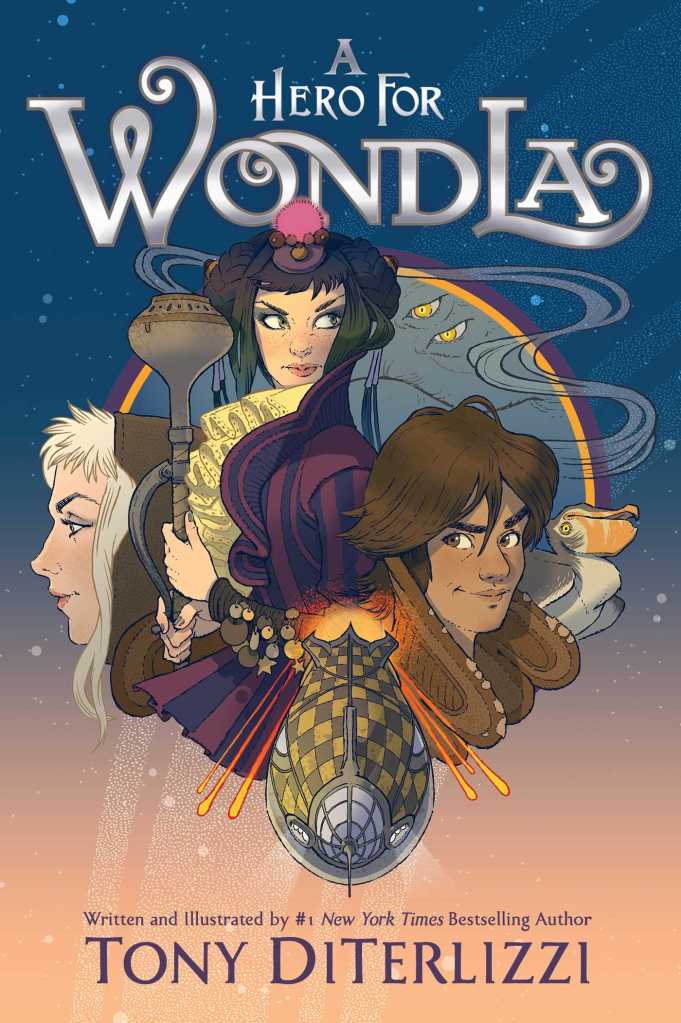
FANTASY:

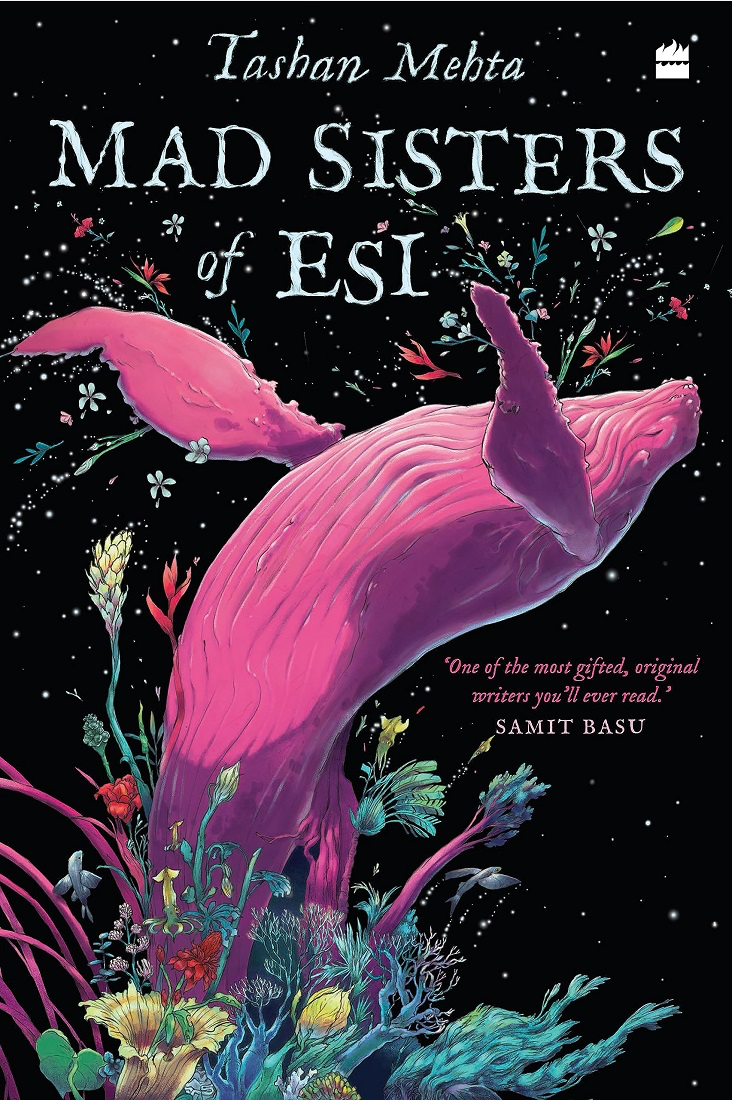
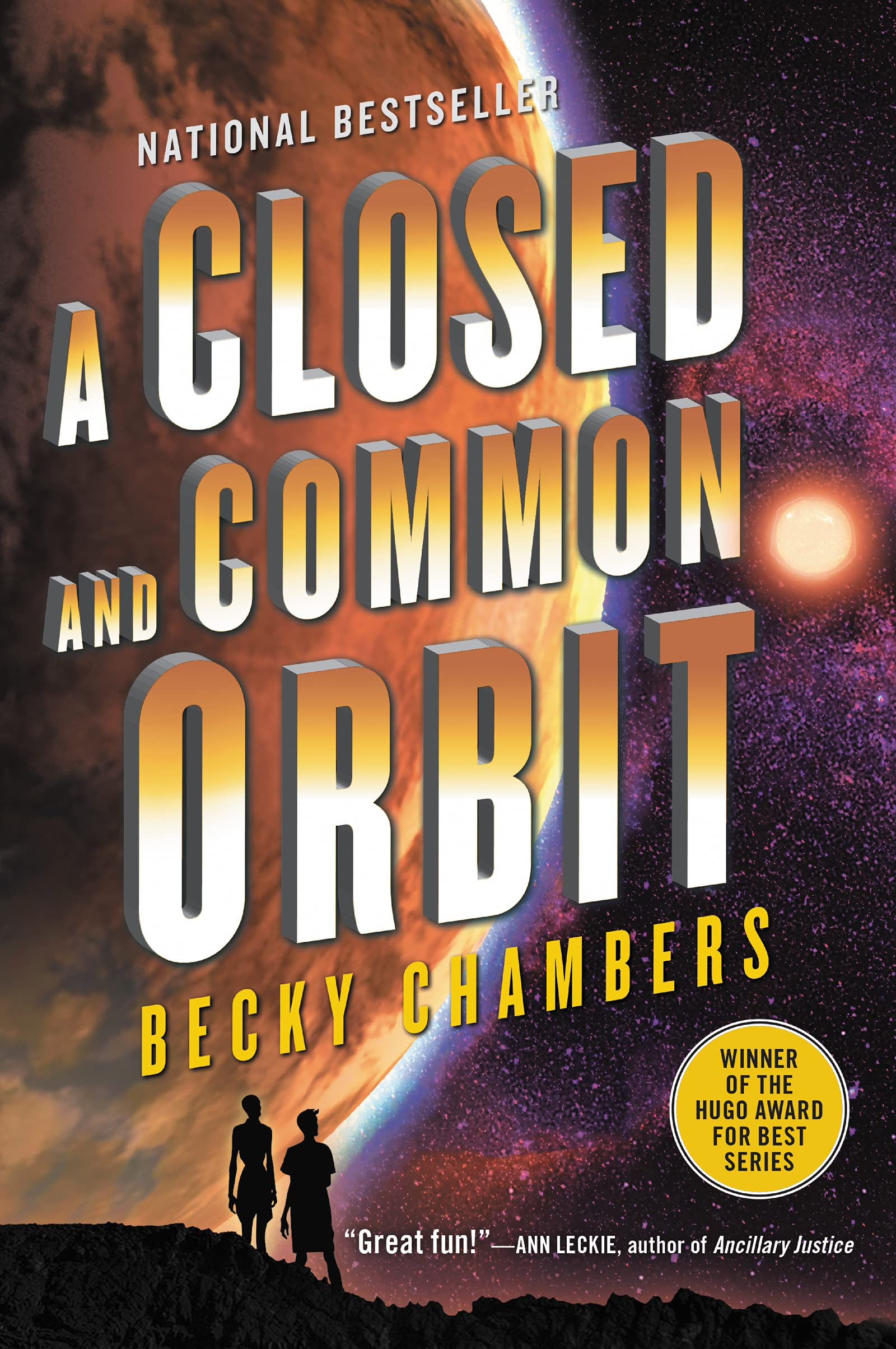
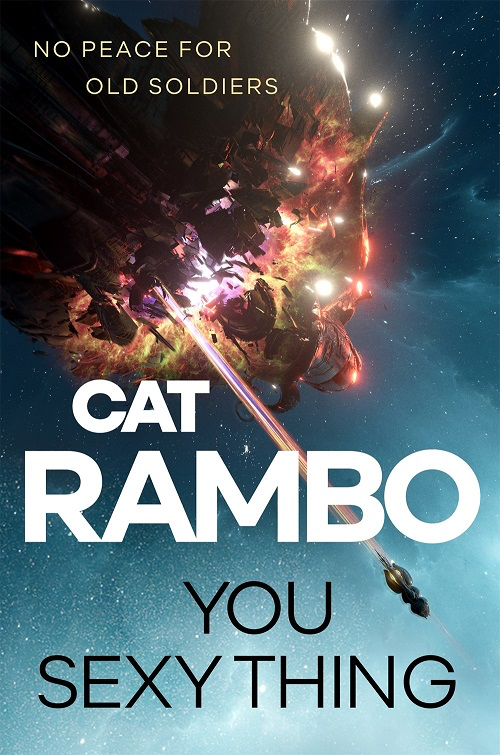
SCIENCE FICTION:

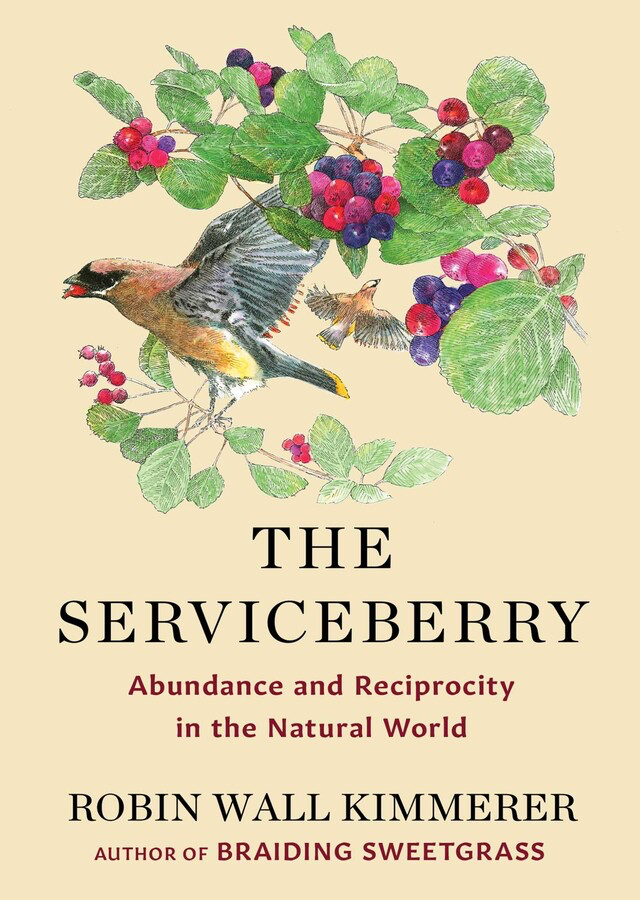
REALISTIC FICTION:

TELL ME WHAT YOU THINK! Have you read any of these books, and if so, did you like them? What are some of your favorite books by Latine/x authors? Let me know in the comments!

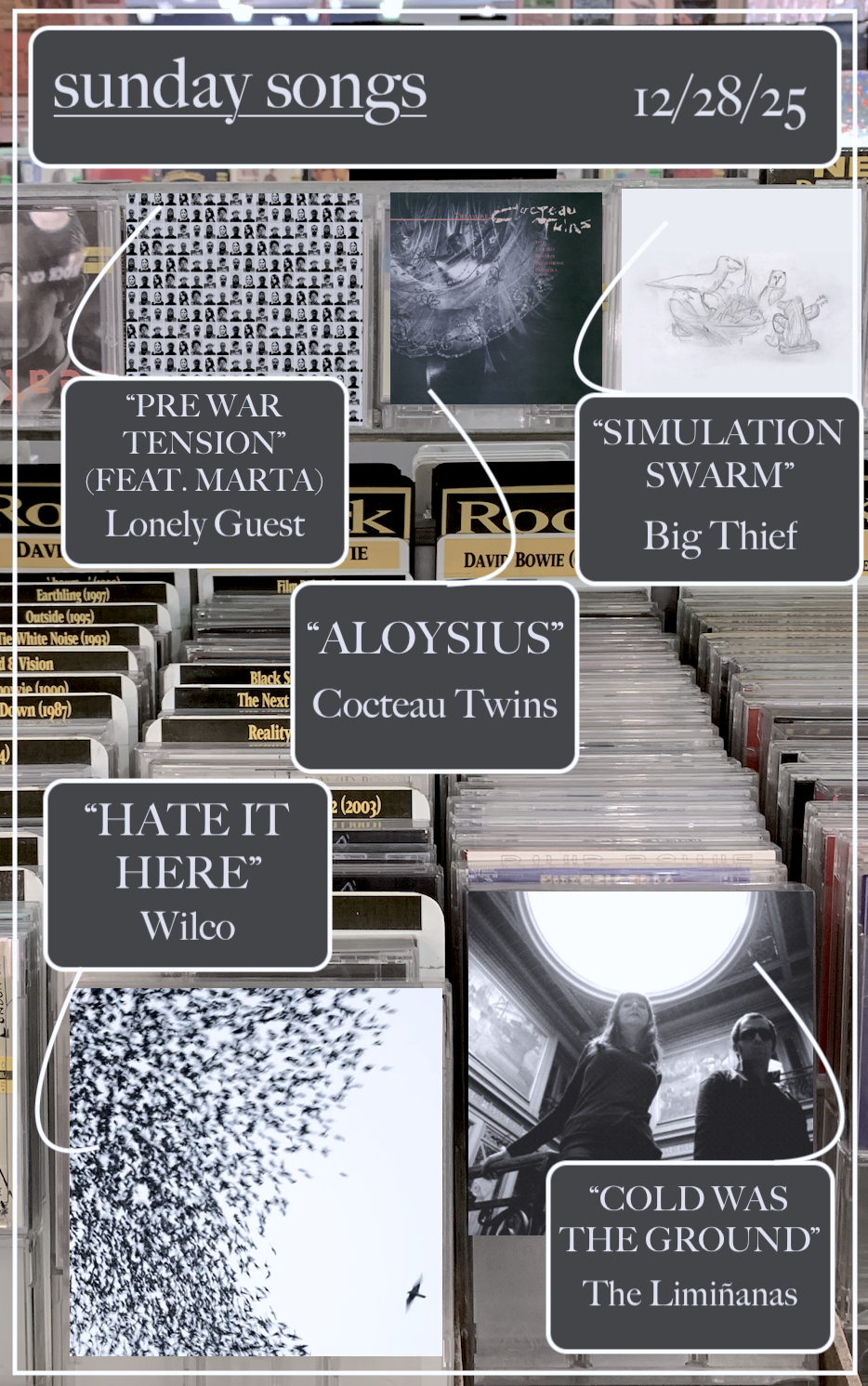
Today’s song:

That’s it for this recommendations post! Have a wonderful rest of your day, and take care of yourselves!

Posted in Monthly Wrap-Ups

July/August 2025 Wrap-Up 🧁

Happy Monday, bibliophiles!

Once again, I dropped off without warning, so apologies for that. But I just started school and moved into a new apartment, so I haven’t had much time to squeeze in some blogging. (Never mind the fact that I also have a short story due tomorrow and it’s only about 3 weeks into the semester. Whee!) This post has been written in advance, so that’s why you’re seeing it here. Chances are, I’ll probably be radio silent for a little while longer as I get my stuff fully together. But for now, here’s a recap of the latter half of my summer!

Let’s begin, shall we?

GENERAL THOUGHTS:

I’m one of those people who, even in the face of an expanse of free time (summer), easily gets restless and anxious. The solution was there all along…employment. I helped out with some online summer classes, which was a wonderful way to give some structure to my summer and provide something to break up the routine. And when the class ended, I’m proud of myself for committing to not slipping back into my anxiety before school started. When I look back at the person I was a year ago…well, I want to give her a hug, first off, but I’m so proud of the progress I’ve made since then. Anxiety really had taken ahold of me, and little by little, with the support of my wonderful family and friends (thank yous are due) and the work I’ve put in, I’ve been learning to take the reins back. There’s no feeling quite like seeing measurable progress in yourself. It’s worth it to try, is all I’m saying.

My obligatory temperature check on American politics might be pointless at this point, as the thermometer reached its hottest point long ago and the glass has all but shattered. I’d prefer not to dwell on it much. As a birthday treat, I stayed off the news for the whole week, and I’m continuing the streak. Some days the spirals get me, but I’m fighting like hell to make sure that they don’t take my sanity away and make me vulnerable to complete, utter helplessness. All I can say is for everyone to take care of yourselves. I love you. My heart goes out to everyone, but especially those in Washington D.C., Minneapolis, and Chicago.

And oh my god…I guess when I’m doing these 2-month wrap-ups, I forget that so much can happen in 2 months! Crazy, right? Superman? A massive ray of light in a dreary landscape of gritty superhero movies. Hope is punk rock. Saving squirrels is punk rock. (If anything, see it just to see Nicholas Hoult seething after Superman saves some kids.) Fantastic Four: First Steps? The first MCU movie I’ve enjoyed—genuinely enjoyed—in years. The world needed all that Silver Age goofiness (and Cousin Thing). I had the immense privilege of seeing Wilco twice, and both nights were spectacular! And Car Seat Headrest…I’ve already rambled enough about it. I crode. (See my accounts below scattered amongst the various July Sunday Songs posts.) I dyed my hair another crazy color. I finished knitting a whole scarf yesterday. I played guitar, I drew, I read, I wrote…I’m trying everything to keep the art in my life, even if only a smidge every day.

And I took another trip around the sun. I feel so grateful to be closing another chapter and starting a new one. I don’t want to jinx it, but I have a feeling that my senior year of college (how the HELL did that happen?? 😭) will be a good one. I’ll try to approach it in the same way that I’ve approached decorating my new place: putting in the work to making a space that I love. If anything, I ended August celebrating my birthday, laughing and eating cake, surrounded by people who I cherish. I have to remind myself, always, that even if I don’t see it, that I’m surrounded by love.

JULY READING WRAP-UP:

I read 16 books in July! Though there were a handful of misses, I read a ton of fantastic books for Disability Pride Month. The last book I read this month (On Earth As It Is on Television) unexpectedly blew me out of the water.

2 – 2.75 stars:

The Words in My Hands

3 – 3.75 stars:

The Two Lies of Faven Sythe

4 – 4.75 stars:

Open Throat

FAVORITE BOOK OF THE MONTH: On Earth As It Is on Television4.75 stars

On Earth As It Is on Television

REVIEWS:

SUNDAY SONGS:

BONUS:

AUGUST READING WRAP-UP:

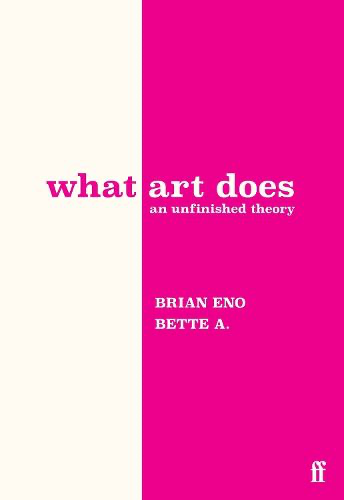
I read 14 books in August! Thankfully, I only read two books that I really didn’t care for, and there were tons of wins throughout the month: monsters in space, a surprisingly emotional story about sea monsters and Pokémon-obsessed children, and the great Brian Eno.

2 – 2.75 stars:

Salvación

3 – 3.75 stars:

Of Monsters and Mainframes

4 – 4.75 stars:

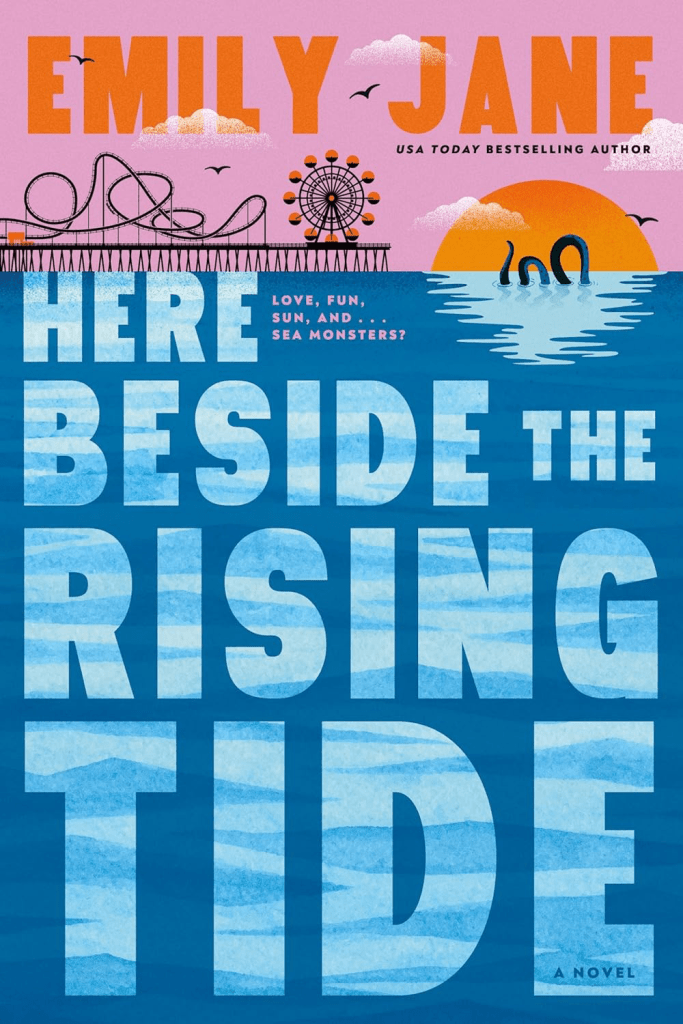
Here Beside the Rising Tide

5 stars:

What Art Does: An Unfinished Theory

FAVORITE BOOK OF THE MONTH: What Art Does: An Unfinished Theory5 stars

REVIEWS:

SUNDAY SONGS:

Today’s song:

CANNOT stop listening to this!!

That’s it for this wrap-up! Have a wonderful rest of your day, and take care of yourselves!

Posted in Sunday Songs

Sunday Songs: 8/17/25

Happy Sunday, bibliophiles! I hope this week has treated you well.

This week: this semblance of a color scheme is hanging on for dear life, but I needed to talk about Biophilia IMMEDIATELY you must understand…

Enjoy this week’s songs!

SUNDAY SONGS: 8/17/25

“Virus” – Björk

Another Björk album down! I was highly anticipating listening to Biophilia from the sheer conceptual layers of it; though the original app is now defunct, it still exists as a glittering piece of music and science education, reuniting our understanding of the sciences with the emotion that was always inherent to it. Whether it’s the structure of our genes (“Hollow”) to the phases of the moon (“Moon”), the ability Björk has to weave personal narratives of the rocky parts of healing with the natural processes of the world never ceases to astound me. Admittedly, Biophilia took me another listen around to fully get with it, but that’s mostly because being stuffy and lethargic from a nasty cold whilst the Amen break comes hurtling at you at 90 mph isn’t ideal. The artistry of…well, every single music video of the album never ceases to astound me. It would be easy for the concept to supersede the actual contents of Biophilia, but Björk never fails to pull the rug out from under me every single time. GOD.

“Virus” was one of the most delightful tracks from the album, so gentle, yet carrying a sinister undertone. Wreathed in tinkling chimes and gameleste, it uses a virus as a metaphor for a parasitic, one-sided relationship: “Like a virus needs a body/As soft tissue feeds on blood/Someday I’ll find you.” The virus motif sings sweetly, with Björk’s vocals as delicate and crystalline (no pun intended) as the icy instrumentals surrounding her, reminiscent of Vespertine. It makes itself indispensable (“Like a flame that seeks explosives/Like gunpowder needs a war”) as it sucks the life from its host, but never betrays its true intentions. Everything is hidden under the sweetness—as things tend to be in parasitic, codependent relationships, if we’re taking the more literal route with it. Even when she takes on the persona of a virus slowly killing a host, Björk’s vocals have never sounded more emotive and warm, only getting richer with age, something that time has proven since 2011. Though she uses that same voice to portray much more genuine and non-parasitic feelings throughout Biophilia, the beauty of her voice never ceases to entrance me, no matter the narrative delivery and what it’s hiding—which is exactly the point. It’s intoxicatingly sinister.

…AND A BOOK TO GO WITH IT:

Someone You Can Build a Nest In – John Wiswell“Like a mushroom on a tree trunk/As the protein transmutates/I knock on your skin/And I am in…”

“Bus Back to Richmond” – Lucy Dacus

Nearly five months after Forever Is a Feeling came out (and about a month after Lucy Dacus got a license to start marrying people onstage…what a queen), I’ve cooled down slightly from the initial disappointment, even if only a few degrees. I still hold that it’s her weakest and most commercial album, but at the end of the day, it’s a Lucy Dacus album, and knock on wood, I’ve never encountered a bad Lucy Dacus album. I’ve warmed up much more to “Bullseye,” but most of the other tracks I wasn’t a fan of on the first listen have remained the same for me.

But not long ago, Dacus released two extra tracks that were meant for Forever Is a Feeling but were ultimately cut from the album. REJOICE!! She said that “Bus Back to Richmond” didn’t fit with the rest of the album, but to me, replace some of the weaker tracks with this one, and the album would’ve been more memorable. Though it falls instrumentally into the more introspective, acoustic side of her discography, “Bus Back to Richmond” is a soft, wintry ramble through missed opportunities and sparkling promises of the future. Dacus’ poetically observational lyrics shine in this one, from her descriptions of the “watercolor fireworks” bursting on New Year’s Eve and “eight of us left to the floor and the bed/and the futon that sunk in the middle.” In Christmas light-dappled vignettes, she paints with startling tenderness the coalescing of a future romance, the moments that slowly merged together to form something gleaming in the not-too-distant distance. Even in the heat of August, it feels like a woolen blanket wrapped around you as you stare at the embers of a crackling fire—the perfect winter song for summer.

…AND A BOOK TO GO WITH IT:

Whiteout – anthologyintertwining love stories that all converge in a record-breaking blizzard.

“Rabbit Run” – IDLES

New music from IDLES is always a welcome thing, but granted, it was quite disappointing that it was from the soundtrack for, of all things, Caught Stealing. I saw the trailer before seeing Superman (which was as wonderful as everybody has been saying it is. HOPE IS PUNK ROCK! I think Superman would love IDLES), and it basically just looked like a vague “punk rock” pastiche involving a slightly terrifying looking Matt Smith and a vague plot involving Austin Butler battling a bunch of ethnic stereotypes for…uh, reasons, I guess. Regrettably, the punk aesthetic fits with IDLES’ sound, and I hate to see them involved with something that looks so downright stupid, but…they do kind of fit the vibe.

“Rabbit Run” is one of four songs that will eventually appear on the soundtrack of Caught Stealing. Though it doesn’t seem to fall into the Arcane curse of “movie/TV soundtrack songs whose lyrics blatantly regurgitate whatever plot points they’re paired with,” it still feels restrained for IDLES; despite how cagey the lyrics are, it feels relatively free-flowing until the chorus kicks in. But the layers of Nigel Godrich-sounding production give it the perfect middle ground between slick and gritty, as do Joe Talbot’s vocals. The lyrics are certainly weaker than the typical IDLES far (“Beat you slow like your padre/Got you running like a jailbreak”), but when “Rabbit Run” hits the spot, it feels like the perfect score for high-octane chase scene, and a worthy display of Talbot’s vocal range.

…AND A BOOK TO GO WITH IT:

Fortuna – Kristyn Merbeth“Make way for collateral damage when I’m bored/Pick the scab on the arm of the beast til it’s ravaged when I’m bored/Oh so many things to do or not do when I’m bored…”

“Third Uncle” – Brian Eno

Today on “Madeline won’t shut the fuck up about Brian Eno,” we’re going back to the glammier days of the early ’70s. But in the case of this song, “glammier” feels like a misnomer, even though it’s placed both directly in the heyday of glam rock and Eno’s own heyday of his brand of glam rock. If it’s glam, it’s the zenith of uptight glam—it has the texture of touching guitar strings that are one wrong move away from snapping in half. It’s been wound up so severely that for all of nearly five minutes, it remains in the liminal space milliseconds before the tension breaks. With a thrumming bassline from Brian Turrington being the most freeform part of the song, every other part of “Third Uncle” is the music equivalent of squishing as many objects as possible into a box that will barely fit all of them—everything’s under the lid, but the seams are bulging. In the right mood, it’s energizing, and in the wrong mood, it’s borderline anxiety-inducing. To me, though, that’s proof that Eno’s rock experiment worked exactly as he calculated it: it’s an exercise in tension without release, only hints of freedom once the guitar swerves in one direction or the other. Even Eno’s nonsensical lyrics—a laundry list of items, some of which are burned—are uttered with the urgency of someone passing a secret code along through a burner phone.

Through this song, it’s easy to see just how much Eno’s influence spread. We mostly hear of Eno’s pioneering influence in the fields of glam rock, post-punk, and ambient music, but “Third Uncle” practically had a shockwave effect when it came to the early goth bands of the ’80s, starting in earnest after Bauhaus covered the track in 1982. It feels looser and less claustrophobic than the original, but it contains all of the trademark roughness around the edges carried over from Eno and into the grimier catacombs of what had just become goth. They achieve a balance of being hurriedly frantic (weirdly, I can hear the urgency of “It’s The End of the World As We Know It [And I Feel Fine]” in Peter Murphy’s vocal delivery) and yet mistier than looser than their forefather (or fore-uncle?), resulting in a rare cover that reinterprets the original way that somehow feels true to its original spirit.

…AND A BOOK TO GO WITH IT:

The People Who Report More Stress – Alejandro Varelaa series of interconnected stories who are as tightly-wound as the instrumentals of this song.

“mangetout” – Wet Leg

“mangetout” starts at about 3:59 in this video, but the whole Tiny Desk Concert is worth a watch!

I’m late to writing about moisturizer in whole by about a month; for me, it’s not making my hypothetical 2025 best-of list, but god, it’s such a fun album! Wet Leg have gotten even more energetic with their sound, never quite pushing the boundaries of their previous musical landscape outwards all the way, but introducing enough novelty to it that it feels fresh. It’s a perfect summer album with its glistening production and shouted lyrics. And honestly, anyone who shoves Oasis out of the #1 spot on the charts has an immediate seal of approval from me. Somebody had to humble those clowns.

Even though I’d already had a preview of “mangetout” from their Tiny Desk Concert, released days before moisturizer came out, for me, it represents the melding of where Wet Leg once was and where they are today. The lyrics could’ve come straight out of their self-titled debut, and though, admittedly, they’ve written this song in some variation at least four times, they always manage to keep it fun, whether it’s with the gleefully shouted end of the song that snaps away just before devolving into chaos, or the blatantly obvious but still hilariously random inclusive of the name “Trevor” just to rhyme with “clever.” (It’s a dirty job, but someone’s got to do it.) Of course, I know maybe…ten words tops in French, so I fully just thought they’d mashed together “man get out” into a single word, but as one of the comments says on this Tiny Desk, “there was always going to be someone to be first on the moon, and there was always going to be someone to be first to realize that the French word for sugar peas was spelled ‘man, get out.'” If anyone was to be trusted to deliver this knowledge accordingly, it’s Wet Leg.

…AND A BOOK TO GO WITH IT:

Not My Problem – Ciara Smyth“You think I’m pretty cruel/You say I scare you?/I know, most people do/This is the real world, honey…”

Since this post consists entirely of songs, consider all of them to be today’s song.

That’s it for this week’s Sunday Songs! Have a wonderful rest of your day, and take care of yourselves!

Posted in Book Review Tuesday

Book Review Tuesday (8/12/25) – The Full Moon Coffee Shop

Happy Tuesday, bibliophiles! Apparently today marks ten whole years since I started with this blog…granted, it was a pretty far cry from what it is today, but it’s a marvel that I’ve kept it going for this long. Thanks for tagging along, everyone! 🫡

In my ongoing quest to read more translated books, I’ve stumbled upon a lot more Japanese books about cats than I anticipated. Granted, they’ve varied greatly, but it’s a pattern. Not that I’m complaining—I’ll read most anything involving cats! Which is partly why I decided to read The Full Moon Coffee Shop. It sounded downright whimsical, and to some degree it was, but ultimately, that quality was dulled by the formulaic nature of…well, pretty much everything else.

Enjoy this week’s review!

The Full Moon Coffee Shop – Mai Mochizuki (translated by Jesse Kirkwood)

The Full Moon Coffee Shop is no ordinary café. It only appears during the night of the full moon. Its waitstaff are talking cats, and you can never order what you want—they only serve you what you need. And if you find yourself in the Full Moon Coffee Shop, you’re in need of direction in life. Weaving together the interconnected stories of five unlikely strangers, the Full Moon Coffee Shop may be the answer to their burning questions—and the healing they desperately need.

TW/CW: cheating/affairs, sexism, grief

One of the biggest letdowns in reading: finding a book that seems super cute and whimsical, and then said whimsy is there in name only. You can’t just give us an incorporeal coffee shop manned by talking astrologer cats and then be so unconvinced by your own whimsy! God.

The worst thing that a cozy book can be is preachy. Having a low-stakes novel centered around life lessons, healing, and character growth doesn’t mean that you have to have a Learning Moment™️ worded like a PSA every few chapters. It’s a pitfall that’s easy to fall into with cozy fiction, but it’s one that takes away the magic for me. For novels that are meant to be about taking quiet moments that are often taken for granted and giving them more weight and value to the narrative, having everything explained to you seems so contrary to what “cozy” means to me. I just resent books that try to show character development decently, and then ruin it all by assuming that the reader doesn’t have the capacity to figure out what just happened and regurgitating it word-for-word. This was the main problem with this novel—it assumed so little of the reader and spelled everything out in the least subtle way. Every chapter of The Full Moon Coffee Shop pulled a “And what did we learn today, kids?” moment at the end without fail, and it just got so tedious so quickly. It just felt so preachily worded and repetitive, dulling any emotional impact this story could’ve had.

I feel so conflicted when talking about the writing of The Full Moon Coffee Shop. I read it in translation, so I really don’t know who’s to blame for the quality of the writing. I don’t know if Mai Mochizuki’s original text was dryly written to begin with or if Jesse Kirkwood’s English translation somehow dulled some of Mochizuki’s writing style and rendered it blander than before! I have no clue! Gaaaaaaaah! In any case, The Full Moon Coffee Shop was written so stiffly for a book that billed itself as so whimsical. The characters’ inner monologues all feel very rote and one-note and there’s hardly any sensory descriptions to immerse the reader in the setting. The writing let me down the most when we were introduced to the coffee shop itself, the most unique part of the novel; while I enjoyed the concepts of everything, from the celestial-themed desserts to the talking cat waitstaff, it was all described with the sparsest possible detail, the bare minimum word count to get the reader to visualize a new image. The Full Moon Coffee Shop is a slim novel, so it’s not like more detailed descriptions would’ve made it overly long—I was barely immersed in both the real-world and magical settings. The same can be said for the characters, who were barely developed beyond a problem they needed solving. The writing just felt like the bare minimum of describing…well, everything.

For me, one of the main issues with The Full Moon Coffee Shop was just how formulaic everything was. I had the same issue with What You Are Looking For is In the Library, a similarly cozy book about finding direction in life, but in that case, the stories were so repetitive and short and seemed to be saying the exact same thing, so my patience ran thin much earlier than with this novel. Once again, cozy doesn’t necessarily mean predictable—it should mean something that’s low-stakes, not repetitive. The Full Moon Coffee Shop felt like hearing the same story three times over; character is dissatisfied with life, character discovers coffee shop, character gets their natal chart read, character has a revelation and magically figures out how to fix their life. Rinse and repeat for 200 pages. You can see how tired that got. I appreciated that Mochizuki at least attempted to switch things up for the last story, but it didn’t do much to my interest in the story. All that changes is that it’s framed through the characters thinking that the coffee shop experience is a dream. Sadly, that amounted to little more than a perspective change and a switch to a handwritten font. It just got so repetitive and boring after a while, and even though the stories focused on different problems, Mochizuki rarely had anything new to say.

I hadn’t read a ton of reviews of The Full Moon Coffee Shop going in, but it seems a lot of people had problems with the heavy emphasis on astrology. The presence of astrology in and of itself wasn’t an issue for me, but it was more how said astrology was woven into the novel that got on my nerves. “Woven” is a generous word—even as someone who’s at least sort of into astrology, I felt absolutely sledgehammered over the head with every minute detail of it. After a certain point, The Full Moon Coffee Shop just became Astrology for Dummies. You know that meme of the kid pretending to read the Bible, but there’s a Minecraft book peeking out of the Bible? That’s what it felt like. It’s less of a novel and more somebody talking at you about the natal charts of complete strangers for 200 pages. I guess it might be beneficial to assume that your reader doesn’t know much about astrology, but Mochizuki got so bogged down in explaining every minute detail of every character’s astrology that the real meat of the story got lost. For me, it took away from the heart of the story, which should’ve been getting insights into the characters and their healing journeys. I feel like astrology easily could’ve been a fascinating aspect of the novel if not for how unsubtly it was shoehorned in—there could’ve been a chance to give it some narrative significance rather than spending 50 pages explaining astrology to the reader like they’re 5 years old.

Despite the formula of The Full Moon Coffee Shop getting on my nerves, I at least appreciated some of the messaging that the cats gave to the characters on how to fix their lives, particularly in the second chapter. However, the advice that the cats gave Mizuki seemed downright weird. I get that she’s not having success in her career, but the cats telling her to get with the times and not write what she loves just seemed so odd to me. There could’ve been something so poignant about success not being everything and her failures only being a small part of her career, but the cats were just talking to her like they were corporate executives telling her to be hip with the kids! Not only did that rub me the wrong way, the story itself seemed to refute the cats’ advice as well. Mizuki ends up finding success when she injects her signature style into a project that she was only doing for the money, thereby finding success in being herself and putting her own personal spin on things! Crazy concept! So why even have the cats tell her that in the first place, if that’s not even the lesson that the novel leads us to believe that Mizuki takes away from it?

All in all, a cozy novel that billed itself as tender and sweet, but ended up being unsubtle, preachy, and unconvinced of its own lessons. 2 stars.

The Full Moon Coffee Shop is the first in the Full Moon Coffee Shop series, followed by Best Wishes from The Full Moon Coffee Shop. Mai Mochizuki is also the author of the Holmes of Kyoto series.

Today’s song:

That’s it for this week’s Book Review Tuesday! Have a wonderful rest of your day, and take care of yourselves!

Posted in Sunday Songs

Sunday Songs: 8/10/25

Happy Sunday, bibliophiles! I hope this week has treated you well.

This week: a David Bowie double feature (who could’ve seen that coming?), upcoming artsy albums, and more reasons why I really just wish I had dual British citizenship, because apparently all of the good music related stuff happens exclusively in the UK.

Enjoy this week’s songs!

SUNDAY SONGS: 8/10/25

“Is It Worth It (Happy Birthday)?” – Cate Le Bon

I could really do with some more restrained excitement about Michelangelo Dying, but…these singles just aren’t letting me do it! They’re both so enchanting! I can’t get enough!! I’m really hoping they’re not the best of the bunch, but I have faith that Cate Le Bon has something quirkily artsy up her sleeve, if this and “Heaven Is No Feeling” are any indication.

“Is It Worth It (Happy Birthday)?” takes the palette of the album down a more subdued, melancholy route than “Heaven Is No Feeling,” trading the former’s synthy strut for glassy-eyed introspection. But even with the thematic shift, Le Bon’s signature modern touches are there. Awash in fizzling, electronic textures, this track is an outstretched bolt of lavish fabric, much like the pink background of the album cover. Silky and watery, it makes every instrument feel like it’s been drenched in sunlit water, from the gentle, barely perceptible bass to the saxophones. I’m not usually this big of a fan of saxophones, but the way Le Bon utilizes them, more for added sonic texture than for dramatic solos, make her world even more layered and delectable to pick apart. It’s distinctively her, but I can’t help but think of the dense, dreamy soundscapes of the Cocteau Twins when I listen to it. (“For Phoebe Still A Baby” jumps out in particular.) Yet drama is what this song quietly thrives on, as the lyrics muse on trying to make light out of abject sorrow: “Open up in hell/And dress the hall/It’s a holiday/It’s a birthday/Is it worth it?/Is it worth it?” The lyrics nearly get swallowed by the sheer magnitude of sounds woven into the production—including the signature, lilting cadence of Le Bon’s voice—but it almost seems exactly her intention. It feels both mean and inaccurate to call any of it window dressing, but next to the lyrics, all about trying to laugh heartbreak away and pretend it’s something that it’s not, it feels like exactly the kind of shrouding she’s singing about. At the end, she laments that she’s “Checking out/Even with my language in him,” just as the listener tries to extricate her from the vibrant sea of sound she’s crafted to shield herself. It’s easy to get washed away in, and if the rest of Michelangelo Dying is anything like this, I’ll be gladly losing myself in it come September.

…AND A BOOK TO GO WITH IT:

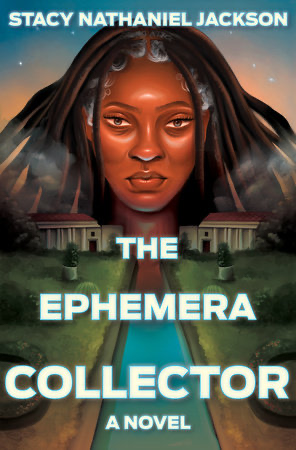
The Ephemera Collector – Stacy Nathaniel Jackson“Open up in hell/And dress the hall/It’s a holiday/It’s a birthday/Is it worth it?”

“Saviour Machine” – David Bowie

“David Bowie predicted ChatGPT” would’ve been a good headline for this post, but as much as I love him, he was far from the first to ponder about AI. But really…this song does basically predict ChatGPT, and in this song it’s “President Joe” who introduces it to the world, which is kind of a crazy coincidence. Had to do a double take when I first heard the lyrics, for sure. Drawing from much of the sci-fi media of his time, Bowie’s version of AI comes in the form of The Prayer, an AI system introduced by President Joe to make the population’s decisions easier for them, from stopping wars to simply thinking themselves. However, it’s The Prayer itself that calls for its own destruction, going insane after having such decisions weighing on its shoulders and pondering: “Please don’t believe in me/Please disagree with me/Life is too easy/A plague seems quite feasible now/Or maybe a war/Or I may kill you all!” Life is too easy for sure, now that everyone’s trying to flirt and make art and music and go through school entirely with AI. Sorry, but can’t you idiots stop and forgo convenience to experience the tedious pleasures of the human experience? Embarrassing. Jesus Christ. Remember, kids: you can’t stake your life on a savior machine.

“Saviour Machine” rings reminiscent of short stories of the likes of Ray Bradbury, but it also reflects the much darker tone of The Man Who Sold the World. Though it wasn’t like he hadn’t trod into darker lyrical subjects before, going from something like “Uncle Arthur” to an album comprised of insane asylums, the Vietnam War, and gay sex with Satan in the span of three years is a whiplash-inducing left turn for anyone. I don’t think it’s the edginess of the subject matter that makes it feel more mature, but the exploration—The Man Who Sold the World represents a critical turning point in Bowie’s storytelling ability, and he was willing to explore places that he hadn’t explored before, pushing himself out of his typical territory in order to create something wholly unique. It feels to me what he said when he spoke about art: “If you feel safe in the area that you’re working in, you’re not working in the right area. Always go a little further into the water than you feel you’re capable of being in. Go a little bit out of your depth, and when you don’t feel that your feet are quite touching the bottom, you’re just about in the right place to do something exciting.” Darkness was coincidental, and of course, not all of the album is necessarily dark—it was merely territory that he hadn’t scoured before, and that challenge led him to create some of his most innovative work, time after time, album after album. “Saviour Machine” feels like the prelude to that storyteller’s attitude, one that would guide him to untold heights in his career.

…AND A BOOK TO GO WITH IT:

The Outside – Ada HoffmannA few centuries in the future, when something like The Prayer gets out of control…

“Real Lovin” – Black Belt Eagle Scout

Katherine Paul has a distinctly whispery voice—everything they sing sounds like they’re singing it into a cool breeze. Most of her music pre-The Land, the Water, the Sky suits it perfectly; though she’s become more adventurous with her vocal capabilities later on, a lot of her songs had a slower, softer demeanor that suited the airiness of her voice. But if there’s any song to be characterized by this, it would be this one. I’d forgotten all about “Real Lovin” for years—I initially listened to At the Party With My Brown Friends around five years ago—until it popped back into my shuffle out of nowhere. Though Paul’s voice soars with more volume towards the end of the track, her whisper-singing is perfectly suited to the quiet tenderness of the lyrics: “Now that you can dream/What is it you see/When you wake up in the folds of blankets in your bed/In your room/In your house/By yourself?” It’s the sound of a sliver of dewy light sliding through the slats of shutters in the early morning as you blink away the threads of sleep. Paul’s voice is a comfortable sheet over me as I listen, and she delivers what’s easily the softest, tenderest uttering of “well that’s bullshit” I’ve ever heard in a song. But no matter the intensity, which rises with every passing minute as the instrumentals build up, I never have a doubt that Paul means exactly what she’s saying.

…AND A BOOK TO GO WITH IT:

Each of Us a Desert – Mark Oshiro“You’ve tried and tried/What seems a million times and you wonder how you’ll end up/Is it the moon?/Is it the stars?/Do they rule you and your heart?”

“Crocadillaz (feat. De La Soul and Dawn Penn)” – Gorillaz

While I froth at the mouth that I can’t go to the Gorillaz exhibit in London, I figured it would be fitting to talk about them…for the millionth time on this blog.

It was a strangely pivotal moment when, a week after Cracker Island released back in early 2023, three more songs were added to the lineup. I had middling thoughts about the album up until then; for me, it represented the point at which Gorillaz (and later Blur with The Ballad of Darren) became nearly indistinguishable from Damon Albarn’s solo work. There were a handful of fun tracks, but as a whole, it failed to hold as much water as something like their first three records, even with the star-studded list of collaborators. And when it seemed all hope was lost…Del the Funky Homosapien and De La Soul returned! (Two years later, “Captain Chicken” has no business being so good for a song with such a goofy title AND samples of chicken clucks. God, it’s so good.) Disregarding the “Momentz” haters (heathens, all of you), every time De La Soul and Gorillaz collaborate, a special kind of magic happens. Even with Trugoy the Dove’s too-soon death hanging over it, “Crocadillaz” was one of the unmistakable highlights of the album. For a song about constantly looking over your shoulder and the trappings of fame, it has a steady, easy calmness to it, propelled by Dawn Penn’s “Doo-doo-doo-doo-doo-doo-doo” chorus, which gets delightfully stuck in my head more often than not. Trugoy and Penn make for an unlikely but smooth pairing for this song, with the former providing the sharp-edged, quick-witted verses and Penn’s smooth, resonant vocals giving the song a simultaneously retrospective and playful chorus. I’m not usually a fan of the “Gorillaz but it’s just the collaborators” songs, but with a pairing as talented as these two, it’s easy to excuse.

…AND A BOOK TO GO WITH IT:

So Let Them Burn – Kamilah Cole“Could play the sheep, but beware of the wolf’s eye/Hypnotized by the crocodile’s smiles/The exchange is brief, but watch for the teeth…”

“Watch That Man” – David Bowie

Aladdin Sane has to be the most iconic album cover in David Bowie’s catalogue. If you know any album cover, it’s that one—the nondescript, asleep-looking Bowie with a glittering lightning bolt slashing across the front of his face. And that silvery bit on his collarbone—I always thought it was a bone fragment when I was a kid, and my dad thought it was something like mercury pooling on his skin. It raises questions! It sticks in your head! And yet, the album cover gets talked about much more than the actual album. Sure, it’s probably the weakest if we’re grouping it in with Hunky Dory and The Rise and Fall of Ziggy Stardust and the Spiders from Mars, but that’s because you’re grouping it with two of the greatest albums of all time. But it’s really such a disservice that the album only gets remembered for the cover—there are so many excellent cuts from the album, even if it never usually makes the cut for hit Bowie songs (except for maybe “The Jean Genie”). It’s slick as hell, incredibly funky…it just rocks. Listen to the album and you just know. And “Watch That Man” is what sets the tone, a rollicking dance floor rocker that begs for you to shake your hips with every word—not just the “shakin’ like a leaf” bit. Inspired by seeing the New York Dolls live, “Watch That Man” follows a lively party, with the lyrical camera roving over every participant as the music blasts. I never had any particular problem with the mix, but it was one of the more rushed songs on the album, and on reflection, doesn’t sound as clean as some of the other tracks—it’s all a bit muddy, with most of the instruments, Bowie’s voice included, being at a very similar volume. But for a song meant to emulate the rush of a concert or being on a crowded dance floor, it gets the job done spectacularly.

…AND A BOOK TO GO WITH IT:

Kings, Queens, and In-Betweens – Tanya Botejudancing, parties, and no shortage of glitter and makeup.

Since this post consists entirely of songs, consider all of them to be today’s song.

That’s it for this week’s Sunday Songs! Have a wonderful rest of your day, and take care of yourselves!
Posted in Book Review Tuesday

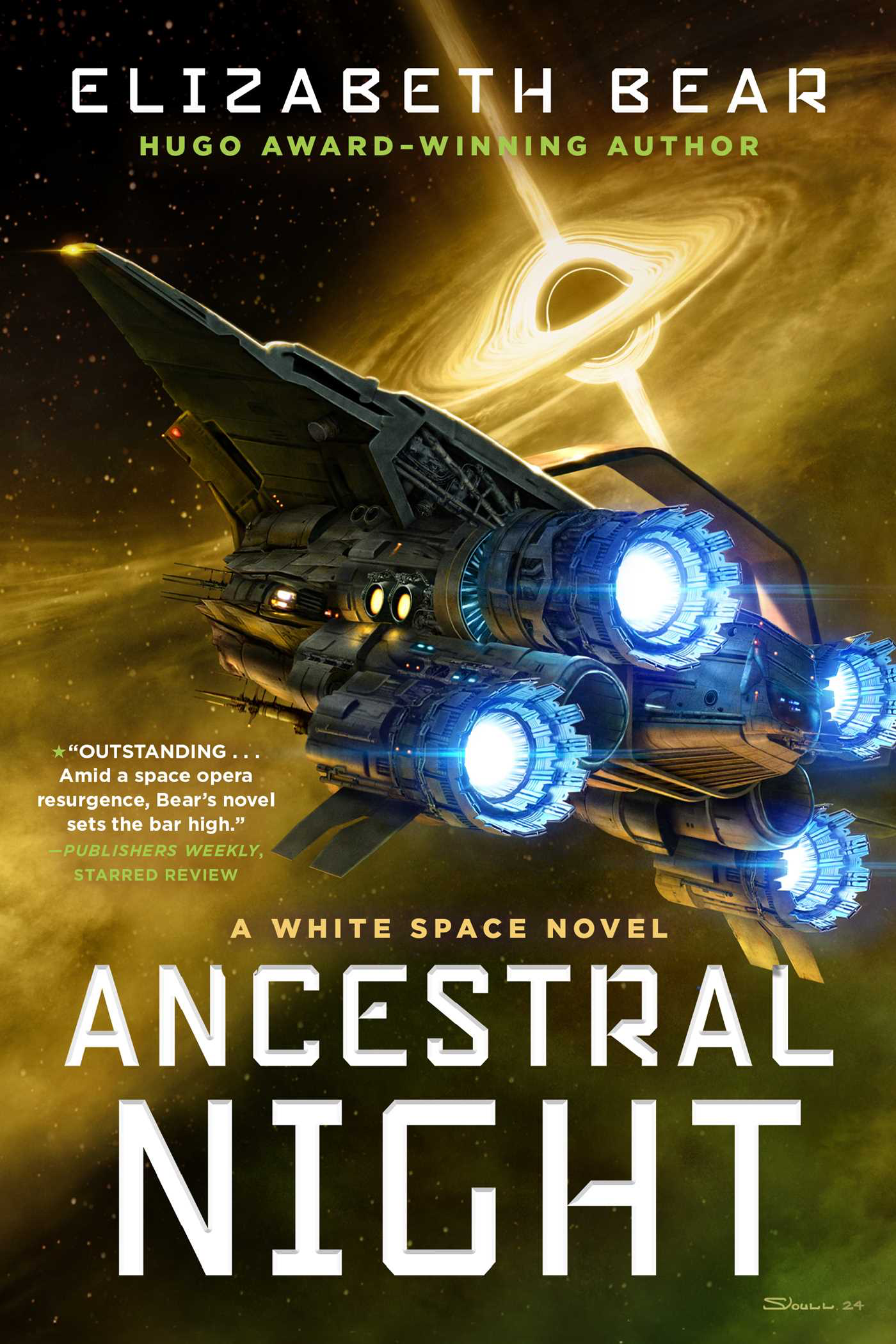
Book Review Tuesday (8/5/25) – On Earth As It Is on Television

Happy Tuesday, bibliophiles!

On Earth As It Is on Television has been on my TBR for at least a few years, and I’ve nearly bought it at least twice at my local Barnes & Noble before settling on it last week. It seemed quirky and interesting, but this novel ended up blowing me away with how inventive, heartfelt, and downright funny it was. The best 5-star reads come out of nowhere, and On Earth As It Is on Television is one of them.

Enjoy this week’s review!

On Earth As It Is on Television – Emily Jane

Aliens have finally come to Earth. Without warning, dozens of spaceships appear over Earth, causing a worldwide panic. Days later, they leave without a word. As the world falls into chaos, the lives of three people intersect as the world struggles to reckon with this occurrence. Blaine struggles to wrangle his TV-addicted children, now convinced that they need to skin people to find the aliens within, and go along with the mercurial plans of his wife, Anne. Catatonic for 30 years, Oliver suddenly regains consciousness, only to be whisked away on a strange journey by a stray cat. Heather, always the outsider among her stepfamily, ponders if the aliens could finally mark the start in the next chapter of her mundane life. All of their journeys converge as the world reckons with their place in the universe—and what could be next for the human race.

TW/CW: car accident, death, imprisonment, suicidal ideation, substance abuse

I did not expect a book with such a massive volume of millennial cat meme-isms to nearly make me cry multiple times. One minute they’re going on about Mr. Meow-Mitts and “himb peets” or something, and 20 pages later I’m a puddle on the floor. What a book.

There’s not a ton I can compare to in terms of On Earth As It Is on Television, but if anything, it’s quite like No One Is Talking About This, a book that also deals with the chaos of 21st century life; there’s a lot of meme-speak, there’s a lot of mindless media consumption, and there’s a whole lot of absurdity. A lot of the humor takes cues from the oversaturation of memes in the 2010’s (cats, bacon, etc.), but it’s a lot funnier than that entails—it’s more about the ridiculousness of that microcosm than it is about the actual humor; for me, it fed into the whole side of the story that was about the ridiculousness of modern life, as we are oversaturated with…well, everything. Plastic, fatty foods, cat memes. (If you have minimal tolerance for phrases like “heckin chonker” and “floofy boi,” this might not be the book for you. It’s a lot, but stay with it, trust me.) Surprisingly, this ends up being very poignant by the end of the novel, but it was both an astute observation on our 21st century state of being in a perpetual deluge of mindless information and content. Jane cranks the absurdity up to its absolute maximum without it feeling overwhelming—it’s totally goofy at times, but it’s great satire as well.

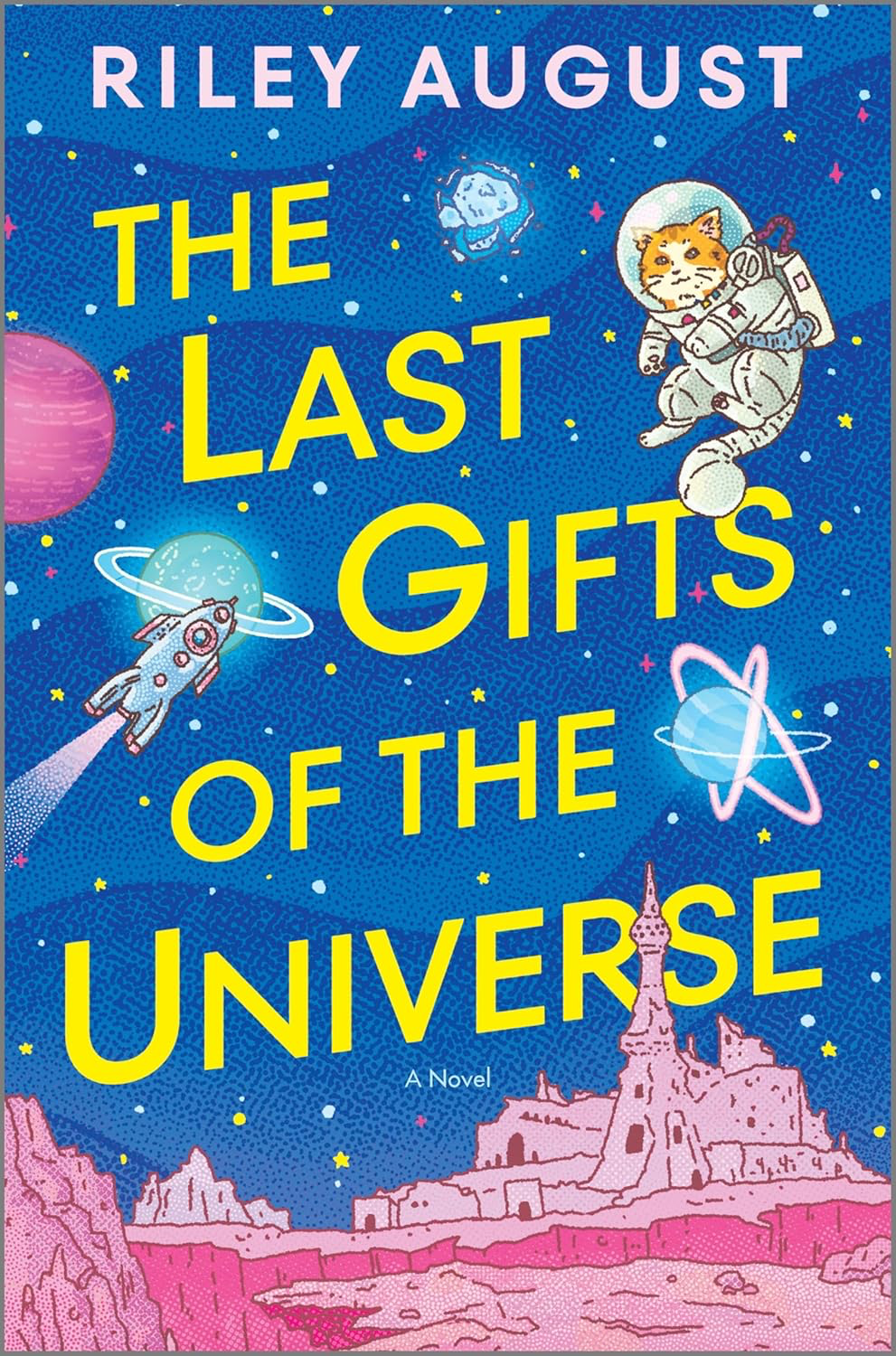
Both of the sci-fi books that I’ve rated in the 4.75-5 star range this year have involved cats in some way. Coincidence? I think not. (Shoutout to The Last Gifts of the Universe and Pumpkin the cat.) The way that On Earth As It Is on Television uses cats was one of the funnier parts of the novel, setting aside the pervasion of cat meme-speak. As well as causing worldwide panic, the alien ships have an unexplained effect on the world’s cat population—they all come back telepathic, and the results are hilarious. It’s clear that Jane is a cat lover, and it came through in every page. It added another wonderful layer of silliness to an already absurd novel, and I thoroughly enjoyed it. And honestly, it seemed completely plausible for cats to be the ones to pick up on alien frequencies, out of all the creatures on Earth.

Usually for a 5-star novel, I get super attached to at least a few characters. On Earth As It Is on Television might honestly be an exception, but that’s not a slight against it in the least. I didn’t like all of the characters—in fact, I doubt it was the point for them to be likable—but they all felt real. Blaine didn’t have a distinct personality for the beginnings of the novel, but you come to realize that he’s been so swallowed up by trying to juggle everyone else that it’s become his personality. Avril and Jas are the most insufferable children you could ever dream up, but they feel like the terrible kids you’re stuck sitting next to at the DMV or on the plane. Heather came off dramatic and whiny more often than not, but I could easily see how much her life felt out of her control. All of this is to say that though they were not all likable in the traditional sense, they felt real, and that was what felt refreshing. For a novel that tracked the trajectories of ordinary people, they felt especially authentic. It’s a mass reckoning with the absurdity of life, and Jane makes every detour worth it.

If anything, it was the characters’ journeys that were the most compelling part of the novel. All of the interconnected characters throughout On Earth As It Is on Television were thrown into circumstances outside of their control, both physical and mental, and nowhere that any of them went ended up being predictable. The concrete trajectories ranged from the ordinary (Heather feeling forgotten amongst her stepfamily) to the outright bizarre (a catatonic man regaining consciousness after 20 years and going on the world’s weirdest road trip with a telepathic cat), but all of them presented such rich character development. They crisscrossed all over the country, at times laugh-out-loud funny and other times more grounded and solemn. Wacky as it was, Jane used them all to wring out so much emotional development from a worldwide crisis that affects everyone differently; grappling with the fallout of feeling important in the universe, but then being forgotten just as quickly.

I’m a sucker for fun alien designs, and I didn’t expect On Earth As It Is on Television to deliver as much as it did. The Malorts aren’t peak creature design, but with their three-handed meerkat-like appearances and affinities for plastic crap, they hammered home the themes of the novel excellently. I wasn’t looking for any kind of realism in this novel, which is why I’m so glad that Jane went so bonkers with the design and culture of the Malorts, from their dietary preferences to their fascination with cats. They were a perfect vehicle for the absurdity that this novel emphasizes, and they provided as many laughs as the humans. There was a moment where there was so much plastic involved in the novel that I thought that the wry commentary on consumerism was going to fall flat, but the Malorts ended up turning it into a solution for climate change in-universe: why not give the Great Pacific Garbage Patch to a bunch of aliens who really like plastic for some reason? It was totally wonderful and goofy, but it segued nicely into the novel’s themes of finding joy in unlikely and mundane places and things.

More on that…any book that makes observations of shiny, plastic souvenirs and children repeating meme-isms into something genuinely poignant and moving deserves some kind of praise. But by the end, I loved what it had to say about the nature of life, however absurd it may be: everything is messy and out of your control, but that’s okay. Life is worth living for all of the strange detours and tiny miracles that you can find in every day life—cats, children singing, good food, silly television, and unexpected forks in the road. No matter our place in the universe or what the government does, we can always look to the ordinary to find solace. And beyond that, we can look to each other—our family, our friends, and strangers—to anchor us in the face of upheaval. On Earth As It Is on Television is a novel about many things (cats, TV, road trips, aliens), but above all, it’s about the small miracles that make life worth living—and what better way to end such a strange, beautiful novel? When we are inundated with mindless consumption, what better resistance is there than to notice life’s small, organic miracles? Finding and reading this novel felt exactly how it was intended to be read—on a whim, and being unexpectedly moved by it in so many places.

All in all, a clever, quirky, and unexpectedly moving novel about the biggest and smallest things in our human—and alien—experiences. 4.75 stars, rounded up to 5!

On Earth As It Is on Television is a standalone, but Emily Jane is also the author of Here Beside the Rising Tide and the forthcoming American Werewolves.

Today’s song:

BIOPHILIA ‼️

That’s it for this week’s Book Review Tuesday! Have a wonderful rest of your day, and take care of yourselves!

Posted in Sunday Songs

Sunday Songs: 8/3/25

Happy Sunday, bibliophiles! I hope this week has treated you well.

This week: even if Wilco wasn’t ever-present in The Bear, we’d have to physically restrain Jeff Tweedy just to stop him constantly cooking in that kitchen. Plus: lots of top tier album intros and some lyrics I probably should’ve reconsidered playing in the presence of my guitar teacher.

Enjoy this week’s songs!

SUNDAY SONGS: 8/3/25

“Lovely Head” – Goldfrapp

Both Alison Goldfrapp and Will Gregory had been musically active before they joined forces, but even then, to come right out the gate with a single like this is so impressive for a band just getting its start. “Lovely Head” was the first single that Goldfrapp ever released and eventually became the opening track for their debut album, Felt Mountain. The U.S. didn’t seem to see the wave of popularity it eventually gained, but in the U.K., it was used liberally in film, TV, and commercials in the early 2000’s. But if there was ever a song that was meant for all of those things, it’s this one. Everything about it is cinematic, from the Ennio Morricone-like whistling intro to the soaring, theremin-like melodies, which wasn’t actually a theremin at all—just Alison Goldfrapp’s voice filtered through a synthesizer. It’s just so deliciously eerie, cool and distant, with lyrics that seem romantic only from the furthest distance, but disaffected and almost scientific once you examine them more closely. “Frankenstein would want your mind/Your lovely head” is probably only romantic for…y’know, a serial killer, or something, but it’s the precise effect that I think the song is going for—a love song penned by a cold-blooded killer.

…AND A BOOK TO GO WITH IT:

Catherine House – Elisabeth Thomasan eerie atmosphere, eerie interactions with eerie people, all in an eerie, secretive college.

“Devereaux” – Car Seat Headrest

I promise I’ll shut up about Car Seat Headrest for a few more months after this week. Well…I can’t make any promises.

Though I never got around to writing an album review for The Scholars (or any other of the amazing albums that have come out this year…oops. Phonetics On & On is the only album to come out in 2025, folks! Rejoice!), I feel like it’d be a crime for me to not talk about “Devereaux” at some point. After the back-to-back slew of excellent singles, “Devereaux,” along with “Equals,” is the song I’ve come back to the most from The Scholars. It’s what duped me into thinking that the album was going to be a re-hash of Teens of Denial, but even though it calls back to the song, the rest of the album proved me dead wrong…though I wouldn’t complain about Teens of Denial 2: Electric Boogaloo. Despite being from the perspective of one of Will Toledo’s many characters, a crocodile named Devereaux, the themes of living under the roof of religious bigotry and longing for escape could’ve been plucked straight out of his early discography. Anthemic and pleading, I see it becoming a future crowd-pleaser at shows—the kind I’d see the fans emphatically jumping up and down to. Hell, I saw them doing that on this tour, and it was only the second song in the setlist. Toledo’s soaring vocals meld the yearning, melancholic lyrics into a cry of longing: “I wasn’t born to be this, I was born to fight dragons/With a cowl on my face/With an auspicious birthday.” If there was ever a more air-punch worthy song, chock-full of lyrics meant to be yelled into the spacious walls of a sturdy venue, or simply into the darkness of a firefly-tinged summer night, “Devereaux” is it.

…AND A BOOK TO GO WITH IT:

Agnes at the End of the World – Kelly McWilliams“In the land beyond me and you/A bunch of kids who don’t know what to do/We all wait in the silence to hear…”

“One Tiny Flower” – Jeff Tweedy

BREAKING: water is wet, the sky is blue (sky blue sky, even? [gets dragged offstage by a comically large cane]), and Jeff Tweedy cannot stop cooking. Seriously! Even within a band, how is it possible that in the last five years, this man has put out one solo album, two albums (one of which is a double album) and an EP with Wilco, three reissues of past albums, and now a triple album out this September? It’s been a while since I’ve read Tweedy’s book, How to Write One Song, but if that kind of insane output—not only prolific, but consistently good to boot—doesn’t convince you that he can, in fact, teach you how to write one song, then I don’t know what will.

I had a feeling why he continues to be so prolific. In my experience, creativity blossoms most when you’ve got something impelling it: not necessarily spite, anger, or negative emotion, but any kind of passion that pushes you to put something new out into the world. Give yourself into it too much, you lose the outside world, and you lose the reality that must be grounded to; lose sight of it, and you forget that everything pushing against you in the world, positive and negative, can be a source to revive that creativity. Tweedy put it this way in a statement about the album: “When you choose to do creative things, you align yourself with something that other people call God…and when you align yourself with creation, you inherently take a side against destruction. You’re on the side of creation. And that does a lot to quell the impulse to destroy. Creativity eats darkness.” Tweedy saw the veritable tsunami of strife, fascism, genocide, and all the other ills plaguing the world, and put up arms against it by means of art. For me, and for so many people who feel helpless, it’s all we can do. My mom shared this wonderful Ted Talk by Amie McNee about how making any kind of art, political or not, is an act of resistance in this hellscape just by virtue of the fact that you’re putting your time and attention into creativity and not giving money to corporations by endlessly scrolling on social media or participating in other capitalist activities. It comes to mind when I think about the upcoming Twilight Override: now that’s an act of resistance. 30 songs! That monstrous length is also intentional to Tweedy: “Whatever it is out there (or in there) squeezing this ennui into my day, it’s fucking overwhelming. It’s difficult to ignore. Twilight Override is my effort to overwhelm it right back. Here are the songs and sounds and voices and guitars and words that are an effort to let go of some of the heaviness and up the wattage on my own light. My effort to engulf this encroaching nighttime (nightmare) of the soul.” 30 songs is hard to keep consistency with, but nevertheless, I welcome Jeff Tweedy as the musical champion of (twi)light in the overwhelming darkness.

Out of the four singles that have been released so far, “One Tiny Flower” seems most like Tweedy’s mission statement with Twilight Override. It’s not his most lyrically complex song, but it evokes the most classic imagery of resistance and resilience possible: a tiny flower sprouting out from the concrete. It’s an ember of joy, a labor of intensive hard work to make the roots hold onto concrete, and a fuck you to whoever poured the concrete over the space where they didn’t want more plants to grow. Even without the rest of Wilco, “One Tiny Flower” reeks of Cousin, shifting from understated, softly sung acoustic melodies to a jingling, entropic dissolution before straightening itself back up again. The other three songs veer between different sides of Tweedy’s range, but if there are any more songs like this one, then I’ll be satisfied with Twilight Override.

…AND A BOOK TO GO WITH IT:

A Half-Built Garden – Ruthanna Emrysa quiet, hopeful tale of climate change and first contact.

“Psychosis is Just a Number” – Guerilla Toss

I’m surprised that I’ve never talked about Guerilla Toss on any of these posts, but I think it’s mainly because my main heyday listening to them ended right around the time when I started making these graphics, several months after their last album, Famously Alive, came out. I don’t tend to habitually revisit them, minus most of the tracks from Twisted Crystal (see: “Come Up With Me,” which I swear needs to be the theme song for a quirky Cartoon Network show with a plucky girl protagonist on a bicycle exploring a magical realm). But even though I’d never place them among my most-listened to bands, I’m always happy to hear something new from them. You’re Weird Now comes out this October, but the truth is, Guerilla Toss have been weird all along—and that’s what makes them special. They’re doing nothing but their own thing, pasting together surreal lyrics with electronic and rock beats frankensteined together. “Psychosis Is Just a Number” mashes together thrumming bass and a surprisingly smooth brass section—I’d never think to compare Oingo Boingo and Guerilla Toss musically, but the madcap, off-the-walls excitement of this track is so wonderfully reminiscent of them. They throw everything at you (the chorus is borderline overstimulating if you listen to it over and over) but that’s just how their unfiltered, raw excitement and creativity shines through.

…AND A BOOK TO GO WITH IT:

Finna – Nino Ciprithis is a highly specific situation, but strangely, Guerilla Toss seems like the ideal soundtrack to being trapped in an interdimensional, legally distinct IKEA full of monstrous furniture.

“The Width of a Circle” – David Bowie

I’ve loved “The Width of a Circle” for at least a few years, and I’ve been interested in learning how to play it on guitar. Unfortunately, though it has been a wonderful experience, I made a…uh, slight oversight, and didn’t realize how painfully awkward it would be to be in my guitar lesson and have my guitar teacher go through the whole “He swallowed his pride and puckered his lips/And showed me the leather bound ’round his hips” bit. Whoops.

As you probably gathered, “The Width of a Circle” is about as freaky as they come. Though the actual subject is somewhat ambiguous, it’s about Bowie encountering either God or Satan…and proceeding to have the most earth-shattering gay sex with him. (I’m more inclined to the Satan interpretation, as the figure fools the Bowie character into thinking he’s a humble, young God, then opens up the pits of Hell.) Even though The Man Who Sold the World didn’t get a ton of attention when it came out, it’s impressive that this got through any kind of censors and was released all the way back in 1970—just as impressive as the fact that Bowie was slaying in that dress on the front cover of the album. It’s honestly one of the queerest songs in his catalogue to me, and this was even before he made a whole album about a queer alien. The Man Who Sold the World didn’t gain much notoriety until Bowie’s career started picking up in earnest, but in retrospect, it’s the album where his storytelling really took a turn for the truly artful. Though the sound isn’t as cohesive, you can see the leap he took into going more daring places with his songwriting. “The Width of a Circle” truly is an epic in every sense of the word; originally two separate songs, it was tied together by the connective tissue of Mick Ronson’s jamming, expanding it into an eight minute long behemoth of a tale. The theatricality that would come to dominate Bowie’s work in only a few years blossoms here as he takes a journey through innocence and into shock and revelation. Even if it came to my disadvantage in that guitar lesson, this is the first time in Bowie’s career where his imagery takes on the quality of being so startlingly evocative—he’s a master of weaving worlds through song, and whether or not he’s selling them, each song is a Faberge egg of allusions and stunning songcraft.

…AND A BOOK TO GO WITH IT:

The Familiar – Leigh Bardugo“And I cried for all the others until the day was nearly through/For I realized that God’s a young man too…”

Since this post consists entirely of songs, consider all of them to be today’s song.

That’s it for this week’s Book Review Tuesday! Have a wonderful rest of your day, and take care of yourselves!

Posted in Book Review Tuesday

Book Review Tuesday (7/29/25) – Redsight

Happy Tuesday, bibliophiles!

As Disability Pride Month comes to a close, here’s one last book to finish off the month. This one has been on my TBR for at least a year, and it’s evaded me in the library thus far—thankfully, Barnes & Noble finally brought my chase to an end. Even though I’m growing a little weary of every new sci-fi that hinges on the promise of “incomprehensible space religion, woooooo,” Redsight provided a fascinating twist in the subgenre.

Enjoy this week’s review!

Redsight – Meredith Mooring

Korinna knows that she is doomed to a life of obscurity. Even though her being a Redseer gives her the power to manipulate space-time itself, she is the weakest of her order, and little mercy is shown to the weak. Resigning herself to a position navigating a warship for the treacherous Imperium, Korinna is at war with herself. But when the warship is boarded by strange pirates, Korinna learns that she has power beyond comprehension—all deliberately hidden. With her newfound abilities and a desire to uncover the secrets of the Goddesses that once ruled the galaxy, Korinna searches for answers, but what she finds may be more dangerous than she could have ever bargained for.

TW/CW: violence, gore, blood, death of children (off-page)

In the last six or seven years, I’ve seen a major trend in science fiction where the plot centers around an ancient, ominous Space Religion™️ (see: Gideon the Ninth, The First Sister, The Genesis of Misery). It’s a Thing. The usual suspects include an AI/vague cosmic entity deity, some form of cult, vague to overt references to Catholicism, and repression. I’m honestly fine with all of these things—in fact, having a cultish religion on an intergalactic scale is often a fascinating way to set up a story, and can be used to many ends, whether it’s deepening worldbuilding or critiquing organized religion in the real world, as it often does. My problem was that it’s everywhere. I feel like every other space opera I find is some kind of retelling of Joan of Arc or “what if God was real and it was a robot and the robot wanted to kill you?” Again, interesting once or twice, but after a point, they all start to blend together. On a personal level, I guess it’s partly because I don’t often connect as deeply to stories about religion/religious trauma, but I swear every other adult sci-fi book out there is like this.

Redsight is one of those books. However, it had enough different aspects that it was separated from the rest for me. It honestly veers into space fantasy at times, toeing the line between that and space opera expertly. Even though the redseers and all of the other witches in the universe had a slightly similar structure to some other books I’d read (spooky magic, incomprehensible goddesses trapped in tombs for thousands of years, etc.), it was Mooring’s exploration of how this insular cult of witches affected the outside world that stood out to me. The space-time manipulation is awesome, first off, but there’s also a host of space pirates, sprawling libraries, and transformative magic that goes…wrong. Snakes are involved. Also, Korinna and the others don’t exist in a vacuum—they’re a small part of a massive galaxy and are entangled in all manner of messy, manipulative politics throughout the universe. (There’s a strong Bene Gesserit vibe going on…I guess Dune might be to blame for the big spooky space religion trend?) They are outwardly very strange to others, and they don’t feel self-contained, as some other similar books are—they felt like a small part of a much more expansive world, which is what set it apart. Plus, I loved how it served as a critique of both that can come from organized religion AND the corruption that spreads into imperial politics—it’s all a great examination of systemic corruption, which I enjoyed thoroughly.

One of the more unique aspects of Redsight was how disability was handled. Up until we leave the Navitas, where all of the redseers are trained, pretty much all of the characters you meet are blind. All of the priests and priestesses of Vermicula are blind, and the way that Mooring shows us how it’s accommodated in the universe is fascinating. Through the power of redsight, they can sense most everything they need to sense through…well, manipulating the fabric of time and space, which is pretty badass in and of itself. But beyond that, I love how many intricacies to Korinna’s life are detailed. We see how she senses space around her with her blindness, how the Order of Vermicula produces special tactile books so that everyone can read the holy texts, and how she navigates the universe without being accommodated like she was within the Order. Knowing that Mooring herself is blind, I’m sure that she thought of everything when it came to how Korinna would navigate the universe, accommodations or not, and it showed through in her writing.

If you’re looking for a twisty book, then Redsight is the book for you! Even though I feel like I’m iffy when it comes to predicting twists, the ones in this novel had me constantly guessing. Mooring nails a critical combination of a very slow-burn first third of the novel, gradually building tension, while also throwing out a red herring where you think you know what the big mid-book reveal is, but…oh boy, I did not. (Red herrings, Redsight, red witches…lots of red in this book! Say, what’s that pooling on the floor?) In all seriousness, Mooring did an excellent job of creating tension and putting up all manner of red flags and misleading clues, and they came up organically: they were both the result of Korinna not knowing any better and the propaganda and narrative control that both the Order of Vermicula and the Imperium had over the knowledge that was passed onto her. It deepened the worldbuilding and the pacing of Redsight…for the most part.

All that being said, the ending was quite rushed. With as much buildup as this novel had, it was kind of bound to happen. All things considered, Redsight is Mooring’s debut novel, so I can let some of it go, because I enjoyed the majority of it. But there was just far too much crammed into the last 100 or so pages of the novel. Even with the theme of undoing systemic corruption, the speed at which it happened was truly just bonkers. For the truly mind-boggling, cosmic scale that everything in Redsight happened in, it seemed illogical that everything that happened in the novel would’ve been able to happen so quickly. After all of that, it was wrapped up strangely tightly—the loose ends were tied up basically because…the Goddesses can just do whatever, and it’s fine. I guess if you’re dealing with universe-creating Goddesses, by that logic, they can also clean up messy endings? It felt cheap. For the amount of time spent just on the buildup in the first third of the novel, everything was resolved far too quickly than seemed plausible, even with my suspension of disbelief.

All in all, a gripping and captivating—if a little messy—story of corruption and history, all set within the bounds of a boundless, magic-filled universe. 4 stars!

Redsight is a standalone, and Meredith Mooring’s debut novel.

Today’s song:

That’s it for this week’s Book Review Tuesday! Have a wonderful rest of your day, and take care of yourselves!

Posted in Sunday Songs

Sunday Songs: 7/27/25

Happy Sunday, bibliophiles! I hope this week has treated you well.

This week: Aquarium gravel music, driving-in-the-summer music, and music that I would’ve made a badly-animated Warriors AMV for in elementary school, if I had the capabilities.

Enjoy this week’s songs!

SUNDAY SONGS: 7/27/25

“Drunk Drivers/Killer Whales” – Car Seat Headrest

Yeah, yeah. I will not shut up about the Car Seat Headrest show two weeks ago. This is a threat. Consider this me gripping the sides of your head and forcing you to look at this screen and listen to a painfully awkward gay man’s earth-shattering voice cracks. You WILL listen.

After talking about how he doesn’t play much of his old music anymore, namely that of Teens of Denial, Will Toledo said that this song was one of the more optimistic songs he’d written during that period, where he described himself as an “angry young man.” This is going to sound incredibly corny, but stay with me. I knew all the words to “Drunk Drivers/Killer Whales” for years, but it wasn’t until then that it really hit me. That’s when I knew them. Granted, I was 13 and focused more on the enigmatic wails of Will Toledo and the raw wave of emotion that swept me up in the undertow, but I never quite considered that, in the midst of an album steeped in substance abuse, self-hatred, and depression, that this is a much more optimistic outlook on it all. (Speaking of said substance abuse, I really think that listening to Teens of Denial so much when I was younger was unironically very good drug prevention for me. Sure, a good 50-75% of their songs up to 2016 are about drinking and drugs, but they’re all about just how deeply miserable Toledo was while drinking and doing drugs. They need to implement this album in schools instead of D.A.R.E.) I wouldn’t be surprised if “Drunk Drivers/Killer Whales” was the last song of the album written; it takes a more retrospective look at the cycle of self-hatred and bad decisions that color Teens of Denial as a whole, and it offers a knowing look, a hug, and a rallying cry: “It doesn’t have to be like this.” From the outside looking in, Toledo looks at the wreckage of everything he’s done up to this point, and professes this to his own anxieties:

“Here’s that voice in your head/Giving you shit again/But you know he loves you/And he doesn’t mean to cause you pain/Please listen to him/It’s not too late/Turn off the engine/Get out of the car/And start to walk.”

GOD. OW. That’s another way homer. I suppose it’s taken years for it to hit me like it was likely intended to, but that’s probably for the best. I think of recent times, when I was so wrapped up in my own anxiety that I didn’t even realize that I could make the choice to work with it, to create a life for myself that would result in me being a happier, healthier person. I’m still on that road. Every day, it’s a little more effort. But it’s all worth it, brick by brick. As Toledo says, “But if we learn how to live like this/Maybe we can learn how to start again/Like a child who’s never done wrong/Who hasn’t taken that first step.” The power is always in your hands, whether you realize it or not. You can’t make every negative thing in your life disappear into thin air, but you can make those choices, take control of the wheel and start to steer your life in a better direction. It takes a monumental, gradual effort, but IT DOESN’T HAVE TO BE LIKE THIS. It never does. Looking back to a year ago, I can’t be more proud of myself for taking that leap, of leaning into my support system to try little by little to end the cycle of anxiety that I was falling into. This song couldn’t have come back to me at a better time. You can always learn to start again.

…AND A BOOK TO GO WITH IT:

The Seep – Chana Porterlearning to break free of a state of societal complacency in disguise as betterment, and learning to live with grief, love, and every other complicated emotion.

“Stay” – Shakespears Sister

There’s a brief window in every decade where the signature sounds haven’t yet been cemented. It’s a limbo that allows for the final bastions of the last decade’s sound to grab ahold. This song comes to mind, because this is quite possibly the most ’80s song of the ’90s.

My mom knew exactly what she was doing when she played this for me. I feel like I was around 8 or 9 when she first played it for me. I wished I remembered more of the specifics, because I definitely had some kind of elaborate Warrior Cats AMV planned in my head set to this, but I remember just being so enraptured. It was one of those songs that instantly marked its place in my memory: I was in the backseat of the car, at a gas station, and the sky was overcast, and I’d just had a revelation. My mom and I are definitely interlinked at critical points in my music history, and the more I think about it, “Stay” was absolutely one of them. Like…how did I not know that the album was called Hormonally Yours? I mean, what else is there to say other than fuck yea, that’s an album title??

“Stay” is pure drama, and as over-the-top and gloriously camp as it is, in the right amount, that’s my absolute catnip. Funny that I should mention catnip, because despite the ubiquitous lyrics, it was meant to be part of a concept album, all based around [checks notes] this ’50s sci-fi movie called Cat-Women of the Moon. (Hence this song.) “Stay” was intended to be about the love story between one of said Cat-Women and one of the human male crew members of the ship to the moon, with Marcella Detroit being the Cat-Woman in love and Siobhan Fahey taking the part of, one of the other Cat-Women who shuns their romance. Despite Shakespear’s Sister not being able to execute the concept album as they wanted to, “Stay” retains the high drama and yearning present in the original idea. Over-the-top as it is, I can’t help but be enraptured by it, the same way that I was when I was a little kid. The dueling voices of Detroit and Fahey craft a story of operatic proportions, cranking the yearning up to 11.

Even though the Cat-Women of the Moon never saw the light of day, what did survive is glorious—namely the music video for “Stay.” Instead, we’ve got a vague sci-fi setting, where Detroit is doting over a comatose man, and Fahey is Death tempting the man to come to the other side, complete with a star crown and some absolute Harley Quinn crazy eyes. It’s so camp. God, I love it.

Jenny Joyce could never.

…AND A BOOK TO GO WITH IT:

Death’s Country – R.M. RomeroI’m aligning more with the music video interpretation here, but what’s more high drama than going into the underworld to save your girlfriend from the brink of death?

“Re-Hash” – Gorillaz

Nothing like a great pop song about how much pop music sucks.

Gorillaz, at least in the early days, was a study in artificiality. The project famously came about because Damon Albarn and Jamie Hewlett had been watching a lot of reality TV and hearing the much more manufactured aspect of pop music at the time (“It’s the sweet sensation over the dub/A one-off situation that don’t wanna stop”), and wondered if they could take it to the extreme: an entirely artificial band. In a way, “Re-Hash” was them slyly taking a shot at what Albarn viewed to be the state of pop music at the time, before blowing it out of the water and making the most artful indie-pop music possible. That first album is almost a no-skip album, and there’s no shortage of tracks that I constantly revisit. I hadn’t listened to “Re-Hash” in quite some time, and I’d forgotten just how incredible of an opener it is. Admittedly, my association with their self-titled album will always be of summer, since I’m pretty sure I first listened to it in July or August back in high school, but everything about “Re-Hash” is soaked in sunshine, with a combination of acoustic guitars mixed with drum machines that begs for a rolled down window. That Ba-ba-ba-ba-ba-aaaaah repetition towards the last third of the song is just infectious—without a doubt, a very recent holdover the more playful side of Blur’s discography. What a propulsive start to such an iconic album.

…AND A BOOK TO GO WITH IT:

Hammajang Luck – Makana Yamamoto – I’m going more off of vibes and atmosphere than lyrics, but this would fit right in with the more lighthearted sides of Yamamoto’s sci-fi world.

“Miami” – Cate Le Bon

Oh my god, CATE LE BON!! Reward is an excellent album as a whole—I’d say that it’s just about equal to Pompeii as far as consistency, creativity, and the uniqueness of the soundscape. Although she’d begun to transition into the more synth-dominated part of her sound here, Reward has a more naturalistic feel to it. Even if the album cover didn’t have her bent over, walking over the contours of a time-worn cliff against an overcast sky, it has this inherent aura to it that feels like having the wind toss your hair as you walk along a pebbly beach as a storm brewing in the distance. The comparison that jumped out immediately to me was Damon Albarn’s The Nearer the Fountain, the More Pure the Stream Flows, an album with similarly rocky shore imagery on the album cover and throughout the lyrics. I wouldn’t expect such a feeling to brew in me from an album dominated by artsy brass and woodwinds and synth in equal measure (lots of great clarinet and saxophone action here, similar to Albarn).

In my exploration into her music, I’ve found a constant in Cate Le Bon’s more recent work: she’s damn good at making an opening track (see also: “Dirt on the Bed”). “Miami” sounds like being in a goldfish bowl. The bright, percussive synths in the background bubble like an aquarium filter, while others sound like water sliding against glass. Some of the more recognizable percussion hushes like aquarium gravel crunching in the palm of your hand. It’s all so strangely aquatic, even with the steady blast of saxophones in the background. It honestly feels far more appealing than the actual Miami, but then again, my only experience of Miami was a grotty hotel, so maybe that’s my overall Florida bias. But I’d be hard-pressed to think of a song on Reward that’s better suited to open up Le Bon’s peacefully avant-garde soundscape than this one. It lulls you into a state of calm while enticing you forward with breadcrumbs of her signature, off-kilter charm. The lilt of her voice is as much an element of the ecosystem as the brass or the synths; if anything, it’s the goldfish in this metaphor, her voice like the smooth, effortless flap of fins underwater.

…AND A BOOK TO GO WITH IT:

A Letter to the Luminous Deep – Sylvie Cathralla gentle and tender dispatch from a submerged world.

“You’re Damaged” – Waxahatchee

For all intents and purposes, I really should be into Waxahatchee. Stylistically, she’s often grouped in the company of Snail Mail, Adrianne Lenker, and Soccer Mommy, which should be a massive red cape to my sad indie rock bull. (In fact, my reigning association with her is this one tweet that reads “I would personally be afraid of snail mail because she’s friends with waxahatchee and waxahatchee looks like she open carries”) But the main thing that keeps me from enjoying her most of the time is her voice. It’s fully just personal preference, and I’m sure she’s very talented, but Waxahatchee feels like proof that singing in cursive isn’t exclusive to pop music. Please!! Sing without over-enunciating everything!! My god!!

Thankfully, there are exceptions to the rule. “You’re Damaged” fits snugly into the indie rock that I usually love, with Katie Crutchfield’s sparse, bare vocals. Here, her voice soars, free of expectations, dipping deftly from hard to soft as she runs circles around memories of a broken relationship: “And no I can not see into the future/No I cannot breathe underwater/Bit your last word, I call out to you/This place is vile, and I’m vile too.” It mirrors the album cover of Cerulean Salt, where Crutchfield is blurry and submerged underwater, her face obscured by her own hair and the ripples of the water; rambling through the misty glass shards of memory, she struggles to break away from an unhealthy relationship when she’s just as unhealthy as the other part, wanting them when everything around her screams for her to do the opposite. It’s the kind of song that only a raw voice and an acoustic guitar can capture, and it does so hauntingly.

…AND A BOOK TO GO WITH IT:

Desert Echoes – Abdi Nazemian – “And no I can not see into the future/No I cannot breathe underwater/Bit your last word, I Call out to you/This place is vile, and I’m vile too…”

Since this post consists entirely of songs, consider all of them to be today’s song.

That’s it for this week’s Sunday Songs! Have a wonderful rest of your day, and take care of yourselves!
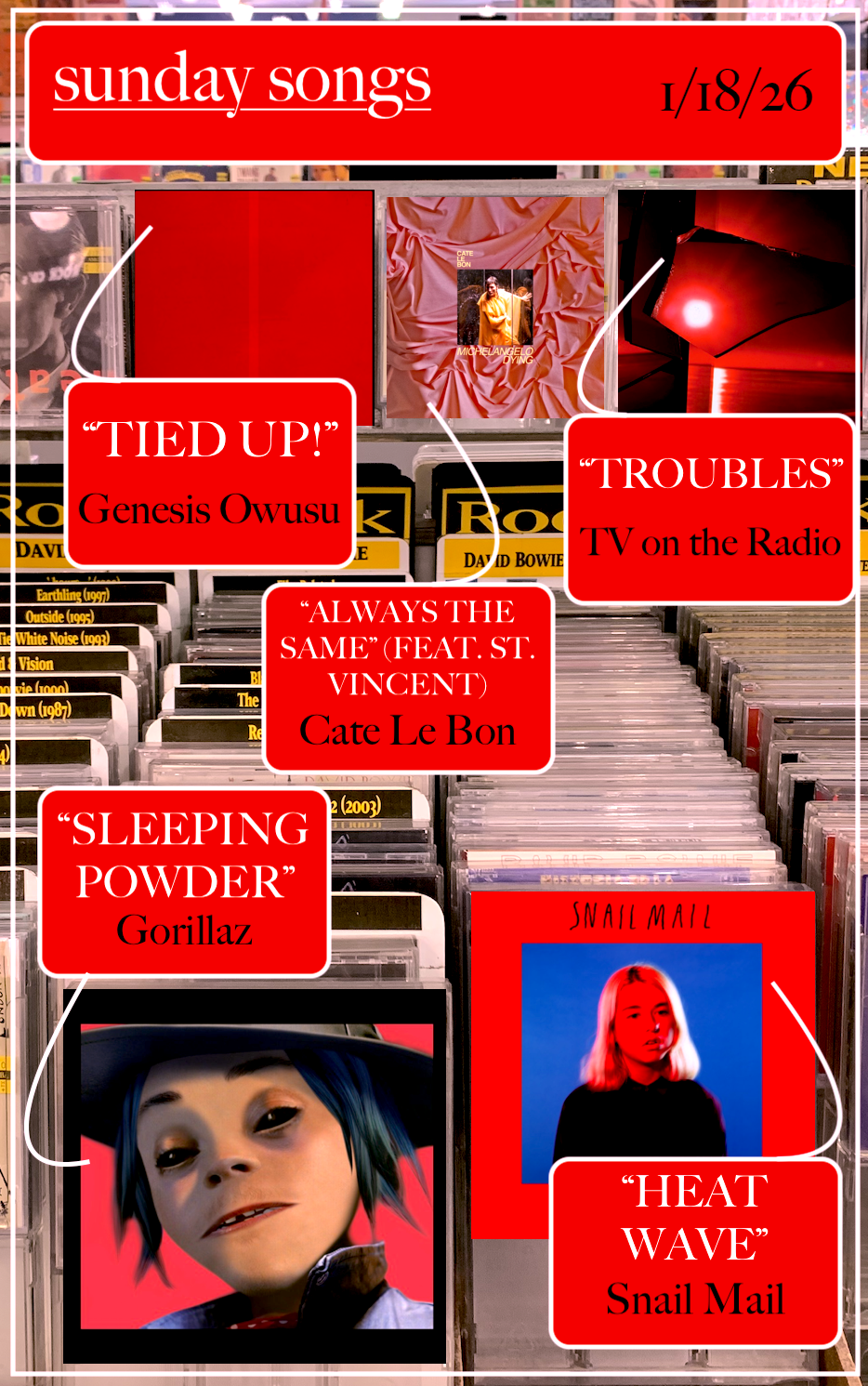
Posted in Book Review Tuesday

Book Review Tuesday (7/22/25) – The Ephemera Collector

Happy Tuesday, bibliophiles!
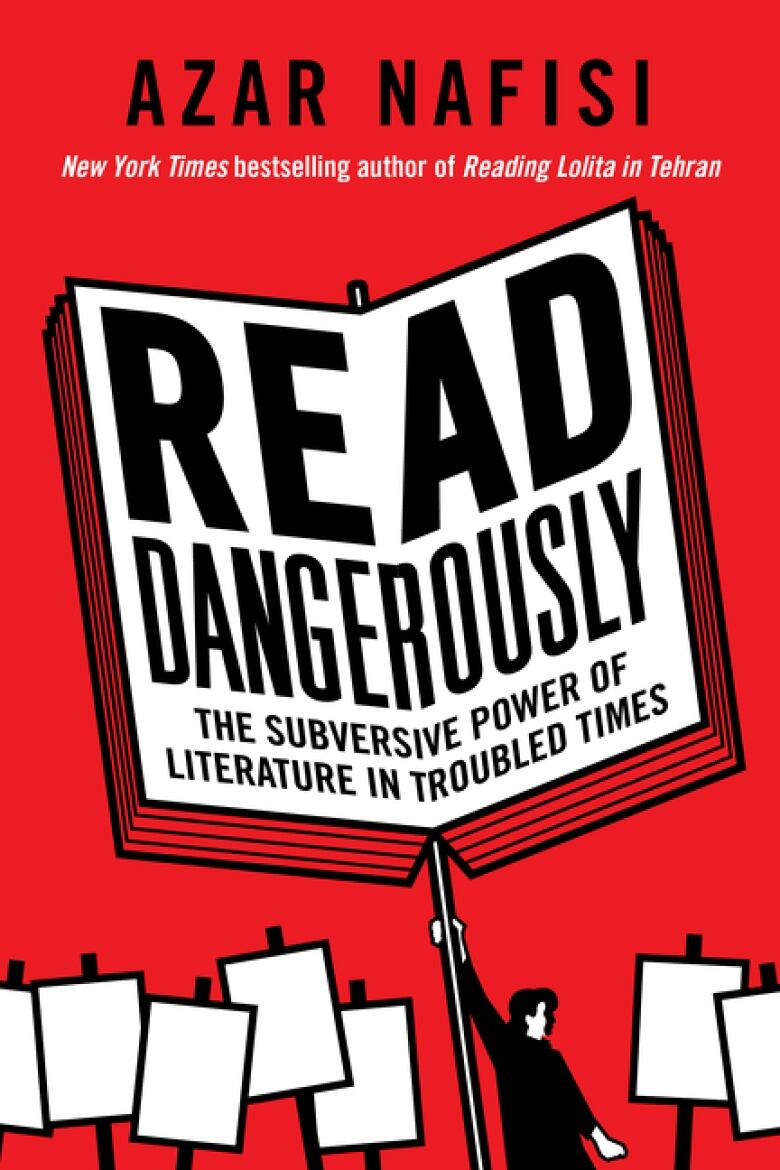
Continuing with Disability Pride Month, here’s a fascinating 2025 debut! I love books about libraries and archives, both for personal reasons and because of the possibilities that they hold. Add in the queer, science fiction aspect of it, and I was instantly hooked. The Ephemera Collector turned out to be one of the more unique books I’ve read recently, both in its mixed-media approach and the sprawling nature of its vision.

Enjoy this week’s review!

The Ephemera Collector – Stacy Nathaniel Jackson

2035. In a divided, polluted Los Angeles, Xandria Brown pours her passion into her work as an archivist. Collecting ephemera from prominent Black authors, artists, and activists, she fights to preserve her work as the threat of corporate encroachment in her library looms. After the death of her wife, only her health bots, which monitor her symptoms of long COVID, keep her company. But when the library goes into lockdown for undisclosed reasons, Xandria and her health bots must get to the bottom of the mystery—and make sure that her collections are unscathed.

TW/CW: ableism, eugenics, racism, violence, medical content

Though not without its flaws, this is one of those novels where you can really feel how much of a labor of love it was for the author. The Ephemera Collector is Stacy Nathaniel Jackson’s debut novel, which he published in his 60’s (!!!). It’s a mix of prose, poetry, and visual media, and I honestly wish I’d read a physical copy instead of an ebook in this case, because I feel like my Kindle couldn’t grasp the formatting fully. Nevertheless, The Ephemera Collector is a unique novel in all senses: a unique dystopia, a unique Afrofuturist novel, and a startlingly original piece of sci-fi.

Stacy Nathaniel Jackson’s vision of the United States 10 years from now was certainly bleak, but his worldbuilding was what made The Ephemera Collector stand out so much to me. No stone was left unturned in terms of what happens to America in the next 10 years, from the threat of corporate oversight on Xandria’s archives of Black history to the COVID-34 pandemic that occurs a year before the novel is set. It was bleak to me, but not necessarily cynical to me; yeah, us going into a second global pandemic only 14 years after “getting through” the first one seems a bit cynical, but given how this country absolutely bungled how we handled COVID-19, it feels somewhat realistic. Yet the weirder and further you get from the center of what makes Jackson’s dystopia a dystopia, the more imaginative the worldbuilding gets. Xandria is followed around by health bots that all have distinct personalities. There’s a whole Atlantis 2: Electric Boogaloo situation with a group of POC separatists who settle underwater off the coast of California. The weirder Jackson gets with it, the better the worldbuilding becomes; those unique touches are what stuck with me the most.

Yet even though Jackson’s vision of the future is full of polluted air and government corruption (not too far off…oof), it never fully felt like completely gloom and doom. In the end, I feel like this novel was about the importance of preserving history, and the main character’s fight is to keep corporations out of her exhibition of Black history, namely a collection of ephemera about Octavia Butler. Our protagonist is a queer, disabled Black woman who comes from a line of disabled Black ancestors, and she is standing her ground when it comes to preserving their history as a fundamental thread in the fabric of our country. Xandria putting up this fight, for me, was what kept The Ephemera Collector from being fully cynical. To imagine a darker vision of the future is one thing, but to have a character fight it, win, and outlast said corruption and hatred (somehow, she lives to be 300 years old? I assumed it was the gene editing, but it’s never fully explained) was what gave me hope in the end. Xandria, a battered woman who faced threats to her archives, non-consensual gene editing and eugenicist practices, and the death of her wife, comes out the victor in the end, triumphant over everything she fought to defeat. She is alive to preserve the history of her ancestors, but she is also proof that even the groups that America is most determined to erase will survive no matter what this country throws at them—and outlive them by centuries.

Going into The Ephemera Collector, I knew it wouldn’t be the easiest book to digest. The reviews warned me of a novel that frequently went on tangents that didn’t relate to the main storyline, and a novel that was disorganized in general. Having that in mind, I went in with low expectations. While I do think this novel was a bit disorganized at worst, I think it was partially the point. This is a book about an archivist poring through artifacts in a massive library. Jackson’s style is very stream-of-consciousness, and I feel like it uniquely reflects what Xandria’s mindset would accurately be if she spent most of her waking hours as an archivist. It reminded me vaguely of The Library of Broken Worlds, a very different book from this one, but still a sprawling, magnificent at best, deeply convoluted at worst novel set in a vast library. Maybe that’s just what you’re in for if you write imaginative books about sci-fi/fantasy libraries. There were some sections that strayed too far from the main plot for my taste (more on that later), but overall, I enjoyed the breaks in form, whether it was the switches from prose to poetry to the anecdotes about Xandria’s ancestry. It really put me in mind of an archivist, and that seems exactly what Jackson set out to do. For me, it also tied back into the theme of preserving history—all of what we see is the history that Xandria fought so hard to keep alive and non-sanitized by corporations.

Here’s the thing, though. I was fine with the earlier tangents because I could see the thread that connected them to the rest of the novel. But around 60% of the way through, The Ephemera Collector quite literally loses the plot. Without warning, it switches to an entirely new story that’s barely connected to the main story—and that’s being generous. The only possible connection I could find was that one of the characters was a relative of Xandria, but that’s it. There’s no connection to her or the library. My dilemma is that although it was very distant from the rest of the novel, it was still a compellingly written storyline. It dealt with one of the more fascinating parts of the worldbuilding: the separatist community who created an underwater settlement, and later became pseudo-climate refugees when it became untenable to live underwater for any longer. It was so strange and lovely to pick apart, but it didn’t connect to the main narrative until the very last minute. Even in the context of Xandria looking through the archives, there wasn’t a clear thread. I’m tempted to give this less than 4 stars, because although this frustrated me, the writing was just that good. In my more arbitrary system, I guess it would be more in the 3.8-3.9 range, if we’re getting really specific, but I like it more than a 3.75. It’s a weird dilemma, but so is the whole novel, really.

All in all, a deeply imaginative Afrofuturist novel that pushed the boundaries of what a dystopia can be. 4 stars!
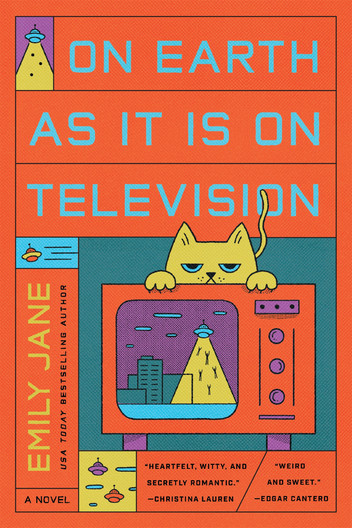
The Ephemera Collector is a standalone and Stacy Nathaniel Jackson’s debut.

Today’s song:

NEW GUERILLA TOSS, WOOOO

That’s it for this week’s Book Review Tuesday! Have a wonderful rest of your day, and take care of yourselves!