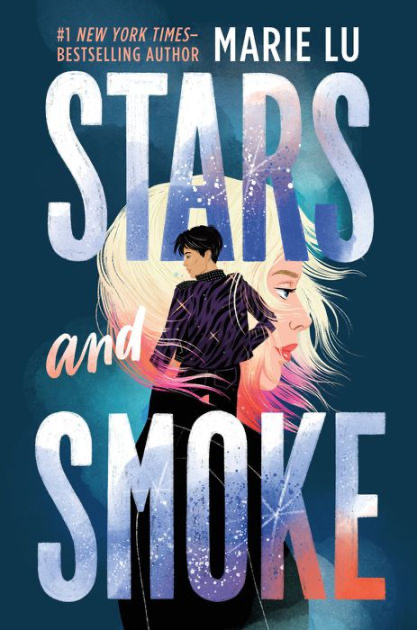
Here’s the thing—I’m not sure if I would read this book if it weren’t for Marie Lu. It’s not the kind of story that I would normally pick up, but if I’ve learned one thing as a longtime fan, it’s that she’s deft at writing for a variety of different genres. After finishing Stars and Smoke, it proved my point—I probably wouldn’t have read it otherwise, but it was still a fun read.
Winter Young is on top of the world. The former backup dancer has had a meteoric rise to fame with his solo career, with sold-out tours and chart-topping albums every year. But his talents are wanted elsewhere—as a spy.
For Sydney Cosette, Winter is the key to taking down Eli Morrison, a prominent crime boss. After Morrison’s daughter, Penelope, requests a private concert for her birthday, Sydney and her colleagues recruit him for the Panacea Group, a spy organization willing to do the dirty work that most won’t do. Winter is the perfect opportunity to infiltrate Eli Morrison’s rank—and take him down for good. But sparks are flying between Winter and Sydney—sparks that could compromise the mission itself…
TW/CW: poisoning, murder, loss of loved ones
I’ve been a fan of Marie Lu since middle school, and she’s become an autobuy author for me, no matter the story—in my experience, she’s shown herself to be incredibly versatile when it comes to hopping genres. When I saw the description for this book, I knew one thing: I probably wouldn’t have read this book had her name been on it. It didn’t seem like my type of story. And although that’s still true, Marie Lu gave it her best shot at that magic touch that she applies to every novel she writes.
Lu said that in the acknowledgements that after the pandemic and all of the chaos and awful things that have happened as of late, this book was meant to be a piece of light escapism to distract from it all. Given how dark some of her works have gotten, I really respect creating a book just for that purpose—some days you can’t swallow a whole, literary masterpiece full of emotional turmoil. And as with every other novel she’s written, Lu achieves that goal perfectly. Stars and Smoke is pure fun—it’s the YA version of an action-packed blockbuster, filled with fun and romance. Lu keeps the plot and pace going steadily, and I never found myself getting bored.
However, even though most of the book hinged on the premise of said romance, it barely felt fleshed out. In the last 2-3 years, I’ve seen the “enemies to lovers” trope being slapped on advertisements and blurbs for books as a selling point from its popularity from both fan fiction and BookTok. Listen—I adore the dynamic when it’s done well, but the trope has become such a buzzword that a lot of authors seem to have forgotten what it’s really about. All too often, the stretch between “enemies” and “lovers” is virtually nonexistent, making for a half-baked romance that ends up feeling like it has no chemistry—going to complete disgust to head-over-heels in love in no time at all.
Stars and Smoke, unfortunately, fell into this trap as well, which is frankly surprising, since Marie Lu has done enemies-to-lovers (and romance in general) well before. Winter and Sydney seemed to have hardly any chemistry at all—they seemed to go from “eh, I really don’t want to work with [x]” (and vice versa) to “excuse me while I write a chart-topping love confession for [x]” in a very short span of time. The “enemies” part was very understated too—not that I’m complaining, but if anything, it was more “mild annoyance to sorta lovers, I guess” than anything. Again: enemies to lovers has become a complete buzzword. Trope terms are helpful, but love is often more complicated than that, and the key to getting them right is to recognize the nuance beyond the basic premise of the trope.
All in all, a light, fun novel that lacked in the romance department, but delivered in the pure escapism that it promised. 3.5 stars!
Stars and Smoke is the first in a planned duology, concluding with an as-of-yet unnamed sequel set to be released sometime in 2024. Marie Lu is also the author of the Legend series (Legend, Prodigy, Champion, and Rebel), the Young Elites trilogy (The Young Elites, The Rose Society, and The Midnight Star), the Warcross duology (Warcross and Wildcard), the standalone Kingdom of Back, the Skyhunter duology (Skyhunter and Steelstriker), and many other books for children and young adults.
Today’s song:
criminally short
That’s it for this week’s Book Review Tuesday! Have a wonderful rest of your day, and take care of yourselves!
It’s finally here! The moment that I’ve been patiently waiting for…
After I discovered Phoebe Bridgers back in early 2020 (before it all went wrong), my boygenius revelation came soon after (right around when it really all went wrong). Not only was it my gateway to Julien Baker and Lucy Dacus, but it stood out as a representation of so many things—a critique of the pedestals we tend to reserve only for male artists, the way the music industry often lumps together “women in indie rock” simply because of their gender, and the magic that happens when three incredibly talented queer women get together and make music. Their self-titled EP, released in 2018, seemed to be the beginning and end of their relationship, but they secretly reformed and came together to release their first full-length album this March. And the results are simply magical, full of different highs and lows, but emotional and heartrending all the way through—in the best way.
boygenius’ Rolling Stone cover, an homage to Nirvana
Enjoy this album review!
THE RECORD – BOYGENIUS (album review)
Release date: March 31, 2023 (Interscope records)
TRACK 1: “Without You Without Them” – 8.5/10
never underestimate the power of an intro 🥲
If the record encapsulates the friendship of Baker, Bridgers, and Dacus, then this song is the perfect summation of that thesis. boygenius have made me so emotional over a cappella, somehow—their harmonies, pioneered in this case by Lucy Dacus, rise in perfect tandem, as each one thanks their parents, and their parents before them (“who would I be/without you, without them?”)—for the opportunities that brought them together as friends, by a cosmic miracle, and relishing in the quiet moments opening up to one another. Already a hard-hitter, and we’re barely even a minute into the album…
TRACK 2: “$20” – 9/10
Mama told me that it don’t run on wishes, but that I should have fun,
Pushing the flowers that come up
Into the front of a shotgun…
boygenius, “$20”
Rocketing from the quiet moments to a supersonic pace, “$20” remains one of my favorite songs on the album, even after everything else came out. Every lyric is delivered like a punch while grinning, each member’s voice coalescing and pulling apart at just the right moments, fading in and out of sync in perfect deliberation. Everything erupts with Phoebe Bridgers’ final scream, which remains one of the highlights of this album, where all of the pent up energy in this song bubbles to the top and fades out just as quickly. HAAAAAAAGH I STILL CAN’T STOP LISTENING IT’S BEEN LIKE 2 MONTHS
TRACK 3: “Emily I’m Sorry” – 8/10
This was my least favorite of the singles, but it’s still a beautiful heartbreaker of a song—like much of Phoebe Bridgers’ work, the instrumentation (which I still love, especially when everything seems to dissolve at 1:46) takes a backseat to her air-light, heartstring-tugging voice, and lets her shine. It just feels less cohesive as a supergroup—I get that all of the members had their songs that they wrote on their own, but this feels more like a Phoebe Bridgers single that just happens to feature Baker and Dacus than a boygenius song. It’s worked with some of the other songs in that style, but I feel like this would’ve worked better as just Phoebe Bridgers.
Hooooooooowhee, we’re back to Lucy Dacus throwing her whole fist into my chest and tugging at the heartstrings, huh? Is that what we’re doing?
Although (almost) nothing compares to the meteoric ecstasy of “$20,” “True Blue” is still a steadfast favorite of mine on this album. It’s a case study of how perfect the harmonies of these three are for each other. The way that Baker and Bridgers chime in on the bridge always makes my heart sing, as though they were somehow predestined to have this pairing of differently gorgeous voices, all joining hands in another ode to their mutual friendship.
TRACK 5: “Cool About It” – 9.5/10
But we don’t have to talk about it,
I can walk you home and practice method acting,
I’ll pretend that being with you doesn’t feel like drowning…
boygenius, “Cool About It”
This one rapidly rose to become my favorite on the album, and I’ve had it on repeat ever since. boygenius is versatile in the way that they organize songs together—sometimes it works with all of them singing at once, as in “$20,” but neatly-sectioned songs like this one, where each of the members gets their time in the spotlight, works just as well as the other. And this one’s the shining highlight of the album, a Simon & Garfunkel-inspired, introspective reflection on the complicated feelings of confronting people who were once prominent in your life—not being able to deny their toxicity, but grappling with not being able to outwardly show it. Each facet of their lyricism shines—Baker’s ability to dig directly into the emotional core of these feelings and making it look easy, Dacus’ dry but solemn display of wit, and Bridgers’ vulnerable confessions steeped in glistening stars. I have nothing but love for this song.
TRACK 6: “Not Strong Enough” – 7/10
Strangely, this was one of my least favorites of the album—the lyrics remain incredible (and the music video is so sweet 🥲), but there’s a country-pop twang to this one that doesn’t quite hook me all the way. There’s no denying how wonderful the ending is as Lucy Dacus builds up the bridge—”always an angel/never a god,” which all comes crashing together as we get another fantastic Phoebe scream.
TRACK 7: “Revolution 0” – 7/10
Though this one doesn’t hit me as hard as some of the others, Phoebe’s soft introspection truly shines on this song. The barely audible strings and the fluttering, dissolving synths make for an atmospheric song that feels like the musical equivalent of watching the sunrise on a crisp, winter morning. I can practically feel my breath fogging out before me, just as all three of their voices seem to gently drift into the air.
TRACK 8: “Leonard Cohen” – 6.5/10
Though Lucy Dacus’ lyrics are still funny and tender at the same time, this song feels oddly disjointed to me. Dacus’ voice comes in at a sudden, weirdly-placed time, and it doesn’t seem like it’s no purpose. Again: lovely lyrics, but the song never quite picks itself up from that initial, rocky start. I hate to say it, but maybe it’s for the best that it’s so short.
TRACK 9: “Satanist” – 8.5/10
(do I get something for being the 666th like on the lyric video for a song called “Satanist”?)
(STOP TRYING TO AUTOCORRECT CRED TO CREDIT SHUT UP SHUT UP)
One of my favorites after the singles, “Satanist” is proof that the neatly-sectioned format of letting each member sing a verse is a perfect way to let them all shine through! With Julien Baker’s witty lyrics and punchy guitars all the way through, it’s just a lovely chunk of indie rock all the way through. The ending, though drastically different, is just as wonderful, with all of their harmonies rising up like bonfire smoke into the night sky.
TRACK 10: “We’re In Love” – 8.5/10
If you rewrite your life,
May I still play a part?
boygenius, “We’re In Love”
Ow, did Lucy Dacus just get saddled with all dealing all of the emotional damage on this album? Does she just have a huge paddle that she’s just musically whapping us with? If that’s the case, “We’re In Love” was what knocked me off my feet for good…ouchie
Nearly 5 minutes long, “We’re In Love” presents Lucy Dacus and company ruminating on the nature of their shared friendship once more, reflecting on inside jokes and quiet moments spent together, and loving every inch of each other despite their flaws. Even outside of their cosmically aligned harmonies, it’s clear that boygenius have struck something truly special with their friendship, a connection that has allowed them to grow and produce no shortage of beautiful, creative works, and get to know each other better through it. It’s gorgeous…get out the tissues.
TRACK 11: “Anti-Curse” – 8/10
Turning back to the more fast-paced side of “Satanist,” “Anti-Curse” has Julien Baker letting loose once more. Though I enjoyed some of Baker’s other tracks more, it still has that raw vulnerability that endeared her to me when I first became a fan, but with the expansion of her more vast, Little Oblivions sound that gives everything even more weight. It feels like the whole song is painted in the same colors as the album color, with sunsets, breaking waves, and the taste of salt in your mouth.
TRACK 12: “Letter To An Old Poet” – 8.5/10
I wanna be happy, I’m ready
To walk into my room without looking for you,
I’ll go up to the top of our building,
And I’ll think of my dog when I see the full moon.
I can’t feel it yet,
But I am waiting…
boygenius, “Letter To An Old Poet”
Oh, so I see they let Phoebe Bridgers have this one tearjerker, and she took the opportunity and RAN with it? YOW.
I can’t think of a more fitting closer for the record. The whole song acts as a sister song to “Me & My Dog,” off of their self-titled EP, a reconciliation not only with the complications of a past relationship, but of a desire to heal oneself, move on, grow, and confront the truth. It’s clearly personal to Phoebe, but it feels like a collective healing call for all of them, a promise that the past is the past, but that we are all different people than who we once were. Every re-worked lyric acts as proof of change, a renewed mindset, and of hope that the future will be better while stargazing. Gah. Beautiful end to a beautiful album…
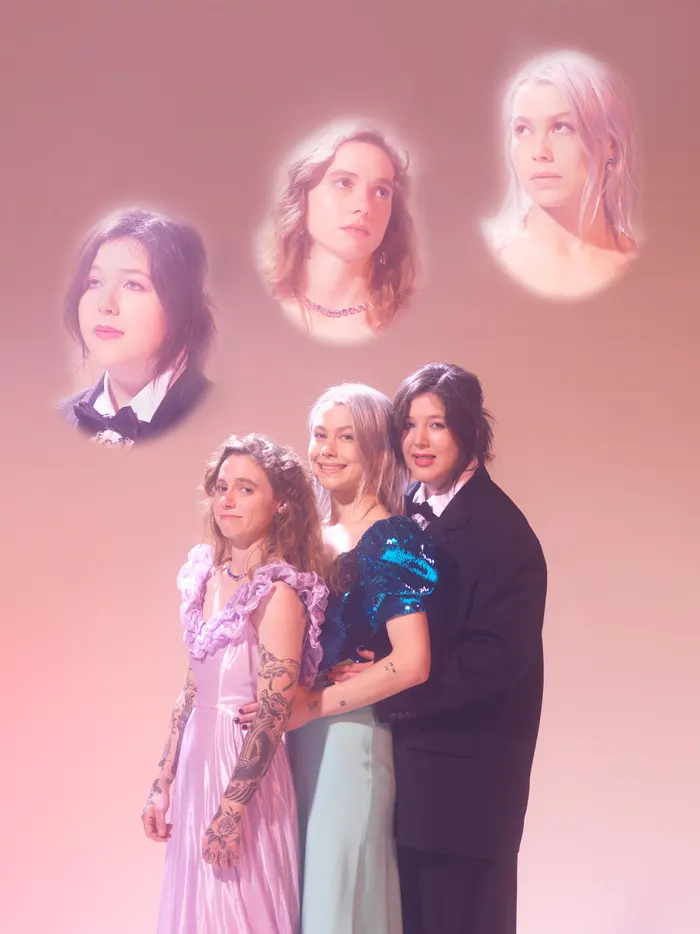
THIS PHOTOSHOOT HAD NO BUSINESS BEING THIS FUNNY 💀 I CAN’T GET OVER JULIEN IN THAT FRILLY DRESS HAHAHAEHJKEFKFDKJ
I averaged out all of the ratings for each track, and it came out to aboutan 8.1! I’m so glad that they decided to make a whole album—through all of the highs and lows, it displays their talents as individual musicians and as a collective creative force, and I’ll never get sick of their heavenly harmonies. And above all, it stands as a tribute to queer friendship, and every kind of love that we share, no matter the feelings that we associate with it. I’m sure it’ll be one of my favorite records of this year, without contest.
Since this is an album review, consider the entirety of the record to be today’s song.
That’s it for this album review! Have a wonderful rest of your day, and take care of yourselves!
Happy Sunday, bibliophiles, and happy Easter for those celebrating! 🐣
I’m still riding the boygenius high, and I will most certainly be riding it for much longer (that is a threat), but I promise I’m listening to a few more songs…maybe…
Never in a million years would I have predicted having a song with banjo in it constantly on repeat, but life is full of surprises. All the better if said songs are delivered by the likes of boygenius.
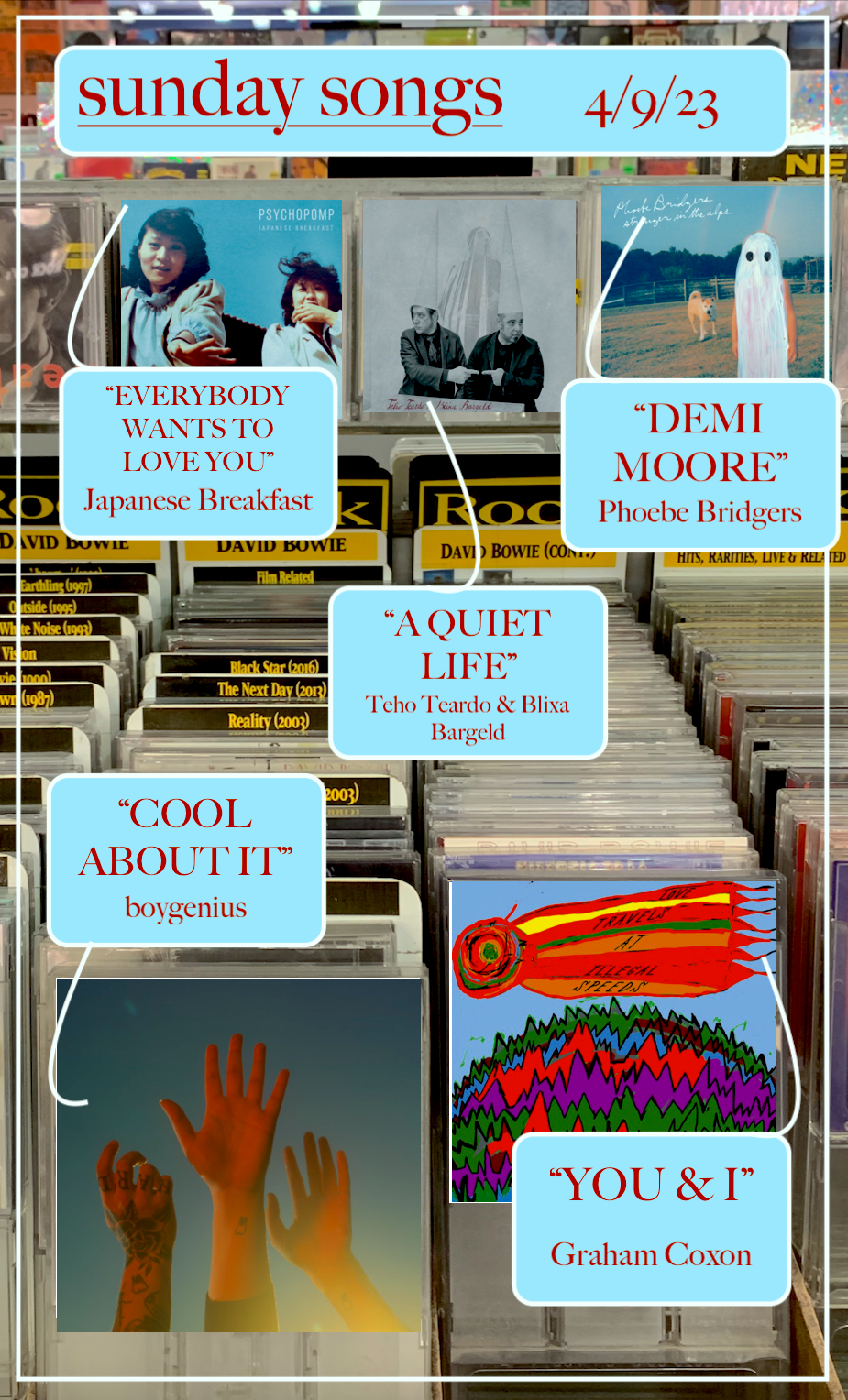
I’ll surely be raving about boygenius’ recently released full-length debut the record for the next month, but this song, after their first four singles, is taking center stage in my head constantly. With a melody inspired by Simon & Garfunkel’s “The Boxer” and sparse, gentle instrumentation that lets each member of the supergroup bathe in the spotlight, it’s a quiet, introspective highlight. Julien Baker, Lucy Dacus, and Phoebe Bridgers take turns reflecting on the mixed emotions of painful, strained reunions with exes and old friends, hidden lyrics shine through in not-so-hidden lyricism—”I can walk you home and practice method acting/I’ll pretend that being with you doesn’t feel like drowning,” in Bridger’s final words. boygenius have let their joint talents meld together in a handful of different structures, but somehow, this neat, boxed-in sections where one singer takes the lead per verse make for a song that truly feels like all of them. And as gently as bubbling water in a creek, their harmonies rise as one for each chorus—my heart can’t help but leap a little when each of them harmonize to the final line of each verse: “even though we know it isn’t true…”
I’ve been meaning to get more into Graham Coxon’s solo work ever since my 2021 Blur frenzy, and through the nuggets of song titles that I seem to remember completely at random, I’m getting more and more excited about it. The only song of his that I know that isn’t a cover or from the soundtrack of The End of the F***ing World(which I still need to watch…), it’s an unadulterated dose of tight, anxious Britpop straight to the veins; even without Blur and all of the detriments that came with its fame, it’s clear that this is the kind of music that Coxon was meant to play. And he plays it well. Each punchy chord feels laid out on a precise grid, and from what I can gather about him, it seems like something he would do. “You & I” is a distinctly polished song—not in the way that an over-produced, Top 40 hit is, but polished in the way that every edge has been meticulously sanded down to perfection, not a note out of line. These nervous, uptight white guys know their stuff sometimes…
I’ve gotten bits and pieces of Japanese Breakfast over the years—I remember being in the car all the way back in middle school and hearing a piece of NPR about her debut album, Psychopomp, and being interested, but I don’t think I ever got around to listening to it then. With all the buzz around Jubilee and her acclaimed novel Crying in H-Mart, I figured I might get around to giving Michelle Zauner and company a listen. Like “You & I,” I remembered the title of this song at random, and I’m so glad I did!
“Everybody Wants To Love You” feels like the 2010’s, indie rock answer to a poppy love song of the 50’s or the 60’s. Everything about it feels cheery—the bright, practically glittering guitar tones, the sharp pep of Zauner’s voice, and the starry synths that seem to leave sparkling trails over every second of the song. Add a wonderfully catchy guitar riff and package it into the pop-standard 2 and a half minutes, and you’ve got something that feels like it could come out of any era. Well…maybe not any era—some of those lyrics definitely would not have flown in the mainstream before the 60’s, but that’s not the point. It’s just 2 and a half minutes of joy, purely and simply.
Over break, I went through the first season of Netflix’s Dark with my family, and ever since, I’ve ripped a solid half of the songs from that show and slapped them haphazardly into my music taste. Seems like that’s largely the case for a lot of the commenters on this video too (all of the Dark references have passed the vibe check with absolutely flying colors), and, among other things, Dark reminds me how good it feels to be so invested in every part of a show—not just the story itself, but every little detail that goes into it. Like the music.
I won’t go into how perfectly this song melds with the overall themes and the last episode of season 1 of Dark for fear of spoiling something so wonderfully intricate, but it’s chilling on its own as well. Blixa Bargeld boasts such a rich voice—it reminds me a lot of Jarvis Cocker, with that same rasp at the edges of the resonance you can feel in your chest. Just like Dark’s absolutely disturbing score, Bargeld’s vocals seem to buzz in moments, turning from something human into the hum of putting your ear next to a beehive. There’s a deeply poetic feel to everything in this song’s atmosphere, with the orchestral composition forming in the background and the gloom that seems to settle over every note like fog. It creeps along like frost, painted in the same grays as the album cover. What I’m trying to say here is this: whoever was in charge of the music direction for Dark—I SALUTE YOU. BLESS YOU.
Phoebe Bridgers is a distinctly 2020 artist in my musical canon. I first listened to Stranger in the Alps in the early months, before everything went…y’know, and Punisher came out that summer. But unlike Punisher, an album that’s a no-skip for me to this day, some of the songs on Stranger in the Alps didn’t do it for me on the first few listens. It’s understandable—Stranger was her debut, and with Punisher, she had more time to hone her craft and sound. But I’ve recently come back to some of those songs that I didn’t warm up to the first time; some of them still don’t impress me, but “Demi Moore,” along with the harrowing “Killer,” took a while to grow on me.
With a title borne from a misheard lyric (“I don’t wanna be stoned anymore” became “stone Demi Moore,” this song, like many of her others, lingers in the hazy, middle-of-the night lairs of vulnerability. Especially on Stranger, the instrumentals often take a backseat to Bridgers’ singing, letting the emotional side speak for itself amidst quiet synths that flicker like satellites in the night sky. Phoebe Bridgers’ voice floats along like misty fog over a creek, all at once thin and full of emotion.
And again—normally I can’t stand banjos, but these somehow work because of how…quiet they are? Sorry for the banjo slander here, but…I can’t help it, I’m sorry. I was forced to learn in 7th grade for school, but I didn’t enjoy much of it, save for trying to pluck out a rendition of “It’s A Wonderful Life” from memory. I’ll begrudgingly admit that it did help me get a bit of head start on playing guitar, but I still have a vendetta with the instrument. I digress.
Since this post consists entirely of songs, consider all of them to be today’s song.
That’s it for this week’s Sunday Songs! Have a wonderful rest of your day, and take care of yourselves!
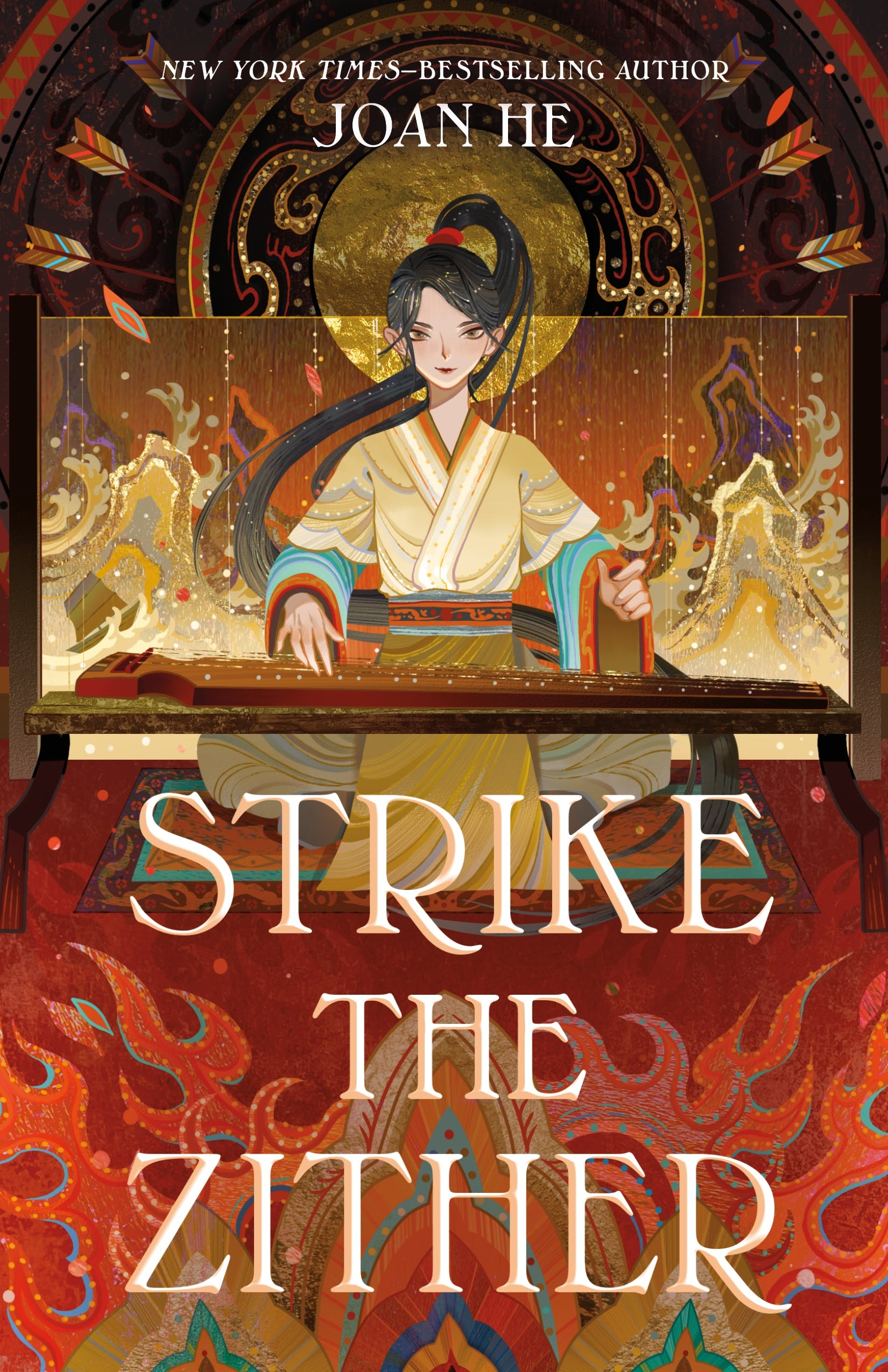
Descendant of the Crane and The Ones We’re Meant to Findmade me an instant fan of Joan He, and so I was immediately hooked when I found out that she was cooking up another piece of folkloric-feeling historical fiction! And now that I’ve finished this novel, I can safely say that Joan He has never once let me down. Fingers crossed that it’s consistent.
Zephyr has spent her whole life mapping survival out strategically. It was necessary after she was orphaned while she was still young, but as the strategist of the warlordess Xin Ren, she now holds the fate of a warring country in her hands. Three factions are fighting for dominance under a figurehead of an empress, and any sudden moves could mean that one faction takes over the entire Xin Dynasty.
When Zephyr is sent on a mission to infiltrate the ranks of the enemy to ensure the safekeeping of Xin Ren’s loyal followers, she collides with Crow, an enemy strategist with an agenda of his own. But the boiling point of all three factions is fast approaching, and Zephyr must do anything in order to make it out alive—even if it means exposing herself to the enemy.
I’m not sure why I’m so hesitant to say that Joan He can do no wrong at this point. She’s never missed. Not with Descendant of the Crane, not with The Ones We’re Meant to Find, and certainly not with this novel. Her first two books were already works of art, and I’m glad to say that He is consistent in the quality of her writing, and consistent in her ability to put out so much unique media into the world of literature.
Each Joan He book is memorable in its own way, but what stood out to me about Strike the Zither was how wonderfully cinematic it was. It wasn’t frustratingly quippy or overtly self-serious; He knew just when to hit the balance, juxtaposing war with well-placed zither solos and political intrigue. He seems to do political intrigue especially well—there’s a way to make it genuinely interesting without having the entire focus be on court drama, which happens so often in YA, and with both this novel and Descendant of the Crane, she teases each development just enough to continually keep my attention. With the stylized art on the cover, I could honestly imagine this novel being adapted into a darker Laika Studios stop-motion film, but no matter the medium, Strike the Zither feels like it was born for the screen.
He also has an awareness of her characters that not many YA authors do—she knows that Zephyr and all of the other supporting characters are over the top, and she absolutely rolls with it. Again, Strike the Zither was a master class in balance; Zephyr neither fell into the all-too-common self-seriousness of YA, nor did she constantly break out into the dreaded Marvel Funny personality. She’s theatrical, but in a fun way that doesn’t mire itself in angst unnecessarily. Given this novel’s roots in Chinese classics and folklore, it’s the perfect way to write it; He mentions that the original epic of the Three Kingdoms had a tendency to put historical figures on a godlike pedestal, and this felt like a tongue-in-cheek response to that style.
The pacing of this novel also sealed the deal for me; although it was a little difficult to get into right out of the gate with how the world and its characters were so rapidly introduced, once it got going, the pace never faltered. Every action felt calculated, like the strategist that Zephyr is, and each choice elevated the plot to heights that I didn’t expect Strike the Zither to reach. The main twist was so deftly executed, and it had me grinning from ear to ear when I came across it, and my excitement never waned over the course of this novel. This one’s a must-read, trust me.
All in all, an impressive display of Joan He’s talent on all fronts. 4 stars! I can’t wait for the rest of the duology!
Strike the Zither is the first book in the Kingdom of Three duology; the sequel, Sound the Gong, is set for release in October of 2023 (!!!). Joan He is also the author of Descendant of the Crane and The Ones We’re Meant to Find, both of which are standalones.
Today’s song:
I’ve had this on repeat for the past few days :,) so lovely
That’s it for this week’s Book Review Tuesday! Have a wonderful rest of your day, and take care of yourselves!
Happy Sunday, bibliophiles! I hope this week has treated you well. 💗
Not to worry, folks: the inevitable Boygenius Breakdown™️ is scheduled for next week to allow for some time for everything to sink in. As per the never-stated-but-generally-just-implied agreement, however, this week’s Sunday Songs meets the required Queer Quotient™️ that every Bookish Mutant post is required to pass before entering the blogosphere. I’m running a tight, gay ship over here, and I’ll see to it that it stays that way.
In the span of about a week, “Born on a Train” sprung from just being downloaded to my third most listened-to song of this year, according to Apple Music. Maybe that says more about my penchant for wearing songs into the ground than it does about the song itself, but I swear there’s an infinite magic woven into every note of it. Snugly fit in The Charm of the Highway Strip, a loose concept album about traveling and roads, this third track gently chugs along like the train the chorus speaks of. (And another example of the band’s generally wry humor—I haven’t listen to Charm in full yet, but the fact that “Fear of Trains” is only four tracks away from this song always cracks me up. Duality of man.) The drums and muted, acoustic guitar strums throughout recall the machinery of a train, in contrast to the ringing chimes as Stephin Merritt finishes out each chorus. And as with most Magnetic Fields songs, it’s laced with bittersweetness to the core; there’s a sense of the narrator grappling with their own nature, knowing that they’re bound to leave everyone that they love, that same lonely, fleeting, twilight feel as the “ghost roads” that Merritt describes in the first verse. Merritt’s voice has the same resonance that you feel inside a cave, reverberating through your bones—it was easy to feel, hearing this song live at a smaller venue, which I still count myself incredibly lucky to have experienced.
On that habit of riding songs into the sunset, I think I get sick of only about half of them—”Born on a Train” feels like one of the ones that’ll stick.
At this point, all that’s keeping me from listening to more Palehound right now is the fact that A Place I’ll Always Go is too complicated of an album cover to draw on the door whiteboard on my dorm (wait, I forgot about posting those…maybe once school’s out? Don’t hold me to it), and for some reason, even though I can listen to any other artist’s discography out of order, I’ve stubbornly decided to do so with them. (With the albums, at least—I didn’t know this EP existed until recently…oops…) But…Dry Food was just so good. I couldn’t get enough of the whole album. Something about El Kempner’s talent for letting every instrument go loose and reining them back in just as quickly keeps me listening over and over again.
So I ended up finding and promptly listening to her very first musical outing as Palehound, 2013’s Bent Nail – EP. The decision to make “Drooler” the first track was a clearly calculated one—it lulls you in with Kempner’s brightly-toned guitar notes that seem to gently roll like a loose wagon wheel, but drops off just as quickly, breaking into a bluesy, catchy groove, strangely accented at times with the sounds of pots and pans clanging against each other. All the while, Kempner’s voice does similar gymnastics, slipping into lower tones and spiking airily high in the space of seconds. It’s hard to keep that balance—something that she frequently tests on songs like “Pet Carrot” (which works on the EP, and bafflingly maintains on her performance of it on her Tiny Desk Concert), but “Drooler” toes the line with ease. And just like that, everything that Kempner builds devolves into riotous fuzz at the end, a skidding, spark-flying crash to a perfect piece of guitar-driven indie-rock.
So I’ve got another De La Soul album to add to my never ending album list, huh? I’m not complaining. Anything for another experience of wonderful, creative music, that Pos, Dove, and Mase seem to exude from their very pores, or something…
Two albums after their breakout Three Feet High and Rising, De La Soul had made a point to shed the sunshine-colored, mislabeled hippie image that had followed them everywhere, but even though that image was a major point of resentment for Plugs 1, 2, and 3 after the album’s release, listening to songs like “Eye Patch” leads me to believe that, at least musically, that spirit never quite left. Backed by the endlessly catchy samples of Jimmy Reed, the Outlaw Blues Band, and the same French language learning program that they sampled for Three Feet High and Rising, it’s another earwormy patchwork that, even from my limited experience with the band, feels like their trademark. It’s smooth, rolling like waves over your skin, the perfect walking soundtrack for a movie, or just walking to class and feeling the sun on your skin. And despite the more serious undercurrent that emerged in everything post-De La Soul is Dead, there’s still samples of sheep and children laughing—there’s no denying of the original, three fresh-out-of-high school friends making music in the basement ethos that have made De La Soul so lasting.
Part of what I love about this song is that there will never be another song called “Crocodile Tears and the Velvet Cosh.” If there is, I can guarantee that it’ll be ripping this title off.
I can never claim to be fully goth (even though I can and will go overboard with the black eyeliner, without hesitation) partly because both Bauhaus and Love & Rockets (a.k.a Bauhaus – Peter Murphy) have historically been hit or miss for me. I’ve still found some of the latter that are already classics for me (“Holy Fool,”“Bad for You,”…why do I keep putting off listening to Lift?); the solo careers have been similarly hit or miss, though I’ve been hoarding a small handful of songs from Murphy, Ash, and David J., respectively as of late. Strangely, even though I’ve only heard two songs of his (the other being “I’ll Be Your Chauffeur”) David J. has been the one that I’ve liked the most consistently. As much as I love and respect the eclectic spirt of Love & Rockets (okay, scratch that: I can’t forgive them for “The Purest Blue,” there’s NO excuse for that nightmare fuel), sometimes you have to sit back and linger on the gentle side of things. That’s exactly what “Crocodile Tears and the Velvet Cosh” feels like for me: it slings a reassuring arm over your shoulder, and lets you relax while the breeze tugs at your hair. Filled with tiny packets of clever wordplay (“I read you like a book/Seeing through/without ever losing my place”), it’s an unassuming, acoustic piece with hidden bits that glisten in the dark.
I finally got around to listening to Home Video last week, and although I wasn’t as wowed as I was with her sophomore album, Historian, it still exists as an insect trapped in amber. The album chronicles Dacus’ childhood and adolescence in Virginia, grappling with her latent queerness in contrast to her Christian upbringing, as evidenced in “VBS,” a slice-of-life recounting of church camp. Musically, Home Video wasn’t as expansive and vast as its predecessor, but Dacus’ lyricism throughout the entire album is as strong as ever—I can’t stop thinking about the lines “Sedentary secrets like peach pits in your gut/locked away like jam jars in the cellar of your heart.” For such an unassuming-sounding song (in the beginning), there are so many tiny layers to peel back, from the underlying seeds of questioning everything she’s known to the explosive burst of guitars as Dacus describes, “There’s nothing you can do, but the only thing you’ve found/playing Slayer at full volume helps to drown it out.” The latter makes me wish for more of the guitar work that Dacus displayed on songs like “Timefighter,” but that moment as a self-contained piece, like the glass butterfly boxes that form each song, makes the storytelling even clearer and cleverer than ever.
Since this post consists entirely of songs, consider all of them to be today’s song.
That’s it for this week’s Sunday Songs! Have a wonderful rest of your day, and take care of yourselves!
How is March already almost over?? Mentally I’m still in the first week…but it’s spring break, so that’s always good. And although I woke up sick this morning, at least I have boygenius, the cure for all that ails. Maybe their queer antibodies will help me fight this nastiness off before I have to go back to school.
[shaking the image file for the record on my iTunes library] c’mon, man, do your thing…
GENERAL THOUGHTS:
I still can’t bring myself to believe that I’m almost done with my first year of college. It feels like I should have at least 5 months left, or something…how? Either way, it’s been much easier on me taking mostly humanities classes, and even with midterms, I’ve been able to keep my head above the water. The weather’s slowly but surely starting to warm up—there were a few days were it felt like early summer, and then we got snow the very next day, and if that isn’t Colorado weather in a nutshell, then I don’t know what is. But I’ve savored the little moments—the bits of sunshine that come through the trees in the morning, the view from my dorm, and the day I had both my classes off, so I visited my friend at my dorm for next year and got coffee on the way back.
My reading’s been a little bit slower, I suppose since I’ve had several books to read for at least 3 classes, so I’ve had to read a lot of them in smaller chunks. They’ve been very different but all very good books—again, what I love about college (or at least being an English major) is that I’ve been reading books I’d never imagine reading in an academic setting—Annihilation and Harley Quinn: Breaking Glass were both on my reading list this month. I’ve managed to get some other great reads in as well, even though I had to slow down for midterms. It was harder to see since I slowed down more than usual, but it was a pretty solid reading month—only 2 books in the 2-star range, so that’s always a plus in my book (no pun intended).
Other than that, I’ve just been drawing, playing Minecraft over break (you have NO IDEA the absolute havoc some loose axolotls can do to an ocean ecosystem), watching Flight of the Conchords (as hilarious as I imagined it being), season 2 of Shadow & Bone, and Dark, and wishing for all this snow to melt. I swear that one pile of slush outside of the dining hall has been there since January…
READING AND BLOGGING:
I read 18 books this month! Better than I thought I’d done, given midterms. I found my first 5-star read of the year, though, and I also participated in the #transreadathon for the week of March 20-27, and found some great reads as a result!
I’ve been meaning to do another book tag for a while, and now that I’m on spring break, it seemed like the perfect time! I found this one over at Georgia @ Lost in Neverland, and it was originally created by one’s peculiar. Fantasy is a genre that I always end up coming back to, so I thought this would be a fun tag!
THE LOST PRINCESS: A book/series you lost interest in halfway through
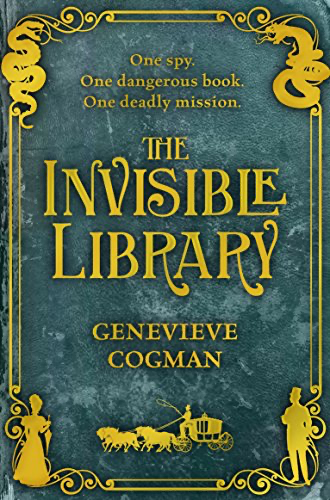
I loved the first book in the Invisible Library series, but I ended up quitting at book 3—with such an inventive concept for the series, it just felt like Genevieve Cogman was no longer doing anything interesting with it.
THE KNIGHT IN SHINING ARMOR: A hyped book/series you were swept up by
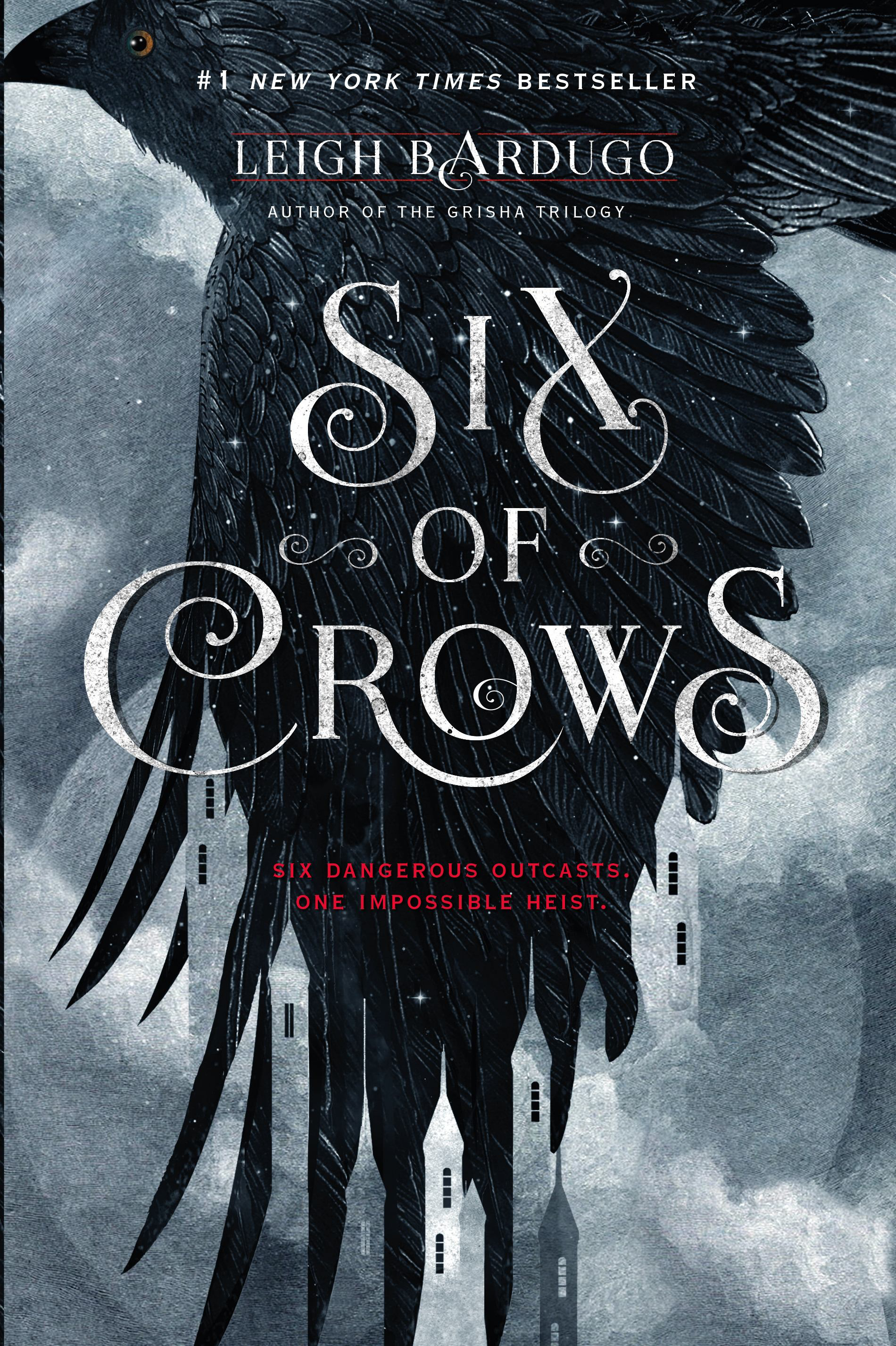
Leigh Bardugo has yet to let me down with any of her fantasy novels, but Six of Crowsis a rare series—it lives up to almost all of the hype it’s been given over the years, in my experience!
THE WISE OLD WIZARD: An author who amazes you with his/her writing
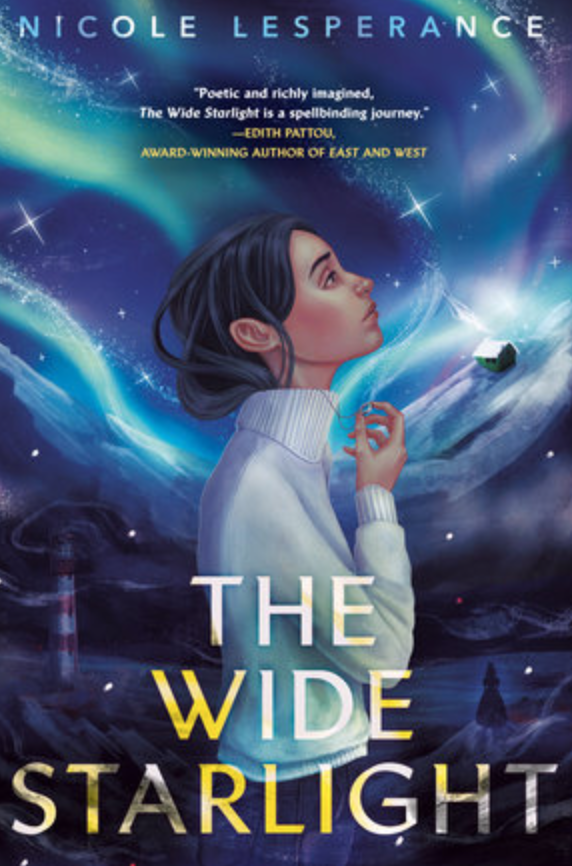
At the risk that I’ll sound like a broken record, I’ll talk about an author that I don’t talk about as often; I’ve only read The Wide Starlightand The Depths, but the the former was an unexpected 5-star read for me—Nicole Lesperance’s prose was endlessly stunning and beautiful! Although I didn’t enjoy The Depths quite as much, she made use of an incredibly underused setting for horror, and built up her suspense wonderfully.
THE MAIDEN IN DISTRESS: An undervalued character you wished had a bigger storyline
I wouldn’t say that Silas from Sorcery of Thornswas an undervalued character, but he was so compelling that I wished we’d gotten more page time from him!
THE MAGICAL SWORD: A magical item/ability you wish authors used less
This isn’t necessarily an item or ability, but I’ll never get the trope where the protagonist (most often a woman, in this case) loses her powers at the end of the book. The only exception I can make is if said powers are destroying her from the inside/making her a shell of her former self (ex. Aurora Rising), but if not, it just feels icky to me. LET OUR FANTASY LADIES KEEP THEIR AGENCY!!
THE MINDLESS VILLAIN: A phrase you cannot help but roll your eyes at
Any “romantic” quote that comes from the clear male-manipulator love interest (see: The Darkling, Cardan). There are way too many of these guys that the authors intended to be terrible people, but end up turning into the bad boy teen idols of their respective fandoms…
THE UNTAMED DRAGON: A magical creature you wish you had as a pet
+ anyone else who wants to participate! If you see this tag and want to do it, I’d love to see your answers! If I tagged you and you’ve already done this tag/don’t want to do it, my bad.
Today’s song:
That’s it for this book tag! Have a wonderful rest of your day, and take care of yourselves!
As some of you may know, last week (March 20-27) was when the #TransRightsReadathon was hosted in response to a dangerous increase in anti-trans legislation across the U.S. Created by Simi Kern, the goal of the readathon was to give the spotlight to as many trans books and authors as possible to bring them awareness and support in light of the rampant transphobia across the country and beyond. It’s been frightening and heartbreaking to see what’s happening in other states, and I want to support my trans siblings in any way possible. So I’ve decided to include shorter reviews of all of the trans books I read this week—all of which were good!
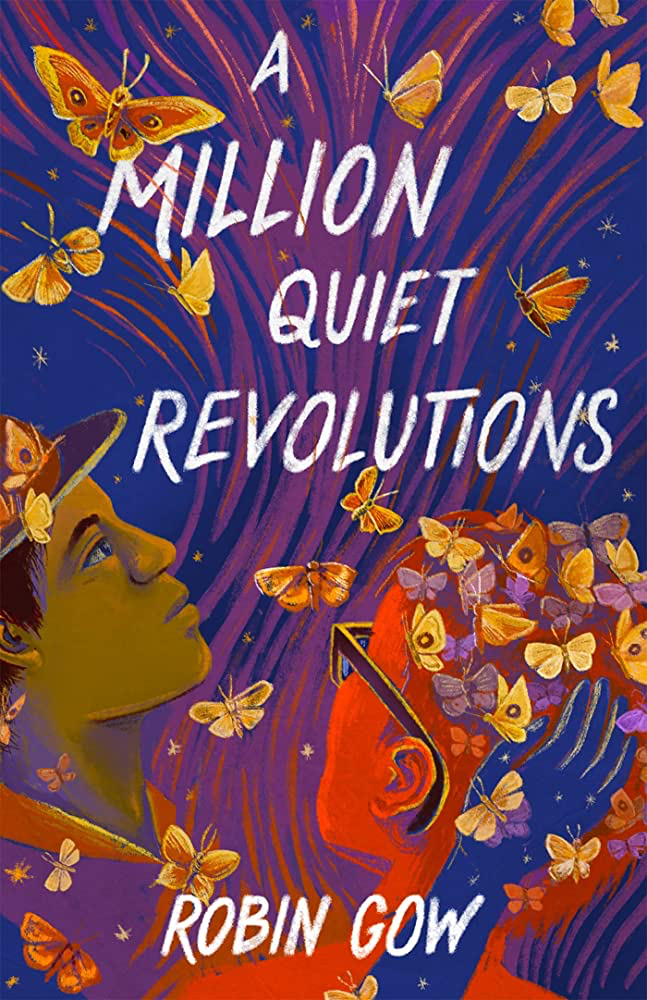
For as long as they can remember, Aaron and Oliver have only ever had each other. In a small town with few queer teenagers, let alone young trans men, they’ve shared milestones like coming out as trans, buying the right binders–and falling for each other.
But just as their relationship has started to blossom, Aaron moves away. Feeling adrift, separated from the one person who understands them, they seek solace in digging deep into the annals of America’s past. When they discover the story of two Revolutionary War soldiers who they believe to have been trans man in love, they’re inspired to pay tribute to these soldiers by adopting their names–Aaron and Oliver. As they learn, they delve further into unwritten queer stories, and they discover the transformative power of reclaiming one’s place in history.
TW/CW: transphobia, dysphoria, misgendering/deadnaming, homophobia, off-page sexual assault, religious bigotry
Novels in verse always get me when they’re done well, and A Million Quiet Revolutions was no exception. The story of Aaron and Oliver is one that was essential to be told, and it resulted in a beautifully poignant piece of verse!
The growing relationship between Oliver and Aaron felt so genuine, and the combination of pseudo-epistolary format (oh god, that sounded pretentious…) with verse emphasized the way that their relationship transcended barriers of both place and time. The interweaving of the past with the present gave me an insight into a queer part of history that I’m almost embarrassed that I didn’t consider until reading this—better late than never, I suppose. Their voices both leapt off the page, and the easy flow of Gow’s verse made the reading experience feel effortless, drifting like wind—good poetry, to me, doesn’t quite feel like poetry; the rhythm remains, but it doesn’t feel like going line by line in such a rote way.
Above all, the message of this novel in verse is one that’s so important, especially in a time where the narrative of LGBTQ+ people being trendy and new is being pushed so often—queer people have always been here, and we will always be here. Aaron and Oliver’s journey of researching their trans namesakes—cross-dressing soldiers in the Revolutionary War—was one that’s so necessary for understanding our own roots. The key to belonging is realizing that you have always been a part of history, no matter how many pains historians have taken to ignore or deliberately erase the queerness and transness that has always been there. For me, that’s why A Million Quiet Revolutions is such an important read.
Brimming with history and rich verse, A Million Quiet Revolutions is an ode to discovering your own roots, and finding solace in hidden histories. 4 stars!
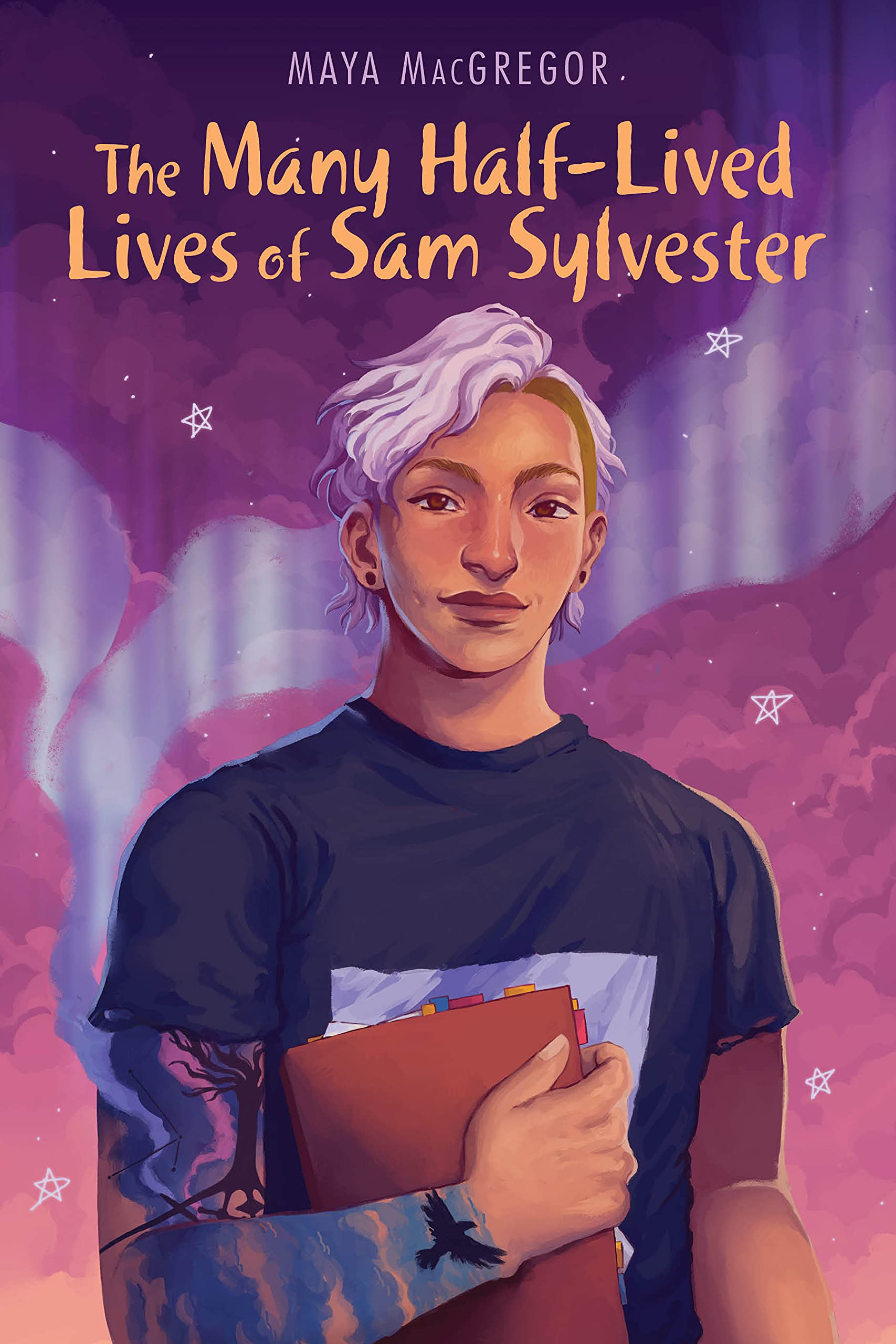
In this queer contemporary YA mystery, a nonbinary teen with autism realizes they must not only solve a 30-year-old mystery but also face the demons lurking in their past in order to live a satisfying life.
Sam Sylvester’s not overly optimistic about their recent move to the small town of Astoria, Oregon after a traumatic experience in their last home in the rural Midwest.
Yet Sam’s life seems to be on the upswing after meeting several new friends and a potential love interest in Shep, the pretty neighbor. However, Sam can’t seem to let go of what might have been, and is drawn to investigate the death of a teenage boy in 1980s Astoria. Sam’s convinced he was murdered–especially since Sam’s investigation seems to resurrect some ghosts in the town.
Threatening notes and figures hidden in shadows begin to disrupt Sam’s life. Yet Sam continues to search for the truth. When Sam discovers that they may be closer to a killer than previously known, Sam has a difficult decision to make. Would they risk their new life for a half-lived one?
My ultimate hope was that this book would be as well-crafted as its cover, and for the most part, it lived up to my expectations! The Many Half-Lived Lives of Sam Sylvester deftly toes the line between a coming-of-age story and a decades-old mystery, buoyed by a diverse and lovable cast.
Sam Sylvester has a batch some of the most diverse representation I’ve seen in a realistic fiction/mystery novel in a while—aside from having a nonbinary, asexual, and Autistic protagonist (more neurodivergent protagonists, please!!), there were so many different characters that were incredibly intersectional—queer, POC, and disabled characters all across the board, and not just the teen characters too! All of these identities were woven so well into the story, and I loved the journey of self-acceptance and reckoning that Sam experiences throughout the novel as they unravel the mystery of the boy who died in their room 30 years ago.
That being said, although I liked most every aspect of this novel, this really feels like a novel that’s going to date itself. I enjoyed a handful of the references (always extra points for David Bowie), but a lot of the more recent ones—the references to Tumblr, Gen Z slang, internet culture, and a Steven Universe gag every other page, read as very hackneyed and stilted. As authentic as the rest of Sam Sylvester was, those parts dragged down what would have otherwise been powerful and realistic dialogue. Most of the writing did its job and did it well, but the attempt to ground it in the present day only ended up making a novel that’s going to date itself far quicker than it was probably intended to.
Despite that, I’d say that Sam Sylvester is still a must-read—for the excellent representation, for the mystery, and for the coming-of-age story. 3.75 stars, rounded up to 4!
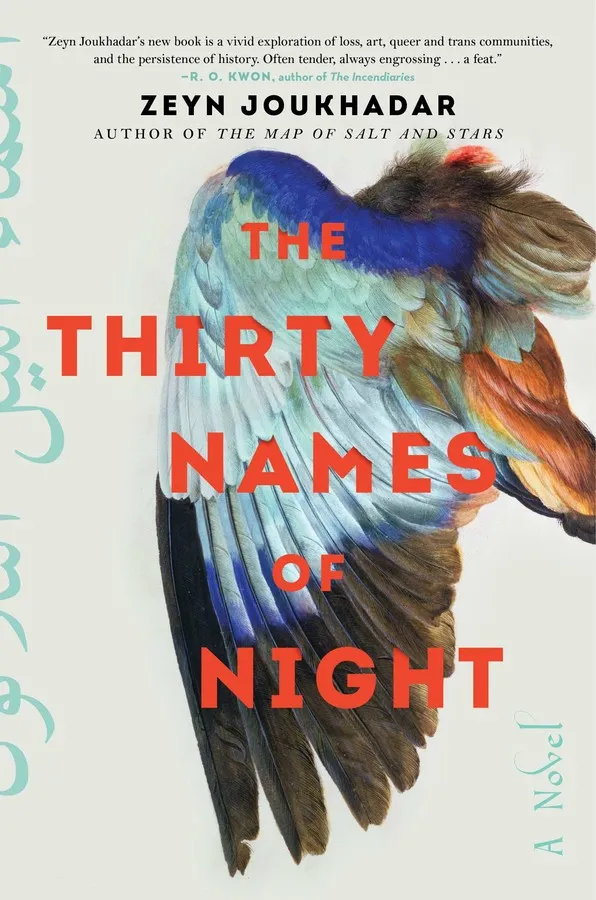
The author of the “vivid and urgent…important and timely” (The New York Times BookReview) debut The Map of Salt and Stars returns with this remarkably moving and lyrical novel following three generations of Syrian Americans who are linked by a mysterious species of bird and the truths they carry close to their hearts.
Five years after a suspicious fire killed his ornithologist mother, a closeted Syrian American trans boy sheds his birth name and searches for a new one. He has been unable to paint since his mother’s ghost has begun to visit him each evening. As his grandmother’s sole caretaker, he spends his days cooped up in their apartment, avoiding his neighborhood masjid, his estranged sister, and even his best friend (who also happens to be his longtime crush). The only time he feels truly free is when he slips out at night to paint murals on buildings in the once-thriving Manhattan neighborhood known as Little Syria.
One night, he enters the abandoned community house and finds the tattered journal of a Syrian American artist named Laila Z, who dedicated her career to painting the birds of North America. She famously and mysteriously disappeared more than sixty years before, but her journal contains proof that both his mother and Laila Z encountered the same rare bird before their deaths. In fact, Laila Z’s past is intimately tied to his mother’s—and his grandmother’s—in ways he never could have expected. Even more surprising, Laila Z’s story reveals the histories of queer and transgender people within his own community that he never knew. Realizing that he isn’t and has never been alone, he has the courage to officially claim a new name: Nadir, an Arabic name meaning rare.
As unprecedented numbers of birds are mysteriously drawn to the New York City skies, Nadir enlists the help of his family and friends to unravel what happened to Laila Z and the rare bird his mother died trying to save. Following his mother’s ghost, he uncovers the silences kept in the name of survival by his own community, his own family, and within himself, and discovers the family that was there all along.
TW/CW: transphobia, xenophobia, racism, Islamophobia, miscarriage, grief, sexual assault, animal death, loss of a parent
I didn’t go into The Thirty Names of Night with any expectations, but I was stunned by the writing! This novel is one of the best magical realism novels I’ve read in recent years, with writing as rich as a tapestry and a story that’s just as well-woven.
Joukhadar’s writing style was the star of Thirty Names; this is the first of his novels that I’ve read, but he has such a unique talent for finding unlikely comparisons and weaving them into the richest, most obvious but out-of-sight metaphors imaginable. I would never have compared the gray sky on a foggy day to the color of a kitchen knife, and somehow, it was right in front of me. His talent for metaphor suited the emotional depth of this story, as well as the almost fantastical element of the birds in New York—I will never claim to be the expert on him, but if there was any story that was suited for Joukhadar to tell, it’s this one.
That writing also made the emotional core of this story possible. There’s so much to Thirty Names: gender identity, grief, heritage, family, and the body itself, but all of it was handled with such grace and aplomb that made the story feel really, truly real. I might’ve even passed the aspect of the birds by as something that could feasibly happen with how this story was written. Every part of this novel is deeply moving, raw and beautiful, and the prose flows as smoothly as air over a bird’s wings.
All in all, a beautiful, literary tale of connections—to family, to gender, and to the world around us at large. 4.25 stars!
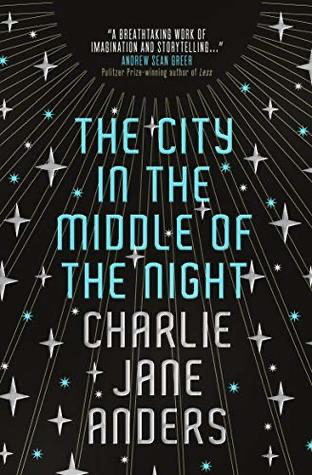
“If you control our sleep, then you can own our dreams…And from there, it’s easy to control our entire lives.”
From the brilliant mind of Charlie Jane Anders (“A master absurdist”—New York Times; “Virtuoso”—NPR) comes a new novel of Kafkaesque futurism. Set on a planet that has fully definitive, never-changing zones of day and night, with ensuing extreme climates of endless, frigid darkness and blinding, relentless light, humankind has somehow continued apace—though the perils outside the built cities are rife with danger as much as the streets below.
But in a world where time means only what the ruling government proclaims, and the levels of light available are artificially imposed to great consequence, lost souls and disappeared bodies are shadow-bound and savage, and as common as grains of sand. And one such pariah, sacrificed to the night, but borne up by time and a mysterious bond with an enigmatic beast, will rise to take on the entire planet–before it can crumble beneath the weight of human existence.
TW/CW: animal attack/animal death, police brutality, body horror
Alright, so the only explicitly stated Latinx characters, specifically of Mexican ancestry, are named…Carlos and Maria? So most everybody else gets semi-unique names, but not them? It’s like Cho Chang all over again…[LOUD INCORRECT BUZZER}
If I hadn’t read Victories Greater Than Death beforehand, I would’ve been more suspicious, but it seems like Anders has gotten a lot better with diversity on that front, but…still iffy. Just saying.
That aside, The City in the Middle of the Night was one of the more inventive dystopias that I’ve read recently, but it fell victim to very convoluted writing. It’s obvious from every page that Anders put so, so much work into creating a fleshed-out world with an equally fleshed-out history—that was a riotous success on her part. The premise of society being divided by a tidally-locked planet felt eerily feasible, and I absolutely ADORED all of the alien life forms on the night side of January—the Gelet were obviously my favorites, but I would’ve liked to have seen more creatures. ALWAYS MORE CREATURES.
However, Anders’ writing choices ended up making parts of The City in the Middle of the Night something of a struggle. The story itself ended up being rather convoluted and tangled, and I found myself getting lost and confused about wait, which side of the planet are we on again? Why are we here in the first place? The additions of a boatload of characters that ended up having very little consequence to the plot at large didn’t help either. This story had the potential to be incredible, but it ended up getting so lost in itself that it became an ordeal to figure out where I was.
All in all, an inventively-conceived dystopia that excelled in worldbuilding but floundered in its writing. 3.25 stars.
Tell me what you think! Did you participate in the #TransRightsReadathon, and if so, what books did you read? What do you think of these books?Let me know in the comments!
Today’s song:
That’s it for this week’s Book Review Tuesday! Have a wonderful rest of your day, and take care of yourselves!
Happy Sunday, bibliophiles! I hope this week has treated you well.
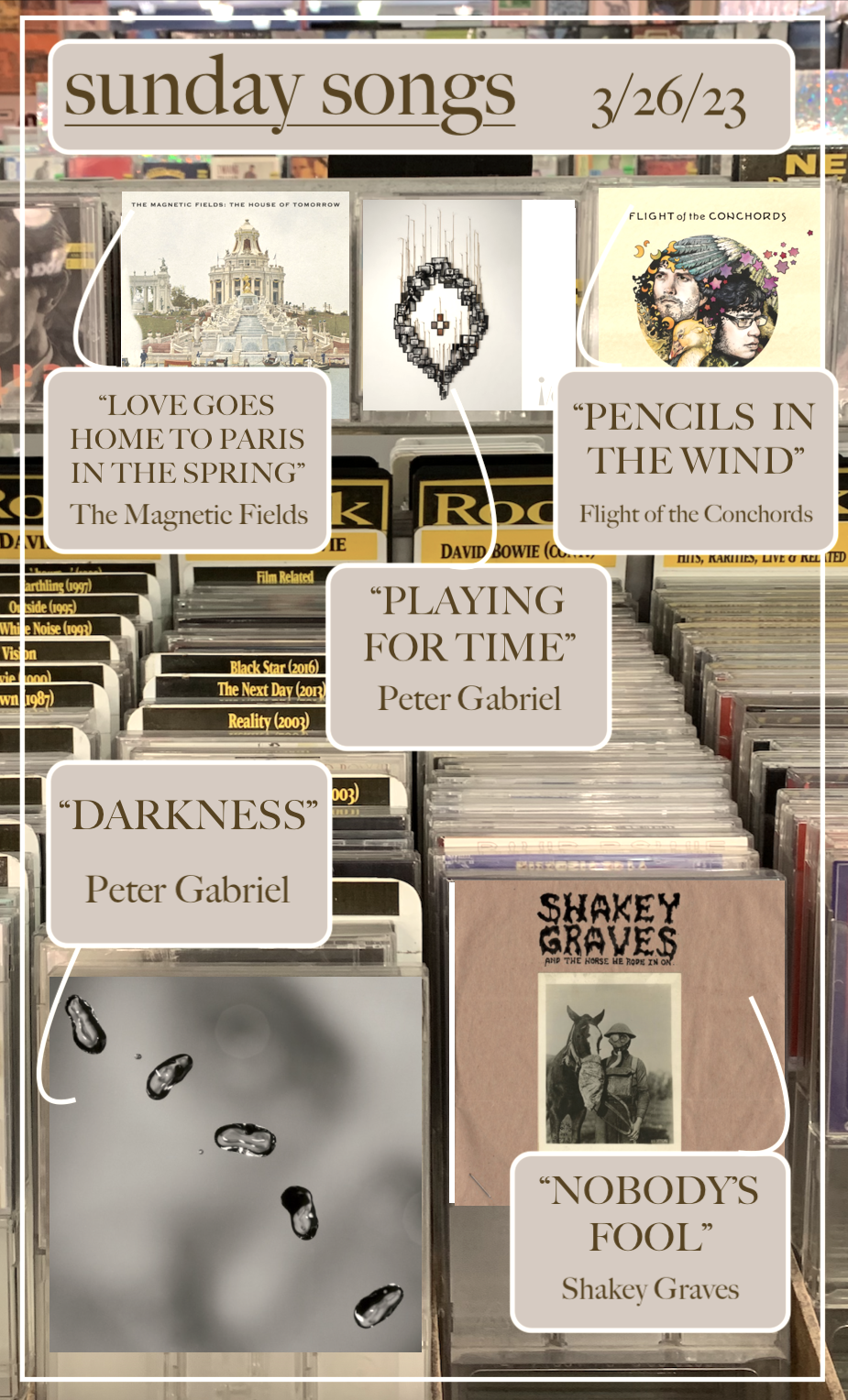
It’s finally spring. Sprouts are crawling out of the crumbly earth, the fog is lifting, and I have a depressingly gray color scheme to show for it. My overexcitement for getting Peter Gabriel tickets (HUUUAUAAAAAAAAAAAAGGHGHGH BIG THANK YOU TO MY PARENTS) trumps any hope of a springtime aesthetic for this post.
Picture this. It’s early in the morning. You have a 9 AM class you have to get ready for. You’ve decided to listen to Up, so you put it on while you start putting your makeup on. Track 1. You turn the volume up, because nothing much seems to be happening. 0:29 hits. All hell breaks loose.
And yet, even though I do my SPD jumpscare dance every time it rolls around, I find myself listening to this song like an adrenaline junkie. Peter Gabriel knows how to open an album—lulling you into near-silence, then hitting you with a concentrated, almost industrial opening that probably keeps Trent Reznor up at night wondering how he could top it. More than that, “Darkness” is another song I’ve added to my internal list of reasons why Gabriel is such a uniquely talented musician—he makes creating a musical atmosphere that mirrors the lyrical story look so easy. As he speaks of being consumed by fear, the instrumentals crash in, enveloping all else as his voice grinds to a gravel-edged plea for solace. It was enough to give me a heart attack, and, if I’m going by the YouTube comments, enough to give people nightmares. Gabriel whispers of fearing “swimming in the sea/dark shapes moving under me/every fear I swallow makes me small,” and in the edges of the near-silence, a strained moan sounds, like a distant whale call or the grinding of a boat. The imagery is startling in its clarity—if I had the patience, I’d jump at the chance to make some kind of stop-motion or claymation music video. Unlike other artists, Gabriel’s instrumentally darker, more abrasive side doesn’t surprise me—after the first listen, all I could think of is that it was the next natural evolution of “Intruder.”
But over two decades after the release of “Intruder,” (which, unlike this song, was enough to keep me up at night—on the first night alone in my dorm, no less…good times) Gabriel has a deeply nuanced understanding of fear. Even as these fears swallow him like the whale in Pinnochio, he finds a way through the tangled woods, knowing that fear will pass—”I have my fears/but they do not have me.” Well. I needed to hear that. Sometimes it’s hard to hear these things when we’re swallowed up so easily—which I can relate to a little too well, with my experience with general fear over various things, as well as the truckload of anxiety that came along with making the move to college—but as the song ebbs and flows from monstrous crescendos to something more bare and gentle, so too do our fears. It’s all too easy for me to think that there’s no light at the end of the tunnel when I get in a place like this, but fear, like everything else, is impermanent. And when we look back, like Gabriel, we can “cry until [we] laugh.” Maybe that’s why I find myself seeking out this song so much—I love when I can give myself a musical mantra. It has no control over me.
I’ve been meaning to listen to Shakey Graves and the Horse he Rode In On solely because of how much I love that name, but I’ve got more motivation (not that I didn’t have any—the eternal album bucket list waits for no man) after hearing this one in my brother’s girlfriend’s car. Shakey Graves can make anything seem natural, be it the more experimental wanderings of Can’t Wake Up to the classic folkiness of this song. And like a classic folk song, there’s something inherently haunting about it—even without the lines about drinking and deep-seated regret, there’s an off-kilter waver to “Nobody’s Fool,” a shadow creature that’s emerged from under the bed, hanging over Alejandro Rose-Garcia’s shoulder. If that’s the case, he’s probably given said creature a banjo or something since this song, but here, it lingers. “Nobody’s Fool” is a song so atmospheric that it feels like there’s a tangible coat of dust over it—again, the lingering eeriness about it, but something of a good kind of dust, given this song’s bizarre pull.
I love the irony in the fact that I just got an ad claiming that “99.9% of women will chase you when you do this” above the search results for this song. At that point, you can’t even say that YouTube has bad gaydar—it just doesn’t have any gaydar whatsoever…
There’s a solid chance that I’ll be blabbing about The Magnetic Fields for the next week or two afterwards, but I had the incredible privilege of seeing them last Friday night! At a small venue, too—no annoying drunk people, no jostling for a good view, just cellos, sad gay breakup songs, and Stephin Merritt’s three mugs of tea. And other than the pure genius of playing “The Book of Love,” getting everbody sobbing (it’s me I’m everybody), and then launching into “The Biggest Tits in History” (IT’S ABOUT THE BIRD IT’S ABOUT THE BIRD I SWEAR GUYS GUYS) directly after, this show made me remember how many pockets of Merritt and co.’s genius that I hadn’t heard of, or just forgotten about. Take this song; with the amount of wry, folky breakup songs that they’ve produced, you’d expect for there to be an eventual formula. Bitterness is a constant, but it’s delivered in such a clever, creative way that I can’t help but smile and nod along as if Stephin Merritt is singing about rainbows and kittens. He’ll never outright say “you broke my heart” or “I can’t forgive you for what you did”—like clay, he pulls that core emotion into “don’t you know love/goes home to Paris in the spring?” That’s the kind of wry, tongue-in-cheek magic that draws me to The Magnetic Fields again and again—Stephin Merritt never has any boring ways of interpreting love and heartbreak. Still, it’s been a few decades since they’ve started the band—I just hope he isn’t in for any “I Don’t Believe in the Sun” relationships anymore. Dude deserves a break.
Before I get into the song itself…another reason why I admire Peter Gabriel so much—skip to 1:00 in the video and you’ll see him performing an early, unfinished version of “Playing for Time” without any lyrics. The prospect of performing…well, anything is already nerve-wracking enough for me, but playing something that you haven’t even finished live? That’s a feat, but I guess you can just do that when you’re Peter Gabriel. I can barely even make myself share in-progress bits of writing with friends.
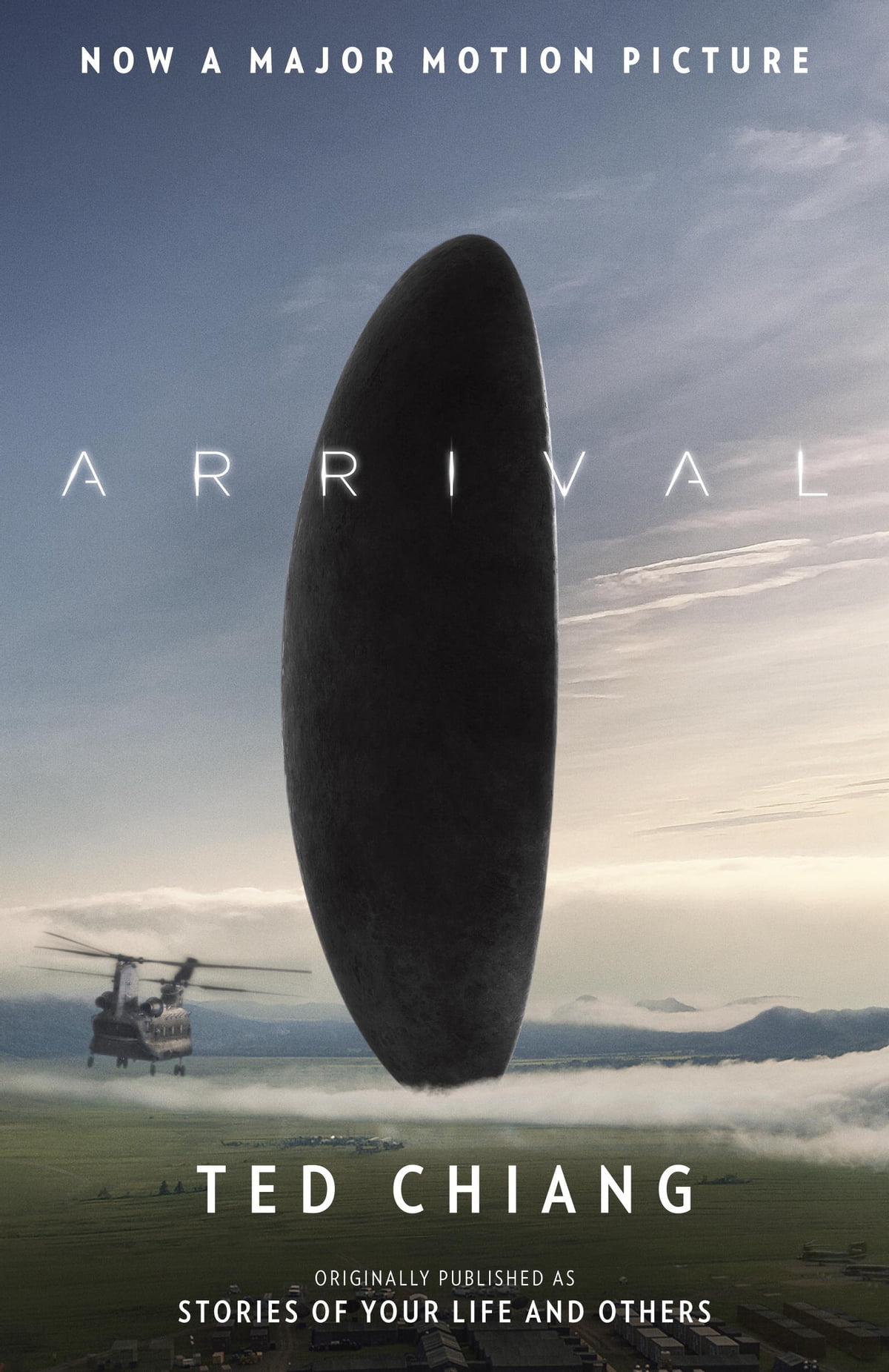
Onto the song itself…I’m not gonna survive this album. I barely survived this song. Gabriel’s ability to dig into our most base emotions has never faded away, and “Playing For Time” is no exception. It’s a meditation on aging, on time, and on the memories we share between loved ones. He envisions a planet comprised of the memories made by a couple— “any moment that we bring to life/will never fade away.” It’s a song that came tragically late for Arrival, but maybe that’s the way it should’ve been—the movie, and the message that mirrors this song, already made me ugly cry three separate times. I could barely hold it together after listening to this twice. But along with this song and this movie, it’s something that I’ve been thinking about a lot; I’ve always treasured moments with my loved ones, but moving to college and being alone and independent for the first time has made me realize how precious it really is. But it’s also made me realize that these memories really do never quite go away, as long as we keep them close. Don’t let these things pass you by.
Okay, I need to stop. I think one sitting is the only time frame that I can listen to this song without curling up in a ball.
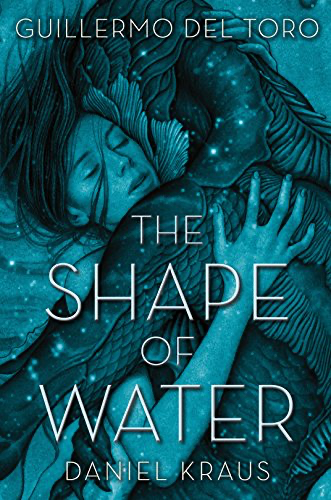
The Shape of Water has been my all-time favorite movie for several years now—I’m looking over my shoulder at the poster above my bed as I’m writing this. I had the novelization on my TBR for a few years, but only got around to it recently, probably for fear of it not living up to the film. I had no idea that it was a dual release with the film, but after reading it, the novelization of The Shape of Water struggled to live up to the poetic poignance of the film.
Visionary storyteller Guillermo del Toro and celebrated author Daniel Kraus combine their estimable talent in this haunting, heartbreaking love story.
The Shape of Water is set in Cold War-era Baltimore at the Occam Aerospace Research Center, which has recently received its most sensitive asset ever: an amphibious man captured in the Amazon. What unfolds is a stirring romance between the asset and one of the janitors on staff, a mute woman who uses sign language to communicate with the creature.
Developed from the ground up as a bold two-tiered release—one story interpreted by two artists in the independent mediums of literature and film — The Shape of Water weaves together fantasy, horror, and romance to create a tale that is equally gripping on the page and on the big screen.
TW/CW: racism, homophobia, xenophobia, ableism, misogyny, sexual harassment/assault, blood, gore, murder, animal death, loss of loved ones
The Shape of Water is a movie that’s touched my heart in a way that I doubt any other will. In summation, the film is a testament to the marginalized experience—any kind of marginalized or othered group—and self-love and acceptance. Guillermo del Toro is a storyteller without parallel, and maybe that’s why I was so hesitant to pick up the novelization for so long. I had no idea that it was a dual release with the film, but either way, my fears ended up being confirmed—Daniel Kraus’ novelization is faithful in the barest, structural way, but largely failed to capture the heart of the film’s message.
I’m not familiar with Daniel Kraus’ other novels, but even a quick scan on Goodreads tells me that he’s a frequent collaborator with Guillermo del Toro, which, after reading this, frankly surprises me. Del Toro’s storytelling, from this film to Pan’s Labyrinth and the most recent Pinnochio, has a consistently strong emotional core, something that anchors the fantastical elements to our most core human experiences. And somehow, Kraus chose to adapt this novel in the most flat, checklist-like way possible. Yes, all of the beats of the film were there, as well as some bonus content. But thanks to Kraus’ dry writing, the emotional core—what made the story so deeply impactful in the first place—apparently flew straight over his head.
Now, before I get into my major gripes, I will say this—the novelization picks up far more at the halfway point. The chapters that Kraus writes from the perspective of The Asset were an unmistakable highlight, charming, dreamlike, and refreshingly strange compared to most of the other perspectives. I almost find myself wishing that the scene with Bob Hoffstetler and The Asset made it to the film. And the very climactic events in the third act were dealt with the appropriate amount of weight, and the pace picked up significantly, unlike the steady pace of the movie. And as much as I love the dance scene, I completely get the decision to nix it from the novel—out of all of the scenes to translate from screen to page, that would be at the top of the page.
With that out of the way, I was bothered by how much emphasis Kraus places on the antagonist, Strickland. There were some fascinating scenes that never made it to the film of the process of him capturing The Asset in the South American rainforest; they were interesting additions, and although I liked them in general, it mostly ended up being Strickland being incredibly racist. It’s painfully on brand for his character, but beyond that, it seemed like his character got the most page time out of the whole cast. He is the main villain, sure, but given that this story is about the marginalized experience and he is the predatory antithesis to what the film stands for, the decision didn’t leave the best taste in my mouth.
My other main issue was how Kraus wrote the character of Elisa Esposito. For the most part, Kraus was somewhat faithful to her personality, but there were multiple instances where the descriptions of her were incredibly concerning. On several occasions, she is described as “childlike” and “[like] a kindergartener” in scenes where she is struggling to communicate her needs—for those of you who have not seen this film, Elisa is mute, and she uses ASL to communicate. It’s already offensive on the front that Elisa is such a treasured character to me, but Kraus seems to, once again, miss the message of the film by a mile, and ends up right smack in the middle of the all-too-common trope of infantilizing disabled people—especially disabled women. Elisa is in no way “childlike” for trying to communicate her needs—she is a grown woman, and she is frustrated by the struggle to communicate with her abled peers in a world that is not built for her. Let me say it again: Elisa Esposito is a grown woman. Even though Kraus was somewhat respectful in some of his other descriptions of her, but these instances all but negated everything else that he had established in the adaptation.
All in all, a structurally faithful, occasionally beautiful, but often frustrating adaptation of a film that will forever have the prime spot in my heart. 3 stars from a peeved Guillermo del Toro fan. Just watch the movie instead.
The Shape of Water is a standalone, as the film is, but Daniel Kraus has also collaborated with Guillermo del Toro on the novel Trollhunters. Kraus is also the author of The Life and Death of Zebulon Finch, The Teddies Saga, and several other books for all ages.
Today’s song:
saw these legends on Friday night—such a beautiful experience, and I’ve had this song on repeat ever since
That’s it for this week’s Book Review Tuesday! Have a wonderful rest of your day, and take care of yourselves!












 The Bookish Mutant