Posted in Book Review Tuesday

Book Review Tuesday (12/9/25) – Planetfall

Happy Tuesday, bibliophiles! My finals are pretty much over, so it looks like I’ll be coming back.

Yeah, I thought I’d broken my “comes back from break, immediately writes a negative review” streak too. As always, I maintain that a balance is necessary.

For the most part, my quest to find more diverse sci-fi has been successful and has led me to find so many remarkable new books and authors. However, there are always some misses along the way, because as always, diversity isn’t a guarantee that a book will have a sound plot and characters. I’d seen Planetfall come up on several lists of science fiction with solid queer and disabled rep, so of course I snapped up a copy at the library when I had the chance. Unfortunately, Planetfall was lukewarm at best, and a jumble of unfulfilled promises at worst.

Enjoy this week’s review!
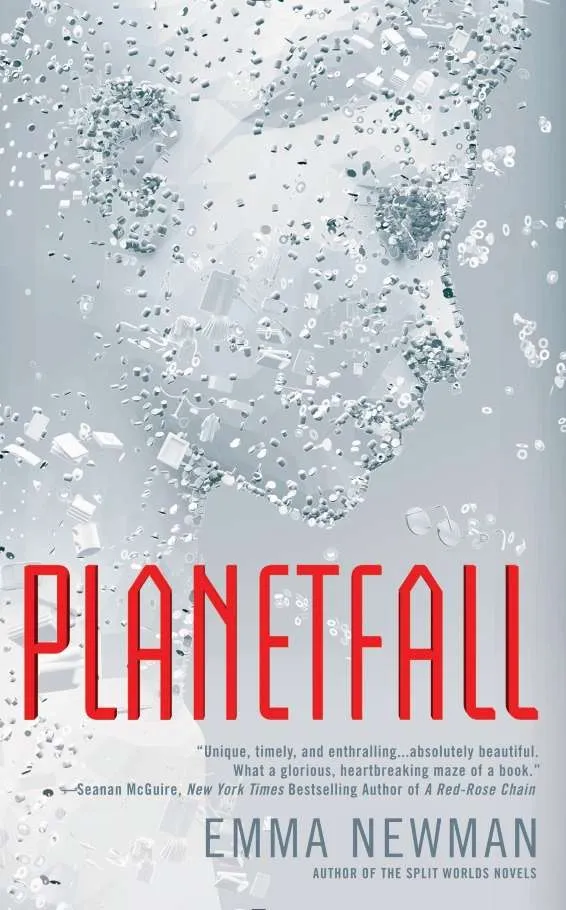
Planetfall (Planetfall, #1) – Emma Newman

22 years ago, escaping the brink of certain extinction, the last remains of humanity formed a colony deep in the cosmos, on a mysterious planet home to a strange alien structure. Leading them was Lee Suh-Mi, a godlike figure who has retreated in recent years to live inside of the alien structure. Renata “Ren” Ghali, an engineer, has spent her life toiling away to make this new haven habitable for humanity. But when a stranger arrives on their doorstep bearing an uncanny resemblance to Suh-Mi, Ren must question everything she knows about her new planet—and her supervisors.

TW/CW: panic attacks/mental illness (PTSD, anxiety) themes, ableism, grief, death, murder, descriptions of injury, death of a child, substance abuse (alcohol)

Once I got past the halfway mark of Planetfall, my recurring thought was “This is just Prometheus if it sucked.” Prometheus is already a divisive film (I’ll always have a soft spot for it, I don’t care), but this novel feels like what would happen if you separated Prometheus from the Alien franchise…and then surgically extracted everything that was interesting about it.

I will say, even though my overall experience with Planetfall wasn’t the best, there were some significant positives. Newman’s prose had moments of being very clever and poetic, though they were few and far between. I liked the inclusion of Renata’s mental illness, and the pushback of the narrative of disability/mental illness needing a cure, especially in sci-fi settings. The casual inclusion of lots of characters who were queer and/or people of color was also a plus.

Yet once you get beyond that, there isn’t much to like about Planetfall. One of the worst things to fall short on in genre fiction in general is the sense of place. If you’re in the real world, you can let go of descriptions on the basis that your reader exists in this world and knows how it functions; when you’re creating something entirely new—say, an alien planet—grounding the reader in the setting is almost always an absolute necessity. I was so excited to explore the alien colony that Newman set up, but hardly any of it was expounded upon. Other than a few throwaway descriptions of Ren hearing alien creatures’ mating calls (how do you not follow up on that?? Tell me about the creatures!) while trying to fall asleep at night, I have almost no clue about how this planet looks. I think there’s…some caves? Maybe? All I can say with certainty is that there’s an ominous alien structure. That’s about all I can tell you. That also extends to the interior of the colonists’ base—I’m lost as to even what that looks like, even though that’s where we spend most of the novel.

This novel’s biggest pitfall is that it sets up far too many things—both in terms of plot and theme—and there’s practically no payoff for any of it. Newman clearly wanted to say something about religious fanaticism, but her analysis didn’t get further than “religious fanaticism is bad,” which, while that’s obviously true, really merits going deeper than that. The plotline about Ren’s guilt and mental illness was the closest Planetfall had to having something tangible to say, but even that got lost amidst the tangled mess of half-baked threads. Given the prominence of guilt and religion in this novel, there could’ve been something compelling for Newman to explore, but those dots were barely connected, if at all. The same is true of the plot. The entire foundation of the colony is upended? Nah, we’re dealing with that later, I guess. There’s a whole thread where they find evidence of an alien language, and…nothing happens. I kid you not. They just drop that thread and leave it there. If you go into Planetfall thinking that any of the plot threads will be resolved, prepare yourself for disappointment. Reading this novel made me feel like Darla from Finding Nemo shaking Nemo in a plastic bag, desperately trying to get him to “wake up!” Spoiler alert: it never did.

Part of what accentuated that feeling of narrative unresolution was the fact that the characters weren’t developed nearly enough for me to even care what happened to them. Ren came the closest, but I suspect it was more because she was actively being horribly mistreated by some of the other characters. I’m not sure if I know a lot about her other than what happens to her, even though Planetfall happens entirely from her point of view. To Newman’s credit, her guilt was written quite evocatively, and that was where I felt the glut of my sympathy for her. She was less of a character and more of a chess piece for things to unceremoniously happen to. Had she been characterized beyond her crushing guilt, I might have been much more interested in the story—guilt is an emotion, not a character trait.

The same can be said for all of the other characters. All Mack really did was act badly enough for Newman to have an excuse to slide him in as the antagonist in the eleventh hour. Sung-Soo didn’t have any discernible traits other than the fact that he upends what the colonists had believed for decades. Speaking of other colonists…other than maybe four other named characters, where were they? With the lack of description, I fully would’ve believed you if you told me that there were only seven people tops on this planet. Planetfall was just so painfully bare-bones in most regards. All of the promises of a good story are here, from the themes to the plot, but it’s all promises and no deliverance. It’s the literary manifestation of doing the least to get your readers to believe that there’s a story going on.

All in all, a sci-fi novel that promised intrigue, mystery, and devastating secrets, and delivered on…none of those things. 2 stars.

Planetfall is the first book in the Planetfall series, followed by After Atlas, Before Mars, and Atlas Alone. Emma Newman is also the author of several other series, including The Split Worlds (Between Two Thorns, Any Other Name, All is Fair, A Little Knowledge, and All Good Things), the Industrial Magic duology (Brother’s Ruin and Weaver’s Lament), The Vengeance, and many others.

Today’s song:

That’s it for this week’s Book Review Tuesday! Have a wonderful rest of your day, and take care of yourselves!

Posted in Sunday Songs

Sunday Songs: 11/30/25

Happy Sunday, bibliophiles! I hope this week has treated you well.

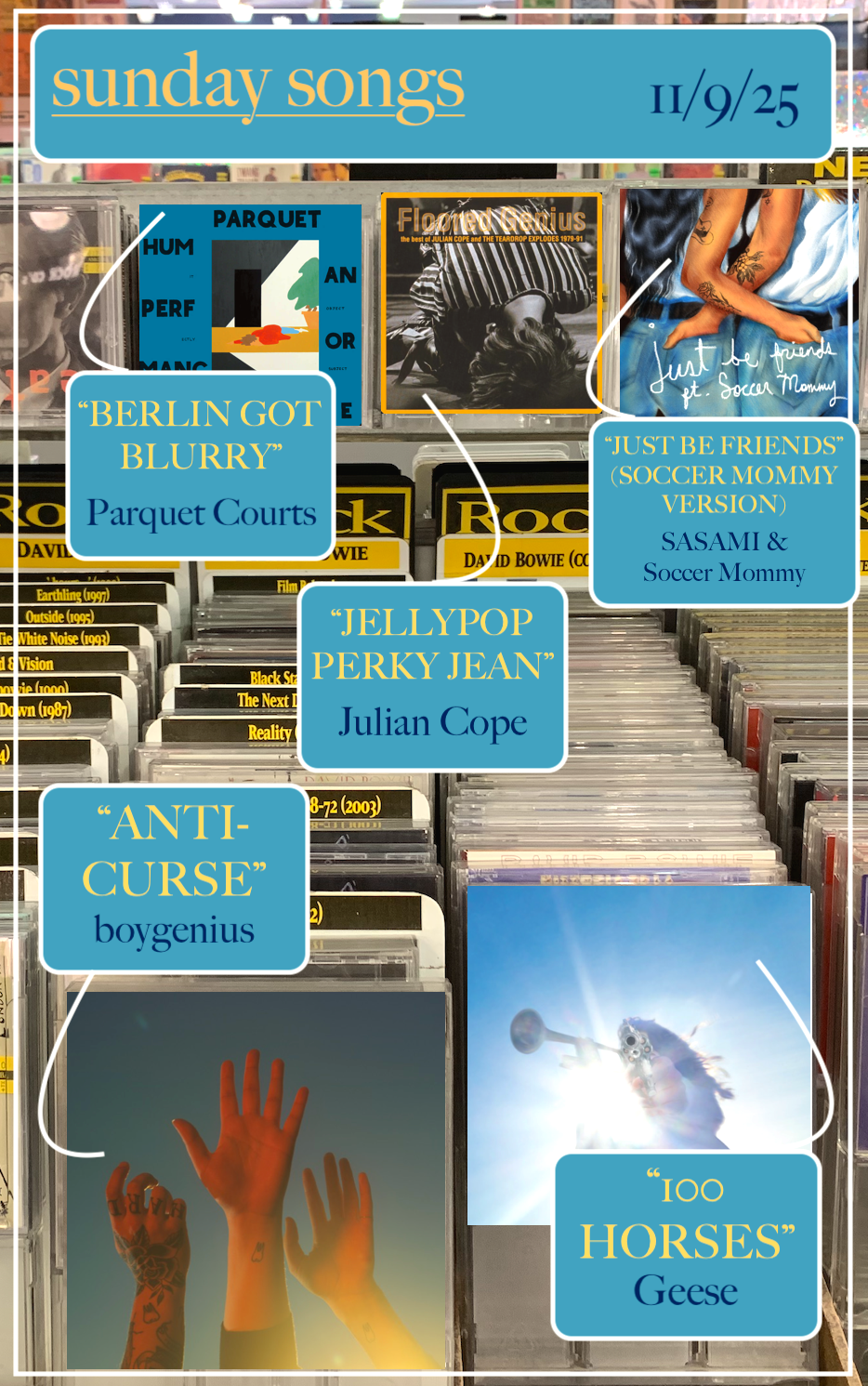
I’ve got at least one more post here before I inevitably have to crawl back into the finals burrow. Since I’ve been out of the office lately, here are my graphics from the past few weeks:

11/9/25:

11/16/25:

11/23/25:

This week: What half of Britpop’s Big Four frontmen are up to these days, peak goth drama, and I finally find out why Joe Talbot was hiding out in that Gorillaz exhibit like Where’s Waldo.

Enjoy this week’s songs!

SUNDAY SONGS: 11/30/25

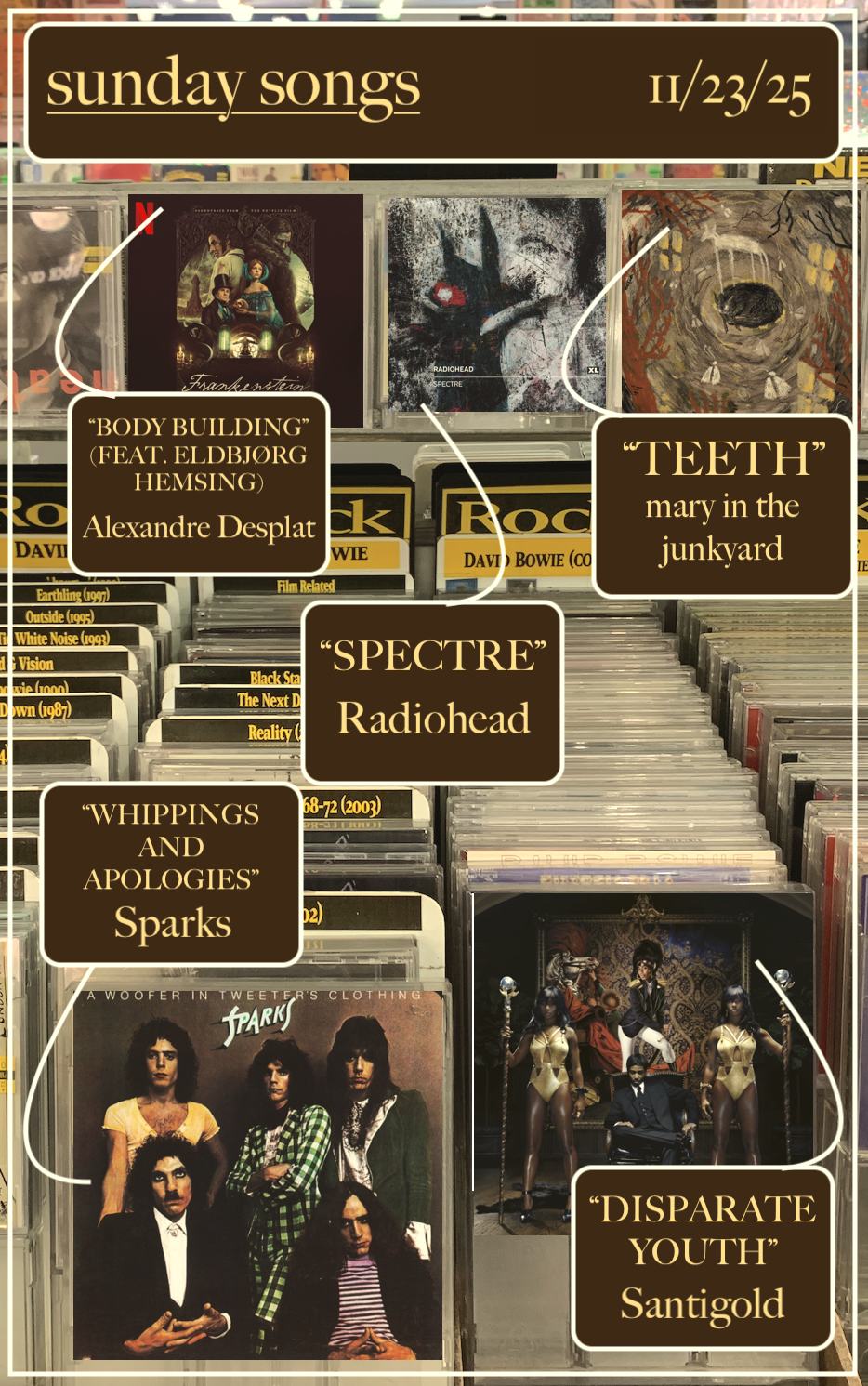
“Something Changed” – Pulp

Pulp recently put on an absolutely showstopping performance at NPR’s Tiny Desk Concert. I still have only a handful of Pulp songs that I really know, but even as a budding fan that initially knew only 1/4 songs in their setlist (that one being “This Is Hardcore,” yet another shoutout to my amazing dad for showing me that one!), their performance was an absolute joy. Even in the confines of said Tiny Desk, Jarvis Cocker has the most enigmatic, fluid stage presence that defies being simply Britpop and has transformed into a timeless charm. And now I have three more Pulp songs on my rotation!

“Something Changed” hooked me more than the rest, and it reminded me that I really just need to get over myself and listen to Different Class already. Themes of social and sexual frustration aside (see: “Live Bed Show”), Pulp seemed to have an uncanny ability to create such pure, resonant anthems without making them cloying or insincere. I never got around to talking about “Disco 2000” last year, but that song feels like the platonic ideal of a pure, passionate love song—it’s a small wonder that nobody’s used it in the end credits of a rom-com yet. (Maybe that’s for the best? It’d need a really good rom-com.) “Something Changed” has that same quality in softer shades, with Cocker crooning about the nature of chance against a backdrop of swelling, sunlit strings: “Do you believe there’s someone up above/And does he have a timetable directing acts of love?” For someone with a sense of humor as sardonic and often cynical as Cocker, it’s a display of sincerity that feels anything but inauthentic—you can tell that, to some degree, there’s a genuine feeling of being wonderstruck by the chances that led him to this point in time—and this whirlwind romance.

“Something Changed” starts at 8:05. While you’re here, though, the 7+ minute rendition of “This Is Hardcore” stopped me dead in my tracks. One of the best Tiny Desk Concerts this year, for sure.

…AND A BOOK TO GO WITH IT:

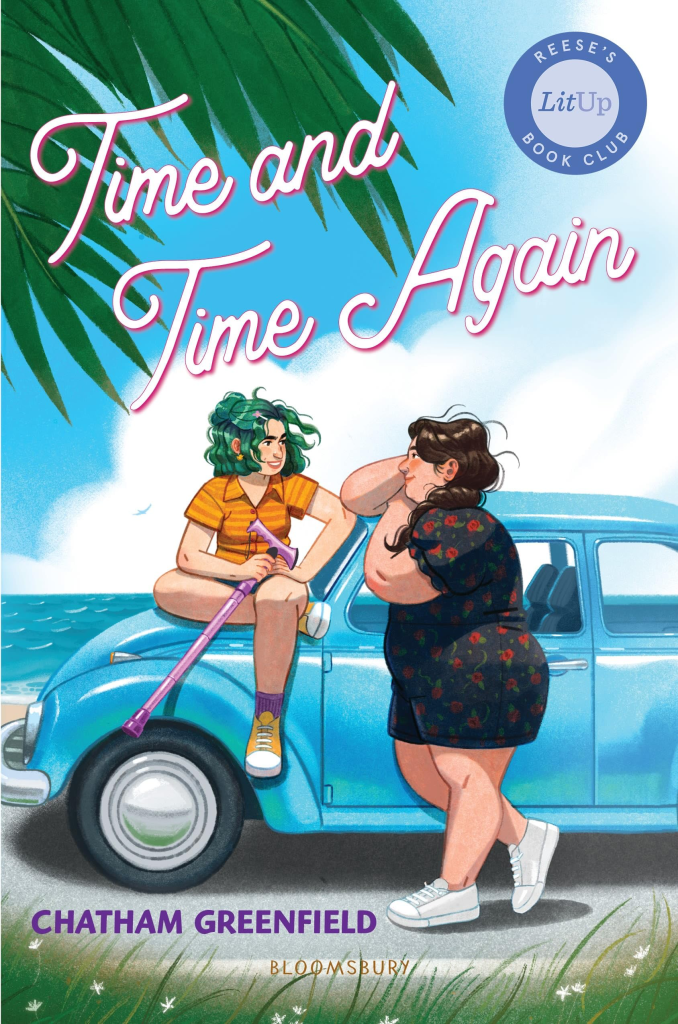
Time and Time Again – Chatham Greenfield“Oh, I could have stayed at home and gone to bed/I could have gone to see a film instead/You might have changed your mind and seen your friend/Life could have been very different but then/Something changed…”

“Any Guy” – Melanie

I never find Melanie songs organically, I just leech them off of TV shows about once a year (see: “Look What They’ve Done to My Song, Ma” thanks to We Are Lady Parts). This one in particular came from the season 1 finale of Bad Sisters, and without spoiling anything, it rang out as a bitterly triumphant anthem for the culmination of a season’s worth of work to try and eliminate a man equivalent to Satan incarnate from the face of the earth. Season 1 has been out for a few years, but I’ll still refrain from spoilers.

But some needle drops get better and better the more that you think about them. Melanie fit along with the musical feel of Bad Sisters, primarily featuring needle drops from great women-fronted bands and musicians (Bikini Kill, Nancy Sinatra, Wet Leg, and of course, the theme song and score composed by the iconic PJ Harvey). Many of them feel more atmospheric other than a handful of very purposeful ones, but “Any Guy” relates so much to the character of Grace to me. A lot of Melanie’s earlier fame centered around how childish she looked—this was pre-“Brand New Key” and people derailing childhood innocence into Freudian nonsense, but there was a clear correlation between what people saw as an unassuming young woman and the talent that resided inside of her. That image remains after her death, but for me, Melanie’s her best when she lets loose—think of the righteous fury at the end of “Look What They’ve Done to My Song, Ma!” That final belt at the end! Reckoning! “Any Guy” has that same explosive moment at the end; beneath the veneer of placid strings, Melanie stews about getting involved with a two-timing guy and feeling disposable, until her waver breaks into an impassioned howl of “Is she as pretty as me, huh?” Nothing’s better than when Melanie snaps and lets the full force of her voice free, and what better song to soundtrack a similarly unassuming, underestimated woman finally breaking free. Even when she’s singing of breaking away, there’s a waver in her voice, and that’s more Grace than anything—and there’s no shame in having a waver in your voice when you’ve finally mustered the courage to speak your mind.

…AND A BOOK TO GO WITH IT:

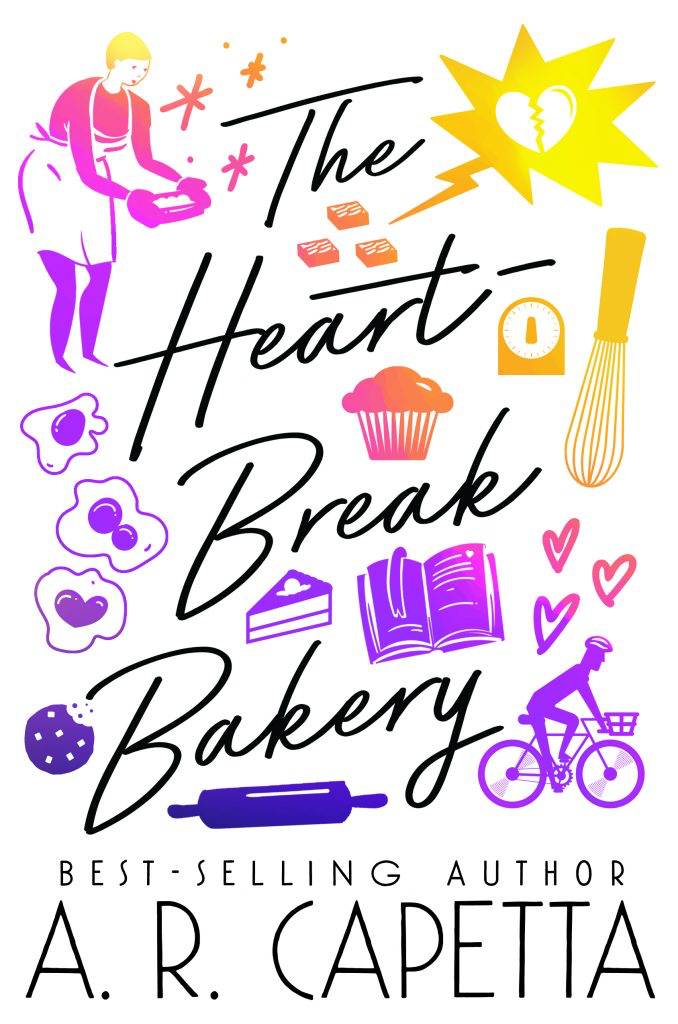
The Heartbreak Bakery – A.R. Capettabreakups, miscommunication, and one very fateful batch of magic brownies…

“The God of Lying” (feat. IDLES) – Gorillaz

Guess who’s getting tickets to L.A. the minute that they announce when the House of Kong exhibit is coming?? Prepare for me to be INSUFFERABLE and IN CALIFORNIA

Back when they did the story on the London House of Kong exhibit over the summer, they showed the collage on the wall of all of Gorillaz’s collaborators over the years. There were tons of familiar faces: De La Soul, Yasiin Bey, Shaun Ryder, St. Vincent, et cetera…but I swore that I could see Joe Talbot peeking out from between the faces. And it got me thinking…had I missed something? Mind you, this was before The Mountain was announced, so I had no idea what was a head. But now that it’s here, I’m so excited for this pairing! As is the ritual with most modern Gorillaz rollouts, the singles are hit or miss. “The Happy Dictator” was loads of fun, but “The Manifesto” is somehow two different songs, and none of them are particularly good. And here we see the post-Humanz Gorillaz “where’s Damon?” problem—it’s all the collaborators and barely him.

Thankfully, “The God of Lying” fixed this issue swiftly, with Albarn trading off verses with Joe Talbot of IDLES. Gorillaz have been mining the state of dystopian discontent that we’re in for quite some time now, but if there’s anyone more fit for an antidote, it’s Talbot. As he coolly assesses the sorry state of the world (“Are you deafened by the headlines?/Or does your head not hear at all?/Are you pacified by passion/Are you armed to the teeth?”), Albarn’s distorted voice professes that we’ve all reached for some comfort beyond the bad news, but that it’s so overwhelming that we can’t even comprehend that hope is still possible; we’re actively “running to the exit” because we somehow fear the notion of hope existing even while trapped in an endless cycle of doomscrolling and horrific news. Albarn said this to BBC Radio 1: “I suppose I’ve kind of got in my head what happened a few days ago with Mamdani in New York. And one of the things he said that really kind of stuck out for me is that ‘Hope is alive’. And in this track, Joe and I are kind of we’ve been chased by hope. And I thought, Oh, that’s nice.” First off, since I was hunkered down doing homework when it happened…THAT’S MY MAYOR! (I’ve been to NYC a grand total of one time in my life…anyways.) Second, what a poetic assessment—we haven’t just abandoned hope, we’re being pushed away from it, pacifying the weight of carrying every bad thing in the world with fleeting pleasures and addiction. It’s a poignant statement for both Albarn and IDLES, enduring proof that love remains to be the fing.

…AND A BOOK TO GO WITH IT:

No Gods, No Monsters – Caldwell Turnbull“Are you pacified by passion?/Are you armed to the teeth?/Are you bubbling at the surface of what’s cooking underneath?/Are you dying for an answer for what they call good grief?”

“A Night Like This” – The Cure

Another album that I need to listen to: The Head on the Door, apparently! As the result of being brought up by gothy parents who went to high school in the ’80s, I’ve practically listened to the whole thing. The same can be said for a fair amount of their albums. (From The Head on the Door in particular, I have a specific memory of my parents showing me the “Close to Me” video and thinking that the puppets were really funny.)

How perfect it was that I remembered “A Night Like This” right after Halloween. Frankly, every season is The Cure season if you can get with the drama 24/7, but you can’t deny that it’s the ideal fall or winter soundtrack. This track in particular represents the peak of what I love about The Cure—oh my god, the drama. I mean that without any irony, because there’s such an art to throwing yourself into it fully without looking insincere. You have to make a bit of a fool of yourself to sell it, but Robert Smith never looked the part to me—it was so intentional, and so clearly from a place of love. Lyrically, that’s what sells the glut of the song for me, but musically, what pulled it back from my memory was that guitar tone—so incredibly rich and full, and yet cavernous in a way that it couldn’t be considered goth without. It’s the closest I feel a guitar can sound to a cello without Jonny Greenwooding it with an actual cello—there’s a depth to the sound that feels like it could only come from an instrument with a hollow body. It’s all an undeniable spectacle of romantic (capital R Romantic and the usual sense) passion.

…AND A BOOK TO GO WITH IT:

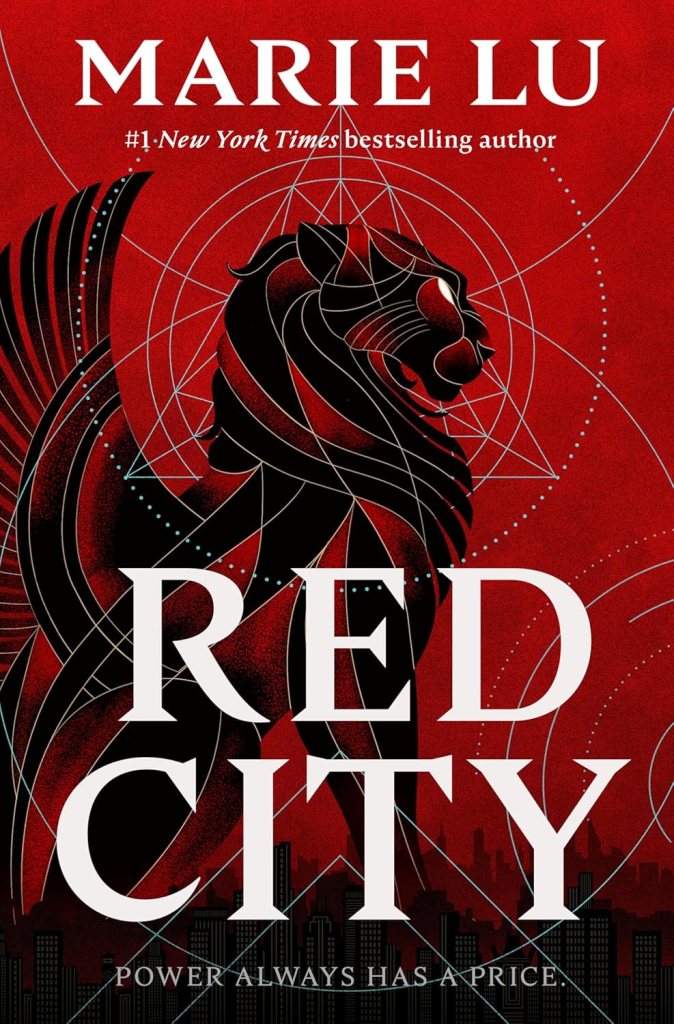
Red City – Marie Lu“It goes dark, it goes darker still/Please stay/But I watch you like I’m made of stone/As you walk away…”

“Where the Road Goes Down from Two Lanes to One” – Julie Doiron, Michael Feuerstack, Land of Talk, & Dany Placard

I just put Julie Doiron on the graphic since she’s the main artist on this song, but I wanted to credit the rest here. I just don’t think I could fit everybody else in the tiny text in that tiny little rectangle, and I’m not about to give anybody eyestrain.

I found out about this soothing song through Black Belt Eagle Scout, who played several shows with Julie Doiron earlier this month. (Happy to see that they’re well enough to play music again!!) Either way, I was immediately charmed by the nostalgic calmness of this song; it’s a six-minute, lazy stroll down memory lane, buoyed by a series of multilayered harmonies. As Doiron strings together a series of vignettes about crushes on boys and late-night driving, she gives them the feeling of blurry, sun-bleached photos with the edges curled up from wear. Towards the end, as all four of their voices fall artfully out of sync, repeating “Can you say it how I remember/Will you say it how I remember/Can you sing it how I remember/Will you sing it how I remember?”, it brings into sound the feeling of memories tangling together in your mind, timelines hazy and blurred, but just as pleasant as they were in the moment.

…AND A BOOK TO GO WITH IT:

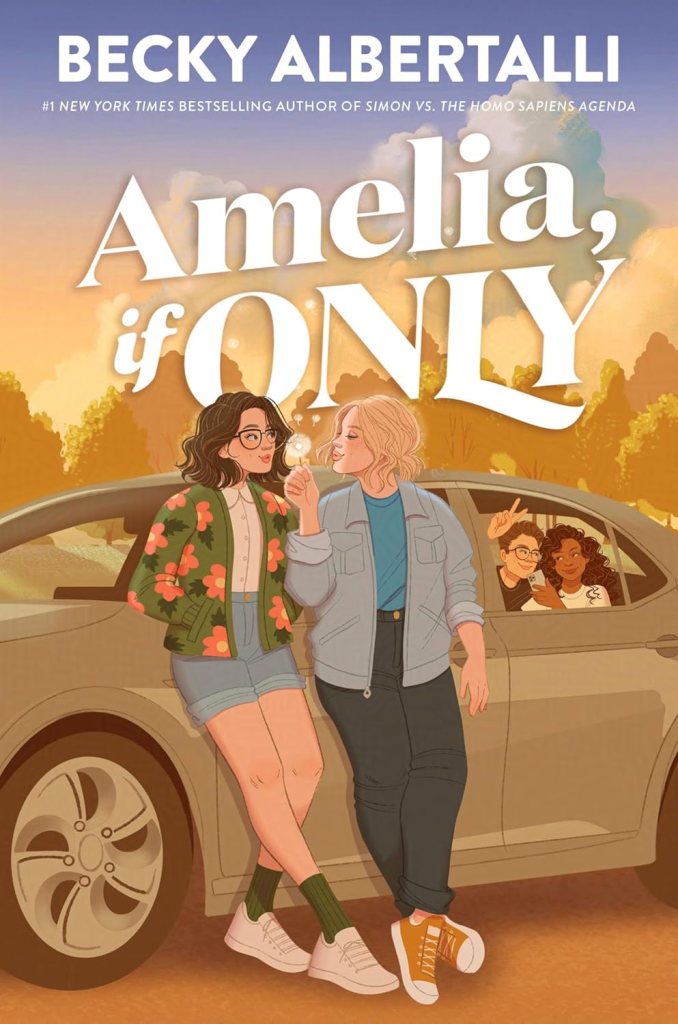
Amelia, If Only – Becky Albertalli“Get in the van, we’re late for a show/Still got four more hours to go/Road maps, glovebox, no phone/I need to pull over, I wanna call home…”

Since this post consists entirely of songs, consider all of them to be today’s song.

That’s it for this week’s Sunday Songs! Have a wonderful rest of your day, and take care of yourselves!

Posted in Book Review Tuesday

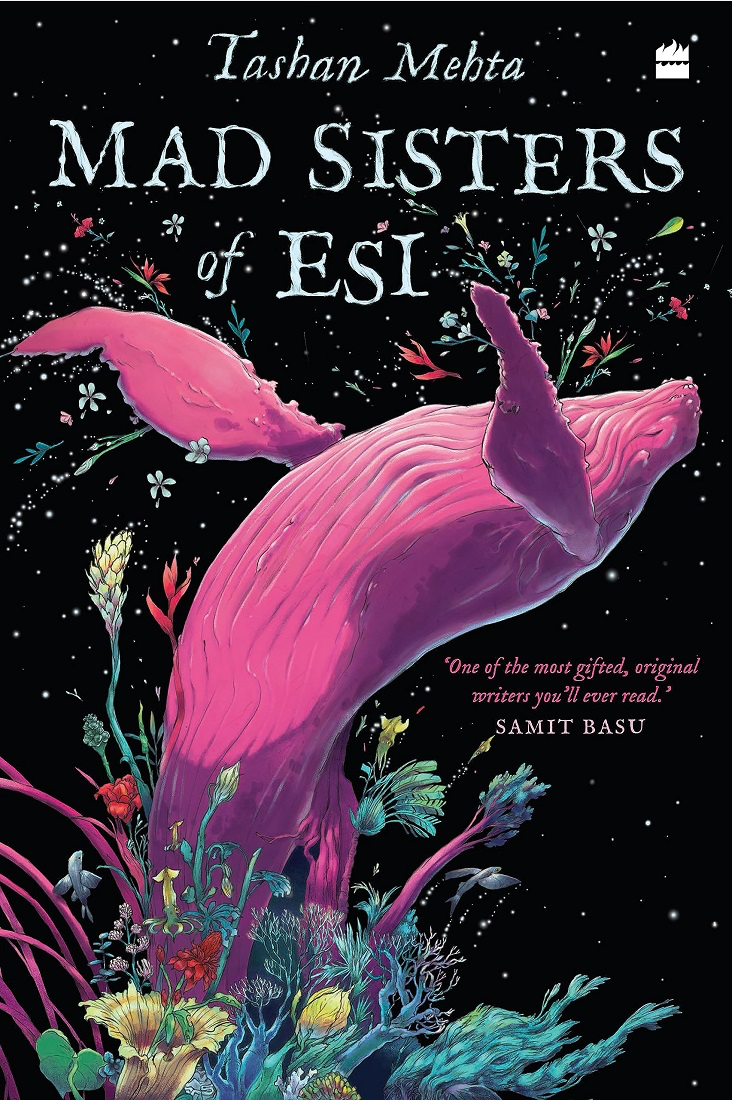
Book Review Tuesday (11/25/25) – Mad Sisters of Esi

Happy Tuesday, bibliophiles!

Guess who’s back…for only a week, probably. We’ll see. My college is on this maddening schedule that only gives us one (1) week after Thanksgiving Break and then it’s straight into finals, so I’ve been grinding for most of November. But now I’m on break, thank goodness!

I found out about Mad Sisters of Esi while doing a research paper on the history of science fiction in India. It sounded intriguing—who doesn’t love an incomprehensibly large cosmic whale, after all? I’m not usually one for fantasy (citation needed) novels that are this dense and self-referential, but there was so much passion poured into every word that I couldn’t help but be dragged along for the bizarre ride.

Enjoy this week’s review!

Mad Sisters of Esi – Tashan Mehta

Myung and Laleh are inseparable sisters living inside the Whale of Babel, a whale the size of a galaxy, large enough to contain planets in the folds of its body. They have never known life outside of the Whale, save for the Great Wisa, their distant, unknown creator. Laleh is content to explore the endless lands inside the Whale’s body, but Myung yearns for something more. Her journey takes her to the far edges of the universe, but so far that she cannot find her way back to her only home. As Myung and Laleh attempt to find their way back to each other, they ponder the stories that got them to where they were, and if stories themselves can bring them back together.

TW/CW: loss of loved ones, grief, abandonment

If you’re wondering how I’ve been lately, I’m apparently saturating myself with “[]ad Sisters” media. Mad Sisters of Esi? Bad Sisters? What am I doing here? What’s going on with all these sisters?

I’m glad that this trend doesn’t have a name, but I love the trend of recent genre fiction coming to conclusion that “maybe [x] was the friends we made along the way” can actually be a very powerful message. Maybe storytelling was the friends we made along the way. God. What a book.

I was captivated by the premise of Mad Sisters of Esi, but I could have easily not been. It falls into those fantasy books that verge more on the literary side that are very self-serious about been multilayered, dense, and Deep with a capital D. Not that there’s anything wrong with it, but toeing the line between a story that’s actually meaningful and a book that’s 500+ pages of needlessly convoluted, pretentious nonsense that only serves as a monument for how supposedly complex of a plot the author could dish up. The latter are often all style and no substance, but the real frustrating part is that they’re so convinced of their substance that it deadens any meaning that it could’ve had. (See my review of The Spear Cuts Through Water. At least Simon Jimenez has other good books. Go read The Vanished Birds instead of that one.) It’s just a literary version of “look, Ma, no hands!” that rarely results in anything really substantive.

My main criticism of Mad Sisters of Esi is that it does stray into that territory sometimes. It never fully went over the edge for me, but there were moments were it got too convoluted for both my taste and the service of the narrative. Most of it was complex, but not needlessly so, but at a certain point, parts of it got dizzying. I definitely didn’t get everything about this book, and I feel like it’s almost the point. For me, what separates the two kinds of fantasy novel that I just described is…well, love. I could tell right away that Mehta didn’t write Mad Sisters of Esi to show off how complicated of a narrative that she could write—there’s a story, a tangible message, and a thrum of passion that spills through in every page. With every fictional academic article and magical town, I knew that Mehta’s world was born of love. Which, given the nature of this book’s themes, is exactly what it should have been. It’s a novel that’s all about love, storytelling, and the act of creation, and Mehta’s writing felt more than faithful to that premise.

Mad Sisters of Esi is full of meta commentary on the nature of storytelling. I’ll get more into that aspect later, but part of what sold those thematic elements was Mehta’s prose itself. Mehta is clearly someone who has studied her fair share of fairytales. Mad Sisters of Esi doesn’t just feel like a fairy tale in terms of the plot—Mehta’s prose has the same enchanting quality of a timeless fairy tale. The narrator bobs in and out, always with a cryptic lesson. The lush world is rendered in the most magical, wondrous detail. All of the descriptions surrounding Myung and Laleh make them sound like classic protagonists in an ancient tale. It was all very self-aware, but in a way that made the story feel fuller—and drew me in page by page. With Mehta’s strong hand, every location that Myung visited was bursting with bizarre, fantastical life—I was hooked on nearly every aspect.

If this novel has made me realize anything, it’s that we don’t have nearly enough cosmic whales in literature. We need more of them, frankly. Or maybe not—I’m torn on whether or not we should gatekeep them so they don’t get tired. I doubt they would, though. Either way, you can’t just promise a galaxy-sized whale full of planets and two sisters that live inside it and not deliver on that premise. Thankfully, Mehta did in spades. The world of Mad Sisters of Esi was a sight to behold. Every minute detail was somehow nonsensical and yet made perfect sense. It all felt very trippy and whimsical, and above all, so vibrant. I loved every quirk in every location that Myung visited in the vast universe; I’ve seen reviews compare it to The Phantom Tollbooth, and honestly, I have to agree—it has that same absurd, dreamlike quality more often than not. Beyond that, I love the integration of the academic articles and research papers about all of the bizarre events and people within this novel—it added such a fun layer of worldbuilding that made it all feel more grounded and real—as much as it could be, with all of the out-of-this-world (no pun intended) stuff that was going on.

With all of the emphasis on madness, I was really hoping there wasn’t going to be yet another story about art being all about suffering. From how incredible the first few chapters were, I was hopeful. But with everything about madness, madness, madness…doubt crept into my mind, for sure. I’m not confident that I fully got what Mehta intended, but I feel like this is what I took away from it. There is a little madness in every creation, even if you’re not actively suffering—how do you create a massive cosmic whale and not go a little crazy? Yet she emphasizes that even if you pour your all into your creation, that you run the risk of losing yourself, and that’s when your creation goes wrong. Mehta’s madness isn’t the suffering kind of madness—it’s about the passion. It’s about throwing all of your love into the act of creating, just so that the world is a little brighter and less boring than it was before, and to give your love a physical form. The reason that Myung is so lost out in the universe is that she strays from something that was created with nothing but love. That’s my two cents (is that expression even relevant anymore now that we don’t have pennies?), especially given how the novel concluded. That’s why the passion I felt from every page felt authentic—the passion is what it’s about, to love what you create and not destroy yourself in the process, because you too are made of love.

All in all, a dazzling and surreal space fantasy full of love, sisterhood, and whales. 4.5 stars!

Mad Sisters of Esi is a standalone, but Tashan Mehta is also the author of the novella The Liar’s Weave, and has contributed to several anthologies, including Magical Women, Solarpunk Creatures, and The Gollancz Book of South Asian Science Fiction, Vol. 2.

Today’s song:

That’s it for this week’s Book Review Tuesday! Have a wonderful rest of your day, and take care of yourselves!
Posted in Sunday Songs

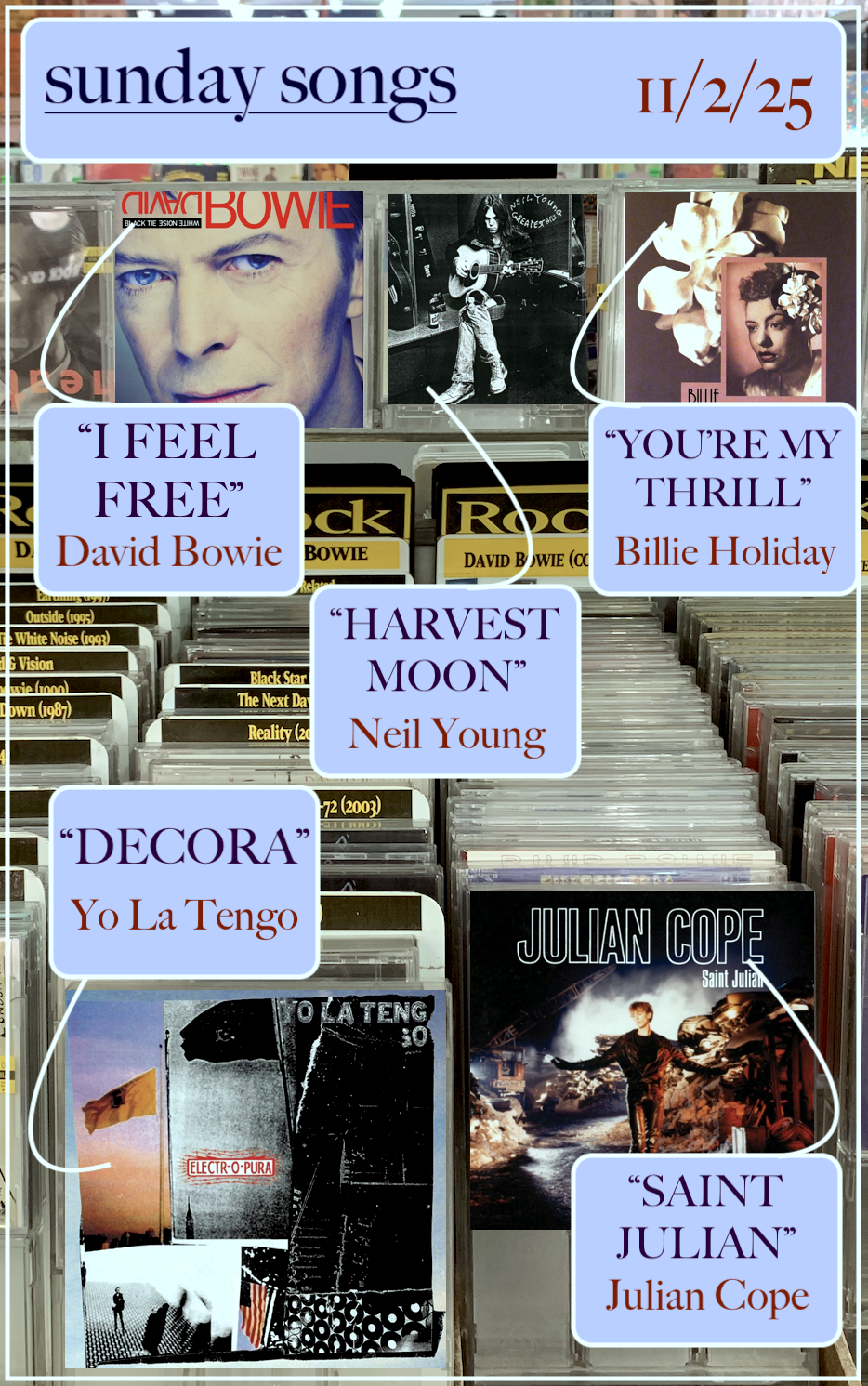
Sunday Songs: 11/2/25

Happy Sunday, bibliophiles! I hope this week has treated you well.

This week: In which I study the sudden occurrence of British men writing diss tracks about God in 1987.

Enjoy this week’s review!

SUNDAY SONGS: 11/2/25

“Decora” – Yo La Tengo

My Yo La Tengo knowledge is limited, considering how they theoretically line up with quite a bit of my music taste. They definitely seem to fit into my indie music sensibilities, and I even share a name with one of their songs, though they pronounce it differently than my name. (You win some, you lose some.) I do, however, know drummer and vocalist Georgia Hubley from the infectiously catchy and delightful 6ths track “Movies in My Head.” It’s a song about dreaming up fantastical scenarios and real life never measuring up, and Hubley’s airy vocals really do give it the feel like she’s never quite looking at the camera and never quite there, at least not fully. (Surely I don’t relate to that at all. Nah…)

That same dreamy quality of Hubley’s vocals blooms here, but in nearly the opposite environment. It feels like an adaptable houseplant to me: plant it in wildly different-shaped pots, and it still blooms just the same, and just as bright and healthy. I suppose that’s what you’d call versatility, but bear with me, I’m an English major. Let me have a metaphor or two…either way, this is just about the opposite end of the spectrum as Stephin Merritt’s sparkling indie pop. “Decora” is far noisier and grungier in the background, laden with crunching, distorted guitars that sound like the squealing of rusted machinery. It’s all rough edges and pockmarks, much like the collaged album cover of Electr-O-Pura. Yet Hubley’s voice drifts like a pastel balloon above a junkyard, sailing effortlessly through the clouds amidst the grime and squealing of the instrumentals. It’s beyond a perfect pairing—such disparate sounds meld together so seamlessly, and that’s magical to me.

…AND A BOOK TO GO WITH IT:

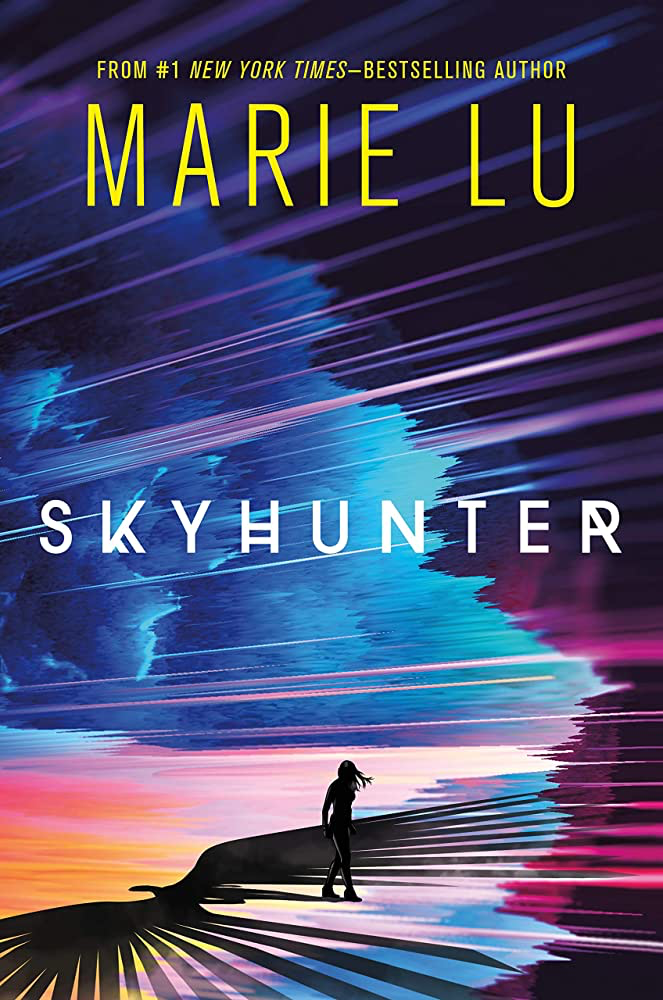
Skyhunter – Marie Lu“It’s not the first time you’ll take a fall/Act like you’ve never seen double before/We tie deep into the past/Take this chance with me ’cause it’s the last…”

“Saint Julian” – Julian Cope

British men in 1987, for whatever reason: “I absolutely need to write a diss track about God RIGHT THIS SECOND” (see also: the more well known “Dear God”)

So. Saint Julian! Severely underrated album, right? It just reeks of this jangly, proto-Britpop sound that I can’t get enough of. I’d already listened to about half of the album by virtue of it being on heavy rotation in my dad’s car throughout my childhood, but the familiarity of it didn’t dull the sheen at all. It’s very much a pop album, but it’s a clever, horny, dramatic, literate, and downright catchy one—”Eve’s Volcano” has been on repeat for me since June.

Past the first half, the album takes a turn from literately horny to just literate, but the sound is just as consistent. Where he was just singing about how you need to hold onto his special feature (wink wink), he applies the same instrumentals to his personal beef with God. Which…entirely understandable, and given the rest of Cope’s discography, is actually much more common for him than the former, given his penchant for philosophy and the ideas of Jungian psychoanalysis. Amidst almost medieval-sounding woodwinds and an otherwise ’80s band, he characterizes God as deliberately smug, a God that all but slapped him in the face when he tried to seek him out for solace: “‘I’ve been looking around this world I created/It’s going so well!’/I looked, I stared, I said, ‘I think I’ve lost you!'” Cope’s got a lot of snark to spare, but it’s all leveled in such a sly, clever way—he feels almost like a kind of trickster deity with a smirk aimed at the camera knowing that he’s had God himself. And like a lot of tricksters, the narrative ends in Cope getting imprisoned by God for mouthing off, not knowing that he’s given him even more proof that God’s not all that: “Remind me not to pray to you!”

…AND A BOOK TO GO WITH IT:

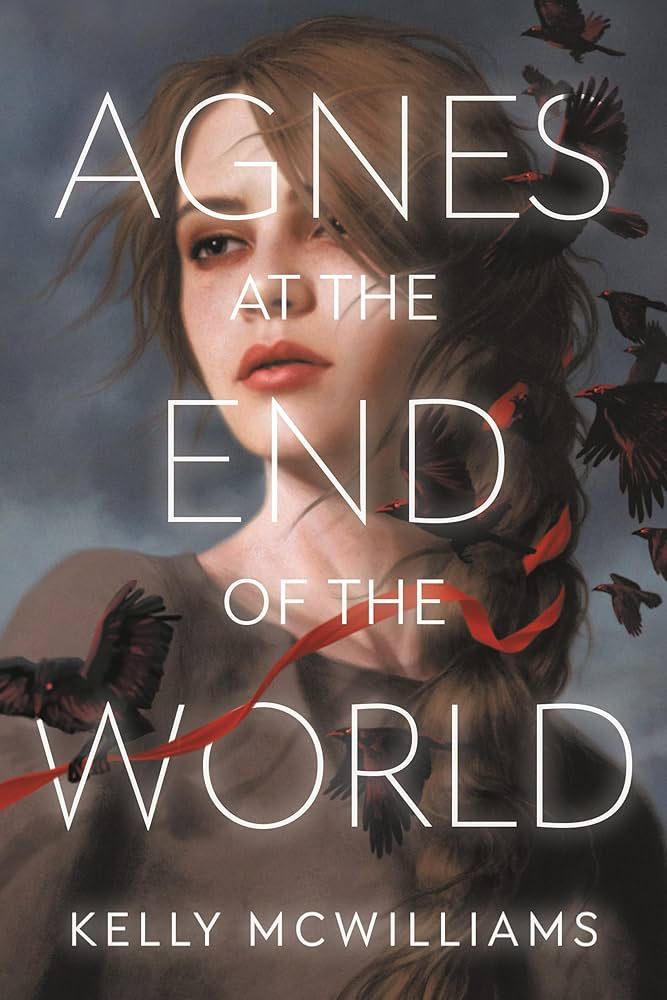
Agnes at the End of the World – Kelly McWilliams“I stared into your face, the waves so deep and strong/Your fall from grace—a God so far gone/Remind me not to pray to you…”

“I Feel Free” (Cream cover) – David Bowie

Last week, I got into some David Bowie covers, so why not get into David Bowie covering other bands this week? A little switcheroo…

And talk about covers that sound eons away from the original! I didn’t even know it was a cover until a few days ago, but the original version by Cream from 1967 sounds worlds apart from Bowie’s interpretation in 1992. As Bowie tells it, in the early days of The Spiders from Mars, he and Mick Ronson would frequently cover this song—according to him, it didn’t sound very good, but I swear their ’70s sound would suit this cover perfectly. (It was also the final track that Bowie and Ronson recorded together before Ronson’s tragic, early death from cancer at age 46.) Instead of the peppy, very distinctly ’60s swagger of Cream, Bowie’s version of “I Feel Free” all but sounds like it was fast-tracked into the ’90s at startling speeds. It almost sounds more like the Pet Shop Boys than Bowie. It feels like his slicker, more commercial ’80s sound dialed up to a dizzying degree, complete with chrome-shininess abound, fluttering and frenetic saxophones, and soaring guitars, thanks to Ronson. And can we talk about his vocal range? Those low notes are just intoxicating.

There’s a very distinctly hippie flavor to Cream’s version, so it feels like a small wonder (or perhaps, a little wonder? Thank you, thank you, I’m here all night), and that feeling naturally lends itself to lyrics of carefree and ecstatic nature. Here, Bowie translates that feeling to something akin to cruising through the city in an expensive, silvery car, watching the city lights reflect off of the freshly-waxed doors, glimmering and luxurious. Just as easily as Bowie could shift personas and musical styles, he could also place that almost alchemical property onto any cover he touched, while still retaining the heart of the original—the core of the mouth percussion in the beginning remains fairly similar. But it just goes to show how deeply creative of a musician Bowie was, not just in interpreting his own work, but the work of others.

…AND A BOOK TO GO WITH IT:

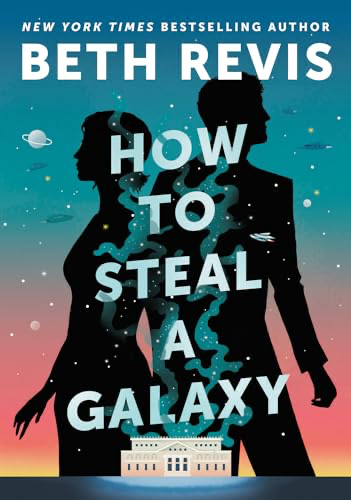
How to Steal a Galaxy (Chaotic Orbits, #2) – Beth Revisthis would be right at home in a glitzy, high society gala…in the middle of space, of course!

“Harvest Moon” – Neil Young

Everybody seems to have this heartwarming, cinematic experience of listening to this song the first time. Me, on the other hand? Found it in an edit of Kermit and Miss Piggy…how could I not immediately download it after that?

https://www.instagram.com/reel/DMJcQu3yfFP/?utm_source=ig_web_button_share_sheet&igsh=MzRlODBiNWFlZA==

Unironically got misty watching this, which should probably tell you exactly the kind of person I am, but I’m not ashamed of it.

I really don’t know a ton of Neil Young (though “Cinnamon Girl” is an obvious classic), but sometimes…yeah, I can’t resist a good ballad sometimes. There was just this warmth to it the instant I heard it, the kind of warmth you only get when leaning next to the fireplace as you watch the sun fade into the clouds at night. Those sporadic, plucked notes on the dobro feel like they’re drifting skyward; who’s to say if they’re fireflies or embers from a campfire, but either way, they glow to me. And despite the slightly corny music video (the dude sweeping to the beat in front of the restaurant nearly ruined the vibe, I’m sorry), “Harvest Moon” has this autumnal comfort to me, tinged with the last colors of the sunset and the warm of somebody in your arms.

…AND A BOOK TO GO WITH IT:

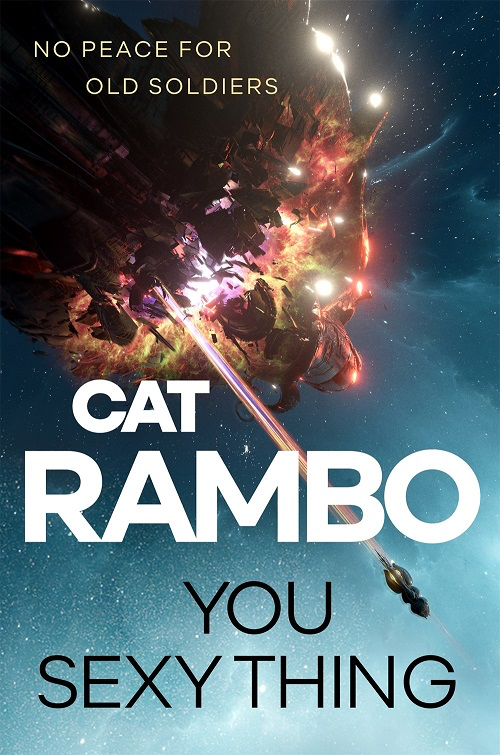
You Sexy Thing – Cat Rambolook, I know the cover has the polar opposite vibe of this song, but stay with me here…

“You’re My Thrill” – Billie Holiday

This was one of those songs that was tucked into the absolute deepest, dustiest archives in my brain. I remember hearing it a lot in my parents’ cars when I was little—really little, there was always a big, bulky car seat in these hazy memories. I don’t know if I fabricated this memory, but I swear I remember hearing it as we passed down a run-down storefront somewhere along a highway in Denver. Maybe that strange, lingering feeling is why I can’t shake the feeling that “You’re My Thrill” has always come off a little bit eerie to me. I suppose it’s just the shifting standard of what’s considered the “right” way for a love song to sound and the more creeping tone of the song. With this instrumentation, Holiday’s crooning of “Where’s my will?” certainly feels a bit more like succumbing to something against her will than it does just being lovesick. And yet, still, still, it’s such a classic love song—it’s no wonder that Holiday’s legacy has become so solidly set in music history. Her voice is, without a doubt, one of the most captivating. It’s difficult for me to describe the exact cocktail of emotions that it evokes—enchantment, seduction, and in some cases, dread—but that’s the mark of an iconic vocalist.

…AND A BOOK TO GO WITH IT:

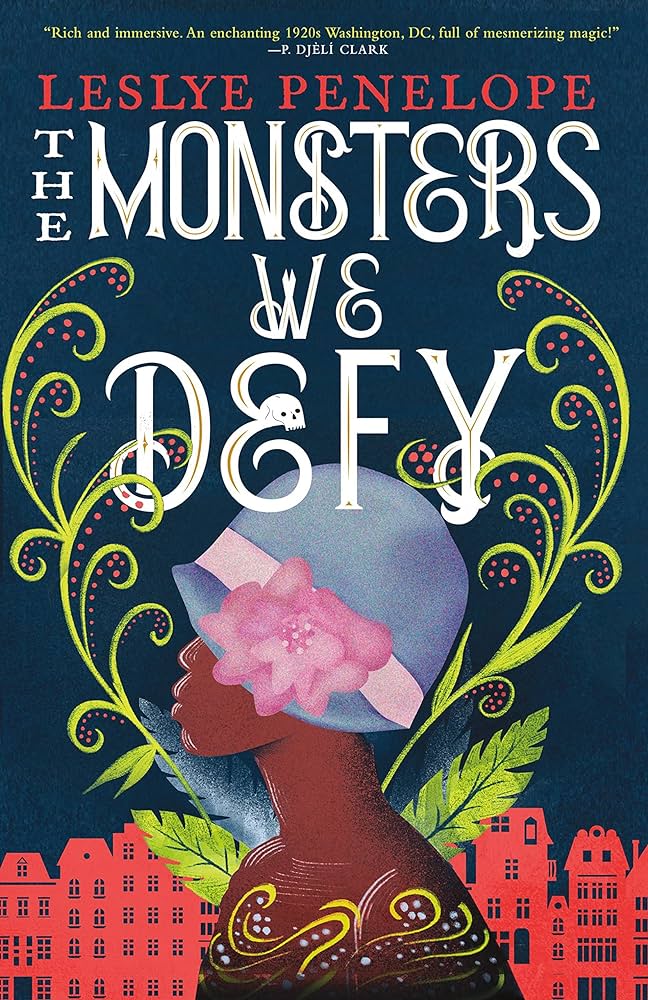
The Monsters We Defy – Leslye PenelopeI…whoops. The Venn diagram of when Billie Holiday had a career and the year this book is set is off by a few years, but I still feel like the jazz in this novel fits.

BONUS: it’s been a great week for indie rockers on late night TV. Here are some standouts:

Since this post consists entirely of songs, consider all of them to be today’s song.

That’s it for this week’s Sunday Songs! Have a wonderful rest of your day, and take care of yourselves!

Posted in Monthly Wrap-Ups

September/October 2025 Wrap-Up 🧙🏻‍♀️🐈‍⬛

Happy Friday, bibliophiles, and more importantly, Happy Halloween! 🎃👻🍬🐈‍⬛

Whew, it’s been an eventful two months, but most of it’s been good. I’m not in a position to complain. I mean…the leaves!!

Let’s begin, shall we?

GENERAL THOUGHTS:

This is usually the time of the year that I start posting more sporadically, but somehow, I’ve actually managed to squeeze in some time to blog and manage my time a little better. I have been trying to curb my social media time for the past year or so…maybe that’s contributed to it? I hope it has. Either way, even when things have gotten busy, it’s been so nice to have this space to come back to, in good times and bad. I’m grateful that the majority of those times have been good. I don’t want to dwell for too long on the really awful part of this two-month stretch, but all I can say is that I love my Evergreen community so dearly. Seeing everything happen in the aftermath of the tragic school shooting on September 10th has really made me realize what it means to be a community, even from afar. I realized just how many people reached out to me, and that I have so many people in my corner, willing to offer support. And even when I’m out of town, I have nothing but love for everyone who has stepped up to offer support to the EHS and Evergreen communities at large. This community and aid is the kind of thing that the government wants to convince you doesn’t exist—even in the face of tragedy, people will always look out for each other. I’m so grateful that both surviving victims are now out of the hospital, and I’m so grateful for our little mountain town.

That aside, I’ve really felt like I’ve been getting used to this apartment thing. I’m so lucky to be in such a lovely town, and such a lovely part of town—I’ve got so many fun restaurants and general locations right near by. It’s encouraged me to really come out of my shell and get out of the house much more. I’ve learned my lesson about self-isolation—this time last year, I was getting into that business big time, unfortunately—so I’ve really been making an effort to get out of my head and be out in the world, even if I’m taking my daily bread quest down to the bakery. Nothing kicks negative thought patterns in the butt like walking back home while nibbling on a free bread sample like a mouse. All this is to say that I’m proud of myself. I’m getting out there, I’m making my own, cozy space, I’m deepening my relationships with my friends, and heck, I’m really having fun.

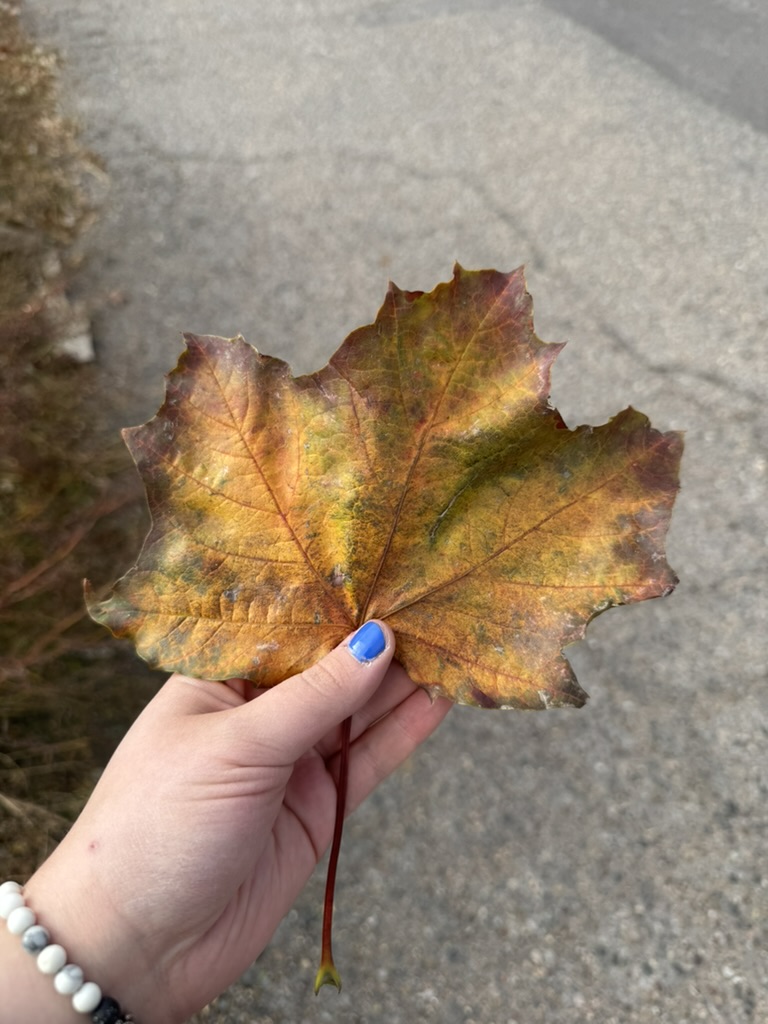
Fall is always my favorite month, and Halloween is my favorite holiday. I dressed up as an alien, and even though I had the urge to rub all my makeup off the second I got home, I had a blast walking around campus looking all green and spacey. Nothing beats cinnamon tea, crunchy leaves underfoot, blue jays in the red trees by the bus stop, spooky (not scary, mind you) movies, loud makeup (as if I don’t already do that 24/7), and caramel, pumpkin, and cinnamon flavors. I’ve thoroughly enjoyed fall. I visited Vail and got healed from my midterms just from seeing all of the leaves. I stopped in the middle of the sidewalk while walking home with a friend of mine just to admire a massive leaf right in our path. There are always moments of ordinary joy right in front of our faces, if we just take long enough to look.

I’ve learned by now that there’s only so much news I can pay attention to before I go insane, but I’d like to take this opportunity, especially as we reach the holidays, to offer some resources for some of what’s going on in the States and the Caribbean. In the wake of both Hurricane Melissa and the impending SNAP cuts (oh! and they’re using the money to fund ICE and Trump’s ballroom instead! oh, okay! okay…😀), I figured I would share some resources to donate to those in need. Especially as the holidays grow closer, it’s always a good time to give back to the communities who need it most, especially when the government is blatantly neglecting its duty to do just that. If you’re financially able, I’d encourage you to pitch in where you can:

Hurricane Melissa Relief:

https://apnews.com/article/hurricane-melissa-jamaica-where-to-donate-cuba-haiti-red-cross-67f2e4b033d5339fcbe0ec98a719c192

For those affected by SNAP cuts:

https://www.feedingamerica.org

Oh, and because I couldn’t deny you all the pleasure of the leaf…

Like…? Look at this beaut!!

SEPTEMBER READING WRAP-UP

I read 14 books in September! My reading is starting to slow down because school is getting busy, but I managed to squeeze in some solid books, including for Latine Heritage Month and Bisexual Visibility Week.

1 – 1.75 stars:

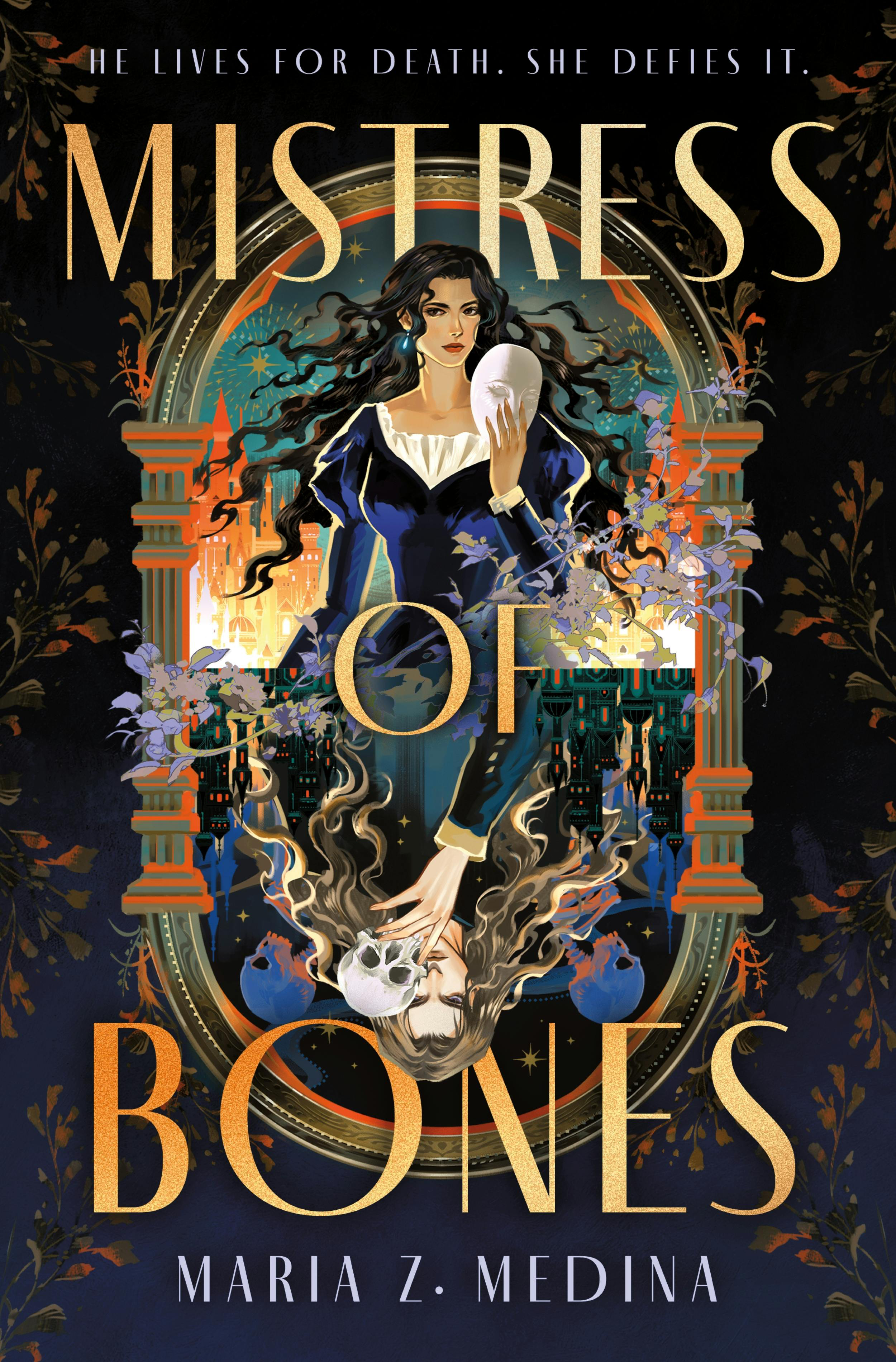
Mistress of Bones

2 – 2.75 stars:

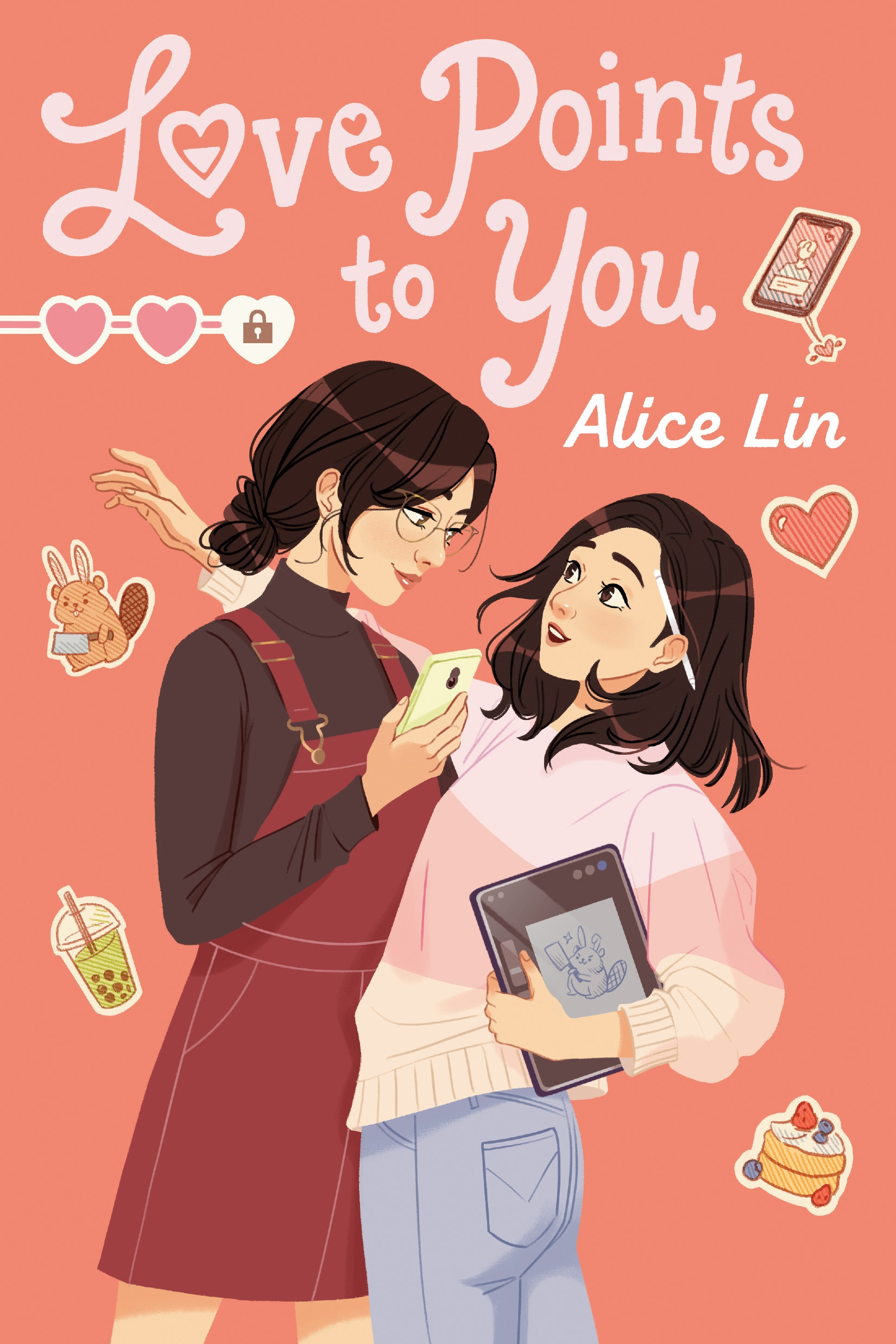
Love Points to You

3 – 3.75 stars:

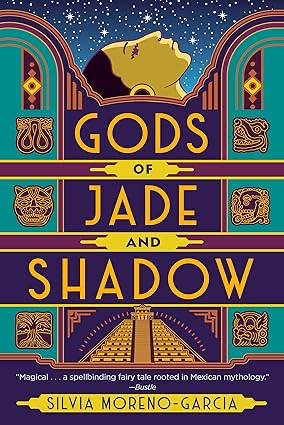
Gods of Jade and Shadow

4 – 4.75 stars:

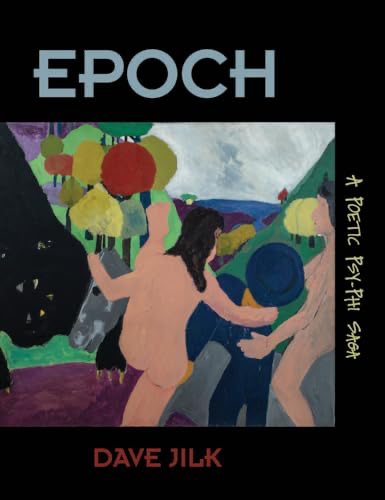
EPOCH

5 stars:

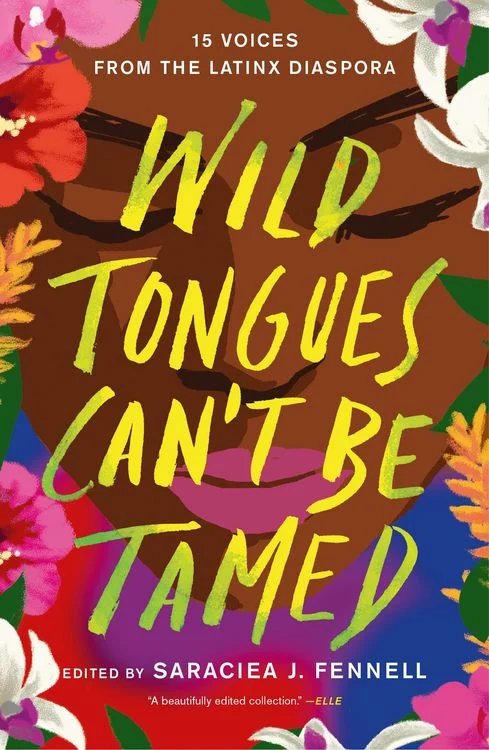
Wild Tongues Can’t Be Tamed

FAVORITE BOOK OF THE MONTH: Wild Tongues Can’t Be Tamed5 stars

REVIEWS:

SUNDAY SONGS:

BONUS:

OCTOBER READING WRAP-UP:

I read 17 books in October! It’s been one of my best reading months in terms of quantity, but it’d probably be on the shorter side if not for all of the books I’ve had to read for my classes (especially for a very cool class I’m taking on Russian sci-fi!). For the most part, though, it’s been a solid bunch! (This bit will end up in the future November wrap-up, but I’m also finally getting around to reading Dracula…on Halloween, of course!)

2 – 2.75 stars:

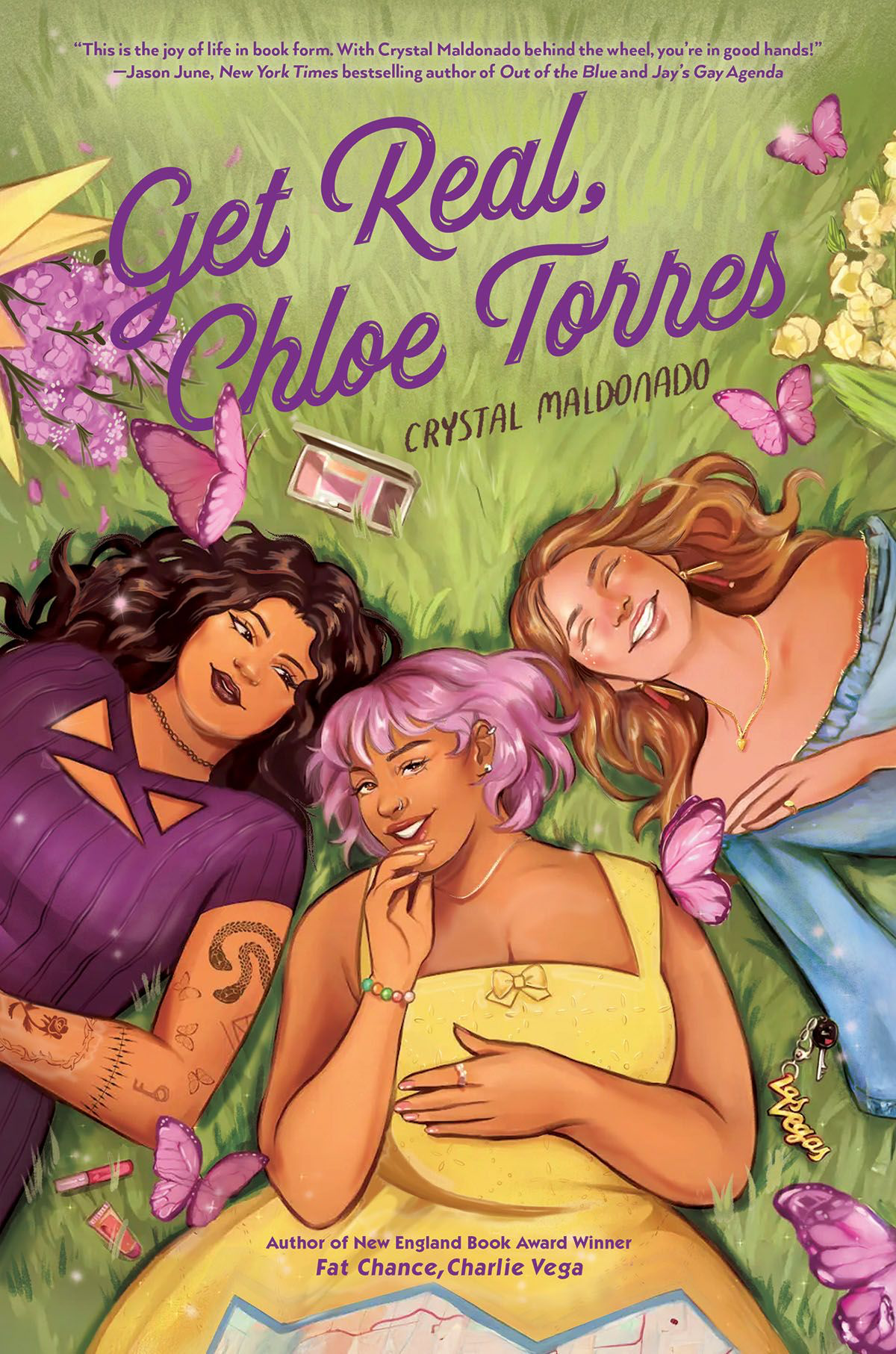
Get Real, Chloe Torres

3 – 3.75 stars:

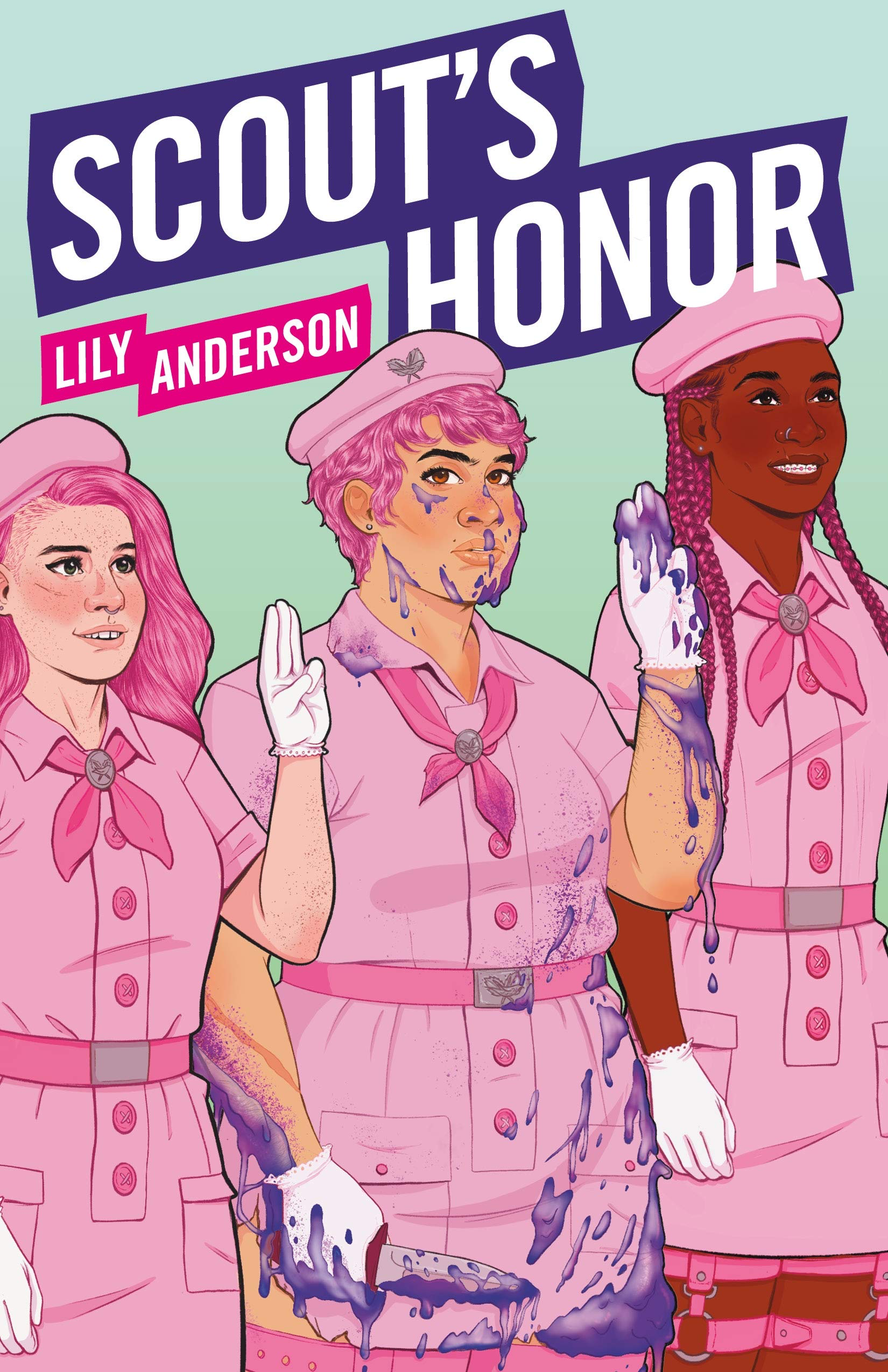
Scout’s Honor

4 – 4.75 stars:

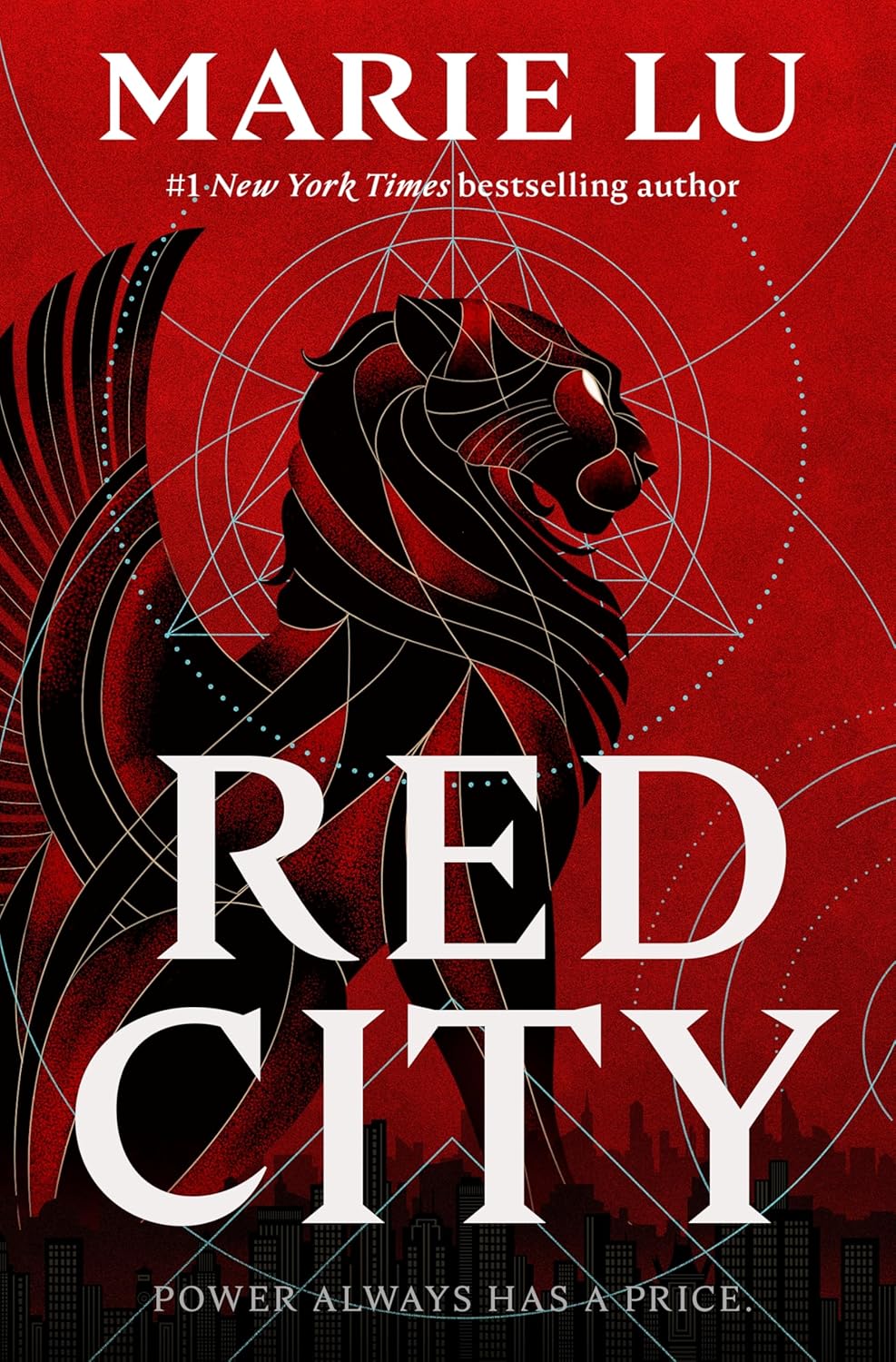
Red City

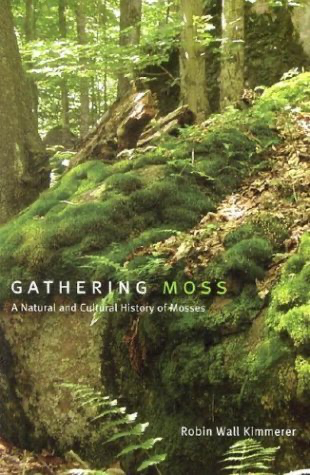
FAVORITE BOOK OF THE MONTH: Gathering Moss: A Natural and Cultural History of Mosses4.5 stars

Gathering Moss: A Natural and Cultural History of Mosses

REVIEWS:

SUNDAY SONGS:

Today’s song:

HAPPY HALLOWEEN!!

That’s it for this wrap-up! Have a wonderful rest of your day, and take care of yourselves!

Posted in Book Review Tuesday

Book Review Tuesday (10/28/25) – Red City

Happy Tuesday, bibliophiles!

It’s safe to say that I’ve grown up with Marie Lu in my formative years. Sure, her quality has wavered on occasion, but she’s been such a consistently talented writer and a consistent presence in my life since I was about 13 or 14. When I heard she was writing her first adult book, I was over the moon—and I’m glad to say that I devoured Red City just like I devoured her other books as a pre-teen.

Enjoy this week’s review!

Red City (The New Alchemists, #1) – Marie Lu

In Angel City, Alchemy is the backbone of the wealthy. Those who are knowledgeable in the art of alchemical transformation can perform acts once thought impossible, both through the study of magic and the consumption of sand, a drug that makes the user more perfect—at a deadly price. For Sam and Ari, childhood friends caught on the opposite sides of the criminal syndicates of Angel City, this price is one that will bring them everything that they ever wished for. But will the rift deepening between them ever be breached—and what is the price of the enmity they’ve sown between each other in their quests for power?

TW/CW: substance abuse (fantasy), torture, violence, sexual content, loss of loved ones, child abuse

Marie Lu slipping in a reference to Nannerl Mozart whenever it’s humanly possible:

I’ve been on the Marie Lu train beginning with Warcross all the way back when I was 13 or 14, and I’ve been hooked ever since. Has she had her lower points? Sure, but it’s overshadowed by her consistency overall. Even her weaker books have still been loads of fun. It feels like a wonderful, full circle moment to be reading her adult debut now, here in my twenties and nearly finished with college. Thankfully, it did not disappoint.

First off, I think Lu’s really onto something with this alchemy-based magic system…I’m fully invested in this world! A lot of what I know about alchemy (chiefly from my amazing dad, who’s taught whole classes about this—shoutout to him!) is all about transformation—not just with the kind of alchemy that was done in ancient times with physical objects and elements, but of self-transformation, whether to reach a lofty goal of immortality or of general spiritual betterment or being closer to the divine. In Red City, the premise hinges around this quality of alchemy being perverted; you can physically perform transformation-based magic of several types, but the alchemical transformation is aided by a drug called sand. Of course, in the hands of criminal syndicates around the world, it becomes a tool to become more “perfect.” Leave it to the mafia to ruin alchemy. (New elevator pitch for Red City just dropped?)

On that subject, I really like that use of alchemy as a way to critique our societal concept of perfection. Self-transformation can be an incredibly powerful thing, when you’re putting in the work to become a better, kinder, smarter, etc. person. But when the urge to become perfect consumes you to the point of becoming a shell of your former self, it eats you up from the inside. Sam and Ari both fall prey to this, and it destroys them both. Lu always has a knack for using her fantasy and sci-fi worlds to critique parts of society, whether it was the examination of otherness and marginalization in The Young Elites or the sidelining of women’s stories in The Kingdom of Back. Using the negative potentials of transformational, alchemy-based magic to critique our society’s tendency to glamorize a destructive kind of false perfection.

So of course, by virtue of this story being about wealthy people doing horrible things to stay perfect and powerful, of course it’s set in Los Angeles. (Cue “Los Ageless” by St. Vincent. There ya go, past Madeline.) Well, not really Los Angeles. This is an alternate world that Red City is set in, and the scene is set in Angel City. But Lu took such great pains to make the worldbuilding as airtight as possible, which I thoroughly enjoyed! I expected nothing less from her, honestly, given her track record. Peppered with everything from fictional textbooks to congressional testimonies to FDA announcements, Lu left no stone unturned when it came to finding out how alchemy magic would affect the world. Even with the real-world basis to go off of, it seemed effortless for her to integrate alchemy and have the world still feel so real. I was immersed from page one, and there wasn’t a hole to be found throughout.

Making the jump from YA to Adult is harder than a lot of authors make it seem, but Marie Lu did it with ease with Red City! I feel like a lot of authors make the switch not considering how different the characters’ voices and choices will be, even with an age difference of only 5-10 years from the teenagers were once writing. I’ve read quite a few adult books from normally YA authors where the protagonists still read like teenagers. Lu made it look easy. It’s much more mature for sure, but never strays into edgelord torturefest territory either just to seem more “adult”; the violence, complexity, and sexual content are dialed up, but in a way that felt realistic for the characters, their circumstances, and the stakes. (And for the record, the way she wrote sex scenes was effortless and never got cringy, thank goodness! If I remember correctly, The Midnight Star got pretty steamy in some places, so I’m not surprised, but it’s worth commending.)

As always, Marie Lu’s characters are the star of the show in Red City. Man, she can craft such compelling characters! She just keeps winning!! Sam and Ari were both unlikable in some capacity, but they felt like tragic heroes to me. They were both doomed from the start (and I’m assuming they’ll get even more doomed as the series goes on…yippee!), but Lu wove them both like tapestries, and their stories hooked me from the start. My only nitpick is that Sam seemed to get disproportionately more development than Ari, but I’m assuming that’s what the mysterious book 2 is setting up. What we have now is excellent—Sam and Ari were both such compelling, tragic protagonists, and the way that their quests for power, recognition, and perfection tore them apart was nothing short of breathtaking. MARIE LU HAS DONE IT AGAIN!

All in all, a dark and dazzling addition to Marie Lu’s expansive fantasy canon that you won’t want to miss. 4.25 stars!

Red City is the first novel in the New Alchemists series, though no information has been released about its sequels or how long the series will be. Lu is also the author of many series for young adults, including the Legend series (Legend, Prodigy, Champion, and Rebel), the Warcross duology (Warcross and Wildcard), the Young Elites trilogy (The Young Elites, The Rose Society, and The Midnight Star), the Skyhunter duology (Skyhunter and Steelstriker), the Stars & Smoke duology (Stars & Smoke and Icon & Inferno), the standalone novel The Kingdom of Back, and the DC Comics tie-in Batman: Nightwalker.

Today’s song:

That’s it for this week’s Book Review Tuesday! Have a wonderful rest of your day, and take care of yourselves!
Posted in Sunday Songs

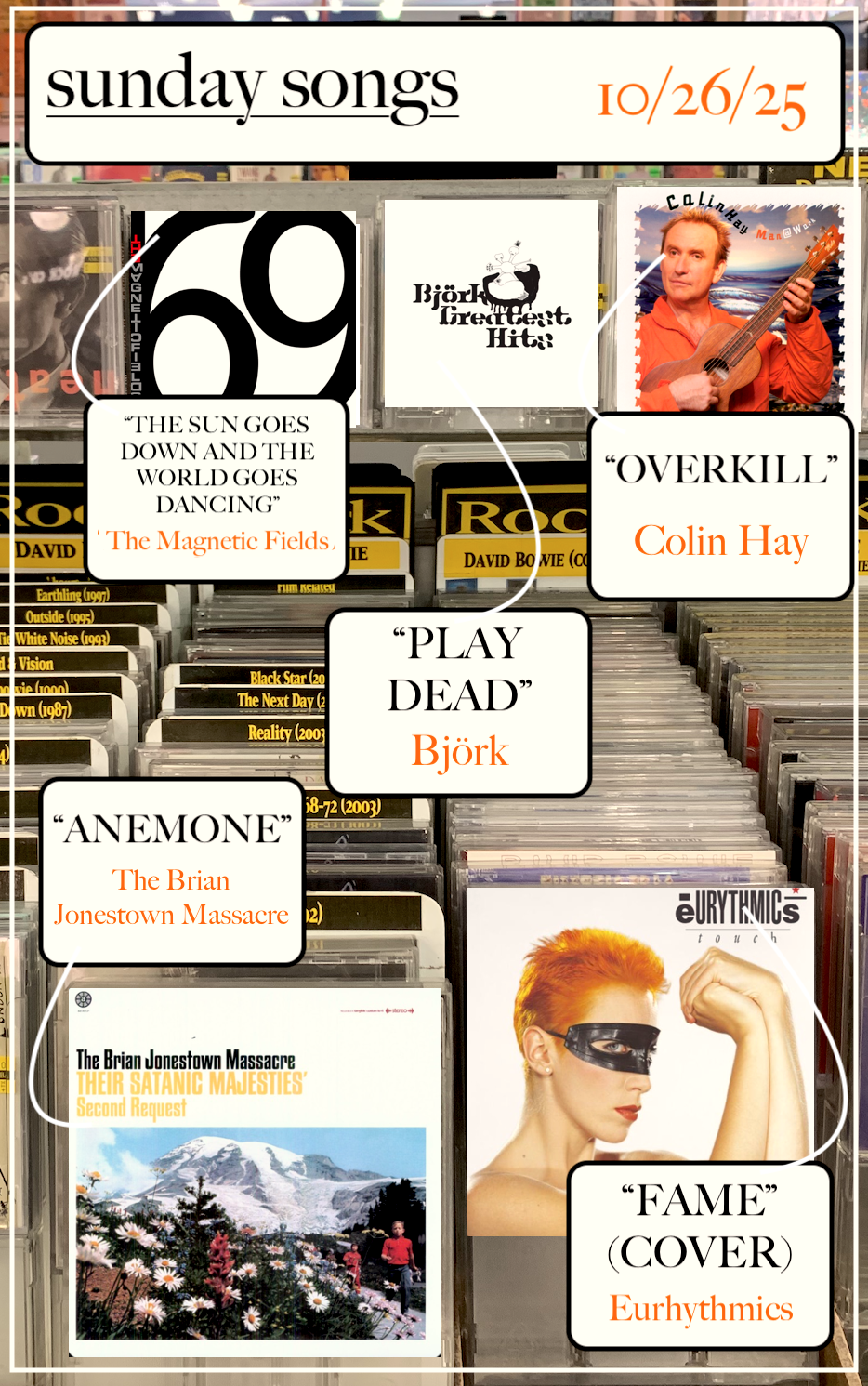
Sunday Songs: 10/26/25

Happy Sunday, bibliophiles! I hope this week has treated you well.

This week: I think you’ve all been getting too comfortable with the lack of Björk in the past month or so…WOE, BJÖRK BE UPON YE

Enjoy this week’s review!

SUNDAY SONGS: 10/26/25

“Anemone” – The Brian Jonestown Massacre

I love a song that just envelops me. “Anemone” is one of those tracks were there’s nothing in the lyrics remotely related to anemones (or even the sea), but it just happens to be the right title, just from the feel of it. The production and instrumentation sound like the lazy swirl of a temperate ocean around you, like footage of Planet Earth with a shot panning over gentle waves making anemones’ tentacles wave in the wind like branches on a tree. “You should be picking me up/Instead you’re dragging me down,” in that frame of mind, feels like being pulled under by a rogue wave and surrendering to the current.

Anton Newcombe’s voice feels like a backup instrument and not the lead vocal, somehow just as ethereal and misty as the faintly distorted rhythm guitar. That’s probably because the lead guitar, also played by Newcombe, is so distinct that it feels more like the voice of the song. From the beginning, it makes intricate loops and twists, like an animation of yarn curling in on itself—or the tendrils of an anemone slowly reaching out to you. It starts off almost uneasy, as if trying not to intrude on the melody, but once it expands, it takes the song from dewy cobwebs to a fully-defined spiderweb of dreamlike sound.

…AND A BOOK TO GO WITH IT:

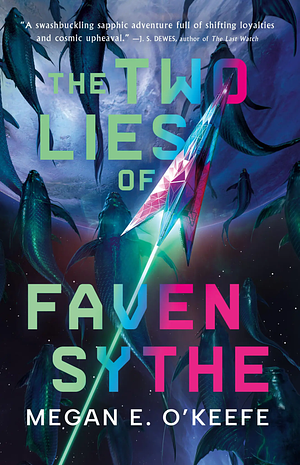
The Two Lies of Faven Sythe – Megan E. O’Keefea twisty, surreal world of crystals and secrets—befitting of a dreamlike song like this.

“Fame” (David Bowie cover) – Eurhythmics

The other day, a good friend of mine (and one of the only people I know who’s just as obsessed with David Bowie as me, which is really saying something) and I were volleying back and forth about David Bowie covers. I wish I were as open-minded like them, but I think I was just burned by the aftermath of Bowie’s death when every single radio station decided that it was the right time to play nothing but the shittiest Bowie covers known to man. You can’t blame me for being a little suspicious at first. If you have that seismic of an impact on music, you’re bound to spawn a ton of bad covers. Plenty of good ones too, though! (For your perusal, and also the ones I sent said friend: Warpaint’s cover of “Ashes to Ashes,” TV on the Radio’s cover of “Heroes,” Lisa Hannigan’s cover of “Oh! You Pretty Things,” and Karen O and Willie Nelson’s cover of “Under Pressure.”)

But when they said that Eurhythmics had done a cover of “Fame” back in the early ’80s, I knew it was going to be good. (So thank you, said friend!) After all, Annie Lennox did take up the mantle of resident British, orange-haired, androgynous pop star from Bowie after Ziggy Stardust had been put to bed. I knew she was going to be cooking something. Bold, daring covers are few and far between, but if anyone can do it, it’s Eurhythmics. Lennox and Stewart transmuted Bowie’s plastic soul into a wholly different sound. It’s slicker than chrome, and so, so ’80s in the best way. Sped up and dominated by synths that sound like liquid mercury, Lennox’s vocal take on “Fame” turns the meditation into a song that feels like it belongs in a movie montage, walking through a crowded ballroom full of shallow, Hollywood types. Her mocking laugh echoes through the repetition of “Fame” in the chorus, hammering down Bowie’s original message of fame and the mercurial music industry wringing creative talents dry.

…AND A BOOK TO GO WITH IT:

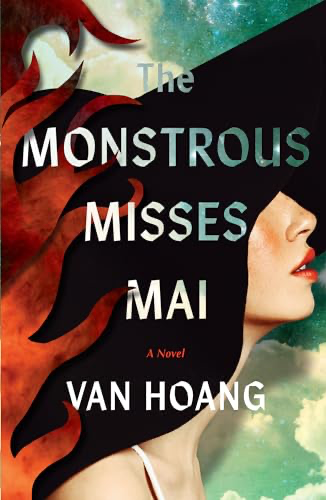
The Monstrous Misses Mai – Van Hoang“Fame (fame)/What you like is in the limo/Fame (fame) what you get is no tomorrow/Fame (fame) what you need, you have to borrow…”

“The Sun Goes Down and the World Goes Dancing” – The Magnetic Fields

Dammit…I almost slipped into my usual “I need to set aside 3 hours to listen to 69 Love Songs in its entirety” intro for yet another song from 69 Love Songs. 3 hours? In this economy? With my Instagram-rotted goldfish attention span? Kidding, kidding…only partly. I need to shut up and just listen to the album.

In the meantime, I seem to have gathered a stash of assorted songs from 69 Love Songs like a squirrel gathering acorns for the winter and hiding them in the most random places. Yet I do not have the uncanny acorn memory of a squirrel, so I’m fully surprised every time the Magnetic Fields Instagram account soundtracks one of their posts from the 69 Love Songs 25th Anniversary Tour with one of these songs. “The Sun Goes Down and the World Goes Dancing” was a recent favorite from the start. I fully mean this as a compliment, but there’s something about the production that makes the song sound like it’s been played on toy instruments. You can’t tell me that those clacks in the background aren’t plastic. Given the absolute laundry list of instruments listed under Stephin Merrit’s name on the Wikipedia page for 69 Love Songs, it wouldn’t be out of the ordinary for him to have thrown some in for fun. Another fun fact: Daniel Handler, a.k.a. Lemony Snicket (yes, that Lemony Snicket) played several instruments on the album and arranged “Asleep and Dreaming.” I feel like it’d take an archaeologist to deconstruct the sheer amount of lore that this album has.

And yet that toylike quality makes the rusty charm of this song, from the thin mandolin strums and the hollow, clinking percussion. It’s uncharacteristically devoid of the usual lovelorn frustrations that Merritt usually displays—it’s nothing but breathless, dizzy joy. “The Sun Goes Down and the World Goes Dancing” is a snapshot in motion of rapidly twirling lovers careening across a dim dancefloor, relishing in the warm glow of the lights. It’s the faint smell of the night air as you squeeze someone’s clammy hand, a leap of faith into someone else’s arms. The beat seems to all but gallop like a trained pony with a collar adorned with jingle bells, brushed to perfection but nothing but happy about it.

…AND A BOOK TO GO WITH IT:

Heartstopper, vol. 1 – Alice Osemandon’t tell me that this song isn’t befitting of some little animated leaves and fireworks.

“Play Dead” – Björk

There’s something so singularly admirable about Björk that makes even her more commercial songs feel so uproariously her. Even a relatively sparse music video, not directed by her and interspersed with clips from the film it was from, The Young Americans, couldn’t tamp down the raw power of her voice. Even when given a formula, Björk played around with it in every way that she could—from all accounts, the opportunity was an experiment for her. On writing “Play Dead,” Björk said that writing the song was “fun because the character in the film was suffering and going through hardcore tough times and at the time I was at my happiest. It was quite liberating to sit down after writing a whole album to write from someone else’s point of view.”

Aided by David Arnold, who composed the film’s score, and Jah Wobble (of Public Image Ltd) contributing the (gloriously slick) bass, “Play Dead” reminds me, at best, of what I like so much about trip-hop. It’s so seductive and slick, and even with the lyrics aching with numbness, it’s so brimming with life. Sure, that’s in no small part due to the cinematic orchestral swells that punctuate the background, but Björk’s voice makes it from a song into a true performance on every listen—even the most melancholy lyrics from her are blood vessels full of life. Nothing could ever suck the energy out of her performances, much less this one.

…AND A BOOK TO GO WITH IT:

Red City – Marie Lu“I belong to here where/No one cares, and no one loves/No light, no air to live in/A place called hate/The city of fear…”

“Overkill” – Colin Hay

[BANGING FIST ON THE TABLE, IN TEARS]

HE JUST LIKE ME FR

…AND A BOOK TO GO WITH IT:

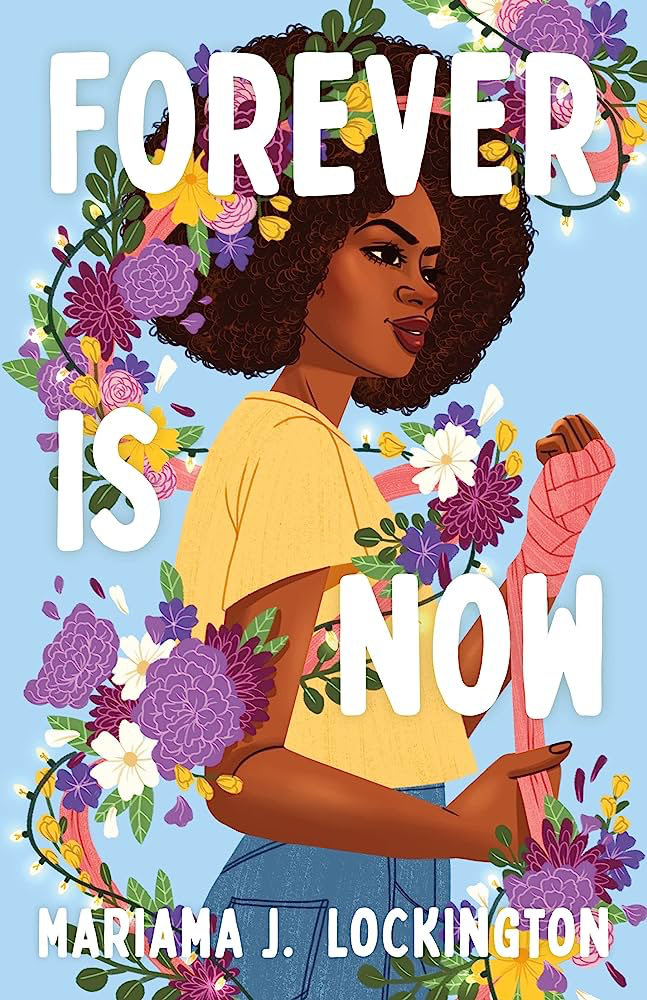
Forever is Now – Mariama J. Lockingtona poignant, honest depiction of a young Black girl dealing with chronic anxiety.

Since this post consists entirely of songs, consider all of them to be today’s song.

That’s it for this week’s Sunday Songs! Have a wonderful rest of your day, and take care of yourselves!

Posted in Book Review Tuesday

Book Review Tuesday (10/21/25) – Failure to Communicate

Happy Tuesday, bibliophiles!

I found out about this book earlier this year while looking for more sci-fi with queer and/or disabled rep (as I always am). This book seemed to have nearly the perfect premise—I just can’t get over how genius it is to have an autistic protagonist who’s had to study human behavior her whole life study alien behavior as well in order to initiate First Contact. I ended up buying it for Bookshop.org’s recent Anti-Prime Sale, and I ate it up in a handful of days. Though not without its flaws, Failure to Communicate delivers almost completely on its remarkable premise, full of political intrigue, aliens, and heart.

Enjoy this week’s review!

Failure to Communicate (Xandri Corelel, #1) – Kaia Sønderby

Xandri Corelel has spent her life studying everyone around her, be they people or aliens. She’s been forced to, after centuries of eugenics has made her one of the few autistic humans left in the universe. She uses these skills as a Xeno-Liaison, negotiating with all sorts of aliens on behalf of the Starsystems Alliance. But when presented with a potentially hostile species possessing one of the most powerful weapons in the universe, Xandri faces the most difficult negotiation of her career—one that may chance the face of interspecies relations forever.

TW/CW: ableism, xenophobia (fictional), violence, blood, genocide themes, slavery, animal death

“Autistic person spends entire life trying to understand human behavior, doesn’t fully understand it, then spends her entire career understanding alien behavior instead” has to win the gold medal for the best sci-fi premise I’ve heard in years. (Also, felt.) And though not all of it delivered on said premise, Failure to Communicate is a hidden gem for sure.

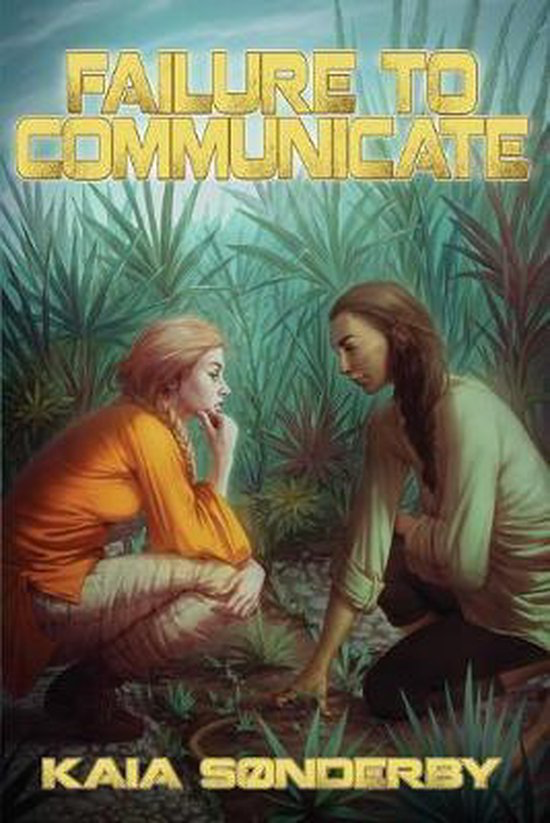
Now, I’m reviewing a space opera book which features a whole host of alien species, which means it’s time for my obligatory creature design rant. The aliens in Failure to Communicate are…a complicated case, for sure. The majority of them are basically larger, intelligent versions of real-world animals (with some brief exceptions), but Sønderby is self-aware of the fact; for instance, the Psittacans (a name that Xandri gave the species and didn’t develop on its own, thankfully) basically look like giant parrots, but Xandri explains that in-universe, all of their parrot-like features aren’t anything like what we would call, say, feathers, but evolved in such a way that they looked exactly like Earth parrots independently of Earth. This same explanation is given to pretty much all of the other species in the book, which is a bit too convenient to apply to 90% of the aliens in the novel. As for the Anmerilli, though I’m not disparaging the cover artist in any way, I feel like the cover didn’t do justice to their more alien features—and man, was I relieved that these aliens weren’t just humans with extra steps. Well…if you boiled it down, they kind of were, but there were enough traits that they at least got to the level of a decently compelling Star Wars humanoid. (Also, Sønderby’s descriptions of the Zechak also made me picture them as genocidal Piglins, which was…uh, interesting, for sure.)

But what almost made up with that for me was the in-depth explanations of their respective cultures. In the end, Failure to Communicate wasn’t necessarily a book about biology—it was a book about politics, anthropology, culture, and communication. That, at least, was incredibly fleshed out and much more thoroughly thought-out—as it should’ve been. Dissecting some of the alien cultures was one of the best parts of the novel. These cultures and the conflicts between them formed the backbone of the novel. Though until the end, Failure to Communicate is somewhat light on action, Xandri’s experiences with navigating the intricacies of dozens of alien cultures was nothing short of compelling—Sønderby has the mind of an anthropologist, and there was truly no stone left unturned. I loved that she didn’t shy away from depicting the discomfort that comes with interacting with other cultures for the first time and having one’s own values brush up against theirs—it’s bound to happen with First Contact, and it’s bound to happen in a lot of novel, multicultural interactions. There were some places where I felt there needed to be more nuance (ex. the whole situation with the Zechak; yes, they’re genocidal, but it verged too close to “this entire species consists of genocidal, cold-blooded killers,” which Xandri tries to self-correct, but isn’t emphasized enough. I’d find that hard to believe), but overall, I loved Sønderby’s cultural explorations.

Sønderby’s commitment to not shying away from discomfort was one of the best parts of the novel, and that was made manifest in her main character, Xandri. There was a ton about her that I loved—her keen eye for cultural quirks, her inner monologues about the idiosyncrasies of the neurodivergent world, and her unflappable sense of justice. However, she was far from a perfect character—even being in a world populated with aliens, she harbored her own unconscious biases and prejudices, which she frequently had to come to terms with throughout her mission. She lashed out, she made rash decisions—she was imperfect. And though she was easy to root for, she had plenty of flaws, a balance that is difficult for any author to strike.

Failure to Communicate isn’t an action-heavy book, which I’m all for—waiter! More cozy sci-fi, please! However, I hesitate to call this novel “cozy,” especially considering the moment when shit hits the fan during the last third of it. Everything that happens then swiftly merits the “cozy” title being unceremoniously ripped off. Nonetheless, Sønderby takes some cues from cozy sci-fi’s best; I loved how she let the plot meander in the more interpersonal conflicts as opposed to the big and showy ones, and let the often messy character dynamics take the lead. The ending was also messy and bittersweet, but not in a way that lacks resolution—it is a resolution, just a very complicated one with quite a lot of uncomfortable implications for Xandri. Another example of Sønderby not shying away from making things complex. I do like that it ended on a very hopeful note, as much of a wreck as some things ended up being.

Being neurodivergent, the subject of disability was part of what drew me into Failure to Communicate. I’ve mentioned on here that I have SPD, which shares some similarities with autism, and I related to Xandri’s lifelong mission to study and understand the neurotypical people around her in order to try and piece together how their world worked. She deals with a hefty dose of ableism (both from well-intentioned and malicious people) throughout the book, which was quite rough, but I loved that she never compromised her pride in being autistic. Sønderby takes the trope of futuristic societies erasing disability as a sign of progress to task, which amplifies Xandri’s struggles as an autistic woman into the struggles of possibly being the only autistic person in the entire galaxy. Which…yeah. The ableism is inevitable at that point. The only disability aspect that I’m not so sure about was having the twist that Marco was also disabled (specifically, he has bipolar disorder); I do appreciate that Sønderby uses it as an opportunity to show that almost identical conditions can produce a hero as well as a villain and that the pressures of ableism drove him to betray the team, but I really don’t think the latter had enough nuance to it. Not that disabled characters can’t be evil, obviously, but it felt too much like making a mentally ill character automatically a villain simply because they’re mentally ill. I’m willing to give Sønderby the benefit of the doubt because she handled all of the other disability-related topics so wonderfully, but it still didn’t sit completely right with me.

Also, I just have to mention that this book is so, so queer. BLESS. First off, I loved that Xandri was bisexual, but I appreciated that she was polyamorous too—there’s hardly any depictions of polyamory out there that don’t make their characters the butt of a joke or a fetish, so this was a breath of fresh air, for sure.

All in all, a wholly unique space opera about communication, culture, and collision. 4 stars!

Failure to Communicate is the first novel in the Xandri Corelel series, followed by Tone of Voice and preceded by Testing Pandora, a prequel novella. Kaia Sønderby is also the author of the YA fantasy novel Damsel to the Rescue.

Today’s song:

That’s it for this week’s Book Review Tuesday! Have a wonderful rest of your day, and take care of yourselves!
Posted in Sunday Songs

Sunday Songs: 10/19/25

Happy Sunday, bibliophiles! I hope this week has treated you well.

This week: the chances of being pursued by Brian Eno wielding chopsticks are low…but never zero.

Enjoy this week’s songs!

SUNDAY SONGS: 10/14/25

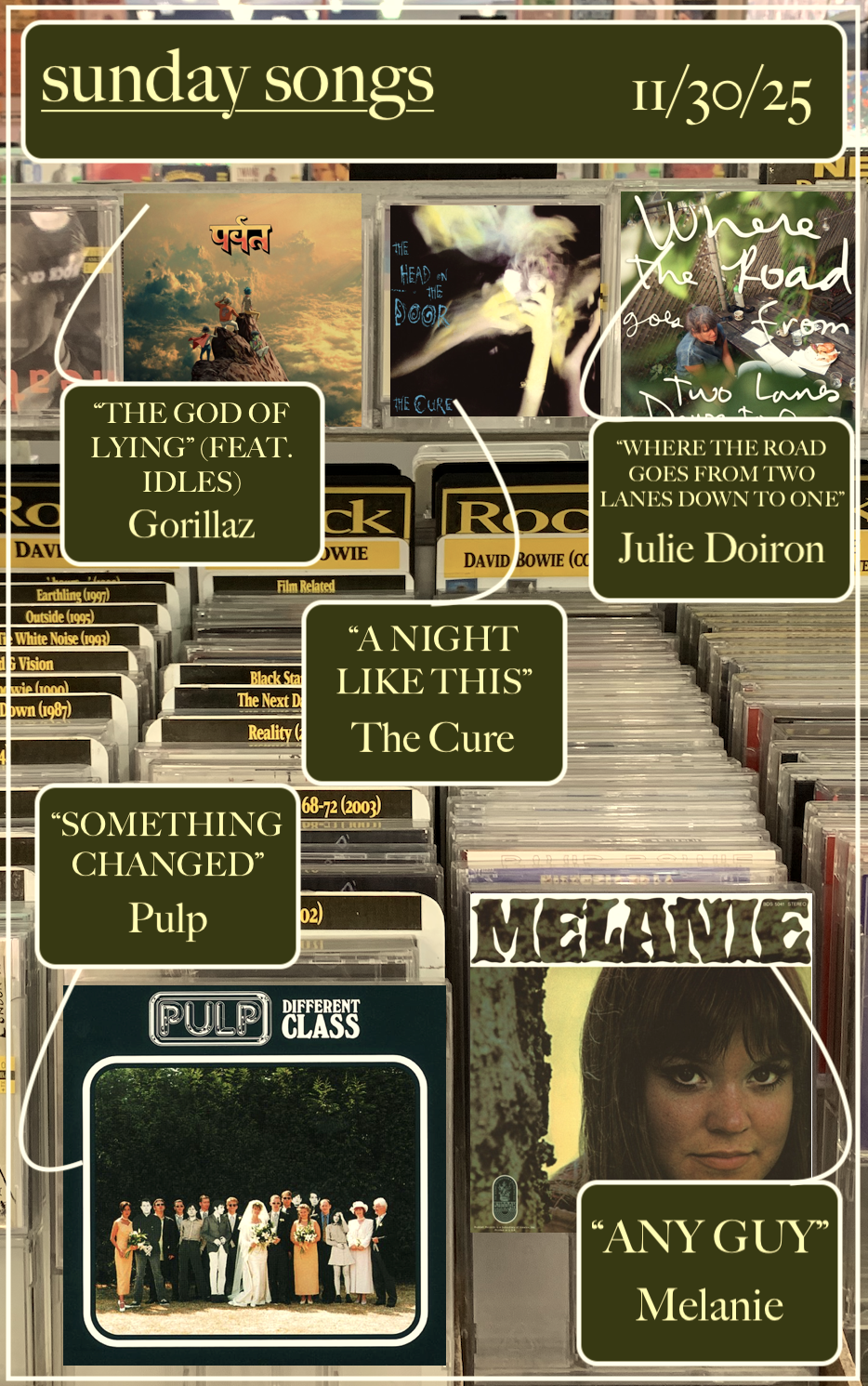
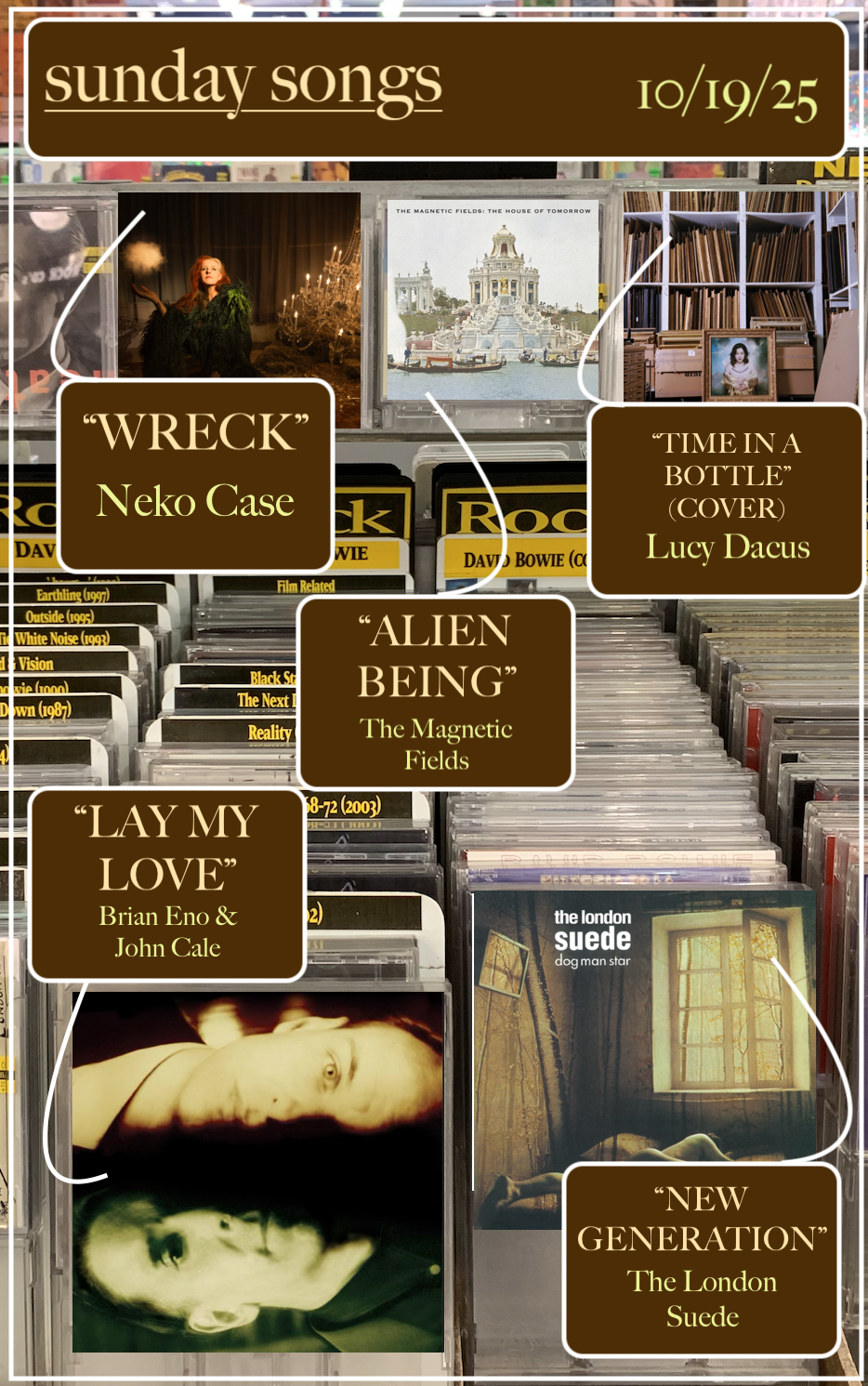
“Lay My Love” – Brian Eno & John Cale

While digging a bit about a song that I’m not even mentioning until next week, I stumbled upon something entirely different. All of those Pitchfork Best Songs of [insert decade] lists (this was from the ’90s one) are very subjective, but sometimes I appreciate looking at them simply by virtue of finding out about something new. Last week, it happened to be a collaboration between Brian Eno and John Cale from 1990, Wrong Way Up, and “Lay My Love” in particular. I was excited by the prospect of Brian Eno already, but man…I have been sucked in. I’ve listened to this one an unhealthy amount of time. It just swallows you whole in the best way possible!

By the ’80s, Brian Eno had built a decade’s worth of entirely ambient music, and there seemed to be no return for him to the more conventional (if you can call it that) rock of his earlier career, abandoning his own vocals almost entirely: in 1989, he told an interviewer that “I’m sure I could, if someone held a gun to my head, crank out a record of songs, but at this point in time I know it wouldn’t be any good.” And given the intensely argument-fraught recording of Wrong Way Up (Cale alleges that Eno once came at him wielding chopsticks, but Eno has insisted that Cale fabricated this), there’s a good chance that in another timeline, this album may not have seen the light of day after all. And yet there they were in 1990: Eno and Cale, frequent collaborators since the 1970’s, making an album consisting of just that.

You’d think that after abandoning singing for so long, Eno would appear rusty. In fact, he’s the exact opposite. “Lay My Love” feels like the distillation of the best qualities of his off-kilter vocals. Even though he’s known for his more removed, uptight vocal quality, this track presents him as warmer than he’s ever come across. It’s a song that makes you believe every word: as he sings “I am the yearning,” you can hear the pleading in his vocals, layered upon themselves ad infinitum. Cale’s rousing violins add an upbeat swing amongst the dizzyingly layered instrumentals. It’s an all-consuming slurry of glimmering sediment and flotsam, all warmed by the sun’s rays, equal parts hymn and experimental electronic music. Eno peppers in some of his most delightfully surreal, offbeat lyrics (“I am the termite of temptation”) with ones that make sense in some unarticulated part of your soul (“I am the wheel/I am the turning”). Above all, you really do feel as though this love is being laid around you like a blanket. It feels like the kind of song to soundtrack a quiet montage in a film of a house being built, or moss growing on a log: gradual, and yet hopeful in its certainty. You know that the love is coming around to you, and when it does, it will be as joyous as every note bursting from this track.

…AND A BOOK TO GO WITH IT:

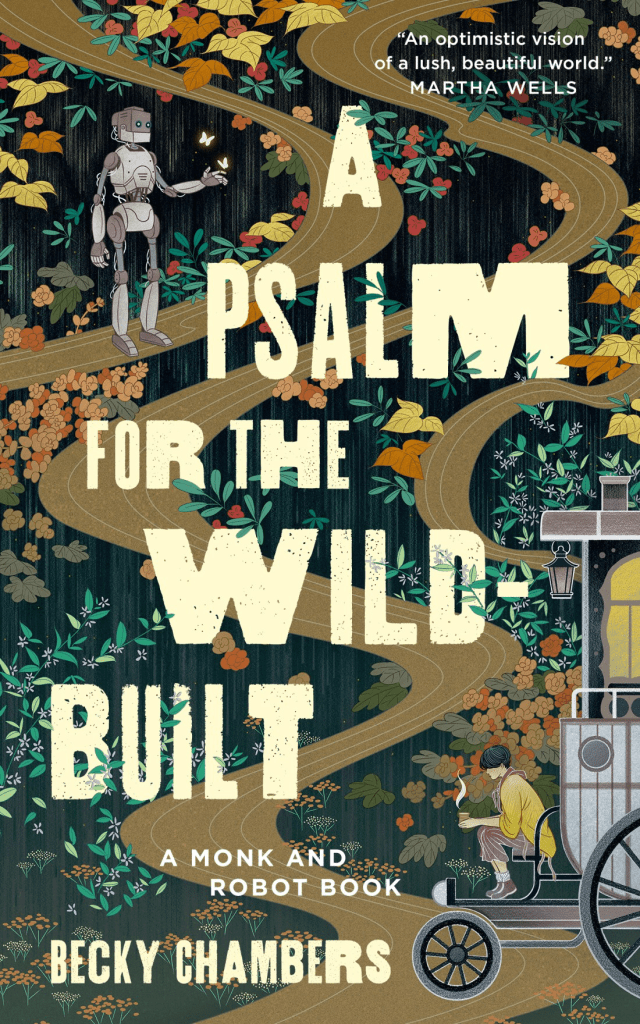
A Psalm for the Wild-Built – Becky Chambersthis seems precisely the kind of song that would soundtrack Sibling Dex and Mosscap’s quiet adventures through the woods.

“New Generation” – The London Suede

As far as the Britpop Big Four goes, The London Suede (known as just Suede in the UK) is the last frontier for me to explore; I’ve heard some of their songs sporadically and loved them (see: “Metal Mickey”), but reading The Last Party: Britpop, Blair, and the Demise of English Rock sparked some more interest in them. Add that to Neko Case’s episode of What’s in My Bag? and I was instantly hooked on “New Generation.” Along with “Lay My Love,” this song’s up there with the songs that I’ve been listening to an unhealthy amount of times. Who am I to deny my Britpop girlie urges?

I really should be a huge fan of The London Suede, given how influenced they were by David Bowie, but then again, not everybody influenced by Bowie is automatically good, of course. Brett Anderson and company seemed to worship the ground he walked on, which resulted in their melodramatic style and soaring vocals. Dog Man Star, which I’ve heard is an excellent album, was said to be inspired by a lot of Bowie’s early ’70s material, which makes perfect sense—”New Generation” feels like fanfiction set in the Hunger City of Diamond Dogs, and I fully mean that as a compliment. If Anderson’s vocals and just-so placed swoop didn’t tip you off, “New Generation” is high on the drama, but that’s part of why it works so well—it’s a strangely dystopian song that’s fit for draping yourself dramatically across the bed, full of distance and yearning. Anderson’s really doing some vocal somersaults here—he said himself that it’s one of the most difficult songs for him to sing—and amidst sepia-toned lyrics of disaffection and substance abuse, his vocals are outstretched arms beckoning for someone to swoop in and extricate him from it all.

…AND A BOOK TO GO WITH IT:

The Shamshine Blind – Paz Pardo“‘Cause like all the boys in all the cities/I take the poison, take the pity/But she and I would soon discover/We take the pills to find each other…”

“Wreck” – Neko Case

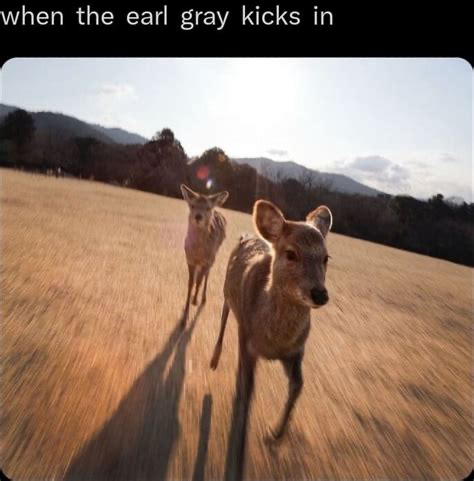
Today on incredibly specific comparisons: “Wreck” by Neko Case sounds almost exactly like this meme to me:

Maybe I do need to listen to more Neko Case after all. I’m a fan of the New Pornographers, but I really haven’t dived into any of her solo work, save for the misfire that was her cover of “Madonna of the Wasps.” You win some, you lose some. But this song, off of her new album Neon Grey Midnight Green (that’s got to be one of the better album titles I’ve heard in a while, for sure), easily falls into the win category.

For a beat, the a cappella intro lulls you into a false sense of security before dropping you headfirst into a churning, breathless whirlpool of head-over-heels romance. I can’t deny a love song that feels like you’re gleefully sprinting through a verdant field at full speed—there’s a bit of Hounds of Love Kate Bush in there somewhere in the unabashed drama that Case peddles: “I’m a meteor shattering around you/And I’m sorry/I’ve become a solar system/Since I found you/I’m an eruption/A wreck of possibilities/A volatility of stars/My clothes can’t hold together.” (Another shoutout is due to “Do I look like the sun to you?/Do I blaze freckles onto your face?”) And right after this, she breathlessly cries “And I know I can’t burn this bright forever!”—right about there, I imagine her smile splitting with reckless glee, a princess dress ballooning into endless layers of silk and tulle, a cry of nothing but sheer joy. It’s an easily addictive ode to absolutely drowning in yearning, and desperately wanting the echo to have an answer.

…AND A BOOK TO GO WITH IT:

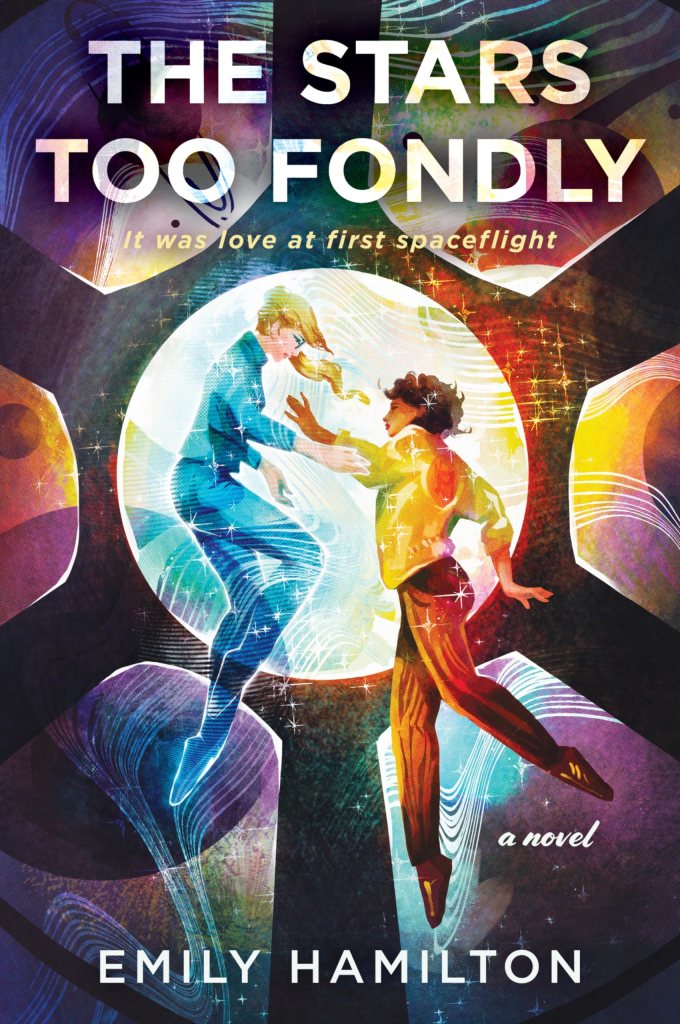
The Stars Too Fondly – Emily Hamilton“Do I look like the sun to you?/Do I blaze freckles onto your face/I bet I, bet I, bet I do/I’m a meteor shattering around you/And I’m sorry…”

“Alien Being” – The Magnetic Fields

There’s something truly beautiful about the fact that this song only has 10 likes on YouTube and a single comment that reads “being gay is awesome and you gotta try it!!!” Amen, brother.

The House of Tomorrow EP was released very early on in The Magnetic Fields’ career, and from 3/5 songs that I’ve listened to from it (this, “Either You Don’t Love Me Or I Don’t Love You” and “Love Goes Home to Paris in the Spring”), it’s clear that they’d all honed their talents very early. I suppose it helped that Stephin Merritt was in several bands before this, but it’s still very indicative of what a masterful songwriter he’s come to be. It’s also clear from the start that he’d started dissecting unhappy relationships very early on. The lyrics of “Alien Being” aren’t quite as laden with metaphor as they usually are, but they’re monotonous and repetitive—which feels like precisely the point. Almost all of them end with “nothing at all” (“You talk a lot about nothing at all/”Watch TV shows about nothing at all”), adding to the layered, grainy drone of the synths in the background. It’s a perfect encapsulation of being around someone who makes you feel like you’re talking to a wall—no feelings, no opinions, no independent thoughts, no nothing. Good thing Merritt has a lot of those things.

…AND A BOOK TO GO WITH IT:

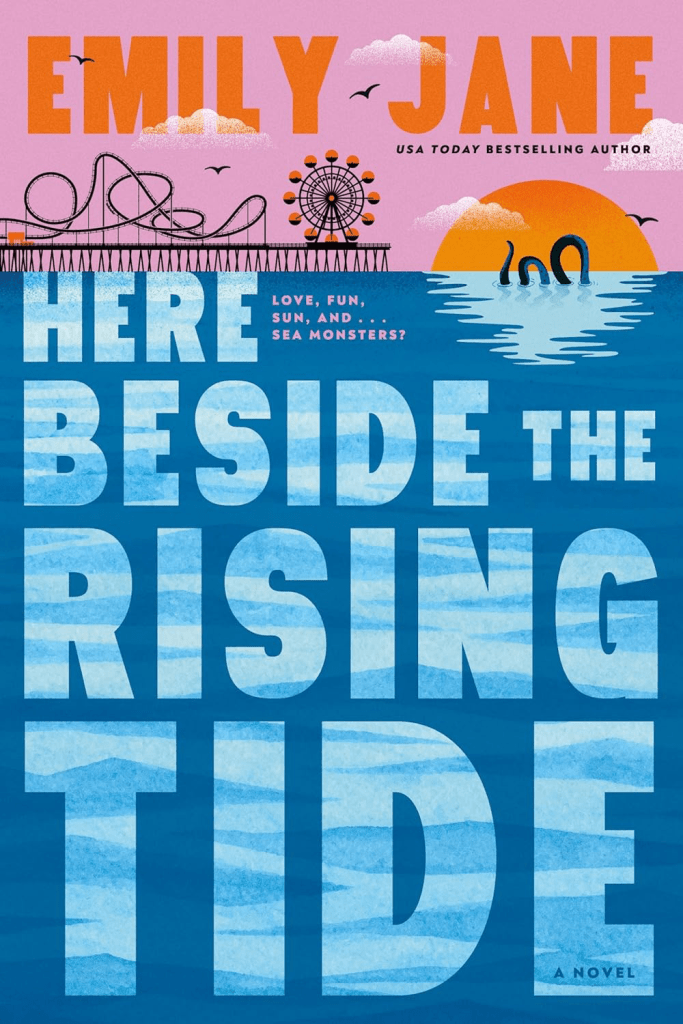
Here Beside the Rising Tide – Emily Jane“You have no feelings/I think you are an alien being/You won’t let me in/I think you are an alien being…”

“Time in a Bottle” (Jim Croce cover) – Lucy Dacus

The X-Men fan in me and the Lucy Dacus fan in me were both screaming when I found out that this was a thing…I don’t even have any sentimental feelings towards the original, but I just saw the title and got activated like a sleeper agent. Say what you want about the later Fox X-Men movies, but there’s one thing that they did best, and that was make immaculate slo-mo Quicksilver sequences with great needle drops.

I maintain that Forever is a Feeling bordered on being a disappointment, but I’m softening to some of it—especially now that we’ve gotten an expanded edition: Forever is a Feeling: The Archives. It’s mainly demos and live versions, but it had the poignant track “Losing” (should’ve been in the album, that’s my two cents) and this Jim Croce cover. Dacus’ tender, delicate fingerpicking style was practically made for this cover, as was the overall aesthetic of the album, combining acoustic guitar with gently swelling strings. I just can’t get enough of how she treats the guitar as an instrument—the way she plays on “Time in a Bottle” makes it feel like it’s not simply an instrument but a waltz partner. Her rich voice is on full display with this cover, making every note ring out with the yearning I’ve come to love her for. It’s tender in its sparing instrumentation, but her voice fills out all the empty spaces, creating a cover steeped in love and longing, just like the best parts of Forever is a Feeling.

…AND A BOOK TO GO WITH IT:

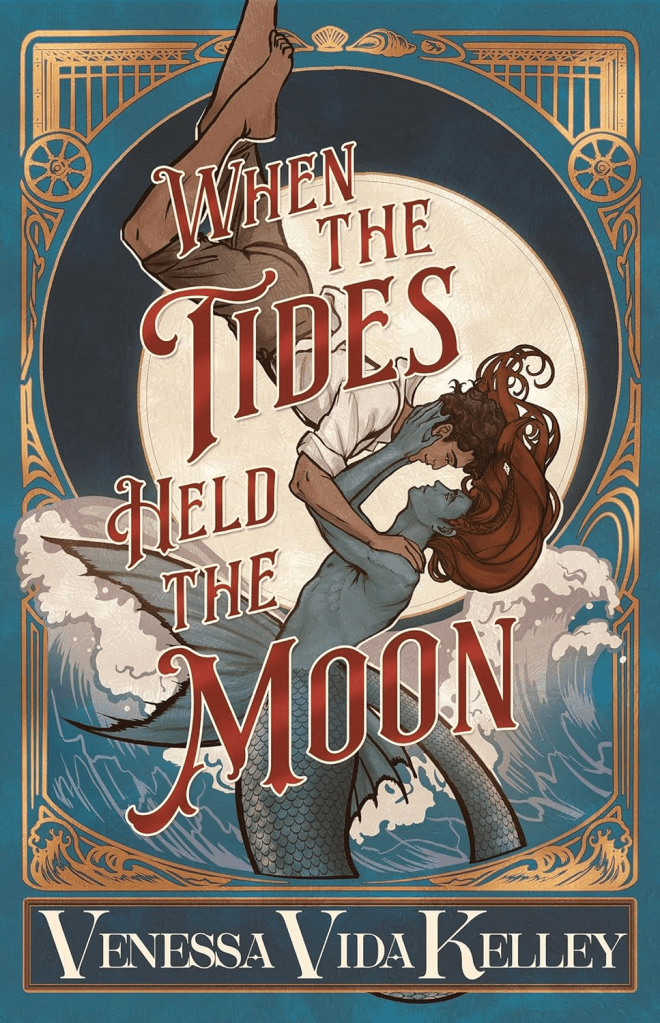
When the Tides Held the Moon – Venessa Vida Kelleythe tender feeling of this cover would fit right in with this heartfelt, moonlit romance.

Since this post consists entirely of songs, consider all of them to be today’s song.

That’s it for this week’s Sunday Songs! Have a wonderful rest of your day, and take care of yourselves!
Posted in Book Review Tuesday

Book Review Tuesday (10/14/25) – Scout’s Honor

Happy Tuesday, bibliophiles!
To close out Latine Heritage Month, here’s a novel from an author I haven’t read in years! I’d totally forgotten about Lily Anderson since high school. I remember liking Undead Girl Gang a lot when I was younger, so I figured I might give her (somewhat) newer novel a chance. Scout’s Honor is a novel that leans into both the adventurous and the sensitive, a tale of sisterhood, coming of age, and carnivorous interdimensional monsters.
Enjoy this week’s review!
Scout’s Honor – Lily Anderson

Prue wants nothing to do with her family legacy. A third-generation Ladybird Scout, she is part of an elite circle of women trained to hunt Mulligrubs, interdimensional beasts who feed off of the emotions of humans—and sometimes their flesh, when they get hungry enough. After her friend was killed in a deadly Mulligrub attack, Prue swore off the Ladybird Scouts for good. But when a new crisis pulls her back into the fray, Prue must decide if her legacy is worth preserving—or if she needs to go her own way.

TW/CW: PTSD themes, panic attacks, violence, gore, loss of a loved one

Maybe the real Root is the friends we made along the way, amirite?

Though I can’t speak to the accuracy of the representation (Prue has PTSD), Scout’s Honor had such a deeply sensitive depiction of trauma. If the acknowledgements are anything to go by, Anderson drew a hefty amount of it from personal experience, and that authenticity shone through emotionally on the page. Narratively, you’re only fed breadcrumbs of Prue’s trauma (until you aren’t), but I feel like it mirrored Prue’s difficulties with confronting her past. There’s a lot of detail afforded to how she experiences panic attacks and how her trauma has manifested in the three years since her trauma began. Beyond that, Prue had such a poignant arc, and so much of it revolved around her trauma; the entire reason she returns to the site of her trauma is to find a way to forget it (to physically remove her ability to See the Mulligrubs via a special tea), and yet it shows her that no matter what, she can never forget the past: the only way to truly heal is not to easily overcome it, but to face it. It was such a poignant take on trauma and healing, so kudos to Anderson for that!

I also loved how Scout’s Honor tackled its themes of sisterhood! In an organization like the Ladybird Scouts, where a value like sisterhood is prized above all else, it’s bound to be perverted; any value put on that high of a pedestal is bound to be used for ill intent, which it often is in this novel—case in point with Faithlynn. But I loved how Anderson talked about what sisterhood really is—uplifting difference yet embracing commonality, and truly helping each other when we’re down. There’s Faithlynn’s sisterhood, which is just a word she can toss around while putting down the other girls around her, and there’s Prue’s sisterhood, who accepts the less conventional Ladybird Scouts like Sasha and Avi into the fold and celebrates their individual strengths in order to solve the problems throughout the novel. It’s a heartwarming exploration of the topic and a lovely depiction of how it can so easily be twisted—and an indictment of any woman whose path to success is only built on putting other women down (and in the path of danger).

For the most part, the world of Scout’s Honor was a treat! Though the worldbuilding wasn’t anything groundbreaking, there was so much surrounding the lore and the structure of the Ladybird Scouts that I loved dissecting and exploring. Anderson really nailed all of the idiosyncrasies and minute rules of this organization, from their front in the real world to the work they did behind closed doors. Anderson truly nailed the feeling of being a part of a tight-knit, insular community sworn to secrecy—there were so many laws and bylaws that had to be dodged, almost as much as the Mulligrubs, throughout the novel. Although I enjoyed the classifications of all the different Mulligrubs, I would have liked some more explanation as to how they came to Earth in the first place, and exactly what kind of dimension we’re talking about when Anderson calls them “interdimensional,” but that’s more of a me thing—the novel doesn’t necessarily need it since the worldbuilding of the primary location is already well-established.

My main issue with Scout’s Honor, however, lay in the pacing. Despite most of the emotional sections of the novel landing appropriately, Anderson didn’t seem to know how much time to allocate to certain scenes, which ended up making the pacing quite lopsided. Until the climax, it also lessened the stakes quite a bit; even though the mulligrubs are a very real threat in this universe, almost all of the battle scenes were over in what felt like the blink of an eye. If not for Prue’s trauma surrounding them, I wouldn’t have felt the tangible threat of them at all—aside from the aftermath, the characters seemed to deal with the Mulligrubs, no matter the size or strength, like that. On the flip side, although I love some character building, there were long stretches when not a ton happened, and hardly any of it serviced the plot or character development—there were just long stretches of banter that didn’t show anything that hadn’t already been established. Anderson is a strong writer for the most part, but the pacing dragged Scout’s Honor down for sure. It was really the only thing keeping me from rating it the full 4 stars.

All in all, a novel brimming with heart and heinous monsters, let down by pacing but lifted up by its depictions of trauma and sisterhood. 3.75 stars, rounded up to 4!

Scout’s Honor is a standalone, but Lily Anderson is also the author of The Only Thing Worse Than Me is You series (The Only Thing Worse Than Me is You and Not Now, Not Ever), Undead Girl Gang, The Throwback List, Killer House Party, and several other novels for teens and adults. She has also contributed to the YA anthologies The (Other) F Word: A Celebration of the Fat and Fierce, That Way Madness Lies: 15 of Shakespeare’s Most Notable Works Reimagined and All Signs Point to Yes.

Today’s song:

been unhealthily obsessed w this for the past few days…

That’s it for this week’s Book Review Tuesday! Have a wonderful rest of your day, and take care of yourselves!