Continuing with my reviews for Disability Pride Month, here’s a sweet cozy fantasy with queer, disabled leads! Of course, those three factors are what drew me in, and I was in the mood for something more low-stakes. Though it wasn’t the best cozy fantasy out there, Can’t Spell Treason Without Tea was a sweet diversion.
All Reyna and Kianthe want to do is escape. Kianthe is tethered to her job as the most powerful mage in the Queendom, and Reyna works as one of the Queen’s most esteemed bodyguards. But against all odds, they run away together to live out their shared dream: opening a bookshop that serves tea. As their dream falls into place, they discover that it’s not as easy as they thought to abandon their lives and run away, from the guards searching for Reyna and the complications of Kianthe’s magic. But they’re determined to make their dreams come true, and they’ll stop at nothing to have a moment of peace.
TW/CW: fire, injury, loss of loved ones, murder, violence, panic attacks
If you can get past the initially corny title, there’s some comfort to be had here, just like a good cup of relaxing tea. Am I committed to sticking around for the even punnier titles in the rest of the series? Not really, if I’m being honest. That said, if you’re looking for something fluffy, romantic, and sweet, Can’t Spell Treason Without Tea is the perfect diversion for you.
As far as coziness goes, Can’t Spell Treason Without Tea was a solid entry into the genre! Although it’s more action-oriented than a typical cozy fantasy novel, the pacing works in such a way that it takes a backseat to the more quiet, gentle parts of the novel. Thorne’s way of describing the mountainous landscape and the interior of the bookshop was relaxing and cozy; if it hadn’t been July when I read this, it would’ve been the perfect book to read while swaddled in blankets during the winter. It’s hard to get a reader invested in a relationship that’s already been going strong for at least a few years, but those quiet moments were perfect to get acquainted with Reyna and Kianthe. There’s plentiful soft, tender moments between the couple, both when they’re enjoying spending time together and when they’re trying to work out issues—often related to hurdles with getting the bookshop to work, but usually with something more interpersonal at its heart. If you can already get past the corny title, chances are, you’ll get past some of the more corny book and tea-related puns—for the most part, it’s a very silly, fluffy book, and it 100% fulfills its purpose as such. And damn, I needed a fluffy book.
Though this isn’t the best cozy genre fiction I’ve ever read, I think Thorne’s writing style lends itself perfectly to the subgenre. She had a very soothing way of describing the world and the characters—every description felt very bucolic and gentle, making even the world seem comforting alongside the storyline. With this style, she was able to render the quiet, tender moments of relationship development between Reyna and Kianthe beautifully, whether it was working out disagreements in their visions of the bookshop or helping the other work through panic attacks. Her writing just has a calming quality that not many writers do—an essential tool when you’re writing cozy fiction. Thorne’s passion for her characters and world truly shone through in every word, and it was clear that they took great care in making their writing as true to the intended mood as possible.
A rotating cast of characters is going to be a staple if your novel centers around a bookshop that serves tea, but that isn’t even where this novel’s character problem arises: it’s how they’re introduced. The issue with having Can’t Spell Treason Without Tea being placed smack dab in the middle of an established relationship is that many of the other characters are established as being involved with them, but you’re barely offered an explanation as to why. It seems like there’s quite a lot of short stories and one-shots and whatnot surrounding the novel, but without that context, it was rather disorienting juggling all of the characters when the protagonists had established relationships with them and their roles were hardly ever fully explained. Combine that with the fact that there were so many of these characters, and you’ve got a bit of a mess as far as getting the reader to care about anyone besides the protagonists.
Now, about the worldbuilding…or, “go, girl, give us nothing!” The worldbuilding wasn’t the main draw for me when I picked up Can’t Spell Treason Without Tea, but even then, it was rather underwhelming. Generically European and vaguely medieval high fantasy setting strikes again…free me from this prison!! I get that the romance and the characterization was the more central aspect to the book, but I still think that Thorne could’ve done much more with her worldbuilding. Try as I might, there wasn’t anything new offered about the setting. Though the descriptions of said setting were soothingly written, I struggled to find anything that stood out about the world—not even the magic system or the creatures. The monarchy and mythical creatures (griffins, dragons, etc.) were standard fare, but even those didn’t have any small quirks that would distinguish them from any other fantasy novel. If I think of what drew me in to this book, my mind goes to it being cozy and having queer/disabled leads; though I loved these aspects and think they were done wonderfully, they don’t strike me as necessarily unique—I’ve read other books with these exact qualities that had original worldbuilding to back them up. I’m not saying that this book had to have some insanely convoluted worldbuilding or anything, but at least give us something!
All in all, a cozy fantasy that was sweet enough to tide me over, but could’ve done with something more to distinguish it from all the rest. 3.5 stars!
Can’t Spell Treason Without Tea is the first novel in the Tomes & Tea series, which continues with A Pirate’s Life for Tea, Tea You at the Altar, and the final book, Alchemy and a Cup of Tea, which is slated for release in August of 2025. Rebecca Thorne is also the author of This Gilded Abyss and The Day Death Stopped.
Today’s song:
saw car seat headrest on saturday night…you will most DEFINITELY be hearing about that soon!!
That’s it for this week’s Book Review Tuesday! Have a wonderful rest of your day, and take care of yourselves!
Imagine going so hard on an Elvis cover that you have to add not one, not two, but THREE Irish polkas at the end just so that it reaches the three-minute mark…I don’t find myself saying this often, but that pennywhistle kinda goes crazy.
“Can’t Help Falling In Love” has been covered hundreds upon hundreds of times—it’s so simple and iconic that it’s an obvious go-to for anyone to wring some emotion from the audience. (Whether or not they’re always successful is debatable. At worst, it can be the easy way out.) I can’t definitively find just howmany times it’s been covered since Presley’s original release, but it’s got a slew of big names parading behind it: Kacey Musgraves, Beck, Chris Isaak, U2, Erasure, Zayn of One Direction, and Christine McVie isn’t even scratching the surface. (Though this one isn’t technically a cover, Spiritualized’s “Ladies And Gentlemen We Are Floating in Space,” one of my favorite songs of all time, adds the lyrics to J. Spaceman’s melody. It gets me every time…) And…well, as with any song that’s covered as numerously as this one, even the greats blend together sometimes. Rarely do they stray beyond the lazy, slow-danceable tempo. You can’t do much to a classic…
…unless you’re Lick the Tins. Their take on “Can’t Help Falling in Love” is one of the only takes that makes it sound lively. From the minute the drums kick in, you’re propelled by the spirited energy that the Irish band injected straight into the heart of this song. It’s considerably sped up, but beyond that, they make it so naturally celebratory. Alison Marr and the chorus behind her make every verse feel like a victory lap, a joyous sprint fueled by the essence of that feeling of falling in love. Of course, said speed meant that they had to add said three polkas at the end, all performed with the same Celtic inspiration that fueled the rest of the cover (and their very small body of work), but it makes it feel like the most triumphant of endings: the rickety car is driving into the sunset, the bouquet has been caught, the girl has been got. John Hughes clocked that quickly in his decision to put it at the end of Some Kind of Wonderful—this song couldn’t be any more ’80s rom-com if it tried. But long before I saw that movie, there was always a kind of purity to it—nothing could taint the memory of a song that so embodied the unbridled joy of running through a field, bathed in sunlight.
I haven’t sampled any of the Lick the Tins originals, but this song was released on their first and only album, Blind Man on a Flying Horse. Maybe there is some kind of shame to be only known for an Elvis cover and then disappearing from the face of the earth, but if I had a cover as near-perfect as this one…I dunno. I think I’d be happy.
…AND A BOOK TO GO WITH IT:
Flowerheart – Catherine Bakewell – though I didn’t enjoy every aspect of this book, I do feel like this cover would suit the homely, comforting atmosphere that it boasted at its highest points.
It now the dead of Cocteau Twinter. It’s been in the 20-degree range for several days now, and I’ve had several…questionably fruitful sessions of attempting to learn to knit while listening to this album. My expectations were high after how consistently fantastic the albums I’ve listened to before this (Heaven or Las Vegas and Blue Bell Knoll) and how pleasantly “Oomingmak” has lingered with me for six months, but to this day, Elizabeth Fraser and co. have not failed me.
Take out the inspirations from David Attenborough’s The Living Planet: A Portrait of Life on Earth, and it would still be a distinctly winter album. With bass player Simon Raymonde absent for the recording of this album (he was recording for the This Mortal Coil record Filigree & Shadow), the sound is more delicate than a pointed icicle dripping from a rooftop; the album’s lack of a distinct bass gives its the delicacy it needs to feel as atmospherically Antarctic as it does. (A great playlist transition for you: “Lazy Calm,” the opening track, with David Bowie’s “V-2 Schneider”…what, you thought you could escape one of my posts without a mention of David Bowie?) “Little Spacey” in particular has to be one of the iciest songs on the album. Normally, that word has the connotation of being prickly or unfeeling, but in this case, I say icy in the sense of how winter sunlight reflects crystalline colors off of it, or how it begins to melt at the corners once that sunlight comes out, or how snowflakes cling to the toothy tip of an icicle during a snowstorm. Fraser arranges and layers her harmonies in such an otherworldly way that it sounds more like an overhead flock of cooing seabirds than anything human. It has the ice of an Antarctic winter, yet all of the comfort of watching it from a TV screen, in the same way I imagine the band gathering inspiration for the album.
…yeah. It’s not like George Harrison wasn’t also a jerk during the Get Back sessions, but oh my god…being in the studio with the rest of The Beatles for that long would make me write a song about how the world is ruled by ego too. Being around John Lennon does that to a guy…and Paul McCartney bluntly correcting your grammar. Jesus. Without a doubt, it’s a bitter note for The Beatles—”I Me Mine” was the last new material recorded by them, depending on which criteria you’re going off of*—but even through the bitterness, you can of course count on George Harrison to weave something timeless from it. The oscillation from the boat-rocking-on-waves sway of the verses to the urgent clanging of the organ during the chorus seems like an accurate picture of the volatility of these sessions—sometimes, they made progress that would eventually become Let It Be and Abbey Road, but it would whip around into heated arguments (take a wild guess who started most of them) just as easily. Given the more charitable and spiritual person Harrison became as he departed from The Beatles, it’s hard to imagine him throwing any sort of truly mean-spirited shade—but I feel like “I Me Mine” could be argued as a diss track. No names named, but it’s about John and Paul. We know. Or a diss track on the concept of egoism. It’s both.
*there’s a considerable amount of debate over what counts as the last true Beatles song; “I Me Mine” had only 3/4 Beatles present for the recording.
Man…I love comics, but any given comic fandom is just so painfully full of contrarians. You’ve got a bunch of dudebros wasting away in basements whining about how none of the comic book movies coming out are actually comic accurate, but then the Superman trailer comes out, and those same people are whining about Guy Gardner and his glorious bowl cut? It’s pure campy comic perfection. IT’S COMIC ACCURATE. It was never about comic accuracy, was it—
Oh? What’s that you say?
…oh. Wrong guy. Wrong Guy. Garvey, not Gardner, I’ll see myself out…great song though, right?
If I had a nickel for each time in music history that Johnny Cash became known and adored for a cover, I’d have two nickels, which isn’t a lot, but in this instance, it’s really not weird that it happened twice. The man was supremely talented—he didn’t just cover said songs, but undeniably elevated them (the other, in this case, being his gut-wrenching rendition of Nine Inch Nails’ “Hurt”). In this case, a fair amount of people know that “Hurt” is a cover. I can’t speak for the rest of you, but it hit me like a sack of bricks when I found out that “Ring of Fire” was a cover.(The one time I’ve actually learned something from YouTube shorts—specifically this one by Tommy Edison.) I was just so accustomed to hearing his version and nothing else; I assumed with his stature that he’d written it just the same.
Turns out that Anita Carter was responsible for the original version, sister of June Carter (who Cash eventually married), who wrote the song along with Merle Kilgore. Carter’s voice is a noteworthy contrast to Cash’s—the way she croons the iconic line “I believed you like a child/oh, but the fire went wild” tickles my brain in that special sort of way that only a handful of songs do—as does the way her high note fades into a sunset sky at the end of every repetition of the chorus. Yet despite, that, it’s rather subdued for a song comparing love to, y’know, a whole ring of fire; to quote my mom upon hearing it, she sounds “emotionally distanced from the ring of fire.” Yikes…but it is awfully slow for the metaphor at hand. It could be a consequence of being able to see clearly after being chucked through said ring of fire and coming out the other side with more than a few burns, but you don’t exactly get that fervor that’s inherent to the metaphor. Johnny Cash, being Johnny Cash, took that sign, sped up the chorus, tweaked some lyrics, and added some mariachi horns after dreaming about a rendition of the song backed by them, as the story goes. To me, it’s two observers’ perspectives on the same phenomenon, but distance is the key: maybe it’s because Cash sung his view directly from said ring of fire that his version became more enduring. Either way, seeing the first evolution behind an enduring country hit was a surprising journey.
Some years make it difficult to focus on the good things. It would be easy for me to look back at this year and see that it’s been ruled by anxiety, because…well, a good portion of it was. I was incredibly anxious about a number of things this year, I’m on the precipice of some big transitions in my life, and we’re entering a dark time in our country’s history. It can be so all-consuming that I forgot that it did not, in fact, consume all. I do have some pretty proud achievements to count towards myself this year, but most of all, I got through it. Whatever gripped me, whether or not I should have been worrying about it, I got through it. And I’m here. And I’ll be here through 2025.
The amount of books I’ve read gets smaller every year, but it’s allowed me to be more selective. Sure, my 5-star reads shrink every year, but it’s proportional to how much I actually read. I’m more selective now that I have less time to read—that doesn’t mean that bad books slip through, but I feel like the amount of stinkers I’ve read has decreased, and I’ve expanded my DNF criteria to just mean books that aren’t egregiously bad, but that I don’t want to continue with simply because life is short. My 5-star reads this year consisted of the return of old favorites, anticipated sequels, and new-to-me books that blew me out of the water—a diverse patchwork of a rocky but ultimately fruitful year—and they were a part of what made this year good.
The Brightness Between Us (The Darkness Outside Us, #2) – Eliot Schrefer – I never thought that a sequel to The Darkness Outside Us was necessary, but Schrefer blew it out of the water with this one. I don’t think the emotional heights of book 1 can ever be reached again, but damn, this one sure came close. | Read my review here!
Beautyland – Marie-Helene Bertino – a brilliant exploration of alien identity, longing for a home you’ve never had, and being human. | Read my review here!
The Stardust Grail – Yume Kitasei – art theft, creatures abound, and a deeply emotional story of preserving history and friendships. | Read my review here!
TELL ME WHAT YOU THINK! Have you read any of these books, and if so, did you enjoy them as much as I did? What were your favorite reads of the year? Let me know in the comments!
Today’s song:
That’s it for my favorite books of 2024! Have a wonderful rest of your day, and take care of yourselves!
Happy Sunday, bibliophiles! I hope this week has treated you well.
Don’t let the black color scheme full you—we’ve got a mostly joyful bunch, and if not joyful, at least upbeat. This week: what happened when I listened to Apple Music’s “Love” station on a whim, things that are wholly good and pure, and reflecting on the things that made middle school survivable.
The story of “After Hours” famously goes that Lou Reed wrote this song, but knew it was too pure and innocent for him to possibly sing, so he enlisted Mo Tucker, the Velvet Underground’s drummer, for the task. As much as I love Lou Reed, he did the world a great service by not singing this song—in his hands, there’s no doubt that it would’ve felt like some kind of melancholic “Perfect Day” prequel, but at least he was self-aware enough to realize it. And there’s nobody more fit to sing it than Tucker. Her voice is beautiful, but it’s the voice of someone who rarely sings, if at all, and sings softly when she does. But that’s exactly the kind of voice that “After Hours” calls for. It’s a bashful, rosy-cheeked song, the kind that shyly peers out from behind the curtain to watch the bustling city below. There’s an embarrassment to it, but not the kind that makes you wince—it’s a diary confession written as the last threads of light are fading from the sky, the last pure thoughts filtering out of your brain. It’s so simple, and yet that’s why it digs at such a unique place in my heart—it’s not quite universal, but it’s just the kind of special to nestle up against me like a drowsy cat. There’s practically no end to the influence that The Velvet Underground has had on rock music, but I feel like “After Hours” is overlooked in that aspect—without it, where would the glorious pantheon of wistful women and their acoustic guitars come from?
Bonus: because somewhere down the line we collectively recognized that this song is best performed by female drummers, here’s a performance by Meg White of the White Stripes:
All Born Screaming? Uh, yeah, I sure am. The squeal I let out at 7 A.M. when my mom shared this new single could probably be heard through my whole dorm. I’m just glad that my RA didn’t catch on. After a solid month of teasing, first with the ceremonial removal of the Daddy’s Home blonde wig, then with throwbacks to her performance of “Lithium” with the surviving members of Nirvana at the Rock and Roll Hall of Fame (to the people saying “oH, shE’s sO oFf-KeY” about this one: did you all just forget how Kurt Cobain sang, or what?) and her performance of “Krokodil” at Coachella in 2012, we finally have the St. Vincent rock album that we’ve always wanted. I’ve gone past the point of trying not to hype myself up for this one—somehow I feel like it’s not gonna be another MASSEDUCTION incident, because everything about this album— the aesthetic around it, and its collaborators (Dave Grohl on drums in this track, and Cate LeBon featuring on another)—feels like it’s going to rock. Annie Clark always seems to have a clever, cheeky album title up her sleeve, but All Born Screaming has to be one of the harder ones. And the album art…well, yeah. Let’s get the elephant out of the room—it’s great album art, but the timing was…not good, as it came just days after Aaron Bushnell self-immolated to call attention to the ongoing Palestinian genocide. (Rest in power. Chip in where you can.) But at the same time, there’s no way that Clark or her team could have predicted that kind of thing. I really don’t feel like she’s at fault here—it’s bad timing, sure, but none of us can be expected to foresee everything in the news.
Back to the song…I need to be stopped. Somebody needs to hold me back…or, at any rate, somebody should’ve held me back on the Thursday morning when “Broken Man” came out, because I listened to nothing but that song from approximately 7-11 A.M, and I had to go about three days before I could listen to it again. I’ve learned nothing. But now that I’ve ridden the initial high, I’m reveling in the new direction that St. Vincent has started to go towards with All Born Screaming. Most of the comparisons I’ve seen wind up somewhere in the neighborhood of Nine Inch Nails, P.J. Harvey, and Rage Against the Machine, and I can see all of those, especially with the former two—the industrial grind of Trent Reznor and the feral, growling vocals of P.J. Harvey are wound all over this track. Like the album art, it’s painted in the colors of ashes, still hot to the touch and rough between your fingertips. Clark has toed this line more often than not (see “Krokodil”), but we’ve gotten an album where she’s fully embraced her heavier side—one that she’s always had the capacity for, but somehow bottled up before throwing herself into All Born Screaming, the first album that she produced herself. It oscillates smoothly between hectic, metronome-ticking pop, uncomfortably sung from inside of a steel crate as she taunts the listener with her head peering out of the lid. It feels like a callback to the frenetic, pent-up energy of her self-titled record [slides Anthony Fantano glasses up the bridge of my nose], but with even more fury—every other lyric feels like a spit-laden taunt: “Who the hell do you think I am?/Like you’ve never seen a broken man?” With each verse that goes by, every word is spat with more intention, more vitriol, swerving between her silky, whisper-vocals to a full-on, sweat-drenched growl as the song closes. And this song’s breakdown is one of the most exciting of her songs in recent years; crashing in with Dave Grohl’s legendary drumming, you can’t describe this song with anything other than “fiery”: it’s a primal scream of a song, burning, biting fervor engulfed in flames. And I can’t help but get excited about the choreography in the music video—as flames dance across her neat, white button-up and slicked-back ponytail, her arms play a game of “the floor is lava” with her torso, jerkily twisting to avoid some point of contact. An eagle-eyed YouTube commenter compared it to her choreography for “Rattlesnake,” and…oh god, now I’m way too excited. Daddy’s Home is the best of her more recent work, if we’re going post-self-titled [slides glasses up even further] but…don’t do it. Don’t give me hope.
Hi. Gonna try and be calm about this one. As calm as I can be when I feel the raw, untamed power of my middle school Hellboy hyperfixation coursing through my veins. The deluxe edition of the Hellboy II soundtrack showing up on my Apple Music suggestions on an unsuspecting Sunday morning was certainly a kick in the pants that sent me hurtling back to 2017 at alarming speeds, and I have yet to reach terminal velocity.
I don’t know what prompted the release—last year would’ve been fine, given that Hellboy II turned 15 that July. Who knows. Just up and popped out of nowhere. But man, I am so glad that it did. Having this expanded edition just goes to show how many gaps were left out of the original soundtrack, even if many of them (including this song) are under a minute long. I’m convinced that there was some kind of rush in putting together the original soundtrack, since now we know that the random tidbits that didn’t seem to come from anywhere that were tacked onto the end of “Finale” were, in fact, two alternate versions of songs that were almost used in the troll market scene. Again: who knows how that happened. But now, the score feels as whole as ever—those short-and-sweet tidbits fill in the crucial gaps, the silly, almost jazzy flourishes to plump up some moments of witty banter (of which there are many), fleshed out a soundtrack that’s cemented itself in the nostalgia catalogue of my mind. “Red’s Ok,” in particular, is the wonderful variation on the tasteful electric guitar motif, shown just as we see Hellboy emerging from the wreckage of a car he’s just landed on top of, wielding the Good Samaritan in the film’s most honest-to-god movie poster moment. And we get the full, 7-minute long cut of “Where Fairies Dwell.” I was born in the right generation. Born too late to see the rockstars I like, born too early to explore space…but born just in time to be able to listen to “Fuck-Used”. Bless.
My good feelings towards Elfman himself have started to fade after the allegations that came out last year, and this doesn’t change that, but I can’t deny the talent that went into this soundtrack, as well as the countless others he’s crafted over the years. Admittedly, his work has become so entangled in my life that, even though I’m all for theoretically separating the art from the artist, the truth is often far more complicated than putting the allegations in one box and their art in the other. I don’t necessarily know if it’s a personal flaw that I can’t detach from people that easily (lord knows I haven’t been able to listen to Arcade Fire as often as I used to without feeling a little moral revulsion). It’s not like J.K. Rowling’s transphobia and other prejudices manifested out of thin air directly after she wrote Harry Potter. And yet, I’d be the world’s worst liar if I denied how dear this film is to me. 13-year-old me saw this and saw an image of found family, of freaks who banded together in a world that was bent on destroying them, of freaks showing affection and forgiveness towards the world and each other, and it stuck. It did something to me. It showed me a possibility of a future that I could live out. At least it’s just the soundtrack in this case, and not the film itself. That’s all safe. I don’t even want to entertain the notion of Guillermo del Toro having any metaphorical skeletons in his closet, because given what the guy’s house looks like, he definitely has some plastic ones lying around. But it seems like he’s the type to keep it to that.
So I’ll be excited for the middle schooler in me. When this came out, I painted my nails and listened to this as they dried, remembering that there was a part of me back then that should be cherished—the one that didn’t care what anybody thought, and the one that watched this movie at least once a month.
…AND A BOOK TO GO WITH IT:
Hellboy II: The Art of the Movie – Guillermo del Toro – yeah, this was the obvious pick, but what else was I gonna do? Put in the movie novelization? Imagine swapping out “Dr. Manning, suck my ectoplasmic schwanzstucker” for “Manning, you’re a jerk.” Unconscionable.
It’s been almost a month since TANGK was released, and I find myself drawn to it over and over again, simply because it’s so IDLES in a way that I haven’t seen from them. Like I said when I talked about “A Gospel” back when the album was released, it’s a beast that’s half old and half new, but brimming with the same ethos of kindness with a hard-edged sound. While “A Gospel” and “Grace” were the album’s pinnacles of vulnerability, “POP POP POP” just seems like the place where Nigel Godrich went nuts—it feels like IDLES trying to make a Radiohead song, but never once does it feel like a blatant imitation. It has an angular, jerky smoothness to it, with the combination of synths that buzz like a hive of insects with Joe Talbot’s voice—the lyrics aren’t screamed like he tends to do, but with a dry, disaffected drawl that signals irony, but knowing IDLES, it’s a sign of bare sincerity just as any other bellow he lets out. On the inside, the lyrics are similar to most of the material on this album—a shield of kindness against a wave of hatred: “Strong like bull/Vulnerable (vulnerable)/Keep my people up/That’s my tool.”
But there’s something resolute about the way that “POP POP POP” is delivered—it’s almost like he’s drawing not from a place of repeating himself, but convincing himself of his mission. I’ve seen a fair amount of people in internet music circles roll their eyes at IDLES for acting like their lyrics are more radical than they are, which…I halfway understand. A lot of their subject matter in their music isn’t exactly new in terms of political fodder to spin into music. But is there really anything new, political or otherwise, that you can write a song about? I find myself thinking of Audre Lorde and her essay “Poetry is Not a Luxury,” where she states that “…there are no new ideas. There are only new ways of making them felt, of examining what our ideas really mean on Sunday morning at 7 AM…[while] making war, giving birth.” I get why people are put off by IDLES seemingly acting like their ideas are new (I’ve never gotten that impression, but that’s just me), but personally, that was never what was radical about them—it’s their approach to kindness. It’s unclear whether this is the exact criticism that may have spawned “POP POP POP,” but the final verse, chanted like a prayer as the hive of synths descends into a buzzy, Kid-A maelstrom, feels like Talbot convincing himself of the message that he and the band have always pioneered: “Imposter, imposter, living in my head/Am I the spider in your bed?/A dead canary and a thief for a king/A cheerleader valiant/But I will sing about love, love…” And as his voice gets overlaid, the final chant that rings out is the tagline for the later track “Grace” and this album’s tour: “love is the fing.” It feels like reassurance in a sea of self-doubt, a reminder of a message to be held dear, a mission statement lost in the mist but found again when it came time to look back and remember why they created it in the first place. And as with the ending of this song, what persists is four essential words: “love is the fing.” You look back into all of the mess that your creativity has taken you, and what you find at the center is the love that motivated you to create in the first place.
…AND A BOOK TO GO WITH IT:
Kindling – Traci Chee – I just reviewed this one, so it’s pretty fresh in my mind, but the last, more distorted lyrics made me think of these characters and their struggles to grow out of their trauma and persist—”Imposter, imposter, living in my head/Am I the spider in your bed?/A dead canary and a thief for a king/A cheerleader valiant/But I will sing about love, love…”
The other day, I decided to listen to Apple Music’s Love station on a whim—I was drawing before bed, and I wanted something new to listen to. It ended up having mostly hits, some misses (one of the hits was “After Hours,” but I’m honestly concerned about the fact that there was…an Elliott Smith song on there? Not the weirdest Apple Music pick, but I don’t know if that screams “love”…), but it was the reason that I stumbled upon this song, which I am so grateful for. Scratch that—I’m grateful, but more than anything, I’m more surprised than anything that I’d never heard of her before then, given the company that she kept: she was first discovered by James Brown, and later collaborated with everybody from The Rolling Stones to Pink Floyd (she contributed backing vocals to Dark Side of the Moon, my god…). With all that, a musical based on her life, and a number one hit, you’d think we would be hearing more about her, but alas, nope. Whether or not that’s just another testament to how history treats Black women or the fact that she stepped away from the mainstream music industry after the ’70s is up in the air, but either way, I’m glad the Love station brought me to her.
I’ve always had a soft spot for that late ’50s-early ’60s soul. As much as I laud other artists for having intricately crafted lyrics, sometimes, it’s simplicity that wins out—and that was exactly what labels like Motown were the best at producing. Artists like The Temptations, the Ronettes, and others feel like they’ve distilled love—one of the most complex human emotions—down to its barest essentials. Every song becomes something so tender and universal that it feels like a warm blanket for the soul. Along with the rich vocals that often came with it, and you’ve got one of my favorite musical soft spots—I’ll take shreddy guitars any day, but sometimes, all I need is some wholesome love. That’s exactly how “Just One Look” feels—brimming with warmth, and the perfect tempo for slow-dancing in the kitchen. Only seconds into the song, and you can hear exactly why Troy’s fans gave her the nickname “Mama Soul”—soulful is the only adequate word to describe her rich, soaring voice. Combined with the air light touch on the piano keys, and I’ve got another comfort song in my collection—there’s something to be said for simplicity.
…AND A BOOK TO GO WITH IT:
DC: The New Frontier, vol. 1 – Darwyn Cooke – the lyrics for this song are so universal that they could cover any kind of romance, so instead, I went for the time period; the late ’50s-early ’60s setting of The New Frontier is settled right in the same era.
Since this post consists entirely of songs, consider all of them to be today’s song.
That’s it for this week’s Sunday Songs! Have a wonderful rest of your day, and take care of yourselves!
Happy Wednesday, bibliophiles! I hope this month has treated you well.
First month of the year is over, whew! I don’t wanna jinx it, but I think the rest of the year will be good.
Let’s begin with the first wrap-up of 2024, shall we?
GENERAL THOUGHTS:
January’s been a good start to the year so far, I’d say. The first half was wonderfully relaxing, what with the joys of how long winter break is in college, so I was able to recharge, catch up on reading, and get some sleep in before school started back up again. As for school, I think it’s shaping up to be a great semester! I’m finally taking some classes for my newly declared women and gender studies minor, and I’ve been enjoying those, along with the amazing English classes I’m taking for my major. It was disgustingly cold for a solid week, but at least my school had the sense to call a delay (would’ve preferred a snow day, but beggars can’t be choosers, I guess), but now it’s…unusually warm? It’s nice to be able to wear a t-shirt in the afternoons, if you ignore climate change.
As I said, January has given me the chance to get back on my old reading and blogging schedule. I still didn’t blog as much outside of my regular schedule (these scholarships I’m applying for aren’t gonna write themselves), but it was much nicer not having to do that outside of schoolwork. Fingers crossed, my workload is reasonable at the moment, so I’m soaking up all the time in the honeymoon period of the semester that I can. The reading batch I had was fantastic, for the most part! I had a streak of no books that I really didn’t like for a solid three weeks, and even after that, it’s mostly been 3-5 star reads all around! Anticipated reads, books I’ve been meaning to read for a while, and re-reads—it’s been a good bunch this month. I put my reading goal at 150 books this month, which my middle school self would probably declare something along the lines of “cowardly,” but to her I’d say to wait until college.
Other than that, I’ve just been catching up on sleep (for the first half of the month, anyway), drawing, watching Abbott Elementary (so comforting and delightful!), seeing Robyn Hitchcock live (dude’s a complete weirdo, but an insanely talented weirdo), and stocking up on hot chocolate and tea in equal measure in preparations for the permanently indecisive Colorado weather. Somebody’s gotta keep us on our toes.
READING AND BLOGGING:
I read 18 books this month! Winter break gave me a good head start for the first half of the month, but I’ve been able to keep up some of the momentum through the end. And it’s been a great batch too—I’ve only read one book this month that I really didn’t enjoy, and I re-read a favorite that got even better on the second go-around!
Happy Sunday, bibliophiles! I hope this week has treated you well.
Guess who’s back! Here I am again, and I think I’m almost ready to get back on my somewhat-normal blogging schedule. While I was away, I still made the Sunday Songs graphics, but I just posted them on my personal Instagram; even though I never wrote about them, I think they’re all cool and that you should listen to them, so here are the songs for most of September:
No, sorry, this isn’t the J-Lo “On the Floor.” I doubt that one’ll end up on one of these posts. Listen, I had a group project in my freshman year of high school where my friends and I had to make a version of it about reflexive verbs for Spanish II. You can understand why I’m not too keen on revisiting it.
Instead, have a wonderfully bubbly song that has no connotations about group projects for Spanish class! Huzzah! Back in June, I saw Perfume Genius open for the Yeah Yeah Yeahs, and while nothing can come close to the performance of the latter, I still came away with a few excellent Perfume Genius songs in my back pocket. The grinding indie chug of “Describe” overshadowed the few that I downloaded, but the other day, “On the Floor” came on shuffle right before I was about to pack things up for bed, and I couldn’t help but have an impromptu, one-woman dance party in my dorm room. Under the glow of my rainbow lights (I feel like Mike Hadreas would approve), I felt a rush of fizzy joy, like the pop of a freshly-opened can of soda, bubbling up in me as the notes filtered through my headphones. Ever since, it’s never failed to put a smile on my face. It has the same effect as a lot of Japanese Breakfast songs have on me; from the glistening guitars to the ethereal harmonies in the chorus, every part of “On the Floor” seems to glitter. It’s a song coated in colorful lights, twinkling like the panels of a disco ball as Hadreas sings of what he drescibed as “that maddening, solitary part of desire.” It’s a song laden with no shortage of obsession and longing, but coated in the most joyous façade of pop, impeccably polished. In stark contrast, the video feels…very Perfume Genius, from my limited scope of his work, but doesn’t mesh as much with how I perceived the song? “On the Floor” seems more suited to scenes of a club bathed in pink and purple lights, as opposed to a sweaty Mike Hadreas rolling around in the dirt with a lover that fades away like the breeze (like the crush he describes projecting onto). You do you, I guess.
I don’t have much experience with listening to posthumous albums, save for David Bowie’s Toy, and even in that case, it was more that Toy was fully recorded and then shelved while he was still alive, while Sparklehorse’s Bird Machine was never finished in his too-short lifetime. And even though my reputation for sad bastard music precedes me (be grateful that these posts never originated when I started listening to Radiohead), Bird Machine hurt to listen to. I can’t rightly say if my tolerance for sad music has faded since then, but if I had to sum it up, sometimes it helps to have the feeling of being consumed by sound. For a lot of artists in that vein, the spectrum of all that kind of all-consuming sound is somewhere that you can lose yourself in; on the one end, Radiohead felt like being transported into a haunting, alien landscape, a whole dimension where I could detach myself from the earthly world. (High school does that to a gal.) Right on the other end, Julien Baker’s first album, Sprained Ankle, was just the right amount of raw and vulnerable to feel as though the music was watching over me as I grieved. Even though I will always champion narratives of hope and the value of love, I’m not about to discount the times in which sad music is exactly what I needed. Healing should always be the goal, and I am better for having healed from what Baker was there for me with, but there’s something to be said for, in her words, “giving the sorrow some company.” And even though I only break out the specific “sad bastard music” playlist for that reason, sometimes it’s just simply feeling the sweeping swell of emotion surround you. I feel it with non-sad music as well (ever heard of Hunky Dory? Talk about sweeping), but the thread here is that I can’t not feel everything—good and bad—like a tidal wave some days. Thus, I gravitate to songs that make me feel that way. Big feels need company.
But here, it’s hard to lose myself. It’s not that it isn’t “sweeping” by my wobbly definition, but a song like this is almost impossible to separate from Mark Linkous’ circumstances. “Kind Ghosts” is a truly gorgeous song, with buzzing-insect effects on Linkous’ voice and a distorted, ethereal hum that permeates every note like moss growing over stones. And like an insect, it has the delicacy, the fragility of a dragonfly’s wing, a transparent wavering that catches the light. Like most of his other works, the lyrics balance woodsy, quaint nonsense with plain ol’ gut-wrenching devastation. “I came to drink more whiskey than water” and “I’ve swallowed a phantom/And I forget how to breathe” leave no room for misinterpretation, but even such sense-defying oddities as “I hung my wolves up high in the pine trees/Like cannonball sails they wouldn’t stay hung” sound just as plainly tragic. I doubt any listener could ever fully separate this lyricism from the absence that Mark Linkous left too soon in this world; some of Sparklehorse’s similarly atmospheric works of art are the aforementioned kind I can lose myself in, but Bird Machine will always be a hard record to swallow. Painfully beautiful, but necessary nonetheless.
Here. Come sit next to me. Grab a tissue. Send your thank yous to Mark.
Alright, who ordered the weirdest possible palate-cleanser?
I’ve had the honor of being the learning assistant for a science fiction class this semester, and that’s meant that I’m getting to read and watch a whole lot of wonderfully bizarre (and nostalgic—we love my man Ray Bradbury 😔✊) stuff. Early on, we watched this for homework; I had a vague feeling beforehand about remembering seeing something about giant, blue, French aliens with soulless red eyes somewhere (probably on one of my Pinterest deep dives), but nothing could have prepared me for this movie. The animation is nothing short of gorgeous—all hand-drawn, incredibly detailed, and full of vibrant color at every turn. But it’s…yeah, it’s more than a little bit of a trip. There’s random interludes with alien creatures eating each other (I’m certain that they all would have given me nightmares as a kid), an uncomfortable amount of alien boobs, and far too many lingering shots on said soulless red eyes with nothing behind them for comfort. It’s beautiful, but in the way that makes your head hurt—I’m still not entirely sure what I watched, but…I liked it? Yeah, I liked it.
Nothing added more to the surreal nature of Fantastic Planet more than Alain Goraguer’s score; most of it is a recurring motif of experimental jazz, which really does put you in the mind of “what did I just watch?” It all screamed Pink Floyd to me, which, since Dark Side of the Moon came out in the same year as this movie, makes sense. I can’t help but think of “Time” whenever I hear anything from this score. This movie seems like it would be on that kind of prog-rock wavelength. That’s what made it the perfect atmosphere for this film—the proggy, spacey theme that runs through the whole score marries perfectly with the oddball, alien landscapes that we traverse through. It’s a bizarre movie. I certainly don’t regret watching it.
Looks like somebody was enjoying himself in quarantine, huh? Enough to crank out at least thousands of possible combinations for this album? Seriously, go play around with the Movie of the Week section of the Shakey Graves website. My first go at it generated a cover of David Bowie’s “Five Years” as a part of the soundtrack… :,)
But even without all that insanity, Movie of the Week is nothing short of excellent. Even though the second half lags slightly, I wouldn’t call a single track off this album bad. But, sadly, it’s really the first half that carries it—aided by the album’s singles, the fantastic “Lowlife,” and this absolute stunner of a song. Clocking in at nearly 7 minutes long, none of that length ever feels real—if I had to make an estimate, it sounds more on the 4-minute side. But I’ll always be grateful that we get all 6:40 of “Limbo” in all of its utterly cinematic weirdness. The beginning is deceptively unassuming, clunking in with distorted piano chords and Alejandro Rose-Garcia singing each word with gentle restraint. But right around the 1:10 minute mark, “Limbo” erupts into a shock wave of humming synth that could only find a place elsewhere if elsewhere was the outer space exhibit in a museum. It’s a song that looms, casting its shadow over your in waves of colorful static, blinking in and out of focus. And even if this song didn’t explicitly reference limbo, it would still be fitting for the soundscape that Rose-Garcia has created; between the discordant marriage of every instrument and effect and the gremlin-ish, artificial harmony alongside his voice, it really does feel like slipping in and out of some wild hallucination, toeing the line between reality and delusion. Shakey Graves knows the unsteady cradle of limbo, and they play it well.
I heard this song in the background of a video, and after I found out that the band was called Daddy Issues, I was prepared for the rest of the song to not be up to pat. We get it, you edgelords. And although I’m still rolling my eyes at the band name, the timeless catchiness of this song makes it slightly better. Guess that’s just the kind of thing you have to name your punk band. It was bound to happen eventually.
“Veronica” feels like a song lost in time. It has that bright, pop-rock flavor that could have made it a cult hit if it was included in an 80’s teen movie. But it lacks just enough polish to make it land somewhere between 90’s riot-grrrl, grunge, and alt-rock. It wouldn’t have even been out of place sometime in the 2000’s, spoken in the same breath as Giant Drag. And here we are in 2015, where Daddy Issues married all of those elements and came out the other side with this. In theory, it shouldn’t stand out from any other song of its breed. You know the drill: She’s Veronica. She’s gorgeous. She’s fierce. She’s a little crazy. She’s off to steal some hearts. She’s gonna take over the world. You wanna make her your girlfriend. You wanna make out with her. But there’s just something about Daddy Issues that makes you believe every word of it, even though you’ve heard it a thousand times. Maybe it’s the mercurial lilt of Jenny Moynihan, effortlessly shifting from delicate high notes to delivering the grungy punch this song needs. Or maybe it’s the way that it all feels so precise, like it was floating in the ether all along, waiting to be discovered. Either way, it’s an undeniable earworm. All of you directors trying to put together a soundtrack for a teen movie: get over here, what are you doing?
And there’s no way that this whole song isn’t a Heathers reference. “She’s teenage suicide”? Come on.
Since this post consists entirely of songs, consider all of them to be today’s song.
That’s it for this week’s Sunday Songs! Have a wonderful rest of your day, and take care of yourselves!
Happy Tuesday, bibliophiles! Everybody say happy birthday to Hobbes, who turns 7 today:
I’ve been following Alechia Dow ever since The Sound of Stars was a 5-star read for me way back in 2020; I’ve loved reading her brand of hopeful, queer YA sci-fi with Black characters at the forefront, and so I was so excited to hear that A Song of Salvation was set in the same universe as her first two books! Unfortunately, I found it to be more lackluster than her first two books, but that doesn’t mean that I still enjoyed it.
Zaira Citlali knows her purpose. As the reincarnation of the goddess Indigo, she has been granted with their powers—but cannot seem to harness them. What’s worse, her mortal enemy, the destruction god Ozvios, remains at large, and as he creates war all across the galaxy, he’s eyeing Zaira as a prime sacrifice. But Zaira won’t go down without a fight, even if it means rushing to control her powers. With the help of Wesley, a disgruntled smuggler who just wants to get the job done, and Rubin, a celebrity podcaster that Wesley definitely doesn’t find ridiculously attractive, she must find her way to Terra, the center of intergalactic conflict, to ensure that the song of the universe remains intact.
TW/CW: themes of war, genocide, colonialism/imperialism, murder
I liked this book. But I wanted to like it so much more. Ever since The Sound of Stars, I’ve been trying to get my hands on every Alechia Dow that comes out—normally, I love her special brand of sweet, vibrant sci-fi with Black, queer characters at the forefront. But putting this book next to The Kindred has made me realize that I’m liking her books less and less with each one that comes out. And that makes me really sad. It almost makes me scared to re-read The Sound of Stars, which was a 5-star read for me, just out of fear that it won’t be as impactful for me now as it was back in 2020. All that is to say that A Song of Salvation was still a solid read, but a visible downgrade from both The Sound of Stars and The Kindred. It doesn’t feel like her best work at all.
I’ll start with the positives: if anything, A Song of Salvation was still fun and well-crafted. Dow’s space opera universe where queer characters of color are in charge of their own destinies and get to star in their own star-crossed romances is always a treat to step inside of. The new context and worldbuilding that Song adds to this already vibrant world made it even more fleshed out and real, and Dow was adept at handling all of the intergalactic politics as war descended upon the universe. It’s all richly layered and detailed, with no stone left unturned in terms of the eccentricities of everything going on. And of course, sci-fi with high(ish) stakes but with ultimately hopeful and happy resolutions are always a win. Before I get into my main gripes, I should clarify that I did enjoy the book—it was still a fun read, and better than a fair portion of YA sci-fi—but having read Dow’s other novels, it left me wanting more.
What was endearing to me about The Sound of Stars and The Kindred (the latter to a lesser extent) were the characters—Ellie and Morris felt so resonant, and Felix and Joy, even if they were slightly less so, were still a joy (no pun intended) to be around. Given that Dow’s books have leaned more on the side of character-driven, I expected Song to have the same kind of characters and character development, but unfortunately, I found it lacking. Zaira, Wesley, and Rubin were all fun characters, in the abstract, but it felt like Dow didn’t give them the same love and care that she did for her other characters. They all seemed to have a baseline personality trait each: Wesley is grumpy, Rubin is flamboyant, etc. There wasn’t a whole lot to Zaira, either—it genuinely saddens me to say this, but she feels like every single “reincarnated god/goddess/has the power of a deity” kind of character, whose only traits seem to be that they’re overpowered. And for all of the “I can’t control my powers :(” talk, she seemed to miraculously save the day most every time? That’s not to say that they weren’t all at least entertaining, though; they had a good group dynamic, and Wesley and Rubin were cute together. (Did anybody else feel like Rubin was a toned-down, YA version of Ruby from The Fifth Element? The name and everything…I can’t be the only one to see that…)
Plot-wise, A Song of Salvation struggled to remain relevant for at least half of the book; it felt like a lot of running about with no consequence to the story (and, y’know, the looming intergalactic war?). The second half more or less suffered from the same problem, but it hinged so much on the cameos from the previous books. Don’t get me wrong—it was really sweet to see Ellie, Morris, Joy, Felix, and all of the others, but the more that they showed up, the more it felt like they were being used as crutches to keep longtime readers interested in the story. And for such endearing, well-developed characters, having them used like this was such a shame. They were too well-written to just be cameos. It really felt like such a shame.
All in all, a fun addition to Alechia Dow’s sci-fi universe, but one that relied too much on the wondrousness of its predecessors to stand on its own. 3.5 stars.
A Song of Salvation is the companion to Alechia Dow’s other YA sci-fi novels, The Sound of Stars and The Kindred; they are not a concrete trilogy, but they are all set in the same universe, and can be (and probably should be, just to understand everything) read as such. Dow is also the author of the forthcoming middle grade novel Just A Pinch of Magic (slated for release this October) and All’s Fair(y) in Love & War (slated for release in 2025).
Today’s song:
haven’t been able to stop listening to this gaaaaah
That’s it for this week’s Book Review Tuesday! Have a wonderful rest of your day, and take care of yourselves!
Happy Sunday, bibliophiles! I hope this week has treated you well.
Today marks almost a year since I’ve been making these Sunday Songs graphics, and about six months since I’ve started writing about them on here. But if there’s on thing I’ve learned in this year of collaging album covers on Previews, it’s this: all roads lead back to David Bowie.
“Quicksand” has been an immensely special song to me, from the time I was young and my dad still had to speedily turn the car volume down in time for little me to miss the word “bullshit.” Even back when I didn’t even have the capacity to understand anything about what an ego is or the fact that it was capable of death (“knowledge comes with death’s release,” cue the “aah-aah-aah-aah” that always scoops my tender heart out of my ribcage), this song felt like the encircling warmth of a cosmic pair of arms, infinite in their reach and love, rocking me to sleep like a baby. The iconic lyric “I’m not a prophet or a stone-age man, just a mortal with the potential of a superman” has been my life’s mantra ever since I comprehended it. Learning it on guitar made me love the song down to its molecular structure—chances are, if you can rattle off any old chord off the top of your head, it’s in there somewhere. Even the painful, finger-twisting ones—especially the finger twisting ones. And yet David Bowie makes them all sound like they were all destined to be played together since the dawn of time—all of them. It’s the kind of song that was fully-formed from the very start, as Athena splitting out of the skull of Zeus, armed with a ragtag, motley crew of guitar chords. It feels like listening to the heartbeat of the cosmos itself.
So it’s so strange to think that it wasn’t always quite as fully-formed as I thought—in parts, at least. With the release of Divine Symmetry (a line fittingly taken from this song), a boxed set containing Hunky Dory in its entirety, plus the demos and live performances that eventually fused to form my favorite album of all time. Among them was this—a raw, stripped-down version of one of my favorite songs of all time. “Quicksand” was always destined for the epic grandeur of the album version, but there’s a different brand of poignant tenderness to this demo. With only David Bowie’s voice and the heartbeat-thrum of his acoustic guitar, you can hear the subtle differences—lyrics swapping places, Bowie straining to reach the high notes in the higher key he originally plays this song in. There’s an urgency to every strum, as though he knew this song had to see the light of day, but he had to put his heart into it, whichever way it came out. And that’s the power of this song: Bowie never took the easy way out. Every version is in tune with the resonant hum of the universe.
Never in my life would I have anticipated liking a xylophone solo this much. The words “xylophone” and “solo” make sense separately, but you rarely ever hear them together, right? And yet, against all odds, it’s so good. Imagine being at a Violent Femmes concert and the crowd going wild over a xylophone solo. That’s the dream.
A lot of what I’ve heard of the Violent Femmes works against all odds, from the infamous story of how the cover of their debut, self-titled album came to be to everything about their unique, abrasive sound. All you’ve got here is some guitar, bass, and a drum set that was originally part washbasin (plus said xylophone). The nicest you can necessarily say about the vocals is that they’re abrasive. It really is the essence of D.I.Y.—separately, there’s no way that it should work together and sound good, and yet it does. We all know “Blister in the Sun” nowadays, right? Whatever formula that Gordon Gano and company worked out in the early 80’s with this album, when everybody started turning to synths and capitalism, they nailed it. Every song I’ve heard off of this album feels timeless, but “Gone Daddy Gone” feels like it could’ve come from anywhere—a tiny, under-underground garage in the 70’s, somebody sick of all of said synths and capitalism in the 90’s—there’s something so ubiquitous about this song, from its frustrated, high school lyrics that Gano delivers with a sinister sneer, to the unexpected patchwork of sound. And of course, whoever’s idea it was to add a xylophone solo to this song deserves an award.
I’ve been overdue to talk about Here Come the Warm Jets and Brian Eno for a few weeks, but I am nothing if not pointlessly devoted to trying to create a nice color scheme. But yes, I finally got around to listening to it after putting it off for several months (blame it on the whiteboard…oh, I still need to post those, don’t I?), and I’m a fan! Even though nothing rivaled “Cindy Tells Me” (which is, for me, a hard thing to achieve—my absolute favorite Brian Eno song, now that I think about it), there wasn’t a single song I didn’t like. I’m a sucker for any album where each track bleeds into the next, giving the illusion of a continuous, long song—almost a symphony: some of my favorites albums do it, or at least do it partway (see: Hunky Dory, OK Computer), and in the case of Here Come the Warm Jets, it added a cohesive layer to an already meticulously weird album. There’s Brian Eno doing weird voices, there’s guitar freakouts, and there’s uptight-but-glam 70’s weirdness all over the place. It’s an album.
“Baby’s On Fire” stood out immediately—I remember hearing the name somewhere and looking it up a few years before I listened to this album in full, but I’d all but forgotten about it until a few weeks ago. It has a deliciously creeping, building feeling to it—with every thrumming piano chord and drumbeat, it feels like something is sneaking up on you, casting a long, thin shadow over your body before coming in to pounce. And pounce it does, with an extended, purely 70’s guitar freakout that, if you break the separate parts of it, easily takes up half to 2/3 of the song—as it absolutely should. It’s fantastic. I find myself vibrating in my seat every time I listen to it; Robert Fripp’s frenetic playing sounds like the auditory version of fabric being torn apart, all at once ragged and full of hypnotic color. Add that to Brian Eno’s distinctly nasally, theatrical vocals, and you’ve got something that feels like the shadow of a hand on the wall—a hand with long, glossy acrylics on the nails, the kind that look like claws. I suppose that’s what ‘s tearing through the fabric, but I doubt that would be very conducive to the kind of guitar insanity on this song. In this house, we love and cherish 70’s guitars.
I swear that my motive for downloading this song wasn’t just to create a playlist consisting of songs that have the same names as other songs. It’s twins with “Tin Man” by Shakey Graves, if you were interested. I named the playlist “Attack of the Clones.” Execute Order 66.
I’m very new to feeble little horse, but “off-kilter” was the one (hyphenated) word that immediately came to mind when I first listened to “Tin Man.” Every note just seems slightly tweaked from the next—almost pleasant sounding, but just enough to make you furrow your brow. Lydia Slocum’s dry, droll drawl creeps over the withered vines of notes, just as creaky and rusty as the the famous Tin Man himself before he got some oil in his joints. But unlike the Tin Man, this song doesn’t need any oiling or polishing; like the Violent Femmes, it exists in its own, uniquely abrasive space, not existing to please, but baring its prickly porcupine quills proudly. Like Lisa Germano, Sparklehorse, and others before them, feeble little horse is content to make their songs look and feel like a collection of rusty spare and found parts. But where the former two is the dread you feel upon finding said spare parts, “Tin Man” is the sudden prick of stepping on something sharp sticking out of the pile. It’s almost like Sid’s cobbled-together, mutant toys in Toy Story—despite all of its parts from other toys, it crawls along the carpet just fine. And maybe it’s an insult to compare this great song to that baby doll-spider monstrosity, but given the aesthetic of the music video, I don’t think Lydia Slocum and company would be too insulted.
I didn’t intend for this one to end on such a somber note, I promise. Just the way I thought the album covers went together. But I came upon this song on accident—as dear to my heart as Wilco is, I haven’t listened to Being There all the way, despite the claims of an unknown employee at Amoeba Records in San Francisco that it was “the best Wilco album.” BOOOOOO. DUDE. Not to rag on a complete stranger several states away that has no idea that I exist, but respectfully…Yankee Hotel Foxtrot exists? Summerteeth? My guy??
But I’m not here to rag on Being There, either. It’s the same record that gave us “Misunderstood,” after all, and proof that screaming like a death metal frontman is just one of the great Jeff Tweedy’s many talents. Every member of Wilco is proof that they’re really a jack-of-all-trades band; they’re primarily known for generally being on the stranger side of alt-country, but they can do it all, from Nels Cline’s famous, spidery guitar solo on “Impossible Germany” to the pseudo-Thom Yorke surprise of “Art of Almost.” The thing is, loving songs like those almost makes me forget that they’re just as apt at creating gently melancholy folk numbers: “Red-Eyed and Blue,” anyone? And as with every Wilco song that I can think of, Jeff Tweedy’s sharp, ever-clever songwriting is the clear star (no pun intended) on “Sun’s a Star.” What’s more Tweedy than taking a look at one’s own folky breakup tune and declaring “and there’s this song/in a minor key/hey, how could it be/such a cloudless tune?” I’m nothing if not a sucker for a sad, acoustic song, and leave it to Jeff Tweedy to scratch that itch. And there’s nobody else that could translate walking away into a single contraction—somehow, the name “Sun’s a Star” feels like an apathetic shrug of the shoulders. You’re not as special as I thought you were. Oh well. Sun’s a star.
Since this post consists entirely of songs, consider all of them to be today’s song.
That’s it for this week’s Sunday Songs! Have a wonderful rest of your day, and take care of yourselves!
This week’s batch originally included a cover of “The Wreck of the Edmund Fitzgerald,” but for several obvious reasons, I omitted it since I feel like that would be the absolute worst possible timing. Whoops.
quick trigger warning: there are mentions of suicide in part of this post, so if you don’t want to read that section, skip over “Evening Star Supercharger.”
Here I was thinking that “Come Talk to Me” and my 8th grade graduation were the only times that pipes of some kind (bagpipes and uilleann pipes, in this case) would ever make me feel anything…
This time, I wouldn’t say that said feeling evoked by “The Sensual World” isn’t the same kind of visceral, scoop-my-heart-right-out-of-my-ribcage of said Peter Gabriel song; this time, it’s more of a “how could she make that sound so incredibly cool” feeling. Normally, I wouldn’t be on board with these kind of fiddling, dressing up in medieval outfits kind of tunes, but I have to keep reminding myself: if anybody can do it, of course it’s Kate Bush. Of course. My favorite songs of hers make me feel like growing my shaved head all the way back out and running through the woods in a white dress (see: “Burning Bridge”), so I’m glad that she and Peter Richardson channeled that for the music video. And even without knowing much of anything about James Joyce’s Ulysses, I can’t think of a better way to adapt a monologue from a classic like that—this version is a mishmash of Molly Bloom’s monologue and Bush’s own lyrics, since Joyce’s estate didn’t grant her the rights to make the song all Joyce. (She later re-released it as “Flower of the Mountain” as a sung version of Molly Bloom’s monologue, once she was granted the rights.) I would’ve passed it off as Kate Bush and nothing but—the silky, airy cohesion throughout, the rush of joy once the fiddle and uilleann pipes kick in at the start of the chorus…everything. The chorus remained faintly in the background of my childhood memories, the title and the rest of the song lost up until a few years back, just like my favorite song was up until around two years ago. And while it’s hard to compete with my favorite song of all time at the moment, I’ve enjoyed every minute that I’ve spent with this unearthed song.
Complete coincidence—I had no idea that Exile in Guyville just turned 30 a few days ago! Perfect occasion to talk about this song, I suppose.
Most of my Liz Phair exposure prior to a few weeks ago came from two moments: seeing this album cover in passing on our iTunes library while my brother and I were trying to make a playlist for our dad ages ago, and two Whip-Smart tracks (“Supernova” and “Whip-Smart”) that defined a specific chunk of 8th grade. Listening to either of them instantly transports me back to a bus ride in the early hours of the morning, driving out to the middle of nowhere with my school to watch the total solar eclipse. And for years, I thought that that the Exile in Guyville cover was an illustration, and that the hood over her head was her actual hair. But the other day, my mom mentioned in passing, while we were listening to Palehound, how much it sounded like Liz Phair. I believed her, having a vague memory of said two songs.
And then my mom put on the first four tracks of Exile. Holy crap, dude.
I haven’t even gotten halfway through this album, but I haven’t fallen in love with an album this quickly in ages. This track is the one that keeps coming back to me—the minute the guitars kicked in, I was reeled all the way in. And even without the context of the last half of the album, this song seems to encapsulate its thesis perfectly—daring to have the courage to break into a male-dominated indie scene and make an irreplaceable mark on it. There’s the sly turning of the Rolling Stones’ lyrics back in their faces. And of course, there’s the references to height—”and I kept standing 6’1″/instead of 5’2″” isn’t just Phair keeping her head above the water after a nasty breakup, but a joking reference to her own height—she calls this song “the bravado that [she] manifest[s]” that seemed to confuse everybody once they saw how short she is. And…yeah, if I had a nickel for every person who’s said “I thought you’d be taller” to me, I could probably buy Amazon from Jeff Bezos. Liz Phair still has an inch on me, but…yep. The short king (queen?) experience.
So, to my mom, who talked about how cool it was that we were listening to the same knds of music at the same ages: I think it’s cool too. This one’s gonna be in heavy rotation once I listen to the whole thing. I love listening to music with you too.
Happy week-belated birthday to Sir Paul McCartney! Another song that ended up on here by coincidence, but I won’t argue against doing something for the occasion.
The White Album has something for everybody. Over the course of both sides, you have classic epics of songs (“While My Guitar Gently Weeps”), nursery rhyme-style political commentary (“Piggies”), eight and a half minutes of experimental discomfort (“Revolution 9”), and everything else under the sun (here comes the). It’s part of why this album is my favorite of the Beatles’ discography—there’s no shortage of songs that you can come back to, and each time, it feels like reuniting with an old friend. Yes, even “Wild Honey Pie.” I will defend that song with my dying breath. It’s hilarious.
But it’s some of Paul McCartney’s quieter, acoustic moments that have stayed with me the most whenever I revisit parts of this album. It has the pleasant simplicity of their earliest, poppiest songs, but with McCartney’s added experience, there’s a weight to it that would’ve been difficult to achieve in their very early youth. I just now realized that the bass part is just his gentle singing—there are so many moments of quiet brilliance on this album. I added this to my playlist when I went up to Washington, and every listen felt like a warm hug—and every subsequent listen still does. 1:45 of nothing but comfort. Paul McCartney just seems to have that effect.
I saw the Yeah Yeah Yeahs at the beginning of the month, and it was EXACTLY as phenomenal and soul-healing as I’d expected it to be. Karen O brought an infectiously joyous energy to every minute of the set, complete with her glittery, Elvis-but-cooler outfits and confetti cannons aplenty. It genuinely warmed my heart to see the giant smile on Brian Chase’s face every time the camera panned over to the drum kit—the whole band just felt so, so happy, and that made the show all the better. Even with how damp that night generally was, I enjoyed every second.
Of course, you can’t really live up to that as an opening act, but I enjoyed parts of Perfume Genius’ opening set, without question, even only knowing one song of his beforehand (“Queen,” which…apparently he does a whole strip tease to that one normally? I guess the weather only permitted him to make generally strip tease-like motions while dragging an itchy-looking gray sheet around…the spirit is willing, but the flesh is a bit too chilly?). Every song wasn’t a winner for me, but “Describe” certainly was. Both on streaming and live, Mike Hadreas (a.k.a. “Mike on the Mic,” according to Karen O.) seems content to let his voice take a more understated backseat, which suits the propulsive guitars that wall this track in. The combination of these driving, battering rams of guitars and Hadreas’ whispery voice form a unique sound—a song that simultaneously feels sharp and prickly like porcupine spines, but smoother than a silk sheet. Hadreas toes that line of juxtaposition exceedingly well on this song—the two contrasting sounds blend only at the edges, making for a song that never feels like it’s teetering one way or the other—it’s content to plant one leg on either side of the fence and keep them there. My only real complaint is the minute-odd ending of muttering, synth-y silence, but it’s short enough to skip, and not long enough to be a major qualm. It’s probably a transition between songs on Set My Heart On Fire Immediately, but I wouldn’t know.
I always struggle with posthumous album releases. At their worst, they’re blatant ways to capitalize off of an artist’s death and keep the nostalgia machine running, even if it’s just a collection of demos that were never meant to see the light of day. Even in David Bowie’s case—he’s my favorite singer, if I haven’t gone off about him for years on this blog, but even then, officially releasing his shelved 2001 album Toy felt weird—and it wasn’t his best work, either. I’m comforted by the fact that Bowie did actually want that album to see the light of day and seemed to be heartbroken by the fact that it got shelved, but I’m still dubious on whether or not that was Warner Music Group’s rationale for releasing it. I can say about the same for Prince’s Originals, even though I haven’t listened to it all the way through—especially with him and Bowie’s death being so close together, there’s definitely a 2016 pop-icon grief nostalgia machine running.
But Mark Linkous wasn’t necessarily a Bowie or a Prince. He wasn’t a worldwide superstar who changed the course of rock music—I can’t even think of anybody outside of my immediate family who might know about Sparklehorse. He’s gained significant renown in the indie community, but this feels different—given his history, it doesn’t seem like a cash grab at all. It seems like a genuine endeavor by Linkous’ siblings to revive some of his unreleased catalogue, not for reasons of greed or nostalgia. Toy felt somewhat off-putting; Bird Machine feels genuinely touching.
And the result of “Evening Star Supercharger” is purely Sparklehorse, without the touch of greed but still polished enough to sound smoother than a demo. It doesn’t feel far off from what I’ve heard off of Dreamt For Light Years in the Belly of a Mountain—the music has a polish of tinny glitter like a string of Christmas lights, but retains the unmistakable melancholy that ran through all of Linkous’ music. There’s an undeniable wish for stability and peace without the drugs and self-medication, but he still describes being wrenched through “the grinding metal gears/from a carnival of tears.” Knowing that he never achieved that kind of stability, leading him to take his own life in 2010, makes this unreleased material all the more heartbreaking; through the Christmas lights, it’s undeniably the sound of a damaged man. If anything, I hope Bird Machine allows us to celebrate the undeniably creative spirit that he had.
I’ve had a few pride-related book tags that I’ve been waiting to do since last June, so I figured I’d break this one out right about now. I found this one over at The Corner of Laura, who also created the tag.
Rules
Link back to the original creator (The Corner of Laura) and link back to this page (otherwise, the original creator won’t get a notification).
Thank whoever tagged you and link back to their post
(Optional) Use the graphics and don’t forget to credit the original creator (Text prompts are at the end of the tag if you’d prefer to use those)
(Optional) Tag 5 or more other people.
Let’s begin, shall we?
🏳️🌈THE LGBTQ+ HISTORICAL ICONS BOOK TAG🏳️⚧️
SAPPHO: Greek poet known for her lyric poetry which is believed to describe homoerotic feeling | A book of poetry (or written in verse)
Nothing Burns as Bright as Youis a beautiful novel in verse about the complicated relationship shared by two Black queer girls.
ALAN TURING: Mathematician known for cracking the Enigma code but who was persecuted for his homosexuality| A character who deserved better
As sweet as The Girl from the Seawas, I found myself getting so stressed out about how Morgan treated Keltie in the beginning. She just kept pushing her around and neglecting her, and while it did resolve itself neatly and they fell in love, I still felt so bad for Keltie. She’s just an adorable creature, dude, she doesn’t need all that human baggage…
GILBERT BAKER: Creator of the rainbow Pride Flag| The most colorful book you own
Skyhunterhas one of my favorite book covers in my collection—it dazzles me every single time I look at it!
ANNE LISTER: Landowner, industrialist and considered to be the first modern lesbian| A book written as a diary (or includes diary entries)
I have fond memories of reading the copy of I Capture the Castlethat my mom bought for me while I was out sick years ago, and re-reading it several times since. It’s seriously the sweetest, most charming book—a big thank you to my mom for turning me on to this one.
MARSHA P. JOHNSON: Prominent figure in the Stonewall Uprising and founder of several LGBTQ rights organisations| A character you’d would want fighting at your side
Sona and Eris from Gearbreakersare both formidable in their own ways—either one (or both) would be an easy pick to have fight at my side.
ALFRED KINSEY: Creator of the Kinsey scale| A book set in academia
I haven’t read a whole lot of books sets in academia (and I’ve never gotten the hype for dark academia, so I tend to steer clear of those), but Leigh Bardugo never misses, so obviously this prompt has to go to Ninth House.
LUCY HICKS ANDERSON: First trans woman to defend her identity in court| A book where a major scene takes place in court
It was so hard to think of any books besides To Kill a Mockingbird (Laura’s answer) with a courtroom scene, but I read Merunot long ago, and it has a particularly climactic and poignant courtroom scene—a futuristic one, but a courtroom scene all the same.
OPEN PROMPT: Your choice | A book that inspires you
Of course, I’m going with David Bowie as my LGBTQ+ historical icon of choice—who else? He’s been a hero of mine for years, and a hero to so many. Even in the 60’s, before he rose to stardom, he was already breaking down barriers, and continued to do so in all aspects of his career thereafter. Calling somebody “ahead of their time” is thrown around quite often, but I really think that the world wasn’t ready—and wouldn’t be ready for today—for Ziggy Stardust. And personally, I can’t think of a better beacon of hope to me than him; I started getting into his music at a time when I was struggling to find my place and looking for a light at the end of the alternative weirdo tunnel. And here was Bowie, wearing dresses in the 70’s, openly declaring his bisexuality, and creating a cosmic persona that touched the hearts of so many people. I’ve certainly felt like an alien all my life, but he, if anyone, is to credit for teaching me to embrace that feeling—to quote him, “oh no, love! You’re not alone.” From one bisexual alien to another: thank you.
As for a book that inspires me, I’d easily give that title to Becky Chambers’ Wayfarers series. Sci-fi always seems defined by cosmic stakes and harrowing violence, and while that can work in moderation, these books really cemented the idea that a narrative doesn’t have to be centered around struggle or suffering to be worth reading—and writing. Here, Chambers has created a vast, creative space opera universe with complex political background noise and dozens of strange creatures, but they’re not embroiled in some lofty, intergalactic conflict: they’re just going about their lives. It’s something that almost no other piece of sci-fi media has ever done—it’s very common in realistic fiction, but the concept that happiness and healing as genuine plot points can exist alongside aliens and starships just blew my mind. I aspire to write at least one thing as comforting and cozy as Becky Chambers someday.
And remember, kids: grimdark is just as unrealistic as sunshine, lollipops and rainbows, because they represent opposite ends of the same literary spectrum. Making a book excessively dark and gritty doesn’t automatically make it deep, and giving a character an excess of trauma and a tragic backstory doesn’t automatically make them fleshed-out and well-written.
+ anyone else who wants to participate! If you see this tag and want to do it, I’d love to see your answers! If I tagged you and you’ve already done this tag/don’t want to do it, my bad.
Today’s song:
we love a good guitar freakout
That’s it for this book tag! Have a wonderful rest of your day, and take care of yourselves!


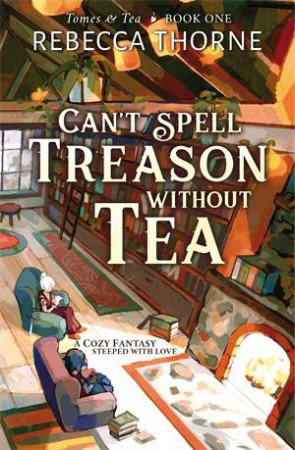



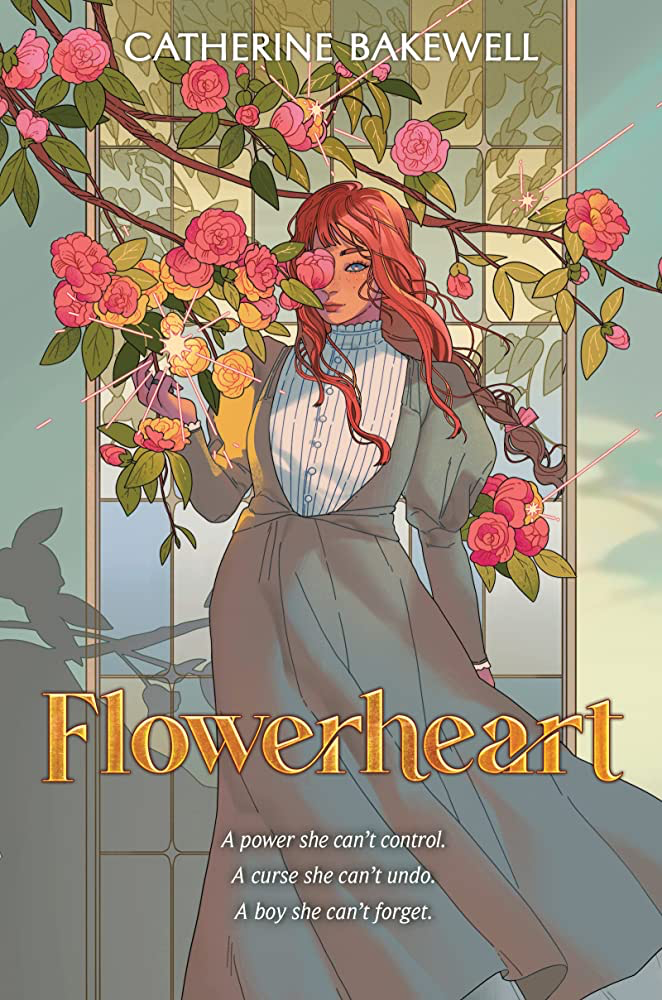

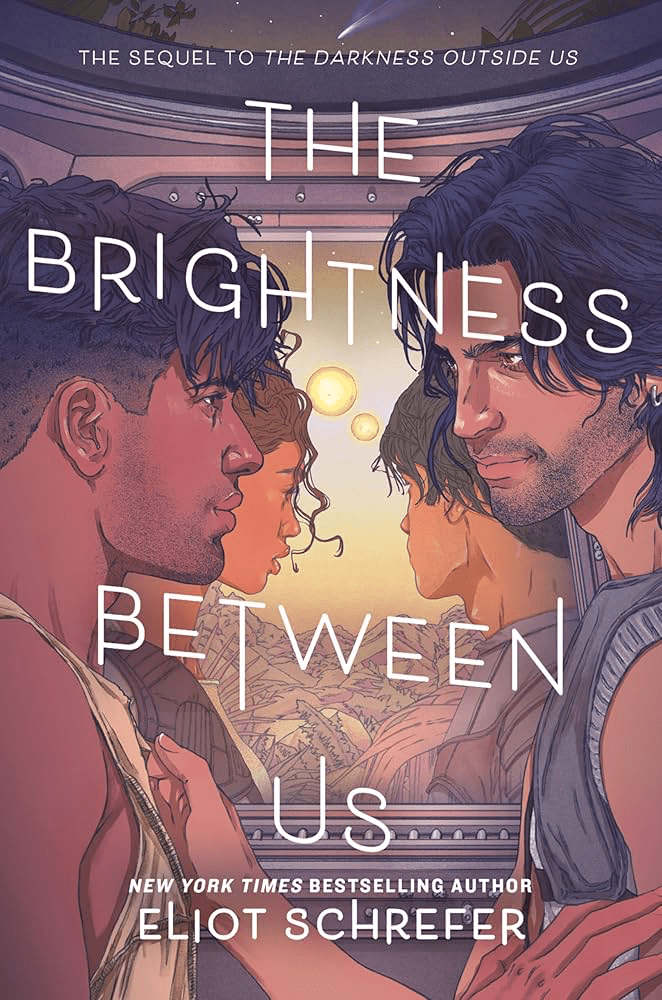

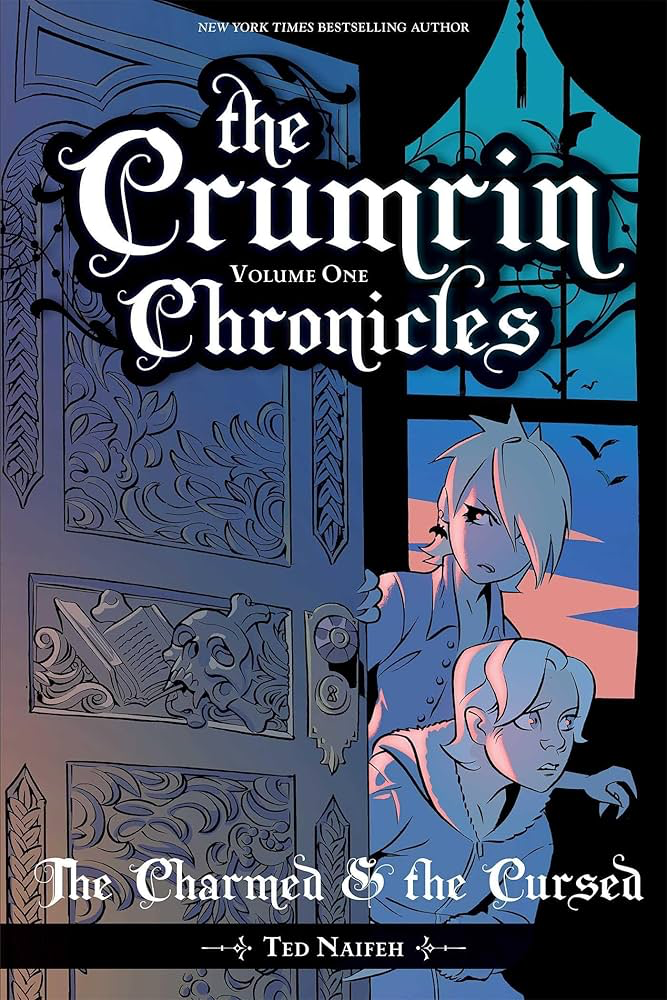
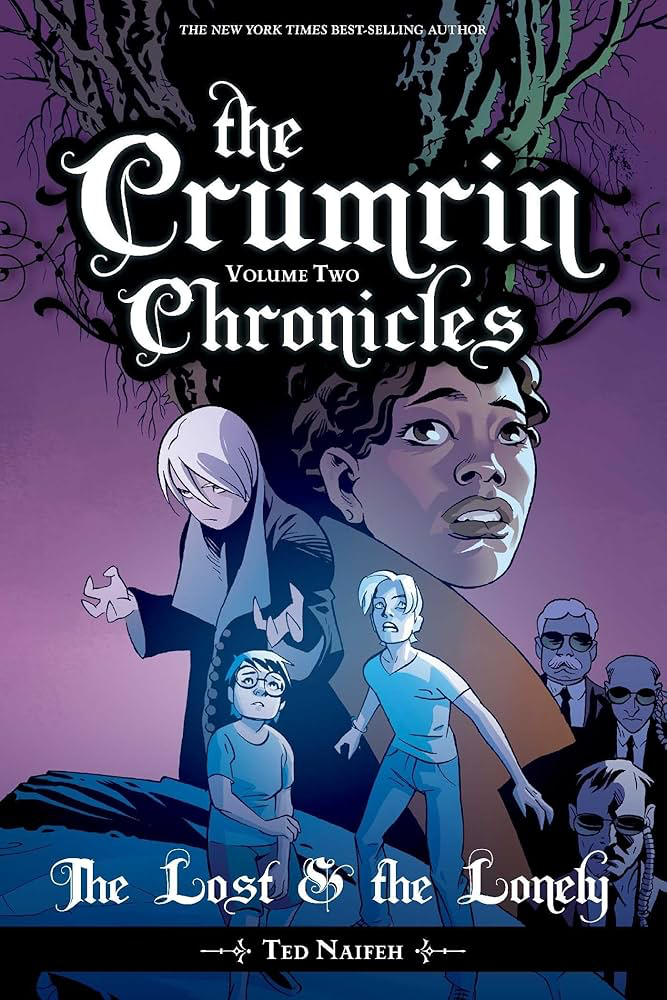
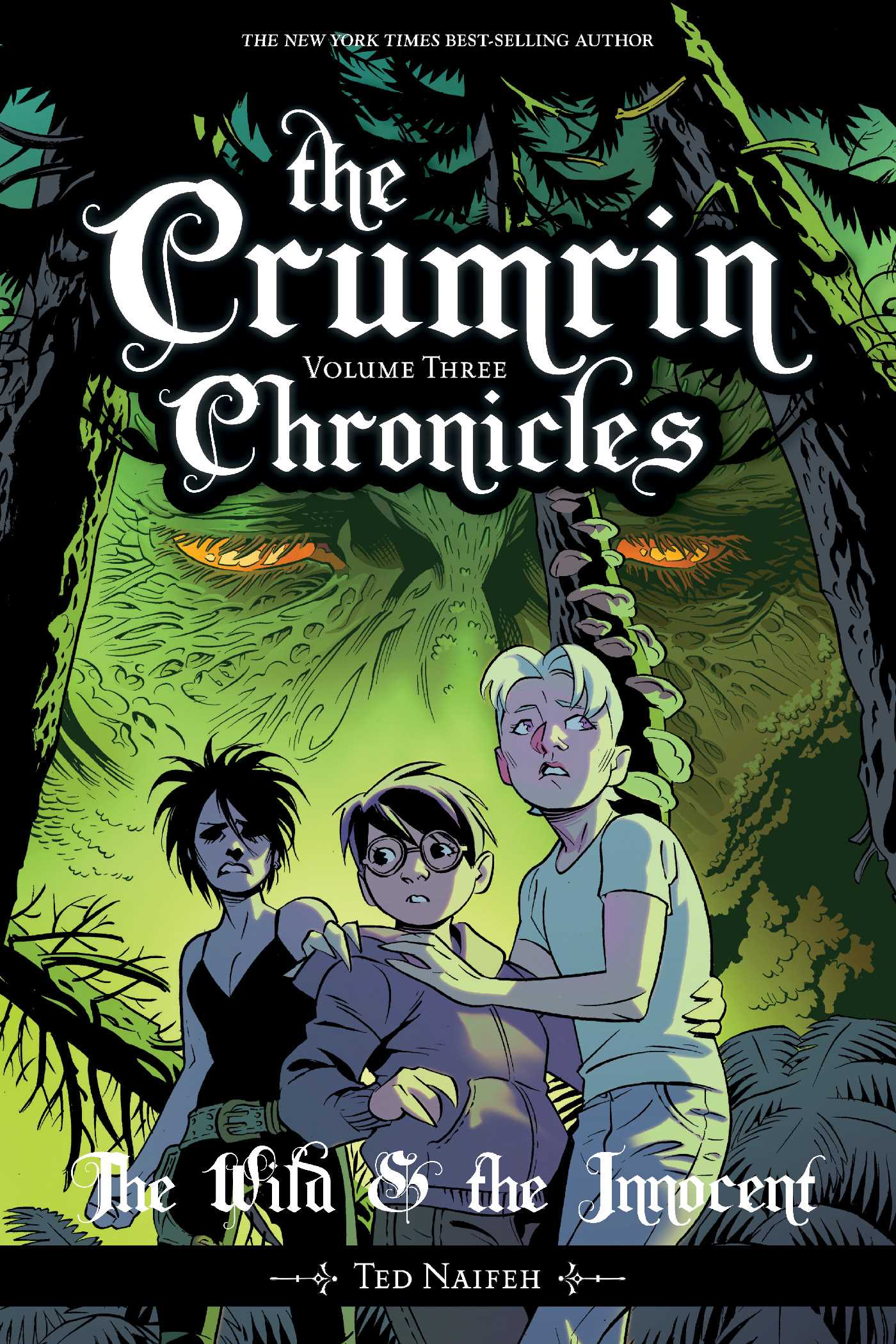
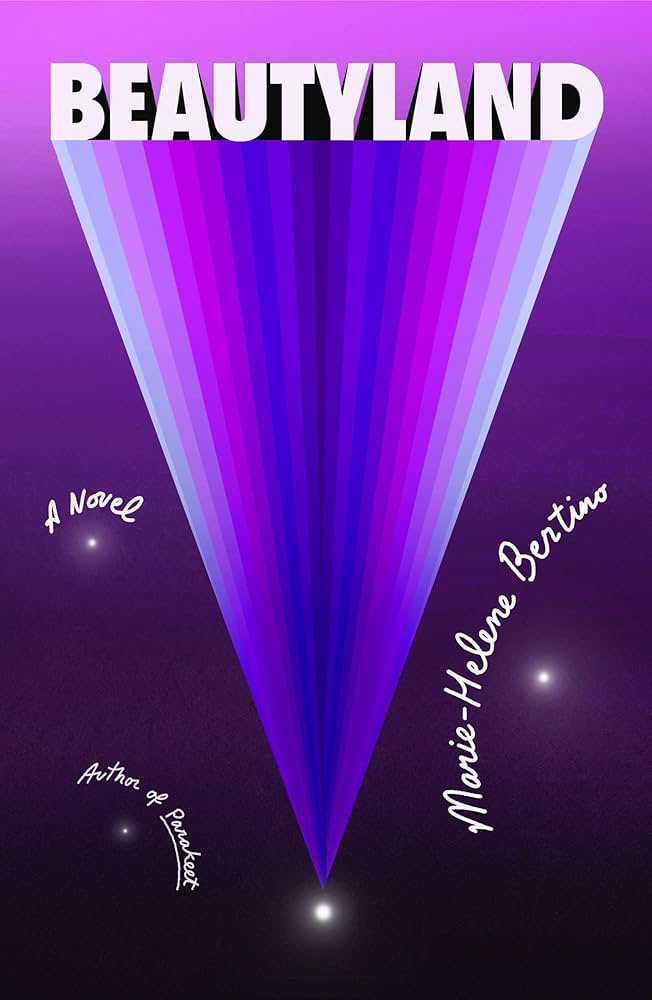
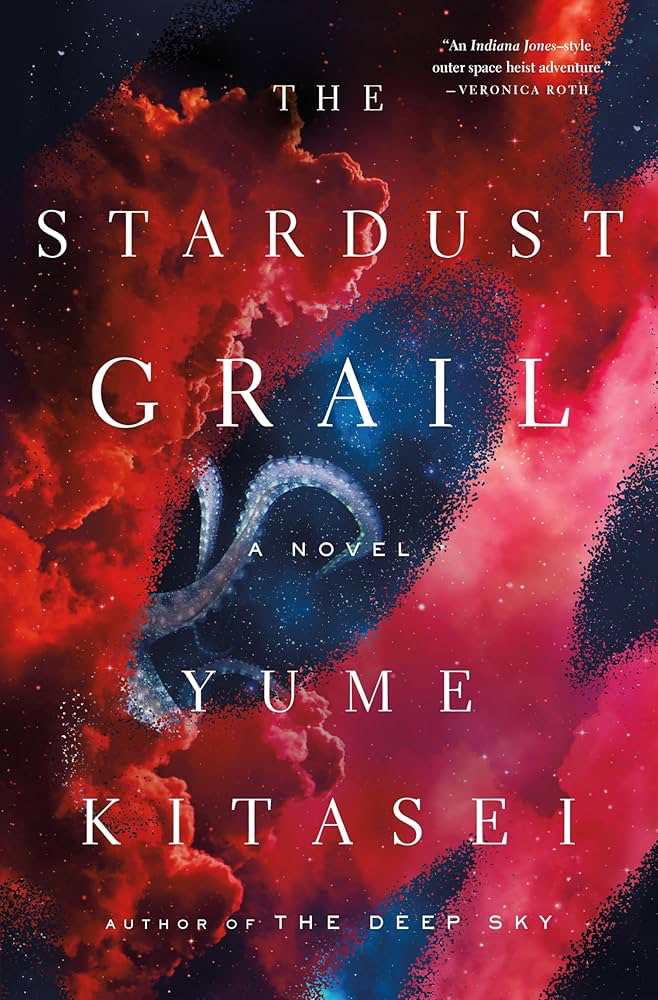


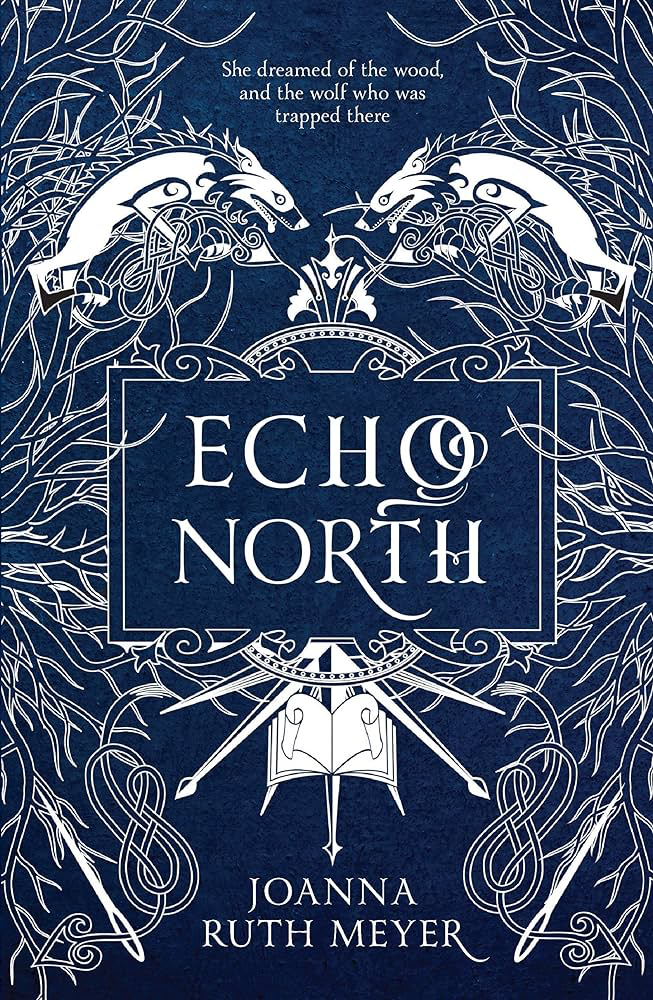


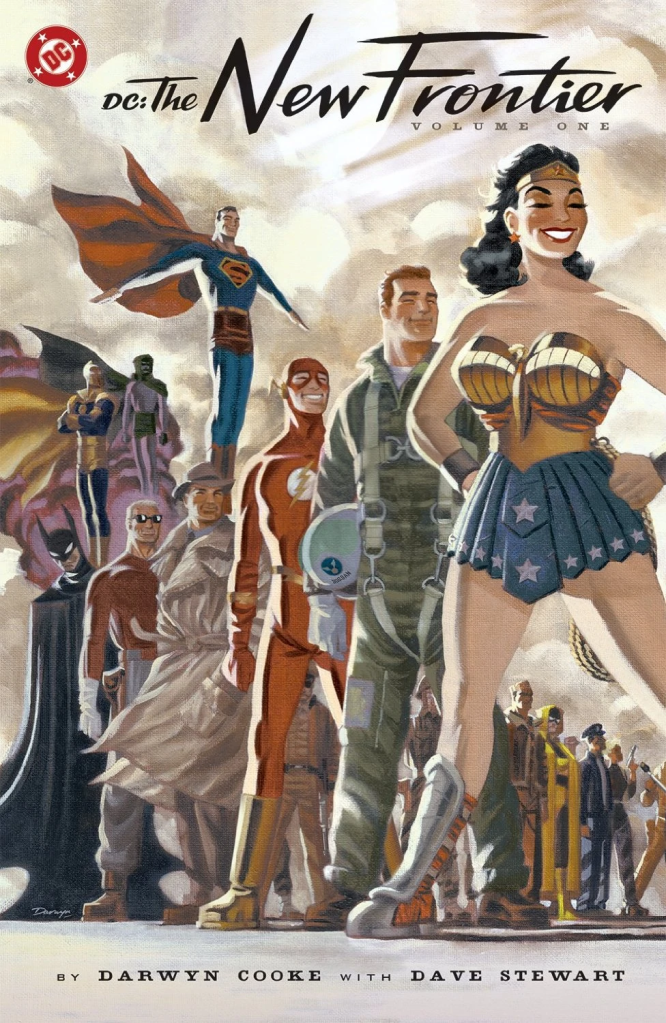
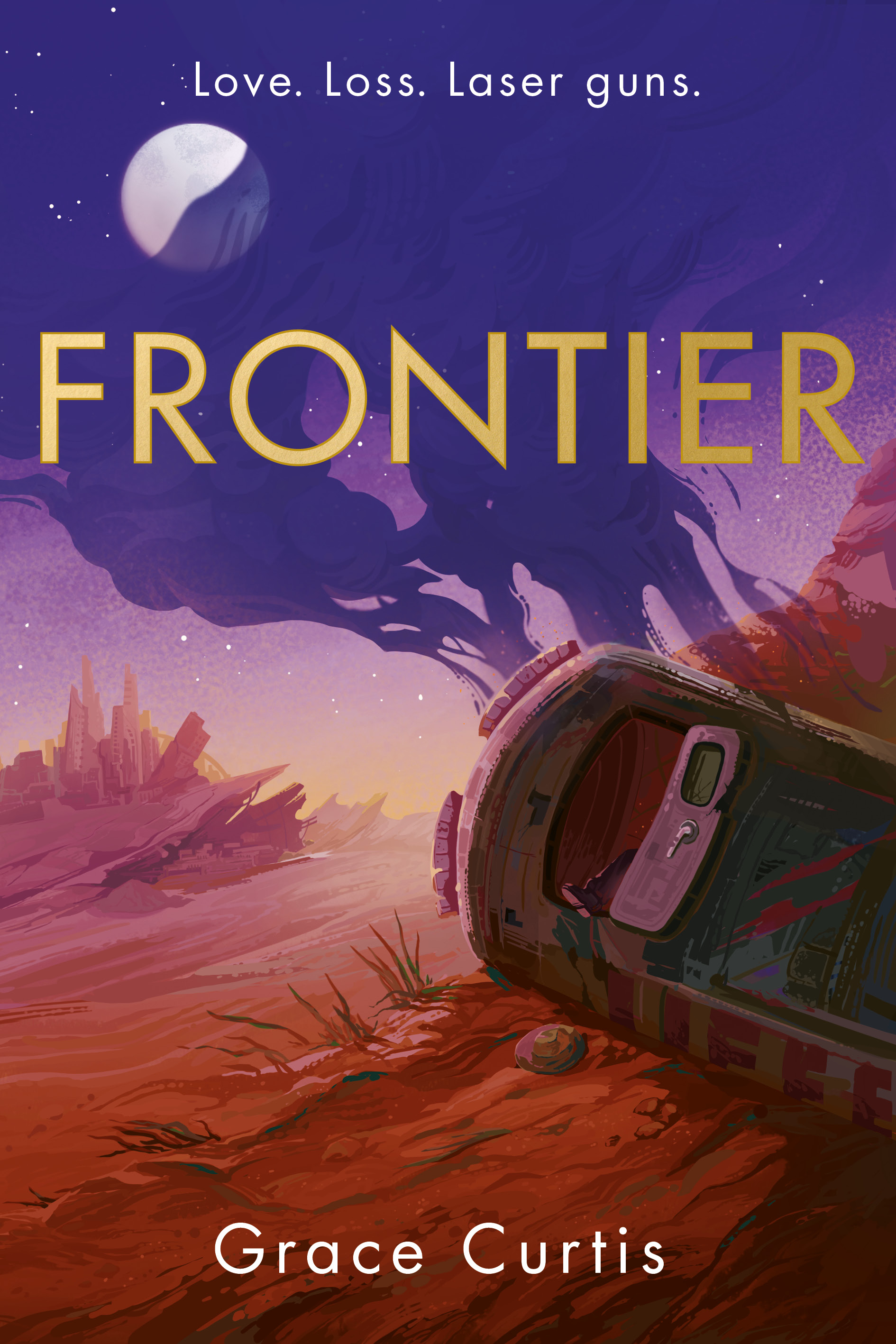
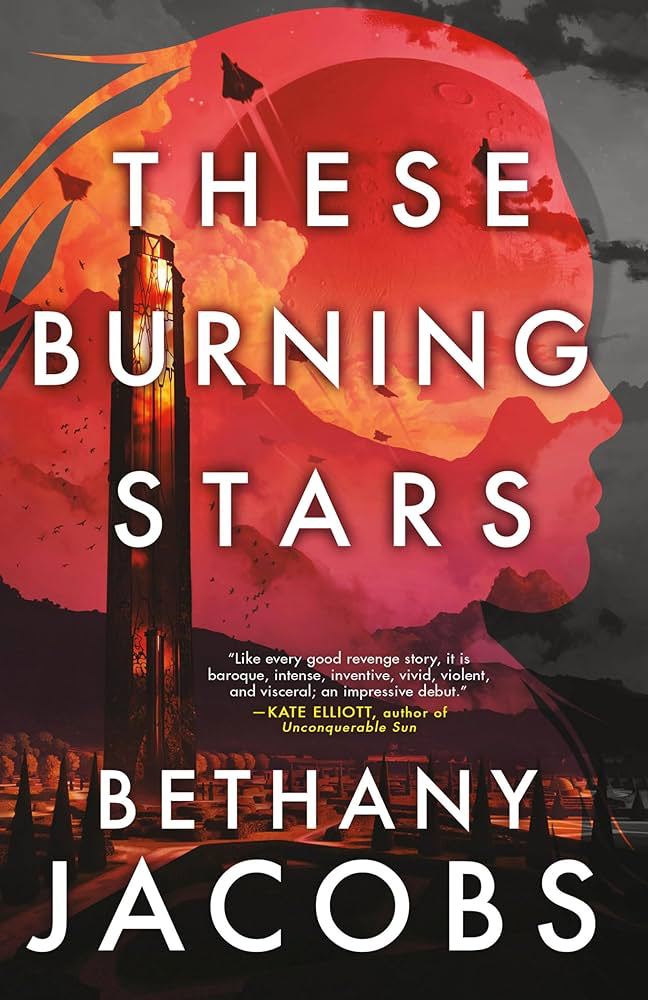
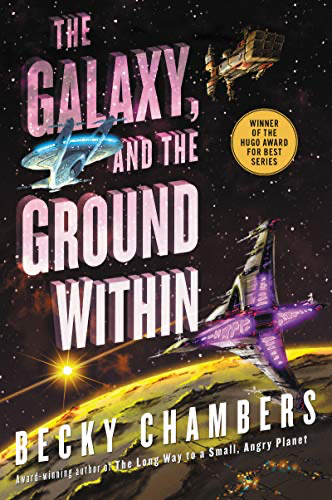
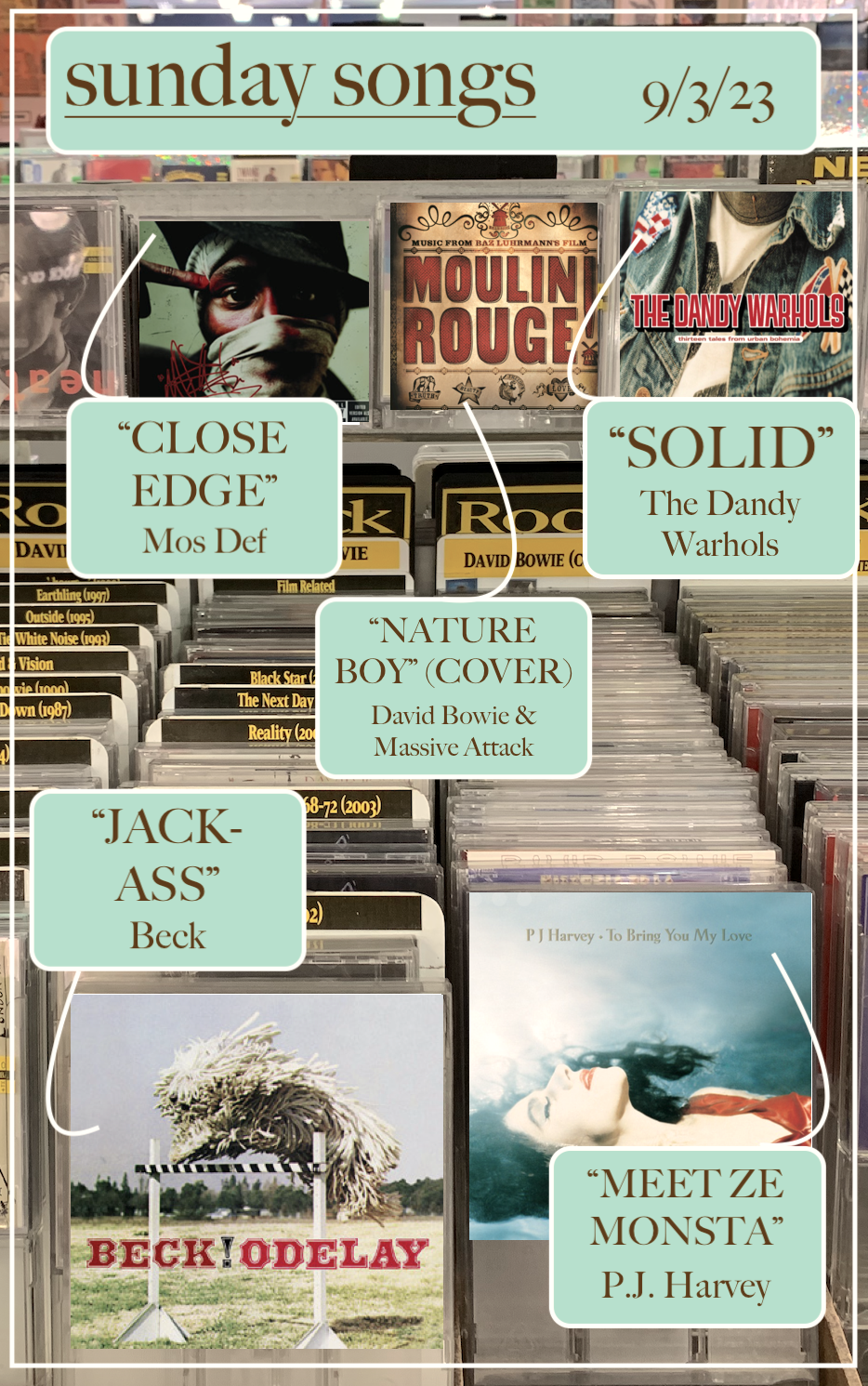
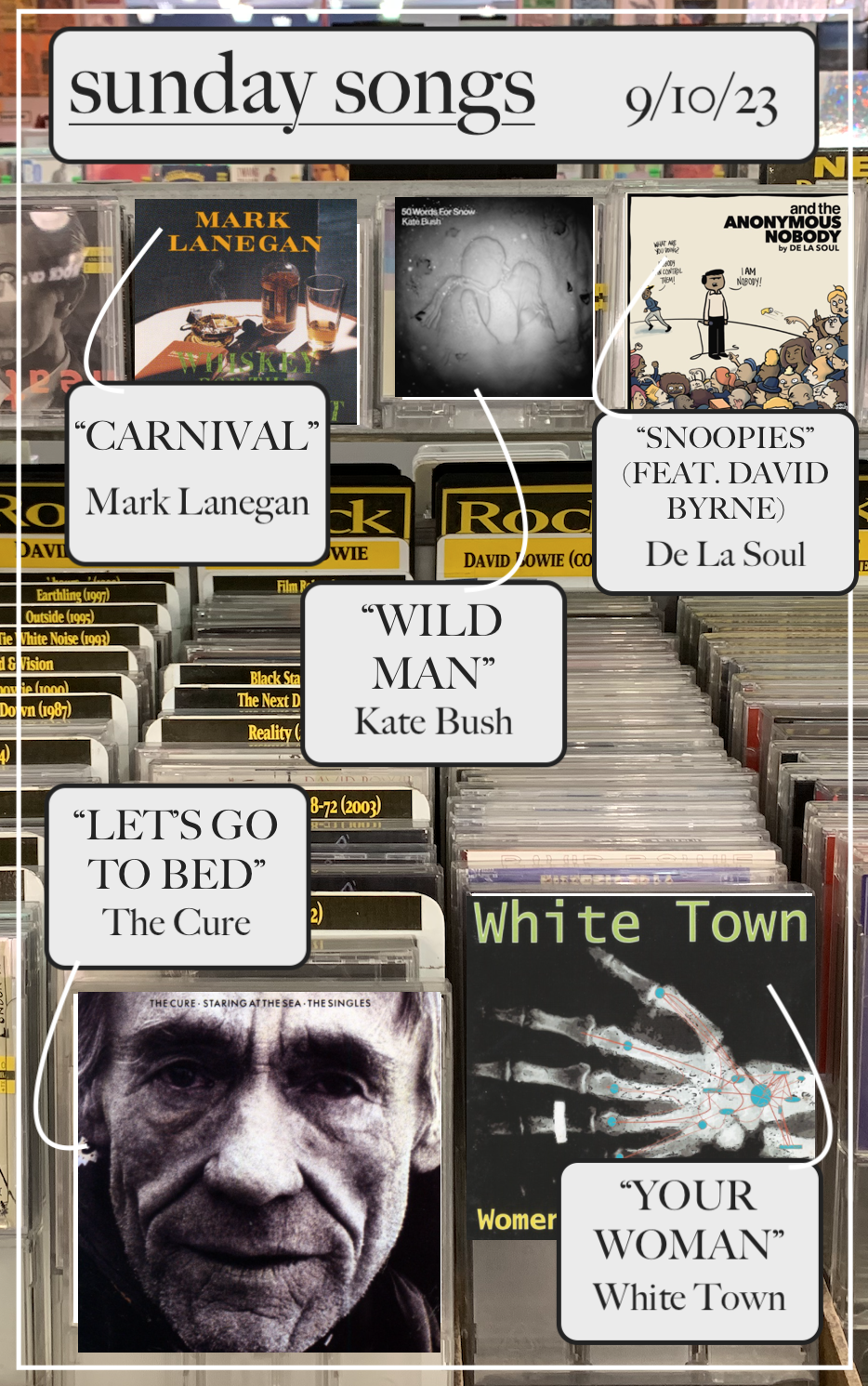


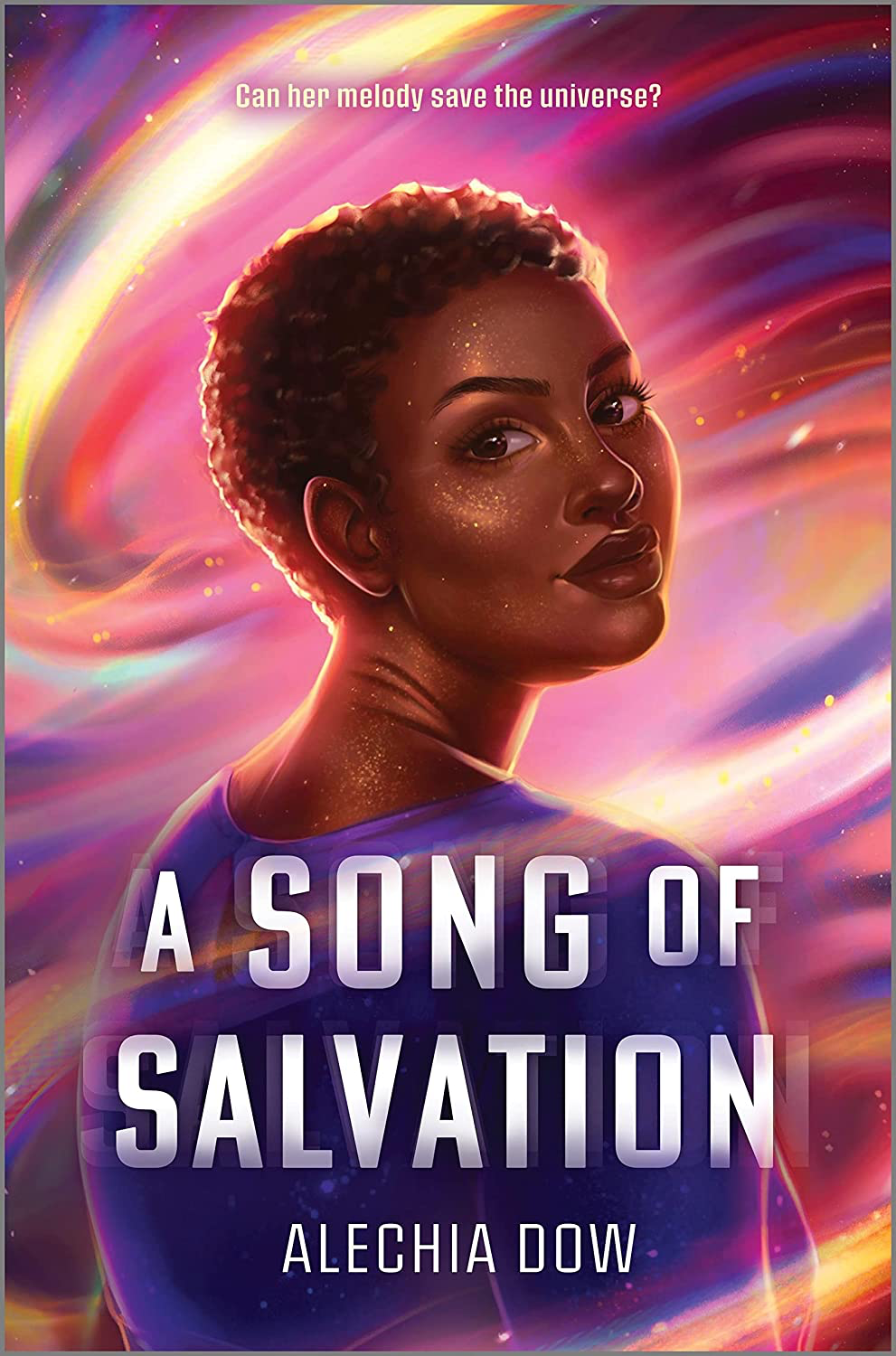


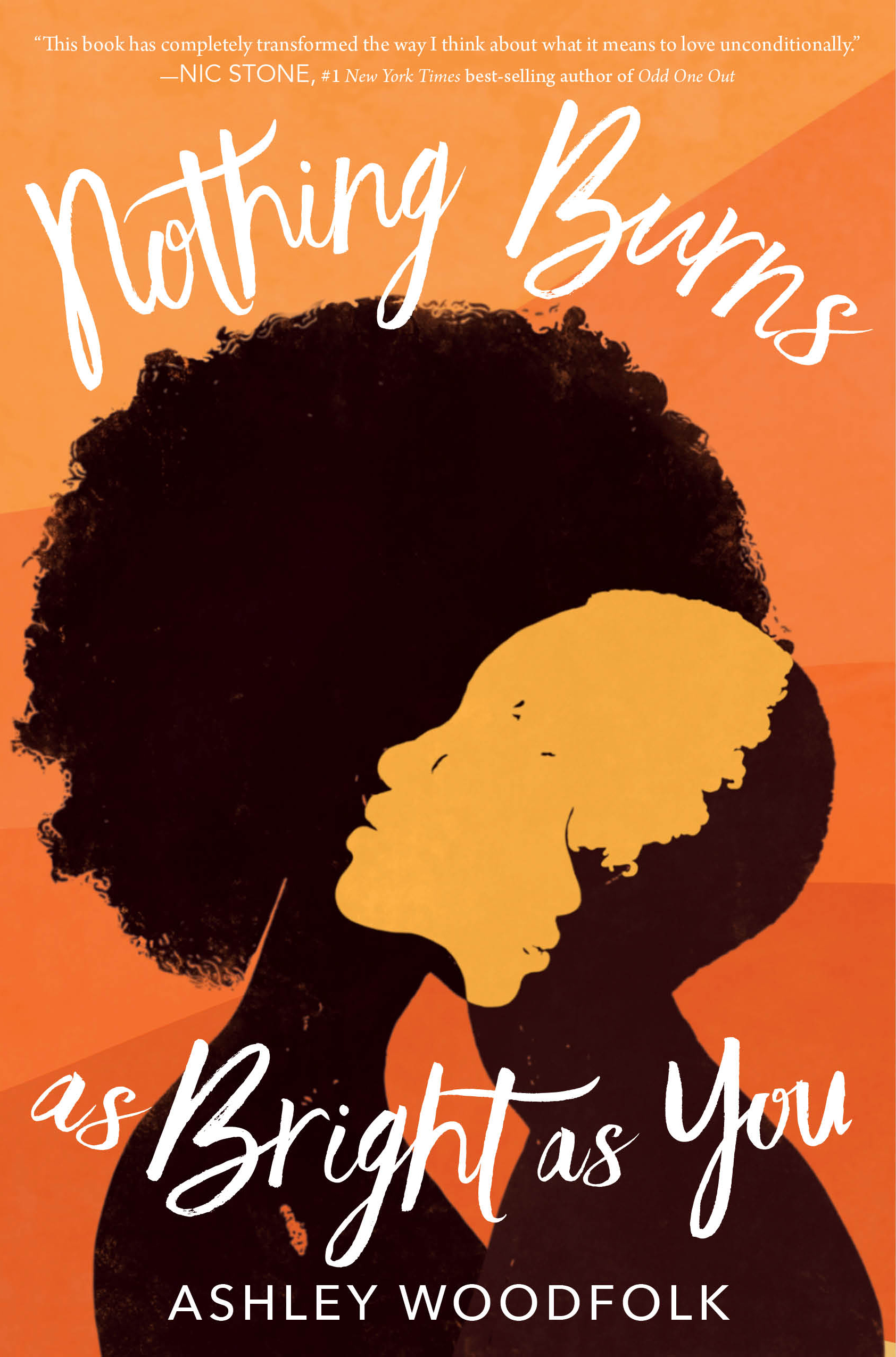
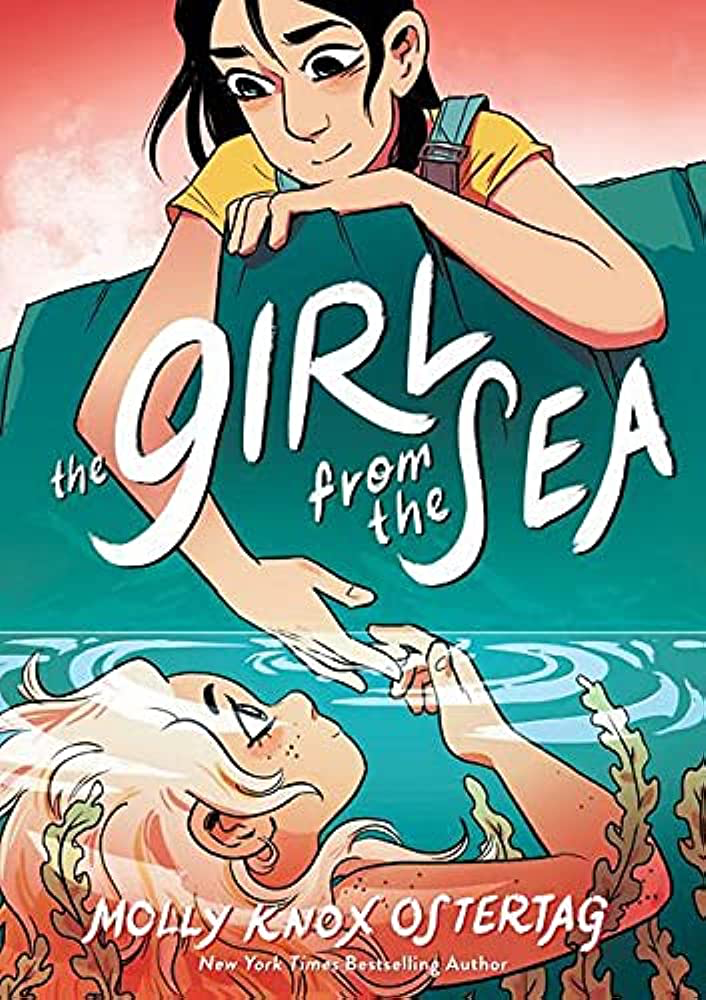
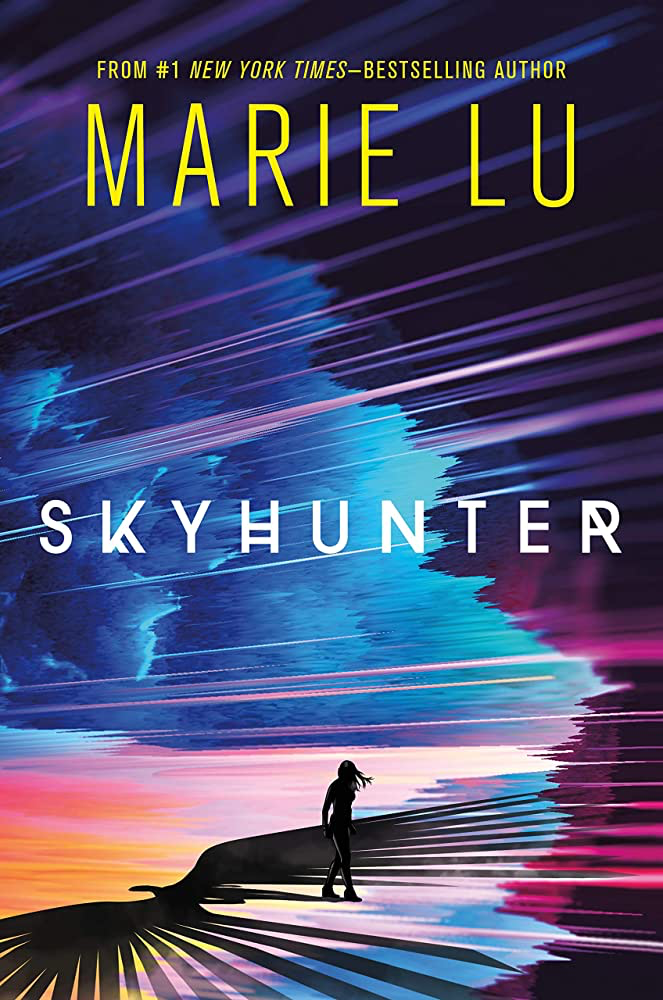
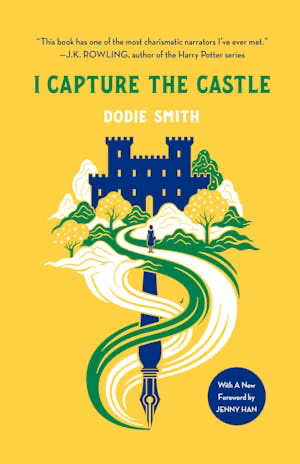
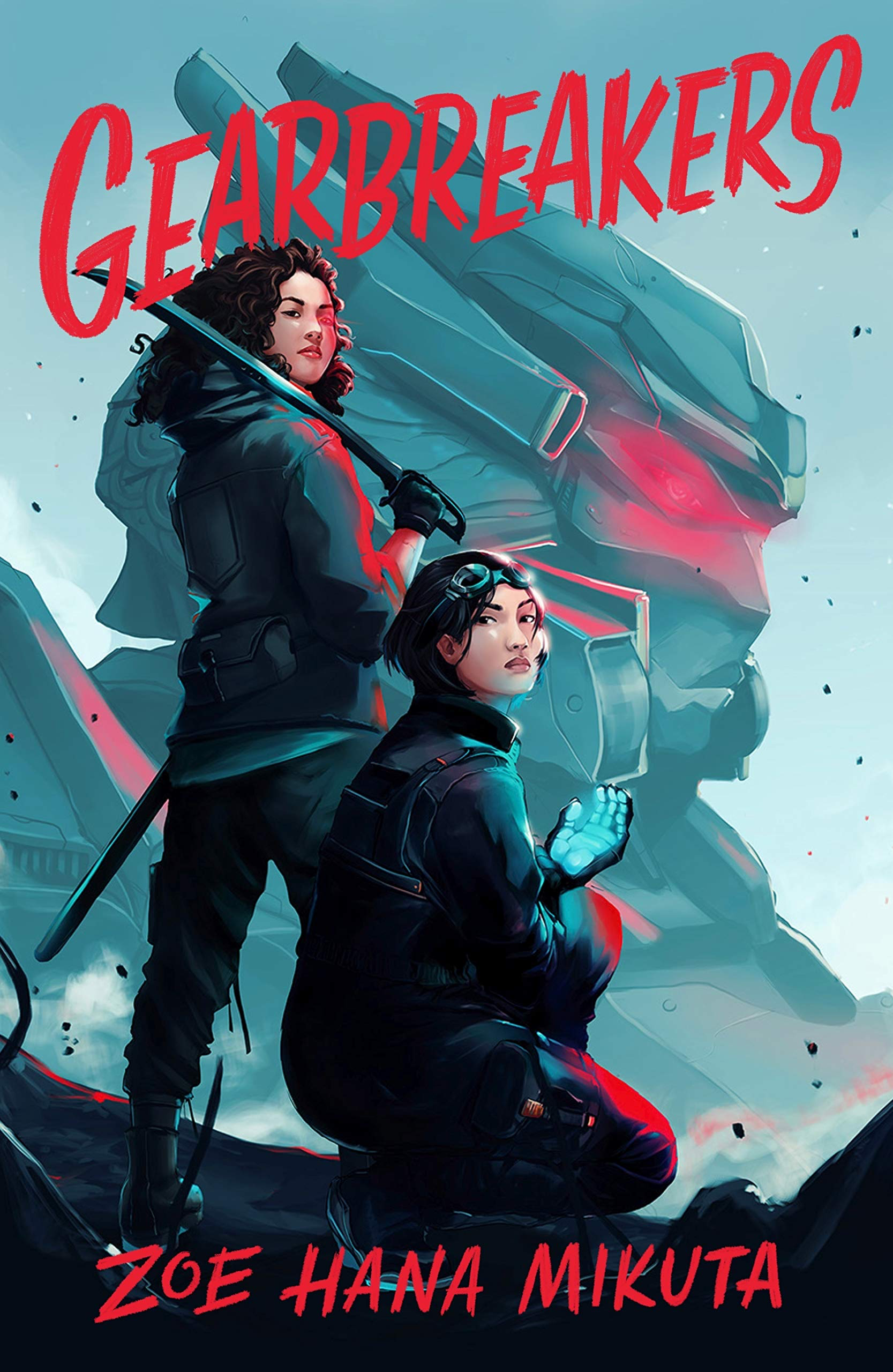

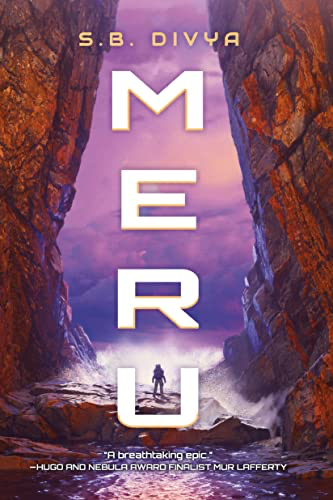
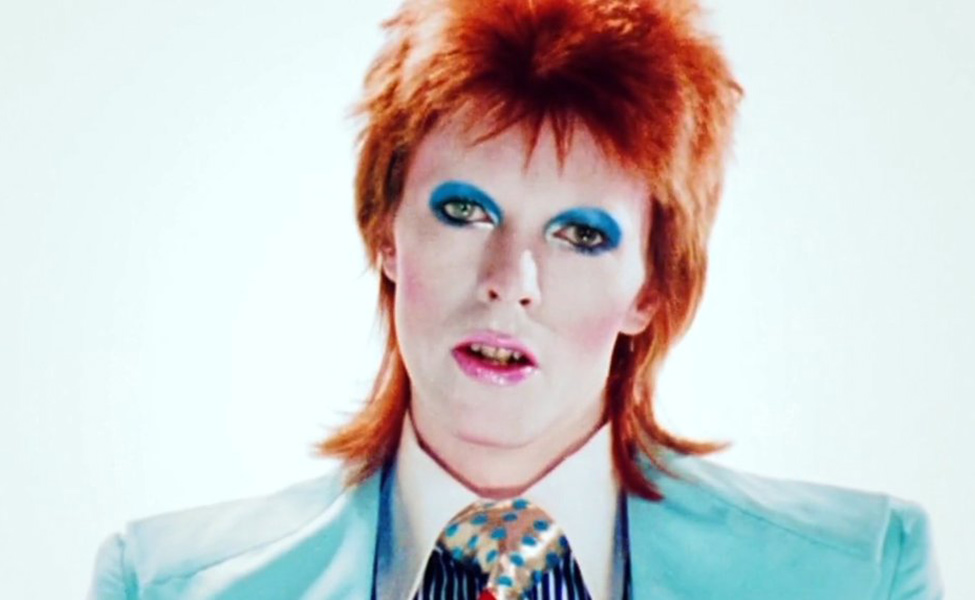
 The Bookish Mutant