The Vela came on my radar again when I dredged my TBR for books to read during this year’s Disability Pride Month. Beyond the disability rep…what could possibly go wrong with Becky Chambers AND Rivers Solomon, right? I’m glad to say I was right—whether it was the work of new-to-me or longtime favorite authors, they all came together in stunning harmony in The Vela, a timely sci-fi epic that’s as observant as it is thrilling.
Asala Sikou can’t afford to care about anybody but herself. Not when her star system is on the verge of collapse, and not when everyone she once knew is long dead. But when she receives a job to track down the Vela, a ship hauling thousands of refugees that mysteriously disappeared, Asala knows that there’s more than meets the eye to the incident. So does Niko, the smart but sheltered child of another planet’s president. The two unlikely companions will have to team up to track down the Vela—and all of its refugees—before they’re embroiled in a galaxy-wide war.
TW/CW: xenophobia, racism, themes of genocide, descriptions of death/corpses
The promise of Becky Chambers and Rivers Solomon in one novel was the main draw of The Vela for me, but by the time I finished the novel, I was fully invested in all four contributors. Their talents came together so seamlessly, making for a novel that wasn’t just coherent, but downright thrilling—The Vela is sure to satisfy whether or not you’re familiar with the authors.
Out of all of the authors who contributed to The Vela, I was the most hesitant about Yoon Ha Lee; the one book I’ve read of his was one that didn’t mesh with my style (but that was also his first attempt at middle grade, so that could have been my issue). I read a sample of Ninefox Gambit ages ago and liked it, but not enough to buy it. Consider me proven wrong about him! As the author who started off the novel, he was the perfect choice. His fast-paced prose made for an opening chapter that integrated the reader swiftly and effortlessly into the world of The Vela. Later on, his battle scenes were some of the highlights of the novel; every chase sequence and dogfight is so meticulous that I questioned whether or not he’d actually been in the thick of an intergalactic war. I’ll be seeking out more of his work after this!
Becky Chambers was, by far, the author I was most excited about seeing in The Vela. I’ve fallen head-over-heels in love with her cozy sci-fi, as many other readers had. What she contributed to The Vela, however, was a sense of complication. Like The Galaxy, and the Ground Within, where she piled a series of unlikely characters together and had them clash in terms of culture, politics, and personality, Chambers excelled at complicating the relationships between each character. Her cozy agenda made me forget how well she writes cold, fascist characters; the way she wrote General Cynwrig sent chills up my spine, conveying the dull distance she has from every other character. Every interaction with her is nothing but war room strategy, and that’s why she and Niko clashed so fundamentally. While toeing over making Cynwrig sympathetic, Chambers gave us a glimpse into her mind without justifying her actions. It’s a difficult dilemma to skirt around, but one that served to develop Niko incredibly; they had a very un-nuanced view of the galaxy, and although their views weren’t changed fundamentally, it allowed them to see different sides without excusing their horrific actions.
Rivers Solomon, the other author I was looking forward to reading in The Vela, gave us the novel’s best glimpse into the mind of the protagonist, Asala. Their prose here, which combines rough-edged anger with exceptional metaphor, fleshed out Asala in ways that the other chapters did not; Solomon had the weight of sculpting all of the events that made Asala as cool and calculated as she was, and by the end, I had a vision of her that was as clear as a map, with every mountain range and river of her life writ out. Her cold disillusionment was palpable, but by the time Asala begins to move more towards purpose and determination, we can see, with incredible clarity, every step that led up to it.
S.L. Huang was the only author featured in The Vela who I was completely unfamiliar with. Now that I’ve finished the novel, I’m keen on checking out her other works, because I can’t think of many other authors who are able to write war so poetically, but never romanticize it at any point. Nothing is ever glorified (as it should be, both in general and considering the themes of The Vela), but there’s something so silk-smooth and beautiful in the way she described battalions of ships on the horizon and the chaos of war as all of the parties scramble for a handhold. For a novel with a prominently anti-war sentiment, Huang’s prose served a valuable purpose—humanizing the consequences of war that many of the characters were unable to grasp, and writing it with such tact and heart that it bordered on poetry.
As a whole…what a timely novel, isn’t it? Surely, we couldn’t learn a thing or two from this world, where star systems and planets are being physically torn apart and destroyed because nobody considered that their enemies are also human…surely that’s not applicable to [checks notes] practically every issue we’re dealing with at the moment, no?
All in all, a seamless and cohesive sci-fi thriller that wonderfully harmonizes the unique talents of the authors that it displays. 4 stars!
The Vela is the first in an anthology series, followed by The Vela: Salvation, which features Nicole Givens Kurtz, Sangu Mandanna, Maura Milan, and Ashley Poston.
Today’s song:
my friend and I were discussing our favorite album intros last night, and they showed me this…they’re right on the money with this one (thanks!!)
That’s it for this week’s Book Review Tuesday! Have a wonderful rest of your day, and take care of yourselves!
I don’t think I’d be alone in saying that we were all feeling apocalyptic in 2020. Fitting that Deerhoof would put out this album in June of that year, a concept album about teenagers making art amidst the collapse of society. Not intentional timing, I’m sure, but maybe too raw all the same. I wonder what it must have been like to listen to Future Teenage Cave Artists during lockdown, but what I can glean is from listening to Horsegirl; on their episode of What’s In My Bag? (worth watching for this and Sparks, The Feelies, and Brian Eno, among others), this was one of the albums that they picked, and drummer Gigi Reece shyly showed off that they’d stitched “Deerhoof” onto the flap of their book bag. So, besides thanking them for their excellent album, Versions of Modern Performance, thank you to Horsegirl for turning me onto this all-consuming song!
The title of Future Teenage Cave Artists reveals exactly what the concept behind the album is: during the collapse of society, cruelty and murder runs amok, but amidst all of this strife, a band of nomadic teenagers hold onto hope and make art. “Future Teenage Cave Artists” is that mission statement made manifest. The whole album was reportedly recorded entirely on laptops and phones (hence the iPhone/tardigrade hybrid on the album cover, drawn by Deerhoof’s vocalist, Satomi Matsuzaki), and I never thought such a simple act could have enhanced the song so much. The shaky, distorted quality of the recording sells the dystopian setting, like we’re not streaming music, but listening to it on some ancient, warped tape recorder leftover from the age of man. It gives it an almost uncanny quality, as though you’re holding onto the last vestiges of this music, and that the battery life on your device is going to run out at any second. It’s so urgent in its hope that I can’t help but play it over and over—amidst this societal collapse, every lyric is a declaration of defiance and purpose: “Gonna paint an animal on a cave wall/Gonna leave it there forever while empires fall.” Concept song or not, I didn’t expect this song to strike such a deeply resonant chord with me; not only does this society feel like it might collapse at any second, but even if it weren’t, we’re surrounded by people who lambast any kind of art as a career—what are you gonna do with that degree? Are youeven going to make any money off of that? And in our capitalist landscape, I do have to get myself some money, but it’s separated the real purpose of art from art, the job—threading a piece of your soul out into the fabric of the world, and making art that reflects your image of the world, making contact with a well deep inside (and outside) of yourself. “Future Teenage Cave Artists” is a defiant ode to the lasting, breathless joy of making art—upfront and urgent, and running on an engine of joy. You can’t get a much better rallying cry than what Matsuzaki fills the jerky outro with: “try my sci-fi!”
Having the pretentious music taste that I do, I remember when Jubilee was everywhere in the summer of 2021. Persimmons, Jeff Tweedy covers, and rave reviews as far as the eye could see. Back then, I had a faint memory of hearing in interview with her on NPR sometime in middle school, but it was ultimately the combination of Jeff Tweedy’s cover of “Kokomo, IN,” my mom’s deep-dive into Michelle Zauner after reading Crying in H-Mart, and a friend’s video of Zauner playing “Paprika” with a massive gong on stage to finally give this storied album a try.
“Paprika” remains my favorite, but “Sit” came out of left field; in all of the shining praises of Jubilee, I never heard anybody talking about it. With its almost shoegazy distortion, humming and throbbing like a swarm of restless cicadas, Zauner’s voice pierces the haze like a lighthouse though the fog. Every lyric is spoken like a final message communicated from an ethereal barrier between dreams, the last words of a stranger your brain fabricated while you were sleeping that will haunt you for weeks afterwards. And like a haunting dream, Zauner sings of the memory of somebody that has clung to her with the strength of burrs, no matter how hard she tries to shake them away: “It’s your name in my mouth I’m repeating/It’s the taste of your tongue I can’t spit out.” They walk through her life with all of the transience of a hologram, a trick of the light that appears in every corner, in unexpected places with unexpected people. And what perfect instrumentals to meld with this; any sense of clarity only comes when Zauner is faced with the reality that she’s “caught up in the idea of you,” but as soon as it dips back into painful reminiscence, she’s consumed by the buzzing distortion, closing her eyes as she’s pulled back into the undertow of memory and fantasy. It’s a track with more weight behind it than most people seem to give it credit for. You can’t lift its impenetrable, stinging fog—the fog is the point.
I’d posit that there’s almost no queer experience that is entirely universal, as the queer community is as multifarious as the identities that it encompasses. But one thing that I think most queer people can relate to is looking back on their life before coming out and thinking how did everybody not know I was gay? How did I not know I was gay? There’s an embarrassing amount for me, including but not limited to lesbian Barbie weddings and a pair of blindingly rainbow running shoes I wore almost daily in 6th grade. But the fact that I had such an extended Erasure phase when I was about 8 or 9…yeah, there’s no heterosexual explanation for that. That CD of Union Street that I briefly kept in my room and played on my Hello Kitty CD player was probably the first to catch on. The gays yearn for the synths.
I have nothing but admiration for Erasure, not just as queer icons, but for being so consistent in their musical exploration. Well…exploration probably isn’t the right word, since they’ve been making variations on the same sound since 1986. But never once has it seemed like they’re doing it out of trying to feel young or reliving fantasies of when they were at the height of their popularity. Andy Bell and Vince Clarke are just artists that were built for the late ’80s—nowhere else could they have flourished so vibrantly. The drama. The synths. The yearning, my god. They’re not just from the ’80s—they are the ’80s. They’ve been acting like it’s the ’80s for every single decade since, never once hopping on trends or changing their sound because they know exactly what they excel at. Listen to any song they’ve put out in the past 10 years, and it’s clear that they’ve still got it. But the cosmic alignment that placed Bell and Clarke in the late ’80s was beyond fate—nowhere else could you have “Sometimes”, with its lovelorn pining…and Andy Bell dancing in the pouring rain with a soaked white t-shirt. Does it get any better than that?
HOT WILCO SUMMER IS HERE!!! Well, it’s been here for about two weeks, but I’m stubbornly committed to these color schemes. But the weather right now is more akin to the Hot Sun, Cool Shroud we’re talking about, so there’s no time like the present. Urgh. I’m not sure much more of this 90 degree heat I can take…
Hot Sun, Cool Shroud – EP proves just how wildly versatile Wilco are. I can’t think of a single band active today that are not only as prolific as they are, but as consistent in quality—and creativity. The prickling apprehension and Nels Cline’s pipe burst of a guitar solo on “Hot Sun” feed straight into “Livid,” a chase sequence-ready metal instrumental that rockets through the air, ricocheting off the walls like a deflating balloon set loose, complete with a barrage of Galaga-like flourishes. “Inside the Bell Bones” has the quiet, uncertain clatter of frigid water dripping from a cave ceiling, and “Ice Cream” and “Say You Love Me” ground the EP to a more emotional conclusion.
But I keep coming back to the chainlink that ties all of these vastly different songs together—”Annihilation.” Next door to “Ice Cream,” it kicks off the second half of Hot Sun, Cool Shroud, returning to a classic kind of Wilco that tugs a particularly tender heartstring. Even if it doesn’t have the sheer gut-punch of “Say You Love Me,” it reminds me of the more grounded moments of The Whole Love. Unlike “Livid”‘s riotous tailspin, this track spirals through the clouds, kept afloat by the wings of love: “A kiss like this/Is endless tonight/This kind of annihilation/Is alright.” Jeff Tweedy’s vocals bring another lyric of his to mind, from 2019’s “Hold Me Anyway”: “light is all I am.” There’s not an oomph behind it, like his voice often has, but this song is so airy and urgent that it can’t be sung any other way. Tweedy described the soundscape of Hot Sun, Cool Shroud as “a summertime-after-dark feeling…All the pieces of summer, including the broody cicadas,” and that makes the lovestruck urgency of “Annihilation” make perfect sense: it’s a secret kiss under the boardwalk as the sun goes down, the lights of the carnival slowly dying as the setting sun sets the sky alight. In that moment, there is nothing but the moment, in all of its humid, breezy warmth.
…AND A BOOK TO GO WITH IT:
The Kindred – Alechia Dow – “We’re boiling angels/Let’s kiss for hours/Equal power/Let’s make it art/This kiss is ours…”
I’d all but forgotten about “Old Lady City” since I first listened to Deadstock:A Shakey Graves Day Anthology, and it seems that…judging from the lack of lyrics anywhere (which on the internet, the manifestation of too many people with too much time on their hands, is a rarity), so did everyone else. Tough crowd. But it’s so unlike any other Shakey Graves that I’ve heard, not even on Movie of the Week. Shakey Graves has never been afraid of being spooky, but this is a kind of off-kilter eery that he didn’t stray towards until now, or however long ago this was originally recorded. Maybe it was too risky to put it on an album for this reason, but this grittier, spookier side is one that I thoroughly enjoy. With vocals by Buffalo Hunt (Alejandro Rose-Garcia’s wife), “Old Lady City” is a scorched, rickety ball of spikes, no edges sanded down. In between twisted strains of nursery rhymes, purposeful breathing, and Buffalo Hunt’s cartoon witch-like cackle, the lo-fi recording makes for a crunching, off-kilter interlude. Rose-Garcia’s vocals are almost nowhere to be seen, but they float in ghostly tendrils in between the splinters, burnt paper, and charcoal of this B-Side.
…AND A BOOK TO GO WITH IT:
The Library at Mount Char – Scott Hawkins – a raw and rickety story that’s more than its appearances let on, just like its protagonist. (Doesn’t hurt that the book cover matches the feel of the song too.)
Since this post consists entirely of songs, consider all of them to be today’s song.
That’s it for this week’s Sunday Songs! Have a wonderful rest of your day, and take care of yourselves!
I’m always on the hunt for books with disability and bisexual rep, and I’ll always go for a graphic novel, so Stars in Their Eyes was a natural pick for me! With a charming story and graceful handling of social issues, this graphic novel was an adorable, light read that’s perfect for readers in transition between middle grade and YA.
Maisie has saved up to go to her first FanCon, and now she’s finally on her way! She’s excited to meet her idol Kara Bufano, an action star who’s an amputee just like her. On arrival, FanCon isn’t everything that Maisie thought it would be—it’s loud, confusing, and it’s making her chronic pain act up. But when she meets Ollie, one of the young FanCon volunteers, it’s love at first sight. Maisie feels comfortable talking about her disability and queerness with them, but how will they manage when FanCon is over and they have to go home?
TW/CW: panic attacks, descriptions of cancer (past)
I’m firm in the belief that there should be some kind of smaller, transitory genre between middle grade and YA; the gulf between kid’s books and books meant for teens, especially in terms of maturity, is larger than most realize. But Stars in Their Eyes hits the perfect sweet spot between the two. With younger protagonists but a more nuanced view of social issues—and love at first sight—this graphic novel is a light, comforting read!
Even though I can’t speak to the accuracy of the specific disability rep (Maisie has a lower-leg amputation as a result of childhood cancer), it was so refreshing to see a disabled character written by a disabled author! It’s kind of painful to say that, but…the bar is so low, after so many middle grade and YA books that misrepresent disability. Nevertheless, the discussions surrounding Maisie’s disability were not only important to represent, but well-executed as well! There were plenty of natural segues that were used in Walton’s writing to get into topics such as overexertion and the importance of positive representation (!!!!), and it’s wonderful to see a pointed criticism of the narrative that disabled people exist to inspire non-disabled people. Stars in Their Eyes is bound to be so meaningful to so many young disabled readers, and it warmed my heart.
Stars in Their Eyes is also bound to be crucial for young queer people as well! Maisie is bisexual. and Ollie, the love interest, is nonbinary, but beyond that, there was an emphasis on being young and discovering your identity that I’m so glad is being represented. At 14, Maisie has only come out to a handful of people, and is nervous about being in queer spaces and going to queer events; it’s an issue that I rarely see in queer media, but it’s so important for young queer people know that it’s okay to be nervous about these things! There’s a first time for everything and everyone, and it’s natural to be shy or scared about showcasing your identity or belonging in queer spaces for the first time.
The comic con setting of Stars in Their Eyes was spot-on! I went to comic cons frequently when I was Maisie and Ollie’s age, and it’s a wondrous, nerdy experience—and it’s also an overwhelming one. It’s been several years since I’ve been to one, but I’m glad that this fictional one had a quiet-down room—I hope that soon becomes part of the institution, because what a lot of people don’t talk about with comic cons is that they’re a lot. (Man, I wish my comic con had one of those back in the day…) There’s so much to take in, from all of the booths and celebrities and cosplayers (and all of them crowded in one building), but all of that amounts to a ton of crowds and sensory overload. It’s the first comic con story I’ve seen tackle this aspect, and it’s a refreshing angle to see discussed. I have sensory issues, so that’s mainly why I got overwhelmed so easily at comic con, but it’s great to show younger readers that even though comic con is a wonderful place, it’s natural to be overwhelmed, sensory issues or not.
However, even though pop culture and comic cons were the focus of Stars in Their Eyes, a key part of it was mishandled and hindered some of my enjoyment of this graphic novel. Aside from two fictional TV shows that Maisie and Ollie bond over, almost everything is a fake reference—Barb from Stranger Things is now Bard from Danger Things, Star Wars is now Sci-fi Wars (??) and the Dark Side is the Far Side (????), and any Doctor Who-related media is referred to as “Time Doctors.” I get making faux-pop culture references to dodge copyright or establish a fictional world, but the sheer amount of them and how obviously they were referencing other very popular pieces of media just got so tiring and eye roll-inducing after a while. If it’s that obvious that you’re referencing a piece of media, it defeats the purpose of having a fake piece of media. It got so concentrated that I ended up bumping my rating down from the full 4 stars.
All in all, a lighthearted graphic novel about first love, geekdom, and the being confident in your queer and disabled identities. 3.75 stars, rounded up to 4!
Stars in Their Eyes is a standalone; Jessica Walton is also the author of Introducing Teddy, and has also contributed to the anthologies Growing Up Disabled in Australia, The (Other) F Word: A Celebration of the Fat & Fierce, and Meet Me at the Intersection.
Today’s song:
decided to give cate le bon a try after hearing her work with wilco & st. vincent…pompeii did NOT disappoint!!
That’s it for this week’s Book Review Tuesday! Have a wonderful rest of your day, and take care of yourselves!
Here in the U.S., July is Disability Pride Month! In the three years that I’ve been making these lists, disability is still forgotten even in many intersectional feminist circles, and the importance for uplifting the disabled community has never been more important than know, what with the fallout of the COVID-19 pandemic, where disabled people, especially those who are immunocompromised, were disproportionately affected. Every year, even though I look in as many places as I can, it’s difficult for me to find books with disabled stories at the forefront that don’t center suffering or being “inspiring.” (As of now, I have only ever read one book with my disability, SPD, and heard of only one other. Inspiration for me to write my own stories…) So with these lists, I hope to provide disabled books with a wide range of representation, both in terms of disability and in the intersection of race, gender, and sexuality.
NOTE: my memory (and the internet) is imperfect, so if I’ve misrepresented/mislabeled any of the specific rep in these books, don’t hesitate to let me know!
TELL ME WHAT YOU THINK! Have you read any of these books, and if so, did you enjoy them? What are some of your favorite books with disabled rep? Let me know in the comments!
Today’s song:
this song makes me SO so incredibly happy!! thank you to Horsegirl for recommending it!!
That’s it for this month’s recommendations! Have a wonderful rest of your day, and take care of yourselves!
Happy Sunday, bibliophiles! I hope this week has treated you well.
This week: it’ll be two years of making these Sunday Songs graphics in a few days (!!), but I haven’t had many purple color schemes in all that time…enjoy the purple while it lasts. Also, I talk about movies that I haven’t seen and albums that I haven’t quite seen.
Here I am, an absolute poser, posting this without having seen I Saw the TV Glow. I’m a simple woman. I saw Phoebe Bridgers and Jay Som on the soundtrack and immediately downloaded both songs without knowing any of the context apart from Lindsey Jordan being in her first acting role (I’m lovingly suspicious of her acting abilities, but that shot of her with an axe in the trailer is top-tier), and that “Claw Machine” plays in the opening.
The opening? Is Jane Schoenbrun trying to eviscerate us before the movie even begins? For everyone who’s soldiering through the boygenius hiatus: fear not! Phoebe Bridgers, along with Haley Dahl (aka Sloppy Jane, who Bridgers formerly played bass for) have come to emotionally derail your summer. “I think I was born bored/I think I was born blue/I think I was born wanting more/I think I was born already missing you.” Oh! Good to know that I won’t survive 10 minutes of this movie if I eventually watch it! Yippee!
…AND A BOOK TO GO WITH IT:
Freshwater – Akwaeke Emezi – “Your heart is like a claw machine/Its only function is to reach/It can’t hold onto anything…”
It takes a certain kind of person to have the guts to name their album Saint Julian, but thankfully, it’s not entirely Julian Cope’s fault. Before this album’s release, his record label was intent on Cleaning Up His Act™️ and making him into their idea of a rockstar, thus: the leather, the haircut, and constantly looking like there should be a vine boom whenever the camera lands on his face. It was the ’80s. Comfortingly, the song “Saint Julian” is about his frustrations with god, but to be fair, anybody who can cover Roky Erikson’s “I Have Always Been Here Before” so heartwrenchingly deserves the saint title.
The ’80s never gave Cope the praise he deserved, save for some alternative hits. Crazy, given the fact that after Saint Julian came around, he’d basically become the unacknowledged father of Britpop. Everybody mentions The Kinks (obviously) and The Smiths as some of the progenitors of the genre, but where’s the love for Julian, who basically molded Parklife’s guitar-heavy confidence seven years prior with “Shot Down”? The clean, punchy guitars? The tongue-in-cheek lyricism? Even the look, even if it was more on the part of the record label than Cope himself—there’s no denying Damon Albarn and Jarvis Cocker took plentiful notes, chiseled cheekbones and all. Regardless of whether people will remember that, at least they’ll remember that he could pen a perfect pop song. Oiled and sleek as a new car, it oozes confidence more than Cope’s fabricated persona ever could. He didn’t need to get his hair did to have the gravitas to belt “World, shut your mouth/Shut your mouth/Put your head back in the clouds and shut your mouth,” just like the song’s unnamed protagonist who “[flies] in the face of fashion.” Complete with a mic stand that Cope could climb up and spin around on, it’s the side of the ’80s that I wish lingered—the slickness combined with clever turns of phrase thanks to the likes of Cope. Even if Cope resented the attempts to make him into a pop star (understandably so), there’s no denying that, at the height of his powers, he could write a perfect pop song. Good for him, though. Presently, he’s out living his best life and writing about Stonehenge and rock history. Go off, king.
I suppose all this means is that I selfishly get to gatekeep Julian Cope while cursed with the knowledge that he may get the praise that he deserves. I’ll Cope. I’ll Julian Cope—[gets dragged off stage by a comically large cane]
…AND A BOOK TO GO WITH IT:
Cloud Parliament – Olivia A. Cole – Bold confidence abound—the kind strong enough to avenge the dead and bring entire industries to their knees.
The newest single, however? A joyous summer bop, to say the least! For Waterhouse, this has a slight rock edge, but undeniably remains the indie pop that she’s begun to polish. Strung together with “My Fun,” it’s clear that Memoirs of a Sparklemuffin centers rediscovering joy and healing at the forefront; “Supersad” is an anthem to hauling yourself out of bed, letting go of what you can’t control, and embracing fun in all of its forms: “Could be the worst time I ever had/Lose my mind, always get it back/There’s no point in being supersad.” Stagnation and sadness aren’t just detrimental to your health—at the end of the day, it always feels so boring to me, even if, in the moment, I can’t do anything to do it. And there’s a multitude of things that are way out of your control! No matter how long it takes to get yourself out of the funk, it’s temporary—and there’s no point in being supersad. Life is short.
My mom and I are very similar people in a number of ways, but one of the ways that we hadn’t acknowledged until now is that we’ll see a song with Santigold on it and immediately hit download. It’s Santigold!! Who wouldn’t?
Named “Santidalang” in acknowledgment of the aforementioned legend, this track is a slight reworking of Master Peace (ba-dum tssssss)’s “Shangaladang” from his debut album, How to Make a Master Peace (ba-dum tsssssssssss). For someone who frequently cites LCD Soundsystem as one of his primary influences, what I’ve heard of his music is far from the uptight rhythms that I associate with James Murphy. What he’s taken from him, along with several other indie and dance acts from the 2000’s, is a neat rhythm—it’s a box, when you look at it from afar, but one that’s large enough to allow Master Peace a spacious environment to dance. Even amidst the pressing issues of the lyrics, “Santidalang” never stops being carefree; the opening is delivered with a defiant “ha-ha,” and lines like “The police wanna arrest me and my mates/I’m just wanna get myself some good grades/My mom told that she’s gonna send me away” with the goofy ring of a flexatone in the background and a smile that you can hear through the music. Like Santigold, it’s a grinning middle finger to those who would put him in a box and an assertion of joy in spite of it all. That’s why it’s so perfect that Santigold is featured on this finger after championing a similar mentality of joy and self-love in spite of societal expectations. Santigold bursts into an already vibrant track with her signature confidence, immediately claiming the space as hers. Like Master Peace, her smile and persistence cuts through the track like rays of sunshine: “Try to hold me down/I fight the power with my fist up.”
It’s easy to imagine that both Master Peace and Santigold had an absolute blast recording “Santidalang,” but it seems this picture only confirms it:
Once I hit a valley in my Sisyphean Album Bucket List, I’m due for revisiting Fossora. When it was released almost two years ago, I liked it, but I felt like I didn’t fully get it. Björk is about as out there as out there can get, but even for me, it felt impenetrably so, like she’d ascended to a higher plane of being that us mere mortals couldn’t dream of reaching. Is that still true? It’s Björk, of course it is. But the more I listen, the more the ice melts—it’s not that I never liked Fossora, but for me, its merits become more evident the more time you spend with it. A way-homer, if you will.
I’d forgotten all about “Freefall” in the dust, and in retrospect, the fact that I listened to Fossora while I was figuring out how college works didn’t do wonders for remembering this album—or interpreting it. In Björk’s quest to become the all-knowing fungus queen, she remains as attuned to the surreal thrill of love as she was on Vespertine. Even in the wake of the tumultuous divorce with Matthew Barney (cheating is reprehensible on its own, but IMAGINE CHEATING ON BJÖRK, MY GOD), she has still found time to reminisce about the coalescence that the best relationships produce: “I let myself freefall into your arms/Into the shape of the love we created/Our emotional hammock/Safe inside the fabric of our love-woven membrane.” Of course she refers to it as a membrane, but it’s one of my favorite lyrics; saying that she’s attuned to nature and her body is an understatement—even in such a yearning song, she feels more whole than ever. Love as a fleshy, beating membrane, something to curl up inside like a vital organ (or a cocoon, even), evokes what most songs could not touch with multiple verses. Even if Björk drinking the water of life and willingly being consumed by the fungus has made her music more esoteric than it already was, what strikes me about “Freefall” is that she has such a human understanding of love; not necessarily in the sense of the soul, but in the sense of the sensation of warmth and the bodily joy of watching your heart tie itself to another and merge.
This is going to be different from my normal Book Review Tuesdays, as I’m reviewing an entire trilogy. Normally, that would be a tall order for a single post, but this trilogy is different. It’s a series that I read so often in middle school that even the teachers started to recognize the cover when I brought it in. It’s a series that has woven itself into the fabric of my life, just as Arius’ metaphor of time as a braided rope. It’s a series that inspired me to pursue writing—specifically writing science fiction.
In light of the new (and deeply disappointing) Apple TV+ series, I decided to re-read the series for the first time in six and a half years. Some novels you loved when you were younger don’t age well, but after I devoured all three books in the span of a day each, I can say that Tony DiTerlizzi’s WondLa trilogy has stood the test of time.
When a marauder destroys the underground sanctuary that Eva Nine was raised in by the robot Muthr, the twelve-year-old girl is forced to flee aboveground. Eva Nine is searching for anyone else like her: She knows that other humans exist because of an item she treasures—a scrap of cardboard on which is depicted a young girl, an adult, and a robot, with the strange word, “WondLa.”
☆
There definitely wasn’t an ulterior motive to me re-reading this series…totally not just to replace my reviews on Goodreads from 2016 (“OMG BEST BOOK EVER SQUEEEEEEEEEEEE but BIG FEELS”). Yeah.
The Search for WondLa is the reason why I decided that I wanted to write science fiction. It introduced me to a vast world of sci-fi literature that would become my favorite genre. It showed me a rich world full of bizarre, wonderful creatures and told me that I, too, had the power to foster such weirdness in my heart and bring it into the world. When I say that I don’t know where I would be without the WondLa trilogy, I’m not exaggerating in the slightest. Tony DiTerlizzi truly has, like Arius, given gifts to the world in the form of these novels.
The Search for WondLa coexists as a startlingly original piece of worldbuilding while also paying homage to a number of novels and stories—The Wonderful Wizard of Oz, of course, but also the older sci-fi that has inspired DiTerlizzi throughout his career, from Dune to Star Wars and others. There’s Jim Henson lurking in his fanciful creatures, Hiyao Miyazaki in his alien landscapes, and Ray Bradbury in his matter-of-fact, bombastic dialogue. On the subject of both Miyazaki and dialogue, what always cracks me up about this series (affectionately) is the various names DiTerlizzi gives to his characters and places. When I watched Nausicaä of the Valley of the Wind for the first time, my brother and I agreed that the long chunks of expository dialogue were all part of the hokey charm of the movie—it’s distinctly old sci-fi, and it’s so silly that it becomes charming. The same can be said for DiTerlizzi’s naming process…which is so unsubtle that it’s hilarious. Besteel? Surely he’s not a beast-like, predatory character. A fishing village by a lake? Can’t be anything but Lacus, right? Cæruleans? You’re not gonna believe what color these aliens are…but it’s WondLa’s charm. Intentional or not, these names might be one of the most faithful homages to the sci-fi genre.
Even if The Search for WondLa was the only book in the series, some of the character arcs are so expertly resolved within the span of a single book that it would be a satisfying standalone. Muthr’s may be the most clear-cut, but it’s nonetheless deeply impactful; her journey of battling with her own programming and beliefs and embracing the perilous, unknowable beauty of the natural world forms a key piece of the novel’s emotional anchor. She’s clearly the Tin Man, and although she can never fully adapt, by the end of her story, she has most definitely grown a heart. I think Rovender Kitt is the reason why I love the trope of gruff, older characters who reluctantly end up taking children under their wing on a fantastical journey. His development oscillates between heartbreaking and heartwarming in equal measure; Eva helped him remember to have empathy, and he, in turn, became the father figure that she never had. He never stops being gruff and sarcastic, but he rediscovers his caring core. The last few chapters of the novel are brutal for clear reasons, but Rovender’s breakdown, wracked with grief and survivor’s guilt, guts me every time. It’s a drastic shift from the Rovender we see at the beginning of the novel, but almost 500 pages is enough time for him to become the series’ epicenter of guidance and wisdom.
Part of my motivation to re-read the series was because of the Apple TV+ series (spoiler alert: it’s awful. They turned Eva into an adorkable Disney princess. Skip it.), but watching and reading them closely together made me realize what the show fundamentally gets wrong about the series: it’s weird, and it’s unafraid of being weird. All of the aliens have unique, truly otherworldly designs, with no punches held just because the target audience skews younger. Eva Nine is so far from perfect, even by the standards of young girls: her hair’s a mess, she doesn’t have a clue about surviving in the outside world, and yet confidently asserts that she can talk to animals, something that most would have left behind by the time they turn 12. But it’s all true! She’s unafraid of being weird, but that’s where her loneliness arises: she’s not just looking for humans, she’s looking for someone who understands the circumstances that molded her into the confidently strange person that she is…
Somebody hold me. No wonder I read this book to death when I was 12…
For its undeniable role in shaping the course of my life, 5 stars.
Before the end of The Search for WondLa , Eva Nine had never seen another human, but after a human boy named Hailey rescues her along with her companions, she couldn’t be happier. Eva thinks she has everything she’s ever dreamed of, especially when Hailey brings her and her friends to the colony of New Attica, where humans of all shapes and sizes live in apparent peace and harmony.
But all is not idyllic in New Attica, and Eva Nine soon realizes that something sinister is going on—and if she doesn’t stop it, it could mean the end of everything and everyone on planet Orbona.
☆
A Hero for WondLa is a truly worthy predecessor to book 1 for so many reasons, but what struck me the most upon re-reading it is how painfully accurate—and beautiful—Tony DiTerlizzi’s depiction of weird middle school girlhood is. I had to stop and remember that yes, this is a middle-aged man writing this, and yes, he has a daughter, but she was still a toddler when he wrote this…and yet he nails it. Right down to the smallest details.
A Hero for WondLa follows Eva Nine’s journey after she’s discovered that she’s not the only human. She visits New Attica, the pristine, final stronghold of the human race, where technology rules all. Eva’s first instinct is to fit in; she’s taken under the wing of Gen Pryde and her Mean Girls 2049 posse of identical, plastic friends, who are intent on making her fit in—they giggle at her sanctuary-born eccentricities, and she’s only praised when they mold her to look just like them. Even after that, they’re laughing behind their hands. She flees their false promise of friendship and into the arms of Eva Eight, her long-lost sister who has waited 100 years for her arrival. Eight hates New Attica and all of its lies, and promises Eva that she’s just like her. And yet, despite this insistence, Eva fails to find solace in her, either. It’s only when she becomes one with the Spirit of the Forest that she becomes her truest self—putting that which gives her power front and center. Like The Wizard of Oz, the (emerald) city she has spent her whole journey looking for is nothing but a sham, and in the end, there’s no place like “home”—the person that she is most comfortable being.
Oh, god. I need a minute. Ow. No other book I can think of captures the limbo of being 13 and not knowing who your real friends were lodged so deeply into my heart. Eva, like me, was so desperate for friendship and human connection that both attempts ended in complications, but through it all, everything came back to the found family she has built—the outcasts, the prisoners, the exiled. The ones who had her back. The ones who were just as confused as she was, but joined her journey after realizing the error in their ways.
The aesthetic language of A Hero for WondLa is drastically different than book one, with its pristine, plastic city of humans living in a bubble. Even the clean walls of Sanctuary 573 had a retro feel to them—likely centuries outdated from New Attica’s tech—but all of this is so blindingly new. None of the robots and automatons have the same old-fashioned friendliness as Muthr, trading approachability for sleekness and monstrous amounts of wires and tentacles. But along with it is a sinister aspect that DiTerlizzi doesn’t shy away from; I’d forgotten that, although the discussion is brief, that it’s implies that among all of the mind-control and executions that Cadmus Pryde is carrying out eugenics is casually a part of his long list of crimes against the last of humanity. The WondLa trilogy isn’t one to shy away from darkness (part of why it’s stood the test of time for me), but that aspect stood out, especially since this is science fiction we’re talking about, a genre that has a long history of portraying the eradication of disabilities as a sign of progress. I’d remembered that there are a handful of disabled characters, but having that as a clear signifier of evil in a middle-grade novel is something I can’t praise enough.
The Search for WondLa is a very self-contained story; although book sequels surpass it, in my opinion, the conclusion that it ended on (minus the epilogue) was hopeful and wrapped-up enough that it could have been a reasonable end to Eva Nine and Rovender’s journey. But this novel does such an excellent job of intensifying the stakes in so many ways. As Eva learns of a conflict that could soon entrench the whole planet in war, we get so many of the real time costs. Foreshadowed details, hinted at from the start of the series, metamorphose into sinister threats. Interpersonal relationships become tangled in this vast, interspecies conflict—nobody knows the truth. Side characters (although all but one do end up surviving in the end) often die mere chapters after they’re introduced. It’s a very tense book in and of itself, but as the setup to the massive conflict in the final book, it’s a masterclass in building up both physical and emotional stakes.
And…good god, all of Rovender’s emotional moments always kill me the most. Without going too in-depth, the scene of his complicated reunion with Antiquus destroyed me when I was younger, and it might have destroyed me even more…
It reminds me of another song that similarly destroys me:
“There will come a day/When the Earth will cease to spin/You’ll hold me close and say: ‘my God, where have you been?'” (Shakey Graves, “Chinatown”)
For the deeply emotional journey, then and now, 5 stars.
All hope for a peaceful coexistence between humankind and aliens seems lost in the third installment of the WondLa trilogy. Eva Nine has gone into hiding for fear of luring the wicked Loroc to her companions. However, news of the city Solas being captured by the human leader, Cadmus Pryde, forces Eva into action once again. With help from an unlikely ally, Eva tries to thwart Loroc’s ultimate plan for both mankind and the alien life on Orbona.
☆
The Battle for WondLa was my favorite book of the trilogy when I first read it, and I find myself agreeing with the sentiment almost a decade later. Was this influenced by the fact that, in retrospect, the original book cover almost certainly contributed to my bisexual awakening at age 12? Maaaaaaybe. In all seriousness, it’s such a brutal, beautiful, and downright exhilarating conclusion to a series like no other.
This incarnation of Eva Nine, as matured as we see her in the trilogy, has always been my favorite. After she embraces her powers and connection to the natural world, she’s such a fascinating hero to follow, partly because she never fully gives up her younger traits. In fact, her powers lie in what made her a target in the first novel—her sensitivity and empathy. Now that she can communicate with all of the creatures of Orbona, she uses her sensitivity to find it within herself to accept the machinations of the natural world and show mercy for even the most frightening of beasts. Sensitivity is her superpower, and that is such an important lesson for younger readers—especially young girls. It’s overwhelming to feel everything all of the time, especially when you’re Eva’s age, but having a heroine who wrestles with that and learns to fine tune her all-seeing empathy and use it to her advantage is so, so crucial. I’m likely among a majority when I say that my sensitivity was often treated as a weakness growing up, so having a heroine whose sensitivity saves the world is just about the best role model you could write for a young girl.
As the title suggests, The Battle for WondLa boasts some of the best battle scenes in the whole trilogy. I’m not talking about the massacre of New Attica, although that remains truly brutal, but the ones that display Tony DiTerlizzi’s talent the most is the scenes where Eva uses the sheer might of the forest to win her battles. Now that I’m older, I’ll inevitably associate WondLa with Björk for a number of reasons, but Eva Nine goes from that precocious, earlier “Human Behaviour” Björk straight into “Nattúra” as her development goes on—unflinching femininity channeling the incomprehensible power of nature. Does it get any better than that, folks? Actually, it does—watching Eva Nine take down a squadron of Warbots with the help of a herd of giant water bears. “My herd…help me.” COME ON. Eva getting injured and then being carried back into battle by the mother sand-sniper that she freed from the menagerie? GIVE IT TO ME!! A highlight of the novel, without a doubt.
What stands out to me about Battle is this novel’s willingness to make complicated characters. Whether they’re the culmination of arcs of characters who have been in the series for multiple books or side characters that only show up in the latter half of the novel, there’s something to be said for how unflinchingly complex everyone is, and how that further complicates Eva’s quest to unite humans and aliens on Orbona. Hailey, with whom Eva is still (justifiably) bitter over her treatment in New Attica, sheds his tough, cocky exterior to reveal a loyal, humble friend by the end of the novel. Zin’s scientific distance becomes a detriment to him in the wake of the death of his family—and the threat exerted by his power-hungry brother, making him realize the error in his lack of emotional intelligence. Redimus, who unintentionally caused nearly all the dominoes for the entire series to play out against Eva, is never written as fully black or white; Eva can never fully bring herself to forgive him, but she learns to accept his attempt to, in his own words, “rectify his past actions,” and to accept that everyone is a web of decisions and consequences that never fully align with each other. And that’s what makes her journey feel so much more earned.
At the heart of The Battle for WondLa is connectivity—it’s all very “I/O” to me. Loroc’s ultimate goal is to unite Orbona, but unity in the form of everyone, human and alien, being either enslaved or consumed by him. He tricks his allies with promises of harmony, only for them to realize that harmony ends up being the harmony of being together…inside of his stomach. Eva wins by championing the fact that it’s the uplifting of everyone’s unique strengths that makes a community strong, whether it’s the unity of the aliens or the interconnectedness of all of the plants and animals of Orbona. We are each an integral part of a community, whether it’s a food web or a village, and it is those unlikely connections that make us stronger. As with today, the greatest mistake that any civilization can make is thinking that we are separate from nature. To once again quote Peter Gabriel, “I’m just a part of everything,” and that is where strength—and love—come from.
All in all, an unforgettable finale for a series that changed the trajectory of my life overwhelmingly for the better. 5 stars.
Tony DiTerlizzi is the author of several books for both early readers (Adventure of Meno, Ted, Jimmy Zangwow’s Out-of-This-World Moonpie Adventure, G is for One Gzonk!) and middle grade (Kenny and the Dragon and The Spiderwick Chronicles, co-authored with Holly Black). All seven episodes of WondLa are now streaming on Apple TV+*.
*I could only make it through 5/7 episodes before I had to quit. Only watch it out of morbid curiosity or if you have intentions to read the books and see how you got robbed.
Today’s song:
thank you to my brother for turning me on to this one!!
That’s it for this week’s Book Review Tuesday! Have a wonderful rest of your day, and take care of yourselves!
Halfway through 2024…no! No we aren’t 😀😀😀😀😀😀😀😀😀😀😀😀😀😀😀😀
Let’s begin, shall we?
GENERAL THOUGHTS:
After how busy and hectic my sophomore year of college was, June has been a time to recharge in more ways than one. I went on a quiet vacation at the beginning of the month (Ouray and Black Canyon of the Gunnison—the latter is a very underrated national park, I highly recommend it!), and I’ve taken the rest of the month to…well, rest. I’ve tried to be on social media less and focus on art, writing, and generally nourishing my creativity. In preparation for Camp NaNoWriMo (I only ever do the July camp these days because November and April are both abysmally busy times for me now that I’m in college), I’ve decided to round out my sci-fi trilogy and write the first draft of book three; at this point, I’ve beefed up the outline like a grizzly bear before hibernation, so at least I’ll have some sense of direction…wish me luck!
My reading month started out slower, and it’s had some dips, as always, but I ended up reading loads of fantastic queer books for pride month! Predictably, one of my vacation souvenirs wasn’t something related to where we went…no, I bought a copy of The Familiar at a local bookstore (support ’em!) knowing that it would take eons for my hold to arrive at the library. Worth it. I also figured it was as good a time as any to re-read my favorite series from when I was a kid—the WondLa trilogy. My verdict? It healed my soul and reinvigorated my creativity. Some kid’s books don’t age well, but WondLa never gets old.
Other than that, I’ve just been making art, playing guitar, going to pride (so much fun!), watching Hacks, Succession (nearly finished with season 1, and all it’s done is made me fear business majors even more than I already do), and…morbidly, Apple TV+’s new show that they decided to call WondLa. I’m three episodes in, and it’s like watching a train wreck. Expect a retrospective on the WondLa trilogy and possibly a review of…whatever that show is that definitely isn’t WondLa.
On a lighter note, photos from my vacation and pride:
OurayBlack Canyon of the Gunnison50th anniversary of Denver Pride!
(The bear on the title of the post is in honor of a bear we saw crossing the road in Black Canyon. Could also represent bears in general? Happy pride.)
READING AND BLOGGING:
I read 18 books this month! It’s been another relaxed reading month, and although I had a slump towards the end of the month, I read several incredible books for pride month!
Another victim of me trying stubbornly to fit this into a color scheme, and also a victim of me trying to align my albums with what I draw on the whiteboard of my dorm. Listen, if the original sleeve was banned in the U.S., that generally means it’s a cool album cover, but probably not a good idea to be displayed for the world and my RA to see. And I was not about to draw David Bowie’s anatomically accurate canine lower half. Nah.
A time-proven rule: nobody does it like Bowie. You can put on all of the theater and spooky voices that you like, but nobody will ever replicate the sheer goosebumps that the intro to this album induces. The same can be said for many songs on this album (see: “Sweet Thing/Candidate/Sweet Thing [reprise]”), but I put “Future Legend” and “Diamond Dogs” together because the most enriching way to experience them is to experience them as a single song, and that single song is one of my favorite album intros of all time. Diamond Dogs is glam rock covered in flies—the lovelorn hope of Ziggy Stardust remains, but stinking of a world left in tatters, a hunk of rotting meat left for the mutant vultures in the searing desert heat. Cobbled from shreds of William S. Burroughs and Bowie’s failed attempt at a musical adaption of 1984, this album is a dystopia full of lust and peril. As a prologue, “Future Legend” is the height of Bowie’s theatricality. On anybody else, a dog’s howl, distorted as though bellowed through a plastic tube would feel like a feeble attempt to set a scene. Bowie, of course, makes it into the most bone-chilling alarm bell signaling the beginning of the end. It’s not the kind of sound any normal dog makes— it immediately triggers a sense of uncanny valley, a hair’s breadth away from being distinctly, evolutionarily wrong. His staticky narration is accompanied by synthy moans and high-pitched, delirious singsong beasts echoing “love me, love me!” as he tells of an alien landscape where all that remains of the 20th century is the excess it produced, the last monoliths that the mutant survivors of some horrific extinction now cling to. Panting dogs and drooling bloodsuckers lick their lips in the distance as Bowie lifts the curtain to declare this an era beyond the collapsed remnants of our sense of time. No month, no four-digit number to designate this hellscape: it is the year of the Diamond Dogs.
And “Diamond Dogs?” Hearing it for the first time while freshly 13 rearranged my molecular structure. In that moment, nobody had ever done anything as cool as that. It’s still true.
Because there will never be another album intro like this:
And in the death, as the last few corpses lay rotting on the slimy thoroughfare, The shutters lifted in inches in Temperance Building, high on Poacher’s Hill And red, mutant eyes gaze down on Hunger City. No more big wheels.
Fleas the size of rats sucked on rats the size of cats, And ten thousand peoploids split into small tribes, Coveting the highest of the sterile skyscrapers like packs of dogs assaulting the glass fronts of Love Me Avenue, Ripping and rewrapping mink and shiny silver fox, now legwarmers. Family badge of sapphire and cracked emerald. Any day now… The Year of the Diamond Dogs!
In terms of Co-Pilot, I end up focusing. more on Jim Noir, which…well, he has played a very prominent part in my musical life, but Leonore Wheatley’s musical ventures rarely get the praise they deserve. Wheatley’s talents extend to The Soundcarriers (big thank you to my brother for introducing me to them!), Co-Pilot (who released their incredible album Rotate almost a year ago!! Make some noise!!), and International Teachers of Pop, where she provides vocals alongside Katie Mason.
I’ve heard far too many bands who desperately want to market themselves as a second-coming of a certain era of music (We haven’t recovered from what Stranger Things did to shove the ’80s in everybody’s faces…I want out), but only end up sounding like plastic imitations. The key, which this school board of musicians has figured out, is not to set out to imitate. This sounds like a product that emerged from a desire to have fun and make catchy dance-pop and not try and sound like somebody more famous. Fun should be the prime motivation to make music, especially in a side project like this, but the bar’s low in such a hit-churning industry. You can hear Erasure and the Pet Shop Boys in every synthy buzz and flourish, but not because they set outto sound like them—it’s an homage, never an imitation. Mason and Wheatley’s harmonies center this pulsating track, built for booming bass and bouncing feet. (It really was a shame to see how lukewarm the crowd was in the video above—why are they barely dancing??) With lyrics swimming between existential dread and a desire for oblivious joy, “On Repeat” is the product an extensive pop study. Maybe the name is a touch presumptuous, but they’ve got the talent to back up their assertion, tongue-in-cheek or not.
…AND A BOOK TO GO WITH IT:
Machinehood – S.B. Divya – ooh! aah! capitalism! woo! woo! yeah! this economy cannot sustain human life! get funky!
Listen, I am BEGGING the Hacks fandom to do their stuff, because I can’t keep looping this song over and over on YouTube, and I don’t have a record player and therefore have no reason to snag the copies lingering on eBay…PLEASE. WE NEED TO GET THIS ON STREAMING. WHATEVER IT TAKES. DO YOUR STUFF!!!!!
“I Won’t Tell” was one of two one-off singles (the other being “You’re Comin’ On”) by Conlon & The Crawlers, an offshoot of The Nightcrawlers (top 10 band names that I totally want to steal for reasons that are totally not X-Men-related). From the looks of it, neither song went anywhere, and now the only remnants are floating around on eBay, and, thanks to some digging, a few eagle-eyed people on YouTube. All of this begs the question: how were they able to get this on Hacks? Somebody’s got a great record collection…unfortunately, the scene isn’t on YouTube, but it appears in Season 3, Episode 6, and briefly soundtracks a hilarious slo-mo of Ava and Deborah on a golf course, with Ava confidently strutting beside Deborah with her caddy vest on backwards.
The minute I heard it, I knew I had to hunt it down—it encapsulates a very distinct sound of the late-’60s that I just adore. It’s just deliciously jangly, from the opening riff (a reworked and arguably improved version of the opening to The Nightcrawlers’ “Little Black Egg”) to the almost banjo-like strum that builds the track’s backbone. Chuck Conlon’s butter-and-sugar voice spins the strings of “Little Black Egg” into a precocious, peculiar masterpiece—who would forget a song that opens with “A teaspoon holds more than a fork does/A long snail eats more than a short one?” This vibrant, jangly oddball is practically asking to be used for a tightly-shot Wes Anderson montage. Surely it’s obscure enough for him…
I’m not sure which direction I should go for next in terms of Lisa Germano’s discography. She has nine studio albums, two of which I’ve already listened to (Excerpts from a Love Circus and Slide). I know I’ll feel like a kicked puppy lying on a dirt road in the middle of nowhere after I listen to any given album, so chances are, it probably doesn’t matter where I start. Either way, on a whim, I dipped my toes into a handful of songs from her 2009 album Magic Neighbor. Many of the reviews have categorized it as having a childlike innocence juxtaposing the veil of darkness that never lifts from her discography, and there’s tangible strings of it stretched throughout. Even if you’ve dictionary-definition Been Through It like Germano has, I feel like you’d still have to have at least the tiniest mote of innocent glee—or humor—left in your soul to name a song “Kitty Train,” even if it’s a short instrumental break.
“A Million Times” has a childish glint to it, but childish here translates to complacency and toxicity; it feels like the emotional progression of “Small Heads,” musically twelve years down the line, but personally, only a handful. (At least…I hope so. I can only hope that the abusive bastard who inspired her to write any of the songs from Love Circus is just one guy, and that he got his comeuppance.) “Small Heads” acknowledges how unhappy she is in said relationship, but wryly admits that it’s not all the other party’s fault: “How convenient to forget/All the lies that you say/When you’re really really drunk…like me.” It’s a mutual kind of tangling, with both people ouroboros-ing themselves into their own minds so deeply that they’ve ceased to think of each other (“Did I ever think of you?/Did you ever think of me?/Probably not, with our heads in the clouds”), or, as Bowie might put it, “making love to [their] egos.” It’s all just fun and games, right? Whee! “What a lonely life!” she sings to the cheer of the crowd and dainty recorders.
Such fun and games echo through “A Million Times.” Said recorder has made a comeback, and all of the egg shakers and brushes in the background sound like remnants of rusty toys being disassembled. Just as childlike, Germano tosses the relationship across the room like a discarded doll, letting its limbs crumple now that she’s had her fun: “We fell in love and we were caught/Inside this game we call together/And it felt good until we found/We had more fun when we were strangers.” Every motion they go through is described in the same way that Ken tells Barbie “we’re girlfriend boyfriend,” smashing doll heads together to simulate kissing. Such kisses and games are a distraction from the inevitable implosion of their excuse for love—they’re so caught up in performing love that both of them have retreated into their own heads, convincing themselves, over and over, that they’re not sick of playing. It’s self-aware in the way that an arsonist is self-aware: they know that they’ve just burned down a building, but they’ll continue to set as many fires as they like. Germano seems to regress as she drags out her cry of “You can’t leave me/No, not really/We are happy with this misery/So we’ll start it all again/A million times, a million times.” Never before have I heard an accordion that sounds so distinctly ominous—the bellow of it as Germano’s lyrics get progressively poisonous might as well be the siren in a bomb shelter, a low, distant warning of disaster to come. “You can’t leave me” is simultaneously the rug of innocence being pulled out and the dread of pulling apart from someone who you know will collapse without you to parasitically cling to. Platonically, I’ve been the host/discarded toy in such situations, so for my sake and hers, I hope Germano’s since quit playing with her dollies. I’m willing to give her some leeway, since if she’s played up the eerie overtones in this song, she recognizes these patterns for the toxic mess they are.
Rounding out the month with yet another Cocteau Twins song…sorry, everybody. Get Victorialand‘ed, I guess. The only thing keeping me from swallowing this album in one gulp like some kind of deep-sea abomination of god is knowing that this is the perfect album for winter, what with the Artic and Antarctic inspiration.
Situated near the end of the album, “Feet-like Fins” is a dewy spiderweb of reverb that glitters in waning sunlight through gray clouds. Crested by soft cymbal crescendos, you can never pick out a note from the track that isn’t vibrating like raindrops on a speaker. Even the bongos that gently steady the melody never truly feel percussive, nothing but droplets sending ripples out into the frigid water. Like “Aikea-Guinea,” “Feet-like Fins” is distinctly watery, but where the former feels like being tossed through the waters of time, this track is a gradual descent into the ocean, watching the last threads of silky light disappear into the shallows as you’re pulled downwards. Judging from the “Frozen World,”Living Planet-inspired patchwork of the album, the feet-like fins likely belonged to the various seals that appear throughout the episode: crab-eater seals, fur seals, and elephant seals; Indeed, the sleek movements of this track mirror their bubble-trailing paths through the water as they hunt for prey.
…AND A BOOK TO GO WITH IT:
Lagoon – Nnedi Okorafor – a mysterious, alien lifeform stretches its feelers and emerges from the ocean…
Since this post consists entirely of songs, consider all of them to be today’s song.
That’s it for this week’s Sunday Songs! Have a wonderful rest of your day, and take care of yourselves!
I’ve been a fan of Anna-Marie McLemore since high school, but over the past two years or so, I’ve seen a decline in quality in their books; for their last two releases, I chalked it up to co-authoring (Venom & Vow) and being constrained by what they had to work with, although that could be a stretch (Self-Made Boys: A Great Gatsby Remix). With their latest release, Flawless Girls, having a concerningly low average rating (3.30 at present), I expected the worst, but still wanted to believe that they could come back with something better. And…Flawless Girls was better, but only by a slim margin.
The Soler sisters—Isla and Renata—are famously wild, raised to be rebellious and questioning of their restrictive society from a young age. But their grandmother knows that society will frown upon such disobedient girls, and there is one last resort to keep them in line: the prestigious Alarie House, a finishing school famous for the assembly line of polite, high-society women that it churns out. After Renata returns from the Alarie House plagued by madness, Isla decides to dig into the dark corners of the school to see just what made her sister crumble. But what she finds in the corrupted heart of the Alarie House may put all of the girls in jeopardy…
TW/CW: prejudice against an intersex person, fire, body horror, misogyny, dysphoria, descriptions of injury, violence
For the past two years or so, I’ve seen a decline in Anna-Marie McLemore’s novels, which is something that I’ve dreaded saying. I didn’t want to force such words upon the same lyrical talent who wrote When the Moon Was Ours and Wild Beauty, but alas…maybe it wasn’t meant to last. Although it wasn’t as disappointing as Venom & Vow or Self-Made Boys, Flawless Girls was thoroughly messy, even if there were some bright spots in it.
What I want to emphasize the most about Flawless Girls is that, for all of its flaws (no pun intended), it had promise—it was just severely underdeveloped. If McLemore didn’t want to flesh out the concept of the novel, I think it would have worked spectacularly as a novella or even a short story. McLemore’s narration, even it wasn’t as lushly descriptive as I’ve come to know them for, had the feel of a cautionary fable, which was a perfect fit for this story. Even if it did feel like we were being sledgehammered in the face with the main metaphor, it nonetheless had the feeling of a dark fairytale or a fable. To be honest, Flawless Girls could work even better if it were aimed at younger YA audiences just coming into the genre, and I don’t mean that as a slight to the novel at all. It’s not subtle, but as a transitory book between middle grade and YA, it could work. With some significant polishing, of course.
Said main metaphor is femininity—more specifically the performance of it. The institution of the Alarie House served as a pointed commentary about the artificiality of our expectations for women and girls, and how unattainable and manicured these expectations are. It was especially poignant with Isla, a Latina and intersex protagonist struggling with performing femininity with a nonconforming body. Isla’s story felt incredibly personal—I had no idea that McLemore was also intersex, and it’s clear from every page that this is the story of their heart. There’s so little intersex representation out there, but that’s not the only reason why Flawless Girls, with a little polish, could be so important—it’s a fable of the madness that befalls women and feminine-presenting people crumbling under the weight of beauty and behavioral standards. Could it have been more subtle? Without a doubt. Was it impactful nonetheless? Absolutely.
That being said…a recurring thought I had while reading Flawless Girls was that it felt like a front for as many gemstone facts as possible. Next to the metaphor about femininity and performance, gemstones were right up there with the most striking motifs of the novel, but they were everywhere. Once you get past the 30% mark, characters will just ramble on about any kind of gemstone fact that they can shove in the span of two pages. At that point, a motif that bloats so much of the narrative just isn’t a motif anymore—it’s just swallowing everything else in its path. It did play a key role in the ending, but if McLemore wanted to make said ending more impactful, slimming down the endless character interactions where they just talk about gemstones for five pages would have been the right move. Like with jewelry, placement is key—you can’t just drown the narrative in a single motif and call it pretty.
Also, the worldbuilding is a mess. A complete mess. In the synopsis and the beginning of the novel, it’s stated that the reason that Isla and Renata are sent off to the Alarie House is that they’ve been raised to be rebellious and questioning of authority, and as they are Latina girls, it’s safer to teach them to keep quiet so that they don’t garner any unwanted attention. That would have been a very timely theme…if there was any indication of what society that Flawless Girls was set in! I assumed that it was a vaguely historical setting (and the author’s note didn’t clarify much else other than it being “historical”), but we get no sense of where we are in time, save for pre-21st century. Flawless Girls could equally work as being in a fantasy world or historical fiction with a touch of magical realism…but we have no idea which McLemore was going for, because outside of the Alarie House, nothing about the world is explained. No explanation of how and why the finishing schools came to be, no explanation of the technology level, no explanation of the (presumably) patriarchal powers pulling the strings and squeezing women into these molds. No worldbuilding, only gemstones!
All in all, a disappointing and messy effort from a longtime favorite that felt half-baked at best, but still shone in places. 3.25 stars.
Flawless Girls is a standalone, but Anna-Marie McLemore is also the author of Wild Beauty, When the Moon Was Ours, The Weight of Feathers, Lakelore, Dark and Deepest Red, Blanca & Roja, and Self-Made Boys: A Great Gatsby Remix. They also co-authored Venom & Vow (with Elliott McLeMore) and Miss Meteor (with Tehlor Kay Mejia), and have contributed short stories to several anthologies, including All Out: The No-Longer-Secret Stories of Queer Teens throughout the Ages, Eternally Yours, Color Outside the Lines, and many others.
Today’s song:
one of my favorite songs from this album!!
That’s it for this week’s Book Review Tuesday! Have a wonderful rest of your day, and take care of yourselves!
This week on me being incredibly predictable: needless to say, I’m a wreck again. The demos. The David Bowie demos. They got me…………..
As if I wasn’t already eviscerated by what I’ve heard of Divine Symmetry (see: “Quicksand” [Demo]), we’re already back at it again with Rock n’ Roll Star!, a collection of demos, rarities, and live recordings from The Rise and Fall of Ziggy Stardust and the Spiders from Mars. For me, an album is one of the few things that isn’t ruined by seeing all of the moving cogs inside of its stomach; seeing the nymphs of what would become rock classics makes the process even more admirable—and more human, knowing how many costumes each song had to try on before debuting. A piece of “Moonage Daydream” was once less than two minutes, much less spacey, and called “So Long 60’s”; “Lady Stardust” went through several vocal changes before coming out the other side. Most of these were changes that were necessary for the songs to shine.
And yet, the demo version of “Soul Love” feels like the proper way that the song should have been all along. On Ziggy Stardust, it serves to ground the grandiose, anguished lament of “Five Years,” calming the album in vignettes of grief and young lovers. This demo includes some of Bowie’s notes—you can hear him telling his producers that he envisions the final products with lots of saxophone, which it eventually gained. There was no way that “Soul Love” would have ever made it onto Ziggy Stardust in its sparse, acoustic form; there’s no room for that kind of true quiet on an album that’s not only so lofty in its story, but unabashedly theatrical and glam rock. “Soul Love” was always intimate, but in isolation, with only Bowie and his acoustic guitar, the intimacy feels exactly how it was intended. In such a soft, enclosed space, the secrecy of “A boy and girl are talking/New words/That only they can share” and the silent mourning of “She kneels before the grave/A brave son/Who gave his life to save the slogans.” In the landscape of the Ziggy Stardust narrative, “Soul Love” is the period after the announcement of Earth’s impending doom, where fleeting images of people are shown in private, emotional moments—lovers embracing in the darkness, and a mother grieving her fallen son, but thinking also of the future—was it for the best that he was slain before the calamitous end of the world? That privacy is what makes the acoustic version feel much more fitting to the true intent of the song; the performance itself is as secretive and soft of a moment as the very vignettes that Bowie describes; hunched over his guitar, for the first time, you understand the purpose with which he sings “all I have is my love of love,” solid against his beating heart like loose change in his breast pocket.
The more I listen to “Little Bird,” the more I’m tempted to just copy and paste the lyrics here in lieu of actually writing something, because how else could I do justice to this song? When you’ve got the talent to open a song like this, how do you describe it any better than her?
“Your heart sings like a kettle/And your words, they boil away like steam/And a lie burns long, while the truth bites quick/A heart is built for both, it seems/You are lonely as a church/Despite the queuing out your door/I am empty as a promise, no more.”
One verse. One verse, and I can already feel my chest caving in. Christ. You can dress your story with all the metaphors you like, but Hannigan places them so intentionally that they were never throwaways to make anything more purple or flowery; there’s a quiet tragedy to them, like the squeal of a tea kettle as its contents boil. And it’s not just tying objects like teakettles and churches—thinking to make words disappear in a flush of steam and making the pinnacle of isolation a church is what makes them dig so deeply; it’s Hannigan gives new eyes to these metaphors that turn them into such gut-wrenching poetry. It encapsulates a sensation I often felt as a child, and on occasion now that I’m older: that of being in such a large crowd of people, and everything seeming to collapse into silence and loneliness around you, even though you’re as surrounded and secure as can be. Loneliness, homesickness, lovesickness—the more company it has, the more it aches, I find. Whatever the opposite of claustrophobia is how “Little Bird” is—the feeling of being in an enclosed space, but such a large and unfurnished one that it makes your body instinctively crouch into a small shape. It’s the caldera of loneliness as you grapple with the space one filled by someone, but now occupied by the tug-of-war between whatever made you stay and what made you let them go: “When the time comes/And rights have been read/I think of you often/But for once, I meant what I said.” But the paper-thin, lead-heavy lyrics would not be the same without their messenger—nothing brings it sailing back home like Hannigan’s solemn, wavering warble, each tremble never failing to give me full-body tremors.
In case that wasn’t enough to elicit a good cry, here’s her performance of it on her Tiny Desk Concert (skip to 2:32):
Of course I came back to this song in an election year. I distinctly remembering “We The People…” coloring the deep-rooted anxiety and turmoil of 2016, what with the hate machine that was Trump’s election campaign and eventual presidency. I really, really want to say that “We The People…” sounds dated, but nothing about it is. First off, A Tribe Called Quest are just that talented, but more importantly…nothing about this song’s politics is dated. Here we are in 2024, and Trump is back, and spewing the exact same rhetoric, now with callbacks to Hitler that aren’t even trying to hide it anymore. In his reelection campaign, the only change to his status are the impeachments (PLURAL, remember) and the 34 felony charges. Predictably, that’s done next to nothing to sway his rabid fanbase. I really wish I could say that this song was a product of its time. Maybe in 20 years, when all of this is behind us, it will be. But no, in eight years, nothing’s really changed. A Tribe Called Quest stripped the desires of Trump and his supporters down to the bone, and eight years later, it makes me ill to think that we’re trapped in this same cycle again.
But you know what else hasn’t changed? Our anger. Back in 2016, we knew the dangers of letting such a raging, narcissistic bigot with no political experience into the White House, and now we’ve survived it, and we’re bent on making sure it won’t happen again. The anger and determination of “We The People…” rings the same, but with more tenacity. It may be disheartening to be stuck in this hell time loop, but at least we have high-quality protest music whose wit (and infectious beat) hasn’t dulled in almost a decade. Thanks, Tribe.
I really don’t think it has, not at all. In fact, it only sharpens the image that “Aikea-Guinea” conjures as it fizzes like waves dissipating on a rocky shore. By 1985, gated reverb was king (and likely growing overused, at least in mainstream music…and remember, kids, we have “Intruder” to thank for it), but the Cocteau Twins knew just the way to use it to their advantage. By cloaking all of their percussion in it, “Aikea-Guinea” dissolves in your ears like fizzing candy, or more accurately, like crackling sea foam birthed from a freshly-broken wave. Like “Oomingmak,” it’s swathed in mist, but this mist comes from the aftermath of a storm out at sea, the air full of nostril-tingling salt and faint coldness making goosebumps prickle on your bare arms. With each punch of percussion, such seashells that Fraser described tumble through the water, colliding with each other as time and water erode them. Fraser’s voice, which bobs and balloons like frogs after nightfall, is as transient as plankton in the water, spiraling like the trails of bubbles that carry each shell through the currents of time.
I’m not even that ardent of a Creedence Clearwater Revival fan—my knowledge doesn’t extend much past the hits—but I firmly believe that this is one of those songs, like David Bowie’s “Kooks,” that every kid should have in their life. The only crime about this song is that it wasn’t released in the same key as the music video, which, in my opinion, makes the lighthearted daydream of it feel all the more daydream-like. And speaking of daydreams…usually, I don’t get all up in arms when a given song gets interpreted as being about drugs, but oh my god. Please. “Oh, it’s about tripping, the spoon is an allusion to cocaine, the—” SHUT UP!! SHUT UP!!!!!!!!!!!!!! JOHN FOGERTY WROTE THIS SONG FOR HIS THREE-YEAR-OLD SON, YOU EDGELORDS!!! IT’S NOT AN ACID TRIP, THE LYRICS WERE INSPIRED BY DR. SEUSS!!! For fuck’s sake, man…of all the lyric interpretation cop-outs, this has to be one of the most offensive for me. Just because it was written in 1969 doesn’t mean that it’s about acid…
I guess what tweaks me so much, other than how much of a mainstay of my childhood that “Lookin’ Out My Back Door” was, is that people automatically see silly, nonsensical imagery and automatically attribute it to acid. Do none of you have any imagination? What, did you forget how you got bored in your childhood and started imagining happy creatures dancing on the lawn? Is that how out of touch you are with your inner child?? Okay, I’m getting far too worked up about that, but god. It genuinely gets under my skin that a song of such purity still gets misinterpreted like this. Just goes to show you how we treat childlike wonder and imagination.
Anyway. All that said, no amount of misinterpretation will ever sully this song to me; there’s a joyous warmth to it that really can only be the product of happy creatures dancing on the lawn. I remember imagining them somewhere along the lines of Mercer Mayer’s Little Critter books, and that’s the beauty of it. This song, like Dr. Seuss, was made to be a picture book: the language is simple enough for a child to understand, but there’s so much silliness and vibrance abound that, just like a peeling, well-loved board book, they’ll be asking to hear “doo, doo, doo, lookin’ out my back door” time and time again.
On another note: I’d planned on including “Lookin’ Out My Back Door” this week anyway, but putting it on the heels of rewatching The Big Lebowski recently was only fitting:

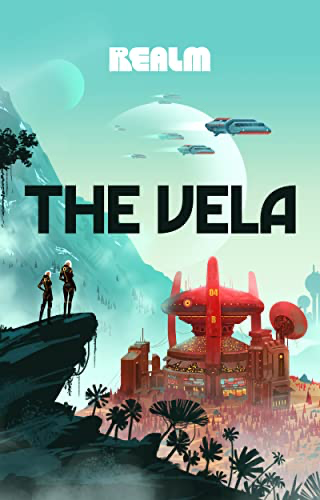


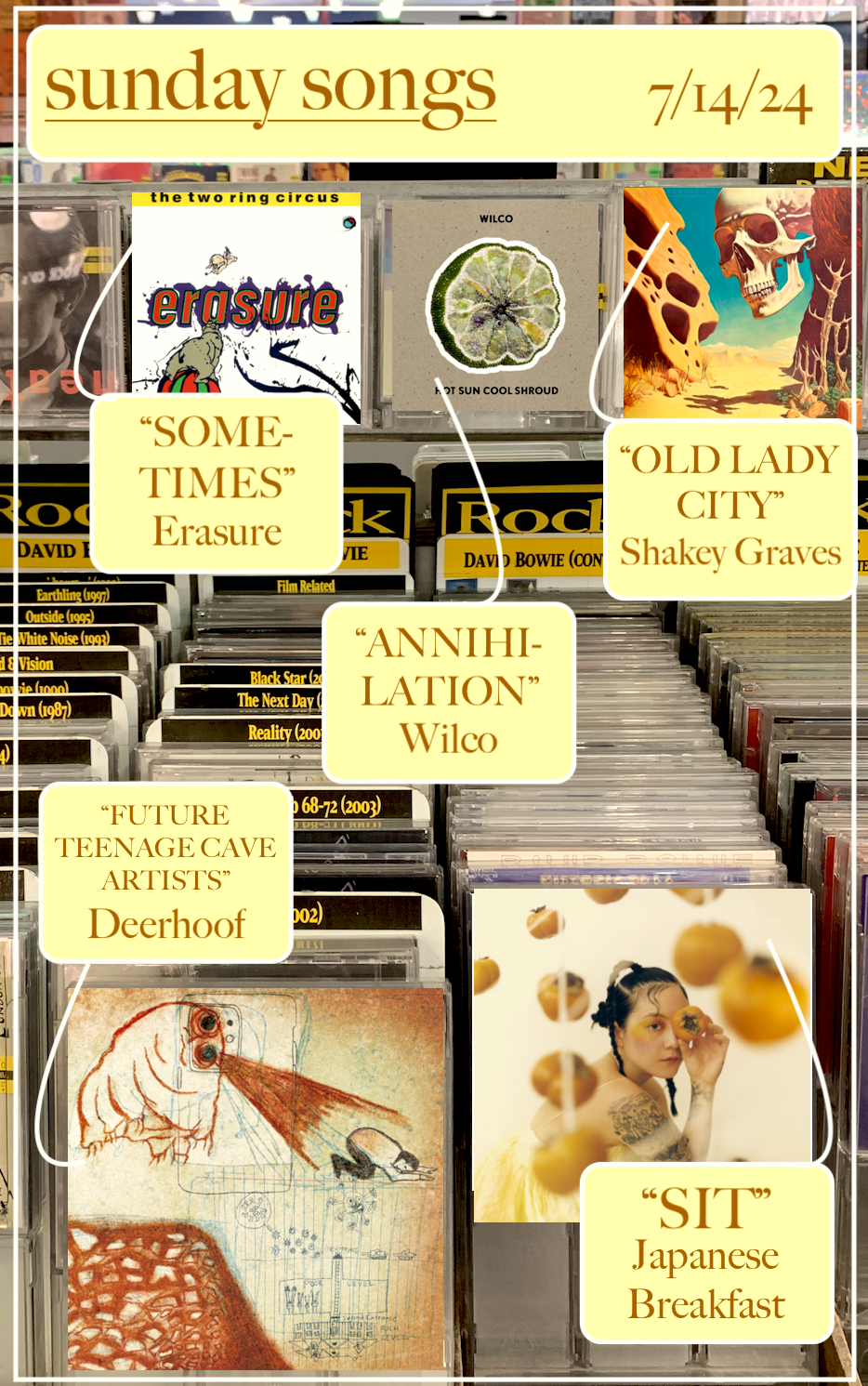
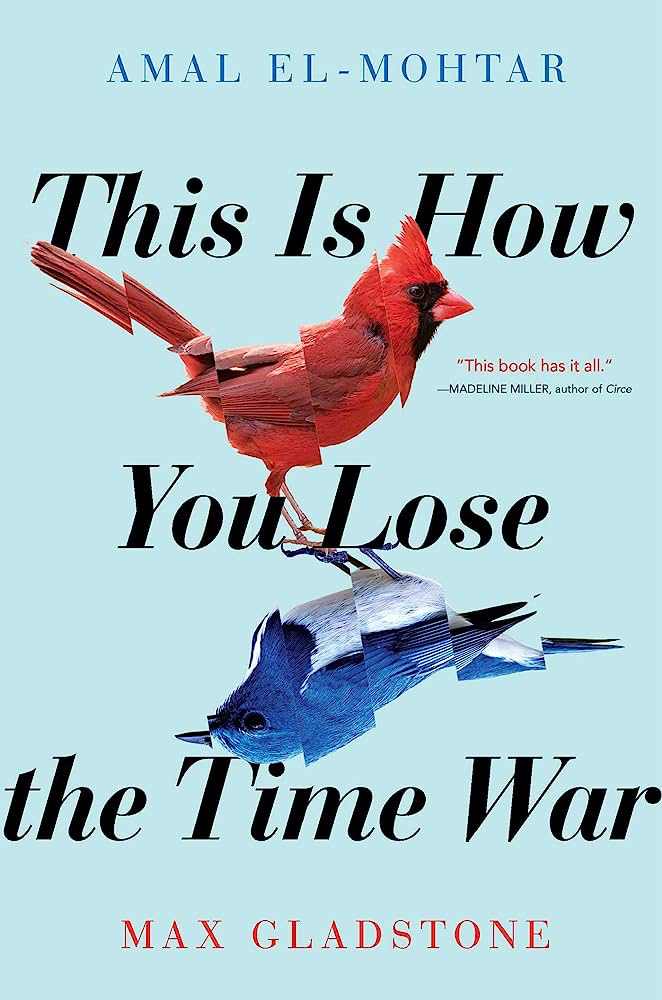
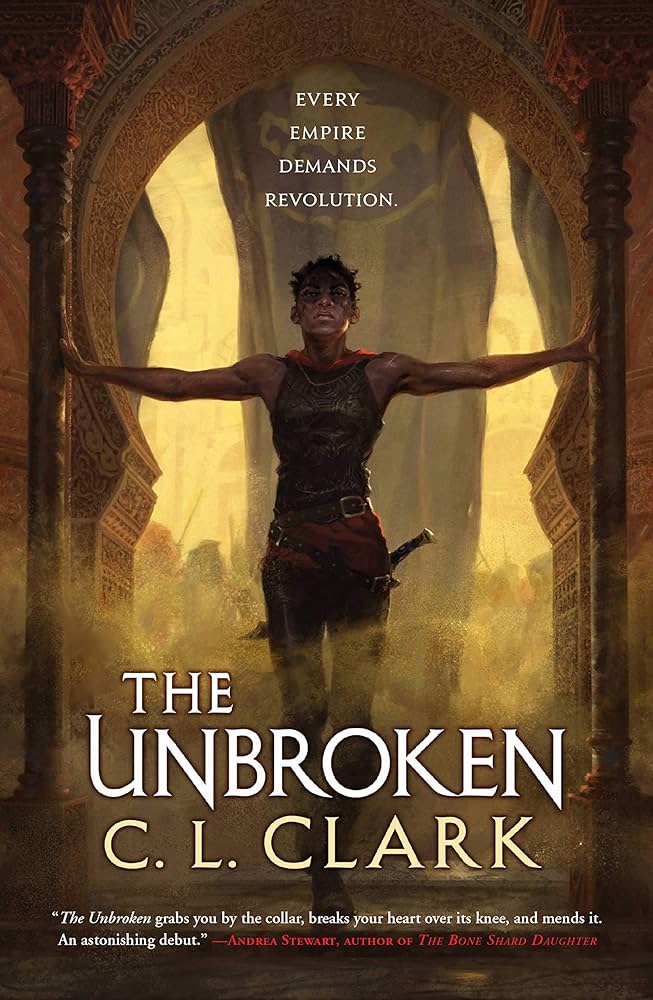
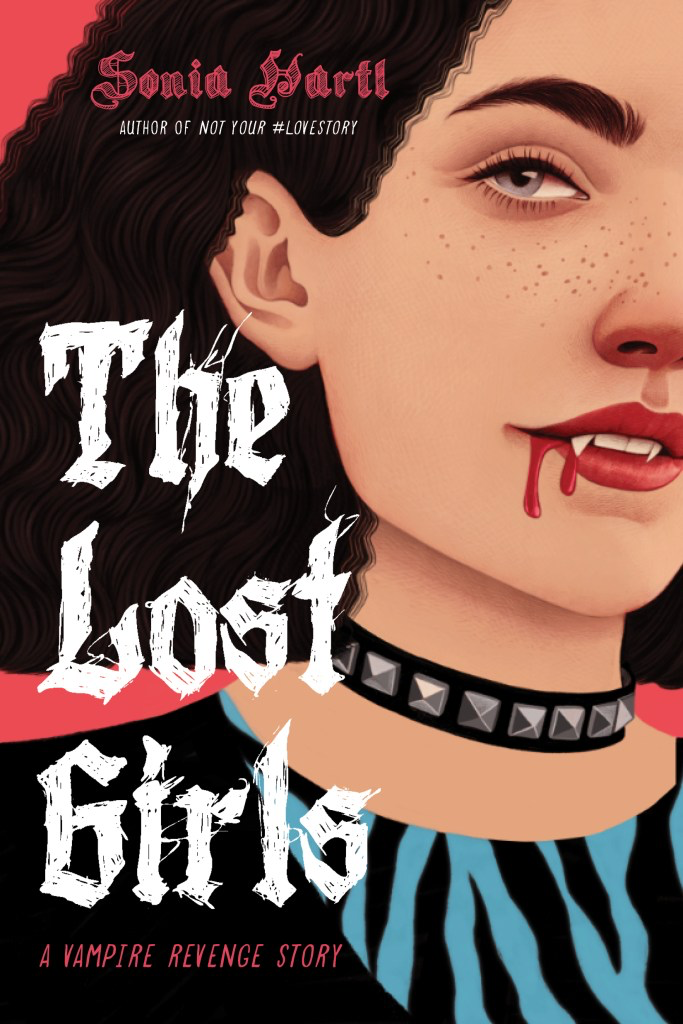
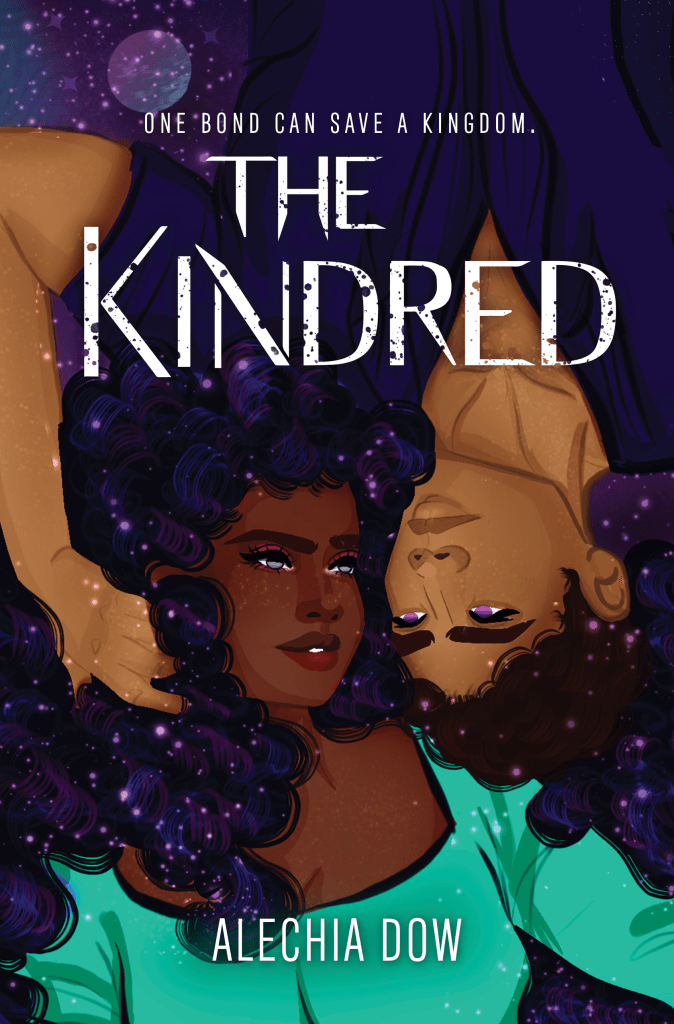
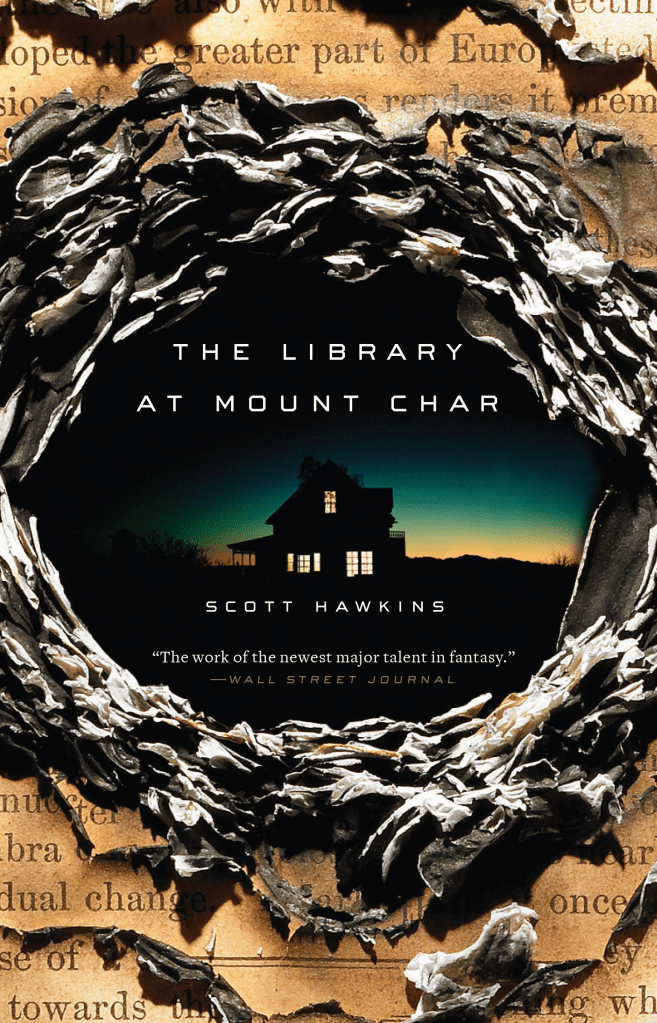
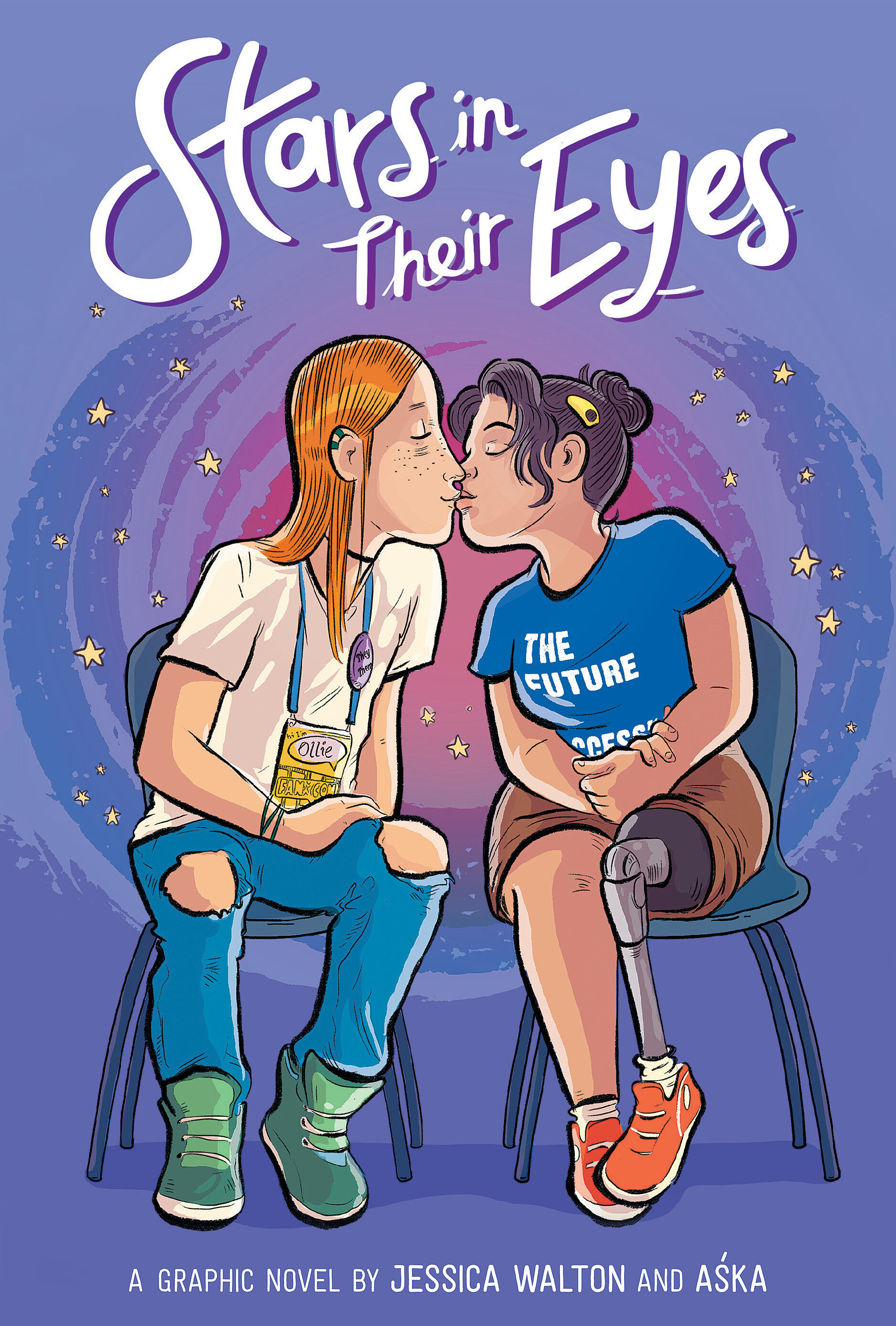
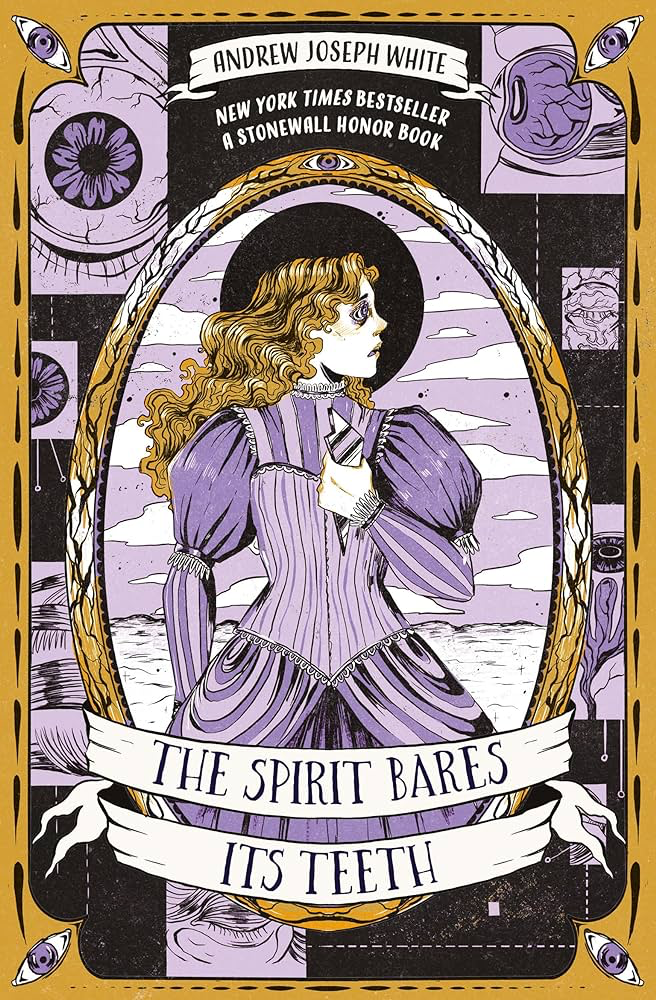

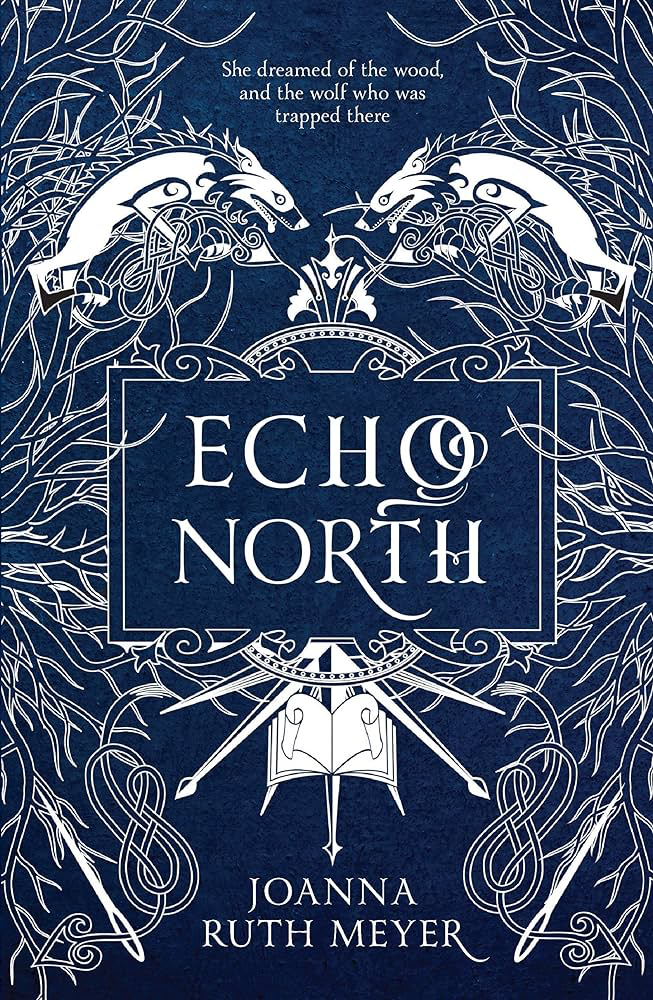




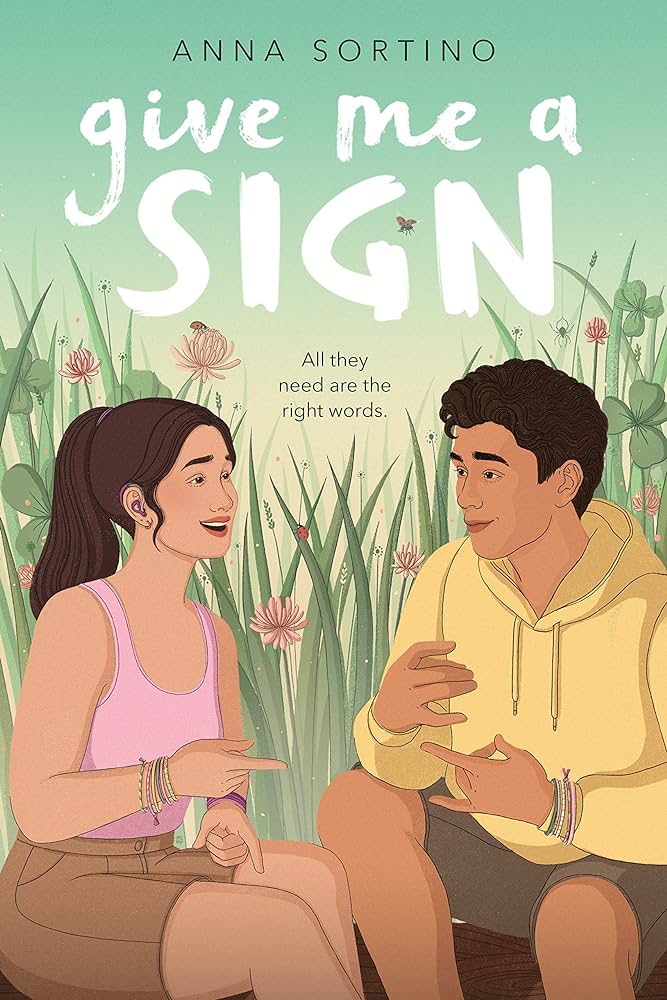
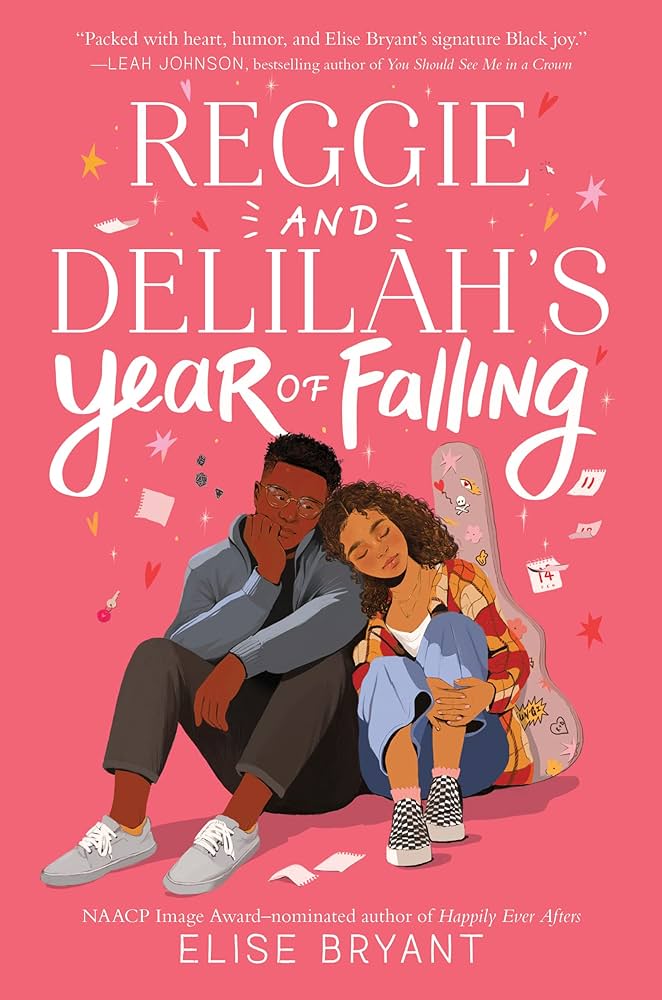
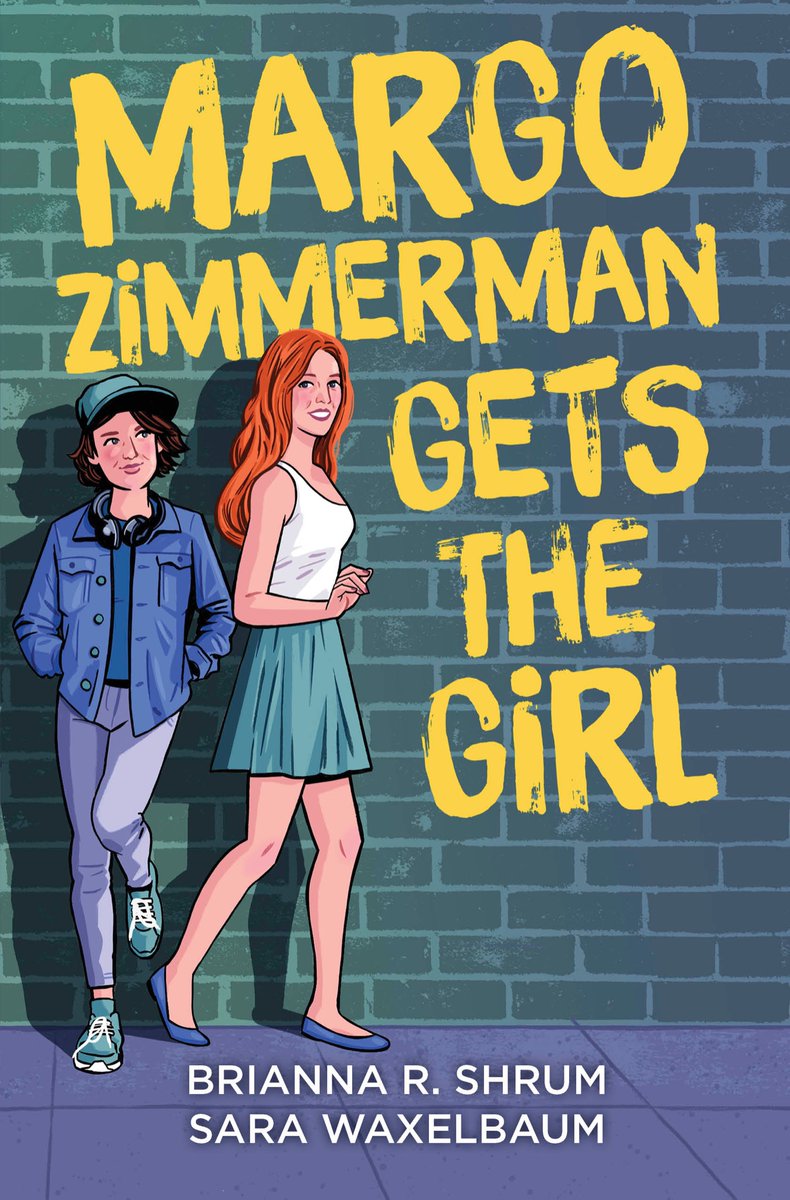
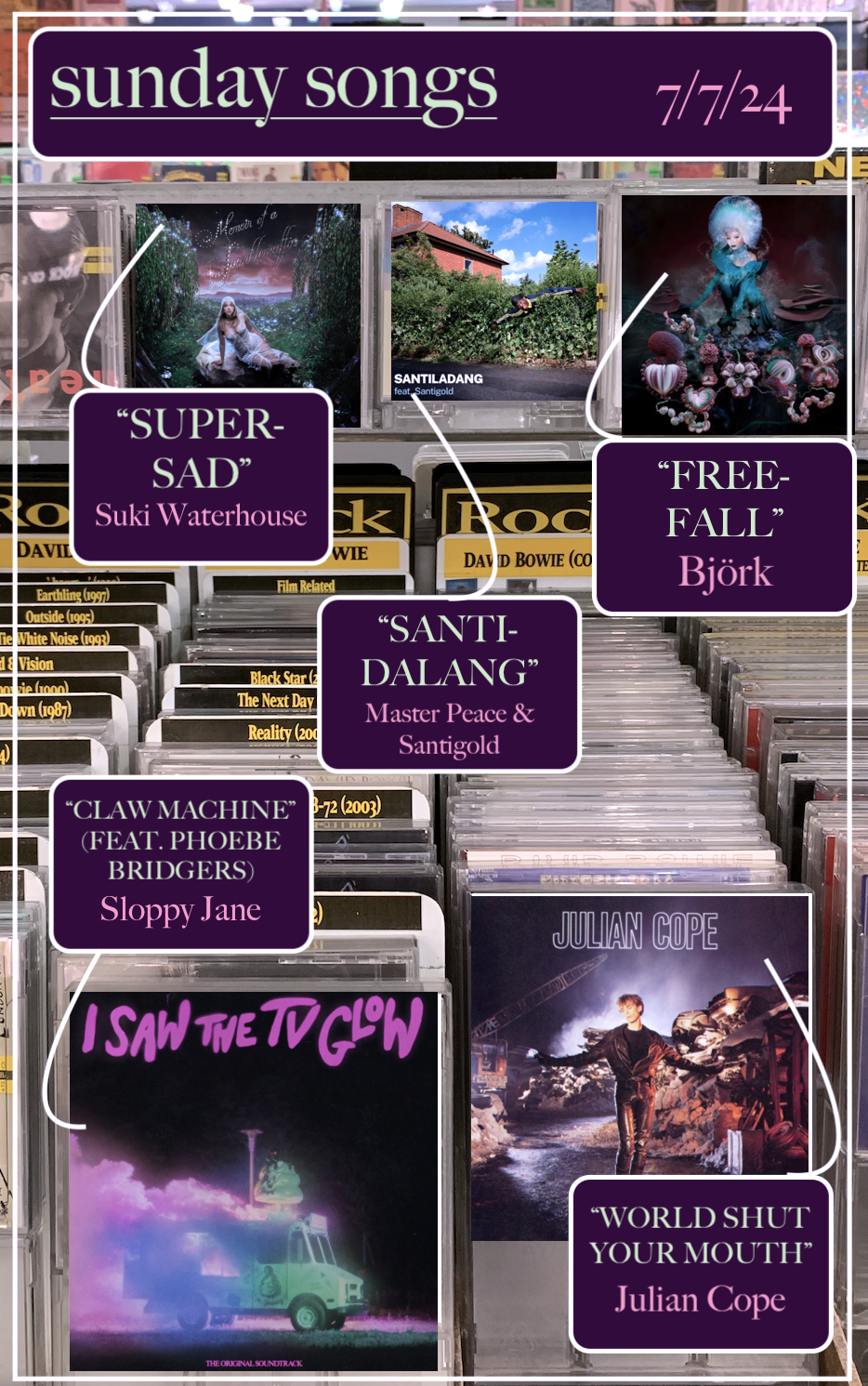
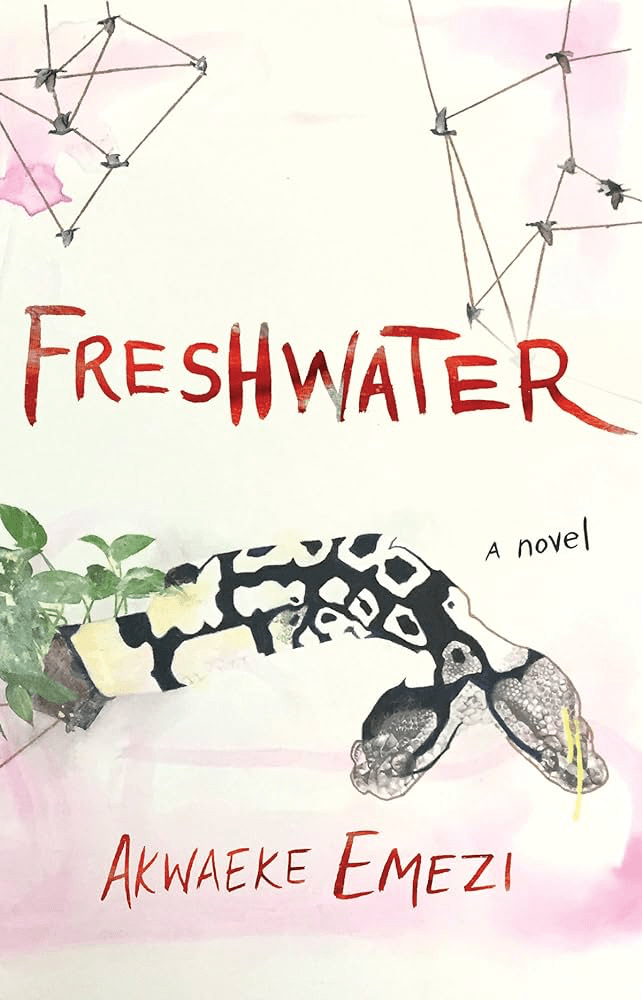
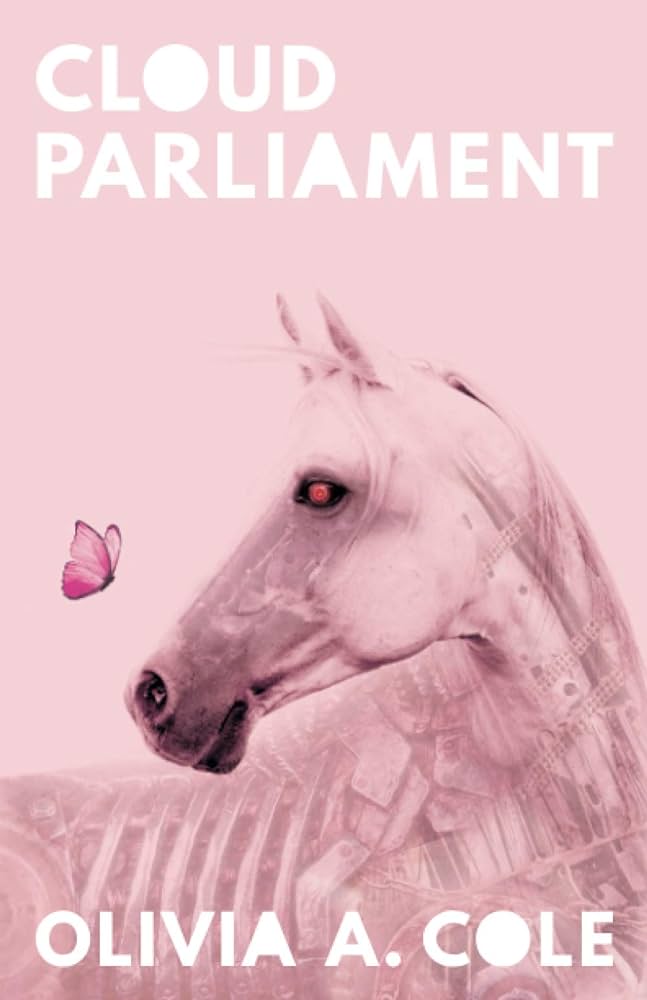

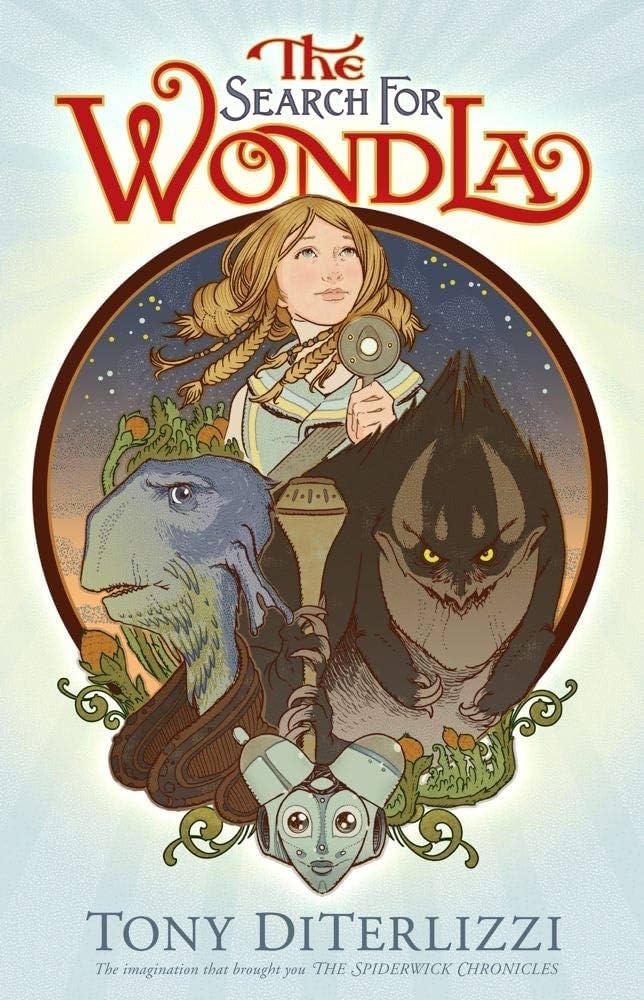
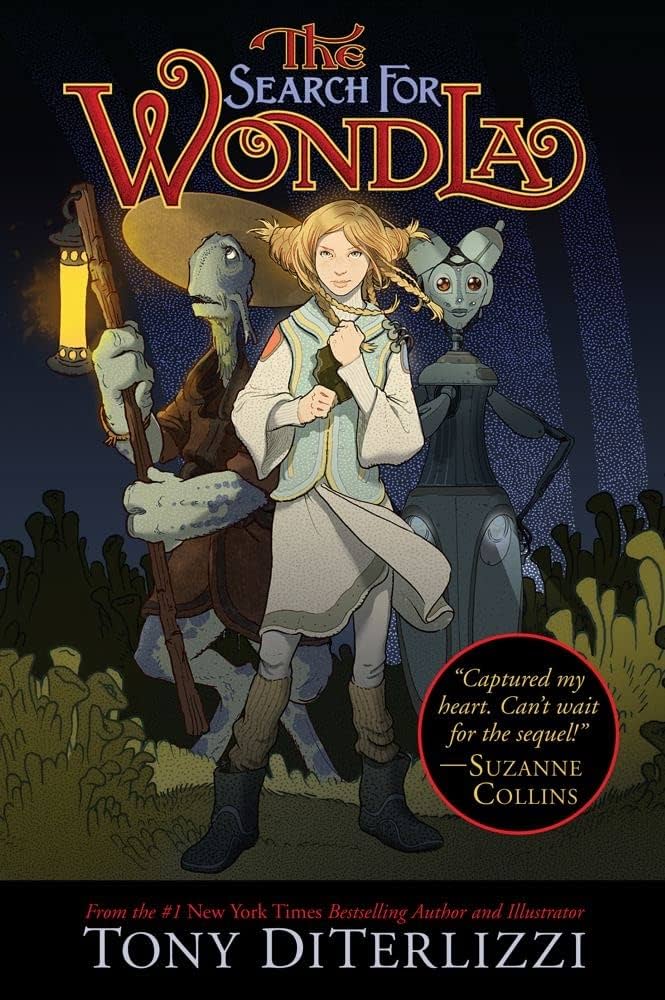
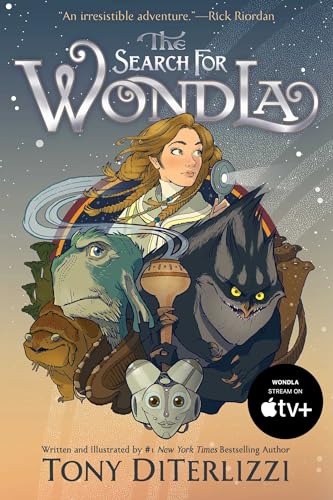
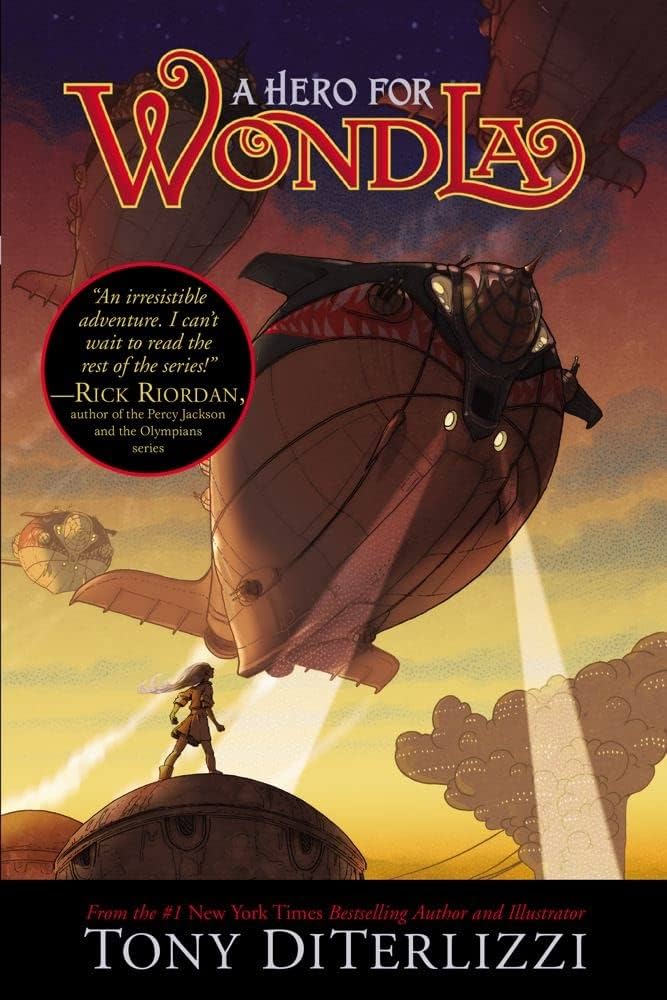
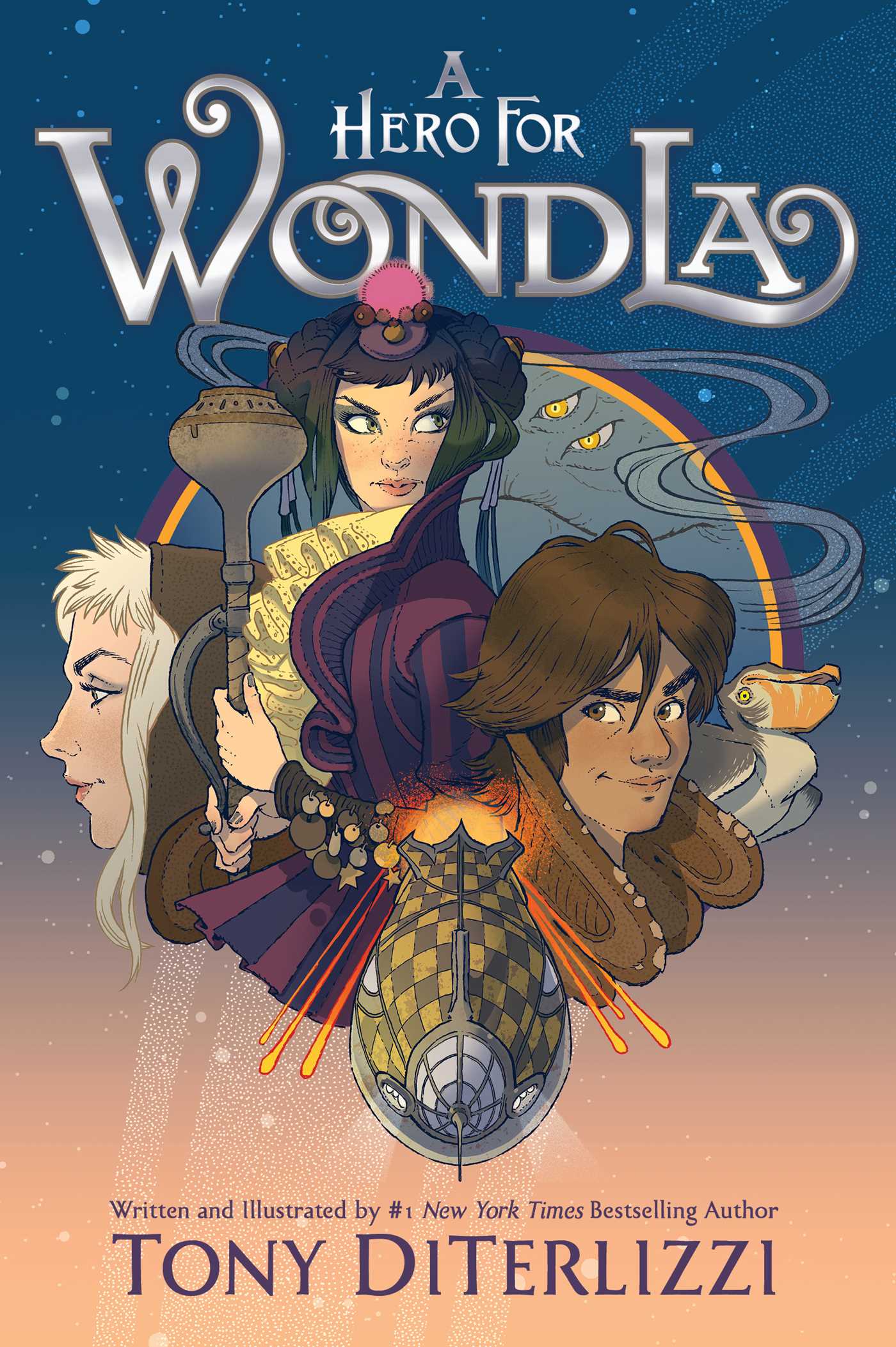
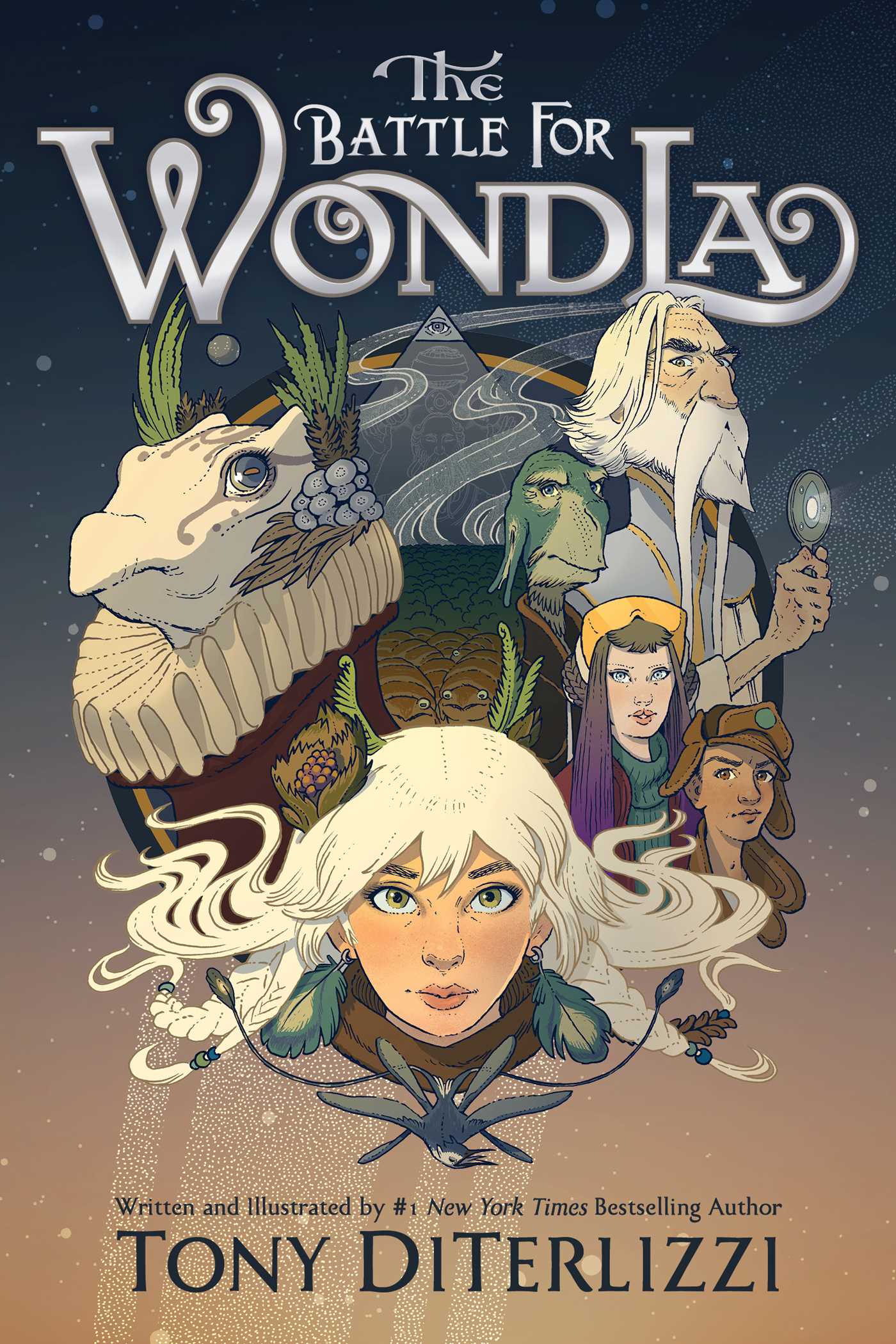
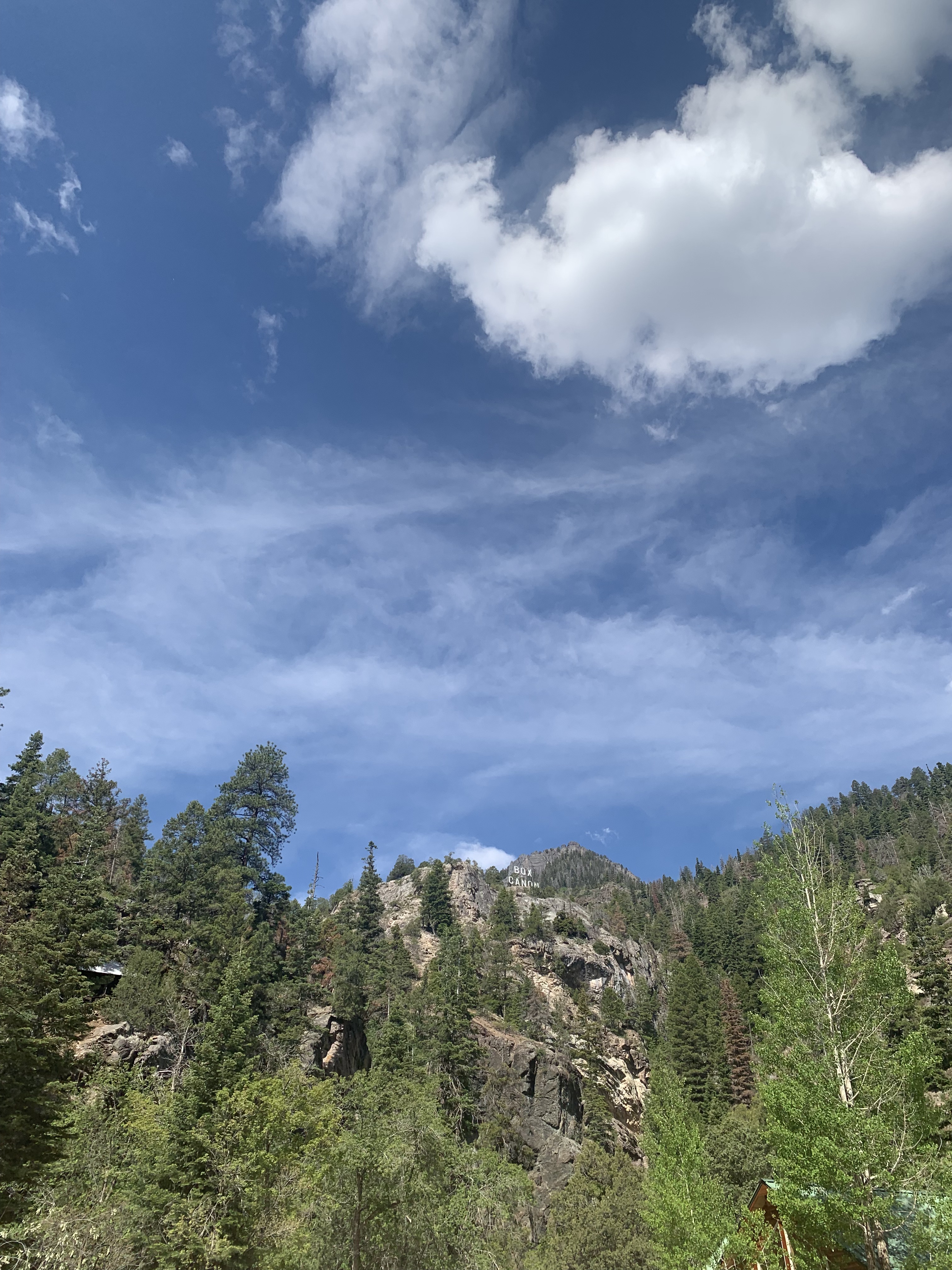
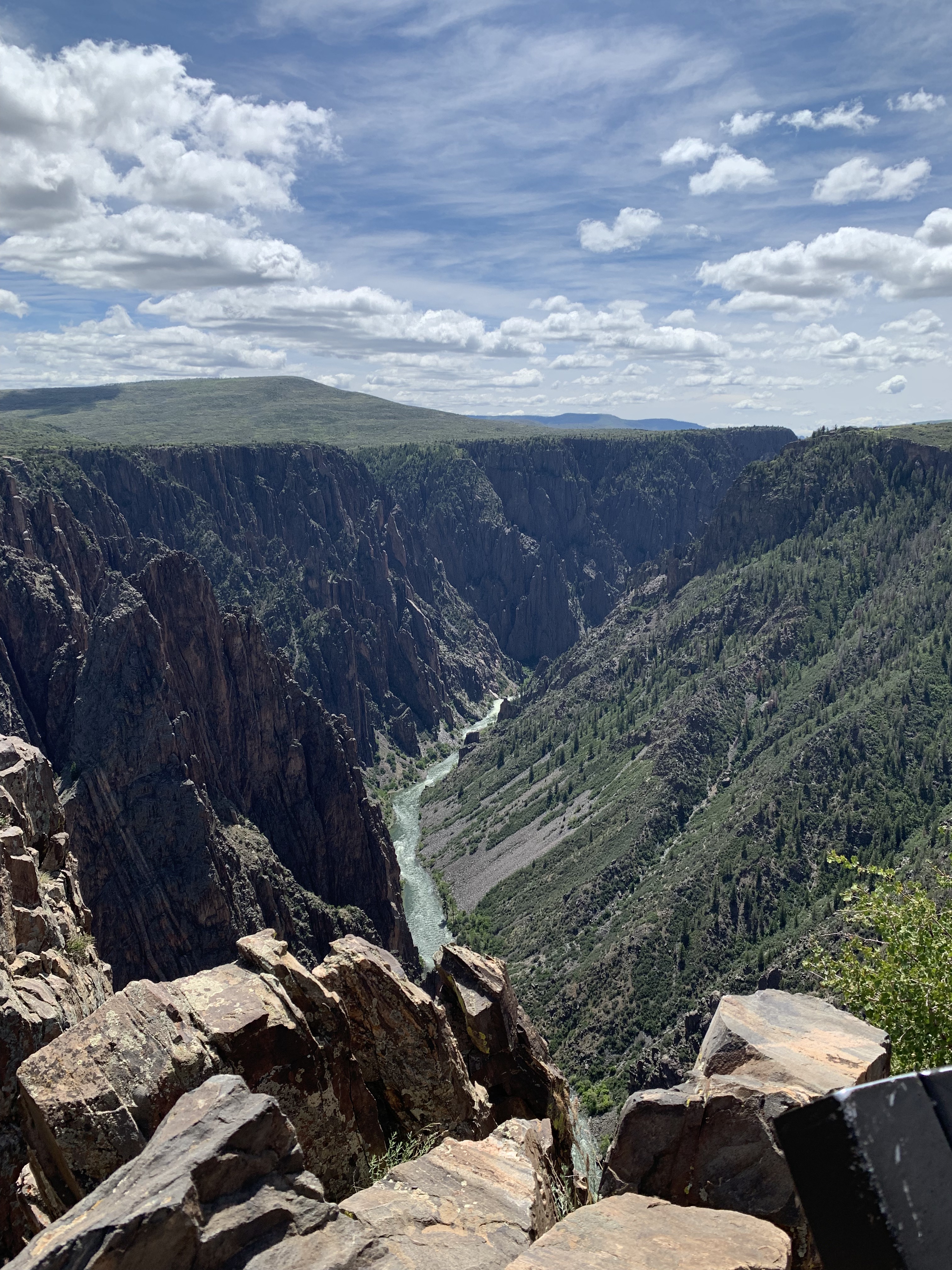
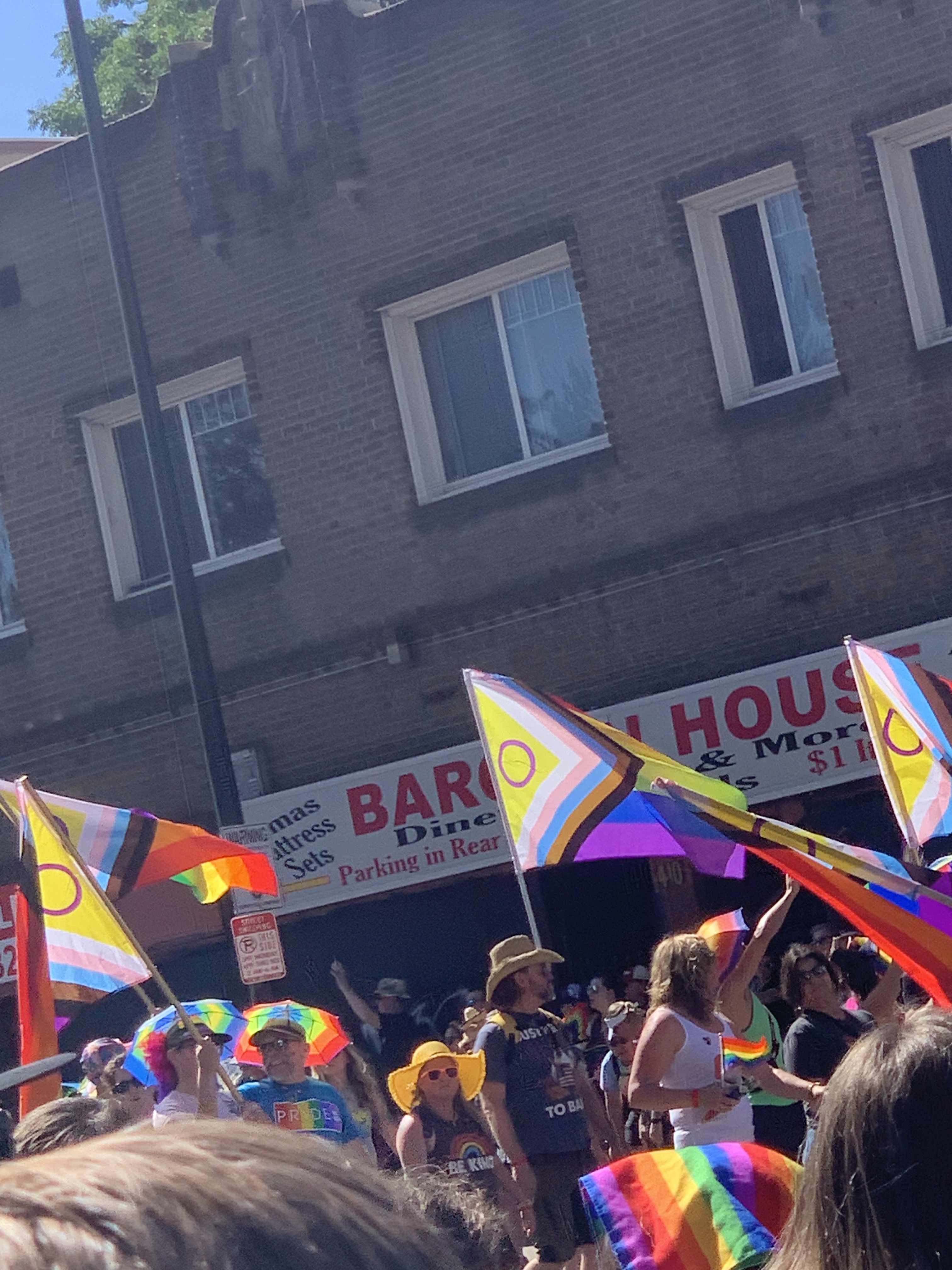
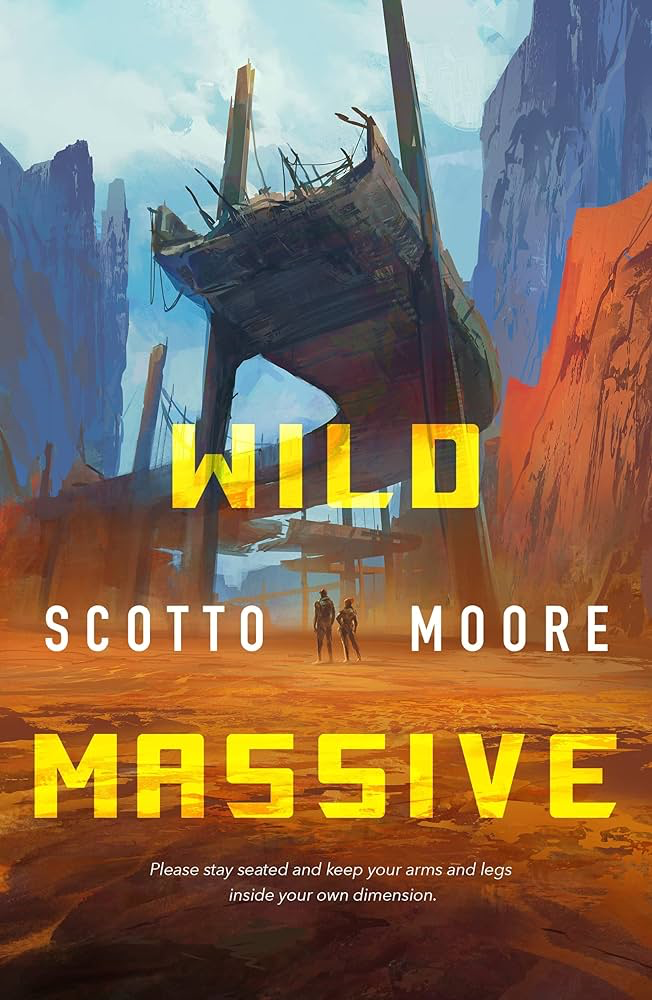
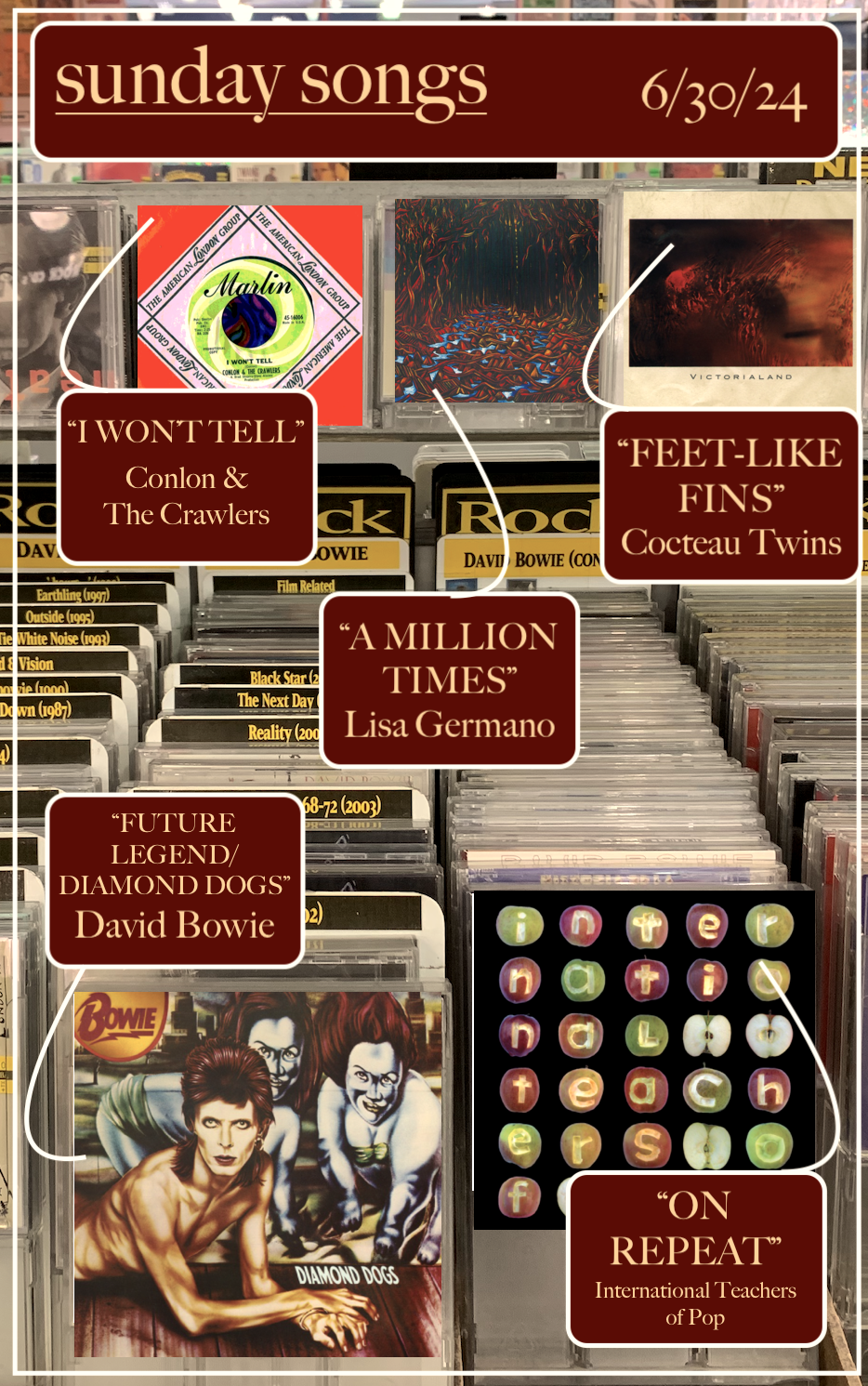



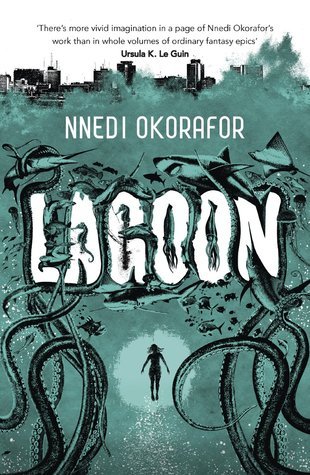
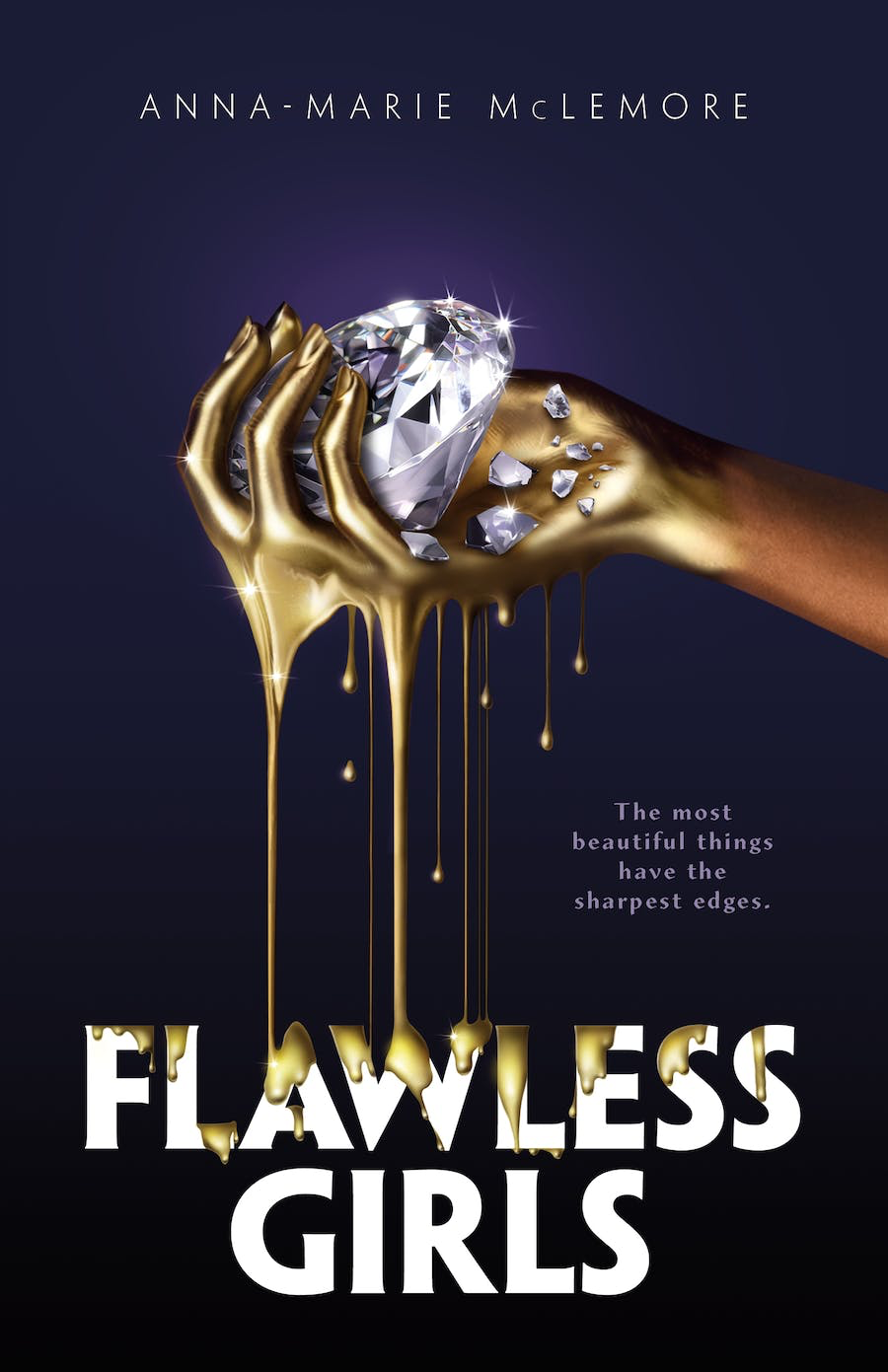
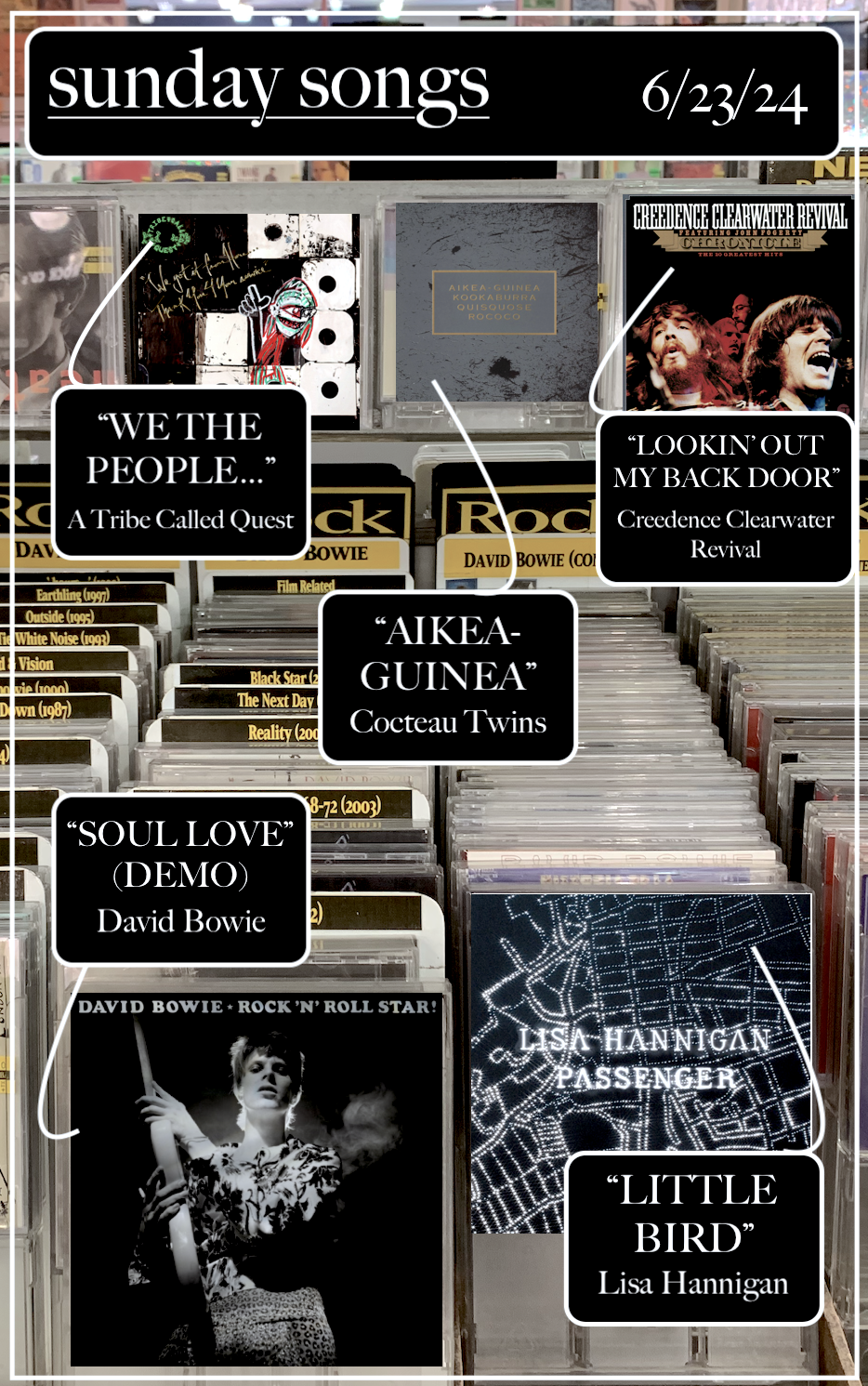


 The Bookish Mutant