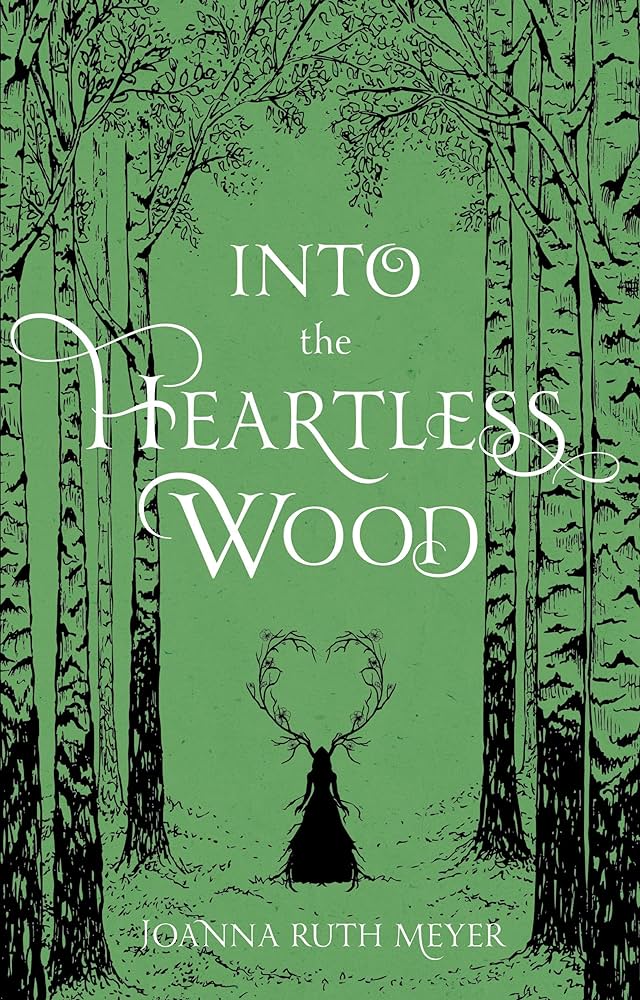
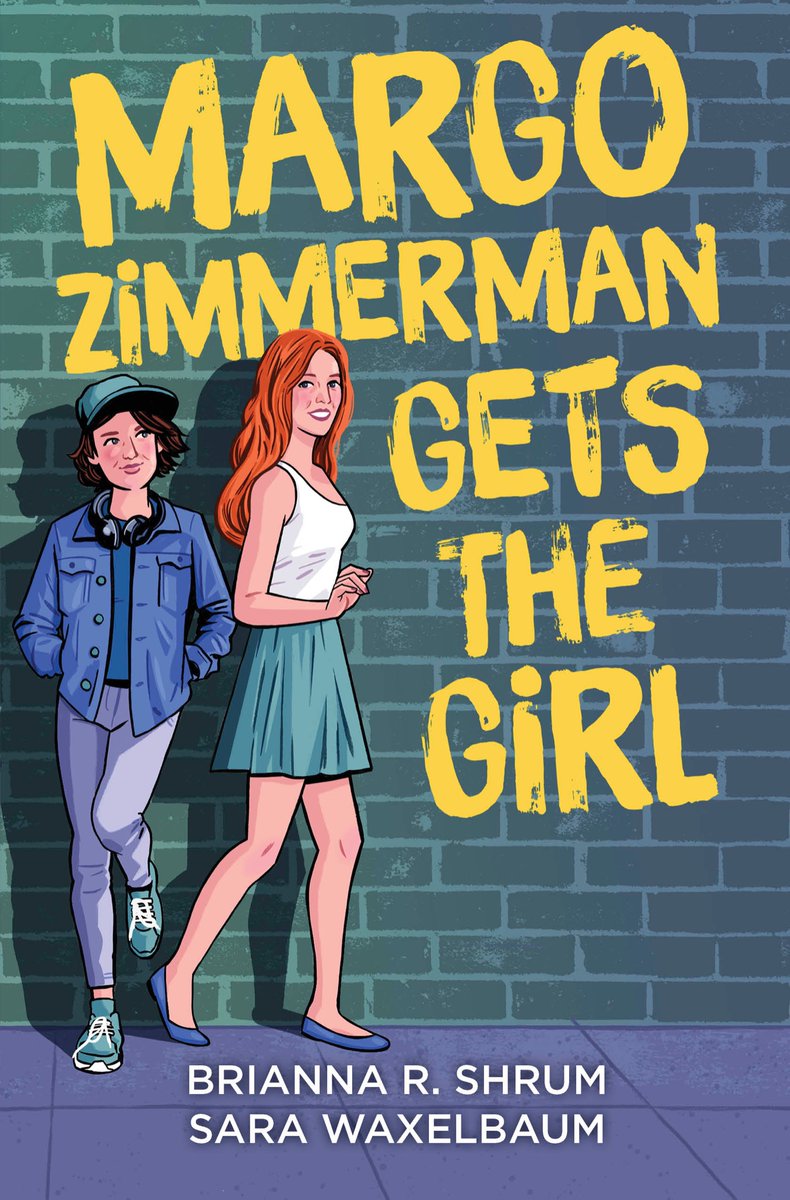
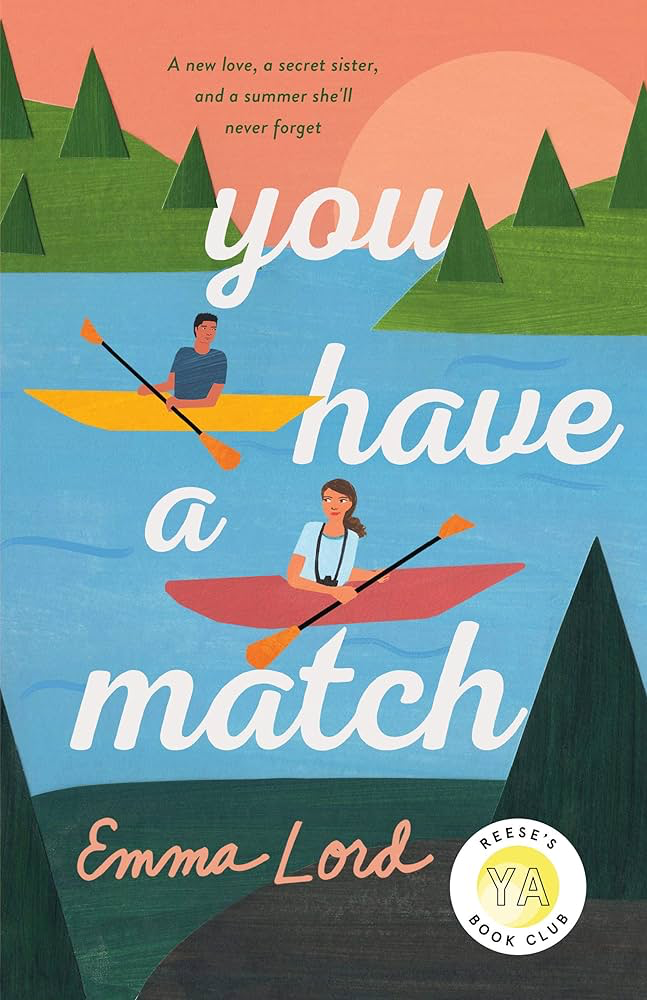
Ever since I read Tweet Cute and loved it about three years back, I’ve been meaning to read Emma Lord’s follow-up, You Have a Match, for ages. I’m not sure if I can just chalk it up to “I shouldn’t read anything that’s languished on my TBR for more than 3 years” because it seems like most of the Goodreads reviewers I’m seeing found it just as disappointing, but either way, this one was a miss for me.
Abby mainly decided to give a DNA service a go as a joke. But the results tell her that she has a secret sister—Savannah Tully. And Savannah isn’t just an ordinary sister—she also happens to be an influencer with a seemingly perfect life. Desperate to find out about the sister her parents hid from her, she hatches a plan to meet up with her at summer camp. But distractions from Leo, her best friend (or something more?) and co-chef at the camp, and drama between her and Savannah threaten to throw a wrench in her plan to find out why her parents separated her sister.
TW/CW: grief/loss, mentions of substance abuse, anxiety, mentions of abandonment, brief descriptions of injury and illness (broken bones, pneumonia)
I was banking on You Have a Match being at least decent just because of the memory of how good Tweet Cute was, but I really should’ve run for the hills the minute I saw the Reese’s YA Book Club sticker on it. But whether or not I’m looking at Tweet Cute through rose-colored glasses or if Emma Lord just took a dip in quality, You Have a Match was not nearly as sweet—or even enjoyable—as its predecessor.
The main issue with YouHave a Match was that it didn’t seem to know what it wanted to be. The premise (and partially the title, although it definitely applies to both) was advertised mostly as a kind of coming-of-age story of sisterhood, but the book itself also wanted to shove a fully-developed romance plot in between it all. The thing is, both of these stories could have been great as separate books—one about finding your lost sister, one about falling in love at summer camp. And I really believe that Lord could’ve succeeded with both of those stories. But even though it could have been possible to merge the two, You Have a Match felt like it didn’t know where to put the emphasis. As a result, the story felt like it needlessly jumped all over the place, making both of the plots cease to be cohesive. It really feels like a case of Lord biting off far more than she could chew.
As a result, the romance that was supposed to happen between Abby and Leo definitely suffered. So much attention was brought to the plot with Savannah and her friends that there was no room for their chemistry to develop, and by the end of the novel, none of the romance felt fleshed out in any way. All of it hinged on the reader believing the information that was very much told (certainly not shown…) that they’d had a beautiful friendship for years, and even that wasn’t enough to save the absolutely lukewarm romantic aspects of this book.
The pacing of You Have a Match didn’t help either of these issues—in fact, it was probably the reason that they were exacerbated. Once the characters got to camp, none of the timing made any sense. It felt like we were just being bounced along like a pinball from subplot A to subplot B without any room to breathe or make sense of what was happening. Everything felt transient and borderline pointless; 309 pages (for the Kindle edition) isn’t that short of a page count, but some points really did feel like filler. This is probably what could have solved the “this book doesn’t know what it wants to be” issue—cut all the filler and focus on developing the relationships between the characters, and chances are, I would’ve enjoyed it so much more.
Part of what endeared me to Tweet Cute was that the social media parts rarely came across as a Gen X author trying too hard to sound “hip.” As much as it can be, it felt real enough that the humor and romance could come through via that aspect. However, whatever internet savviness that Lord had was lost somewhere in the dust between Tweet Cute and You Have a Match. Maybe it was the shift in focus from Twitter to the whole mess that is the concept of Influencers, but it felt incredibly shallow in comparison. Despite her (eventual) redeeming qualities, Savvy came across as the most unoriginal, cardboard-cutout idea of an influencer (fit, makes green smoothies, immaculate hygiene, does yoga, etc.), but Lord could have easily subverted that idea with something that set her apart. All of the nuance came down to “influencers are people too, my life isn’t always perfect :(” and never went any further. Especially with the fact that Abby and Savvy were sisters all along, I feel like this could’ve gone so much deeper—or, at least, in a more interesting direction.
All in all, a coming-of-age, summer camp rom-com that wasted almost all of the potential that it had. 2 stars.
You Have a Match is a standalone, but Emma Lord is the author of several other novels, including Tweet Cute, Begin Again, When You Get the Chance, and the forthcoming novels The Break-Up Pact and The Getaway List.
Today’s song:
if I listen to this enough time, will I just forget that winter exists?
That’s it for this week’s Book Review Tuesday! Have a wonderful rest of your day, and take care of yourselves!
I’m finally done with the semester, so I figured I would celebrate with a festive book tag! I found this one over at The Corner of Laura (who always finds the best tags), and the tag was originally created by Browsing for Books (note: at the time I’m doing this tag, this blog is no longer active).
Let’s begin, shall we?
☕️THE HOLIDAY DRINKS BOOK TAG☕️
HOT CHOCOLATE | Marshmallows and chocolate and whipped cream, oh my!
Recommend a book that’s sweet through and through.
Rom-coms typically aren’t my go-to, but Tweet Cutewas so wonderfully fluffy and sweet—and full of tasteful food puns.
PEPPERMINT MOCHA | The flavor of peppermint is strong and distinct.
Recommend a book with a lot of strong emotions.
Our Wives Under the Seapacks an impressive amount of emotion into just over 220 pages—and all of it pays off.
APPLE CIDER | It’s so good, it can’t be good for you…but it’s from apples, that means it’s healthy, right?
Recommend a book full of characters with questionable morals.
A Memory Called Empireis rife with all sorts of political backstabbing, and just as many characters willing to turn on each other…
EGGNOG | It’s creamy and smooth with a little spice, and some people even add alcohol to it.
Recommend a book that’s mostly fun with just a hint of danger.
Flowerhearthas enough stakes (read: brief flower-related body horror) to give it a kick, but despite its flaws, what I can say is that this book was wholesome and warm all the way through. This one could’ve worked for the first prompt too…
GINGERBREAD LATTE | A drink with a veritable explosion of spices
Recommend a book with a lot of action.
Victories Greater Than Deathis absolutely chock-full of action! There was never a dull moment in this book, although it did get too heavy-handed with the action at some points.
I TAG ANYONE WHO WANTS TO PARTICIPATE! Happy holidays, everybody!
Today’s song:
That’s it for this book tag! Have a wonderful rest of your day, and take care of yourselves!
Happy Sunday, bibliophiles! I hope this week has treated you well.
I’m finally out of finals hell! Hopefully I’ll have more time to write and read in the next month or so, but I’ll certainly be sleeping. As a celebration: songs for the beach, songs for the ocean, and songs for when you need to cry and dramatically drape a hand over your forehead. You’re totally in a movie for the latter. Totally.
Seems like I’m somewhat late on the Laufey train, but then again, she’s young and she’s certainly got tons of records ahead of her, so I suppose I’m not that late. She has, however, swept the internet for doing something almost unthinkable—her noble cause of bringing jazz to Gen Z. It’s an incredible cause to spearhead in your musical career, what with jazz being up there with country at the butt of every “I listen to everything but this” joke and not selling well as a genre for decades. I say this as somebody who falls into the former category with both of those genres, but from the scope of what I’ve heard, Laufey’s brand of jazz isn’t the kind of bland smooth jazz you hear in a spa and never hear about again. It’s the kind of dramatic, emotional vocal jazz sung by the likes of Ella Fitzgerald and Billie Holliday—two artists who she cites as some of her biggest musical influences.
Some of her other tracks (“From the Start” and “Falling Behind” comes to mind) spread like wildfire across social media this year, but although they weren’t enough to lift out of slightly out-of-the-ordinary background music for me, I’ll admit that my heart’s been fully captured by “Let You Break My Heart Again.” It’s the absolute best sort of high drama; the swelling instrumentation of the Philharmonia Orchestra in concert with Laufey’s low, honeyed voice make it just the sort of thing to listen to while imagining yourself leaning out the window and pretending you’re in a movie. It practically begs for flowing dresses and a hand artfully draped over your forehead. (Oh! I’m fainting…into your arms…) I’ve never been one for Disney, much less their musicals, but this song almost seems like the kind of princess’s solo number that stands the test of time. I’m also not a jukebox musical kind of person, but having this as the emotional climax while the lead actress laments into the spotlight doesn’t sound like a terrible idea. With every soft flutter in her voice, you can feel the yearning and heartache creep through the windowsill like golden-hour sunlight. I just can’t help but dramatically twirl around and collapse into my (imaginary) ballgown with every listen.
In closing, the genius who paired this song with this video deserves a raise at whatever job they’re in:
I keep having to say this, because it needs to be said: The Apples in Stereo seriously tapped into the wellspring of indie-pop magic, and we barely seem to have acknowledged that. No other band of their ilk, that I can think of, has managed to consistently produce the sheer amount of glimmering pop capsules that they have in the lifespan of their band. Under-appreciated genius, for sure.
“Glowworm” falls into that perfect category of songs that seem to be shaded in the same colors of the album cover. In this song’s case, this song glows with the same bright yellow-greens of the album art for Fun Trick Noisemaker, just like the gentle, greenish flicker of the titular glowworms and fireflies. And like the bugs it’s named after, this song feels like a swarm of gentle lights illuminating the summer night, sparking and glowing with lively energy (no pun intended). Robert Schneider’s soft voice jumps and bounces around the almost nursery rhyme-like opening lyrics (“Put a penny in the pot/Put a nickel in your pocket/Every nickel that you’ve got/Is a nickel in the slot”), opening like a storybook into a glittering tale of yearning after a reckless lover—”You just had to spend it all/Every hour, every minute/You had to make it all/Wonderful, beautiful.” Like the fleeting glow of the worm, it’s a there-and-gone kind of love—”You lived to burn.” But the ecstatic burn is one that you can instantly feel in your heart—the song makes you travel on a trail of light up into the night sky, just like fireflies.
…AND A BOOK TO GO WITH IT:
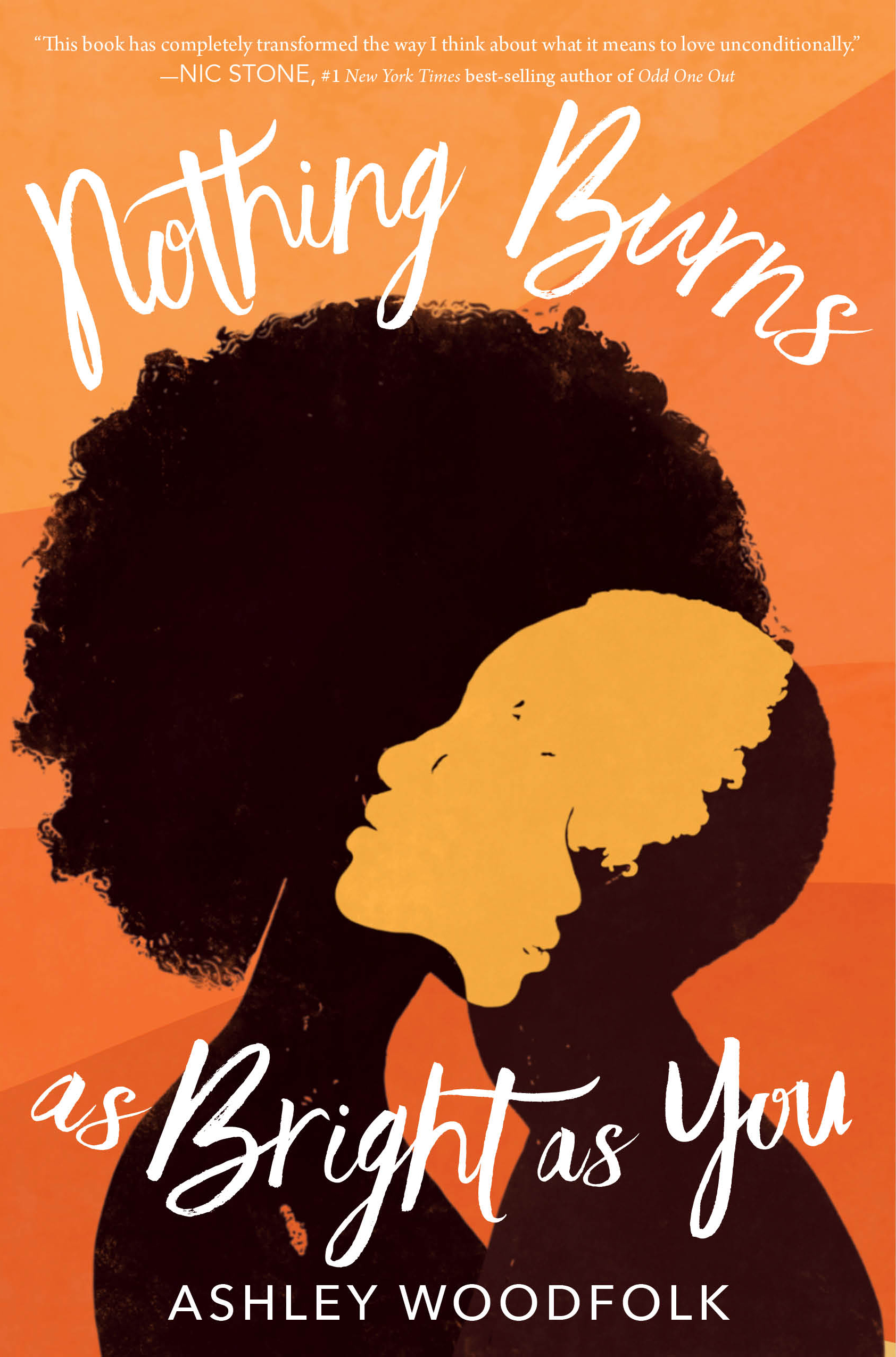
Nothing Burns as Bright as You – Ashley Woodfolk – the song is decidedly more lighthearted (at least, that’s how it sounds) than the book, but the feeling of falling in love with a fiery, reckless person remains the same. This book, however, deals with the fallout.
“Genius Of Love” has found its way everywhere—most prominently sampled in Mariah Carey’s “Fantasy” (oh, look, we’re mentioning her in December without mentioning…okay, I’m not gonna say it, that’s too easy)—and I feel like it has almost made us forget how delightfully bonkers it is. Heck, here I am in my dorm, looking at the boygenius picture that I cut out of a magazine and pasted on the wall, and it’s captioned with “genius of love.” It’s everywhere. If this song had a physical representation, it would probably be some kind of collage, but the kind that looks mindless from a distance—a bit of yarn here, some googly eyes there, and some brightly-colored but dried-out markers to color the background—but with a closer look, clearly has all the intention in the world. And yet, it’s such a meticulous pop song. I’d expect nothing less from half of the Talking Heads.
I mean, this starts off with Tina Weymouth doing a playful spoken-word segment with the affectation of a 50’s housewife in a grainy commercial: “What you gonna do when you get out of jail?/I’m gonna have some fun/What do you consider fun?/Fun, natural fun.” The delivery of that last line seriously makes me think that I’m about to be sold some kind of unnaturally green jello salad or something. But it all works so ridiculously well together. After the whole housewife bit, Weymouth’s gorgeous voice really has the chance to shine—the sincere sweetness of it makes every repetition of “I’m in heaven/With my boyfriend, my laughing boyfriend” seem nothing but genuine, like there’s a halo of cartoon hearts and bluebirds circling around her head. And the synths—they really feel like you can touch them. They pulsate and bubble and twinkle in every part of your ear. It’s no wonder that this song is one of the most sampled songs of the 80’s, especially in hip-hop and R&B from the 90’s up until as recent as last year. I’m getting mixed signals from the internet about the exact amount of times it’s actually been sampled—the sources range from around 50 to a whopping 179, but either way, the legacy of “Genius of Love” cannot be overstated. The synth heard ’round the world.
I’ve had a brief kick of collecting random Jay Som singles for my hoard, and I haven’t regretted a single second of it. Even if the songs weren’t as good as they are, I’d still come out the other side with song titles like this. This one is like a “Crocodile Tears and the Velvet Cosh” situation—if there every is another song called “O.K., Meet Me Underwater,” it’ll be copying this one.
Besides being so charmingly memorable, “O.K., Meet Me Underwater” has the advantage of being made for a Jay Som song. Her trademark of slightly off-kilter electric guitars and synths and the water-smooth ripple of how it all sounds together was made for a song title like this. All of the instrumentals already could have sounded like they were recorded from just under the surface, only slightly to the left of being muffled by a stream of bubbles rising from the depths. As Jay Som sings the chorus of “If you’re feeling okay/Meet me underwater,” every word feels like it’s being spoken just before she dips her head back down into the waves, beckoning you to follow her to some kind of colorful coral reef kingdom befitting of the cheerful glimmer of her music. Even that deliciously bouncy riff starting at 1:04 sounds like something you’d hear in the background of an ocean-themed episode ofReally Wild Animals (PLEASE tell me somebody else remembers those), or even just some cartoon they play in the background of an aquarium, complete with smiling dolphins and clam shells opening and closing to the beat. The neon yellow on the cover of the single doesn’t do nearly enough justice to the summery glow of this song—you’d need a whole, pastel-oceanic palette to capture the whole song.
I know a somewhat clever band name when I see one, but I also see a contentious one when I see it as well. The wordplay is great, but upon further reading, it looks like the Allah-Las, a band consisting of predominantly white, non-Muslim dudes from California, mostly picked the name because it was “holy-sounding.” They have faced some criticism for the name from the Muslim community over the years, and they’ve clarified that they never meant any ill will or disrespect by it, but even then, there’s still an undeniable uncomfortableness about a bunch of white guys from LA slapping the name on themselves with what seemed like very little thought behind it.
That aside, if there’s one thing white guys from California are good at doing, it’s making songs about the beach, and man, the Allah-Las nailed it. It’s not necessarily the kind of bouncy Beach Boys song that you’d expect from that descriptor—”Catamaran” takes plentiful notes from the other side of the sixties, a summertime, surfy beach walk by way of the Kinks. It’s got all the ingredients for a slightly left-of-the-dial 60’s dial bubbling in the pan—bright, jangly guitars, gentle percussion, and the kind of lyrics that sound like they could have just as easily slipped out of the mouth of the likes of Jim Morrison: “I’m an oyster pearl’s locked up in a shell/You better bring that diving bell.” What plucks the Allah-Las out of the 60’s is the kind of flat, disaffected vocals running rampant in every white guy who has ever pursued a career in indie pop—like TV Girl, it gets on my nerves for the most part, but in the sun-baked sepia of the rest of the song, it almost makes sense.
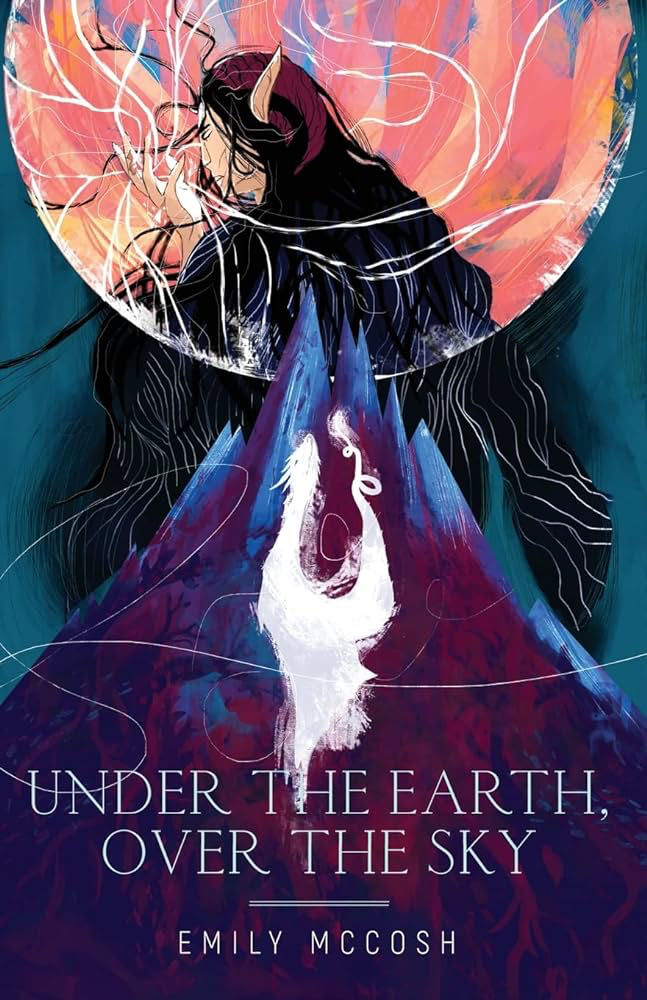
I’ve been a fan of Nnedi Okorafor for several years now, but it wasn’t until about a month ago that I found out that one of her first novels, which originally went out of print, was being reissued with new content and a new cover! (Gorgeous cover, by the way.) I ended up buying it, and though it wasn’t her best (what else would you expect from one of her very first books), but it’s not just a fun ride—it’s a glimpse into an incredibly talented author coming into her own.
Niger, 2074. In the wake of a nuclear disaster, both humanity and the natural world have developed powers far beyond their imaginations. These Shadow Speakers have been given strange abilities by the aftershocks of nuclear war. Born into this world is 15-year-old Ejii, gifted the abilities of advanced sight and hearing the thoughts of animals. When she was young, her father, a corrupt politician, was assassinated. All these years later, Ejii decides that, regardless of the horrific legacy her father left behind, she must journey out into the Sahara Desert to search for his killer.
TW/CW: murder, beheading, fatphobia
Being a (somewhat) longtime fan of an author and reading their debut or earlier works further down the line is always an eye-opening experience. I was expecting something along those lines when I bought Shadow Speaker the other day, but…man, I really had no idea what I was in for. Shadow Speaker was honestly kind of bonkers, but in the best possible way. Quite plainly, it’s one of the boldest debut novels that I can think of.
Shadow Speaker was Nnedi Okorafor’s first novel (published all the way back in 2008), and it really does feel like a debut. I said eye-opening before because you can see the through lines where Okorafor hadn’t yet hit her stride in terms of writing; in contrast to the tight organization of most of her other novels, we still get chunks of worldbuilding delivered paragraph by paragraph. Her prose has the same bold brightness and whimsical spirit that really stands out as her signature, but it hasn’t been refined as much. And with the re-release this November, despite apparent rounds of editing, there’s still a few things that haven’t aged well from 15 years ago (ex. the villain’s evilness explicitly being tied to him being fat…mmmm, yikes…). All debuts are bound to have flaws, but the latter ones could have probably been edited out. But unlike that, I feel like it’s worth keeping some of the writing as it is—reading this novel was a time capsule into the mind of a younger writer.
And yet, Shadow Speaker is still one of the boldest books I’ve read in a long time, debut or not. Everything about is really and truly nuts, and that was the best part about reading it. Once you get the exposition of Ejii’s post-apocalyptic, magical world out of the way, at no point did I know where this novel was going, and at a certain point, I ceased to even care. There’s the spread of X-Men-like powers caused by a nuclear disaster, a talking camel (also because of the nuclear disaster, how did you guess?), gods and goddesses roaming across the land…you get the idea. Actually, no. You don’t get the idea. And that’s the point of this book, from what I can tell—Ejii and her ragtag band of nuclear magicians don’t know where they’re going either, and that’s where the fun of Shadow Speaker lies.
Over the years, Nnedi Okorafor has proven herself to be an absolute master of Afrofuturism (more specifically Africanfuturism and Africanjujuism, in her words), and the latter (a term that she coined to describe a subgenre of fantasy that is specifically Afrocentric and is inspired by the mythologies of Africa) really describes this novel to a T; although the inciting incident and the introduction of powers has a distinctly sci-fi feel, Shadow Speaker is so clearly fantasy. It’s hard to do that kind of genre-bending so effortlessly in a debut, but already, Okorafor make it look easy. Every element, whatever genres you want to ascribe them to, is blended seamlessly into the world of the Desert Magician Duology as smoothly as stirring together the ingredients of a cake. It’s an impressively distinct world, and despite its flaws, I’m glad this book was brought back into print.
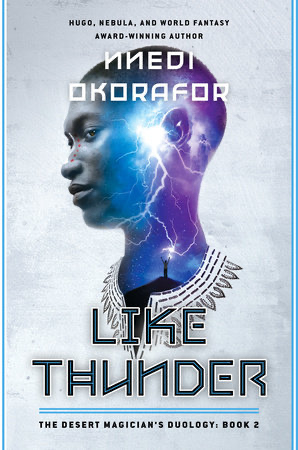
Part of the reason for re-releasing Shadow Speaker is that Nnedi Okorafor just published its intended sequel, Like Thunder, this November. Hopefully I can get my hands on it soon, but it’ll certainly be interesting to see the leap in writing style between the two, given how much time has passed…
All in all, a bold and wild debut from one of science fiction’s most original writers active today. 3.5 stars!
Shadow Speaker is the first book in the Desert Magician’s Duology, followed by the new sequel, Like Thunder, which came out this November. Nnedi Okorafor is also the author of many books for adults, teens, and children, including Lagoon, the Binti series (Binti, Home, and The Night Masquerade), Noor, Remote Control, and many others.
Today’s song:
this song makes me ridiculously happy
That’s it for this Book Review Tuesday! Have a wonderful rest of your day, and take care of yourselves!
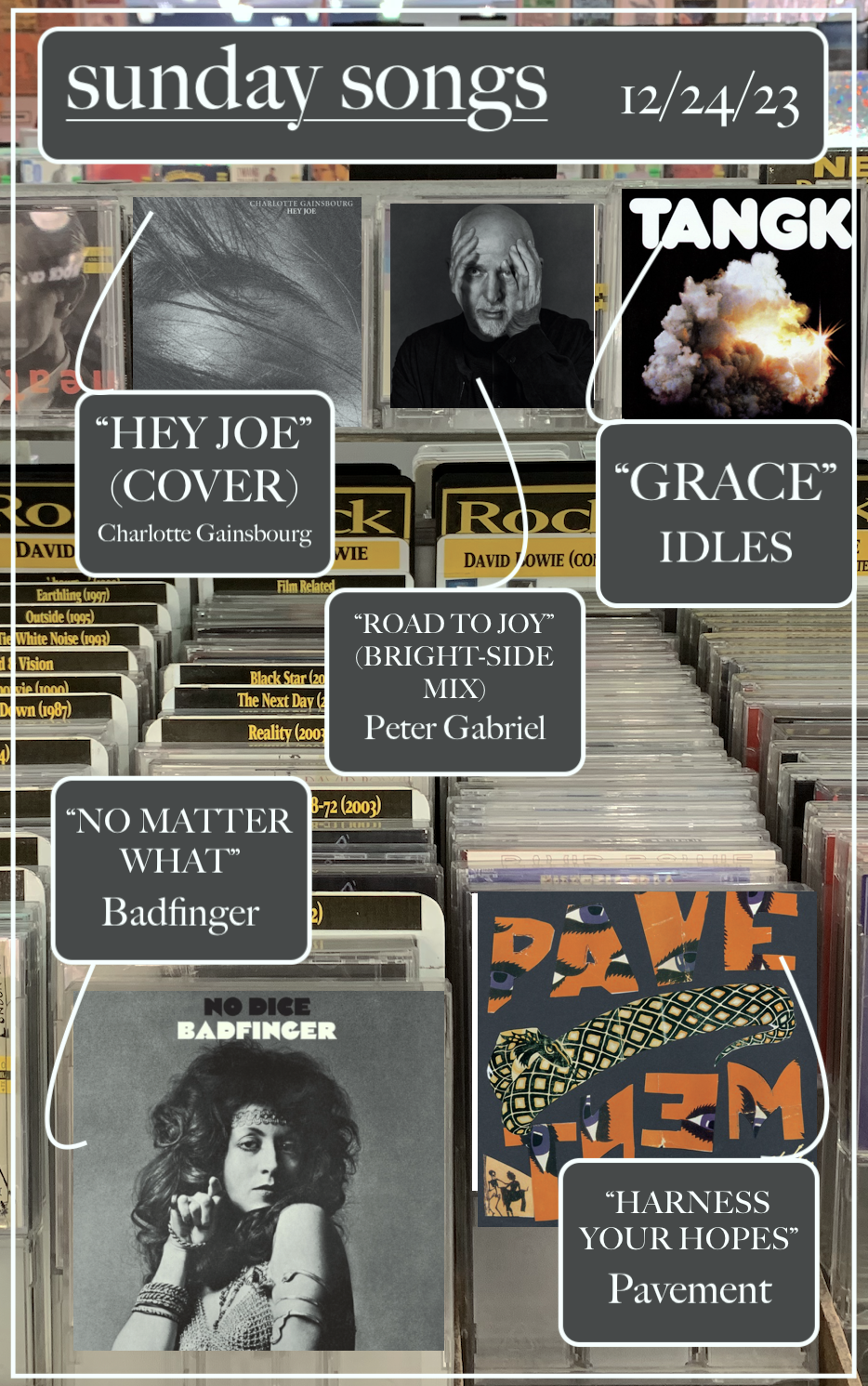
Apologies for the lack of Sunday Songs last week; the only reason I was able to get the other two posts I made last week was because they were both at least 95% pre-written—otherwise, they would have been gone, reduced to atoms, by the absolute chaos hell week of pre-finals. (Why is the period right before finals always the worst? No, it’s…no, that’s just coming back from break and having to Do Things. Yeah.) Either way, that time has given me some space to think about a change that I’ve been kicking around for a bit—adding some more to my Sunday Songs. Although these posts were originally inspired by my brother, it’s really been a fruitful experience to write about music more—The Bookish Mutant is still a book blog, but I’d be remiss if I denied that part of me. And yet…the books always come back. It’s in my nature. So now, you get your songs with a book paired to each—similarities in plot, similarities in vibes, or just similarities that bounced around my head for no reason other than free association. Bon appetit!
I so wanted to talk about last week’s songs, but as I said, last week was chaos, so I never got the time to write anything about them. But because they’re still fantastic songs, have them + last week’s graphic:
I’ve only listened to two full Lisa Germano albums (Excerpts from a Love Circus, where this song is from, and its follow-up, Slide), and I’ve discovered a method to listening to them; if you don’t want to feel the milieu of misery seep into you like mold, give it only one or two listens all the way through. Let it sit, then the individual songs (and their genius) return to you in smaller bites. That’s what’s tugged me back to the parts of Excerpts for the past month and a half since I listened to the full album for the first time—said misery notwithstanding, there’s something undeniably intoxicating about almost every track.
While it’s just as rust-smelling and heavy as most other Lisa Germano song you can pull out of a hat, what makes “Bruises” stand out is the folksy, almost Celtic sway that surrounds it. After the interlude of plaintive mewling, courtesy of her cat Dorothy (originally meant to bookend “A Beautiful Schizophrenic (‘Where’s Miamo-Tutti?’ by Dorothy)”, arguably the album’s most “mom, come pick me up, I’m scared” track), the first thing that jumps out at you is the dipping lilt of the violins; they passionately bay and lurch like dancers against the steadiness of the acoustic guitars and humming, cavernous synths, the same that frame another favorite of mine from the album, “Baby On The Plane.” And Germano’s voice, mainly defined by its wispiness in many of her songs, rises to meet the violins, her high notes ringing out in strained, rasping harmony as she cries out the chorus of “bruises, bruises, bruises, bruises,” dragging out the last repetition as easily as guiding the strings of a marionette. Her harmonies twist together like ghosts rising out from the cracks of the underworld, weaving through the violin strings. “Bruises” has the creaking sway of a rocking chair, but not in the way of being curled into grandmother’s lap while she reads a story; like “Crash,” the looping, ouroboros rhythm seeps into Germano’s words of repetition and depression, mindlessly going through the motions; the exhausted delivery of “make it better, alright” hammers in her struggle to wake from the stupor, sleepwalking through life as she struggles to even get out of bed in the first place. It has the rhythm of a slow dance, but all of the dancers are stumbling over their own feet, heads hanging, hands slipping apart and missing cues and steps.
…AND A BOOK TO GO WITH IT:Summer Bird Blue – Akemi Dawn Bowman – even though this novel deals specifically with grief, the combination of Bowman’s very real, very heavy depiction of the lows of Rumi’s mental health and the way the melody seems to bob up and down like the waves of the ocean make this a solid fit in my eyes.
I’ve only come up with more recent songs as examples for this, but there’s something about adding animal sounds near the end of songs to add to the eeriness—sounds that wouldn’t normally be dread-inducing, but amp up the dread of the song. The most prominent example I can think of is the dogs barking at the end of Mitski’s “I’m Your Man”—the dog/hounds theme of the song notwithstanding, as soon as you start to hear them desperately baying in the background, interwoven with crickets and other nighttime sounds, you instantly get the feeling that something is very, very wrong. Fun way to end an album, huh?
The animals used in “Ptolemaea” are much more plainly sinister from the start—with the moaning, creeping dread that immediately swallows you only seconds into the song, the swarm of buzzing flies that trickle into your ears like a slow drip of poison shortly after is an immediate alarm bell. When I heard the flies, I heard them circling around something rotten. Something putrid is not too far away, and the flies have come to land on your skin feed on you next. Uncomfortably landing on your skin is something that “Ptolemaea” instantly does—it’s a truly astounding piece of art, but it’s astoundingly icky for all of its six plus minutes. And yet there’s something instantly, drowningly consuming about it—the instrumentation in the last half has a hard rock, almost goth tidal wave that wants to bring you down with it into the cold, unforgiving depths. And like a dog-eared, pocket Bible with a battered cover and flaking pages, the sonic layers seem infinite, from the chilling, low incantations of perverse, religious verses, to the blood-curdling cry of “STOP!” that marks the song’s halfway point. I can’t help but be in absolute shock at this song—I seem to remember being openmouthed with giddy surprise when That Part kicked in while driving with my brother. I can’t listen to this song too often, lest I get consumed by the creeping dread, and I also feel guilty having those giddy feelings about the second half of this song, when it’s so clearly alluding to some form of abuse and/or sexual assault. But from what I know about the whole Ethel Cain project, it was born out of a desire to explore a history of religious trauma, abuse, and queerness, and that is, at its best, is one of the best qualities of art—to weave all these things into something new to reach out to others; in Cain’s case, the results are unfathomably harrowing, but undoubtedly masterful.
…AND A BOOK TO GO WITH IT:Extasia – Claire Legrand – would you like your creeping dread and explorations of queer girlhood and religious trauma with a side of towering entities in the woods?
Don’t you love doing mundane, peaceful things and listening to albums that are the exact opposite of mundane and peaceful? Nothing like cleaning up the bathroom and quietly rearranging my bulletin board while Joe Talbot is screaming in my ears.
I finally, finally got around to listening to Ultra Mono over break, and for the most part, it was sheer fun all the way through. Apparently, it’s regarded a little lower in the ranks for some IDLES fans; in contrast to some of their other albums, this seems to be where they went full in on the aggressively positive theme, and for a lot of people, it seemed to come off as corny. And…yeah, I don’t buy it. I understand the gripes about “War,” the album’s first track—the onomatopoeia is fun, but it doesn’t make sense at all. And as much as I enjoy it, I see where a lot of the criticism comes for “Ne Touche Pas Moi“—Riot Grrl did aggressive songs about consent first, and IDLES seems to have respected that history, but there’s something to be said for a bunch of aggressive, sweaty British men who look like they could beat you to a pulp singing about “Your body is your body/And it belongs to nobody but you.” (Plus, at least they had a woman—Jehnny Beth—shout the rallying cry of “ne touche pas moi.”) I’d feel safe walking home at night with these dudes. But either way, this is how I see it: we have a sea of songs this aggressive, but that are all about how edgy you are and how much everything sucks, so as far as I’m concerned, IDLES are a breath of fresh air. The screamy edgelords and their corresponding emotions have their place (sometimes), but they’ve had their moment in the sun. KINDNESS!
As the title suggests, this song pretty much sums up the entire IDLES ethos—aggressive positivity. If you isolated the lyrics from the song, you’d probably get some accusations along the lines of “you dirty hippie(s),” but that’s what makes it so memorable—it’s earnest, it’s loud, and it’s relentlessly optimistic. But this killing with kindness isn’t the kind you associate with smiling, doing nothing, and letting yourself be stagnant or stepped on—as Talbot declares, “Ain’t no doormats here/It doesn’t mean you have to bow, or say “Your Highness”/Just kill ’em with kindness/If you wanna beat the machine, keep your teeth clean.” And what better to cement that than circles of dancing, anthropomorphic flowers and a grinning, rubberhose-style Joe Talbot spoon-feeding some kind of kindness serum to a scowling beefcake who was beating up a bunch of other guys just a few minutes earlier? It’s nothing short of delightful. IDLES are a blessing.
…and I’m seeing them in May!! WOO!!
…AND A BOOK TO GO WITH IT: Chameleon Moon – RoAnna Sylver – it’s not in the title, but it’s in the subgenre. What better word to describe both this and IDLES but hopepunk?
I’m 100% admitting to my status as a poser with regards to this song, because I haven’t even seen When Harry Met Sally, the movie where this version of “It Had to Be You” originally comes from. That being said, “baby fish mouth” has been permanently ingrained into my psyche thanks to my parents.
A fact that I always forget whenever I listen to this song: not only has Harry Connick, Jr. had a flourishing jazz career that starts as far back as recording in the studio for the first time at age 10, he’s also…
…yeah, oh my god. Dean has insane pipes.
…AND A BOOK TO GO WITH IT:The Spare Man – Mary Robinette Kowal – I was 100% grasping at straws for this one, but The Iron Giantwould have objectively been cheating (and for once, the movie is objectively better than the book in every conceivable way). To be fair, I don’t read a whole lot of historical fiction, particularly the kind that would lend itself to this kind of big band drama, but with the lighthearted, noir feel (in space!) of this book makes me convinced that this song could’ve been in playing in the background of the bar on the opulent space liner where The Spare Man is set.
In terms of Jay Som’s catalogue, it seems that this song is one teeter away from disappearing into the ether—it was part of the Polyvinyl 4-Track Singles series (which has included artists such as Kishi Bashi, The Dodos, and of Montreal over the years) back in 2017, but as of now, the official audio on YouTube has only 10 likes (including mine, teehee) and nothing comes up when you google the lyrics. Well, nothing relevant. The top result is for the lyrics of “The Bus Song” (always fantastic), but by the time you start scrolling through several other Jay Som songs that aren’t “Lose”, it turns into…Jay Z and Coldplay, for some reason? Oof. Kinda rough. And although I’m all for being a petty hater and being bitter about songs I like getting popular and/or songs I like starting to be liked by popular people, there is no need for this song to keep going under the radar. It’s too delicately wonderful for such under-appreciation, dammit!
In my mind, the ascending notes that make up “Lose” fall somewhere between Wilco and the Beatles. It’s got that meticulous, stair-step climb in both the rhythm and the main riff that could have made up the framework for something off of Star Wars or Revolver just as easily. It’s a progression that immediately crawls into your brain, and I’d be lying if I didn’t enjoy every minute that it took up the space inside of mine. Jay Som’s signature dreamy haze of grainy lo-fi makes it sound like you can hear the gentle pitter-patter of rain trickling against the windows of wherever the song was recorded—regardless of whether or not it actually was raining, the flickering warmth that permeates through all of her songs shows its face here. Somehow, it’s the perfect soundtrack for being under a blanket forth while it rains outside. You’ve got a flashlight propped up in the corner, and it makes everything look gently orange and yellow as you uncomfortably squeeze yourself against the side of the couch you propped your blankets up against. There’s a bag of snacks somewhere, and now, your pillow feels just right.
…AND A BOOK TO GO WITH IT:A City Inside – Tillie Walden – more in vibes than anything, but Walden’s art style, with its muted, flat hues and beautiful simplicity, lends itself to this drifting air of most of Jay Som’s music, even if this single didn’t have the album art that it has.
Since this post consists entirely of songs, consider all of them to be today’s song.
That’s it for this week’s Sunday Songs! Have a wonderful rest of your day, and take care of yourselves!
Far be it from me to start the month off with a negative review, but that’s just how my December started off. Eh. Should be a lesson to me for trying to read something that’s been on my TBR for 3+ years—my tastes generally don’t change dramatically in that amount of time, but my standards for writing and plot certainly did. That’s all to say that The Witch King was a promising, inclusive fantasy that quickly proved itself to be not worth my time.
Wyatt Croft is a witch, and in the North American realm of the fae, witches are the enemy. Years ago, Wyatt’s magic got out of control, forcing him to flee back to the human world and go into exile. But his betrothal to Emyr, the prince of the fae, has not dissolved, and Emyr is back on the hunt for him. Forced back into the world of the fae, Wyatt must come to terms with his engagement—one that may hold the lives of all of North America’s witches in the balance. And his feelings for Emyr may be coming back, as much as he wants to hide them…
The Witch King has made me realize that I need to expand my criteria for DNFing books; most of my DNFs are 1-star books—the ones that are just so bad that I can’t finish them. In comparison to a lot of the other books on my DNF shelf, The Witch King wasn’t comparably as bad. But the difference is that at a certain point, it was just so clear to me that this book was not worth my time. I really wanted to like it, but once I got past the first third, there wasn’t any point in me finishing this book. A DNF is not always a 1-star read, but a 1-star read is not always a DNF. It’s like geometry but easier to explain.
I wanted to emphasize that I really wanted to like The Witch King. But in the 3+ years that this book has languished on my TBR, it’s clear that my standards have changed. The foreword by Edgmon was incredibly touching, and it’s so clear that this was the book of their soul—there’s no denying the love that went into this book. And it’s so, so important to support trans authors like him, but it’s just as important to remember that even when you read diversely, a book’s diversity doesn’t automatically fix every plot hole and writing issue. There’s some slack I’m willing to give Edgmon because this was his debut, but The Witch King really left a ton to be desired.
It’s clear that Edgmon put a lot of thought into constructing Wyatt’s character, but in his quest to make him as relatable as possible, Wyatt turned from simply “relatable” to an incompetent mess. Even as a queer person, there’s only so many “I am a gay little worm who makes terrible life decisions” (actual quote from the book) jokes I can take. Jesus Christ. The word “cringe” is outright abused these days, but I feel like this is a valid quality to ascribe to the writing of The Witch King, since most of the humor feels so overdone and unfunny. If your type of humor consists of Tumblr jokes from 2017, then boy, do I have the book for you. All of the attempts to make Wyatt seem more human and fallible made him just feel like a pathetic mess incapable of seeing past his personal faults and (many) mistakes. It absolutely grated on me after a certain point. The rest of the writing wasn’t all bad, but good god, Wyatt’s characterization made me want to jump ship almost immediately.
Since I abandoned ship after the first third, there’s probably some context that I inevitably missed, but the worldbuilding of the North American fae really left a ton to be desired. Apart from the rivalry between witches and fae, there really wasn’t much of an explanation as to how the fae worked in tandem with the human world: where do the borders between human and fae begin and end? How do the two interact? And more importantly, what are the different interactions between the different species of fae? There were a bunch of different creatures that were just thrown at you in the background with zero explanation, never to be seen again. There’s a difference between convoluted worldbuilding and worldbuilding that just isn’t properly thought-out, and this fell firmly into the latter camp. It was all just a hot mess. I’ve read several reviews saying similar things about the worldbuilding, so…I guess it never did get better beyond what I read? Oof.
That being said, I really appreciate the diversity that Edgmon wrote into The Witch King. Having a trans main character is so important, and as much as Wyatt got on my nerves, characters like him need to be in the spotlight. Edgmon presented a lot of character that were very diverse in terms of race, gender, and sexuality, and while it seems like the representation wasn’t all accurate and some of Edgmon’s depiction of social issues wasn’t handled as well as it could’ve been (glad I didn’t get to that part, I guess…), it’s always good to have a range of characters like that. It’s about all I have to say about The Witch King that’s positive, but it’s worth being highlighted.
All in all, a diverse fantasy debut that sadly crashed and burned in its characterization and lazy worldbuilding. 2 stars.
The Witch King is the first book in the Witch King duology, followed by The Fae Keeper. Edgmon is also the author of the Ouroboros series, which consists of Godly Heathens and Merciless Saviors.
Today’s song:
That’s it for this week’s Book Review Tuesday! Have a wonderful rest of your day, and take care of yourselves!
Here we are, and once again, the year is nearly over…at least we have season 5 of Fargo to distract us from the inevitable passage of time.
Let’s begin, shall we?
GENERAL THOUGHTS:
Break aside, November has been on the busier side, but it’s been a productive one for me. It’s been chaos as far as my workload has gone, but part of that chaos was the editing that led me to send off two of my short stories for consideration to be published in some school literary journals! I won’t hear back for several months, but I’m so excited!! The initial impostor syndrome has faded (it’ll probably come back in a few months, mark my words…I’ve got my NyQuil ready), but either way, I’m really proud for taking this first step. Now, the workload chaos is in the form of looming final projects, which is not nearly as fun, but at least I don’t have to take a stats final at the crack of dawn like last year.
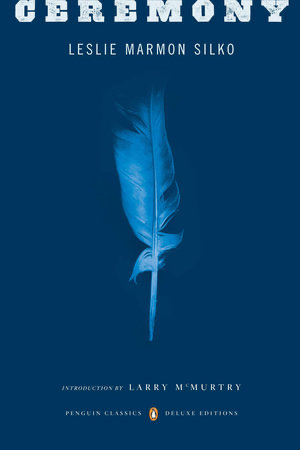
My reading has been a bit slower this month (see above), but as far as enjoyment goes, I’ve had a much more successful month! I had another 5-star read in the form of Ceremony (me when mixed-race experience and themes of storytelling), and I only had one book in the 2-star range for this whole month! I ended up reading a ton of literary and literary-leaning fiction for no particular reason, but the ones I read this month were almost all hits. I’ve had some more time to blog, what with break and whatnot, so it’s been fun to write more frequently before finals hits me like a train.
Other than that, I’ve just been trying to draw and play guitar (when I can), watching Taskmaster and The Great British Bakeoff (hEY NOW NO SPOILERS US AMERICANS HAVE TO WAIT UNTIL FRIDAY FOR THE FINAL), trying to ignore how cold the weather is, and rejoicing the return of Fargo! FARGO! I FEEL ALIVE AGAIN!
…say, are we gonna talk about how utterly insane episode 3 was? Just me?
Also, for your casual amusement, here’s the mess that is my Apple Music Replay for this year:
READING AND BLOGGING:
I read 15 books this month! Again, slower than normal, but it’s impressive to me, given how much editing and pre-finals chaos has consumed me this month.
Hunger Makes the Wolf came on my radar when I was looking for more books with disability rep (as always), but I ended up buying it on my Kindle after my dad notified me that I had some unused Kindle points (thank you for reminding me!)—it was free with the points added on, so how could I resist? And while Hunger Makes the Wolf wasn’t perfect, it’s a ton of gunslinging, space-fantasy fun.
Hob Ravani ekes out a living in the deserts of Tanegawa’s World, a planet owned by TransRifts—the corporation who controls the market on interstellar travel in the whole galaxy. For 10 years, Hob has gotten by with the help of the Ghost Wolves, a group of bandits roaming the desert and finding money where they can. But when Hob discovers the body of Nick, the man who recruited her to join the Wolves, abandoned in the desert, she knows that she has to act before TransRifts discovers their operation—and discovers the powers that she’s kept hidden from sight.
TW/CW: murder, descriptions of injuries, descriptions of corpses, violence, loss of loved ones, human experimentation
Writing accents phonetically is a slippery slope that I’m not going to get fully into in this review. In this case, though, Alex Wells had decent success with making everyone who was meant to sound like they had a Southern accent actually sound like they had a Southern accent, which worked—this novel was a space Western, after all. That being said, the unintended consequence was that Wells’ spelling of Hob’s accent was that I imagined her voice more like Holly Hunter in Raising Arizona than the badass, hardened gunslinger that she was made out to be. It sort of worked, though.
As far as sci-fi subgenres go, I’m not usually huge on space Westerns; I’ve rarely seen them done exceedingly well (even The Mandalorian got more than a little repetitive eventually), but the best are at least fun. And that was what Hunger Makes the Wolf was—incredibly fun. It had all of the trappings of a debut novel, but what Wells did get right on the first time was that pacing. Although the action sequences were what made Hunger such a blast to read in the best parts, Wells also knew how to balance them out with quiet, more emotional moments, and also moments to slip in worldbuilding without absolutely walloping you with it. Wells’ action was really the star of the show here; their fight scenes had just the right amount of tension, levity, and butt-kicking to make for more than one delightful scene.
Recently, I’ve read several sci-fi books that were marketed as “space fantasy,” and none of them have really fit the bill. And yet, Hunger Makes the Wolf wasn’t necessarily marketed as such, but it does what the other novels lacked. Even amidst the classic sci-fi backdrop of corporate greed, massive spaceships, and gruesome human experimentation, there’s the element of the characters’ strange hidden powers. Naming said powers “witchiness” was already a win in my book, the charm of it really fits the Western atmosphere that Wells was going for—it hits that sweet spot of not sounding overly jargon-y or formal, but not too hokey, either. Every time one of the characters mentioned it, I couldn’t help but smile—especially in Hob’s aforementioned Holly Hunter voice.
Hunger Makes the Wolf is an incredibly ambitious novel, and the ambition is accentuated when you remember that this is Alex Wells’ debut. In some ways, it worked; Wells managed to juggle a safe amount of the worldbuilding without leaving the reader without context, but also without dumping it excessively. However, what Wells did not juggle as well was the sheer amount of characters that we jump between. Hunger was clearly meant to have a found family theme to it, which I’m normally a sucker for, but Wells just had so many extraneous characters on their hands that none of the character relationships felt fleshed out. If we had gotten more scenes with Hob and the rest of the Wolves, for instance, I would have believed that they really were as thick as thieves. Adding onto this, the perspective switches may not have been necessary; Mags, although she plays a prominent role, doesn’t have a perspective or voice that added anything substantial to the narrative. It’s a classic debut author case: Alex Wells had some spot-on ideas, but they bit off far more than they could chew.
All in all, a rollicking space fantasy with action aplenty, but with characters that left me wanting more. 3.5 stars!
Hunger Makes the Wolf is the first book in the Ghost Wolves duology, followed by Blood Binds the Pack. Hunger was Alex Wells’ debut novel; they are also the author of the short story Angel of the Blockade.
Today’s song:
FARGO IS BACK I AM FOAMING AT THE MOUTH OH MY GOOOOOOOD
That’s it for this week’s Book Review Tuesday! Have a wonderful rest of your day, and take care of yourselves!
Happy Tuesday, bibliophiles, and more importantly, MERRY FARGO DAY!! SEASON FIVE IS FINALLY HERE!! REJOICE!! I’ve been waiting three years for this…I can’t WAIT to watch it tonight!
I’ve noticed that I’ve read a lot of adult books this month (much of which have been more literary fiction) and not a lot of YA; although it’s been a much better reading month than October, I wanted some YA to mix it up. A Crooked Mark was the perfect book to scratch that itch—campy and silly in the best possible way.
Matthew Watts knows that evil works in mysterious ways. That’s why his father has raised him to know the signs of those marked by Lucifer himself. Ever since he was young, they’ve been going from town to town, making sure the Marked are killed before their evil is unleashed on the innocent. But Matt’s father has a new mission for him—his first ever solo mission, following a girl named Rae Winters. As Matt tries to blend in at the local high school, he befriends Rae—and begins to fall in love with her. And as his mission steers in the wrong direction, he begins to question if all that he’s working for is a lie…
TW/CW: murder, descriptions of burning alive, car crash, grief, loss of loved ones (on and off page), descriptions of injury
A Crooked Mark caught my eye over the summer because of its premise—not necessarily that it was particularly unique, but because it sounded so similar to Frailty—a movie about a father and his sons killing those that God has told him are demons. As far as I can tell, there’s no real correlation between the two (though I’d be shocked if this wasn’t at least a partial inspiration for the book), but, again, caught my eye—of all the movies to inspire a younger-leaning YA novel, Frailty would not be my first choice. That being said, A Crooked Mark, though not without its flaws, scratched the itch I needed—corny, supernatural fun.
From here on out, if I say “corny” in this review, I mean in the most affectionate way possible. I was on a streak of reading a lot of adult fiction/more literary-leaning fiction, and while I enjoyed all that, A Crooked Mark was just the kind of unserious book I needed to shake things up. It feels like it could’ve been the kind of campy, supernatural drama that I would’ve watched in middle school, down to the fact that there’s actually a character named Moose. It’s great. I’ve seen a lot of reviews comparing it to Supernatural, which I haven’t seen, but even from the vibes I get from the show, the comparison hits the nail right on the head. The writing, while it wasn’t the best, really nailed that feel, even if it wasn’t what Kao was going for. I can probably enjoy it more because there isn’t cheesier acting attached to the already cheesy writing, but either way, A Crooked Mark was made for corny enjoyment.
Going off of that, A Crooked Mark really nailed the beats of that kind of campy, paranormal story. Matt was the perfect protagonist for this story—not overly brooding, but still self-serious (in a very un-serious way) enough that he was fun to follow around. His friend group didn’t necessarily contribute a whole lot to the narrative, but they served the purpose of putting a shield around Rae—and later being sources of conflict once everything went south. Rae was on the too-perfect side, but again: this is the campiest book I’ve read all month. I’m not expecting monumentally good character development. I did also love that Matt was mixed-race—as a mixed-race person, I wouldn’t say it’s groundbreaking rep, or that the book explores his mixed-race identity poignantly (it really doesn’t), but it’s more important in that everybody deserves to be the hero of a cheesy, paranormal teen drama. It’s what we deserve.
That being said, for a book where Matt was up against the clock trying to discover if Rae really was marked by Lucifer himself and put an end to said evil, A Crooked Mark meandered quite a lot. It was more than a sagging middle—more of a sagging 60-75% of the whole book. There was a whole lot of uneventful high school bonding, a lot of Rae’s tutoring sessions that went nowhere, and a lot of hemming and hawing in general. It would have been easy to add bits of drama here and there to amp up the stakes, and Kao partially did this, but not enough to sustain the story. Especially since a lot of the “twists” ended up being dead ends, (save for the Big Twist™️), there really should’ve been more suspense—or at least more drama—before the main twist right before the climax. I was in it for the cheese in the first 30% or so, and it only managed to pick up in the last 20% of the book—not enough to hold my attention.
All in all, A Crooked Mark isn’t anything revolutionary or exceptionally well-written, but if you’re in the mood for something spooky and campy, this is the perfect book for you. 3.5 stars!
A Crooked Mark is a standalone and Linda Kao’s debut novel.
Today’s song:
I love listening to music like this while I’m just calmly doing chores…I’ll just be cleaning the sink and Joe Talbot’s aggressively screaming about kindness and consent in my ears bahahaha I love IDLES
That’s it for this week’s Book Review Tuesday! Have a wonderful rest of your day, and take care of yourselves!
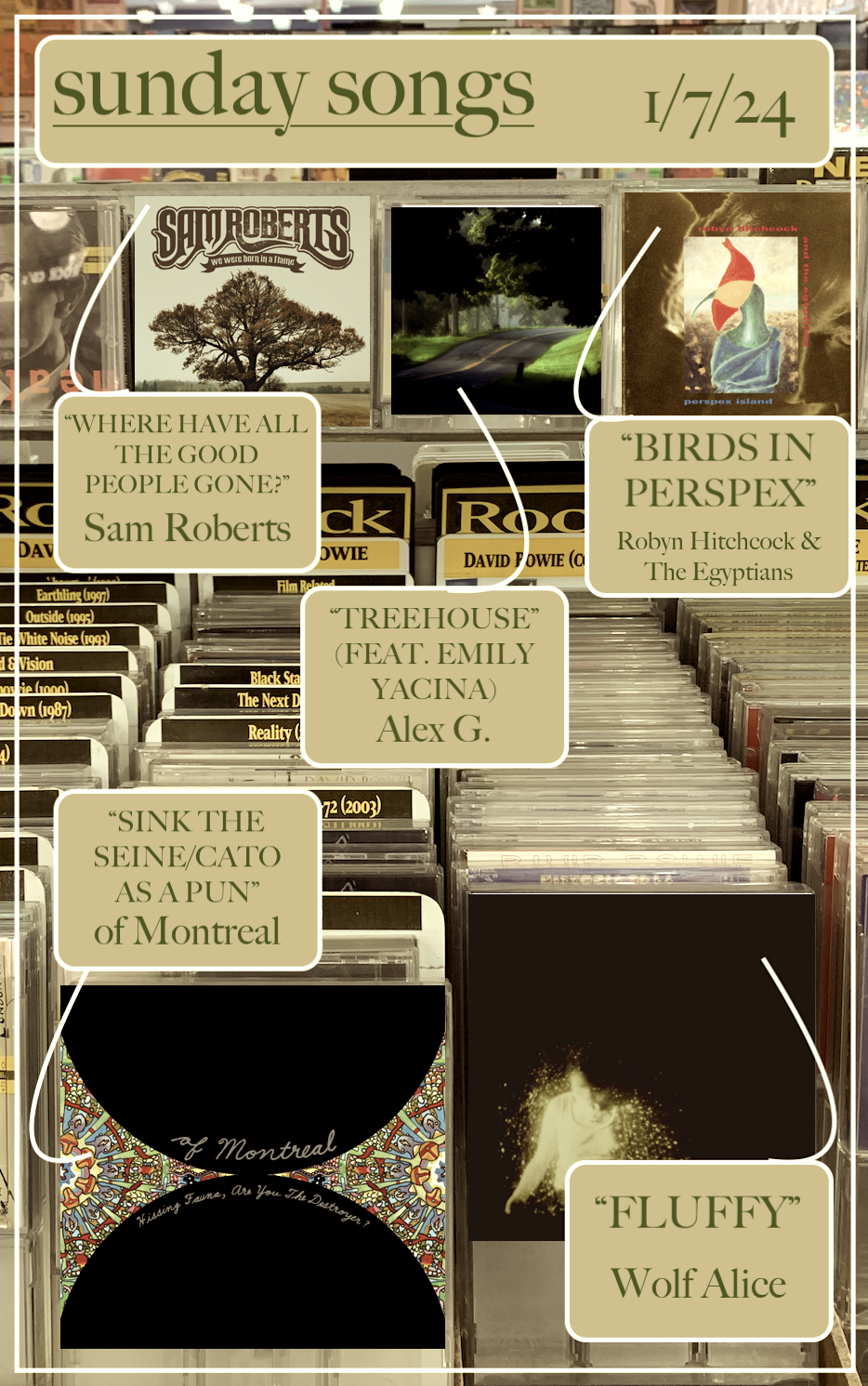
Even though he isn’t here to read this (rest in peace), and I doubt he would even if he was, I owe an apology to Bill Withers. When I asked Siri about the insanely funky song that Wilco was playing before their show back in October, I thought…Bill Withers?Like…the “Lean On Me” Bill Withers? The song we all had to sing in either elementary school or at camp? From here on out, I take back any preconceived notions I’ve had about the man, because this song slaps. I severely underestimated him.
To be fair, from the looks of it, “You Got the Stuff” seems funkier than most of his R&B/Soul-leaning catalogue, but when he did funk, he made it the funkiest funk possible. The minute the drum machine fades and the thick, bass-like synths kick in, it’s like I’ve been possessed to move my body for exactly seven minutes and 16 seconds. I haven’t heard of a contagious groove like this song has in ages, something so instantly captivating that hooks you and immediately tosses you on the dance floor. And it’s seven minutes of this. And the last three and a half minutes of that seven minutes is just bass and an absolutely glorious flexatone. (Many embarrassing google searches went into finding the source of that comically cartoonish “doi-oi-oi-oing” noise. I’m not proud of what I did.) It really is a cartoonish sound that this instrument makes, and yet it fits right in with the thumping bass and Bill Withers’ faint, rhythmic breathing and the occasional “ooh, baby.” Three and a half minutes of just that. It feels like a buildup to something bigger, but it doesn’t need to build up to anything—the unique rush of that stretch of the song keeps the funk alive for longer than I thought it could. And it’s crazy to think that this was chosen as a single for this album (‘Bout Love)—even for someone like Withers, putting the one song that goes over seven minutes long as one of the lead singles is a bold move. It did only get to #85 on the Billboard charts at the time, but it’s a hit in our hearts.
What I’m trying to say is that Bill Withers is forgiven for the setlist of my 3rd grade program. Good god, I love this song.
As much as I, in theory, dress a fair bit punk (on the days where I have my pin jacket) and generally like the leanings of the political attitude, I’ve never been able to get fully behind it—the combination of the abrasion (both musical and lyrical) and the contrarian, infighting parts of it have made it so I’ve never felt fully aligned with it. I’m only punk up to my jacket, my boots (they’re not very good for extended walking, so I wear them sparingly…there’s only so long I can commit to the bit), and my socialist tendencies. More in spirit than anything else. Same reason that even though I regularly have at least one day a week where I dress in all black and go all out on the eyeliner, I can’t fully commit to being goth, because I’ll then go up to my friends and say “HIIIIIIIIIIIIII :)” in the most decidedly un-goth way. And plus, contradicting everything about yourself sounds kinda tiring, unless you’re Hobie Brown and you make it look cool (and that’s because he was this cool the whole time). And yet, every single IDLES song makes me absolutely foam at the mouth. I love them. I’ve been putting off actually listening to a full album of theirs for who knows why, but their spin on punk—still plenty aggressive, but resoundingly hopeful and positive in their ethos (see “Mr. Motivator”). Joe Talbot himself has repeatedly insisted that they aren’t a punk band, so…okay, I’m not all that punk. But that combination of all the fiery energy of punk with their riotous joy and their wholehearted embrace of vulnerability and love is what endears me to them so much. The absolutely delicious Britishness and bisexuality of it all certainly helps too.
Hearing that “Dancer” was a collaboration with LCD Soundsystem kind of floored me—where could the epitome of tight, high-strung white boy music fit in with this? The mesh, however, is as smooth as it could ever be. There’s a constrained tightness about the opening riff that feels all at once caged in and expansive—the James Murphy touch reveals itself more and more on each listen, aside from the obvious backing vocals on the chorus. Either way, “Dancer” has just about everything I love in an IDLES song. Joe Talbot’s signature aggressively theatrical line deliveries never fail to put a smile on my face—every repetition of “and the sweat” (I can almost hear him raising his eyebrows every time he says sweat) and “so to speak” (imagine that as spitty and Britishly as you will) make listening to the whole song feel like an elaborate performance, a…dance, if you will. There’s an undeniably sensual feel of it all, a visceral pulse to the calculated choreography of each line. It’s a song I’ve never been able to skip since I downloaded, and even though I’ve still yet to listen to any of their full albums (SOON, though), I’ve got hope that Tangk will be more of the same.
New IDLES and The Smile next January…man, I’m gonna implode. It’s been fun, everybody.
…this is certainly an interesting transition. Whoops.
Certain bands are often seasonal for me—some bands are more spring, summer, fall, or winter than others. (Hence my seasonal playlists). But some bands immediately evoke a more specific point in time. For me, The Shins were always a late fall, early winter band; they feel like fall, but only after the first frost has crept in and stripped the trees bare. There a few leaves left, but they’re all brown and brittle, crumpled underfoot. It’s snowing, but not a January blizzard—maybe just sleet that doesn’t accumulate, if you’re lucky. You’re warm, sitting by the fire. The trees look skeletal now.
So I’m glad I rediscovered “Black Wave” when I did—it’s one of those songs that lingered in my periphery for years (I grew up in a very pro-Shins household), but I’d gotten so complacent in hearing it everywhere that I didn’t even think to ask about its name. But it’s the perfect November song—as most of what I’ve heard from the spectacularly titled Wincing the Night Away is. James Mercer layered effects over his gentle, wordless warble as the song begins, making a rippling, Bon Iver-like echo. Even with a colored named in the title, “Black Wave” is decidedly painted in deep, warm colors; shades of brown and maroon, accented by orange and gray. The opening image of “this goose is cooked” cements the feeling of being huddled around a fire; I imagine the goose being cooked on a spit, the skin crackling as the embers lick it. Mercer’s voice drifts and out of focus, as though on a chilly wind. And like the wind, the song doesn’t so much end as disappear, like the image of a cryptid shifting through blurry footage to fade into the winter woods beyond.
Since I first listened to Up back in March (oh, the album art is just some water droplets on a gray backgr—oH MY GOD PETER WHY ARE YOU LOOKING AT ME LIKE THAT), it’s been an album that I always fall back on. “Growing Up” was already a faint childhood memory and “Darkness” immediately stole my heart, but the more I listened, the more songs I’ve stuffed in my back pocket—the grossly timely, sleazy groove of “The Barry Williams Show” and the chest-rattling resonance of “Signal to Noise” that makes my soul leave my body every time I hear it. (Real chill stuff for walking to class, amirite?)
There’s something to be said for my hypocrisy of creating dozens of oddly specific playlists and then just listening to my whole library on shuffle, but shuffle always revives songs like this. (Although this one did go on my oddly specific clone playlist next to Roxy Music.) So much of Up has this graying, industrial feel to it, but Peter Gabriel, the genius that he is and continues to be, uses that gravelly darkness (no pun intended) not necessarily to be edgy, but to convey that feeling of hopelessness—the consumption of fear in “Darkness” and the betrayal and desperation of “Signal to Noise.” “More Than This” opens with imagery of “I woke up and the world outside was dark/All so quiet before the dawn/Opened up the door and walked outside/The ground was cold.” I can’t help but think of the quiet bridge of “Darkness,” where the fear wanes and he walks into the woods to find his fear “curled up on the floor/just like a baby boy.” That industrial atmosphere—furthered by distorted, grainy samples of guitars that he and Daniel Lanois messed with in production for the album—immediately sends a hood of coldness over you, the roughness of concrete and frozen ground. And yet, amidst said cold ground and sinking ships, this is where Gabriel finds connection—in the absence made by everything hopeless about this world, there is still a beating heart pulsing beneath our feet, and it’s not the Telltale Heart kind. It’s the connection in knowing that you are surrounded by a community, and surrounded by the love that it breeds. Amidst it all, there’s more than this. It feels like the answer to Roxy Music’s “More Than This”—that song pondered what could exist outside of the all-consuming sorrow, and Peter Gabriel blows aside the curtain of fog to show the many arms reaching out to you, offering their guidance and warmth. It also feels like the prequel to “i/o”—”More Than This” song is the realization of connectivity, and “i/o” fully embraces it, going from a community of people to the connectivity to the Earth and all of its creatures.
“More Than This” was a wonderful surprise to re-stumble upon—the music recaptured me at first, but with every listen, it feels more like an anthem. Not only are you not alone, you have never been alone, and if you can only look beyond yourself, you can find joy in connection. The choir slowly snaking into the backing vocals towards the end of the song…almost gets me choked up, like you’re seeing the fog lifted and the love revealed.
Another calm one to end this week’s song lineup. It’s getting cold outside, the hearth is ready, and I intend to rock you to sleep with this gentle melody. Grab your blankie, kids.
My halfway deep dive into The A’s (see last week’s songs) only went as far as a few songs on the album, but it also led me to Daughter of Swords, Alexandra Sauser-Monnig’s solo work with a gloriously tarot-sounding stage name. Like The A’s, the tidbits I skimmed through from her album Dawnbreaker (title also goes hard) ventured into territory that was too twangy for my taste, but quiet moments like “Fellows” stood out to me in their calmness. The sea of lo-fi graininess that “Fellows” is drowning in coats the acoustic guitar plucking in a state of drifting, only anchored by the gentle, lilting waver of Sauser-Monnig’s voice. From the moment that faint, ominous noise scratches at the background (it sounds like a train whistle to me, but I could be wrong), you feel like you’re stepping into a sepia-tinted photograph, all hazy edges and soft, grassy ground. Alexandra Sauser-Monnig has the perfect voice for this kind of folk—as she sings about all of said fellows (who get noticeably taller and skinner as the song goes on…I guess she’s figuring out her type? Is Jack Skellington next? No judgment, but he’s taken…), her voice rings out amidst the grainy sea. It can ring when it needs to, but it has the effect of bedtime tea: calm enough to rock you to sleep, but rich enough to savor the herbal flavor as you close your eyes.
Since today’s post consists entirely of songs, consider all of them to be today’s song.
That’s it for this week’s Sunday Songs! Have a wonderful rest of your day, and take care of yourselves!