Posted in Sunday Songs

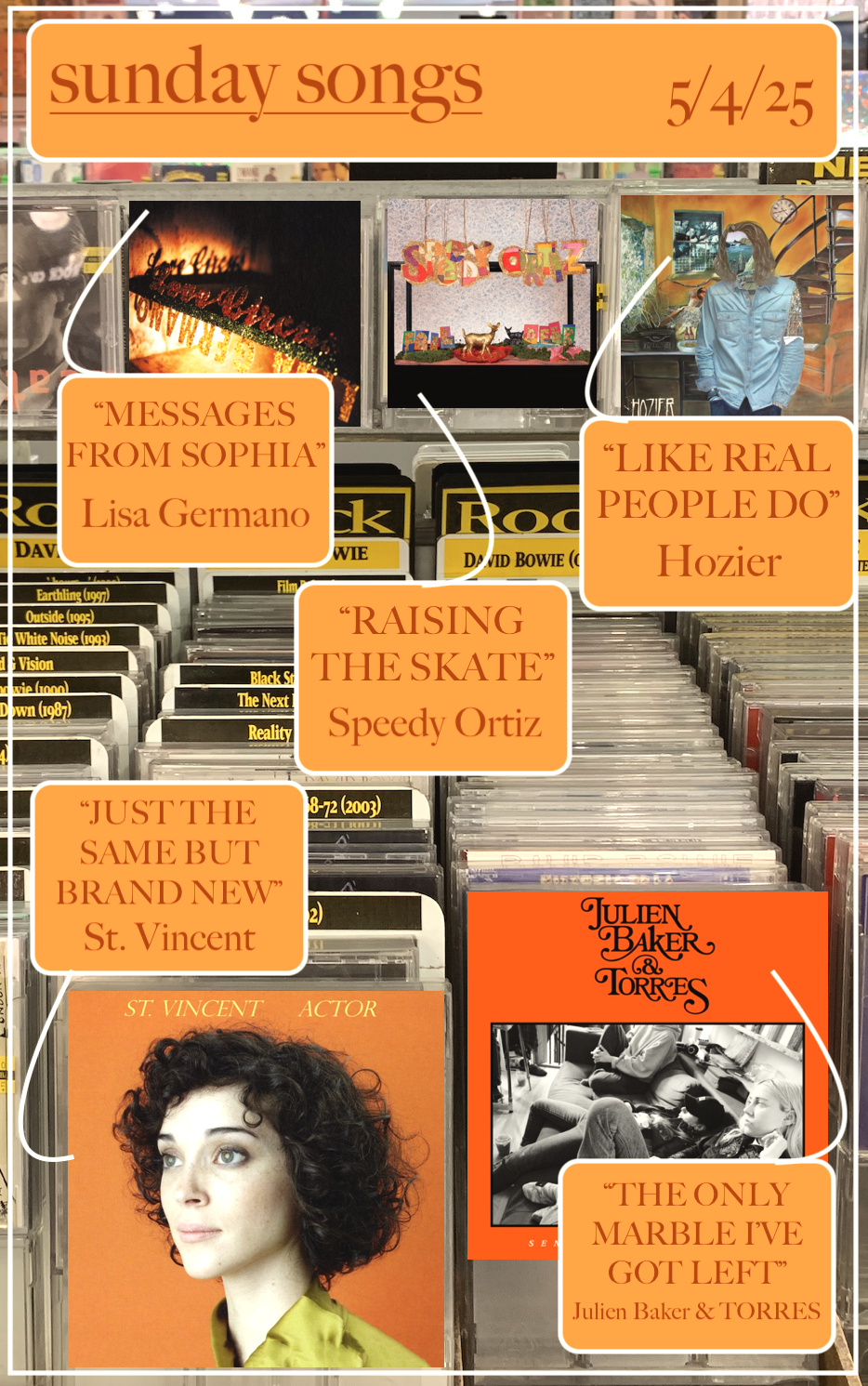
Sunday Songs: 4/6/25

Happy Sunday, bibliophiles! I hope this week has treated you well.

This week: I wish I’d gotten this unintentionally all-women lineup (or, all frontwomen, at least) for March, but every month is Women’s Month! (Especially now…reach out to your representatives about the SAVE Act, for the love of god. Protect your right to vote!) Also, the broad spectrum of romance: rollerskating past a cute person’s window on one end, and beating up creepy guys in the club on the other. Duality of woman.

Enjoy this week’s songs!

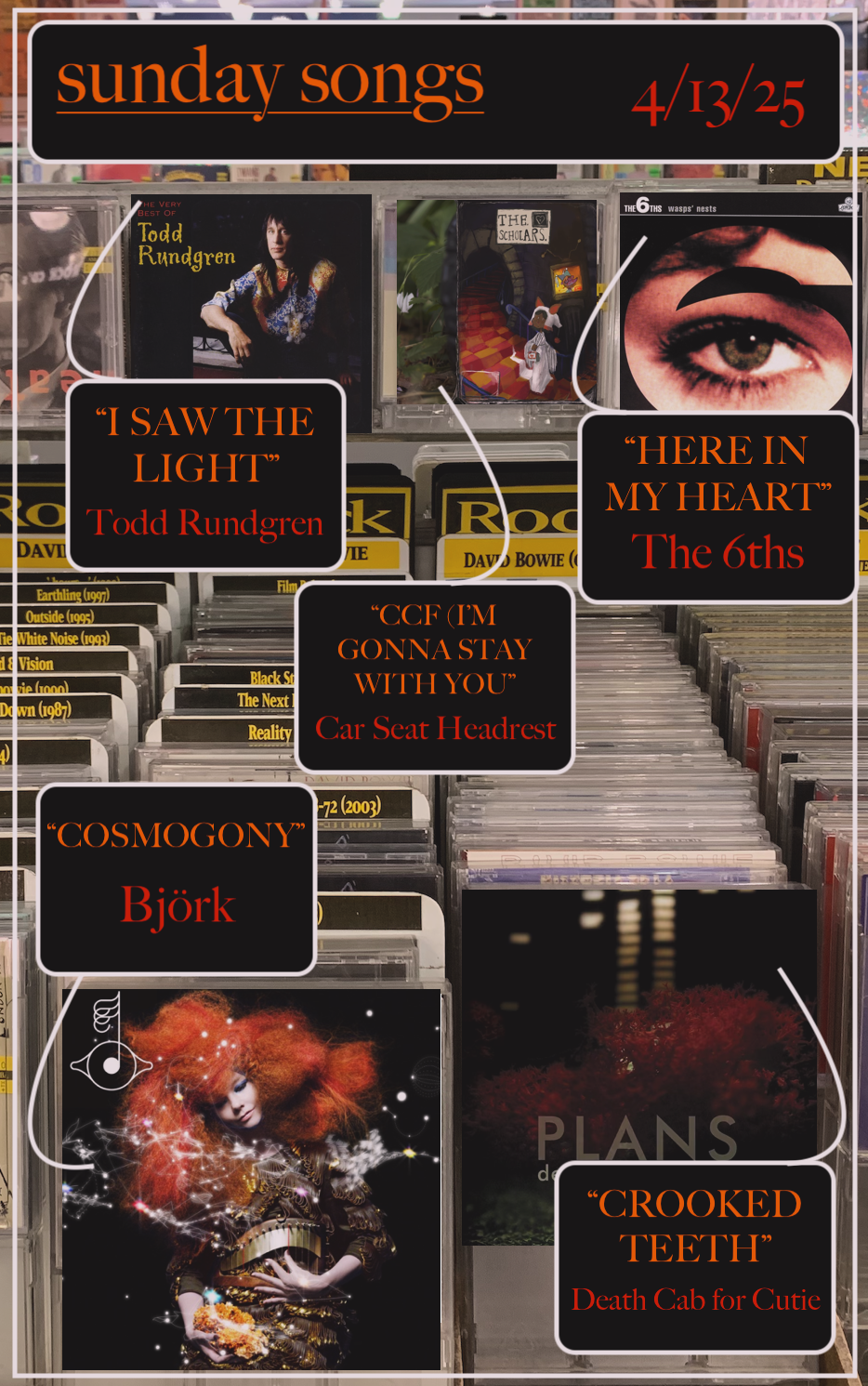
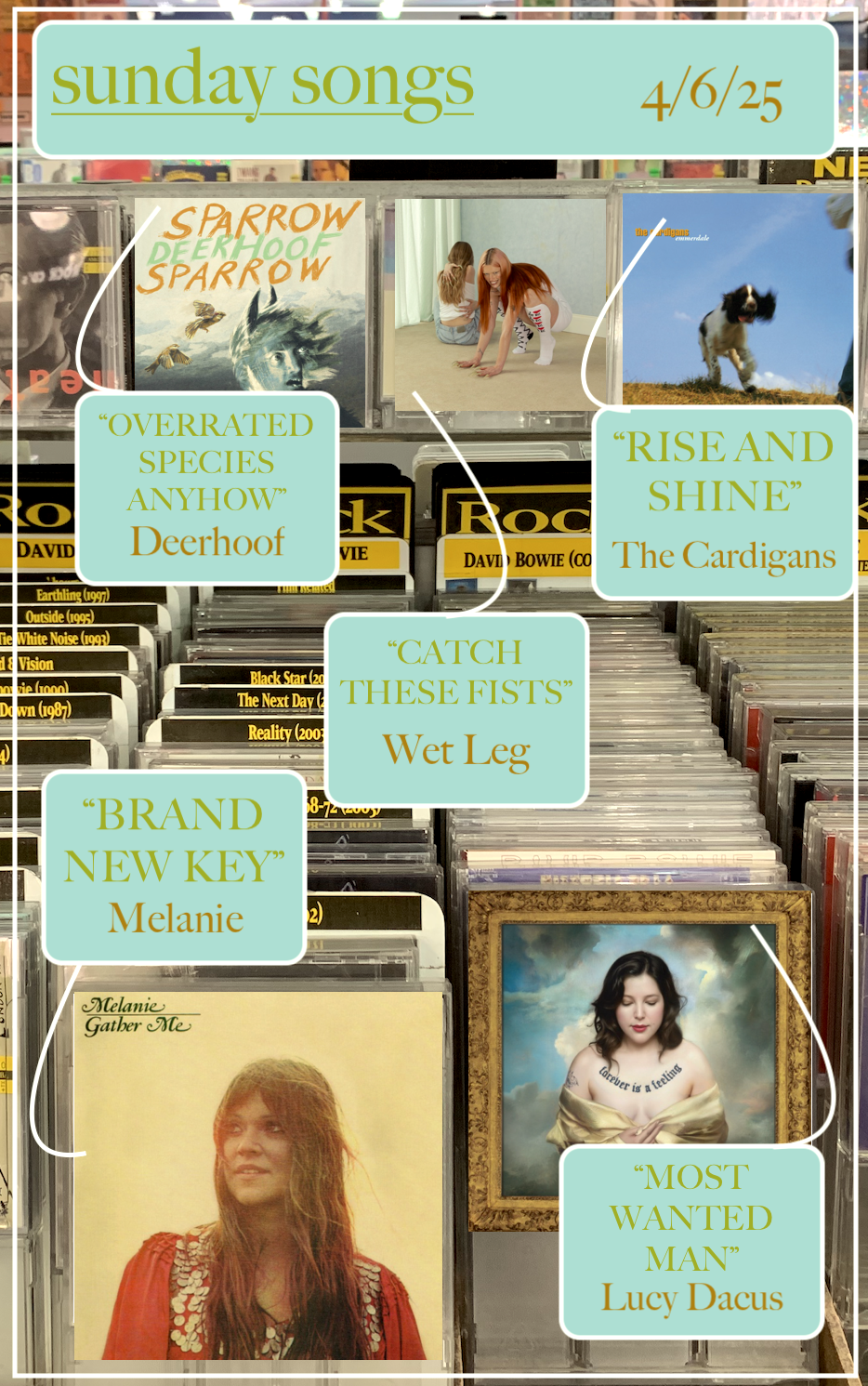
SUNDAY SONGS: 4/6/25

“Brand New Key” – Melanie

Somebody needs to start a hypothetical support group for carefree, childhood-inspired songs that get slapped with distinctly “adult” interpretations (see: “Lookin’ Out My Back Door,” a delightful song about imagination that everybody chalks up to LSD). Yeah, yeah, you can’t control how your work will be interpreted, but for the love of god, EVERYTHING ROD-SHAPED ISN’T AN INNUENDO. Quit summoning Freud with an ouija board…why can’t we as a culture let go of darkening everything inspired by childhood? Everybody just seems content to label anything childish as naïve, whack it with a frying pan, and justify its essence by saying that there’s a “mature” meaning behind it…can you not digest a little unadulterated happiness without your edgelord pills?

Anyways. As Melanie tells it, the song was inspired by eating McDonald’s after an extensive fast: “no sooner after I finished that last bite of my burger …that song was in my head. The aroma brought back memories of roller skating and learning to ride a bike and the vision of my dad holding the back fender of the tire.” It’s such a weightless song—from the minute the opening riff kicks in, it never walks—it skips between jump-ropes. “Brand New Key” is just so charmingly joyous to me. Melanie boldly announces herself with a smile that never fades as the song retains a timeless bounce that makes every step into a little shimmy, every turn of the shoulders into a carefree sway. Yet even with the folksy instrumentals, the kind that should give this song a one-way ticket into Wes Anderson’s next movie, it’s Melanie’s voice that makes “Brand New Key.” She takes on the persistence of the song’s narrator with a self-assured confidence—she can roller-skate anywhere she pleases, and she’ll do it with gusto. The way she crows the iconic line in the second verse—”For someone who can’t drive, I’ve been all around the world/Some people say I’ve done alright for a girl”—can’t inspire any emotion other than pure, fist-pumping joy. “Brand New Key” isn’t exactly some sort of revolutionary work of feminism (and that might be as much of a stretch as the innuendo), but I can’t help but think of Melanie’s boldness and relentless devotion to her creative vision, so soon after she’d performed at Woodstock at the age of 22 and begun to make a name for herself as an artist. “Brand New Key” has gone down in history more as a novelty song than anything, but it’s stuck for a reason—I can’t help but bob up and down with joy with every successive play.

…AND A BOOK TO GO WITH IT:

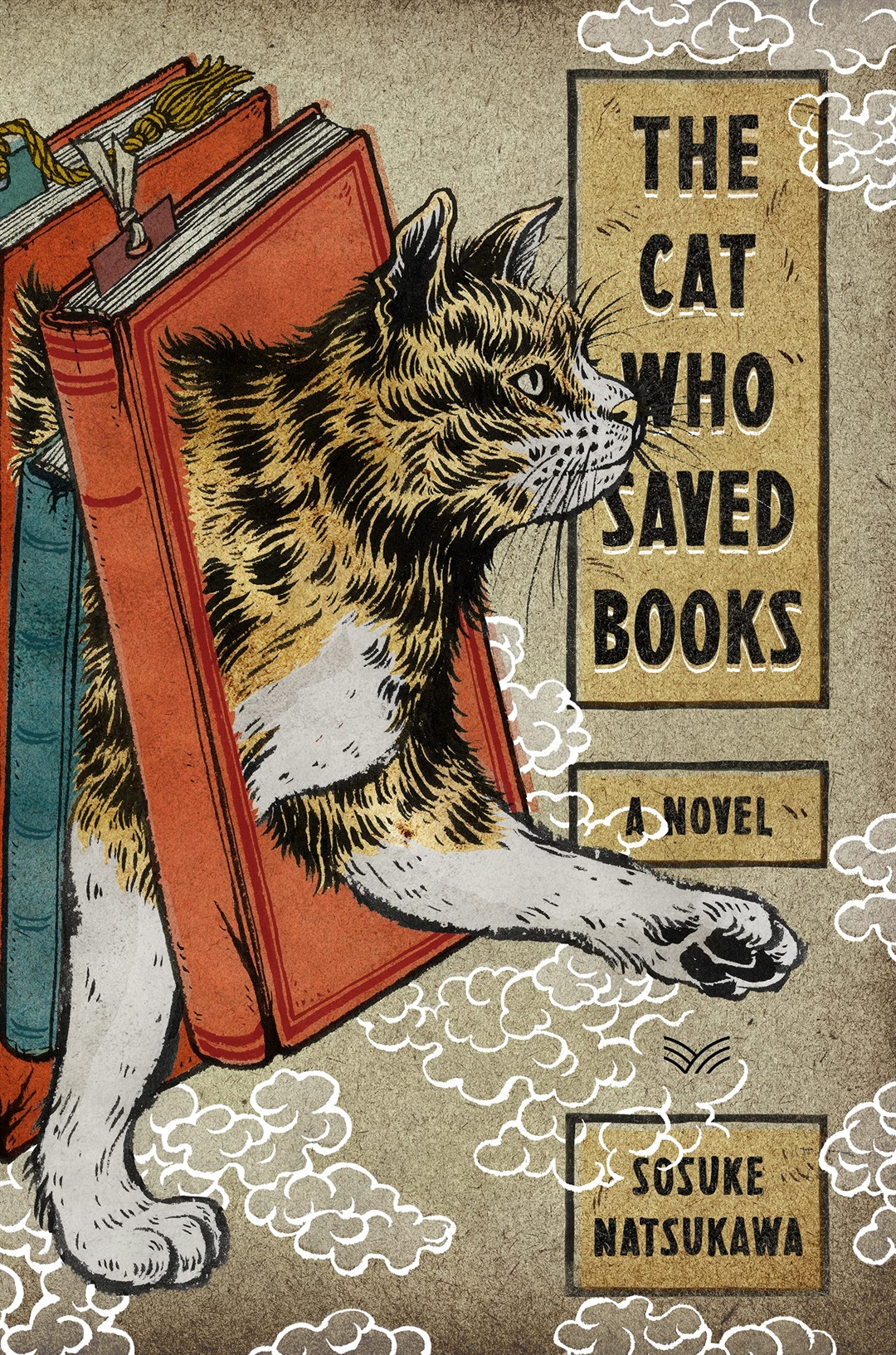
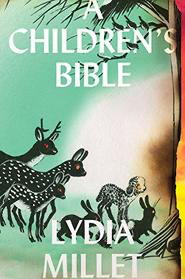
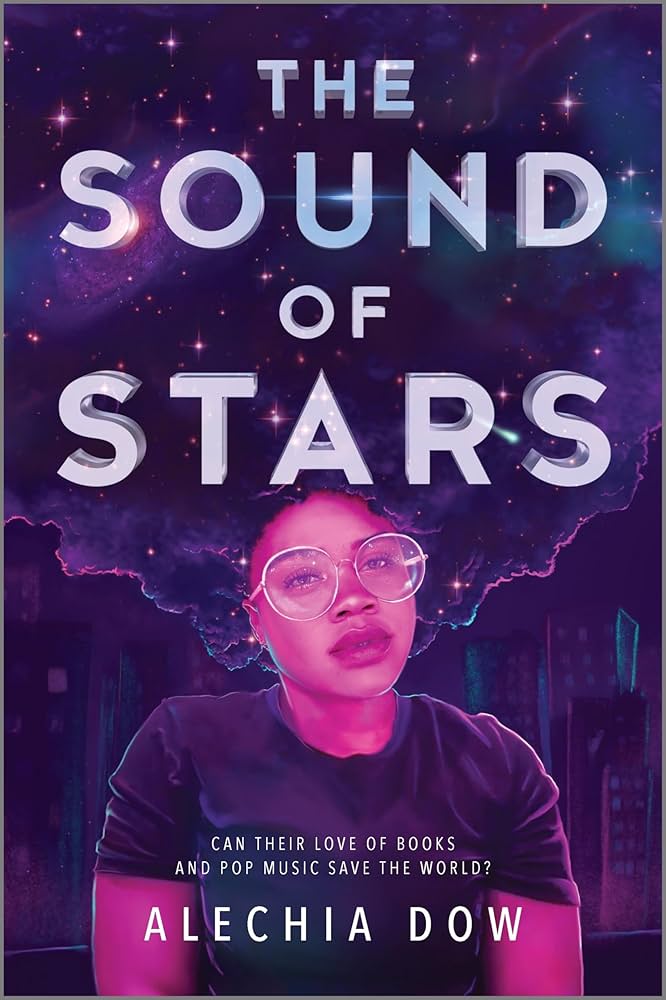
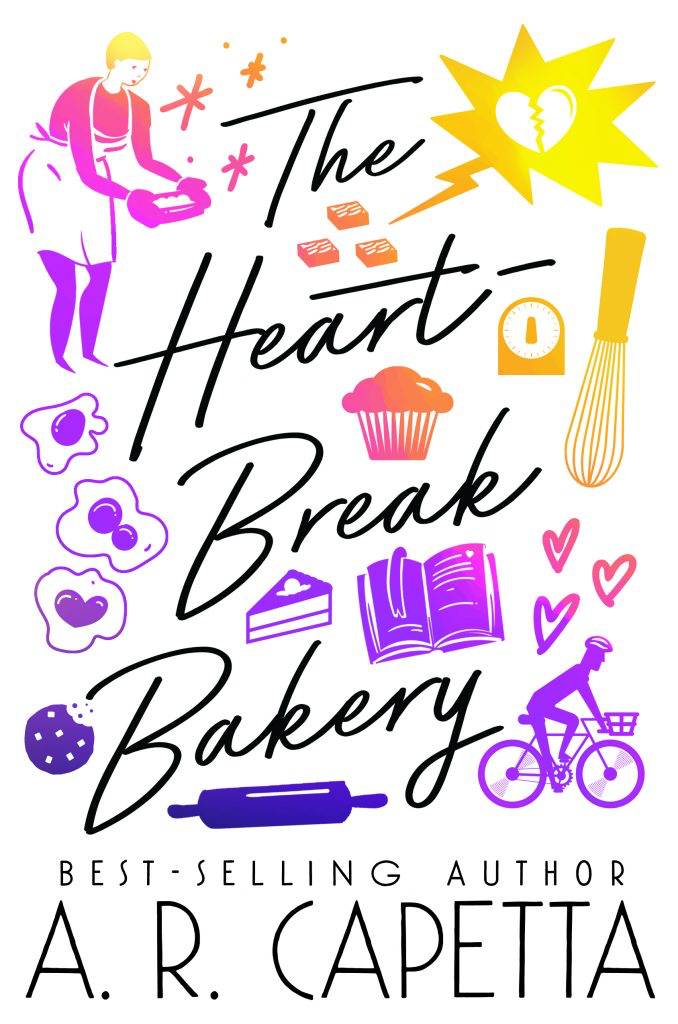
The Heartbreak Bakery – A.R. CapettaThe romance isn’t a one-to-one match, obviously, but the carefree spirit of young love (and bicycle-riding) remains the same.

“Most Wanted Man” – Lucy Dacus

Now that the dust has settled and I’ve listened more to Forever is a Feeling, it’s still a good album, but not the good I can usually expect from Lucy Dacus. After my first listen, I came away with the thought that the singles were better than the album as a whole, but also that she’d almost sold out, that dreaded stage in an artist’s career. It’s not like she wasn’t indie-popular before, but now she’s on the verge of popular popular, dueting with Hozier popular. I don’t believe Dacus, with her penchant for turns of phrase too clever to fully fit any kind of mold, will ever go fully mainstream. But with the relatively toned-down spirit of Forever is a Feeling, I can’t help but think that it was the doing of a major label that made some of these songs…almost tame. Even though the same amount of emotional explosion remains under the surface, for half of the songs, it almost feels curtailed. She’s never allowed an impassioned belt or more than a small guitar solo at the end of a song. I’m not saying that she was, y’know, absolutely screamo or anything, but she knew how to give even the smallest moments the weight of the world. This album should’ve been the perfect opportunity, given that it’s crafted from heartfelt vignettes of falling in love with Julien Baker (SO HAPPY FOR THEM!!! my boys…I wish them all the best!! 🥹). Maybe it’s just personal. It’s always weird to see indie artists get popular. Who knows.

That being said, it’s not like Forever is a Feeling was a bad album by any stretch. Lyrics? Always top-notch. And when it was able to delve into the deepest well of emotion (see: “Lost Time”), it got plenty of moments of true, misty-eyed beauty and affection. “Most Wanted Man” was one of the immediate standouts, and not just because of the tempo. With it’s upbeat, guitar-driven sway, Dacus constructs a tattered, energetic scrapbook styled like a blurry-viewed movie montage of moments with Julien Baker: “Tied in a double knot/Just like our legs all double knotted/In the morning at the Ritz/$700 dollar room, still drinking coffee from the Keurig/We’re soaking up the luxuries on someone else’s dime.” Dacus called it the song on the album that’s most overtly about her relationship with Baker, and it’s full of unbridled joy for what they’ve had, but also for the adventures they’ve yet to have together, repeating a starry-eyed refrain of “I’ll have time to write the book on you.” Besides the healing reference to “Everybody Does” (“Gripping my inner thigh/Like if you don’t, I’m gonna run”…right in the 2020 Madeline) and Baker herself contributing harmonies, it’s a song brimming with hope, of seizing the moment, and yet holding the excitement of spending your life with someone in your heart. Major label or no, they can’t stop Lucy Dacus from penning the most heartfelt songs about relationships, be they romantic or platonic.

…AND A BOOK TO GO WITH IT:

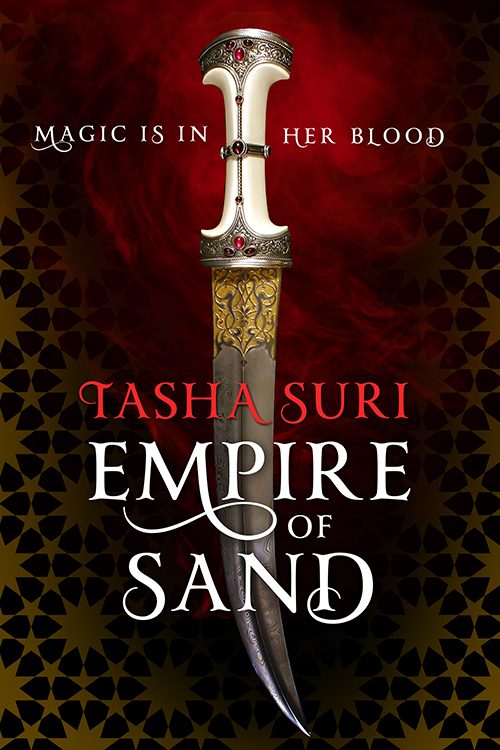
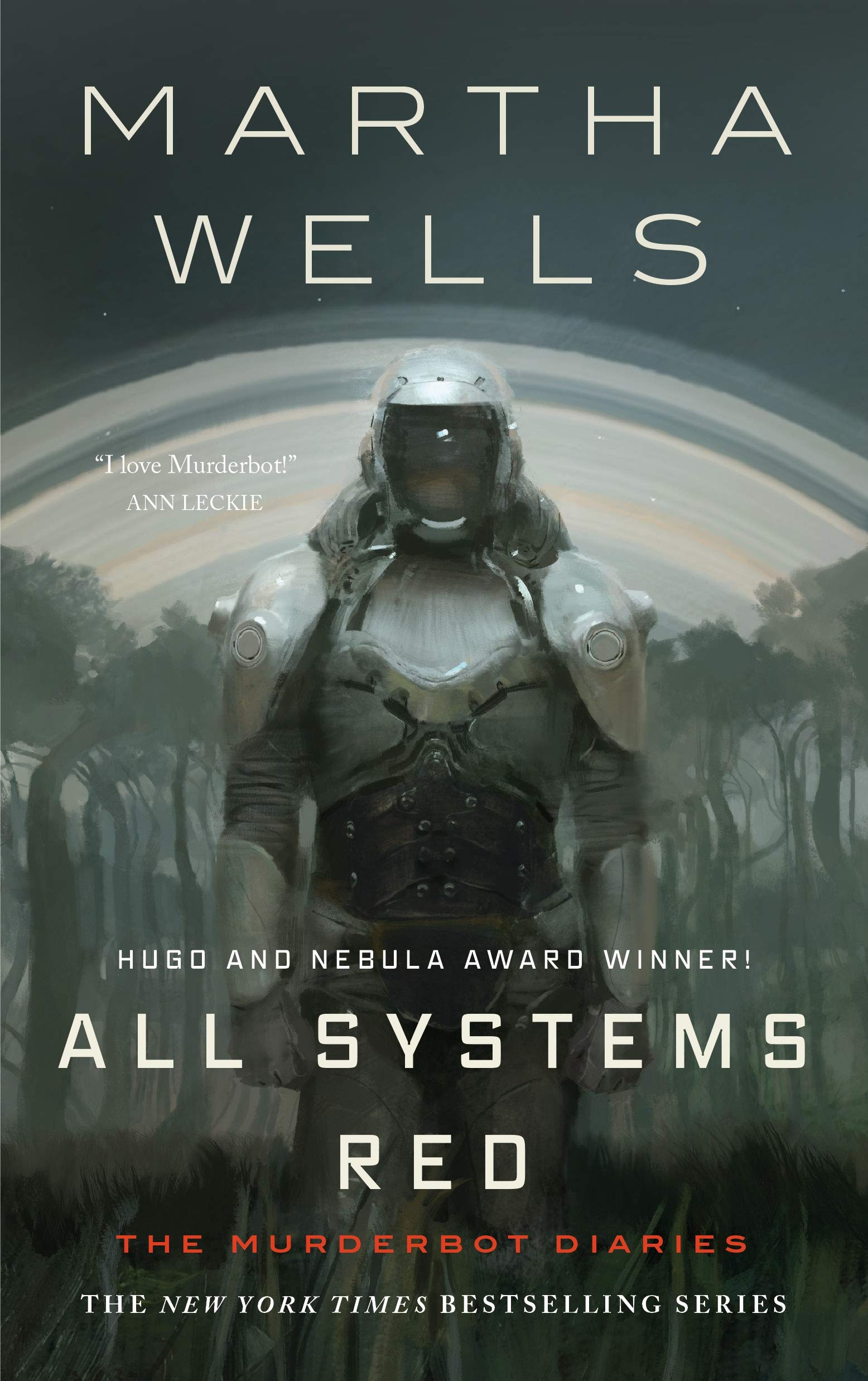
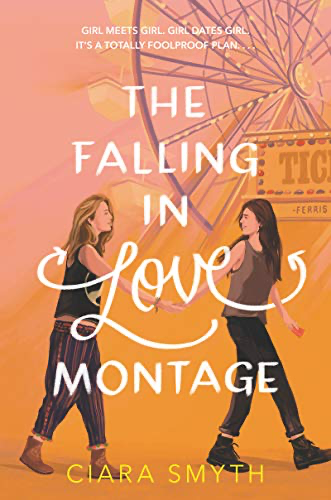
The Falling in Love Montage – Ciara SmythA similarly energetic and tender (and sapphic!) story of love and adventuring.

“Overrated Species Anyhow” – Deerhoof

I know an album intro when I see one…and I heard this single before Deerhoof announced their new album, Noble and Godlike in Ruin. It’s short, anthemic, it feels like a nice thesis…and it’s a good thesis to boot: “Love to all my aliens/Lost, despised, or feared/You are why I wrote these passages.” I feel like that scene in Into the Spiderverse at Peter Parker’s funeral where one of many strangers in a Spider-Man masks tells Miles Morales that “he’s probably not talking about you,” but I will gladly be accepted as one of said aliens. Hey, “Future Teenage Cave Artists” got me through a pretty nasty bout of anxiety, and I cherish it to this day.

Thus far, some of the album seems to be about frontwoman Satomi Matsuzaki’s experience as an immigrant in America alongside all of the hateful rhetoric that is (and has always been) multiplying; Admittedly, I balked at the use of the word “savages” in the way that it’s used here, but I can see it as being a reclamation of a term that has been historically lobbed against immigrants. (Still not ideal, but I can at least see the justification of it.) “Overrated Species Anyhow” feels almost choir-like, meant to be sung as a kind of incantation of sanctuary; amidst the chaotic melding of birdsong, “Via Chicago”-like drumming, and a cascade of rippling instrumentals, the track serves as both an outstretched hand to the othered and an opening of the album’s curtain. I don’t think I’m dedicated enough of a fan to go into Noble and Godlike in Ruin, but this offering is a lovely, delightfully weird one, as Deerhoof always is.

…AND A BOOK TO GO WITH IT:

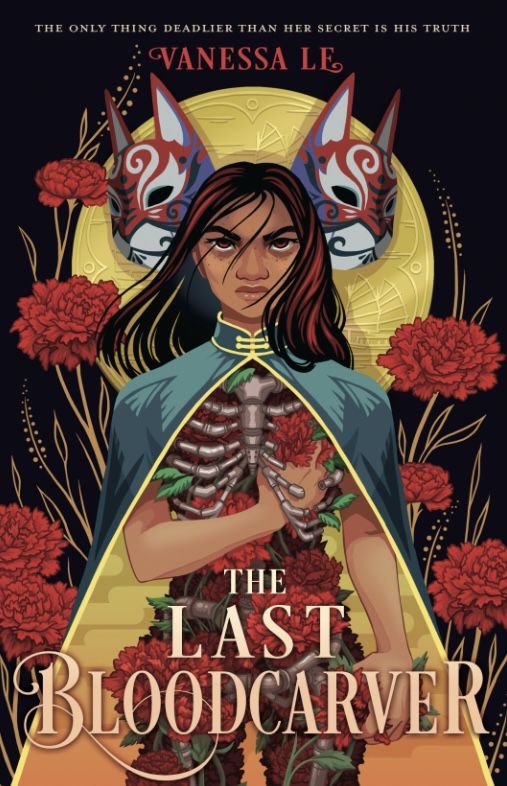
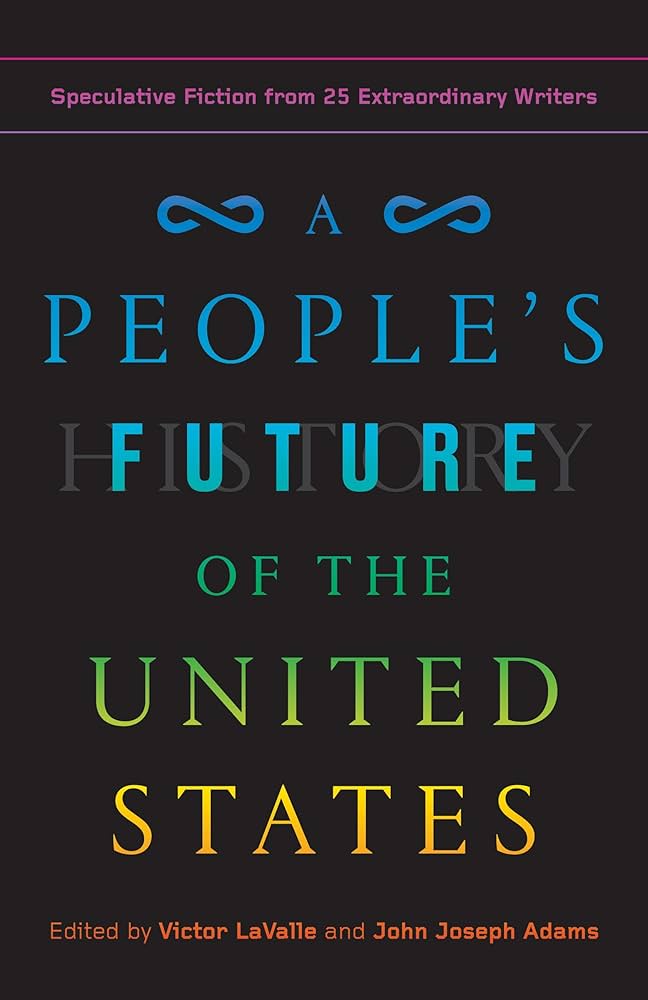
A People’s Future of the United States – edited by Victor LaValle (anthology) – at times, frightening (and sometimes too feasible) visions of the future, but all containing stories of marginalized resistance.

“catch these fists” – Wet Leg

Wet Leg’s self-titled 2022 debut isn’t a particular favorite of mine, but it marked its place right when I graduated high school—it was full of droll, commandingly danceable anthems for that short time in my life. Yet even then, I got the sense that their songs were on the repetitive side. They’re a bit like Weezer, in a way—they have maybe two or three songs, but all of them are great. They know what they’re good at. Now that Rhian Teasdale and Hester Chambers have announced their next album, moisturizer (are all of their albums going to be synonyms for “wet?” damp, coming in 2028!), it seems as though they’re trodding on the same path. Here’s the thing: it’s a good path. I feel like it’d be too harsh to call them one trick ponies, because they’ve got at least two or three, but those tricks? They’re infectious, catchy, and begging to be played over and over. “catch these fists” may be covering the same ground they’ve covered for three years (unsatisfying romance, drugs, clubbing, shitty men), but they inject it with energy that would make anyone want to get up and have some fisticuffs. The disaffected, rhythmic way that Teasdale intones the lines of “Can you catch a medicine ball?/Can you catch yourself when you fall?” provide a slinking hook for a song with a killer right hook that never loses its potency.

…AND A BOOK TO GO WITH IT:

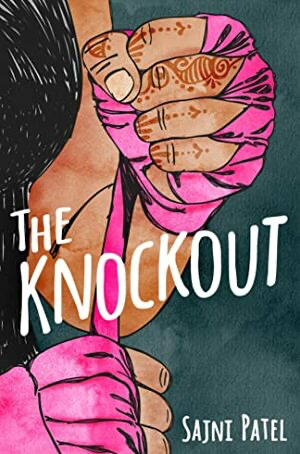
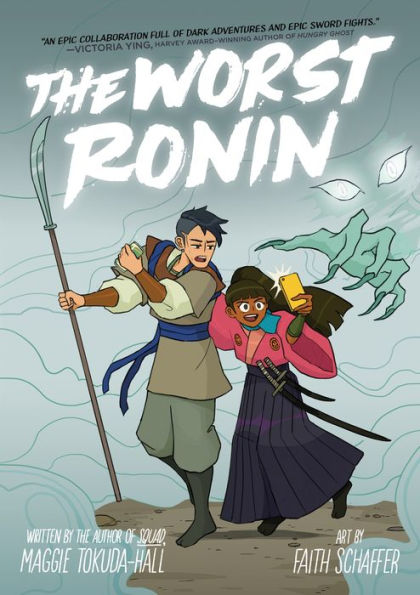
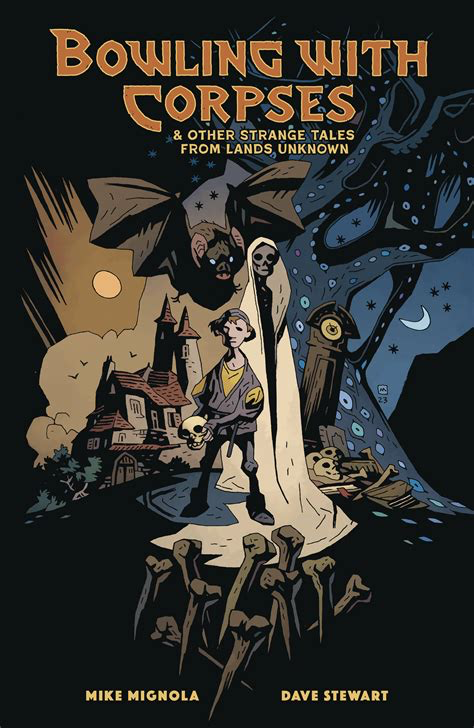
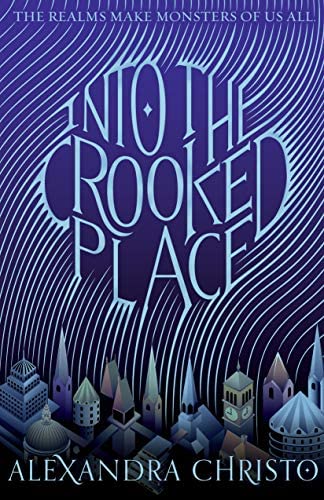
Into the Crooked Place – Alexandra Christoan action-packed match for the high energy (and fist-fighting) in this song.

“Rise and Shine” – The Cardigans

Whew, we’ve got another whiplash transition here…not necessarily from the tempo, but without a doubt, the lyrics. I guess if we’re going linearly, we’re healing? You gotta beat scummy men hitting on you to a pulp sometimes, but then you’ve got to go reconnect with nature and regain your faith in humanity the next morning. Healing! We’re circling back to Melanie’s unfettered happiness in no time.

Leave it to The Cardigans to bring that pure levity. “Rise & Shine” was the first song that they recorded with Nina Persson as the lead vocalist, which…the fact that they considered anyone else but her is astounding, given how enduring and clear her voice has proven to be, but it seems that it’s the reason they began their upward descent to fame. It later came on their debut album, Emmerdale, and the track feels as free as the album cover’s dog bounding through a field of grass. With its jangly guitars and tambourine percussion, there’s an inherent scent of summer that they’ve bottled inside every note as Persson sings of reconnecting with nature: “I want to be alone for a while/I want to Earth to breath to me/I want the ways to grow loud/I want the sun to bleed down.” Despite the angst aplenty that they’d later become masters at (see: “Step On Me”), this kind of upbeat, optimistic spirit became an undercurrent of their music that keeps me returning time after time. Even when Nina Persson’s in abject misery, they at least make you want to dance, right?

…AND A BOOK TO GO WITH IT:

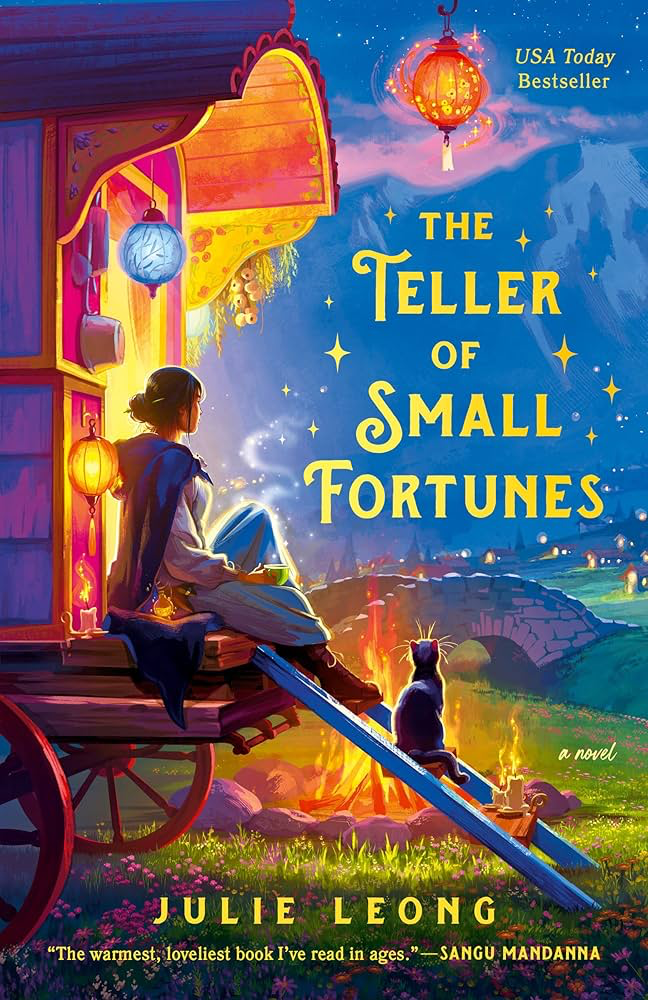
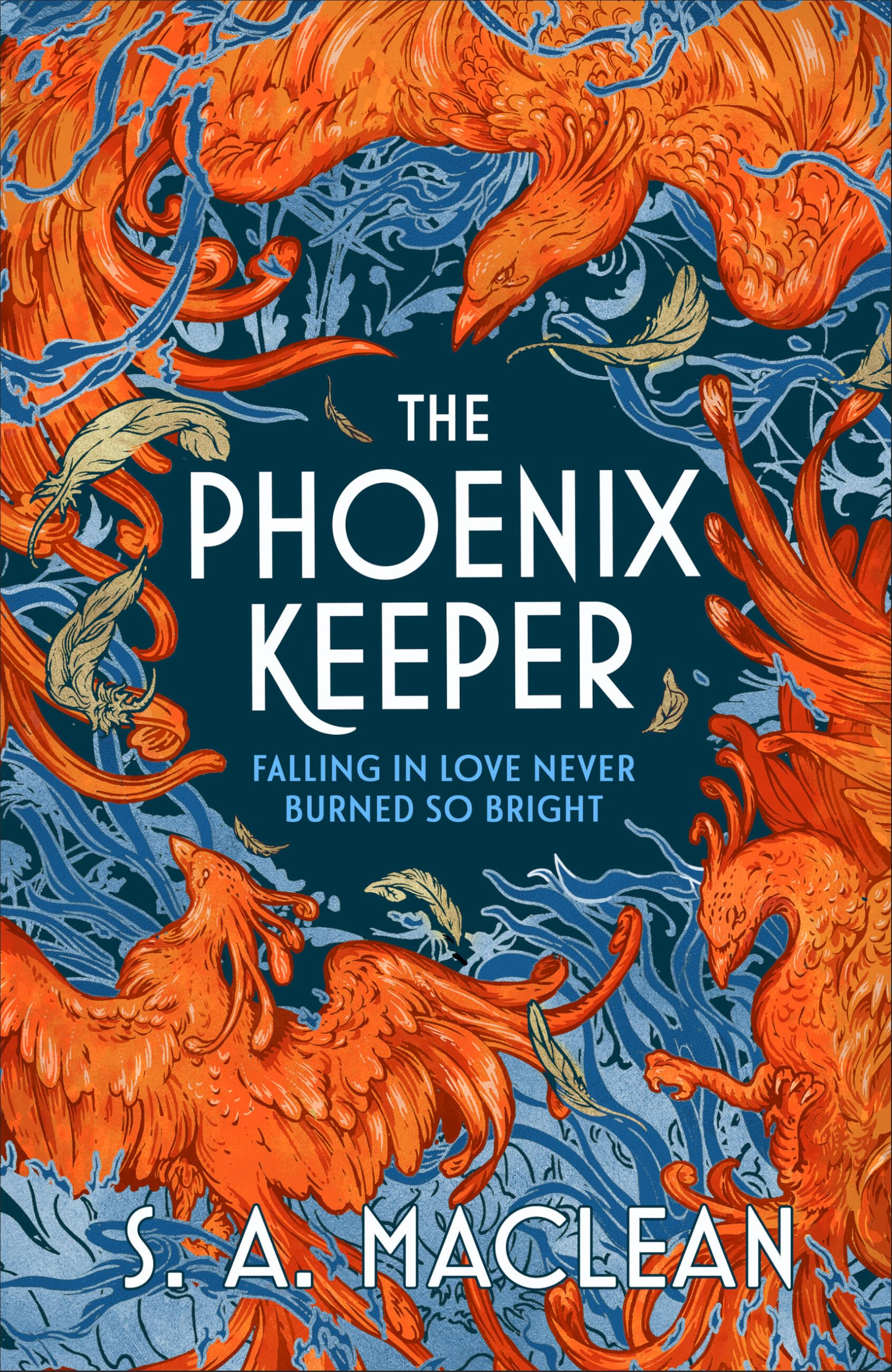
The Teller of Small Fortunes – Julie Leong“I want to be alone for a while/I want earth to breathe to me/I want the waves to grow loud/I want the sun to bleed down…”

Since this post consists entirely of songs, consider all of them to be today’s song.

That’s it for this week’s Sunday Songs! Have a wonderful rest of your day, and take care of yourselves!

Posted in Book Review Tuesday

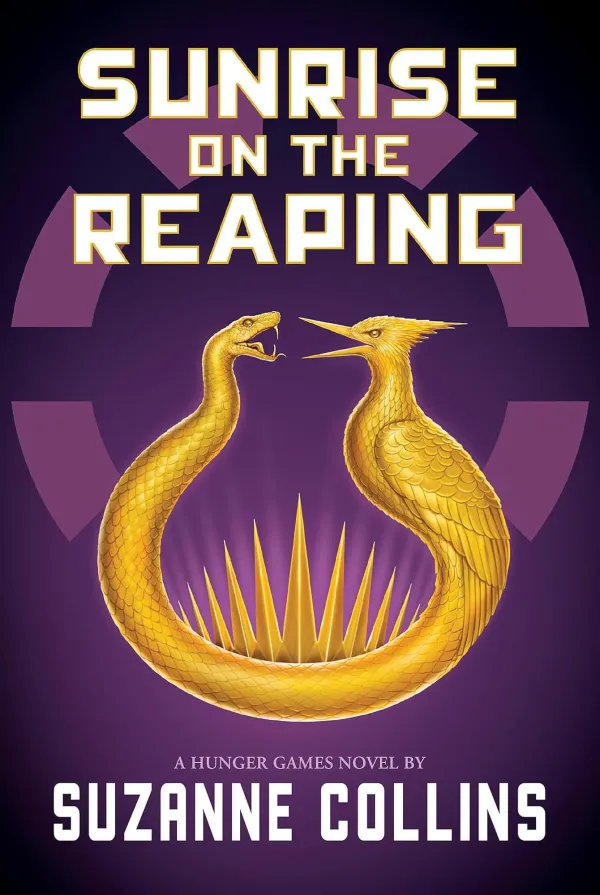
Book Review Tuesday (4/1/25) – Sunrise on the Reaping (The Hunger Games, #0.5)

Happy Tuesday, bibliophiles!

Now, for a book I absolutely LOATHED…

…gotcha. Get Fool’d. 🫵

Here we are in April, and I’ve turned a hard left from reviewing cozy (to varying degrees) fantasy for two weeks straight to one of the most brutal novels I’ve read all year. Ladies, gentlemen, and others: Suzanne Collins. Sunrise on the Reaping did exactly what it was supposed to: it pulled no punches, and yet it also had a message that’s critical to how we move through these times.

Enjoy this week’s review!

Sunrise on the Reaping (The Hunger Games. #0.5) – Suzanne Collins

Haymitch Abernathy knows his fate is sealed the minute he’s reaped for the 50th Hunger Games, the second Quarter Quell where twice as many tributes are chosen to pay the price for losing a bygone rebellion. All Haymitch ever wanted was a quiet life, tucked away in District 12 with his family and Lenore Dove, the girl he loves. As he’s carted off to the Capitol, he knows that he has the chance to end the cruelty that the Capitol has gotten away with for decades. With a handful of unlikely allies, Haymitch plans to end the Hunger Games once and for all. But has he estimated just how far the Capitol will go to secure its grip on Panem—or have they underestimated his tenacity?

TW/CW: graphic violence/blood, murder, gore, descriptions of injury, poisoning, animal attack/death, loss of loved ones, death of children, fire

WARNING: this review contains some spoilers! If you haven’t yet read Sunrise on the Reaping, tread lightly.

Sunrise on the Reaping was precisely as brutal as it should have been. Suzanne Collins did not hold back. I had to sit in silence after finishing it…the only shred of levity I could find was remembering that Philip Seymour Hoffman played Plutarch Heavensbee in the movies and imagining his character from The Big Lebowski in his place. [uncomfortable laughter] “That’s marvelous…”

24 years before The Hunger Games, the Capitol that we were introduced to rules with a similarly iron fist. One of the most chilling aspects of Sunrise on the Reaping was how Collins showed even more of the sinister inner workings of what the Capitol was doing to keep the Districts in line. The manipulation of both Louella and her brainwashed body double was one of the most chilling—I knew both of them were doomed from the start, and it made the reach of the Capitol all the more frightening. But perhaps the most horrifying was the Capitol reaping Beetee’s barely teenage son as punishment. What stands out about Collins’ worldbuilding is how much she focuses on the human cost; aside from the obvious, she’s adept at showing the lack of regard the Capitol has for marginalized lives, and that dehumanization forms the core of what makes the Capitol so oppressive: profiting and dealing in death.

In particular, I loved how Suzanne Collins portrayed a middle-aged President Snow. He’s as chilling as he is in the original trilogy—ruthless, heartless, but above all, laser-focused on having everything under his control, whether it’s the citizens of the Capitol or the many tributes stepping out of line. His brief interaction with Haymitch revealed so much about his character. Sure, the whole reference to the “Snow lands on top” motto from The Ballad of Songbirds and Snakes did feel like Collins blatantly going wink-wink, nudge-nudge, you can clap now to the reader, but the rest of his character revealed just how far he’ll go to dictate the entirety of his environment. It was honestly so funny how incel-y he was in regards to projecting all of his relationship woes from 40 years ago onto Haymitch’s girlfriend (all while he’s recovering from being poisoned, gotta admire the dedication), but it just goes to show that even in his weakest moments, Snow will always rue the things that slipped through his fingers—and do anything in his power to prevent it from happening again.

This aspect is something that’s fairly present in the first two Hunger Games novels, but I like that the Hunger Games themselves never take up much of the book. Collins knows that if she were to make every book solely about the Hunger Games, they would be feeding into the very same spectacle that she’s commenting on. It’s never about the spectacle—it’s the senseless brutality becoming the spectacle. (Also, it all comes back to the people in the fandom who go “now I want to see every single Hunger Games” and don’t realize…) In the case of Sunrise on the Reaping, it gives the effect of how quickly Haymitch has to process everything (and the fact that he can’t process it), but also that the pressure is constricting him more than it ever has, which heightens so much of the emotion. The main draw of the book, for many people, becomes not the focal point, but the point where Haymitch is put to the test—not the entire plot.

That’s not to say that Sunrise on the Reaping was flawless. As much sympathy as I had for Haymitch, his narrative voice got on my nerves for the first half of the novel. Collins played up that sort of overly earnest, country bumpkin style of speaking, making him more of a caricature than a person for a good third of the novel. I supposed it functioned more to show how easily innocence and ignorance can be destroyed in the face of revelations about how the world works, but it didn’t work for me because Haymitch knew about the cruelty of the Capitol firsthand. On principle, it was a shaky way to build his character. He almost seemed too good, even though he was so willing to break the rules and spit in the face of the Capitol. Again, the contrast between him both post-Quarter Quell and his older self is appropriately drastic, but I think I could’ve done without the setup. Plus, it just got so annoying hearing call everyone “sweetheart” and give candy to smiling children constantly. We get it…salt of the earth, etc., etc. I just couldn’t believe that Haymitch was truly pure. Collins never shied away from Katniss not being as such—why not Haymitch?

I already knew how Sunrise on the Reaping was going to end. I’d remembered the few details that Collins had alluded to and had gotten transferred to a fan wiki. It’s a given going into a Hunger Games novel that you operate on the prospect that everyone’s doomed. It would have been so easy for Collins to let that speak for itself, to not put any effort in and rely solely on the inevitability that the fans were going to be devastated anyway. But Collins, as always, gives such a depth to every character, making every slight the Capitol makes that much crueler. You know that Haymitch’s life is upended after he wins the Hunger Games, but Collins gave him a drive, a life, and stakes beyond what we see in the original trilogy, that makes his losses so much more painful. One of Suzanne Collins’ best qualities as a writer is that she toes the line between giving characters unexpected nuance and sympathy, but never outright excusing their actions. She’s a cartographer of personality, however rocky.

I saw the message of Sunrise on the Reaping coming a mile away, and to be honest, I didn’t even care. I knew how Haymitch’s games ended. From the moment he started plotting to destroy the arena and end the Hunger Games for good, I knew his mission would end in failure. But as with every successive Hunger Games novel that Collins writes, there’s a critical message to be found, and this one rings true in these times more than ever. We know that Haymitch fails, but because the rest of the trilogy exists, we know that his dream takes flight—just not when he wanted it to. Resistance and rebellion, even when they fail at first, are always worth fighting for, no matter how difficult the path towards peace is. No matter how much Haymitch failed, he was critical in exposing the cracks in the Capitol’s system—and he helped bring it down in the end, even though he failed in his first try. No matter how long it takes, resistance is always worth it, even if you don’t get to see its immediate effects.

Overall, a raw, brutal, and deeply emotional installation in the Hunger Games universe. 4.25 stars!

Sunrise on the Reaping is one of two prequels set in the Hunger Games universe, preceded by The Ballad of Songbirds and Snakes. The main trilogy is comprised of The Hunger Games, Catching Fire, and Mockingjay. Collins is also the author of many other books for children, including the Underland Chronicles, Year of the Jungle, and When Charlie McButton Lost Power.

Today’s song:

Forever is a Feeling was a slight disappointment, to be honest, but this song ROCKS

That’s it for this week’s Book Review Tuesday! Have a wonderful rest of your day, and take care of yourselves!

Posted in Sunday Songs

Sunday Songs: 3/30/25

Happy Sunday, bibliophiles! I hope this week has treated you well.

This week: new music from 2025—both released this year and overheard before a Soccer Mommy show.

Enjoy this week’s songs!

SUNDAY SONGS: 3/30/25

“Triumph of a Heart” – Björk

I’ve finished the Sonic Symbolism podcast, and all it’s left me with is a rabid desire to do a deep dive of the rest of Björk’s albums. Medúlla is enticing as it’s the next one chronologically (even though I’ve given up on listening to her albums chronologically), but also because of the uniting concept behind it. Inspired by primal, prehistoric imagery of motherhood, family, and storytelling around campfires, Medúlla was constructed almost entirely from the human voice. Aside from some synths and piano, it’s almost all a-capella, but not in the way that you’d think. Each voice becomes percussion, scattered onomatopoeia, and rising tidal forces that lift something primal from your soul. And every possible voice ends up featuring on this album—Tanya Tagaq (throat singing), Rahzel, Dokaka (beatboxing), and Mike Patton (deep backing vocals that Pitchfork described as “demonic”) all feature in the varied vocal tapestry. I ended up being too busy to write about “Pleasure Is All Mine,” but that song, in its simultaneous feminist ode and playful toying with women’s capacity to be selfless, really does succeed in digging into something innate, almost instinctual within me.

In concept, “Triumph of a Heart” is almost as ridiculous as the music video. (Fun fact: Björk’s cat husband in this video spawned the “I should buy a boat” meme from way back when.) Forming the percussion of the song, alongside Dokaka’s melodic beatboxing, is what can only be described as restrained raspberry noises and sounds that are almost akin to somebody who’s only heard a cat once trying to make cat sounds. Yet it all works in such a familiar yet alien synchronicity that comes together in a way that only Björk can make it. The track is an ode to how music can make you feel and the joy of dancing, a pleasure shared since early humans were able to whack sticks together and harmonize around the fire; maybe it’s an obvious choice for this album, but using only bodily instrumentation is the perfect medium to explore the visceral nature of music and dance, the way that it sometimes vibrates your soul: “The nerves are sending shimmering signals/All through my fingers/The veins support/Blood that gushes impulsively towards/The triumph of a heart.” I always see such sentiments of people undervaluing the arts, even as they consume it by the truckload and think nothing of it; it’s not a viable, useful profession, more fodder for AI and mindless listening. It’s so easy for us to forget that art in all its forms, the same as the need for medicine and food, is innate to us, and has been since we were gathered in the shelter of the first fires.

As a bonus: here’s some behind the scenes footage of the recording of “Pleasure Is All Mine”:

…AND A BOOK TO GO WITH IT:

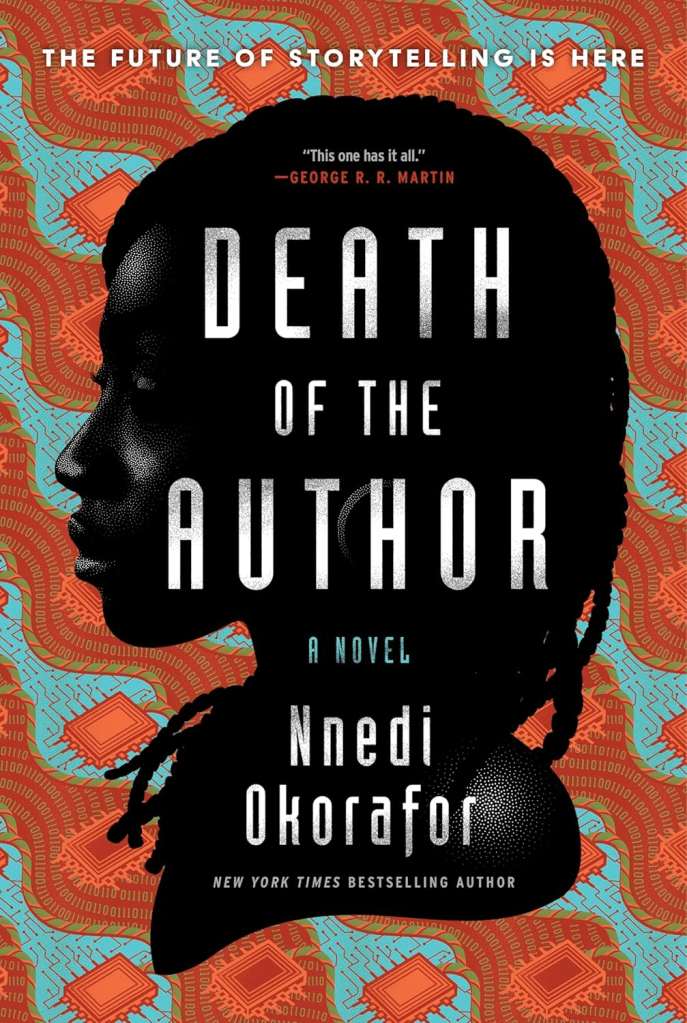
Binti – Nnedi Okoraforthis novella also falls into that merging of preserving cultures that have survived for thousands of years and alien technology, and it blends into a bizarre, delightful trilogy.

“Honey Water” – Japanese Breafkast

For Melancholy Brunettes (& sad women) sadly fell under the She Reaches Out to She Reaches Out to She curse on this blog, which roughly translates to “I wanted to write about at least 2-3 of the singles, but they all ended up landing on weeks where I didn’t have time to write.” Shame, really, because “Orlando in Love” and “Mega Circuit” were silk-drapingly romantic and creepily artful, respectively. Now that I’ve listened to the whole album, at its best, it embodies those qualities, oscillating from semi-autobiographical, tragic stories to some of the more fictional songwriting that Michelle Zauner drew on for Jubilee. She simultaneously leans into the notion of the “sad girl” while critiquing the fact that women are so often pigeonholed into this description (see the title), embroidering her own dramatic melancholy with orchestral arrangements and references to Greek mythology. Though it wasn’t always successful and the end dragged (see: “Men in Bars,” an faux-earnest, ballad-y duet with…Jeff Bridges? Huh?), For Melancholy Brunettes was, for the most part, an artistic leap that was a good 75%-80% successful in its feats of daring. It acknowledges its place amongst the traditionally emotional role of female musicians, but also acknowledges the light that peers in through the cracks (see: “Here Is Someone”—for maximum enjoyment, transition it with “Frosti” by Björk).

“Honey Water” was one of the standout tracks. I never thought of Japanese Breakfast as someone who could necessarily conjure up eeriness. Sure, she’s written plenty about all manner of unpleasant feelings, but I’ve never gotten dread as one of the most prominently featured ones. Zauner’s signature, breathy whisper takes on the feeling of a carnivorous plant laden with dew, ready to ensnare all manner of insects. Yet she’s not the one doing the ensnaring in this song—the narrative, toeing the line between fiction and reality, as her songs often do, speaks of an unfaithful lover repeatedly leaving her for someone else: “The lure of honey water draws you from my arms so needy/You follow in colonies to sip it from the bank/In rapturous sweet temptation, you wade in past the edge and sink in/Insatiable for a nectar, drinking ’til your heart expires.” The dread that Zauner dredges up is more a kind of stagnation, the sinking feeling of seeing the inevitable unfold around you, and yet somehow feeling powerless to move—or leave. The closing refrain, as the guitars rise in a crashing, insectoid drone, echoes Slaughterhouse-Five’s famous tidbit: “So it goes/I don’t mind”; the narrator convinces herself that all of her partner’s unfaithful transgressions are a fact of life. That tired powerlessness is what makes the dread so palpable, the music swallowing her as she mutters the last repetition of her exhausted mantra.

…AND A BOOK TO GO WITH IT:

The Familiar – Leigh Bardugo“In rapturous sweet temptation, you wade in past the edge and sink in/Insatiable for a nectar, drinking ’til your heart expires…”

“God Knows” – Tunde Adebimpe

Remember how I was halfway chiding myself for hoping that Thee Black Boltz was just going to be TV on the Radio 2: Electric Boogaloo? Now that “God Knows” is out, I think that might honestly just be what the album is like regardless of expectations. “Magnetic” introduced us to a familiar, nostalgic sound full of energy, “Drop” was the point where Adebimpe seems to diverge, and now we’ve got “God Knows,” which sounds straight off of Nine Types of Light or even Dear Science. It’s giving me some perspective on how much Adebimpe made TV on the Radio—Dave Sitek constructed the scaffolding, but Adebimpe was the heart of it all, without a doubt. Balancing sharp acoustic strumming with synths that ripple and bubble, this track adds to “Drop” in the sense that both songs feel like they’re floating. It fits with the album cover for me—as Adebimpe clings to his geode island in the middle of an undefined void, he’s buoyed through it, like an ocean, propelled by nothing but the endlessly catchy hooks he’s been producing of late. “God Knows” stands out to me as the strongest of the three offerings so far—like “Magnetic,” it’s been sharpened to its tightest point to make indie rock tracks that wouldn’t be out of place 10 or even 20 years ago. Tunde is timeless.

…AND A BOOK TO GO WITH IT:

Full Speed to a Crash Landing – Beth Revis“God knows you’re the worst thing I’ve ever loved/And you’re bad news/But we still got to have our fun…”

“Whole Love” – Wilco

Man, YouTube comments are so funny sometimes. I hope the Latina woman who posted “I love this white song, don’t tell my homegirls I listen to this” is doing okay and still listening to Wilco happily. Wilco really is the great unifier.

Here’s an album that I’ve probably listened to in full, but only remember about half of. The Whole Love soundtracked many a car ride to school or piano lessons and whatnot back in 2011. I even remember popping my dad’s borrowed CD into my old Hello Kitty CD player while I was playing with my Build-A-Bears in my room. That should give you a picture of the kind of hipster child I was, but I digress. The resulting tour was also the first time I saw Wilco—and my very first concert, at Red Rocks at the age of eight. So even if I haven’t mapped it out fully, The Whole Love was integral to my childhood, whether it was watching the music video for “Born Alone” on my dad’s old laptop (I distinctly remember saying that it “made my head spin”) or sitting on my dad’s shoulders on that summer night. Really, it boils down to my dad. Raising me on all that Wilco made me turn out alright, I think.

Back to “Whole Love” in particular. The song already carries a metric ton of nostalgia for me, but it never gets old with any successive playing. As far as The Whole Love goes, it feels like one of the more accessible tracks—it’s classic Wilco, but with the artsy twist that the album presents. There’s a passage in Steven Hyden’s This Isn’t Happening: Radiohead’s ‘Kid A’ and the Beginning of the 21st Century that talks about the significance of album openers setting the tone for the album as a whole. Hyden points to “Art of Almost” as an example—with all of the Thom Yorke-esque synth weirdness, it signals to the listener that this is gonna be the weird Wilco album. That experimental nature leeches into the most “accessible” sounding tracks—like this one. Even as Jeff Tweedy brings his gentle, acoustic sway into fruition, the background can only be described as fluttering—they jitter and judder like the freshly-dried wings of just-hatched butterflies, creating tiny fractals in the background. Yet even if you stripped that weirdness away, “Whole Love” would still be a classic—whether it’s craft or my nostalgia talking, there’s something so innately comforting about the layered harmonies, folded on top of one another like layers of fine fabric.

…AND A BOOK TO GO WITH IT:

The Heart of the World (The Isles of the Gods, #2) – Amie Kaufman“And I know that I won’t be/The easiest to set free/And I know that I won’t be the last/Cold captain tied to the mast…”

“Get Away” – Yuck

This song played before Soccer Mommy came on when I saw her a few weeks back, and for a split second, I confused it for some Apples in Stereo song that I somehow hadn’t heard in my childhood. Turns out, there’s probably no Apples in Stereo song that I missed when I was a kid, hence why I didn’t recognize it. (Cut me some slack, it was loud in there…) Yuck doesn’t have the same electronically-oriented whimsy as the Apples in Stereo, but they seemed to branch off of the indie sound of the early 2010’s, with their synth-like guitars, ’90s distortion, and the nasally vocals of Daniel Blumberg. Those guitars were what made me nearly mistake them for the Apples in Stereo, but they’re clearly more students of, say, Sonic Youth or Dinosaur Jr. But they had that sun-soaked, 2010’s indie aesthetic down to a science; even without the yellow filter on their music video, “Get Away” just oozes the sensation of a dream of being on a road with no speed limits while the sun beats down through the windshield. Even as Blumberg laments that he can’t get away, wrestling with negative thoughts, the track speeds along with a carefree freedom, kicking up gravel as it forges its own path. Certainly fits right in with Soccer Mommy’s sound too—she’s got an eye for good indie, that’s for sure….

…and so does the Academy, apparently? You’re telling me that this guy just won an Oscar for his original score for The Brutalist? That’s a connection I didn’t expect to make in this post…good for you, Daniel Blumberg!

…AND A BOOK TO GO WITH IT:

The Many Half-Lived Lives of Sam Sylvester – Maya MacGregor“Summer sun says get out more/I need you, I want you/But I can’t get this feeling off my mind/I want you, I need you…”

Since this post consists entirely of songs, consider all of them to be today’s song.

That’s it for this week’s Sunday Songs! Have a wonderful rest of your day, and take care of yourselves!

Posted in Book Review Tuesday

Book Review Tuesday (3/25/25) – Water Moon

Happy Tuesday, bibliophiles!

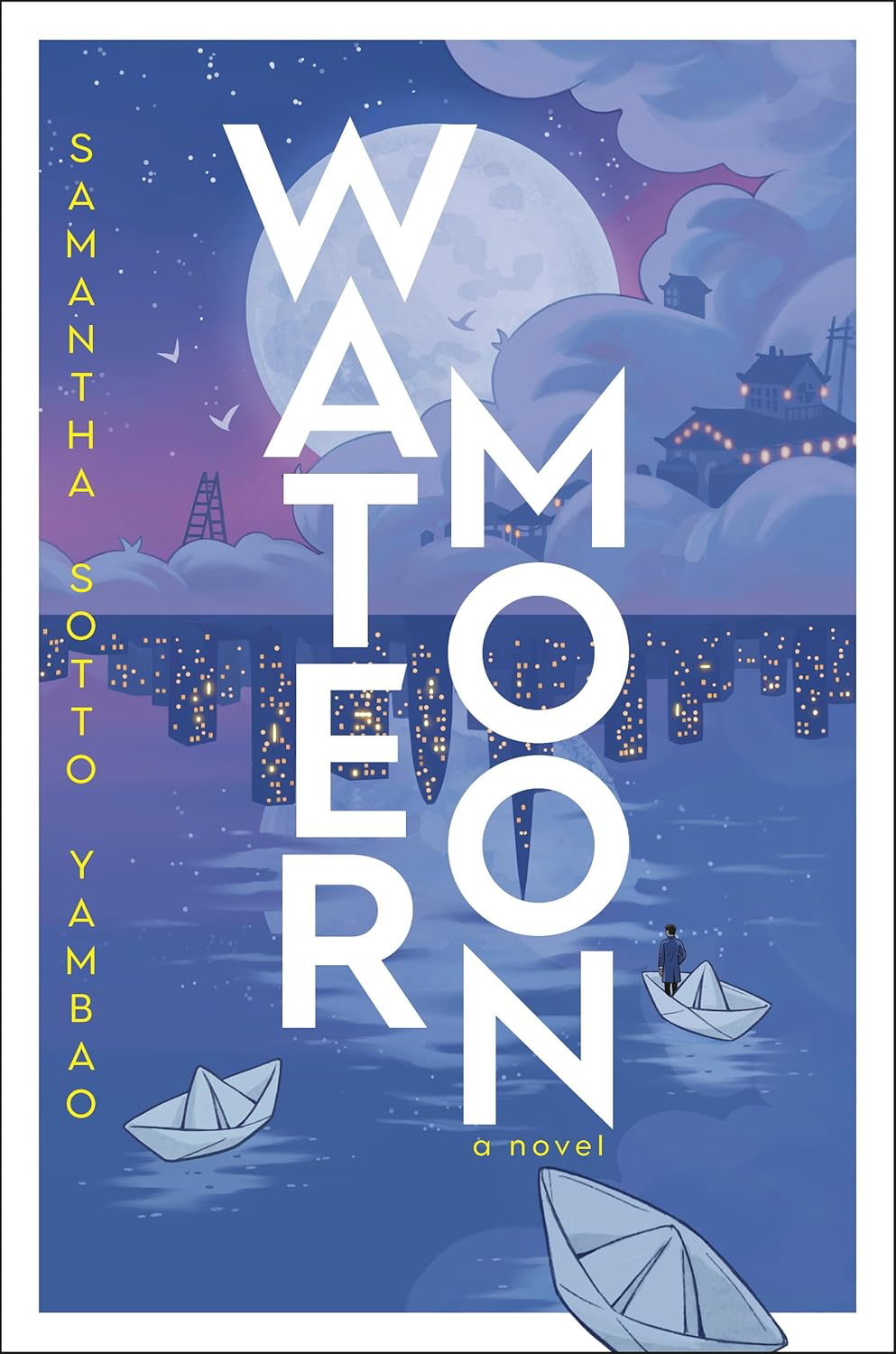
Even with me being slightly less online than I’ve been in the past few years, I’ve seen a lot of buzz about Water Moon. Enough that it warranted a hardcover copy that was a whole $31 at Barnes & Noble…not even a special edition or anything, just a regular copy. Nevertheless, I wanted to give it a less expensive try, so I got it on hold at the library. Though it didn’t live up to both the $31 or the Studio Ghibli comparisons it warranted, Water Moon was a heartfelt, if a little confused, about the connectivity of people and the choices that lead us to the places we end up.

Enjoy this week’s review!

Water Moon – Samantha Sotto Yambao

Hana Ishikawa is set to receive a very unique inheritance. Her father has given her control over his old shop in Tokyo; tourists and passersby will see a ramen restaurant, but once you look inside, you find that its wares are something completely different: a pawnshop where you can exchange your life’s regrets and unpleasant choices. But on her first day on the job, Hana finds the shop destroyed. Looking for answers, she instead finds Keishin, an American tourist searching for answers of his own. Their search leads them into a strange realm of magic and wonder that may hold the keys to the problems they’re facing…and more.

TW/CW: loss of loved ones, grief, abandonment, mentions of abortion/pregnancy issues (brief), blood/violence, descriptions of injury

Water Moon was a good stab at magical realism; it had some beautiful elements that had me enraptured, but not for long enough. Its fundamental issue is that it wanted to do too much but didn’t have the space to do it. What we have here, messy as it was, at least read well and presented some moments of lovely, whimsical magical realism.

While this novel had some issues throughout with thematic cohesiveness, I do think that the central one (or the one that felt like it was supposed to be central, at least), was a beautiful one—connectivity through the choices we make. Hana’s life is dictated by regret, but she learns, through jumping through fantastical worlds, that it’s the unexpected things in life that bring us together that make life worth living. I especially loved the connection to the Super-Kamiokande Neutrino Detector, something that Keishin has returned to Japan to study—capturing the secrets of this elusive, subatomic particle that can only be observed (if you’re lucky) in an observatory filled with distilled water underground. I’m a sucker for when writers are able to articulate that emotion with science, especially with something as misunderstood as physics; Water Moon did a lovely job of using that as part of the larger metaphor about how lucky we are to experience the unexpected, and how that can bring us together. I just wished Yambao had done more with it, but what we had, I loved.

I also loved the worldbuilding in Water Moon! I don’t think the childlike wonder that Yambao was going for was properly executed all the way, but I love the inherent whimsy that’s integral to holding the worldbuilding together. You travel to these parallel, unseeable worlds found in puddles on the ground, and in those worlds, you find everything from villages dedicated to hanging the stars at night and origami and paper planes with a life of their own. Even with the rather sinister undercurrent that runs through it, the glimpses of the fantasy worlds were almost dreamlike. They had a distinct quality of feeling like the kinds of fantasies you imagined when you were a kid (especially the puddle travel), which enhanced the feel of the world overall.

However, that whimsy only came off in varying degrees. That was due to the writing, which often came off rather rote. Yambao presented the reader with a myriad of fantastical, objectively wondrous elements in this parallel world that Hana and Keishin venture into, only to describe it in the flattest terms. For a magical realism novel, the writing felt almost utilitarian, designed to describe a setting or a phenomenon with the absolute minimum amount of description for the reader to get an idea of what it looked like. Sure, Water Moon didn’t need to be excessively flowery or purple in its prose, but when you have a setting as whimsical and magical as this, more description is necessary.

The same applies to the feelings of the characters—they hardly seemed to react to their settings, only serving to be chess pieces that were dragged around at will when the plot called for it. Keishin at least had something of a personality, but other than him, most of the characters, including Hana, were defined only by what had happened to them. They were defined only by their backstories, and that dictated everything that they did throughout the story—not their motivations or their personalities. All of this, combined with Yambao’s relatively flat writing, made their romance lackluster. Not only did it feel like the classic “oh, our main characters are a boy and a girl, therefore they have to fall in love,” it was just so rushed and un-earned—we didn’t get nearly enough development (or page time) from either of them to merit a full-blown romance. Even though they’d jumped through magical puddles together and visited whimsical worlds, I found myself barely caring for either of them, or their romance.

Back to the subject of themes…I wholly believe that a book shouldn’t be constrained by talking only about one theme. In fact, most every book does that anyway—having a book centered around a single theme without even a handful of sub-themes or topics is practically impossible. Like I (and Yambao) said, everything is connected. Water Moon, however, had a problem with articulating it. Beyond the bit about choices and connectivity, Water Moon wanted to say so much about so many things—motherhood, grief, regret, parent-child relationships—and yet it didn’t know what to say about any of them. A theme was introduced with the same emotional weight as the central theme, it got 50 pages of page time, and then it barely resolved itself. Water Moon had almost no sense of direction, leaving me with a book that didn’t resolve itself in a satisfying or logical way. Ultimately, this felt like a case of too many cooks in the kitchen—it was an ambitious attempt to tackle every theme and give it the same weight, but it ended up in a plot (and characters) that ran around confused for almost all 374 pages and underbaked statements on what it wanted to say.

Overall, an ambitious and dreamlike novel with a world that was a treat to explore, but offered up flat characters and had no sense of what it wanted to do with itself. 3.5 stars!

Water Moon is a standalone, but Samantha Sotto Yambao is also the author of Before Ever After, Love and Gravity, A Dream of Trees, and The Beginning of Always (under the name Samantha Sotto).

Today’s song:

so hauntingly beautiful :,)

That’s it for this week’s Book Review Tuesday! Have a wonderful rest of your day, and take care of yourselves!

Posted in Sunday Songs

Sunday Songs: 3/23/25

Happy Sunday, bibliophiles!

Since I haven’t been able to post in a few weeks, here are the Sunday Songs graphics from that time:

3/9/25:

3/16/25 (or, NEW CAR SEAT HEADREST IN MAY, WE ARE SO BACK):

This week: you thought this would be a quick post after I haven’t been able to write regularly for two weeks? WOE, TEN MINUTE SONG BE UPON YE!

Enjoy this week’s songs!

SUNDAY SONGS: 3/23/25

“Love” – Hana Vu

One of the best surprises a concert can have in store is a good opener. There are infinite jokes about bad openers, half of which…well, might be dogging on perfectly fine artists trying to get their foot in the door, and half of them are true. I really do try to at least go into openers with an open (no pun intended) mind, because everybody has to start somewhere, no matter how big of an artist they’re opening for. But sometimes it’s just up to your taste. Even with some cringy performances, you can at least tell that they’re trying.

I saw Soccer Mommy about two weeks ago (stellar performance!!!! as always!! and the crowd had basic human decency this time, unlike the parasitic frat bros that populated her crowd last time) with Hana Vu as the opener. I kept my expectations low. I expected to just nod along and twiddle my thumbs, but I think I may have found an excellent artist! She came off quite shy, mumbling to the audience and asking us what we had for dinner, but once she started performing, it was clear that Soccer Mommy had a worthy match to her sound. However, if I had to compare Vu to anyone, it would be to Lucy Dacus—they have a similar brand of indie rock, both bearing warm, rich vocals and guitar-driven angst with no shortage of heart. Nothing can come close to “Night Shift,” but Vu clearly studied how that song goes supernova at the end. The closer to her most recent album, Romanticism, “Love,” like Vu’s performance before Soccer Mommy, starts out unassumingly, but quickly becomes a dramatic landslide aided with thundering drumbeats, strings, and Hana Vu bellowing as though into a cavern. The lyrics, as sparse as they are, come sung clutching a bleeding heart in both hands, staining everything within arm’s reach. It truly lives up to the drama of the album cover, with Vu draped in robes and with a sword pressed to her neck, modeled after Artemisia Gentileschi’s “Judith Slaying Holofernes.” Either way, Hana Vu has earned a tally in favor of the good opening bands I’ve seen—and a place in my more regular rotation of artists. A big thank you to Soccer Mommy for giving a platform to Vu’s talent, and thank you to Vu for the fantastic opening act!

…AND A BOOK TO GO WITH IT:

To a Darker Shore – Leanne Schwartz“I just want you to stay/You know I hate giving up/And oh, Well I guess it’s just me/Please don’t leave me alone/You know I can’t let you be…”

“Bad Timing” – Jim O’Rourke

Once my dad sent me this song, it was immediately relegated to my quiet instrumental study playlist. I shouldn’t say “relegated,” really. It’s a great song to peacefully study along with, but it keeps you on your toes. Ten minutes long and dense doesn’t make it sound appealing, but “Bad Timing” sounds like how those slow motion videos of flowers unfurling after the frost melts from their buds look. “Bad Timing” also proves my long song theory right with flying colors—the best ones have enough changes to keep you interested for ten minutes. This track in particular feels like two songs in one. The first is a homely, acoustic ditty, which peacefully bows out at the 2:50 mark, giving way to a chorus of plucked strings and, of all instruments that should sound shimmery, an accordion would be my last guess. Yet Jim O’Rourke pulls it off, making it shudder and glimmer along with the synths. You’re lured into a soft, ambient sense of security, but like rot climbing up the roots of a plant, O’Rourke tears away at the music, fiber by fiber, until the remnants are ablaze in distortion and ascending mayhem by the time you reach the eight and a half minute mark. It’s clear to me the magic O’Rourke made with producing almost all of Wilco’s albums—he has such a talent for taking a simple melody, stretching it out and contorting it as easily as a chef kneads dough. He put something entirely unassuming into the oven, and something wholly unexpected came out the other side once the experimental yeast rose.

On another note: I can’t for the life of me find who made the album art for Bad Timing, but it’s just so charming to me.

…AND A BOOK TO GO WITH IT:

Annihilation – Jeff Vandermeereverything becomes slowly, gradually unrecognizable and strange, just like the progression of “Bad Timing”

“Ends Meet” – Panda Bear

Brian Wilson is alive and well, but what I’ve listened to of Sinister Grift feels like a glimpse into an alternate universe where Brian Wilson got temporally airlifted from the ’60s into the 2020s and had to find his way around. That, and if he’d been given nothing but a knapsack full of various synths and electronic knickknacks to carry with him on his time-out-of-time journey. “Ends Meet” is the definition of psychedelic, constantly fading in and out of focus like ripples over sunlit water. Noah Lennox’s voice also feels piped in from beneath the shallows of a reef—released this February as it was, everything I’ve heard of Panda has been carefully crafted to be specifically summery and aquatic, at least in sound (see: “Comfy in Nautica,” “Ferry Lady”*).

The existential lyricism feels at odds with the music at first glance: Lennox is confronting what we all have to confront at some point in our lives: we’re all gonna die, so what else is there to do? His answer is as simple and as difficult as any: appreciate everything in it, bad and good: “And when it is my time/Dig it all.” It’s a lesson I’ve been chipping away at for the better part of last year, what with my difficulty in staying present and not projecting myself into possible futures (not the time traveling Brian Wilson ones, unfortunately), but the way that Panda Bear takes it musically seems different than most. Sonically, “Ends Meets” feels so daydreamy and almost dissociative—its head isn’t in the clouds, it practically is the clouds. Even the face on the album cover of Sinister Grift looks like their mind is somewhere else entirely. But that in and of itself is putting that sentiment of being un-anchored into music and into words. It’s a jarring pairing in concept, tackling this subject matter with such an acid-tinged, vacation-like musical landscape, but to me, it’s the feeling of letting go of that burden, of knowing that all you can do in life is appreciate every facet of it.

*the “Ferry Lady” music video is about as trippy as you’d expect, so if you’re sensitive to flashing images or eye strain, you’ve been warned.

…AND A BOOK TO GO WITH IT:

The Library of the Unwritten – A.J. Hackwith“They got a spot to bury you/It’s not news, you’re tremblin’ for what?/Just keep it in the groovе (Don’t let up)/But keep the doorways shut…”

“La Vie en Rose” (Édith Piaf cover) – Louis Armstrong & His Orchestra

I was never much of a Disney kid, but Wall-E, one of the first movies I saw in theaters as a kid, will always unlock a particularly special place in my heart. Star Wars was my true introduction to sci-fi, but the more I think about it, Wall-E was right up there in conditioning me to fall headfirst into the genre. Even now, in my twenties and watching Wall-E for a grade to analyze the gender dynamics for a class on Disney and gender…it broke me. I knew it would. Sure, Mark Fisher cites it by name in Capitalist Realism when he talks about how Hollywood has subsumed anti-capitalist resistance and yada yada yada, but…god, how could even the most shriveled soul not be moved by an almost newborn race of humankind returning to the same earth, babies treading over barren ground as the giddy captain gleefully lists off all the plants that can be grown in it? And you’re already crying? And then they hit you with “Down to Earth?” Diabolical.

Part of my class’s discussion on the gender dynamics of Wall-E, beyond how we’re socialized to see Wall-E and Eve as boy and girl even though they’re…intelligent machines with no gender to speak of, was how the viewer is socialized to show their relationship as romantic (and traditionally heterosexual) from the markedly older, “classic” media surrounding them. Notable songs and clips from Hello, Dolly! do the heavy lifting there, but in the barest sense, Louis Armstrong’s cover of “La Vie En Rose,” one of the more ubiquitously recognized love songs of this century, which plays when Wall-E first becomes romantically interested in Eve, adds to this effect. And while I see the argument, as women and gender studies/queer theory-pilled as I am, I really don’t think Wall-E is nearly as guilty as a whole cadre of other Disney movies who have improperly shaped particularly women and young girls’ views on how gender and romance should be. For me, “La Vie En Rose” feels as pure as Wall-E and Eve, in all of their innocent, nonsexual romance. Even as a little kid, only knowing Louis Armstrong from “What A Wonderful World” (and thinking that Grover from Sesame Street was behind the vocals), something about those piano flourishes unfurled a kind of petal inside of me. It’s one of the first examples I can name of a melody really scratching an itch in my brain. I’m next to illiterate when it comes to jazz, but Armstrong was clearly one of those rare people who could give his trumpet such an individual voice—by the end of the song, you could call it just as much of a vocalist as he is. Paired with the cinematography of Wall-E’s tire treads tracing neat lines in the trash-laden dirt, something about it felt so neat, so meant to be, a puzzle piece shifting into place. Both of them are clean, and yet not sanitized—they’re sweet, earnest, pure. A part of childhood me is warmed every time I hear this song, obviously, but even outside of that context, the soothing spell of this rendition is undeniable. As is Wall-E.

…AND A BOOK TO GO WITH IT:

The Cybernetic Tea Shop – Meredith KatzLouis Armstrong’s take on “La Vie En Rose” is obvious coffee/tea shop music, but combined with my Wall-E association, why not return to this cozy, tender tea shop in a distant future?

“Here Comes Your Man” – Pixies

The music video for “Here Comes Your Man” has to be one of the more uncomfortable music video experiences I can think of, not because of any particular content, but more because you get the overwhelming feeling that nobody wants to be there. Every time they pan to Frank Black or Kim Deal (or Joey Santiago, honestly), they look like they’re trying to telepathically kill the cameramen, Professor X style. They don’t want to be there, the camera crew doesn’t want to be there, and they don’t want you there either…oh, my bad, sorry for the intrusion. I’ll see myself out. For good reason, though—they were averse to making music videos, and when their label pressured them to do so, they famously decided to stick it to the man and gape their mouths open like fish while the lyrics were playing. Given…well, everything I’ve heard about Frank Black, it could easily just be them being petty, but for an underground band who were achieving success they didn’t seem to want, it’s understandable.

I always feel a kind of odd shame when I like That One Song/Album That Got Popular with a certain band that the band openly hates with a passion. If I’d had the time to write a post last week, I would’ve said the same thing for Julian Cope and “Someone Like Me”My Nation Underground is one of his poppier albums, and one that he wasn’t satisfied with. (See also: “Me Myself & I,” a song I love, but that De La Soul inserts “we hate this song” into live performances of the lyrics…yeah, you get the picture.) For Pixies, they weren’t satisfied with this pop song to the point where they almost never performed it live. But…it’s so good. Sure, it’s simpler and more accessible than some of their work, but they knew how to make one of the most iconic alternative pop songs. Most alternative rock fans would probably be able to recognize that bassline immediately, all thanks to the timeless talent of Kim Deal. There’s layers to the genius of it—the harmonies of Deal and Black, the vague, surrealist lyrics about homeless people boarding a train before an earthquake, the faint comfort and hope in spite of that. The chorus of “here comes your man” was a last minute addition, but it’s always given a kind of solace for me, ever since I was a kid, before I understood the lyrics of the verse. Even with the bleak nature of the verse, it’s always implied a kind of salvation or relief to me. Bottom line: sometimes, even if That Song got popular, it’s obviously popular for a reason, but how talented a band’s craft is can often shine through in the charts.

Sometimes. We don’t talk about “Creep.”

…AND A BOOK TO GO WITH IT:

If Tomorrow Doesn’t Come – Jen St. Judea similar kind of disaster-oriented scenario to the song, of people scrambling to safety in the wake of a planet-destroying asteroid.

Since this post consists entirely of songs, consider all of them to be today’s song.

That’s it for this week’s Sunday Songs! Have a wonderful rest of your day, and take care of yourselves!

Posted in Book Review Tuesday

Book Review Tuesday (3/18/25) – The Teller of Small Fortunes

Happy Tuesday, bibliophiles!

You know it. You know I’m all for cozy literature. I wasn’t particularly in a moment where I needed cozy fantasy, but these days, I love to space them into my regular reading rotation to keep things lighter, if need be. I’m usually more for sci-fi than fantasy, but I love a good fantasy every once in a while. The Teller of Small Fortunes wasn’t the best cozy fantasy I’ve read, but like a mug of tea, it was great for a momentary hug of warmth and love.

Enjoy this week’s review!

The Teller of Small Fortunes – Julie Leong

Tao is an immigrant from Shinara, making a living far to the west in Eshtera. She makes a living off of fortune-telling, but hers are not like the grand tales that people expect from those with Shinn heritage. But Tao’s fortunes have a catch: they are small fortunes, minor events that seemingly have no consequence, but will add up towards a life of crucial choices. She cannot stay for long in one place, lest these fortunes pile up and her customers start to expect more complex predictions. But when she crosses paths with an ex-mercenary and a thief-turned-poet on the road, Tao has to keep a promise to the fortune she gave them: they’re looking for a missing girl, and Tao knows that she’ll be reunited with them. What’s unknown, however, is how it’ll happen…

TW/CW (from Julie Leong): political conflict, death of a parent, parental neglect, racism, grief, alcohol

While The Teller of Small Fortunes wasn’t the best cozy fantasy I’ve ever read, if you’re looking for something sweet to tide you over, look no further! In the mood for found family, cats, spells, and wonky pastries? I’ve got just the book for you.

Given the crowds that I hang around with, it might surprise you that I’ve never actually played DnD. I’ve always been adjacent to people who are into it and frequently play it, but I’ve never played myself. By osmosis, I know enough about it to discern that anyone who loves DnD will absolutely eat up The Teller of Small Fortunes! Somebody with more DnD knowledge could probably sort each character into a class, but I’m illiterate in that department; yet even still, I can tell that it came about in the way that many DnD campaigns seem to: out of love and out of friendship. Leong’s cozy fantasy has the perfect balance of wholesomeness, levity, and more serious themes, and overall, it’s an ode to the friends we find in unexpected places. The contrasting personalities of Tao, Mash, Silt, and Kina made for a delightful found family with goals that often got in the way of each other, but twisted to form a journey across a fantastical land that taught them lessons about identity, friendship, and individuality. It’s just so sweet. Admittedly, it did border on a bit cloying at times (even for me, both with my cozy fiction proclivities and my merciless sweet tooth), but overall, cozy fantasy fans will be more than satisfied. Plus, there’s a cat. Automatic win in my book.

Tao’s character arc and the themes around it were the heart of The Teller of Small Fortunes. This novel focuses heavily on her immigrant identity, but it explored something that I haven’t often seen with these narratives. In order to make a living outside of her home country, Tao has to perform a stereotype—in her case, being a seer. She relies on this preconceived notion of her people all being able to see the future, and knows that she’ll be able to make money off of it, yet she tries so hard to make it define her. On the other side of the coin, there’s the Guild of Mages, who physically want to use her as a pawn, fitting her into their similarly superficial stereotype of what a magic-user should be. Yes, The Teller of Small Fortunes is very much a “be yourself” narrative (I will always hate Disney for making people trivialize this kind of message), but it’s one that’s complicated by the nuance of the aspects of Tao’s identity. For her, being herself is a lifelong fight, held up by several systemic forces of oppression. Her journey is a mental one just as much as it is physical, and it required the same labor, with a satisfying conclusion: the conscious effort by her to not let other people box her in.

However, the writing sometimes got on my nerves. For me, cozy fantasy can sometimes fall into the trap of being almost condescending in its writing style; it veers to strongly into the “and what did we learn today, kids?” kind of storytelling, even if it’s often aimed at adults. There is a marked difference between having a low-stakes plot and dumbing down the language for your audience. The Teller of Small Fortunes didn’t completely fall into making the language overly digestible, but every plot point and side quest (of which there are many) tended to have a very clear, obviously stated lesson that accompanied the ending. Even if said plot points were well-executed—which they often were, especially the scene with the phoenix egg—their impact was often lessened by the regurgitating of what the scene was meant to mean for the characters and the message, as if we couldn’t figure it out. I honestly didn’t mind that these plot points, especially the ending, were wrapped up in notably kind, easier ways—that’s almost a staple of cozy fiction, at this point—but we didn’t have to get their message shoved in our faces on a neon sign. Additionally, as a character, Kina also erred on this side of saccharine—she was sweet in the way that some cozy fiction characters are, but like the pastries she made, it got a little too sweet in a grating way.

I also found the worldbuilding to be quite generic. The Teller of Small Fortunes was one of those fantasy novels that took existing countries, copied and pasted them into the narrative, and added magic and mythical creatures; Shinara was clearly an analogue for China, which, while it was great for the themes of anti-immigrant sentiment and xenophobia, didn’t make for worldbuilding that was interesting or novel in any way. The same can be said for most of the other places that Tao and the gang pass through—most of them fell under the “vaguely European, I will not elaborate” curse that plagues high fantasy, and the only things that distinguished them, if any, were some of the exports/trades that they had. I will say that I loved the system of the Guild of Mages, and they served as great commentary for tokenization and a distant but tangible source of corruption in the world, but they didn’t have enough of a presence for them to have an effect on the world for me. It all felt very lackluster to me in contrast to the care that was put into the characters. I also would’ve liked more clarification on the regional magic. It’s implied through some of Tao’s background that magic is often associated with/endemic to particular regions (hence the stereotypes of Shinn people being seers/fortune tellers and whatnot), but we don’t get a clarification of whether or not the rule also applies to the surrounding regions.

Overall, a cozy fantasy that had lovely, poignant characters and themes, but was less fortunate in the worldbuilding department. 3.5 stars!

The Teller of Small Fortunes is a standalone and Julie Leong’s debut. Her next novel, The Keeper of Magical Things, is a companion novel set in the same universe as The Teller of Small Fortunes, and is slated for release in October 2025.

Today’s song:

That’s it for this week’s Book Review Tuesday! Have a wonderful rest of your day, and take care of yourselves!
Posted in Books

The Bookish Mutant’s Feminist Books for Women’s History Month 🚺 (2025 Edition)

Happy Tuesday, bibliophiles!

Here in the U.S., March is Women’s History Month! Every year, I find myself repeating the same horrors about the attacks on women’s rights in the past five years. This year is no different, save for the fact that with Trump’s presidency, so many men have felt emboldened to let their misogyny run rampant—and our society seems to encourage it, time after time. Every year, we fight to make sure that misogyny, sexism, and rape culture become impermissible again. Though it seems like an uphill climb with no discernible light at the end of the tunnel, there will always be a constant: we will keep fighting for all women. For women of color, for immigrant women, for queer and trans women (especially trans women, because feminism wouldn’t be possible without them), for disabled women, for survivors. They keep pushing against them, so we’ll keep fighting—and keep reading. The good news is that literature is rife with heroines fighting against the system, and as long as these stories are told and spread, someone will be inspired to fight. So as with all the other year, I’ve compiled even more books of women fighting against oppression from a variety of perspectives, age ranges, and genres.

NOTE: once again, I’ve switched these posts to books for several age ranges, too lazy to change the header, etc. etc.

For my previous lists, click below: 

2021

2022

2023

2024

Let’s begin, shall we?

🚺THE BOOKISH MUTANT’S BOOKS FOR WOMEN’S HISTORY MONTH🚺

SCIENCE FICTION:

FANTASY:

REALISTIC FICTION:

NONFICTION:

TELL ME WHAT YOU THINK! Have you read any of these books, and if so, what did you think of them? What are your favorite feminist books? Let me know in the comments!

Today’s song:

How Women Made Music brought me here…

That’s it for this year’s Women’s History Month list! Have a wonderful rest of your day, and take care of yourselves!
Posted in Sunday Songs

Sunday Songs: 3/2/25

Happy Sunday, bibliophiles! I hope this week has treated you well.

This week: were it not for me yapping about Horsegirl earlier this week, this post would be unfathomably long…sorry. Stick around for my rambling hitting concerning levels the minute I have more free time.

Enjoy this week’s songs!

SUNDAY SONGS: 3/2/25

“Less Than You Think” – Wilco

Since A Ghost Is Born got its anniversary reissue a few weeks back, I took the time to listen to the album in its entirety for the first time…surprising, I know! That being said, I’d basically listened to all but two tracks on the album, but I hadn’t gotten to listen to it all the way through in the right order. After a childhood being fed Wilco by my dad about as much as I was fed milk as a baby (both were nourishing and necessary for my development), only two tracks remained: “Wishful Thinking” and this track. It’s songs like “Less Than You Think” that make me remember how much of a poet Jeff Tweedy is. I don’t say that about every singer; in the abstract, music is poetry set to song, but it doesn’t often feel that way. In this case, it’s understandable that the poetry of “Less Than You Think” gets lost in the other masterpieces in Wilco’s catalogue. But it’s not just a case of an underrated track—there’s a reason this one gets lost in the fray so often. For three minutes, it’s any normal Wilco song—one of their sadder ballads, but standard Wilco fare…

…and then you realize that there’s 12 minutes left.

That 12 minutes is entirely composed of a shrill, grating stretch of electronic droning and background noise from the studio. To say that it’s excruciating to listen to, especially with the volume up after listening to the actual song part, is almost an understatement. It’s unpleasant in every sense of the word. Yet that’s precisely the point. Not to be the “🤓☝️ erm ackshually, this nigh-unlistenable 12 minutes of noise has a deep meaning that’s essential to the understanding of the song,” but…it does. It’s unlistenable because it’s meant to be unlistenable—Tweedy and the rest of the band used this song to recreate the experience of having chronic migraines, a condition Tweedy has had all his life, but was exacerbated by his painkiller addiction: “I don’t know why anyone would need to have that expressed to them musically. But it was all I had.” Tweedy put “Less Than You Think” out anyway, knowing that it’d be “the track everyone will hate,” saying that “I know ninety-nine percent of our fans won’t like that song, they’ll say its a ridiculous indulgence. Even I don’t want to listen to it every time I play through the album. But the times I do calm myself down and pay attention to it, I think it’s valuable and moving and cathartic. I wouldn’t have put it on the record if I didn’t think it was great.” And he’s right. Being so experimental with this catharsis brings us so much closer to the experience than words ever could, as much as a master wordsmith as Tweedy is. Catharsis for a pain as profound as this doesn’t have to be listenable or tolerable to be worth putting out into the world—it’s catharsis, after all. Sure, I’ve skipped it every time I’ve listened to it since, but once again…that’s the point. We’re meant to sympathize with Tweedy’s pain, but even he admits that it’s not exactly easy listening. (Some absolutely diabolical individual in the YouTube comments called it “the best song to tee up on the bar jukebox right before you leave…” Satan, is that you?)

But that glorious, incandescent three minutes before you get the worst headache you’ve ever experienced? Deeply moving, in an entirely different way. They got me. They got me good with the sad bastard music. The piano is played with such a heaviness that you can only imagine it being played with lead weights strapped to each finger. Delicate taps of the dulcimer climb up an invisible ladder, each strike coinciding with Tweedy’s repetition of “Lightly tapping/a high-pitched drum.” And for a song that Tweedy knew would be an instant skip for most of his listener, he packed it with some of A Ghost is Born‘s most downright poetic lyrics:

“As your spine starts to shine
You shiver at your soul
A fist so clear and climbing
Punches a hole in the sky
So you can see
For yourself
If you don’t believe me
There’s so much less
To this than you think…”

Yeah, I pulled a Lisa Hannigan again. I’m tempted to just copy and paste all of the lyrics. Punches a hole in the sky? More like punches a hole in my soul, ow. Though the lyrics toy with the chaos of the universe and the clarity of realizing that maybe everything hasn’t been choreographed by a higher power, I can’t help but connect it with Tweedy’s migraines—all the talk of shivering and “Your mind’s a machine” sounds an awful lot how I imagine living with both migraines and addiction must feel: a cycle of dullness and excruciating pain, exposing how much of the brain has been devoted to going through the motions. As for the solemn resignation to atheism, it connects to that experience—it seems pain that immeasurable makes you either seek out or entirely swear off of religion without a happy medium. With or without words, Tweedy conjures a pain he had to exorcise from his person, yet is able to resonate if you’re willing to dig through the earth to find it. Sometimes you have to make art from agony in order to make the burden lighter, whether or not you give it to the world. In any case, Jeff Tweedy makes the pain worth weathering.

…AND A BOOK TO GO WITH IT:

Two Girls Staring at the Ceiling – Lucy Franktold in sparse verse, these two characters go through a similar pain as they work through chronic pain diagnoses in the same hospital.

“Big Time Sensuality” – Björk

Today, on: Madeline listens to Björk’s discography wildly out of order…we’ve come to Debut. It’s another one of those albums that I’d listened to about half of already, but it was just track after track of honed energy and happiness…seriously, this album couldn’t have come at a better time in my life. I think listening to Post about this time last year and Debut now feel aligned with my life in some way. A lot of Björk’s experience at the time was drawn from moving from Iceland to the UK in her late twenties, and being adventurous, putting out her feelers, and embracing the newness of it all, taking everything in (see: “Enjoy”). In some ways, I feel a connection to that kind of exploration. Now that I’ve shed most of the apprehension of freshman year (though definitely not all), I feel like I’m slowly beginning to grow into a new place, a new home, a new environment. I know I’m a little dramatic about that…I’m going to a college that’s less than an hour away from my hometown, so I can’t quite compare. But there came a time when I realized I was living in a whole new place, and I’d barely scratched the surface of everything in it. After the initial crisis, I’ve begun dragging my friends to whatever new place that I can find. Baby steps, but I’m slowly cataloguing new restaurants that I’ve tried. New routes to class. New coffee places on campus, now that Starbucks jumped on the DEI-stripping bandwagon. I’m not throwing myself headfirst into a new city, immersing myself in the early ’90s rave nightlife like Björk did, but I can’t help but connect to that apprehension, that excitement of really knowing you’re somewhere new, physically and emotionally. I’d do well to take it to heart the more I grow up.

“Big Time Sensuality” embodies Björk’s absorption of ’90s house music while in London, and even though it’s far from the weirdest part of her catalogue, you can’t take the weird out of Björk. Even amidst the house beats behind her, you can’t erase the skyrocketing highs and growls that, even for her firs solo effort, were already staples of her vocal style. Despite what the title would have you believe, there’s nothing necessarily sexual about it, yet it retains the ecstasy you’d think it would have. This ecstasy, however, comes from a common theme on Debut: reaching out and taking risks to soak the fullest out of life: “I don’t know my future after this weekend/And I don’t want to.” Its heart is imbued with the rush of friendship, throwing your passion into your music, and independence in a few environment: Björk told David Hemingway that the song’s inspiration came from “[Creating] pretty deep, full-on love relationships with friends…I can be a coward a lot of the time and there comes a moment when I write a song when I get quite brave.” “Big Time Sensuality” throws itself face first into uncharted waters, all with a dimple-stretching grin. Björk’s already diverse vocal range embodies the chorus of “It takes courage to enjoy it/The hardcore and the gentle.” And the music video, directed by Stéphane Sednaoui, embodies that daring joy, with Björk dancing on the back of a truck bed driving through New York City, baring her grin for all to see.

…AND A BOOK TO GO WITH IT:

A Closed and Common Orbit (Wayfarers, #2) – Becky ChambersLovelace’s journey of having a body, separating herself from her old identity, and being a part of the sapient world mirrors much of the eager excitement of Debut.

“I Am The Fly” – Wire

All the cool people like Wire. I’m not saying that to assert that I’m [snaps fingers] hip (that alone proves that I’m really not). It’s more that if you rattle off any creative, clever band from the past three to four decades, they all name Wire as an influence–Sonic Youth, R.E.M., and Soundgarden are just a handful of people touched by their music, and you can hear their genealogy in grunge, hardcore punk, and even Britpop. (Heavy on the Britpop. See Elastica’s “Line Up,” one of several songs that Wire took Elastica to court over claims of plagiarism.) Want proof? How about Wire playing with Jon Spencer and St. Vincent back in 2015? See what I mean? They’re the great uniters. All the cool people like Wire.

For all intents and purposes, Wire left their more punk sound behind with Pink Flag (see “12XU”), trading it for a minimalist, synth-dominated sound on Chairs Missing. To my ear, it sounds like the musical equivalent of brutalism; to the touch, every texture is rough as concrete, but every edge is sanded down to absolute straightness. Graham Lewis’ thick bass dominates the sound, rippled through with guitars, handclaps, and a wall of synth so dense that it becomes more percussion than the actual drums. I can’t help but hear some leftover punk not in the sound, but in the lyrics. Houseflies don’t sound particularly punk at first glance (nor does Graham Lewis’ apparent thing for writing about winged insects on this album)—they’re more for being stepped on by a pair of massive docs than the subject of a song. But yet, this simple animal becomes so deeply punk: “I am the fly in the ointment/I can spread more disease than the fleas/Which nibble away at your window display.” At its core, punk is has always been about disruption, whether that’s in the abrasive quality of the music or grating against the establishment. A fly is a fundamental nuisance, a tiny speck of a creature that, as the song says, spreads disease so easily, ripping up the threads in the fabric of something pristine and perfect. No matter how many swings you take at them with a flyswatter, they always come out, reproducing rapidly…just like disease, and just like resistance. Even with the dry intonation of the lyrics, it reads to me as a deeply proud song, a finger crossed behind the back and a smirk on the face as the time bomb counts down its last second. It’s a promise, and it’s a declaration of purpose: disturbance.

…AND A BOOK TO GO WITH IT:

Countess – Suzan Palumbo“But there’s an air-pellet hole/I can crawl through to you/I am the fly in the ointment/I can spread more disease than the fleas/Which nibble away at your window display…”

“Frontrunner” – Horsegirl

See my review of Horsegirl’s new album, Phonetics On and On; bottom line, I LOVE HORSEGIRL. WE ARE BETTER FOR THEIR EXISTENCE.

…AND A BOOK TO GO WITH IT:

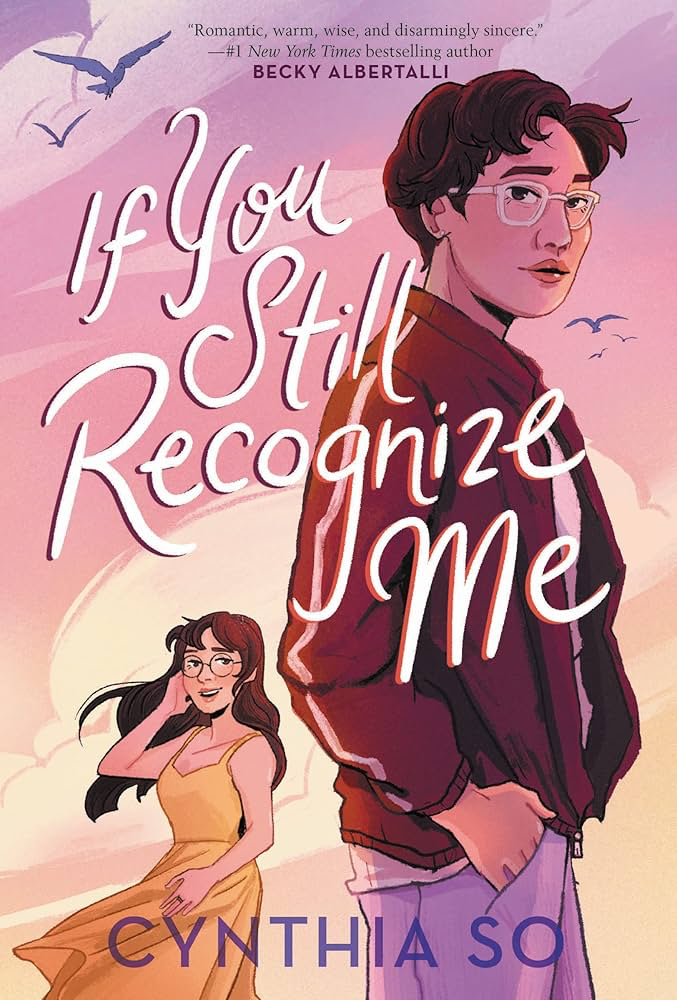
If You Still Recognize Me – Cynthia So“In the morning, when you’re sleeping/I can’t wait and I can’t wait to compromise…”

“Amelia” – Cocteau Twins

How does it feel? How does it feel for those of you with the right names to share a name with a Cocteau Twins track? For all of the Loreleis, Amelias, Beatrixes, Ivos, Carolyns, etc…do you realize how lucky you are?

Out of all of the Cocteau Twins songs I’ve heard, “Amelia” is one that embodies their general qualities the most, taken almost to an extreme. Regardless of whether or not I could hear the lyrics even if they weren’t nonsensical, they’re sunken so deep into the production that they become a kind of fog-like mist. The unmoored, bass-less flow of the track reminds me of something off of Victorialand, a record where bassist Simon Raymonde was notably missing. Liz Fraser’s vocals are as textural as ever, uttering a whole menagerie throat-fluttering bird calls amidst a barrage of gated reverb that descends upon you like the patter of heavy rain on a windshield. Next to some of their other tracks, it feels slightly less cohesive—the intensity of the gated reverb, reverb’d into high heaven as it is, doesn’t completely mesh with the airiness of the vocals or the other instrumentation. Somehow, it’s almost comforting—the Cocteau Twins stand out to me as a band who truly found their niche and stuck to it, digging in their heels to make that niche as unique and them as possible in the most artistic and adventurous way. Weirdly, it comforts me that it took them time to get their rhythm down, and even then, their earlier steps still blow me away. “Amelia” certainly does—the sheer variety of vocal styles that Fraser layers over one another is proof that even on a record that the band famously hated, their nascent talent couldn’t help but shine in its own way.

…AND A BOOK TO GO WITH IT:

Meru – S.B. DivyaI can only imagine that the experience of being a god-like Alloy and floating in space sounds something like the Cocteau Twins.

Since this post consists entirely of songs, consider all of them to be today’s song.

That’s it for this week’s Sunday Songs! Have a wonderful rest of your day, and take care of yourselves!
Posted in Monthly Wrap-Ups

January/February Wrap-Up 🚍

Happy Friday, bibliophiles!

Man, time to do wrap-ups? Barely, but I have some time on my hands and there’s nothing I love more than organizing my reading stats into bulleted lists, so why not? (The only reason I’ve been able to make this many posts this week is because most of them were started several weeks prior, but I digress.)

The past few months have been strangely calm, if you set aside…well, everything that’s been going on lately. I don’t think I have to explain. I’ve been working really hard to try and be as levelheaded as I can in the face of all of these crises. Levelheaded and hopeful. Neither of these mean ignorant bliss to me—I’m continuing to speak up when I can, read what they don’t want us to read, and put my money into places that respect my existence. (wink wink, nudge nudge…hope everybody who was financially able participated in the economic boycott today! 😉) Miraculously, this semester has given me the space to work at practicing that—I’ve had a lot more free time (almost an alien concept after last semester), so I’ve been working at putting my energy into what counts, mainly being creative and feeding my soul. I finished the first draft of book 3 in the sci-fi trilogy I’ve been working at since I was 16 (!!!!!!!!!!). I’ve tried to take up knitting. (Unsuccessful so far, but I’m trying to keep at it), and I’ve tried to draw and read when I’ve got the time. That, and getting on the mining grind in Minecraft and being paralyzed as Severance consumes every waking thought I have. GOD, what a show. All this is to say that this isn’t a straight journey—I’m by no means a master at being levelheaded and balancing work with creativity, but I’m trying to learn from my mistakes. All you can do is try.

JANUARY READING WRAP-UP

I read 15 books in January! In the gap between winter break and the start of the spring semester, I read some fantastic books, from whimsical graphic novels to classic sci-fi hijinks.

2 – 2.75 stars:

The Marble Queen

3 – 3.75 stars:

Hammajang Luck

4 – 4.75 stars:

Tidesong

FAVORITE BOOK OF THE MONTH: The Infinity Particle – 4.5 stars

The Infinity Particle

REVIEWS:

BONUS:

SUNDAY SONGS:

FEBRUARY READING WRAP-UP

I read 13 books in February! This month was slightly slower (and shorter, obviously) than January, but I was able to read several books that I’ve been excited to get around to for months! As I usually do, I focused more on Black authors for Black History Month, and discovered some great books and authors as a result.

2 – 2.75 stars:

Blood Debts

3 – 3.75 stars:

The Maid and the Crocodile

4 – 4.75 stars:

How to Be an Antiracist

FAVORITE BOOK OF THE MONTH: All About Love4 stars

All About Love

REVIEWS:

BONUS:

SUNDAY SONGS (+ more music stuff)

BONUS:

Today’s song:

DEBUT AAAAAAAUGH DEBUUUUUUUT

That’s it for my wrap-up of January and February! Have a wonderful rest of your day, and take care of yourselves!
Posted in Music

Phonetics On and On – album review

Happy Thursday, bibliophiles! Finally had time to do an album review…unprecedented…
I first fell in love with Horsegirl in my senior year of high school. Back then, they were afloat on a handful of singles and on the cusp of a debut album. By the time Versions of Modern Performance came out, it was the soundtrack to the summer before I went to college. Their clever, endlessly creative style, informed by the ’70s and the ’90s in equal measure, enchanted me—it felt like almost nothing like what many other musicians of their generation were putting out. Along came 2024, and the promise of something somehow even better was on the horizon: a new Horsegirl album, produced by Cate Le Bon and recorded in The Loft, the famous (at least to me) Chicago studio owned by Wilco. What could go wrong? Almost nothing, as it turns out—Phonetics On and On is proof that the playful, inventive spirit of Horsegirl lives on, and that it’s beginning to mature into something spectacular.

Enjoy this album review!
PHONETICS ON AND ON – HORSEGIRL

Release date: February 14, 2025 (Matador Records)

TRACK 1: “Where’d You Go?” – 8/10

Just shy of two minutes long, “Where’d You Go?” is a song that lives up to the band name—the propulsive beat has the urgency of a racehorse speeding down a track. Drenched in tight, Feelies-esque (crazy) rhythms, it kickstarts the album with a jolt of sparking energy. Gigi Reece’s drumming has the lightning-fast patter of rabbit’s feet against the dirt, while the dueling voices of Nora Cheng and Penelope Lowenstein tug the track in two directions, a short leash that snaps to allow for a crayon’s scribble of a guitar riff to burst in at the 1:12 mark. The frenetic energy is a remarkable bridge from their work on Versions of Modern Performance to this album—vestiges of their earlier compositions, but the beginnings of a divergence into musical maturity. That’s how you start an album.

TRACK 2: “Rock City” – 7.5/10

Reining in the freewheeling energy of “Where’d You Go?”, “Rock City” mellows the album into the pace that much of the rest of Phonetics On and On settles into. It’s odd to have a more transitional track by only track two, but that feels like the function of “Rock City” is to me—it’s one of the weaker songs on the album, but nonetheless great; it serves to weave together the fluctuations in energy from track one to many of the others. That being said, it’s not a bad song by any stretch of the imagination. With its pastoral imagery and catchy, upbeat stillness, it’s the perfect track to relax the unbridled momentum of the opener. Cheng’s lighter vocals give it a gentle levity, while the sudden jumpstart in structure at 3:16 ensures a recurring theme on the album—you can’t be lulled into a false sense of security, because Horsegirl always has something up their sleeves.

TRACK 3: “In Twos” – 8/10

Initially, “In Twos” wasn’t a standout track for me. The slow pace didn’t bother me, but it didn’t grab me like many of the other tracks did. Yet the more I listen to the lyrics, the better it gets. Horsegirl are masters of crafting emotion from simplicity; much of Phonetics On and On was inspired by their collective experience of uprooting from Chicago to New York City to go to school at NYU, and the isolation of coming of age and moving to a new city. You can feel that understated alienation all over “In Twos,” a slow, wistful recollection of how “every car that passes by drives to you” and “your footprints on the street, they walk in twos.” It’s almost resentment, but feels to me more like a familiar feeling: watching people live normal lives as an outsider. The Rolling Stones-like repetition of “and I try” reminds me of that aching, to want to be accepted and feel normal and live a traditional life, but knowing that you’ll never fully mesh with them, and that life has a different destiny for you, no matter how hard you try to fight it.

Oof. Definitely got me there. Horsegirl lures you in with the “dadadadadada”s and then boom. ALIENATION! Seriously, this is starting to become one of the more impactful tracks on the album.

TRACK 4: “2468” – 8/10

Reviewed on Sunday Songs, 12/1/24 – a fascinating first taste of the album—Feelies worship, weird violins, Wes Anderson quirks, and above all, weird talent.

TRACK 5: “Well I Know You’re Shy” – 8/10

Picking up the pace that “2468” jumpstarted, “Well I Know You’re Shy” is just about the most Velvet Underground love song I’ve heard since Lou Reed tapped Moe Tucker to sing “After Hours.” I realize it’s hyperbole, but I can’t help but see the DNA woven between the two. Composed of old-timey phone cords and shyly open windows, it presents a love song that could only happen between two sharply-dressed Wes Anderson characters. Punctuated by Nora Cheng’s clean guitar riffs, it talks of a romantic looking out their window wishing to “sing for you/I wanna sing like I do/out your window,” continually rueing the fact that “what happened out there/I wish it was me.” There’s no tormented confessions of love or on-your-knees begging for a kiss, but a precocious, simple wish: “What happened out there/Well I know you’re shy/If you’ll listen to me/You’ll know I want to say hi.” I hesitate to call it childlike, but it has a doe-eyed purity to it that makes it so charming.

TRACK 6: “Julie” – 8.5/10

Reviewed on Sunday Songs, 12/29/24 – a glimpse into Horsegirl’s emerging introspective side, proof of their untapped ability to tap into tender emotion.

TRACK 7: “Switch Over” – 9.5/10

Reviewed on Sunday Songs, 2/2/25 – still the brightest, catchiest, and really the best song on the whole album.

TRACK 8: “Information Content” – 8/10

This is one of the brightest songs on Phonetics On and On, and I don’t mean that in intelligence—listen and you’ll understand. “Information Content” glows with the blinking spirit of a glass lightbulb. The brightness comes in no small part from how jangly they go with the guitars on this one—in between Reece’s soft drumming and egg shakers, Cheng’s voice is allowed to be so cheerful and airy, even when the lyrics might as well be crossing items off a grocery list or striking a day from the calendar. That’s the power of Horsegirl to me (Horsepower?)—they dredge so much playful joy from the mundane and ordinary, making a trip to the kitchen into a spring-stepped skip. There’s something about “Information Content” that feels distinctly Wilco to me as well—it seems that the influence of The Loft rubbed off on them. (How could it not?) At 2:58, the guitar solo kicks in, but gets crumpled into tinfoil chaos just as quickly; it’s so prickly and collapses in the blink of an eye, and I can’t help but be reminded of Nels Cline’s improvisations and swift-fingered touch to his guitar playing, or even the way that Glenn Koche’s drumming descends into madness during “Via Chicago.” Of course, nobody can come close to that level of masterful insanity (especially on their second album), but I can hear the influence loud and clear—and I love it.

TRACK 9: “Frontrunner” – 8.5/10

The last single to be released before the entire album came out, “Frontrunner” lies in the same vein as “Julie”—a slow-paced, more instrospective side to Horsegirl that’s unafraid to strip down to more raw, spare elements. On the composition, the band said that this gentler track was born after “[I] had just had a really terrible, emotional day…and Nora and I were like, ‘OK, we should just play guitar today, you need to do something.’ And we wrote that song together.” It’s so simple, yet so heartwarming to me that such a tender song came out of ordinary moments that we’ve all shared with friends; Even before I knew the context behind it, “Frontrunner” rang proudly as such a distinctly friendship song to me, and I loved it for just that. For me, it embodies another kind of college feeling, the post-freshman feeling of realizing “oh my god, I’ve got friends?” and that realization powering you through the day that you have so many new, wonderful people to share your life with who are only an arm’s length away. The repetition of “I can’t wait/And I can’t wait/And I can’t wait” is filled with a wistful, anticipatory glee despite the slower tempo of the track, but the happiness on the horizon is what made it such a winner for me. A frontrunner, if you—[gets dragged off the stage by a comically large cane]

TRACK 10: “Sport Meets Sound” – 7/10

Horsegirl claimed that they’re mostly finished with the “joke titles” that composed most of Versions of Modern Performance (“Rock City” is allegedly the last of its kind), but…if this isn’t the most Versions of Modern Performance title I’ve ever laid eyes on…

Taking cues from the more laid-back tone of “Frontrunner,” “Sport Meets Sound,” contrary to the speed that the title implies, eases the album close to hitting the brakes. With a steady, marching band-like drumbeat from Reece and strings of “dadadadadada’s” aplenty, it doesn’t do a whole lot to distinguish itself from the other tracks, in the grand scheme of Phonetics On and On; like “In Twos” and “2468,” it’s lyrically twins with “Rock City” (see the “Young man sickened by the sight” refrain), but unlike those two, it doesn’t stand out as much as the former two do. But if that’s a weaker Horsegirl song…man, I’m so impressed with their output, because even at their weakest, they can make a truly catchy indie rock song, and that’s just what “Sport Meets Sound” is. It’s a transitional song to the end, and it works perfectly as such.

TRACK 11: “I Can’t Stand To See You” – 8/10

Sliding in to give Phonetics On and On a final spark of momentum, this track lifts the smile of the album at large, a peppy victory lap that unites all of the best aspects of the album at large. The jangle-o-meter has been calibrated so much that it’s broken, the spring in their metaphorical step is even springier, the “da-da-da-da-da’s” unfurl out before you like a promising scroll. The lyrics become playfully self-aware both of the song’s status as an album closer: “Do you want to go home now?/The night’s almost through.” Yet with a sly wink, they promise that they’ve got more up their sleeve: “Just another walk around the block now.” It feels more like a closing theme to a children’s TV show than a closing track to an album; It declares that there’s one more bout of carefree fun to have before Horsegirl has to say goodbye. In a way, it’s a thesis of the album’s spirit: so aware of itself that it becomes a blast, and so carefully constructed that the joy is an integral part of the process.

I averaged out all of the ratings for each track, and it came out to an 8.1! Without a doubt, Phonetics On and On is set to become one of my favorite albums of the year…and it’s only February. Horsegirl bring a welcome, much-needed dose of free-spirited yet tightly-constructed craft into their art and to the world, piling catchy melody after catchy melody for a record that sees them maturing into fledgling artists, yet never denies the play that is central to their ethos. I’d go so far as to say that we’re all better for the joy they bring to their music. I know I am.

Since this post consists entirely of songs, consider all of Phonetics On and On to be today’s song.

That’s it for this album review! Have a wonderful rest of your day, and take care of yourselves!