Here we are, and once again, the year is nearly over…at least we have season 5 of Fargo to distract us from the inevitable passage of time.
Let’s begin, shall we?
GENERAL THOUGHTS:
Break aside, November has been on the busier side, but it’s been a productive one for me. It’s been chaos as far as my workload has gone, but part of that chaos was the editing that led me to send off two of my short stories for consideration to be published in some school literary journals! I won’t hear back for several months, but I’m so excited!! The initial impostor syndrome has faded (it’ll probably come back in a few months, mark my words…I’ve got my NyQuil ready), but either way, I’m really proud for taking this first step. Now, the workload chaos is in the form of looming final projects, which is not nearly as fun, but at least I don’t have to take a stats final at the crack of dawn like last year.
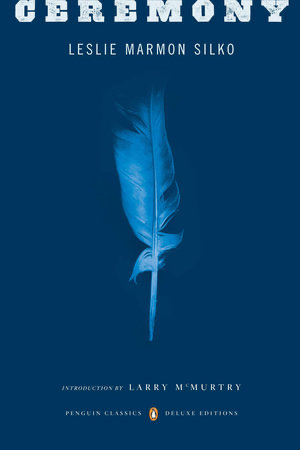
My reading has been a bit slower this month (see above), but as far as enjoyment goes, I’ve had a much more successful month! I had another 5-star read in the form of Ceremony (me when mixed-race experience and themes of storytelling), and I only had one book in the 2-star range for this whole month! I ended up reading a ton of literary and literary-leaning fiction for no particular reason, but the ones I read this month were almost all hits. I’ve had some more time to blog, what with break and whatnot, so it’s been fun to write more frequently before finals hits me like a train.
Other than that, I’ve just been trying to draw and play guitar (when I can), watching Taskmaster and The Great British Bakeoff (hEY NOW NO SPOILERS US AMERICANS HAVE TO WAIT UNTIL FRIDAY FOR THE FINAL), trying to ignore how cold the weather is, and rejoicing the return of Fargo! FARGO! I FEEL ALIVE AGAIN!
…say, are we gonna talk about how utterly insane episode 3 was? Just me?
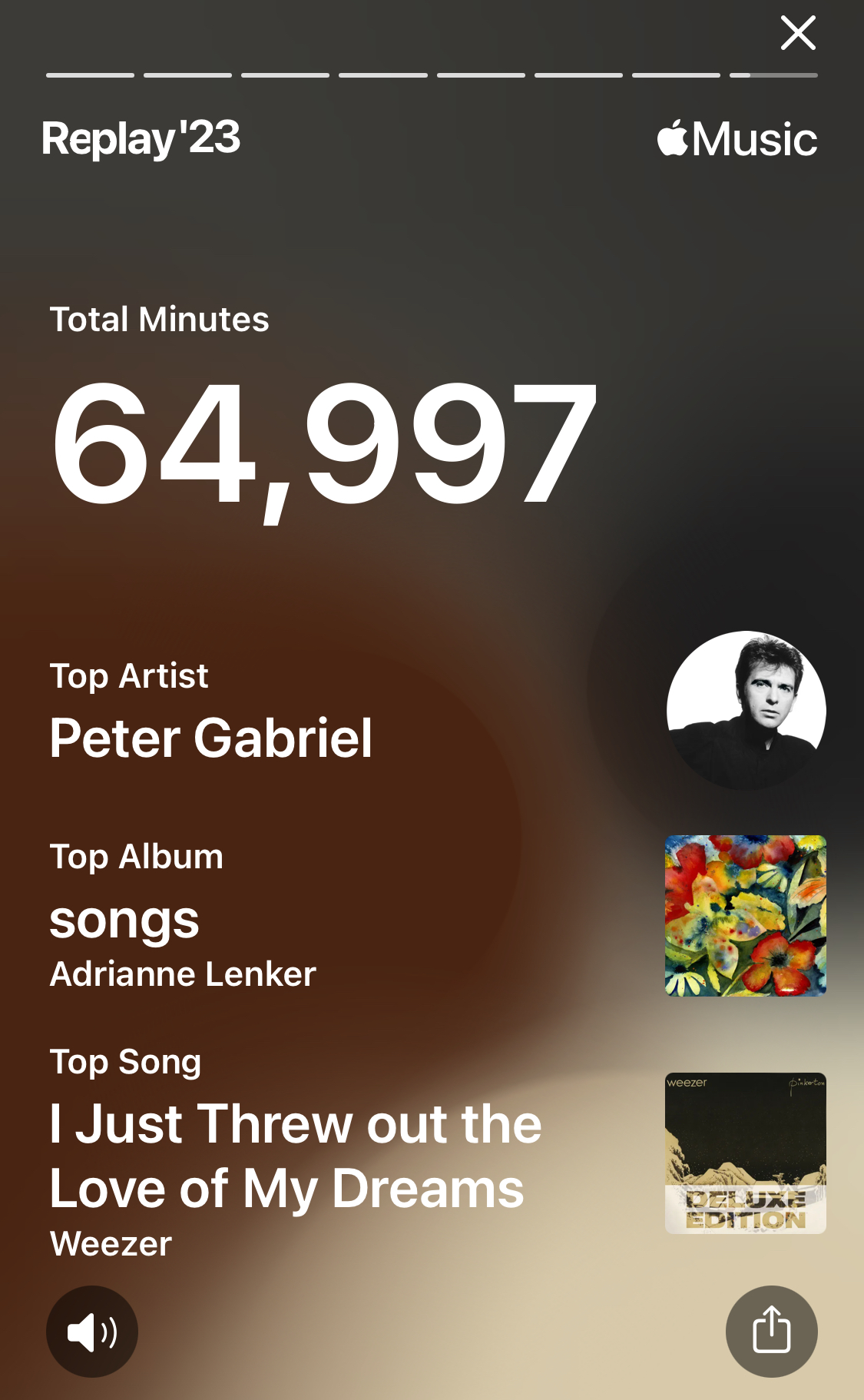
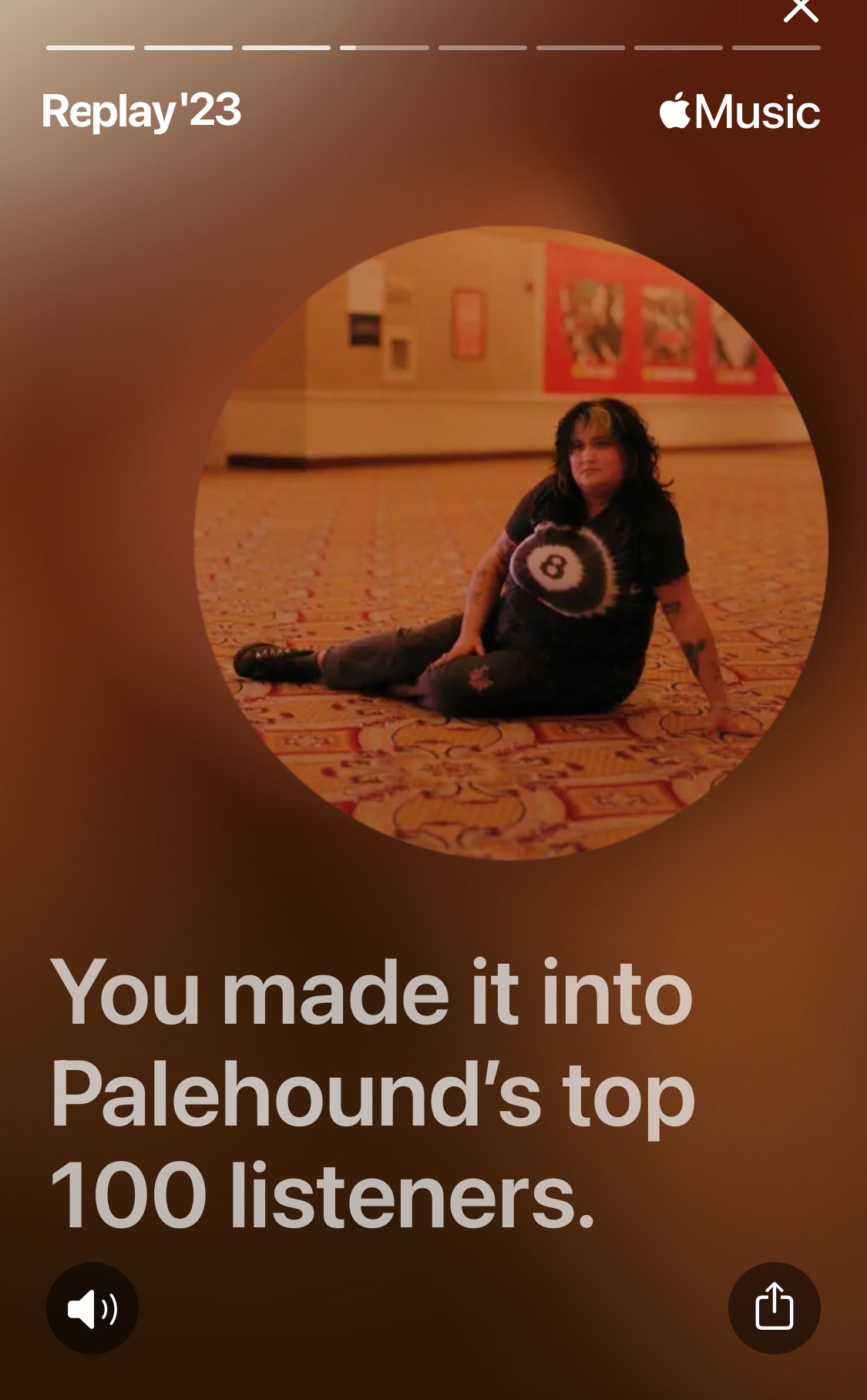
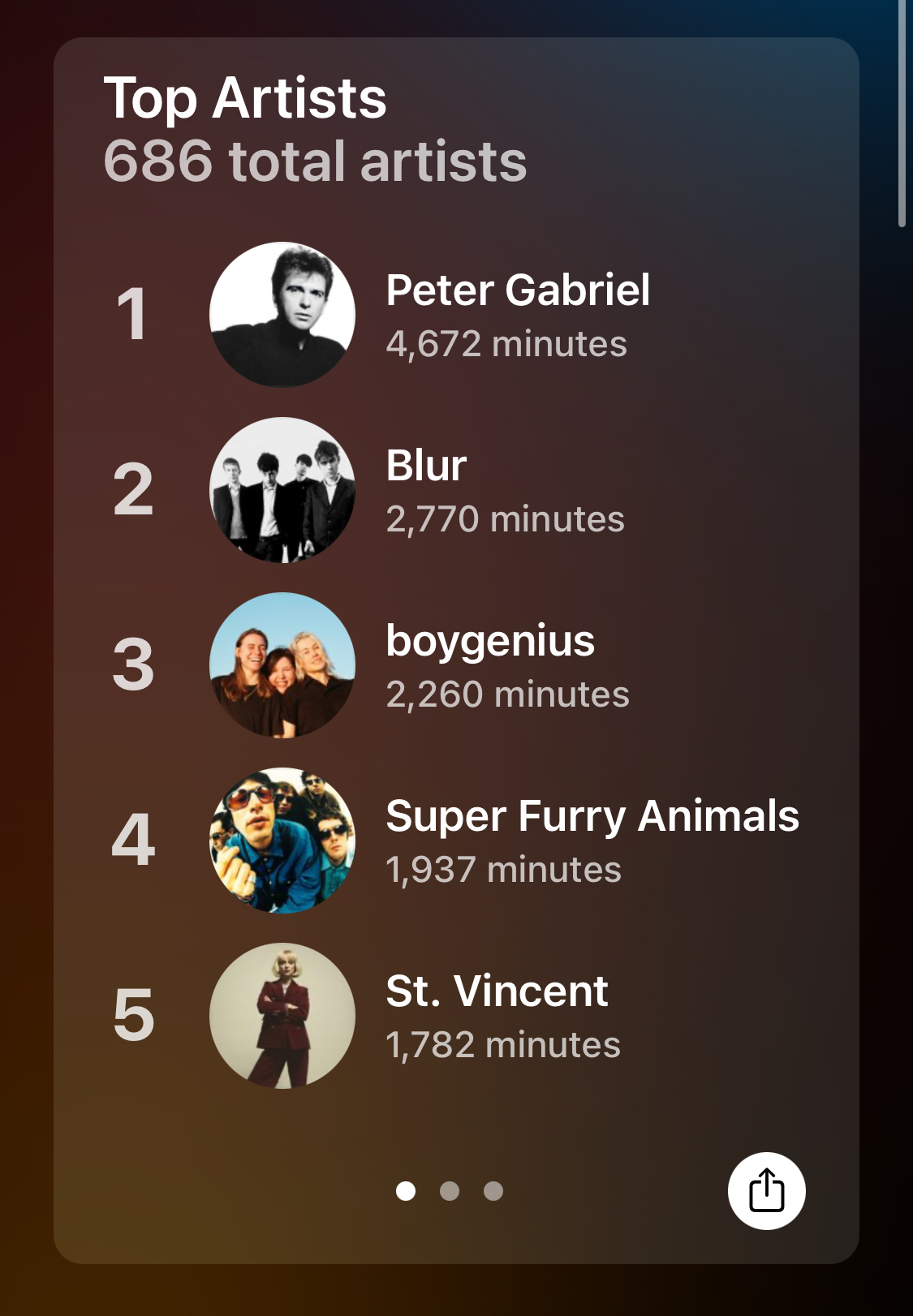
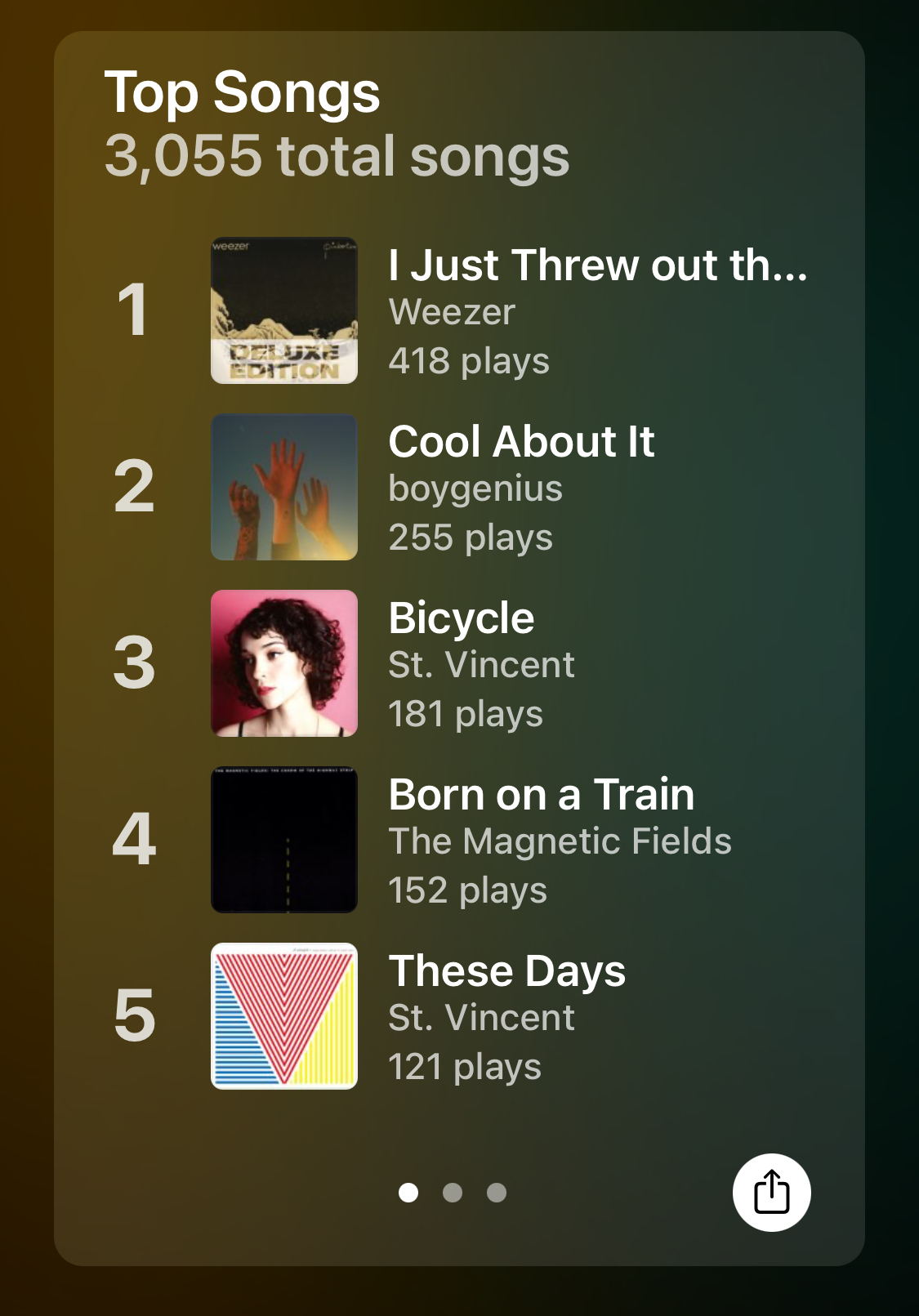
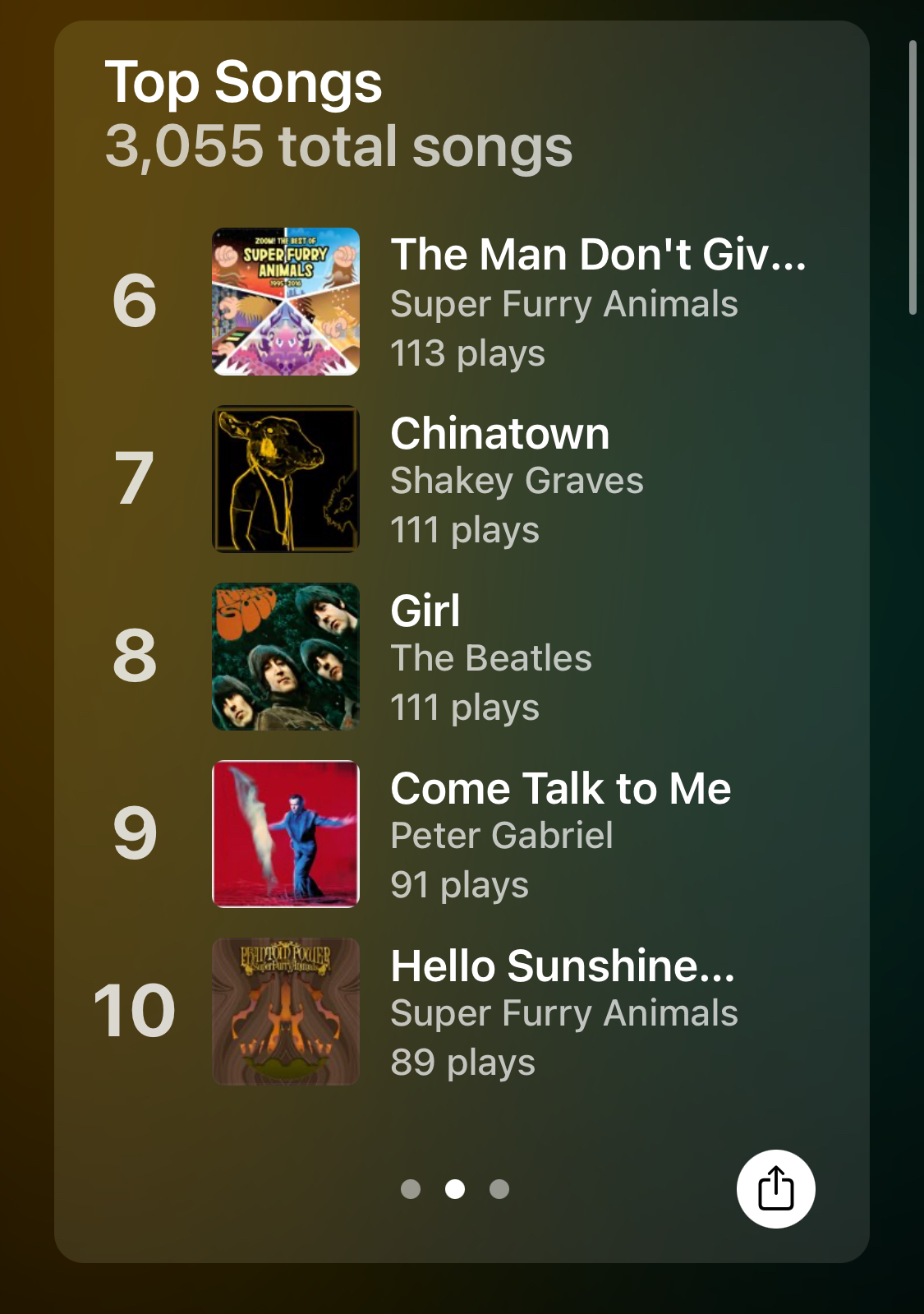
Also, for your casual amusement, here’s the mess that is my Apple Music Replay for this year:
READING AND BLOGGING:
I read 15 books this month! Again, slower than normal, but it’s impressive to me, given how much editing and pre-finals chaos has consumed me this month.
Happy Tuesday, bibliophiles, and more importantly, MERRY FARGO DAY!! SEASON FIVE IS FINALLY HERE!! REJOICE!! I’ve been waiting three years for this…I can’t WAIT to watch it tonight!
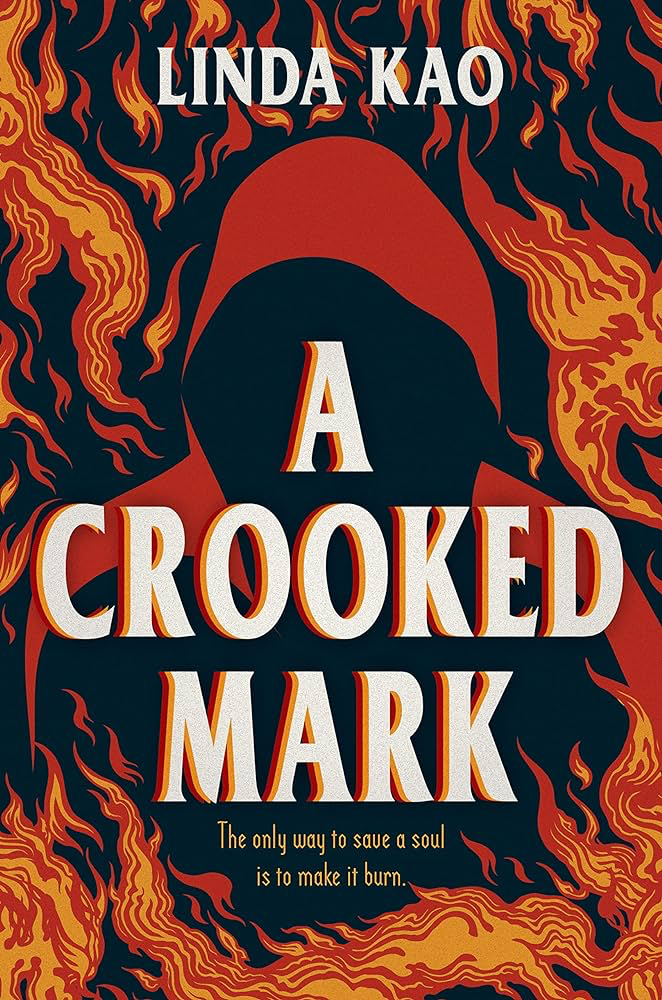
I’ve noticed that I’ve read a lot of adult books this month (much of which have been more literary fiction) and not a lot of YA; although it’s been a much better reading month than October, I wanted some YA to mix it up. A Crooked Mark was the perfect book to scratch that itch—campy and silly in the best possible way.
Matthew Watts knows that evil works in mysterious ways. That’s why his father has raised him to know the signs of those marked by Lucifer himself. Ever since he was young, they’ve been going from town to town, making sure the Marked are killed before their evil is unleashed on the innocent. But Matt’s father has a new mission for him—his first ever solo mission, following a girl named Rae Winters. As Matt tries to blend in at the local high school, he befriends Rae—and begins to fall in love with her. And as his mission steers in the wrong direction, he begins to question if all that he’s working for is a lie…
TW/CW: murder, descriptions of burning alive, car crash, grief, loss of loved ones (on and off page), descriptions of injury
A Crooked Mark caught my eye over the summer because of its premise—not necessarily that it was particularly unique, but because it sounded so similar to Frailty—a movie about a father and his sons killing those that God has told him are demons. As far as I can tell, there’s no real correlation between the two (though I’d be shocked if this wasn’t at least a partial inspiration for the book), but, again, caught my eye—of all the movies to inspire a younger-leaning YA novel, Frailty would not be my first choice. That being said, A Crooked Mark, though not without its flaws, scratched the itch I needed—corny, supernatural fun.
From here on out, if I say “corny” in this review, I mean in the most affectionate way possible. I was on a streak of reading a lot of adult fiction/more literary-leaning fiction, and while I enjoyed all that, A Crooked Mark was just the kind of unserious book I needed to shake things up. It feels like it could’ve been the kind of campy, supernatural drama that I would’ve watched in middle school, down to the fact that there’s actually a character named Moose. It’s great. I’ve seen a lot of reviews comparing it to Supernatural, which I haven’t seen, but even from the vibes I get from the show, the comparison hits the nail right on the head. The writing, while it wasn’t the best, really nailed that feel, even if it wasn’t what Kao was going for. I can probably enjoy it more because there isn’t cheesier acting attached to the already cheesy writing, but either way, A Crooked Mark was made for corny enjoyment.
Going off of that, A Crooked Mark really nailed the beats of that kind of campy, paranormal story. Matt was the perfect protagonist for this story—not overly brooding, but still self-serious (in a very un-serious way) enough that he was fun to follow around. His friend group didn’t necessarily contribute a whole lot to the narrative, but they served the purpose of putting a shield around Rae—and later being sources of conflict once everything went south. Rae was on the too-perfect side, but again: this is the campiest book I’ve read all month. I’m not expecting monumentally good character development. I did also love that Matt was mixed-race—as a mixed-race person, I wouldn’t say it’s groundbreaking rep, or that the book explores his mixed-race identity poignantly (it really doesn’t), but it’s more important in that everybody deserves to be the hero of a cheesy, paranormal teen drama. It’s what we deserve.
That being said, for a book where Matt was up against the clock trying to discover if Rae really was marked by Lucifer himself and put an end to said evil, A Crooked Mark meandered quite a lot. It was more than a sagging middle—more of a sagging 60-75% of the whole book. There was a whole lot of uneventful high school bonding, a lot of Rae’s tutoring sessions that went nowhere, and a lot of hemming and hawing in general. It would have been easy to add bits of drama here and there to amp up the stakes, and Kao partially did this, but not enough to sustain the story. Especially since a lot of the “twists” ended up being dead ends, (save for the Big Twist™️), there really should’ve been more suspense—or at least more drama—before the main twist right before the climax. I was in it for the cheese in the first 30% or so, and it only managed to pick up in the last 20% of the book—not enough to hold my attention.
All in all, A Crooked Mark isn’t anything revolutionary or exceptionally well-written, but if you’re in the mood for something spooky and campy, this is the perfect book for you. 3.5 stars!
A Crooked Mark is a standalone and Linda Kao’s debut novel.
Today’s song:
I love listening to music like this while I’m just calmly doing chores…I’ll just be cleaning the sink and Joe Talbot’s aggressively screaming about kindness and consent in my ears bahahaha I love IDLES
That’s it for this week’s Book Review Tuesday! Have a wonderful rest of your day, and take care of yourselves!
Even though he isn’t here to read this (rest in peace), and I doubt he would even if he was, I owe an apology to Bill Withers. When I asked Siri about the insanely funky song that Wilco was playing before their show back in October, I thought…Bill Withers?Like…the “Lean On Me” Bill Withers? The song we all had to sing in either elementary school or at camp? From here on out, I take back any preconceived notions I’ve had about the man, because this song slaps. I severely underestimated him.
To be fair, from the looks of it, “You Got the Stuff” seems funkier than most of his R&B/Soul-leaning catalogue, but when he did funk, he made it the funkiest funk possible. The minute the drum machine fades and the thick, bass-like synths kick in, it’s like I’ve been possessed to move my body for exactly seven minutes and 16 seconds. I haven’t heard of a contagious groove like this song has in ages, something so instantly captivating that hooks you and immediately tosses you on the dance floor. And it’s seven minutes of this. And the last three and a half minutes of that seven minutes is just bass and an absolutely glorious flexatone. (Many embarrassing google searches went into finding the source of that comically cartoonish “doi-oi-oi-oing” noise. I’m not proud of what I did.) It really is a cartoonish sound that this instrument makes, and yet it fits right in with the thumping bass and Bill Withers’ faint, rhythmic breathing and the occasional “ooh, baby.” Three and a half minutes of just that. It feels like a buildup to something bigger, but it doesn’t need to build up to anything—the unique rush of that stretch of the song keeps the funk alive for longer than I thought it could. And it’s crazy to think that this was chosen as a single for this album (‘Bout Love)—even for someone like Withers, putting the one song that goes over seven minutes long as one of the lead singles is a bold move. It did only get to #85 on the Billboard charts at the time, but it’s a hit in our hearts.
What I’m trying to say is that Bill Withers is forgiven for the setlist of my 3rd grade program. Good god, I love this song.
As much as I, in theory, dress a fair bit punk (on the days where I have my pin jacket) and generally like the leanings of the political attitude, I’ve never been able to get fully behind it—the combination of the abrasion (both musical and lyrical) and the contrarian, infighting parts of it have made it so I’ve never felt fully aligned with it. I’m only punk up to my jacket, my boots (they’re not very good for extended walking, so I wear them sparingly…there’s only so long I can commit to the bit), and my socialist tendencies. More in spirit than anything else. Same reason that even though I regularly have at least one day a week where I dress in all black and go all out on the eyeliner, I can’t fully commit to being goth, because I’ll then go up to my friends and say “HIIIIIIIIIIIIII :)” in the most decidedly un-goth way. And plus, contradicting everything about yourself sounds kinda tiring, unless you’re Hobie Brown and you make it look cool (and that’s because he was this cool the whole time). And yet, every single IDLES song makes me absolutely foam at the mouth. I love them. I’ve been putting off actually listening to a full album of theirs for who knows why, but their spin on punk—still plenty aggressive, but resoundingly hopeful and positive in their ethos (see “Mr. Motivator”). Joe Talbot himself has repeatedly insisted that they aren’t a punk band, so…okay, I’m not all that punk. But that combination of all the fiery energy of punk with their riotous joy and their wholehearted embrace of vulnerability and love is what endears me to them so much. The absolutely delicious Britishness and bisexuality of it all certainly helps too.
Hearing that “Dancer” was a collaboration with LCD Soundsystem kind of floored me—where could the epitome of tight, high-strung white boy music fit in with this? The mesh, however, is as smooth as it could ever be. There’s a constrained tightness about the opening riff that feels all at once caged in and expansive—the James Murphy touch reveals itself more and more on each listen, aside from the obvious backing vocals on the chorus. Either way, “Dancer” has just about everything I love in an IDLES song. Joe Talbot’s signature aggressively theatrical line deliveries never fail to put a smile on my face—every repetition of “and the sweat” (I can almost hear him raising his eyebrows every time he says sweat) and “so to speak” (imagine that as spitty and Britishly as you will) make listening to the whole song feel like an elaborate performance, a…dance, if you will. There’s an undeniably sensual feel of it all, a visceral pulse to the calculated choreography of each line. It’s a song I’ve never been able to skip since I downloaded, and even though I’ve still yet to listen to any of their full albums (SOON, though), I’ve got hope that Tangk will be more of the same.
New IDLES and The Smile next January…man, I’m gonna implode. It’s been fun, everybody.
…this is certainly an interesting transition. Whoops.
Certain bands are often seasonal for me—some bands are more spring, summer, fall, or winter than others. (Hence my seasonal playlists). But some bands immediately evoke a more specific point in time. For me, The Shins were always a late fall, early winter band; they feel like fall, but only after the first frost has crept in and stripped the trees bare. There a few leaves left, but they’re all brown and brittle, crumpled underfoot. It’s snowing, but not a January blizzard—maybe just sleet that doesn’t accumulate, if you’re lucky. You’re warm, sitting by the fire. The trees look skeletal now.
So I’m glad I rediscovered “Black Wave” when I did—it’s one of those songs that lingered in my periphery for years (I grew up in a very pro-Shins household), but I’d gotten so complacent in hearing it everywhere that I didn’t even think to ask about its name. But it’s the perfect November song—as most of what I’ve heard from the spectacularly titled Wincing the Night Away is. James Mercer layered effects over his gentle, wordless warble as the song begins, making a rippling, Bon Iver-like echo. Even with a colored named in the title, “Black Wave” is decidedly painted in deep, warm colors; shades of brown and maroon, accented by orange and gray. The opening image of “this goose is cooked” cements the feeling of being huddled around a fire; I imagine the goose being cooked on a spit, the skin crackling as the embers lick it. Mercer’s voice drifts and out of focus, as though on a chilly wind. And like the wind, the song doesn’t so much end as disappear, like the image of a cryptid shifting through blurry footage to fade into the winter woods beyond.
Since I first listened to Up back in March (oh, the album art is just some water droplets on a gray backgr—oH MY GOD PETER WHY ARE YOU LOOKING AT ME LIKE THAT), it’s been an album that I always fall back on. “Growing Up” was already a faint childhood memory and “Darkness” immediately stole my heart, but the more I listened, the more songs I’ve stuffed in my back pocket—the grossly timely, sleazy groove of “The Barry Williams Show” and the chest-rattling resonance of “Signal to Noise” that makes my soul leave my body every time I hear it. (Real chill stuff for walking to class, amirite?)
There’s something to be said for my hypocrisy of creating dozens of oddly specific playlists and then just listening to my whole library on shuffle, but shuffle always revives songs like this. (Although this one did go on my oddly specific clone playlist next to Roxy Music.) So much of Up has this graying, industrial feel to it, but Peter Gabriel, the genius that he is and continues to be, uses that gravelly darkness (no pun intended) not necessarily to be edgy, but to convey that feeling of hopelessness—the consumption of fear in “Darkness” and the betrayal and desperation of “Signal to Noise.” “More Than This” opens with imagery of “I woke up and the world outside was dark/All so quiet before the dawn/Opened up the door and walked outside/The ground was cold.” I can’t help but think of the quiet bridge of “Darkness,” where the fear wanes and he walks into the woods to find his fear “curled up on the floor/just like a baby boy.” That industrial atmosphere—furthered by distorted, grainy samples of guitars that he and Daniel Lanois messed with in production for the album—immediately sends a hood of coldness over you, the roughness of concrete and frozen ground. And yet, amidst said cold ground and sinking ships, this is where Gabriel finds connection—in the absence made by everything hopeless about this world, there is still a beating heart pulsing beneath our feet, and it’s not the Telltale Heart kind. It’s the connection in knowing that you are surrounded by a community, and surrounded by the love that it breeds. Amidst it all, there’s more than this. It feels like the answer to Roxy Music’s “More Than This”—that song pondered what could exist outside of the all-consuming sorrow, and Peter Gabriel blows aside the curtain of fog to show the many arms reaching out to you, offering their guidance and warmth. It also feels like the prequel to “i/o”—”More Than This” song is the realization of connectivity, and “i/o” fully embraces it, going from a community of people to the connectivity to the Earth and all of its creatures.
“More Than This” was a wonderful surprise to re-stumble upon—the music recaptured me at first, but with every listen, it feels more like an anthem. Not only are you not alone, you have never been alone, and if you can only look beyond yourself, you can find joy in connection. The choir slowly snaking into the backing vocals towards the end of the song…almost gets me choked up, like you’re seeing the fog lifted and the love revealed.
Another calm one to end this week’s song lineup. It’s getting cold outside, the hearth is ready, and I intend to rock you to sleep with this gentle melody. Grab your blankie, kids.
My halfway deep dive into The A’s (see last week’s songs) only went as far as a few songs on the album, but it also led me to Daughter of Swords, Alexandra Sauser-Monnig’s solo work with a gloriously tarot-sounding stage name. Like The A’s, the tidbits I skimmed through from her album Dawnbreaker (title also goes hard) ventured into territory that was too twangy for my taste, but quiet moments like “Fellows” stood out to me in their calmness. The sea of lo-fi graininess that “Fellows” is drowning in coats the acoustic guitar plucking in a state of drifting, only anchored by the gentle, lilting waver of Sauser-Monnig’s voice. From the moment that faint, ominous noise scratches at the background (it sounds like a train whistle to me, but I could be wrong), you feel like you’re stepping into a sepia-tinted photograph, all hazy edges and soft, grassy ground. Alexandra Sauser-Monnig has the perfect voice for this kind of folk—as she sings about all of said fellows (who get noticeably taller and skinner as the song goes on…I guess she’s figuring out her type? Is Jack Skellington next? No judgment, but he’s taken…), her voice rings out amidst the grainy sea. It can ring when it needs to, but it has the effect of bedtime tea: calm enough to rock you to sleep, but rich enough to savor the herbal flavor as you close your eyes.
Since today’s post consists entirely of songs, consider all of them to be today’s song.
That’s it for this week’s Sunday Songs! Have a wonderful rest of your day, and take care of yourselves!
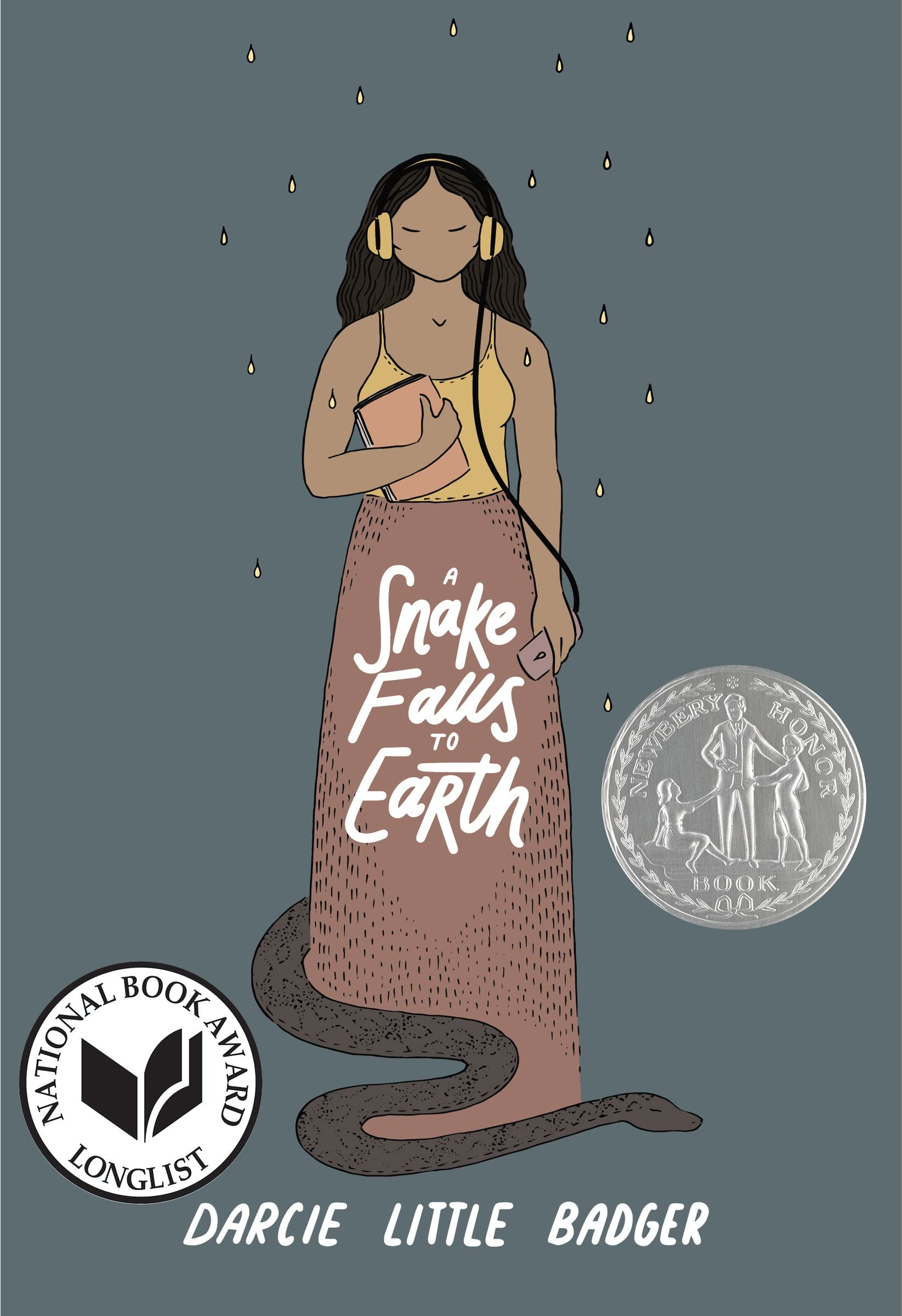
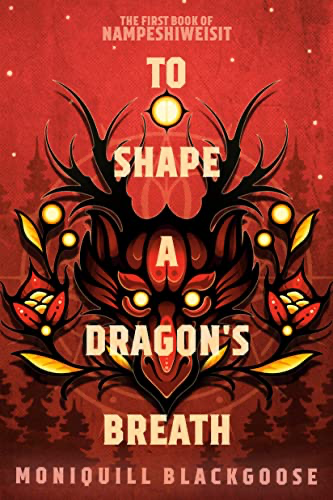
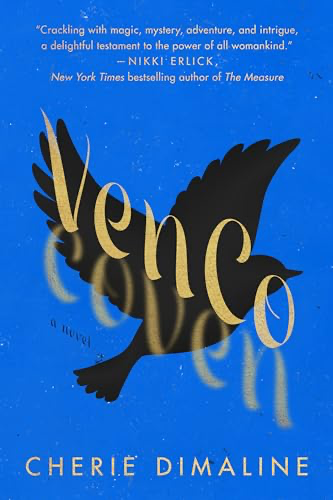
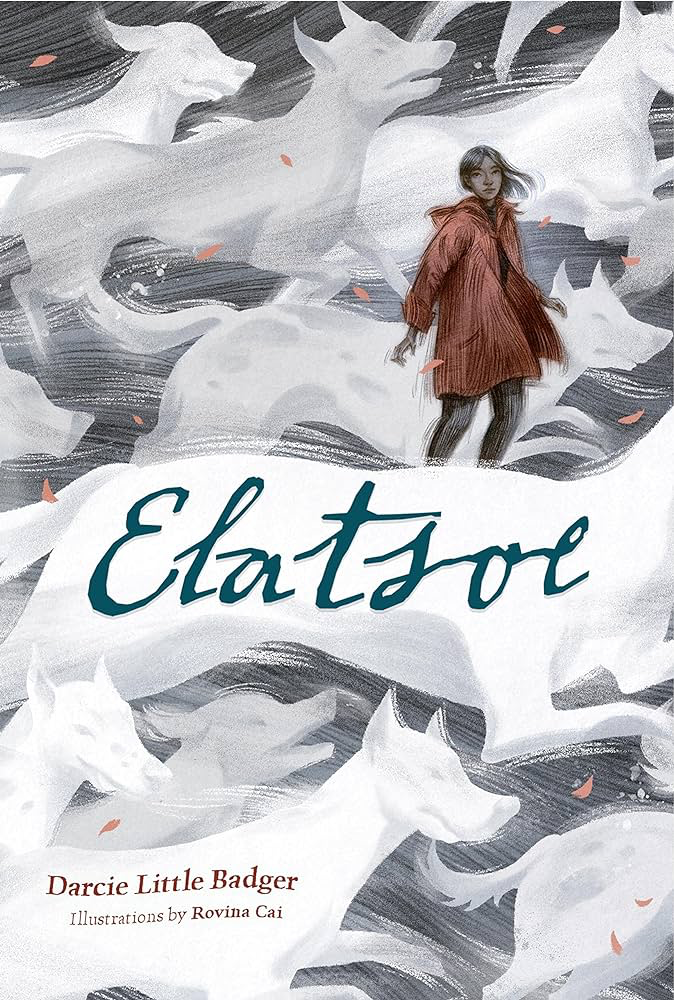
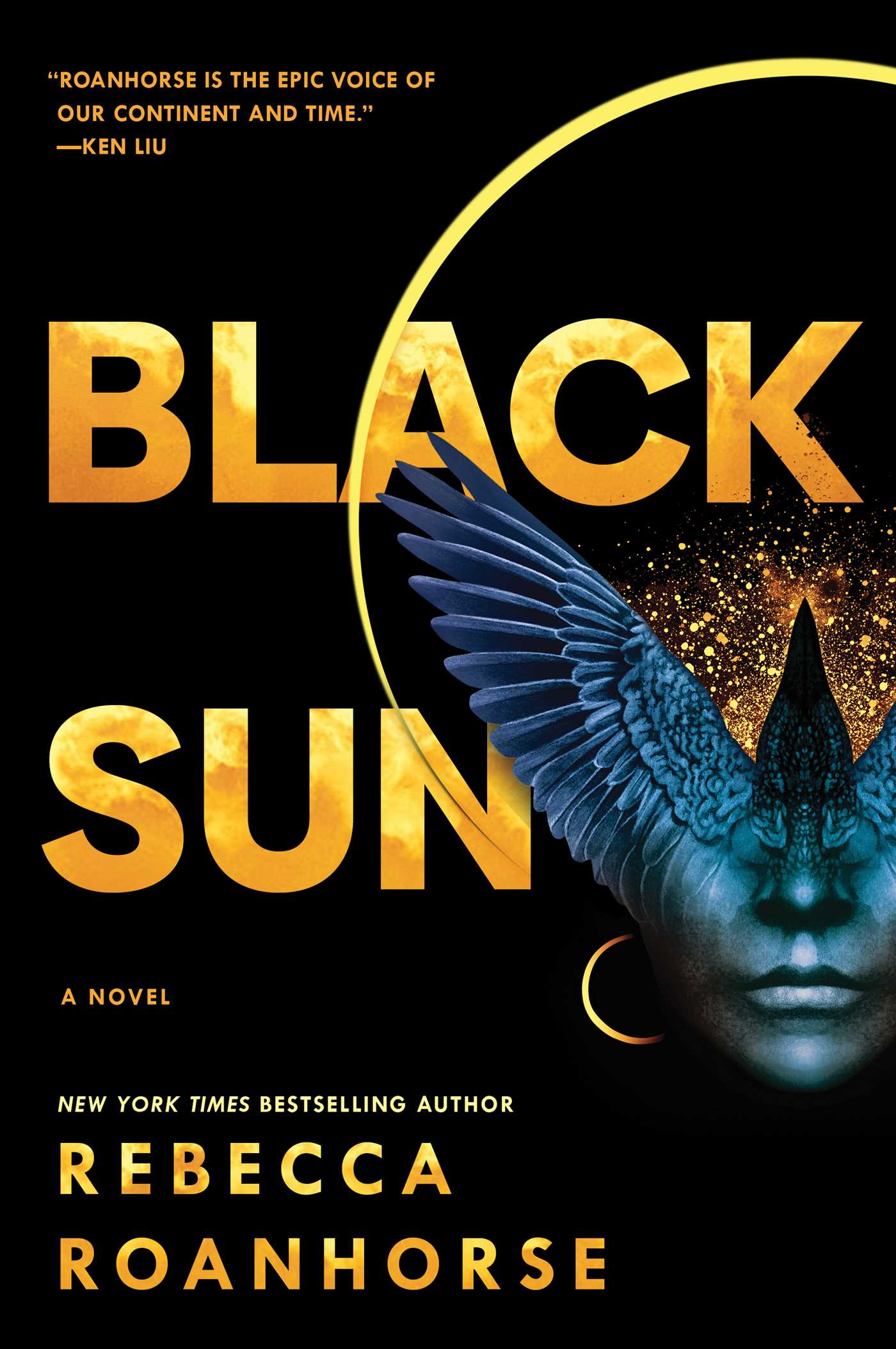
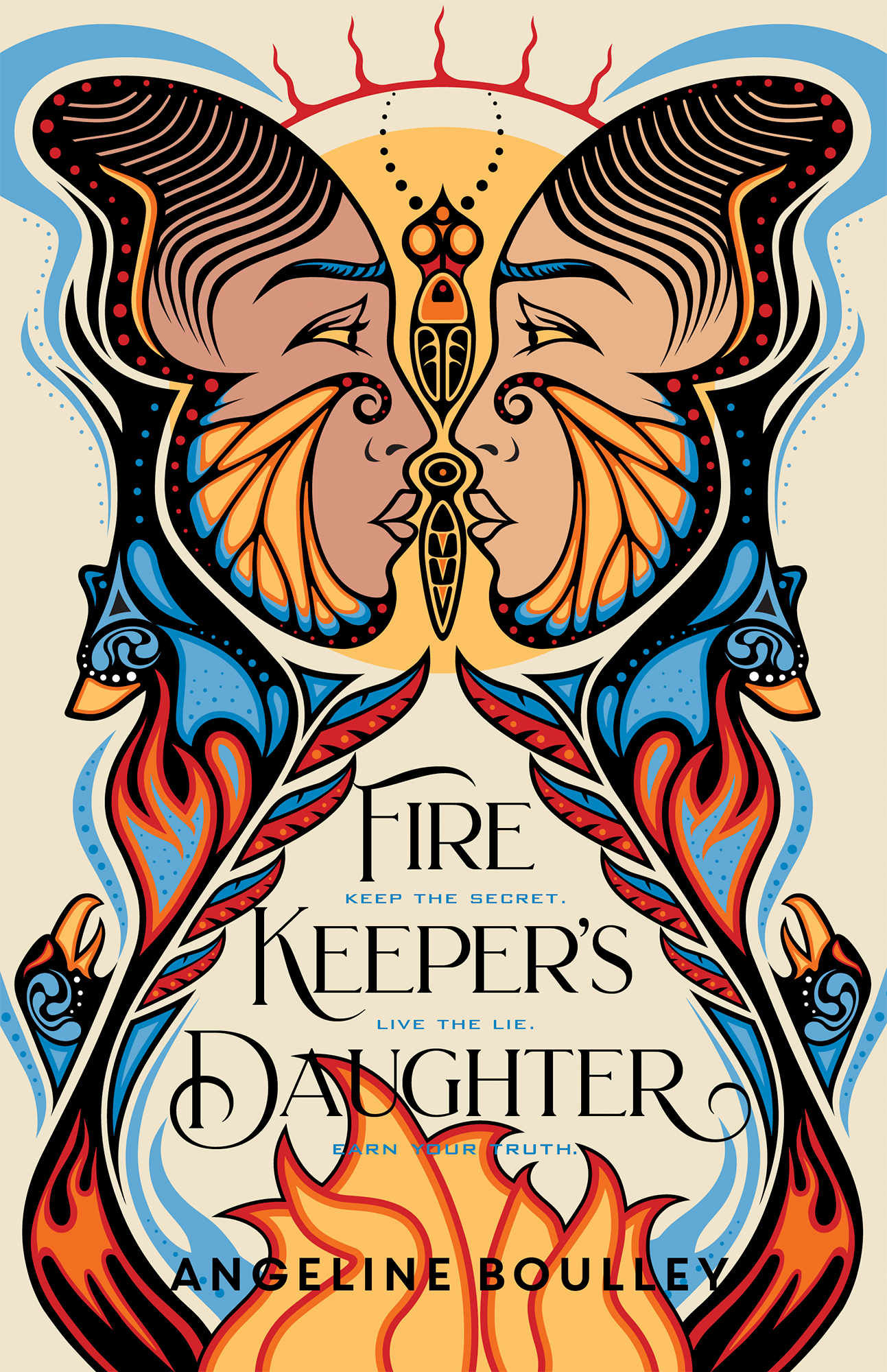
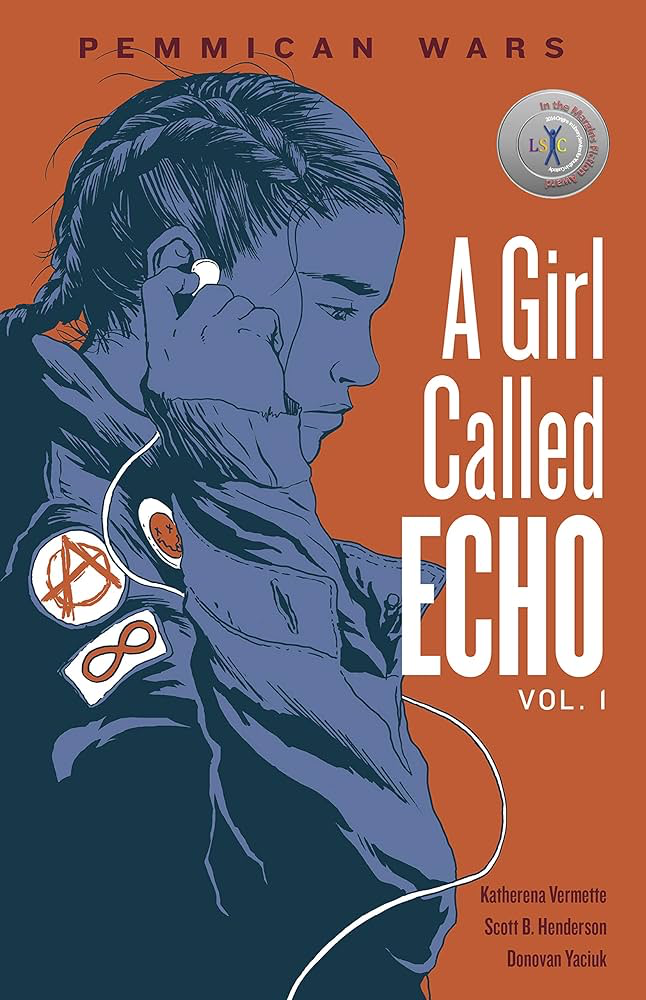
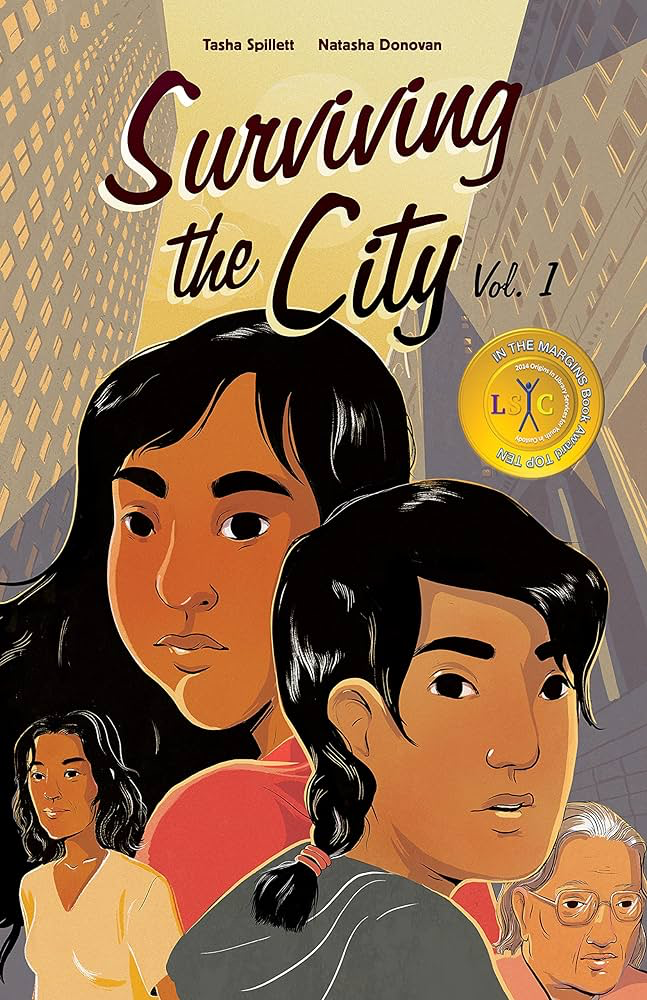
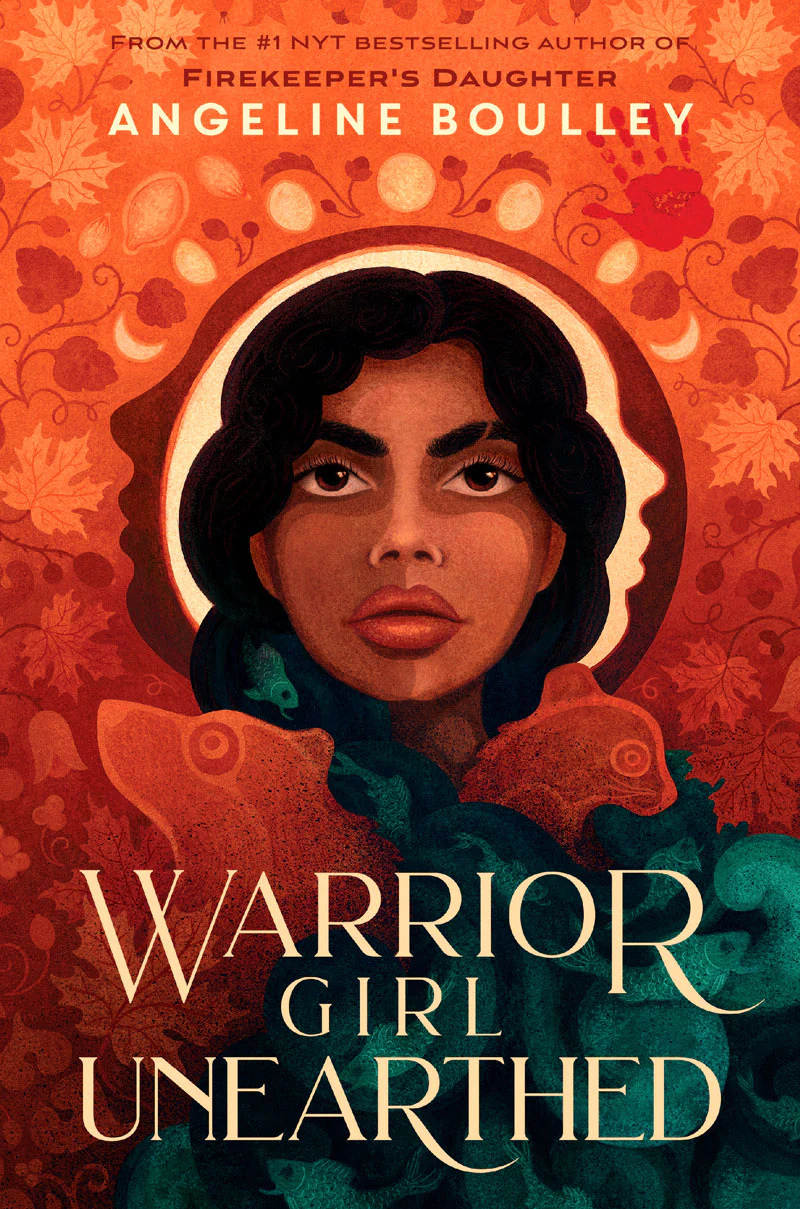
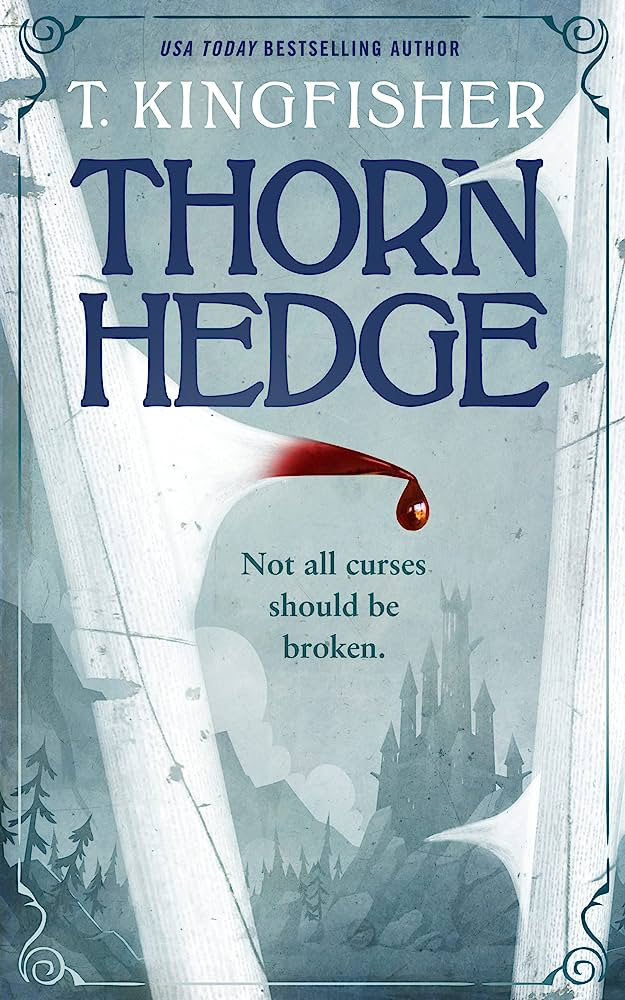
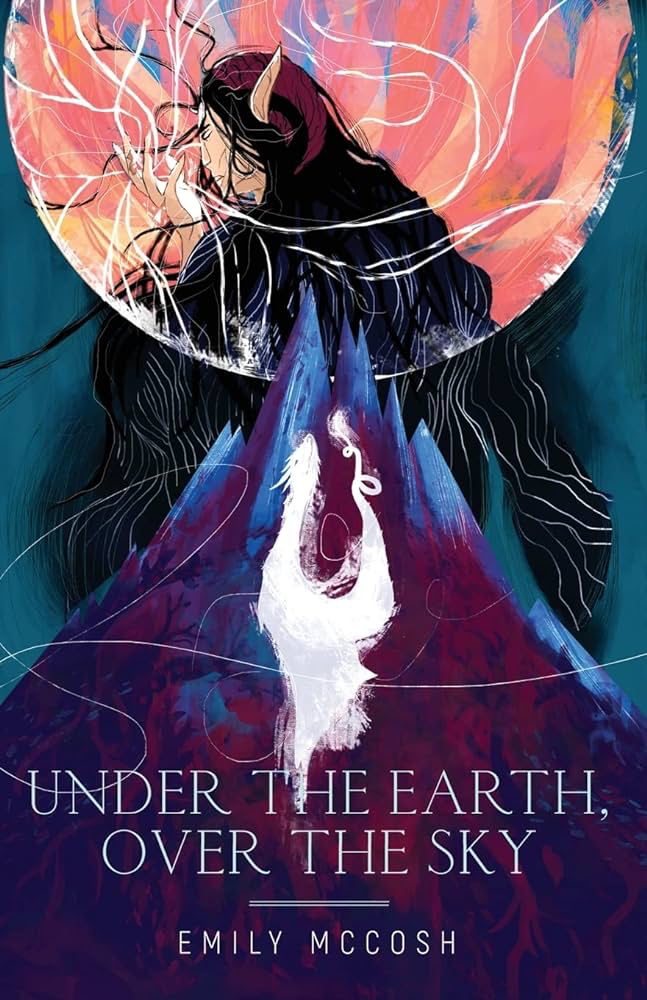
Here in theU.S., November is Native American Heritage Month! I’m surprised that I haven’t compiled a list for the occasion yet, but to be fair, November tends to be a busy month for me. But now that I’m a few days away from break, I figured I would use that time to make this list.
Despite the wonderful boost in diversity in YA and adult literature in the past decade or so, I’ve seen very little of that diversity focused on Indigenous characters and stories. It could be just me, from an outsider perspective, but diversity means boosting all voices—not just the few that you can think of off the top of your head when you think of the word “diversity.” And as an American, I know full well that we are and always have been living on stolen land, so it’s important to read outside of what our history books teach us. So I’ve compiled some of my favorite books by Native American, Indigenous, and First Nations authors for the occasion.
Let’s begin, shall we?
THE BOOKISH MUTANT’S BOOKS FOR NATIVE AMERICAN HERITAGE MONTH
TELL ME WHAT YOU THINK! Have you read any of these books, and if so, what did you think of them? What are your favorite books by Indigenous authors? Let me know in the comments!
Today’s song:
That’s it for this recommendations post! Have a wonderful rest of your day, and take care of yourselves!
Brief rant: don’t you love it when Goodreads posts the nominees for the “YA Fantasy & Science Fiction” category and…there’s no science fiction books on the list? Not a single one? Thank you Goodreads 🥰
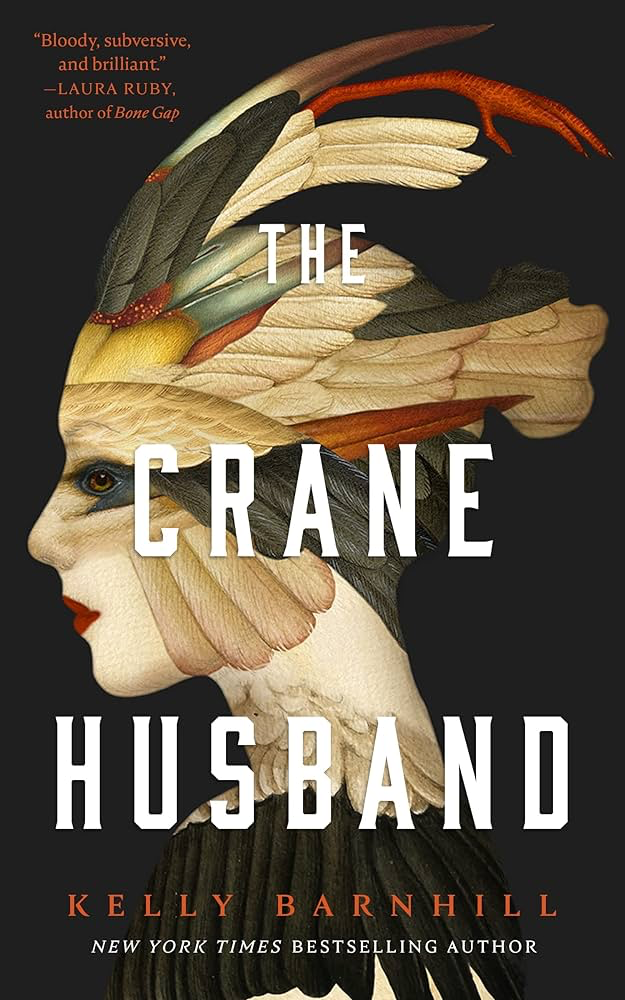
It’s been years since I’ve read anything by Kelly Barnhill; I read a fair amount of her middle-grade novels when I was younger, and there were hits (The Girl Who Drank the Moon) and misses (Iron-Hearted Violet). But either way, the road has taken me back to her adult novella, a chilling retelling of “The Crane Wife” that I thoroughly enjoyed.
In a distant future, a fifteen-year-old girl lives on one of the few remaining farms in the United States, growing cloned crops in order to make a living. Her father passed away when she was young, and now she manages the farm with her mother and takes care of her six-year-old brother, Michael. But when her mother brings home a new suitor, the girl is appalled to find that the suitor happens to be a giant crane—a crane intent on working her mother to the bone in order to produce tapestries to sell. As her mother succumbs to the wills of the crane and her family grows poorer, the girl knows that the only way out is to rid the house of the crane—and she’ll do anything to make sure the bird is out of the farm.
TW/CW: death of a parent, blood, abuse, animal death, child endangerment
It’s been at least seven or eight years since I’ve read anything by Kelly Barnhill, and I was pleasantly surprised to find that when faced with the (quite large) jump from stylistic choices between age groups, she does so with eery grace! The Crane Husband was a disturbing treat, quick but chilling.
I only had a vague notion of the original Japanese folktale of the Crane Wife that this book subverts, but even without that background, Barnhill weaves a haunting, dystopian fairytale like no other. It’s that lovely kind of book that falls into science fiction, but has just enough trappings of other genres to pass as something else. The magical realism element is heavier than the rest, and it rules the book—rightfully so, given the subject matter. But like a good fairytale, Barnhill’s ability to suspend disbelief made The Crane Husband all the scarier—scenes that would have otherwise seemed charmingly quirky or absurd were downright horrifying under her lens.
Barnhill’s writing was what sold how horrific the events of The Crane Husband truly were. The way she captured the voice of the unnamed, fifteen-year-old protagonist as she had to take her livelihood into her own hands in the face of the invading crane husband had such a tangible desperation, making the conflict feel real as all get out. Tension crept out from every word, and I found myself keeping my Kindle in a vice grip as I read. And that tension never wanes—in only 118 pages, Barnhill built up monumental tension that books three times the length have failed to uphold. The Crane Husband really was nail-bitingly eerie, and it was worth it all the way.
The way that Barnhill used this tangibly uncomfortable atmosphere to drive the point of this folktale’s subversion home was also masterful. The main twist in this iteration is, hence the title, that the protagonist’s mother brings home a giant crane who she takes as her husband. And instead of the crane wife wasting away to produce beautiful tapestries, it’s the human mother being forced by the crane husband to churn out tapestries like a machine. Abusive relationships were the main theme of the novella, and Barnhill’s depiction of abuse through this lens felt as authentic as it could be, from the strained, forced silence of the women of the family and the lack of support that the protagonist finds when she tries to seek help. Beyond that, The Crane Husband’s message about suffering for art was equally powerful and important; the emphasis on how the protagonist’s mother works to the point of near-death in order to create something that people will think of as “transformative” was commentary that I wasn’t expecting from the novel, but enjoyed wholeheartedly. Needs to be said.
That being said, my only major problem with this novella was that it directly referenced the original folktale that it’s retelling. Though it was in a flashback scene, it felt tacky and unnecessarily meta to hand it to you right there—and not only that, but basically delivering the twist right at your doorstep. I will admit that I loved the line about cranes making other creatures do the work for them, but at that point, it isn’t even foreshadowing anymore—it’s just whacking you over the head with the twist that it’s supposed to be hiding from you. It made me more than a little mad, but the rest of the novella was so good that I could almost let it slide. Almost.
All in all, a timely and truly disturbing retelling that packed a stinging punch with an impressively short page count. 4 stars!
The Crane Husband is a standalone; Kelly Barnhill is also the author of many books for children, including The Witch’s Boy, The Girl Who Drank the Moon, and Iron-Hearted Violet. She is also the author of When Women Were Dragons, her first full-length novel for adults.
Today’s song:
NEW SMILE ALBUM IN JANUARY EVERYBODY STAY CALM
That’s it for this week’s Book Review Tuesday! Have a wonderful rest of your day, and take care of yourselves!
Happy Sunday, bibliophiles! I hope this week has treated you well.
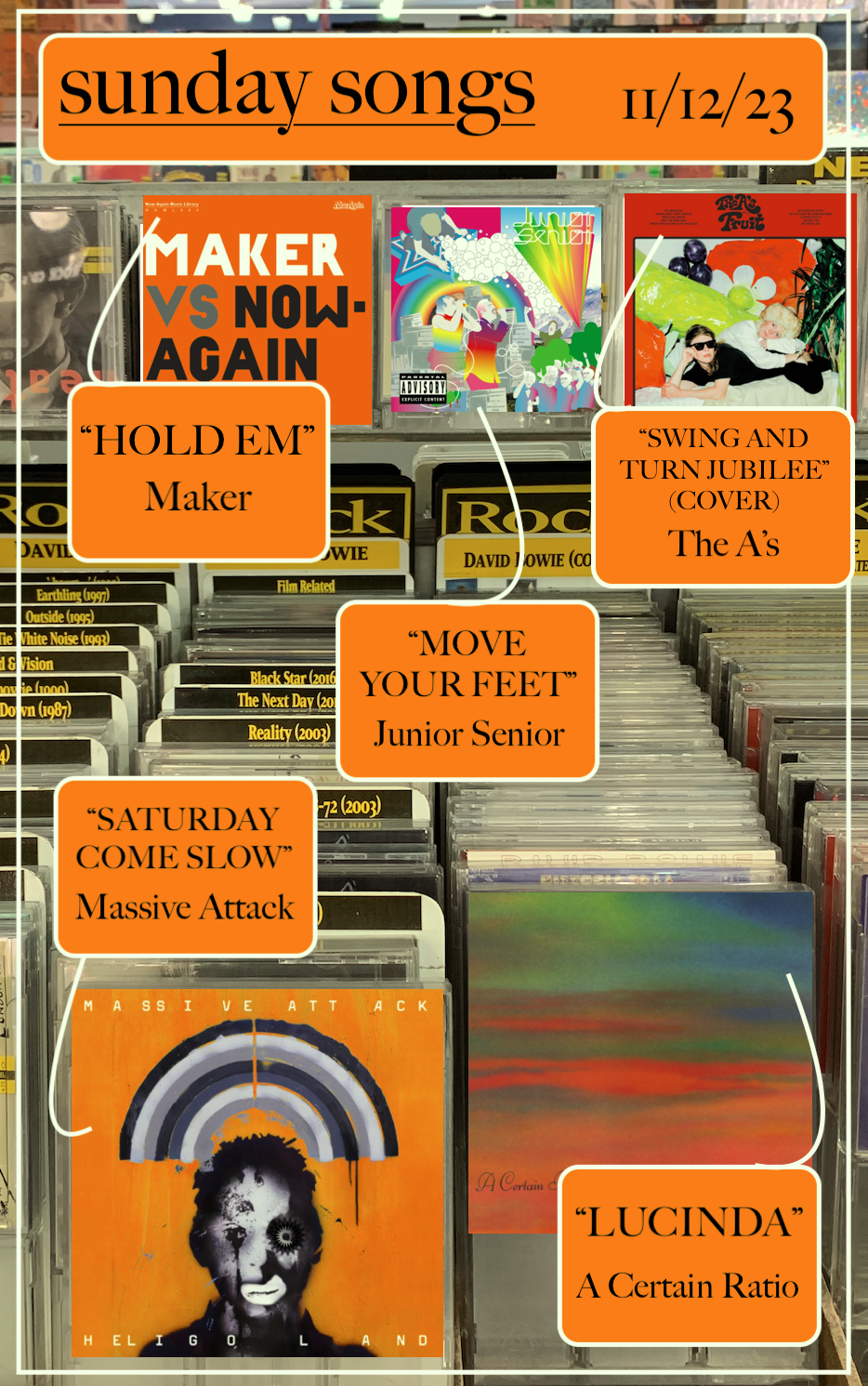
11/12/23: another satisfying date where the month and the day add up to the year. Glorious. Savor these days. And to soundtrack those days, why not listen to some nice, orange songs? (Half of which I stole from Wilco’s pre-show playlist, but that’s beside the point).
CONTENT WARNING FOR THE MUSIC VIDEO: most of the music video consists of an interview with a former Guantanamo Bay prisoner recounting the torture and inhumane conditions of the prison, so if this is triggering for you, proceed at your own discretion. That part of the video begins at 3:32.
I’m slowly (no pun intended) getting into Massive Attack, mostly thanks to my brother and my dad. This one is all thanks to my brother, who confessed to us while we were in line for Peter Gabriel last month that he had no idea until then who was singing on the track. His first thought was Gruff Rhys (makes sense), but apparently not—Damon Albarn does the lead vocals for this song.
That was all the convincing I needed to download it. You know me.
I’ve noticed a phenomenon in any later Damon Albarn project (of which there have been two this year) where there’s a point where it ceases to sound like Gorillaz or Blur, and just sounds like Damon Albarn. Gorillaz usually remedies some of this with its rotating cast of guest features, but on something like Blur’s newest album, The Ballad of Darren, there’s very little to distinguish it from his solo work. As I said in my initial thoughts on the album back in July, it’s still good music, but it lacks what makes Blur Blur, even though all the moving parts are present. But how does that flip when Damon Albarn is the feature instead of the one in charge of the features? “Saturday Come Slow” has an aura to it that could only be produced by the likes of Massive Attack; the slow build of it has an unmistakable air of foreboding, as if the Saturday coming slow is a shadow wiggling its too-long fingers over your shoulder. Fitting that Albarn croons about “the limestone caves/in the southwest lands,” imagery that calls to mind barren, sheer things towering over you. It’s a kind of eery creeping that meshes with the howling echo of his voice, but that you don’t quite get with Gorillaz or Blur; Gorillaz can get plenty spooky in a fun way, but they were never meant to be creepy—they’re a pop act at heart, and even though they’ve tread territory that pop hasn’t normally trod on for the 20+ years they’ve been active, it doesn’t have the foreboding build of this song. Blur, on the other hand, got plenty weird and unnerving in their experimental years (see: “Caramel,”“Trailerpark”), but their brand of unnerving came more from the claustrophobic atmosphere of off-kilter samples and synths that built up its cramped exoskeleton. The dread of “Saturday Come Slow” comes from how spacious it feels—like those limestone caves, that sense of foreboding comes from the primal sense of being surrounded by something larger than yourself—and being walled in by it, with only the echo of your voice to accompany you.
This is the first of two songs this week that I stole from the playlist that played before Wilco’s phenomenal show at the Mission Ballroom back in October. An indicator of a really good show can be found in its playlist—if you keep going back and forth between you and everyone else who came along trying to Siri every song that comes on, then you know it’s gonna be a good show. Same thing happened with when I saw Spiritualized last year. That whole playlist was in heavy rotation for a solid month and a half afterwards. (Lesley Gore and Daniel Johnston: duality of man.)
The first thing that anybody has to notice about the song is the bass. That bass. Sweet Jesus, it’s so good. “Lucinda,” once the chorus kicks in, has not one but two basslines, all working in the thicket, most delicious tandem possible. Jez Kerr leads the charge with a sound that feels thick enough to cut with a butterknife—it propels the sound to new heights, taking what might have otherwise been a bare-bones, post-punk dance song to something hypnotically head-nodding. The bass might as well be the vocals—Martha Wilson’s tight vocals are soft and fleeting, but it’s Kerr’s bass that really takes center stage in “Lucinda.” It’s more than a head-nodder—it’s a whole-body-swayer, buttery and enigmatic enough to send waves through your whole system. Thanks, Wilco.
I’m not like other girls…I didn’t find out about this song through Abbott Elementary. I found out about it through my mom, who…found out about it through Abbott Elementary. It’s good stuff. The song and Abbott Elementary, from the laughter I’ve heard from the bedroom whenever she watches it.
Whatever the case, “Hold Em” was destined for theme music from the start. The beat and instrumentation has that kind of meticulous touch to it. Smooth really is the best word to describe it: the groove that persists through this song never wanes, but never feels the need to amp up the intensity. With the persistent but boxed-in drumbeat and the humbly soft bassline, it lulls you into an instant rhythm, but the kind of rhythm understated enough to allow for some freeze-frames and title screens as the opening credits roll through. And yet, it never feels understated: it’s bold. It feels like there’s constant pops of color bursting through your ears. It’s infectious. And that’s what would make it a great theme song: catchy enough to remember, but smooth enough to share the stage with a visual element.
I have nothing to say for myself. It slaps. Just Dance 2 and its effects on society.
Look, the original spot for this slot was gonna be “The Day I Tried to Live,” but I figured we’d stave off that depression for a few weeks. I’m going to talk about it eventually (because it’s still a fantastic song), but it’s getting dark at 5pm and I still haven’t adjusted. We don’t need that energy right now. Move your feet. Feel united.
We’ll end on a softer note with the other song that I stole from Wilco, or, at any rate, whoever was behind their playlist. Drastically different than “Lucinda” (and most of this week’s songs), but nonetheless beautiful.
In the style of Kim Deal, The A’s are a side project of a side project; consisting of Amelia Meath and Alexandra Sauser-Monnig, the A’s came about after both of them took breaks from previous bands and solo careers—they both hail from North Carolina and had crossed paths in the music industry, and thus this project came to be. I haven’t listened to any of their work (save for…[checks notes] Sylvan Esso? That Sylvan Esso? The annoying Sirius XMU Sylvan Esso? Can’t be…) outside of this band, but the two of them together made for hauntingly beautiful harmonies. Watching them on their recent Tiny Desk Concert solidifies the image even more—they’re like charmingly unnerving cartoon characters, with their matching leaf-print dresses, black lipstick, and giant sunglasses. I wouldn’t be surprised if they eventually became those old ladies from Coraline in their latter years.
“Swing and Turn Jubilee” is part of their album Fruit, an album of almost all covers (save for the original song “When I Die”), ranging from cowboy and folk standards to Shelley Duvall (more on the latter in a few weeks, mark my words). Some of the other songs that they performed on Tiny Desk definitely get too into that yodel-ay-hee-hoo, Buster Scruggs a-capella vibe for me, but in any case, there’s no denying the magic that happens when their harmonies collide. “Swing and Turn,” even if I hadn’t first heard it from Wilco, would have been an instant stand-out, if a quiet one; their performance is just their voices, Sauser-Monnig on guitars, and Meath making percussion by tapping her thick-soled sneakers into a basket of stones. Doesn’t get much folkier than that. Most of these kinds of Appalachian folk songs that I hear from movies or from covers (so covered that the original songwriter is lost to time) are the kind that have a kind of desperate, underlying sorrow to them that permeates even the sweetest love song. Living in the bare bones of the U.S. just does that to a person, I guess. But there’s something about this take on “Swing and Turn” that turns the sorrow into tenderness. It doesn’t give me that icky, Dust Bowl malaise; to be fair, most iterations are faster and more upbeat than most other songs of its ilk, but the restrained, slow pace of The A’s take on it fooled me into thinking so. But it’s partly due t how plainly sweet the lyrics are: “Hardest work I’ve ever done/was working on a farm/Easiest work I’ve ever done/was falling into your arms.” The gentle honey of Meath and Sauser-Monnig’s soft harmonies seem to take me in their arms themselves, like I’m being rocked to sleep.
Either way, these kind of modern folk covers are just begging to be put somewhere in either Fargo (NEW SEASON IN A WEEK AND A HALF WHO’S HYPED) or the next Coen Brothers project. If your whole deal is melancholy covers of already melancholy and unnerving folk songs, you’re just asking for it, at that point.
Since this week consists entirely of songs, consider all of them to be today’s song.
That’s it for this week’s Sunday Songs! Have a wonderful rest of your day, and take care of yourselves!
Happy Sunday, bibliophiles! I hope this week has treated you well.
Did somebody order a monthly blue period double-dipped with Peter Gabriel? Because you guys are not gonna believe what showed up on my doorstep this morning…
COME AND GET IT! TWO FOR ONE PETER GABRIEL DEAL! TWO FOR THE PRICE OF ONE!
If there’s a vaguely overarching theme for this week’s songs that I can throw together, it’s that Peter Gabriel gets so much weirder than people give him credit for. I suppose that’s the curse of any musician whose earlier hits get the spotlight while the later, more experimental parts of their career go on the wayside in terms of engagement, but are as full of life and creativity as anything else they’ve produced (see also: David Bowie, Kate Bush). To be fair, we’re so used to aging artists that continue to pump out more of the same in hopes of keeping the fire of fame going (say, what’s going on with The Rolling Stones lately?), but equating aging to a decline in musical artistry is shallow either way. Again: I just saw Peter Gabriel a few weeks back, and here he is at 73 delivering some of the most spectacular performances—both visual and musical—that I’ve seen from any musician on stage.
The album, 2000’s OVO, is technically his soundtrack work, and was conceived for a multimedia show that ran in the Millennium Dome for 999 shows in that same year. Gabriel’s work on it interfered with his next album, the criminally underrated Up, which ended up coming out in 2002, a year after it was set to be released. The through lines between the two are clear; “The Tower That Ate People” (good god, what a title) has an industrial, almost Massive Attack-like crawl to it, propelled by a looped guitar riff. Gabriel’s voice comes out as a shrouded growl, making it all the more convincing when he opens the song with “There’s a bump in the basement/there’s a knocking on the wall.” The electronic grinding as he sings of “the pumping of the pistons” makes the music swell. It’s a clanging machine, but it never loses an ounce of that cinematic, Peter Gabriel touch—especially not the prolonged silence after he declares “We’re building up/Until we touch the sky,” letting everything fade to lumbering, echoing footsteps. I can only imagine what the stage show was like. I’m jealous that I wasn’t one of the lucky few who got to see this live on the i/o tour, because can you imagine the feeling of this reverberating straight through your ribs?
THEY’RE BACK!! THEY’RE BACK!!!! So what if it’s a cover—it’s a perfect fit.
Even without as much Death Cab for Cutie knowledge (much less about the album that they’re commemorating—before this, all I knew was the title track. Owie.), it’s easy to see that pairing them with Car Seat Headrest was a fit as perfect as puzzle pieces sliding together. Despite “We Looked Like Giants” being a cover, it feels like the whole song is harkening back to the Teens of Denial glory days, with its crashing guitar breakdowns and angst so dense you could squeeze it out of a dish towel. The lyrics feel even more like it was made for them—”When every Thursday/I’d brave the mountain passes/And you’d skip your early classes/And we learned how our bodies worked.” Certainly makes…every single song from Twin Fantasy make more sense. Even without the slam of an intro that the original version boasts, the tension and momentum that Will Toledo and company bring to this song fills it with the nervous energy that has defined the band for so long—it’s a song teetering on its tiptoes, balancing out both arms as it contemplates the edge. Toledo’s signature, honeyed wail takes the song to dizzying heights, making the collision course back to Earth as the final seconds plunge into silence all the more riveting. I always get all sappy about Teens of Denial and all of the memories of listening to it the summer before I started high school, and this song brings all of the good parts of that back—slip this before “Fill In the Blank,” and I wouldn’t even blink. Leave it to Car Seat Headrest to toe the line between an unchanged cover and one that makes the cover all their own.
I’ve done it. I’ve finally surmounted the task of going through all of Peter Gabriel’s albums (minus his soundtrack work). Peter Gabriel summer has come to an end. Peter Gabriel 4: Security was the last one for entirely arbitrary reasons, but it’s fantastic—and a lot creepier than most people give it credit for.
Take this song. Immediately, it sonically calls back to “Intruder,” with its ominously creeping instrumentals, off-kilter chanting and an unsettling chorus of flutes that open the song. Slowly, you start to process the lyrics, and the chill starts creeping down your spine. “Icing on the warm flesh cake?” Yep. Mom, come pick me up, I’m scared. But if you take just a quick look through, you can see the true genius of this song—I was super curious about the meaning, and I was floored by the concept behind it.
“Vows of sacrifice (vows of sacrifice)/Headless chickens (headless chickens)/Dance in circles (dance in circles)”. It sounds like the makings of a cult. But Peter Gabriel specifically created “The Family and the Fishing Net” as a wedding song. Vows of sacrifice? For richer, for poorer, in sickness and in health. Headless chickens? Could just as well be serving a roast dinner at the ceremony. Dance in circles? We’ve all done that at a wedding or two, haven’t we? That’s where the lyrical genius comes in—it’s not just that he’s subverting Western wedding imagery and making it sound like a cult ritual, there’s a level of exoticization that he brings to it that makes it clever in a conscious way that lines up with his worldly sensibilities. It feels like a response to every song that’s ever demonized and exoticized ordinary (and often sacred) rituals of indigenous people around the world. And given that much of this album has that worldly ethos (see also: “San Jacinto,”“Wallflower”), it’s a perfect addition. As much as I tend to rag on old white guys, Peter Gabriel should be one of the paragon examples in writing songs—and any kind of writing—outside our worldviews, just for the simple fact that he cares to listen about people’s lived experiences. It’s not just writing about some strange, foreign goings-on that he witnessed in his travels—Gabriel took the time to make sure that he understood and uplifted the people and cultures that he encountered. That’s what makes this song feel so important—he recognized the detriment in writing songs from an ignorant distance, and used that aspect of the history of Western music to create one of the creepiest—and most clever—songs in his catalogue.
Also, to the anonymous YouTube commenter who said that she wanted to have this play when she walked down the aisle: I salute you. I’d pay to see that.
So it turns out that the she who plays bass is beabadoobee’s actual bassist, and…yeah. They’re aren’t romantically involved, but that still has to be bizarre to be playing bass on a song about yourself. At least all parties seem to be okay with it? Knock on wood that beabadoobee’s backing band doesn’t get into any kind of Fleetwood Mac funny business.
That aside, here’s another entry into my thesis that beabadoobee makes the perfect music for teen rom-coms. From her 90’s-inspired Space Cadet EP (hmm, wonder why there’s a song called “I Wish I Was Stephen Malkmus”…), it’s an ode to yearning, longing, and bright, shiny guitars. Bea Kristi described the song as “a Cure rip-off,” a description that she admitted to Robert Smith himself when they met at the BRIT awards back in 2020. Either way you want to describe it, there’s no denying the brightness of it—despite the black and white cover of the single, “She Plays Bass” is rife with neon colors and cartoon stars. I halfway get the Cure bit—definitely more like “Friday I’m in Love” or “Let’s Go to Bed” than their other music—but what I do get is delightfully guitar-driven indie longing, sparkling and starry-eyed. If “Glue Song” plays in the end-credits of said rom-com, maybe this plays as the intimidatingly cool love interest is introduced. Just a thought.
What? You thought I was gonna shut up about the rest after talking about “Powers”? You fools…
“Black Hole” is an easy song to have on loop—it’s part of the 3/4 of this EP where every song is freakishly hypnotic, but they’re all around two and a half minutes long, so they just suck you down with them forever, like water sucked down the sink drain. Or…maybe, something else? Mayhaps…a black hole? But the black hole in this song is a more recent revelation—”You can see the stars, the ones/The headlines said this morning were being spat out/By what we thought was just/Destroying everything for good.” The black hole in question is a fascinating one: caught by the Hubble telescope in early April of this year, NASA observed that this supermassive black hole was leaving a trail of stars in its destructive wake that stretched over 200,000 light years long. It’s the perfect, beautiful moment to write a song about. Hopefully this bodes well for me because I’m taking an astronomy class next year: I’ve always struggled with astronomy in school previously, but it makes me tear up that we live in a universe that we will never fully know everything about. That there will always be new things to discover about the vastness of space and the world around us and beyond us until the day I die.
Back to the song: it’s poetry. More specifically, it’s two separate poems. Julien Baker takes the reins in the first poem, with her musings about looking at the stars. The gently clattering electronic instrumentals sound appropriately starry, with the hum of synths leading into Baker’s voice, then transitioning into a tinny, ascending scale on a keyboard just before everything shifts. This is the second poem. It feels like the camera has whipped around as the drums and synths intensify, panning around to Lucy Dacus as Phoebe Bridgers lingers just out of the frame, opaque camera shots flickering at high speed over them as the camera zooms in on their faces. Hearing Dacus take the high notes and Bridgers taking the low, the opposite of their normal range, is an odd treat—it makes Bridgers’ voice seem like a ghost, barely there unless you really pay attention, while Dacus acts as the piercing lighthouse beacon cutting through the fog. All of their lines are enchantingly neat, spaced apart like they’re all collected in separate bins. Apart from the initial confusion (and fleeting clunkiness) of the first two lines (“White teeth/black light/White tee/brown eyes”—”teeth” and “tee” sound way too similar, especially when preceded by the same adjective), I’ve been eating up the emotionally-charged precision of it all. As each line is cut off the chopping block, the drum machine thrums on, just as meticulous as the delivery of each lyric. And I am nothing if not a sucker for songs on an album (or an EP, in this case) that transition into the other as though they’re the same song. Especially with this and “Afraid of Heights” being so short, it feels all the more like a single song. Pure artistry.
Since this post consists entirely of songs, consider all of them to be today’s song.
That’s it for this week’s Sunday Songs! Have a wonderful rest of your day, and take care of yourselves!
Happy Tuesday, bibliophiles, and more importantly, happy Halloween!
I really should be used to this by now, but getting this much snow two days before Halloween always feels so wrong. I like snow this time of year generally, but not when I have a costume to wear.
Let’s begin, shall we?
GENERAL THOUGHTS:
Usually a month this busy would dampen my overall feeling of it, but for once, it really hasn’t! That’s the magic of the Halloween season, I suppose. I’ve had a ton more stuff to do on the heels of midterm season, and even though I’m still somewhat busy (hence the scant amount of posts I’ve been able to make this month), I’m still enjoying myself.
However, even though most of the month has been favorable for me, my reading…hasn’t been as much so. Since the beginning of the month, I’ve been in a slump that I’ve only just been able to get out of in the last week or so. After the first few days, I just fell into a bad spell of especially mediocre books—for a solid two weeks, I didn’t run into much that I ended up rating higher than 3.5 stars. But I’ve slowly gotten out of the dry spell, and the end of the month has been filled with some fantastic reads!
I’ve also tried to get back into the rhythm of fiction writing, since I’ve fallen off the wagon for that since school started. Although I haven’t been able to adhere to the schedule to a T, I’ve allotted a good time of night towards writing at least 1,000 words a day, and that got me to the end of my first draft of the second book in my main sci-fi project! This one ended up being almost 82,000 words! Pretty proud of myself. Sadly, as I’m getting older, November has become a worse and worse year to try and crank out 50,000 words, so I’m not doing NaNoWriMo this year. The July Camp is a much more reliable time for me. In the meantime, I’m hoping to polish up some of my short stories to send off for publication…
Aside from that, though, there have been SO many fantastic things going on. First off, Sir Patrick Stewart (!!!!!) stopped by my school for his book tour, and it was incredible! I wish I had more pictures to show for it (we weren’t allowed to take any), but he just had the kindest, warmest presence, and it was such an honor to hear him speak about his life. What an incredible man.
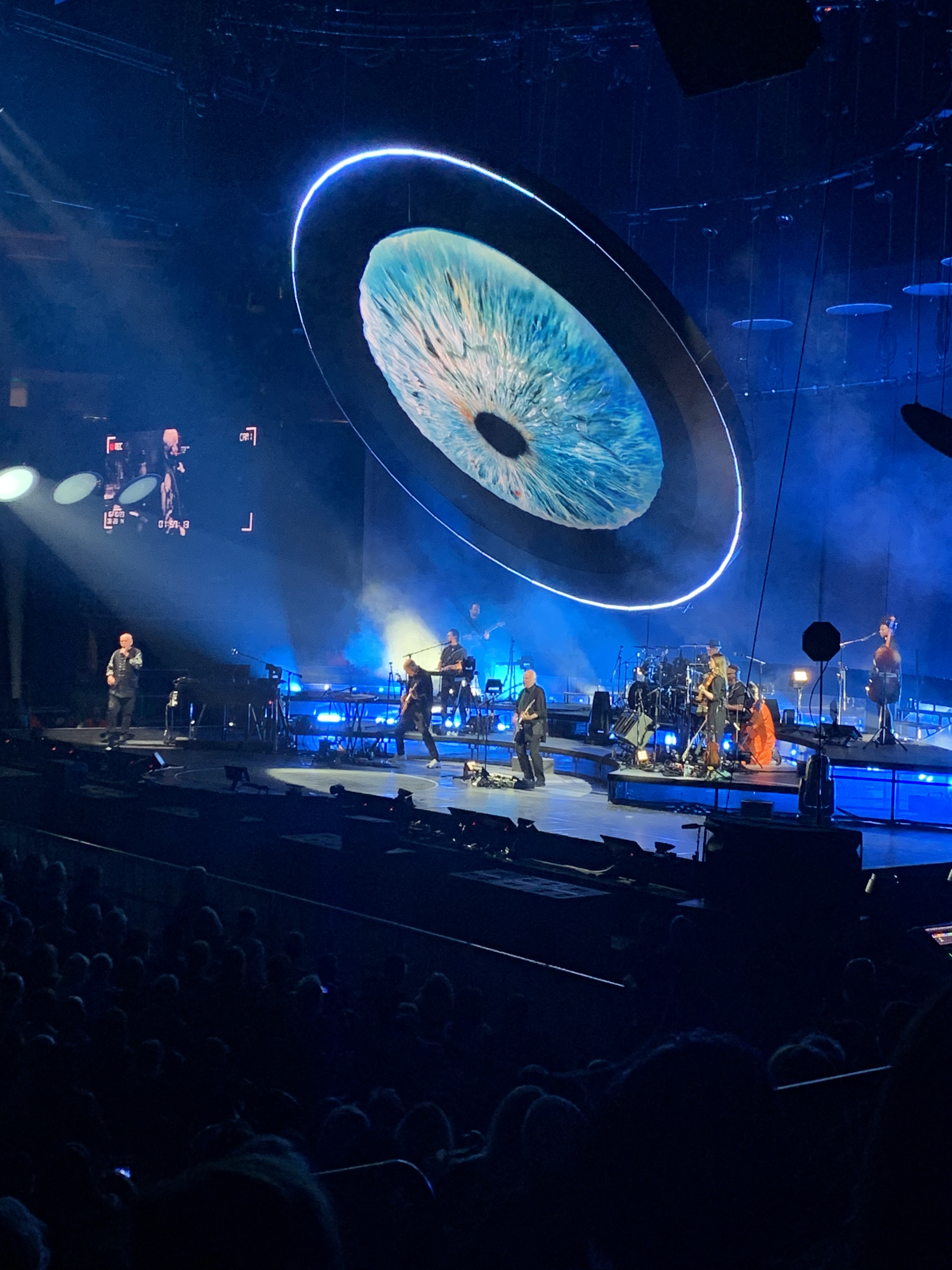
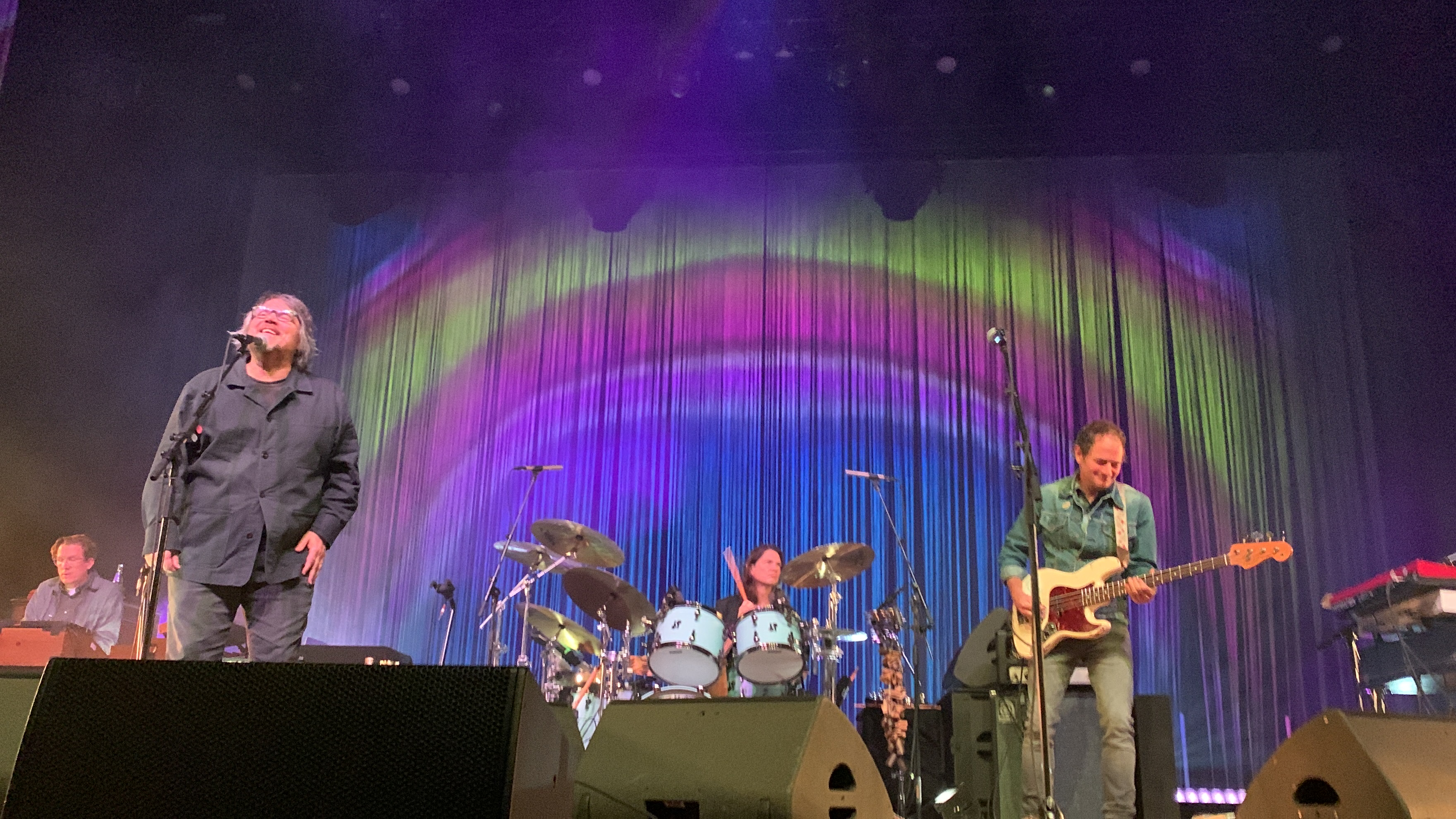
After that, I had the amazing luck of being able to see Peter Gabriel and Wilco in the same week! Both were such phenomenal shows in their own ways—seeing Peter Gabriel when I thought I’d never even see him tour was the most transformative, beautiful experience, and seeing one of my favorite bands perform their best setlist yet (and seeing them from the front row!!) was just as wonderful.
Peter Gabriel at the Ball ArenaWilco at the Mission Ballroom
Other than that, I’ve just been getting back in the rhythm of drawing, playing some guitar now and then, taking far too many pictures of the pretty leaves on campus, drinking my fill of apple cider, watching Taskmaster (FINALLY GOT THROUGH SEASON 15! THE BINGING HAS CEASED!) and catching up on Only Murders in the Building (please stop pairing Mabel up w randos, she deserves so much better), and soaking up the fall weather. At least I was until we got snow 2 days before Halloween. Oops.
READING AND BLOGGING:
I read 16 books this month! This month was slow going, and I ended up in a somewhat extended reading slump, but there were bright spots here and there.
Happy Sunday, bibliophiles! I hope this week has treated you well.
Here we are, almost at Halloween, the most wonderful time of the year! And to celebrate, I’ve brewed up a very special post for you, complete with…
…a Christmas color palette.
Hear me out. I didn’t intend to schedule the Christmas colors this week. It just happened. And it’s currently snowing where I am. Please. Please hear me out guys
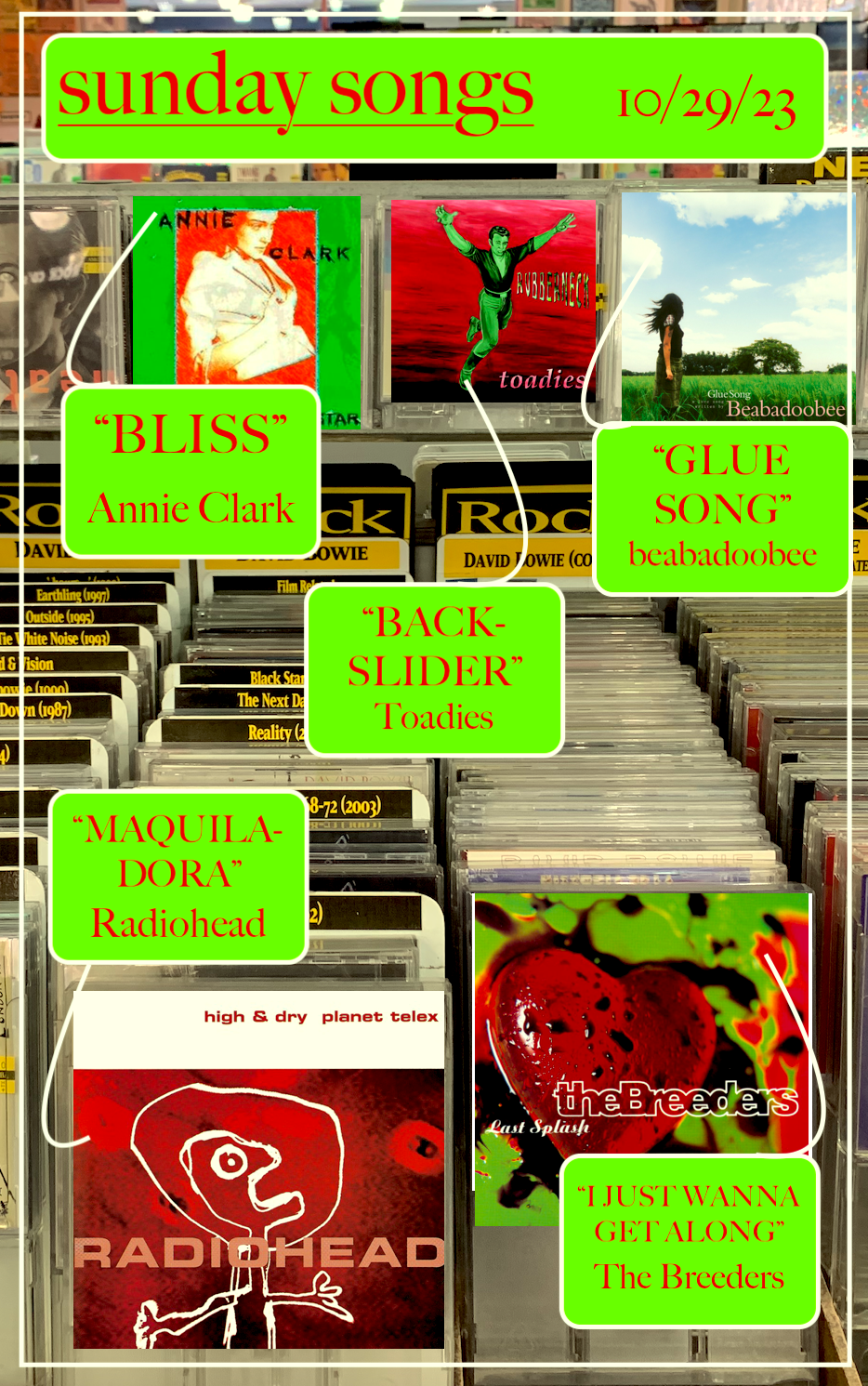
Will last week’s Sunday Songs graphic cheer you up, then? It’s nice and autumnal…(and it’s got some nice songs, if I do say so myself. Would’ve written about them, but I was exhausted.)
I’ve long since accepted my status as a die-hard Radiohead fan, but I’ve noticed that most diehard Radioheads fans tend to put The Bends in time out in the corner in favor of Kid A and OK Computer. It’s understandable to a certain point—OK Computer is my second favorite album of all time, and Kid A is one of the most important records in modern rock history. But I’ll always have a soft spot for most everything that came out of the Bends era. Yes, it’s far more of a conventional rock record and there’s little of the experimentation that Radiohead became known for, but it’s consistently emotional and chock-full of some beautiful, punchy guitar work. Who can deny the grandeur of “Fake Plastic Trees?” Who can deny that “Planet Telex” is one of the coolest rock album openers of the 90’s, if not of all time? Come on now.
But there were a host of EPs (that I need to explore) that came out shortly before the full album released, with sprinklings of songs that would later appear on it (in this case, the iconic “High & Dry” and “Planet Telex”). Besides having some fantastic cover art (I think I had a dream in early high school where I had it on a shirt), this EP really has something of a hidden gem. The minute the distorted guitars kick in, my first thought was similar to hearing “Burning Bridge” by Kate Bush for the first time—how the hell was this a B-side? How was this not on the album and something like…I don’t know, “Bones” didn’t get relegated to throwaway EP status? It’s incredible. It has to be, since it’s in such legendary company, but “Maquiladora” is worthy of it. The grinding, tidal wave texture of the combined guitars of Thom Yorke, Johnny Greenwood, and Ed O’Brien is always a Radiohead trademark, but it really screams out on this track—the minute they kick it, it’s like watching yourself being buried in rubble, but with a smile on your face. Thom Yorke hasn’t quite wrestled the squeaky cracks out of his voice, but somehow, it sells the crunching angst of the sound ten times more. Everything cascades down around you as you watch it crumble, and the result is an explosion of sound that makes The Bends such a staple of the 90’s. It’s hard, it’s crunchy, and even the softer, twinkling moments screech along like a car past the speed limit, leaving trails of exhaust in its wake. Again: how this track wasn’t on the album is beyond me. Good god. It could’ve been perfectly sandwiched between “High & Dry” and “Fake Plastic Trees.” I’m just saying.
Speaking of punchy, early-to-mid 90’s rock…do I smell a coincidentally great transition? (It’s all gonna fizzle out by the time we get to the next song, don’t worry…)
My god, I love the 90’s. I love the 90’s. I really need to listen more of The Breeders, because this hits an especially sweet spot for me. It toes the line between abrasive and absolute tightness; it’s got a punk sensibility to it, but with a sanded edge that smooths it into something truly meticulous in how much it rocks. For a song that’s only a minute and 44 seconds long, it has such a punch to it that could only be so self-contained; it’s rare that I like a song and don’t want to extend it if it’s so short. Some songs were meant to be a smack in the face and then fade away like a sparkler fizzling out. And this song has just the same bite as a sparkler—the double guitar act of twins Kim and Kelley Deal, combined with the thrumming bass of Josephine Wiggs, makes for a deliciously spiky, driving sound. Kim Deal’s deadpan vocals only elevate it—the dry delivery of the line “if you’re so special/why aren’t you dead?” feels like spitting a wad of chewed-up gum in the trash in the most gloriously 90’s way. Deal delivers the song’s title in the same way; it’s not a chant so much as it is a rolled eye and a shrug as you reapply red lipstick in the mirror. There’s a sharply stamped period at the end of each repetition: “I just wanna get along. I just wanna get along.” It oozes confidence, but not in an arrogant way: it’s the kind of confidence of pulling yourself onto a motorcycle without a word and leaving everyone else in the dust.
I’ve done it. I’ve reached peak obscurity in one of these posts. Streaming? No can do. Available to purchase? Doubtful. All we’ve got is a few YouTube videos where the “full” version is still missing a song (or two?), complete with some crusty pixelation on the album art. Mwah.
I am become annoyingly into St. Vincent, scroller of wikipedia rabbit holes. Even though I first heard about this EP during my initial St. Vincent superfan period in about sixth grade, I hadn’t gotten around to listening to it until now. Ratsliveonnoevilstar is St. Vincent before she was St. Vincent; she released the EP in early 2003, when she was a student at the Berklee College of Music. Most of the only copies that exist are floating somewhere around Berklee and possibly on eBay. What remains accessible is three to four songs—Wikipedia only lists three, but “Good Morning” (the first song in the above video) is only on this YouTube version, and “Breathing” seems lost to the ether. And from what Clark herself has said about the EP, it’s likely to stay that way:
“It was horrible. I did that my sophomore year or something. I haven’t listened to that in a really long time. I would say I should have put a little more Bill Callahan and a little less Herbie Hancock in it.”
And upon listening to it, I’m glad I listened to it then and not in middle school, because I sincerely doubt that I would’ve lasted more than 2 minutes at age 12. Now, I can say this affectionately, as someone who is around the age Clark was when she made this EP: this is the most college student thing I’ve ever listened to. She’s made her voice theatrically lower than how her voice sounds as a grown woman, and most of the EP is a very particular brand of over-the-top avant-garde, jazzy-sounding circularity. Most of it’s pleasant to listen to, but it still has an air of “look at me, College Student, producing High Art™️.” But it’s not all bad. Songs like “Bliss” are still full of the meticulous threads that led to the wonderfully clever art-pop of Marry Me five years later. It’s a portrait of a very artsy young musician, one who hadn’t hit her stride yet, but was brimming with inspiration and determination. Clark had a very specific sound in mind, and she was well on her way to nailing it. It’s certainly not your ordinary acoustic college student EP—I guess that’s bound to happen if you’re going somewhere like Berklee, but either way, there’s something endearing about this effort; it’s far from perfect, but it’s the seedling that would go on to sprout one of the most iconic musical careers of the 21st century. #26 on Rolling Stone’s 250 Greatest Guitarists of All Time list? Those lists may be exceedingly subjective, but come on. More than deserved.
I love the sound of old men foaming at the mouth in the Rolling Stone comments section in the morning.
There’s no bond like the bond between a high school girl and a simple but spectacular song that she learned how to play by herself on guitar. It’s a perfect warm-up song; part of why I’ve loved playing guitar more than piano is that I’ve feel more connected with the material that I can use for keeping my fingers dextrous. And when I was first learning this and slowing the song down on YouTube, it doesn’t sound silly like a bunch of other songs do (play “Drive My Car” on 0.5x speed, I dare you)—this just sounded so perfectly bluesy.
I suppose this could be the closest to Halloweeny that this week’s songs come to, but I really should’ve gone with something like “Possum Kingdom” if we wanted some real Halloween. Alas, “Backslider” was on the brain more. But that’s not a complaint—I’ve been coming back to this, the aforementioned vampire song, and “I Come From the Water” since 8th grade, and I have nothing but fond memories of them. That chugging, grinding guitar never fails to hook me just like it did when I was 14; there’s a dark grime clinging to every Toadies song I’ve ever heard, muddy and hazily dark, like the humidity that clings to your forehead at night in the South. (A feeling that they probably knew well, what with the band hailing from Texas.) The flies lingering around the band in the video really tie it all together. It’s a sludgy, eery texture that pairs with everything I’ve heard of theirs, but especially with this, a series of vignettes of Todd Lewis’ Southern, Christian upbringing and the creeping dread ever-present within it. All crammed in just over two and a half minutes, all of that grime and dread is as tight as ever—not polished, but sculpted into something fully-formed.
Since I first posted about beabadoobee way back in July, I’m veeeery slowly sprinkling some of her songs into my rotation. And although not everything’s my speed, I’m not regretting this mini deep-dive into her music! Again, if anyone has any starting points as far as album goes, be my guest! Onto the Sisyphean album bucket list…
An open letter to anybody looking to make a high quality teen rom-com: please, this needs to go at the very end. Imagine that: you see the two protagonists look into each other’s eyes, their hands slowly slip into each others, they smile. The opening strings kick in, camera cuts back to them looking into each other’s eyes. Roll credits as beabadoobee’s voice hits. Perfection, right? I’m starting to see why so much of her catalogue is made up of love songs—from what I can tell, that kind of sweetness has been her trademark for years. “Glue Song” is one of her newest efforts, and it’s easy to see that she’s known for that kind of love song craft. She has the perfect voice for these kind of tenderhearted, smiley ballads—gently high-pitched, feathery, and glimmeringly sweet like honey. As soon as she declares that “I’ve never known someone like you,” I can’t help but believe it. And just like the orchestral arrangements in the background of “the way things go,” the strings and horns trilling in the background elevate “Glue Song” into the perfect bite of cheek-blushingly, dress-twirlingly lovey-dovey declarations. It would be easy to make something like this incredibly sappy, but Bea Kristi’s light voice is light enough to feel like she isn’t trying to pack a ton of unneeded sugar into every note—she knows the balance, and she keeps it simple, gentle. It’s just the right amount of sweetness—enough to melt on your tongue, but not so much that it rots your teeth.
Bonus: she also released a version of “Glue Song” as a duet with Clairo—it’s just as lovely!
Since this post consists entirely of songs, consider all of them to be today’s song.
That’s it for this week’s Sunday Songs! Have a wonderful rest of your day, and take care of yourselves!
Here I am with a proper book review this week! I’m not exhausted now! However, I’ve still been in something of a reading slump for a fair portion of the month. Behold the consequences.
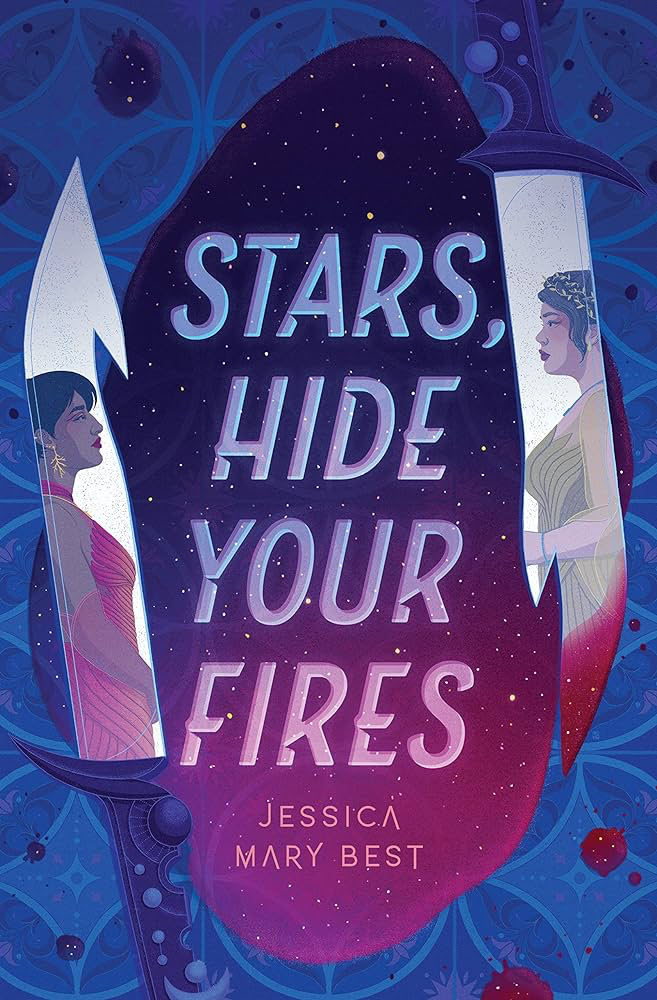
Knives Out in space? Yep. I am not immune to propaganda. I fell for that one. The gorgeous cover helped. Duped by a pretty cover again. I’m always on the hunt for YA sci-fi that really delivers, but even though Stars, Hide Your Fires was an entertaining read, it largely fell into the “ballrooms in space” trap that so much of the subgenre suffers from.
Cass knows her place. As a thief scraping out a living on a backwater moon, she knows that there’s no escape that the life that the Emperor and his family have made for people like her. But when she sees the chance to hitch a ride to the Palace Station, she knows she’s hit it big. Steal enough jewelry, and she’ll be able to escape the planet forever. But when the Emperor is mysteriously murdered and suspicion lands on her, Cass must find a way to escape the space station—and clear her name.
TW/CW: murder, blood, sci-fi violence
I really need to stop going after YA sci-fi books where most of the plot takes place in some kind of ballroom or palace. After a certain point, it just gets so bogged down in the flowy dresses, jewelry, and court intrigue modeled after…I don’t know, Ancient Rome, probably, that it barely feels like sci-fi anymore. It’s really a travesty. But even though Stars, Hide Your Fires was far from perfect, it didn’t fall into every single one of the pitfalls I just described. It at least had a few elements that almost set it apart. Almost.
I’ll give Best this—for the first quarter of the book or so, Stars, Hide Your Fires did actually feel like science fiction. Although we didn’t get into the full extent of the worldbuilding, I did like the setup of the class difference just from showing the differences between two planets. You really did get a sense for Cass’ situation, and the setting of the dead, backwater moon really emphasized not only that, but the stakes that Cass later had to follow up on. Best’s writing sold the dusty, gloomy setting that dominates the first quarter of the book, and in comparison to all of the glittery ballroom business that comes later, it was a well-written contrast.
I’d also have to hand it to Best for keeping Stars, Hide Your Fires so tightly paced! Even though I lacked much connection to the plot, I’d be remiss if I didn’t acknowledge how neat it was—that part really felt sanded to a polish. All of the beats lined up straight into place, and with the exception of some dawdling in the middle, it at least held my attention for most of the novel. If anything, Stars, Hide Your Fires had some solid timing—Jessica Mary Best clearly had her line of dominoes ready to fall from the start, and the suspense was palpable.
That being said, other than the first and last quarters, I barely got the sense that this was science fiction. It’s one of those books where it could have just as easily been a historical drama or even fantasy if you took away the space setting. Sci-fi is my go-to, and usually, I’d like for a novel to present at least something partially new, whether it be a subversion of a typical setting, a unique kind of technology, or even some aliens to populate the universe. (ALIENS! ALIENS! ALIENS!) But other than being set in space, Stars had nothing to its name in that department. You could have just as easily made the palace a grounded palace on Earth, and hardly anything about the plot would have changed. Cass’ home moon could have been a different country, the spaceships could have been trains, the escape routes that she took could have been back alleys or indoor ventilation ducts. Even though it’s billed as sci-fi, Stars, Hide Your Fires doesn’t have anything to show for it other than being in space.
Additionally, I felt hardly any connection to the plot or characters. That was in no small part thanks to how unoriginal much of it was. You’ve got a generic setup of a tyrannical empire, but you don’t get much of a sense of what exactly is tyrannical about what they’re doing, other than being generally evil and a bit of monkey business with clones. To oppose them is an equally generic rebellion, and other than them being billed as heroic, you don’t really have much motivation to root for them since their goal is defeating said empire and not much else. Cass doesn’t have any ties to either, but other than her poorer background, there’s not much to her, either. My, a loner, rebellious pickpocket? Where have I seen that before? That’s the sad thing about this novel—if we’d had some original elements to any of the plot points, it could have been really fun. I’m all for a heist in space, but you’ve got to have the sci-fi chops to pull it off. And there’s some slack I’m willing to give Best since this is her debut novel, but it was still disappointing on that front.
All in all, an entertaining YA novel that could have elevated itself above simply “entertaining” if it had boasted any kind of original elements. 3 stars.
Stars, Hide Your Fires is a standalone; it is also Jessica Mary Best’s debut novel.
Today’s song:
thank you to whoever was in charge of the Wilco pre-show playlist on Sunday night for this
That’s it for this week’s Book REview Tuesday! Have a wonderful rest of your day, and take care of yourselves!












 The Bookish Mutant