Posted in Monthly Wrap-Ups

The Great Big Wrap-Up of Everything | August-December 2024

Happy Tuesday, bibliophiles, and happy New Year’s Eve! 2024 was…well. It sure was a year, wasn’t it? Things happened! Too many things. Man.

I’ll keep it short, because I’ve said something along the lines of the same thing for several months now. I like doing these wrap-ups, but they’re certainly time-intensive, so I doubt I’ll be able to keep up with the monthly schedule going into 2025. However, my brain does like sorting things into silly little lists with bullet points and whatnot, so I thought I would throw this together for the end of the year. Even though I was working so much, I did get to a lot of fun reads, and I didn’t want to leave them out! As I said in my 5-star Reads post, it’s been a rocky and anxious year, but that doesn’t mean it wasn’t populated with good reads—and moments in general—throughout. So, for the last time in 2024, here’s a wrap-up of everything from August to December.

Enjoy this massive wrap-up!

WRAP-UP: EVERYTHING I’VE READ SINCE AUGUST

AUGUST

I read 17 books in August! I don’t think anything for the rest of the year will measure up to having two 5-star reads back to back, but either way, this ended up being a lovely month for reading. Also, before everybody comes after me for DNFing Remarkably Bright Creatures…you can’t blame me after this line was said by a supposedly 30-year-old character: “bicep day was lit at the gym today.” How do you do, fellow kids?

Book Reviews:

1 – 1.75 stars:
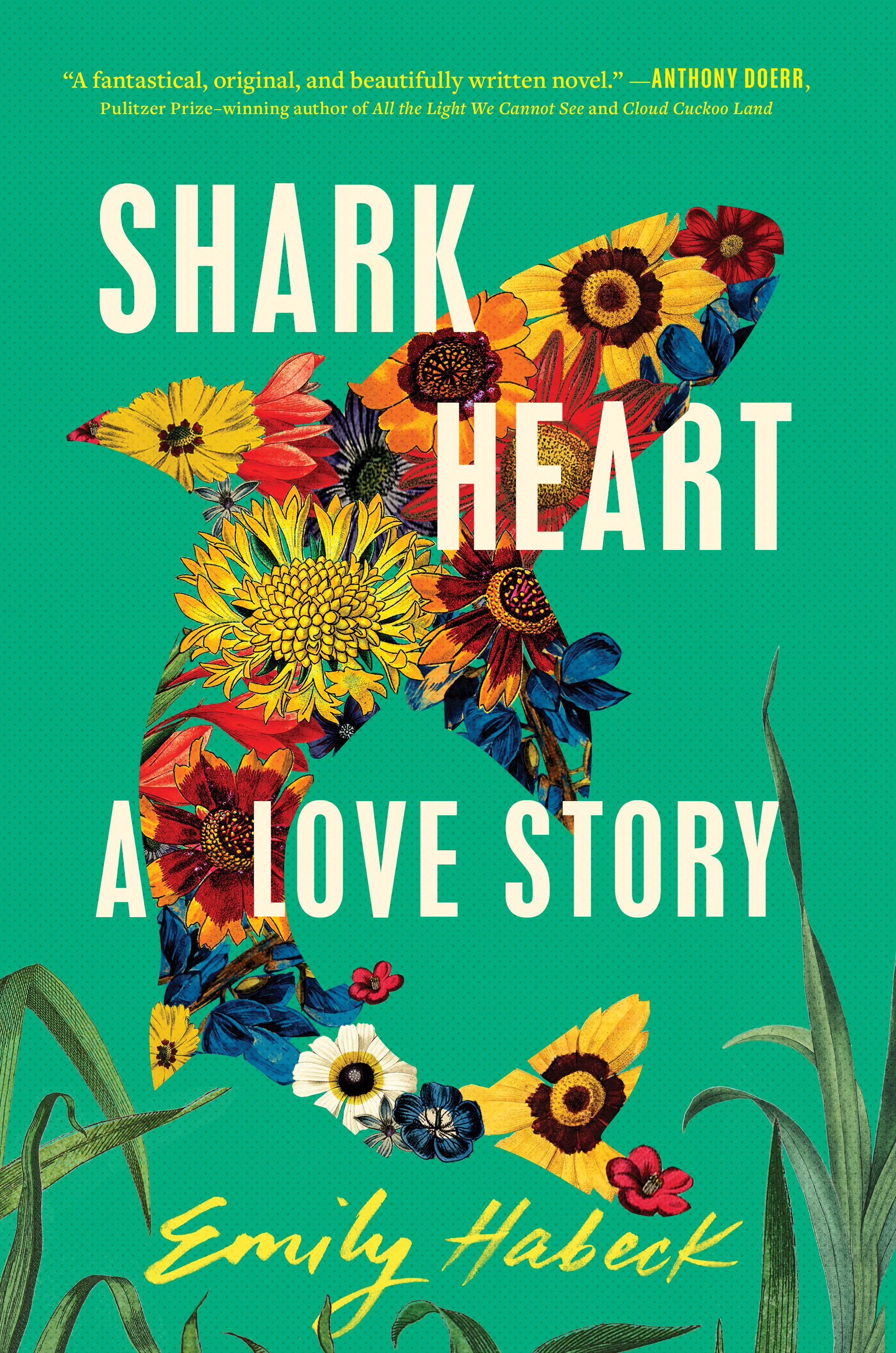
Shark Heart

2 – 2.75 stars:

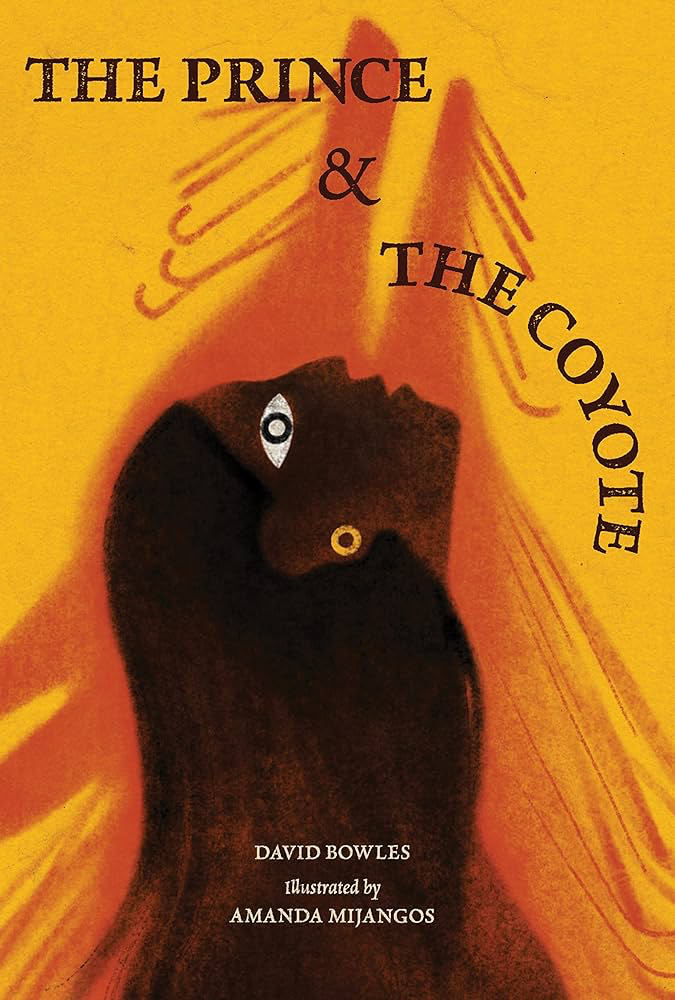
The Prince and the Coyote

3 – 3.75 stars:

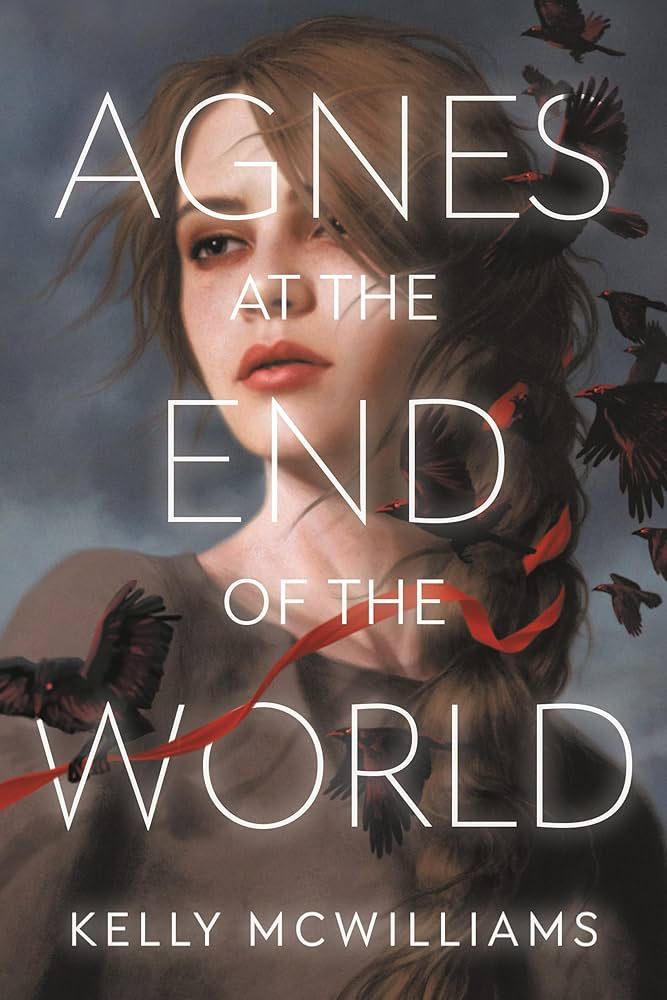
Agnes at the End of the World

4 – 4.75 stars:

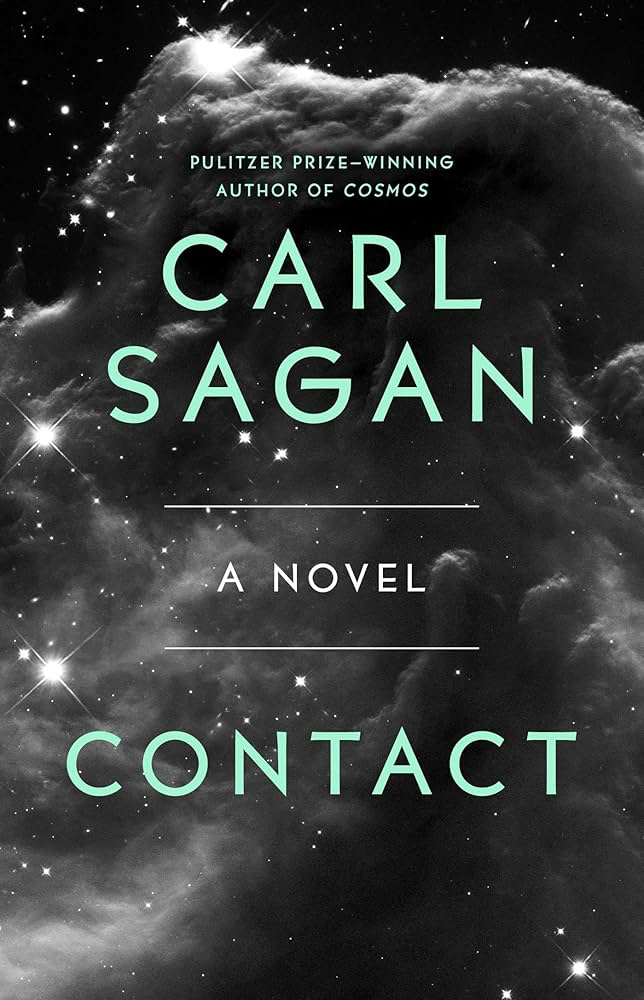
Contact

5 stars:

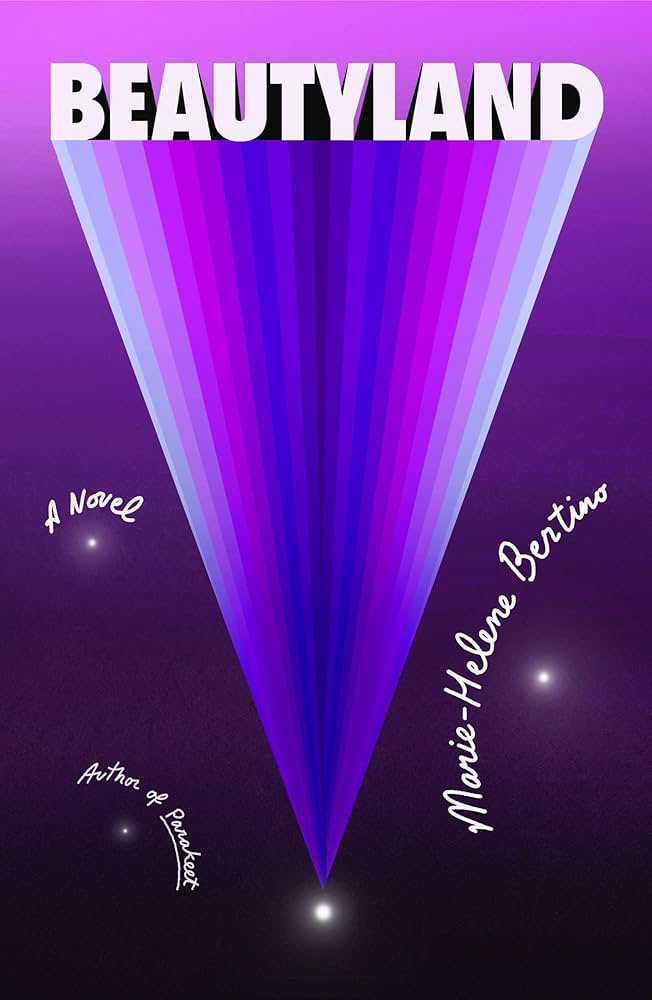
Beautyland

SEPTEMBER

I read 15 books in September! I was so caught up in my reading schedule being disturbed (somewhat) by school starting that I didn’t even realize that I didn’t have any 1 or 2-star reads! Miraculous. Either way, between my work, I was able to squeeze in some great reads for both Bisexual Visibility Week and Latinx Heritage Month.

Book Reviews:

3 – 3.75 stars:

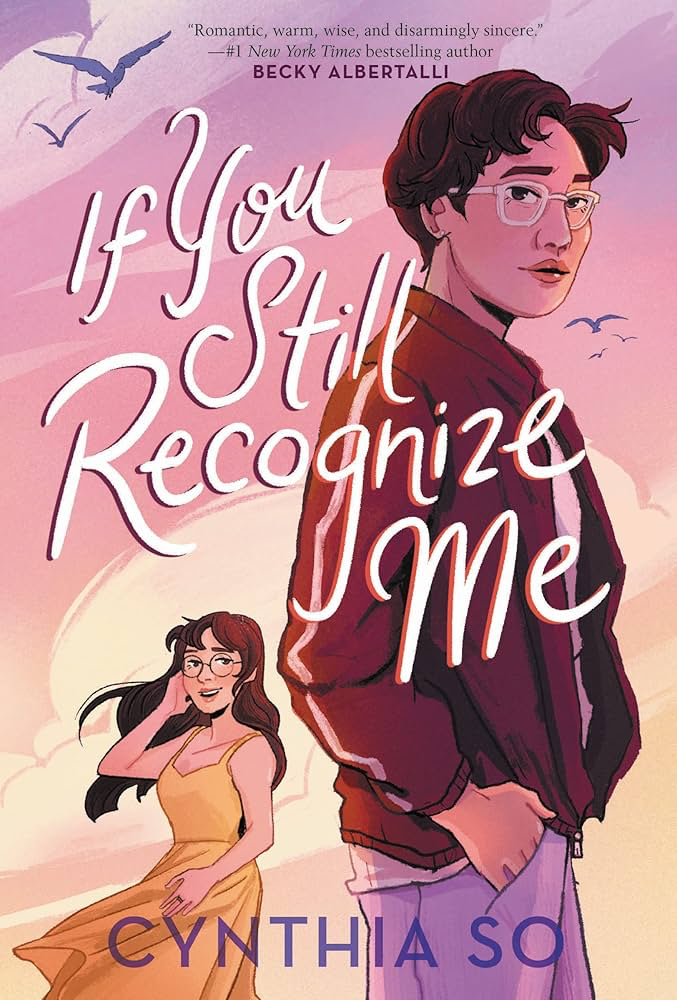
If You Still Recognize Me

4 – 4.75 stars:

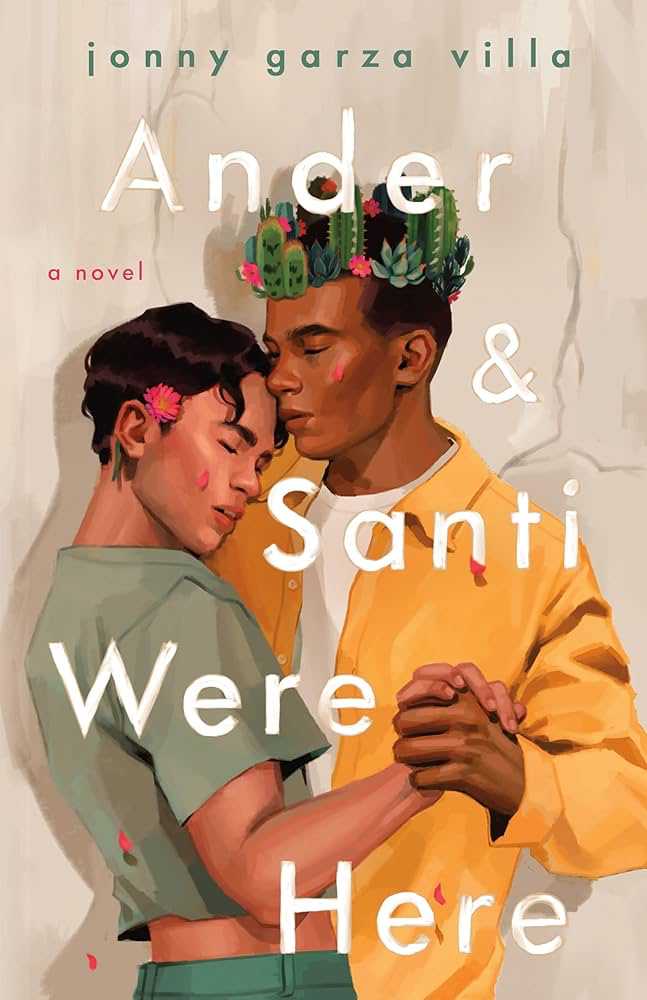
Ander and Santi Were Here

5 stars:

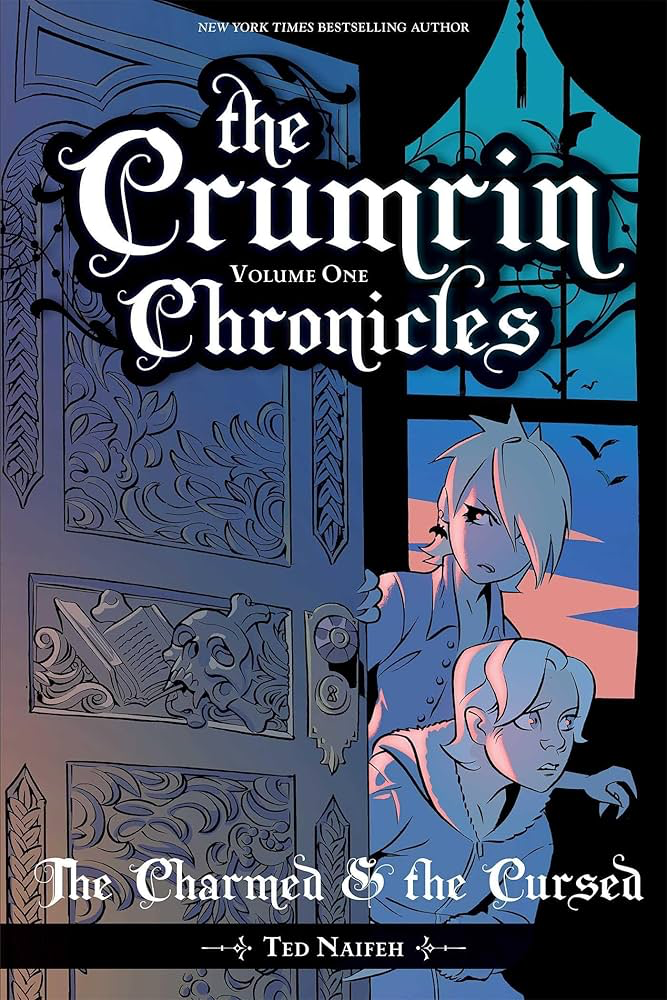
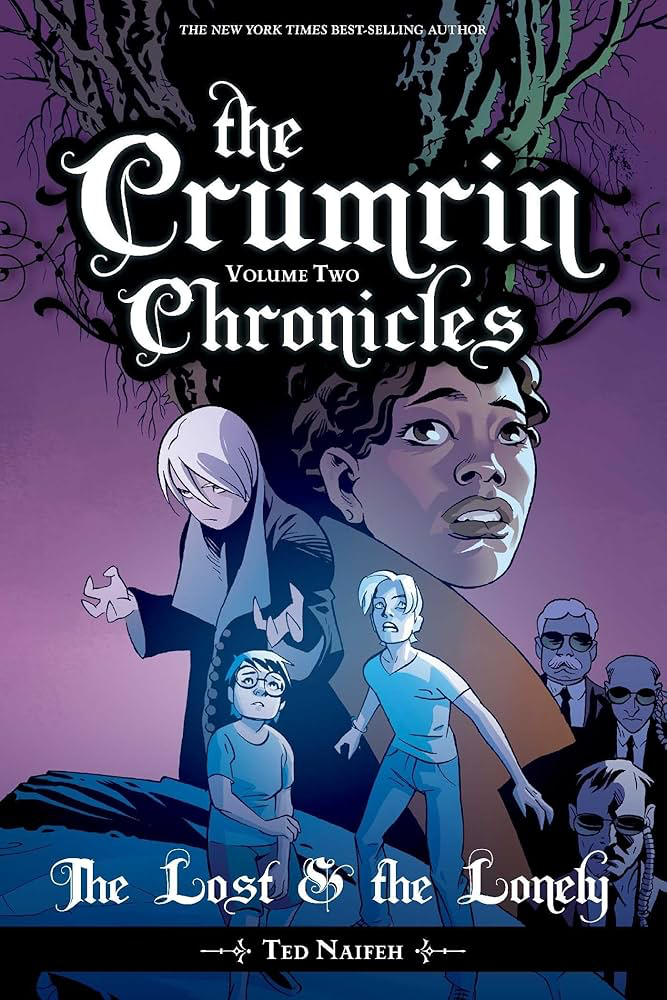
The Crumrin Chronicles, Vol. 1 – The Charmed and the Cursed

OCTOBER

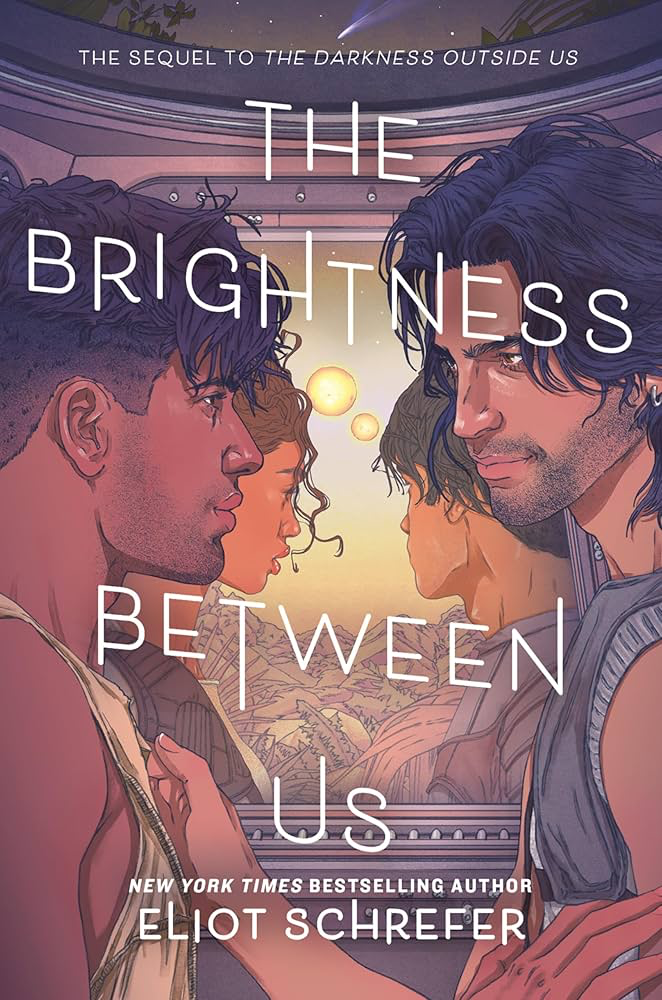
I read 15 books in October! Spooky season, busy as it was, another great month for books—new Crumrin Chronicles, new books from Amie Kaufman and Eliot Schrefer…oh, and I finally read Hamlet after all these years. I’ve seen so many adaptations that I just found myself going “HE DID IT!!! HE SAID THE LINE!!! HE SAID THE LINE!!” whenever I saw a passage I recognized.

Book Reviews:

1 – 1.75 stars:

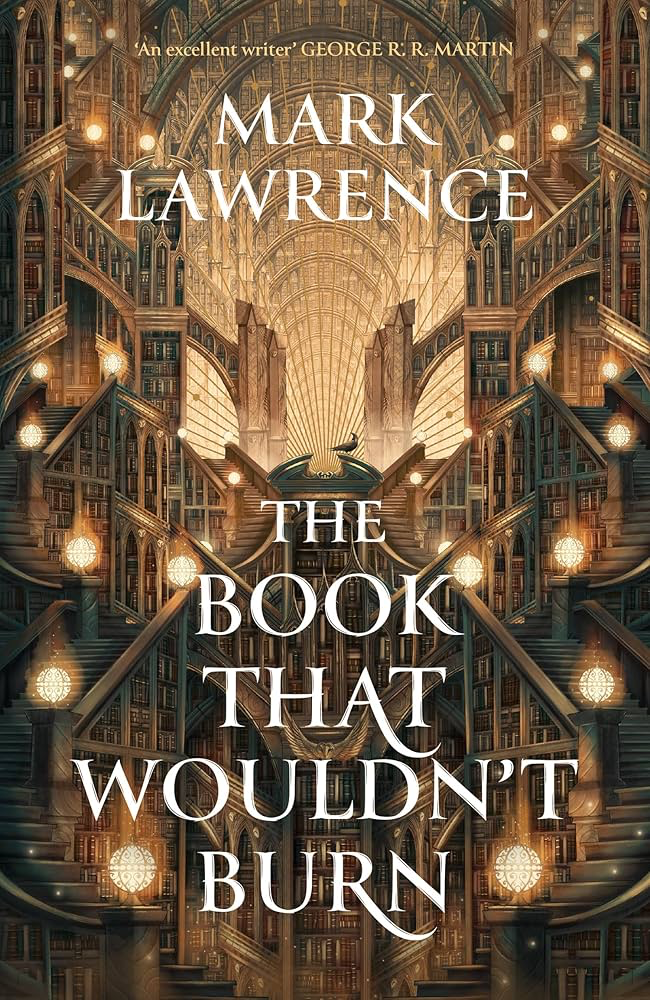
The Book That Wouldn’t Burn

2 – 2.75 stars:

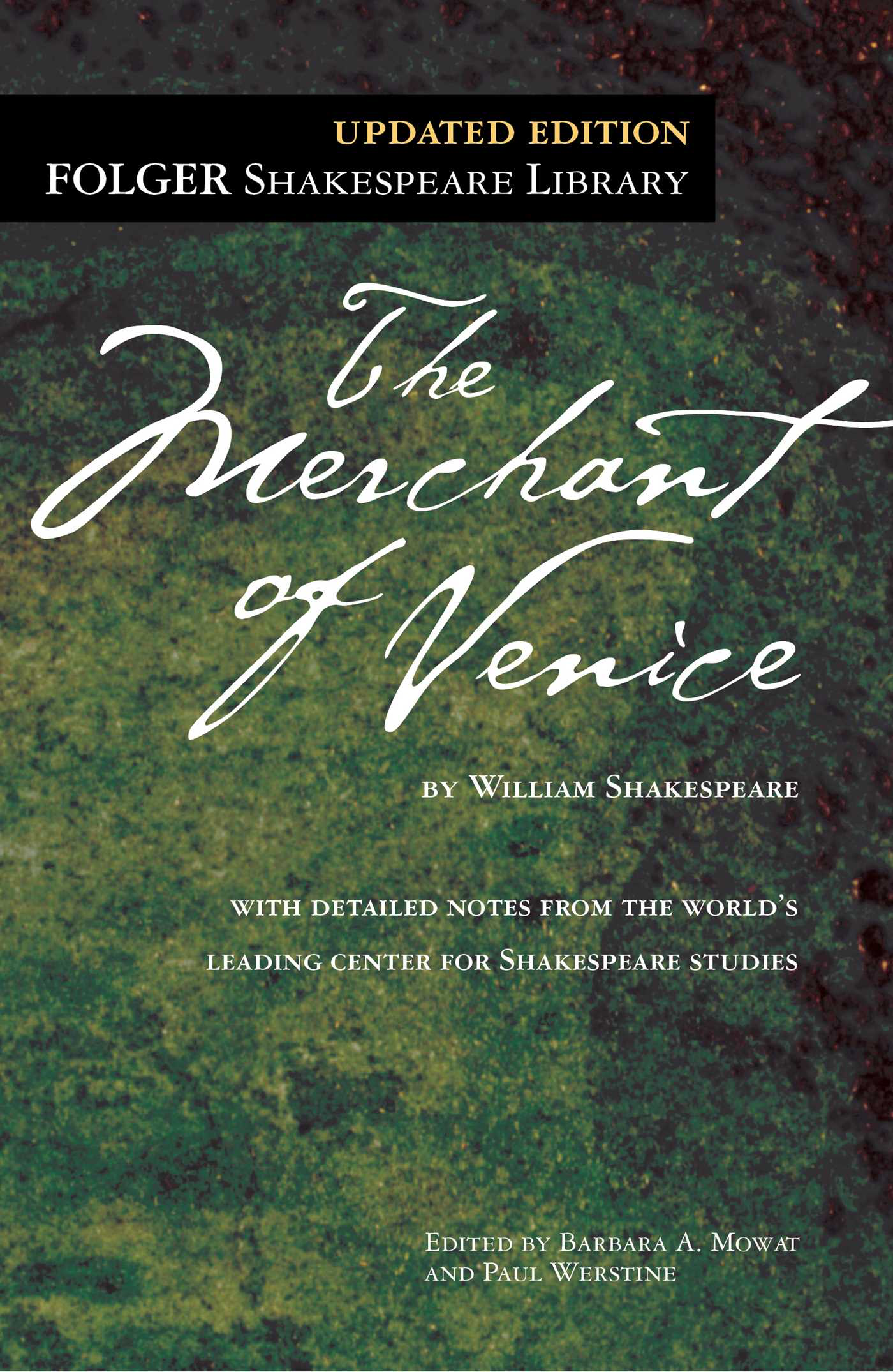
The Merchant of Venice

3 – 3.75 stars:

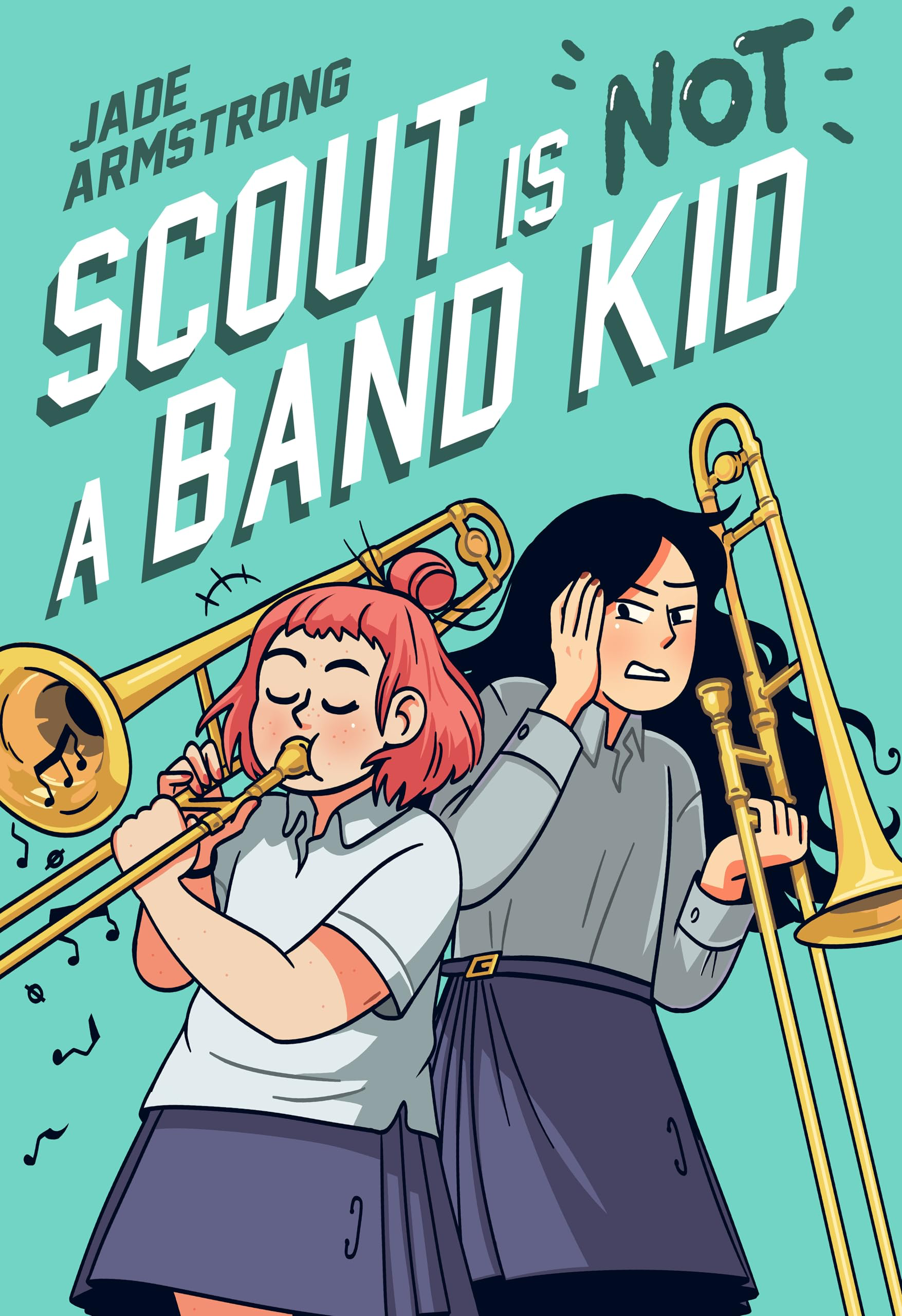
Scout is Not a Band Kid

4 – 4.75 stars:

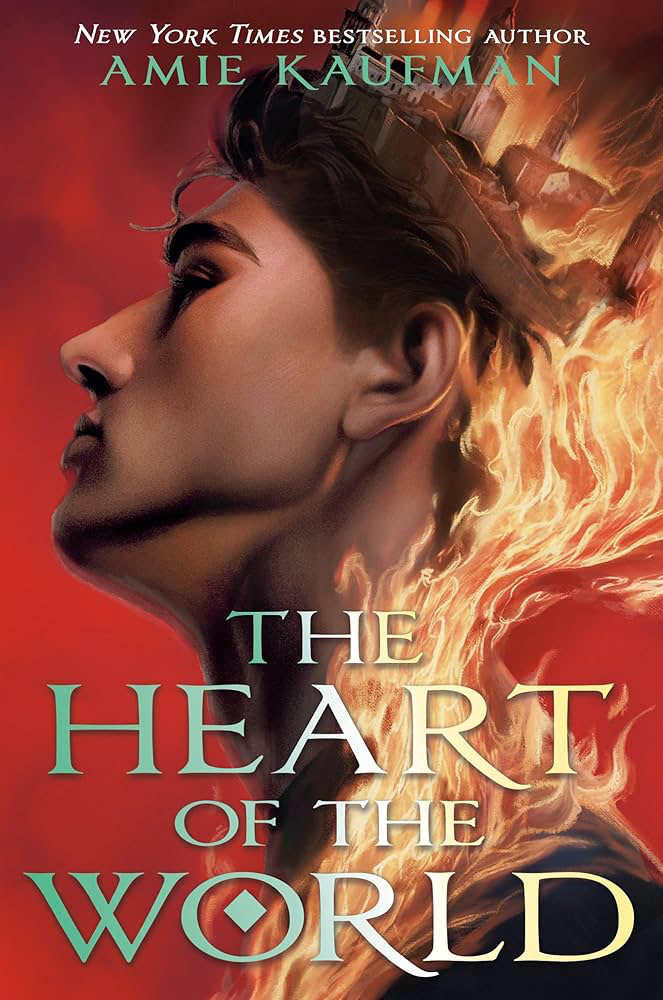
The Heart of the World

5 stars:

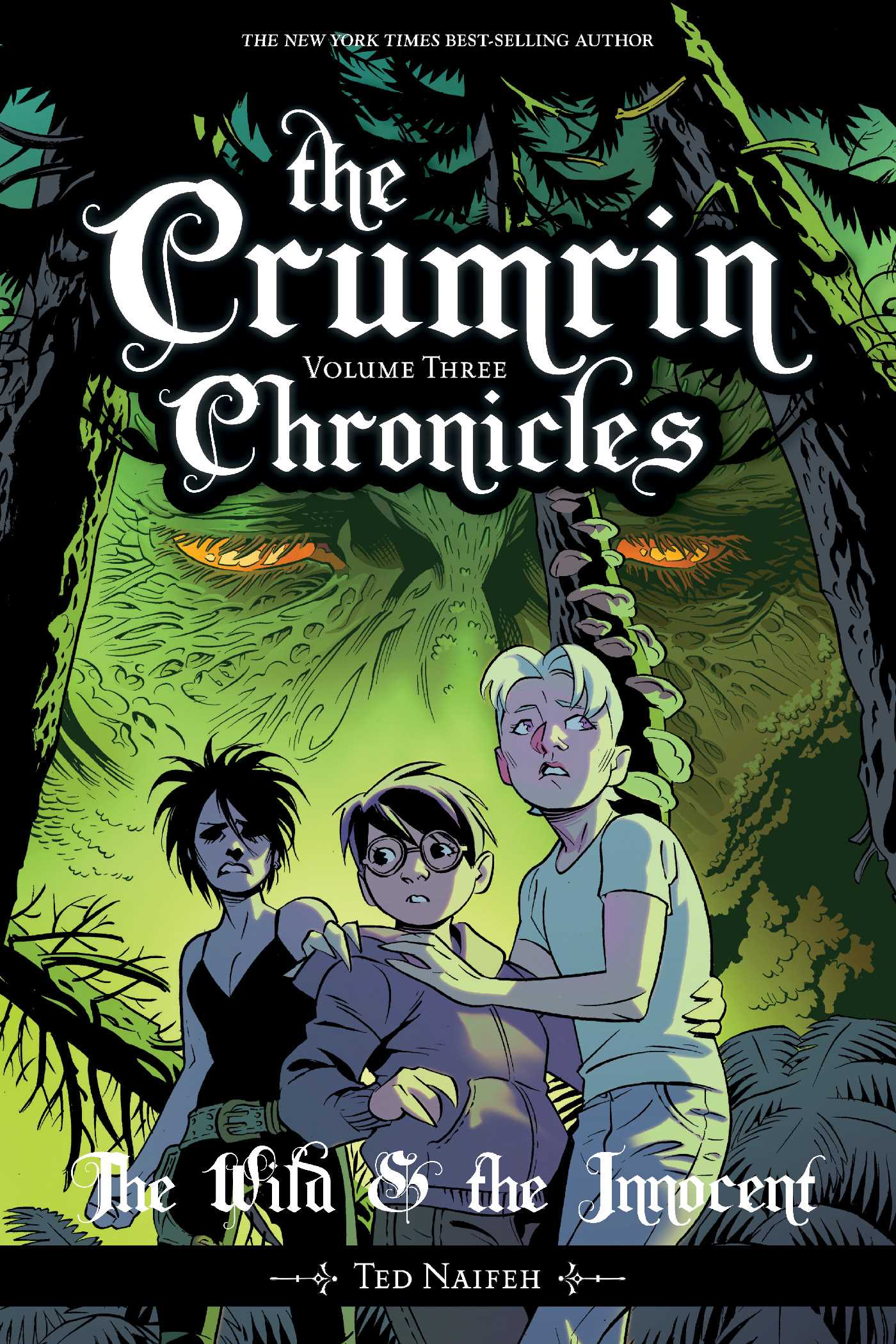
The Crumrin Chronicles, vol. 3: The Wild & the Innocent

NOVEMBER

I read 14 books in November! I shouldn’t have to explain why I decided to read The Long Way to a Small, Angry Planet on Election Day. Jesus fucking christ. Also, I hate to speak ill of the dead, but either I’ve grown out of Rachel Caine, or I just read her better books in high school…maybe I should’ve read Ink and Bone when my taste was less discerning.

Book Reviews:

1 – 1.75 stars:
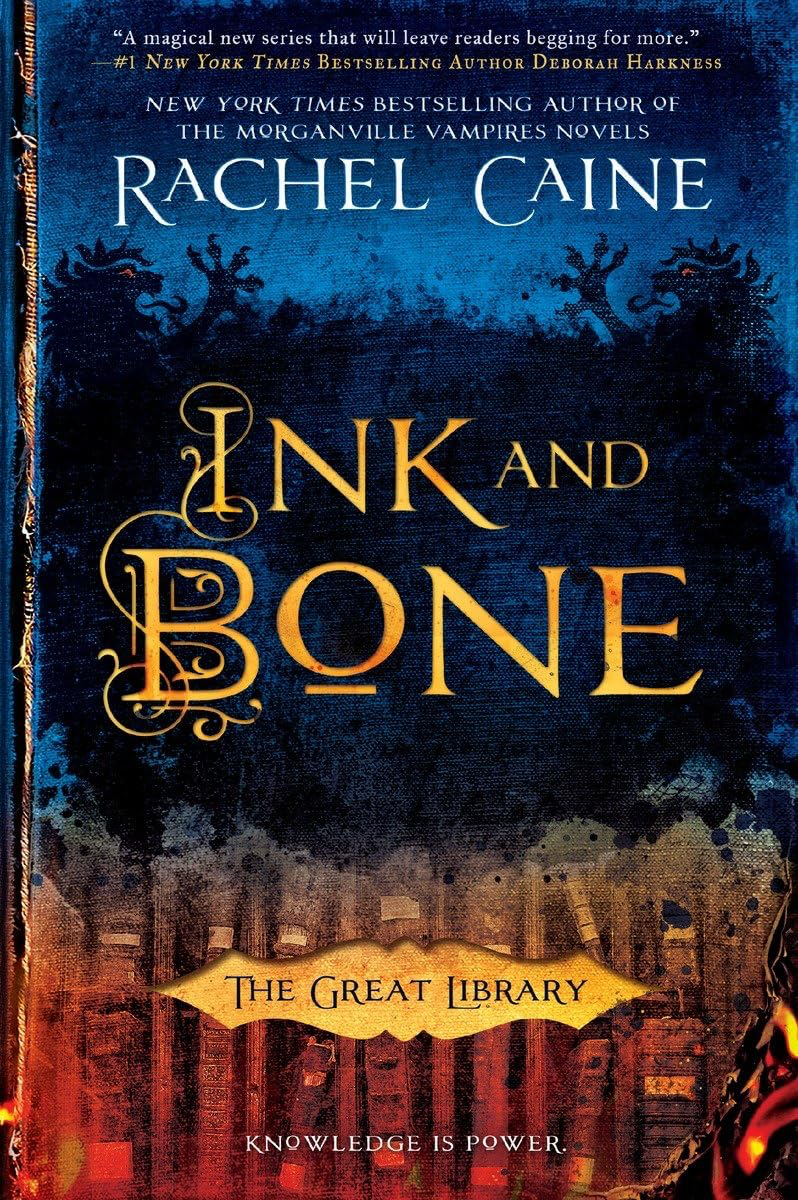
Ink and Bone

2 – 2.75 stars:

Timon of Athens

3 – 3.75 stars:

Time and Time Again

4 – 4.75 stars:

The Long Way to a Small, Angry Planet

DECEMBER

I read 13 books in December, and rounded out my Goodreads challenge with 199 books read this year! I’d say that’s pretty impressive. December proved to have a solid bunch this month (to say nothing of the pretentious, 212 pages of nothing that was Orbital).

Book Reviews:

2 – 2.75 stars:
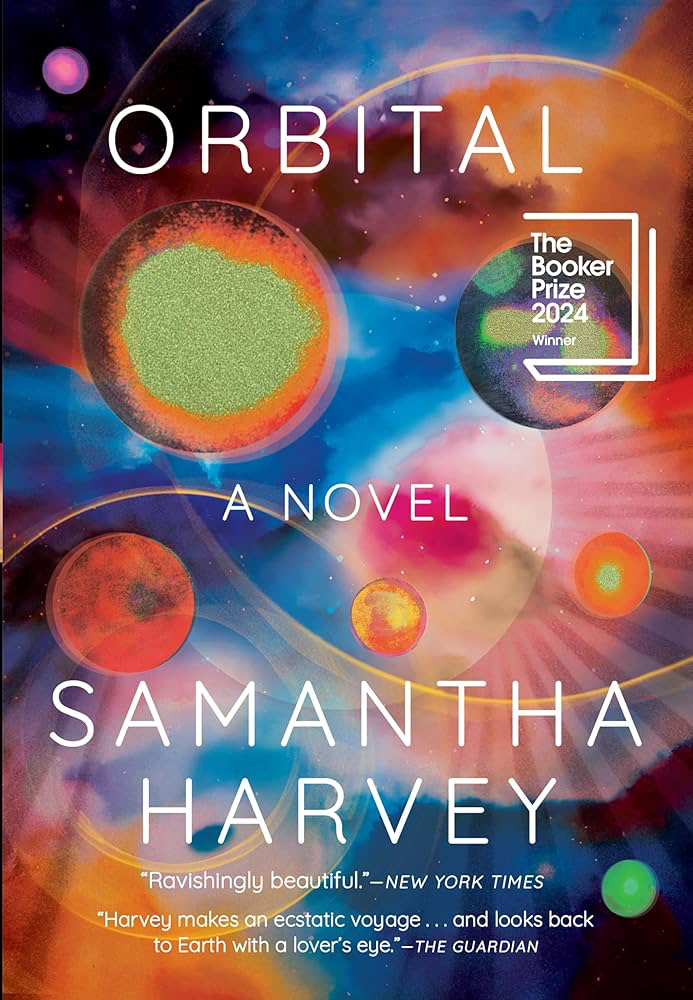
Orbital

3 – 3.75 stars:

A People’s Future of the United States

4 – 4.75 stars:

The Tempest

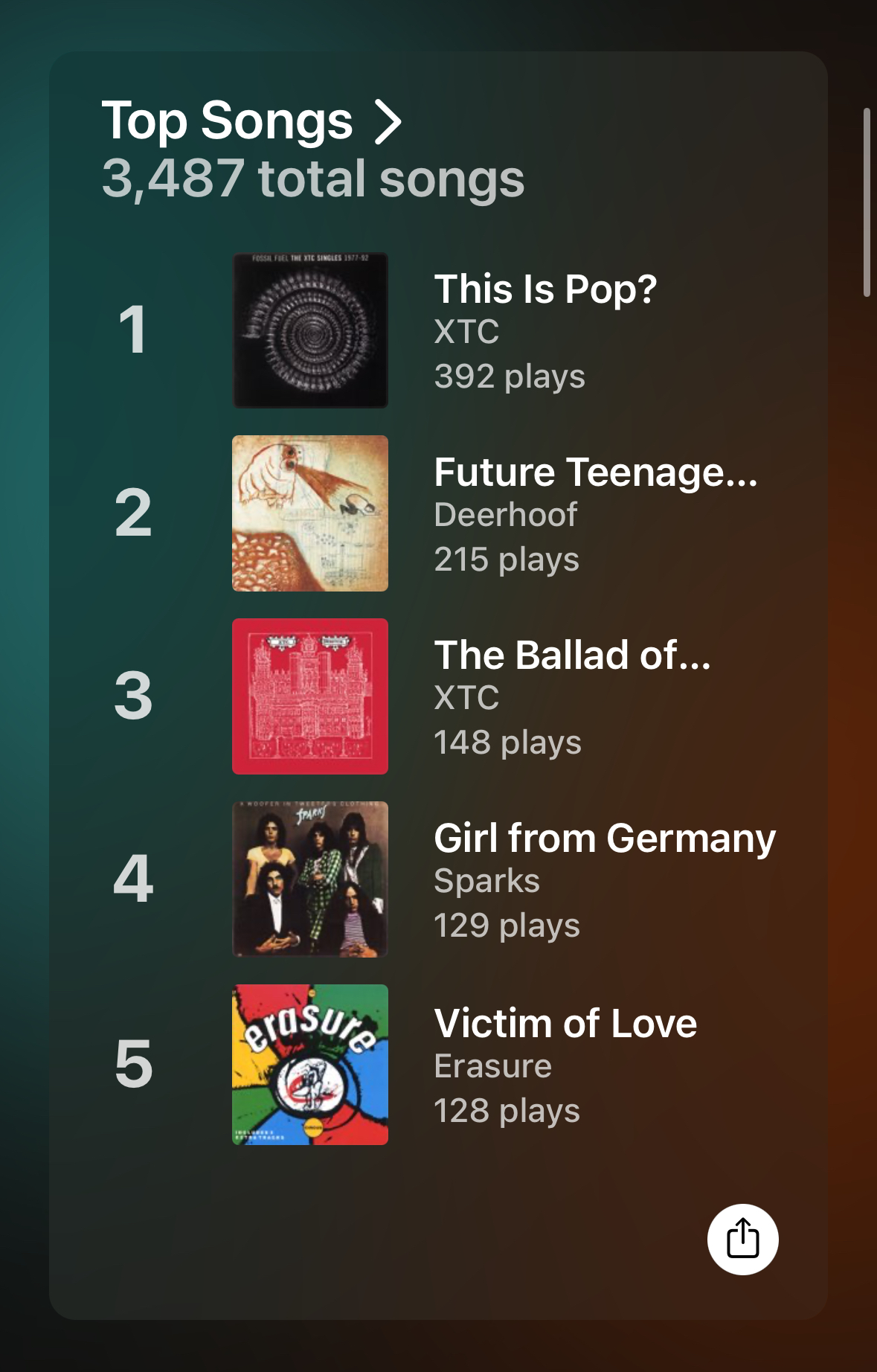
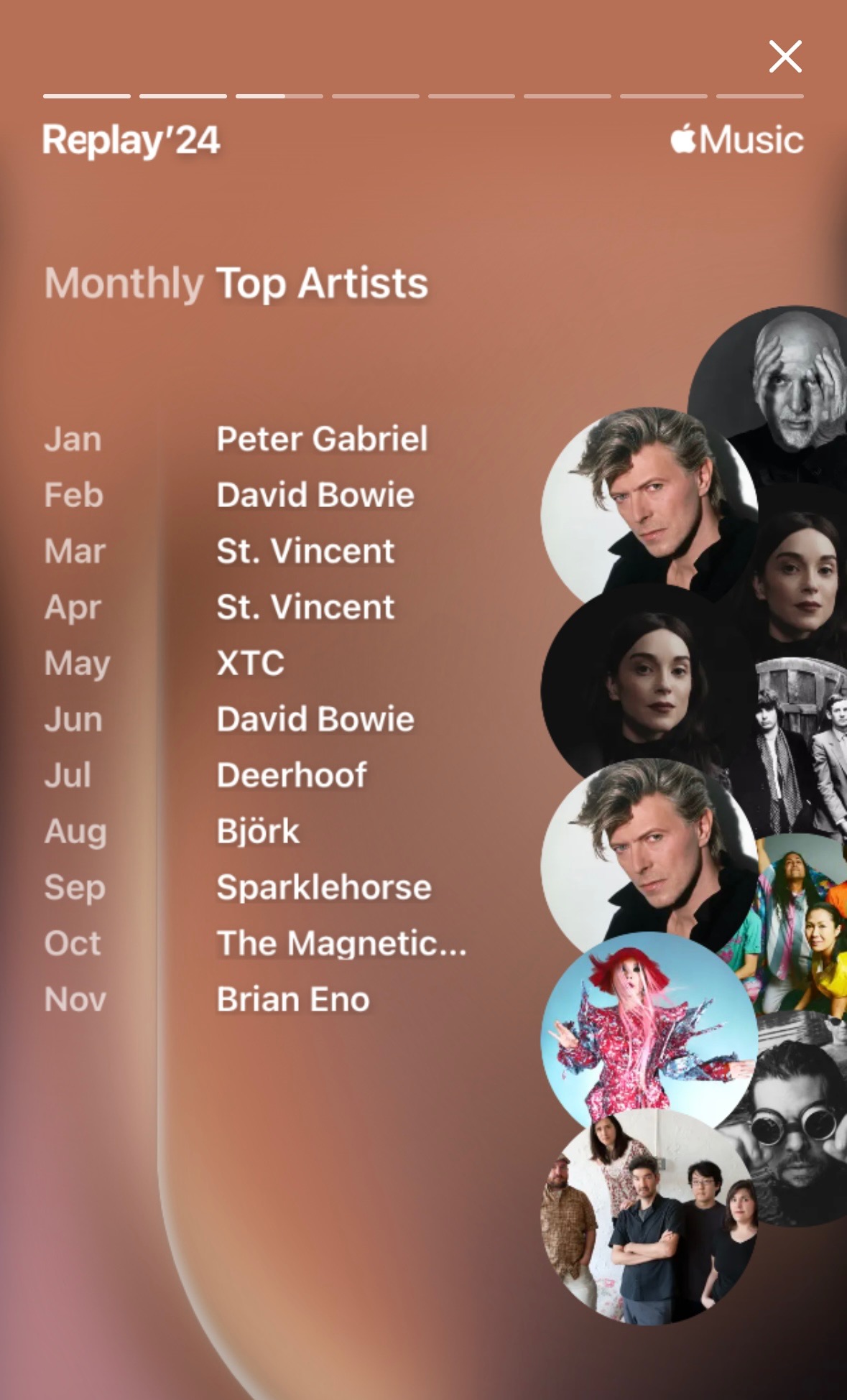
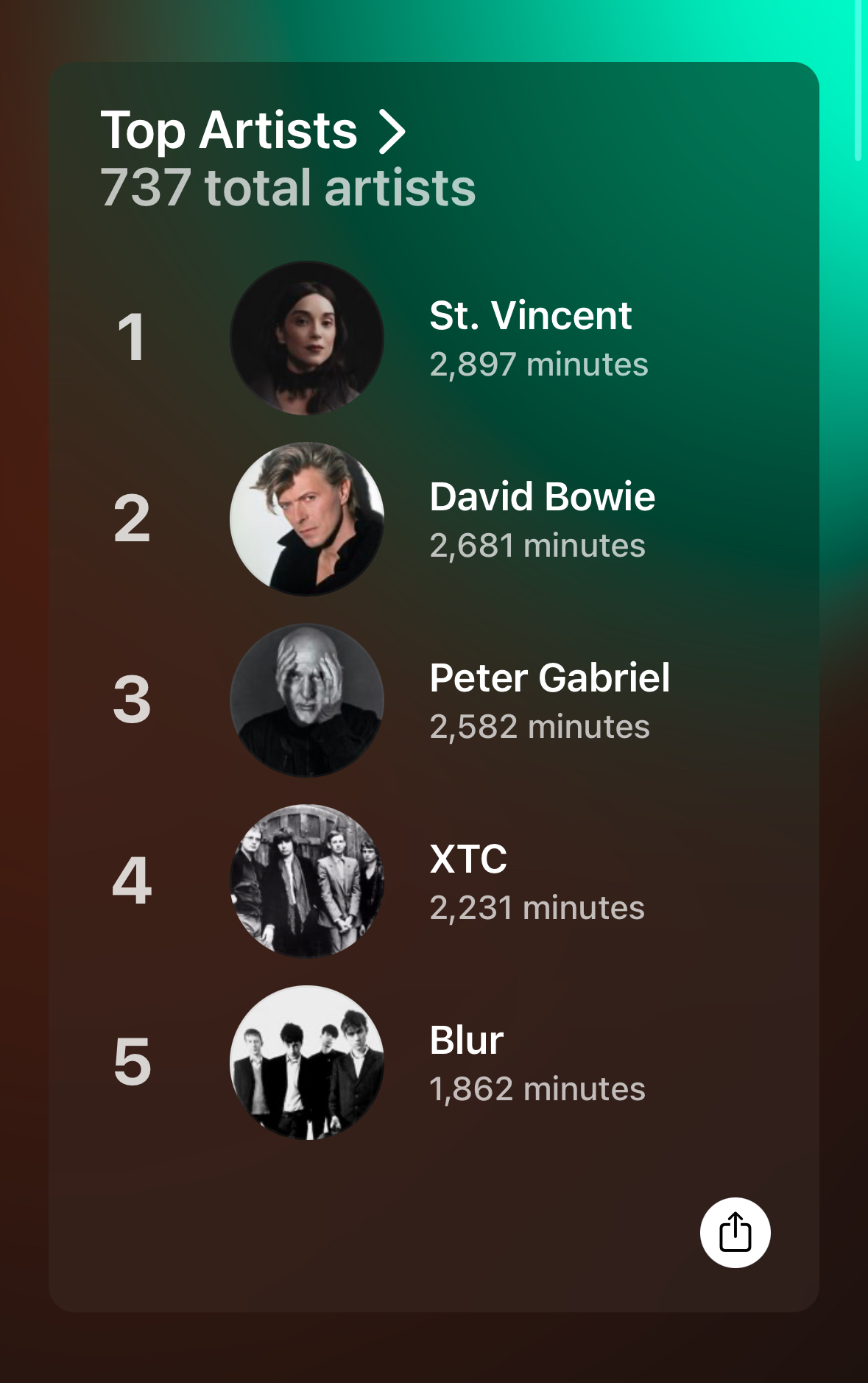
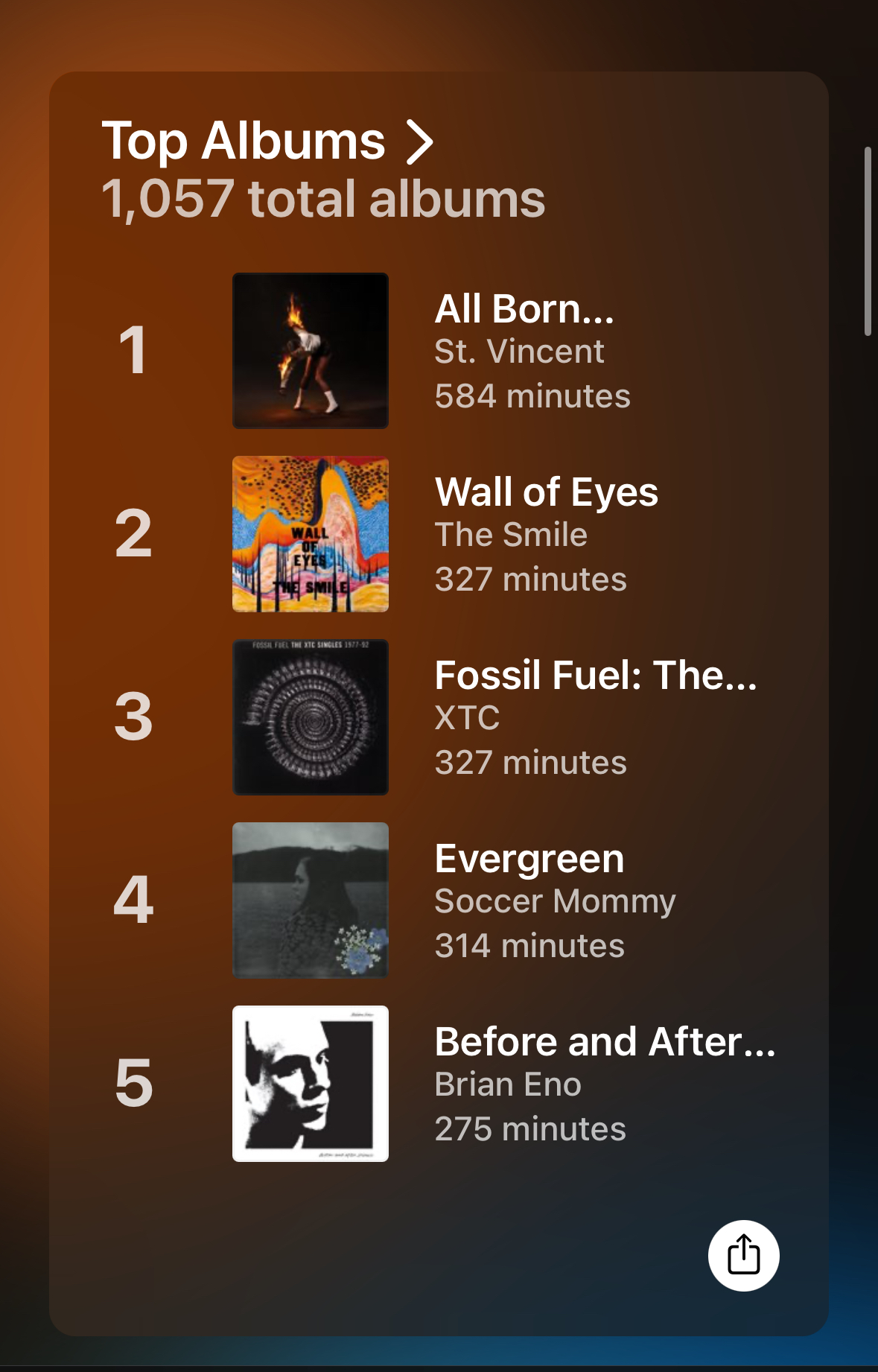
In lieu of my usual songs/albums that I’ve been listening to lately, enjoy some selections from my Apple Music Replay. It appears I’ve lost my hypothetical Welsh street cred (no longer in the top 100 listeners for Super Furry Animals…it’s been an honor), but it’s been replaced by being in the top 500 for XTC? I did listen to “This is Pop?” and “The Ballad of Peter Pumpkinhead” an unhealthy amount…
In addition, here are my Sunday Songs for each month:

AUGUST:

SEPTEMBER:

OCTOBER:

NOVEMBER:

DECEMBER:

Today’s song:

it’s finally cold enough to allow myself to listen to Victorialand! Great album to close out 2024 with.

Now, how to wrap up a wrap-up…all I can say is that I love you. My blog may not have the numbers of views and likes that it used to (even though the follower count has gone up…620 of y’all, oh my god, thank you!), but I treasure the small community that I’ve got here. I write these things mostly to write out into the world what I want to see and ramble about the things I love, but I’m grateful that, through it all, you’ve all stayed to stick it out and listen. I’ve always done it for myself and not in the service of getting more likes or views, so I’m glad that someone’s listening anyway.

I hope you all find love, solace, hope, or whatever it is you need in this coming year. In the grand scheme of things, I’m frightened (and hoping that my Canadian cousins have a room to spare up north, hahahahaha [SCREAMING]), but on the smaller scale, with the things I can control, I’m glad to be turning over a new leaf. It’ll be difficult, but I’ve built up the tools to go forward in a healthier, compassionate, and more loving way. Whoever you are, I hope 2025 brings what you need, big or small. As always: spread love, not fear or hate. Look at the stars. Keep on reading, watching, listening, and engaging with what you love. And most importantly, be kind—to others, and to yourself.

Lots of love,

Madeline

Posted in Uncategorized

The Bookish Mutant’s 5-Star Reads of 2024

Happy Monday, bibliophiles!

Some years make it difficult to focus on the good things. It would be easy for me to look back at this year and see that it’s been ruled by anxiety, because…well, a good portion of it was. I was incredibly anxious about a number of things this year, I’m on the precipice of some big transitions in my life, and we’re entering a dark time in our country’s history. It can be so all-consuming that I forgot that it did not, in fact, consume all. I do have some pretty proud achievements to count towards myself this year, but most of all, I got through it. Whatever gripped me, whether or not I should have been worrying about it, I got through it. And I’m here. And I’ll be here through 2025.

The amount of books I’ve read gets smaller every year, but it’s allowed me to be more selective. Sure, my 5-star reads shrink every year, but it’s proportional to how much I actually read. I’m more selective now that I have less time to read—that doesn’t mean that bad books slip through, but I feel like the amount of stinkers I’ve read has decreased, and I’ve expanded my DNF criteria to just mean books that aren’t egregiously bad, but that I don’t want to continue with simply because life is short. My 5-star reads this year consisted of the return of old favorites, anticipated sequels, and new-to-me books that blew me out of the water—a diverse patchwork of a rocky but ultimately fruitful year—and they were a part of what made this year good.

NOTE: I will not be including re-reads on this post; I re-read The Galaxy, and the Ground Within as well as the entire WondLa trilogy this year—obvious 5-star reads.

⭐️⭐️⭐️⭐️⭐️THE BOOKISH MUTANT’S 5-STAR READS OF 2024⭐️⭐️⭐️⭐️⭐️

HONORABLE MENTIONS (4.5 stars)

TELL ME WHAT YOU THINK! Have you read any of these books, and if so, did you enjoy them as much as I did? What were your favorite reads of the year? Let me know in the comments!

Today’s song:

That’s it for my favorite books of 2024! Have a wonderful rest of your day, and take care of yourselves!

Posted in Sunday Songs

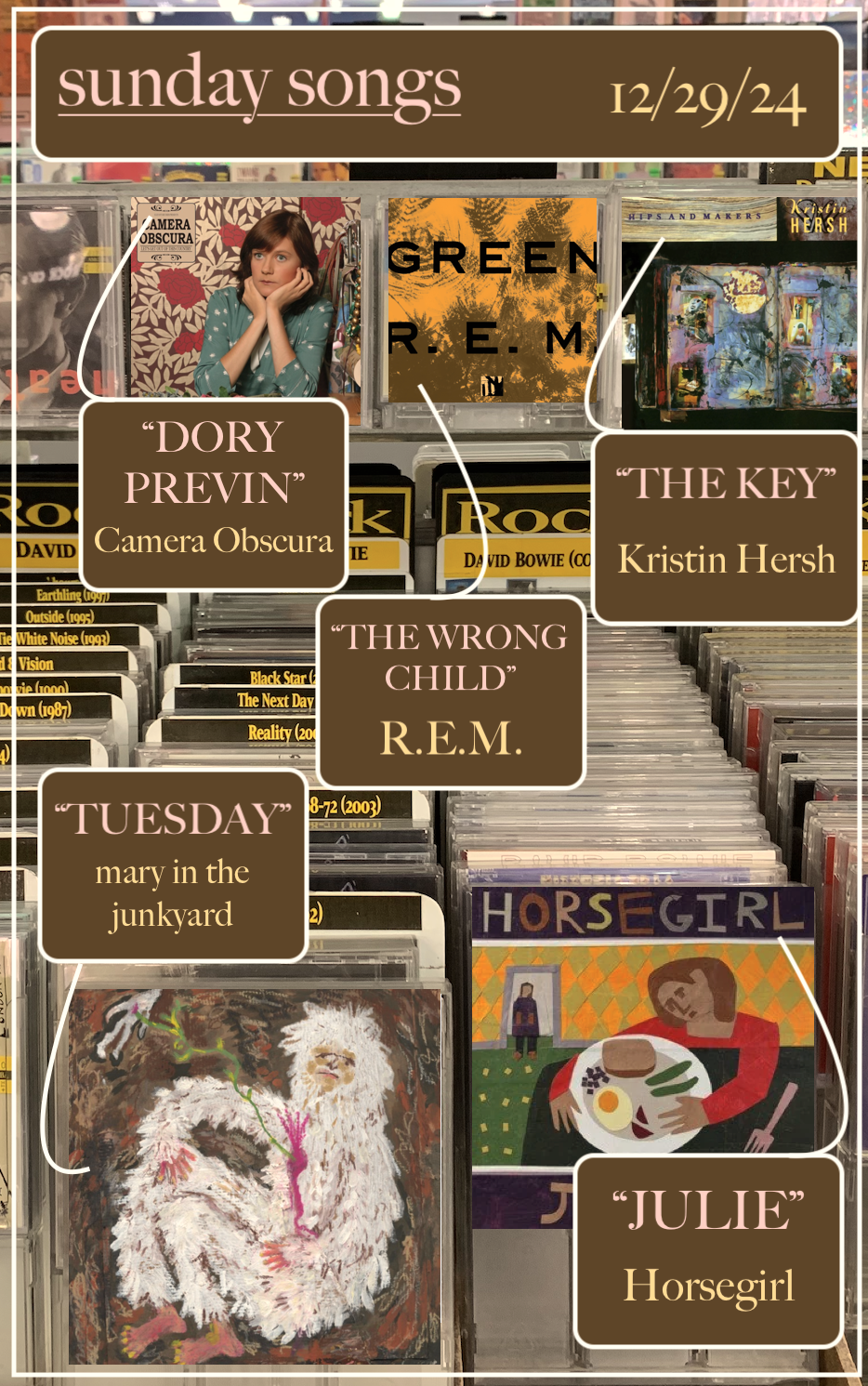
Sunday Songs: 12/29/24

Happy Sunday, bibliophiles! I hope this week has treated you well.

This week: Patchwork songs, and a few too many lyrics that hit me like a train. It’s the final Sunday Songs of the year…I might as well ramble.

Enjoy the final Sunday Songs of 2024!

SUNDAY SONGS: 12/29/24

“Tuesday” – mary in the junkyard

“this is my california” was my introduction to mary in the junkyard, but “Tuesday” was what convinced me to like them. [slides glasses up bridge of nose] Having listened to their entire discography now (read: a four-song EP and three singles), I gather that, whenever it comes time for them to release an album, I’ll be happy with the product, but I really, really hope that “Tuesday” is more the direction that they go in.

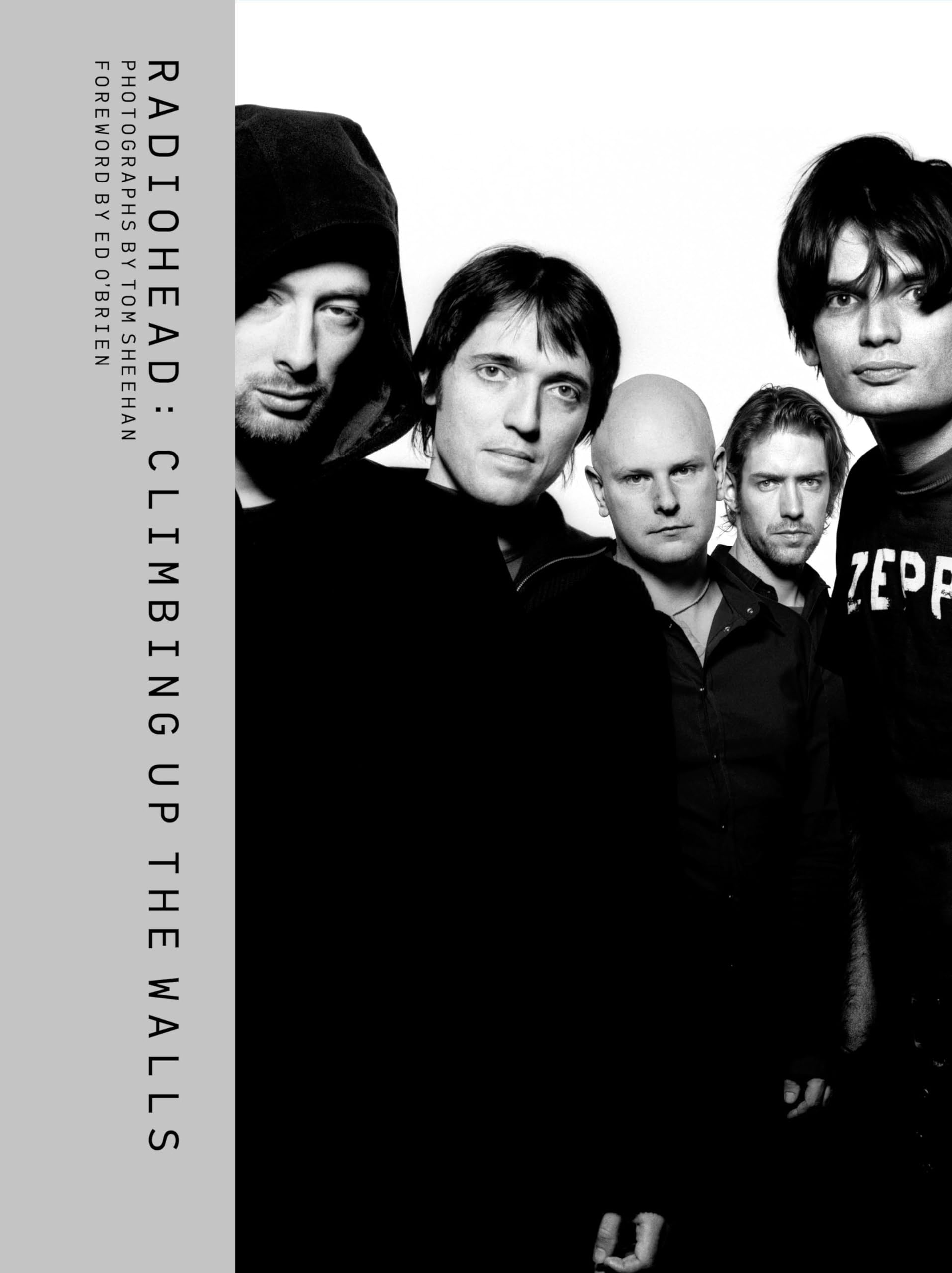
“Tuesday” might as well be three songs Frankensteined together into a neat five minutes, but in its shambling, stitched-up form, it packs an unexpected punch. Imagine: three figures hunched over a cauldron. One adds something adjacent to your typical sadgirl indie, one adds the juiciest bass-line you’ve ever heard, and another adds a skittering tribute to Radiohead’s “2+2=5.” Pieces of the patchwork monster reveal themselves in the light in the form of Clari Freeman-Taylor’s lyrics—a favorite of mine is “I feel like an alien here/Breathing from a separate hole.” As…gross an image that potentially conjures (no, not that hole, GET YOUR MIND OUT OF THE GUTTER), it’s apt for the jerkily combined spare and found parts of this song. It’s an urgent sprint through a foreign landscape, furtive as it darts into alleys and backroads as it tries to find its way around. The disheveled yeti in the music video seems more whimsical than the lyrics imply, but it’s nonetheless a story of a creature out of its element.

Freeman-Taylor, when interviewed for The Line of Best Fit, explained that “Tuesday” was written about living in the city for the first time: “[I] was feeling very small…I wanted to write about my yearning for chaos and realness—we all have wildness within us that we might be suppressing and we shouldn’t feel like aliens because of it.” Wildness and chaos are what stands out to me—”Tuesday” scampers with the speed of a frantic prey animal, cornered as it finds a new burrow to dart into. Cities and nature have a very different kind of chaos to them—a city’s chaos feels bred by the bustle of machinery and productivity, and it becomes so compressed and rushed that order births chaos; nature’s chaos comes only from the cycle of itself. That clash of opposite breeds of chaos is where “Tuesday” finds its not-so-happy, alien(ated) medium, the space between the shards of flint where the embers crack away.

…AND A BOOK TO GO WITH IT:

Beautyland – Marie-Helene Bertino – isolation, alienation, and surviving both from suburbs to big cities.

“Julie” – Horsegirl

First off: in concert with an excellent song, I have to praise this incredible music video by Daphna Awadish Golan! Her style melds so well with the collaged aesthetic of Horsegirl’s album covers and sound; the music video consists entirely of black and white footage of cities, animals, and people colored in with pastels that jump away from the grainy shades of gray.

As for “Julie” itself, the song makes me even more excited for Phonetics On & On just because I entirely can’t pinpoint the direction that Horsegirl are going in—and that excites me so much. Sure, albums have their more energetic points and their slower points, but this track is only one song away from “2468” and lands just past the halfway mark of the album. Their first album, Versions of Modern Performance, was fairly cohesive in its tempo and the invitations of different sounds and lyrical styles; aside from the instrumental interludes, there were never any slowdowns unless it was to watch a song crumble (“The Fall of Horsegirl”), but even that was crunched out and artsied-up to the extreme.

That’s not to say that “Julie” isn’t artsy, but it touches a more introspective side that the band have rarely reached thus far. The skeleton, aside from the slower tempo, is as Horsegirl as ever: guitar slides that dart around like frightened koi in a pond, buzzing synths, and a healthy dose of “da-da-da-da”s integrated throughout. (Is it really Horsegirl if there’s no da-da-da-da?) Yet the lyrics deviate from their usual style of sticking nonsense phrases together. Whether or not there’s a real Julie behind it, they extend reflection and comfort towards a figure: “Well, there’s something on your plate/You wish it was morе than you could take/We have so many mistakеs to make/What do you want from them?” It feels like an encouragement to break from monotony and form; the colored-over footage of subways in the music video emphasize that impression, but the mistakes to make feels to me like an encouragement to be human, to break free of a routine or lifestyle that isn’t necessarily crushing, but nonetheless doesn’t serve you either. With the way that the Horsegirl gang has with weird words, it doesn’t surprise me that they have something more emotional in them, but either way, it’s a promising glimpse of Phonetics On & On.

…AND A BOOK TO GO WITH IT:

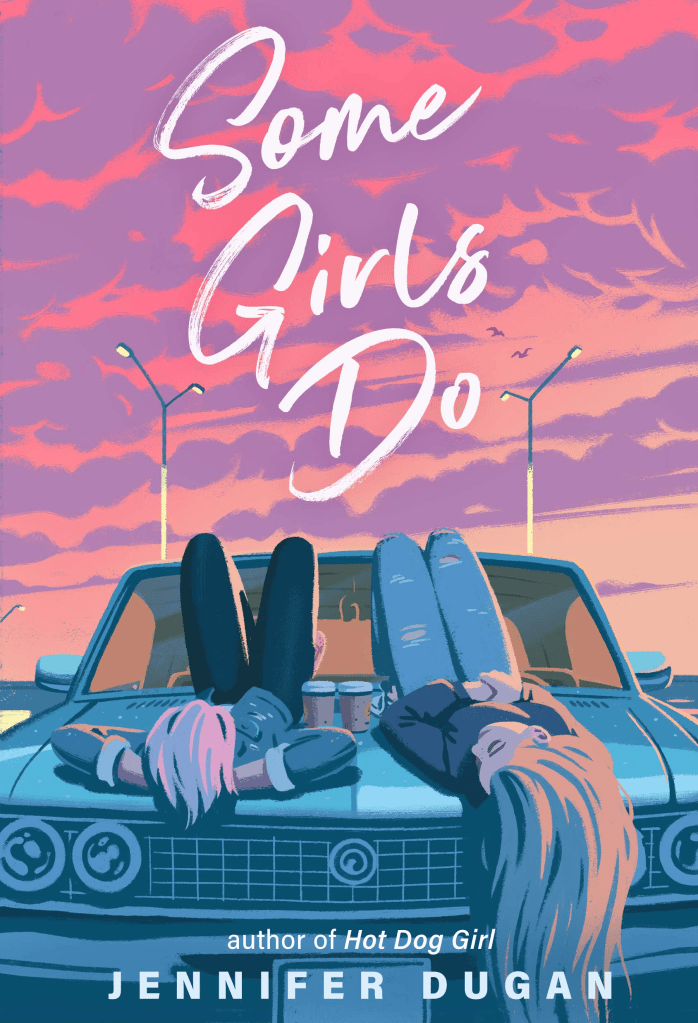
Some Girls Do – Jennifer Dugan“To have the same dream three times a week/Favors too big for you to keep/I have so many mistakes to make/Mistakes to make with you/You know I want them too…”

“Dory Previn” – Camera Obscura

The two-week gap between it doesn’t do it justice, but I’m reaping the benefits from Suki Waterhouse’s episode of “What’s In My Bag?” She’s got taste.

What is it with Scotland and cranking out soft-sounding indie pop bands in the late 90’s and early 2000’s? Does the weather necessitate that kind of tempo? No complaints of course, knowing that they produced this and Belle and Sebastian, who Camera Obscura were heavily influenced by. Even from all the way across the pond, “Dory Previn” has a nearly country twang, but it’s distinctly indie-pop, with its ever-stargazing, wistful delivery of Tracyanne Campbell’s lyrics or the muted instrumentals. The album title, Let’s Get Out of This Country, suggest more urgency, but “Dory Previn” implies that the sentiment is more out of quiet resignation; it’s a song at the crossroads, not ready to give up a lover, but at the same time “Sick of the sight of my old lover/Went under sheets and covers to get away from him.” Simultaneously wrapped up in the waning colors of the sunset and right smack in the emotional middle of 2 a.m., it feels like the exhausted yet determined position right after you’ve cried your eyes out; you’re embarrassed it took this long to decide, but you’re making a change—for Campbell, it’s the mantra-like repetition of “I think it’s time/I put him out of my mind.”

…AND A BOOK TO GO WITH IT:

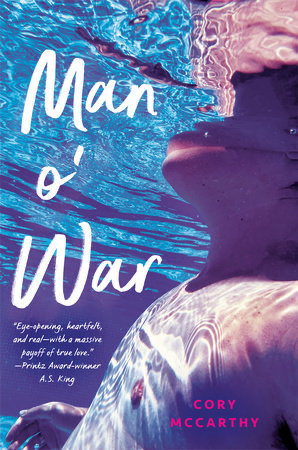
Man o’ War – Cory McCarthy“So I took a glimpse of Montana/Now nothing else matters/I’ll heal eventually…”

“The Wrong Child” – R.E.M.

Can we talk about Green? Genuinely, I think the only thing wrong with the album is that the album cover isn’t green. Probably a joke between the band members and the album artist, but the burnt shade of yellow on the cover does somehow fit how the album feels—sunny, but in a humid, Southern way. Sometimes it’s the eager yellow of energy and intent (“Get Up,” “Stand”), and other times it’s the fading yellow of a sunset over memories curling up and going sepia (“I Remember California”).

I’ve loved this album since late high school, but “The Wrong Child” was one that I was so used to skipping when it came on shuffle that it became lost. To be fair, the beginning is one of the less listener-friendly ones of the album, immediately opening with the out-of-sync clash of the mandolins and the key that Michael Stipe is singing in. (Can we talk about those mandolins? If anything else, Green will make you appreciate what a mandolin can do.) Once you stay with it—and I’m so glad I did on that fateful night in early December—it contains some of Stipe’s most evocative poetry on the whole album. The first verse should be in masterclasses about the ability of music to set a scene:

I’ve watched the children come and go/A late long march into spring/I sit and watch those children/Jump in the tall grass/Leap the sprinkler/Walk in the ground/Bicycle clothespin spokes/The sound the smell of swingset hands…”

The smell of swingset hands! It’s so specific, but I can smell exactly what Stipe is describing, the medley of the sweaty scent of skin with the tang of metal smeared all over it. There’s some gravel mixed in if I dig deep enough. I can feel the tickle of every blade of grass, each ray of sunlight. But more than that, I can feel the deep-seated aching of this song. Over the years, there have been a variety of interpretations of the song, everything from a burn victim reintegrating into society to a young gay boy’s experience of homophobia. In 2008, Stipe admitted that he’s “fine with any and all interpretations that aren’t manifested in real life as harmful, hateful or violent,” but that it was loosely centered around “a kid who is physically handicapped, and left it purposely undefined.” It is distinctly othered song. I can’t relate to the severity of what the subject experiences, but even some of it rings true for me; I did feel isolated from my peers for quite some time, in part due to my SPD, among the varied things that made me different. There was never that outright bullying, but I could see it all in the periphery, the kids that laughed behind their hands whenever I had what they saw as an overreaction to an unexpected sound—some of that “Hey those kids are looking at me/I told my friend myself/Those kids are looking at me” certainly put a bit of a knife in my gut. But this subject has become so removed from society for whatever reason that they yearn for the outside world, even if its occupants do nothing but torment them. They attempt to self-soothe, but in the end, they try to mold themself to the outside world instead of the other way around, repeating the chorus like a mantra: “I’m not supposed to be like this/But it’s okay.” And god, Stipe’s delivery of “it’s okay,” the bleeding rawness of it…oh, god. Yeah. It gets me every time. It delivers that sense that the subject is trying so hard to justify their existence and their right to play with the other kids that they’ve convinced themself that they are inherently wrong. They try and try, but never reach the happiness the other kids have, and the only way they know to try to reach it is to convince themself that they’re the problem, not the prejudice and taunting of the others. That is what any kind of prejudice does to you: it convinces you that, even if you were born in the same way as humans have been reproducing for millions of years, that you’re wrong, and not the fabricated idea of rightness taught from a young age. In the end, I’m glad that Stipe kept the subject undefined, because it does provide a kind of sanctuary, a reassurance that none of us are alone in this experience, whichever lyric rings true.

…AND A BOOK TO GO WITH IT:

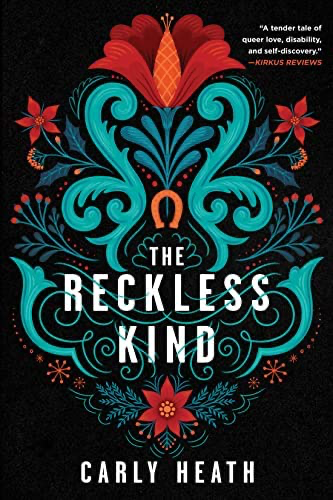
The Reckless Kind – Carly Heath“Hey those kids are looking at me/I told my friend myself/Those kids are looking at me/They’re laughing and they’re running over here/They’re laughing and they’re running over here/What do I do?”

“The Key” – Kristin Hersh

“You don’t inspire a metric ton of trust/’Cause I’m on fire, and so is all my stuff.”

There. I could just leave it at that, and it would explain the whimsical cleverness of this song, kind of like “Little Bird,” which I talked about back in July. Once again, that wouldn’t work, simply because there are just too many good lyrics here. Leave some for the rest of us, Kristin! God. So selfish. Can’t we get some of whatever creativity inspired “If I lived in a pumpkin shell/I’d have the key/And if I had a daughter/She’d look a lot like me?”

I may use the word “whimsy” quite liberally, but there’s a kind of ethereal whimsy to “The Key” that I can only describe in images. This song was a frequent visitor in my dad’s car when I was young; I associate it the most with nights spent on the car ride back from dinner or road trips. As the sky darkened, so did the images in my mind—not in emotion, just in the amount of light that was let in. Kristin Hersh felt candlelit, the kind of music meant to soundtrack a child’s nursery in the early hours of night. The lyrics nearly call to mind Lewis Carroll—save for the absence of made-up words, I wouldn’t bat an eye if you attributed “Copper and snow/Make a dusky blue boy” to one of his poems, if he’d condensed them more. Less British, of course. (Maybe that’s for the best.) We’re not getting too “Walrus and the Carpenter” with it, but we sure are close. “The Key” is inherently soft; in that children’s bedroom, dated maybe 100 years ago, with flowery, peeling wallpaper and lacy curtains, I can see a pink, plush blanket over a bed tucked in the corner, yellowed by a lantern on the dresser. Hersh’s fingerpicking has a comforting repetition to it, chords blending into each other as gently as freshly-washed hair splays out across a pillow. In between all of these images, there’s a ballerina in a music box that squeaks as it spins in a circle. Sometimes it’s the one I had as a kid, sometimes there are subtle tweaks—longer hair, different painted eyes. Like that music box, the repetition is soothing in a way that few songs are—the song’s outro of “and we’d dance all night” is a promise, and one filled with golden-lit joy to come. As Hersh’s guitar fades out, I see that mother and daughter, dancing in circles. I didn’t quite get it when I was younger, but that repetition, that security, swaddled me up like a blanket.

…AND A BOOK TO GO WITH IT:

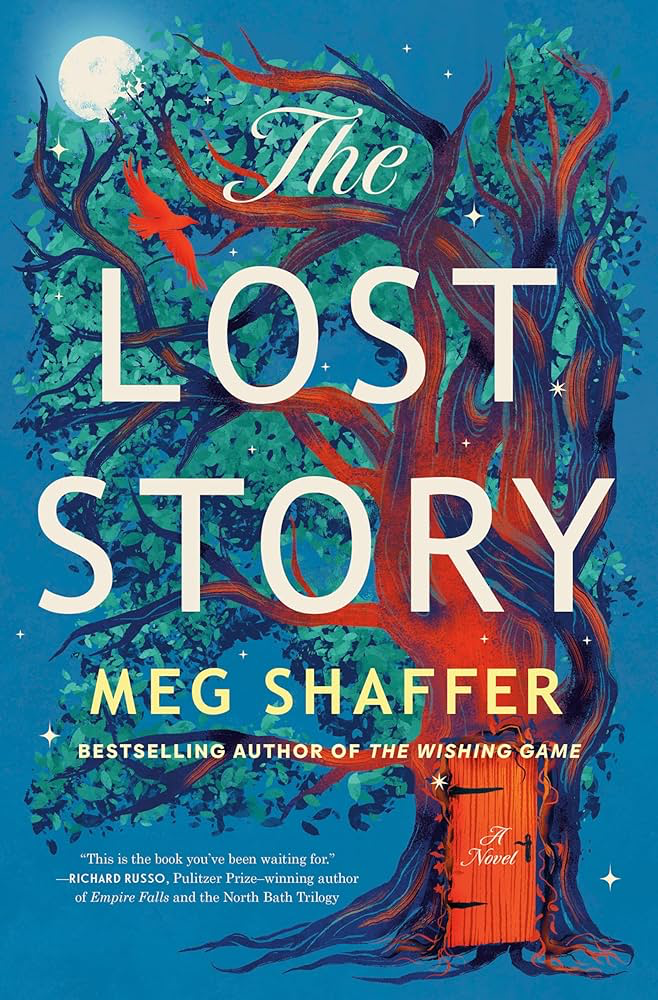
The Lost Story – Meg Shaffer“If I lived in a pumpkin shell/I’d have the key/And if I had a daughter/She’d look a lot like me…”

Since this post consists entirely of songs, consider all of them to be today’s song.

That’s it for the last Sunday Songs of 2024! Have a wonderful rest of your day, and take care of yourselves!

Posted in Book Review Tuesday

Book Review Tuesday (12/24/24) – The Lost Story

Happy Tuesday, bibliophiles, and a merry Christmas Eve (and Christmas, in advance) to those who celebrate! No matter your beliefs, I hope you’re staying warm and spending time with your loved ones this week. Happy holidays! ❄️⛄️🎄🍪

I discovered Meg Shaffer’s debut novel, The Wishing Game, about a month back and loved it. (Bottom line: if you’re an adult who wished they could’ve gotten Willy Wonka’s golden ticket as a kid, READ IT.) Naturally, I moved onto The Lost Story the minute it became available at the library. Although it wasn’t as strong as Shaffer’s debut, The Lost Story is a testament to the healing power of fantasy.

Enjoy this week’s review!

The Lost Story – Meg Shaffer

When they were 15, Rafe Howell and Jeremy Cox went missing in the West Virginia woods. Six months after their disappearance, they came back, seemingly unscathed. What the rest of the world doesn’t know is that they escaped to a fantasy world hidden deep in the Red Crow State Forest. But only Jeremy remembers their odyssey. Now, distanced for 15 years, Rafe remembers nothing about what happened that day, and Jeremy has a magical knack for discovering missing persons.

Emilie Wendell has gotten wind of Jeremy’s talent for locating the missing, and enlists his help to find her older sister, who vanished in the same stretch of woods where he and Rafe went missing all those years ago. With Rafe and Jeremy in tow, Emilie discovers a magical world that could have only sprung from the mind of a child, only visible to those who look hard enough. But confronting this world and its secrets may lead to the very reason that Jeremy and Rafe never spoke of their time together—and the reason why Emilie’s sister never returned.

TW/CW: near death situations, discussions of child endangerment/kidnapping (past), abuse (physical and emotional), homophobia, loss of loved ones (past), fantasy violence, mentions of suicide (past)

I never got around to reviewing The Wishing Game (which I liked better than The Lost Story) here, but it’s safe to say that Meg Shaffer is out here doing the good work, and by the good work I mean writing books about reclaiming childhood innocence and joy via the stories we loved as children. Having read both books, Shaffer really gets the power of stories—and the power of rediscovering them in adulthood. The balance between childlike wonder and whimsy and the harrowing realities that come with adulthood are a difficult balance to strike, but The Lost Story lives in the reality between them and never denies either aspect. Rafe and Jeremy’s journey of healing, rescuing people who may not need to be rescued, and realizing their love for each other was a rickety, emotional ride, but one that, once the plot got going, paid off in spades. Plus, I love that Shaffer made this story a distinctly queer one—I always love queer books, but the fantasy escapism plot with their queer identities made so much sense when you consider how fiction can be a sanctuary for queer people.

Part of what made that aspect of The Lost Story land so well was that Shanandoah truly felt like a child’s wonderland. There was a charm to the misplaced names (the Valkyries being only what a young girl would think of the real Valkyries of Norse myth, for instance) and the over-the-top magical ones, and each fantasy element had the nonsensical aspect of a child’s mind. This world is full of magical horses, impossibly sweet fruit, vengeful spirits, and everything a child could possibly populate a fantasy world with—and all of it is delightful. The Narnia influence was clear (it’s wonderful! Imagine C.S. Lewis without the proselytizing), but there was a whimsy to it that Shaffer excelled in—even if it was separate from the real world, she fully succeeding in making a world feel like it was ripped from the pages of a 13-year-old girl’s notebook.

However, I really didn’t see the point of Emilie being a part of the story. In contrast to Jeremy and Rafe’s complicated relationship, the only thread connecting her to the narrative was the fact that it was her sister who happened to have gone missing. Her personality bordered on grating—there wasn’t much to her other than a determination to find her sister and having her “teehee! so quirky”-isms when the plot called for it. (But did it really call for it?) My main issue with her is that she didn’t have the development that the other characters did. She witnesses the wonders and horrors of Shanandoah and comes out of it having barely changed, save for the fact that she’s reunited with Shannon. In contrast with Rafe and Jeremy, it just seemed increasingly obvious that she didn’t have as much business being there, even though she was purportedly the main character. The Lost Story might have been stronger if she had been nixed entirely—she was placed as the protagonist, but at its heart, it was the story of Rafe, Jeremy, and Shannon, not her.

Additionally, The Lost Story had some issues with its pacing. It took nearly halfway through the book for the characters to reach Shanandoah, the whole premise of the book. The first third or so, although Shaffer’s establishment of the exposition was spread out evenly, tended to drag. Instead of more development that could have lead more to the (excellent) arcs of the characters later on, we get drawn-out scenes of banter between the main characters once they reunite, as well as some tired training montages that could have been flattened out into a much shorter scene. As a result, the first half of the events in Shanandoah were rushed together—our heroes reach this famed fantasy land, and almost immediately, they’re separated and thrown on wildly different adventures that only converge in the last quarter or so. For such a grounded story, there needed to be more even allocation of events that truly mattered, which is why I couldn’t give it the full 4 stars.

That being said, I loved how the duality of the themes were tied together in the end. For all of the characters, the land of Shanandoah was escapism, but they had different ways of handling reality while in it. For Rafe and Jeremy, they couldn’t stay because there were real monsters they had to confront; Shanandoah worked both as a place for them to rekindle their relationship, but also to confront the very real demons back in the real West Virginia. For them, they had to return to the real world to heal. But for Shannon, Shanandoah was the realest part of her life. She had gotten into a situation that no child should ever be placed in, and for that, her childhood wish for another world came true, and it became her sanctuary. If The Lost Story had gone with either interpretation, I would’ve been happy, but I loved Shaffer’s approach in depicting both sides of fantasy and escapism. Fantasy can be a place to ignore all of your troubles, but also a place you return to when you need healing. Even if it’s fictional, it can be the truest, realest part of you. Both can be true.

All in all, a heartfelt and heartstring-tugging fantasy for all of the kids who wanted to return to Narnia. 3.75 stars, rounded up to 4!

The Lost Story is a standalone, but Meg Shaffer is also the author of The Wishing Game.

Today’s song:

That’s it for this week’s Book Review Tuesday! Have a wonderful rest of your day, and take care of yourselves!

Posted in Sunday Songs

Sunday Songs: 12/22/24

Happy Sunday, bibliophiles! I hope this week has treated you well.

Before I begin, here are the Sunday Songs from the past two weeks, as I had to crawl my way through finals hell and didn’t have time to write here. As with Hounds of Love, I PROMISE that I’ll end up talking about Before and After Science: Ten Pictures someday, because that album is spectacular. In the meantime…

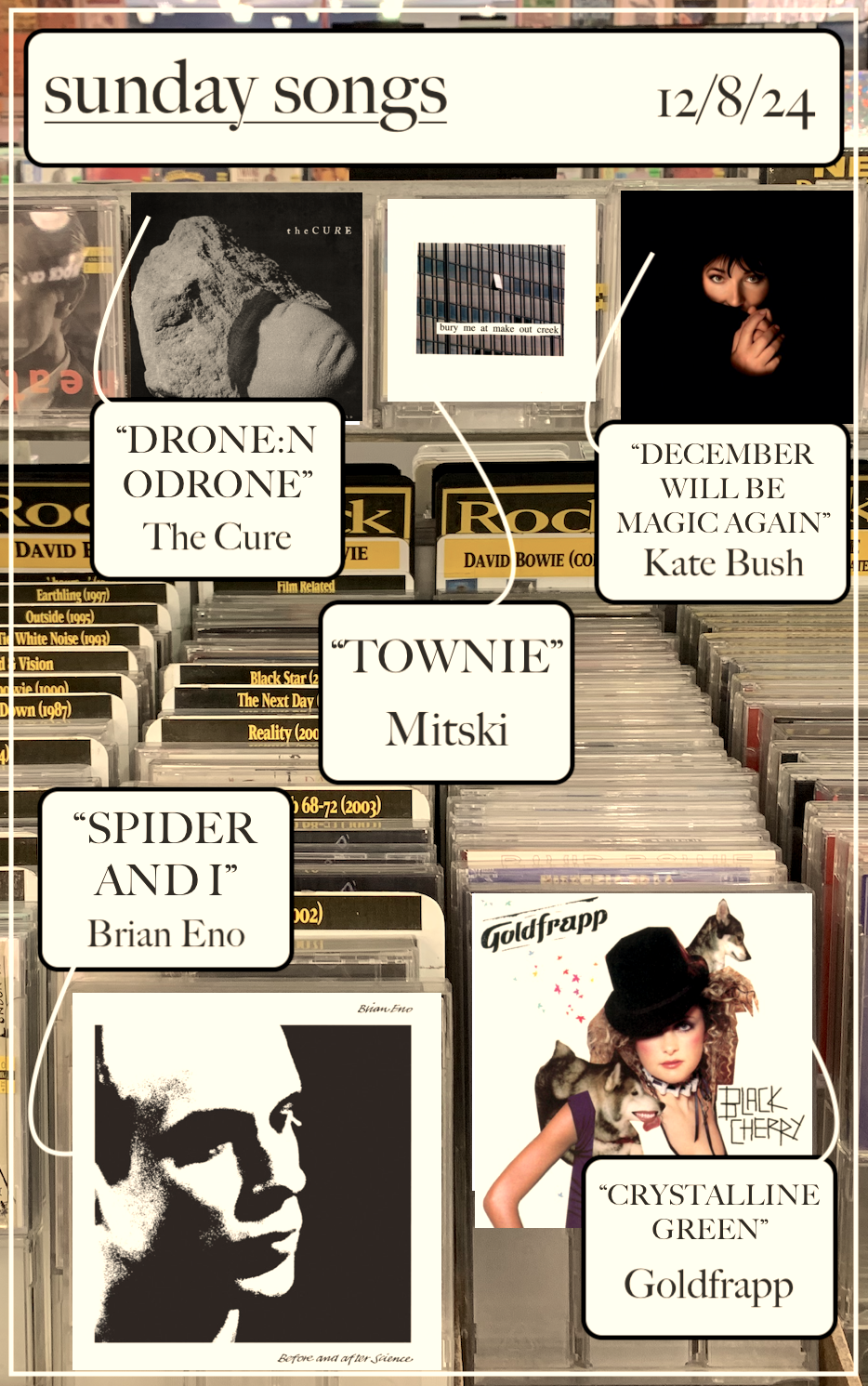
12/8/24:

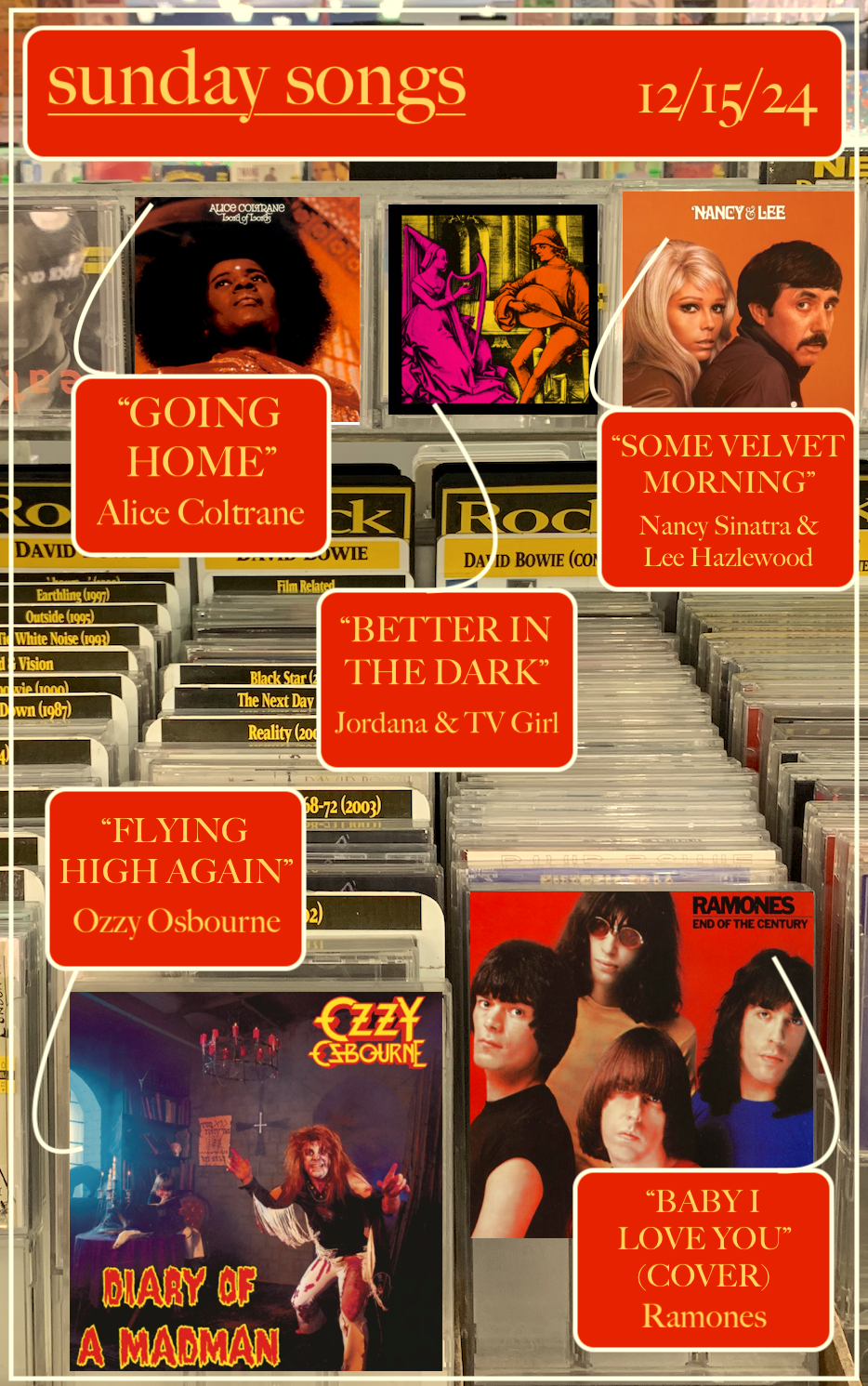
12/15/24 (or, “I haven’t seen Priscilla, I’ve just seen Suki Waterhouse’s episode of What’s in My Bag“):

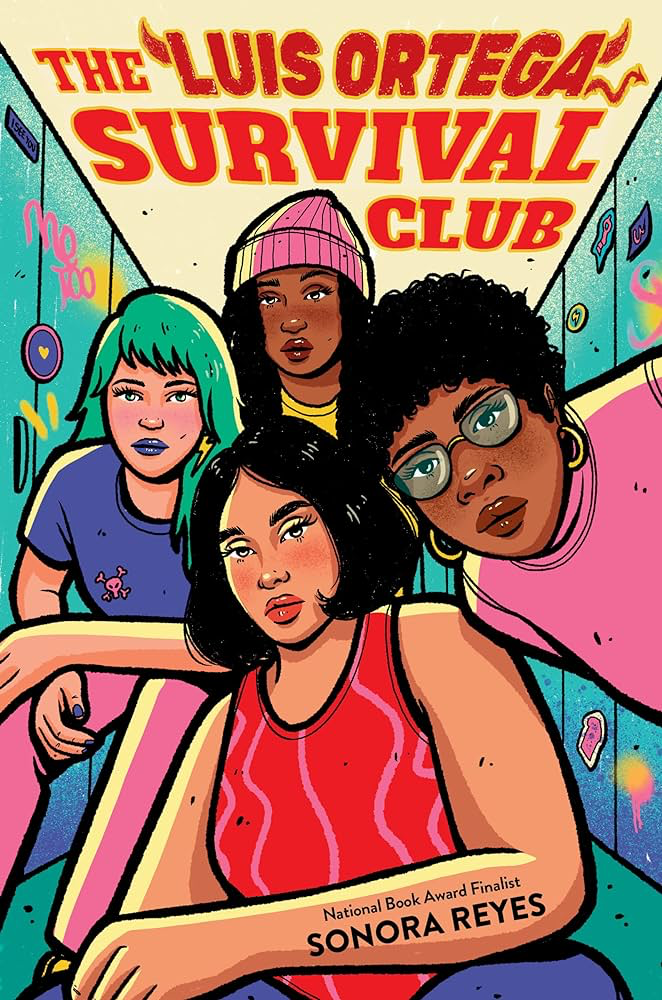
This week: I didn’t intend for a) my color scheme to line up with the trans flag or b) the cover of this week’s Book Review Tuesday, but trans rights. Obviously.

Enjoy this week’s songs!

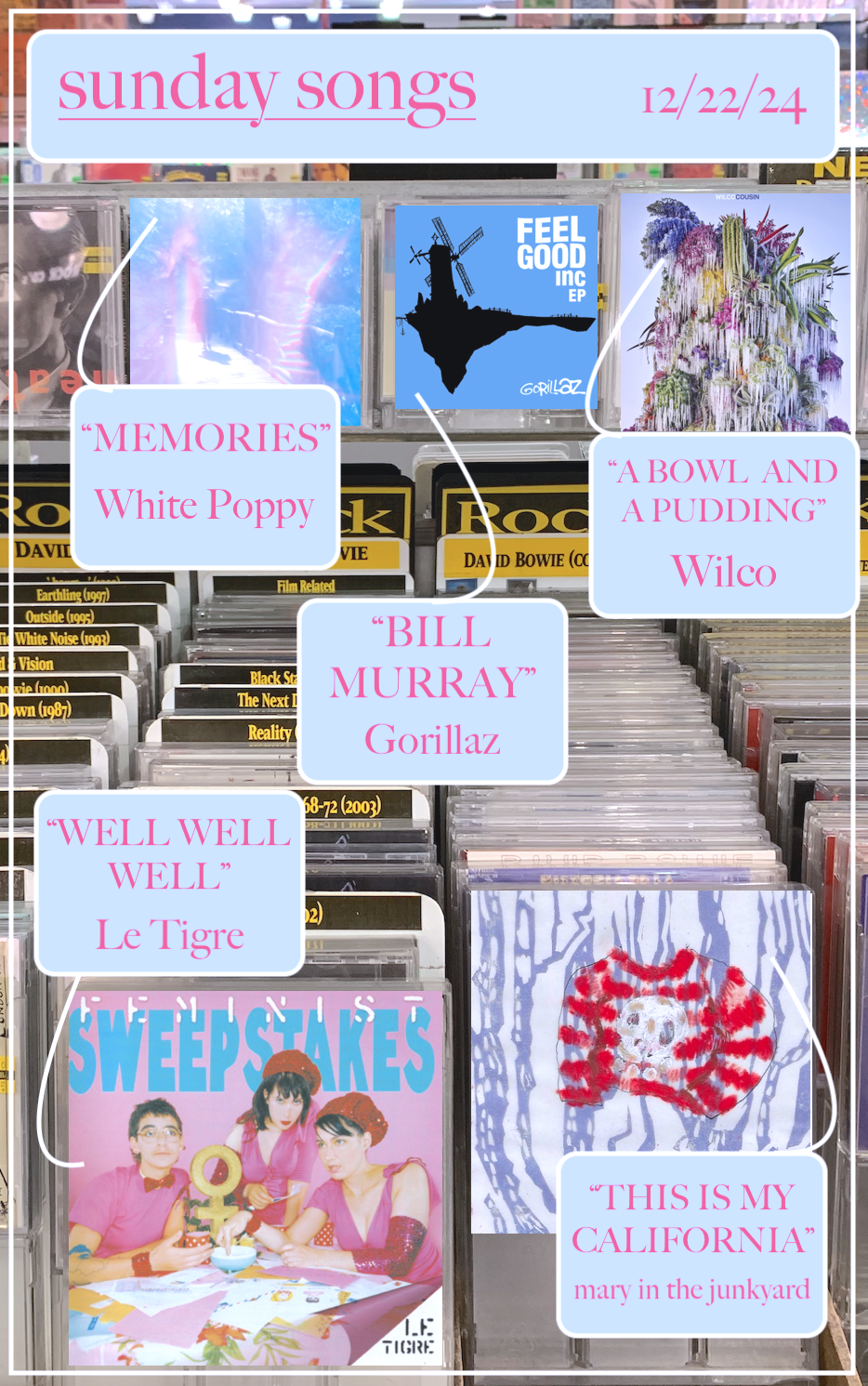
SUNDAY SONGS: 12/22/24

“Well Well Well” – Le Tigre

There’s nothing like looking through YouTube comments on this video and slowly piecing together that there was some kind of huge argument under them circa 2008 that, because of it being so far back, is impossible to trace the beginning or end of because the reply function gets weird to track after 10 years or so. Not to be defeatist about these things, but it seems that so long as there arises new technology, humans will find a way to use them to engage in pointless arguments. Given the band, there’s probably some butthurt republican of yesteryear at the end of it, but the point still stands. (But also, who the hell goes into a Le Tigre song and thinks “ah, yes, this will align with my conservative views?”)

Le Tigre is going to prove a vital wellspring to tap into for the next four years or so. In these dark times, we look to the gospel of Kathleen Hanna. (Also to my mom, who was the one who remembered “Well Well Well” in the first place). This is one of the songs where Le Tigre’s switch from Bikini Kill’s guitars to synths makes perfect sense—it’s a song of going through the motions, not unlike a machine. Hanna and Johanna Fateman deliver the lyrics with all of the enthusiasm of reading an instruction manual: “Well, what do you like/And what do you need?/How should I act/And who should I be?” Never have I heard a song so delightful in its over-the-top performance of being perfunctory: there’s no pleasure to any of it.

Which brings me to the subject matter—given some of the subtle (and not so subtle) sexual references in the music video (which was incredibly made, so kudos to Elisabeth Subrin and her direction), there’s an overtone of women being expected to exist only to please men, especially when sex is concerned. It’s all about men’s pleasure, and as with the lyrics, there’s no regard of what the woman wants—it’s all just “What, where, when, how, when, who?” on the woman’s part. Even if, sadly, that one Ben Shapiro tweet is fake (we all know that the sentiment behind it is probably true), even now women are expected to always be receptive, anticipate of every single need of men, and exist only to fulfill their needs. Obviously, it extends far beyond sex and into any aspect of life, as any woman or AFAB person knows all too well. That’s part of the genius of Subrin’s music video—aside from the fact that the fonts and animations are gloriously early-2000’s, the corporate atmosphere of it does capture the restriction of being under those patriarchal expectations: going through the motions and constantly awaiting another mindless task that brings you no pleasure. Genius.

…AND A BOOK TO GO WITH IT:

The Luis Ortega Survival Club – Sonora Reyesthe story of an entitled boy who thinks that he can get away with anything—and the students who push back against his chauvinist actions.

“this is my california” – mary in the junkyard

A promise for the new year, or at least for the next few weeks: this is not the last you’ll be hearing of mary in the junkyard here on The Bookish Mutant. The band name (who’s mary and why’s she in the junkyard?) was what originally grabbed me, but discovering them turned out to be those once-in-a-blue moon finds—they combine a reverence for 90’s alt-rock with an artsy sensibility that’s distinctly 21st century, unafraid of letting their melodies collapse like a crushed-tin can and reform as an entirely different creature. They’re good. They’re the product of a collapse of sorts—founding members Clari Freeman-Taylor and David Allison were originally part of Second Thoughts, a band that found success on TikTok but grew increasingly stifled by the music that made them popular. Their move? Break up, switch around some members, and start anew.

“this is my california” is one of their gentler, more restrained efforts (you’ll see what I mean next week…stay tuned), but even their restraint feels fresh somehow. I’ve pinpointed several comparisons for mary in the junkyard, but the one that immediately comes to mind for this track is Luna. From the easygoing, sidewalk-ambling pace to the warm pulsation to guitars to…well, you can’t blame them for the California part. It doesn’t help that “this is my california” rings close to “California (All the Way),” but it doesn’t feel like a rip-off—in fact, that wide body of songs about California makes the pairing enhance the lyrics. Freeman-Taylor has never been to California, but described it in an interview with Northern Transmissions as “a paradise or idea of success that didn’t really resonate with me.” Her California, as it I’m sure it is for hundreds of people, owing to Hollywood and its side effects, is an ideality, but one that’s just out of reach—”My dream/Comes from the pale light of a bright blue screen.”

It feels like a critical part of growing up and realizing that your lifestyle doesn’t align with what you once thought it did. You’re stuck in that place and think that you’re the only one feeling this way, but you realize that the path before you is even clearer than before. That image of California is a place for other people’s dreams, but not yours—there’s a physical distance, too. Certainly fits with that separation from the earlier sound they were boxed into before forming this band. These lines sounded wistful to me at first, and there’s plenty of wist to go around, but one of the last ones sounds more liberatory now than anything: “If you go to California/We will not stay in touch/I’ve never been to California/And I will keep it as such.” I feel this song echoing through me in every transition—getting away from my middle school classmates in high school, then realizing in college that my high school classmates wanted a different kind of college lifestyle than I did and forging my own path. Not everybody needs California. Lots of natural disasters and whatnot.

…AND A BOOK TO GO WITH IT:

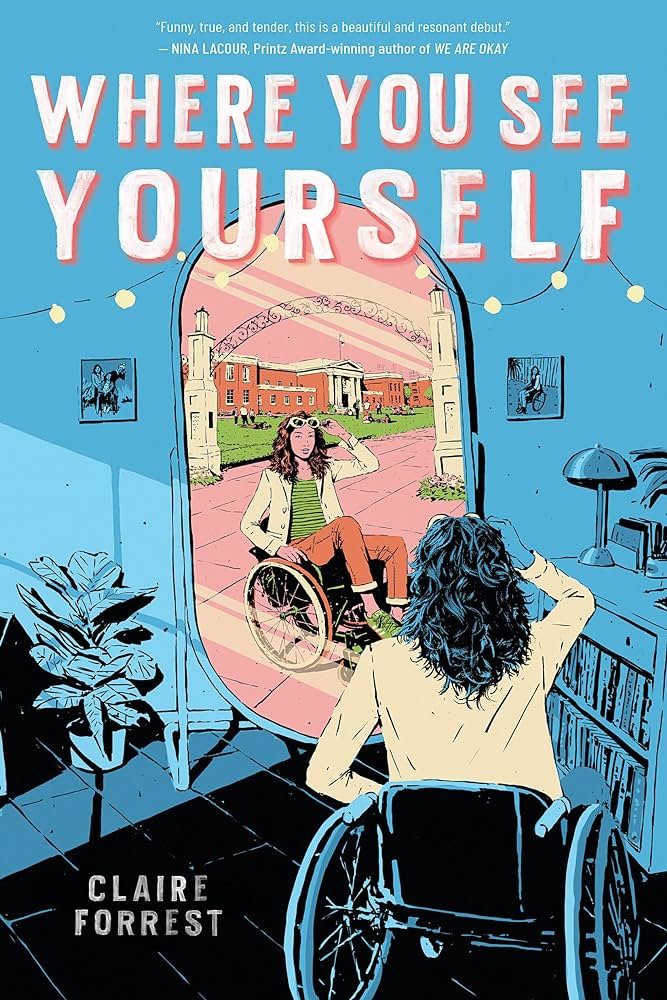
Where You See Yourself – Claire Forrestdiverging from other people’s expectations, but also the ones you’ve set for yourself.

“Memories” – White Poppy

If anyone on this Earth is deserving of being named Crystal, I think it’s a musician who makes a song like this. Her name is Crystal Dorval, and I really, really wish I remembered how I discovered her song, for the life of me. It was all a haze. I realize I’m talking like an aging stoner recounting the sixties. But no, it was the COVID lockdown, and to this day, I’ve never touched drugs of any kind, unless you count coffee. I floated from album to album, song to song, not quite absorbing all of them, but all of them sticking to me anyway. “Memories” is one such artifact from that time. I don’t remember where I found it, but it sticks—unpainfully and untainted thankfully—as a distinctly May 2020-or-thereabouts artifact.

“Memories” is one of those rare songs where the feel of the song, the album title and the album cover collide to create the most cohesive picture of the music possible; the pale blue and pink filter on the cover, combined with a lens flare that punctures the image of a person walking down a bridge into a forest, is as rippling and light as the music itself—Paradise Gardens is the name of the album, and, very likely, where that bridge leads. (Was this what George Bluth Sr. was missing all along?) As crystalline as Crystal Dorval’s name, “Memories” twinkles along in a dreamlike haze, untethered save for the thick baseline keeping it anchored. Even that anchor ripples with the rest of the glimmering, the edges blurred along with Dorval’s echoing vocals, which do sound like the whispers echoing from inside of a glittering geode split open. It took me until my Cocteau Twins summer to bridge the gap, but if you’re searching for something close to a modern analogue, look no further. Nobody can top them, of course, but Dorval has most certainly attended the Liz Frazer School of Dreamlike Music. I suspect the reason that she didn’t get a perfect score was because her lyrics are decipherable and have a concrete meaning. Either way, if you need to drift off for four minutes and five seconds, climb aboard.

…AND A BOOK TO GO WITH IT:

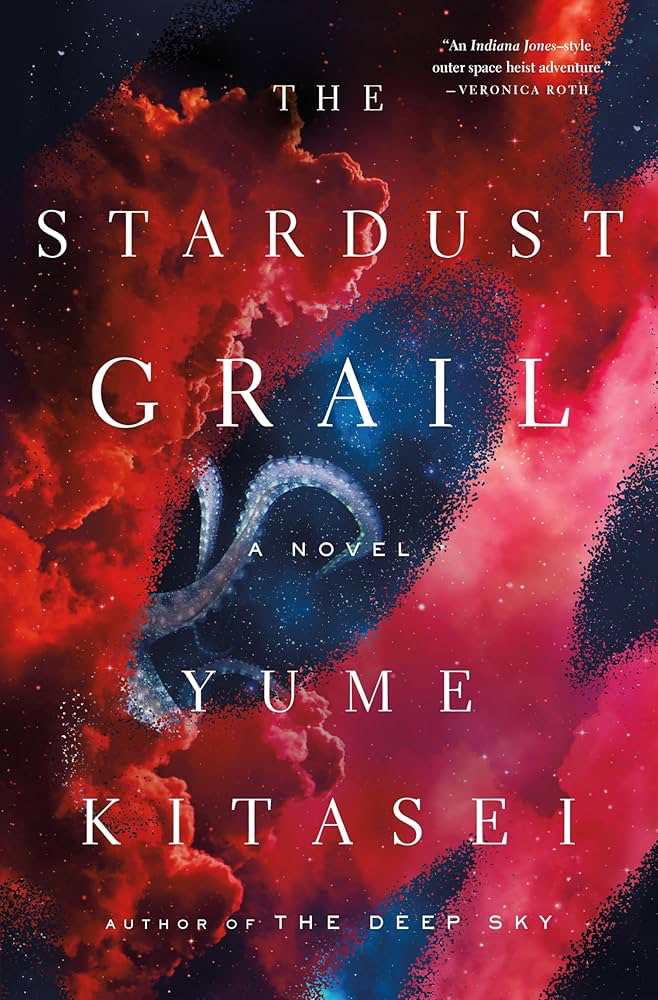
The Stardust Grail – Yume Kitaseithe album cover for Paradise Gardens, as well as the dreamy feel of the music, ripples in a similar way to how I imagined Auncle’s chromatophores. I promise it makes sense.

“Bill Murray” – Gorillaz

The joys of being a fan of a band with a treasure trove of B-Sides (or D-Sides, I should say) never end. It’s intimidating to see two whole albums of B-Sides from Gorillaz in particular, but if anything positive can be said about the Apple Music algorithm, it reminds me that they exist.

Being the B-Side for “Feel Good Inc.” has to be the worst job in the world for a song. It’s a dirty job, but someone’s got to do it. When I say that “Bill Murray” is an afterthought, I don’t mean it in a derogatory way at all. It does feel distinctly like a B-Side, but some songs are meant to be B-Sides—products from restless minds that were never meant to be center stage, but create a more nuanced picture of what came out of their famously fruitful sessions. Even the title is a bit of an afterthought—the lyrics aren’t much to go off of, but Jamie Hewlett suggested the name off the cuff after seeing his name in a magazine while discussing the song with Damon Albarn. Even though it only came to fruition during Demon Days, it traces its origins back to 1999, for the recording of Gorillaz’s self titled album. “Bill Murray” screams Phase 1, and that’s what so charming about it to me—Albarn’s wistful vocals, backed by The Bees, call back to the plaintive high notes of “Man Research (Clapper),” while the easygoing rhythm could fit right in with “Slow Country.” Had it been sandwiched between, say, “Sound Check (Gravity)” and “Double Bass,” it could have been a smooth transition—a temporary cooldown for an album brimming with energy. But on its own, “Bill Murray” proves that even the songs that Gorillaz cast aside in its early days were constructed with nothing but passion and intricacy.

As I said, even Gorillaz’s afterthoughts had plenty of polishing up on their own. Here’s an extra from the special edition of Bananaz, where you can see Albarn, Hewlett, and The Bees recording this song, complete with the usual antics (and chicken noises).

…AND A BOOK TO GO WITH IT:

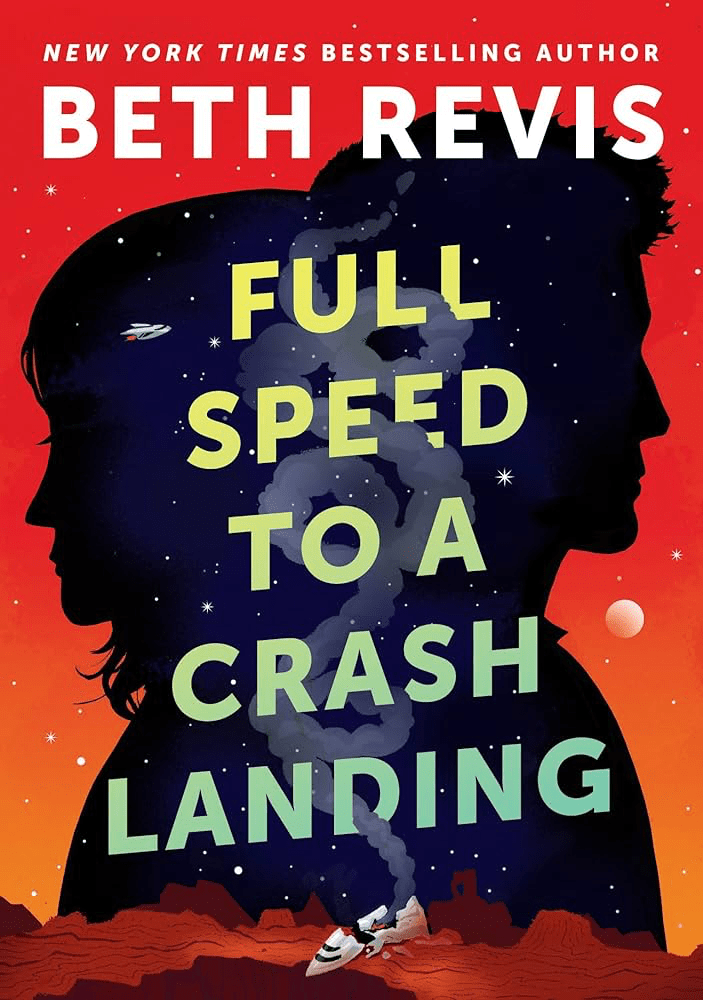
Full Speed to a Crash Landing – Beth Revis“Bill Murray” seems right at home in the atmosphere of this novella—even amidst all of the climactic space opera machinations, Ada has time to quip and slip into her easygoing personality.

“A Bowl and A Pudding” – Wilco

Cousin, huh? It truly is the gift that keeps on giving. As full of hidden miracles as Cruel Country was, I think I’ll side with Cousin at the end of the day if we’re picking sides as far as 2020’s Wilco albums. (But why pit two Tweedys against each other?)

The more Cousin reveals itself to me, the more the album art makes sense. The original art is a photograph by sculptor Makoto Azura; this piece is Frozen Flowers 2023, and it’s one of his many botanical sculptures, many of which are frozen and propped into snowy landscapes. As much of a visual learner as I am, his sculptures immediately draw me to the sense of touch; with every separate flower frozen into its neighbor, I can imagine the ridges of icicles under my fingertips, of the curve of each individual petal and leaf as they were compressed into coldness. It’s so befitting of Cousin because the whole album is an exercise in textures. As with each individual shade of the vibrant botanicals in the sculpture, unique sounds blister and twirl next to each other, from the ear-popping cacophony (and possible all-time album opener, for me) “Infinite Surprise” to the dusty dewdrop softness of “Sunlight Ends.”

“A Bowl and A Pudding” was one of the Cousin tracks that flew under the radar for me. The bar was unreasonably high after some of the tracks that I mentioned, as well as “Pittsburgh.” No skips, the more I think about it, and this track adds to that pantheon. In comparison to some of the more in-your-face textures on the album, this song is more understated; it’s more of the woolen fibers of a sweater or the gentle trickle of water after you’ve left the faucet running by mistake. It’s softly cyclical. The acoustic guitar notes swallow themselves, the fingerpicking as gentle as sunlight through a window. Tweedy’s lyrics are similarly cyclical, every one parroting the other in whispers, laying bare the dissolution of a relationship. That calmness makes the title feel like a still life. It’s up to you whether the bowl and the pudding are two separate items or if the pudding is in the bowl by design…or maybe that’s the point of the lyrics. Is it? Is the togetherness of the bowl and the pudding meant to reflect the separation and alienation that Tweedy narrates as someone he loved slips away from him? The bowl loves the pudding because it fills up the empty space that was molded to hold something. The pudding loves the bowl for the security, but does the pudding want something more? Can it be contained? Is the pudding in question the kind that is even served in a bowl in the first place? Is the bowl sick of being created solely as a vessel to hold other things?

Oh, god. Got too English major with it. A note to my parents: I guess this means that my degree is going to good use?

…AND A BOOK TO GO WITH IT:

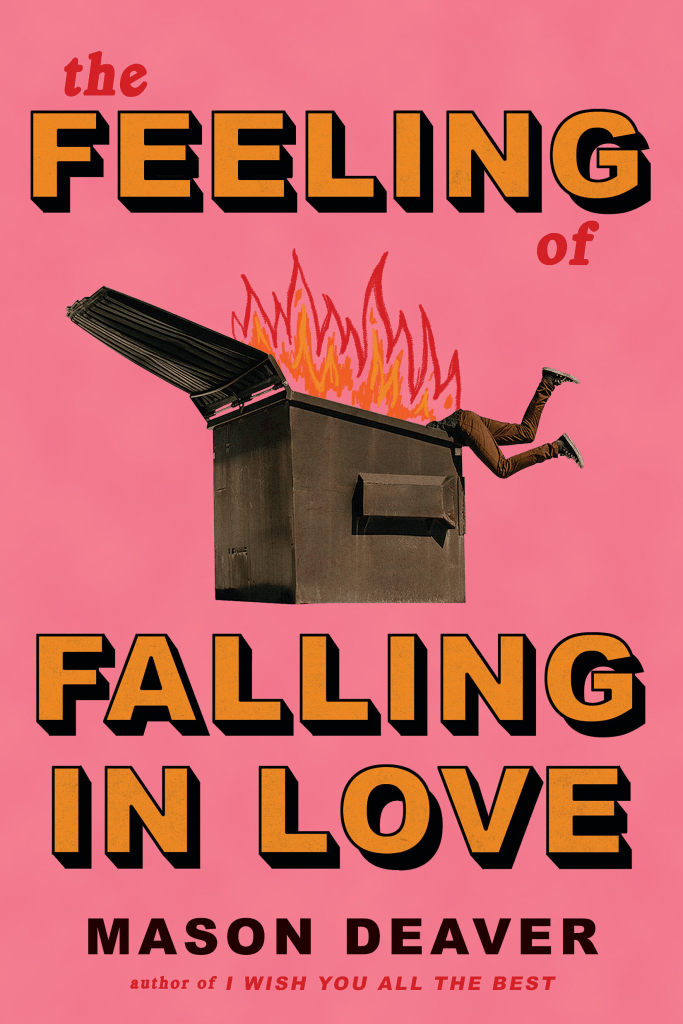
The Feeling of Falling in Love – Mason Deaver“I can tell/How long this night is gonna be/And the one you love/Is not me…”

Since this post consists entirely of songs, consider all of them to be today’s song.

That’s it for this week’s Sunday Songs! Have a wonderful rest of your day, and take care of yourselves!

Posted in Book Review Tuesday

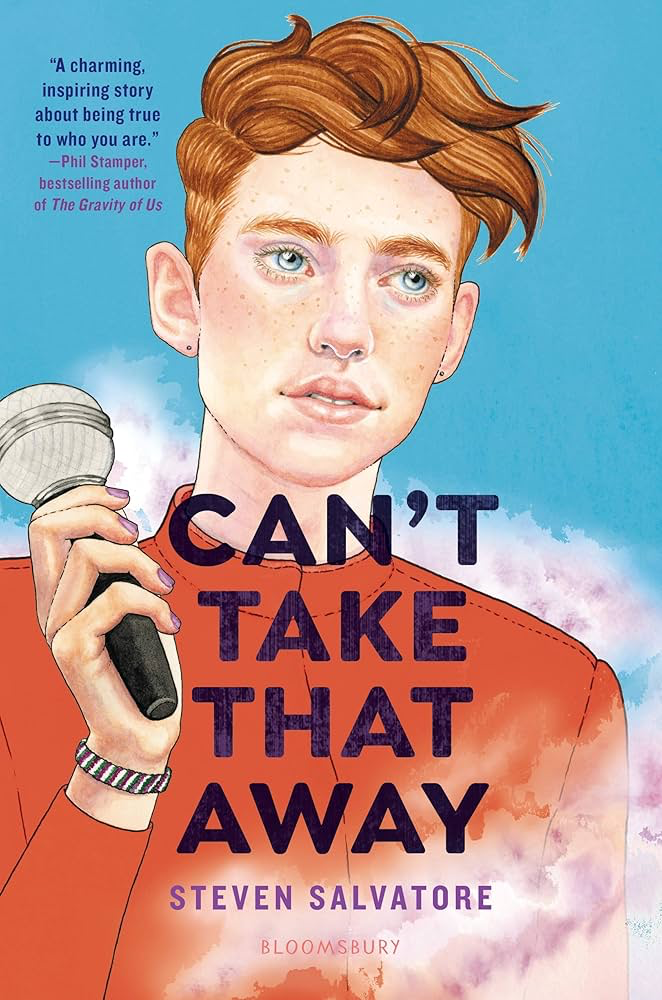
Book Review Tuesday (12/17/24) – Can’t Take That Away

Happy Tuesday, bibliophiles!

For the time being, I’m back! Safe to say I was swamped this semester, so I’m glad that I’ll have about a month of rest before I go back to school for the spring semester. When I wasn’t writing here or in my WIPs, I wrote around a combined 24 combined pages for various papers…and they say being an English major is easy…

Either way, I’ve had Can’t Take That Away on my radar since it came out in 2021. As with most other books on my TBR, there’s no real rationale for it languishing there for so long. I ended picking it up because of the premise; queer YA and MG books are bearing the brunt of bans and challenges here in the States, so I wanted to support them whenever I can (even if it’s already a good amount of what I read). (I can’t find anything definitive on whether or not this one was actually banned or challenged other than one Goodreads reviewer shelving it as such.) Either way, though it had its flaws, the storyline of Can’t Take That Away feels ripped right out of the headlines, and it’s a vital piece of literature for trans teens looking to find their voices.
Enjoy this week’s review!

Can’t Take That Away – Steven Salvatore

Carey Parker was born to be a diva. With an unwavering love for Mariah Carey and aspirations of stardom, they have fought tooth and nail to express themself the way that they want. So when a friend convinces them to audition for Elphaba in their high school’s production of Wicked, they seize the opportunity—and land the leading role. Yet in spite of their apparent talent, parents and teachers cause an uproar about genderqueer Carey’s casting in the role of a leading lady. With mounting threats to kick them out of the play and dismantle the production all together, Carey must find their voice in order to prove that they deserve to be heard—and sing.

TW/CW: homophobia, transphobia, misogyny, misgendering, physical assault/violence, descriptions of injuries, bullying, gender dysphoria, suicidal ideation, cheating, loss of loved ones

I have nothing against Wicked, but reading this while being oversaturated with all things Wicked every time I opened up Instagram was an experience, for sure…I guess if Carey were a real person, they’d be over the moon at the prospect of the movie, so there’s that.

Without a doubt, Can’t Take That Away is a story that needed to be told. For the most part, I applaud Steven Salvatore for delivering this novel with unflinching realism (about 90% of it, at any rate. More on that later). The plot—parents and teachers cause an uproar when a genderqueer teen takes on the role of Elphaba in their high school’s production of Wicked—feels like a headline waiting to happen. I have no doubt that it’s already happened. My only minor complaint is that the main villains (Mr. Jackson and Max) felt cardboard, but they too, in a way, felt like the adults raving and ranting about “gender ideology” and the online trolls bent on tearing queer people down. They leaned on the side of exaggeration, yet…some people are just like that, unfortunately. That realism is what fueled the story; Carey’s manifold struggles, from grappling with gender dysphoria, bullies, and first love, was delivered both candidly and sensitively. Salvatore didn’t hold back from the ugly parts of some of these topics (be warned—happy ending aside, it’s a rough ride), but it made them all the more important to show that, like the plot, Carey is as real a person as your trans classmate. Carey could easily be someone in your life, and that was what made the story ring so resonantly.

That being said, I felt that the romance was incredibly messy, and not necessarily in a good way. Having Carey have their first love as they’re fighting to find themself was a good side plot in concept, but…it was just a dumpster fire for no reason. I don’t know if this is just me reading YA and no longer being a teenager, but half of the romantic drama felt unnecessary in contrast to the very timely, very upfront main plot. Why did Carey need to kiss some random guy in a basement while they were dating Cris? How are Carey and Cris just okay with everything that the other did? Maybe this is just me, but if my partner kissed somebody else in a basement while we were dating, I wouldn’t come running back…see? MESSY. Can’t Take That Away already had high drama aplenty, and I know that’s a hallmark of YA to some extent (that I appreciate), but this bordered on ridiculous.

I’m rather conflicted about the ending. It was wrapped up quite neatly, which isn’t inherently a crime, especially since it’s YA. There are bound to be some things that are tied up more nicely than they would be in real life. Can’t Take That Away is aimed at high schoolers, and unless it’s too neat, this quality isn’t always an instant flaw in YA books. That being said, Can’t Take That Away bordered on taking that to an extreme. After the protest, the cops are immediately on the side of the queer people and people of color, and have almost no hesitation about punishing the white male perpetrators of the hate crimes. Carey’s protest immediately goes viral, and they get so famous that they get free tickets to see Mariah Carey and go onstage and sing with her. The bad guys get their comeuppance almost instantly, and the good guys get the greatest rewards possible. I’m not saying that Carey and company didn’t deserve a happy ending—they absolutely did—but it felt unrealistic to a point where it almost felt like the fulfillment of a fantasy. Sure, that’s what writing’s for to some extent, but when dealing with a plot that felt ripped from the headlines, the resolution felt much less so. You can give characters a fulfilling, satisfying victory that feels earned and realistic!

Yet at the same time, queer kids deserve these kinds of stories. There are easily infinite examples of straight characters getting unrealistic endings that end in instant fame and wish fulfillment, so why shouldn’t Carey? Why shouldn’t all of the trans kids reading their story? Yes, it made me roll my eyes a little when this story, one that ended well enough, had to escalate everything to “and then Carey got everything that they ever wanted in life! Yippee!” But after the deluge of hatred and violence that Carey endured throughout Can’t Take That Away, why shouldn’t they get that ending? This novel is not escapist by any stretch of the imagination, but there’s a kind of necessary escapism in these stories—very real circumstances resolving with the absolute best possible outcome with no strings attached. Sure, it was a stretch, but Carey deserves it—and so do all of the queer teens reading this book.

All in all, a book with flaws here and there, but ultimately proved a timely story about finding your voice. 3.5 stars!

Can’t Take That Away is a standalone, but Steven Salvatore is also the author of And They Lived…, No Perfect Places, The Boyfriend Subscription, and the forthcoming novel When Love Gives You Lemons, which is slated for release in May of 2025.

Today’s song:

this is the least fitting pick for a book about a teen who loves Mariah Carey, but I only pair books with songs in my Sunday Songs, so…enjoy the whiplash. Bon appetit!

That’s it for this week’s Book Review Tuesday! Have a wonderful rest of your day, and take care of yourselves!

Posted in Sunday Songs

Sunday Songs: 12/1/24

Happy Sunday, bibliophiles! I hope this week has treated you well.

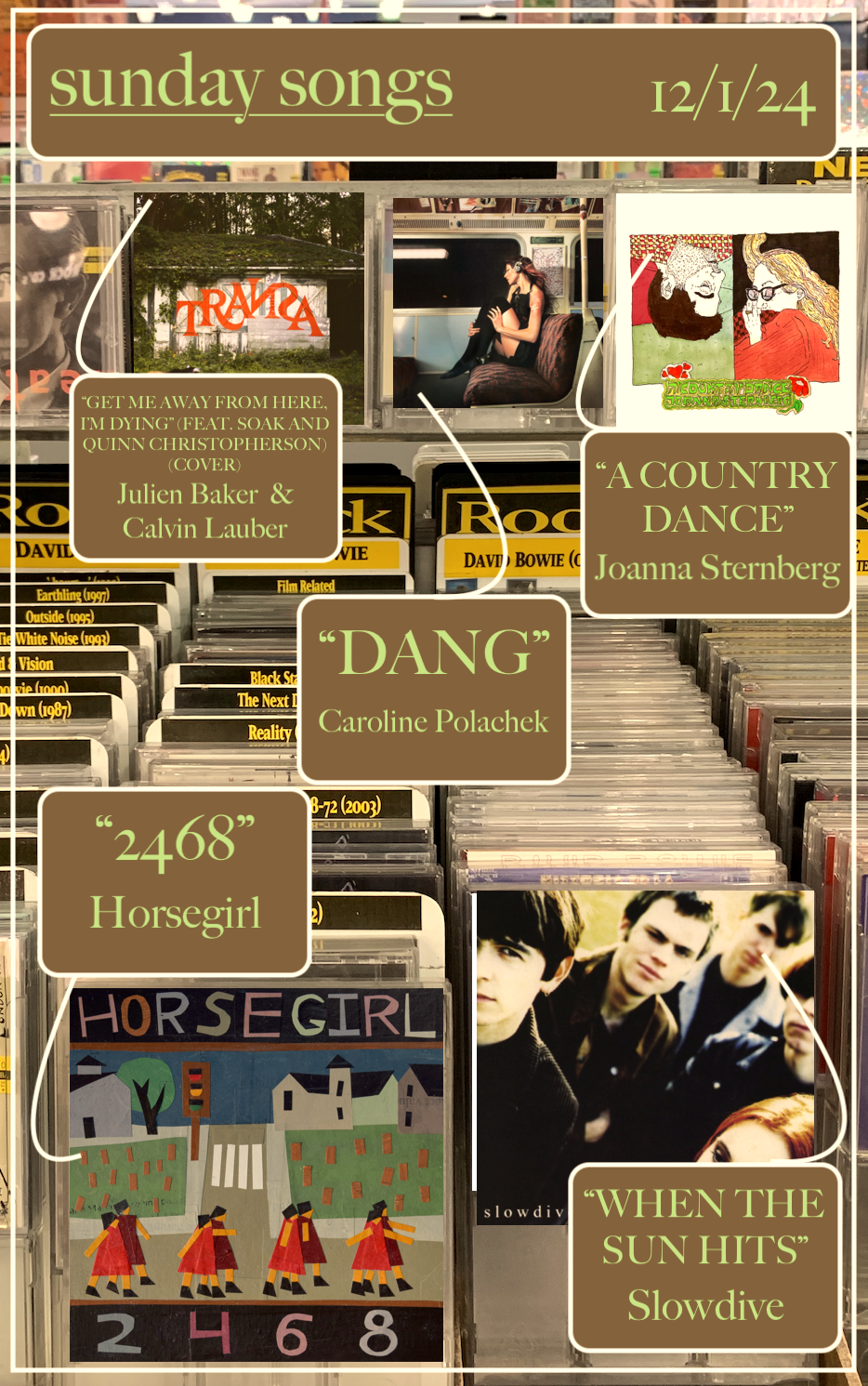
This week: apologies for the whiplash lineup, but if your shuffle hasn’t whooped you with Julien Baker and Caroline Polachek back to back, have you even lived?

Enjoy this week’s songs!

SUNDAY SONGS: 12/1/24

“2468” – Horsegirl

2024 was such a powerhouse year of fantastic albums that I’ve found myself wondering how 2025 could possibly measure up. Of course, the future’s unwritten, to quote Phoebe Bridgers, but if the upcoming solo Tunde Adebimpe album and this are anything to go by, it’s gonna be another fantastic year of music. Or at least a fantastic February, now that we have new Horsegirl on the horizon! Their second album, Phonetics On & On (if there was ever a more Horsegirl album title) comes out on Valentine’s Day next year, so I’m officially spoken for, thank you very much. It’s produced by none other than Cate Le Bon (!!!), and no matter how utterly pretentious I sound for getting excited about Horsegirl being produced by Cate Le Bon, oh my gooooooood (nobody got that), I remain excited after finally listening to some of Le Bon’s weirder solo albums and knowing the magic she worked with Wilco on Cousin back in 2023.

Horsegirl have always been an artsy bunch, taking inspiration from everyone from Brian Eno to Built to Spill, but “2468” reminds me of their picks from their episode of What’s In My Bag?—specifically their last one, The Feelies’ Crazy Rhythms. Penelope Lowenstein described a moment on that episode where she was supposed to be doing homework in Spanish class and was listening to The Feelies instead and felt like “the coolest person in the world.” I’ve always respected The Feelies, but they just make me anxious. Props to them for having their music so sanded down that there’s no wrinkles whatsoever, but it feels like the point after you’ve enjoyed your coffee and the caffeine jitters start to set in, but you have to stay put in your seat. They feel itchy, weirdly. Like something’s trapped in the music and is clawing to get out, but The Feelies just won’t let it. Good for them, man, but the nervous energy transfers very easily. “2468” is proof that Horsegirl’s uptight needle is quivering in the direction of The Feelies, but for all of their toy-solider precision, I don’t think they could ever be that itchily nervous. All of the lyrics are spoken deadpan, in some sort of no-man’s-land between nursery rhymes and marching orders, complete with a little “da-da-da-da-da-da-da-da” in case it gets too strict. With the band decked out in their best Wes Anderson fits, they shuffle and paddy-cake around as their well-oiled machine skips along. They may be taking after their uptight forefathers, but they’ve left themselves plenty of leeway to jump around—and those artsy leaps are what make me the most excited for what the future holds for Horsegirl.

…AND A BOOK TO GO WITH IT:

Early Riser – Jasper Ffordedelightfully odd in both concept and writing.

“When the Sun Hits” – Slowdive

Dread it…run from it…shoegaze always arrives on this blog.

I guess I was too mired in Spiritualized (and a sprinkling of Beach House) to get into Slowdive sooner, but it was always at the back of my mind, even when I’d never listened to it yet. I’d seen them floating around in the same musical circles that I listened to, not to mention my awesome honors English teacher from high school wearing a Slowdive shirt out of nowhere for band shirt day during spirit week. (My high school’s English department happened to be very shoegazey. I bumped into that same teacher at a Spiritualized concert in my senior year.) I should’ve hitched a ride on the bandwagon after Soccer Mommy covered “Dagger” last year, but here we are. Look, I know “When The Sun Hits” is their most popular song, and I’m a poser, yada yada yada, but LORD, this is beautiful.

For me, what separates shoegaze is its ability to create an atmosphere. J. Spaceman is the undisputed king (in my mind) in that regard, with his ability to create cosmically lived-in music that sounds all at once intimately personal and wide enough to swallow the world whole. “When The Sun Hits” stirs up that same feeling; the production is nothing short of cavernous, capturing the dappled reflections of water on the walls of a cave and the stringy sunlight shyly peering in. Both the vocals of Neil Halstead and Rachel Goswell take a blinding backseat to the mounting ocean of sound that reduces all else to a wavering echo. Slowdive were one of many alternative bands inspired by David Bowie’s Berlin trilogy, citing Low and Lodger as key influences, but funnily enough, I discovered this song through this inspired mashup of this track and David Bowie’s “Heroes.” I’d be surprised if that missing album didn’t creep in there, given how seamlessly the chorus of “When The Sun Hits” glides into Bowie’s opening chords. Having the first line of the pre-chorus be “It matters where you are” is a choice that defines the song’s experience: when you’re in the midst of experiencing it for the first time, all else seems to fall away. You can’t help but be pulled into the undertow, to be in the present, just to experience this song. That’s shoegaze.

…AND A BOOK TO GO WITH IT:

The Heart of the World (The Isles of the Gods, #2) – Amie Kaufman“Sweet thing, I watch you/Burn so fast, it scares me/Mind games, don’t leave me/Come so far, don’t lose me…”

“Get Me Away From Here, I’m Dying” (feat. SOAK and Quinn Christopherson) [Belle and Sebastian cover] – Julien Baker & Calvin Lauber

If you’re able, consider supporting this album, TRANSA, a compilation album featuring over 100 artists organized by the Red Hot Organization to bring awareness to trans rights! The album features Jeff Tweedy, Adrianne Lenker, Bill Callahan, André 3000, Perfume Genius, and so many more amongst its ranks, with both original songs and covers ranging from Kate Bush to SOPHIE.

Predictably, I first heard of TRANSA through Julien Baker, who covered Belle & Sebastian’s “Get Me Away From Here, I’m Dying” with SOAK, Quinn Christopherson, and Calvin Lauber. Lauber, who also produced many of Julien Baker’s newer material as well as boygenius’ “Black Hole,” turns Belle & Sebastian’s melancholy, jangly yearning into an urgent spectacle, a sprint through the woods to a brighter future for all four minutes and 13 seconds. If there’s anything that Baker can always deliver on, it’s urgency—the urgency of trauma, the urgency of love. With the context of both Baker’s queer identity and the album’s overarching theme of the trans experience, “Get Me Away From Here, I’m Dying” takes on a whole new light; “Oh, I’ll settle down with some old story/About a boy who’s just like me/Thought there was love in everything and everyone/You’re so naive” becomes the loss of innocence in the face of homophobia and transphobia and finding solace in fiction, and “Here on my own now after hours/Here on my own now on a bus/Think of it this way/You could either be successful or be us” feels like a vignette of someone on the run after being kicked out of their home. Even the title becomes a rallying cry of wishing to break free of the confines of prejudice that so many queer people know like the back of their hands. SOAK and Quinn Christopherson, both trans artists, trade verses and backing vocals with Baker, creating a harmony of solidarity that gives Belle & Sebastian’s original words an even more emotional meaning.

…AND A BOOK TO GO WITH IT:

I Wish You All the Best – Mason Deaverheartbreak, new love, and a desire for a new life.

“Dang” – Caroline Polachek

Even with specific music categories being an illusion kept afloat by critics, I feel like what I’ve heard of Caroline Polachek aligns with my hazy definition of indie pop. It’s theoretically everything that should be popular, but like alternative or mainstream rock, it’s the label or the sensibilities that separates it. In the case of Caroline Polachek, she’s definitely too out there for the Top 40, but make no mistake: in the words of XTC, this is pop (yeah yeah, this is pop, yeah yeah, etc). The pop part is what prevents me from entirely getting into her music; as impressive as her vocal range is, it’s often too polished for me, and sometimes the isolated instrumentals feel like they could belong in a commercial. Not always my cup of tea.

But. But. I can’t not admire how weird she gets with it. I’m not seeing any other pop star willingly turn themselves into a chimera in their music videos, after all. And Polachek has more than a few excellent belts and screams in her. (Plus, she has my immediate respect for, after being called “this generation’s Kate Bush,” responding by saying that “SHE [Kate Bush] is this generation’s Kate Bush. Damn right.) “Dang” gets recommended to me in droves around every 6 months, and I can’t not be compelled by it. When I call it corporate, I mean it as a compliment—it feels like a strange distillation of disinterest and sanitized, company-wide messages saying something on the lines of “we’re all a family.” The intro of garbled vocals, followed by Polachek’s bored delivery of “Dang” feels like the pleas of low-level workers drowned out by an uncaring boss waving them off. “Aww, you don’t have enough to provide for your family? Dang. Get that spreadsheet on my desk by noon.” No wonder Polachek, in this live performance on The Late Show, is presenting an unconventional powerpoint, including but not limited to diagrams about “how many wolves are inside you” and a notes-app apology consisting of a paraphrased version of William Carlos Williams’ “This Is Just to Say.” (I’m wondering about the significance of replacing plums with grapes…maybe it’s not that deep?) Her music as a whole remains a bit too pop-polished for me, but I have nothing but respect for her unconventional spin on it—and her vocal range. The shriek beginning at 1:51? Autotune or not, either way, it’s enough to convince me that this is unedited:

good for you, Caroline…put those geese in their place

…AND A BOOK TO GO WITH IT:

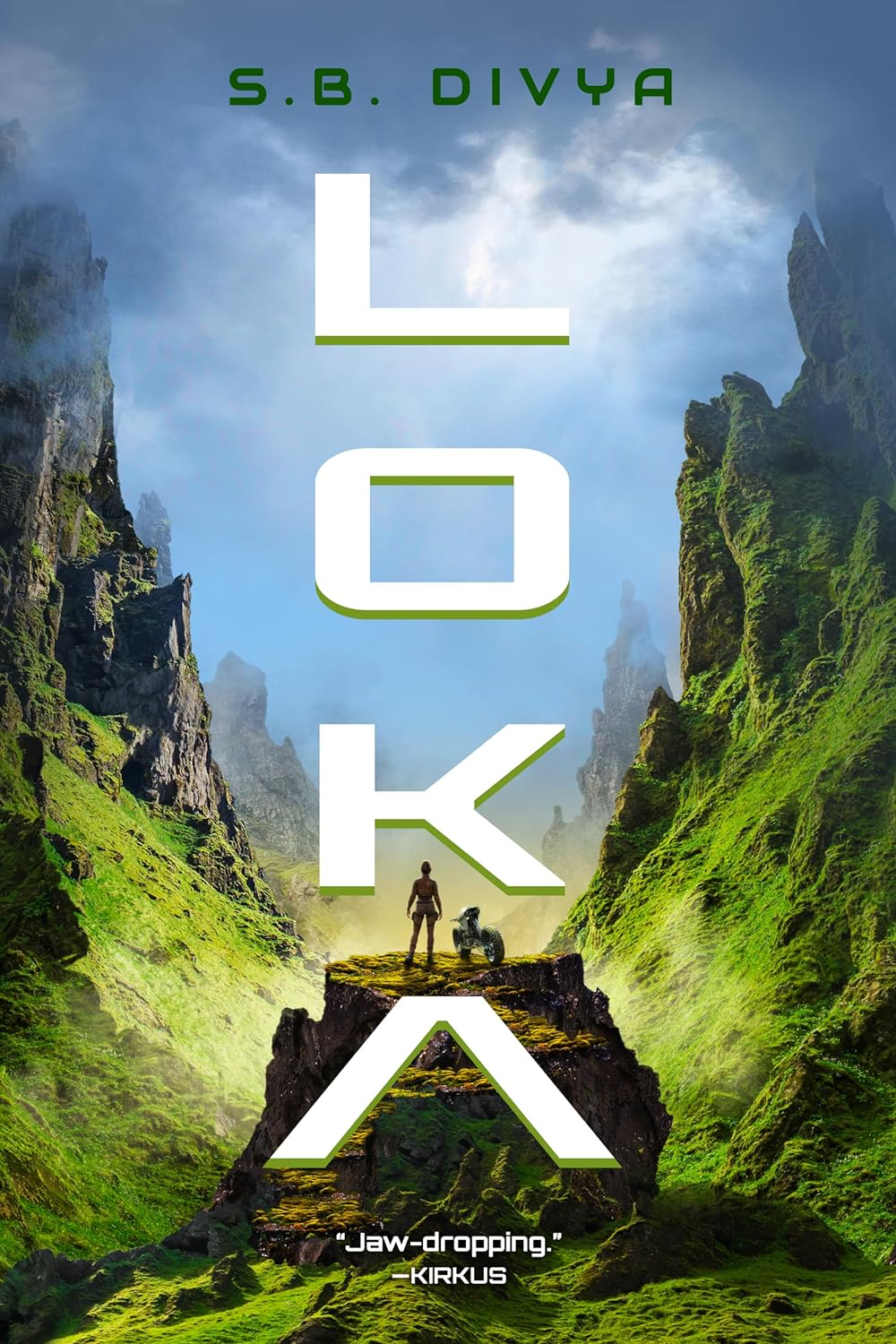
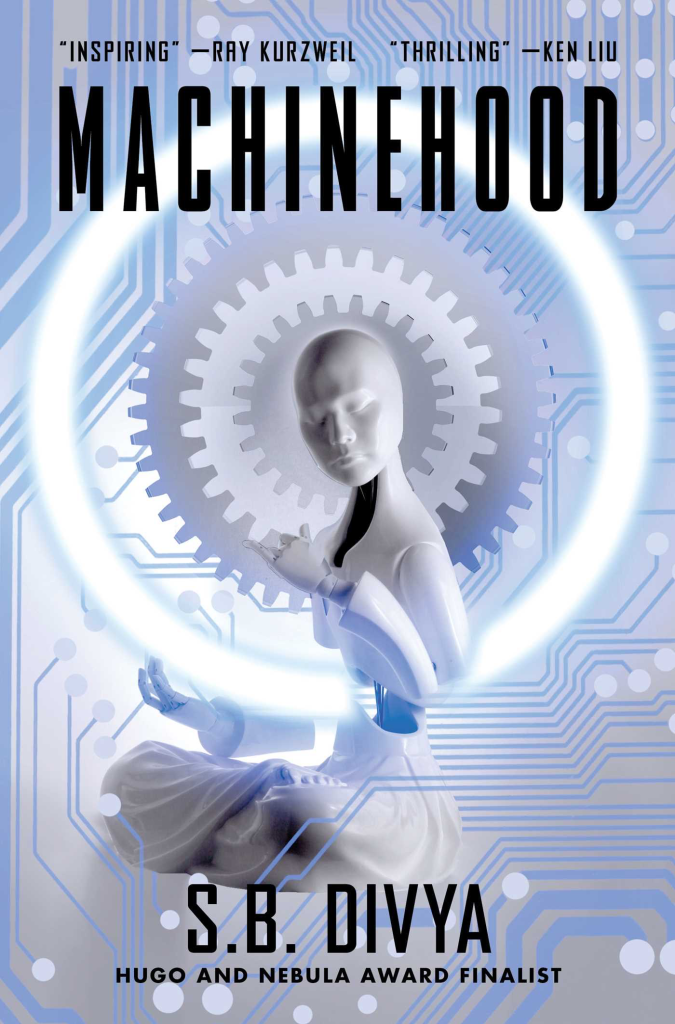
Machinehood – S.B. Divyacorporate disinterest and neglect, with a dose of S.B. Divya’s signature weirdness (and a Christopher Nolan-style thriller).

“A Country Dance” – Joanna Sternberg

I write this as a light snow is falling outside my window, and even though this song was released in August (as was the film it was written for, Between the Temples), it’s so distinctly placed in that period between autumn and winter for me, as far as the sound. “A Country Dance” has a gentle, intimate warmth to it that could only come from the embers of a fireplace in late November or mid-December. It lands on the opposite spectrum of The Shins’ “Black Wave,” which I spoke about around a year ago; seasonally, it’s at the same time, but “Black Wave” feels more like huddling around a fire, exposed to the elements. “A Country Dance” is comfortably cozy, without any notion of the snow biting at your cheeks. For me, good folk music gives you the feeling that you’ve just eaten a stomach-warming, rich holiday dinner—maybe some kind of stew or soup—and that warmth stays in your bones long after you’ve digested it.

I fully thought that “A Country Dance” was a cover—it sounds like it could’ve come out of the ’60s or ’70s, but this is a Sternberg original, and that timelessness is hard to capture—it feels very ’60s and Adrianne Lenker at the same time. (Their music teacher voice certainly contributes to that effect as well.) As the leaves fall off of the trees, this track feels like the perfect antidote to the coming chill—warm, tucked inside of a log cabin, half-asleep and wrapped in woolen blankets. Not every Joanna Sternberg song captures me, but “A Country Dance” honestly makes me feel like the Celestial Seasonings Sleepytime Bear, and that’s not something I’d say about just any song.

…AND A BOOK TO GO WITH IT:

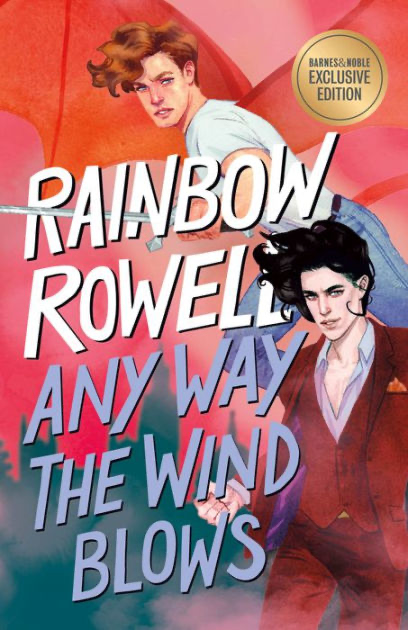
Any Way the Wind Blows (Simon Snow, #3) – Rainbow RowellEven if it is tumultuous in places, the quiet Christmas scenes here invoke this song.

Since this post consists entirely of songs, consider all of them to be today’s song.

That’s it for this week’s Book Review Tuesday! Have a wonderful rest of your day, and take care of yourselves!

Posted in Book Review Tuesday

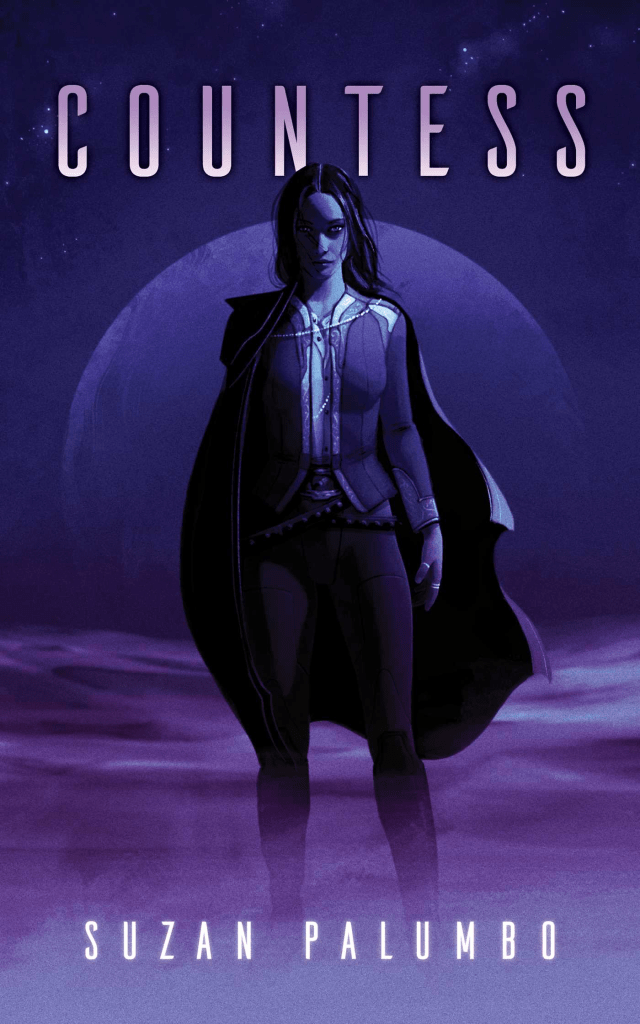
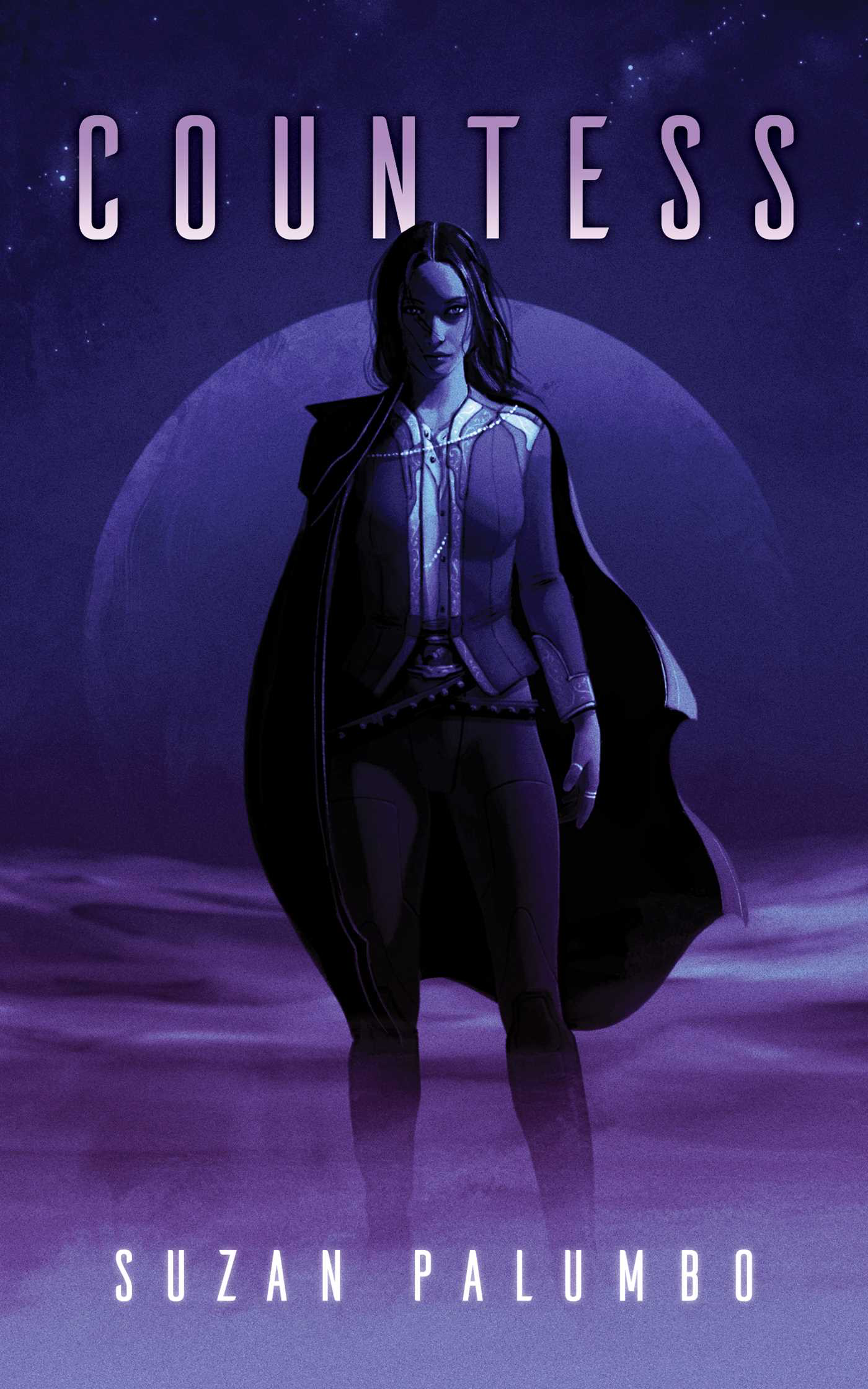
Book Review Tuesday (11/26/24) – Countess

Happy Tuesday, bibliophiles!

I try not to let my lizard brain take over when it comes to my TBR these days (that’s how it got to almost 1,100 books back to high school…that took some serious pruning). That being said, at this point, I’ve accepted that the phrases “space opera,” “queer,” and “anti-colonial” strung together activate me like some kind of sleeper agent. Thus, Countess found its way onto my TBR and swiftly onto my Kindle. It excited me even more that Countess was Caribbean-inspired and that the author is Trinidadian-Canadian (!!!!), so my expectations were high. Though it wasn’t perfect, Countess was a raw and brutal novella—hardly a page was wasted.

Enjoy this week’s review!

Countess – Suzan Palumbo

Centuries after the British colonized islands in the Caribbean, an evolution of their iron fist remains in space. Under the harsh rule of the Æcerbot Empire, planets and moons are stripped of their resources and their inhabitants left with the paltry choice to enter an immigration lottery to find work or make a meager on their exploited homeworlds.

Virika Sameroo has sworn her life to the empire, loyal to their army for years. But just as she attempts to ascend to a higher position, her captain mysteriously dies—and the imperial authorities frame him for his death. Imprisoned and alienated from the empire that brainwashed her, Virika becomes an unlikely figure for a galaxy-wide revolution—but will she survive long enough to see the Æcerbot empire fall to its knees?

TW/CW: colonization/imperialism themes, torture, murder, descriptions of corpses, blood, self-harm, attempted suicide, sexual assault

how it feels to enjoy a retelling when a bunch of the reviews say that it doesn’t follow the source material (I’ve never read The Count of Monte Cristo):

Of course, regardless of whether or not I’ve actually read The Count of Monte Cristo, I think it’s worth saying that a retelling doesn’t have to stick to every plot line to a T. I get going into a retelling and being disappointed on that front, but even if the setting is wildly different (as Countess is), I don’t think it’s a crime to tweak many of the plot points. In this case, having a vastly different setting kind of necessitates the plot being different, but from what I can gather, Countess is more inspired by The Count of Monte Cristo than it is a direct retelling. That’s fine, in my book. No pun intended.

As a whole, Countess was a fantastic read, but its one weak point was the writing. In a way, the writing style, even if I disliked some of it, worked for the story—and the character—that Palumbo was telling. It picks up at the halfway point, once the plot rockets into a breakneck pace in terms of both action and stakes, but for the first half, the prose felt very bare-bones. Even in this new, expansive empire in the stars full of political intrigue, there wasn’t much to embellish the prose—it was all very quick and to the point, with language that took the quickest routes to explain how we got from point A to point B. This is my first experience with Palumbo’s writing, so I’m not sure if it’s just her style, but either way, it works in connection to Virika; she’s been groomed to be a perfect, obedient soldier, so I doubt she’d be one to mince words or get into excessively flowery prose. For some of the scenes where Virika is in prison and a decade blurs by in only a handful of pages, it makes complete sense. Yet I needed some more descriptive prose to get me immersed in the setting—and in the other characters outside of Virika.

I’m all for having gentler books about resistance, but that doesn’t mean that narratives centered around brutal realities have no place. In fact, in stories like that of Countess, I’d argue that they’re necessary. This is a novella about the horrors of imperialism, down to the most minute aspects. For me, it didn’t go full grimdark, but it was because there was realism to it; grimdark is, for the most part nothing but suffering and pain with no real basis, but the events of Countess, horrendous as they are, were logical byproducts of the crushing weight of a colonialist empire with the galaxy under its colossal thumb. Palumbo pulled no punches with the depictions of what Virika goes through (especially the sequences in prison…please pay attention to the trigger warnings); some of it bordered on gratuitous, but this is a slim novella, and all of it was in service of the theme that the crimes under imperialism are many, varied, and real.

As I’ve said so many times, I see the phrases “queer,” “space opera,” and “anti-colonial” and I’ll run towards the book like I’m a bull that’s just seen the tiniest sliver of red in my peripheral vision. What grabbed me about Countess in particular was that it was Caribbean-inspired—particularly Trinidadian. My grandparents on my mom’s side are from Trinidad, and I’ve seen hardly any literature—much less speculative fiction—that incorporates these cultures. Admittedly, I’m more than a little distanced from that part of my heritage, but I’ve been learning thanks to the tireless research of my amazing artist mom, who is in the process of making a Caribbean oracle deck of her own! It’s thanks to her that I caught a lot of the Trini and generally Caribbean references (the fact that there’s a rebel ship called the Pomerac was gold), and there are plenty scattered throughout the novella—I’m sure I didn’t catch all of them, but what I recognized, I loved. I’ve loved witnessing the shift towards marginalized voices in speculative fiction, but one of the reasons it feels particularly beautiful to me is because for so long, our communities have been denied a place in the collective imagination, a place in a distant future among the stars. So thank you to Suzan Palumbo for this novella, and thank you to my wonderful mom for being the reason that I got these references.

In these kinds of stories (and in life in general), I always try to look for a glimmer of hope, even if it’s foolish of me. Make no mistake: Countess is a tragedy, one of the many (forthcoming) ones that Palumbo has written, according to her Goodreads bio. This novella is a very realistic depiction of how revolutions often make martyrs of their figureheads, and that was Virika’s fate from the start. Palumbo does make you feel the wasted potential of her life as she falls, but I couldn’t help but see the swell of revolution that she ushered in as the ultimate form of revenge—and an assurance of a better tomorrow, at least for a short time.

All in all, a brutal and bold—if not rote in periods—novel of revolutionary change and one woman’s struggle to break free of imperialism. 4 stars!

Countess is a standalone novella, but Suzan Palumbo is also the author of the anthology Skin Thief: Stories and several short stories in various magazines.

Today’s song:

finally got around to listening to Songs Of A Lost World!! this was my favorite—the whole album tended to be repetitive, but it was great nonetheless.

That’s it for this week’s Book Review Tuesday! Have a wonderful rest of your day, and take care of yourselves!

Posted in Sunday Songs

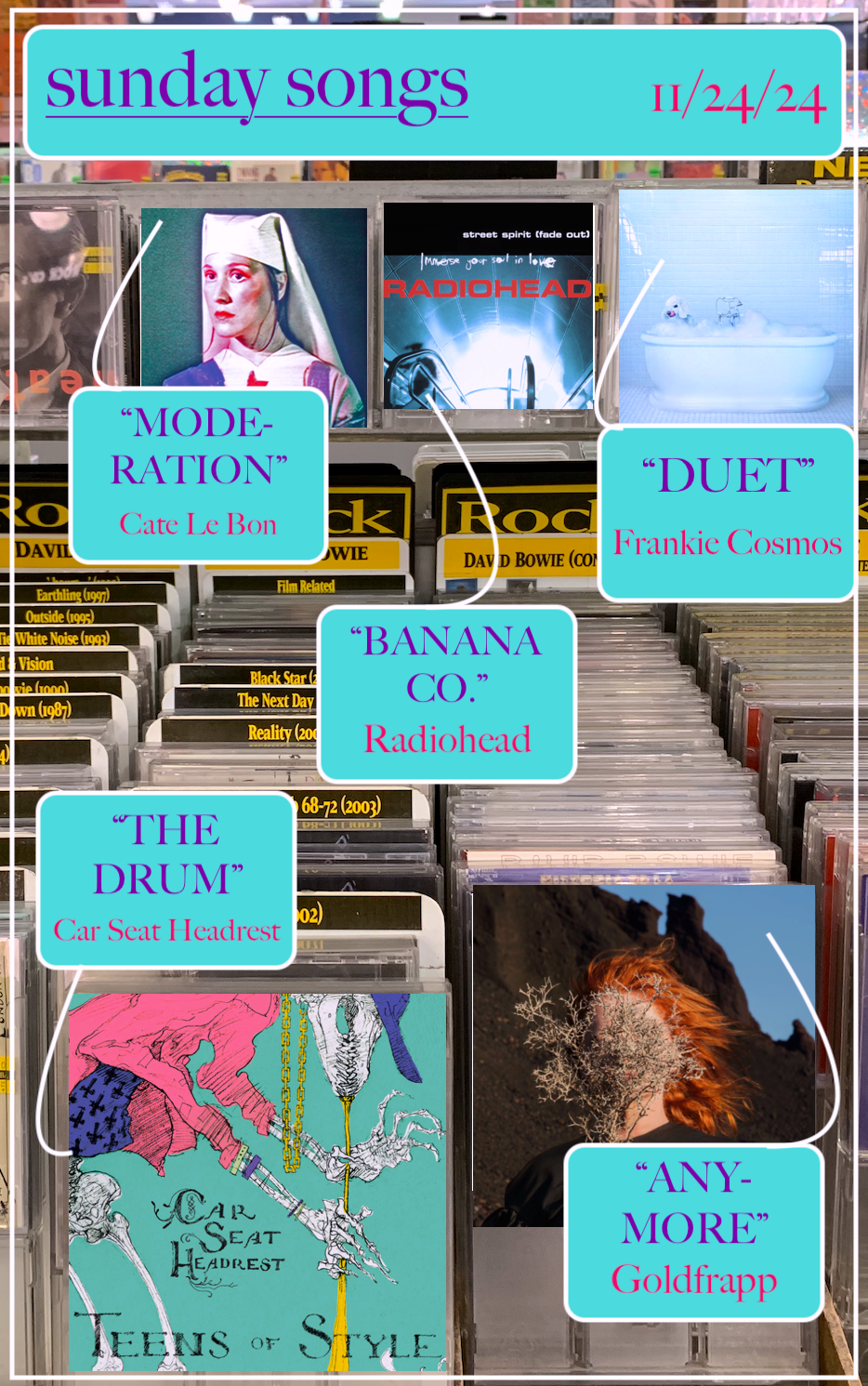
Sunday Songs: 11/24/24

Happy Sunday, bibliophiles! I hope this week has been treating you well.

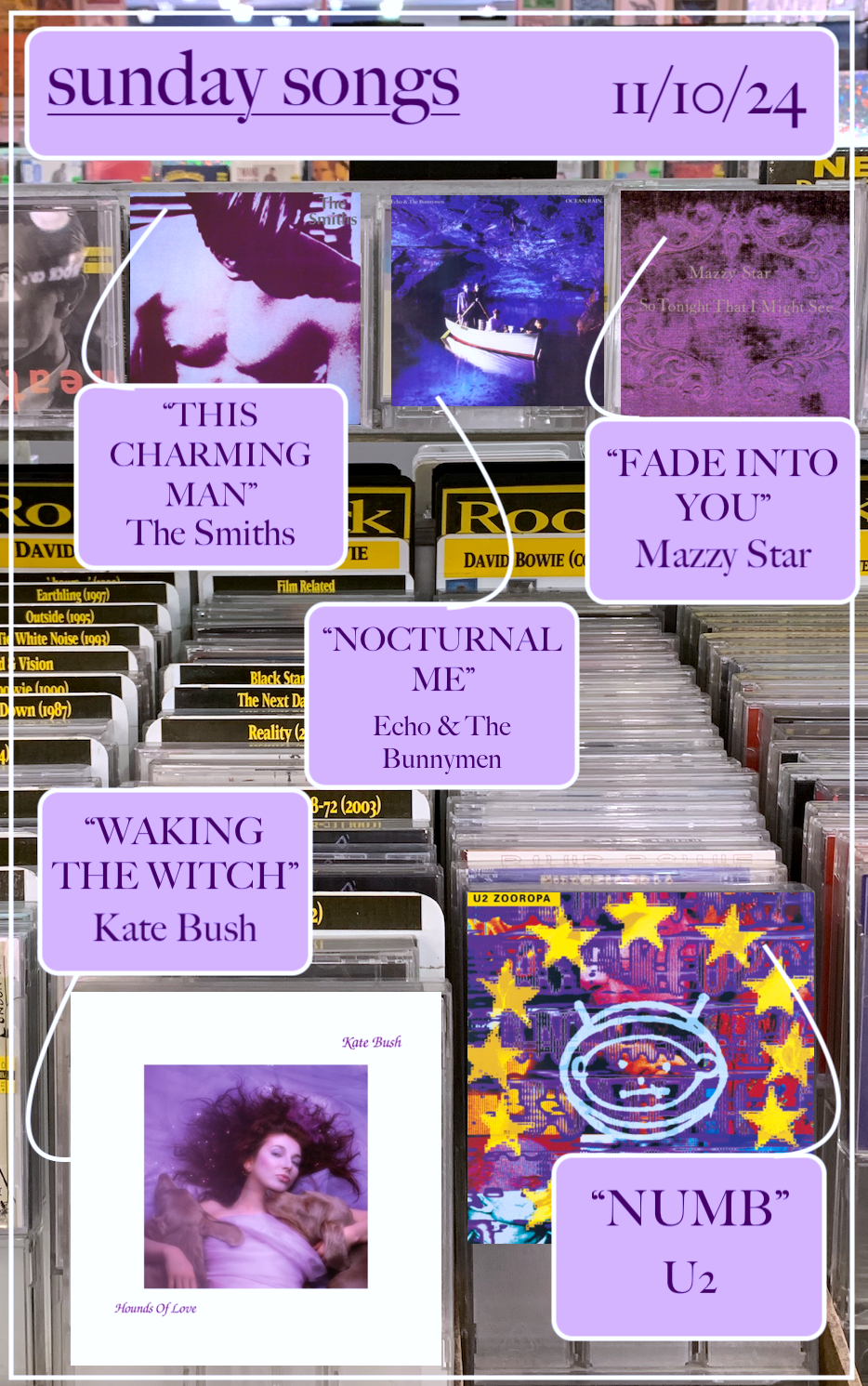
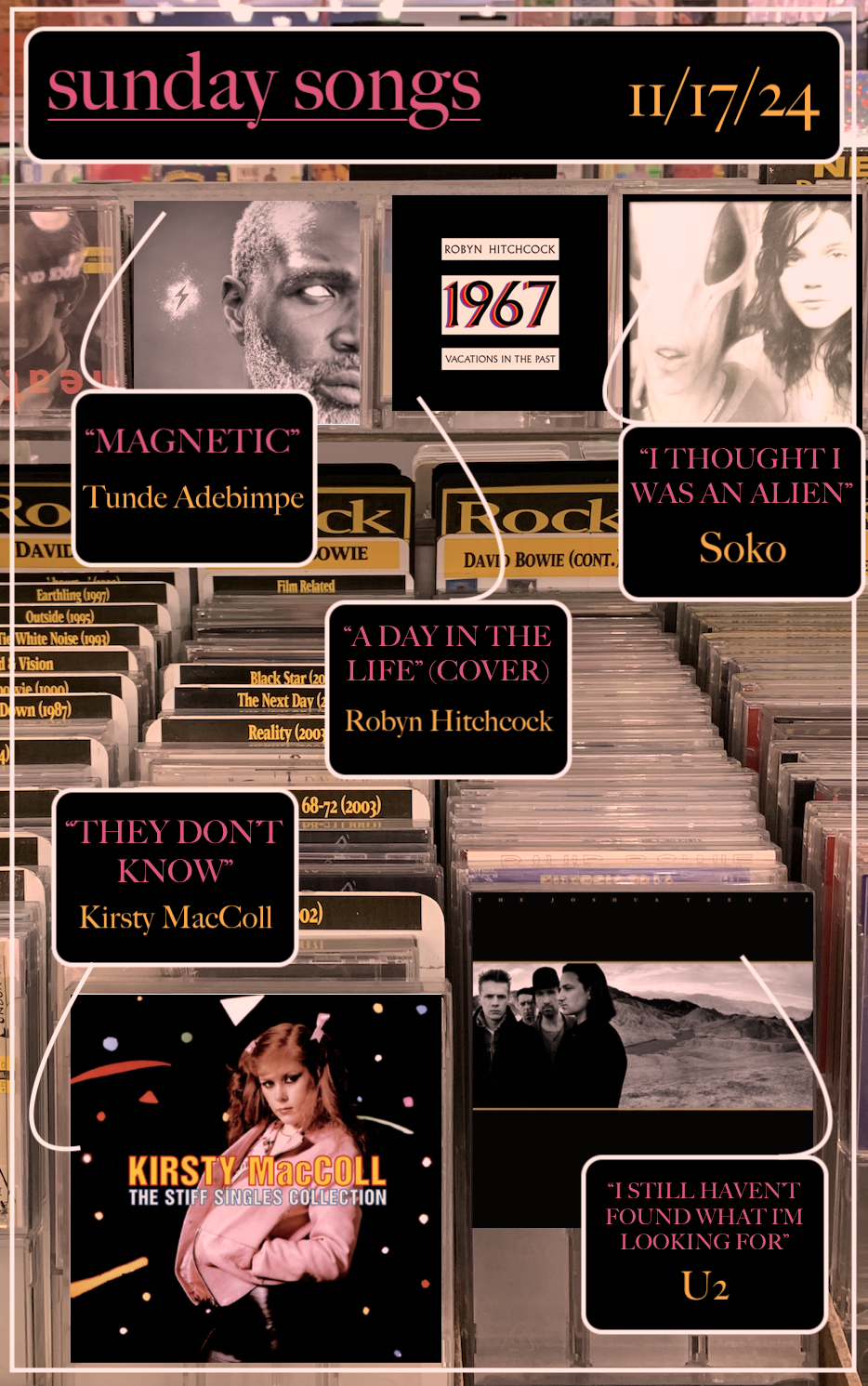
Before I begin, here are the graphics for the past two weeks. I was so excited to write about Hounds of Love, because…well, it’s Hounds of Love, oh my god, self-explanatory, but alas…we all know what happened. Not ideal conditions to write under. Rest assured, it will come back eventually. You can hold me to that. Either way, more music:

11/10/24:

11/17/24:

Now, for this week: ignoring whatever’s going on in that Goldfrapp music video…have fun?

Enjoy this week’s songs!

SUNDAY SONGS: 11/24/24

“The Drum” – Car Seat Headrest

“The Drum” is the first video in this setlist, so there’s no need for a timestamp. Watch at your leisure!

That frame at 1:25 sums up my 8th grade experience more than any words can: Will Toledo with the blurry image of St. Vincent’s self-titled album in the background.

Ah, this one’s a throwback. I remember watching this tiny desk concert in my parents’ bedroom with my mom, who always indulged my adolescent squealing about Will Toledo with the bafflement that “he looks like he’s in high school.” I didn’t fully realize it back then, not even being in high school myself, but…no offense, Will, I love you, but the amount of voice cracks throughout (“he don’t have shIiIiIiiiIIIT”) would make me think that he was 14 or 15 here, and not 23, weirdly. This whole Tiny Desk is a work of art in the art it produces in spite of the awkwardness about. Band? Sorta. Ethan Ives and Andrew Katz are there (it’s so far back that Seth Dalby hasn’t even shown up yet!), but Andrew’s the only one with his instruments beside Toledo. And you’d think the other two guys to the left of Toledo are part of the band, right? They’re just emotional support, which, to be fair, I’d love to have during one of those shows, but it gives the effect of a bunch of guys watching their friend play guitar in senior hall. In an endearing way, honestly. It’ll always be endearing to me. It’s Car Seat Headrest, after all. Nothing but love for our nervous young man.

“The Drum” was one of the earlier tracks that was constantly in my orbit during the peak of my Car Seat Headrest heyday in my early teens. Teens of Style was Car Seat Headrest’s full album as a band (still a three-piece by that point) and the first to be signed to a label, but it retains that lo-fi sound that characterized what gave Car Seat Headrest its name in the first place: being recorded by a deeply self-conscious Toledo in his car. It’s composed mostly of songs recycled and refurbished from his early days self-recording (“The Drum” originally appeared on My Back Is Killing Me Baby), and all of them get a kind of self-deprecating grandeur. Though the lyrics have been whittled away and refined, it’s the same old sad boy underneath, rest assured. “The Drum” doesn’t necessarily fall into that category, but it makes me realize…Will Toledo sure loves writing about drunk people, huh? He’s quite good at it, too, and he’d get even better after this song with “Vincent”: “It must be hard to speak in a foreign language/Intoxicado.” This track feels like the song version of that gag in Snatch where they cut back to clips of Frankie Four Fingers gambling and getting drunk out of his mind to the tune of “Viva Las Vegas.” It’s a hundred tiny vignettes of an off-the-walls character as he stumbles through a nonlinear, drunken reality: he’s reading James Joyce, he’s too high to listen to anyone (and even if he wasn’t, he still wouldn’t be listening), and he owes you $20. He’s a real piece of work, and Toledo is the faithful documentarian struggling to catch up with his antics. And somehow, the bridge gives the sense that said sloshed asshole, swimming in alcohol and ego, has elevated himself to think that he has transcended life itself: “This is our lifetime/And I am its creator/A young man slowly pulled apart/By separate poles of gravity.” This bridge came to Toledo in a dream (with the only difference being that “young man” was originally “snowman”), and it begins to close “The Drum” out as one stumbles through an inebriated dream.

…AND A BOOK TO GO WITH IT:

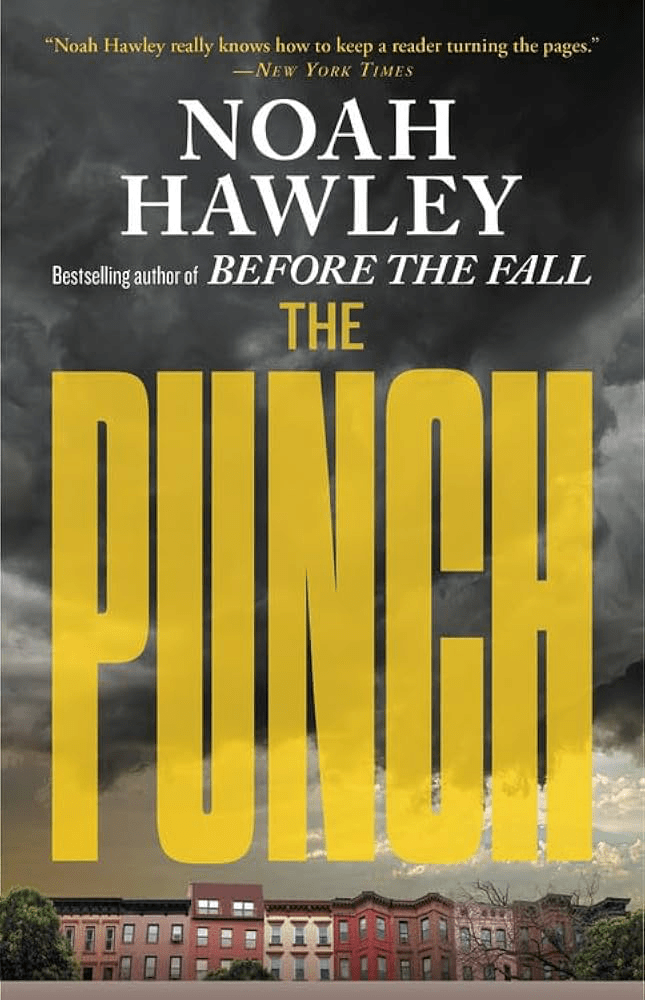
The Punch – Noah Hawleydrunk, dysfunctional people aplenty, all of which need to have their perfect and unparalleled opinions heard. Surely nothing will go wrong…

“Anymore” – Goldfrapp

Another throwback, although this one didn’t factor in changing my 13-year-old brain chemistry nearly as much. That’s not a slight against it—my first memory of Goldfrapp was when I was about 11 or 12, and since then, she’s been a consistent, behind-the-scenes favorite. Between their work with Tricky and Spiritualized, I should’ve been hooked in the first place, but they’re so consistent in her sound, and not in a way that grows tired. Aside from some of the production, “Anymore” could just as easily been from one of their albums from the 2000’s. Their brand of futuristic-sounding synths sounds like something you’d hear from a club in Blade Runner, and not in a way that feels dated. It’s almost like Alison Goldfrapp and Will Gregory are just as precise as the machines that they manipulate to create their music; everything is oiled down until not a single wrinkle remains, and the result feels simultaneously far in the future and timeless…

…if you can ignore the tamer PG (?) version of Feyd Rautha that is the music video. You do you…?

…AND A BOOK TO GO WITH IT:

The Three Stigmata of Palmer Eldritch – Philip K. Dick I feel like this is the kind of music that would play if you took Can-D and going to Philip K. Dick’s version of Barbie Land…

“Moderation” – Cate Le Bon

Several months out from listening to Pompeii for the first time, I find myself returning to it time and time again. I’ll cling to any new weirdness I can find, and Cate Le Bon, at least for this album, delivers. Back in July, I talked about how the first four songs on the album are a cascade of absolute successes; “Moderation” is the second of the four, and although it’s much poppier than the eerie “Dirt on the Bed,” it nonetheless has her oddball twist. The instrumentals, from the so-bright-they-shine guitars to the backing saxophones, are very ’80s, but they’re tweaked enough that they don’t sound like hollow copies; the gated reverb on the drums is gently quieted, while the production, like the music video, feels like everything has been recorded straight from the mouth of a cave.

Something about the lyrics strike me as oddly coy—not in meaning, but more of how they start to reveal themselves as something that makes sense, so vague that they could be applied to anything, and then mischievously peek back behind the curtains and return with something truly bizarre. They’re somewhere in between the matter-of-fact but nonsensical utterances of both Brian Eno and Robyn Hitchcock, and even some of early St. Vincent’s artier ventures. “I get by pushing poets aside/’Cause they can’t beat the mother of pearl.” I love it, and somehow it makes sense, but do I have any clue what that means? Nope. It feels like it’s meant to be poetry more than anything, words strung together for aesthetic effect. The music video gives the distinct feel of a performance piece you’d see projected in a curtained-off corner of an art museum, but the colors of it are the perfect match “Moderation.” Against a backdrop of a brewing storm at sea, Le Bon is cloaked in black, with only her face, arms, or legs visible at any given time. Aside from her “Life On Mars”-blue eyeshadow, the only hints of color she reveals are lacy cuffs on her sleeves or bright colors on her tights. Those pops of color feel like the bursts of oddities throughout “Moderation,” so vibrant that they pop out like cartoon bubblegum.

…AND A BOOK TO GO WITH IT:

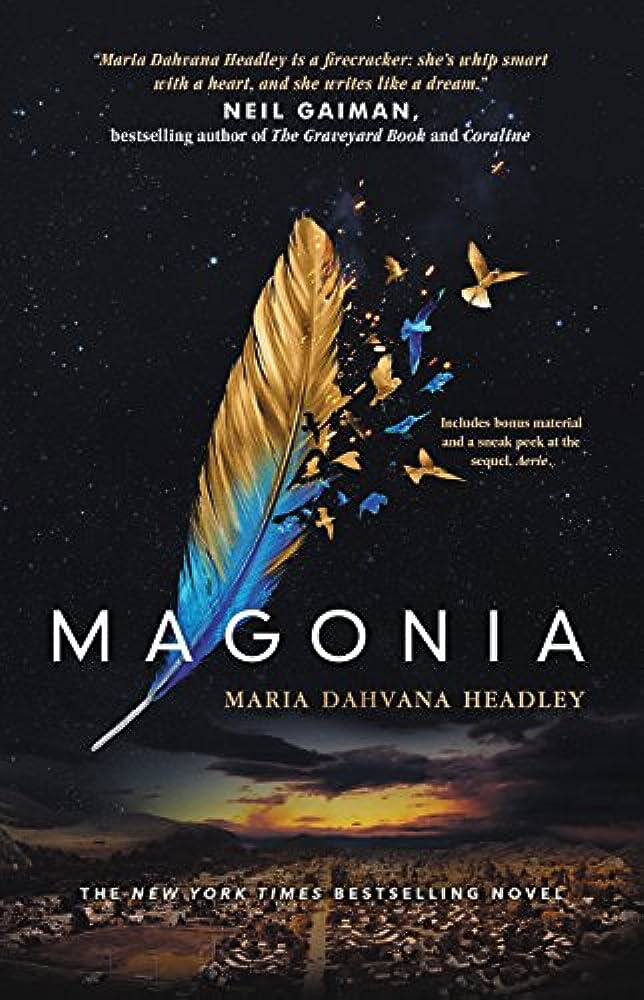
Magonia – Maria Dahvana Headleyyou think you’ve got a typical 2010’s YA fantasy book on your hands, and then it gets bonkers…delightfully so.

“Banana Co” – Radiohead

With every successive Radiohead EP I listen to, I’m baffled at not just the sheer amount of output they had, but how good a solid 90% of it is. The Bends sessions seem like some of the most fruitful of their entire career, what with three EPs and a series of smaller singles released in the periods directly before and after the album’s release. I’ve yet to listen to My Iron Lung – EP or the “Fake Plastic Trees” single, but from what I can tell, they were just constantly cooking. They had to be forcibly removed from the kitchen because the cooking was just TOO GOOD. They just COULD NOT BE STOPPED.

In some ways, “Banana Co” feels like if “Karma Police” was released on The Bends; the term “sardonic wit” is overused these days, but it applies here for sure, as it does to quite a lot of Radiohead. Written about the corporate colonialism of the United Fruit company in various countries in Central and South America, Thom Yorke slathers his honeyed words in sarcasm with the repeated verse: “Oh, Banana Co/We really love you and need you.” Yorke has an almost sleepy register to his words, as though he’s being pulled under by the propaganda himself, before the guitars of Jonny Greenwood and Ed O’Brien coalesce in a controlled blast of everything that makes me miss listening to The Bends. Adding this one to the list of Bends-era songs that make me think “this is a B-SIDE?” (see also: “Maquiladora,” “My Iron Lung”). Luckily—at least for the fans who were alive to see this (cries in Gen Z)—”Banana Co” was a live staple pre-OK Computer, and Yorke has often addressed it towards other colonial problems of the day, including one in 1998 that was addressed to “the people of Indonesia, and the people who have money invested in that country.”

Wow, what a wonderful example of a band committed to calling out imperialism and violence around the world! Surely they would carry these values into this day and age…right? Right?

Uh…

Well. I’ll say that I am quite disappointed after hearing that Thom Yorke confronted a pro-Palestine protestor at one of his solo shows back in October; the protestor demanded that Yorke condemn the ongoing violence in Palestine, and he responded by calling the protestor a coward, then walking offstage. In Yorke’s defense, he has every right to withhold his political views (and also, I don’t think yelling at a celebrity at a concert is necessarily the best way to get people on your side, no matter how good the cause, nor is it going to solve any conflict), but there has to be a much more respectful way of dealing with this kind of thing. Calling this person a coward was not the right move, even if he did want to decline to speak. It’s just so odd and hypocritical to me that he would be a champion for human rights for so long, and then call somebody a coward for protesting the same human rights violations that he once sang about and condemned in the ’90s. Even if he doesn’t publicly condemn the thousands of needless deaths, I just hope that he realizes how hypocritical he sounds. What a shame, really. Again, no way that Thom Yorke’s reading this, but…maybe go listen to your old catalogue over again before you call people protesting the horrors of modern imperialism cowards. Just saying. Free Palestine.

…AND A BOOK TO GO WITH IT:

Countess – Suzan Palumbo being under—and breaking the spell—of imperialism and subservience.

“Duet” – Frankie Cosmos

We’re ending on a much lighter note, worry not. Frankie Cosmos is always reliable on that front (whether or not it’s preceded by one of my rants).

I finally caught up with this season of Heartstopper, and I’ve fully moved away from calling it any sort of comfort show, as I feel that would diminish the incredibly important (and tactfully delivered) depictions of eating disorders and mental illness. Nonetheless, it remains a wonderfully queer show, and it’s got plenty of sweet moments, often buttressed by light and bubbly indie pop. I’m only on brand with…a third of the songs that are picked (some of it’s a bit too pop for me), but I can always count on at least a handful of hits popping up—season 3 featured not one but two Arlo Parks songs (“Devotion” and “Pegasus”—Parks is just perfect for the Heartstopper atmosphere), Sufjan Stevens’ “That Was the Worst Christmas Ever!” (it sure was…Charlie cannot catch a break 😭), and, reliably, more Frankie Cosmos. Maybe, just maybe, Alice Oseman might be a fan? We can never really be sure…

Either way, Frankie Cosmos and Heartstopper are matches of media that are made for each other. “Duet” has some of the simplest of lyrics, but they’re delivered with the lovesick joy of doodling hearts in the corner of your notebook as a teenager. Packaged in bite-sized containers (I can’t think of a song of theirs that’s over 4 minutes), they really do feel like bubblegum—sweet, sometimes sickly so, and short-lived, but constructed from simplicity that produces, more often than not, a perfect pop song. Like both the comic’s and the show’s cartoon hearts and leaves that surround the characters, there’s a simple purity to them that’s been distilled to the core.

…AND A BOOK TO GO WITH IT:

Stars in Their Eyes – Jessica Walton and Aśkasimilarly pure and comforting, and full of color and first love.

Since this post consists entirely of songs, consider all of them to be today’s song.

That’s it for this week’s Sunday Songs! Have a wonderful rest of your day, and take care of yourselves!

Posted in Book Review Tuesday

Book Review Tuesday (11/19/24) – Loka (The Alloy Era, #2)

Happy Tuesday, everyone!

…so. Elephant in the room here, quite literally. I’ll venture to say that last Tuesday was one of the worst Tuesdays in American history. Hence, no activity. (Also, I had a whole cocktail of midterms to study for and papers and annotated bibliographies to write.) I needed the time to grieve. Let me tell you the truth: I’m so scared. I’m betrayed. Being in my formative years under a president who systematically mocked the identities of everyone who isn’t him—not just the ones that comprise my family—forced me to confront the fact that America had no regard for me. If there was change to be made, I had to do it myself, and with the help of the communities around me. So I started writing. I started educating myself. The process is never over, and will continue until my dying day; even with the sort of beef that I have with Sara Ahmed (yeah, killjoy etc. etc. etc., I’m on board with 50% of it, but can’t feminism be gleeful sometimes?), I look back to her words: “To become a feminist is to stay a student.” I am always learning. I am far from perfect, but I am trying. The key here is motion: we can’t afford to stay static, not in our ideas or in our actions. Resistance comes in many forms (and don’t let anybody tell you that there’s one right way to fight), but the key is that we must always keep moving. Donate. Protest. Pay someone a compliment. Make art. Write with hope in your heart. Trump and his ilk win when we’re too far into the quicksand of hopelessness.

Never lose hope and never lose love, because that is what the Trump administration lacks. Grieve, and grieve on your terms. I certainly did. The last thing I wanted was a repeat of that November morning when, at the age of 13, I woke up to my dad hanging his head over the kitchen counter as he made lunches for my brother and I. I remember clinging to him tighter than I ever had, frightened of every horrid possibility. Some of them came true. Some of them didn’t. I called both of my parents. I cried the same tears to them that I cried when I was young. Cry the same tears, but remember that they are the same tears. I’m frightened. But if we can resist Trump once, we can do it again. We can fight the same good fight. I love you.

All this is to say that, even though my output has been lessened lately (college!), this won’t change a thing. I’ll still be reviewing queer books aplenty, and no election will change that. Gather ’round.

After a solid two weeks of reading nothing but fluff to keep my mind off of everything, I remembered that Meru, one of the more innovative new sci-fi novels I read last year, had a sequel that was finally out! I was eager to re-immerse myself into S.B. Divya’s endlessly creative futuristic landscape, and Loka found itself on my Kindle in no time. Loka turned out to be contrary to my expectations and a very different book to Meru—it was a mixed bag at first, but by the final third, I’m happy to say that it stuck the landing in a deeply moving way.

Now, TREAD LIGHTLY! This review contains spoilers for Meru, book one in The Alloy Era series. If you haven’t read Meru and intend to do so, read at your own risk!

For my review of book one, Meru, click here!

Enjoy this week’s review!

Loka (The Alloy Era, #2) – S.B. Divya

Akshana is a child that defies all existence. Her mother is human, and her maker is an Alloy—a post-human being with godlike powers. The ruling Alloy government condemns her very existence. For years, she has lived a sheltered existence on the planet Meru, raised by her human mother. But once Akshana turns 16, she heeds the call of Earth, the ancient homeworld of humankind. With the help of her friends, she takes up the rigorous Anthro Challenge: a trek to circumnavigate the habitable zone of Earth. As she navigates foreign terrain, Akshana comes to terms with how she was born and created—and where her destiny lies.

TW/CW: near-death situations, medical emergencies (related to sickle-cell anemia), xenophobia/discrimination (fictional), life-threatening storms

I thought that Meru had scared off all of the people who thought that S.B. Divya invented neopronouns, but apparently people are still complaining about it in the reviews for Loka? Did you just…miss book one in its entirety, or what?

I’ll get my main gripe about Loka out of the way first. The more I think about it, the more that I realize that my issue with Loka is that to some extent, it has the exact same stakes as Meru: a young girl/woman has to take a daring trek onto a foreign landscape, all the while facing prejudice from the outside world and alien, terrestrial dangers from the ground beneath her feet. S.B. Divya remains an excellent writer and crafter of worlds, but in terms of plot, in this case, lightning couldn’t strike twice. Aside from Akshana’s differing personality and the novelty of Earth 1,000 years in the future, there wasn’t as much to distinguish the two plots once I broke them down.

I wasn’t crazy about the main plot of the Anthro Challenge. In the future landscape of Loka, this challenge is designed for humans and Alloys to circumnavigate the landscape of Earth as humans did millennia ago. Only a few strips of Earth remain habitable (forming ringed borders around the world), but the brave adventurer must cross swaths of the Southern hemisphere and the Atlantic and Pacific Oceans in order to complete the challenge. In concept, it’s a great bit of worldbuilding, but it didn’t make for a very compelling of a plot. For the first half of the novel, it felt like the same regurgitation of 1) reach new landscape, 2) inter or intra-personal conflict within the friend group, and 3) make a harrowing trek to the next stop on the Challenge. This was rinsed and repeated with less change than I wanted; even with the new landscapes, none of the side characters had much time to develop, and they seemed to encounter almost the exact same problems for a solid 100 pages. It bordered on feeling cheap, given how innovative Meru was.

That being said, even though the plot faltered, Divya’s writing never did. You’ve just got to trust in her abilities at this point, because she can write some fantastic sci-fi, even if the foundation of the plot is flimsy. Her voice for Akshana perfectly captured that teenage urge to explore beyond your parents’ backyard and prove everyone wrong. Divya’s descriptions of future Earth, from the raging seas to the lush greenery to the plains of a futuristic America, immersed me instantly in a vibrantly crafted vision of the future. I’ll get to the specifics of the emotional core of Loka later, but that was perhaps the best part of the novel—S.B. Divya’s brand of space opera borders on hard sci-fi for me, but it keeps the emotional center that so many other hard sci-fi novels forget to consider.

The subject of disability was one of the more compelling aspects of Meru; in a genre rife with eugenic practices that get dismissed as signs of a “progressive” society, Divya changed the game by creating Jayanthi, who, in a future when most disabilities were edited out of the gene pool, was specifically engineered to have sickle-cell anemia. More than that, her sickle-cell anemia was advantageous for surviving the landscape of Meru. Fast-forward 16 years, and Akshana is experiencing, as I said before, the same plot, but her sickle-cell anemia presents unique challenges on Earth, leading to many a close scrape when she exhausts herself to near-fatal levels. She has thoughts of resentment towards her mother, who made a conscious decision to pass this gene down to her. S.B. Divya said that Loka was inspired by their experience being a disabled parent, and that shone through in Loka; eugenicists would have you believe that this would constitute cruelty on the highest level, but Akshana comes to reconcile with—and understand—her mother’s logic. By erasing this gene and others from the gene pool, the Alloys past erased entire cultures, as well as the ways in which they moved about in the world. Being disabled is challenging, to say the least, and in my experience, bothersome and at times taxing to deal with on a daily basis. Yet it has shaped my life in ways that I will never regret. Akshana comes to realize that her mother, even though the road to this decision was rocky, merely wanted her to know that individuality, adversity, and culture cannot be erased by a purging of the gene pool.

Which brings me to the ending. The buildup of Loka concerns the mounting pressure and prejudice surrounding daring Akshana and her friends as they complete the challenge and return to a world that wants to erase their bravery and ban the Anthro Challenge altogether. Not only has she come to terms with her disability, she has come to reckon with her status as a half-human, half-Alloy being in a galaxy where neither party wants her to exist. Yes, there was the physical challenge, but the real Anthro Challenge is the identity crisis you have along the way, amirite? All jokes aside, that was the real hurdle to overcome. I know how corny I sound, but the real journey was Akshana’s journey to self-acceptance in all of the facets of her identity. At the end of the treacherous paved with prejudice and hatred, Akshana learns that the only way to survive is to be yourself, unapologetically so. As she says, in Loka’s stunning final lines:

“Our bodies don’t have a true end. Subatomic particles bounced between skin and air continually. So what did that make me, or any person? If I coexisted with everything and everyone, then part of me was also part of them, and vice versa. To some people, I would never be human enough. To others, I would always be too human. In the end, I had no choice by to be myself.”

And if anything could save Loka from being a letdown, it would be this, and the character arc it coincides with. Excuse me for a moment…no, I’m not crying, it’s just raining on my face.

All in all, a sequel with a plot that nearly dragged the novel down, but just like Akshana completing the Anthro Challenge, beautifully stuck the landing after a rocky journey. 4 stars!

Loka is the second book in The Alloy Era series, preceded by Meru. S.B. Divya is also the author of Machinehood, Runtime, and several other science fiction short stories.

Today’s song:

NEW HORSEGIRL IN FEBRUARY? ON VALENTINE’S DAY? PRODUCED BY CATE LE BON? today is a GOOD day

That’s it for this week’s Book Review Tuesday! Have a wonderful rest of your day, and take care of yourselves!