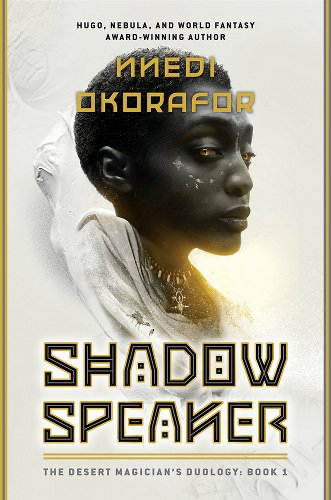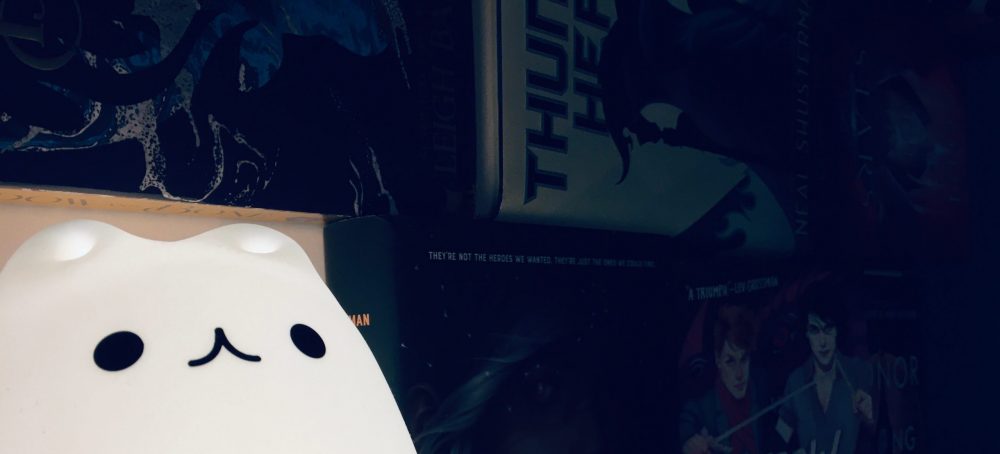
Posted in Sunday Songs

Sunday Songs: 5/26/24

Happy Sunday, bibliophiles! I hope this week has treated you well.

This week: we go back to that house, like we do sometimes.

Enjoy this week’s songs!

SUNDAY SONGS: 5/26/24

“All I Got” – Santigold

The only good part of 2016 was, without a doubt, the music. Blackstar remains unlistened-to just because I know that listening to it all in one sitting will destroy me (I’m only delaying the inevitable), but nothing will top that, I’m sure. Everything else, though. Teens of Denial? A Moon-Shaped Pool, which I also haven’t listened to all the way because it will similarly put me in the fetal position? Something was in the air, that’s for sure. Chances are that said something was the incomprehensibly crushing weight of grief and existential dread, but my sad bastards make do.

Santigold, thankfully, never got that memo, and saved 2016 early on with 99 Cents, full of gleeful odes to self-love and living to fight another day. It’s hard to think of people that really are cooler than her—if her music wasn’t enough to convince you, then consider her episode of What’s In My Bag, in which she’s wearing a Bauhaus shirt, casually mentions that she’s on a first-name basis with Mos Def, and talks about channeling Kate Bush all in one video. Even without all that, both the music she makes and the energy that she radiates is nothing but positivity, and not the shallow kind that denies some of the darker truths of life, but the positivity cultivated by a truly good and kind spirit that wants nothing but to share some of her goodness with the world. I’ve had bad luck trying to see her live (a 16 and older venue when I was 15, a canceled tour, and bad weather, in order), but part of why I thought last time wouldn’t happen was her posting before the concert that she had a broken leg. Wouldn’t you know it, she was bouncing around onstage with her leg in a cast. That’s just the kind of person she is. She’s a creator that makes odes to the joy of creativity, and her indomitable spirit never seems to let up, even in the face of adversity. And yet, she humanly recognizes the real-time taxes of the music industry—that canceled tour I mentioned was so that she could spend time with her kids. She’s really a rare kind of musician: her authenticity comes not just from her attitude, but her willingness to be true and kind to herself.

Even when she’s being critical, it still sounds as cheerful as ever. “All I Got” is practically covered in multicolored party streamers, the kind of thing you’d hear blasting at a pride parade (anybody wanna start Queers for Santigold with me?). But it’s delightfully petty—I’m almost embarrassed at how many of the lyrics I mixed up before l looked them up, but what I found was even better than what I thought she was singing. “All I Got” is the auditory equivalent of watching somebody dressed in the puffiest, brightest neon clothes and the sparkliest makeup promptly flip you off before gleefully running off into the sunset surrounded by a gaggle of similarly dressed friends. Santigold openly throws darts at the kind of figures that have spread like wildfire in the 1% of society—those who have the most, but barely worked for what they have: “I should ask but don’t want to know/How you get something for nothing at all/Build an empire for yourself/Don’t take this personal: go to hell.” Oh, it’s very personal, I’d argue. Whether that “something” is fame, acclaim, or money, it’s a smiling takedown of people who have never worked a day in their lives and yet earn more than the creative people who get less than the recognition that they deserve—somebody like Santigold, I’d argue, who has the kind of sound that should theoretically have been topping the charts since 2008, but most of her recent acclaim in mainstream culture was born and died with a namedrop from Beyoncé. Maybe modern pop can’t take more than one genuinely kind person with the creativity to match before the industry just implodes. She’s simply too powerful for them. Her talent is best spent on whatever she sees fit, recognition or not. And that’s exactly what “All I Got” declares—she’s blazing a path of her own, straight through the undeserving.

…AND A BOOK TO GO WITH IT:

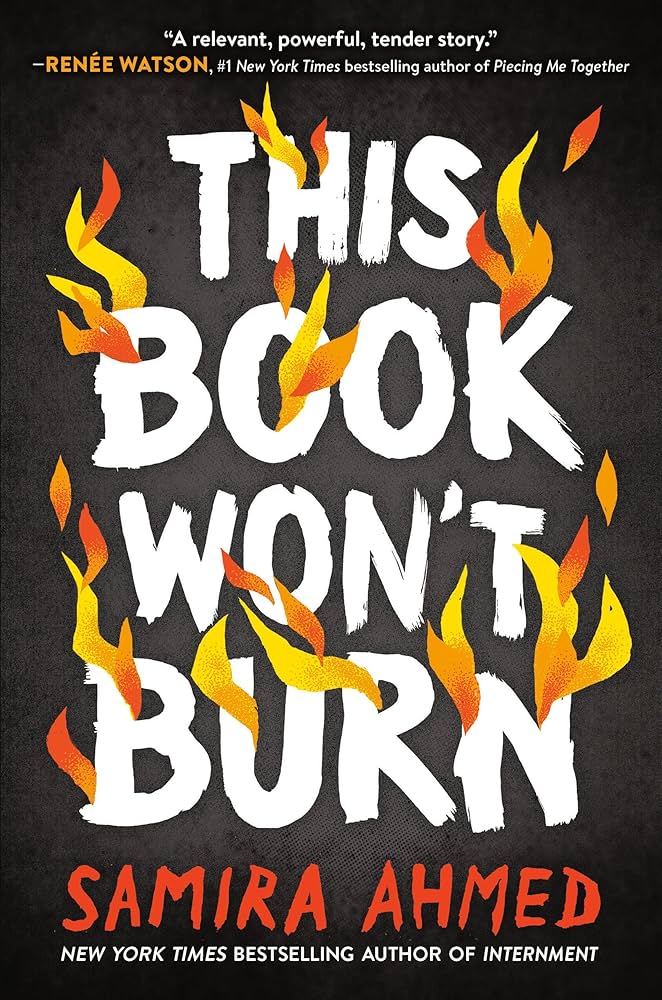
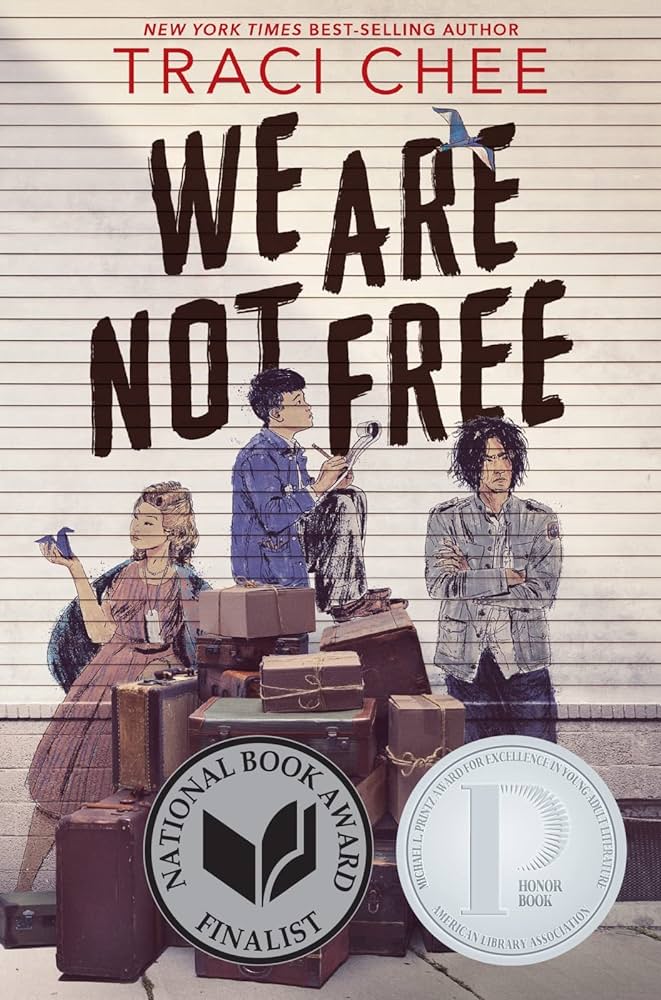
Your Plantation Prom is Not Okay – Kelly McWilliamsa story of one girl’s relentless determination in the face of small-minded, oblivious tradition.

“Take A Bite” – beabadoobee

beabadoobee recently announced a new album, This Is How Tomorrow Moves, out in mid-August! Is it promising? Yes. How about the album cover? Eh…compared to the cover for the single, it just looks like an outtake? Like they just snapped a picture while she was mid-sentence, put a nice filter on it and just called it a day? Welp…you win some, you lose some.

Either way, “Take A Bite” mostly makes up for the lack of a good album cover. It seems like a return to form—at least, of one of the forms she seems to have taken over the years. Thankfully, it’s the form I’ve liked best—the ’90s alternative-informed rock, with a dollop of slick vocals and production made for pop. “Take A Bite” oozes with tired dissatisfaction, with a minor key glossed to a sparkling shine, a coat of wine-red nail polish with a glittering overcoat. Kristi takes boredom and the dregs of an old flame with a sultry, heart-sore twist, drifting through her own imagination to make up for the color drained away by a breakup: “Indulging in situations that are fabricated imaginations/Moments that cease to exist/Only want to fix it with a kiss on the lips/But I think I might take a bite.” I suppose after “the way things go” (which I reviewed back in July), she’s moved from denial, dipped her toes in anger, and barreled straight into bargaining, making deals with her own mind to pull her out of this earthly plane. Her only sustenance is in her own head, and as she twists further inside, the instrumentals appropriately intensify, the background noise bleeding through the sheet of the background of sharp guitars as the unreal seeps into the real—or vice versa? The imagery in the music video isn’t exactly subtle, but either way, I love the shift between the bland, harsh daytime and the softer, sultrier nighttime worlds that Kristi straddles with a simple step through the alleyway. It’s sour and brittle, especially in the last, sore-throated mumbling of “do it all over again,” but like the skin of a cherry, it’s so smooth that you can’t resist at least one bite of the forbidden fruit.

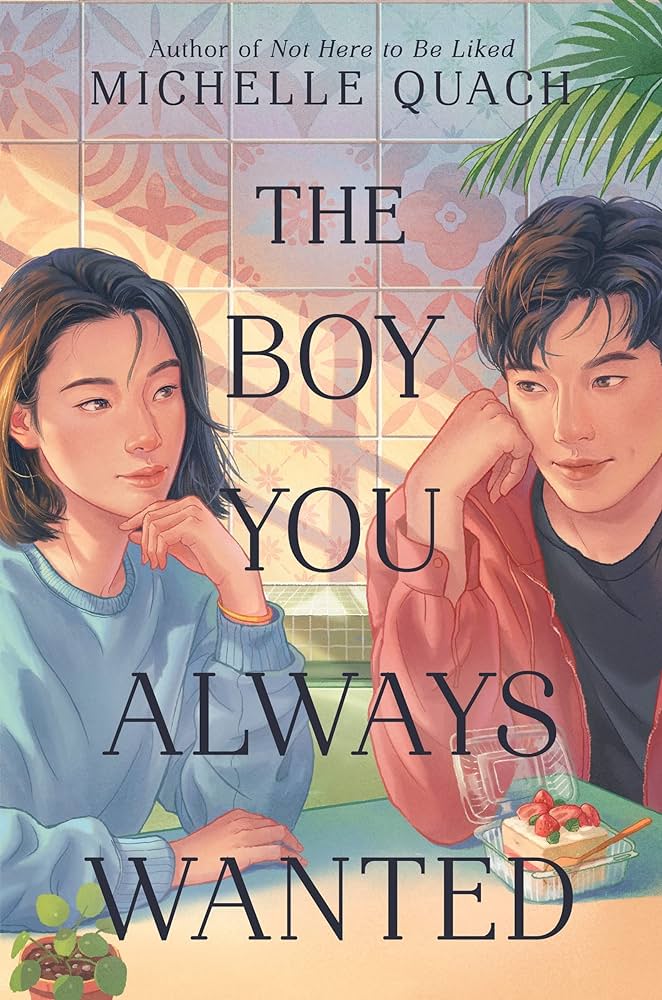
…AND A BOOK TO GO WITH IT:

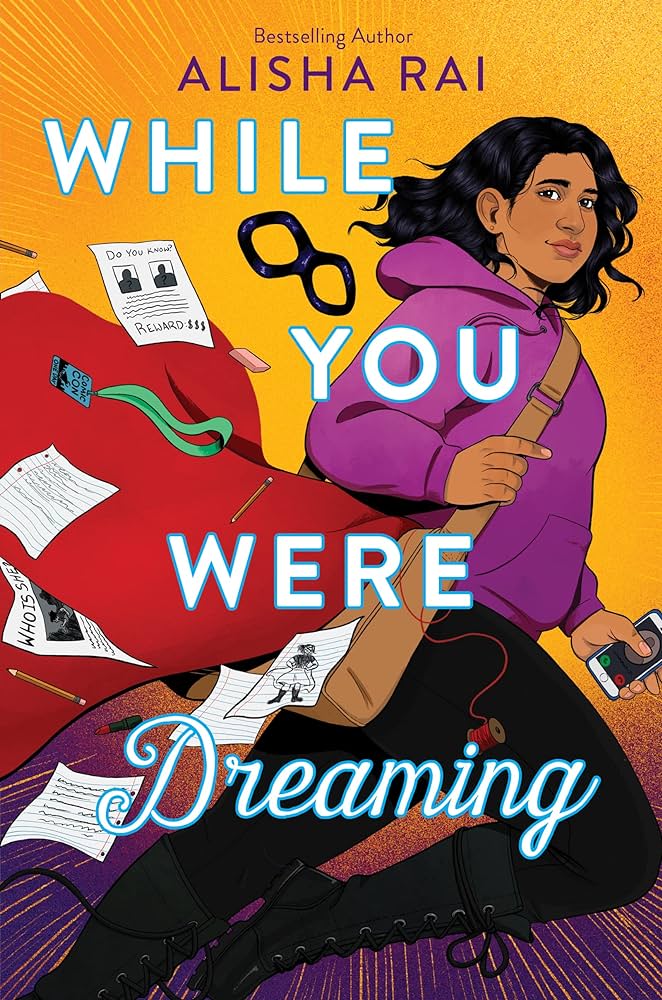
While You Were Dreaming – Alisha Raiwhen a fabricated image and reputation falls apart, it takes the truest form of yourself to mend the pieces.

“Sugar” – Masters of Reality

Babe, wake up, NEW MASTERS OF REALITY JUST DROPPED?? MASTERS OF REALITY? For the first time since 2009? Wow. That wasn’t on my hypothetical 2024 bingo card.

Either way, they returned from their 15 year extended hiatus with “Sugar” in early May, much to the surprise of…well, everyone. I haven’t followed them closely, but I thought that they’d all but disappeared from the face of the music scene. In the YouTube description, it’s followed up with a promise of a new album (?) but they haven’t revealed much else save for that and some ongoing European tour dates this summer. According to an interview with Louder, Chris Goss said that “Sugar” has been forming since the late ’90s, and it came into being out a desire to “become less esoteric and more directly personal.” Which…okay. Again, I’m not terribly familiar with the band beyond Sunrise on the Sufferbus (now that’s a top 10 album title right there), but “esoteric” is not among the words I’d use to describe the Masters of Reality. Musically? Not necessarily. It’s not the kind of music I’d expect for a pretentious music bro to go “you just don’t get it” to—a lot of standard blues rhythms, and not the kind of odd time signatures or chord combinations that might sound esoteric. And the lyrics? Does a song about a bitey but lovable cat really scream “esoteric?” It’s great! I’d even call it the perfect theme song for my cat. But esoteric it is not. I’m not Chris Goss, but I can’t help but be confused. Either way, I applaud the desire to be more personal for his music—it never hurts to write from the heart. Good on you, man.

Neither complex lyrics nor complex music are things I’d put as hallmarks for the band’s sound, but they do have an uncanny ability to make their music sound so neatly consuming. “100 Years (Of Tears To The Wind)” (another top 10 song title) feels like a wave curling into itself, with instrumentals that don’t just circle, but drown you as they do so—it’s a neat rhythm, but one made to swallow you, not unlike the soundscapes of Spiritualized. When my dad reintroduced us to this song to my brother and I a few years back, we all kept marveling about even though every aspect of this song was so simplistic, it was just so wholly effective in what it does. How does a song with lyrics like “I move, like syrup slow/I move, I didn’t know” feel as powerful as a full orchestra? No matter the personal changes that Goss has vowed to make in his music, I’m glad he stuck that quality; though “Sugar” has a slow, steady build, but by the time the chorus hits you, you’re caught in a swirling riptide of distorted guitars, strings, and chimes, building like a tornado in slow motion around you as your feet remain planted on the ground. The lyrics themselves still feel simple: “Sugar ain’t happy, Sugar ain’t sad/But Sugar got something, and something ain’t bad.” And yet, the shift is easy to see—even if the word choice is more simplistic than not, there’s a clear story, and one that makes a compelling song. Although it’s unclear whether the character of Sugar is drawn from Goss’ personal life or simply fictional, Goss said this about the lyrics: “[It reflects] on intelligent women trying to find their place somewhere in the mess…a real picture of what real people feel. The inner emotional reality of one life and its relevance to many lives.” And that ubiquity is what makes the narrative work: it’s a story that conjures up images of a woman dead-set on paving her own path, however winding it may be. My mind goes to images of a woman alone with her car, filling up the gas tank as the sun sets, her mind wandering about where she’s been as she contemplates where her journey will take her next. That journey will be difficult, but “my Sugar don’t care.” There’s beauty to be found in Goss’ sparse lyricism—it reinforces that your word choice doesn’t have to be eloquent to tell a story worth telling or conjure vivid imagery. All that matters is the heart that you put to page—or song.

…AND A BOOK TO GO WITH IT:

Camp Zero – Michelle Min Sterling“Sugar got born, Sugar got raised/Left her hometown, got lost in a maze/Met lots of men, none of them worked/To just find a place where happiness lurked…”

“Sick in the Head” – Indigo De Souza

So. I Love My Mom. I only put off listening to it because of my tradition of drawing album covers on the whiteboard on my door at school. I know, it’s college, nobody cares, but I would’ve felt weird having skeleton tiddies on display on my door for two weeks, and I doubt it would’ve gone over well with the RA. So there you have it. But now, I am free of such shackles, listening to skeleton tiddy music at my behest.

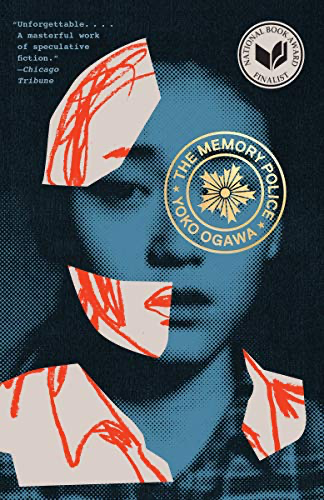
But lord, what an album. Not only does it feed both my sad bastard and occasionally raw and shouty sensibilities, but Indigo De Souza is seriously a poet. The lyrics on almost every track jumped out at me like cartoon eyes, with that slack-jawed ba-zooooooooing as the reality sets in while I scrubbed my bathroom sink. School really is a better environment for me to process albums, because leaning over to scrub some leftover gunk from the mirror was not the ideal position to let “And there was no one home in that plastic box/In that widow’s womb with the childproof locks” set in. “What Are We Gonna Do Now,” which I reviewed back in March, is still the highlight of I Love My Mom for me, but “Sick in the Head” displays some of De Souza’s most bitingly vibrant poetry. Like…doesn’t “And now that house is gone/There’s a golden lawn/And there’s a silver spoon/Someone’s been choking on” hit you like a sucker punch? But beyond that, I’m so glad that I found this song when I did, because the lyrics resonate at this age. “Sick in the Head” feels to me like a journey through the bramble back to the past, but not necessarily of the painful memories, but the childhood ethos that’s been lost and found again: “Since then our bodies have warped and bent/And now we are gray/I go back to that house sometimes/To say what I need to say.” Whew, preach. It left me wondering how old De Souza was when they wrote this song, and…turns out they were around my age, at least when I Love My Mom came out. Oh. Wow. So I’ve never had an original experience in my life, huh? But I love the imagery of this space being an empty house, and going through some sort of thorny, vine-choked gauntlet to find the part of you that now retreats in a corner, ready to be received when what is right needs to be remembered. And the quest is set off by this essential problem of growing up: “We’re going cause we’re too damn old/And nothing’s making sense anymore.” Sometimes, it’s not the wisdom of age that needs to be consulted to put yourself back on the path: it’s the little kid in you, the one that didn’t yet know that they were being perceived, and just did what they wanted to. And it’s true. My art is truest when I ask myself what my younger self would have wanted to see. It’s so easy to dismiss the stuff that your child self pointed at and said declared cool as childish and the product of an unrefined mind; Sometimes, that might be the case, but too often, we overlook the merit of how much joy that reconnecting with that urge produces. I’m working on being less critical of my writing and art, but I try to think of how little Madeline would’ve thought of how cool current Madeline’s achievements are. There may be nobody home, but there is something beyond a body that lingers in that empty house: the essence of youth and love, that, if nurtured, will guide you to the light.

…AND A BOOK TO GO WITH IT:
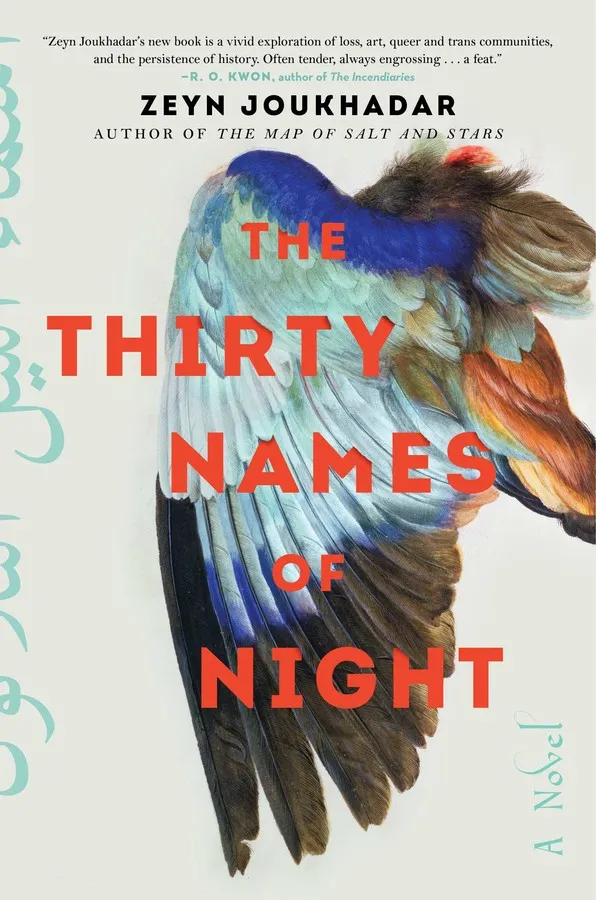
The Thirty Names of Night – Zeyn Joukhadar“And now we are gray/I go back to that house sometimes/To say what I need to say…”

“Oswald Opening Theme” (from Oswald) – Evan Lurie

I’m too scared to fully go into any kind of mommy blogging discourse just from the horrific baby names that it’s spawned, but sometimes that’s what Instagram spits out for me…for whatever reason. But in the age of iPad kids and Cocomelon, it’s comforting to see that some of the shows of my childhood are having a resurgence among new parents, particularly because of their low stimulation. In an age where kids are rapidly being fed…well, crap, basically, at incomprehensible speeds, and some parents have moved from using the TV as a babysitter to just getting their children an iPad fresh out of the womb (surely that won’t affect them 10 years down the line), some parents are reverting back to the lower-stimulation shows of yesteryear. Sure, not every single show in my childhood and beyond was angelic and perfect, and not every show now is ultra-high stimulation (I’ve heard Bluey has become gen alpha’s Blue Dog to Guide the Generations, taking the torch from Blue’s Clues), but I’m glad that the low-stimulation comfort that my parents raised me on, as well as some of the shows like Sesame Street that they were raised on, are helping kids this far down the line.

I’ve only seen Oswald come up in very few of these discussions, but I just remembered it the other day, and how quiet it was. It’s just so pure to me. Sure, Blue’s Clues and Zoboomafoo topped it, but there’s something to be said for how gentle and quaint it was. Comforting character design. Evan Lurie’s soft piano theme. Two British eggs who say “yeeees, yeeeeees” like some character that Blur parodied on Parklife. A little dachshund that looks like a hot dog. It’s just so…gentle. Thanks, Dan Yaccarino.

…AND A BOOK TO GO WITH IT:

Good Night, Mr. Night – Dan Yaccarinospeaking of throwbacks…this one was a classic in my household.

Since this post consists entirely of songs, consider all of them to be today’s song.

That’s it for this week’s songs! Have a wonderful rest of your day, and take care of yourselves!

Posted in Book Review Tuesday

Book Review Tuesday (5/21/24) – Squire

Happy Tuesday, bibliophiles!

Squire has faintly been on my radar on-and-off for the two years that it’s been out. I figured it would be something fun, but I didn’t expect such a hard-hitting, timely, and wholly beautiful graphic novel full of vibrant characters and sharp social commentary.

Enjoy this week’s review!

Squire – Sara Alfageeh and Nadia Shammas

Aiza wants nothing more than to be a Squire—she’ll be able to become a knight revered in legends and lore and send money home to her family, who are barely scraping by. And as a member of the Ornu ethnic group, she’s considered a second-class citizen by the empire of Bayt-Sajji, and becoming a Squire and joining the Knighthood is the only way to become a citizen. At first, she’s elated to join the ranks of the recruits, but after failing her first test, she’s relegated to the night watch. But she’s soon discovered by Doruk, the groundskeeper, whose past may lead her to discoveries about the Knighthood that may change everything. Soon, Aiza realizes that she’s become a part of the same machine that’s destroying her people, and must make a decision—loyalty to her heritage, or loyalty to the empire.

art by Sara Alfageeh

TW/CW: war themes, racism, violence, colonialism/imperialism themes, amputation (forced)

Whew. This hit me so much harder than I anticipated. But I am all the better for it—I’m so, so glad that this graphic novel exists, especially since it’s aimed at a younger YA audience.

Squire has some of the sharpest critique of imperialism in YA that I’ve seen since Maggie Tokuda-Hall’s The Mermaid, the Witch, and the Sea duology. It’s all the more poignant since the main character is so young—we never get an estimate, but it seems Aiza is on the younger side of the 12-17 age range for Squires. It’s an intimate portrait of watching everything you know about patriotism, faith, and empire be deconstructed in front of your eyes, and how that radicalizes a person—especially a young person—into enacting positive change. It holds no punches, and that’s exactly what it’s meant to do: imperialism is not something to be sugarcoated, even for younger reasons, and Squire does all of this and more.

Seeing all of this through Aiza’s eyes was what made Squire so unique. Her journey throughout the novel is as complicated as they get; at a young age, she has to grapple with the fact that the only way to gain recognition and help her family survive is to betray her own people. It’s a decision that she feels is straightforward at first, but having been fed on heroic, medieval-style propaganda, she feels in her heart that she’s right. It’s only when she fails to meet the standards of the empire that she sees the error in her ways, and her crisis begins: how can she hold an empire that she’s been groomed to love and an identity that has shaped her life in equal regard? Not such a simple decision, especially when you’re 13 or 14—and when you realize that this empire has been carrying out raids on the very same people that you once called family and friends, who the empire likens to mongrels and scum. Alfageeh and Shammas executed her journey, in all of its emotional messiness, with such care and beauty; you really feel for Aiza as she watches the reality that the empire constructed for her crumble, and her eventual mission to pursue justice was a truly resonant call to action for our times.

For the first 30% of Squire, I didn’t think that I would end up rating it 5 stars. I loved Alfageeh’s art, toeing the line of stylized and realism with ease, with each character displaying a unique emotional range. For the first third of Squire, it’s mostly seeing Aiza go through her training—a lot of running around in the countryside and playing at being a Knight. But the minute the tone shifts, it shifts dramatically—and for good reason: this is when Aiza’s image of the empire is turned to dust. Never once did the tone shift feel unrealistic; not only did it represent the drastic fall of Aiza’s faith in herself (and the Knighthood) after failing her first round of tests, but it felt true to her age and situation. If I’d been in the same situation at that age, I would have lashed out just like she did, that classic mix of sadness, anger, and deep-seated frustration at trying so hard, only to miss your goal by a hair.

Squire’s cast of characters were equally vibrant, and beautifully rendered by both Alfageeh and Shammas. Shammas’ writing made them feel like real teenagers grappling with circumstances out of their control. Like Aiza, each of them went through a complicated journey before joining Aiza and her cause; some had reason to believe that empire was beneficial to them, others never wavered in their faith until the end. Above all, they felt like confused kids—and that’s what they were. But the relationship that stood out most to me was that of the mentor relationship between Aiza and Doruk. After some hesitation, Doruk begins to see himself in Aiza—a child abandoned by the empire and forced to see the might that she once viewed as heroic being turned against her own people. I’m always a sucker for stories with ambitious, energetic kids being guided by disgruntled, older mentors, but in this case, it was a relationship that was crucial to Aiza’s development. Here was someone who had been ground through the same machine as she was and come out the other side knowing the truth; Doruk knew he had the power to change things, and mentoring Aiza in secret was his way of rebelling: teaching. God. God. Somebody hold me.

Squire’s climax was one of the book’s strengths, not just in its execution but in its symbolism, if the latter was in your face. (I’d argue that it’s supposed to be in your face—explosively annihilating a symbol of imperialism doesn’t really scream “quiet” to me.) The unity of Aiza and her band of misfits shone through after page after page of delicate development, and the conclusion, as dramatic as it was, really was the only way the book could end: in flames. What a beautiful note to end on—the physical representation of imperialism and blind patriotism, both as a character and a location, going up in flames as a result of the justice and drive of ordinary people. Yes. YES! I’ve seen some reviews that it’s a very straightforward way of going about imperialism as a whole, but I think what Squire has the power to do is be an introduction to the horrors of imperialism for younger readers just getting into the genre. Especially in these horrific times, Squire gives older MG and younger YA readers a picture of imperialism digestible enough to apply to both history and the present (especially the present). And I can’t think of any other novel fitting of the job: it’s a heavy load to carry for so many young readers, but I am so, so glad that Squire exists.

All in all, a timely and deeply emotional portrait of imperialism and war that is sure to touch the hearts of readers young and old. 5 stars!

And by the way, if it wasn’t already clear: Free Palestine.

Squire is a standalone; Nadia Shammas is also the author of Ms. Marvel: Stretched Thin, Confetti Realms, Where Black Stars Rise, and several other comics. Sara Alfageeh is also the illustrator of Not Yet: The Story of an Unstoppable Skater, and has contributed to Once Upon an Eid, Bingo Love, vol. 1: Jackpot Edition, and many other comics.

Today’s song:

I LOVE MY MOM!! (in the sense that I love my mom, and also this album, I Love My Mom.)

That’s it for this week’s Book Review Tuesday! Have a wonderful rest of your day, and take care of yourselves!

Posted in Sunday Songs

Sunday Songs: 5/19/24

Happy Sunday, bibliophiles! I hope this week has treated you well.

This week: in addition to my blue and black/white/gray periods, it’s become increasingly obvious that I also have a green period. On another note, food processors are great!

Enjoy this week’s songs!

SUNDAY SONGS: 5/19/24

“Advert” – Blur

The restraint I displayed by not blowing through Blur’s entire discography back in the last half of 2021 is restraint that I have yet to parallel, so it’s only now, almost three years after the initial Blur Breakdown, that I’ve gotten around to Modern Life is Rubbish (if there was ever a more British title). I did sort of sully it with the experience of listening to it while crawling under my bed while trying to exorcise the last of the dust bunnies from my dorm (and getting caught on the rain), but that’s all me—this is the first Blur album where they started to feel like themselves.

I’d never thought of Modern Life is Rubbish, Parklife, and The Great Escape (the final Blur album to surmount) as a trilogy until Trash Theory described it as such—from my understanding, this is what cemented their reputation as the foremost clever spectators of British life in the ’90s, peering out of every windowsill with a snappy remark about the passersby. Modern Life feels like Parklife just before it morphed into the masterpiece it would later be—all of the pieces were there, and all that was needed was to make it larger than life. The melted shoegaze of Leisure was hanging on by a thread (it’s much more evident in the special edition—see: “Peach”), and they’d shifted from staring off into the distance, bleary-eyed and exhausted, into taking out that exhaustion on whatever they saw fit. Straight off of the heels of the triumphant “For Tomorrow,” “Advert” opens with a soundbite from the commercial you’ve just heard (“Food processors are great!”) before launching into what feels like the genesis of Graham Coxon’s signature assault of pounding guitars that practically demand every crowd to jump up and down. This relentless guitar work feels like witnessing the larval stage of “Jubilee,” crashing and bouncing with unending abandon. And this kind of guitar that threatens to consume the track is perfect for the endless consumerism that “Advert” comments on—commercials everywhere, a flood of inescapable offers leeching off of the dissatisfaction of the ordinary man: “You need a holiday somewhere in the sun/With all the people who are waiting/There never seems to be one.” This consumerism leads to even more dissatisfaction, which leads to more consumerism to quell said dissatisfaction, which leads to…ah, capitalism. What could possibly go wrong?

…AND A BOOK TO GO WITH IT:

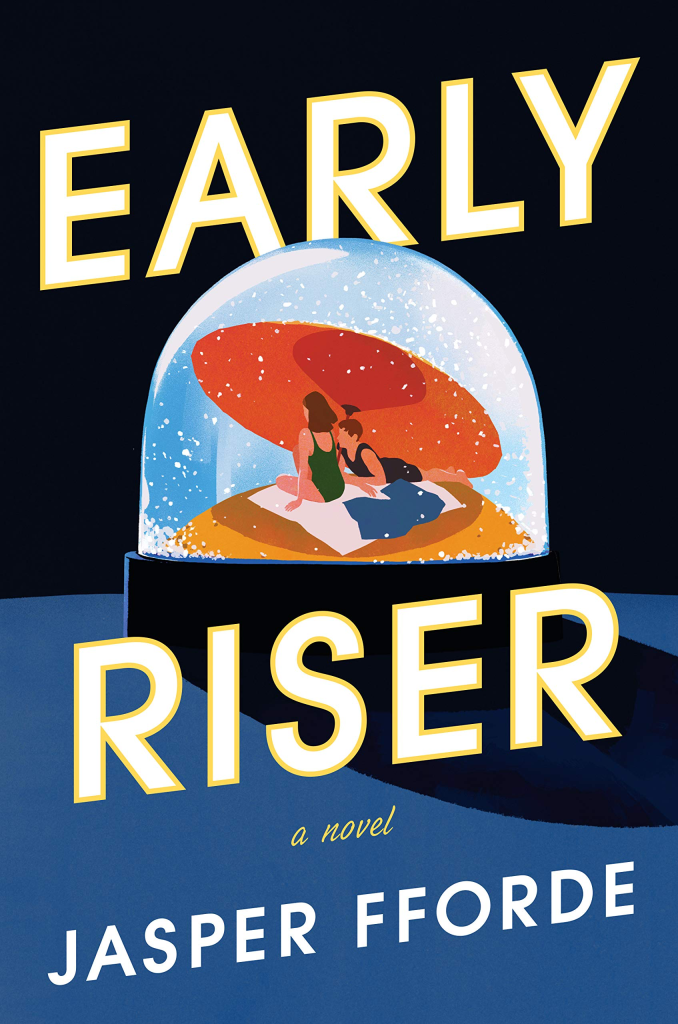
Early Riser – Jasper Ffordeconsumerism: the perfect diversion from an oppressive, unlivable winter!

“Abbey” – Mitski

LUSH, Mitski’s first album, was made for an end-of-year project when she was a junior in college; there’s an unverifiable TikTok rumor going around that she got a C on it, which, given the traction of the Mitski fandom, is just going to become an urban legend at this point. So it goes.

Either way, it’s both remarkable and understandable that she wrote all of these songs and had them produced while she was still in college. Remarkable, because just from “Abbey,” she clearly had the nascent talent for wringing emotion out like ice-cold water from a towel from a young age, and understandable, because sometimes being alone and sleepless in your dorm on the very first night of college brings out that flood of inner darkness. Leave it to TikTok to leave out the best part of the song for whatever trend it latched itself to; the slow, chanting a cappella that gained traction feels like a prayer to a void growing within your chest, a litany of acknowledgment to that which you want to reach, but cannot touch. As an instrument, Mitski’s voice, unaccompanied until halfway through the song, is a haunting, flitting machine, the slow peak and valley of a heart monitor. But once the digitized drums sweep through, it feels as though the sky has opened up. This prayer has transformed from a whisper into the confession box into a plea bellowed to the heavens. “Abbey” chronicles a search for the soul, a ravenous hunger that cannot be sated that lies just out of reach: “There is a light, I feel it in me/But only, it seems, when the dark surrounds me/There is a dream and it sleeps in me/To awake in the night, crying, ‘Set me free’/And I awake every night, crying, ‘Set me free.'” Hoowheee. God. Makes me want to travel back in time just to give her a hug, but it seems like she’s now far removed from that time in her life, emotionally: she described the version of herself that wrote the album as being “long gone,” so I can only hope that she’s been able to fill her heart, as much as the music industry has kept her from doing so.

…AND A BOOK TO GO WITH IT:

Hell Followed With Us – Andrew Joseph Whitea void within that only becomes hungrier the more it grows.

“Side By Side” – Crumb

AMAMA, which came out on the 17th, wasn’t at the top of my most anticipated albums of the year, but after only one listen, it’s cemented itself as one of the most exciting ones so far. It’s a side of Crumb that hasn’t been let loose until now, one that, instead of gently dribbling like age-old water from the precipice of a glacier, skitters around on the smallest legs, darting this way and that like a frightened millipede. The whole album feels like watching a bunch of beetles hopped up on sugar water run a race: their iridescent shells catch the light as they crawl about, scaling walls instead of the tiny racetrack and occasionally clambering over each other to get ahead. No wonder they named a whole song “The Bug”—I need the instrumentals of AMAMA just so that somebody can use them for a documentary about insects.

AMAMA‘s three openers—“From Outside A Window Sill,” this song, and “The Bug”—are its strongest links, and although the album never falters, these three shine the brightest. “Side By Side” ricochets with an energy that I never would have expected from the likes of Crumb; both the drum machine and the actual drummer are working overtime to create a scampering beat that frantically bounces like a honeybee trapped under a plastic cup. It’s a song that yearns to go, go, go, and go it does—the swirl of rapid-fire synth beats are unpredictable in their flight path, so much so that I feel a jittery, sugary rush just listening to it. For me, the most fascinating part of this change in speed for Crumb is how easily Lila Ramani’s voice adapts to the change; it’s not like I thought she couldn’t sing more quickly, but her voice only slightly seemed to change speed along with the music. Her voice is permanently trapped in a slurry of amber, unaffected by time or space—I feel like her vocals, no matter the speed, would mesh with any tempo. It retains that syrupy calm that made the rest of Crumb’s catalogue so soothing and laid-back—a quality that feels suspended in a space beyond time.

…AND A BOOK TO GO WITH IT:

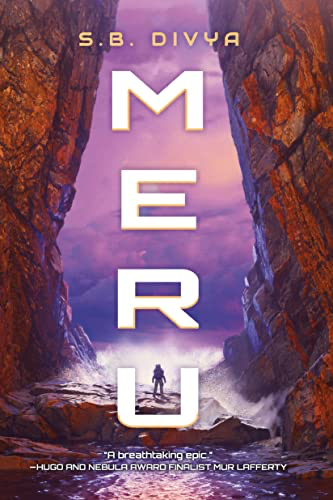
A Half-Built Garden – Ruthanna Emrysskittering with life and energy (and some insectoid and arachnid aliens).

“Lusitania” (feat. St. Vincent) – Andrew Bird

It took me how long to find out that Andrew Bird had recorded a song with St. Vincent? I’m surprised that 12-year-old me didn’t find this drifting around somewhere, but to be fair, St. Vincent’s name isn’t listed on the official track.

In 2024, Andrew Bird and St. Vincent do seem like an odd couple; since 2012, Clark’s style has morphed so many times that it’s difficult to imagine her stylistically even going near Bird’s songbird-whistling, violin-dominated alternative folk. It makes sense that this was probably recorded sometime in 2011—post-Strange Mercy, but before the last dregs of Actor and Marry Me were out of her system. She’s still never been fully folk, but the intersection of the Venn diagram of her early style and Bird’s is wider than I thought it would be. With her guitar playing mostly absent, what shines in “Lusitania” is her voice; you can tell in the first half that she’s been quieted in post-production or that she’s holding back on completely dominating the track. “Lusitania” makes me miss those artsier sensibilities of 2008-2010 St. Vincent, the delicate turns of phrase and the more feathery clarion calls her voice twisted into. Just like that, I’ve got another song in my hypothetical playlist of songs where artists sing certain phrases in a way that scratches all the itches in my brain: in this case, her singing of “there’s no shame” at 2:44. Her warble seems to chain-link with Bird’s in a way that produces its own chord, something more than a harmony that feels like a tuning fork struck at my heart.

But why don’t I talk about Andrew Bird, though, since…y’know, he’s the one who made the bulk of this song, anyway? Totally unlike me to go on about St. Vincent…completely uncharacteristic. (I have not changed a bit since middle school.) The instrumentation doesn’t stand out to me on this one as much, save for the rising cymbals that nearly swallow both Bird and Clark’s voices. But it’s clearly to make way for the lyrics—a clever string of World War I metaphors, presumably about a relationship where one party suffers volley after volley of abuse, while the other doesn’t even think to recognize that their behavior is harmful: “If your loose and libel lips/Keep sinking all my ships/Then you’re the one who sank my Lusitania/But somehow it don’t register as pain at all.” As far as ship metaphors go, the Titanic has likely been used one too many times, but the Lusitania feels especially potent on several fronts. The use of such a large passenger ship (and its sinking) drives home the metaphor of weathering emotional abuse until it drowns you. What’s more effective still about the Lusitania was its eventual role in the First World War; since a significant number of its passengers were Americans, the sinking of the Lusitania by a German U-Boat was part of what pushed public opinion towards entering the war on the side of the British in 1917. Just like the boiling public outrage of the American public, the Lusitania was the straw that broke the camel’s back, an event so explosive that there could be no other option than to break away, no matter how many casualties it cost. “You laid mines along the shore” feels like the last gasp of this deeply harmful relationship, the claws that scored scars down the narrators back as they squirmed free of their bloodied grasp.

I really should have seen this collaboration coming, not because of my middle school obsession, but also because it slipped my mind that it wasn’t the first time. Here they are in 2009 performing “What Me Worry?” (15:51) and “Black Rainbow” (21:09).

…AND A BOOK TO GO WITH IT:

Fireheart Tiger – Aliette De Bodard“If your loose and libel lips/Keep sinking all my ships/Then you’re the one who sank my Lusitania/But somehow it don’t register as pain at all…”

“The Mainline Song” – Spiritualized

How I’ve never covered Spiritualized on Sunday Songs is genuinely beyond me. I did sort of discuss them when I talked about “Monster Love” last June, but that was more of a remix than anything. They’ve been in my top 5 artists of all time for at least 4 years now, but I suppose I blew through most of their catalogue before I started writing these posts. Mark my words, “Ladies And Gentlemen We Are Floating in Space” is always on in the background of everything else I’m listening to.

Everything Was Beautiful, which came out around two years ago, was some of J. Spaceman’s best work to date; at the time it came out, I remember describing it as Ladies And Gentlemen We Are Floating in Space but happy. Insane concept, I know…when was the last time you saw J. Spaceman and happiness in the same room together? Hardly ever, up until maybe 2017, right? Jesus. This poor man has to be the dictionary definition of “going through it.” Which is why the “happy Ladies And Gentlemen” hit me so deeply—all of the heroin, heartbreak, and near-death experiences have begun to fade away from his newer music, but the explosive, immersive creativity remains the same—you can really tell that these positive changes in his life have really begun to take root. And I am so glad. This man has been on the brink of death not once but twice. He doesn’t just deserve it: he needs it.

Like Ladies And Gentlemen, Everything Was Beautiful is always at the back of my mind, usually in the form of the uproariously celebratory “Always Together With You” and the nearly 10-minute long, haunting and cinematic closer “I’m Coming Home Again.” “The Mainline Song” lands on the side of euphoria, and thank god that it’s not heroin-induced this time (as much as “She Kissed Me (It Felt Like a Hit)” slaps). J. Spaceman’s immeasurable talent lies in how quickly he can not just create an atmosphere, but how he can create one that consumes so instantly. It’s not a building wave that darkens you with shadows before swallowing you whole: a more apt comparison would be falling into the core of a star, instant immersion with stardust sounds and white-hot flares roaring all around you. Every song is a universe contained in a spare amount of minutes. However, even if I did cast aside the part about there not being a build before the immersion, the buildup to “The Mainline Song” may just be its main draw. The build itself is part of the universe; J. Spaceman doesn’t even start singing until the halfway point, letting the song construct itself from fragments of stardust and train tracks as it swirls into being. It’s a song patched from the breeze of night, the kind you only find when sticking your head out of a car window, breathless and ecstatic. It’s a sprint through the streets as city lights blink like so many stars. It’s the wind parting your hair as you run to catch the bus, panting as you stumble inside with a fit of laughter. As many songs as there are about this kind of adventuring, none of them quite capture the hopeful feeling of “The Mainline Song.” No feeling necessitates J. Spaceman’s magical universe creation more—the swirl of horns, choir, and machinery bottle the feeling in all of its rapid euphoria, as blurry as the world passing by from the window of a train. Like nothing else, “The Mainline Song” captures the look you share with your friend as you reach a silent agreement to leave everything else and run. The destination isn’t what matters: it’s the breathless thrill of love.

…AND A BOOK TO GO WITH IT:

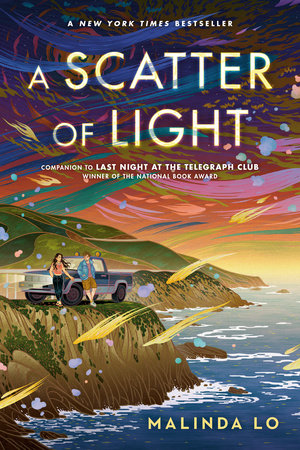
A Scatter of Light – Malinda Lowarmth, adventures in the city, and an unforgettable summer.

Since this post consists entirely of songs, consider all of them to be today’s song.

That’s it for this week’s Sunday Songs! Have a wonderful rest of your day, and take care of yourselves!

Posted in Music

All Born Screaming – album review

Happy Friday, bibliophiles!

2024 has proven to be momentous for my inner middle schooler. A new St. Vincent album, and the Apple TV+ adaptation of The Search for WondLa…exists. I may revert to my middle school self if everything else about the show is as terrible as the “reimagined” character designs. But that’s not what I’m reviewing today.

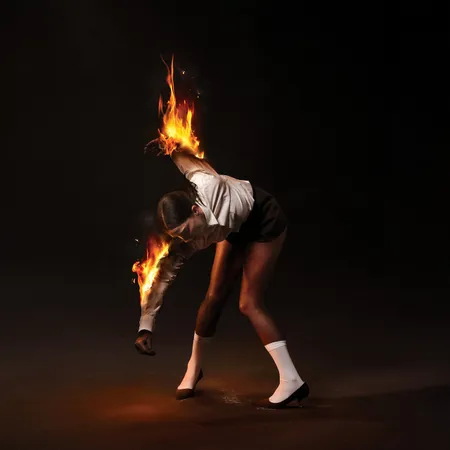
Those of you who have stuck around on this blog may remember me enthusiastically reviewing Daddy’s Home on the heels of surviving the hell that was junior year during COVID. Those who have stuck around longer still remember my middle-school rant about MASSEDUCTION. (I’d rather you…not remember the specifics of the latter, but I still count that album as her lowest point.) Her self-titled record was as much of a friend as an album can be when I was 12, struggling to reconcile being unapologetically myself and wanting the acceptance of my peers. Marry Me was the first album I ever bought with my own money, and Actor, Strange Mercy, and Love This Giant all saw me through high school. All that is to say that St. Vincent has been there for me in the best of times and the worst of times. So naturally, I did scream when I found out about All Born Screaming—not just a new album, but a supposed return to her harder sensibilities—was coming out this year. And while it wasn’t fully the rock album that was marketed—or as musically cohesive as she tends to be—All Born Screaming is, without a doubt, some of her best work in years.

As I’ve been excited about this album for months—and writing more about music than I have in past years—I’ve already reviewed 3/10 of the tracks from All Born Screaming, so I’ll link to each separate installment of Sunday Songs that I reviewed them in, so as not to sound like a feral, sobbing, broken record.

Let’s begin, shall we?

ALL BORN SCREAMING – ST. VINCENT

Release date: April 26, 2024 (Total Pleasure)

TRACK 1: “Hell Is Near” – 8/10

St. Vincent tying the aesthetic and merch in with images of marigolds is pure evil. Diabolical. Diabolical of them to pair one of my favorite artists of all time with my favorite flower…holding out until she announces a date near me until I buy that one marigold shirt, because it’s an inevitability. It’s only a matter of time.

“Hell Is Near” is an opener that creeps through the shadows on feet that you can barely see coming. With a thumping bass that thrums like a heartbeat witnessing horrors in the dark, it feels like the slithering transition between eras and personas, especially with the allusion to “The Nowhere Inn” (“Snubbed out smoke in a pack from the Nowhere Inn”). I can almost see Clark crawling out of some kind of giant shadow box as the song progresses, the heartbeat bass echoing off of every wall as her hands emerge from the darkness. I can’t help but think of the chord progression of “Prince Johnny”—this album is the most similar to the self-titled record since the record itself, and it’s clear that she’s cobbling this current aesthetic upon shadowier corners of that era, with guitar riffs that seem to interlock like strands of DNA. It’s a slow trickle of an opener, and as it dissolves into a flurry of high piano notes and fluttering synth, it leaves you guessing—where could she possibly be taking us to next?

TRACK 2: “Reckless” – 8.5/10

“Reckless” almost feels more like an opener than “Hell Is Near” does, even though the latter does a fantastic job of being an opener. After “Hell Is Near” dissolves, we return to sparse wasteland that the first track set up, but with a significantly darker tone—both speak of leaving the past behind, but “Reckless” turns “Hell Is Near”‘s willingness to move on to dwelling on it.

If there’s one thing about new music that I always live for, it’s those moments where you hear a lyric for the first time and physically have to stop in your tracks just to process how beautiful it is. Last year, I had that moment with Wilco’s stunning “Sunlight Ends”—”you dance/like the dust in the light” made all time stop around me. Jeff Tweedy just does that. And so does Annie Clark—it’s hard to think of a line on All Born Screaming more hard-hitting than this: “I’ve been mourning you since the day I met you.” Even if it precedes “Flea” and its tale of a love so predatory that it becomes parasitic, this feels like the fallout; it feels like a reconciliation, or just a realization of a feeling of destroying everything you touch, knowing that your actions will eventually drive away everyone that you will ever love. Whatever the narrator did has become so thoughtless and violent that it’s left them with nothing but “the smell of your hair on the curtains, babe,” and all that is left of them is a memory that they cling to with all that they can, knowing that what they did was enough to send them running for good. The sparkling synths that burst like faulty wiring at 2:38, around 2/3 of the way through, feel like the memory of the outburst that left them isolated, longing for something more, as Clark stares out the window like a widow remembering how her lover was slain in the war. This, unlike “Hell Is Near,” felt like a more certain sign of things to come—the wires have been cut, the dishes are shattered on the floor, and your heels are burnt and bleeding from stepping on them both.

TRACK 3: “Broken Man” – 10/10

Reviewed on 3/10—I haven’t stopped foaming at the mouth, thank you very much

TRACK 4: “Flea” – 10/10

Reviewed on 4/7—no, I still haven’t recovered from “I look at you and all I see is meat,” why do you ask?

TRACK 5: “Big Time Nothing” – 8.5/10

This is what MASSEDUCTION should have been.

All Born Screaming was what Clark called “post-plague pop,” and nothing exemplifies the “pop” aspect more than this song. Like the spandex she wore on the MASSEDUCTION tour, the skittering synths clamp the beat down enough so that it hardly even has room to squirm. There’s threads of Björk’s electronic catwalk-strutters and the obvious (to me, at least) nod to Peter Gabriel with the last utterance of “big time nothing” being cut off to a chorus of “big time”; a very fitting nod, since these two Big Times deal with the same Big Time in question: the allure—and detriment—of being under the magnifying glass of fame. Gabriel’s “Big Time” was his view on what fame turned people into—and what he feared that, as his own fame grew, he might become. (Of course he wasn’t going to, though. He’s too humble of a guy.) And even though Daddy’s Home was the first album post-MASSEDUCTION to deal with the litany of events Clark experienced, this one seems to address the scrutiny she felt under the microscope of paparazzi while she dated Cara Delevigne; she was already renowned in indie circles, but she’d never been exposed to that kind of relentless tabloid predation before, and, understandably, it’s done a number on her mental health.

Each lyric is a rapid-fire command, as though being dictated to a model while she’s spinning around for the camera: “Don’t blink, don’t wait/Don’t walk, you’re late/Don’t fall from grace, behave/Don’t trip, sashay.” Every misstep is tabloid fodder, and every move she makes is under heavy surveillance. The dead-eyed delivery of each spit lyric cements the soullessness of it all, other than an occasional vocal dip (“Don’t feel so sick”) where it turns from dead to sinister, a pseudo-coo that seems to come with a promise through red lips and an emotionless pat on the shoulder. It’s pop, but the kind of pop that’s delivered with Clark’s keen (and weary) observations on being in the celebrity spotlight—this is the natural evolution of “Los Ageless,” especially my favorite lyric from it: “girls in cages playing their guitars.” You can entertain, but you can’t move.

TRACK 6: “Violent Times” – 8.5/10

When the starts the All Born Screaming tour, she just has to transition this with “Marrow.” Or any track from Actor, come to think of it. “Violent Times” feels like a version of Actor that leans more into the boldness than the flighty, hiding-under-the-bed sensibilities. With a brass section powerful enough to flatten a forest, the dial is turned from observational pop back to the in-your-face force of “Broken Man,” but instead of the latter’s formal urges, it’s a leather jacket-clad beckoning back to a lover, sunglasses tilted down the nose and not a smear of lipstick out of place. As the brass blasts and the papery drumbeat thrums, Clark sultrily sings of the never-ending glow of kindness in the darkest hour—”I forgot people be so kind in these violent times.” Even though it’s made for Clark’s signature, birdlike dance moves, slick and smoky, it touches at some of the album’s tenderest moments. In the chaos of the modern world, it becomes more difficult day by day to remember that there’s still good left in it. But as Clark reminds us, what’s preserved from history’s great tragedies is always the innate, human quality of love: “When in the ashes of Pompeii/Lovers discovered in an embrace/For all eternity.” The subject matter and the musical atmosphere seem eons away, but in Clark’s hands, they’re all but twins, molded from the same warm clay into one of the most iconic tracks of the year.

TRACK 7: “The Power’s Out” – 9/10

Speaking of nods to other artists…

This one is the most obvious out of the many tributes to her musical inspirations, but for me, it’s the most emotional and poignant. “The Power’s Out” is, in essence, a four and a half minute long tribute to the iconic opener from David Bowie’s The Rise and Fall of Ziggy Stardust and the Spiders from Mars, “Five Years”—in my opinion, one of the greatest album openers of all time, given the artistry, fly-on-the-wall observations, and the overwhelm of emotion. The nods are practically everywhere. My brother pointed out how the drumbeat is almost identical, albeit with one beat more and significantly digitized. The parallels are everywhere:

“Came the message on the station/’The power’s out across the nation/And, Ladies and gentleman, it seems we got a problem’/The man on my screen said, just as somebody shot him.” (Clark)

“News guy wept and told us/Earth was really dying/Cried so much his face was wet/Then I knew he was not lying.” (Bowie)

“It was pouring like a movie/Every stranger looked like they knew me.” (Clark)

“And it was cold and it rained, so I felt like an actor.” (Bowie)

“And ‘Ladies and gentleman, do remember me smiling’/The queer on the train said as she jumped off the platform/And some blind folks held the police, crying/I swear to you I would not lie.” (Clark)

“A cop knelt and kissed the feet of a priest/And a queer threw up at the sight of that.” (Bowie)

I’ve got a whole Charlie Kelly conspiracy cork board laid out in my head. It’s all blatantly intentional, and it’s beautiful to me, coming from someone who has said that “there’s nobody who I would put above Bowie.” But what separates “Five Years” and “The Power’s Out” for me is the grounding. “Five Years” was the grand sweep of the beginning of his famous concept album, where Ziggy Stardust comes to Earth in its final five years to teach humanity the power of love and music before their time is expired. It’s more emotional than “The Power’s Out” for me (because, like Clark, there’s nobody I would put above Bowie…but she’s very close), but even with the barrage of anguish that Bowie pours out at the song’s climactic, chaotic flurry of an ending, you still know it’s part of something fictional. With “The Power’s Out,” there’s no pretense of total annihilation or alien saviors—it’s the horror of reality, the horror of contending with modern life. The world isn’t ending, but the disarray of the city and the fear being grown and harvested in barrels makes every day seem like a catastrophe. We’re assaulted with hate and fear from all corners of the world, now more than ever, and no one is exempt. With all of the horrific events flooding us, all we can do is try to move through it as best we can, yet still be expected to return to it and live through it all over again; all of the chaos, fear, and violence Clark describes is wrapped up in a whispery confession in the final line, as though to a partner: “That’s why I never came home.” It’s a beautiful conversation with Bowie, one that grounds its inspiration in the maelstrom of dystopian chaos that is 21st century living.

TRACK 8: “Sweetest Fruit” – 9/10

Reviewed on 4/28—good LORD, this is phenomenal

TRACK 9: “So Many Planets” – 6/10

Why does the thumbnail for this video look like I’m at a parent-teacher conference and St. Vincent’s about to pull up my math grade and tell me that my test scores have been slipping 😭

There have been various moments on this album that have made me go “huh?”—unexpected musical turns left and right. It’s an album that, if nothing else, has kept me on my toes. But this was the first on the album that was not a good “huh.” Most of the early reviews of the album called it the emotional centerpiece, so I was expecting something in line with “I Prefer Your Love,” “Live In The Dream,” or even “Slow Disco”—St. Vincent knows how to bring things down to Earth from the grandeur that she paints. But “So Many Planets” is just a jumble of confusing decisions. Here’s the thing: the lyrics are vulnerably beautiful, but the tonal dissonance between said lyrics and the music makes the aftertaste one that I don’t like all the way. It’s got this odd, synthy, bounce, and her delivery is oddly stiff and angular. Usually, Clark is one to mesh two oddly contrasting elements and make them work (see: “Violent Times”), but here, it just feels so tonally distant that it falls flat. Separately, these aspects are commendable, but they weren’t meant to be together. This is the low point of the album, without a doubt, but in the grand scheme of things, if this is the worst song, then it’s a fantastic album.

TRACK 10: “All Born Screaming” (fear. Cate Le Bon) – 7/10

All Born Screaming, as wonderful as it is, doesn’t stick the landing so well…until it does. Combined with “So Many Planets,” “All Born Screaming” is another tonally dissonant, pseudo-reggae ball of confusion that sits strangely in my mouth. It seems like the kind of thing to be paired with the kind of perky dance that Clark often did with her backup dancers on the Daddy’s Home tour, and for a song that’s meant to be the album’s closing thesis and its title track, it…doesn’t work. Most of my thoughts on this song parallel my thoughts on “So Many Planets.”

But.

About halfway through, the freakout starts. Distorted voices bubble through the wire, guitars whine and screech, and an accelerated, anxious heartbeat propels “All Born Screaming” into its final form. Joined by the cavernous voice of Cate Le Bon, Clark turns the album’s title into a clarion call, howling out to the masses: an affirmation that despite it all, we are still here. We were all born screaming, and we will continue to scream until our last breath. We are here, and we won’t go away. We went into the woods that Clark spoke of, scarred by brambles and wild animals, but in one piece, stronger for having pushed through the journey. In the background, the electronics accelerate like sleek cars down a racetrack, setting off sparks. This takes up half of “All Born Screaming”‘s nearly 7-minute length, but even if the first part had been cut away, it would still be one of the most poignant moments on the entire album. I almost get choked up at the sudden drop-off of the electronics and the shift to just the chorus of Clark and Le Bon. It gets to you. Gets you right through the ribs…I just wish the whole song got the memo.

It’s an ode to growth in all of its ugliness, knowing that whatever you have survived, you can and will survive it again.

going insane trying to choose just one photo from this photoshoot to use bc THEY’RE ALL SO GOOOOOOOOOOD

I averaged out the ratings for each track, and it came out at an 8.5! All Born Screaming, even if it does lean in a musically scatterbrained direction, is some of St. Vincent’s most vulnerable work to date. Self-produced and deeply personal, it seems to map her heart in ways that haven’t been done in her previous albums. All of that shows—it’s a bold, furious, and boundlessly creative ode to surviving—of crawling free of the darkness and finding your way home to the guiding light of love. The journey may turn you feral, but once you’re free of all of the vile parts, you’re free—to scream. And there is no one’s primal scream I’d rather hear more than that of Annie Clark.

Since this post consists entirely of songs, consider all of them to be today’s song.

That’s it for this album review! Have a wonderful rest of your day, and take care of yourselves!

Posted in Book Review Tuesday

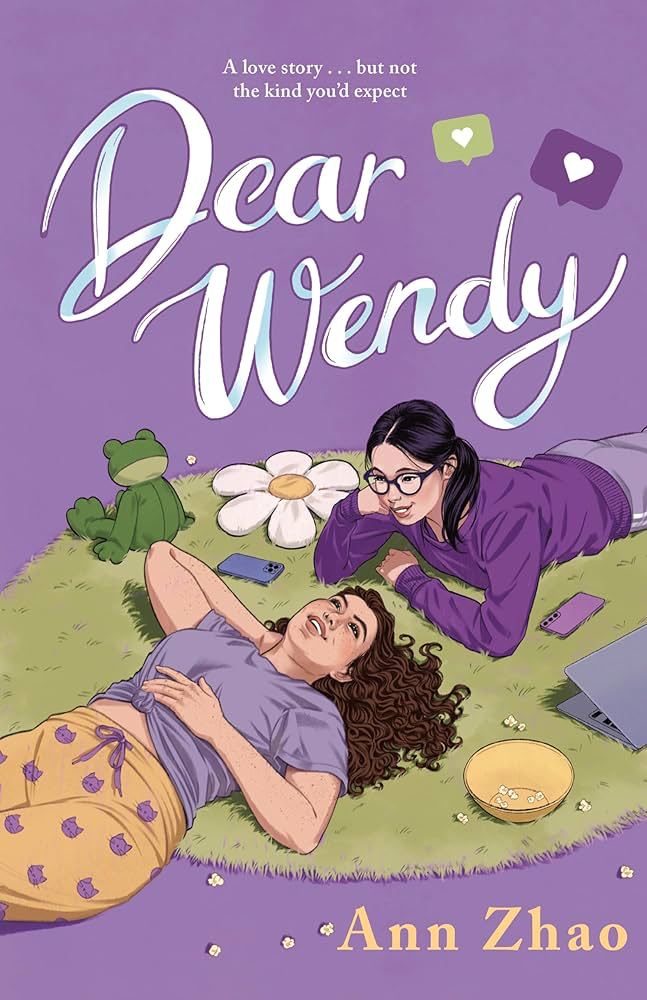
Book Review Tuesday (5/14/24) – Dear Wendy

Happy Tuesday, bibliophiles!

Hooooooooooooo-whee…rant incoming…they’re good for the soul. Sometimes. I hate to do this so soon after I posted this year’s AAPI Heritage Month recommendations, but I just had to get this review off my chest. I highly recommend all of those books over this one.

God. I really wanted to like this one. Older YA where the characters are in college are few and far-between, and what’s even fewer and further-between is aromantic/asexual representation, much less POC aro-ace representation. I almost DNF’d this one, but I really wanted to stick it out and see if it turned out any better…and tragically, it didn’t. I hate to say it, but Dear Wendy was one of the most stiffly-written books I’ve read in quite a while.

Enjoy this week’s review!

Dear Wendy – Ann Zhao

Sophie Chi and Jo Ephron are both second-semester freshmen at Wellesley College, and they don’t know that they know each other. Sophie runs Dear Wendy, an Instagram account that gives love advice to Wellesley’s student body, and Jo runs Dear Wanda, a much more unhinged parody of the former with joke advice to contrast Wendy’s more serious online persona. The two meet in real life and immediately hit it off—they’re both aroace, and have never met many people, even in the queer community, who have experienced the same things as them. But as their online feud as Wendy and Wanda gets heated, Sophie and Jo must decide if they want to divulge their mutual secret—and risk their real friendship.

TW/CW: aphobia, anxiety, bullying, discussions of coming out/non-accepting parents (brief)

Ooof. Even from an outside perspective (as a non-ace person, but still queer), there’s a noticeable dearth of asexual-/aromantic- spectrum stories, even in YA, which is usually several steps ahead of the game as far as being progressive. So in concept, I’m glad that Dear Wendy exists, and I’m sure it will help a ton of a-spec people find their voices and feel seen. But good lord, this was easily one of the most poorly-written novels I’ve read all year. I’m genuinely baffled that I read the same book as all of the other people who left such glowing reviews. Baffled. Again, speaking from an outside perspective, but I think the a-spec community deserves better than this…

I usually preface my negative reviews with this, but I’ll say it again, because it always applies: I’m willing to give a certain amount of slack to Ann Zhao since Dear Wendy is her debut novel. It’s so hard to put pen to paper, and harder still to get it published, and that in and of itself is an intense labor of love. And I’m so glad that this book exists for some people for its discussions of AAPI, aroace, and gender non-conforming identity. I’m sure it’ll be a book that will mean a great deal to a great deal of people.

But. But.

All that doesn’t fully excuse how painfully stiff Zhao’s writing was. Dear Wendy would have been a DNF for me had I not stubbornly tried to stick it out, just because I was convinced that the rest of the book wouldn’t be a disappointment. I wanted to give it a chance, with the combination of the premise and the fact that it’s Zhao’s debut. I had faith that it would get better, but it never did. For a novel that purported itself to be charming and emotional, the writing felt more like a textbook or a brochure than fiction—never once did any of the characters feel like real people talking. The novel was full of writing choices that just felt downright odd; at some point, we hear one of the main characters eavesdropping on two other characters (about the Social Media Drama™️), and after each of these side characters speak, we get their first and last names—and then never hear from them again. Characters list out song titles like they’re being read aloud by Siri, and all of the attempts at humor are just the characters doing word-for-word reenactments of jokes from Tumblr and TikTok without any attempts to hide the evidence. And for two characters that are supposed to have opposing personalities, their voices blended together in an indistinguishable, bland mess—the only way we can “tell” is through the differences in their fabricated social media personalities. If I wanted to be hit over the head with something that unsubtly, I would’ve stood under the ice dispenser in the dining hall. But through it all, I was just struck by how none of the people acted like people—they acted like social media fabrications of queer people, and the world was similarly dictated through an artificial lens.

Dear Wendy is full of a myriad of relevant topics: aroace identity and acceptance, the suffocation of allosexual culture and the unrelenting pressure to find “the one,” and immigrant parents who don’t fully accept your queerness, to name a few. I’ll say again how glad I am that these subjects are being discussed in literature, because it’s true—we do need to talk about these things! But their delivery, more than not, zigzagged around one of the most time-worn rules of writing: show, don’t tell. Although this is realistic fiction, I feel like it falls into the same kind of mistakes that some sci-fi or fantasy novels make when they deliver information that is new to the reader: they deliver it in unpalatable blocks, making time all but stop in the narrative just so the author can explain The Important Thing™️. This was how most of the discussions felt in Dear Wendy; instead of a new worldbuilding point, it was just the character’s inner monologue, uninterrupted, for at least two pages at the longest. I get that it’s crucial to weave in these points, but there’s a way to do it without harming the flow of the story—once or twice is fine, when there’s a reason for the character to be so deep inside their head, but given that this story was supposed to center around Sophie and Jo’s relationship, there could have been so many more bonding scenes where they talked about this organically! That’s not to say that those scenes weren’t there, but since we were already stuck in inner monologue limbo 50 pages ago, none of the information was new, and therefore, none of the bonding felt like new ground.

In the author’s note, Ann Zhao calls this a love letter to Wellesley College, and that although her experience there wasn’t all good, she wanted to highlight the good in Dear Wendy. Remember what I said about the stiff writing? It applied to the surroundings, too. If her writing style contained…any sort of soul, then that mission statement would have come across. Instead, I felt like I was reading a college website for some parts of the novel. I got so far in to Zhao’s descriptions of the campus and the features of the dining hall that I had to blink and question whether or not she’d been paid to write all this by the college. Look—I’m sure Wellesley is a great place (historically women’s colleges are fantastic!) and I don’t want to negate the love that Zhao had for her time there, but there were so many places where the descriptions didn’t feel, again, like people experiencing their environment—it was just being dictated through a lens so devoid of personality that I felt like I was on a college tour, forced to hear a long-winded monologue about a bunch of landmarks that I’d never see again.

Usually, I’m in favor of a little pop culture referencing once in a while. I’ve never understood the argument that pop culture references in YA fiction take them out of the story. What, is fiction supposed to exist in some kind of culture-less vacuum? God forbid your characters engage with the same media as you do…god forbid you pay homage to the creators that inspired you to put pen to paper, apparently? If there’s anything that actually takes me out of the story, it’s the fake celebrities/artists/social media apps. (I get that a lot of that is dodging copyright, but the point still stands.) The argument has never made sense to me. Sure, dumping them all in a barrage is obviously a no-no, but there’s an art to a well-placed reference, and it’s an art that I appreciate. I have a completely arbitrary Goodreads shelf for books with good music references. (This one almost went on it just for an off-hand mention of Mitski.) But reading Dear Wendy made me understand where the anti-pop culture reference people are coming from. The whole book felt like a front to shove in as many references as humanly possible. Dear Wendy is over 360 pages—it wouldn’t have killed Zhao to cut out the chapter entirely consisting of Jo and Sophie talking about Harry Styles. The only places where the music references in particular felt relevant where when Jo was DJ-ing at the college station, and even then, when she was talking to Sophie about her upcoming song choices, it felt like they were being queued up and read aloud by Siri. Mind you, this wasn’t when Jo was actually DJ-ing—this was when she was talking to her friend. It only would have been worse if she’d said “Remastered version” in verbal parentheses.

And…god. If another book tries to smother me with this many Taylor Swift references, I’m going to chew my kindle in half. It’s already bad enough that even the dining hall TV was showing me news clips about whatever mediocre thing she’s doing…please, I thought literature was supposed to be an escape…

All in all, a platonic love story with all the ingredients for something meaningful and sweet that substituted personality and charm for stiffness and irrelevant references. 1.5 stars.

Dear Wendy is a standalone and Ann Zhao’s debut.

Today’s song:

That’s it for this week’s Book Review Tuesday! Have a wonderful rest of your day, and take care of yourselves!
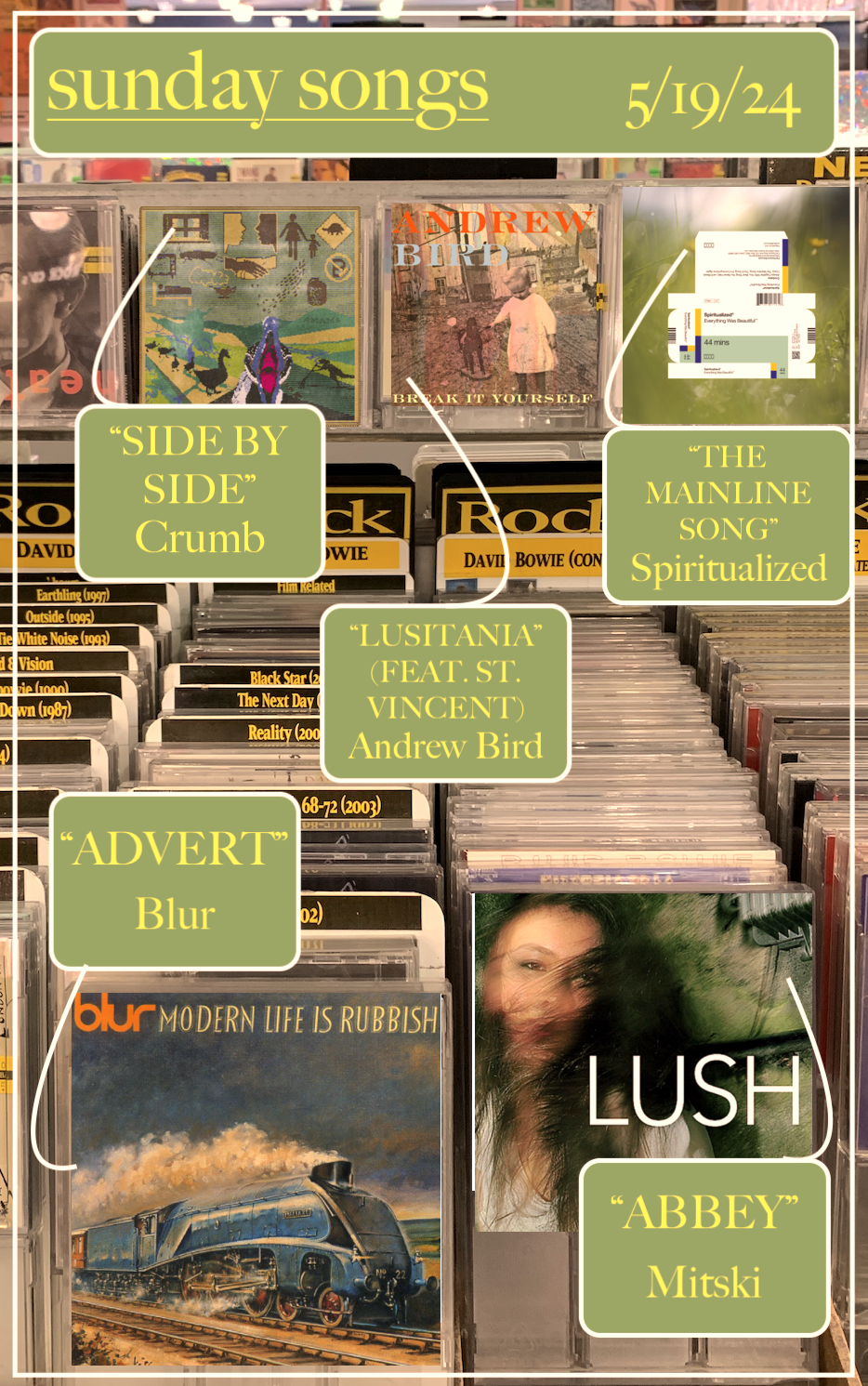
Posted in Books

The Bookish Mutant’s Books for AAPI Heritage Month (2024 Edition)

Happy Monday, bibliophiles!

Here in the U.S., May is Asian American and Pacific Islander Heritage Month! This is my fourth year making this particular list, and I’ve found and read so many incredible books since then. As always, diverse reading shouldn’t be restricted to one month only, but here at The Bookish Mutant, I try to take any opportunity I can to shift the focus to marginalized voices—and to recommend fantastic books. It feels especially important to make these lists in the past few years, what with the book bans that are not-so-subtly targeting almost exclusively POC and queer voices—read between the lines. Freedom to read is freedom to resist.

As with last year’s list (see below), I’ve now expanded them to included both YA and Adult titles, organized by genre.

For my past lists, click below:

Let’s begin, shall we?

THE BOOKISH MUTANT’S BOOKS FOR AAPI HERITAGE MONTH (2024 EDITION)

FANTASY:

SCIENCE FICTION

REALISTIC AND HISTORICAL FICTION:

TELL ME WHAT YOU THINK! Have you read any of these books, and if so, did you enjoy them? What are your favorite books by AAPI authors? Let me know in the comments!

Today’s song:

NEW BEABADOOBEE????? I’m seated—

That’s it for this recommendations post! Have a wonderful rest of your day, and take care of yourselves!
Posted in Sunday Songs

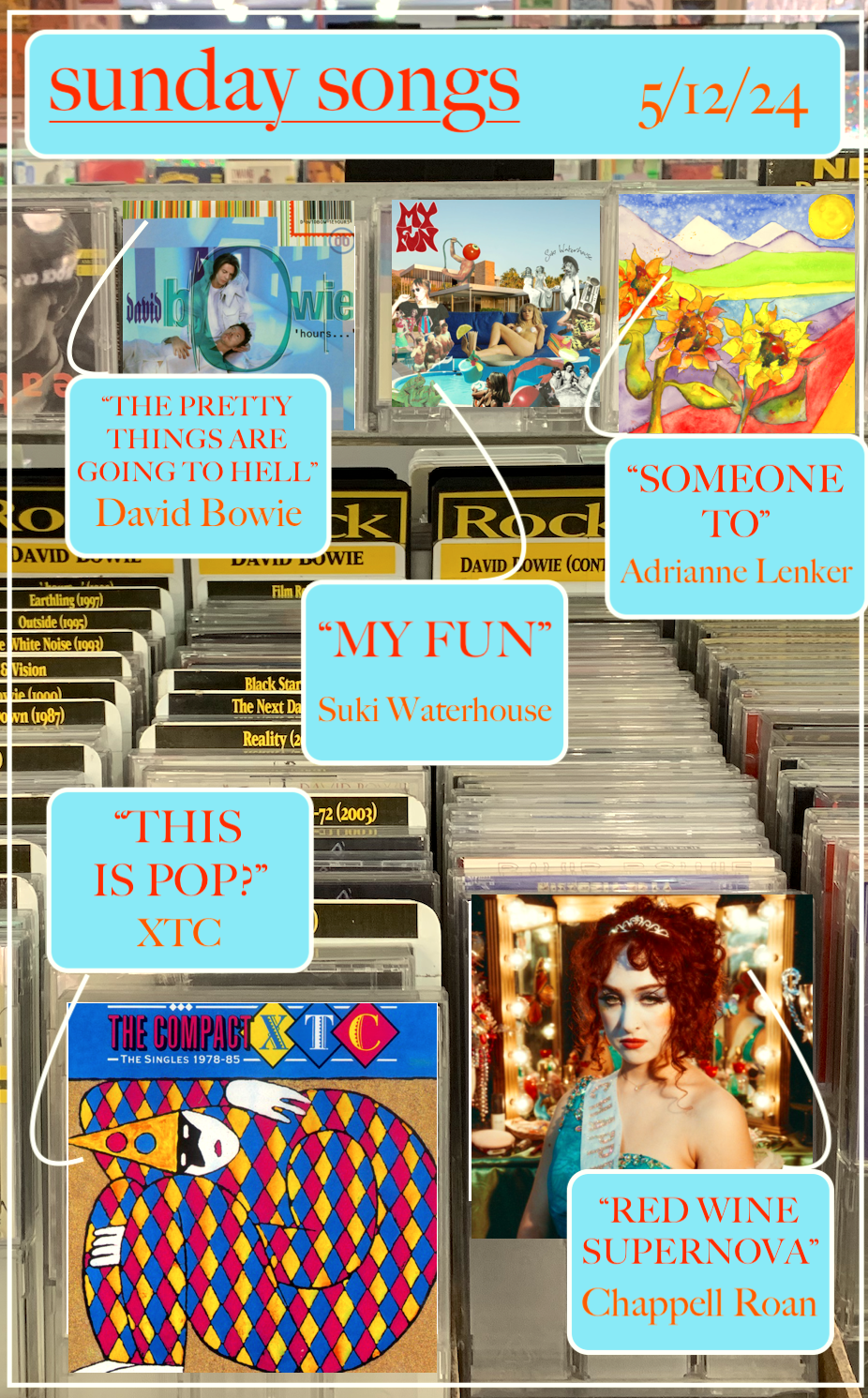
Sunday Songs: 5/12/24

Happy Sunday, bibliophiles, and more importantly, happy Mother’s Day to my wonderful mama, to whom I owe so much in this life. My gratitude for you will never waver—I don’t know where I’d be without you. Every day, I only grow prouder that I’m your daughter.

This week: there’s no doubt about it…this is pop.

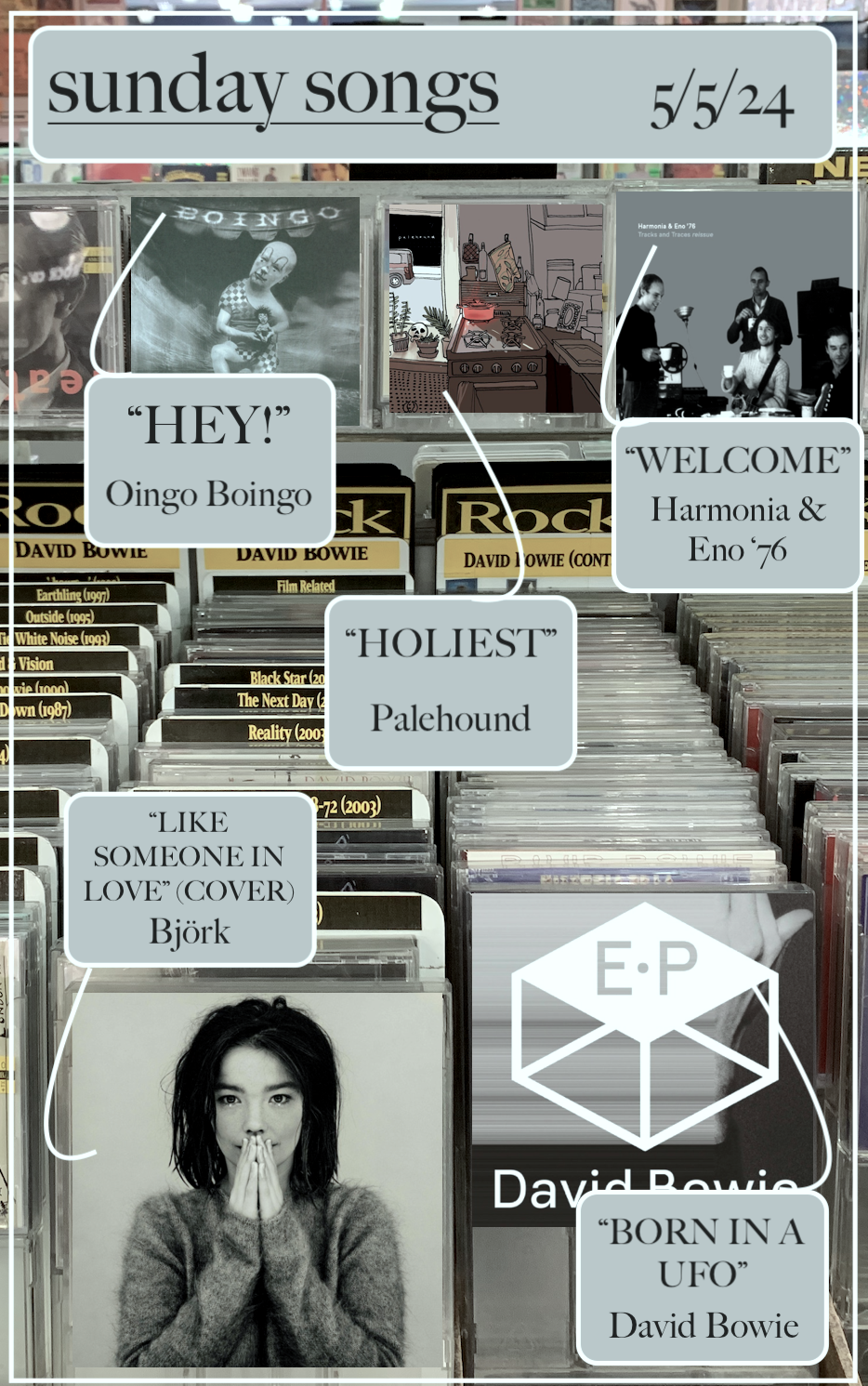
But before that: since I was deep in the trenches of finals hell last Sunday, here’s my graphic from last week, complete with an appropriately dreary color palette:

SUNDAY SONGS: 5/5/24:

Now, back to our scheduled program…enjoy this week’s songs!

SUNDAY SONGS: 5/12/24

“This is Pop?” – XTC

I thought I had a healthy relationship with XTC. I thought my days of playing “The Ballad of Peter Pumpkinhead” on loop for an entire meal straight were behind me. But then this decides to slap me upside the head…damn you, Trash Theory.

Never has a song this indignant been so deliriously catchy…take away all the instruments, and it’s Andy Partridge yelling about how arbitrary categories are in music (reasonable thing to yell about, but please chill, dude, I can see a filling in your molar 😭). But it’s the most danceable indignant song I’ve ever heard—that aspect of it makes it uniquely pop, just as Partridge is content to shout in your face about. In a landscape where music critics threw terms at XTC to see if any of them would stick (punk, post-punk, etc.), they staunchly had their own brand of pop engineered with the genes of the likes of The Monkees, The Beatles, and The Beach Boys, and they had no other intention other than to make pop music, no matter which category the critics shoved them into. Even in the video, at about the 2:01 mark, Partridge has started to look like this recurring experience has pushed him to the verge of his own Joker arc. (“Ahahaha! Ahahaha, call us post-punk one more time, I dare you…”)

It’s a definition of pop that I’d like to think Jeff Tweedy would align with—when describing Wilco’s most recent (and very excellent) album Cousin, he called it pop (specifically art pop), but not in the way most would interpret the definition: “To me, pop music will always be the genre that people used to also refer to as “Bubblegum.” It’s sweet and seemingly meant for mindless consumption, but has a Trojan Horse-like power to transform minds and hearts.” Like them, XTC can crank out earwormy hooks for days, but there’s always something beneath it—Andy Partridge and Colin Moulding always had something poking out from the wooden slats of that Trojan horse, whether it’s skeleton liberation or [Jesus? JFK? Neither, actually]. And if pop was their mission, they had it down to a science—it’s got a stompy groove that’s virtually impossible to not at least try to sway around to. (Can confirm, as I had this playing on my laptop while sitting in bed the other day and the urge still overcame me.) Moulding’s bass constructs the slickest, shiniest jungle gym for the rest of the band to swing around in, and Barry Andrews’ lightning-fast keyboard work leads me to believe that he’d been possessed by the spirit of Rowlf from The Muppets. You can’t help shaking your hips—this is pop. This is also the perfect song for an impromptu, one-man dorm dance party. Methodically tested and proven by yours truly. Does wonders for your mood.

…AND A BOOK TO GO WITH IT:

The 7 1/2 Deaths of Evelyn Hardcastle – Stuart Turtonon the subject of Trojan horses of genre…man, do I have the book for you…

“Red Wine Supernova” – Chappell Roan

Apologies for missing Lesbian Visibility Week by [check notes] about two weeks, but this should suffice, right? Frankly, kinda lesbophobic that it coincided with finals week this year.

Remember what I said about mainstream pop not being my thing? I’m woman enough to admit when I love it. And have I listened to this an unhealthy amount of times? Absolutely. Another banger for dancing alone in your dorm to, only much gayer and raunchier. And honestly? I hope Chappell Roan gets huge. She deserves stardom—her songs are impeccably performed and produced (the amount of gleeful electronic hums and glistening tidbits woven in the background of this song should be proof of that), and she’s got a massive talent for commanding a crowd and coming up with the most deliciously camp outfits (and lyrics). But even if she doesn’t, I do have a testament to her fanbase: a friend of mine officially became an American citizen not long ago (!!!), but the day she went in to take the oath happened to be the same day that she’d gotten tickets to see Chappell Roan. When I jokingly asked her afterwards if it was worth missing Roan for, her answer was a vehement “NO,” and if that doesn’t sum up the loyalty of her fans, I don’t know what will.

…AND A BOOK TO GO WITH IT:

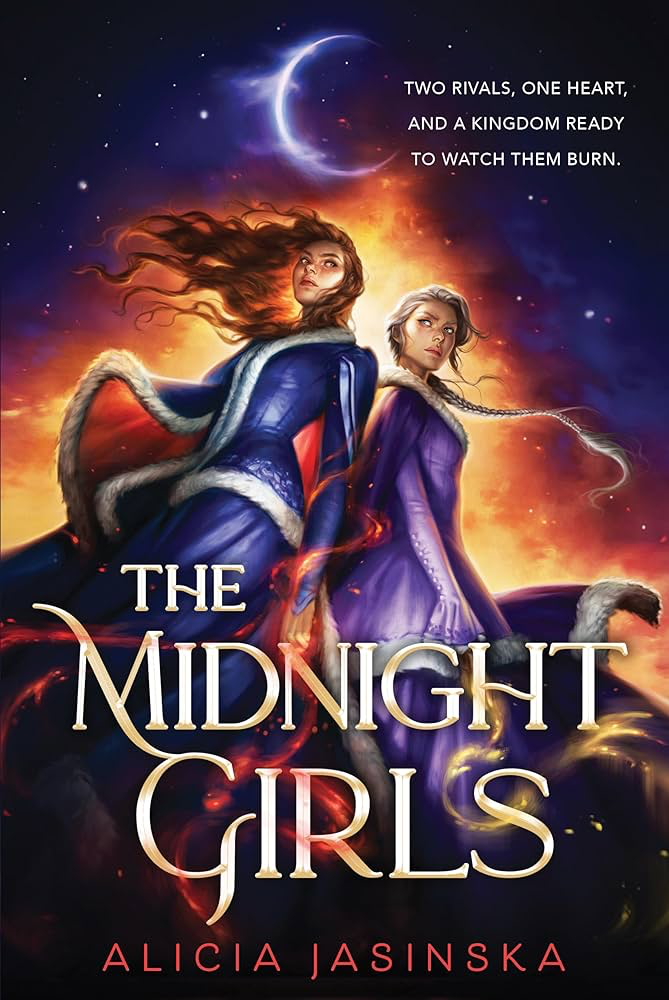
The Midnight Girls – Alicia Jasinskasomehow, I’ve never come across a book about lesbian magicians (somebody needs to write that), but lesbian monster-witches who eat human hearts are close enough, right?

“The Pretty Things Are Going to Hell” – David Bowie

’90s Bowie just could not stop cooking, huh?? On this track, at least. I’ve heard that hours… , which was cobbled from songs that were written for the video game Omikron: Nomad Soul, is less cohesive than some of his other ’90s output. hours… isn’t high on my Bowie priority, but dare I say that this song is pushing it higher? I might be setting myself up for disappointment here, but it can’t be any worse than…I don’t know, Tonight?

Or maybe Toy is a more apt comparison, the album that would have been released after hours… if not for it being shelved…then resurrected in 2021 as a largely mediocre cash grab. What struck me on a first listen of “The Pretty Things Are Going To Hell” is that it felt like a more chiseled, streamlined version of a Toy-era track. It has more focus—it’s got a target locked, and it speeds towards it with glammed-up efficiency and power. A collaboration with his longtime musical partner and Tin Machine bandmate Reeves Gabrels, it’s a clear callback to his glam days and some of his longtime collaborators during that era—the driving, Black Sabbath-like guitar notwithstanding, the title is a reference to both “Oh! You Pretty Things” and The Stooges’ “Your Pretty Face Is Going to Hell.” Bowie and Gabrels’ idea for the crunching guitar riff came from their desire to make “the simplest Neanderthal part possible,” which…well, to be fair, it is mostly one chord until the chorus hits, but I think it’s doing the power of said riff a disservice. It’s the bones and blood of the song, the meat anchoring down the swirl of percussion and electronics whirling around it like a blizzard.

“The Pretty Things Are Going to Hell” also had the potential for an iconic music video, but it was ultimately scrapped; directed by Dom and Nic, the team behind the iconic “I’m Afraid of Americans” music video, it would have seen Bowie performing live, but surrounded by giant puppets of four of his past personas: The Man Who Sold the World, Ziggy Stardust, The Thin White Duke, and the Pierrot from “Ashes to Ashes.” (The video linked above is the incomplete version of the video, containing only the footage of the real Bowie.) Said giant puppets were made by Jim Henson’s Creature Shop, but they were the reason that the video ended up being shelved: according to Bowie, “It was abandoned after we found that the puppets looked like puppets…it didn’t have the east European darkness that Dom and Nic had wanted to achieve.”

What’s that about a “lack of darkness?” I totally didn’t want to sleep tonight, thanks! But it’s a very poignant concept to go with for the music video. The fast-paced drive of “The Pretty Things Are Going to Hell” speaks to its lyrics, full of speed-of-light debauchery and living on the edge: “The pretty things are going to hell/They wore it out but they wore it well.” At first, I couldn’t help but almost be sad that that the pretty things of “Oh! You Pretty Things” all but ended up dead in a ditch, but I don’t think that was the end goal; the existence of these giant, hulking puppets of his past selves are proof. It almost seems like an indictment of his youth—not the optimism or boundless creativity, but the reckless, drug-addled, and often downright reprehensible (looking right at you, Thin White Duke) behaviors that he let slip. The choice of the personas for these puppets are key—you have The Man Who Sold the World at the very sprout of his fame, and by the end, you have the Pierrot, a visual symbol of him trying to break free of addiction through “Ashes to Ashes.” There’s no Jareth or Let’s Dance era Bowie in sight—as much as I rag on ’80s Bowie…at least he had a better outlook on life and a healthier lifestyle. At least he was feeling good. But the ’70s lingered with him for all of his life: “I am the blood at the corner of your eye/I found the secrets, I found gold/I find you out before you grow old.” I almost think that the puppets looking puppet-like would have worked if this haunting by his past recklessness was what he was going for—they’re all so gaunt that they look like specters, even if it wasn’t the “darkness” that he and Dom and Nic were going for. Cynical as it may be, “The Pretty Things Are Going to Hell” seems like Bowie reconciling with his past—it’s something he’s trapped in amber (or massive puppets), but they’re false memories now, a version of himself that undeniably left a mark on the world: larger than him in stature, but most certainly less alive than the person he was at the turn of the century.

This is a level of cursed I didn’t anticipate when I started writing this post

…AND A BOOK TO GO WITH IT:

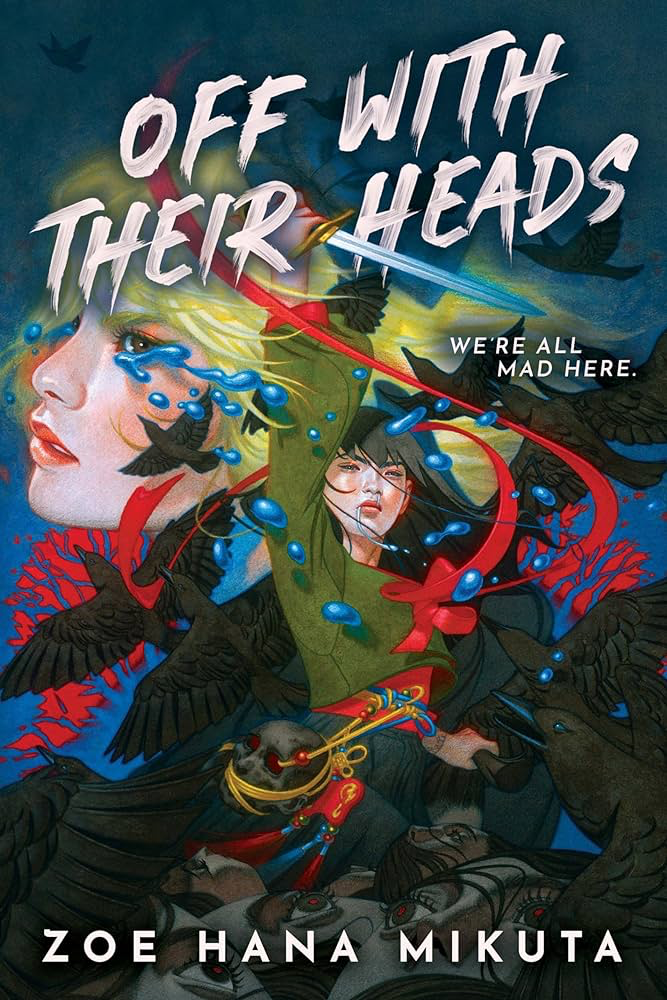
Off With Their Heads – Zoe Hana Mikutaif not for the fact that they’re already in hell, said pretty things would be on the fast-track…

“You’re still breathing but you don’t know why/Life’s a bit and sometimes you die…”

“My Fun” – Suki Waterhouse

It’s one thing to release a catchy, feel-good single, but it’s another to do that around a week after giving birth. Damn. A huge congratulations to Suki Waterhouse & Robert Pattinson on their new baby!

I almost wish this single was pushed back at least two months—partially to give Waterhouse a bit of rest, but also because “My Fun” is the perfect summer song. Or maybe it’s a gracious move: she’s given everyone enough time to add it to their summer playlists before the weather gets consistently warm. Either way, it’s one of the most carefree songs that she’s released in ages. Most of Waterhouse’s songs have been so meticulous and slick in their production, from the smooth glide of “Good Looking” to the sweeping, dress-twirling grandeur of “To Love.” By contrast, “My Fun” feels pasted from the same images as the music video—a collage of bright, silly imagery, cut-out pictures dancing in circles around each other. There’s bits of that “Authentic™️” raw audio here and there, with no sign of the sheen and polish of most of her catalogue. Instead, we’ve got an image of her that’s much more willing to let loose, unafraid to stumble around the place, even if it is curated. I never thought I’d see the day where we’d hear a recorder (and not just for a bit—it sticks around) in a Suki Waterhouse song, but I can’t think of many songs beside this one that make me think, “hmm, this would unironically be enhanced by a plastic recorder peeping in the background.” I guess shittyflute beat us all to that revelation, but that’s…much more front and center, shall we say. But it matches the carefree, poolside atmosphere of “My Fun”—sunbaked ease, with no worries plaguing you, save for when to set out on the next unplanned adventure.

…AND A BOOK TO GO WITH IT:

Just Your Local Bisexual Disaster – Andrea Mosquedawarm, carefree, and full of confusing love in unexpected places.

“someone to” – Adrianne Lenker

i won’t let go of your hand – EP is available exclusively on bandcamp—all proceeds go to the Palestinian Children’s Relief Fund! Chip in what you can—the EP is pay what you want, so long as it’s $10 USD and up. Free Palestine.

I’m woefully behind on my Adrianne Lenker content—I’ve been so swallowed up in this year’s multitude of fantastic albums that I haven’t gotten around to listening to Bright Future, though I’ve loved most of the singles that came out of it (see 12/31 for my review of “Ruined”). It’s high time that I should—after all, the self-effacingly titled songs was my top album of 2023, according to Apple Music, so even if the data is screwy and that was just because I played “forwards beckon rebound” so many times in September, that ought to mean something. In the meantime, I bought i won’t let go of your hand – EP, since a) it’s Adrianne Lenker, c’mon, and b) any money sent to help Palestine is money well spent, in my book. The title is an apt one—the lo-fi acoustics make the whole EP sound like it’s being played from somewhere in a secluded cabin, which, given that this was the exact process that birthed most of the songs from songs, seems like a process she’d repeat. It’s a fruitful sound—and one suited for her personal lyrics. On the EP closer “someone to,” she speaks the lyrics as though she’s hiding inside of a cupboard, pressed against pots and pans as she rolls out her confessions: “Could you come forgive me? We get angry and hide/All of this lonely living, someone to walk beside.” Even if the instrumentals aren’t as intricate as I’ve come to know her work, the vulnerability remains front and center; “someone to” is a plea for forgiveness, peering through the dark to realize that all of the turmoil created from whatever relationship this song stemmed from has left her lonely. At around 2:21, she makes some percussive noises that, from what I can tell, came from thumping her fist on a counter or a similar surface—with the faint metal clangs, you can almost see cutlery and hanging pots rattling on their hooks, echoing through a cramped, wooden space. All of this adds to the log-cabin atmosphere that Lenker has mastered so beautifully—even if she didn’t return to the same cabin in Massachusetts that songs marinated in, she’s an expert at making the most of scarcity.

…AND A BOOK TO GO WITH IT:

The Infinite Noise – Lauren Shippen“Could you come forgive me? We get angry and hide/All of this lonely living, someone to walk beside…”

Since this post consists entirely of songs, consider all of them to be today’s song.

That’s it for this week’s Sunday Songs! Have a wonderful rest of your day, and take care of yourselves!
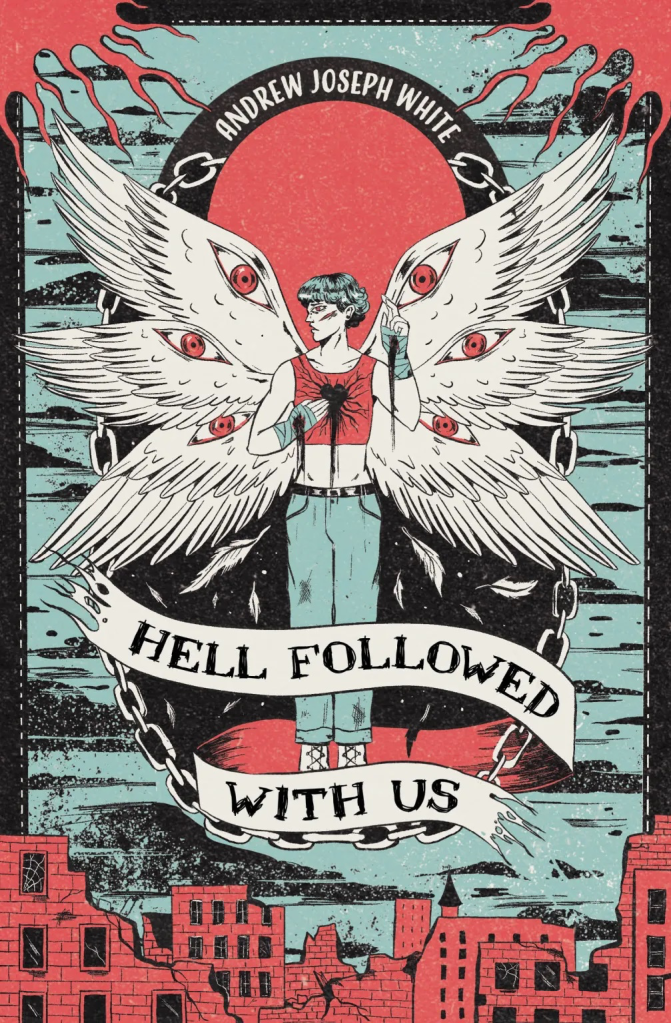
Posted in Monthly Wrap-Ups

April 2024 Wrap-Up 🌂

Happy Tuesday, bibliophiles!

Unfortunately, I probably won’t be able to write up a book review or a Sunday Songs post this week, as I’m days away from finals. I started this post in advance, as I do with all of my wrap-ups, so that’s why I managed to put it out today. But from today on, I’ll be (mostly) radio silent for the next week or so. Wish me luck…

Let’s begin, shall we?

GENERAL THOUGHTS:

April’s been its fair share of crazy, what with job interviews, preparing for finals, and wrapping up my sophomore year of college. (How’d that happen??) It’s definitely taken a toll on my reading and blogging, but I’ve still had some free time in between. Said free time has been surprisingly fruitful this month—I finished up the 20,000 word novella that I had to write for one of my classes, and I had a solid weekend where I was able to brainstorm quite a bit for my main sci-fi trilogy. I’d still be doing said brainstorming if not for…y’know, studying for an astronomy final, but once I’m free of that, I’ll be back to making my outline even more excessively long. I’m almost there…

As I said, I had less time to read than I have in the past few months, but strangely, as far as ratings go, it’s been my most positive month. I say “strangely” because I felt like I was in a stint of good, but not great books for at least the first third of April. However, it picked up significantly, partially aided from a particularly lucky haul from Barnes & Noble with a dear friend of mine.

Other than that, I’ve just been watching The Bear, Taskmaster, and Ripley (how and why is Andrew Scott so good at being SO devious), writing when I can, and preparing for the end of the semester.

Oh, and remember how (hesitantly) excited I was about the fact that The Search for WondLa was being adapted into a TV show? We’ve just gotten the first look, and…

…not to be dramatic, but this is my villain origin story. This is my Joker arc. I’m beyond livid. They drained it. They drained it of the artistry and creativity. And the love. They made Muthr into one of those Playmobil people. Why is Otto furry and squishy? Why does Rovender have those front-facing predator eyes? Where are Eva Nine’s signature braids? Where’s the soul?

Yeah! I’m fine. They just turned my childhood into a sad, lifeless husk of a 3D animated TV show…

READING AND BLOGGING:

I read 15 books this month! Somehow, I feel like I was in a slump of good but not remarkable books for at least a third of the month, but somehow, I got through a whole month with no 2 or 1 star reads? That’s a new one for me.

3 – 3.75 stars:

A Tempest of Tea

4 – 4.75 stars:

The Tusks of Extinction

FAVORITE BOOK OF THE MONTH: Activation Degradation4.5 stars

POSTS I’M PROUD OF:

POSTS FROM OTHER WONDERFUL PEOPLE THAT I ENJOYED:

Unfortunately, I haven’t been able to blog-hop much because of finals, but here are some highlights:

SONGS/ALBUMS I’VE BEEN ENJOYING:

top 10 nerdiest club bangers
god, I missed this song…
the bowiemaxxing continues
no thoughts only all born screaming
imagine making Poor Things (2023) and failing to get across in two and a half hours what this song does in just under four minutes………couldn’t be me
xtc my beloved
as much as we praise Björk, I feel like she doesn’t get enough credit for how deeply romantic she can be…good god I feel so sappy and squishy listening to this song, it feels so good
david bowie make a song from the ’90s that isn’t criminally underrated challenge (impossible)

Today’s song:

hey, if we’re talking about keeping my inner middle schooler happy, at least this album was fantastic

That’s it for this month in blogging! Have a wonderful rest of your day, and take care of yourselves!
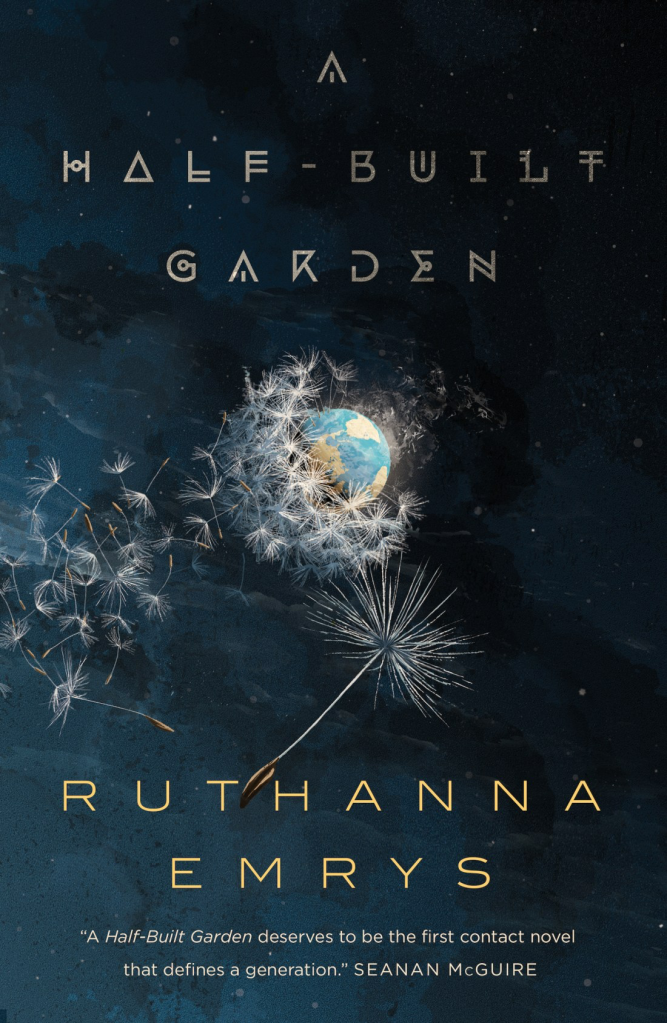
Posted in Sunday Songs

Sunday Songs: 4/28/24

Happy Sunday, bibliophiles! I hope this week has treated you well.

This week: holding back on my thoughts on my most anticipated album of the year and a movie that makes me angrier than I’d like to admit, but just for the sake of showcasing the songs I meant to showcase, I kept that short.

Enjoy this week’s songs!

SUNDAY SONGS

“Sweetest Fruit” – St. Vincent

Sometime when I’m out of the finals woods, mark my words: there will be a review of All Born Screaming, because, predictably, I have Thoughts. But, in the interest of not making myself sound like a broken record a few weeks in the future, I’ll keep it snappy. All Born Screaming is a great album, but…not in the way that I expected it to be. What it isn’t, however, is the hard rock album that it was advertised as. It’s much less cohesive than I’ve come to expect from St. Vincent, but for the most part, the individual songs that were thrown into this unexpected stew are good—we’ve got the world’s most perfect pairing for “Marrow” (Annie I am BEGGING you to play these two back to back live), “Five Years” 2: Electric Boogaloo, and tons of other elements that hit you from beyond left field. It’s a mess, but I’m starting to feel like that’s almost the point: All Born Screaming is the musical form of a mental breakdown, and it certainly sounds like it. I swear that’s a compliment. Mostly. Some of it’s dissonant in a way that doesn’t seem all the way intentional. But that’s a discussion for when I break down the whole album.

For now, I’m shifting the focus to my favorite of the new tracks. “Sweetest Fruit” is, like the title suggests, genuinely delicious to listen to. The main synth line that anchors it balloons and blossoms like polyps, or a sped-up version of said sweet fruit ripening on the branch. In a quieter, science fiction world, that sound feels like an alarm, a reminder—maybe that the laundry’s done, or that your spaceship is alerting you to the fact that you’re close to docking at the planet of your choice. But unlike MASSEDUCTION, where such synths were the stiff, Barbie pink foundation upon which all the tracks were built, it’s woven through with lightning strikes of her signature shredding, jaggedly slicing into the synth-pop frame just when you start to feel relaxed. Now, for my token mention of St. Vincent’s godly self-titled record: All Born Screaming is far less organized than it, but sonically, this is the closest it’s been in a decade; it’s not fully glossy pop like MASSEDUCTION, but there’s plenty of dystopian franticness undercutting what would otherwise be neat. And the synthy, shiny feel is the perfect medium for, at least, part of what “Sweetest Fruit” was meant to do: for Clark, it partially functioned as a tribute to the late SOPHIE, who Clark has said that she “admired from afar” for quite some time. Most of the mention of her is reserved to the first verse and doesn’t continue, but some took it as capitalizing on her death; if the whole song was about it, I could almost see it, but it’s simply a retelling of a too-soon death; in 2021, SOPHIE fell to her death while watching the moon on the roof. I don’t mean to rush to defend everything that she does (because the album cover hasn’t stopped being tone-deaf, and I’m incredibly disappointed that she didn’t at least acknowledge that), but this seems like a stretch. It isn’t like this is anything new for Clark—what was “The Melting of the Sun” if not an extended tribute to the women who she loved and who inspired her, dead and alive? I remember hearing, back when MASSEDUCTION was released, that she’d scrapped several songs that were tributes to David Bowie; I can see why that would have felt like capitalization as well, since MASSEDUCTION was released a year after his death, but there’s something to be said for connecting artists across music, whether the other hears it or not—we are all indebted to so many people for the styles we create, as much as they are our own. And if there were any track to eulogize SOPHIE, it would have to be “Sweetest Fruit,” coated with the same, shining gloss with which SOPHIE made a name for herself.

…AND A BOOK TO GO WITH IT:

Drunk on All Your Strange New Words – Eddie Robsonin terms of how I visualized both the look of the Logi and the sensation of hearing their language in your head, it aligns neatly with the globular, polyp-y synths throughout this song.

“The Dresses Song” – Lisa Germano

This song does in less than four minutes what Poor Things failed to do in two and a half hours. I’m not saying that I could do better than an award-winning director, but at this point…skill issue. Lisa Germano did all that without the gratuitous shots of Emma Stone’s feet as her character learns how to masturbate…at the mental age of a toddler.

Can you tell I had beef with Poor Things?

Now that I’ve got that off my chest, let’s shift the focus to a tale of feminine identity that’s actually worthy of praise. I haven’t listened to Lisa Germano’s debut, the ironically-titled Happiness, in full, but its clear from the start that she came here to make unsettling music, and that’s exactly what she made a career out of, as criminally underrated as she continues to be. Happiness, though steeped in solemn, eyes-averted confessions (see: the hauntingly beautiful “The Darkest Night Of All,” which I talked about back in October), hasn’t yet gone off the deep end in terms of said unsettling quality just yet—it would be another few years before we got into the “mom, come pick me up, I’m scared” atmosphere that came to dominate her sound. Yet “The Dresses Song” unsettles in its flatness and complacency. Not quite at the shivering, clenched waver that I’ve come to love in her voice, Germano instead sings much of “The Dresses Song” in a flat affect, dull and sucked dry of emotion. Amidst the bounce of tapestry-weaving bass, clinking tambourines, and the kind of folksy violins that would suggest somebody’s about to break out into a jig, Germano seems to sit cross-legged as everything happens around her, but never to her: “You make me think about nothing/It feels so good like that/You look at me so fragile.” Germano sings of the powerlessness of slipping into a loss of autonomy; like the doll’s head on the album cover, she sings as though she’s being dragged through the dirt by a child, dressed up and posed for tea parties at will, outwardly welcoming but inwardly dreading the surveillance of her body. Every repetition of “you make me wanna wear dresses” is uttered as a twist of the knife, convincing herself that oh, it’s not so bad, and yet her hollow, bird-bones voice strips the illusion bare—the illusion that, like in the music video, that’s she’s okay with being paraded around in costume like a child. “The Dresses Song” comes from a place of the darkest kind of complacency—the period where you’re stuck at the bottom of an empty well, but you’ve convinced yourself that the polluted water trickling down goes down just fine—at least it’s something to drink.

Isn’t it so lovely to grow up where every inch of your body is policed just because of your gender? Surely that won’t have mental repercussions further down the line. Surely, one Yorgos Lanthimos would at least somewhat understand that and realize that a) discovering one’s sexuality isn’t the be-all, end-all of what makes a liberated woman, and b) that said depiction of sexual exploitation was so constant and gratuitous that it became exploitative in and of itself. Surely.

…AND A BOOK TO GO WITH IT:

Womb City – Tlotlo Tsamaase“take me to your castle/it feels so good in there…”

“Some Time Alone, Alone” – Melody’s Echo Chamber

I’m honestly surprised that Noah Hawley hasn’t come across Melody’s Echo Chamber (that we know of), because…come on. This was made for Legion. It’s not even psychedelic inspiration anymore—it’s purely psychedelic in a way that’s not just trying to recreate a sound from the sixties.

Like Tame Impala, it just seems like the next generation of psych-rock. So it was not a surprise in the slightest when I found out that Melody’s Echo Chamber’s self titled record (pushes glasses up bridge of nose) was produced by Kevin Parker himself. (Did you know that Tame Impala was just one guy? It’s just one guy. Can you believe it? I bet you didn’t know that. It’s just one—[gets pulled offstage by a comically large cane]) “Some Time Alone, Alone” has distortion so thick that you practically have to wade through it with a hazmat suit—it’s hard to describe the atmosphere that Melody Prochet and Kevin Parker have created with any words other than thick. It’s like sticking your arm into rainforest greenery, endlessly pushing aside massive fronds just to find the pulse of light gleaming at the heart of the glen. Every riff and rhythm circles into each other like a diagram of an atom, forever orbiting the warm nucleus—Prochet’s voice, which has the feel of Nina Persson if she happened to stumble upon the blue drugs from Legion, suspended in the ether. It’s gone beyond sounding like the ’60s into something truly representative of how the genre has evolved: it sounds so modern, but never in a polished way. It’s a child nurtured by the ’60s, for sure, but there was no place it could have gestated other than a 21st-century test tube.

…AND A BOOK TO GO WITH IT:

The Shamshine Blind – Paz Pardolost in a tangled conspiracy—and the confines of your mind, brought on by artificially-induced emotions.

“Here Comes President Kill Again” – XTC

Nothing I could say could complicate this song or shed new light on it, really, and certainly not when we’re living it, and have been living it on and off at least since the ’80s. Probably further. XTC always seemed to be attuned to the needle of the social climate, and save for a handful of outdated political references here and there, they’ve stood steadfast against the battering of the waters of time. “Ain’t democracy wonderful?/Them Russians can’t win!/Ain’t democracy wonderful?/Lets us vote someone like that in.” Certainly feels like King Conscience and Queen Caring have been rolling in their graves for quite some time…ah, no, surely, we don’t need to put our heads together and solve pressing issues like gun violence, climate change, genocide, and a nation bent on killing its queer children, no way! We’ve got to call the national guard on the student protestors using their right to free speech to call attention to the horrific Palestinian genocide that our tax dollars have basically been funding! Ain’t democracy wonderful?

…AND A BOOK TO GO WITH IT:

1984 – George Orwellyou could really slot this one in with any given dystopia, but this novel was the blueprint—and the dirge-like feel of “Here Comes President Kill Again” certainly fits in.

“Strange Phenomena” – Kate Bush

If there’s anybody who’s intimately familiar with strange phenomena, in whichever meaning you take the phrase, it’s Kate Bush. How else does one write the most horrifying song about being turned into a kite against your will and make it so groovy?

Most of my enjoyment of The Kick Inside remains dominated by “Them Heavy People,” “Wuthering Heights,” and the aforementioned “Kite,” but ever so often, another track rises back from the ether, summoned by the erratic will of my shuffle. It’s easy to lump “Strange Phenomena” into that very specific breed of early Kate Bush where it’s all swinging-from-the-curtains theatre, and…yeah, rediscovery didn’t erase that quality (see: the video linked above), but it made me remember why Kate Bush (mostly) gets it right. Centered around the concept of what Bush described as “how coincidences cluster together,” it has the starry eyes of an ingenue as piano notes rise and fall propelled by wind from a fan, made to make her hair billow. (Apparently it’s not centered around getting your period, despite the opening: “Soon it will be the phase of the moon/When people tune in/Every girl knows about the punctual blues.” The only thing convincing me of anything else than the period reading of that line is the “punctual” part. Punctual my ass.) “We can all recall instances,” she said to Music Talk in 1978, “when we have been thinking about a particular person and then have met a mutual friend who—totally unprompted—will begin talking about that person.” It’s an unabashed celebration of whatever it is, that unknowable part of the brain or simply a truth of the unknowable universe, reveling in the love that we can glean from ordinary things. I can’t think of a much happier outlook to life that Bush’s declaration that “we are surrounded by strange phenomena,” whether or not you believe that something is pulling the strings to bring them together. For once, the theatre doesn’t come off as silly or overly self-important—it feels like a calculated response to the joyous puddles that we leap through as we move through this life.

…AND A BOOK TO GO WITH IT:

Shadow Speaker – Nnedi Okoraforstrange phenomena aplenty, whether it’s friends in unexpected places or the mutation of the Earth itself.

Since this post consists entirely of songs, consider all of them to be today’s song.

That’s it for this week’s Sunday Songs! Have a wonderful rest of your day, and take care of yourselves!
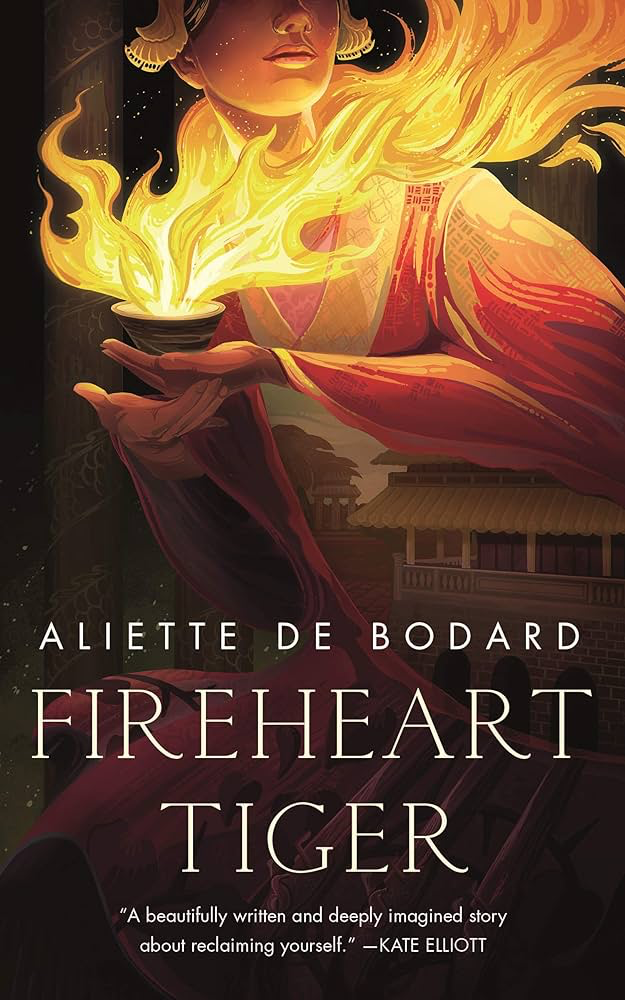
Posted in Book Review Tuesday

Book Review Tuesday (4/23/24) – Ten Low

Happy Tuesday, bibliophiles!
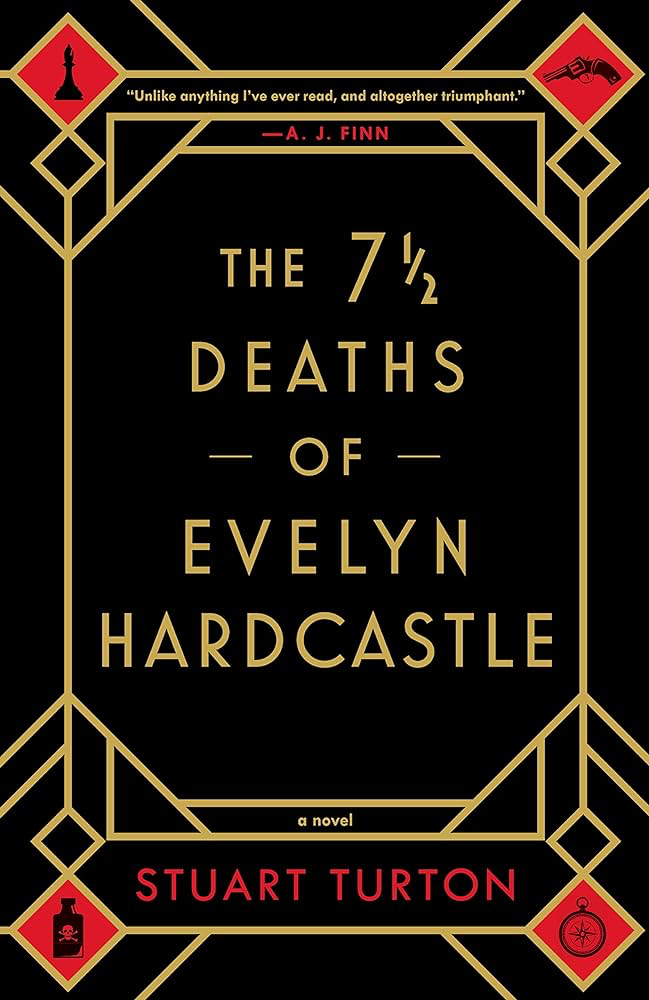
Ten Low has been on my TBR for ages, but I just haven’t been able to find it anywhere, for some reason—not my library, not any bookstores I’ve been to around where I live…until, somehow, it turns out that the Barnes & Noble in my college town had it! Naturally, I got myself a copy, and it was worth the read—brutal and cinematic all at once.

Enjoy this week’s review!

Ten Low – Stark Holborn

Ten Low is stranded. After defecting from the war effort, she made a desperate escape to a planet where she thought no one could find her. But trouble has found her already, in the form of Gabriella Ortiz—an unseemly thirteen-year-old girl on the outside, but in reality, the next incarnation of the tyrannical General that Ten once served under. Neither of them want to face the realities of their involvement in the war, but they have no choice: outside forces want them both dead, and Ten and Gabi must endure a treacherous desert full of bloodthirsty Seekers and threats on all sides if they want to get out of this alive…

TW/CW: graphic violence, war themes, blood, gore, descriptions of corpses, torture, child soldiers

Like superhero fatigue, I feel like there’s a case to make among sci-fi fans for a very specific fatigue for desert planets. Star Wars and Dune set the blueprints, but ever since, they’ve been…everywhere. (Tatooine was good once, but…can somebody tell Disney that they could’ve just stopped at one or two desert planets?) Ten Low was one of the few books where I feel like there was an original spin on it—and a lot of aspects of this novel can be boiled down to the same things: seemingly plain plot elements that were twisted into something fascinating.

Back to the desert planet aspect…even though there are altogether too many of them and often without original components (or, again, just aspects that were lifted from Dune or Star Wars), but Ten Low really couldn’t have been set anywhere else. Nowhere else could the harshness of the obstacles facing Ten and Gabi could have been harsher, and nowhere else could their struggle have been more palpable. I didn’t go in knowing that Ten Low was something of a space Western, which made the desert feel all the more fitting for the genre. Holborn didn’t just fill the place with sand and leave it at that; the desert, along with its many inhabitants, felt like a real hurdle that the characters had to overcome and work around, and not just a place to signal science fiction. I can’t help it—I’m a sucker for when the setting is just as inhospitable as the hardships that the characters are experiencing. I just re-read The Left Hand of Darkness, you can’t fault me for that.

As with the oft-used desert planet, Ten Low has a common trope in space Westerns in particular—pairing a tough, hardened adult character with a child that they have to drag along. (Anybody heard of a little show called The Mandalorian? Pretty indie, I know.) I already like the trope as is, so I wouldn’t have a problem if there wasn’t necessarily the most original take on it, as long as the characters could each pull their emotional weight and make me feel invested in the story. But what do you do when said child is a thirteen-year-old embedded with the consciousness of a dead, fascist general? And you happen to have been a medic that defected from said general’s army after witnessing the litany of crimes committed under her tyrannical reign? I loved how complicated that relationship got—not just because there’s nothing more unsettling than a thirteen-year-old girl who’s quite literally a warmonger with a list of crimes that could circle the planet twice, but because of how their relationship developed. Through their trek through the desert, there’s no “forgive and forget” resolution—and I’m glad Holborn strayed away from that, given what the General did to Ten and everybody else—but the commonality that neither of them wanted to be in their situations made their relationship so much stronger, and also that both of them were subject to horrors beyond their control.

Ten Low moves fast, and had it not been for Holborn’s cinematic writing style, I would have probably gotten lost somewhere along the way. But Holborn’s writing thoroughly kept me grounded, and it enhanced my reading experience immensely. Like any Western, there’s a rapidly rotating cast of characters and all manner of foes along the treacherous road that Ten, Gabi, and the others had to travel; although I’ll say more about said rotating cast, what Holborn excelled at was the balance between action and character development. It’s a hard balance to hit, but there was enough down time between Ten getting out of horrific scrapes for the two protagonists to actually react, change, and strengthen their relationships. The fight scenes didn’t go on for extensive periods (although they easily could have), but the quieter, more character-driven moments didn’t dominate the narrative either.

However, I can’t say the same for the characters. I get that it’s a staple of Westerns in general to have a cast that constantly shifts and changes, but given that most of the characters that were introduced in Ten Low eventually came back in some way, shape, or form, it was kind of a handful to juggle every single one of their names and significances, especially since their first appearances were a flash in the pan. Not only did that make them difficult to keep track of, it dulled the emotional weight when we were supposed to mourn their deaths—somebody dies, and all I found myself thinking of was “wait, who was that again? Why do we care?” That being said, Holborn at least made them all colorful and at least fun while they had their brief moments in the spotlight—they were fun, but not much else, unfortunately. Ten and Gabi’s relationship was the centerpiece, and that’s exactly how it should have been.

All in all, a gritty, action-packed space Western with tropes turned on their heads in surprising—and incredibly entertaining—ways. 4 stars!

Ten Low is the first book in the Ten Low trilogy, followed by Hel’s Eight and the forthcoming Ninth Life. . Stark Holborn is also the author of the 12-book Nunslinger series, as well as the Triggernometry duology, which is set in the same universe.

Today’s song:

ALL BORN SCREAMING ON FRIDAY HHHHHAAAAAAAAAAAAAAAAAAAGH

That’s it for this week’s Book Review Tuesday! Have a wonderful rest of your day, and take care of yourselves!