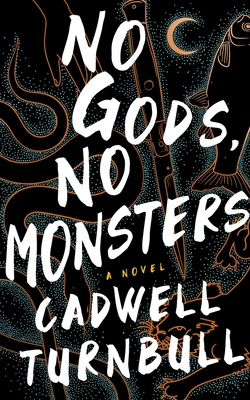
I’ve had this book on my radar for a few years, as well as The Lesson; I almost read it earlier last week, but then I discovered that I could only read it on my phone, for some reason (nope). Coincidentally, I found it at Barnes & Noble later that week (on a very necessary detour I made with a friend), so I finally decided to pick up a copy for myself. Now, I’m so glad that I have a hard copy—No Gods, No Monsters is one of the most unique fantasy novels I’ve read in a while!
Around the world, strange creatures have come out of hiding from the shadows. Creatures of myth and legend, those thought to be confined to the imagination. In the wake of this unexplained event, known globally as The Fracture, the stories of people across America collide. A woman reckon’s with her murdered brother, unjustly killed by Boston cops, but learns that her brother’s life was more fantastical than she could have ever imagined. A professor goes in search of a friend presumed dead, but finds a schism between two cults in its place. A young girl must warm up to the presence of her adopted sister, who she grows to love despite her bloodlust. All of these events converge as the world of monsters is revealed, but can mankind reckon with their presence—and their demand to be seen?
TW/CW: police brutality, gun violence, gore, substance abuse/past mentions of an overdose, sexual abuse, domestic abuse
If I’m being honest, it’s a real shame that No Gods, No Monsters has an average rating of 3.45 on Goodreads. To be fair, it’s probably one of those “you love it or you hate it” books, but I absolutely loved it. Sometimes you love the book with an average rating over 4.00 and tens of thousands of reviews, but sometimes it’s those lower-rated and lower-reviewed novels that hit the spot. (see also: Spare and Found Parts – Sarah Maria Griffin)
No Gods, No Monsters truly felt dreamlike, and that’s what made this novel stand out to me. It’s not concerned with being overly coherent, and it drifts about in bits and pieces. I guess that’s the aspect that put a lot of people off, but it’s the kind of writing and storytelling that suits the story that Turnbull is trying to tell. It fits with the whole theme of “monsters have come out of hiding and we can’t do anything about it” theme—there’s global panic, sure, but first there’s the denial that anything is happening at all, and then the reality hits you, and you still try to deny it. This whole novel felt like navigating the haze of denial while the monsters creep out of the shadows: you know exactly what’s going on, but as long as you can help it, I’m not here, this isn’t happening.
I feel like No Gods, No Monsters could have just as easily worked as a short story collection. Each section, switching POVs from dozens of characters who are slowly woven together, works on its own, situated within worlds that are’ separate until the threads begin to tie themselves into an interlocking web of magic towards the end. They all felt like short stories, but I don’t think anything was taken away from them not being short stories—No Gods, No Monsters is a very non-traditional novel in several ways, and I liked that it toed the line between novel and anthology in order to flesh out the themes of community and the things that bound all of the characters together in the chaos.
My favorite section had to be that of Sondra and Sonya—their story was all at once chilling and tender, heartwarming, heartbreaking, and horrifying. Off of the top of my head, this instance in the novel is one of the few depictions I can think of where talking about complicated love in a fantasy/sci-fi setting really does feel complicated; the complication is very literal in the sense of depicting the drain (no pun intended—no spoilers, though) on Sondra, but her horror of both reckoning with the actions of Sonya in the present and how much they bonded in the past felt nuanced in a way that truly made me feel for Sondra. In general, this part of the novel is representative of what I loved about the novel as a whole: although there were some physical consequences to the monsters coming out of hiding, I loved that Turnbull chose to focus more on the emotional and interpersonal connections that happened in the aftermath.
Going off of that point, I loved how No Gods, No Monsters handled its expansive worldbuilding! The event that incites everything that happens in the novel is implied to be the start of a global upheaval, but Turnbull handles the complexities of it with aplomb. It doesn’t feel like every single action movie where we go instantly into mass panic and riots in the streets (although that is stated to have happened in the background), but instead gives us information in breadcrumbs through how it affects the many and varied characters of the novel. I did find myself wanting more of how the monster emergence is affecting the world, but a) I figured that the uncertainty is a consequence of the characters themselves not fully knowing what’s going on, and b) the fact that this is a series, so we’re bound to learn more in the books to come. I have We Are the Crisis downloaded, so I’m excited to find out more!
All in all, a truly memorable and inventive fantasy that explored the not-often-discussed areas of trauma and denial in the face of global upheaval. 4 stars!
No Gods, No Monsters is the first installment in the Convergence Saga, followed by We Are the Crisis. Caldwell Turnbull is also the author of The Lesson.
Today’s song:
my friend just got me hooked on indigo de souza, I’m OBSESSED
That’s it for this week’s Book Review Tuesday! Have a wonderful rest of your day, and take care of yourselves!
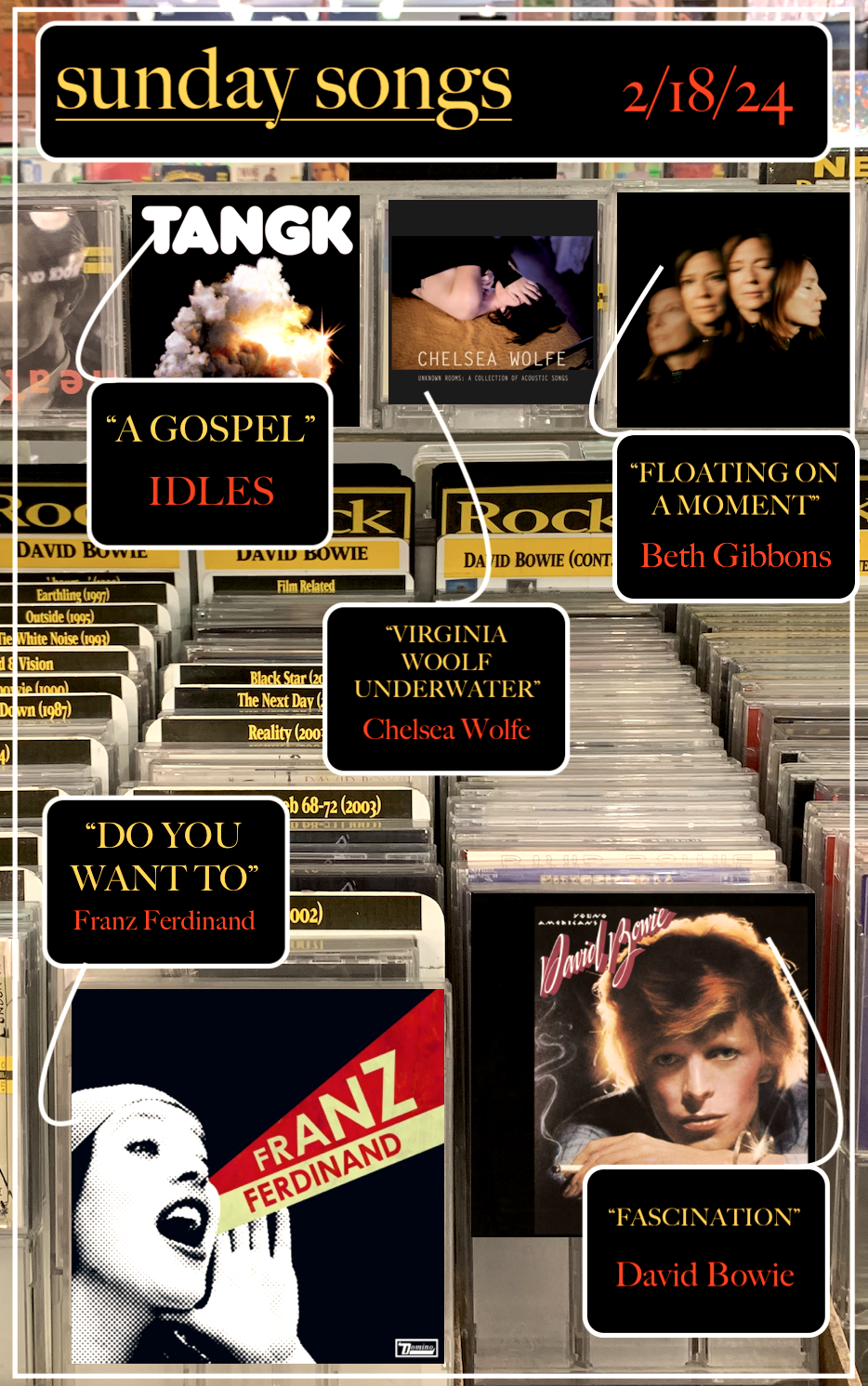
From all accounts, it seems like Franz Ferdinand peaked at this album, You Could Have It So Much Better. But I feel like it’s understandable, on some level. You try to replicate something as iconic as “Take Me Out” or this, and you risk flying too close to the sun. Lightning can’t strike twice. Well, I guess it can, if you count this and “Take Me Out,” but…okay, three times?
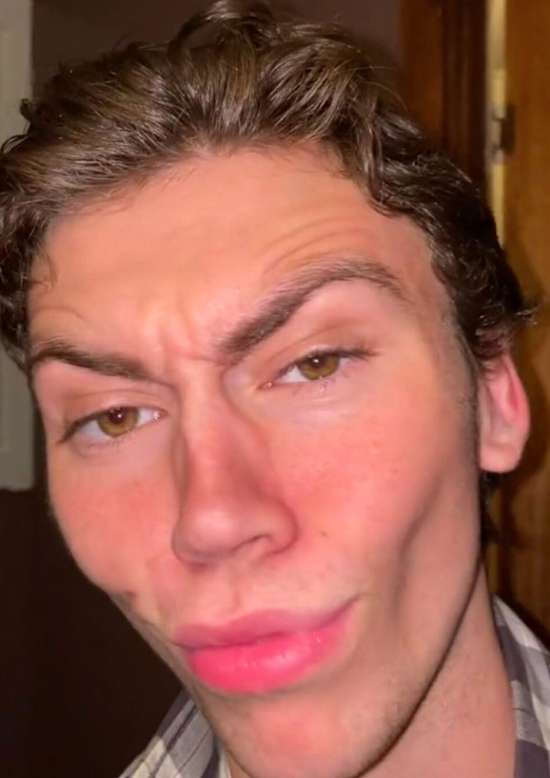
This song. It’s so stuffed with infectious hooks that it’s practically a thanksgiving turkey. It’s pumping with allure and adrenaline, and not a single bit feels wasted. You hear the first 20 seconds and think “oh, that’s a great start to the song,” but lo and behold, every single band member pulls of their top hats to reveal a second, even more spectacular hook to propel it to unforeseen heights. And from that meteoric rise, “Do You Want To” feels like the most delightfully slick, guitar-driven gold mine of 2000’s indie rock. It’s a song that wrenches you by the hand into a nighttime world of leather jackets, impeccable hair, and shiny guitars. Lyric-wise, it’s nothing that the band hasn’t covered, but lyrics were never their legacy—the absolute sheen of it all overpowers the rest of it, and it’s the kind that you can keep on repeat for hours and never get tired of. For a few years, Franz Ferdinand seemed to have perfected that kick of leather-jacket, smooth indie rock, and even though it seemed to have burned out a decade or so down the line, for a moment, their talent was clear—and explosive. The only sin that “Do You Want To” ever committed was not having a third hook hidden beneath their other top hats—the last thirty seconds (“Lucky, lucky/You’re so lucky”) are just begging for at least one more burst of smooth guitar that sounds like it’s been fired out of a cannon. It’s such a frustrating ending. With that kind of buildup, how could they not be extending the song for a finale as glorious as the entrance? Either way, the three and a half minutes that we do have is joyous enough. Almost enough to make me forgive Alex Kapranos for permanently freezing his face in this expression for no good reason:
…AND A BOOK TO GO WITH IT:
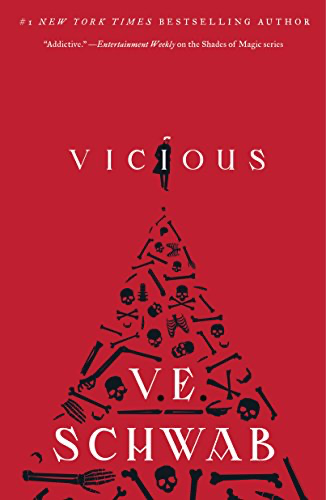
Vicious – V.E. Schwab – come to think of it, a lot of V.E. Schwab’s male protagonists fit a similarly charismatic and boundary-pushing (mostly in terms of magic and science, anyway), but this novel absolutely fits the slick, Franz Ferdinand vibe.
Frustrated that “Do You Want To” ends right before it should theoretically go on for at least two more minutes? Fear not! At least David Bowie wasn’t afraid to make his timeless grooves almost six minutes long.
Welp. I don’t know how Young Americans wasn’t on my album bucket list already, but it sure is on it now. The iconic title track and “Fame” should’ve convinced me, but somehow it was “Fascination” that pushed me over the edge. It reminds me just what I love about the ’70s; the production is nothing but slick and slinky, full of vibrance and a groove that never even comes close to sputtering out for all five minutes and 48 seconds. God, the saxophone. I don’t usually find myself saying that about saxophones, but oh my god. It’s not a song that just makes you feel like dancing—you’re all but transported to a dance floor somewhere, amidst loose ties and sunglasses and warm lights bathing everyone’s faces. Strangely, the only thing that doesn’t scream vibrant or groovy is Bowie’s voice. The more you focus on it, the eerier it feels. Even though his voice was a decade or so from becoming as rich and resonant as he was later known for, it had thinned out even more so that he was in his youth. Young Americans was recorded during the height of his crippling cocaine addiction, and you can hear it in this song more than any other on the album. I could just be projecting, given how he was able to belt out the classic “ain’t there one damn song that can make me…break down and cry?” on the same album, but whether or not it was purposeful to add to the slick, sultry air of the album and his persona, it’s not a stretch to make. His voice often takes a back seat to the sheer power of the backup singers, and despite the seduction written all over “Fascination,” I can’t help but think of the exhaustion that eventually led him to pack his bags for Berlin in a few years’ time. No judgement, but it’s kind of the reason why I’m always a little suspicious of people who say that The Thin White Duke is their favorite Bowie persona. Iconic as all the others in both looks and musical output, but…I don’t know, it feels like a red flag that the Bowie you remember most fondly is the Bowie that was characterized by exhaustion, excessive substance abuse, and behaviors that he later condemned as a byproduct of the worst period of his life. I just feel like if that’s your favorite Bowie…again, no judgment, but calm down, you edgelord. You’re not impressing anybody. Music isn’t automatically deep just because the artist was at rock bottom when they made it.
Nonetheless, it isa truly fantastic, masterful song. David Bowie was just almost incapable of having an album without at least one good song, even if it was the more commercial ’80s albums.
TANGK is a bizarre album in the best possible way. IDLES seem to have partially (but never fully, this is still IDLES we’re talking about) shed the punk sensibilities that they’re known for, and in its wake, Joe Talbot and company have gone on to explore uncharted territory for the band. Tracks like “Gratitude” and “Hall & Oates” prove that they’ll never stop being their aggressively positive selves, but TANGK has given them room to grow. How much of it we can credit to Nigel Godrich is up in the air, but either way, it’s a fascinating evolution.
Emotional vulnerability and healthy masculinity have always been cornerstones of the IDLES image, but never have they been so soft and bare on “A Gospel.” Looking back, the Ultra Mono track “A Hymn” feels like its spiritual predecessor, both in title and nature, but even then, this is the first time that IDLES have ever felt quiet. No screaming, no bass, no rasp roughening Talbot’s voice. “A Gospel” presumably finds Talbot after his recent divorce, solemnly wallowing in the aftermath: “Delete my number/I’m no more/Ignore my eyes, babe/They’re just sore.” (“I’m not crying, it’s just been raining…on my face…”) But true to IDLES’ commitment to love and mutual understanding, he harbors no ill will towards his own partner, gently offering solace and closure instead of the biting words that are all too common in these kinds of songs: “I know you better/I’m your half/Just tell me darling/And I’ll be your past.” It’s sad that it’s so rare that you find songs about relationships that aren’t malicious towards the partner in some way; in some cases, the other party is in the wrong, but we’ve had so many songs about conniving women (from men who are likely the problem) and whatnot that finding a song like this feels like a needle in a haystack. “A Gospel” seems to come, refreshingly, from a place of genuine remorse; you can feel the embarrassment in Talbot’s confessional lyrics, but they’re never overly self-deprecating or, on the other hand, aggressive. It’s a melancholy song, but it feels like the most amicable breakup song I’ve heard. Talbot has repeatedly said that the thesis of TANGK revolves around love, and although “A Gospel” takes it from a more distraught angle, it’s still love—being able to step away from a situation where you know you’re in the wrong, and encouraging a peaceful resolution.
No matter what Chelsea Wolfe album I listen to (you’ll definitely be hearing about her latest next week), it almost always makes me come back to some of the material off of Unknown Rooms. I adore Chelsea Wolfe’s shreddier, overtly goth style, but unfortunately, I drank the sad girl Kool-Aid long ago and I can never come back, so here I am, back at the acoustic album. There’s no doubt that Wolfe can wring out emotion whether or not she’s playing electric or acoustic. She’s at her best when she’s conjuring a swarm of bats from oblivion with a full assault of instrumentals, but the power always lingers. Like my favorite of her songs, “Boyfriend” (also from this album): naught but guitar and Wolfe’s ghostly rasp, it evokes the same rise of power and overwhelming emotion as anything else she’s written. In the end, it all feels cavernous.
“Boyfriend” is plenty bleak, but there’s something about “Virginia Woolf Underwater” that feels so much more so; although it’s just as sparse as any other track on this album, the discordant nature of it all ties the despair of it together, with off-kilter chords punctuated by a tambourine. Only later do the orchestral strings come in, but they feel just as cold as the rest of the song. Alluding to Virginia Woolf’s early death by drowning, the song feels as distorted as voices floating in the water. Wolfe’s voice drifts in and out of focus. The lyrics imagine Woolf’s state: “Everything you’ve owned is gone/Everything you know is wrong/Everyone you’ve loved has left/Everything you’ve touched is dead.” Given Woolf’s struggles with depression and trauma from the second World War towards the end of her life, it’s not a stretch to think that she was thinking thoughts along these lines. That’s what makes the song tragic, but there’s something touching about how Chelsea Wolfe was able to connect to her all these years later, and was moved enough to write her an elegy of sorts. It’s a cross-temporal love letter, a call through the ether to tell not just Woolf that she understands, but for others to relate to and know that they are not alone in their experiences. Only fitting that now, 12 years after the release of Unknown Rooms, that her newest album is titled She Reaches Out To She Reaches Out To She. What better way to sum up Chelsea Wolfe’s brilliant career?
…AND A BOOK TO GO WITH IT:
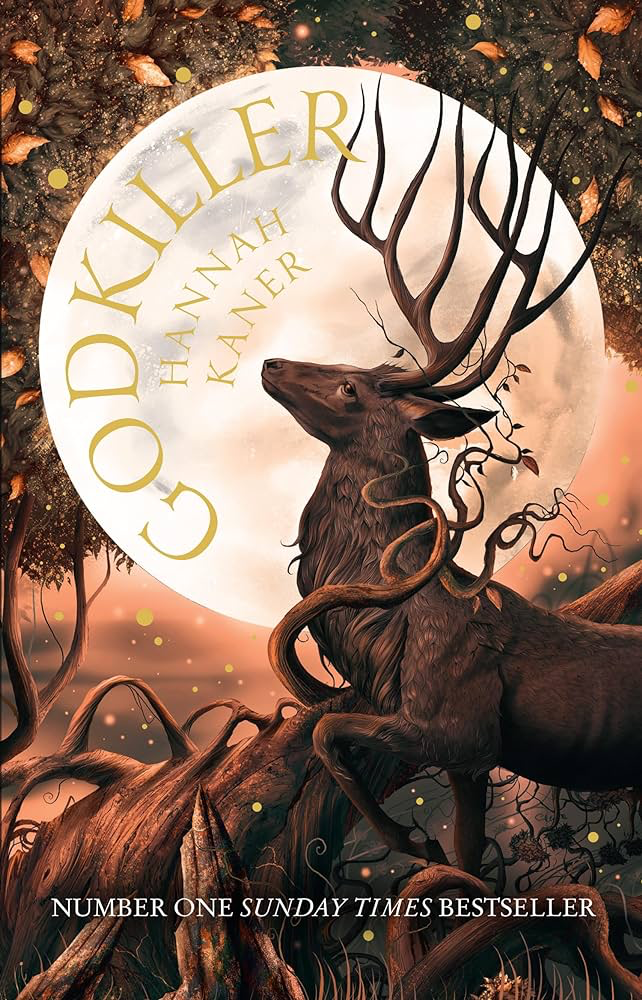
Godkiller (Fallen Gods, #1) – Hannah Kaner – this story similarly begins with Kissen, who has lost everything, and the novel follows her finding her purpose…with some killing gods on the side.
I feel like I shouldbe more invested in the fact that Beth Gibbons is releasing a solo album this May. Then again, I still haven’t picked myself up and listened to Dummy, so I feel like that’s the top priority. The only thing keeping me from it is the Sisyphean album bucket list I’ve created for myself, so we’ll see when I get around to it. Soon, given that at least a quarter of it had me in a nearly unbreakable chokehold in early 2022.
“Floating On A Moment” feels further removed from the trip-hop that Portishead was known for, opting for a more stripped-down form. Synths and samples have been exchanged for acoustic guitars and a choir, and the result is slow and gentle, like water trickling from the gutter. Admittedly, I expected something weirder from Gibbons, but I don’t not like this song—it’s good, but it’s not the kind of slow that’s always compelling (that would be Portishead). It’s good when you’re in the moment (no pun intended) and listening to it, but on the outside…I hate to say it, but it feels a little predictable? The fact that it’s track two on Lives Outgrown seems kind of bizarre unless the whole album is going to be this slow, or if it just has a slow start. What’s weirder is that “Floating On A Moment” is centered around the fleeting nature of time and staying in the present, and yet it’s so slow…I guess it could fit with the image of time slipping through your fingers, but this song feels anything but fleeting. If anything, it’s the slow drip of a memory recalled, an alternate reality pondered, a gradual crawl through the recesses of the mind. All that’s to say that this isn’t a bad song. For what it is, “Floating On A Moment” is as gentle as they come, something to have in the background. Again: I hate that I’m saying that about Beth Gibbons, of all people, but we don’t have the whole picture of Lives Outgrown. We’ll see what she’s got up her sleeve.
Even though the pervasion of AI art in music videos is maddening to me (at this point, it’s less about the fact that it’s AI and more that the “style” just looks objectively ugly), the AI elements of the music video for “Floating On A Moment” suit how the song feels; everything melting into a gloopy mess is a hallmark of AI animations at this point, but that kind of melting, combined with the real-life footage of Gibbons, melds surprisingly well with the slick, melting quality of the song.
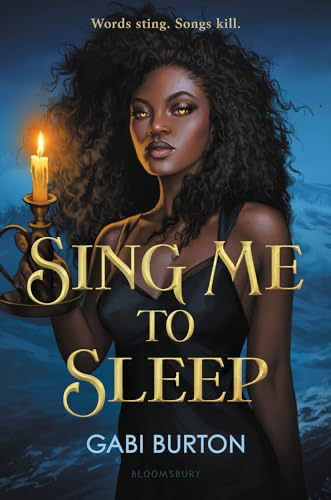
I always love stories about mermaids and sirens, so Sing Me to Sleep instantly went on my TBR when it came out last June. Sing Me to Sleep presented a land-bound take on sirens that proved fascinating, and resulted in a tense, seductive YA fantasy!
Saoirse is hiding a deadly secret. She’s a siren, driven by the urge to kill and seduce, which has made her into the perfect assassin. Her talents took her all the way to the good graces of the royal family of Kierdre, but they don’t know of her true identity—and she must hide it at all costs, lest she incur the wrath of their creature-hating king. But working as one of the personal bodyguards to Prince Hayes has its perks, and soon, Saoirse finds herself questioning her loyalties—and drawn towards a prince who would kill her if he discovered her true self.
I’m not going to bog down this review by starting it with another rant about how jaded I am with epic and high fantasy, but I’ll leave it at the fact that this was the reason that my expectations for Sing Me to Sleep were so average. But I ended up blowing through this novel, and I haven’t done that in weeks—it’s just pure fun.
I won’t lie—I was a little disappointed when I realized that Sing Me to Sleep took place primarily on land when they had a siren protagonist. Mermaids and sirens are an instant draw for me, so I was excited to explore some of those magical aspects and how Burton realized them in her fantasy world. However, once I got into the novel, I ended up enjoying how Saoirse’s siren status affected her when she was confined to land, from the call of the sea every time she came near it to being momentarily thrilled by having her head dunked underwater while being tortured for information. Burton’s handling of Saoirse’s hidden thirst for male blood was similarly well-executed; it set a kind of time bomb of sorts whenever she was around her targets, and made the stakes feel tangible and not just an aside thrown in to remind the reader that she’s a siren. The way that Burton utilized these aspects made for a novel with just the right amount of stakes, with tension in all the right places.
Sing Me to Sleep hinged on the twist of Saoirse, trained to seduce and take advantage of men before killing them to satisfy her bloodlust, accidentally falling for Prince Hayes and not knowing what to do with herself. I was banking on it being a little cheesy (this is YA fantasy, after all), but I really appreciated how slow Burton took it with the budding romance! Not only was the forbidden aspect of it enhanced by the aforementioned handling of Saoirse being a siren, Burton didn’t go headfirst into the romance, like so many authors end up doing while trying to pull off enemies-to-lovers. The initial hatred and disdain felt genuine, and Saoirse’s inner conflict when she realized that she was falling for one of her marks was appropriately a shock to her senses. Although I didn’t particularly care for Prince Hayes as a character, Saoirse’s reactions to him felt true to what enemies-to-lovers should be. I’m interested to see how the romance will play out in the sequel…
Again: I’ll spare you my gripes with epic fantasy as a whole, but unlike of much of the fantasy I can remember reading recently, Sing Me to Sleep had the beginnings of some fascinating fantasy worldbuilding! The novel does a great job of establishing all of the different magical races and subsequently detailing the history of discrimination and subjugation amongst them. Burton did have quite a lot on her plate, but for the most part, she juggled it well, making for a world with limits that made sense and enough hints within to make me want to read the sequel just to see how some of the hidden elements get explored. Half the hard part of worldbuilding is making it something that the reader is actually motivated to read once you’ve done all the heavy lifting to create it, and Burton succeeded on that front!
However, while Burton did well with juggling several moving parts in her worldbuilding, I’m not sure if I can say the same for her characters. Although Saoirse was a compelling protagonist with motives that were appropriately fleshed-out, most of the others—of which there were a ton—left a lot to be desired. Besides Hayes, if we got any trace of their personalities, it was left at one character trait (or physical description) to distinguish them, and not much else. Combine that with the expectation that there were dozens of these characters running around that we had to remember to get all of the plot, and it just made for a mess as far as remembering why any of them were important save for their job descriptions. If some of them had been cut out, it would have solved the whole problem—it’s just a case of Burton biting off much more than she could chew, which is entirely understandable for a debut novel.
All in all, an action-packed fantasy full of tension, forbidden love, and bloodlust. 4 stars!
Sing Me to Sleep is Gabi Burton’s debut novel and the first novel in the Sing Me to Sleep duology, concluded by Drown Me with Dreams, which is slated for release this August.
Today’s song:
That’s it for this week’s Book Review Tuesday! Have a wonderful rest of your day, and take care of yourselves!
Huzzah! No more black and white color palettes! Color has returned! And somehow, I’ve managed to cram way too many songs that I’ve had on repeat into a single post, so get ready for some rambly paragraphs. Also: music that changed the game (several games, in fact), people who really liked the ’60s, and me freaking out over an Instagram post that’s already over a week old.
Before we get into that, here are last week’s songs:
I already rambled about this song plenty on my review of Wall of Eyesfrom last week, but if you haven’t read that, take my word for it. “Read the Room” was half the reason I was excited for the whole album in the first place just because of how arresting it was to hear it live for the first time without knowing they’d been cooking it up. From that, I thought I was going to destroy my hopes for this song because I’d hyped it up so much, but no. It’s still hypnotic in every way possible. Just listen, okay?
…AND A BOOK TO GO WITH IT:
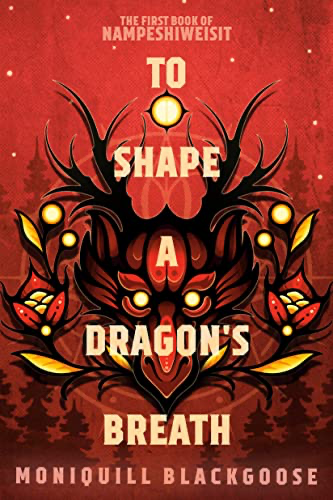
To Shape a Dragon’s Breath – Moniquill Blackgoose – massive egos and magic rainbows aplenty, but this time in the form of gaslighting and colonial pressures surrounding Anequs, an Indigenous woman fighting to make her voice heard.
Finally. I’ve finally gotten around to listening to Post, and with every song I come back to, I keep hitting myself for not listening to it sooner. Not just because some of my favorite Björk songs (and no shortage of childhood nostalgia, courtesy of my parents and their wonderfully indie taste) were on it, but just because I’ve seen it held on so high of a pedestal for so long. Normally, that’s not a primary motivator for listening to an album unless I’ve had it recommended by someone I trust, but if it’s Björk, talent of talents, that’s being held on said pedestal, then why shouldn’t I? Now that I’ve listened to it, I’m struck by the feeling that Post sounds simultaneously like nothing I’ve ever heard and everything I’ve ever heard. Every song sounds so unique, and yet screams of everything that’s come after it, whether you’re looking at the world of rock, trip-hop, or electronic—a route that Björk took on this album when she felt that rock music held little opportunity for the experimentation brewing inside of her. And that experimentation was truly wild—wild in the naturalistic sense, in the sense that she’s always meant when she’s said that she isn’t necessarily inspired by the music of her native Iceland, but of the volcanic landscape of Iceland itself. There’s musical eco-brutalism rife in this album, a full-frontal fusion of the natural and the industrial that grinds together into something that feels both alien and familiar, but wholly captivating. Maybe eco-brutalism isn’t quite the right word—I’m sure there is a word for this, but the “brutalism” part, although it is distinctly industrial in some places, feels sleeker and more technological. Post feels like that picture of a bunch of bright green plants crawling out of the dirt, but they’re planted inside of the headlight of a car; both images are strikingly different from each other, but they were always meant to be distinctly harmonious without bleeding into each other.
“Enjoy” was one of the songs that I hadn’t heard previously, and now, I’m practically waiting on its every beck and call. I just cannot stop listening to it. With something so simple as a walking, looping synth to provide its chrome backbone, “Enjoy” becomes a kind of cyberpunk catwalk, a confident strut through metal and neon lights. It’s no surprise that Tricky (who Björk had a short-lived relationship with at the time) had a hand in this track; it’s got trip-hop written all over it, but even that couldn’t place it as anything but purely Björk. With brass blasts punctuating the spiraling web of synths thickening every note, it feels like the formula that she’s molded like clay for her whole career—taking two distinct things that would sound horribly out of place in the hands of any other artist, but in her hands, sound like they were made to mesh together, a cyborg chimera of spare and found parts. And through it all, Björk’s signature, growling belt rings like a cry of confidence, a declaration (of independence?) as she struts the cyberpunk catwalk, hungry for tactile sensation, branching her feelers out for anything they can grasp. Björk described it as “[being] greedy, to be eager to consume a city,” and “Enjoy” feels like nothing but riotous consumption, something swallowing whole continents in its wake in a search for something to feel.
…AND A BOOK TO GO WITH IT:
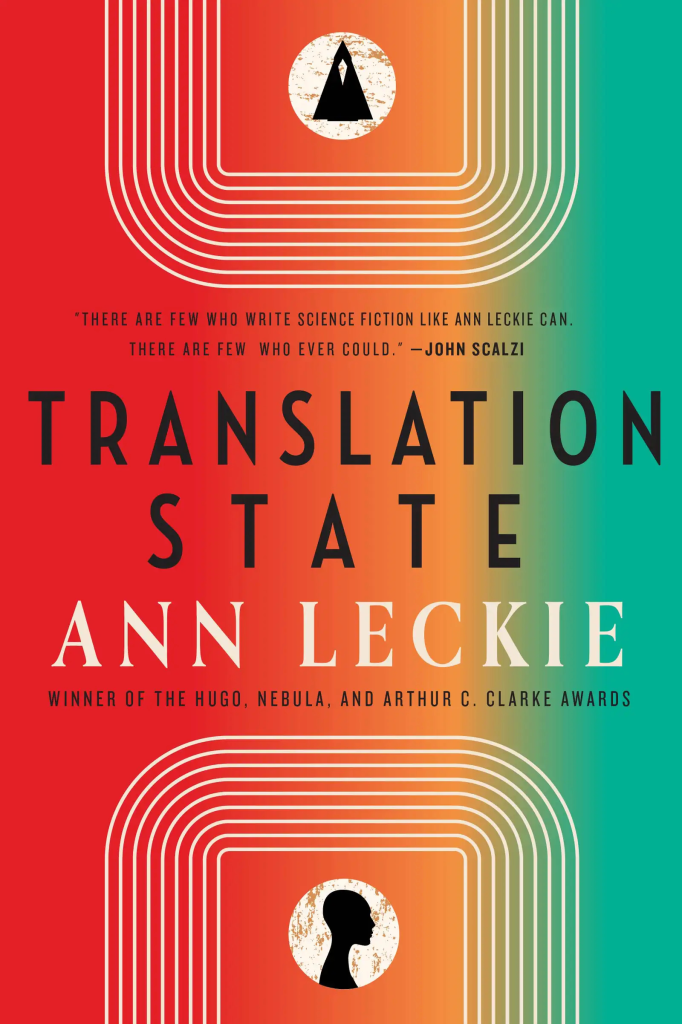
Translation State – Ann Leckie– this novel features an alien character with a deep desire to experience the same sensations of other intelligent life that have been excluded from them; the overwhelming urge to seek out the tactile of “Enjoy” radiates through here as well.
I’m a warm-weather creature at heart. I can’t get too warm, but I tend to come back alive once the sun comes out. I’m practically a reptile in that regard—I take any crumb of warmth that I can get, then I soak it up for the rest of the day like stolen nectar. Similarly, I find myself gravitating to sunnier, more summery music in these chillier, gloomier months. Here I am, looking out my window: all the trees are bare as can be, there’s half-melted snow sliding off the neighboring rooftops, and the ground beneath my feet is a mess of slush, dirt, and who knows what else. If you squint, there’s a tiny pocket of blue between the clouds, but it’s gray as far as the eye can see. But in these times, I turn to musical sunshine for my fix. I’m thinking back to last year, and that’s around the time when I was playing Fishbone’s “Everyday Sunshine” more often than not. Now, we’ve got some sparkly sunshine in the form of a trip to the beach.
Up until now, I only knew two Cornelius songs (“Mic Check” and “Smoke”), both collages of synth, samples, and brightly-colored, digitized sparkle. What I’ve taken away from looking into his background is that Cornelius (a.k.a. Keigo Oyamada), is, if nothing else, a student of The Beach Boys, to the point where he put a picture of himself dressed as Brian Wilson in the liner notes of Fantasma, the album where we get “Chapter 8.” Somehow, it never once dawned on me while listening to this song, but it’s like a sledgehammer in the face of Pet Sounds influence once you realize. This is literally just The Beach Boys if they had a few more synths and discovered sampling. And like what made Wilson and co. famous, “Chapter 8” feels like if warm sunshine over an endless, golden beach were channeled into just under three and a half minutes of music. Combined with the equally peppy powers of Robert Schneider and Hilarie Sidney of The Apples in Stereo, there’s no adequate words to describe this song other than carefree. You can almost see Schneider and Sidney nodding their heads in time as one strums an acoustic guitar, with animated sea creatures dancing around them. But what elevates the joy of this song is the way their high-pitched harmonies dance together, feather-light.
What a joyous, whimsical song! Sure would be a shame if…oh, for fuck’s sake, Cornelius did WHAT? Jesus Christ…at least The Apples in Stereo are good people…
Everybody’s weekly Apple Music replays should be generating soon, if memory serves, and I’m just waiting to see which spot out of the top 5 that this song has occupied, because it’s kind of a given that it’s going to be somewhere in there. It’s an inevitability at this point. As evidenced by this post, there’s no space left in my brain for important stuff to occupy, because it’s all been clogged with Björk, The Smile, and this for 2 weeks straight.
For XTC, it’s easy to see why. Andy Partridge always had aspirations of being a pop star, weaned on ’60s groups like The Monkees, whose style inspired his quirky musical career. And although he never got the Monkees-level fame that he’d always dreamed of (maybe that’s for the best? Who would want to have a fake show centered around you and then have to own up to not playing any of the instruments on live TV? Maybe that’s just me…), his pop craft is unmistakable. Their hits were more on the side of…well, ADHD, valium withdrawal, and poking sticks at God than “Daydream Believer,” but, as he frequently insisted, the music he and the other members of XTC was pop—it was just confined to the fringes, for the most part. “The Ballad of Peter Pumpkinhead” feels like it could have been the crowd pleaser at sold-out stadiums in some alternate universe where fawning girls had posters of Andy Partridge and Colin Moulding in mop haircuts on their walls. It’s a tragic and biting song, but it’s got the command of a song made for people to wave their hands along, raised in prayer in a mass mourning for Peter Pumpkinhead. The song did, in fact, start out as a smaller version of that kind of pity; the Peter Pumpkinhead character was inspired by a jack-o-lantern that Partridge had proudly carved, then slowly watched rot day by day, which led him to not only pity the poor thing, but toy with the concept of a person who was purely good, and therefore, according to Partridge, “I thought, ‘god, they’d make so many enemies!'” And it’s easy to see—not to be cynical with it, but most governments despise the idea of Peter Pumpkinhead-like people simply because he’s everything they’re not—charitable, kind, and just purely good, and capable of letting every criticism bounce off of them (“plots and sex scandals failed outright/Peter merely said ‘any kind of love is alright!'”). The music video, which was later heavily edited for us Americans, didn’t just expand on the allusions to Jesus in the song’s final verse (“Peter Pumpkinhead was too good/Had him nailed to a chunk of wood”), but straight up recreates the JFK assassination. Not just a few references or anything, no. It’s literally justJFK’s assassination, complete with a Marilyn Monroe lookalike, a flashing image of Cuba superimposed onto a picture of a pig, and a weeping Jackie Kennedy sprawled out of the back of the car. Certainly a ballsy move, but not even the ballsiestmove they made when it came to American audiences. If being memorable was the aim, then they succeeded. But even without it, “Peter Pumpkinhead” has pathos in spades, the kind that brings people to their knees.
Hooray for Peter Pumpkinhead, indeed. He’s got my vote, but I feel like we already established that he’s not the kind of guy to run for public office, so I’d just shake his hand.
…AND A BOOK TO GO WITH IT:
The Last Human – Zack Jordan – being the last human in the galaxy tends to make you too many enemies, even if you don’t deserve it. Also tends to happen when you’re a teenage girl.
Oh god. God. Help me. St. Vincent wiped her entire instagram and posted a video setting aside the blonde wig from the Daddy’s Home tour H-E-L-P. HELP ME. I AM NOT OKAY.
Through my unceasing hyperventilation, I’ve come back to some of her older genius through a scattered few songs from her (slides on hipster glasses) sophomore album, Actor, and its timeless gateway into the singer and guitarist that she’s become. It’s uplifted the quirky art-pop of Marry Me into something sharper, at times more sinister (“Marrow”), and at times more heartfelt (“Laughing With a Mouth of Blood”). Only two years into her solo career, and she’s already got a full brass section at her back, but even that couldn’t stop her as a singular, meteoric force; Actor proved that she had the plentiful talent to command a room and supercharge it with artfully jagged energy, always lingering on the edge of ecstasy and fear. Compared to some of the other tracks, “The Party” isn’t necessarily the captivating explosion of some of the other tracks, but it’s still an explosion in its own right. Like “Laughing,” it’s more downtempo both in instrumentation and lyricism; for the glut of the song, Annie Clark is only joined by spare drums and specks of tasteful piano chords as she wistfully recalls tired companionship with someone as a party winds down. There’s a kind of delirious drunkenness to it as Clark watches her subject fade through her fingers in the form of scant memory: “I licked the ice cube from your empty glass/Oh, we stayed much too late/’Til they’re cleaning the ashtrays.” Lines like “oh, that’s the trouble/of ticking and talking” are straight out of the cheeky, red-lipstick mannerisms of Marry Me, but as the song unfurls like a creature hatching from an egg, it’s a concentrated specimen of her growth in the years since. As her voice fades out of lyrics and into chorus, joined by a choir rising like fog, it feels like she has her finger lingering over the button to unleash chaos, a nuclear release of creativity. Drums skip beats and fade out of line, synths blip and crackle like they’re struggling to hang on, and Clark and her chorus rise from the waves like Aphrodite rising from the sea. For a section that occupies such a small space in the song, it crams so much dare I say cosmic fervor into only a minute and a half. If “Marrow” and “Actor Out of Work” are explosions, “The Party” is an explosion in slow motion, the kind you watch from afar as debris arcs over your head and flames balloon outwards into oblivion. It’s even more evident watching it unfold in Pitchfork’s Cemetery Gates series (why did they ever stop doing those, by the way?)—there’s no other way to hear the meticulous chaos, especially in its extended form, than in an old church, where surely, Clark’s talent reverberated through the walls like the aftershocks of an earthquake.
What I’m trying to say is that there is a right way to close out an album, and this is how.
…AND A BOOK TO GO WITH IT:
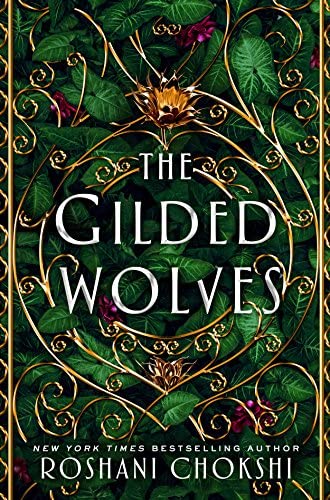
The Gilded Wolves – Roshani Chokshi– the image of a dying party and the faint, tender moments shared between the narrator and the unnamed character remind me of Séverin and Laila sharing a tense (but romantic) moment amidst magical glamour.
Since this post consists entirely of songs, consider all of them to be today’s song.
That’s it for this week’s Sunday Songs! Have a wonderful rest of your day, and take care of yourselves!
Apologies for the lack of a Book Review Tuesday this week; like with Sunday Songs, I’ve just had a busy few days, and I wasn’t able to put anything together in time, but I was creating this post in advance, so I figured today would be a good day to post it.
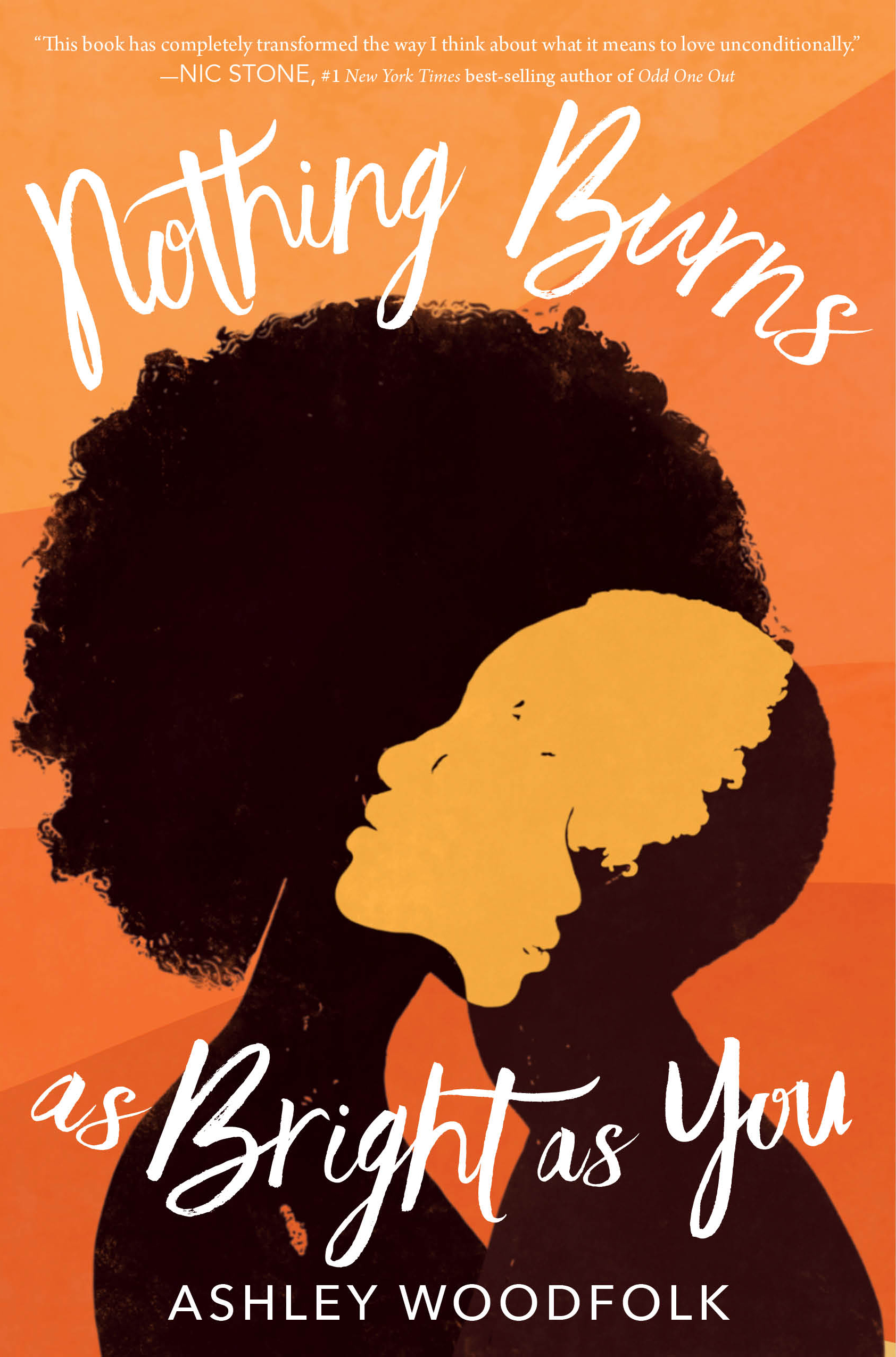
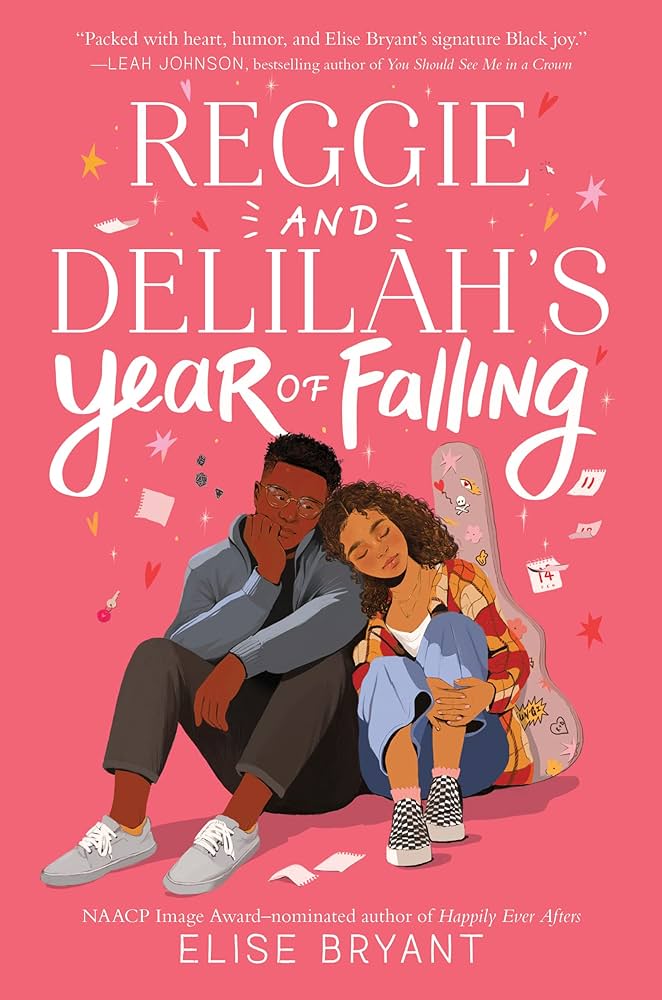
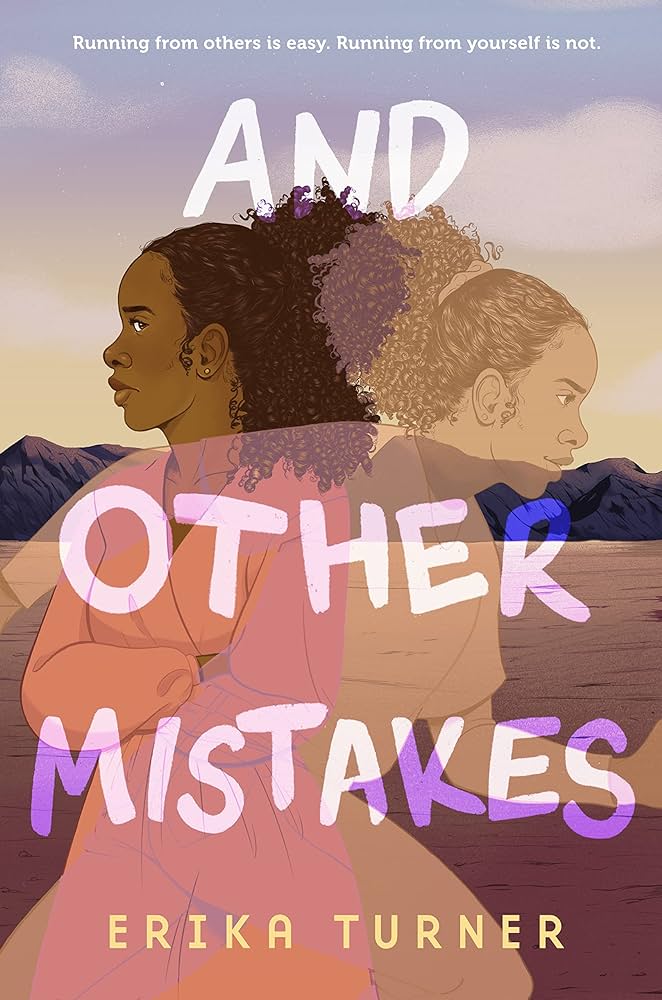
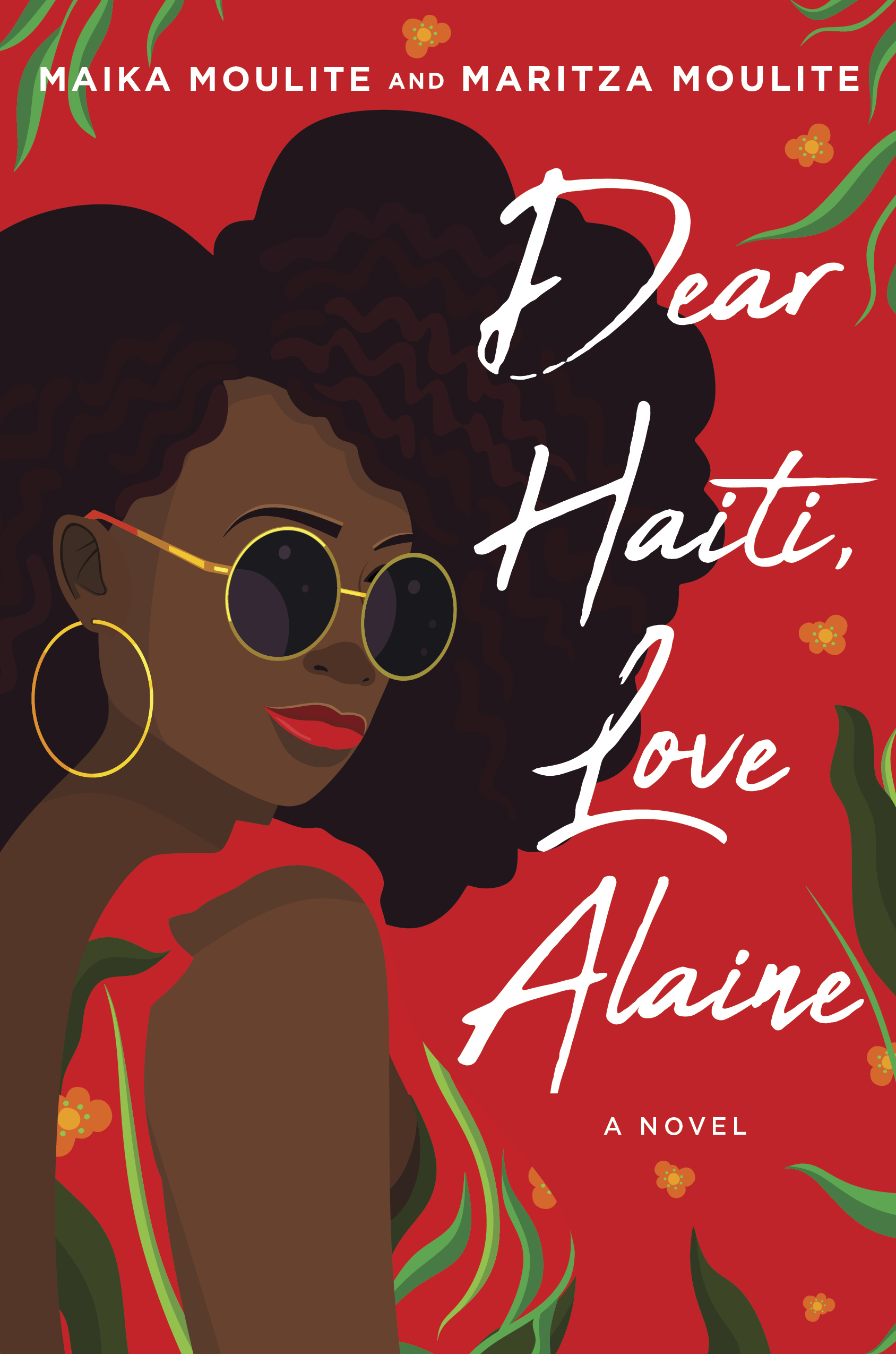
Here in the U.S., February is Black History Month! Since I’ve started making these recommendation lists back in 2021 (and focusing on reading more diversely in general), I’ve discovered so many incredible authors, and now that I’m reading YA and adult novels in almost equal measure, my scope has broadened so much more. (Note: I’m still frugal about my media space on WordPress, but this list, like last year’s, contains both YA and adult novels, even though the header image just says YA.) But as with every single year, it’s more crucial than ever to uplift Black voices—not just to amplify them and other marginalized groups in the fields of literature and publishing (especially when the industry sees diversity as nothing but a box to be checked off, more often than not), but especially since we’re living in a climate here in the states (and elsewhere) that is intent on erasing both our systemic racism (past and present) and silencing Black voices. And one of the most accessible ways to fight this poisonous rhetoric is to read—to open your eyes, to learn for yourself, and to share what you have learned with others. In a landscape where anything other than the white, cishet, abled majority wants to ban any voice that isn’t theirs, reading is an act of resistance.
TELL ME WHAT YOU THINK! Have you read any of these books, and if so, did you enjoy them? What are some of your favorite books by Black authors that you’ve read recently? Let me know in the comments!
Today’s song:
thanks again to my brother for exposing me to this one!
That’s it for this recommendation list! Have a wonderful rest of your day, and take care of yourselves!
Apologies for a lack of Sunday Songs this week. I’ve just been busy with schoolwork, and I didn’t have time to polish anything for this week. I was, however, already about halfway done with this post by the time Sunday rolled around, so hopefully I can throw you a bone here.
My high school love of Radiohead predictably went down the pipeline to The Smile back in 2022, when their first album, A Light for Attracting Attention, was released. (I was going to review it then, but it ended up getting sidetracked by several other albums that were coming out at the time. Sadly, the Arcade Fire only took a few months to age like milk. Believe survivors.) Either way, A Light was one of my favorite albums of 2022, and I even had the incredible privilege of seeing them on that tour—that was a concert where I definitely cried a little once I’d gotten into the car. It was a beacon after I’d gotten through my first semester of college. Thom Yorke’s music isn’t one that I usually categorize as uplifting, but I remember saying—and thinking—that seeing them live was the happiest I’d been in a long time. And I meant it. Something mended a part of my soul that night.
So of course I lost my mind when I figured out that they were releasing Wall of Eyes so soon! And even more so that “Read the Room” would be among the ranks, which I’d been eagerly waiting to hear since December of 2022. I was afraid that I’d overhyped the whole shebang for myself because of how rosy those memories of seeing them were, but, as they often do, they did not disappoint—in fact, Wall of Eyes feels like a more refined effort after A Light, sharp and distinct in ways that make a colorful but cohesive record.
Let’s begin, shall we?
WALL OF EYES – THE SMILE
Release date: January 26, 2024 (XL Records)
TRACK 1: “Wall of Eyes” – 8.5/10
After A Light for Attracting Attention, The Smile’s trademark became the jazz-rock acrobatics that they regularly performed: unique time signatures and rhythms that were ever so artfully off-kilter. That’s part of what separates them from most other Thom Yorke or Radiohead-related projects, but the title track of this album proves that not every track has to be this way. Sometimes, they can revel in quiet, almost-acoustic numbers and make it feel as innovative as anything they’ve put out. “Wall of Eyes” adds another landscape of alienation to the general…well, absolute menagerie of those kinds of landscapes that Yorke has put out over the years, but this time trades uneasy synths for the strumming of an acoustic guitar, spare orchestral notes, and faint, rumbling synths that ripple like water reflected onto an unpolished ceiling. It’s a track that easily lets you drift into the immaculate world that Yorke, Greenwood, and Skinner have concocted, full of fainting pulsating lights and shadowy figures drifting in and out of focus. And Yorke’s fading, sinister laughter puts the icing on the already decadent cake, pulling this track into a haze of uncertainty and unwilling vulnerability.
TRACK 2: “Teleharmonic” – 8/10
“Teleharmonic” (if there could ever be a more Smiley song title) is where Wall of Eyes breaks out of its shell and begins to bristle and hum. Crackling with static and vibration, you can almost see the delicate waves strung through it, the kind of physical sound that feels like would shy away from your touch if you tried to lay a finger on it. Yorke’s voice is made to echo like he’s trapped in a digital cavern, resonating like words through a canyon distorted by a wool sweater of synths. Skinner’s thin, precise drumbeats seem to speckle the melody like falling bits of hail, melting into the kaleidoscopic vision that “Teleharmonic” plunges us headfirst into. If “Wall of Eyes” was the steady hand that eased you into the album, then this track is when the hand is wrenched away, leaving you to fall face-first into truly alien territory.
TRACK 3: “Read the Room” – 10/10
That’s your opinion
That’s how the story goes,
A magic rain, a magic rainbow,
So big it bends the light…
The Smile, “Read the Room”
Mark my words, this will not be the last time you’ll hear about this song from me. I’ll try to keep it short so I don’t find myself sounding like a broken record, but I can’t resist. This was my most anticipated track from Wall of Eyes, and I am elated to say that it did not disappoint in the slightest. Continuing the general theme of unrest (political, personal, and otherwise) and surveillance, it falls in the vein of “A Hairdryer” with its commentary, with its mentions of “magic rainbow[s]/So big it bends the light” and “massive egos.” To that, there’s no poetic response that Yorke has defined himself with; it’s gone so far that all there is to say is “I am gonna count to three/Keep that shit away from me,” as though to chide a child. And…well, yeah, at this point, that’s the only way you can probably speak to some our world leaders today, but it’s potent either way. “Read the Room” also feels like the smoothest, sleekest track to come out of The Smile’s catalogue, chrome-shiny but with all the same bite that they usually have. The intro is genuinely intoxicating to me, instantly loopable and blooming. Just as captivating as it was live.
TRACK 4: “Under Our Pillows” – 9/10
Episodes wiped clean,
This is major league make-believe.
The Smile, “Under Our Pillows”
Like “Read the Room,” “Under Our Pillows” opens with plucky, off-kilter guitar notes that could masquerade as synths just as easily. It gives the whole track the feel of watching a candy ad from the 2000’s, like I should suddenly be surrounded by Dippin’ Dots raining from the sky—everything is round, smooth, and full of artificially vibrant color. With a similar frantic, skipping beat as “Thin Thing,” it radiates both enticing sweetness and pent-up, anxiety, but there’s no denying that “Under Our Pillows” is full of energy—and a sinister energy, of course. (What else would it be, it’s The Smile! The Smile was always full of rotting teeth!) And to match the candy-colored vibrance is the promise of handshakes cloaked in lies—”A slate wiped clean, a white loss of feeling If you’re ready and willing.” Somebody’s taking the current environment of real, necessary change being nearly impossible to make because every politician you can think of has sold their soul and shoved themselves deep in somebody’s linty, corporate pocket well, huh? Guess he’s taking it well as any of us can. The western world may be an absolute joke, but at least Thom Yorke is here to pen some absolutely glorious music.
TRACK 5: “Friend Of A Friend” – 8/10
cannot stop thinking about the fact that Jonny Greenwood plays piano like a Peanuts character
Oh, what was that I was saying about politician’s being in corporate pockets? Oh…oh! Oh. Yeah. Comin’ atcha with round two.
“Friend Of A Friend” continues not just the political theme, but the pairing of said theme with enticing instrumentals to drive the hypnotic lyrics home. No pun intended, but just like the allure of money and the easy descent into corruption, this track is about as friendly as a Smile song can get, with its gentle, bass-driven start and Thom Yorke’s thin, resonant vocals, almost unchanged since at least 1999. It’s amazing how little (by little? okay, I’ll shut up) his voice has changed over the years; I wouldn’t call it deepened, but there’s undoubtedly a fullness that wasn’t all there in the post-Bends days. The pool was already full of his soaring, gut-wrenching falsetto, but the pool has only continued to overflow with his talent. The combination of Greenwood’s gentle piano and the soft hiss of Skinner’s drums only adds to the feel of the song being the last thing you hear before slipping into the trance, like someone’s put you under a spell, and the last thing you see before you go under is their eager eyes staring down at your prone body.
TRACK 6: “I Quit” – 7/10
I try not to worship the ground that Yorke, Greenwood, and Skinner walk on, but don’t worry, I still have criticisms of both this album and A Light for Attracting Attention. The main issue of the latter was that many tracks, despite being well-crafted and atmospheric, had the tendency to blend into each other—the same (no pun intended…oh god, I need to stop) jazzy, low-key rumbles that bled into each other too easily, like watercolors left to spill and blend into a muddy mess; every color was beautiful on its own, but they faded far too much into each other. For a title like “I Quit,” I completely expected it to be in the Bends-callback style of “You Will Never Work in Television Again,” but in actuality, it’s the slowest track on Wall of Eyes—I suppose the title makes a different kind of sense if the quitting in question is more from exhaustion and giving up as opposed to towel-throwing anger—”This is my stop/This is the end of the trip.” Drenched in delay on every possible instrument, “I Quit” has a lethargic crawl that could fit right in with A Light, but on this album, provides a calm respite from some of the more skittering, uptempo tracks. I see why it’s the subject of many critics’ ire, but I’d argue that this sleepier track has its place.
TRACK 7: “Bending Hectic” – 8.5/10
“Bending Hectic” was the very first single to come out of Wall of Eyes, and I reviewed it when it was released back in July (why, why, WHY did none of you tell me THAT I SPELLED THE SONG WRONG IN THE GRAPHIC AND THE POST?? WHY???) In concert with the rest of the album, it feels just as seamless and cinematic as it did when it stood alone. Now, bridged between the rambling quiet of “I Quit” and the uneasy shoulder-tapping of “You Know Me!” (see below), it feels like an elongated cat’s stretch, reveling in the softer moments but crashing like a volcanic explosion and letting the fiery debris rain down upon our ears with reckless abandon. Like “Read the Room,” it remains as gene-altering in real time as it felt seeing it live without knowing anything else about it, a swirl of sharp colors. And god. I can’t shut up about Jonny Greenwood’s guitar work, can I? I won’t. It never ceases to amaze me just how many innovative ways that this man can manipulate the instrument into something truly colossal.
TRACK 8: “You Know Me!” – 8.5/10
You are standing in my light,
You have wound yourself around me
Like you know me…
The Smile, “You Know Me!”
I wouldn’t have expected anything less from The Smile, but god, what a gloriously eery way to end the album. It has the feel of a latter-day Radiohead track, but with a much more modern sensibility—the lyrics are full of manipulation and trickery, which could just as easily be how it feels to be surrounded by advertising on social media in the corporate world, or just a sour relationship. Given Yorke’s history with this kind of thing (see: OK Computer), I’m gonna go with the former, but either way, the culmination is chilling, with echoing, distorted instrumentation and piano that sounds like it’s being transmitted from somewhere underwater. With the addition of the lyrics, “You Know Me!” feels like a boa constrictor slowly wrapping itself around your chest to suffocate you, but whispering in your ears that it’s for the best with every breath that it squeezes out of you: “None of this is mine/Always ‘you know me.'” Even the exclamation mark in the title feels like a corporate smile of misplaced trust, like a “we’re here for you!” as they lay off hundreds of their workforce. How’s that for an album closer, huh? Take notes.
I added up my scores for each track, and they came out to an 8.4! It’s really a shame that Wall of Eyes came out so early this year, because it’s going to be hard to compete with this album. (At least their competition is just as exciting—Chelsea Wolfe, IDLES, and…St. Vincent? Be still, my beating heart…) Now that they’ve slimmed down their track count and refined—and redefined—their sound, The Smile sounds as fully-realized as ever, brimming with sharp commentary and truly alien, expansive soundscapes full of vibrant colors. The talents of Yorke, Greenwood, and Skinner could never be called into question, but if they ever were, Wall of Eyes is a testament to their work as a truly powerful trio, cohesive and boundary-pushing in equal measure. (Why yes, I have had this on repeat for a solid week and a half, why do you ask?)
Since this is an album review, consider the whole album to be today’s song.
That’s it for this album review! Have a wonderful rest of your day, and take care of yourselves!
Happy Wednesday, bibliophiles! I hope this month has treated you well.
First month of the year is over, whew! I don’t wanna jinx it, but I think the rest of the year will be good.
Let’s begin with the first wrap-up of 2024, shall we?
GENERAL THOUGHTS:
January’s been a good start to the year so far, I’d say. The first half was wonderfully relaxing, what with the joys of how long winter break is in college, so I was able to recharge, catch up on reading, and get some sleep in before school started back up again. As for school, I think it’s shaping up to be a great semester! I’m finally taking some classes for my newly declared women and gender studies minor, and I’ve been enjoying those, along with the amazing English classes I’m taking for my major. It was disgustingly cold for a solid week, but at least my school had the sense to call a delay (would’ve preferred a snow day, but beggars can’t be choosers, I guess), but now it’s…unusually warm? It’s nice to be able to wear a t-shirt in the afternoons, if you ignore climate change.
As I said, January has given me the chance to get back on my old reading and blogging schedule. I still didn’t blog as much outside of my regular schedule (these scholarships I’m applying for aren’t gonna write themselves), but it was much nicer not having to do that outside of schoolwork. Fingers crossed, my workload is reasonable at the moment, so I’m soaking up all the time in the honeymoon period of the semester that I can. The reading batch I had was fantastic, for the most part! I had a streak of no books that I really didn’t like for a solid three weeks, and even after that, it’s mostly been 3-5 star reads all around! Anticipated reads, books I’ve been meaning to read for a while, and re-reads—it’s been a good bunch this month. I put my reading goal at 150 books this month, which my middle school self would probably declare something along the lines of “cowardly,” but to her I’d say to wait until college.
Other than that, I’ve just been catching up on sleep (for the first half of the month, anyway), drawing, watching Abbott Elementary (so comforting and delightful!), seeing Robyn Hitchcock live (dude’s a complete weirdo, but an insanely talented weirdo), and stocking up on hot chocolate and tea in equal measure in preparations for the permanently indecisive Colorado weather. Somebody’s gotta keep us on our toes.
READING AND BLOGGING:
I read 18 books this month! Winter break gave me a good head start for the first half of the month, but I’ve been able to keep up some of the momentum through the end. And it’s been a great batch too—I’ve only read one book this month that I really didn’t enjoy, and I re-read a favorite that got even better on the second go-around!
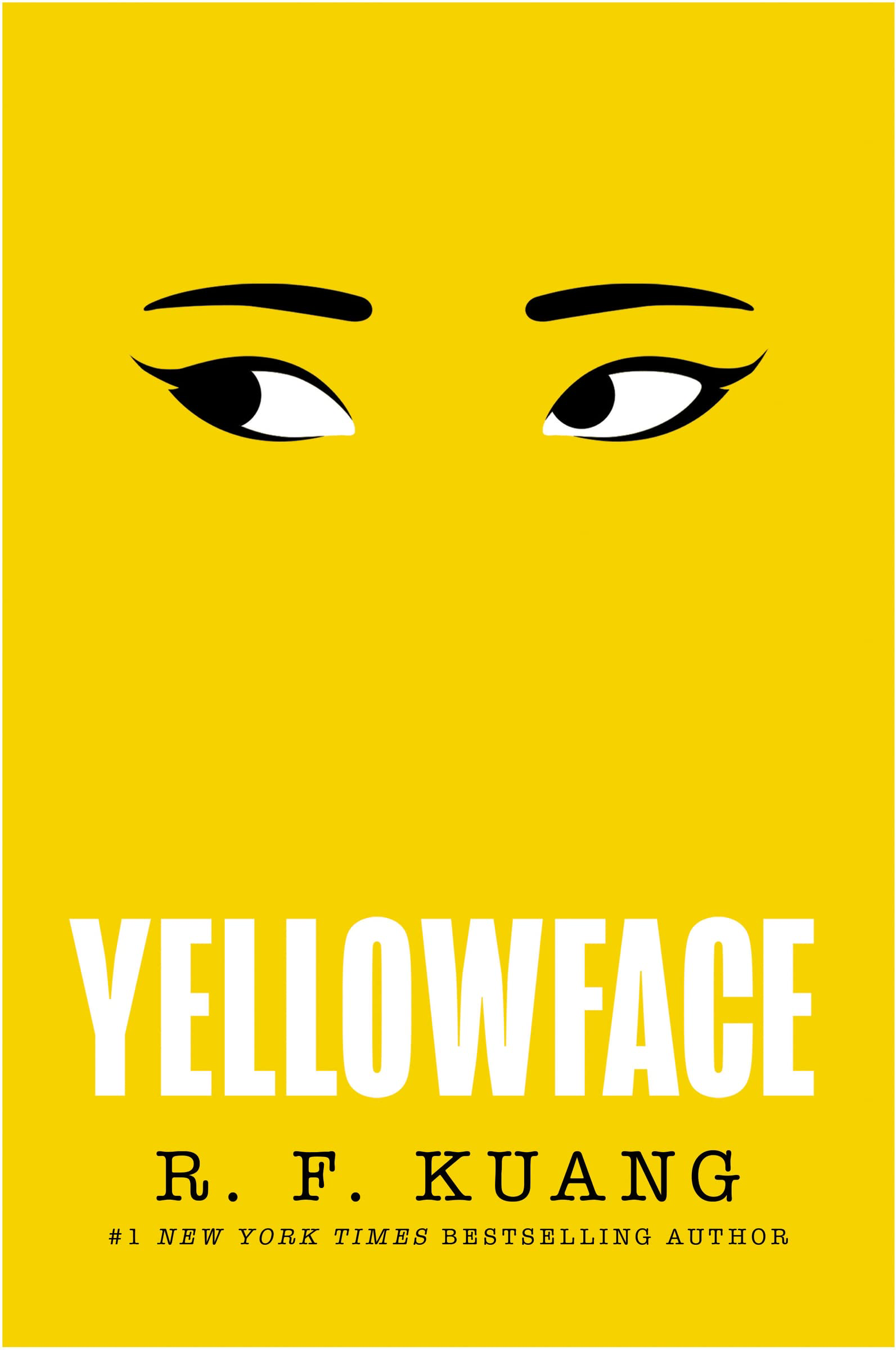
I’ve had several books by R.F. Kuang on my TBR for a year or two, and I’d forgotten about this one until it happened to come up as one of those “skip the line” checkouts on Libby. I decided to take the opportunity (as the holds line is usually nuts for this book), and I found myself adoring it so much more than I thought it would—a biting and timely satire of the publishing industry.
June Hayward and Athena Liu have been friends since attending Yale together, working through writing projects and slowly finding themselves publishing their own works. But while Athena is enjoying success, six-figure book deals, and Netflix adaptations, June has barely been able to get a third printing of her only book. So when Athena dies in an unexpected accident, June sees the perfect opportunity: steal her unfinished manuscript, pass it off as hers, and profit. Armed with a new pseudonym and a racially ambiguous author photo, June Hayward becomes Juniper Song, and her book, The Last Front, becomes the toast of the literary scene. But evidence is beginning to pile up against her, and June will do anything to keep her newfound fame.
TW/CW: racism, death by choking, vomiting, substance abuse (alcohol), harassment, gaslighting, suicidal ideation
I’m glad I had my expectations at an average level for Yellowface, because this is one of the best satirical novels I’ve read in ages! This novel truly felt like it was attuned to the beating pulse of the dark side of the publishing industry, and it’s an exploration of diversity and publishing that’s incredibly necessary in this day and age.
I don’t think I’ve ever witnessed a novel that’s felt so true to today’s publishing scene in a long time—or ever, really, but to be fair, I haven’t read a lot of realistic fiction books in this vein. Yellowface is a biting, unflinching callout to how publishers view diversity; June’s story, though fictional, is testament to how the publishing industry views diversity and marginalization as profit to be made, not stories and identities to be uplifted, and how once they’ve checked one person of a certain demographic off a checklist, they think they’re set for “diversity.” Beyond that, it’s proof of how willingly publishers will silence marginalized voices in favor of white voices telling the stories of the marginalized, and how far they’re willing to go to keep up the façade. Truth be told, this novel did make me slightly spiral about the state of publishing as an aspiring author, but I suppose that means that R.F. Kuang did her job.
I’ve seen several reviews of Yellowface complaining that at least one of the main characters were self-inserts, but other than the whistleblower character (who only has a minor role until the end), the two main characters were dreadfully unlikable. To be fair, I’m not as familiar with Kuang’s work, but I don’t take her to be the kind of person to be so self-deprecating that she makes her self-insert into a disgusting mess of a character. In fact, Kuang excelled at making them incredibly unlikable—and hilarious in the process. I liked that, although Athena didn’t deserve what she got, that both her and June were depicted as despicable people in their own ways, but June was still portrayed to be disgustingly in the wrong—nobody’s angelic in this situation, and everybody has their flaws, but some people’s flaws pile up until they fester and collapse on top of them (June). Everything written in her voice was so cringey it was hysterical—watching her, for instance, editing the manuscript to make the British soldiers “more sympathetic” cracked me up, and Kuang clearly knew just the kind of circumstances that a white author would twist a marginalized story into—it felt painfully real, and painfully funny at the same time.
Typically, I’m not habitual thriller reader, but I’m a sucker for a story about a character digging their own grave, and god, Yellowface was the perfect scratch for that itch. June’s story of jealousy, temptation, and clinging towards fame that fall like dominoes toward her until culminating in the climax was painful but exhilarating to watch—for me, there’s nothing like watching a character’s downfall right before our eyes. June just kept digging herself further and further into eventual ruin, and with each push closer to the edge of being exposed for her (MANY) wrongdoings, Kuang perfectly amped up the tension. I was definitely white-knuckling my Kindle for a significant portion of the book just because of the sheer audacity of June thinking that none of her actions would amount to anything. It has the same feel as many of the self-destructive arcs in Fargo—the same kind of eventual tension that builds, and all the while, you know exactly how it ends, but what keeps you reading is wanting to discover how everything collapses onto them.
Without spoiling anything, I’ll say something brief about the ending. At first, it seemed a bit rushed and anticlimactic—I still hold that it was slightly rushed, but it’s a way-homer kind of ending. It wasn’t just a continuation of June feeding her own delusion—it’s terrifying proof that the system still works in favor of white authors clearly in the wrong. She may have hit the breaking point, but this controversy, just like the others, will only continue to drive up her sales. The system has not changed. As long as the publishing industry stays the way it is, she’ll still be rewarded. And that was the kind of scary reality that Kuang has proven with this novel.
All in all, a darkly witty thriller that brought a timely conversation about the publishing industry to the table—and executed it stellarly. 4.25 stars!
Yellowface is a standalone, but R.F. Kuang is also the author of the Poppy War trilogy (The Poppy War, The Dragon Republic, and The Burning God) and Babel.
Today’s song:
really and truly OBSESSED with this album
That’s it for this week’s Book Review Tuesday! Have a wonderful rest of your day, and take care of yourselves!
Happy Sunday, bibliophiles! I hope this week has treated you well.
Last Sunday Songs of the month, and…yep, more dreary colors. At least the actual weather is marginally less dreary. There’s still those gross piles of snow and dirt next to the sidewalk that just refuse to melt, but at least I can feel my hands now. Most of the songs aren’t nearly as dreary, I promise. Mostly upbeat, with some ominous instrumentals thrown in. Gotta keep y’all on your toes.
I’ve given up on listening to David Bowie’s discography in any semblance of order, since I’ve been listening to as much as I can on-and-off since I was about 12. But with every album I hear, I’m still staggered by the places that his experimentation took him, all the way up until his death. His creative juices truly runneth over, to put it lightly.
But, of course, in order to generate said creative juices, one must stimulate creativity and poke at your comfort zone. That’s how many of the tracks off of “Heroes” were born, with help from Brian Eno and his “Oblique Strategies” cards, which he designed as a way to provide musicians and artists with challenges on creative projects. The two each selected a card as they were making this track—Bowie drew “emphasize differences,” while Eno drew “try to make everything as similar as possible.” Seems like a frustratingly clashing set of cards, but I suppose that’s exactly why Eno made the deck and the first place. And, of course, if anybody could make these two concepts mesh…of course. It’s David Bowie, what can’t the man do? The result is “Sense of Doubt,” which feels like it was made to soundtrack the classic “dark and stormy night”—I can practically see bolts of lightning crackling behind the pointed spires of a looming castle as clouds bulge and darken in the distance, bellies full of thunder. Even with the chunky, brighter synth chords that punctuate this soundscape, nothing can make this song sound anything other than ominous; the piano chords feel like something out of a classic horror soundtrack, there’s a faint buzzing overhead that almost sounds like planes in the distance, as though war is imminent, and there’s a squeaky-door creaking that was first just the sound of a pick being dragged across guitar strings, but was later imitated by Bowie with his own voice. Somehow, the mime performance (see above) that Bowie performed to this song brings an entirely different sense of foreboding (never thought I’d say that about mime)—he repeats a gesture of moving his hand, gently rubbing his fingers, like something’s slipping away from them—sifting through the ashes of destruction wrought by his hand; what was sown has been reaped. “Sense of Doubt” echoes like a slick cavern, leaving you to wonder exactly what’s lingering in the darkness, because somethingis definitely waiting to strike.
…AND A BOOK TO GO WITH IT:
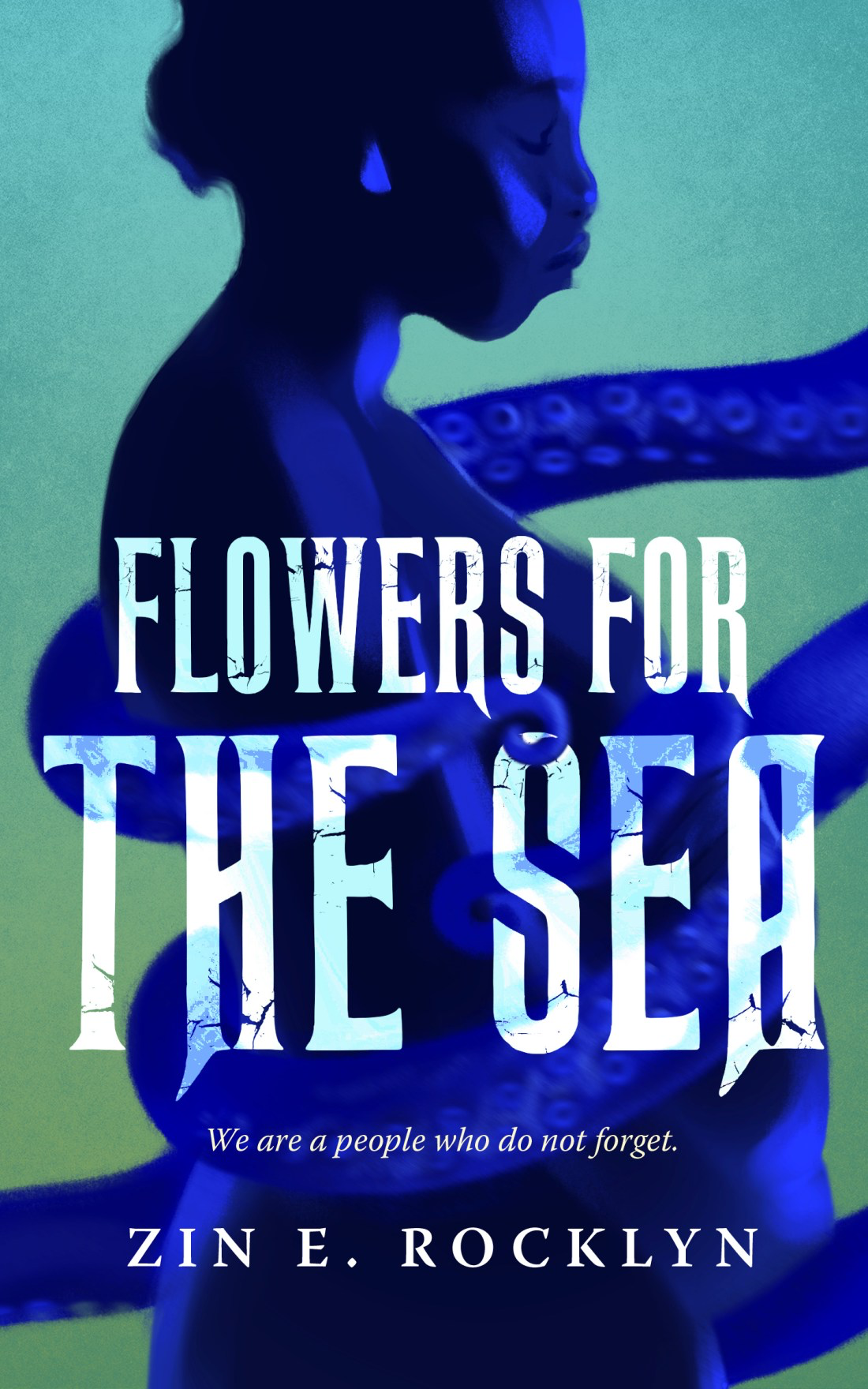
Flowers for the Sea – Zin E. Rocklyn – the rain-soaked creeping dread of “Sense of Doubt” would fit right in with this brand of cramped, uncertain horror on a boat full of people you don’t fully trust (including your unborn baby).
It’s been about a year since I first listened to Vespertine, and I’ll continue to die on the hill that it’s a perfect winter album. Every song has the texture of newly fallen snow, and even amidst the frigid temperatures (the kind I’m sure she’s very familiar with, what with being from Iceland and all), it makes you see the glimmer in the gray sky and the diamond sparkle of snow when the moon shines on it. It’s cold, but not in an unwelcoming way.
Next to some of the other tracks on the album, “Heirloom” doesn’t stand out as a major highlight (but to be fair, it’s hard when your competition is “Cocoon”), but it’s so oddly sticky that you I couldn’t help but let it loop when it came on the other day. It doesn’t have the same immediate power as some of its sisters—in fact, even though I will always praise Björk and her endless fount of oddball creativity, but my first thought upon re-listening to this one was that the plinking drum machine and the single, off-kilter synth chord sounded like the times I was fooling around with random buttons on my keyboard when I was seven. Even for her, it’s discordant in a borderline sloppy way, but of course, it doesn’t take her long to turn the car around and craft another successful track. Once the full forest of synths and low, reverberating hums tangle everything together, it feels like the cohesively strange Björk I’ve come to know. Her lyrics are always arcane poetry (or…pagan poetry, even), but even though this one isn’t as dense of a story, there’s still a fairytale-like lilt to the way she rambles about “a recurring dream”; like the album’s undercurrent of body heat amidst winter’s cold, the warmth radiates from hazy dream-images—”I swallow little glowing lights/my mother and son baked for me/During the nights/They do a trapeze walk/Until they’re in the sky.” I almost get a Studio Ghibli-like image of the glowing lights, as if they’d have little pinprick eyes and smiling faces like the warawara from The Boy and the Heron.
…AND A BOOK TO GO WITH IT:
The Wide Starlight – Nicole Lesperance – this time, a mother’s “trapeze walk into the sky” is no dream, and it leads Eli to freezing and unexpected places.
I had the incredible privilege of seeing Robyn Hitchcock on Friday night, and I’m now convinced that he’s some kind of cryptid prophet. Between most of the songs, he’d go on for a while about CDs and salami or vampires or whether or not there was a goldfish in his glass of water or his belief that the population of Britain consists of ghosts (“that’s how Brexit happened”), and that was honestly half the fun of the show—never once did I know what was coming, and it was hilarious. The other half of the fun was how immensely talented Hitchcock is as a musician—you don’t get the sense from much of his recordings, but there’s no doubt that he’s under-recognized as an incredibly skilled guitarist. My dad had been saying it over and over, and I believed him, but it was cemented when we saw Hitchcock with just an acoustic guitar strumming out whimsical hit after whimsical hit. Some of his playing bordered on the speed that I’ve only seen with Flamenco players. He’s hardcore.
In retrospect, this probably wasn’t the best song to pick since he didn’t even play it on the setlist, but I’m trying to be honest about what I’m listening to (and also trying to fit this color scheme), and it’s still a lovely song. Structurally, it’s very simple—only about three chords top, and it hardly ever changes, but it has the quality of rolling hills, a comforting curve that stays soft under your feet; each strum is an anchor, a signpost on a flat, endless road. But as with every Robyn Hitchcock song, his whimsical lyrics always steal the show. This one calls to mind graying, autumnal images—after all, “All of the colors ran out/’Round mid-November-o.” I’ve certainly got…a multitude of questions after the “I remember your locks/And your virginity” (wh…why is that what you’re fixating on, my guy), but…[ahem] that aside, every graying vignette plucked from the depths of memory fills this song up like a gothic scrapbook, full of dancing dresses and dead leaves.
…AND A BOOK TO GO WITH IT:
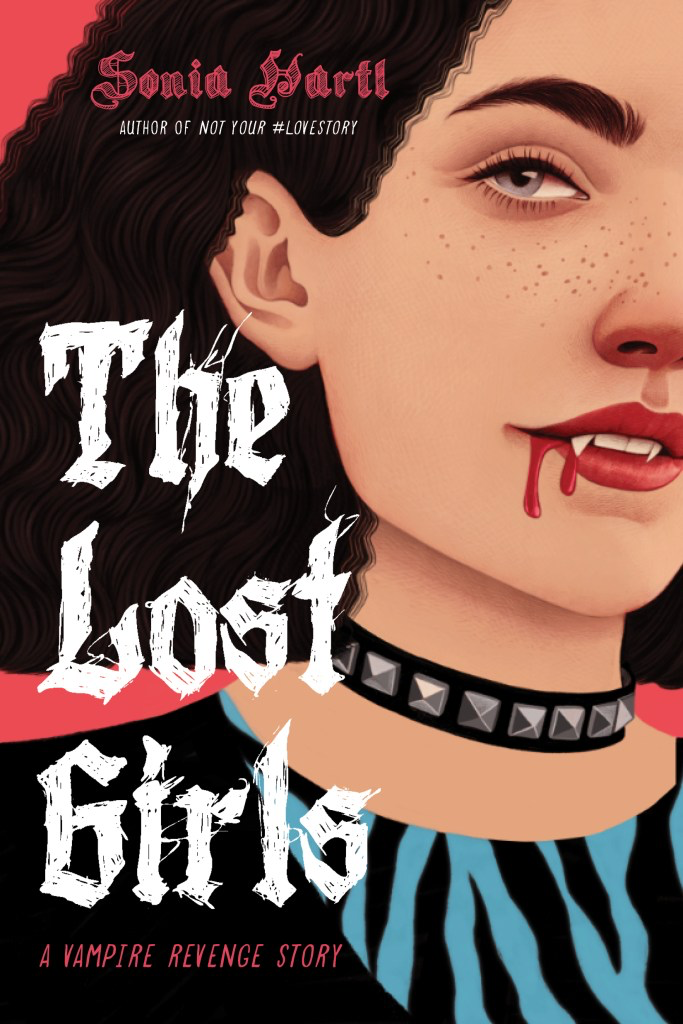
The Lost Girls – Sonia Hartl – “This is the month of the dead/Leaves on your Ouija board” already conjures up some images similar to this book, but this one also has the kind of romance that cements itself in Holly’s mind—vampirism does that to a gal.
I watched part of this year’s Rock n’ Roll Hall of Fame performances for two reasons, and two reasons only: Kate Bush (filled in for by St. Vincent) and Missy Elliott. Neither of them disappointed, especially with the absolutely showstopping, infectiously joyful, and meticulously arranged medley of songs that Missy Elliott and her backup dances performed. The video here doesn’t show it, but the official recording (you can stream it on Hulu) has a moment where the camera cuts to Annie Clark just completely slack-jawed at the whole spectacle, which is the only appropriate response, frankly. It’s glorious. And it’s because of this performance that I remembered that “Lose Control” existed. Setting aside that it’s an impeccably crafted and performed hip-hop song, I forgot that I even knew it in the first place because…well, I didn’t know that I knew it. The very secondit started, the realization hit me like a freight train.
It’s the triangle song. It’s the dancing triangle song from those memes from early 2020.
MUSIC MAKE YOU LOSE CONTROL! MUSIC MAKE YOU LOSE CONTROL!
…AND A BOOK TO GO WITH IT:
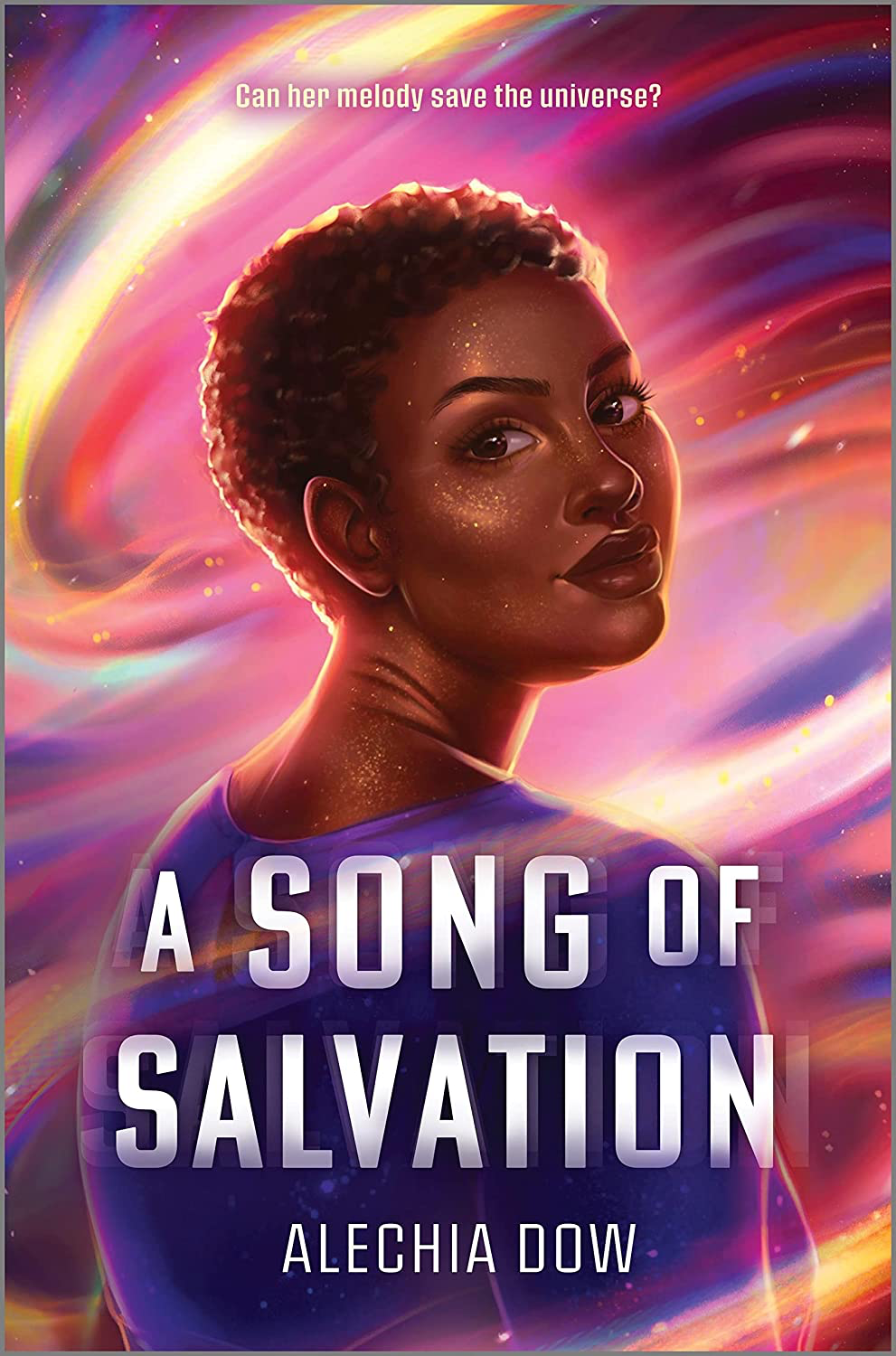
A Song of Salvation – Alechia Dow – I feel like this kind of infectious dancing is just kind of asking to be associated with a fun space opera centered around rescuing a space DJ.
Now that I’ve gotten more into some of the history of the band, it…seems like a minor miracle that The Black Crowes have reunited, what with the band having been something of a ship of Theseus with members coming and going for decades, as well as the multitude of hiatus periods and the most recent breakup, many of which resulted from various feuds by brothers Chris and Rich Robinson. Either way, it was recently announced that the two seem to have buried the hatchet (for now) and have started making new music!
Like several bands I’ve come to love now, it took me a while to warm up to The Black Crowes; they were fairly ever-present in the speakers of my family car when I was a kid, but I remember being put off by the Southern rock twang (though I was far from being able to use those words at age six) when I first heard them. And even though I’m still not a twang aficionado, I can appreciate more country-leaning music (not fully country though, I’m not sure if I’ll ever dip my toes that far into the pool), and I know a foot-stomping earworm when I hear it. It seems like these years apart have not dulled the classic Black Crowes formula; other than the subtle, aging of Chris Robinson’s voice, “Wanting and Waiting” could have been plucked straight from the mid-’90s. Time has served them well—they’ve only sharpened their ability to craft a catchy rock song that’s full to bursting—there’s no shortage of instrumental flurries working in this machine, from the very country organ flourish at the beginning to the choir chanting “blood on fire” as the song triumphantly stomps to a close. This one’s a crowd-pleaser in the making; I’m not sure if I’m a big enough fan to want to listen to the rest of Happiness Bastards in full once it comes out, but if the rest of it is anything like this song, it’ll be a hit.
…AND A BOOK TO GO WITH IT:
Hunger Makes the Wolf – Alex Wells – I feel like a fair amount of Black Crowes songs would fit with the Western-inspired aesthetic of the novel—it has that same scrappy, confident vibe to it that makes you want to stomp your feet.
Since this post consists entirely of songs, consider all of them to be today’s song.
That’s it for this week’s Sunday Songs! Have a wonderful rest of your day, and take care of yourselves!
I’ve been wanting to do a book tag for a few days now, but I’ve been having to figure out my routine again what with school starting back up. I’ve gotten to a point where I’ve been productive enough that I’ve got some free time, so I figured I’d do this one now. I found this one over at The Corner of Laura, and the tag was originally created by Literary Gladiators on YouTube. This one’s super specific, but I’d be lying if I told you that I didn’t like apples from time to time—and it’s fun for a tag! Also, I learned about a few apple varieties that I had no idea existed.
Let’s begin, shall we?
🍎APPLE BOOK TAG🍏
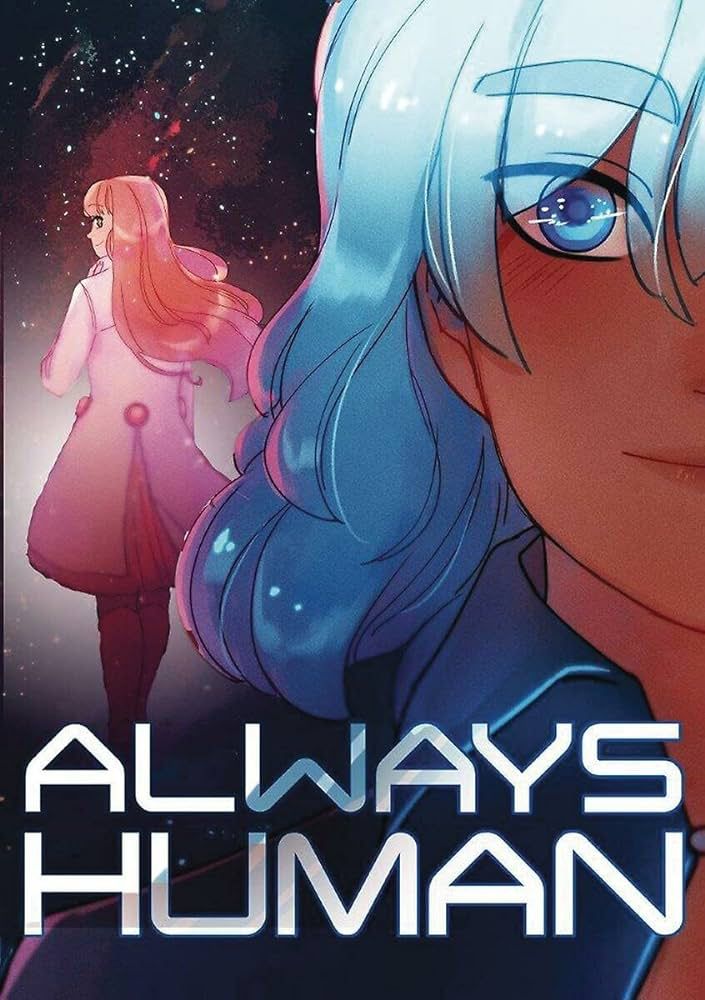
GRANNY SMITH: An overbearingly sweet book or character
Although I wasn’t the biggest fan of Always Human, it’s a good palate-cleanser if you need something light and candy-colored to read.
FUJI: A book about a mountain
It took me a while to think of a book for this prompt, but I’m glad I remembered this one! Even the Darkest Starscenters around a trek up a foreboding and deadly mountain, and it was an incredibly engrossing read.
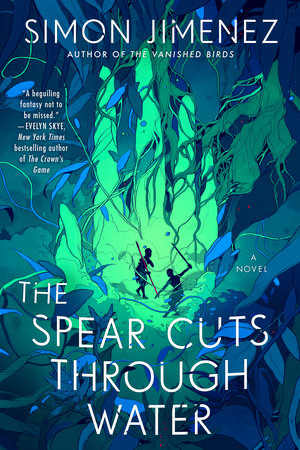
RED DELICIOUS: A book that would be perfect if it was only judged by its cover
The Spear Cuts Through Water has a gorgeous cover full of some of my favorite colors, but unfortunately, the book was too convoluted and full of itself for my liking. I did enjoy The Vanished Birdsthough (by the same author), so at least there’s that.
MCINTOSH: A writer that has influenced or would influence your writing
I’ve probably said this over and over in tags over the years, but I’ll always cite Tony DiTerlizzi and The Search for WondLaas the whole reason that I wanted to make a career out of writing, especially science fiction. These books never get old.
HONEYCRISP: A book you have read that is in great demand
At the time I read The Thursday Murder Club, it took forever for me to find a copy—I think it was around the time that book four in the series came out, so it was on hold in almost every place imaginable! I’m glad that I got around to reading it, though—it wasn’t a surprise that Richard Osman’s writing was just as clever as he was on Taskmaster!
BALDWIN: A writer you feel needs recognition
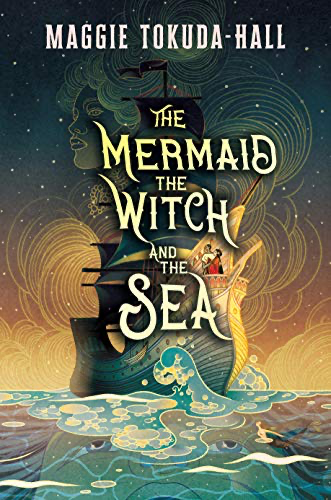
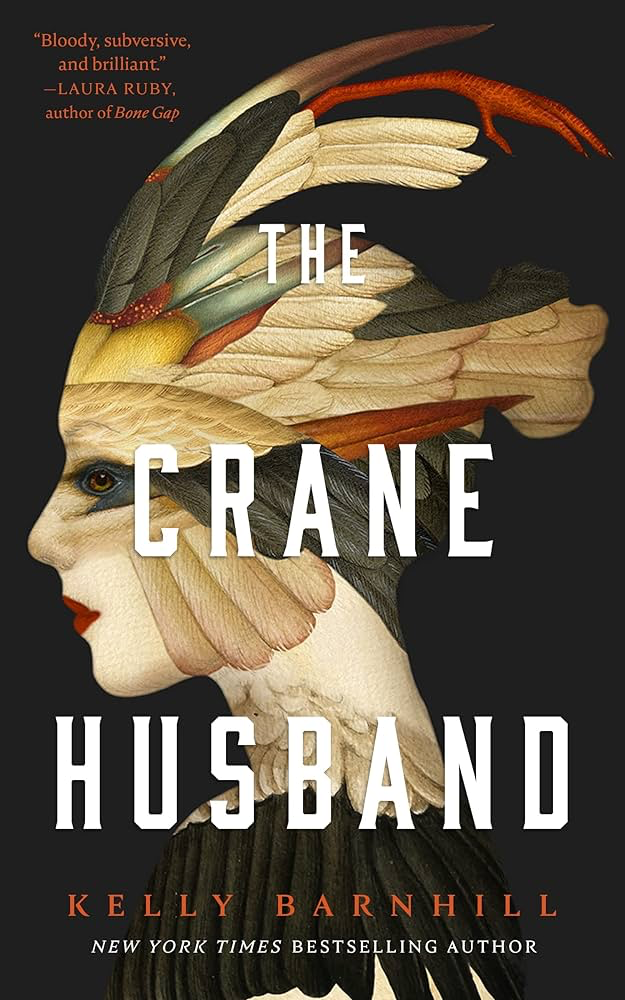
I can’t speak for her picture books since I haven’t read any of them, but Maggie Tokuda-Hall deserves all the praise in the world for her YA novels! She writes with such an unflinching approach to issues that many authors skirt around, and her characters are truly vibrant and full of life. I hope she writes so much more in the YA genre in the future—especially fantasy!
The Crane Husbandis magical realism, dystopia, and so much more all rolled into one.
AMBROSIA: A long book that was easy to follow
For an epic fantasy book that’s over 500 pages, The Stardust Thief was refreshingly easy to follow and free of unnecessary, convoluting elements! I can’t wait for The Ashfire King to come out.
JAZZ: A book written in or after 2010 that demonstrates freshness and originality
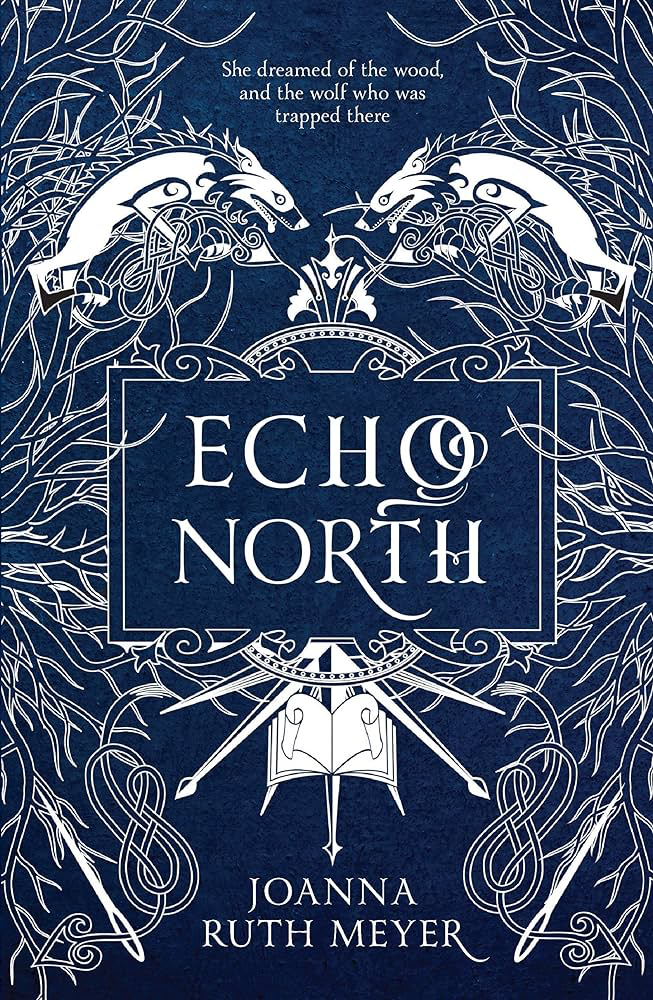
Even though Echo Northis an amalgamation of several fairytales retold (namely Beauty and the Beast), Joanna Ruth Meyer imbued this novel with no shortage of unique elements that made it truly stick with me.
MUTSU: A big book that you indulged in
Duneis probably one of the longest books that I’ve ever read. I’m a fast reader—it generally takes me about 2-3 days to finish a book, but this one took me over a week. Worth, it though. Fear is the mind killer.
WHAT IS YOUR FAVORITE APPLE?
Gotta go with honeycrisp. I never get sick of how pleasantly sweet they are!
APPLE TREE: WHO DO YOU TAG?
I tag anyone who wants to participate!
Today’s song:
That’s it for this book tag! Have a wonderful rest of your day, and take care of yourselves!





















 The Bookish Mutant