Happy Wednesday, bibliophiles, and happy New Year’s Eve!
I know this is probably the millionth wrap-up post you’ve seen today, but this is mostly in service of my love of bullet points and categorizing and such.
Let’s begin, shall we?
GENERAL THOUGHTS:
New Year’s Eve. It’s the time of the year when your social media is flooded with everybody making neat little wrap-up posts about everything that they achieved and how much fun they had in the past year. Now, I fully acknowledge the irony that I’m doing almost the exact same thing in written form. But with Instagram, I often find myself reluctant to post big end-of-the-year lists or posts like I do on here. With my art account, everybody seems to have stuff all ready for the holidays, but I’m just drawing whatever I see fit, rarely ready with anything festive for Christmas or the new year. All this is to say, it’s good to remember that this is, after all, social media. Even as the year ends, it’s okay to not have everything wrapped up in a neat bow. Social media’s all a sham anyway, so post at your own pace.
Compared to this time last year, when I felt like I’d gotten a proverbial pummeling from 2024, I’m at least grateful that I’m in a better place, even if 2025 was…god, it was certainly a year. And honestly, 2025 pummeled me too. But it was marginally better for me than last year, which is saying something. I’ve learned to take better care of myself. Even though keeping my head above water with everything going on in this country has been—and continues to be—an uphill battle, I feel like I’ve come so much further from the person I was last year. I moved into an apartment, I got another two semesters of good grades, I learned how to knit, and above all, I feel more independent. (I’m saying that in my head like they do in Rudolph the Red-Nosed Reindeer. In-dee-pendent!) Yet I’ve also been beaten down by stress, by school, by tragedy—preeminently a school shooting at my old high school back in September. Above all, it’s been a year of upheaval for me—not just the negative upheaval of the government (because they think that our Constitution is a suggestion, apparently), but a year of so much change. But I’m here. And hell, I’m so proud of myself. Half of the things I listed here (and many that I didn’t) are things that I never imagined myself doing even five years ago. But I’m here. I can ride the bus and make easy conversation sometimes, I know the way there and back to my record store, and I am surrounded by people who I love and who love me back. I am grateful.
Plus, the more important holiday is Ringo’s 4th birthday. Send your birthday wishes, or the birthday boy will bite your feet…
NOVEMBER READING WRAP-UP
In total, I read 174 booksin 2025!
I read 14 books in November! Though my reading count was buttressed by several re-reads and school books (and one unfortunate DNF), I encountered so many lovely books.
I read 13 books in December! Finals put me way behind my usual reading amount for the month, so I thought this would end up being my worst reading month of the year…and then my power went out for four days. I ended up reading two books in a single day, something I haven’t done since I was, what…9? 10? Either way, the power outage, as unfortunate as it was, gave my reading a bit of a boost.
Above all, thank you for everybody here. WordPress isn’t exactly the most popular site anymore, and I’ve considered moving platforms myself. But for the people who are still here, thank you for the likes, the comments, and the kind words. This year would’ve been ten times harder to endure without my family and friends here to support me—it is the privilege of a lifetime to have you all in my life. And to anyone who’s casually read any of my posts, thanks for stopping by. Keep reading dangerously, keep loving each other. Spread love, not fear, and go to your local record store or library or indie bookshop every once in a while. Smile at people. And celebrate this new year however you see fit.
2025 is a year that defies any kind of platitudes for me, but it was a year full of upheaval—good and bad. I’m nearly finished with college, I moved into an apartment, I had my golden birthday…all with the looming specter of fascism overhead. Too many people are concernedly fine with that last bit.
This year, I wanted to make a concerted effort to read more nonfiction. As of now, according to my Storygraph, my ratio of fiction to nonfiction is 88% to 12%, which…yeah, there’s still a pretty obvious bias. But compared to last year, where only 6% of what I read was nonfiction, that’s a significant jump up! 6% more than last year! Yet even still, most of my 5-star reads ended up being nonfiction this year, something that I did not see coming. Granted, not every nonfiction book I read was amazing, but there were some real heavy-hitters this year. Spanning from memoirs to essays on everything from grief, art, and identity, I feel like this nonfiction exemplifies my aim this year: to learn more, but to resist the kind of person that the government wants me to be, and that’s someone who is ignorant. I don’t want to thank the current administration for anything, but I will give them this: their insistence on dumbing down the population has only made me want to learn more.
Last year, I talked about how my 5-star reads seem to shrink a little every year; I still maintain that it’s probably for the best, since I’m more selective now than I was before. (Also, it’s bound to be less since I read less and more slowly these days. I’m not blowing through 300 books a year like I was when I was 10 years ago.) And yet I noticed this year that sometimes, I was almost afraid to rate books 5 stars. I found myself second-guessing constantly: did it really move me that much? Was it that good to deserve full marks? Sure, I’ve retrospectively changed ratings of books here and there—it’s bound to happen as we age—but I just need to remember to go with my heart. And what spoke to my heart this year was an oddball bunch—fiction, nonfiction, poetry, and science fiction featuring cats. All of it moved me in some strange way, giving me the liberatory knowledge to move forward and the strength to persist. So here’s to these amazing novels that moved me the most this year.
NOTE: Normally, I don’t include re-reads on my 5-star reads of the year, but in this case I’ll make an exception, since for one of them, I retrospectively changed my rating to 5 stars. There’s nothing like a book that’s even better the second time around.
⭐️⭐️⭐️⭐️⭐️THE BOOKISH MUTANT’S 5-STAR READS OF 2025⭐️⭐️⭐️⭐️⭐️
A Closed and Common Orbit (The Wayfarers, #2) – Becky Chambers | back in high school, this was my least favorite of the Wayfarers series, to which I say to my past self…how? Why? I re-read this for my science fiction course that I helped teach this fall (I can now count my professor as one of my Becky Chambers converts), and it touched me so profoundly. What a sensitive and raw depiction of trying to figure out what it means to be a human person when everybody else seems to have it down. (Spoiler alert: they don’t.)
The Serviceberry: Abundance and Reciprocity in the Natural World – Robin Wall Kimmerer | I finally got around to reading most of Robin Wall Kimmerer’s books this year, and this was my favorite. A case against capitalism and a case for a world embedded more with gratitude towards the abundance present in the natural world (despite what oil executives will tell you).
TELL ME WHAT YOU THINK! Have you read any of these books, and if so, did you enjoy them as much as I did? What were your favorite reads of the year? Let me know in the comments!
Today’s song:
That’s it for this wrap-up of books! Have a wonderful rest of your day, and take care of yourselves!
Happy Sunday, bibliophiles! I hope this week has treated you well.
This week: the last Sunday Songs of 2025 (good riddance), featuring one more song from Bad Sisters, early college memories, and Liz Fraser getting her money’s worth out of the letter ‘S.’
You know me—I’m a sucker for songs that are sweet, sincere, a little too sappy on occasion. I love a good ballad here and there. But there is a hair-thin line between being sincere and wholesome and being overly earnest and corny in a way that sounds disingenuous the minute you step an inch beyond that line. Being genuine doesn’t mean squinting more than usual when you sing into the mic and switching your guitar from electric to acoustic—unless the feeling’s there, it’s not going to sound sincere. So it’s always an acrobatic feat to make a song that’s earnest and sincere but doesn’t sound fake. Sometimes you have to be a bit of a cornball to get it across, but sometimes, being a cornball is better than thinking that you’re automatically moving people to tears by singing slightly louder.
I wouldn’t say that of Jeff Tweedy though, even if Sky Blue Sky’s legacy is that it’s the origin of the term “dad rock,” a kind of Frankenstein’s monster from Pitchfork writer Rob Mitchum, who now regrets what he created. Tweedy’s just a uniquely sincere kind of poet, no matter the lens he uses. “Hate It Here” is a long time coming on Sunday Songs ever since I discovered it this summer, after it became a setlist staple for Wilco on their most recent tour. The best way to describe it is that it’s wholesome without saccharine—Jeff Tweedy just misses his wife when she’s not there!! He’s lonely!! He loves his wife!! It’s this in song form:
It veers towards the sappy, but it’s delivered with the kind of longing you only get from a happy, stable marriage and a genuine affection—it can’t come across as anything other than wholesome. And like the house that Tweedy’s idly pacing around, there are all manner of quirky musical furnishings—this isn’t in the studio version, but on tour, when Tweedy sings “I’ll check the phone,” Mikael Jorgensen does this little riff on the keyboard that sounds like a phone ringing. And let me tell you, it instantly made me go “OH MY GOD!! HE DID THE THING!! THE PHONE!! THE PHONE IS RINGING!!” It just goes to show the ounces of care that Wilco puts into every song, no matter if it’s about the depths of addiction, existential crises…or missing the wife. Because every song deserves the same love.
I promise this’ll be the last of the music I’ve swiped from Bad Sisters for the foreseeable future. I can’t help it! Whoever was in charge of the music direction should’ve gotten a raise, both for the sheer volume of great songs included, but for the subtle focus on women, be it Melanie or Wet Leg, Nancy Sinatra or Bikini Kill.
If not for the fact that “Cold Was the Ground” plays in-scene while the Garvey sisters are listening to the radio, I fully would’ve thought that it was part of PJ Harvey’s score—those resonant, plucked strings at the beginning sound almost identical to the musical motifs she scattered throughout the series. It’s a song so perfect for the show’s atmosphere that the characters practically break the fourth wall and recognize it themselves—it plays on the radio while they’re disposing of a body, and they insist that Eva switch to another radio station and play something less blatantly topical. “Cold Was the Ground” is a sparse but cinematic song. If Fargo goes on for another season, this would fit perfectly in it; it has that same feel of an unsettling, Depression-era Americana standard, despite the Limiñanas being French. With Marie Limiñana’s breathy vocals, a husky whisper through the mist, you feel a kind of old-fashioned dread, evocative of a campfire story that you’re trying to pretend didn’t scare you, but becomes realer the more you look out into the dark night.
I just want to talk about the visual for the song here, because…why are we just zooming in on random parts of Joe Talbot’s face? Why is 1/3rd of this video just the camera slowly getting closer and closer to his hairline, and then zipping back down to his chin? I mean, zooming in on Marta’s eyes and smile during the “Saw it in your eyes/Sense it in your smile” line is a nice touch, but…everything else? Why does Joe Talbot’s picture look like a mugshot?? Why is Tricky’s picture so grainy compared to everybody else’s? No wonder those photos are so tiny on the Lonely Guest album cover…
Anyways. Lonely Guest is essentially just Tricky, but back in 2021, it was a collaborative side project under another name. I’ve only listened to a handful of songs from it, but it captures the modern incarnation of what Tricky’s music has bottled for me: agitation. He thrives on mining dread, anxiety, and all manner of creeping, looming feelings—Maxinquaye is a masterclass in taking that feeling and ballooning it up 10 times its normal size. Though “Pre War Tension” doesn’t musically give that feel—it’s more of a simple instrumental as far as Tricky goes—its guests do. Joe Talbot was the perfect mouthpiece for these lyrics, making the first verse sound like a less aggressive IDLES track; the opening lyrics (“There’s a Macy’s parade-sized pink elephant/In the room that renders me unintelligent”) sound straight off of Ultra Mono. But ultimately, it is still Tricky, and his signature rasp, spoken in an atonal whisper, articulates that tension of wanting to hunker down somewhere cold as the world around you slowly spirals towards ruination. Even Marta’s voice, the most even-keeled balance between Talbot and Tricky, has a kind of resignation to it despite its softness.
…AND A BOOK TO GO WITH IT:
Junker Seven – Olive J. Kelley – “Life devours/Then it sours/You wanna go/But you really can’t stay/Your trouble and strife…”
I doubt this is an applicable situation for anybody, but if you ever need to explain the definition of “sibilant” to someone (1. making or characterized by a hissing sound or 2. [of a speech sound] sounded with a hissing effect, for example s, sh), just use this song. This song was brought to you by the letter ‘S’: silly, saliva, sashimi, should’ve. Of course, I write down about half of those words without complete certainty that they’re in the lyrics, but either way, it’s a very sibilant song, silky and ethereal like the fabric draped over Treasure’s album cover. Due to that emphasis on ‘S,’ “Aloysius” is one of the more indecipherable Cocteau Twins songs for me—as used to their relative gibberish as I am, all of them blend together like watercolors with that consonant repetition. Frazer makes ‘S’ not even sound like a consonant anymore, with the airy treatment it gets, along with all of the vowels strung along with it. That’s the real talent of Frazer for me: words are malleable things in her hands, elevated beyond words and into strings of pearls.
I’ve manage to only double-dip on Sunday Songs sparingly through the years, but I’ve fallen for it again. To be fair, this one appeared before I was even writing about these and maybe 20 people saw them on my Instagram story, so we can pretend that this isn’t a repeat.
“Simulation Swarm” is so distinctly 2022 for me, and yes, I know, Dragon New Warm Mountain I Believe In You came out that year, but it’s a very specific part of 2022 for me. I remember listening to it while facing the lawn surrounding my freshman dorm in college, the sunlight on the fresh grass, the fear shaky in my legs as my headphones snaked over the worn strap on my purse. I was impressionable to my brother’s music taste then, and I still am now, but he and his girlfriend were guiding me through my first wobbly steps into college (god, THANK YOU GUYS), leaving Big Thief songs like crumbs along the way. I probably heard it at one of the coffee shops on campus too, but either way, if the local coffee shop run by college students isn’t playing Big Thief, what’s the point?
Cobbled together from a series of Lenker’s experiences—hospitalization, a childhood spent in a cult, and her separation from her brother—”Simulation Swarm” is so bursting with yearning that’s it’s difficult to pin down exactly how I feel about it on any given day. I’ve leaned towards an eagerness to escape myself, but it’s a tender little mood ring that burns a bit when you leave it on your finger for too long. Lenker’s lyrics are so poetic and surreal in nature that I can’t help but imagine a fantastical undercurrent to it; my heart always snags on the “last human teachers” bit, maybe just from the sci-fi image that it conjures up. Sure, the verse about “building an energy shield” in the backyard feels very much like kids playing pretend, but I can’t help but thinking of children on a faraway planet, scraping enough money together to make their energy shield out of scrap metal and hijack a spaceship and fly it far, far away, as far as they can get. That emotion, positive or negative, feels to me like the yearning for freedom—like the empty horses, it yearns to break free, and in the chorus, you get the feeling that something’s finally snapped, broken loose, and broken its chains: “I’d fly to you tomorrow/I’m not fighting in this war/I wanna drop my arms and take your arms/And walk you to the shore.”
Happy Tuesday, bibliophiles! Merry Christmas Eve (Eve)—in advance, I hope you all have a lovely, safe, and restful remainder of the year.
This book was recommended to me around two years ago by a good friend of mine, and I’ve been trying to find it ever since. Last Wednesday, we had a power outage (it lasted four days 😵💫) because of some scarily high winds. Without anything to read on my Kindle, which was rapidly losing battery, my mom and I decided to make a Barnes & Noble run on day 2, where I finally happened on a copy. Lo and behold, Embassytown blew me away with its experiments in language, alienness, and communication—thanks, said friend!
Avice Benner Cho is many things: an interplanetary traveler, a politician, a former resident of a colony filled with all manner of alien species. But the most important of these distinctions is that she is a living simile in the language of the Ariekei, an alien race with a language that is impossible for humans to speak. The only way of communicating with them is through genetically modified ambassadors. Having left the alien-populated Embassytown as a child, Avice has returned just as tensions between the humans and Ariekei. Developments in language and communication have made leaps and bounds, but their consequences could spell war between the two species.
TW/CW: substance abuse, violence, gore, blood, war themes, suicide, infidelity, sexual content
One of my first thoughts after finishing Embassytown was “man, no wonder Ursula K. Le Guin blurbed this.” Even having only read a handful of her books, I could see how faithfully this follows in Le Guin’s footsteps. Embassytown is an experiment in language, but more than that, it’s a meditation on individuality and autonomy that blew me away with its creativity.
While I was helping teach another science fiction course in the fall, my students inadvertently got into a discussion about the hypothetical consequences of a society that couldn’t lie. I couldn’t help but think about it when I reflected on Embassytown. Of course, the reverse happens here: an alien species who evolutionary cannot lie suddenly breaks down the constructs of their language, and once they are able to lie, all hell breaks loose. (I’m not exaggerating. It’s very grim. The hopeful ending was an exceptional relief.) Some novels just have the inherent feel that they came from a series of thought experiments (say, what if you made first contact with an alien species that you can’t speak the language of without changing yourself, and they also can’t lie?), and Embassytown is one of them. But Miéville used this opportunity to really break down the effects of language and turned it into a meditation on religious fanaticism, autonomy, but most of all, communication. More often than not, this novel’s a dense mouthful, and I still don’t think I’ve processed and/or comprehended 100% of it, but what I have been able to chew on was breathtaking.
Since this is The Bookish Mutant…it’s once again the Creature Design Hour! And my god, this is some top-tier creature design here! The Ariekei were such a well-thought-out species, and the amount of detail that went into everything from their language to their culture knocked me off my feet. My mental image of them was plain fun, first off: I’m a huge fan of these spider-horse-coral-beetle creatures. Now that’s what I call a critter. One of my minor pet peeves about the novel was that most of the other aliens (or “exots,” as they’re called), are only scarcely described, but I think that’s a consequence of everything being an afterthought in the face of how detailed the Ariekei culture was. (Please, China, give me all the creatures!!) Case in point: they have several stages to their lifespan, and one of them, evolutionarily, was that when they grow old, their bodies break down in such a way that’s meant to feed their young, like many insects and arachnids do in real life; nowadays the Ariekei consider it barbaric, but their society adapts to accommodate their aging population instead of eating them. Even with the amount of real-world, familiar descriptors that were used to describe them, I think Miéville was so successful at creating them because they felt alien.
What also blew me away was how thoroughly Miéville examined how First Contact affects humanity—and not just that, it fundamentally changes it. Humans physically can’t speak the language of the Ariekei because the Ariekei have two mouths, and beyond that, a language constructed entirely differently than ours, completely absent of metaphor and the ability to lie. Our solution is to create genetically modified Ambassadors, doppelgängers raised in labs just so that they can speak the language—even their names are just halved versions of normal names (EzRa, CalVin, MagDa, etc.). The ripple effects that creates, from the Ambassadors’ fractured sense of identity to their interactions with unmodified humans, was so thoroughly examined that I could imagine the Charlie Kelly-esque, intricate corkboard filled to the brim with every possible ramification for first contact. (On reflection, I feel like Eddie Robson’s Drunk on All Your Strange New Words feels like a toned-down version of some of the stuff in this novel.) One of the reasons that kept me from rating Embassytown the full 4.75-5 stars was that I didn’t particularly care for Avice, or any of the other characters (even though Scile was an insufferable—and later downright horrible—mansplainer, the weird cheating love triangle with CalVin icked me out); yet in this case, their individual reactions to interacting with aliens made it worthwhile, especially when it came to picking apart their personalities.
That alienness that I mentioned earlier accentuated what, for me, was the primary experiment of the novel. For me, Embassytown was all about the consequences of losing oneself—autonomy, individuality, the like, but also what it takes to empathize with somebody wildly different than yourself. Both the humans and the Ariekei fundamentally have to change themselves in order to communicate with the other species, be it through genetic modification or the dissolution of the structure of their language. Taken too far, and war breaks out, nearly decimating both species. But what saves them from the brink is maintaining individuality while still being peacefully working around those cultural hiccups in order to unify and solve problems. Neither of them lose their cultural identity, but they find ways around them that benefit both parties. That’s how true cooperation comes about: communication that serves both sides, but also does not deny the individuality and humanity of the other.
I never thought I’d get emotional at a sentence like “I don’t want to be a simile anymore…I want to be a metaphor,” but man, here we are. I am nothing if not an overly sensitive English major. The leap from being like something to being is a leap into autonomy and self-determination, which, after all the bloodshed and bigotry at the climax of Embassytown, is what saves the day. When both species are left to pick up the pieces, they do so through mutual recognition of autonomy without tearing themselves in two just to please the other party. Nothing short of beautiful.
All in all, a multilayered and multifaceted exploration of the rocky road of communication—unexpectedly emotional and utterly alien. 4.5 stars!
Embassytown is a standalone, but China Miéville is the author of several other novels, including the New Crobuzon trilogy (Perdido Street Station, The Scar, and Iron Council), The City & The City, Railsea, King Rat, Kraken, and many others.
Today’s song:
That’s it for this week’s Book Review Tuesday! Have a wonderful rest of your day, and take care of yourselves!
Happy Sunday, bibliophiles! I hope this week has treated you well. Happy Hanukkah, Happy Winter Solstice, and in advance, Merry (almost) Christmas!
This week: speaking of which, I rarely end up aligning my Sunday Songs graphics to actually include any holiday-specific songs, but it worked out just right this year…you decide if it’s a pre-Christmas miracle.
Yet another song I’ve swiped from a movie I have no interest in seeing…listen, I saw ads for this movie exclusively through Pinterest and I had no idea it existed until these songs came out. At least we’ve got several Christmas classics reimagined by indie greats, even if the movie is an afterthought for me (see: Jeff Tweedy’s cover of “Christmas Must Be Tonight”).
When I first played this song, I was afraid, with the key, that we’d fall into “St. Vincent goes too far out of her vocal range; things get awkward” territory (see: her cover of Toadies’ “Possum Kingdom”). As much as I love her, she…clearly has her limits. But she slipped into this cover of a Christmas classic with relaxed, comforting ease. Though I like covers to deviate some from the original, I feel like the rule can be broken for Christmas songs—they’re holiday standards, and they’re standards for a reason. The soft keyboards and synths generate a cozy, fireplace atmosphere, and Clark’s warm voice adds that special layer of Christmas cheer that makes me feel as though I’m under a warm blanket watching snowflakes gather outside my window. Even though it’s far from the place for her signature shredding (though I’m not sure any Christmas song merits that), I love that she lent her voice to this song.
…AND A BOOK TO GO WITH IT:
Fangirl – Rainbow Rowell – I feel like I rarely read Christmasy books, but this one’s got lots of Christmas cheer.
Speaking of covers that barely deviate from the original…
There’s an element of “if it ain’t broke, don’t fit it” at play, especially since this is none other than The Beatles—there’s no denying that “Drive My Car” is an impeccable pop song, and a very nostalgic one for me as well. The other cover I can think of, by the exclusively-covers side project of Supergrass, The Hotrats, follows the same formula—and I love it. So sure, although it’s a little unadventurous that nothing’s really changed about The Donnas’ version of “Drive My Car,” sometimes covers don’t need all that much change. Some songs came out of the womb (or, in this case, out of the brains of Lennon and McCartney) nearly perfect, and there’s no point in trying to change it. The opposite can be true as well—“Cry Baby Cry” comes off of my favorite Beatles album, and yet I almost love Throwing Muses’ dreamy take on the song better than the original. (Apologies for the potential Beatlemaniac heresy.) And The Donnas’ cover retains exactly what made the original so fun—it’s catchy, it’s punchy, and the harmonization is as sharp as anything. Brett Anderson (no, not the Suede one) has the exact kind of vocals that “Drive My Car” needs—upfront, with a smooth yet sharp tone that demands to be front and center. You have to be a special kind of vocalist to pull off the iconic “beep beep, beep beep, YEAH!”—and Anderson absolutely is.
…AND A BOOK TO GO WITH IT:
The Monstrous Misses Mai – Van Hoang – “I told that girl I could start right away/When she said, ‘Listen, babe, I got something to say/I got no car and it’s breaking my heart/But I found a driver and that’s a start…'”
Tiny Desk has had a score of heavy-hitters this year, and what better to…kind of cap the year off than David Byrne? With both new material from his latest album, Who is the Sky? and Talking Heads classics, it was truly just a shot of joy to the veins—just the thing I needed to loosen up after getting finals out of the way. For somebody so renowned for having a cagey stage presence, he seemed surprisingly loose. Maybe it’s just come with age or comfort level, but nonetheless, the joy was contagious.
I’ve slowly been picking up Talking Heads hits like ripe fruits on the side of the road. They’re one of those bands that I feel automatically a fan of, even though I only know 10 of their songs tops, just because I’ve become so attached to some of their songs. God knows I’ve got a score of fond memories attached to “Once in a Lifetime.” One of their latter-day hits, “(Nothing But) Flowers” is an upbeat yet almost cynical take on the post-apocalypse. Like many visions of the future, it imagines our polluted, industrial landscape returned to the vegetation, with Pizza Huts and Dairy Queens grown over and plowed away to make room for fields of wildflowers and wheat. Obvious references to the Garden of Eden, the world has become a pastoral haven—and yet, we cannot adjust to this sudden change, and even though our capitalist environment was pretty obviously worse, everybody yearns for that familiarity—”If this is paradise/I wish I had a lawnmower.”
It’s no wonder that Byrne chose this song for this Tiny Desk Concert, nearly 40 years after its initial release: the line “And as things fell apart/Nobody paid much attention” is a little too on the nose considering…everything. And that’s not even considering the overt political messaging in the music video. Even when we’re faced with a world full of broken, corrupt systems, we’ve become so used to living with the horrors that we might flounder when faced with something better. I hesitate to say that it’s fully cynical, since the vision Byrne and co. conjure is certainly akin to paradise, and yet the song ends with the cry of “I can’t get used to this lifestyle!” I suppose it’s less a condemnation of us and more of a condemnation of how capitalism has groomed us into thinking that it’s the Best Possible Lifestyle! while actively plowing us into the ground. It’s a testament to capitalist propaganda, for sure, to think that our hellscape of five McDonald’s in a two-mile radius and factories belching out chemicals into the air is better than idyllic fields of flowers and breathable air.
But it is, after all, propaganda: words, systems, all created by human hands. Human hands can dismantle it right over again and build something better. To quote Ursula K. Le Guin, “We live in capitalism. Its power seems inescapable. So did the divine right of kings. Any human power can be resisted and changed by human beings.” Like the flowers, I believe that we can overrun what was once Pizza Huts and factories and make do with what springs from the ashes.
The lingering feeling I get with this song is that it has to be indicative of something. Something’s catching on. It could just be limited to Kai Slater, but I swear it’s proof that either Elephant 6, Jim Noir, or just weirdo, offbeat, ’60s-inspired indie is on the rise again. Radio DDR was released earlier this year, but if you hadn’t told me that this was Sharp Pins, I would’ve been fooled if you’d told me that this was a leaked Olivia Tremor Control demo from 1998. Either way you hear it, “If I Was Ever Lonely” is cloaked in pure, jangle-pop fun—there’s a very Brian Wilson-esque swing to it that makes you nod your head instantly. With the lo-fi production and the literal dizziness in the lyrics, listening to “If I Was Ever Lonely” strangely feels like staring into the sun. It’s not out of any sense of pain, but more of a carefree feeling of being so head-over-heels that everything is sunny and blurry at the edges.
…AND A BOOK TO GO WITH IT:
Just Your Local Bisexual Disaster – Andrea Mosqueda – “Watching from the back seat of your car/Wondering how far you can take it when I’m so lonely/Dancing in the ballroom hall/Seeing how far I can take it before I’m over you, girl…”
So I’ve found the second-most popular Feist song beginning with the word “one,” it seems. (All thanks to a good friend, by the way—thank you!!) I’ve heard scattered Feist songs here and there—“1234” was a childhood staple, and I discovered “Undiscovered First” through Legion, one of many, many songs from Noah Hawley’s playlist that I desperately need to steal, or at least have a look at. The glimpses I’ve gotten are disparate, but from what I can tell, that means that Feist has range, or is at least fairly exploratory in her style. There’s the indie pop of “1234,” the anxious build of “Undiscovered First” or “A Commotion,” and “One Evening,” which has a softer, more loungey feel to it. The entire production is soft and sly in places, a song composed out of stolen glances from across the bar and accidental brushings of the hands of strangers. With soft-sung harmonies, it’s such a tightly-woven groove in such an unassuming song—beneath the softness, it boasts an airtight, deeply catchy composition.
I’ve been a fan of R.F. Kuang’s work for years (though I’ve steered away from the Poppy War trilogy, given how many people I know have been emotionally eviscerated in its wake). As bored as I am with dark academia, if there’s anybody I trust with the genre, it’s Kuang—and for the most part, her latest venture into the bowels of academia (and Hell itself) was an adventurous success!
Professor Grimes is going to Hell, and it’s all Alice Law’s fault.
After a backfired spell sends their advisor to an early grave, two rival Cambridge grad students find a way to enter Hell to bring back Professor Grimes. Braving all manner of demonic horrors beyond their wildest nightmares, Alice Law and Peter Murdoch have agreed to risk it all for their beloved professor. Yet the further they travel through Hell, they must come to grips with the man Professor Grimes was—and if the man they idolized was really worth going to Hell for.
TW/CW: violence, gore, loss of loved ones, sexual assault/harassment, suicidal ideation/suicide, ableism
There’s really nobody doing it like R.F. Kuang. She isn’t my favorite author of all time, but nonetheless, I don’t think I’ll ever find another fantasy book that has both spooky scary skeletons sending shivers up my spine AND a well-placed dig at Jacques Derrida. That’s how it’s done.
Right after it was released, Katabasis seems to have made a major splash in the book community (namely BookTok)—partly because Kuang’s next novel was bound to be highly anticipated, but partly because it sparked some debate about anti-intellectualism. But compared to something like Babel, which is practically footnotes upon footnotes, I feel like this…isn’t that bad? Sure, it’s very esoteric, but most everything is so easily searchable online? Or in the library? Granted, I understood a fair amount of this solely because I took a literary theory course for my English degree, but even then…just google what you don’t know! And maybe you’ll learn something fun! I don’t know how one would go into an R.F. Kuang book and not expect something academically-minded, but maybe this is just the people who were only used to the strictly realistic fiction of Yellowface? Who knows.
Either way, the academic aspect of Katabasis was such a fun element for me. Whether or not that’s because I’m so hopelessly English-majoring it out here, but I loved all of the subtle nods to world mythologies and literature. (The bit about postmodern and poststructuralist magic cracked me UP. Poststructuralism slander healed my soul. Thanks, literary theory.) But ultimately, I loved what Kuang said about academia; there’s the satirical part that it can be Hell, but also that it demands an inhumanity of you that is systemically supported and produces such spectacular burnout. Being the genius that people like Grimes wanted required students like Alice and Peter to relinquish their humanity in pursuit of knowledge and prestige, and that’s something that you shouldn’t have to sacrifice to get what you want. Given Kuang’s accolades and track record, I’m sure she’s experienced this firsthand, but it was a potent statement on the pressure that’s put on students, especially in the Ivy Leagues and other prestigious institutions, magical or not.
Katabasis had a wild version of Hell, and so much of the fun of the book was exploring it. Granted, it is rather all over the place, but I feel like it emphasizes Kuang’s initial rule of Hell: there are no rules in Hell. There’s the parts that are just Cambridge but in Hell, carnivorous hordes of Tim Burton-esque skeletons, deities from all kinds of mythologies, and one very lucky cat. (Shoutout to Archimedes, I’m glad he survived!) Entire sections of Hell are made out of M.C. Escher’s structures, there’s impossible shapes everywhere, and all of it serves to make Alice and Peter get as close to snapping as possible—exactly what you’d expect from Hell. Tonally, it was also kind of all over the place; some of it was genuinely horrific, while other parts bordered on Beetlejuice-esque camp. But all of these disparate elements made sense as a sort of archive of all possible Hells; it’s a very academic Hell, but beyond that, it seems like an exercise in writing that Kuang had tons of fun writing. That passion poured off every page!
Alice and Peter’s relationship formed the core of the novel, and I loved following them as characters. They made such an odd couple of rivals to friends to…something more, I’d imagine, and their personalities bounced so well off of each other. The perspectives that both of them brought to Kuang’s satire of academia—Alice’s struggles as a woman of color and Peter’s as a chronically ill person—really hammered the commentary home. My main criticism of Katabasis has to do with the 75% mark (more on that later), but I feel like part of why it felt so off-balance for me was that Peter wasn’t there. Alice was a compelling character on her own, but Katabasis leaned so much on their shared dynamic, the scholarly banter they bounced off of each other and the warring struggles that eventually coalesced as they realized their dual mistake in idolizing Grimes. They had such effortless chemistry both as rivals and friends, making them easy to root for.
Of course, when you’ve created a Hell this dizzyingly intricate and complex, you’re bound to get lost. Alice and Peter did, and so did Kuang herself. There’s a point at the 75% mark where the plot, along with the characters, gets hopelessly lost. By this point, we’ve moved on past “we’re here to get Grimes,” but it seems like none of the detours served the novel in any way. The real kicker is that this part of Hell isn’t even that new or interesting—it’s even more academic commentary, which, while I liked it at first, was just repetitive and regurgitated the same satire about academia that Kuang had already talked about in the first third of the book. I’m all for taking detours to explore an unknown realm, but this one didn’t even feel new at all. My edition of Katabasis is around 540 pages, mind you, so it’s not like cutting too much of this would’ve made it too short. I feel like not every little thing about a novel directly needs to serve the plot, but I feel like it should at least develop the characters or show us something new, and this part of Katabasis did none of those things. Thank goodness we were whisked out of Hell soon after that.
All in all, an inventive and satirical journey into the depths of Hell—which, as it turns out, looks an awful lot like Cambridge. 4 stars!
Katabasis is a standalone, but R.F. Kuang is the author of several other fantasy and fiction novels, including Yellowface, Babel, and the Poppy War trilogy (The Poppy War, The Dragon Republic, and The Burning God).
Today’s song:
I just need everybody to know that this cover exists. That’s it.
That’s it for this week’s Book Review Tuesday! Have a wonderful rest of your day, and take care of yourselves!
Sorry, folks. It’s too early for me to draft my New Year’s Resolutions, but they probably won’t include “shut the fuck up about Brian Eno.” You’re in for a long few years.
Back in November, at the behest of my older brother, I finally got around to listening to Taking Tiger Mountain (By Strategy). Pardon the hyperbole, but to call it just an album feels like a disservice, mostly because there’s just so much crammed in there. It’s a whole stuffed Thanksgiving turkey of esoteric references and inspirations; the main defining threads are loosely centered around the Chinese Communist Revolution and general themes of warfare, but even that somehow doesn’t scratch the surface. Plane crashes, a Belgian town whose population is outnumbered by the patients in its local mental asylum, and a play dating back to the Chinese Communist Revolution (from which the album took its name) are just some of the scattered subjects that Eno covers in its 48-minute runtime. He verges from a campy satire of the military on “Back in Judy’s Jungle” to punk-precursor “Third Uncle” to the deeply moving “Taking Tiger Mountain,” a song that closes the album with the same huddled, melancholic yet triumphant feelingI always get listening to The Beach Boys’ cover of “Old Man River.” (Blame it on Fantastic Mr. Fox.) And yet, with all of those disparate images clanking about, it’s so cohesive. The thread, I think, is both Eno coming into his own as a solo artist, as well as his riotously creative imagination—it’s an album with such a distinctive style that could never be authentically replicated, no matter how hard somebody might try. There can never be another Eno, and there can never be another Tiger Mountain. It’s just so singular in its uniqueness.
Something that bubbled up in me while listening to Taking Tiger Mountain by Strategy was that although many of the lyrics are abjectly nonsensical, I found myself getting emotional out of nowhere. For “Taking Tiger Mountain,” I could pinpoint a more easily categorized reason—it’s got the feeling of relief, of victory at a steep cost, of the tearful end of a film. The other that got me misty on the first listen was “Mother Whale Eyeless.” Eschewed by the delightfully stream-of-consciousness lyrics, there’s something about a fundamental change—many have interpreted it as a relationship that can’t go on and the mounting fear of the inevitable implosion. Either way, something’s on the horizon, and it’s a shadow of dread—as in a “cloud containing the sea,” or the formidable shadow a whale might cast upon a school of passing fish. Yet what gets me about this song is that there’s some sort of near-euphoric feeling of ascent to it—you get the feeling like it’s piercing the very atmosphere like a rocket breaking the sound barrier; the only way it can go is higher, higher, higher still. There’s something anticipatory about it, yet there’s no explosive finale—you just break the sound barrier and are left with the fallout. The fallout is the euphoric journey that Eno takes you on, through winding turns buoyed by his Oblique Strategies (you’ll really get the meaning about his emphasis on repetition and/or lack thereof after listening to this song). Phil Manzanera’s guitar soars, aching of Low-era Bowie before it even existed, and Phil Collins’ pattering drums add jet fuel to the anticipatory nature of the track. (Also, I swear the electronic background noises in the very beginning sound a lot like the intro to St. Vincent’s “Big Time Nothing.” Just me?)
But the centerpiece for me is the refrain sung by Polly Eltes. This is where I got choked up out of nowhere. The entrance of Manzanera’s fuller guitar work allows for a breather and opens up the curtain for Eltes’ voice, in which she sings: “In my town, there is a raincoat under a tree/In the sky, there is a cloud containing the sea/In the sea, there is a whale without any eyes/In the whale, there is a man without his raincoat.” (I swear her voice reminds me a little of Régine Chassagne.**) There’s an uncanny feeling of poignant simplicity of it; it feels like a nursery rhyme, or a proudly recited line of an epic poem. To me, it almost feels like a declaration of purpose: an open defiance of interpretation, a thesis that even the most dreamlike and esoteric lyricism can be just as emotional as something that tackles a subject head-on. Either way, there is no denying the feeling that “Mother Whale Eyeless” gives me.
…AND A BOOK TO GO WITH IT:
Mad Sisters of Esi – Tashan Mehta – I promise I’m not putting this in here solely because of the whale…but I’m not saying they’re not connected. Either way, that surreal, imaginative quality of Eno pairs well with Mehta’s writing.
When Forever is a Feeling first came out, I felt like her having a Hozier feature added to the feeling that Lucy Dacus had begun to sell out. I suppose the overlap between their fanbases (read: gay people) was essentially a circle, so it probably was inevitable anyway. No disrespect to Hozier though—very talented guy, and I love his voice, but his music isn’t always my cup of tea.
To my surprise, “Bullseye” has become one of my most played songs from the album. There’s something so tender about it that reminds me of Dacus’ older work. I think what sets Dacus’ songwriting is that every emotion comes through in the most unexpected vignettes—the opening lines of “Next of Kin” (“Reading in the phone booth/Sucking on a ginger root”) come to mind. She has such a keen, observational eye that decorates her songs with the most unique setpieces, like some kind of musical bowerbird building a nest. While the ones in “Bullseye” stand out as more obviously romantic (carving locks into initials on bridges, reading annotations in your lover’s books), it’s so clear how much it shapes her songwriting. She admits it herself: “Found some of your stuff at my new house/Packed it on accident when I was movin’ out/Probably wrong to think of them as your gifts to me/More like victims of my sentimentality.” She’s a kind of museum curator of fleeting, stolen moments, which make up the core of “Bullseye.” And although Hozier isn’t normally my cup of tea, his voice with Dacus’ makes up such rich, heartstring-tugging harmonies that give the song an added layer of tender warmth.
Though I wasn’t able to catch her on this tour, the highlight has been seeing her perform this song, not just because of how lovely it is. She’s been making it her mission to duet with as many people as possible—David Bazan, Samia, Stuart Murdoch, and Jay Som, among others!
…AND A BOOK TO GO WITH IT:
Lakelore – Anna-Marie McLemore – “You’re a bullseye, and I aimed right/I’m a straight shot, you’re a grand prize/It was young love, it was dumb luck/Holdin’ each other so tight, we got stuck…”
For the next two songs, we enter what I’m calling the Bad Sisters section. If I had a nickel for every Melanie song I’ve ripped from a season finale of Bad Sisters, I’d have two nickels, etc., etc.
Like many of Melanie’s more iconic songs, “People in the Front Row” is an anthem for sticking to your guns, even in the face of critics. It’s much more literal than others, and although her voice falters in wobbly ways, given the belts she’s capable of, it’s full of the same impassioned fervor of hits like “Look What They’ve Done to My Song, Ma.” The odd laugh-singing aside, it’s such a poignant, determined ode to the people who support your art through thick and thin, no matter how much critics kick you down.
…AND A BOOK TO GO WITH IT:
You Should See Me in a Crown – Leah Johnson – “You know I looked around for faces I’d know/I fell in love with the people in the front row/Oh, how my predicament grew/Now I got friends, and I think that my friends are you…”
Warpaint have historically been hit-or-miss for me; I’ve loved their cover of David Bowie’s “Ashes to Ashes” since middle school, but most of their music has been rather lukewarm for me. I have a specific memory of trying to listen to their self-titled album on a whim several years ago and being, disappointedly, quite bored. But every once in a while, they’ll snag me out of nowhere (see also, from this EP: “Burgundy”).
This one came out of the blue in a scene in season 2 of Bad Sisters, ironically placed, given the context; it matches the eerie, melancholic tone of the scene, in which Becka finds out that she’s unexpectedly pregnant and, instead of telling her boyfriend, does what any sensible person does and…cheats on him with the guy that she’s insisted she’s over with. Naturally. (What the hell, Becka?? She’s a hot mess, if you couldn’t already tell.) There’s a deep irony behind using this song, which repeats various platitudes about staying loyal: “Nothing you can buy could make me tell a lie to my guy/Nothing you could do could make me untrue to my guy/I gave my guy my word of honor to be faithful and I’m gonna/You best be believing, I won’t be deceiving my guy.” [Ron Howard voice] Becka did, in fact, deceive her guy.
Maybe there’s a layer of irony to that beyond Bad Sisters, as although the melody is entirely original, around half of the lyrics, including the ones above, are interpolated from Mary Wells’ “My Guy.” When that much of the song is interpolated, it almost feels like cheating, even if the proper credit was given to Wells (as well as Smokey Robinson, who wrote the song). Yet it’s an entirely different atmosphere that they’re placed in, like a zoo animal let loose in a completely foreign biome; as opposed to Wells’ cheery, Motown organs, “Billie Holiday” is draped in reverb, misty strings, and acoustic guitars. It’s like wandering through a thick fog, where Wells’ song is as bright and clear as day. I suppose it’s a similar deal to Spiritualized’s use of “Can’t Help Falling in Love,” but that, to me, felt much more transformative, and used only one verse (as opposed to the three verses of Wells’ that Warpaint used). Easy way out it may be, but at least the end product is appropriately distinct, and compellingly dreamy.
Do you ever have those moments where a song hits you out of the park with some deeply vivid place in time that you didn’t see coming? Leave it to Wilco to throw another unexpectedly emotional curveball right into my face out of nowhere. Instantly, I had this feeling of being cold, of being in a gray parking lot. My mind placed it in November of 2019, by some uncanny instinct. I can’t place why, but I only just remembered that I had a borderline religious experience at the front row of a Wilco concert…in November of 2019. Maybe that parking lot was in the chill of the Mission Ballroom at night. My brain, inexplicably, just knew to place it at this time, even if “One Wing” isn’t in the setlist.
The brain truly fascinates me sometimes. There’s a part of me that wants to know everything about why it remembers what it does, and why it innately attaches feelings and memories to music out of nowhere. But somehow, I feel like that would ruin the magic of these fleeting, unexpected moments. I love the way my brain plays with memory and image the way it does, the way even the faintest whiff of an old tube of lipgloss or the notes of Nels Cline’s guitar is instantly transportive. I think it would ruin everything if I knew the precise logic of why my brain shuffles the cards and comes up with these vivid, dreamlike images. Sometimes, I think we ought to bask in that mystery. Tip our hats to the strange phenomena, etc. What a lovely, strange organ we have.
Oh, wait, I’m talking about a song, right? Oops. And what a song it is—I don’t know how this one completely passed me by, but Wilco always has the most moving surprises up its sleeve. From what I’ve heard of Wilco: The Album (featuring “Wilco (The Song),” there’s a lot of conflicting themes—said band theme song, more songs about murder, and determined love songs; but for an album like that, it makes sense for the songs to run the gamut of the range of the band. Next to “I’ll Fight,” “One Wing” makes clear sense—I’m not sure if it’s directly about Tweedy’s relationships, but there’s a clear undercurrent of wanting to rekindle faltering love and repairing something broken. (I’ve also seen interpretations that the “wings” allude to the divisions in American politics—literally the left and right wings—and while the broken relationship makes more sense to me personally, it makes me see things in a new light. A precursor to “Cruel Country” and “Ten Dead,” maybe?) That late-fall chill feels deliberate in the face of the haunted longing in “One Wing”—as the chorus picks up steam, it feels like icy wind buffeting against your cheeks, plucking tears from your eyes as you cling to someone for comfort. Nels Cline’s guitar, with a soaring tone reminiscent of A Ghost is Born, is as plaintive as Jeff Tweedy’s lyricism, all channeled into a plea for forgiveness against the friction of the world: “One wing will never ever fly, dear/Neither yours nor mine/I fear we can only wave goodbye.” It digs at such a tender, weak part in my soul…ouch, Jeffie.
…AND A BOOK TO GO WITH IT:
The Seep – Chana Porter – “We once belonged to a bird/Who cast his shadow on this world/You were a blessing and I was a curse/I did my best not to make things worse for you…”
*”oh, haha, a goofy kid’s song!” without a shred of irony, this is an absolute banger. Somehow, it ended up being my most-listened to song for November, according to Apple Music. Never underestimate the power of They Might Be Giants writing about numbers.
Happy Tuesday, bibliophiles! My finals are pretty much over, so it looks like I’ll be coming back.
Yeah, I thought I’d broken my “comes back from break, immediately writes a negative review” streak too. As always, I maintain that a balance is necessary.
For the most part, my quest to find more diverse sci-fi has been successful and has led me to find so many remarkable new books and authors. However, there are always some misses along the way, because as always, diversity isn’t a guarantee that a book will have a sound plot and characters. I’d seen Planetfall come up on several lists of science fiction with solid queer and disabled rep, so of course I snapped up a copy at the library when I had the chance. Unfortunately, Planetfall was lukewarm at best, and a jumble of unfulfilled promises at worst.
22 years ago, escaping the brink of certain extinction, the last remains of humanity formed a colony deep in the cosmos, on a mysterious planet home to a strange alien structure. Leading them was Lee Suh-Mi, a godlike figure who has retreated in recent years to live inside of the alien structure. Renata “Ren” Ghali, an engineer, has spent her life toiling away to make this new haven habitable for humanity. But when a stranger arrives on their doorstep bearing an uncanny resemblance to Suh-Mi, Ren must question everything she knows about her new planet—and her supervisors.
TW/CW: panic attacks/mental illness (PTSD, anxiety) themes, ableism,grief, death, murder, descriptions of injury, death of a child, substance abuse (alcohol)
Once I got past the halfway mark of Planetfall, my recurring thought was “This is just Prometheus if it sucked.” Prometheus is already a divisive film (I’ll always have a soft spot for it, I don’t care), but this novel feels like what would happen if you separated Prometheus from the Alien franchise…and then surgically extracted everything that was interesting about it.
I will say, even though my overall experience with Planetfall wasn’t the best, there were some significant positives. Newman’s prose had moments of being very clever and poetic, though they were few and far between. I liked the inclusion of Renata’s mental illness, and the pushback of the narrative of disability/mental illness needing a cure, especially in sci-fi settings. The casual inclusion of lots of characters who were queer and/or people of color was also a plus.
Yet once you get beyond that, there isn’t much to like about Planetfall. One of the worst things to fall short on in genre fiction in general is the sense of place. If you’re in the real world, you can let go of descriptions on the basis that your reader exists in this world and knows how it functions; when you’re creating something entirely new—say, an alien planet—grounding the reader in the setting is almost always an absolute necessity. I was so excited to explore the alien colony that Newman set up, but hardly any of it was expounded upon. Other than a few throwaway descriptions of Ren hearing alien creatures’ mating calls (how do you not follow up on that?? Tell me about the creatures!) while trying to fall asleep at night, I have almost no clue about how this planet looks. I think there’s…some caves? Maybe? All I can say with certainty is that there’s an ominous alien structure. That’s about all I can tell you. That also extends to the interior of the colonists’ base—I’m lost as to even what that looks like, even though that’s where we spend most of the novel.
This novel’s biggest pitfall is that it sets up far too many things—both in terms of plot and theme—and there’s practically no payoff for any of it. Newman clearly wanted to say something about religious fanaticism, but her analysis didn’t get further than “religious fanaticism is bad,” which, while that’s obviously true, really merits going deeper than that. The plotline about Ren’s guilt and mental illness was the closest Planetfall had to having something tangible to say, but even that got lost amidst the tangled mess of half-baked threads. Given the prominence of guilt and religion in this novel, there could’ve been something compelling for Newman to explore, but those dots were barely connected, if at all. The same is true of the plot. The entire foundation of the colony is upended? Nah, we’re dealing with that later, I guess. There’s a whole thread where they find evidence of an alien language, and…nothing happens. I kid you not. They just drop that thread and leave it there. If you go into Planetfall thinking that any of the plot threads will be resolved, prepare yourself for disappointment. Reading this novel made me feel like Darla from Finding Nemo shaking Nemo in a plastic bag, desperately trying to get him to “wake up!” Spoiler alert: it never did.
Part of what accentuated that feeling of narrative unresolution was the fact that the characters weren’t developed nearly enough for me to even care what happened to them. Ren came the closest, but I suspect it was more because she was actively being horribly mistreated by some of the other characters. I’m not sure if I know a lot about her other than what happens to her, even though Planetfall happens entirely from her point of view. To Newman’s credit, her guilt was written quite evocatively, and that was where I felt the glut of my sympathy for her. She was less of a character and more of a chess piece for things to unceremoniously happen to. Had she been characterized beyond her crushing guilt, I might have been much more interested in the story—guilt is an emotion, not a character trait.
The same can be said for all of the other characters. All Mack really did was act badly enough for Newman to have an excuse to slide him in as the antagonist in the eleventh hour. Sung-Soo didn’t have any discernible traits other than the fact that he upends what the colonists had believed for decades. Speaking of other colonists…other than maybe four other named characters, where were they? With the lack of description, I fully would’ve believed you if you told me that there were only seven people tops on this planet. Planetfall was just so painfully bare-bones in most regards. All of the promises of a good story are here, from the themes to the plot, but it’s all promises and no deliverance. It’s the literary manifestation of doing the least to get your readers to believe that there’s a story going on.
All in all, a sci-fi novel that promised intrigue, mystery, and devastating secrets, and delivered on…none of those things. 2 stars.
Planetfall is the first book in the Planetfall series, followed by After Atlas, Before Mars, and Atlas Alone. Emma Newman is also the author of several other series, including The Split Worlds (Between Two Thorns, Any Other Name, All is Fair,A Little Knowledge, and All Good Things), the Industrial Magic duology (Brother’s Ruin and Weaver’s Lament), The Vengeance, and many others.
Today’s song:
That’s it for this week’s Book Review Tuesday! Have a wonderful rest of your day, and take care of yourselves!
Happy Sunday, bibliophiles! I hope this week has treated you well.
I’ve got at least one more post here before I inevitably have to crawl back into the finals burrow. Since I’ve been out of the office lately, here are my graphics from the past few weeks:
This week: What half of Britpop’s Big Four frontmen are up to these days, peak goth drama, and I finally find out why Joe Talbot was hiding out in that Gorillaz exhibit like Where’s Waldo.
Pulp recently put on an absolutely showstopping performance at NPR’s Tiny Desk Concert. I still have only a handful of Pulp songs that I really know, but even as a budding fan that initially knew only 1/4 songs in their setlist (that one being “This Is Hardcore,” yet another shoutout to my amazing dad for showing me that one!), their performance was an absolute joy. Even in the confines of said Tiny Desk, Jarvis Cocker has the most enigmatic, fluid stage presence that defies being simply Britpop and has transformed into a timeless charm. And now I have three more Pulp songs on my rotation!
“Something Changed” hooked me more than the rest, and it reminded me that I really just need to get over myself and listen to Different Class already. Themes of social and sexual frustration aside (see: “Live Bed Show”), Pulp seemed to have an uncanny ability to create such pure, resonant anthems without making them cloying or insincere. I never got around to talking about “Disco 2000” last year, but that song feels like the platonic ideal of a pure, passionate love song—it’s a small wonder that nobody’s used it in the end credits of a rom-com yet. (Maybe that’s for the best? It’d need a really good rom-com.) “Something Changed” has that same quality in softer shades, with Cocker crooning about the nature of chance against a backdrop of swelling, sunlit strings: “Do you believe there’s someone up above/And does he have a timetable directing acts of love?” For someone with a sense of humor as sardonic and often cynical as Cocker, it’s a display of sincerity that feels anything but inauthentic—you can tell that, to some degree, there’s a genuine feeling of being wonderstruck by the chances that led him to this point in time—and this whirlwind romance.
“Something Changed” starts at 8:05. While you’re here, though, the 7+ minute rendition of “This Is Hardcore” stopped me dead in my tracks. One of the best Tiny Desk Concerts this year, for sure.
…AND A BOOK TO GO WITH IT:
Time and Time Again – Chatham Greenfield – “Oh, I could have stayed at home and gone to bed/I could have gone to see a film instead/You might have changed your mind and seen your friend/Life could have been very different but then/Something changed…”
I never find Melanie songs organically, I just leech them off of TV shows about once a year (see: “Look What They’ve Done to My Song, Ma” thanks to We Are Lady Parts). This one in particular came from the season 1 finale of Bad Sisters, and without spoiling anything, it rang out as a bitterly triumphant anthem for the culmination of a season’s worth of work to try and eliminate a man equivalent to Satan incarnate from the face of the earth. Season 1 has been out for a few years, but I’ll still refrain from spoilers.
But some needle drops get better and better the more that you think about them. Melanie fit along with the musical feel of Bad Sisters, primarily featuring needle drops from great women-fronted bands and musicians (Bikini Kill, Nancy Sinatra, Wet Leg, and of course, the theme song and score composed by the iconic PJ Harvey). Many of them feel more atmospheric other than a handful of very purposeful ones, but “Any Guy” relates so much to the character of Grace to me. A lot of Melanie’s earlier fame centered around how childish she looked—this was pre-“Brand New Key” and people derailing childhood innocence into Freudian nonsense, but there was a clear correlation between what people saw as an unassuming young woman and the talent that resided inside of her. That image remains after her death, but for me, Melanie’s her best when she lets loose—think of the righteous fury at the end of “Look What They’ve Done to My Song, Ma!” That final belt at the end! Reckoning! “Any Guy” has that same explosive moment at the end; beneath the veneer of placid strings, Melanie stews about getting involved with a two-timing guy and feeling disposable, until her waver breaks into an impassioned howl of “Is she as pretty as me, huh?” Nothing’s better than when Melanie snaps and lets the full force of her voice free, and what better song to soundtrack a similarly unassuming, underestimated woman finally breaking free. Even when she’s singing of breaking away, there’s a waver in her voice, and that’s more Grace than anything—and there’s no shame in having a waver in your voice when you’ve finally mustered the courage to speak your mind.
Guess who’s getting tickets to L.A. the minute that they announce when the House of Kong exhibit is coming?? Prepare for me to be INSUFFERABLE and IN CALIFORNIA
Back when they did the story on the London House of Kong exhibit over the summer, they showed the collage on the wall of all of Gorillaz’s collaborators over the years. There were tons of familiar faces: De La Soul, Yasiin Bey, Shaun Ryder, St. Vincent, et cetera…but I swore that I could see Joe Talbot peeking out from between the faces. And it got me thinking…had I missed something? Mind you, this was before The Mountain was announced, so I had no idea what was a head. But now that it’s here, I’m so excited for this pairing! As is the ritual with most modern Gorillaz rollouts, the singles are hit or miss. “The Happy Dictator” was loads of fun, but “The Manifesto” is somehow two different songs, and none of them are particularly good. And here we see the post-Humanz Gorillaz “where’s Damon?” problem—it’s all the collaborators and barely him.
Thankfully, “The God of Lying” fixed this issue swiftly, with Albarn trading off verses with Joe Talbot of IDLES. Gorillaz have been mining the state of dystopian discontent that we’re in for quite some time now, but if there’s anyone more fit for an antidote, it’s Talbot. As he coolly assesses the sorry state of the world (“Are you deafened by the headlines?/Or does your head not hear at all?/Are you pacified by passion/Are you armed to the teeth?”), Albarn’s distorted voice professes that we’ve all reached for some comfort beyond the bad news, but that it’s so overwhelming that we can’t even comprehend that hope is still possible; we’re actively “running to the exit” because we somehow fear the notion of hope existing even while trapped in an endless cycle of doomscrolling and horrific news. Albarn said this to BBC Radio 1: “I suppose I’ve kind of got in my head what happened a few days ago with Mamdani in New York. And one of the things he said that really kind of stuck out for me is that ‘Hope is alive’. And in this track, Joe and I are kind of we’ve been chased by hope. And I thought, Oh, that’s nice.” First off, since I was hunkered down doing homework when it happened…THAT’S MY MAYOR! (I’ve been to NYC a grand total of one time in my life…anyways.) Second, what a poetic assessment—we haven’t just abandoned hope, we’re being pushed away from it, pacifying the weight of carrying every bad thing in the world with fleeting pleasures and addiction. It’s a poignant statement for both Albarn and IDLES, enduring proof that love remains to be the fing.
…AND A BOOK TO GO WITH IT:
No Gods, No Monsters – Caldwell Turnbull – “Are you pacified by passion?/Are you armed to the teeth?/Are you bubbling at the surface of what’s cooking underneath?/Are you dying for an answer for what they call good grief?”
Another album that I need to listen to: The Head on the Door, apparently! As the result of being brought up by gothy parents who went to high school in the ’80s, I’ve practically listened to the whole thing. The same can be said for a fair amount of their albums. (From The Head on the Door in particular, I have a specific memory of my parents showing me the “Close to Me” video and thinking that the puppets were really funny.)
How perfect it was that I remembered “A Night Like This” right after Halloween. Frankly, every season is The Cure season if you can get with the drama 24/7, but you can’t deny that it’s the ideal fall or winter soundtrack. This track in particular represents the peak of what I love about The Cure—oh my god, the drama. I mean that without any irony, because there’s such an art to throwing yourself into it fully without looking insincere. You have to make a bit of a fool of yourself to sell it, but Robert Smith never looked the part to me—it was so intentional, and so clearly from a place of love. Lyrically, that’s what sells the glut of the song for me, but musically, what pulled it back from my memory was that guitar tone—so incredibly rich and full, and yet cavernous in a way that it couldn’t be considered gothwithout. It’s the closest I feel a guitar can sound to a cello without Jonny Greenwooding it with an actual cello—there’s a depth to the sound that feels like it could only come from an instrument with a hollow body. It’s all an undeniable spectacle of romantic (capital R Romantic and the usual sense) passion.
…AND A BOOK TO GO WITH IT:
Red City – Marie Lu – “It goes dark, it goes darker still/Please stay/But I watch you like I’m made of stone/As you walk away…”
I just put Julie Doiron on the graphic since she’s the main artist on this song, but I wanted to credit the rest here. I just don’t think I could fit everybody else in the tiny text in that tiny little rectangle, and I’m not about to give anybody eyestrain.
I found out about this soothing song through Black Belt Eagle Scout, who played several shows with Julie Doiron earlier this month. (Happy to see that they’re well enough to play music again!!) Either way, I was immediately charmed by the nostalgic calmness of this song; it’s a six-minute, lazy stroll down memory lane, buoyed by a series of multilayered harmonies. As Doiron strings together a series of vignettes about crushes on boys and late-night driving, she gives them the feeling of blurry, sun-bleached photos with the edges curled up from wear. Towards the end, as all four of their voices fall artfully out of sync, repeating “Can you say it how I remember/Will you say it how I remember/Can you sing it how I remember/Will you sing it how I remember?”, it brings into sound the feeling of memories tangling together in your mind, timelines hazy and blurred, but just as pleasant as they were in the moment.
…AND A BOOK TO GO WITH IT:
Amelia, If Only – Becky Albertalli – “Get in the van, we’re late for a show/Still got four more hours to go/Road maps, glovebox, no phone/I need to pull over, I wanna call home…”
Since this post consists entirely of songs, consider all of them to be today’s song.
That’s it for this week’s Sunday Songs! Have a wonderful rest of your day, and take care of yourselves!
Guess who’s back…for only a week, probably. We’ll see. My college is on this maddening schedule that only gives us one (1) week after Thanksgiving Break and then it’s straight into finals, so I’ve been grinding for most of November. But now I’m on break, thank goodness!
I found out about Mad Sisters of Esi while doing a research paper on the history of science fiction in India. It sounded intriguing—who doesn’t love an incomprehensibly large cosmic whale, after all? I’m not usually one for fantasy (citation needed) novels that are this dense and self-referential, but there was so much passion poured into every word that I couldn’t help but be dragged along for the bizarre ride.
Myung and Laleh are inseparable sisters living inside the Whale of Babel, a whale the size of a galaxy, large enough to contain planets in the folds of its body. They have never known life outside of the Whale, save for the Great Wisa, their distant, unknown creator. Laleh is content to explore the endless lands inside the Whale’s body, but Myung yearns for something more. Her journey takes her to the far edges of the universe, but so far that she cannot find her way back to her only home. As Myung and Laleh attempt to find their way back to each other, they ponder the stories that got them to where they were, and if stories themselves can bring them back together.
TW/CW: loss of loved ones, grief, abandonment
If you’re wondering how I’ve been lately, I’m apparently saturating myself with “[]ad Sisters” media. Mad Sisters of Esi? Bad Sisters? What am I doing here? What’s going on with all these sisters?
I’m glad that this trend doesn’t have a name, but I love the trend of recent genre fiction coming to conclusion that “maybe [x] was the friends we made along the way” can actually be a very powerful message. Maybe storytelling was the friends we made along the way. God. What a book.
I was captivated by the premise of Mad Sisters of Esi, but I could have easily not been. It falls into those fantasy books that verge more on the literary side that are very self-serious about been multilayered, dense, and Deep with a capital D. Not that there’s anything wrong with it, but toeing the line between a story that’s actually meaningful and a book that’s 500+ pages of needlessly convoluted, pretentious nonsense that only serves as a monument for how supposedly complex of a plot the author could dish up. The latter are often all style and no substance, but the real frustrating part is that they’re so convinced of their substance that it deadens any meaning that it could’ve had. (See my review of The Spear Cuts Through Water. At least Simon Jimenez has other good books. Go read The Vanished Birds instead of that one.) It’s just a literary version of “look, Ma, no hands!” that rarely results in anything really substantive.
My main criticism of Mad Sisters of Esi is that it does stray into that territory sometimes. It never fully went over the edge for me, but there were moments were it got too convoluted for both my taste and the service of the narrative. Most of it was complex, but not needlessly so, but at a certain point, parts of it got dizzying. I definitely didn’t get everything about this book, and I feel like it’s almost the point. For me, what separates the two kinds of fantasy novel that I just described is…well, love. I could tell right away that Mehta didn’t write Mad Sisters of Esi to show off how complicated of a narrative that she could write—there’s a story, a tangible message, and a thrum of passion that spills through in every page. With every fictional academic article and magical town, I knew that Mehta’s world was born of love. Which, given the nature of this book’s themes, is exactly what it should have been. It’s a novel that’s all about love, storytelling, and the act of creation, and Mehta’s writing felt more than faithful to that premise.
Mad Sisters of Esi is full of meta commentary on the nature of storytelling. I’ll get more into that aspect later, but part of what sold those thematic elements was Mehta’s prose itself. Mehta is clearly someone who has studied her fair share of fairytales. Mad Sisters of Esi doesn’t just feel like a fairy tale in terms of the plot—Mehta’s prose has the same enchanting quality of a timeless fairy tale. The narrator bobs in and out, always with a cryptic lesson. The lush world is rendered in the most magical, wondrous detail. All of the descriptions surrounding Myung and Laleh make them sound like classic protagonists in an ancient tale. It was all very self-aware, but in a way that made the story feel fuller—and drew me in page by page. With Mehta’s strong hand, every location that Myung visited was bursting with bizarre, fantastical life—I was hooked on nearly every aspect.
If this novel has made me realize anything, it’s that we don’t have nearly enough cosmic whales in literature. We need more of them, frankly. Or maybe not—I’m torn on whether or not we should gatekeep them so they don’t get tired. I doubt they would, though. Either way, you can’t just promise a galaxy-sized whale full of planets and two sisters that live inside it and not deliver on that premise. Thankfully, Mehta did in spades. The world of Mad Sisters of Esi was a sight to behold. Every minute detail was somehow nonsensical and yet made perfect sense. It all felt very trippy and whimsical, and above all, so vibrant. I loved every quirk in every location that Myung visited in the vast universe; I’ve seen reviews compare it to The Phantom Tollbooth, and honestly, I have to agree—it has that same absurd, dreamlike quality more often than not. Beyond that, I love the integration of the academic articles and research papers about all of the bizarre events and people within this novel—it added such a fun layer of worldbuilding that made it all feel more grounded and real—as much as it could be, with all of the out-of-this-world (no pun intended) stuff that was going on.
With all of the emphasis on madness, I was really hoping there wasn’t going to be yet another story about art being all about suffering. From how incredible the first few chapters were, I was hopeful. But with everything about madness, madness, madness…doubt crept into my mind, for sure. I’m not confident that I fully got what Mehta intended, but I feel like this is what I took away from it. There is a little madness in every creation, even if you’re not actively suffering—how do you create a massive cosmic whale and not go a little crazy? Yet she emphasizes that even if you pour your all into your creation, that you run the risk of losing yourself, and that’s when your creation goes wrong. Mehta’s madness isn’t the suffering kind of madness—it’s about the passion. It’s about throwing all of your love into the act of creating, just so that the world is a little brighter and less boring than it was before, and to give your love a physical form. The reason that Myung is so lost out in the universe is that she strays from something that was created with nothing but love. That’s my two cents (is that expression even relevant anymore now that we don’t have pennies?), especially given how the novel concluded. That’s why the passion I felt from every page felt authentic—the passion is what it’s about, to love what you create and not destroy yourself in the process, because you too are made of love.
All in all, a dazzling and surreal space fantasy full of love, sisterhood, and whales. 4.5 stars!
Mad Sisters of Esi is a standalone, but Tashan Mehta is also the author of the novella The Liar’s Weave, and has contributed to several anthologies, including Magical Women, Solarpunk Creatures, and The Gollancz Book of SouthAsian Science Fiction, Vol. 2.
Today’s song:
That’s it for this week’s Book Review Tuesday! Have a wonderful rest of your day, and take care of yourselves!


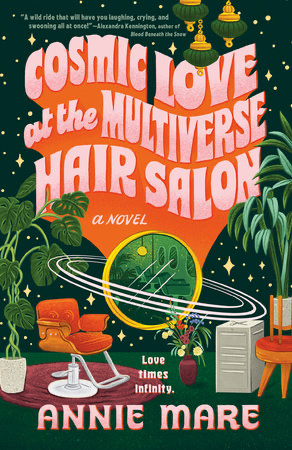
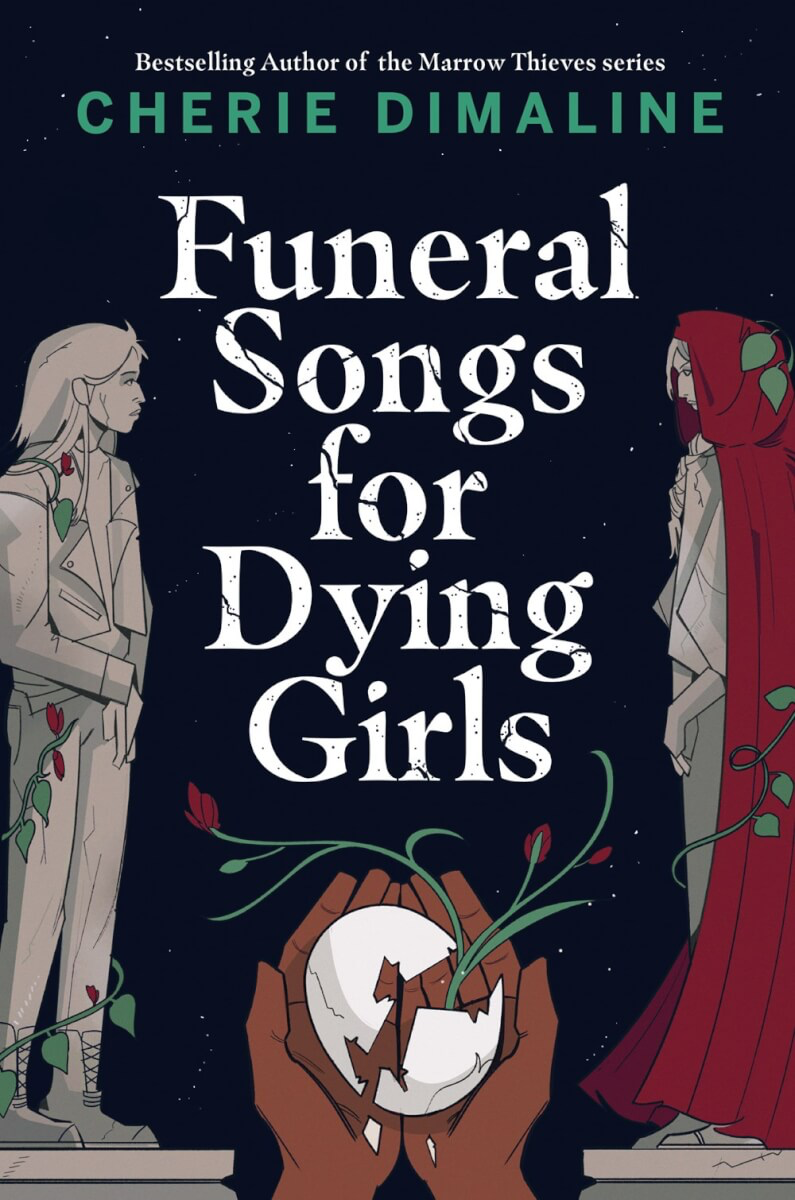
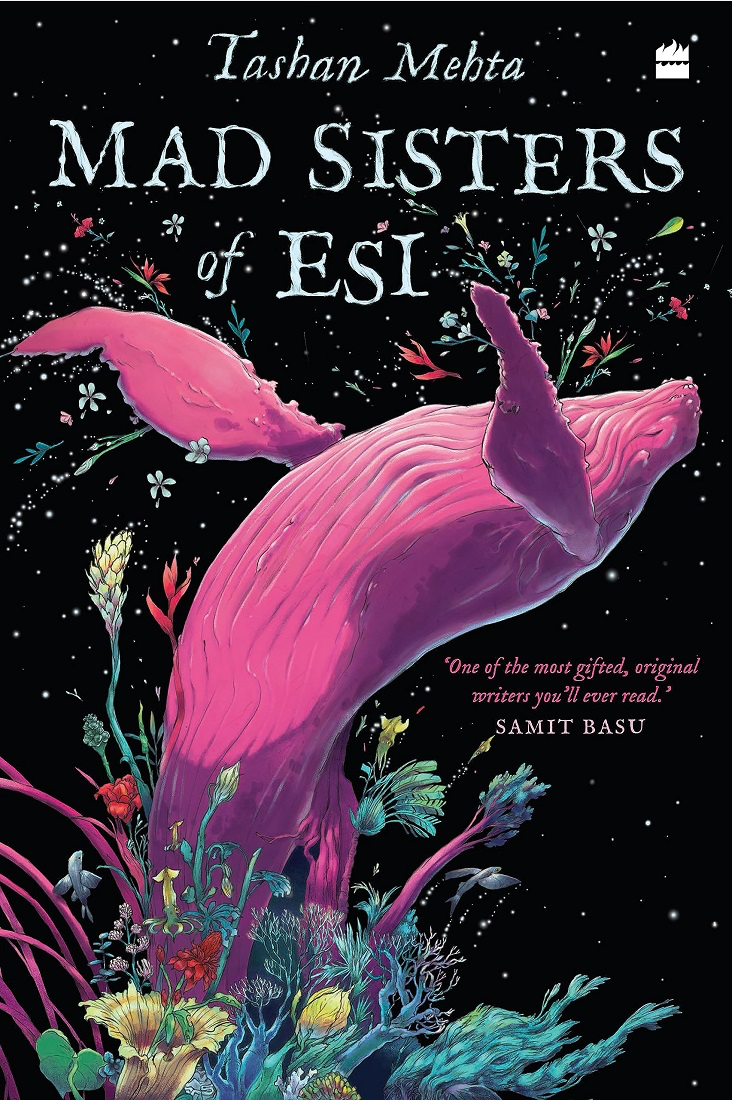
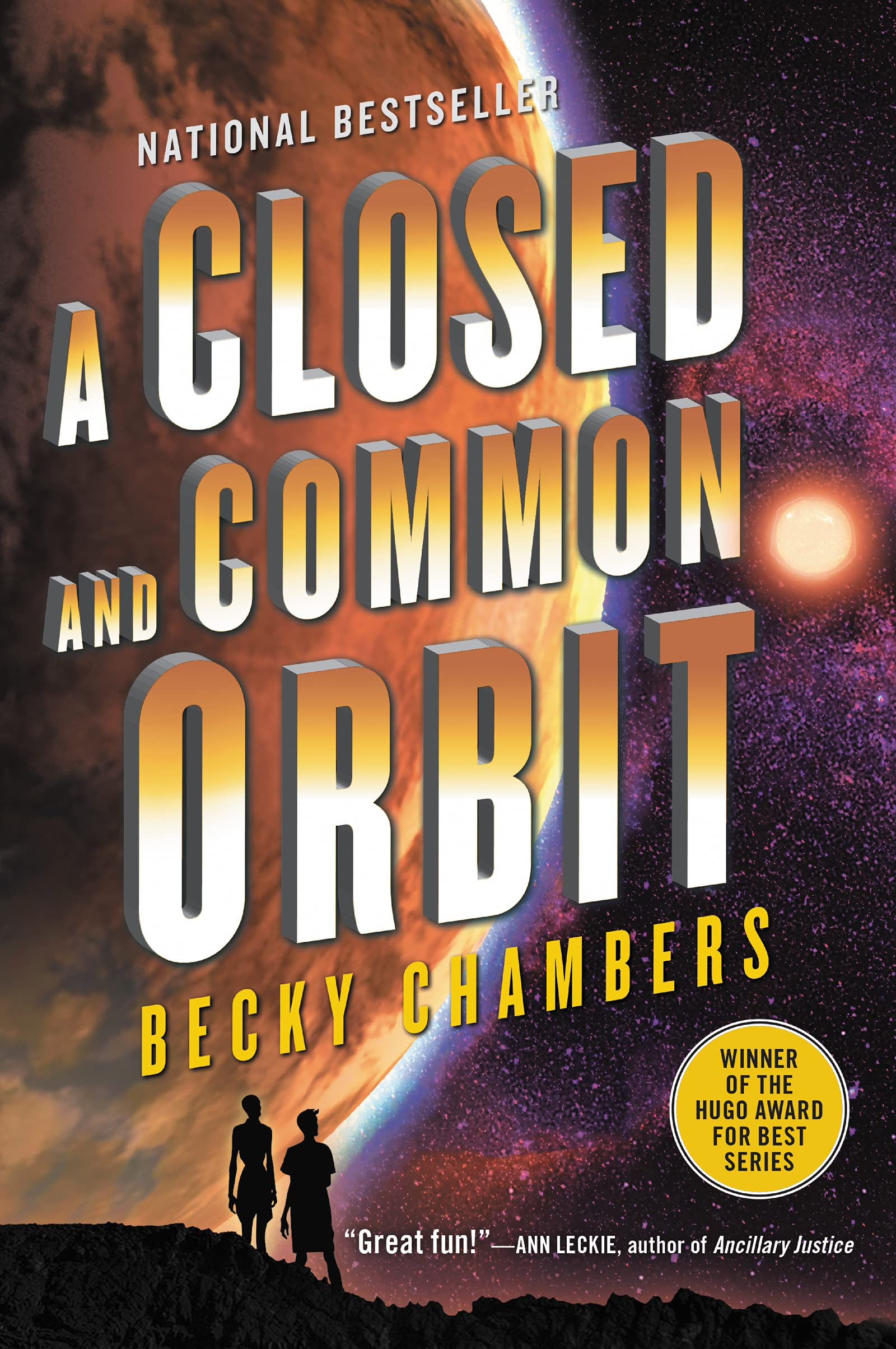
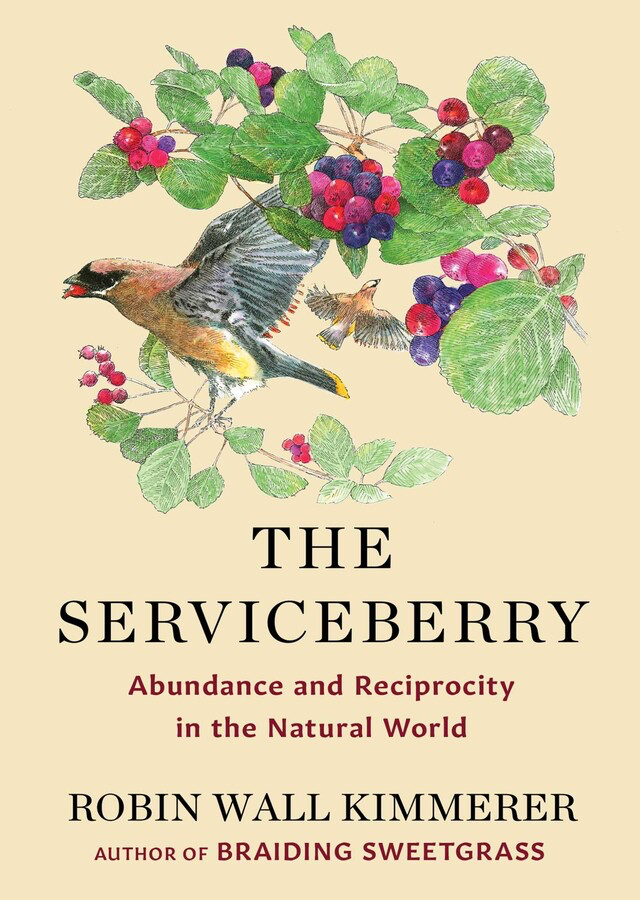
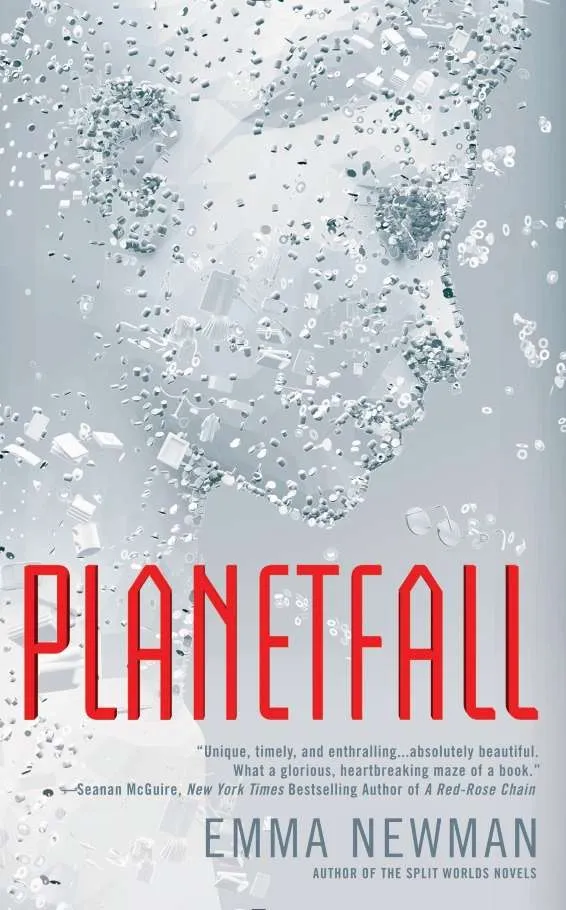
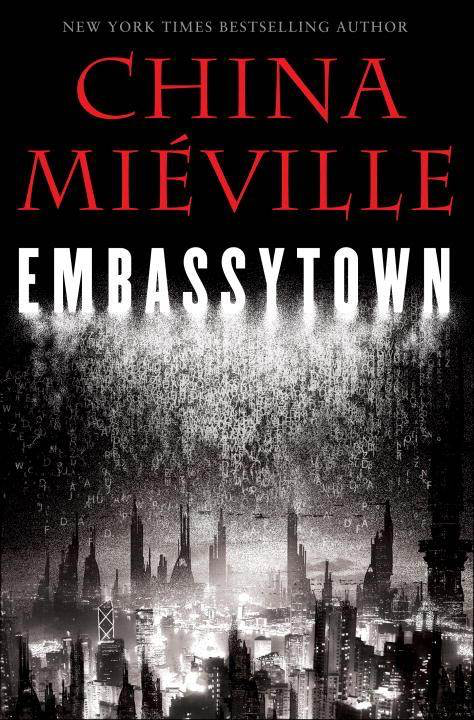
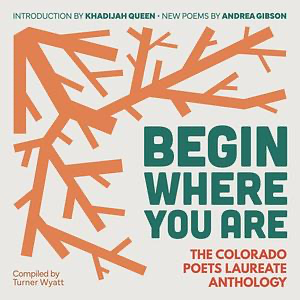

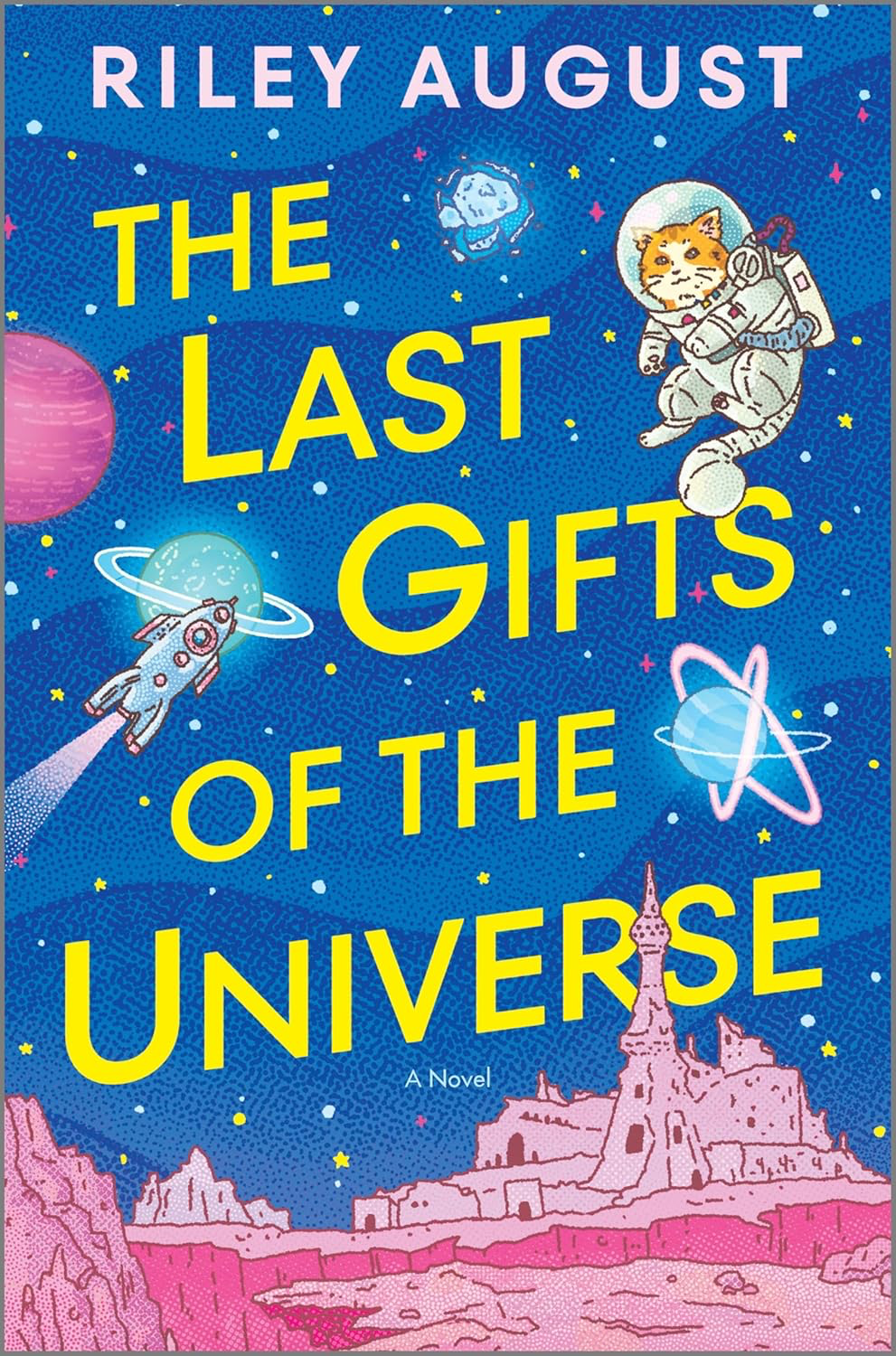
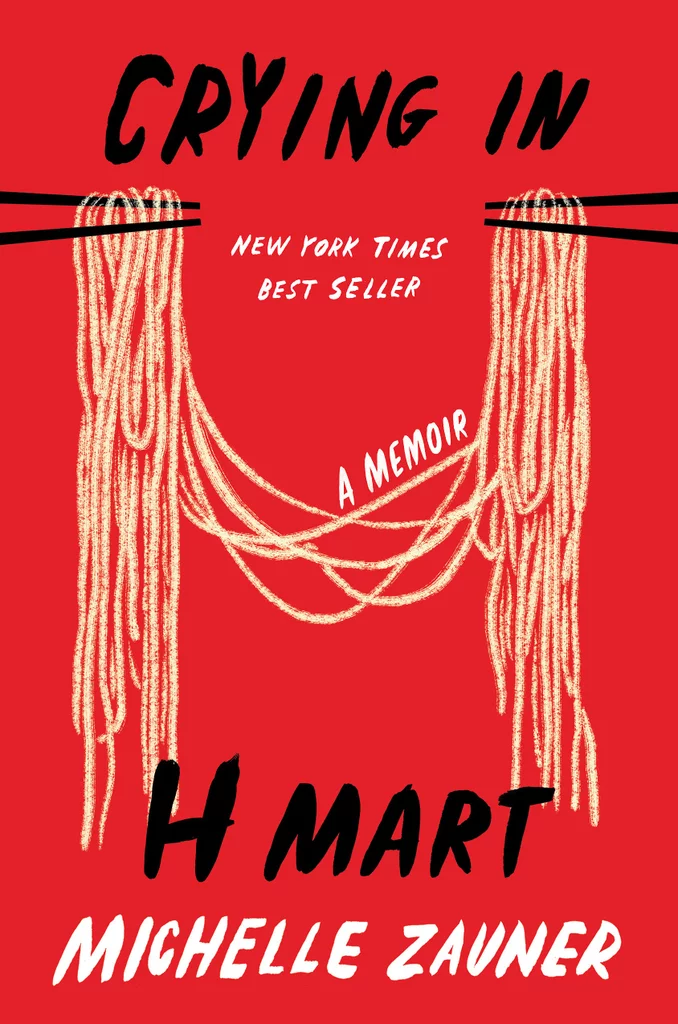
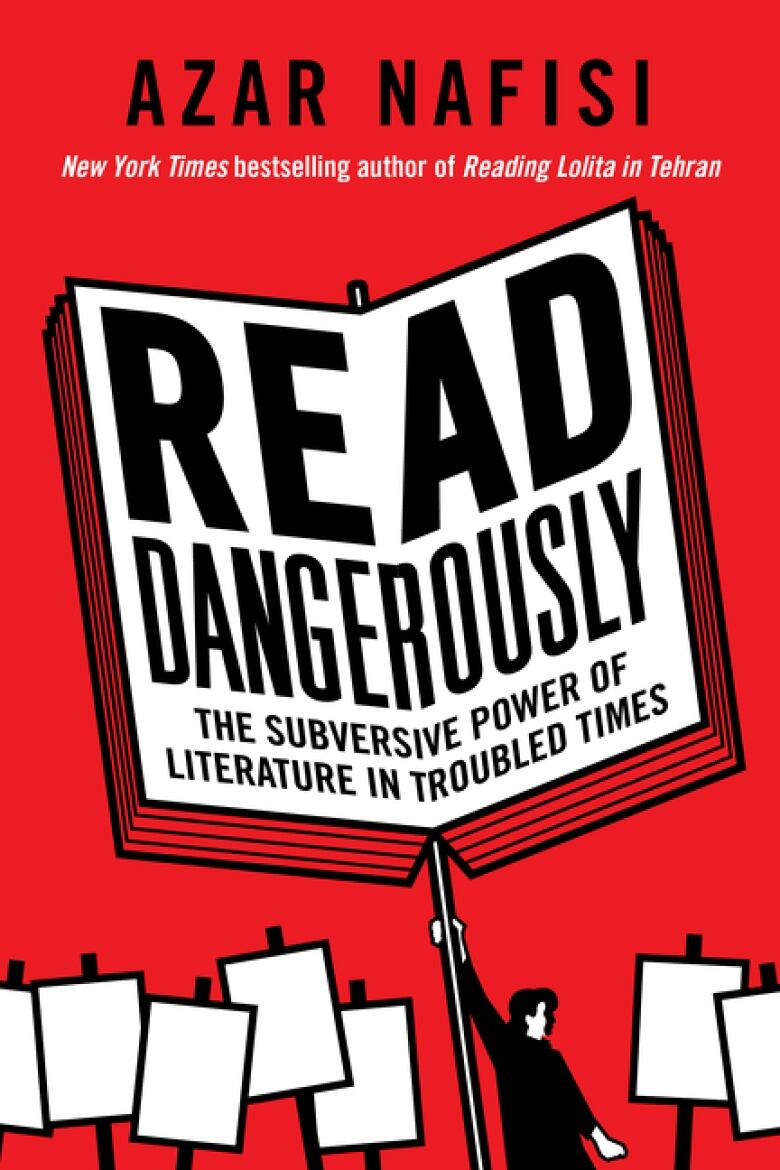
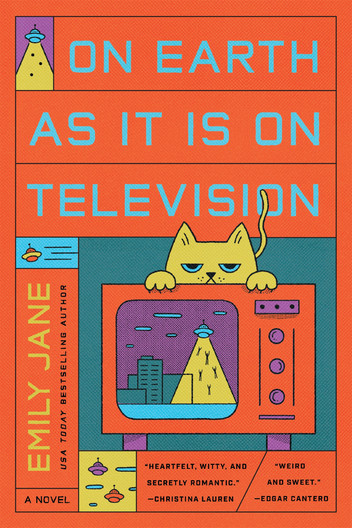
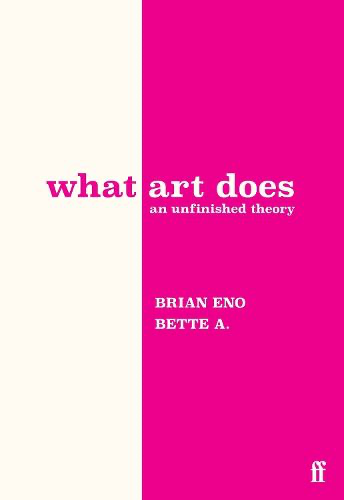
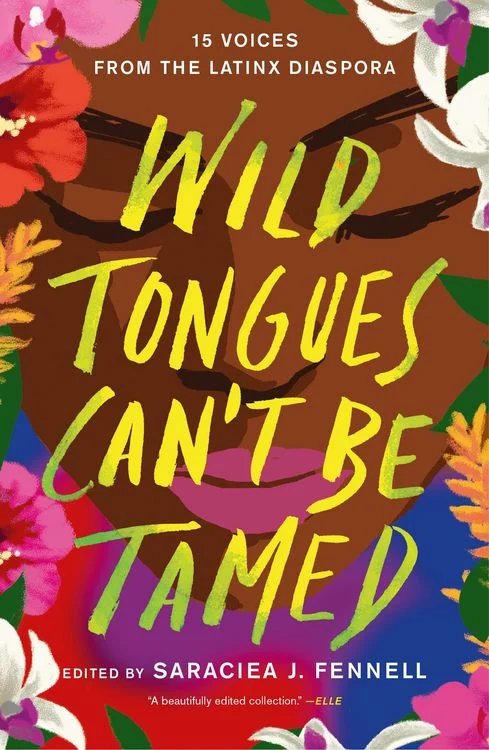
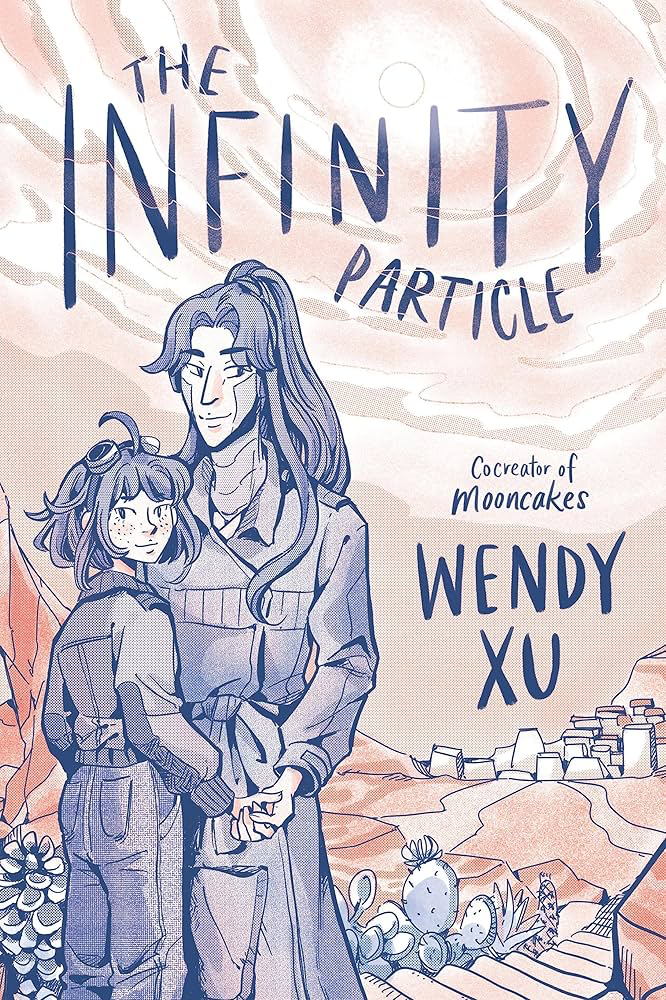
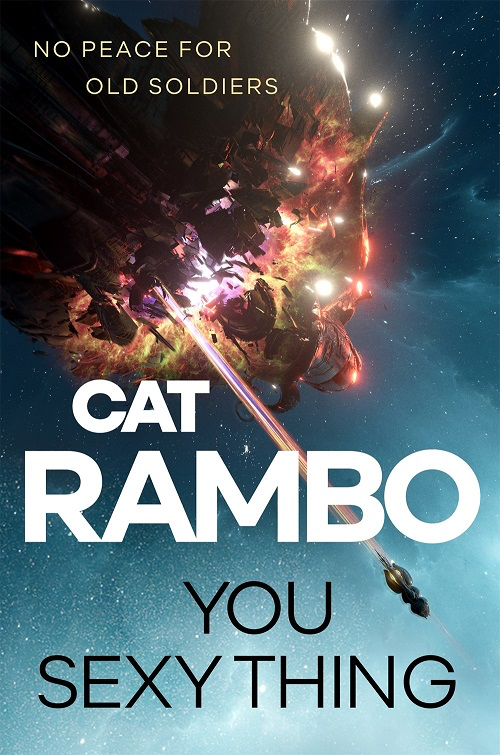
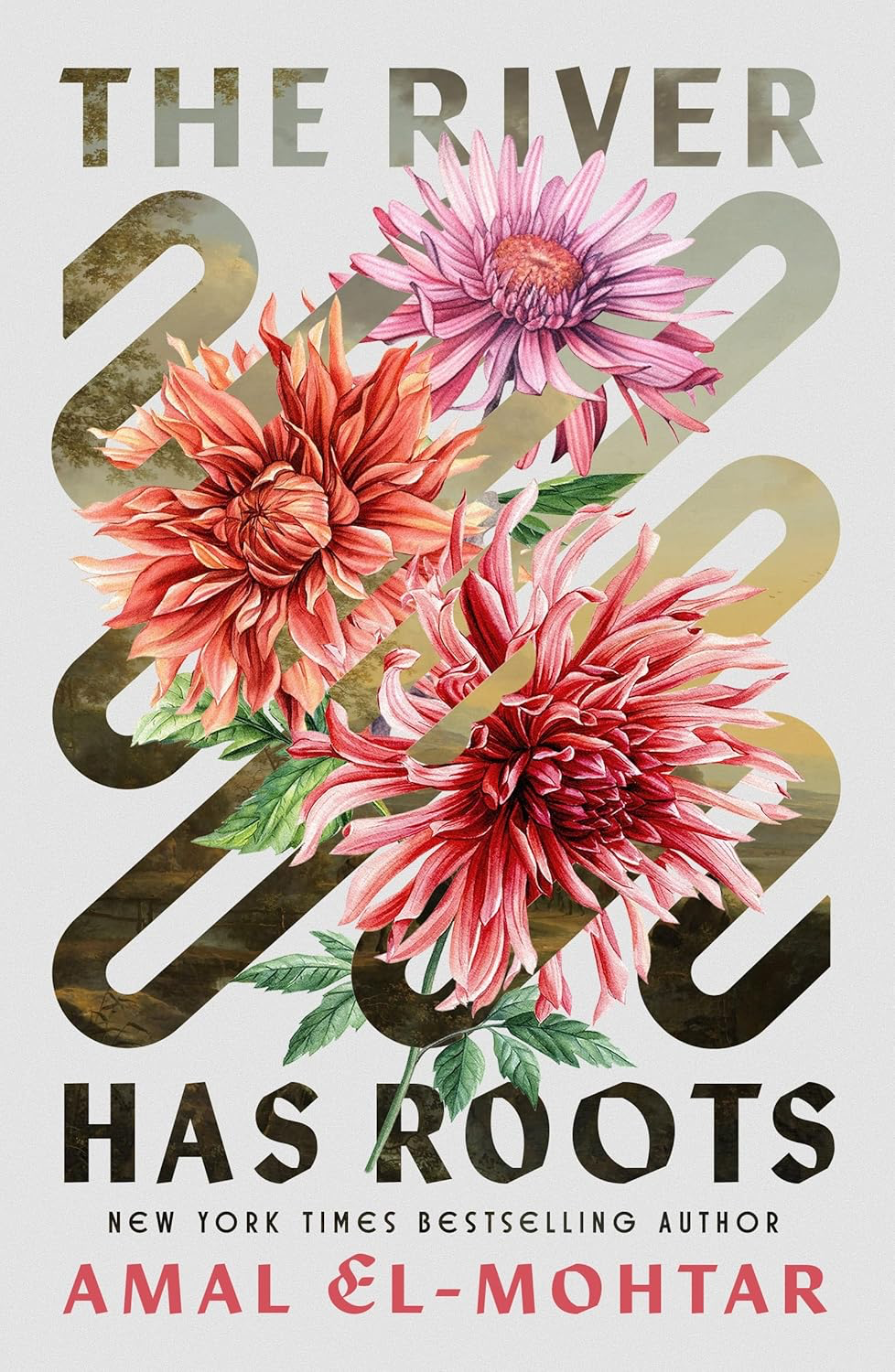
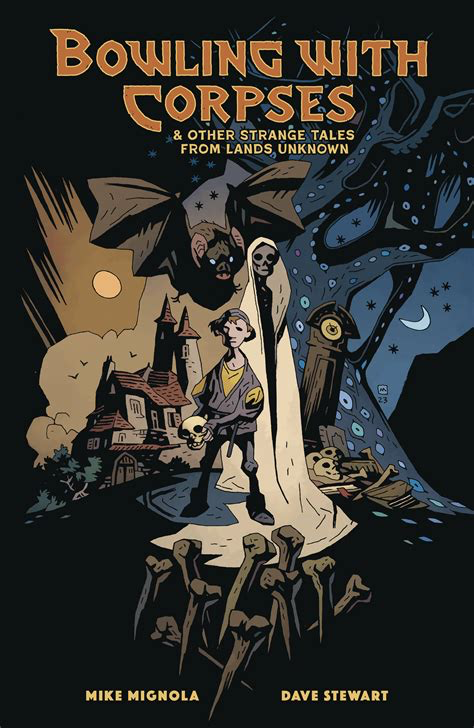
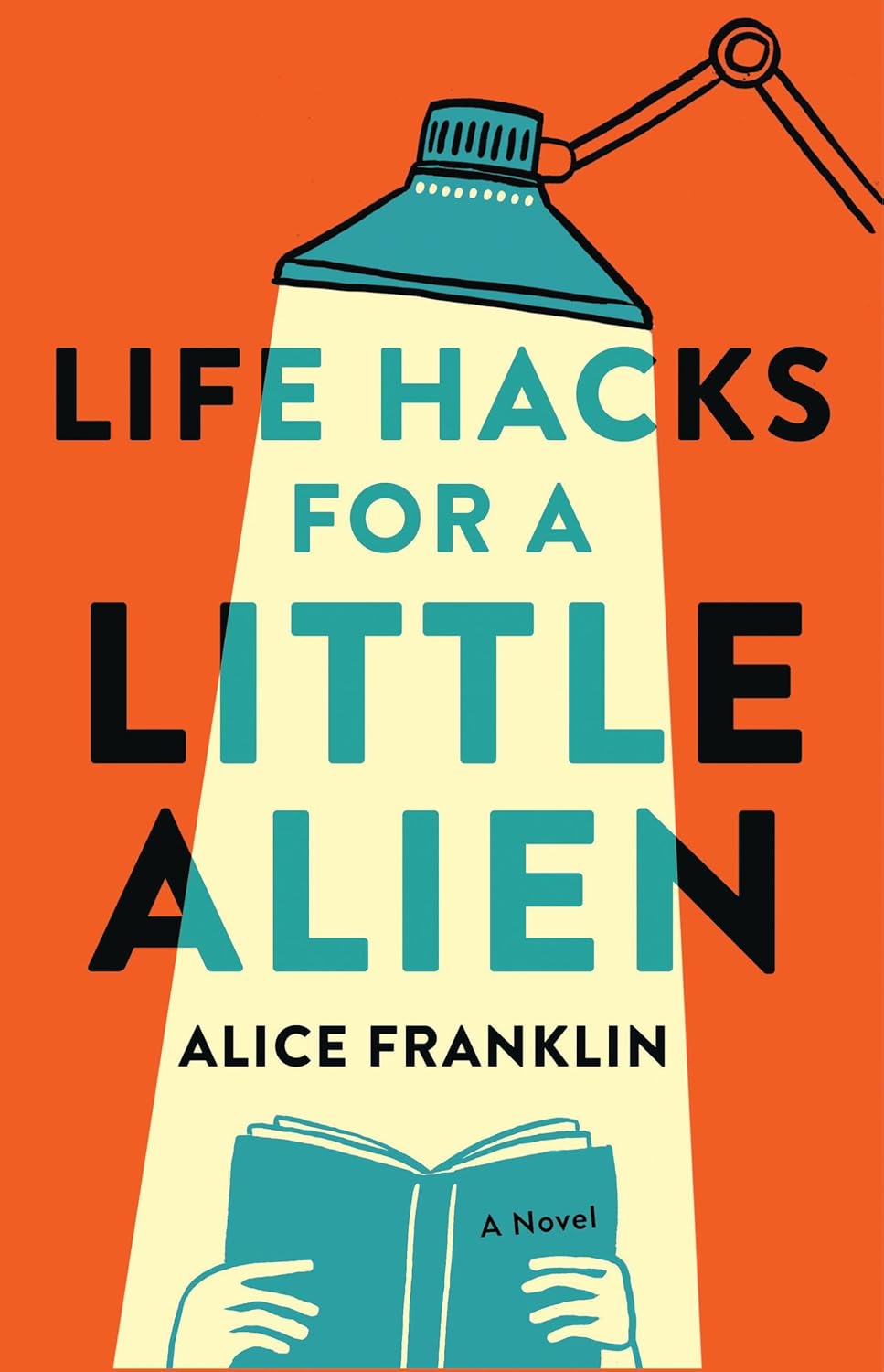
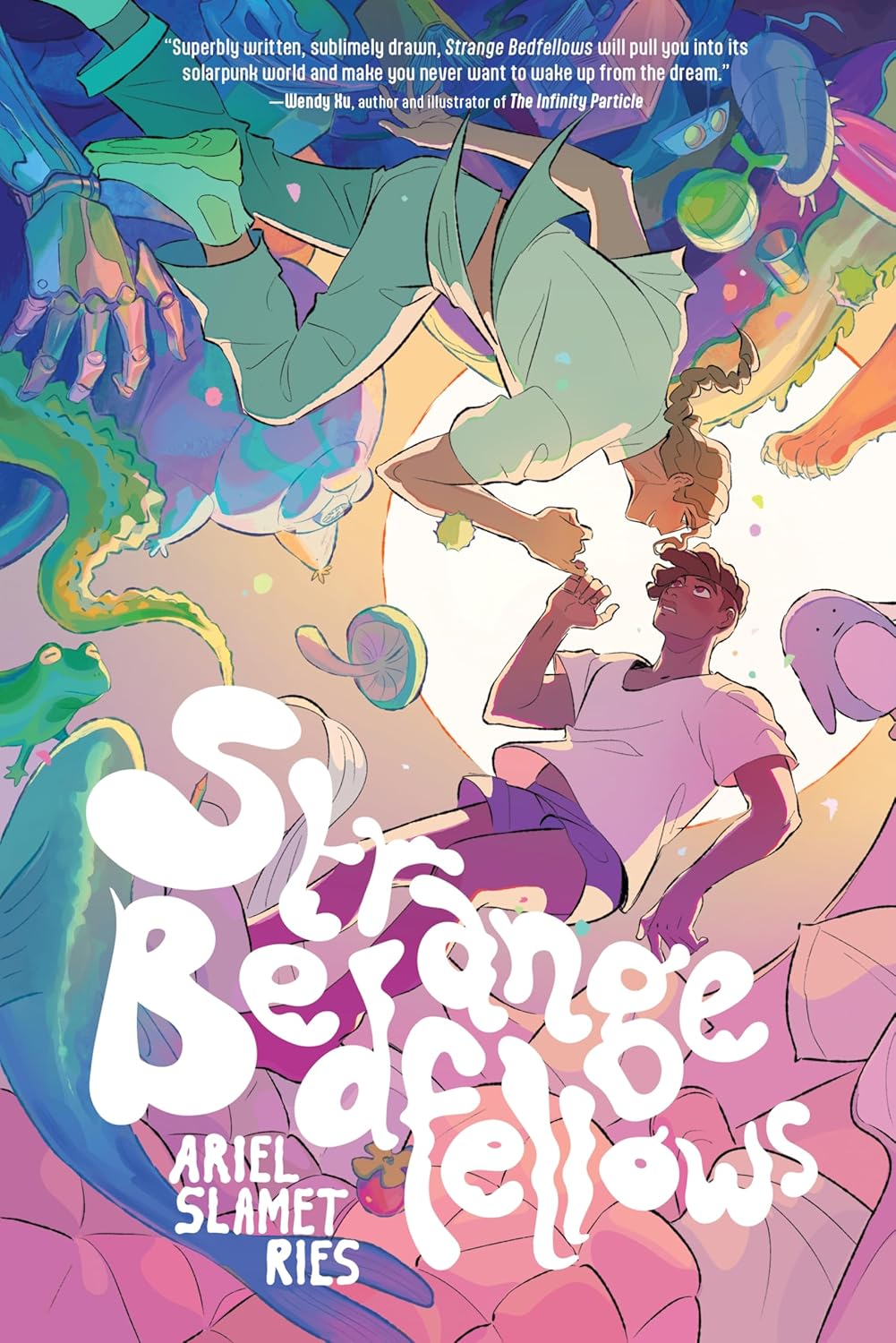
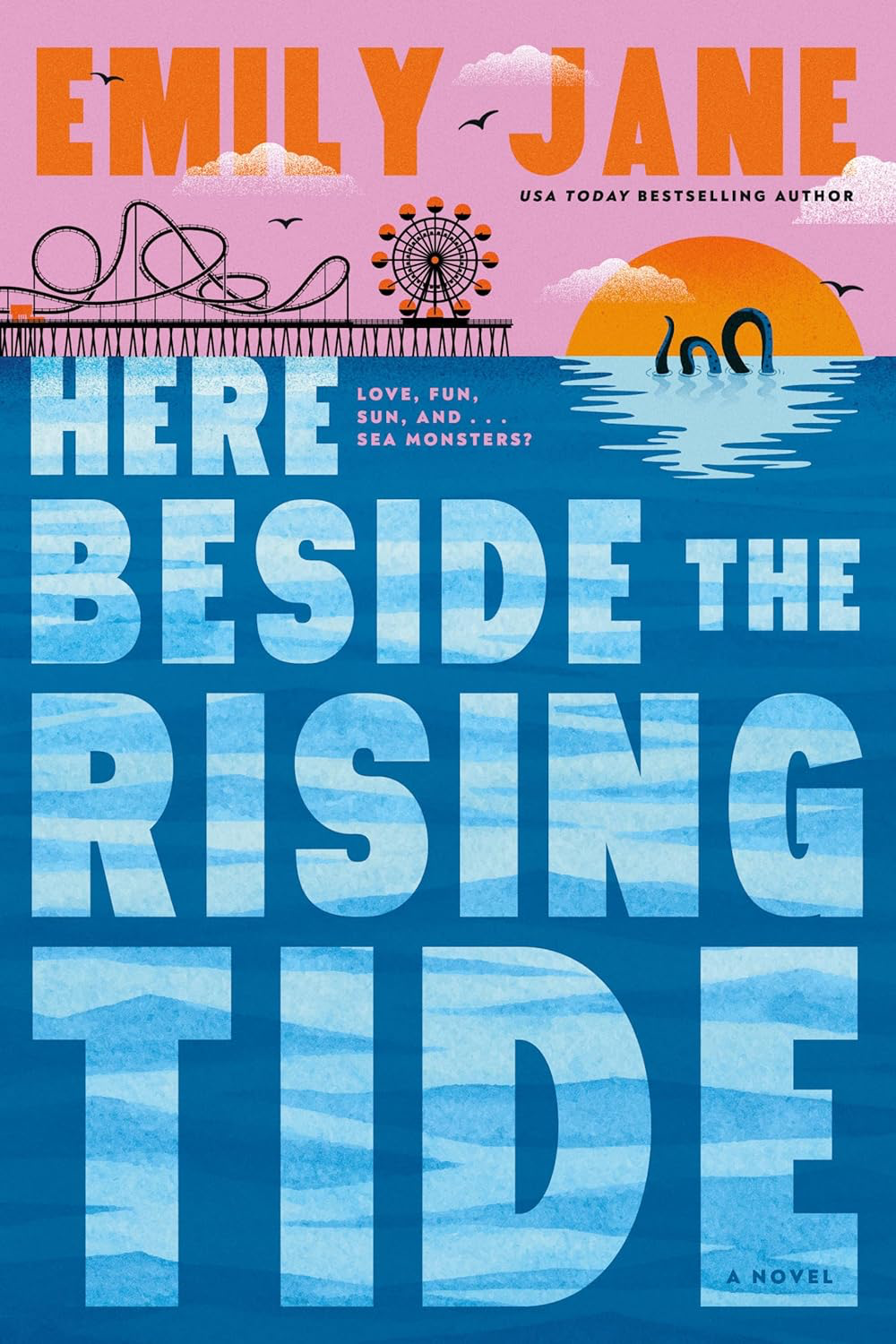
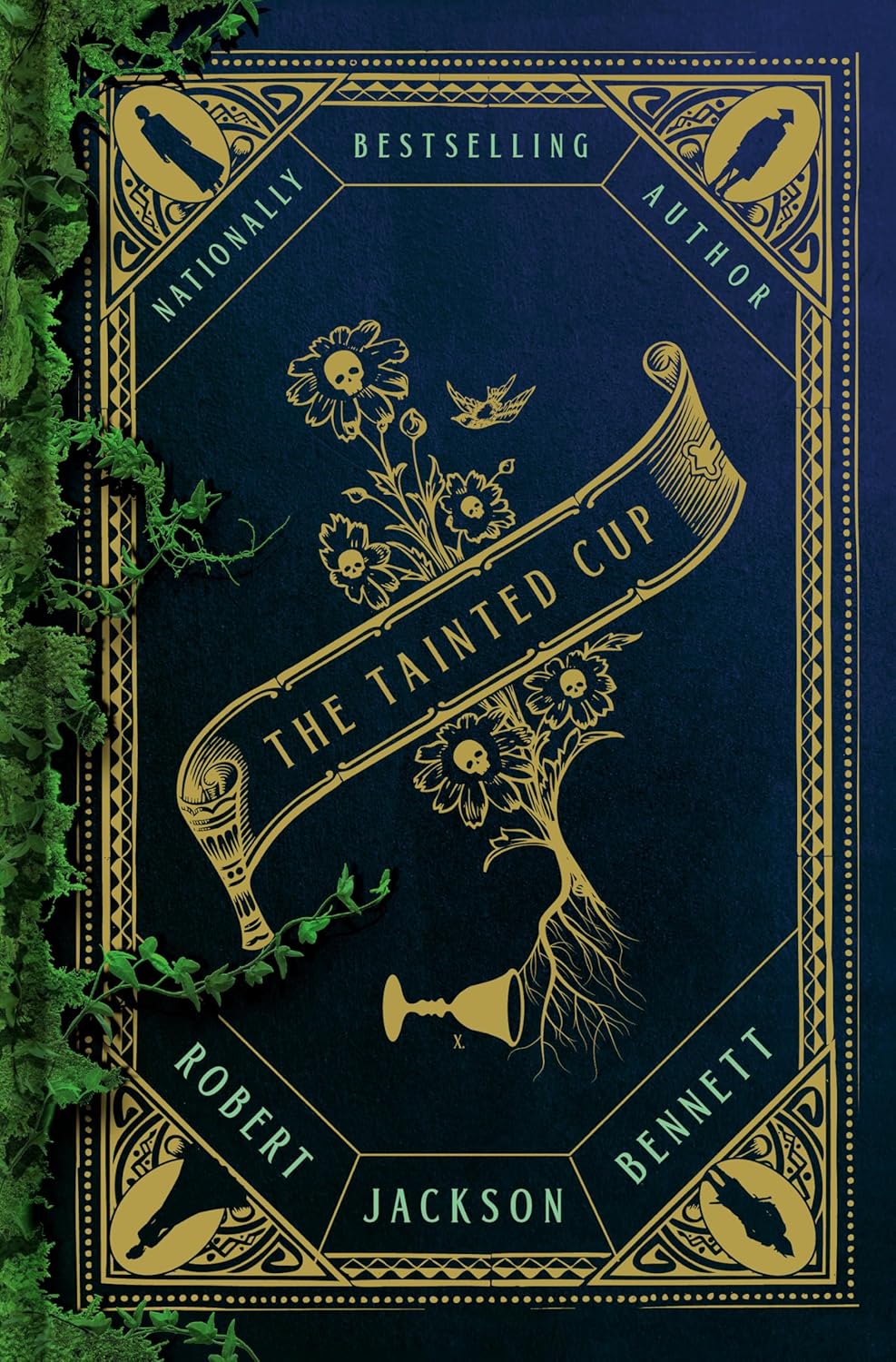
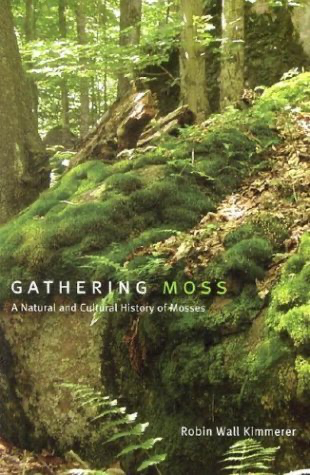

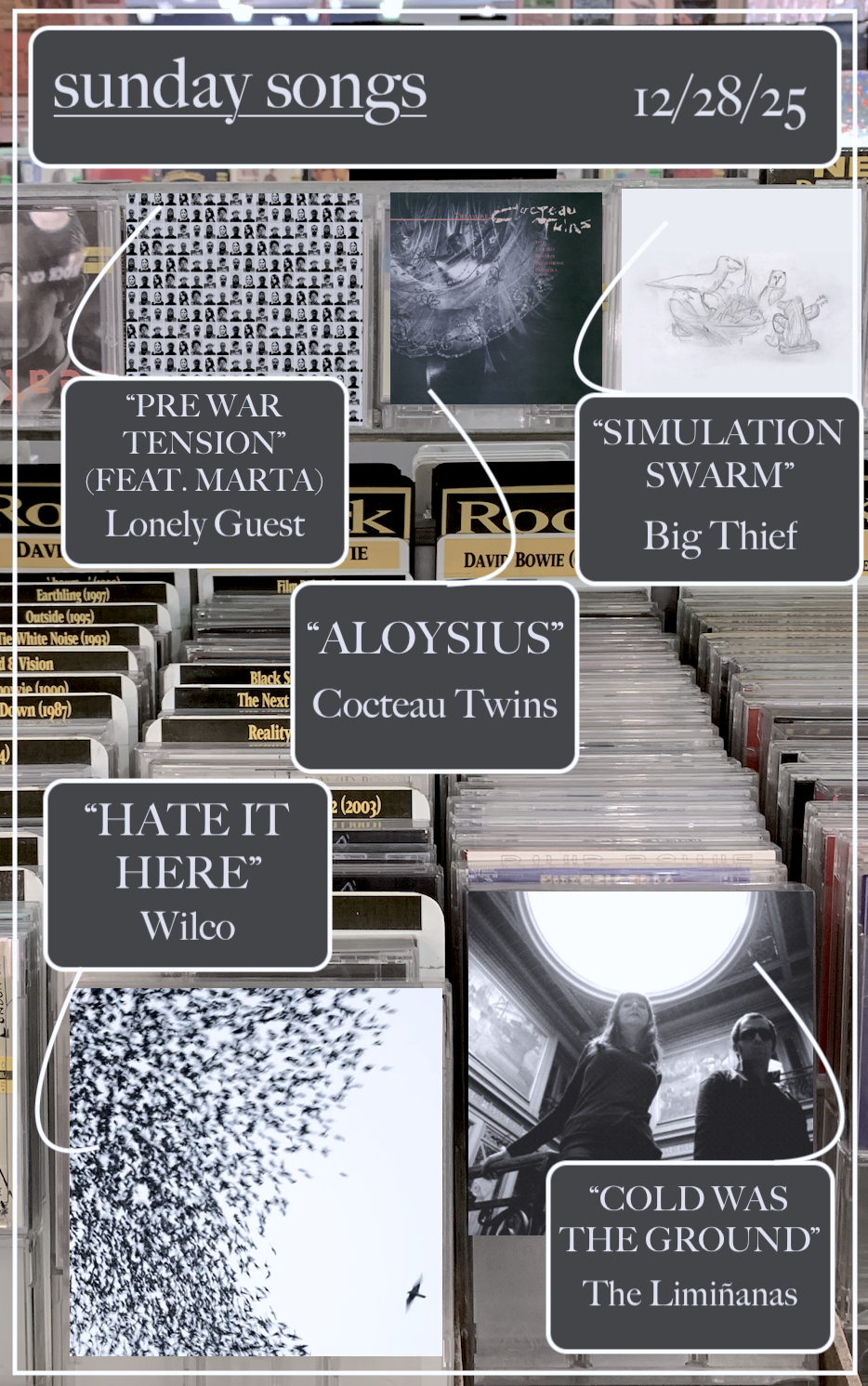
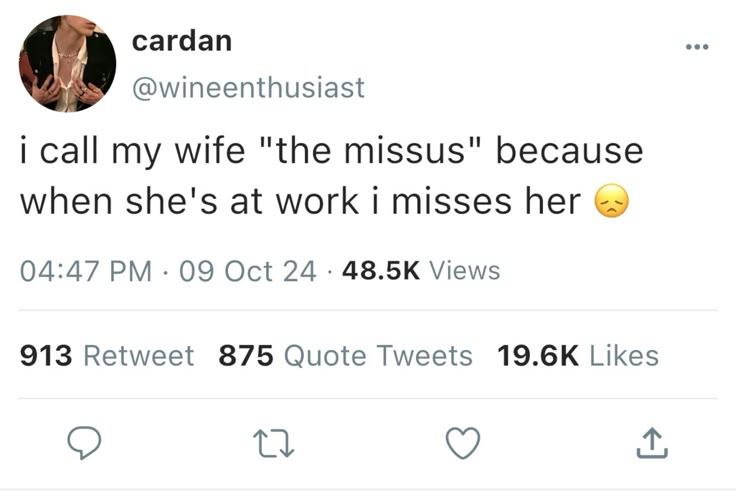
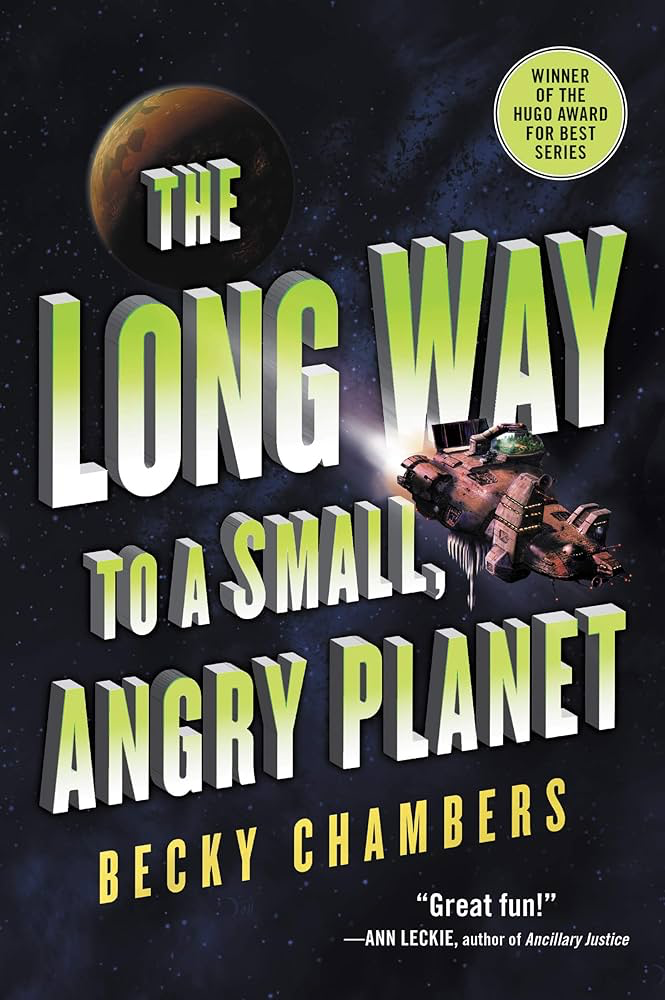
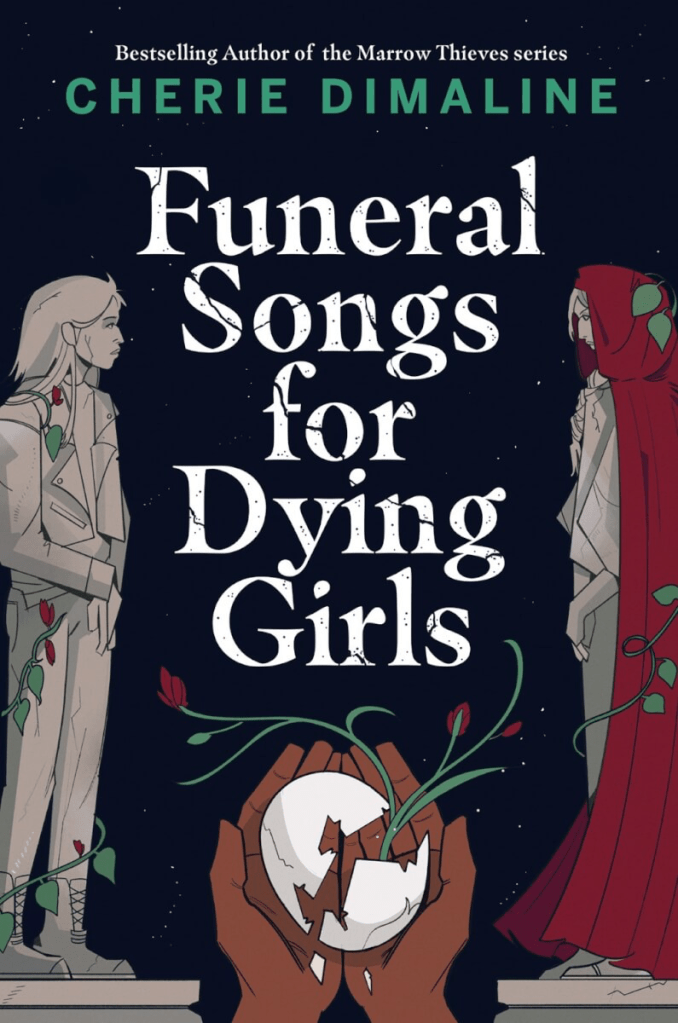

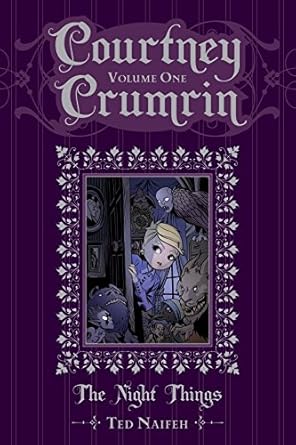
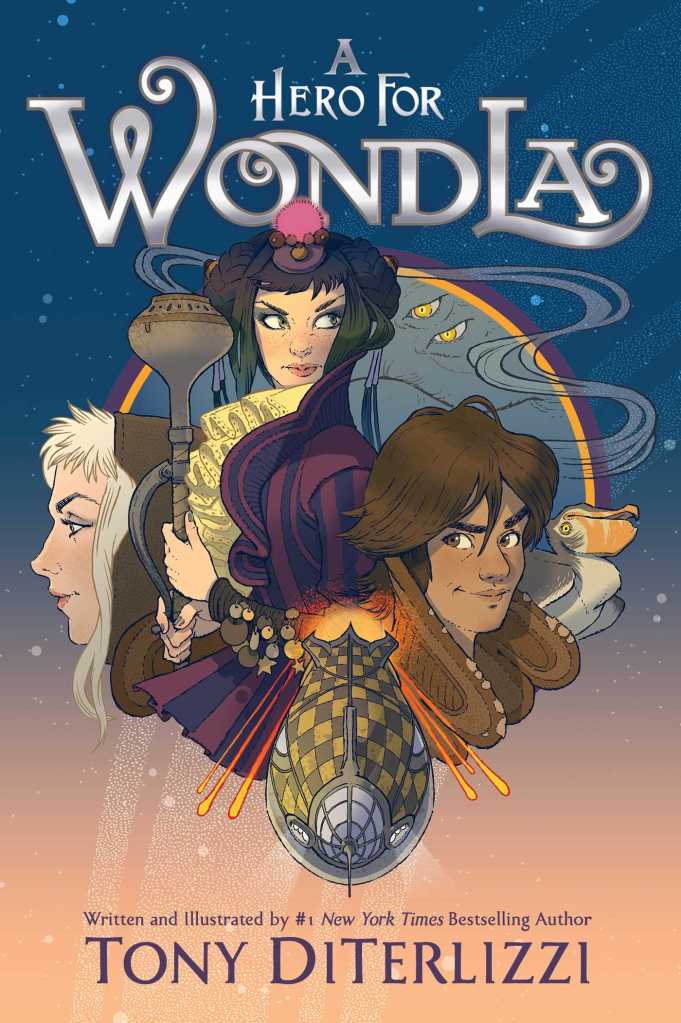


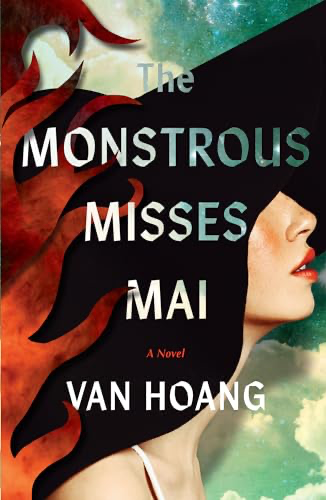
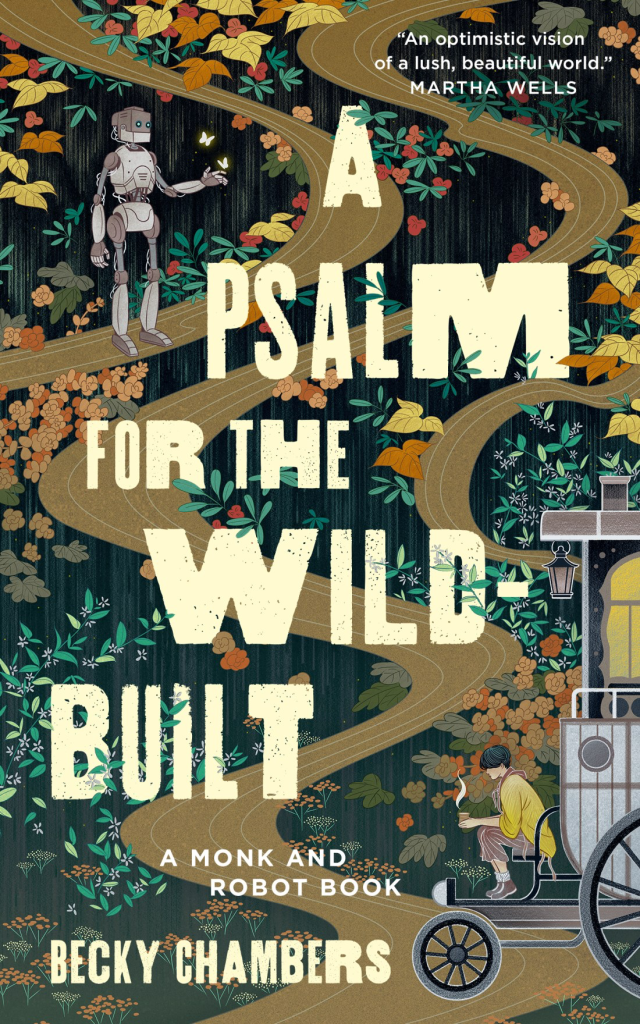

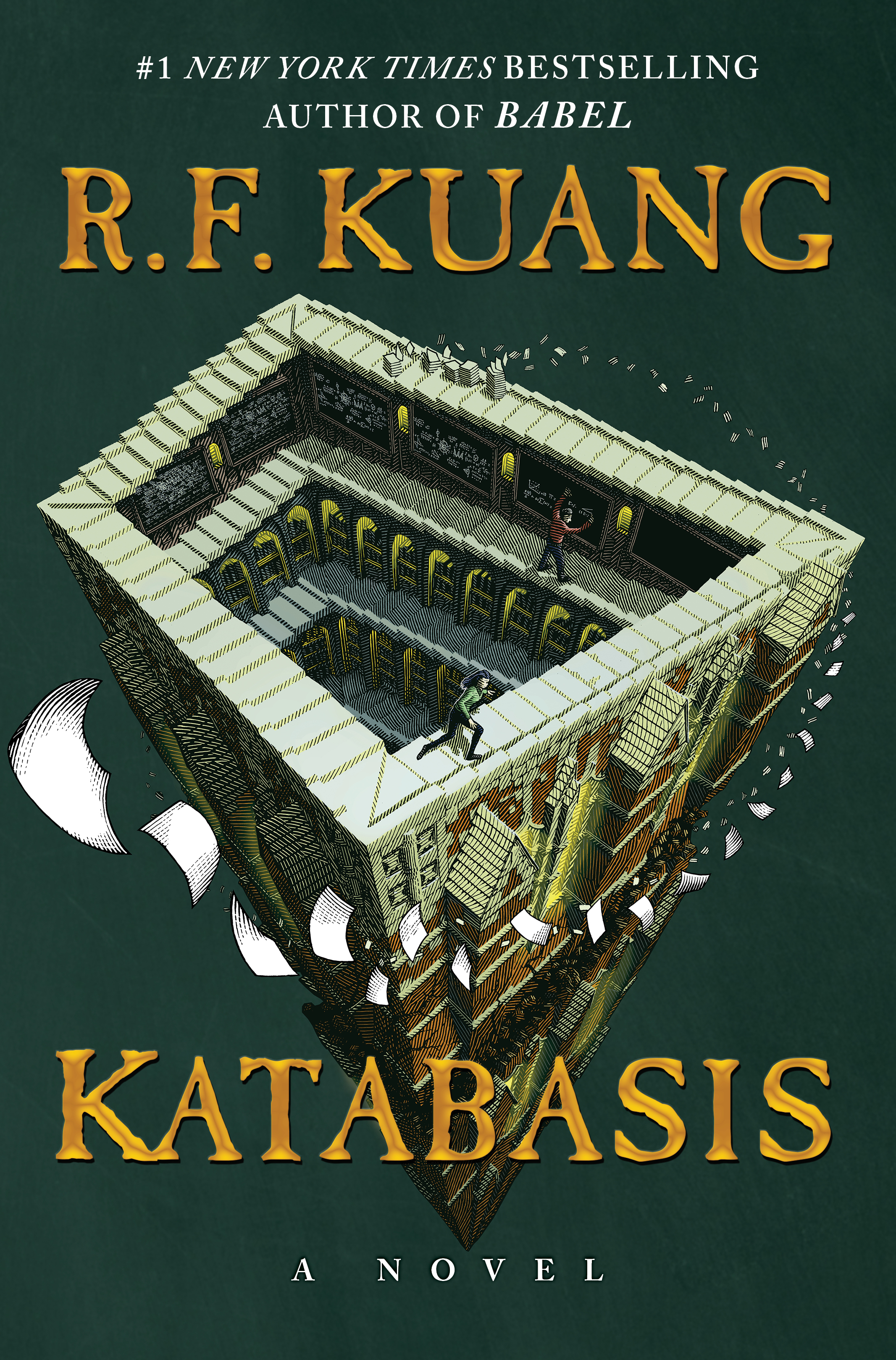
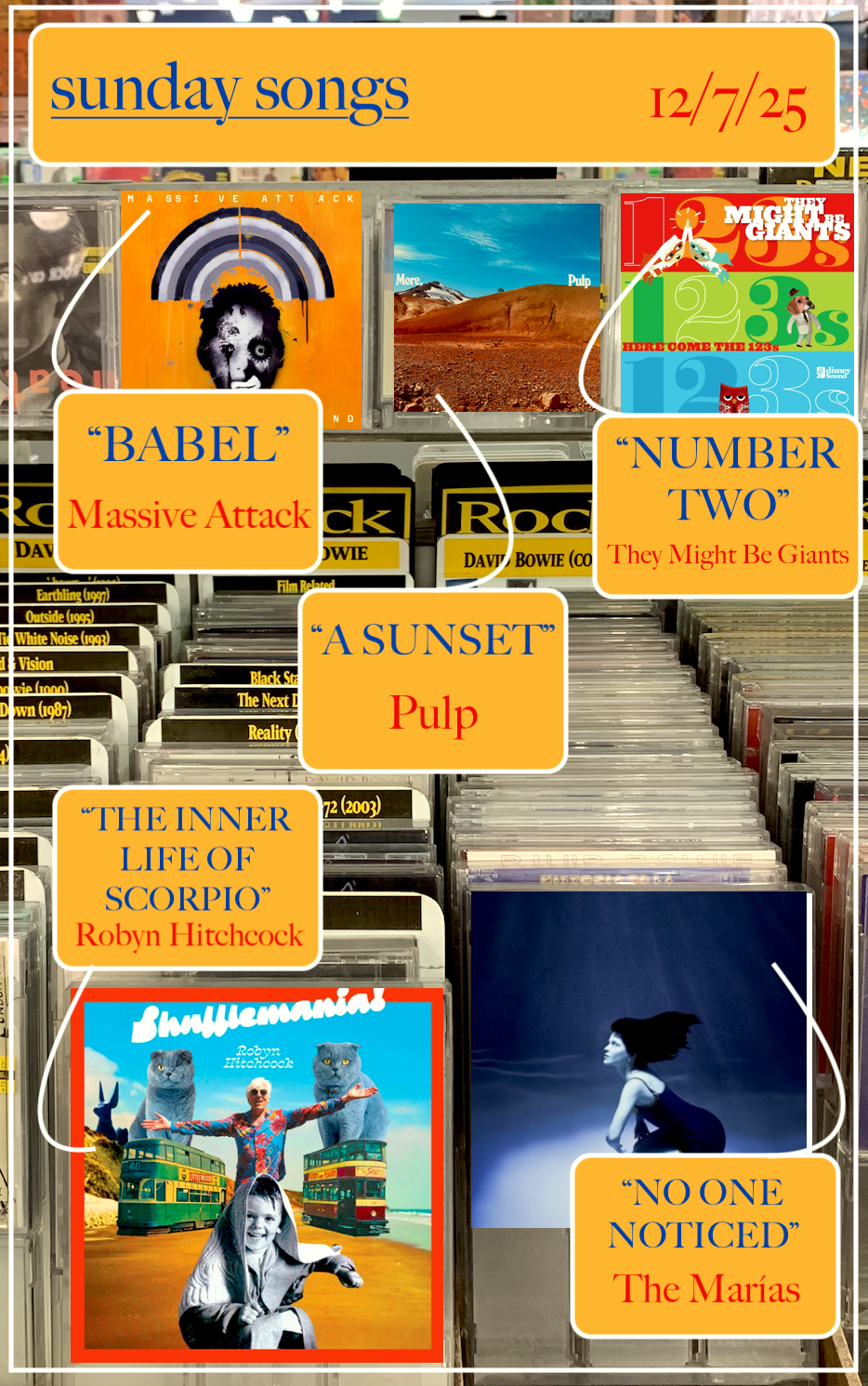
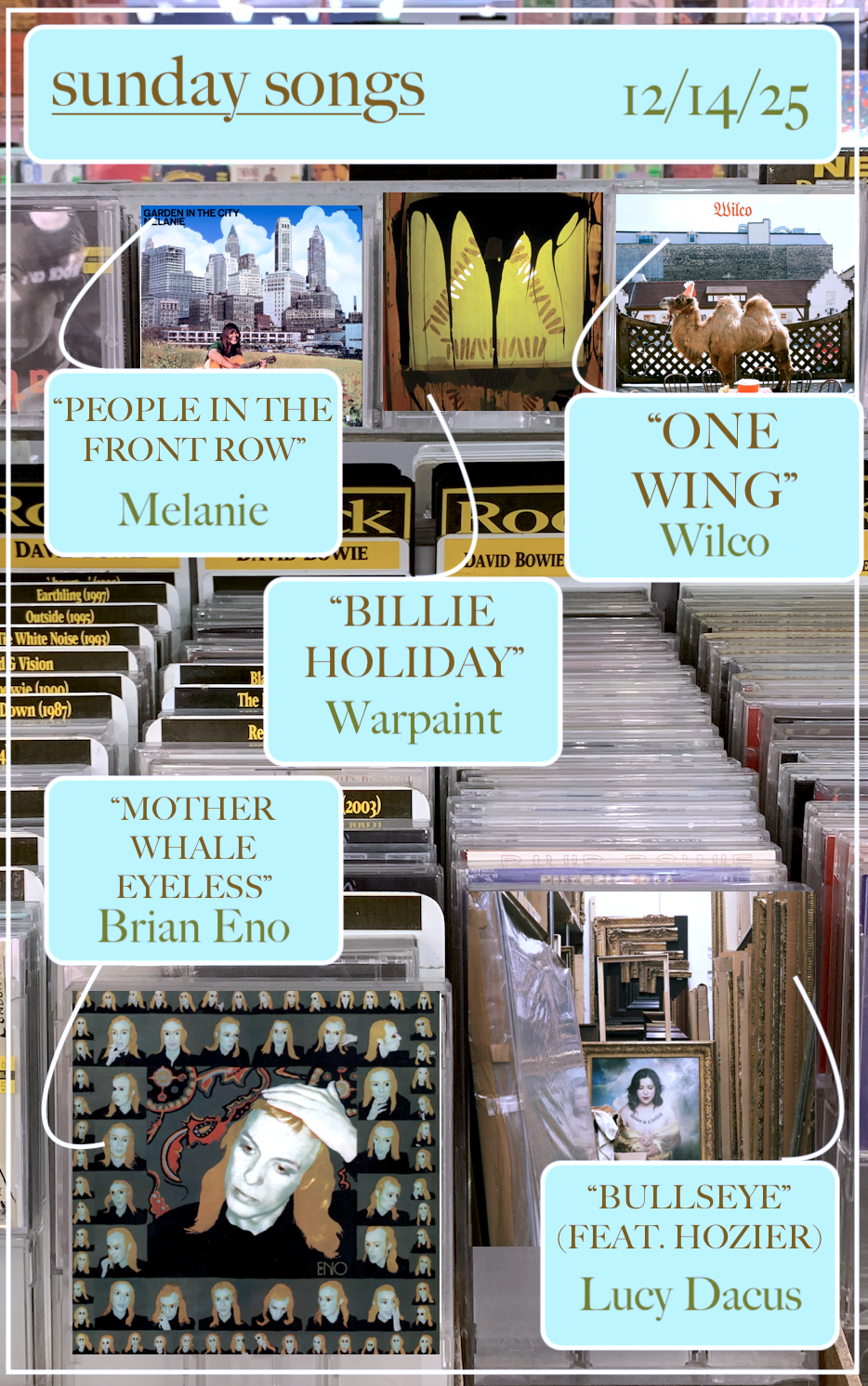
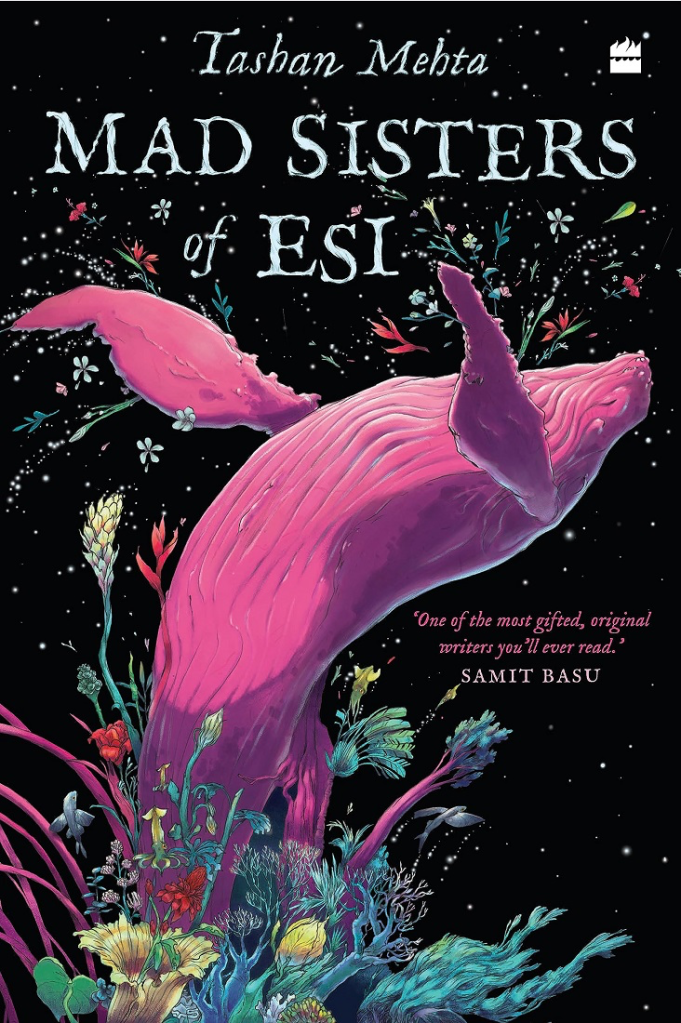
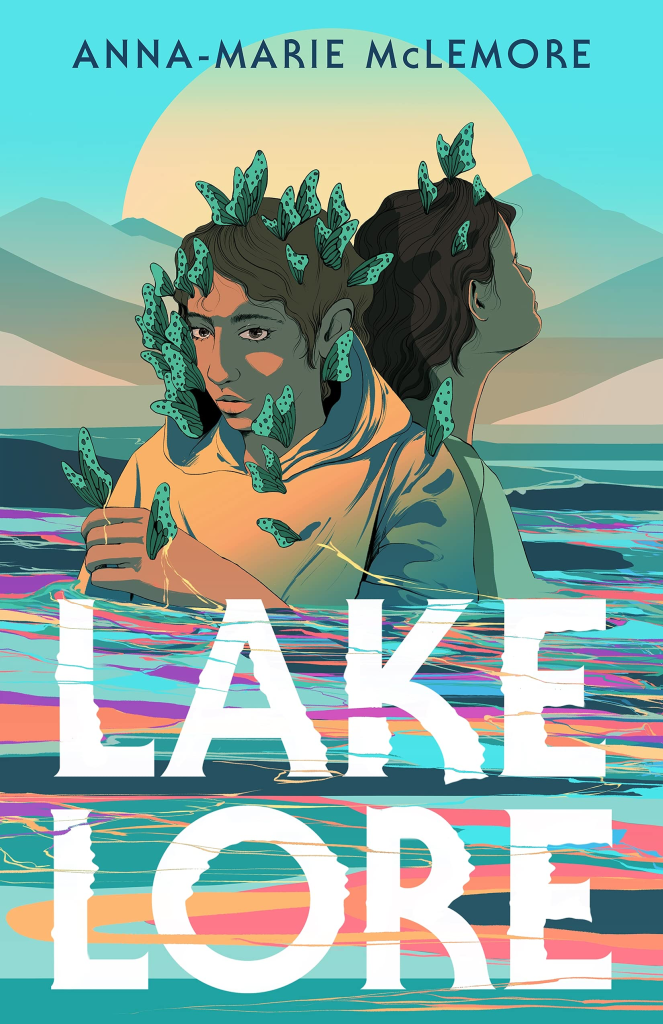
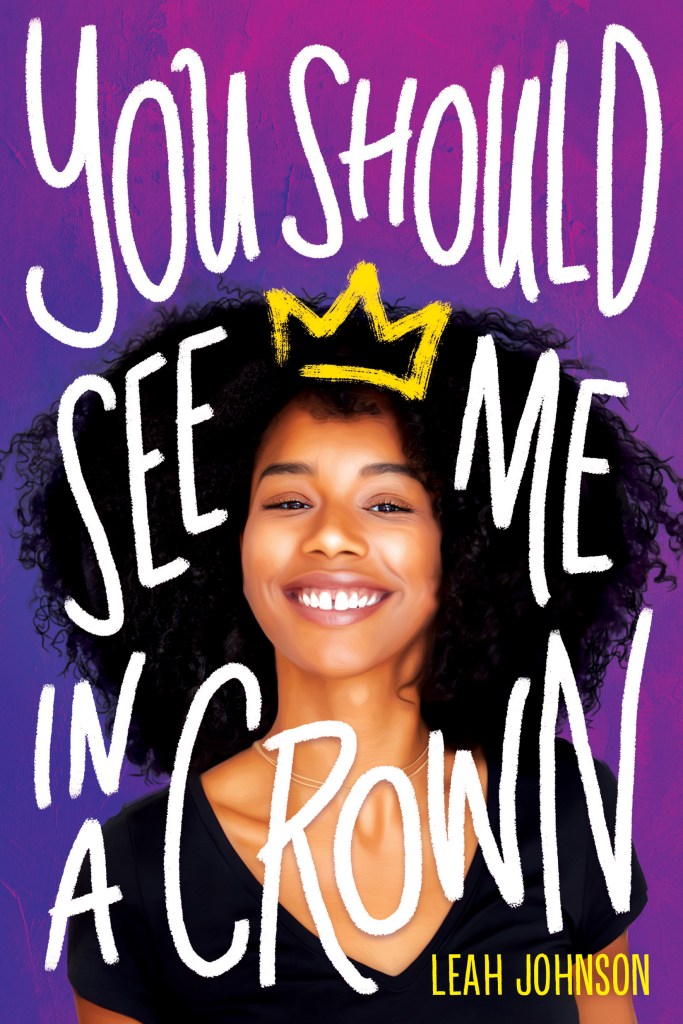
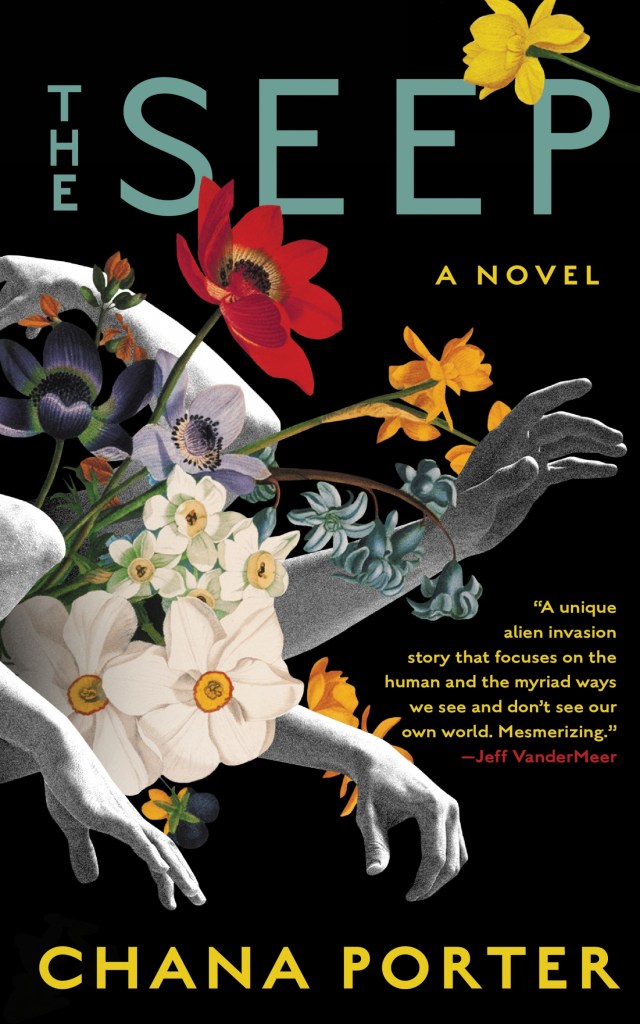
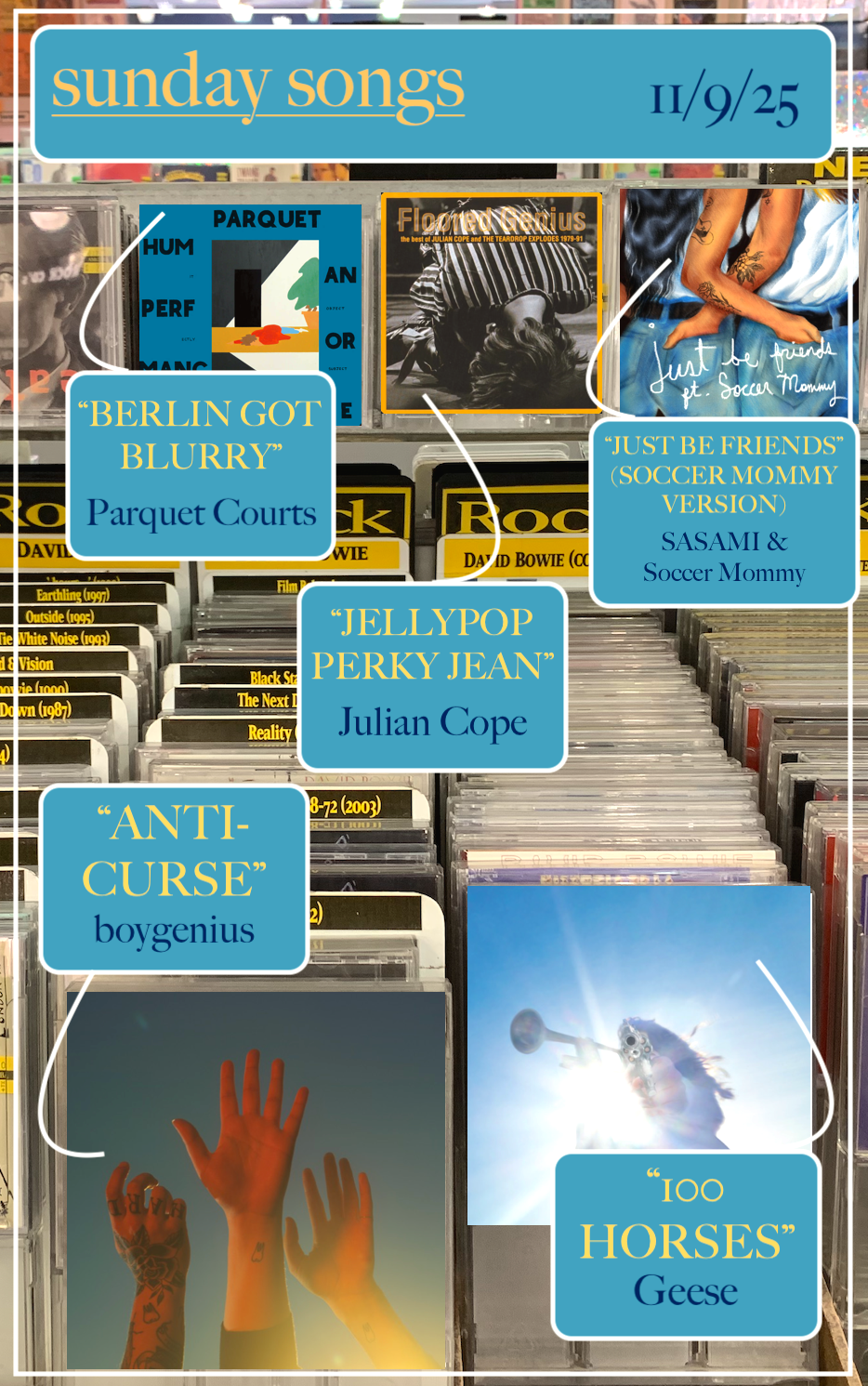
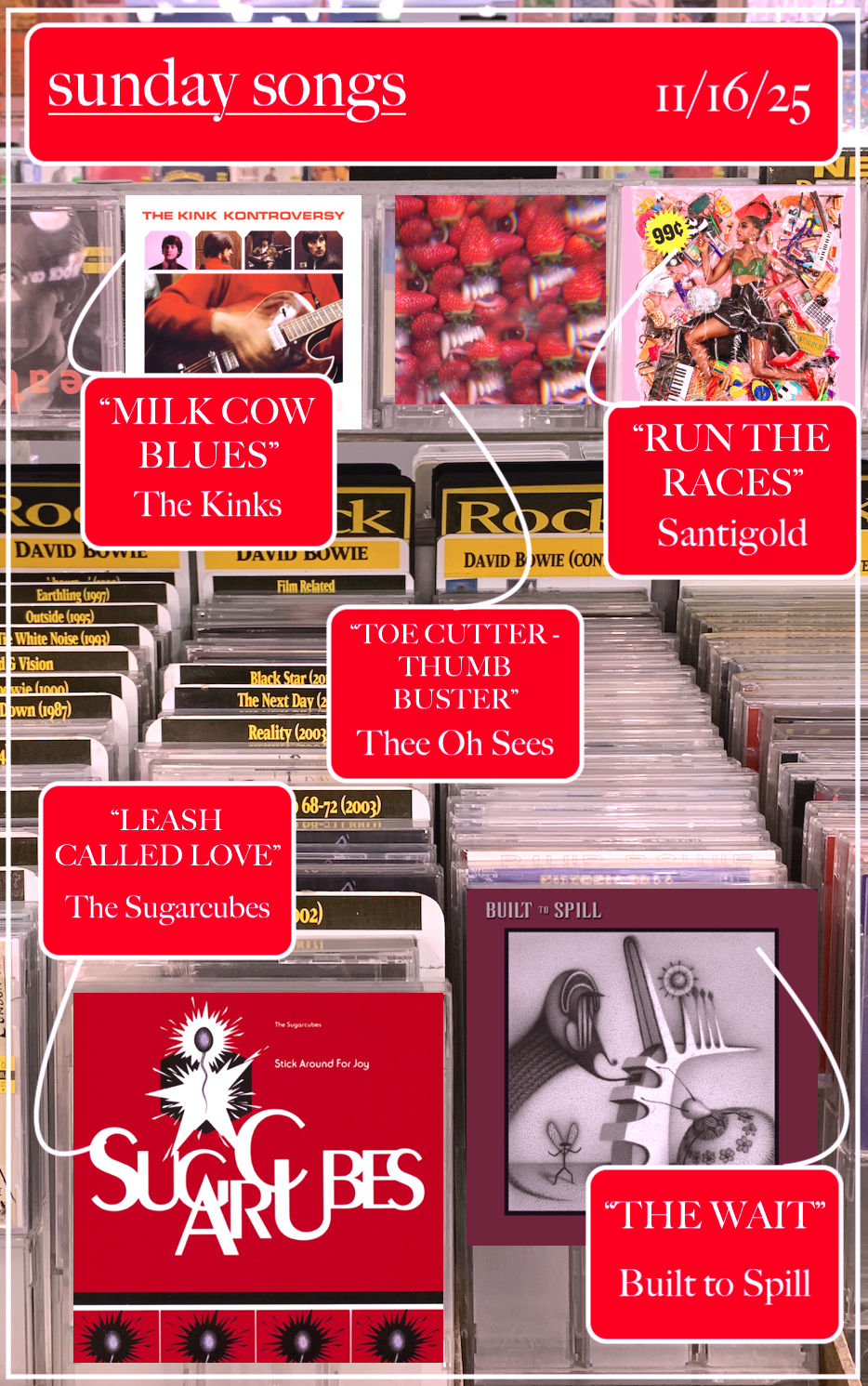
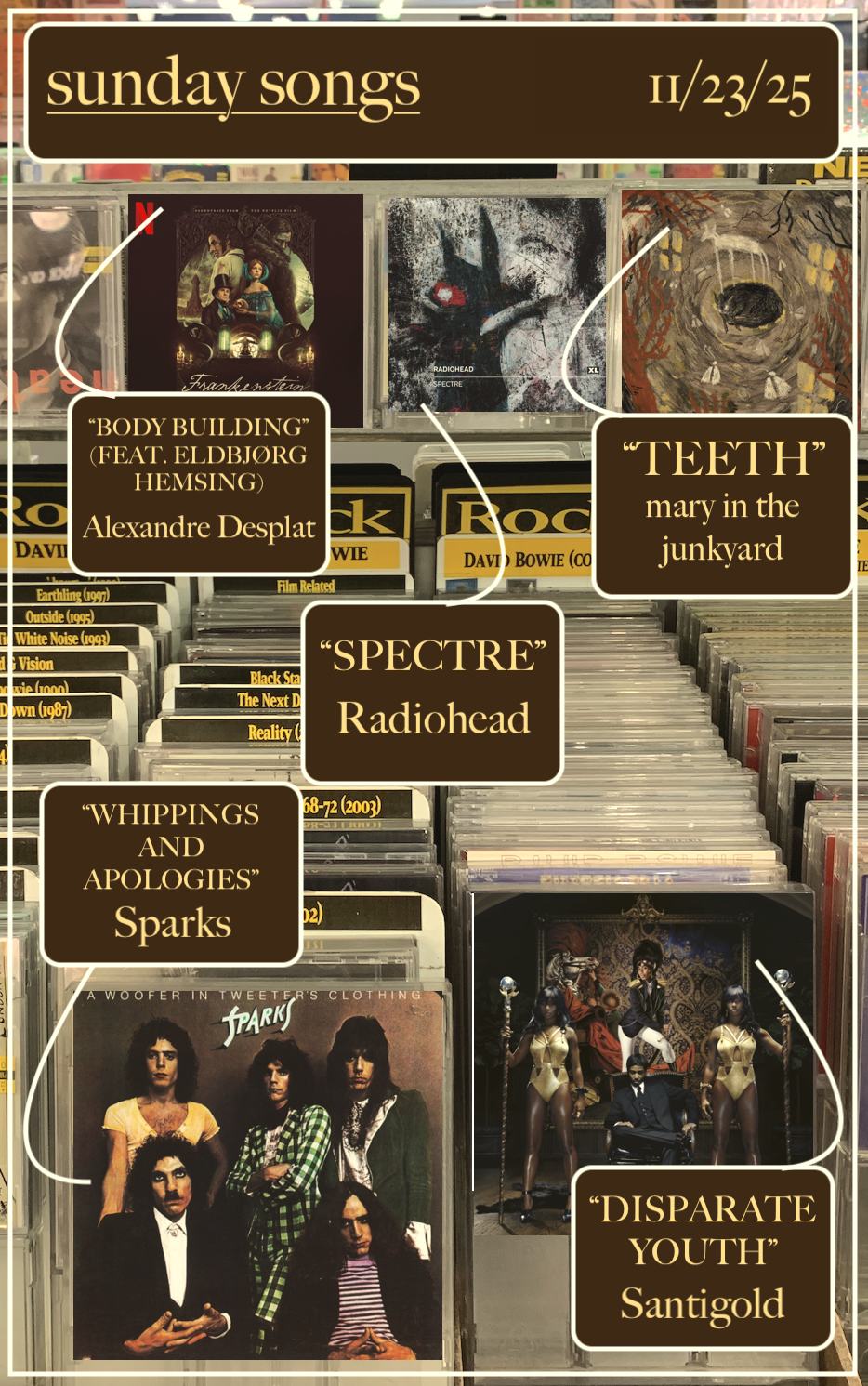
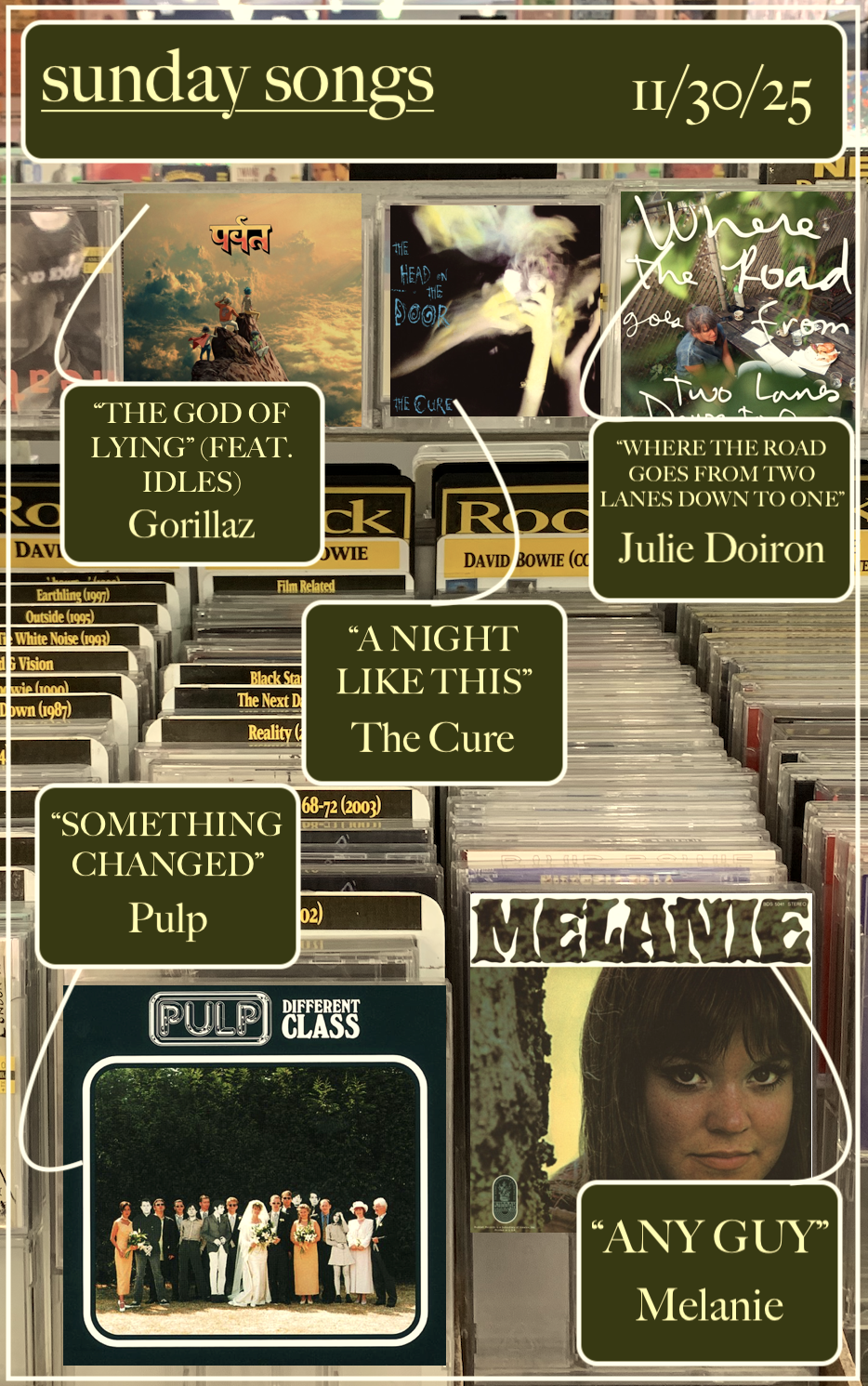
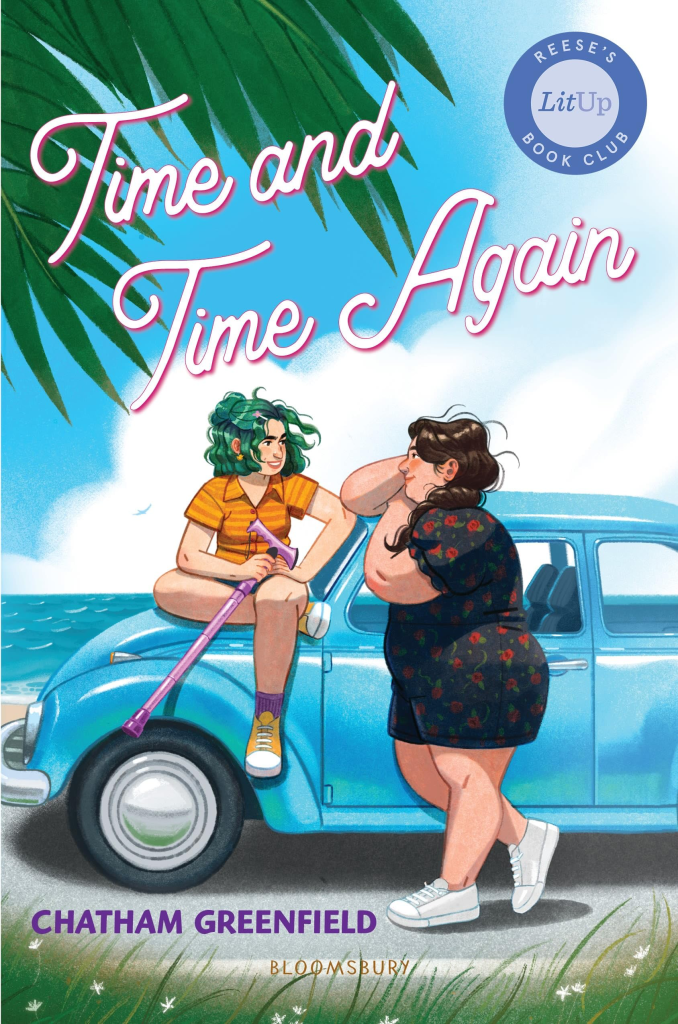
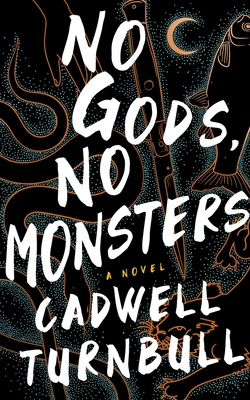
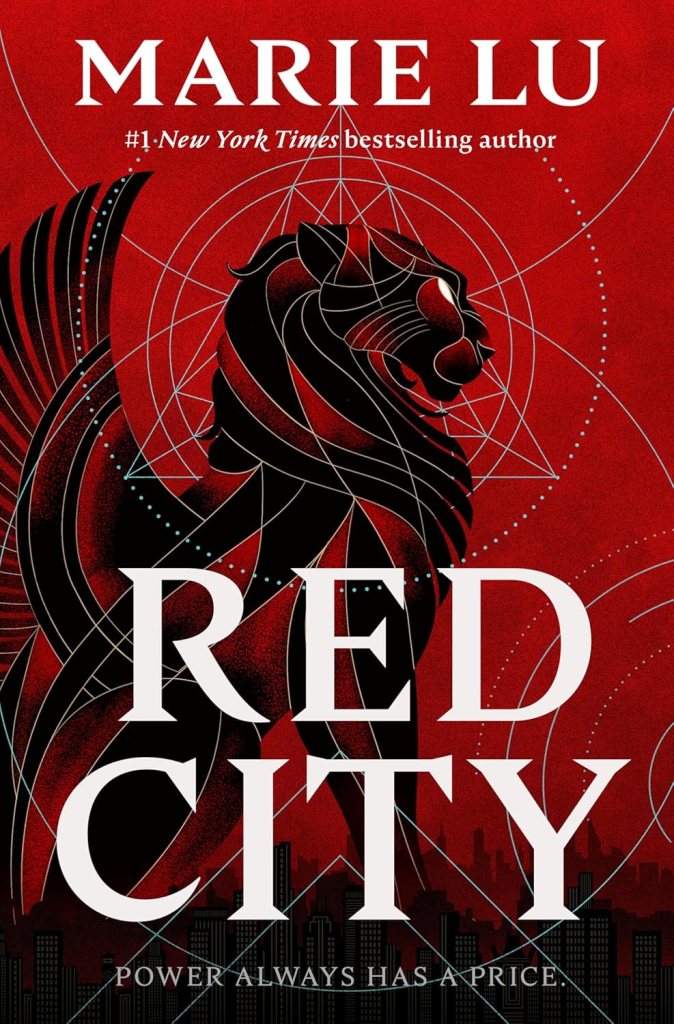

 The Bookish Mutant