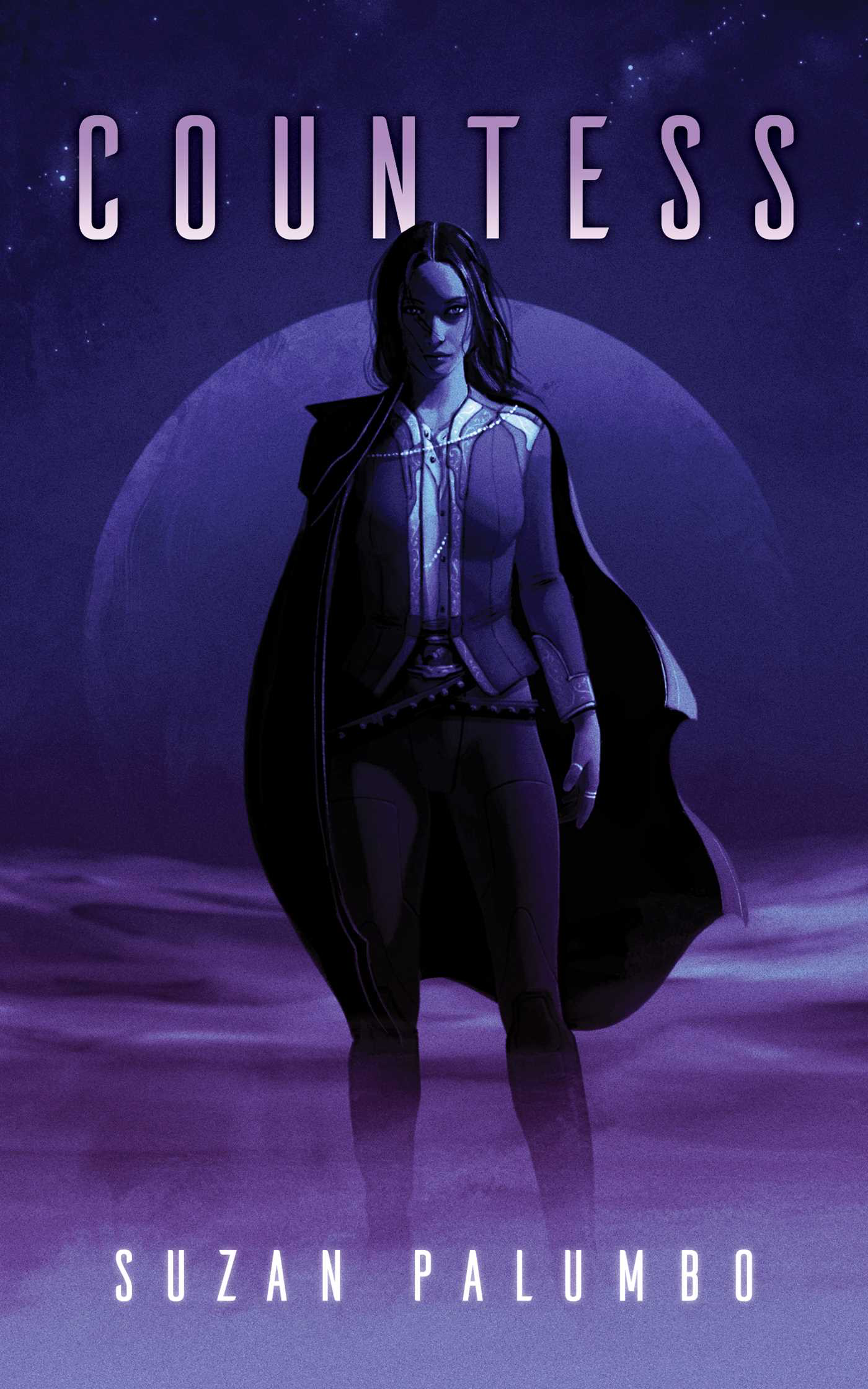
Posted in Book Review Tuesday

Book Review Tuesday (6/17/24) – Floating Hotel

Happy Tuesday, bibliophiles!

Old news: I’m desperate for good cozy sci-fi, and most of that desperation comes from the fact that nobody does it like Becky Chambers, but publishers will slap “perfect for Becky Chambers fans!” on literally any sci-fi book with a hint of several people crammed on a ship. It has to stop. Floating Hotel looked like it might actually live up to those expectations, but I was hesitant because I didn’t enjoy Grace Curtis’ debut, Frontier. But I’m glad I gave Floating Hotel a chance, because it was just what I needed!

Enjoy this week’s review!

Floating Hotel – Grace Curtis

The Grand Abeona Hotel knows no borders, no political affiliations, and no galaxy or planet to call home. But for many, the Grand Abeona is their home away from home—a safe haven where nobody cares who you are and why you’re here. Run by Carl, the aging manager who first came to the hotel as a stowaway, the Grand Abeona is home to a vibrant cast of characters, all of whom will have paths that will unexpectedly intersect. And as small mysteries begin piling up in the far corners of the Grand Abeona, Carl and the hotel’s misfit staff must pull the pieces together before the hotel itself is put in harm’s way.

TW/CW: death, torture (both offscreen), verbal abuse

In retrospect, there’s really no better book that I could have read on my Kindle, which has the Grand Budapest Hotel on the case. Some things were just meant to be.

I doubt anyone will ever top Becky Chambers in terms of cozy sci-fi, but Grace Curtis comes close—and that’s exactly why I’m so glad that I gave her another chance. Though it’s not without its mystery and relatively high-stakes subplots, Floating Hotel is a cup of tea for the soul: quiet, observant, and downright warm and charming.

My main issue with Frontier was that it promised action, but delivered next to nothing; it’s not that I don’t like books without action, but when your book’s tagline is “love, loss, and laser guns,” you kind of…have to deliver there, no? After reading Floating Hotel, it’s clear that quieter, cozy sci-fi is what Curtis was meant to write; aside from the rebellion subplot, which was relatively under-the-radar and wasn’t a major issue until the last 20% of the novel, this novel had comfortably low stakes. Although there was a fair amount of turmoil in the empire established in the world of Floating Hotel, you really do feel like the Grand Abeona is a safe haven from all of the ills of the galaxy. There, nobody cares who you are, so long as you have a story to tell.

Another issue with Frontier was that, with all of the characters and subplots it juggled, a lot of the plot points blended together, giving the reader little time to connect with anybody. If my leap from Frontier’s 2-star rating to my 4-star rating of Floating Hotel wasn’t indication enough, Curtis has significantly improved on that aspect of her writing in the space between the two novels! This novel similarly juggles a multitude of characters—many of whom only get one chapter in the vast sea of POVs—but all of them have a unique place in the story. None of the backstories or motivations felt forced, and all of them connected back to how the Grand Abeona has healed them as people; through all of their eyes, whether it’s a waitress, a piano player, or a professor visiting for a conference, you can see just how important of the Grand Abeona is as a safe haven. Floating Hotel is one of the few books with more than 10 (I think?) POVs that has truly worked for me, and it’s a combination of really being able to connect each one to the hotel and its story, and it incorporates other characters organically before we even get their POVs—the interconnectedness was so smooth that I didn’t mind the massive amount of voices displayed.

Curtis clearly understands the cozy part of cozy sci-fi that so many people who market books as “cozy” never seem to get—the near absence of stakes. For the majority of the novel, it’s a very down-to-earth, slice-of-life kind of plot where all of the mysteries are more humorous than troubling; I mean, one of the main subplots of the first half of the novel is trying to find the culprit of an anonymous admirer leaving love letters in the lobby index. And I ate it up. It’s just so gentle!! Is the fate of the galaxy at stake? Absolutely not! The hotel staff is just getting together once a week to watch terrible movies for nostalgia’s sake!! Peak cozy sci-fi right here, folks!! There are queer and disabled characters abound (WOOHOO!!), but neither homophobia nor ableism are plot points at all! They’re just going about their lives!! This is the stuff!!

What both Curtis and Becky Chambers get right about cozy sci-fi as well is that cozy doesn’t necessarily equal apolitical. In the background, there’s plenty of discussions of imperialism with the tyrannical empire crawling with shady cloning and nepotism (take a guess at how those two things tie together…). Curtis isn’t afraid to take stabs at capitalism, environmental destruction, xenophobia (I love the subplot about the empire banning media about aliens because it would compromise the perceived superiority of the human race), and so much more over the course of the novel, and it elevates it exponentially. It emphasizes another truth (for me, at least) about cozy sci-fi, and being a gentle person in general—cozy or quiet does not equal docile or unwilling to speak out about injustice. To quote IDLES, another bastion of kindness: “Ain’t no doormats here/It doesn’t mean you have to bow, or say “Your Highness”/Just kill ’em with kindness.”

All in all, a gentle and masterful piece of cozy sci-fi, and a marked improvement from Grace Curtis’ debut. Consider my faith in her writing restored! 4 stars!

Floating Hotel is a standalone, but Grace Curtis is also the author of Frontier.

Today’s song:

am I ashamed of listening to this on repeat while writing the third book in my sci-fi trilogy? absolutely not.

That’s it for this week’s Book Review Tuesday! Have a wonderful rest of your day, and take care of yourselves!

Posted in Book Review Tuesday

Book Review Tuesday (4/23/24) – Ten Low

Happy Tuesday, bibliophiles!

Ten Low has been on my TBR for ages, but I just haven’t been able to find it anywhere, for some reason—not my library, not any bookstores I’ve been to around where I live…until, somehow, it turns out that the Barnes & Noble in my college town had it! Naturally, I got myself a copy, and it was worth the read—brutal and cinematic all at once.

Enjoy this week’s review!

Ten Low – Stark Holborn

Ten Low is stranded. After defecting from the war effort, she made a desperate escape to a planet where she thought no one could find her. But trouble has found her already, in the form of Gabriella Ortiz—an unseemly thirteen-year-old girl on the outside, but in reality, the next incarnation of the tyrannical General that Ten once served under. Neither of them want to face the realities of their involvement in the war, but they have no choice: outside forces want them both dead, and Ten and Gabi must endure a treacherous desert full of bloodthirsty Seekers and threats on all sides if they want to get out of this alive…

TW/CW: graphic violence, war themes, blood, gore, descriptions of corpses, torture, child soldiers

Like superhero fatigue, I feel like there’s a case to make among sci-fi fans for a very specific fatigue for desert planets. Star Wars and Dune set the blueprints, but ever since, they’ve been…everywhere. (Tatooine was good once, but…can somebody tell Disney that they could’ve just stopped at one or two desert planets?) Ten Low was one of the few books where I feel like there was an original spin on it—and a lot of aspects of this novel can be boiled down to the same things: seemingly plain plot elements that were twisted into something fascinating.

Back to the desert planet aspect…even though there are altogether too many of them and often without original components (or, again, just aspects that were lifted from Dune or Star Wars), but Ten Low really couldn’t have been set anywhere else. Nowhere else could the harshness of the obstacles facing Ten and Gabi could have been harsher, and nowhere else could their struggle have been more palpable. I didn’t go in knowing that Ten Low was something of a space Western, which made the desert feel all the more fitting for the genre. Holborn didn’t just fill the place with sand and leave it at that; the desert, along with its many inhabitants, felt like a real hurdle that the characters had to overcome and work around, and not just a place to signal science fiction. I can’t help it—I’m a sucker for when the setting is just as inhospitable as the hardships that the characters are experiencing. I just re-read The Left Hand of Darkness, you can’t fault me for that.

As with the oft-used desert planet, Ten Low has a common trope in space Westerns in particular—pairing a tough, hardened adult character with a child that they have to drag along. (Anybody heard of a little show called The Mandalorian? Pretty indie, I know.) I already like the trope as is, so I wouldn’t have a problem if there wasn’t necessarily the most original take on it, as long as the characters could each pull their emotional weight and make me feel invested in the story. But what do you do when said child is a thirteen-year-old embedded with the consciousness of a dead, fascist general? And you happen to have been a medic that defected from said general’s army after witnessing the litany of crimes committed under her tyrannical reign? I loved how complicated that relationship got—not just because there’s nothing more unsettling than a thirteen-year-old girl who’s quite literally a warmonger with a list of crimes that could circle the planet twice, but because of how their relationship developed. Through their trek through the desert, there’s no “forgive and forget” resolution—and I’m glad Holborn strayed away from that, given what the General did to Ten and everybody else—but the commonality that neither of them wanted to be in their situations made their relationship so much stronger, and also that both of them were subject to horrors beyond their control.

Ten Low moves fast, and had it not been for Holborn’s cinematic writing style, I would have probably gotten lost somewhere along the way. But Holborn’s writing thoroughly kept me grounded, and it enhanced my reading experience immensely. Like any Western, there’s a rapidly rotating cast of characters and all manner of foes along the treacherous road that Ten, Gabi, and the others had to travel; although I’ll say more about said rotating cast, what Holborn excelled at was the balance between action and character development. It’s a hard balance to hit, but there was enough down time between Ten getting out of horrific scrapes for the two protagonists to actually react, change, and strengthen their relationships. The fight scenes didn’t go on for extensive periods (although they easily could have), but the quieter, more character-driven moments didn’t dominate the narrative either.

However, I can’t say the same for the characters. I get that it’s a staple of Westerns in general to have a cast that constantly shifts and changes, but given that most of the characters that were introduced in Ten Low eventually came back in some way, shape, or form, it was kind of a handful to juggle every single one of their names and significances, especially since their first appearances were a flash in the pan. Not only did that make them difficult to keep track of, it dulled the emotional weight when we were supposed to mourn their deaths—somebody dies, and all I found myself thinking of was “wait, who was that again? Why do we care?” That being said, Holborn at least made them all colorful and at least fun while they had their brief moments in the spotlight—they were fun, but not much else, unfortunately. Ten and Gabi’s relationship was the centerpiece, and that’s exactly how it should have been.

All in all, a gritty, action-packed space Western with tropes turned on their heads in surprising—and incredibly entertaining—ways. 4 stars!

Ten Low is the first book in the Ten Low trilogy, followed by Hel’s Eight and the forthcoming Ninth Life. . Stark Holborn is also the author of the 12-book Nunslinger series, as well as the Triggernometry duology, which is set in the same universe.

Today’s song:

ALL BORN SCREAMING ON FRIDAY HHHHHAAAAAAAAAAAAAAAAAAAGH

That’s it for this week’s Book Review Tuesday! Have a wonderful rest of your day, and take care of yourselves!
Posted in Book Review Tuesday

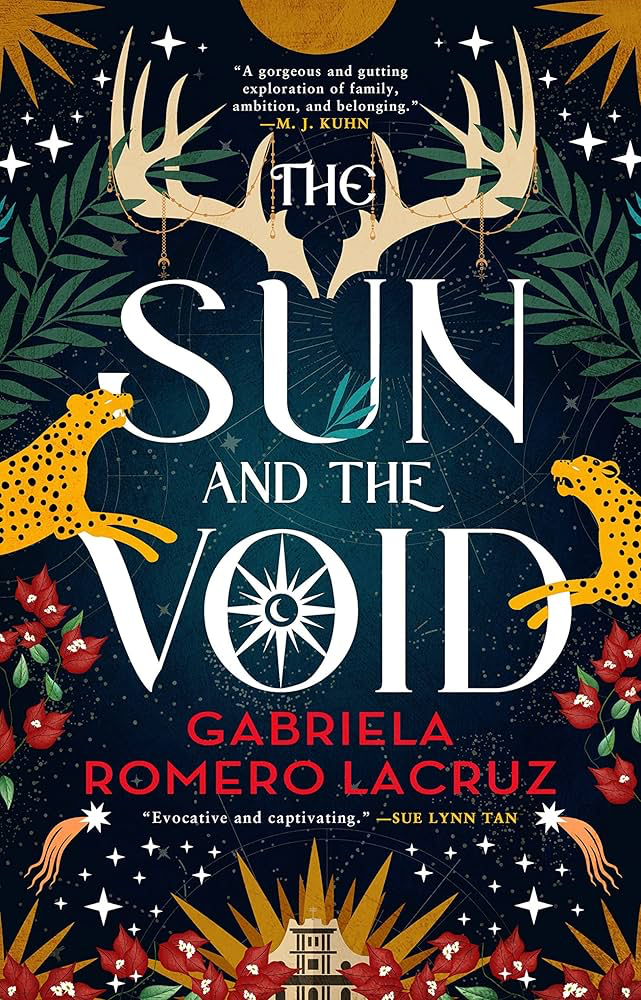
Book Review Tuesday (4/2/24) – Drunk on All Your Strange New Words

Happy Tuesday, bibliophiles!

Ever since it came out, Drunk on All Your Strange New Words has been on my radar; beforehand, I hadn’t even heard of Eddie Robson, but the premise was so fascinating that I just had to get my hands on it. After several trips to several bookstores with no luck in finding it, my hold finally came on Kindle—and it was a delight to read!

Enjoy this week’s review!

Drunk on All Your Strange New Words – Eddie Robson

For Lydia, First Contact started in the mind. The aliens we greeted were called the Logi, and they communicated entirely telepathically. Lydia works as a translator for a Logi cultural attaché named Fitz. It’s a pleasant job—Fitz is good-natured, and together, they pick apart plays and literature to determine if they are suited for intergalactic sales to the Logi. The unfortunate side effect is that translating the Logi’s telepathic language into English makes her feel drunk, earning her a less-than-stellar reputation on the job. But when Fitz is murdered and all eyes land on her as the suspect, Lydia must keep the police and Logi ambassadors off of her tail—and get to the bottom of Fitz’s murder.

TW/CW: xenophobia (fictional), murder/assassination, mild violence, death threats

I am on my hands and knees trying to find sci-fi with aliens that really feel alien. The quest is ongoing. But if you’re on that same quest with me (let us join hands, sisters in disappointed with humanoid aliens), Drunk on All Your Strange New Worlds is the cure for all that ails—all that and a dose of some good ol’ British humor.

I get to go off about aliens!! I GET TO GO OFF ABOUT ALIENS!! ALIENS WOOOOOOOOOOO THIS IS WHAT I’VE BEEN WAITING FOR

First off: the Logi! Drunk on All Your Strange New Words boasts some incredible alien design and culture, and I had so much fun exploring it throughout the novel. The whole concept of telepathic aliens whose speech makes the act of translation make humans feel drunk was already fascinating to me; it was so out of left field, and a concept I’d never really considered before; the only other instance I’ve seen of alien speech having unintended physical effects on the human body or brain was in A Desolation Called Peace (though that was arguably more drastic), but it still felt truly weird, which a lot of sci-fi doesn’t touch on, strangely. I loved getting such a complex, multilayered picture of the Logi beyond that, from the head coverings they wear to protect from Earth’s atmosphere to their unexpected strength; some of the elements of them almost veered into the supernatural (technically not much of a spoiler since it happens early on, but the reveal was so cool to me that I’ll keep my mouth shut for your enjoyment), but even that felt like a marker of an alien well done—so outlandish that the only explanation that humans can come up with is paranormal.

Creating all of that excellent background for the Logi is one thing, but it wasn’t all left as a lofty concept to puff up the worldbuilding—it had real, tangible effects on the characters and the plot, which I was so grateful for. Robson executed the real-time effects of humans interacting with a lot of these alien behaviors exceedingly well! It isn’t just that Lydia feels like she’s had a few too many after a long translation job—the feeling of drunkenness extends to drunken behaviors, the consequences of which had unfortunate implications for keeping said job. Having that was also a great device to start putting Lydia under suspicion for the other characters—there were enough instances of perceived instability or unprofessional attitudes that the authorities had all the more evidence to implicate her in Fitz’s murder. This is all to say that Robson really left no stone unturned when it came to the worldbuilding, and my enjoyment skyrocketed because of that!

The cultural environment around First Contact and the integration of the Logi into human culture also felt a little too real, in the best and worst way possible. At this point, the world has advanced into an undefined point in the future, and enough time has passed between now and First Contact that there aren’t just bigots and zealots with xenophobic intention, but organizations targeting aliens and professors giving whole lectures on what they perceive as a Logi encroachment into human culture, literature, and media. Paired with the faulty software that scores the truthfulness of the news that Lydia consumes (that aspect felt very “three days from now”), it felt like a more realistic depiction of alien contact and communication than we usually get; at heart, we still fear what we don’t understand, but it’s neither all-out annihilation of the aliens nor a global, complete hippie kumbaya event of unity. It’s demonstrative of human nature in the face of what we don’t understand: the bad and the very ugly, but enough good to keep us afloat and on good terms with the visitors from another world.

For most of the novel, I was really into the mystery surrounding Fitz’s murder. (I knew it was gonna happen from the start, since, y’know, in the blurb, but I didn’t want for him to die. I just wanna see the little alien guys!! Let them vibe!!) The slow burn of it kept me turning page after page, and for most of the novel, felt appropriately paced. It didn’t feel like we were jumping from place to place for no reason—every outing had a motive and revelation that added to the mystery in a way that made sense. However, though I enjoyed much of it, I feel like it got a little too slow-burn. The subtlety was good for most of the novel, but it got to a point where I was 90% of the way through the book and we still had no idea who the killer was and who the prime suspect was, now that most of the others had been eliminated by that point. Said killer was also introduced very late into the novel and quite sparingly, which made the reveal feel unearned—if we’ve spent all this time poring through suspects and barely touched on the actual killer, then what was the point? For such a clever novel, that felt like such an amateurish move—the only reason that we didn’t suspect them was because we had no idea who they even were for almost the entire novel.

All in all, a delightful combination of sci-fi and murder mystery that boasted some of my favorite aliens that I’ve read in a while. 4 stars!

Drunk on All Your Strange New Words is a standalone, but Eddie Robson is also the author of Hearts of Oak.

Today’s song:

That’s it for this week’s Book Review Tuesday! Have a wonderful rest of your day, and take care of yourselves!

Posted in Book Review Tuesday

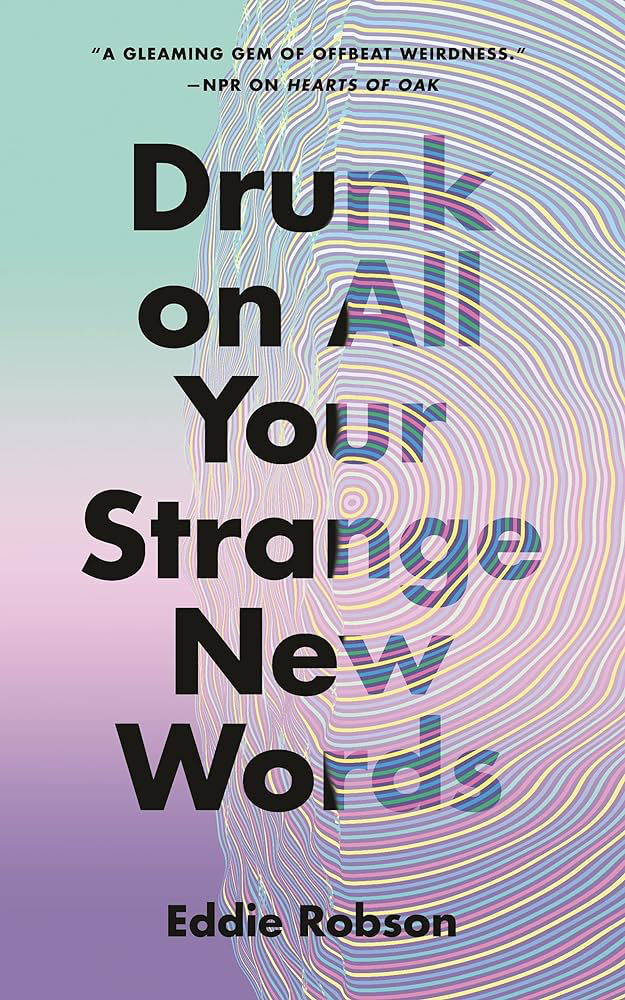
Book Review Tuesday (3/12/24) – Our Crooked Hearts

Happy Tuesday, bibliophiles!

I’ve been a huge fan of Melissa Albert ever since I fell in love with The Hazel Wood series way back when (2018? No way…I feel old…). I forget how or why it’s taken me so long to pick up her follow-up, Our Crooked Hearts, but it was worth the wait—this novel made me remember exactly what endeared me to Albert’s writing in the first place!

Enjoy this week’s review!

Our Crooked Hearts – Melissa Albert

Ivy has found herself at the center of string of unexplainable events. An eviscerated rabbit in her driveway. Secrets buried in the backyard. And now, a nude woman in the middle of the road that Ivy and her boyfriend almost hit with their car. The more she digs into these strange happenings, the more they lead to her mother, who dabbled in forbidden magic when she was a teenager. Ivy, now the age that her mother was when she started tapping into the supernatural, wonders if this magic has come back with a vengeance—and if there’s a way to control it before it comes back for her mother.

TW/CW: animal death/abuse/torture, blood, gore

I don’t know why it took me this long to pick up Our Crooked Hearts and how I could’ve possibly gone three years without reading something of Melissa Albert’s, because wow. This one toes the line between magical realism and horror, but either way you took it, there’s no doubt that Albert is the master of YA magical realism!

Let’s start with Albert’s obvious strength: the lyrical nature of her prose. Though Our Crooked Hearts wasn’t steeped in fairytales like the Hazel Wood duology was, it was no less enchantingly written. Every line feels like its own fairytale, full to bursting with metaphors so unique I found myself highlighting up and down the page. Albert has the ability to weave magic into the smallest of things, from the small moments in the suburbs to the unexplainable events that litter the plot like strange trinkets found on the side of the road. The Hazel Wood was already luscious, but Our Crooked Hearts feels like a maturation of everything that makes Albert’s writing good: a recognition of the magic in everything, but also of the darkness behind the glitter.

The way that Albert writes magic itself was just as compelling! Though the magic system itself is not gone into depth, it’s understood to be the kind of magic that only awakens in the shadows, summoned by girls left to their own devices without any clue of the consequences. I understood some of the unexplained bits to be a byproduct of how little Dana, Fee, and Marion understood of what they were getting themselves into—they knew about as much as we do. Like the relationships running through this novel (more on that later), it is an undercurrent to every decision that they make, rooted in revenge but later a series of bandages to throw over every little breadcrumb they leave behind by accident. On that note, I loved that this wasn’t simply a revenge story—it started as such, but that revenge grew into something so monstrous that it was spread down through generations. Hmm, sure feels like a metaphor to me…

Our Crooked Hearts is written in a dual POV between timelines, following our protagonist, Ivy, and her mother, Dana; Ivy’s perspective finds her in a quiet suburb, while Dana’s perspective is set in Chicago in the ’90s. I loved how the two of them evolved in tandem—dual POVs aren’t especially difficult to pull off, but having them set in different timelines was such a wonderful move to not only elevate the story, but deepen the mother-daughter relationship at the heart of the novel. In terms of literary fiction, I feel like there’s a trend of multigenerational novels (somehow they’re all set in New York) where they hop between time periods and family members; sometimes they’re successful (see: Elizabeth Acevedo), but often, they miss the nuance of familial connection and just focus on being literary. This is far from literary fiction (complimentary), but what this novel does that a lot of others don’t is make the timelines feel distinct. Ivy and Dana have radically different personalities, and though their journeys of dabbling in forbidden magic are similar, their goals—and endpoints—were so different that I found myself fully invested in both of them.

Mother-daughter relationships are at the heart of Our Crooked Hearts, and the dual POV makes for such a fascinating examination of when such relationships become toxic, and the events building up to the toxicity once Dana began raising Ivy. Dana’s perspective was one of constantly being pulled along—by her friends, by authority figures, and by forbidden magic beyond her comprehension. The guilt that resulted from living a life predicated almost entirely on the decisions of other people tragically informed how Ivy grew up—picking up the pieces, and discovering the pieces of her mother along the way. Without spoiling the ending, I loved how it was resolved—there’s no immediate absolution of guilt once familial ties are brought up (unlike a certain recent Disney film beginning with E), but there’s an understanding to how and why things turned out the way they did. Ivy is still left to sift through the wreckage, but all that she thought was lost was not far beyond reach.

Also, one thing that Melissa Albert can always be counted on is top-tier music references. All she had to do was mention Dana putting Liz Phair on the jukebox, and I was already foaming at the mouth.

All in all, a horrific and lyrical observation on magic and teenage girlhood, mothers and daughters. 4 stars!

Our Crooked Hearts is a standalone, but Melissa Albert is also the author of The Hazel Wood duology (The Hazel Wood, The Night Country, and the companion novel Tales from the Hinterland) and The Bad Ones. She is also the founder of the Barnes & Noble Teen Blog.

Today’s song:

That’s it for this week’s Book Review Tuesday! Have a wonderful rest of your day, and take care of yourselves!

Posted in Book Review Tuesday

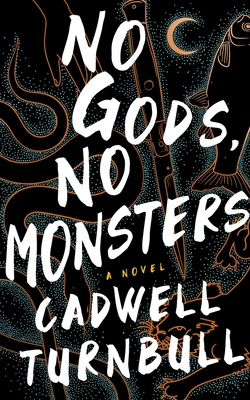
Book Review Tuesday (2/20/24) – No Gods, No Monsters

Happy Tuesday, bibliophiles!

I’ve had this book on my radar for a few years, as well as The Lesson; I almost read it earlier last week, but then I discovered that I could only read it on my phone, for some reason (nope). Coincidentally, I found it at Barnes & Noble later that week (on a very necessary detour I made with a friend), so I finally decided to pick up a copy for myself. Now, I’m so glad that I have a hard copy—No Gods, No Monsters is one of the most unique fantasy novels I’ve read in a while!

Enjoy this week’s review!

No Gods, No Monsters (Convergence Saga, #1) – Caldwell Turnbull

Around the world, strange creatures have come out of hiding from the shadows. Creatures of myth and legend, those thought to be confined to the imagination. In the wake of this unexplained event, known globally as The Fracture, the stories of people across America collide. A woman reckon’s with her murdered brother, unjustly killed by Boston cops, but learns that her brother’s life was more fantastical than she could have ever imagined. A professor goes in search of a friend presumed dead, but finds a schism between two cults in its place. A young girl must warm up to the presence of her adopted sister, who she grows to love despite her bloodlust. All of these events converge as the world of monsters is revealed, but can mankind reckon with their presence—and their demand to be seen?

TW/CW: police brutality, gun violence, gore, substance abuse/past mentions of an overdose, sexual abuse, domestic abuse

If I’m being honest, it’s a real shame that No Gods, No Monsters has an average rating of 3.45 on Goodreads. To be fair, it’s probably one of those “you love it or you hate it” books, but I absolutely loved it. Sometimes you love the book with an average rating over 4.00 and tens of thousands of reviews, but sometimes it’s those lower-rated and lower-reviewed novels that hit the spot. (see also: Spare and Found Parts – Sarah Maria Griffin)

No Gods, No Monsters truly felt dreamlike, and that’s what made this novel stand out to me. It’s not concerned with being overly coherent, and it drifts about in bits and pieces. I guess that’s the aspect that put a lot of people off, but it’s the kind of writing and storytelling that suits the story that Turnbull is trying to tell. It fits with the whole theme of “monsters have come out of hiding and we can’t do anything about it” theme—there’s global panic, sure, but first there’s the denial that anything is happening at all, and then the reality hits you, and you still try to deny it. This whole novel felt like navigating the haze of denial while the monsters creep out of the shadows: you know exactly what’s going on, but as long as you can help it, I’m not here, this isn’t happening.

I feel like No Gods, No Monsters could have just as easily worked as a short story collection. Each section, switching POVs from dozens of characters who are slowly woven together, works on its own, situated within worlds that are’ separate until the threads begin to tie themselves into an interlocking web of magic towards the end. They all felt like short stories, but I don’t think anything was taken away from them not being short stories—No Gods, No Monsters is a very non-traditional novel in several ways, and I liked that it toed the line between novel and anthology in order to flesh out the themes of community and the things that bound all of the characters together in the chaos.

My favorite section had to be that of Sondra and Sonya—their story was all at once chilling and tender, heartwarming, heartbreaking, and horrifying. Off of the top of my head, this instance in the novel is one of the few depictions I can think of where talking about complicated love in a fantasy/sci-fi setting really does feel complicated; the complication is very literal in the sense of depicting the drain (no pun intended—no spoilers, though) on Sondra, but her horror of both reckoning with the actions of Sonya in the present and how much they bonded in the past felt nuanced in a way that truly made me feel for Sondra. In general, this part of the novel is representative of what I loved about the novel as a whole: although there were some physical consequences to the monsters coming out of hiding, I loved that Turnbull chose to focus more on the emotional and interpersonal connections that happened in the aftermath.

Going off of that point, I loved how No Gods, No Monsters handled its expansive worldbuilding! The event that incites everything that happens in the novel is implied to be the start of a global upheaval, but Turnbull handles the complexities of it with aplomb. It doesn’t feel like every single action movie where we go instantly into mass panic and riots in the streets (although that is stated to have happened in the background), but instead gives us information in breadcrumbs through how it affects the many and varied characters of the novel. I did find myself wanting more of how the monster emergence is affecting the world, but a) I figured that the uncertainty is a consequence of the characters themselves not fully knowing what’s going on, and b) the fact that this is a series, so we’re bound to learn more in the books to come. I have We Are the Crisis downloaded, so I’m excited to find out more!

All in all, a truly memorable and inventive fantasy that explored the not-often-discussed areas of trauma and denial in the face of global upheaval. 4 stars!

No Gods, No Monsters is the first installment in the Convergence Saga, followed by We Are the Crisis. Caldwell Turnbull is also the author of The Lesson.

Today’s song:

my friend just got me hooked on indigo de souza, I’m OBSESSED

That’s it for this week’s Book Review Tuesday! Have a wonderful rest of your day, and take care of yourselves!
Posted in Book Review Tuesday

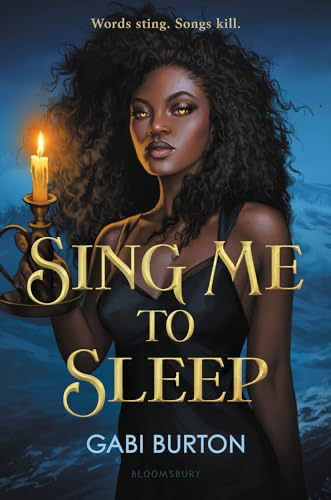
Book Review Tuesday (2/13/24) – Sing Me to Sleep

Happy Tuesday, bibliophiles!

I always love stories about mermaids and sirens, so Sing Me to Sleep instantly went on my TBR when it came out last June. Sing Me to Sleep presented a land-bound take on sirens that proved fascinating, and resulted in a tense, seductive YA fantasy!

Enjoy this week’s review!

Sing Me to Sleep – Gabi Burton

Saoirse is hiding a deadly secret. She’s a siren, driven by the urge to kill and seduce, which has made her into the perfect assassin. Her talents took her all the way to the good graces of the royal family of Kierdre, but they don’t know of her true identity—and she must hide it at all costs, lest she incur the wrath of their creature-hating king. But working as one of the personal bodyguards to Prince Hayes has its perks, and soon, Saoirse finds herself questioning her loyalties—and drawn towards a prince who would kill her if he discovered her true self.

TW/CW: genocide (past), kidnapping, fantasy violence, murder, poisoning, drowning, stabbing, torture

I’m not going to bog down this review by starting it with another rant about how jaded I am with epic and high fantasy, but I’ll leave it at the fact that this was the reason that my expectations for Sing Me to Sleep were so average. But I ended up blowing through this novel, and I haven’t done that in weeks—it’s just pure fun.

I won’t lie—I was a little disappointed when I realized that Sing Me to Sleep took place primarily on land when they had a siren protagonist. Mermaids and sirens are an instant draw for me, so I was excited to explore some of those magical aspects and how Burton realized them in her fantasy world. However, once I got into the novel, I ended up enjoying how Saoirse’s siren status affected her when she was confined to land, from the call of the sea every time she came near it to being momentarily thrilled by having her head dunked underwater while being tortured for information. Burton’s handling of Saoirse’s hidden thirst for male blood was similarly well-executed; it set a kind of time bomb of sorts whenever she was around her targets, and made the stakes feel tangible and not just an aside thrown in to remind the reader that she’s a siren. The way that Burton utilized these aspects made for a novel with just the right amount of stakes, with tension in all the right places.

Sing Me to Sleep hinged on the twist of Saoirse, trained to seduce and take advantage of men before killing them to satisfy her bloodlust, accidentally falling for Prince Hayes and not knowing what to do with herself. I was banking on it being a little cheesy (this is YA fantasy, after all), but I really appreciated how slow Burton took it with the budding romance! Not only was the forbidden aspect of it enhanced by the aforementioned handling of Saoirse being a siren, Burton didn’t go headfirst into the romance, like so many authors end up doing while trying to pull off enemies-to-lovers. The initial hatred and disdain felt genuine, and Saoirse’s inner conflict when she realized that she was falling for one of her marks was appropriately a shock to her senses. Although I didn’t particularly care for Prince Hayes as a character, Saoirse’s reactions to him felt true to what enemies-to-lovers should be. I’m interested to see how the romance will play out in the sequel…

Again: I’ll spare you my gripes with epic fantasy as a whole, but unlike of much of the fantasy I can remember reading recently, Sing Me to Sleep had the beginnings of some fascinating fantasy worldbuilding! The novel does a great job of establishing all of the different magical races and subsequently detailing the history of discrimination and subjugation amongst them. Burton did have quite a lot on her plate, but for the most part, she juggled it well, making for a world with limits that made sense and enough hints within to make me want to read the sequel just to see how some of the hidden elements get explored. Half the hard part of worldbuilding is making it something that the reader is actually motivated to read once you’ve done all the heavy lifting to create it, and Burton succeeded on that front!

However, while Burton did well with juggling several moving parts in her worldbuilding, I’m not sure if I can say the same for her characters. Although Saoirse was a compelling protagonist with motives that were appropriately fleshed-out, most of the others—of which there were a ton—left a lot to be desired. Besides Hayes, if we got any trace of their personalities, it was left at one character trait (or physical description) to distinguish them, and not much else. Combine that with the expectation that there were dozens of these characters running around that we had to remember to get all of the plot, and it just made for a mess as far as remembering why any of them were important save for their job descriptions. If some of them had been cut out, it would have solved the whole problem—it’s just a case of Burton biting off much more than she could chew, which is entirely understandable for a debut novel.

All in all, an action-packed fantasy full of tension, forbidden love, and bloodlust. 4 stars!

Sing Me to Sleep is Gabi Burton’s debut novel and the first novel in the Sing Me to Sleep duology, concluded by Drown Me with Dreams, which is slated for release this August.

Today’s song:

That’s it for this week’s Book Review Tuesday! Have a wonderful rest of your day, and take care of yourselves!
Posted in Book Review Tuesday

Book Review Tuesday (1/16/24) – Godkiller

Happy Tuesday, bibliophiles!

Godkiller has been out for almost a year now, and it’s been on my radar since last December. Fantasy is second to sci-fi for me, especially where high fantasy like this is concerned, but the compelling characters and the lush, queer-normative world drew me in. Sure would be a shame if the second book wasn’t out yet…oh.

Enjoy this week’s review!

Godkiller (Fallen Gods, #1) – Hannah Kaner

In the kingdom of Middren, the worship or belief in gods of any kind is strictly forbidden. The gods of Middren grow bigger and stronger with every human that believes in them, but after a devastating war between the gods and humankind, Middren has deemed them too dangerous to continue living. In the aftermath, the last gods are hunted down by Godkillers. Kissen is a Godkiller; after her family was slaughtered by a fire god, she has taken up the mantle to ensure that what happened to her family never happens to anyone again. But when she stumbles upon Inara, a noble-born child with a minor god bonded to her, she knows that the only way to break the bond without killing her is to go to Blenraden, the last stronghold of the wild gods. The road ahead will be filled with unexpected allies and strange turns, but Kissen and Inara are weary. For a war is brewing once more, and they may be caught in the middle…

TW/CW: loss of loved ones (on- and off-page), fire, blood, violence, animal death, child death, sacrifice (human/animal), war themes, PTSD

It’s incredibly rare that I enjoy any kind of high fantasy these days, especially with the vaguely European setting and medieval technology level. But Hannah Kaner has managed to elevate all of those elements and create something truly special—a queer-normative high fantasy with no trouble being itself in a sea of carbon copies. I thoroughly enjoyed this one!

I’m all for a good trope subversion, and this presents an especially delicious one that even I’m aspiring to add into my own writing. I’ve seen a ton of posts/general discourse about how a lot of creators have shied away from making female characters that match common archetypes, but since many of the archetype’s traits are seen as more masculine, it’s almost entirely male characters that end up making up the demographic. In this case, you have the hardened warrior-type who reluctantly ends up taking a child under their wing who eventually melts their cold heart. It’s a trope I’ve always loved, but I’ve rarely seen it done with female characters. Along comes Kissen, and I’m reminded of how excellent the trope can be when it’s done exceptionally well. She has the classic personality of the archetype, but done in a way that makes her character feel fleshed out—she isn’t just hardened for the heck of it, and you get to see exactly how and why she became that way. Her interactions with Inara, from the initial reluctance (which, again, is developed more than “I don’t need a child around”) to her motherly role towards the end, felt tenderly genuine, and watching their relationship develop was one of the highlights of the book.

You know me. I’m all for queer-normative and disability-friendly sci-fi and fantasy worlds, but Godkiller feels so special precisely because of how high fantasy has historically treated both of those things. For disabled characters in particular, it’s practically an expectation that they have to be bitter and constantly in a state of suffering because being in a medieval setting where their disability is minimally understood automatically makes them a weakling. But Godkiller flips that entirely on its head—not only is the main character disabled (facial scars and a prosthetic leg), but it isn’t a main part of the plot; never do we see Kissen suffering for the plot because she’s disabled, and her disability is seen as something neutral, and something to be cared for accordingly. (There is some discussion about the discrimination that Kissen faces because of her scars, but it’s more on the front of being marked by a curse and not necessarily the scars themselves.) One of the side characters is also Deaf, and not only was she one of my favorite side characters, her scenes were explicitly shown so that the reader could see how happy she was with her wife! The fictional sign language was also treated in a similarly neutral/positive way—there’s even a bit of worldbuilding where Kaner explains that sign language isn’t just used by Deaf or mute people in Middren, but it’s used by pirates on the high seas to communicate when the roar of the ocean drowns out speech. 10/10 worldbuilding. 10/10 disabled representation, and 10/10 disabled people in happy relationships.

The god-killing premise was also one of the main draws for me about Godkiller, hence the name. It could have been easy for a book like this to ride on the premise being interesting and then proceed to do hardly anything out of the ordinary to it, but Kaner’s worldbuilding surrounding the gods of Middren was excellent! Every kind of god is explained, and I loved the wide variety of gods that we saw throughout the novel, from the more formidable ones that caused the war to minor gods like Skediceth, who were just little creatures with surprisingly formidable powers. I also loved the concept of gods tangibly feeding off of belief—the more shrines there are, the more powerful a god continues to be. Not only did this flesh out the worldbuilding, but it made a lot of elements that would have otherwise been forgettable contribute to the overall stakes of the novel.

My only major complaint about Godkiller was the ending. The pacing was solid for most of the novel, but the ending felt so much more rushed compared to the rest of it. The stakes got milder for a significant stretch, but it only felt like they were amped up in the last 5-10 pages just so that Kaner could tie in a thread to the sequel and remind the reader that Godkiller wasn’t a standalone. It was one of those endings that had me turning back to the last page and then back to the acknowledgements and wondering “wait, that it was it? that was the ending?” For how cleverly most of the novel was constructed, it just felt so sudden and sloppy compared to the rest of it.

All in all, one of the better high fantasy novels I’ve read in a while, with lovable characters, a refreshingly disability-friendly world, and neat, fascinating worldbuilding. 4 stars!

Godkiller is the first novel in the Fallen Gods series, followed by Sunbringer, which is slated for release this March. Godkiller is Hannah Kaner’s debut novel.

Today’s song:

That’s it for this week’s Book Review Tuesday! Have a wonderful rest of your day, and take care of yourselves!
Posted in Book Review Tuesday

Book Review Tuesday (11/14/23) – The Crane Husband

Happy Tuesday, bibliophiles!

Brief rant: don’t you love it when Goodreads posts the nominees for the “YA Fantasy & Science Fiction” category and…there’s no science fiction books on the list? Not a single one? Thank you Goodreads 🥰

It’s been years since I’ve read anything by Kelly Barnhill; I read a fair amount of her middle-grade novels when I was younger, and there were hits (The Girl Who Drank the Moon) and misses (Iron-Hearted Violet). But either way, the road has taken me back to her adult novella, a chilling retelling of “The Crane Wife” that I thoroughly enjoyed.

Enjoy this week’s book review!

The Crane Husband – Kelly Barnhill

In a distant future, a fifteen-year-old girl lives on one of the few remaining farms in the United States, growing cloned crops in order to make a living. Her father passed away when she was young, and now she manages the farm with her mother and takes care of her six-year-old brother, Michael. But when her mother brings home a new suitor, the girl is appalled to find that the suitor happens to be a giant crane—a crane intent on working her mother to the bone in order to produce tapestries to sell. As her mother succumbs to the wills of the crane and her family grows poorer, the girl knows that the only way out is to rid the house of the crane—and she’ll do anything to make sure the bird is out of the farm.

TW/CW: death of a parent, blood, abuse, animal death, child endangerment

It’s been at least seven or eight years since I’ve read anything by Kelly Barnhill, and I was pleasantly surprised to find that when faced with the (quite large) jump from stylistic choices between age groups, she does so with eery grace! The Crane Husband was a disturbing treat, quick but chilling.

I only had a vague notion of the original Japanese folktale of the Crane Wife that this book subverts, but even without that background, Barnhill weaves a haunting, dystopian fairytale like no other. It’s that lovely kind of book that falls into science fiction, but has just enough trappings of other genres to pass as something else. The magical realism element is heavier than the rest, and it rules the book—rightfully so, given the subject matter. But like a good fairytale, Barnhill’s ability to suspend disbelief made The Crane Husband all the scarier—scenes that would have otherwise seemed charmingly quirky or absurd were downright horrifying under her lens.

Barnhill’s writing was what sold how horrific the events of The Crane Husband truly were. The way she captured the voice of the unnamed, fifteen-year-old protagonist as she had to take her livelihood into her own hands in the face of the invading crane husband had such a tangible desperation, making the conflict feel real as all get out. Tension crept out from every word, and I found myself keeping my Kindle in a vice grip as I read. And that tension never wanes—in only 118 pages, Barnhill built up monumental tension that books three times the length have failed to uphold. The Crane Husband really was nail-bitingly eerie, and it was worth it all the way.

The way that Barnhill used this tangibly uncomfortable atmosphere to drive the point of this folktale’s subversion home was also masterful. The main twist in this iteration is, hence the title, that the protagonist’s mother brings home a giant crane who she takes as her husband. And instead of the crane wife wasting away to produce beautiful tapestries, it’s the human mother being forced by the crane husband to churn out tapestries like a machine. Abusive relationships were the main theme of the novella, and Barnhill’s depiction of abuse through this lens felt as authentic as it could be, from the strained, forced silence of the women of the family and the lack of support that the protagonist finds when she tries to seek help. Beyond that, The Crane Husband’s message about suffering for art was equally powerful and important; the emphasis on how the protagonist’s mother works to the point of near-death in order to create something that people will think of as “transformative” was commentary that I wasn’t expecting from the novel, but enjoyed wholeheartedly. Needs to be said.

That being said, my only major problem with this novella was that it directly referenced the original folktale that it’s retelling. Though it was in a flashback scene, it felt tacky and unnecessarily meta to hand it to you right there—and not only that, but basically delivering the twist right at your doorstep. I will admit that I loved the line about cranes making other creatures do the work for them, but at that point, it isn’t even foreshadowing anymore—it’s just whacking you over the head with the twist that it’s supposed to be hiding from you. It made me more than a little mad, but the rest of the novella was so good that I could almost let it slide. Almost.

All in all, a timely and truly disturbing retelling that packed a stinging punch with an impressively short page count. 4 stars!

The Crane Husband is a standalone; Kelly Barnhill is also the author of many books for children, including The Witch’s Boy, The Girl Who Drank the Moon, and Iron-Hearted Violet. She is also the author of When Women Were Dragons, her first full-length novel for adults.

Today’s song:

NEW SMILE ALBUM IN JANUARY EVERYBODY STAY CALM

That’s it for this week’s Book Review Tuesday! Have a wonderful rest of your day, and take care of yourselves!
Posted in Book Review Tuesday

Book Review Tuesday (11/7/23) – The Deep Sky

Happy Tuesday, bibliophiles!

The Deepy Sky came out this July, and I’ve been seeing a ton of buzz about it around the blogosphere since. I’m always in for a sci-fi thriller, and this one delivered in that aspect, as well as the wonderful mixed-race rep!

Enjoy this week’s review!

The Deep Sky – Yume Kitasei

Asuka has been chosen as a representative on a mission to deep space, where she will help give birth the next generation of Earth’s children. But she has been chosen to represent Japan—a country she barely knows, as a half-Japanese, half-Latina girl raised in the United States. Feeling like an imposter to an unfamiliar country, she accepts her duty and joins the crew of the Phoenix. But a deadly explosion onboard the ship leaves her the only surviving witness. With all eyes on her once more, Asuka must get to the bottom of the explosion before the perpetrator strikes again.

TW/CW: racism, terrorism, miscarriage/fertility themes, death of a child

“Literary” sci-fi rarely does it for me; most of what I’ve read barely scrapes past the 3.5 star rating for me, at best. Often, what happens is that the sci-fi element gets significantly watered down for the sake of marketability, drama, and a place in a celebrity’s book club (see: Sea of Tranquility, In the Quick). But The Deep Sky had the chops to make itself unique—and incredibly poignant.

The sci-fi plot of The Deep Sky is pretty standard as far as story elements go, but Kitasei’s approach to it made it feel fresh. It’s the setup for a myriad of sci-fi thrillers: you’ve got a large crew voyaging through the depths of space, only for a tragic accident to leave everyone onboard in suspicion, with no way to get back to Earth. It’s not necessarily a new approach plot-wise that keeps it going—it’s the emotional core that Kitasei brings to it. You’re really able to see deeply into Asuka’s head, deeper than a lot of authors dare to go with these kinds of stories; it’s a great way to increase the stakes without having to complicate the mystery of the story.

Also, LET’S HEAR IT FOR MIXED-RACE REPRESENTATION!! I’ve been on a roll with books with amazing mixed-race characters and stories lately (see also: Leslie Marmon Silko’s Ceremony—a very different book, but no less poignant), and as a mixed-race person, I’m so glad that narratives like these exist. Kitasei’s depiction of the imposter syndrome that Asuka faces about her identity is twofold—not only is there the level of it that comes with her being of Japanese and Mexican descent in the U.S., but also in the fact that she has to represent Japan—a country that she’s barely been to—in this mission. It really did make me feel so, so seen. Kitasei’s portrayal of having these intersecting identities and them coming at odds with how others want to box you in was deeply moving and authentic, and I cannot thank her enough for that.

Back to the subject of literary sci-fi. A lot of these types of novels that I’ve read deal with intersecting, nonlinear timelines, which may or may not have to do with actual time travel (case dependent). For the most part, it worked incredibly in Kitasei’s favor—even outside what we can consider the “main” plot, the pieces that we get of Asuka’s life before the deep space mission were almost more intriguing than the actual murder mystery in space. Kitasei’s character work is incredibly detailed and nuanced, and having most of this novel be driven by character and family was a choice that made me enjoy it that much more. These types of sci-fi thrillers normally lend themselves to very distant characters, and minimal character work by proxy (outside of “trust no one”), so this was a breath of fresh air in that sense.

That being said, the nonlinear timeline was also what brought part of the novel down for me. There’s much more emphasis placed on the time before the mission than the actual mission, making the murder mystery plot feel like an afterthought. The way that these timelines were spaced out meant that we went long stretches without checking in on what’s supposed to be the novel’s inciting incident, which made the stakes feel much lower than they were meant to be. The tension got appropriately amped towards the end, but other than that, there really wasn’t as much thriller as I was expecting going in. Maybe this is just a matter of how The Deep Sky was marketed, but I did wish we got a little more of the “main” plot.

All in all, a rare gem of a literary sci-fi novel where every page brimmed with emotion and suspicion. 4 stars!

The Deep Sky is a standalone; it is also Yume Kitasei’s debut novel.

Today’s song:

listened to my first Arlo Parks album, and I’m a fan!! this was my favorite, for sure

That’s it for this week’s Book Review Tuesday! Have a wonderful rest of your day, and take care of yourselves!

Posted in Book Review Tuesday

Book Review Tuesday (10/3/23) – Under the Earth, Over the Sky

Happy Tuesday, bibliophiles!

I swear it’s entirely a coincidence that I’m reviewing two books that have titles separated by commas with the word “sky” somewhere in them (The other would be Deep as the Sky, Red as the Sea). They’re entirely different books, but I’m glad to say that they’re equally excellent. Under the Earth, Over the Sky gives fantasy a tenderness that it’s desperately needed for years, and I am all the better for reading it.

Enjoy this week’s review!

Under the Earth, Over the Sky – Emily McCosh

Iohmar does not meddle in the affairs of the human world. He is above such things, being an ancient fae king older than human civilization itself. But when he finds an abandoned, dying baby in the borderlands between the human world and his kingdom, he takes it upon himself to raise him as his own. He names his human son Lorcan, and he takes him back to live in the fae kingdom. But Iohmar’s ancient magic has begun to wane, and with threats encroaching into his kingdom, he must do whatever it takes to protect baby Lor and the rest of his subjects.

TW/CW: past mentions of abuse/loss of a loved one, abandonment of a child, nightmares, child endangerment

I’m so sick and tired of grimdark, man. I’ll save my rant about it for another day, but I just feel like it’s a blight on fantasy, and on any genre where it’s applicable. (Life is full of joy and beauty! They can never take your joyous whimsy!) That’s why this book feels so necessary. Under the Earth, Over the Sky really did heal my soul. It may not be without its flaws, but it’s such a deeply moving and poignant tale of love beyond boundaries and parenthood.

For the past few years, I’ve found myself drifting away from most kinds of high and epic fantasy; at their very worst, they’ve just felt like the same plots coughed up over and over, but with far heftier of a page count than is necessary. But Under the Earth, Over the Sky feels like the best kind of subversion of all of the self-serious, high-and-mighty tropes that have turned me off from a fair portion of the genre. How do you make your haughty, ancient king of the fae with the wisdom of a thousand moons a genuinely compelling character? Simple: make him raise a baby. The synopsis already made this book sound endearing, but I couldn’t have predicted how much of a warm bath to the soul that this book would really be.

Of course, the dynamic between Iohmar and his adopted son was where Under the Earth, Over the Sky shone the brightest. Watching Iohmar’s cold heart slowly melt as he began to care for Lor was truly a joy, and Emily McCosh portrayed all of the ups and downs of their father-son relationship so poignantly. He was such a compelling character beyond his dynamic with Lor as well; McCosh also did an excellent job of making his life and relationships genuinely complicated, making him feel truly fleshed-out and making some of the stakes seem more real. Every part of his raising Lor tugged at my heartstrings, from the moment he realizes that he has to care for this baby, to grappling with the fact that his appearance frightens his own son. Not to praise the plague that is the Disney live-action remakes, this novel reminded me of the only good one—the dynamic between Angelina Jolie’s Maleficent and baby Aurora was similarly sweet. The fact that it’s a father-son relationship also feels so important—having a male character showing such vulnerability and care is something that we need more of, certainly.

Most of the other character interactions were similarly comforting and cozy. I especially loved the dynamic between Iohmar and his wife Rúnda; they were so quietly devoted to each other, and their gentle love fueled the already heartwarming feel of this novel. The interactions between Iohmar and the humans he encounters along the way were similarly poignant. Not only did they serve to drive home the rift between Lor’s human and adopted fae identities, Iohmar’s subtle changes in how he dealt with humans was so tender and indicative of his shifting character. Strangely, even though there weren’t as many characters, subtle interactions like these were what made the world feel lived-in—it didn’t take a lot for this world to feel populated, which helped immensely with my feeling of immersion.

However, as well fleshed-out as many aspects of Under the Earth, Over the Sky were, the subplots surrounding the main plot felt rather rushed. Although the stakes of Iohmar’s magic rotting were clear and tangible, the aspect of the rippling felt like it barely held any weight. They weren’t as well established at the start of the novel, and that lack of immersion felt like none of it was really serious—it really did feel like an afterthought. That part was resolved in a similarly messy way, but at least it got somewhat neatly swept under the rug. It was an interesting enough concept, but a lack of context and fleshing-out made it feel almost meaningless.

All in all, a refreshingly cozy and tender story of parental love and changes of heart. 4 stars!

Under the Earth, Over the Sky is a standalone, but Emily McCosh is also the author of All the Woods She Watches Over, an anthology of short stories and poetry, and the ongoing In Dying Starlight series.

Today’s song:

live laugh Lisa Germano

That’s it for this week’s Book Review Tuesday! Have a wonderful rest of your day, and take care of yourselves!