Posted in Monthly Wrap-Ups

May/June 2025 Wrap-Up 🧶

Happy Monday, bibliophiles!

Insert panicking about how 2025 is already halfway gone, yada yada yada. It’s always jarring to get to that point after you’ve spent the first half of it relatively unaware, but honestly? Given the truly magnificent shitshow 2025 has been…good riddance.

Let’s begin, shall we?

GENERAL THOUGHTS:

My school got out jarringly early, which was nice, but part of me is still reckoning with the fact that “summer” has now expanded to fit all but the first week of May in it. I shouldn’t complain. It’s given me a lot of extra time to read and do all of the things that I lamented not being able to do while I was in school. I picked back up with guitar lessons, started improving my knitting, listened to several amazing albums (while knitting), and honed down my drawing. It’s all I can do to keep the anxiety/boredom-depression that starts threatening to consume everything once I get too into a routine, but I’ve got a part-time job, so I’m throwing as much as I can at my brain to keep it occupied.

And Jesus, it’s hard to keep it occupied. Nothing’s changed since my last wrap-up, and my constant state of teetering over the edge of snapping thanks to the news is ever-present, especially this month (FUCK TRUMP AND GET ICE OFF OUR STREETS). There’s nothing like being on vacation and appreciating the splendor that Colorado’s public lands provide us with and then seeing that a bunch of senators wanted to sell off millions of acres of that “undeveloped land”. At least they’re not quite as on that anymore, though I urge everyone to keep the pressure on them, because there are far too many issues that they’re either exacerbating or ignoring. But especially during Pride Month, I have to remind myself that taking care of myself and giving back to my community is an act of resistance, especially as a queer, neurodivergent person, because a) the government doesn’t want us to exist (because why else would THEY SHUT DOWN THE LGBTQ+ SUICIDE HOTLINE? Inexcusable, comically mustache-twirling, depraved evil right there), and b) they want us to be over-individualistic so that we ignore what connects all of us.

But it hasn’t been all freaking out, I promise. I went on a lovely road trip to Crested Butte with my family, and I spent a week up in the mountains looking at so many wonderful wildflowers. Getting back to both my family and my hobbies has made me more centered—the foundation is still wobbly (because of…everything), but I can always count on them to keep me grounded and keep me in the present. I found solace in my community during Pride Month, though I didn’t end up going to any of the local parades because of either plans or the heat. (Denver, I love you, but I’m not standing out in 90+ degree heat. I’m here and I’m queer, but I’m also really pale and don’t want to get excessively sweaty or sunburned.) My existence is an act of resistance, and as much as I can, I will use it for good.

If anything, it’s at least good to have a summer where I actually have movies to look forward to (definitely Superman, and I’m on the fence about Fantastic Four, but I’ll see it, if only for Cousin Thing). Y’all…The Phoenician Scheme. It’s so beautiful, dude. Wes Anderson is physically incapable of making a bad movie. Go see it. GO SEE IT.

Also, I managed to knit my first functional thing in mid-June…here’s this bag I finished up before my vacation!
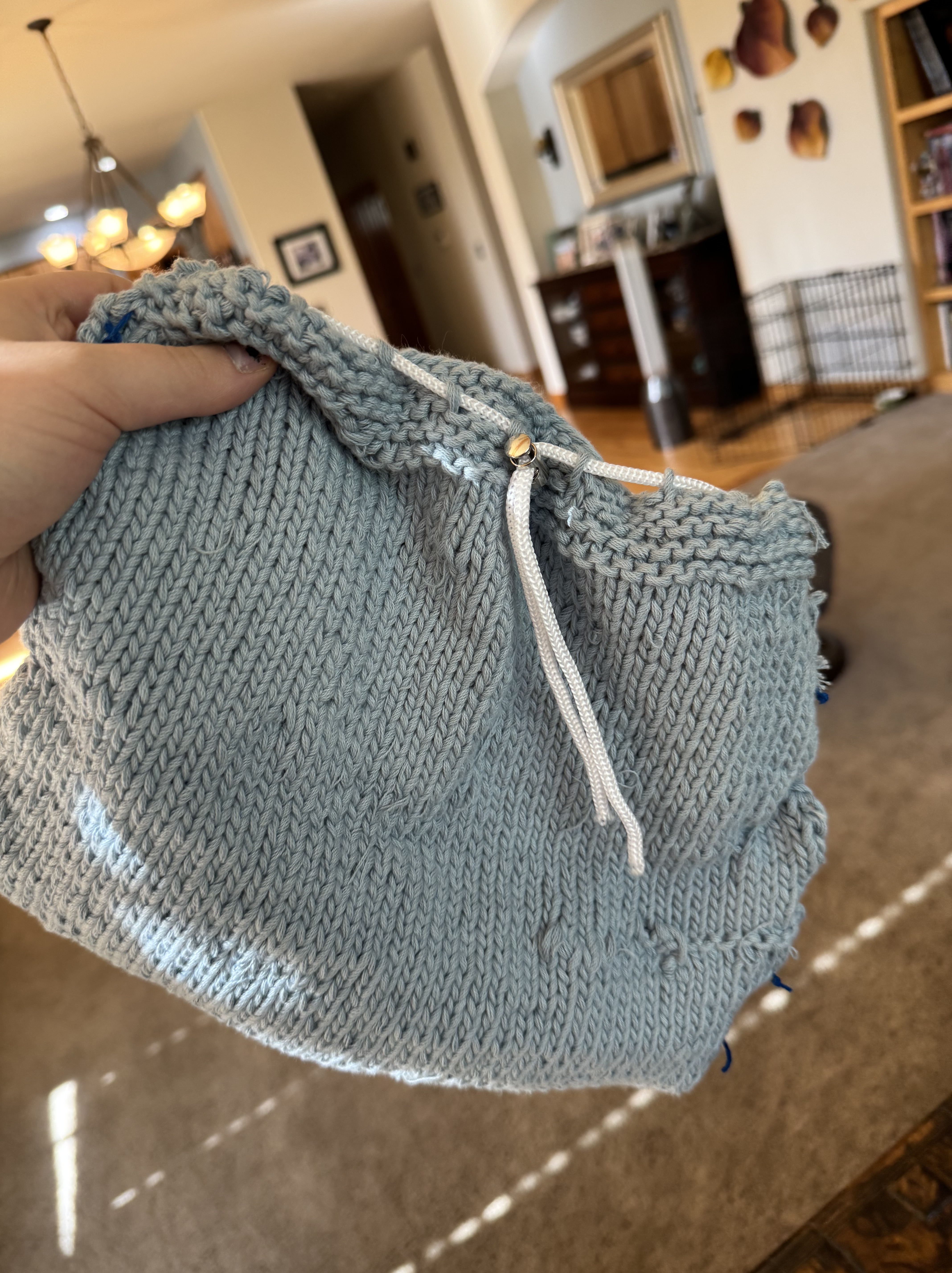
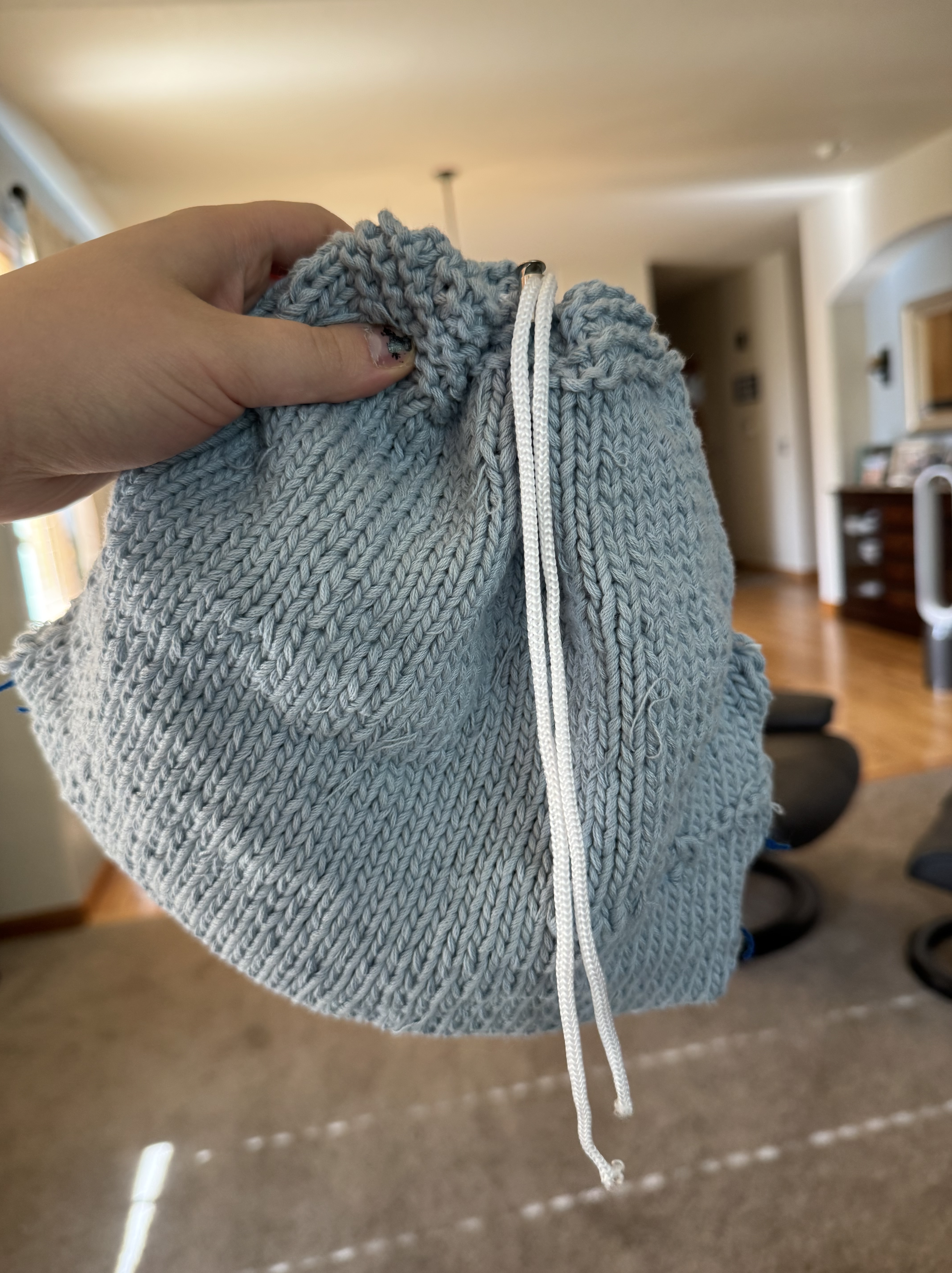
My magnum opus. Obviously. I’m now keeping a paused knitting project in it, so I hope it’s not one of those “gingerbread man living in a gingerbread house completely oblivious to the fact that he lives in a house of his own flesh” situation. I try not to think about it.

MAY READING WRAP-UP:

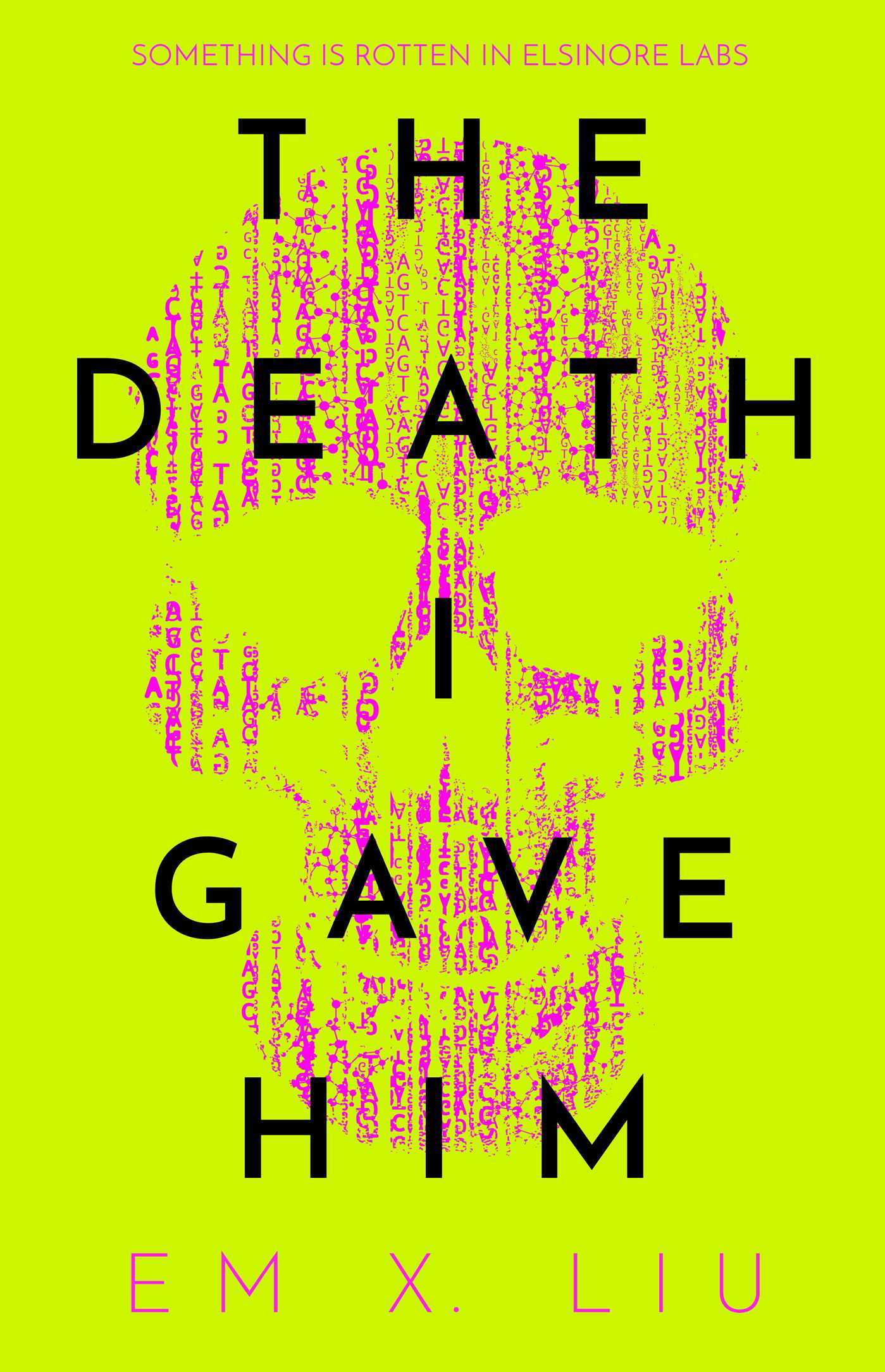
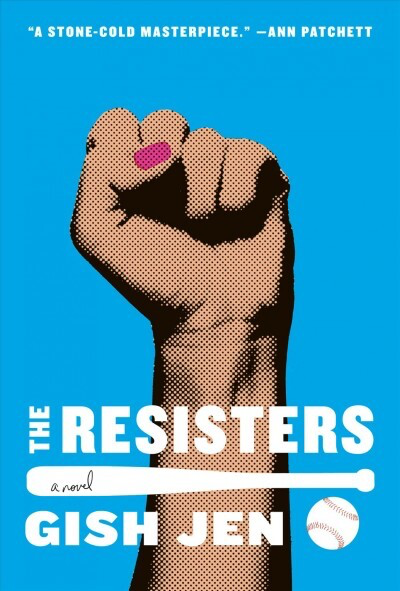
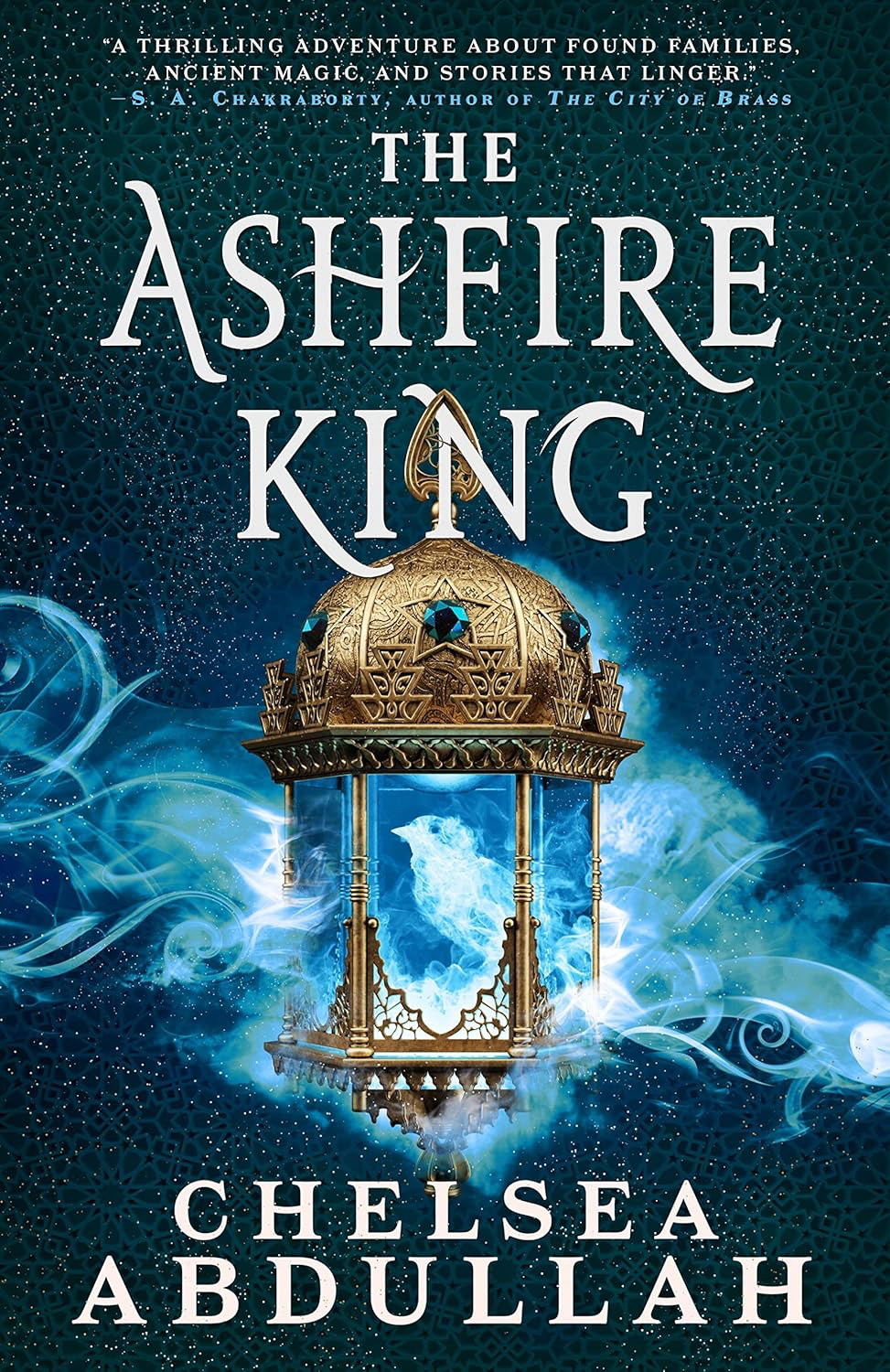
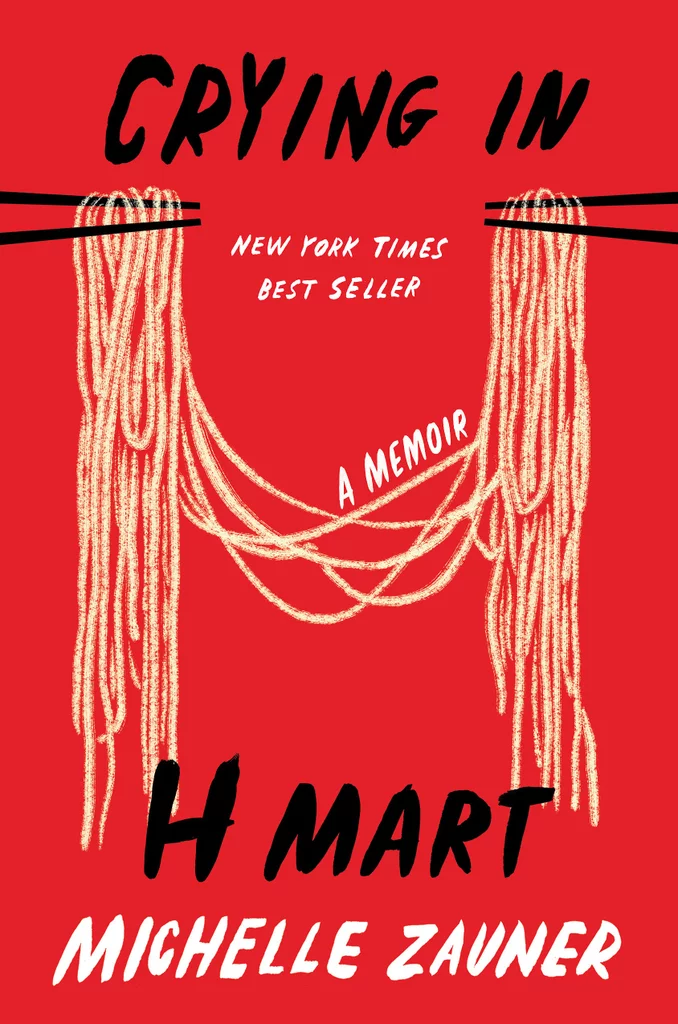
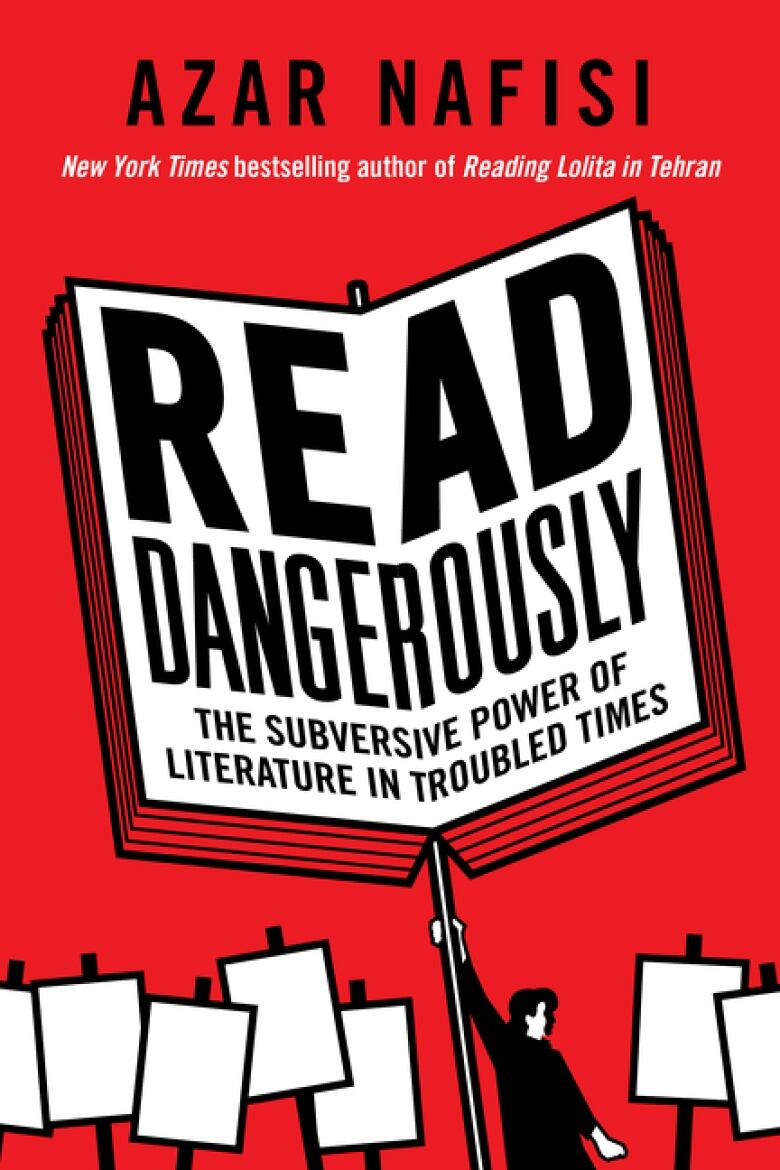
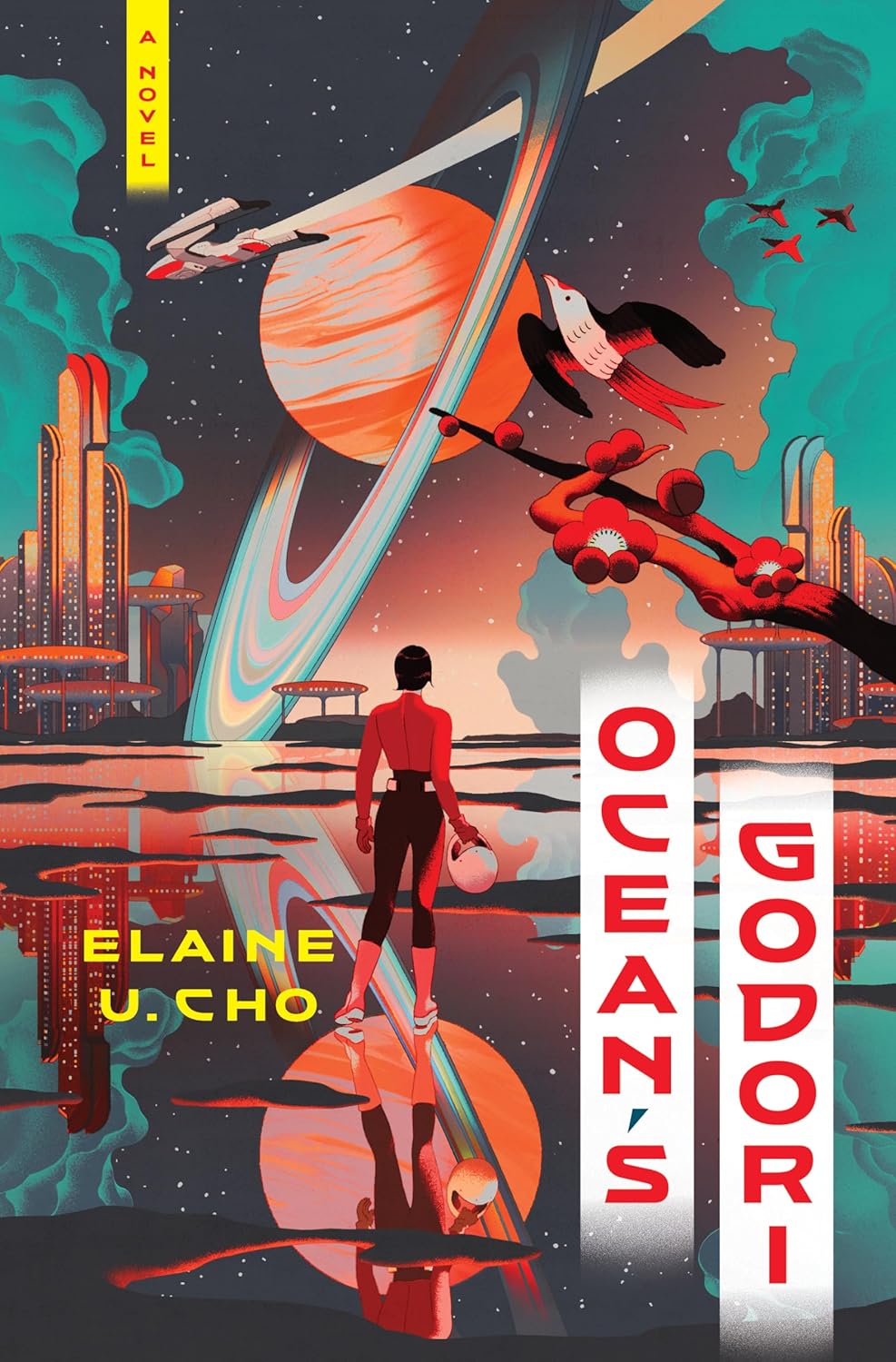
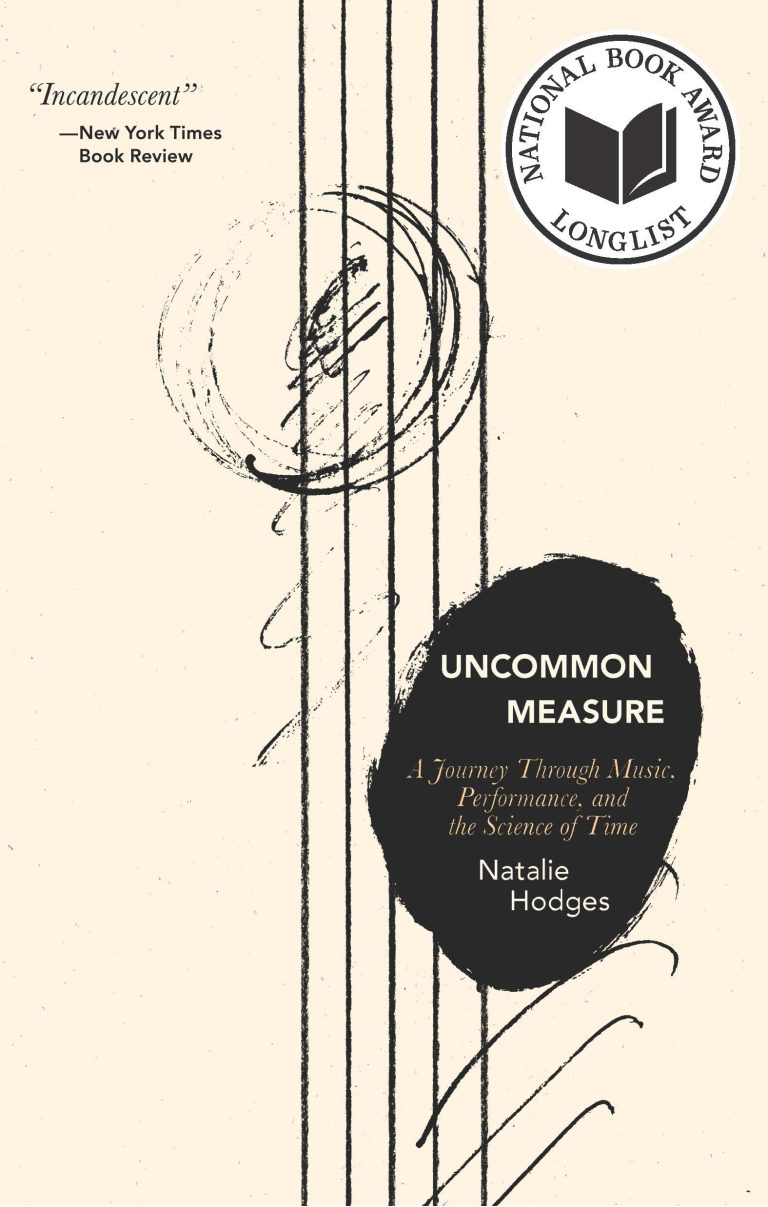
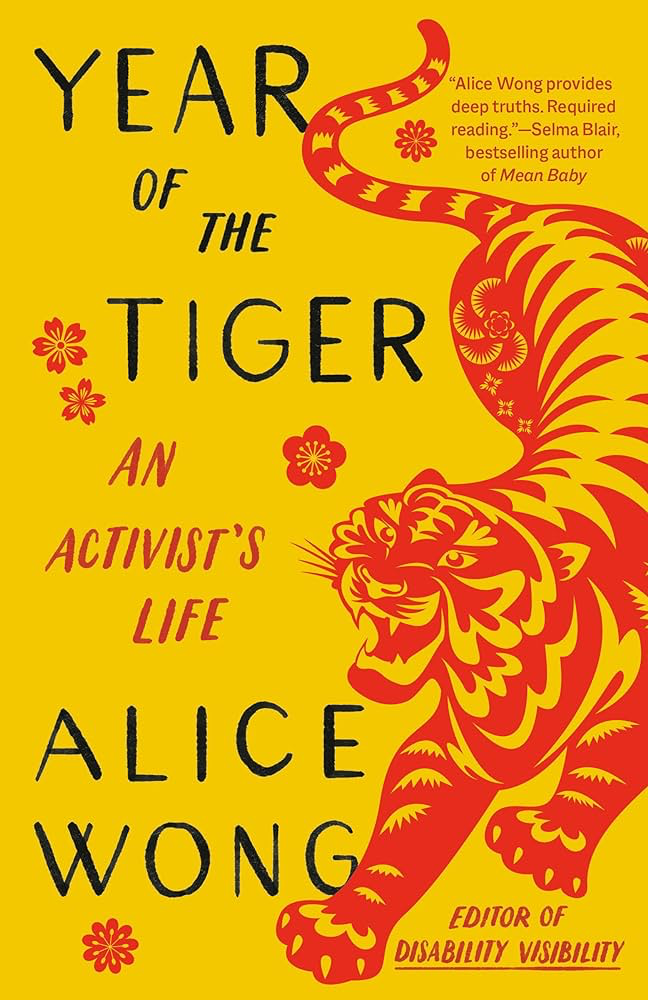
I read 13 books this month! In an absolute whiplash of ratings, I had two DNFs and two 5-star reads this month, but between them, there were some great reads. Surprisingly, the nonfiction books (both of which had red covers, coincidentally) were the stars this month!

1 – 1.75 stars:
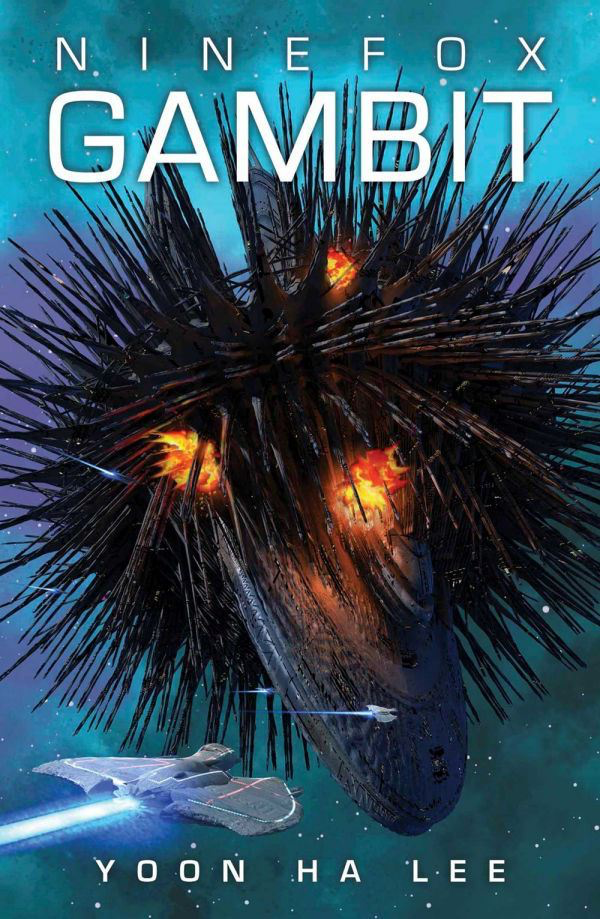
Ninefox Gambit

2 – 2.75 stars:

The Death I Gave Him

3 – 3.75 stars:

The Resisters

4 – 4.75 stars:

The Ashfire King

5 stars:

Crying in H Mart

FAVORITE BOOK OF THE MONTH: Read Dangerously: The Subversive Power of Literature in Troubled Times5 stars

Read Dangerously: The Subversive Power of Literature in Troubled Times

REVIEWS:

SUNDAY SONGS:

BONUS:

JUNE READING WRAP-UP:

I read 16 books this month! Even with my part-time job, summer has given me more time to read, which is always welcome. Although there were some misses in the mix, I had a great bunch of (mostly) queer reads for pride month, both from familiar and new authors!

1 – 1.75 stars:
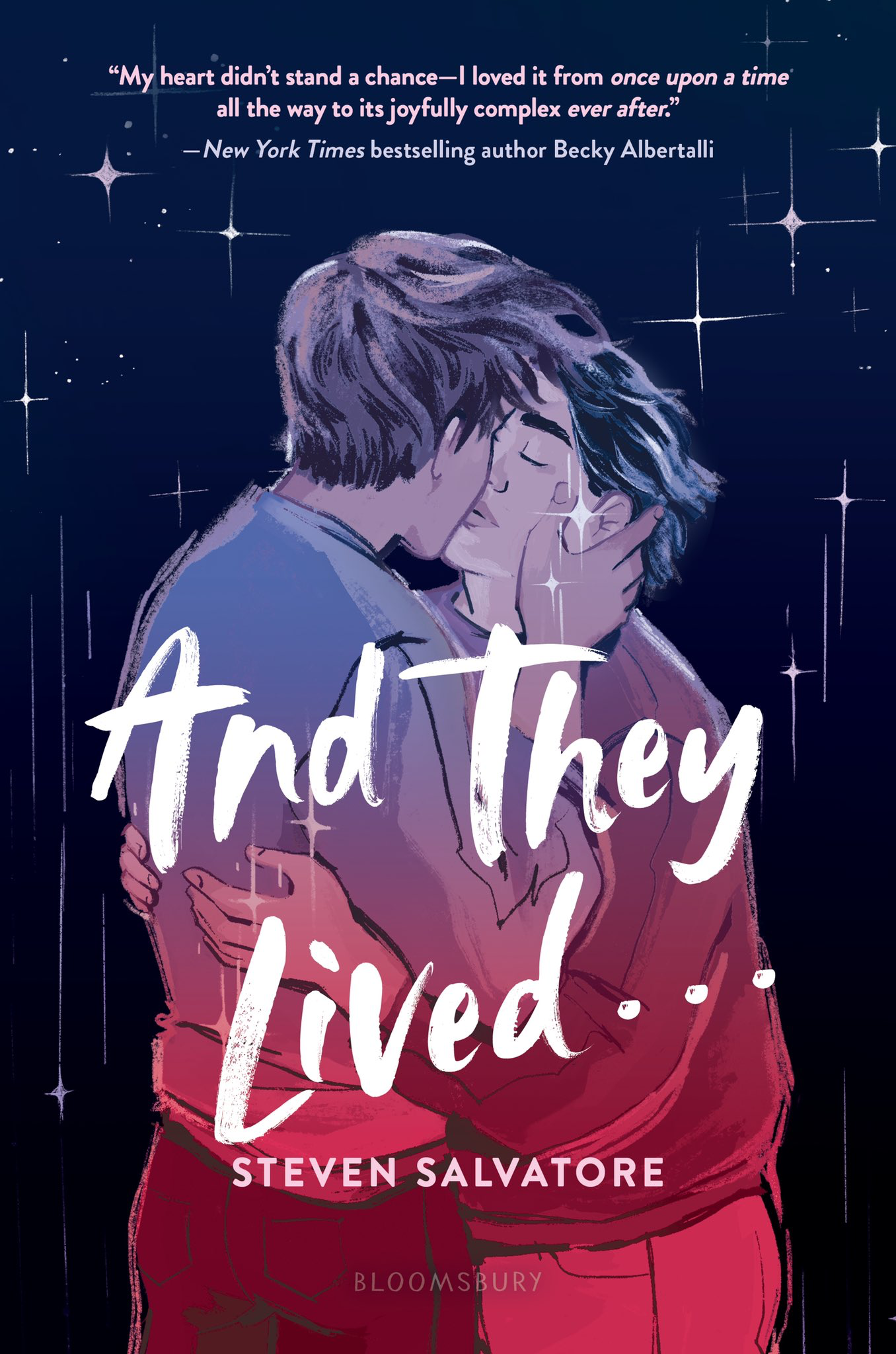
And They Lived…

2 – 2.75 stars:

3 – 3.75 stars:

The Library of Broken Worlds

4 – 4.75 stars:

Monk and Robot

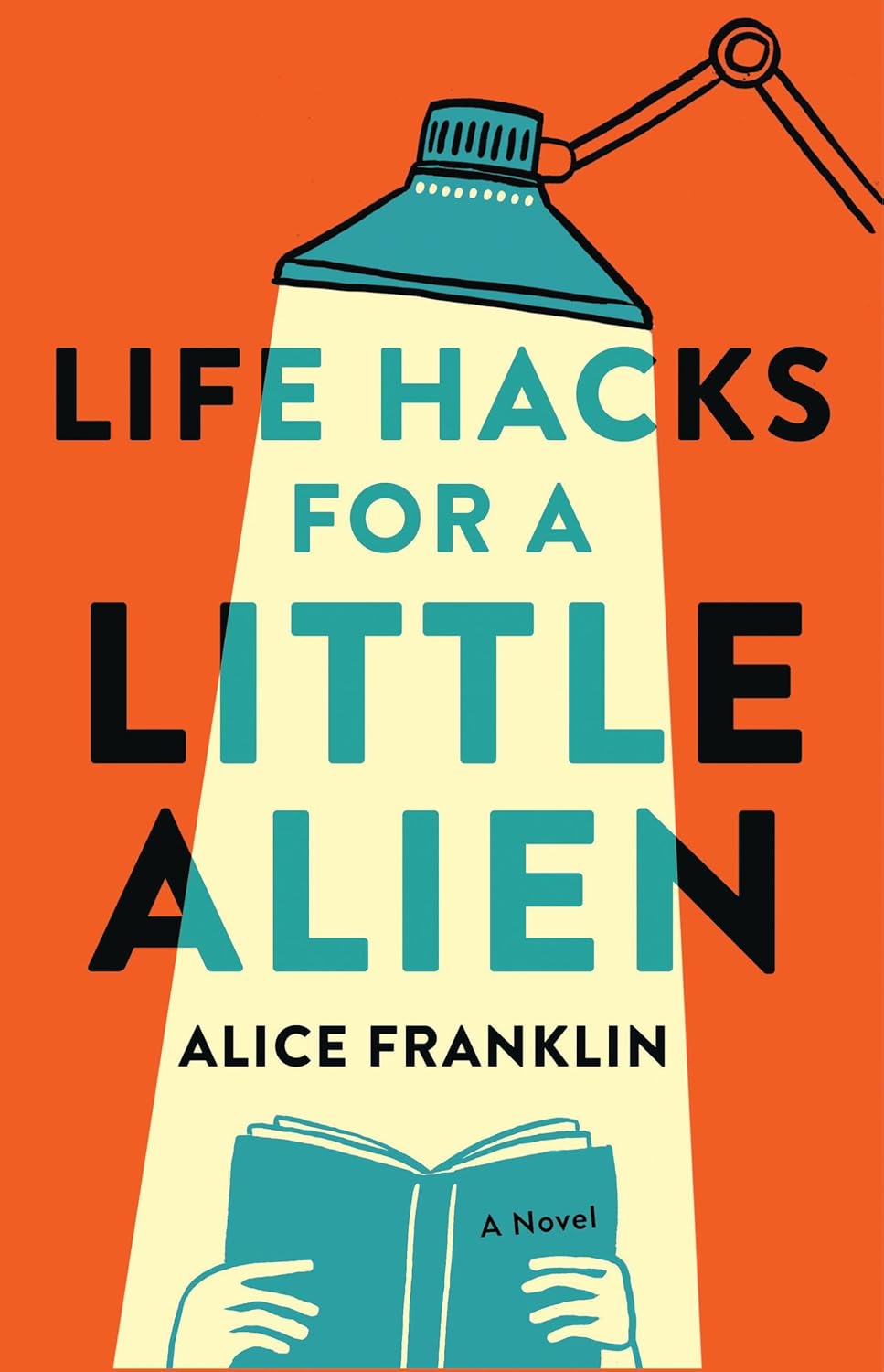
FAVORITE BOOK OF THE MONTH: Life Hacks for a Little Alien4.5 stars

Life Hacks for a Little Alien

REVIEWS:

SUNDAY SONGS:

BONUS:

Today’s song:

That’s it for this month in blogging! Have a wonderful rest of your day, and take care of yourselves!

Posted in Book Review Tuesday

Book Review Tuesday (5/20/25) – Rebel Skies

Happy Tuesday, bibliophiles!

Update: I do have something nice to say, so I’ll say something. Beyond the heinous Studio Ghibli AI trend (and if anybody here thought that was “cute,” even when the White House twitter did it, get thee away from this blog), people tend to narrow Studio Ghibli down to a very shallow, cutesy aesthetic that discounts the heart of Hayao Miyazaki’s incredible visions. Rebel Skies was one of the few pieces of media inspired by Miyazaki that clearly gets him—rich worldbuilding with whimsy and darkness in equal measure. Yet even if you take that comparison away, Rebel Skies is a YA book to be reckoned with, full of heart, spirit, and skyships.

Enjoy this week’s review!

Rebel Skies (Rebel Skies, #1) – Ann Sei Lin

In the Sky Cities, no one is more revered—and feared—more than Crafters: those who possess the power to draw magic from paper and make creatures come to life. Kurara, a young servant aboard a flying ship, has barely honed her powers, only using them for party tricks. But when her best friend, Haru, is revealed to be a Shinigami—a creature made of paper—and grievously injured, Kurara flees to a skyship in order to find answers. There, she hones her Crafting with Himura, an ornery Crafter with secrets of her own. As she gets to know the motley crew of her ship, Kurara discovers that Haru’s identity isn’t the only secret that’s been kept from her—and that there are enough to bring down the Empire.

TW/CW: fire, animal death, torture, death, descriptions of injury

Ann Sei Lin seems to know as well as anyone that we need a bit more whimsy in YA fantasy. The edgelord stuff has gotten boring. It’s fantasy, come on now! I get that if magic was the norm, people might not be impressed by it, but there has to be some wonder in your life, right?

First off, the worldbuilding was tons of fun! Though the Studio Ghibli-inspired elements are plentiful, if I had to summarize the world of Rebel Skies, it wouldn’t be with that. If anything, it’s more of a steampunk version of Kubo and the Two Strings. You’ve got Nausicaä-esque airships and floating cities (which both felt very Philip Reeve as well) combined with paper-based magic, and all of the possibilities you can think of along with it—paper animals, paper people, and monstrous paper beasts. (Oh, and the paper animals can talk. Gotta toss some talking animals in there.) I’m not usually one for steampunk, but this isn’t your garden-variety “slap gears and tiny hats on everything in Victorian England and call it a day” steampunk—not only is the world inspired by Asian cultures (mainly Japan), the blend of magic and machinery married easily, and often whimsically. Though the colors I imagined trended towards rusty and earth-toned, Lin couldn’t have made her world more vibrant—and multilayered; not only were there base-level divisions between the people who lived on the ground and the people who lived in the sky, there were all sorts of customs, stereotypes, and quirks that were given to each, which in turn influenced how all the mismatched patchwork of characters interacted with each other.

For me, it doesn’t get much better than the worldbuilding informing the themes of the book. Not only did I love all of the intricacies of the paper magic in Rebel Skies, I love how Lin used it to explore the theme of autonomy, and especially the lack of it. Kurara herself has been ordered around as a servant, and she sees the same thing being done to the magical beings around her; she sees how Himura treats Akane, his shikigami fox, and questions whether or not he’s really so content to devote his entire existence to serving Himura. Add that to the visceral trauma of discovering that her best friend is made of paper and has been seemingly puppeteered from afar, and the reigning empire is performing cruel experiments on its shikigami, and Kurara’s ultimate motive to both her personal journey and her journey to wrong the rights of her world lies in autonomy, and having a reciprocal, ethical relationship to her magic. It’s an excellent metaphor and an excellent addition of nuance to the worldbuilding—if the world relies on unbalanced relationships, how can I shift them so as not to do to others what others have done to me?

You all know by now how much of a sucker I am for a good found family story, and while Rebel Skies didn’t completely fulfill that promise, I love the group dynamic between all of the characters. Even though the subplot of Sayo and Kurara warming up to each other felt a bit rote, I liked the progression that their characters had. Kurara and the rest of the pirates were lots of fun, and they gave the skyship a lively, lived-in feel. I’m also a sucker for the trope of older, gruff characters taking excitable younger characters under their wing; Himura was a solid addition to the canon, but I feel like he’s hiding too much to truly be a mentor to Kurara. I’m interested to see where it goes in Rebel Fire, but my gut says that it’s going to be some kind of subversion. We’ll see. Either way, Rebel Skies’ motley crew lived up to its description, making the setting all the more lively and adventurous.

As someone who read voraciously in my childhood and longed for some kind of bridge between middle grade and the too-broad age range of YA (12 to 18 is so arbitrary and baffling, you’ll not hear the end of it from me), Rebel Skies automatically won me over. It’s categorized as YA, but it feels right in the middle of MG whimsy and adventure and more YA stakes and themes. Kurara, even as a teenager, has a childlike sense of wonder, and although some of her interactions came off as slightly more childish than her age, it hits a charming balance of innocence and discovery that feels like the ideal bridge between the age jump between the two categories. As a longtime YA reader, it hits a natural sweet spot, but in its balance of darker, more YA elements with the same kind of voice as older MG, Lin has written a book that could serve as both a younger YA reader’s introduction to the genre and an easy pleaser for the YA reader.

That being said, the one major flaw in Rebel Skies is that I didn’t see why Himura’s POV was necessary. He was a solid character, but this novel was clearly Kurara’s story. I enjoyed hearing his voice and Lin wrote it well, but I don’t think his input to the story served a purpose other than giving his side of events…that we’d already been shown through Kurara’s POV. We get that Kurara’s been slow in her training, and then Himura repeats it as such. We do get plot information that we wouldn’t have otherwise gotten from Kurara, but if that’s the only reason that Himura gets his own chapters, then what’s the point? There could be multiple interesting ways for Kurara to get this information that could deepen or complicate the relationship she has with Himura—she could overhear a conversation or sneak a look at some of his documents, for instance, and he could catch her in the act, adding more conflict to the plot. Again, he was a perfectly fine character, but aside from the interludes, Rebel Skies wasn’t meant to be a dual-POV novel. It’s the Kurara show, c’mon!

Overall, a memorable fantasy book with lush worldbuilding, a lively cast of characters, and a unique voice that balances middle grade adventurousness with the more matured nuance of YA. 4 stars!

Rebel Skies is the first book in the Rebel Skies trilogy, followed by Rebel Fire and Rebel Dawn. Rebel Skies is Ann Sei Lin’s debut novel.

Today’s song:

I’m totally new to BCNR, but I saw them open for St. Vincent the other night, and they were great performers!! this was probably my favorite of theirs.

That’s it for this week’s Book Review Tuesday! Have a wonderful rest of your day, and take care of yourselves!

Posted in Book Review Tuesday

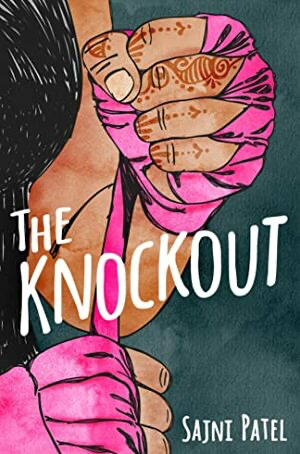
Book Review Tuesday (5/13/25) – The Knockout

Happy Tuesday, bibliophiles!

I always feel bad whenever I come back after period of hibernation only to come back with a negative review. I just have to get it all out sometimes! I’ll probably have something nice to say by next week.

Say it with me, kids: just because a book has diverse representation doesn’t erase the flaws in its writing! Sadly, The Knockout was not the one-two punch that the title promised: it tried to hard to sound hip and teenager-y, and nosedived spectacularly.

Enjoy this week’s review!

The Knockout – S.A. Patel

Kareena Thakkar knows her power. She’s been building up her skills in Muay Thai, and she’s good enough to qualify for the US Muay Thai Open—an event that could take her to the Olympics if she wins. But even though it’s where her passion lies, Kareena is divided between her Muay Thai world, her peers’ desires for her to be traditionally feminine and act the way a good Indian girl should. With her ill father and the Olympics on the line—as well as a cute boy, Kareena must decide which world she’d rather stay in—or if she needs to divide those worlds after all.

TW/CW: bullying, terminal illness, misogyny, medical content

Look. I read YA frequently, knowing that it’s a market of books about teenagers mostly written by adults. Even by that standard, I haven’t read a book so deeply how do you do, fellow kids? as The Knockout in some time. I wanted to badly to root for Kareena, but her insufferable voice—and by extension, Patel’s writing—made it a real ordeal.

Kareena’s voice was the most glaring issue that The Knockout had. Firstly, she didn’t sound or act like a 17-year-old. If anything, between her language and her maturity, she sounded closer to 13 or 14. The kind of stiff, teen movie comebacks she doled out to her bullies were nowhere near the kind of experience a person would have at 17—especially someone who had been through as many struggles as her. In my experience, what you need to do when writing teenagers (or any character who’s younger than you) is to emphasize how you (or your peers) remember feeling—what you’d prioritize, what was important to you, how you would react to situations, etc. Writing like a teenager is about the emotion, because there are a lot of them running around your brain at that age. Sure, it’s hard to nail the voice, and granted, I don’t have the age distance from Kareena that Patel has. But there’s lots of easy ways to not do it, and some of those are a) extensively leaning on what you think is “hip” slang, and b) automatically skewing the character’s voices as young as possible within the teenage range. Between the unnecessary censorship of cursing here and there and her childish outbursts, Kareena was not believably 17. Additionally, Patel’s insistence at integrating what she thought to be “current” Gen Z slang was painfully bad. If anything, it dated The Knockout leagues more than making it relevant. It’s not the teenage experience, but instead the teenage movie experience, simply parroting what adults think teenagers sound like. It positions itself as current and relatable while never encapsulating what it was like to be a teenager, making what should’ve been the heart of the novel hollow.

As with Kareena’s supposed 17 years of age, I was never convinced of the stakes in The Knockout. When Patel established how good Kareena was at Muay Thai, all it did was make Kareena feel unnecessarily overpowered. I normally only say that about fantasy or sci-fi novels, but she was just too good to the point that every fight she did seemed to be a fleeting moment of struggle before she absolutely pummels her opponent. This continued throughout the duration of the novel. Even though Kareena had the Olympics on the line, I never once got the sense that this was hard for her. Her training seemed to be the only time she struggled—other than that, she just flew through the US Muay Thai open without a problem. If she actually experienced tangible setbacks within her practice or the Muay Thai open, I would’ve been more motivated to root for her. Yet everything seemed to be handed to her on a platter, making the stakes feel almost nonexistent. I knew from the start that Kareena would get everything that she wanted, and while I appreciate the value of having diverse characters succeeding in their narratives, it made for a book with no stakes.

Bullying is a major plot point in The Knockout, but I don’t think that Patel succeeded in making all of it completely believable. As far as Kareena getting bullied by her other Indian-American peers for not being “Indian” enough went, that was one of the few parts of the book that was successful; unlike the main plot, it gave Kareena’s struggles some tangible weight. However, I wasn’t fully convinced that her doing Muay Thai was something so outrageous that she thinks that she’ll be bullied by the whole school for it. I get that it’s not a traditionally feminine sport, but with the way that Kareena talked about Muay Thai, you would think that she’s coming out of the closet. Even with the cliched interactions between Kareena and her peers, I just couldn’t imagine her being bullied for it, and not just because if someone were to slam her into a locker, teen movie-style, she’d slam right back. Kareena being a Muay Thai champion didn’t feel nearly as dirty as a secret as Patel lead us to believe, which made some of the novel’s more personal stakes less believable as well.

Additionally, I have mixed feelings about the romance between Kareena and Amit. It didn’t fully sidetrack the book for me, but I wasn’t fully invested either. I did like that Amit was instrumental in helping Kareena reconnect with parts of her Indian culture, but I don’t think he had much of a personality beyond what he did for Kareena. They seemed to have almost all the same interests, and Amit didn’t have anything to distinguish himself other than not doing Muay Thai. He was just a blank slate with similarities to Kareena baked in so that there could be some instant “chemistry” between the two of them. The only tension in the romance was when Kareena met his more traditional family, so the tension didn’t even lie with him—it was all outside factors that threatened the integrity of the relationship. The only differences I can really think of about Amit and Kareena is that he comes from a more traditional family and he’s…well, a different gender. That’s it. He wasn’t a person, he was just a boyfriend. I do think that this kind of story is good with a romantic subplot, especially considering that it’s YA realistic fiction, but like almost everything else in The Knockout, I could not get invested whatsoever.

That being said, I do have some positives for the book. I’ve seen a lot of books, especially YA ones, where the main character has to choose between their traditional culture and the more “appealing” American culture. The Knockout, by contrast, had Kareena be raised by two parents who weren’t connected to their culture in a conventional way—they were flexible with letting their daughter be who she wanted to be without sacrificing their Indian heritage in the process. Kareena was disconnected from her roots in some ways (which she begins to remedy in this novel), but both she and her parents emphasize that there’s no single way to be Indian. I can’t speak to any cultural accuracies, of course, but I loved this as a message for a YA book in this context—there’s no one way to be any identity, be it in terms of gender, ethnicity, race, or anything else. Paired with the expectations of femininity that society puts on Kareena, it’s a wonderful message. I also really liked that Kareena had a combination of multiple interests that weren’t traditionally feminine—in addition to Muay Thai, she’s also passionate about computer science. Sadly, all this was overshadowed by the flaws in most of the novel, but if you took all that away, at least The Knockout has something beneficial to say. I just wish it was said in a less cliched, more authentic way.

All in all, a book with a positive message if you soldiered through it, but was bogged down by childish dialogue writing and characters (even by YA standards) and a lack of all-around believability. 2 stars.

The Knockout is a standalone. She is also the author of several books for teens and adults, including Isha, Unscripted, The Design of Us, First Love, Take Two, The Trouble With Hating You, Sleepless in Dubai, My Sister’s Big Fat Indian Wedding, and the Venom series (A Drop of Venom and A Touch of Blood).

Today’s song:

That’s it for this week’s Book Review Tuesday! Have a wonderful rest of your day, and take care of yourselves!

Posted in Books

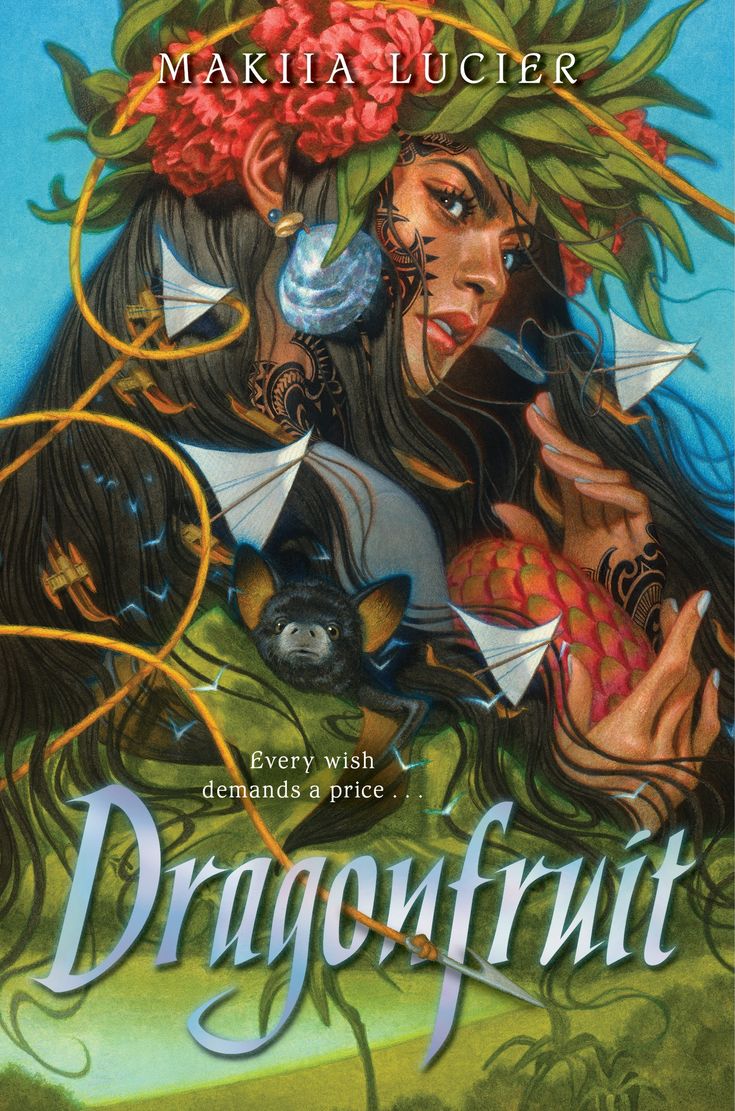
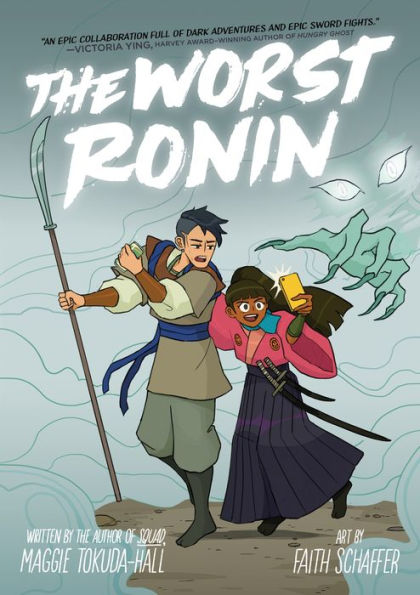
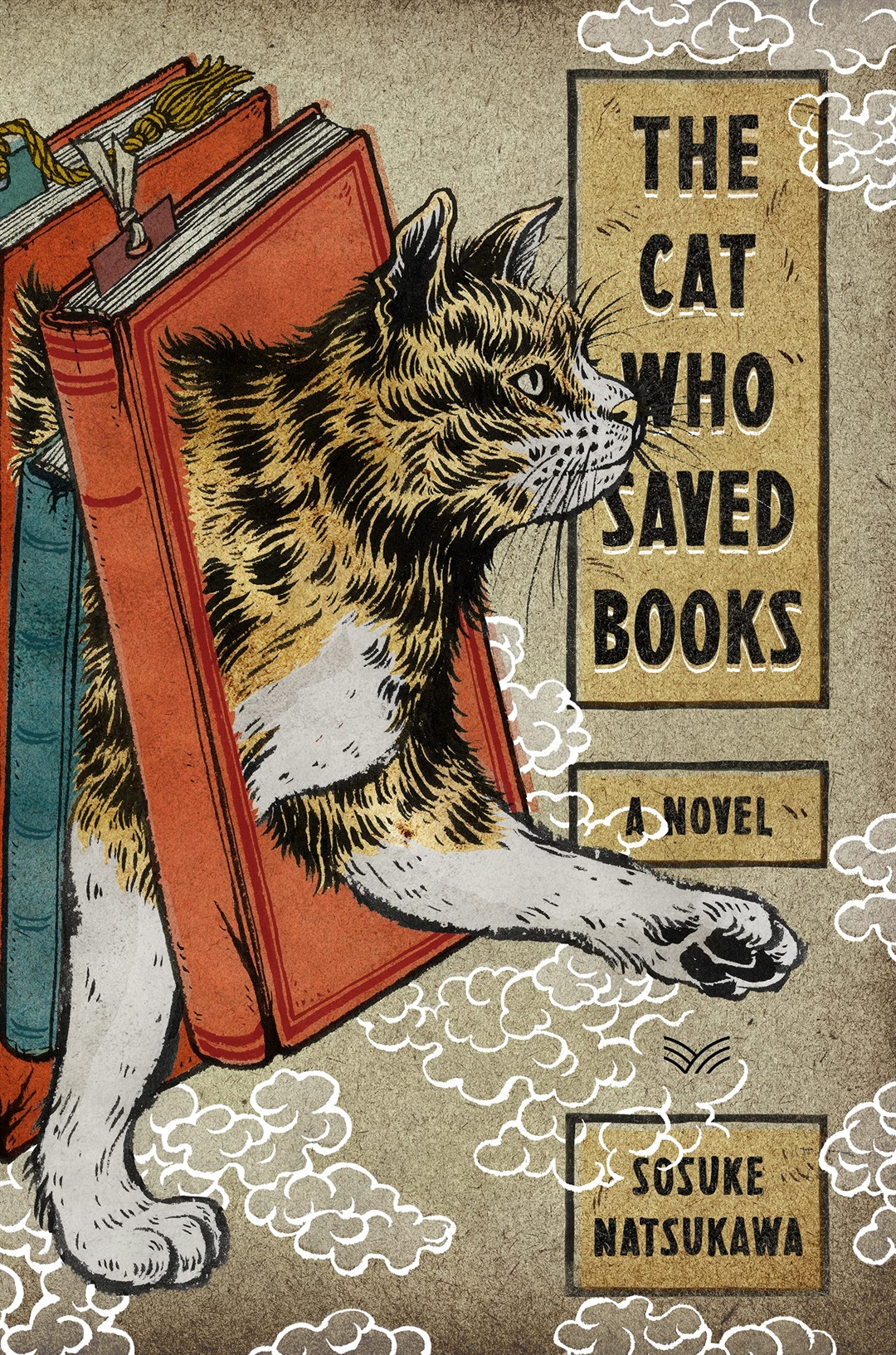
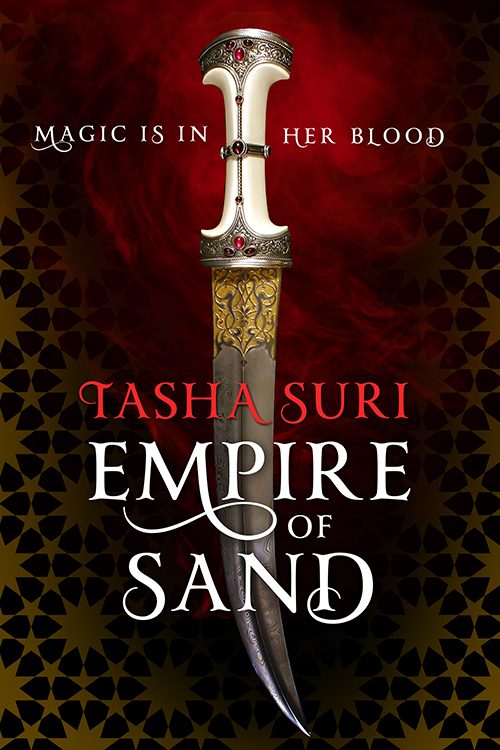
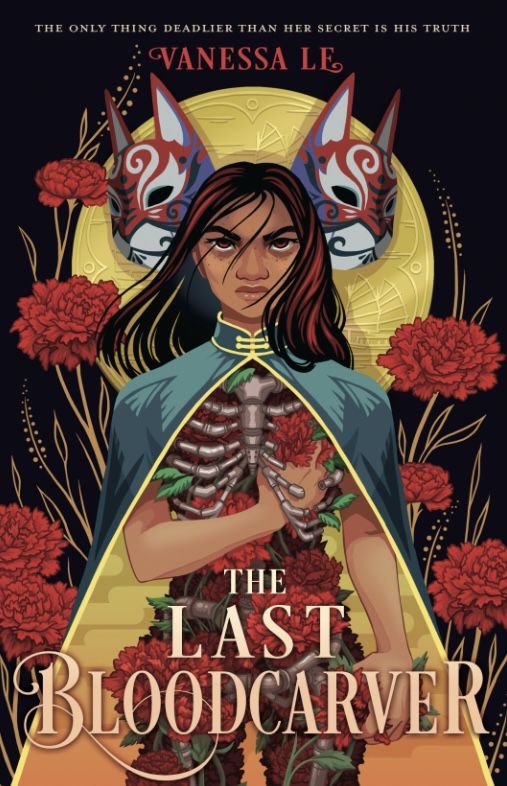
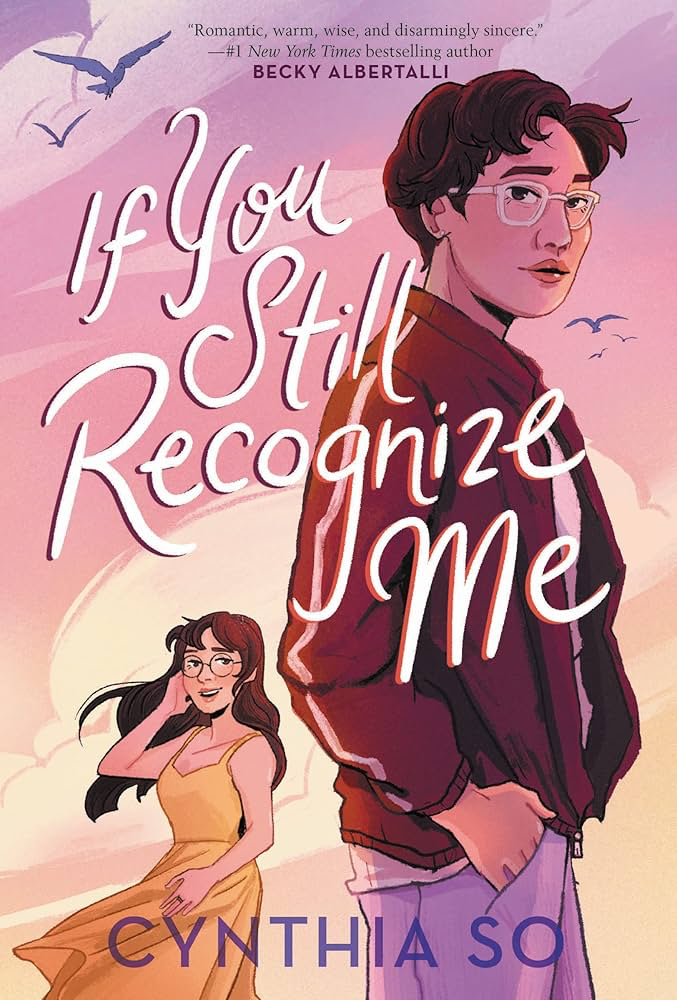
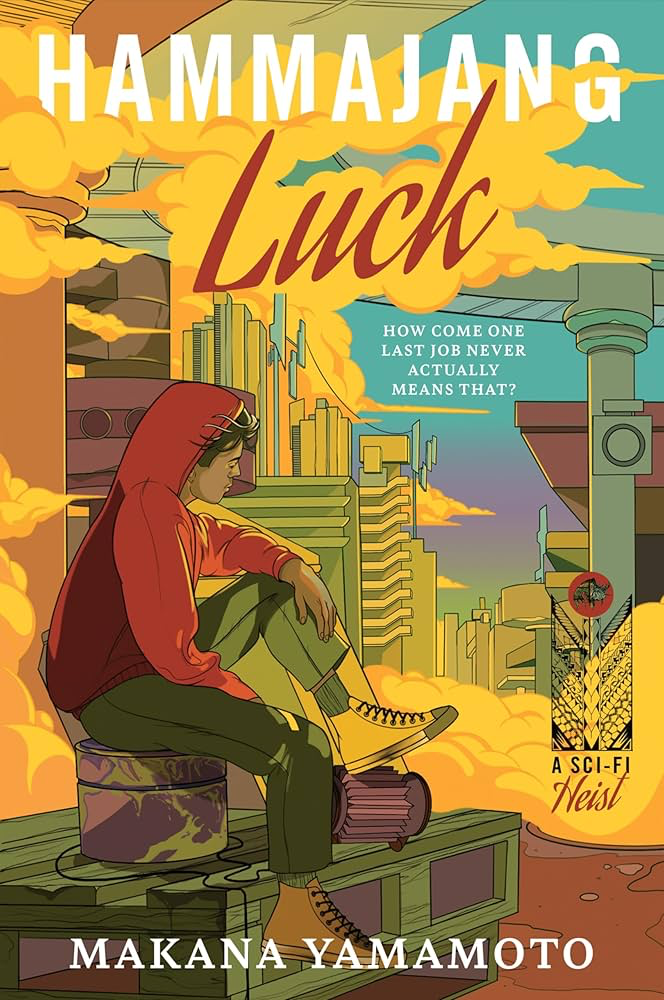
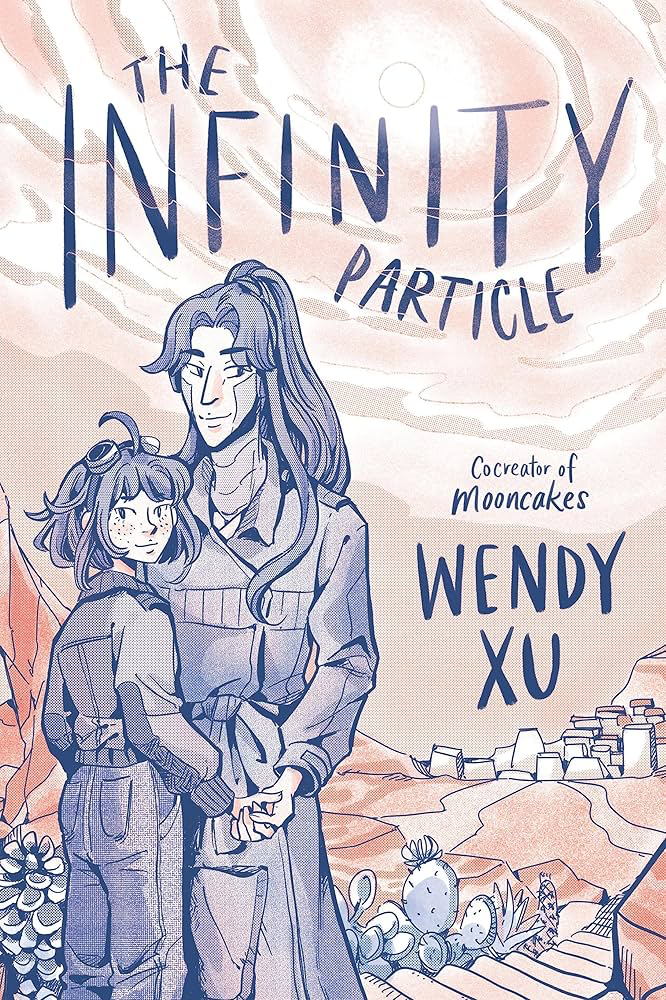
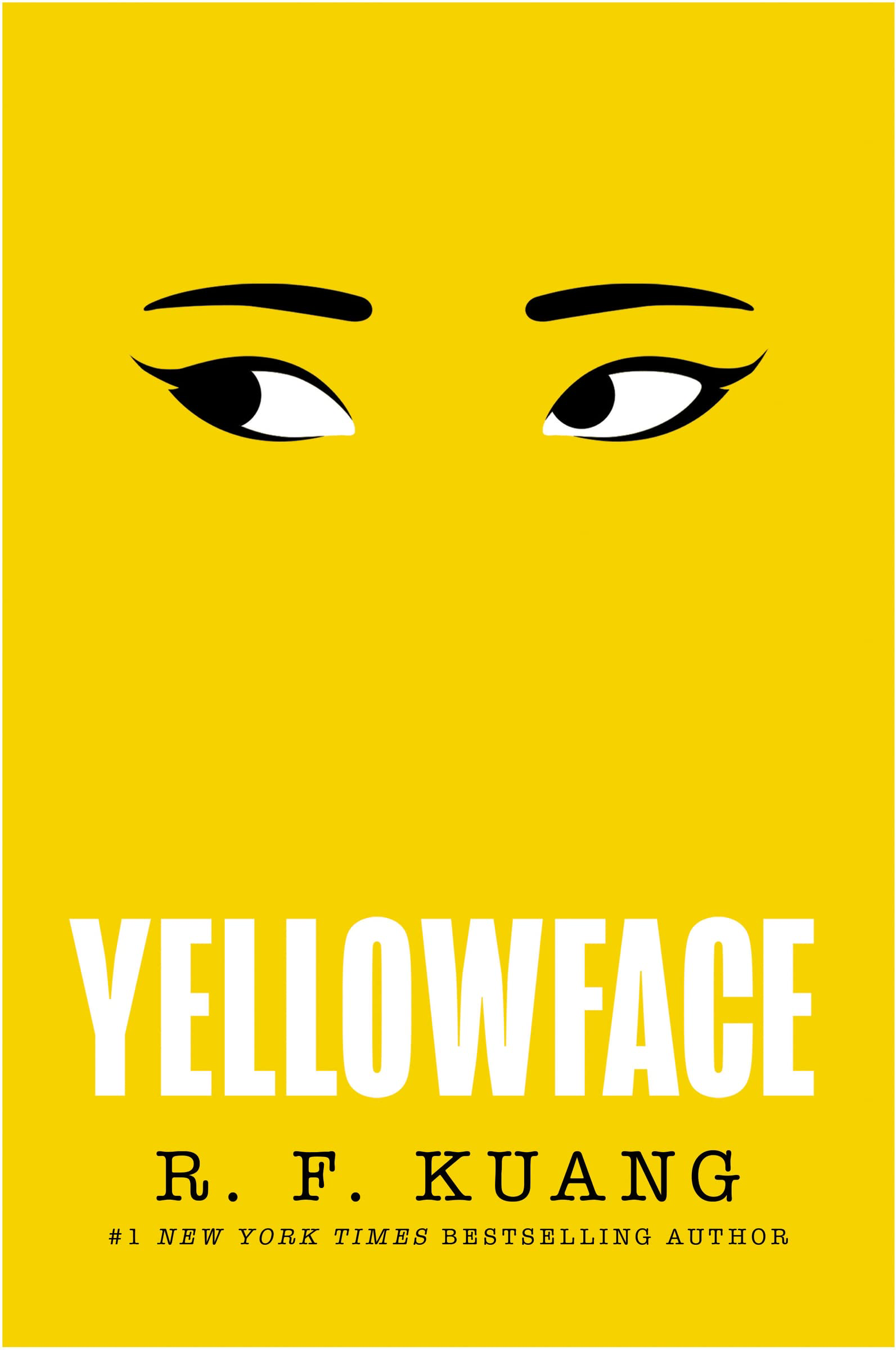
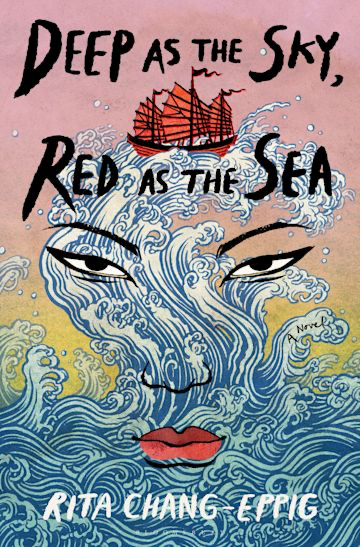
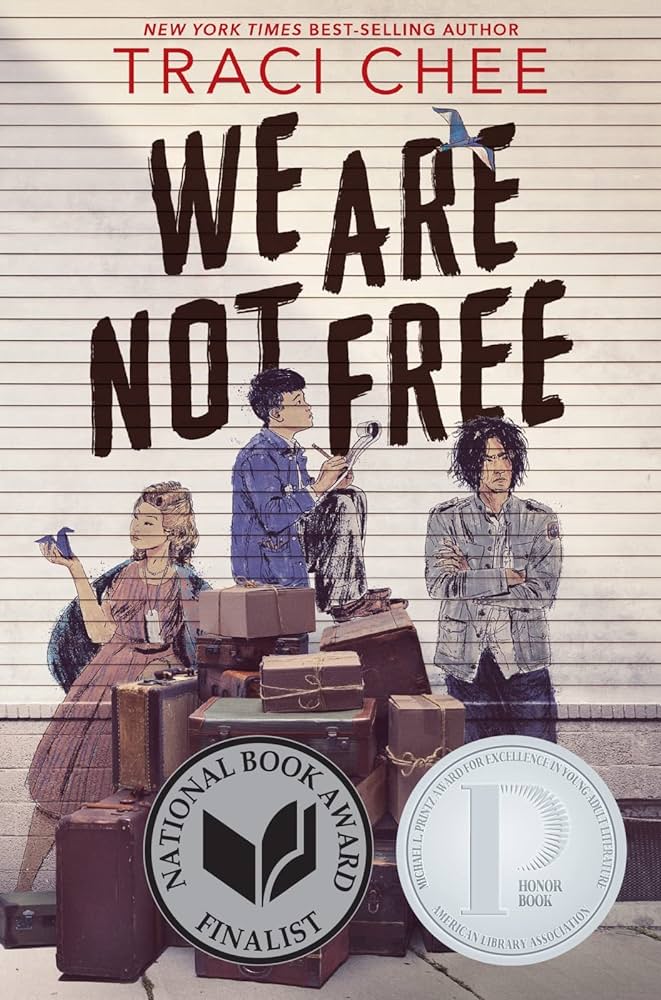
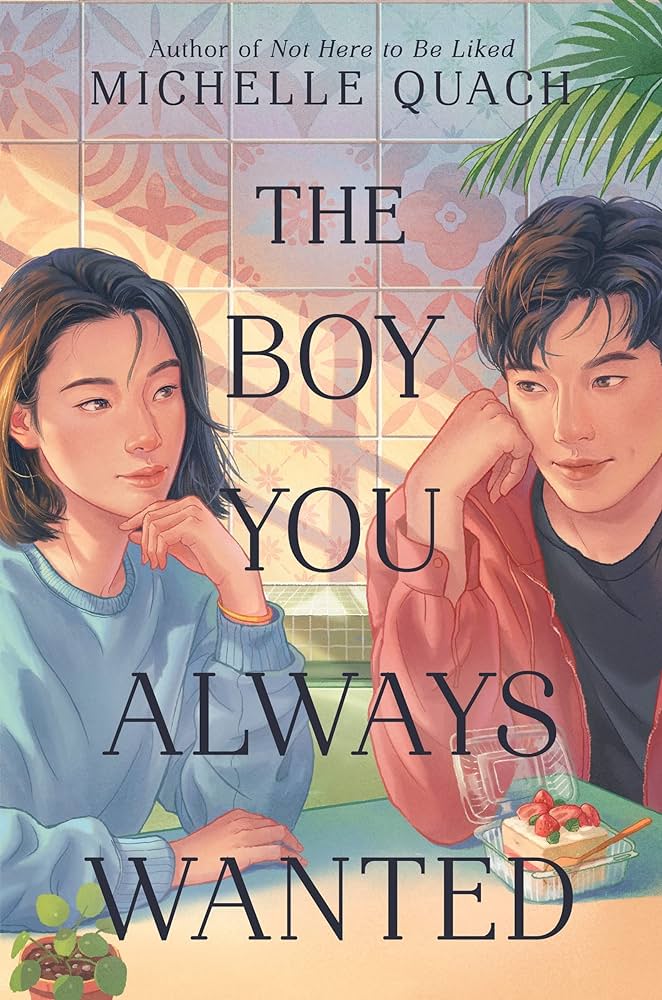
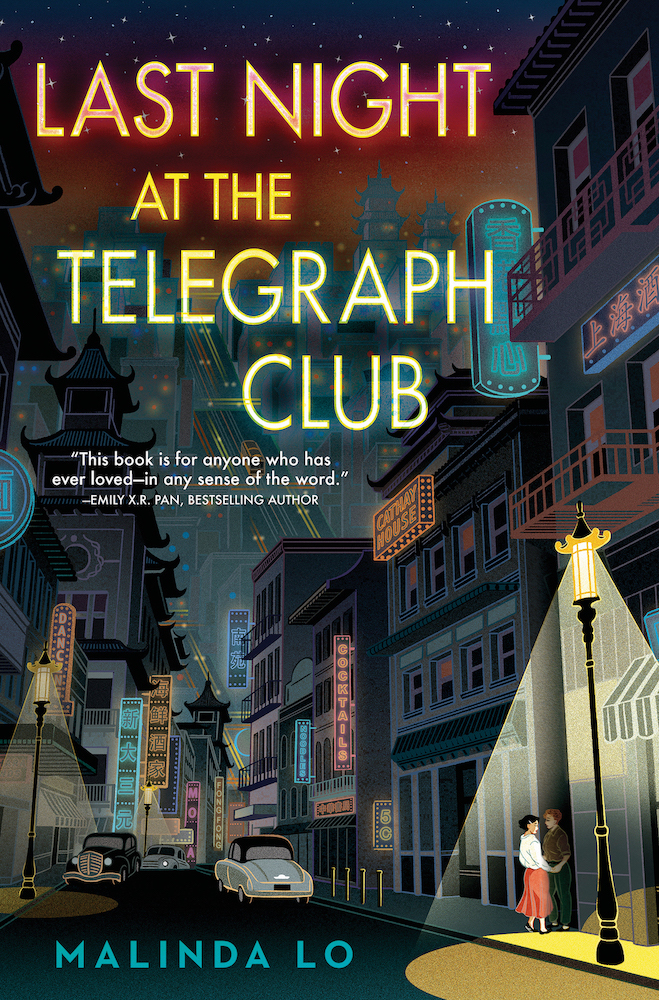
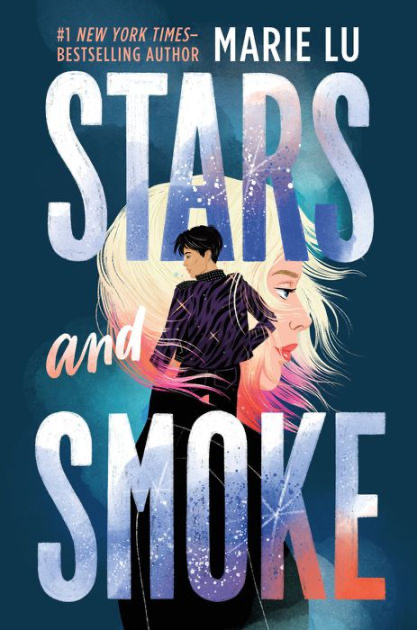
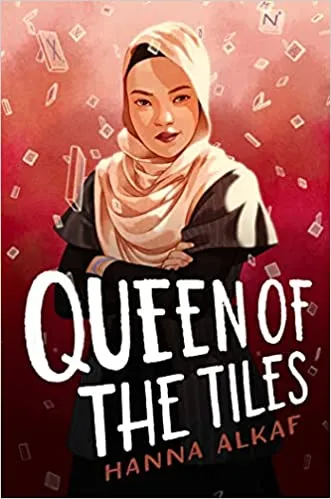
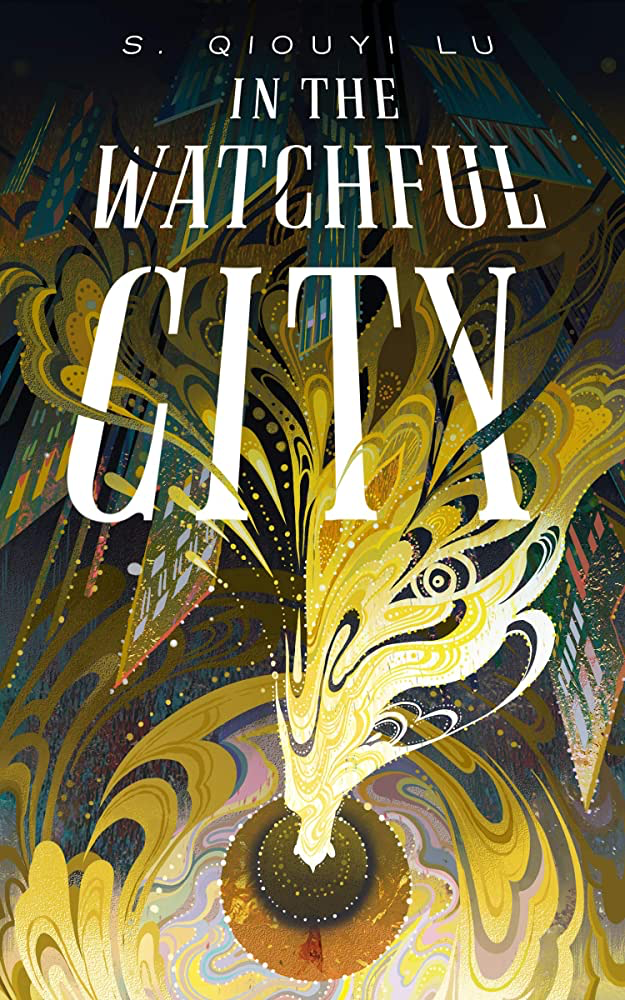
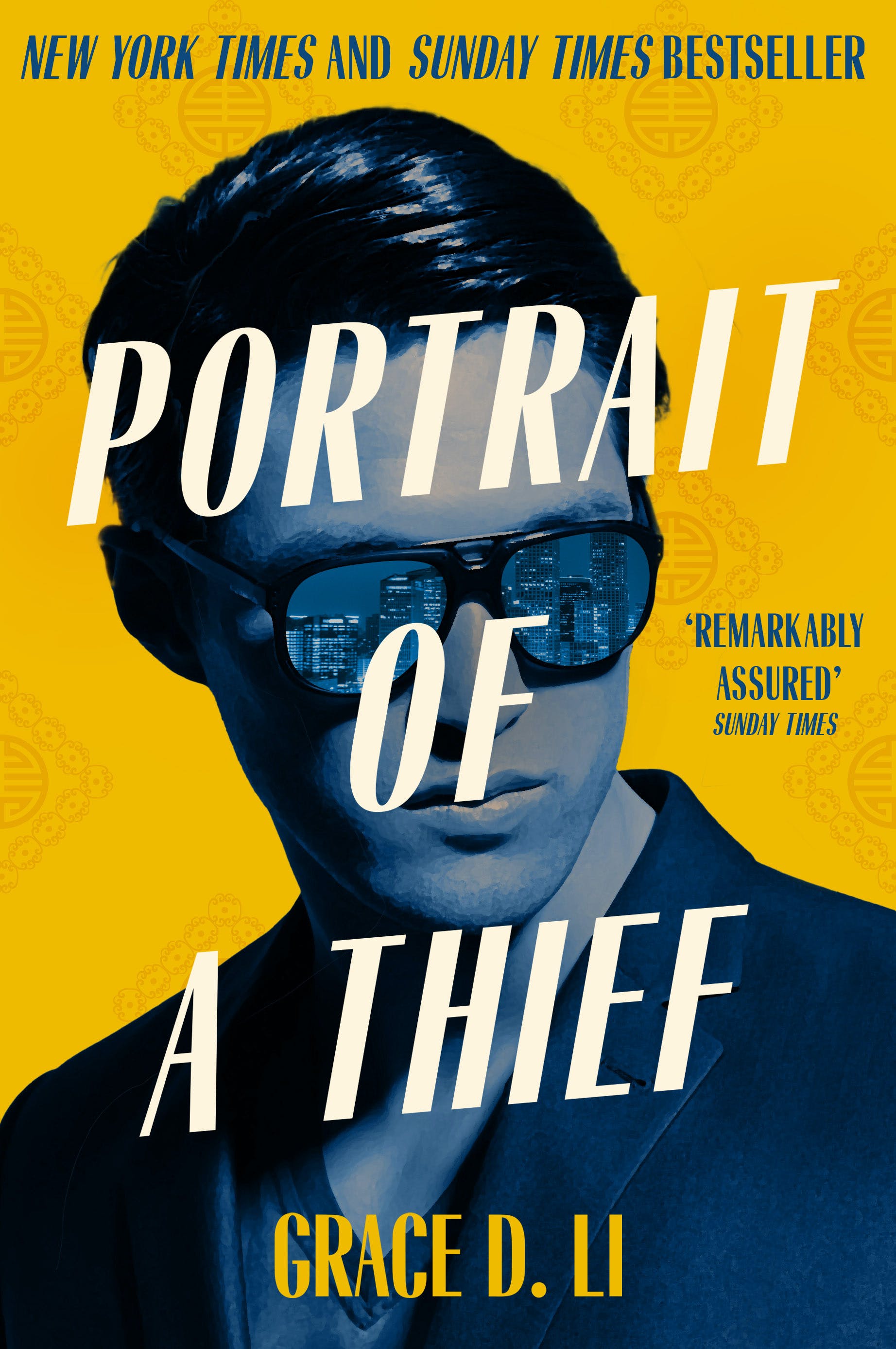
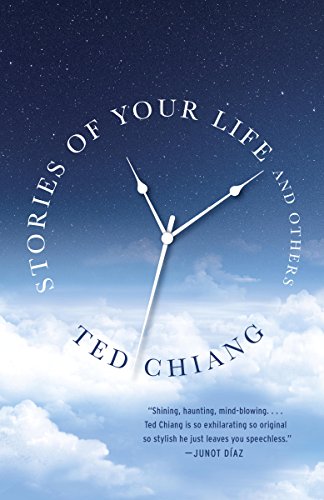
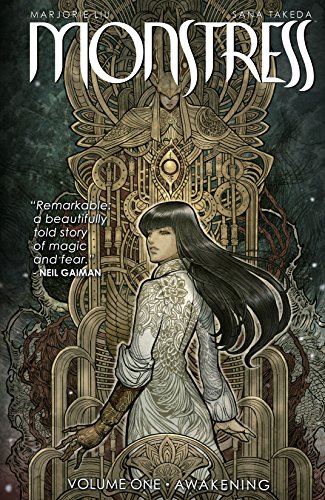
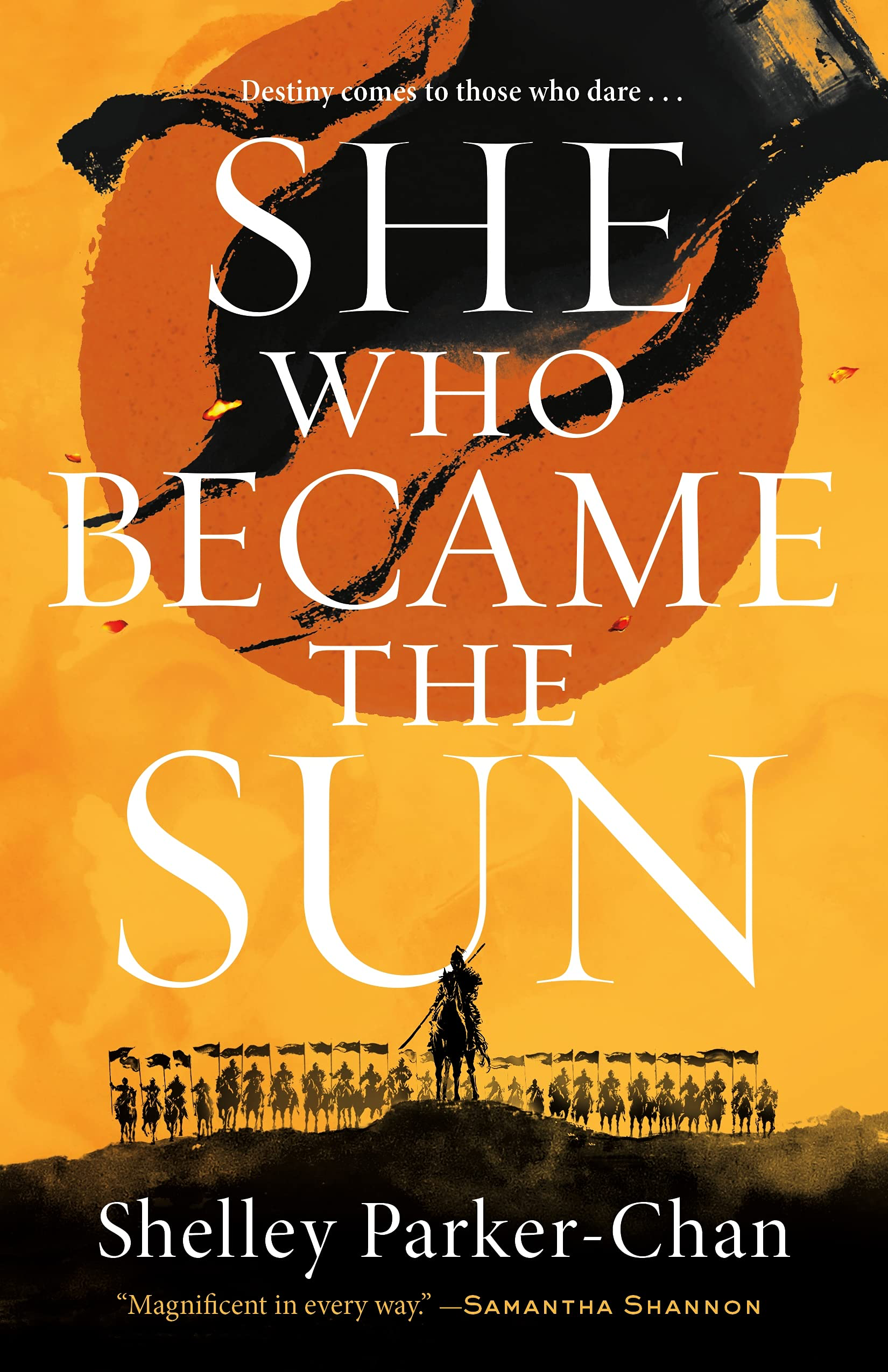
The Bookish Mutant’s Books for AAPI Heritage Month (2025 Edition)

Happy Monday, bibliophiles! I’m not fully back on schedule yet (still in the process of cleaning up my dorm), but I figured I would put out this post for the occasion.

Here in the U.S., May is Asian American and Pacific Islander Heritage Month! Among the many histories that America has been attempting to erase is that of the AAPI (Asian American and Pacific Islander) community, even though they are a critical part of our country’s history. We’re so quick to dismiss the discrimination of Chinese immigrant laborers in the late 1800’s, the Japanese internment camps, and the bigotry faced by South Asian Americans, whether or not they were Muslim, as part of the rampant Islamophobia post-9/11. This history may not be in the spotlight as far as discrimination targets, but just because it’s getting less press doesn’t mean it’s there. Just look at Maggie Tokuda-Hall, who received requests from her publisher to remove specific mentions of racism from the author’s note of her picture book, Love in the Library, which takes place in the Japanese internment camps. (Good on her for not taking the licensing deal. Another reason to love Tokuda-Hall, who appears on this list!) Erasing the horrors of discrimination and racism from our shelves only serves to raise an uneducated, uncritical generation—the opposite of what we need right now.

Looking back on my previous lists, I noticed something. I’ve neglected the PI in AAPI, and that’s a mistake on my part. Books by Pacific Islanders rarely seem to get the spotlight, even during AAPI Heritage month, but that still doesn’t excuse me overlooking that part of the acronym—and the world. This is the first year that I actually do have a few great recommendations from Pacific Islander authors, but please let me know if you have any more recommendations! I’m on the lookout.

For my past lists, click below: 

Let’s begin, shall we?

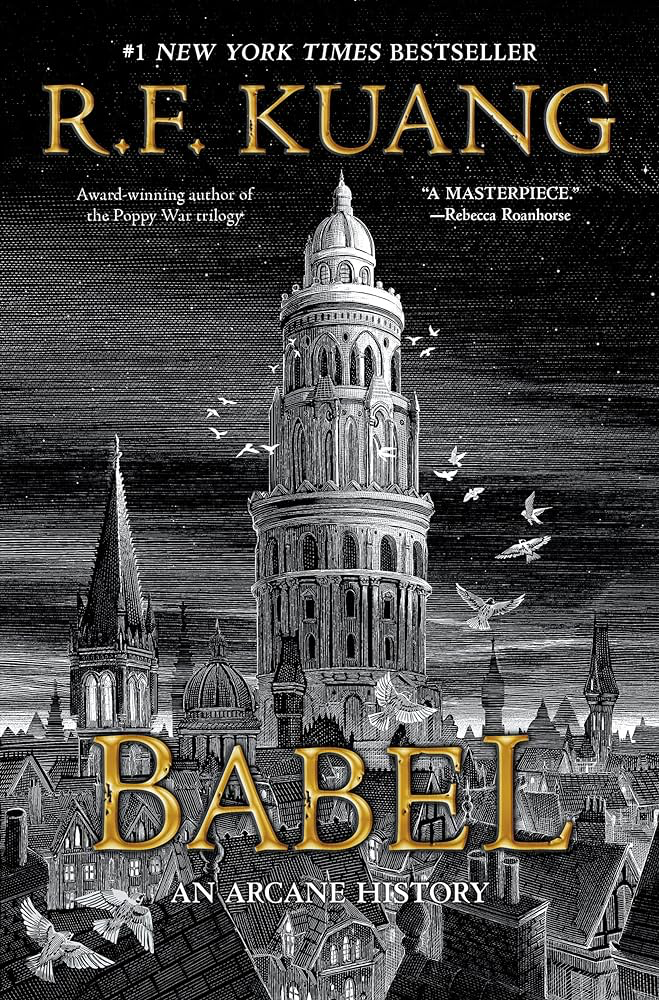
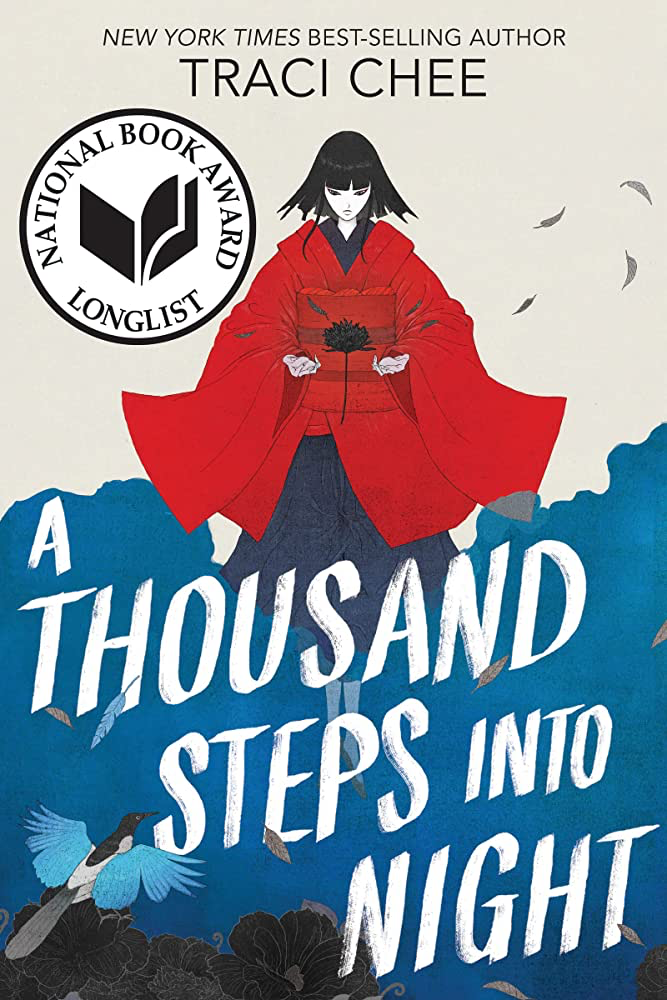
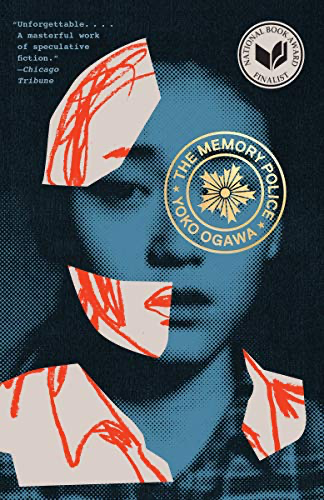
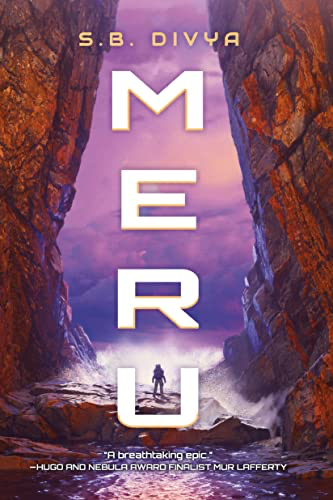
THE BOOKISH MUTANT’S BOOKS FOR AAPI HERITAGE MONTH (2025 EDITION)

FANTASY:

FICTION:

SCIENCE FICTION:

NONFICTION:

TELL ME WHAT YOU THINK! Have you read any of the books on this list, and if so, what did you think of them? What are some of your favorite books by AAPI authors?

Today’s song:

That’s it for this list! Have a wonderful rest of your day, and take care of yourselves!

Posted in Monthly Wrap-Ups

May 2024 Wrap-Up ⌨️

Happy Friday, bibliophiles!

Finally summer! Finally, more time to read…and most of what I’ve read this month has been good, I’d say.

Let’s begin, shall we?

GENERAL THOUGHTS:

Save for the first week of the month, May has been the first month where I’ve been able to relax somewhat! Finals were over and I’d moved out of my dorm before I knew it. Straight A’s and finally being free of my STEM requirements isn’t too shabby, I’d say! I’m so proud of what I’ve accomplished this year—and I’m so glad that I can have some downtime. And I’ve made good use of it so far—May has been my best month in terms of amount of books read (although the quality of…some of said books is another story), and I’ve definitely benefitted from the time spent reading! I’ve also been trying to focus more on art this summer, and consciously taking a slice out of each day to draw has been an adventure so far. I had a solid week where I had three or four blog posts all on the back burner simultaneously, so I unintentionally made a loose schedule for blogging every day as well, so I’m getting some writing in while I recover from writing two short stories and a 20,000 word novella all in one semester. I’ve also been pruning my Goodreads TBR…I’ve managed to cut it down from around 770 to around 720, so I’d say that’s been a success?

Other than that, I’ve just been cleaning things out of the dorm and bringing them back to my house, sleeping, watching Abbott Elementary (THEY FINALLY DID IT!!! THEY FINALLY LET THEM KISS!!!), Taskmaster, and Hacks (we love Jean Smart in this house), and relishing in the warm weather and the beginning of summer. I feel like every time I’m in the car with my family, I just pass the hills and feel the need to comment on how much I love that shade of green that summertime brings. But it’s so beautiful. Every single time. It never gets old. Thank you, shades of summer green.

READING AND BLOGGING:

I read 19 books this month! I’ve been oscillating between both ends of the spectrum this month, for sure—I read one of the worst books I’ve read this year, but also two of the very best. Somehow, it’s pretty evenly split as far as ratings go when I’ve lined them all up that way, but it’s been up and down all month, but on a track towards betterment midway through. I focused on AAPI books for May, and I found some fantastic books as a result from both familiar and new-to-me authors!

1 – 1.75 stars:

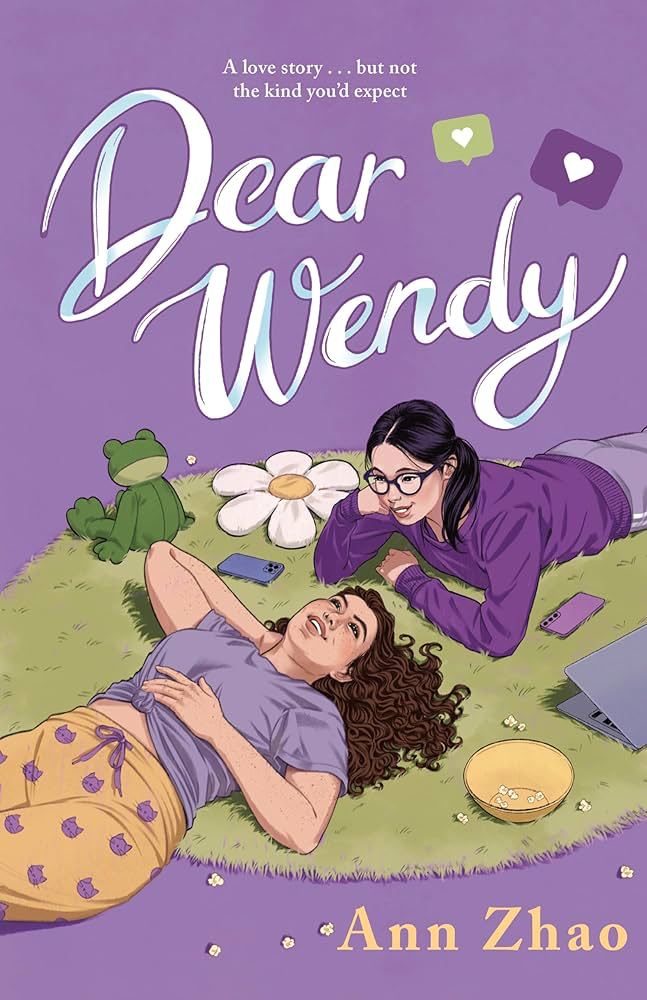
Dear Wendy

2 – 2.75 stars:

The Emperor and the Endless Palace

3 – 3.75 stars:

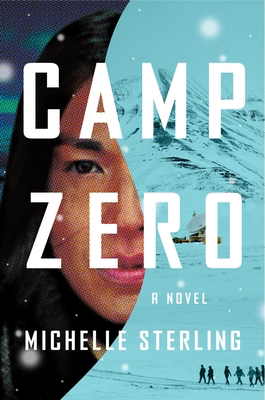
Camp Zero

4 – 4.75 stars:

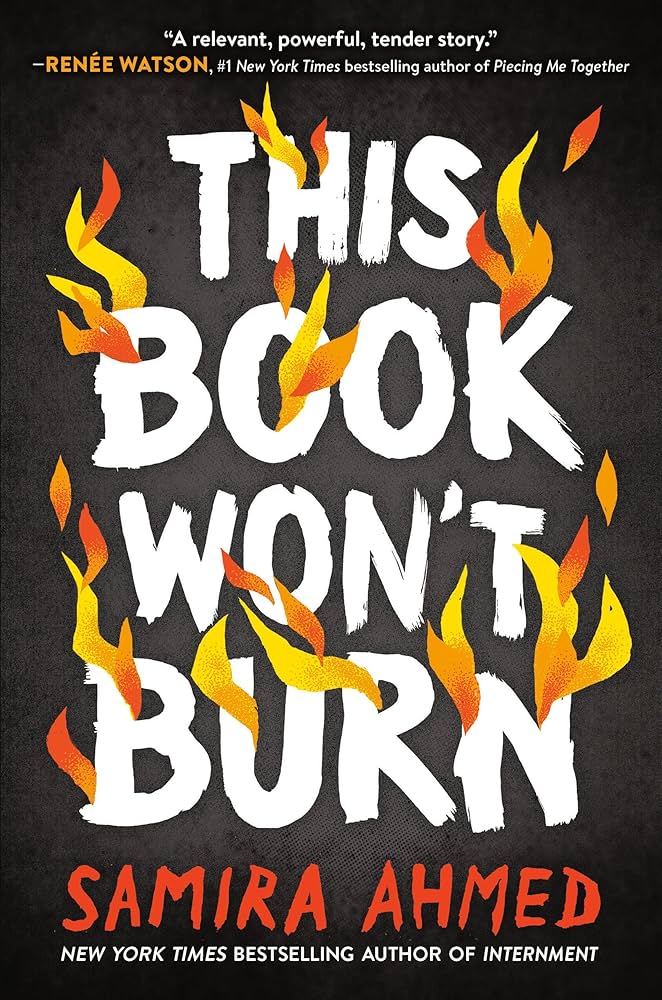
This Book Won’t Burn

5 stars:

The Travelling Cat Chronicles

FAVORITE BOOK OF THE MONTH – Squire5 stars

POSTS I’M PROUD OF:

POSTS FROM OTHER WONDERFUL PEOPLE THAT I ENJOYED:

SONGS/ALBUMS I’VE BEEN ENJOYING:

strong contender for album of the year!!!
why did I put off listening to this album for so long??
affirmations: I have listened to this song a healthy amount of times
this show was…insane?? idk if I’m built for punk shows but IDLES knocked it out of the park
lovely new album!!
got hooked on this band after seeing them open for IDLES!! fantastic stuff
such a wonderful album!!

Today’s song:

That’s it for this month in blogging! Have a wonderful rest of your day, and take care of yourselves!
Posted in Book Review Tuesday

Book Review Tuesday (5/28/24) – The Traveling Cat Chronicles

Happy Tuesday, bibliophiles!

I’ve been trying to find and read more translated books, but in my hunt, I’d completely forgotten that I’d put The Traveling Cat Chronicles on my TBR over four years ago. Any story about a cat is right up my alley (yes, I was a Warriors kid back in the day, why do you ask?), but now that I’ve read this one, I’ve concluded that it’s an essential read for all cat lovers—and anyone who’s ever experienced the unbreakable bond of having a special pet.

Enjoy this week’s review!

The Travelling Cat Chronicles – Hiro Arikawa, translated by Philip Gabriel

Ever since Satoru rescued a stray cat, from the brink of death, they have been inseparable from day one as cat and owner. Nana, named for his crooked tail that looks like the number seven, loves to spend time with Satoru. But due to circumstances that Nana has yet to comprehend, Satoru can no longer take care of his beloved cat. In an attempt to find an adequate home for Nana, human and cat go on a roadtrip in a van across Japan, visiting childhood friends in order to find a suitable candidate. On this trip of a lifetime, Nana will discover things beyond his comprehension—and a love for his owner that will only grow deeper.

TW/CW: illness, animal injury, loss of loved ones (past)

Goodness…this was the sweetest book I’ve read in a long time. It’s essential reading for anybody who’s ever owned and loved a cat, but also for anyone who has ever felt the sacred connection of a good pet. It’s full of laughs, but tugs at the heartstrings in a perfect balance—it’s a wholly human book, but a wholly feline one as well.

Having a good cat voice in a novel aimed mainly at adults is not an easy task. Especially since this book was first published in 2012, it would have been far too easy to go down the “I can haz cheezburger, hooman?” route and just derail the emotional core of the narrative. But Nana’s voice was hysterical, and not in a forced way at all. It’s clearly the voice of a cat from a longtime cat owner; Nana is very particular about everything, doesn’t like change, doesn’t like being petted the wrong way, and is very picky about his food. When Satoru makes an assumption about his habits, he openly derails the flow of the story just so he can clear the air and admit that no, he does not, in fact, like those mouse toys. What made it so funny was how believable it is—no matter the temperament of the cats you may have owned, you’ve 100% owned a cat like Nana. I found myself thinking of my sweet girl Hobbes, who has a similarly no-nonsense attitude about where and when she’s petted and likes to go after small birds but doesn’t kill them, leaving them to fly around the house and shed feathers everywhere She’s an angel, obviously.

Even though parts of the narrative switch to the perspectives of the human characters, Nana’s perspective was what made the heart of The Traveling Cat Chronicles. Throughout their trip through Japan, I loved seeing all of these new sights through Nana’s feline eyes, whether it was seeing the ocean (very bad) and Mt. Fuji (very good) for the first time or meeting Satoru’s many childhood friends. Perceiving all of this novelty through the narration of a cat wasn’t necessarily new to me, given my reading habits from ages 7-12, but for an adult novel, I loved seeing this perspective with more maturity, but the same amount of humor. Hearing Nana describe things as simple as the music coming from Satoru’s car radio (how does this cat come up with such eloquent metaphors?) to the chatter of the dogs on the boat towards the end of the novel in ways that felt so new, but wholly feline—and for that, I have to give so much praise to Hiro Arikawa; some of it was humorous, but some of these observations felt heartwarming in that they felt real, just the passing thoughts of a smaller animal in a big, big world.

However, Nana’s voice isn’t the entire novel—The Traveling Cat Chronicles also sees the backstories of not just its main character, Satoru, but of the childhood friends and family members that he visits. Nana was the star of the show, but some of these flashback sequences served to deepen the emotional core of the novel, especially in the case of Satoru; from his troubled childhood to his adolescence, we see Satoru’s life through other people’s eyes. Even beyond Nana’s narration, we only ever get glimpses Satoru, one of the novel’s two protagonists, entirely through lenses other than his own. Another strength was that these flashbacks were spaced apart perfectly: frequently enough that we could get fragments of Satoru’s backstory and understand it in concert with the current timeline, but far enough apart that they didn’t strangle the story. And each flashback was emotional in its own right, no matter how momentous or insignificant each vignette was. Each one felt authentic in its focus—in our minds, something as fleeting as sneaking off on a field trip weighs as much as a death in the family, and that was exactly how Arikawa told these stories.

I’ll refrain from spoiling the ending (although you can easily predict it from a few hints scattered throughout the novel), but it doesn’t make it any less heartbreaking—and beautiful. The cat’s-eye view on the events unfolding before Nana make them all the more harrowing, simply because you can’t quite explain these things to a cat, even if they understand in the abstract that something’s wrong. For cats, we are seemingly immortal monoliths until we aren’t—and it’s confusing for a creature that can understand our language, but just barely misses what makes us what we are. But beyond that, it reminds us of the inseparable connections between us and our pets. Our lives are short, but the lives of our cats, dogs, and other animals are even shorter; yet still, the mark that they leave on our lives, just like our friends, is a mark that cannot be replicated or replaced.

As I read the end of The Traveling Cat Chronicles, I was reminded of my Anakin, who passed about two months ago. He’d been in my life since I was a little kid, and by the time he peacefully passed at the ripe old age of 17, I was almost finished with my sophomore year of college. There will never be another cat quite like him, in all of his crusty, screamy, and truly lovable glory. His absence has been harder for me to take than some of my other childhood pets that have passed; when his lifelong companion Padmé died, I grieved heavily, but I had Anakin there to console me. When I came back home for the first time after he passed, I expected to see him in the guest room. Two months later, and I still peer over at the sofa, expecting him to be curled up between the cushions, fitfully sleeping in a pile of his own shedded fur. But that is the mark that he’s left on my life—impermanent, but unlike any other creature. Just as we must look to the small pleasures of life, we, like Satoru and Nana, must appreciate the impact of the smallest lifetimes on our hearts.

All in all, a cat-lover’s dream book which balances humor and heart in equal measure. 5 stars!

The Traveling Cat Chronicles is not part of a series, but Hiro Arikawa has also written a companion book of short stories, The Goodbye Cat. She is also the author of several other novels that have been translated into multiple languages.

Today’s song:

yeah this has a chokehold on me yet again 🕺

That’s it for this week’s Book Review Tuesday! Have a wonderful rest of your day, and take care of yourselves!
Posted in Book Review Tuesday

Book Review Tuesday (5/14/24) – Dear Wendy

Happy Tuesday, bibliophiles!

Hooooooooooooo-whee…rant incoming…they’re good for the soul. Sometimes. I hate to do this so soon after I posted this year’s AAPI Heritage Month recommendations, but I just had to get this review off my chest. I highly recommend all of those books over this one.

God. I really wanted to like this one. Older YA where the characters are in college are few and far-between, and what’s even fewer and further-between is aromantic/asexual representation, much less POC aro-ace representation. I almost DNF’d this one, but I really wanted to stick it out and see if it turned out any better…and tragically, it didn’t. I hate to say it, but Dear Wendy was one of the most stiffly-written books I’ve read in quite a while.

Enjoy this week’s review!

Dear Wendy – Ann Zhao

Sophie Chi and Jo Ephron are both second-semester freshmen at Wellesley College, and they don’t know that they know each other. Sophie runs Dear Wendy, an Instagram account that gives love advice to Wellesley’s student body, and Jo runs Dear Wanda, a much more unhinged parody of the former with joke advice to contrast Wendy’s more serious online persona. The two meet in real life and immediately hit it off—they’re both aroace, and have never met many people, even in the queer community, who have experienced the same things as them. But as their online feud as Wendy and Wanda gets heated, Sophie and Jo must decide if they want to divulge their mutual secret—and risk their real friendship.

TW/CW: aphobia, anxiety, bullying, discussions of coming out/non-accepting parents (brief)

Ooof. Even from an outside perspective (as a non-ace person, but still queer), there’s a noticeable dearth of asexual-/aromantic- spectrum stories, even in YA, which is usually several steps ahead of the game as far as being progressive. So in concept, I’m glad that Dear Wendy exists, and I’m sure it will help a ton of a-spec people find their voices and feel seen. But good lord, this was easily one of the most poorly-written novels I’ve read all year. I’m genuinely baffled that I read the same book as all of the other people who left such glowing reviews. Baffled. Again, speaking from an outside perspective, but I think the a-spec community deserves better than this…

I usually preface my negative reviews with this, but I’ll say it again, because it always applies: I’m willing to give a certain amount of slack to Ann Zhao since Dear Wendy is her debut novel. It’s so hard to put pen to paper, and harder still to get it published, and that in and of itself is an intense labor of love. And I’m so glad that this book exists for some people for its discussions of AAPI, aroace, and gender non-conforming identity. I’m sure it’ll be a book that will mean a great deal to a great deal of people.

But. But.

All that doesn’t fully excuse how painfully stiff Zhao’s writing was. Dear Wendy would have been a DNF for me had I not stubbornly tried to stick it out, just because I was convinced that the rest of the book wouldn’t be a disappointment. I wanted to give it a chance, with the combination of the premise and the fact that it’s Zhao’s debut. I had faith that it would get better, but it never did. For a novel that purported itself to be charming and emotional, the writing felt more like a textbook or a brochure than fiction—never once did any of the characters feel like real people talking. The novel was full of writing choices that just felt downright odd; at some point, we hear one of the main characters eavesdropping on two other characters (about the Social Media Drama™️), and after each of these side characters speak, we get their first and last names—and then never hear from them again. Characters list out song titles like they’re being read aloud by Siri, and all of the attempts at humor are just the characters doing word-for-word reenactments of jokes from Tumblr and TikTok without any attempts to hide the evidence. And for two characters that are supposed to have opposing personalities, their voices blended together in an indistinguishable, bland mess—the only way we can “tell” is through the differences in their fabricated social media personalities. If I wanted to be hit over the head with something that unsubtly, I would’ve stood under the ice dispenser in the dining hall. But through it all, I was just struck by how none of the people acted like people—they acted like social media fabrications of queer people, and the world was similarly dictated through an artificial lens.

Dear Wendy is full of a myriad of relevant topics: aroace identity and acceptance, the suffocation of allosexual culture and the unrelenting pressure to find “the one,” and immigrant parents who don’t fully accept your queerness, to name a few. I’ll say again how glad I am that these subjects are being discussed in literature, because it’s true—we do need to talk about these things! But their delivery, more than not, zigzagged around one of the most time-worn rules of writing: show, don’t tell. Although this is realistic fiction, I feel like it falls into the same kind of mistakes that some sci-fi or fantasy novels make when they deliver information that is new to the reader: they deliver it in unpalatable blocks, making time all but stop in the narrative just so the author can explain The Important Thing™️. This was how most of the discussions felt in Dear Wendy; instead of a new worldbuilding point, it was just the character’s inner monologue, uninterrupted, for at least two pages at the longest. I get that it’s crucial to weave in these points, but there’s a way to do it without harming the flow of the story—once or twice is fine, when there’s a reason for the character to be so deep inside their head, but given that this story was supposed to center around Sophie and Jo’s relationship, there could have been so many more bonding scenes where they talked about this organically! That’s not to say that those scenes weren’t there, but since we were already stuck in inner monologue limbo 50 pages ago, none of the information was new, and therefore, none of the bonding felt like new ground.

In the author’s note, Ann Zhao calls this a love letter to Wellesley College, and that although her experience there wasn’t all good, she wanted to highlight the good in Dear Wendy. Remember what I said about the stiff writing? It applied to the surroundings, too. If her writing style contained…any sort of soul, then that mission statement would have come across. Instead, I felt like I was reading a college website for some parts of the novel. I got so far in to Zhao’s descriptions of the campus and the features of the dining hall that I had to blink and question whether or not she’d been paid to write all this by the college. Look—I’m sure Wellesley is a great place (historically women’s colleges are fantastic!) and I don’t want to negate the love that Zhao had for her time there, but there were so many places where the descriptions didn’t feel, again, like people experiencing their environment—it was just being dictated through a lens so devoid of personality that I felt like I was on a college tour, forced to hear a long-winded monologue about a bunch of landmarks that I’d never see again.

Usually, I’m in favor of a little pop culture referencing once in a while. I’ve never understood the argument that pop culture references in YA fiction take them out of the story. What, is fiction supposed to exist in some kind of culture-less vacuum? God forbid your characters engage with the same media as you do…god forbid you pay homage to the creators that inspired you to put pen to paper, apparently? If there’s anything that actually takes me out of the story, it’s the fake celebrities/artists/social media apps. (I get that a lot of that is dodging copyright, but the point still stands.) The argument has never made sense to me. Sure, dumping them all in a barrage is obviously a no-no, but there’s an art to a well-placed reference, and it’s an art that I appreciate. I have a completely arbitrary Goodreads shelf for books with good music references. (This one almost went on it just for an off-hand mention of Mitski.) But reading Dear Wendy made me understand where the anti-pop culture reference people are coming from. The whole book felt like a front to shove in as many references as humanly possible. Dear Wendy is over 360 pages—it wouldn’t have killed Zhao to cut out the chapter entirely consisting of Jo and Sophie talking about Harry Styles. The only places where the music references in particular felt relevant where when Jo was DJ-ing at the college station, and even then, when she was talking to Sophie about her upcoming song choices, it felt like they were being queued up and read aloud by Siri. Mind you, this wasn’t when Jo was actually DJ-ing—this was when she was talking to her friend. It only would have been worse if she’d said “Remastered version” in verbal parentheses.

And…god. If another book tries to smother me with this many Taylor Swift references, I’m going to chew my kindle in half. It’s already bad enough that even the dining hall TV was showing me news clips about whatever mediocre thing she’s doing…please, I thought literature was supposed to be an escape…

All in all, a platonic love story with all the ingredients for something meaningful and sweet that substituted personality and charm for stiffness and irrelevant references. 1.5 stars.

Dear Wendy is a standalone and Ann Zhao’s debut.

Today’s song:

That’s it for this week’s Book Review Tuesday! Have a wonderful rest of your day, and take care of yourselves!
Posted in Books

The Bookish Mutant’s Books for AAPI Heritage Month (2024 Edition)

Happy Monday, bibliophiles!

Here in the U.S., May is Asian American and Pacific Islander Heritage Month! This is my fourth year making this particular list, and I’ve found and read so many incredible books since then. As always, diverse reading shouldn’t be restricted to one month only, but here at The Bookish Mutant, I try to take any opportunity I can to shift the focus to marginalized voices—and to recommend fantastic books. It feels especially important to make these lists in the past few years, what with the book bans that are not-so-subtly targeting almost exclusively POC and queer voices—read between the lines. Freedom to read is freedom to resist.

As with last year’s list (see below), I’ve now expanded them to included both YA and Adult titles, organized by genre.

For my past lists, click below:

Let’s begin, shall we?

THE BOOKISH MUTANT’S BOOKS FOR AAPI HERITAGE MONTH (2024 EDITION)

FANTASY:

SCIENCE FICTION

REALISTIC AND HISTORICAL FICTION:

TELL ME WHAT YOU THINK! Have you read any of these books, and if so, did you enjoy them? What are your favorite books by AAPI authors? Let me know in the comments!

Today’s song:

NEW BEABADOOBEE????? I’m seated—

That’s it for this recommendations post! Have a wonderful rest of your day, and take care of yourselves!
Posted in Book Review Tuesday

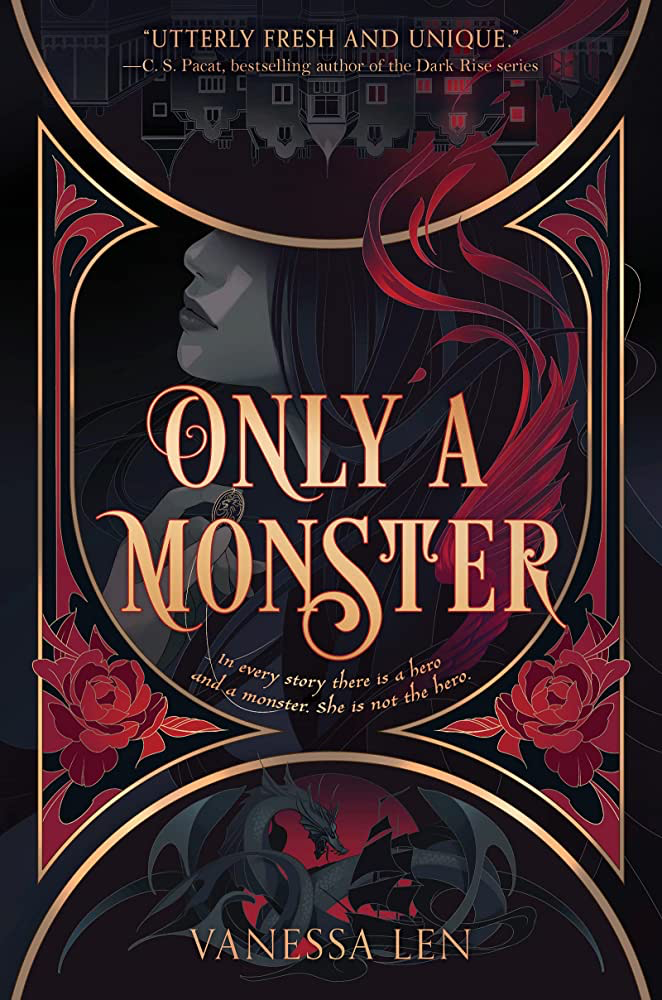
Book Review Tuesday (5/23/23) – Only a Monster

Happy Tuesday, bibliophiles!

This book has been on my radar for quite some time—I’m always up for a good urban fantasy every once in a while, and the V.E. Schwab comparison had me hesitantly optimistic. I figured it would be a good read for AAPI Heritage Month, but…alas, it was such a mess, and ultimately not worth my time.

Enjoy this week’s review!

Only a Monster (Monsters, #1) – Vanessa Len

Joan is set to have the perfect summer. She’s staying in London with her late mother’s side of the family, amidst historical buildings, a steady job (with a handsome co-worker, Nick), and the smell of magic in the air. But when a disaster leaves most of her family dead, Joan is confronted with an ugly truth—she comes from a long line of time-stealing monsters. Worse still, the handsome Nick comes from a long line of monster hunters. Can Joan hone her powers before the monster hunters track her down?

TW/CW (from Vanessa Len): murder, violence, blood, loss of loved ones (on & off-page), substance abuse, xenophobia (fantasy), racism, interrogation, brainwashing, weapon use

DNF at 27%.

Before I get into my rant: I’ll always appreciate how much time and love it takes to write a book and put it out there. Any kind of creative output like this is highly admirable, and I can give this novel a certain degree of slack knowing that it’s Vanessa Len’s debut novel. That being said, Only a Monster really wasn’t it for me, and sometimes 1-star rants can be good for the soul as long as they aren’t actively hurting anybody. Gotta air it all out sometimes.

I went into Only a Monster expecting for it to be a nice break from some of the denser books I’d just read—something fun, something charmingly over-the-top. And…well, the over-the-top element was very much present, but not in a good way at all. From what I read of this novel, it was really just a mess that lacked any sort of nuance whatsoever.

We had the setup right from the start—a monsters versus monster-hunters conflict, “Joan is not the hero of this story,” et cetera, et cetera. Before reading this, I figured a lot of that language was just going to be for the sake of putting a nice hook on the front cover and other marketing purposes; I assumed that the book was going to get into some of the morally gray (as much of a buzzword that’s become with books these days) aspects of that conflict, but…no. From the get-go, we’re hit over the head with a comically large sledgehammer that JOAN IS NOT THE HERO OF THE STORY!!! and that BEING A MONSTER IS BAD BAD BAD!! and that MONSTERS AND HEROES!!!! DO NOT MIX!!! EVER!!! It’s not so much a theme so much as it is a metal pipe that gets painfully shoved down your throat. It got to the point where I felt like it was insulting my intelligence—I didn’t need to be told all this over and over. I really didn’t. Jeez. It could’ve been developed somewhat compellingly, but….no.

Beyond that, I didn’t know going in to Only a Monster that there was going to be a dreaded love triangle, which…[EXTREMELY LOUD INCORRECT BUZZER]

If there’s anything that can instantly ruin a book, it’s that. THERE’S NO NEED. And the setup wasn’t even anything that hasn’t been done before—each love interest is on one side of the conflict (monster and monster-hunter), and while I didn’t care to stick around to find out how it was resolved, I had a feeling that it would end up as a trash fire. What I did manage to get, however, was the description of Nick as “stupidly good-looking.” Can we please, as a society, get rid of this? Please? It’s starting to become just like “she let out a breath she didn’t know she was holding” at this point. Again: zero nuance.

All in all, a bitter disappointment of a book that lacked the creativity and nuance that the blurb and reviews promised. 1 star.

Only a Monster is the first in Vanessa Len’s Monsters trilogy, which will continue with Never a Hero (slated for release this August) and an untitled third book.

Today’s song:

WE LOVE THE MAGNETIC FIELDS IN THIS HOUSE

That’s it for this week’s Book Review Tuesday! Have a wonderful rest of your day, and take care of yourselves!
Posted in Books

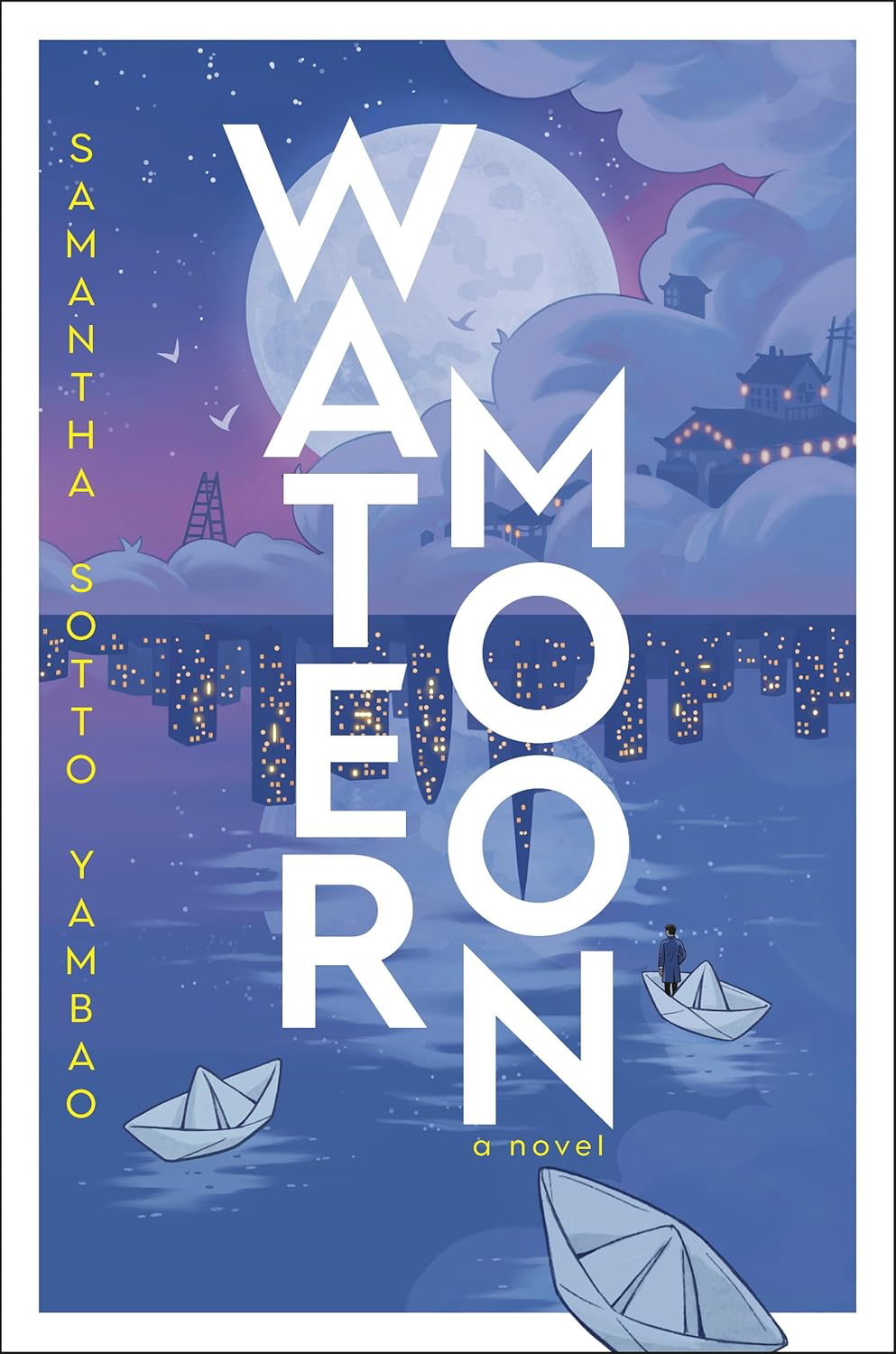
The Bookish Mutant’s Books for AAPI Heritage Month (2023 Edition)

Happy Wednesday, bibliophiles! I wrote most of this post in advance, but as of now, I’m about to move out of my dorm!! I HAVE SUCCESSFULLY FINISHED MY FIRST YEAR OF COLLEGE!!
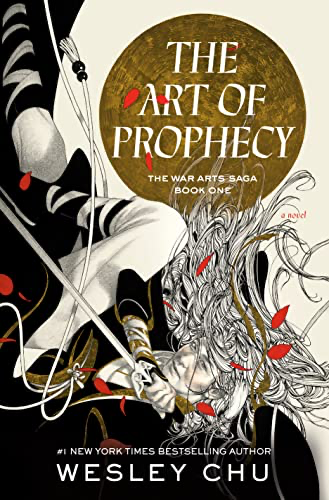
Here in the U.S., May is Asian American and Pacific Islander Heritage Month, and I’ve compiled another list of book recommendations for the occasion! Diverse reading shouldn’t be restricted to a single month, but it’s so important to amplify marginalized—in this case, AAPI—voices during this month. My lists serve as guides to read during not just their respective months, but any time you’d like.

However, this year is a little different. Even though I’m too lazy to change the header image (sometimes you’ve gotta be a bit stingy with your media space), I’ve decided to put both YA and adult books on this list. I’ve started to read more adult books in the past few years, and I’d be remiss if I didn’t include some of these books on this list. So it’s a slightly wider pool to choose from this year—read at your leisure!

If you’d like to see my past lists, click below:

Enjoy these recommendations!

THE BOOKISH MUTANT’S BOOKS FOR AAPI HERITAGE MONTH

YA:

ADULT:

TELL ME WHAT YOU THINK! Have you read any of these books, and what did you think of them? What are some of your favorite books by AAPI authors? Let me know in the comments!
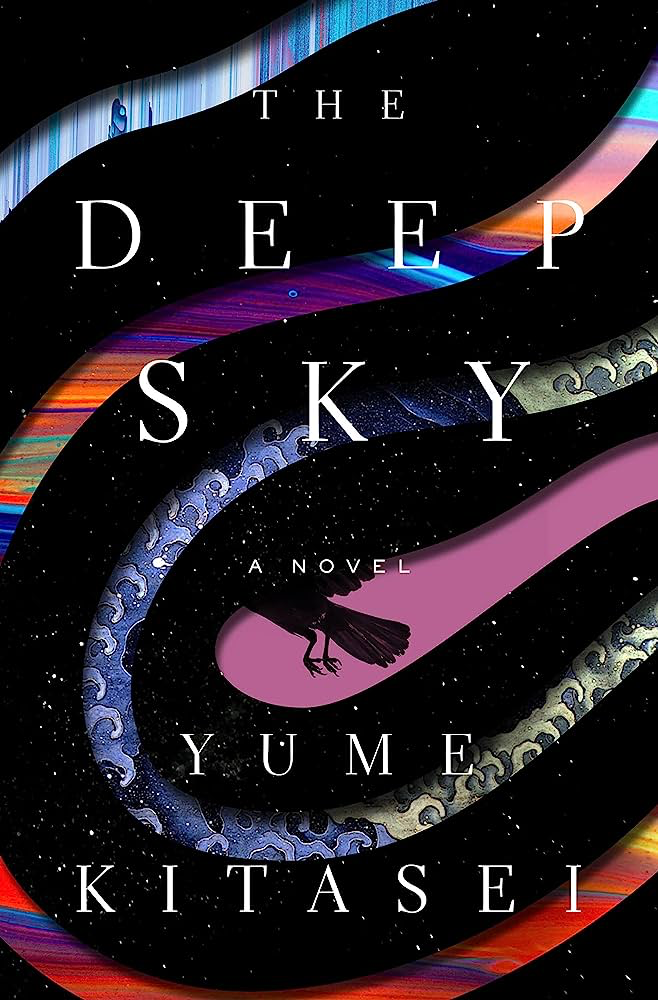
Today’s song:

I FEEL LIKE I’VE ASCENDED TO ANOTHER PLANE OF EXISTENCE HELP

That’s it for this list of recommendations! HAve a wonderful rest of your day, and take care of yourselves!