Posted in Monthly Wrap-Ups

May/June 2025 Wrap-Up 🧶

Happy Monday, bibliophiles!

Insert panicking about how 2025 is already halfway gone, yada yada yada. It’s always jarring to get to that point after you’ve spent the first half of it relatively unaware, but honestly? Given the truly magnificent shitshow 2025 has been…good riddance.

Let’s begin, shall we?

GENERAL THOUGHTS:

My school got out jarringly early, which was nice, but part of me is still reckoning with the fact that “summer” has now expanded to fit all but the first week of May in it. I shouldn’t complain. It’s given me a lot of extra time to read and do all of the things that I lamented not being able to do while I was in school. I picked back up with guitar lessons, started improving my knitting, listened to several amazing albums (while knitting), and honed down my drawing. It’s all I can do to keep the anxiety/boredom-depression that starts threatening to consume everything once I get too into a routine, but I’ve got a part-time job, so I’m throwing as much as I can at my brain to keep it occupied.

And Jesus, it’s hard to keep it occupied. Nothing’s changed since my last wrap-up, and my constant state of teetering over the edge of snapping thanks to the news is ever-present, especially this month (FUCK TRUMP AND GET ICE OFF OUR STREETS). There’s nothing like being on vacation and appreciating the splendor that Colorado’s public lands provide us with and then seeing that a bunch of senators wanted to sell off millions of acres of that “undeveloped land”. At least they’re not quite as on that anymore, though I urge everyone to keep the pressure on them, because there are far too many issues that they’re either exacerbating or ignoring. But especially during Pride Month, I have to remind myself that taking care of myself and giving back to my community is an act of resistance, especially as a queer, neurodivergent person, because a) the government doesn’t want us to exist (because why else would THEY SHUT DOWN THE LGBTQ+ SUICIDE HOTLINE? Inexcusable, comically mustache-twirling, depraved evil right there), and b) they want us to be over-individualistic so that we ignore what connects all of us.

But it hasn’t been all freaking out, I promise. I went on a lovely road trip to Crested Butte with my family, and I spent a week up in the mountains looking at so many wonderful wildflowers. Getting back to both my family and my hobbies has made me more centered—the foundation is still wobbly (because of…everything), but I can always count on them to keep me grounded and keep me in the present. I found solace in my community during Pride Month, though I didn’t end up going to any of the local parades because of either plans or the heat. (Denver, I love you, but I’m not standing out in 90+ degree heat. I’m here and I’m queer, but I’m also really pale and don’t want to get excessively sweaty or sunburned.) My existence is an act of resistance, and as much as I can, I will use it for good.

If anything, it’s at least good to have a summer where I actually have movies to look forward to (definitely Superman, and I’m on the fence about Fantastic Four, but I’ll see it, if only for Cousin Thing). Y’all…The Phoenician Scheme. It’s so beautiful, dude. Wes Anderson is physically incapable of making a bad movie. Go see it. GO SEE IT.

Also, I managed to knit my first functional thing in mid-June…here’s this bag I finished up before my vacation!
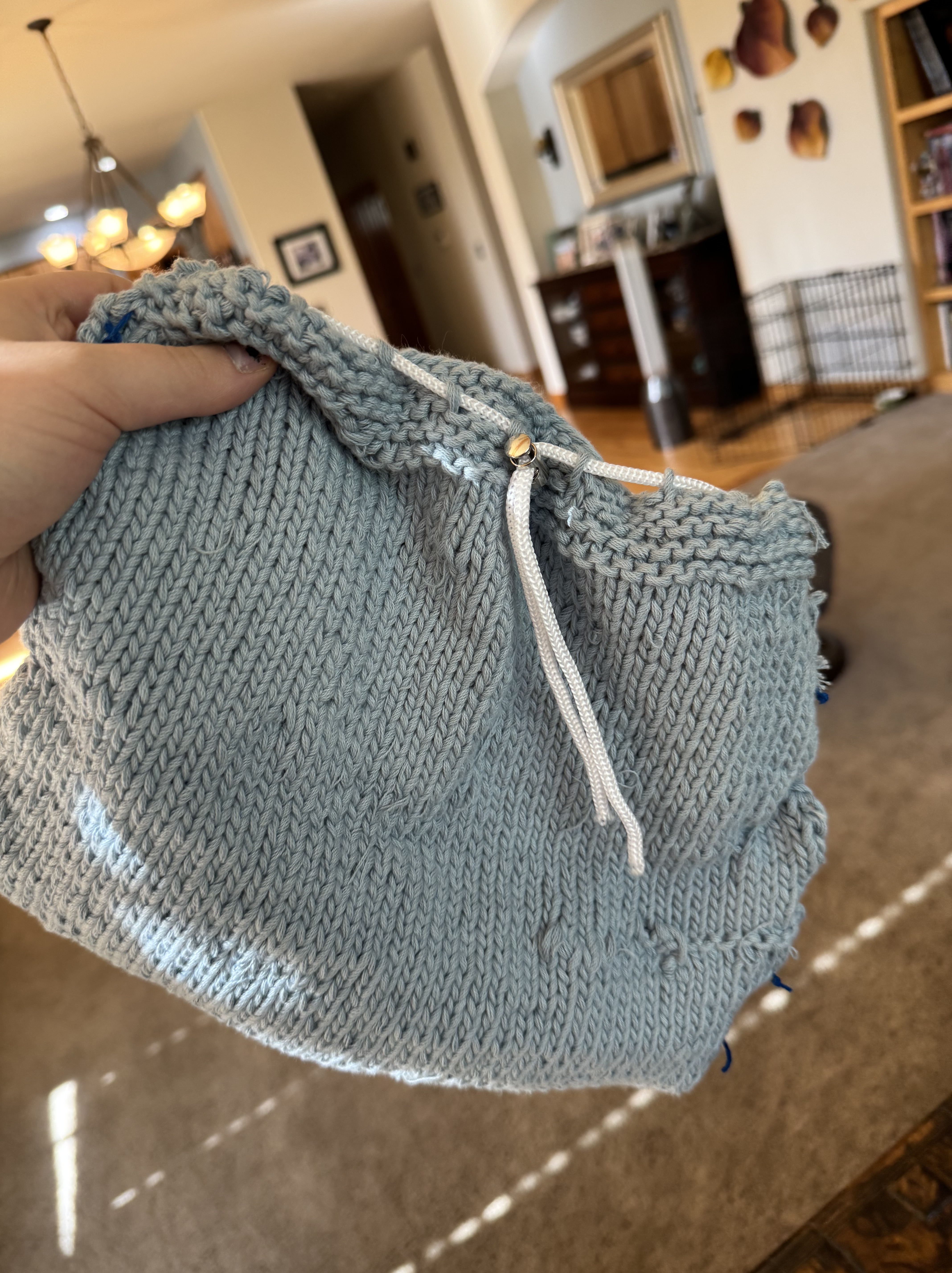
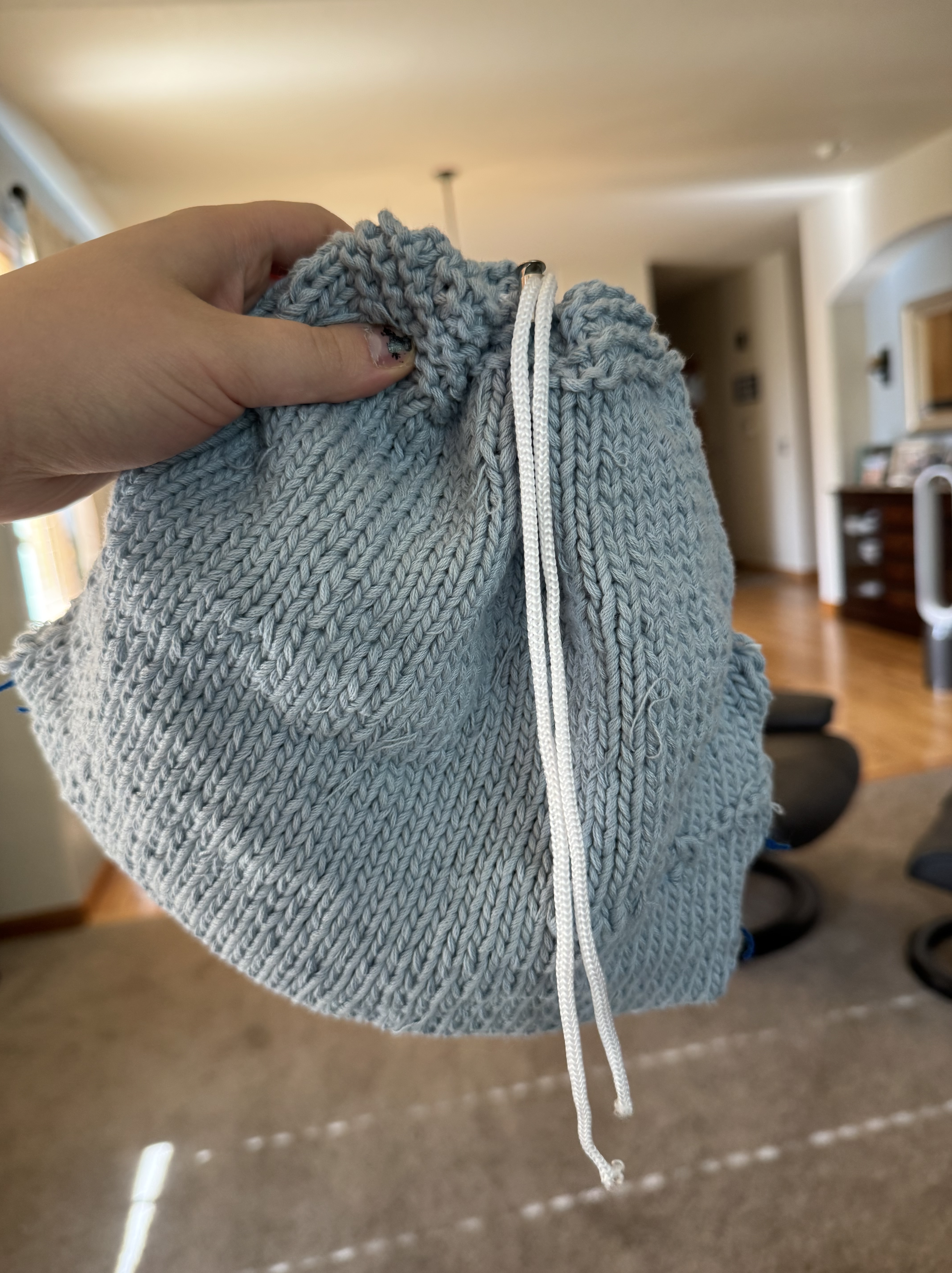
My magnum opus. Obviously. I’m now keeping a paused knitting project in it, so I hope it’s not one of those “gingerbread man living in a gingerbread house completely oblivious to the fact that he lives in a house of his own flesh” situation. I try not to think about it.

MAY READING WRAP-UP:

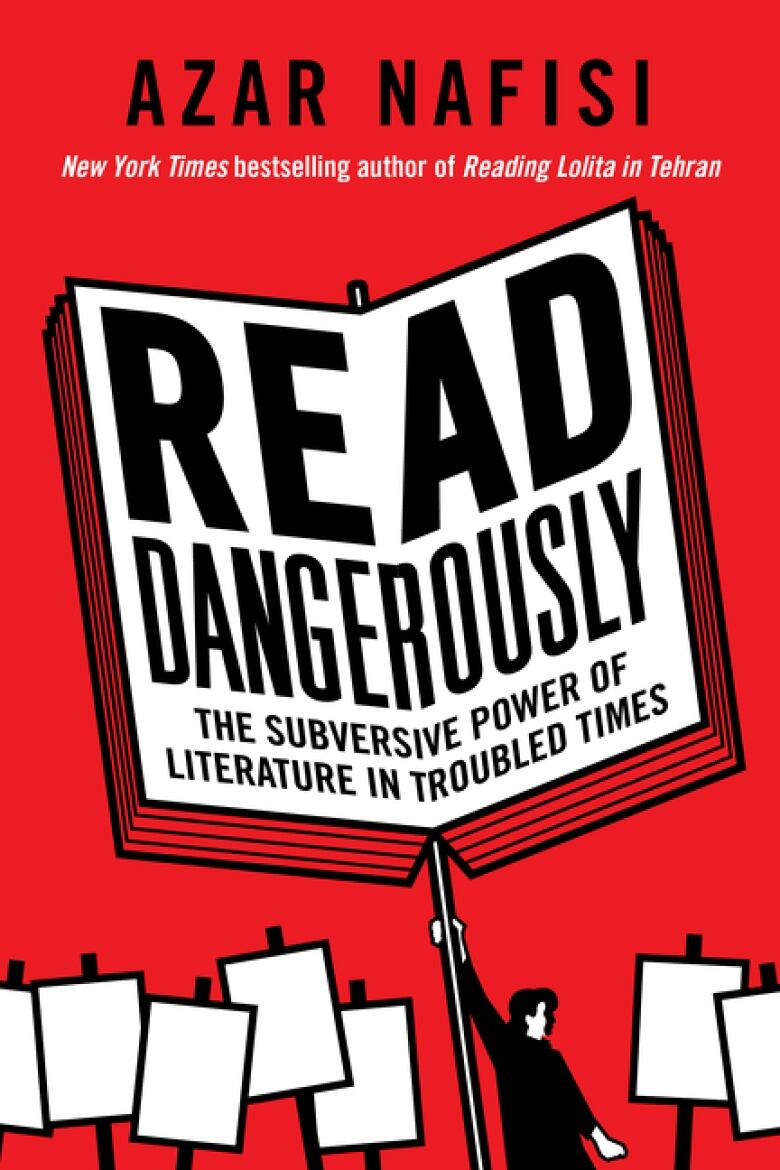
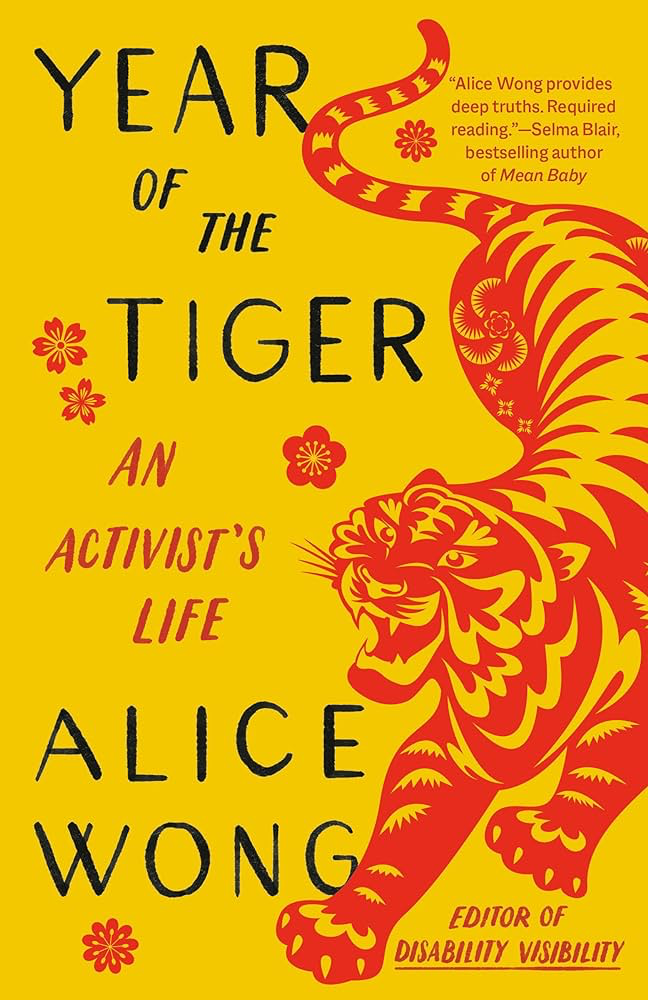
I read 13 books this month! In an absolute whiplash of ratings, I had two DNFs and two 5-star reads this month, but between them, there were some great reads. Surprisingly, the nonfiction books (both of which had red covers, coincidentally) were the stars this month!

1 – 1.75 stars:
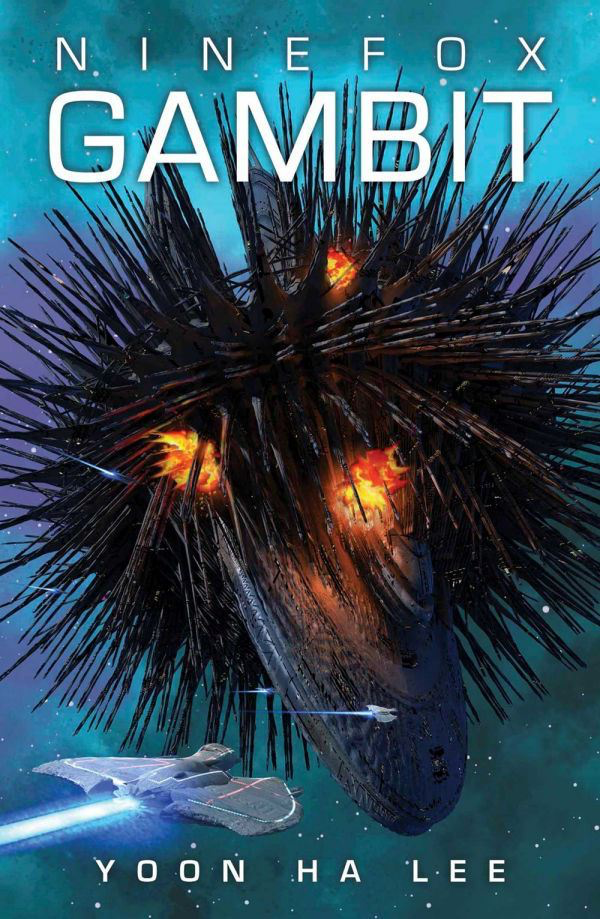
Ninefox Gambit

2 – 2.75 stars:

The Death I Gave Him

3 – 3.75 stars:

The Resisters

4 – 4.75 stars:

The Ashfire King

5 stars:

Crying in H Mart

FAVORITE BOOK OF THE MONTH: Read Dangerously: The Subversive Power of Literature in Troubled Times5 stars

Read Dangerously: The Subversive Power of Literature in Troubled Times

REVIEWS:

SUNDAY SONGS:

BONUS:

JUNE READING WRAP-UP:

I read 16 books this month! Even with my part-time job, summer has given me more time to read, which is always welcome. Although there were some misses in the mix, I had a great bunch of (mostly) queer reads for pride month, both from familiar and new authors!

1 – 1.75 stars:
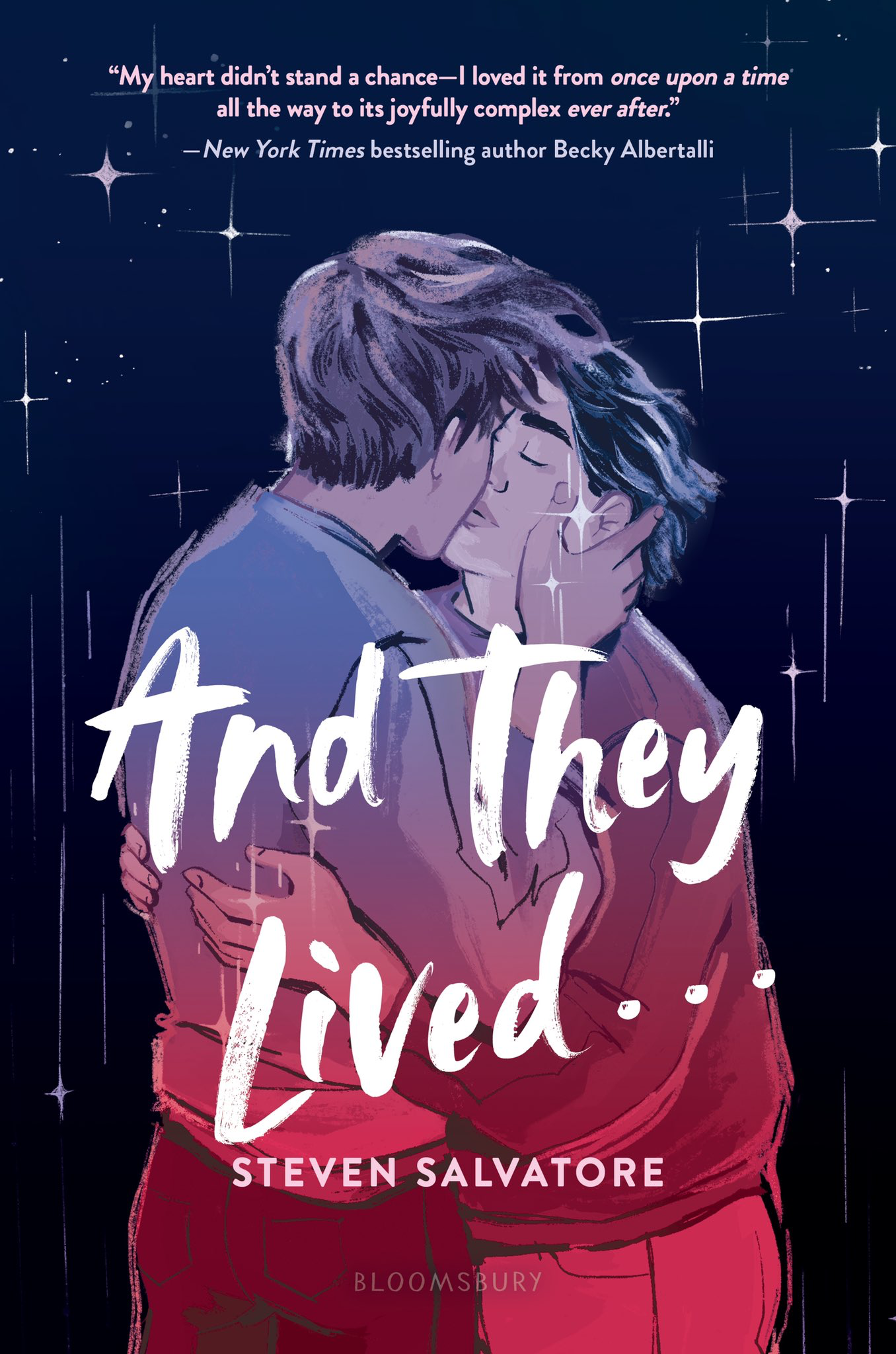
And They Lived…

2 – 2.75 stars:

3 – 3.75 stars:

The Library of Broken Worlds

4 – 4.75 stars:

Monk and Robot

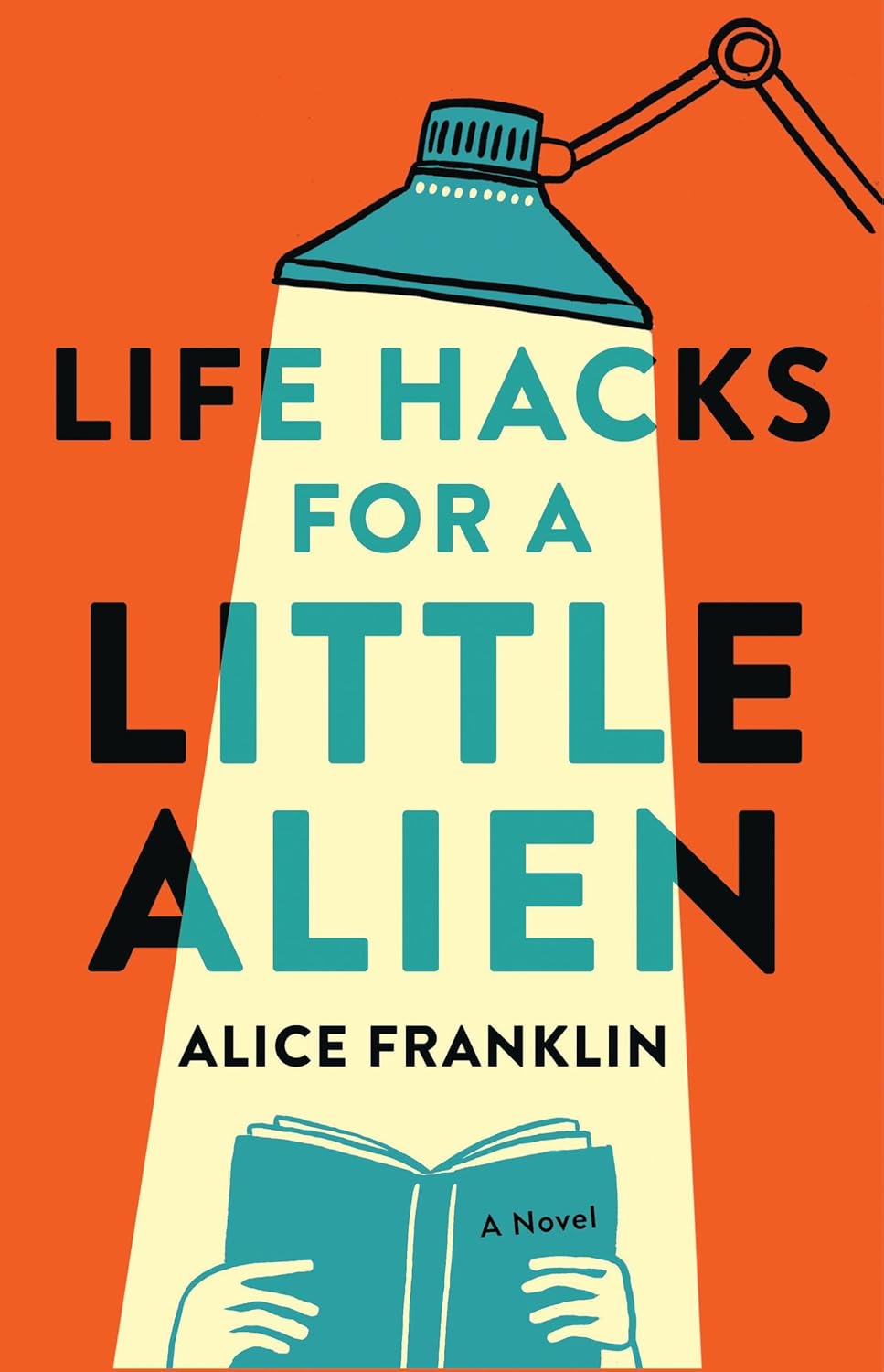
FAVORITE BOOK OF THE MONTH: Life Hacks for a Little Alien4.5 stars

Life Hacks for a Little Alien

REVIEWS:

SUNDAY SONGS:

BONUS:

Today’s song:

That’s it for this month in blogging! Have a wonderful rest of your day, and take care of yourselves!

Posted in Book Review Tuesday

Book Review Tuesday (5/27/25) – Light Years from Home

Happy Tuesday, bibliophiles!

I’ve had several of Mike Chen’s novels floating around my TBR for quite some time. I’d forgotten that I’d read a short story of his in From a Certain Point of View: The Empire Strikes Back, and I figured I’d give his novel-length writing a try. Plus, I was just in a sci-fi mood (as I always am). Despite the flaws that dragged down the premise, Light Years from Home was an ambitious novel that blended genres and didn’t shy away from being messy. Whether it successfully cleaned up its messes, however, is up for debate.

Enjoy this week’s review!

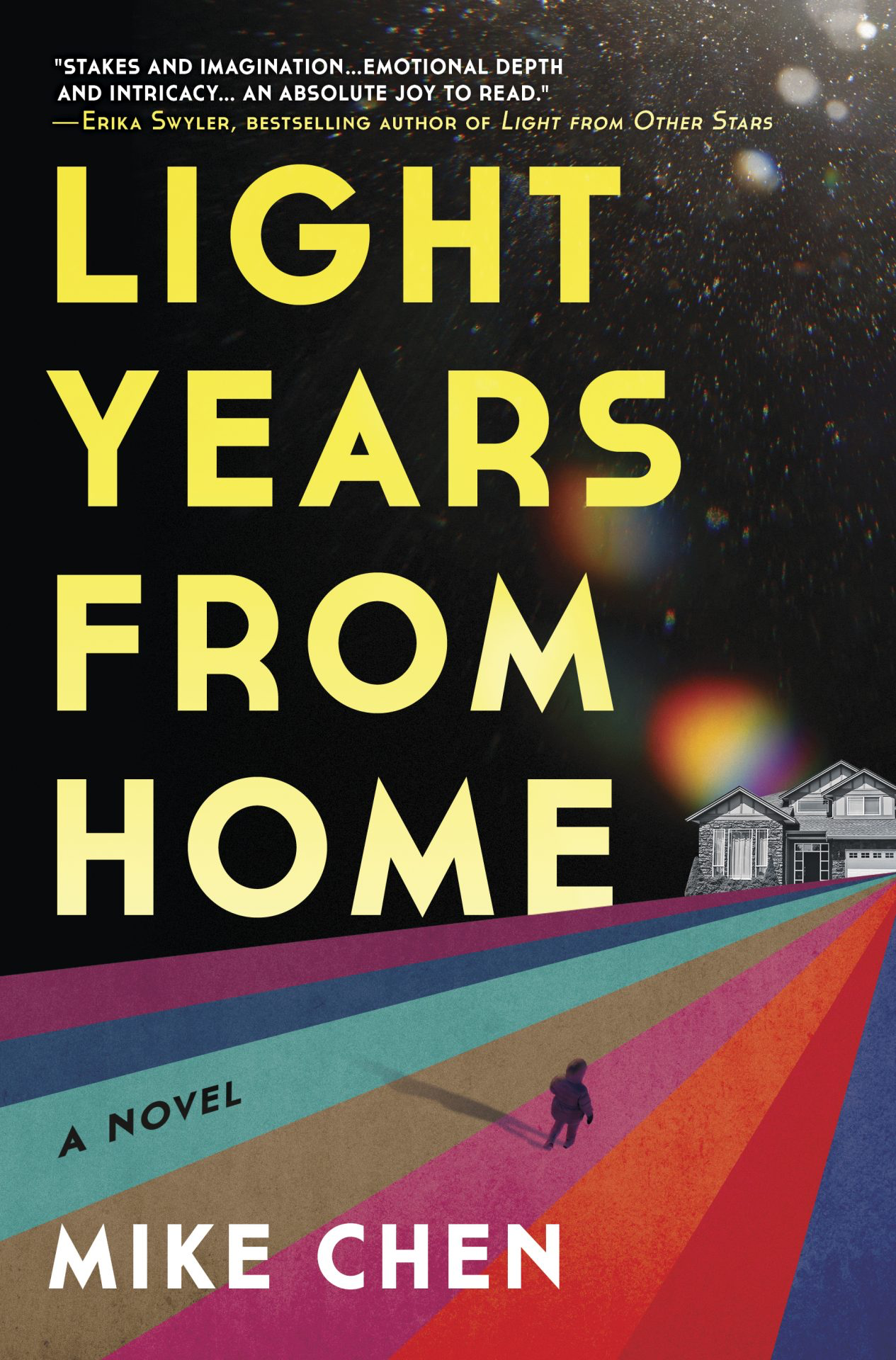
Light Years from Home – Mike Chen

15 years ago, the Shao family was thrown into disarray. Jakob, the only son, and their father disappeared. Their father later returned, dazed, disoriented, and convinced that he and Jakob were abducted by aliens. He died soon after.

Jakob has been missing for over a decade now. Sisters Evie and Kass haven’t spoken since the incident, with Evie diving into alien conspiracy theories and Kass throws herself into her work and caring for their aging mother. But when Jakob returns, parroting their late father’s theories about alien abduction, the sisters have no choice to bury the hatchet and reunite. As Jakob’s story grows wilder and the rift between the sisters widens, they must contend with the possibility that all of this may be true—but can Jakob be trusted? And if his story is true, what does it mean for the fate of Earth?

TW/CW: death of a parent, grief, dementia themes, substance abuse (smoking, drinking)

In the acknowledgments, Mike Chen says that this story was initially inspired by “Red” by Belly, and I’m tempted to give it another half a star just because I’ve never heard anyone outside of my immediate family or Pitchfork talk about them. The title also makes me think of The Rolling Stones’ “2000 Light Years from Home,” but that’s a vague enough title that it could be a reference to a lot of things. Although Belly didn’t save every flaw, Light Years from Home is a solid meld of science fiction and realistic fiction.

Light Years from Home has one of the most compelling beginnings of a book that I’ve read recently. You’re thrown right into the action aboard a Seven Bells spaceship in a classic space opera setting. Jakob cradles his alien comrade in his arms as they die, and thus begins his perilous quest back to Earth. But the reader and Jakob are the only people who know about this—the only other character who did (their dad) is notably dead. It would’ve been easy to just have the characters not believe him, but Jakob is already established as an unreliable person—his real life experience sounds suspiciously like an outrageous lie he would’ve told in his college days, which gives the characters both more obstacles to overcome, but more of their messy family dynamic to dissect. In terms of plot, Light Years from Home was a great study in not taking the easy way out—everything was messy and tangled, making for a book that had lots of drama and hurdles to pick apart.

Every single member of the Shao member was on the obnoxious, insufferable side (save for maybe Evie), but Chen did a great job of capturing the complicated family dynamic in the novel. Fifteen years after Jakob’s abduction, the wounds remain raw, and not a single member of the family has recovered from the fallout. Although I wasn’t satisfied at all with the character development of…well, any of the family (I’ll get to that later), Chen did an excellent job of weaving together all of the contrasting beliefs, motivations, and traumas that each family member had. All of them dealt with Jakob and their dad’s disappearance and death, respectively, in wildly different ways, and their coping mechanisms butted heads over the course of the novel. Even though this was ultimately handled poorly at the end, I did also appreciate the sensitive depiction of their mom’s dementia; Chen did a very respectful job of depicting the emotional impact of her memory loss and not being able to recognize her own children.

For all of the focus on the messy Shao family, the promised character development that their dynamic hinged on was not delivered on. There should’ve been plenty of conflict with Jakob reckoning with the man he was on Earth versus the man he was while serving in space with the Seven Bells, yet none of that happened. All of his character development happened off-page, resulting in a character that came off more flatly than I think was intended. Likewise, Kass and Evie were set up for significant development, but nothing happened with them either. Evie’s beliefs were reinforced and she and stayed static throughout the novel, not giving up her fantasies of aliens for the sake of the family. The closest Kass got, if you could call “okay, I guess aliens do exist” character development, was a brief revelation that even though she’s a therapist, that she doesn’t know everything about herself or her family, and that she shouldn’t pretend to know everything. That last half of my sentence amounted to about a paragraph around 50 pages before the novel ended, and it felt like entirely too little too soon. In the end, the character development was a jumble of unfulfilled promises—we got the shells of what could’ve been nuanced characters, but despite the bizarre journey they went on, they came out the exact same as they were before.

Also…I’m sorry, what the hell was that ending? Somehow, it was one of the most anticlimactic parts of the whole novel, and weird in ways that didn’t make sense. Jakob returns to the Seven Bells, but there’s hardly any fanfare or even extended moments of grief from the sisters, even though their brother has just decided to spend the rest of his life in space and never see them again. There wasn’t nearly enough emotion to it, and nor was there page time—this moment only gets around 4-6 pages tops. Instead of an emotional resolution with her daughters, the mom somehow un-dementias herself and remembers everything, and is also eerily content with her only son’s decision to spend the rest of his life in space. It all just felt so rushed and emotionally stunted compared to the rest of the novel, and not nearly as detailed as it needed to be. Weird is the only way to adequately describe it. I felt lost, but also robbed of what could’ve been something so bittersweet. I feel like it’s partially a side effect of none of the characters having any character development, but it felt like such a lack of a resolution. It was practically a non-ending.

All in all, a sci-fi/realistic fiction blend that embraced messiness in both plot and character, but had significant trouble with cleaning it up. 3.5 stars!

Light Years from Home is a standalone, but Mike Chen is the author of several novels. He has contributed short stories to From a Certain Point of View: The Empire Strikes Back and Return of the Jedi, and the full-length novel Brotherhood to the Star Wars universe. He is also the author of We Could Be Heroes, Vampire Weekend, Here and Now and Then, A Quantum Love Story, and many more novels for adults.

Today’s song:

NEW MARY IN THE JUNKYARD WOOOOOOOOOOO

That’s it for this week’s Book Review Tuesday! Have a wonderful rest of your day, and take care of yourselves!
Posted in Book Review Tuesday

Book Review Tuesday (5/20/25) – Rebel Skies

Happy Tuesday, bibliophiles!

Update: I do have something nice to say, so I’ll say something. Beyond the heinous Studio Ghibli AI trend (and if anybody here thought that was “cute,” even when the White House twitter did it, get thee away from this blog), people tend to narrow Studio Ghibli down to a very shallow, cutesy aesthetic that discounts the heart of Hayao Miyazaki’s incredible visions. Rebel Skies was one of the few pieces of media inspired by Miyazaki that clearly gets him—rich worldbuilding with whimsy and darkness in equal measure. Yet even if you take that comparison away, Rebel Skies is a YA book to be reckoned with, full of heart, spirit, and skyships.

Enjoy this week’s review!

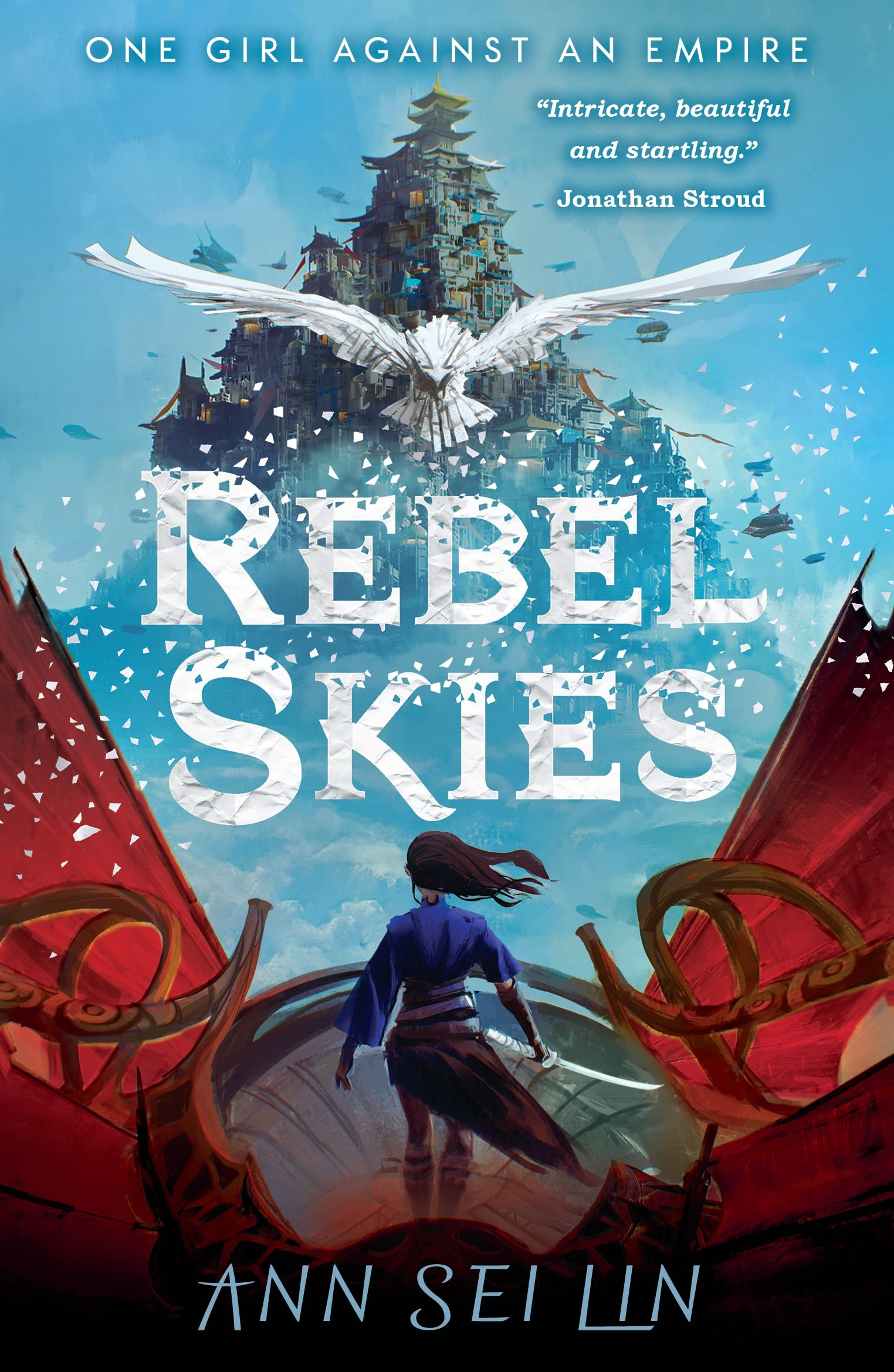
Rebel Skies (Rebel Skies, #1) – Ann Sei Lin

In the Sky Cities, no one is more revered—and feared—more than Crafters: those who possess the power to draw magic from paper and make creatures come to life. Kurara, a young servant aboard a flying ship, has barely honed her powers, only using them for party tricks. But when her best friend, Haru, is revealed to be a Shinigami—a creature made of paper—and grievously injured, Kurara flees to a skyship in order to find answers. There, she hones her Crafting with Himura, an ornery Crafter with secrets of her own. As she gets to know the motley crew of her ship, Kurara discovers that Haru’s identity isn’t the only secret that’s been kept from her—and that there are enough to bring down the Empire.

TW/CW: fire, animal death, torture, death, descriptions of injury

Ann Sei Lin seems to know as well as anyone that we need a bit more whimsy in YA fantasy. The edgelord stuff has gotten boring. It’s fantasy, come on now! I get that if magic was the norm, people might not be impressed by it, but there has to be some wonder in your life, right?

First off, the worldbuilding was tons of fun! Though the Studio Ghibli-inspired elements are plentiful, if I had to summarize the world of Rebel Skies, it wouldn’t be with that. If anything, it’s more of a steampunk version of Kubo and the Two Strings. You’ve got Nausicaä-esque airships and floating cities (which both felt very Philip Reeve as well) combined with paper-based magic, and all of the possibilities you can think of along with it—paper animals, paper people, and monstrous paper beasts. (Oh, and the paper animals can talk. Gotta toss some talking animals in there.) I’m not usually one for steampunk, but this isn’t your garden-variety “slap gears and tiny hats on everything in Victorian England and call it a day” steampunk—not only is the world inspired by Asian cultures (mainly Japan), the blend of magic and machinery married easily, and often whimsically. Though the colors I imagined trended towards rusty and earth-toned, Lin couldn’t have made her world more vibrant—and multilayered; not only were there base-level divisions between the people who lived on the ground and the people who lived in the sky, there were all sorts of customs, stereotypes, and quirks that were given to each, which in turn influenced how all the mismatched patchwork of characters interacted with each other.

For me, it doesn’t get much better than the worldbuilding informing the themes of the book. Not only did I love all of the intricacies of the paper magic in Rebel Skies, I love how Lin used it to explore the theme of autonomy, and especially the lack of it. Kurara herself has been ordered around as a servant, and she sees the same thing being done to the magical beings around her; she sees how Himura treats Akane, his shikigami fox, and questions whether or not he’s really so content to devote his entire existence to serving Himura. Add that to the visceral trauma of discovering that her best friend is made of paper and has been seemingly puppeteered from afar, and the reigning empire is performing cruel experiments on its shikigami, and Kurara’s ultimate motive to both her personal journey and her journey to wrong the rights of her world lies in autonomy, and having a reciprocal, ethical relationship to her magic. It’s an excellent metaphor and an excellent addition of nuance to the worldbuilding—if the world relies on unbalanced relationships, how can I shift them so as not to do to others what others have done to me?

You all know by now how much of a sucker I am for a good found family story, and while Rebel Skies didn’t completely fulfill that promise, I love the group dynamic between all of the characters. Even though the subplot of Sayo and Kurara warming up to each other felt a bit rote, I liked the progression that their characters had. Kurara and the rest of the pirates were lots of fun, and they gave the skyship a lively, lived-in feel. I’m also a sucker for the trope of older, gruff characters taking excitable younger characters under their wing; Himura was a solid addition to the canon, but I feel like he’s hiding too much to truly be a mentor to Kurara. I’m interested to see where it goes in Rebel Fire, but my gut says that it’s going to be some kind of subversion. We’ll see. Either way, Rebel Skies’ motley crew lived up to its description, making the setting all the more lively and adventurous.

As someone who read voraciously in my childhood and longed for some kind of bridge between middle grade and the too-broad age range of YA (12 to 18 is so arbitrary and baffling, you’ll not hear the end of it from me), Rebel Skies automatically won me over. It’s categorized as YA, but it feels right in the middle of MG whimsy and adventure and more YA stakes and themes. Kurara, even as a teenager, has a childlike sense of wonder, and although some of her interactions came off as slightly more childish than her age, it hits a charming balance of innocence and discovery that feels like the ideal bridge between the age jump between the two categories. As a longtime YA reader, it hits a natural sweet spot, but in its balance of darker, more YA elements with the same kind of voice as older MG, Lin has written a book that could serve as both a younger YA reader’s introduction to the genre and an easy pleaser for the YA reader.

That being said, the one major flaw in Rebel Skies is that I didn’t see why Himura’s POV was necessary. He was a solid character, but this novel was clearly Kurara’s story. I enjoyed hearing his voice and Lin wrote it well, but I don’t think his input to the story served a purpose other than giving his side of events…that we’d already been shown through Kurara’s POV. We get that Kurara’s been slow in her training, and then Himura repeats it as such. We do get plot information that we wouldn’t have otherwise gotten from Kurara, but if that’s the only reason that Himura gets his own chapters, then what’s the point? There could be multiple interesting ways for Kurara to get this information that could deepen or complicate the relationship she has with Himura—she could overhear a conversation or sneak a look at some of his documents, for instance, and he could catch her in the act, adding more conflict to the plot. Again, he was a perfectly fine character, but aside from the interludes, Rebel Skies wasn’t meant to be a dual-POV novel. It’s the Kurara show, c’mon!

Overall, a memorable fantasy book with lush worldbuilding, a lively cast of characters, and a unique voice that balances middle grade adventurousness with the more matured nuance of YA. 4 stars!

Rebel Skies is the first book in the Rebel Skies trilogy, followed by Rebel Fire and Rebel Dawn. Rebel Skies is Ann Sei Lin’s debut novel.

Today’s song:

I’m totally new to BCNR, but I saw them open for St. Vincent the other night, and they were great performers!! this was probably my favorite of theirs.

That’s it for this week’s Book Review Tuesday! Have a wonderful rest of your day, and take care of yourselves!
Posted in Book Review Tuesday

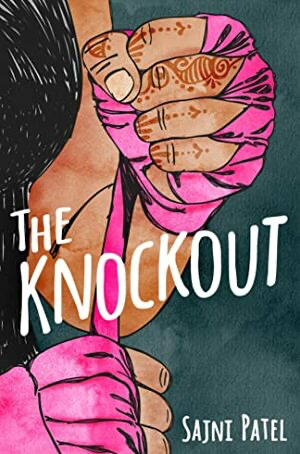
Book Review Tuesday (5/13/25) – The Knockout

Happy Tuesday, bibliophiles!

I always feel bad whenever I come back after period of hibernation only to come back with a negative review. I just have to get it all out sometimes! I’ll probably have something nice to say by next week.

Say it with me, kids: just because a book has diverse representation doesn’t erase the flaws in its writing! Sadly, The Knockout was not the one-two punch that the title promised: it tried to hard to sound hip and teenager-y, and nosedived spectacularly.

Enjoy this week’s review!

The Knockout – S.A. Patel

Kareena Thakkar knows her power. She’s been building up her skills in Muay Thai, and she’s good enough to qualify for the US Muay Thai Open—an event that could take her to the Olympics if she wins. But even though it’s where her passion lies, Kareena is divided between her Muay Thai world, her peers’ desires for her to be traditionally feminine and act the way a good Indian girl should. With her ill father and the Olympics on the line—as well as a cute boy, Kareena must decide which world she’d rather stay in—or if she needs to divide those worlds after all.

TW/CW: bullying, terminal illness, misogyny, medical content

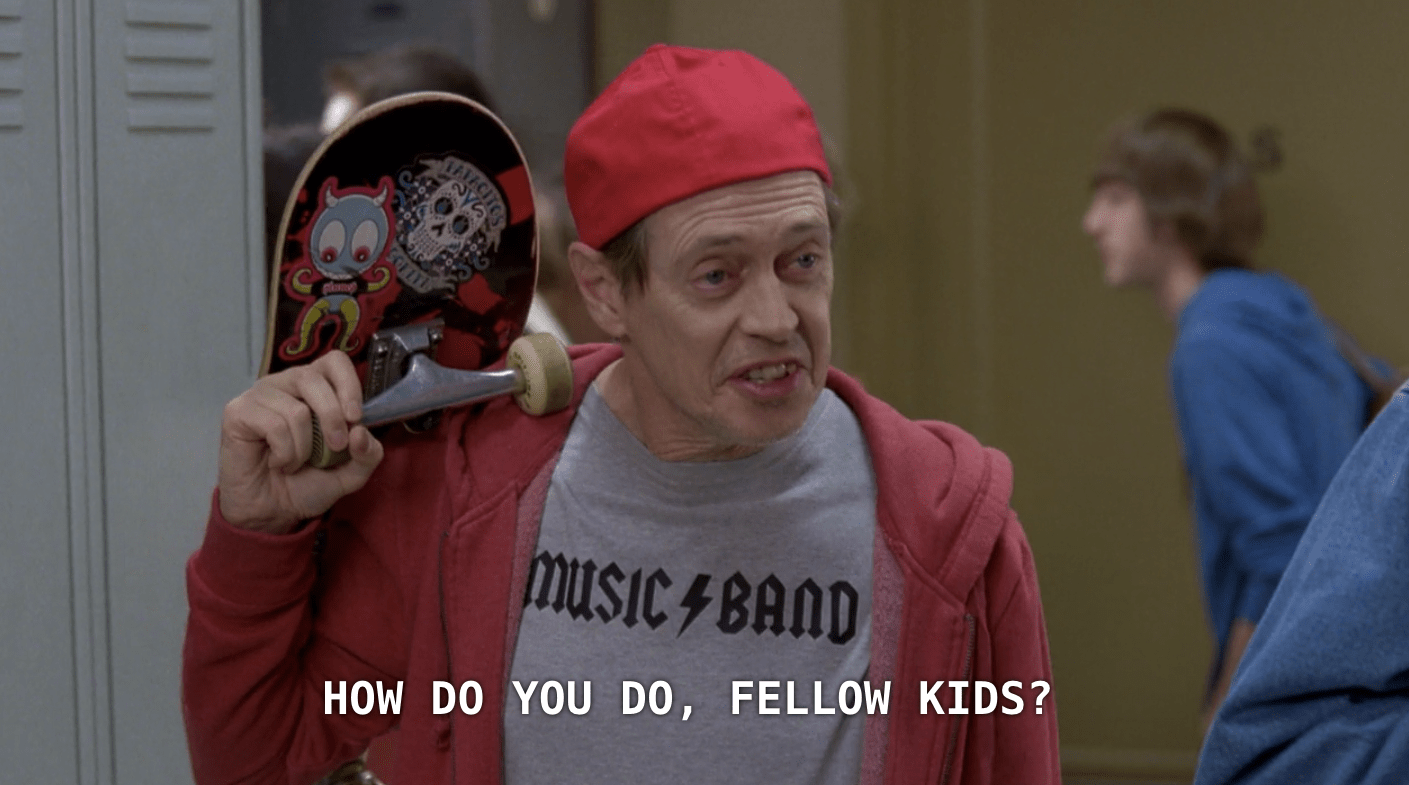
Look. I read YA frequently, knowing that it’s a market of books about teenagers mostly written by adults. Even by that standard, I haven’t read a book so deeply how do you do, fellow kids? as The Knockout in some time. I wanted to badly to root for Kareena, but her insufferable voice—and by extension, Patel’s writing—made it a real ordeal.

Kareena’s voice was the most glaring issue that The Knockout had. Firstly, she didn’t sound or act like a 17-year-old. If anything, between her language and her maturity, she sounded closer to 13 or 14. The kind of stiff, teen movie comebacks she doled out to her bullies were nowhere near the kind of experience a person would have at 17—especially someone who had been through as many struggles as her. In my experience, what you need to do when writing teenagers (or any character who’s younger than you) is to emphasize how you (or your peers) remember feeling—what you’d prioritize, what was important to you, how you would react to situations, etc. Writing like a teenager is about the emotion, because there are a lot of them running around your brain at that age. Sure, it’s hard to nail the voice, and granted, I don’t have the age distance from Kareena that Patel has. But there’s lots of easy ways to not do it, and some of those are a) extensively leaning on what you think is “hip” slang, and b) automatically skewing the character’s voices as young as possible within the teenage range. Between the unnecessary censorship of cursing here and there and her childish outbursts, Kareena was not believably 17. Additionally, Patel’s insistence at integrating what she thought to be “current” Gen Z slang was painfully bad. If anything, it dated The Knockout leagues more than making it relevant. It’s not the teenage experience, but instead the teenage movie experience, simply parroting what adults think teenagers sound like. It positions itself as current and relatable while never encapsulating what it was like to be a teenager, making what should’ve been the heart of the novel hollow.

As with Kareena’s supposed 17 years of age, I was never convinced of the stakes in The Knockout. When Patel established how good Kareena was at Muay Thai, all it did was make Kareena feel unnecessarily overpowered. I normally only say that about fantasy or sci-fi novels, but she was just too good to the point that every fight she did seemed to be a fleeting moment of struggle before she absolutely pummels her opponent. This continued throughout the duration of the novel. Even though Kareena had the Olympics on the line, I never once got the sense that this was hard for her. Her training seemed to be the only time she struggled—other than that, she just flew through the US Muay Thai open without a problem. If she actually experienced tangible setbacks within her practice or the Muay Thai open, I would’ve been more motivated to root for her. Yet everything seemed to be handed to her on a platter, making the stakes feel almost nonexistent. I knew from the start that Kareena would get everything that she wanted, and while I appreciate the value of having diverse characters succeeding in their narratives, it made for a book with no stakes.

Bullying is a major plot point in The Knockout, but I don’t think that Patel succeeded in making all of it completely believable. As far as Kareena getting bullied by her other Indian-American peers for not being “Indian” enough went, that was one of the few parts of the book that was successful; unlike the main plot, it gave Kareena’s struggles some tangible weight. However, I wasn’t fully convinced that her doing Muay Thai was something so outrageous that she thinks that she’ll be bullied by the whole school for it. I get that it’s not a traditionally feminine sport, but with the way that Kareena talked about Muay Thai, you would think that she’s coming out of the closet. Even with the cliched interactions between Kareena and her peers, I just couldn’t imagine her being bullied for it, and not just because if someone were to slam her into a locker, teen movie-style, she’d slam right back. Kareena being a Muay Thai champion didn’t feel nearly as dirty as a secret as Patel lead us to believe, which made some of the novel’s more personal stakes less believable as well.

Additionally, I have mixed feelings about the romance between Kareena and Amit. It didn’t fully sidetrack the book for me, but I wasn’t fully invested either. I did like that Amit was instrumental in helping Kareena reconnect with parts of her Indian culture, but I don’t think he had much of a personality beyond what he did for Kareena. They seemed to have almost all the same interests, and Amit didn’t have anything to distinguish himself other than not doing Muay Thai. He was just a blank slate with similarities to Kareena baked in so that there could be some instant “chemistry” between the two of them. The only tension in the romance was when Kareena met his more traditional family, so the tension didn’t even lie with him—it was all outside factors that threatened the integrity of the relationship. The only differences I can really think of about Amit and Kareena is that he comes from a more traditional family and he’s…well, a different gender. That’s it. He wasn’t a person, he was just a boyfriend. I do think that this kind of story is good with a romantic subplot, especially considering that it’s YA realistic fiction, but like almost everything else in The Knockout, I could not get invested whatsoever.

That being said, I do have some positives for the book. I’ve seen a lot of books, especially YA ones, where the main character has to choose between their traditional culture and the more “appealing” American culture. The Knockout, by contrast, had Kareena be raised by two parents who weren’t connected to their culture in a conventional way—they were flexible with letting their daughter be who she wanted to be without sacrificing their Indian heritage in the process. Kareena was disconnected from her roots in some ways (which she begins to remedy in this novel), but both she and her parents emphasize that there’s no single way to be Indian. I can’t speak to any cultural accuracies, of course, but I loved this as a message for a YA book in this context—there’s no one way to be any identity, be it in terms of gender, ethnicity, race, or anything else. Paired with the expectations of femininity that society puts on Kareena, it’s a wonderful message. I also really liked that Kareena had a combination of multiple interests that weren’t traditionally feminine—in addition to Muay Thai, she’s also passionate about computer science. Sadly, all this was overshadowed by the flaws in most of the novel, but if you took all that away, at least The Knockout has something beneficial to say. I just wish it was said in a less cliched, more authentic way.

All in all, a book with a positive message if you soldiered through it, but was bogged down by childish dialogue writing and characters (even by YA standards) and a lack of all-around believability. 2 stars.

The Knockout is a standalone. She is also the author of several books for teens and adults, including Isha, Unscripted, The Design of Us, First Love, Take Two, The Trouble With Hating You, Sleepless in Dubai, My Sister’s Big Fat Indian Wedding, and the Venom series (A Drop of Venom and A Touch of Blood).

Today’s song:

That’s it for this week’s Book Review Tuesday! Have a wonderful rest of your day, and take care of yourselves!
Posted in Books

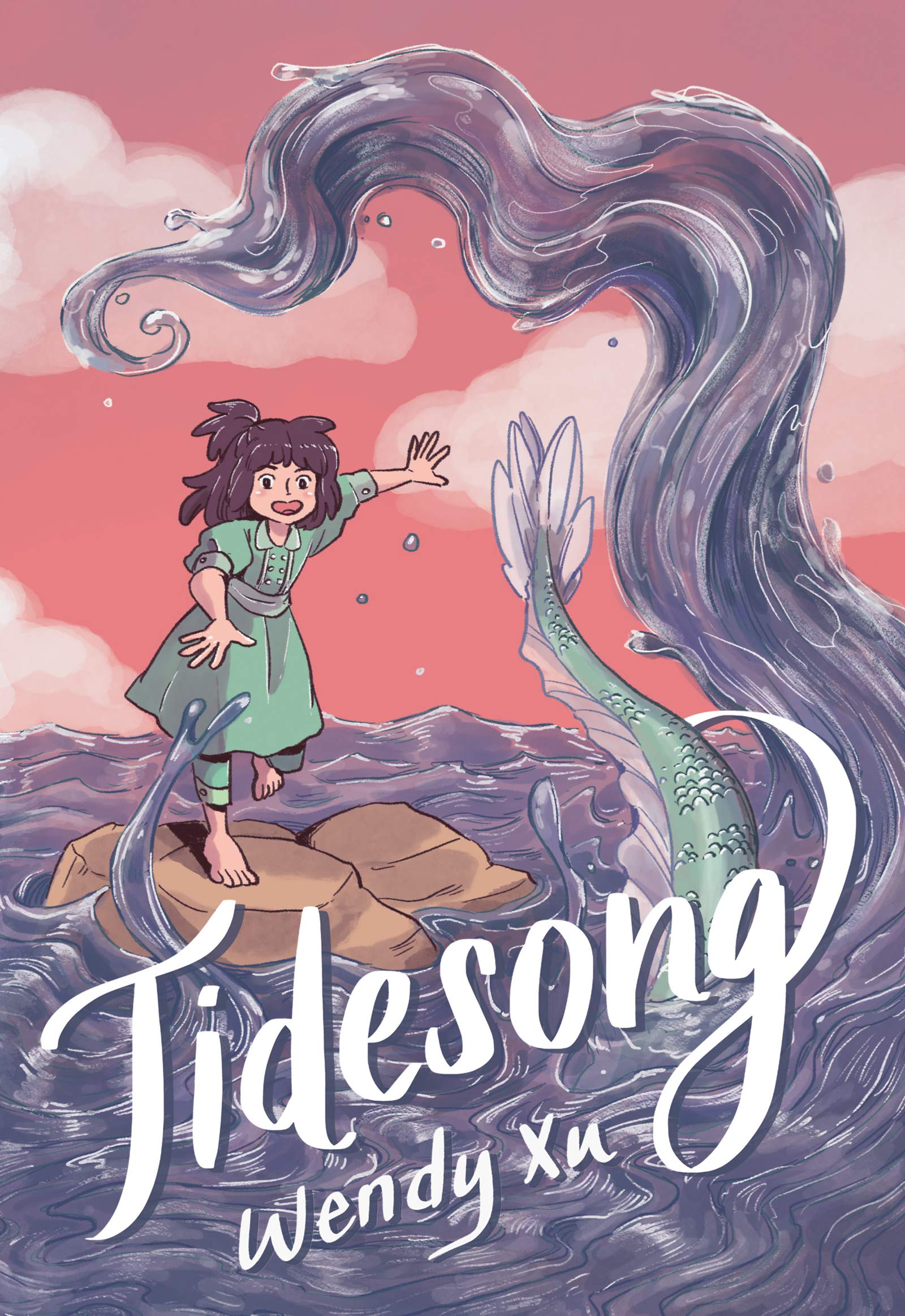
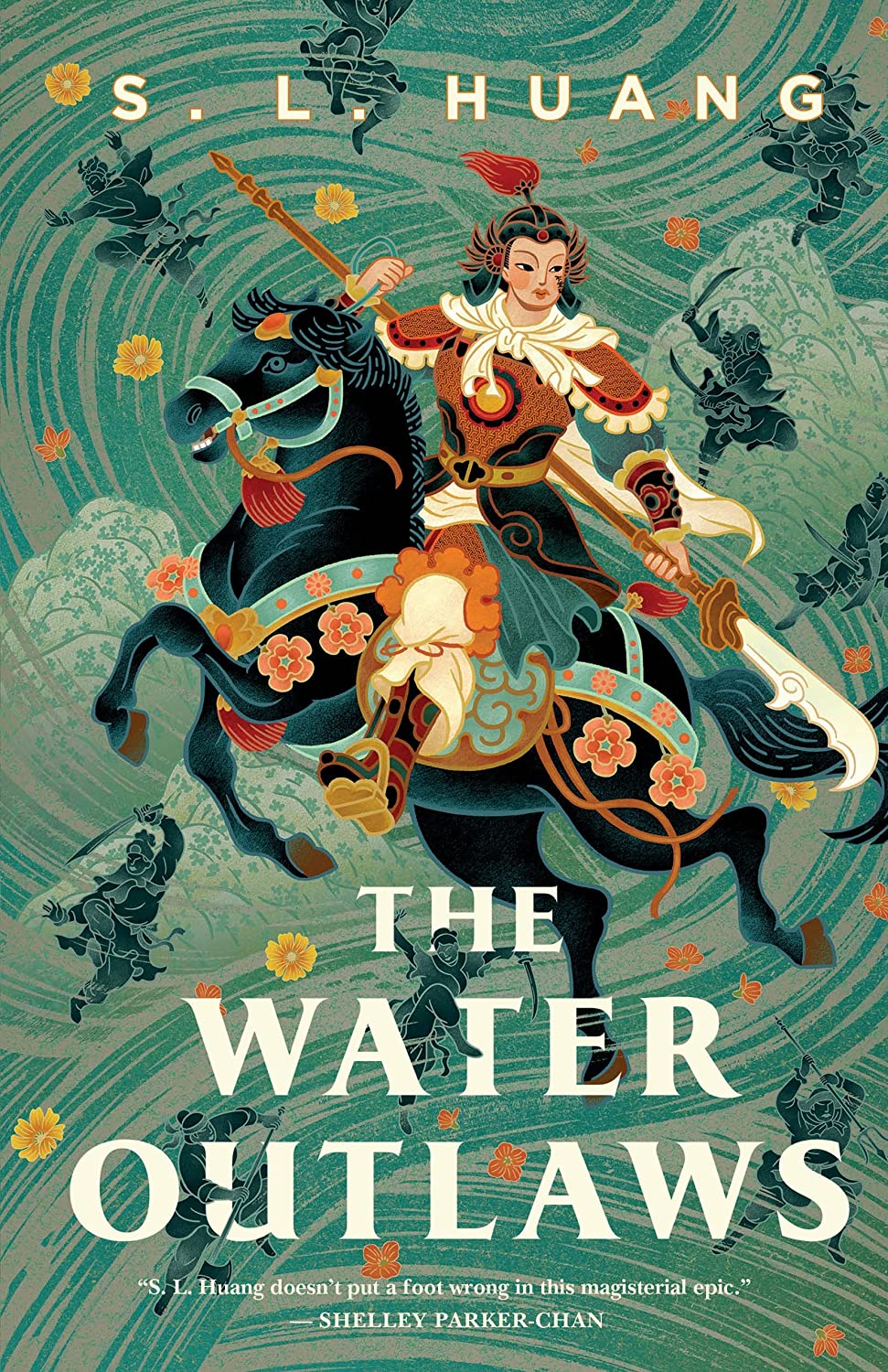
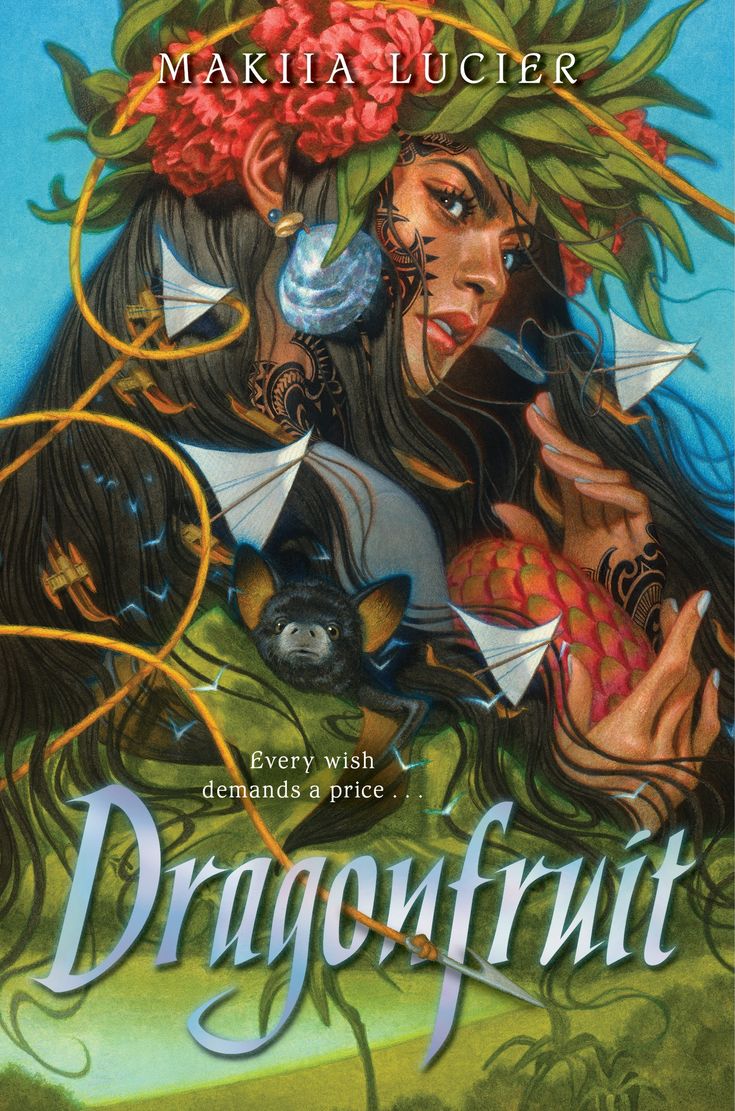
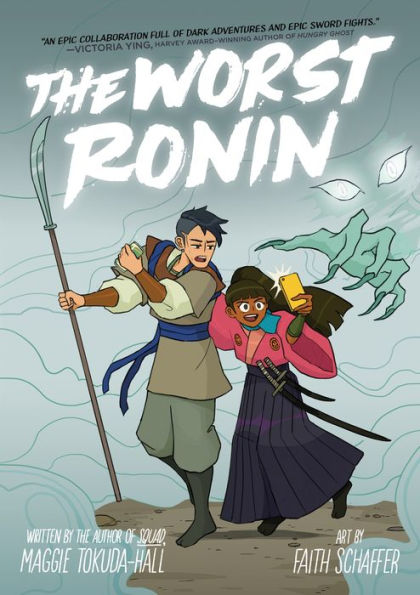
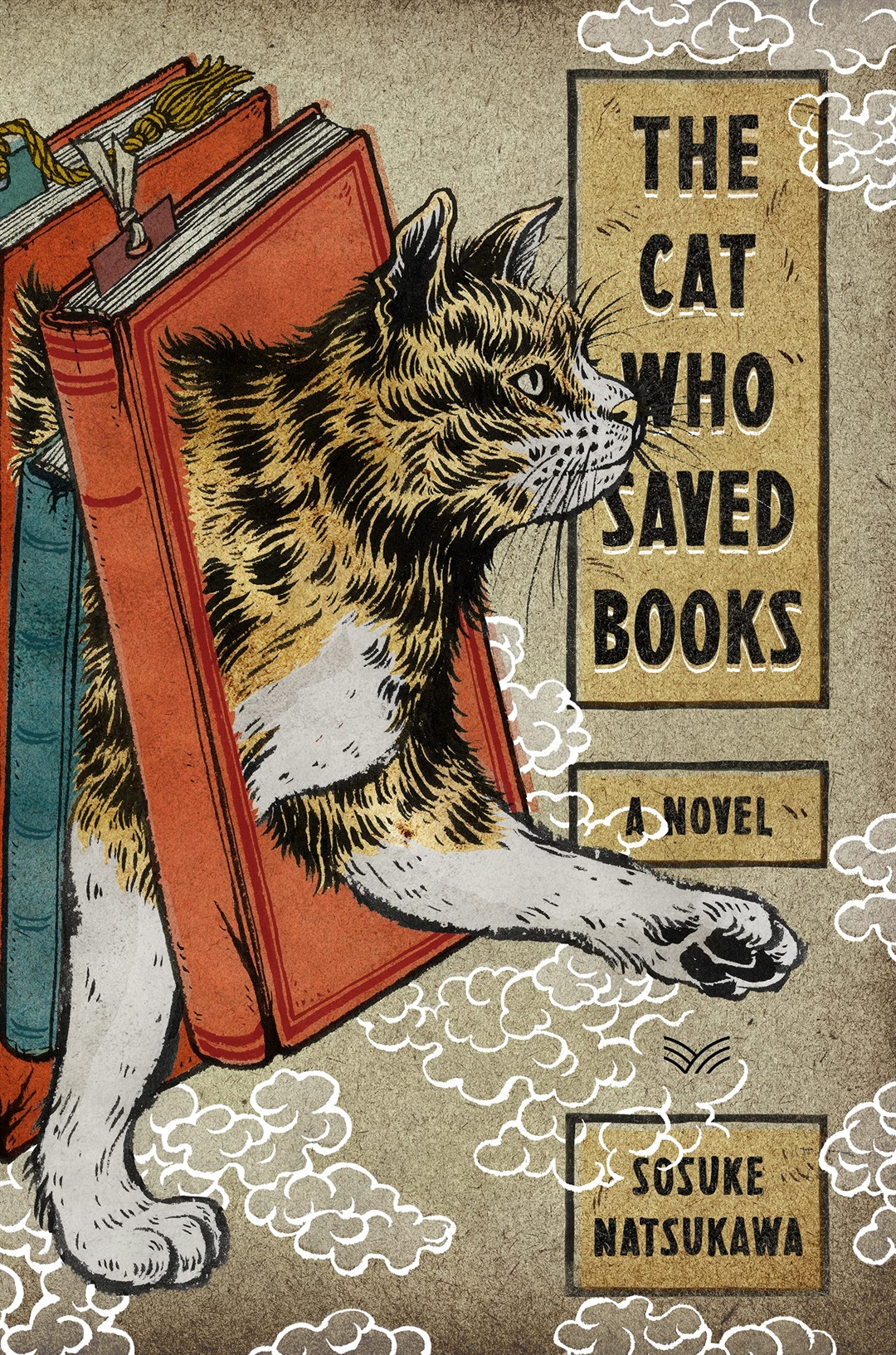
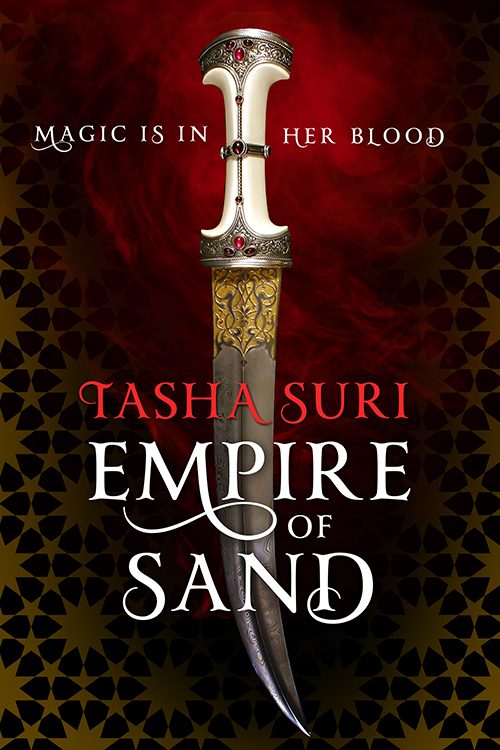
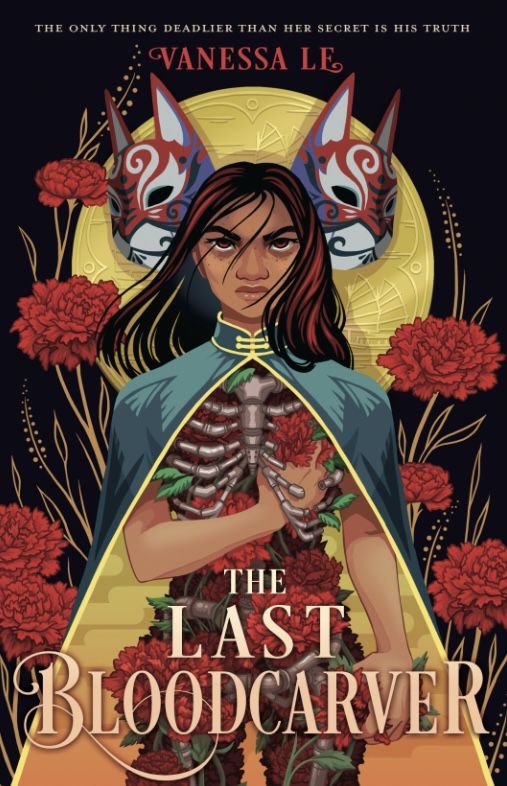
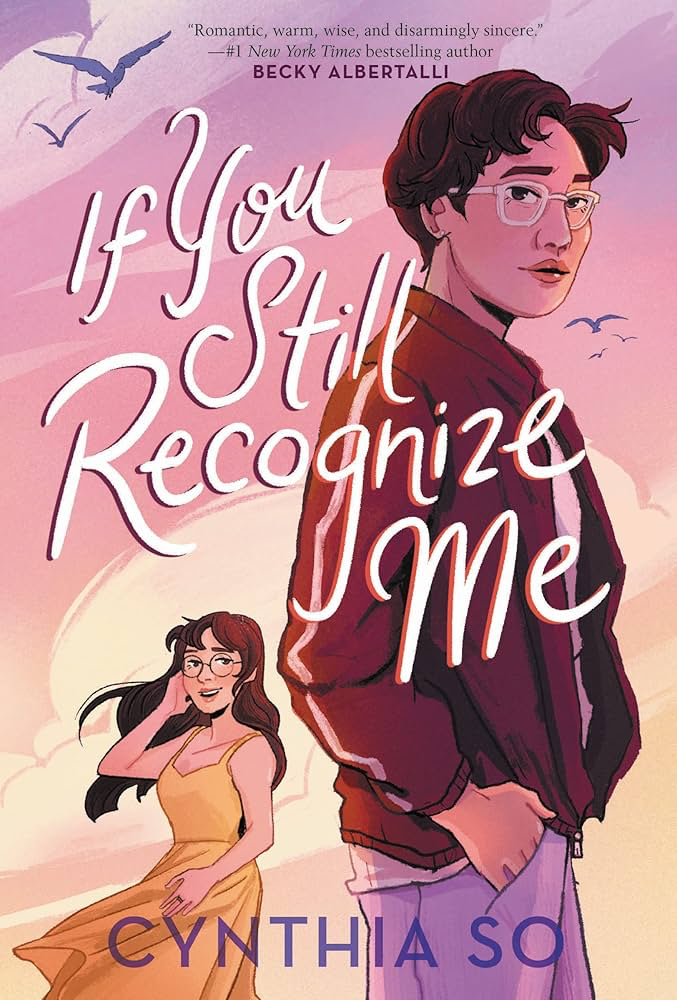
The Bookish Mutant’s Books for AAPI Heritage Month (2025 Edition)

Happy Monday, bibliophiles! I’m not fully back on schedule yet (still in the process of cleaning up my dorm), but I figured I would put out this post for the occasion.

Here in the U.S., May is Asian American and Pacific Islander Heritage Month! Among the many histories that America has been attempting to erase is that of the AAPI (Asian American and Pacific Islander) community, even though they are a critical part of our country’s history. We’re so quick to dismiss the discrimination of Chinese immigrant laborers in the late 1800’s, the Japanese internment camps, and the bigotry faced by South Asian Americans, whether or not they were Muslim, as part of the rampant Islamophobia post-9/11. This history may not be in the spotlight as far as discrimination targets, but just because it’s getting less press doesn’t mean it’s there. Just look at Maggie Tokuda-Hall, who received requests from her publisher to remove specific mentions of racism from the author’s note of her picture book, Love in the Library, which takes place in the Japanese internment camps. (Good on her for not taking the licensing deal. Another reason to love Tokuda-Hall, who appears on this list!) Erasing the horrors of discrimination and racism from our shelves only serves to raise an uneducated, uncritical generation—the opposite of what we need right now.

Looking back on my previous lists, I noticed something. I’ve neglected the PI in AAPI, and that’s a mistake on my part. Books by Pacific Islanders rarely seem to get the spotlight, even during AAPI Heritage month, but that still doesn’t excuse me overlooking that part of the acronym—and the world. This is the first year that I actually do have a few great recommendations from Pacific Islander authors, but please let me know if you have any more recommendations! I’m on the lookout.

For my past lists, click below: 

Let’s begin, shall we?

THE BOOKISH MUTANT’S BOOKS FOR AAPI HERITAGE MONTH (2025 EDITION)

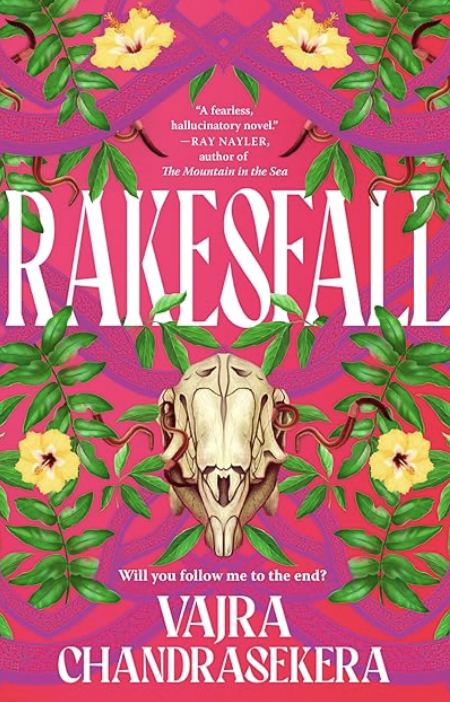
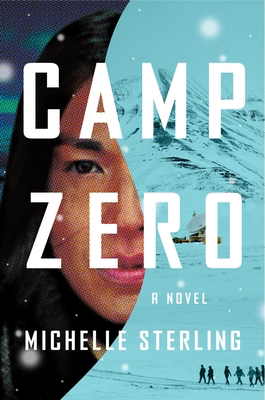
FANTASY:

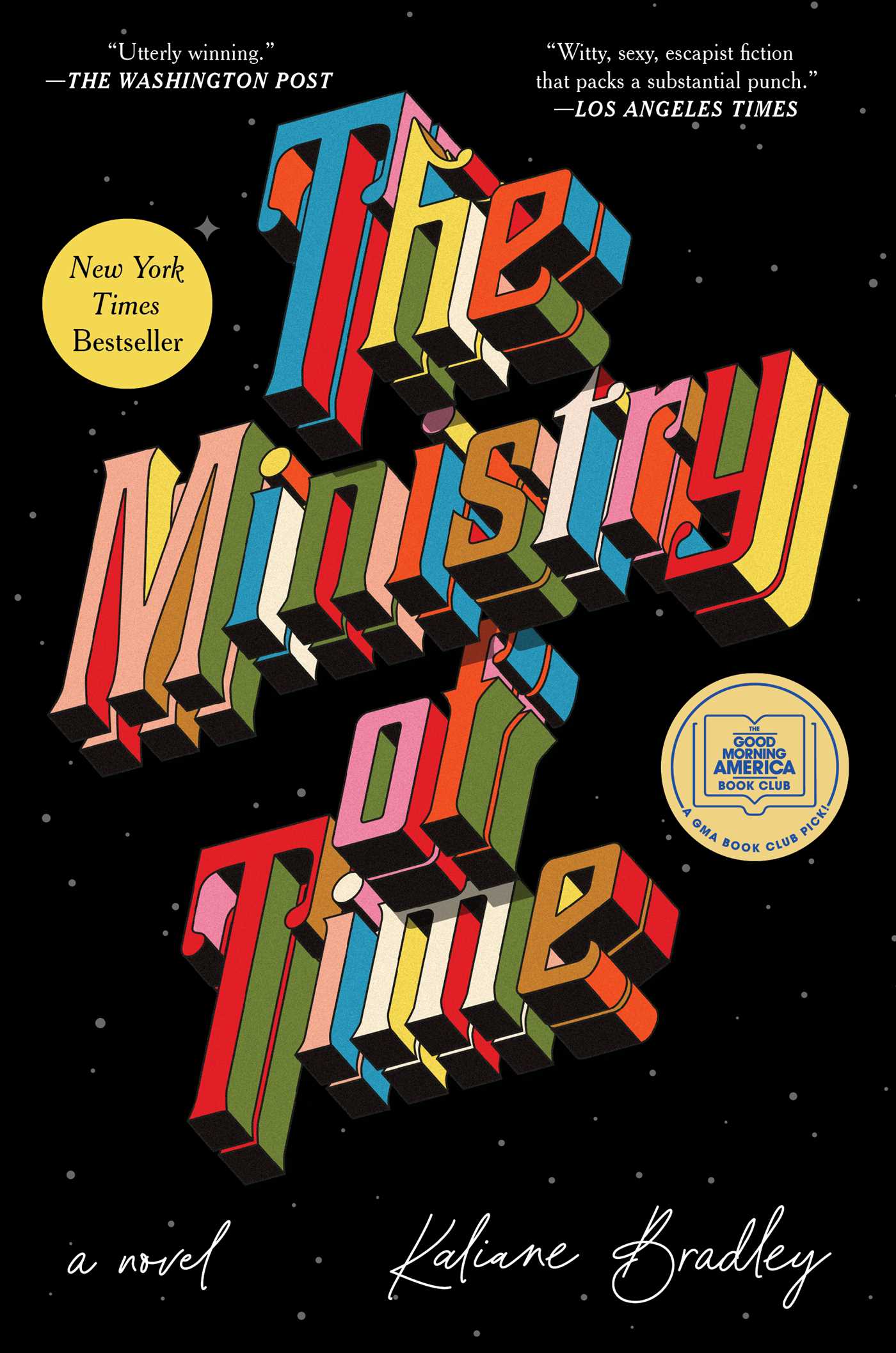
FICTION:

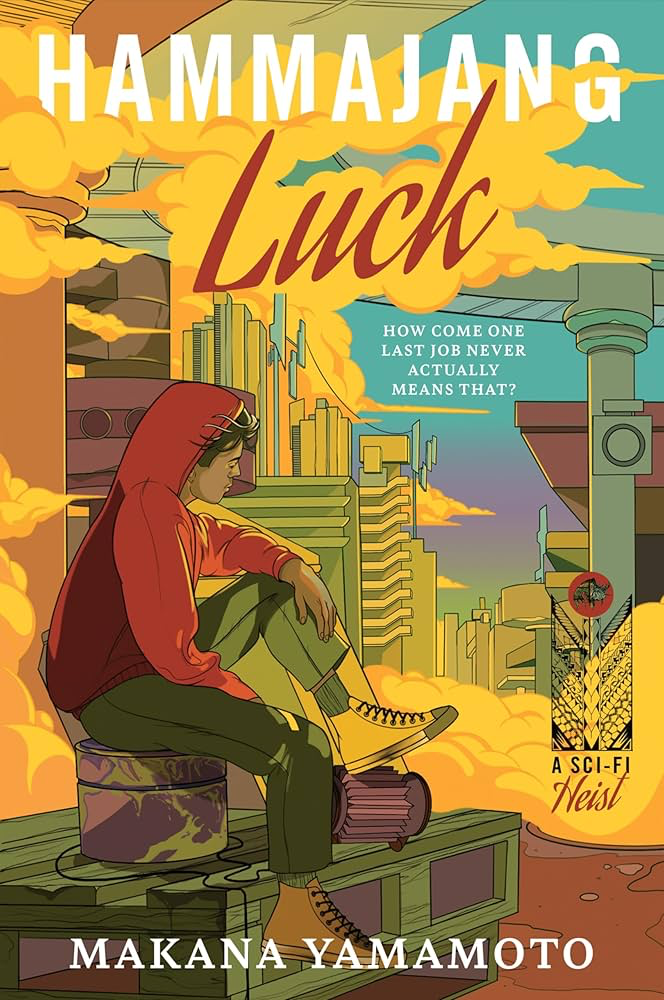
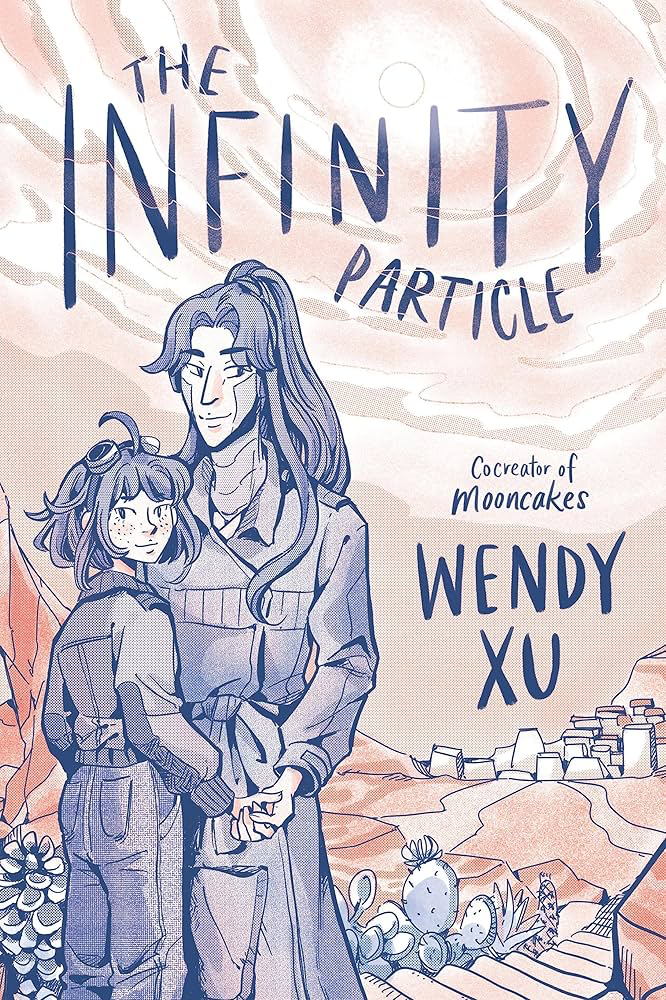
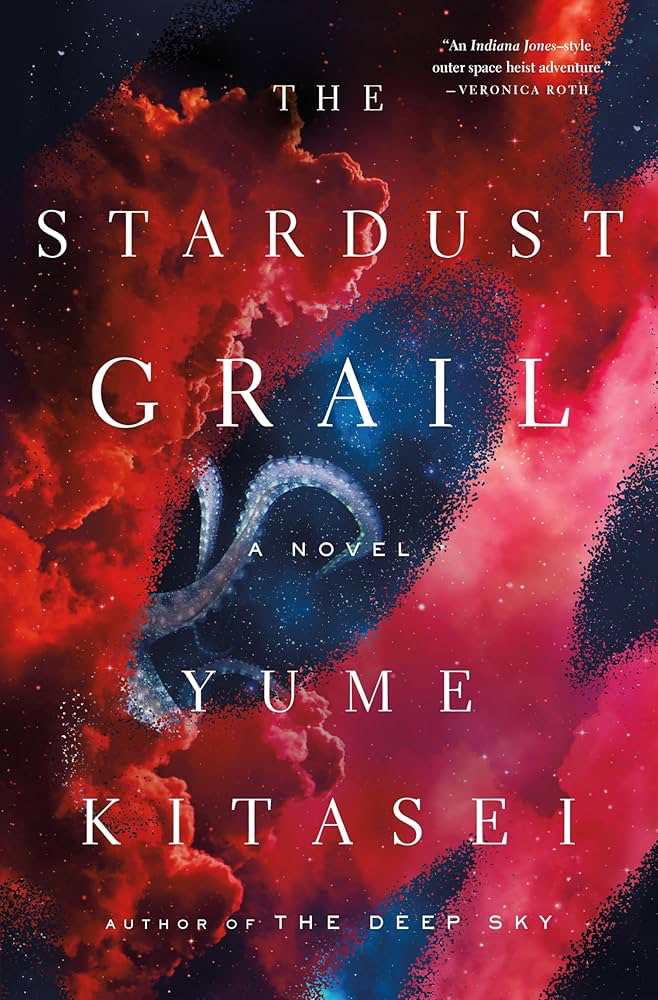
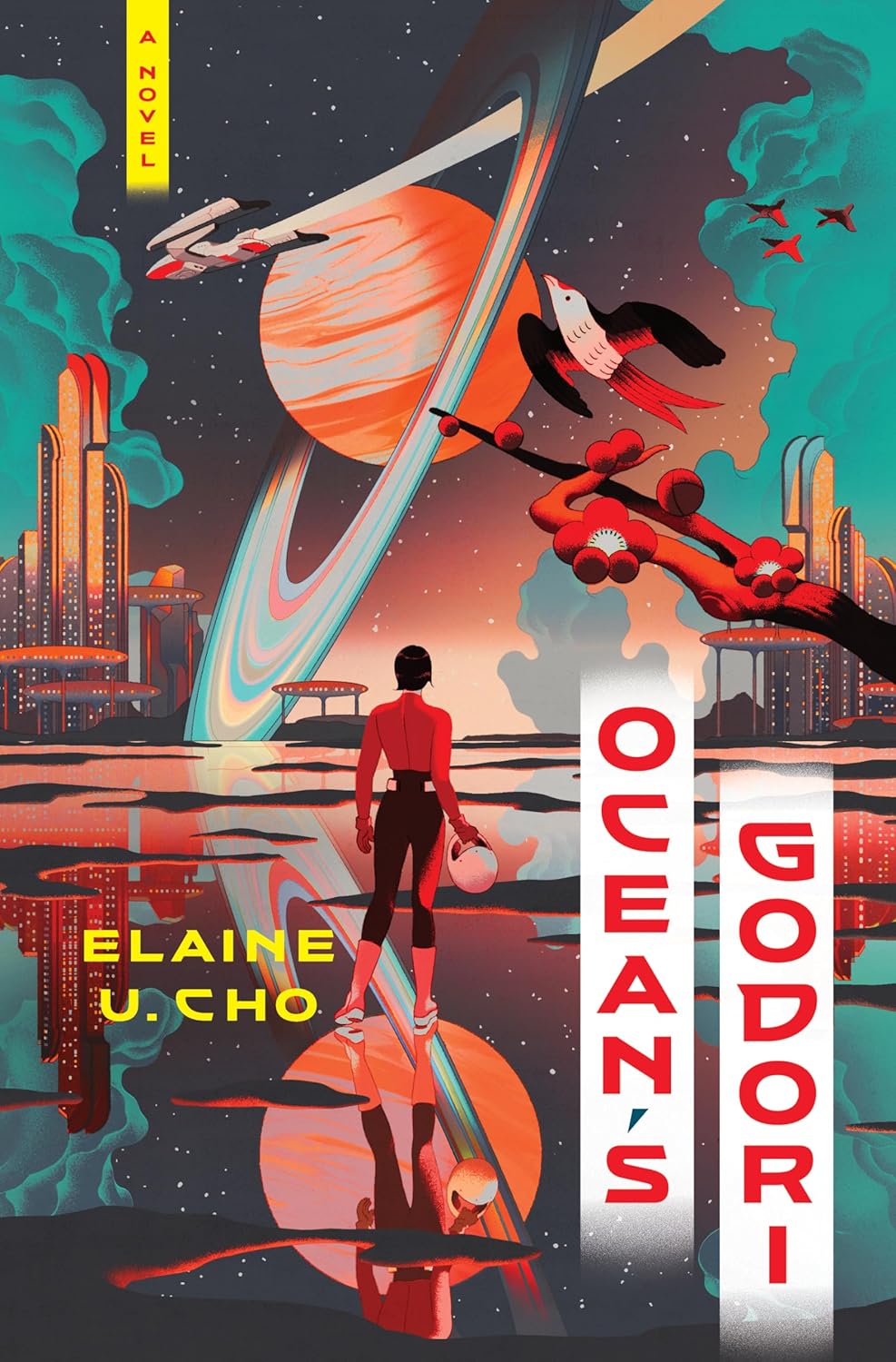
SCIENCE FICTION:

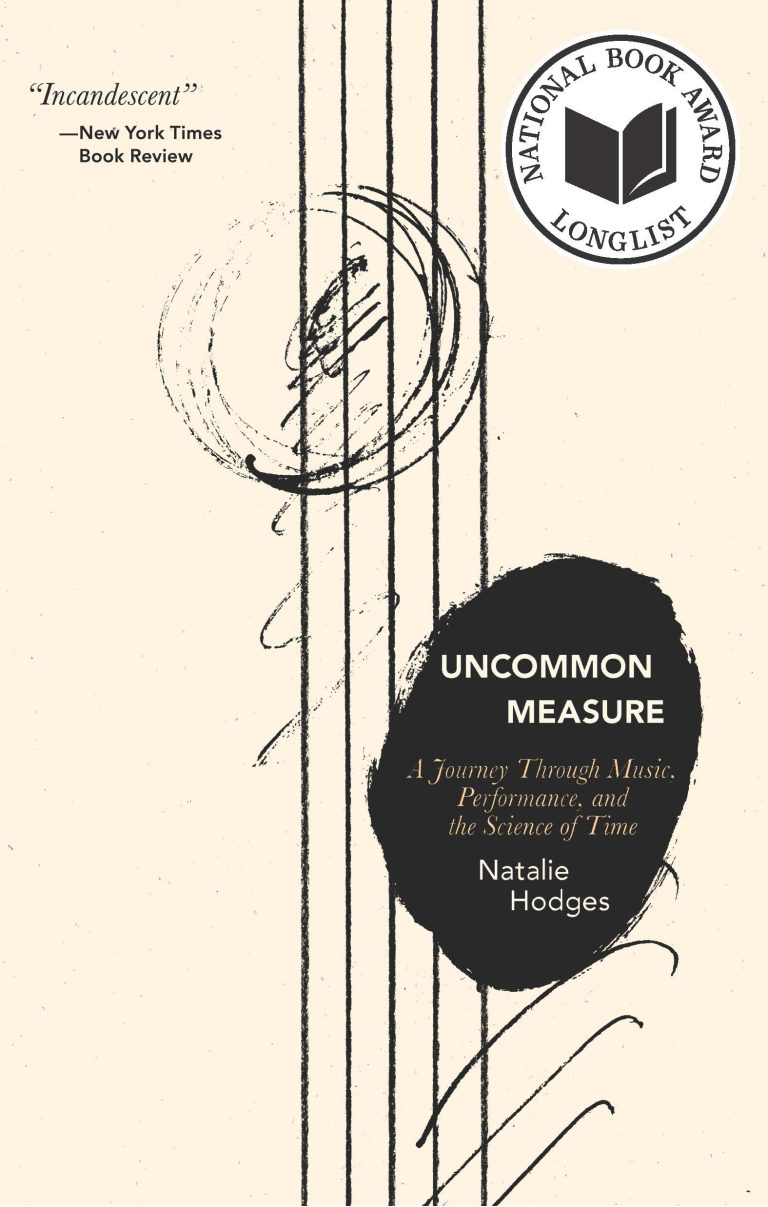
NONFICTION:

TELL ME WHAT YOU THINK! Have you read any of the books on this list, and if so, what did you think of them? What are some of your favorite books by AAPI authors?

Today’s song:

That’s it for this list! Have a wonderful rest of your day, and take care of yourselves!