Posted in Book Review Tuesday

Book Review Tuesday (5/12/26) – Interstellar Megachef

Happy Tuesday, bibliophiles!

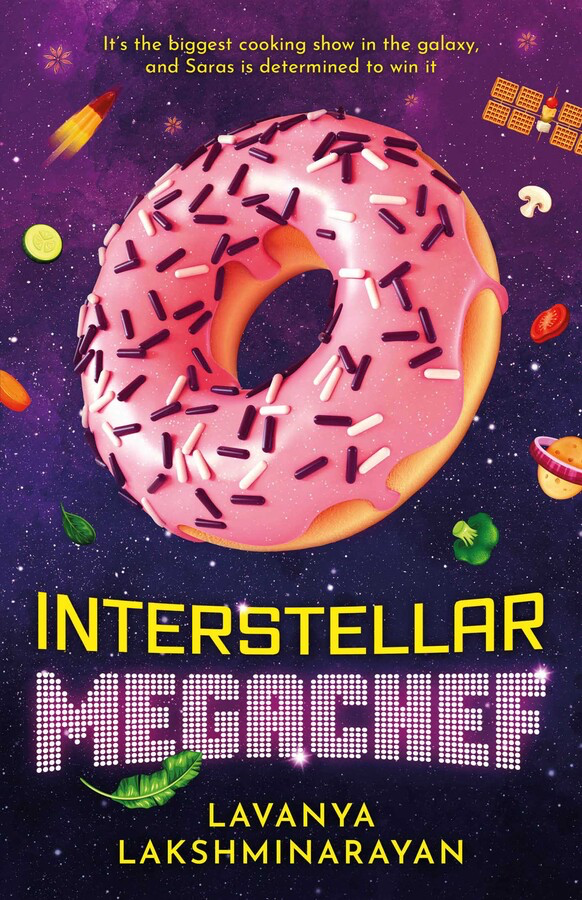
It’s funny that I should be reading/reviewing Interstellar Megachef when I am, because just a week ago, I was talking to my older brother about how you sometimes have to wade through the most cornball book covers and titles known to man to find good cozy fiction sometimes. Different strokes, I guess, but oh my God, this book cover is painfully corny. (And mismarketed, but I’ll talk more about that). But ultimately, it was mostly worth the gambit: although it had some structural issues, it was a solid novel about food, love, and immigration…in space, of course.

Enjoy this week’s review!

Interstellar Megachef – Lavanya Lakshminarayan

Saraswati Kaveri is determined to prove herself. After running away from her family on Earth, she upends her life to immigrate to the famed planet Primus—and earn a spot on its most popular cooking show, Interstellar Megachef. It’s not an easy feat, especially when the humans of Primus are deeply prejudiced against Earthlings, who they see as backwards and violent. But when Saras’s plans go awry, she has a chance encounter with Serenity Ko, a disgraced tech developer who might have just the solution for her to redeem herself—and her cooking.

TW/CW: xenophobia/racism, racial slurs (fictional), substance abuse

First off: Interstellar Megachef is mismarketed. Cornball cover art aside, the Interstellar Megachef aspect of the book is fairly understated. This isn’t a spoiler, but Saras gets disqualified in the first episode of the show—and this happens about a quarter into the novel. (However, Interstellar Megachef comes back as a plot point, so it’s not entirely absent from the plot afterwards.) So I’m assuming that it was marketing reasons that gave this novel its title and tagline. So fair warning, if you’re expecting the entire novel to be food-centric, I’d suggest that you dial back your expectations.

Where Interstellar Megachef succeeds is its powerful commentary on the experience of being an immigrant. To me, good cozy sci-fi succeeds when it retains the low stakes, but doesn’t hold back on discussing whatever issues it seeks to tackle; Lakshminarayan does this to great success. Saras’s experiences as an Earthling immigrant to Primus were a biting indictment of how we treat immigrants, from the outright racism and xenophobia to the more subtle micro-aggressions that they’re taught to simply put up with. The labor that Saras has to do just to be marginally accepted by her Primian peers was poignant, and it spoke to the limits of “acceptance” that mainstream society often has for immigrants: she’s only valuable to them if she’s able to serve a purpose to them. But Saras’s commitment to going against the grain and staying true to her culture gave this novel a poignant, beating heart that propelled its narrative skyward.

Interstellar Megachef also boasts a particularly vibrant sci-fi world. Of course, there are elements that didn’t quite make me suspend my disbelief; I couldn’t quite believe that Earthling humans were more discriminated against than the nigh-incomprehensible mecha tentacle aliens, but that was necessary to the plot, so I get why that was a thing. (Also, the Primian naming convention of every adult being named after the Nine Virtues was okay in concept, but confusing logistically, when you have at least four characters with the same first name per virtue.) Lakshminarayan’s descriptions of this futuristic world were so bright and lived-in, and I truly felt immersed into this neon, intergalactic future for humanity. The aliens were fun, but I feel like their role in society was underutilized, especially when the themes of prejudice and marginalization are concerned. That being said, Lakshminarayan often delivered this worldbuilding in portions that went on for three paragraphs in some cases, which unceremoniously took away from the main narrative. All of the detail and hard work was there, but integrating smoothly into the narrative was a different story, unfortunately.

However, my biggest issue with Interstellar Megachef was the pacing. I’m used to some slowness when it’s cozy sci-fi that we’re talking about, but there were some parts of the novel that seriously dragged. We take so many detours into characters that aren’t central to the main plot, and they don’t serve much of a purpose—they did almost nothing to enrich the plot or the characters. They just seemed like vehicles for Lakshminarayan to do some even more unwieldy exposition for the world (like the three-paragraph-long dumps weren’t enough…). And it’s not as though the book was too short to cut some parts—my paperback edition is around 450 pages. Did we need a whole chapter about politicians negotiating with an alien species that we don’t even see afterwards? There was definitely some trimming needed. The issues with the pacing don’t end here; with all of these detours, it took away so much from the focal plot, making the development of the main characters feel rushed by comparison.

We took so much time on said detours that the romance between Saras and Serenity was rendered rushed and unbelievable. However, part of that was due to Lakshminarayan not giving them much chemistry at all from the start. I just wasn’t convinced of them being a couple, even towards the end of the book. They just didn’t seem compatible at all—and that’s not even counting some of the terrible things that Serenity does to “prank” Saraswati that realistically should’ve been dealbreakers. (Saras!! Get out of there, girl! You deserve better!) By the time they got together at the end of the novel, I was entirely unconvinced of them as a happy couple. It was just so forced from the start, like a bungled attempt at enemies-to-lovers banter.

All in all, a solid stab at a cozy space-opera, full of potent commentary and a vibrant world, but lacking in plot and some believability. 3.5 stars!

Interstellar Megachef is the first book in the Flavour Hacker series, followed by Intergalactic Feast. Lakshminarayan is also the author of The Ten Percent Thief.

Today’s song:

That’s it for this week’s Book Review Tuesday! Have a wonderful rest of your day, and take care of yourselves!

Posted in Book Review Tuesday

Book Review Tuesday (5/5/26) – Saltcrop

Happy Tuesday, bibliophiles!

GUESS WHO’S BACK…WITH A BACHELOR’S DEGREE! 🎓 YIPPEE!! Either way, I’ll be back to my normal posting schedule for the foreseeable future, as I’m now done with finals and all of my graduation festivities.

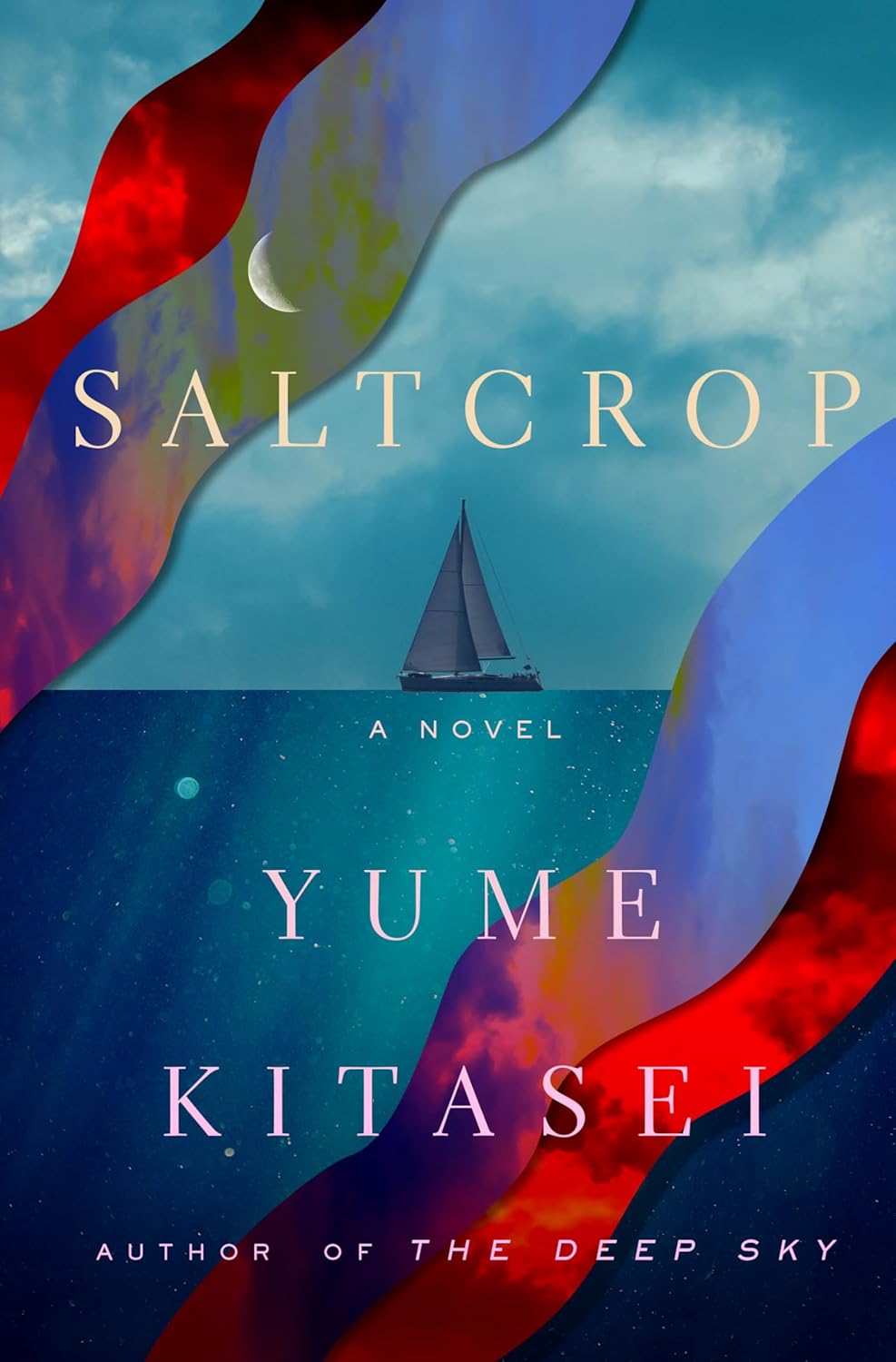
I’ve been a fan of Yume Kitasei since her debut, The Deep Sky. Her second novel, The Stardust Grail, was a 5-star read for me—it’s truly a gem, if you haven’t read it already. (After re-reading it last month, I’m firmly convinced that we need another book set in that universe. Her worldbuilding was so expansive!! It needs a companion novel!! Please!!) So I was ecstatic to hear that she was writing another sci-fi novel. It seems she’s been jumping between all kinds of sci-fi subgenres: a literary thriller with The Deep Sky, space opera with The Stardust Grail, and now dystopia with Saltcrop. And though it didn’t blow me away like The Stardust Grail did, Saltcrop is still a worthy, timely testament to Kitasei’s talents.

Enjoy this week’s review!

Saltcrop – Yume Kitasei

In a world ravaged by climate change, the three Shimizu sisters–Nora, Carmen, and Skipper—eke out a living with their aging grandmother. But Nora has been missing for months without an explanation. Carmen has faith that Nora will turn up soon, but Skipper suspects foul play. The sisters voyage out into uncertain waters to find Nora, but when they stumble into an intricate conspiracy that’s more than they bargained for, they must decide whether the journey was worth it at all—and if Nora is even out there in the first place.

TW/CW: medical content, body horror, death of parents, abuse, violence, murder, illness, animal death, chronic illness themes

One of the coolest things about watching Yume Kitasei’s career expand, from a reader’s perspective, is her willingness to try almost anything within the sci-fi genre. Her first novel was a more literary, sci-fi thriller; her second, a daring space opera with influences from Star Wars and Indiana Jones. Saltcrop is wholly different than both of them, and perhaps the greatest thing about it is that Kitasei never seems to run out of ideas, and that she’s unafraid to chase them.

Saltcrop is full of heart, and to me, that was its main strength. What formed this heart was the central relationship between Skipper, Carmen, and Nora. Even though 1/3 sisters was notably missing for 2/3rds of the novel, her presence was palpable; all that was possible due to the subtle interactions that Kitasei wove through Skipper and Carmen, both past and present. Their clashing but united dynamic as sisters propelled the novel in such a poignant way. Though you know from the start that Skipper and Carmen would cross the ocean for their sister (and they do), Kitasei never falters in giving you the sense of the complex but steadfast love that they have for each other. It feels like a middle finger to all of the dystopian media that posits that the apocalypse will somehow deteriorate our inherently human urge to love and help each other. Siblings will be siblings, even when climate change floods the world—Kitasei means that in every sense possible.

The setting of Saltcrop is familiar: a flooded dystopian world rendered unrecognizable by climate change, where the poor eke out a hardened existence while the rich continue to get richer. It’s a plot we’ve heard many times before, but Kitasei’s touch made it much more human. Aside from the exploration of the sisters’s relationships, I think what made Saltcrop’s plot and worldbuilding so memorable were the vignettes that made it human. Kitasei’s flooded world was peppered with stories of ordinary people, dead and alive, who made a living in spite of nearly inhospitable circumstances. It doesn’t shy away from the dark and ugly parts of this world (namely the spread of illness and corporate greed) Combine that with the clearly exhaustive research she did about agriculture, epidemiology, and genetic modification that got especially relevant in the last half of the novel, and Saltcrop was one of the most lived-in dystopias that I’ve read in quite some time.

I said earlier that Saltcrop is fairly different from her previous two novels, but in terms of writing, I think it trends closer to The Deep Sky, which is to say that it leans more into the literary side of her prose. And if there’s anybody I trust with more literary prose, it’s Kitasei. Her eye for poignant, needle-sharp descriptions that lodge themselves into your heart is stronger than ever—there are casual gut-punches laid about everywhere. Even in the heart of a climate-ravaged dystopia, there were almost Fargo-like interludes where reality and memory warp, which was all the more potent considering the themes of remembrance in Saltcrop. (The bear scene in the middle especially comes to mind.) Like the plot, Kitasei’s prose turned an environment that we’ve seen many times before into something wholly fresh and enlivened.

I’ll admit, I have some mixed feelings about the ending. On the one hand, I loved how the sisters rallied together to try and bring down the antagonist corporation, which routinely swallowed all of their attempts at resisting; the gradual, quiet victory was hopeful, and felt realistic to the long and rocky road to justice that we see with these kinds of issues. However, I feel like there were so many unanswered questions at the end; without spoiling anything, it felt like the setup to another novel, but there was so much left unsolved and unsaid, and yet Kitasei gave it the tone of a bittersweet ending, but a concrete ending all the same. It only felt wrapped up in the sense of the corporation plot, but beyond that, it felt unfinished. I’m all for an ambiguous ending, but with such a key piece of the puzzle missing, it didn’t feel satisfying in the slightest.

All in all, a startlingly human post-apocalyptic story of sisterhood and survival. 4 stars!

Saltcrop is a standalone, but Yume Kitasei is also the author of The Deep Sky and The Stardust Grail.

Today’s song:

genuinely criminal that this isn’t available on streaming, but this is, hands down, one of the best Wilco covers out there

That’s it for this week’s Book Review Tuesday! Have a wonderful rest of your day, and take care of yourselves!

Posted in Books

The Bookish Mutant’s Books for AAPI Heritage Month (2026 Edition)

Happy Monday, bibliophiles! This is the last of my scheduled posts, so you can expect that I’ll be slowly getting back to my normal posting routine soon.

Here in the U.S., May is Asian American and Pacific Islander Heritage Month! As with all of the heritage and pride months, it has always been difficult to ignore how complicated of a moment it is. In particular, I think of the unspeakable violence that ICE has been inflicting on AAPI immigrants, and Asian people at large, no matter their status; combine that with the blatant racism that this administration has allowed, and it has made this time in American history exceedingly dangerous. But we have to remember that it has always been this way, in some way, shape or form—our historical treatment of AAPI people in America has been nothing short of shameful, from the conception of this country to now.

Yet as with every year, the best way to combat the government wanting to silence AAPI voices—and all marginalized voices—is having pride in one’s heritage and educating oneself. Pride and education are the two things that the government deems most dangerous in any marginalized community, and fostering them is the ultimate antidote to the continual erasure of AAPI voices from our history and literature. So I hope with this list, which draws from fiction and nonfiction and from many different backgrounds and genres, helps this effort.

For my past lists, click below: 

Let’s begin, shall we?

THE BOOKISH MUTANT’S BOOKS FOR AAPI HERITAGE MONTH (2026 EDITION)

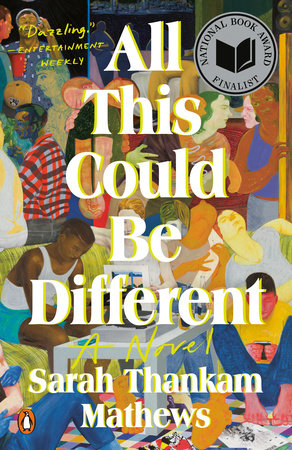
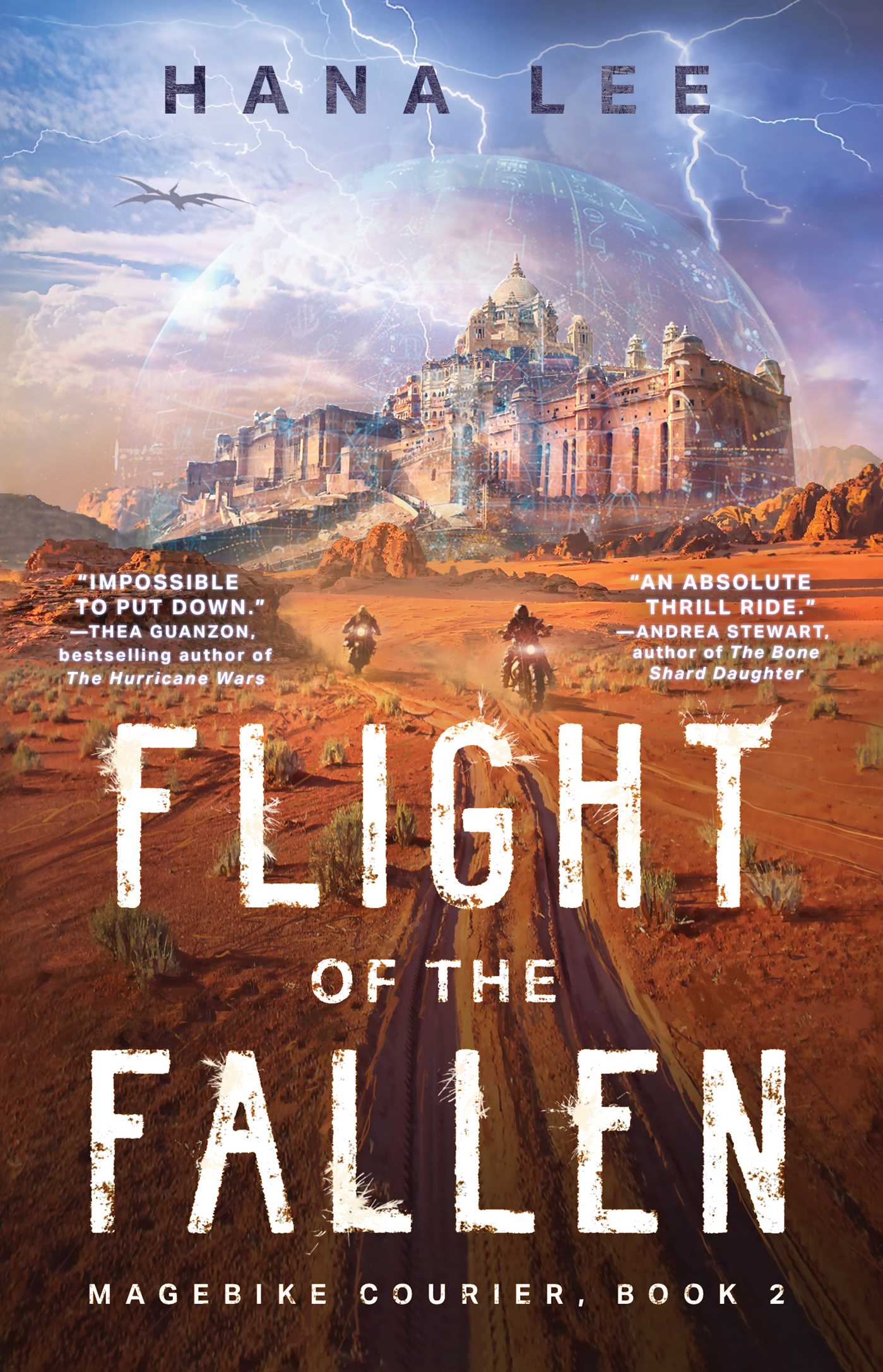
FANTASY AND MAGICAL REALISM:

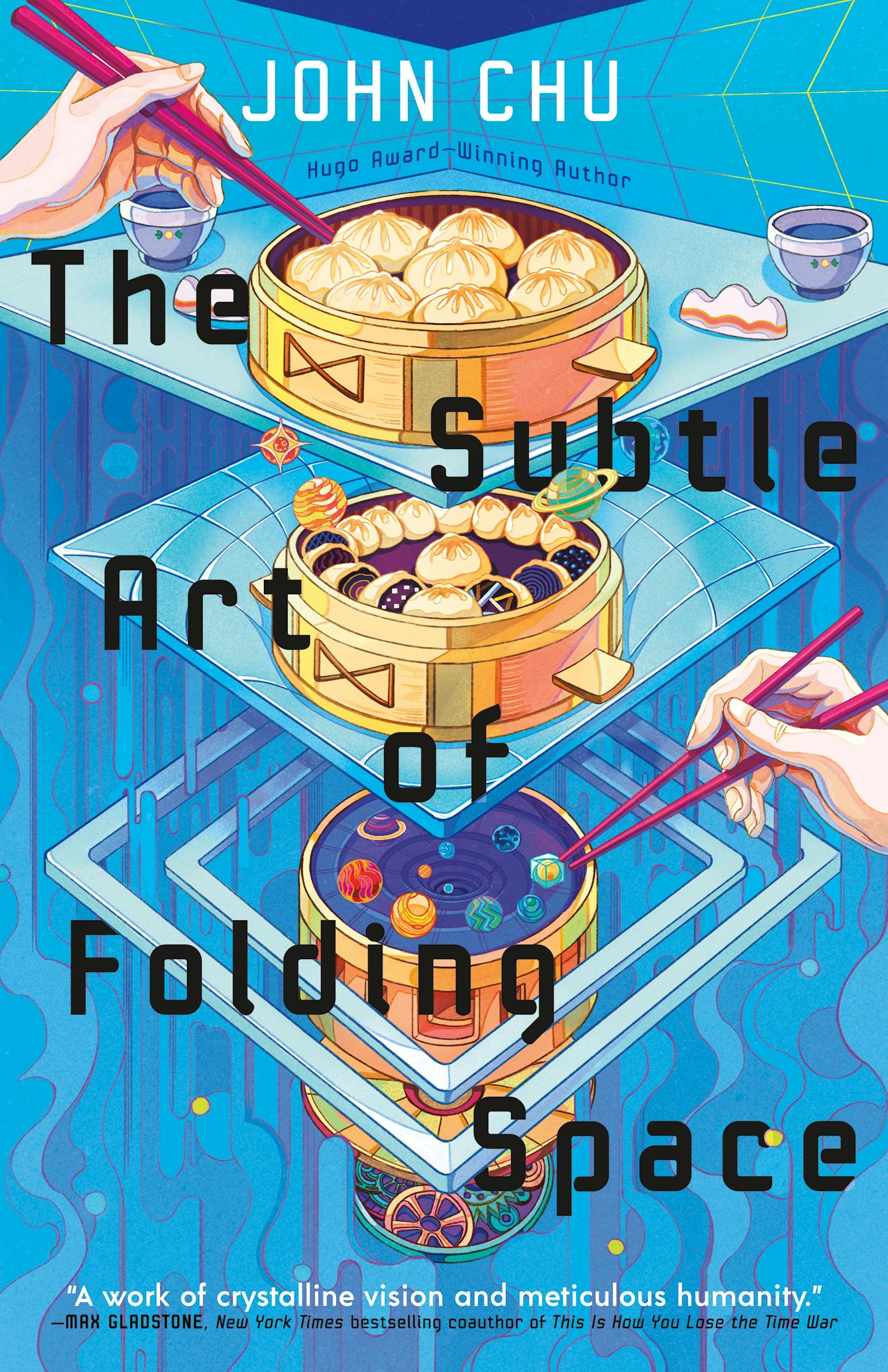
SCIENCE FICTION:

REALISTIC AND HISTORICAL FICTION:

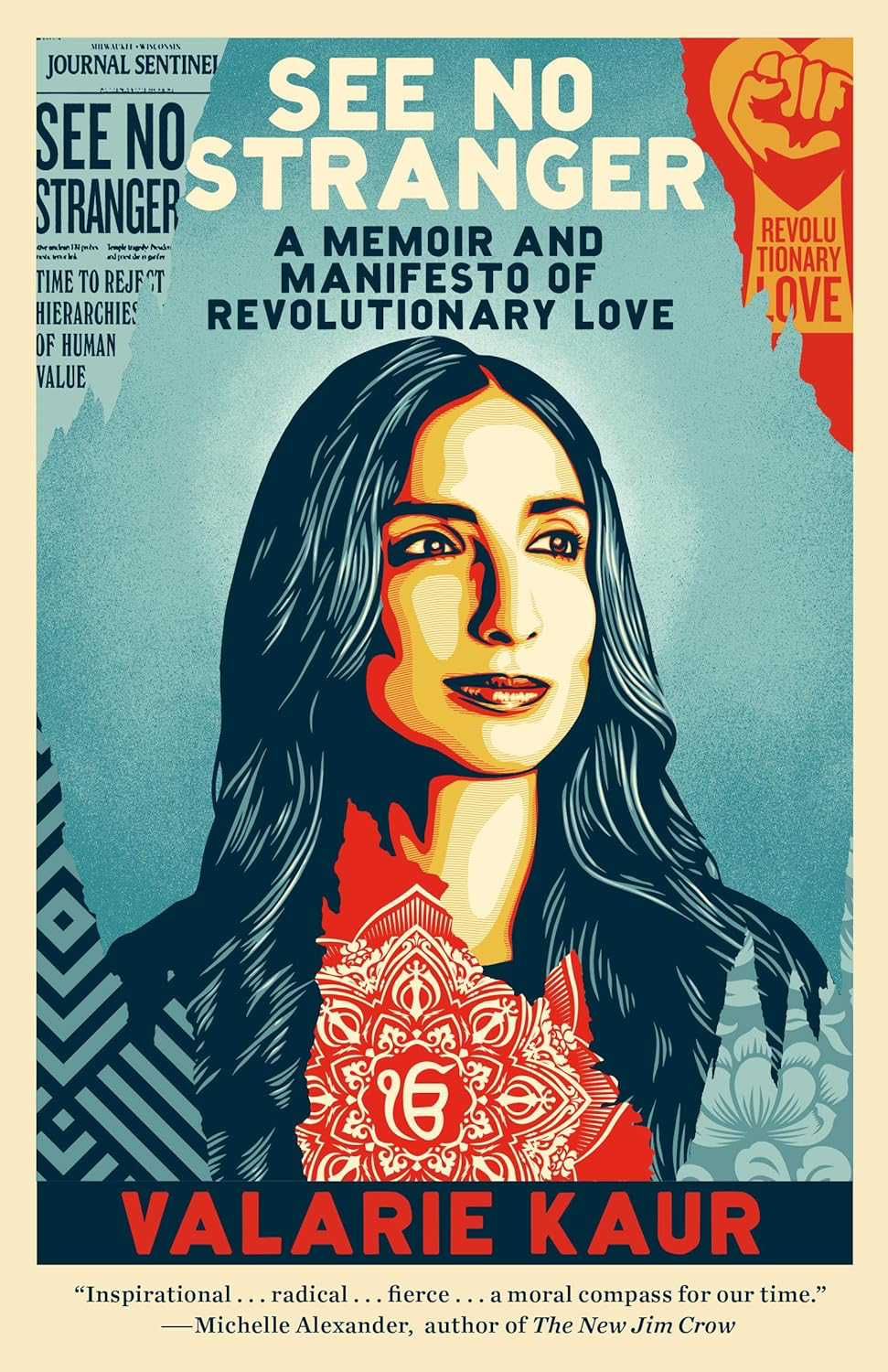
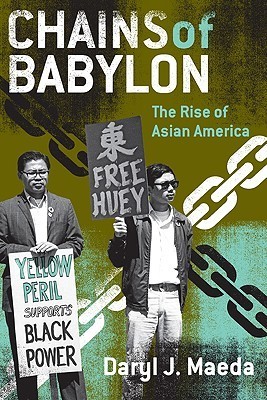
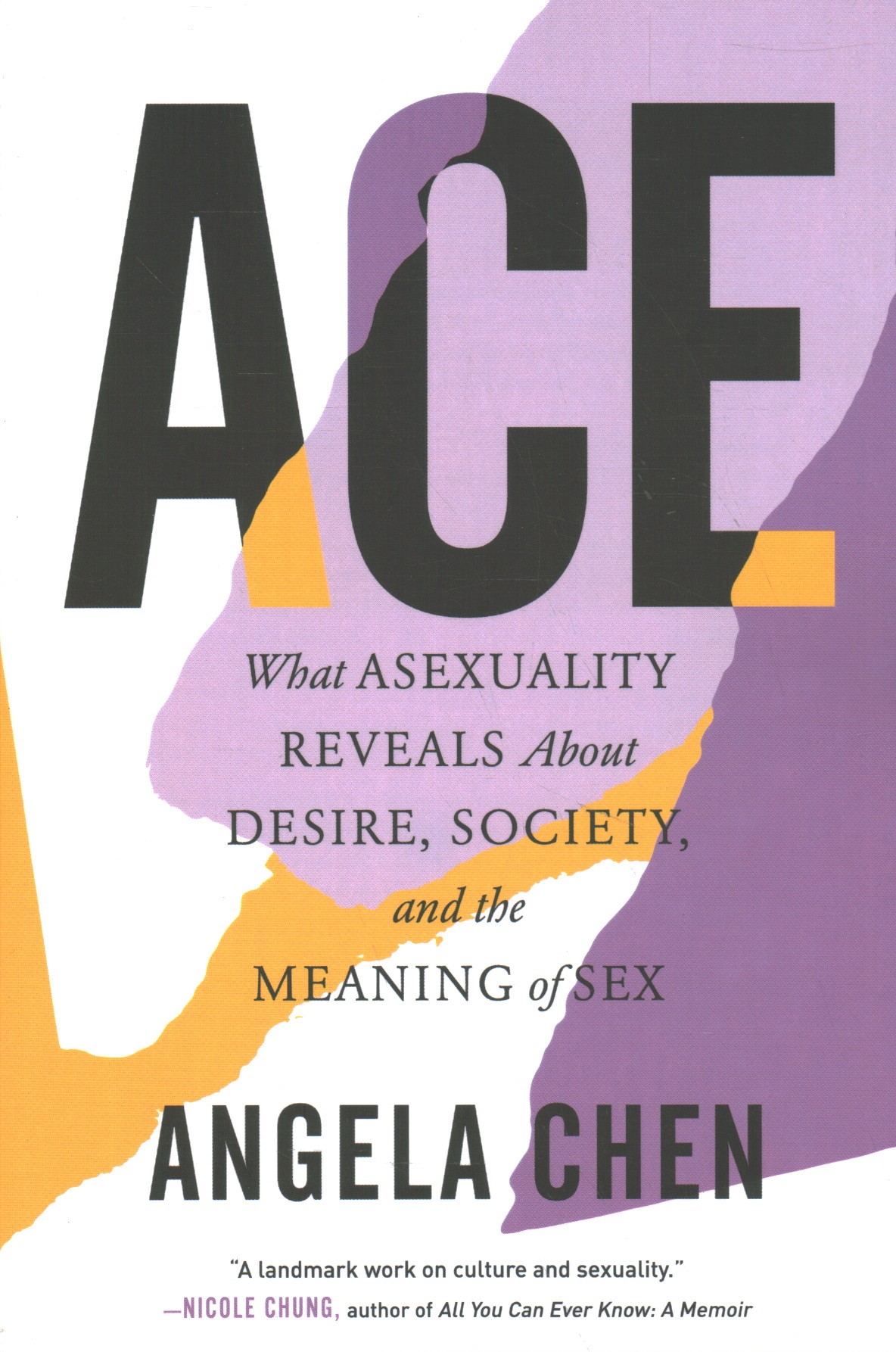
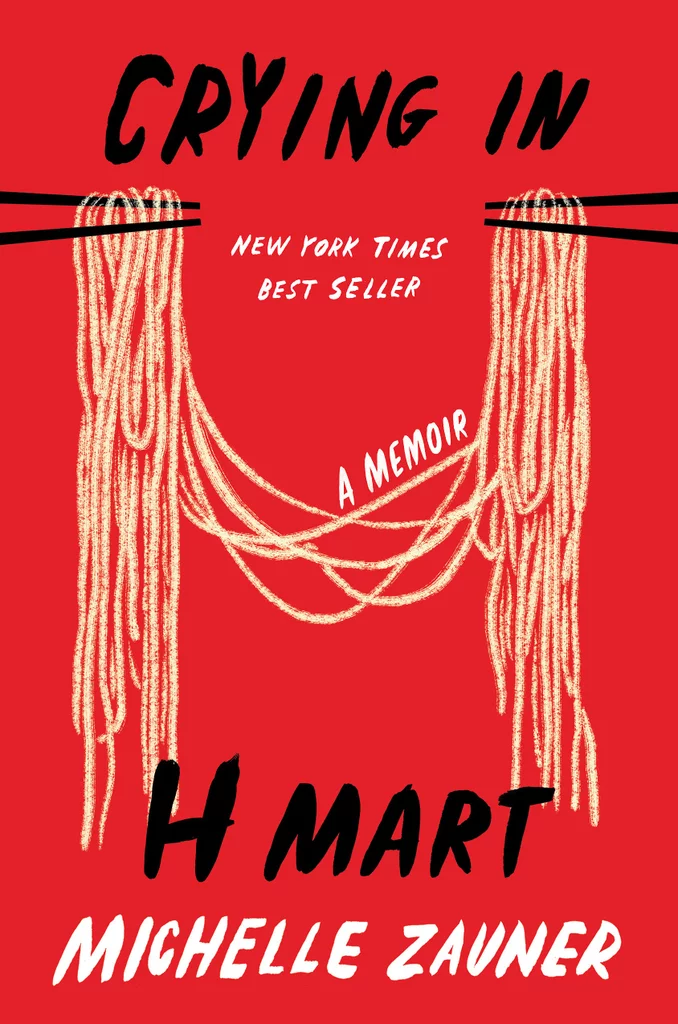
NONFICTION:

TELL ME WHAT YOU THINK! Have you read any of these books, and if so, what did you think of them? What are some of your favorite books by AAPI authors? Let me know in the comments!

Today’s song:

That’s it for this recommendations post! Have a wonderful rest of your day, and take care of yourselves!