Posted in Sunday Songs

Sunday Songs: 6/29/25

Happy Sunday, bibliophiles!

This week: Becky Chambers double-dipping, offloading my gripes about the train wreck that was season 4 of Hacks, and…oh, whoops, I think this post was supposed to be about music. My bad.

Enjoy this week’s review!

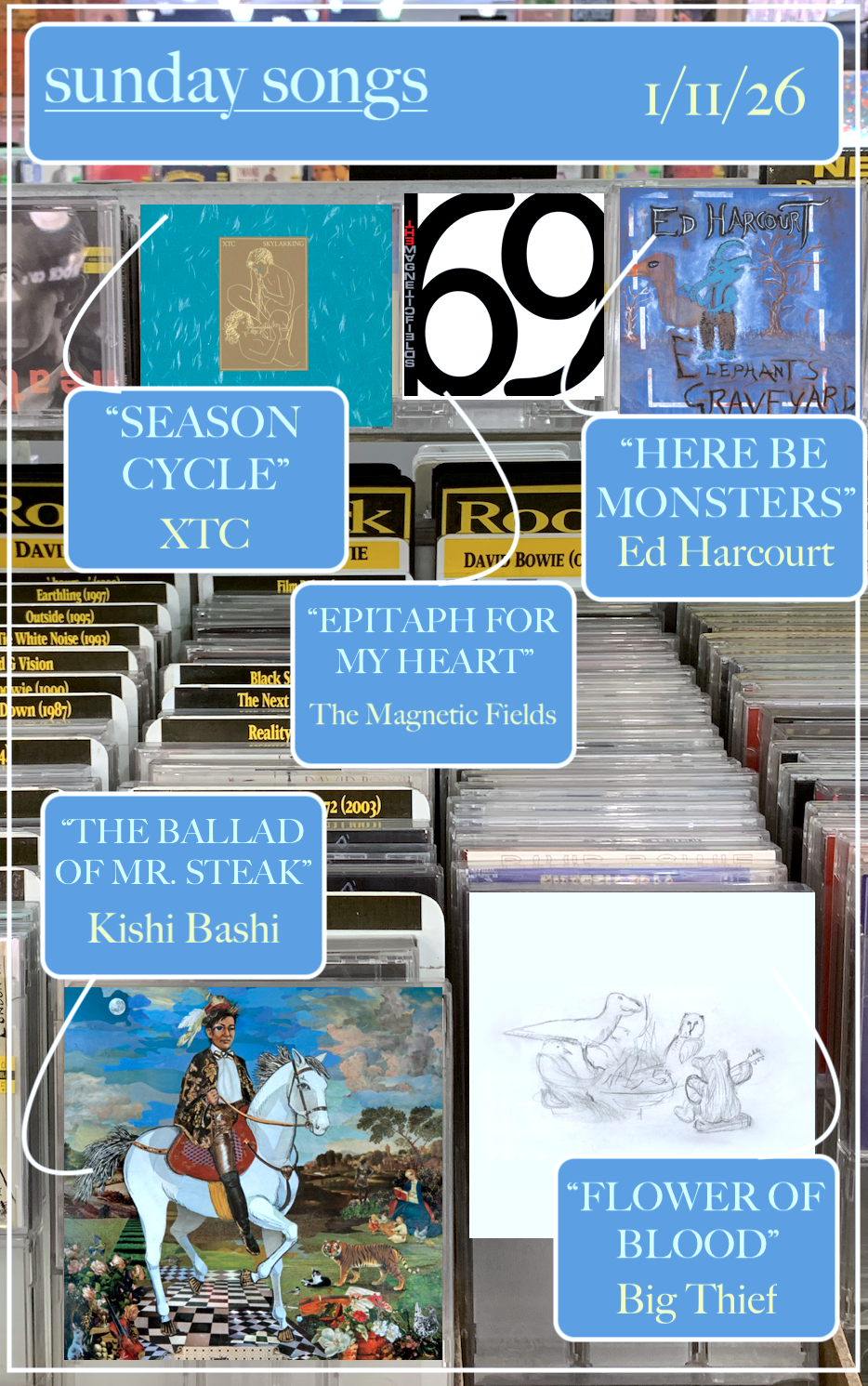
SUNDAY SONGS: 6/29/25

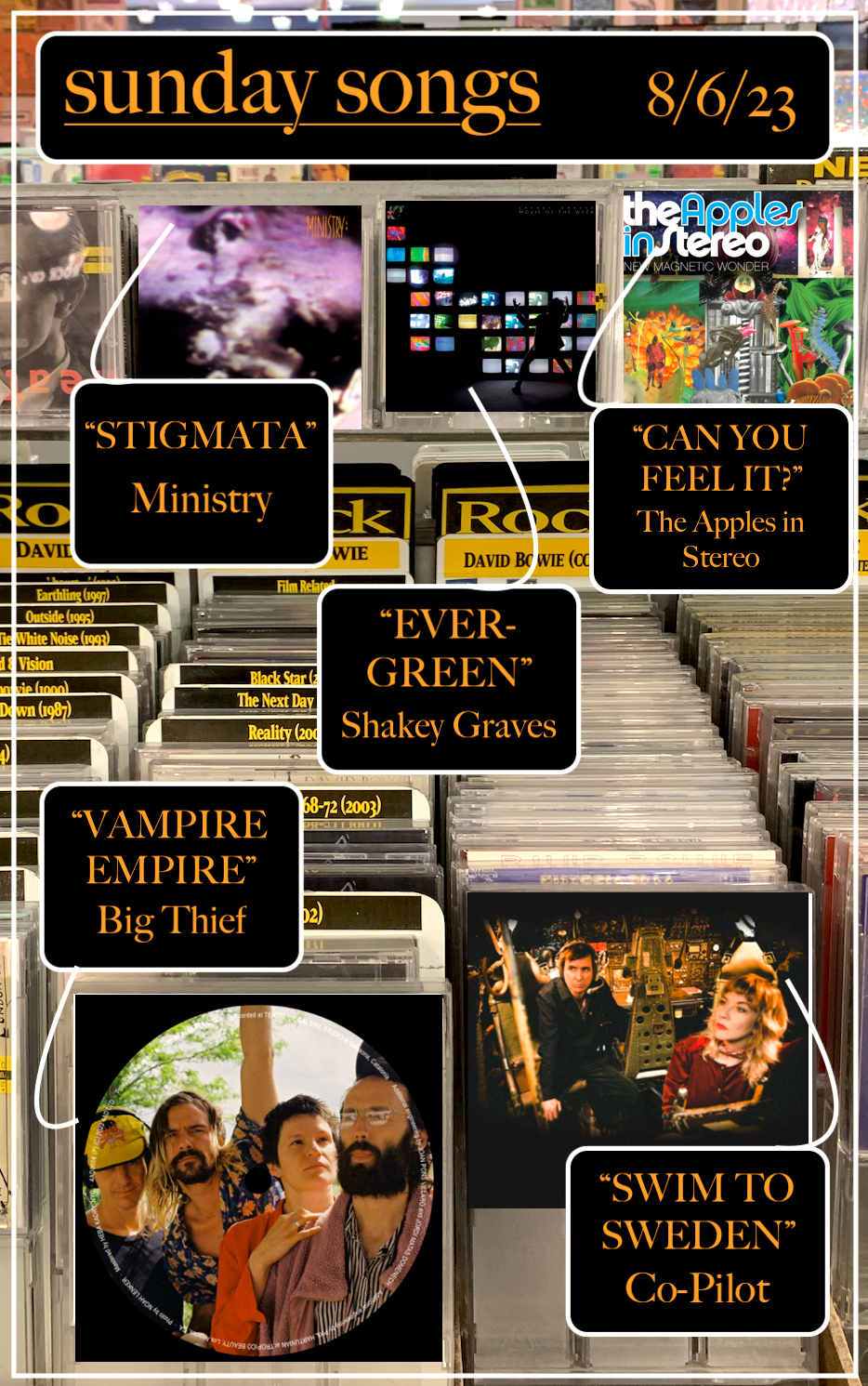
“Incomprehensible” – Big Thief

“They’re back!” I say, having not even listened to a full Big Thief album. This kind of thing sure does happen a lot, huh?

Regardless of whether or not I’ll listen to Double Infinity when it comes out this September or after I’ve finally gotten around to Dragon New Warm Mountain I Believe In You, “Incomprehensible” is a treasure in the here and now. The production is an absolute treat. It’s a far cry from some of their older, more folkier material, but never once does it feel removed from their emotional core. It glistens like dew, icy and starry yet tender and inviting, encircling, even. Guitars glitter and bubble next to the papery percussion. Adrianne Lenker’s voice drifts gently in their fabricated ether, but never once does it distract from the true star of the show: the lyrics, man, these lyrics! Lenker has truly honed her talent for poetic lyricism, and her beautiful messaging and penchant for lush turns of phrase are on full display here. Here’s a snippet:

“In two days, it’s my birthday/And I’ll be 33/That doesn’t really matter next to eternity/But I like a double number, and I like an odd one too/And everything I see from now on will be something new.”

What’s the music equivalent of that “absolute cinema” meme of Martin Scorsese? This deserves it, I think, if not just for that verse. “Incomprehensible” is a heartfelt ode to being free—not just driving down an endless road, as North American highways are wont to make you feel, but being free from societal pressures. I might be ascribing my love to it because it came to me at a time like this, where I am putting all of my energy in being free of expectations and embracing being as weird as possible, but in any other time, “Incomprehensible” would be a pleasure. Intertwined with imagery of nature—rolling clouds, birds, lupine flowers, and the glittering scales of fish—this freedom to just be is fully realized as a natural state: flowers grow and clouds form without any pressure that we have man-made, save for natural ones necessarily for survival. They don’t have the expectations on women to make them dread aging or conform to a certain look, to mourn every hair as it turns gray. The further we are from nature, the closer we get to these false ideals that we’ve fabricated for ourselves. I could go on about the myriad ways about how we could learn from nature, but the lesson in “Incomprehensible” is one of many: if we pay attention more to nature, we realize that all of these societal pressures are just that, constructs; to be more natural is to live free of expectations of what should be and to simply be.

…AND A BOOK TO GO WITH IT:

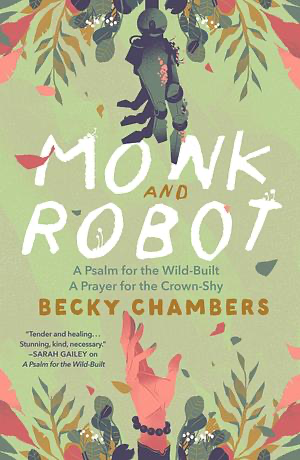
Monk and Robot – Becky Chambers“And as silver as the rainbow scales that shimmer purple blue/How can beauty that is living be anything but true?”

“Yamar” – Dry Bread

I’m not like other girls…I didn’t even know the main reason that most people know this song is because Phish frequently covers it. Oof. I did discover it, as I tend to discover random, obscure ’60s and ’70s songs, through Hacks.

Can we talk about Hacks, by the way? Specifically, how gloriously they fucked up what was one of the longest consistent runs of a good comedy show? They had such a wonderful thing going—the sharp humor, the chemistry between Hannah Einbender and Jean Smart, and the excellent bisexual representation. Season 4 really just threw every single one of those things out the window. I’m still so mad. They were so sensitive and respectful about depicting bisexuality and biphobia, then boom…they proceed to throw the laziest possible stereotype about bisexuality at Ava. She goes from having heartfelt conversations about her identity with Deborah to being thrown into a threesome for reasons that neither furthered the plot nor said anything new about her as a character. At least the resolution was that the other two in the threesome were a chill polyamorous couple who didn’t want to be used for sex, which I appreciated (what with there being hardly any respectful depictions of polyamory anywhere), BUT WHY THE HELL WAS THAT NECESSARY? WHY DID THEY HAVE TO THROW IN THE “I’m in a threesome…supa bi!” LINE??? WHAT POSSESSED THE SHOWRUNNERS TO DO A COMPLETE 1-80 FROM THOUGHTFUL, AUTHENTIC DEPICTIONS OF BISEXUALITY TO WHATEVER STEREOTYPES THEY COULD HIT FIRST ON A DARTBOARD????

Sorry. Had to get that off my chest. Moving on…

As much as I love Hacks, they tend to have an issue with their needle-drops. In most cases, it’s a 30 second snippet from the song in question, and it’s usually shown over an aerial shot of whatever city they’re driving into—usually Las Vegas or Los Angeles. A few times is fine, but…yeah, it’s a little old. Given the absolute gold that was both the scene and the needle drop of “I Won’t Tell” in season 3, I knew they were at least capable of something more. In the case of “Yamar,” it’s in between the two; played at the intro of season 4, episode 6, it’s a small snippet that plays over a shot of Ava wrangling a comically large bundle of birthday balloons.

Though the editing was smooth, “Yamar” was all but hacked (no pun intended) to pieces—they only have about three lines from the verse before they get to the chorus. Which is really a disservice, because this is such a relentlessly catchy gem from the ’70s! My music taste is…well, yeah, it’s very much on the Western side. So I’m always glad when I find a piece of non-Western music that absolutely grabs me. I think the common denominator is the ’70s, regardless of the region it’s from. Even though the lyrics belie a somber reminiscence of looking for the unspoken point of leaving childhood behind and getting older, “Yamar” has an unfailing gallop that signals nothing but joy. That grainy, ’70s production strangely does everything in this song a service, giving the pianos a warm sheen and softening the rapid percussion, like the sun-bleaching of an old photo. It’s hard for me to feel anything but joy from this song, and maybe that could somehow be the point: dancing in defiance of having to grow older.

…AND A BOOK TO GO WITH IT:

Ocean’s Godori – Elaine U. ChoReconciling with childhood and a skewed sense of identity, but all with a dose of hope and joy.

“Somebody New” – Tunde Adebimpe

It’s once again Tunde Time here on the Bookish Mutant.

I haven’t necessarily come back to a lot of Thee Black Boltz, even though I retain that it’s a great album. Somewhat regrettably, it’s the singles that I’ve mainly been returning to, but at least they were well-picked singles, I suppose? I’d say that “Ate the Moon” and “The Most” were great surprises, but singles like this, “Magnetic,” and “God Knows” are the reigning highlights. Yet “Somebody New” still surprises me in how much I actually like it—even for Tunde Adebimpe. Autotune and a more directly pop direction aren’t directions that typically work for indie rockers like him, but it works. The autotune doesn’t make his voice shinier or more polished—it just distorts it, adding another layer of synth to the synth-pop that this song is soaked in. There’s plenty of ’80s throwback in the sound, from the video production to the synths, but never does it feel like a song meant to vomit up nostalgia—it’s just another in the long line of foolproof methods that Adebimpe has employed that make a song instantly danceable. Along with the delightful music video, in which Adebimpe has a Lego Batman moment with a Yo Gabba Gabba creature, “Somebody New” is one of the best examples of when somebody outside of the pop sphere takes a stab at a pop song—and knocks it out of the park.

BONUS: Here’s his recent performance on the Tonight Show:

…AND A BOOK TO GO WITH IT:

The Stars Too Fondly – Emily Hamilton“I just wanna be somebody new/Is there nothing in the world that we can say about this/Heavenly vibration coming through?/How can we feed this love?”

“Psycho Speak” – Palehound

It’s been about two and a half years since the Palehound Panic that shook the world this blog (alive and well) and my beat-up headphones (rest in peace). Although El Kempner isn’t dominating my Apple Music replay anymore, they’re always a delight to come back to, no matter the era. “Psycho Speak” returned unexpectedly, a cut from their debut EP, Bent Nail. Scrappy encapsulates so much of this barely three-minute-long song: the more indie production of their early days, the verging on out-of-breath delivery of the lyrics, and the cymbal-dominated percussion. Like the EP’s title and album cover, “Psycho Speak” evokes worn-down houses and dirty sidewalks, baseball bats dragged through the dirt. Kempner wasn’t quite at the level of precision that they have on their later songs, but “Psycho Speak” is a song that begs to be a little rough around the edges, fragmented like the end of the song: the final lyric of “I went downstairs and curled up with the cat” feels like a sentence fragment, leaving something unsaid. In fact, this track is built entirely off of things unsaid, in this tale of dating a rich man who leaves intermittently and for long periods, but who takes comfort in the company of his pets. Or maybe it’s that simple of a tale—the tiniest peephole into a story.

…AND A BOOK TO GO WITH IT:

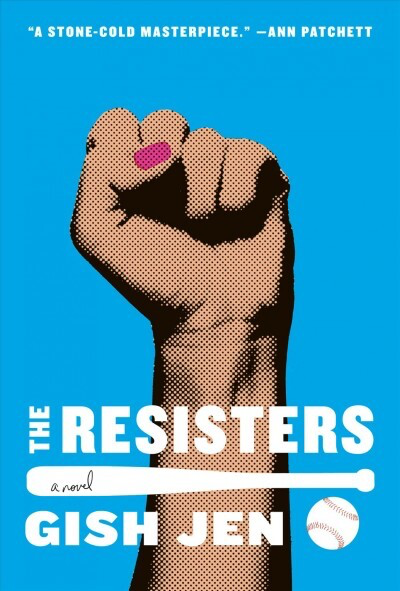
The Resisters – Gish Jenthe atmosphere of this novel, though much bleaker, has a very similar scrappy attitude and feel to it, especially where the younger characters are concerned.

“You Are A Tourist” – Death Cab for Cutie

The buzz around “You Are A Tourist” probably eclipses the song itself; its music video, a Meow Wolf-esque spectacle of kaleidoscopic lights, dancers outfitted in feathers, and geometric backdrops, was the first scripted music video in history to be shot in a single take. Given the impeccably elaborate choreography of it all, it’s honestly astounding. But even before I knew anything about the video or the fact that this song was one of their more popular ones, “You Are A Tourist” captivated me. The melody and arrangement feel so cyclical for me—from the loop at the beginning to the way that the instruments seem to circle each other, as though they were layered in concentric train tracks. And though it’s adjacent to the “I’m in my ’20s and angsty and need to get out of this town” format, as always, Ben Gibbard’s lyricism are what separates it from the rest. Of course, the “And if you feel just like a tourist/In the city you were born” instantly grabs me, but it feels less like a statement of purpose and more of a guidebook for those looking to start over and strike out on their own, a soothing, steady hand on your shoulder in the face of turbulent emotions, a kind of prayer against stagnation.

…AND A BOOK TO GO WITH IT:

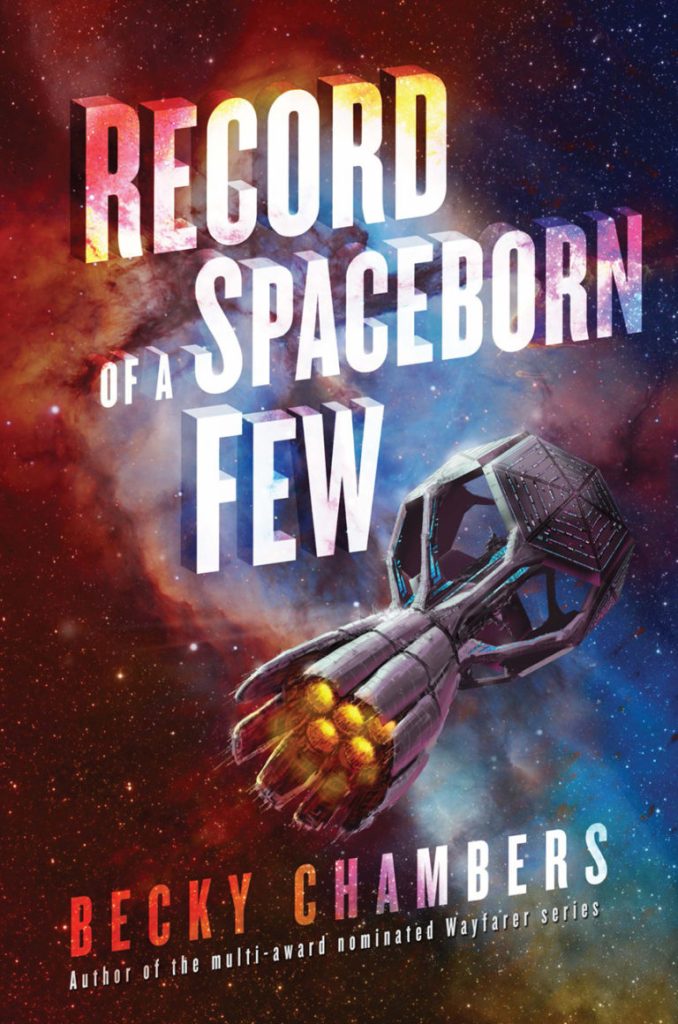
Record of a Spaceborn Few (Wayfarers, #3) – Becky Chambers“And if you feel just like a tourist in the city you were born/Then it’s time to go and define your destination/There’s so many different places to call home…”

Since this post consists entirely of songs, consider all of them to be today’s song.

That’s it for this week’s Sunday Songs! Have a wonderful rest of your day, and take care of yourselves!

Posted in Sunday Songs

Sunday Songs: 12/1/24

Happy Sunday, bibliophiles! I hope this week has treated you well.

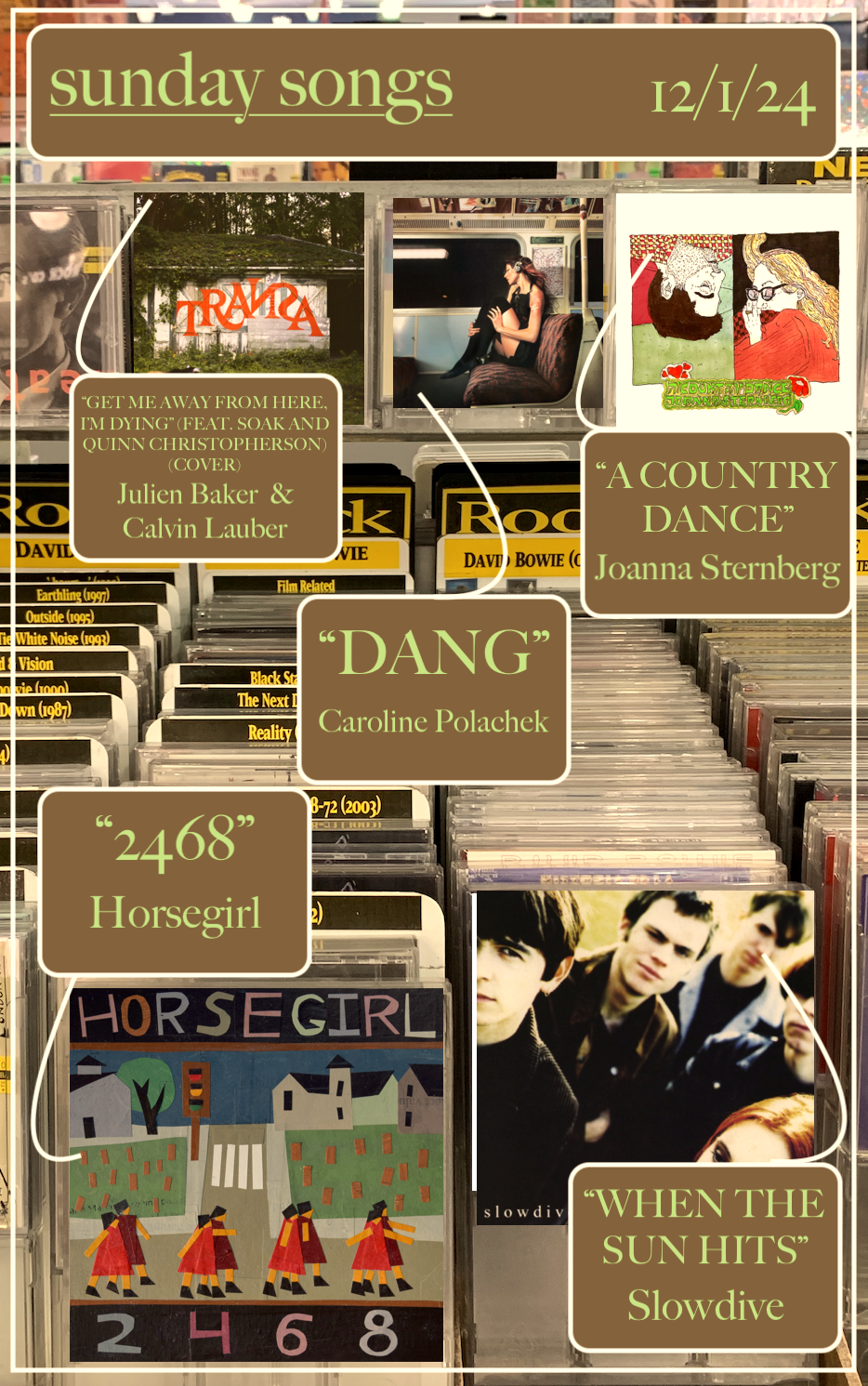
This week: apologies for the whiplash lineup, but if your shuffle hasn’t whooped you with Julien Baker and Caroline Polachek back to back, have you even lived?

Enjoy this week’s songs!

SUNDAY SONGS: 12/1/24

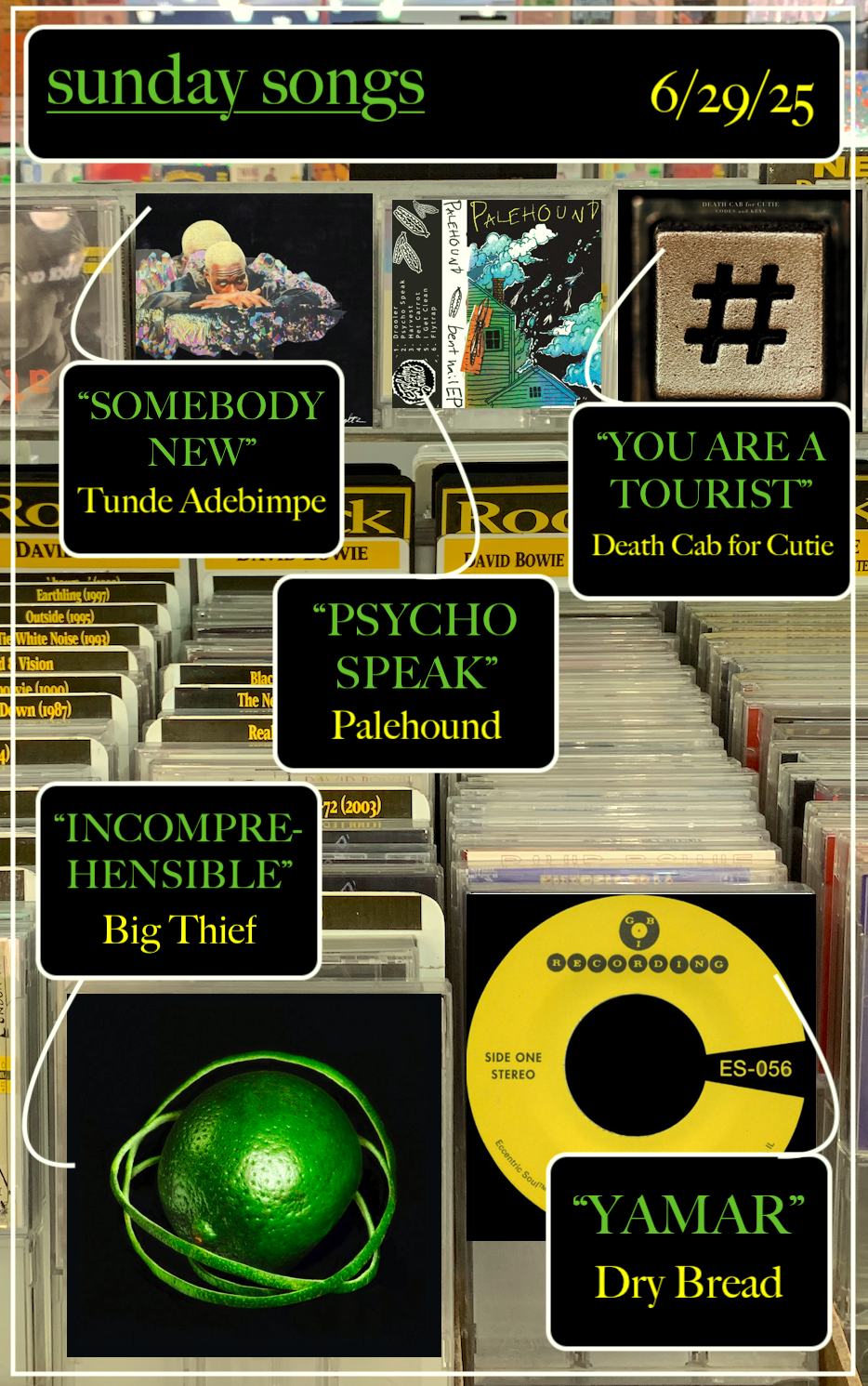
“2468” – Horsegirl

2024 was such a powerhouse year of fantastic albums that I’ve found myself wondering how 2025 could possibly measure up. Of course, the future’s unwritten, to quote Phoebe Bridgers, but if the upcoming solo Tunde Adebimpe album and this are anything to go by, it’s gonna be another fantastic year of music. Or at least a fantastic February, now that we have new Horsegirl on the horizon! Their second album, Phonetics On & On (if there was ever a more Horsegirl album title) comes out on Valentine’s Day next year, so I’m officially spoken for, thank you very much. It’s produced by none other than Cate Le Bon (!!!), and no matter how utterly pretentious I sound for getting excited about Horsegirl being produced by Cate Le Bon, oh my gooooooood (nobody got that), I remain excited after finally listening to some of Le Bon’s weirder solo albums and knowing the magic she worked with Wilco on Cousin back in 2023.

Horsegirl have always been an artsy bunch, taking inspiration from everyone from Brian Eno to Built to Spill, but “2468” reminds me of their picks from their episode of What’s In My Bag?—specifically their last one, The Feelies’ Crazy Rhythms. Penelope Lowenstein described a moment on that episode where she was supposed to be doing homework in Spanish class and was listening to The Feelies instead and felt like “the coolest person in the world.” I’ve always respected The Feelies, but they just make me anxious. Props to them for having their music so sanded down that there’s no wrinkles whatsoever, but it feels like the point after you’ve enjoyed your coffee and the caffeine jitters start to set in, but you have to stay put in your seat. They feel itchy, weirdly. Like something’s trapped in the music and is clawing to get out, but The Feelies just won’t let it. Good for them, man, but the nervous energy transfers very easily. “2468” is proof that Horsegirl’s uptight needle is quivering in the direction of The Feelies, but for all of their toy-solider precision, I don’t think they could ever be that itchily nervous. All of the lyrics are spoken deadpan, in some sort of no-man’s-land between nursery rhymes and marching orders, complete with a little “da-da-da-da-da-da-da-da” in case it gets too strict. With the band decked out in their best Wes Anderson fits, they shuffle and paddy-cake around as their well-oiled machine skips along. They may be taking after their uptight forefathers, but they’ve left themselves plenty of leeway to jump around—and those artsy leaps are what make me the most excited for what the future holds for Horsegirl.

…AND A BOOK TO GO WITH IT:

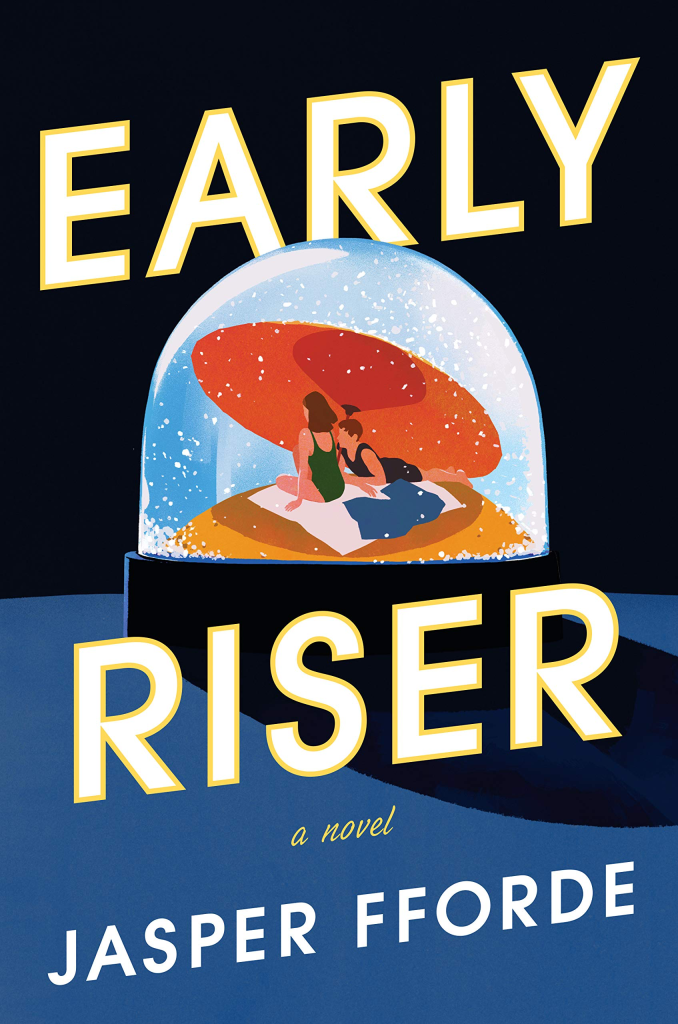
Early Riser – Jasper Ffordedelightfully odd in both concept and writing.

“When the Sun Hits” – Slowdive

Dread it…run from it…shoegaze always arrives on this blog.

I guess I was too mired in Spiritualized (and a sprinkling of Beach House) to get into Slowdive sooner, but it was always at the back of my mind, even when I’d never listened to it yet. I’d seen them floating around in the same musical circles that I listened to, not to mention my awesome honors English teacher from high school wearing a Slowdive shirt out of nowhere for band shirt day during spirit week. (My high school’s English department happened to be very shoegazey. I bumped into that same teacher at a Spiritualized concert in my senior year.) I should’ve hitched a ride on the bandwagon after Soccer Mommy covered “Dagger” last year, but here we are. Look, I know “When The Sun Hits” is their most popular song, and I’m a poser, yada yada yada, but LORD, this is beautiful.

For me, what separates shoegaze is its ability to create an atmosphere. J. Spaceman is the undisputed king (in my mind) in that regard, with his ability to create cosmically lived-in music that sounds all at once intimately personal and wide enough to swallow the world whole. “When The Sun Hits” stirs up that same feeling; the production is nothing short of cavernous, capturing the dappled reflections of water on the walls of a cave and the stringy sunlight shyly peering in. Both the vocals of Neil Halstead and Rachel Goswell take a blinding backseat to the mounting ocean of sound that reduces all else to a wavering echo. Slowdive were one of many alternative bands inspired by David Bowie’s Berlin trilogy, citing Low and Lodger as key influences, but funnily enough, I discovered this song through this inspired mashup of this track and David Bowie’s “Heroes.” I’d be surprised if that missing album didn’t creep in there, given how seamlessly the chorus of “When The Sun Hits” glides into Bowie’s opening chords. Having the first line of the pre-chorus be “It matters where you are” is a choice that defines the song’s experience: when you’re in the midst of experiencing it for the first time, all else seems to fall away. You can’t help but be pulled into the undertow, to be in the present, just to experience this song. That’s shoegaze.

…AND A BOOK TO GO WITH IT:

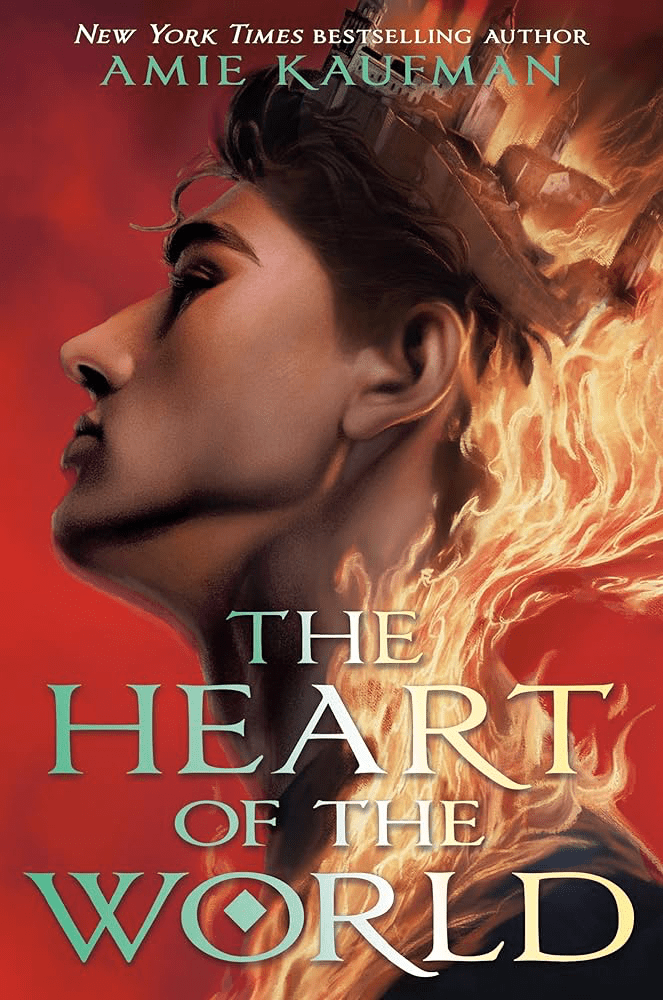
The Heart of the World (The Isles of the Gods, #2) – Amie Kaufman“Sweet thing, I watch you/Burn so fast, it scares me/Mind games, don’t leave me/Come so far, don’t lose me…”

“Get Me Away From Here, I’m Dying” (feat. SOAK and Quinn Christopherson) [Belle and Sebastian cover] – Julien Baker & Calvin Lauber

If you’re able, consider supporting this album, TRANSA, a compilation album featuring over 100 artists organized by the Red Hot Organization to bring awareness to trans rights! The album features Jeff Tweedy, Adrianne Lenker, Bill Callahan, André 3000, Perfume Genius, and so many more amongst its ranks, with both original songs and covers ranging from Kate Bush to SOPHIE.

Predictably, I first heard of TRANSA through Julien Baker, who covered Belle & Sebastian’s “Get Me Away From Here, I’m Dying” with SOAK, Quinn Christopherson, and Calvin Lauber. Lauber, who also produced many of Julien Baker’s newer material as well as boygenius’ “Black Hole,” turns Belle & Sebastian’s melancholy, jangly yearning into an urgent spectacle, a sprint through the woods to a brighter future for all four minutes and 13 seconds. If there’s anything that Baker can always deliver on, it’s urgency—the urgency of trauma, the urgency of love. With the context of both Baker’s queer identity and the album’s overarching theme of the trans experience, “Get Me Away From Here, I’m Dying” takes on a whole new light; “Oh, I’ll settle down with some old story/About a boy who’s just like me/Thought there was love in everything and everyone/You’re so naive” becomes the loss of innocence in the face of homophobia and transphobia and finding solace in fiction, and “Here on my own now after hours/Here on my own now on a bus/Think of it this way/You could either be successful or be us” feels like a vignette of someone on the run after being kicked out of their home. Even the title becomes a rallying cry of wishing to break free of the confines of prejudice that so many queer people know like the back of their hands. SOAK and Quinn Christopherson, both trans artists, trade verses and backing vocals with Baker, creating a harmony of solidarity that gives Belle & Sebastian’s original words an even more emotional meaning.

…AND A BOOK TO GO WITH IT:

I Wish You All the Best – Mason Deaverheartbreak, new love, and a desire for a new life.

“Dang” – Caroline Polachek

Even with specific music categories being an illusion kept afloat by critics, I feel like what I’ve heard of Caroline Polachek aligns with my hazy definition of indie pop. It’s theoretically everything that should be popular, but like alternative or mainstream rock, it’s the label or the sensibilities that separates it. In the case of Caroline Polachek, she’s definitely too out there for the Top 40, but make no mistake: in the words of XTC, this is pop (yeah yeah, this is pop, yeah yeah, etc). The pop part is what prevents me from entirely getting into her music; as impressive as her vocal range is, it’s often too polished for me, and sometimes the isolated instrumentals feel like they could belong in a commercial. Not always my cup of tea.

But. But. I can’t not admire how weird she gets with it. I’m not seeing any other pop star willingly turn themselves into a chimera in their music videos, after all. And Polachek has more than a few excellent belts and screams in her. (Plus, she has my immediate respect for, after being called “this generation’s Kate Bush,” responding by saying that “SHE [Kate Bush] is this generation’s Kate Bush. Damn right.) “Dang” gets recommended to me in droves around every 6 months, and I can’t not be compelled by it. When I call it corporate, I mean it as a compliment—it feels like a strange distillation of disinterest and sanitized, company-wide messages saying something on the lines of “we’re all a family.” The intro of garbled vocals, followed by Polachek’s bored delivery of “Dang” feels like the pleas of low-level workers drowned out by an uncaring boss waving them off. “Aww, you don’t have enough to provide for your family? Dang. Get that spreadsheet on my desk by noon.” No wonder Polachek, in this live performance on The Late Show, is presenting an unconventional powerpoint, including but not limited to diagrams about “how many wolves are inside you” and a notes-app apology consisting of a paraphrased version of William Carlos Williams’ “This Is Just to Say.” (I’m wondering about the significance of replacing plums with grapes…maybe it’s not that deep?) Her music as a whole remains a bit too pop-polished for me, but I have nothing but respect for her unconventional spin on it—and her vocal range. The shriek beginning at 1:51? Autotune or not, either way, it’s enough to convince me that this is unedited:

good for you, Caroline…put those geese in their place

…AND A BOOK TO GO WITH IT:

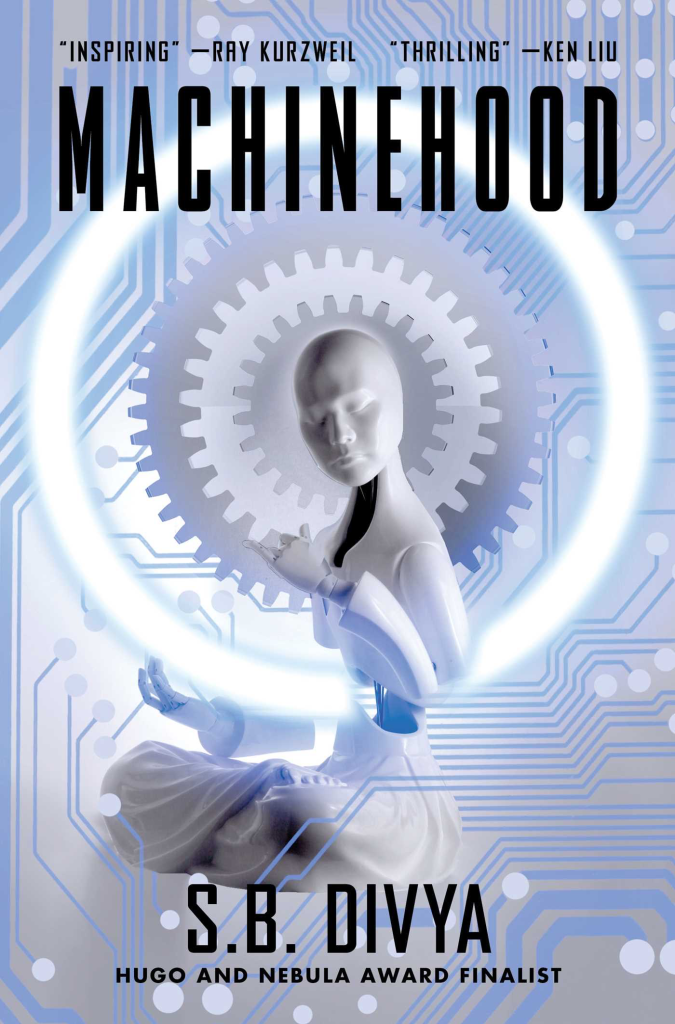
Machinehood – S.B. Divyacorporate disinterest and neglect, with a dose of S.B. Divya’s signature weirdness (and a Christopher Nolan-style thriller).

“A Country Dance” – Joanna Sternberg

I write this as a light snow is falling outside my window, and even though this song was released in August (as was the film it was written for, Between the Temples), it’s so distinctly placed in that period between autumn and winter for me, as far as the sound. “A Country Dance” has a gentle, intimate warmth to it that could only come from the embers of a fireplace in late November or mid-December. It lands on the opposite spectrum of The Shins’ “Black Wave,” which I spoke about around a year ago; seasonally, it’s at the same time, but “Black Wave” feels more like huddling around a fire, exposed to the elements. “A Country Dance” is comfortably cozy, without any notion of the snow biting at your cheeks. For me, good folk music gives you the feeling that you’ve just eaten a stomach-warming, rich holiday dinner—maybe some kind of stew or soup—and that warmth stays in your bones long after you’ve digested it.

I fully thought that “A Country Dance” was a cover—it sounds like it could’ve come out of the ’60s or ’70s, but this is a Sternberg original, and that timelessness is hard to capture—it feels very ’60s and Adrianne Lenker at the same time. (Their music teacher voice certainly contributes to that effect as well.) As the leaves fall off of the trees, this track feels like the perfect antidote to the coming chill—warm, tucked inside of a log cabin, half-asleep and wrapped in woolen blankets. Not every Joanna Sternberg song captures me, but “A Country Dance” honestly makes me feel like the Celestial Seasonings Sleepytime Bear, and that’s not something I’d say about just any song.

…AND A BOOK TO GO WITH IT:

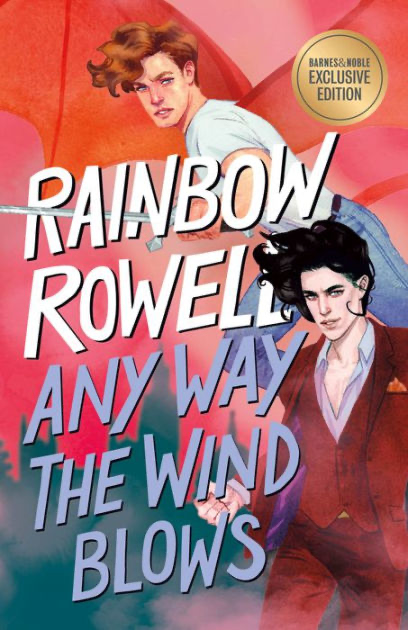
Any Way the Wind Blows (Simon Snow, #3) – Rainbow RowellEven if it is tumultuous in places, the quiet Christmas scenes here invoke this song.

Since this post consists entirely of songs, consider all of them to be today’s song.

That’s it for this week’s Book Review Tuesday! Have a wonderful rest of your day, and take care of yourselves!

Posted in Book Review Tuesday

Book Review Tuesday (7/2/24) – The WondLa Trilogy: A Re-Read Retrospective

Happy Tuesday, bibliophiles!

This is going to be different from my normal Book Review Tuesdays, as I’m reviewing an entire trilogy. Normally, that would be a tall order for a single post, but this trilogy is different. It’s a series that I read so often in middle school that even the teachers started to recognize the cover when I brought it in. It’s a series that has woven itself into the fabric of my life, just as Arius’ metaphor of time as a braided rope. It’s a series that inspired me to pursue writing—specifically writing science fiction.

In light of the new (and deeply disappointing) Apple TV+ series, I decided to re-read the series for the first time in six and a half years. Some novels you loved when you were younger don’t age well, but after I devoured all three books in the span of a day each, I can say that Tony DiTerlizzi’s WondLa trilogy has stood the test of time.

Enjoy this week’s reviews!

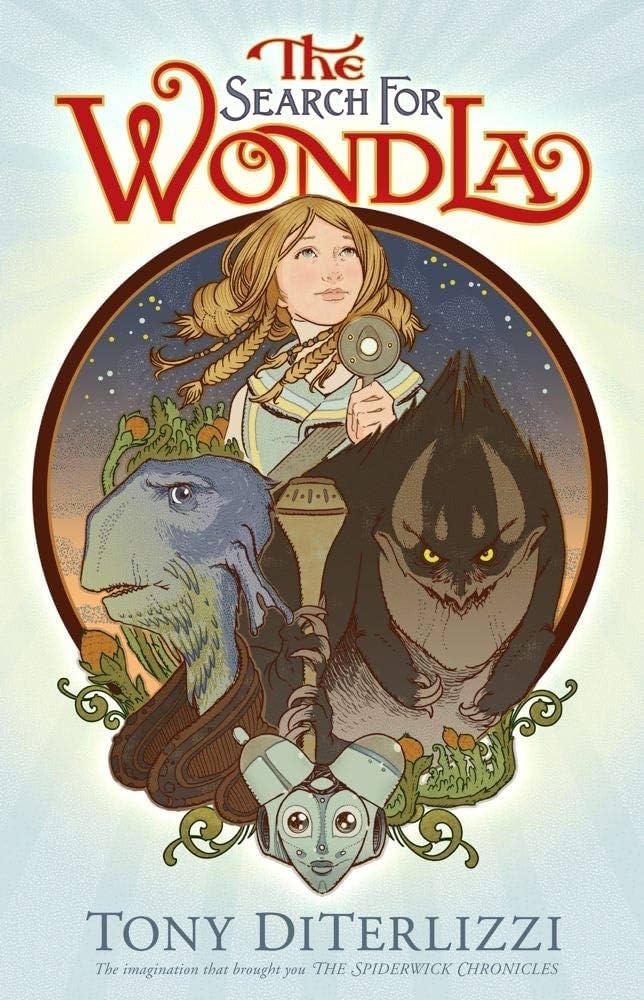
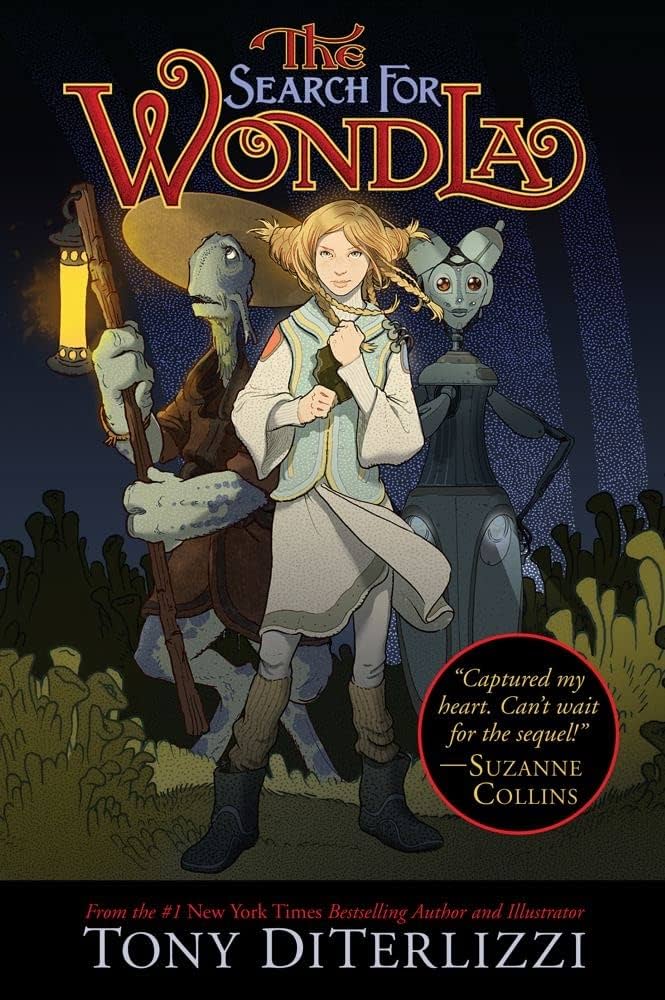
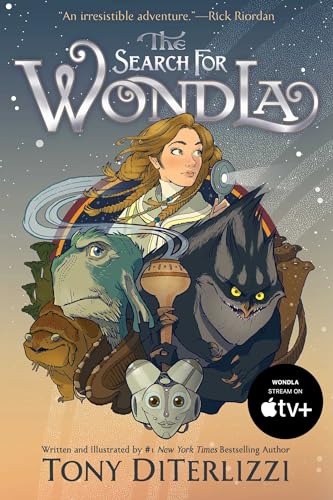
The Search for WondLa (The Search for WondLa, #1) – Tony DiTerlizzi

Summary from Goodreads:

When a marauder destroys the underground sanctuary that Eva Nine was raised in by the robot Muthr, the twelve-year-old girl is forced to flee aboveground. Eva Nine is searching for anyone else like her: She knows that other humans exist because of an item she treasures—a scrap of cardboard on which is depicted a young girl, an adult, and a robot, with the strange word, “WondLa.”

There definitely wasn’t an ulterior motive to me re-reading this series…totally not just to replace my reviews on Goodreads from 2016 (“OMG BEST BOOK EVER SQUEEEEEEEEEEEE but BIG FEELS”). Yeah.

The Search for WondLa is the reason why I decided that I wanted to write science fiction. It introduced me to a vast world of sci-fi literature that would become my favorite genre. It showed me a rich world full of bizarre, wonderful creatures and told me that I, too, had the power to foster such weirdness in my heart and bring it into the world. When I say that I don’t know where I would be without the WondLa trilogy, I’m not exaggerating in the slightest. Tony DiTerlizzi truly has, like Arius, given gifts to the world in the form of these novels.

The Search for WondLa coexists as a startlingly original piece of worldbuilding while also paying homage to a number of novels and stories—The Wonderful Wizard of Oz, of course, but also the older sci-fi that has inspired DiTerlizzi throughout his career, from Dune to Star Wars and others. There’s Jim Henson lurking in his fanciful creatures, Hiyao Miyazaki in his alien landscapes, and Ray Bradbury in his matter-of-fact, bombastic dialogue. On the subject of both Miyazaki and dialogue, what always cracks me up about this series (affectionately) is the various names DiTerlizzi gives to his characters and places. When I watched Nausicaä of the Valley of the Wind for the first time, my brother and I agreed that the long chunks of expository dialogue were all part of the hokey charm of the movie—it’s distinctly old sci-fi, and it’s so silly that it becomes charming. The same can be said for DiTerlizzi’s naming process…which is so unsubtle that it’s hilarious. Besteel? Surely he’s not a beast-like, predatory character. A fishing village by a lake? Can’t be anything but Lacus, right? Cæruleans? You’re not gonna believe what color these aliens are…but it’s WondLa’s charm. Intentional or not, these names might be one of the most faithful homages to the sci-fi genre.

Even if The Search for WondLa was the only book in the series, some of the character arcs are so expertly resolved within the span of a single book that it would be a satisfying standalone. Muthr’s may be the most clear-cut, but it’s nonetheless deeply impactful; her journey of battling with her own programming and beliefs and embracing the perilous, unknowable beauty of the natural world forms a key piece of the novel’s emotional anchor. She’s clearly the Tin Man, and although she can never fully adapt, by the end of her story, she has most definitely grown a heart. I think Rovender Kitt is the reason why I love the trope of gruff, older characters who reluctantly end up taking children under their wing on a fantastical journey. His development oscillates between heartbreaking and heartwarming in equal measure; Eva helped him remember to have empathy, and he, in turn, became the father figure that she never had. He never stops being gruff and sarcastic, but he rediscovers his caring core. The last few chapters of the novel are brutal for clear reasons, but Rovender’s breakdown, wracked with grief and survivor’s guilt, guts me every time. It’s a drastic shift from the Rovender we see at the beginning of the novel, but almost 500 pages is enough time for him to become the series’ epicenter of guidance and wisdom.

Part of my motivation to re-read the series was because of the Apple TV+ series (spoiler alert: it’s awful. They turned Eva into an adorkable Disney princess. Skip it.), but watching and reading them closely together made me realize what the show fundamentally gets wrong about the series: it’s weird, and it’s unafraid of being weird. All of the aliens have unique, truly otherworldly designs, with no punches held just because the target audience skews younger. Eva Nine is so far from perfect, even by the standards of young girls: her hair’s a mess, she doesn’t have a clue about surviving in the outside world, and yet confidently asserts that she can talk to animals, something that most would have left behind by the time they turn 12. But it’s all true! She’s unafraid of being weird, but that’s where her loneliness arises: she’s not just looking for humans, she’s looking for someone who understands the circumstances that molded her into the confidently strange person that she is…

Somebody hold me. No wonder I read this book to death when I was 12…

For its undeniable role in shaping the course of my life, 5 stars.

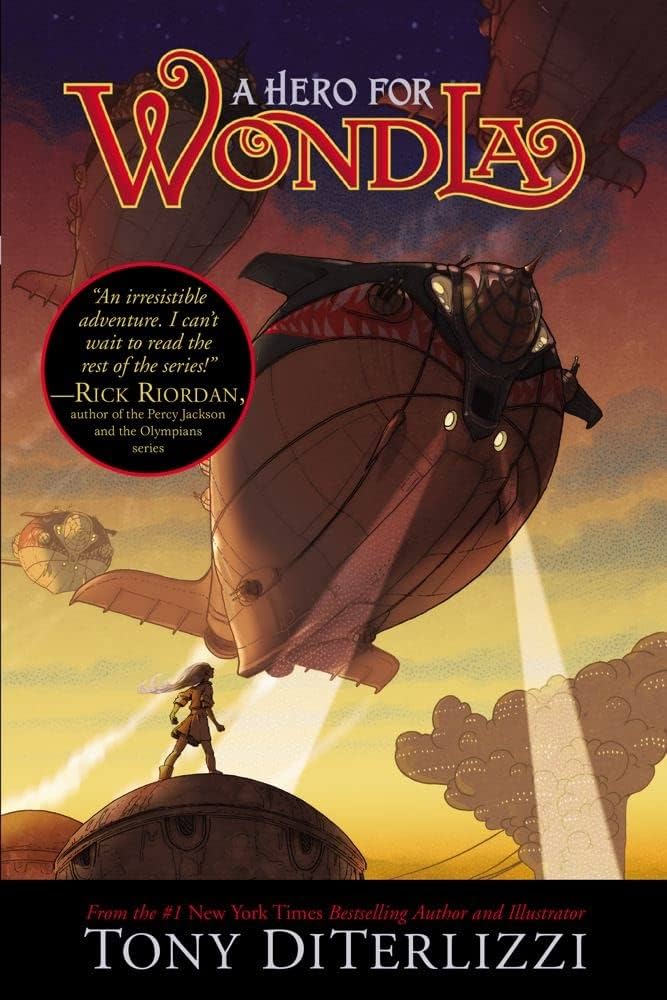
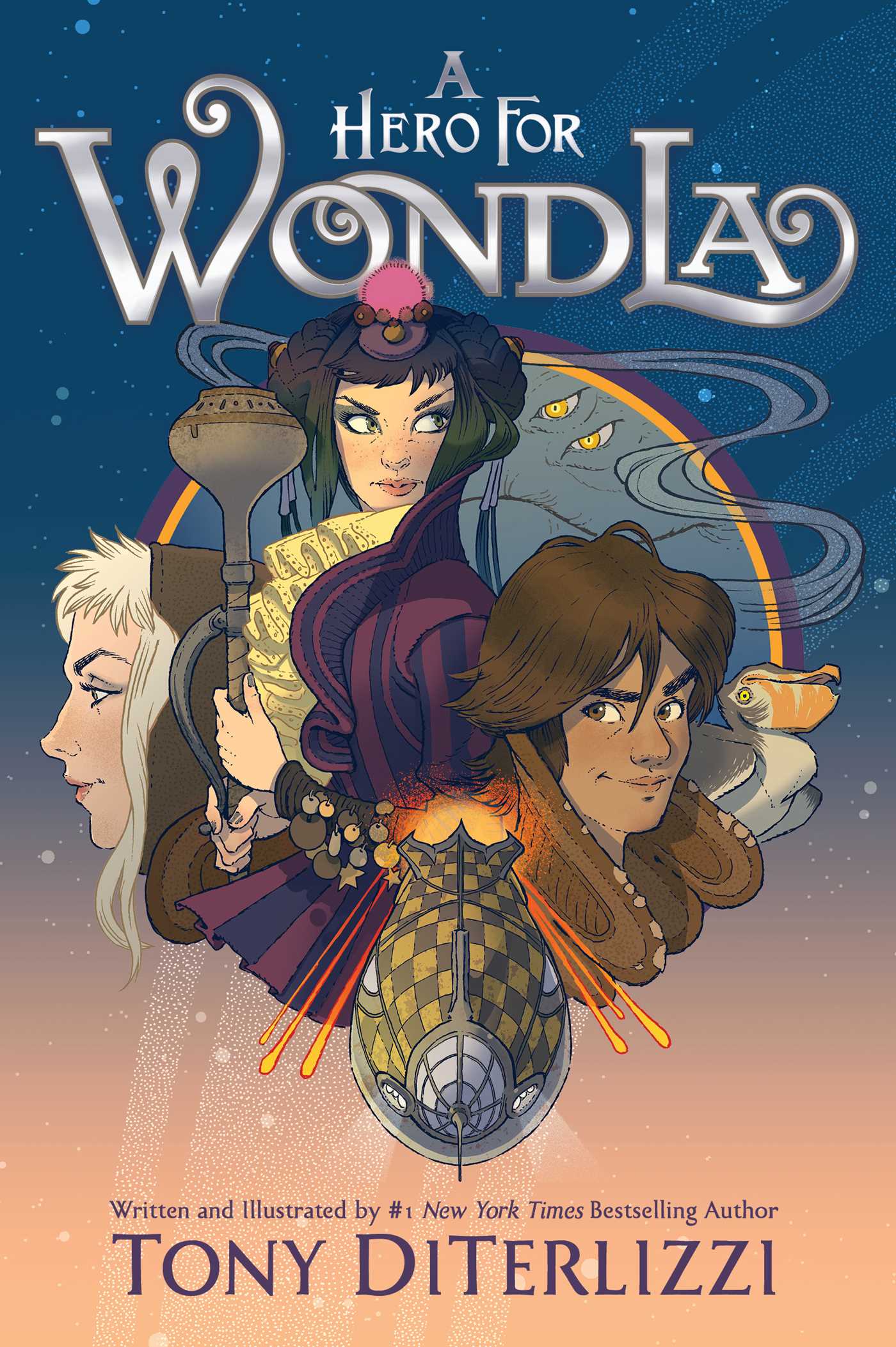
A Hero for WondLa (The Search for WondLa, #2) – Tony DiTerlizzi

Summary from Goodreads:

Before the end of The Search for WondLa , Eva Nine had never seen another human, but after a human boy named Hailey rescues her along with her companions, she couldn’t be happier. Eva thinks she has everything she’s ever dreamed of, especially when Hailey brings her and her friends to the colony of New Attica, where humans of all shapes and sizes live in apparent peace and harmony.

But all is not idyllic in New Attica, and Eva Nine soon realizes that something sinister is going on—and if she doesn’t stop it, it could mean the end of everything and everyone on planet Orbona.

A Hero for WondLa is a truly worthy predecessor to book 1 for so many reasons, but what struck me the most upon re-reading it is how painfully accurate—and beautiful—Tony DiTerlizzi’s depiction of weird middle school girlhood is. I had to stop and remember that yes, this is a middle-aged man writing this, and yes, he has a daughter, but she was still a toddler when he wrote this…and yet he nails it. Right down to the smallest details.

A Hero for WondLa follows Eva Nine’s journey after she’s discovered that she’s not the only human. She visits New Attica, the pristine, final stronghold of the human race, where technology rules all. Eva’s first instinct is to fit in; she’s taken under the wing of Gen Pryde and her Mean Girls 2049 posse of identical, plastic friends, who are intent on making her fit in—they giggle at her sanctuary-born eccentricities, and she’s only praised when they mold her to look just like them. Even after that, they’re laughing behind their hands. She flees their false promise of friendship and into the arms of Eva Eight, her long-lost sister who has waited 100 years for her arrival. Eight hates New Attica and all of its lies, and promises Eva that she’s just like her. And yet, despite this insistence, Eva fails to find solace in her, either. It’s only when she becomes one with the Spirit of the Forest that she becomes her truest self—putting that which gives her power front and center. Like The Wizard of Oz, the (emerald) city she has spent her whole journey looking for is nothing but a sham, and in the end, there’s no place like “home”—the person that she is most comfortable being.

Oh, god. I need a minute. Ow. No other book I can think of captures the limbo of being 13 and not knowing who your real friends were lodged so deeply into my heart. Eva, like me, was so desperate for friendship and human connection that both attempts ended in complications, but through it all, everything came back to the found family she has built—the outcasts, the prisoners, the exiled. The ones who had her back. The ones who were just as confused as she was, but joined her journey after realizing the error in their ways.

The aesthetic language of A Hero for WondLa is drastically different than book one, with its pristine, plastic city of humans living in a bubble. Even the clean walls of Sanctuary 573 had a retro feel to them—likely centuries outdated from New Attica’s tech—but all of this is so blindingly new. None of the robots and automatons have the same old-fashioned friendliness as Muthr, trading approachability for sleekness and monstrous amounts of wires and tentacles. But along with it is a sinister aspect that DiTerlizzi doesn’t shy away from; I’d forgotten that, although the discussion is brief, that it’s implies that among all of the mind-control and executions that Cadmus Pryde is carrying out eugenics is casually a part of his long list of crimes against the last of humanity. The WondLa trilogy isn’t one to shy away from darkness (part of why it’s stood the test of time for me), but that aspect stood out, especially since this is science fiction we’re talking about, a genre that has a long history of portraying the eradication of disabilities as a sign of progress. I’d remembered that there are a handful of disabled characters, but having that as a clear signifier of evil in a middle-grade novel is something I can’t praise enough.

The Search for WondLa is a very self-contained story; although book sequels surpass it, in my opinion, the conclusion that it ended on (minus the epilogue) was hopeful and wrapped-up enough that it could have been a reasonable end to Eva Nine and Rovender’s journey. But this novel does such an excellent job of intensifying the stakes in so many ways. As Eva learns of a conflict that could soon entrench the whole planet in war, we get so many of the real time costs. Foreshadowed details, hinted at from the start of the series, metamorphose into sinister threats. Interpersonal relationships become tangled in this vast, interspecies conflict—nobody knows the truth. Side characters (although all but one do end up surviving in the end) often die mere chapters after they’re introduced. It’s a very tense book in and of itself, but as the setup to the massive conflict in the final book, it’s a masterclass in building up both physical and emotional stakes.

And…good god, all of Rovender’s emotional moments always kill me the most. Without going too in-depth, the scene of his complicated reunion with Antiquus destroyed me when I was younger, and it might have destroyed me even more…

It reminds me of another song that similarly destroys me:

“There will come a day/When the Earth will cease to spin/You’ll hold me close and say: ‘my God, where have you been?'” (Shakey Graves, “Chinatown”)

For the deeply emotional journey, then and now, 5 stars.

The Battle for WondLa (The Search for WondLa, #3) – Tony DiTerlizzi

Summary from Goodreads:

All hope for a peaceful coexistence between humankind and aliens seems lost in the third installment of the WondLa trilogy. Eva Nine has gone into hiding for fear of luring the wicked Loroc to her companions. However, news of the city Solas being captured by the human leader, Cadmus Pryde, forces Eva into action once again. With help from an unlikely ally, Eva tries to thwart Loroc’s ultimate plan for both mankind and the alien life on Orbona.

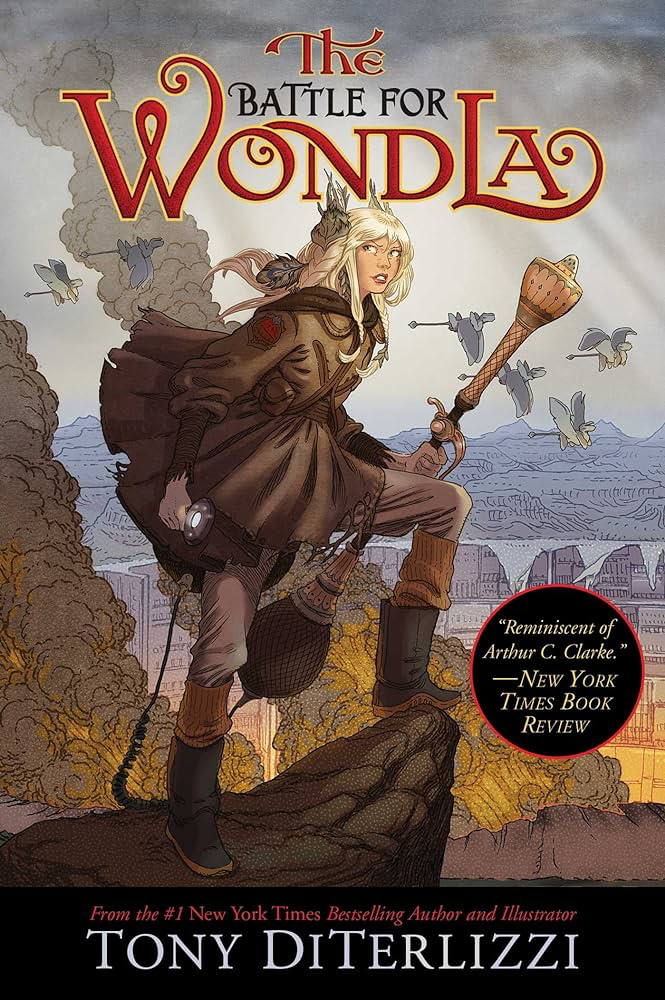
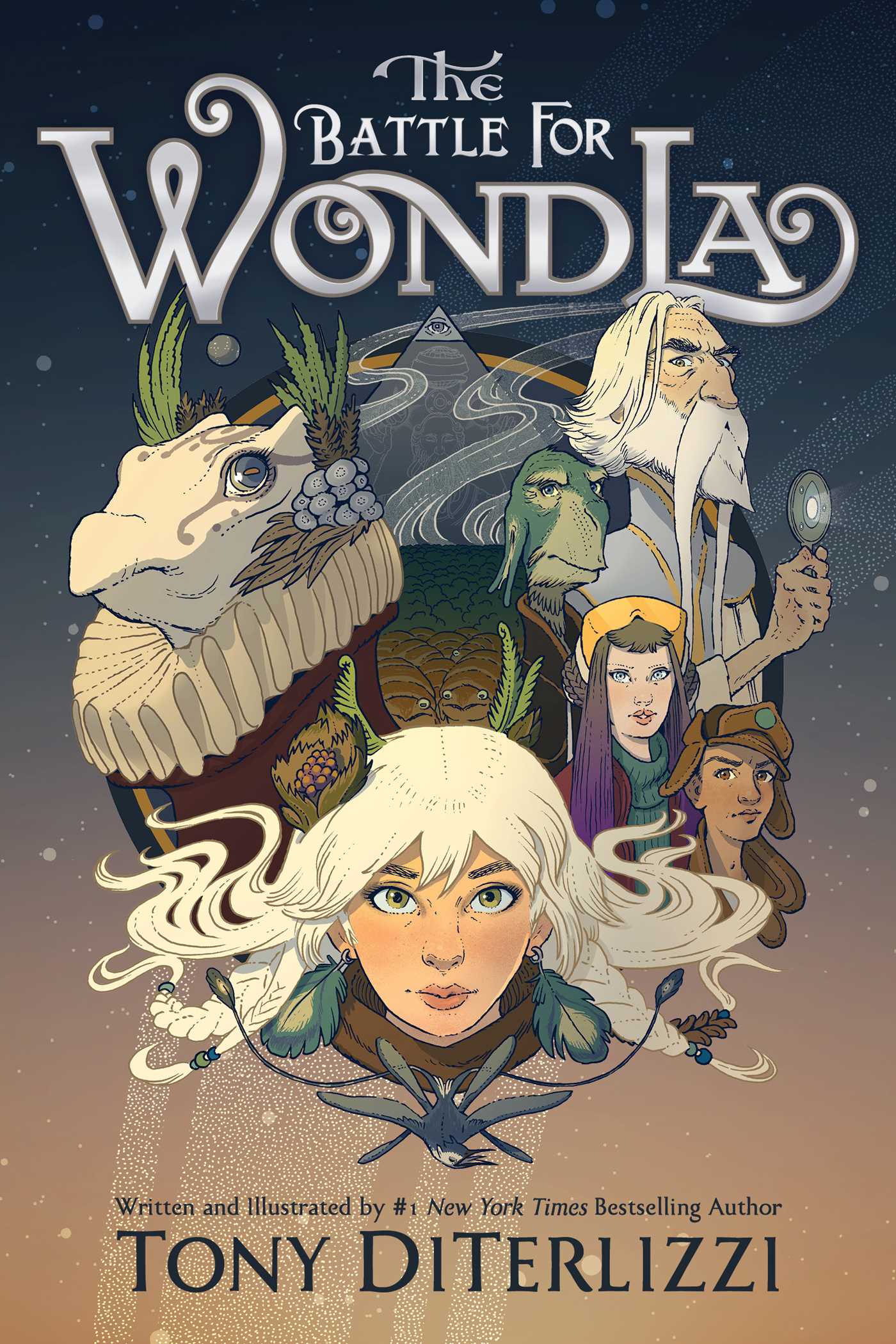
The Battle for WondLa was my favorite book of the trilogy when I first read it, and I find myself agreeing with the sentiment almost a decade later. Was this influenced by the fact that, in retrospect, the original book cover almost certainly contributed to my bisexual awakening at age 12? Maaaaaaybe. In all seriousness, it’s such a brutal, beautiful, and downright exhilarating conclusion to a series like no other.

This incarnation of Eva Nine, as matured as we see her in the trilogy, has always been my favorite. After she embraces her powers and connection to the natural world, she’s such a fascinating hero to follow, partly because she never fully gives up her younger traits. In fact, her powers lie in what made her a target in the first novel—her sensitivity and empathy. Now that she can communicate with all of the creatures of Orbona, she uses her sensitivity to find it within herself to accept the machinations of the natural world and show mercy for even the most frightening of beasts. Sensitivity is her superpower, and that is such an important lesson for younger readers—especially young girls. It’s overwhelming to feel everything all of the time, especially when you’re Eva’s age, but having a heroine who wrestles with that and learns to fine tune her all-seeing empathy and use it to her advantage is so, so crucial. I’m likely among a majority when I say that my sensitivity was often treated as a weakness growing up, so having a heroine whose sensitivity saves the world is just about the best role model you could write for a young girl.

As the title suggests, The Battle for WondLa boasts some of the best battle scenes in the whole trilogy. I’m not talking about the massacre of New Attica, although that remains truly brutal, but the ones that display Tony DiTerlizzi’s talent the most is the scenes where Eva uses the sheer might of the forest to win her battles. Now that I’m older, I’ll inevitably associate WondLa with Björk for a number of reasons, but Eva Nine goes from that precocious, earlier “Human Behaviour” Björk straight into “Nattúra” as her development goes on—unflinching femininity channeling the incomprehensible power of nature. Does it get any better than that, folks? Actually, it does—watching Eva Nine take down a squadron of Warbots with the help of a herd of giant water bears. “My herd…help me.” COME ON. Eva getting injured and then being carried back into battle by the mother sand-sniper that she freed from the menagerie? GIVE IT TO ME!! A highlight of the novel, without a doubt.

What stands out to me about Battle is this novel’s willingness to make complicated characters. Whether they’re the culmination of arcs of characters who have been in the series for multiple books or side characters that only show up in the latter half of the novel, there’s something to be said for how unflinchingly complex everyone is, and how that further complicates Eva’s quest to unite humans and aliens on Orbona. Hailey, with whom Eva is still (justifiably) bitter over her treatment in New Attica, sheds his tough, cocky exterior to reveal a loyal, humble friend by the end of the novel. Zin’s scientific distance becomes a detriment to him in the wake of the death of his family—and the threat exerted by his power-hungry brother, making him realize the error in his lack of emotional intelligence. Redimus, who unintentionally caused nearly all the dominoes for the entire series to play out against Eva, is never written as fully black or white; Eva can never fully bring herself to forgive him, but she learns to accept his attempt to, in his own words, “rectify his past actions,” and to accept that everyone is a web of decisions and consequences that never fully align with each other. And that’s what makes her journey feel so much more earned.

At the heart of The Battle for WondLa is connectivity—it’s all very “I/O” to me. Loroc’s ultimate goal is to unite Orbona, but unity in the form of everyone, human and alien, being either enslaved or consumed by him. He tricks his allies with promises of harmony, only for them to realize that harmony ends up being the harmony of being together…inside of his stomach. Eva wins by championing the fact that it’s the uplifting of everyone’s unique strengths that makes a community strong, whether it’s the unity of the aliens or the interconnectedness of all of the plants and animals of Orbona. We are each an integral part of a community, whether it’s a food web or a village, and it is those unlikely connections that make us stronger. As with today, the greatest mistake that any civilization can make is thinking that we are separate from nature. To once again quote Peter Gabriel, “I’m just a part of everything,” and that is where strength—and love—come from.

All in all, an unforgettable finale for a series that changed the trajectory of my life overwhelmingly for the better. 5 stars.

Tony DiTerlizzi is the author of several books for both early readers (Adventure of Meno, Ted, Jimmy Zangwow’s Out-of-This-World Moonpie Adventure, G is for One Gzonk!) and middle grade (Kenny and the Dragon and The Spiderwick Chronicles, co-authored with Holly Black). All seven episodes of WondLa are now streaming on Apple TV+*.

*I could only make it through 5/7 episodes before I had to quit. Only watch it out of morbid curiosity or if you have intentions to read the books and see how you got robbed.

Today’s song:

thank you to my brother for turning me on to this one!!

That’s it for this week’s Book Review Tuesday! Have a wonderful rest of your day, and take care of yourselves!

Posted in Sunday Songs

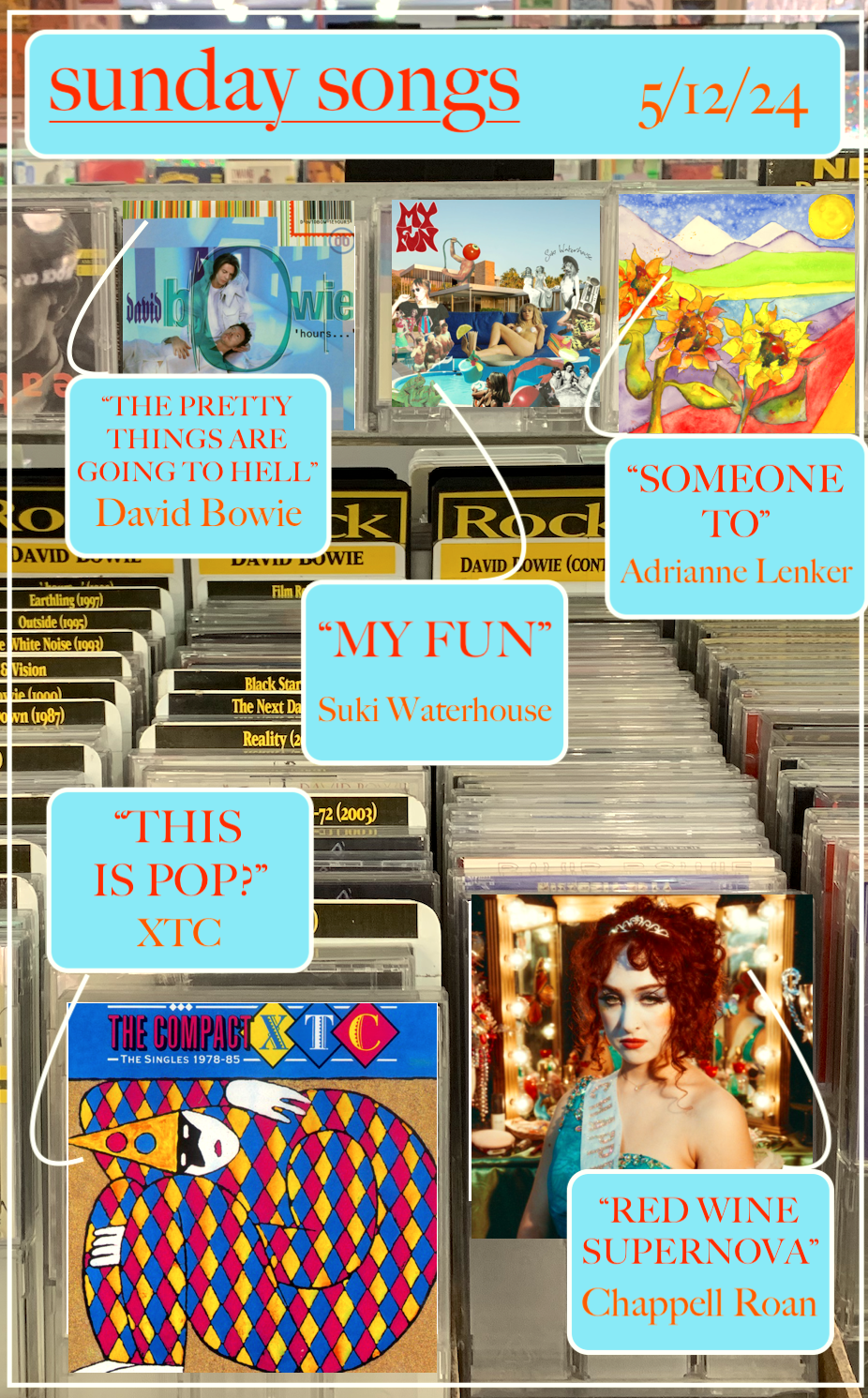
Sunday Songs: 5/12/24

Happy Sunday, bibliophiles, and more importantly, happy Mother’s Day to my wonderful mama, to whom I owe so much in this life. My gratitude for you will never waver—I don’t know where I’d be without you. Every day, I only grow prouder that I’m your daughter.

This week: there’s no doubt about it…this is pop.

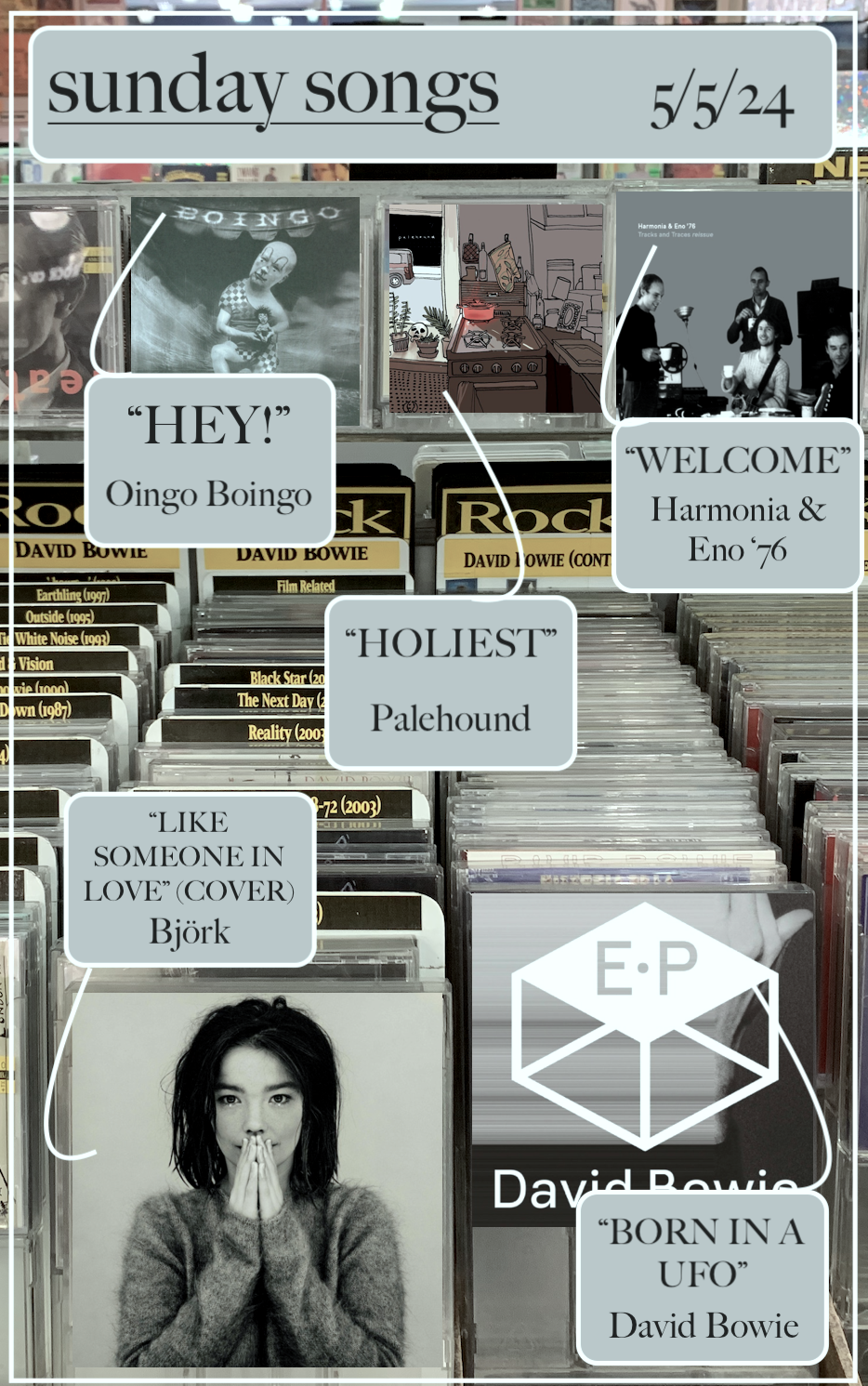
But before that: since I was deep in the trenches of finals hell last Sunday, here’s my graphic from last week, complete with an appropriately dreary color palette:

SUNDAY SONGS: 5/5/24:

Now, back to our scheduled program…enjoy this week’s songs!

SUNDAY SONGS: 5/12/24

“This is Pop?” – XTC

I thought I had a healthy relationship with XTC. I thought my days of playing “The Ballad of Peter Pumpkinhead” on loop for an entire meal straight were behind me. But then this decides to slap me upside the head…damn you, Trash Theory.

Never has a song this indignant been so deliriously catchy…take away all the instruments, and it’s Andy Partridge yelling about how arbitrary categories are in music (reasonable thing to yell about, but please chill, dude, I can see a filling in your molar 😭). But it’s the most danceable indignant song I’ve ever heard—that aspect of it makes it uniquely pop, just as Partridge is content to shout in your face about. In a landscape where music critics threw terms at XTC to see if any of them would stick (punk, post-punk, etc.), they staunchly had their own brand of pop engineered with the genes of the likes of The Monkees, The Beatles, and The Beach Boys, and they had no other intention other than to make pop music, no matter which category the critics shoved them into. Even in the video, at about the 2:01 mark, Partridge has started to look like this recurring experience has pushed him to the verge of his own Joker arc. (“Ahahaha! Ahahaha, call us post-punk one more time, I dare you…”)

It’s a definition of pop that I’d like to think Jeff Tweedy would align with—when describing Wilco’s most recent (and very excellent) album Cousin, he called it pop (specifically art pop), but not in the way most would interpret the definition: “To me, pop music will always be the genre that people used to also refer to as “Bubblegum.” It’s sweet and seemingly meant for mindless consumption, but has a Trojan Horse-like power to transform minds and hearts.” Like them, XTC can crank out earwormy hooks for days, but there’s always something beneath it—Andy Partridge and Colin Moulding always had something poking out from the wooden slats of that Trojan horse, whether it’s skeleton liberation or [Jesus? JFK? Neither, actually]. And if pop was their mission, they had it down to a science—it’s got a stompy groove that’s virtually impossible to not at least try to sway around to. (Can confirm, as I had this playing on my laptop while sitting in bed the other day and the urge still overcame me.) Moulding’s bass constructs the slickest, shiniest jungle gym for the rest of the band to swing around in, and Barry Andrews’ lightning-fast keyboard work leads me to believe that he’d been possessed by the spirit of Rowlf from The Muppets. You can’t help shaking your hips—this is pop. This is also the perfect song for an impromptu, one-man dorm dance party. Methodically tested and proven by yours truly. Does wonders for your mood.

…AND A BOOK TO GO WITH IT:

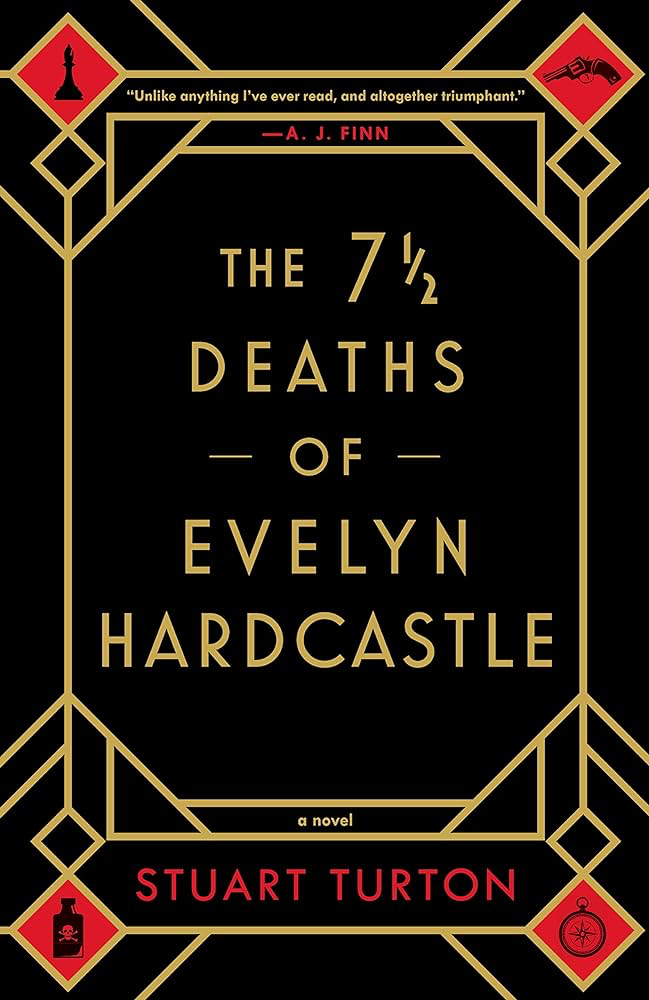
The 7 1/2 Deaths of Evelyn Hardcastle – Stuart Turtonon the subject of Trojan horses of genre…man, do I have the book for you…

“Red Wine Supernova” – Chappell Roan

Apologies for missing Lesbian Visibility Week by [check notes] about two weeks, but this should suffice, right? Frankly, kinda lesbophobic that it coincided with finals week this year.

Remember what I said about mainstream pop not being my thing? I’m woman enough to admit when I love it. And have I listened to this an unhealthy amount of times? Absolutely. Another banger for dancing alone in your dorm to, only much gayer and raunchier. And honestly? I hope Chappell Roan gets huge. She deserves stardom—her songs are impeccably performed and produced (the amount of gleeful electronic hums and glistening tidbits woven in the background of this song should be proof of that), and she’s got a massive talent for commanding a crowd and coming up with the most deliciously camp outfits (and lyrics). But even if she doesn’t, I do have a testament to her fanbase: a friend of mine officially became an American citizen not long ago (!!!), but the day she went in to take the oath happened to be the same day that she’d gotten tickets to see Chappell Roan. When I jokingly asked her afterwards if it was worth missing Roan for, her answer was a vehement “NO,” and if that doesn’t sum up the loyalty of her fans, I don’t know what will.

…AND A BOOK TO GO WITH IT:

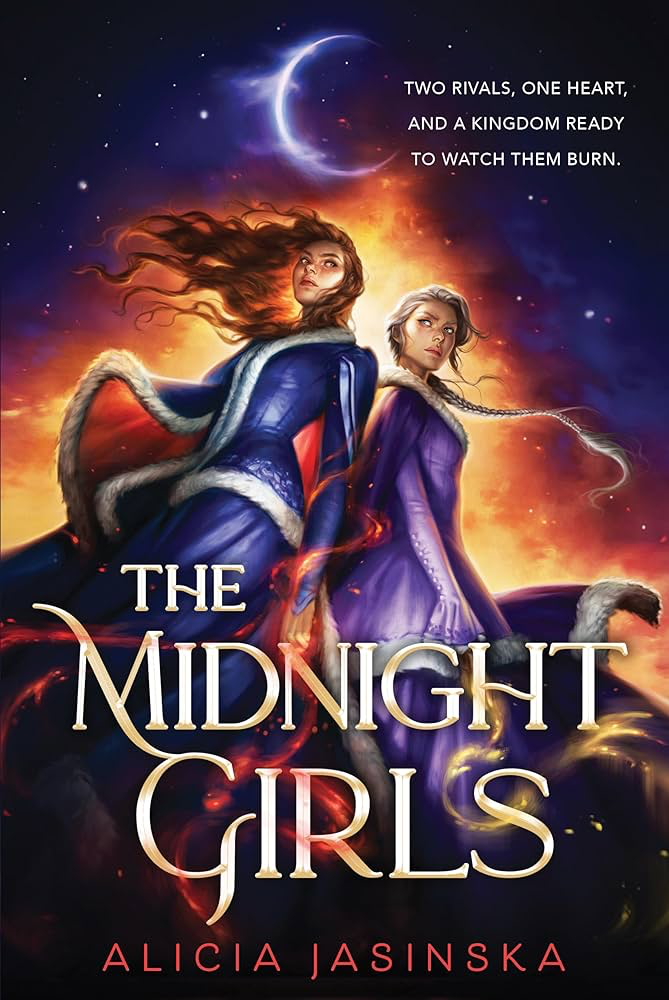
The Midnight Girls – Alicia Jasinskasomehow, I’ve never come across a book about lesbian magicians (somebody needs to write that), but lesbian monster-witches who eat human hearts are close enough, right?

“The Pretty Things Are Going to Hell” – David Bowie

’90s Bowie just could not stop cooking, huh?? On this track, at least. I’ve heard that hours… , which was cobbled from songs that were written for the video game Omikron: Nomad Soul, is less cohesive than some of his other ’90s output. hours… isn’t high on my Bowie priority, but dare I say that this song is pushing it higher? I might be setting myself up for disappointment here, but it can’t be any worse than…I don’t know, Tonight?

Or maybe Toy is a more apt comparison, the album that would have been released after hours… if not for it being shelved…then resurrected in 2021 as a largely mediocre cash grab. What struck me on a first listen of “The Pretty Things Are Going To Hell” is that it felt like a more chiseled, streamlined version of a Toy-era track. It has more focus—it’s got a target locked, and it speeds towards it with glammed-up efficiency and power. A collaboration with his longtime musical partner and Tin Machine bandmate Reeves Gabrels, it’s a clear callback to his glam days and some of his longtime collaborators during that era—the driving, Black Sabbath-like guitar notwithstanding, the title is a reference to both “Oh! You Pretty Things” and The Stooges’ “Your Pretty Face Is Going to Hell.” Bowie and Gabrels’ idea for the crunching guitar riff came from their desire to make “the simplest Neanderthal part possible,” which…well, to be fair, it is mostly one chord until the chorus hits, but I think it’s doing the power of said riff a disservice. It’s the bones and blood of the song, the meat anchoring down the swirl of percussion and electronics whirling around it like a blizzard.

“The Pretty Things Are Going to Hell” also had the potential for an iconic music video, but it was ultimately scrapped; directed by Dom and Nic, the team behind the iconic “I’m Afraid of Americans” music video, it would have seen Bowie performing live, but surrounded by giant puppets of four of his past personas: The Man Who Sold the World, Ziggy Stardust, The Thin White Duke, and the Pierrot from “Ashes to Ashes.” (The video linked above is the incomplete version of the video, containing only the footage of the real Bowie.) Said giant puppets were made by Jim Henson’s Creature Shop, but they were the reason that the video ended up being shelved: according to Bowie, “It was abandoned after we found that the puppets looked like puppets…it didn’t have the east European darkness that Dom and Nic had wanted to achieve.”

What’s that about a “lack of darkness?” I totally didn’t want to sleep tonight, thanks! But it’s a very poignant concept to go with for the music video. The fast-paced drive of “The Pretty Things Are Going to Hell” speaks to its lyrics, full of speed-of-light debauchery and living on the edge: “The pretty things are going to hell/They wore it out but they wore it well.” At first, I couldn’t help but almost be sad that that the pretty things of “Oh! You Pretty Things” all but ended up dead in a ditch, but I don’t think that was the end goal; the existence of these giant, hulking puppets of his past selves are proof. It almost seems like an indictment of his youth—not the optimism or boundless creativity, but the reckless, drug-addled, and often downright reprehensible (looking right at you, Thin White Duke) behaviors that he let slip. The choice of the personas for these puppets are key—you have The Man Who Sold the World at the very sprout of his fame, and by the end, you have the Pierrot, a visual symbol of him trying to break free of addiction through “Ashes to Ashes.” There’s no Jareth or Let’s Dance era Bowie in sight—as much as I rag on ’80s Bowie…at least he had a better outlook on life and a healthier lifestyle. At least he was feeling good. But the ’70s lingered with him for all of his life: “I am the blood at the corner of your eye/I found the secrets, I found gold/I find you out before you grow old.” I almost think that the puppets looking puppet-like would have worked if this haunting by his past recklessness was what he was going for—they’re all so gaunt that they look like specters, even if it wasn’t the “darkness” that he and Dom and Nic were going for. Cynical as it may be, “The Pretty Things Are Going to Hell” seems like Bowie reconciling with his past—it’s something he’s trapped in amber (or massive puppets), but they’re false memories now, a version of himself that undeniably left a mark on the world: larger than him in stature, but most certainly less alive than the person he was at the turn of the century.

This is a level of cursed I didn’t anticipate when I started writing this post

…AND A BOOK TO GO WITH IT:

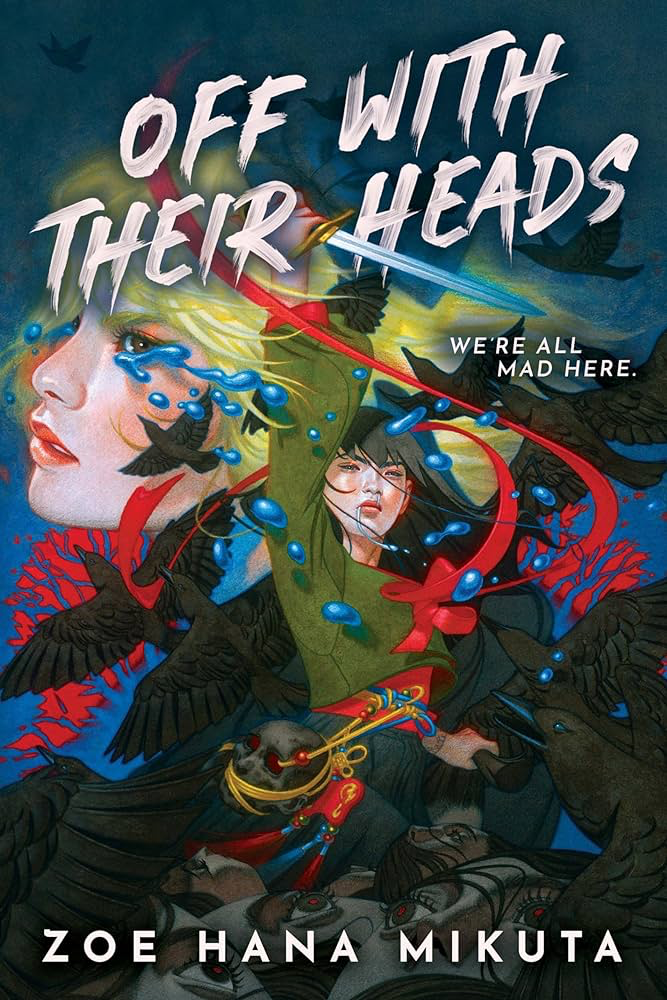
Off With Their Heads – Zoe Hana Mikutaif not for the fact that they’re already in hell, said pretty things would be on the fast-track…

“You’re still breathing but you don’t know why/Life’s a bit and sometimes you die…”

“My Fun” – Suki Waterhouse

It’s one thing to release a catchy, feel-good single, but it’s another to do that around a week after giving birth. Damn. A huge congratulations to Suki Waterhouse & Robert Pattinson on their new baby!

I almost wish this single was pushed back at least two months—partially to give Waterhouse a bit of rest, but also because “My Fun” is the perfect summer song. Or maybe it’s a gracious move: she’s given everyone enough time to add it to their summer playlists before the weather gets consistently warm. Either way, it’s one of the most carefree songs that she’s released in ages. Most of Waterhouse’s songs have been so meticulous and slick in their production, from the smooth glide of “Good Looking” to the sweeping, dress-twirling grandeur of “To Love.” By contrast, “My Fun” feels pasted from the same images as the music video—a collage of bright, silly imagery, cut-out pictures dancing in circles around each other. There’s bits of that “Authentic™️” raw audio here and there, with no sign of the sheen and polish of most of her catalogue. Instead, we’ve got an image of her that’s much more willing to let loose, unafraid to stumble around the place, even if it is curated. I never thought I’d see the day where we’d hear a recorder (and not just for a bit—it sticks around) in a Suki Waterhouse song, but I can’t think of many songs beside this one that make me think, “hmm, this would unironically be enhanced by a plastic recorder peeping in the background.” I guess shittyflute beat us all to that revelation, but that’s…much more front and center, shall we say. But it matches the carefree, poolside atmosphere of “My Fun”—sunbaked ease, with no worries plaguing you, save for when to set out on the next unplanned adventure.

…AND A BOOK TO GO WITH IT:

Just Your Local Bisexual Disaster – Andrea Mosquedawarm, carefree, and full of confusing love in unexpected places.

“someone to” – Adrianne Lenker

i won’t let go of your hand – EP is available exclusively on bandcamp—all proceeds go to the Palestinian Children’s Relief Fund! Chip in what you can—the EP is pay what you want, so long as it’s $10 USD and up. Free Palestine.

I’m woefully behind on my Adrianne Lenker content—I’ve been so swallowed up in this year’s multitude of fantastic albums that I haven’t gotten around to listening to Bright Future, though I’ve loved most of the singles that came out of it (see 12/31 for my review of “Ruined”). It’s high time that I should—after all, the self-effacingly titled songs was my top album of 2023, according to Apple Music, so even if the data is screwy and that was just because I played “forwards beckon rebound” so many times in September, that ought to mean something. In the meantime, I bought i won’t let go of your hand – EP, since a) it’s Adrianne Lenker, c’mon, and b) any money sent to help Palestine is money well spent, in my book. The title is an apt one—the lo-fi acoustics make the whole EP sound like it’s being played from somewhere in a secluded cabin, which, given that this was the exact process that birthed most of the songs from songs, seems like a process she’d repeat. It’s a fruitful sound—and one suited for her personal lyrics. On the EP closer “someone to,” she speaks the lyrics as though she’s hiding inside of a cupboard, pressed against pots and pans as she rolls out her confessions: “Could you come forgive me? We get angry and hide/All of this lonely living, someone to walk beside.” Even if the instrumentals aren’t as intricate as I’ve come to know her work, the vulnerability remains front and center; “someone to” is a plea for forgiveness, peering through the dark to realize that all of the turmoil created from whatever relationship this song stemmed from has left her lonely. At around 2:21, she makes some percussive noises that, from what I can tell, came from thumping her fist on a counter or a similar surface—with the faint metal clangs, you can almost see cutlery and hanging pots rattling on their hooks, echoing through a cramped, wooden space. All of this adds to the log-cabin atmosphere that Lenker has mastered so beautifully—even if she didn’t return to the same cabin in Massachusetts that songs marinated in, she’s an expert at making the most of scarcity.

…AND A BOOK TO GO WITH IT:

The Infinite Noise – Lauren Shippen“Could you come forgive me? We get angry and hide/All of this lonely living, someone to walk beside…”

Since this post consists entirely of songs, consider all of them to be today’s song.

That’s it for this week’s Sunday Songs! Have a wonderful rest of your day, and take care of yourselves!
Posted in Book Review Tuesday

Sunday Songs: 3/17/24

Happy Sunday, bibliophiles! I hope this week has treated you well.

Happy St. Patrick’s Day! Despite appearances, you theoretically would not actually be able to pinch this week’s graphic for not wearing green, despite wearing mostly brown. Please give it up for Lucy Dacus and her green top.

Also, most of the songs this week are either bittersweet or just………flat-out sad, so…apologies in advance.

Enjoy this week’s songs!

SUNDAY SONGS: 3/17/24

“Sarah” – Alex G

I knew it. I knew I’d fall into the Alex G trap eventually. My Car Seat Headrest-poisoned brain finally succumbed to another sad white guy with voice cracks and bedroom recording equipment. It was only a matter of time.

I genuinely can’t decide if “Sarah” is fully tragic, or if there’s some sweetness in there. The atmosphere that Alex G creates certainly leans toward the former; listening to this song is a blur from a car window, sticky with the humidity of the South as you drive past flat, dismal lawns and white-painted houses that have stood there so long that the paint has peeled and molded to brown in the corners. It dwells in a kind of dream-space where the narrator is hesitant to leave, knowing that the consequences will crash down upon them the minute they step foot into the less-green grass on the other side of the fence. Again, my mind has permanently been altered by listening to too many of the earlier, lo-fi Car Seat Headrest songs when I was at the tender, impressionable age of 14, but there’s an enchanting melancholy of the cheap distortion on the guitar and the synths that drift like ribbons underwater, each note trailing off like a thought unsaid. In a way, “Sarah” is a kind of love song, but with a love that’s overshadowed by the damning realization that you’re not the right person for the one you love. And yet, the narrator cannot extricate themselves from Sarah, wanting to cling to her desperately, but knowing that the more they stay, the more they’ll destroy her. It doesn’t feel like a self-hating, depreciating kind of awareness—it’s a crushing realization that the narrator really is, in some way, in a place where they’ll only drag the people they love down with them, against all of their wishes. That’s what makes it tragic to me; Alex G sings half of the song in a higher pitch that drives his voice to shattering cracks, and you can hear his voice break as he sings the line “she loves me like a dog.” The distorted howl of “did I make a mistake?” feels like it drifts up into a smoky, firework-scented sky as it dissipates into digital nothingness, an anguished thought birthed in the depths of introspection.

…AND A BOOK TO GO WITH IT:

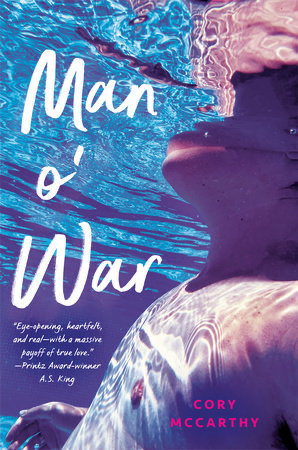
Man o’ War – Cory McCarthya painful and poignant journey of learning to love yourself and other people.

“Houdini” – Kate Bush

Two years ago, I doubt I would have listened to The Dreaming in full. I warmed up to Kate Bush’s earlier stuff more easily, but with the onset of the most recent season of Stranger Things, I was just kind of Kate Bush’d out, which, for a woman of her insane talent, it kind of embarrassing to say. I just couldn’t turn a corner without hearing “Running Up That Hill”—as objectively good a song as it is, the omnipresence of it turned me off. But two years, a listen to The Kick Inside, and more than a good word from my brother (the world has never seen a more fervent Kate Bush superfan), and I finally found myself here. I’m glad I listened to it now—even though my love for “Suspended in Gaffa” (still my favorite track) persisted through the summer of 2022, there was so much weirdness and artistry to the album that it was almost overwhelming—more than once it felt like that in a “mom, come pick me up, I’m scared” way (see: “Get Out of My House”), but overall, that was all apart of the package deal. Admittedly, I can’t fully get on board with all of it; as much as I love the lyrics to “Sat in Your Lap,” that song has irrationally annoyed me since I was a kid, and that quality hasn’t exactly faded—I wish it had, but it’s in the minority of songs that I actively skip on this album. After three albums, this almost feels like Bush’s Hunky Dory: the moment where she had honed her skills and image and officially started going absolutely bonkers.

One such aspect that Bush had nailed by the time that The Dreaming came around was channeling raw, untapped emotion; you can almost feel the bewildered, shaking tears slipping from her eyes as she is faced with something divine in “Suspended in Gaffa” and the feral release in the form of braying like a mule at the end of “Get Out of My House.” It’s overwhelming because it’s exactly what you’re supposed to feel—both of these songs are about separately intense and overpowering emotions, and I believe there’s very few musicians out there who can make that tidal wave translate from the music to the body. That’s already a feat, but given that she was 24 when she released this album…okay, I need to stop googling “how old was Kate Bush when she released [insert album],” because I inevitably get existential. Either way, it’s talent—and “Houdini,” the album’s grief-drenched penultimate track, is testament to that. Recounting the story of Houdini’s wife, Bess, who tried to contact him through seances with a code that the two had devised to ensure that it was him (“Rosabel, believe”); contact was allegedly made in 1929, but she lated believed the code to be the result of trickery from beyond the grave. It’s a deeply tragic story, and Kate Bush pulled no punches in drowning “Houdini” in sorrow. Soft piano dominates the piece, but when it isn’t demure and solemn, Bush lets out a mourner’s wail so convincing that I’d easily believe that she’s channeling Bess Houdini’s bereaved spirit as she bellows out “With your life/The only thing in my mind/We pull you from the water!” That image, of Houdini passing the key to his chains to Bess through a kiss, was what made it on the cover art—I thought it was a wedding ring for the longest time, but to be fair, only the round part is visible on her tongue, and the rest is concealed behind her lips.

…AND A BOOK TO GO WITH IT:

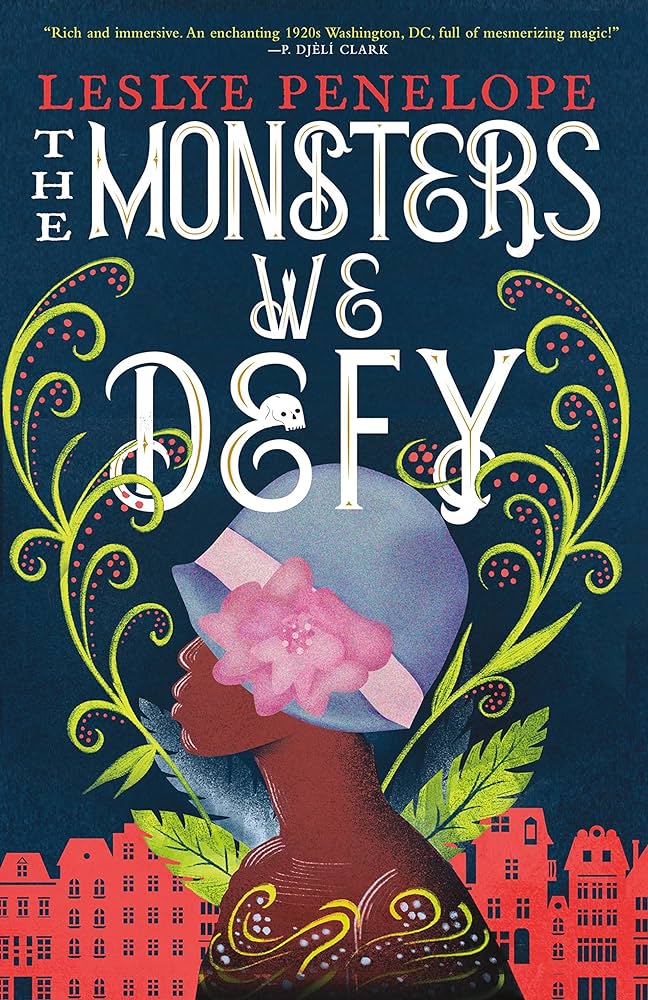
The Monsters We Defy – Leslye Peneloperomance, daring, and communicating with spirits beyond the veil.

“Objects” – Big Thief

Alright. That’s enough of the abject depression for now. Here. Sit down on the bench beside me. Here’s $20, go see a Big Thief.

I’d like to think that I’ve found out about all of these separate Big Thief songs independently, but in reality, all of the songs I end up listening to are the ones brought up by my fantastic brother’s equally fantastic girlfriend, so once again: thank you. If there was ever a song to describe this time of year—nearly spring, almost warm, and the grass is still brown but peppered with sprouts pushing through—it would be “Objects.” Each pluck on the guitar feels like worms and beetles gently crawling through crumbly earth, the shifting of tiny pebbles and dead leaf fragments as they bore tunnels through the ground. This was only recorded about eight years ago, but there’s already a stark difference in Adrianne Lenker’s voice; when I think of this song and earlier songs (see also: “Velvet Ring”), her voice sounds papery, thinner than thumbnails and soft enough to fold into simple origami. It’s gotten simultaneously more feathery, more feral, and richer with the years, but what I’ve heard of these first two Big Thief albums feel like time capsules in her vocal evolution. And like the springtime that “Objects” evokes, the lyrics are all about the spillover of love as it begins to blossom; like the same sprouts that push their way to the sunlight, the object of affection inspires the narrator to “[Leave] the familiar/Air is getting chillier/Stepping outside your skin.” It’s not just Lenker’s voice that feels understated—all of the instruments feel restrained and green, but it conveys that fizzy, bashful feeling of the beginnings of love.

…AND A BOOK TO GO WITH IT:

A Million Quiet Revolutions – Robin Gowqueering the Revolutionary War, and the blossoming of young love.

“Your Young Voice” – King Creosote & Jon Hopkins

I generally have Joe Talbot of IDLES to thank for a lot of things, namely the musical positivity he’s brought into my life, but I also have him to thank for finding this song. Recently, Talbot was featured on BBC’s CBeebies bedtime story segment, where, after reading the picture book Under the Love Umbrella, he listed off some songs to soothe children. This was one of them, and the minute I heard it, I understood completely.

This song is a very sparing one. In a sense, “Your Young Voice” is barely a song at all. It’s only two lines that repeat for almost three and a half minutes: “And it’s your young voice that’s keeping me holding on/To my dull life, to my dull life.” And yet, it tugs at the heartstrings more than some songs with a full verse-chorus structure of the same length. The lyrics are so simple, and yet, their repetition weaves together what a mountain of unnecessary stanzas do in any other piece; their repetition feels like a promise, a mantra—you get the sense that whoever’s young voice is keeping the narrator anchored, the only thing keeping them clinging to the end of their fraying rope. Repeated over these three and a half minutes, it feels like a prayer to remember why they’re enduring this life in the first place. King Creosote (a.k.a. Kenny Anderson…King Creosote is a fantastic stage name, if I’ve ever seen one) has a voice with a constant, shuddering waver that whispers over your ears like cold wind over the plains, and that waver is what cements that image of frailty and unconditional love for me. “Your Young Voice” is also simple in its composition—mostly acoustic guitar, with some piano that fades into the ending as Anderson’s voice dissipates into the fog, but this song is all about dredging the well of deep emotions from a place of emotions stripped bare: there’s no need for embellishment or flair. No matter if your interpretation of the young voice is a parent to a child or teenagers falling in deep (not the interpretation that would’ve come to mind first, but that’s how Sex Education took it, although they used a cover…not nearly as good as the original, in my opinion), this song is love, boiled down to its tearful essence.

…AND A BOOK TO GO WITH IT:

Under the Earth, Over the Sky – Emily McCoshnot to double-dip on the pairings (it’s been three months, it’s fine), but this one is an even better fit, in my opinion—the bare tenderness of the father-son relationship at the heart of this novel was made to be listened to with this song.

“My Mother & I” – Lucy Dacus

When I was thinking about organizing this graphic, I was just loosely going off of looks, not necessarily what order the songs are in. That’s generally how the process goes. However, there are times where I end up shooting myself in the foot and then turning around and shooting the feet of everybody else who might happen upon this post. I mean…I guess “Houdini” or “Sarah” would been kind of an awful way to end this batch, but it looks like we’re bringing down the house with…Lucy Dacus ruminating on the complicated relationship between her and her mother. Real light stuff to go with your Sunday morning cup of coffee, huh? My bad, guys.

2019, the album where “My Mother & I” appears, is part cover album, part original material, each song released to coincide with a holiday—“La Vie en Rose” for Valentine’s Day, “Dancing in the Dark” for the shared birthday of her father and Bruce Springsteen, and “In The Air Tonight” for Halloween (Lucy, it’s a good cover, but…that’s the song you cover for Halloween? Out of all the objectively spookier songs that exist?), etc. “My Mother & I,” as you probably gathered, was released on Mother’s Day, and also to coincide with Taurus season—both Dacus and her mother are Tauruses, part of what the song anchors itself around (“The stars have a lot to say/About women born in the month of May”). It’s a beautiful song, but I find myself glad that I haven’t been able to connect to it fully; the relationship that Dacus describes with her mother, the distance and later connection emphasized by the fact that Dacus was adopted, is one that seems to be full of fractures, but scored by the love that ultimately tethers them. I’m so close to my own mother that it makes me thankful that, even if I had the aspiration to write music, the only feeling that would come up is gratitude because I have the honor of being her daughter. There’s a restrained kind of sorrow that hints at places where Dacus seems to have needed the guidance of her mother (“They called me an old soul/When I was too young to know/The difference between a soul and a ghost/I feared what was inside/Trapped in my body, kept from the other side/A spirit searching for a second life”). “My Mother & I” comes from a place of wistful rumination, but ultimately reaches for a sense of forgiveness and commonality—Dacus branches beyond the Taurus connection to a wholly human one—”We want love, warm and forever/We want to die in the presence of our loved ones/My mother and I.” It’s…ow. Yeah. I don’t know why I went into a Lucy Dacus song that I hadn’t heard and not thought “hmm, surely it won’t be emotionally crushing!” But in this case, the emotional core comes from a kind of forgiveness that has taken years to spread its roots, but has only grown stronger in the dirt with age. And it seems that the forgiveness is mutual, since she’s since performed this song with her mother on backing vocals:

…AND A BOOK TO GO WITH IT:

Our Crooked Hearts – Melissa Albertforbidden magic with lineage through a flawed mother and a daughter left to pick up the pieces.

Since this week’s post consists entirely of songs, consider all of them to be today’s song.

That’s it for this week’s Sunday Songs! Have a wonderful rest of your day, and take care of yourselves!

Posted in Sunday Songs

Sunday Songs: 12/31/23

Happy Sunday, bibliophiles!

Whew, here we are on New Year’s Eve! What a year it’s been, huh? The fact that there’s 2/5ths depressing songs in this batch was entirely unintentional, but I’m of the firm opinion that the last one is a good way to close out 2023. Also—no, somehow the Phoebe Bridgers song this week isn’t one of the depressing ones, bizarrely. Who would’ve thunk.

Enjoy the last songs of 2023!

SUNDAY SONGS: 12/31/23

“Garden Song” – Phoebe Bridgers

This song, like a good song does, came back like an old, loyal dog when I needed it most. But before I get into it, I remembered that I reviewed Punisher when it came out. So let’s see what I thought about it back in 2020:

This was the first single to be released out of the whole album. When I first listened to it, something about it got under my skin, but as I’ve listened to it more, something about it has grown on me (no pun intended). A nostalgic, dreamlike opener to the album. (Rating: 7/10)

…huh. Well, I thought I’d have…more to work with there, but 2020 me wasn’t necessarily wrong. I’d certainly bump up the rating up to at least an 8 or an 8.5, though. It’s what this song deserves, upon a few more years of reflection. It’s a way-homer once you get past the age of 16.

Yes, there is some sad bastard music coming soon in this post (buckle up), but contrary to what…95% of Phoebe Bridgers’ discography would have you believe, this isn’t one of them. Pigeonholing an artist into being just a “sad girl” has a multitude of pitfalls, but one of them is that automatically assuming that slow = sad. In fact, I think this is one of her most hopeful songs. I remember taking a while to warm up to it at first—the startlingly low, Matt Berninger-esque backing vocals, probably several octaves below Bridgers, felt off at first. (In fact, the voice belongs to Jeroen Vrijhoef, her tour manager, who she described as sounding like “Dutch Matt Berninger.”) It’s a stark contrast—Vrijhoef’s rumbling bass almost becomes the unstable ground that Bridgers’ frayed-silk high notes treads over, but it grows on you after a while.

One thing that writing these posts this year has taught me is that I can see more clearly how I approach music; it’s always the music itself first, and unless something immediately jumps out at me (or if I come in expecting it), the lyrics follow on subsequent listens. That’s certainly what’s happened with this song. The dreamlike calmness has never failed to soothe me, but the lyrics have a soothing quality to them as well. The sleepily rambling second verse, where Phoebe Bridgers describes a meandering dream, has the murmur that you would only expect when she’s just woken up and is scrawling the non-sequitur fragments into her journal. (Not to project onto a complete stranger, but I feel like she’s the kind of person to keep a dream journal. I just get that vibe.) But even beyond that, “Garden Song” really is about growth. It’s the soft space where you can look back on your life, recognizing the good and bad, and see it as the soil for other things to grow. It’s the sad smile that you can see as you recall the painful times in your life, but also the comfort in realizing that your sprout has gone beyond that and bloomed, and the hope that there’s blooming yet to do. I find myself going back to 2020, a few months after Punisher came out, when it seemed like all of the lead-weight things pinning my shoulders down would never lift, and inevitably feeling heavy again, but remembering where I’m sitting now, and where my feet have taken me since then. The path was winding and full of twists, but it led us all here. As Bridgers herself said, “…if you’re someone who believes that good people are doing amazing things no matter how small, and that there’s beauty or whatever in the midst of all the darkness, you’re going to see that proof, too. And you’re going to ignore the dark shit, or see it and it doesn’t really affect your worldview. It’s about fighting back dark, evil murder thoughts and feeling like if I really want something, it happens, or it comes true in a totally weird, different way than I even expected.” There’s no denying the darkness, but it is never all there is.

“Garden Song” came back to me towards the end of finals, and of course, I had to sit a while in my spinny chair and sit with it. To me, it’s the perfect song to take with us to the new year—to reflect on how you’ve grown through everything, and that there is so much left to grow through. I’ll leave it with these lines:

“I don’t know how, but I’m taller
It must be something in the water
Everything’s growing in our garden
You don’t have to know that it’s haunted
The doctor put her hands over my liver
She told me my resentment’s getting smaller
No, I’m not afraid of hard work
I get everything I want
I have everything I wanted.”

…AND A BOOK TO GO WITH IT:

The Long Way to a Small, Angry Planet – Becky Chamberseven if the gentle, muted instrumentals didn’t perfectly mesh with the homey atmosphere of this novel, the stargazingly hopeful attitude certainly would.

“Ruined” – Adrianne Lenker

Alright, here’s a blanket. This one’s from another sad girl, and it’s very much actually sad.

If there’s one thing that Adrianne Lenker can write well, it’s a heartbreak song. Unlike most of her solo work that I’ve listened to, there’s no acoustic guitar in sight. This time, Lenker has opted for something equally sparse and solemn: the classic solo piano ballad, aided by some faint, synthy notes in the background, apparently credited as “crystals.” It could’ve easily blended in with the acoustic-dominated landscape of most of her other music, but somehow, the slowly marching piano chords leave the song room to take every rattling breath. Thanks to the music video…I…yeah, I think I’ve now seen more of Adrianne Lenker than I ever needed to see, but this song provides more of that in the metaphorical sense, which I much prefer. She’s a soul-bearer. Something about the plaintive, ever-present waver in her voice seems to age her—it’s not like much time has passed between her solo work, but the shake in her voice seems to indicated that whatever inspired this song aged something inside of her, certainly. Poor thing. Whether or not this song will eventually be a part of an album or remain adrift in Lenker’s discography, it would make a wonderful, thematic addition to the end of an album—it wouldn’t even need to be the very last song, but it would fit in at least the final three or four. The opening lines lend themselves to an album fading into the ether, of both love and music slipping through your fingers—”I wish I’d waved when I saw you/I just watched you passing by.”

…AND A BOOK TO GO WITH IT:

Even Though I Knew the End – C.L. PolkI don’t think Adrianne Lenker would mind the inclusion of vampires, but this is certainly the kind of love that ruins you.

“I’m Not Feeling Human” – The Olivia Tremor Control

My musical wish for 2024: BRING BACK SLIDE WHISTLES, DAMMIT!

I’ve been riding off my dad’s high of Elephant 6 musicians after he recently watched the Elephant 6 Recording Co. documentary (hence the recent spike in Apples in Stereo-related content). There’s something so pure about so much of the music that they put out in the early days. Well…okay, maybe not on Neutral Milk Hotel’s part, but Robert Schneider (of the Apples) and Will Cullen Hart and Bill Doss (of The Olivia Tremor Control) certainly knew how to juice playful simplicity out of synths and all manner of catchy melodies. The Apples in Stereo have a space-age, almost scientific quality to their pop songs, but to me, The Olivia Tremor Control has always come across as something just as whimsical, but in the way of flat colors and simple shapes that bounce around. I’ll die on the hill that this song deserves some kind of Chicka-Chicka Boom Boom-style music video to go along with it. The patchwork of goofy instruments scattered around (including the aforementioned, glorious slide whistle) gives it a delightful whimsy that calls to mind stacks of building blocks. Even the slight discomfort of the lyrics seem to be delivered with a wry smile—”Don’t I feel, don’t I feel like a mineral?/Don’t I feel, don’t I feel like a vegetable?” Maybe it’s the rhymes, or maybe just the fact that I’ve always found the phrase “animal, vegetable, or mineral” funny for no reason (I blame it on what little I remember from The Magician’s Nephew), but even vague alienation has a childlike whimsy to it in the hands of The Olivia Tremor Control. Probably the slide whistle, though.

…AND A BOOK TO GO WITH IT:

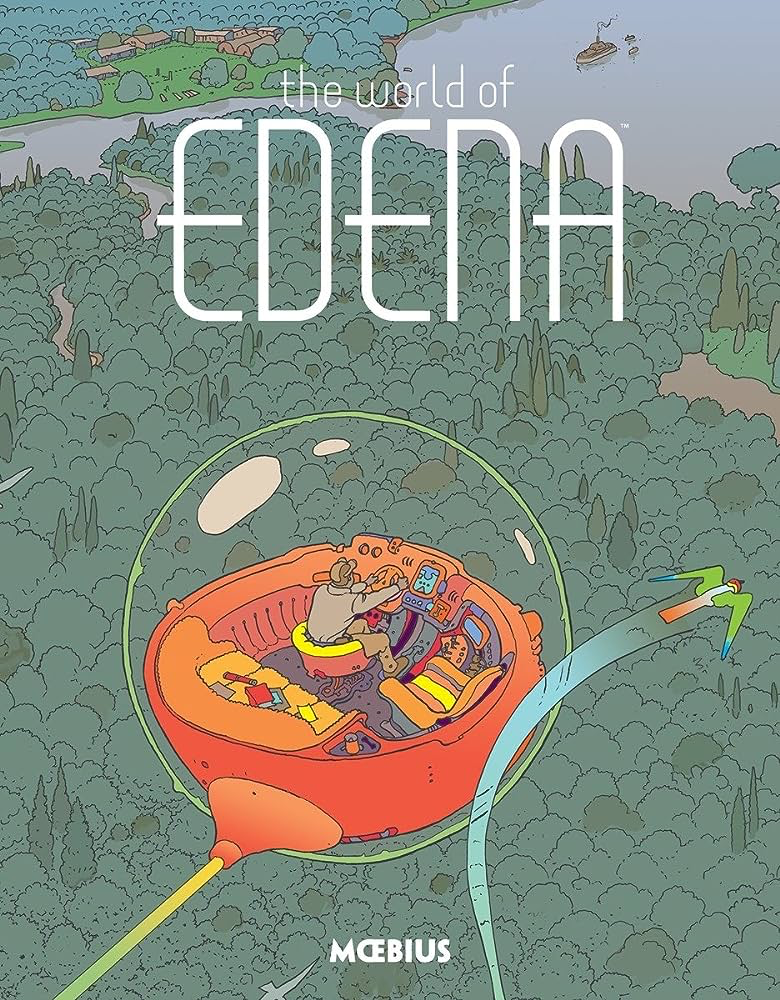
The World of Edena – Mœbiuscolored in with the same flat but vibrant colors that “I’m Not Feeling Human” is shaded in.

“Crash” – The Primitives

Okay, we’ve got one more peppy song before the depression hits…let’s ride the high while it lasts.

“Crash,” other than being a nostalgic, smiling thing popping up in my brain’s whack-a-mole system of remembering songs, feels like the better side of late ’80s pop. By then, the oversaturated synths and gated reverb had probably spread faster than the plague; I can’t speak from experience, given that…y’know, I wasn’t alive, but it had to have gotten obnoxious by that point. This song could have easily been that, but The Primitives seemed to know just the right balance to hit to make something instantly catchy, but that also managed to date itself in a way that wasn’t plasticky and corny. It’s distinctively ’80s without being distinctively ’80s, if you get what I mean. The guitars are bright, but not polished into oblivion, and yet there’s no denying the authentic, cartoon stars coming off of the opening riff. It’s practically begging to soundtrack a confident, reckless heroine with a slick jacket and and a pair of rollerblades, the kind with sparks that fly off with every turn she makes. Tracy Tracy, dolled up like some kind of new wave Marilyn Monroe in the music video, knows that she never needed to over-exaggerate her voice—the warmth of it, combined with the fiery embers self-contained in a tidy two and a half minutes, made for a song that’s unmistakable as a hit.

And they put this song in Dumb and Dumber? Huh?

…AND A BOOK TO GO WITH IT:

Little Thieves – Margaret Owen Vanja Schmidt is certainly the kind of reckless firebrand that doesn’t know when to slow down—and it takes her to some unexpected places…

“Motion Picture Soundtrack” – Radiohead

Another thing I have my wonderful dad to thank for: we watched a few episodes of Joseph Campbell’s The Power of Myth (it’s all on Youtube, go watch it), and besides the plentiful, earth-shattering truth bombs, for lack of a better phrase, about the nature of life and myth (and how those two aren’t really separate things after all), a quote from the second episode stood out to me when I was reminded of this song. At about 42:48, after he and Bill Moyers are discussing the manifestation of god in everything, and by extension, machines, Campbell examines the inner framework of a computer and remarks, “have you ever looked inside one of those things? You can’t believe it! It’s a whole hierarchy of angels…and those little tubes, those are miracles.” For the sake of not derailing this post so I can actually publish it on Sunday, I’ll holding back from expanding on all of the aforementioned Campbell capital-T Truth bombs, which he seems to produce with the same frequency as the other Campbell’s soup cans, but I can’t help but think of this song when I think of computers and angels. There’s no other word besides “angelic” to describe the distorted chorus of electric voices that begins at 2:15. That sound couldn’t have come from any other place save for the miraculous angel tubes. There’s some kind of gospel to this song, I swear.

Unless something absolutely drastic and apocalyptic happens, I doubt I’ll ever stop singing the praises of Radiohead. I’m long past caring about how inevitably insufferable I am as a result, but all the language I have about them ends up being hyperbolic. Kid A is probably somewhere amongst my favorite albums—I haven’t formally organized them past top 10, but I’d say that this lands somewhere in the 20s or 30s, at least. OK Computer, even if their chronological placement has doomed them to comparisons as long as there are music critics to do so, will always be the favorite child in my mind, but the special quality of this album can’t be understated. Like Punisher, another red, blue, and black-colored album that I listened to during the summer of 2020, it’s a signpost for a hyper-specific time in my life, and one of the most cohesive showcases of the talents of Thom Yorke and company. But as much as “Everything In Its Right Place” and “Idioteque” hold uncontested places in my heart, “Motion Picture Soundtrack” will wield the ultimate trophy as far as Kid A goes, and for my standards of music in general. Right now, it’s my favorite album closer of all time. (Before anybody says anything, I know, ackshually ☝️🤓 “Untitled” is technically the closer, but at this point, it’s basically a cooling-down extension to this song). As I brought up before, there’s an undeniable air of gospel about it—the synths that press in at the beginning sound like pipe organs run through a dystopian starscape, and if that’s the case, then the choir is certainly the angels dwelling just out of view in the pews.

“Motion Picture Soundtrack” was marinating in Thom Yorke’s massive cauldron of glorious music since the mid-nineties, where it was an acoustic lament befitting of The Bends. After that, it became a deeply solemn piano ballad somewhere in the depths of the OK Computer sessions, but I, for one, am glad that this is the definitive version, even if we were robbed of what was originally the third verse: “Beautiful angel/pulled apart at birth/Limbless and helpless/I can’t even recognize you.” (OW.) “Motion Picture Soundtrack” was always meant for cosmic grandeur; even though the opening mentions of “red wine and sleeping pills” ground us in the dim hours of planet Earth, the sprawling emotion of it all is the definition of all-consuming. It feels like the final leap off the cliff from death to rebirth, watching your feet slip and the gravel crumble beneath them as the electric, harp-like notes fill your ears like an endless field of stars. Within the infinite sprawl of sorrow, you can’t help but see the staggering beauty of life itself blossom in front of you. I’ll go out again and say it: I doubt we’ll ever come close to the tearjerking final line of Kid A: “I will see you in the next life,” and the pleading waver of Yorke’s soul-caressing voice makes it resonate all the more.

Kid A is probably the pinnacle of hopeless sad bastard music, but I can’t help but feel some kind of embryonic hope resting in the egg yolk of this song. “I will see you in the next life” is a release from all the mindless, sorrowful things that the rest of the verses lay out, and the promise of a starry new beginning. The closing of a chapter, the setting of a book back on the shelf, knowing that if you ever go back and read it, nothing will ever fully be the same, but knowing that isn’t always a bad thing.

What a way to end the year, huh? Just like “Garden Song,” I’m glad this song returned to me when it did. Radiohead is the gift that keeps on giving (me too many feelings to handle).

…AND A BOOK TO GO WITH IT:

The Darkness Outside Us – Eliot Schreferthis book takes “I will see you in the next life” very seriously. One of my favorite love stories of all time, and one of my favorite sci-fi books of all time as well.

Since this post consists entirely of songs, consider all of them to be today’s song.

That’s it for the last Sunday Songs of the year! Have a wonderful rest of your day, and take care of yourselves.

Posted in Sunday Songs

Sunday Songs: 10/1/23

Happy Sunday, bibliophiles! I hope this week has treated you well.

OCTOBER! Crunchy leaves and warm coffee and leather jackets and Halloween. That’s the most wonderful time of the year, if you ask me. And for the occasion, I’ve got a fall-colored graphic, complete with some sparing mentions of autumn and Lisa Germano.

Enjoy this week’s songs!

SUNDAY SONGS: 10/1/23

“The Deal” – Mitski

I went into The Land is Inhospitable and So Are We with my expectations low—as much as I like Mitski, I was prepared for another Laurel Hell that I didn’t necessarily regret listening to, but only came away liking about half of the songs. But I’ve seen consensus among diehard Mitski fans and people like myself, who know a handful of Mitski but nothing expansive—we’re all starting to agree that this album might just be her best work yet.

After several years of turmoil that saw Mitski on the verge of leaving the music industry altogether, The Land is Inhospitable sees her reclaiming a space for herself, while reckoning with the past that led her to silencing herself as she tried to endure the trials of being a musician in this creative climate. The whole album is full of some of her most grand, expansive soundscapes, more haunting and commanding than anything she’s produced in years. It feels like Mitski letting herself go, haunted by the multitude of ghosts and hounds at her back, but unleashing years of feeling and fury. Take this song, my personal favorite of the album (“My Love Mine All Mine” was a close second). As she describes a Robert Johnson-esque deal with the devil “on a midnight walk alone,” we discover that the deal was never to see her soul for fame or talent—it was for someone to take the burden of her soul away from her (“will somebody take this soul?”) The whole song is a harrowing plea for peace, no doubt taken from many sleepless nights. As ever, Mitski’s voice soars to meet every sky-reaching promise, unfolding like an ornate wedding dress with its ribcage-echoing depth and weight. And this song is the exact reason why I feel like The Land is Inhospitable is her most adventurous album yet. The instrumentals are truly mercurial, shifting from simple acoustics to an abrupt, all-consuming cacophony as the chorus kicks in, barely contained. And speaking of barely contained, can we talk about how beautiful the outro is? It’s my favorite kind of barely contained chaos, as though Mitski is scrambling to keep the battering drums and frantic movement under wraps before the song ends, but can’t help but let some of it pour through the cracks. I can’t help but be reminded of 1:53-2:34 of “Via Chicago,” with its moaning guitars disguising Glenn Kotche’s explosive outburst of drums. (It’s 100% worth putting a Wilco concert on your bucket list just to witness that live. Trust me.) And of course, it mirrors the line “your pain is eased/but you’ll never be free.” It always lingers.

Either way, I’m glad that Mitski is starting to heal, and that we have this excellent album to show for it. She deserves more than all the weirdos screaming “MOMMY” at her constantly. The horrific curse of making emotionally vulnerable music your brand, I suppose.

“Born For Loving You” – Big Thief

I’m still newish to Big Thief, but this song delightfully baffles me. I almost thought it was a cover—it seems simultaneously harmonious and out of place next to all of the other Big Thief songs I’ve heard. Somehow, I love that about this song.

“Born For Loving You” feels timeless in its warm simplicity. At its heart, it’s an earnest, folksy love song, plain about its intentions and the smile on its face. But it’s doesn’t bear that kind of earnestness that makes you cringe from the manufactured nature of it—there’s so much about this song that’s genuinely endearing to me with each subsequent listen. Adrianne Lenker frames the premise of the song in a tender collage of vignettes, from “After the first light flickered outta this motel/1991, mama pushin’ like hell/Tangled in blood and vine” to splashes of blissful childhood: “From my first steps, to my first words/To waddlin’ around, lookin’ at birds.” Every time I listen, I can’t help but imagine the fading graininess of old home movies, of giggling, squinty-eyed babies taking their first steps out into the summer grass as their parents follow in their footsteps, arms outstretched. Lenker delivers every line with a straining waver, with the band gently painting soft, acoustic brushstrokes behind her. It’s a song for peering out the car window at a sunset, letting the wind play with your hair as you think about all the things that led you to be here, right here, with the people that you love.

“The Darkest Night of All” – Lisa Germano

I know you’re all sick of me heralding the coming of sad girl fall since August, but since it’s actually fall now, I’ve got an excuse. Nothing says fall like a black-orange color scheme and some good, old fashioned baby doll heads.

After YouTube practically pied me in the face with this song, I couldn’t help but listen. For the first few times, “The Darkest Night Of All” felt like either an opening or a closing track. Turns out that I was halfway right—this song closed out her 1993 debut Happiness (touché), and even without knowing anything else from the album, this song does its job better than any other could. Even though it’s clear from the lyrics that she hasn’t nailed her darkly clever style completely, it’s evidence that Lisa Germano’s skill at crafting a vivid atmosphere was always there. This song couldn’t have been named anything else—it really does feel like watching a starless night from out the window, bleary-eyed and wishing for sleep to come. With its echoing, gauzy synths wrapping their arms around the track, it feels like the cool tucking of a too-thin blanket over your head. You can’t picture anything but sleepless darkness when this song plays. Germano’s younger voice, thin and breathy like tissue paper, can’t help but make me think of Julien Baker—I don’t know if she listened to her, but I can’t get the resemblance out of my head. Paired with Germano’s gentle piano playing and mournful accordions, “The Darkest Night of All” sits in a strange limbo between a lullaby and a dirge, cloaked in nighttime either way. And what a way to close out the album—the fading synths and her final whisper of “the night” like a secret in your ear?

“Easy Thing” – Snail Mail

Nothing like a new(ish) Snail Mail song to make my day. Even if it’s a demo, there’s nothing better.

Lindsey Jordan described “Easy Thing” as “a track that didn’t make the cut, but holds a special place in my heart.” And the more I listen to it, the more it feels like the bridge between her two albums. It’s bathed in a the cool breeze of autumn, lazily meandering around, anchored by Jordan’s plaintively plucked notes on the guitar. The lyrics meander over to the bitter, love-gone-sour malaise of Valentine (“making out’s boring,” “was there really something/or were we just drunk?”), but the delicate, meticulous guitar work reeks of the shining melodies of Lush. You could have placed this somewhere between “Stick” and “Let’s Find an Out” and I wouldn’t have batted an eye. And although I love this song dearly, I can see why it never made the cut; it doesn’t necessarily tread any new musical or lyrical ground that wasn’t already in Valentine—the same lost love, the same reminiscing. I could see why it would have gotten lost somewhere between “Madonna” and “c. et al.” But it’s a song that still deserves to see th light of day, but standing alone was the best choice for it to sprout. Now the only question left is where it’ll fit amongst the other Valentine demos on this EP.

“Come On (Let the Good Times Roll)” – The Jimi Hendrix Experience

Yep. Time for an emotional shower. I didn’t think about the order when I was making the graphic, but this is probably the best possible palate-cleanser for the lethal Mitski-Lisa Germano beatdown. Am I not merciful?

Even though I’m always mad about how stingy the Hendrix estate has been with lending off the rights to his music (every day, I not only wish for a world in which the Doctor Strange movies were actually as weird as they were meant to be, but also for a world where Jim Hendrix was their soundtrack), maybe it’s for the best that the MCU never corrupted this particular rush of late 60’s, pure, classic rock straight to the soul. This one would’ve fit right into one of the Guardians of the Galaxy movies, but again: I’m glad this song isn’t associated with Chris Pratt making some corny “it’s behind me, isn’t it…😳” type of joke after getting into some comical alien shenanigans. (Can you tell that I’m bitter about Marvel? No? Blame Disney. I’m suffering over here.) Either way, this song—and most of Jimi Hendrix’s body of work in general—feels somehow pure, like it came into being with every note in the riff already glitteringly mastered. I’ve used the “Athena bursting forth from the skull of Zeus” metaphor to death in reference to Super Furry Animals, for the most part, but if anyone else is deserving of it, it’s certainly Hendrix. The sound production feels thick enough to stretch my hand through, and each lightning-fast note ripped in the dazzlingly intricate riffs feels like the most intentional thing on Earth, just for a few minutes. It’s a 4:09 stretch of speedy blues that you can’t help closing your eyes and smiling along to. Jimi just has that effect.

BONUS: I meant to put this in last week…oops. Either way, boygenius released a gorgeous animated music video for my favorite track off the record, “Cool About It” (which I talked about back in April). The animations are by Lauren Tsai. Have a watch! (Who else is very normal about the fact that they’re releasing another EP on the 13th??)

Since this post consists entirely of songs, consider all of them to be today’s song.

That’s it for this week’s Sunday Songs! Have a wonderful rest of your day, and take care of yourselves!
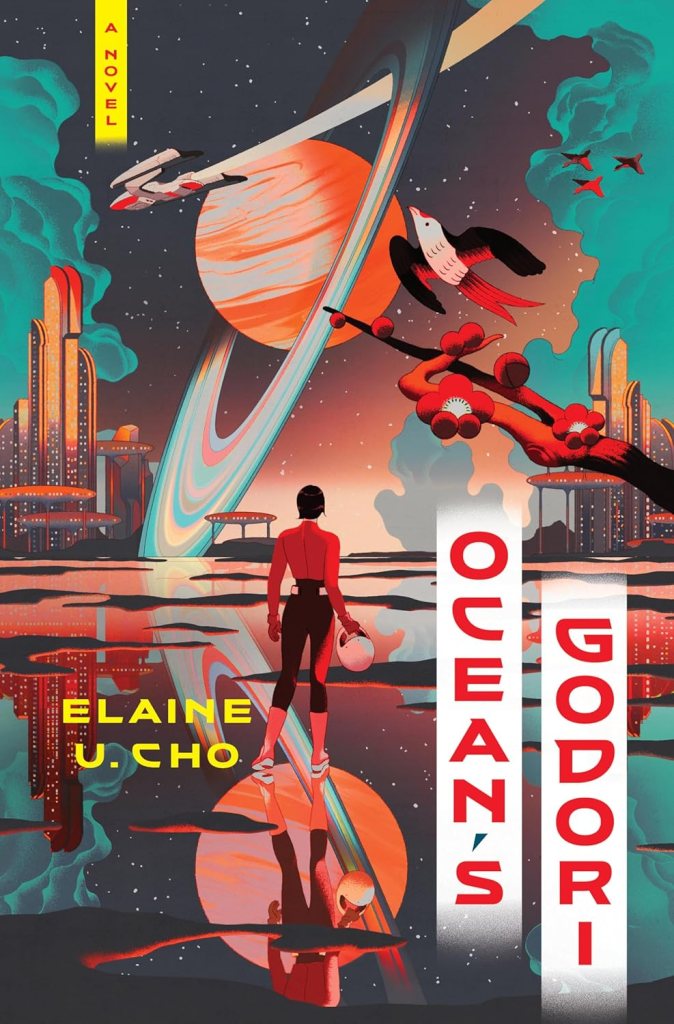
Posted in Sunday Songs

September 2023 Wrap-Up ☕️

Happy Saturday, bibliophiles!

It’s finally fall! September has been busy for me, but it’s all worth it to see the leaves starting to turn.

Let’s begin, shall we?

GENERAL THOUGHTS:

September always ends up being kind of hectic for me, and college has certainly exacerbated that. Working out your schedule while trying to work on yourself is always a fun time. But it’s been nice, all things considered. Between the homework, I’ve had a few days where I could soak up the sunshine with an iced coffee and enjoy the last few dregs of warmth. Said dregs of warmth were too hot for my liking (why is it in the 80s at the end of September WHY), but luckily, it’s supposed to start feeling like fall sometime next week. I also declared a women and gender studies minor along with my creative writing major, so I’m super excited for next semester!

Reading and blogging-wise, it’s been slow going, but I’m now in a good place to start writing more regularly, which is always nice to have back in the routine. It’s the first time in years that I’ve been behind on my Goodreads goal, but I purposefully made it lower since college is a thing that exists in my life now. Plus, I got to re-read The Martian Chronicles for a science fiction class that I’m assisting, and any time that I get to read Ray Bradbury is a win.

Other than that, I’ve just been trying to squeeze in time for drawing, listening to all of the wonderful new music that September had to offer (Shakey Graves, Mitski, Soccer Mommy, Wilco—all excellent), watching even more Taskmaster (SEASON 14 NOW!), and waiting for the day when I can finally break out all of my fall outfits.

READING AND BLOGGING:

I read 15 books this month! (16, if you count me reading Palmer Eldritch twice. Readability was never a concern for Philip K. Dick.) It was always going to be a shorter reading month since I’m still settling into college, but I read more than I thought I did! I’ve been able to read some great books. I tried to throw a few books for Latinx Heritage Month and Bisexual Visibility Week into the mix.

2 – 2.75 stars:

The Three Stigmata of Palmer Eldritch

3 – 3.75 stars:

The Shamshine Blind

4 – 4.75 stars:

Translation State

5 stars:

The Martian Chronicles

FAVORITE BOOK OF THE MONTH (not counting re-reads): Deep as the Sky, Red as the Sea4 stars

Deep as the Sky, Red as the Sea

POSTS I’M PROUD OF:

POSTS FROM OTHER WONDERFUL PEOPLE THAT I ENJOYED:

SONGS/ALBUMS THAT I’VE BEEN ENJOYING:

:,)
walking to class while listening to A Tribe Called Quest is one of life’s many simple joys
love is stored in The Cure
such a gorgeous album
SO much good music coming out this September
I feel like this has to be Mitski’s best work yet
MY WIFE HAS A COVERS EP

Today’s song:

Wilco’s new album is gorgeous, this has been a PSA

That’s it for this month in blogging! Have a wonderful rest of your day, and take care of yourselves!

Posted in Sunday Songs

Sunday Songs: 8/6/23

Happy Sunday, bibliophiles!

Here we are in the heat of August, and I bring you a batch of songs with a Halloween color scheme. I say, it’s my birthday month and I get to choose to color scheme, and I say that every day is Halloween over here at the Bookish Mutant. It’s only fitting that we have the band who probably originated that phrase on here. Plus some vampires. A whole empire of them, as a matter of fact.

Enjoy this week’s songs!

SUNDAY SONGS: 8/6/23

“Vampire Empire” – Big Thief

With almost every Big Thief song that I hear, I’m convinced more and more to go deeper into their discography. Plus, the sisterhood of queer women growing out buzzcuts has to stick together. 🫡

As I clumsily tried to explain to my dad with some tired, T-Rex arm moves before dinner the night that this song came out, “Vampire Empire” is a song that really feels like it’s pressing down on you. After the curtain lifts on the deceptively silent opening, the steadfastness of this song never lets up. With each drumbeat, I feel like I’ve been sucked into a water wheel, bobbing along with its machinery. Each punch of the impeccably rhythmic chorus feels like a spoke passing over me: “You give me chills/I’ve had it with the drills/I’m nothing, you are nothing, we are nothing with the pills.” And if there’s anything I love in a song, it’s that quality where everything feels like it’s teetering on the edge of collapse, but is reconstructed just as quickly. From the pots-and-pans banging sound of the percussion to the way that Adrianne Lenker’s voice strains, soars, then screams in the final verse: “You say you wanna be alone, and you want children/You wanna be with me, you wanna be with him.” Even if the now beloved version that they performed earlier this year on The Late Show with Stephen Colbert excelled in its indie tightness, the barely-contained fury of this version matches matches the lyrics so much more, with its unpredictable, pressing highs and lows. And as much as I loved the original “I’m a fish and she’s my gills” lyric, the way it was squashed right at the end of the chorus did feel like it was interrupting the flow of an otherwise impeccably rhythmic song.

“Swim to Sweden” – Co-Pilot

Rotate has been getting great reviews ever since it came out about a week ago, and even before that—and I’m so happy. I don’t know as much of the context behind Leonore Wheatley, it makes me so happy to see Jim Noir FINALLY getting more of the recognition that he deserves! If there’s anybody who deserves to have their album called “the album of the summer,” it’s him and Leonore.

Co-Pilot (Leonore Wheatley and Jim Noir, a.k.a Alan Roberts) make the perfect music for getting things done; I normally put on an album when I clean out my bathroom, but there are some albums that are…shall we say, better than others for doing such things. (Cue an Arrested Development-style cutback to me crying into the sink to “Don’t Give Up”.) I don’t know much about Leonore Wheatley or her other projects, but Jim Noir always makes that perfect kind of music—it can tickle your brain in a pleasantly creative way, but it makes for the perfect soundtrack to washing down the bathroom mirror or shelving books at the library. So Rotate was bound to be just like that, and that’s exactly how it turned out to be. But as with anything by Jim Noir, it’s so much more than just quirky background music—it’s the sonic equivalent of a Russian doll, layered with oodles of hidden samples, sounds, and fun. “Swim to Sweden,” the Rotate’s second single and opening track, is the perfect display of that explosive, wondrous weirdness. It’s a whole sensory experience; all of the many, layered synths make sounds that crackle, writhe, and, as the title suggests, swim around in your head as the song plays. It’s like a stimulating massage for the brain: the music grows fingers that wiggle all around you, invoking images of bubbles and pulsating lights. I’d be remiss if I didn’t say anything about Wheatley’s contributions, even with my minimal context; I don’t know how much of the instrumentation was from her, but her voice was clearly the anchor that steadied the whole record, richly lilting and magically suited to everything surrounding it. Wheatley and Noir’s vocals weave effortlessly together, diving and darting through the current between the synth melodies like fish.

Bottom line: if you’re looking for something refreshing and perpetually exciting to listen to, go listen to Co-Pilot. Rotate is out now on all streaming platforms! I almost put “Move To It” as this week’s pick, but I’ll direct you to this one too—it samples the same keyboard track that C418 sampled for Minecraft’s “Chirp.” And while you’re at it, I’d once again encourage you all to support Jim Noir’s solo work via his Patreon, if you can.

“Stigmata” – Ministry

With these Sunday Songs posts, I hope to give you all a glimpse into my shuffle. Some weeks, it’s fairly curated. On weeks like this, it really does feel like my shuffle. And by that, I mean four tangentially related songs that sort of fit together, and one of the two (2) Ministry songs in my library. Gotta keep you all on yours toes somehow.

I’ve never been the biggest fan of most metal or industrial music, but as I’ve gotten older and started to appreciate more of it, I’ve noticed a pattern. I doubt I’ll ever completely warm up to all of it (there’s only so much screaming in my ears that I can handle), but for a fair amount of those bands that I’ve been exposed to, there’s always 2 or 3 songs that I just inexplicably love. For Black Sabbath, it’s “N.I.B.” For Nine Inch Nails, it’s “Terrible Lie,” “Head Like a Hole” and “Reptile.” And for Ministry, who famously inspired the name of the latter, it’s “So What” and this song. (Don’t think I’ll quite warm up to Iron Maiden, though. I’ve tried. Apologies to my dad and brother. Bruce Dickinson is undeniably a king, though.)

I don’t really remember enough Ministry to see what separates this song from everything else I’ve heard and passed by. But “Stigmata” came back to me in one of those joyous moments where my shuffle decided to dredge something from the dusty depths of my iTunes library, to my surprise. And instantly, I remembered the rush it gave me in my sophomore year of high school, when I first remember hearing it and liking it. I know the word “feral” is tossed around more often than not these days, but…that’s exactly the way this song makes me feel. The instant the drums kick in, I just start grinning from the anticipation. Then comes one of Al Jourgensen’s many raspy shrieks (which he can keep up for a surprising amount of time), and then it all comes crashing into you. From there, it never lets up—it’s the very definition of abrasive, but the kind of theatrical abrasiveness that never holds back. You can just picture this guy maniacally grinning and wiggling his fingers as he draws out “I’m chewing on glass/And eating my fingers.” Again, who knows what line my mind drew between this and the rest of Ministry, but this song is just so fun. I’ve heard enough to know that metal probably won’t ever fully be my cup of tea, but my brain knows exactly what it likes, no matter the arbitrary, inexplicable distinctions it makes.

“Evergreen” – Shakey Graves

This song and “Vampire Empire” seem to be cousins in a lot of ways. Both of them were famed, unreleased songs that became live gems and staples for their respective bands, and, lo and behold, were released on the same day. Even though I’m far more familiar with Shakey Graves, Big Thief overshadowed my listening, out of the two—as you could probably tell, I couldn’t get enough of it. But “Evergreen” is just as uniquely wondrous, even if I’m admittedly overdue in appreciating it.

No matter how many times I listen to this song, I always fall into the trap of turning the volume up for the quiet acoustic plucking that makes up the beginning of the song. Then, of course, in true, modern Shakey Graves fashion, it’s all gone in a flash and a bang of static as the true beginning of the song kicks in. It’s exactly like the image on the album cover of the forthcoming new album Movie of the Week (!!!)—the silhouette of Alejandro Rose-Garcia, arms outstretched in ecstasy like the black and white monster movie version of Victor Frankenstein declaring “IT’S ALIVE!” The rest of the track continues in that unexpected trajectory. “Evergreen” is a sea of purple-hued fuzz and distortion, dreamy and explosive. Like the trees it’s named after, it’s a song that seems to lure you into the woods, tinged with dreams but hiding something faintly sinister: “Let me rest, yeah let me be/Overgrown and evergreen.” Guess we were all feeling that “I need to go off into the woods and let myself be covered in moss” feeling. It feels like the next natural progression from Can’t Wake Up, which saw Shakey Graves leaning more towards the alternative in alternative folk, with its array of spooky, adventurous tracks (see: “Aibohphobia,” “Dining Alone,” “Counting Sheep”). The folk part was never lost, and judging from Garcia’s penchant for cowboy hats, I doubt it ever will be, but either way, “Evergreen” is surely an exciting window into what’s to come.

Wilco, Shakey Graves, and Mitski this September? BUCKLE UP! And I’m seeing the first two live later this year, so that’s even more fun! (I doubt I could ever do a Mitski concert. I……yeah, I’ve seen so many articles linked to the fandom’s weirder-than-usual parasocial relationships with her and FAR too many “mommy” comments on posts about her. I couldn’t do it.)

(more on Wilco next week…)

“Can You Feel It?” – The Apples in Stereo

Chances are, if you thought of a creatively-inclined person having a sudden change in their career to pursue their passion, it would go something like this: person gets stuck in an office job crunching numbers, person writes songs in their spare time, person quits job in order to pursue music. Happens all the time. But it’s hard to think that the opposite might be true. And that’s the case for Robert Schneider, frontman of The Apples in Stereo, Thee American Revolution, and one of the founders of the Elephant 6 Collective. As his indie rock music gained traction, his hobby and eventual passion was math; while on tour, his bandmates often recollected him scribbling his way through equations in his spare time. And now, he teaches math for a living: in a 2018 interview with Atlanta Magazine, he described the relationship between math and music as such: “Music, art, poetry, and mathematics—these have the feeling of mysticism and religion to me…It’s more than just something you do or something you’re good at. These are things that to me are fundamentally as important as something could possibly be.”

Looking back at The Apples in Stereo, a delightfully weird staple of my hipster childhood, with this context makes their entire sound make more sense. “Delightful” is always the word I end up reaching towards with their music, with their bubbly, electronic sounds and penchants for adding in backing vocals made to sound like a choir of robots. But even if they haven’t been as active in a little over a decade, every time I rediscover one of their songs, it’s simultaneously like reuniting with an old friend and unearthing something wholly new. Like “Stigmata,” “Can You Feel It?” got dragged in by my shuffle, bringing with it a whole slew of pure, joyous childhood memories. Many a car ride was soundtracked by this song, electronic happiness and the impressively swift maneuver of my dad turning down the volume down and back up again just in time for my brother and I to miss the word “bullshit.” And to this day, no matter how many times I listen to it, “Can You Feel It?” remains supercharged with that pure joy. Even if his passion turned out to be math, there’s no denying that Robert Schneider could write an excellent pop song—instantly hooking, it bubbles with infectious joy, calling on you to “drown out the static on the FM radio.” As the call to “turn up your stereo” fades to near-a cappella, something about said choir of robots keeps the excitement of the whole song at a fever pitch, waiting for the instrumentals to crash down once again. Whatever the case, I’d say that Robert Schneider and company found the equation for indie rock joy, and it’s never once lost its shine.

Since this post consists entirely of songs, consider all of them to be today’s song.

That’s it for this week’s Sunday Songs! Have a wonderful rest of your day, and take care of yourselves!
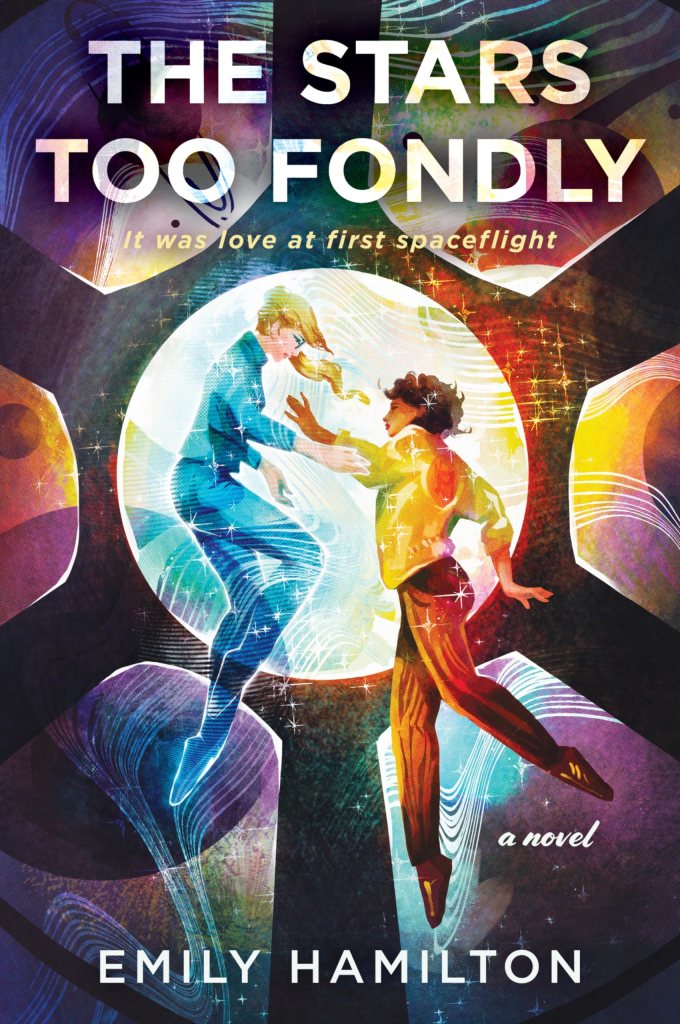
Posted in Sunday Songs

Sunday Songs: 4/30/23

Happy Sunday, bibliophiles! I hope this week has treated you well.
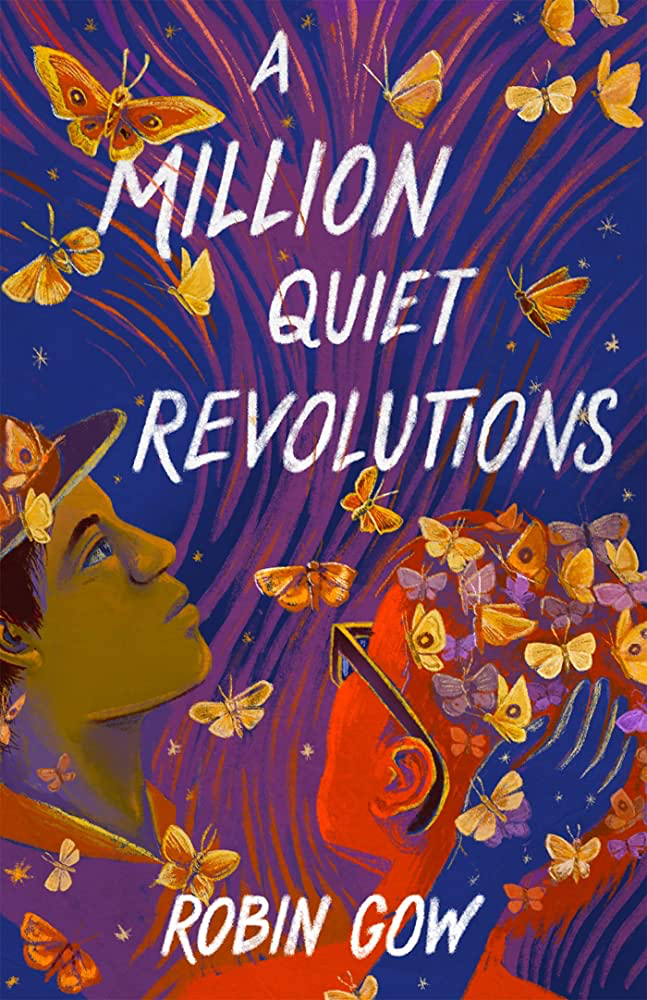
Here we are at the end of April, and my cough finally seems to be letting up. The weather’s consistently warm again, the trees are starting to bloom, and I’m doing my best to ignore the fact that the latter will definitely trigger some allergies in a few weeks, because hey, the trees are starting to look beautiful. All is green and new!

Enjoy this week’s songs!
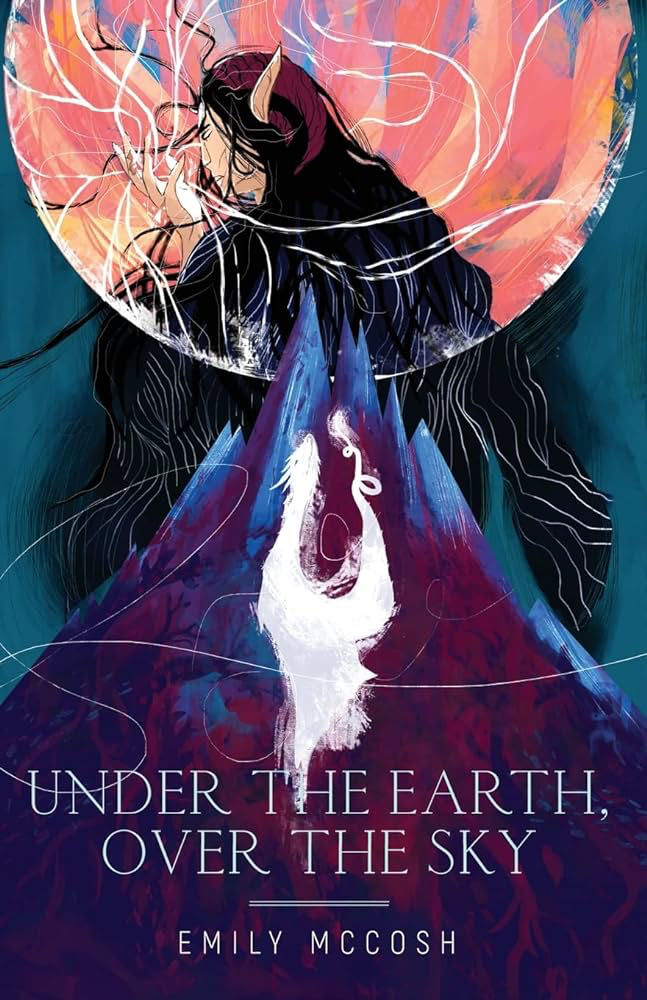
SUNDAY SONGS: 4/30/23

“Ride a White Swan” – T. Rex

there has never been a better visual descriptor for how this song makes me feel

PACK YOUR BAGS, FELLAS, WE’RE GONNA GO WEAR EXCESSIVELY LONG DRESSES AND DANCE IN THE WOODS

T. Rex, Marc Bolan’s self-titled debut, was the last hurrah of his hippie roots (you really can’t go back from album titles like My People were Fair and Had Sky in Their Hair…But Now They’re Content to Wear Stars on Their Brows, huh) before going full-on glam rock, as well as the first album under his newly shortened name (no longer the full Tyrannosaurus Rex). But even as he’d gotten a crisper, cleaner name to call himself, he hadn’t fully abandoned the original, psychedelic fantasy that was Tyrannosaurus Rex, and this song—and, judging from most of the song titles on the rest of the album, everything else—is proof. It’s got everything—druids, spell casting, black cats, tall hats. What else does one really need in life? It’s whimsical. It’s lovely. It’s light. It’s a classic. Revel in the joyous whimsy!
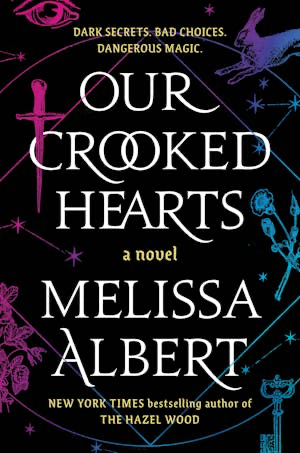
And it seems like it was the perfect storm—for a short time, anyway. Arriving in 1970, right at the end of the sixties when the world was still clinging to the flower-child mentality, this was the perfect piece of escapist hippie music. It was Bolan’s first hit as T. Rex, and it was what launched him into stardom in the early seventies. From what I can tell, most of his career after his (excellent) third album, The Slider, was an attempt to rekindle some sort of hit, both in the U.K. and in the U.S., and despite his efforts and his complicated relationship with fame, never ended up being fruitful. Especially knowing that he died so prematurely and that most of his efforts were in vain, it always makes me sad to think about that stage of his life. Bolan was obviously such a creative soul at heart, a skilled frontman and a master of oddball wordplay, and thinking about he wasted so much of that talent by trying to please other audiences really seems to me like one of the great tragedies of rock music history. It doesn’t feel right to reduce Marc Bolan to a lesson to all of us creatives intending to make a living, but I think his story speaks more to the music (and any creative) industry as a whole; he’d gotten a taste of fame, and this fame pressured him to try and crank out hit after hit. It’s not so much an issue of Bolan as a person, as flawed as some of his fame-induced decisions were, but the way that the music industry has shaped people to behave in that way. Art should be art for art’s sake, not a pursuit of money or stardom. The music industry did Marc Bolan an unforgivable disservice, and I’ll die on that hill.

Anyways, listen to The Slider. God-tier album.

“A Love of Some Kind” – Adrianne Lenker

Alright, I’ll step off my Marc Bolan soapbox for a moment. Let’s cool down a little.

This lovely spring weather has made me feel the same way that this song does. Even if the album cover for Hours Were the Birds wasn’t set against a backdrop of dewy pine branches, I have no doubt that it would still sound the same. Adrianne Lenker seems to have captured the art of making an unrelated smell like petrichor and gently rock about like a wooden boat on a lake. There’s a slight melancholy to it (nothing quite compared to “Disappear,” another track I love from this album—I need to listen to the whole thing), but it’s undeniably hopeful; it’s a plea for reciprocation and love after a rocky period, a star-staring hope and yearning: “I know we’re strangers, so it’s okay/ You don’t have to say it/Strange is better anyway/And I think that we can make it.” There’s a certain talent that the best singer-songwriter artists, in my experience, have: the ability to hinge an entire song with a single instrument and their voice. Most of the time, it’s an acoustic guitar, and Lenker hits the nail right on the head. With just her gentle, misty voice, and the strums of her guitar, she evokes all of those sensations I mentioned earlier with such relatively little material. Even her birdlike whistles bring to mind the feeling of plants stretching their feelers after the snow melts away. I really need to listen to more Adrianne Lenker.

“House of Jealous Lovers” – The Rapture

The beginning of “House of Jealous Lovers” functions to me like the sound engineering of the screams in Jordan Peele’s Nope: are they screams of ecstasy? Are they screams of fear? Who knows. They’re all shrouded in a deliberately-placed layer of fuzz that makes it impossible to tell. And by the time you’ve started to contemplate if it’s one or the other, it’s too late: it’s Uptight White Boy Music Time.

And even without knowing much about said Uptight White Boys, it’s clear how “House of Jealous Lovers” took its place in the early 2000’s post-punk-revival movement in New York City, sliding right next to the likes of The Strokes, The Yeah Yeah Yeahs, and others. There’s not much going on lyrically, but there’s a frantic urgency to the hoarse scream that Luke Jenner (no relation to…any other infamous Jenners, luckily) delivers every line in that makes every word feel like a command. Cloaked in endlessly delayed guitars, it feels like it’s hiding something the whole time, even if part of the bridge just consists of the band counting to eight in unpredictable, wavering tones. Throw in some cowbell (as one does), and you’ve got such a strangely suspended moment in time: shaky and uptight, but somehow still self-assured in a way that makes this song hold up after almost 20 years. It feels like the world’s most neurotic club jam. I love it.

“The Cradle” – Colour Revolt

I stole this one from the great Julien Baker, who named it on boygenius’ episode of Pitchfork’s Pass the Aux series, as her hype music when she was a senior in high school, right next to…Drake? I can’t forgive the Drake, but…we all did questionable things in high school, I guess.

Drake aside, I’m so glad that Julien Baker introduced me to this song. Just like that, I’ve got another album on the Sisyphean list of albums on my notes app. Just like “House of Jealous Lovers,” we’ve got another hoarse white guy (I’ve got cough drops for everybody, take your pick) who somehow makes it work. Wonderfully. There’s so much that “The Cradle” does in such a short amount of time. It seems to invert the formula of musical buildup. Apart from the first few guitar chords, the first seconds of the song explode into delightfully crunchy guitars, letting the music take center stage, making the quiet, abrasive vocals linger in the background like a sinister afterthought. There’s something sinister about this song that I can’t quite pin down—maybe it’s that inversion, the way that the song explodes in the beginning, and only goes quiet and plodding during the last 30 seconds, as if you’re in a horror movie, waiting for something to drop from the rafters. There’s something compellingly intricate about this song, even more impressive that The Cradle was an album made in the aftermath of Colour Revolt getting dropped by their former label and three of their five original band members jumping ship. Even if this is my only exposure to Colour Revolt right now, I can still say how impressive of a feat that is.

“Sunshine” – The Arcs

Inside of you there are two wolves. One of them wants to listen to “Sunshine” by The Arcs. The other wants to listen to “Sunshine” by Sparklehorse. You are incredibly pretentious, and you also probably need a nap.

When I first heard this song, I seriously thought that the light, tinny piano intro was going to be the start of a sample. To any artists reading this (I doubt there are, but still): THIS HERE. SAMPLE THIS. WHAT ARE YOU DOING.

I’m not up to date on any of my Arcs lore, but the jump from the songs that I heard on heavy rotation on Alt Nation back when I was in middle school to this is nothing short of gutsy. But somehow, it makes complete sense. Just like the animations in the music video, it’s vibrant and polished to a shine, bursting with neon color. From the backing vocals to the smooth piano intro, it’s clearly a song that’s been in the studio for extensive amounts of time, a piece of art being chiseled out of stone. And what came out when the dust settled was an irresistibly pop-sounding indie tune of a perfect length. Every move feels exceedingly deliberate, from when the backing vocals kick in with the “sha-la-la-la-la-la”s in the last third to the quiet explosion of different instruments in the background. The only other song I can think of called “Sunshine” is an exceedingly melancholy one (as with pretty much any Sparklehorse song…sorry, Mark), but if anything, this is a song that more than lives up to its title.

Since this post consists entirely of songs, consider all of them to be today’s song.

That’s it for this week’s Sunday Songs! Have a wonderful rest of your day, and take care of yourselves!