Posted in Book Review Tuesday

Book Review Tuesday (2/25/25) – When No One Is Watching

Happy Tuesday, bibliophiles!

I’ve had my eye on When No One Is Watching for a few years now. I’m not typically a thriller fan, but the concept intrigued me, despite the consistently mediocre to low ratings on Goodreads and The Storygraph. Alyssa Cole is a new-to-me author, and I figured I would give her book a try. However, I’ve come out of it with a mixed bag and uncertainty as to whether I’ll read more of her books in the future. When No One Is Watching had an excellent premise that it only halfway delivered on, but was still entertaining and timely in the end.

Enjoy this week’s review!
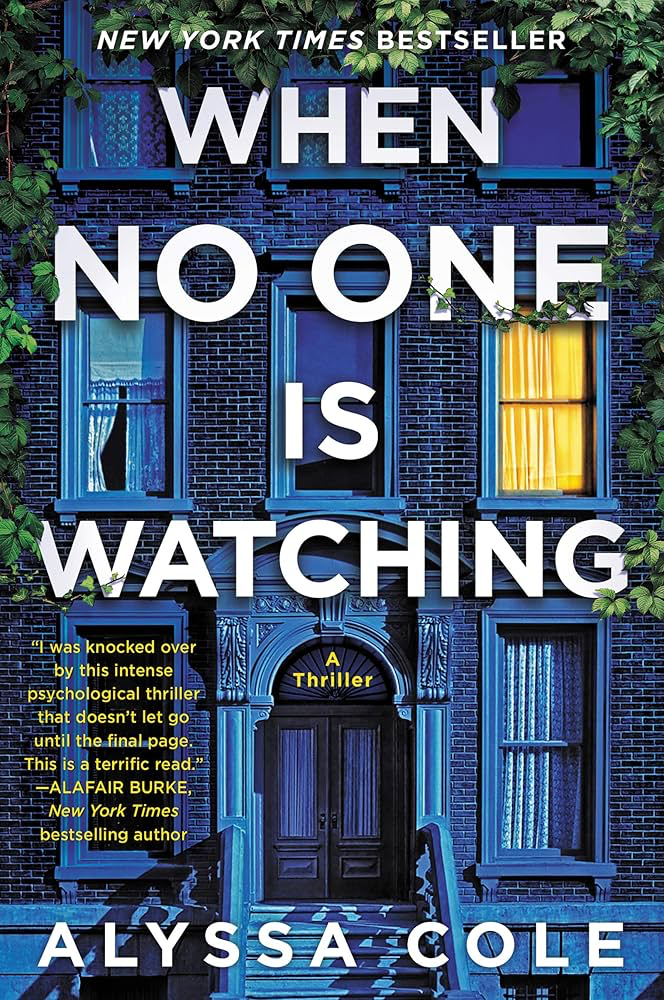
When No One Is Watching – Alyssa Cole

Sydney Green has called Brooklyn home for her entire life, yet her childhood is quickly slipping through her fingers. Her neighborhood, which was once home to a diverse group of homeowners, is quickly beginning to be gentrified. Condos are springing up where her neighbors once lived, and her Black and brown neighbors are being driven away one by one. Sydney suspects that something is amiss, and that there may be something more insidious to the gentrification of her neighborhood. With the help of Theo, her well-meaning neighbor, Sydney seeks to uncover the truth of her neighborhood’s fate, but what she finds may be even more sinister than she could have ever imagined.

TW/CW: racism, misogyny, gun violence, murder, loss of loved ones, police brutality, kidnapping

First off, When No One Is Watching is an incredibly timely thriller, and having a thriller surrounding the themes of gentrification is genius. When you strip past the apathy the general American population has of living not just on stolen land, but land that has driven its people of color into the worst possible conditions, it really is a frightening reality to live with. Even if the gentrification of neighborhoods itself isn’t some grand conspiracy, as it partially is in this novel, it’s a no-punches-pulled look at what’s happening to neighborhoods all over the country. Adding in snippets of social media doesn’t always work in books, but weaving in the neighborhood groupchat into When No One Is Watching also served to add a critical piece of the puzzle: that a lot of white people in such situations are so easily willing to dismiss any kind of racism if it doesn’t affect them, even if it’s happening in their own backyard. With an unflinching pen, Cole examines all of the aspects of gentrification, from its history to its current iterations, making for a thriller grounded in a real source of fright.

There are plenty of scary scenes in When No One Is Watching, but the fact that Cole mines the horror out of Syd being in an Uber and her driver driving her away from her destination should tell you something about where this novel lies. That particular scene is at the beginning of the book and isn’t the scariest thing that happens, but man…Cole is excellent at squeezing the horror from very grounded, real events. With the exception of the more sinister twist at the end, this novel creeped me out because almost everything that happened was real—its horror drawn from the realities of racism, misogyny, and gentrification. I can’t speak to this personally, but it felt like the inherent horror of being a marginalized person in the United States, but specifically of being a Black woman, a group that this country has historically done everything in its power to silence and oppress. It really gives weight to the expression “truth is stranger than fiction”—in this case, truth is scarier than fiction. That’s where Cole finds the fear, which made When No One Is Watching so effective in its brand of suspense.

However, a lot of the realism that came through in the suspense aspect of When No One Is Watching was deadened somewhat by the excessive use of modern internet lingo. I don’t mean the AAVE at all—that part was great, and I’m glad to see more of it integrated into literature, because there’s no need to cater to white audiences anymore at this point (and there’s many conversations to be had about how twitter/tiktok/etc. slang has subsumed AAVE so quickly and stripped it of its original meaning). No, I’m talking about the very millennial-sounding, tweet-ready one-liners that many of the characters dole out to make the story “funnier.” (Whew. Lots of hyphens in that sentence, even for me.) If I hadn’t seen the quote “I need you to channel the confidence of a mediocre white man” on at least 10 different t-shirts, stickers, and tweets, it would’ve been funny. About half of the humor in When No One Is Watching lands, but the other half is about the same as this: quips that have been circulated on the internet for at least a decade that could’ve been funny years ago, but have gone so stale that they’ve lost all novelty, originality, and more importantly humor. Again, I liked that When No One Is Watching was able to balance levity with some of the more thriller aspects, but it would’ve tipped the balance even more if more of the humor was original. Even five years after this book’s release, it was so easily dateable. Give it another five, and it’ll be painfully dated.

What hindered When No One Is Watching the most, however, wasn’t that: it was the pacing. It was just odd. When the suspenseful moments came, they were appropriately suspenseful, but there was so much middling around in between these moments for the first 75% of the novel that I started to question whether or not I was reading a thriller. But once the big twist comes in, it’s when I was about 80-85% of the way through the book—and the entirety of the big reveal, the climactic final battle, and the resolution were crammed into only about 15% of the book. It was whiplash-inducing, but not in a way that a thriller should be. Thrillers aren’t my go-to, but for more thriller/horror movies, I like when I have some breathing room between the suspenseful/scary moments (see: Alien, Nosferatu). When No One Is Watching theoretically had that down pat, but where it suffered was that the breathing room was rarely interesting. Other than the fantastic commentary on racism and gentrification, the plot between the suspense was just boring. I didn’t care much for Syd and Theo’s romantic subplot, I didn’t care for them randomly running around and ultimately discovering very little. So much of it could have been condensed in order for the climax to not feel like being chucked out of a bus window and onto the highway—not in a suspense way, but in a wild pacing way. Big reveal, shootout, resolution, and bam, it’s all over…in about 30 pages, tops. As with the humor, there needed to be balance with the plot—more suspense spread out through the novel, and more room to process and mine into the commentary of the climax.

All in all, a thriller with sharp, relevant commentary on racism and gentrification that excelled in its suspense, but was dragged down by uneven pacing and humor that dated itself far too quickly. 3 stars.

When No One Is Watching is a standalone, but Alyssa Cole is also the author of several other novels for adults, including the Reluctant Royals trilogy (A Princess in Theory, A Duke by Default, and A Prince on Paper), the Off the Grid trilogy (Radio Silence, Signal Boost, and Mixed Signals), The Loyal League trilogy (An Extraordinary Union, A Hope Divided, and An Unconventional Freedom), and many other novels.

Today’s song:

That’s it for this week’s Book Review Tuesday! Have a wonderful rest of your day, and take care of yourselves!

Posted in Book Review Tuesday

Book Review Tuesday (4/16/24) – Happy and You Know It

Happy Tuesday, bibliophiles!

Happy & You Know It was a book that’s outside of my usual reading comfort zone—I’m not usually a realistic fiction person, and it seemed literary, though it didn’t end up being very much so. Either way, the premise was enough to grab me out of my sci-fi/fantasy stint, and though it wasn’t executed the way I wanted it to be, Happy & You Know It was still a biting and entertaining piece of satire.

Enjoy this week’s review!

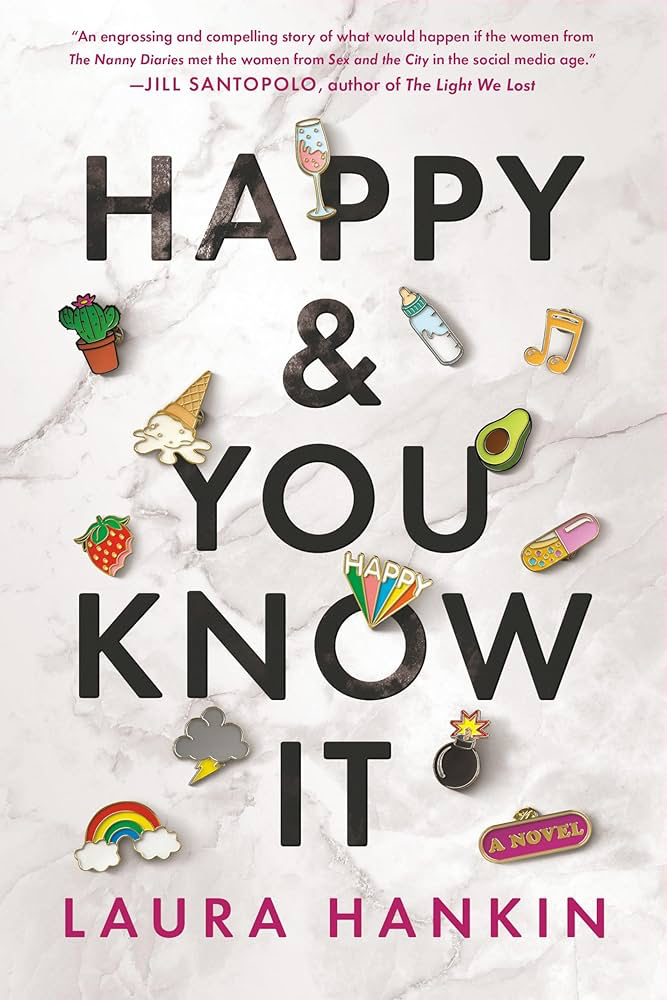
Happy and You Know It – Laura Hankin

Claire Martin has been unceremoniously thrown into the lowest point in her life. After her band, Vagabond, replaces her and rockets to stardom not long after, she’s left with fewer and fewer options to keep a job—and pay the rent in New York City. But when the opportunity presents itself to become a playgroup musician for a cohort of rich, Manhattan moms, Claire jumps at the chance—she’ll be paid for music again, even if it’s just singing nursery rhymes, and they’ll surely pay her exorbitantly. Claire is thrust into a world of mommy influencers, babies that are too well-dressed for their own good, and a multitude of secrets. This playgroup isn’t what it seems—and Claire may have been sucked into their whirlwind of lies too late…

TW/CW: substance abuse, cheating/affairs

Given the first page, I was expecting for Happy & You Know It to be a wilder ride than it actually was, but that’s not to say that it was a bad novel. Though I feel like the plot didn’t reach its full potential, it was still a fantastic piece of satire—biting, timely, and hilarious at all the right times.

The gauntlet you always have to run when writing satire—or any genre, honestly—that’s somehow involved with social media is making it sound realistic. Too often, authors heavily force a hand of making sure the characters use all of the right slang and terminology, and end up falling headfirst into what looks like a boomer’s distorted vision of the internet and how it operates. I was bracing myself for Happy & You Know It to have some of those trappings, but thankfully, none of that was to be found! Hankin’s depiction of this inner circle of rich, Manhattan mommy influencers felt scarily true to how such figures act, from the curation of every little aspect of their lives down to the tone-deaf, over-the-top names for their babies. It was ridiculous, but that was precisely the point—those kinds of influencers who treat their growing babies like playthings for them to dress up so they can get more likes is ridiculous, and Hankin clearly understood how twisted it gets when these behaviors are pushed to the extreme.

Claire was a perfect protagonist for Happy & You Know It: an outsider who is morbidly enchanted by this world of kale smoothies and sponsorships, but is so desperate that she falls in too deep just when she realizes how right her instincts were about the morbid part. Hankin did a fantastic job of detailing all of her motivations—given the care that was put into crafting her extensive backstory with her former band and the constant, emotional reminders she gets from their stardom, almost all of what she did made sense. She’s just the kind of person who thinks that she’s smart enough to run from a dangerous situation, but cornered enough to convince herself that she can make it out unscathed. I almost with that this novel was entirely from her perspective, and we didn’t get the POV shifts from most of the playgroup mom—I guess we wouldn’t have explicitly seen the details about Whitney and Christopher’s affair, but I’m sure there’s a way that it could have been revealed. The less we knew about the moms, I think, the better.

Perhaps that was part of what made the initial reveal about the true nature of the TrueMommy supplements (no spoilers) fall slightly flat—part of it may have been that it was a bit predictable, but part of it was that we knew too much about the rest of the moms. By the time that this reveal kicks in past the halfway point, my Spider-sense was already tingling—too much for how far into the novel it was. This amount of time should’ve been enough to ramp up the suspense, but I feel like I saw too much into their heads, and therefore, had a good guess of what the first twist was going to be. Especially since we only got some of the moms’ perspectives (Whitney, Gwen, and Amara), I feel like the balance was off. With Claire as an “outsider looking in” protagonist, it would have worked so much better if that secrecy was also confined to her POV—and nailed in that feel of the novel.

On that subject, given how gloriously over-the-top the introduction was, I expected the culmination of said twist to be a lot more dramatic than it was. It looked so messy from the start, and yet the ending felt wrapped up far too neatly—just a moment of confrontation, and then a time skip where everyone is (mostly) living happily ever after in wake of this supposedly drastic revelation. The one red herring we sort of got felt too obvious, and so it was easy to point to the real perpetrator, which dampened the effect. The setup didn’t match the end result—I guess I did want more of a disastrous downfall for almost all parties involved (can you tell I like Fargo?), but if you specifically have an introduction to hint at some spectacle of corruption and ruin, it needs to deliver—and unfortunately, Happy & You Know It missed the mark on that front.

All in all, a slightly disappointing mystery, but a deeply fulfilling and sharp satire. 3.5 stars!

Happy & You Know It is a standalone, but Laura Hankin is also the author of The Daydreams, A Special Place for Women, and the forthcoming One-Star Romance.

Today’s song:

aaaaaaaaaaand that’s another album added straight to my bucket list

That’s it for this week’s Book Review Tuesday! Have a wonderful rest of your day, and take care of yourselves!
Posted in Book Review Tuesday

Book Review Tuesday (11/14/23) – The Crane Husband

Happy Tuesday, bibliophiles!

Brief rant: don’t you love it when Goodreads posts the nominees for the “YA Fantasy & Science Fiction” category and…there’s no science fiction books on the list? Not a single one? Thank you Goodreads 🥰

It’s been years since I’ve read anything by Kelly Barnhill; I read a fair amount of her middle-grade novels when I was younger, and there were hits (The Girl Who Drank the Moon) and misses (Iron-Hearted Violet). But either way, the road has taken me back to her adult novella, a chilling retelling of “The Crane Wife” that I thoroughly enjoyed.

Enjoy this week’s book review!

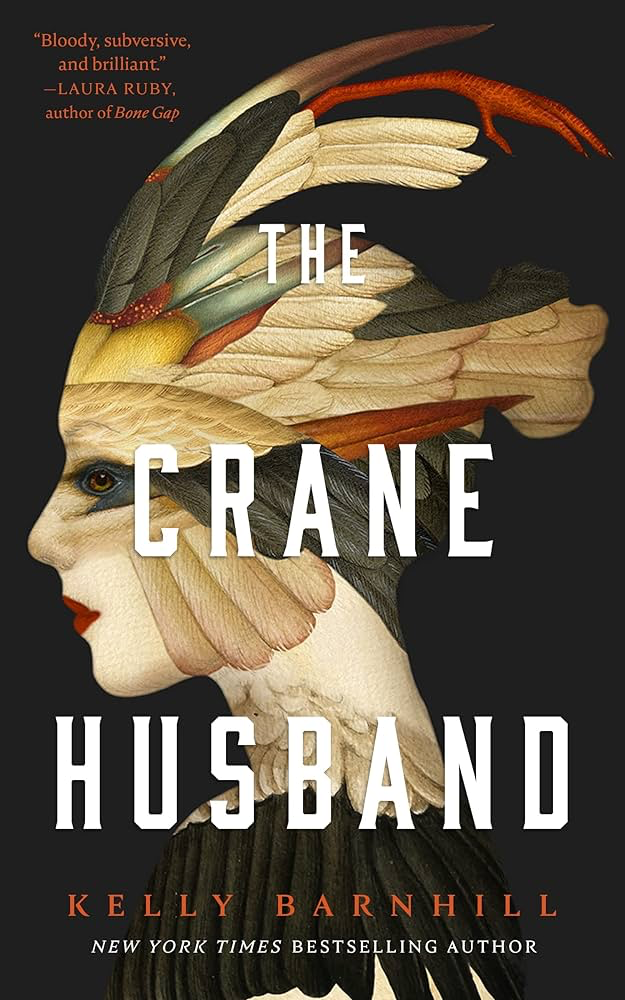
The Crane Husband – Kelly Barnhill

In a distant future, a fifteen-year-old girl lives on one of the few remaining farms in the United States, growing cloned crops in order to make a living. Her father passed away when she was young, and now she manages the farm with her mother and takes care of her six-year-old brother, Michael. But when her mother brings home a new suitor, the girl is appalled to find that the suitor happens to be a giant crane—a crane intent on working her mother to the bone in order to produce tapestries to sell. As her mother succumbs to the wills of the crane and her family grows poorer, the girl knows that the only way out is to rid the house of the crane—and she’ll do anything to make sure the bird is out of the farm.

TW/CW: death of a parent, blood, abuse, animal death, child endangerment

It’s been at least seven or eight years since I’ve read anything by Kelly Barnhill, and I was pleasantly surprised to find that when faced with the (quite large) jump from stylistic choices between age groups, she does so with eery grace! The Crane Husband was a disturbing treat, quick but chilling.

I only had a vague notion of the original Japanese folktale of the Crane Wife that this book subverts, but even without that background, Barnhill weaves a haunting, dystopian fairytale like no other. It’s that lovely kind of book that falls into science fiction, but has just enough trappings of other genres to pass as something else. The magical realism element is heavier than the rest, and it rules the book—rightfully so, given the subject matter. But like a good fairytale, Barnhill’s ability to suspend disbelief made The Crane Husband all the scarier—scenes that would have otherwise seemed charmingly quirky or absurd were downright horrifying under her lens.

Barnhill’s writing was what sold how horrific the events of The Crane Husband truly were. The way she captured the voice of the unnamed, fifteen-year-old protagonist as she had to take her livelihood into her own hands in the face of the invading crane husband had such a tangible desperation, making the conflict feel real as all get out. Tension crept out from every word, and I found myself keeping my Kindle in a vice grip as I read. And that tension never wanes—in only 118 pages, Barnhill built up monumental tension that books three times the length have failed to uphold. The Crane Husband really was nail-bitingly eerie, and it was worth it all the way.

The way that Barnhill used this tangibly uncomfortable atmosphere to drive the point of this folktale’s subversion home was also masterful. The main twist in this iteration is, hence the title, that the protagonist’s mother brings home a giant crane who she takes as her husband. And instead of the crane wife wasting away to produce beautiful tapestries, it’s the human mother being forced by the crane husband to churn out tapestries like a machine. Abusive relationships were the main theme of the novella, and Barnhill’s depiction of abuse through this lens felt as authentic as it could be, from the strained, forced silence of the women of the family and the lack of support that the protagonist finds when she tries to seek help. Beyond that, The Crane Husband’s message about suffering for art was equally powerful and important; the emphasis on how the protagonist’s mother works to the point of near-death in order to create something that people will think of as “transformative” was commentary that I wasn’t expecting from the novel, but enjoyed wholeheartedly. Needs to be said.

That being said, my only major problem with this novella was that it directly referenced the original folktale that it’s retelling. Though it was in a flashback scene, it felt tacky and unnecessarily meta to hand it to you right there—and not only that, but basically delivering the twist right at your doorstep. I will admit that I loved the line about cranes making other creatures do the work for them, but at that point, it isn’t even foreshadowing anymore—it’s just whacking you over the head with the twist that it’s supposed to be hiding from you. It made me more than a little mad, but the rest of the novella was so good that I could almost let it slide. Almost.

All in all, a timely and truly disturbing retelling that packed a stinging punch with an impressively short page count. 4 stars!

The Crane Husband is a standalone; Kelly Barnhill is also the author of many books for children, including The Witch’s Boy, The Girl Who Drank the Moon, and Iron-Hearted Violet. She is also the author of When Women Were Dragons, her first full-length novel for adults.

Today’s song:

NEW SMILE ALBUM IN JANUARY EVERYBODY STAY CALM

That’s it for this week’s Book Review Tuesday! Have a wonderful rest of your day, and take care of yourselves!
Posted in Book Review Tuesday

Book Review Tuesday (9/26/23) – Deep as the Sky, Red as the Sea

Happy Tuesday, bibliophiles!

Fingers crossed, I should be able to keep up with at least these reviews and my Sunday Songs now. Plus, I’ve read some good books lately, and I’m itching to write a full-length review! Especially about this one. I’ve seen it here and there on the blogosphere, and it’s getting average reviews on Goodreads as of now; I don’t usually gravitate towards historical fiction, but Deep as the Sky, Red as the Sea was such an engrossing read!

Enjoy this week’s review!

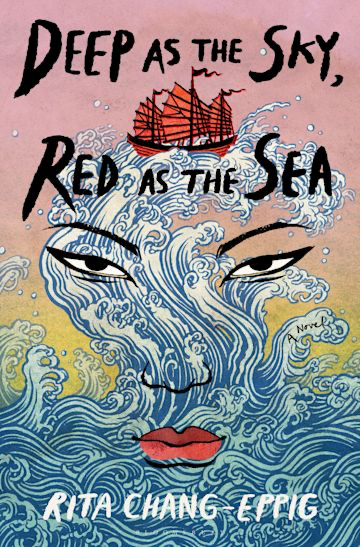
Deep as the Sky, Red as the Sea – Rita Chang-Eppig

The pirate Shek-Yeung has a reputation that precedes her. After her husband is murdered by a Portuguese sailor, she takes it upon herself to do everything in her power to take his fleet for her own, starting with marrying her husband’s second in command and having his son. With the ship under her iron rule, she becomes just as feared as her husband once was. But as the Emperor of China begins a crackdown on piracy and her crew begins to turn against her, Shek-Yeung must grapple with the power that is slipping through her fingers—and taking care of her new son.

TW/CW: blood, gore, near-death situations, descriptions of illness, loss of loved ones, misogyny

I love a good swashbuckling pirate book, so I never considered that a more grounded pirate story could possibly exist. And it does—its name is Deep as the Sky, Red as the Sea, and it has just as much of a punch and importance, even if it lacks the conventional adventuring that typically comes along with pirate stories.

I’m not usually much for historical fiction; it’s not a genre that I typically gravitate towards, but if I pick it up, it’s usually because it’s intertwined with another genre (fantasy, etc.). Literary historical fiction, even less so—that usually brings to mind the thousands of WWII novels with the exact same font that I always have to reshelve at the library. But Deep as the Sky, Red as the Sea occupies a very unique niche. It has all of the diligent research and worldbuilding of any good historical fiction, with a fair dose of drama and an emotional core that sets it apart from the often distant literary fiction novels that I can think of. Even though I know next to nothing about the time period in which its set (listen, I took AP World History online, you can understand my situation), Chang-Eppig clearly put so much time into fleshing out Shek-Yeung’s world—and all of it paid off.

On that note, I’ve seen a lot of complaints about this book having dry writing. At times, the worldbuilding and negotiations did trail in the slightest, but to me, this novel was just the right amount of captivating. Even with all of said drama and heavy plot points, the writing felt cinematic—I don’t mean that in the way of a blockbuster, but of that special kind of Oscar-winner that you actually watched and enjoyed. It knew when to hold its breath and let the silence fill the page, and it knew when to make your emotions swell. I wouldn’t call it perfect, but it’s impressive enough that I’m wowed by the fact that this is Chang-Eppig’s debut novel. I’d gladly watch a movie adaptation of this book.

The characterization in Deep as the Sky, Red as the Sea was just as stellar as the other aspects! Shek-Yeung was such an expertly written protagonist in almost every way that I can think of. Chang-Eppig captured every aspect of her personality effortlessly; she lives at that intersection of aging and legacy where she isn’t as physically strong as she was in her youth, but she’s just as fearsome and skilled as she was back then. She’s been beaten down by the trials of womanhood and the shadows of her past trailing her, but is slowly learning to love again. Every part of her was nothing short of captivating, and she was the perfect emotional core for the story, even if she was reluctant to show her own. The side characters were just as wonderful as well, and the perfect foils to Shek-Yeung. Yan-Yan was my absolute favorite. She was just the sweetest…my girl needs a hug

That being said, I feel like more could have been done with Shek-Yeung’s character development at the end of the novel—and the ending of the novel in general. Throughout the novel, Shek-Yeung basically had that mentality of “we’re all just meat sacks on a floating rock and we’re all just animals that don’t care about each other” (it’d be insufferable on any other character, but…she’s a middle-aged pirate in the Qing Dynasty who’s just witnessed the brutal murder of her husband, I can at least kind of see it in her case). But most of the smaller arcs with her seemed to be leading up to her learning how to heal and love again, what with her son and with the rest of her crew (esp. the more optimistic Yan-Yan). But even after the climactic events of the last part of the novel, she hardly seemed to change. It just didn’t make sense for her, who’d been so well-written up until this point, to suddenly go static. Most of the ending felt rushed in general—it felt ambiguously but not necessarily in a literary way, but more in an “I don’t know how to end this book, so I’m going to write a few more sentences and call it a day” kind of way. It just felt like such a disservice to what was an otherwise stellar novel.

All in all, a beautiful historical drama with some of the most well-written characters I’ve read in a while. 4 stars!

Deep as the Sky, Red as the Sea is a standalone; it is also Rita Chang-Eppig’s debut novel.

Today’s song:

favorite song from this album!!

That’s it for this week’s Book Review Tuesday! Have a wonderful rest of your day, and take care of yourselves!
Posted in Books

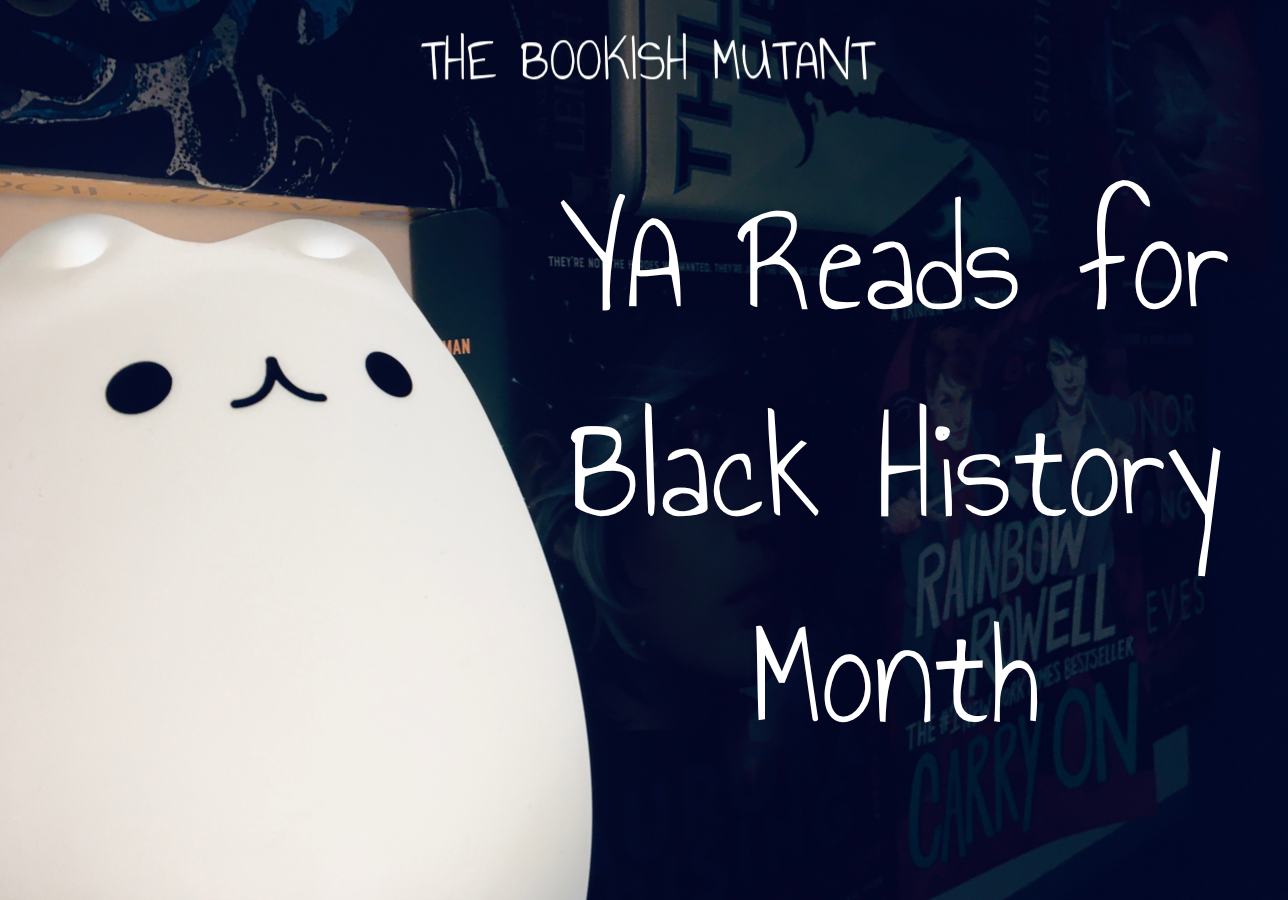
YA & Adult Reads for Black History Month (2023 Edition)

Happy Friday, bibliophiles!

February has just rolled around, and in the U.S., the month of February is Black History Month! Ever since I’ve started interacting more with the book blogging community, I’ve been working on reading more diversely, and making posts like these to encourage others to do the same—reading from a single, homogenous perspective is effectively reading in a bubble, when part of what makes reading so special is its ability to give you an easily accessible insight into the perspectives of others.

But this year, the theme of Black History Month is Black Resistance. I’ve been thinking a lot lately about how that relates to YA; a good portion YA literature is inherently tied to resistance and anti-authority sentiments. And yes, part of that may be teenagers rebelling against their parents, but it also instills so much power into its impressionable teen audience: even though you’re young, you have the power to change the world. Now that YA has become more diverse in recent years, it has shown that resistance is even more tangible. That tyrannical, dystopian government that the protagonist must defeat can be translated into real-word terms: systemic racism, police brutality, and so much more. Teaching teenagers (and everybody else, for that matter) that they have that power to change the world is such an important thing, because they will grow up knowing that they can enact the same changes as the characters they read about.

That being said, I have been shifting to read more adult books in the past few years, and I’d be remiss if I didn’t talk about some of the amazing books by adult Black authors as well. I’m too lazy to change the graphic, but I’m also going to include some adult-oriented books in here as well.

So with that, here are some of the YA and adult books by Black authors I’ve read in the past year. If you’d like to see my posts from previous years, click below:

Let’s begin, shall we?

YA & ADULT BOOKS FOR BLACK HISTORY MONTH (2023 EDITION)

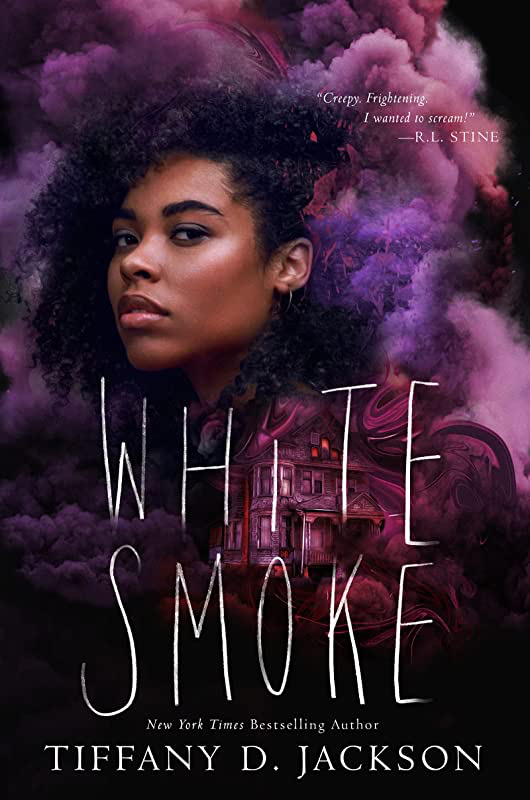
White Smoke, Tiffany D. Jackson

GENRES: YA, horror, thriller, fiction

MY RATING: ⭐️⭐️⭐️.5

Tiffany D. Jackson has a talent for building suspense, but this is the first time I’ve seen her do a full-blown horror novel—and it was exceptionally chilling!

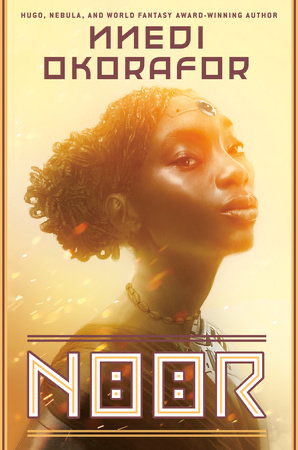
Noor, Nnedi Okorafor

GENRES: Adult, science fiction, Afrofuturism

MY RATING: ⭐️⭐️⭐️.75, rounded up to ⭐️⭐️⭐️⭐️

A wildly imaginative piece of Afrofuturism with a disabled protagonist!

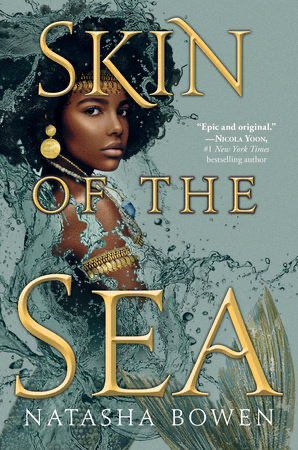
Skin of the Sea, Natasha Bowen

GENRES: YA, fantasy, retellings

MY RATING: ⭐️⭐️⭐️⭐️

YA mermaid novels have historically been disappointing for me, but Skin of the Sea gave me hope that a good one is possible—and there can be so many creative twists and perspectives put on it!

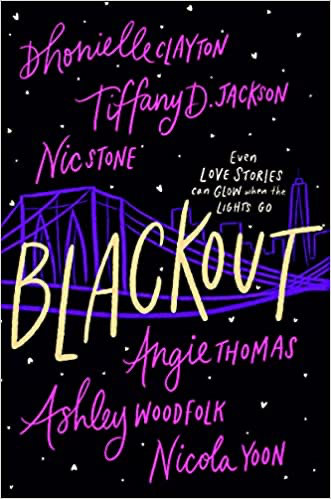
Blackout, Dhonielle Clayton et. al. (anthology)

GENRES: YA, fiction, romance, short stories (anthology)

MY RATING: ⭐️⭐️⭐️

A collection of short stories about different romances during a blackout in New York City!

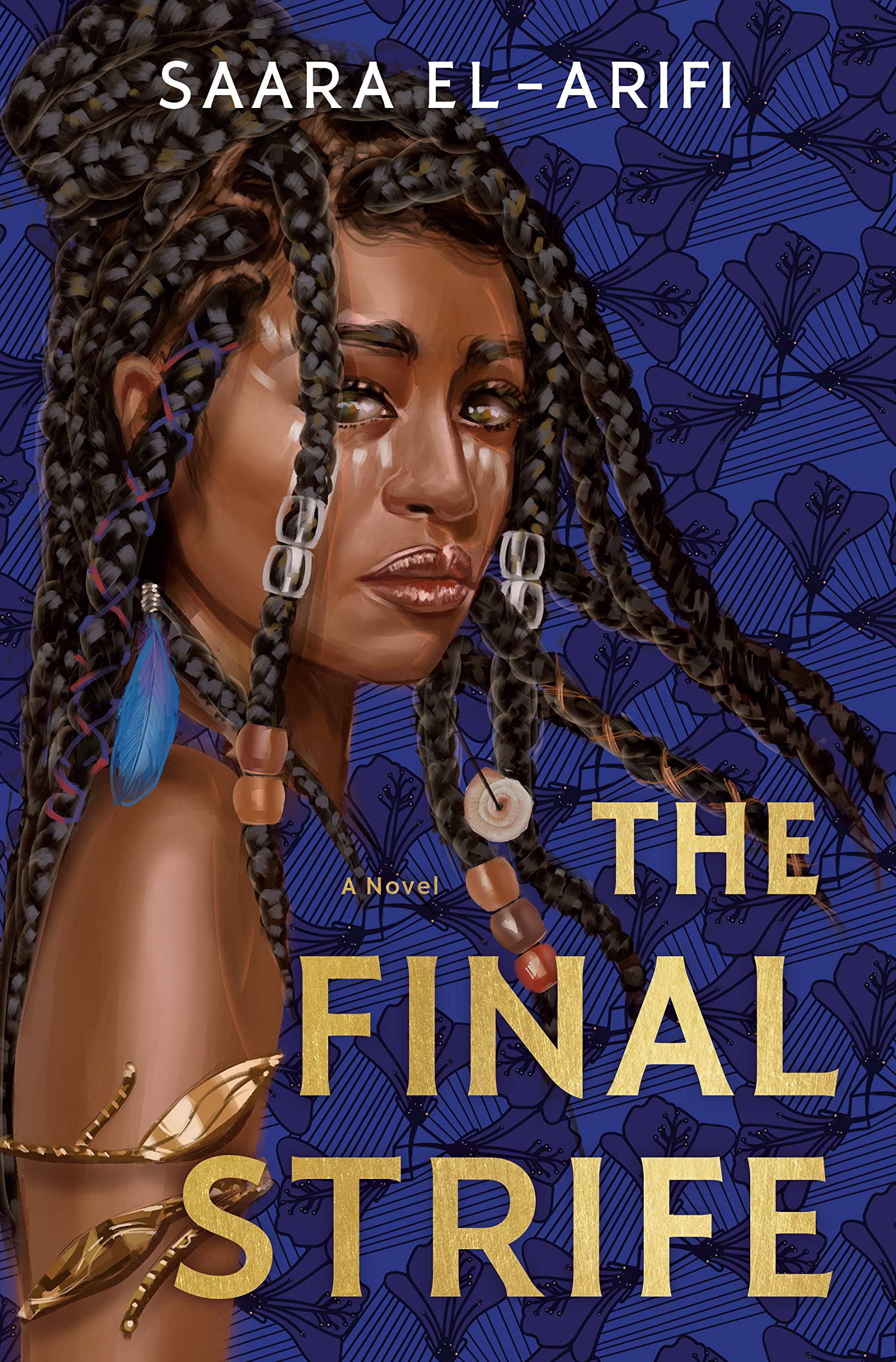
The Final Strife (Ending Fire, #1), Saara El-Arifi

GENRES: Adult, fantasy, romance, LGBTQ+

MY RATING: ⭐️⭐️⭐️.5

A fantasy with exceptional worldbuilding, an unlikely chosen one, and a sapphic romance!

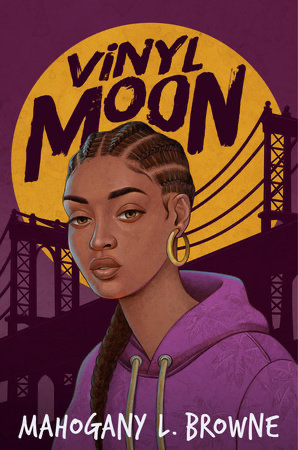
Vinyl Moon, Mahogany L. Browne

GENRES: YA, realistic fiction, novels in verse

MY RATING: ⭐️⭐️⭐️.5

Half prose and half novel-in-verse, Vinyl Moon is a beautiful story of healing and friendship.

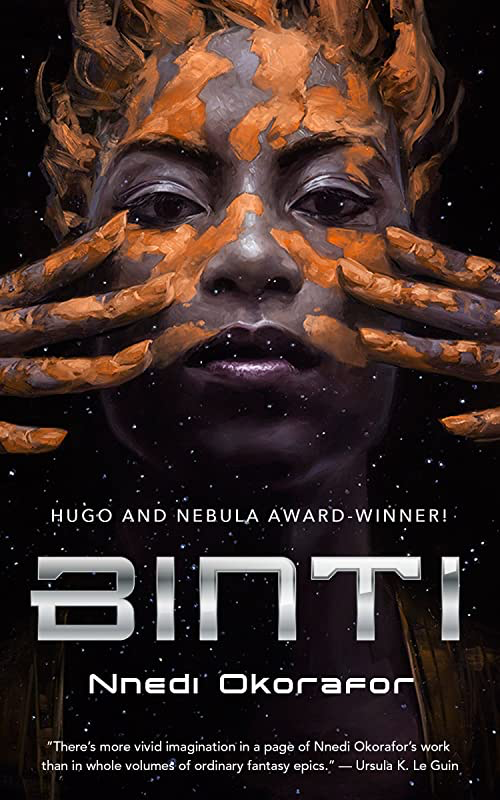
Binti (Binti, #1), Nnedi Okorafor

GENRES: Adult, science fiction, space opera

MY RATING: ⭐️⭐️⭐️.5

Normally, I wouldn’t double up on authors, but Nnedi Okorafor really deserves it here—I still need to finish this series, but it’s so charming and inventive!

TELL ME WHAT YOU THINK! What are some of your favorite books by Black authors that you’ve read recently? Tell me in the comments!

Today’s song:

somehow I didn’t know that this song existed until a few days ago, and I haven’t been able to stop listening to it since

That’s it for this year’s list of Black History Month recommendations! Have a wonderful rest of your day, and take care of yourselves!

Posted in Book Review Tuesday

Book Review Tuesday (8/2/22) – The Blood Trials

Happy Tuesday, bibliophiles!

I’d seen this book floating around for a while, and the promised blend of sci-fi and fantasy hooked me in. But soon after I started The Blood Trials, it proved to be a disappointment to me—although there’s a great discussion of systemic racism and misogyny, the rest of the book lacked steady worldbuilding, and the writing tried too hard to be gritty.

Enjoy this week’s review!

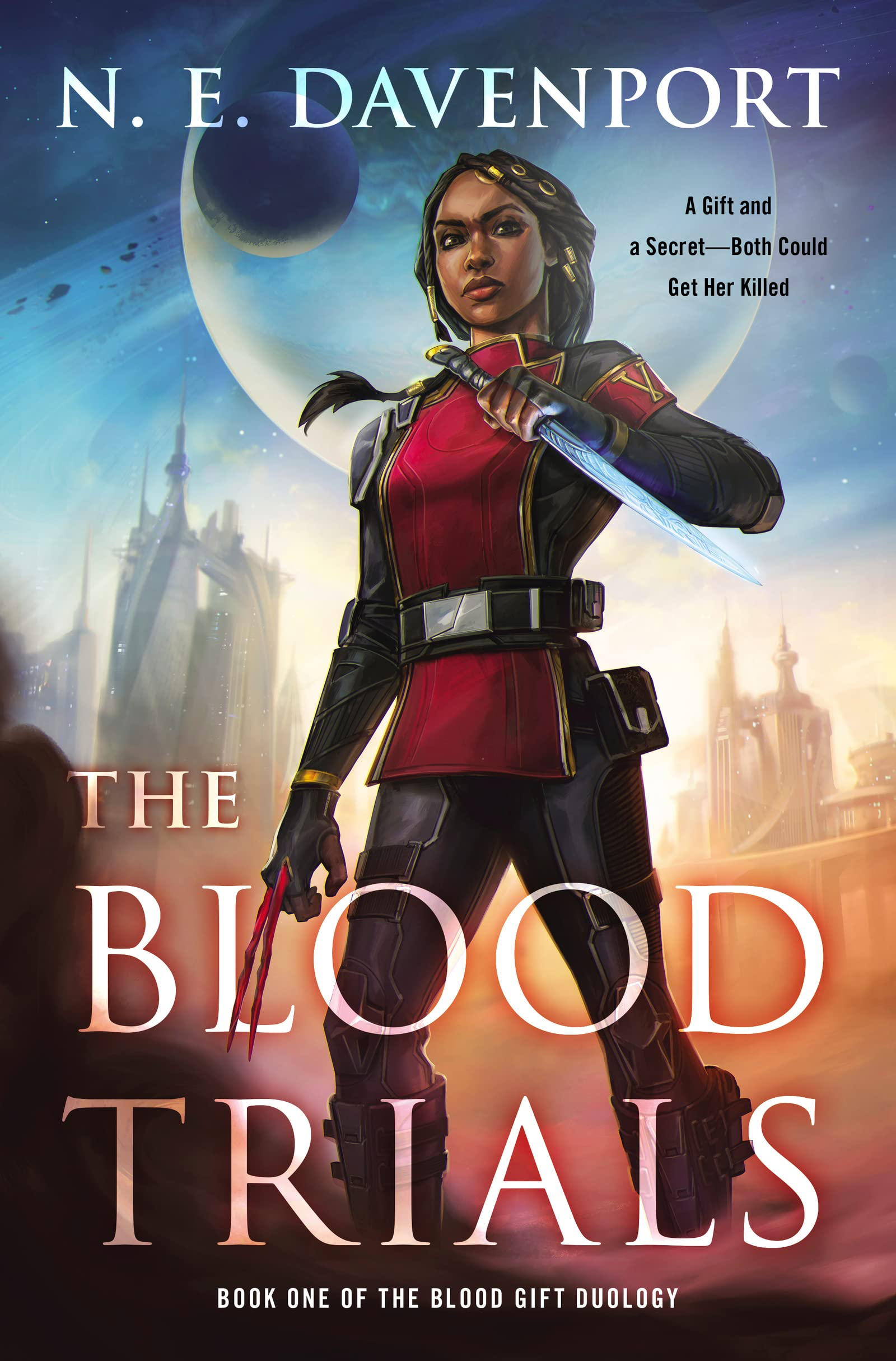
The Blood Trials (The Blood Gift Duology, #1) – N.E. Davenport

Ikenna is the granddaughter of a prominent politician; both of them drew scrutiny from within the Republic of Mareen for their Khanian heritage, so Ikenna was trained in self-defense and blood magic by her grandfather in secret. But when her grandfather is assassinated, Ikenna suspects foul play—none other than the Praetorian Guard, the elite military might of the Republic of Mareen, could have orchestrated his murder. Determined to find his killer, Ikenna climbs through the ranks of the Praetorians, fighting her way to the top to avenge the death of her grandfather. But what she finds deep within the Praetorian Guard is worse than she could have ever imagined.

TW/CW: graphic violence, murder, loss of loved ones, racism, misogyny, substance abuse (alcohol)

The Blood Trials had a ton of potential, but it ultimately felt like an early draft as opposed to a finished book—although it had some great commentary on systemic racism and misogyny, the lack of worldbuilding and the writing style made for a book that failed to hook me once I got started.

I’ll start with the one thing I did appreciate about The Blood Trials—there were some great themes of how racism and misogyny, more often than not, run deeper than surface interactions and are embedded into the very fabric of a society. Ikenna’s experience in the Republic of Mareen mirrors so much of the sociopolitical climate of the U.S. and beyond, and it served as a timely and cogent commentary on how society systemically oppresses women, people of color, and other marginalized groups.

Beyond that, however, The Blood Trials consistently fell flat. I was excited to see how Davenport would blend sci-fi and fantasy into her world, but other than a base conflict that served as the origins for the Republic of Mareen and the surrounding countries, it left a lot to be desired. There wasn’t any indication of how magic and technology existed, what role technology played in this society, or how humans existed in this place in the first place. The magic system was even more so—all I could glean was that the blood gift was passed down genetically and very few possessed it. For such an interesting concept, I’m sad that The Blood Trials left me wanting more.

Additionally, the writing style did little to invest me in the story. I’ve seen a lot of reviews mix this up as YA, and that’s understandable—even though this book is technically billed as adult, it did feel like a YA book masquerading as an edgy, gritty adult novel. And this is coming from someone who predominantly reads YA—even from me, it felt like Davenport was trying too hard to make it “adult,” what with the excessive, graphic violence, the frequent swearing, and the sex. I don’t have a problem with any of those, but they all felt intentionally amped up to make the book more “adult” as opposed to making it more of a fleshed-out story.

Ikenna’s character was also an example of how Davenport’s writing style failed to hit the mark. She should, in theory, have been a character that would be easy to root for, especially given the themes of the story. But she tragically falls into the trap of a “Strong Female Character™️” who just ends up being a woman written with traditionally masculine traits without any sense of vulnerability. Even though her motives were good enough to move the plot along, Davenport was, again, trying far too hard to make her tough, and left her without any other character traits. Her main motive was to avenge her grandfather, and yet her grief was glossed over to the point of nonexistence in favor of making her tough and stoic. Similarly, most of the other characters seemed to come and go without consequence, only having a few base traits and disappearing and reappearing seemingly at Davenport’s will.

The Blood Trials also could have done with a little slimming down; for me, it could have easily ended after Ikenna beats the Praetorian Trials. The last 100 pages felt like they could have been a setup for the second book in the duology, but they were shoehorned sloppily into the last quarter of the book. I’d already lost my faith in most of the book by then, but those last pages only served to make it even less cohesive.

All in all, a sci-fi/fantasy novel that brings great commentary to the table, but lacked in worldbuilding and writing. 2 stars.

The Blood Trials is the first book in the Blood Gift duology, followed by the forthcoming sequel The Blood Gift, set for release in April 2023. The Blood Trials is N.E. Davenport’s debut novel.

Today’s song:

That’s it for this week’s Book Review Tuesday! Have a wonderful rest of your day, and take care of yourselves!
Posted in Book Review Tuesday

Book Review Tuesday (5/10/22) – The Psychology of Time Travel

Happy Tuesday, bibliophiles!

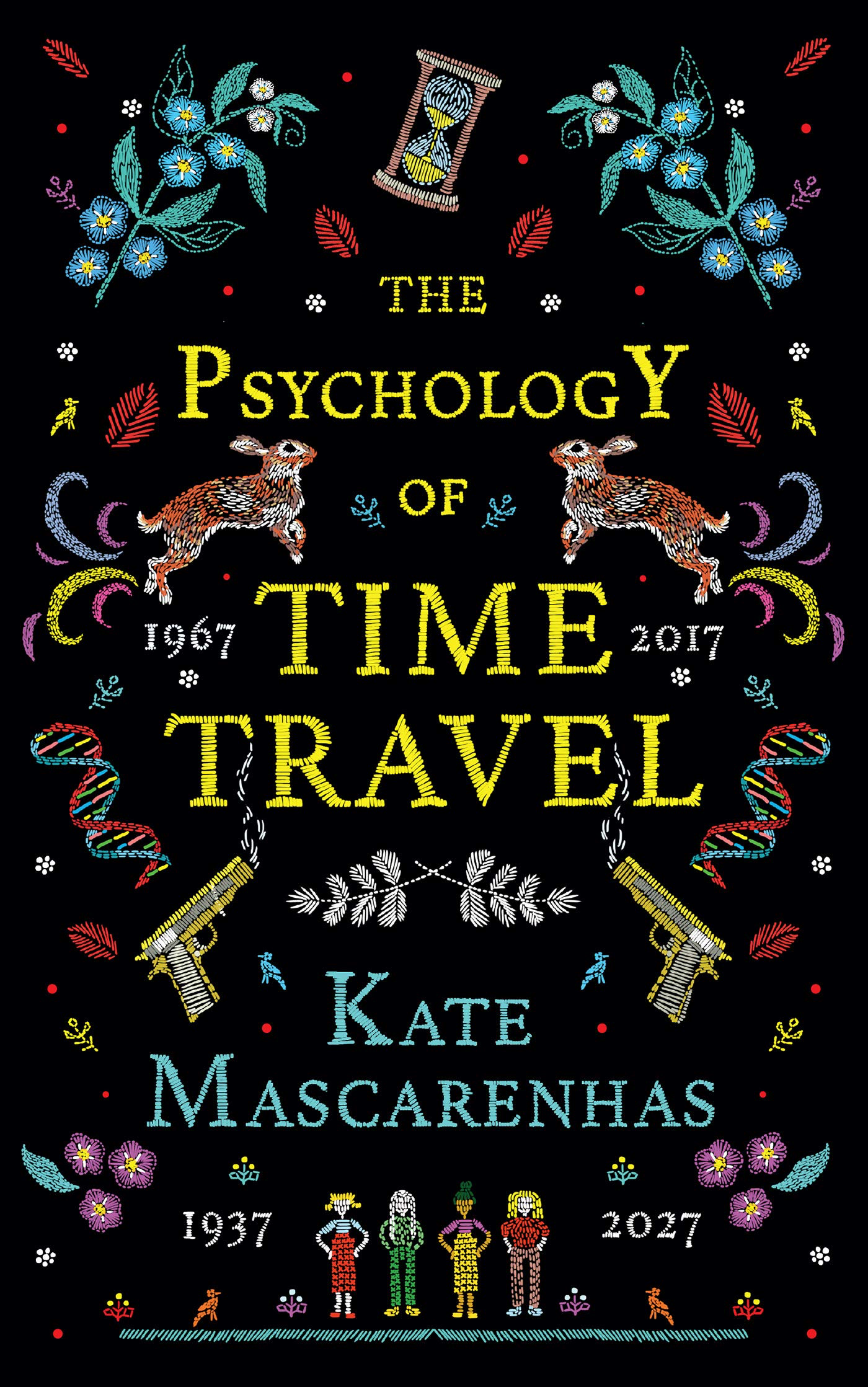
I don’t remember exactly where or when I heard about this novel; I don’t read a lot of books that involve time travel, but this one (paired with its beautiful cover) reeled me in some time ago. I finally got the chance to read it last week, and although it wasn’t the perfect book, it’s certainly a standout for its thorough worldbuilding.

Enjoy this week’s review!

The Psychology of Time Travel – Kate Mascarenhas

In 1967, four women created the first time machine and turned their invention into an empire. But as the project was being unveiled, one of them suffered a mental breakdown, condemning her contributions to be erased from history.

In 2017, Ruby Rebello lives in a world where time travel is commonplace. Her enigmatic grandmother, known only as Granny Bee, was one of the four women who created the time travel Conclave, but she reveals little about her past. But when a clipping detailing a mysterious future murder arrives on Ruby’s doorstep, she must dig through time itself to find out if Granny Bee’s life is at stake.

TW/CW: murder, descriptions of a corpse, mental breakdowns, loss of a loved one, death, gore

“Time travel! I see this as an absolute win!”

The Psychology of Time Travel is a textbook example of how worldbuilding can make or break a novel. In this book’s case, it enhanced it exponentially, making for a highly nuanced and lived-in world that compelled me to no end!

So! About said worldbuilding—it was Psychology’s strongest point, and it was what consistently made it worth reading. Mascarenhas imagines a world where time travel was invented in the 60’s, and how the four women who invented it created a veritable empire out of recording the future, predicting events, and preventing occurrences from happening. But she didn’t just have time travel exist and leave it at that—every possible nuance of time travel that one can think of was explored in some way. Everything from time machine toys to time-travel law to the psychological toll of it all (hence the title) was explored in marvelous detail. All without infodumps, too; with the split POV that jumped back and forth between timelines, the information felt more like anecdotes than dumps.

Psychology’s themes of women in history and how they are treated were also a consistent standout. All of the central characters are women, and through them, Mascarenhas explores how history books overlook women, and how some things may never change; even still, all of Psychology’s women are determined, steadfast, and innovative characters. They all bring home a powerful message and sustain a plot that jumped back and forth through time—just like the rabbits that this book’s first time machines were tested on.

Psychology is a murder mystery at its heart, and for the most part, I’d call it a compelling one. However, the plot’s intricate worldbuilding was a drawback when it came to the plot. With around six or seven time periods that Psychology jumps back and forth between, it was easy for the main mystery to be lost in the threads of the vast time tapestry. I’d read a chapter, remember what happened, read the next chapter in a different timeline, then only get to the thread in the first chapter six chapters later. For the most part, Mascarenhas managed to keep it together, but it was easy to get lost.

All in all, a fascinating and intricate novel that explores time travel and all of its implications across several decades. 3.5 stars!

The Psychology of Time Travel is a standalone and Kate Mascarenhas’ first novel. She is also the author of The Thief on the Winged Horse and the forthcoming Hokey Pokey.

Today’s song:

I’ve had this on repeat all day today and I can’t get enough aagh

That’s it for this week’s Book Review Tuesday! Have a wonderful rest of your day, and take care of yourselves!
Posted in Book Review Tuesday

Book Review Tuesday (11/30/21) – Six Wakes

Happy Tuesday, bibliophiles!

Six Wakes is one of those books that’s been on the first shelf of my Goodreads TBR since the dawn of time. (Read: early 2017) I forget exactly when I fished it back out of the depths, but the premise looked interesting, so I figured I’d put it on hold at the library. Sadly, Six Wakes befell the same fate as most of the books that sit and wither in my TBR for too long: it didn’t live up to my expectations—average as they were—and ended up just being mediocre.

Enjoy this week’s review!

Six Wakes by Mur Lafferty

Six Wakes – Mur Lafferty

The spaceship Dormire is home to six clones. Each of them were convicted of crimes in their past lives, and by steering the Dormire to a new planet, they will be pardoned of all their past misdeeds. But when they wake up to find the corpses of their previous clones strewn around the spaceship, all six suspect foul play. But with their memories wiped and the Dormire’s AI malfunctioning, will they be able to find the perpetrator of the crime before they strike again?

Deshi Basara | 4orror: In space no one can hear you scream. ...

TW/CW: murder, blood, gore, poisoning, descriptions of death/corpses

From the premise of Six Wakes, I expected a sci-fi thriller. The sci-fi box was ticked off, without question, but the further I progressed in the novel, I was more convinced that all I was reading was 50% fictional cloning history, 48% backstory, and 2% plot.

I’ll give Six Wakes one thing, though; the worldbuilding, at its best, was incredibly thorough and well thought-out. Mur Lafferty clearly spent so much time on creating a rich, century-spanning history of cloning and its ethics, as well as the effects it had on world governments and the criminal underworld. It’s the kind of worldbuilding that made me think, “wow, I doubt I could ever have the patience to create something that detailed.” It was fantastic, really. However, it ended up being a bit of a curse to the rest of the book.

This worldbuilding, extensive and detailed as it was, ended up being delivered in such long chunks that I found myself forgetting what the novel was supposed to be about in the first place. There was so much content shoved in that it distracted from the plot as a whole, leaving it suspended in time for so long that I had to go back and re-read just to remember where we left off before the clone rambling started.

Along with the blessing/curse of the worldbuilding, the other 48% (excluding the plot) that bogged down Six Wakes was the excessive backstory. I may not be a frequent mystery reader, but I’ve read enough to know that the whole point of figuring out the mystery is to very slowly realize key details of the characters. And yet, Six Wakes went and did the EXACT opposite. Almost half of the book consisted of multi-chapter sections of backstories for the characters. Not only were they the most inorganic way possible to learn about the characters, they dragged away from what was supposed to be the main plot, and contributed to my lack of enjoyment for the book.

Even with all that backstories, none of the characters really had much of a personality. At all. We got their stories, sure, but save for maybe Hiro (whose personality seemed to be solely for comic relief), I got no sense for what made any of them tick, or what any of them were like as people. I will say in Lafferty’s favor that at least the cast was diverse—two of the main characters were Latinx (Mexican and Cuban-American) and one character was Japanese, so that was a plus.

All of those lacking plot aspects ultimately numbed me to what could have been an inventive and chilling mystery. By the time I’d trudged through all of the backstory and clone history, the plot twists made me feel nothing. And I still don’t have a clear picture of how the book was even resolved. Maybe that’s because by then, I was just skimming, but it still felt so weak and lacking as a whole.

All in all, a sci-fi thriller that had the potential for greatness but got bogged down by excessive backstory and info-dumping. 2 stars.

space aesthetic gifs | WiffleGif

Six Wakes is a standalone, but Mur Lafferty is also the author of the Afterlife series (Heaven, Hell, Earth, Wasteland, War, and Stones), the Shambling Guides series (The Shambling Guide to New York City and The Ghost Train to New Orleans), the novelization of Solo: A Star Wars Story, and several novels.

Today’s song:

That’s it for this week’s Book Review Tuesday! Have a wonderful rest of your day, and take care of yourselves!
Posted in Book Review Tuesday

Book Review Tuesday (11/23/21) – The 7 1/2 Deaths of Evelyn Hardcastle

Happy Tuesday, bibliophiles!

I’ll admit to being not much of a mystery reader; I’m terrible at predicting who perpetrated (x) crime, so I just end up going along for the ride like a dog sticking its head out of a car window. But I thoroughly enjoyed Evelyn Hardcastle, from its consistent suspense to its creative takes on the genre.

Enjoy this week’s review!

The 7½ Deaths of Evelyn Hardcastle by Stuart Turton

The 7 1/2 Deaths of Evelyn Hardcastle – Stuart Turton

Aiden Bishop has no memory of who he is, or who he was before. All he knows is this: he is currently attending a masquerade ball at Blackheath Manor, and that at the end of the night, a famous socialite by the name of Evelyn Hardcastle will die. Every day, time starts over, and Bishop wakes up in the body of a different party guest. The only way for him to break out of Blackheath Manor is to answer this question: who killed Evelyn Hardcastle?

𝔧𝔲𝔰𝔱 𝔶𝔬𝔲 — chewbacca: KNIVES OUT dir. Rian Johnson
god, I need to watch this movie again

TW/CW: murder, suicide, gunshot wounds, near-death situations, forced marriage, poisoning, drinking

Listen. I don’t often read mysteries, but even with a limited body of work to base my thoughts off of, I can say with certainty that this is one of the most creative mysteries that I’ve ever read.

The 7 1/2 Deaths of Evelyn Hardcastle has drawn comparisons to the likes of everything from Agatha Christie to Groundhog Day, and I can see the threads of both in this novel! It certainly had the feel of a classic mystery, and the cyclical, time-twisting element reminded me a lot of Groundhog Day with very different stakes. In fact, Turton’s playing with time is what made Evelyn Hardcastle such an enjoyable book; with each day that Aiden experiences, the stakes are raised even higher, building a very unique brand of suspense. I’m not usually one for back-and-forth time jumps, but Evelyn Hardcastle had a precise and clear reason for doing so, and the chapter layout worked just as well to increase the tension.

Going into Evelyn Hardcastle, the concept of switching between the bodies of guests was what intrigued me most. This aspect was easily the most well-executed element of them all, bringing in a twisty and creative factor to a mystery that would otherwise seem like any other period piece murder. The fact that all of the guests were, on some level, deplorable people made this facet of the book all the better; each one of them had any number of nasty skeletons in their closets, which made the question of Evelyn’s murder all the more intriguing—it could have been anyone.

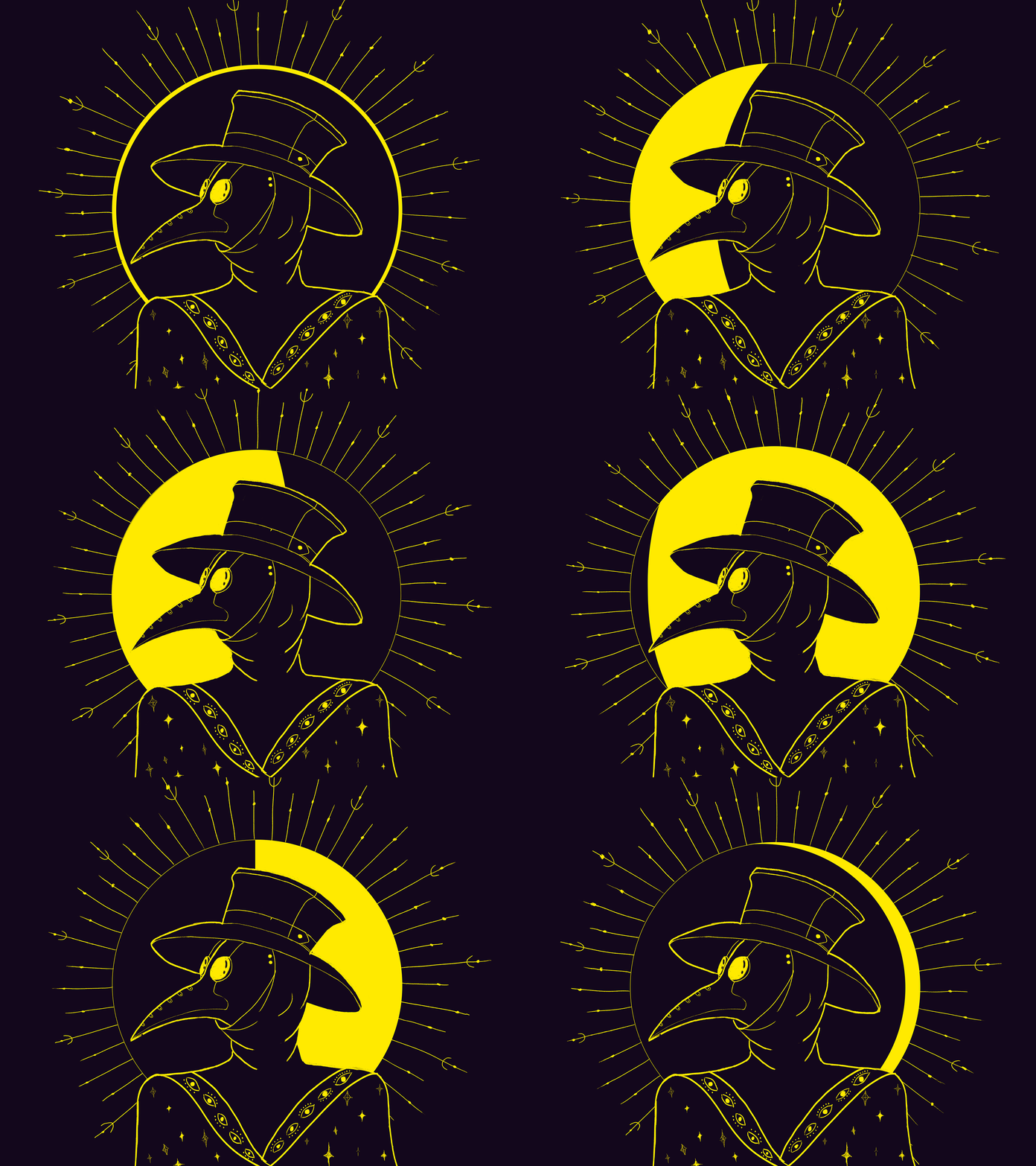
I didn’t expect for the mystery to be an orchestrated test as well; the added element of multiple body-switching guests and the enigmatic Plague Doctor character created a new layer of suspense, which not only made the stakes higher, but also stranger. The idea that the key to Aiden’s freedom was solving Evelyn Hardcastle’s murder was all the more interesting given that this twisted “game” of sorts was orchestrated by any number of cryptic agents was such an inventive way of creating tension, so hats off to Turton for finding all sorts of ways to craft a suspenseful mystery!

Plus, the amount of red herrings that got thrown around…I’m notoriously bad at a) figuring out mysteries, and b) falling for false bait, so I tend to give up on trying to solve the mystery itself and just go along for the ride. That being so, I loved all the ways that Turton threw us off the trail as readers; in multiple instances, there were times that Evelyn Hardcastle’s murder seemed deceptively simple, but there were ruses on top of ruses (or: a donut hole in a donut’s hole) that slowly unfolded to uncover the real cause of her death. I’m sure that it’s just the kind of thing that mystery readers eat up—and I certainly ate it up, even as someone who rarely reads in the genre.

Also, without spoiling anything—the fact that Evelyn Hardcastle could technically count as sci-fi (according to the interview with Stuart Turton) makes it so much more fascination, not just because I love sci-fi so much, but because of the implications that has for the origin of Blackheath Manor in the first place. FASCINATING stuff.

All in all, a crafty mystery that employed all manner of creative twists to hook the reader in. 4 stars!

The Plague Doctor by MaxChe on Dribbble

The 7 1/2 Deaths of Evelyn Hardcastle is a standalone, and it was Stuart Turton’s debut novel. Turton is also the author of The Devil and the Dark Water, and contributed to the anthology You Are Not Alone.

Today’s song:

That’s it for this week’s Book Review Tuesday! Have a wonderful rest of your day, and take care of yourselves!