Posted in Book Review Tuesday

Book Review Tuesday (6/24/25) – Life Hacks for a Little Alien

Happy Tuesday, bibliophiles! I’m back from my road trip with a fantastic book for you.

I try to stick to mostly queer books for June, but I read extra queerly all year…think of this as pregaming for Disability Pride Month. (Both apply to me, I get a pass, right? Hell, it’s my blog and I’ll do what I like.) Nevertheless, I bought Life Hacks for a Little Alien while on vacation (shoutout to Townie Books in Crested Butte). I’d heard great reviews of it, particularly that it encapsulated neurodivergent childhood beautifully, so of course I had to read it. What I found was a heartstring-pulling and tender depiction of neurodivergent childhood.

Enjoy this week’s review!

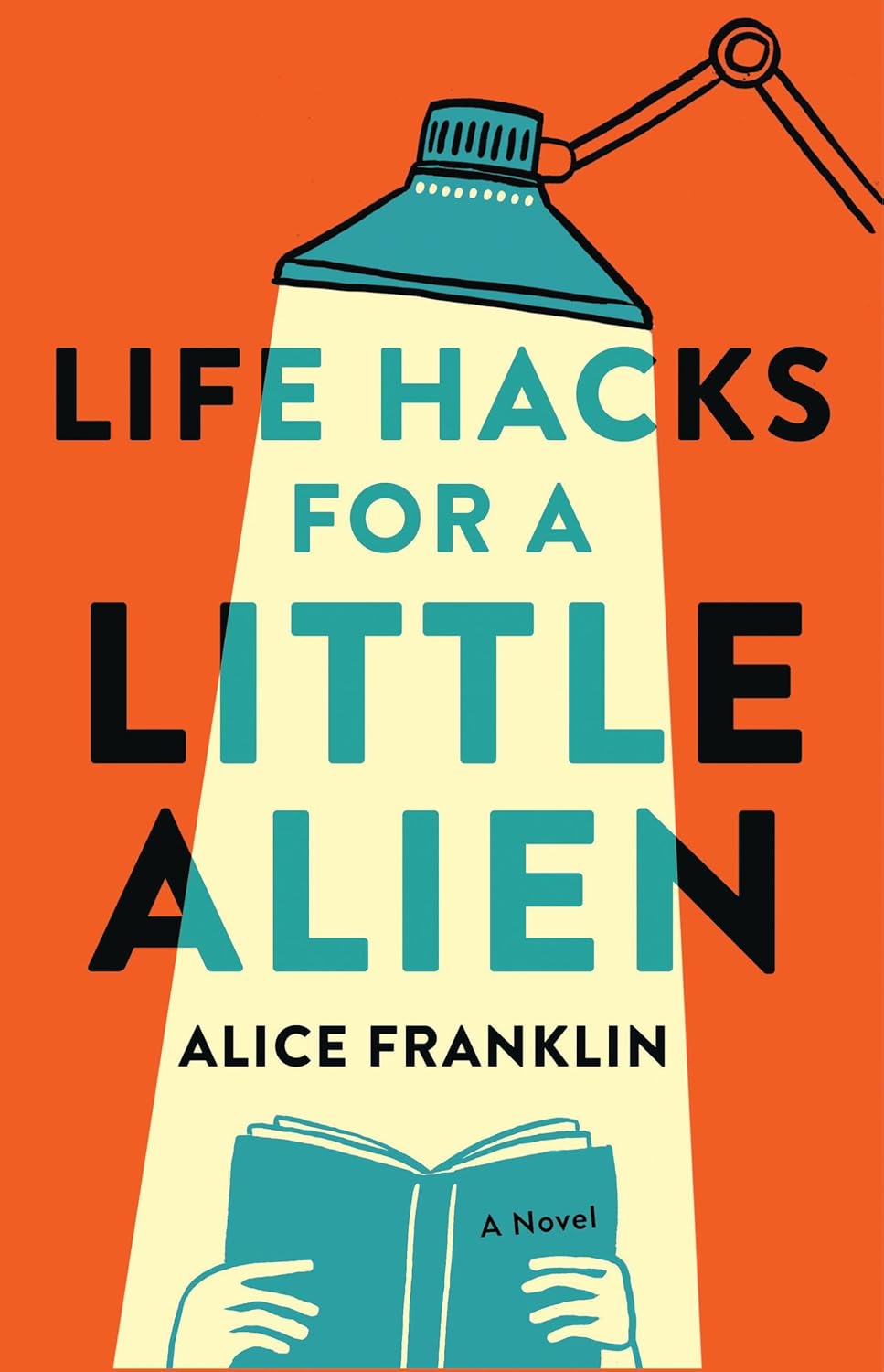
Life Hacks for a Little Alien – Alice Franklin

In England, a young girl grows up not knowing that she’s neurodivergent, but certain that she’s different from the other children. She doesn’t talk or think the way they do, and her parents are having trouble keeping up with her. She never shows any interest in much anything, but when insomnia prompts her to watch TV at night, she discovers a documentary on the Voynich Manuscript. Soon, the mysterious manuscript heightens her curiosity and invigorates her life. The only thing that would make it better is to find the Manuscript itself—and she’s determined to get it in her hands and decipher its impossible code.

TW/CW: ableism, vomit, bullying, institutionalization/mental illness themes

I have once again been ensnared by a book with metaphors about aliens relating to neurodivergent. It will happen again.

I’ll absolutely be reading more by Alice Franklin after this, because her writing style captivated me from the start! The first comparison that sprang to mind, strangely, was of Wes Anderson. It feels odd to jump from literature to film, but stay with me. The narrator’s voice is very matter-of-fact and particular, which are qualities than can be ascribed to both very self-assured children and comically self-assured Wes Anderson characters. The linguistic footnotes and reading lists at the end of each chapter were also reminiscent of the wry judgements of Anderson’s omniscient narrators. All of this is to say that Life Hacks for a Little Alien boasted such a charming voice. Second person POV is a notoriously difficult POV to write from; Franklin chose it for the book because she found it personally easier to write and thought that it would help the reader have empathy for the protagonist. I think it would’ve been easy to have empathy for the narrator no matter what, but the use of the second person gave Life Hacks for a Little Alien such a unique flavor. As the narrator tried to pick apart the structures of how a young English girl is supposed to act, she was methodical, but in a way that was always witty, snarky, or charming. Yet that voice, when faced with the harsher realities of neurodivergent life, never faltered in its emotional connection. I was invested in the narrator’s story from the start, and from then on, Franklin kept me hooked!

Although I’m not autistic, I am neurodivergent (I have sensory processing disorder, which has some similarities to autism), and there are so many aspects of Life Hacks for a Little Alien that resonated with me. Even if I weren’t so interested in sci-fi, the latent, never-ending feeling that you’re from another planet never fades, and the latent alienation that exists in everyday life was depicted with such authenticity and heart. Beyond that, what was depicted most accurately to me was the lingering sense of “I’m doing what the other kids are doing, so why am I wrong/why are they laughing at me/what about what I did makes it wrong?” Neurotypical society is so full of idiosyncrasies, and being neurodivergent makes you realize that from an uncomfortably young age. The narrator’s struggles with picking it apart were delivered with such sensitivity and accuracy, and I loved that her special interest in linguistics and the Voynich Manuscript was not just something that made her fall in love with learning again, but also became a survival mechanism for her to navigate a complicated world.

Beyond that, the use of the Voynich Manuscript and linguistics as a metaphor for the narrator’s experience was easily the most poignant part of a very poignant novel. Many neurodivergent people of various diagnoses often express the feeling that they were never given the same “script” as neurotypical people, a feeling I’ve often shared; if anything, we were basically given a kind of indecipherable Voynich Manuscript that the author understands perfectly, but nobody else does. The narrator’s theory by the end of the novel is that it functions as a way to help aliens navigate Earth, but what is unspoken is that she sees it as such too—she feels like the alien that has been given an indecipherable code with strange pictures in order to understand a completely foreign world. You can see how that hit me in the gut instantly…and it goes even further. English linguistics are full of similar idiosyncrasies as the neurotypical world, and you’re expected to go along with them all the same, even though they frequent contradict all manner of rules. The narrator’s interest in linguistics becomes her way of understanding—or failing to understand—the world. It’s such a beautiful, multilayered metaphor, and it struck such a resonant chord within me.

I have almost no criticisms of Life Hacks for a Little Alien, and I might’ve given it 4.75 or 5 stars if not for this one aspect. My only real problem with Life Hacks for a Little Alien is that it just…ended. Although the epilogue wrapped things up in a more satisfactory and clean manner, the real ending just…ended. For such a meticulous book, it was jarring to end in such an abrupt place. Even though we got some sort of resolution, Life Hacks for a Little Alien seemed to just plunk itself down and end unceremoniously. I’m fine with some books having neatly wrapped-up endings, but this novel seemed to need some semblance of one. I fully expected another chapter afterwards. However, I can sort of see how it might function—this isn’t necessarily the end of the narrator’s story, and her life was far from over by this point. Yet it felt like the end of this arc and the beginning of a new chapter in her life, which seems to necessitate some more closure.

All in all, a deeply poignant and beautiful meditation on neurodivergent girlhood and navigating alien worlds. 4.5 stars!

Life Hacks for a Little Alien is a standalone and Alice Franklin’s debut novel.

Today’s song:

there we go, here’s something for pride!

That’s it for this week’s Book Review Tuesday! Have a wonderful rest of your day, and take care of yourselves!

Posted in Book Review Tuesday

Book Review Tuesday (5/27/25) – Light Years from Home

Happy Tuesday, bibliophiles!

I’ve had several of Mike Chen’s novels floating around my TBR for quite some time. I’d forgotten that I’d read a short story of his in From a Certain Point of View: The Empire Strikes Back, and I figured I’d give his novel-length writing a try. Plus, I was just in a sci-fi mood (as I always am). Despite the flaws that dragged down the premise, Light Years from Home was an ambitious novel that blended genres and didn’t shy away from being messy. Whether it successfully cleaned up its messes, however, is up for debate.

Enjoy this week’s review!

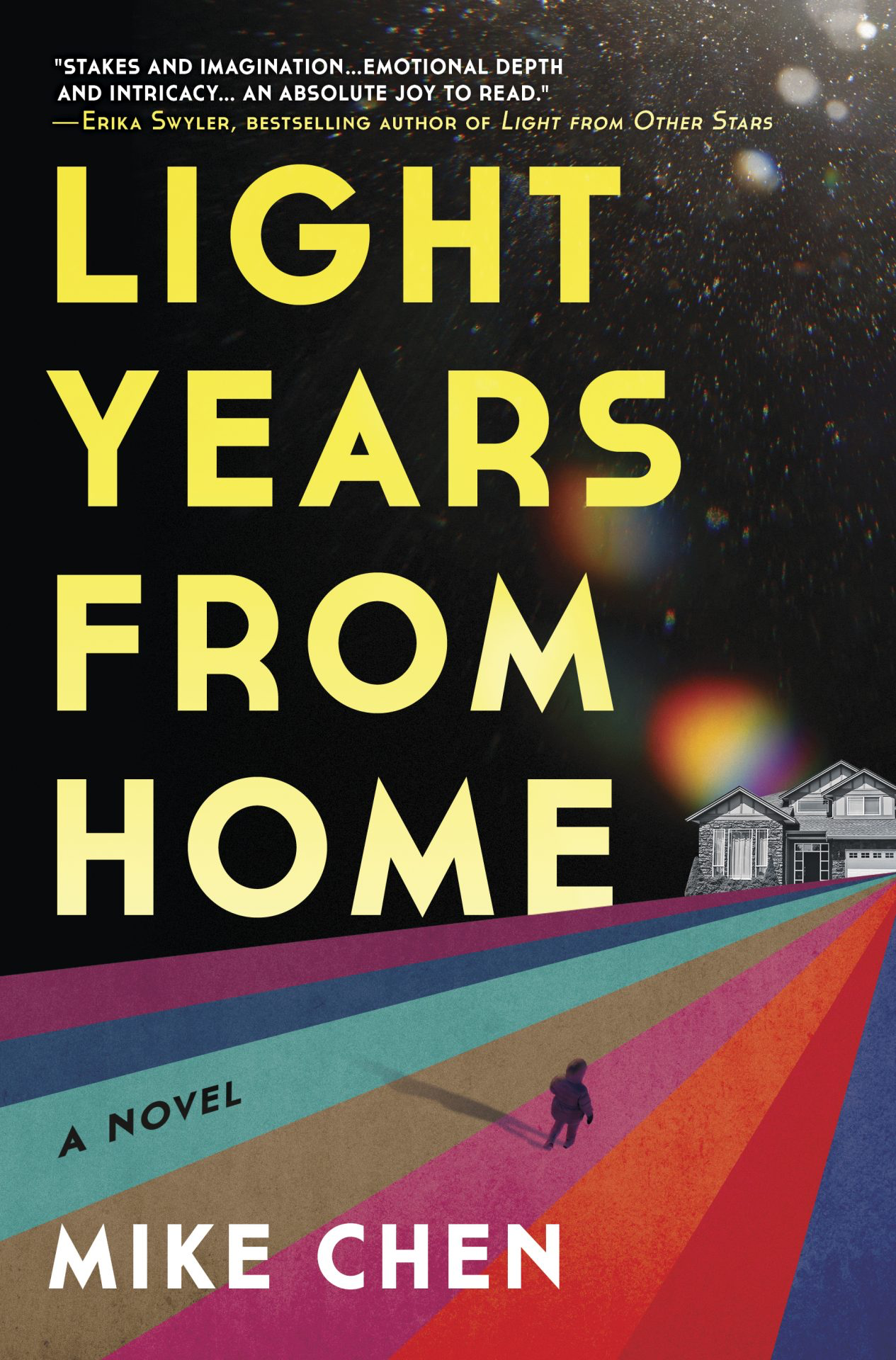
Light Years from Home – Mike Chen

15 years ago, the Shao family was thrown into disarray. Jakob, the only son, and their father disappeared. Their father later returned, dazed, disoriented, and convinced that he and Jakob were abducted by aliens. He died soon after.

Jakob has been missing for over a decade now. Sisters Evie and Kass haven’t spoken since the incident, with Evie diving into alien conspiracy theories and Kass throws herself into her work and caring for their aging mother. But when Jakob returns, parroting their late father’s theories about alien abduction, the sisters have no choice to bury the hatchet and reunite. As Jakob’s story grows wilder and the rift between the sisters widens, they must contend with the possibility that all of this may be true—but can Jakob be trusted? And if his story is true, what does it mean for the fate of Earth?

TW/CW: death of a parent, grief, dementia themes, substance abuse (smoking, drinking)

In the acknowledgments, Mike Chen says that this story was initially inspired by “Red” by Belly, and I’m tempted to give it another half a star just because I’ve never heard anyone outside of my immediate family or Pitchfork talk about them. The title also makes me think of The Rolling Stones’ “2000 Light Years from Home,” but that’s a vague enough title that it could be a reference to a lot of things. Although Belly didn’t save every flaw, Light Years from Home is a solid meld of science fiction and realistic fiction.

Light Years from Home has one of the most compelling beginnings of a book that I’ve read recently. You’re thrown right into the action aboard a Seven Bells spaceship in a classic space opera setting. Jakob cradles his alien comrade in his arms as they die, and thus begins his perilous quest back to Earth. But the reader and Jakob are the only people who know about this—the only other character who did (their dad) is notably dead. It would’ve been easy to just have the characters not believe him, but Jakob is already established as an unreliable person—his real life experience sounds suspiciously like an outrageous lie he would’ve told in his college days, which gives the characters both more obstacles to overcome, but more of their messy family dynamic to dissect. In terms of plot, Light Years from Home was a great study in not taking the easy way out—everything was messy and tangled, making for a book that had lots of drama and hurdles to pick apart.

Every single member of the Shao member was on the obnoxious, insufferable side (save for maybe Evie), but Chen did a great job of capturing the complicated family dynamic in the novel. Fifteen years after Jakob’s abduction, the wounds remain raw, and not a single member of the family has recovered from the fallout. Although I wasn’t satisfied at all with the character development of…well, any of the family (I’ll get to that later), Chen did an excellent job of weaving together all of the contrasting beliefs, motivations, and traumas that each family member had. All of them dealt with Jakob and their dad’s disappearance and death, respectively, in wildly different ways, and their coping mechanisms butted heads over the course of the novel. Even though this was ultimately handled poorly at the end, I did also appreciate the sensitive depiction of their mom’s dementia; Chen did a very respectful job of depicting the emotional impact of her memory loss and not being able to recognize her own children.

For all of the focus on the messy Shao family, the promised character development that their dynamic hinged on was not delivered on. There should’ve been plenty of conflict with Jakob reckoning with the man he was on Earth versus the man he was while serving in space with the Seven Bells, yet none of that happened. All of his character development happened off-page, resulting in a character that came off more flatly than I think was intended. Likewise, Kass and Evie were set up for significant development, but nothing happened with them either. Evie’s beliefs were reinforced and she and stayed static throughout the novel, not giving up her fantasies of aliens for the sake of the family. The closest Kass got, if you could call “okay, I guess aliens do exist” character development, was a brief revelation that even though she’s a therapist, that she doesn’t know everything about herself or her family, and that she shouldn’t pretend to know everything. That last half of my sentence amounted to about a paragraph around 50 pages before the novel ended, and it felt like entirely too little too soon. In the end, the character development was a jumble of unfulfilled promises—we got the shells of what could’ve been nuanced characters, but despite the bizarre journey they went on, they came out the exact same as they were before.

Also…I’m sorry, what the hell was that ending? Somehow, it was one of the most anticlimactic parts of the whole novel, and weird in ways that didn’t make sense. Jakob returns to the Seven Bells, but there’s hardly any fanfare or even extended moments of grief from the sisters, even though their brother has just decided to spend the rest of his life in space and never see them again. There wasn’t nearly enough emotion to it, and nor was there page time—this moment only gets around 4-6 pages tops. Instead of an emotional resolution with her daughters, the mom somehow un-dementias herself and remembers everything, and is also eerily content with her only son’s decision to spend the rest of his life in space. It all just felt so rushed and emotionally stunted compared to the rest of the novel, and not nearly as detailed as it needed to be. Weird is the only way to adequately describe it. I felt lost, but also robbed of what could’ve been something so bittersweet. I feel like it’s partially a side effect of none of the characters having any character development, but it felt like such a lack of a resolution. It was practically a non-ending.

All in all, a sci-fi/realistic fiction blend that embraced messiness in both plot and character, but had significant trouble with cleaning it up. 3.5 stars!

Light Years from Home is a standalone, but Mike Chen is the author of several novels. He has contributed short stories to From a Certain Point of View: The Empire Strikes Back and Return of the Jedi, and the full-length novel Brotherhood to the Star Wars universe. He is also the author of We Could Be Heroes, Vampire Weekend, Here and Now and Then, A Quantum Love Story, and many more novels for adults.

Today’s song:

NEW MARY IN THE JUNKYARD WOOOOOOOOOOO

That’s it for this week’s Book Review Tuesday! Have a wonderful rest of your day, and take care of yourselves!
Posted in Book Review Tuesday

Book Review Tuesday (3/25/25) – Water Moon

Happy Tuesday, bibliophiles!

Even with me being slightly less online than I’ve been in the past few years, I’ve seen a lot of buzz about Water Moon. Enough that it warranted a hardcover copy that was a whole $31 at Barnes & Noble…not even a special edition or anything, just a regular copy. Nevertheless, I wanted to give it a less expensive try, so I got it on hold at the library. Though it didn’t live up to both the $31 or the Studio Ghibli comparisons it warranted, Water Moon was a heartfelt, if a little confused, about the connectivity of people and the choices that lead us to the places we end up.

Enjoy this week’s review!

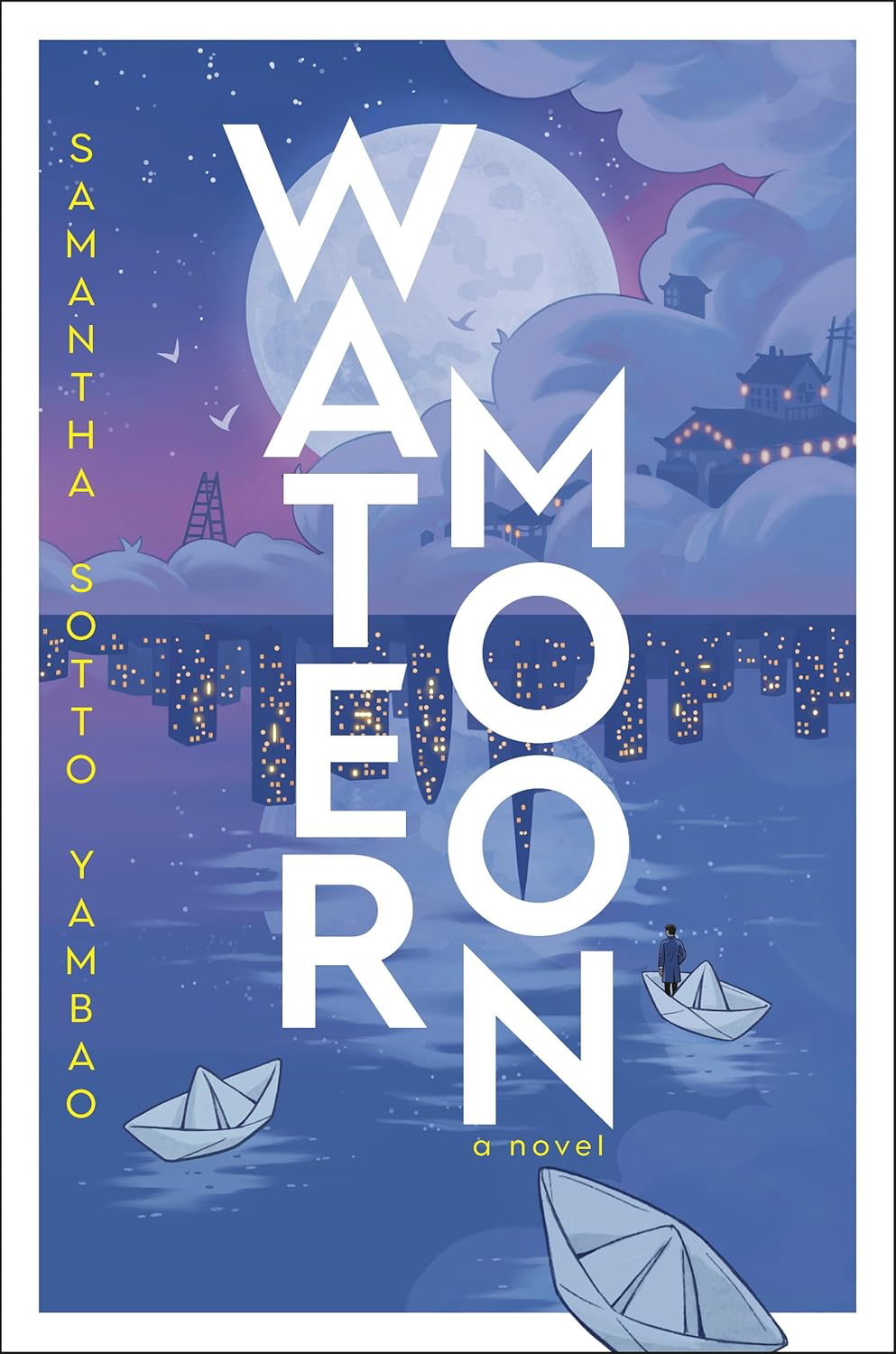
Water Moon – Samantha Sotto Yambao

Hana Ishikawa is set to receive a very unique inheritance. Her father has given her control over his old shop in Tokyo; tourists and passersby will see a ramen restaurant, but once you look inside, you find that its wares are something completely different: a pawnshop where you can exchange your life’s regrets and unpleasant choices. But on her first day on the job, Hana finds the shop destroyed. Looking for answers, she instead finds Keishin, an American tourist searching for answers of his own. Their search leads them into a strange realm of magic and wonder that may hold the keys to the problems they’re facing…and more.

TW/CW: loss of loved ones, grief, abandonment, mentions of abortion/pregnancy issues (brief), blood/violence, descriptions of injury

Water Moon was a good stab at magical realism; it had some beautiful elements that had me enraptured, but not for long enough. Its fundamental issue is that it wanted to do too much but didn’t have the space to do it. What we have here, messy as it was, at least read well and presented some moments of lovely, whimsical magical realism.

While this novel had some issues throughout with thematic cohesiveness, I do think that the central one (or the one that felt like it was supposed to be central, at least), was a beautiful one—connectivity through the choices we make. Hana’s life is dictated by regret, but she learns, through jumping through fantastical worlds, that it’s the unexpected things in life that bring us together that make life worth living. I especially loved the connection to the Super-Kamiokande Neutrino Detector, something that Keishin has returned to Japan to study—capturing the secrets of this elusive, subatomic particle that can only be observed (if you’re lucky) in an observatory filled with distilled water underground. I’m a sucker for when writers are able to articulate that emotion with science, especially with something as misunderstood as physics; Water Moon did a lovely job of using that as part of the larger metaphor about how lucky we are to experience the unexpected, and how that can bring us together. I just wished Yambao had done more with it, but what we had, I loved.

I also loved the worldbuilding in Water Moon! I don’t think the childlike wonder that Yambao was going for was properly executed all the way, but I love the inherent whimsy that’s integral to holding the worldbuilding together. You travel to these parallel, unseeable worlds found in puddles on the ground, and in those worlds, you find everything from villages dedicated to hanging the stars at night and origami and paper planes with a life of their own. Even with the rather sinister undercurrent that runs through it, the glimpses of the fantasy worlds were almost dreamlike. They had a distinct quality of feeling like the kinds of fantasies you imagined when you were a kid (especially the puddle travel), which enhanced the feel of the world overall.

However, that whimsy only came off in varying degrees. That was due to the writing, which often came off rather rote. Yambao presented the reader with a myriad of fantastical, objectively wondrous elements in this parallel world that Hana and Keishin venture into, only to describe it in the flattest terms. For a magical realism novel, the writing felt almost utilitarian, designed to describe a setting or a phenomenon with the absolute minimum amount of description for the reader to get an idea of what it looked like. Sure, Water Moon didn’t need to be excessively flowery or purple in its prose, but when you have a setting as whimsical and magical as this, more description is necessary.

The same applies to the feelings of the characters—they hardly seemed to react to their settings, only serving to be chess pieces that were dragged around at will when the plot called for it. Keishin at least had something of a personality, but other than him, most of the characters, including Hana, were defined only by what had happened to them. They were defined only by their backstories, and that dictated everything that they did throughout the story—not their motivations or their personalities. All of this, combined with Yambao’s relatively flat writing, made their romance lackluster. Not only did it feel like the classic “oh, our main characters are a boy and a girl, therefore they have to fall in love,” it was just so rushed and un-earned—we didn’t get nearly enough development (or page time) from either of them to merit a full-blown romance. Even though they’d jumped through magical puddles together and visited whimsical worlds, I found myself barely caring for either of them, or their romance.

Back to the subject of themes…I wholly believe that a book shouldn’t be constrained by talking only about one theme. In fact, most every book does that anyway—having a book centered around a single theme without even a handful of sub-themes or topics is practically impossible. Like I (and Yambao) said, everything is connected. Water Moon, however, had a problem with articulating it. Beyond the bit about choices and connectivity, Water Moon wanted to say so much about so many things—motherhood, grief, regret, parent-child relationships—and yet it didn’t know what to say about any of them. A theme was introduced with the same emotional weight as the central theme, it got 50 pages of page time, and then it barely resolved itself. Water Moon had almost no sense of direction, leaving me with a book that didn’t resolve itself in a satisfying or logical way. Ultimately, this felt like a case of too many cooks in the kitchen—it was an ambitious attempt to tackle every theme and give it the same weight, but it ended up in a plot (and characters) that ran around confused for almost all 374 pages and underbaked statements on what it wanted to say.

Overall, an ambitious and dreamlike novel with a world that was a treat to explore, but offered up flat characters and had no sense of what it wanted to do with itself. 3.5 stars!

Water Moon is a standalone, but Samantha Sotto Yambao is also the author of Before Ever After, Love and Gravity, A Dream of Trees, and The Beginning of Always (under the name Samantha Sotto).

Today’s song:

so hauntingly beautiful :,)

That’s it for this week’s Book Review Tuesday! Have a wonderful rest of your day, and take care of yourselves!
Posted in Book Review Tuesday

Book Review Tuesday (2/4/25) – Death of the Author

Happy Tuesday, bibliophiles!

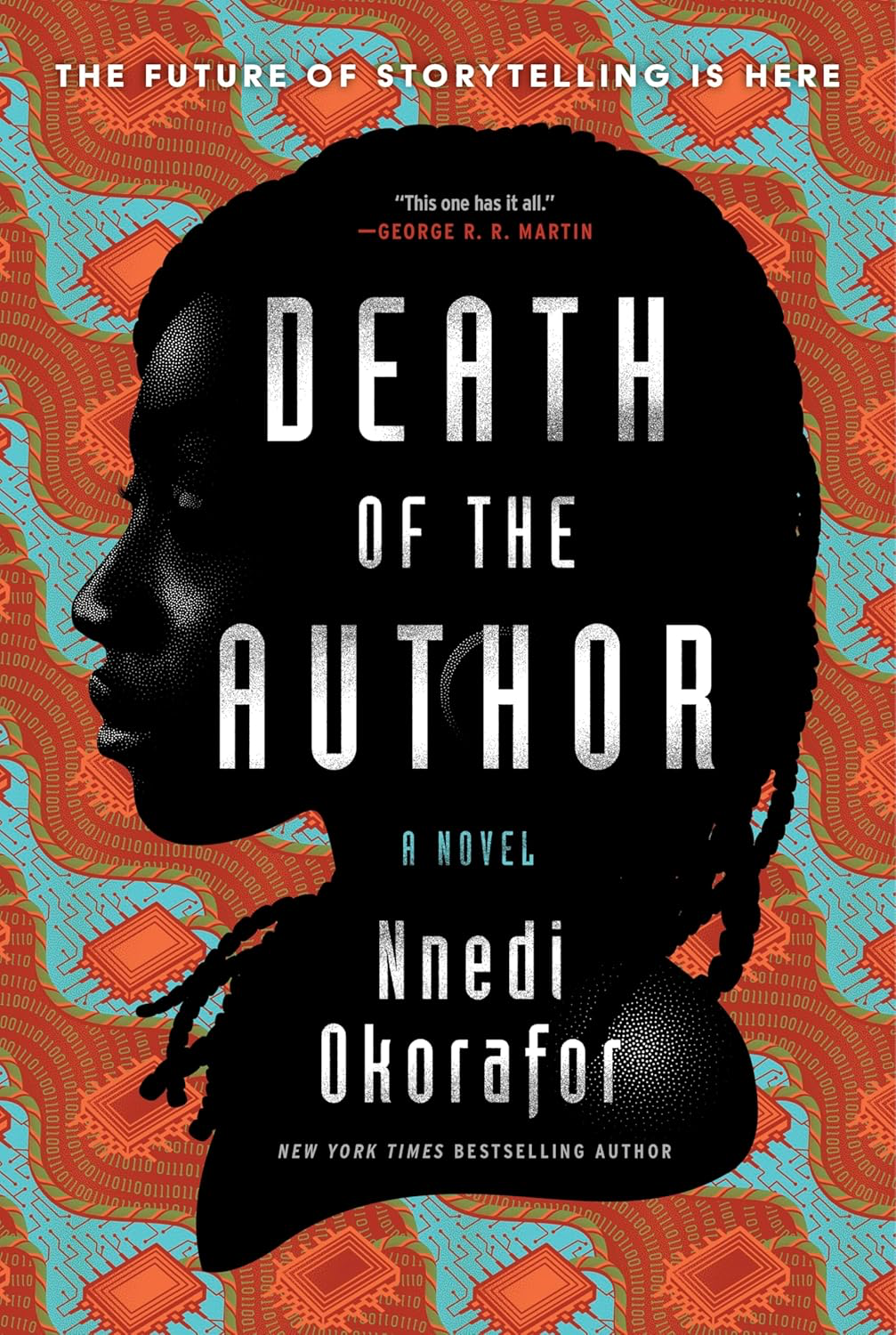
I’ve been a longtime fan of Nnedi Okorafor, albeit on and off—I picked up Akata Witch back when I was in middle school, and then discovered her adult books when I was in high school. Since then, I’ve been a fan of her quirky brand of Africanfuturism. You can imagine my surprise when I found out that Death of the Author was not an addendum to her long sci-fi fantasy canon, but instead literary fiction—albeit, with a dash of sci-fi. Either way, the switch from genre to genre is as smooth as I’d expect from Nnedi Okorafor.

Enjoy this week’s review!

Death of the Author – Nnedi Okorafor

Zelu is on the verge of giving up her dream to be a writer. After a pile of rejected manuscripts and a botched job as a professor, she moves back in with her overbearing, judgmental family as she attempts to get back on her feet. But when a spark suddenly comes to her, she has a bestseller on her hands: Rusted Robots. As she grapples with the price of fame and the mobility—and simultaneous lack thereof—Zelu must come to terms with her own identity as she explores the fabrication of it that the public has created for her.

TW/CW: substance abuse, ableism (external & internalized), loss of a parent, near-death situations, kidnapping

Of all people, I didn’t expect Nnedi Okorafor to take the leap into literary fiction, and after I found out the switch in genre, I didn’t expect to enjoy Death of the Author as much as I did. Thankfully, it’s only really literary in the sense that it’s contemporary, realistic fiction…mostly. The woven tapestry of Zelu’s real life and her creation, Rusted Robots, turned out to be a powerful meditation on the nature of art and identity.

Once again, make no mistake: this is fiction, but it’s not entirely just fiction. The assumption is that it’s a handful of years in the future; Zelu has fairly futuristic, adaptive prosthetics that are still in beta testing, and she tests out an automated cab service that’s been newly introduced to the streets of Chicago. Yet Okorafor takes the same skilled hand that she uses to craft intricate, far-future worlds and translates it into the idiosyncrasies of modern life, from the gauntlet of social media fame (and harassment) to being in the confines of a chaotic, judgmental family. For every character that was introduced, Okorafor matched them with an unforgettable personality, even if they only appeared for a few pages. All of the complex, rapidly fluctuated emotions were depicted with sensitivity, from the highest joys to the deepest pits of anguish and the plentiful uncertainty in between. Even without her talent for worldbuilding, Okorafor is a force to be reckoned with, and Death of the Author is proof.

I was hesitantly optimistic that Okorafor was writing a disabled main character again; Noor was a great novel, but from my memory, there was quite a bit of internalized ableism in the main character that went unaddressed. (However, somehow I didn’t know that Okorafor has experience with disability and was herself temporarily paralyzed, so my bad.) The setting couldn’t be more different for Death of the Author, but Okorafor has certainly stepped up her game as far as writing disabled characters—and part of it is that Zelu is unlikable. More often than not, you can at least sympathize with her, but at times, you can see her for the insufferable, argumentative, reckless stoner that her family sometimes sees her as. Of course, not every disabled character has to be likeable, but her relative un-likeability made some of the novel’s most powerful commentary shine even more. As she grapples with her meteoric rise to literary fame, Zelu’s fans place the burden of her being a “role model” for a number of communities: Black, woman, Nigerian-American, disabled. Being a role model can be powerful, but as soon as people saw Zelu as more of a role model than a person, it disregarded her humanity in an entirely different way. She became an example, not an autonomous being—something that is intimately tied to what many disabled people experience. In that way, Zelu represents a leap in how Okorafor writes her disabled protagonists—not just independent, but human.

I don’t have a ton of experience with meta-fiction—it’s not a matter of me not liking it, I just hardly get around to reading much of it—but Death of the Author pulls it off with ease. If you’re still not convinced that Okorafor’s literary fiction isn’t for you, you’ll at least be tided over by her signature brand of Africanfuturism, complete with the landscape of a futuristic Nigeria, robots, and appearances from Udide. It’s somehow a delightful vision of the future, where types of robots have proliferated across the face of the Earth in the face of the extinction of the human race. It’s threaded into Zelu’s life, yet it’s also a clever distillation of the novel’s themes; Ankara’s struggle with coexisting with Ijele inside of his head, as well as the changing world around him, spoke to the themes of embracing collaboration and the blurry relationship between creator and reader.

Which brings me to the whole “death of the author” part. I’ll admit, the Roland Barthes quote from the (original) “Death of the Author” gave me literary theory flashbacks. But as a grounding concept for the book, I love how Okorafor’s Death of the Author playfully pokes fun at the concept. Here, it’s as though the concept has been subsumed by the publishing industry; instead of taking Zelu’s novel as tied to her heritage and her disabled identity, the world swallows it and regurgitates a whitewashed, Americanized movie adaptation that the public eats up. (“Look what they’ve done to my song, Ma…”) Yet at the same time, Zelu is confronted by readers who insistently pester her, insisting that everything in the novel is fully tied to her identity and selfhood. Death of the Author’s strength is the clarity it finds in the balance. Zelu’s work is intimately tied to her identity, but just as intimately tied to her imagination. Her being marginalized meant that people saw her work as surely being solely about her identity, but that wasn’t the whole story either. (The note in the acknowledgements about Okorafor talking to her daughter about worrying that readers would think that Zelu is her makes the point all the more clear.) In this case, fence-sitting is the most reasonable position I can think of—to consider reader interpretation first and foremost can have fruitful results, but to deny the lived experience veers into foolishness, and vice versa; Okorafor’s embrace of the area in the middle is what made the message so clear. Reading and world-creation is a twin act, created both by ourselves and those who receive our work—it’s not a simple question of one or the other.

All in all, a surprising novel that at first seemed like a left turn, but turned out to be another testament to Nnedi Okorafor’s enduring talent. 4 stars!

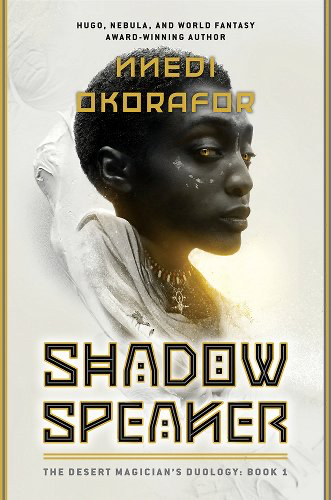
Death of the Author is a standalone, but Nnedi Okorafor is also the author of several books for adults, teens, and children, including the Binti trilogy (Binti, Home, and The Night Masquerade) the Nsibidi Scripts series (Akata Witch, Akata Warrior, and Akata Woman), Lagoon, Noor, the Desert Magician’s Duology (Shadow Speaker and Like Thunder), and many more.

Today’s song:

ADORE this album

That’s it for this week’s Book Review Tuesday! Have a wonderful rest of your day, and take care of yourselves!
Posted in Book Review Tuesday

Book Review Tuesday (5/28/24) – The Traveling Cat Chronicles

Happy Tuesday, bibliophiles!

I’ve been trying to find and read more translated books, but in my hunt, I’d completely forgotten that I’d put The Traveling Cat Chronicles on my TBR over four years ago. Any story about a cat is right up my alley (yes, I was a Warriors kid back in the day, why do you ask?), but now that I’ve read this one, I’ve concluded that it’s an essential read for all cat lovers—and anyone who’s ever experienced the unbreakable bond of having a special pet.

Enjoy this week’s review!

The Travelling Cat Chronicles – Hiro Arikawa, translated by Philip Gabriel

Ever since Satoru rescued a stray cat, from the brink of death, they have been inseparable from day one as cat and owner. Nana, named for his crooked tail that looks like the number seven, loves to spend time with Satoru. But due to circumstances that Nana has yet to comprehend, Satoru can no longer take care of his beloved cat. In an attempt to find an adequate home for Nana, human and cat go on a roadtrip in a van across Japan, visiting childhood friends in order to find a suitable candidate. On this trip of a lifetime, Nana will discover things beyond his comprehension—and a love for his owner that will only grow deeper.

TW/CW: illness, animal injury, loss of loved ones (past)

Goodness…this was the sweetest book I’ve read in a long time. It’s essential reading for anybody who’s ever owned and loved a cat, but also for anyone who has ever felt the sacred connection of a good pet. It’s full of laughs, but tugs at the heartstrings in a perfect balance—it’s a wholly human book, but a wholly feline one as well.

Having a good cat voice in a novel aimed mainly at adults is not an easy task. Especially since this book was first published in 2012, it would have been far too easy to go down the “I can haz cheezburger, hooman?” route and just derail the emotional core of the narrative. But Nana’s voice was hysterical, and not in a forced way at all. It’s clearly the voice of a cat from a longtime cat owner; Nana is very particular about everything, doesn’t like change, doesn’t like being petted the wrong way, and is very picky about his food. When Satoru makes an assumption about his habits, he openly derails the flow of the story just so he can clear the air and admit that no, he does not, in fact, like those mouse toys. What made it so funny was how believable it is—no matter the temperament of the cats you may have owned, you’ve 100% owned a cat like Nana. I found myself thinking of my sweet girl Hobbes, who has a similarly no-nonsense attitude about where and when she’s petted and likes to go after small birds but doesn’t kill them, leaving them to fly around the house and shed feathers everywhere She’s an angel, obviously.

Even though parts of the narrative switch to the perspectives of the human characters, Nana’s perspective was what made the heart of The Traveling Cat Chronicles. Throughout their trip through Japan, I loved seeing all of these new sights through Nana’s feline eyes, whether it was seeing the ocean (very bad) and Mt. Fuji (very good) for the first time or meeting Satoru’s many childhood friends. Perceiving all of this novelty through the narration of a cat wasn’t necessarily new to me, given my reading habits from ages 7-12, but for an adult novel, I loved seeing this perspective with more maturity, but the same amount of humor. Hearing Nana describe things as simple as the music coming from Satoru’s car radio (how does this cat come up with such eloquent metaphors?) to the chatter of the dogs on the boat towards the end of the novel in ways that felt so new, but wholly feline—and for that, I have to give so much praise to Hiro Arikawa; some of it was humorous, but some of these observations felt heartwarming in that they felt real, just the passing thoughts of a smaller animal in a big, big world.

However, Nana’s voice isn’t the entire novel—The Traveling Cat Chronicles also sees the backstories of not just its main character, Satoru, but of the childhood friends and family members that he visits. Nana was the star of the show, but some of these flashback sequences served to deepen the emotional core of the novel, especially in the case of Satoru; from his troubled childhood to his adolescence, we see Satoru’s life through other people’s eyes. Even beyond Nana’s narration, we only ever get glimpses Satoru, one of the novel’s two protagonists, entirely through lenses other than his own. Another strength was that these flashbacks were spaced apart perfectly: frequently enough that we could get fragments of Satoru’s backstory and understand it in concert with the current timeline, but far enough apart that they didn’t strangle the story. And each flashback was emotional in its own right, no matter how momentous or insignificant each vignette was. Each one felt authentic in its focus—in our minds, something as fleeting as sneaking off on a field trip weighs as much as a death in the family, and that was exactly how Arikawa told these stories.

I’ll refrain from spoiling the ending (although you can easily predict it from a few hints scattered throughout the novel), but it doesn’t make it any less heartbreaking—and beautiful. The cat’s-eye view on the events unfolding before Nana make them all the more harrowing, simply because you can’t quite explain these things to a cat, even if they understand in the abstract that something’s wrong. For cats, we are seemingly immortal monoliths until we aren’t—and it’s confusing for a creature that can understand our language, but just barely misses what makes us what we are. But beyond that, it reminds us of the inseparable connections between us and our pets. Our lives are short, but the lives of our cats, dogs, and other animals are even shorter; yet still, the mark that they leave on our lives, just like our friends, is a mark that cannot be replicated or replaced.

As I read the end of The Traveling Cat Chronicles, I was reminded of my Anakin, who passed about two months ago. He’d been in my life since I was a little kid, and by the time he peacefully passed at the ripe old age of 17, I was almost finished with my sophomore year of college. There will never be another cat quite like him, in all of his crusty, screamy, and truly lovable glory. His absence has been harder for me to take than some of my other childhood pets that have passed; when his lifelong companion Padmé died, I grieved heavily, but I had Anakin there to console me. When I came back home for the first time after he passed, I expected to see him in the guest room. Two months later, and I still peer over at the sofa, expecting him to be curled up between the cushions, fitfully sleeping in a pile of his own shedded fur. But that is the mark that he’s left on my life—impermanent, but unlike any other creature. Just as we must look to the small pleasures of life, we, like Satoru and Nana, must appreciate the impact of the smallest lifetimes on our hearts.

All in all, a cat-lover’s dream book which balances humor and heart in equal measure. 5 stars!

The Traveling Cat Chronicles is not part of a series, but Hiro Arikawa has also written a companion book of short stories, The Goodbye Cat. She is also the author of several other novels that have been translated into multiple languages.

Today’s song:

yeah this has a chokehold on me yet again 🕺

That’s it for this week’s Book Review Tuesday! Have a wonderful rest of your day, and take care of yourselves!

Posted in Book Review Tuesday

Book Review Tuesday (4/16/24) – Happy and You Know It

Happy Tuesday, bibliophiles!

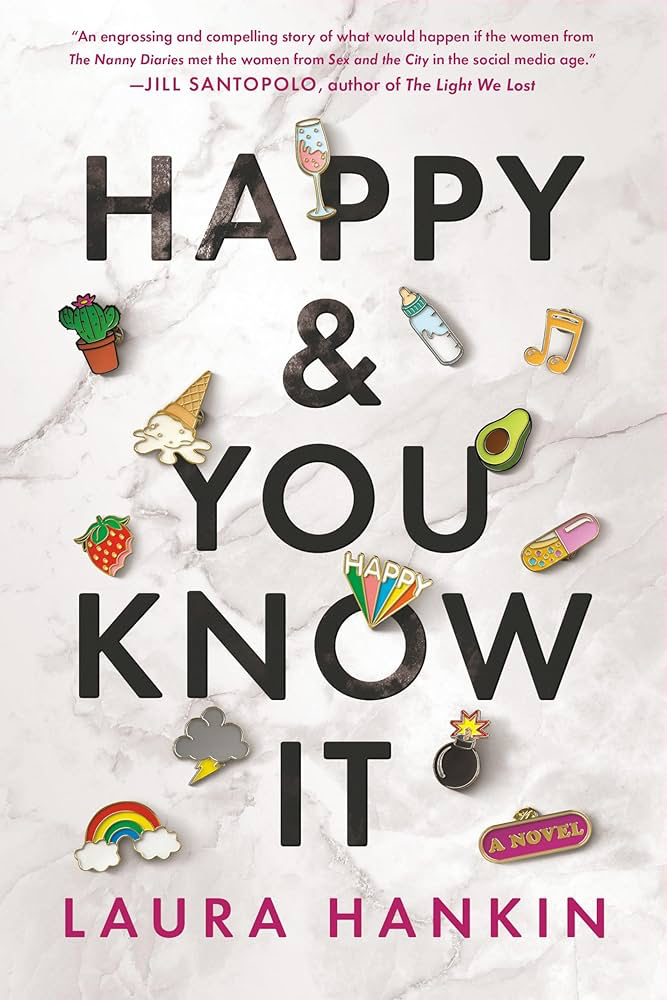
Happy & You Know It was a book that’s outside of my usual reading comfort zone—I’m not usually a realistic fiction person, and it seemed literary, though it didn’t end up being very much so. Either way, the premise was enough to grab me out of my sci-fi/fantasy stint, and though it wasn’t executed the way I wanted it to be, Happy & You Know It was still a biting and entertaining piece of satire.

Enjoy this week’s review!

Happy and You Know It – Laura Hankin

Claire Martin has been unceremoniously thrown into the lowest point in her life. After her band, Vagabond, replaces her and rockets to stardom not long after, she’s left with fewer and fewer options to keep a job—and pay the rent in New York City. But when the opportunity presents itself to become a playgroup musician for a cohort of rich, Manhattan moms, Claire jumps at the chance—she’ll be paid for music again, even if it’s just singing nursery rhymes, and they’ll surely pay her exorbitantly. Claire is thrust into a world of mommy influencers, babies that are too well-dressed for their own good, and a multitude of secrets. This playgroup isn’t what it seems—and Claire may have been sucked into their whirlwind of lies too late…

TW/CW: substance abuse, cheating/affairs

Given the first page, I was expecting for Happy & You Know It to be a wilder ride than it actually was, but that’s not to say that it was a bad novel. Though I feel like the plot didn’t reach its full potential, it was still a fantastic piece of satire—biting, timely, and hilarious at all the right times.

The gauntlet you always have to run when writing satire—or any genre, honestly—that’s somehow involved with social media is making it sound realistic. Too often, authors heavily force a hand of making sure the characters use all of the right slang and terminology, and end up falling headfirst into what looks like a boomer’s distorted vision of the internet and how it operates. I was bracing myself for Happy & You Know It to have some of those trappings, but thankfully, none of that was to be found! Hankin’s depiction of this inner circle of rich, Manhattan mommy influencers felt scarily true to how such figures act, from the curation of every little aspect of their lives down to the tone-deaf, over-the-top names for their babies. It was ridiculous, but that was precisely the point—those kinds of influencers who treat their growing babies like playthings for them to dress up so they can get more likes is ridiculous, and Hankin clearly understood how twisted it gets when these behaviors are pushed to the extreme.

Claire was a perfect protagonist for Happy & You Know It: an outsider who is morbidly enchanted by this world of kale smoothies and sponsorships, but is so desperate that she falls in too deep just when she realizes how right her instincts were about the morbid part. Hankin did a fantastic job of detailing all of her motivations—given the care that was put into crafting her extensive backstory with her former band and the constant, emotional reminders she gets from their stardom, almost all of what she did made sense. She’s just the kind of person who thinks that she’s smart enough to run from a dangerous situation, but cornered enough to convince herself that she can make it out unscathed. I almost with that this novel was entirely from her perspective, and we didn’t get the POV shifts from most of the playgroup mom—I guess we wouldn’t have explicitly seen the details about Whitney and Christopher’s affair, but I’m sure there’s a way that it could have been revealed. The less we knew about the moms, I think, the better.

Perhaps that was part of what made the initial reveal about the true nature of the TrueMommy supplements (no spoilers) fall slightly flat—part of it may have been that it was a bit predictable, but part of it was that we knew too much about the rest of the moms. By the time that this reveal kicks in past the halfway point, my Spider-sense was already tingling—too much for how far into the novel it was. This amount of time should’ve been enough to ramp up the suspense, but I feel like I saw too much into their heads, and therefore, had a good guess of what the first twist was going to be. Especially since we only got some of the moms’ perspectives (Whitney, Gwen, and Amara), I feel like the balance was off. With Claire as an “outsider looking in” protagonist, it would have worked so much better if that secrecy was also confined to her POV—and nailed in that feel of the novel.

On that subject, given how gloriously over-the-top the introduction was, I expected the culmination of said twist to be a lot more dramatic than it was. It looked so messy from the start, and yet the ending felt wrapped up far too neatly—just a moment of confrontation, and then a time skip where everyone is (mostly) living happily ever after in wake of this supposedly drastic revelation. The one red herring we sort of got felt too obvious, and so it was easy to point to the real perpetrator, which dampened the effect. The setup didn’t match the end result—I guess I did want more of a disastrous downfall for almost all parties involved (can you tell I like Fargo?), but if you specifically have an introduction to hint at some spectacle of corruption and ruin, it needs to deliver—and unfortunately, Happy & You Know It missed the mark on that front.

All in all, a slightly disappointing mystery, but a deeply fulfilling and sharp satire. 3.5 stars!

Happy & You Know It is a standalone, but Laura Hankin is also the author of The Daydreams, A Special Place for Women, and the forthcoming One-Star Romance.

Today’s song:

aaaaaaaaaaand that’s another album added straight to my bucket list

That’s it for this week’s Book Review Tuesday! Have a wonderful rest of your day, and take care of yourselves!
Posted in Books

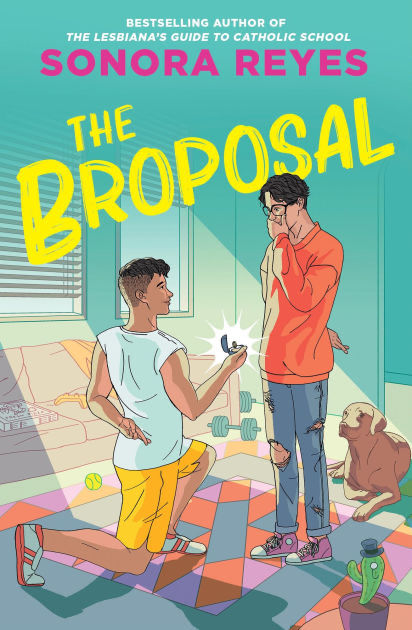
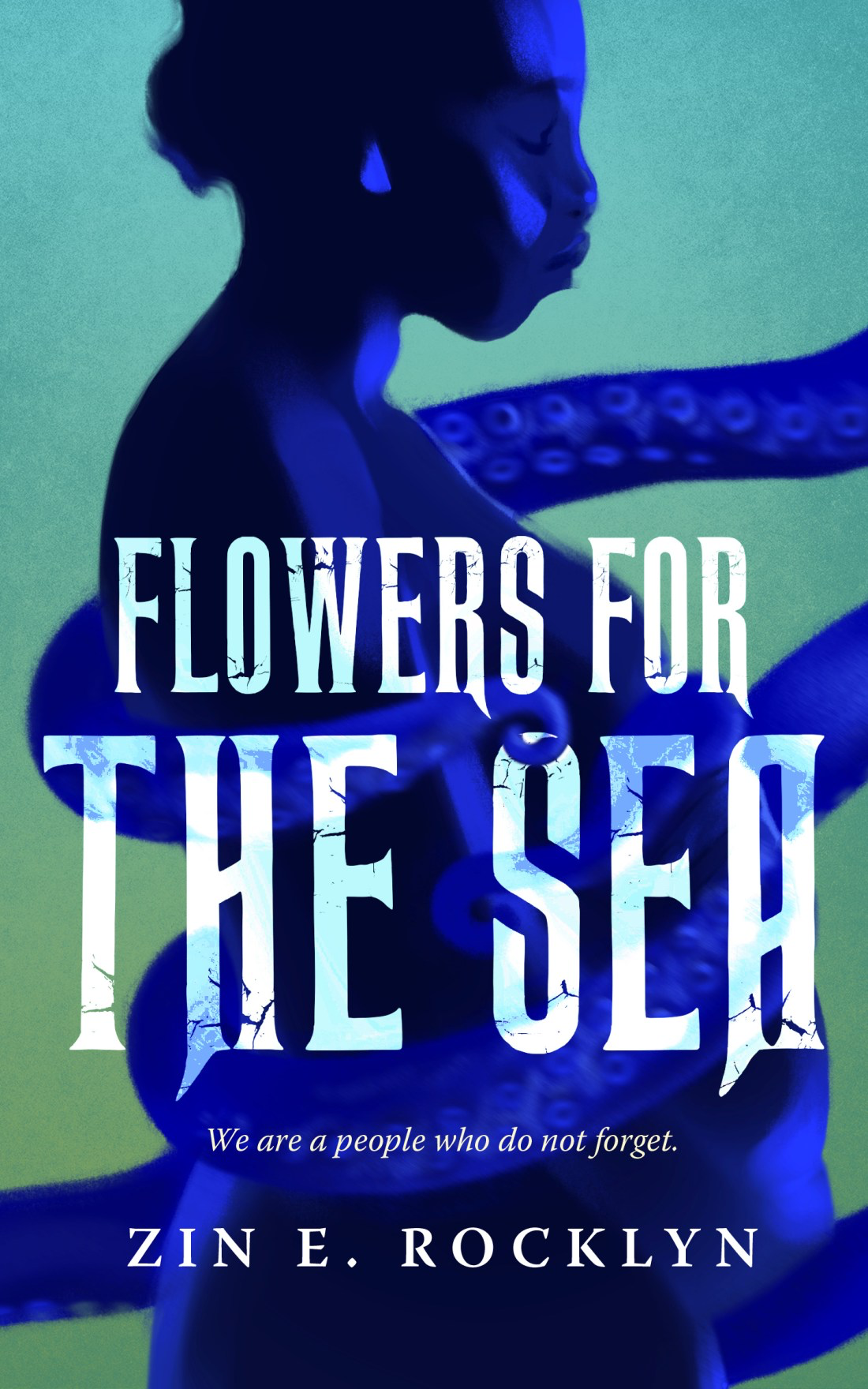
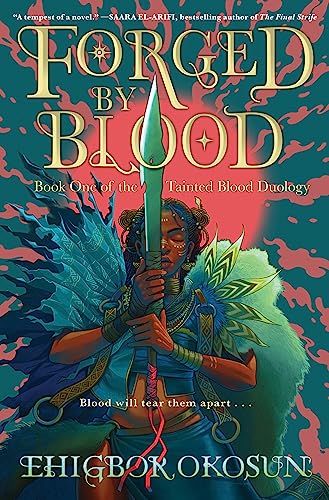
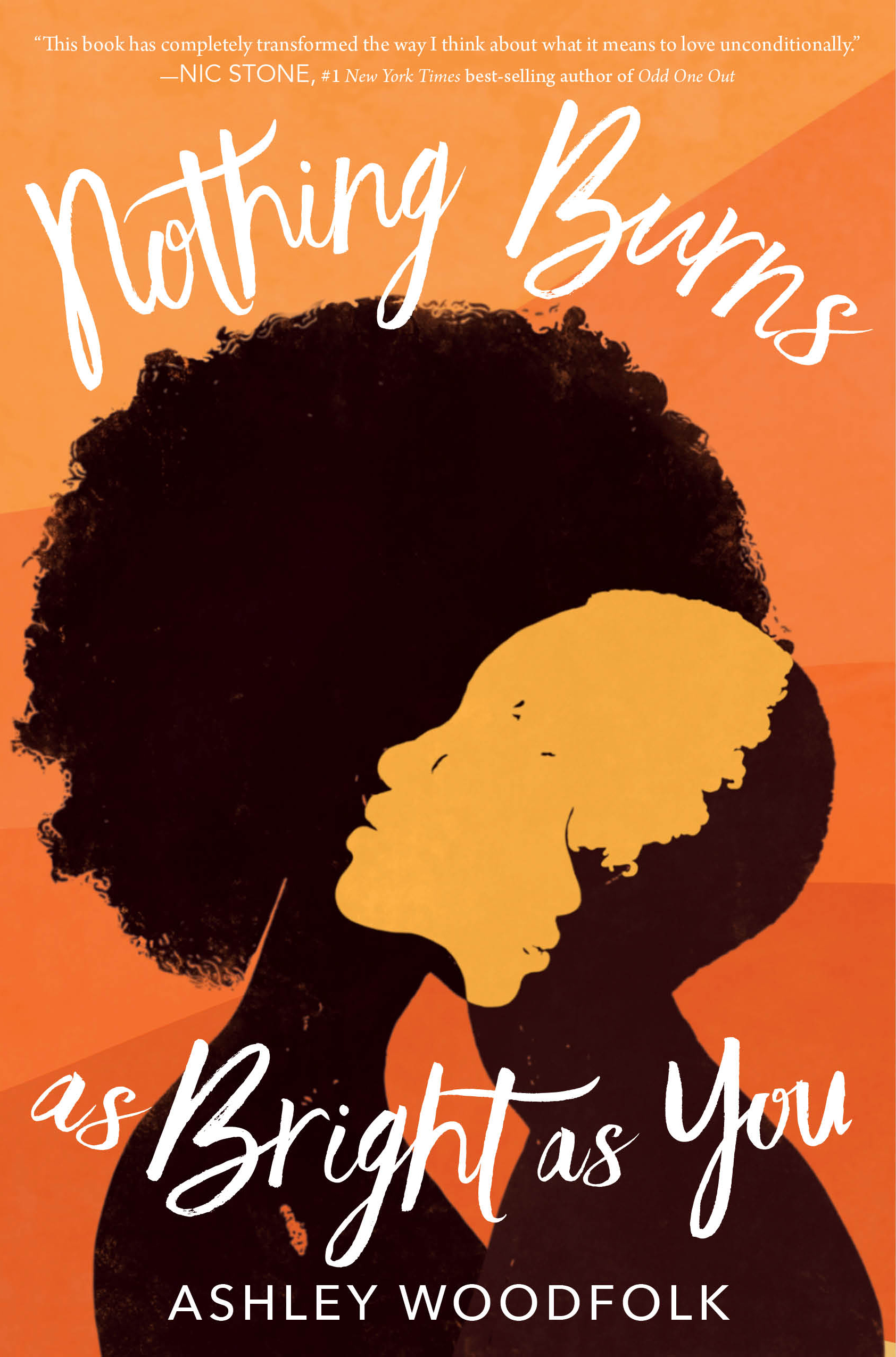
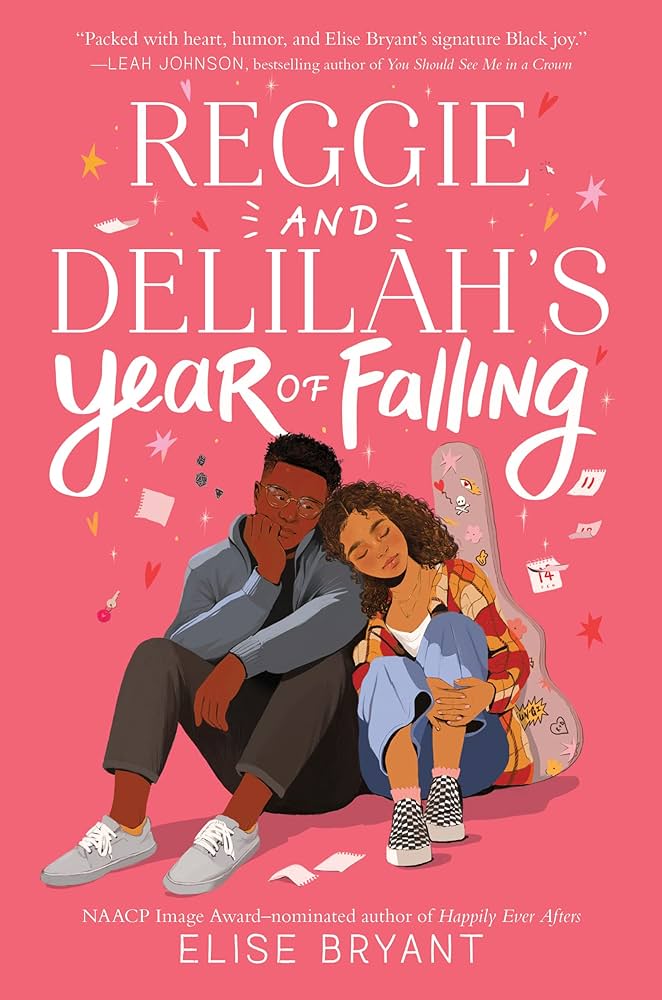
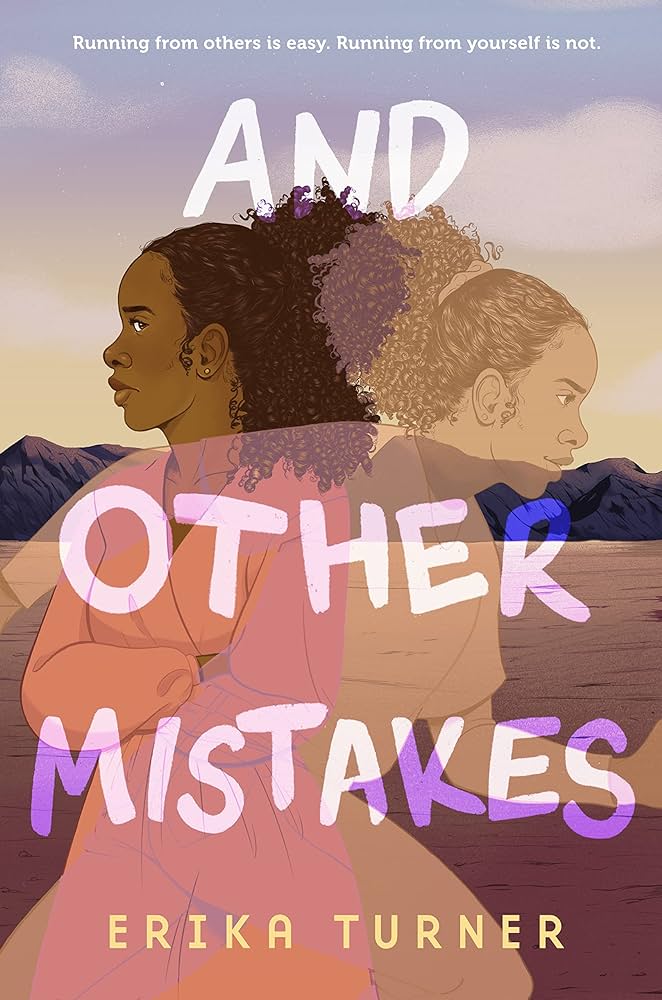
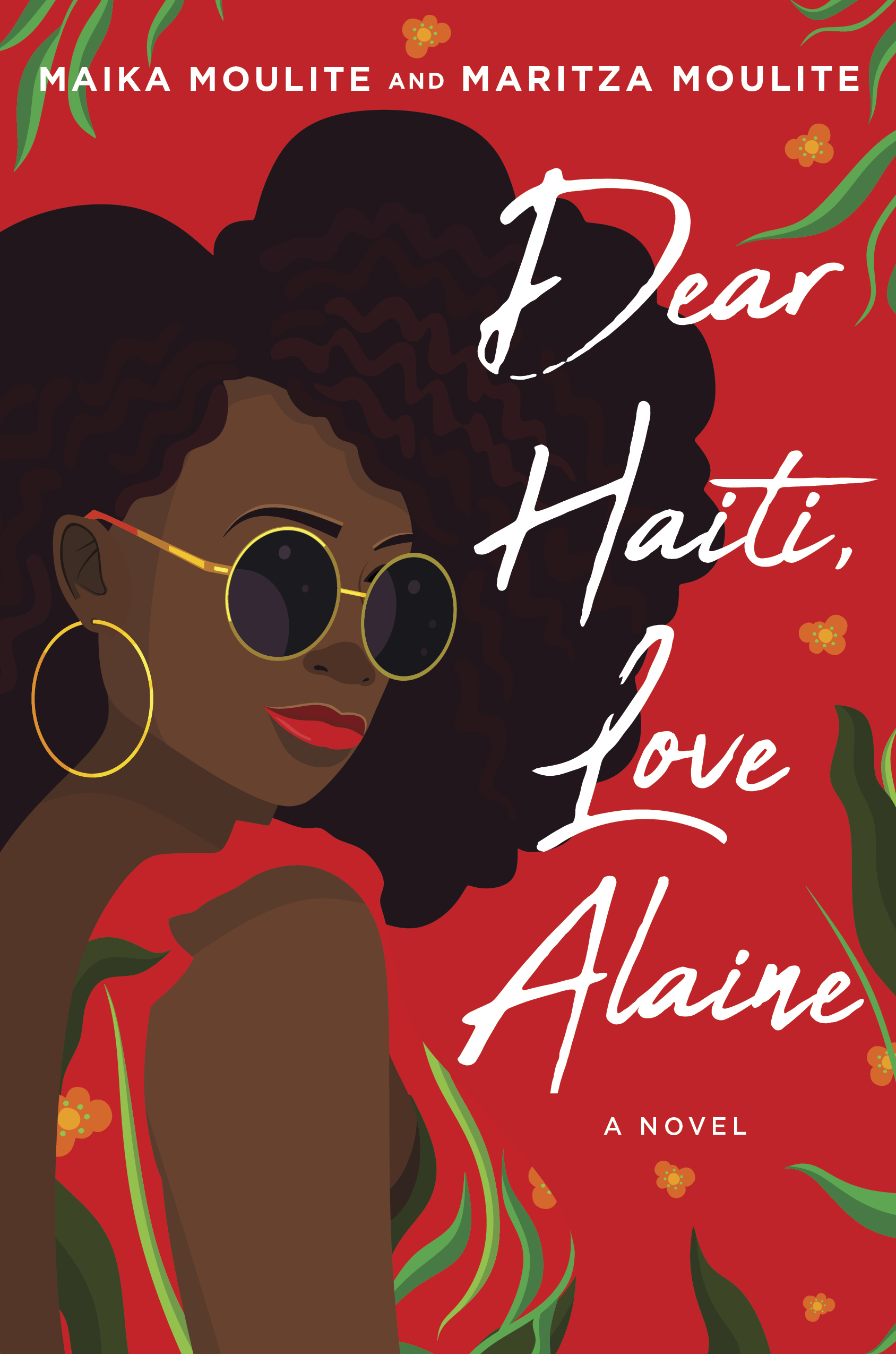
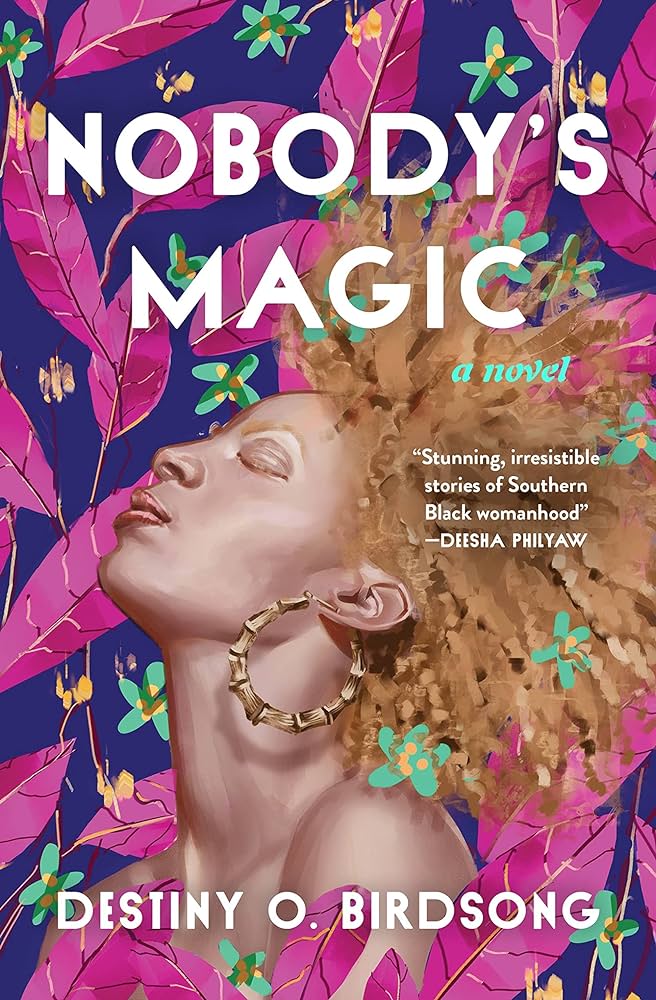
The Bookish Mutant’s Books for Black History Month (2024 Edition)

Happy Tuesday, bibliophiles!

Apologies for the lack of a Book Review Tuesday this week; like with Sunday Songs, I’ve just had a busy few days, and I wasn’t able to put anything together in time, but I was creating this post in advance, so I figured today would be a good day to post it.

Here in the U.S., February is Black History Month! Since I’ve started making these recommendation lists back in 2021 (and focusing on reading more diversely in general), I’ve discovered so many incredible authors, and now that I’m reading YA and adult novels in almost equal measure, my scope has broadened so much more. (Note: I’m still frugal about my media space on WordPress, but this list, like last year’s, contains both YA and adult novels, even though the header image just says YA.) But as with every single year, it’s more crucial than ever to uplift Black voices—not just to amplify them and other marginalized groups in the fields of literature and publishing (especially when the industry sees diversity as nothing but a box to be checked off, more often than not), but especially since we’re living in a climate here in the states (and elsewhere) that is intent on erasing both our systemic racism (past and present) and silencing Black voices. And one of the most accessible ways to fight this poisonous rhetoric is to read—to open your eyes, to learn for yourself, and to share what you have learned with others. In a landscape where anything other than the white, cishet, abled majority wants to ban any voice that isn’t theirs, reading is an act of resistance.

For my lists from previous years, click below:

Let’s begin, shall we?

THE BOOKISH MUTANT’S BOOKS FOR BLACK HISTORY MONTH

FANTASY:

SCIENCE FICTION:

REALISTIC FICTION:

TELL ME WHAT YOU THINK! Have you read any of these books, and if so, did you enjoy them? What are some of your favorite books by Black authors that you’ve read recently? Let me know in the comments!

Today’s song:

thanks again to my brother for exposing me to this one!

That’s it for this recommendation list! Have a wonderful rest of your day, and take care of yourselves!

Posted in Book Review Tuesday

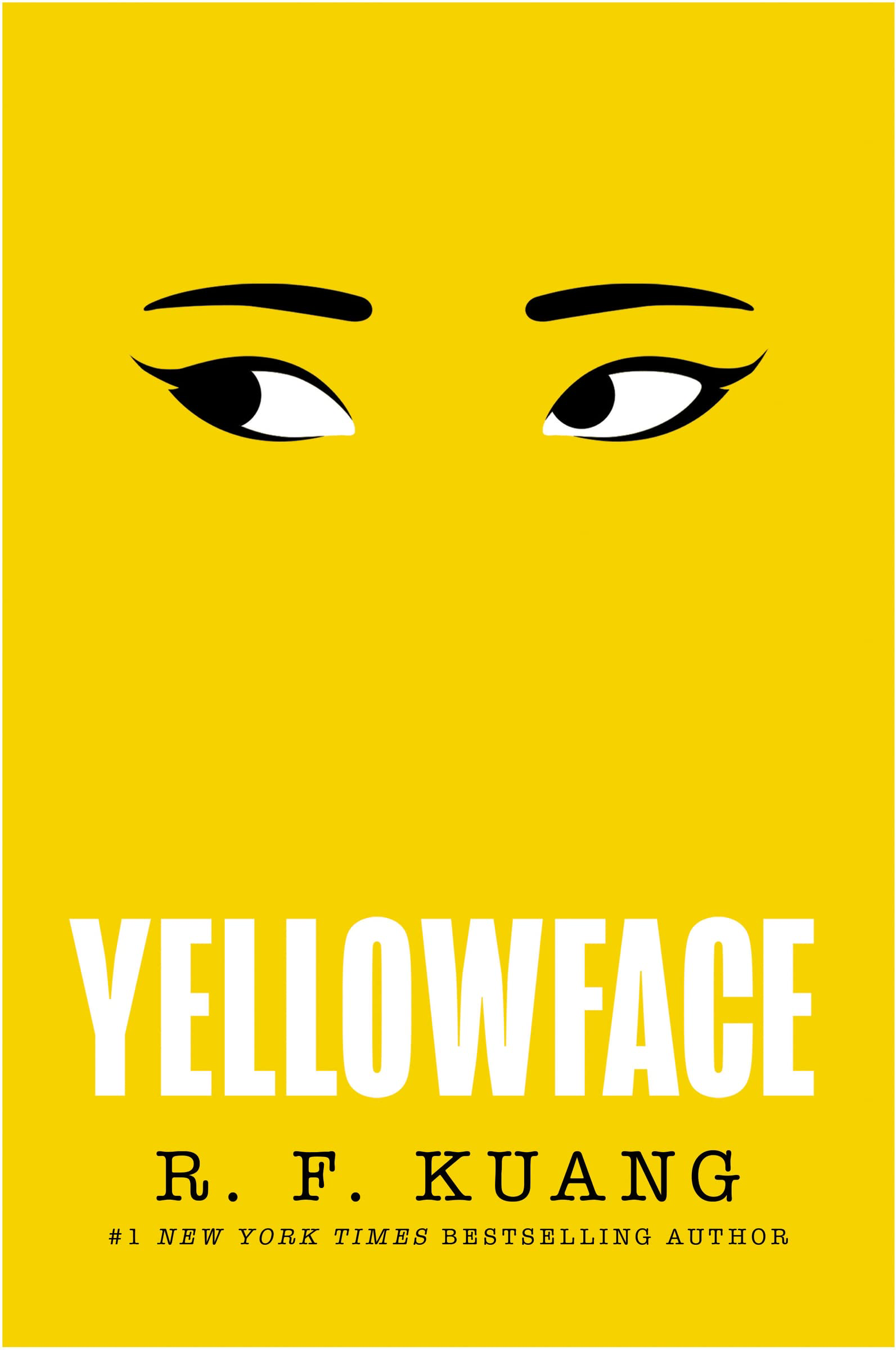
Book Review Tuesday (1/30/24) – Yellowface

Happy Tuesday, bibliophiles!

I’ve had several books by R.F. Kuang on my TBR for a year or two, and I’d forgotten about this one until it happened to come up as one of those “skip the line” checkouts on Libby. I decided to take the opportunity (as the holds line is usually nuts for this book), and I found myself adoring it so much more than I thought it would—a biting and timely satire of the publishing industry.

Enjoy this week’s review!

Yellowface – R.F. Kuang

June Hayward and Athena Liu have been friends since attending Yale together, working through writing projects and slowly finding themselves publishing their own works. But while Athena is enjoying success, six-figure book deals, and Netflix adaptations, June has barely been able to get a third printing of her only book. So when Athena dies in an unexpected accident, June sees the perfect opportunity: steal her unfinished manuscript, pass it off as hers, and profit. Armed with a new pseudonym and a racially ambiguous author photo, June Hayward becomes Juniper Song, and her book, The Last Front, becomes the toast of the literary scene. But evidence is beginning to pile up against her, and June will do anything to keep her newfound fame.

TW/CW: racism, death by choking, vomiting, substance abuse (alcohol), harassment, gaslighting, suicidal ideation

I’m glad I had my expectations at an average level for Yellowface, because this is one of the best satirical novels I’ve read in ages! This novel truly felt like it was attuned to the beating pulse of the dark side of the publishing industry, and it’s an exploration of diversity and publishing that’s incredibly necessary in this day and age.

I don’t think I’ve ever witnessed a novel that’s felt so true to today’s publishing scene in a long time—or ever, really, but to be fair, I haven’t read a lot of realistic fiction books in this vein. Yellowface is a biting, unflinching callout to how publishers view diversity; June’s story, though fictional, is testament to how the publishing industry views diversity and marginalization as profit to be made, not stories and identities to be uplifted, and how once they’ve checked one person of a certain demographic off a checklist, they think they’re set for “diversity.” Beyond that, it’s proof of how willingly publishers will silence marginalized voices in favor of white voices telling the stories of the marginalized, and how far they’re willing to go to keep up the façade. Truth be told, this novel did make me slightly spiral about the state of publishing as an aspiring author, but I suppose that means that R.F. Kuang did her job.

I’ve seen several reviews of Yellowface complaining that at least one of the main characters were self-inserts, but other than the whistleblower character (who only has a minor role until the end), the two main characters were dreadfully unlikable. To be fair, I’m not as familiar with Kuang’s work, but I don’t take her to be the kind of person to be so self-deprecating that she makes her self-insert into a disgusting mess of a character. In fact, Kuang excelled at making them incredibly unlikable—and hilarious in the process. I liked that, although Athena didn’t deserve what she got, that both her and June were depicted as despicable people in their own ways, but June was still portrayed to be disgustingly in the wrong—nobody’s angelic in this situation, and everybody has their flaws, but some people’s flaws pile up until they fester and collapse on top of them (June). Everything written in her voice was so cringey it was hysterical—watching her, for instance, editing the manuscript to make the British soldiers “more sympathetic” cracked me up, and Kuang clearly knew just the kind of circumstances that a white author would twist a marginalized story into—it felt painfully real, and painfully funny at the same time.

Typically, I’m not habitual thriller reader, but I’m a sucker for a story about a character digging their own grave, and god, Yellowface was the perfect scratch for that itch. June’s story of jealousy, temptation, and clinging towards fame that fall like dominoes toward her until culminating in the climax was painful but exhilarating to watch—for me, there’s nothing like watching a character’s downfall right before our eyes. June just kept digging herself further and further into eventual ruin, and with each push closer to the edge of being exposed for her (MANY) wrongdoings, Kuang perfectly amped up the tension. I was definitely white-knuckling my Kindle for a significant portion of the book just because of the sheer audacity of June thinking that none of her actions would amount to anything. It has the same feel as many of the self-destructive arcs in Fargo—the same kind of eventual tension that builds, and all the while, you know exactly how it ends, but what keeps you reading is wanting to discover how everything collapses onto them.

Without spoiling anything, I’ll say something brief about the ending. At first, it seemed a bit rushed and anticlimactic—I still hold that it was slightly rushed, but it’s a way-homer kind of ending. It wasn’t just a continuation of June feeding her own delusion—it’s terrifying proof that the system still works in favor of white authors clearly in the wrong. She may have hit the breaking point, but this controversy, just like the others, will only continue to drive up her sales. The system has not changed. As long as the publishing industry stays the way it is, she’ll still be rewarded. And that was the kind of scary reality that Kuang has proven with this novel.

All in all, a darkly witty thriller that brought a timely conversation about the publishing industry to the table—and executed it stellarly. 4.25 stars!

Yellowface is a standalone, but R.F. Kuang is also the author of the Poppy War trilogy (The Poppy War, The Dragon Republic, and The Burning God) and Babel.

Today’s song:

really and truly OBSESSED with this album

That’s it for this week’s Book Review Tuesday! Have a wonderful rest of your day, and take care of yourselves!
Posted in Books

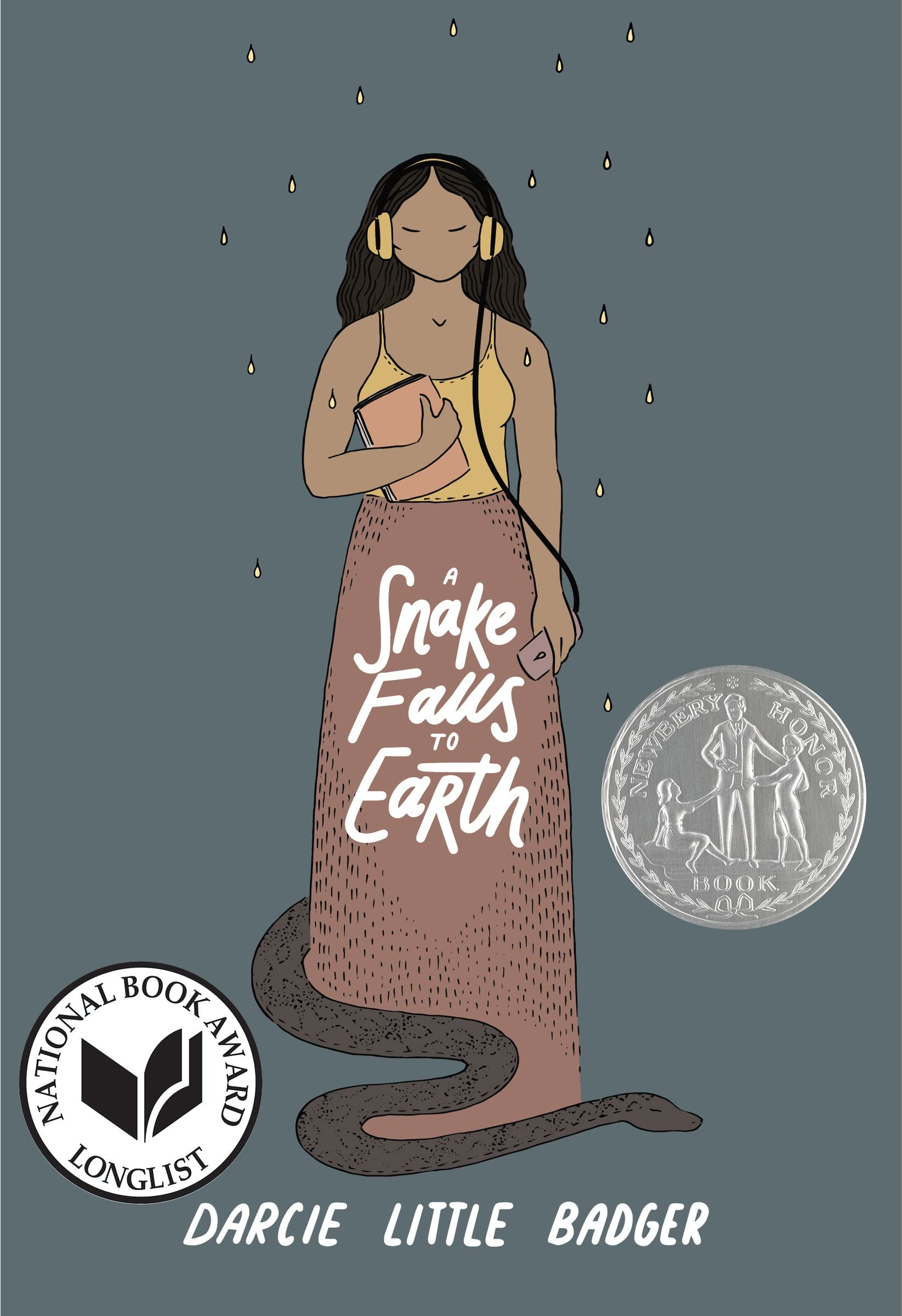
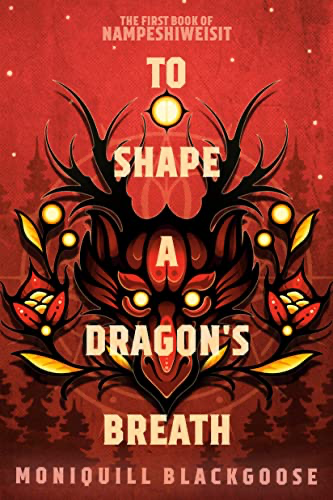
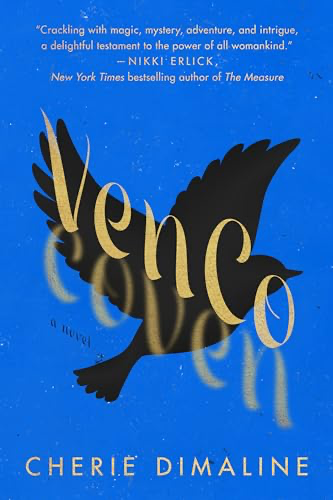
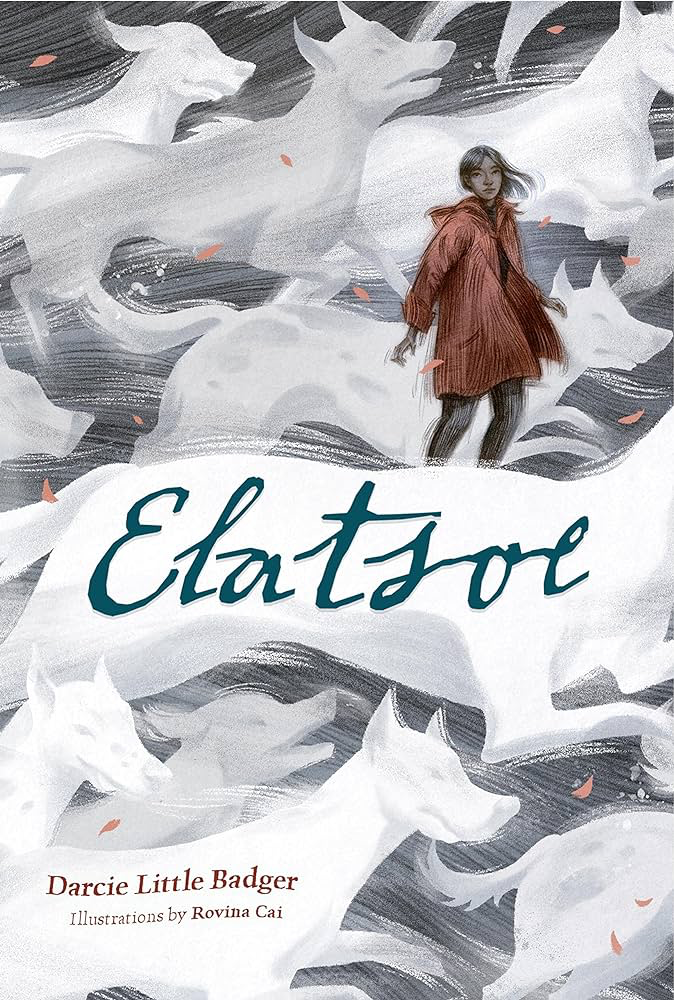
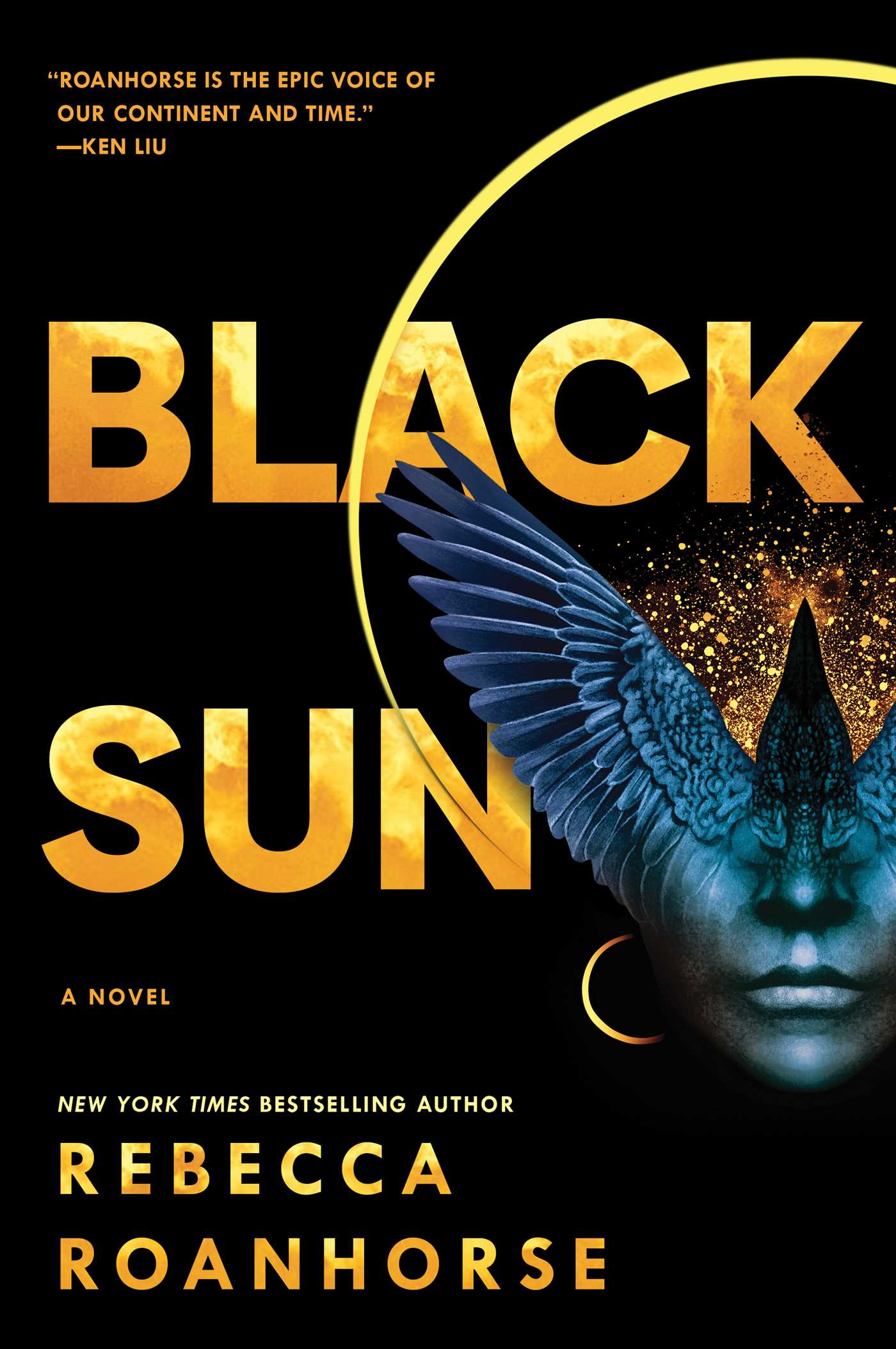
The Bookish Mutant’s Books for Native American Heritage Month

Happy Thursday, bibliophiles!

Here in the U.S., November is Native American Heritage Month! I’m surprised that I haven’t compiled a list for the occasion yet, but to be fair, November tends to be a busy month for me. But now that I’m a few days away from break, I figured I would use that time to make this list.

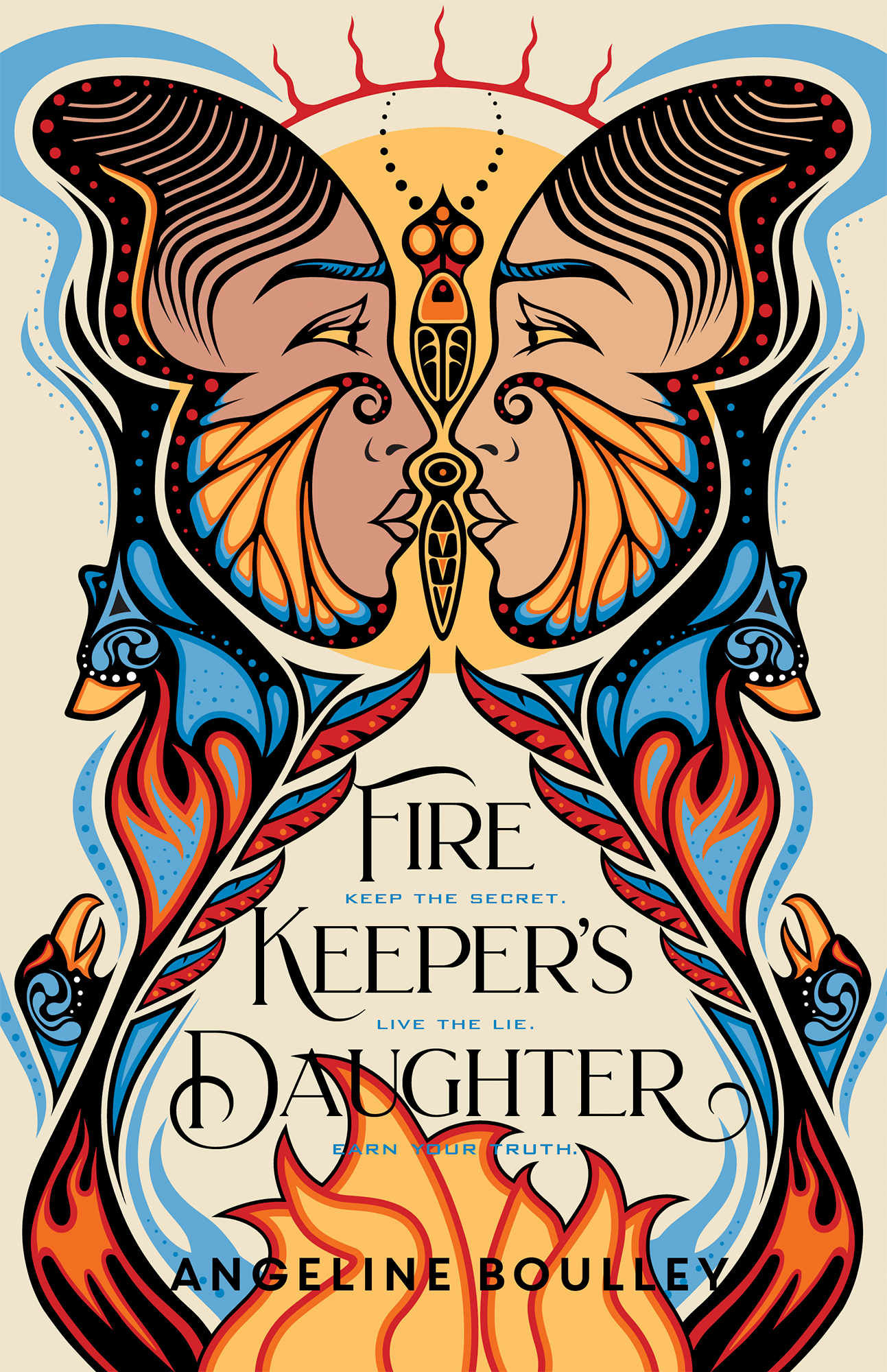
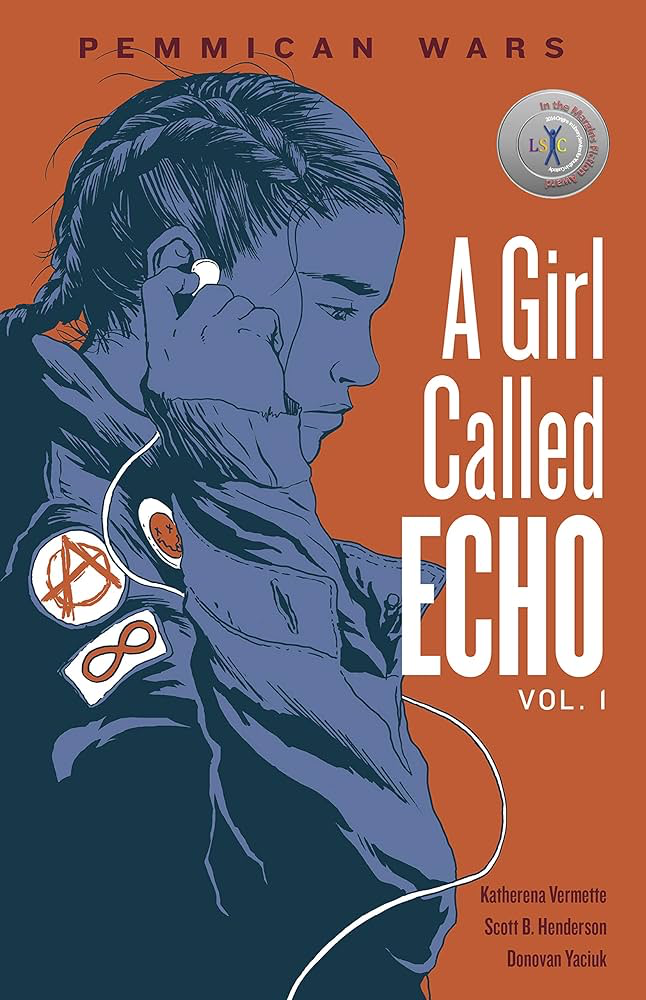
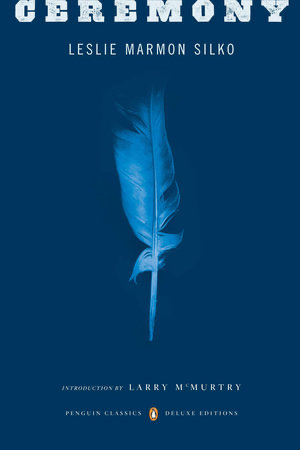
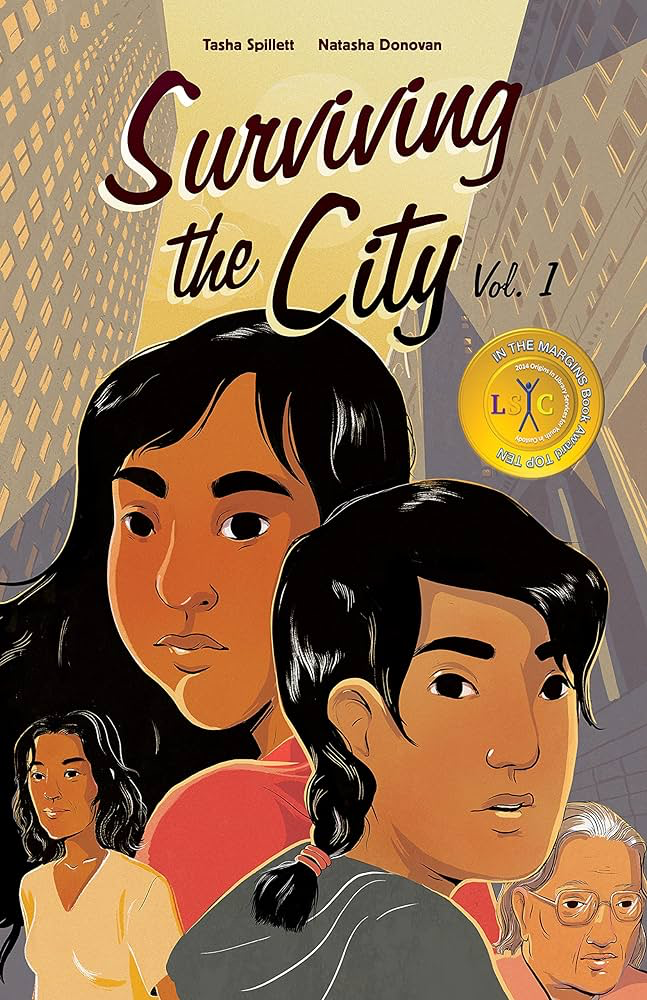
Despite the wonderful boost in diversity in YA and adult literature in the past decade or so, I’ve seen very little of that diversity focused on Indigenous characters and stories. It could be just me, from an outsider perspective, but diversity means boosting all voices—not just the few that you can think of off the top of your head when you think of the word “diversity.” And as an American, I know full well that we are and always have been living on stolen land, so it’s important to read outside of what our history books teach us. So I’ve compiled some of my favorite books by Native American, Indigenous, and First Nations authors for the occasion.

Let’s begin, shall we?

THE BOOKISH MUTANT’S BOOKS FOR NATIVE AMERICAN HERITAGE MONTH

FANTASY:

REALISTIC FICTION & HISTORICAL FICTION:

TELL ME WHAT YOU THINK! Have you read any of these books, and if so, what did you think of them? What are your favorite books by Indigenous authors? Let me know in the comments!

Today’s song:

That’s it for this recommendations post! Have a wonderful rest of your day, and take care of yourselves!

Posted in Book Review Tuesday

Book Review Tuesday (7/18/23) – So Lucky

Happy Tuesday, bibliophiles!
I came upon this book after poring through the “further reading” section of Alice Wong’s incredible Disability Visibility anthology (which you should also go read!!), and I put it on hold at the library soon after I heard about it. I was completely unfamiliar with Nicola Griffith before reading this novella, but she delivered so much power and resonance in the span of only 180 pages. We’re barely halfway through the year, but I know that I’ve got another favorite read of this year.

Enjoy this week’s review!

So Lucky – Nicola Griffith

Mara Tagarelli has it all. Happily married and the head of a multimillion dollar AIDS foundation, she lives a life of contentment and security. But in the span of days, Mara is diagnosed with MS, and her wife leaves her soon after. Her colleagues now dismiss her needs, and she’s left without work, without the care she needs, and without any prospects for the future. But as she slowly begins to find a community, she realizes the power that she holds—to put those she values in danger, but to give them the justice that they deserve.

TW/CW: ableism, hate crimes, murder, medical mistreatment, misogyny

I finished this book several days ago, but I’m still positively reeling from the effect it had on me. I picked it up after seeing it included as a recommendation in the “further reading” section of Alice Wong’s Disability Visibility, thinking it would be something good to read during Disability Pride Month. What I found was something far more than just “something good to read”—it was wholly refreshing, resonant, and both heartbreaking and heartwarming. So Lucky wasn’t a novel that I expected to hit me so hard, but it did, and I am forever grateful for it.

I’ve never been more in love with such an angry character, to be honest. Griffith’s writing of Mara felt more than authentic, a character that climbed out of the page, demanding to have her voice heard. And although her anger is her primary character trait, it’s an anger that resonated with me like nothing has before; in a landscape where disabled women, both fictional and real, are expected to be demure and sadly accepting of their fate (but in a sexy way, of course, because they obviously only exist as objects of pleasure for men), having a character as fiery and determined as Mara very nearly made me cry. I don’t have MS, but I am a disabled reader, so watching Mara express her anger at her treatment, at her life, and at the world around her was more than I could have asked for. More disabled women who aren’t conventionally likable and are written authentically, please! Use this novella as a guide.

So Lucky is a hard read—it doesn’t pull any punches, and that’s exactly how it should have been. It displays a lot of some of the more harsh realities of being disabled, especially being physically disabled: dismissal by your colleagues, mistreatment at work (and eventually being fired because of said diagnosis), relationship turmoil, medical mistreatment, and disability-motivated hate crimes are all a part of the narrative that Griffith portrays. It’s visceral and heartbreaking, and it doesn’t hold back in the slightest. But never once did it feel amped up for tension, or unnecessarily exaggerated: this is the story of an angry woman, and the story of a system built on bringing her down, as well as others like her. It really represents a good portion of the spectrum of issues that disabled people, especially disabled women, face, and Nicola Griffith captured all of it with incredible aplomb.

Despite that, So Lucky never falls into hopelessness. Even though Mara faces hardships aplenty, it never portrays the disabled experience as defined solely by tragedy and suffering. In spite of it all, there is always hope: Mara finding an online community of other disabled people, taking care of her cat (shoutout to Rip), and coming to the realization that her anger was never from the MS itself: it was from the experience of living in a world that did not want her to succeed. At its heart, So Lucky is an incredibly raw story, but a fearlessly hopeful story, one where our protagonist knows that her anger doesn’t come from being disabled, but from existing in a world where disabled people are treated so poorly. And that anger only adds to her determination to continue to fight for a better, more accessible world. There is no disability to inspirationally overcome, only a system. I can’t think of much that’s more beautiful than that.

All in all, a short novella that packs a deeply impactful punch, and portrays disabled womanhood in a refreshing light. 5 stars!

So Lucky is a standalone, but Nicola Griffith is also the author of Ammonite, Hild, Cold Wind, Slow River, and many other books for adults spanning several genres.

Today’s song:

never in my life would I have anticipated liking a Weezer song THIS much, but you can blame Snail Mail for this one

That’s it for this week’s Book Review Tuesday! Have a wonderful rest of your day, and take care of yourselves!