Posted in Book Review Tuesday

Book Review Tuesday (7/14/26) – Machine (White Space, #2)

Happy Tuesday, bibliophiles!

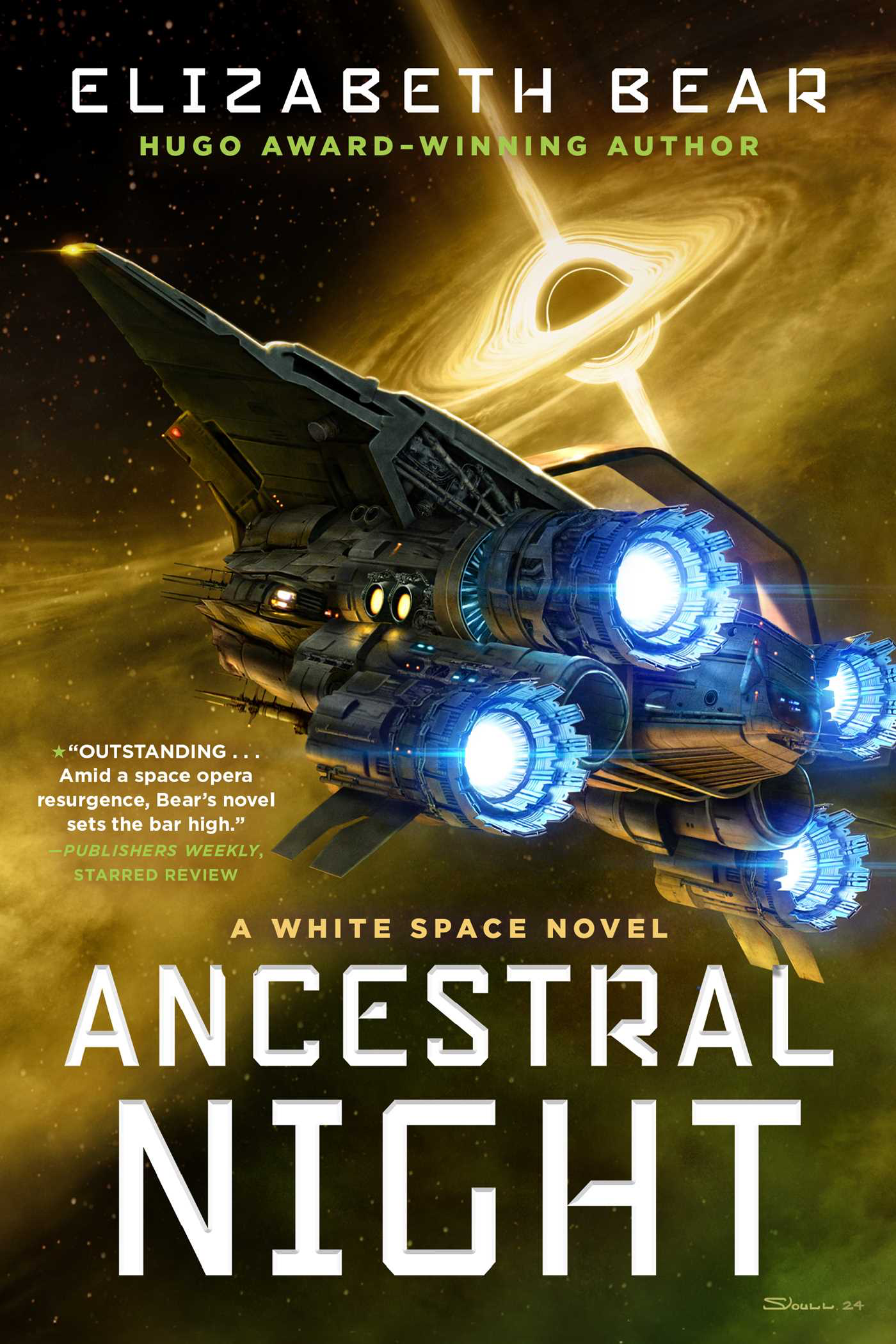
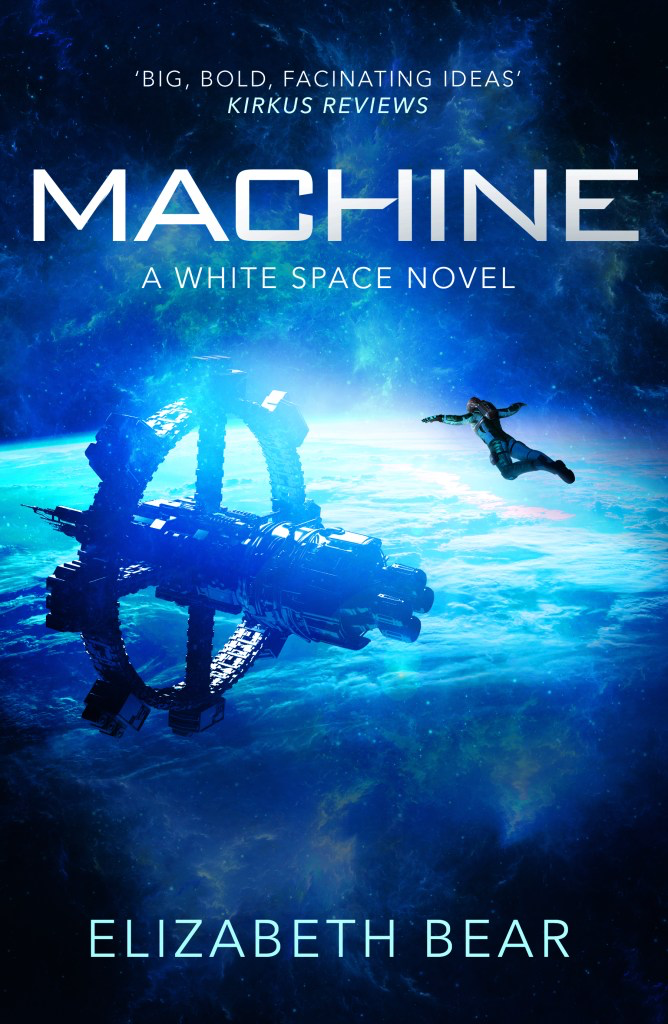
Thankfully, after last week’s disappointment, we’ve got something to save the track record for Disability Pride Month. I started Elizabeth Bear’s White Space trilogy earlier this year, and I knew I wanted a physical copy of book 2. It’s one of the great joys in life when a sequel is better than the first book—and Ancestral Night was already a 4.5-star read for me, so this was huge! Machine was a fantastic step up for a series that’s already a cut above the rest.

Enjoy this week’s review!

Machine (White Space, #2) – Elizabeth Bear

Dr. Brookllyn Jens is a special kind of doctor. Her patients are usually aliens, and her status as an emergency specialist means that her job description tends to involve having to jump out of spaceships. It’s already a job that keeps her on the edge. But when Dr. Jens and her crew discover two ships that have been abandoned for thousands of years, they uncover a mystery with layers upon layers of disastrous implications. With a strange, antiquated AI, an entire human crew in cryosleep, and a potential conspiracy on their hands, Dr. Jens and her crew must race against the clock to make sure that everybody makes it out alive.

TW/CW: ableism, misogyny, medical content, xenophobia, violence, murder

Genuinely, my sole problem with this novel is the title. Elizabeth Bear thought out this intricate and complex space opera world full of thousands of aliens and unique space travel, and couldn’t think of a more memorable title than Machine? I mean, yeah. There sure are Machines. Lots of ’em. But come on, really.

As much as I enjoyed Haimey’s story in Ancestral Night, I really think that making the White Space series several collected companion novels was the right move. It expands the intricate world that Elizabeth Bear has crafted in so many exciting ways that were only possible through the eyes of a different cast of characters. I loved the ways that the Synarche and all of the different species within it were fleshed out. Bear’s writing is as sharp as ever—her voice is so witty and hilarious, but she also knows just how to stick the landing when it comes to the more climactic or serious moments. The pacing was top-notch, especially considering that Machine is nearly 500 pages long—I blew through hundreds of pages at a time, and Bear never lost me.

I absolutely adored Dr. Jens as a protagonist, and Bear’s willingness to let her protagonists be messy yet lovable people made her shine. Dr. Jens has such a dry sense of humor, and her wry observations about the world around her made Machine such an entertaining read. But beyond that, I loved her continuous self-reflection—about the ideas she’s constructed about herself, but also about her work and the world around her. The supporting cast was so vibrant and lovable—it was a treat to see Cheerilaq again, first off, but all of the characters were so delightful and added a real human (and syster) authenticity to Core General’s staff. Sometimes your coworker gets on your nerves for no discernible reason, and they’re also a massive cetacean-like being getting wheeled around in a massive tank. On that subject, I loved all of the new Systers that Bear introduces. My creature design brain predictably became that meme of the dog with the propeller beanie and the giant lollipop seeing all of the truly alien aliens that populated the Synarche. But Bear went beyond good creature design and into crafting memorable, multilayered characters, which is what makes her space opera stand out in the end.

In particular, the expansion of the AI and robots in the Synarche was one of the most intriguing aspects of the world that Bear discusses in Machine. The whole plotline with Helen Alloy was one of the most well-executed. I love how Bear interrogates the objectification of women and how sci-fi has historically translated this into female-presenting robots. The visceral discomfort that Dr. Jens has that Helen was specifically created to have a hypersexualized, feminine form felt was like seeing the sun peer through the clouds after decades of weird men writing all kinds of messed-up sex-bots. It’s treated with the appropriate level of disgust—both on Helen and Dr. Jens’s part. Helen’s manipulation also ends up being vital to the later twist, and her entire arc of deconstructing the lies that she was programmed with was handled with such tenderness. Beyond the robots, I think that thread of treating people who have been brought up with hateful ideologies and not immediately dismissing those with different opinions was one of the best aspects of Machine; Bear’s insistence that people—human, alien, or AI—are not inherently bad, only victims of harmful ideas, was so necessary.

Bear’s take on disability in a sci-fi context was also such a respectful and well-researched one! She listed off several sensitivity readers in the acknowledgements, and their work paid off—for someone who seems to be non-disabled, by all accounts, this might be one of the most caring representations of a disabled person and their struggles in sci-fi I’ve seen by a non-disabled author. Dr. Jens has a chronic pain disorder, and she has a special exo-suit that manages some of her pain, but not all of it—sci-fi tech still has limitations in the far, far future. She still aches and gets physically taxed from her daring missions. Granted, I’m not chronically ill, but it felt like Bear paid so much attention to how Dr. Jens’s symptoms would present and how her high-stakes profession would affect it. Additionally, there’s a lot of talk about how disability is handled in the future; there was lots of discussion of “rightminding,” a process that, among other things, mitigates the effects of some mental illnesses. It would’ve been so easy to just slap it on as a cure-all technology, but Bear’s approach was one that I rarely see in sci-fi. It’s not necessarily “disability isn’t cured,” but it’s handled on a case-by-case basis, there’s an understanding that different kinds of disabled people have different needs and opinions about how they want to live with their disabilities with the technology available. This rejection of the one-size-fits-all approach to disability was a breath of fresh air, and wasn’t afraid to get into the nuance of how disabled people live their lives.

Disability wasn’t the only issue that gets dealt with in a refreshing amount of nuance. Bear was not afraid to get into the weeds with this novel, and it made my reading experience so much better. Machine, more so than its predecessor, gets into how a utopia and utopian ideas can be twisted into something sinister. It all feels very Ursula K. LeGuin—the Synarche is without a doubt an ambiguous utopia like The Dispossessed. (First off, I liked that Bear interrogates the ethics of “rightminding” targeting potentially “dangerous ideologies,” and how that ends up being decidedly non-utopian.) I appreciated that Bear discusses how well-intentioned utopias can be co-opted into vehicles for hatred, but also how that revelation wracks the people who genuinely believed in this utopia—people like Dr. Jens. Her arc in having faith in her hospital and the Synarche was so human—her entire reality and faith in the organization she devoted her life to is messily upended. But the realization that she comes to—that you can take the good work you wanted to do and the faith in your fellow people outside of corrupt organizations and do your own work—was one that feels so vital. I also loved the thematic potential of the infectious meme—not unlike the spread of a hateful ideology—that is treated as an infection that has to be weaned out with attention and care. Bear’s depictions of that crushing realization and how Dr. Jens and her coworkers pick up the pieces was so heartfelt, and a very potent message in this day and age.

All in all, a spectacular companion to Ancestral Night that expanded Elizabeth Bear’s masterfully crafted space opera universe with pulse-pounding action and heart. 5 stars!

Machine is the second book in the White Space trilogy, a series of companion novels set in the same universe; it is also includes Ancestral Night (book 1) and Folded Sky (book 3). Elizabeth Bear is also the author of several other series, including the New Amsterdam series (New Amsterdam, Seven for a Secret, The White City, Ad Eternum, and Garrett Investigates), the Jacob’s Ladder trilogy (Dust, Sanction, and Grail) and many others

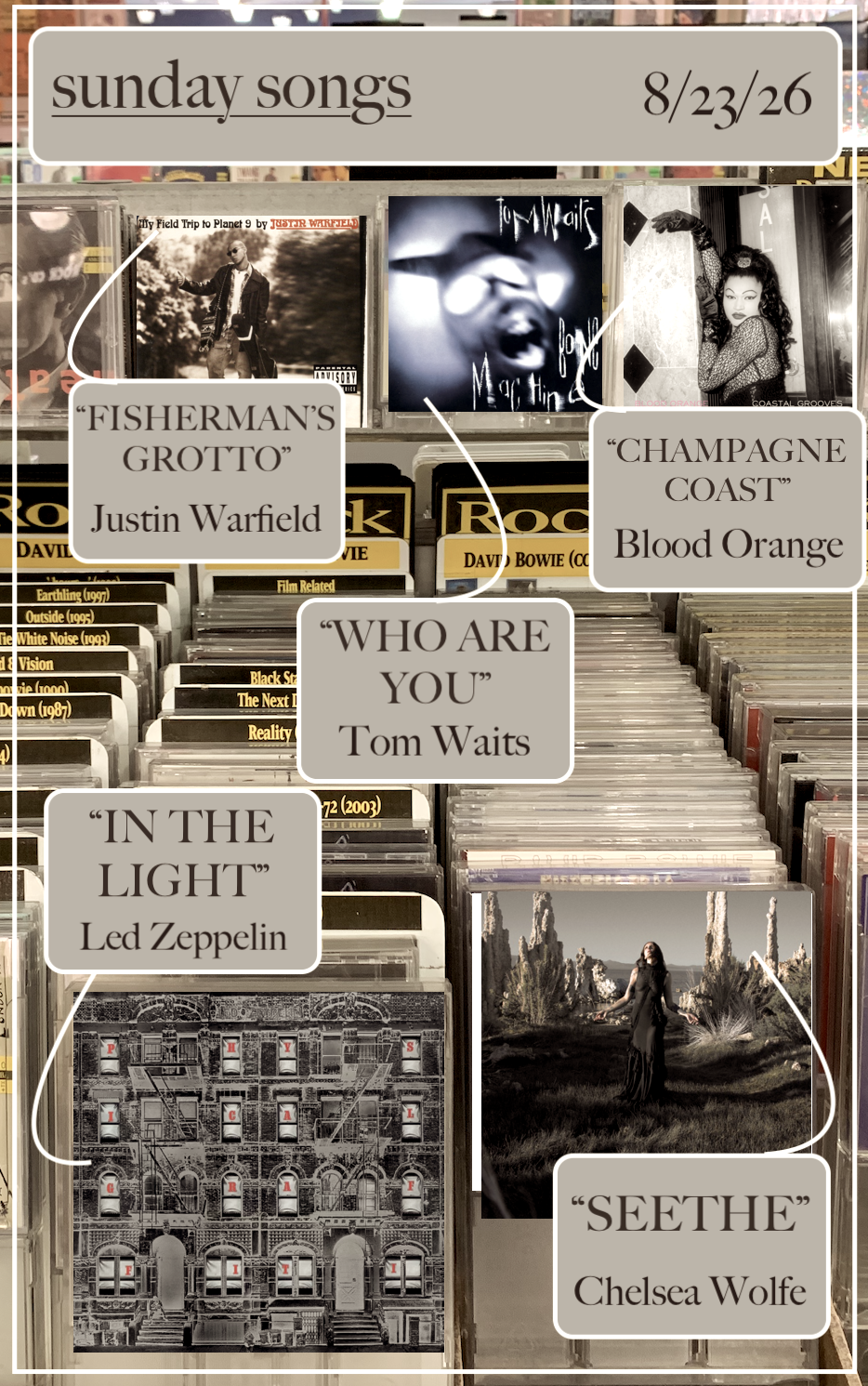
Today’s song:

still going through my mom’s records from the ’80s. this remains peak.

That’s it for this week’s Book Review Tuesday! Have a wonderful rest of your day, and take care of yourselves!

Posted in Books

♿️ The Bookish Mutant’s Books for Disability Pride Month (2026 Edition) ♿️

Happy Monday, bibliophiles!

Here in the U.S., July is Disability Pride Month! It seems like every year, representation—and all-around recognition—for disabled people only progresses by millimeters. Time and time again, it’s left on the back burner by so-called intersectional activists, continually ignored from unaccommodating public education to inaccessible infrastructure in the biggest cities and the smallest towns. It’s gotten bleaker still with the damaging rhetoric spread by R.F.K. Junior and by the Trump administration at large. And we’ve somehow let the r-word insidiously creep back into common use. I feel like it’s relevant that when I was in high school, I frequently heard people call their phones “autistic” when they were broken or not working—2019 wasn’t as long as ago as people would like to think. Dehumanizing disabled people has always been baked deep into the roots of our language and slang—and yet it’s so easy to just switch words around.

In short, the world hasn’t exactly gotten kinder to any of us in the disabled community. But recently my best friend sent me this hilarious (and wonderful) reel, and it reminded me of the endurance of our community:

Yes, this is totally goofy. But it’s true. Despite all of the rampant campaigns to dehumanize and outright eradicate disabled people in all aspects of life, we are still here. The disabled community is as diverse as our struggles, but we have weathered all of them. There are countless issues that we have to face, in the highest forms of government and even in the simple ways we interact with friends and strangers. But if there’s one thing that the disabled community has done, it is endure—and endurance is nothing without community. The strength of our community is what has allowed us to create a more accessible world, little by little, and it is the key for making the world a kinder and more accessible place to be.

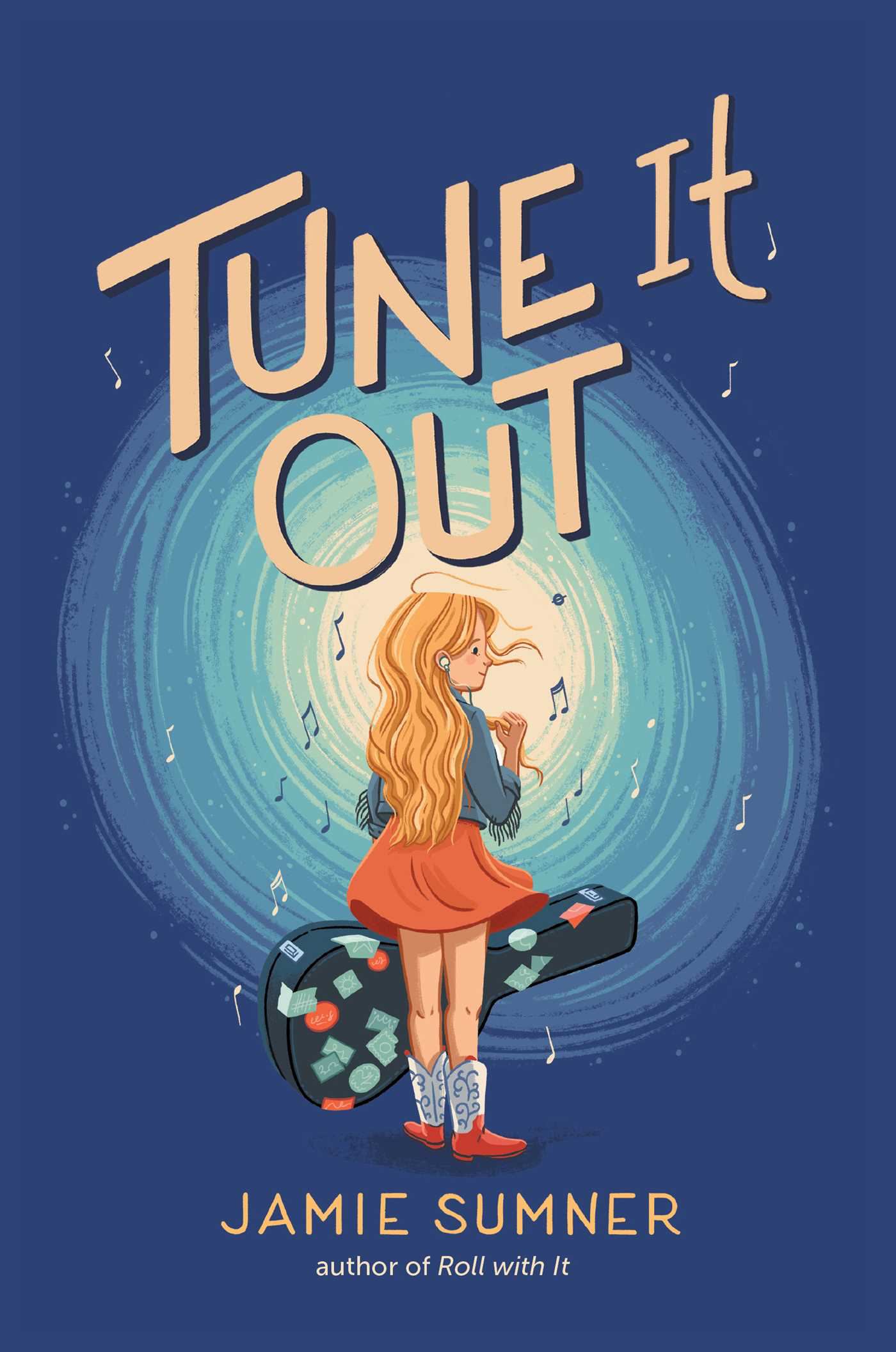
Also, four years out from my installation of this post where I talked about the absolute dearth of SPD representation out there (see 2022 in the “previous lists” section below), I’ve finally read one more book with a main character with SPD. Halfway through 2026, and it was one of the best books I’ve read this year by a long shot. Thank you, Jamie Sumner. Representation matters. 🩵

NOTE: my memory (and the internet) is imperfect, so if I’ve misrepresented/mislabeled any of the specific rep in these books, don’t hesitate to let me know!

KEY FOR TERMS IN THIS POST:

  • MC: Main character
  • LI: Love interest
  • SC: Side character

For my previous lists, click below: 

Let’s begin, shall we?

♿️ THE BOOKISH MUTANT’S BOOKS FOR DISABILITY PRIDE MONTH (2026 EDITION) ♿️

FANTASY:

SCIENCE FICTION:

REALISTIC/HISTORICAL FICTION:

*the POV character in Pod is a dolphin, but I feel that the representation still counts.

NONFICTION:

TELL ME WHAT YOU THINK! Have you read any of the books on this list? What are your favorite books with disability rep? Let me know in the comments!

Today’s song:

THIS JUST IN, ROLE MODEL HERMIT IS A BANGER

That’s it for this post! Have a wonderful rest of your day, and take care of yourselves!

Posted in Sunday Songs

Sunday Songs: 6/7/26

Happy Sunday, bibliophiles! I hope this week has treated you well.

This week: happy pride from Damon Albarn, Queen Latifah, and Meg Duffy. Honorable mention to Brian Eno, whose outfits in the early ’70s slayed so hard that he deserves to be an honorary member of the LGBTQ+ community.

Enjoy this week’s songs!

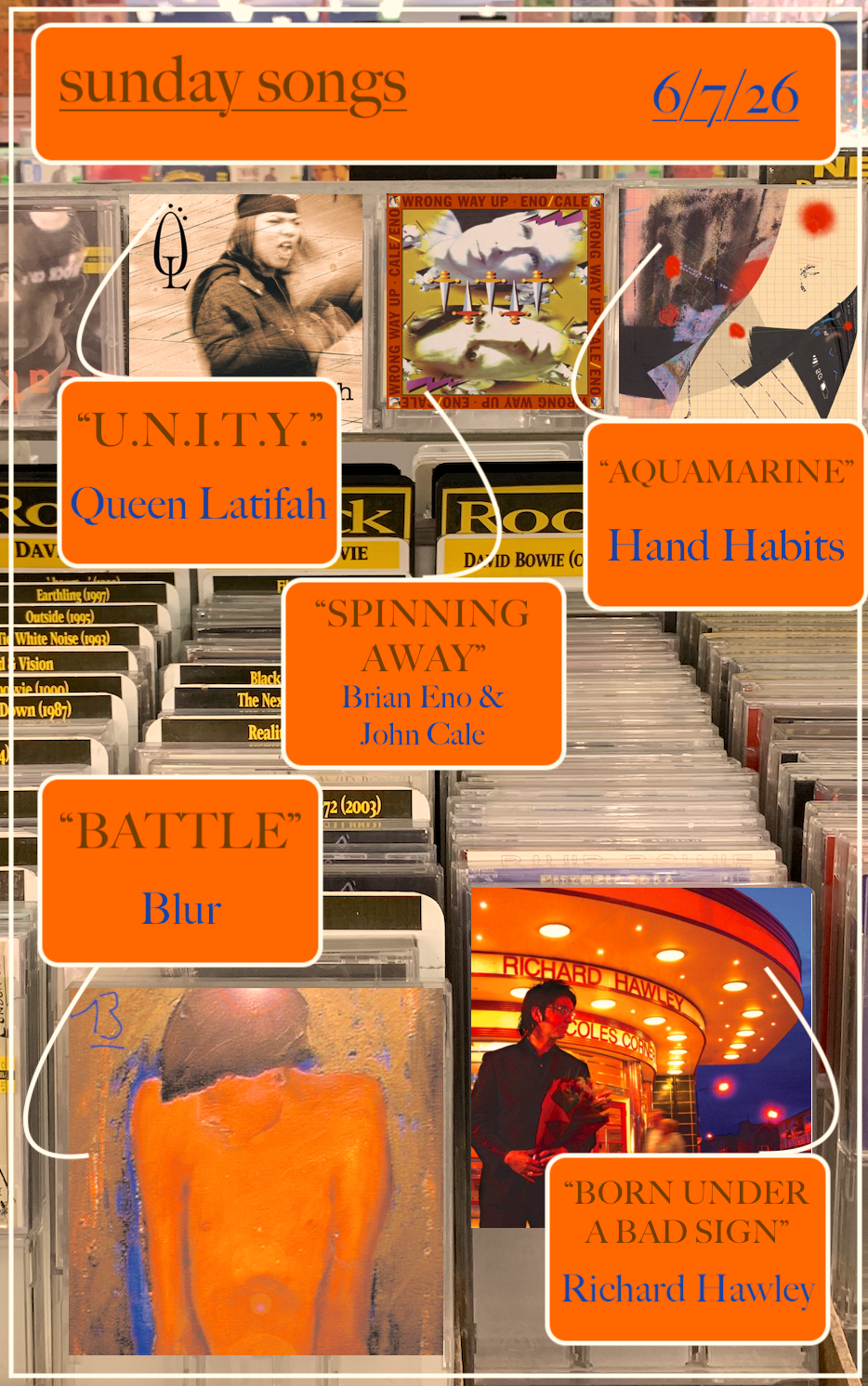
SUNDAY SONGS: 6/7/26

“Battle” – Blur

In addition to healing my 12-year-old self, I have begun healing my 18-year-old self…by getting a painfully spendy copy of 13 from my local record store. These damn European imports!! Hey, I had a bit of extra money from graduation…I swear to god that vinyl had been speaking to me like the Green Goblin mask every time I went inside. It had to happen eventually.

Of course, I knew it was going to be worth every penny—13 is still in my top 10 albums of all time. This was the first time I’ve listened to it all the way through in years (I played it to death in my senior year of high school), and it’s one of those records that I wish I could erase my memory of and re-experience listening to it for the first time. I seriously can’t imagine how much of a shock to the system it must’ve been to Blur fans in 1999; Even after their self-titled album—a bitter plunge into grunge after their burnout from Britpop fame—13 was truly nothing like what they’d previously done. One of the reasons it sticks out so much to me is how uninhibited they all feel. The harmony of Damon Albarn, Graham Coxon, Alex James, and Dave Rowntree continued to be as neat as a pin, but all four of them were bent on going into the most daring, experimental territory that the band had ever reached. By all accounts, all of them were…pretty miserable, unfortunately—a lot of 13 deals with the breakup between Albarn and his longtime girlfriend, Justine Frischmann, and tensions with Graham Coxon would lead him to leave the band a year later. Some of the stylistic deviations feel like middle fingers, like the jarring transition from the plaintive, heart-pouring “Tender” to the jagged howling of “Bugman.” You can’t tell me that wasn’t deliberate trolling on the band’s part. Yet even if it came from a burned out place, the experimental rebellion on this album left an undeniably positive mark on Blur’s legacy as a band.

“Battle” remains one of the more surprising tracks on the album. Clocking in at nearly eight minutes long, it’s the longest song on the album, but only by a single second—”Tender,” my favorite song from the album (and maybe of all time), is 7:41 long, while “Battle” squeezes past at 7:42. Like many of the unexpected twists and turns on the album, those tracks couldn’t be more different. The lyrics are pretty spare—the focus is on the sprawling, very sci-fi soundscape that unfolds over this song’s long runtime. What begins with a riff of dainty, spacey synth notes unfolds into an echoing, forming-and-reforming galaxy of sound. It really feels like you’ve been jettisoned into space at breakneck speed, watching the stars speed past. The deep rumble of Coxon’s guitar churns as Albarn’s voice, tweaked into oblivion with all manner of effects, seems to dissipate in real time. It seriously boggles my mind that this hasn’t been used in a big-budget sci-fi movie to soundtrack a tense dogfight in space. It’s eons away from the much more grounded, British social commentary that was their claim to fame in the mid-’90s, but that’s what makes it last to me. 13 was Blur breaking open the confines that the music industry had imposed on them, and “Battle” feels like all of that pent-up energy spiraling outwards into the potential that had always been incubating within them.

…AND A BOOK TO GO WITH IT:

Ancestral Night – Elizabeth Bearthe perfect soundtrack for an adventure aboard a mysterious spaceship that encounters its fair share of borderline eldritch beings.

“Born Under a Bad Sign” – Richard Hawley

I might as well admit now that I’ve been leeching off my brother and his girlfriend, who have been going through the 1,001 Albums You Must Hear Before You Die list. That’s also how I got “Crosseyed and Painless” last month, although that was bound to happen eventually. Coles Corner, on the other hand, might’ve passed me by completely, even with my Britpop proclivities (he was a founding member of Longpigs and was a touring and session for Pulp for a time).

I only got a handful of songs from Coles Corner from my brother (he said some of them “got too Sinatra,” which makes perfect sense, honestly), but they’re all packages of British rock tracks that seem plucked from yesteryear. “The Ocean” was almost my pick this week, with its staggering, cinematic build, but I just keep returning to “Born Under a Bad Sign.” It’s a small wonder that this hasn’t been in a Wes Anderson movie, and not just because of their mutual connections with Jarvis Cocker—this seems like the exact kind of ’60s-inflected, slow ballad that would soundtrack Léa Seydoux wistfully smoking out the window, or something. The comfort that comes from “Born Under a Bad Sign” isn’t necessarily from the nostalgic air of it all. It just has this innate, warm texture, created by Hawley’s smooth vocals, that evokes being carefree and sprawled out in bed, fresh cups of rich coffee and day fading into night as you shut your eyes.

…AND A BOOK TO GO WITH IT:

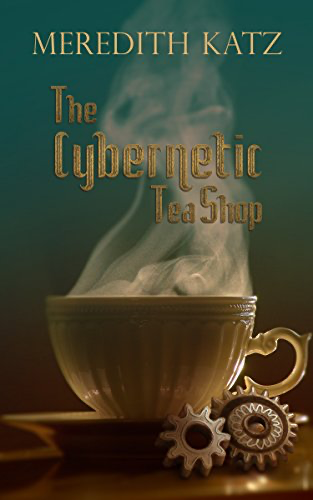
The Cybernetic Tea Shop – Meredith Katz“Now you’re laying in the afterglow/And there’s something that she wants to know/Are you going be the one to say/You belong to me…”

“U.N.I.T.Y.” – Queen Latifah

Look, I’m not saying that this generation doesn’t have its fair share of fantastic, feminist artists—rappers in particular—but I maintain that some of these gen alpha/gen z boys and men have gotten too bold…they need to have the fear of Queen Latifah telling them “WHO YOU CALLIN’ A BITCH?” put in them, is all I’m saying.

God. So good. It’s so easy to see why “U.N.I.T.Y.” has become such an enduring classic for a myriad of reasons—its significance in a very male-dominated hip hop scene, it’s genuinely feminist message (no hollow girlboss anthems here), and the fact that it’s just so smooth and catchy. And I think the reason that it resonates to this day is because it calls attention to all of the ways that misogyny has infected society. It reminds me in structure of Lauryn Hill’s “Doo Wop (That Thing)” in that it presents its initial issue, and in subsequent verses declares: “oh, you thought I was done? Nope, sit back down, we’re deconstructing misogynoir from the top down.” From offhand catcalling to domestic violence, “U.N.I.T.Y.” pulls the curtain on just how deep misogyny runs in society.

And it also resonates because nothing that Queen Latifah talks about here has gone away. Just as it was in 1993, women—especially women of color—are subject to the worst of society’s misogynist tendencies. The domestic violence remains. The objectification, name-calling, and slurs remain. Neoliberal feminism would have you believe that since women (occasionally women of color) can become CEOs and whatnot that misogyny has been solved. One look at the world at large would tell you the exact opposite. A queer, Black woman publicly calling out this in the 1990’s was a vital wake-up call, and it remains so to this day, 33 years later, in an age of widespread misogyny. There hasn’t been a time since “U.N.I.T.Y.” was released where it hasn’t been relevant. Plus, it’s just catchy. I’m warming up to saxophone samples here. Every element of this song is incredible.

…AND A BOOK TO GO WITH IT:

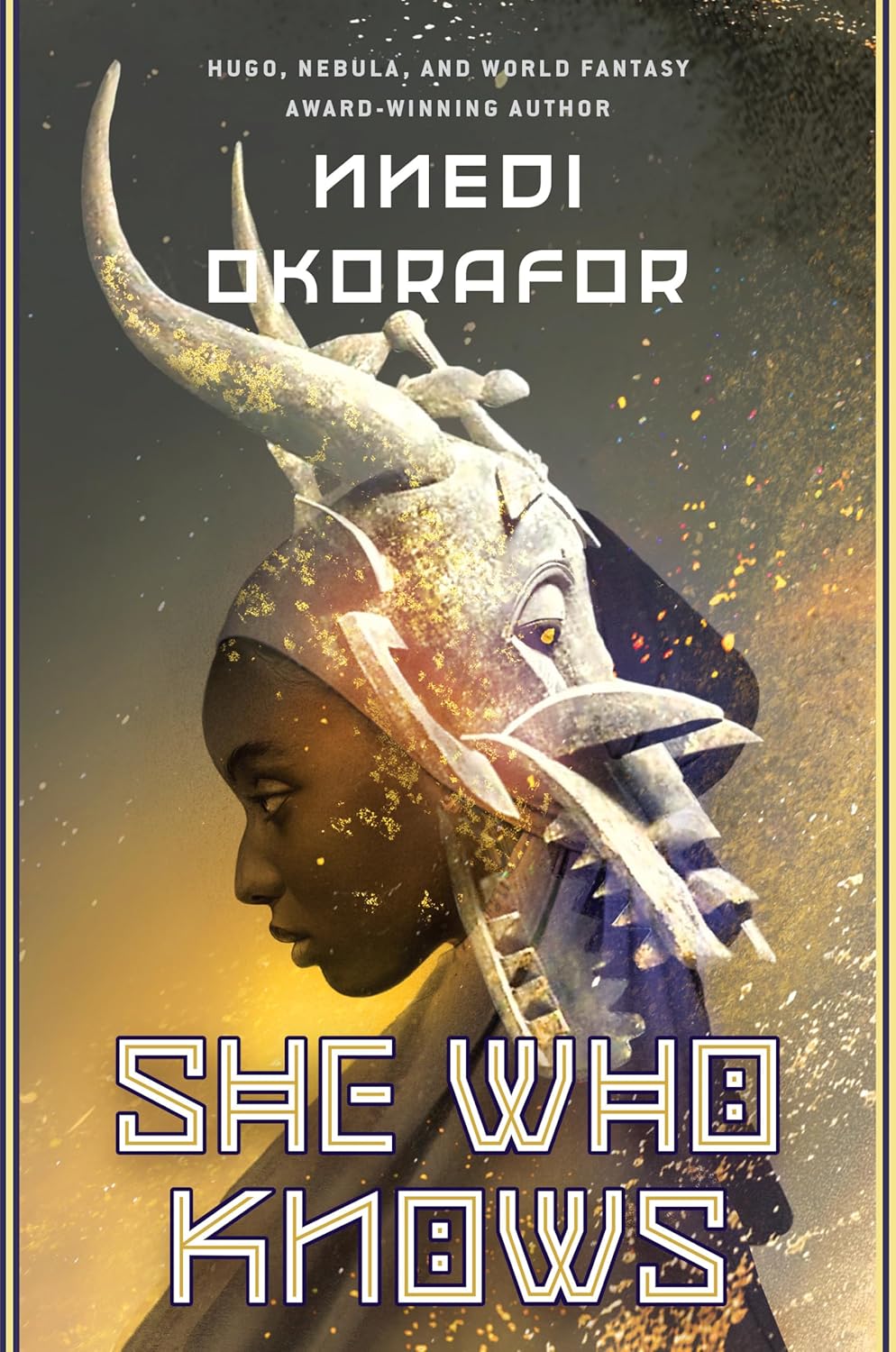
She Who Knows – Nnedi Okorafor – a story of strength, resilience, and one girl’s journey across the desert.

“Spinning Away” – Brian Eno and John Cale

You thought you could let your guard down again? Boom, get Eno’d, fuckers.

Like 13, Wrong Way Up has also been speaking to me like the Green Goblin mask whenever I go to my local record store, but not necessarily for the same reason. It’s way more reasonably priced, but I don’t want to buy it until I’ve actually listened to the album, y’know? But it’s Eno! And John Cale! “Spinning Away” keeps pushing me towards listening to it, and it’s convinced me that maybe warm weather is the perfect time to listen to it. Despite Eno and Cale purportedly wanting to kill each other while recording this album, both songs I’ve heard from Wrong Way Up (the other being “Lay My Love”) are nothing short of harmonious and enchanting. “Spinning Away” is also mostly Eno at the wheel; like “Lay My Love,” it has a circular, cyclical kind of groove that feeds into itself. The song seems to describe the process of making art—here, it’s an artist painting the sky, and it even references perhaps the most iconic painting of the sky of all time, Vincent Van Gogh’s “Starry Night.” The opening has to be some of Eno’s most evocative lyricism, and for him, that’s really saying something:

“Up on a hill/As the day dissolves/With my pencil turning moments into line/High above/In the violet sky/A silent silver plane/It draws a golden chain…”

How can you not picture such a vivid scene after hearing that? And every successive line creates such a vibrant image. I always picture those time-lapses of galaxies colliding once this song really kicks in. It’s so transportive. Describing stars as a “million-insect storm” might be one of my favorite ways space has been described in song. It’s an almost dreamlike narrative of both the painting and the landscape morphing (spinning away, even) as they scramble to capture the image. There’s an air of impermanence about “Spinning Away,” but the way Eno and Cale paint it feels nothing short of euphoric, with Eno’s wonderstruck vocals and Cale’s soaring strings. To me, it feels like a take on impermanence as a positive experience—it’s important to capture these fleeting moments in life, and it’s a privilege to see the world changing before you, even in the most minute sense.

…AND A BOOK TO GO WITH IT:

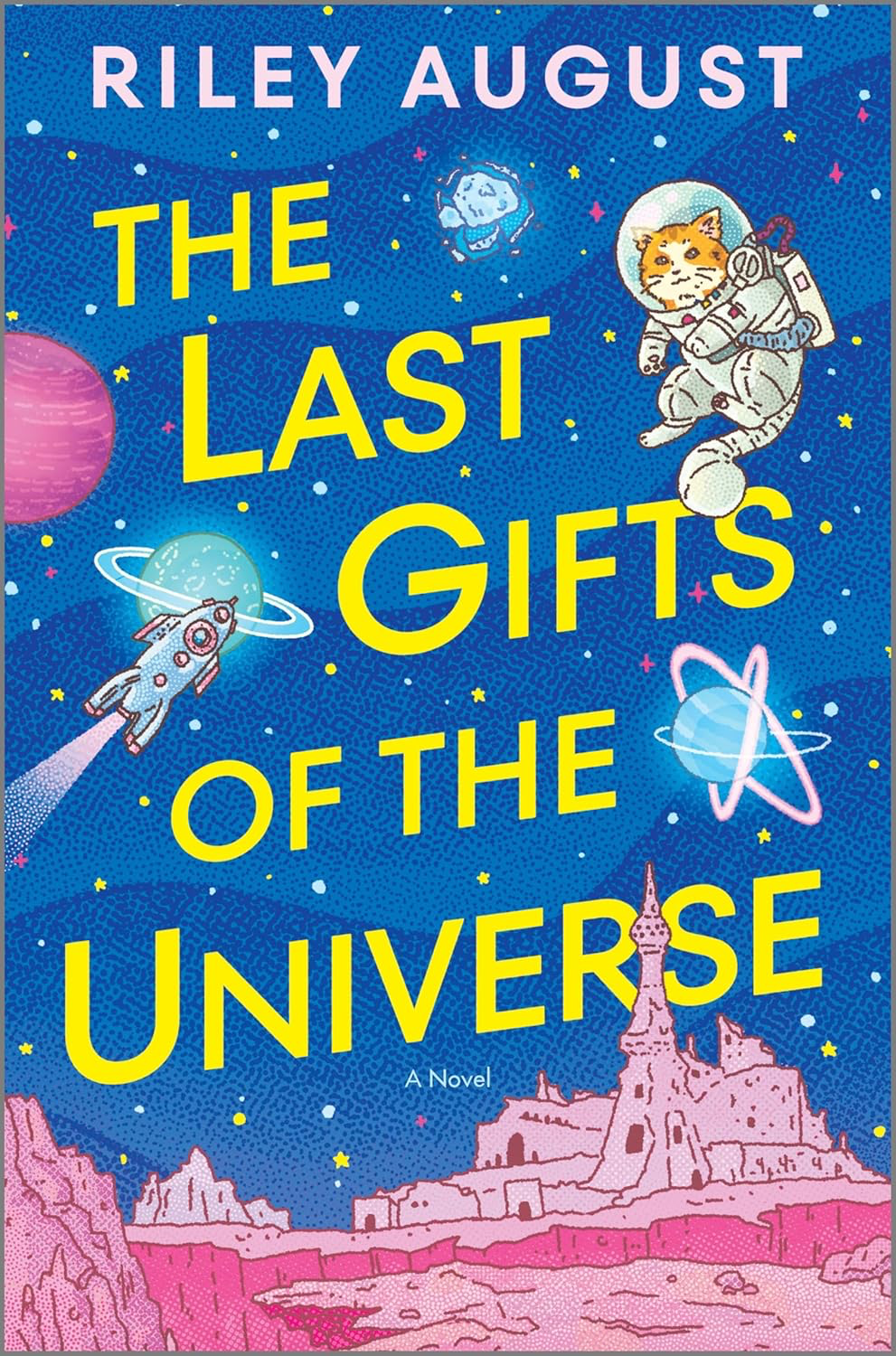
The Last Gifts of the Universe – Riley August“One by one/All the stars appear/As the great winds of the planet spiral in/Spinning away/Like the night sky at Arles/In the million insect storm/The constellations form…”

“Aquamarine” – Hand Habits

I discovered this song unexpectedly after watching Fruit Bats’ episode of What’s In My Bag? recently. It immediately cemented itself into one of my hypothetical playlists that only exists in my mind…that being “songs that seem engineered in a lab to be featured in Netflix’s Heartstopper.” It’s that very specific, indie-pop, reverbed synth sound that makes that connection work for me. Those synths! “Aquamarine” skitters along with all manner of them, creating a controlled frenzy that darts all over the place. Brief guitar interludes make you feel jolted back to reality after waking up from a vivid dream before Duffy plunges you headfirst back into the sleepless, electronic dreamworld—fitting for a song with lyrics unsure of their direction in the wake of emotional devastation. It’s such a lush track, bottling the feeling of breaking into a run and never looking back.

…AND A BOOK TO GO WITH IT:

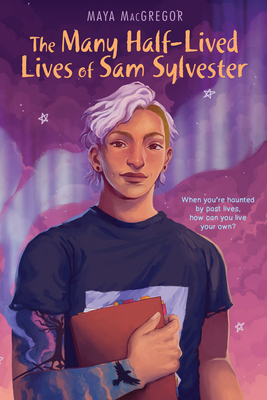
The Many Half-Lived Lives of Sam Sylvester – Maya MacGregor“Why can’t you talk about it?/I got used to being on the other side of truth/Now I never ask for details/Who the hell needs details?/When everything is burning/You light a fire on the grave…”

Since this post consists entirely of songs, consider all of them to be today’s song.

That’s it for this week’s Sunday Songs! Have a wonderful rest of your day, and take care of yourselves!

Posted in Books

🏳️‍⚧️🏳️‍🌈The Bookish Mutant’s Books for Pride Month (2026 Edition)🏳️‍🌈🏳️‍⚧️

Happy Thursday, bibliophiles!

Here in the U.S., June is Pride Month! You know the drill. I hate how bittersweet these posts are, and the bitter keeps growing. I see the beauty of this month and our queer community, but I can’t help but shrivel from the reminders that there have been repeated attempts to take queer books off the shelves across the country, and that the trans community here in the states has been under attack more than ever. My heart truly, truly hurts for all of us. I hurt. Of course, here I am, being cisgender in my cushy blue state with an openly gay governor, but nonetheless, I hurt whenever any other member of the queer community is hurt.

I’ve been an out and proud bisexual for almost eight years. Not long, in the grand scheme of things, but these years have taught me so much about queer people and the LGBTQ+ community. If there’s anything that I see in us, it’s our tenacity. No matter the slew of hateful legislation and rhetoric, we always come back stronger than ever. If there’s anything that the queer community doesn’t do, it’s back down in the face of a threat. In spite of the never-ending threats from outside and inside (the infighting never stops, y’all need to be normal about each other, please), we are like dandelions pushing through the cracks in the pavement: we never surrender, and we continue to bloom in the face of adversity.

But here’s the thing. I don’t like having to be this resilient. I don’t think any of us do. But if there’s anything to take solace in, it’s that our community is so strong and diverse that there will always be someone fighting. Yes, we all have to do what we must, but it’s important to remember that simply surviving, just being, is resistance in the face of the government wanting the public to believe that we aren’t worthy of the same rights as everybody else and that our stories are not fit for public consumption. You don’t have to be out and proud. All you have to do is be.

So here’s my annual pride month recommendations list of queer books from a variety of genres and backgrounds. I’ve compiled all kinds of books from various sexual orientations and gender identities, as well as backgrounds (queer people of color, disabled queer people, queer immigrants, etc.). Hopefully there’s something for everyone. (As always, if I’ve mistakenly identified anything on this list, please let me know! I’m only human.)

Now, more than ever, it’s crucial to support the LGBTQ+ community (especially the trans community, who are under attack more than ever) in whatever way you can. If you want to show your support them monetarily, here are some great organizations to donate to:

This is a non-exhaustive list, and I encourage you to seek out organizations in your area! There are so many wonderful people across the country (and the world) doing great work for the LGBTQ+ community.

A refresher on my key:

MC: Main character

LI: Love interest

SC: Side character(s)

For my posts from previous years, click below: 

Let’s begin, shall we? 

🏳️‍⚧️🏳️‍🌈THE BOOKISH MUTANT’S BOOKS FOR PRIDE MONTH (2025 EDITION)🏳️‍🌈🏳️‍⚧️

FANTASY:

SCIENCE FICTION:

REALISTIC/HISTORICAL FICTION:

*it’s worth noting that the main character of this novella is a mountain lion, but I feel like it still counts.

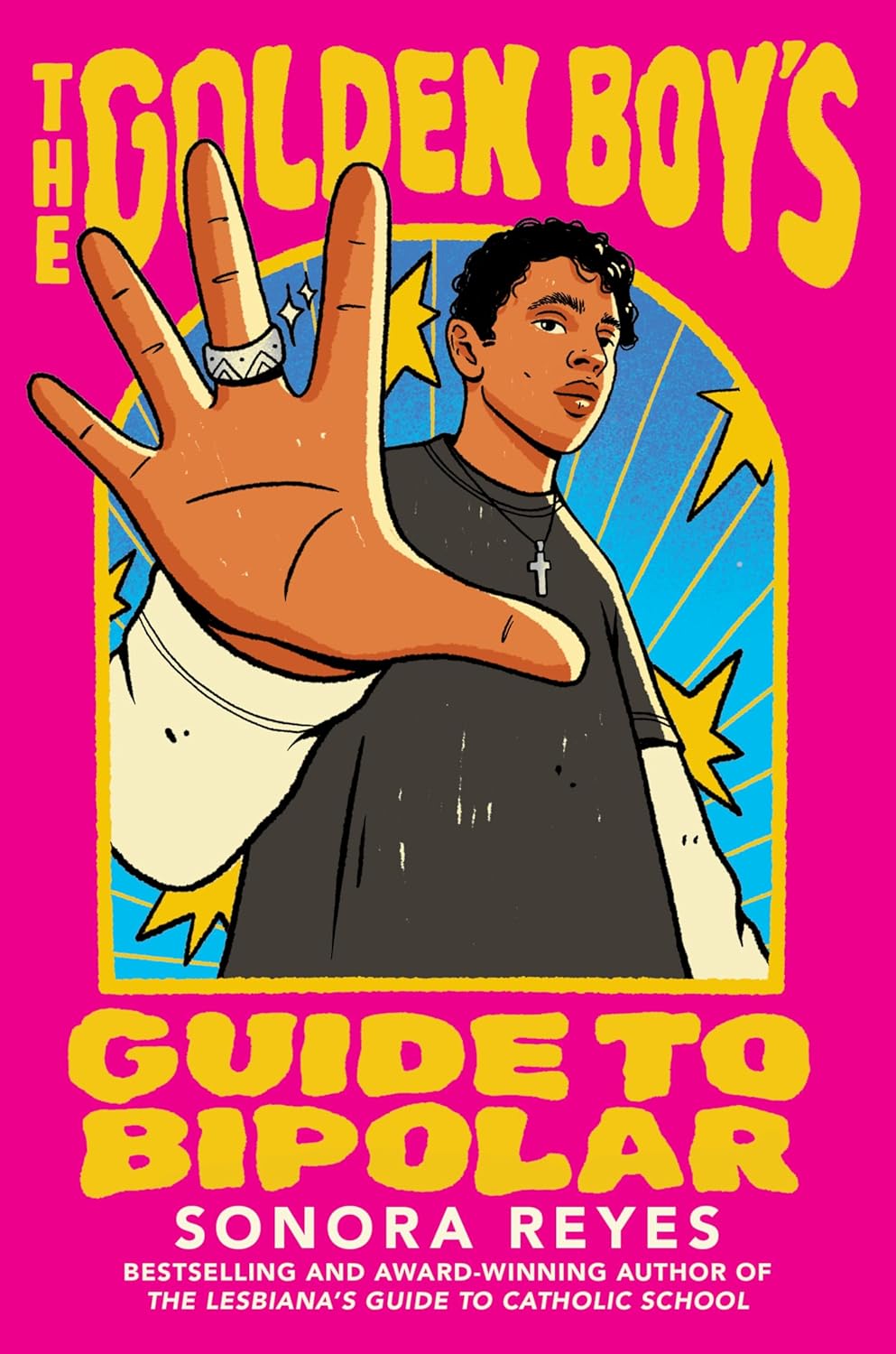
**the cover for The Golden Boy’s Guide to Bipolar has not yet been updated to reflect Sonido Reyes’s name change.

ANTHOLOGIES (VARIOUS GENRES):

NONFICTION:

TELL ME WHAT YOU THINK! Have you read any of these books, and if so, what did you think of them? What are some of your favorite queer books that you’ve read recently? Let me know in the comments!

Today’s song:

That’s it for this recommendations post! Have a wonderful rest of your day, and take care of yourselves!
Posted in Monthly Wrap-Ups

January/February 2026 Wrap-Up 🌨️

Happy Saturday, bibliophiles!

We’ve all felt it, right? Like the past two months have simultaneously crawled by excruciatingly slow and then sped up, and then the cycle repeats itself? Anyways, I’m in denial that tomorrow is the first day of March, but in the meantime, I’ve got some books to recap.

Let’s begin, shall we?

GENERAL THOUGHTS:

Before I go on: my heart breaks for the trans community, and especially all of the trans folks in Kansas. I’d like to direct your attention to somewhere to donate to/a potential resource if you need to get out of a dangerous state—the Trans Continental Pipeline, an organization based here in Colorado that helps relocate queer and trans people from unsafe environments. Donate if you can! Sending all of my love to my trans siblings, today and every day. You are loved.

Alright, so here goes nothing with this recap of the first two months—

Wait, first two months? Insert that one Tintin meme (“What a year!” “Captain, it’s only February…”) here.

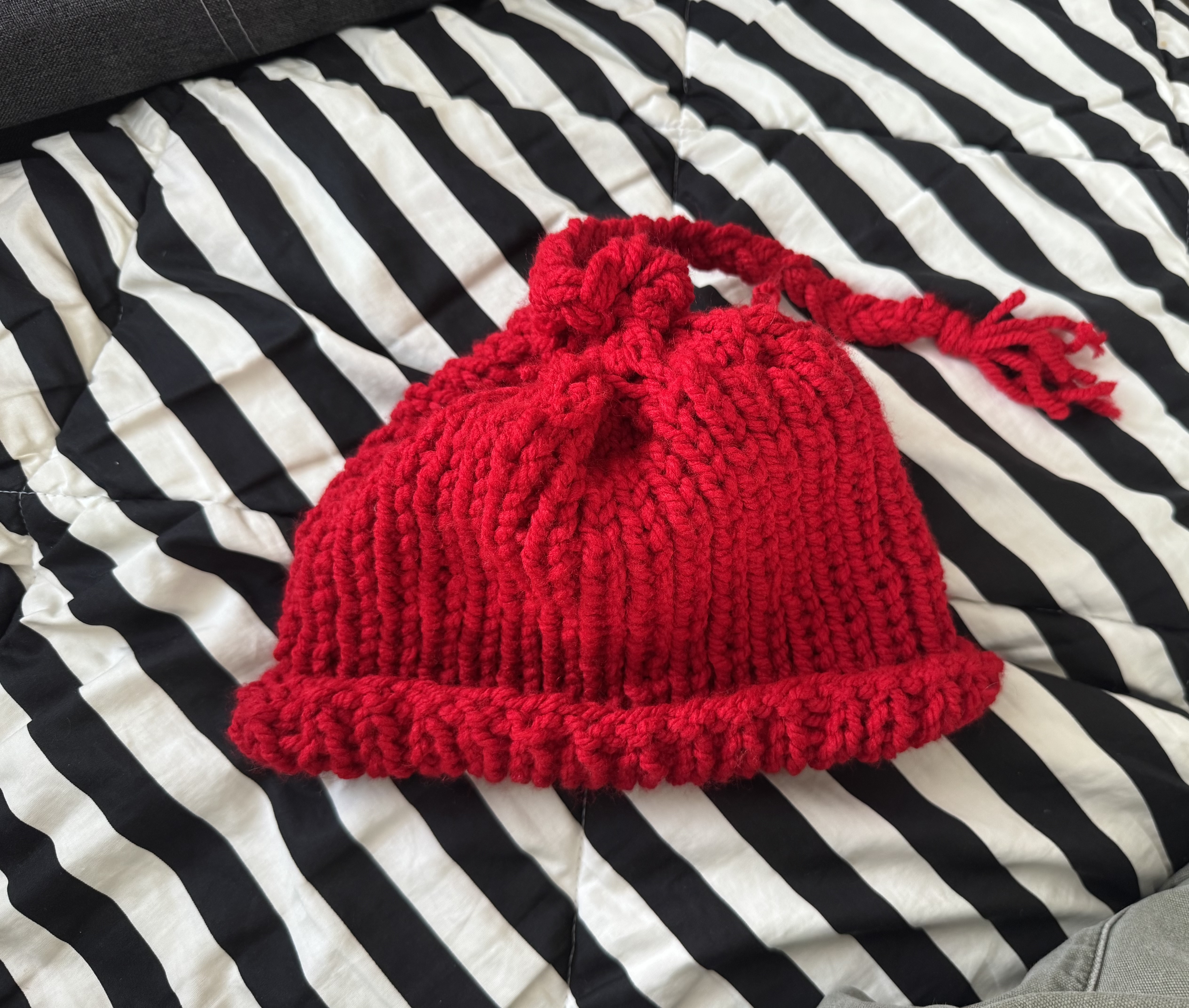
But if there’s anything that those two humble months have taught me, it’s the value of staying busy during difficult times. The government committing war crimes not even a week into 2026 feels about as American as apple pie and baseball at this point. I can’t remember a time since the age of 12 where it hasn’t been at least partially a scary time to be alive, but January and February both exemplified that, what with the horrors of ICE in Minneapolis (and elsewhere in the States) and the formal declaration that our government is a rat’s nest of the richest and most depraved pedophiles (what else is new?) imaginable. I’m rarely grateful to be this busy. What with the honors thesis and everything crammed into my final semester of undergrad, I’ve had so much to keep me busy, and this period of work couldn’t have come at a better possible time for me. I get frequent flashes of guilt that I should be doing more: the world is burning, and I’m just chiseling away at this thesis in a coffee shop. But this is my education we’re talking about, and I’m trying to focus on not falling into stagnation creatively and keep my mind limber, which isn’t nothing. And I did knit the Melt the ICE hat—I spent about 75% of these past two months learning how to make a hat in preparation for this, and I’m glad I’ve got this finished project to show for it.

It’s difficult for me to separate politics from the past two months. But I’ve still been going at a number of projects. There’s all the reading, which has also kept me afloat both intellectually and emotionally. I’m taking a class on People of Color and Social Movements, and I’ve already gotten several great books out of that. Ever since picking up knitting, I’ve discovered that I’ve accumulated and awful lot of hobbies. But what better time to have a ton of hobbies? So I’ve been knitting my way through the horrors. I’ve been chipping away at some Cate Le Bon and Robyn Hitchcock on guitar…to varying degrees of success. I’ve been sketching out sci-fi soldiers and spaceships and ordinary people to better visualize my thesis and my novel. And speaking of said novel…ANOTHER DRAFT DONE, BABY! 108,000 WORDS! The key for me here, above all, is to not become stagnant—that’s when it’s easiest for both my negative anxiety thoughts and excess rumination on the bad news to take hold. At this point, Instagram has made it so that sticking my head in the sand isn’t an option, but I sure can limit my intake of negative news. So don’t underestimate the value of putting the phone down, hanging out with friends, and your craft of choice—and, obviously. reading.

Anyways, here’s my Melt the ICE hat:

My magnum opus.

BONUS: I meant to slip this in as a bonus after one of my Sunday Songs posts, but there’s one, singular thing that has made me feel patriotic as of late, and it was the Benito Bowl. Have I ever really cared about his music? Nope, but I respected his politics. I did not expect to be crying while watching the Halftime Show the morning after the Super Bowl. I full-on saluted my phone with tears in my eyes when he shouted out Colombia. GOD BLESS AMERICA!

JANUARY READING WRAP-UP:

I read 13 books in January! Though there were some misses here and there, I had an absolute slam dunk of a month, with two 4.5 star reads and one 5 star read. If that’s not a good start to my reading year, then I don’t know what is!

2 – 2.75 stars:

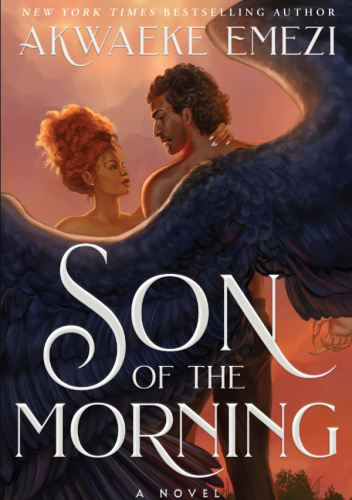
Son of the Morning

3 – 3.75 stars:

Pod

4 – 4.75 stars:

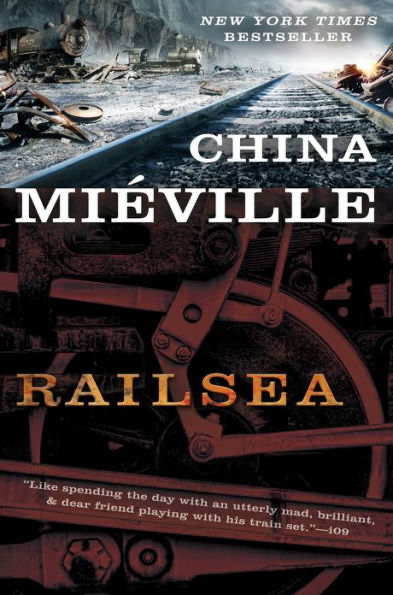
Railsea

5 stars:

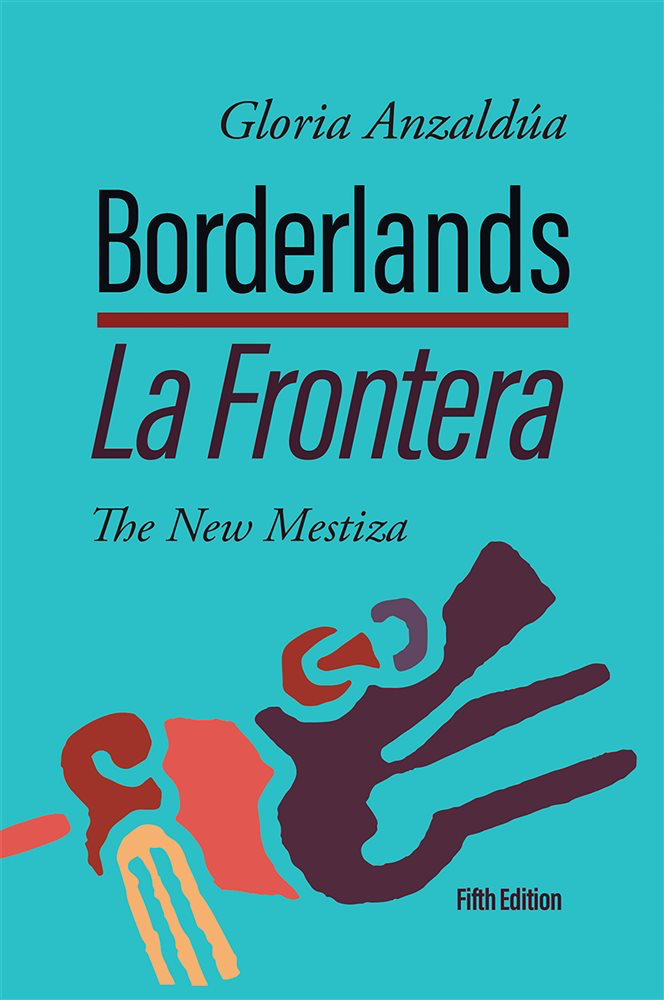
Borderlands/La Frontera

FAVORITE BOOK OF THE MONTH: Borderlands/La Frontera: The New Mestiza5 stars

Borderlands/La Frontera

REVIEWS:

SUNDAY SONGS:

FEBRUARY READING WRAP-UP:

I read 12 books in February! I mixed it up with new-to-me and familiar authors, and although I had my first book in the 1-star range this month, there were tons of fantastic books that I discovered too. I thought I’d get lower than this because I ended up reading several VERY thick books in a row, but I’m happy with this number. And as it’s Black History Month, I focused on Black authors.

1 – 1.75 stars:

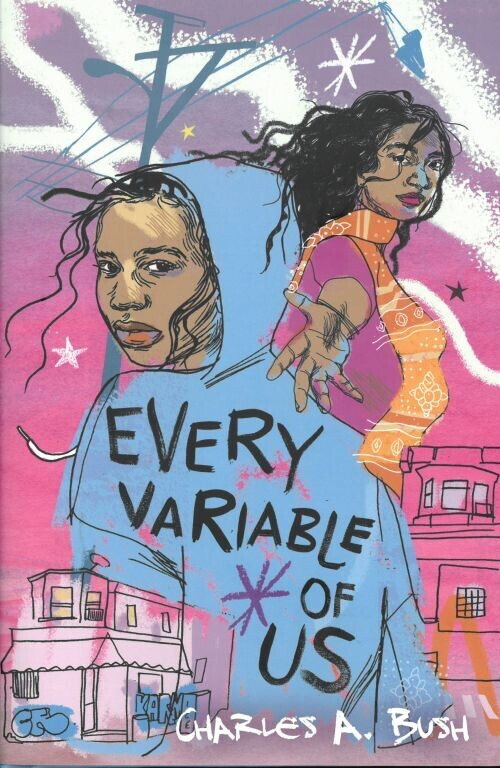
Every Variable of Us

2 – 2.75 stars:

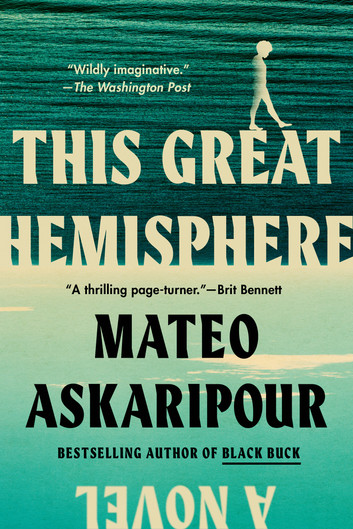
This Great Hemisphere

3 – 3.75 stars:

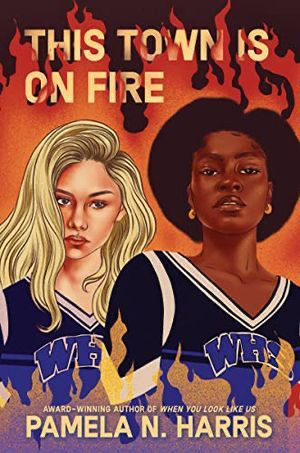
This Town Is on Fire

4 – 4.75 stars:

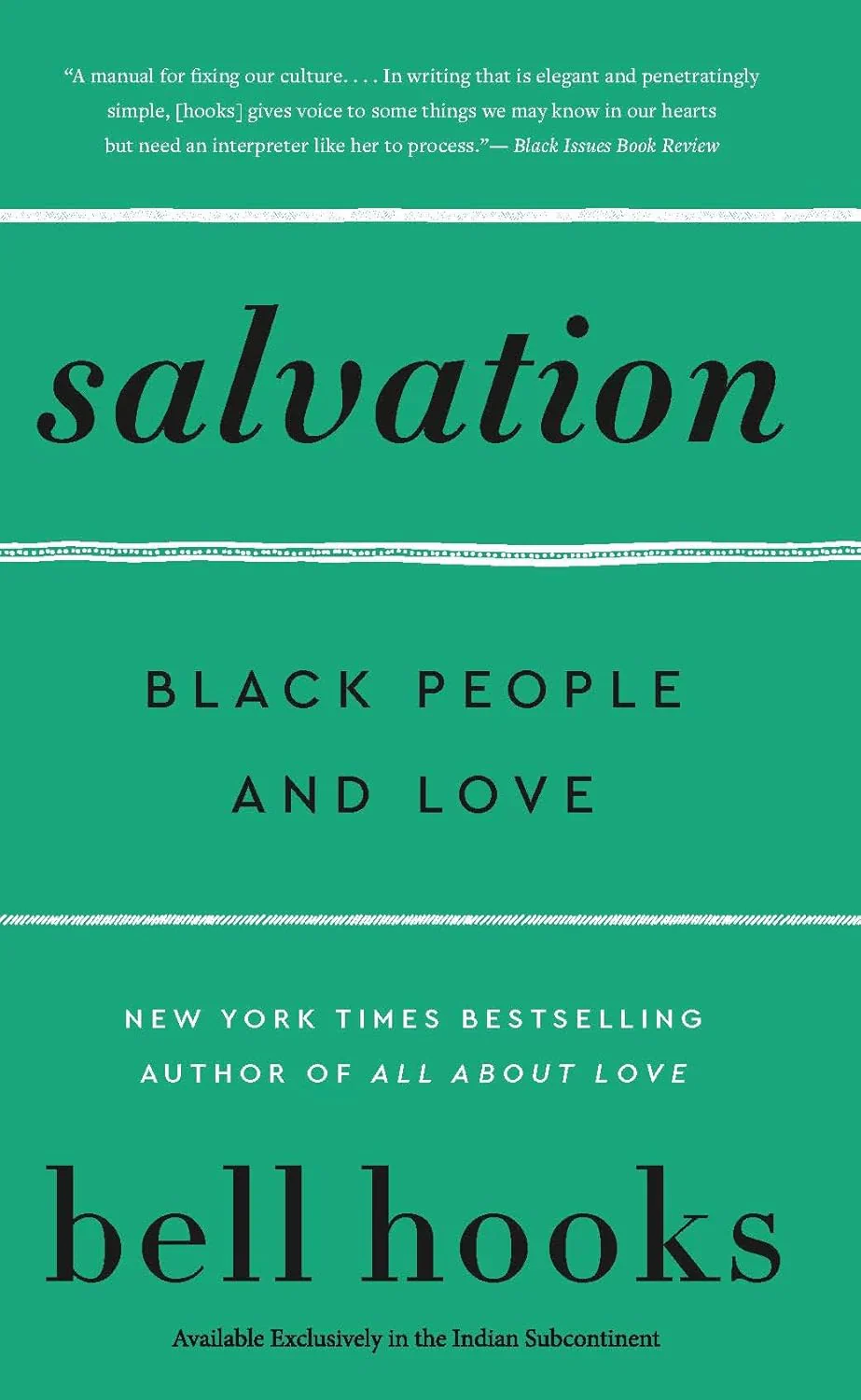
Salvation: Black People and Love

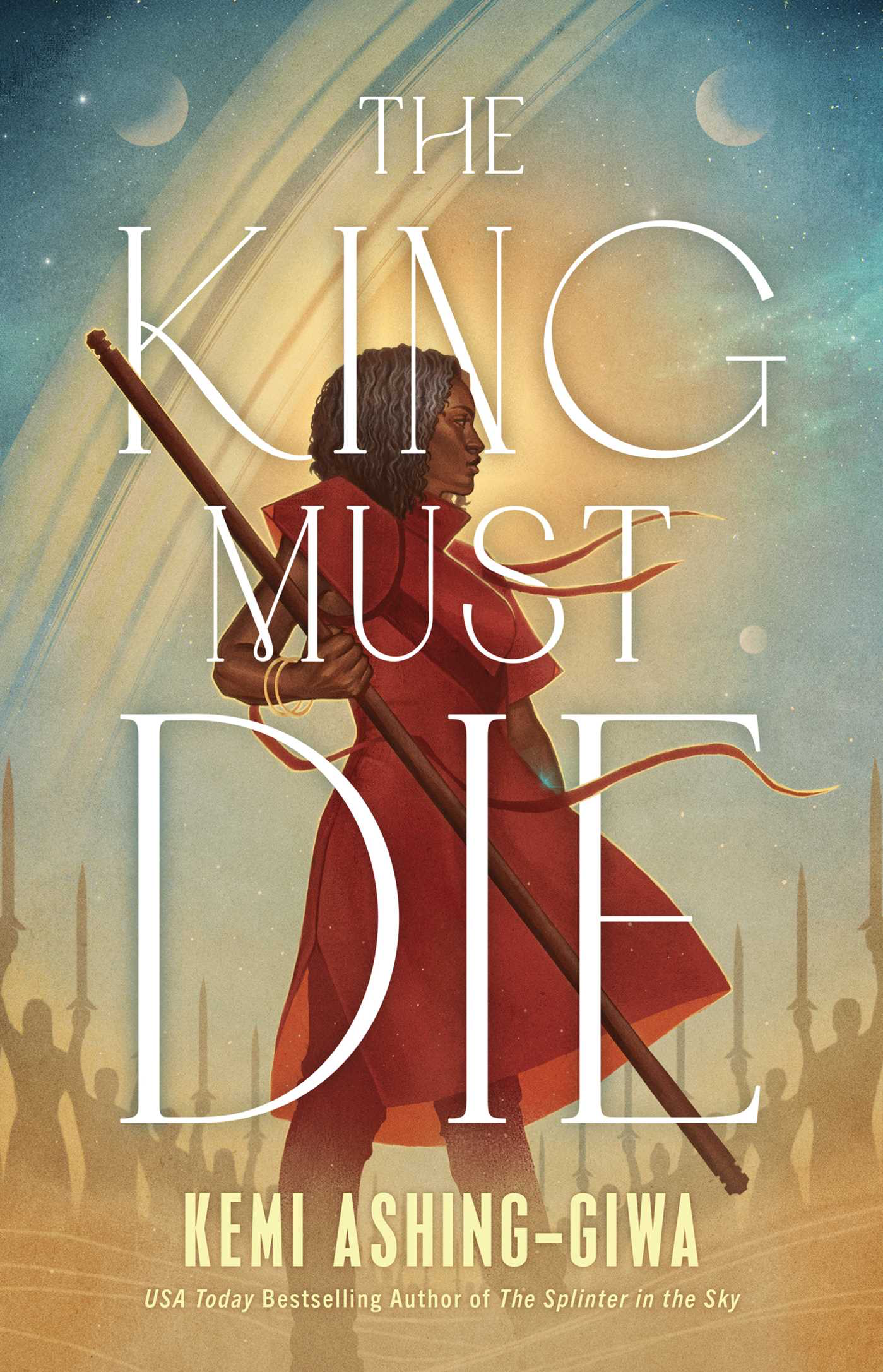
FAVORITE BOOK OF THE MONTH: The King Must Die4 stars

The King Must Die

REVIEWS:

SUNDAY SONGS:

BONUS:

Today’s song :

NEW MITSKI, HOW ARE WE FEELING

That’s it for this wrap-up! Have a wonderful rest of your day, and take care of yourselves!
Posted in Book Review Tuesday

Book Review Tuesday (1/20/26) – Ancestral Night

Happy Tuesday, bibliophiles!
I’d like to think that I’m a competent, capable adult, but a few months back, I picked up book three of this series without realizing that it was book three. Oops. All the same, I was motivated to read it, so I ended up getting a copy with some gift card money for Bookshop.org. Long haul as it was, I’m so glad I took the leap—Ancestral Night knocked me off my feet from the first few pages, and that momentum almost never stopped.

Enjoy this week’s review!

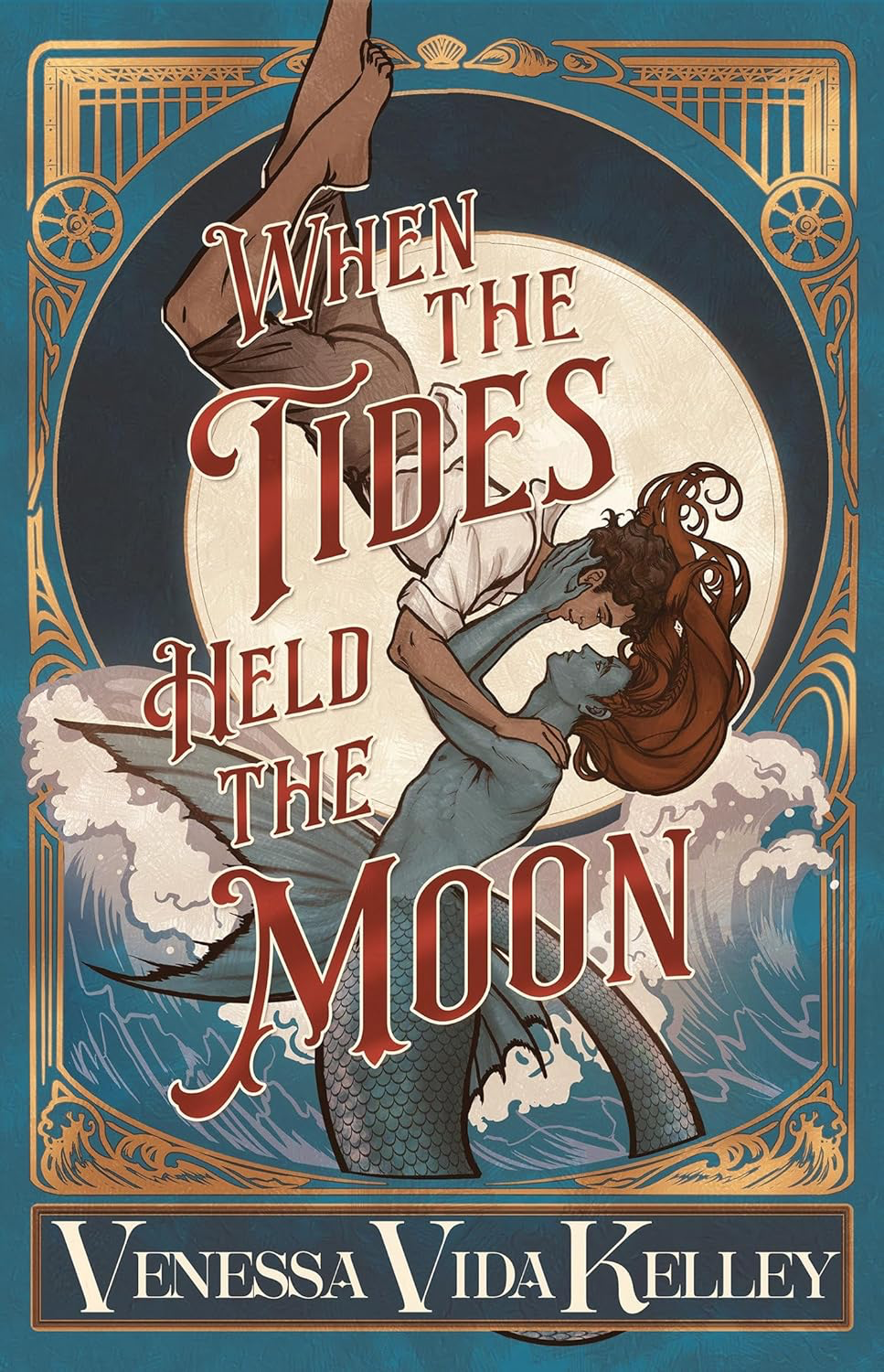
Ancestral Night (White Space, #1) – Elizabeth Bear

Haimey Dz and her small crew fly under the radar, making a living salvaging spaceships at the edge of the galaxy. But after a run-in with a gang of pirates and the discovery of a galaxy-changing revelation hidden inside a derelict spaceship, Haimey knows that she can’t let just anyone get ahold of this secret. Inside of the spaceship is illegal, ancient technology that could turn the tides for the worse if in the wrong hands—and judging from the spaceship, it was already in the wrong hands. Infected with a strange, ancient parasite and with pirates and the government hot on her heels, Haimey and her crew must get to the bottom of this mystery before this tech falls into the wrong hands.

TW/CW: descriptions of injury, violence, blood, emotional abuse, grief, suicide, mental health themes

I really need to put together some kind of list of sci-fi with cats on spaceships. There’s enough out there that it’s a Thing, and though it’s not enough to be a full-on trope, it never fails to make me smile, both as a sci-fi fan and a cat lover. Jonesy from Alien set the precedent, but I think it’s just that through line of historically having cats on boats for good luck that makes it so wonderful. Bushyasta and Mephistopheles deserve a spot in the sci-fi cats pantheon.

The world of Ancestral Night is truly something to behold. From the get-go, I got lost in it so easily—Bear’s prose kept me hooked for all 500+ pages. Part of that was just how intriguing the world was. Everything you could want in a space opera is here—mysterious, derelict spaceships with dark secrets, all manner of very alien aliens, two naughty cats on a spaceship, and perhaps best of all, eldritch, centuries-old seahorse creatures that live in the vacuum of space. Who could ask for more, really? There’s a dormant part of my high school brain that was obsessed with Aurora Rising that got beyond amped about salvaging spaceships, so that was an automatic win. I loved the Atavikha an unreasonable amount, as well as the aliens, but that’s not news at all. But I love the care that Bear took to make this world feel familiar in the right places, but appropriately alien where it was necessary. It’s a world where you can read George Eliot in your free time, but also come face to face with a creature so alien you barely have any appropriate human analogues for it. Balance is key, and Bear balanced it well.

With sci-fi like this, there’s a tendency to forget that no matter how much time you spend on worldbuilding, your universe still may feel like it isn’t lived in; everything’s too sterile and sleek, and you never get the sense that these strange planets and moons and whatnot are places where people spend their lives. Bear circumvented that issue from the get-go—everything about Ancestral Night felt lived-in, from the humble spaceships to the crowded space stations that Haimey and her friends navigated. Her spaceship wasn’t just a way to get around: it was a place where Haimey lounged around and read old books and petted her cats. Every corner that the crew explored was full of not just lore, but memories—everything in Ancestral Night had a story, and that did almost as much work as the worldbuilding in making sure that Bear’s world felt real.

Another aspect that made Ancestral Night feel real was Haimey herself. I’m all for representing marginalized people beyond stereotypes, but there’s something to be said for queer characters who are unapologetically messy and make decidedly terrible decisions—and Haimey makes terrible decisions aplenty. (I finished Pluribus not long ago, and I thought the same about Carol. I guess they’re both lesbians who fall for highly questionable pirate ladies, in the end.) If Ancestral Night was a TV show, I fully would’ve thrown something at the TV when she kissed Zanya. HAVE YOU LEARNED NOTHING? That being said, she felt so staggeringly real in the amalgamation of all her hopes and flaws. Even in this far-flung sci-fi world, this woman who reads ancient classics onboard her spaceship and dotes after her cats and falls for the messiest, scariest pirate women was so refreshingly real, and in spite of those flaws, ultimately lovable.

Ancestral Night is a space opera without question, but the worldbuilding will certainly appeal to the more hard science fiction-leaning readers for sure. Care for the worldbuilding obviously isn’t exclusive to hard sci-fi, especially as a cozy sci-fi/space opera/soft sci-fi defender and enjoyer, but not every space opera you come across goes into this much detail about accretion disks. Bear doesn’t shy away from getting esoteric with the worldbuilding, whether it’s in terms of astrophysics or politics. The politics form the core of the novel for me. My one major problem with the novel was that it had a tendency to go into Haimey’s philosophical musings about the nature of governments and freedom to a point where it was difficult to suspend my disbelief that nothing bad had happened to her while this was all going on, given everything else that happens throughout. (How did she not get conked on the head by pirates mid-digression during half of those scenes?) However, the nature of these digressions fed into the thematic elements of Ancestral Night really well, and I loved how they formed the backbone of Haimey’s character.

Even though not all of the philosophical musing landed, the setup of it, as well as the worldbuilding of Ancestral Night, set such a wonderful stage for Haimey’s character development. She’s caught between two very opposite poles: the Clade where she grew up, where her existence was placid but assimilated, and the pirates, whose messy anarchy is hyperindividualistic to a fault. Set against the backdrop of a flawed yet somewhat well-intentioned government, Haimey’s realization that her true self comes not from sacrificing her individuality or her obligation to do good for others in her community was so poignant. All her life, the notion of who she really is has been forced upon her from both sides, and yet what’s in her heart is where the two ideologies meet: retaining her uniqueness, but not kicking everybody else aside in the process. Haimey’s true spirit comes from how she decides her life should be, but also from the positive relationships around her. It was such a heartfelt message, and Haimey’s arc gave Ancestral Night a powerful emotional core.

All in all, a captivating space opera with real, lovable protagonists, a lived-in universe, and mystery that had me on the edge of my seat. 4.5 stars!
Ancestral Night is the first novel in the White Space series, followed by Machine and The Folded Sky. Bear is also the author of several other award-winning novels, including the New Amsterdam series (New Amsterdam, Seven for a Secret, The White City, Ad Eternum, and Garrett Investigates), the Jacob’s Ladder trilogy (Dust, Sanction, and Grail) and many others.

Today’s song:

That’s it for this week’s Book Review Tuesday! Have a wonderful rest of your day, and take care of yourselves!