Posted in Book Review Tuesday

Book Review Tuesday (12/9/25) – Planetfall

Happy Tuesday, bibliophiles! My finals are pretty much over, so it looks like I’ll be coming back.

Yeah, I thought I’d broken my “comes back from break, immediately writes a negative review” streak too. As always, I maintain that a balance is necessary.

For the most part, my quest to find more diverse sci-fi has been successful and has led me to find so many remarkable new books and authors. However, there are always some misses along the way, because as always, diversity isn’t a guarantee that a book will have a sound plot and characters. I’d seen Planetfall come up on several lists of science fiction with solid queer and disabled rep, so of course I snapped up a copy at the library when I had the chance. Unfortunately, Planetfall was lukewarm at best, and a jumble of unfulfilled promises at worst.

Enjoy this week’s review!
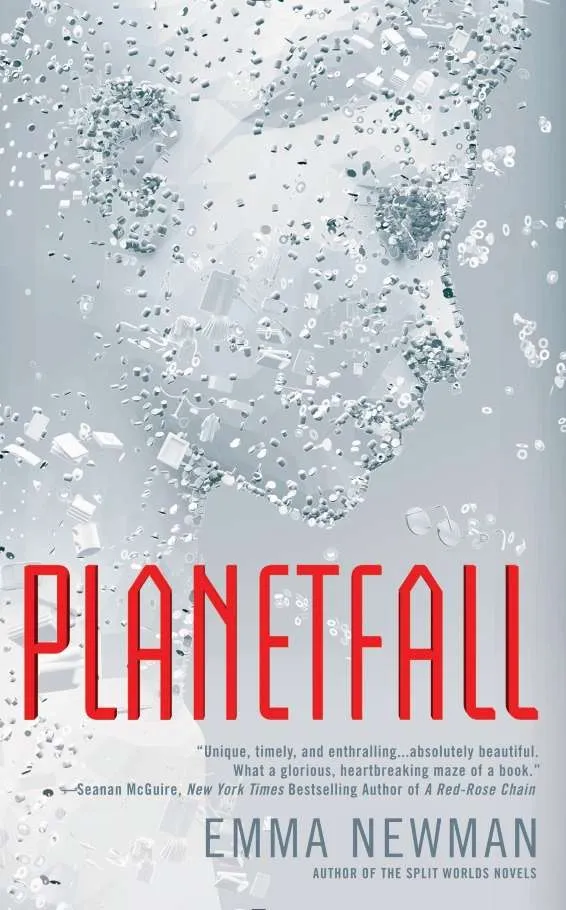
Planetfall (Planetfall, #1) – Emma Newman

22 years ago, escaping the brink of certain extinction, the last remains of humanity formed a colony deep in the cosmos, on a mysterious planet home to a strange alien structure. Leading them was Lee Suh-Mi, a godlike figure who has retreated in recent years to live inside of the alien structure. Renata “Ren” Ghali, an engineer, has spent her life toiling away to make this new haven habitable for humanity. But when a stranger arrives on their doorstep bearing an uncanny resemblance to Suh-Mi, Ren must question everything she knows about her new planet—and her supervisors.

TW/CW: panic attacks/mental illness (PTSD, anxiety) themes, ableism, grief, death, murder, descriptions of injury, death of a child, substance abuse (alcohol)

Once I got past the halfway mark of Planetfall, my recurring thought was “This is just Prometheus if it sucked.” Prometheus is already a divisive film (I’ll always have a soft spot for it, I don’t care), but this novel feels like what would happen if you separated Prometheus from the Alien franchise…and then surgically extracted everything that was interesting about it.

I will say, even though my overall experience with Planetfall wasn’t the best, there were some significant positives. Newman’s prose had moments of being very clever and poetic, though they were few and far between. I liked the inclusion of Renata’s mental illness, and the pushback of the narrative of disability/mental illness needing a cure, especially in sci-fi settings. The casual inclusion of lots of characters who were queer and/or people of color was also a plus.

Yet once you get beyond that, there isn’t much to like about Planetfall. One of the worst things to fall short on in genre fiction in general is the sense of place. If you’re in the real world, you can let go of descriptions on the basis that your reader exists in this world and knows how it functions; when you’re creating something entirely new—say, an alien planet—grounding the reader in the setting is almost always an absolute necessity. I was so excited to explore the alien colony that Newman set up, but hardly any of it was expounded upon. Other than a few throwaway descriptions of Ren hearing alien creatures’ mating calls (how do you not follow up on that?? Tell me about the creatures!) while trying to fall asleep at night, I have almost no clue about how this planet looks. I think there’s…some caves? Maybe? All I can say with certainty is that there’s an ominous alien structure. That’s about all I can tell you. That also extends to the interior of the colonists’ base—I’m lost as to even what that looks like, even though that’s where we spend most of the novel.

This novel’s biggest pitfall is that it sets up far too many things—both in terms of plot and theme—and there’s practically no payoff for any of it. Newman clearly wanted to say something about religious fanaticism, but her analysis didn’t get further than “religious fanaticism is bad,” which, while that’s obviously true, really merits going deeper than that. The plotline about Ren’s guilt and mental illness was the closest Planetfall had to having something tangible to say, but even that got lost amidst the tangled mess of half-baked threads. Given the prominence of guilt and religion in this novel, there could’ve been something compelling for Newman to explore, but those dots were barely connected, if at all. The same is true of the plot. The entire foundation of the colony is upended? Nah, we’re dealing with that later, I guess. There’s a whole thread where they find evidence of an alien language, and…nothing happens. I kid you not. They just drop that thread and leave it there. If you go into Planetfall thinking that any of the plot threads will be resolved, prepare yourself for disappointment. Reading this novel made me feel like Darla from Finding Nemo shaking Nemo in a plastic bag, desperately trying to get him to “wake up!” Spoiler alert: it never did.

Part of what accentuated that feeling of narrative unresolution was the fact that the characters weren’t developed nearly enough for me to even care what happened to them. Ren came the closest, but I suspect it was more because she was actively being horribly mistreated by some of the other characters. I’m not sure if I know a lot about her other than what happens to her, even though Planetfall happens entirely from her point of view. To Newman’s credit, her guilt was written quite evocatively, and that was where I felt the glut of my sympathy for her. She was less of a character and more of a chess piece for things to unceremoniously happen to. Had she been characterized beyond her crushing guilt, I might have been much more interested in the story—guilt is an emotion, not a character trait.

The same can be said for all of the other characters. All Mack really did was act badly enough for Newman to have an excuse to slide him in as the antagonist in the eleventh hour. Sung-Soo didn’t have any discernible traits other than the fact that he upends what the colonists had believed for decades. Speaking of other colonists…other than maybe four other named characters, where were they? With the lack of description, I fully would’ve believed you if you told me that there were only seven people tops on this planet. Planetfall was just so painfully bare-bones in most regards. All of the promises of a good story are here, from the themes to the plot, but it’s all promises and no deliverance. It’s the literary manifestation of doing the least to get your readers to believe that there’s a story going on.

All in all, a sci-fi novel that promised intrigue, mystery, and devastating secrets, and delivered on…none of those things. 2 stars.

Planetfall is the first book in the Planetfall series, followed by After Atlas, Before Mars, and Atlas Alone. Emma Newman is also the author of several other series, including The Split Worlds (Between Two Thorns, Any Other Name, All is Fair, A Little Knowledge, and All Good Things), the Industrial Magic duology (Brother’s Ruin and Weaver’s Lament), The Vengeance, and many others.

Today’s song:

That’s it for this week’s Book Review Tuesday! Have a wonderful rest of your day, and take care of yourselves!

Posted in Uncategorized

Book Review Tuesday (7/12/25) – Can’t Spell Treason Without Tea

Happy Tuesday, bibliophiles!

Continuing with my reviews for Disability Pride Month, here’s a sweet cozy fantasy with queer, disabled leads! Of course, those three factors are what drew me in, and I was in the mood for something more low-stakes. Though it wasn’t the best cozy fantasy out there, Can’t Spell Treason Without Tea was a sweet diversion.

Enjoy this week’s review!

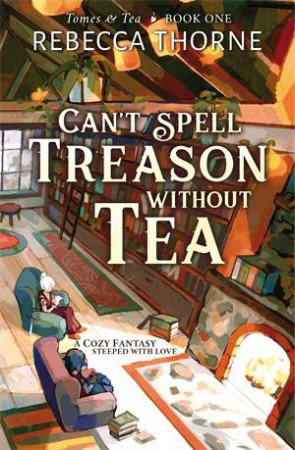
Can’t Spell Treason Without Tea (Tomes & Tea, #1) – Rebecca Thorne

All Reyna and Kianthe want to do is escape. Kianthe is tethered to her job as the most powerful mage in the Queendom, and Reyna works as one of the Queen’s most esteemed bodyguards. But against all odds, they run away together to live out their shared dream: opening a bookshop that serves tea. As their dream falls into place, they discover that it’s not as easy as they thought to abandon their lives and run away, from the guards searching for Reyna and the complications of Kianthe’s magic. But they’re determined to make their dreams come true, and they’ll stop at nothing to have a moment of peace.

TW/CW: fire, injury, loss of loved ones, murder, violence, panic attacks

If you can get past the initially corny title, there’s some comfort to be had here, just like a good cup of relaxing tea. Am I committed to sticking around for the even punnier titles in the rest of the series? Not really, if I’m being honest. That said, if you’re looking for something fluffy, romantic, and sweet, Can’t Spell Treason Without Tea is the perfect diversion for you.

As far as coziness goes, Can’t Spell Treason Without Tea was a solid entry into the genre! Although it’s more action-oriented than a typical cozy fantasy novel, the pacing works in such a way that it takes a backseat to the more quiet, gentle parts of the novel. Thorne’s way of describing the mountainous landscape and the interior of the bookshop was relaxing and cozy; if it hadn’t been July when I read this, it would’ve been the perfect book to read while swaddled in blankets during the winter. It’s hard to get a reader invested in a relationship that’s already been going strong for at least a few years, but those quiet moments were perfect to get acquainted with Reyna and Kianthe. There’s plentiful soft, tender moments between the couple, both when they’re enjoying spending time together and when they’re trying to work out issues—often related to hurdles with getting the bookshop to work, but usually with something more interpersonal at its heart. If you can already get past the corny title, chances are, you’ll get past some of the more corny book and tea-related puns—for the most part, it’s a very silly, fluffy book, and it 100% fulfills its purpose as such. And damn, I needed a fluffy book.

Though this isn’t the best cozy genre fiction I’ve ever read, I think Thorne’s writing style lends itself perfectly to the subgenre. She had a very soothing way of describing the world and the characters—every description felt very bucolic and gentle, making even the world seem comforting alongside the storyline. With this style, she was able to render the quiet, tender moments of relationship development between Reyna and Kianthe beautifully, whether it was working out disagreements in their visions of the bookshop or helping the other work through panic attacks. Her writing just has a calming quality that not many writers do—an essential tool when you’re writing cozy fiction. Thorne’s passion for her characters and world truly shone through in every word, and it was clear that they took great care in making their writing as true to the intended mood as possible.

A rotating cast of characters is going to be a staple if your novel centers around a bookshop that serves tea, but that isn’t even where this novel’s character problem arises: it’s how they’re introduced. The issue with having Can’t Spell Treason Without Tea being placed smack dab in the middle of an established relationship is that many of the other characters are established as being involved with them, but you’re barely offered an explanation as to why. It seems like there’s quite a lot of short stories and one-shots and whatnot surrounding the novel, but without that context, it was rather disorienting juggling all of the characters when the protagonists had established relationships with them and their roles were hardly ever fully explained. Combine that with the fact that there were so many of these characters, and you’ve got a bit of a mess as far as getting the reader to care about anyone besides the protagonists.

Now, about the worldbuilding…or, “go, girl, give us nothing!” The worldbuilding wasn’t the main draw for me when I picked up Can’t Spell Treason Without Tea, but even then, it was rather underwhelming. Generically European and vaguely medieval high fantasy setting strikes again…free me from this prison!! I get that the romance and the characterization was the more central aspect to the book, but I still think that Thorne could’ve done much more with her worldbuilding. Try as I might, there wasn’t anything new offered about the setting. Though the descriptions of said setting were soothingly written, I struggled to find anything that stood out about the world—not even the magic system or the creatures. The monarchy and mythical creatures (griffins, dragons, etc.) were standard fare, but even those didn’t have any small quirks that would distinguish them from any other fantasy novel. If I think of what drew me in to this book, my mind goes to it being cozy and having queer/disabled leads; though I loved these aspects and think they were done wonderfully, they don’t strike me as necessarily unique—I’ve read other books with these exact qualities that had original worldbuilding to back them up. I’m not saying that this book had to have some insanely convoluted worldbuilding or anything, but at least give us something!

All in all, a cozy fantasy that was sweet enough to tide me over, but could’ve done with something more to distinguish it from all the rest. 3.5 stars!

Can’t Spell Treason Without Tea is the first novel in the Tomes & Tea series, which continues with A Pirate’s Life for Tea, Tea You at the Altar, and the final book, Alchemy and a Cup of Tea, which is slated for release in August of 2025. Rebecca Thorne is also the author of This Gilded Abyss and The Day Death Stopped.

Today’s song:

saw car seat headrest on saturday night…you will most DEFINITELY be hearing about that soon!!

That’s it for this week’s Book Review Tuesday! Have a wonderful rest of your day, and take care of yourselves!
Posted in Book Review Tuesday

Book Review Tuesday (1/28/25) – The Marble Queen

Happy Tuesday, bibliophiles!

Graphic novels haven’t been all I’ve been reading this month, but I’ve certainly been on a kick of reviewing them. Unfortunately, this one wasn’t nearly as good as The Infinity Particle, but it’s apples and oranges to compare them. I really need to stop putting everything with “sapphic” and “fantasy” in the description on my TBR, because while I love those two things together, they aren’t automatically the recipe for a good book. Sadly, The Marble Queen is proof of that.

Enjoy this week’s review!

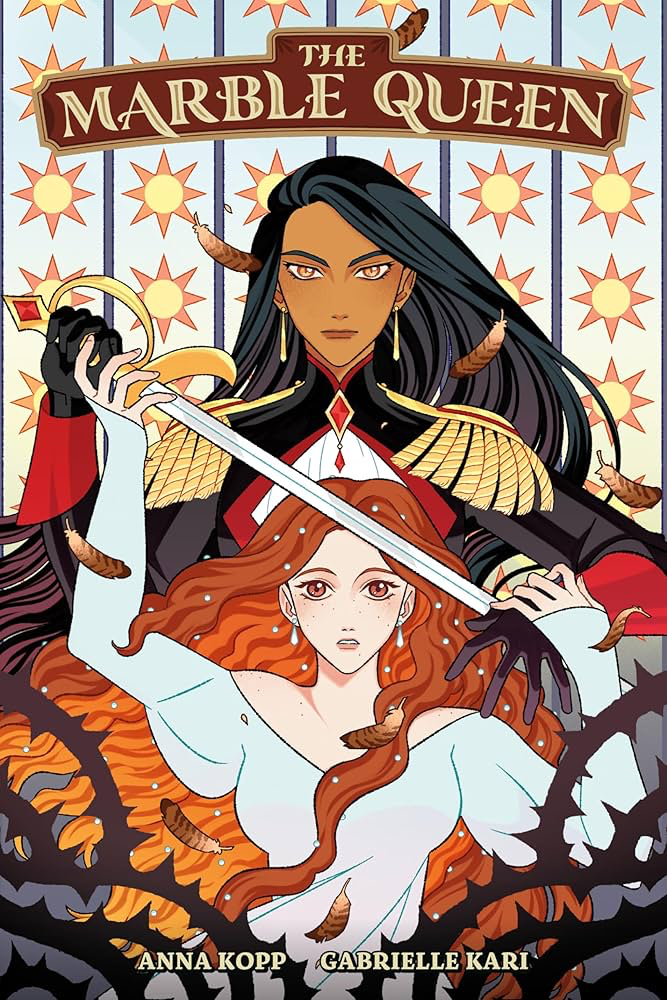
The Marble Queen – Anna Kopp and Gabrielle Kari

Princess Amelia lives in a kingdom in turmoil. Accosted on all sides by pirates and on the brink of war between its neighboring nations, Marion is on the verge of collapse. Only a miracle can save it—and that miracle may be to marry Amelia off to the prince of the neighboring kingdom of Iliad. But soon, she finds out that there was a mistake—it was not the prince she is being married off to, but the new queen, the stunning Salira. Stuck in a foreign kingdom with no control over her destiny, Amelia searches for answers. But with political forces from all sides conspiring against them, she must ally with Salira in order to save both of their kingdoms from ruin.

art by Gabrielle Kari

TW/CW: blood, violence, loss of loved ones, anxiety, poisoning (attempted)

I went into this graphic novel thinking I’d get a sapphic fantasy. The sapphics? They’re here. The fantasy? Not so much. The writing and artwork? The latter picked up some of the slack left by the rushed writing, but not enough. Given more page time and refinement, The Marble Queen could have been something promising, but it was clearly a case of too many plot ideas in a shell that could not hold all of them.

If you’re looking for fantasy, The Marble Queen will likely disappoint. If you’re looking for something more along the lines of a regency romance with political intrigue thrown in, you might be more satisfied. The Marble Queen has plenty of ballroom dancing, flowy dresses, court intrigue, and pirates, but nothing that would necessarily separate it from something in our history. There was a vague, throwaway sequence about some crystals beneath Iliad that supposedly had magical powers, but it ended up having zero consequence to the plot—it felt like Kopp threw it in just so that she could say “See? See? This is fantasy, we promise!” Also, so many of the place names felt so randomly plucked and too close to real world things—kingdoms called Marion (not necessarily a common name, but similar enough to Marianne/Maryanne that it loses the fantastical feel) and Iliad (I don’t think I have to explain that one) made the worldbuilding feel even lazier. The Marble Queen’s artwork also had a lack of immersion—other than the glimpses we got of the palace and the outside world, many of the characters were shown on flat, monochrome backgrounds, making it difficult to get a full picture of the world. Had this been historical fiction with a loose basis in some of our cultures, it might have been more effective.

Additionally, The Marble Queen was all over the place in terms of plot. I got the impression that Kopp and Kari had a plethora of ideas for what to do with the story, but not nearly enough time to execute them. As a result, every subplot felt smushed together like sardines in a tin can—so many of them were there, and yet almost none of them had room for proper mobility. I was particularly intrigued by Amelia’s anxiety and her feelings of isolation in Iliad. Her fear and alienation, although given a fair amount of space in the first half of the novel, had the potential to be poignant, but since it was shoved in unceremoniously against at least six other subplots, it had to room to grow into a compelling, sensitive story. The same went for the political intrigue—I liked it in concept, but the plot with Stefan had so little room to develop that by the time the reveal came, I’d guessed it about 30 pages earlier. In between all this, we get rapid-fire scenes of training montages, poisoning attempts, emotional backstory with not nearly enough grace given to the grief they should have held, said random bit about magical crystals that doesn’t end up being relevant at all, and a pirate that was clearly supposed to be a “fan favorite” character, but only got about 5 pages of character interactions tops. Given more polishing, The Marble Queen could have been a successful story, but it had no sense of direction, which made me struggle to keep my interest in the characters.

Said plot, more overstuffed than a Thanksgiving turkey, is why I think the romance didn’t work for me either. I did get that the arrangement was meant to be rushed, but when so many extraneous plot events were happening around Amelia and Salira, I never bought the chemistry that Kopp so badly wanted to convince the reader that existed between them. We’re supposed to believe that Amelia and Salira are slowly falling in love, but there’s hardly any indication in the dialogue that a connection is being made, save for a heavy dose of panels of Amelia with sparkly eyes and anime blushing. We’re supposed to sympathize with Salira because of the untimely death of her first girlfriend, but we hardly get an indication that she’s uncomfortable during the wedding, and after the explanation to Amelia, she comforts her, and then they make out in front of a painting of her ex-girlfriend and move on. Again, this was a victim of The Marble Queen‘s full-to-bursting plot—a romance that could have been compelling was ruined by a plot that moved too fast and contained too much of the wrong things.

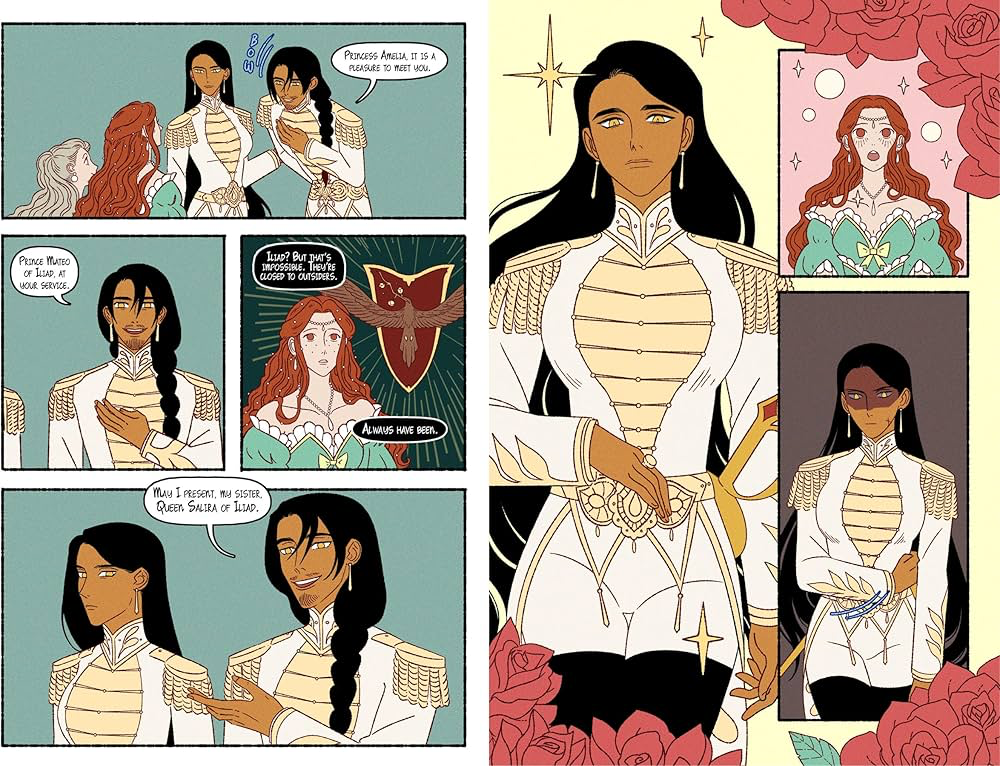
The art was…alright, I suppose. That gorgeous cover set my expectations too high. I could get on board with the almost-Manga art style, and I did enjoy some of the expressions that the characters made. Although the color palette was warm and pleasant, it was largely flat—there was a significant lack of shading and depth, which can sometimes work, but in a story and world this fantastical, some of it was necessary. Additionally, Kari had a tendency to overexplain some of the gestures of the characters. Instead of having some creative (and sometimes silly) depictions of sound effects, there were direct writings of, say, “rise,” “kneel,” or “stab” when characters stood up, knelt or got stabbed, or repetitions of “beautiful” when Amelia first sees Salira. In moderation, some of this could have worked, but in such large amounts (and in places where these things could have easily been inferred by…well, just looking at the artwork), they grated on me.

That being said, I loved Gabrielle Kari’s character designs! She did an excellent job of making the characters expressive and distinctive in their respective looks. Anime blushing aside (I could let it slide after a while), all of the characters had wonderful stylistic quirks and tells, making them fun to follow around their kingdom, even when the writing itself slacked off. The design language wasn’t just clear, but enjoyable to see between the kingdoms; I loved the contrast of Amelia’s flowing, flouncy dresses in contrast to the tighter, more soldierly attire of the royals of Iliad. It added what some of the writing failed to add with the themes of her alienation and isolation—she was clearly an outsider, in both her foreign mannerisms and personality and the way she stuck out in the crowd.

All in all, a fantasy (?) graphic novel with the potential for epic drama, but got dragged down by an overstuffed plot that squeezed the life out of the characters. 2 stars.

The Marble Queen is a standalone, but Anna Kopp is also the author of Lifeblood, as well as many Minecraft novels for younger readers. Gabrielle Kari is also the illustrator of No Holds Bard, written by Eric Gladstone.

Today’s song:

NEW TUNDE ADEBIMPE IN APRIL, LET’S GOOOOOOOOOO

That’s it for this week’s Book Review Tuesday! Have a wonderful rest of your day, and take care of yourselves!
Posted in Book Review Tuesday

Book Review Tuesday (7/23/24) – Finna

Happy Tuesday, bibliophiles!

Finna has been on my radar since it came out back in 2020; it had a funny and clever concept, but it just kept being pushed back on my TBR for whatever reason. I ended up picking it up after hearing praise from one of my creative writing classmates, and although it wasn’t perfect, it delivered on its inventive premise.

Now, tread lightly! This week’s book review contains spoilers for the novella, so if you intend to read Finna, skim at your own risk.

Enjoy this week’s review!

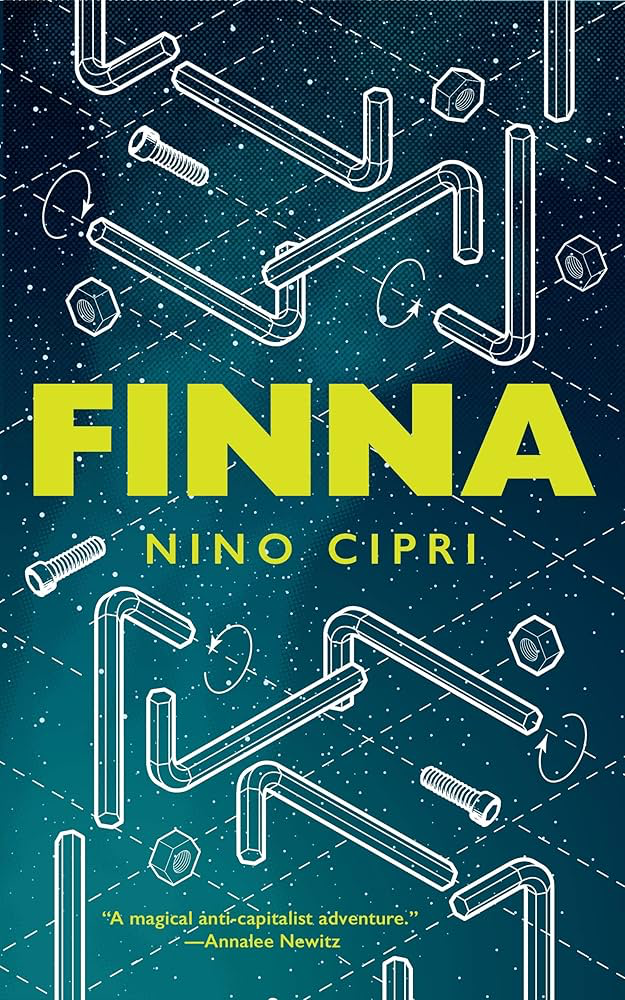
Finna (LitenVerse, #1) – Nino Cipri

Ava and Jules barely make a living working minimum wage at LitenVarld, a Swedish furniture supply giant. Ever since they broke up, they’ve been trying to avoid each other, and with the labyrinthine structure of the store, it’s easy. But the two are thrown together when an old woman goes missing and the manager tells them that LitenVarld is no ordinary store—it’s prone to opening wormholes that lead to alternate dimensions. Ava and Jules must search across the universes to return the old woman to safety at any cost, but their superiors appear less and less like they have their needs in mind…

TW/CW: blood, violence, grief, mental health themes (anxiety and depression), misgendering

My main concern with Finna was that it would only have the premise to hold it up. It’s a fantastic premise! And although it wasn’t a perfect novella, it went far beyond the expectations for its ideas, delivering an anti-capitalist spin on the monstrous multiverse.

Making Finna a novella was, without a doubt, a wise move. It’s got an inviting premise—a not-IKEA store that’s home to a multitude of portals to strange and hellish dimensions—but it’s one that could have easily been stretched out. It partly works because…well, if you’ve ever been inside IKEA, that’s where your mind naturally goes, but Finna mainly succeeded because Cipri knew the limits of the idea. If it had been a full-length novel, I’m sure it would have been interesting to see the other dimensions hidden within the interdimensional labyrinth of LitenVarld, but the plot couldn’t have sustained itself beyond 100 pages. I’ve seen too many novels where the story has been stretched far too thin, so to have an author know the limits of their story—and have an inventive novella to show for it—was incredibly refreshing.

Finna is the perfect story for right now not just because it has a fun concept, but because it truly nails the kind of corporate neglect that runs rampant in workplaces in this day and age. Even against the threat of a multiverse full of monstrous obstacles (including but not limited to man-eating furniture), Ava and Jules are having to tackle threats leagues beyond their pay grade, and their only compensation is gift cards for a pasta restaurant. Their managers openly tell them that they don’t actually care about the old woman who’s gotten lost in the multiverse—they just want Ava and Jules to find an alternate universe replacement for her so that they can keep up appearances. It’s all so blatantly uncaring and corporate—and it’s all realistic. If some massive chain of stores discovered a wormhole in one of their locations, they would absolutely cover it up until it was no longer possible to do so, especially at the expense of the minimum wage employees. I will say that, although you got hit over the head with this even though the commentary was right there already, Finna’s setup made it perfect for the anticapitalist commentary that Cipri explored—corporations only make it look like they care about you when it looks good for them, and even then, the worker is always dispensable. The execution of this corporate setting was, in the end, what made Finna so successful in that regard—it seems like a real, capitalist response to a fictional problem.

That being said, even though Finna works best as a novella, it did fall victim to some of the pitfalls of novella writing. It’s difficult to develop characters in just over 100 pages, and this worked to the detriment of its protagonists, Ava and Jules. We only knew them from the lens of their situations and their breakup; after finishing the novella, all I knew about Ava was that she a) had a failed relationship with Jules, b) had anxiety and depression, and c) hated her job—nothing much about her personality. This is about as deep as we get with her, and for Jules, we get even less, other than the fact that they’re more reckless and cocky, and for that reason, Ava doesn’t like working with them. The plot was compelling and well-executed enough for me to continue reading the story, but it was so plot and theme-driven that the characters were left in the dust.

Such underdeveloped first drafts of characters meant that the emotional impact of Finna was all but deadened. I got the feeling that I was supposed to feel something when Jules sacrificed themself so that Ava could return to her home dimension, but since I knew so little about them, I never felt much. What Jules needed, perhaps more than a handful of base personality traits, was some kind of motivation; it could also be down to how quickly the second half moves, but their quest through the other dimensions gave us no indication of why they would go from reckless to selfless. It could just be the constraints of the novella format, but I’ve read plenty of novellas longer and shorter than Finna that have been able to establish well-rounded characters with believable motivations, so I’m not sure if there’s much of an excuse for this.

All in all, a novella with a funny, inventive premise and sharp anti-capitalist commentary that was dragged down by its underdeveloped characters. 3.5 stars!

Finna is the first novella in the LitenVerse series, followed by Defekt. Nino Cipri is also the author of the short story collection Homesick: Stories and the forthcoming YA novel Dead Girls Don’t Dream. They have also contributed stories to Nonbinary: Memoirs of Gender and Identity, Transcendent: The Year’s Best Transgender Speculative Fiction, and several other anthologies.

Today’s song:

forgot about this song for ages…

That’s it for this week’s Book Review Tuesday! Have a wonderful rest of your day, and take care of yourselves!
Posted in Books

The Bookish Mutant’s Books for Disability Pride Month (2023 edition) ♿️

Happy Friday, bibliophiles!

Here in the U.S., July is Disability Pride Month! Although I’ve seen some more recognition for it in the past few years, I find myself saying this over and over—disability issues are left behind in intersectional feminism far too often. The larger representation in media of disabled people as otherwise white and cishet, the lack of accessibility at many pride events, and the hurdles that most disabled students have to go through in order to get accommodations at school is proof. And yet, around 27% of Americans have some sort of disability—myself included. As the literary world has slowly shown more stories with disabled characters, it’s more important than ever to uplift disabled voices.

Like some of my other themed lists this year, I’ve decided to expand it beyond YA, because I’d be remiss if I didn’t include some of the amazing Adult and MG reads with disabled rep over the years. I’ve separated all of these recs by age group, and included their genres, my rating, and the type of disability rep.

(SHOUTOUT TO NOT IF I CAN HELP IT, I FINALLY HAVE A MORSEL OF SPD REP)

for my lists from previous years, click here:

  • 2022 (+ on having SPD and the lack of representation)
  • 2021

Let’s begin, shall we?

THE BOOKISH MUTANT’S BOOKS FOR DISABILITY PRIDE MONTH (2023 EDITION)

YA:

ADULT:

MIDDLE GRADE:

TELL ME WHAT YOU THINK! Have you read any of these books, and what did you think of them? What are your favorite books with disabled rep? Let me know in the comments!

Today’s song:

That’s it for this year’s Disability Pride recs! Have a wonderful rest of your day, and take care of yourselves!

Posted in Book Review Tuesday

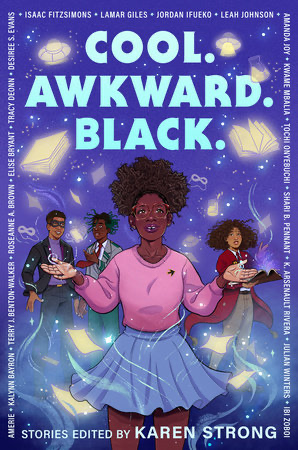
Book Review Tuesday (2/21/23) – Cool. Awkward. Black.

Happy Tuesday, bibliophiles!

I’m always up for diverse anthologies, and the fact that this one focused on both sci-fi/fantasy stories and geek/nerd culture from a Black lens was an instant sell for me! There were a few authors that I was familiar with and liked in here—Jordan Ifueko, Roseanne A. Brown, and Leah Johnson, to name a few—so that helped its case too. But as with any anthology, there were hits and misses, but there were still a fair amount of gems within Cool. Awkward. Black.

Enjoy this week’s review!

Cool. Awkward. Black. – edited by Karen Strong (anthology)

summary from Goodreads:

A multi-genre YA anthology of bestselling, critically acclaimed Black authors challenging the concept of the geek, featuring contributions from Amerie, Kalynn Bayron, Terry J. Benton-Walker, Roseanne A. Brown, Elise Bryant, Tracy Deonn, Desiree S. Evans, Isaac Fitzsimons, Lamar Giles, Jordan Ifueko, Leah Johnson, Amanda Joy, Kwame Mbalia, Tochi Onyebuchi, Shari B. Pennant, K. Arsenault Rivera, Julian Winters, and Ibi Zoboi.

A girl who believes in UFOs; a boy who might have finally found his Prince Charming; a hopeful performer who dreams of being cast in her school’s production of The Sound of Music; a misunderstood magician of sorts with a power she doesn’t quite understand.

These plotlines and many more compose the eclectic stories found within the pages of this dynamic, exciting, and expansive collection featuring exclusively Black characters. From contemporary to historical, fantasy to sci-fi, magical to realistic, and with contributions from a powerhouse list of self-proclaimed geeks and bestselling, award-winning authors, this life-affirming anthology celebrates and redefines the many facets of Blackness and geekiness–both in the real world and those imagined.

TW/CW: racism, misogyny, religion-based bigotry

Cool. Awkward. Black. was hit or miss as a whole, but above all, there were a few fantastic stories in the bunch, and I loved the spotlight on Black sci/fi fantasy, as well as geek culture. With all Black protagonists, many of which are queer and/or disabled, it’s a breath of fresh air, even if not every story was a hit for me.

Since this is an anthology, I’ll do shorter reviews of each story in chronological order.

~

“Our Joy, Our Power” – Julian Winters (⭐️⭐️⭐️.5)

I was expecting to not be a fan of this one after not being a fan of Running With Lions, but this was a surprisingly sweet story! With a tender, queer romance at a comic con and some great commentary on the racism within cosplay culture, this was a great start to the anthology. I’m not sure if it’s enough for me to give Winters’ novels another chance, but I certainly enjoyed it.

“The Book Club” – Shari B. Pennant (⭐️⭐️.5)

I felt obligated to like this one as a former book club president, but this one was a letdown. The concept of this one was interesting enough—a girl finds a book that seems to speak to her when she picks it up, and is then invited to a secret society of magic wielders in the guise of a book club—but the prose veered onto the cheesy side more often than not. I wish we’d gotten a little bit more context around the Society (and…okay, maybe the name was vague on purpose, but I would’ve liked a name more interesting than just “The Society”) and more of what their magic entailed other than the Evil Magician™️ that Must Be Defeated.

“Nina Evans, In the Round” – Kalynn Bayron (⭐️⭐️⭐️⭐️)

This one was an unexpected highlight of the anthology! Again, my expectations were rather low after how much of a sore disappointment Cinderella is Dead was for me, but I loved this story of a Black girl determined to get the role of Maria in her high school’s production of The Sound of Music. Her story of determination was a powerful and timely one, and I loved the poignant themes of Nina breaking the mold and never surrendering.

“Earth is Ghetto” – Ibi Zoboi (⭐️⭐️⭐️⭐️)

Even without the fantastic title, “Earth is Ghetto” is undoubtedly one of the best stories in this anthology! It follows Ingrid, a Haitian immigrant, who witnesses First Contact, and upon speaking to the aliens and wishing to go to their planet, realizes that they harbor many of the same prejudices as humans back on Earth. It’s witty, it’s timely, and it’s unflinchingly questioning of the norms upon which both we and the aliens built our societies. I loved the hopeful ending as well; it’s hard to get this kind of ultimatum that Ingrid has to make across in such a short story, but Zoboi managed to do all that and subvert the usual tropes and endings that go along with it. Great stuff.

“Initiative Check” – K. Arsenault Rivera (⭐️⭐️⭐️)

This was the first time I’d ever heard of K. Arsenault Rivera, and this was a decent story, I’d say. The whole story comprises a group of friends and their Dungeons and Dragons campaign, and although I wasn’t as big of a fan of the campaign aspect of it, I loved the subtle, tender chemistry that Rivera created between her larger cast of characters. A nice, sweet story, but nothing that changed my life.

“Corner Booth” – Leah Johnson (⭐️⭐️⭐️⭐️)

Following in the footsteps of Johnson’s solid rom-coms, “Corner Booth” was the story of two teens meeting after competing with each other for years over a competitive, Scrabble-like spelling app. I loved the definitions scattered throughout, showing Rose’s knack for strategy and etymology, and I loved the buildup of the enemies/rivals-to-lovers romance blossoming between her and Wes. It’s an adorable addition to the anthology, and a standout without a doubt.

“Betty’s Best Craft” – Elise Bryant (⭐️⭐️⭐️.5)

Elise Bryant perfectly captures the chaos of a high school group project, but I find myself wishing that mine had the romance of this story. Another sweet enemies-to-friends/lovers, Bryant wonderfully weaves in the grudge that Betty’s had against Jhamir for years, and takes that buildup into a blossoming friendship—or maybe something more—on a final project for an African American History class. I’ve only read Bryant’s Happily Ever Afters, but “Betty’s Best Craft” felt the same way—a light, sweet, and artsy romance of second chances.

“The Panel Shows the Girl” – Amanda Joy (⭐️⭐️.5)

I really wanted to like this one, and there was one aspect that I really did like—the discussion around disability and accommodations. Amaya’s struggles with trying to get accommodations for her ADHD was one that I knew all too well, and I’m glad to see that perspective represented. That being said, the rest of the story felt clunky to me; the twist about the drawings coming to life felt shoehorned in and poorly executed, and most of the dialogue felt stilted and corny as well. Shame…

“Spirit-Filled” – Jordan Ifueko (⭐️⭐️⭐️⭐️)

I expected nothing less from the author of Raybearer, and “Spirit-Filled” delivered! I loved the discussions around Romilly questioning her faith and the role of women, as well as the suspense built by Romilly’s secret library book locked in the supply closet of her church. Like many of the other short stories in this story, I love how unapologetic it is about questioning authority and systems, and Romilly was a great vehicle for exploring misogyny in some parts of organized religion. Plus, the youth pastor character was appropriately cringey, so that was pretty funny.

“Cole’s Cruise Blues” – Isaac Fitzsimmons (⭐️⭐️⭐️.5)

Although I wasn’t as much of a fan of the writing in this one, it had a wonderful emotional core, and I loved that it featured a trans protagonist! Also, I definitely felt for poor Hailey…man, I feel that 10 year old feel of botching something in front of an audience 😭 I JUST WANNA GIVE THE POOR KID A HUG

“High Strangeness” – Desiree S. Evans (⭐️⭐️⭐️⭐️)

More than ever, this story made me yearn for the experience of stargazing in the middle of nowhere with a goth girlfriend…is that too much to ask?

please?

“Catalyst Rising” – Tracy Deonn (⭐️⭐️.5)

Unlike some of the other stories, I went into this story with low expectations, and the low expectations were…met. I wasn’t as blown away by Legendborn as everybody else seemed to be, and this story was more of the same. It felt like a very cliched setup for a fantasy chosen one in the real world, and although I liked the inclusion of Petra’s anxiety, the story as a whole just felt so overdone and exaggerated.


“Requiem of Souls” – Terry J. Benton-Walker (⭐️⭐️⭐️.5)

I LOVED the concept of this one, especially the trio of unique ghosts that follow Rocko around, and Rocko using them to get back at those who have wronged him. The musical aspect was a lot of fun as well, and it added some very Tim Burton-like, campy fun to this story. Plus, although being Gen Z has given me a permanent Minecraft association to the word “creeper,” I loved this story’s monstrous Creeper as well.

“Honor Code” – Kwame Mbalia (⭐️⭐️)

The dialogue felt very stilted for me on this one, and beyond that, it felt more like a comprehensive guide to LARPing and not an actual story. If “Honor Code” leaned more on the present day and not so heavily on the multiple flashbacks, it would’ve held so much more water. This one might be my least favorite story in the collection.

“Drive Time” – Lamar Giles (⭐️⭐️⭐️)

Although it wasn’t the most well-written of the collection, I loved the multiple POVs and the nonstop action of “Drive Time.” The writing was more than a little cheesy, but unlike some of the other stories, it felt cheesy for the right reasons—this story is essentially if a botched driver’s test turned into something like Fast & Furious, after all. I appreciate the art of well-placed cheese.

“Wolf Tracks” – Roseanne A. Brown (⭐️⭐️⭐️⭐️)

Nothing beats werewolves tearing a racist troll to shreds (literally, in this sense), does it? I was super excited to read Brown’s addition to the story, and she delivers every bit of it with humor, heart, and grounding emotion that balances levity with more grounded themes.

“The Hero’s Journey” – Tochi Onyebuchi (⭐️⭐️⭐️.5)

I wasn’t expecting to like this one as much after how disappointing Beasts Made of Night was, but “The Hero’s Journey” perfectly captured writer’s block in a way that I’ve never seen in a short story—or any novel that I can think of. I didn’t expect to be called out with the [INSERT CHARACTER NAME IN BRACKETS], but here we are. Happens to the best of us.

“Abyss” – Amerie (⭐️⭐️⭐️⭐️)

I was super impressed by Amerie’s short story in A Phoenix Must First Burn, and her story here was a perfect sendoff for Cool. Awkward. Black. Her character work and descriptions are once again fantastic, and for once, she can make a lack of quotation marks in dialogue an understandable stylistic choice that still makes the story flow. The latter is something that usually gets on my nerves, but Amerie used it greatly to her advantage in “Abyss.”

I averaged out my ratings for each story, and they came out to about a 3.5! I’d say that’s accurate—it was a mixed bag, but there were unexpected gems from both authors that I love and authors that I didn’t like as much previously. Not every one shone, but there were enough fantastic ones in there to make this a wonderful experience. And my ratings aside, I loved the diversity of both the characters and the genres of each story—it’s a very unique collection. 3.5 stars!

Cool. Awkward. Black. is an anthology, and if you click this Goodreads link, you can see all of the previous works of the many authors featured in this collection.

Today’s song:

GAH this has been stuck in my head for a week straight it’s so good

That’s it for this week’s Book Review Tuesday! Have a wonderful rest of your day, and take care of yourselves!
Posted in Book Review Tuesday

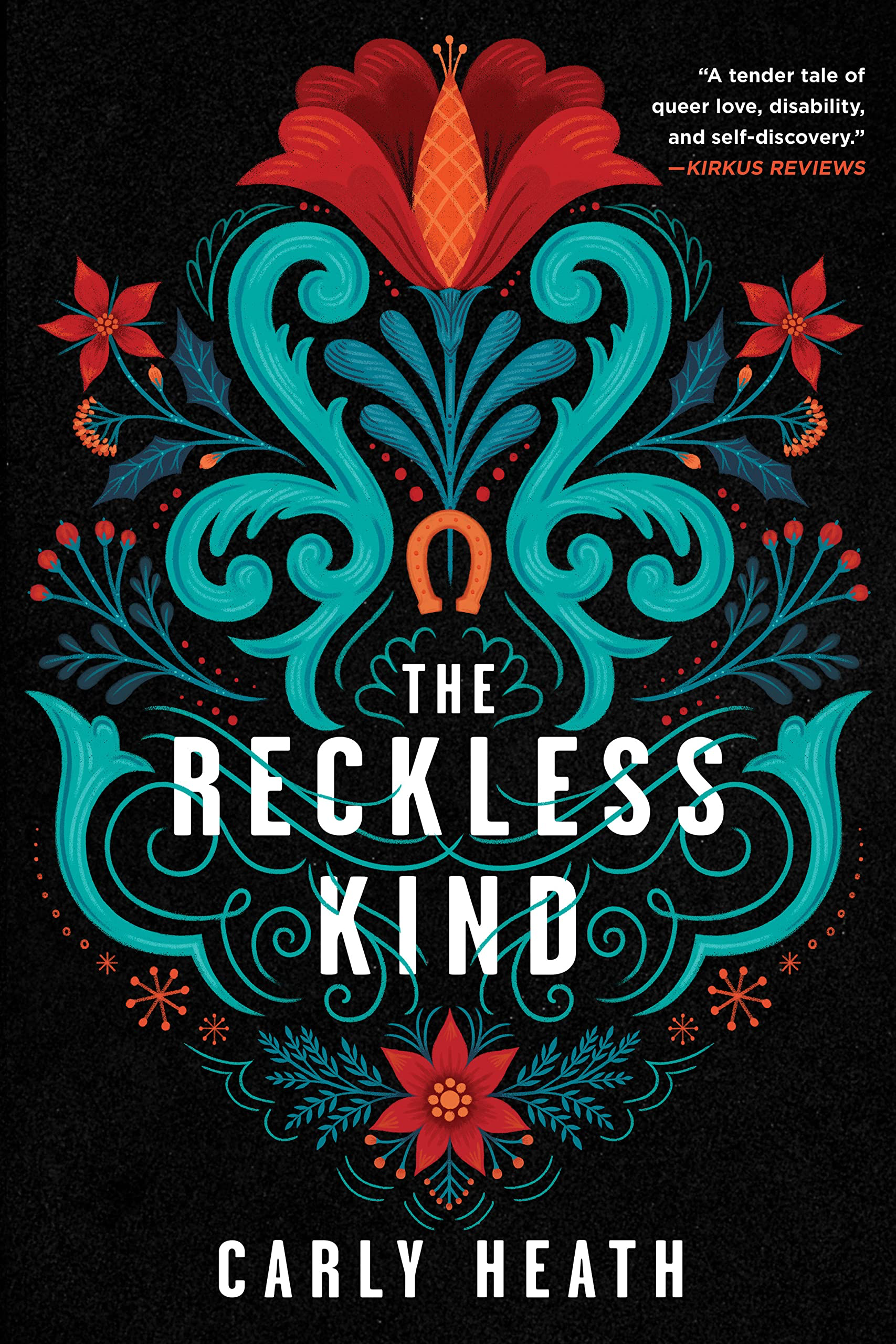
Book Review Tuesday (7/12/22) – The Reckless Kind

Happy Tuesday, bibliophiles!

In my endless hunt for books with good disability rep, I found this one recommended in several places. I’m not usually one for historical fiction, but I was glad to see a disability book in a genre other than realistic fiction. To my surprise, it became a rare 5-star read for me—tender, heartfelt, and so unabashedly queer and disabled!

Enjoy this week’s review!

The Reckless Kind – Carly Heath

Norway, 1904. Even though marriage is what traditional society expects of her, Asta has no interest in marriage, and especially not in Nils, the rude boy her mother has set her up with. Her mother sees a life of domesticity as her only path, but Asta is determined to carve her own way. After Nils’ recklessness cements her wish to not marry, she runs away with her two friends, Gunnar and Erlend. They make a life caring for Gunnar’s family farm, but with the money running out and the rest of their village against them, it will take all of their strength to create their own destinies.

TW/CW (from Carly Heath, inside book): ableism, misogyny, homophobia, xenophobia, suicidal ideations, violence, descriptions of injury, references to alcoholism, abuse, and self-harm

what if 😳 I melted down a priceless family heirloom 😳😳 and made it into a prosthetic arm for you 😳😳😳 (and we were both boys)

I picked up The Reckless Kind for the promise of queer and disabled rep, but I didn’t expect it to become a 2022 favorite of mine so quickly! It’s rare that I enjoy historical fiction this much, but this novel was a success on every front imaginable.

The diversity of The Reckless Kind is what drew me in, and it was such a central and beautiful aspect of this novel! This book focuses on not one, but four characters who are disabled—Asta has Waardenburg syndrome (includes single-sided deafness), Gunnar has Brown-Séquard syndrome and has a prosthetic arm, Erlend has an anxiety disorder, and Fred, one of the secondary characters, has Post-Concussion syndrome! On top of that, Asta is asexual, Gunnar and Erlend are in an mlm relationship, and the three of them are in a queerplatonic triad! Does it get any better than that? I think not. Just what I needed as a queer, disabled reader.

Each and every aspect of said diversity is handled so thoughtfully and lovingly; you can tell from the first page just how much love and care Heath put into writing this story. Even though their traditional society looks down upon them for a number of reasons, the journey these characters take to make their own way is heartwarming to read. Everything from the special modifications on Gunnar’s car to the life they carve out for themselves on the farm is filled with such palpable determination and love that only a bunch of outsiders making their own way can make me feel. Found family trope for the win, as always.

All of that would work fantastically on its own, but it’s Heath’s characters that made The Reckless Kind truly shine. Asta was an absolute DELIGHT. Just an absolute sweetheart. Even though the world has beaten her down so much, she has this consistent spunk and contagious kindness to her that she brings everywhere she goes. I loved the way she cared for all of the animals on the farm, and her story is sure to resonate with so many. Gunnar and Erlend were equally wonderful, and they balanced each other out perfectly, what with Erlend’s theatrical charm and Gunnar’s droll, self-deprecating humor. Their relationship made me giddy more than not; I loved how Heath depicted all the messiness of relationships, as well as two characters who did their best to work with each other’s problems. All three of them together made for the recipe for a near-perfect book.

Through it all, Heath presents a story of persistence despite the odds and the love it breeds between outsiders. All three of the characters faced parents, peers, and others who shunned them for parts of themselves, but this book was all about self-love and living in a world that doesn’t love you. It’s fiercely queer and disabled, and it’s the perfect story for anyone who has ever felt like the world is against them.

All in all, a tender, powerful, and heartwarming story of disability, queerness, and making your own way that quickly found its way to my 2022 favorites. 5 stars!

The Reckless Kind is a standalone and Carly Heath’s debut novel.

Today’s song:

That’s it for this week’s Book Review Tuesday! Have a wonderful rest of your day, and take care of yourselves!
Posted in Books

YA Books for Disability Pride Month (2022 Edition) + my experience with SPD and why representation really, really matters

Happy Monday, bibliophiles!

It’s July again, which means—though it’s too often overlooked—that it’s Disability Pride Month here in the U.S.! Even as intersectional as feminism and diversity efforts have become in recent years, the disabled community has been left out of the picture more often than not. YA books are no exception—even now, it’s difficult to find good, solid disability rep, and even harder to find books from disabled authors. So uplifting disabled voices is always important, as with uplifting all kinds of marginalized voices.

I’ve talked a little about good and bad disability rep on this blog, but I haven’t talked about how it affects me—I did put it in my bio a few months ago offhandedly, but I’m disabled as well. I have sensory processing disorder (SPD), a neurological disability that causes me to over-respond to sensory input, mainly sound; My nervous system doesn’t translate stimulus like a neurotypical brain would, making me over-respond to certain sensory input. Big crowds, loud noises (fire alarms, stopping buses, and almost anything that you can find in a city) are major causes of anxiety and discomfort for me, and often cause me to go into a fight-or-flight position or overload entirely.

As a result, being in situations with lots of sensory stimuli, such as school or social gatherings, can be exhausting, what with trying to juggle keeping my cool with said stimuli and participating fully in an activity. It also affects how I go about ordinary tasks as well—driving, for instance, has been a struggle, what with my hypersensitivity combined with my iffy-at-best motor coordination. (Part of SPD is that the nervous system doesn’t fully integrate all of my senses, which is why tasks like these are difficult for me.) SPD makes me feel everything—sound especially—far more intensely than a neurotypical person might, which often overloads my system.

Here’s the thing: although I’ve seen other parts of my identity—bisexuality, being mixed race, or even just personalities like mine—represented in books, I’ve never seen SPD represented in a book. Not on TV, movies, or any other kind of media, either. Never. I’ve been looking for years, but most of the time, what comes up when I search for books with characters that have SPD usually ends up being help books for parents with SPD kids. (Not to dismiss the value of those books—just not what I’m looking for.) There have been a few, but even then, they haven’t been available at the library. (I’ve got one on hold though—let’s hope Not If I Can Help It is good) I could always be missing something (PLS IF ANYBODY KNOWS ANY KIND OF MEDIA WITH GOOD SPD REP DROP SOME IN THE COMMENTS BEGGING YOU), but it’s been frustrating going to google and getting something that decidedly wasn’t what you were going for.

Even though I’ve seen myself represented in other ways, it’s frustrating to not have book characters—even side characters—that have similar experiences to me. Growing up, I had my fair share of not-so-subtle teasing for expressing some of my symptoms, and in that respect, I had no role models, no fictional characters to really look up to in that respect. That’s part of why I’m writing books with protagonists that have SPD—there’s always a kid out there who just needs a fictional character to look up to when they have nobody else. This is why representation matters—for those who never saw themselves represented growing up, and for those to come who may have the chance to feel represented.

So here are my disability pride month recs for 2022—not all of them are from disabled authors, but I’ve done my best to compile a list from a variety of genres, a variety of backgrounds (POC, queer, etc.), and a variety of disabilities.

(for my list from 2021, click here!)

Let’s begin, shall we?

YA BOOKS FOR DISABILITY PRIDE MONTH

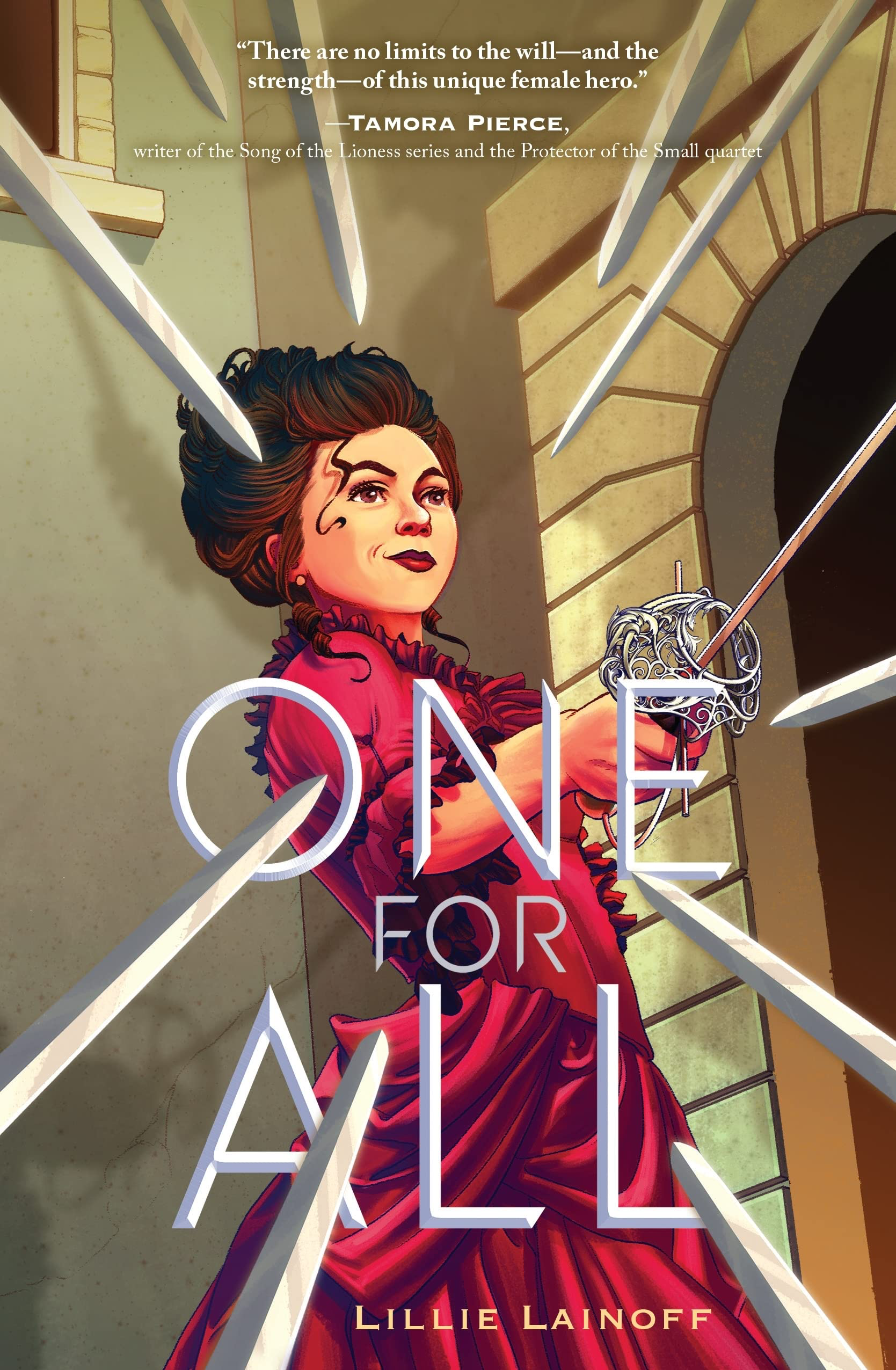
One for All, Lillie Lainoff

GENRES: Historical fiction, retellings

REP: MC with POTS (disabled author)

MY RATING: ⭐️⭐️⭐️.75, rounded up to ⭐️⭐️⭐️⭐️

A Three Musketeers retelling featuring a swordfighting, chronically ill protagonist!

The Reckless Kind, Carly Heath

GENRES: Historical fiction, romance, LGBTQ+

REP: MC with Waardenburg syndrome, MC with Brown-Séquard syndrome, MC with anxiety, side characters with post-concussion syndrome (disabled author)

MY RATING: ⭐️⭐️⭐️⭐️⭐️

I’ll be reviewing this one soon—a beautiful and tender tale of a disabled, queerplatonic triad in 1900’s Norway!

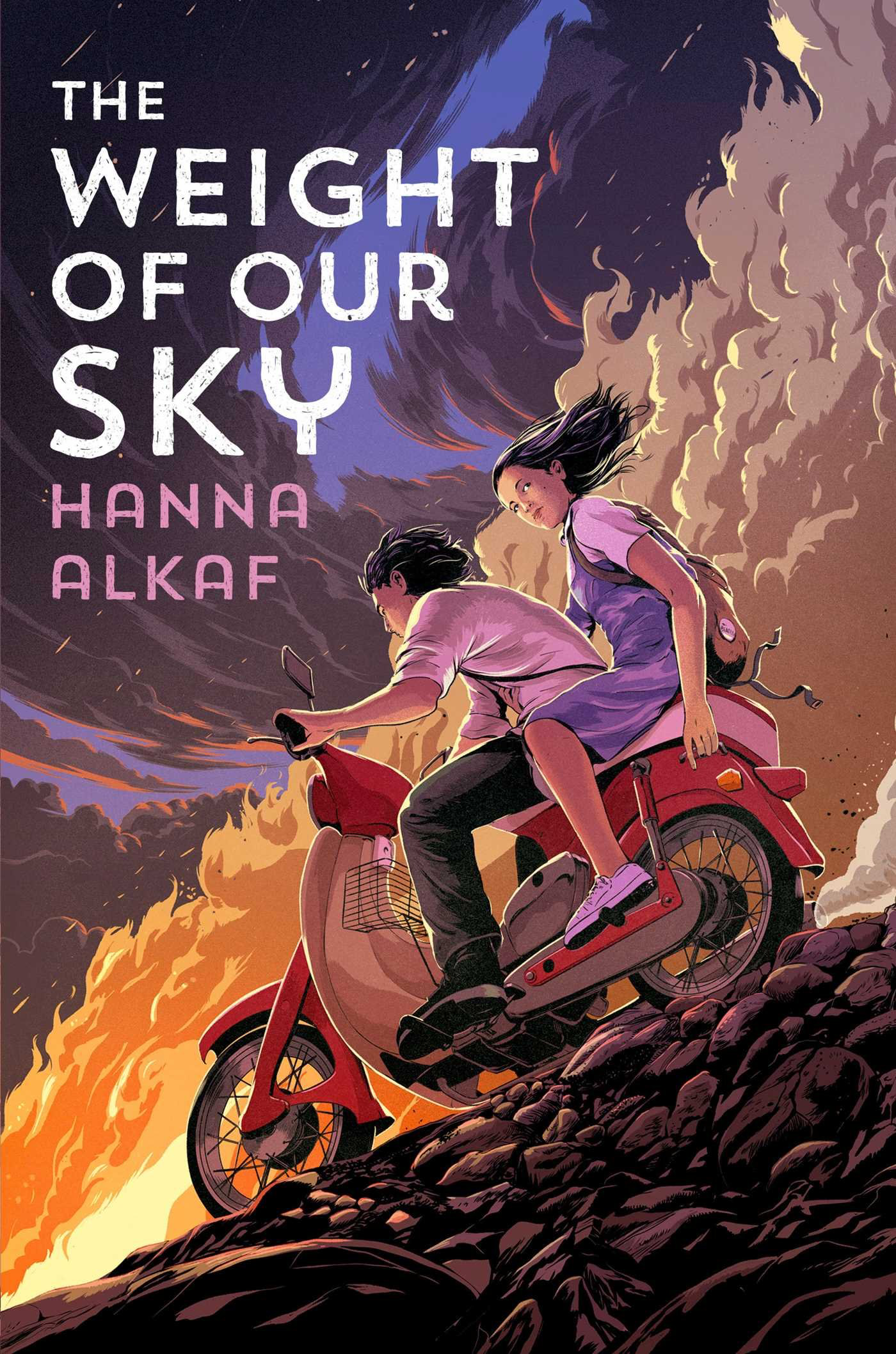
The Weight of Our Sky, Hanna Alkaf

GENRES: Historical fiction

REP: MC has OCD

MY RATING: ⭐️⭐️⭐️⭐️

A harrowing story of a girl with OCD in the Philippines searching for her mother during the race riots of 1969.

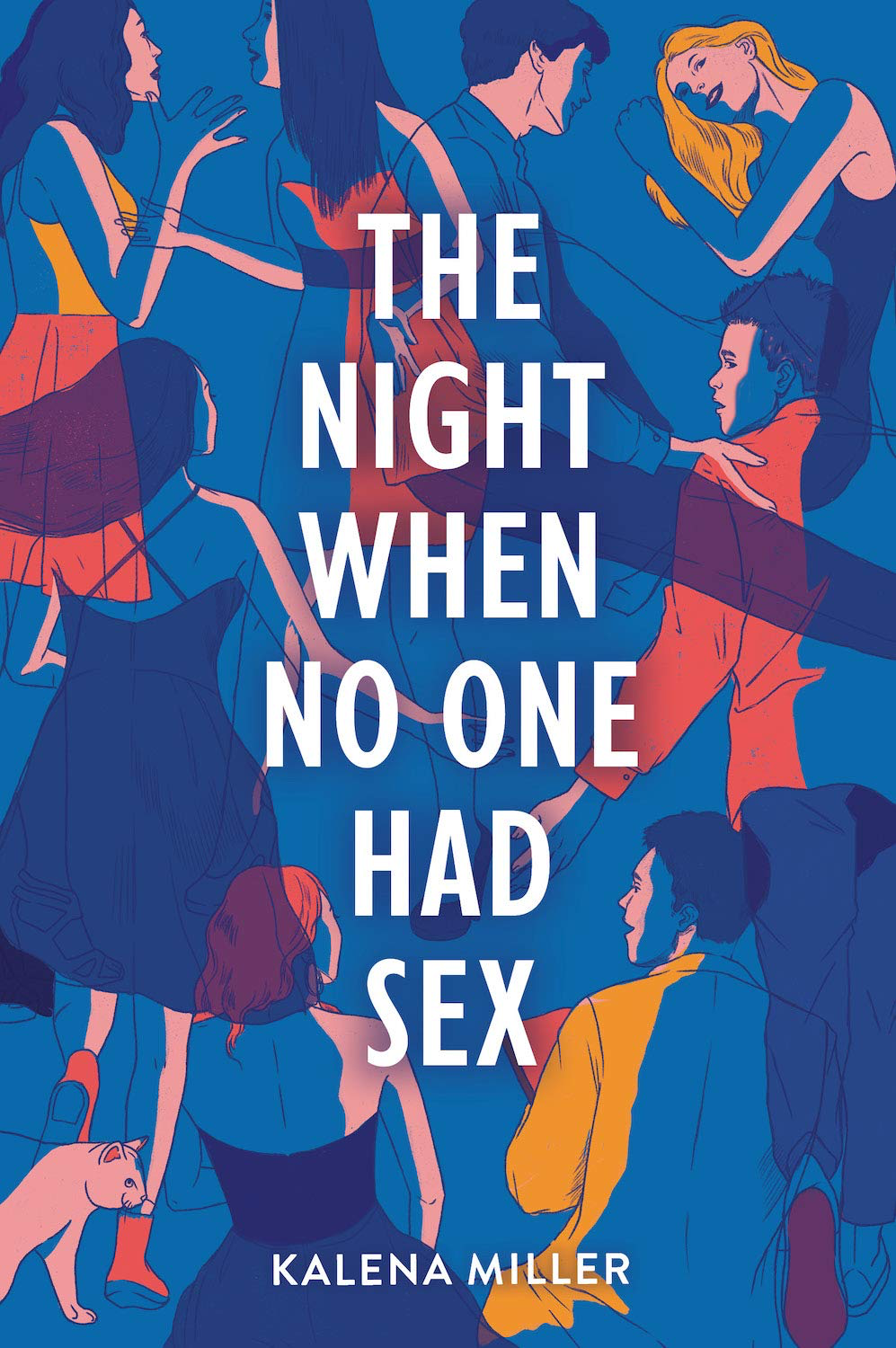
The Night When No One Had Sex, Kalena Miller

GENRES: Contemporary/realistic fiction, romance, LGBTQ+

REP: Multiple POVs; one MC has Lupus (chronic illness)

MY RATING: ⭐️⭐️⭐️.5

A diverse and funny story of four pairs of teenagers on prom night and a humorously failed sex pact.

The Boy Who Steals Houses, C.G. Drews

GENRES: Contemporary/realistic fiction, romance

REP: MC has anxiety, autistic side character (disabled author)

MY RATING: ⭐️⭐️⭐️.5

A messy and emotional story of a boy and his brother making their own in a world that turns its back on them.

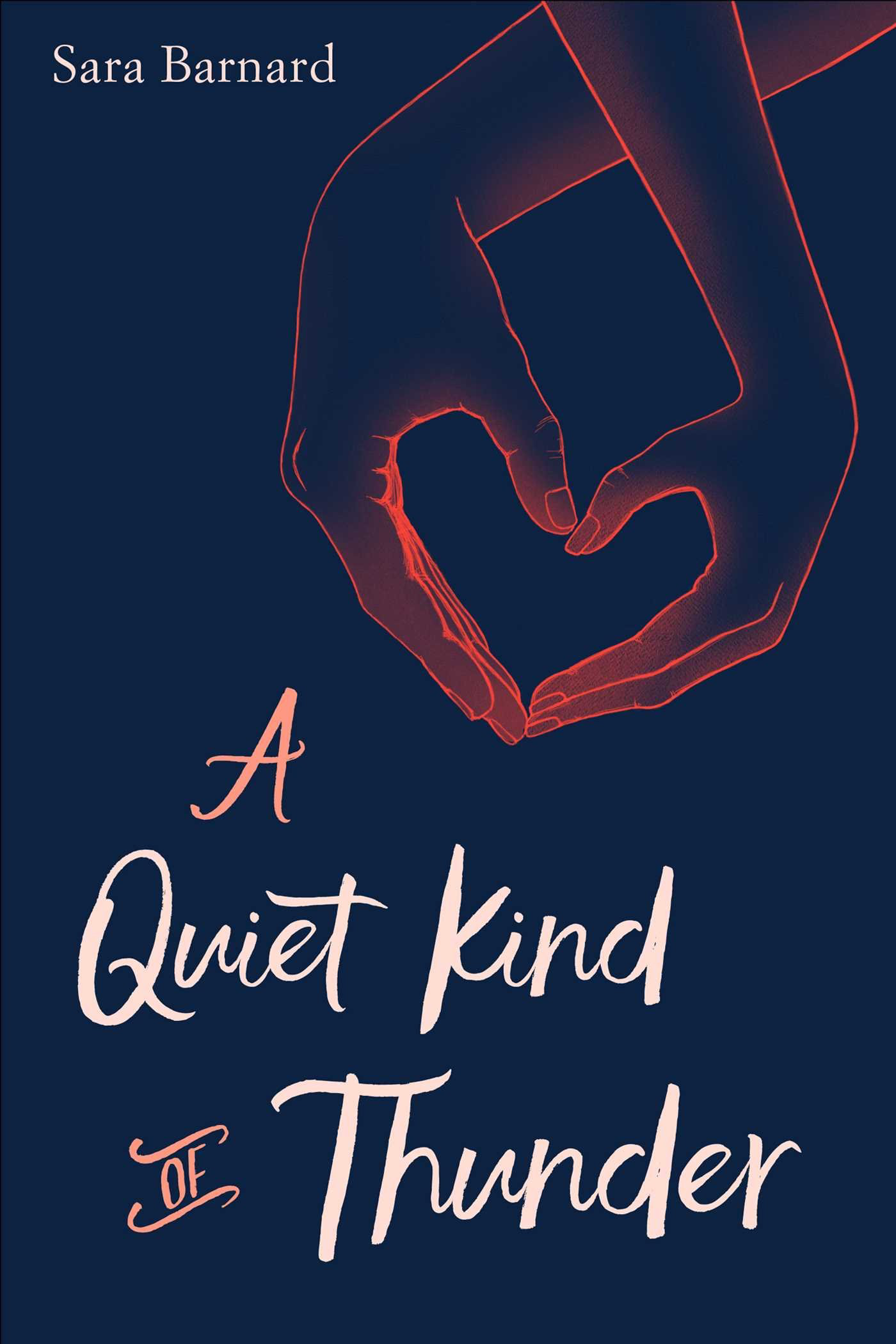
A Quiet Kind of Thunder, Sara Barnard

GENRES: Contemporary/realistic fiction, romance

REP: MC is selectively mute, Deaf love interest

MY RATING: ⭐️⭐️⭐️.5

A tender, sweet romance with disability front and center!

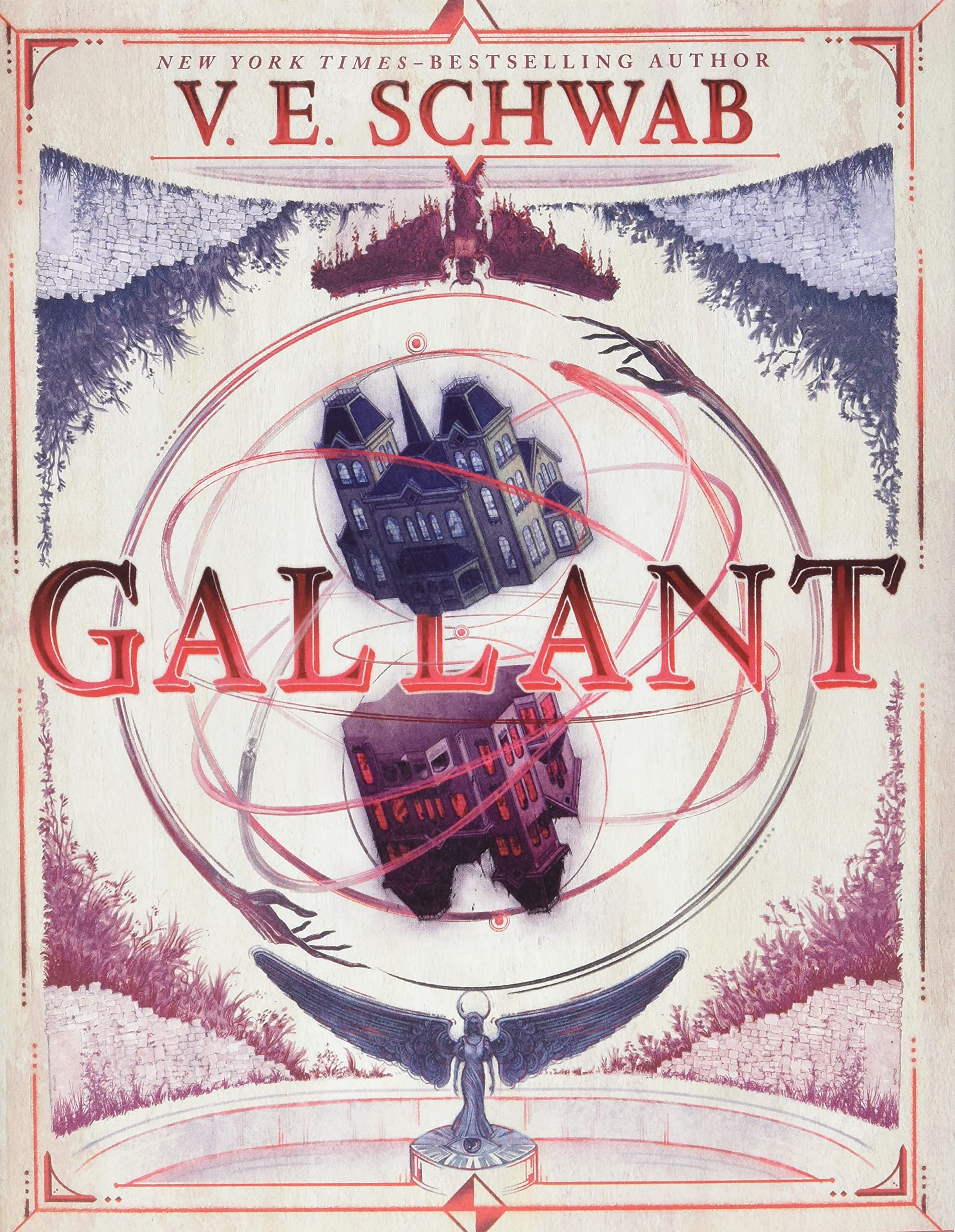
Gallant, V.E. Schwab

GENRES: Paranormal, fantasy

REP: MC is mute and uses sign language to communicate

MY RATING: ⭐️⭐️⭐️.75, rounded up to ⭐️⭐️⭐️⭐️

Though this wasn’t my favorite V.E. Schwab book, I loved its paranormal atmosphere!

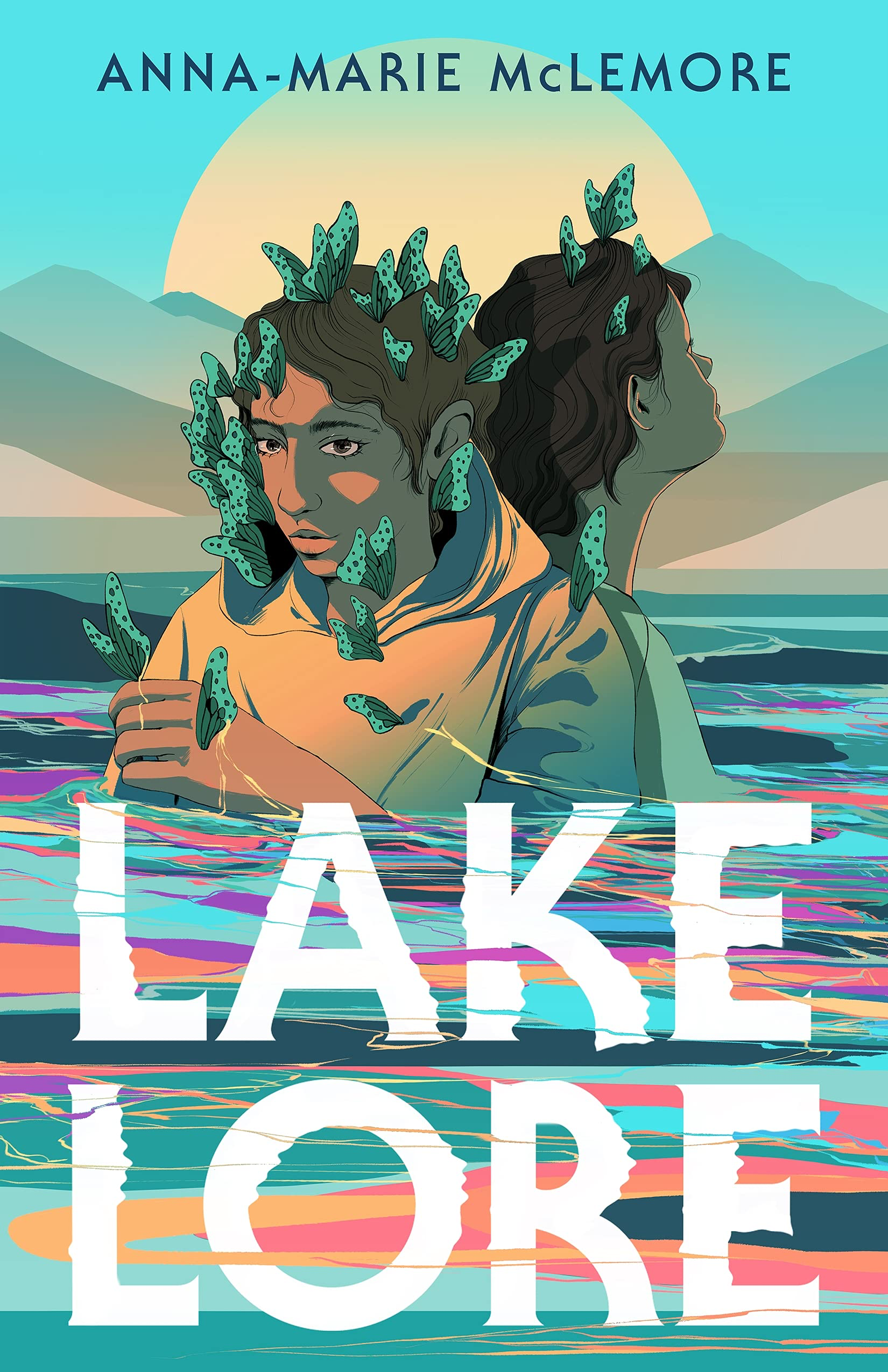
Lakelore, Anna-Marie McLemore

GENRES: Magical realism, fantasy, fiction, LGBTQ+

REP: MC with ADHD, MC with dyslexia (disabled author)

MY RATING: ⭐️⭐️⭐️.75, rounded up to ⭐️⭐️⭐️⭐️

Lakelore is one of the most intersectional pieces of magical realism or fantasy that I’ve ever read—both protagonists are nonbinary, Latinx, and neurodivergent!

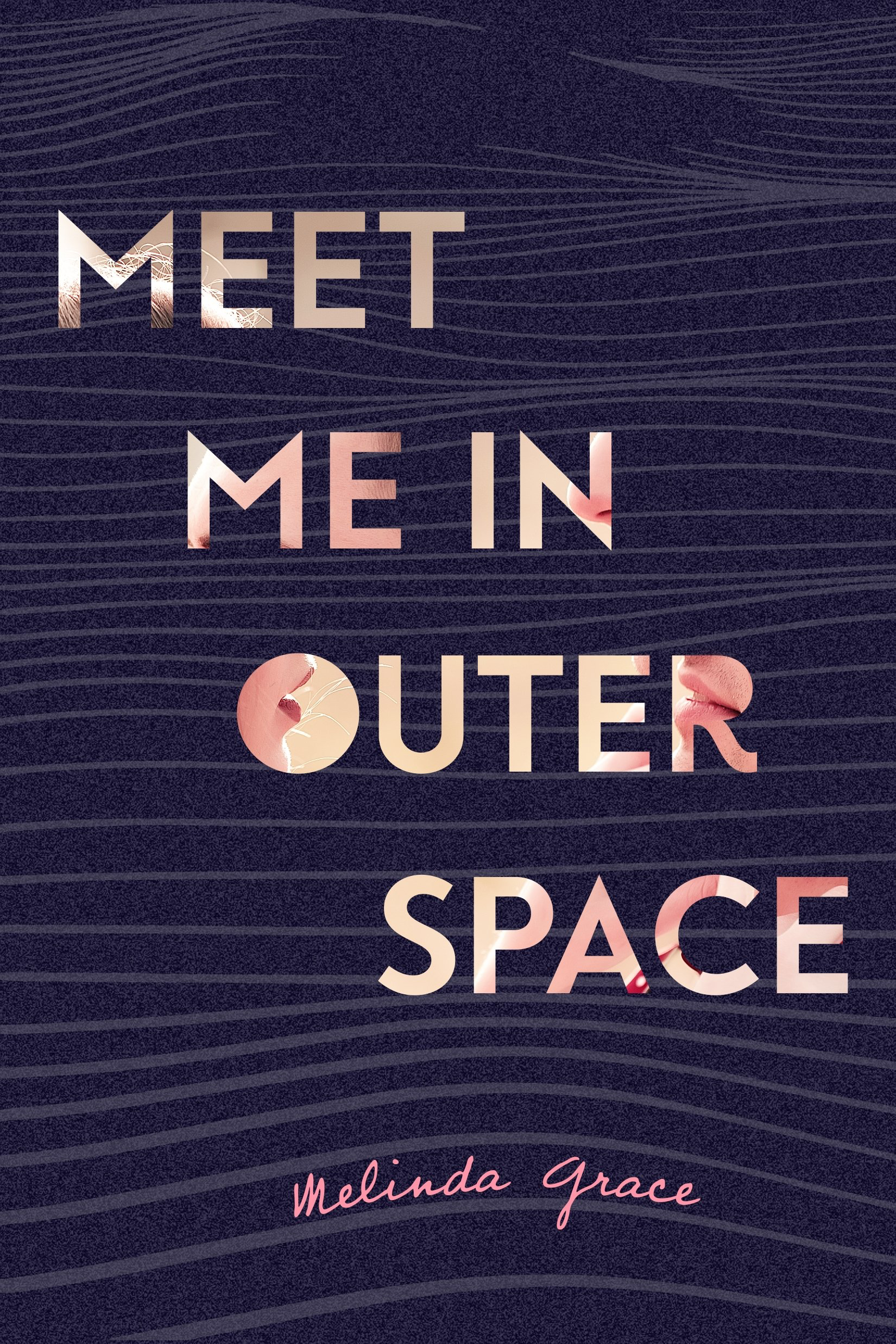
Meet Me in Outer Space, Melinda Grace

GENRES: Contemporary/realistic fiction, romance

REP: MC has Central Auditory Processing Disorder (CAPD) (disabled author)

MY RATING: ⭐️⭐️⭐️.75, rounded up to ⭐️⭐️⭐️⭐️

Although I wasn’t as big of a fan of the romance, I loved how Meet Me in Outer Space explored navigating disability in college!

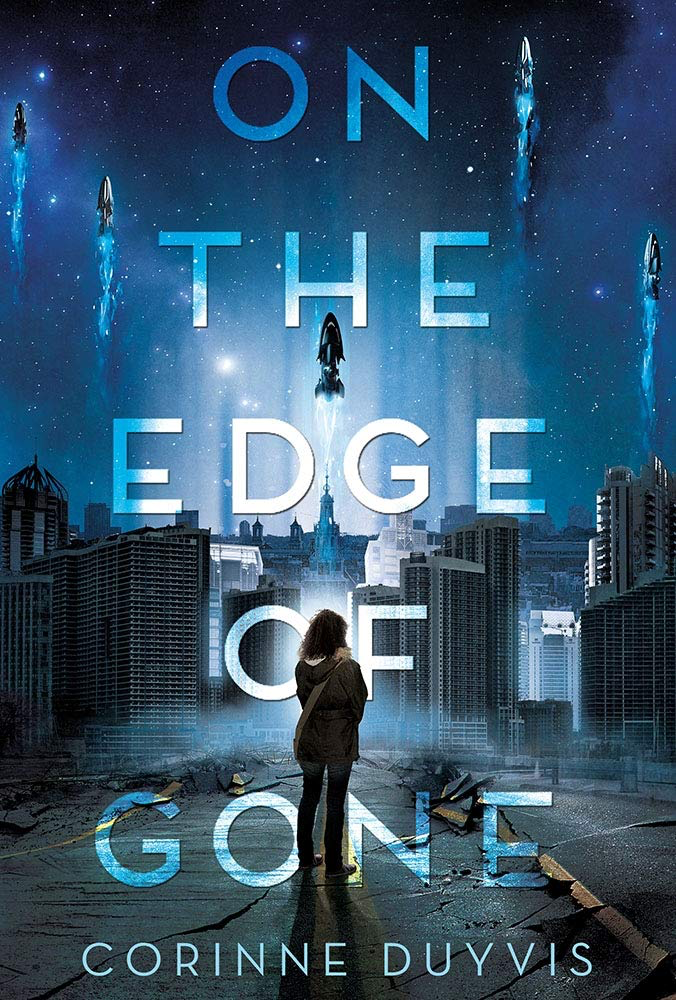
On the Edge of Gone, Corinne Duyvis

GENRES: Science fiction, survival, post-apocalyptic

REP: Autistic MC (disabled author)

MY RATING: ⭐️⭐️⭐️.5

A gripping post-apocalyptic book featuring a determined, Autistic protagonist!

TELL ME WHAT YOU THINK! Have you read any of these books, and if so, what did you think of them? What are your favorite YA books with disability rep? And please, does anybody have any recs for media with good SPD rep? Kinda desperate over here…

(I can only go with my headcanon that Jean Grey from X-Men has SPD for so long, folks, please…)

Today’s song:

I wanna hate Jack White so bad but HE JUST KEEPS PUTTING OUT SONGS LIKE THIS

That’s it for this post! Have a wonderful rest of your day, and take care of yourselves!
Posted in Books

YA Books for Disability Pride Month

Happy Thursday, bibliophiles!
For those of you who didn’t know, here in the US, July is Disability Pride Month! I myself didn’t know about it until this year, which is a little embarrassing, but better late than never, I suppose. I hardly see anyone in the bookish community talking about disability rep in books – especially where YA is concerned – so I wanted to make a post of my own with some YA reads with disability rep of all kinds. Unfortunately, not all of them are from disabled authors, but it seems like there’s such a dearth of disability rep in YA as a whole, so for now, I’ll share these ones, and I’ll always be on the hunt for more books by disabled authors in the future. But as with all of my posts like this, AMPLIFY DISABLED VOICES 24/7/365!

And if you’re looking for book bloggers who talk about disability, disability rep, and breaking down ableist tropes, I’d highly recommend checking out Luminosity Library and The Inside Cover. (They’re both amazing!! Show them some support!!)

So let’s begin, shall we?

Pride Wheelchair Sticker for iOS & Android | GIPHY
the fact that I can barely find any disability pride gifs…that’s depressing…

YA READS FOR DISABILITY PRIDE MONTH

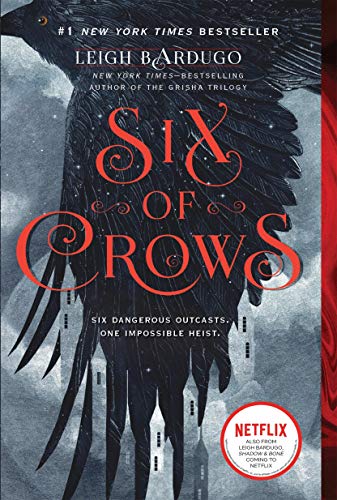
Six of Crows – Leigh Bardugo

Amazon.com: Six of Crows eBook: Bardugo, Leigh: Kindle Store

GENRES: Fantasy, romance, LGBTQ+, adventure

MY RATING: ⭐️⭐️⭐️⭐️.5

Kaz Brekker (otherwise known as the “morally gray” teen idol of the YA book fandom) uses a cane for mobility (and it’s a really snazzy cane, too), and his experiences are based off of Leigh Bardugo’s own experience with osteonecrosis.

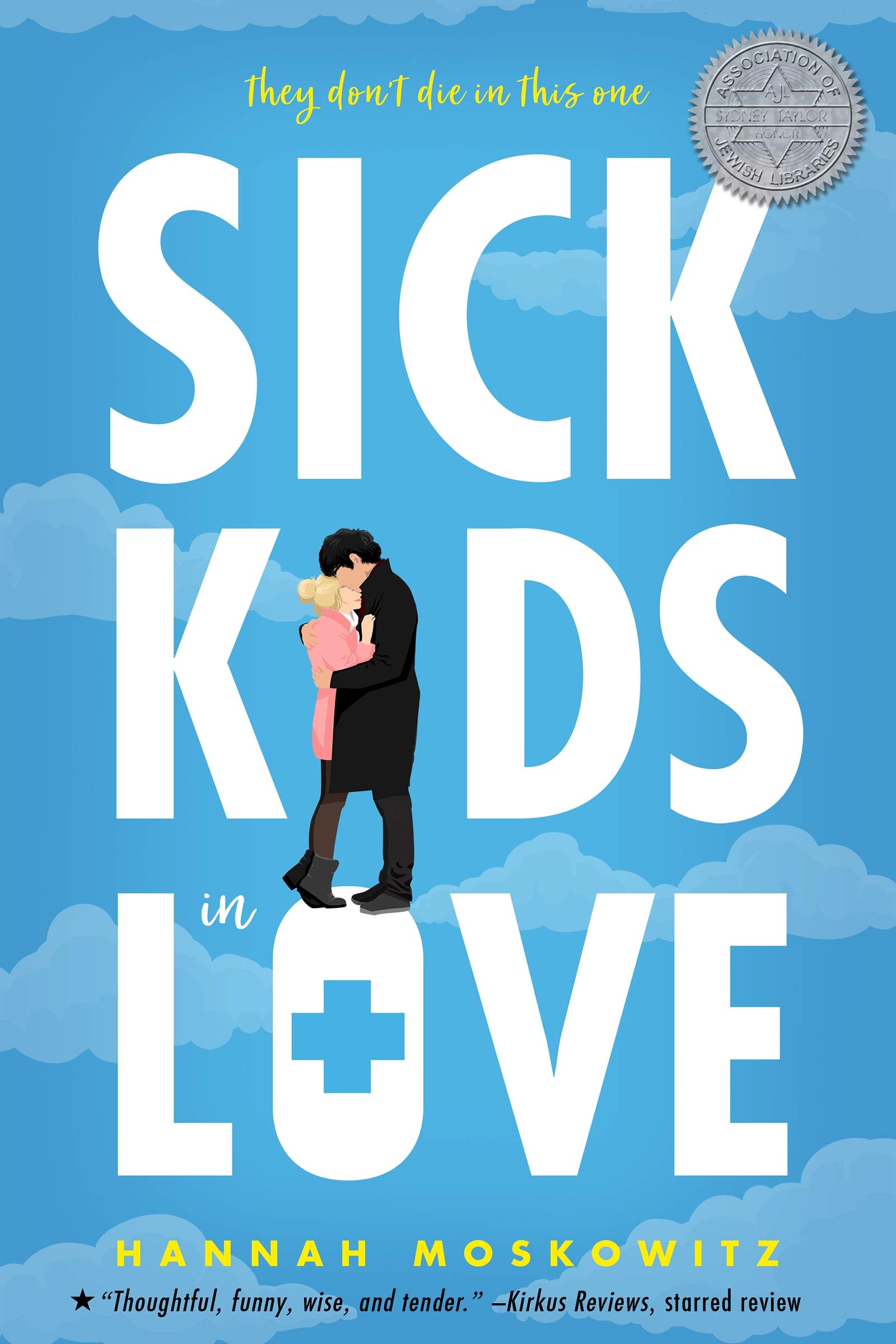
Sick Kids in Love – Hannah Moskowitz

Amazon.com: Sick Kids In Love (9781640637320): Moskowitz, Hannah: Books

GENRES: Contemporary, romance, LGBTQ+, realistic fiction

MY RATING: ⭐️⭐️⭐️⭐️.5

I just finished this one up a few days ago, and it was INCREDIBLE! I don’t usually jump for rom-com, but this was one of the most tender books I’ve read in a while. Gave me all the warm fuzzies…

The protagonist has rheumatoid arthritis, and the love interest has Gaucher’s disease. And lemme tell you, I GOT SO EXCITED THAT WE HAVE A DISABLED, BISEXUAL LOVE INTEREST. BI DISABLED CHARACTERS?? NO KIDDING, MY BRAIN DID THE “WOOOOOHOO” FROM SONG 2 WHEN I REALIZED IT…

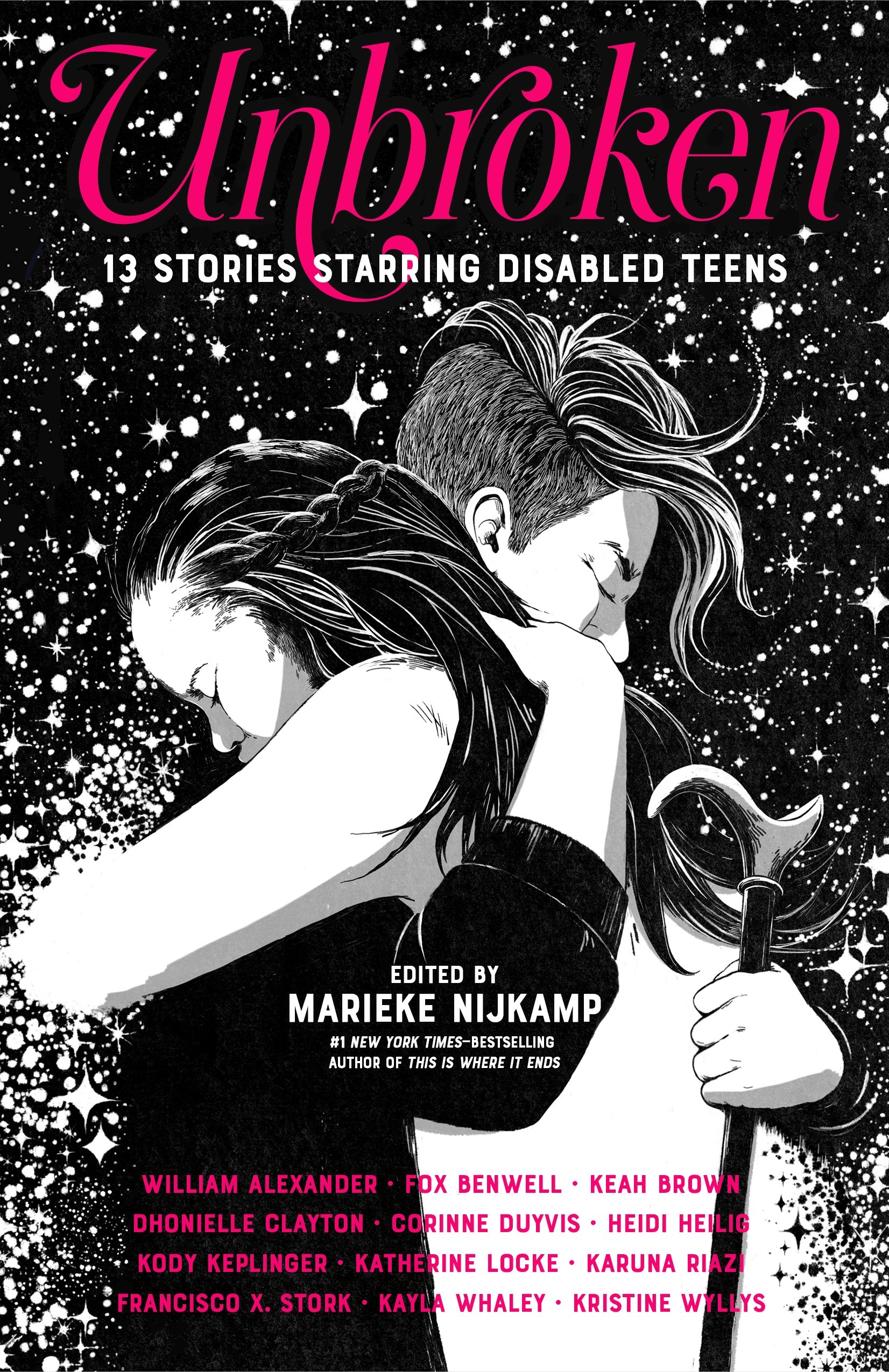
Unbroken: 13 Stories Starring Disabled Teens – Marieke Nijkamp et. al. (anthology)

Amazon.com: Unbroken: 13 Stories Starring Disabled Teens (9780374306502):  Nijkamp, Marieke: Books

GENRES: Anthologies (short stories), realistic fiction, LGBTQ+, fantasy, science fiction

MY RATING: ⭐️⭐️⭐️

It’s been a while since I’ve read this one, so I can’t recall the stories that stood out to me, but this one has a whole load of perspectives from disabled authors, and there’s stories of all genres!
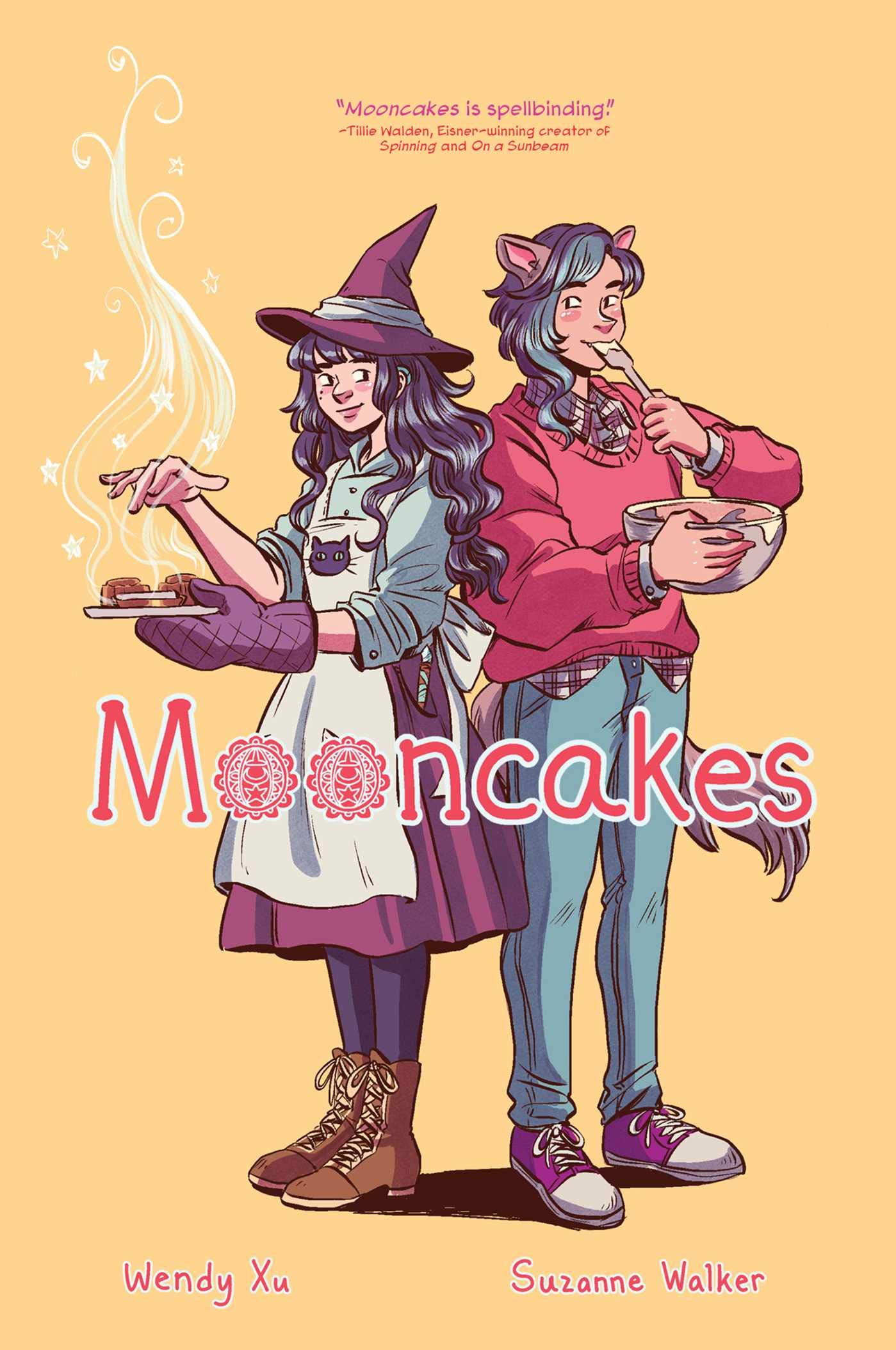
Mooncakes – Suzanne Walker and Wendy Xu

Amazon.com: Mooncakes (9781549303043): Walker, Suzanne, Xu, Wendy: Books

GENRES: Graphic novel, urban fantasy, paranormal, LGBTQ+, romance

MY RATING: ⭐️⭐️⭐️⭐️

THIS GRAPHIC NOVEL IS THE CUTEST. What’s not to love about a love story about a queer, hard-of-hearing witch and a nonbinary werewolf? The art is so lovely, I highly recommend this one for everybody.

Otherbound – Corinne Duyvis

Amazon.com: Otherbound eBook: Duyvis, Corinne: Kindle Store

GENRES: Fantasy, science fiction, LGBTQ+,

MY RATING: ⭐️⭐️⭐️

Again, it’s been a while since I’ve read this one, but I LOVE how diverse this one is; we have the dual POVs of an epileptic Latino character with a missing leg and a mute bisexual girl who uses sign language to communicate. It’s an interesting blend of fantasy and sci-fi as well!
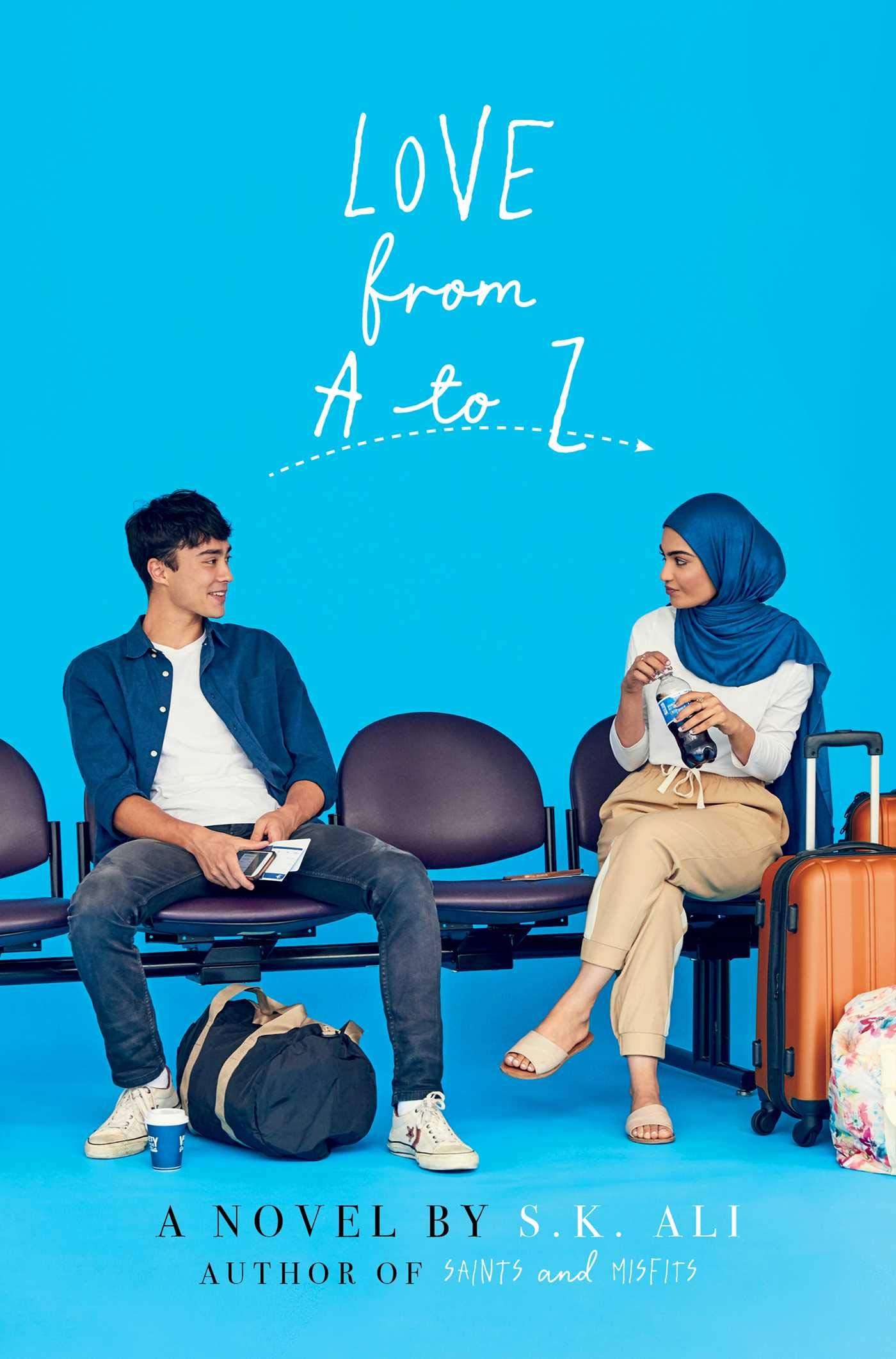
Love from A to Z – S.K. Ali

Amazon.com: Love from A to Z (9781534442726): Ali, S. K.: Books

GENRES: Contemporary, romance, realistic fiction

MY RATING: ⭐️⭐️⭐️.5

Adam, the love interest of this novel, has multiple sclerosis, and both of the protagonists are Muslim; there’s a lot of great conversations about Islamaphobia and other pertinent issues in this one, but it’s also a really sweet romance!

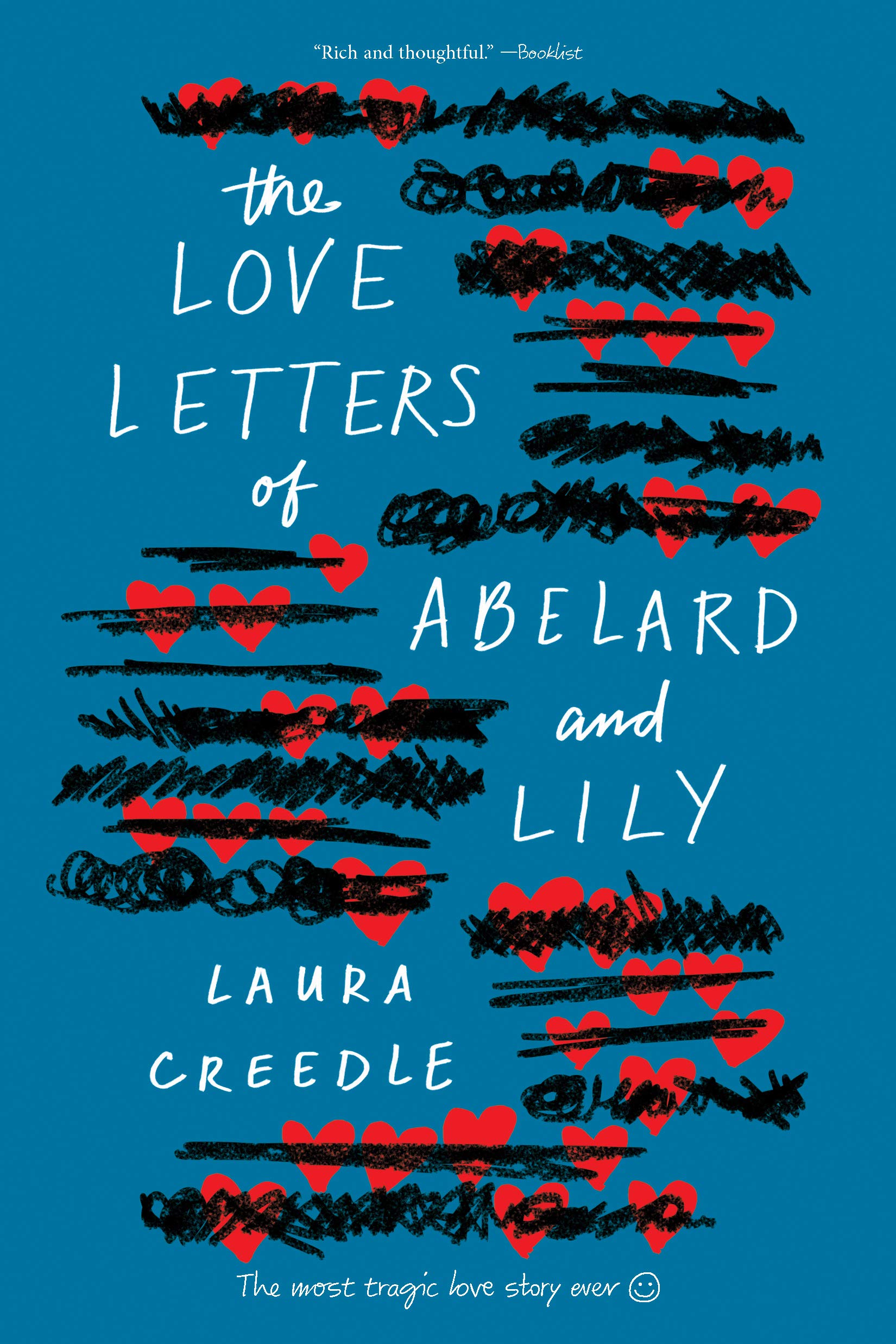
The Love Letters of Abelard and Lily – Laura Creedle

The Love Letters of Abelard and Lily: Creedle, Laura: 9781328603661:  Amazon.com: Books

GENRES: Contemporary, romance, realistic fiction

MY RATING: ⭐️⭐️⭐️⭐️

This one’s a romance between a girl with ADHD (the author has ADHD as well!) and an autistic boy, and like Love from A to Z, tackles a lot of discussions surrounding mental health and disability while still being a sweet romance!

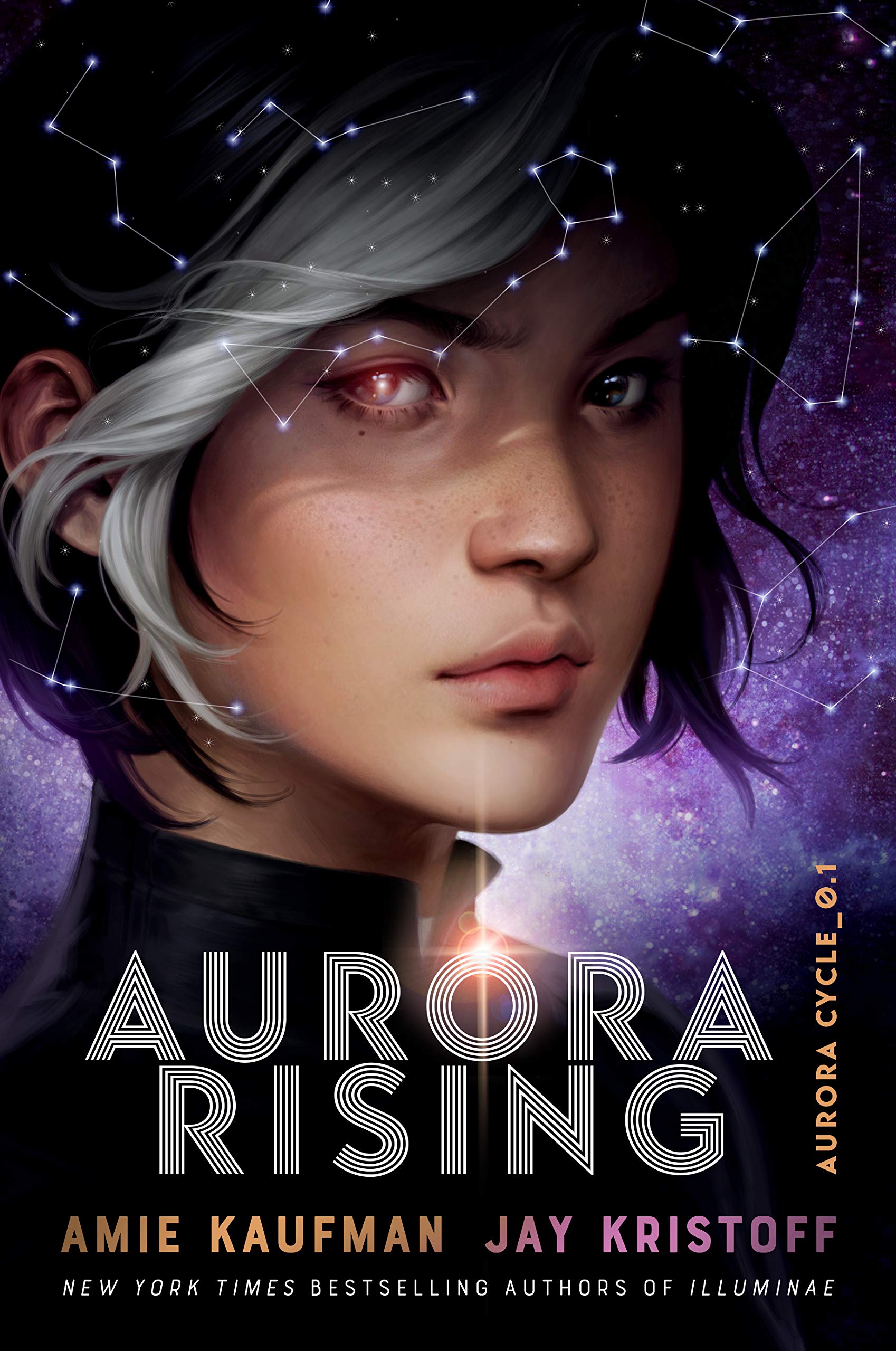
Aurora Rising (Aurora Cycle, #1) – Amie Kaufman and Jay Kristoff

Aurora Rising: Amie Kaufman, Jay Kristoff: 9781786075338: Amazon.com: Books

GENRES: Science fiction, space opera, LGBTQ+, romance

MY RATING: ⭐️⭐️⭐️⭐️⭐️

(There is no escape from the Aurora Cycle-posting on this blog…)

Even though Finian’s disability is fictional (bc, y’know, he’s an alien), he uses mobility aids, and we get to see a lot of his inner thoughts surrounding his disability. Disability in realistic fiction is all cool and good, but it’s even better to see casual disability rep in fantasy and sci-fi too!

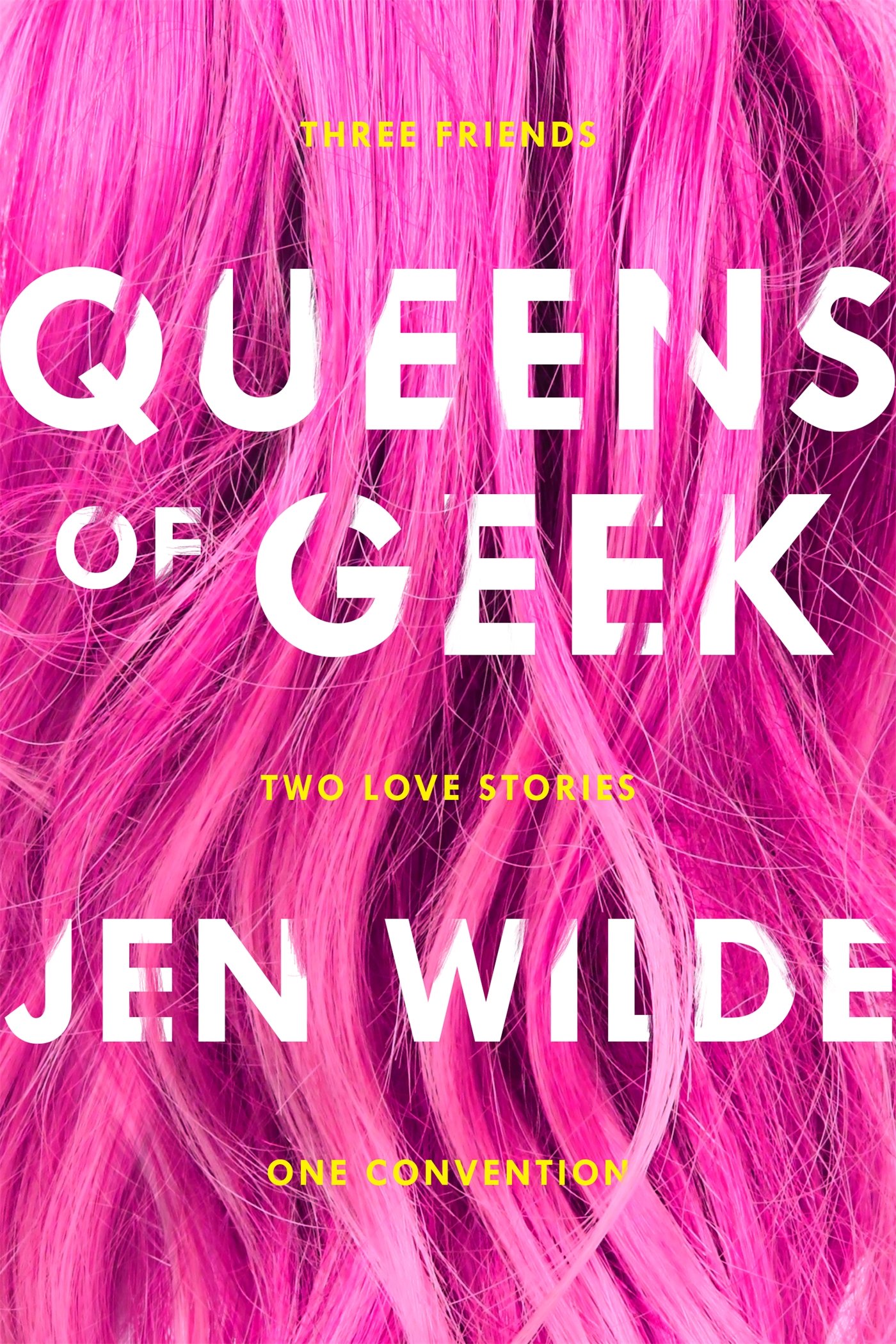
Queens of Geek – Jen Wilde

Amazon.com: Queens of Geek (9781250111395): Wilde, Jen: Books

GENRES: Contemporary, realistic fiction, LGBTQ+, romance

MY RATING: ⭐️⭐️⭐️⭐️

Queens of Geek features a protagonist with Asperger’s and an anxiety disorder, and there’s lots of queer and POC representation in this one as well! If you love stories set at Comic Cons with lots of pop culture references, then this one’s for you!

TELL ME WHAT YOU THINK! What are your favorite books with disability rep? Favorite disabled authors? Any recommendations for me?

Girl Reading GIFs - Get the best GIF on GIPHY

Today’s song:

Sophie Allison becoming a Mii wasn’t on my 2021 bingo card but I’m here for it

That’s it for this post! Have a wonderful rest of your day, take care of yourselves, and happy disability pride month!

Posted in Book Review Tuesday

Book Review Tuesday (2/16/21) – A Song of Wraiths and Ruin

Happy Tuesday, bibliophiles!

And now, onto another book that I bought with my Christmas gift card and loved!

I’ll admit to being a bit jaded with most YA fantasy novels at present (even though I still read them in droves), but the cover and the mythology of this novel convinced me to buy myself a copy, and I’m so glad I did! A novel that simultaneously felt nostalgic and something wholly new and original.

Enjoy this week’s review!

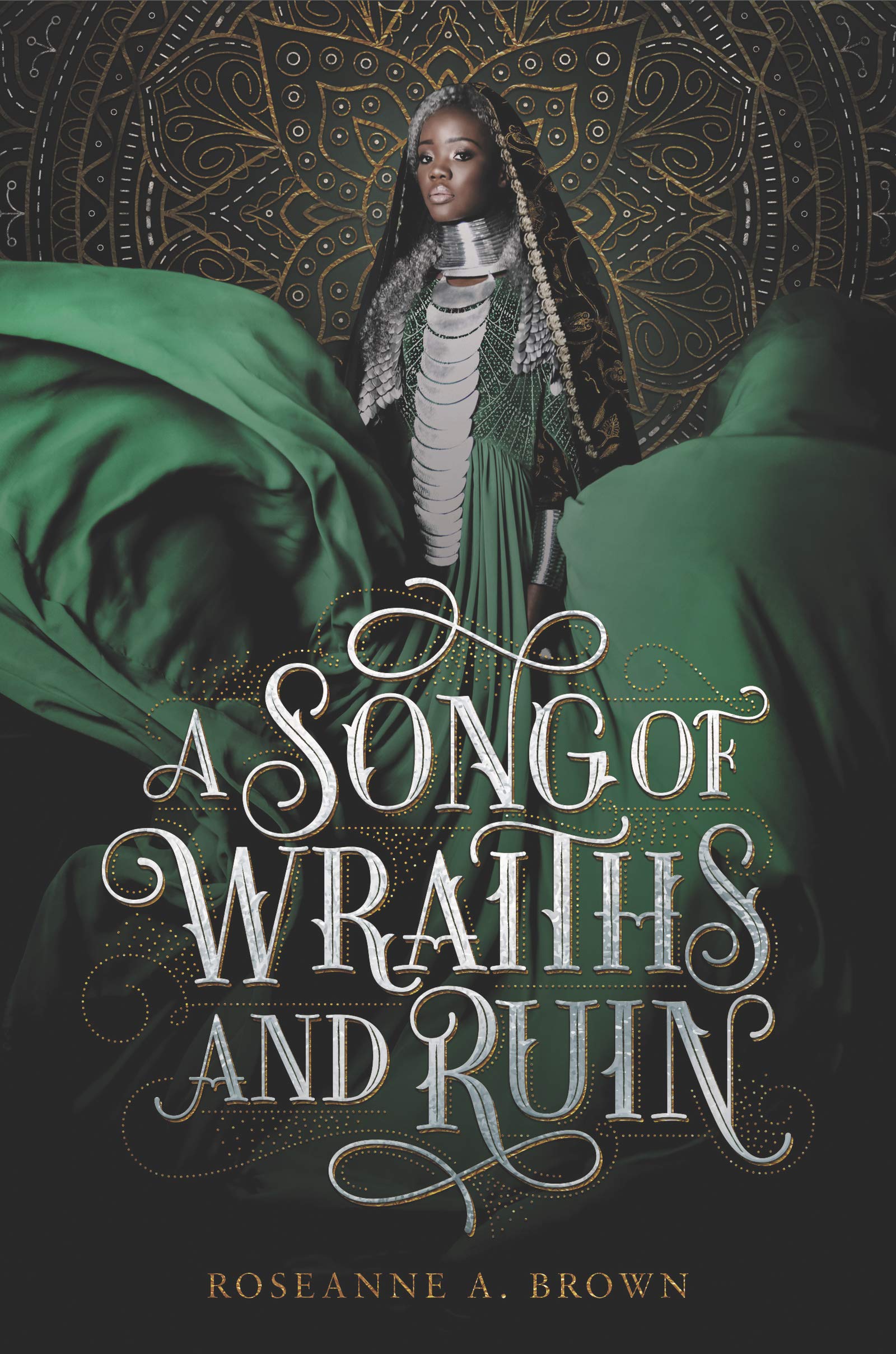
Image result for a song of wraiths and ruin

A Song of Wraiths and Ruin (A Song of Wraiths and Ruin, #1)–Roseanne A. Brown

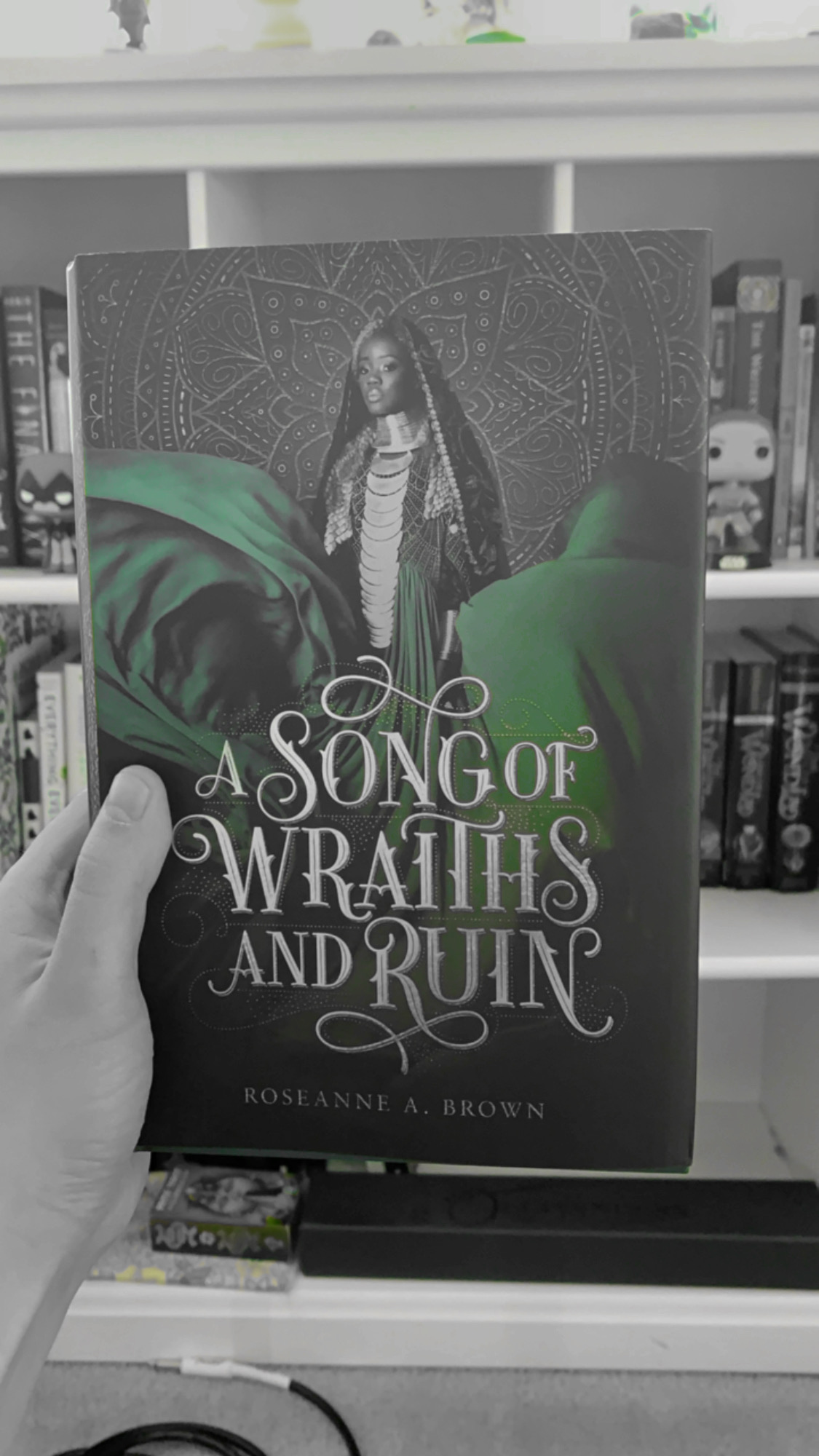
My copy ft. a cool filter and one of my bookshelves

In the wealthy city of Ziran, it is a time for celebration, many days of carnivals and competition at the Solstasia Festival. This year, however, the lives of two very different teens with cross in ways that could change their world forever.

Malik came to Ziran to escape, but at a price; as an entrance fee, an evil spirit captured his sister, and the only way that he can get her back is to kill Karina, the crown princess of Ziran.

Karina yearns for a life outside the palace, but after her mother, the Queen, is assassinated, she begins dabbling in dark magic to bring her back. Her magic, too, has a price–it requires a king’s beating heart, and the only way she can get that is to sneak her way into the Solstasia competition–where Malik has entered in order to get closer to her.

Their destiny is to kill each other–but their feelings for each other cannot be ignored, and they may have to twist fate itself to find their way out of this conundrum.

Image result for dark magic aesthetic gif

TW/CW (from Roseanne A. Brown, at the front of the book): self harm (magic ritual), violence, abuse (emotional and physical), anxiety/panic attacks, loss of loved ones, animal death

Wow, it’s been so long since I’ve read a fantasy that I’ve loved as much as I did this one! A Song of Wraiths and Ruin is truly a treasure.

What stood out most for me was the writing style. There’s something about Brown’s writing that’s evocative of so many things that bring joy to me; there’s an almost Marvel sensibility about it, maybe a little bit of Disney (normally, I’m not the biggest fan of Disney, but this made it work)…it’s hard to quite put my finger on it, but the style was delightfully cinematic, calling to mind a classic, feel-good adventure movie. This would translate to well to the big screen, I’d love to see a movie adaptation of this one…

The characters were wonderful as well! Karina was such a lovable protagonist, and I adored her free spirit and determination. (Plus, the image of her standing on top of a table and aggressively serenading an entire restaurant…immaculate) Malik was the perfect character to balance her out, more of a calming and grounded presence. Both of their traumas felt very authentic, and it’s always good to see male protagonists that not only have mental illnesses (Malik seems to have some form of anxiety), but are openly sensitive and express their feelings. Together, they created such a captivating, enemies-to-lovers romance! Yeah, yeah, I know the whole “they’re both trying to kill each other, BUT HEY, THEY’RE MADLY IN LOVE NOW” trope has been done before, but Karina and Malik are both such well-written characters that I can make an exception. What can I say, I’m a total sucker for enemies to lovers.

And the worldbuilding! Brown’s world was so lived-in and full of resonant magic. My favorite aspect was the mythology surrounding all of the different deities and spirits, and I had such a fun time discovering the world piece by piece as the plot progressed. Like I said, I haven’t read a fantasy novel that’s filled me with *this much joy* in quite a while. GAH!

Image result for oh it's beautiful gif
I think I used this gif when I did a Goodreads Monday on this one…I’m coming full circle

All in all, an adventurous and well-written fantasy that filled me to the brim with joy. Maybe I’m not so jaded with YA fantasy after all. 4 stars!

Image result for wholesome cat meme gif

A Song of Wraiths and Ruin is the first novel in Roseanne A. Brown’s A Song of Wraiths and Ruin duology, followed by A Psalm of Storms and Silence, which is scheduled to be released on August 31, 2021. Wraiths is Brown’s debut novel.

Today’s song:

rewatching of Season 2 is well underway…the strings at the end of this give me Sparklehorse vibes and I love it

That’s it for this book review! Have a wonderful rest of your day, and take care of yourselves!