This is a scheduled post, so I’ll be going back into my gopher hole for at least another week (or thereabouts), but one thing about me is that I love to categorize and wrap things up, in spite of it all…
Let’s begin, shall we?
GENERAL THOUGHTS:
I’ve been in the weeds of finals for the past few weeks, and I only just submitted my last final. Which also happened to be my last final…and the last assignment I’ll ever submit for undergrad. Jesus. I graduate college tomorrow (!!!), and I’ll continue to be busy, so expect that I’ll be radio silent for at least another week, with the exception of one other scheduled post aside from this one.
As you could probably gather from the amount of times I randomly dropped off the face of the Earth this blog, March and April have been verybusy for me. It’s been a time. In late March, I defended my honors thesis, which was nothing short of nerve-wracking. But it was worth it—guess who’s graduating summa cum laude?? After that, I barely even considered that there would even be a semester after my honors thesis, since working on it swallowed up most of my semester. Of course, I only had a week or two before finals swallowed everything, but such is life. And college.
And now I’m about to graduate. What people don’t tell you about college is that, aside from graduation, there’s no real fanfare for the end of college. I just had a single, completely uneventful class on Thursday afternoon, and then I was just…done. With undergrad. Four years, all culminating in some random class I only took for the upper-division elective credit. You expect it to end with firecrackers and confetti and not just shuffling out of class and taking the bus home, but that’s the way things go sometimes. Sometimes things just end. And that’s okay. But maybe it’s fitting, in a way. I spent so much of my life being petrified at even the thought of going to college and being away from my parents. There was so much catastrophizing in the years and months leading up to college. But it ended so quietly, so ordinarily. In the end, it was uneventful, and it was all fine. Well, more than fine, I’d say. I came away with a GPA that wasn’t too shabby, so many wonderful friends, a ton of new experiences that I’ve braved…not to mention that summa cum laude I mentioned!! Come on!
So maybe it’s for the best that things end quietly. I can look back and be at peace, knowing that everything I struggled through was worth it, and hardly anything turns out as badly as your anxieties make it out to be. About a month back, one of my best friends introduced me to Rilo Kiley’s song “A Better Son/Daughter,” which…first off, you know who you are, and that was diabolical to do that to me right before graduation. Dastardly, even. OW. But I find myself drawn to it again and again, knowing some of the lows I’ve experienced recently in college (and in life), and that I came out the other side a more independent, self-assured, and hopefully more whole person. I sure feel better, knowing that I’ve made it to this point in spite of it all. So thank you, said friend, for bringing that song into my life.
MARCH READING WRAP-UP:
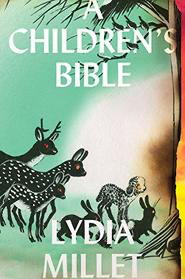
I read 13 books in March! Unfortunately, I had my first DNF of the year (I gave it an extra star because there were a few good ideas in it, but overall, Pleasure Activism got on my nerves and life is short), but aside from that, I had an excellent reading month! I focused on books by women for Women’s History Month, and I had a blast with new-to-me authors, longtime favorites, and treasured re-reads.
I read 13 books in April! Ratings-wise, this month was a rollercoaster—I had a 5 star read and my first DNF of the year one after the other (I kid you not), so there have been lots of ups and downs. But most of the books I read came out somewhere above average, so I can’t complain. The ones that were excellent made up for the bad and the mediocre.
holy fuck, Earthling is phenomenal…I’ve really been feeling that “music meant to be listened to on drugs at the club/me listening to it sober doing the dishes” meme while listening to it while knitting on the bed though 💀
That’s it for this wrap-up! Have a wonderful rest of your day, and take care of yourselves!
My name is Madeline. I was diagnosed with SPD at age three, and I’ve talked about it fairly extensively on this blog, often in relation to what I usually talk about on here: books and music. Current research gives the estimate that around 1 in 20 people has some form of SPD, but it’s rarely talked about—much less depicted in pop culture. The representation of it in literature (and every other kind of media) is almost nonexistent. I’ve had the privilege of meeting more people with SPD in college, and that’s made me much less isolated and more confident. Nonetheless, the conversation around SPD tends to amount to crickets. Thankfully, progress in representation has inched forward. Last year, we got the documentary Sensory Overload, which was an excellent and intersectional window into all kinds of people with sensory issues, including SPD—I highly recommend it.
But until I read this novel, I’d only heard of one other fiction book on the subject (Carolyn Mackler’s Not If I Can Help It, which I also highly recommend), and that book only came out in 2019. So you can see why I grew up feeling more than a little alienated.
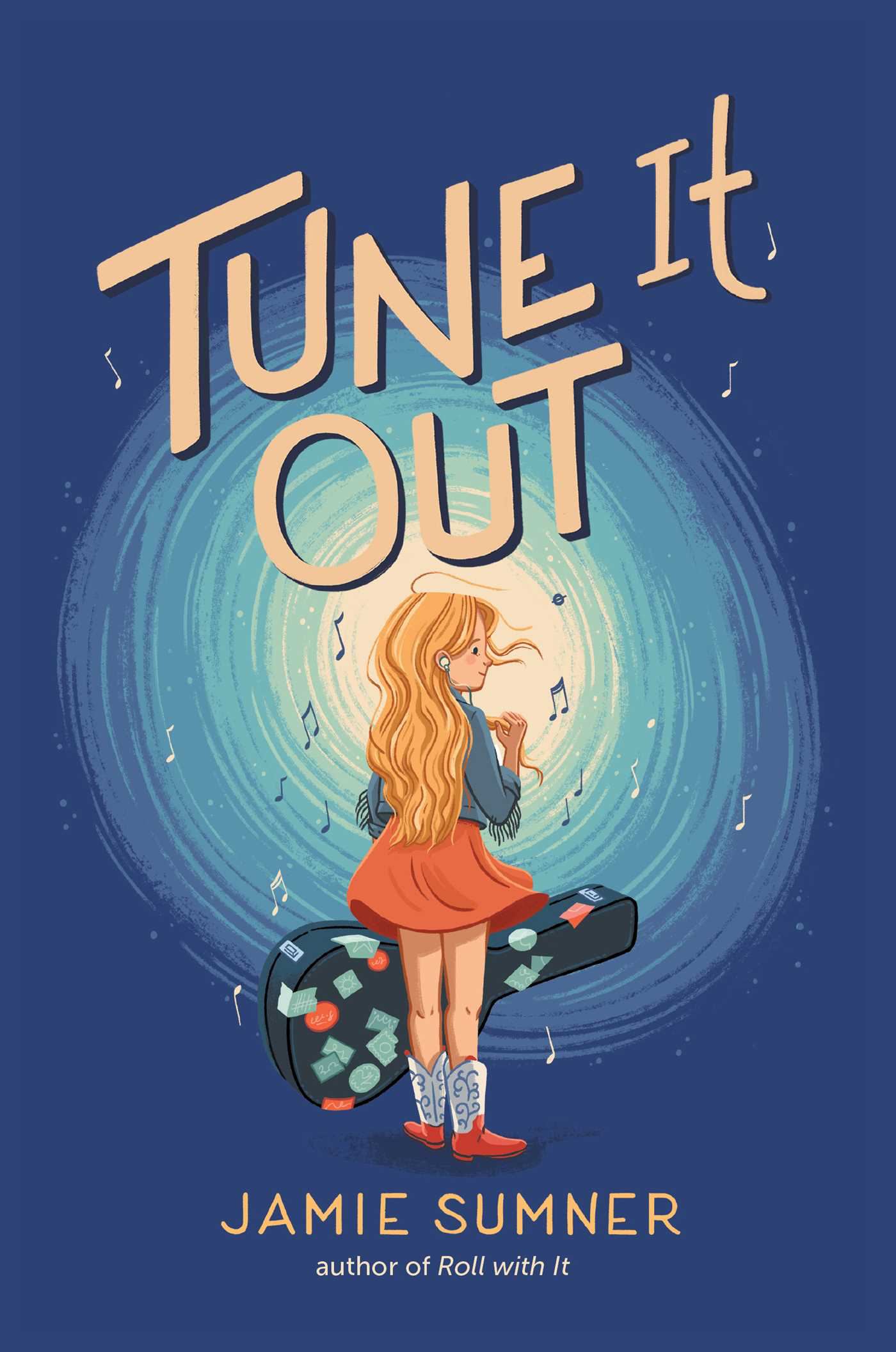
I rarely get excited to hear about books from authors I’ve never even heard of. But the minute that I found out that Tune It Out had SPD representation, I was itching to read it. Unfortunately, I couldn’t find it at the library or any bookstores for six years. So I had a little celebration when my library got a copy of it on Libby! I don’t even care that I’ve aged well past the middle grade target audience, because Tune It Out provided something for me that I’ve been searching for all my life.
As far as Lou Montgomery is concerned, she’s getting along just fine. Sure, she and her mother may be unhoused, but despite Lou’s intense aversion to crowds and loud noises, she’s been able to function, trying to get noticed by a talent scout so that her mother can finally get the big break they’ve always dreamed of. But when an incident leads to Lou being separated from her mom by CPS, she’s forced into an entirely new life—one with school, new people, and all sorts of sounds that she doesn’t like. What’s more, she finally has a name for her feelings—SPD. Lou isn’t sure if she likes it. But as Lou comes to face the facts about herself, her mother, and her new life, she realizes that finding her voice may not be as hard as she thought.
TW/CW: child neglect/abuse, ableism, panic attacks/sensory overload, car accident
Here’s the thing. I’ve gotten emotional over representation of all kinds. Seeing my experiences of being bisexual, mixed-race, and/or the general experience of being a woman have all touched me in ways that most books don’t. For SPD, it’s different. I was full on sobbing in my bed reading Tune It Out, because so few books—and any other kind of media—have addressed this part of me. I am so beyond glad that Tune It Out exists.
First, the obvious: the SPD representation! That was the entire reason I picked up Tune It Out, and I saw so much of myself in Lou. SPD is a varied diagnosis, but a lot of Lou’s symptoms were similar to mine, particularly her heightened sensitivity to sound. Her experience going to the airport for the first time, as well as the fire drill scene, really hammered home how harrowing sensory sensitivity is—every sound feels like an attack on you, and you feel that attack become pain in your body. Her aversion to touch and certain textures hit home too, especially with unwanted physical contact. Sumner’s prose made these sensations so embodied. Also, the scene where she gets an iPod for the first time and is able to use music to self-soothe truly struck me. I’ve still got my beat-up iPod nano from when I was about Lou’s age, and it serves the same purpose to this day. It’s a part of having SPD that’s always been a reliable way to help me calm down from sensory overload, and I loved that Sumner explored this in Tune It Out. I saw so much of my younger self in Lou. Sumner clearly did her homework in that regard, and I can’t thank her enough for that.
Another aspect of SPD representation that Tune It Out touches on is occupational therapy. Lou was diagnosed at an older age than I was, but the questionnaires and coping mechanisms that she learns at school were very accurate to my experience with SPD and therapy. A lot of the new challenges she faces at school, from crowded cafeterias to fire drills, were appropriately shocking to her (with the combined factor of her being formerly unhoused and not used to this particular school environment), and I loved how she learned to cope with these everyday struggles. I also appreciate that Sumner introduced the perspective of Lou having some internalized ableism; a lot of her mom’s beliefs about her “just being skittish” and that she could just “tough it out” without a problem were deeply embedded in her own belief system, which made her very reluctant to get diagnosed. Lou’s arc about realizing that SPD is nothing to be ashamed of and learning to cope with sensory issues in healthy ways resonated with me deeply, and I’m sure it will with so many other readers.
Tune It Out deals with some heavy topics, but I think it does it in a way that makes it perfect for older middle grade readers. One of the main conflicts of the book is that Lou is being controlled by her neglectful, manipulative mother; one of the main realizations that she has is that her mom has been using her singing talents to try and get them money, and she refuses to acknowledge that a) her daughter’s dreams are not her own, and b) her daughter isn’t just “skittish,” but has a disability that is not being properly accommodated. It’s definitely an older middle grade subject to realize that your parent might be emotionally abusive, but the way that Sumner handled it gave it the weight it deserves. Lou idolized her mother for so long, but she reacted exactly how I would imagine a 12-year-old would. It’s a difficult read in those portions, but I think it’s an important subject for younger readers to be exposed to.
In terms of the lighter, more classic middle school parts of the plot, Tune It Out reminded me of some of my favorite middle grade novels that I read in elementary and middle school. I loved the scenes with Lou and her new friends, especially Well, who read delightfully like a Wes Anderson character. The scenes of them bonding over music made me bawl. Lou’s fears about her new friends were relatable, but all of them coming together to support Lou taking control of her own narrative were so heartwarming. Sumner really captured that feeling of being in middle school and being fundamentally different from your classmates in a way that shook me to my core.
Ultimately, I think Lou’s arc in Tune It Out was incredibly powerful. Given that so many narratives about disability lean into “inspiration” plots, I think it’s so potent that Lou’s arc centers around her gaining autonomy over her life. She finally works up the courage to stand up to her neglectful, emotionally abusive mother—that scene was one of the most poignant in the book. But I think that the core of Lou’s arc—her life being controlled, and then her gaining control over her life—is so important for young, neurodivergent girls to hear. Honestly, it works for all kinds of young girls. When you’re neurodivergent and/or a girl, so many people will try to tell you how to live your life, and being told from a young age that you are the only one in charge of your story is something that needs to be heard and reinforced. My hope is that young girls will learn that from Lou, and I have no doubt that they will. I needed a Lou when I was 12, but I’m just glad that the generations of girls to come will have a Lou of their own.
All in all, Tune It Out was easy to love: full of heart, charm, and just the sort of representation that I’ve been searching for ever since I knew about the concept of representation. Thank you, Jamie Sumner. Representation matters.5 stars!
Tune It Out is a standalone, but Jamie Sumner is the author of several other books for children, including Roll With It, The Summer of June, Glory Be, Please Pay Attention, and more.
Today’s song:
That’s it for this week’s Book Review Tuesday! Have a wonderful rest of your day, and take care of yourselves!
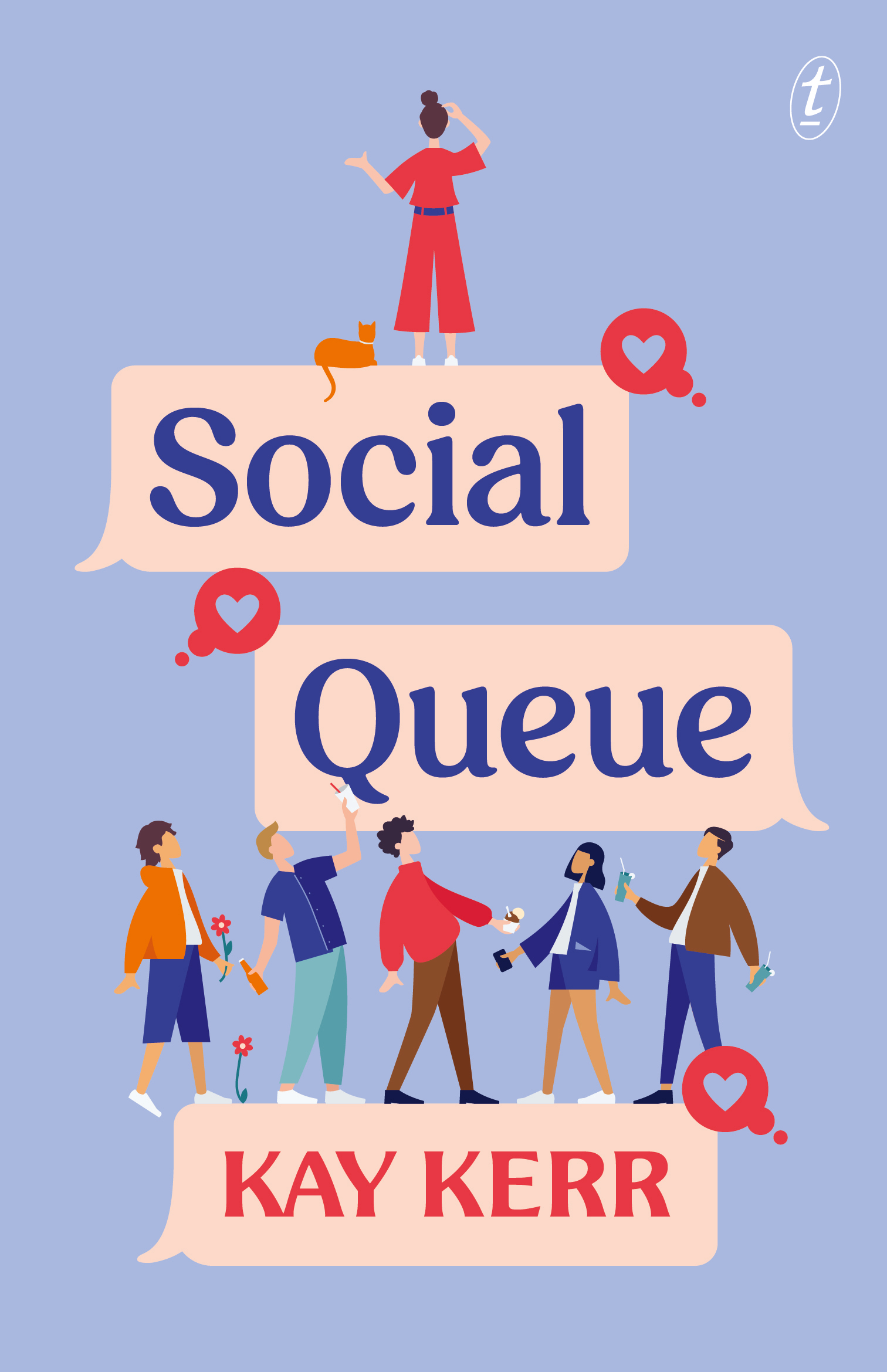
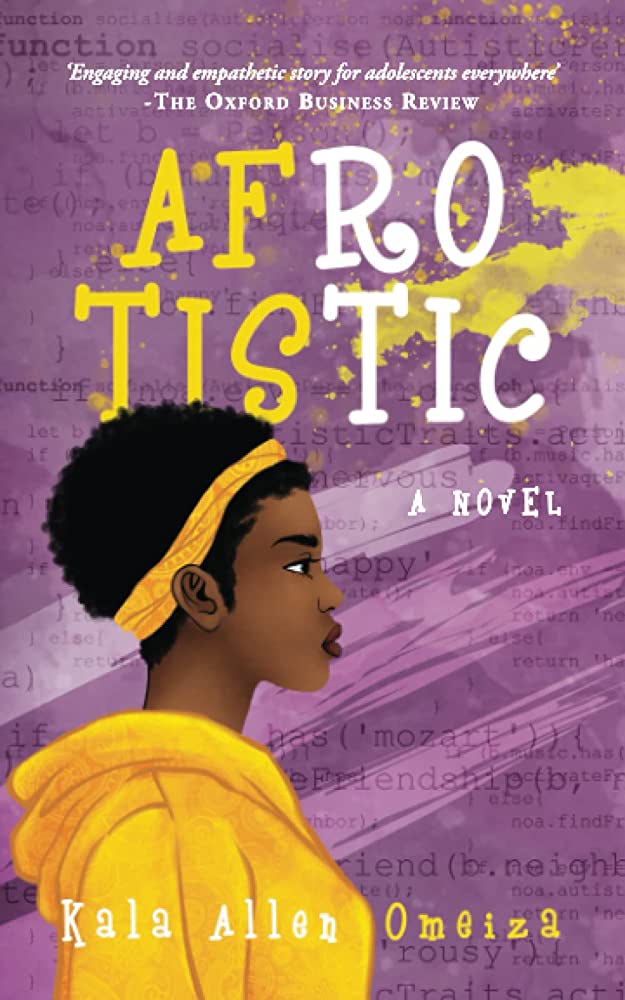
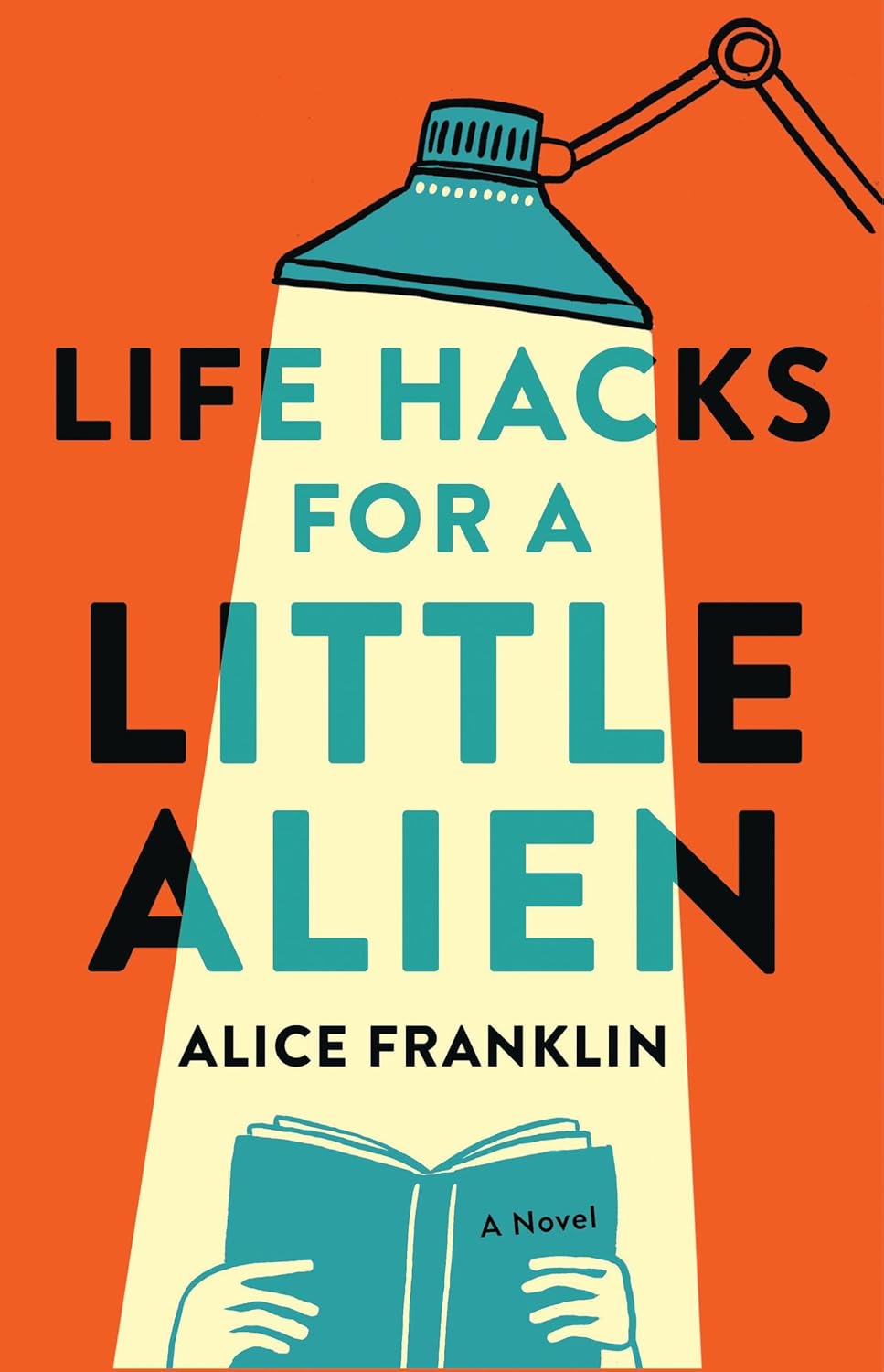
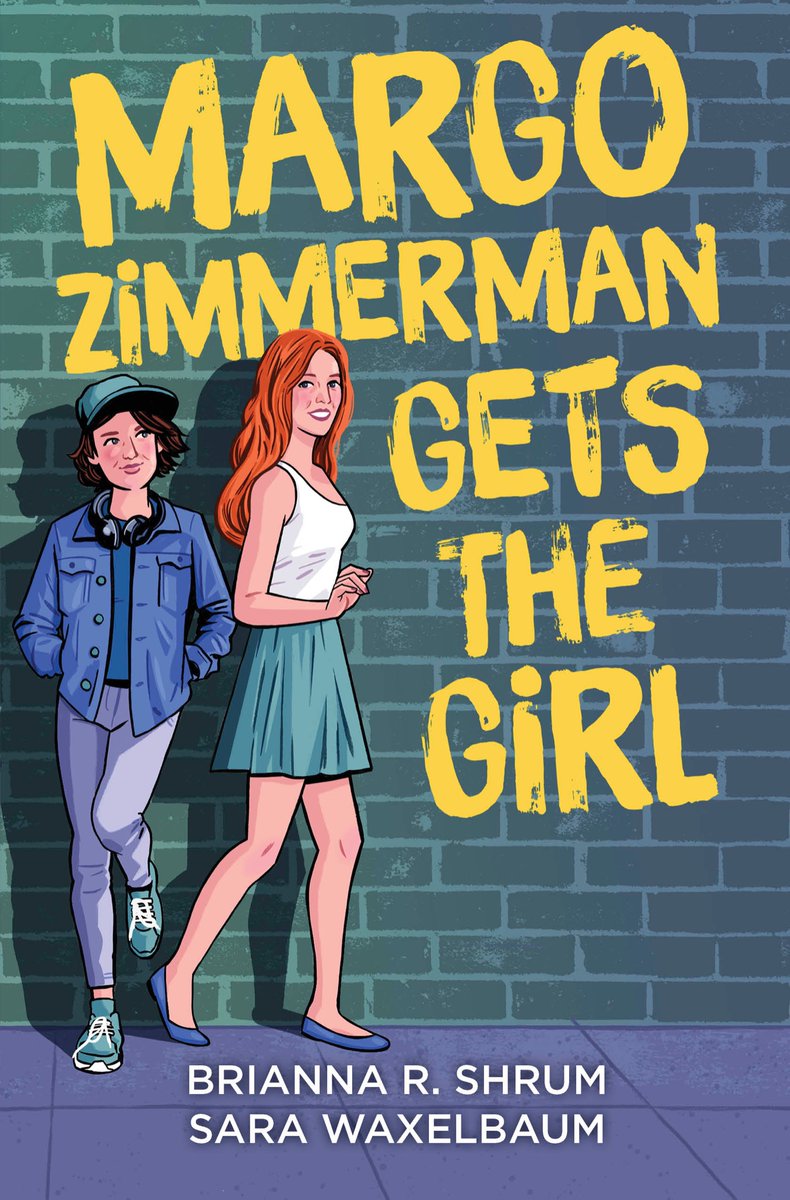
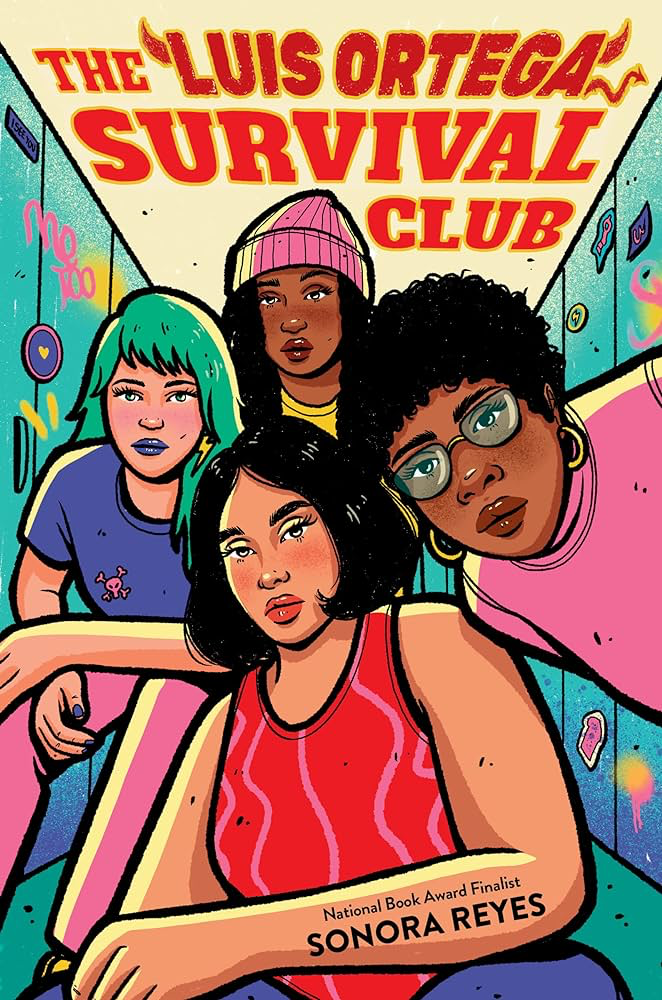
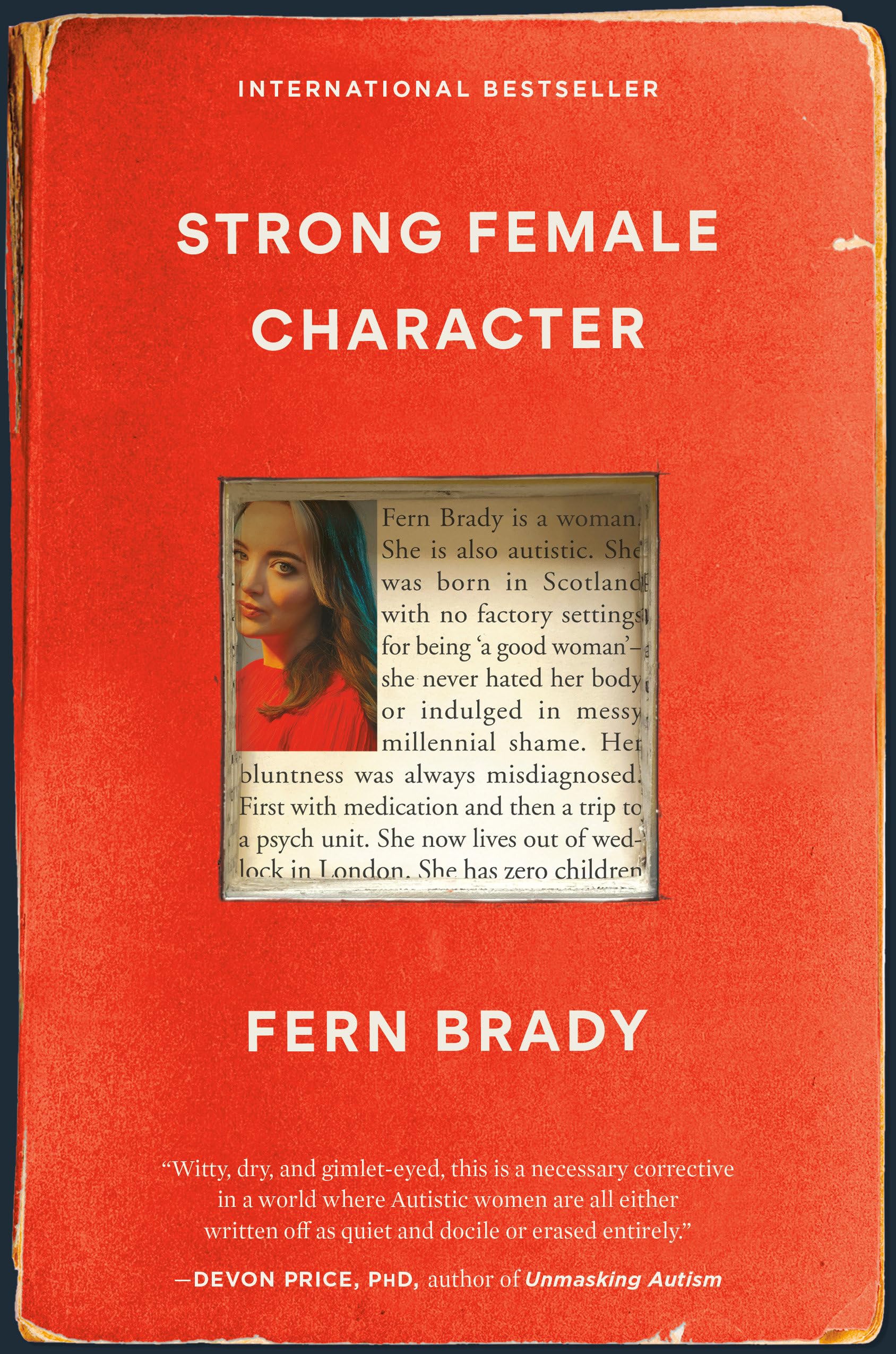
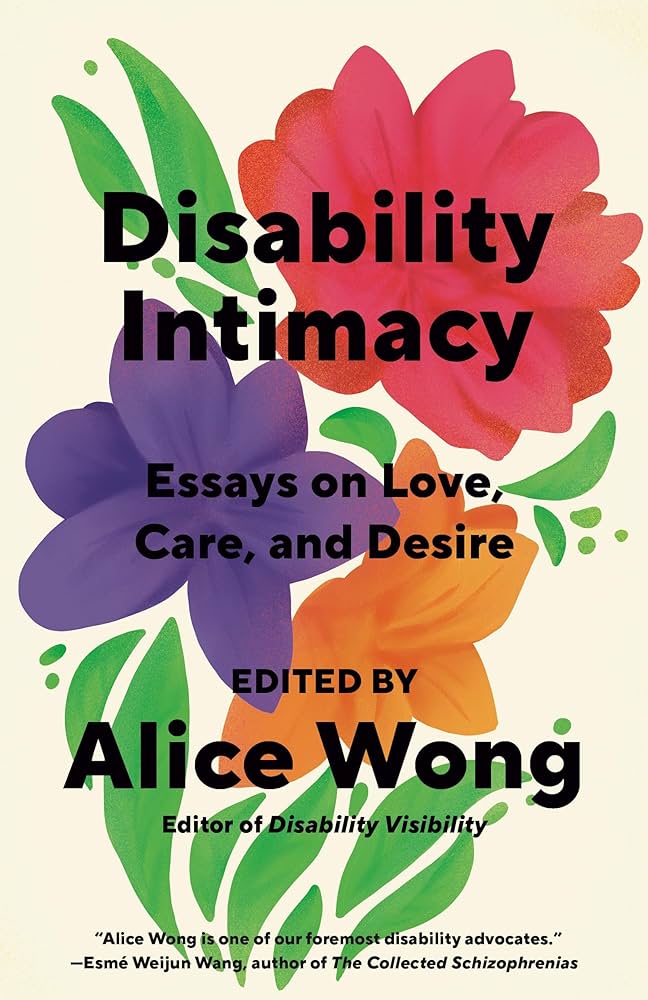
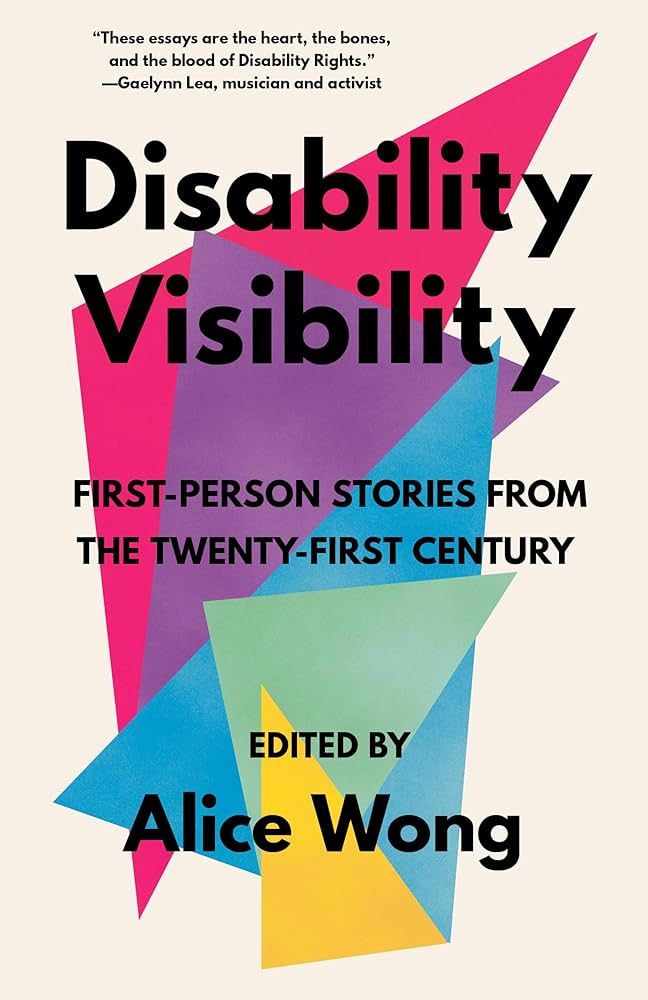
Here in the U.S., April is Autism Acceptance Month! Unfortunately, I’ve only done one of these recommendations lists in the past (April is usually a very busy month for me), but I figured I would make another, because like many of the other marginalized identities that the Trump administration has been going after, the autistic community, especially here in the States, has been under attack. RFK Jr. has repeatedly made claims that he will “cure autism” (as if it even needs to be cured in the first place) and has spread all sorts of harmful and baseless misinformation about autism and autistic people. What most of it boils down to is the concept that autism—and neurodivergence in general—is somehow a tragedy.
The truth is much more nuanced. While it isn’t a superpower, as some people try to sugarcoat it, autism is not a tragedy, and autistic people’s lives, experiences, and stories are worth celebrating. That’s what I hope to do with this list: here, we have narratives in many different genres about autistic people being the autonomous heroes in their own stories. And just like the experiences of autistic people, no two are completely alike—it is a spectrum, after all, and a multitude of experiences.
And because it’s evergreen (and relatable as a neurodivergent person), here’s this clip of Fern Brady on how people talk about autism:
For my list of recommendations from 2023, click here.
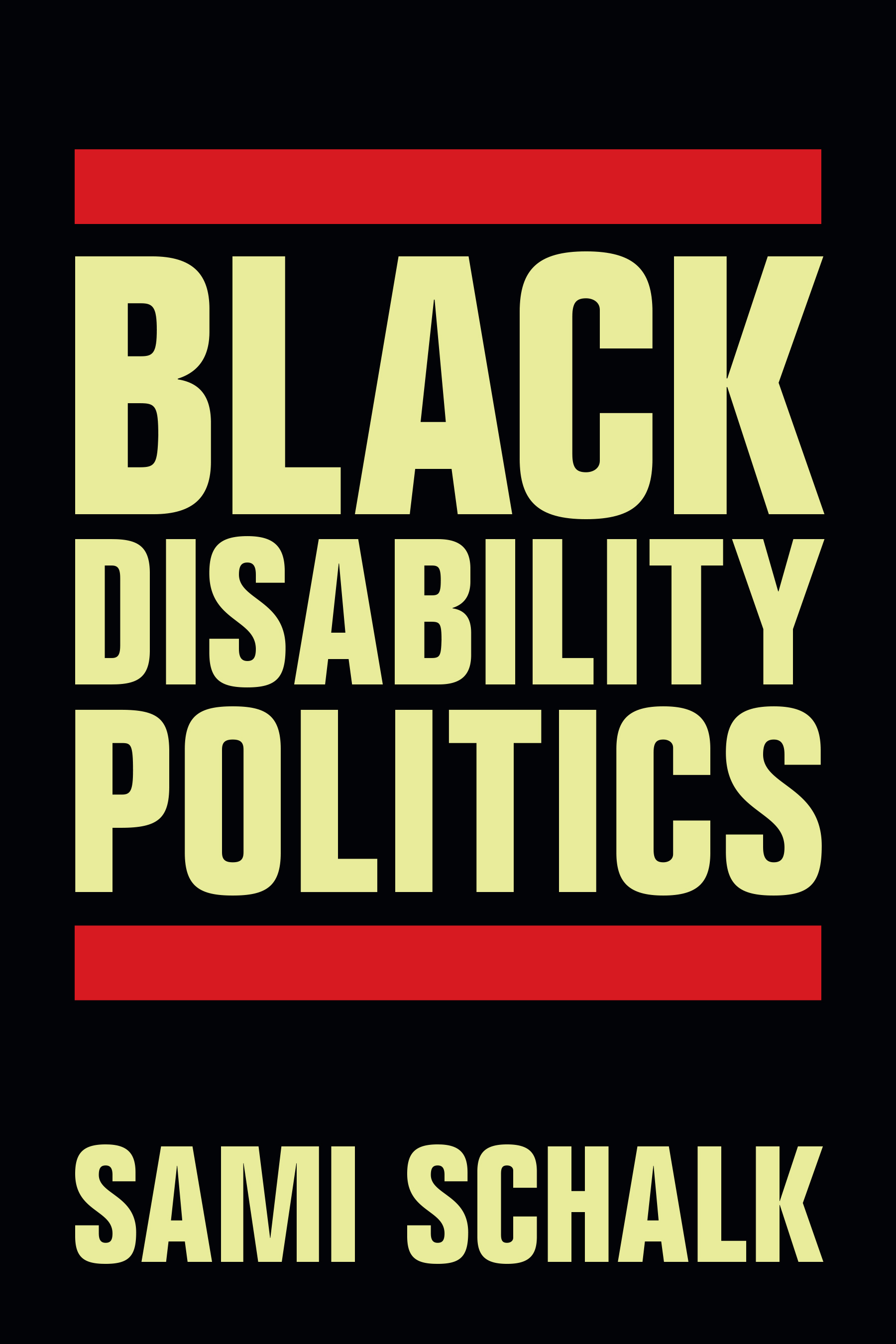
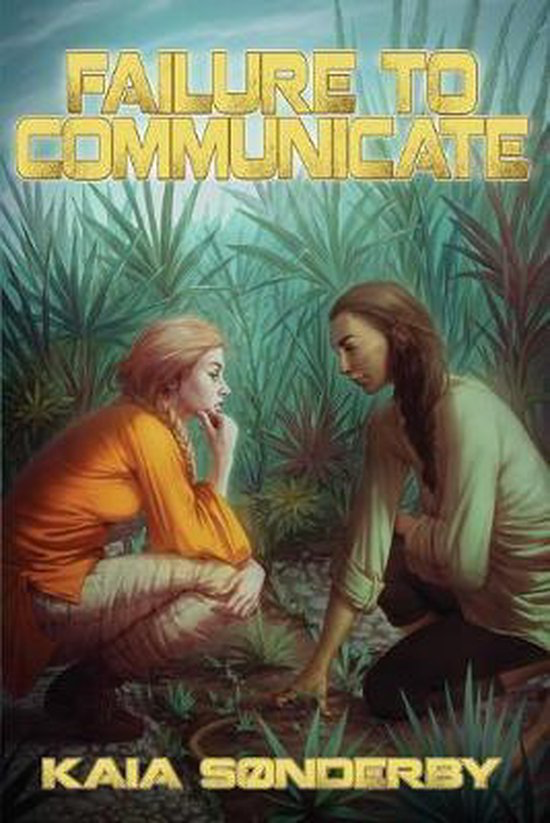
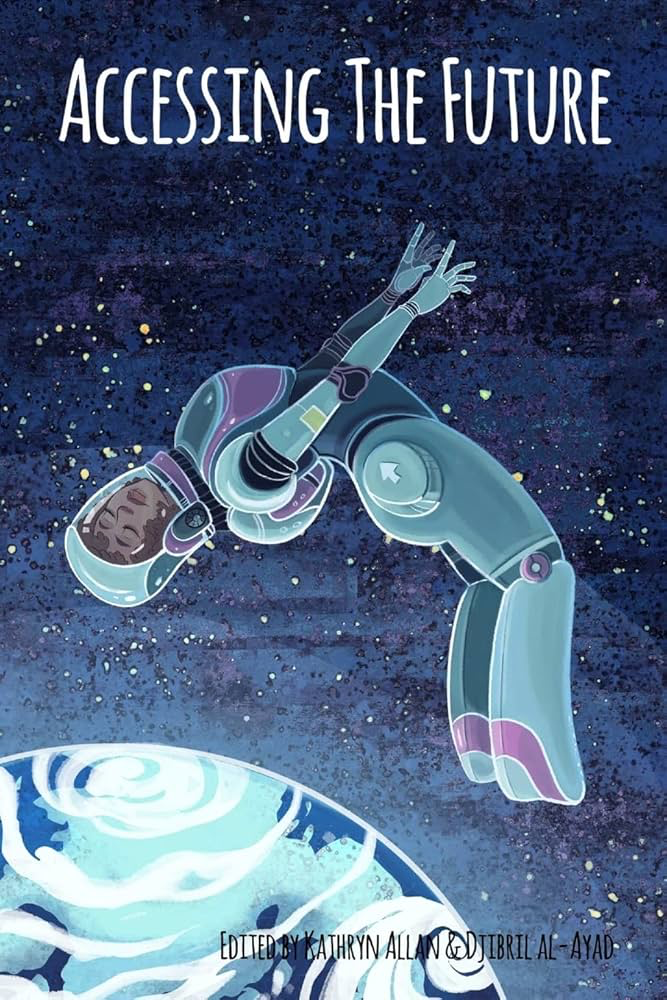
NOTE:most of these novels have explicit autistic representation, but some of them (The Book Eaters, A Big Ship at the Edge of the Universe, etc.) do not have autistic representation, but are written by autistic authors; I chose to include them, as this post is meant to uplift autistic authors and characters. Additionally, there are several books that aren’t directly focused on autism, but on disability in general, but still have contributions/stories from autistic authors, which I thought merited inclusion as well.
Let’s begin, shall we?
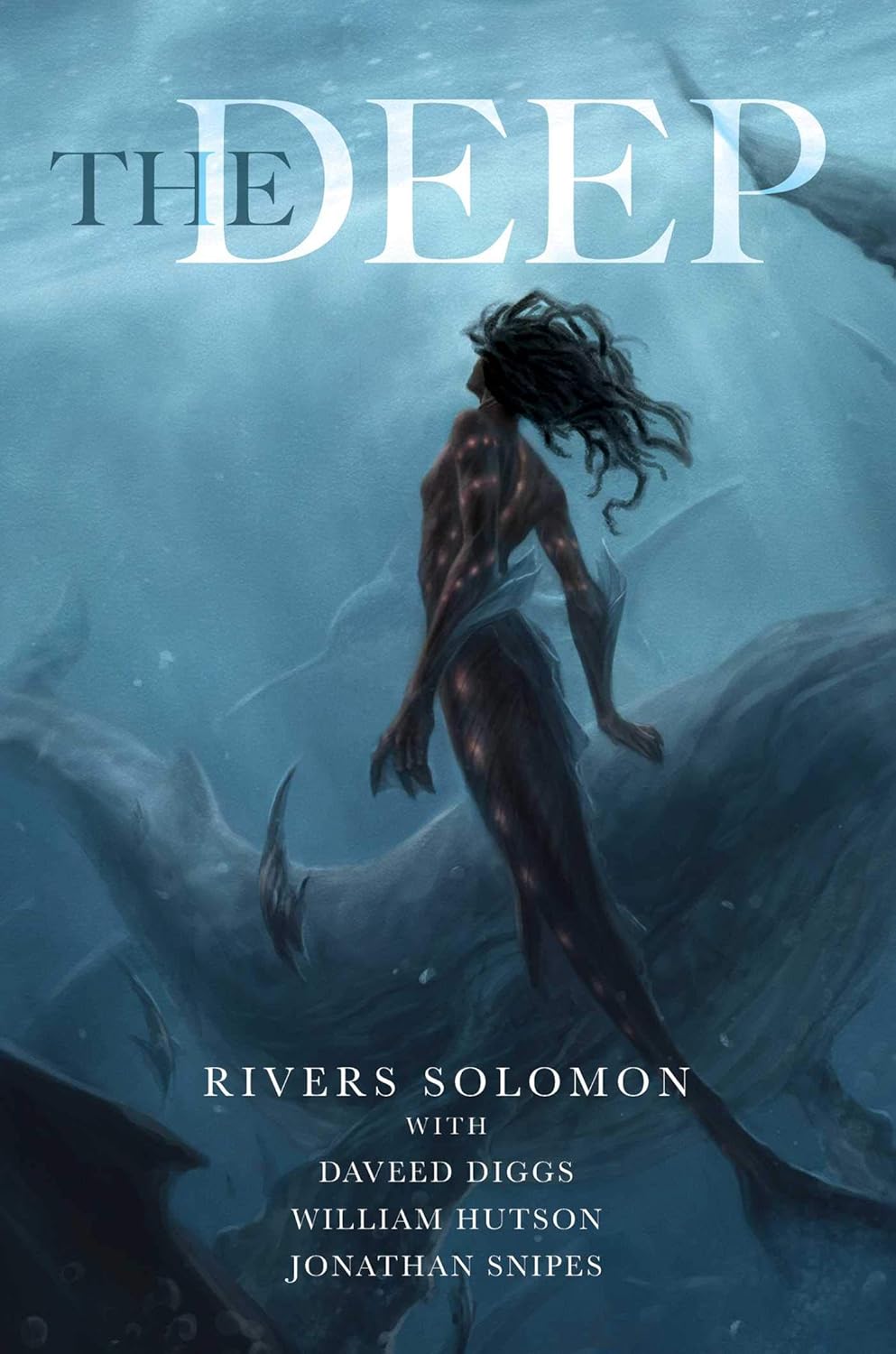
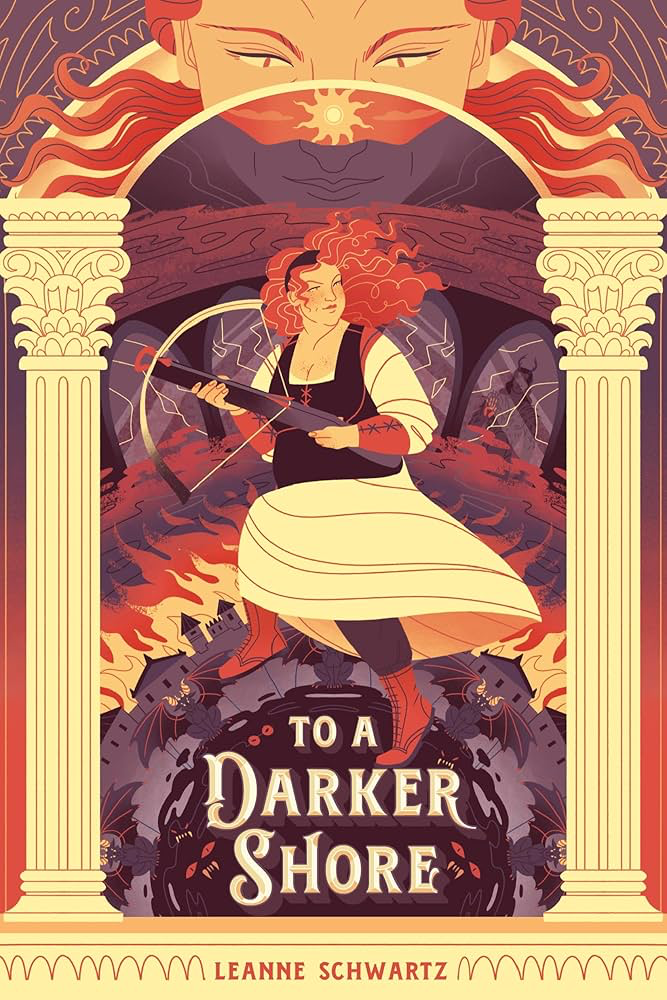
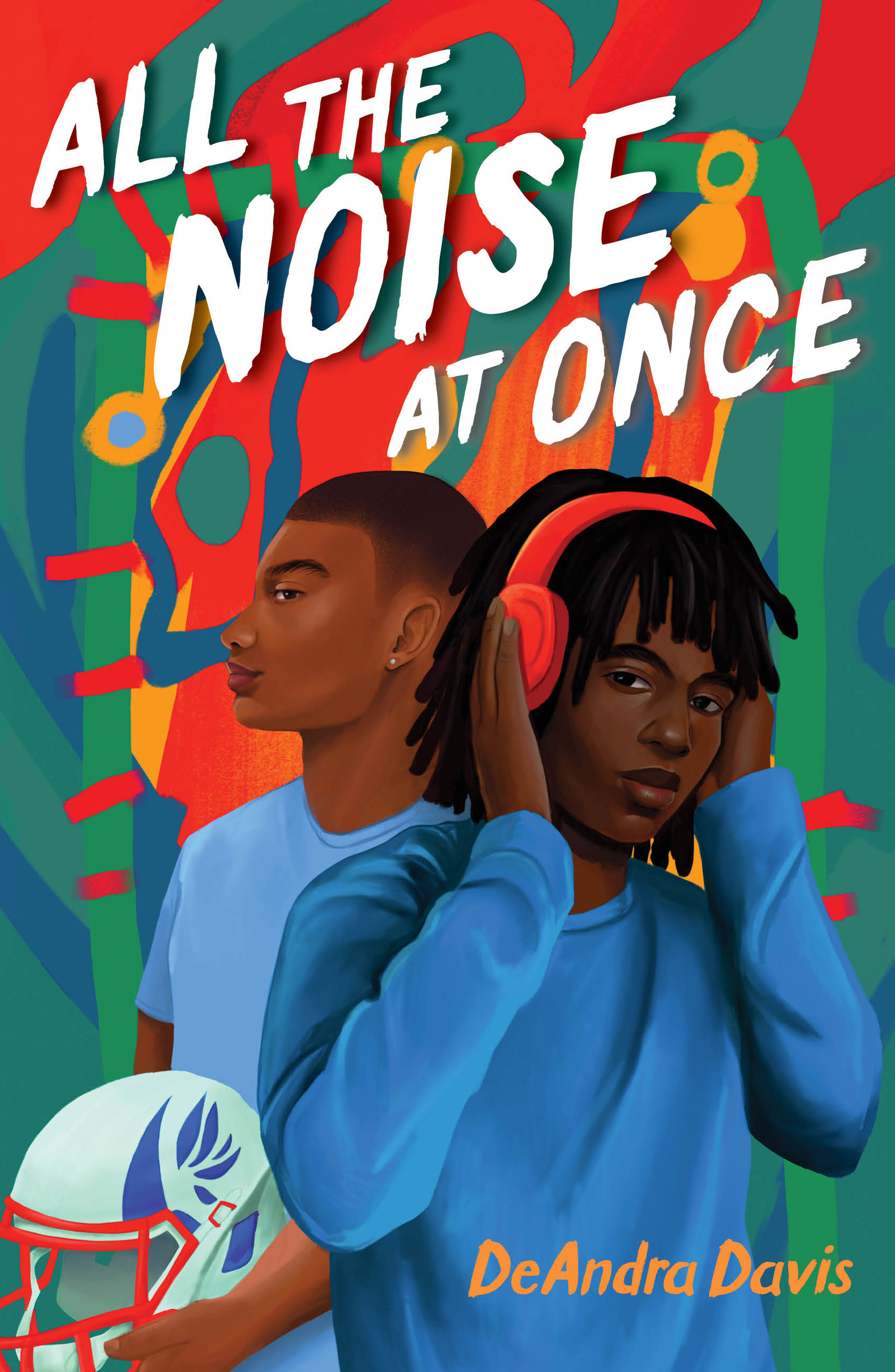
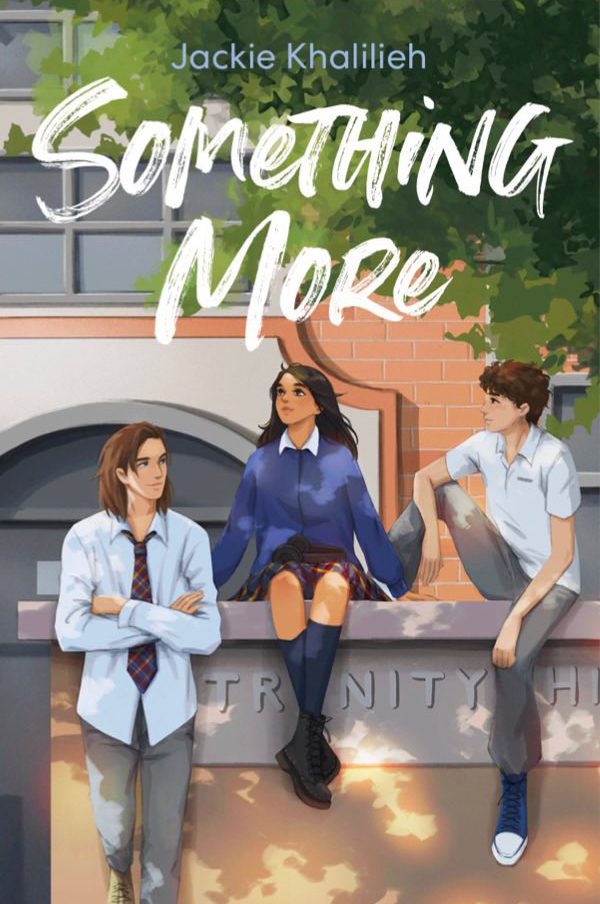
THE BOOKISH MUTANT’S BOOKS FOR AUTISM ACCEPTANCE MONTH (2026 EDITION)
TELL ME WHAT YOU THINK! Have you read any of these books, and if so, what did you think of them? What are some of your favorite books by autistic authors? Let me know in the comments!
Today’s song:
I haven’t thought about this song in ages…
That’s it for this week’s recommendations list! Have a wonderful rest of your day, and take care of yourselves!
Happy Sunday, bibliophiles! I hope this week has treated you well.
This week: the ordering of these songs wasn’t deliberate, but either way, at least I’m easing you in with some bright, relaxing songs for spring before you get walloped upside the head. Apologies in advance. Also, in a twist of fate, the white guys are the DEI hires in this lineup.
Another offshoot of my recent mini-foray into The Marías’s discography, Not For Radio is the solo project of their frontwoman, María Zardoya. I haven’t listened to enough of The Marías to definitively say what the key differences are—or if there are any prominent differences at all. I’m sure there are. But on the surface, the sound of Melt (no, not the Peter Gabriel one) seems ever so slightly tweaked. Setting aside the gothy, densely forested album cover, what stands out to me about “Puddles” is that the watery sound of The Marías has come up for air. “Puddles” is still woozy dream pop through and through, but it has a sharper, drier sound than most of María Zardoya’s other project. I don’t mean drier in terms of content—it’s as compelling as any Marías track as I’ve heard. I mean that more in the fact that it feels more terrestrial and leafy, but in less out-there terms, I think it veers more into more guitar-based dream pop, with sounds that are less drenched in reverb and more grounded. “Puddles” is an apt title for this track in that respect—still watery, but corralled by verdant dirt and sprouts.
Despite that, “Puddles” is as woozy and hypnotic as any of Zardoya’s other projects. Her signature, whispery vocal delivery feels like being sung to sleep, uttering secret, seductive promises as you drift off into dreamland. The Pacific Northwest-looking music video feels just right for this track, with gentle notes that peek out from behind curled ferns and moss-covered logs under cover of shadows. Once it grows louder and the sound intensifies into a barely-controlled chaos, I can almost feel the chord progression become Radiohead-esque (especially with the slightly sinister, electronic moans that appear towards the end), but the sensual, hopeful nature of this track prevents it from fully going into irrevocably depressed Thom Yorke territory. But honestly, as much of a Radiohead-head as I am, it doesn’t need to be Radiohead—it just needs to be María Zardoya.
…AND A BOOK TO GO WITH IT:
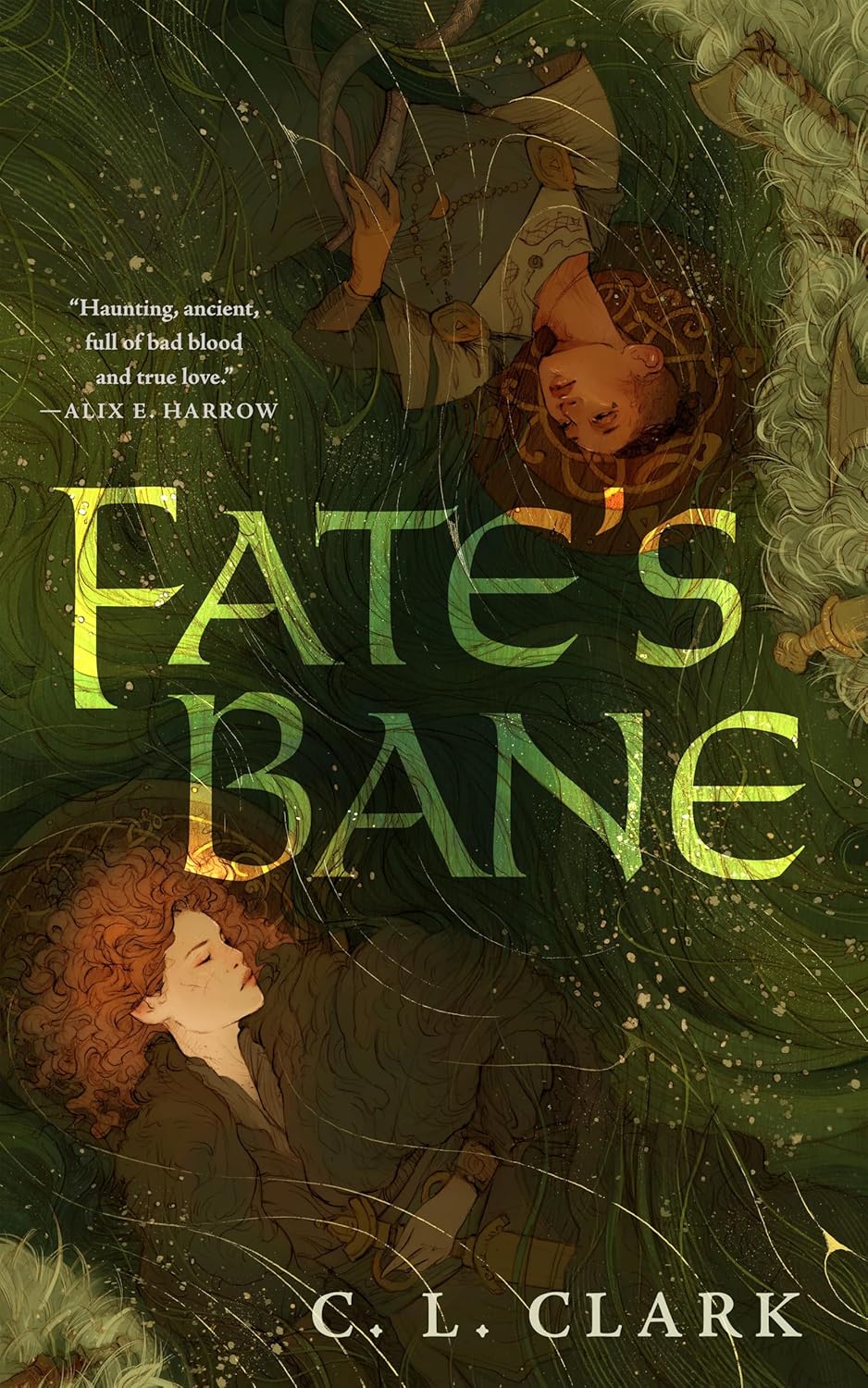
Fate’s Bane – C.L. Clark – “Puddles and puddles, I picture us there/Walking in circles and talking in stares/I’m seeing double, I’m already scared/Scared of what losing feels after we dare…”
God, I love Elephant 6. They were practically creating whole swarms of nasally-voiced dudes who liked ’60s psychedelic rock in a lab and setting them loose, and we’re all the better for it as a society. I’m sure there are some weak links among the ranks, but I’d be hard-pressed to think of any off the top of my head.
I haven’t explored The Gerbils as much as some of Elephant 6’s more prominent bands (see: The Apples in Stereo, The Olivia Tremor Control, etc.), but just from this one glimpse, I can tell that the spirit of those bands rubbed off on them. “Sunshine Soul” is a fuzzy, crunchy package of sun-bleached jangle pop, indebted to the ’60s but that couldn’t have come out of any other era but the ’90s. The production is grainy and muddled, but like a lot of its Elephant 6 compatriots, it only adds to the scrappy, garage-rock origins of the label. Even with the unexpected references to sewage and brains and arachnids in the second verse, nothing could dim the sparkle of this track. It’s nothing short of a quirky, homegrown jangle pop song, and a perfect song to celebrate the sun finally peeking out.
…AND A BOOK TO GO WITH IT:
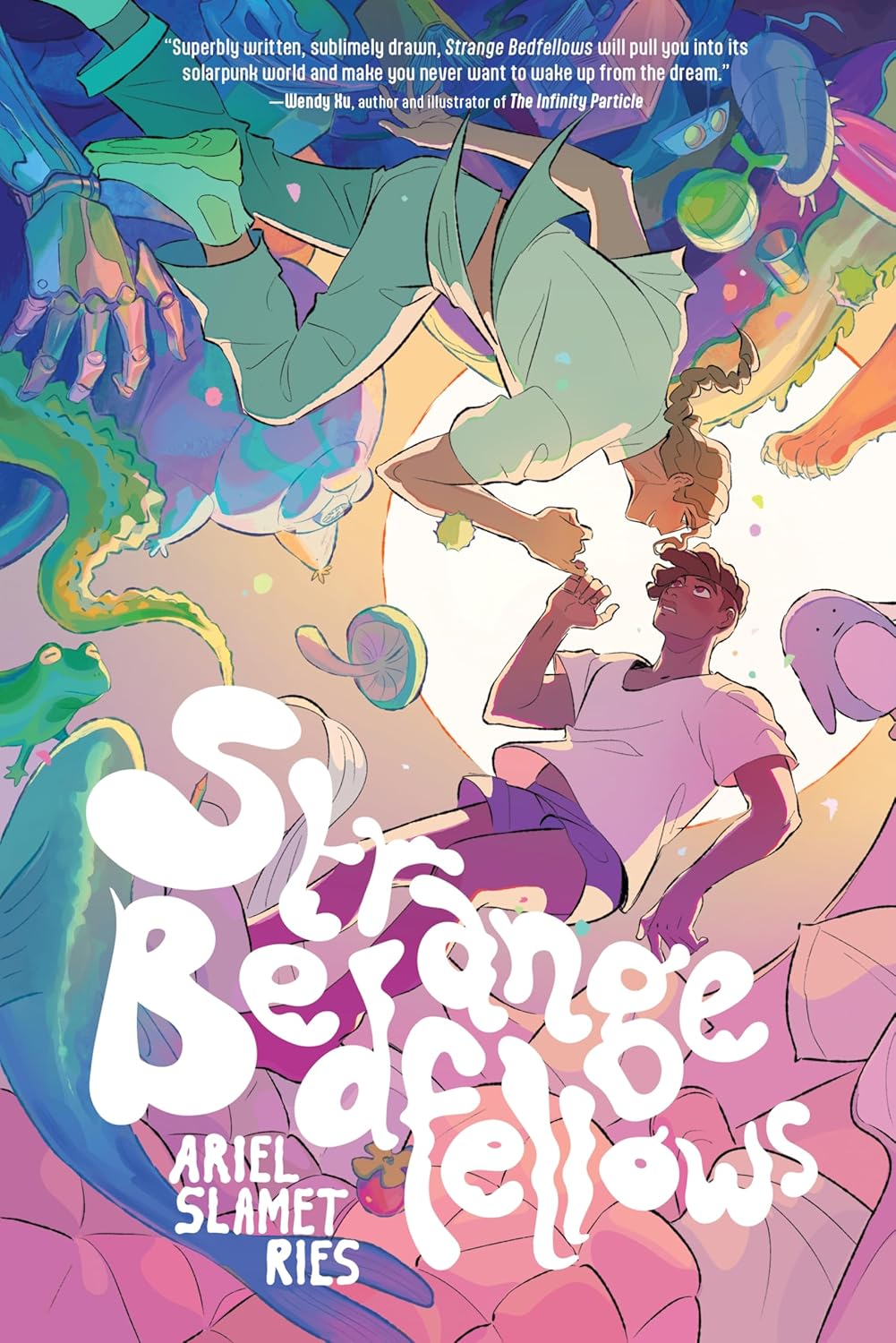
Strange Bedfellows – Ariel Slamet Ries – “Your life, it’s only a record/Turning ’round inside my brain/My life is only a needle/Scratching grooves into your vein…”
I feel like Crumb could transform any human emotion—positive, negative, or neutral—into a soothing, calm song. They’re not exactly endearing me to cockroaches in that video, that’s for sure. (Here’s hoping that the gecko at the end ate it?) But for a song that seems to be about anxiety—or any kind of notion, memory, or thought that never leaves your head—”The Bug” never ceases to be laidback and gently glimmering. All of their songs are hypnotic to me on some level, but the electronic drumbeat that begins at about 3:08 puts me under a spell every time. Almost two years after AMAMA was released, “The Bug,” as with most of the tracks on the album, remains a perfect, condensed terrarium of Crumb’s newest sound. Their songs are tiny ecosystems to me, with all kinds of delightful critters crawling about the moss…maybe some bugs, even?
…AND A BOOK TO GO WITH IT:
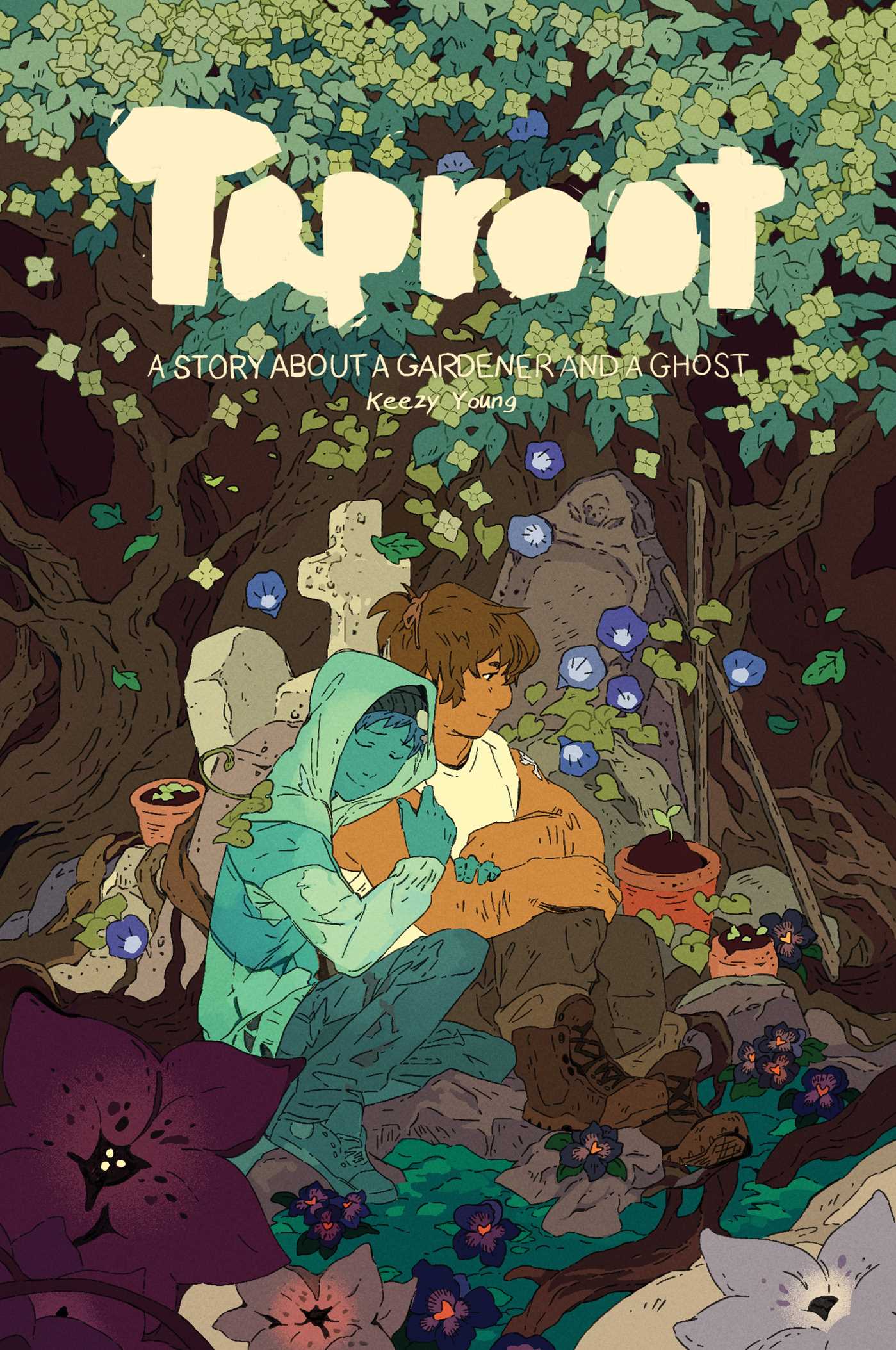
Taproot – Keezy Young – “We caught a fly/Reminds me of when I was some tiny child/Runs behind, but I can never see their eyes/Lost track of time…”
Since the last time I talked about Joanna Newsom, my cousin ended up talking me into listening to Ys in full. It’s been at least two weeks since I’ve listened to it; honestly, I’m still chewing on parts of it, but it’s a lot more hard-hitting than I thought it’d be. Sure, there are parts that I probably just won’t fully get on board with (parts of it definitely get a bit too into “Dibbles the Dormouse Has Lost His Favorite Handkerchief [Movements I-IV]” territory for me), but to be fair, Ys is honestly quite a bit different than what I listen to on a daily basis. That could be why “Only Skin” was such a shock to my system. Listening to “Only Skin” kind of ruined it for me, since that’s still the best song on the album by a long shot, but there isn’t a single song that feels like an afterthought here. Even if I don’t mesh with every facet of Ys, I could just tell from the first handful of chords how much of a labor of love this album was. Not a moment on this album suggests that Joanna Newsom was ever messing around. Through all of its bardlike, folksy, and esoteric seasons, I really can’t say that there’s a lot that compares to this album. Kate Bush comes to mind, if in spirit more than instrumentals—I think I just love a weird woman, knowing that it took a ton of glass ceilings to break through the music industry as it is, both for Bush, Newsom, and so many others.
“Emily” immediately clues you into the fact that Newsom isn’t easing you into the record. You kinda know what you’re into the minute she opens the opening track with this: “The meadowlark and the chim-choo-ree and the sparrow/Set to the sky in a flying spree, for the sport of the pharaoh.” If you’re not down with that, you have about 30 seconds to jump ship, because she doesn’t let up after that. At 12 minutes long, this song is the second-longest on the album, and it’s emblematic of a lot of the atmosphere on it: intricate harp (and some jaw-harp), sprawling orchestral composition, and esoteric lyrics that feel like getting punched in the gut with an oven mitt embroidered with flowers and moths. (Another bit to add to my hypothetical list of song pronunciations that I love: the way that she sings “meteoroid” is so full of wide-eyed wonder.) I think what makes “Emily” hit so hard for me is the subject matter, somewhat obscured as it is; the Emily in question is Newsom’s older sister, an astrophysicist who imparted the wonders of the universe onto her more creatively-inclined sister at a young age. Some of the lyrics feel like twisting the knife in the gut, since I have a similar relationship with my brother—sure, it’s not a one-to-one ratio of science and humanities, since he’s obviously a writer and a generally very creative person himself, and I wanted to be a scientist as a kid—but the song’s scenes of following her sister through the woods remind me fondly of my own childhood, turning our backyard into some Darwinian expedition before we’d go home and make up creatures in our notebooks. And thankfully, like the trajectory of “Emily,” my brother and I have managed to maintain that closeness into adulthood. The melody rocks and quakes, similar to “Only Skin”‘s feeling of a boat being tossed across a stormy sea, as Newsom recounts what they have weathered together as sisters. What solidifies their harmony is a repeated chorus, a promise made to her sister, a unity of her love of science and Newsom’s love of music:
“Though all I knew of the rot universe were those Pleaides/Loosed in December/I promise you I’d set them to verse, so I’d always remember/That the meteorite is the source of the light/And the meteor’s just what we see/And the meteoroid is a stone that’s devoid of the fire/That propelled it to thee.”
Ow. Right in the fondly-remembered sibling relationships. Anyways…love you, Max.
…AND A BOOK TO GO WITH IT:
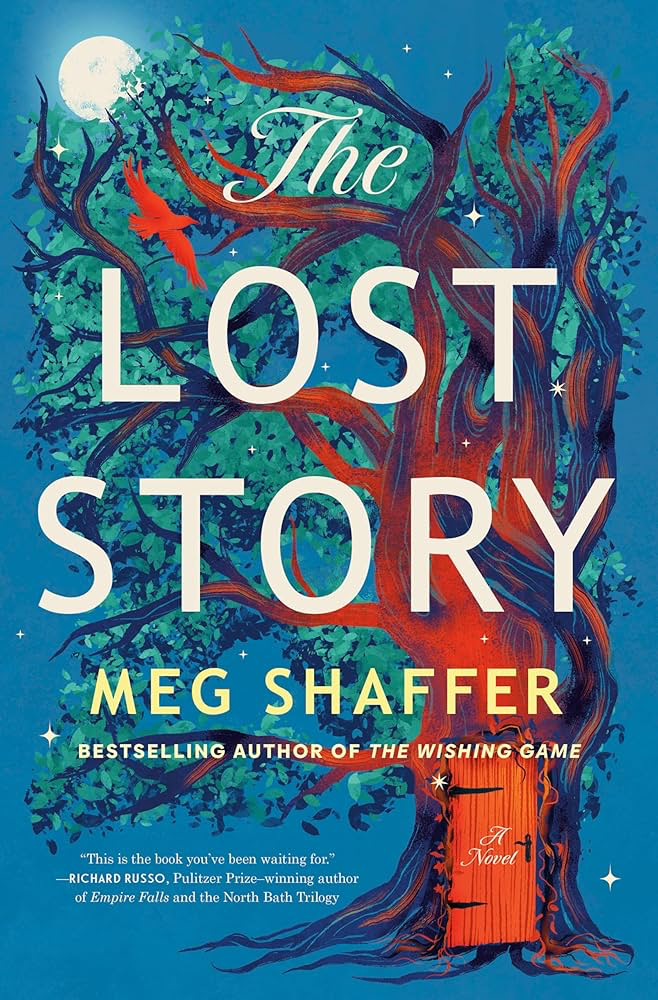
The Lost Story – Meg Shaffer – “The whole world stopped to hear you hollering/You looked and saw now what was happening/The lines are fading in my kingdom…”
[coughing, covered in sweat, in the fetal position on the ground]
FUUUUUUUUUUUUUUUUUUUUUUU—
…AND A BOOK TO GO WITH IT:
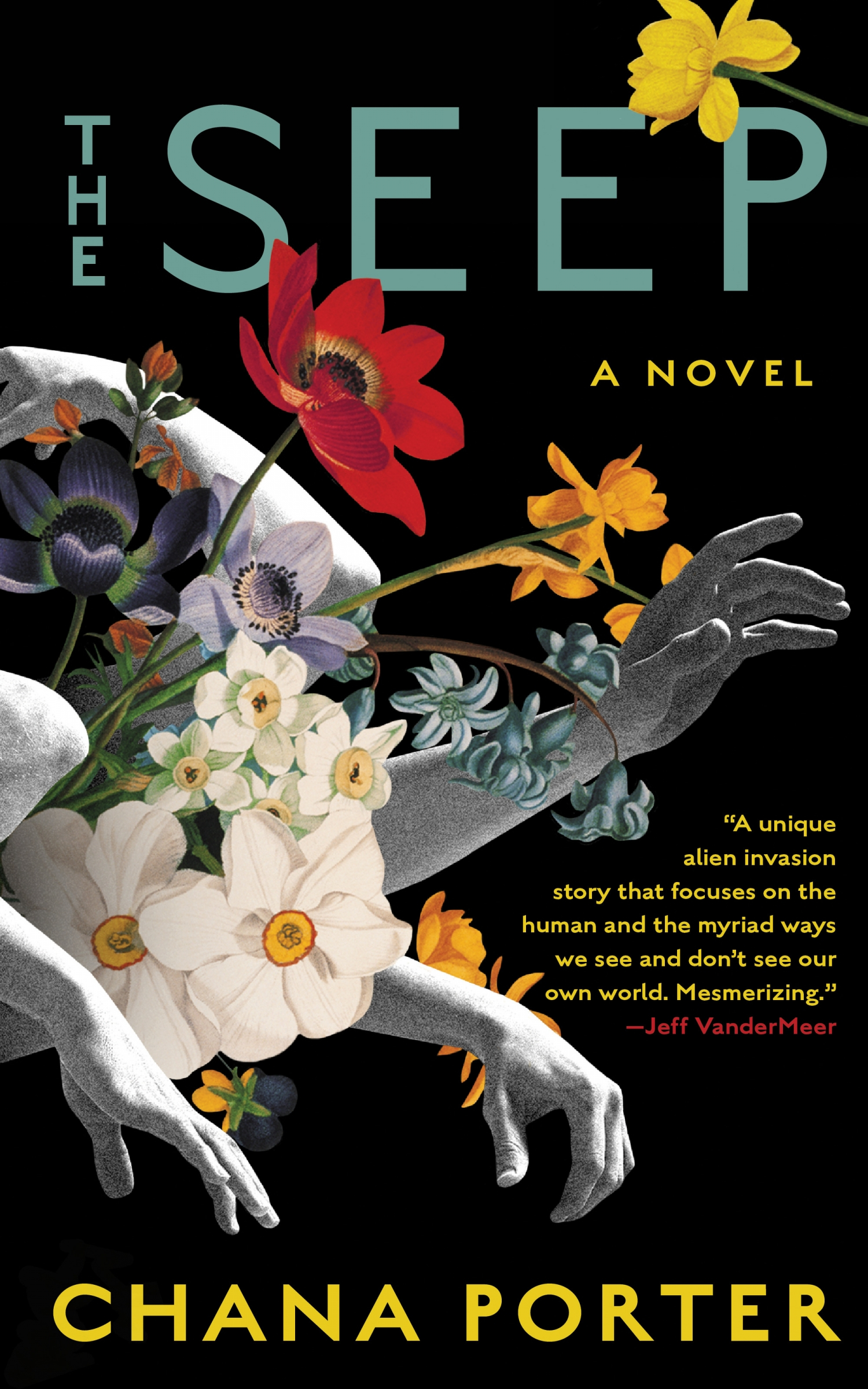
The Seep – Chana Porter – “I bet on losing dogs/I know they’re losing and I pay for my place/By the ring/Where I’ll be looking in their eyes when they’re down…”
Since this post consists entirely of songs, consider all of them to be today’s song.
That’s it for this week’s Sunday Songs! Have a wonderful rest of your day, and take care of yourselves!
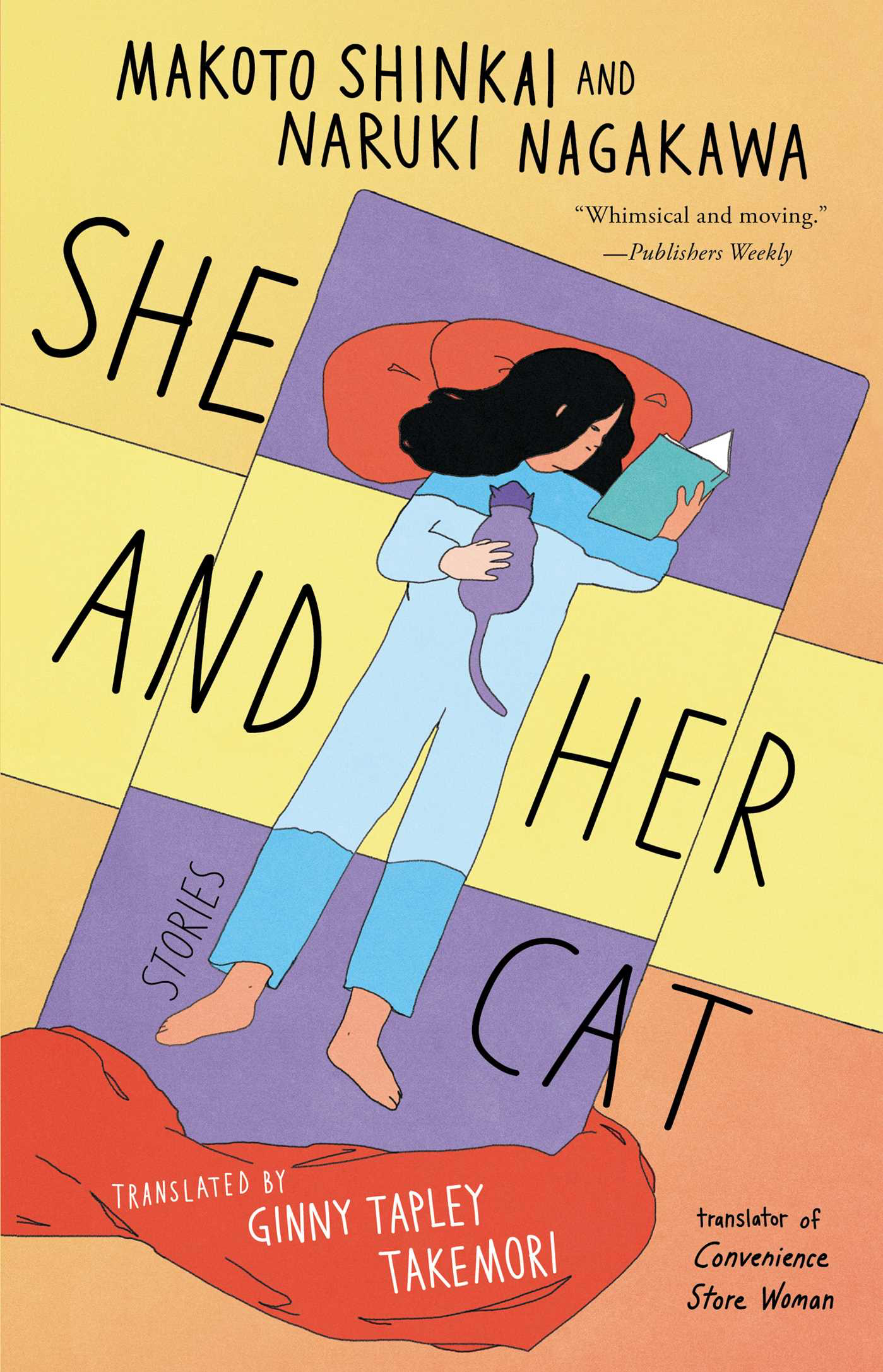
I heard about this novel on Bookstagram a few months ago, and I was immediately hooked by the premise. I’ve been trying to read more translated literature when I can, and I’ve found…enough Japanese books about cats that it seems to be a certified Thing. (Nothing compares to The Traveling Cat Chronicles, though. That’s the peak, as far as I’m concerned.) And I’m not complaining. Short and sweet, She and Her Cat was a heartwarming examination of loneliness, womanhood, and the love we have for our cats.
In four interconnected short stories, four women face hardships as they learn to grapple with adulthood. Dealing with isolation, misogyny, and troubles with love, these women have no one to turn to…save for their feline companions, who are there to help them along the way. But it turns out that the lives of our cats are more complex than we could ever know…
TW/CW: sexual harassment,cheating, death/grief themes, mental illness themes
Strangely, in my ongoing search for novels in translation to read, I always end up coming back to Japanese novels about cats. (To be fair, they’ve had varying premises—and degrees of quality.) However, I think this one is unique in its approach—it focuses on the cats and the humans in equal measure, which was an interesting move. I feel like the voice of the cats (who were anthropomorphized) was properly distinguished from the humans, and their perspective on how the humans lived was wry and cute. I will say, I feel like they were almost too human and understood too much about the human world, but I can give it somewhat of a pass since it was fairly cute. Similarly, I loved the women in the novel, and how refreshingly ordinary they felt. These characters felt like an antidote to every female character that the author describes as “plain” but is actually somehow the height of conventional attractiveness and can do everything; She and Her Cat’s human characters, however, felt like ordinary strangers people with relatable issues that they processed with the help of their feline companions.
She and Her Cat hit an excellent balance of coziness for me. There’s a line that cozy fiction/magical realism of this brand often crosses, where the “coziness” transforms from a more lighthearted, low-stakes story about more positive themes to something that becomes preachy in said themes, without any regard for the reader’s intelligence. (Fluff is fluff, but I maintain that I get irked every time an adult novel still has a “and what did we learn today, kids?” moment.) But although She and Her Cat could’ve walked straight into that trap, it avoided this pitfall with ease. The short stories within this novel were simply quiet tales of isolation, perseverance, womanhood, and the bond that we have with our cats, which is exactly the kind of stakes that a cozy novel should have—all that, and every theme isn’t spelled out for you. (Yes, I know, the bar is low, but you’d be surprised at how many times I’ve run into this…with Japanese cozy books about cats, specifically. If I had a nickel, etc., etc.)
That being said, even though this was magical realism, I didn’t quite feel that magic through the writing. I’m once again returning to the problem of “are my issues with the writing the author’s or the translator’s fault?” that I’ll never solve because…well, I’m not fluent in Japanese. Though I liked the narrative voice, the prose itself was pretty bare-bones, only describing the events as they happened in a way that was rather rote. And this is a story where you get to glimpse the world through the eyes of cats, animals that have an entirely different perception on life than we do! Additionally, I didn’t get as much of a view into the setting and the characters as I wanted to, since the writing went from point A to point B more often than not. Since She and Her Cat is a short novel (under 200 pages), there was definitely room for some more vibrant prose that would’ve made the setting and characters feel more alive. I think part of that might have been a consequence of the fact that She and Her Cat was adapted from a manga, but I feel like filling in the gaps that the art left should’ve been one of the main concerns of the team adapting this novel. If this was the result, it almost feels like they only adapted the script, and not the rest of the manga.
Additionally, although this is a short story, a lot of the events felt quite rushed. I think I would’ve gotten more out of She and Her Cat emotionally if I had more time to spend with each cat and character. Although we have the through lines between the story, they were shoved in so haphazardly that any previous development didn’t mean anything for the next story, even though we had characters that could’ve potentially undergone the slightest bit more development. Like the prose, this novel had the pacing both in-story and between stories go from Point A and Point B very quickly. The appearances of characters from previous stories were so rushed that they felt like MCU post-credits scenes: oh, hey, you know this person, right? Alright, anyway, onto the next thing…
But in the end, She and Her Cat is a somewhat lighthearted and short book, so I get it that fully fleshed-out narratives weren’t exactly the goal.
All in all, a sweet anthology that excelled in creating an emotional atmosphere with its stories, but faltered in places with its prose and pacing. 3.5 stars!
She and Her Cat is a standalone, and was adapted from the Manga by Makoto Shinkai. Makoto Shinkai is also the author of several manga series, including the your name. series, Weathering With You, The Garden of Words, and many more. Naruki Nagawa is also the author of Prince of Stride.
Today’s song:
That’s it for this week’s Book Review Tuesday! Have a wonderful rest of your day, and take care of yourselves!
This week: living vicariously through a digital album because SOMEBODY won’t tour in my area, making something out of nothing, and the inevitability of mildly cursed Jeff Tweedy music videos.
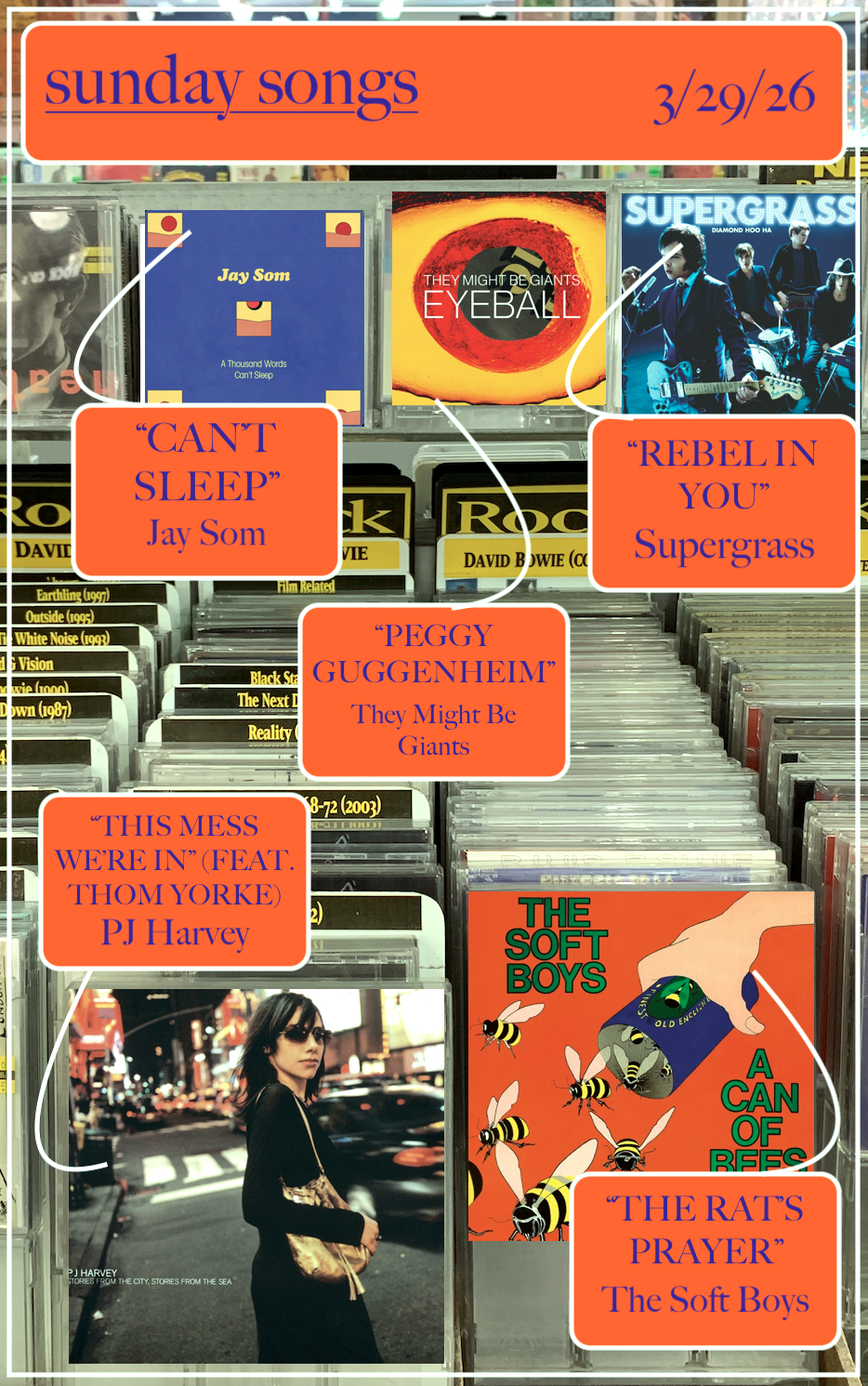
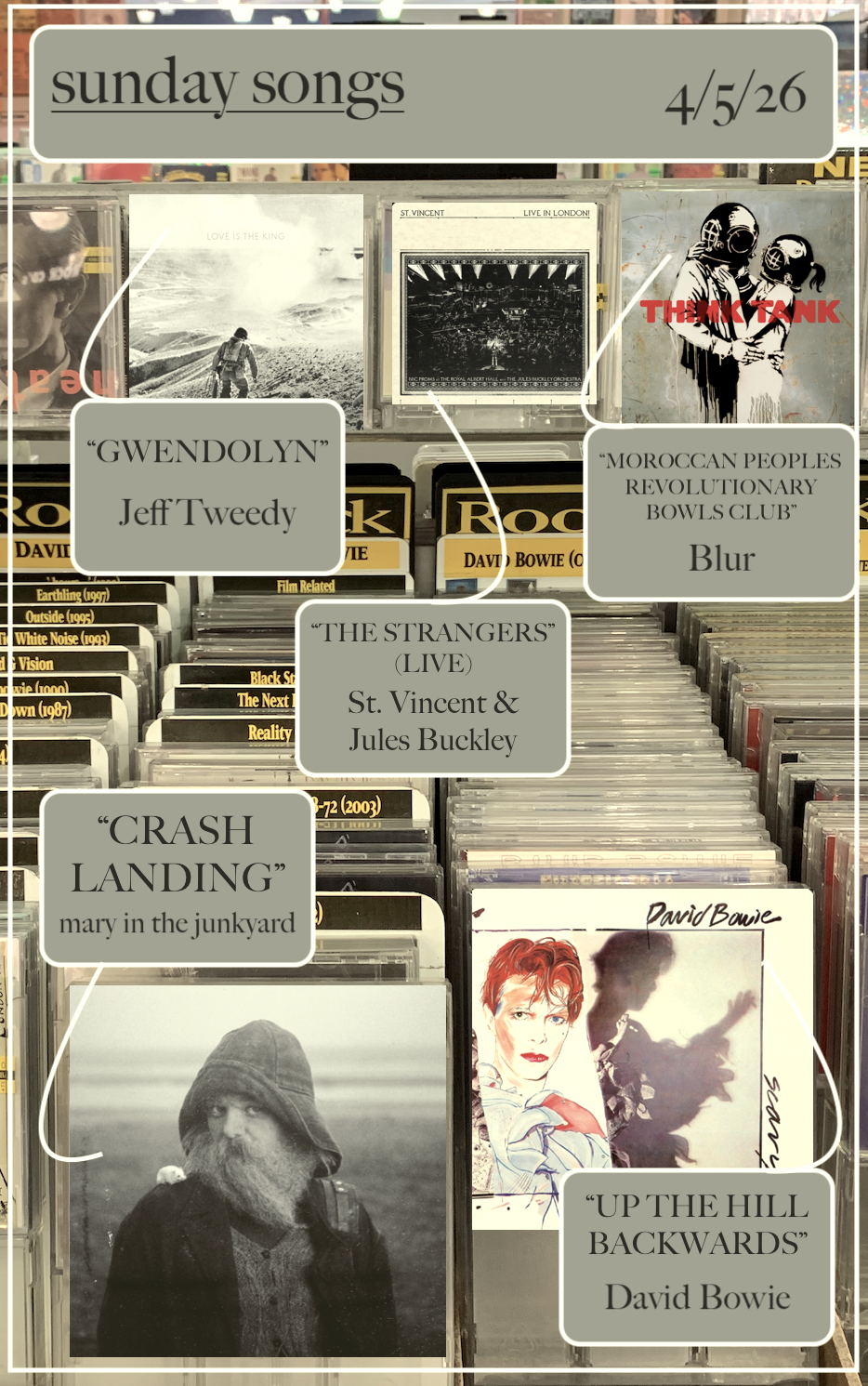
After about a year and a half of following their excellent singles and EP, mary in the junkyard is finally putting out their debut album! Role Model Hermit comes out this July, and I couldn’t be more excited. With the last handful of singles, I had some fears that they’d become a one-trick pony, but I’m so glad that a) they’re deviating from the sound that they’d established, and b) that the final product is this stunningly good.
“Crash Landing” gives their sound more polish, but takes away none of their corner-dwelling, cobweb-covered sensibilities. The harmonium gives me goosebumps every time, but after the instrument fades away, that haunting power never fades. When the harmonium chords transition into the soaring guitar, it really makes the choice of the music video make sense—everything in this song sounds like frigid waves crashing against white chalk cliffs. Now that Clari Freeman-Taylor sounds clearer, the subtle power of her voice comes through even more, through lyrics surrounding falling in love with a deeply guarded person: “And I can take your mask off/But only in the dark/And you won’t takе your shoes off/In case you have to run, run, run.” The repetition of “you open up like a coconut” sticks out, mainly from the coconut bit—that word doesn’t fit as neatly with the rest of them—but as with all of their lyrics, mary in the junkyard frame it as just the right kind of flotsam and jetsam to decorate this track.
Scary Monsters and Super Creeps has a special place in my heart. All the way back in middle school, at the height of my David Bowie discovery phase, it was one of the first albums that I listened to in full, after the virtually unbeatable Hunky Dory/Ziggy Stardust/Aladdin Sane glam trifecta. But I hold it up with nearly the same nostalgia. I feel like most of it tends to get lost amongst other Bowie albums, save for its most popular singles (“Ashes to Ashes” and “Fashion”). Both of them are icons in their own right, but I’d honestly argue that Scary Monsters, all the way through, is nearly as strong as the Berlin Trilogy, if not equally strong. It’s in a strange limbo in Bowie’s discography between the end of Berlin and the beginning of his plainer, more mainstream pop era of the ’80s, and the space between that juncture is what makes Scary Monsters so exciting to me: all the polish of pop, but with the same unusual, and often dystopian undertones of an album like Low or Lodger. Hell, he’s using what sounds to be the same drum machine from “Breaking Glass” on “Up the Hill Backwards.” It’s basically the fourth and forgotten chipmunk of the Berlin Trilogy that got unfairly swept aside.
“Ashes to Ashes” remains one of my favorite David Bowie tracks of all time, and that, along with the more commercial singles from the album, tends to overshadow the other gems on this album, everything from a Tom Verlaine cover to a dystopian tale more grounded and grittier than the contents of Diamond Dogs. But “Up The Hill Backwards” is an immediate standout to me. It feels like an alien organism wearing the skin of a typical pop song as a coat: everything seems aligned perfectly for radio-friendliness, but then it reveals just how delightfully askew it is. Most of that is due to the unusual 7/4 time signature, giving it that lack of resolution, but it’s full of chimes and squeals and chimney-like puffs that make it into a well-oiled machine like no other. With the ripping guitar riffs of Robert Fripp, you can’t go wrong—every off-kilter cog in “Up The Hill Backwards” is working in precise harmony. And it’s all strangely upbeat for a song about the existential void that comes in realizing the slowness of progress; the first line references a line in Dada: Art and Anti-Art which itself is referencing the fall of Imperial Germany (“The vacuum created by the arrival of freedom/And the possibilities it seems to offer”), but it could represent the death of one system and the slow birth of another. It’s contextualized further knowing that Scary Monsters was written in wake of his divorce with Angie Bowie, so that “vacuum created by freedom” can be systemic or personal. Either way, “Up The Hill Backwards” pledges to trudge onwards in the face of collapse, no matter how uphill the journey is.
…AND A BOOK TO GO WITH IT:
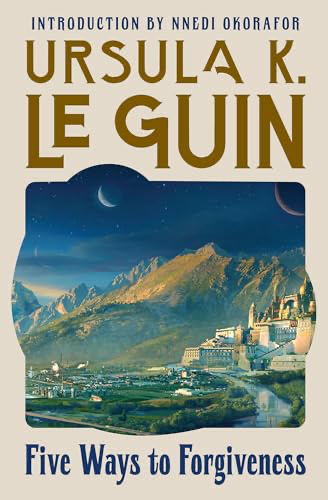
Five Ways to Forgiveness – Ursula K. LeGuin – “The vacuum created by the arrival of freedom/And the possibilities it seems to offer/It’s got nothing to do with you, if one can grasp it…”
Jeff Tweedy’s always been one for mildly cursed music videos (see: “I Know What It’s Like”), and this video certainly translated it into the COVID-19 age, with the noses and mouths of fellow musicians (and a handful of actors) disturbingly green-screened over his masked face. If you’re hankering to see what Jeff Tweedy’s face would look like if it was mashed up with Robyn Hitchcock, Fred Armisen, Jay Som, Seth Meyers, Jon Hamm, or Nick Offerman (and more)…now’s your chance, I guess?
A lot of Jeff Tweedy’s solo work before Twilight Override tends to be more on the folky and borderline simplistic side (though the two are mutually exclusive, that’s not a dig at the entirety of folk music). It hasn’t hooked me nearly as much as his work with Wilco, but what you have to understand is that even if you’re getting something less than Wilco-quality, it’s still a great song. “Gwendolyn” is a more straightforward rocker, but you still get your money’s worth of most of what I like about Jeff Tweedy; there’s punches of truly inspired lyrics (“The sun coming up/Like a piece of toast”) and squealing, joyous guitar riffs aplenty. The truth is, Tweedy’s a cut above the rest, and even his more traditionally rock songs are as such—”Gwendolyn” is pure joy.
Even though I’ve been cruelly deprived of an orchestral tour date near me, at least I have LIVE IN LONDON! , St. Vincent’s digital-exclusive live album, where she’s accompanied by Jules Buckley’s 60-piece (!!) orchestra. I’ve loved seeing these new takes on her classic songs, especially since she’s been dredging up some rarely-played deep cuts out of the vault to interpret live (most of the shows have been opened with “We Put A Pearl In the Ground,” an instrumental piece from Marry Me.) “The Strangers” isn’t a deep cut by any capacity, but nonetheless, I think some of the album’s best interpretations have been of tracks from Actor; the whole album leans into drama and theater, so it’s no surprise that it translates well with orchestral backing. “The Strangers” is given the suspenseful, eerie grandeur of the original track, with the backing instrumentation easily taken up by the string and woodwind sections. It’s a grand, cinematic interpretation of an already grand and cinematic track, and with Annie Clark’s elevated shredding, it becomes something truly epic and sweeping, decadently consuming everything in its path.
…AND A BOOK TO GO WITH IT:
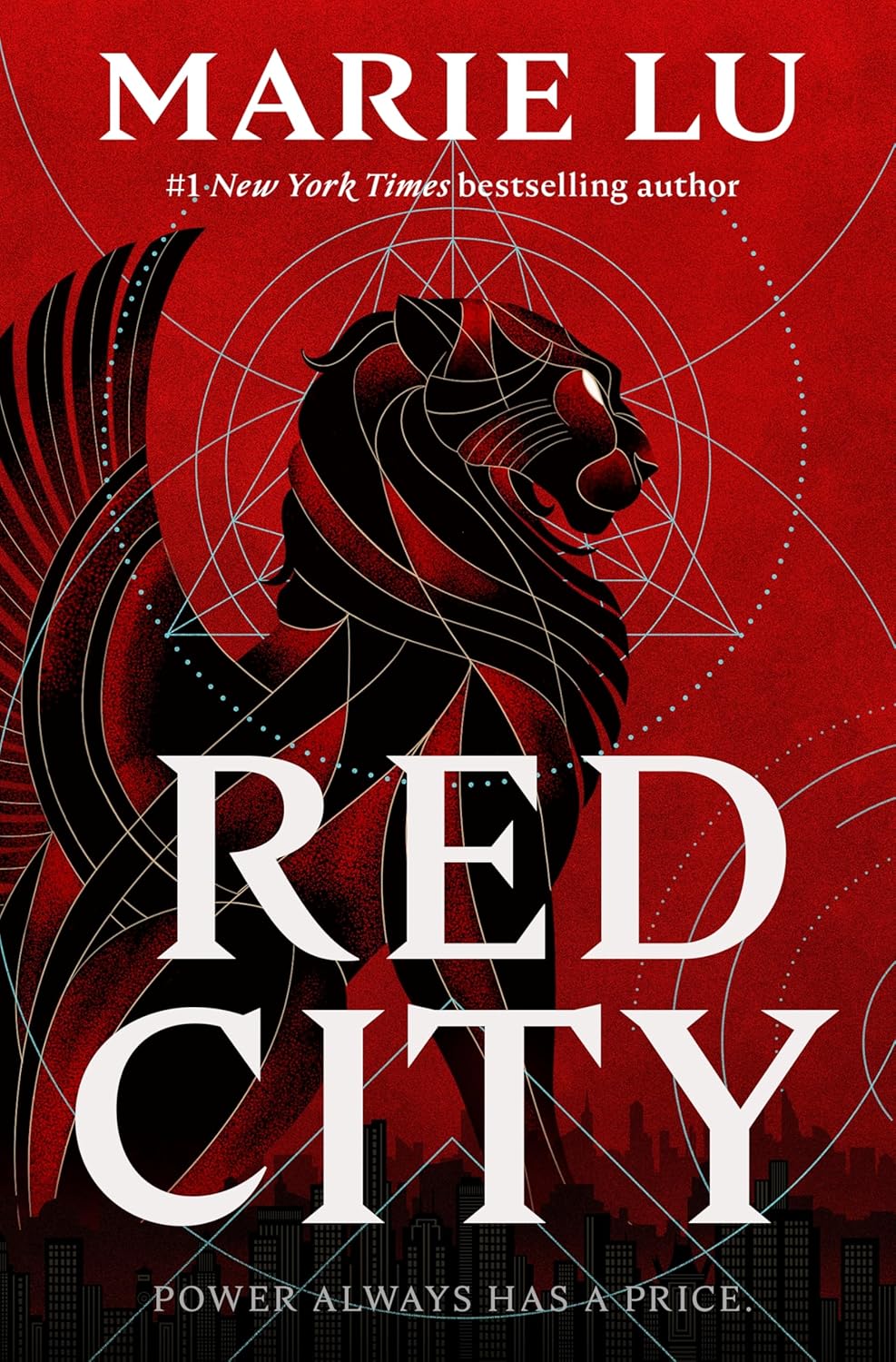
Red City – Marie Lu – “Lover, I don’t play to win/But for the thrill, until I’m spent…”
My lukewarm Blur take du jour is that Graham Coxon may be the most talented member of the band, either on par or above Damon Albarn, as much as I love him. So the fact that I love Think Tank so much comes as a surprise even to myself. Blur without Coxon, in concept, isn’t even Blur! Right?
Sort of.
Coxon left the band temporarily due to creative differences, and during Think Tank, he only appears on one track, playing guitar for “Battery In Your Leg.” But what redeems the un-Grahamness of the album is the sheer inventiveness of it. You take away your lead guitarist, responsible for creating the band’s most iconic riffs, and the rest of the band members went “Huh. Let’s make sounds that sound like everything but a guitar and see what happens.” For Blur, this feels like a continuation of the experimental mindset that peaked with13, but in a new, more worldly sort of vein. In a way, it’s a response to loss, musically more than anything, though occasionally lyrically (“Sweet Song” was written about Coxon’s departure): when an important person departs from your life (temporarily, at least), what do you do with what’s left?
“Moroccan Peoples Revolutionary Bowl Club” doesn’t tackle that subject matter, but it is a spectacular showcase of what happened when a chunk was untimely ripped from the fabric of the band. It’s one of the tracks on the album that easily could’ve come from Gorillaz’s first album, with its commentary on greed and the destruction of the environment. Alex James’s bass gets to shine on this track, with his smooth, funky riffs becoming the centerpiece amidst humming autotune and guitars. However you feel about Blur sans Graham, it stands as a quirky album produced by a band at a crossroads—it’s strikingly unusual in their catalogue.
…AND A BOOK TO GO WITH IT:
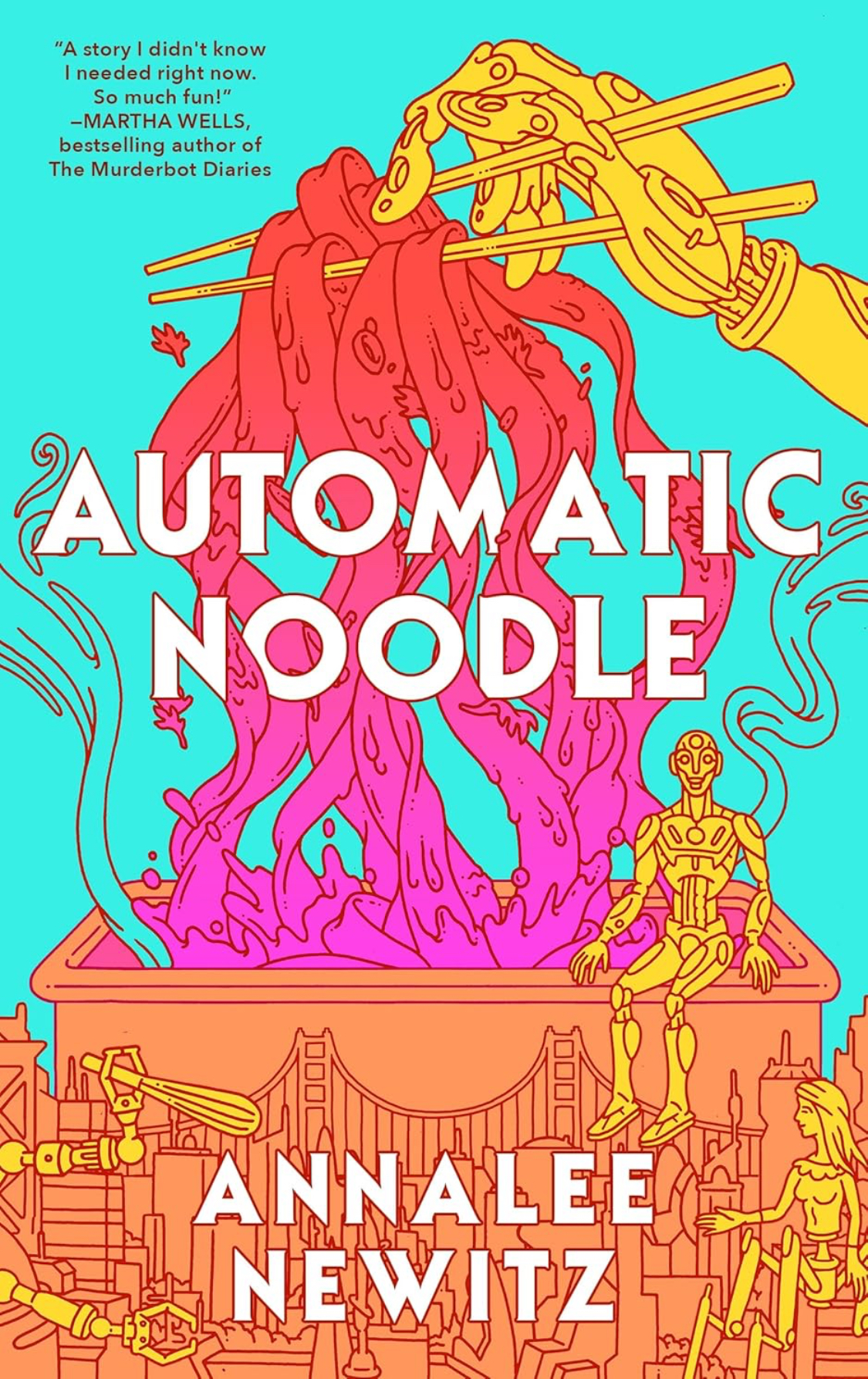
Automatic Noodle – Annalee Newitz – similar in spirit to the feel of Think Tank: full of strange machinery, and mostly upbeat in spite of being smack dab in the middle of a dystopia.
Since this post consists entirely of songs, consider all of them to be today’s song.
That’s it for this week’s songs! Have a wonderful rest of your day, and take care of yourselves!
Here’s my favorite flower emoji. Pick it if you like—it’s for everyone to enjoy, but it’s not real, no damage done! Keep it for the road:🪻
You’ve probably noticed by now that I’ve gone into my finals hibernation. The only reason I’m popping on right now is because this post is mostly pre-written, so I’ll probably be radio silent for another week or so. March and April have been topsy-turvy—despite the veil of illusion that is the internet, I’m always on the verge of freaking out about the news. I’ve had my fair share of spirals. I repeat to myself: I do what I can. I can freak out, but I can never give in to fear. Easier said than done, but I’m trying here. I’m donating when I can. I’m getting the word out. And when I actually have the time, I’m keeping up with reading diversely and reviewing intersectionally. The sun is out, the weather is warmer, and I am trying to soak up as much of it as I can.
Today’s my last official day of my junior year of college. I’ve got finals ahead, but I’ve got the humanities blessing of having no in-person finals, just papers to turn in. They’re all longer than I’d care to write, but thankfully they’re all about things I enjoy. I’ve done a lot of writing about science fiction, especially cozy sci-fi and how it’s a counter to sci-fi convention of how everything has to have the universe at stake. It’s worth it to tell stories where, to take Kurt Vonnegut at his most literally, all the characters want is just a glass of water. Quiet stories of kindness are not naïve—they teach us to dream about worlds where everything around us iskinder.
As I look back on junior year, I see a fishbowl with pebbles strewn across the floor, but the goldfish flopped back into what was left and did its very best to thrive. I took on a hefty workload while juggling a metric ton of anxiety, and it’s been an uphill battle to stay mindful and stay present. But I am learning. I’m getting better. I really think I can see clear signs that I’ve gotten better this semester. Sure, I had the workload, but I was able to, y’know, get out and realize that there are people and places beyond my bed and that the voices in my head are full of shit. I stepped out of my comfort zone…within bounds. I expanded the zone, shall we say. I went to some new restaurants and got a tad more social. Most of all, I tried to embody the joy that I don’t see in the word around me. I know there are plenty of lazy people using “joy as an act of resistance” as an excuse to do absolutely nothing to counteract the hellscape around us, but it’s true. When people are unironically saying things like “the sin of empathy” and not even stopping to think about what the hell they’ve just said, being joyful and showing those in power that you won’t bend to their tactics is as powerful as any protest. So keep on finding and being the joy.
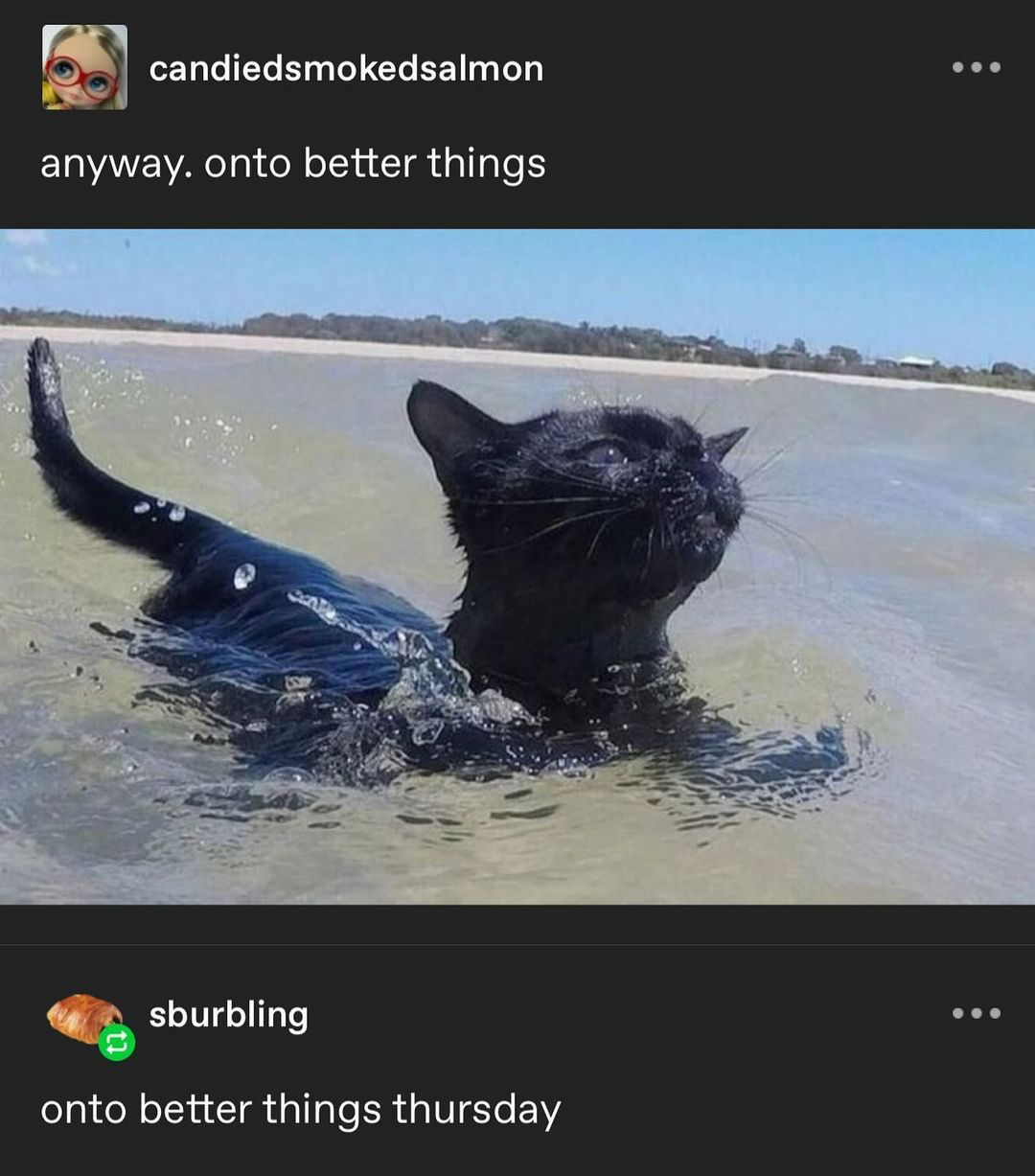
Today, I group-hugged some friends of mine after class. Two of them are graduating seniors, and today was their last ever day in undergrad. In an attempt to adjust my position, I ended up jostled to the center of the hug. It embodied the feeling that I hope to give to myself and others: being surrounded by love on all sides. Junior year’s out the window. Onto better things Thursday.
Let’s begin, shall we?
MARCH READING WRAP-UP:
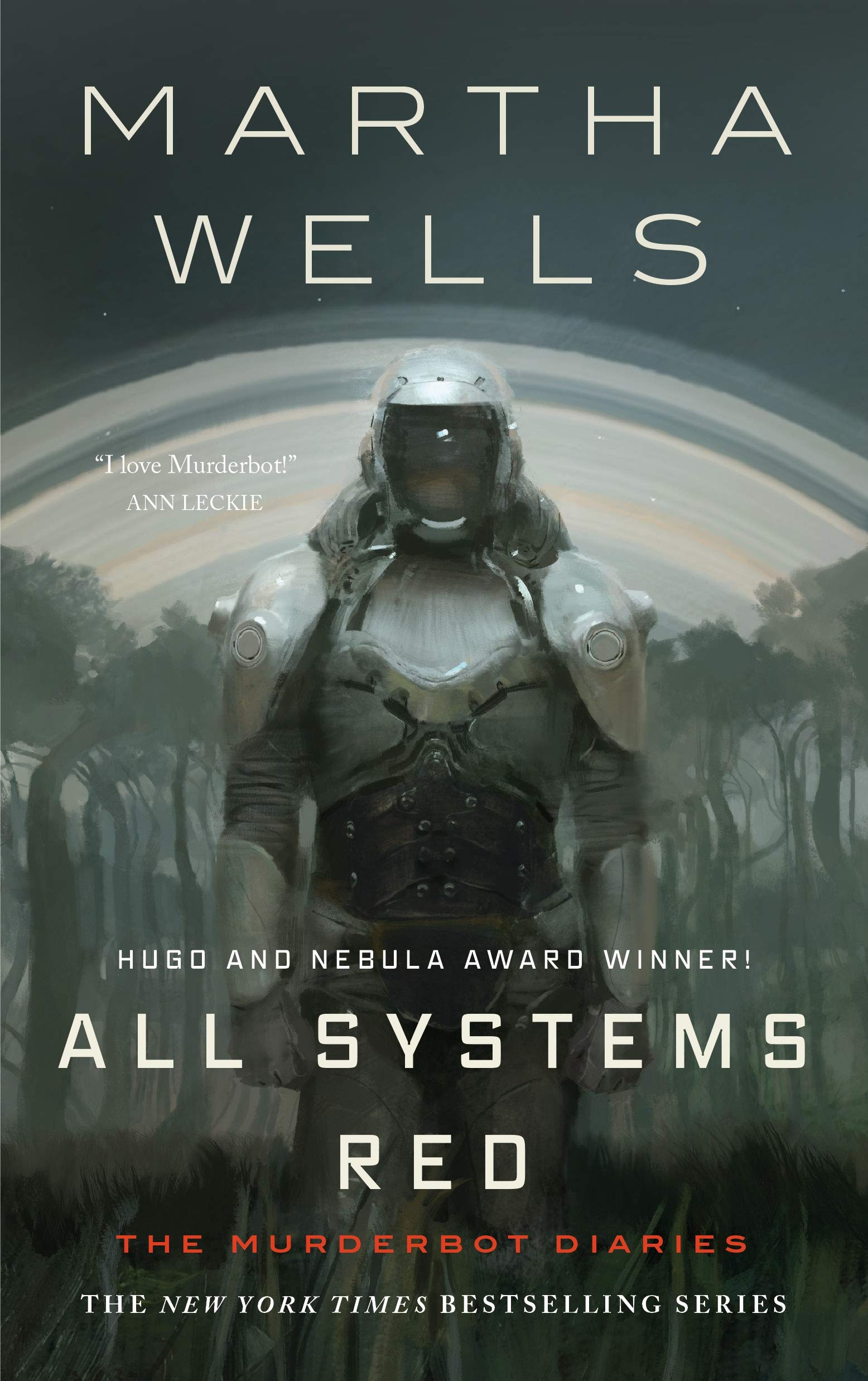
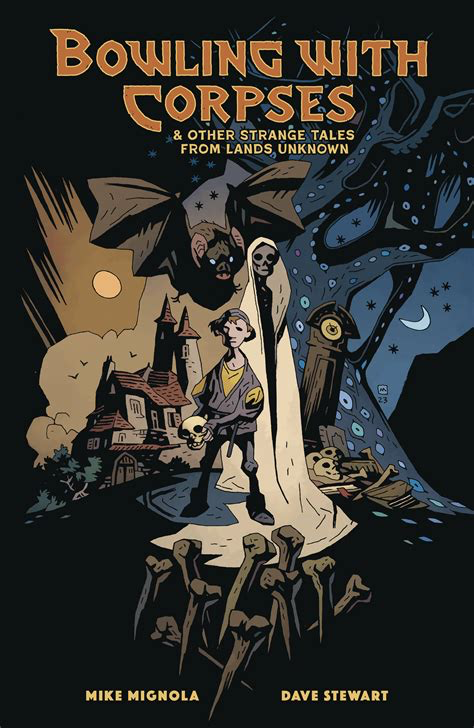
I read 13 books in March! I focused mainly on books by women for Women’s History Month. I also got into a major sci-fi stint (they never go away, every other reading mood just happens in between them), and read some new greats by familiar authors!
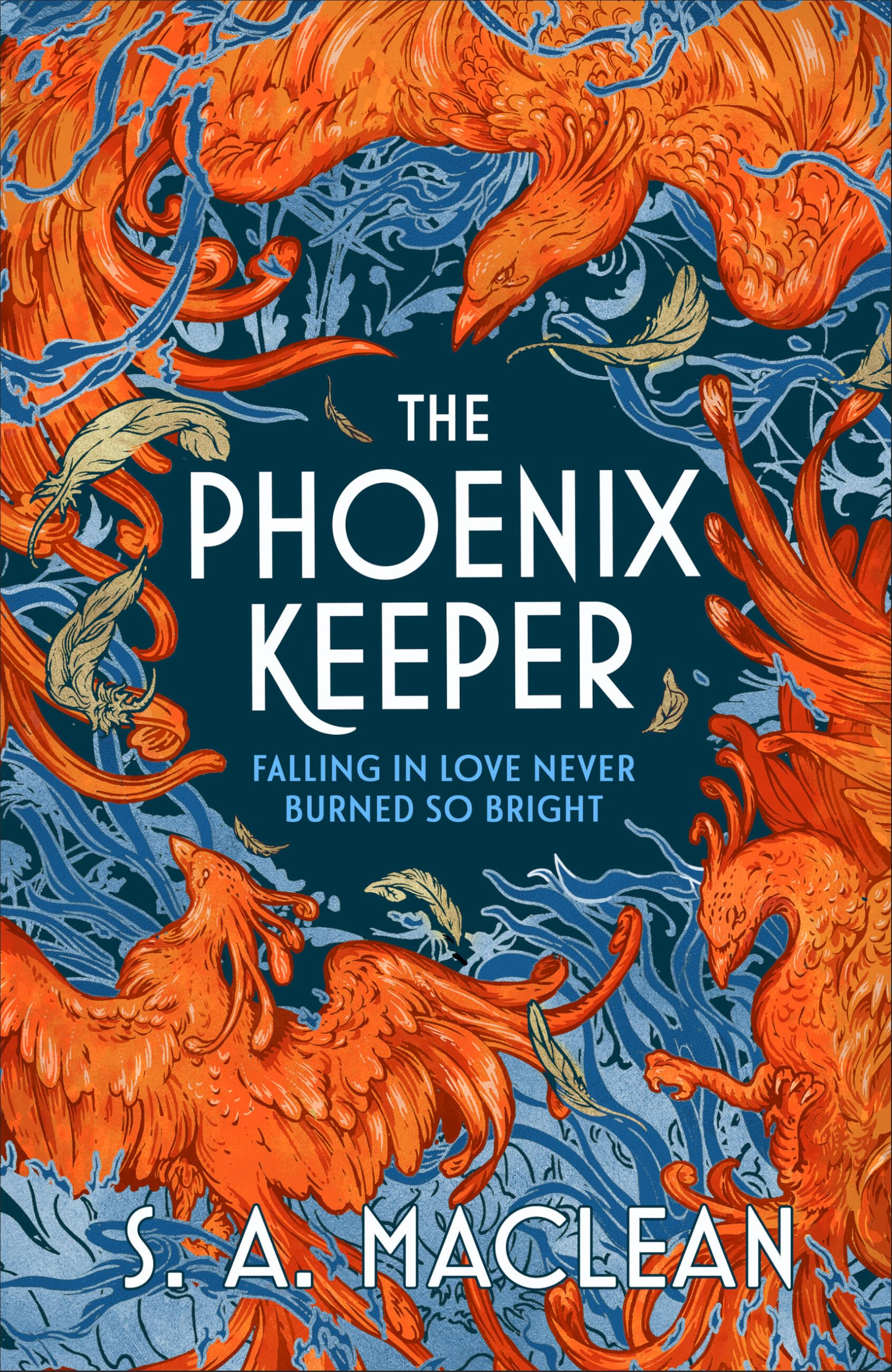
I read 16 books in April! Trust me, I have genuinely no clue how that managed to happen. “Don’t cry because it’s over, smile because it happened,” or something? We’ll see if I can actually keep up the momentum. Either way, April was a mixed bag—some absolute hard-hitters, but also my very first DNF of the year. (Sorry, The Phoenix Keeper. I just feel like there’s millions of better ways to describe the pale white MC than having skin like “gossamer.” With all of the mythical creatures, I was starting to think that she was one too, given that word choice…)
remembered this song out of nowhere yesterday…this song was on a birthday playlist that my dad made for me, and I had it on my new iPod. it’s still kickin’ to this day, somehow. fond memories abound…
That’s it for the second wrap-up of the year! Have a wonderful rest of your day, and take care of yourselves!
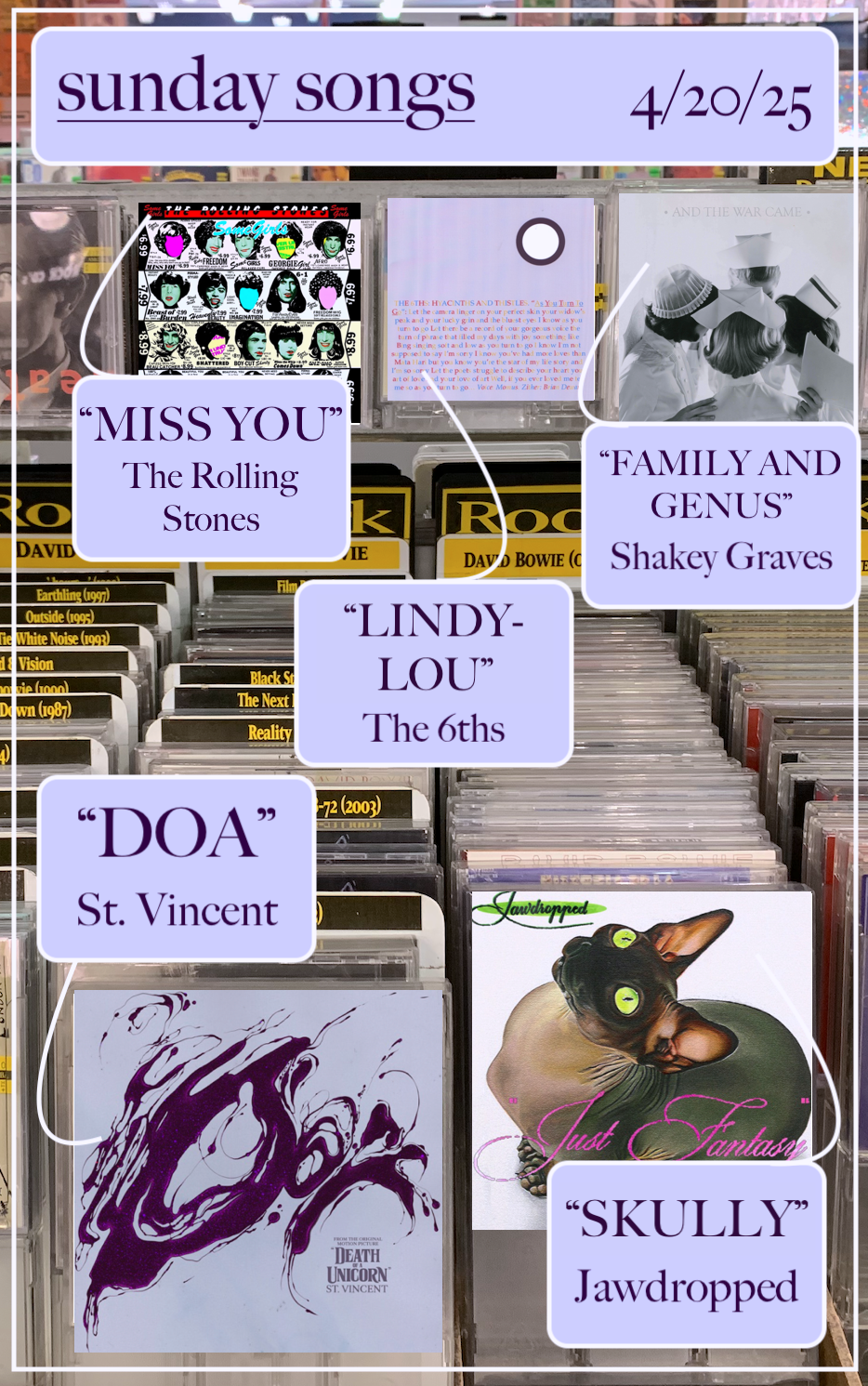
I’ve got a confession to make. As die-hard of a St. Vincent fan as I am, it took me some time to warm up to this song. I never hated it, but it wasn’t an instant favorite. I haven’t seen Death of a Unicorn yet (though the trailer intrigued me…), but something that always bothers me about songs made for movies and TV is when they obliquely reference either the plot points of the movie or how the characters are feeling. Hot take, but it’s part of why I didn’t care for the original soundtrack of Arcane—it basically did that for most of the character’s conflicts and arcs. (That, and it’s a matter of my music taste. Don’t let that deter you from watching Arcane though, it’s a breathtaking show! Having Im*gine Dr*gons do the theme song was just the worst possible decision they could’ve made. Just skip the intro.) You can make a song subtly extrapolating on a movie’s themes and have it fit naturally! (See: “Strange Love,”“Sticks & Stones”) Hell, she’s done it before with the original songs for her concert-film-turned-thriller The Nowhere Inn! Granted, I haven’t seen the movie, but opening the song with “Right as I had stopped believing in miracles/In comes a unicorn right in front of me” is…right there. So is the unicorn, I guess.
From then on out, “DOA” easily saves itself. It’s an absolute ’80s freakout from start to finish. The synths are so dense and bubbly that St. Vincent’s voice easily drowns in them—it’s like they’re the main vocal, and that kind of chaos, especially towards the latter half, is what makes the song so rich. “DOA” leads me to believe that somewhere, there’s a better, kinder alternate universe where MASSEDUCTION sounded more like this. It strikes the balance that album never got, with lightning-quick synth palpitations duel with Annie Clark’s classic, punchy guitar breakdowns. Piercing yelps cut through the dense, purple fog shrouding the song—again, I haven’t seen Death of a Unicorn, but it certainly brings to mind what I might feel if I was being pursued through the woods by a dubiously carnivorous unicorn. Given the film’s purported balance of campy concepts and dark execution, “DOA” is the perfect merging of the two aesthetics.
No way, I’d never listen to a band just because I saw a picture of them where one member had a Ladies and Gentlemen We Are Floating in Space shirt. Me? Nah, never. I’m a woman of taste…it was the album cover and the shirt that convinced me to at least listen.
I heard of Jawdropped by way of Stereogum; they reviewed the first singles off of their forthcoming debut (!!) EP, Just Fantasy, and I figured I might as well give it a go. Thankfully, they’ve got more to them than just a cute sphinx on their album cover and one guy with a Spiritualized shirt! I keep coming back to “Skully,” the opening track, which is about as propulsive as an opening track can get. It’s truly one of those songs where they’ve mastered how to make guitars cascade down like an avalanche on the first go, which is something not every band can say for themselves—especially not on a debut EP. Between the instrumental chaos of the chorus, they ease the verse into calm, a beast of burden tugged out of a sprint, in order to let the harmonies of Roman Zangari and Kyra Morling take the spotlight. But it’s that colossal cascade that makes “Skully” so excited; they don’t strike me as particularly similar to Spiritualized (this may be a bit too loud for shoegaze), but Jawdropped has a similar quality of encasing the listener in a fizzling, crackling bubble of sound. For all of 2:48, you’re cocooned on a moment’s notice—and it’s a cocoon worth revisiting time after time.
…AND A BOOK TO GO WITH IT:
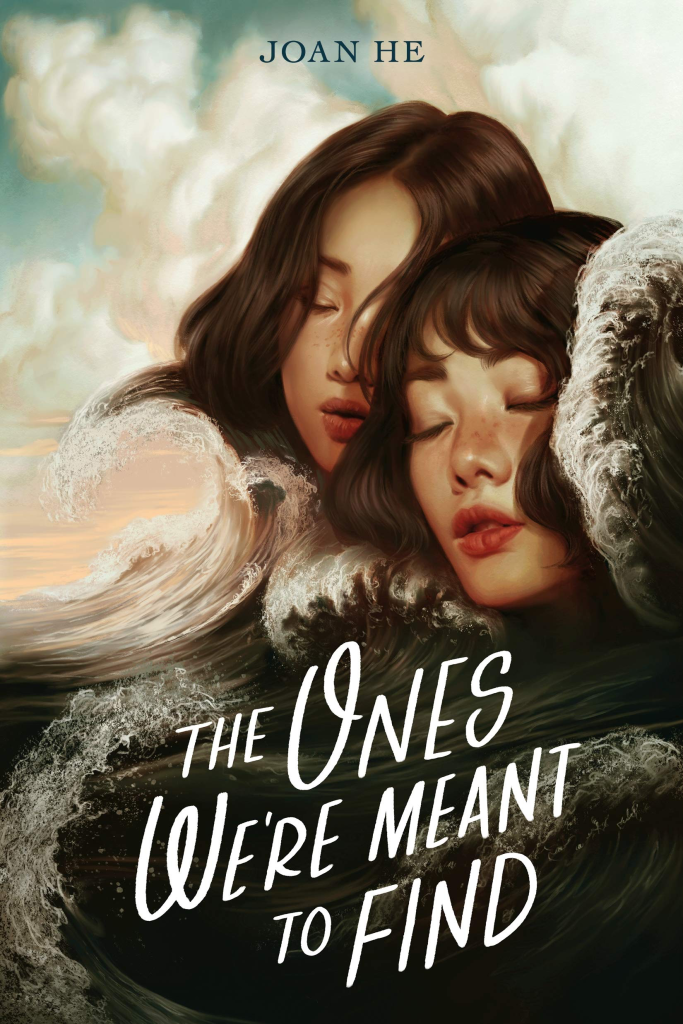
The Ones We’re Meant to Find – Joan He – “I wait for you like a dog/Anxiously pacing/But you’re here when things fall apart/It’s just your nature/ We’re always stuck at the start…”
If I just put this song on in the background, I can ignore the cringy, “hip” lyric videos that The Rolling Stones started putting out after their newest album. I can’t stand that soulless, faux-graffiti/DIY aesthetic…I just can’t separate them from how painfully hard they’re trying to stay relevant to The Kids™️…
Anyways. We’ll pretend it’s 1978 and Official Lyric Videos For the Youth won’t be a thing for many decades to come. Like “Crooked Teeth,” “Miss You” was one of those songs where I’d have that opening riff (not the lyrics, this time) ping-ponging around in my head. It lingered in the fog of my childhood, but too far to discern anything clear. So thank you to the instagram for The Laughing Goat (and Rita) for making me remember it after however many years it was! And then, mere days afterwards, they played this song, amongst several other seventies rockers (see: “I Saw the Light”). “Miss You” was going to reach me either way. Some Girls seems to have come at the time when the Stones had cemented that sleaze was part of their brand, and subsequently became said sleaze. Despite “I guess I’m lying to myself/It’s just you and no one else,” it’s a song that lies squarely in the kind of horniness that defined them throughout the late ’60s and the ’70s. Even if he’s denying them, the way he croons the line about the “Puerto Rican girls that’s dying to meetchoo” betrays the partying and sex that later became as much a part of him as the press originally made them out to be when pinning them against the goody-two-shoes (citation needed) Beatles. There’s a Lou Reed-like drawl to the way he turns to a half-whisper as he speaks of stalking Central Park in the dead of night like some kind of werewolf, yet it couldn’t be more Jagger; the bluesy, “hoo hoo hoo-ooh hoo-ooh ooh” refrain almost becomes an abated, wolfish howl against this backdrop, roiling with angst.
…AND A BOOK TO GO WITH IT:
The Final Revival of Opal & Nev – Dawnie Walton – I try to refrain from talking about this book whenever I mention something from the ’70s, but this kind of bluesy rock fits in with the scene that it describes.
Back to The 6ths after last week, I’m dipping my toes into Hyacinths and Thistles, Stephin Merritt’s 2000 follow-up to Wasp’s Nests, and slightly less of a tongue twister, if you say it slowly enough. (Maybe?) In contrast, there’s still some of the same synth-pop love songs, other than…the last track being nearly a half-hour long? Not sure if I know what’s going on there, and as much as I love Merritt, I’m not sure I want to know. In contrast to the ’90s indie-rock guest list, we’ve got everybody from Melanie (sadly, kind of a miss) to Gary Numan (wild pick, but great)—Merritt had his feelers out everywhere, to varying degrees of success. From the few songs I’ve sampled, “Lindy-Lou” was one of the undoubted hits, sung by Miho Hatori, one of the founding members of Cibo Matto, but best known to me as the original voice of Noodle from Gorillaz. As with Anna Domino and Mary Timony for you, she lends her tender vocals to a song gleaming with dreamy-eyed innocence. Accompanied only by keyboard, this seems to stare wistfully from a balcony as the wind toys with its hair, Amelie-style. It’s never cloying in its sweetness, but it’s so soft and intimate, the musical equivalent of a sweatered shoulder to lean on.
BONUS: somehow, I had no idea this existed beforehand, which is crazy, considering how much Car Seat Headrest has been a part of my life…back in 2013, in the car seat headrest-recording days, Will Toledo covered this song!
I’ve now seen Shakey Graves…2.5 times. I don’t fully count the second time, as it was at a crowded festival and I had no way of seeing him, so my mom and I listened to him at a safe distance behind the wall of drunk people. I amended it this time by shouldering my way up to the front row for round 3, as Shakey Graves is touring for the tenth anniversary of And the War Came! Other than the two drunk people who tried to get me to give up my seat (one even offered me $100), this show fully made up for not being able to seehim last time. Shakey Graves, seen unobstructed for the first time since 2023!
What struck me at this show in particular was how genuine he is as a songwriter. So many artists in the folk and country-adjacent genre put on this kind of persona of being a wanderer with no permanent home, forever married to the road and dismissive of being bound to any one location. Alejandro Rose-Garcia has fully leaned into this persona (see: “Built to Roam”). Yet he’s the only one I’ve seen who makes it genuine. He’s roamed his fair share, but he’s never dismissive of the journey or the people who helped him along the way. Throughout the show, he paid tribute to friends and enemies throughout his life, his wife and newborn daughter, and for “Family and Genus,” raised a toast to family and friends that make the roaming easier—and more interesting. He’s a troubadour storyteller, but he never tells a lie. I keep coming back to how genius “Family and Genus” is—even as one of his most popular songs (I’m sure the Elementary TV spot helped), the craft is so intricate and lovingly stitched—just as the relationships he penned this as an ode to. Where the studio version’s “ohs” on the chorus sound like a choir of trickster ghosts, he imbues every raw ounce of love into them, turning it into a raucous crowd-pleaser that makes you feel that family, the sinew and atoms binding us together. And his rapid-fire fingerpicking on his guitar never ceases to amaze me—the fact that Rose-Garcia has barely gotten his flowers as the masterful guitarist that he is remains a disservice to his ingenuity. Hearing the echo of hundreds of voices around me, a handful I have the treasure and pleasure of calling family (minus said obnoxious drunk people), and countless others that I’ve never seen again after that night, solidified his statement of purpose.
…AND A BOOK TO GO WITH IT:
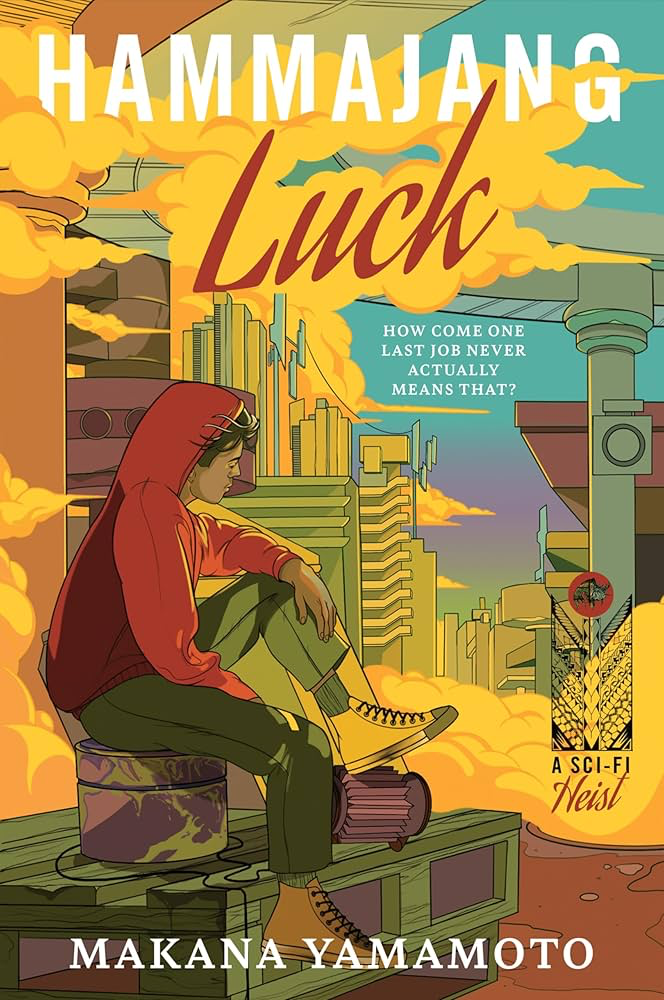
Hammajang Luck – Makana Yamamoto – “If I ever wander on by/Could, could you/Flag me down and beg me to/Drop what I’m doing and sit beside you?”
Since this post consists entirely of songs, consider all of them to be today’s song.
That’s it for this week’s Sunday Songs! Have a wonderful rest of your day, and take care of yourselves!
Not to be dramatic or anything, but I am currently writing this through tears. Every time I pull up the live version of this from the Biophilia concert film, I start crying. Damn you, Björk, could you not carve out the softest, tenderest bits of my soul with a melon baller for once?
Maybe I am the soft, snowflake humanities major that Trump wants to extract from higher education, but I find I understand science best when you bring out its inherently human qualities. We went wrong when we perpetuated the stereotype of the sciences, and scientists by extension, as cold and removed from emotion, because to separate the two is to deny the connectivity of nature, of the universe, and of the particles that quite literally make up all of us. (Which is why SciAll is doing incredible work to humanize the field, and even better that my awesome brother is making content for them!! Shameless Todd family plug, now back to your scheduled program.) Sure, I do believe the stereotype whenever I pass by the absolute brutalist hellscape that is my college’s engineering building, but that isn’t representative of all of STEM. I’ve never gotten physics. I’ve never fully understood it, only bits and pieces. But the other day, I read a great book called Uncommon Measure, a memoir about time and music, which likened quantum entanglement—the way that particles just know how others around them will move—to falling in love with her husband while they learned to dance Argentinian tango in college, and trusting her body to remember the steps and the movements of her partner. Do I understand quantum entanglement any more? Slightly, but I’d still fail a course on it. But I’m on my way, because of that emotion. The moment we lose that connection between ourselves and the very makeup of our universe, we forget ourselves. Quite literally, ourselves.
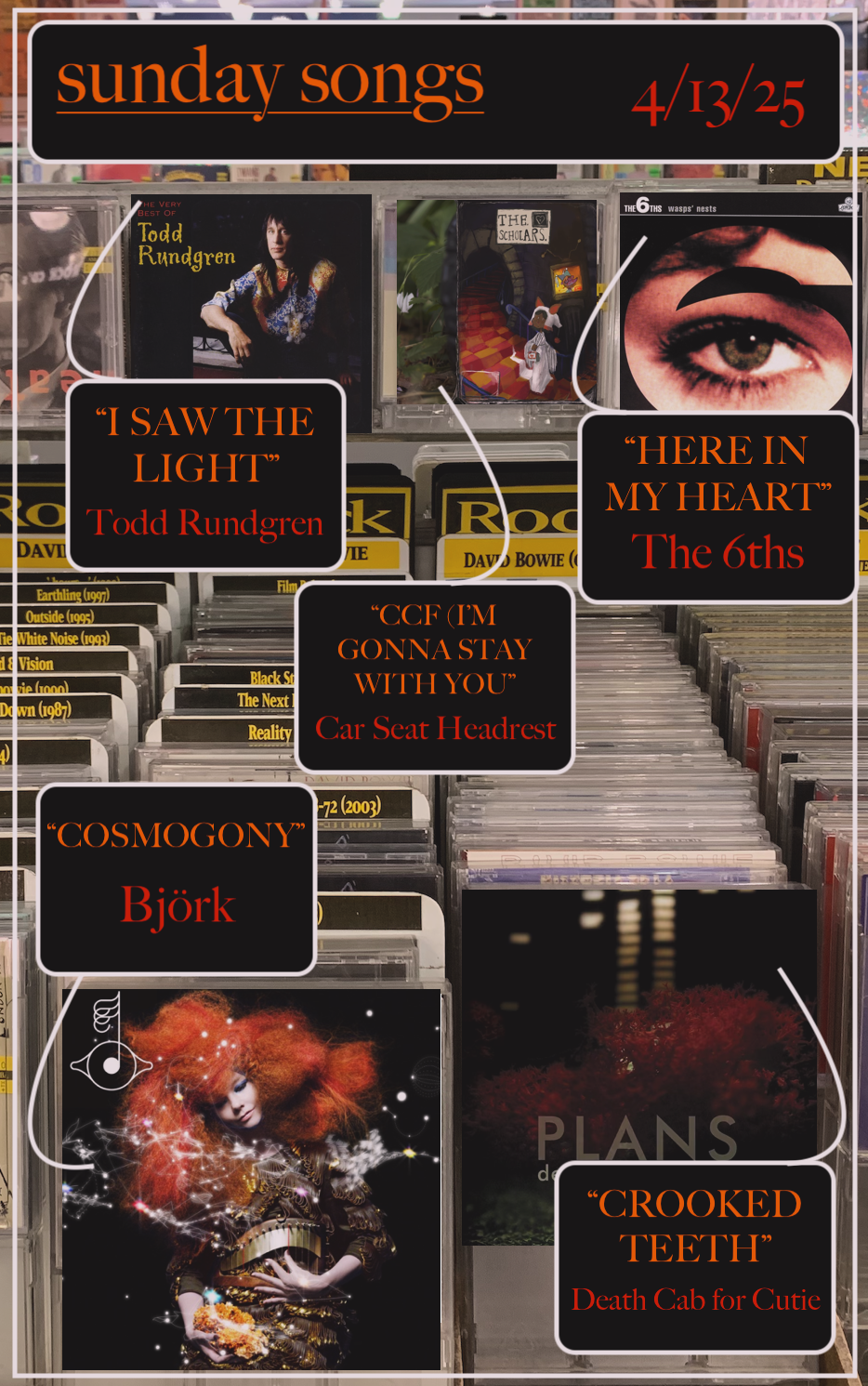
Now that I’ve finished Sonic Symbolism, my Sunday Songs have admittedly become months of Björk worship in a trenchcoat, but getting this nuanced view on her music-making process has seriously invigorated me. I’ve yet to fully listen to Biophilia, but it’s high on my list. The album was conceived along with an app that aimed to teach children about music through concepts of science; for instance, chords and learning which chords work best with each other is demonstrated by a visualization of tectonic plates. And if that’s not enough, David Attenborough, THE MAN HIMSELF, recorded an intro for the app, which was also featured on the Biophilia tour. Though the app is sadly defunct, it remains a critical piece of Björk’s creative legacy, as well as a tool that was specifically shown to benefit neurodivergent children in learning these concepts. In the grand scheme of things, “Cosmogony” was the menu that held the rest of the app together, a screen where you could navigate to different parts of Björk’s simulated universe. (And even if that didn’t exist, the aesthetic language of the album, with Björk’s voluminous wig that’s the color of oxidizing copper.)
That fusion of the arts and sciences, as well as the inherent humanism that Björk brings to her craft, is what makes “Cosmogony” so special; the song details three creation myths from around the world (Miwok Native American, Sanskrit, and Aboriginal Australian), and she adds the Big Bang theory, which she jokingly referred to as “a creation myth that is 100 years old,” but pointed out that “all creation myths at the time of their making were science.” The song begins with a kind of transcendental choir that rises in pitch, mimicking the motion of eyes searching the stars. It’s the only music that has ever captured the feeling I often felt while taking an astronomy class last year. As I stared up at the planetarium, watching as simulations of the known universe expanded outward ad infinitum, I had this bizarre, incomparable cocktail of emotions—fear, wonder, and somehow, comfort. It’s impossible to feel a single emotion at the revelation that our universe is infinitely large and full of places we cannot even begin to reach or imagine, is it? Space is a cold, unwelcome vacuum, but it is fertile with endless possibility. And that’s where Björk punches me in the gut every time, dredging out the wonder, comfort, and ecstasy of being surrounded by billions upon trillions of stars and planets: “Heaven, heaven’s bodies/Whirl around me/Dance eternal.” I’d say somebody hold me, but I am being held. All of us are, by the arms of the universe.
…AND A BOOK TO GO WITH IT:
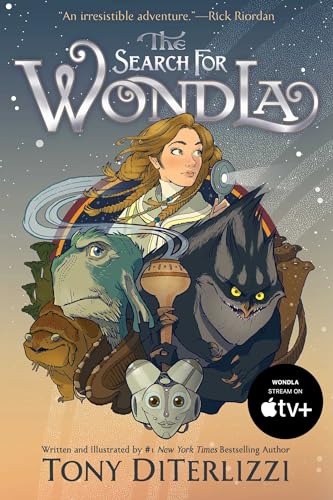
The Search for WondLa – Tony DiTerlizzi – I can easily imagine this as Eva Nine sees the Rings of Orbona for the first time, coming to terms with her own clashing creation myths.
Bring back those stop-motion, collaged indie rock music videos from the 2000’s! We lost something when that trend went away. They’re all so inventive and fun, and they all have that token darkly funny moment before going right back to silly little cutouts of floating astronauts and whatnot. (See also: “Can You Feel It?”)
Song lyric of the week, unofficially: “You’re so cute when you’re slurring your speech/But they’re closing the bar and they want us to leave.” This song is an absolute indie hit, and it deserves that status: a three and a half minute-long pocket of sad white boys, clever lyrics, and lovely harmonies. That’s probably why I found myself occasionally remembering the chorus of “‘Cause you can’t find nothing at all” every few years and forgetting the rest of the song. Shame that I forgot the rest, really, because that’s not even the catchiest bit. Admittedly, I find the “I’m a war between head versus heart” bridge rather corny compared to some of the more poetic bits of this song, but that’s because of how descriptive every line is. Ben Gibbard really knows how to make every line count, from the lyricism down to the precise inflection of each word. The way his voice creeps through the notes makes the expression “turn of phrase” make sense—every sentences seems to twist like vines. All of it becomes “the home in my heart” built with rotten wood that leads into the first chorus; much like the collection of landmarks that Gibbard describes, it’s a blurred, drunken stumble through a mutually destructive relationship that keeps losing its water, no matter how many strips of tape you put over the holes in the kiddie pool. Yet all of it is irresistible, as is the last dregs of romance that have drained out of whatever hot mess Gibbard is chronicling.
…AND A BOOK TO GO WITH IT:
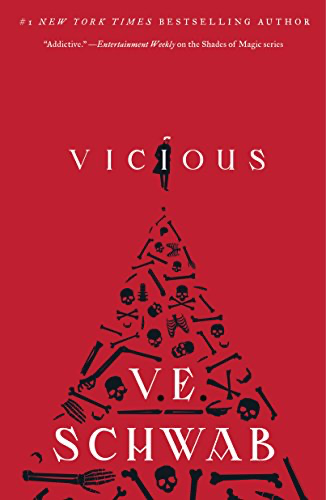
Vicious – V.E. Schwab – “‘Cause I built you a home in my heart/With rotten wood, and it decayed from the start/’Cause you can’t find nothing at all/If there was nothing there all along…”
There’s a sliding scale of what degree of early ’70s that I enjoy. On the one end, you’ve got glam rock: your Bowies, Bolans, Brian (Eno)s, etc. It all depends on that warm guitar tone. By the time you get here, you’ve got the guitar tone, but then you’ve inched into the same breath as Steely Dan, and…okay, that might be where I draw the line. (Admittedly, “Peg” is better than it should be.) That’s about when you get into that yacht-rock kind of cheese that I can’t quite stand. This one Todd Rundgren song, however…safe. Can’t deny how catchy it is, god! Another delightful tidbit of the ’70s I tend to enjoy is the pianos—I’m not sure if it’s the specific kind of piano or just the sound quality, but there’s something so charming about that tinny kind of piano that’s punctuates the background. Each bend Rundgren hits on the guitar strings feels like a sway of the hip, a twist of the leg striding across the dancefloor. Sure, he specifically meant for it to be a hit and not much else (and apparently cranked it out in 20 minutes while addicted to Ritalin), but it works perfectly as such. “I Saw the Light” has a joyful groove that’s been undeniable for 50+ decades, but exists in amber as nothing but 1972: smooth, romantic, and oh so bright in that guitar tone.
…AND A BOOK TO GO WITH IT:
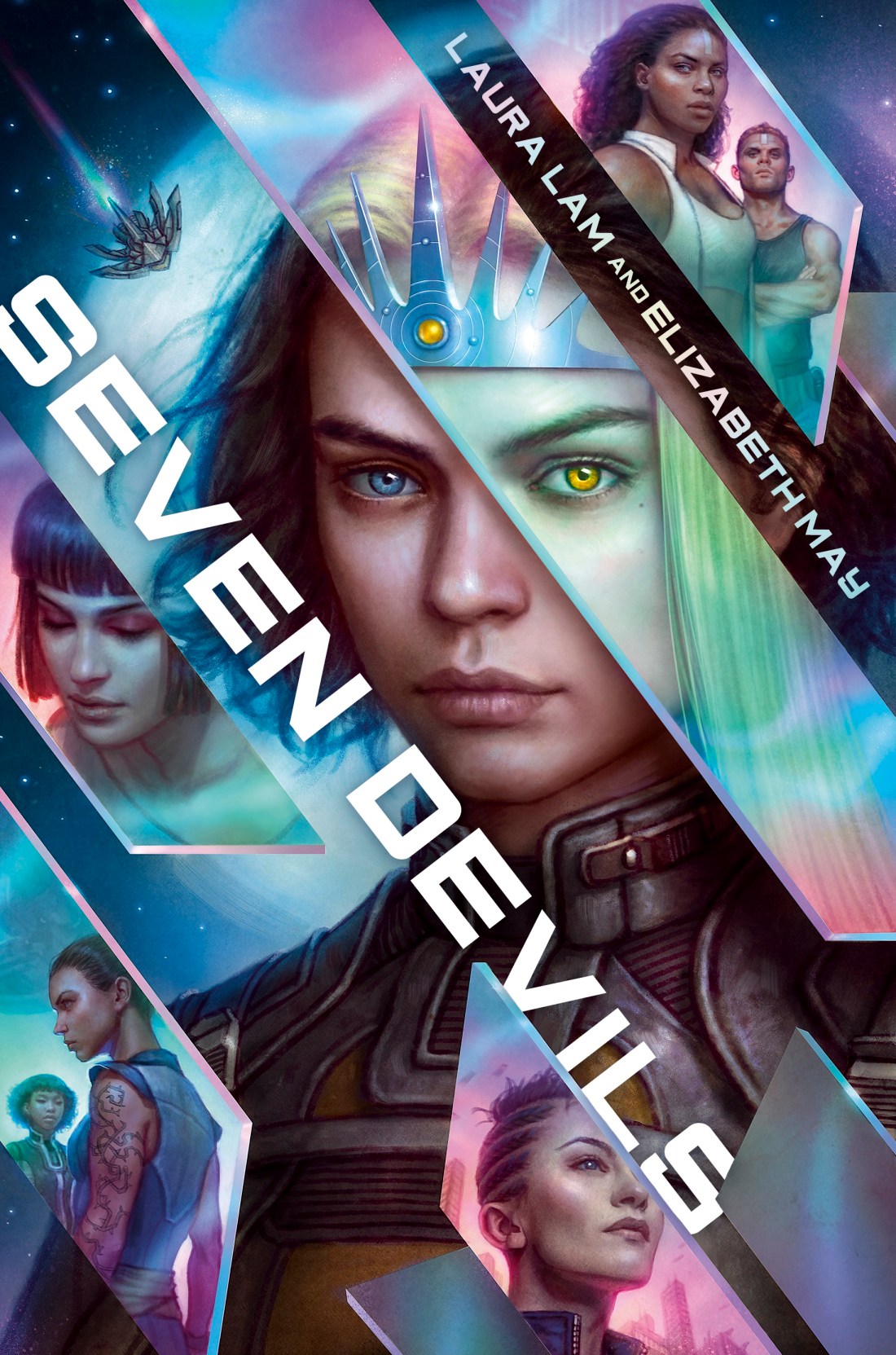
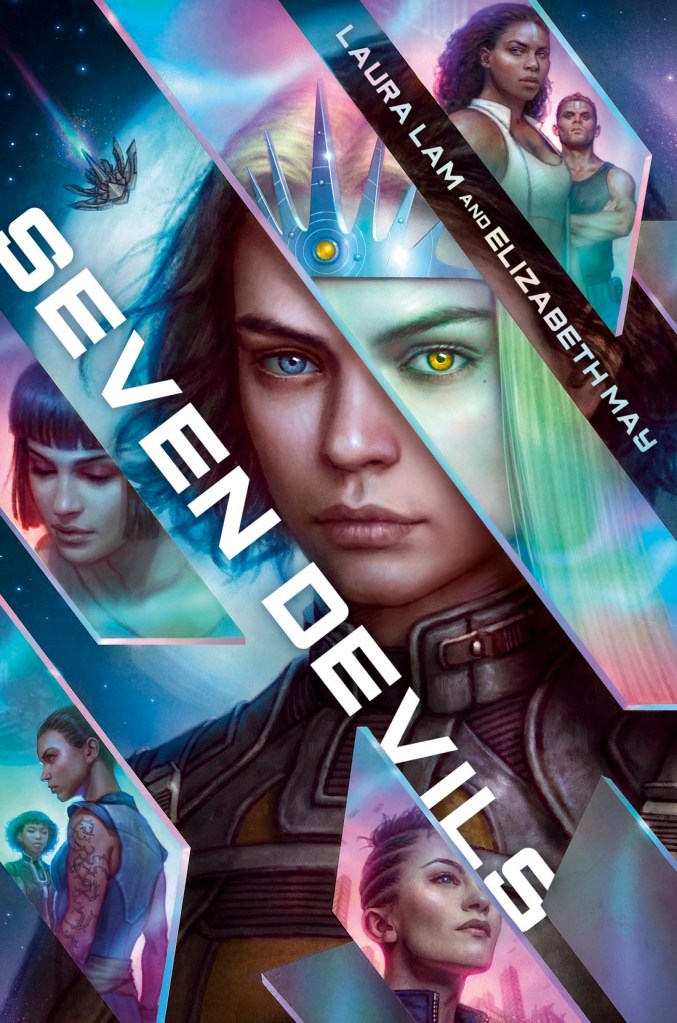
Seven Devils – Laura Lam and Elizabeth May – songs with lyrics that are on the…more generic side (sorry, Todd) don’t give me as much rope, so it’s mood I’m going off of for this one, a messy, romantic space opera.
Car Seat Headrest is back, and they’re making obscenely long songs again!! Nature is healing!! (And apparently, these aren’t even the longest? The second to last track is purportedly 19 MINUTES LONG? “Famous Prophets (Stars)” has some competition…) So is Will Toledo, evidently—I’m so glad he and the band are taking it slowly on this tour (which I am SO elated to have tickets for), but I’m glad that he’s gotten to a place with his long COVID that he can make some more angsty masterpieces.
It really does seem like The Scholars will be some of Car Seat Headrest’s boldest work to date. Toledo conceived of this album as a rock opera, inspired by the likes of Tommy and The Rise and Fall of Ziggy Stardust and the Spiders from Mars, centered around the fictional Parnassus University. Each song centers around a student; the excellent, nearly 11-minute long epic of a single, “Gethsemane,” for instance, follows Rosa, a medical student who dabbles in necromancy and discovers that she can absorb the pain of others. Aside from said Gethsemane, Toledo also said that he was inspired by his own journey into Buddhist practices while he dealt with long COVID and his lifelong, conflicting feelings surrounding his spirituality. It’s an incredibly ambitious cocktail of ideas and about as spacious as a university campus, but it seems like the pent-up work of five years of not releasing any new material and the flood of ideas that I’m sure came along with it.
If there’s one thing that Car Seat Headrest has perfected the art of, it’s making album intros. They’re all about giving you that antici……pation, but the payoff is even more rewarding than the almost cinematic buildup. Even on weaker albums such as 2020’s Making a Door Less Open, “Weightlifters” had a kind of thesis about the album’s musical motifs, and on the iconic Teens of Denial, “Fill in the Blank” sets the upbeat, angsty tone with ease. “CCF (I’m Gonna Stay With You)” reminded me immediately of “Vincent” and its echoing intro, but what follows is an explosive display of the band’s collective talent. Toledo, Ethan Ives, Seth Dalby, and Andrew Katz’s synchronicity creates a soundscape deserving of a sprawling rock opera, and Toledo’s poetic lyricism is befitting of Beolco, the playwright character this song is written from the perspective of. Long COVID couldn’t beat the healing salve that is Will Toledo’s voice, which simultaneously retains notes of his youth but has undeniably steadied and matured. “CCF (I’m Gonna Stay With You)” has threads of Teens of Denial all over the place (aforementioned “Vincent” similarities, and the horns reminded me of “Cosmic Hero”), but something about it has an inherently spacious vision beyond the storytelling—this is a whole universe that they’ve created, and I, for one, am elated to discover it. MY BODY IS READY.
…AND A BOOK TO GO WITH IT:
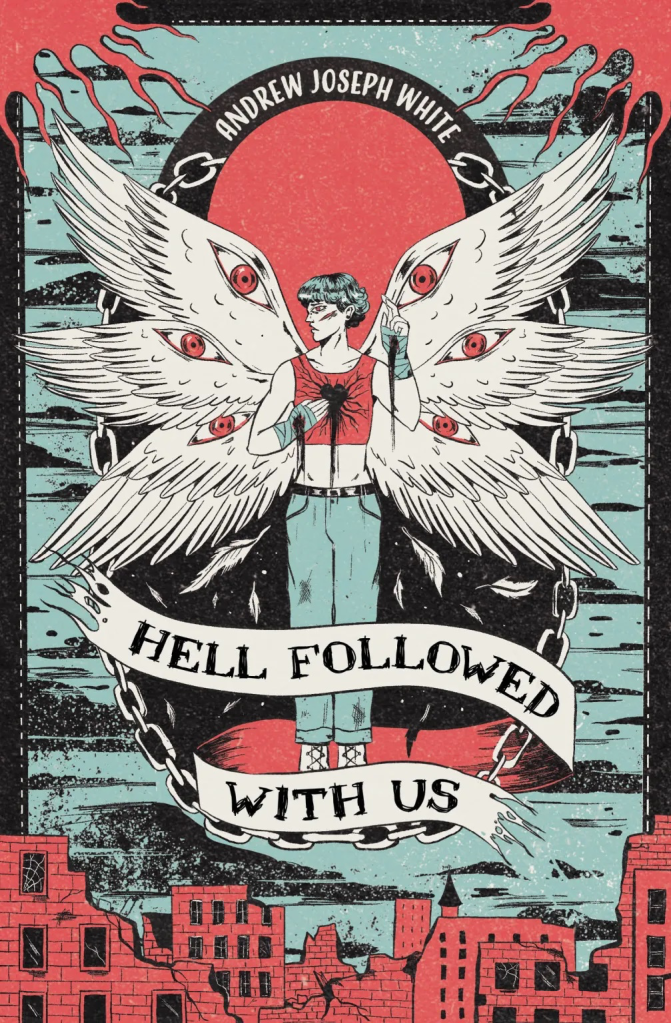
Hell Followed With Us – Andrew Joseph White– “When I come down off this cross of mine/A hairsbreadth apart and as far as the sky/Then back on my spine, there was a line that my idols crossed that I could not cross/On the other side is love, and right here is loss…”
Another addition to artists who cannot stop cooking: Stephin Merritt. Not only does he have some impressive vocal range and an excellent body of work with The Magnetic Fields, he’s a part of several other side projects—one of which, The 6ths, where he barely even sang, but just did arrangements and lyrics, and had a whole host of amazing indie artists sing for him. Dean Wareham (“Falling Out of Love [With You]”), Chris Knox (“When I’m Out of Town”), Mary Timony (“All Dressed Up in Dreams”), and Mark Robinson (“Puerto Rico Way”) are just a handful of the guests on this album, Wasp’s Nests. (However, he did sing himself on the also fantastic “Aging Spinsters.”) All of them are folded into the lovelorn synth tapestry that Merritt has woven, and though the voices vary, all of it is so distinctly him. The love (or love-related) songs he pens are usually of the lost love variety, but “Here In My Heart” is about as pure as they get; even if the love in question is far away, the yearning spills out of the chorus like thousands of butterflies. Every electronic twinkle glows warmly with love, the kind that makes your chest light up like in Fantastic Mr. Fox, but the glow never feels fake—it’s an ecstatic, crush outpouring that never loses its sheen. Anna Domino’s voice, as twinkling and delicate as the synths, blends in as a shimmering blot of light in the constellation of this starry-eyed love song.
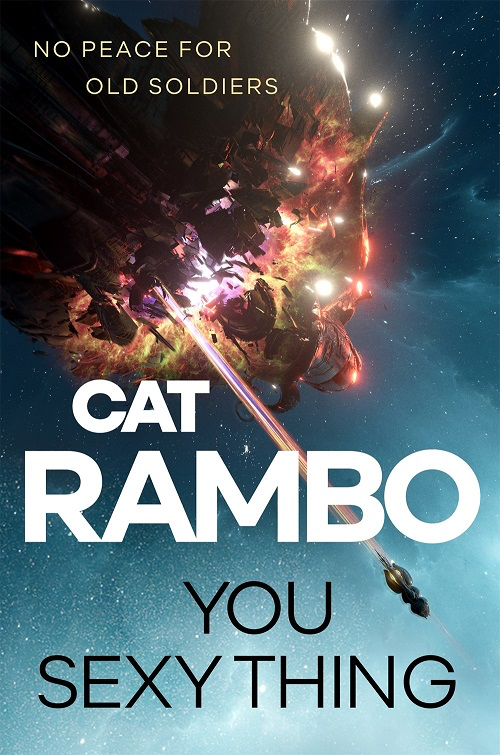
I’ll skip the prologue about how predictable it is that I picked up another queer space opera, and one with a ’70s music reference in the title at that. (SING IT WITH ME!! 🎶I BE-LIEVE IN MIRACLES—🎶) Nonetheless, I kept my expectations low, and I’m glad I did. Hilarious, heartbreaking, and heartwarming all at once, You Sexy Thing is the start of a true joy of a space opera trilogy!
It’s been decades since Niko Larson and her fellow soldiers were able to break free of the Grand Military of the Hive Mind, where they were voiceless pawns in a never-ending war. Now, they run the Last Chance, a humble restaurant at the edge of TwiceFar Station, serving customers from all over the galaxy and from all walks of life. But when a mysterious, sentient ship destroys their livelihood before giving them a mysterious mission that they can’t refuse, Niko and her fellow chefs and restaurateurs must return to the fray they tried so desperately to escape—all with the heir to the Paxian Empire in tow.
TW/CW: sexual content, violence, blood, torture, kidnapping/imprisonment, war themes, abuse, genocide themes, death
The entire time I was reading this book, I’d click on the Kindle cover and I’d immediately start hearing “You Sexy Thing.” It just kept coming back, like I was trapped in a sitcom gag with a signature musical cue. Probably the intended effect. Not complaining, though. Absolute banger.
What an excellent space opera this was! You Sexy Thing scratched so many of my favorite sci-fi itches, and one of the biggest ones was the aliens and creatures! CREATURES! CREATURES! I’d place You Sexy Thing as bordering on space fantasy, though I won’t go into a whole digression on what counts/doesn’t count as sci-fi or SF; that was mainly because of the ghosts, some magic use, and were-creatures. However, Rambo did an excellent job with all of the alien denizens of this galaxy! There was a fantastic balance of humanoid and more unfamiliar creatures, all of whom were delightful. Skidoo was a personal favorite, as I’m particularly fond of any kind of cephalopod-inspired aliens, but Petalia, even if their name was rather on-the-nose (in line with a lot of the humor of the book), had some fascinating details about their culture and plant-based physiology. Also, there’s a chimp. Gotta have a chimp to round out the crew, amirite? Thankfully, this one doesn’t go the way of Nope, and Gio is a perfectly reasonable individual. There’s also lots of casual queerness abound, which is always a plus.
Another thing I love in space opera is a good motley crew, and You Sexy Thing had a stellar one! Rambo’s choice (apparently a challenge from fellow sci-fi author Ann Leckie, if the epigraph is anything to go by) to have You Sexy Thing in an omniscient, third-person POV was a great solution for covering the thoughts of all of the characters, discarding the need for separate chapters for everyone. All of them had distinct and lovable (mostly) personalities that made them butt heads with some characters and mesh with others, while still retaining a sense of familial bonding. Even outside of the restaurant setting, they retained a hilarious rapport that was a joy to read. Dabry’s musings on cooking were a delight, Atlanta’s trouble fitting in with the crew made for some lovely interactions, and Niko’s continuous struggles to face her past made for some of the novel’s most emotional points. You Sexy Thing balanced levity with emotional weight to great effect, and had a fantastic cast of characters to split the difference.
Amidst all of the humor, You Sexy Thing explores some quite complex, nuanced emotion, which I appreciated. I don’t think Rambo fully explored the implications of everything that had been done to Petalia, and how returning to Niko’s company affected them, but what we got was appropriately complicated, messy, and painful to read—exactly how it should have been, given the circumstances. This story never strays away from the cross-cultural complications of relationships, grief, and more, which added to how fleshed-out and unique all of the characters felt. By the end, all of the betrayals were appropriately punches to the gut, but ones that were cushioned by the found family dynamic that had been built up by the end.
Like the characters, the worldbuilding was an absolute treat! I will say, some of it was rather scattershot—we frequently get references to alien species and places that don’t even show up after they’re mentioned, but since this is a trilogy, I might be able to get past that, assuming that they come up later. I’m mostly accepting it, knowing that a) this is a huge galaxy, and b) that the world will presumably be expanded upon. It only really peeved me when they failed to explain much about what said alien races looked like. Other than that, Rambo’s worldbuilding was fascinating to pick apart! Sometimes, individual concepts are more interesting than the whole, and that aspect was made manifest by many of Rambo’s concepts, from married couples (or friends) being able to meld into a single being to the biotechnology that made You Sexy Thing (the sentient ship) possible. Through it all, I got the sense that Rambo’s galaxy was a distinctly lived-in one, which made my reading experience all the better.
My only real complaint, if any, was Tubal Last. You Sexy Thing had moments of being purposely cheesy, from the in-your-face ’70s music references to the on-the-nose character names; the latter felt like a nice, tongue-in-cheek reference to some of the characteristics of older sci-fi. That quality extended to the villain, who was cartoonishly evil. I don’t necessarily mind a comically evil villain every now and then, but in contrast to the complexity and nuance of many of the characters, Tubal Last felt out of place, just another obstacle (a formidable one, but a very one-note one) for the crew to overcome. He was over-the-top, but not in a way that necessarily served the story, other than some slightly unique motivations.
Overall, You Sexy Thing was a blast from start to finish, with a lively, energetic galaxy and a cast of lovable characters and daring hijinks to fill it with. 4.5 stars!
You Sexy Thing is the first book in Cat Rambo’s Disco Space Opera series, followed by Devil’s Gun and Rumor Has It. They are also the author of Neither Here Nor There, the Tabat Quartet (Beasts of Tabat, Hearts of Tabat, and Exiles of Tabat), And the Last Trump Shall Sound (with Harry Turtledove and James Morrow), and many other full-length works and short stories. Rambo is also the former president of the Science Fiction and Fantasy Writers of America (SFWA).
Today’s song:
it’s taken me this long to finally listen to Jimmy’s Show all the way through…preparing for Jimmy’s Show 2? either way, it’s an absolute delight.
That’s it for this week’s Book Review Tuesday! Have a wonderful rest of your day, and take care of yourselves!