
Happy Monday, bibliophiles!
Here in the U.S., June is Pride Month! I usually start off these posts with something about how the world is slowly getting kinder to queer people, but that, as always, the shadows of homophobia and transphobia loom large. Well…Christ, it sure is looming larger than ever. Misinformed voters have decided that they’re perfectly content to return us to an administration that has already required passports to revert to the carrier’s assigned gender at birth and has been emboldened to toy with the idea of repealing the right to same-sex marriage. Of course, here I am sitting on my comfy couch in my comfy blue state of Colorado that thankfully has a) a gay governor (shoutout to Jared Polis), and b) enshrined the right to same-sex marriage in the constitution, but that doesn’t mean that my heart doesn’t constantly ache. All of us in the queer community are deeply interconnected. What hurts one of us hurts all of us.
Book banning across the country has disproportionately targeted queer books, deeming the presence of such subjects in children’s, middle grade, and YA literature as pornography and grooming. And god forbid that a drag queen commits the incredibly sexual and predatory act of…[checks notes] reading picture books to kids at libraries. Republicans have their priorities twisted. That’s old, old news by now. Books and libraries were never meant to be war zones, but fascists have made it their mission, then and now, to declare the right to information and new ideas as the most dangerous threat to their power. This goes for books both queer and non-queer. But the power of queer books can’t be overstated. Even I, who grew up in an incredibly supportive, accepting environment (biggest thank you imaginable to my wonderful family for being that way), was enlightened and comforted when, in the short period when I was closeted, I found bisexual characters in books that reflected my story and my feelings. Queer literature is revelatory, and it saves lives. For queer people, it gives them the comfort that they aren’t alone. For others, it gives them a glimpse into perspectives that they might not have otherwise considered, and compels them to empathize with people who are different than them.
So this pride month, and all year round (as always), when you think of what you can do to support the LGBTQ+ community, consider picking up a book. Support queer authors. Buy from queer-owned bookstores, because they tend to be pretty cool places. Support your local library (because they need it now more than ever)—checking out queer books shows them that they’re in demand, and that encourages librarians to keep on shelving them. For us book bloggers and other social media-oriented folks: keep on reviewing and shouting out books. And for all of us: no president, no government, and no legislation can take away your queerness. No one has that power but you. Your queerness is revolutionary and beautiful. Keep on being queer.
So here is my annual list of great LGBTQ+ reads from all sorts of genres, backgrounds, and identities. If I’ve mistakenly identified something about a book’s representation, please let me know! I’ve mixed YA and Adult books here, and I’ve also added a nonfiction section for the first time, as I’ve done with my other recommendation lists.
A refresher on my key:
MC: Main character
LI: Love interest
SC: Side character(s)
For my posts from previous years, click below:
Let’s begin, shall we?
🌈THE BOOKISH MUTANT’S BOOKS FOR PRIDE MONTH (2025 EDITION)🌈
FANTASY:
Includes paranormal, magical realism, horror, and genre fusion(s)
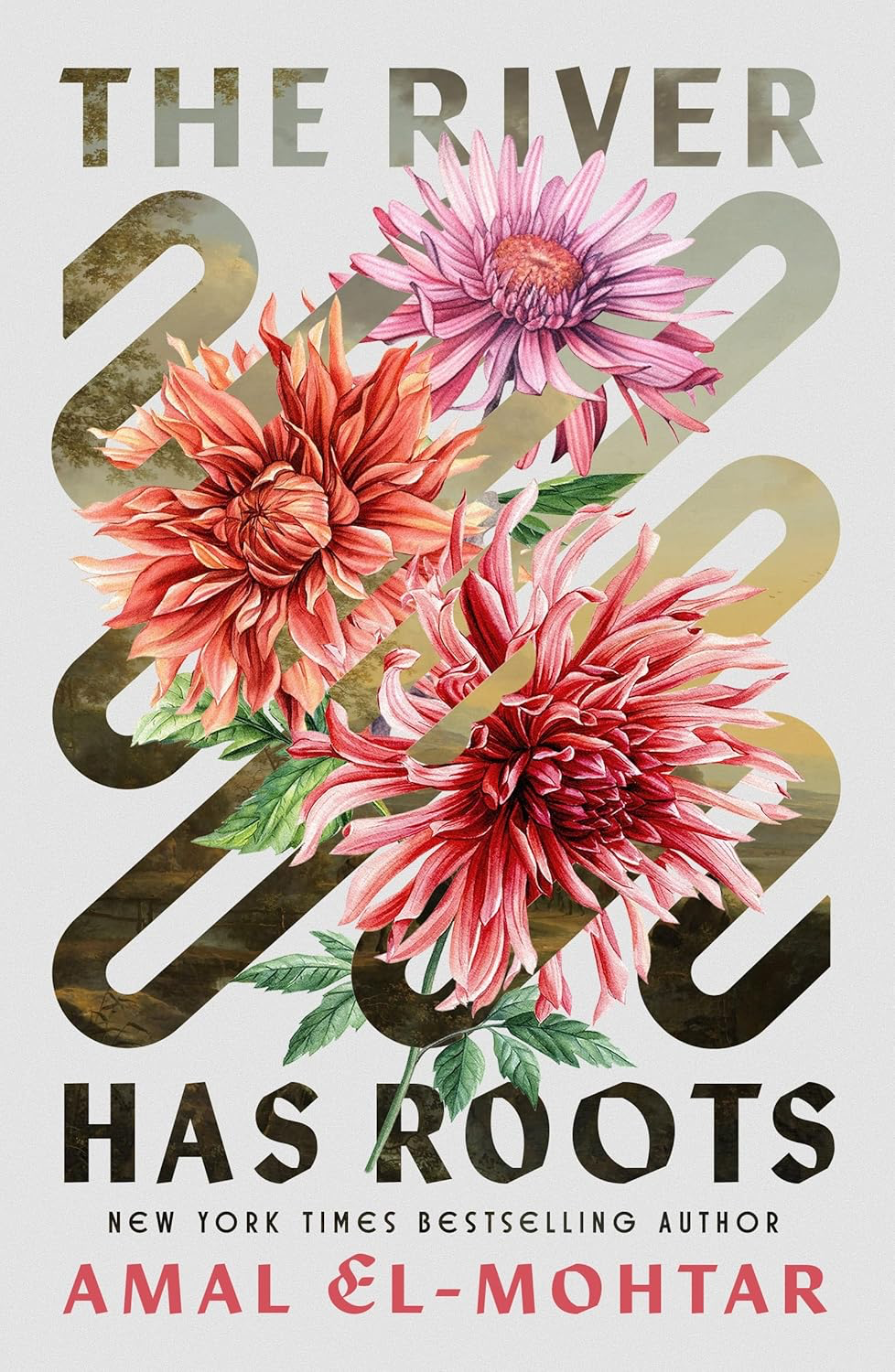

- The River Has Roots – Amal El-Mohtar | Adult | queer MC, gender nonconforming LI | ⭐️⭐️⭐️⭐️.5
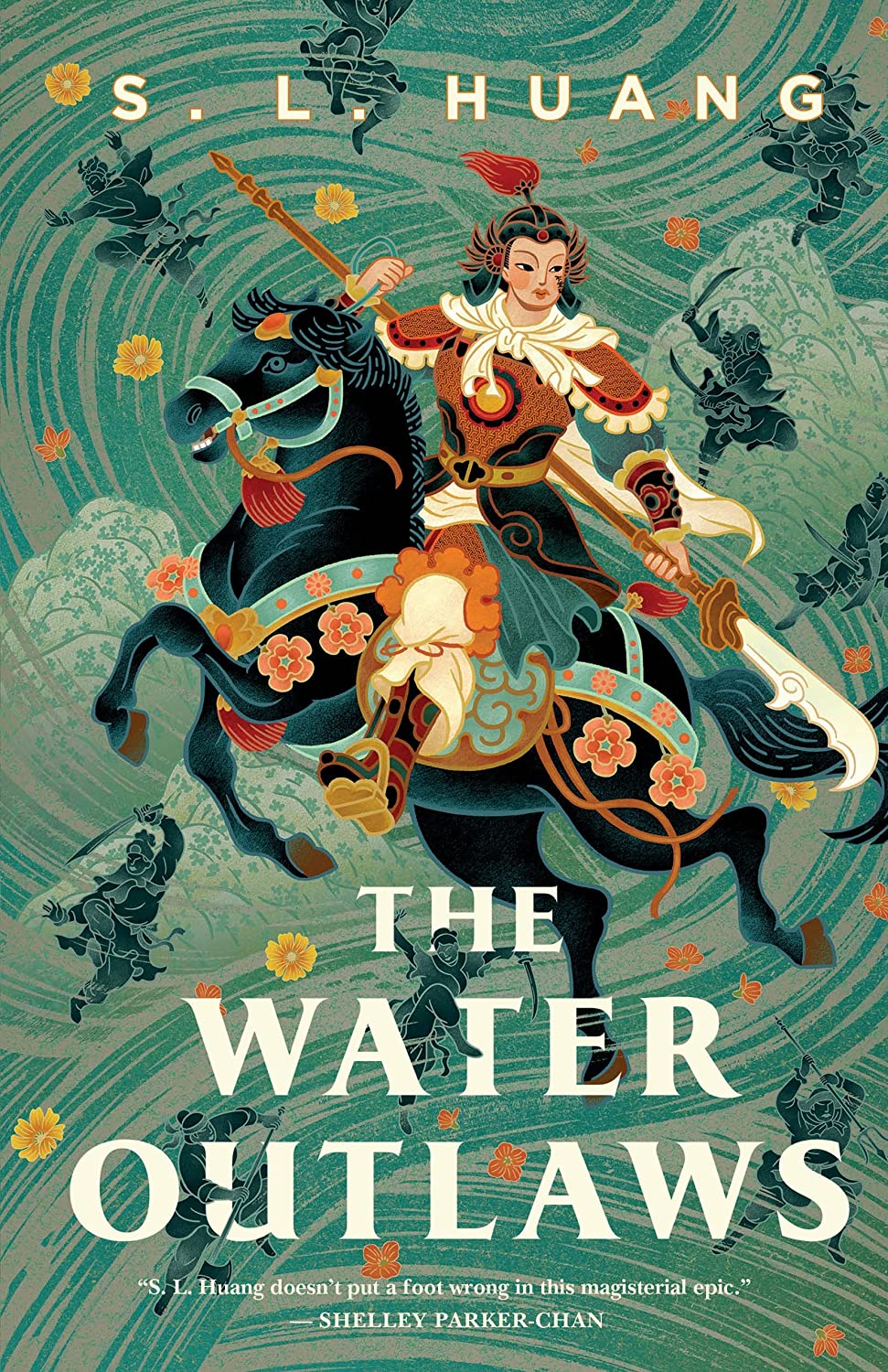
- The Water Outlaws – S.L. Huang | Adult | sapphic MC, gender nonconforming MC | ⭐️⭐️⭐️.5
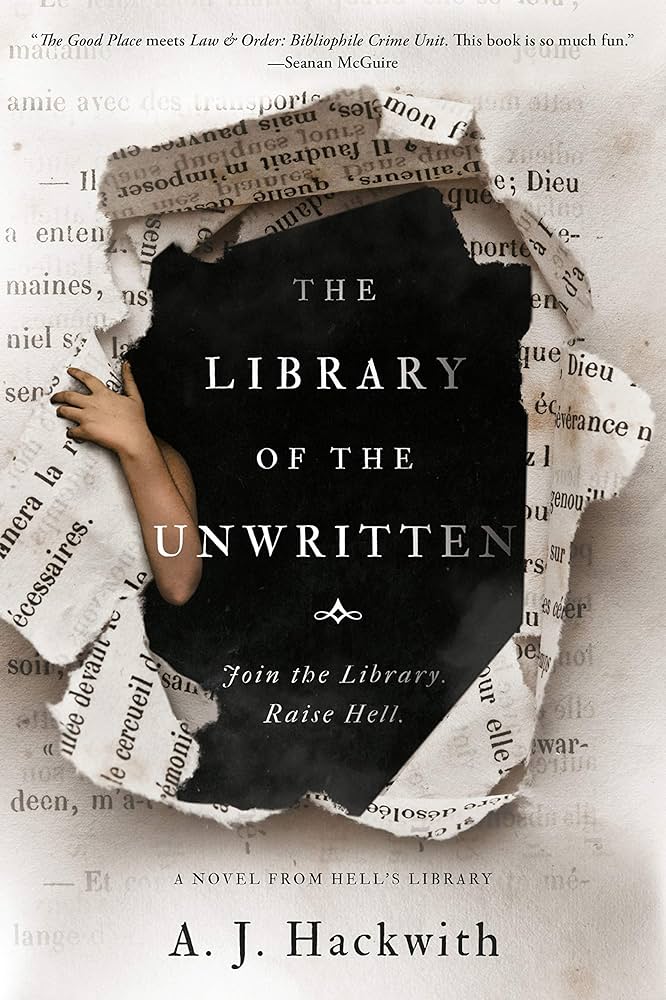
- The Library of the Unwritten – A.J. Hackwith | Adult | pansexual MC, bisexual SC, sapphic SC | ⭐️⭐️⭐️.5
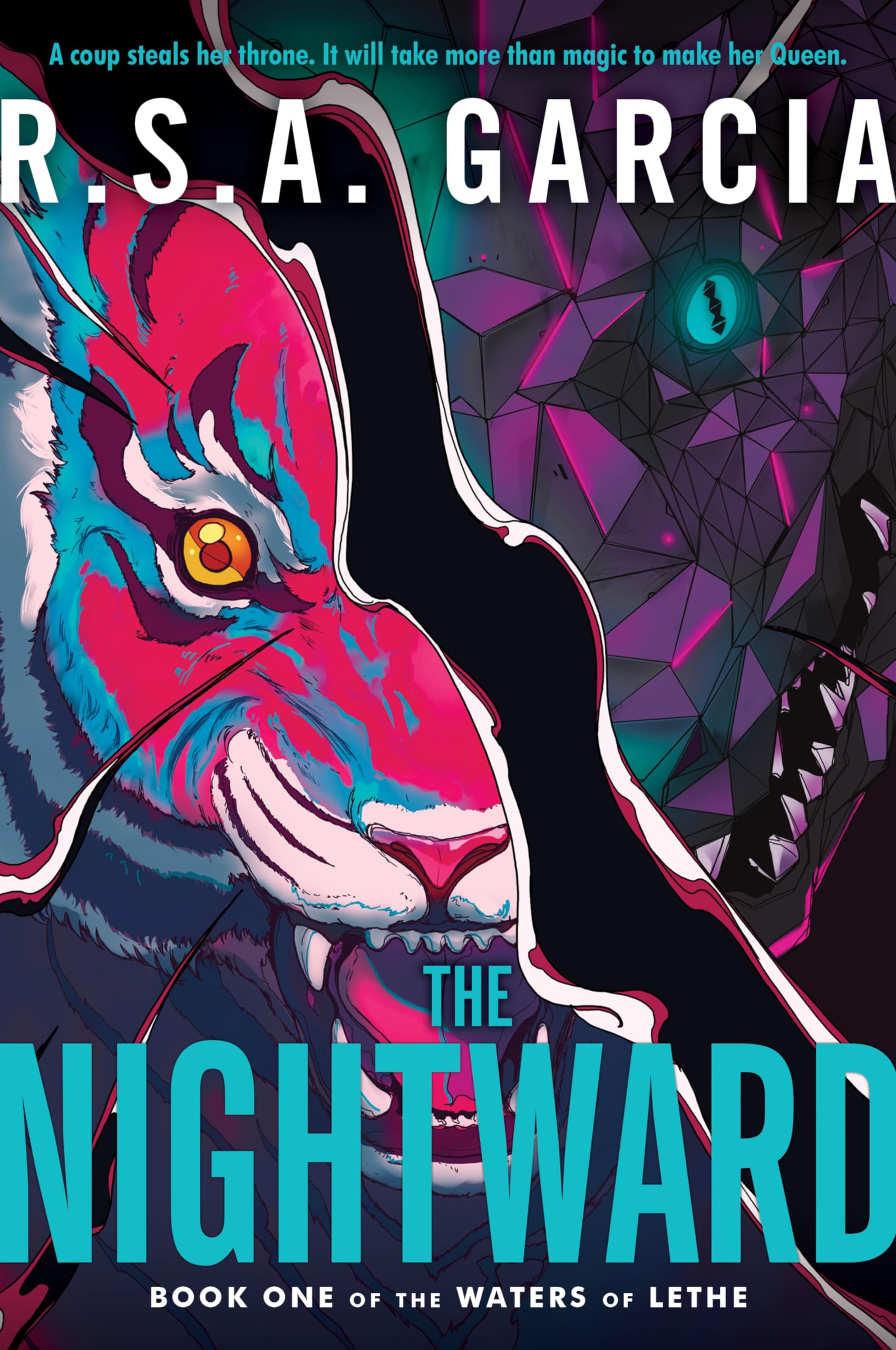
- The Nightward – R.S.A. Garcia | Adult | Queer MC, queer and trans SCs | ⭐️⭐️⭐️⭐️
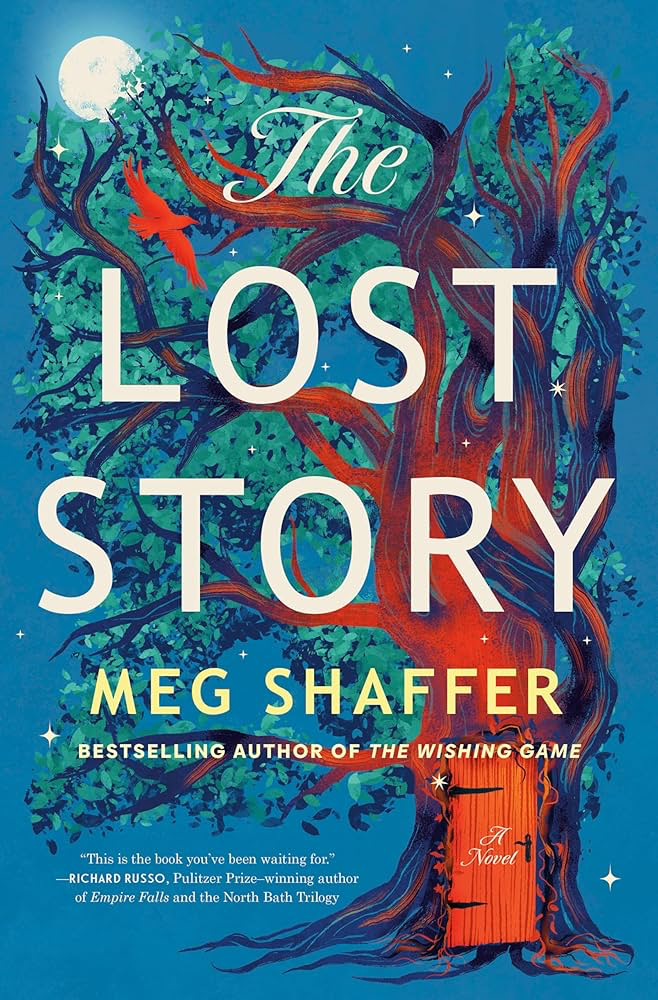
- The Lost Story – Meg Shaffer | Adult | bisexual MC (x2), asexual MC | ⭐️⭐️⭐️.75
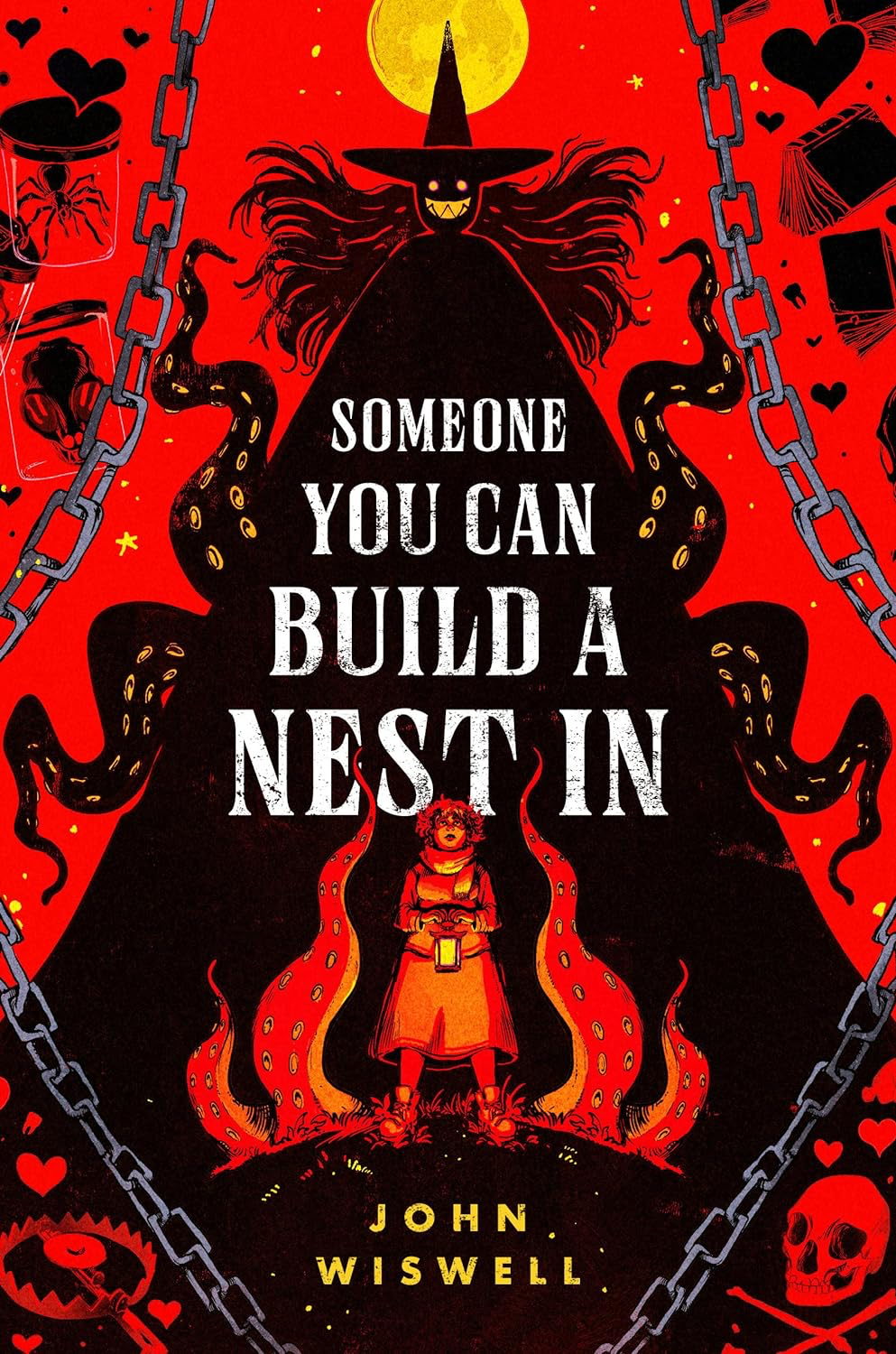
- Someone You Can Build a Nest In – John Wiswell | Adult | sapphic/asexual MC, sapphic LI | ⭐️⭐️⭐️⭐️.5
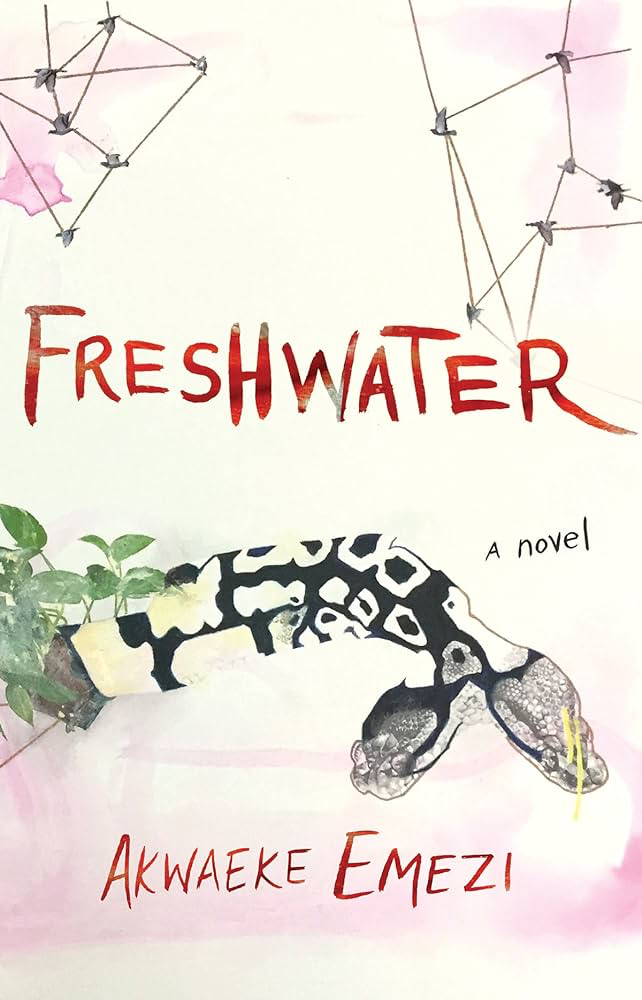
- Freshwater – Akwaeke Emezi | Adult | gender nonconforming/sapphic MC |⭐️⭐️⭐️⭐️.5
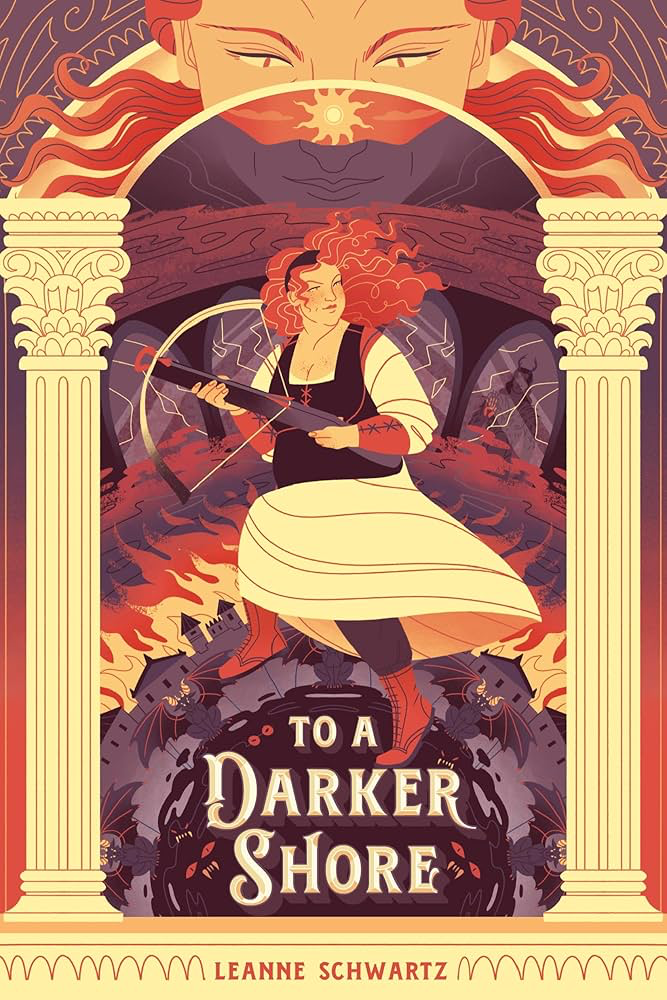
- To a Darker Shore – Leanne Schwartz | YA | demisexual MC, lesbian SCs | ⭐️⭐️⭐️.5
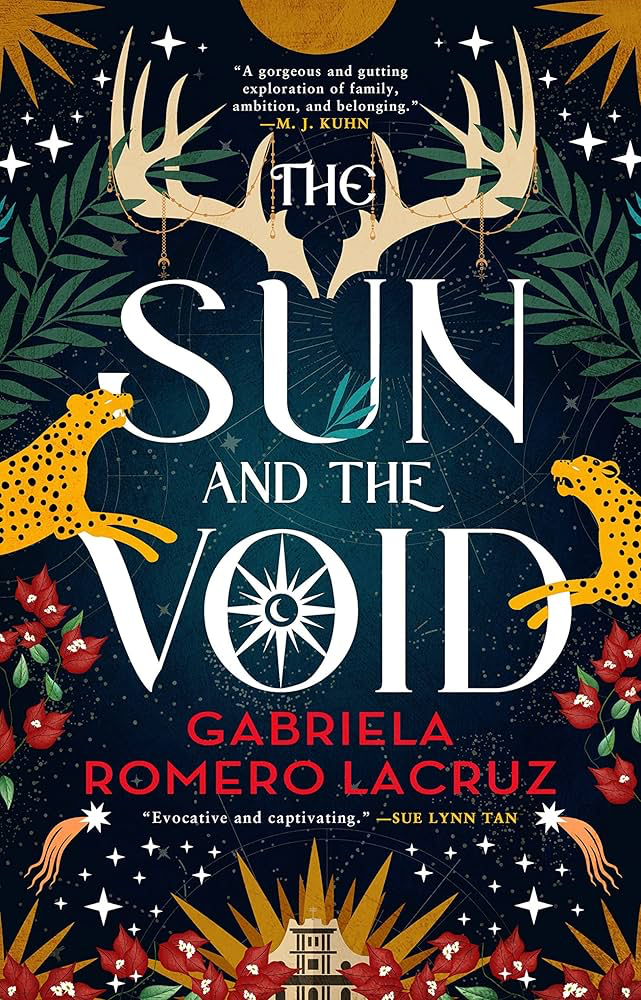
- The Sun and the Void – Gabriela Romero Lacruz | Adult | sapphic MCs | ⭐️⭐️⭐️⭐️
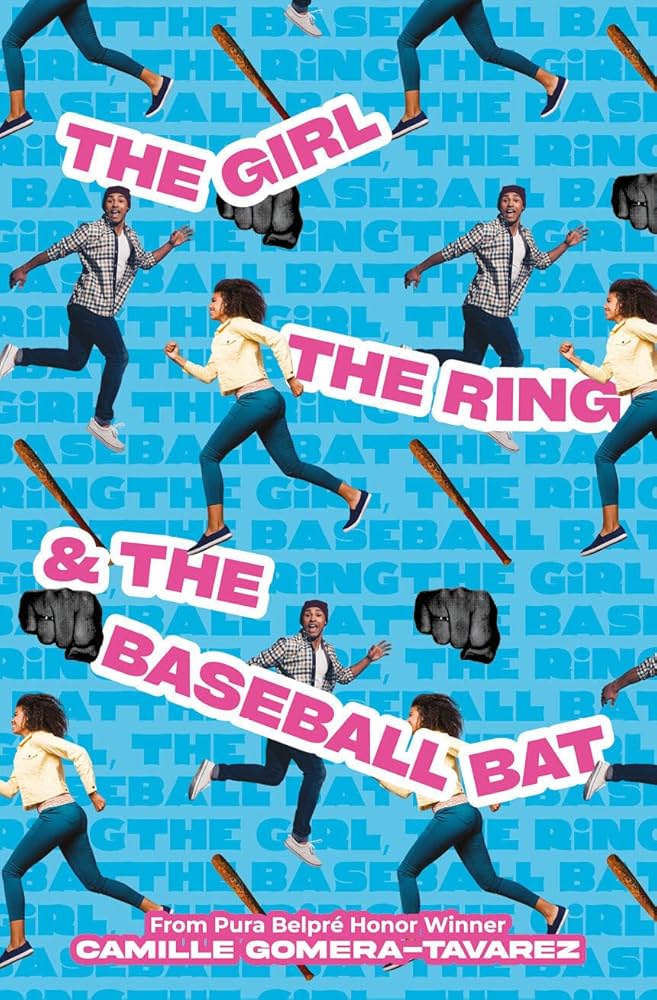
- The Girl, The Ring, & The Baseball Bat – Camille Gomera-Tavarez | YA | bisexual MCs (x2), asexual MC | ⭐️⭐️⭐️.5
- Death’s Country – R.M. Romero | YA | polyamorous MCs (f/f/m), bisexual SCs |⭐️⭐️⭐️.75
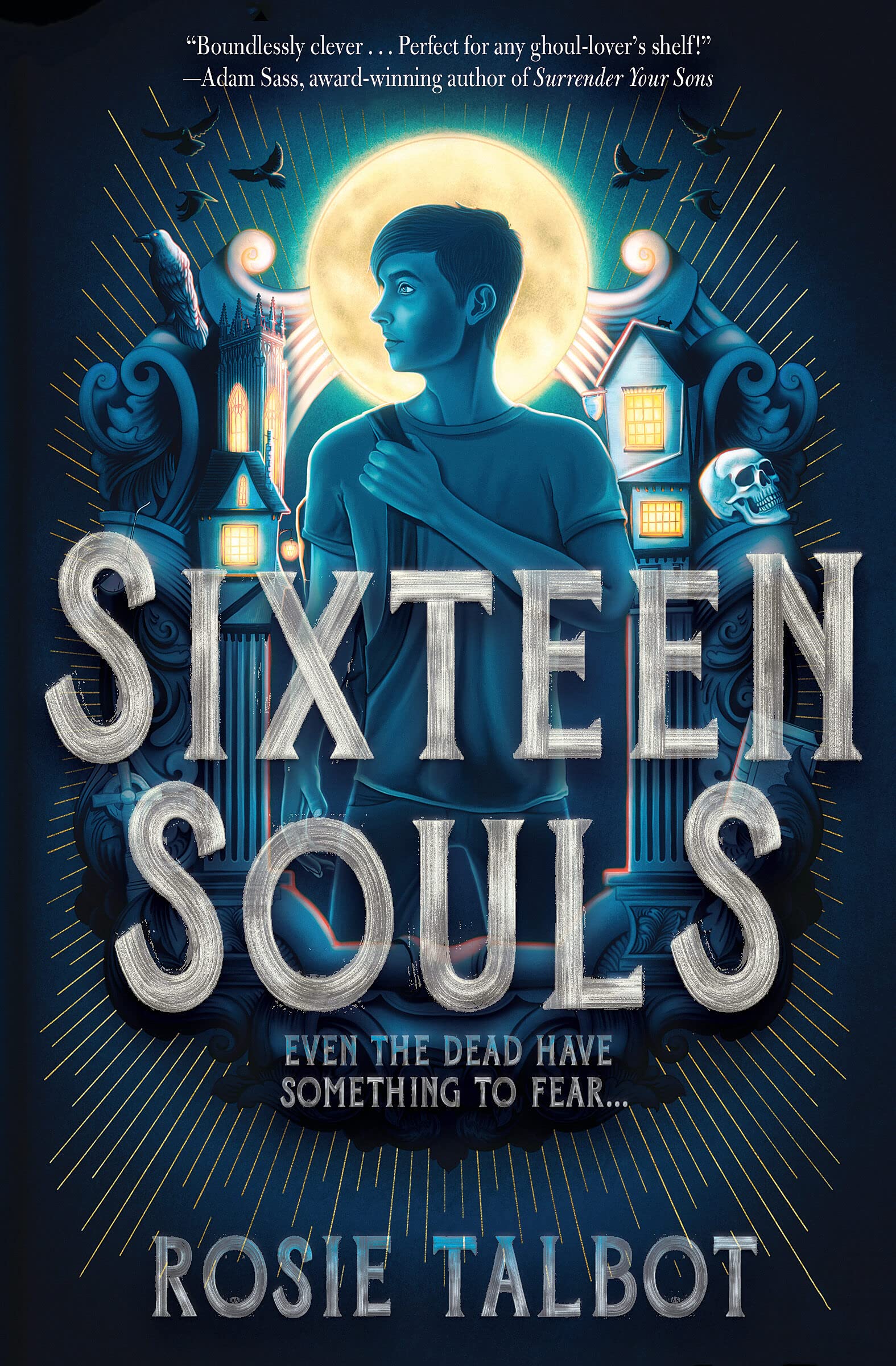
- Sixteen Souls – Rosie Talbot | YA | gay MC, trans LI, several queer SCs | ⭐️⭐️⭐️.5
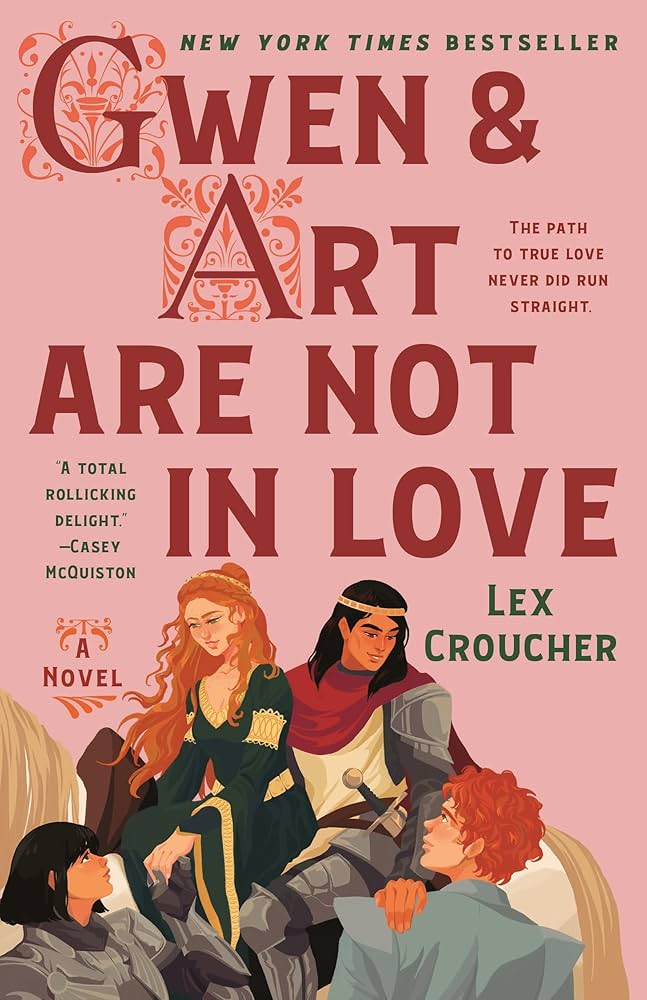
- Gwen & Art are Not in Love – Lex Croucher | YA | bisexual MC, gay MC, gay & sapphic SCs | ⭐️⭐️⭐️⭐️
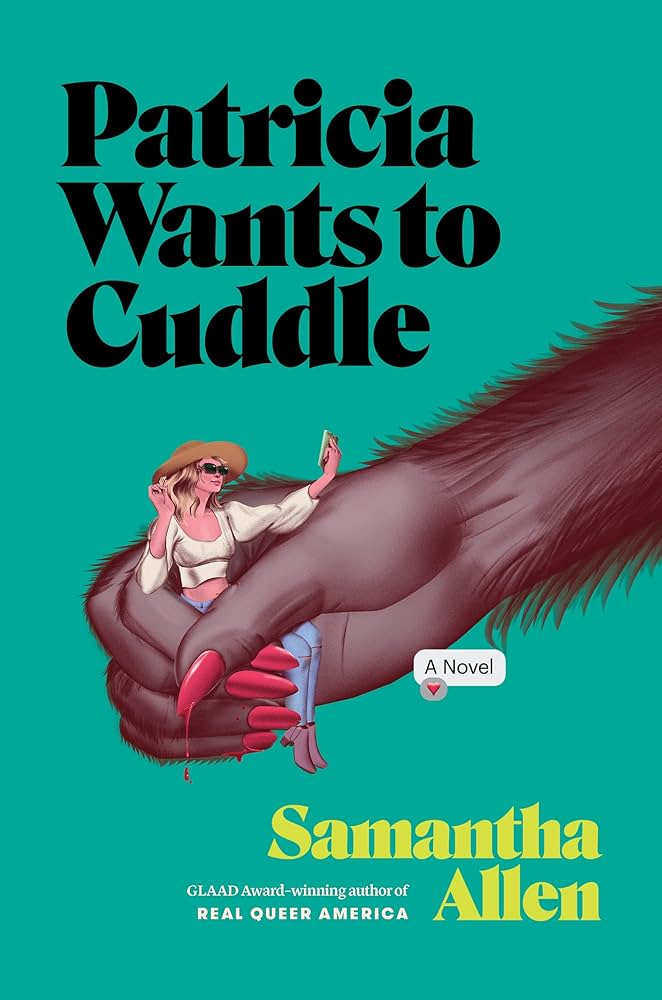
- Patricia Wants to Cuddle – Samantha Allen | Adult | bisexual MC, lesbian SCs | ⭐️⭐️⭐️⭐️
SCIENCE FICTION:
Includes dystopia, speculative fiction, & genre fusion(s)
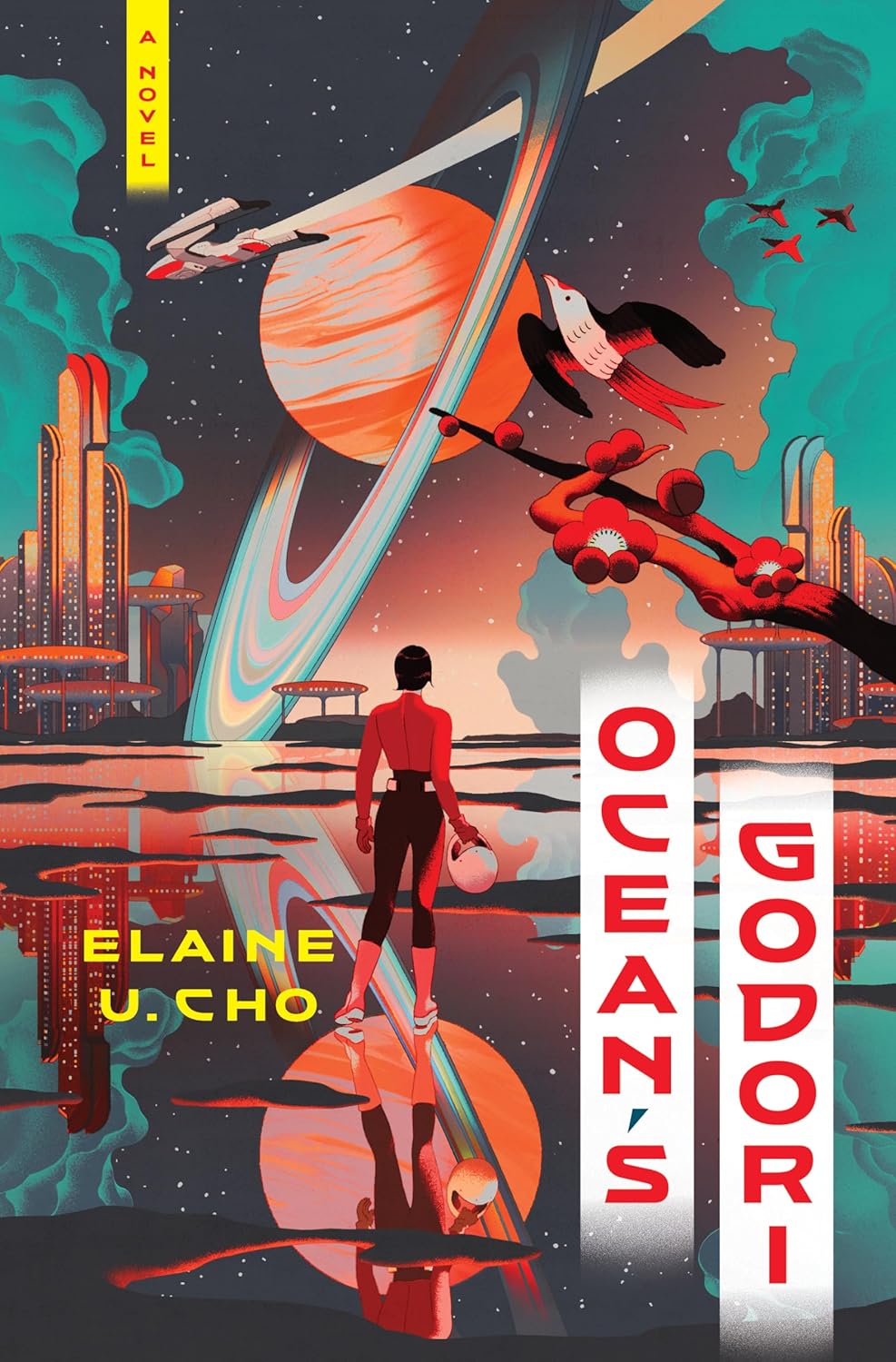

- Ocean’s Godori – Elaine U. Cho | Adult | queer MC, queer, polyamorous SC | ⭐️⭐️⭐️⭐️
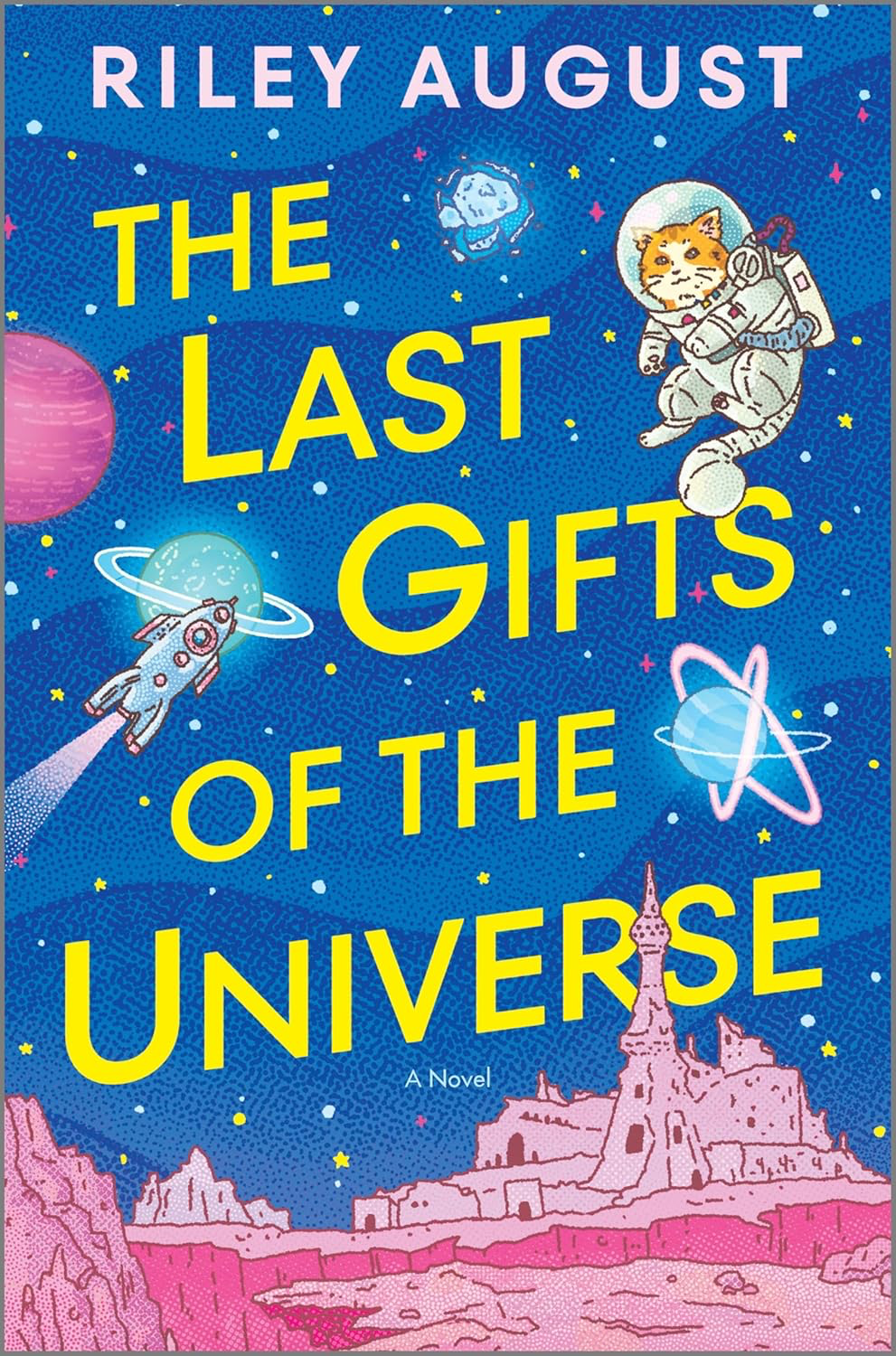
- The Last Gifts of the Universe – Riley August | Adult | nonbinary MC | ⭐️⭐️⭐️⭐️.75
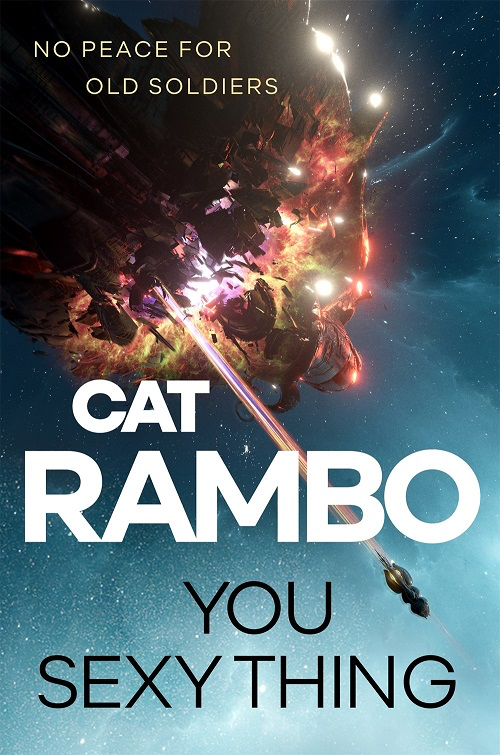
- You Sexy Thing – Cat Rambo | Adult | queer MC, nonbinary LI, various queer SCs | ⭐️⭐️⭐️⭐️.5
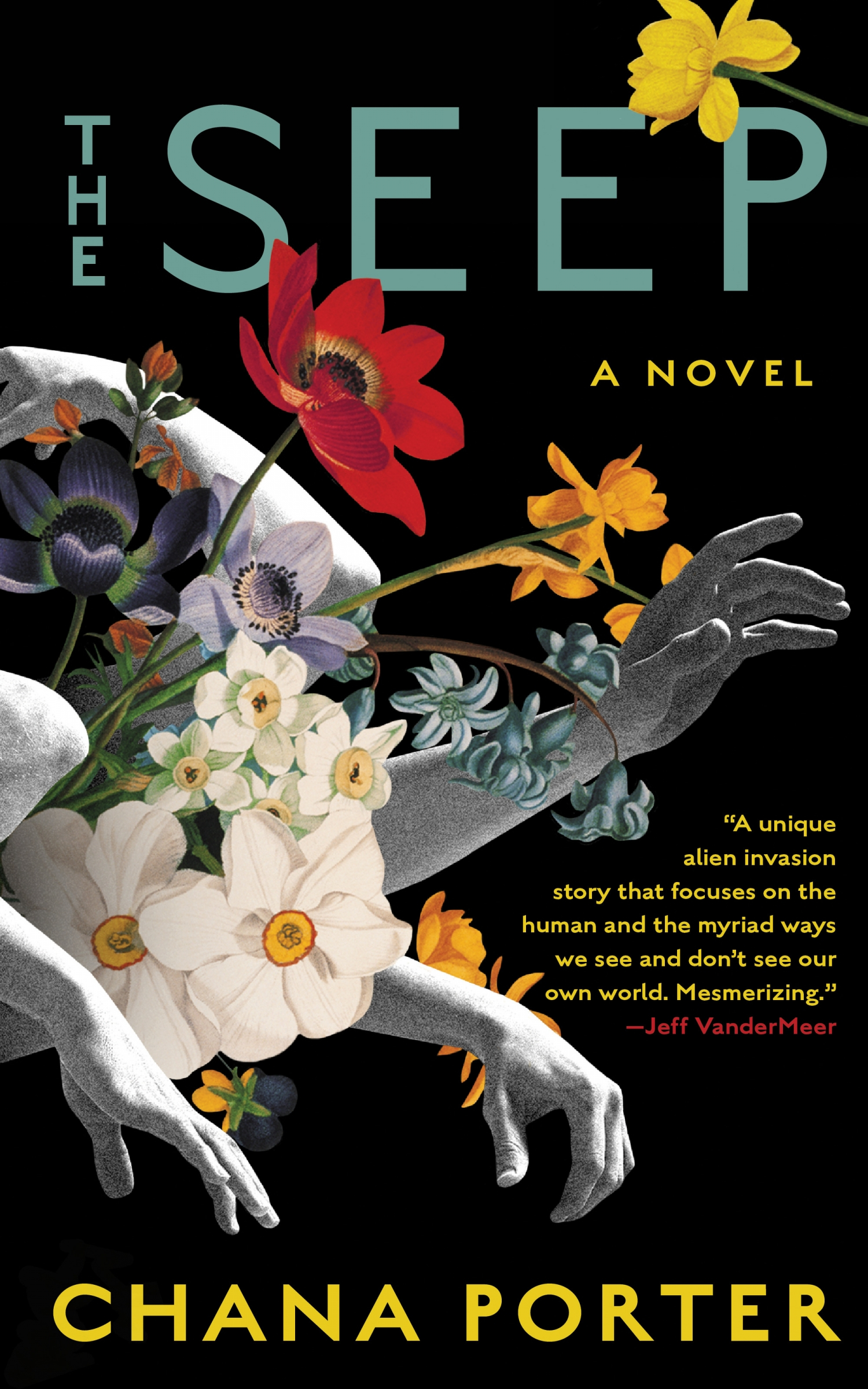
- The Seep – Chana Porter | trans woman/lesbian MC, several sapphic & queer side characters | ⭐️⭐️⭐️⭐️.25
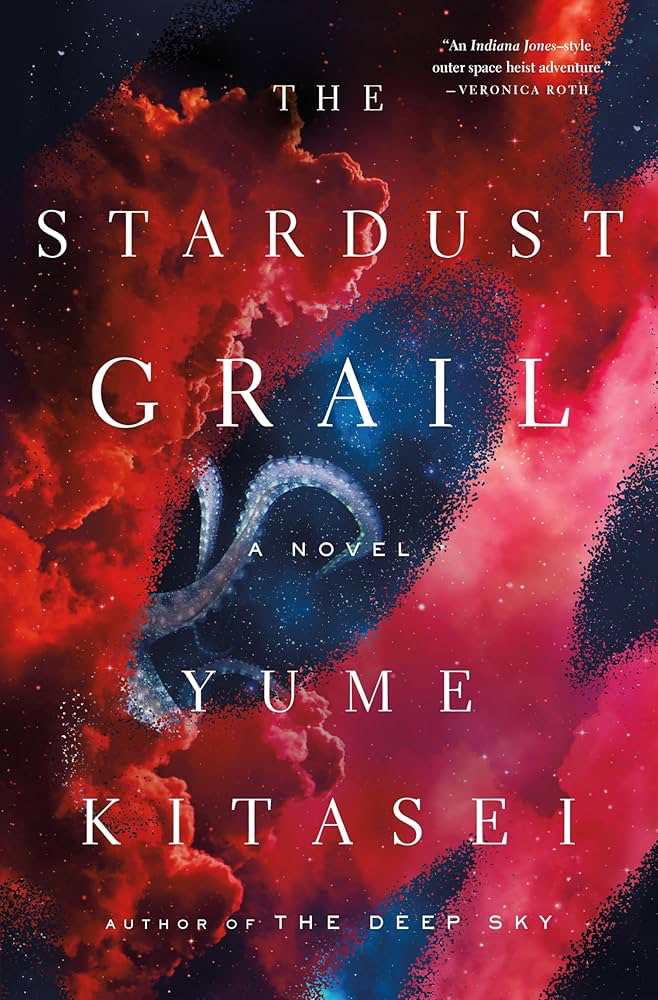
- The Stardust Grail – Yume Kitasei | Adult | nonbinary MC, asexual SC, polyamorous SC | ⭐️⭐️⭐️⭐️⭐️
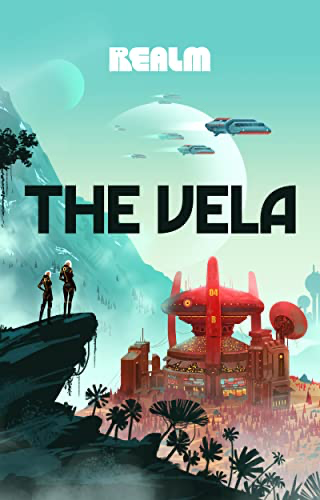
- The Vela – Becky Chambers, Yoon Ha Lee, S.L. Huang, and Rivers Solomon | Adult | trans woman/lesbian MC, nonbinary MC, sapphic SCs, nonbinary SCs | ⭐️⭐️⭐️⭐️
- Floating Hotel – Grace Curtis | Adult | nonbinary MC, lesbian SC, bisexual SC, pansexual SC | ⭐️⭐️⭐️⭐️
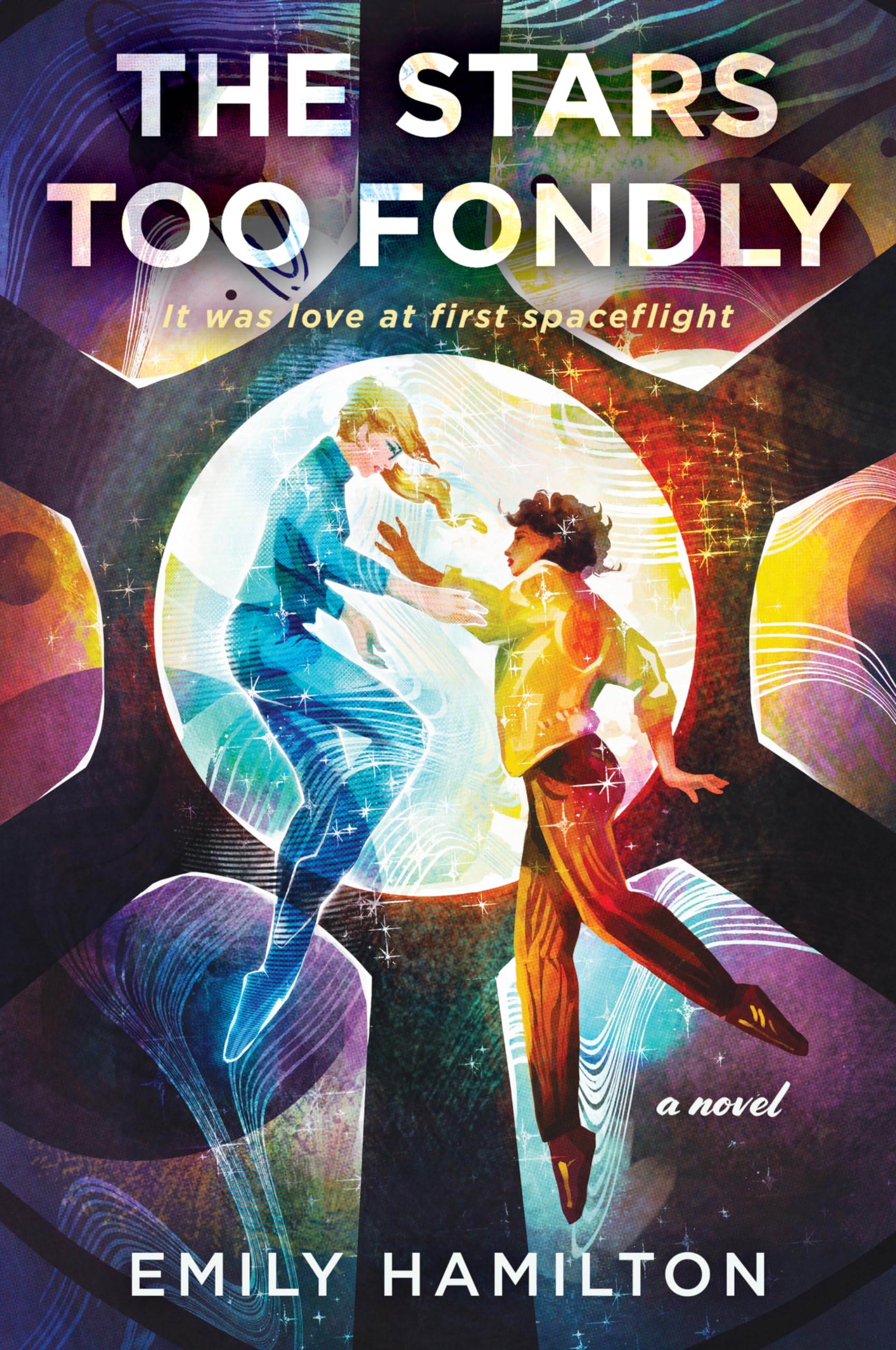
- The Stars Too Fondly – Emily Hamilton | Adult | bisexual MC, lesbian LI, trans woman SC, nonbinary SC | ⭐️⭐️⭐️⭐️
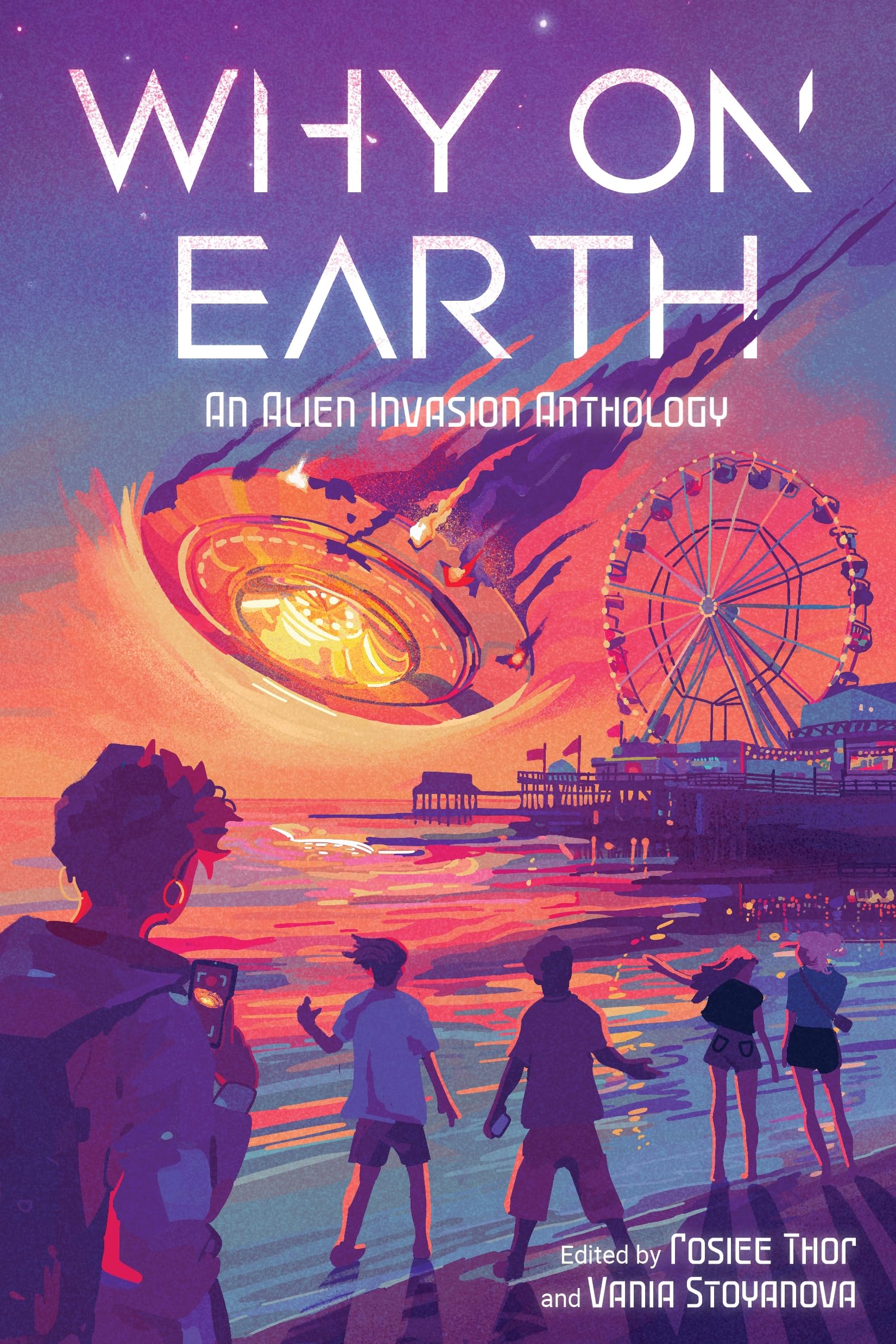
- Why on Earth: An Alien Invasion Anthology – edited by Rosiee Thor and Vania Stoyanova | YA | various queer/trans MCs and SCs (anthology) | ⭐️⭐️⭐️.75
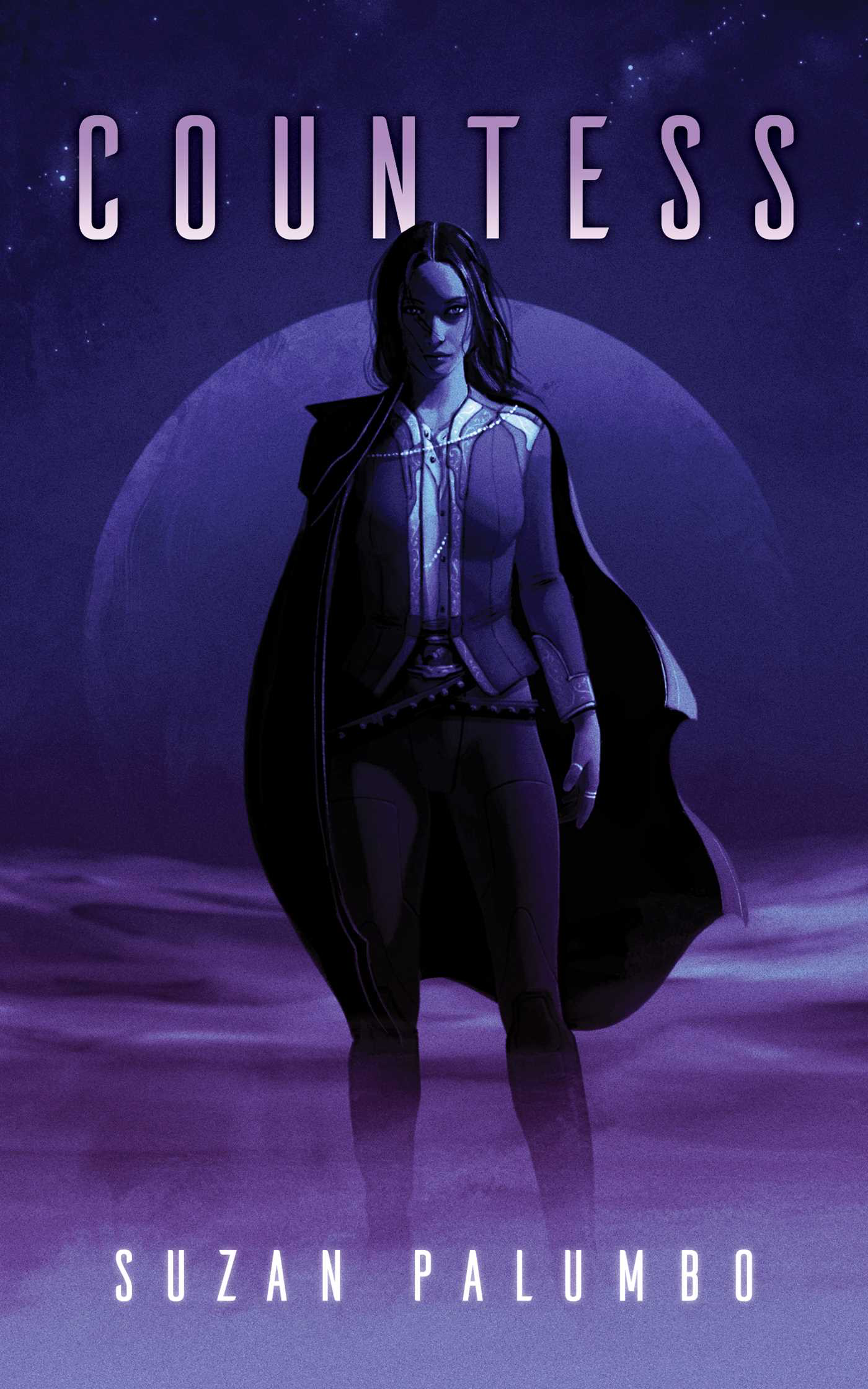
- Countess – Suzan Palumbo | Adult | lesbian MC | ⭐️⭐️⭐️⭐️
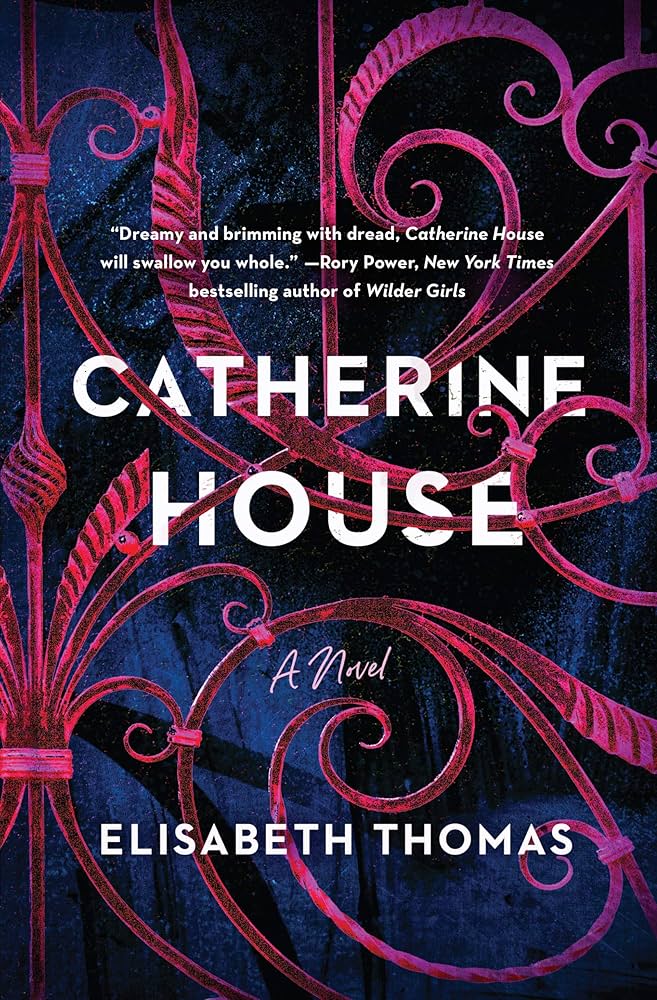
- Catherine House – Elisabeth Thomas | Adult | bisexual MC | ⭐️⭐️⭐️.5
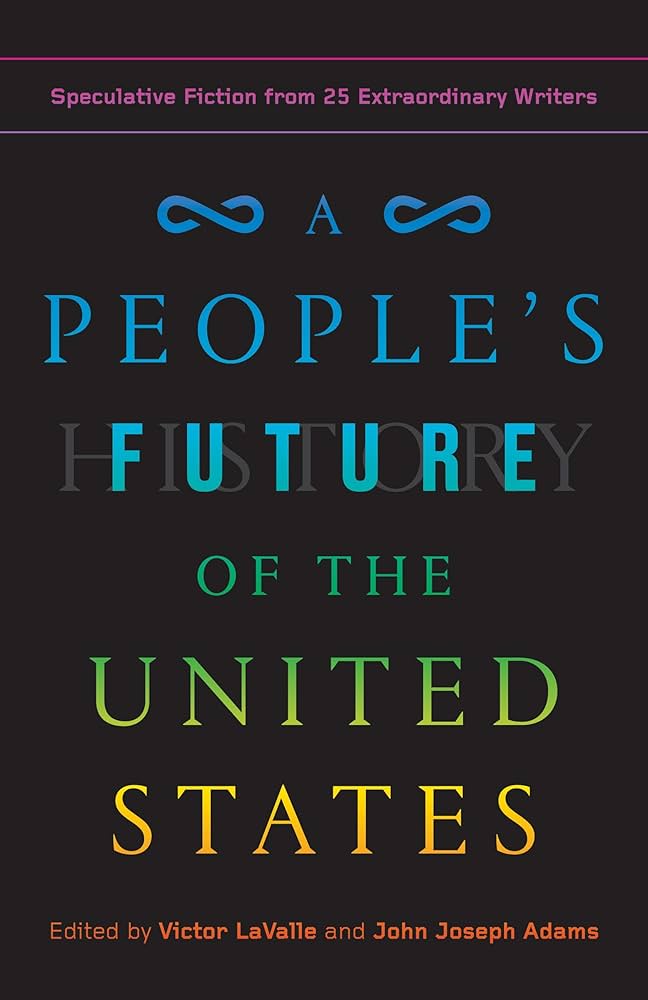
- A People’s Future of the United States – edited by Victor LaValle and John Joseph Adams | Adult | various queer/trans MCs and SCs (anthology) | ⭐️⭐️⭐️.75
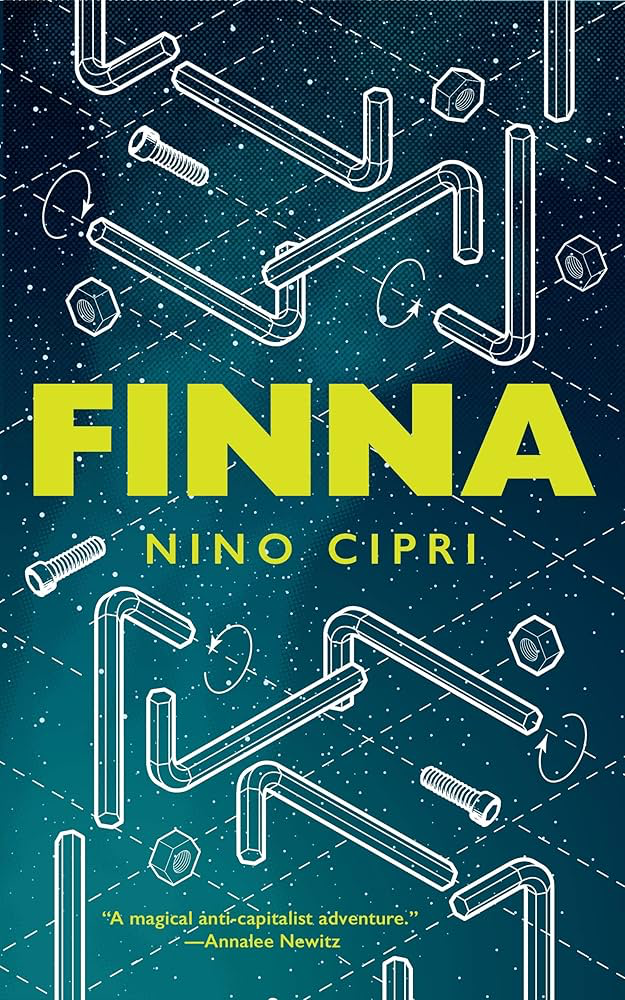
- Finna – Nino Cipri | Adult | queer MC, nonbinary MC | ⭐️⭐️⭐️.5
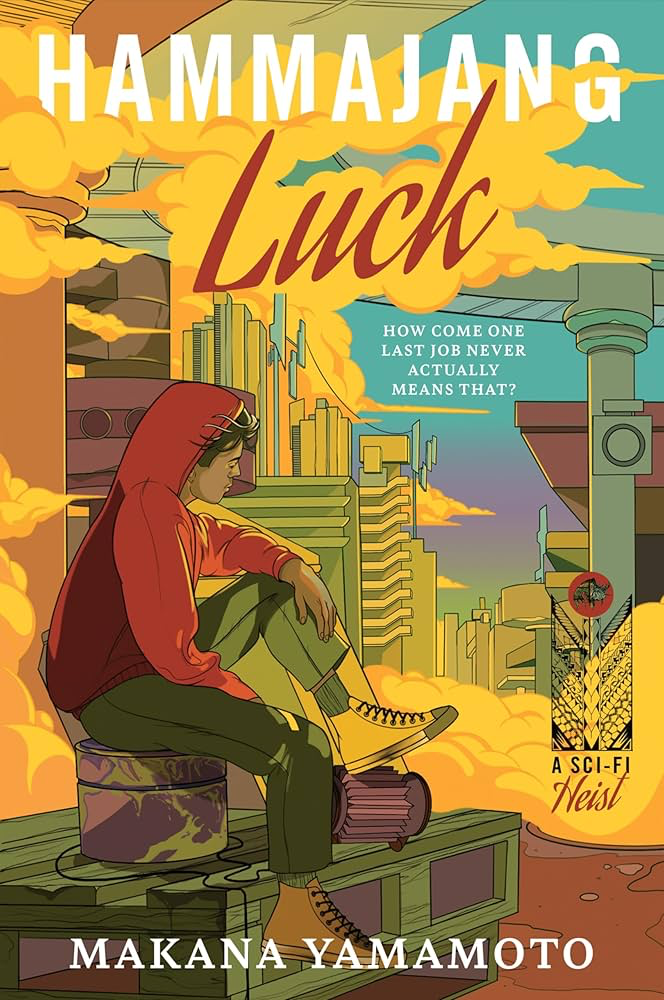
- Hammajang Luck – Makana Yamamoto | Adult | agender lesbian MC, lesbian LI, trans man SC, trans woman/lesbian SC, lesbian SC | ⭐️⭐️⭐️.75
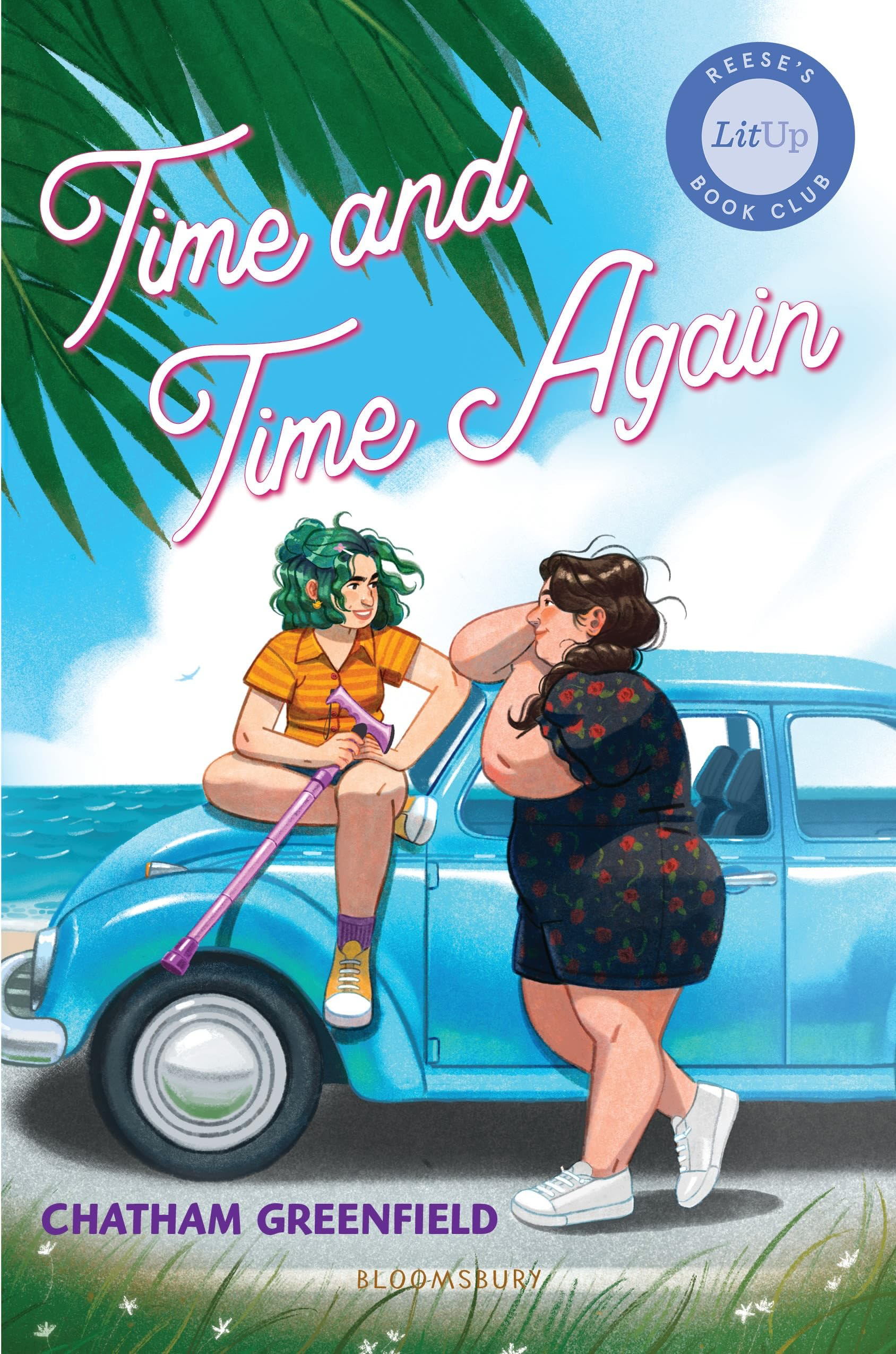
- Time and Time Again – Chatham Greenfield | YA | lesbian MC, nonbinary lesbian LI, several queer SCs | ⭐️⭐️⭐️.75
REALISTIC FICTION
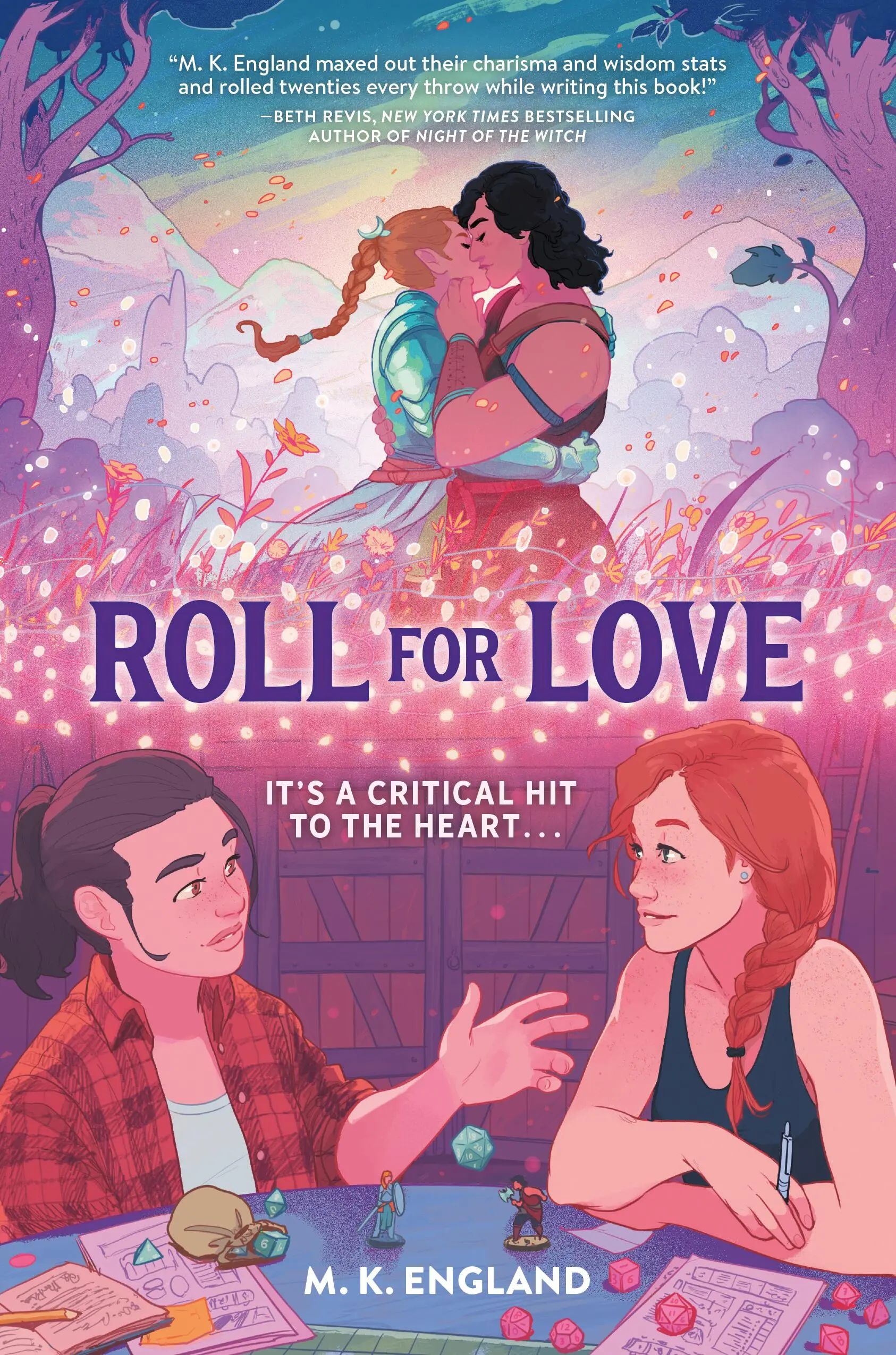

- Roll for Love – M.K. England | YA | bisexual MC, lesbian LI, asexual SC | ⭐️⭐️⭐️.75
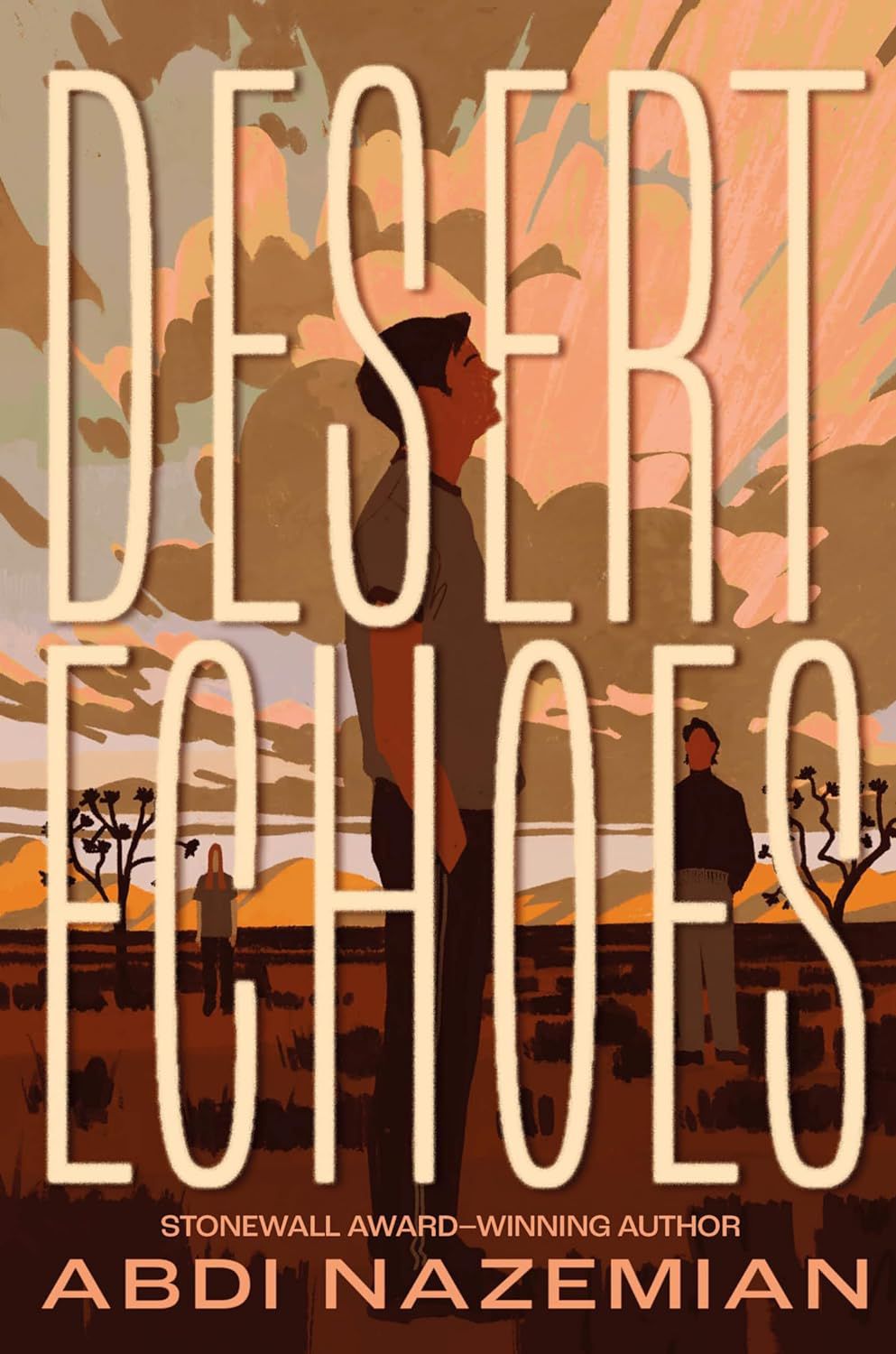
- Desert Echoes – Abdi Nazemian | YA | gay MC, gay LI, several queer SCs | ⭐️⭐️⭐️⭐️
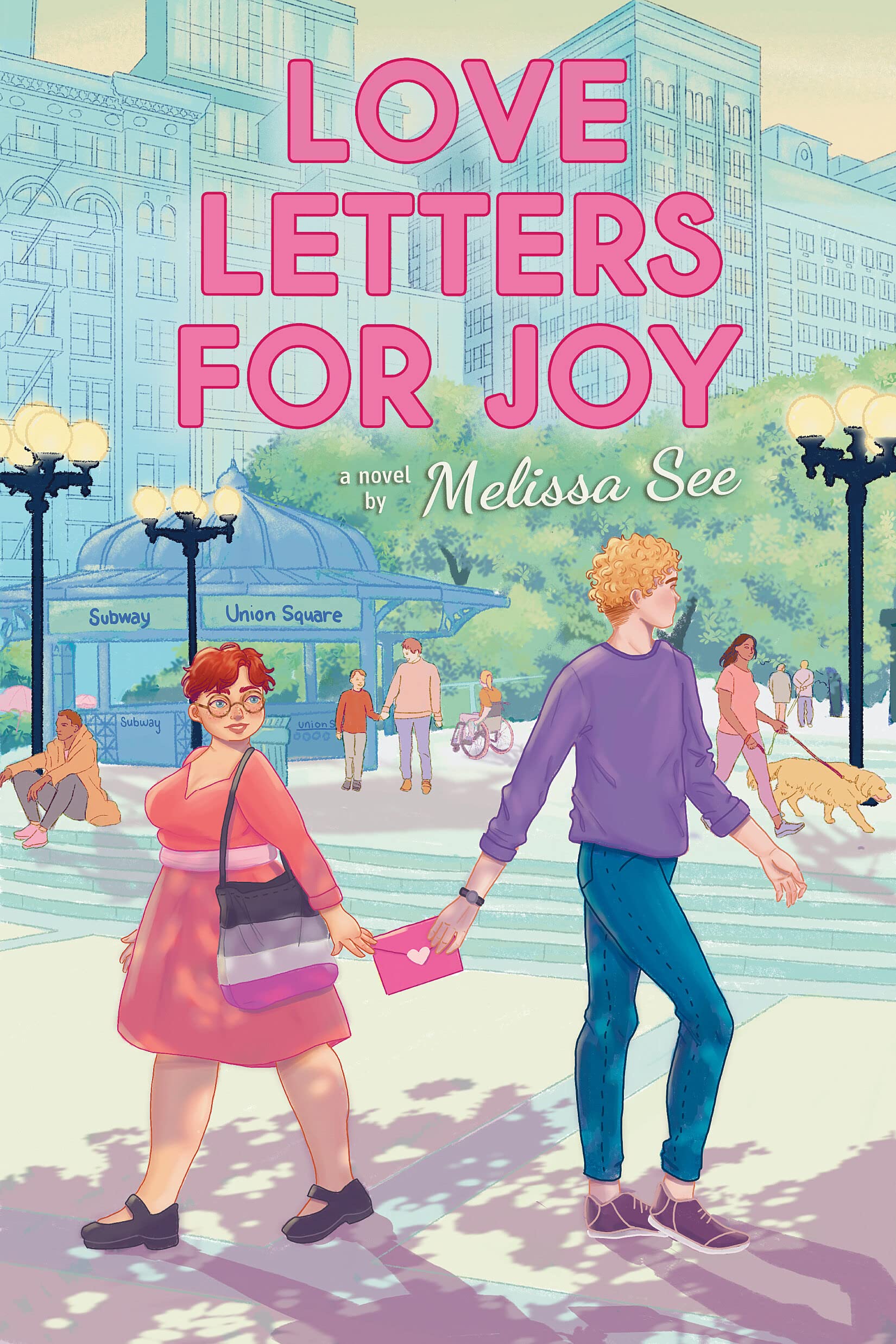
- Love Letters for Joy – Melissa See | YA | panromantic asexual MC, pansexual LI, bisexual, lesbian, and gay SCs | ⭐️⭐️⭐️.5
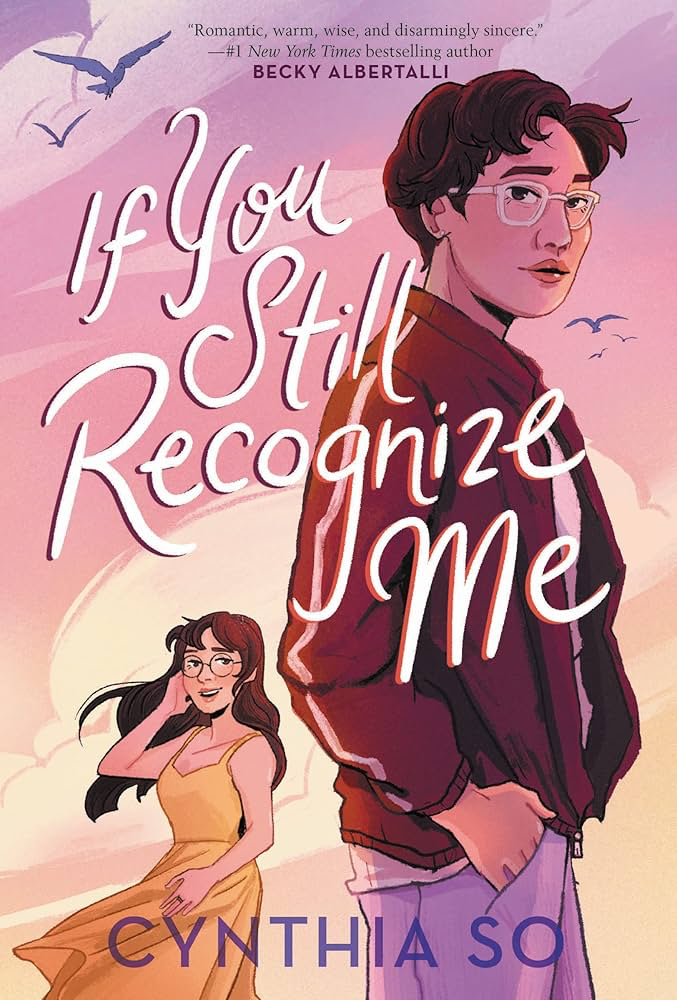
- If You Still Recognize Me – Cynthia So | YA | bisexual MC, lesbian, sapphic, bisexual, gay, and nonbinary SCs
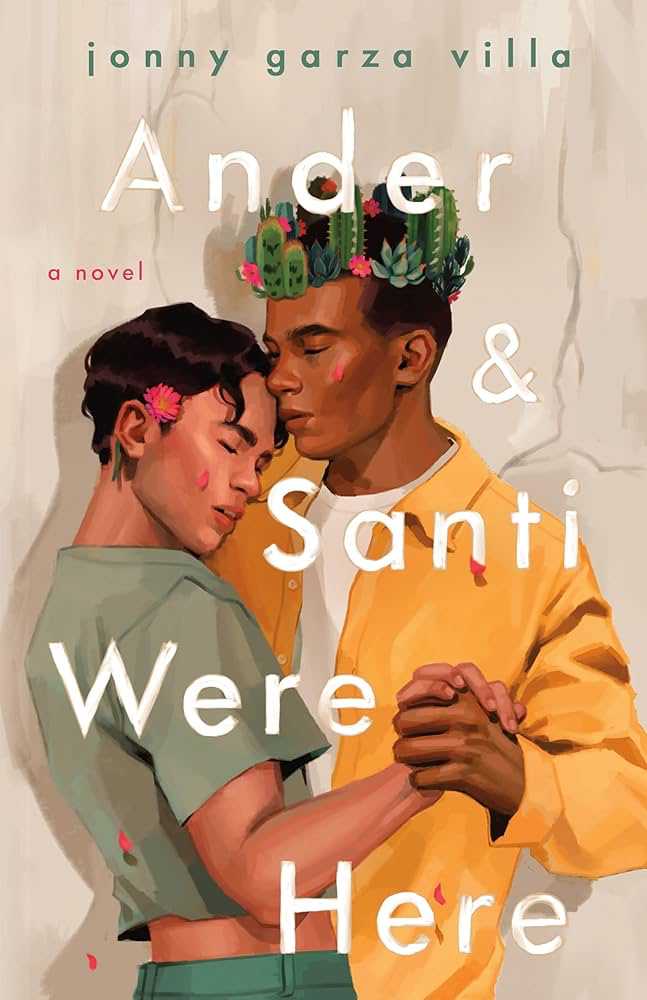
- Ander & Santi Were Here – Jonny Garza Villa | YA | nonbinary MC, queer LI, bisexual, grey-ace, and lesbian SCs | ⭐️⭐️⭐️⭐️
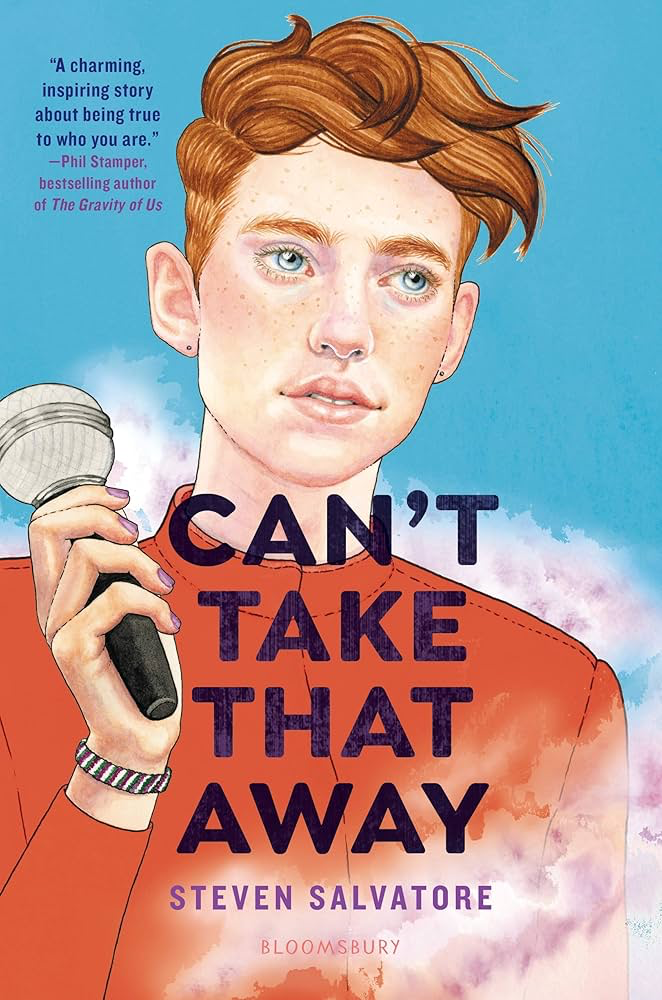
- Can’t Take That Away – Steven Salvatore | YA | genderqueer MC, bisexual LI, gay, lesbian, and pansexual SCs | ⭐️⭐️⭐️.5
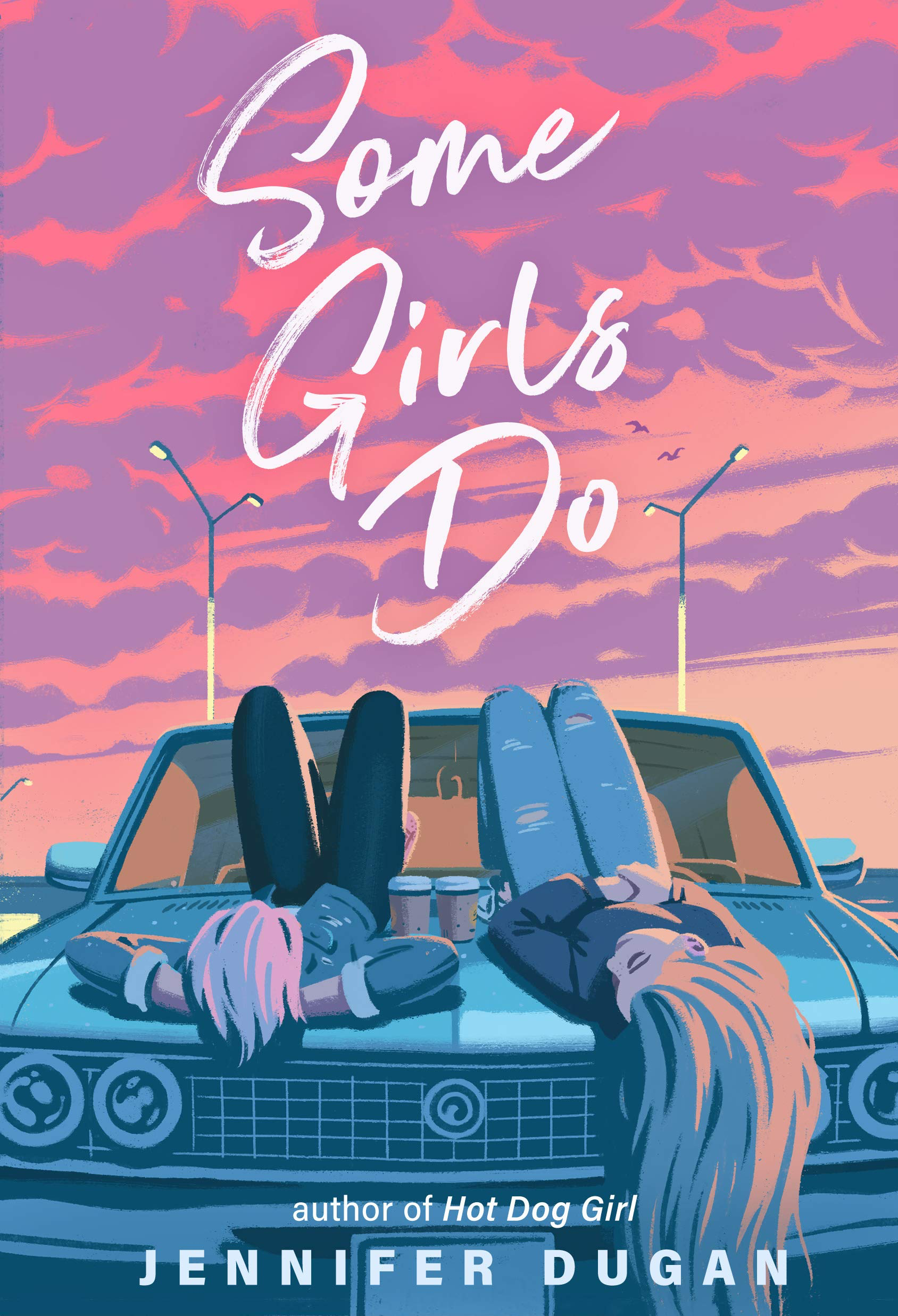
- Some Girls Do – Jennifer Dugan | YA | bisexual MC, lesbian MC, trans, pansexual, and gay SCs | ⭐️⭐️⭐️.5
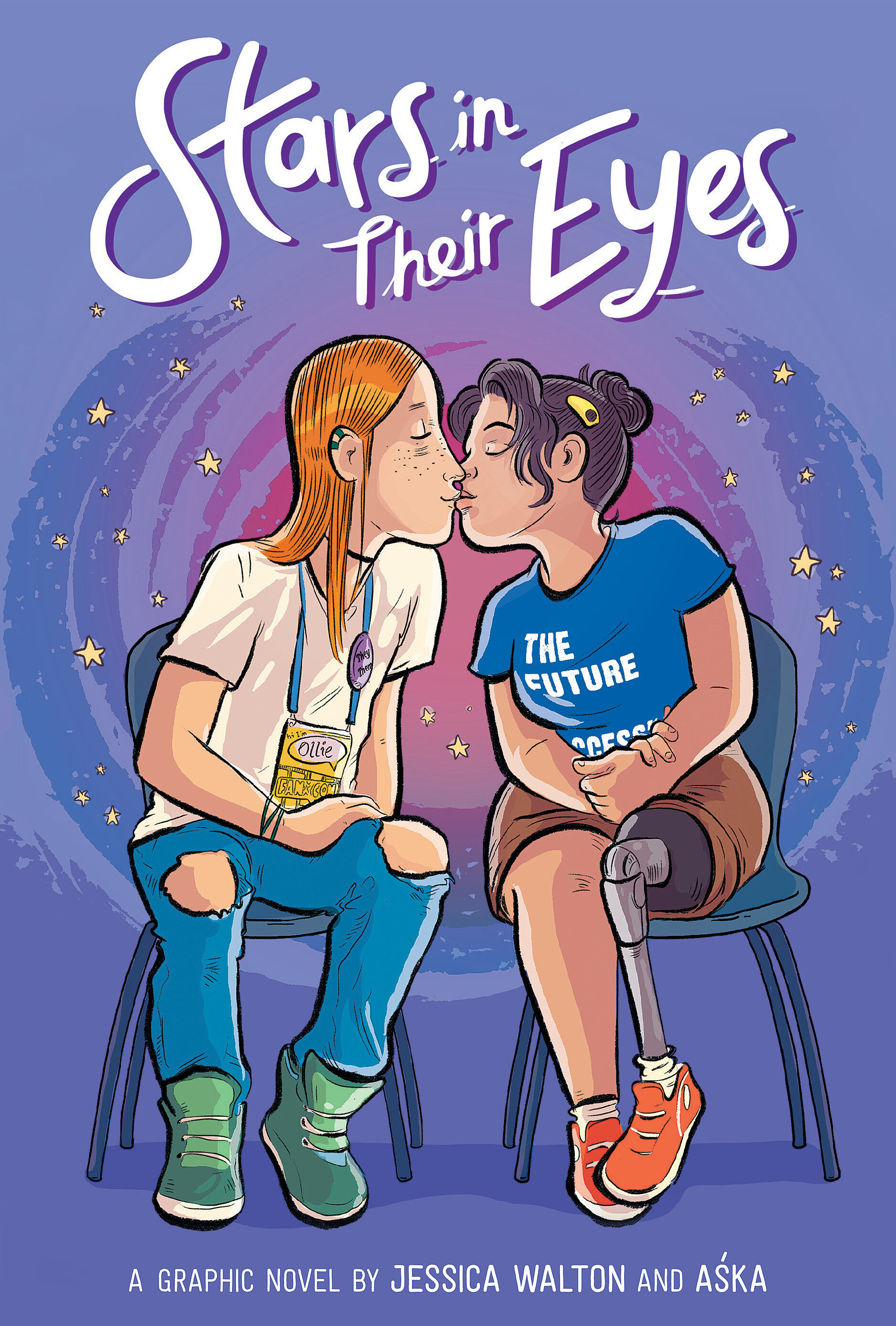
- Stars in Their Eyes – Jessica Walton and Aśka | YA | bisexual MC, nonbinary LI | ⭐️⭐️⭐️⭐️
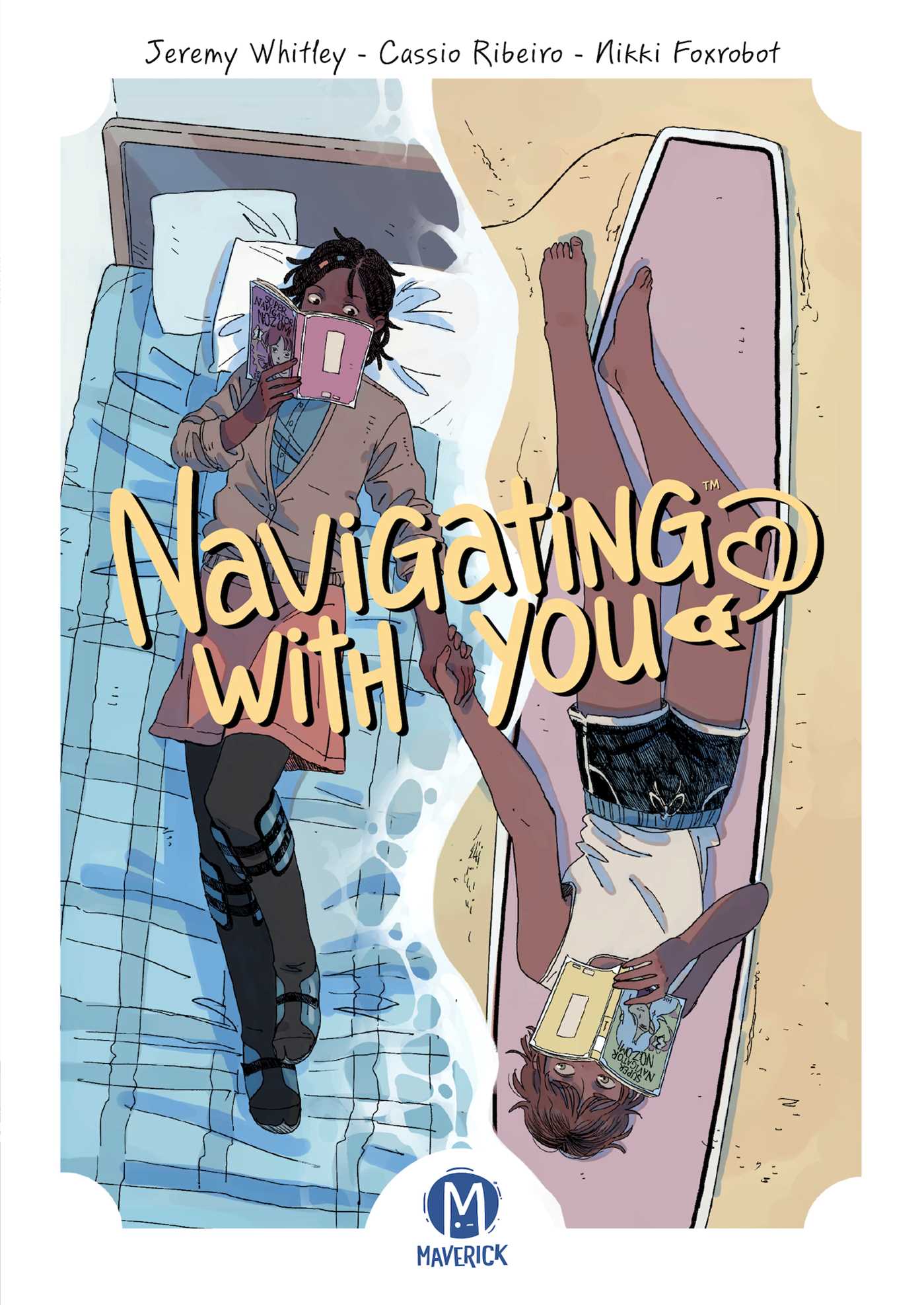
- Navigating With You – Jeremy Whitley and Cassio Ribeiro | YA | lesbian MC, bisexual MC | ⭐️⭐️⭐️⭐️
- Oye – Melissa Mogollon | YA | lesbian MC | ⭐️⭐️⭐️⭐️
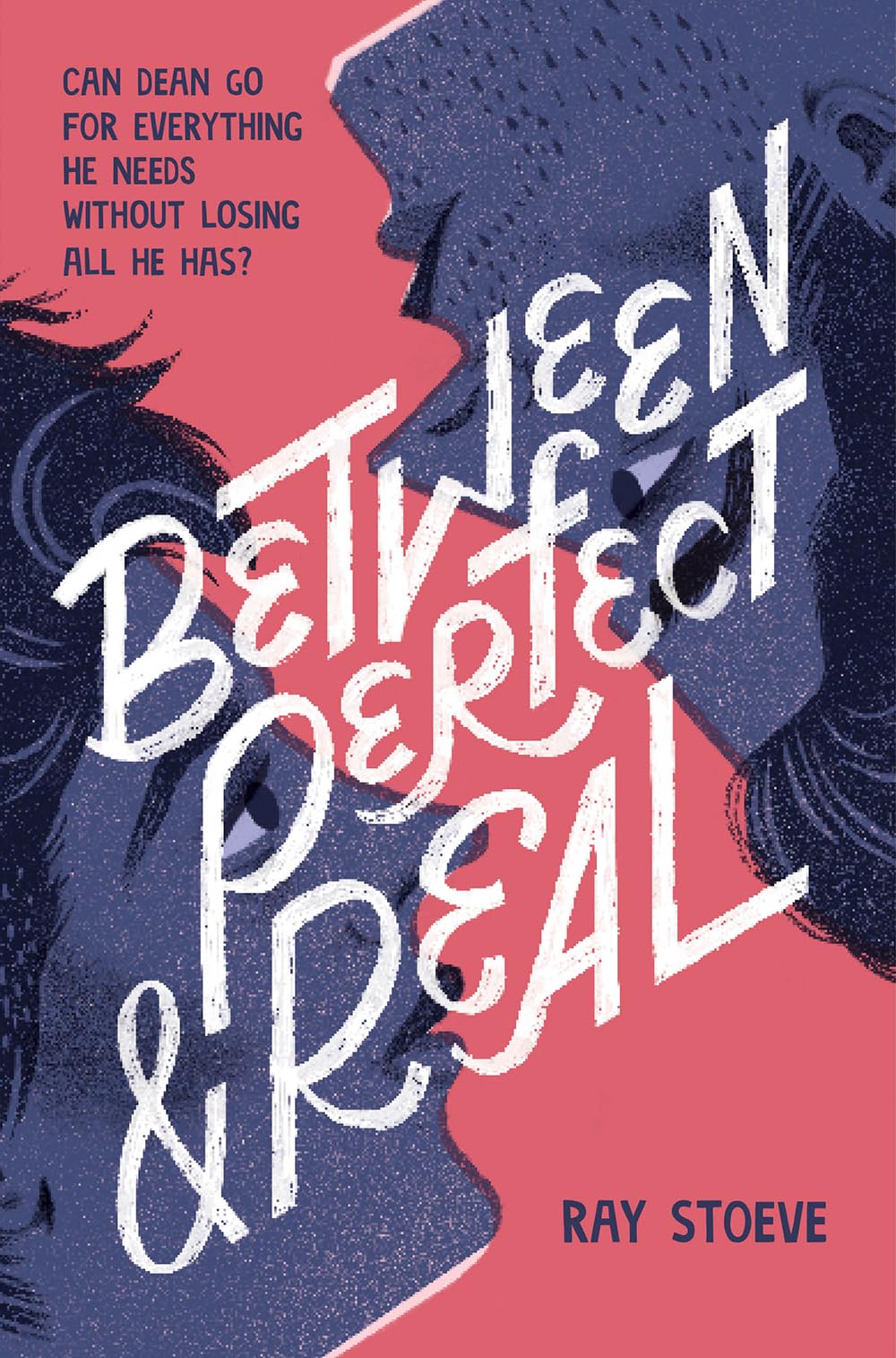
- Between Perfect & Real – Ray Stoeve | YA | transmasc MC, lesbian, bisexual, gay, trans, and nonbinary SCs | ⭐️⭐️⭐️⭐️
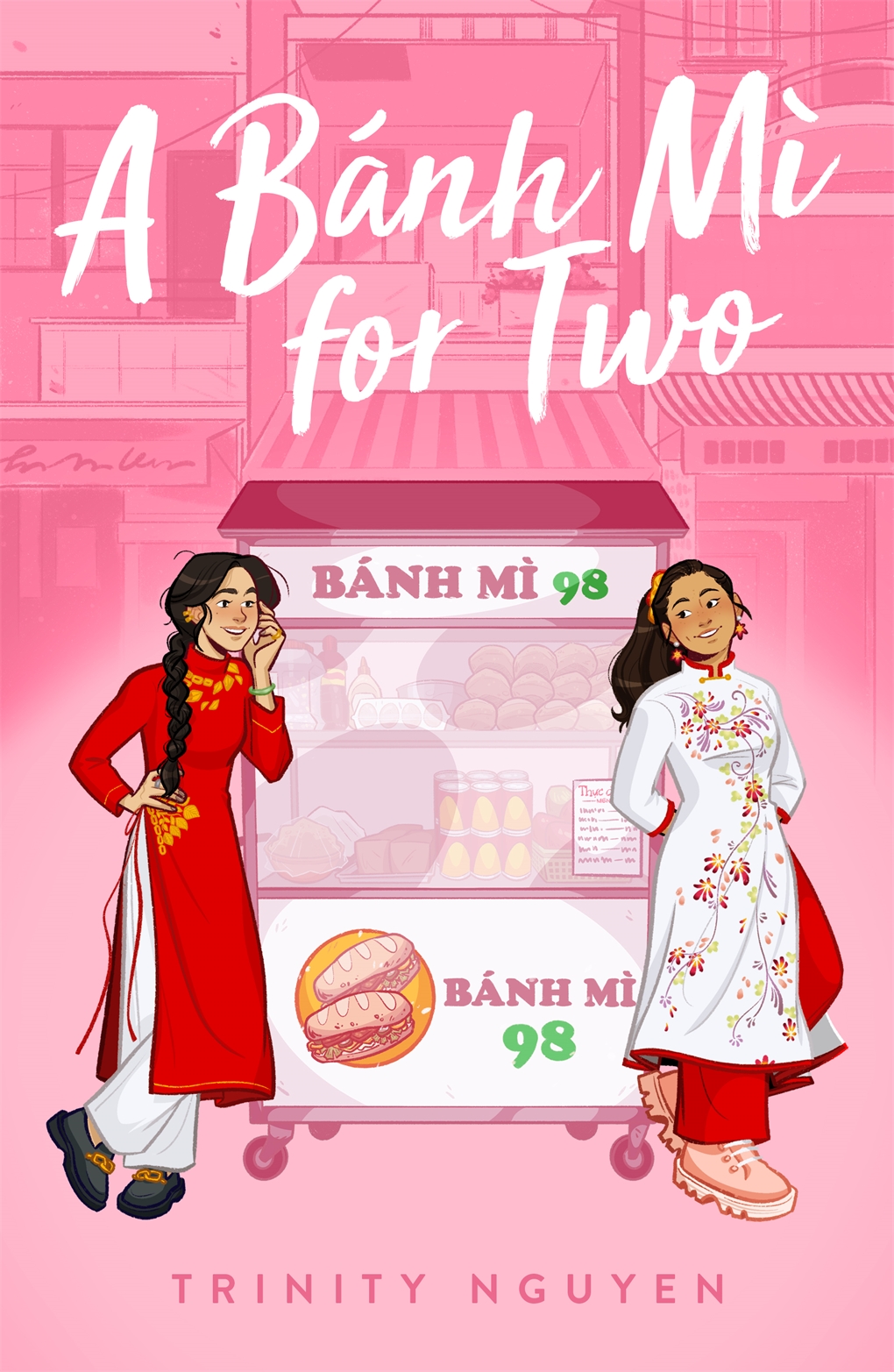
- A Bánh Mì for Two – Trinity Nguyen | YA | bisexual MC, sapphic LI | ⭐️⭐️⭐️.5
NONFICTION:
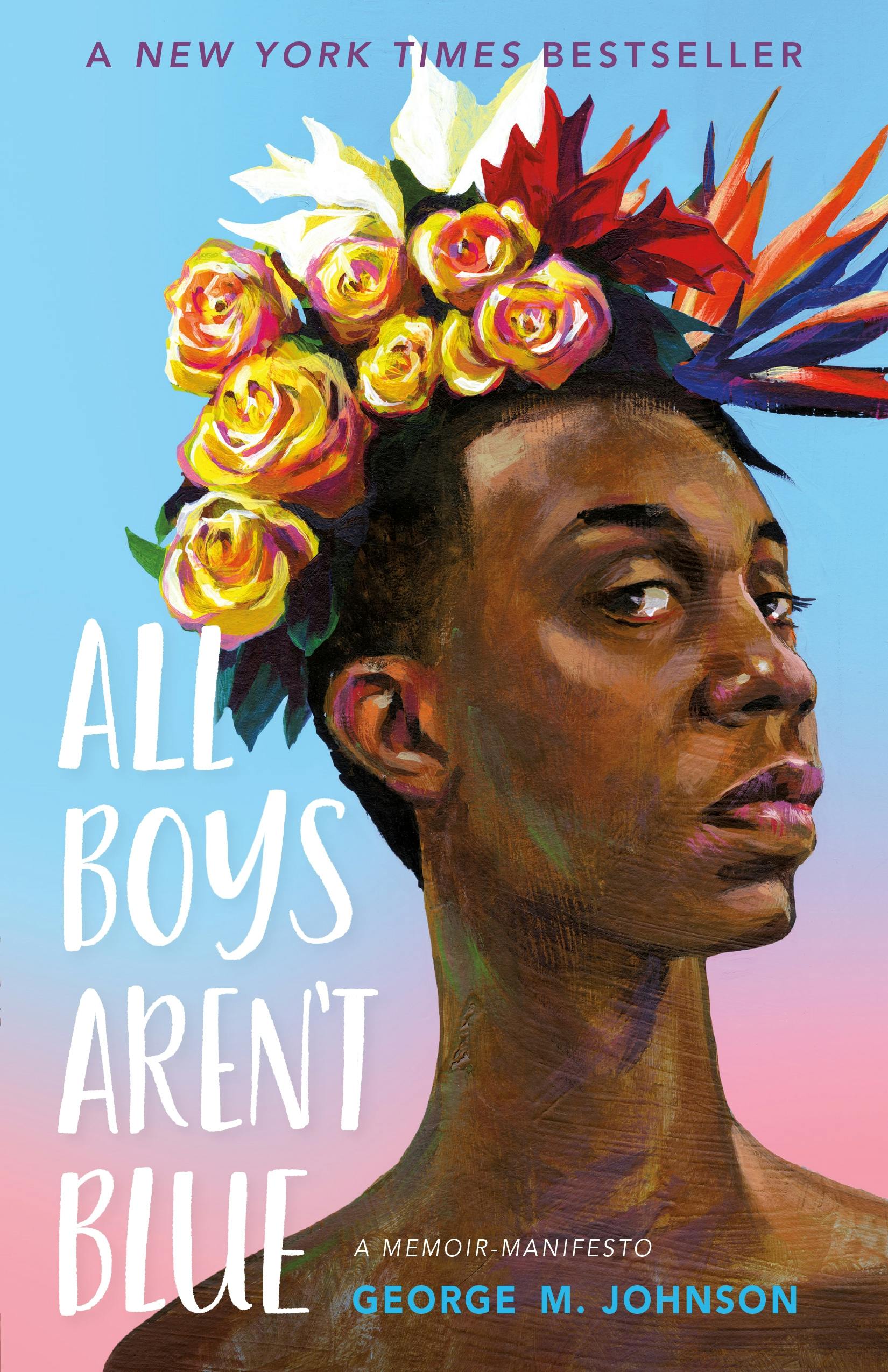

- All Boys Aren’t Blue – George M. Johnson | ⭐️⭐️⭐️.5
- Sister Outsider: Essays and Speeches – Audre Lorde | ⭐️⭐️⭐️⭐️⭐️
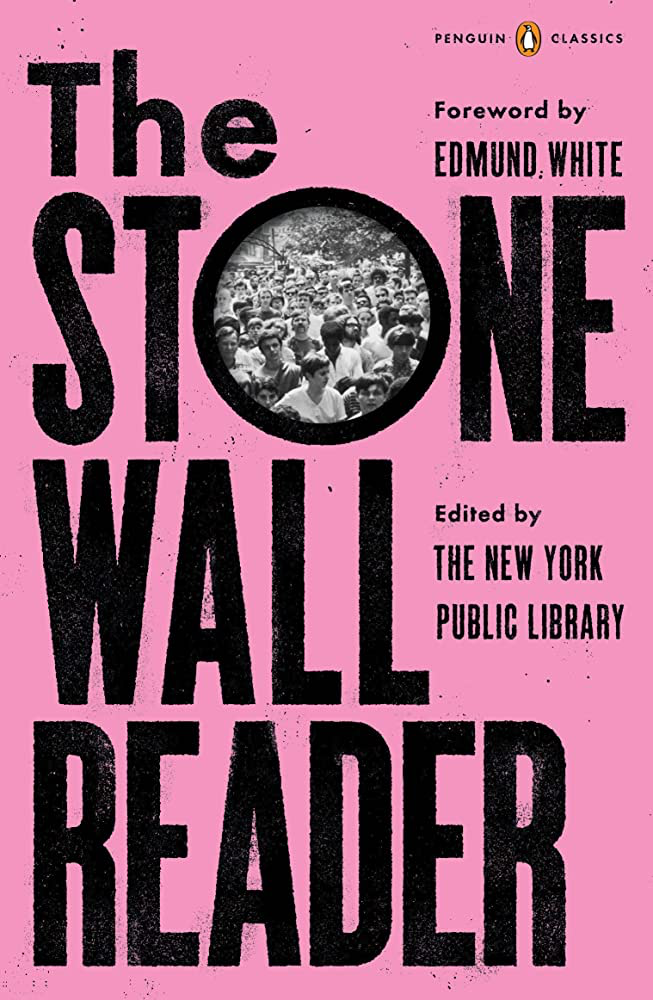
- The Stonewall Reader – edited by the New York Public Library | ⭐️⭐️⭐️⭐️⭐️
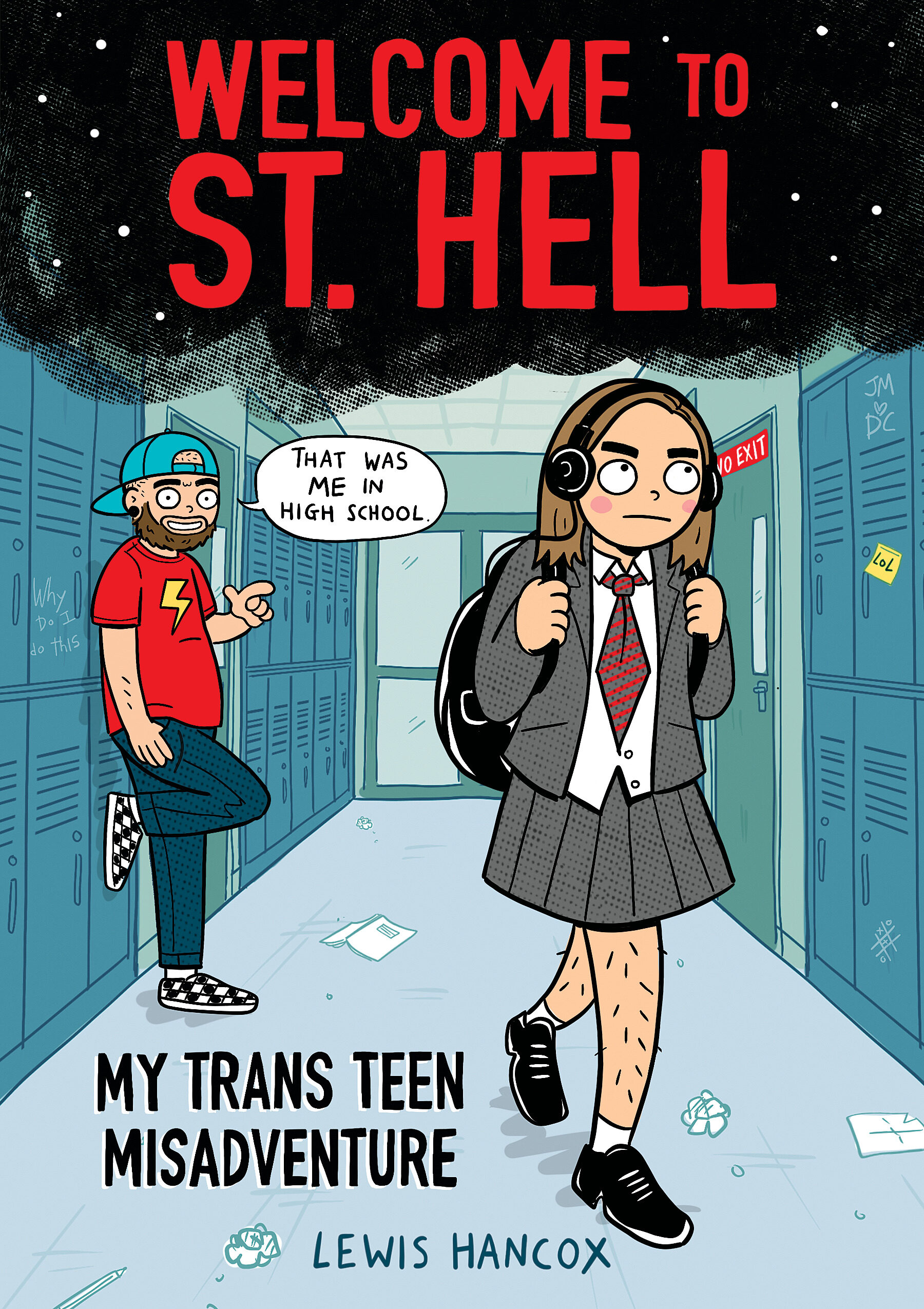
- Welcome to St. Hell: My Trans Teen Misadventure – Lewis Hancox | ⭐️⭐️⭐️⭐️
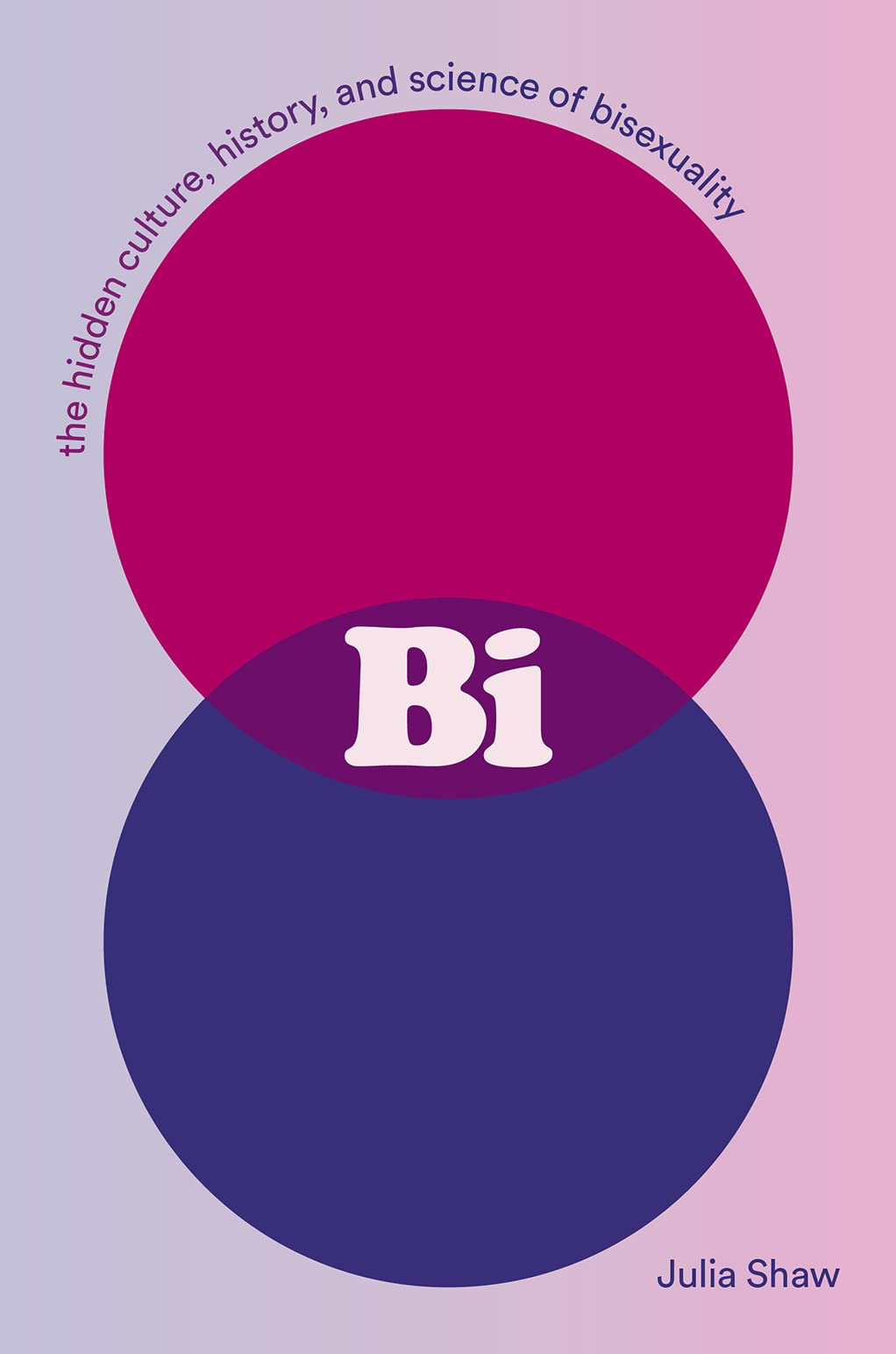
- Bi: The Hidden Culture, History, and Science of Bisexuality – Julia Shaw | ⭐️⭐️⭐️⭐️
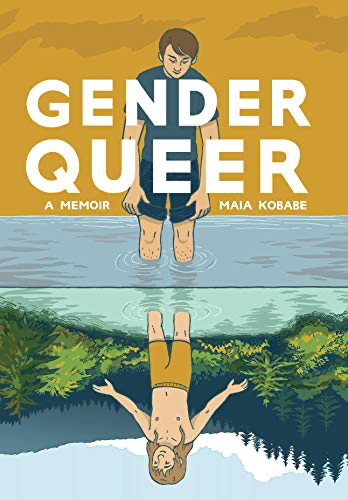
- Gender Queer: A Memoir – Maia Kobabe | ⭐️⭐️⭐️⭐️
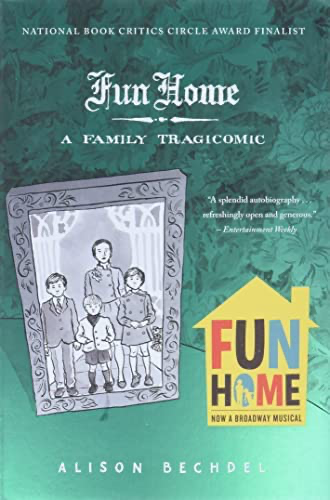
- Fun Home: A Family Tragicomic – Alison Bechdel | ⭐️⭐️⭐️⭐️
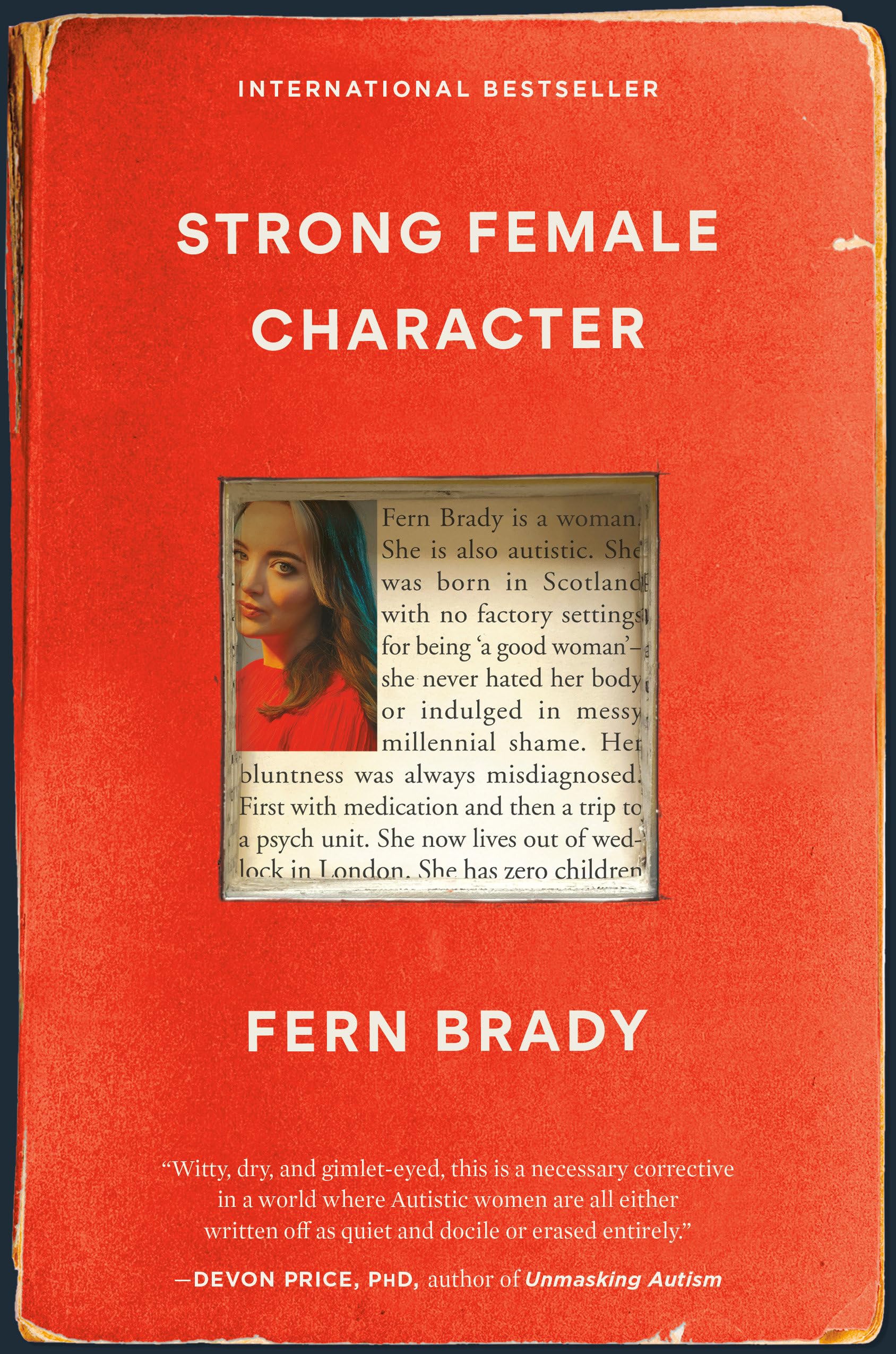
- Strong Female Character – Fern Brady | ⭐️⭐️⭐️⭐️
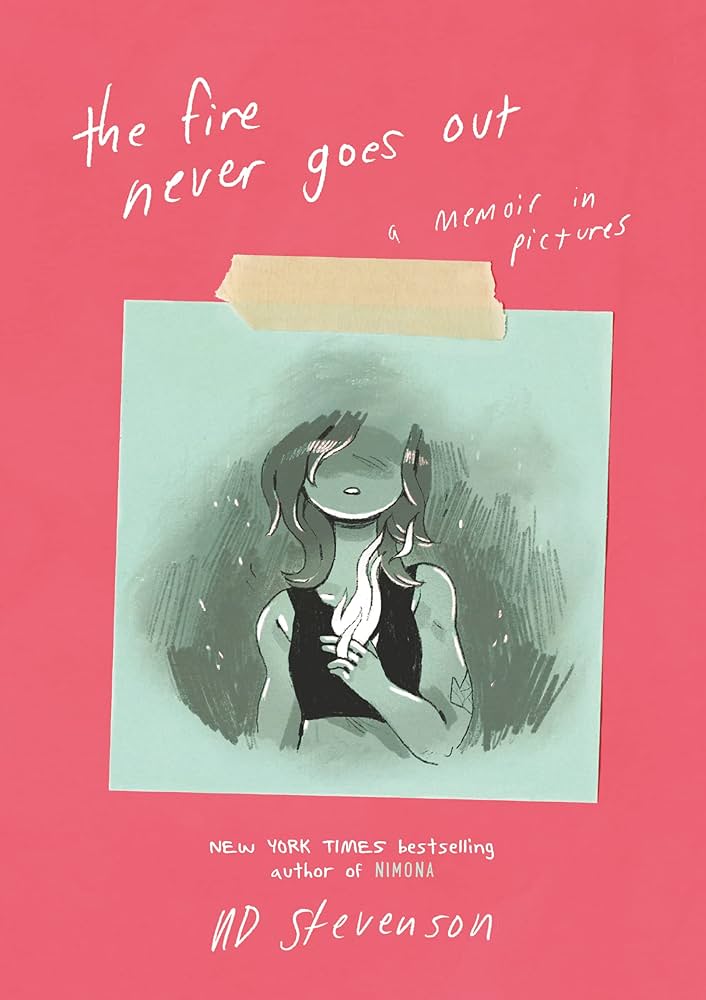
- The Fire Never Goes Out: A Memoir in Pictures – N.D. Stevenson | ⭐️⭐️⭐️⭐️
TELL ME WHAT YOU THINK! Have you read any of these books, and if so, what did you think of them? What are some of your favorite queer books that you’ve read recently? Let me know in the comments!
Today’s song:
That’s it for this year’s pride recommendations! Have a wonderful rest of your day, and take care of yourselves!


 The Bookish Mutant