Happy Monday, bibliophiles!
Summer is waning, and thankfully, I can close this chapter knowing that I’ve filled it with an awful lot of books and iced coffee. I’m itching for fall now, I am SICK of this 80-90 degree weather!
Let’s begin, shall we?
GENERAL THOUGHTS:
This is the first summer that I haven’t had to wake up, toss everything aside, and go back to school. It’s weird. I still have friends in college, and it’s so strange to see everybody going back to class knowing that I don’t have to. In a way, I miss it: classes with friends, hanging out in the library, walking across campus in the fall when the leaves turn yellow. But man, I’m glad that my days of honors theses and extensive study sessions are behind me. (For now. We’ll see about grad school.)
Either way, I’ve managed to stick to my goals I set at the beginning of summer: writing a short story per month, taking walks three times a week. (I did cave and buy some yarn, but they were only $4, can you really blame me? And they were fun ombre colors!) Said creativity has definitely been an anchor as I’ve mired myself in the job hunt trenches, which have been…y’know, as frustrating as most everybody says that they are, but, uh. We stay silly, I dunno. I’ll find a way. I gave up on the political temperature checks long ago; safe to say, it’s hard to ignore how increasingly messed-up things are on more fronts than you’d ever think possible. But when I’m having to be in the Real World and looking for Real Jobs, all this creativity that I promised to myself at the beginning of the summer has become so much more meaningful. It’s always given me purpose, but giving myself time to enjoy it has been vital in enjoying my life, whether it’s making or consuming things.
And boy, there have been some fantastic things to enjoy lately—The Odyssey (I have insufferable English major thoughts, but a solid adaptation overall), Spiderman: Brand New Way (healed me, 10/10), a much needed rewatch of Ghosts (DIP IT AGAIN 👹), and Widow’s Bay (watching episode 10 tonight, NO SPOILERS, Y’ALL). So at least, wherever September and October takes me, I’ve made a commitment to keeping that creativity and love alive. I’ve taken another trip around the sun now, and I vow to make the weirdest of it! Nothing will break me down, not fully! Not as long as I’ve got the essential British double-hitter of new seasons of The Great British Bake-Off and Taskmaster to look forward to. Everybody say thank you to the Brits 🙌
JULY READING WRAP-UP:
I read 14 books in July! Oddly, I read a lot of novellas in July, for whatever reason. There were more stinkers than usual this month, but they were outweighed by several showstopping highlights. I also read some new-to-me and familiar authors for Disability Pride Month!
2 – 2.75 stars:
- The Four Profound Weaves (Birdverse) – R.B. Lemberg (⭐️⭐️)
- Field Guide for the Formerly Villainous – Autumn K. England (⭐️⭐️.25)
- Climate of Chaos – Cassandra Newbould (⭐️⭐️.5)
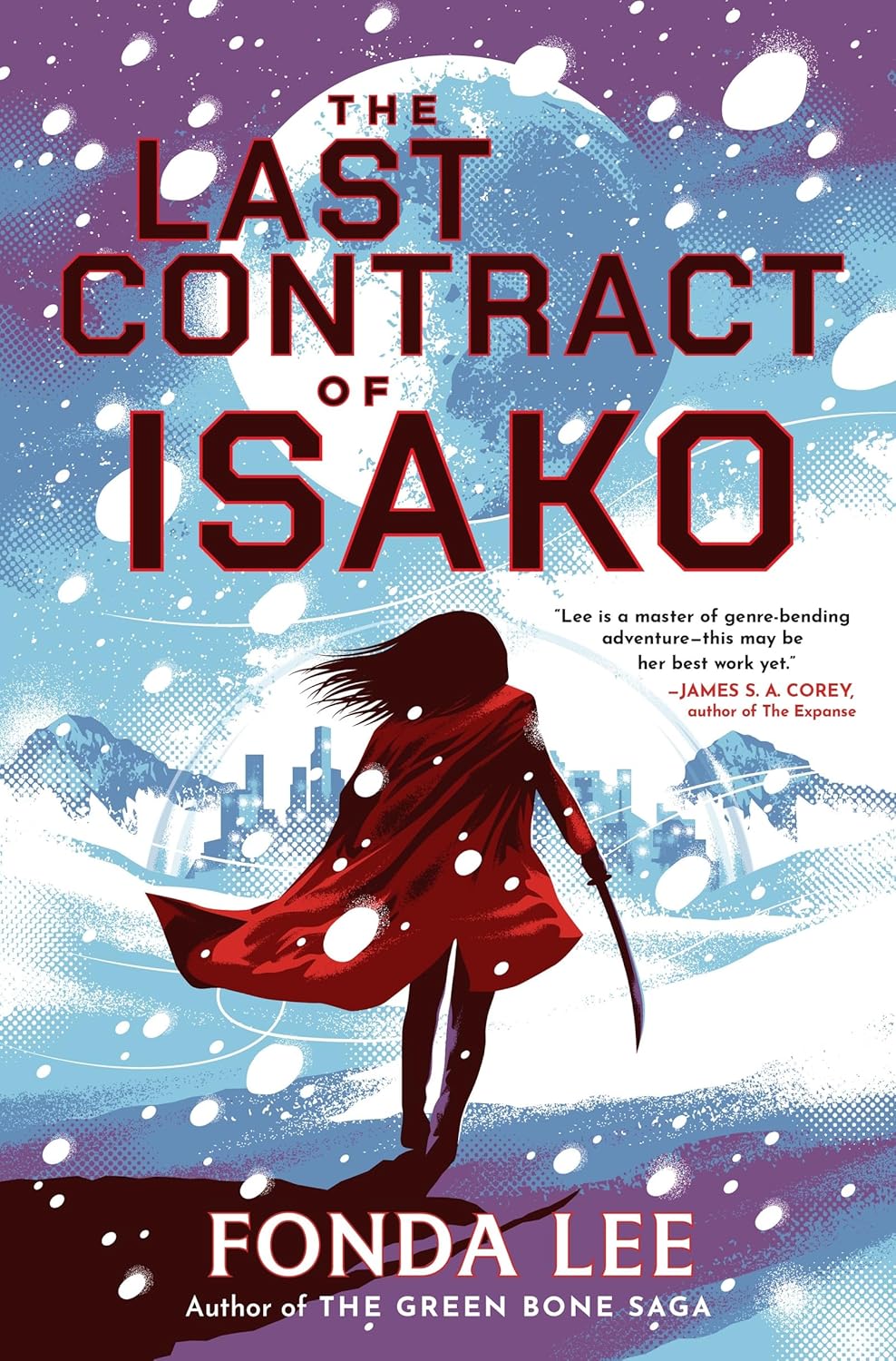
- The Last Contract of Isako – Fonda Lee (⭐️⭐️.5)
3 – 3.75 stars:
- All the Stars in the Daylight Sky – Maya MacGregor (⭐️⭐️⭐️)
- Disfigured: On Fairy Tales, Disability, and Making Space – Amanda Leduc (⭐️⭐️⭐️.5)
- Wearing the Lion – John Wiswell (⭐️⭐️⭐️.5)
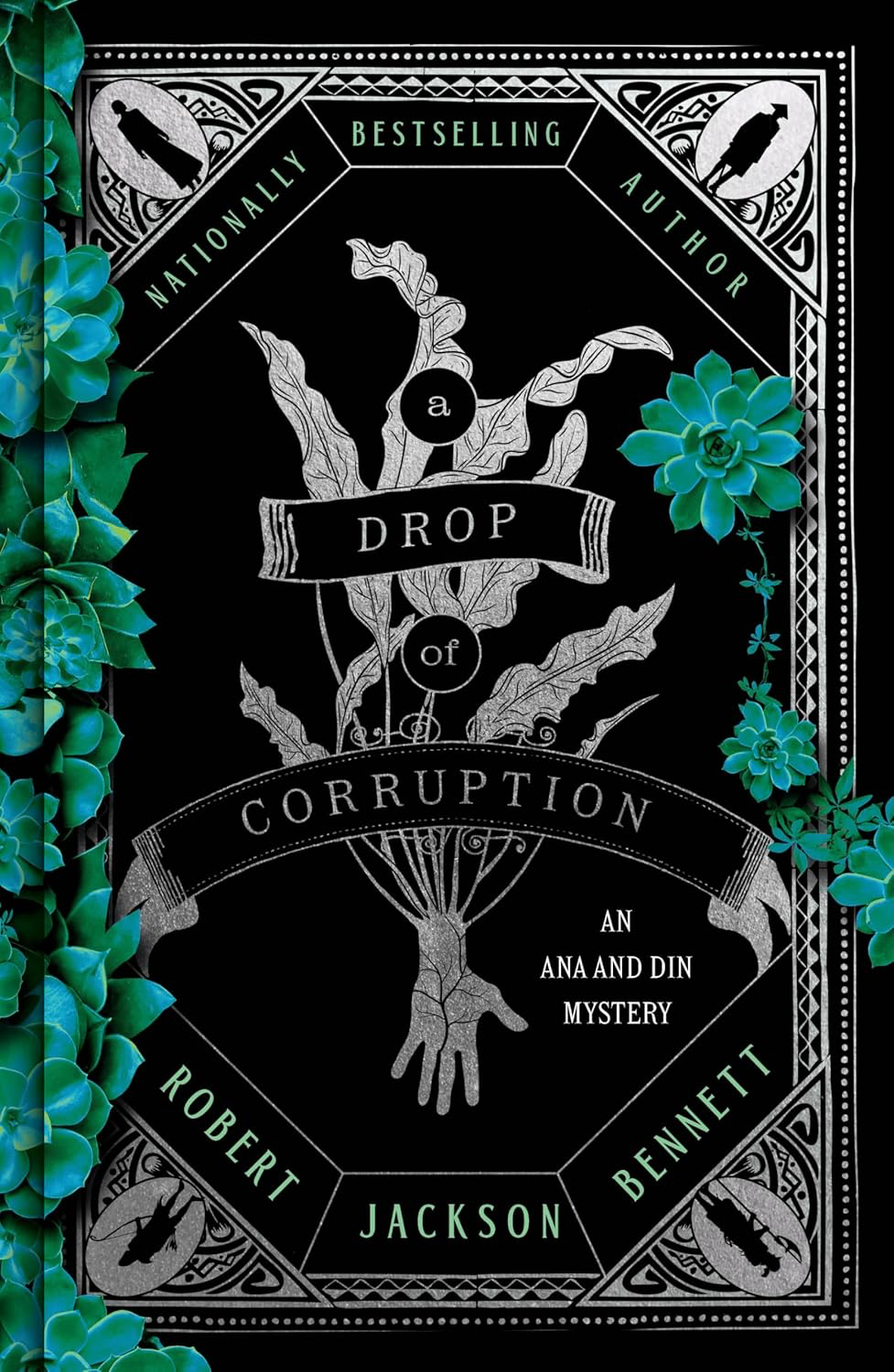
- A Drop of Corruption (Ana & Din Mysteries, #2) – Robert Jackson Bennett (⭐️⭐️⭐️.75)
4 – 4.75 stars:
- Against Technoableism: Rethinking Who Needs Improvement – Ashley Shew (⭐️⭐️⭐️⭐️)
- King of the Neuro Verse – Idris Goodwin (⭐️⭐️⭐️⭐️)
- Ariel Crashes a Train – Olivia A. Cole (⭐️⭐️⭐️⭐️)
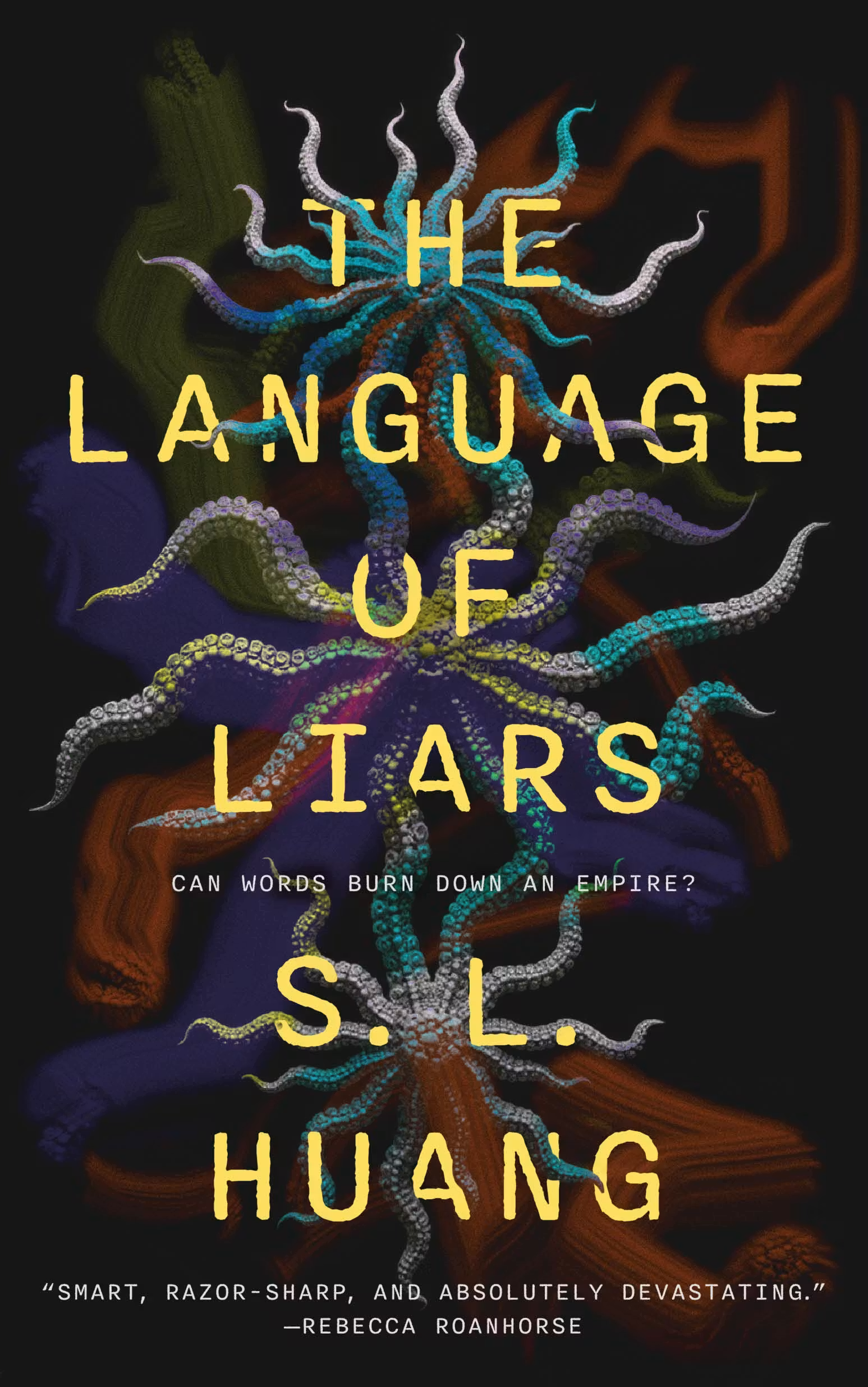
- The Language of Liars – S.L. Huang (⭐️⭐️⭐️⭐️.25)
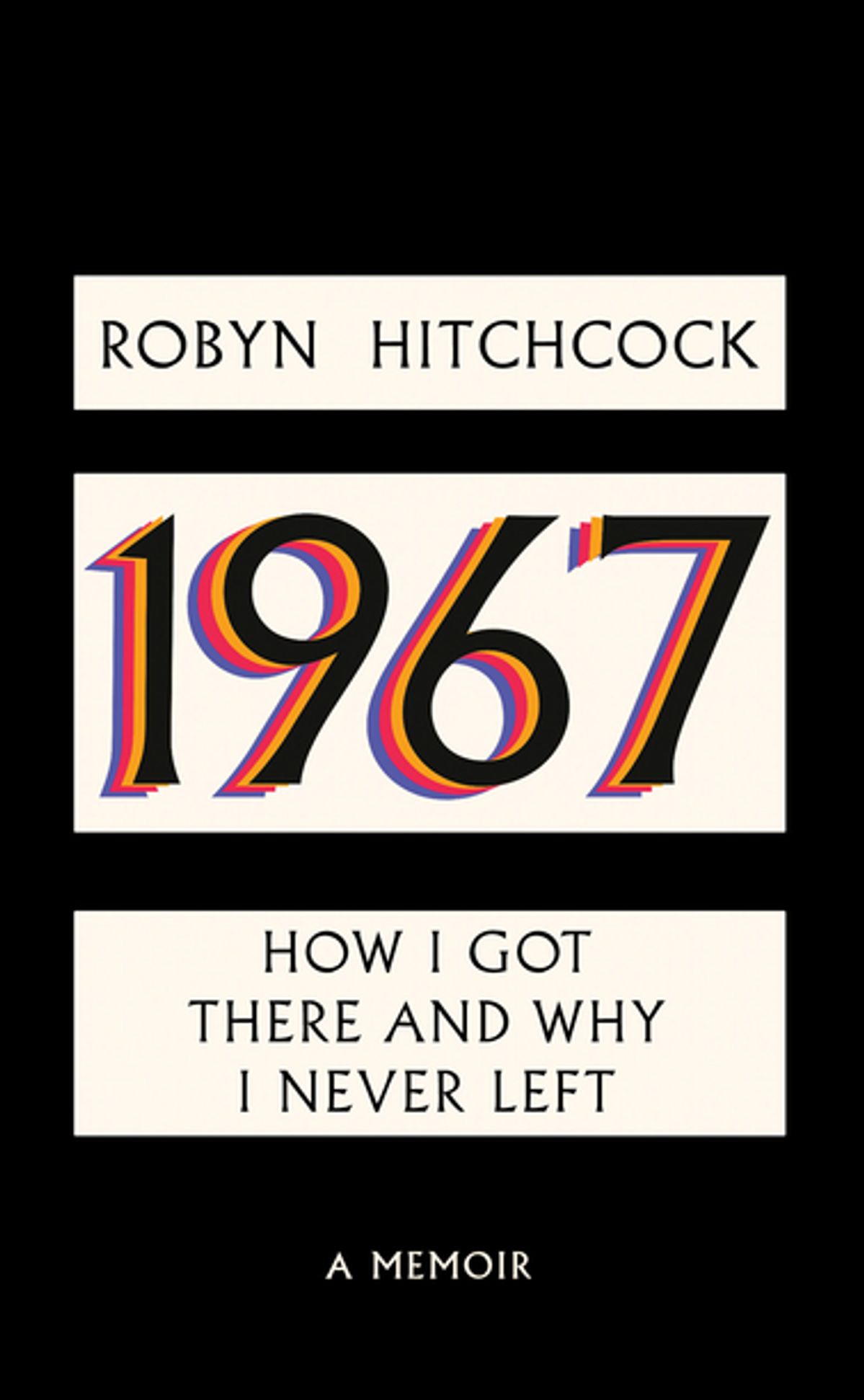
- 1967: How I Got There and Why I Never Left – Robyn Hitchcock (⭐️⭐️⭐️⭐️.5)
5 stars:
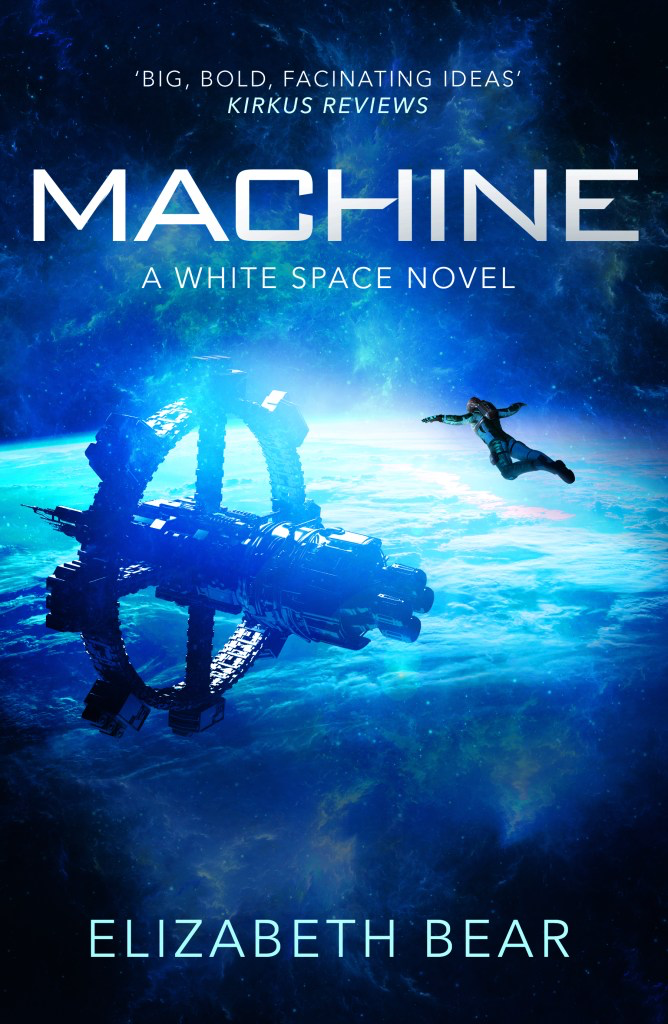
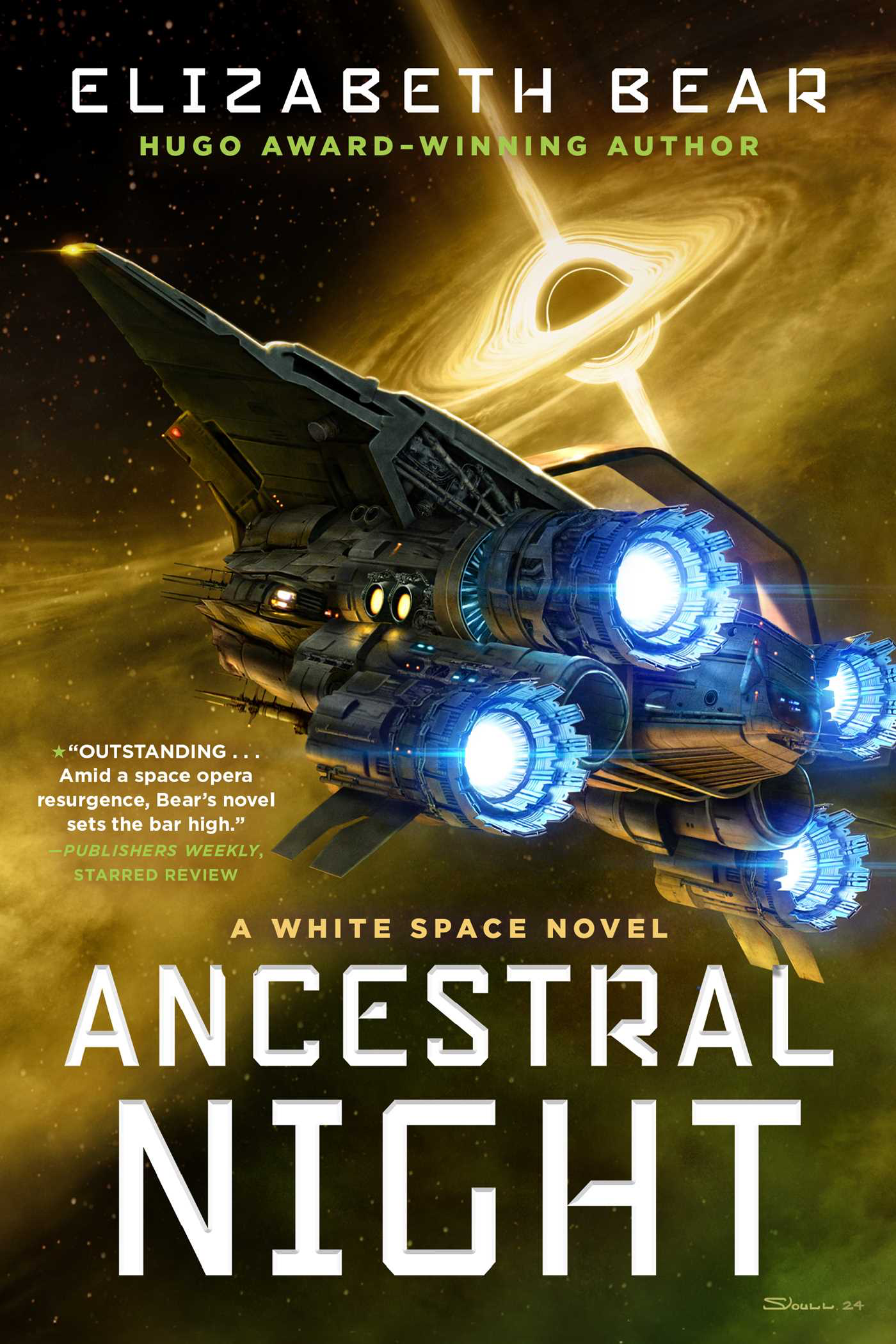
- Machine (White Space, #2) – Elizabeth Bear (⭐️⭐️⭐️⭐️⭐️)
FAVORITE BOOK OF THE MONTH (not counting re-reads): Machine – 5 stars
REVIEWS:
- Climate of Chaos (7/7/26)
- Machine (White Space, #2) (7/14/26)
- Field Guide for the Formerly Villainous (7/21/26)
- The Language of Liars (7/28/26)
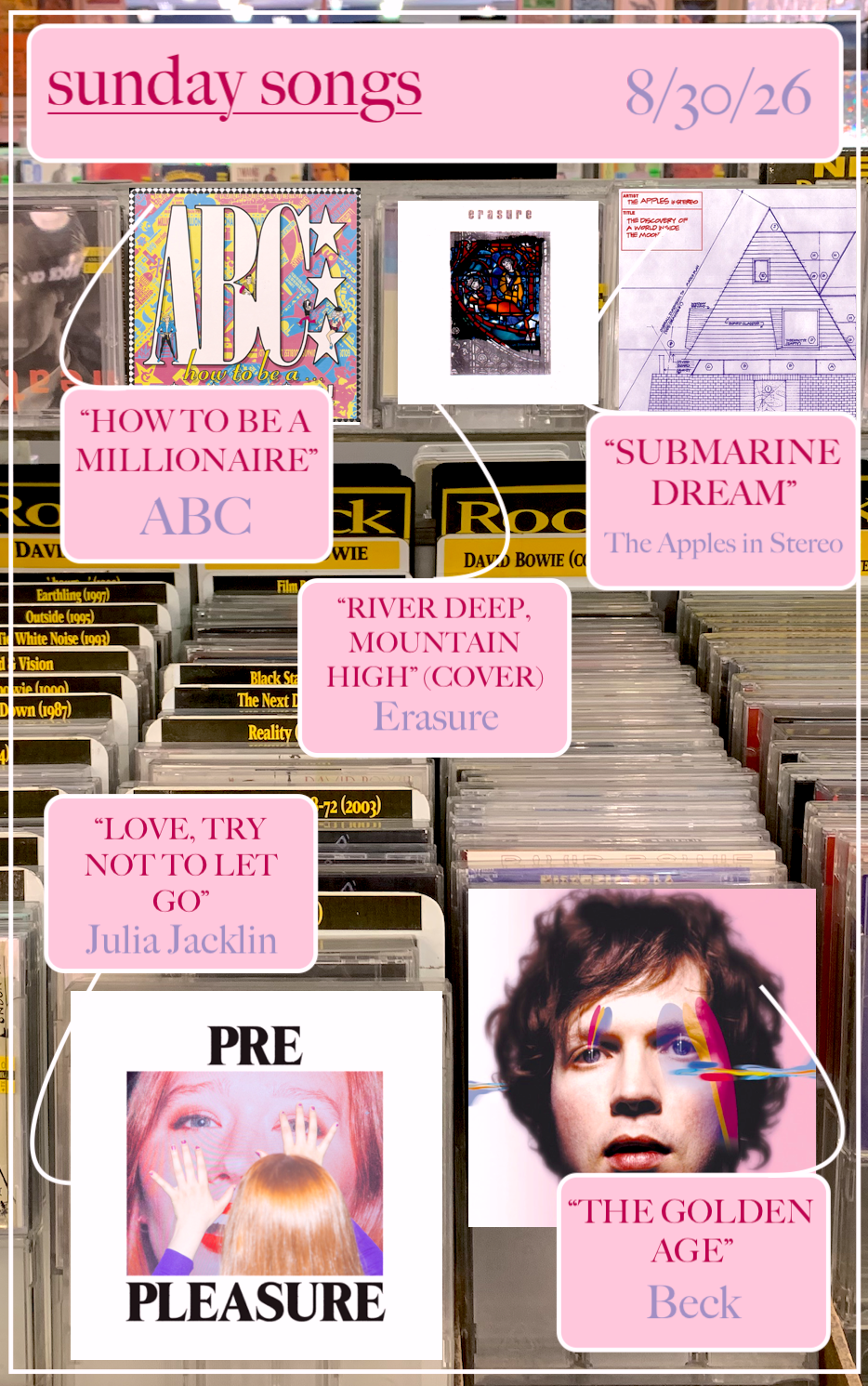
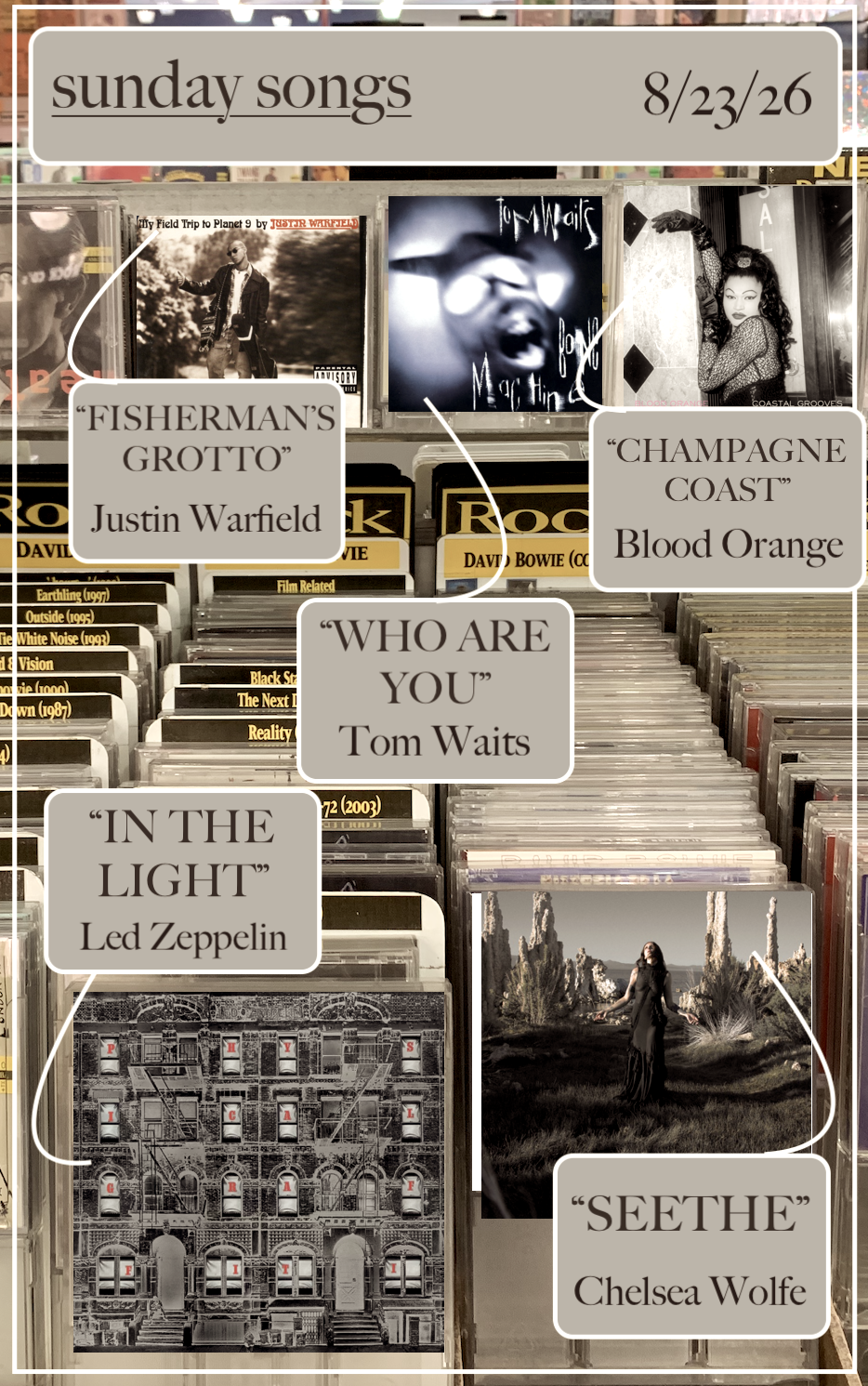
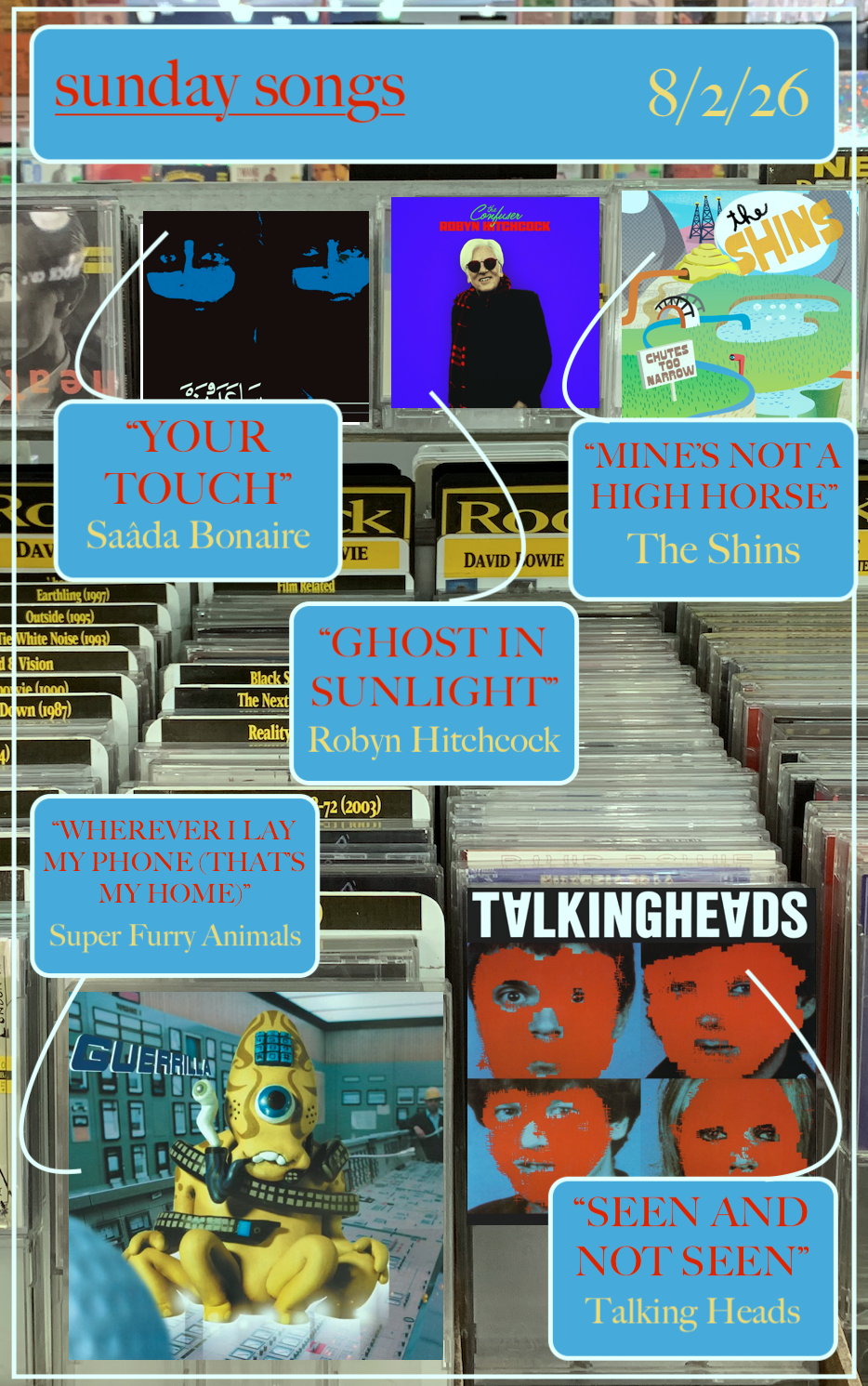
SUNDAY SONGS:
BONUS:
AUGUST READING WRAP-UP:
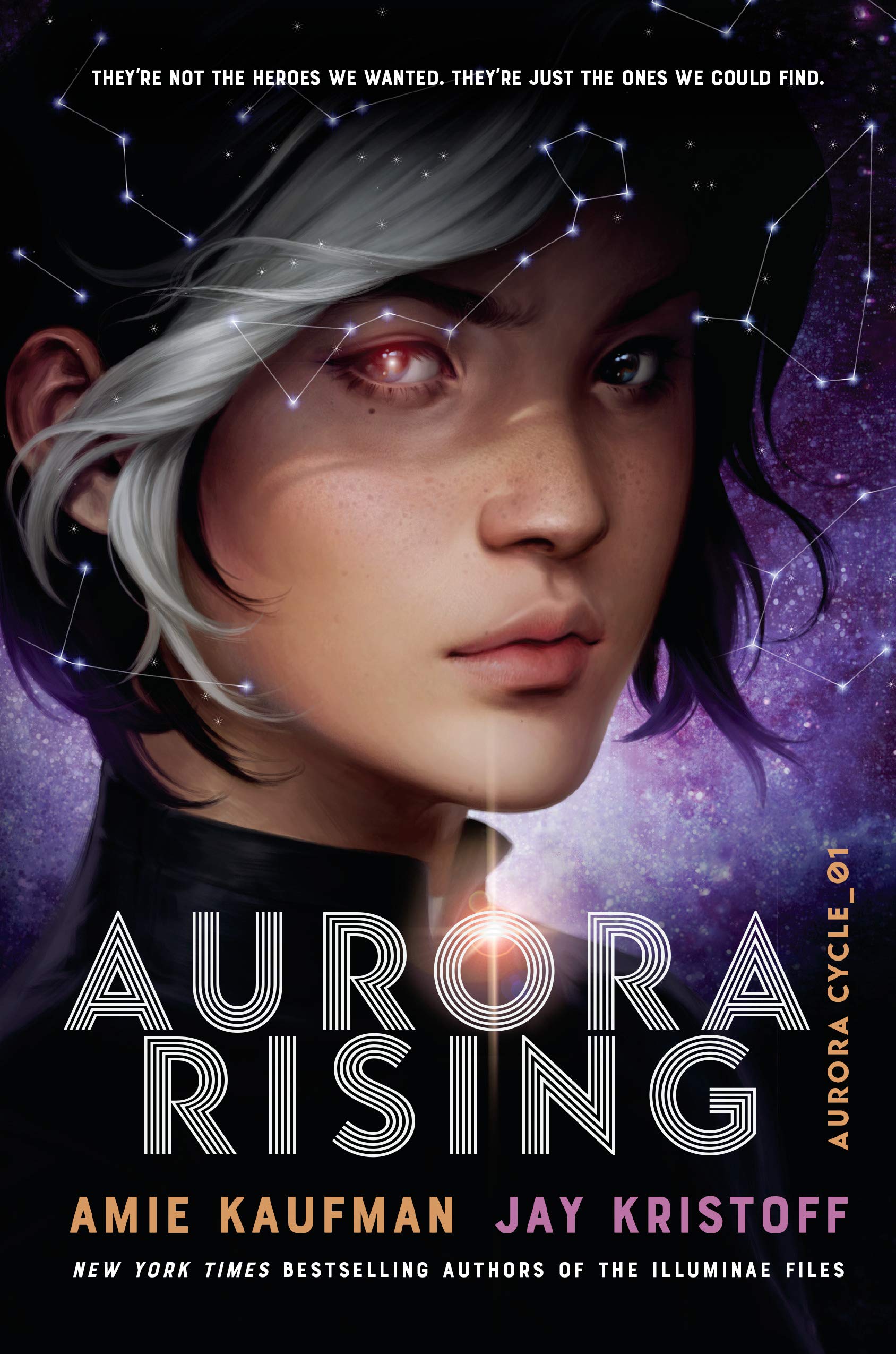
I read 13 books in August! Unfortunately, I had another DNF (Braking Day…finally, somebody was brave enough to ask the question “what if Aurora Rising sucked?”), but I had lots of excellent reads from all across the genre spectrum.
1 – 1.75 stars:
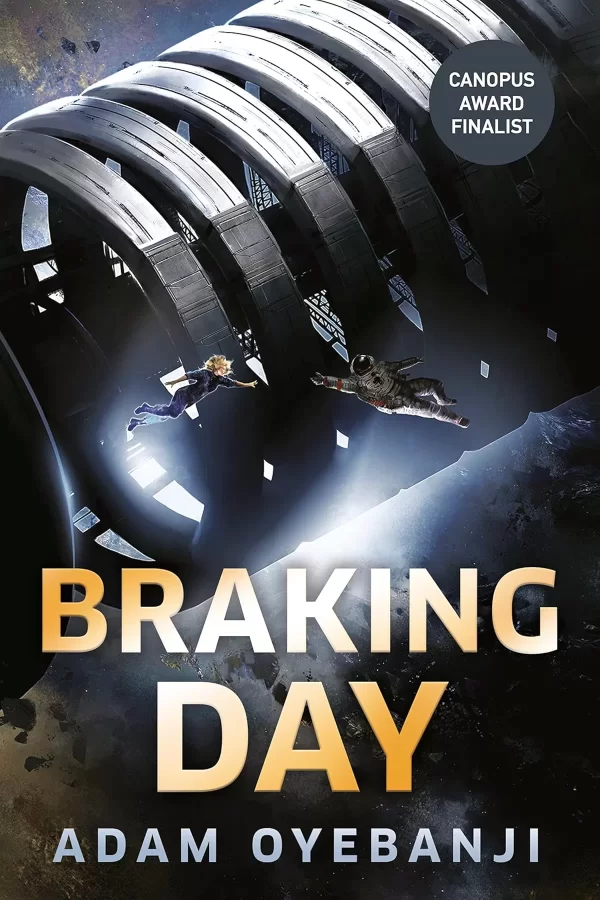
- Braking Day – Adam Oyebanji (DNF – ⭐️)
2 – 2.75 stars:
3 – 3.75 stars:
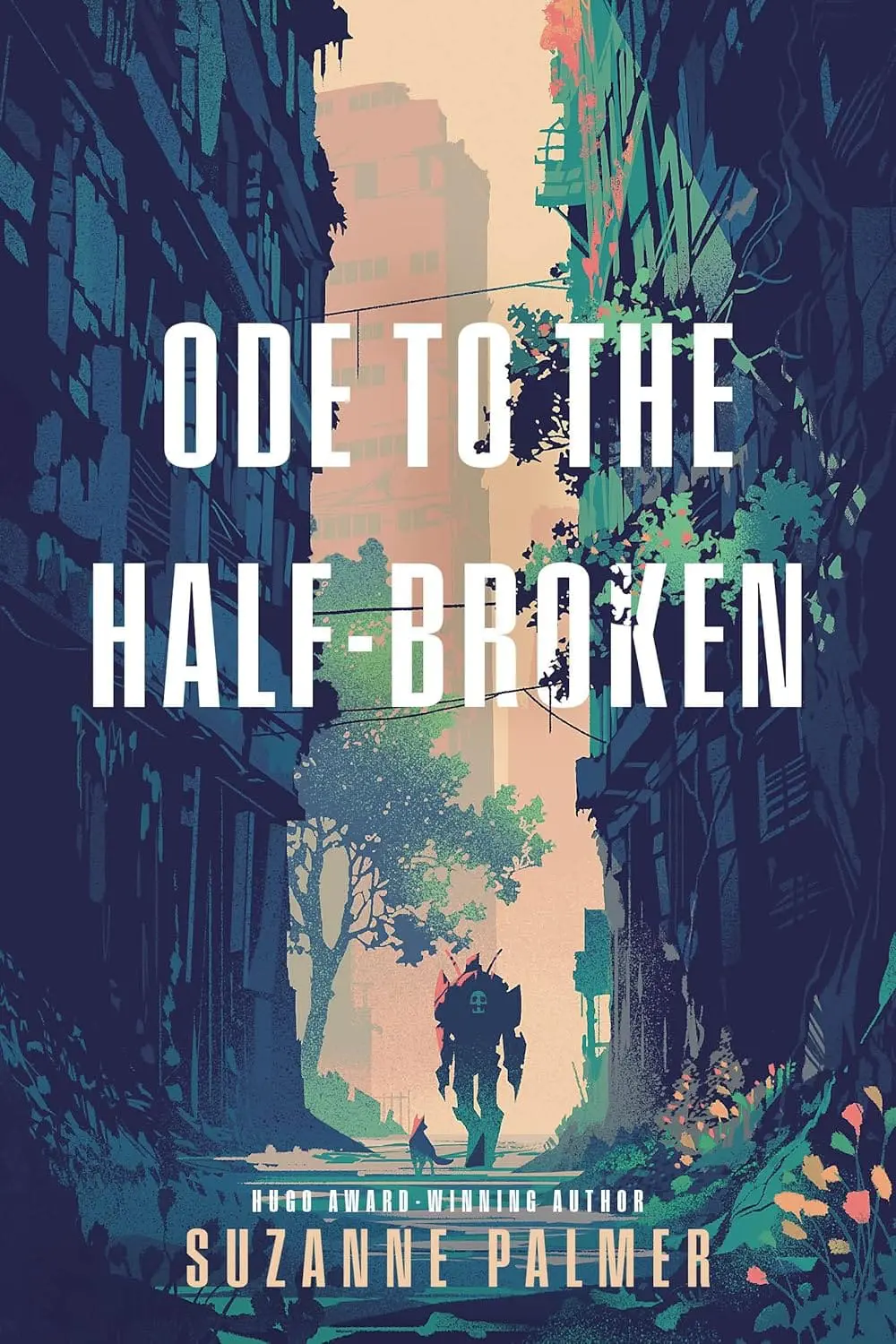
- Ode to the Half-Broken – Suzanne Palmer (⭐️⭐️⭐️.5)
- The Good Good Pig: The Extraordinary Life of Christopher Hogwood – Sy Montgomery (⭐️⭐️⭐️.5)
- The Q – Amy Tintera (⭐️⭐️⭐️.5)
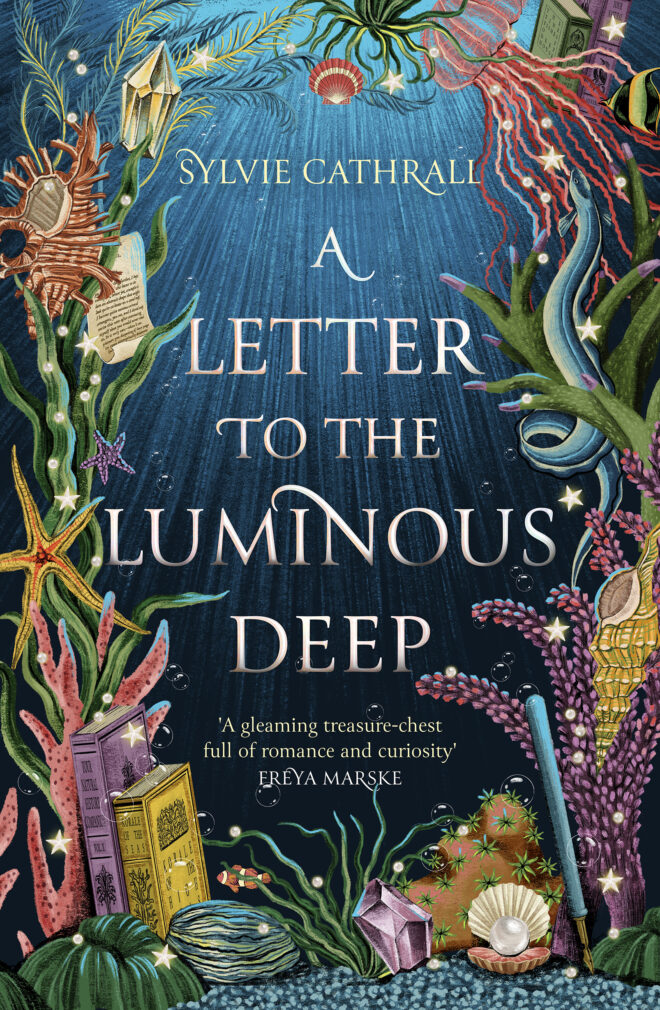
- The Celestial Seas – T.A. Chan (⭐️⭐️⭐️.75)
- The Children – Melissa Albert (⭐️⭐️⭐️.75)
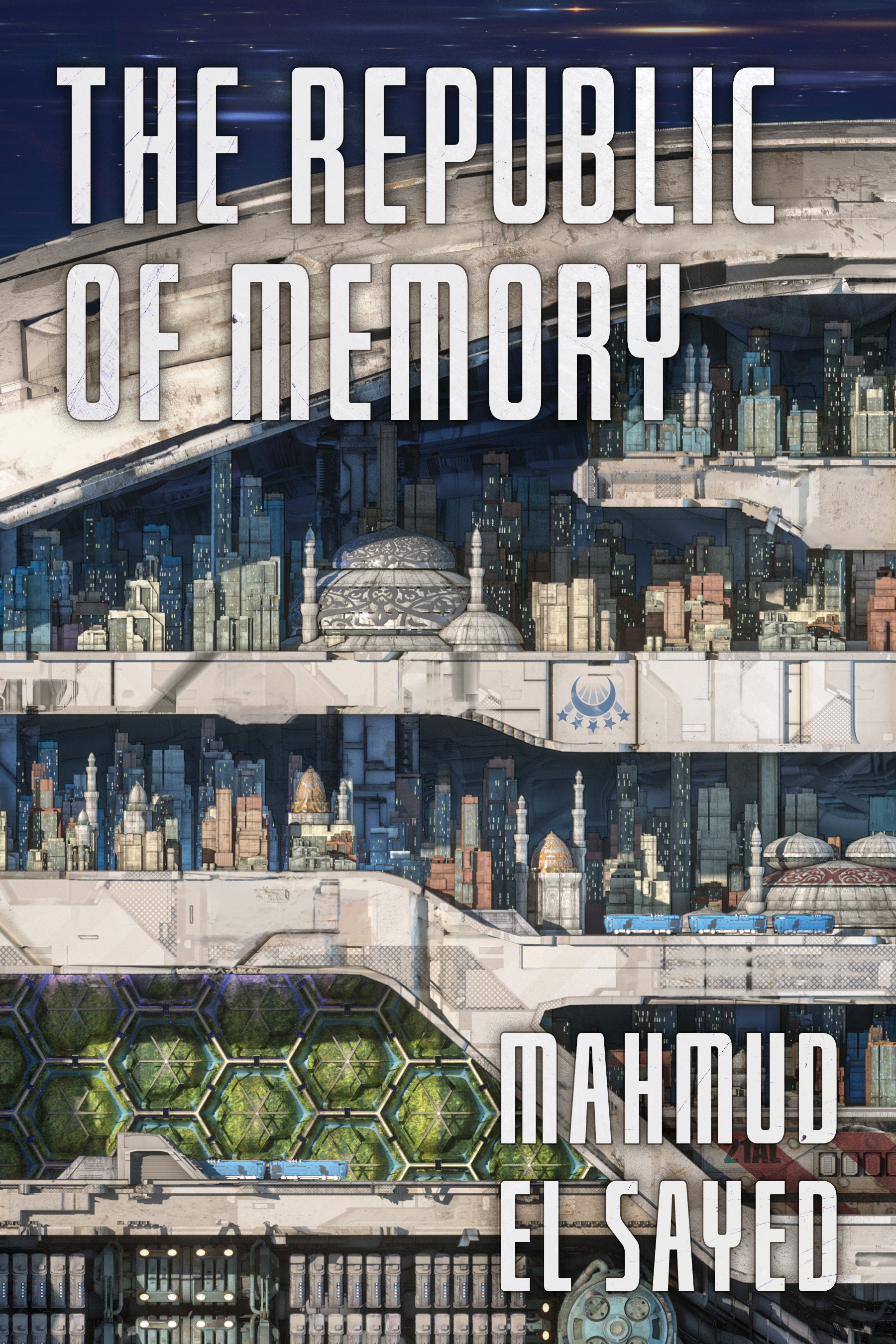
- The Republic of Memory (Song of Safina, #1) – Mahmud El Sayed (⭐️⭐️⭐️.75)
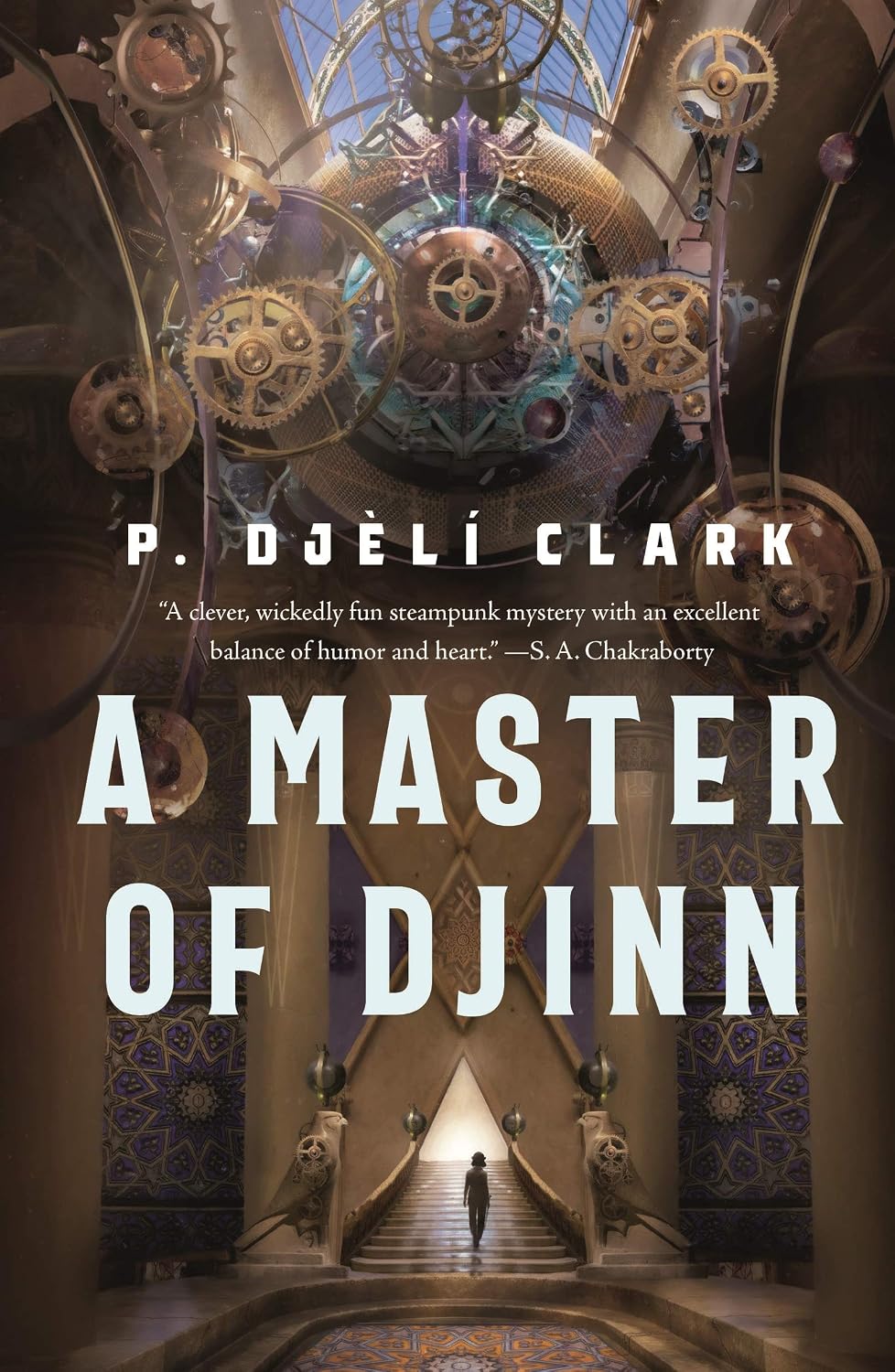
- A Master of Djinn (Dead Djinn Universe, #1) – P. Djèlí Clark (⭐️⭐️⭐️.75)
4 – 4.75 stars:
- The Dawnhounds (The Endsong, #1) – Sascha Stronach (⭐️⭐️⭐️⭐️)
- I Who Have Never Known Men – Jacqueline Harpman (⭐️⭐️⭐️⭐️)
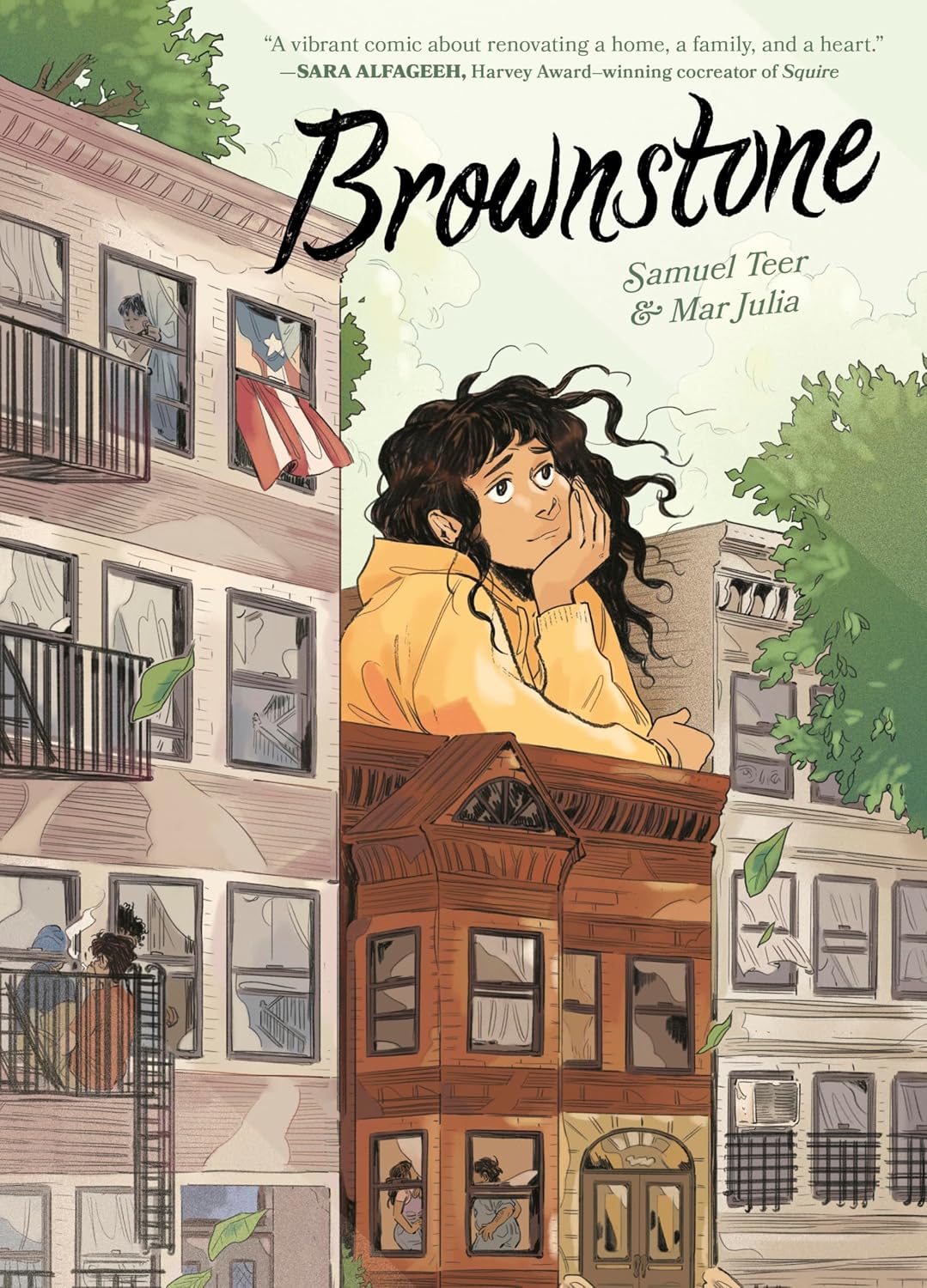
- Brownstone – Samuel Teer and Mar Julia (⭐️⭐️⭐️⭐️)
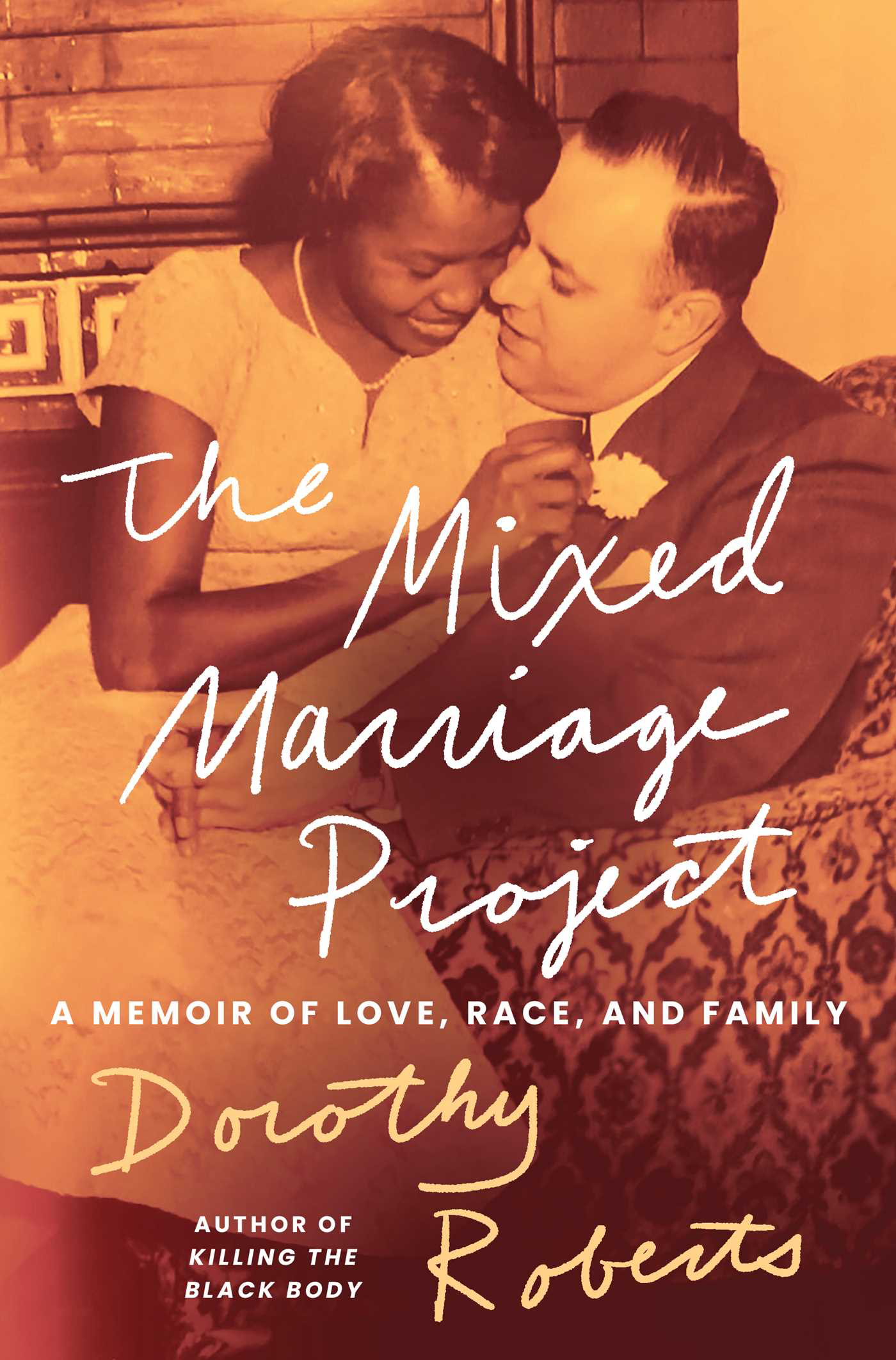
- The Mixed Marriage Project: A Memoir of Love, Race, and Family – Dorothy Roberts (⭐️⭐️⭐️⭐️.5)
FAVORITE BOOK OF THE MONTH: The Mixed Marriage Project – 4.5 stars
REVIEWS:
- Wearing the Lion (8/4/26)
- The Celestial Seas (8/11/26)
- The Republic of Memory (8/18/26)
- Ode to the Half-Broken (8/25/26)
SUNDAY SONGS:
Today’s song:
That’s it for this wrap-up! Have a wonderful rest of your day, and take care of yourselves!