Posted in Book Review Tuesday

Book Review Tuesday (10/21/25) – Failure to Communicate

Happy Tuesday, bibliophiles!

I found out about this book earlier this year while looking for more sci-fi with queer and/or disabled rep (as I always am). This book seemed to have nearly the perfect premise—I just can’t get over how genius it is to have an autistic protagonist who’s had to study human behavior her whole life study alien behavior as well in order to initiate First Contact. I ended up buying it for Bookshop.org’s recent Anti-Prime Sale, and I ate it up in a handful of days. Though not without its flaws, Failure to Communicate delivers almost completely on its remarkable premise, full of political intrigue, aliens, and heart.

Enjoy this week’s review!

Failure to Communicate (Xandri Corelel, #1) – Kaia Sønderby

Xandri Corelel has spent her life studying everyone around her, be they people or aliens. She’s been forced to, after centuries of eugenics has made her one of the few autistic humans left in the universe. She uses these skills as a Xeno-Liaison, negotiating with all sorts of aliens on behalf of the Starsystems Alliance. But when presented with a potentially hostile species possessing one of the most powerful weapons in the universe, Xandri faces the most difficult negotiation of her career—one that may chance the face of interspecies relations forever.

TW/CW: ableism, xenophobia (fictional), violence, blood, genocide themes, slavery, animal death

“Autistic person spends entire life trying to understand human behavior, doesn’t fully understand it, then spends her entire career understanding alien behavior instead” has to win the gold medal for the best sci-fi premise I’ve heard in years. (Also, felt.) And though not all of it delivered on said premise, Failure to Communicate is a hidden gem for sure.

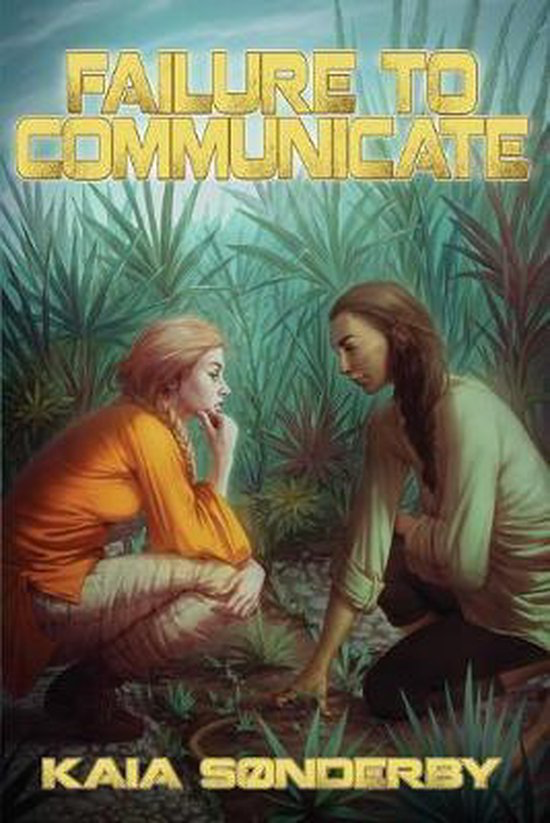
Now, I’m reviewing a space opera book which features a whole host of alien species, which means it’s time for my obligatory creature design rant. The aliens in Failure to Communicate are…a complicated case, for sure. The majority of them are basically larger, intelligent versions of real-world animals (with some brief exceptions), but Sønderby is self-aware of the fact; for instance, the Psittacans (a name that Xandri gave the species and didn’t develop on its own, thankfully) basically look like giant parrots, but Xandri explains that in-universe, all of their parrot-like features aren’t anything like what we would call, say, feathers, but evolved in such a way that they looked exactly like Earth parrots independently of Earth. This same explanation is given to pretty much all of the other species in the book, which is a bit too convenient to apply to 90% of the aliens in the novel. As for the Anmerilli, though I’m not disparaging the cover artist in any way, I feel like the cover didn’t do justice to their more alien features—and man, was I relieved that these aliens weren’t just humans with extra steps. Well…if you boiled it down, they kind of were, but there were enough traits that they at least got to the level of a decently compelling Star Wars humanoid. (Also, Sønderby’s descriptions of the Zechak also made me picture them as genocidal Piglins, which was…uh, interesting, for sure.)

But what almost made up with that for me was the in-depth explanations of their respective cultures. In the end, Failure to Communicate wasn’t necessarily a book about biology—it was a book about politics, anthropology, culture, and communication. That, at least, was incredibly fleshed out and much more thoroughly thought-out—as it should’ve been. Dissecting some of the alien cultures was one of the best parts of the novel. These cultures and the conflicts between them formed the backbone of the novel. Though until the end, Failure to Communicate is somewhat light on action, Xandri’s experiences with navigating the intricacies of dozens of alien cultures was nothing short of compelling—Sønderby has the mind of an anthropologist, and there was truly no stone left unturned. I loved that she didn’t shy away from depicting the discomfort that comes with interacting with other cultures for the first time and having one’s own values brush up against theirs—it’s bound to happen with First Contact, and it’s bound to happen in a lot of novel, multicultural interactions. There were some places where I felt there needed to be more nuance (ex. the whole situation with the Zechak; yes, they’re genocidal, but it verged too close to “this entire species consists of genocidal, cold-blooded killers,” which Xandri tries to self-correct, but isn’t emphasized enough. I’d find that hard to believe), but overall, I loved Sønderby’s cultural explorations.

Sønderby’s commitment to not shying away from discomfort was one of the best parts of the novel, and that was made manifest in her main character, Xandri. There was a ton about her that I loved—her keen eye for cultural quirks, her inner monologues about the idiosyncrasies of the neurodivergent world, and her unflappable sense of justice. However, she was far from a perfect character—even being in a world populated with aliens, she harbored her own unconscious biases and prejudices, which she frequently had to come to terms with throughout her mission. She lashed out, she made rash decisions—she was imperfect. And though she was easy to root for, she had plenty of flaws, a balance that is difficult for any author to strike.

Failure to Communicate isn’t an action-heavy book, which I’m all for—waiter! More cozy sci-fi, please! However, I hesitate to call this novel “cozy,” especially considering the moment when shit hits the fan during the last third of it. Everything that happens then swiftly merits the “cozy” title being unceremoniously ripped off. Nonetheless, Sønderby takes some cues from cozy sci-fi’s best; I loved how she let the plot meander in the more interpersonal conflicts as opposed to the big and showy ones, and let the often messy character dynamics take the lead. The ending was also messy and bittersweet, but not in a way that lacks resolution—it is a resolution, just a very complicated one with quite a lot of uncomfortable implications for Xandri. Another example of Sønderby not shying away from making things complex. I do like that it ended on a very hopeful note, as much of a wreck as some things ended up being.

Being neurodivergent, the subject of disability was part of what drew me into Failure to Communicate. I’ve mentioned on here that I have SPD, which shares some similarities with autism, and I related to Xandri’s lifelong mission to study and understand the neurotypical people around her in order to try and piece together how their world worked. She deals with a hefty dose of ableism (both from well-intentioned and malicious people) throughout the book, which was quite rough, but I loved that she never compromised her pride in being autistic. Sønderby takes the trope of futuristic societies erasing disability as a sign of progress to task, which amplifies Xandri’s struggles as an autistic woman into the struggles of possibly being the only autistic person in the entire galaxy. Which…yeah. The ableism is inevitable at that point. The only disability aspect that I’m not so sure about was having the twist that Marco was also disabled (specifically, he has bipolar disorder); I do appreciate that Sønderby uses it as an opportunity to show that almost identical conditions can produce a hero as well as a villain and that the pressures of ableism drove him to betray the team, but I really don’t think the latter had enough nuance to it. Not that disabled characters can’t be evil, obviously, but it felt too much like making a mentally ill character automatically a villain simply because they’re mentally ill. I’m willing to give Sønderby the benefit of the doubt because she handled all of the other disability-related topics so wonderfully, but it still didn’t sit completely right with me.

Also, I just have to mention that this book is so, so queer. BLESS. First off, I loved that Xandri was bisexual, but I appreciated that she was polyamorous too—there’s hardly any depictions of polyamory out there that don’t make their characters the butt of a joke or a fetish, so this was a breath of fresh air, for sure.

All in all, a wholly unique space opera about communication, culture, and collision. 4 stars!

Failure to Communicate is the first novel in the Xandri Corelel series, followed by Tone of Voice and preceded by Testing Pandora, a prequel novella. Kaia Sønderby is also the author of the YA fantasy novel Damsel to the Rescue.

Today’s song:

That’s it for this week’s Book Review Tuesday! Have a wonderful rest of your day, and take care of yourselves!

Posted in Book Review Tuesday

Book Review Tuesday (7/8/25) – Something More

Happy Tuesday, bibliophiles!

I’ve been looking around for books to read for Disability Pride Month, and in general, trying to find some books by Palestinian/Palestinian diaspora authors. Something More fit both of those, so I figured I would give it a go! Though it wasn’t a perfect novel, it had all of the qualities of a classic YA romance novel—angsty, romantic, and heartfelt writing.

Enjoy this week’s review!

Something More – Jackie Khalilieh

Jessie is determined to turn over a new leaf. On the precipice of starting high school, she wants to show the world that she isn’t the girl who she was in middle school—lonely, awkward, and more importantly, autistic. Keeping her diagnosis a secret, Jessie quickly makes new friends—and new crushes—at Holy Trinity High. But when her friendships begin to unravel and her relationships start to crumble, Jessie questions whether it’s worth it to keep her authentic truth a secret after all.

TW/CW: ableism (external & internalized), xenophobia, racism, substance abuse, bullying

Dude. Jessie and I would’ve been best friends in high school. I would’ve gladly welcomed another neurodivergent Radiohead girlie to go sneak off to the library with during my lunch period.

Though I can’t speak to the accuracy of the representation, I loved how Something More explored Jessie’s identity! It’s something that I assume has a lot of personal importance to the author, and Khalilieh’s explored all of the facets of Jessie’s identity with such sensitivity and love. I’m not autistic, but I am neurodivergent (I have SPD), and I deeply resonated with a lot of her struggles with fitting in and adjusting to high school while being neurodivergent. I loved the arc of Jessie realizing that there’s no reason to hide her autism from her friends, and I also appreciated that a lot of her friends, despite their flaws, were respectful and accepting of her identity. The same goes with her Palestinian-Canadian identity—again, I can’t speak to the representation, but Something More had such a lovely exploration of Jessie’s experience growing up in an immigrant household and feeling like an outsider because of her Palestinian roots. It’s a deeply refreshing intersection of representation in YA literature that I adored!

I normally don’t advocate for things becoming Netflix movies, but I swear that Something More has the perfect recipe for becoming that kind of YA classic that gets a cute streaming movie. I can already see the Clueless-esque ’90s soundtrack from here, tailored towards Jessie’s special interest and the music integrated in the novel. From Jessie’s diary full of friend and boy-related (and getting her parents to get her a phone-related) goals to Jessie’s unique spark as a protagonist, it’s got the classic tropes down to a science, yet never makes them feel tired. She injects the right amounts of both the sass and the vulnerability that comes with a lovable YA rom-com protagonist. Khalilieh perfectly captures the awkwardness of entering high school and the rocky path to fitting in and finding your place. Jessie has so much great development, from realizing her self-worth in the face of her crush being dismissive of her, to realizing that she needs to stand up to her toxic “friends.” Jackie Khalilieh has clearly done her homework on YA, and with a little refinement, is well on her way to making a classic.

Despite what I loved about it, Something More suffered from a few key flaws. The most glaring of them was that…oh my god, there were so many wild, random subplots and side tangents that didn’t contribute much to the plot. Jessie’s grandma, who was almost never mentioned, randomly dies towards the end of the book, one of her friends gets involved with a creepy older man and gets dumped in a parking lot, and the rest of the friend group continuously gets tossed between several skeevy guys, seemingly with no resolution. Yeah, high school is weird, but by the end of the novel, the relationship/ex statuses between Jessie and her friend group looked like that one panel in Diary of a Wimpy Kid with the massive relationship diagram. And that’s just her friend group of FOUR PEOPLE. It was wild. Other than the gross Mel subplot, which…at the very least, I guess it gave some depth to Jessie and Levi’s relationship, none of them added to the plot, and nor did they have any ripple effects throughout the novel. I guess there was only so much time for Jessie to reflect on her grandmother dying, but if they were as close as we were blatantly told in a handful of sentences, why did it barely have an effect on Jessie? Wouldn’t she be…y’know, experiencing some form of grief? It all just felt rushed and took away page time that could’ve been used to develop the more central relationships in the novel.

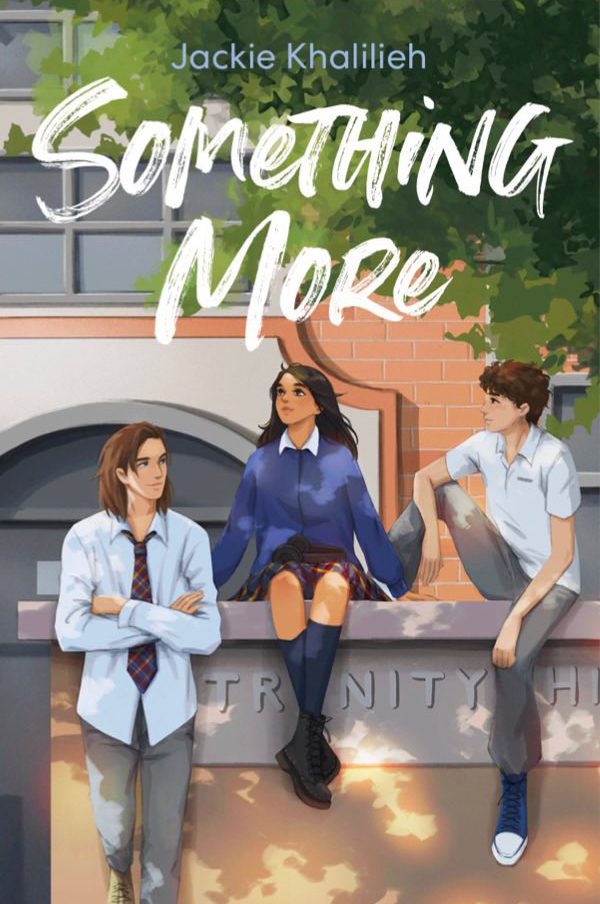
Speaking of relationships…thankfully, as the cover might lead you to believe, there really isn’t much of a love triangle. (Cue a sigh of relief.) I guess you could technically make an argument for it, but honestly, up until the 80% mark, I fully thought that things between Jessie and Griffin were going to stay completely platonic. Yet even then, Levi would’ve been the worse choice…LEVI. What a piece of work! I know that Jessie had to learn, BUT GIRL! YOU CAN DO BETTER THAN HIM! Just because he’s vaguely nice and looks like Kurt Cobain doesn’t mean that he’s not a flaky, disrespectful asshole! I get that Jessie had to learn both her lesson and her self-worth when it comes to falling head-over-heels for guys, but I feel like the writing of their relationship needed some work. I feel like the time between them meeting and having their first kiss was way too fast, even if Jessie was infatuated; their dynamic over the rest of the novel felt repetitive, and it didn’t serve much to the novel save for building the case for Levi being insufferable. As for Griffin, I did like their relationship, but I honestly think it could’ve worked romantically or platonically—I did like them getting together at the end, but I also would’ve appreciated him being part of Jessie’s (abandoned) goal of getting a guy friend and having a healthy depiction of friendships of the opposite gender.

Overall, a diverse YA romance that nails all of the factors for a classic formula, but faltered in its overabundance of subplots and awkwardly-paced relationships. 3.5 stars!

Something More is a standalone and Jackie Khalilieh’s debut novel. Khalilieh is also the author of You Started It and the forthcoming Everything Comes Back to You, which is set for release in 2026.

Today’s song:

I love this song, it sounds like being in a goldfish bowl…

That’s it for this week’s Book Review Tuesday! Have a wonderful rest of your day, and take care of yourself!

Posted in Book Review Tuesday

Book Review Tuesday (6/24/25) – Life Hacks for a Little Alien

Happy Tuesday, bibliophiles! I’m back from my road trip with a fantastic book for you.

I try to stick to mostly queer books for June, but I read extra queerly all year…think of this as pregaming for Disability Pride Month. (Both apply to me, I get a pass, right? Hell, it’s my blog and I’ll do what I like.) Nevertheless, I bought Life Hacks for a Little Alien while on vacation (shoutout to Townie Books in Crested Butte). I’d heard great reviews of it, particularly that it encapsulated neurodivergent childhood beautifully, so of course I had to read it. What I found was a heartstring-pulling and tender depiction of neurodivergent childhood.

Enjoy this week’s review!

Life Hacks for a Little Alien – Alice Franklin

In England, a young girl grows up not knowing that she’s neurodivergent, but certain that she’s different from the other children. She doesn’t talk or think the way they do, and her parents are having trouble keeping up with her. She never shows any interest in much anything, but when insomnia prompts her to watch TV at night, she discovers a documentary on the Voynich Manuscript. Soon, the mysterious manuscript heightens her curiosity and invigorates her life. The only thing that would make it better is to find the Manuscript itself—and she’s determined to get it in her hands and decipher its impossible code.

TW/CW: ableism, vomit, bullying, institutionalization/mental illness themes

I have once again been ensnared by a book with metaphors about aliens relating to neurodivergent. It will happen again.

I’ll absolutely be reading more by Alice Franklin after this, because her writing style captivated me from the start! The first comparison that sprang to mind, strangely, was of Wes Anderson. It feels odd to jump from literature to film, but stay with me. The narrator’s voice is very matter-of-fact and particular, which are qualities than can be ascribed to both very self-assured children and comically self-assured Wes Anderson characters. The linguistic footnotes and reading lists at the end of each chapter were also reminiscent of the wry judgements of Anderson’s omniscient narrators. All of this is to say that Life Hacks for a Little Alien boasted such a charming voice. Second person POV is a notoriously difficult POV to write from; Franklin chose it for the book because she found it personally easier to write and thought that it would help the reader have empathy for the protagonist. I think it would’ve been easy to have empathy for the narrator no matter what, but the use of the second person gave Life Hacks for a Little Alien such a unique flavor. As the narrator tried to pick apart the structures of how a young English girl is supposed to act, she was methodical, but in a way that was always witty, snarky, or charming. Yet that voice, when faced with the harsher realities of neurodivergent life, never faltered in its emotional connection. I was invested in the narrator’s story from the start, and from then on, Franklin kept me hooked!

Although I’m not autistic, I am neurodivergent (I have sensory processing disorder, which has some similarities to autism), and there are so many aspects of Life Hacks for a Little Alien that resonated with me. Even if I weren’t so interested in sci-fi, the latent, never-ending feeling that you’re from another planet never fades, and the latent alienation that exists in everyday life was depicted with such authenticity and heart. Beyond that, what was depicted most accurately to me was the lingering sense of “I’m doing what the other kids are doing, so why am I wrong/why are they laughing at me/what about what I did makes it wrong?” Neurotypical society is so full of idiosyncrasies, and being neurodivergent makes you realize that from an uncomfortably young age. The narrator’s struggles with picking it apart were delivered with such sensitivity and accuracy, and I loved that her special interest in linguistics and the Voynich Manuscript was not just something that made her fall in love with learning again, but also became a survival mechanism for her to navigate a complicated world.

Beyond that, the use of the Voynich Manuscript and linguistics as a metaphor for the narrator’s experience was easily the most poignant part of a very poignant novel. Many neurodivergent people of various diagnoses often express the feeling that they were never given the same “script” as neurotypical people, a feeling I’ve often shared; if anything, we were basically given a kind of indecipherable Voynich Manuscript that the author understands perfectly, but nobody else does. The narrator’s theory by the end of the novel is that it functions as a way to help aliens navigate Earth, but what is unspoken is that she sees it as such too—she feels like the alien that has been given an indecipherable code with strange pictures in order to understand a completely foreign world. You can see how that hit me in the gut instantly…and it goes even further. English linguistics are full of similar idiosyncrasies as the neurotypical world, and you’re expected to go along with them all the same, even though they frequent contradict all manner of rules. The narrator’s interest in linguistics becomes her way of understanding—or failing to understand—the world. It’s such a beautiful, multilayered metaphor, and it struck such a resonant chord within me.

I have almost no criticisms of Life Hacks for a Little Alien, and I might’ve given it 4.75 or 5 stars if not for this one aspect. My only real problem with Life Hacks for a Little Alien is that it just…ended. Although the epilogue wrapped things up in a more satisfactory and clean manner, the real ending just…ended. For such a meticulous book, it was jarring to end in such an abrupt place. Even though we got some sort of resolution, Life Hacks for a Little Alien seemed to just plunk itself down and end unceremoniously. I’m fine with some books having neatly wrapped-up endings, but this novel seemed to need some semblance of one. I fully expected another chapter afterwards. However, I can sort of see how it might function—this isn’t necessarily the end of the narrator’s story, and her life was far from over by this point. Yet it felt like the end of this arc and the beginning of a new chapter in her life, which seems to necessitate some more closure.

All in all, a deeply poignant and beautiful meditation on neurodivergent girlhood and navigating alien worlds. 4.5 stars!

Life Hacks for a Little Alien is a standalone and Alice Franklin’s debut novel.

Today’s song:

there we go, here’s something for pride!

That’s it for this week’s Book Review Tuesday! Have a wonderful rest of your day, and take care of yourselves!
Posted in Book Review Tuesday

Book Review Tuesday (4/15/25) – Afrotistic

Happy Tuesday, bibliophiles!

April is Autism Acceptance Month, and although I probably won’t have time to make a whole post about it (blame finals), I figured I would review a book with an autistic protagonist and an autistic author! This one’s been on my TBR for a few years, but I was only able to find a copy more recently. Although it wasn’t perfect, it’s a great book to introduce a younger audience to autistic issues, especially from a more diverse perspective.

Enjoy this week’s review!

Afrotistic – Kala Allen Omeiza

15-year-old Noa Ohunene Jenkins doesn’t know where she fits in—or if she can fit in at all. All of her life, she’s never felt Black enough or autistic enough. And now that she’s moving to a new high school, she doesn’t know if she’ll fit into either communities—much less her new school. Noa has her mind set on one thing: a place in the Dean’s Merit Society. The problem is, the only way she’ll get in is if she has leadership experience. Scrambling for answers, she decides to gather up fellow autistic teenagers and forms a group to discuss autistic issues. But will it be enough to show her peers and teachers that she’s just as worthy of praise?

TW/CW: ableism, racism, bullying, mentions of suicide (past), brief mentions of police brutality (in reference to police violence towards autistic people)

Afrotistic has been languishing on my TBR for way too long, but even though it wasn’t a perfect book, I think it’s a great book to introduce people—especially kids and young adults—to autism, ableism, and the intersection of race and disability! It’s already difficult to find neurodivergent representation in literature, but rarer within that category is autistic people of color—for that alone, Afrotistic is such an important book.

For some reason, I misremembered Afrotistic as being middle grade. Who knows why. I kept that assumption going in, and then I of course found out that Noa is 15 years old and a sophomore in high school. Whoops. That being said, going in with that mindset wasn’t all that bad, because I really feel like Afrotistic hits that sweet spot between middle grade and YA that’s so often unexplored. It appeals to a mid-teens age range because of its protagonist, but the writing is accessible enough that I feel like kids as young as 12 or 13 could comfortably read and relate to Noa and the other characters. (The fact that 12-18 is such a huge range of maturity for a single age group is whole can of worms, so I’ll save it for another time.) There are some more mature and sensitive topics that are briefly discussed (police brutality against autistic people of color, for one), but it’s brief enough that I feel like that age range could process and learn from it. Neurodivergent representation is hard to find in books aimed at all ages, and I feel Omeiza’s accessible writing style, as well as the relatability of Noa as a protagonist, makes for a book that could teach tons of pre-teens and young adults alike about Black and autistic identity.

Another reason I’m glad that Afrotistic exists is because of the intersectionality! The primary focus is on Noa’s identity as a young, Black, autistic girl, and how she’s struggled to make her voice heard because of how little attention is paid to neurodivergent (and disabled in general) people of color. Both through the essay excerpts in the story and through her real-time experiences not being believed by her peers and teachers, it was a poignant narrative about how neurodivergent people of color have to fight even harder to have their needs met and understood. Going off of that, I appreciated that within the Roaring Pebbles, there was a lot of intersectionality as well; as well as all of them being autistic, there was a mixed-race character with cerebral palsy, as well as men and women being present.

That being said, I wasn’t as charmed by the characters as the characters themselves seemed to be. I loved Noa and was rooting for her throughout the story, but I found myself less compelled by some of the other characters. It was clear that the friendship between Noa and Brayden was supposed to be one of the core friendships in the novel, but I really didn’t feel any kind of friendship chemistry between them. All Brayden seemed to do was make jokes that didn’t land and make awfully pushy remarks to Noa joining his youth group. I get that Noa is also Christian and doesn’t necessarily mind, but I feel like even if I was also Christian and I had somebody trying to get me to join their youth group that persistently, I’d snap. The issue with most of the other characters is that they were rather underdeveloped; this was inevitable with the amount of characters that were focused on in the Roaring Pebbles, but even the ones that had more page time were boiled down to one or two traits at most. I get that it’s difficult to juggle that many characters, but even the ones that were relatively more in the spotlight weren’t given enough traits to make them stand out. Going back to the whole pushy youth group thing with Brayden, I found it hard to believe that every single member of the Roaring Pebbles were completely fine with their group being filtered through said youth group and having a name with biblical inspiration. I get that if you’re strapped for resources, any venue you can have to gather is essential, but I would imagine that at least one of these characters isn’t Christian…

Additionally, what also soured me to some of these characters was the random side plots that weighed the story down. There’s a whole, completely unnecessary thread of two of the boys in Roaring Pebbles fighting over a girl that gets entirely too much page time and only served to derail the plot. About half of the conflicts that occur throughout Afrotistic felt of this nature—some of them were natural (like the inevitable issue that some of the autistic people have different triggers, which was something I appreciated being included and discussed), but others felt like filler. Here’s the issue: Afrotistic is only about 250 pages (on my Kindle edition), so there could have been so many more opportunities to discuss more aspects of Noa’s friendships, identity, or even her home life. Instead, we got problems that were solved far too quickly and didn’t contribute anything to the plot.

Also: I’m not completely sure how to feel about this, but I had to mention it. At some point, when Noa is surveying the different cliques in the lunchroom, she labels two of them the “woke kids” and the “cool woke kids.” It was…odd, to say the least? I can kind of see it as being a factor of her not feeling autistic/Black enough for those crowds, but I’ve never once heard cliques described as “woke” unless it’s some weird, insecure conservative person. I guess I’m so used to seeing “woke” being lobbed at anything vaguely liberal (or considerate of basic human decency) these days, but Afrotistic was published in 2022, and the same was true then. I’m just not sure how I feel about that.

All in all, a timely novel that deftly highlights the issues that autistic people of color face, but stumbled in terms of its characters and frequent plot digressions. 3.5 stars!

Afrotistic is a standalone novel, but Kala Allen Omeiza is also the author of Autistic and Black: Our Experiences of Growth, Progress, and Empowerment, and The Worst Saturday Ever.

Today’s song:

SO glad I found this song!! Brian Eno never gets old

That’s it for this week’s Book Review Tuesday! Have a wonderful rest of your day, and take care of yourselves!
Posted in Book Review Tuesday

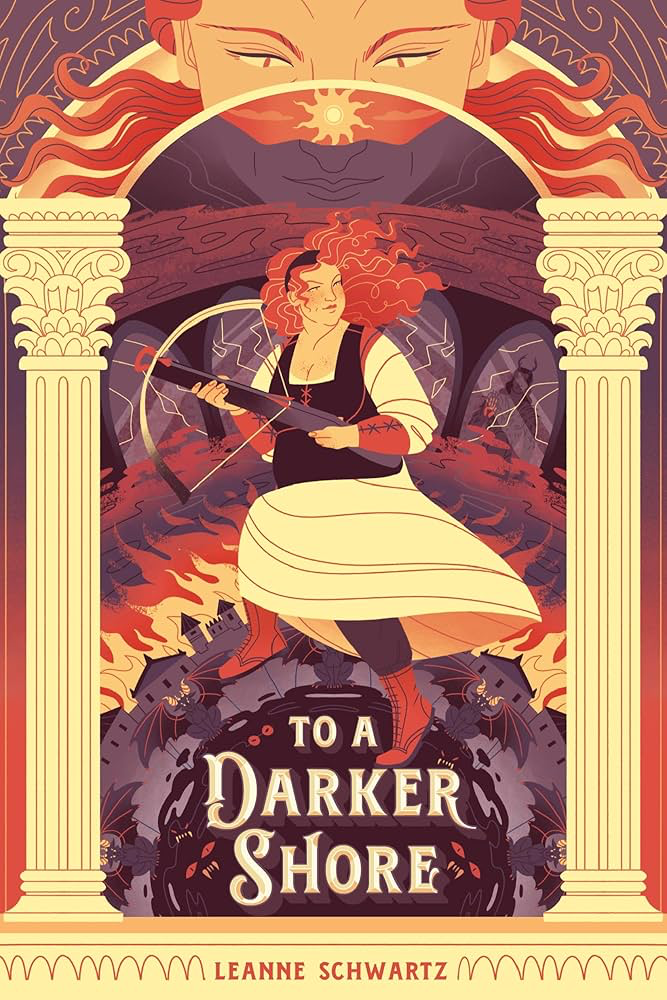
Book Review Tuesday (7/30/24) – To a Darker Shore

Happy Tuesday, bibliophiles!

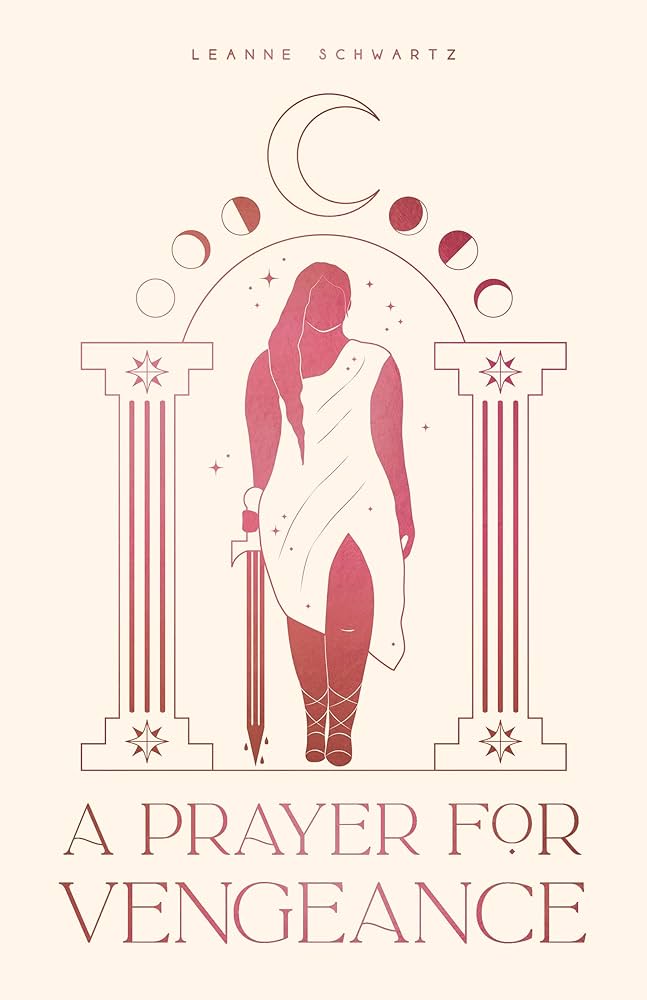
I was first exposed to Leanne Schwartz through A Prayer for Vengeance, and enjoyed her YA fantasies that centered autistic and plus-size protagonists. I’d forgotten that she’d written another book featuring an autistic protagonist, and I figured it would be perfect for Disability Pride Month. While it didn’t blow me away, To a Darker Shore had a lovely setting with immersive writing and the journey of a courageous girl who would quite literally walk through hell to save her best friend.

Enjoy this week’s review!

To a Darker Shore – Leanne Schwartz

If there’s one thing that Alesta has known her whole life, it’s that she knows that she has something to prove. Poor, autistic, and plus-size, she means nothing to the townsfolk, save for what she can provide as a sacrifice to their hungry god, Hektorus. So she throws herself into intricate inventions, hoping they can earn her favor with the king. But when a test flight of one of her flying machines goes awry at an exhibition, Alesta knows she’s bound for hell. Yet it’s Kyrian, who helped her test the machine, that takes the fall, now condemned to hell instead of her. Alesta will do anything to bring Kyrian back…even if it means venturing into the treacherous depths of Hell itself.

TW/CW: loss of loved ones, misogyny, fatphobia, ableism, violence, blood/gore, claustrophobia, panic attacks, grief, homophobia

Why does WordPress keep trying to autocorrect “Alesta” to “Alert?” I can only imagine how it was while Schwartz was writing the book in the first place…

Even though Leanne Schwartz isn’t my favorite author, I love her apparent goal of putting out YA fantasy novels with plus-size, queer, and neurodivergent characters at the forefront. A Prayer for Vengeance didn’t blow me away, but it was an enjoyable read nonetheless; to an extent, I feel a similar way about To a Darker Shore, but it’s clear that her writing has improved greatly in the span of two books!

Schwartz’s lovely prose was clearly the star of To a Darker Shore. Throughout the novel, there’s a stark contrast between the fantasy, Renaissance Italy-inspired whimsy and the monstrous realms of hell, but Schwartz handled each of them with the appropriate weight they deserved. The first part of the novel did a wonderful job of immersing me in Alesta’s kingdom, and with every description of the coastline surroundings and the bustling cities, I was instantly transported. Schwartz’s balance of humor and weighty subjects (ableism, fatphobia, and purity culture, to name a few) was handled with aplomb—the strength of all of these aspects is how balanced they were. Additionally, To a Darker Shore’s writing felt like the perfect transition between Middle Grade and YA; apart from some violence and strong language, the accessible writing style and the narrative voice of Alesta could be a great bridge for younger YA readers to start in the genre.

Alesta was also a fantastic protagonist to propel the reader through this treacherous journey into hell! Schwartz did an excellent job of relying on showing to build up to the suspense of losing her best friend; by the time Alesta’s quest through hell begins, you truly do understand her relentless devotion to rescuing her friend, even if when they reunite, hell has permanently altered him. She stopped at nothing to make sure Kyrian made it out of hell alive, and you believed every part of her friendship and steadfast adherence to her mission. Her relentless spirit not only gave the story stakes (I certainly got the sense both she and Kyrian would fall apart without the other), but a reason to follow her along—at its best, there were times when I was invested in the story just because Alesta cared so deeply for succeeding in her impossible mission. Although I liked A Prayer for Vengeance, Leanne Schwartz’s way of writing her protagonists has improved since then, and Alesta is living proof.

I came away from To a Darker Shore with mixed feelings about the worldbuilding. On the one hand, I enjoyed the Renaissance Italy-inspired setting; Alesta is compared to Leonardo Da Vinci in the synopsis, and I loved the aesthetic of her wooden flying machines and the various magical contraptions that she constructed. The worldbuilding surrounding the religion that concerns most of the novel was also well-executed. Schwartz did an excellent job of setting up exposition in a variety of ways, ranging from stories that Alesta had grown up with to descriptions of religious festivals that served to explain some of the mythology. However, even with the obviously Christian inspiration that this religion was based in…why call it Heaven and Hell if it’s an entirely different religion? I get the comparisons here, but it kind of took me out of it to have a whole fantasy religion and then have the exact same names of Christian concepts in it. Considering how detailed most other aspects of this religion were, it comes off a bit lazy—either make it a more direct analog to Christianity, or give Heaven and Hell different (and more creative) names, in my opinion.

Additionally, there were quite a few side characters that surrounded Alesta that didn’t seem like they had anything to do. Along with the dreaded time skip that came out of nowhere [hisses like a vampire with holy water chucked on it], we were just as abruptly introduced to some of Alesta’s other friends. It wouldn’t have been a problem if they had any role in the novel other than to tell the reader that Alesta has made friends after Kyrian’s sacrifice. They were pushed aside as soon as Alesta ventured into hell (a section that takes up about a third of the novel), and therefore had no room to have distinct personalities or roles other than being Alesta’s friends. Since To a Darker Shore is centered so prominently around the unbreakable friendship between Alesta and Kyrian, it would have been better to scrap them entirely—or at least not give them a role that Schwartz seemed to place disproportionate importance on.

All in all, a YA fantasy that took some shortcuts with its side characters and worldbuilding, but was nonetheless a satisfying story of friendships strong enough to survive hell itself. 3.5 stars!

To a Darker Shore is a standalone, but Leanne Schwartz is also the author of A Prayer for Vengeance.

Today’s song:

no idea how I forgot about this one, but I’m so glad I did!! a nostalgic childhood staple, for sure.

That’s it for this week’s Book Review Tuesday! Have a wonderful rest of your day, and take care of yourselves!
Posted in Books

♿️ The Bookish Mutant’s Books for Disability Pride Month – 2024 Edition ♿️

Happy Monday, bibliophiles!

Here in the U.S., July is Disability Pride Month! In the three years that I’ve been making these lists, disability is still forgotten even in many intersectional feminist circles, and the importance for uplifting the disabled community has never been more important than know, what with the fallout of the COVID-19 pandemic, where disabled people, especially those who are immunocompromised, were disproportionately affected. Every year, even though I look in as many places as I can, it’s difficult for me to find books with disabled stories at the forefront that don’t center suffering or being “inspiring.” (As of now, I have only ever read one book with my disability, SPD, and heard of only one other. Inspiration for me to write my own stories…) So with these lists, I hope to provide disabled books with a wide range of representation, both in terms of disability and in the intersection of race, gender, and sexuality.

NOTE: my memory (and the internet) is imperfect, so if I’ve misrepresented/mislabeled any of the specific rep in these books, don’t hesitate to let me know!

KEY FOR TERMS IN THIS POST:

  • MC: Main character
  • LI: Love interest
  • SC: Side character

For my previous lists, click below:

Let’s begin, shall we?

♿️THE BOOKISH MUTANT’S BOOKS FOR DISABILITY PRIDE MONTH (2024 EDITION)♿️

FANTASY:

SCIENCE FICTION:

REALISTIC FICTION:

TELL ME WHAT YOU THINK! Have you read any of these books, and if so, did you enjoy them? What are some of your favorite books with disabled rep? Let me know in the comments!

Today’s song:

this song makes me SO so incredibly happy!! thank you to Horsegirl for recommending it!!

That’s it for this month’s recommendations! Have a wonderful rest of your day, and take care of yourselves!
Posted in Books

YA Books for Disability Pride Month (2022 Edition) + my experience with SPD and why representation really, really matters

Happy Monday, bibliophiles!

It’s July again, which means—though it’s too often overlooked—that it’s Disability Pride Month here in the U.S.! Even as intersectional as feminism and diversity efforts have become in recent years, the disabled community has been left out of the picture more often than not. YA books are no exception—even now, it’s difficult to find good, solid disability rep, and even harder to find books from disabled authors. So uplifting disabled voices is always important, as with uplifting all kinds of marginalized voices.

I’ve talked a little about good and bad disability rep on this blog, but I haven’t talked about how it affects me—I did put it in my bio a few months ago offhandedly, but I’m disabled as well. I have sensory processing disorder (SPD), a neurological disability that causes me to over-respond to sensory input, mainly sound; My nervous system doesn’t translate stimulus like a neurotypical brain would, making me over-respond to certain sensory input. Big crowds, loud noises (fire alarms, stopping buses, and almost anything that you can find in a city) are major causes of anxiety and discomfort for me, and often cause me to go into a fight-or-flight position or overload entirely.

As a result, being in situations with lots of sensory stimuli, such as school or social gatherings, can be exhausting, what with trying to juggle keeping my cool with said stimuli and participating fully in an activity. It also affects how I go about ordinary tasks as well—driving, for instance, has been a struggle, what with my hypersensitivity combined with my iffy-at-best motor coordination. (Part of SPD is that the nervous system doesn’t fully integrate all of my senses, which is why tasks like these are difficult for me.) SPD makes me feel everything—sound especially—far more intensely than a neurotypical person might, which often overloads my system.

Here’s the thing: although I’ve seen other parts of my identity—bisexuality, being mixed race, or even just personalities like mine—represented in books, I’ve never seen SPD represented in a book. Not on TV, movies, or any other kind of media, either. Never. I’ve been looking for years, but most of the time, what comes up when I search for books with characters that have SPD usually ends up being help books for parents with SPD kids. (Not to dismiss the value of those books—just not what I’m looking for.) There have been a few, but even then, they haven’t been available at the library. (I’ve got one on hold though—let’s hope Not If I Can Help It is good) I could always be missing something (PLS IF ANYBODY KNOWS ANY KIND OF MEDIA WITH GOOD SPD REP DROP SOME IN THE COMMENTS BEGGING YOU), but it’s been frustrating going to google and getting something that decidedly wasn’t what you were going for.

Even though I’ve seen myself represented in other ways, it’s frustrating to not have book characters—even side characters—that have similar experiences to me. Growing up, I had my fair share of not-so-subtle teasing for expressing some of my symptoms, and in that respect, I had no role models, no fictional characters to really look up to in that respect. That’s part of why I’m writing books with protagonists that have SPD—there’s always a kid out there who just needs a fictional character to look up to when they have nobody else. This is why representation matters—for those who never saw themselves represented growing up, and for those to come who may have the chance to feel represented.

So here are my disability pride month recs for 2022—not all of them are from disabled authors, but I’ve done my best to compile a list from a variety of genres, a variety of backgrounds (POC, queer, etc.), and a variety of disabilities.

(for my list from 2021, click here!)

Let’s begin, shall we?

YA BOOKS FOR DISABILITY PRIDE MONTH

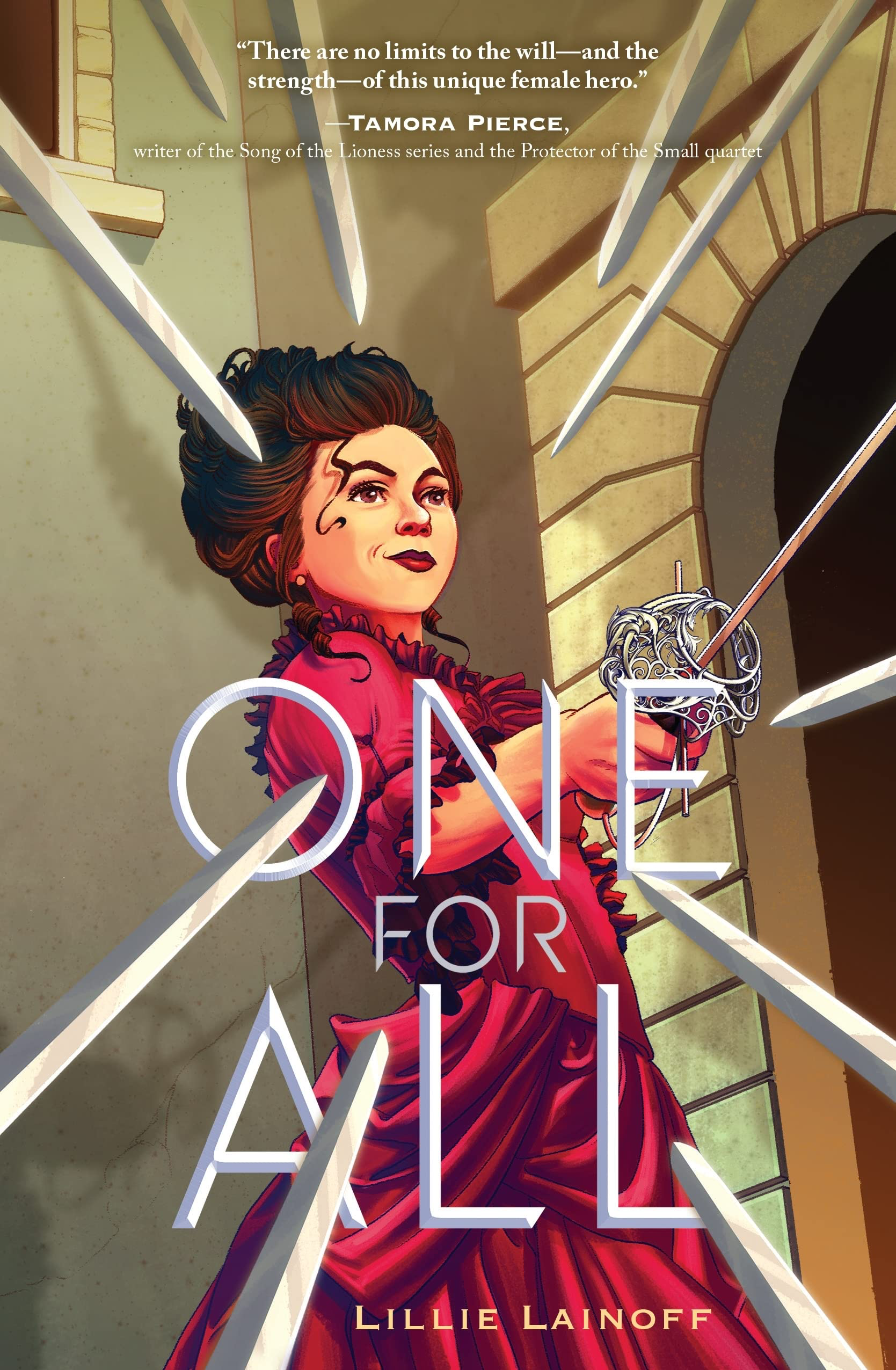
One for All, Lillie Lainoff

GENRES: Historical fiction, retellings

REP: MC with POTS (disabled author)

MY RATING: ⭐️⭐️⭐️.75, rounded up to ⭐️⭐️⭐️⭐️

A Three Musketeers retelling featuring a swordfighting, chronically ill protagonist!

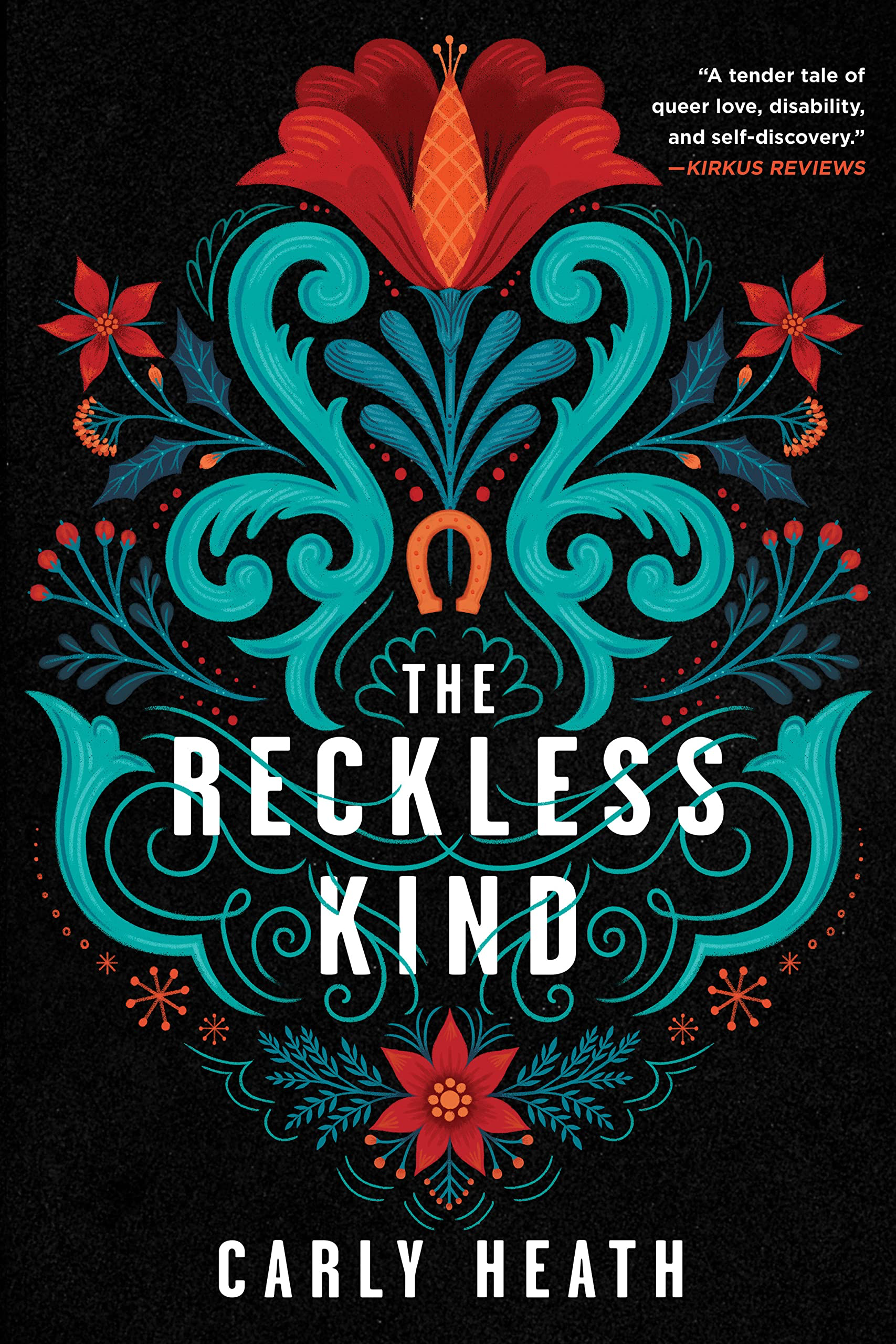
The Reckless Kind, Carly Heath

GENRES: Historical fiction, romance, LGBTQ+

REP: MC with Waardenburg syndrome, MC with Brown-Séquard syndrome, MC with anxiety, side characters with post-concussion syndrome (disabled author)

MY RATING: ⭐️⭐️⭐️⭐️⭐️

I’ll be reviewing this one soon—a beautiful and tender tale of a disabled, queerplatonic triad in 1900’s Norway!

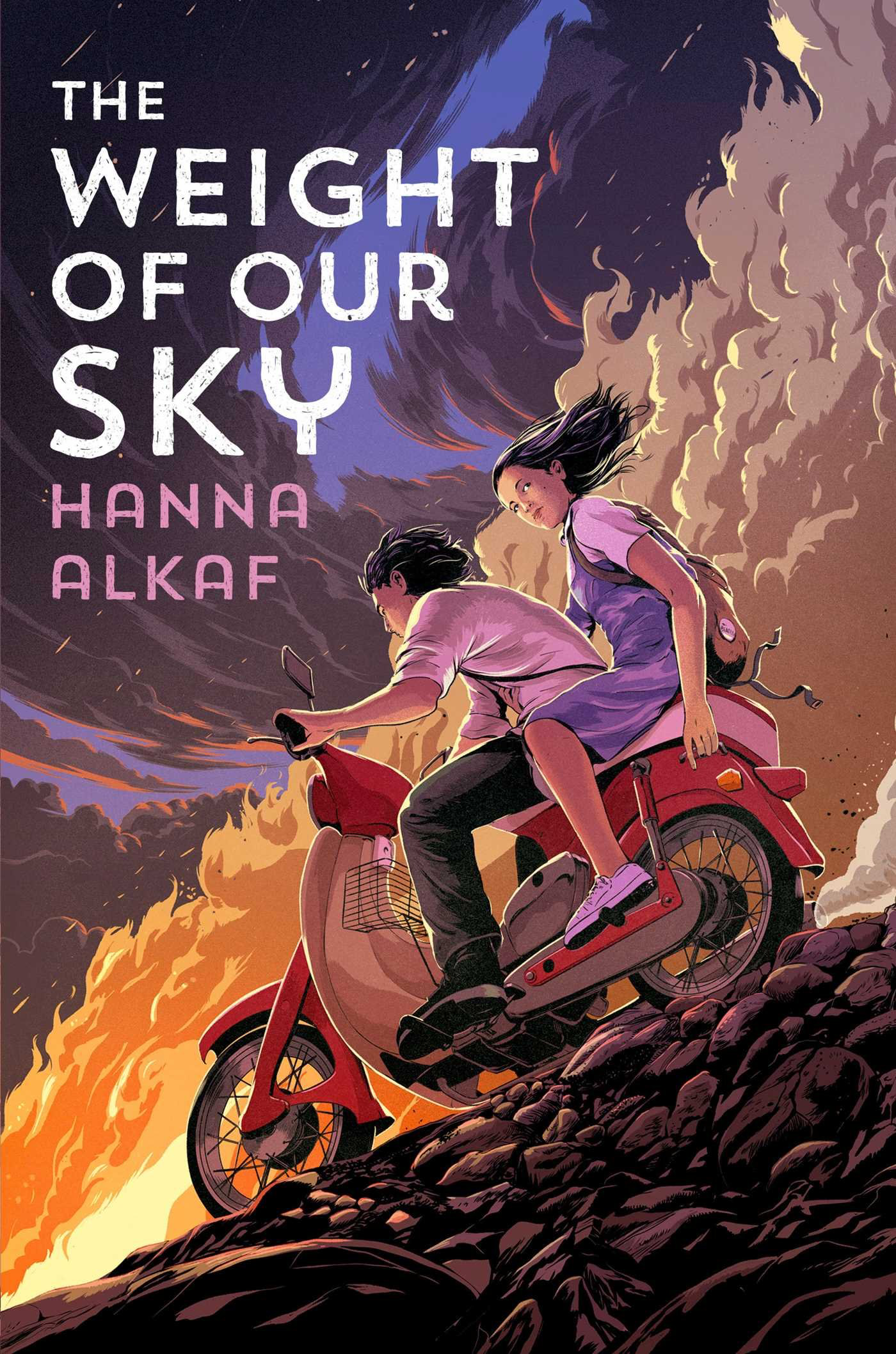
The Weight of Our Sky, Hanna Alkaf

GENRES: Historical fiction

REP: MC has OCD

MY RATING: ⭐️⭐️⭐️⭐️

A harrowing story of a girl with OCD in the Philippines searching for her mother during the race riots of 1969.

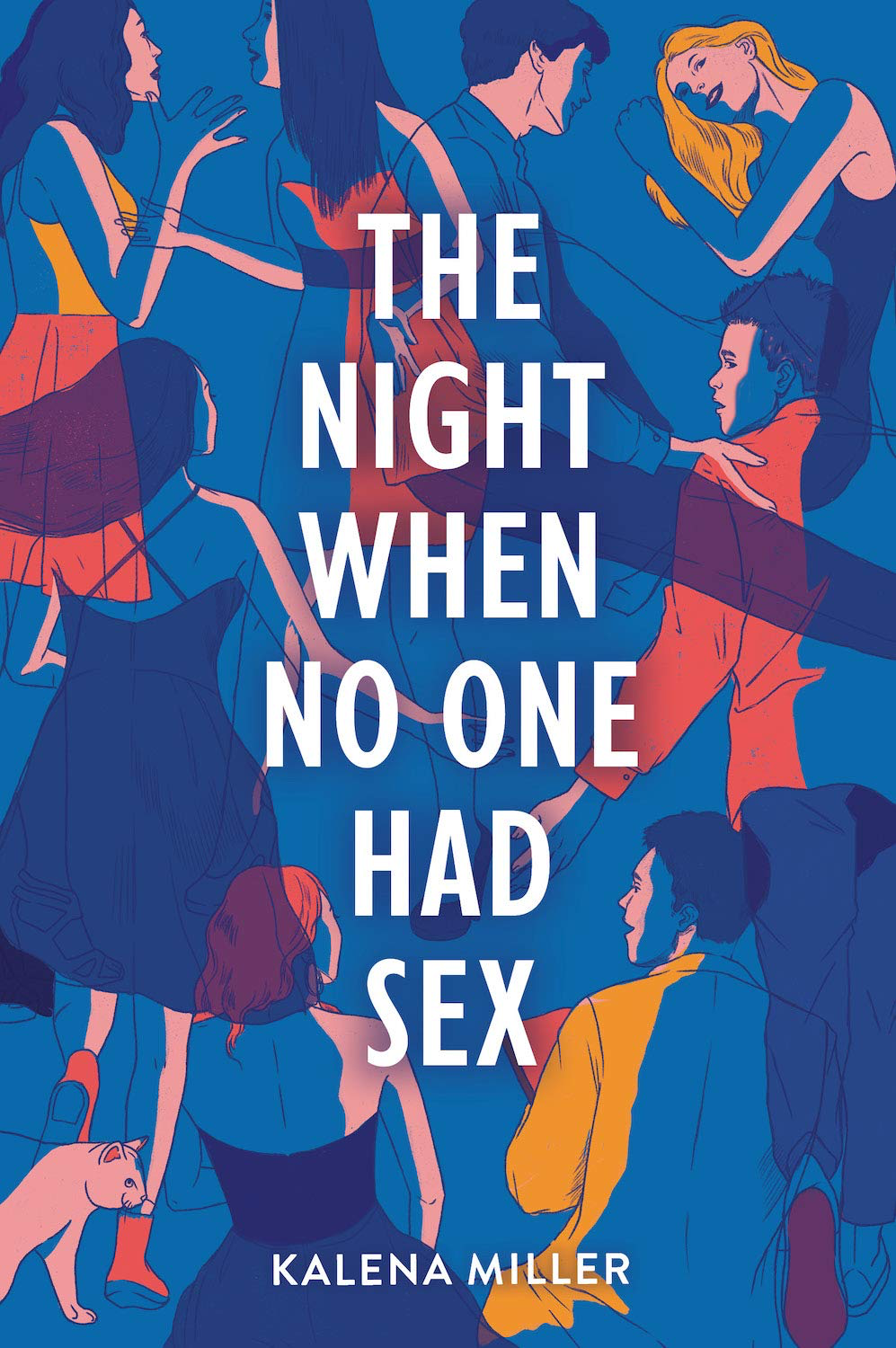
The Night When No One Had Sex, Kalena Miller

GENRES: Contemporary/realistic fiction, romance, LGBTQ+

REP: Multiple POVs; one MC has Lupus (chronic illness)

MY RATING: ⭐️⭐️⭐️.5

A diverse and funny story of four pairs of teenagers on prom night and a humorously failed sex pact.

The Boy Who Steals Houses, C.G. Drews

GENRES: Contemporary/realistic fiction, romance

REP: MC has anxiety, autistic side character (disabled author)

MY RATING: ⭐️⭐️⭐️.5

A messy and emotional story of a boy and his brother making their own in a world that turns its back on them.

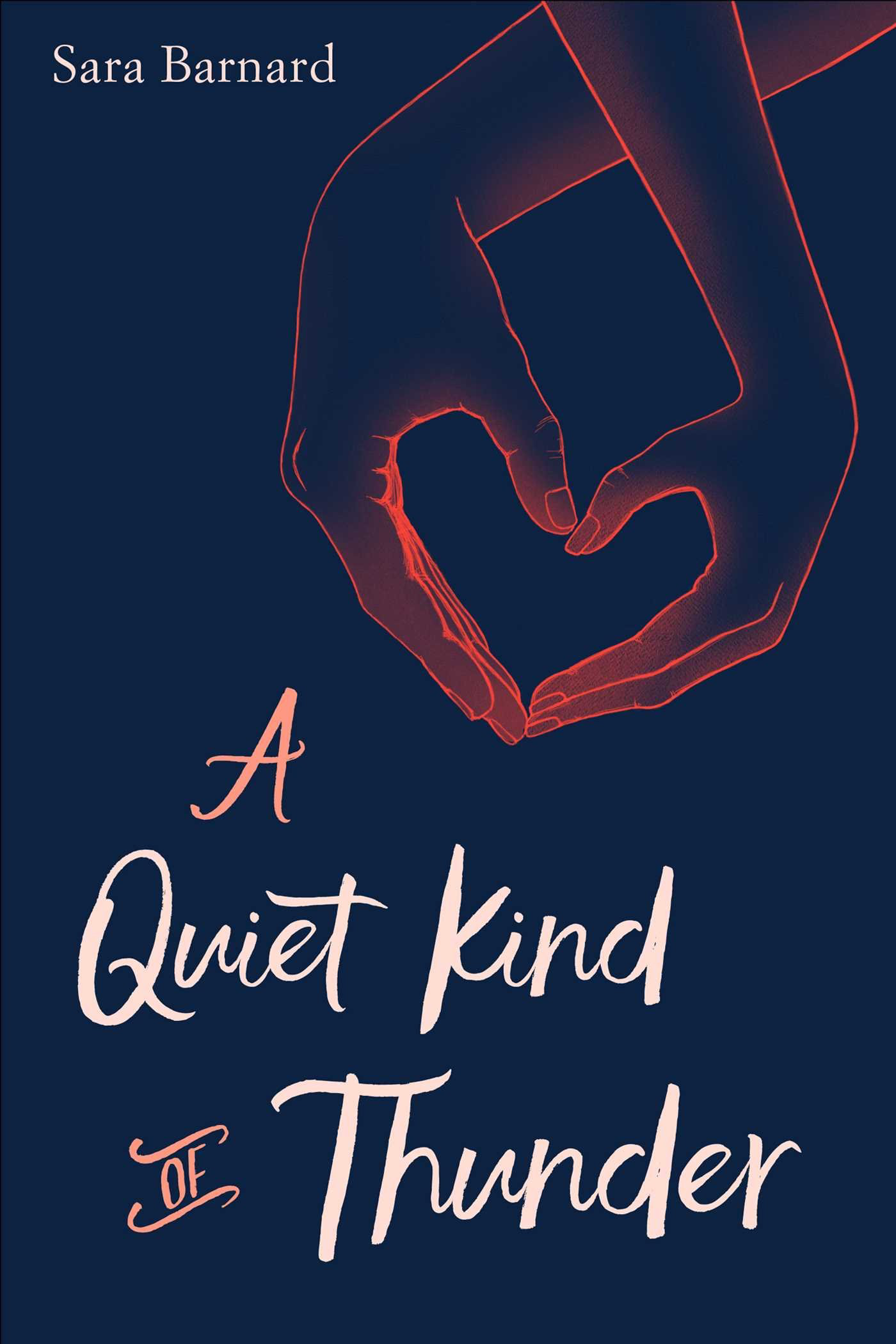
A Quiet Kind of Thunder, Sara Barnard

GENRES: Contemporary/realistic fiction, romance

REP: MC is selectively mute, Deaf love interest

MY RATING: ⭐️⭐️⭐️.5

A tender, sweet romance with disability front and center!

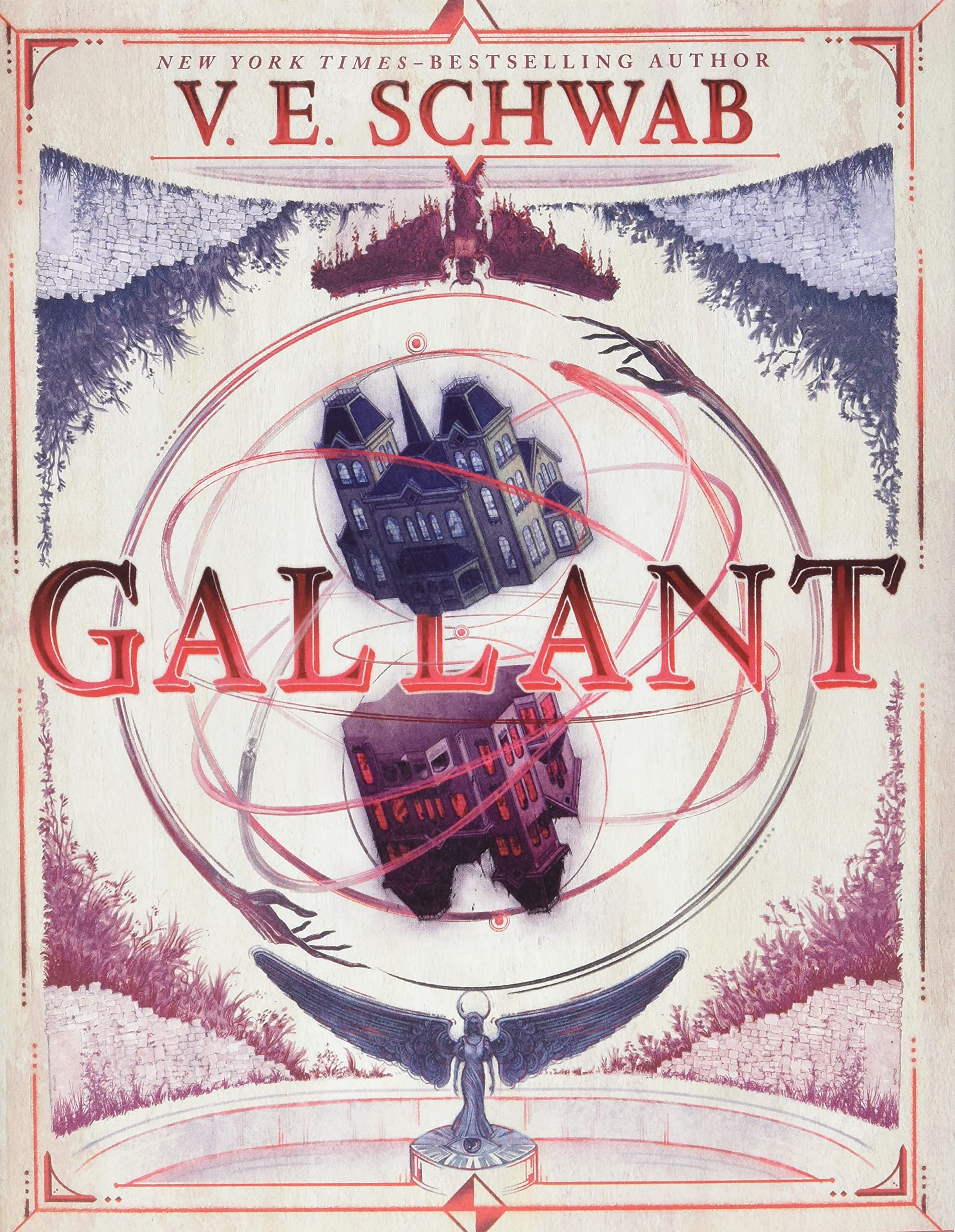
Gallant, V.E. Schwab

GENRES: Paranormal, fantasy

REP: MC is mute and uses sign language to communicate

MY RATING: ⭐️⭐️⭐️.75, rounded up to ⭐️⭐️⭐️⭐️

Though this wasn’t my favorite V.E. Schwab book, I loved its paranormal atmosphere!

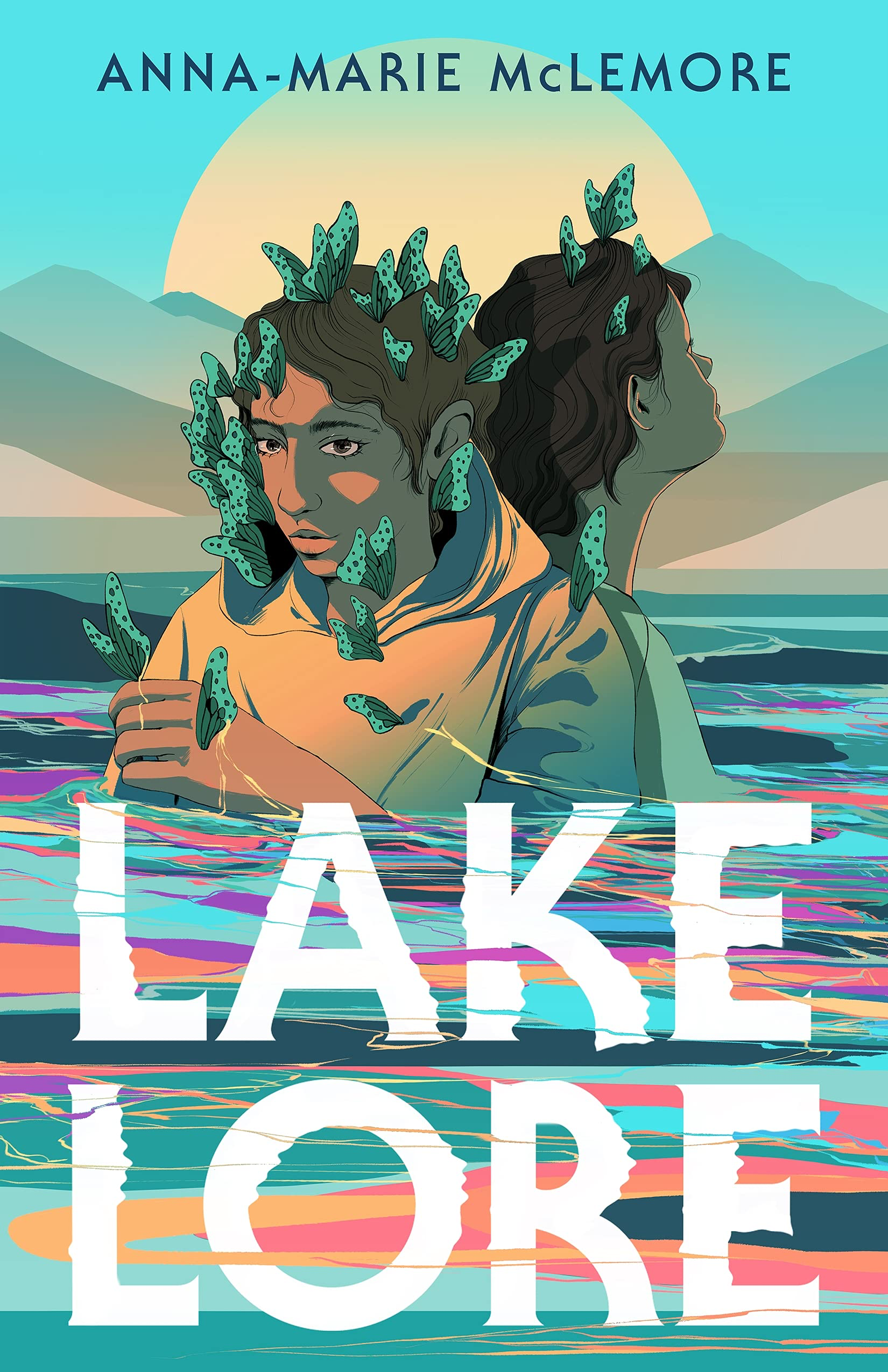
Lakelore, Anna-Marie McLemore

GENRES: Magical realism, fantasy, fiction, LGBTQ+

REP: MC with ADHD, MC with dyslexia (disabled author)

MY RATING: ⭐️⭐️⭐️.75, rounded up to ⭐️⭐️⭐️⭐️

Lakelore is one of the most intersectional pieces of magical realism or fantasy that I’ve ever read—both protagonists are nonbinary, Latinx, and neurodivergent!

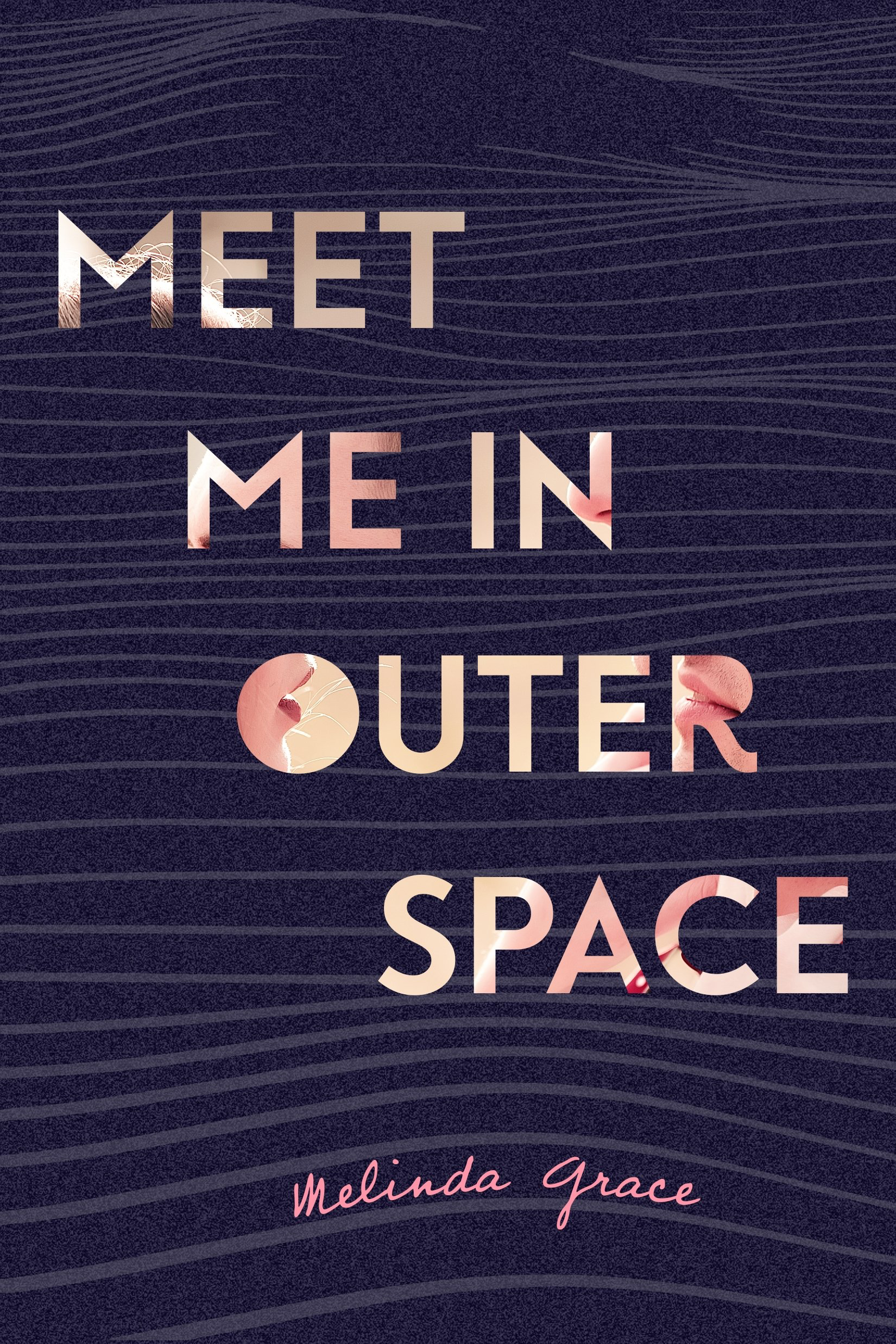
Meet Me in Outer Space, Melinda Grace

GENRES: Contemporary/realistic fiction, romance

REP: MC has Central Auditory Processing Disorder (CAPD) (disabled author)

MY RATING: ⭐️⭐️⭐️.75, rounded up to ⭐️⭐️⭐️⭐️

Although I wasn’t as big of a fan of the romance, I loved how Meet Me in Outer Space explored navigating disability in college!

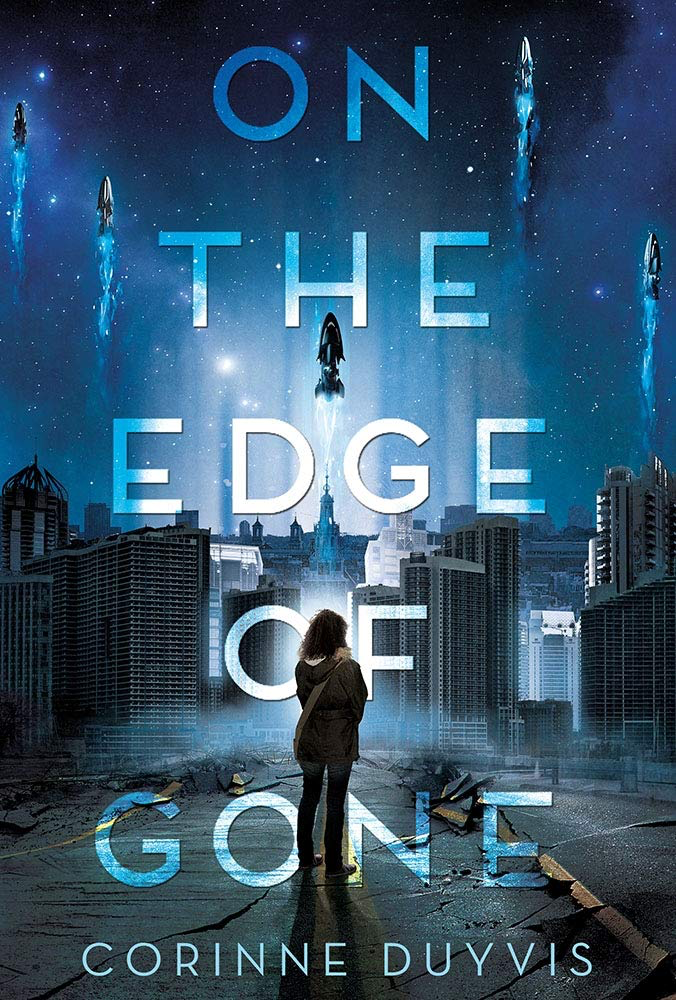
On the Edge of Gone, Corinne Duyvis

GENRES: Science fiction, survival, post-apocalyptic

REP: Autistic MC (disabled author)

MY RATING: ⭐️⭐️⭐️.5

A gripping post-apocalyptic book featuring a determined, Autistic protagonist!

TELL ME WHAT YOU THINK! Have you read any of these books, and if so, what did you think of them? What are your favorite YA books with disability rep? And please, does anybody have any recs for media with good SPD rep? Kinda desperate over here…

(I can only go with my headcanon that Jean Grey from X-Men has SPD for so long, folks, please…)

Today’s song:

I wanna hate Jack White so bad but HE JUST KEEPS PUTTING OUT SONGS LIKE THIS

That’s it for this post! Have a wonderful rest of your day, and take care of yourselves!
Posted in Mini Reviews

Mini Reviews of Books I Read in Florida

Happy Thursday, bibliophiles!
I was in Florida about a week ago for a quick trip, but as I always do, I brought some books along on my Kindle to get me through the plane rides and the heat. I like doing little mini-reviews of these books when I go somewhere else, so I figured I’d do it again here, since I certainly read a couple of very interesting books while I was in Florida. So here we have three mini-reviews of books I read in Florida.

Let’s begin, shall we?

🦎BOOKS I READ IN FLORIDA🦎

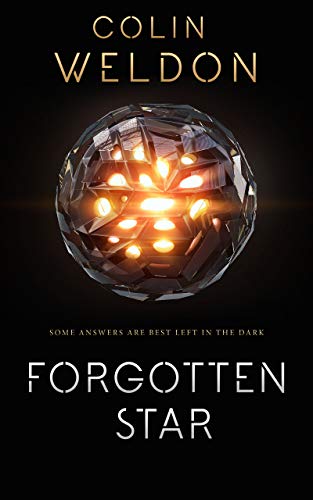
Forgotten Star – Colin Weldon

Amazon.com: Forgotten Star eBook : Weldon, Colin: Kindle Store

Blurb from Goodreads:

Following a devastating encounter with an unknown alien ship resulting in the disappearance of her parents as a child, Tamara Cartwright now spends her life scouring the galaxy in the hope of finding the dark force that attacked her father’s ship.
Now the Captain of a rescue vessel, The Massey Shaw, she makes a choice, resulting in the destruction of a star in order to save a stricken vessel, a prohibited act while using alien technology. Now, an outlaw, she is entrusted with the fate of a very unusual young girl endowed with special abilities. She must also find the survivors of an ill-fated ship at the hands of a malevolent race know only to the humans as the Ghosts. Driven by the hope of finding the truth of her parent’s disappearance and one last chance to make a difference to those in need of rescue, she must go on one final mission into deep space and deal with the monsters from her past.

Hansolo Badfeeling GIF - Hansolo Badfeeling Starwars GIFs | Star wars gif, Star  wars, Gif

TW/CW: human experimentation, loss of loved ones, death, graphic violence

Forgotten Star wasn’t without its flaws by a long shot, but it was such a fun and fascinating piece of space opera! With lots of political intrigue, strange aliens, and mysterious powers, there’s something for every sci-fi fan in here.

I need to start off with my main problem, though: the grammar. It was…inconsistent, at best. This novel definitely needed an extra round of editing (or two) in that respect; there were lots of errors in punctuation (mostly placement of commas), and there were a few misspellings and omissions that could have been fixed. (As well as a misspelling of “berth,” as in “a wide berth,” as “birth” …YIKES) On occasion, the faulty grammar was enough to take me out of the story entirely, but for the most part, I could let it slide. Sometimes.

But other than that, Forgotten Star was a great piece of sci-fi! One thing this novel did incredibly well was the handling of multiple POVs – for a lot of multiple POV books, it takes a while for all of the characters/elements to coalesce, but it didn’t take long for all of the elements here to come together, making for a cohesive and intricate story. I also loved all of the alien races, and the intricacies of their relationships with humans. It’s always a breath of fresh air to see aliens that clearly have some creative design put into them.

Some of the dialogue and characters were a little stiff and inauthentic at times, but for the most part, a lot of the characters were interesting to delve into. I liked Ona and Urhan, in particular – they had very interesting arcs and backstories, and I loved seeing them develop.

My only other major problem was that the ending wrapped up a *little* too nicely? From everything that built up over the course of the story, it seemed like there was a setup for a sequel, but the ending tried to wrap everything up too quickly. I’d like to see more from this universe.

All in all, though, a well-thought-out and intricate piece of space opera. 3.75 stars, rounded up to 4!

⭐️⭐️⭐️.75

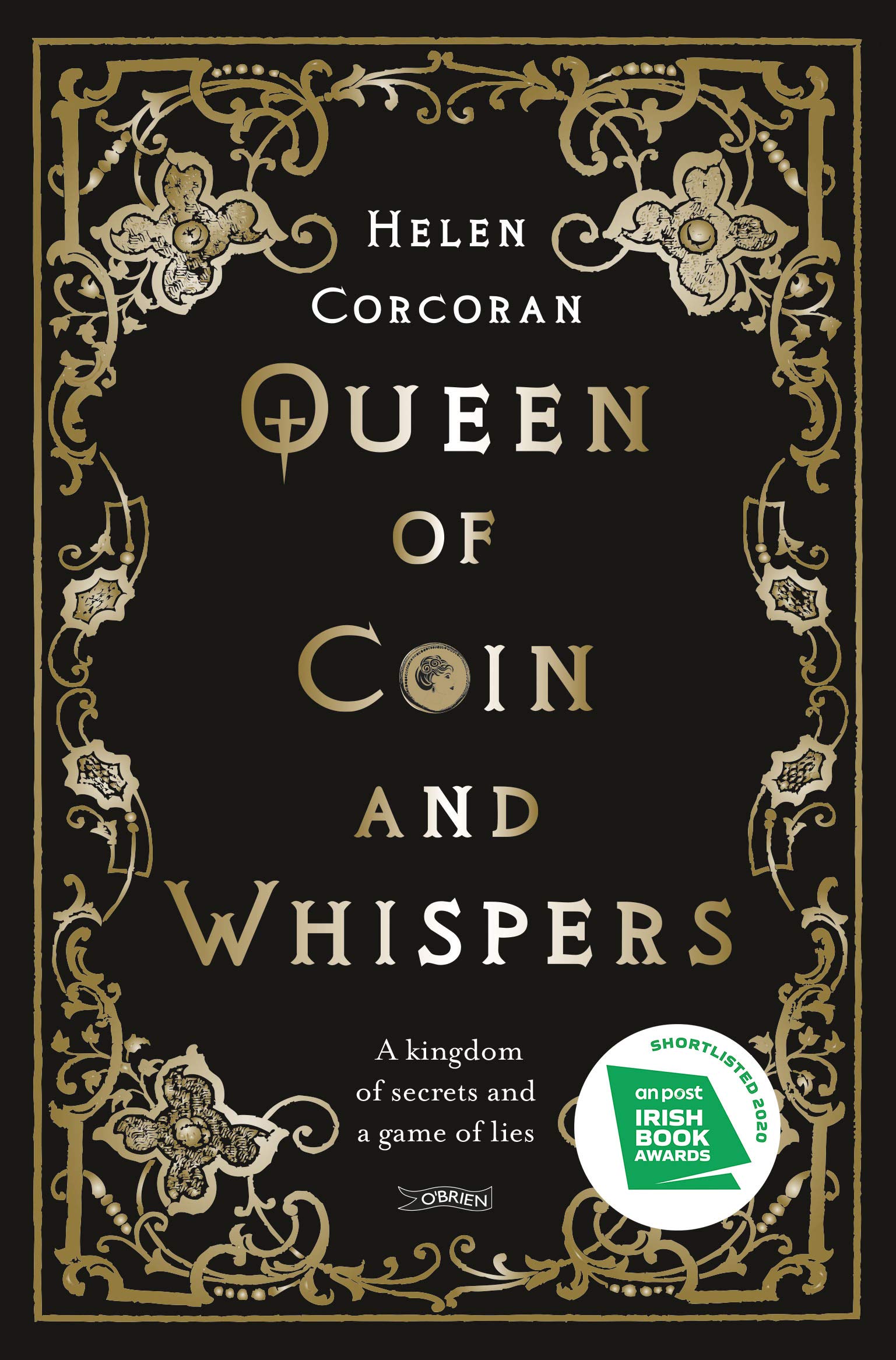
Queen of Coin and Whispers – Helen Corcoran

Amazon.com: Queen of Coin and Whispers: A kingdom of secrets and a game of  lies: 9781788491181: Corcoran, Helen: Books

Blurb from Goodreads:

‘She loved me as I loved her, fierce as a bloodied blade’

When Lia, an idealistic queen, falls for Xania, her new spymaster–who took the job to avenge her murdered father–they realise all isn’t fair in love and treason.

Lia won’t mourn her uncle: he’s left her a bankrupt kingdom considered easy pickings by its neighbours. She’s sworn to be a better ruler, but if she wants to push through her reforms, she needs to beat the Court at its own games. For years, Xania’s been determined to uncover her father’s murderer. She finally gets a chance when Lia gives her a choice: become her new spymaster, or take a one way trip to the executioner’s axe. It’s an easy decision.

When they fall for each other, their love complicates Lia’s responsibilities and Xania’s plans for vengeance. As they’re drawn together amid royal suitors and new diplomats, they uncover treason that could not only end Lia’s reign, but ruin their weakened country. They must decide not only what to sacrifice for duty, but also for each other.

Animated gif about pretty in Fantasy and medieval by Marveline.

TW/CW (from Helen Corcoran): off-page suicide, murder, emotional torture

I’m not sure if I would necessarily call Queen of Coin and Whispers a fantasy novel – there wasn’t a whole lot that would distinguish it from a historical setting (no different magic properties/creatures/worldbuilding/etc.). But that’s not to say that it was a bad book – in fact, it was stunning!

There’s plenty of YA fantasy books on the market with protagonists who suddenly ascend to royalty. But Queen of Coin and Whispers addresses what most of those novels don’t – the mental tax of ruling a country at such a young age. Lia goes through endless trials and tribulations and even faces becoming the ruler that her uncle was, all while grappling with love and other relationships. Corcoran wrote her development so well, and it’s so refreshing to see a genuine-feeling story like Lia’s.

Additionally, the romance! Lia and Xania’s relationship was so sweet – sharing books, secret conversations, and all things warm and fuzzy. They go through all the ups and downs of first love, and I love seeing wlw rep like theirs in non-contemporary stories. I love those two. 💗

Other than that, the political intrigue and the depiction of the transition of power was so well-done! Everything was so multi-layered and detailed, making it feel like Lia and Xania’s world was a real and fleshed-out one. Just when you think you know the answers, something new pokes out its head, and you’re left guessing until the very last page.

All in all, a fascinating royal mystery with genuine characters and a sweet sapphic romance. 4 stars!

⭐️⭐️⭐️⭐️

The Lifeline Signal (Chameleon Moon, #2) – RoAnna Sylver

The Lifeline Signal (Chameleon Moon, #2) by RoAnna Sylver

Blurb from Goodreads:

Parole is still burning. And now the day everyone has been waiting for is finally here: it’s collapsed. A lucky few managed to escape with their lives. But while their city burned, the world outside suffered its own devastating disaster. The Tartarus Zone is a deadly wasteland a thousand miles wide, filled with toxic storms, ghostly horrors, and just as many Eyes in the Sky as ever. Somehow, this new nightmare is connected to Parole. And it’s spreading. 

Now Parole’s only hope lies in the hands of three teenagers reunited by their long-lost friend Gabriel – in their dreams. Now they’re on a desperate cross-country race, carrying vital plans that may be Parole’s salvation. First they’ll board the FireRunner, a ship full of familiar faces that now sails through Tartarus’ poison storms. Then, together, they’ll survive Tartarus’ hazards, send a lifeline to lost Parole – and uncover the mystery connecting everyone, inside Parole and out.

The world outside Parole isn’t the one they remember, and it didn’t want them back. But they’ll save it just the same. It’s what heroes do.

TV Shows | Queer Culture Chats

(for my mini-review of book 1, Chameleon Moon, click here!)

TW/CW: loss of loved ones, violence, near-death situations

I didn’t like this one *quite* as much as I did Chameleon Moon, but it was still such a fun read!
One of the things I love most about this series is how diverse it is – easily the most diverse series I know! We have an almost entirely different cast of characters in The Lifeline Signal, but among the three main characters, we have a nonbinary (xie/xir pronouns) Native American (Tsalagi) character with Arnold-Chiari malformation, a bisexual Indian-American character, and an aro-ace autistic Vietnamese-American character! Among the side characters, there’s no shortage of queer, POC, and disabled characters, including a Black hijabi woman, a nonbinary character, polyamorous relationships, and more! Books as diverse as this series don’t come along very often, so three cheers for RoAnna Sylver for all this representation!

The worldbuilding outside of Parole was also fascinating – there’s all sorts of weird sci-fi and fantasy aspects, including, but not limited to: superpowers, ghosts, dragons, giant ships, and robotic animals of immense size. As you can imagine, it’s a lot of fun! Between the relationships between all of the characters and the expansion of the worldbuilding, there’s no shortage of interesting elements to chew on. Plus, it was so sweet to see all of the characters from Chameleon Moon come back.

My only major problem was that the plot got a little bit convoluted at times – I found myself thinking “wait, why is all this happening?” several times throughout the novel, but it didn’t take me out of the story itself. Don’t get me wrong – The Lifeline Signal has a great story, but it seemed to get lost in itself at times.

All in all, a sequel that does justice to book one as well as expanding its world, while still providing an original storyline. 3.75 stars, rounded up to 4!

⭐️⭐️⭐️.75

Today’s song:

I saw Sleater-Kinney and Wilco (we came for Wilco, they were AMAZING) on Tuesday night, and even though most of Sleater-Kinney’s stuff didn’t make me feel anything, there were a couple songs that I thought were interesting! This is one of them

That’s it for these three mini-reviews! Have a wonderful rest of your day, and take care of yourselves!