Posted in Book Review Tuesday

Book Review Tuesday (4/15/25) – Afrotistic

Happy Tuesday, bibliophiles!

April is Autism Acceptance Month, and although I probably won’t have time to make a whole post about it (blame finals), I figured I would review a book with an autistic protagonist and an autistic author! This one’s been on my TBR for a few years, but I was only able to find a copy more recently. Although it wasn’t perfect, it’s a great book to introduce a younger audience to autistic issues, especially from a more diverse perspective.

Enjoy this week’s review!
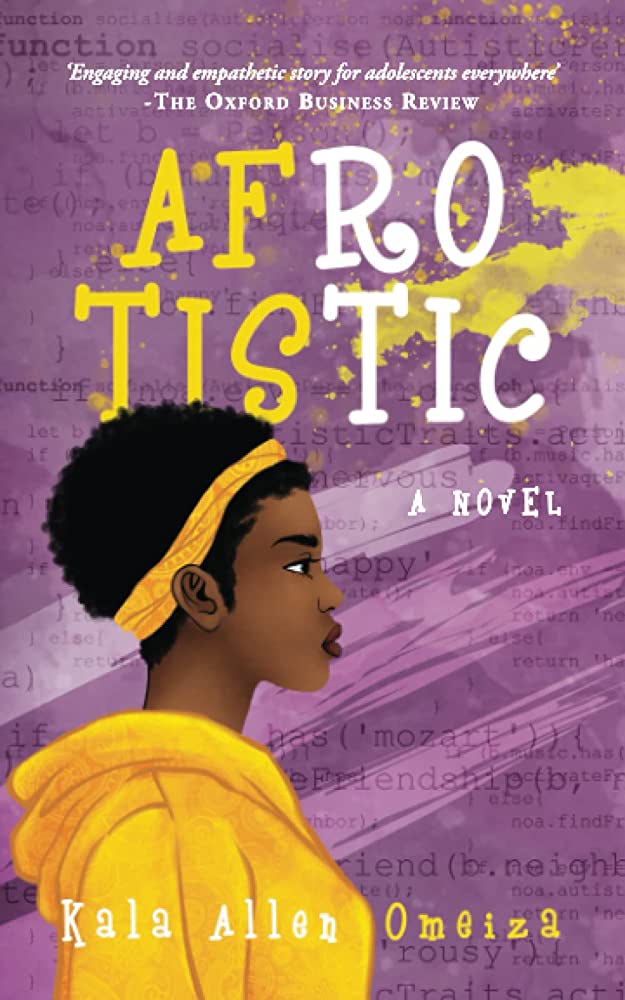
Afrotistic – Kala Allen Omeiza

15-year-old Noa Ohunene Jenkins doesn’t know where she fits in—or if she can fit in at all. All of her life, she’s never felt Black enough or autistic enough. And now that she’s moving to a new high school, she doesn’t know if she’ll fit into either communities—much less her new school. Noa has her mind set on one thing: a place in the Dean’s Merit Society. The problem is, the only way she’ll get in is if she has leadership experience. Scrambling for answers, she decides to gather up fellow autistic teenagers and forms a group to discuss autistic issues. But will it be enough to show her peers and teachers that she’s just as worthy of praise?

TW/CW: ableism, racism, bullying, mentions of suicide (past), brief mentions of police brutality (in reference to police violence towards autistic people)

Afrotistic has been languishing on my TBR for way too long, but even though it wasn’t a perfect book, I think it’s a great book to introduce people—especially kids and young adults—to autism, ableism, and the intersection of race and disability! It’s already difficult to find neurodivergent representation in literature, but rarer within that category is autistic people of color—for that alone, Afrotistic is such an important book.

For some reason, I misremembered Afrotistic as being middle grade. Who knows why. I kept that assumption going in, and then I of course found out that Noa is 15 years old and a sophomore in high school. Whoops. That being said, going in with that mindset wasn’t all that bad, because I really feel like Afrotistic hits that sweet spot between middle grade and YA that’s so often unexplored. It appeals to a mid-teens age range because of its protagonist, but the writing is accessible enough that I feel like kids as young as 12 or 13 could comfortably read and relate to Noa and the other characters. (The fact that 12-18 is such a huge range of maturity for a single age group is whole can of worms, so I’ll save it for another time.) There are some more mature and sensitive topics that are briefly discussed (police brutality against autistic people of color, for one), but it’s brief enough that I feel like that age range could process and learn from it. Neurodivergent representation is hard to find in books aimed at all ages, and I feel Omeiza’s accessible writing style, as well as the relatability of Noa as a protagonist, makes for a book that could teach tons of pre-teens and young adults alike about Black and autistic identity.

Another reason I’m glad that Afrotistic exists is because of the intersectionality! The primary focus is on Noa’s identity as a young, Black, autistic girl, and how she’s struggled to make her voice heard because of how little attention is paid to neurodivergent (and disabled in general) people of color. Both through the essay excerpts in the story and through her real-time experiences not being believed by her peers and teachers, it was a poignant narrative about how neurodivergent people of color have to fight even harder to have their needs met and understood. Going off of that, I appreciated that within the Roaring Pebbles, there was a lot of intersectionality as well; as well as all of them being autistic, there was a mixed-race character with cerebral palsy, as well as men and women being present.

That being said, I wasn’t as charmed by the characters as the characters themselves seemed to be. I loved Noa and was rooting for her throughout the story, but I found myself less compelled by some of the other characters. It was clear that the friendship between Noa and Brayden was supposed to be one of the core friendships in the novel, but I really didn’t feel any kind of friendship chemistry between them. All Brayden seemed to do was make jokes that didn’t land and make awfully pushy remarks to Noa joining his youth group. I get that Noa is also Christian and doesn’t necessarily mind, but I feel like even if I was also Christian and I had somebody trying to get me to join their youth group that persistently, I’d snap. The issue with most of the other characters is that they were rather underdeveloped; this was inevitable with the amount of characters that were focused on in the Roaring Pebbles, but even the ones that had more page time were boiled down to one or two traits at most. I get that it’s difficult to juggle that many characters, but even the ones that were relatively more in the spotlight weren’t given enough traits to make them stand out. Going back to the whole pushy youth group thing with Brayden, I found it hard to believe that every single member of the Roaring Pebbles were completely fine with their group being filtered through said youth group and having a name with biblical inspiration. I get that if you’re strapped for resources, any venue you can have to gather is essential, but I would imagine that at least one of these characters isn’t Christian…

Additionally, what also soured me to some of these characters was the random side plots that weighed the story down. There’s a whole, completely unnecessary thread of two of the boys in Roaring Pebbles fighting over a girl that gets entirely too much page time and only served to derail the plot. About half of the conflicts that occur throughout Afrotistic felt of this nature—some of them were natural (like the inevitable issue that some of the autistic people have different triggers, which was something I appreciated being included and discussed), but others felt like filler. Here’s the issue: Afrotistic is only about 250 pages (on my Kindle edition), so there could have been so many more opportunities to discuss more aspects of Noa’s friendships, identity, or even her home life. Instead, we got problems that were solved far too quickly and didn’t contribute anything to the plot.

Also: I’m not completely sure how to feel about this, but I had to mention it. At some point, when Noa is surveying the different cliques in the lunchroom, she labels two of them the “woke kids” and the “cool woke kids.” It was…odd, to say the least? I can kind of see it as being a factor of her not feeling autistic/Black enough for those crowds, but I’ve never once heard cliques described as “woke” unless it’s some weird, insecure conservative person. I guess I’m so used to seeing “woke” being lobbed at anything vaguely liberal (or considerate of basic human decency) these days, but Afrotistic was published in 2022, and the same was true then. I’m just not sure how I feel about that.

All in all, a timely novel that deftly highlights the issues that autistic people of color face, but stumbled in terms of its characters and frequent plot digressions. 3.5 stars!

Afrotistic is a standalone novel, but Kala Allen Omeiza is also the author of Autistic and Black: Our Experiences of Growth, Progress, and Empowerment, and The Worst Saturday Ever.

Today’s song:

SO glad I found this song!! Brian Eno never gets old

That’s it for this week’s Book Review Tuesday! Have a wonderful rest of your day, and take care of yourselves!

Posted in Books

Feminist YA Books for Women’s History Month (2023 Edition)

Happy Wednesday, bibliophiles, and more importantly, Happy International Women’s Day!

Aside from that, the month of March in the U.S. is Women’s History Month! These past few years have been tumultuous for women here in the U.S. and elsewhere, with the attacks on bodily autonomy being some of the most violent in recent years. But despite it all, we cannot lose hope—by lifting each other up, we can foster an environment that respects women as equals. And as I’ve always said, literature is resistance: it isn’t just real-life heroes that can inspire us to incite change—fictional heroines can have just the same effect. So for the occasion, I’ve gathered even more feminist YA book recommendations.

For my previous lists, click below:

Enjoy these book recommendations!

FEMINIST YA BOOKS FOR WOMEN’S HISTORY MONTH (2023 EDITION)

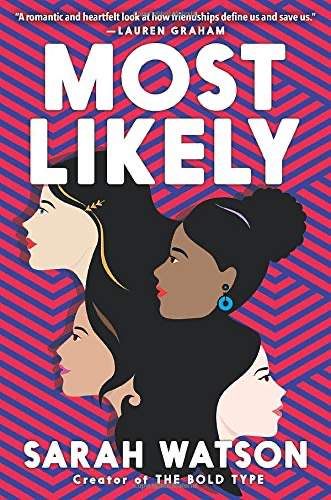
Most Likely, Sarah Watson

GENRES: Contemporary, realistic fiction, romance, LGBTQ+

MY RATING: ⭐️⭐️⭐️.5

An intersectional story that weaves together the lives of four girls in their senior year of high school—one of which will become the president of the United States.

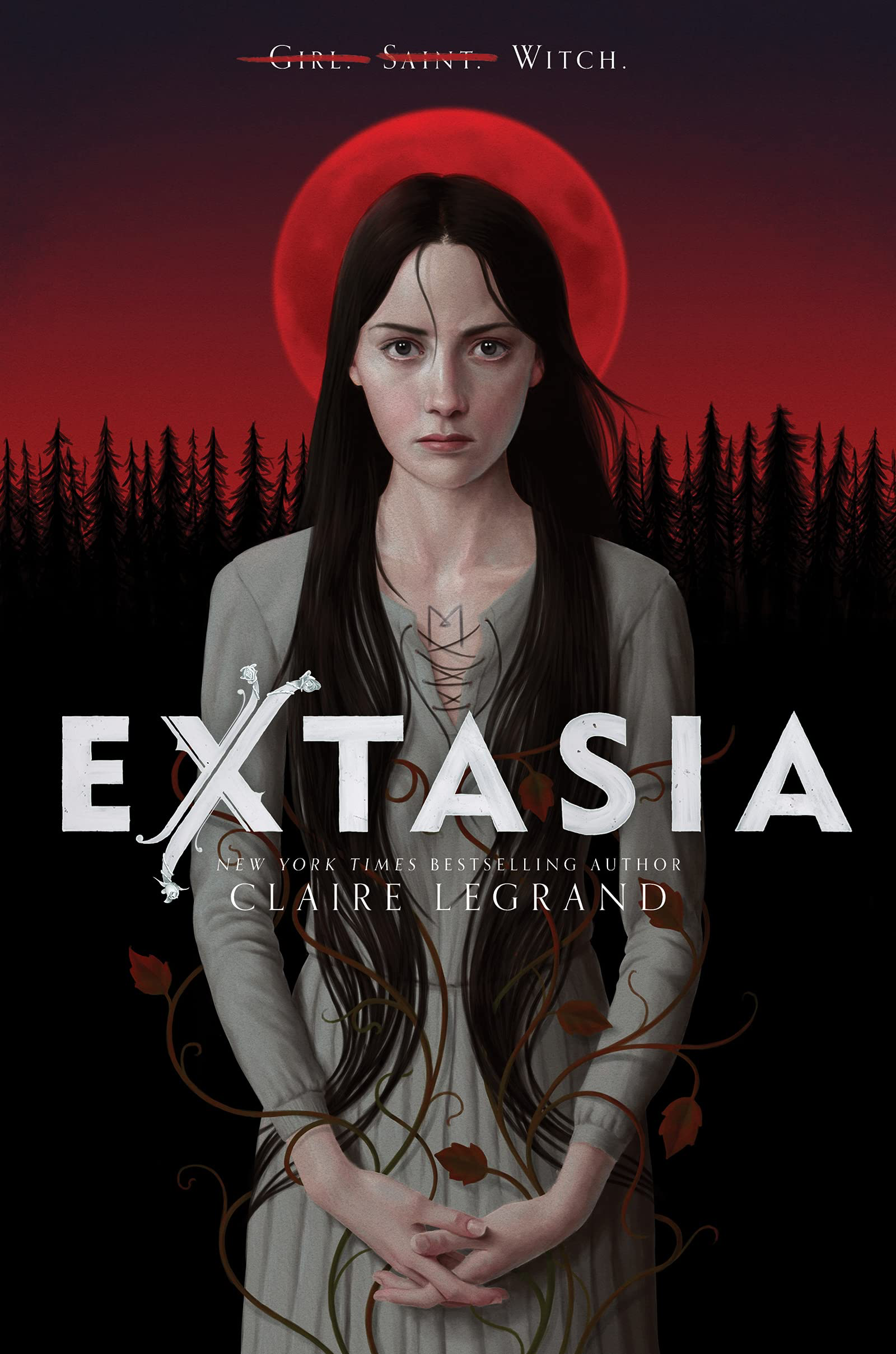
Extasia, Claire Legrand

GENRES: Dystopia, paranormal, horror, romance, LGBTQ+

MY RATING: ⭐️⭐️⭐️⭐️.5

Claire Legrand has made another gem of a feminist novel—this time, a chilling tale of unseen beasts and hidden power.

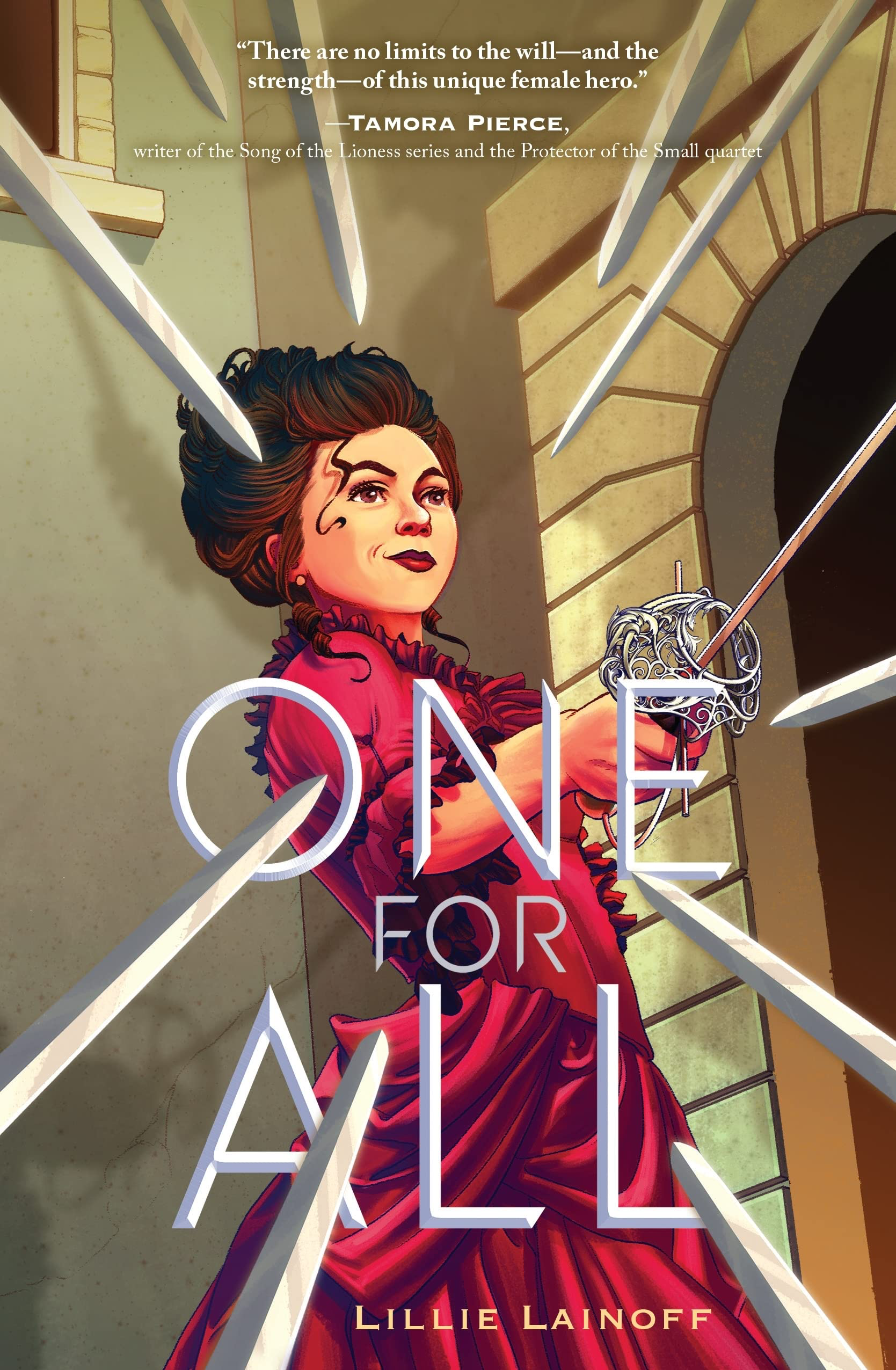
One for All, Lillie Lainoff

GENRES: Historical fiction, retellings

MY RATING: ⭐️⭐️⭐️.75, rounded up to ⭐️⭐️⭐️⭐️

A genderbent retelling of The Three Musketeers with a disabled, swordfighting protagonist—actually by a disabled author too!

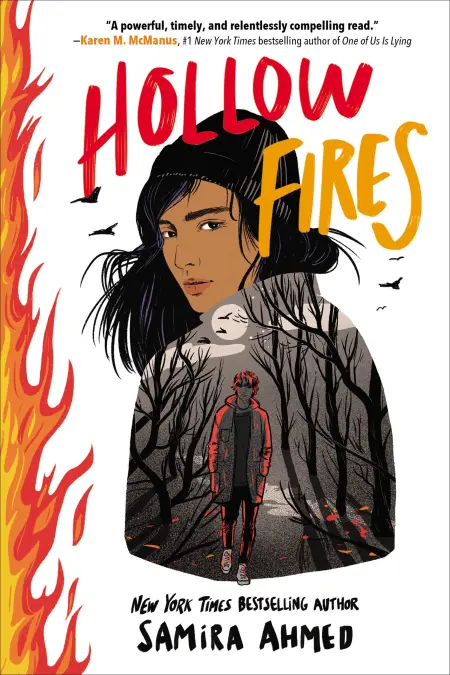
Hollow Fires, Samira Ahmed

GENRES: Contemporary, realistic fiction, mystery

MY RATING: ⭐️⭐️⭐️⭐️

Samira Ahmed always ends up showing up on these lists, and for good reason—she’s never missed with any of her raw and fiercely feminist novels, and Hollow Fires is no exception.

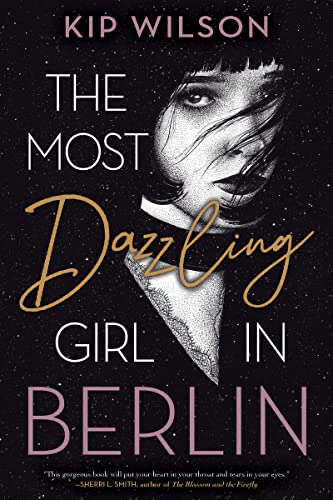
The Most Dazzling Girl in Berlin, Kip Wilson

GENRES: Historical fiction, romance, LGBTQ+

MY RATING: ⭐️⭐️⭐️⭐️.25

A beautiful novel in verse about two queer girls who perform in a cabaret in 1930’s Berlin.

The Lesbiana’s Guide to Catholic School, Sonora Reyes

GENRES: Contemporary, realistic fiction, romance, LGBTQ+

MY RATING: ⭐️⭐️⭐️⭐️

A fantastic novel about a lesbian Mexican-American girl navigating a Catholic high school—and her budding feelings for a classmate.

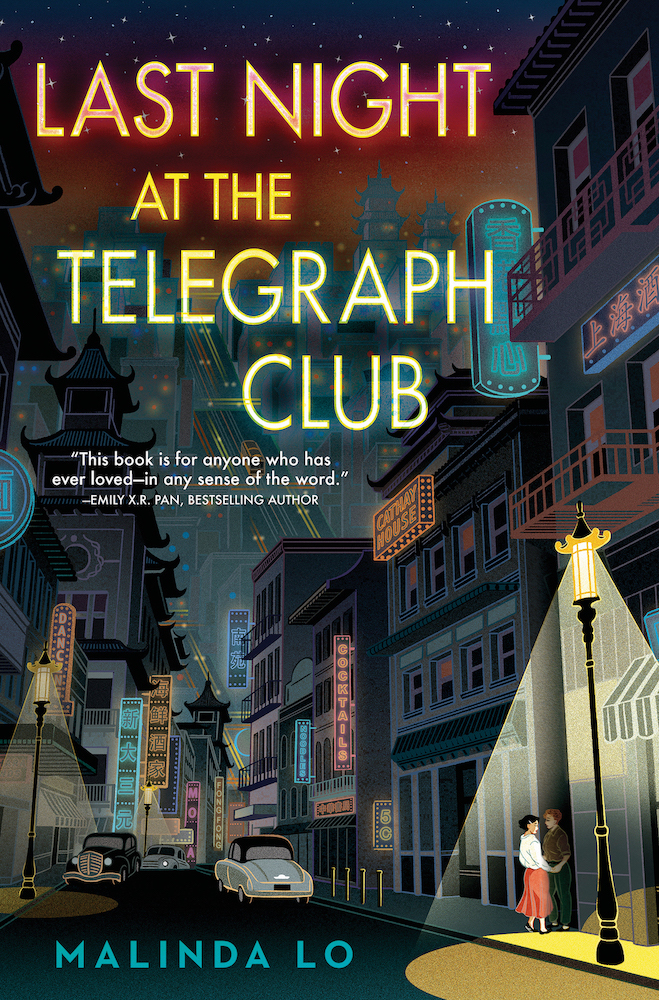
Last Night at the Telegraph Club – Malinda Lo

GENRES: Historical fiction, LGBTQ+, romance

MY RATING: ⭐️⭐️⭐️.5

A raw but tender love story of two queer, Chinese-American girls in 1950’s Chinatown.

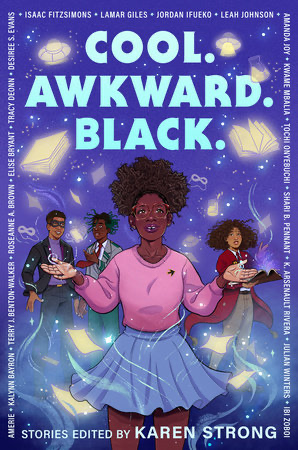
Cool. Awkward. Black. – Edited by Karen Strong (anthology)

GENRES: Fiction, fantasy, science fiction, paranormal, LGBTQ+, romance

MY RATING: ⭐️⭐️⭐️.5

An anthology of Black stories of all genres, but with a particular focus on geek culture!

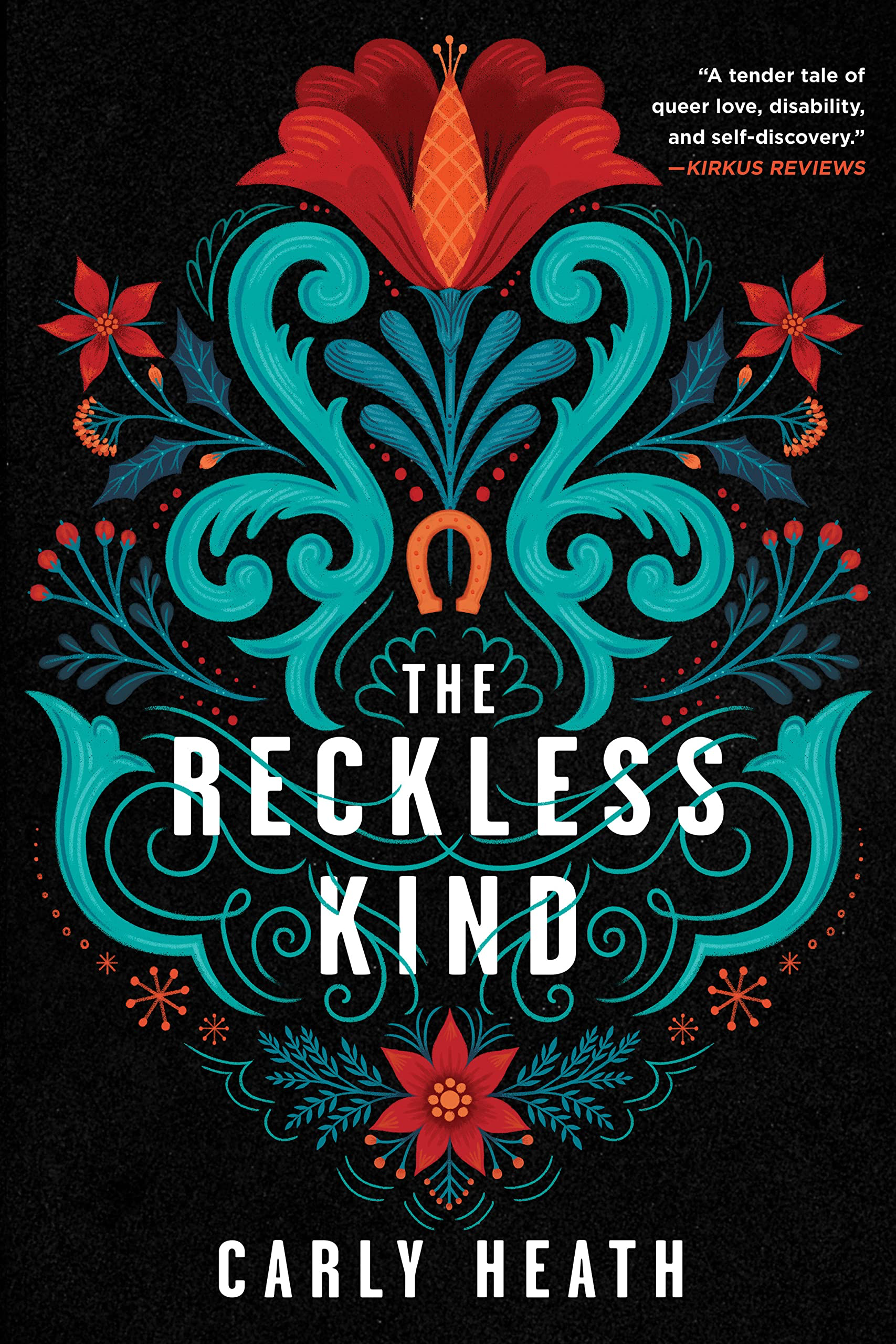
The Reckless Kind, Carly Heath

GENRES: Historical fiction, LGBTQ+, romance

MY RATING: ⭐️⭐️⭐️⭐️⭐️

I’ve described this one enough times, but I promise that I will NEVER shut up about how meaningful this book is. Just go read it. TRUST ME.

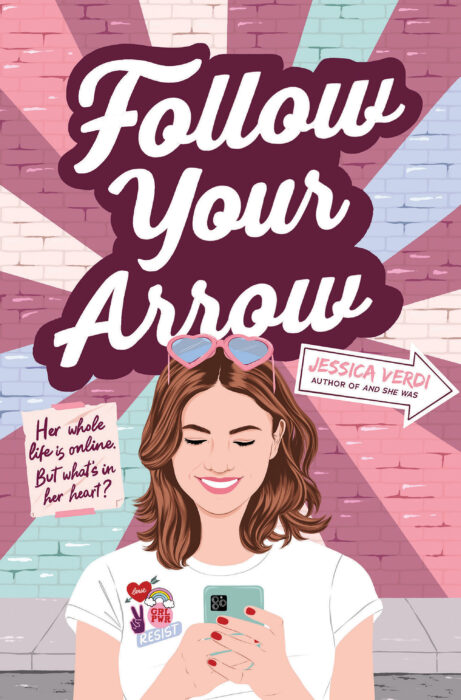
Follow Your Arrow, Jessica Verdi

GENRES: Contemporary, realistic fiction, LGBTQ+, romance

MY RATING: ⭐️⭐️⭐️

Though this book was far from perfect, I think it’s still worth it to put on this list; the writing and romance weren’t great, but Follow Your Arrow has plenty of timely discussions around bisexuality and how we treat queer women.

HONORABLE MENTION:

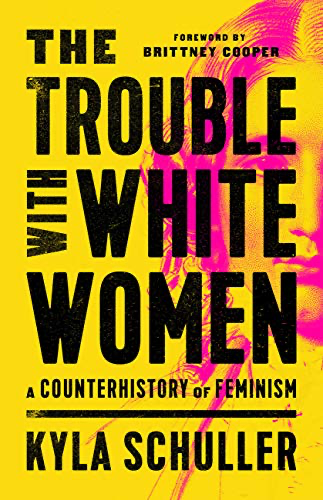
The Trouble With White Women: A Counterhistory of Feminism, Kyla Schuller

GENRES: nonfiction

MY RATING: ⭐️⭐️⭐️⭐️.5

Although this list was intended to be just for YA and fiction, I’d be remiss if I made a post about feminism and didn’t include this book. The Trouble With White Women presents a view on feminism that is necessary for moving past simply white feminism, and presents the feminist movement through those on the margins, such as Frances Harper, Pauli Murray, and Alexandria Ocasio Cortez. It’s seriously one of the best nonfiction books I’ve read in ages—on any subject matter.

TELL ME WHAT YOU THINK! What did you think of the books on this list? What are your favorite feminist YA books? Let me know in the comments!

Today’s song:

Most of the Warpaint I’ve heard hasn’t done much for me (aside from their great cover of “Ashes to Ashes”), but I love the quietness of this one!

That’s it for this list of recommendations! Have a wonderful rest of your day, and take care of yourselves!
Posted in Books

YA & Adult Reads for Black History Month (2023 Edition)

Happy Friday, bibliophiles!

February has just rolled around, and in the U.S., the month of February is Black History Month! Ever since I’ve started interacting more with the book blogging community, I’ve been working on reading more diversely, and making posts like these to encourage others to do the same—reading from a single, homogenous perspective is effectively reading in a bubble, when part of what makes reading so special is its ability to give you an easily accessible insight into the perspectives of others.

But this year, the theme of Black History Month is Black Resistance. I’ve been thinking a lot lately about how that relates to YA; a good portion YA literature is inherently tied to resistance and anti-authority sentiments. And yes, part of that may be teenagers rebelling against their parents, but it also instills so much power into its impressionable teen audience: even though you’re young, you have the power to change the world. Now that YA has become more diverse in recent years, it has shown that resistance is even more tangible. That tyrannical, dystopian government that the protagonist must defeat can be translated into real-word terms: systemic racism, police brutality, and so much more. Teaching teenagers (and everybody else, for that matter) that they have that power to change the world is such an important thing, because they will grow up knowing that they can enact the same changes as the characters they read about.

That being said, I have been shifting to read more adult books in the past few years, and I’d be remiss if I didn’t talk about some of the amazing books by adult Black authors as well. I’m too lazy to change the graphic, but I’m also going to include some adult-oriented books in here as well.

So with that, here are some of the YA and adult books by Black authors I’ve read in the past year. If you’d like to see my posts from previous years, click below:

Let’s begin, shall we?

YA & ADULT BOOKS FOR BLACK HISTORY MONTH (2023 EDITION)

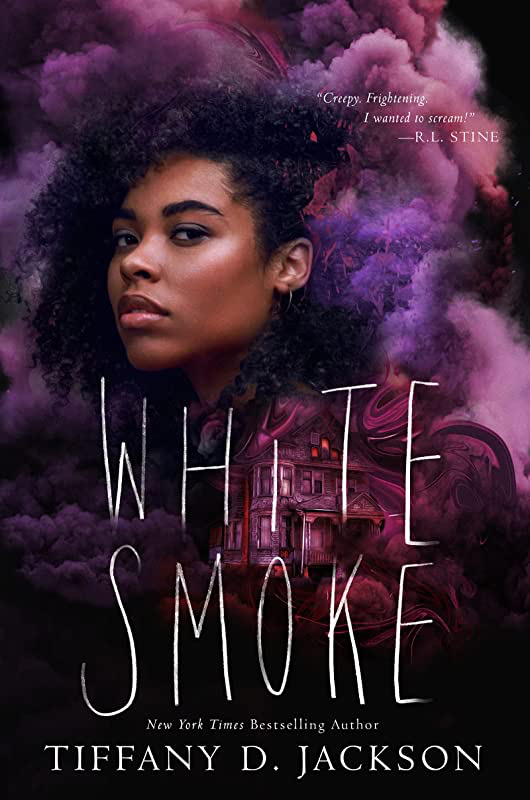
White Smoke, Tiffany D. Jackson

GENRES: YA, horror, thriller, fiction

MY RATING: ⭐️⭐️⭐️.5

Tiffany D. Jackson has a talent for building suspense, but this is the first time I’ve seen her do a full-blown horror novel—and it was exceptionally chilling!

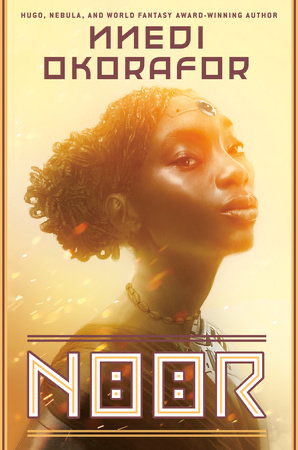
Noor, Nnedi Okorafor

GENRES: Adult, science fiction, Afrofuturism

MY RATING: ⭐️⭐️⭐️.75, rounded up to ⭐️⭐️⭐️⭐️

A wildly imaginative piece of Afrofuturism with a disabled protagonist!

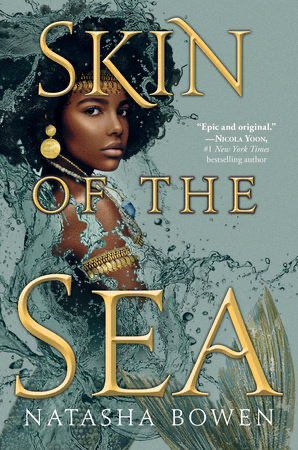
Skin of the Sea, Natasha Bowen

GENRES: YA, fantasy, retellings

MY RATING: ⭐️⭐️⭐️⭐️

YA mermaid novels have historically been disappointing for me, but Skin of the Sea gave me hope that a good one is possible—and there can be so many creative twists and perspectives put on it!

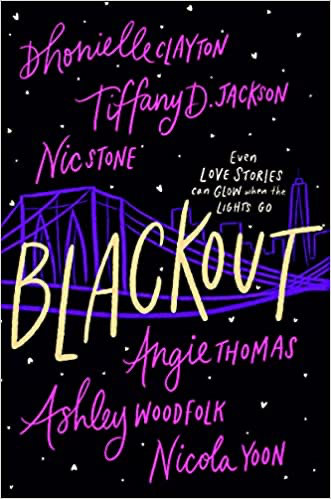
Blackout, Dhonielle Clayton et. al. (anthology)

GENRES: YA, fiction, romance, short stories (anthology)

MY RATING: ⭐️⭐️⭐️

A collection of short stories about different romances during a blackout in New York City!

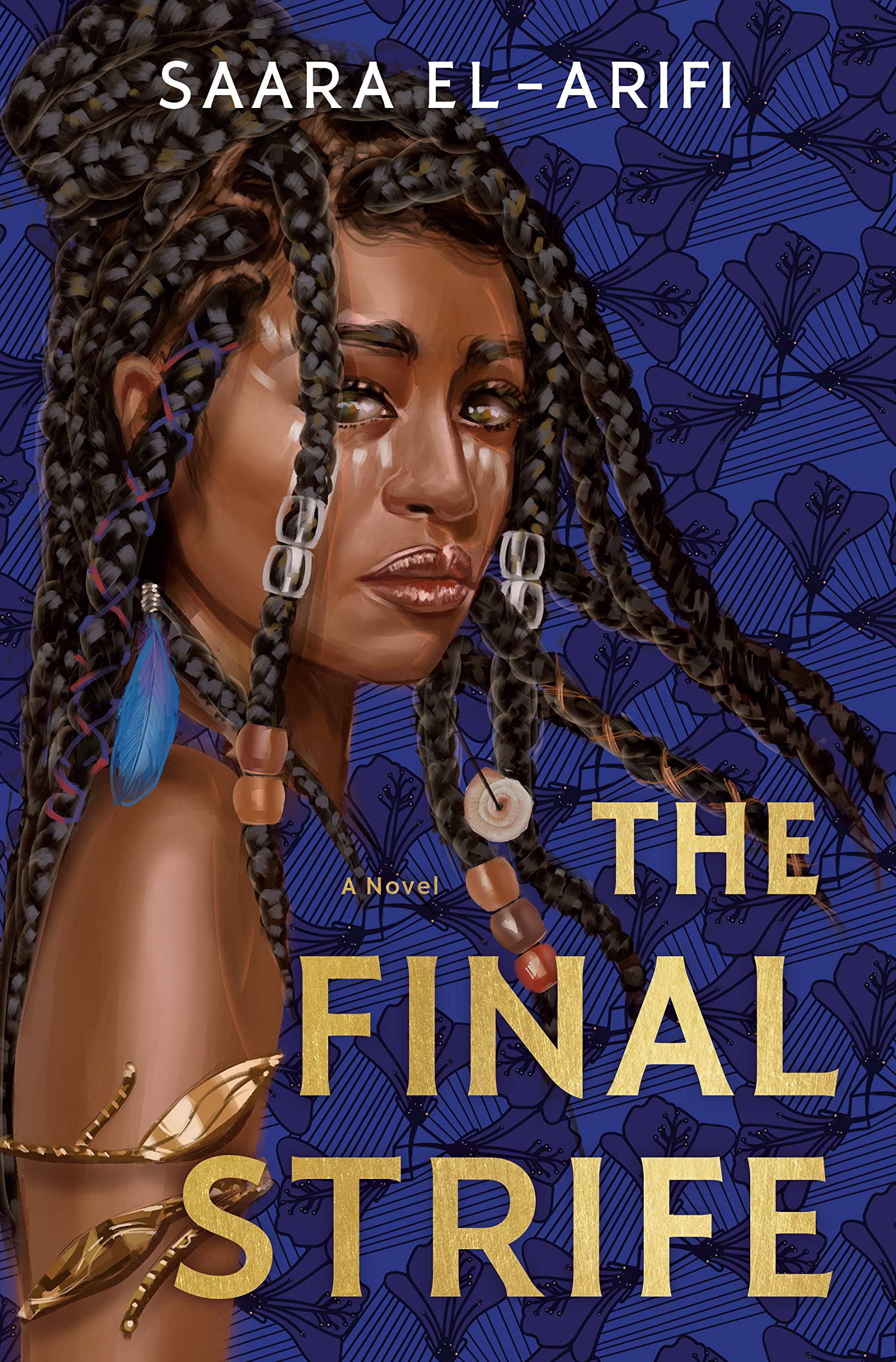
The Final Strife (Ending Fire, #1), Saara El-Arifi

GENRES: Adult, fantasy, romance, LGBTQ+

MY RATING: ⭐️⭐️⭐️.5

A fantasy with exceptional worldbuilding, an unlikely chosen one, and a sapphic romance!

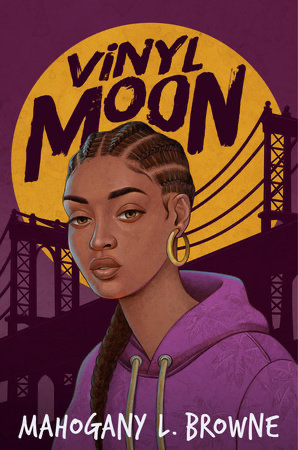
Vinyl Moon, Mahogany L. Browne

GENRES: YA, realistic fiction, novels in verse

MY RATING: ⭐️⭐️⭐️.5

Half prose and half novel-in-verse, Vinyl Moon is a beautiful story of healing and friendship.

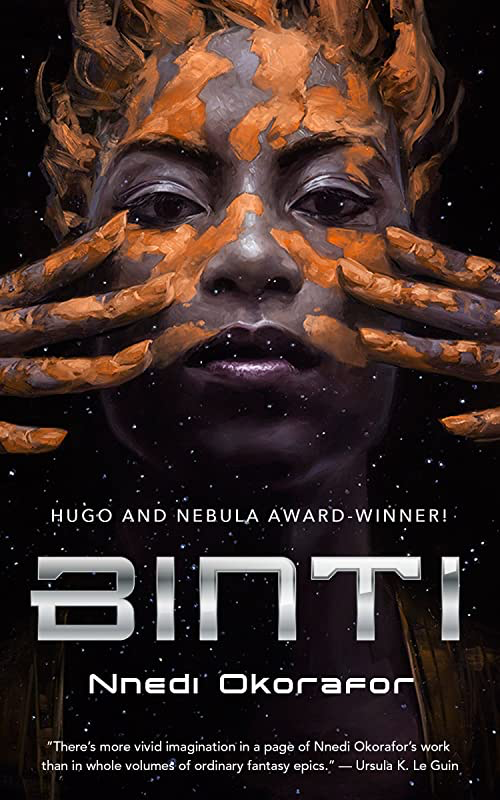
Binti (Binti, #1), Nnedi Okorafor

GENRES: Adult, science fiction, space opera

MY RATING: ⭐️⭐️⭐️.5

Normally, I wouldn’t double up on authors, but Nnedi Okorafor really deserves it here—I still need to finish this series, but it’s so charming and inventive!

TELL ME WHAT YOU THINK! What are some of your favorite books by Black authors that you’ve read recently? Tell me in the comments!

Today’s song:

somehow I didn’t know that this song existed until a few days ago, and I haven’t been able to stop listening to it since

That’s it for this year’s list of Black History Month recommendations! Have a wonderful rest of your day, and take care of yourselves!