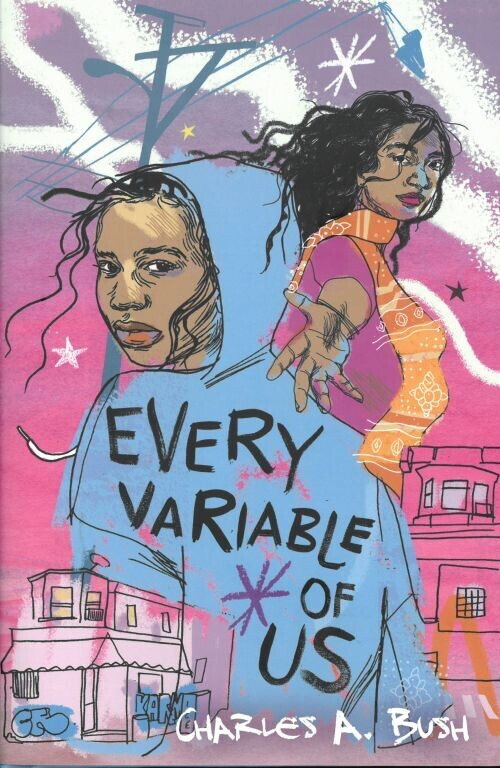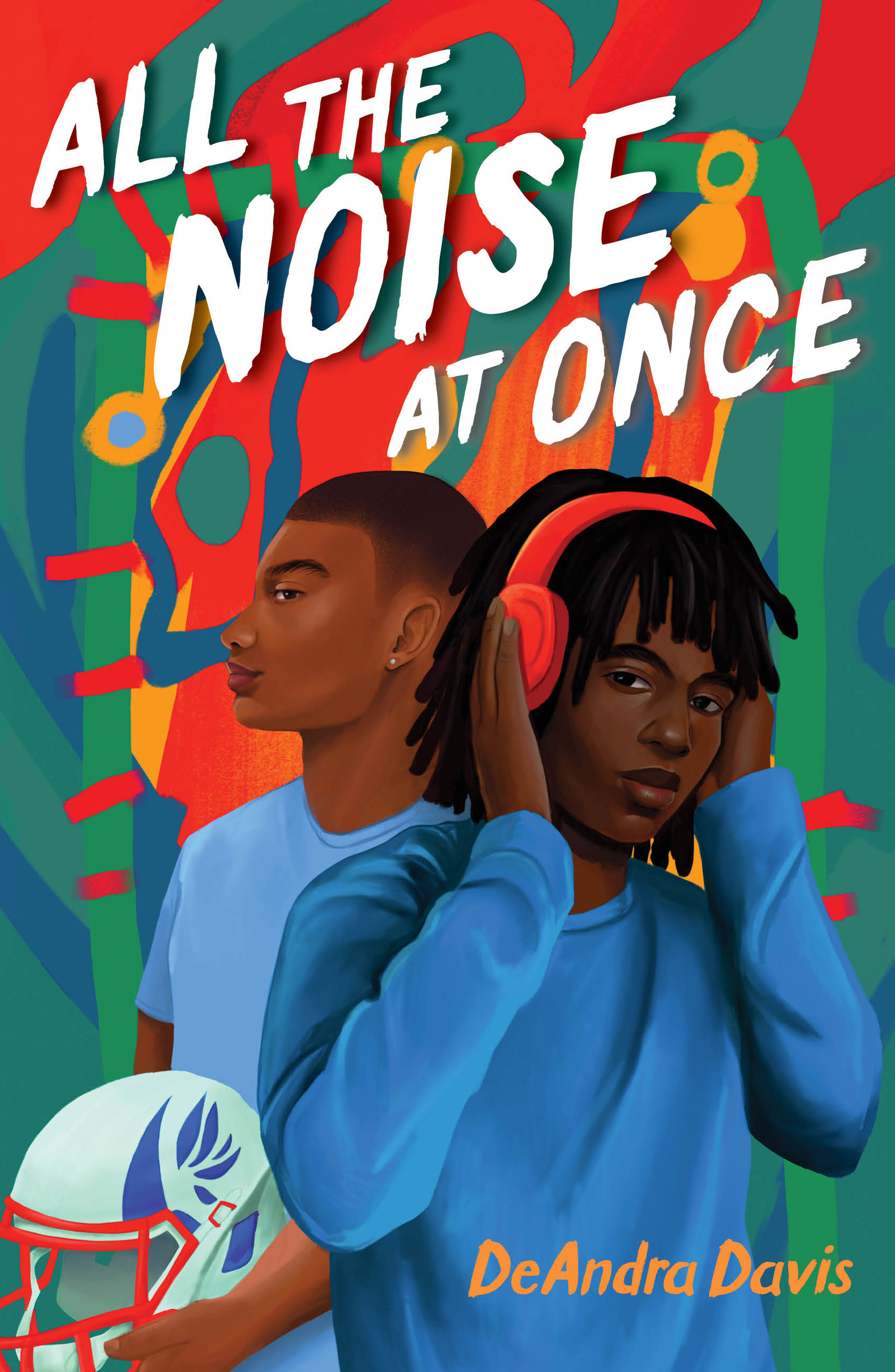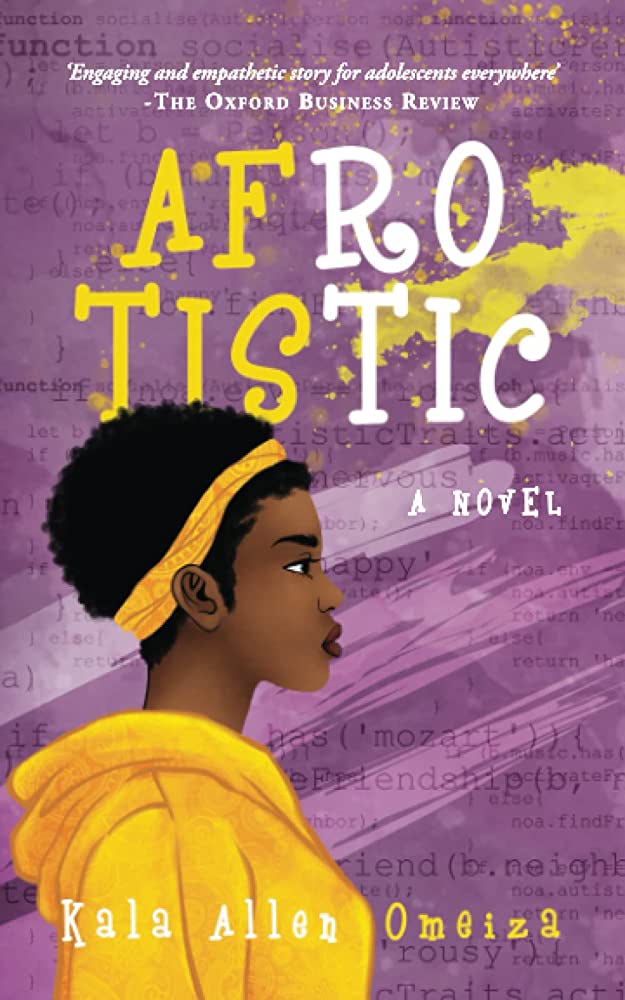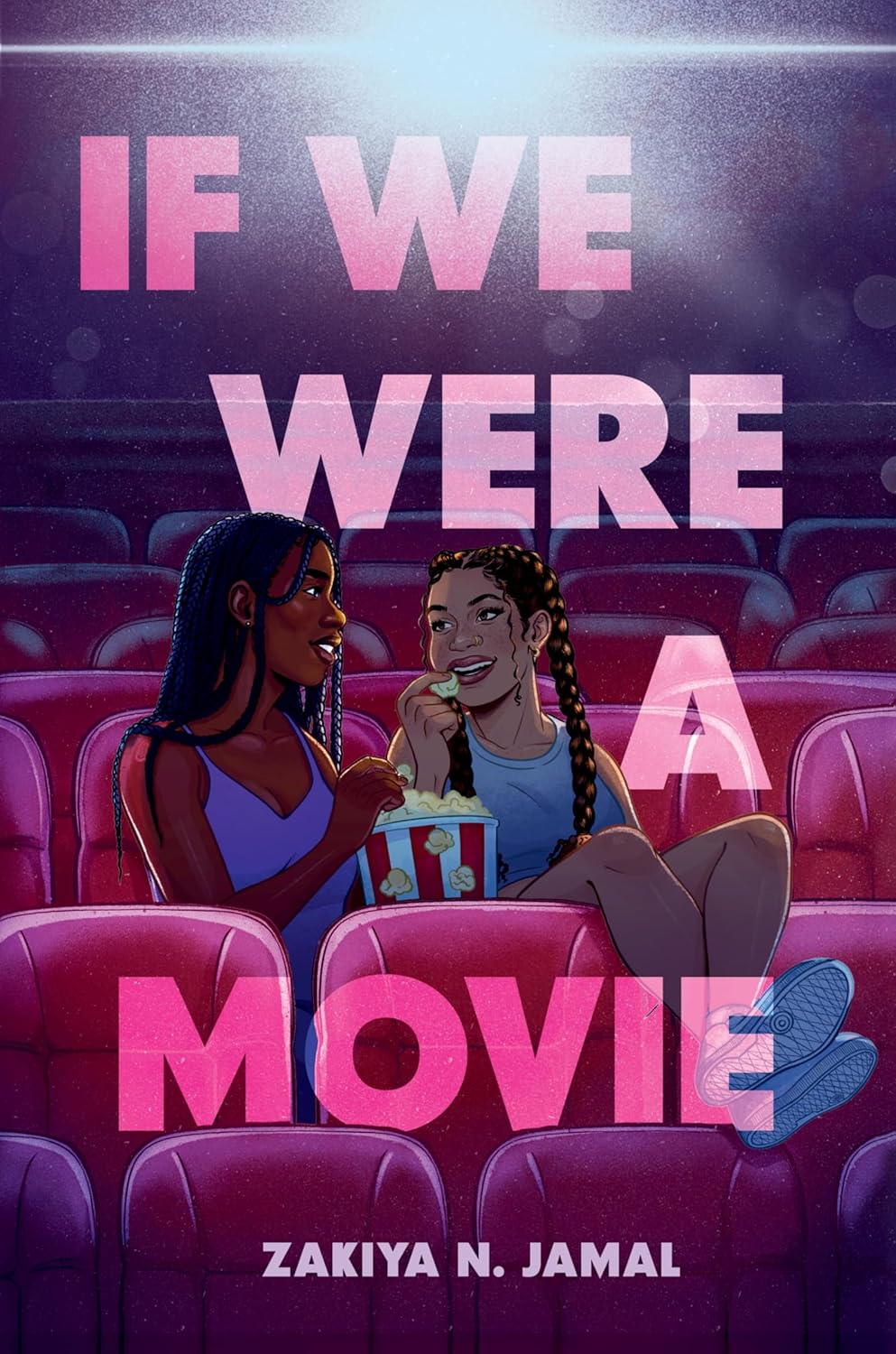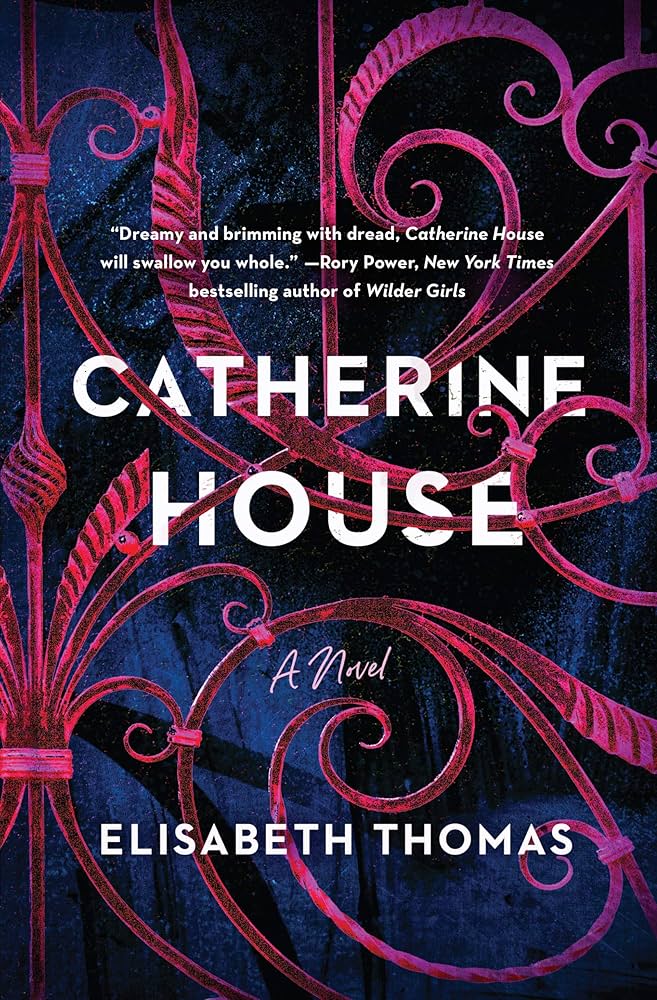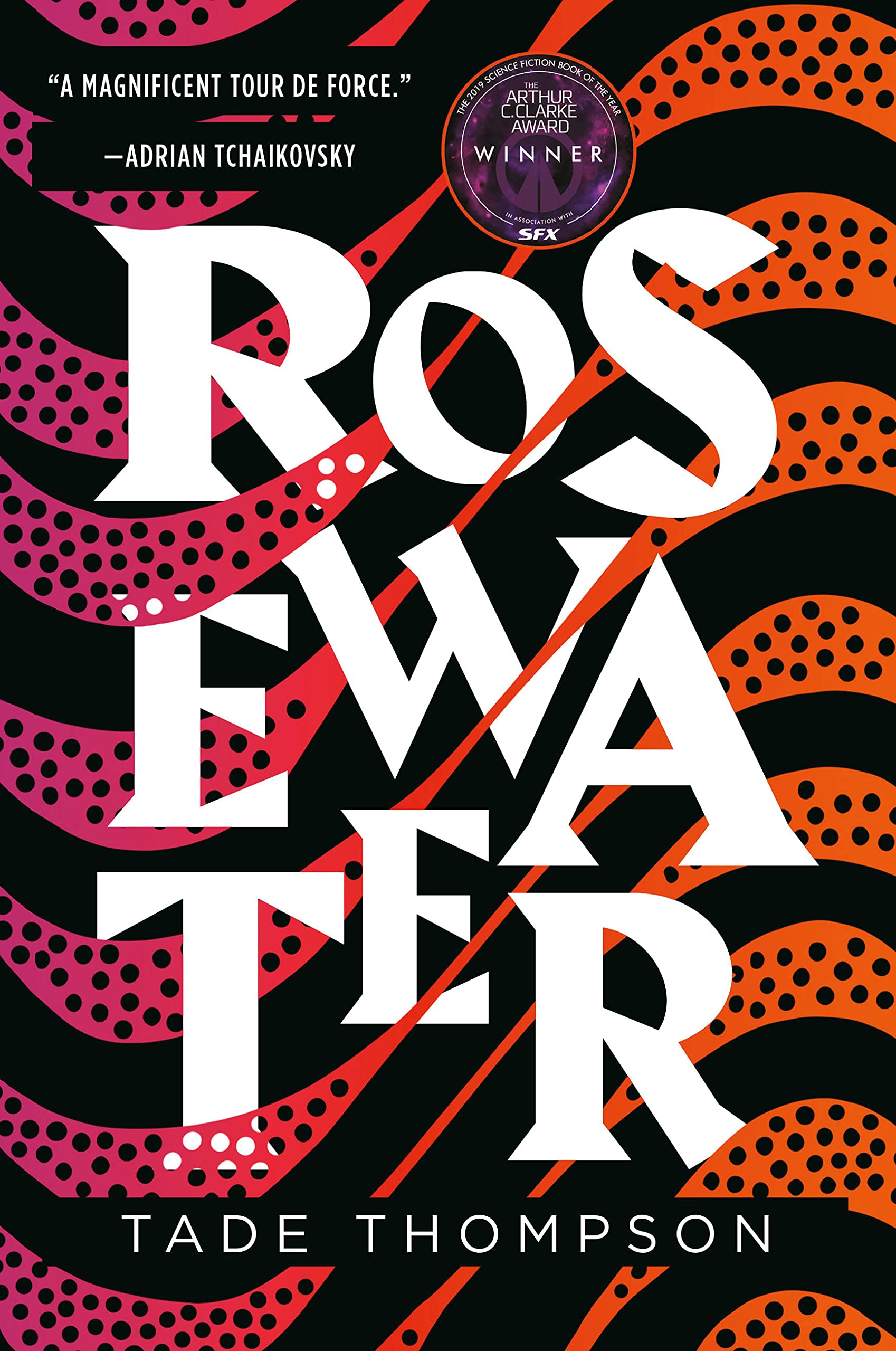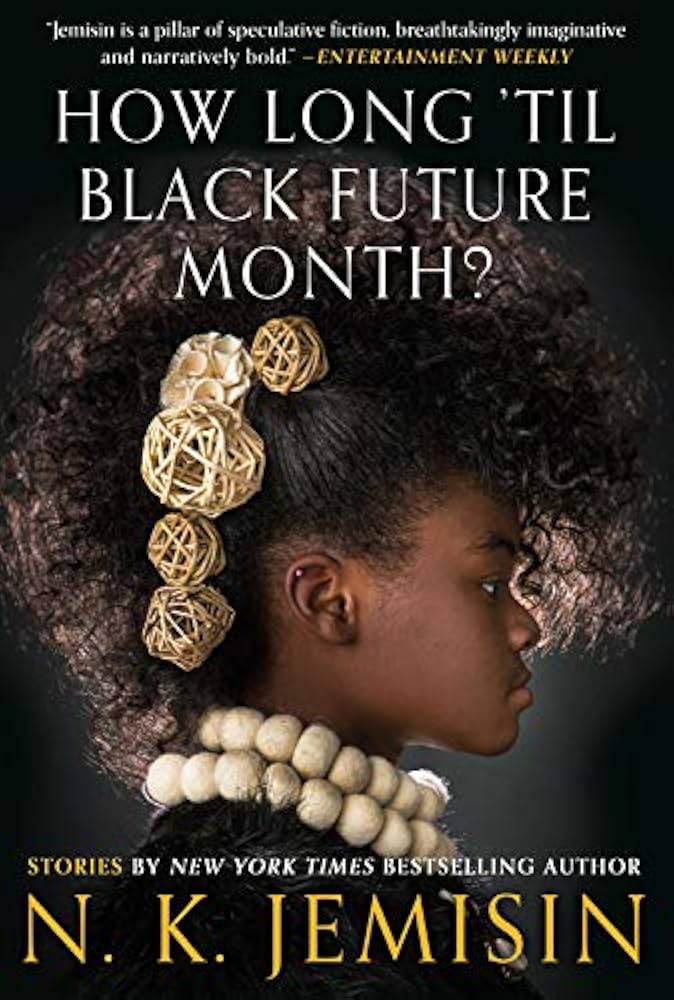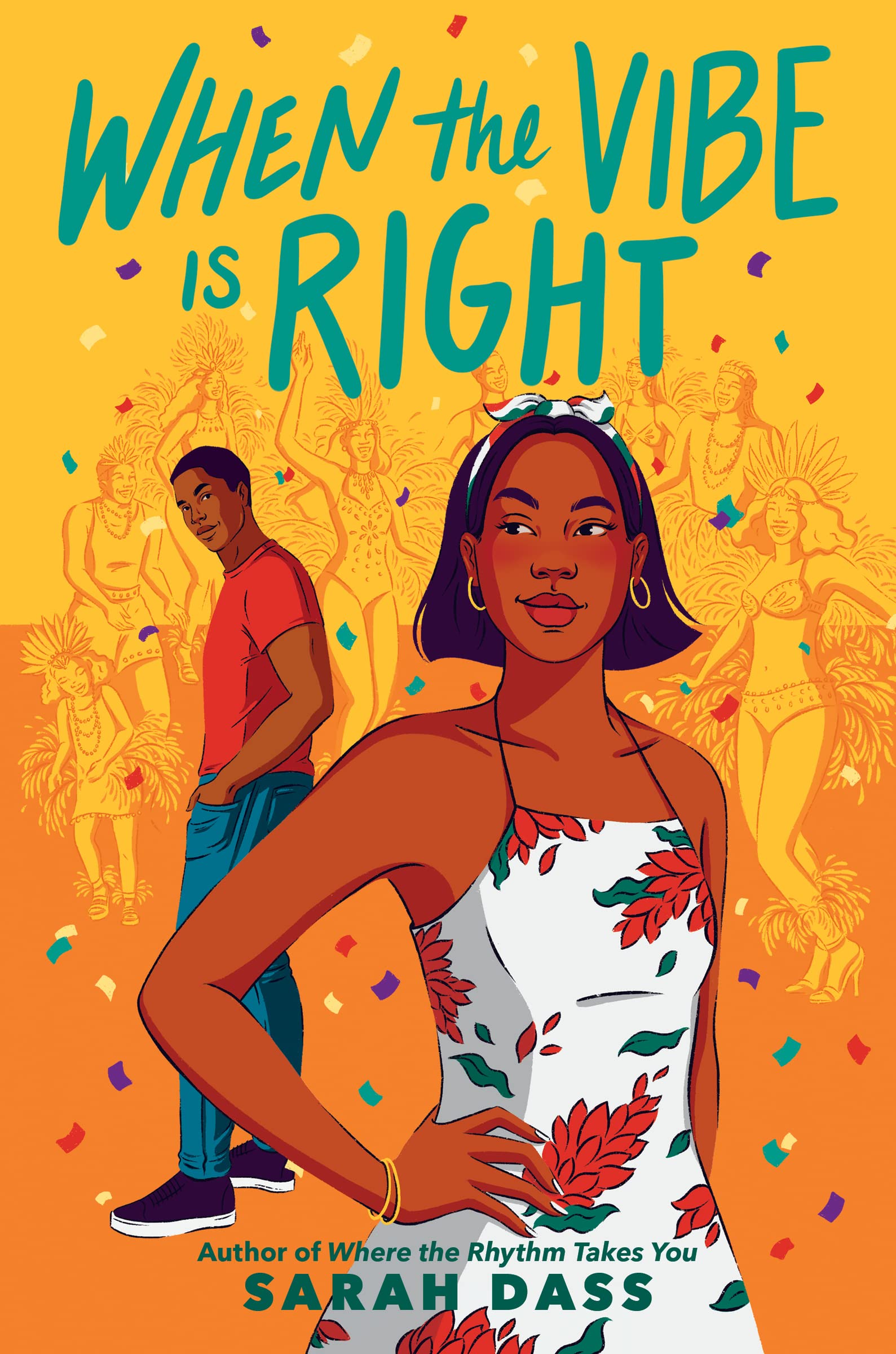
Posted in Monthly Wrap-Ups

January/February Wrap-Up 🚍

Happy Friday, bibliophiles!

Man, time to do wrap-ups? Barely, but I have some time on my hands and there’s nothing I love more than organizing my reading stats into bulleted lists, so why not? (The only reason I’ve been able to make this many posts this week is because most of them were started several weeks prior, but I digress.)

The past few months have been strangely calm, if you set aside…well, everything that’s been going on lately. I don’t think I have to explain. I’ve been working really hard to try and be as levelheaded as I can in the face of all of these crises. Levelheaded and hopeful. Neither of these mean ignorant bliss to me—I’m continuing to speak up when I can, read what they don’t want us to read, and put my money into places that respect my existence. (wink wink, nudge nudge…hope everybody who was financially able participated in the economic boycott today! 😉) Miraculously, this semester has given me the space to work at practicing that—I’ve had a lot more free time (almost an alien concept after last semester), so I’ve been working at putting my energy into what counts, mainly being creative and feeding my soul. I finished the first draft of book 3 in the sci-fi trilogy I’ve been working at since I was 16 (!!!!!!!!!!). I’ve tried to take up knitting. (Unsuccessful so far, but I’m trying to keep at it), and I’ve tried to draw and read when I’ve got the time. That, and getting on the mining grind in Minecraft and being paralyzed as Severance consumes every waking thought I have. GOD, what a show. All this is to say that this isn’t a straight journey—I’m by no means a master at being levelheaded and balancing work with creativity, but I’m trying to learn from my mistakes. All you can do is try.

JANUARY READING WRAP-UP

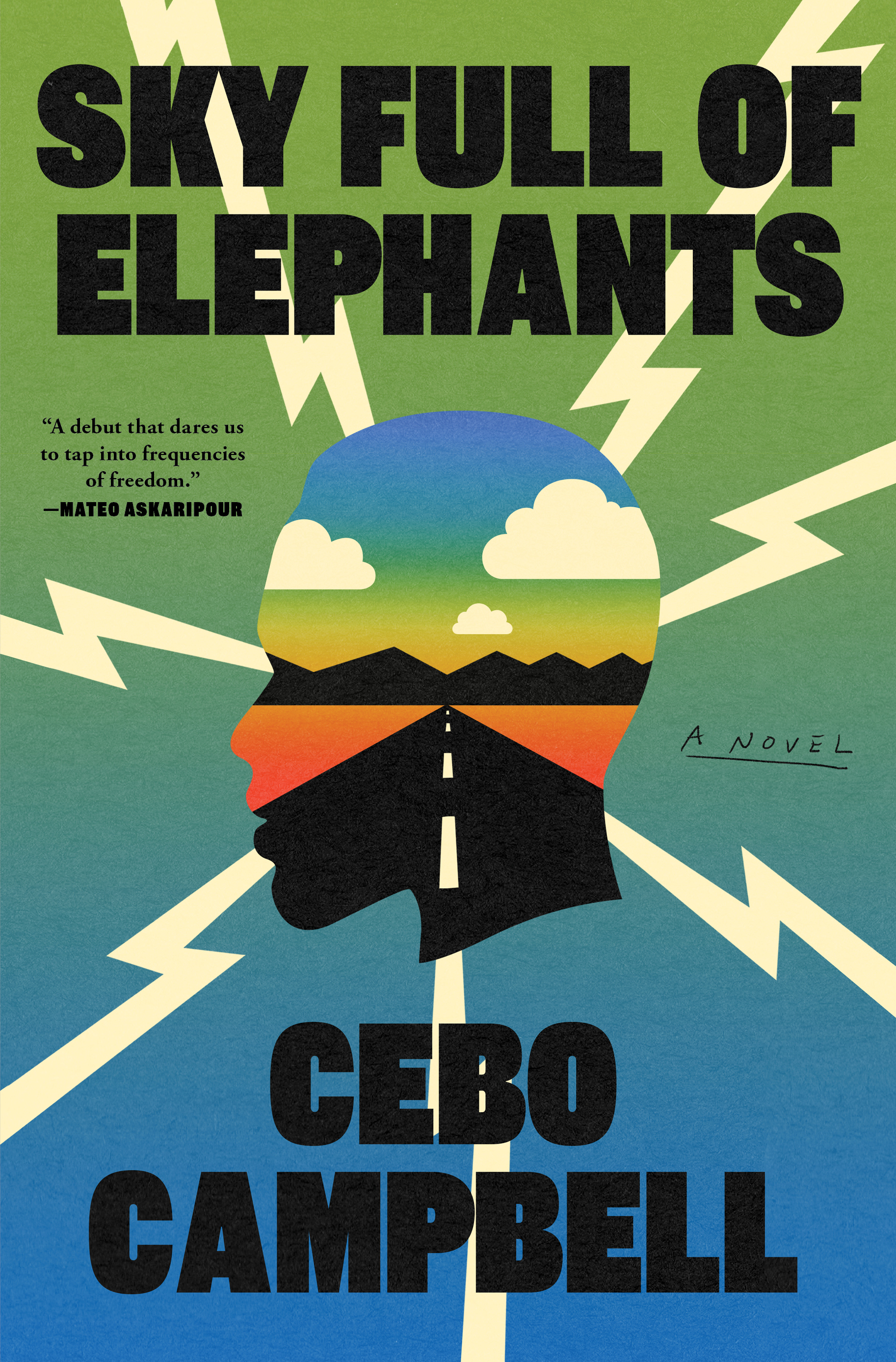
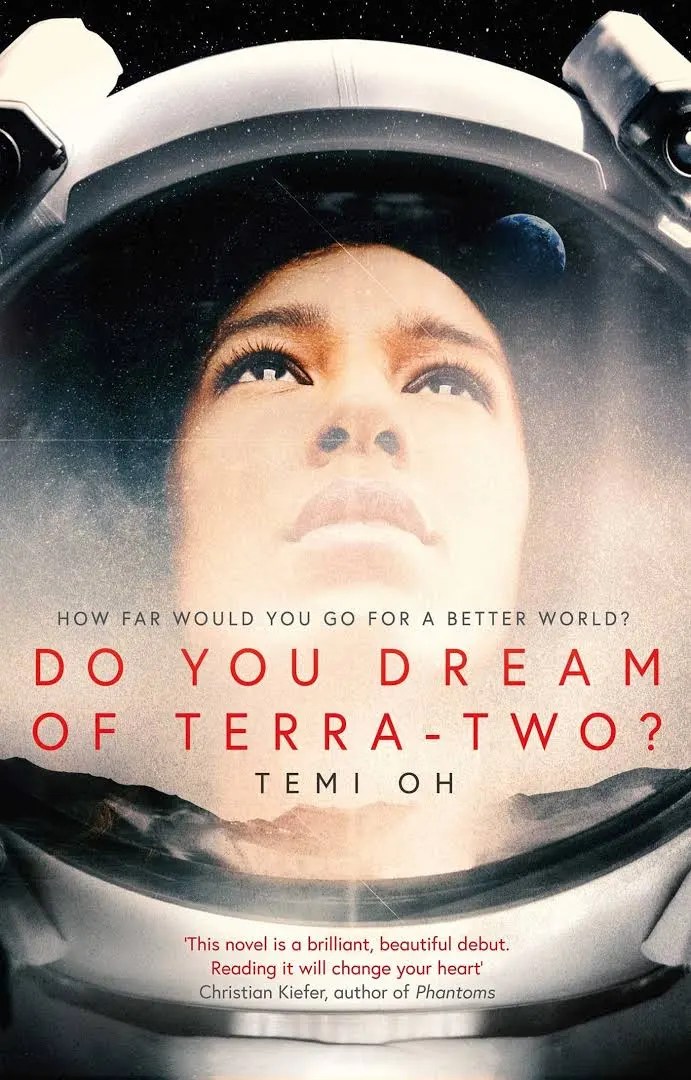
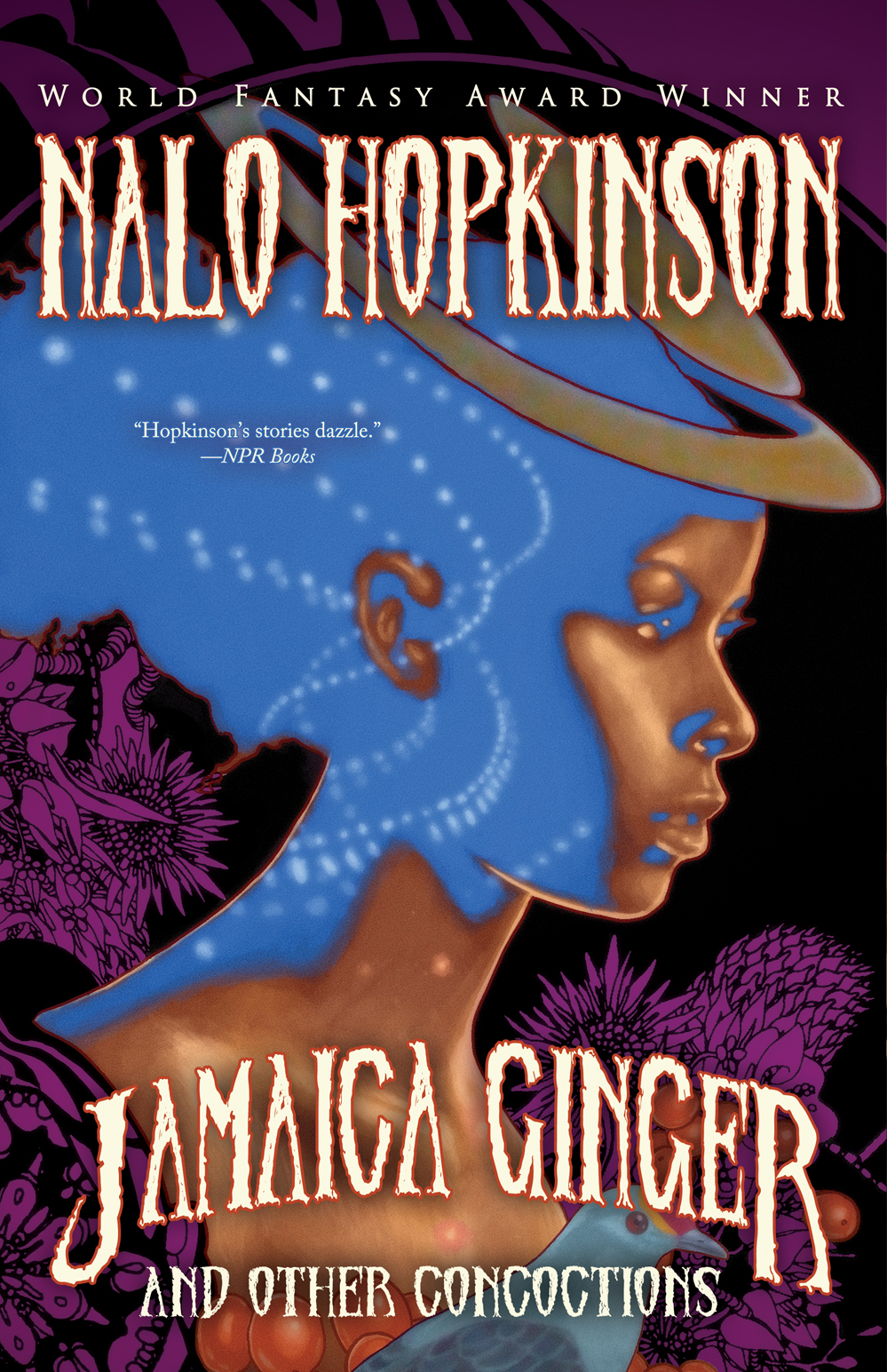
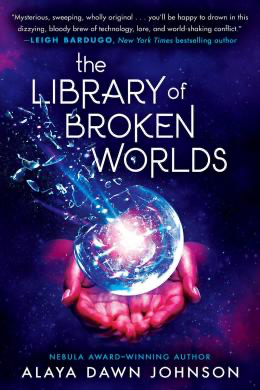
I read 15 books in January! In the gap between winter break and the start of the spring semester, I read some fantastic books, from whimsical graphic novels to classic sci-fi hijinks.

2 – 2.75 stars:

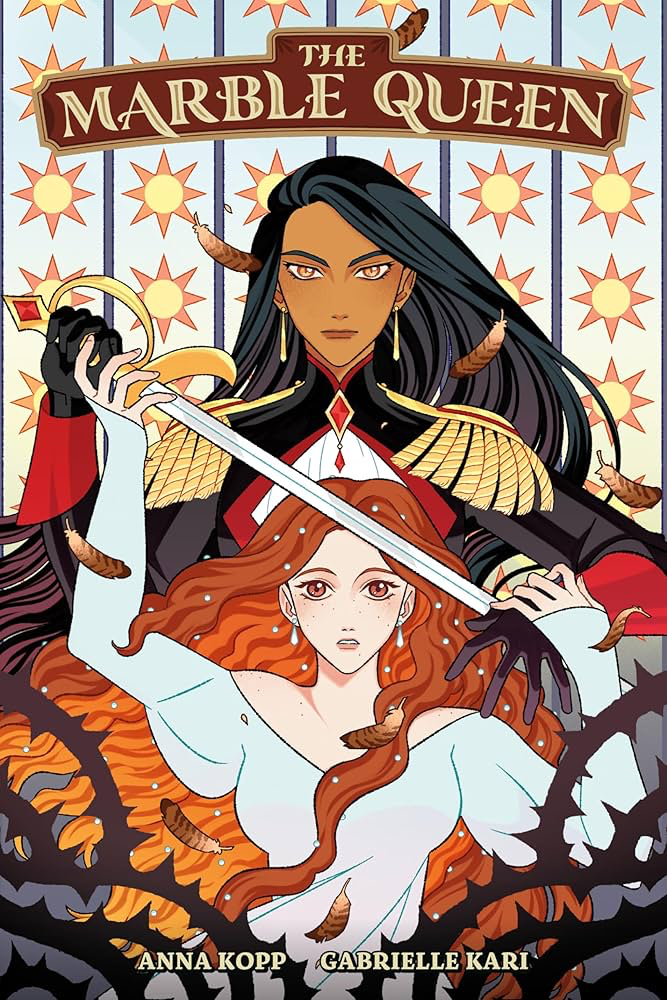
The Marble Queen

3 – 3.75 stars:

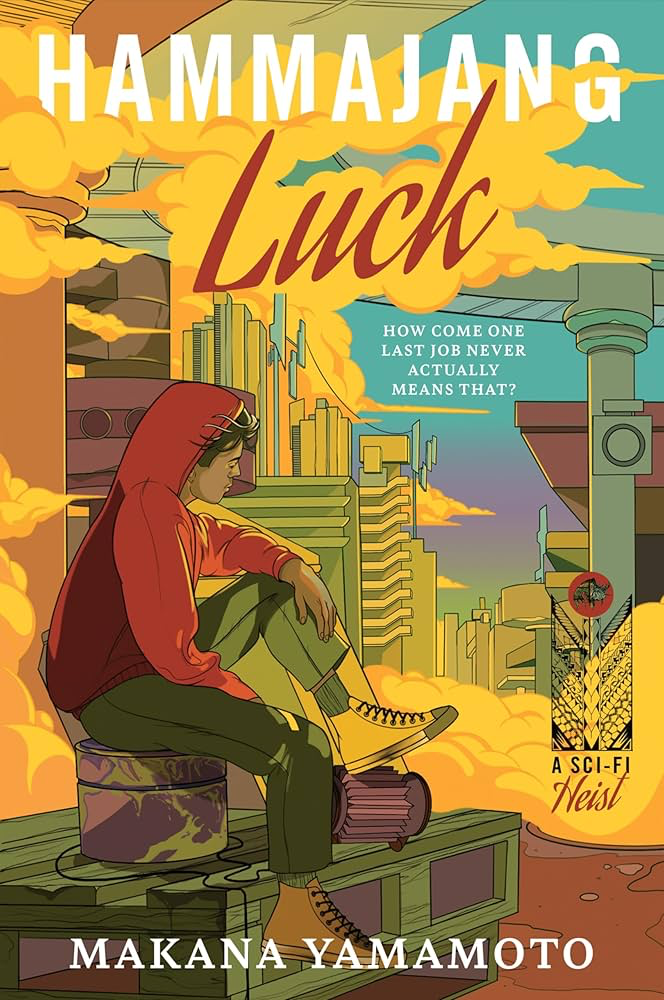
Hammajang Luck

4 – 4.75 stars:

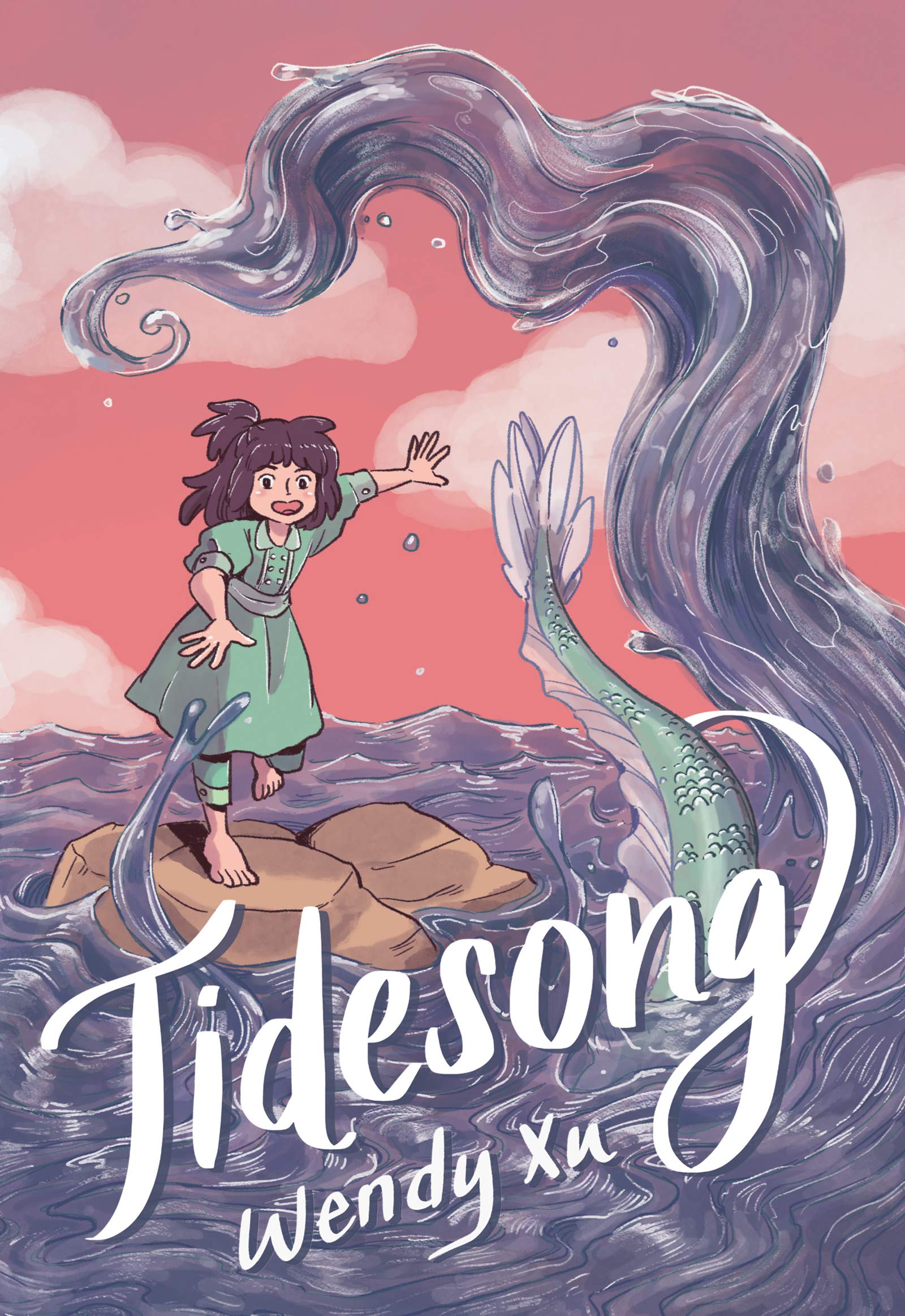
Tidesong

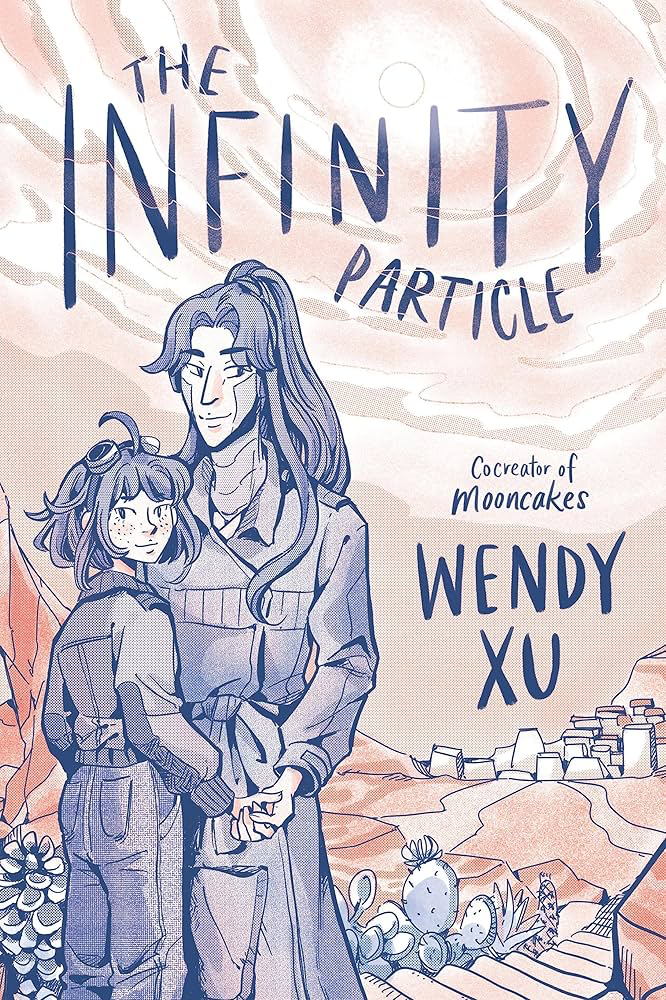
FAVORITE BOOK OF THE MONTH: The Infinity Particle – 4.5 stars

The Infinity Particle

REVIEWS:

BONUS:

SUNDAY SONGS:

FEBRUARY READING WRAP-UP

I read 13 books in February! This month was slightly slower (and shorter, obviously) than January, but I was able to read several books that I’ve been excited to get around to for months! As I usually do, I focused more on Black authors for Black History Month, and discovered some great books and authors as a result.

2 – 2.75 stars:

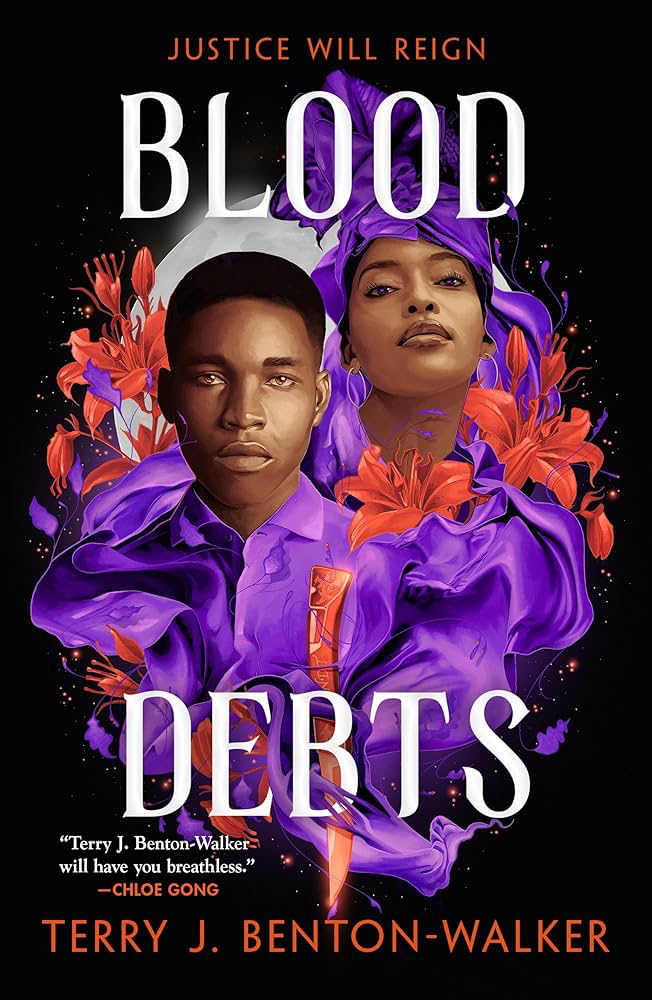
Blood Debts

3 – 3.75 stars:

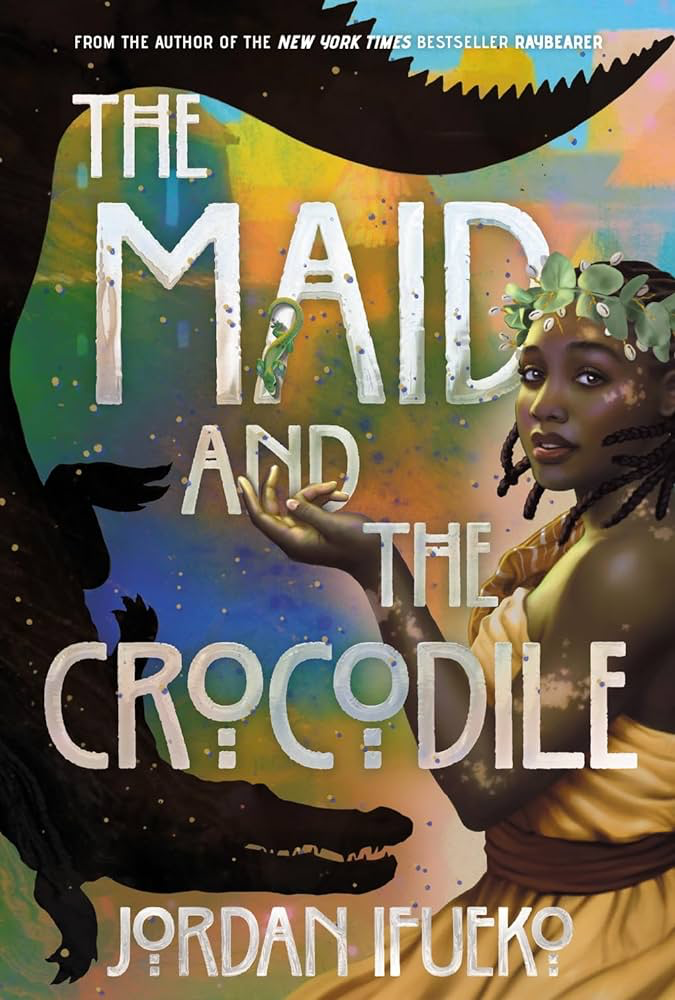
The Maid and the Crocodile

4 – 4.75 stars:

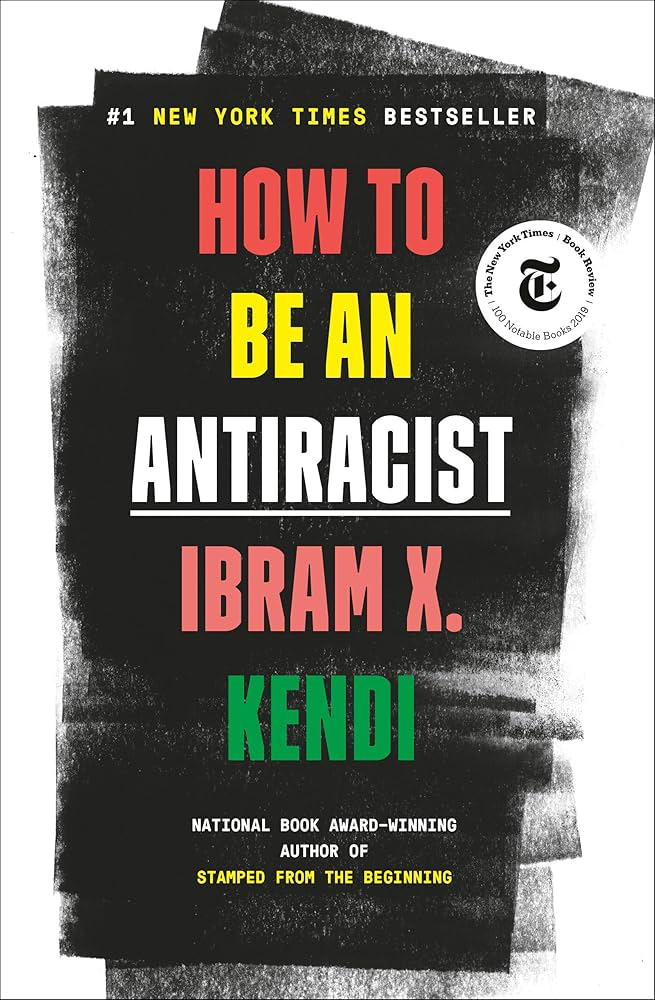
How to Be an Antiracist

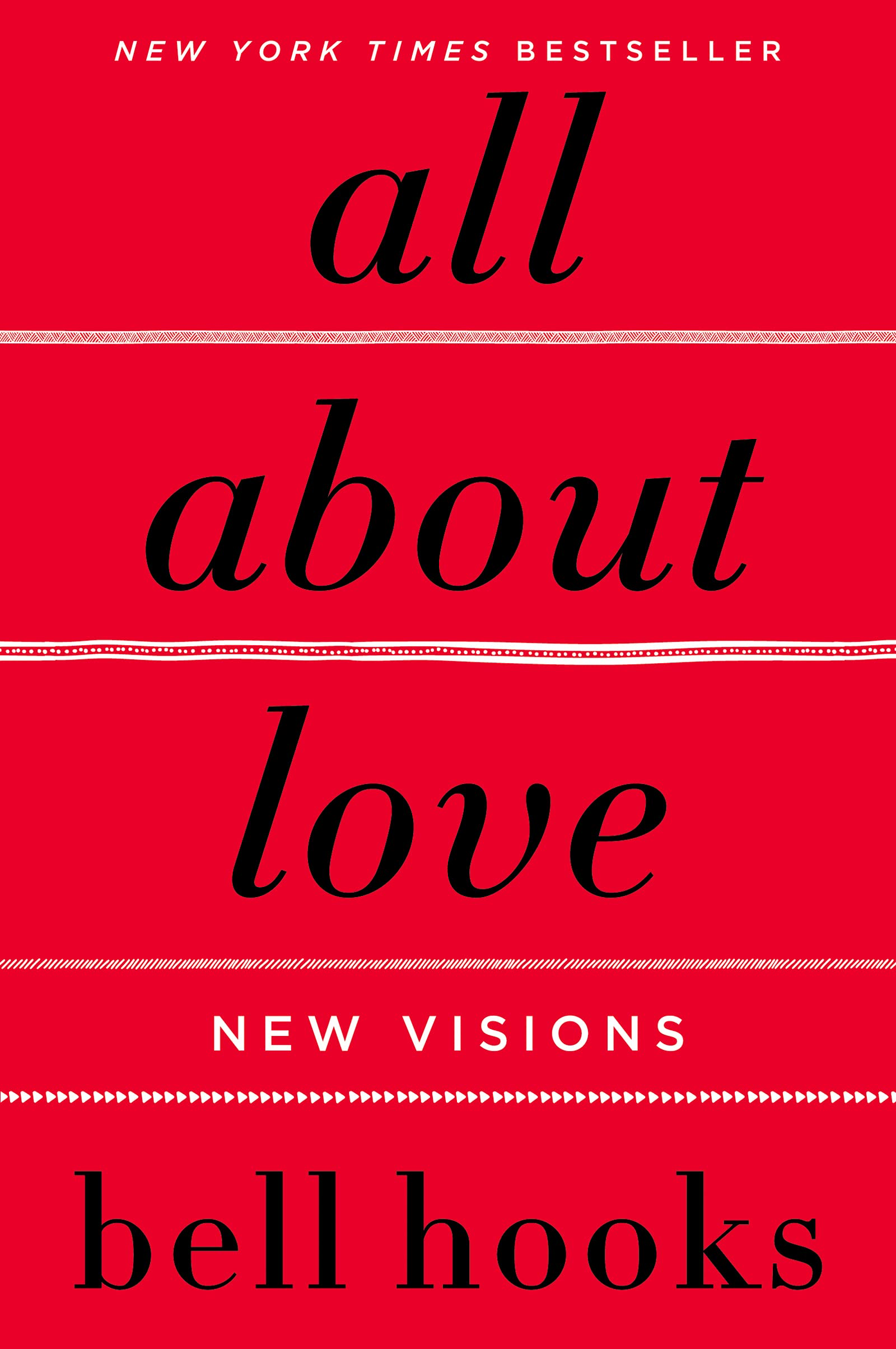
FAVORITE BOOK OF THE MONTH: All About Love4 stars

All About Love

REVIEWS:

BONUS:

SUNDAY SONGS (+ more music stuff)

BONUS:

Today’s song:

DEBUT AAAAAAAUGH DEBUUUUUUUT

That’s it for my wrap-up of January and February! Have a wonderful rest of your day, and take care of yourselves!

Posted in Book Review Tuesday

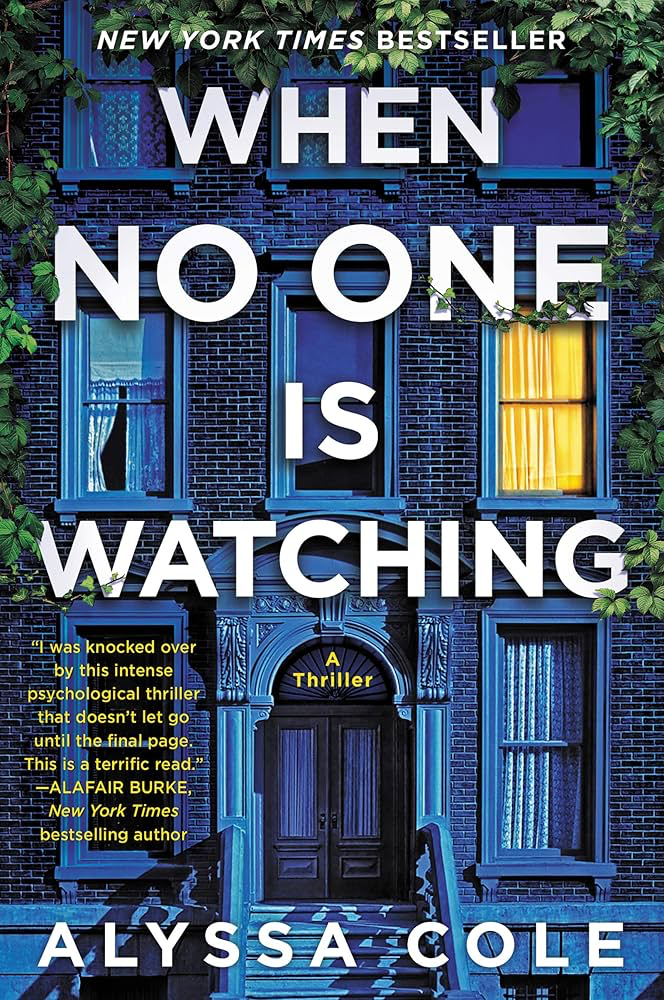
Book Review Tuesday (2/25/25) – When No One Is Watching

Happy Tuesday, bibliophiles!

I’ve had my eye on When No One Is Watching for a few years now. I’m not typically a thriller fan, but the concept intrigued me, despite the consistently mediocre to low ratings on Goodreads and The Storygraph. Alyssa Cole is a new-to-me author, and I figured I would give her book a try. However, I’ve come out of it with a mixed bag and uncertainty as to whether I’ll read more of her books in the future. When No One Is Watching had an excellent premise that it only halfway delivered on, but was still entertaining and timely in the end.

Enjoy this week’s review!

When No One Is Watching – Alyssa Cole

Sydney Green has called Brooklyn home for her entire life, yet her childhood is quickly slipping through her fingers. Her neighborhood, which was once home to a diverse group of homeowners, is quickly beginning to be gentrified. Condos are springing up where her neighbors once lived, and her Black and brown neighbors are being driven away one by one. Sydney suspects that something is amiss, and that there may be something more insidious to the gentrification of her neighborhood. With the help of Theo, her well-meaning neighbor, Sydney seeks to uncover the truth of her neighborhood’s fate, but what she finds may be even more sinister than she could have ever imagined.

TW/CW: racism, misogyny, gun violence, murder, loss of loved ones, police brutality, kidnapping

First off, When No One Is Watching is an incredibly timely thriller, and having a thriller surrounding the themes of gentrification is genius. When you strip past the apathy the general American population has of living not just on stolen land, but land that has driven its people of color into the worst possible conditions, it really is a frightening reality to live with. Even if the gentrification of neighborhoods itself isn’t some grand conspiracy, as it partially is in this novel, it’s a no-punches-pulled look at what’s happening to neighborhoods all over the country. Adding in snippets of social media doesn’t always work in books, but weaving in the neighborhood groupchat into When No One Is Watching also served to add a critical piece of the puzzle: that a lot of white people in such situations are so easily willing to dismiss any kind of racism if it doesn’t affect them, even if it’s happening in their own backyard. With an unflinching pen, Cole examines all of the aspects of gentrification, from its history to its current iterations, making for a thriller grounded in a real source of fright.

There are plenty of scary scenes in When No One Is Watching, but the fact that Cole mines the horror out of Syd being in an Uber and her driver driving her away from her destination should tell you something about where this novel lies. That particular scene is at the beginning of the book and isn’t the scariest thing that happens, but man…Cole is excellent at squeezing the horror from very grounded, real events. With the exception of the more sinister twist at the end, this novel creeped me out because almost everything that happened was real—its horror drawn from the realities of racism, misogyny, and gentrification. I can’t speak to this personally, but it felt like the inherent horror of being a marginalized person in the United States, but specifically of being a Black woman, a group that this country has historically done everything in its power to silence and oppress. It really gives weight to the expression “truth is stranger than fiction”—in this case, truth is scarier than fiction. That’s where Cole finds the fear, which made When No One Is Watching so effective in its brand of suspense.

However, a lot of the realism that came through in the suspense aspect of When No One Is Watching was deadened somewhat by the excessive use of modern internet lingo. I don’t mean the AAVE at all—that part was great, and I’m glad to see more of it integrated into literature, because there’s no need to cater to white audiences anymore at this point (and there’s many conversations to be had about how twitter/tiktok/etc. slang has subsumed AAVE so quickly and stripped it of its original meaning). No, I’m talking about the very millennial-sounding, tweet-ready one-liners that many of the characters dole out to make the story “funnier.” (Whew. Lots of hyphens in that sentence, even for me.) If I hadn’t seen the quote “I need you to channel the confidence of a mediocre white man” on at least 10 different t-shirts, stickers, and tweets, it would’ve been funny. About half of the humor in When No One Is Watching lands, but the other half is about the same as this: quips that have been circulated on the internet for at least a decade that could’ve been funny years ago, but have gone so stale that they’ve lost all novelty, originality, and more importantly humor. Again, I liked that When No One Is Watching was able to balance levity with some of the more thriller aspects, but it would’ve tipped the balance even more if more of the humor was original. Even five years after this book’s release, it was so easily dateable. Give it another five, and it’ll be painfully dated.

What hindered When No One Is Watching the most, however, wasn’t that: it was the pacing. It was just odd. When the suspenseful moments came, they were appropriately suspenseful, but there was so much middling around in between these moments for the first 75% of the novel that I started to question whether or not I was reading a thriller. But once the big twist comes in, it’s when I was about 80-85% of the way through the book—and the entirety of the big reveal, the climactic final battle, and the resolution were crammed into only about 15% of the book. It was whiplash-inducing, but not in a way that a thriller should be. Thrillers aren’t my go-to, but for more thriller/horror movies, I like when I have some breathing room between the suspenseful/scary moments (see: Alien, Nosferatu). When No One Is Watching theoretically had that down pat, but where it suffered was that the breathing room was rarely interesting. Other than the fantastic commentary on racism and gentrification, the plot between the suspense was just boring. I didn’t care much for Syd and Theo’s romantic subplot, I didn’t care for them randomly running around and ultimately discovering very little. So much of it could have been condensed in order for the climax to not feel like being chucked out of a bus window and onto the highway—not in a suspense way, but in a wild pacing way. Big reveal, shootout, resolution, and bam, it’s all over…in about 30 pages, tops. As with the humor, there needed to be balance with the plot—more suspense spread out through the novel, and more room to process and mine into the commentary of the climax.

All in all, a thriller with sharp, relevant commentary on racism and gentrification that excelled in its suspense, but was dragged down by uneven pacing and humor that dated itself far too quickly. 3 stars.

When No One Is Watching is a standalone, but Alyssa Cole is also the author of several other novels for adults, including the Reluctant Royals trilogy (A Princess in Theory, A Duke by Default, and A Prince on Paper), the Off the Grid trilogy (Radio Silence, Signal Boost, and Mixed Signals), The Loyal League trilogy (An Extraordinary Union, A Hope Divided, and An Unconventional Freedom), and many other novels.

Today’s song:

That’s it for this week’s Book Review Tuesday! Have a wonderful rest of your day, and take care of yourselves!

Posted in Book Review Tuesday

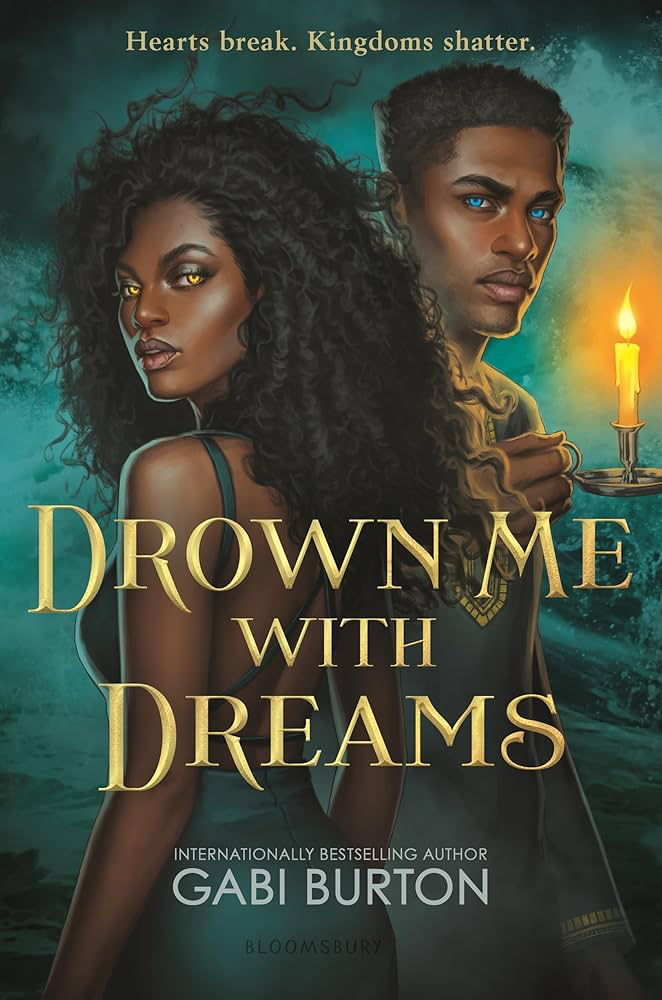
Book Review Tuesday (2/18/25) – Drown Me with Dreams (Sing Me to Sleep, #2)

Happy Tuesday, bibliophiles!

QUICK ANNOUNCEMENT: because I’m trying to divorce myself from Amazon as much as I can, I’m finally moving over from Goodreads to The Storygraph. From now on, my reviews will be available there @thebookishmutant.

I started the Sing Me to Sleep duology last year, and now that book 2 is out, I figured I would pick it up for Black History Month, but also so I could finally get some resolution! And I sure got a resolution…one that wasn’t as enjoyable as the first book, but nonetheless a twisty, romantic ending to a fantasy duology that balanced fun and social commentary.

Now, tread lightly! This review may contain spoilers for book one, Sing Me to Sleep. For my review of Sing Me to Sleep, click here!

Enjoy this week’s review!

Drown Me with Dreams (Sing Me to Sleep, #2) – Gabi Burton

Saoirse is on the run. Now that her siren identity has been exposed, she must flee to the other side of the wall that divides Keirdre from the rest of the world. Taking sanctuary with the budding Resistance, Saoirse discovers a world full of different species that Keirdre drove out of its kingdom, all waiting for the day that they can take back what is rightfully theirs. But tensions are brewing, and war is imminent. On the other side of the wall, King Hayes, her secret love, awaits, but do his loyalties remain with Saoirse? And will Saoirse be able to fend off the rising tides of war?

TW/CW (from Gabi Burton): murder, graphic violence, discrimination/segregation (fantasy), genocide themes, blood, descriptions of injury, imprisonment

You would think that a book that’s over 400 pages would have plenty of time to work out all of the wrinkles in the plot and the worldbuilding…apparently not. In a perfect world, Drown Me with Dreams would be a great second book in a trilogy, but in this world, it was a duology concluder that tried to do far too much. That doesn’t mean that it was bad by any stretch of the imagination, but it was certainly a step below Sing Me to Sleep.

Oops. I end up stumbling into books with startling relevance to the current climate, and oh my god, am I sick of using that phrase. But. Drown Me with Dreams does an excellent job of expanding on its themes of resistance, racism, and misinformation! Saoirse has now figured out that there’s a wide world beyond the walls of Keirdre that has been obscured by the racist regime in her home kingdom; now that she knows the truth, she’s exposed to a myriad of perspectives and has to do the work herself to deconstruct the lies she’s been fed all of her life. She meets dozens of new mythical species that have been respectively discriminated against by Keirdre, and finds out firsthand how many falsehoods that the ruling powers have upheld for decades. The simultaneous revelations and discomfort of Saoirse discovering the truth is such a wonderful thing for a YA fantasy book like this to explore—in the end, it’s up to us, in our varying experiences in the real world, to discover the truth about how our governments can shape (and mis-shape) the narratives we grow up on. I also love the themes of solidarity present—fantasy or not, I love that the kind of feminism that Drown Me with Dreams champions is the kind that holds celebrating individual experience and solidarity under shared oppressions in equal regard. It’s the kind of unity that I believe will push feminism forward, and it made for a powerful statement in Drown Me with Dreams.

Even though Saoirse and King Hayes were kept apart for the first half of the novel, Drown Me with Dreams had a great resolution to their romance! Was it classic, YA fantasy romance cheese? Yes. Was it good cheese? Absolutely. To paraphrase one of my high school English teachers, there’s a difference between gourmet cheese and “American cheese-food.” I’ve been a YA reader for quite some time now, and there’s a difference between cringeworthy cheese and high-quality cheese. Drown Me with Dreams falls into the latter category, 100%. There’s angsty angry-kissing aplenty, but it’s written believably. If anyone is looking to do slow-burn, enemies-to-lovers romance right, look no further. Saoirse and Hayes weren’t just given enough time to have their romance develop—the stakes of their forbidden love were built up for the whole series, and their chemistry together made for some high quality smoldering. It’s not trying to be enemies-to-lovers in the way that most BookTok fantasy books try and fail to do—Burton’s given us a well-developed romance you can root for, and it made Drown Me with Dreams a standout read in that department.

In my review for Sing Me to Sleep, I mentioned that the book’s main flaw was that it was juggling far too many characters. In that same review, I commended Burton’s ability to craft a rich, layered fantasy world. Both of those aspects collided in Drown Me with Dreams with disappointing results. In Drown Me with Dreams, we finally see the world beyond Keirdre, and it’s full of all of the creatures that Keirdre drove out—dryads, goblins, sprites, you name it. On the surface, I was so excited to see this aspect of the world, but two main issues arose. The first was that we were introduced to a truckload of characters, almost 80% of which had barely anything memorable about them other than the fact that they were from a “new” species. Some of them were slightly consequential, but only just. I had so much trouble keeping track of all of them, which definitely muddied my reading experience. The second problem was that all of this worldbuilding was crammed into a single book—with a kingdom and world this expansive, it needed at least another book to develop fully, which hindered how fleshed out the world ended up being, after all of these promises of it being fascinating and new. (Also, I get the point about racist narratives being made with the goblins, but…what was the reason for making goblins into glorified elves? Why did they need to be conventionally attractive?)

Which brings me to my second major gripe: this series should not have been a duology. Not only are we introduced to a staggering amount of worldbuilding that only amounts to a single book, the same goes for the plot. A full resistance movement, the tensions within said resistance movement, the looming threat of war from multiple sides, and the fallout from said monumental war are crammed into 424 pages…should be enough, right? Most of what I described only happens in the last 2/3rds of the book, and nothing gets nearly the attention it deserves. We get dragged along with a pointless red herring of a love triangle (only for Saoirse to end up with her main romantic interest and for the other guy to just DIE GRUESOMELY? I didn’t really care about the guy, but pour one out for Carrik), and all of the interpersonal conflict rarely lasts, only providing detours on what should’ve been a rich plot on its own. As with the worldbuilding. Drown Me with Dreams should have had at least one more book to expand on everything. It’s a case of Burton biting off far more than she could chew, to unfulfilling results.

All in all, a duology-concluder that didn’t deliver on its epic worldbuilding promises and rushed its climax to a dizzying degree, but delivered on its past themes and promised romance. 3.5 stars!

Drown Me with Dreams is the second and final book in the Sing Me to Sleep duology, which begins with Sing Me to Sleep.

Today’s song:

so uh guess who’s obsessed with the apple tv+ björk concert film

That’s it for this week’s Book Review Tuesday! Have a wonderful rest of your day, and take care of yourselves!
Posted in Book Review Tuesday

Book Review Tuesday (2/11/25) – The Maid and the Crocodile

Happy Tuesday, bibliophiles!

I had a ton of fun with Jordan Ifueko’s Raybearer duology, but somehow I completely missed that she released a novel last August in the same universe! It was an absolute treat to be back in Ifueko’s world, and The Maid and the Crocodile proved a valuable asset to her fantasy universe.

Enjoy this week’s review!

The Maid and the Crocodile – Jordan Ifueko

Small Sade is desperate for any job that she can find. With her crooked foot and vitiligo, the people of her village think she is cursed and touched by spirits. Eventually, she finds work as a maid, but not before an act of desperation sees her bound to a powerful god, known only as the Crocodile. As she moves up in the ranks, she realizes that she is a Curse Eater—her profession as a maid not only cleans the houses of her clients, but changes their fates. Juggling her newfound ability and a world on the brink of revolution with only the Crocodile as her guide, Small Sade must learn to forge her own path before someone else decides it for her.

TW/CW: ableism, self-harm/mentions of suicide, descriptions of injuries, classism, mentions of sexual assault, abuse, loss of loved ones

I can excuse a handful of pop culture references here and there, but after that god-awful Minecraft trailer, if I hear “the children yearn for the mines” ONE MORE TIME, I’m gonna snap…Jordan Ifueko, this was a great book, but that tested me…especially with the climactic scene that it temporarily undercut.

That aside, it was an absolute treat to return to the world of Raybearer with The Maid and the Crocodile! I didn’t think to re-read the duology before going back into it (I never seem to do that unless it’s with a book I’m really invested in), but I was so easily immersed into the world nonetheless! For both casual and eagle-eyed readers, there are Easter eggs aplenty—several characters from the duology make cameo appearances (SANJEET!!! MY GUY!!!!), and the nuances of the world stay the same, for the most part. It was an easy transition, which isn’t always easy to do. I loved how The Maid and the Crocodile expanded on the world as well! Ifueko really has a strength in writing ordinary characters forced into extraordinary, powerful positions, and Small Sade is no exception. However, she’s much more different than Tarisai, which I appreciated—there’s much more of a sense of her having to work towards the top, and her humored yet determined tenacity was what made her so special of a character. Through her, we see Oluwan City from more ordinary eyes, which makes the themes of the story so much more clearer.

I couldn’t have read The Maid and the Crocodile at a better time, and not just because it was a fun read. Its themes about the nature of change and revolution are critical—IT’S ALL ABOUT LOVE! It’s so refreshing to see a character who wants to help society change for the better not out of revenge or a vague “evil government bad [does not elaborate]” motivation, but out of love. Small Sade’s motives stem from wanting to care for the people she loves and wanting to see that love reciprocated in the world around her. Change rooted from love is a perspective that I rarely see in YA, even though its plots have centered around dismantling governments and revolutionary change for decades. I’m so tired of saying “in times like these,” but I mean it—in times like these, narratives about radical change being rooted in love—for your people, for your country, and for your culture—are critical to understanding what change can truly do.

Whenever you have a disabled character in a non-modern setting, even if it’s fantasy, you always run the risk of amping up the internalized ableism. Small Sade, who is shunned and deemed “spirit-touched” because of her crooked foot (she uses a cane for mobility) and her vitiligo, faces a great deal of ableism. It’s not as though plots about overcoming ableism (NOT the disability, mind you) aren’t worth telling, but in non-modern and fantasy settings, it does get slightly tired to have all disabled characters in these settings go through versions of the same arc. I loved how Ifueko handled Small Sade’s character—she resists ableism, but most importantly, she is a person beyond her experiences of ableism. Her experience of discrimination informs her story, but it is not the entirety of her character. Small Sade is defiant, self-reliant, and deeply caring—she’s so fully-fleshed out, which is a rarity for disabled characters. So hats off to Ifueko for an excellently-written disabled character!

However, though it had its moments, I was never fully invested in the romance between Small Sade and Zuri. I got that they had a connection, but I feel like he showed up too few times for the relationship to really work. Small Sade had eons more character development than he ever had the chance to. I get that a curse slowly turning you into a crocodile tends to do this to a guy, but at times Zuri felt rather codependent—up until the last 50 pages or so, Small Sade felt more like a means to an end for him, and his redemption was too underdeveloped for me to be fully invested in it. I appreciated their mutual resolution, but it was too late for it to feel fully satisfying. Given how strongly written the relationship between Sanjeet and Tarisai was in the Raybearer duology, I really expected Ifueko to deliver more with The Maid and the Crocodile. Small Sade and Zuri had moments, but not enough for me to be invested in them romantically.

All in all, a worthy addition to Jordan Ifueko’s Raybearer universe, full of heart, curses, and hope. 3.75 stars, rounded up to 4!

The Maid and the Crocodile is a standalone, but is set in the world of the Raybearer duology (Raybearer and Redemptor). Jordan Ifueko is also the author of the 2022-2023 run of Marvel’s Moon Girl and Devil Dinosaur, and has also contributed to Jim Henson’s Storyteller: Tricksters.

Today’s song:

That’s it for this week’s Book Review Tuesday! Have a wonderful rest of your day, and take care of yourselves!
Posted in Books

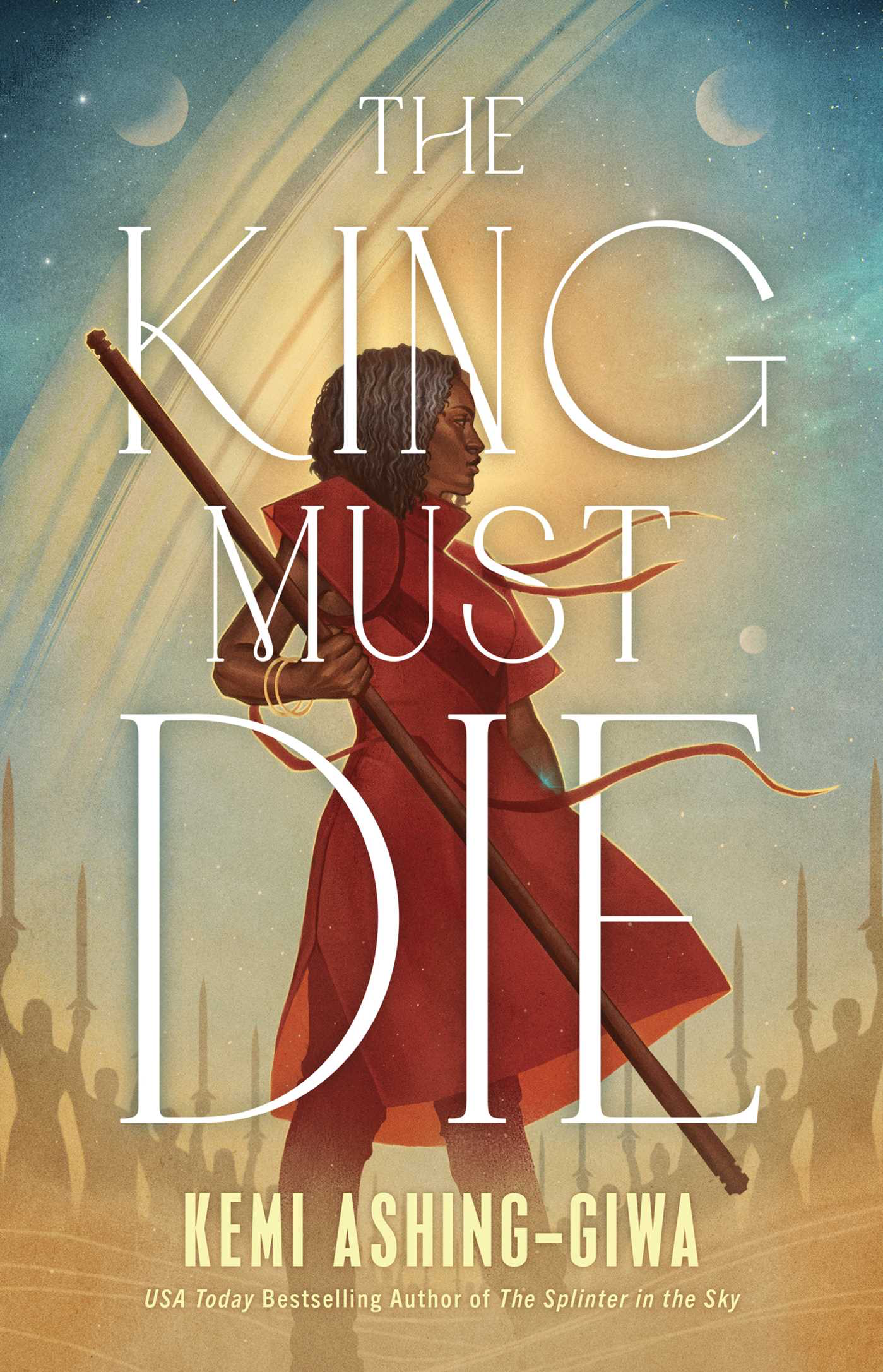
The Bookish Mutant’s Books for Black History Month (2025 Edition)

Happy Wednesday, bibliophiles!

Here in the U.S., February is Black History Month! I normally begin by talking about how critical it is in these times to uplift marginalized voices (in this case, Black voices) with the attacks on so-called “critical race theory” in elementary schools and the attempts in both the classroom and the government to whitewash our fraught, racist past. However, I find these posts becoming more relevant as the Trump administration strikes down D.E.I. initiatives and has started shutting down “identity months” among many federal agencies. As Trump and his cronies push us into an age (certainly not a golden one) that strips away the celebration and acknowledgment of the wonderful difference that makes up this country, it’s more valuable than ever to celebrate those who have historically been downtrodden. Especially since Trump has purported himself as a friend to Black Americans (then turned around and committed unspeakably racists acts during both terms already), we need to emphasize the truth: Black people are and will always be vital to this country, and their history and contributions are an irreplaceable part of American history. No policy, removal, or dismissal can change that.

As with all of the related lists I make each year, this is not an exhaustive list; I encourage you to always look further and discover books and authors of your own during Black History Month (and during the rest of the year).

For my lists from previous years, click below:

NOTE: while the header image just says YA, I’m including books of various age levels on this list. (I’m just too lazy to make a new header, sorry…)

Let’s begin, shall we?

THE BOOKISH MUTANT’S BOOKS FOR BLACK HISTORY MONTH (2025 EDITION)

FANTASY:

SCI-FI:

REALISTIC/HISTORICAL FICTION:

TELL ME WHAT YOU THINK! Have you read any of the books on this list, and if so, what did you think of them? What are some of your favorite books by Black authors that you’ve read recently? Let me know in the comments!

Today’s song:

That’s it for this year’s Black History Month list! Have a wonderful rest of your day, and take care of yourselves!

Posted in Book Review Tuesday

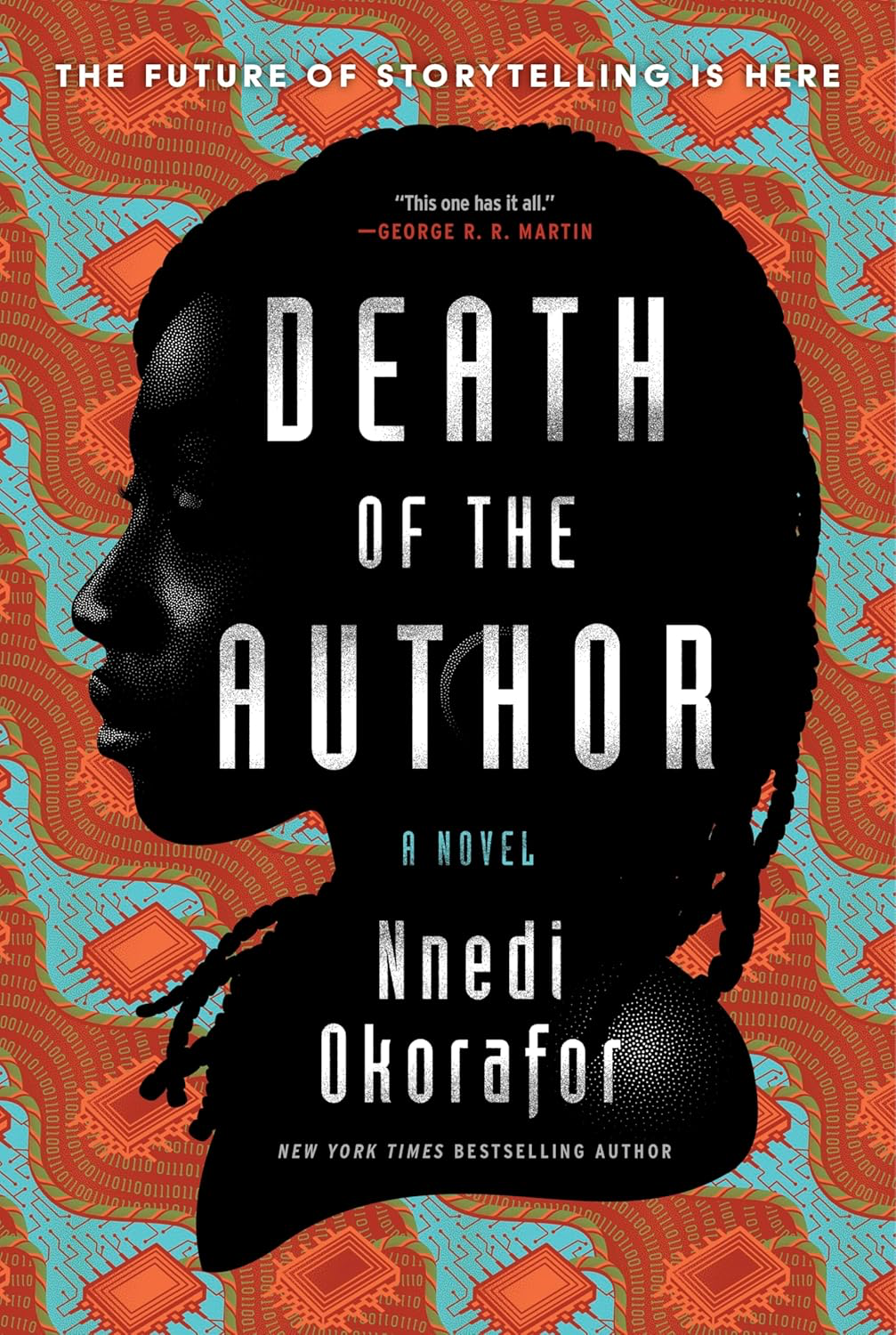
Book Review Tuesday (2/4/25) – Death of the Author

Happy Tuesday, bibliophiles!

I’ve been a longtime fan of Nnedi Okorafor, albeit on and off—I picked up Akata Witch back when I was in middle school, and then discovered her adult books when I was in high school. Since then, I’ve been a fan of her quirky brand of Africanfuturism. You can imagine my surprise when I found out that Death of the Author was not an addendum to her long sci-fi fantasy canon, but instead literary fiction—albeit, with a dash of sci-fi. Either way, the switch from genre to genre is as smooth as I’d expect from Nnedi Okorafor.

Enjoy this week’s review!

Death of the Author – Nnedi Okorafor

Zelu is on the verge of giving up her dream to be a writer. After a pile of rejected manuscripts and a botched job as a professor, she moves back in with her overbearing, judgmental family as she attempts to get back on her feet. But when a spark suddenly comes to her, she has a bestseller on her hands: Rusted Robots. As she grapples with the price of fame and the mobility—and simultaneous lack thereof—Zelu must come to terms with her own identity as she explores the fabrication of it that the public has created for her.

TW/CW: substance abuse, ableism (external & internalized), loss of a parent, near-death situations, kidnapping

Of all people, I didn’t expect Nnedi Okorafor to take the leap into literary fiction, and after I found out the switch in genre, I didn’t expect to enjoy Death of the Author as much as I did. Thankfully, it’s only really literary in the sense that it’s contemporary, realistic fiction…mostly. The woven tapestry of Zelu’s real life and her creation, Rusted Robots, turned out to be a powerful meditation on the nature of art and identity.

Once again, make no mistake: this is fiction, but it’s not entirely just fiction. The assumption is that it’s a handful of years in the future; Zelu has fairly futuristic, adaptive prosthetics that are still in beta testing, and she tests out an automated cab service that’s been newly introduced to the streets of Chicago. Yet Okorafor takes the same skilled hand that she uses to craft intricate, far-future worlds and translates it into the idiosyncrasies of modern life, from the gauntlet of social media fame (and harassment) to being in the confines of a chaotic, judgmental family. For every character that was introduced, Okorafor matched them with an unforgettable personality, even if they only appeared for a few pages. All of the complex, rapidly fluctuated emotions were depicted with sensitivity, from the highest joys to the deepest pits of anguish and the plentiful uncertainty in between. Even without her talent for worldbuilding, Okorafor is a force to be reckoned with, and Death of the Author is proof.

I was hesitantly optimistic that Okorafor was writing a disabled main character again; Noor was a great novel, but from my memory, there was quite a bit of internalized ableism in the main character that went unaddressed. (However, somehow I didn’t know that Okorafor has experience with disability and was herself temporarily paralyzed, so my bad.) The setting couldn’t be more different for Death of the Author, but Okorafor has certainly stepped up her game as far as writing disabled characters—and part of it is that Zelu is unlikable. More often than not, you can at least sympathize with her, but at times, you can see her for the insufferable, argumentative, reckless stoner that her family sometimes sees her as. Of course, not every disabled character has to be likeable, but her relative un-likeability made some of the novel’s most powerful commentary shine even more. As she grapples with her meteoric rise to literary fame, Zelu’s fans place the burden of her being a “role model” for a number of communities: Black, woman, Nigerian-American, disabled. Being a role model can be powerful, but as soon as people saw Zelu as more of a role model than a person, it disregarded her humanity in an entirely different way. She became an example, not an autonomous being—something that is intimately tied to what many disabled people experience. In that way, Zelu represents a leap in how Okorafor writes her disabled protagonists—not just independent, but human.

I don’t have a ton of experience with meta-fiction—it’s not a matter of me not liking it, I just hardly get around to reading much of it—but Death of the Author pulls it off with ease. If you’re still not convinced that Okorafor’s literary fiction isn’t for you, you’ll at least be tided over by her signature brand of Africanfuturism, complete with the landscape of a futuristic Nigeria, robots, and appearances from Udide. It’s somehow a delightful vision of the future, where types of robots have proliferated across the face of the Earth in the face of the extinction of the human race. It’s threaded into Zelu’s life, yet it’s also a clever distillation of the novel’s themes; Ankara’s struggle with coexisting with Ijele inside of his head, as well as the changing world around him, spoke to the themes of embracing collaboration and the blurry relationship between creator and reader.

Which brings me to the whole “death of the author” part. I’ll admit, the Roland Barthes quote from the (original) “Death of the Author” gave me literary theory flashbacks. But as a grounding concept for the book, I love how Okorafor’s Death of the Author playfully pokes fun at the concept. Here, it’s as though the concept has been subsumed by the publishing industry; instead of taking Zelu’s novel as tied to her heritage and her disabled identity, the world swallows it and regurgitates a whitewashed, Americanized movie adaptation that the public eats up. (“Look what they’ve done to my song, Ma…”) Yet at the same time, Zelu is confronted by readers who insistently pester her, insisting that everything in the novel is fully tied to her identity and selfhood. Death of the Author’s strength is the clarity it finds in the balance. Zelu’s work is intimately tied to her identity, but just as intimately tied to her imagination. Her being marginalized meant that people saw her work as surely being solely about her identity, but that wasn’t the whole story either. (The note in the acknowledgements about Okorafor talking to her daughter about worrying that readers would think that Zelu is her makes the point all the more clear.) In this case, fence-sitting is the most reasonable position I can think of—to consider reader interpretation first and foremost can have fruitful results, but to deny the lived experience veers into foolishness, and vice versa; Okorafor’s embrace of the area in the middle is what made the message so clear. Reading and world-creation is a twin act, created both by ourselves and those who receive our work—it’s not a simple question of one or the other.

All in all, a surprising novel that at first seemed like a left turn, but turned out to be another testament to Nnedi Okorafor’s enduring talent. 4 stars!

Death of the Author is a standalone, but Nnedi Okorafor is also the author of several books for adults, teens, and children, including the Binti trilogy (Binti, Home, and The Night Masquerade) the Nsibidi Scripts series (Akata Witch, Akata Warrior, and Akata Woman), Lagoon, Noor, the Desert Magician’s Duology (Shadow Speaker and Like Thunder), and many more.

Today’s song:

ADORE this album

That’s it for this week’s Book Review Tuesday! Have a wonderful rest of your day, and take care of yourselves!
Posted in Monthly Wrap-Ups

February 2024 Wrap-Up 🫀

Happy Thursday, bibliophiles! Happy Leap Day too, I suppose.

Already the end of February, huh? Good riddance honestly. Not that I had a bad month, but I’m just ready for all this gross, slushy weather to be over with.

Let’s begin, shall we?

GENERAL THOUGHTS:

February’s definitely still been busy, but now that I’m more used to my schedule and able to keep myself on track, it’s all good. Things are getting into gear with my classes, I’ve been able to make time to write and make art and hang out with friends, and the weather is starting to warm up. Key word is starting. We’ve had snow almost every Friday or weekend without fail for…probably a month or two? Colorado. The meteorological indecision never ends. But luckily, other than that first week, I’ve been able to blog somewhat steadily.

Reading has been similarly good—sadly, most of the books I’ve read for school so far haven’t been my favorites (apologies in advance to all the Jane Austen fans here), but other than that, there have been very few misses! I also shifted my focus to books by Black authors this month for Black History Month, and I’ve read both familiar and new-to-me authors and had tons of fun. I also ended up having two five-star reads in a month, so I’d call it good! I’m glad that I’ve been able to keep up my reading schedule, because there’s so many books I’m excited to read soon! A whole bunch of holds from Libby have been pouring in, all of which I’ve been eagerly anticipating…

Other than that, I’ve just been cranking out tons of writing, drawing here and there, watching Abbott Elementary, BEEF (absolutely SHAKESPEAREAN lemme tell you), The Bear (ngl I’m mostly just in it for the needle drops), and Constellation (WHAT IS GOING ON 😀), and being in a near-constant state of being on my toes since I never know when we’re gonna get dumped with snow.

Oh, and I think we have the best possible end to a month that I’ve had in several months…BABE. WAKE UP. NEW ST. VINCENT JUST DROPPED. WE’RE GETTING THE ALBUM, TODAY’S THE DAAAAAAAAAAAY

APRIL 29TH CANNOT COME SOON ENOUGH.

READING AND BLOGGING:

I read 17 books this month! Definitely more than I expected to read, but I’m about at the point in the year where I’m familiar enough with my schedule that I can squeeze in more time for reading. There were definitely a few stinkers in the mix, but I had not one but two five star reads this month, which was pretty incredible! My eternal thanks to Audre Lorde and R.F. Kuang.

2 – 2.75 stars:

Harlem Shuffle

3 – 3.75 stars:

Your Plantation Prom Is Not Okay

4 – 4.75 stars:

We Are the Crisis

5 stars:

Babel

FAVORITE BOOK OF THE MONTH: Sister Outsider5 stars

POSTS I’M PROUD OF:

POSTS FROM OTHER WONDERFUL PEOPLE THAT I ENJOYED:

SONGS/ALBUMS I’VE BEEN ENJOYING:

I’ve listened to this an unhealthy amount of times
NEW CHELSEA WOLFE WOOOOOOO
it always comes back to Bowie
AND NEW IDLES we are truly blessed
obsessed now
fantastic album

Today’s song:

“All born screaming” YEAH I CERTAINLY AM. MY GOOOOOOOOODDDDDDDDDDD THE QUEEN HAS RETURNED

That’s it for this month in blogging! Have a wonderful rest of your day, and take care of yourselves!

Posted in Book Review Tuesday

Book Review Tuesday (2/27/24) – The Melancholy of Summer

Happy Tuesday, bibliophiles!

I believe I heard about The Melancholy of Summer somewhere around the blogosphere when it first came out last May, and I figured it would be a good piece of fiction between several hefty fantasy reads. Louisa Onomé is a new-to-me author, and now that I’ve read her newest work, I don’t regret it—a coming-of-age story that pulls no punches.

Enjoy this week’s review!

The Melancholy of Summer – Louisa Onomé

Summer is alone. Waiting to turn 18 and gain her independence, she has been staying at friends’ houses after her parents were convicted of fraud and went on the run without warning. Left to her own devices, Summer has been able to keep her status a secret, but after her counselor discovers that she has been living alone, she’s sent to live with a cousin she barely knows. Struggling to balance her double life with a cousin who’s barely more independent than she is, Summer is faced with a myriad of difficult decisions for the future. But Summer is left with a burning desire to find out what really happened to her parents, and it will take her to places she didn’t bargain on going to.

TW/CW: parental abandonment, grooming, homelessness, emotional abuse

First off: this isn’t about the book itself so much as the marketing. About the marketing…whose idea was it to tag this book as “sad girl summer”? How do you see a book tackling a myriad of sensitive topics, including but not limited to parental abandonment, homelessness, and familial betrayal and go “ah, yes, ✨sad girl summer✨” WHAT? I just wanna talk to whoever made that decision. Just a quick chat. WHY? And I thought trope marketing couldn’t get any worse…

All this is to say that I’m saying these things because it’s more than The Melancholy of Summer deserves. Situated on the older side of YA, it’s not just a coming-of-age story: it’s an unflinching portrayal of the topics I discussed earlier. There’s no sugarcoating or dancing around the reality of issues here. It’s a heartbreaking novel, but it’s not one that employs horrific events for shock value—they’re an authentic consequence of Summer’s circumstances. I haven’t read a lot of novels—especially not YA novels—that have dealt with these kinds of subjects, but I really respect the route that Onomé chose to go down in terms of portraying them. Although I can’t speak to their accuracy, it feels like an unapologetic respectful depiction of parental abandonment and homelessness, along with the emotional turmoil that brings.

Going off of that, Summer’s character felt just as authentic. She really feels like a teenager, and not in a forced way; it really should be a given for a YA novel, but you’d be surprised at how many authors miss the mark. Summer isn’t just a teenager—she’s a messy one, an emotional one, and sometimes a brazen and impulsive one, but never once did it feel like Onomé was forcing it down our throats that she’s 17. Summer’s yearning for independence felt all too real, especially given her circumstances; none of the pent-up anger that she expresses felt out of place, and none of her emotional outbursts were without reason. Summer felt, more than anything, just how someone with teenage, volatile emotions would feel having to grapple with circumstances out of her control, and that’s a large part of why The Melancholy of Summer was so successful for me.

That being said, although most of the plot points did feel appropriately and respectfully handled, much of the development (or lack thereof) with the character of Olu felt very rushed and unresolved. The plot point about her being groomed, as well as the plot of Summer trying to help her out at the venue, felt like it was tossed in as a slice of filler, and therefore felt half-baked at best. With how authentically Onomé portrayed a lot of the topics in the novel, it seemed uncharacteristic that something as serious as grooming was brushed over so quickly and resolved in a way that could only be described as unsatisfying. It was all but a footnote, and it seemed like it wanted to be a major plot point, but with how unceremoniously it was shoved into the middle of the novel, it felt poorly handled.

This was a symptom of a larger issue in The Melancholy of Summer overall; other than Summer, hardly any of the side characters get the development that they need. Save for Summer’s aunt, the side characters that we’re meant to care for almost as much as Summer were often one-note and tossed aside whenever the plot called for it. Tanya, Summer’s cousin and guardian, could have been a vital character to explore, and although we do get the sense that she still feels like a kid and doesn’t know any more than Summer does about navigating life, she shows hardly any growth throughout the course of the novel. The same can be said for Olu, Sid, and many of the other people that we meet. It was clear that Summer got the most attention, and yes, she’s the protagonist, but that doesn’t mean that the side characters had to be left in the dust.

All in all, a heartbreaking and authentically-written novel with a vibrant protagonist but a not-so-vibrant supporting cast. 3.5 stars!

The Melancholy of Summer is a standalone, but Louisa Onomé is also the author of Twice as Perfect, Like Home, and Pride and Joy.

Today’s song:

That’s it for this week’s Book Review Tuesday! Have a wonderful rest of your day, and take care of yourselves!
Posted in Book Review Tuesday

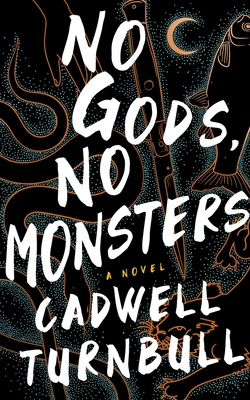
Book Review Tuesday (2/20/24) – No Gods, No Monsters

Happy Tuesday, bibliophiles!

I’ve had this book on my radar for a few years, as well as The Lesson; I almost read it earlier last week, but then I discovered that I could only read it on my phone, for some reason (nope). Coincidentally, I found it at Barnes & Noble later that week (on a very necessary detour I made with a friend), so I finally decided to pick up a copy for myself. Now, I’m so glad that I have a hard copy—No Gods, No Monsters is one of the most unique fantasy novels I’ve read in a while!

Enjoy this week’s review!

No Gods, No Monsters (Convergence Saga, #1) – Caldwell Turnbull

Around the world, strange creatures have come out of hiding from the shadows. Creatures of myth and legend, those thought to be confined to the imagination. In the wake of this unexplained event, known globally as The Fracture, the stories of people across America collide. A woman reckon’s with her murdered brother, unjustly killed by Boston cops, but learns that her brother’s life was more fantastical than she could have ever imagined. A professor goes in search of a friend presumed dead, but finds a schism between two cults in its place. A young girl must warm up to the presence of her adopted sister, who she grows to love despite her bloodlust. All of these events converge as the world of monsters is revealed, but can mankind reckon with their presence—and their demand to be seen?

TW/CW: police brutality, gun violence, gore, substance abuse/past mentions of an overdose, sexual abuse, domestic abuse

If I’m being honest, it’s a real shame that No Gods, No Monsters has an average rating of 3.45 on Goodreads. To be fair, it’s probably one of those “you love it or you hate it” books, but I absolutely loved it. Sometimes you love the book with an average rating over 4.00 and tens of thousands of reviews, but sometimes it’s those lower-rated and lower-reviewed novels that hit the spot. (see also: Spare and Found Parts – Sarah Maria Griffin)

No Gods, No Monsters truly felt dreamlike, and that’s what made this novel stand out to me. It’s not concerned with being overly coherent, and it drifts about in bits and pieces. I guess that’s the aspect that put a lot of people off, but it’s the kind of writing and storytelling that suits the story that Turnbull is trying to tell. It fits with the whole theme of “monsters have come out of hiding and we can’t do anything about it” theme—there’s global panic, sure, but first there’s the denial that anything is happening at all, and then the reality hits you, and you still try to deny it. This whole novel felt like navigating the haze of denial while the monsters creep out of the shadows: you know exactly what’s going on, but as long as you can help it, I’m not here, this isn’t happening.

I feel like No Gods, No Monsters could have just as easily worked as a short story collection. Each section, switching POVs from dozens of characters who are slowly woven together, works on its own, situated within worlds that are’ separate until the threads begin to tie themselves into an interlocking web of magic towards the end. They all felt like short stories, but I don’t think anything was taken away from them not being short stories—No Gods, No Monsters is a very non-traditional novel in several ways, and I liked that it toed the line between novel and anthology in order to flesh out the themes of community and the things that bound all of the characters together in the chaos.

My favorite section had to be that of Sondra and Sonya—their story was all at once chilling and tender, heartwarming, heartbreaking, and horrifying. Off of the top of my head, this instance in the novel is one of the few depictions I can think of where talking about complicated love in a fantasy/sci-fi setting really does feel complicated; the complication is very literal in the sense of depicting the drain (no pun intended—no spoilers, though) on Sondra, but her horror of both reckoning with the actions of Sonya in the present and how much they bonded in the past felt nuanced in a way that truly made me feel for Sondra. In general, this part of the novel is representative of what I loved about the novel as a whole: although there were some physical consequences to the monsters coming out of hiding, I loved that Turnbull chose to focus more on the emotional and interpersonal connections that happened in the aftermath.

Going off of that point, I loved how No Gods, No Monsters handled its expansive worldbuilding! The event that incites everything that happens in the novel is implied to be the start of a global upheaval, but Turnbull handles the complexities of it with aplomb. It doesn’t feel like every single action movie where we go instantly into mass panic and riots in the streets (although that is stated to have happened in the background), but instead gives us information in breadcrumbs through how it affects the many and varied characters of the novel. I did find myself wanting more of how the monster emergence is affecting the world, but a) I figured that the uncertainty is a consequence of the characters themselves not fully knowing what’s going on, and b) the fact that this is a series, so we’re bound to learn more in the books to come. I have We Are the Crisis downloaded, so I’m excited to find out more!

All in all, a truly memorable and inventive fantasy that explored the not-often-discussed areas of trauma and denial in the face of global upheaval. 4 stars!

No Gods, No Monsters is the first installment in the Convergence Saga, followed by We Are the Crisis. Caldwell Turnbull is also the author of The Lesson.

Today’s song:

my friend just got me hooked on indigo de souza, I’m OBSESSED

That’s it for this week’s Book Review Tuesday! Have a wonderful rest of your day, and take care of yourselves!
Posted in Book Review Tuesday

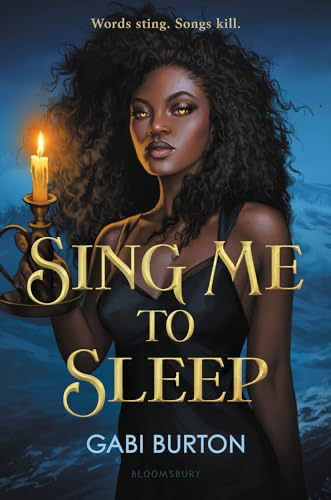
Book Review Tuesday (2/13/24) – Sing Me to Sleep

Happy Tuesday, bibliophiles!
I always love stories about mermaids and sirens, so Sing Me to Sleep instantly went on my TBR when it came out last June. Sing Me to Sleep presented a land-bound take on sirens that proved fascinating, and resulted in a tense, seductive YA fantasy!

Enjoy this week’s review!

Sing Me to Sleep – Gabi Burton

Saoirse is hiding a deadly secret. She’s a siren, driven by the urge to kill and seduce, which has made her into the perfect assassin. Her talents took her all the way to the good graces of the royal family of Kierdre, but they don’t know of her true identity—and she must hide it at all costs, lest she incur the wrath of their creature-hating king. But working as one of the personal bodyguards to Prince Hayes has its perks, and soon, Saoirse finds herself questioning her loyalties—and drawn towards a prince who would kill her if he discovered her true self.

TW/CW: genocide (past), kidnapping, fantasy violence, murder, poisoning, drowning, stabbing, torture

I’m not going to bog down this review by starting it with another rant about how jaded I am with epic and high fantasy, but I’ll leave it at the fact that this was the reason that my expectations for Sing Me to Sleep were so average. But I ended up blowing through this novel, and I haven’t done that in weeks—it’s just pure fun.

I won’t lie—I was a little disappointed when I realized that Sing Me to Sleep took place primarily on land when they had a siren protagonist. Mermaids and sirens are an instant draw for me, so I was excited to explore some of those magical aspects and how Burton realized them in her fantasy world. However, once I got into the novel, I ended up enjoying how Saoirse’s siren status affected her when she was confined to land, from the call of the sea every time she came near it to being momentarily thrilled by having her head dunked underwater while being tortured for information. Burton’s handling of Saoirse’s hidden thirst for male blood was similarly well-executed; it set a kind of time bomb of sorts whenever she was around her targets, and made the stakes feel tangible and not just an aside thrown in to remind the reader that she’s a siren. The way that Burton utilized these aspects made for a novel with just the right amount of stakes, with tension in all the right places.

Sing Me to Sleep hinged on the twist of Saoirse, trained to seduce and take advantage of men before killing them to satisfy her bloodlust, accidentally falling for Prince Hayes and not knowing what to do with herself. I was banking on it being a little cheesy (this is YA fantasy, after all), but I really appreciated how slow Burton took it with the budding romance! Not only was the forbidden aspect of it enhanced by the aforementioned handling of Saoirse being a siren, Burton didn’t go headfirst into the romance, like so many authors end up doing while trying to pull off enemies-to-lovers. The initial hatred and disdain felt genuine, and Saoirse’s inner conflict when she realized that she was falling for one of her marks was appropriately a shock to her senses. Although I didn’t particularly care for Prince Hayes as a character, Saoirse’s reactions to him felt true to what enemies-to-lovers should be. I’m interested to see how the romance will play out in the sequel…

Again: I’ll spare you my gripes with epic fantasy as a whole, but unlike of much of the fantasy I can remember reading recently, Sing Me to Sleep had the beginnings of some fascinating fantasy worldbuilding! The novel does a great job of establishing all of the different magical races and subsequently detailing the history of discrimination and subjugation amongst them. Burton did have quite a lot on her plate, but for the most part, she juggled it well, making for a world with limits that made sense and enough hints within to make me want to read the sequel just to see how some of the hidden elements get explored. Half the hard part of worldbuilding is making it something that the reader is actually motivated to read once you’ve done all the heavy lifting to create it, and Burton succeeded on that front!

However, while Burton did well with juggling several moving parts in her worldbuilding, I’m not sure if I can say the same for her characters. Although Saoirse was a compelling protagonist with motives that were appropriately fleshed-out, most of the others—of which there were a ton—left a lot to be desired. Besides Hayes, if we got any trace of their personalities, it was left at one character trait (or physical description) to distinguish them, and not much else. Combine that with the expectation that there were dozens of these characters running around that we had to remember to get all of the plot, and it just made for a mess as far as remembering why any of them were important save for their job descriptions. If some of them had been cut out, it would have solved the whole problem—it’s just a case of Burton biting off much more than she could chew, which is entirely understandable for a debut novel.

All in all, an action-packed fantasy full of tension, forbidden love, and bloodlust. 4 stars!
Sing Me to Sleep is Gabi Burton’s debut novel and the first novel in the Sing Me to Sleep duology, concluded by Drown Me with Dreams, which is slated for release this August.

Today’s song:

That’s it for this week’s Book Review Tuesday! Have a wonderful rest of your day, and take care of yourselves!