Posted in Book Review Tuesday

Book Review Tuesday (2/24/26) – Every Variable of Us

Happy Tuesday, bibliophiles!

I’ve read a lot of great books this month, but a lot of the ones I’ve read recently are sequels to books that I haven’t reviewed, so it feels weird to review a book 2 or 3 when I haven’t even review book 1. Hence why there have been more negative reviews this month. However, I do feel like I have to get my feelings about Every Variable of Us off my chest, because it promised something so positive, but crashed in burned in so many ways. It was a sore disappointment for sure.

Enjoy this week’s review!
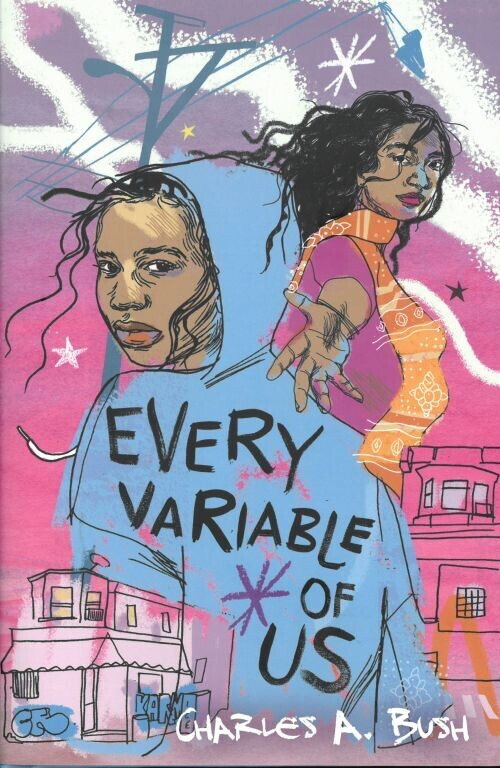
Every Variable of Us – Charles A. Bush

Alexis Duncan loves basketball—and she’s counting on it to get her the scholarship she needs to escape her impoverished neighborhood and turbulent home life. But when she’s injured in a shooting and can no longer play basketball, her dreams are crushed. With no other option, she turns to Aamani, the new student in her school. Aamani encourages Alexis to join their school’s STEM team to get the scholarship she needs. Alexis is skeptical—she knows nothing about the sport, and she’s reluctant to fit in with the nerdier crowd. But as her skills—and her confusing crush on Aamani—develop, Alexis realizes that there may be more to her than meets the eye.

TW/CW: racism, gun violence, homophobia, Islamophobia, xenophobia, ableism (internalized/external), drug abuse/addiction themes, mentions of child abuse

I’m a little ashamed to be giving this novel such a negative review, but I firmly believe that negative reviews have their place. This novel was clearly a labor of love for Bush, being a debut novel about a queer, Black, and disabled girl, a story that’s exceedingly difficult to get out there in this climate. There’s probably some kids out there who think that this is just the book for them. Without a doubt, Every Variable of Us is an important book to have out there. But I think there’s a lot of valid criticism to be had for this novel, and it’s important to note that a book being diverse doesn’t absolve flaws in its writing…of which this novel had many.

In theory, I think Alexis is a great character to have for a YA audience; there’s this expectation in the genre that even your characters can’t be flawed in terms of their worldview, because that might be “problematic.” It’s good for teens to see a character that starts off narrow-minded and comes out the other side more tolerant or understanding. I tried to roll with Alexis’s inner monologue with that in mind. There’s a lot that you have to put up with—in the beginning of the book, Alexis is…practically everything-phobic: Islamophobic, racist towards other minorities, fatphobic, homophobic, and ableist. There’s a clear setup for her to learn from her mistakes and be more understanding of other people’s cultures, and in turn, accept her own status as a disabled, bisexual person. However, there doesn’t end up being much development on her part, when both the novel and the marketing want us to believe that she undergoes this dramatic arc and becomes a whole new person. Alexis becomes more tolerant towards queerness and Aamani’s Indian heritage and traditions, but save for that (and her success in becoming an asset to the STEM team and getting a scholarship), her arc is practically a straight line. Her lack of self-reflection wouldn’t have been a problem if Bush wanted the reader so badly to think that she’d magically changed into a better person, when in reality, she was in a very similar place to where she was at the beginning of the novel. I’m all for flawed characters, but don’t tell me that a character’s had this monumental shift in her worldview when she really hasn’t.

Which brings me to the complicated issue of the diversity of this book. I really appreciate that Bush put a lot of effort into making Every Variable of Us have a diverse cast. However, a lot of the diverse characters ended up feeling like props to reinforce lessons for Alexis about being tolerant about other marginalized people. To be fair, Aamani had more development than the rest, but there were moments when she was clearly only there to teach Alexis about Indian people and Hindu traditions, as well as queerness. It was more blatantly evident in characters like Matthew; I appreciated the note at the beginning where Bush acknowledged that he’s not autistic and wanted to represent autism as respectfully as possible. I can’t speak to the autism rep specifically, but as a neurodivergent person, I found Matthew to be decently represented. That being said, it very much felt like he was there just so that he could challenge Alexis’s ableist worldview. At a certain point, I could see the checklist in Bush’s head: “oh, wait! Maybe we can add an Asian character here, jot that down!” Diversity can only be successful when its intent is to provide representation of minorities, but also minorities as people, not teaching moments for the main character; otherwise, it becomes disingenuous. Every Variable of Us unfortunately fell straight into this trap.

I’ve talked about this with several YA books, but there’s a very vocal camp in the YA world that’s staunchly against pop culture references in the story. I’ve never really understood the argument—why not have your characters engage with media that current teenagers like and/or that you liked as a teenager? Why not have something that a teenager can relate to or be introduced to because of this book? However, there is very much a wrong way to do it, and that’s to cram every possible reference into the narrative for no reason. Dear Wendy is another example where that approach nosedived (too many references, not enough actual story), but it pains me to say that Every Variable of Us is also a masterclass on how not to write pop culture references into the narrative. Every other sentence had a reference. Even when I was Alexis’s age, and deeply, deeply nerdy (especially about some of the same things that Aamani is passionate about, namely Marvel comics), my inner and outer monologue didn’t contain an Avengers reference every 10 seconds. It got to such a ridiculous point—nobody, not even nerdy people, talks like that at all. As a result, almost all of the characters ceased to become real to me. People just do not speak like that. It’s like Bush was trying to relate to every possible teenager by thinking of every possible thing that a teenager could like, and then translating it into dialogue, making it exceedingly hammy.

That issue of trying to relate to every possible teenager felt like the core of my issues with Every Variable of Us. It’s an issue that I often see in a lot of debut novels: authors want to cram every possible thing that they’re passionate about into a single novel; at best, it’s a labor of love, and at worst, it’s quite bloated. This novel suffered from this without a doubt. He just tried to tackle far too many issues, and as a result, the analysis of them was often surface-level. Bush talks about gang violence, abuse, having a parent with an addiction, homelessness, suddenly developing a disability, religious bigotry, and queerness all in one novel. While it’s admirable to write about this much (and there are of course people who live in these circumstances), Bush clearly didn’t have the page time to do justice to all of them without only giving an underdeveloped take on all but maybe…two or three of these issues. I do appreciate the handful of moments where the exploration of these topics actually did land; the moment at the end with Alexis’s mother was one of the only parts of the book that was emotionally impactful to me. But for the most part, this was just way too much for a single debut novel to be doing. In an attempt to try and address every issue that he seems to be outspoken about, Bush ends up hardly addressing them at all.

If there’s a lesson to be learned here, it’s that you can’t please everybody with a single novel, whether it’s the audience you’re appealing to or the groups that you’re trying to represent. Charles A. Bush just seemed too concerned with trying to make every possible reader in every parallel universe happy, which stretched the narrative thin. I get that there’s an insurmountable amount of pressure with a debut novel, but you do not need to please everybody! It’s okay! Breathe!

All in all, a debut novel that tried too hard to do too much, and ended up spiraling into a mess as a result. 1.75 stars.

Every Variable of Us is a standalone, and Charles A. Bush’s debut novel.

Today’s song:

That’s it for this week’s Book Review Tuesday! Have a wonderful rest of your day, and take care of yourselves!

Posted in Book Review Tuesday

Book Review Tuesday (2/17/26) – The King Must Die

Happy Tuesday, bibliophiles!

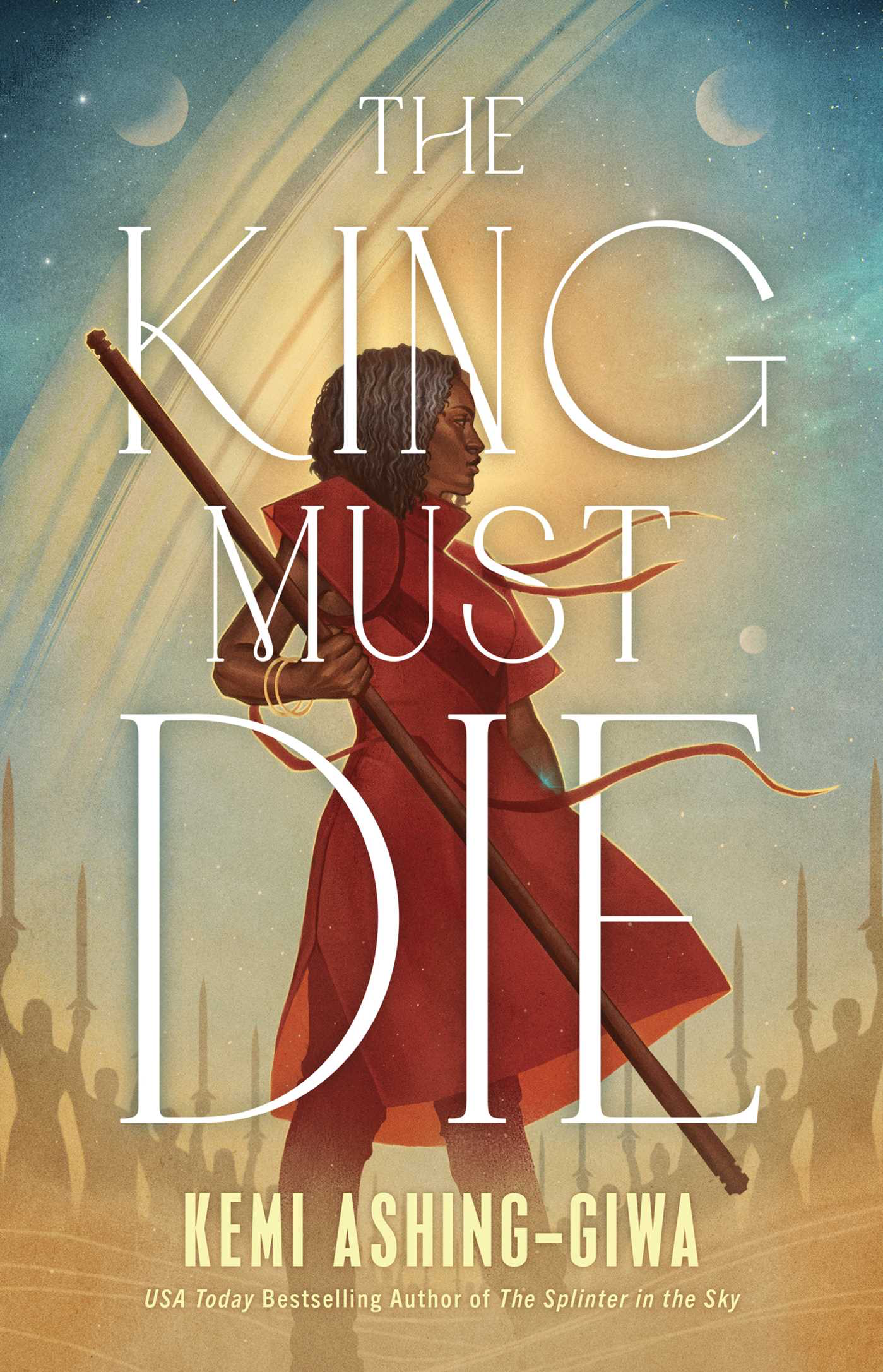
Confession time: I was not a fan of Kemi Ashing-Giwa’s debut, The Splinter in the Sky. I didn’t think I would read any of her other books. But my hunger for sci-fi knows no bounds, and when I saw this, I was intrigued enough by the premise to give her writing a second shot. Thankfully, the gamble paid off—The King Must Die was an unexpected delight, full of rebellion, blood, and the friendships that somehow spring up from those other two things.

Enjoy this week’s review!

The King Must Die – Kemi Ashing-Giwa

Newearth was once humanity’s last hope, a planet terraformed by incomprehensible, alien overlords. Now, it’s on the verge of destruction, with dwindling resources divided unfairly amongst the struggling poor and the Sovereign that rules over them. What’s more, the Sovereign has the power of the omnipotent, alien Executors on their side, willing to do their divine bidding at a moment’s notice, leaving a path of destruction in their wake. Fen, the daughter of anti-imperialist rebels, is on the run after the assassination of her fathers. With a target on her back, she flees for a neighboring rebel faction. But when Alekhai, the ruthless heir to the Sovereign, stumbles directly into the plans of the rebellion, Fen is faced with a brutal choice: join forces with him, or let the rebellion fall prey to the Sovereign.

TW/CW: murder, loss of loved ones, gore, blood, violence, descriptions of injuries, torture

I almost passed on this novel when I saw that it was by the same author as The Splinter in the Sky. But sometimes, every once in a while, it’s worth it to give an author another chance; if not for second chances, I wouldn’t have loved Grace Curtis’s Floating Hotel, for instance! I’m glad I took the chance with Kemi Ashing-Giwa, because The King Must Die was an action-packed, adrenaline-filled story of rebellion and intrigue.

My issue with The Splinter in the Sky was that the story did not feel original. A recurring thought I had while reading it was that it had poorly copied A Memory Called Empire‘s homework—there wasn’t enough about the story that was original. I can excuse some of it, since this was her debut novel, but debut novels can have a story that doesn’t border on being a rip-off. That being said, I do remember liking some of Ashing-Giwa’s prose. Thankfully, she’s worked on both of those fronts, creating an original story to go with said prose, and the prose itself has been leveled up significantly! Ashing-Giwa had such a vibrant way of describing the imagined world of Newearth and the many people within it, so much so that I could easily see myself walking through its war-torn jungles. Her dialogue is snappy without being corny, and her metaphors added a poetic flair to an often bloody and dreary landscape. The King Must Die is a marked improvement from Ashing-Giwa’s debut, fleshing out what I felt lacked in her writing on the first time around.

Whenever I say that an adult novel is a good transitory novel between YA and Adult age groups, it always seems backhanded. I guess that’s because literary circles still turn their noses up at YA for the most part. Listen—even though I’ve aged out of the target audience, I read a fair amount of YA (although adult novels have eclipsed them), I write YA, and I have a deep respect for it as an age group (it’s not a genre!). There’s a difference between YA (novels that genuinely portray the complex emotions of teenagers and their circumstances) and YA (tropey slop banking on the latest fanfiction/TV trends). And I think there’s something about The King Must Die that felt like it could be an excellent book to introduce older teens to more adult genre fiction. Sure, the kill count and amount of blood in general is very much adult, but Ashing-Giwa hits that balance between the political intrigue that’s more present in Adult novels with the character drama that I associate more with YA. It has the fast pace that I associate with some of my favorite YA sci-fi romps that I ate up in high school, but with a level of maturity that would have been lost on me at that time. It’s difficult to balance this kind of complicated worldbuilding and politics while also having this character drama, but The King Must Die had both in spades.

The main part that felt YA (affectionate) to me was the character dynamics. The dynamic between Fen and Alekhai is a classic YA setup; she’s a runaway rebel, and he’s the heir to the empire she wants to destroy. Will sparks fly? …no, evidently, but they did make for some seriously compelling character dynamics. I appreciated that, although there were multiple opportunities for Fen to be paired off with any number of characters, all of them were platonic, and they still gave me that juicy, delectable drama that’s usually only reserved for romances. Fen had such excellent chemistry with Mettan, Sinjara, and the other rebels, but what stood out the most was her relationship with Alekhai. I love a good redemption story for a villain, but it’s even more impressive given how much that Ashing-Giwa establishes about him that honestly…shouldn’t be that redeemable. But his development over the course of the story culminated in something so emotional, and the slow cracking of his shell from a ruthless, indestructible royal to someone who only wanted love in return was incredibly poignant.

The King Must Die is still sci-fi for sure, but I’d place it somewhere in the nebulous category of space fantasy. There are some elements that solidly ground it in science fiction: the alien Makers and their terraformed planet, for one, but also some of the technology. However, much of the action that we see on the ground was very fantasy, what with battles waged with intricate swords and quarterstaffs. I loved the strange, often horrifying beasts that we encounter throughout, though I would’ve liked explanations about how they fit into the ecosystems; we get a lot of tidbits of creatures that supposedly went extinct centuries ago, but are showing up for…reasons, and are never brought up again. As a whole, there were a handful of holes in the parts of the worldbuilding that didn’t relate to a) the politics or b) the terraformed Newearth, but for the most part, the world of The King Must Die was a compelling one without a doubt.

In general, I liked the ending and the epilogue; on a more technical level, Ashing-Giwa is excellent at writing battle scenes that really pump up your adrenaline. Some of the imagery, as well as Askrynath’s dialogue, reminded me of the final battle in the throne room in Hellboy II: The Golden Army, which, if you know me well, is a compliment of the highest order. Conceptually, I like how the ending and epilogue resolved—through selflessness and collective community work, the empire was dismantled and a more fair system was set up on Newearth. However, it felt wrapped up far too neatly. An empire that size—especially one with the backing of incomprehensibly all-powerful aliens—doesn’t crumble in a day. I wanted to see more of the messiness of rebuilding a new world in the ashes of the old one—the transition just felt too clean to be realistic. To be fair, The King Must Die is already pushing 500 pages, so I get it if that didn’t make the final cut. Nonetheless, it was a satisfying ending—just too satisfying for my liking, and for the tone of the story itself.

All in all, a sci-fi adventure that balanced genuine political critique with fast-paced action and dramatic, snappy dialogue—it’s rare to find a book that succeeds with both. 4 stars!

The King Must Die is a standalone, but Kemi Ashing-Giwa is also the author of The Splinter in the Sky and the novella This World Is Not Yours.

Today’s song:

That’s it for this week’s Book Review Tuesday! Have a wonderful rest of your day, and take care of yourselves!
Posted in Book Review Tuesday

Book Review Tuesday (2/10/26) – This Great Hemisphere

Happy Tuesday, bibliophiles!

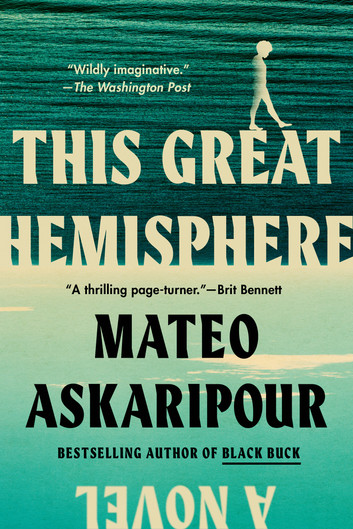
This book came up in several searches I found looking for speculative fiction authors that I hadn’t heard of. It seemed more on the literary side of dystopia/sci-fi, but the premise seemed interesting enough, so I took the leap. Unfortunately, This Great Hemisphere falls into the same trap as many other literary sci-fi novels: all literary, hardly any sci-fi—or basic worldbuilding to speak of.

Enjoy this week’s review!

This Great Hemisphere – Mateo Askaripour

In the 26th century, Earth has become unrecognizable, and so have its people. Parts of the population have become Invisible; those who cannot be seen are relegated to manual labor and pushed to the margins of society. Sweetmint, and Invisible woman, has worked her entire life to ensure that she becomes more than another statistic, securing a top apprenticeship with a legendary non-Invisible businessman. But when her missing brother becomes the prime suspect in a politically-motivated murder, Sweetmint sets off to find him—and convince the rest of the world of his innocence.

TW/CW: racism, misogyny, violence, sexual assault, murder

I really just need to steer clear of literary sci-fi, at this point. Once in a blue moon, you’ll get something incredible, but I feel like authors who go from literary fiction straight into sci-fi forgo world/character building and just slap the same faux-deep prose into a vaguely speculative setting. To Mateo Askaripour’s credit, This Great Hemisphere goes slightly further than that, but beyond the basic premise, there’s not much about this novel that holds water.

Overall, This Great Hemisphere left a lot to be desired in terms of the worldbuilding, which I’ll get to later. That being said, the one part I really enjoyed about the novel was how fleshed-out the concepts of the Invisibles were. It’s the only bit of worldbuilding we really get, but at least what we have was somewhat substantial. I loved how Askaripour outlined not just how Invisibles are marginalized in this far-future society, but their own cultural quirks; I love the “scent-prints” that Invisibles recognize each other by without sight, and the fact that some paint themselves in order to be visible in DP society was fascinating to me. Askaripour fleshed out their social world well, and it made that part of the novel feel real. From the get-go, it’s easy to see how this becomes allegorical for racism. I found the allegory a little shallow, personally—it doesn’t go far beyond “racism is bad and it’s systemic,” and I would have liked it to have more nuance—say, the psychological effects of it or how a character like Sweetmint might view herself because she’s been socialized around this racism. But as it was, it was a decent way of showing how racism could manifest in a speculative setting.

However, the Invisibles concept is where my praise for This Great Hemisphere ends. One of my biggest issues with this novel is that all of the characters were flat, and as a result, I had significant trouble connecting to any of the characters. Sweetmint was the protagonist who we were supposed to root for, but she had no personality outside of being an object of marginalization; I know that she gets beaten up and wants to save her brother, but those aren’t character traits. Strip the plot away, and Sweetmint would be nothing. The same applied to most of the other characters in the novel, who were either hollow caricatures of various kinds (ex. Croger was an eccentric billionaire, the Rainbow Girls were gossipy, catty women), or just not given any personality traits at all. This was most detrimental when it came to Sweetmint’s brother; since we spend the whole novel searching for him, surely we’ll get a taste of what his personality is like, as well as his relationship with Sweetmint, right? Apparently not…once again, he’s just there to move the plot along. This Great Hemisphere could have been a solid novel with the bones that it stood on, but without any substantial characters, it was practically skeletal.

Beyond the Invisibles, there’s almost no worldbuilding, and what’s there makes almost no sense. It’s the 26th century, and we’re in…a forest of some sort. Climate change has affected…something, but Askaripour refuses to tell you what. There aren’t any major technological innovations in 500 years, seemingly—and even if this were some kind of society where everybody had become luddites for whatever reason, that’s not explained either! Chief Architect Croger is the one responsible for molding modern society into what it is, but do we know how? Also no. There’s a government, and it’s bad, and they have…elections? That’s about all I know. There’s just absolutely no scaffolding for any of the worldbuilding, nor is there context for it. If Askaripour hadn’t said anything about the time period, I fully would’ve assumed that this was set, at the furthest, at the end of the 21st century. If This Great Hemisphere had been set in a climate-ravaged 2080’s, or something, half of these problems wouldn’t even exist—but it would still take at least some modicum of effort to convince us that this was set past 2024. It was just blatantly clear that Askaripour did very little work to make his speculative fiction truly speculative—it felt so modern, and that continued negligence for the worldbuilding made suspending my disbelief exceedingly difficult.

I’m always wary of male authors writing from the perspective of female characters, and This Great Hemisphere reminded me of why I have those fears in the first place. Don’t worry—we don’t get into “her boobs breasted boobily” territory here, but it’s not great, either. The bar is in the Mariana Trench, but Askaripour is still somewhere in the twilight zone at best. Already, the characters were developed poorly and presented little opportunity to get attached, so Sweetmint, regardless of gender, was not a compelling character. But her gender factored greatly into the discrimination in this novel, which is where it gets messy. There are so many scenes with her being beaten up, groped, and otherwise abused, which bordered on gratuitous. And yes, This Great Hemisphere is about a (somewhat) fictional kind of discrimination, but Askaripour didn’t seem to reflect at all about how gender would intersect with this fictional marginalization. Instead, we got page after page of Sweetmint facing gender-based violence with no nuanced reflection on it. It just rubbed me the wrong way that these things were being done so thoughtlessly to a female character. It wasn’t gratuitous enough to be torture porn, but it came close to it. In addition, when the female characters weren’t underdeveloped entirely, they felt rather shallow; I did appreciate that Askaripour kind of humanized a few of the Rainbow Girls, but they were very much a caricature of gossiping, oversexualized women in the end. Again! He could’ve made some very potent commentary on that, but no, apparently this novel needed the same caricature in every color of the rainbow…for some reason.

All in all, a speculative dystopia that talked the talk in terms of its themes and metaphors, but largely failed to walk the walk and follow through on its own ideas. 2.5 stars.

This Great Hemisphere is a standalone, but Mateo Askaripour is also the author of Black Buck.

Today’s song:

That’s it for this week’s Book Review Tuesday! Have a wonderful rest of your day, and take care of yourselves!
Posted in Books

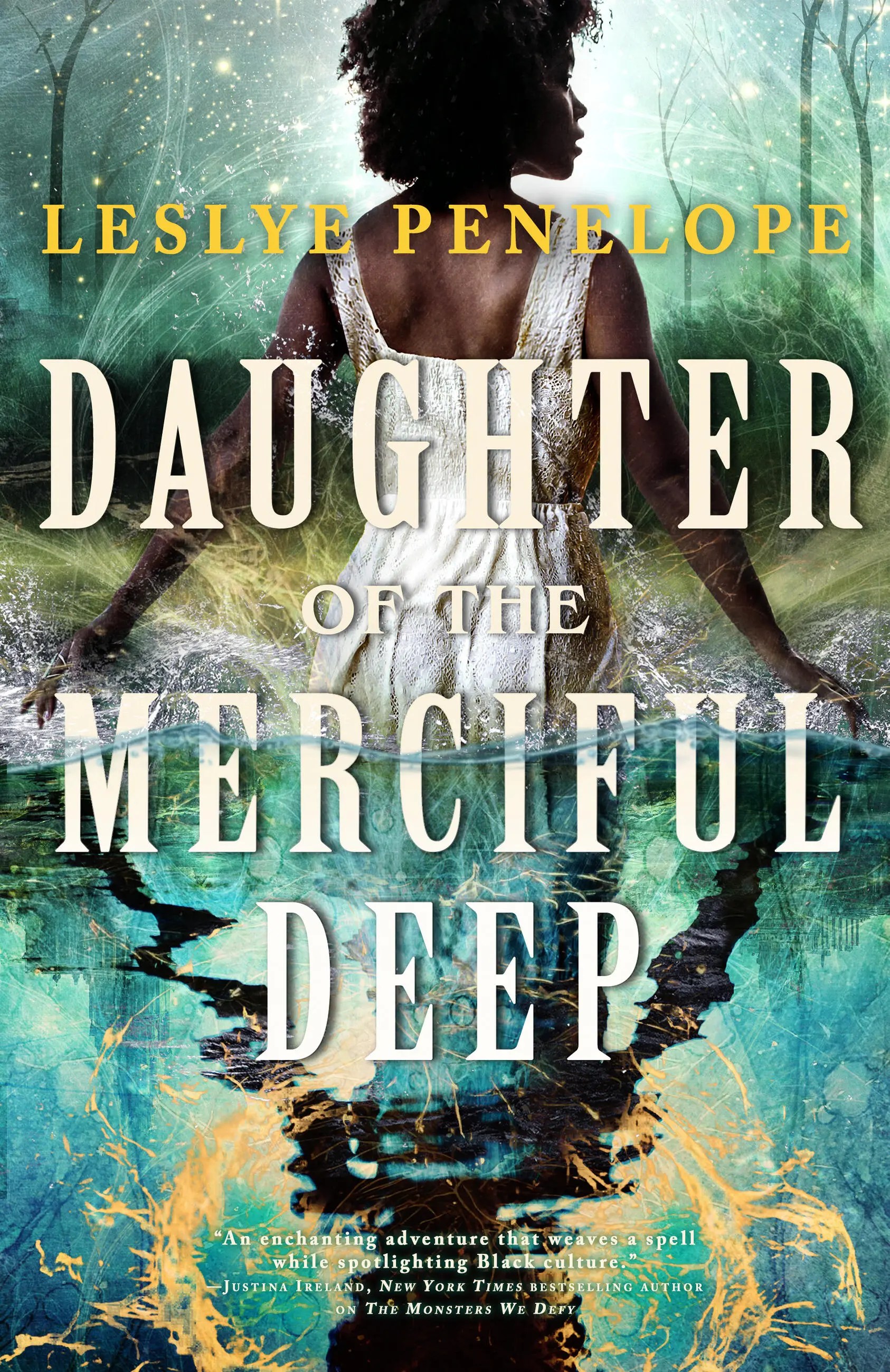
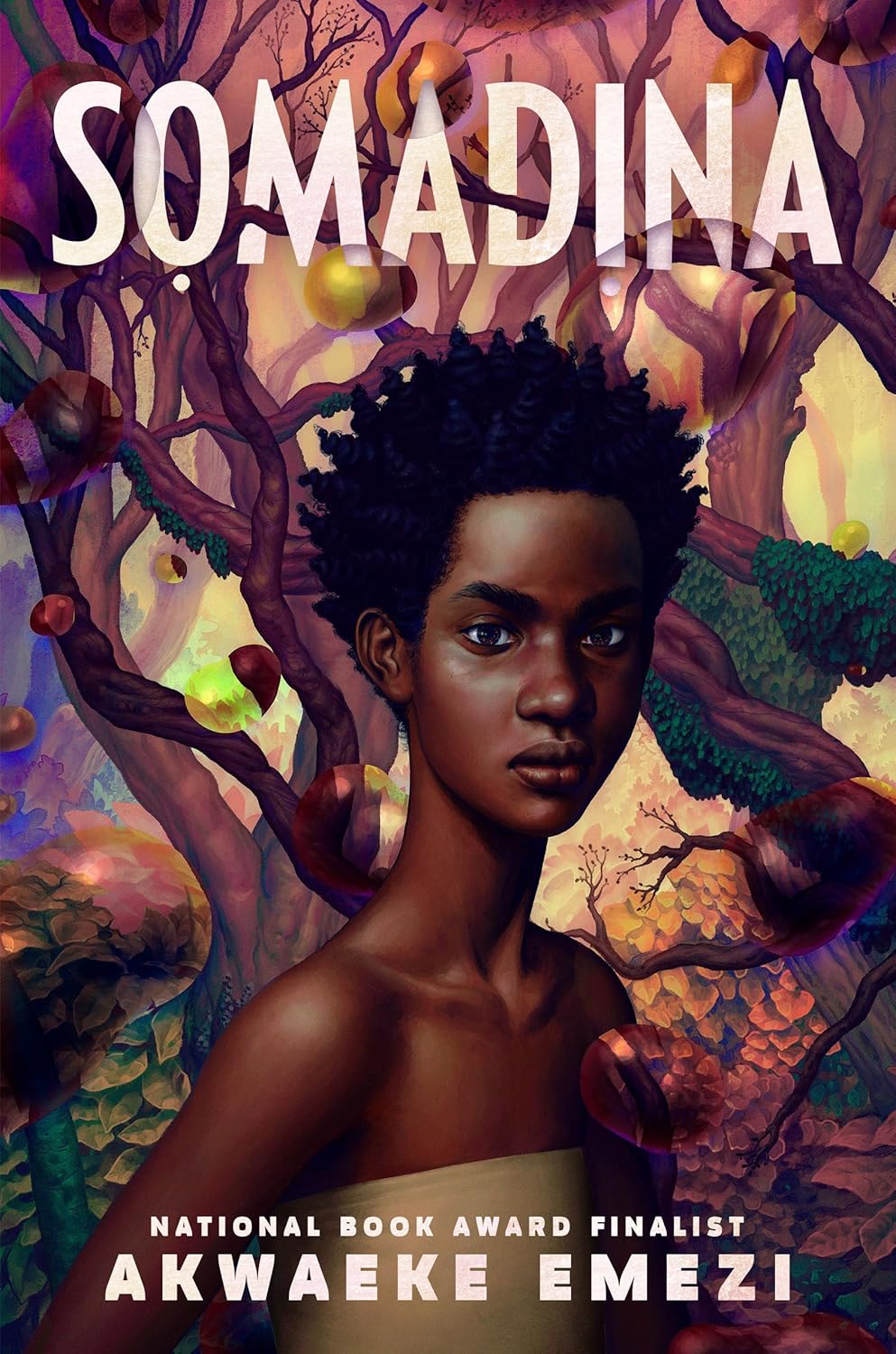
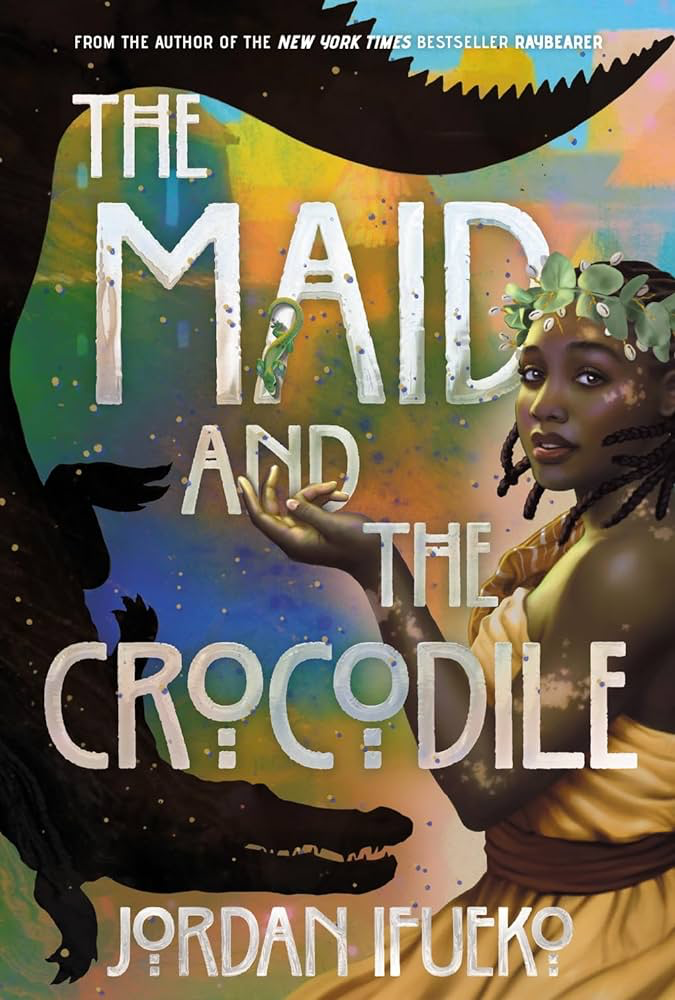
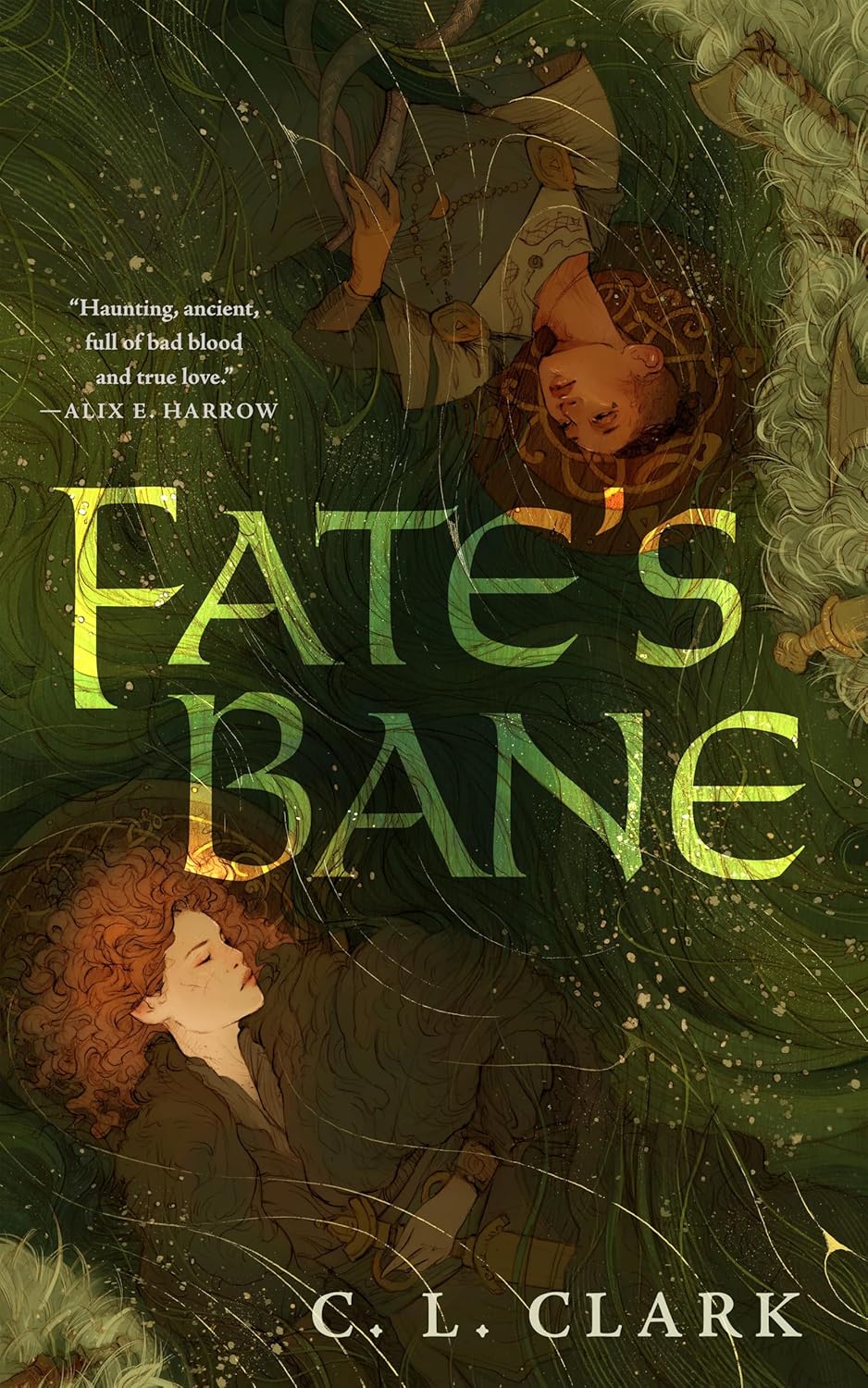
The Bookish Mutant’s Books for Black History Month (2026 Edition)

Happy Wednesday, bibliophiles!

Here in the U.S., February is Black History Month! Another year, another post where I lament the erasure of history by the Trump administration. There’s no end to the irony of this erasure when our country was quite literally built off of the labor of enslaved peoples. This is just somebody’s blog and not some grand antifascist statement, but I can’t help but think that education, and reading in particular, is one of the best ways to combat the government’s erasure of the contributions of Black people in the U.S. And if my post gets just one person who didn’t know about our history to look further, then I feel like I’ve done something good.

This year, I’ve included nonfiction as well as fiction, many of them concerning the often glossed-over history of Black people in this country. But during any month celebrating marginalized people—and every month in the year—it’s so important to go looking for the history that your school, your government, or your peers have left behind. Black people always have been, always are, and always will be an integral part of United States history, from its literary tradition to its very foundation. Denying this is monstrous, and sets a dangerous precedent for the national perception of our country. So, as with every post like this I make: go out and read books by Black authors, and educate yourself about Black history in February and every month!

Below are some links to Instagram, but they provide resources for Black History Month—and every month!

For my lists from previous years, click below: 

NOTE: not all of these books strictly adhere to the genres that I placed them in; a lot of them are fairly genre-bending, especially in the two genre fiction categories. It just goes to show how much of a creative bunch these authors are—we’ve got a lot of authors here who break and bend the rules of fantasy and sci-fi. Also, just for new readers—the “YA” on the cover image is a bit of a misnomer, but once again, I’m too lazy to make a new graphic for it and there’s only so much space for my WordPress media.

Let’s begin, shall we?

THE BOOKISH MUTANT’S BOOKS FOR BLACK HISTORY MONTH (2025 EDITION)

FANTASY:

*NOTE: this novel is set in the Raybearer universe, but is a companion novel that can be understood without reading the original duology.

SCIENCE FICTION:

REALISTIC FICTION/MYSTERY/THRILLER:

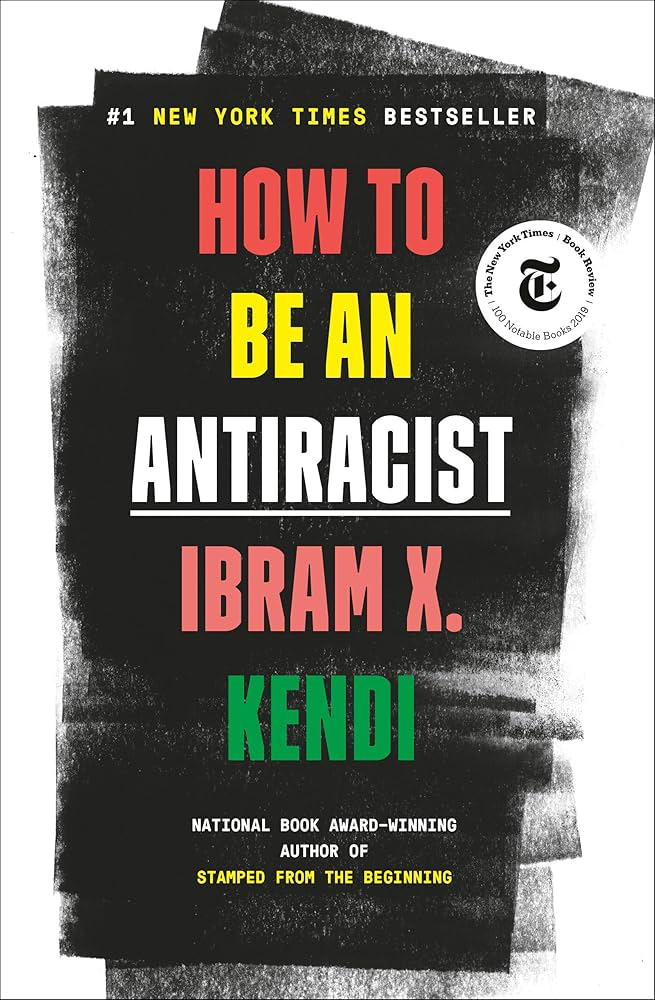
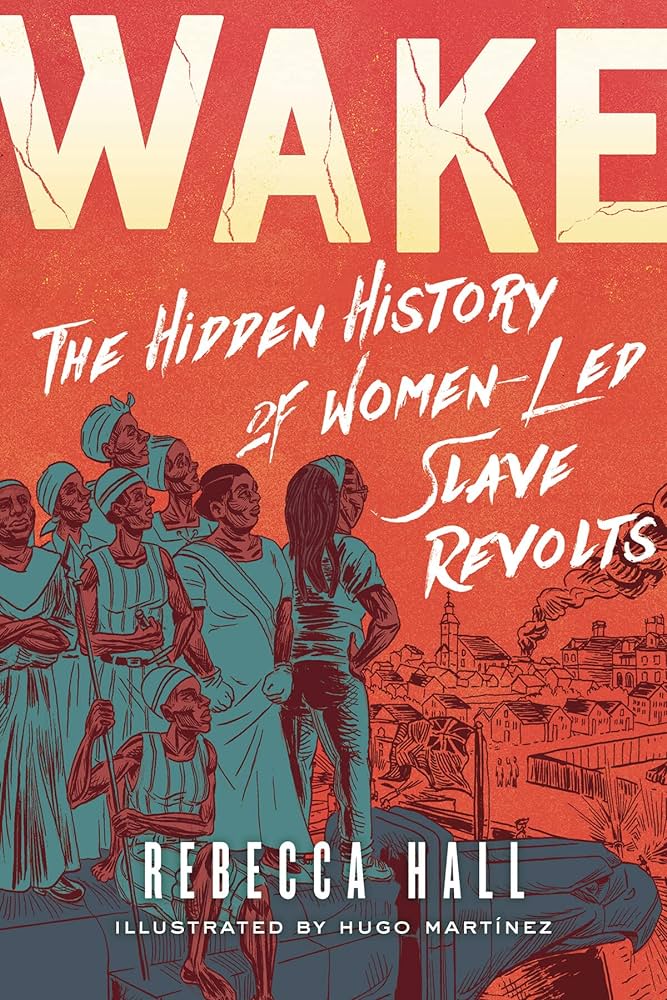
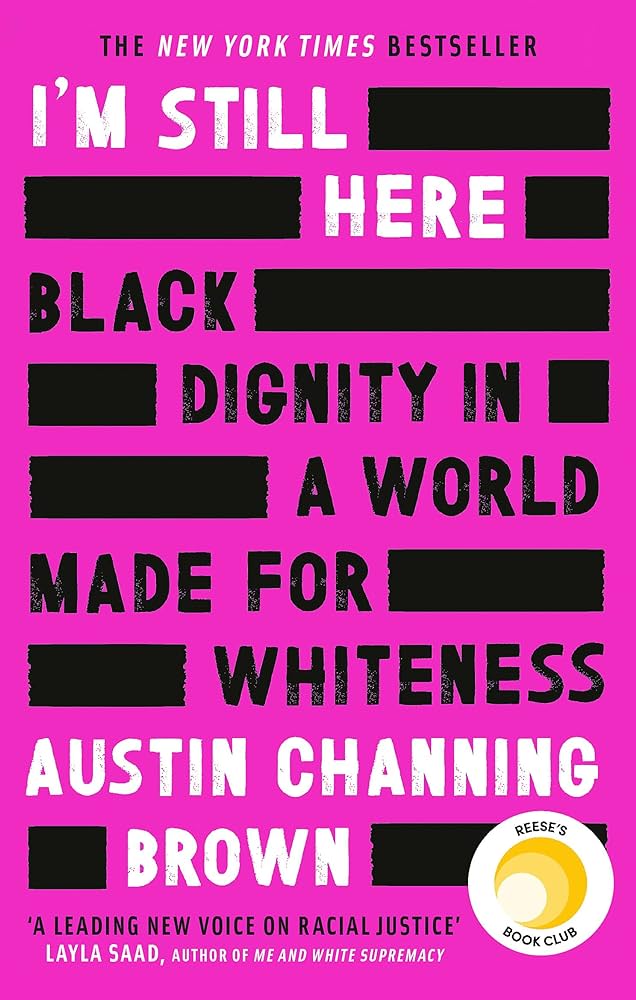
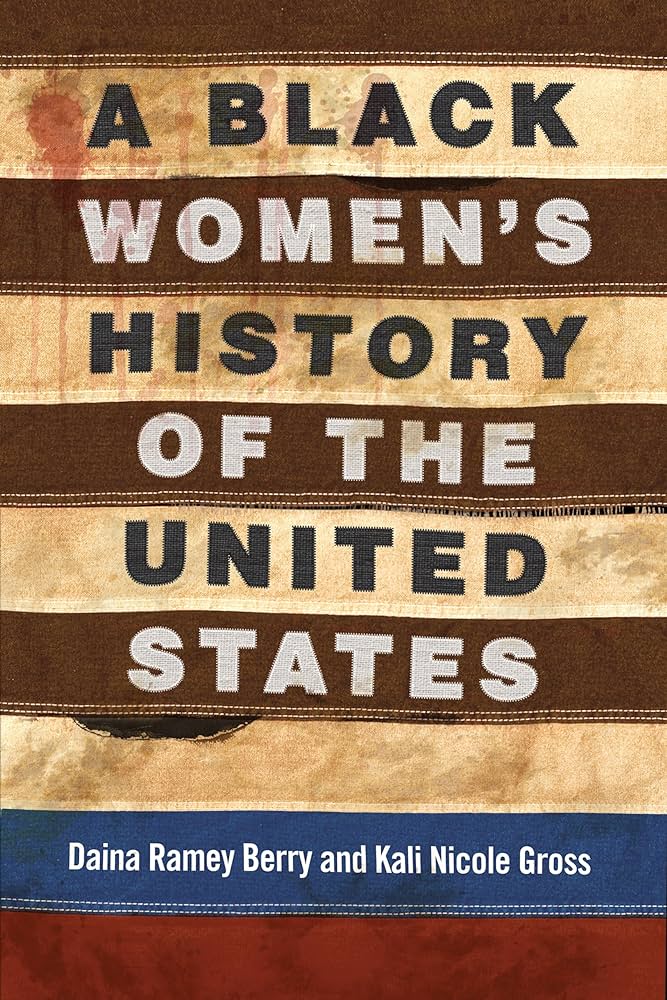
NONFICTION:

TELL ME WHAT YOU THINK! Have you read any of the books on this list, and if so, what did you think of them? What are some of your favorite books by Black authors that you’ve read recently? Let me know in the comments! 

Today’s song:

That’s it for this recommendations list! Have a wonderful rest of your day, and take care of yourselves!
Posted in Book Review Tuesday

Book Review Tuesday (2/3/26) – The Hundred Thousand Kingdoms

Happy Tuesday, bibliophiles, and happy Black History Month!

As I’ve done for the past few years, all of my reviews for the month of February will be for books by Black authors. (Stay tuned for my annual Black History Month recommendations list!) I’ve been a fan of N.K. Jemisin for many years now. I was especially blown away by her Broken Earth trilogy, and I figured I would read this to see where she started out. I liked enough of it, but strangely, the flaws reassured me—in order for you to make something as mind-bending as The Fifth Season, you have to start somewhere. The Hundred Thousand Kingdoms happens to be that somewhere.

Enjoy this week’s review!

The Hundred Thousand Kingdoms (The Inheritance Trilogy, #1) – N.K. Jemisin

Yeine Darr never imagined herself in Sky—the opulent floating city of the Arameri, who rule over countless kingdoms. After the sudden death of her mother, Yeine discovers a royal inheritance that she never knew of. Now, in the world of political machinations, scheming, and dark magic, Yeine must fight her way through kings and gods alike. But Yeine has only scratched the surface of the secrets that have been concealed from her—and their consequences may shatter all of the Hundred Thousand Kingdoms.

TW/CW: rape, pedophilia, violence, slavery, torture, loss of loved ones, sexual content

Though she’s had some misses in her later career, N.K. Jemisin is one of the more inventive speculative fiction writers out there. The Broken Earth trilogy was so nuanced and mind-bending, and it was for sure one of the more creative adult fantasy series that I’ve ever come across. Yet somehow, even though I didn’t enjoy The Hundred Thousand Kingdoms as much as her other novels, it’s oddly comforting. You’ve got to write a weaker book before you get on the level of The Fifth Season.

The Hundred Thousand Kingdoms is a cold book. That’s not necessarily a bad thing. In fact, I think it works in the main character’s favor. This novel is all about isolation, alienation, and othering, and that’s exactly how it manifests in our protagonist, Yeine. Jemisin’s exploration of her being an outsider—in terms of her age, her race, and her unfamiliarity with Sky itself—centered so much about the distance that she felt between herself and the people she’s suddenly meant to cause peers. Yeine is a flawed characters, but you see the exact circumstances that make her this way; groomed to demurely accept microaggressions and be derided and tossed around, she’s shrunk herself so far into a corner that she’s ceased to be herself. Jemisin didn’t shy away from making Yeine a flawed character, but what made her at least partially worth rooting for was seeing how intricately her backstory was constructed. At best, The Hundred Thousand Kingdoms is a no-holds-barred exploration of how being subsumed into an empire does not just to your country, but to your psyche.

Over the years, Jemisin has built a name for herself in socially conscious fantasy, and The Hundred Thousand Kingdoms is, without a doubt, where it all began. Though I don’t think I’ll continue with the trilogy (more on that later), this novel excelled in talking about the politics of its world. Aside from Yeine’s alienation, I loved how Jemisin showed through the worldbuilding just how much the nations of the Hundred Thousand Kingdoms are willing to turn the other cheek to, be it war, racism, abuse, or slavery. It’s a dizzyingly large structure full to the brim with conniving politicians, but with the added bonus of warring gods to complicate things in Jemisin’s world. Even beyond the worldbuilding, what Jemisin does best is depict the staggering scale of an empire, and the intimidation that it causes. When the enemy seems too vast and layered to take down, it can force you into submission, or even absolute hopelessness. That hopelessness feeds into Yeine’s character arc once she’s faced with the Hundred Thousand Kingdoms, and her gradual conquering of it made for a poignant, timely character arc, especially for a novel written almost exactly 16 years ago.

The Broken Earth trilogy had this kind of fairytale-like narrator who stepped into the narrative to occasionally interrupt the main storyline. It was an artful, cryptic part of Jemisin’s storytelling that gave those novels a unique flavor. The Hundred Thousand Kingdoms was clearly the trial run of this tool, because it was…nearly the same. At first, I was excited to get that signature N.K. Jemisin storytelling, but as much as I liked it in the first half, I’m not sure if it really worked for this novel. I won’t spoil The Fifth Season, because even though it’s been out for many years now, that twist is too good to ruin for new readers; but with that narrative framing in mind, it works exactly in tandem in the story. However, for The Hundred Thousand Kingdoms, it didn’t fully make sense. I did like it in the sense of a trickster narrating the story, but for the kind of fantasy this is—much more about politics than prophecy—it seemed less of a narrative device and more just window dressing to spruce up what was already there. I’m all for those kind of elements normally, but I think it works better for a destiny, prophecy-oriented fantasy like The Fifth Season more than it does the more grounded, political machinations of this novel.

One of the main things that kept me from enjoying The Hundred Thousands Kingdoms all the way was the romance. Even calling whatever happened in this novel “romance” is generous. Everything between Yeine and Nahadoth was just…weird on a number of levels. Their first sex scene was written in such a way that I fully thought that Yeine was getting raped, and their dynamic never recovered from that perception. Either way, even with Yeine being the vessel for the most powerful goddess in this universe, there was obviously an uneven power dynamic at play, but I don’t think Jemisin wrote it consciously enough. Their relationship felt the same as the relationships between the domineering, condescending politicians of the Hundred Thousand Kingdoms, and yet somehow, it was automatically romantic for them. These kind of power dynamics are something that Jemisin has explored in her later works and written with much more nuance and aplomb; once again, I guess you have to start somewhere, because this was a mess. There could’ve been some sort of Stockholm syndrome kind of thing going on with Yeine, but once again, no nuance—even though she’s a traumatized character, depicting it through a solely romantic lens was a mistake. Additionally, the final sex scene with Yeine and Nahadoth was painfully overwritten to the point where it was almost funny. Plus, the relationship that Yeine had developed with T’vril felt much more natural and beholden to a fleshed-out romance—where did Nahadoth even come from?

Also, because I can’t let go of this—yeah, I know, Sieh is technically an adult mind in a child’s vessel (there’s a fantasy explanation for this), but in what world did that weird ass kiss between Sieh and Yeine need to happen? Reverse Poor Things, much? Eugh.

All in all, a flawed but ambitious debut from one of the cleverest fantasy authors working today. 3.25 stars.

The Hundred Thousand Kingdoms is the first novel in the Inheritance Trilogy, followed by The Broken Kingdoms and The Kingdom of Gods. N.K. Jemisin is also the author of several other sci-fi and fantasy novels for adults, including the Broken Earth trilogy (The Fifth Season, The Obelisk Gate, and The Stone Sky), the Great Cities duology (The City We Became and The World We Make), the anthology How Long ’til Black Future Month? and DC Comics’ Far Sector.

Today’s song:

saw Robyn Hitchcock on Sunday night—what an absolute treasure!!! this was a standout

That’s it for this week’s Book Review Tuesday! Have a wonderful rest of your day, and take care of yourselves!