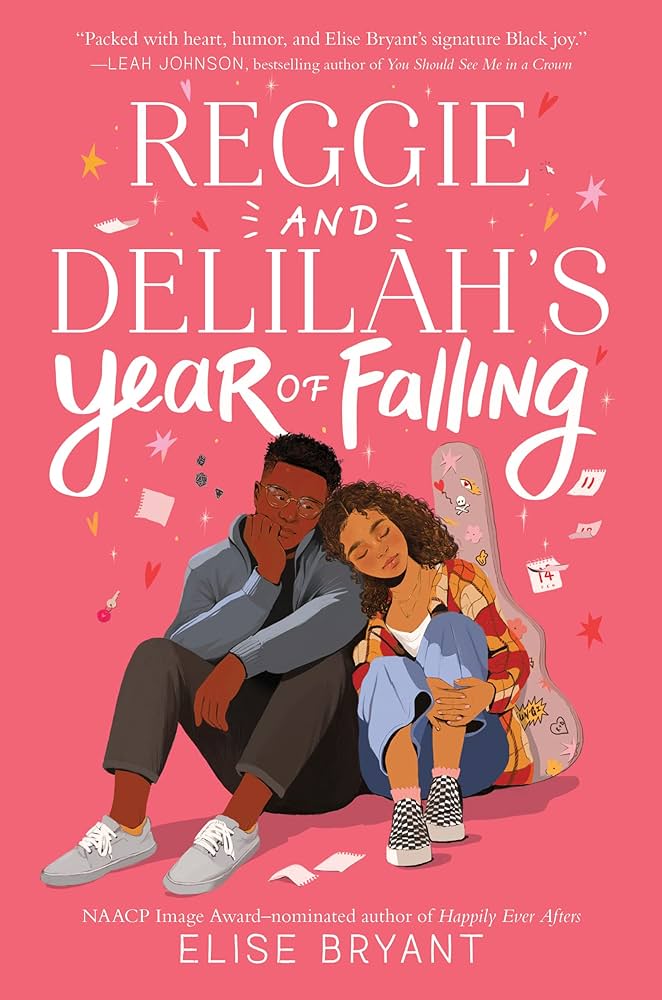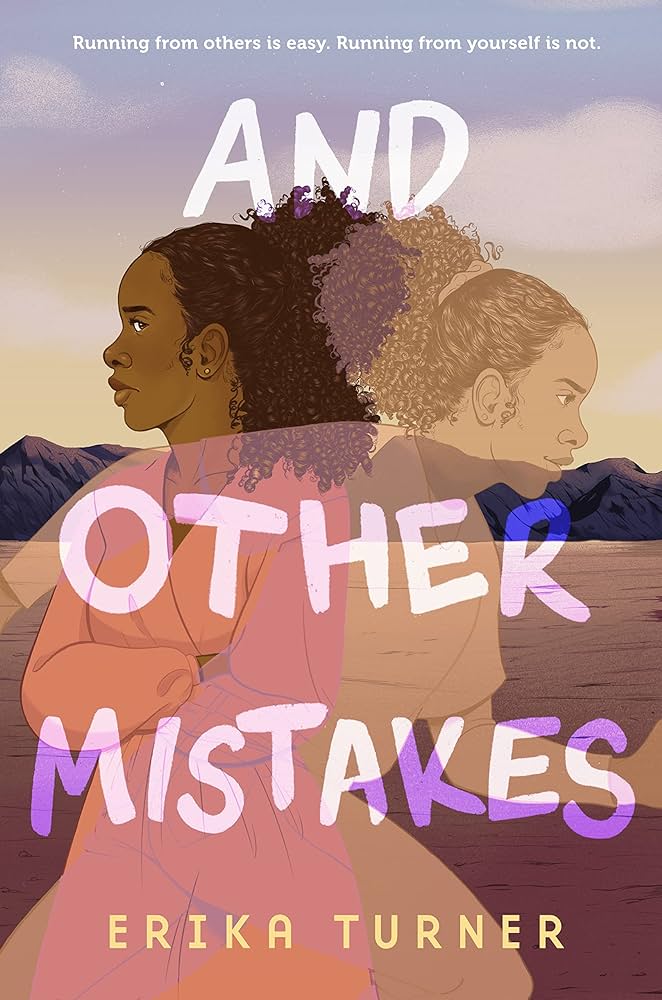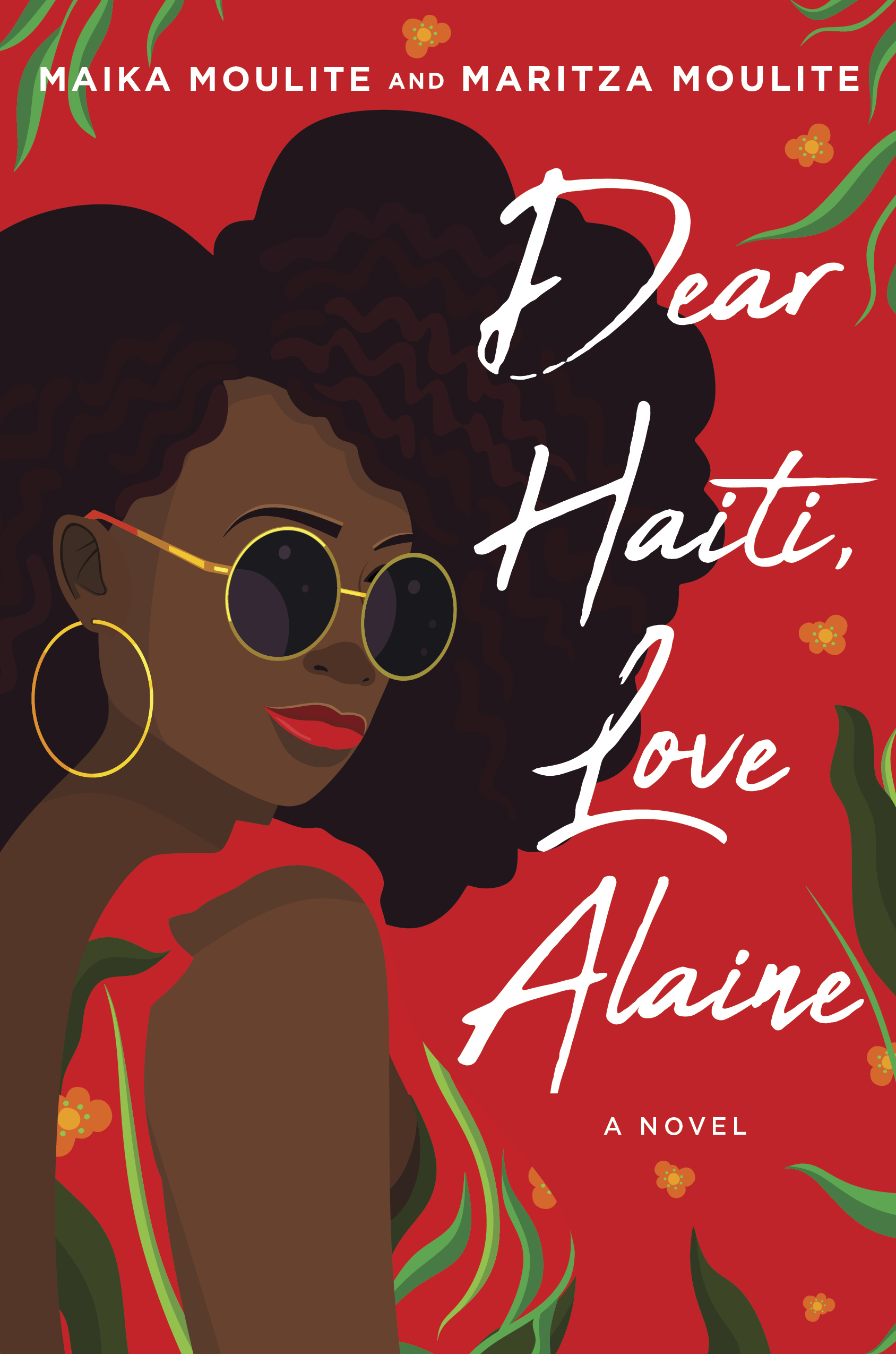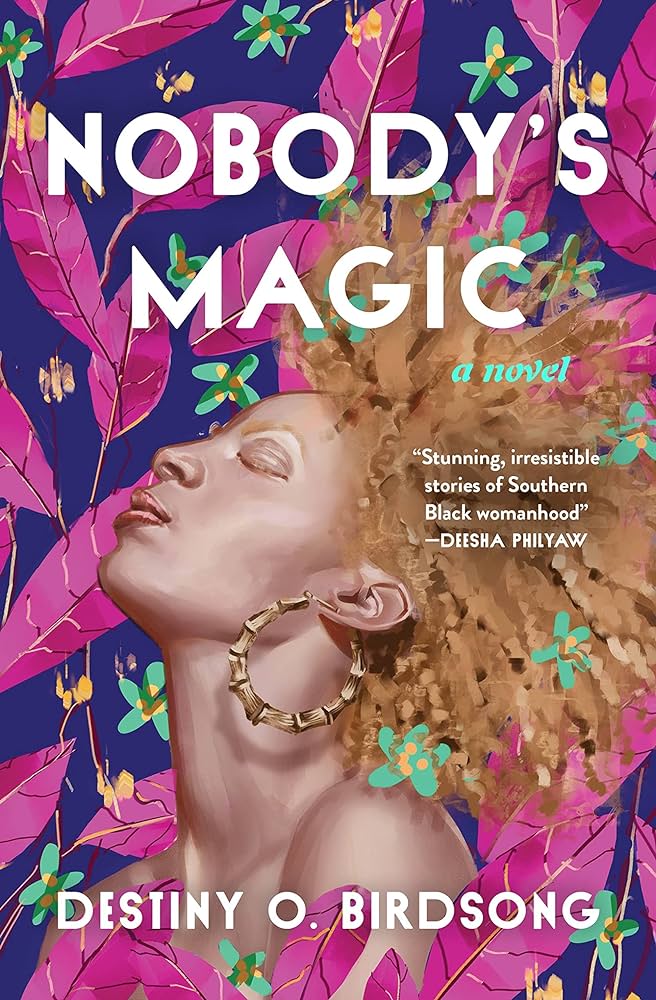
Happy Thursday, bibliophiles! Happy Leap Day too, I suppose.
Already the end of February, huh? Good riddance honestly. Not that I had a bad month, but I’m just ready for all this gross, slushy weather to be over with.
Let’s begin, shall we?
GENERAL THOUGHTS:
February’s definitely still been busy, but now that I’m more used to my schedule and able to keep myself on track, it’s all good. Things are getting into gear with my classes, I’ve been able to make time to write and make art and hang out with friends, and the weather is starting to warm up. Key word is starting. We’ve had snow almost every Friday or weekend without fail for…probably a month or two? Colorado. The meteorological indecision never ends. But luckily, other than that first week, I’ve been able to blog somewhat steadily.
Reading has been similarly good—sadly, most of the books I’ve read for school so far haven’t been my favorites (apologies in advance to all the Jane Austen fans here), but other than that, there have been very few misses! I also shifted my focus to books by Black authors this month for Black History Month, and I’ve read both familiar and new-to-me authors and had tons of fun. I also ended up having two five-star reads in a month, so I’d call it good! I’m glad that I’ve been able to keep up my reading schedule, because there’s so many books I’m excited to read soon! A whole bunch of holds from Libby have been pouring in, all of which I’ve been eagerly anticipating…
Other than that, I’ve just been cranking out tons of writing, drawing here and there, watching Abbott Elementary, BEEF (absolutely SHAKESPEAREAN lemme tell you), The Bear (ngl I’m mostly just in it for the needle drops), and Constellation (WHAT IS GOING ON 😀), and being in a near-constant state of being on my toes since I never know when we’re gonna get dumped with snow.
Oh, and I think we have the best possible end to a month that I’ve had in several months…BABE. WAKE UP. NEW ST. VINCENT JUST DROPPED. WE’RE GETTING THE ALBUM, TODAY’S THE DAAAAAAAAAAAY
APRIL 29TH CANNOT COME SOON ENOUGH.
READING AND BLOGGING:
I read 17 books this month! Definitely more than I expected to read, but I’m about at the point in the year where I’m familiar enough with my schedule that I can squeeze in more time for reading. There were definitely a few stinkers in the mix, but I had not one but two five star reads this month, which was pretty incredible! My eternal thanks to Audre Lorde and R.F. Kuang.
I believe I heard about The Melancholy of Summer somewhere around the blogosphere when it first came out last May, and I figured it would be a good piece of fiction between several hefty fantasy reads. Louisa Onomé is a new-to-me author, and now that I’ve read her newest work, I don’t regret it—a coming-of-age story that pulls no punches.
Summer is alone. Waiting to turn 18 and gain her independence, she has been staying at friends’ houses after her parents were convicted of fraud and went on the run without warning. Left to her own devices, Summer has been able to keep her status a secret, but after her counselor discovers that she has been living alone, she’s sent to live with a cousin she barely knows. Struggling to balance her double life with a cousin who’s barely more independent than she is, Summer is faced with a myriad of difficult decisions for the future. But Summer is left with a burning desire to find out what really happened to her parents, and it will take her to places she didn’t bargain on going to.
First off: this isn’t about the book itself so much as the marketing. About the marketing…whose idea was it to tag this book as “sad girl summer”? How do you see a book tackling a myriad of sensitive topics, including but not limited to parental abandonment, homelessness, and familial betrayal and go “ah, yes, ✨sad girl summer✨” WHAT? I just wanna talk to whoever made that decision. Just a quick chat. WHY? And I thought trope marketing couldn’t get any worse…
All this is to say that I’m saying these things because it’s more than The Melancholy of Summer deserves. Situated on the older side of YA, it’s not just a coming-of-age story: it’s an unflinching portrayal of the topics I discussed earlier. There’s no sugarcoating or dancing around the reality of issues here. It’s a heartbreaking novel, but it’s not one that employs horrific events for shock value—they’re an authentic consequence of Summer’s circumstances. I haven’t read a lot of novels—especially not YA novels—that have dealt with these kinds of subjects, but I really respect the route that Onomé chose to go down in terms of portraying them. Although I can’t speak to their accuracy, it feels like an unapologetic respectful depiction of parental abandonment and homelessness, along with the emotional turmoil that brings.
Going off of that, Summer’s character felt just as authentic. She really feels like a teenager, and not in a forced way; it really should be a given for a YA novel, but you’d be surprised at how many authors miss the mark. Summer isn’t just a teenager—she’s a messy one, an emotional one, and sometimes a brazen and impulsive one, but never once did it feel like Onomé was forcing it down our throats that she’s 17. Summer’s yearning for independence felt all too real, especially given her circumstances; none of the pent-up anger that she expresses felt out of place, and none of her emotional outbursts were without reason. Summer felt, more than anything, just how someone with teenage, volatile emotions would feel having to grapple with circumstances out of her control, and that’s a large part of why The Melancholy of Summer was so successful for me.
That being said, although most of the plot points did feel appropriately and respectfully handled, much of the development (or lack thereof) with the character of Olu felt very rushed and unresolved. The plot point about her being groomed, as well as the plot of Summer trying to help her out at the venue, felt like it was tossed in as a slice of filler, and therefore felt half-baked at best. With how authentically Onomé portrayed a lot of the topics in the novel, it seemed uncharacteristic that something as serious as grooming was brushed over so quickly and resolved in a way that could only be described as unsatisfying. It was all but a footnote, and it seemed like it wanted to be a major plot point, but with how unceremoniously it was shoved into the middle of the novel, it felt poorly handled.
This was a symptom of a larger issue in The Melancholy of Summer overall; other than Summer, hardly any of the side characters get the development that they need. Save for Summer’s aunt, the side characters that we’re meant to care for almost as much as Summer were often one-note and tossed aside whenever the plot called for it. Tanya, Summer’s cousin and guardian, could have been a vital character to explore, and although we do get the sense that she still feels like a kid and doesn’t know any more than Summer does about navigating life, she shows hardly any growth throughout the course of the novel. The same can be said for Olu, Sid, and many of the other people that we meet. It was clear that Summer got the most attention, and yes, she’s the protagonist, but that doesn’t mean that the side characters had to be left in the dust.
All in all, a heartbreaking and authentically-written novel with a vibrant protagonist but a not-so-vibrant supporting cast. 3.5 stars!
The Melancholy of Summer is a standalone, but Louisa Onomé is also the author of Twice as Perfect, Like Home, and Pride and Joy.
Today’s song:
That’s it for this week’s Book Review Tuesday! Have a wonderful rest of your day, and take care of yourselves!
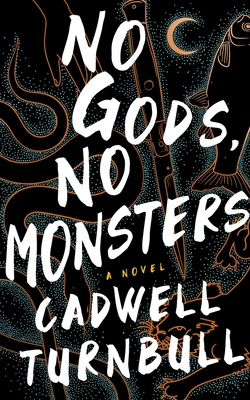
I’ve had this book on my radar for a few years, as well as The Lesson; I almost read it earlier last week, but then I discovered that I could only read it on my phone, for some reason (nope). Coincidentally, I found it at Barnes & Noble later that week (on a very necessary detour I made with a friend), so I finally decided to pick up a copy for myself. Now, I’m so glad that I have a hard copy—No Gods, No Monsters is one of the most unique fantasy novels I’ve read in a while!
Around the world, strange creatures have come out of hiding from the shadows. Creatures of myth and legend, those thought to be confined to the imagination. In the wake of this unexplained event, known globally as The Fracture, the stories of people across America collide. A woman reckon’s with her murdered brother, unjustly killed by Boston cops, but learns that her brother’s life was more fantastical than she could have ever imagined. A professor goes in search of a friend presumed dead, but finds a schism between two cults in its place. A young girl must warm up to the presence of her adopted sister, who she grows to love despite her bloodlust. All of these events converge as the world of monsters is revealed, but can mankind reckon with their presence—and their demand to be seen?
TW/CW: police brutality, gun violence, gore, substance abuse/past mentions of an overdose, sexual abuse, domestic abuse
If I’m being honest, it’s a real shame that No Gods, No Monsters has an average rating of 3.45 on Goodreads. To be fair, it’s probably one of those “you love it or you hate it” books, but I absolutely loved it. Sometimes you love the book with an average rating over 4.00 and tens of thousands of reviews, but sometimes it’s those lower-rated and lower-reviewed novels that hit the spot. (see also: Spare and Found Parts – Sarah Maria Griffin)
No Gods, No Monsters truly felt dreamlike, and that’s what made this novel stand out to me. It’s not concerned with being overly coherent, and it drifts about in bits and pieces. I guess that’s the aspect that put a lot of people off, but it’s the kind of writing and storytelling that suits the story that Turnbull is trying to tell. It fits with the whole theme of “monsters have come out of hiding and we can’t do anything about it” theme—there’s global panic, sure, but first there’s the denial that anything is happening at all, and then the reality hits you, and you still try to deny it. This whole novel felt like navigating the haze of denial while the monsters creep out of the shadows: you know exactly what’s going on, but as long as you can help it, I’m not here, this isn’t happening.
I feel like No Gods, No Monsters could have just as easily worked as a short story collection. Each section, switching POVs from dozens of characters who are slowly woven together, works on its own, situated within worlds that are’ separate until the threads begin to tie themselves into an interlocking web of magic towards the end. They all felt like short stories, but I don’t think anything was taken away from them not being short stories—No Gods, No Monsters is a very non-traditional novel in several ways, and I liked that it toed the line between novel and anthology in order to flesh out the themes of community and the things that bound all of the characters together in the chaos.
My favorite section had to be that of Sondra and Sonya—their story was all at once chilling and tender, heartwarming, heartbreaking, and horrifying. Off of the top of my head, this instance in the novel is one of the few depictions I can think of where talking about complicated love in a fantasy/sci-fi setting really does feel complicated; the complication is very literal in the sense of depicting the drain (no pun intended—no spoilers, though) on Sondra, but her horror of both reckoning with the actions of Sonya in the present and how much they bonded in the past felt nuanced in a way that truly made me feel for Sondra. In general, this part of the novel is representative of what I loved about the novel as a whole: although there were some physical consequences to the monsters coming out of hiding, I loved that Turnbull chose to focus more on the emotional and interpersonal connections that happened in the aftermath.
Going off of that point, I loved how No Gods, No Monsters handled its expansive worldbuilding! The event that incites everything that happens in the novel is implied to be the start of a global upheaval, but Turnbull handles the complexities of it with aplomb. It doesn’t feel like every single action movie where we go instantly into mass panic and riots in the streets (although that is stated to have happened in the background), but instead gives us information in breadcrumbs through how it affects the many and varied characters of the novel. I did find myself wanting more of how the monster emergence is affecting the world, but a) I figured that the uncertainty is a consequence of the characters themselves not fully knowing what’s going on, and b) the fact that this is a series, so we’re bound to learn more in the books to come. I have We Are the Crisis downloaded, so I’m excited to find out more!
All in all, a truly memorable and inventive fantasy that explored the not-often-discussed areas of trauma and denial in the face of global upheaval. 4 stars!
No Gods, No Monsters is the first installment in the Convergence Saga, followed by We Are the Crisis. Caldwell Turnbull is also the author of The Lesson.
Today’s song:
my friend just got me hooked on indigo de souza, I’m OBSESSED
That’s it for this week’s Book Review Tuesday! Have a wonderful rest of your day, and take care of yourselves!
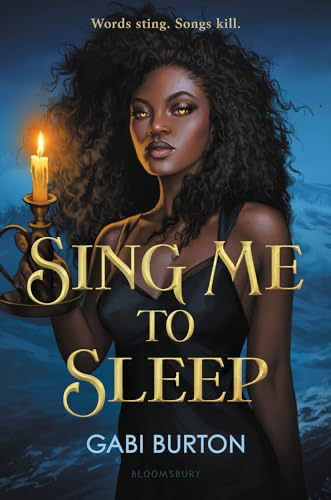
I always love stories about mermaids and sirens, so Sing Me to Sleep instantly went on my TBR when it came out last June. Sing Me to Sleep presented a land-bound take on sirens that proved fascinating, and resulted in a tense, seductive YA fantasy!
Saoirse is hiding a deadly secret. She’s a siren, driven by the urge to kill and seduce, which has made her into the perfect assassin. Her talents took her all the way to the good graces of the royal family of Kierdre, but they don’t know of her true identity—and she must hide it at all costs, lest she incur the wrath of their creature-hating king. But working as one of the personal bodyguards to Prince Hayes has its perks, and soon, Saoirse finds herself questioning her loyalties—and drawn towards a prince who would kill her if he discovered her true self.
I’m not going to bog down this review by starting it with another rant about how jaded I am with epic and high fantasy, but I’ll leave it at the fact that this was the reason that my expectations for Sing Me to Sleep were so average. But I ended up blowing through this novel, and I haven’t done that in weeks—it’s just pure fun.
I won’t lie—I was a little disappointed when I realized that Sing Me to Sleep took place primarily on land when they had a siren protagonist. Mermaids and sirens are an instant draw for me, so I was excited to explore some of those magical aspects and how Burton realized them in her fantasy world. However, once I got into the novel, I ended up enjoying how Saoirse’s siren status affected her when she was confined to land, from the call of the sea every time she came near it to being momentarily thrilled by having her head dunked underwater while being tortured for information. Burton’s handling of Saoirse’s hidden thirst for male blood was similarly well-executed; it set a kind of time bomb of sorts whenever she was around her targets, and made the stakes feel tangible and not just an aside thrown in to remind the reader that she’s a siren. The way that Burton utilized these aspects made for a novel with just the right amount of stakes, with tension in all the right places.
Sing Me to Sleep hinged on the twist of Saoirse, trained to seduce and take advantage of men before killing them to satisfy her bloodlust, accidentally falling for Prince Hayes and not knowing what to do with herself. I was banking on it being a little cheesy (this is YA fantasy, after all), but I really appreciated how slow Burton took it with the budding romance! Not only was the forbidden aspect of it enhanced by the aforementioned handling of Saoirse being a siren, Burton didn’t go headfirst into the romance, like so many authors end up doing while trying to pull off enemies-to-lovers. The initial hatred and disdain felt genuine, and Saoirse’s inner conflict when she realized that she was falling for one of her marks was appropriately a shock to her senses. Although I didn’t particularly care for Prince Hayes as a character, Saoirse’s reactions to him felt true to what enemies-to-lovers should be. I’m interested to see how the romance will play out in the sequel…
Again: I’ll spare you my gripes with epic fantasy as a whole, but unlike of much of the fantasy I can remember reading recently, Sing Me to Sleep had the beginnings of some fascinating fantasy worldbuilding! The novel does a great job of establishing all of the different magical races and subsequently detailing the history of discrimination and subjugation amongst them. Burton did have quite a lot on her plate, but for the most part, she juggled it well, making for a world with limits that made sense and enough hints within to make me want to read the sequel just to see how some of the hidden elements get explored. Half the hard part of worldbuilding is making it something that the reader is actually motivated to read once you’ve done all the heavy lifting to create it, and Burton succeeded on that front!
However, while Burton did well with juggling several moving parts in her worldbuilding, I’m not sure if I can say the same for her characters. Although Saoirse was a compelling protagonist with motives that were appropriately fleshed-out, most of the others—of which there were a ton—left a lot to be desired. Besides Hayes, if we got any trace of their personalities, it was left at one character trait (or physical description) to distinguish them, and not much else. Combine that with the expectation that there were dozens of these characters running around that we had to remember to get all of the plot, and it just made for a mess as far as remembering why any of them were important save for their job descriptions. If some of them had been cut out, it would have solved the whole problem—it’s just a case of Burton biting off much more than she could chew, which is entirely understandable for a debut novel.
All in all, an action-packed fantasy full of tension, forbidden love, and bloodlust. 4 stars!
Sing Me to Sleep is Gabi Burton’s debut novel and the first novel in the Sing Me to Sleep duology, concluded by Drown Me with Dreams, which is slated for release this August.
Today’s song:
That’s it for this week’s Book Review Tuesday! Have a wonderful rest of your day, and take care of yourselves!
Apologies for the lack of a Book Review Tuesday this week; like with Sunday Songs, I’ve just had a busy few days, and I wasn’t able to put anything together in time, but I was creating this post in advance, so I figured today would be a good day to post it.
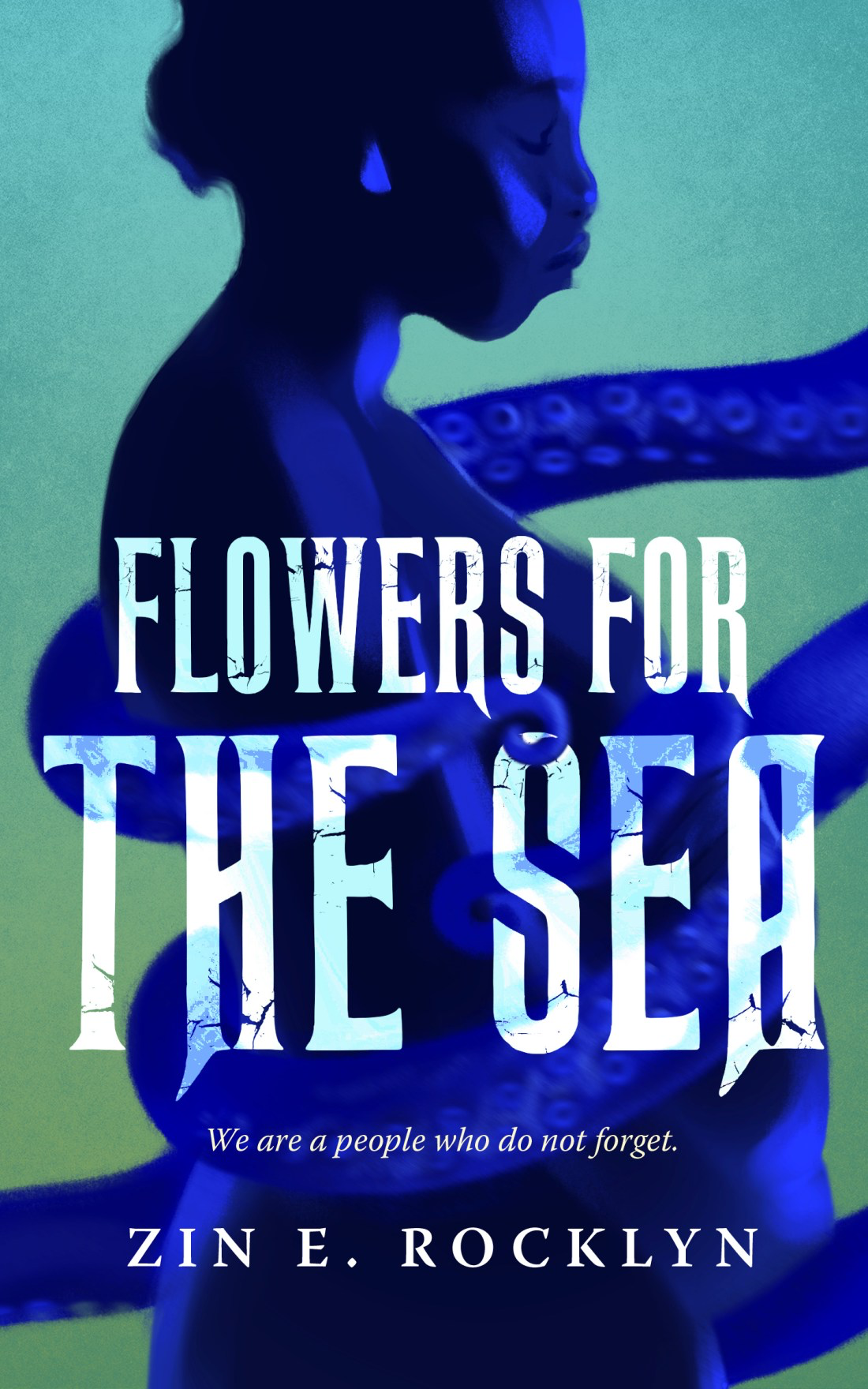
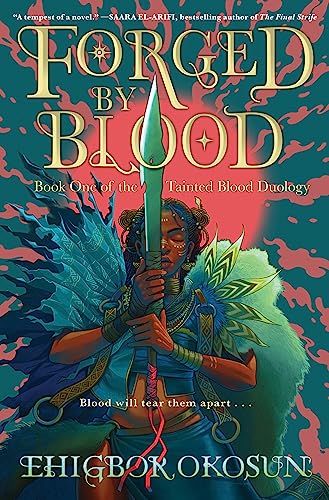
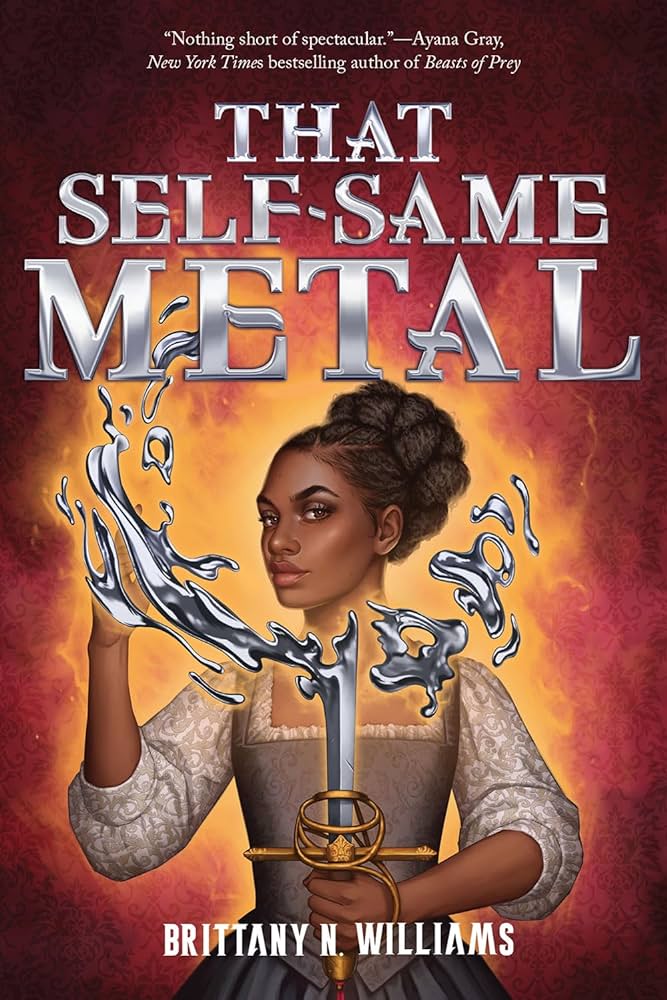
Here in the U.S., February is Black History Month! Since I’ve started making these recommendation lists back in 2021 (and focusing on reading more diversely in general), I’ve discovered so many incredible authors, and now that I’m reading YA and adult novels in almost equal measure, my scope has broadened so much more. (Note: I’m still frugal about my media space on WordPress, but this list, like last year’s, contains both YA and adult novels, even though the header image just says YA.) But as with every single year, it’s more crucial than ever to uplift Black voices—not just to amplify them and other marginalized groups in the fields of literature and publishing (especially when the industry sees diversity as nothing but a box to be checked off, more often than not), but especially since we’re living in a climate here in the states (and elsewhere) that is intent on erasing both our systemic racism (past and present) and silencing Black voices. And one of the most accessible ways to fight this poisonous rhetoric is to read—to open your eyes, to learn for yourself, and to share what you have learned with others. In a landscape where anything other than the white, cishet, abled majority wants to ban any voice that isn’t theirs, reading is an act of resistance.
TELL ME WHAT YOU THINK! Have you read any of these books, and if so, did you enjoy them? What are some of your favorite books by Black authors that you’ve read recently? Let me know in the comments!
Today’s song:
thanks again to my brother for exposing me to this one!
That’s it for this recommendation list! Have a wonderful rest of your day, and take care of yourselves!
I’m running out of winter emojis for these wrap-ups…what else am I supposed to do when this month has been so consistently cold and miserable? Totally can’t tell how ready for spring and summer I am, can you? Nuh uh, no way…
The snow has made for some pretty beautiful scenery, though. I will say that.
GENERAL THOUGHTS:
February’s been a quiet month for the most part (although the high winds last week made me feel like I was in The Wizard of Oz, and not in a good way), which I alway appreciate. The great thing about taking mainly humanities classes is that midterms are a lot less stressful—most of my classes just have papers, so they’re far less daunting. And it’s been great to have comics and sci-fi as my reading material—even though my science fiction class has had its ups and downs, I loved re-reading All Systems Red and re-watching Blade Runner 2049 for homework.
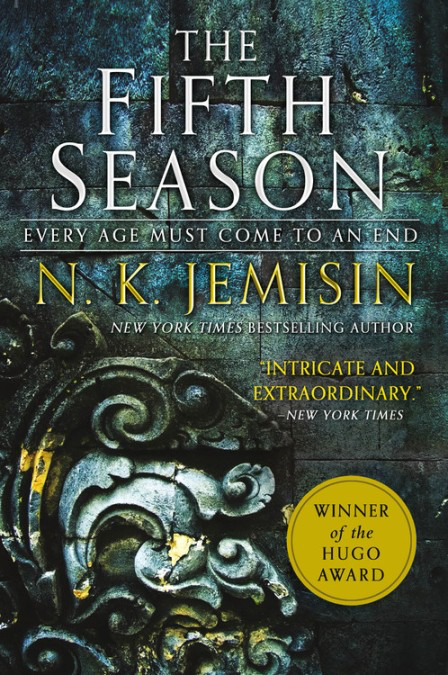
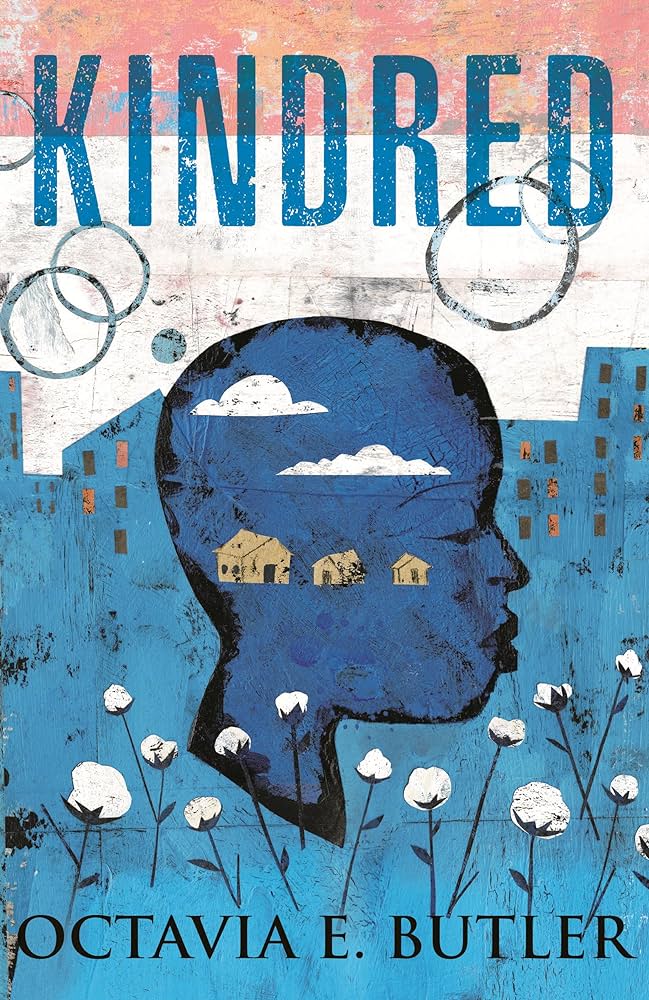
I felt like my reading slowed down, but looking at the numbers, it really didn’t. School reading has started to make up a significant portion of what I read now that I’m in more English classes, but I’ve read a lot of interesting novels and graphic novels—Bitch Planet, Monstress, and now re-reading Kindred, to name a few. But I did read a bunch of great novels for Black History Month in my free time, and I’ve discovered so many wonderful books! I just finished The Fifth Season, and I’m kind of invested in the series now…
Other than that, I’ve been watching Only Murders in the Building (✨fabulous✨), Our Flag Means Death (not as funny as people made it out to be, but the last two episodes HURT), and Flight of the Conchords (THEY CALL ME THE HIPHOPOPOTAMOUS, MY LYRICS ARE BOTTOMLESS…[cough]), drawing, playing guitar, skiing for the first time in over a year (so much fun, but also so much soreness), and listening to new music from Black Belt Eagle Scout and Gorillaz. So much new music out (that’s on my radar) already…
READING AND BLOGGING:
I read 20 books this month! I feel like school reading has taken up a good chunk of what I’ve read this month, even if it’s been re-reads, but what I’m loving about college is that I’m reading more novels that I’m interested in (with the exception of Do Androids Dream of Electric Sheep?…ew), so that’s a plus.
Happy Tuesday, bibliophiles! I refuse to believe that February is almost over…
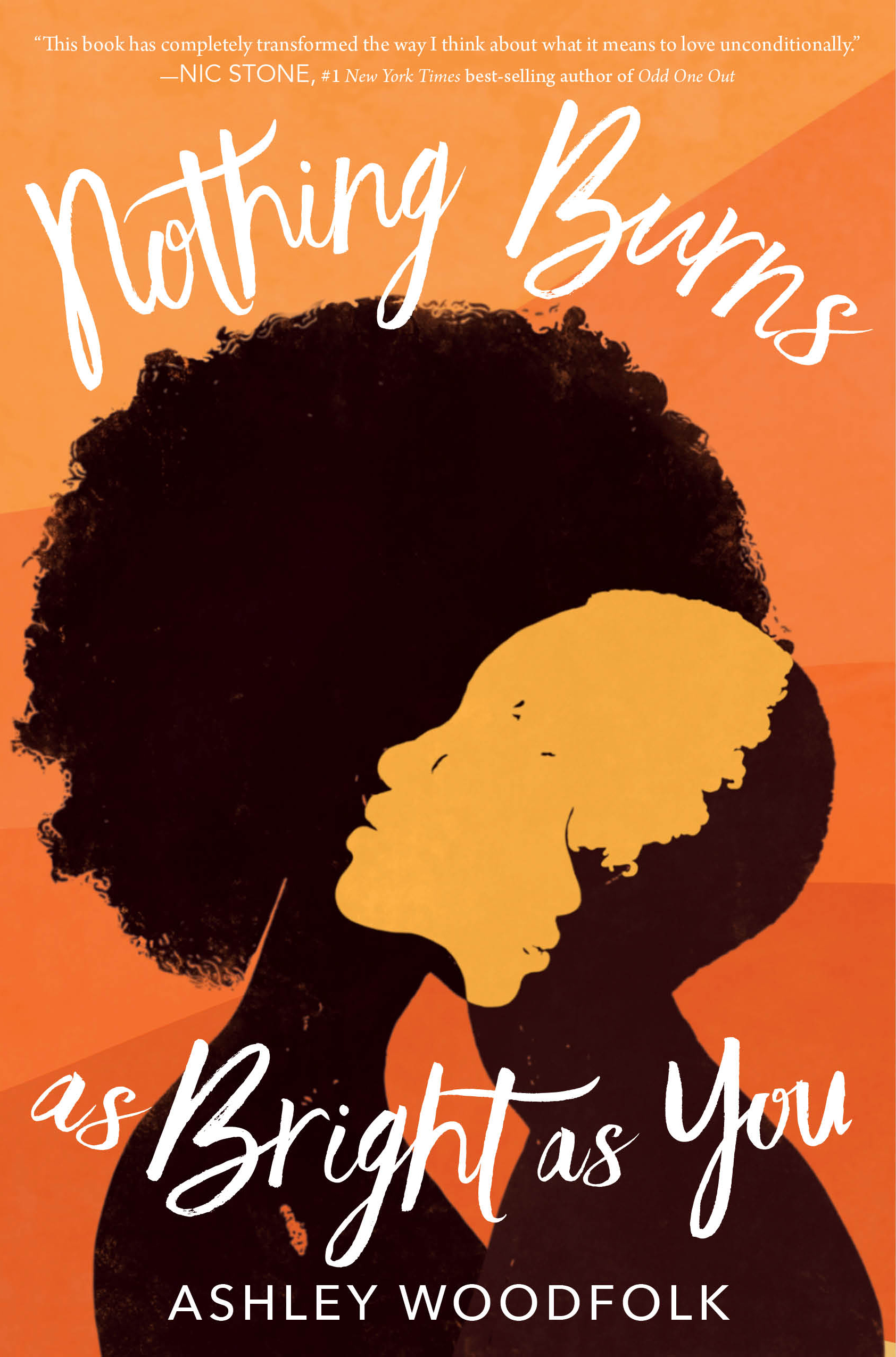
I didn’t know that Ashley Woodfolk had come out with a new book until very recently, and I ended up picking it up more on a whim than anything. But Nothing Burns as Bright as You quickly became my favorite read of this month, and easily the best of Woodfolk’s work that I’ve read. Raw, visceral, and consistently powerful, Woodfolk’s prose is great, but her poetry is something else entirely.
Written in verse, Nothing Burns follows two unnamed girls, best friends who slowly but surely realize that they’ve become something more. But when one’s actions begin to toe the line of their relationship, their love—and their lives—fall in jeopardy. The foundation that once sustained their relationship has begun to crumble, but whether it can be glued back together will be decided in the blink of an eye.
TW/CW: racism, homophobia (some religious homophobia), substance abuse, sexual harassment
I kind of love the feeling when a book you just picked up on a whim hits you harder than you ever could have anticipated. I just thought “oh, it’s Ashley Woodfolk, I liked her last book, what could go wrong,” and the next thing I know, I’m highlighting every other line on my Kindle. Nothing Burns as Bright as You is just that powerful, a poignant story of the complexities of a toxic relationship.
Woodfolk’s prose is already excellent, as evidenced in When You Were Everything and several of her short stories, but her poetry hits a note so resonant that I couldn’t stop thinking about it. Every line is nothing short of genius—clever and observant, but nothing short of raw and painful. Nothing Burns as Bright as You is a heart laid bare for all to see, unflinching in the complicated, nuanced realities it depicts.
It would be easy to romanticize the events of Nothing Burns as Bright as You, but Woodfolk knew exactly how to avoid it; it’s a story about falling so hard in love that you lose yourself, but it’s also about coming to terms with loving somebody who drags you through the mud, who breaks you down even when they promise to love you. Setting fire to a dumpster outside of a high school is the perfect set-up for a coming-of-age romance, but a coming-of-age romance this isn’t…and is. The emphasis should be on the coming-of-age part; it’s about learning to heal from somebody that you thought loved you, and grappling with the fact that love isn’t black and white, and like a fire, it can give you warmth, but also consume you to the point of no return.
Even when both of the protagonists went unnamed, their personalities and stories shone through in every page. Despite the fact that it made writing my summary here a little tricky, the character study is vibrant enough that you don’t need names to tell each character apart—their clashing personalities come through in every relentlessly beautiful line. It’s so important to tell more inclusive love stories, but the reality is that not everything is quite so neat and simple—sapphic love isn’t always sunshine and roses. We need our stories of queer Black girls falling in love, but we need our stories of queer Black girls growing from complicated, toxic relationships almost just as much.
All in all, a startlingly raw and beautiful story of the complexities of queer love and being with somebody to the point of danger. 4.5 stars!
Nothing Burns as Bright as You is a standalone, but Ashley Woodfolk is also the author of When You Were Everything and The Beauty That Remains, and has also contributed short stories to collections such as Blackout, A Phoenix Must First Burn, and several others.
Today’s song:
WAAAAAAAAAAAAAAAGH THIS IS SO GOOD I LIKE IT EVEN MORE THAN MOST OF CRACKER ISLAND????
That’s it for this week’s Book Review Tuesday! Have a wonderful rest of your day, and take care of yourselves!
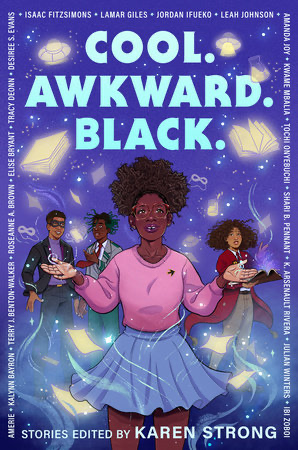
I’m always up for diverse anthologies, and the fact that this one focused on both sci-fi/fantasy stories and geek/nerd culture from a Black lens was an instant sell for me! There were a few authors that I was familiar with and liked in here—Jordan Ifueko, Roseanne A. Brown, and Leah Johnson, to name a few—so that helped its case too. But as with any anthology, there were hits and misses, but there were still a fair amount of gems within Cool. Awkward. Black.
A multi-genre YA anthology of bestselling, critically acclaimed Black authors challenging the concept of the geek, featuring contributions from Amerie, Kalynn Bayron, Terry J. Benton-Walker, Roseanne A. Brown, Elise Bryant, Tracy Deonn, Desiree S. Evans, Isaac Fitzsimons, Lamar Giles, Jordan Ifueko, Leah Johnson, Amanda Joy, Kwame Mbalia, Tochi Onyebuchi, Shari B. Pennant, K. Arsenault Rivera, Julian Winters, and Ibi Zoboi.
A girl who believes in UFOs; a boy who might have finally found his Prince Charming; a hopeful performer who dreams of being cast in her school’s production of The Sound of Music; a misunderstood magician of sorts with a power she doesn’t quite understand.
These plotlines and many more compose the eclectic stories found within the pages of this dynamic, exciting, and expansive collection featuring exclusively Black characters. From contemporary to historical, fantasy to sci-fi, magical to realistic, and with contributions from a powerhouse list of self-proclaimed geeks and bestselling, award-winning authors, this life-affirming anthology celebrates and redefines the many facets of Blackness and geekiness–both in the real world and those imagined.
TW/CW: racism, misogyny, religion-based bigotry
Cool. Awkward. Black. was hit or miss as a whole, but above all, there were a few fantastic stories in the bunch, and I loved the spotlight on Black sci/fi fantasy, as well as geek culture. With all Black protagonists, many of which are queer and/or disabled, it’s a breath of fresh air, even if not every story was a hit for me.
Since this is an anthology, I’ll do shorter reviews of each story in chronological order.
~
“Our Joy, Our Power” – Julian Winters (⭐️⭐️⭐️.5)
I was expecting to not be a fan of this one after not being a fan of Running With Lions, but this was a surprisingly sweet story! With a tender, queer romance at a comic con and some great commentary on the racism within cosplay culture, this was a great start to the anthology. I’m not sure if it’s enough for me to give Winters’ novels another chance, but I certainly enjoyed it.
“The Book Club” – Shari B. Pennant (⭐️⭐️.5)
I felt obligated to like this one as a former book club president, but this one was a letdown. The concept of this one was interesting enough—a girl finds a book that seems to speak to her when she picks it up, and is then invited to a secret society of magic wielders in the guise of a book club—but the prose veered onto the cheesy side more often than not. I wish we’d gotten a little bit more context around the Society (and…okay, maybe the name was vague on purpose, but I would’ve liked a name more interesting than just “The Society”) and more of what their magic entailed other than the Evil Magician™️ that Must Be Defeated.
“Nina Evans, In the Round” – Kalynn Bayron (⭐️⭐️⭐️⭐️)
This one was an unexpected highlight of the anthology! Again, my expectations were rather low after how much of a sore disappointment Cinderella is Dead was for me, but I loved this story of a Black girl determined to get the role of Maria in her high school’s production of The Sound of Music. Her story of determination was a powerful and timely one, and I loved the poignant themes of Nina breaking the mold and never surrendering.
“Earth is Ghetto” – Ibi Zoboi (⭐️⭐️⭐️⭐️)
Even without the fantastic title, “Earth is Ghetto” is undoubtedly one of the best stories in this anthology! It follows Ingrid, a Haitian immigrant, who witnesses First Contact, and upon speaking to the aliens and wishing to go to their planet, realizes that they harbor many of the same prejudices as humans back on Earth. It’s witty, it’s timely, and it’s unflinchingly questioning of the norms upon which both we and the aliens built our societies. I loved the hopeful ending as well; it’s hard to get this kind of ultimatum that Ingrid has to make across in such a short story, but Zoboi managed to do all that and subvert the usual tropes and endings that go along with it. Great stuff.
“Initiative Check” – K. Arsenault Rivera (⭐️⭐️⭐️)
This was the first time I’d ever heard of K. Arsenault Rivera, and this was a decent story, I’d say. The whole story comprises a group of friends and their Dungeons and Dragons campaign, and although I wasn’t as big of a fan of the campaign aspect of it, I loved the subtle, tender chemistry that Rivera created between her larger cast of characters. A nice, sweet story, but nothing that changed my life.
“Corner Booth” – Leah Johnson (⭐️⭐️⭐️⭐️)
Following in the footsteps of Johnson’s solid rom-coms, “Corner Booth” was the story of two teens meeting after competing with each other for years over a competitive, Scrabble-like spelling app. I loved the definitions scattered throughout, showing Rose’s knack for strategy and etymology, and I loved the buildup of the enemies/rivals-to-lovers romance blossoming between her and Wes. It’s an adorable addition to the anthology, and a standout without a doubt.
“Betty’s Best Craft” – Elise Bryant (⭐️⭐️⭐️.5)
Elise Bryant perfectly captures the chaos of a high school group project, but I find myself wishing that mine had the romance of this story. Another sweet enemies-to-friends/lovers, Bryant wonderfully weaves in the grudge that Betty’s had against Jhamir for years, and takes that buildup into a blossoming friendship—or maybe something more—on a final project for an African American History class. I’ve only read Bryant’s Happily Ever Afters, but “Betty’s Best Craft” felt the same way—a light, sweet, and artsy romance of second chances.
“The Panel Shows the Girl” – Amanda Joy (⭐️⭐️.5)
I really wanted to like this one, and there was one aspect that I really did like—the discussion around disability and accommodations. Amaya’s struggles with trying to get accommodations for her ADHD was one that I knew all too well, and I’m glad to see that perspective represented. That being said, the rest of the story felt clunky to me; the twist about the drawings coming to life felt shoehorned in and poorly executed, and most of the dialogue felt stilted and corny as well. Shame…
“Spirit-Filled” – Jordan Ifueko (⭐️⭐️⭐️⭐️)
I expected nothing less from the author of Raybearer, and “Spirit-Filled” delivered! I loved the discussions around Romilly questioning her faith and the role of women, as well as the suspense built by Romilly’s secret library book locked in the supply closet of her church. Like many of the other short stories in this story, I love how unapologetic it is about questioning authority and systems, and Romilly was a great vehicle for exploring misogyny in some parts of organized religion. Plus, the youth pastor character was appropriately cringey, so that was pretty funny.
“Cole’s Cruise Blues” – Isaac Fitzsimmons (⭐️⭐️⭐️.5)
Although I wasn’t as much of a fan of the writing in this one, it had a wonderful emotional core, and I loved that it featured a trans protagonist! Also, I definitely felt for poor Hailey…man, I feel that 10 year old feel of botching something in front of an audience 😭 I JUST WANNA GIVE THE POOR KID A HUG
“High Strangeness” – Desiree S. Evans (⭐️⭐️⭐️⭐️)
More than ever, this story made me yearn for the experience of stargazing in the middle of nowhere with a goth girlfriend…is that too much to ask?
…please?
“Catalyst Rising” – Tracy Deonn (⭐️⭐️.5)
Unlike some of the other stories, I went into this story with low expectations, and the low expectations were…met. I wasn’t as blown away by Legendborn as everybody else seemed to be, and this story was more of the same. It felt like a very cliched setup for a fantasy chosen one in the real world, and although I liked the inclusion of Petra’s anxiety, the story as a whole just felt so overdone and exaggerated.
“Requiem of Souls” – Terry J. Benton-Walker (⭐️⭐️⭐️.5)
I LOVED the concept of this one, especially the trio of unique ghosts that follow Rocko around, and Rocko using them to get back at those who have wronged him. The musical aspect was a lot of fun as well, and it added some very Tim Burton-like, campy fun to this story. Plus, although being Gen Z has given me a permanent Minecraft association to the word “creeper,” I loved this story’s monstrous Creeper as well.
“Honor Code” – Kwame Mbalia (⭐️⭐️)
The dialogue felt very stilted for me on this one, and beyond that, it felt more like a comprehensive guide to LARPing and not an actual story. If “Honor Code” leaned more on the present day and not so heavily on the multiple flashbacks, it would’ve held so much more water. This one might be my least favorite story in the collection.
“Drive Time” – Lamar Giles (⭐️⭐️⭐️)
Although it wasn’t the most well-written of the collection, I loved the multiple POVs and the nonstop action of “Drive Time.” The writing was more than a little cheesy, but unlike some of the other stories, it felt cheesy for the right reasons—this story is essentially if a botched driver’s test turned into something like Fast & Furious, after all. I appreciate the art of well-placed cheese.
“Wolf Tracks” – Roseanne A. Brown (⭐️⭐️⭐️⭐️)
Nothing beats werewolves tearing a racist troll to shreds (literally, in this sense), does it? I was super excited to read Brown’s addition to the story, and she delivers every bit of it with humor, heart, and grounding emotion that balances levity with more grounded themes.
“The Hero’s Journey” – Tochi Onyebuchi (⭐️⭐️⭐️.5)
I wasn’t expecting to like this one as much after how disappointing Beasts Made of Night was, but “The Hero’s Journey” perfectly captured writer’s block in a way that I’ve never seen in a short story—or any novel that I can think of. I didn’t expect to be called out with the [INSERT CHARACTER NAME IN BRACKETS], but here we are. Happens to the best of us.
“Abyss” – Amerie (⭐️⭐️⭐️⭐️)
I was super impressed by Amerie’s short story in A Phoenix Must First Burn, and her story here was a perfect sendoff for Cool. Awkward. Black. Her character work and descriptions are once again fantastic, and for once, she can make a lack of quotation marks in dialogue an understandable stylistic choice that still makes the story flow. The latter is something that usually gets on my nerves, but Amerie used it greatly to her advantage in “Abyss.”
I averaged out my ratings for each story, and they came out to about a 3.5! I’d say that’s accurate—it was a mixed bag, but there were unexpected gems from both authors that I love and authors that I didn’t like as much previously. Not every one shone, but there were enough fantastic ones in there to make this a wonderful experience. And my ratings aside, I loved the diversity of both the characters and the genres of each story—it’s a very unique collection. 3.5 stars!
Cool. Awkward. Black. is an anthology, and if you click this Goodreads link, you can see all of the previous works of the many authors featured in this collection.
Today’s song:
GAH this has been stuck in my head for a week straight it’s so good
That’s it for this week’s Book Review Tuesday! Have a wonderful rest of your day, and take care of yourselves!
Happy Tuesday, bibliophiles, and happy Valentine’s Day! I’ve got no plans other than eating cookies, but I’m all for spreading the love. 💗
Son of the Storm has been on my radar for…about 6 months? A year? I’m not sure, but either way, I’m glad I picked it up. Usually, long, epic fantasy books like this make me lose interest, but Suyi Davies Okungbowa has written a tale that had me hooked almost all the way through.
Danso is well on the way to becoming a renowned scholar, but despite the path set before him, he seeks more in life than what his university can teach him. He knows that the city of Bassa has sinister secrets woven into its history, walling itself away from the rest of the world and making every immigrant swear to secrecy. Danso’s bravado catches up with him when he discovers Lilong—and along with her, a type of magic that he never knew existed. A magic that bonds to him, and a magic that could determine his fate and the fates of Bassa itself.
These days, it’s rare for an epic fantasy over 500 pages to keep my attention; to pull it off, you have to not only have great worldbuilding, but you have to buoy it with some kind of action and character building, and more often than not, many will lean on one to propel the page count. I was hoping that Son of the Storm wouldn’t fall into that trap, but to my relief, it gave us all of those elements and more, making for a compelling fantasy that hooked me on the rest of the series!
It’s clear to me that so much care was put into the characters of Son of the Storm, but Danso stood out the most to me. He’s refreshingly fleshed out—he’s lovably cocky, he’s determined, and he can talk his way out of any situation. Beyond that, there was so much nuance to him that made the plot all the more compelling; the wrongs within Bassa had a personal connection to his own family history, and that drove him to discover more about the outside world. It’s a low bar, I know, but I’m so used to epic fantasy having issues that are only tangentially related to their protagonists, and giving Danso a more personal, tangible connection to the plot made the story all the more interesting to read.
And that’s in no small part thanks to Okungbowa’s fantastic writing! His prose hit the perfect balance of fantastical and grounded, making the human aspect of the story shine through. The moments of humor are balanced with moments of meditation on systemic issues and personal biases, and there wasn’t a moment that I thought that either were too much or too little. Although the plot did have brief moments of lulling, Okungbowa easily revived the suspense and action to keep the story moving in ways that made sense and were integral to the journeys of each character. In my experience, it’s difficult to keep up that pace for over 500 pages; usually, something gets lost in the worldbuilding or somewhere else, but Son of the Storm was, for the most part, consistently action-packed.
Back to the characters, however, is where my major problem came in: the multiple POV structure. Normally, I’m a sucker for multiple POVs when they’re done well, giving the reader a chance to see the story through the eyes of several, fleshed-out characters. It’s clear that Okungbowa loves his characters, but maybe he loved them…a little too much. During the last half of the book, we got the POVs of a few side characters that only had relevance in a certain section of the book, taking away the spotlight from the development of the main characters, such as Danso, Lilong, and Zaq. A lot of the time, these characters’ voices didn’t even come through, making the fact that the chapter is from their POV nearly pointless. Having the POVs consistently switch between Danso, Lilong, Zaq, and maybe Esheme would have made the story flow so much better, and it would have made sense to focus on their development rather than a passing side character.
All in all, an action-packed piece of fantasy with lovable characters and a plot that kept me guessing. 4 stars!
Son of the Storm is the first in the Nameless Republic series, followed by Warrior of the Wind, which is slated for release in November of this year. Suyi Davies Okungbowa is also the author of David Mogo Godhunter and several other short stories.
Today’s song:
listened to this album (Leisure) yesterday, and it was a lot of fun!! this one’s a standout
That’s it for this week’s Book Review Tuesday! Have a wonderful rest of your day, and take care of yourselves!
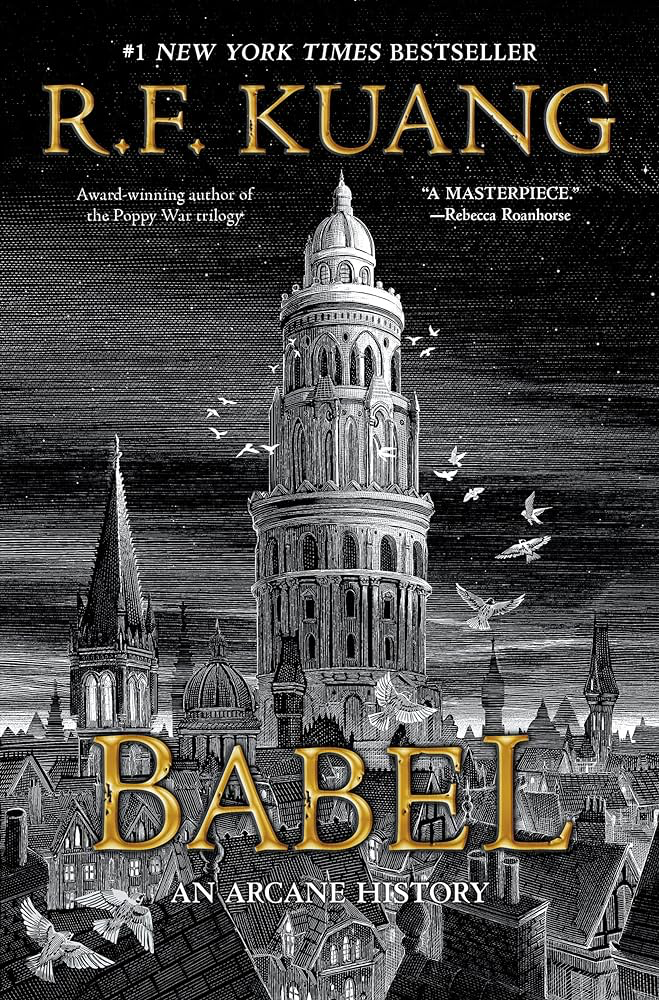
February has just rolled around, and in the U.S., the month of February is Black History Month! Ever since I’ve started interacting more with the book blogging community, I’ve been working on reading more diversely, and making posts like these to encourage others to do the same—reading from a single, homogenous perspective is effectively reading in a bubble, when part of what makes reading so special is its ability to give you an easily accessible insight into the perspectives of others.
But this year, the theme of Black History Month is Black Resistance. I’ve been thinking a lot lately about how that relates to YA; a good portion YA literature is inherently tied to resistance and anti-authority sentiments. And yes, part of that may be teenagers rebelling against their parents, but it also instills so much power into its impressionable teen audience: even though you’re young, you have the power to change the world. Now that YA has become more diverse in recent years, it has shown that resistance is even more tangible. That tyrannical, dystopian government that the protagonist must defeat can be translated into real-word terms: systemic racism, police brutality, and so much more. Teaching teenagers (and everybody else, for that matter) that they have that power to change the world is such an important thing, because they will grow up knowing that they can enact the same changes as the characters they read about.
That being said, I have been shifting to read more adult books in the past few years, and I’d be remiss if I didn’t talk about some of the amazing books by adult Black authors as well. I’m too lazy to change the graphic, but I’m also going to include some adult-oriented books in here as well.
So with that, here are some of the YA and adult books by Black authors I’ve read in the past year. If you’d like to see my posts from previous years, click below:
Tiffany D. Jackson has a talent for building suspense, but this is the first time I’ve seen her do a full-blown horror novel—and it was exceptionally chilling!
YA mermaid novels have historically been disappointing for me, but Skin of the Sea gave me hope that a good one is possible—and there can be so many creative twists and perspectives put on it!
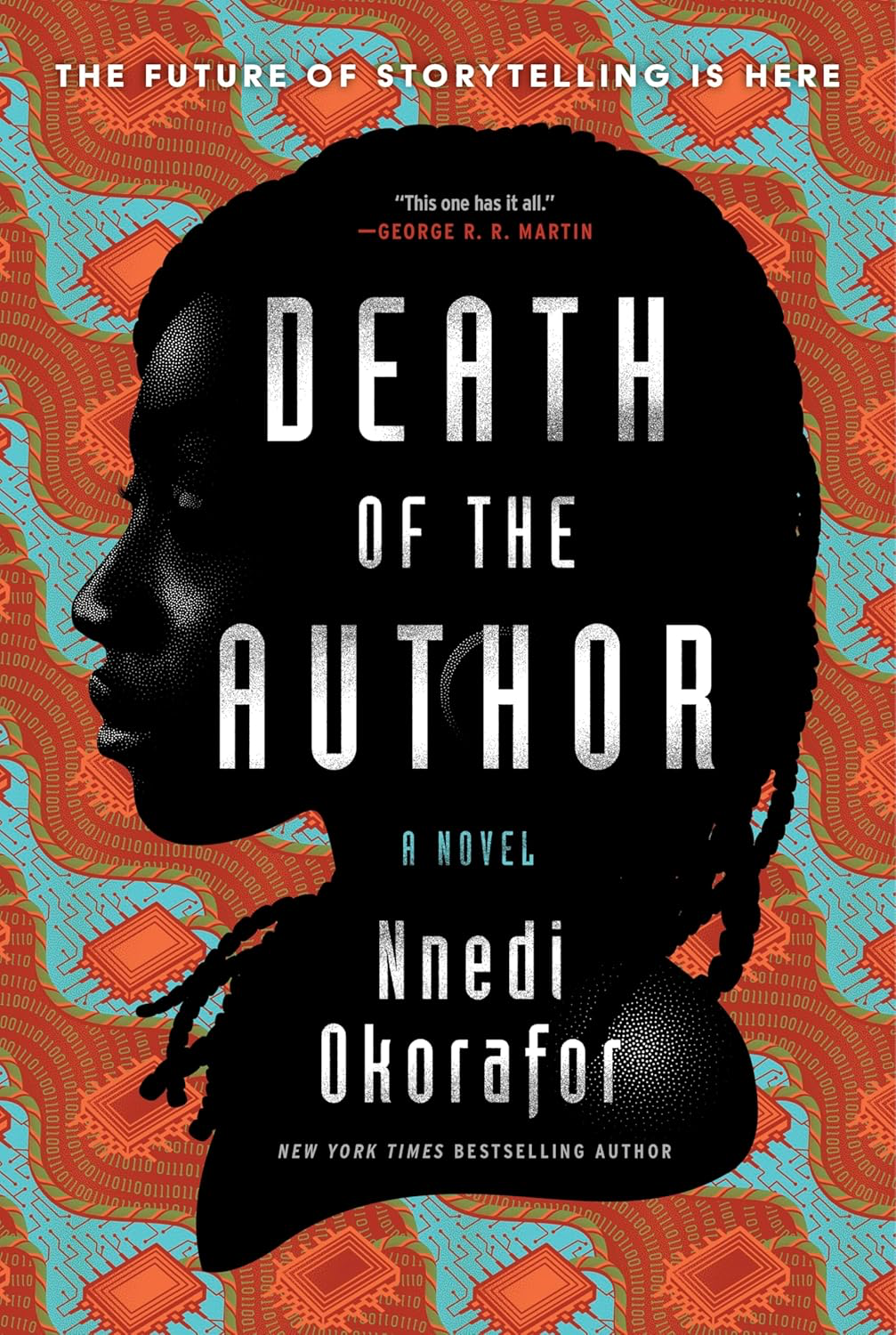
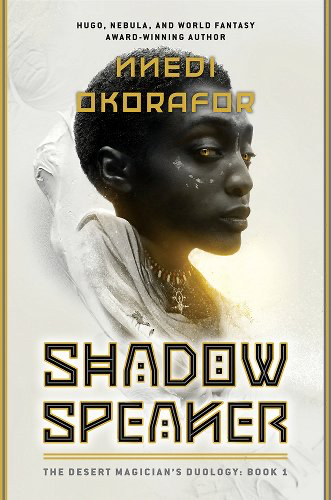
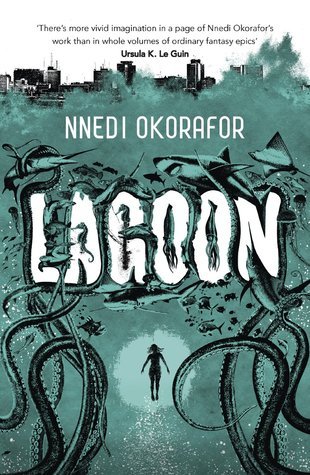
Normally, I wouldn’t double up on authors, but Nnedi Okorafor really deserves it here—I still need to finish this series, but it’s so charming and inventive!
TELL ME WHAT YOU THINK! What are some of your favorite books by Black authors that you’ve read recently? Tell me in the comments!
Today’s song:
somehow I didn’t know that this song existed until a few days ago, and I haven’t been able to stop listening to it since
That’s it for this year’s list of Black History Month recommendations! Have a wonderful rest of your day, and take care of yourselves!