Posted in Book Review Tuesday

Book Review Tuesday (6/16/26) – Idolfire

Happy Tuesday, bibliophiles! Halfway through 2026 now…😵‍💫

If you told me about 3 years ago that I was this excited for a new Grace Curtis book, I wouldn’t have believed you. Full disclosure: I didn’t like Frontier, but the premise of Floating Hotel was so endearing to me that I took a chance on it…and loved it. And here I am now. (Special shoutout to Kat @ The Lily Cafe, who is the reason that I know that this book exists. Thanks, Kat!) I had a feeling I was going to enjoy Idolfire, but as we’re officially halfway through the year…this might be one of my favorite books that I’ve read this year!

Enjoy this week’s review!

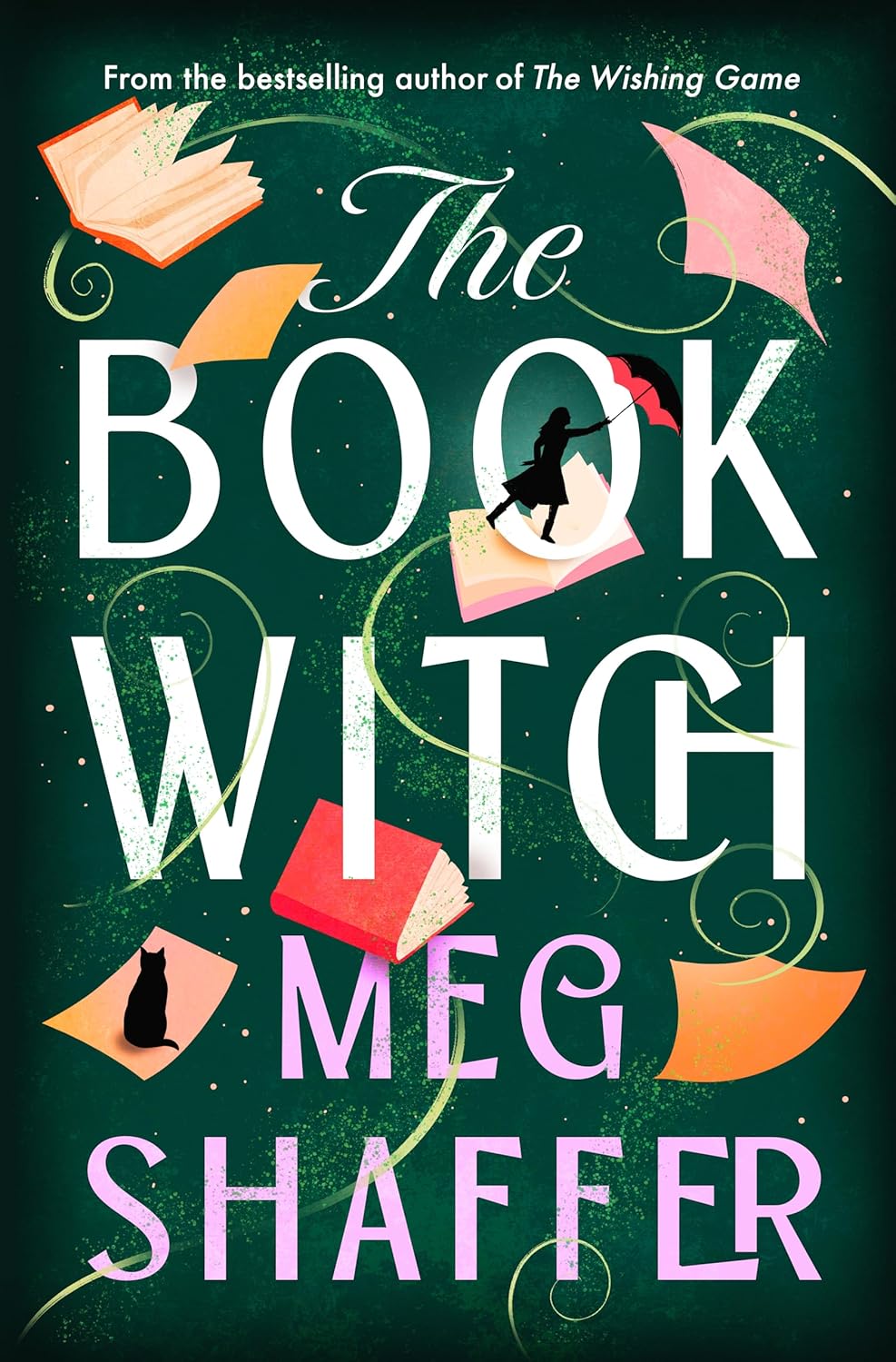
Idolfire – Grace Curtis

After illness tears her family apart, Kirby of Wall’s End sets off on the road to Nivela, a famed kingdom that has fallen from grace, but retains the promise of magic beyond its gates. Across the world, Aleya Ana-Ulai is searching for Nivela too, eager to prove herself after being abandoned by her family. When these two women from disparate regions meet on the road, neither knows that their togetherness is key to their survival. But the road to Nivela is long and treacherous, and it seems to hold everything but the answers they need within it. Aleya and Kirby must decide if the promise of Nivela is worth it—and if they’ll be able to survive at all.

TW/CW: violence, blood, war themes, loss of loved ones, child death, infertility

First off—this isn’t a slight on the book, but if you’re going in (like I did) expecting science fantasy, Idolfire is not that. This is straight up fantasy. I’m convinced that the “science fantasy” thing was tacked on for marketing reasons after Curtis wrote two sci-fi novels. Just be forewarned about that…and the fact that this book came dangerously close to destroying me. This might be one of the best books I’ve read all year.

Grace Curtis’s prose keeps getting better and better with each novel she writes. It’s prose that gave me genuine, heartwarming joy to read. She just has this way of making everything, from the setting to the subtle glances between characters, so wholly human; it goes beyond feeling lived-in and real and becomes something with a real heartbeat. Where Curtis succeeds is in shedding light on the unsaid; slight turns of phrase became quietly heartwarming or heartbreaking with a single word. Her renderings of the varied landscapes that Aleya and Kirby travel through are so rich and full of life. Every line of dialogue is razor-sharp, both in their humor and their power to devastate. If you want proof of Curtis’s improvement as a writer, Idolfire is the perfect evidence.

One of the strongest aspects of Idolfire was how it balanced humor and more sobering, serious themes. Curtis has really honed her talent for humor—there were so many moments throughout that were laugh-out-loud funny. Aleya and Kirby had such excellent chemistry (more on that later), but their separate senses of humor pinged off of each other exceptionally well, making for a fantastical road trip that never had a dull moment. And yet, Curtis gave the same amount of care to depict the darker themes of the novel alongside the lighter ones. Curtis’s depiction of war was one that has stayed with me; her descriptions of it have no interest in glorifying its purpose or its participants. Even for a novel billed with swordfighting, her sparse, devastating language in describing the horrors of war were so impactful in a genre where there’s often a degree of romantic language ascribed to something so horrendous. From the effect it has on the minds of individual soldiers to the scars that it wrought across the lands of Idolfire, Curtis explored every facet of living during wartime. Yet Curtis had the same level of care in the lighthearted and dark aspects of Idolfire—for a novel like this, it was a very difficult balance to strike, but Curtis absolutely clinched it, making for a novel that was, above all, human.

I didn’t think that Curtis’s character writing could get much better after Floating Hotel, but I was proven wrong. Although I loved the slice-of-life roving between multiple characters, I think that narrowing her focus down to two central characters did a great service to their development. Aleya and Kirby were some of the most memorable characters that Curtis has ever written. A less talented writer would’ve slapped a hasty grumpy-sunshine dynamic on them and left it at that, but they both had such richly layered personalities. Both of them had trauma so deeply embedded in their psyches, but Curtis did an excellent job of showing us how it manifested in both of them and shaped their personalities. I loved how Aleya’s more reserved, stoic nature played off of Kirby’s more mischievous personality, but the deeper you get, the more you realize that both of these traits serve as shields for both of them. They had such immediate, lovable chemistry, and the progression from begrudging companions on the road to lovers was impeccably paced, and every step of that progression felt so natural—and instantly lovable to root for. Without spoiling anything, things do turn out bittersweet for them, but I think the way that Curtis ended their story was poignant and fitting for both of them.

I also adored the road trip plot of Idolfire, and it kept me guessing constantly. Curtis’s talent for character writing also applied to the menagerie of weirdos that Aleya and Kirby met along the road to Nivela. Even the smallest glimpses we got of the denizens of Idolfire‘s expansive fantasy world were so fleshed-out, and they added so much life to the already fantastic worldbuilding. Balance is something that Curtis clearly has been honing, because like the balance between levity and darkness, there was a great balance of more action-packed moments—such as Aleya’s many swordfights—and downtime with Aleya and Kirby. The pacing was neat as a pin, and even the downtime between the more climactic parts of the novel were measured out to near-perfection. Idolfire really was a balancing act in so many ways, but Curtis toed the lines she set with enviable ease.

And if there’s anything that you can expect Curtis to do well with, it’s sharp commentary on empires and imperialism. Floating Hotel excelled at that as a point in the background, and Idolfire honed in on it even more. I think what Idolfire brings to the conversation is how ideas shape the image of an empire. Fully acknowledging that Curtis is British and I’m just projecting my experience onto this book, but I couldn’t help but think about Nivela—and Aleya and Kirby’s goals—in terms of the permanently out of reach “American dream,” and how an empire can build up an idea of itself while hiding a crumbling foundation beneath it. The further they go on their journey, the more they see the destructive aftermath of an idea twisted into something that excuses genocide and imperialism. I also liked how it tied into the magic system, with belief being what makes certain magic work/not work, and how that translated into the belief in Nivela, which has been faltering to the point of destruction. (Without getting into spoilery territory, there’s some really fascinating stuff about the very literal, human cost that this has in the world of Idolfire.) In the end, I think it was a beautiful meditation on the power of ideas, and how they can be twisted into something so terrible that it swallows the world, but how we can use that same power to create a more equitable world worth living in.

Ultimately, with ratings like these, there’s always that slight oomph that pushes it into 5 star territory. I think there’s still a few small nitpicks that made 5 stars not justifiable, but it sure was close. Overall, Idolfire was a deeply moving and human road trip fantasy, a meditation on the nature of the ideas and idols we hold up in our minds. 4.75 stars!

Idolfire is a standalone, but it has a companion novel, Heaven’s Graveyard, set 2,000 years later in the same universe. Grace Curtis is also the author of Frontier and Floating Hotel.

Today’s song:

I’m sorry, Let’s Dance (1983), I was unfamiliar with your game

That’s it for this week’s Book Review Tuesday! Have a wonderful rest of your day, and take care of yourselves!

Posted in Book Review Tuesday

Book Review Tuesday (6/9/26) – Queen of Faces

Happy Tuesday, bibliophiles!

I’ve seen a lot of buzz about Queen of Faces in the past few months, and it seemed intriguing. Plus, you know I’m always up for queer rep in my fantasy! So of course, I had to pick Queen of Faces up. (Unrelated, but I’ve had “Queen of Eyes” by The Soft Boys stuck in my head solely because of reading this book. New title for the sequel just dropped?) I’m glad to say that though it wasn’t perfect, Queen of Faces was a promising debut fantasy novel!

Enjoy this week’s review!

Queen of Faces – Petra Lord

Anabelle Gage is trapped in a body that isn’t hers—cheap, male, and rapidly deteriorating. Her only way to swap into a new, magical body is to be accepted into Paragon Academy, the most prestigious school in all of the Eight Oceans. After failing her entrance exams, Anabelle is certain that she’s doomed to die in the body she’s trapped in. One run-in with the law later, and she’s faced with Nicholas Carriwitch, Paragon’s renowned headmaster, who gives her a choice: be his right-hand mercenary, or die for her transgressions. Now entangled in a world of magic, crime, and mystery, Anabelle must decide if her choice was worth it—and how to get out of the body that she hates.

TW/CW: descriptions of injury, blood, suicide, violence, racism (fictional ethnicities/nationalities), war themes, dysphoria

In this day and age, it truly makes my heart sing to see queer voices flourishing in YA and middle grade voices flourish. I just had this lingering feeling that this is going to make so many trans teens so, so happy. This novel is so thematically strong; Ana’s journey was full of twists and turns, but it was so easy to sympathize with her and her continual struggle to find herself—not just in a new chassis (the magical bodies that can be swapped in this universe), but in terms of her identity. Lord includes a lot of motifs about transformation; there’s a recurring bit about caterpillars, butterflies, and metamorphosis that was, granted, a bit heavy-handed at the worst of times, but for a YA audience, was a lovely and poignant metaphor for both transness and general coming-of-age. Her journey is a perfect one for a YA audience, trans or not—her feelings of insecurity and unsureness about her identity and purpose are sure to deeply resonate with so many people.

Queen of Faces is billed as dark academia, but I’m not sure if it completely fits the label. We get some of that classic magical school format paired with the dark underbelly that Ana discovers, but most of the plot focuses on Ana’s time as a mercenary, and not necessarily Paragon Academy itself. That being said, it’s not necessarily an issue with the book—more just an issue with the marketing. Paragon Academy started to feel like an afterthought towards the end, and there were definitely some loose ends that could’ve been tied up with that plot. However, Ana’s mercenary plot was what drove the novel, and it was the most compelling part of the story for me. Lord has a knack for writing action sequences, and her tense atmosphere was flawlessly maintained for the whole novel. I loved how Ana and Wes played off of each other during this plot, and all of the friends-turned-foes (and vice versa) had excellent chemistry; Ana and Wes are shaping up to be the kind of enemies-to-lovers YA couple that I would’ve loved in high school. (However, the weird pseudo-love triangle going on was, yes, pretty YA, but it was so rushed and unfinished that I couldn’t even excuse it being YA. It was just…odd.) Beyond that, I loved how all of this coalesced into Ana’s character development, and her discovery of the truth of her mysterious job—and her superiors—was such a vital component to her eventually self-realization.

The worldbuilding in Queen of Faces was a mixed bag, but most of it was solid. Lord’s magic system was imaginative and well thought-out. I loved Lord’s visualizations of the branches forming, and I loved all of the consequences of how magic affected Caimor and the rest of the world. I also think the history of Caimor and the Eight Oceans was explained nicely, and without any unwieldy info-dumps. The system of the chassises and body-swapping was well-done as well, and served as a cogent commentary on class inequality. However, some of the other aspects of the worldbuilding were slightly shaky. I had a vague sense of the technology level—I assumed closer to the 1920’s given the presence of cars and radios, but not much more advanced than that, but I didn’t get a good sense of it. Lord also regularly inserted the fact that Ana loves romance manga, which felt jarring and out of place in this otherwise fantastical setting. I had the same issue with the fact that there’s something called the “Babel Curse,” which would imply the existence of Christianity/the Bible in this otherwise completely fantasy universe. Small issues, sure, but they took me out of the narrative with how much they were mentioned. But for a debut novel’s stab at worldbuilding, it’s a good start.

Queen of Faces unfortunately suffered from some pacing issues. The first third or so was paced reasonably well, and I had a good sense for how the events of the novel had progressed. However, once Anabelle gets to Paragon Academy, there’s time-skipping all over the place; my irrational hatred for random timeskips is just that—irrational—but Lord often didn’t let the reader know that these timeskips had even happened until the last relevant minute. I fully thought that only days had passed by, and boom…it’s been a month? The pacing was just so uneven that it was difficult to get my footing in places, which took me out of the main narrative, especially in the first half of the novel. Given the fact that we’ve mostly left Paragon Academy behind by the second half of the novel, it didn’t help that the pacing also left so many loose threads unresolved. Things evened out towards the end, but it never fully recovered from the topsy-turvy pacing at the beginning.

All in all, a daring and mysterious debut full of dark magic, shifting alliances, and conspiracies. 3.75 stars!

Queen of Faces is Petra Lord’s debut novel and the first book in the Queen of Faces series; its followup, King of Masks, is slated for release in 2027.

Today’s song:

That’s it for this week’s Book Review Tuesday! Have a wonderful rest of your day, and take care of yourselves!
Posted in ARC Reviews, Book Review Tuesday

ARC Review: Mother & Slaughter

Happy Tuesday, bibliophiles!

Whew, this header’s been gathering some serious dust. I don’t do ARCs regularly anymore, but basically consider this my regular Book Review Tuesday installment…just with some more intrigue, since this book is less than a month away from release!

As I said before, I’ve gotten too busy to regularly review ARCs in the past few years, but this is an exception. The author of this upcoming novel (Liz Shipton) came across my blog and personally reached out to ask if I could review their ARC, so I said yes! Sadly, it pains me to say that this satirical fantasy was kind a miss.

Enjoy this week’s ARC review!

Mother & Slaughter – Liz Shipton

150 years ago, all of Draconia’s women were stripped of their magic. Now, their only options once they turn eighteen are to become mothers or gladiators. Eleanor Skinner was content to choose the latter, and has spent her days fighting her way to the top. At 35, she’s Draconia’s oldest gladiator, and proud to claim the title. But when she becomes pregnant after a one-night stand, her options are slim. Rumors have swirled about Draconia’s only magic-practicing woman left, who might be able to give her the abortion she’ll need. But Draconia is full of patriarchal monsters, and Eleanor will have to claw her way to freedom.

TW/CW: misogyny, violence, gore, blood, abortion themes, sexual content, racism, transphobia, xenophobia/anti-immigrant rhetoric, homophobia, ableism (internalized/external), animal death

Thank you to Liz Shipton for sending me this eARC in exchange for an honest review!

Giving an ARC a low rating is always tough. It’s especially tough since Liz Shipton was nice enough to reach out to me personally and give me this ARC, which I really appreciate. But with every ARC, I promise an honest review, and an honest review is what this is. I really wanted to like Mother & Slaughter, but it tripped over itself too many times to be truly successful.

If you’re going into Mother & Slaughter thinking that it’ll be subtle satire…it’s not. And honestly? That’s okay. There’s a place for both kinds of political allegory in this literary ecosystem. Mother & Slaughter is a revenge fantasy about tearing down the Trump administration, which I am 100% behind. Unfortunately, while I’m 100% behind Shipton’s politics, the delivery was not my cup of tea. This book basically feels like if we lived in a better, kinder universe where Quentin Tarantino was somehow woke. (For what it’s worth, I think Mother & Slaughter is the perfect book for anybody who was brutally grossed out by The Bride’s speech about “motherhood” at the end of Kill Bill: Volume 2. If Kill Bill: Volume 2 has no haters, then I am no longer here.) It’s a very bloody and irreverent novel, and it definitely tested my squeamishness for gore. The chemistry and banter between the characters was good, but it just wasn’t my kind of humor. There’s no shortage of swearing—we’re talking at least 5 f-bombs per page here, so that’s what you’re getting into. My issues with this aspect in particular are purely personal and not about the craft—it was written decently enough, but it just wasn’t the book for me in this regard.

Mother & Slaughter tackles almost everything you could think of that’s wrong with the Trump administration; misogyny and womanhood take center stage, but there’s also lots of discussions of homophobia, transphobia, xenophobia, racism, and the persecution of scientists and scholars. I think the depictions of misogyny and the struggles women have under this administration were well done and well-realized through Eleanor’s character. There was some nice disability inclusion with Eleanor and Roz, who both had sustained permanent injuries from being gladiators. I also liked how respectfully Sam (who is a trans woman) was handled as a character; Eleanor and Roz butt heads about how to treat her, but ultimately, they both come to respect her as her true self—and as a victim of the same patriarchal system that they’ve been fighting against. There’s some timely discussions about immigration and anti-immigrant rhetoric which was solidly done. Shipton also attempts to tackle racism through the character of Roz; I will say, although her character gained more depth later, my biggest complaint is that for the first half of the book, Roz felt like she was only there to teach Eleanor that racism existed. This was remedied later, but it’s still worth mentioning as a writing flaw. Additionally, I’m not sure if the racism commentary was done well, as we never really get any context for how racism is systemic in Draconia (as misogyny/transphobia/etc. are), and there’s only some offhanded comments about how women of color are oversexualized and discriminated against without factoring it into how the government oppresses people of color in Draconia.

Politics take center stage in Mother & Slaughter, which is as it should be. I’m not asking for this novel to be some masterfully-crafted, intricate world, because first and foremost, it’s a political satire. That being said, I think it would’ve been much more effective if there was more effort put into the worldbuilding. It’s basically your run-of-the-mill, vaguely medieval European fantasy setting, but with more anachronistic language and dialogue. (I kind of expected the anachronisms given that this book’s tagline is “Slay, girl,” but it’s worth noting.) Yet aside from the government’s strict control of women and immigrants, I really couldn’t tell you how the government works. In order for this kind of satire to work, there needs to be at least some scaffolding of the world in order for us to understand our own politics through the lens of a fantasy world. The real fun of satire in genre fiction is to warp our own reality into a fictional one, and in this case, it just felt like a cheap copy-and-paste of current U.S. politics onto a hastily thought-out fantasy world. Fiction holds a mirror to parts of our world, but it’s really not much fun if the mirror is indistinguishable from the real world itself.

This issue is exacerbated in the ending, in which we finally meet Draconia’s Trump stand-in, who is…blatantly just Trump poorly photoshopped into a fantasy world. Like I said, the real fun of ridiculing horrible demagogues like him is by warping them to fit a fantasy setting. Once again, I recognize that this book wasn’t meant to be subtle, but a lack of subtlety shouldn’t mean a lack of creativity. Reknaw says “yuge,” he calls the main characters “nasty women,” and he even mentions a “big, beautiful bill.” As much as I loathe the man, it just felt so lazy and cheap to have no effort whatsoever put into this Trump parody. This is an exceedingly niche reference here, but remember Hellboy: Blood and Iron? They have their stand-in, comically evil oligarch character (Oliver Trombolt) whose name is just multiple real-life oligarchs (Trump being one of them) mashed up, but at least he didn’t look like a clone of Trump (or any of his other inspirations)! the bar’s real low. Even the artwork looks exactly like him. It…gets to a point. Well-intentioned satire, once again, but it just felt so unoriginal when there’s a myriad of ways to critique this administration and the scumbags within it.

Overall, a satirical fantasy with good intentions but a bloody mess of an execution. 2 stars.

Release date: July 1st, 2026

Mother & Slaughter is a standalone, and will be released on July 1st, 2026. Liz Shipton is also the author of Dot Slash Magic, the Thalassic series (Salt, Sand, Soul, Paz, and Passage), and several other books for teens and adults.

Today’s song:

yes, I know this song has one of the most threatening auras of any Brian Eno track, but I just CANNOT STOP LISTENING TO IT god I love this album

That’s it for this week’s ARC Book Review Tuesday! Have a wonderful rest of your day, and take care of yourselves!

Posted in Book Review Tuesday

Book Review Tuesday (5/26/26) – The Killing Spell

Happy Tuesday, bibliophiles!

As I’ve been doing my AAPI books focus during AAPI Heritage Month over the years, I noticed that I’ve unintentionally neglected the PI part of the acronym, which is a real shame. Unfortunately, as with a lot of marginalized groups, it’s difficult to find books—especially genre fiction—by marginalized authors; in fact, The Killing Spell is billed as the first traditionally published adult fantasy by a Native Hawaiian author, which…insert the “disappointed, but not surprised” meme. It took until 2026 for this to happen? Christ.

Anyways, I was intrigued by that, and by the urban fantasy premise. In the end, The Killing Spell was a fun and ambitious fantasy debut.

Enjoy this week’s review!

The Killing Spell – Shay Kauwe

200 years ago, a flood of unforeseen proportions changed the world forever. The Hawaiian Islands were submerged in the ocean, and the survivors found refuge on the coast of California. Kea Petrova lives in this Hawaiian Homestead in what remains of Los Angeles, honing her language-based magic. Discriminated against by the powers that be—both because of her heritage and her magic—she tries to keep her head down. But when a powerful politician is murdered by a killing spell connected to the Hawaiian language, Kea has a target on her back. Desperate to prove her innocence, she teams up with a corrupt politician to clear her name. But what they’ll uncover may shake the magical world of L.A. to its very foundations…

TW/CW: murder, violence, sexual harassment, racism, colonialism/imperialism themes

The Killing Spell is a great debut, but what stands out about it is that I can just feel how much fun Shay Kauwe had while writing it. Though it wasn’t without its flaws, I could feel that same sense of fun and adventure on every page of this novel. I guarantee that you’ll have a blast reading it!

The characters in The Killing Spell are also a standout for sure. Kea was such a compelling main character; she has that perfect combination of being flawed enough to seem real but likable enough to root for. She’s headstrong and stubborn more often than not (to be fair, it’s justified half the time), but she’s so determined and witty that it almost makes up for it. She had the perfect combination of traits to make all of her adventures instantly worth following. The other characters were differing degrees of fun and campy, which suited the classic murder mystery atmosphere. The only character that I didn’t like as much was Sora. He was a little too cliched for my liking, and as much as I love a good enemies-to-lovers arc, Kea and Sora lacked romantic chemistry to me. The romance subplot was just forced in general—thinking back to the story as a whole, it really didn’t enhance anything about it. But he’s the exception to the rule—Shay Kauwe’s characters were a joy to follow.

Despite The Killing Spell being set 200 years in the future, it checked off all of the boxes for a fun murder mystery. I think I just like genre fiction-mystery/thriller melds in general—they just present so many fun opportunities to use worldbuilding to make a compelling world and explain the structures of it by showing you what it means for things to go wrong. There’s so much here for the diehard fantasy fans, but I think if you’re a mystery reader who wants to get into fantasy, you should absolutely pick up The Killing Spell. The setting is modern enough for a lot of the classic murder mystery beats to happen, and with the right balance of seriousness and camp; you’ve got your mysterious poisonings, unlikely detective teams, and seducing people for clues in a dance hall, all wrapped up in a futuristic fantasy package. What was clear to me was that The Killing Spell was Kauwe’s love letter to both genres, and that passion was evident with every successive page.

Language-based magic was already a fascinating magic system for Shay Kauwe to explore, but it bolsters the novel’s themes, which were one of The Killing Spell‘s biggest strengths. Many of the characters (most prominently Kea) are Native Hawaiian, and there is so much discussion about sovereignty and land ownership, as well as the preservation of Indigenous cultures. But I think the language magic and the discussions of the “legitimacy” of languages was the strongest theme in the novel. Through this magic system, Kauwe starts some very cogent discussions about what languages that people and governments deems “important” in its often Eurocentric view, and the bias against languages that don’t have as many speakers; there’s also lots of very potent discussions about cultural pride and how it can be an act of resistance when the dominant, hegemonic cultures are bent on deeming it “lesser.” Kauwe’s pride in Native Hawaiian culture shone through in The Killing Spell, and from an outside perspective, I think these kinds of perspectives are so vital to fantasy as a genre.

Most of the elements above would’ve added up to a solid four stars for me. I had some minor nitpicks, but most of them aren’t very relevant. What is relevant, however, is the worldbuilding, which left a lot to be desired. Aside from the language-based magic, which was well-thought out and thematically strong, the worldbuilding got messy. The whole impetus for the emergence of magic was this cataclysmic flood, which somehow released this language magic into the world. How this happened just…isn’t explained. At all. There was a flood, the Hawaiian Islands sunk, and…magic appeared? I guess? And The Killing Spell happens 200 years after said flood. You’d think that there would be some sort of major societal change, right? Other than the vague system of magical mobs that rule L.A., we get no explanation as to how the world reorganized itself or how magic changed society at large. This is supposed to be 200 years in the future, but nothing would’ve changed if this was just an urban fantasy set today. Other than the Hawaiian Homestead plot, we don’t get any real consequences of how the world changed after the flood. And locations outside of America get mentioned, but what the hell happened to them? Come to think of it, what’s going on in America outside of L.A.? Ultimately, the foundation was there, but Kauwe didn’t expand on it nearly enough for the worldbuilding to actually hold water.

All in all, an action-packed debut rife with magic, mystery, and intrigue. 3.75 stars!

The Killing Spell is Shay Kauwe’s debut novel, and a standalone.

Today’s song:

ANOTHER BANGER CATE LE BON ALBUM IN THE BOOKS! cyrk is excellent, and this song makes me emotional out of nowhere…

That’s it for this week’s Book Review Tuesday! Have a wonderful rest of your day, and take care of yourselves!
Posted in Book Review Tuesday

Book Review Tuesday (5/12/26) – Interstellar Megachef

Happy Tuesday, bibliophiles!

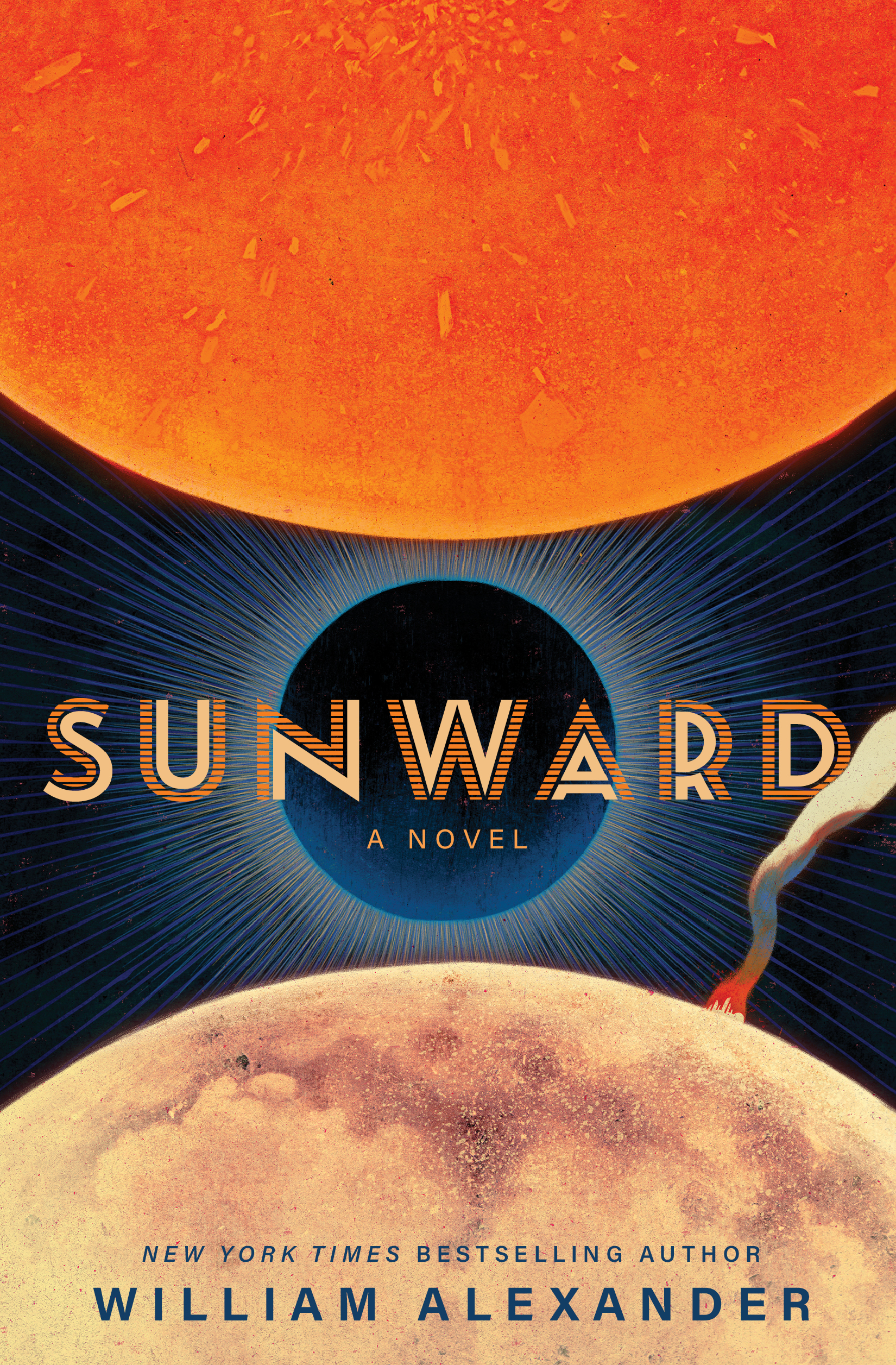
It’s funny that I should be reading/reviewing Interstellar Megachef when I am, because just a week ago, I was talking to my older brother about how you sometimes have to wade through the most cornball book covers and titles known to man to find good cozy fiction sometimes. Different strokes, I guess, but oh my God, this book cover is painfully corny. (And mismarketed, but I’ll talk more about that). But ultimately, it was mostly worth the gambit: although it had some structural issues, it was a solid novel about food, love, and immigration…in space, of course.

Enjoy this week’s review!

Interstellar Megachef – Lavanya Lakshminarayan

Saraswati Kaveri is determined to prove herself. After running away from her family on Earth, she upends her life to immigrate to the famed planet Primus—and earn a spot on its most popular cooking show, Interstellar Megachef. It’s not an easy feat, especially when the humans of Primus are deeply prejudiced against Earthlings, who they see as backwards and violent. But when Saras’s plans go awry, she has a chance encounter with Serenity Ko, a disgraced tech developer who might have just the solution for her to redeem herself—and her cooking.

TW/CW: xenophobia/racism, racial slurs (fictional), substance abuse

First off: Interstellar Megachef is mismarketed. Cornball cover art aside, the Interstellar Megachef aspect of the book is fairly understated. This isn’t a spoiler, but Saras gets disqualified in the first episode of the show—and this happens about a quarter into the novel. (However, Interstellar Megachef comes back as a plot point, so it’s not entirely absent from the plot afterwards.) So I’m assuming that it was marketing reasons that gave this novel its title and tagline. So fair warning, if you’re expecting the entire novel to be food-centric, I’d suggest that you dial back your expectations.

Where Interstellar Megachef succeeds is its powerful commentary on the experience of being an immigrant. To me, good cozy sci-fi succeeds when it retains the low stakes, but doesn’t hold back on discussing whatever issues it seeks to tackle; Lakshminarayan does this to great success. Saras’s experiences as an Earthling immigrant to Primus were a biting indictment of how we treat immigrants, from the outright racism and xenophobia to the more subtle micro-aggressions that they’re taught to simply put up with. The labor that Saras has to do just to be marginally accepted by her Primian peers was poignant, and it spoke to the limits of “acceptance” that mainstream society often has for immigrants: she’s only valuable to them if she’s able to serve a purpose to them. But Saras’s commitment to going against the grain and staying true to her culture gave this novel a poignant, beating heart that propelled its narrative skyward.

Interstellar Megachef also boasts a particularly vibrant sci-fi world. Of course, there are elements that didn’t quite make me suspend my disbelief; I couldn’t quite believe that Earthling humans were more discriminated against than the nigh-incomprehensible mecha tentacle aliens, but that was necessary to the plot, so I get why that was a thing. (Also, the Primian naming convention of every adult being named after the Nine Virtues was okay in concept, but confusing logistically, when you have at least four characters with the same first name per virtue.) Lakshminarayan’s descriptions of this futuristic world were so bright and lived-in, and I truly felt immersed into this neon, intergalactic future for humanity. The aliens were fun, but I feel like their role in society was underutilized, especially when the themes of prejudice and marginalization are concerned. That being said, Lakshminarayan often delivered this worldbuilding in portions that went on for three paragraphs in some cases, which unceremoniously took away from the main narrative. All of the detail and hard work was there, but integrating smoothly into the narrative was a different story, unfortunately.

However, my biggest issue with Interstellar Megachef was the pacing. I’m used to some slowness when it’s cozy sci-fi that we’re talking about, but there were some parts of the novel that seriously dragged. We take so many detours into characters that aren’t central to the main plot, and they don’t serve much of a purpose—they did almost nothing to enrich the plot or the characters. They just seemed like vehicles for Lakshminarayan to do some even more unwieldy exposition for the world (like the three-paragraph-long dumps weren’t enough…). And it’s not as though the book was too short to cut some parts—my paperback edition is around 450 pages. Did we need a whole chapter about politicians negotiating with an alien species that we don’t even see afterwards? There was definitely some trimming needed. The issues with the pacing don’t end here; with all of these detours, it took away so much from the focal plot, making the development of the main characters feel rushed by comparison.

We took so much time on said detours that the romance between Saras and Serenity was rendered rushed and unbelievable. However, part of that was due to Lakshminarayan not giving them much chemistry at all from the start. I just wasn’t convinced of them being a couple, even towards the end of the book. They just didn’t seem compatible at all—and that’s not even counting some of the terrible things that Serenity does to “prank” Saraswati that realistically should’ve been dealbreakers. (Saras!! Get out of there, girl! You deserve better!) By the time they got together at the end of the novel, I was entirely unconvinced of them as a happy couple. It was just so forced from the start, like a bungled attempt at enemies-to-lovers banter.

All in all, a solid stab at a cozy space-opera, full of potent commentary and a vibrant world, but lacking in plot and some believability. 3.5 stars!

Interstellar Megachef is the first book in the Flavour Hacker series, followed by Intergalactic Feast. Lakshminarayan is also the author of The Ten Percent Thief.

Today’s song:

That’s it for this week’s Book Review Tuesday! Have a wonderful rest of your day, and take care of yourselves!
Posted in Book Review Tuesday

Book Review Tuesday (5/5/26) – Saltcrop

Happy Tuesday, bibliophiles!

GUESS WHO’S BACK…WITH A BACHELOR’S DEGREE! 🎓 YIPPEE!! Either way, I’ll be back to my normal posting schedule for the foreseeable future, as I’m now done with finals and all of my graduation festivities.

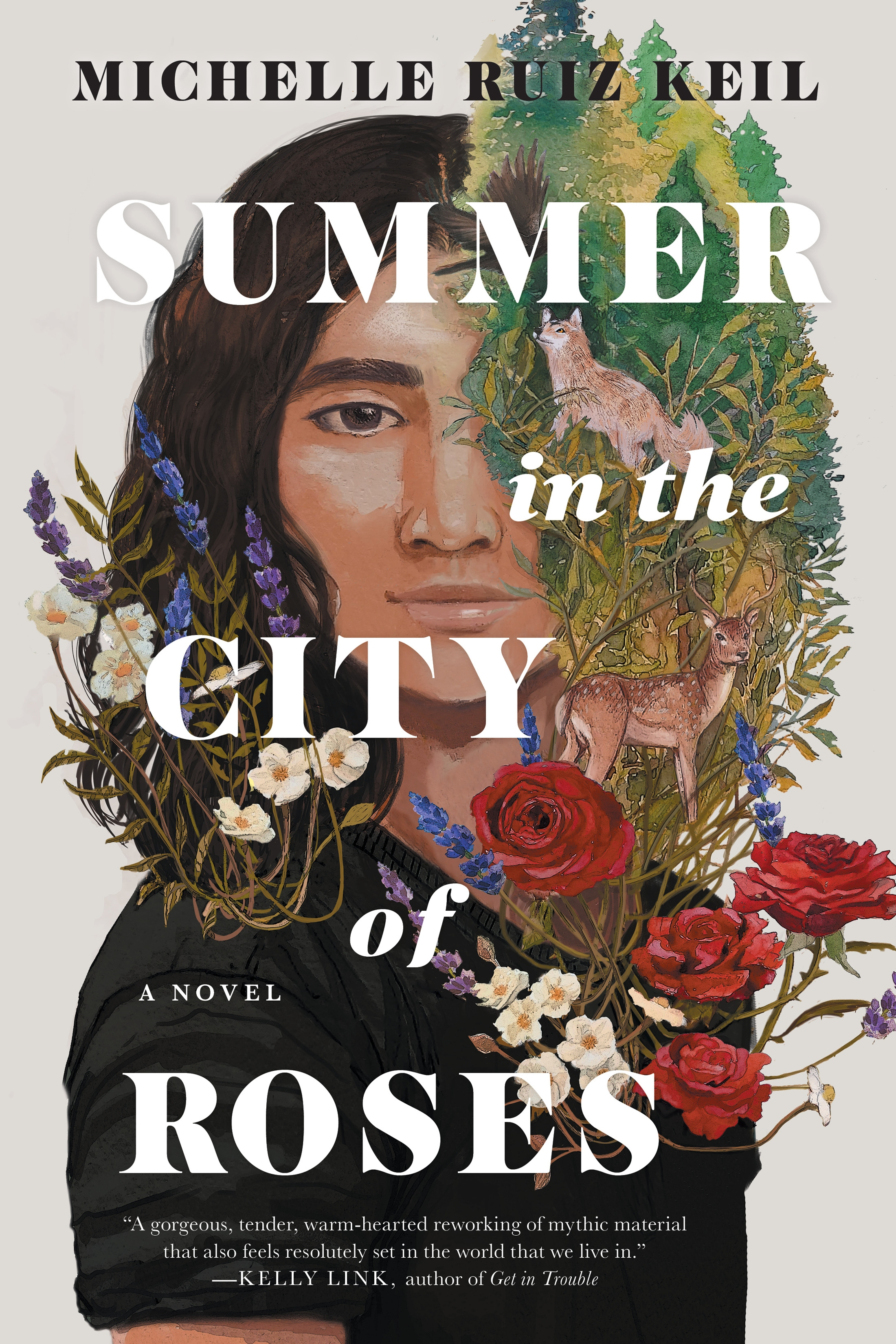
I’ve been a fan of Yume Kitasei since her debut, The Deep Sky. Her second novel, The Stardust Grail, was a 5-star read for me—it’s truly a gem, if you haven’t read it already. (After re-reading it last month, I’m firmly convinced that we need another book set in that universe. Her worldbuilding was so expansive!! It needs a companion novel!! Please!!) So I was ecstatic to hear that she was writing another sci-fi novel. It seems she’s been jumping between all kinds of sci-fi subgenres: a literary thriller with The Deep Sky, space opera with The Stardust Grail, and now dystopia with Saltcrop. And though it didn’t blow me away like The Stardust Grail did, Saltcrop is still a worthy, timely testament to Kitasei’s talents.

Enjoy this week’s review!

Saltcrop – Yume Kitasei

In a world ravaged by climate change, the three Shimizu sisters–Nora, Carmen, and Skipper—eke out a living with their aging grandmother. But Nora has been missing for months without an explanation. Carmen has faith that Nora will turn up soon, but Skipper suspects foul play. The sisters voyage out into uncertain waters to find Nora, but when they stumble into an intricate conspiracy that’s more than they bargained for, they must decide whether the journey was worth it at all—and if Nora is even out there in the first place.

TW/CW: medical content, body horror, death of parents, abuse, violence, murder, illness, animal death, chronic illness themes

One of the coolest things about watching Yume Kitasei’s career expand, from a reader’s perspective, is her willingness to try almost anything within the sci-fi genre. Her first novel was a more literary, sci-fi thriller; her second, a daring space opera with influences from Star Wars and Indiana Jones. Saltcrop is wholly different than both of them, and perhaps the greatest thing about it is that Kitasei never seems to run out of ideas, and that she’s unafraid to chase them.

Saltcrop is full of heart, and to me, that was its main strength. What formed this heart was the central relationship between Skipper, Carmen, and Nora. Even though 1/3 sisters was notably missing for 2/3rds of the novel, her presence was palpable; all that was possible due to the subtle interactions that Kitasei wove through Skipper and Carmen, both past and present. Their clashing but united dynamic as sisters propelled the novel in such a poignant way. Though you know from the start that Skipper and Carmen would cross the ocean for their sister (and they do), Kitasei never falters in giving you the sense of the complex but steadfast love that they have for each other. It feels like a middle finger to all of the dystopian media that posits that the apocalypse will somehow deteriorate our inherently human urge to love and help each other. Siblings will be siblings, even when climate change floods the world—Kitasei means that in every sense possible.

The setting of Saltcrop is familiar: a flooded dystopian world rendered unrecognizable by climate change, where the poor eke out a hardened existence while the rich continue to get richer. It’s a plot we’ve heard many times before, but Kitasei’s touch made it much more human. Aside from the exploration of the sisters’s relationships, I think what made Saltcrop’s plot and worldbuilding so memorable were the vignettes that made it human. Kitasei’s flooded world was peppered with stories of ordinary people, dead and alive, who made a living in spite of nearly inhospitable circumstances. It doesn’t shy away from the dark and ugly parts of this world (namely the spread of illness and corporate greed) Combine that with the clearly exhaustive research she did about agriculture, epidemiology, and genetic modification that got especially relevant in the last half of the novel, and Saltcrop was one of the most lived-in dystopias that I’ve read in quite some time.

I said earlier that Saltcrop is fairly different from her previous two novels, but in terms of writing, I think it trends closer to The Deep Sky, which is to say that it leans more into the literary side of her prose. And if there’s anybody I trust with more literary prose, it’s Kitasei. Her eye for poignant, needle-sharp descriptions that lodge themselves into your heart is stronger than ever—there are casual gut-punches laid about everywhere. Even in the heart of a climate-ravaged dystopia, there were almost Fargo-like interludes where reality and memory warp, which was all the more potent considering the themes of remembrance in Saltcrop. (The bear scene in the middle especially comes to mind.) Like the plot, Kitasei’s prose turned an environment that we’ve seen many times before into something wholly fresh and enlivened.

I’ll admit, I have some mixed feelings about the ending. On the one hand, I loved how the sisters rallied together to try and bring down the antagonist corporation, which routinely swallowed all of their attempts at resisting; the gradual, quiet victory was hopeful, and felt realistic to the long and rocky road to justice that we see with these kinds of issues. However, I feel like there were so many unanswered questions at the end; without spoiling anything, it felt like the setup to another novel, but there was so much left unsolved and unsaid, and yet Kitasei gave it the tone of a bittersweet ending, but a concrete ending all the same. It only felt wrapped up in the sense of the corporation plot, but beyond that, it felt unfinished. I’m all for an ambiguous ending, but with such a key piece of the puzzle missing, it didn’t feel satisfying in the slightest.

All in all, a startlingly human post-apocalyptic story of sisterhood and survival. 4 stars!

Saltcrop is a standalone, but Yume Kitasei is also the author of The Deep Sky and The Stardust Grail.

Today’s song:

genuinely criminal that this isn’t available on streaming, but this is, hands down, one of the best Wilco covers out there

That’s it for this week’s Book Review Tuesday! Have a wonderful rest of your day, and take care of yourselves!
Posted in Book Review Tuesday

Book Review Tuesday (4/7/26) – She and Her Cat

Happy Tuesday, bibliophiles!

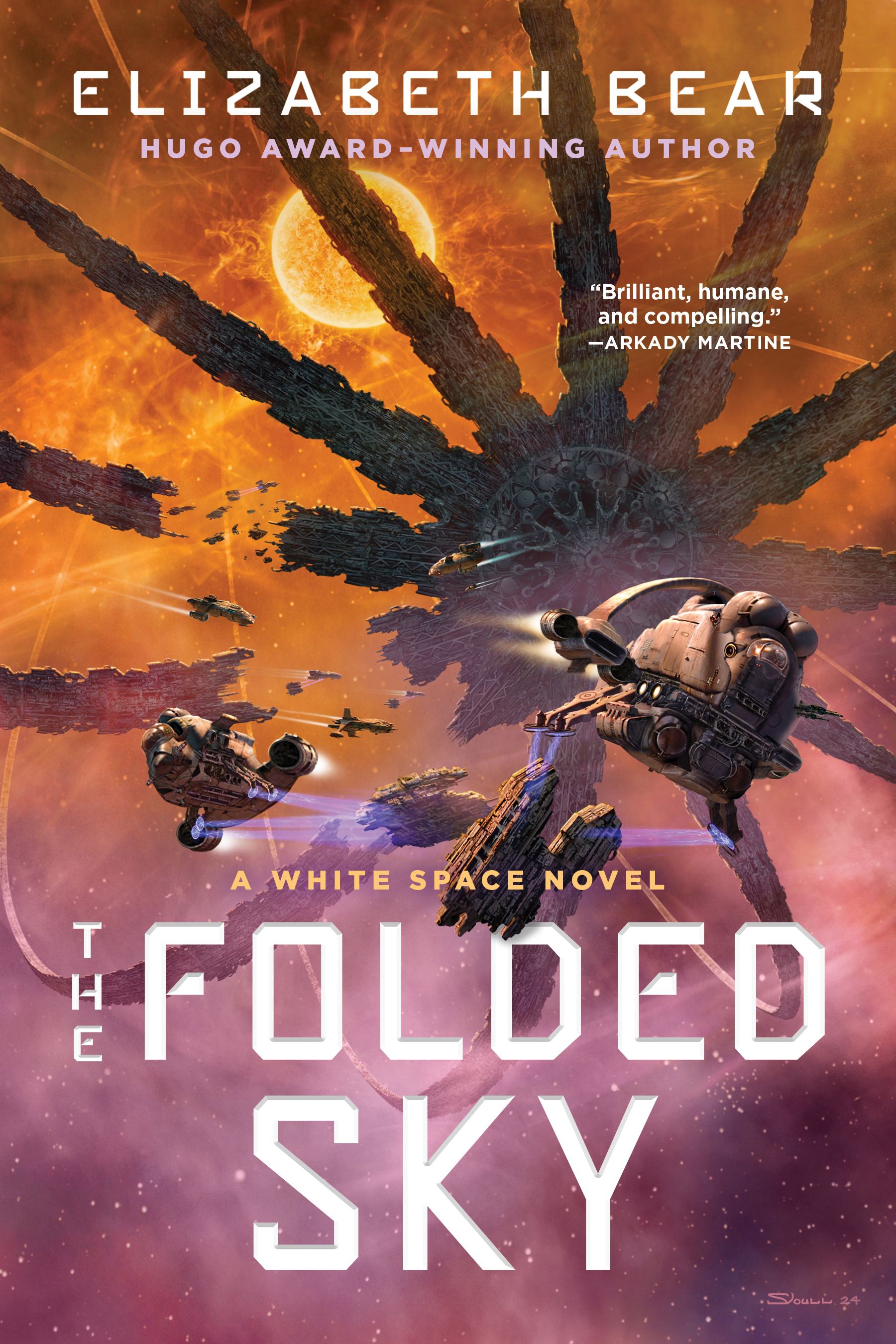
I heard about this novel on Bookstagram a few months ago, and I was immediately hooked by the premise. I’ve been trying to read more translated literature when I can, and I’ve found…enough Japanese books about cats that it seems to be a certified Thing. (Nothing compares to The Traveling Cat Chronicles, though. That’s the peak, as far as I’m concerned.) And I’m not complaining. Short and sweet, She and Her Cat was a heartwarming examination of loneliness, womanhood, and the love we have for our cats.

Enjoy this week’s review!

She and Her Cat – Makoto Shinkai & Naruki Nagakawa (translated by Ginny Tapley Takemori)

In four interconnected short stories, four women face hardships as they learn to grapple with adulthood. Dealing with isolation, misogyny, and troubles with love, these women have no one to turn to…save for their feline companions, who are there to help them along the way. But it turns out that the lives of our cats are more complex than we could ever know…

TW/CW: sexual harassment, cheating, death/grief themes, mental illness themes

Strangely, in my ongoing search for novels in translation to read, I always end up coming back to Japanese novels about cats. (To be fair, they’ve had varying premises—and degrees of quality.) However, I think this one is unique in its approach—it focuses on the cats and the humans in equal measure, which was an interesting move. I feel like the voice of the cats (who were anthropomorphized) was properly distinguished from the humans, and their perspective on how the humans lived was wry and cute. I will say, I feel like they were almost too human and understood too much about the human world, but I can give it somewhat of a pass since it was fairly cute. Similarly, I loved the women in the novel, and how refreshingly ordinary they felt. These characters felt like an antidote to every female character that the author describes as “plain” but is actually somehow the height of conventional attractiveness and can do everything; She and Her Cat’s human characters, however, felt like ordinary strangers people with relatable issues that they processed with the help of their feline companions.

She and Her Cat hit an excellent balance of coziness for me. There’s a line that cozy fiction/magical realism of this brand often crosses, where the “coziness” transforms from a more lighthearted, low-stakes story about more positive themes to something that becomes preachy in said themes, without any regard for the reader’s intelligence. (Fluff is fluff, but I maintain that I get irked every time an adult novel still has a “and what did we learn today, kids?” moment.) But although She and Her Cat could’ve walked straight into that trap, it avoided this pitfall with ease. The short stories within this novel were simply quiet tales of isolation, perseverance, womanhood, and the bond that we have with our cats, which is exactly the kind of stakes that a cozy novel should have—all that, and every theme isn’t spelled out for you. (Yes, I know, the bar is low, but you’d be surprised at how many times I’ve run into this…with Japanese cozy books about cats, specifically. If I had a nickel, etc., etc.)

That being said, even though this was magical realism, I didn’t quite feel that magic through the writing. I’m once again returning to the problem of “are my issues with the writing the author’s or the translator’s fault?” that I’ll never solve because…well, I’m not fluent in Japanese. Though I liked the narrative voice, the prose itself was pretty bare-bones, only describing the events as they happened in a way that was rather rote. And this is a story where you get to glimpse the world through the eyes of cats, animals that have an entirely different perception on life than we do! Additionally, I didn’t get as much of a view into the setting and the characters as I wanted to, since the writing went from point A to point B more often than not. Since She and Her Cat is a short novel (under 200 pages), there was definitely room for some more vibrant prose that would’ve made the setting and characters feel more alive. I think part of that might have been a consequence of the fact that She and Her Cat was adapted from a manga, but I feel like filling in the gaps that the art left should’ve been one of the main concerns of the team adapting this novel. If this was the result, it almost feels like they only adapted the script, and not the rest of the manga.

Additionally, although this is a short story, a lot of the events felt quite rushed. I think I would’ve gotten more out of She and Her Cat emotionally if I had more time to spend with each cat and character. Although we have the through lines between the story, they were shoved in so haphazardly that any previous development didn’t mean anything for the next story, even though we had characters that could’ve potentially undergone the slightest bit more development. Like the prose, this novel had the pacing both in-story and between stories go from Point A and Point B very quickly. The appearances of characters from previous stories were so rushed that they felt like MCU post-credits scenes: oh, hey, you know this person, right? Alright, anyway, onto the next thing…

But in the end, She and Her Cat is a somewhat lighthearted and short book, so I get it that fully fleshed-out narratives weren’t exactly the goal.

All in all, a sweet anthology that excelled in creating an emotional atmosphere with its stories, but faltered in places with its prose and pacing. 3.5 stars!

She and Her Cat is a standalone, and was adapted from the Manga by Makoto Shinkai. Makoto Shinkai is also the author of several manga series, including the your name. series, Weathering With You, The Garden of Words, and many more. Naruki Nagawa is also the author of Prince of Stride.

Today’s song:

That’s it for this week’s Book Review Tuesday! Have a wonderful rest of your day, and take care of yourselves!
Posted in Book Review Tuesday

Book Review Tuesday (3/31/26) – The Actual Star

Happy Tuesday, bibliophiles! Apologies for the unexplained absence last week—I defended my honors thesis, so I needed some time to prepare (emotionally, if nothing else). But I’m back now, and man, do I have a review for you…

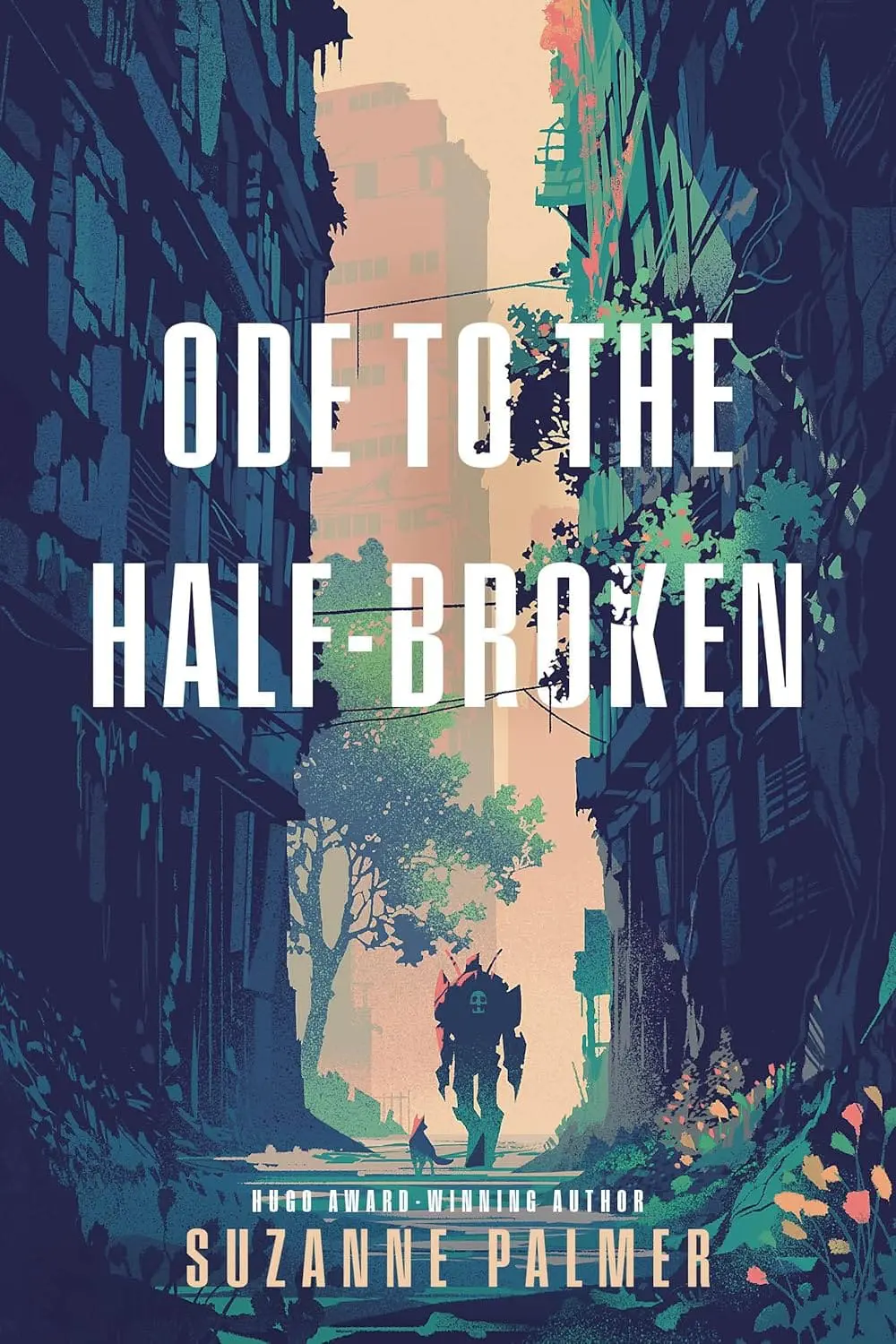
Despite having one of my least favorite animals on the cover (whip scorpions give me the heebie jeebies, sorry), I was intrigued by the millennia-spanning premise of The Actual Star, and it satisfied my eternal hankering for more science fiction. Dizzying in scope, The Actual Star is, without a doubt, an undertaking to read—even though it’s only March, I have no doubt that it’ll be one of the most ambitious books that I’ll read all year.

Enjoy this week’s review!

The Actual Star – Monica Byrne

1012. In the Mayan city of Tzoyna, Ajul and Ixul—a pair of twins descended from the Hero Twins of legend—have ambitions to reclaim a throne that was stolen from them. With their journey foretold by the gods, they will stop at nothing to claim what is rightfully theirs.

2012. Born to a Belizean father and a Mayan mother, Leah has been distanced from her father’s culture all her life. In a snap decision, she decides to venture to Belize to discover her heritage—but the mystical connection she feels to the land may be driving her to extreme decisions.

3012. The last vestiges of humanity cling to a climate-ravaged Earth. Niloux and Tanaaj, rival fanatics, are locked in a power struggle to reclaim their religion, based in ancient Mayan rituals and a mysterious saint named Leah. Their voyages will take them across an unrecognizable globe.

Across thousands of years, the lives of these distant individuals will intertwine in ways that they did not think possible.

TW/CW: self-harm (ritual), terminal illness, sexual content, incest, violence, descriptions of injury, death

To put it bluntly, The Actual Star is a mindfuck. But honestly, few other words could so succinctly put into words how I felt reading this novel. Nothing could’ve prepared me for how dizzyingly layered this novel is. Aside from the three different plots across multiple millennia, you’ve got Mayan mythology, entire sections written in Belizean Kriol, wild visions of Earth in the 31st century, pockets of poetic brilliance interspersed in bloody wrath, and so much more. “Wild ride” doesn’t even begin to describe The Actual Star. But through it all, what kept occurring to me is that Monica Byrne left no stone unturned in terms of weaving these three disparate plots together. There are so many Easter eggs connecting these timelines together, and I’m certain that I missed a ton of them. Each world was rich in narrative and thematic experimentation. It’s one of those novels that sometimes verges on an experience as opposed to a novel, and despite my qualms with it, I can’t fault this novel for being purely, showstoppingly unique.

Even though they were all connected through various through-lines, The Actual Star shone (no pun intended) in terms of the richness of the individual plot lines. While the 1012 Mayan plot was the weakest of the three in my opinion, Byrne clearly researched the time period exhaustively. I loved the 2012 plotline just for the memories of that fleeting moment when so many were convinced that the world would end, but Leah, in all her flaws, was a character I loved following through her development into something close to a (future) saint. But by far, the most entertaining and well-constructed plot was that of the speculative, climate-ravaged 3012. Byrne’s vision of the far future is bizarre, full of idiosyncratic religion, flooded cities, and humanity beyond human, but it was so rich and detailed in its construction that I loved every minute exploring this unrecognizable Earth. Beyond that, I think the power struggle in the 3012 plotline was the most interesting of the three, with the magnetic poles of Niloux and Tanaaj pushing up against each other in strange and unforeseen ways. Bottom line: Byrne did a staggering amount of research for this novel, and it shows.

However, for all of its ambition, I don’t think The Actual Star was able to follow through on all of its promises. Byrne gives us a lot to chew on here. What was most realized for me were the themes about divinity and religion, particularly with the dichotomy of what we see/know (the star) and what truly is (the actual star), a theme that I found quite poignant. For me, it worked with the plot lines of religions and personal beliefs being constructed in real time, as well as what we know the world to be in our deepest heart of hearts. However, I think there were so many thematic threads that were unresolved, even after 620-odd pages. Byrne tries to tackle a lot about the nature of death, sex, and utopia, among other things, but I think this novel was just so overstuffed that the secondary themes were bound to get rotten from sitting too long on the proverbial windowsill. Were Byrne to narrow some of the themes down, it might’ve been a more cohesive effort.

Additionally, what prevented me from enjoying The Actual Star fully was how it depicted some of its more taboo subjects. If you’re going into this novel, what you need to know first and foremost is that all—and I mean all—of the central characters are truly, deeply flawed individuals. To an extent, I really enjoyed this aspect, especially when exploring their different personalities. That being said, there’s a lot of taboo stuff happening in this novel, but I’m not sure Byrne handled it well. To Byrne’s credit, there was at least some grace given to the depictions of self-harm and cutting, but aside from that, the (plentiful) sex was gratuitous and the incest plotline was frankly unnecessary. In the end, it felt more for shock value than anything else, which did not leave the best taste in my mouth.

All in all, a complex web of a novel that boasted an ambitious premise, most of which was paid off—but by a hair, not enough. 3.75 stars!

The Actual Star is a standalone, but Monica Byrne is also the author of The Girl in the Road and Traumphysik.

Today’s song:

it’s finally here…the world finally gets to experience the pure lyrical genius of “I come at a price/like egg fried rice…”

That’s it for this week’s Book Review Tuesday! Have a wonderful rest of your day, and take care of yourselves!
Posted in Book Review Tuesday

Book Review Tuesday (3/17/26) – Greenteeth

Happy Tuesday, bibliophiles, and Happy St. Patrick’s Day! 🍀 Thankfully none of you can pinch me through the screen, but is a book with a bright green cover and “green” in the title enough for you?

I’ve had my eye on Greenteeth ever since it came out last year—the focus on Jenny Greenteeth and the gorgeous cover (shoutout to Leo Nickolls) caught my eye, but I’ve passed it up in favor of other books…until now. (Shoutout to the Boulder Bookstore, where I got myself a copy!) Though it had its fair share of flaws, Greenteeth was a touching, fantastical story of unlikely friendship.

Enjoy this week’s book review!

Greenteeth – Molly O’Neill

Jenny Greenteeth has lived in her lake for thousands of years. Most humans that she encounters are passing fascinations—or simply a meal. But when Temperance, a human witch sentenced to drown, comes upon her lake, Jenny decides to take her in. Temperance desperately wants to return to her family, and Jenny cannot break a promise. They decide to find a way back to Temperance’s family, but what they discover along the way may hint at a darker rift between the humans and the faerie realm—one that may lead Jenny to discover more about her monstrous lineage than ever before.

TW/CW: animal death, violence, blood, descriptions of injury, grief

For some reason, I thought that Greenteeth was going to have a sapphic element to it, but that’s fully on me constantly having the Gay Goggles on for everything. In retrospect, this might be the one time where having a queer relationship between the main characters would be a bad idea, because a) Temperance is happily married and b) Jenny’s at least 1,000 years older than her. God, that would’ve been a mess.

Greenteeth filled a void that I’ve felt in a lot of fantasy, and that’s the unabashed embrace of all of the weird parts of faerie folklore. I’ve been intrigued by Jenny Greenteeth ever since I read the incarnation of her that appeared in the Hellboy comics, and it’s safe to say that these adaptations of her are very close to the inherent weirdness of the original folklore. Said folklore of Greenteeth draws from classic British, Scottish, and Welsh folklore and Arthurian legend, both of which I indulged in. O’Neill introduces a delightful cast of characters and creatures, and makes the faerie realm feel truly weird, something that a lot of fantasy seems to miss. O’Neill’s atmospheric prose rendered this realm in vibrant color, and I loved every minute of the quest.

Jenny was obviously the heart of the story here, and O’Neill did an excellent job with her! She was just so lovable—like I said above, I love that she didn’t hold any punches with making her truly weird and monstrous. Jenny acts exactly like you’d expect a 1,000+-year-old creature that lives in the bottom of a lake and barely talks to anybody to act, which made Greenteeth a delight from the get-go. With Brackus as her foil and Temperance to teach her about the world, Jenny made for a charming protagonist. However, I’m not sure if O’Neill hinted at the reveals about her past (not the really big one—more on that later) well enough, because by the time they’d been established, it seemed out of character for her to hide something so drastically, lie about it so badly, or even convince herself that these things hadn’t happened at all; with her baby, I get not wanting to reveal that, but they were only revealed when we knew Jenny as a character who wouldn’t necessarily hide these parts of herself in the way that she did. I didn’t buy all of that, but aside from those unfortunate quirks, she was a delightful character. Plus, once we got over the hurdle of said reveals, her character arc became even more poignant.

What made Greenteeth suffer the most, I think, was the tonal shifts. Ultimately, I think it was indecisive about what kind of novel it wanted to be. A lot of reviewers have pegged this as cozy fantasy, and there are a few scenes that would lead me in that direction. However, with the rapid shifts into violence and decidedly more fast-paced and action-packed sequences, I really don’t think this fits the bill. (Also, I feel like most cozy novels wouldn’t pull the move of having a dog get stabbed unceremoniously and then completely brush over this in a few sentences. Not necessarily the dog-stabbing bit, but the fact that they basically go “Oh no! Anyway,” and move on. Justice for Cavall!) It was just so inconsistent in terms of the stakes; we only get to the real meat of the objective of the characters about halfway through. Frankly, I would’ve enjoyed Greenteeth whether or not it decided to be a more cozy, found family quest or an epic, Arthurian quest, but this novel could not decide which of the two it wanted to be. I’m not sure if the half-baked limbo between the two options was the way to go.

That being said…I could not get enough of the ending twist! Personally, it’s too good for me to spoil it, but without revealing anything big, I think it gave Jenny’s arc a deeply emotional conclusion. I’m no expert on Arthurian legend, but internally, I jumped out of my seat like a football fan when said Big Reveal got revealed. However, I think it added some oomph that Jenny’s arc was in need of; the reveals we get about Jenny’s backstory came too late and with too little preamble for the seemingly heartrending emotion that came along with them, but here, I think they reached the potential that they always needed. Jenny’s true origins gave her a real sense of purpose, and even though it was more of a symbolic gesture, it gave her proof of what she needed to hear all along: that she was a powerful, important being, full of love and the potential for greatness…as all of us are.

All in all, a heartwarming fantasy novel that faltered in parts of the plot, but blew it out of the water when it came to atmosphere and the tender relationships between its characters. 3.5 stars!

Greenteeth is a standalone, and Molly O’Neill’s debut novel. O’Neill is also the author of Nightshade and Oak, which came out this February.

Today’s song:

heard this before the Jeff Tweedy show on Friday night…

That’s it for this week’s Book Review Tuesday! Have a wonderful rest of your day, and take care of yourselves!

Posted in Book Review Tuesday

Book Review Tuesday (3/10/26) – To Ride a Rising Storm (Nampeshiweisit, #2)

Happy Tuesday, bibliophiles!

I fully thought I reviewed the first book in this series…whoops. Did I just hallucinate writing a book review? In 10-ish years of writing book reviews, I guess it was bound to happen…

Suffice to say, I really enjoyed To Shape a Dragon’s Breath—it filled the void left by Harry Potter and rekindled my love for good old magic school YA, but without having to remember that J.K Rowling exists. To Shape a Dragon’s Breath is unabashedly Indigenous and queer, with a witty, delightful protagonist, a lovable supporting cast, and potent commentary on racism and colonization. And did I mention the dragons? Naturally, I was excited to see what the sequel had in store. And for the most part, To Ride a Rising Storm was a very rewarding sequel, full of the same heart that endeared me to book one.

Now, tread lightly! This review contains spoilers for book one, To Shape a Dragon’s Breath. If you haven’t read it and plan on doing so, you may want to skip this review.

Let’s begin, shall we?

To Ride a Rising Storm (Nampeshiweisit, #2) – Moniquill Blackgoose

Anequs has survived her first year at Kuiper Academy. Eager to return home with Theod, her only other indigenous classmate…who she may be developing feelings for. She intends to spend her summer break with her family, but what she returns home to is quite the opposite. The Anglish have begun to encroach on her homeland. Anequs is determined to assert her people’s right to govern themselves, but before she can intervene, she’s swept back to Kuiper Academy for another semester. With new friends and enemies, Anequs is determined to not let the idiosyncratic, nonsensical rules of Anglish society beat her down. But with a looming political threat mounting outside of her school, Anequs’s peace might be short-lived.

TW/CW: racism, xenophobia, misogyny, homophobia, colonialism, classism, violence, descriptions of injury

I love the Nampeshiweisit series—both books have been a delight to read. But for both books, I’ve been slightly torn about the worldbuilding. What you have to know right off the bat is that it’s not subtle, but also that it’s not trying to be subtle. Anequs and her people are Native American-coded, and the English stand-in is quite literally Anglish. You can see where we’re going here. But I wouldn’t be reading book two of this series if I wasn’t on board with it; and to be fair, the Anglish are basically a hybrid of England and a lot of Scandinavian countries in terms of their culture and folklore, even though they play the role of the English here.

However, I appreciate it more in the sense that it’s a political statement rather than a worldbuilding one—Blackgoose isn’t here to beat around the bush here when it comes to critiquing colonialism. Once you get past the names, there’s a rich fantasy world to be found here. It’s a world of dragons and secret societies and magic, and Blackgoose does an excellent job of explaining how they’re integrated into this world, and how they’ve affected geopolitics; this book gets even more into the politics of the world, which I greatly enjoyed. Plus, if you’re sick of how said magic schools have handled diversity (you all know who I’m talking about here), there’s so much diversity here, be it queer, POC, or disabled characters. And none of it feels like ticking off boxes—it all feels like how marginalized people would have lived and acted historically in a multicultural space.

One of the parts I most enjoyed about To Shape a Dragon’s Breath was Anequs herself. She’s just such a spirited and downright delightful protagonist, but one that easily holds her own against the obstacles that she faces. The Nampeshiweisit series is one that I’d recommend to readers of all ages, honestly, but especially younger readers who have just reached the age range of YA, and one of the main reasons I’d recommend it to younger readers (especially young girls) is Anequs. She’s such a good role model for young women, especially young, queer women of color: she’s determined, smart, and takes both her peers and the authorities to task for their racism and colonialism. Her personality practically bursts off the page. She isn’t without her flaws, either, and all the better—young girls are better off with role models who aren’t perfect. But so much of the draw for this series is how much I love being in her head and going on adventures with her and Kasaqua. Blackgoose really struck gold with Anequs—she’s a memorable protagonist in every way.

To Ride a Rising Storm was more character-driven than its predecessor, and for the most part, it greatly benefitted from it. For most of the novel, there’s not any hardcore, climactic action, but there are so many parts of the world and other cultures that get fleshed out that I can’t complain…mostly. (More on that later.) Either way, I loved the development of Anequs and her friends, old and new. Blackgoose’s characters are just so charming and compelling, and I loved that we got more page time with them. Jadzia was a great new addition, and I loved what she added to the friendship dynamic with Anequs, Theod, Sander, and the others. The glimpses we get of those on the margins of Anglish society outside of Kuiper Academy made the world feel even realer—there were so many pockets that we hadn’t seen before, and Blackgoose’s prose made me so much more immersed into the setting. Though some of the other parts of the book suffered from this focus, To Ride a Rising Storm felt like it was there to make the world more real.

However, there are drawbacks to having a book just for making the world feel more immersive. I’m torn about To Ride a Rising Storm because although I loved reading every second of it, there was a very clear pacing issue. While I enjoyed the more cozy, somewhat low-stakes approach that this book had, it was paced quite unevenly. We get some very serious action and stakes, but they aren’t introduced until halfway through the book. The final battle is crammed into the last 3% of the novel—I checked on my Kindle when this huge battle went down, and it started at the 97% mark! For a moment this climactic, it was introduced far too late. It just didn’t quite feel like Blackgoose quite knew whether she wanted to make this novel fully cozy or low stakes; either commit to the coziness or give the stakes more weight throughout the rest of the novel. Again, I enjoyed the pace until I didn’t—the last quarter of the novel proved that there was a serious issue with imbalance.

All in all, a worthy sequel with timely political commentary, tender friendships, and one of YA fantasy’s most memorable protagonists today. 4 stars!

To Ride a Rising Storm is the second book in the Nampeshiweisit series, preceded by To Shape a Dragon’s Breath.

Today’s song:

prepping myself to see Jeff Tweedy this friday…thanks to my dad for this one!

That’s it for this week’s Book Review Tuesday! Have a wonderful rest of your day, and take care of yourselves!