Posted in Book Review Tuesday

Book Review Tuesday (5/14/24) – Dear Wendy

Happy Tuesday, bibliophiles!

Hooooooooooooo-whee…rant incoming…they’re good for the soul. Sometimes. I hate to do this so soon after I posted this year’s AAPI Heritage Month recommendations, but I just had to get this review off my chest. I highly recommend all of those books over this one.

God. I really wanted to like this one. Older YA where the characters are in college are few and far-between, and what’s even fewer and further-between is aromantic/asexual representation, much less POC aro-ace representation. I almost DNF’d this one, but I really wanted to stick it out and see if it turned out any better…and tragically, it didn’t. I hate to say it, but Dear Wendy was one of the most stiffly-written books I’ve read in quite a while.

Enjoy this week’s review!

Dear Wendy – Ann Zhao

Sophie Chi and Jo Ephron are both second-semester freshmen at Wellesley College, and they don’t know that they know each other. Sophie runs Dear Wendy, an Instagram account that gives love advice to Wellesley’s student body, and Jo runs Dear Wanda, a much more unhinged parody of the former with joke advice to contrast Wendy’s more serious online persona. The two meet in real life and immediately hit it off—they’re both aroace, and have never met many people, even in the queer community, who have experienced the same things as them. But as their online feud as Wendy and Wanda gets heated, Sophie and Jo must decide if they want to divulge their mutual secret—and risk their real friendship.

TW/CW: aphobia, anxiety, bullying, discussions of coming out/non-accepting parents (brief)

Ooof. Even from an outside perspective (as a non-ace person, but still queer), there’s a noticeable dearth of asexual-/aromantic- spectrum stories, even in YA, which is usually several steps ahead of the game as far as being progressive. So in concept, I’m glad that Dear Wendy exists, and I’m sure it will help a ton of a-spec people find their voices and feel seen. But good lord, this was easily one of the most poorly-written novels I’ve read all year. I’m genuinely baffled that I read the same book as all of the other people who left such glowing reviews. Baffled. Again, speaking from an outside perspective, but I think the a-spec community deserves better than this…

I usually preface my negative reviews with this, but I’ll say it again, because it always applies: I’m willing to give a certain amount of slack to Ann Zhao since Dear Wendy is her debut novel. It’s so hard to put pen to paper, and harder still to get it published, and that in and of itself is an intense labor of love. And I’m so glad that this book exists for some people for its discussions of AAPI, aroace, and gender non-conforming identity. I’m sure it’ll be a book that will mean a great deal to a great deal of people.

But. But.

All that doesn’t fully excuse how painfully stiff Zhao’s writing was. Dear Wendy would have been a DNF for me had I not stubbornly tried to stick it out, just because I was convinced that the rest of the book wouldn’t be a disappointment. I wanted to give it a chance, with the combination of the premise and the fact that it’s Zhao’s debut. I had faith that it would get better, but it never did. For a novel that purported itself to be charming and emotional, the writing felt more like a textbook or a brochure than fiction—never once did any of the characters feel like real people talking. The novel was full of writing choices that just felt downright odd; at some point, we hear one of the main characters eavesdropping on two other characters (about the Social Media Drama™️), and after each of these side characters speak, we get their first and last names—and then never hear from them again. Characters list out song titles like they’re being read aloud by Siri, and all of the attempts at humor are just the characters doing word-for-word reenactments of jokes from Tumblr and TikTok without any attempts to hide the evidence. And for two characters that are supposed to have opposing personalities, their voices blended together in an indistinguishable, bland mess—the only way we can “tell” is through the differences in their fabricated social media personalities. If I wanted to be hit over the head with something that unsubtly, I would’ve stood under the ice dispenser in the dining hall. But through it all, I was just struck by how none of the people acted like people—they acted like social media fabrications of queer people, and the world was similarly dictated through an artificial lens.

Dear Wendy is full of a myriad of relevant topics: aroace identity and acceptance, the suffocation of allosexual culture and the unrelenting pressure to find “the one,” and immigrant parents who don’t fully accept your queerness, to name a few. I’ll say again how glad I am that these subjects are being discussed in literature, because it’s true—we do need to talk about these things! But their delivery, more than not, zigzagged around one of the most time-worn rules of writing: show, don’t tell. Although this is realistic fiction, I feel like it falls into the same kind of mistakes that some sci-fi or fantasy novels make when they deliver information that is new to the reader: they deliver it in unpalatable blocks, making time all but stop in the narrative just so the author can explain The Important Thing™️. This was how most of the discussions felt in Dear Wendy; instead of a new worldbuilding point, it was just the character’s inner monologue, uninterrupted, for at least two pages at the longest. I get that it’s crucial to weave in these points, but there’s a way to do it without harming the flow of the story—once or twice is fine, when there’s a reason for the character to be so deep inside their head, but given that this story was supposed to center around Sophie and Jo’s relationship, there could have been so many more bonding scenes where they talked about this organically! That’s not to say that those scenes weren’t there, but since we were already stuck in inner monologue limbo 50 pages ago, none of the information was new, and therefore, none of the bonding felt like new ground.

In the author’s note, Ann Zhao calls this a love letter to Wellesley College, and that although her experience there wasn’t all good, she wanted to highlight the good in Dear Wendy. Remember what I said about the stiff writing? It applied to the surroundings, too. If her writing style contained…any sort of soul, then that mission statement would have come across. Instead, I felt like I was reading a college website for some parts of the novel. I got so far in to Zhao’s descriptions of the campus and the features of the dining hall that I had to blink and question whether or not she’d been paid to write all this by the college. Look—I’m sure Wellesley is a great place (historically women’s colleges are fantastic!) and I don’t want to negate the love that Zhao had for her time there, but there were so many places where the descriptions didn’t feel, again, like people experiencing their environment—it was just being dictated through a lens so devoid of personality that I felt like I was on a college tour, forced to hear a long-winded monologue about a bunch of landmarks that I’d never see again.

Usually, I’m in favor of a little pop culture referencing once in a while. I’ve never understood the argument that pop culture references in YA fiction take them out of the story. What, is fiction supposed to exist in some kind of culture-less vacuum? God forbid your characters engage with the same media as you do…god forbid you pay homage to the creators that inspired you to put pen to paper, apparently? If there’s anything that actually takes me out of the story, it’s the fake celebrities/artists/social media apps. (I get that a lot of that is dodging copyright, but the point still stands.) The argument has never made sense to me. Sure, dumping them all in a barrage is obviously a no-no, but there’s an art to a well-placed reference, and it’s an art that I appreciate. I have a completely arbitrary Goodreads shelf for books with good music references. (This one almost went on it just for an off-hand mention of Mitski.) But reading Dear Wendy made me understand where the anti-pop culture reference people are coming from. The whole book felt like a front to shove in as many references as humanly possible. Dear Wendy is over 360 pages—it wouldn’t have killed Zhao to cut out the chapter entirely consisting of Jo and Sophie talking about Harry Styles. The only places where the music references in particular felt relevant where when Jo was DJ-ing at the college station, and even then, when she was talking to Sophie about her upcoming song choices, it felt like they were being queued up and read aloud by Siri. Mind you, this wasn’t when Jo was actually DJ-ing—this was when she was talking to her friend. It only would have been worse if she’d said “Remastered version” in verbal parentheses.

And…god. If another book tries to smother me with this many Taylor Swift references, I’m going to chew my kindle in half. It’s already bad enough that even the dining hall TV was showing me news clips about whatever mediocre thing she’s doing…please, I thought literature was supposed to be an escape…

All in all, a platonic love story with all the ingredients for something meaningful and sweet that substituted personality and charm for stiffness and irrelevant references. 1.5 stars.

Dear Wendy is a standalone and Ann Zhao’s debut.

Today’s song:

That’s it for this week’s Book Review Tuesday! Have a wonderful rest of your day, and take care of yourselves!

Posted in Book Review Tuesday

Book Review Tuesday (5/7/24) – Off With Their Heads

Happy Tuesday, bibliophiles! I’ve returned from finals hell!

I’ve been a massive fan of Zoe Hana Mikuta ever since I fell in love with her Gearbreakers duology a few years back. Off With Her Heads is her most recent novel, having just come out in late April, and even though I would’ve read it no matter what genre it was in, the idea of her writing a novel loosely based on Alice in Wonderland intrigued me—and it did not disappoint.

Enjoy this week’s review!

Off With Their Heads – Zoe Hana Mikuta

Wonderland is full of monsters.

After a deadly plague ravaged the land, most of the remaining witches and magic-users have transformed into monstrous Saints: bloated, bloodthirsty beasts that scour the land looking for fresh meat. Carousel Rabbit and Iccadora Alice Sickle were brought up in a world of predators and plague, orphaned at a young age and eventually escaping their decrepit orphanage together, madly in love with each other. But their obsession tore them apart, and their paths diverged.

Now, Caro has become the Red Queen’s royal butcher, killing Saints and watching as the Queen stitches together Saints of her own through dark, flesh-binding magic. Alice has been on her own for years, slaughtering Saints to get by. With every Saint that she kills, she treads closer and closer to the Red Queen’s throne—and to Caro, who Alice will stop at nothing to bring down to size. But what she finds in the Red Queen’s palace may be even greater of a threat than the love that once tore her to shreds…

TW/CW: loss of loved ones (past), murder, graphic violence, body horror, disease, blood, gore

Dark fairytale (or fairytale-adjacent) books used to be everywhere on the YA landscape. It’s the kind of stuff I ate up from about ages 12 to 16, to various degrees of quality. What they had in common, however, were universally horrible covers. God. They’ve circled back around to being hilarious now, but you could just snag any book off of the YA fantasy shelf at Barnes & Noble, and it would have a cover with an airbrushed white girl with flowy hair and an equally flowy gown either spinning gracefully or fixing your stare with a photoshopped smolder. And the gown was usually melting into…I don’t know, feathers or blood or some shit. It was all very emo. Since then, this subgenre has slowly begun to die down in popularity (or maybe not? My tastes have probably just shifted). Whether or not Off With Their Heads is the slow beginning of that subgenre’s resurgence in YA remains to be seen, but either way, I’m glad that we’ve got much prettier covers for the next generation of budding YA readers. It’s what they deserve. (Give it up for Tran Nguyen’s gorgeous cover art!)

After the Gearbreakers duology, I figured that I would read just about anything that Zoe Hana Mikuta writes. Even if Godslayers was a bit of a lackluster series concluder, it was still a fun read. Even if it isn’t her best work, you’re going to have a good time reading it regardless. Gearbreakers got a fair bit grim, as dystopias are wont to do, but Off With Their Heads is the darkest that Mikuta has ever gone (so much so that it almost borders on new adult and not YA), and she writes it with a unique talent. Whether or not the urge was pent-up, this novel revels in the “dark” of the “dark fairytale retelling,” drenching Alice in Wonderland in bloodlust, obsession, and backstabbing. However, what a lot of the dark fairytales of yesteryear interpreted darkness as was just being edgy; most everything was for shock value and appealing to the “what if this fairytale was………BAD and EVIL” urge that ropes in all the 13-year-olds and it didn’t go far beyond that. But this genuinely feels like horror, and not being an edgelord for edginess’ sake. It’s gory, it’s grim, and it’s bloody, but more in the interest of horror than shock—these characters are surviving a truly horrific world, and it turns them into horrific people for understandable reasons. There’s a distinction to be made there, and Mikuta certainly recognized it. (Also, it’s worth noting that Off With Their Heads is unflinchingly queer, which, given that most of said older fairytale retellings only added in queerness when it was a side character that would inevitably die, is a vast improvement. The bar is low, but it’s noteworthy that it’s being exceeded nonetheless. Let’s go, lesbians!)

I’ve seen a lot of reviews call Caro and Alice “morally gray,” and…I have some thoughts. I almost see it. Almost. But if they were gray, it would be an incredibly dark gray, if anything. Maybe they were morally gray at the beginning, but by the time we get to the present timeline, they’ve both become such awful people that they’re nearly indistinguishable from the one evil person that they’re respectively allured by (Caro) and disgusted by (Alice)—the Red Queen. To paraphrase Obi-Wan Kenobi (hey, I missed my chance on May 4th), they’ve both become the very thing they swore to destroy. They’re both just despicable people, but their differences are written in such a way that their different breeds of horridness play off of each other fascinatingly; Caro’s become this world’s version of a class traitor and idolizes the pinnacle of evil, while Alice has become so consumed with revenge that she’ll justify just about anything. Add in the fact that the root of their personal vendettas lie in their past romantic relationship, and you’ve got a dynamic that was delicious to pick apart for all 400+ pages of the novel. Again, it all makes sense for the truly cutthroat circumstances they were brought up in—they’re products of their surroundings, in the worst possible way.

Even as someone who doesn’t engage with a ton of horror media in general, I know that the key to executing it is making the suspense feel real, especially if the threats in your world are entirely fictional and alien to the audience. Mikuta had a multitude of ways that kept the suspense palpable, and all of them hooked me over the course of the novel. I’m not sure why it is that the “There are [x] remaining Saints” count excited me so much at the beginning of each chapter, but it was a failsafe way to keep track of both the danger and the kill count of the various characters—the tangible effects of the butchering they’re described as doing. Having those numbers up front also provided a sense of scale; in the present timeline, the Saints numbered in the thousands, giving an idea of just how dangerous being in Wonderland truly is—you can’t go for a walk in the woods without encountering a bloated, bloodthirsty, and quite possibly engineered monstrosity on the prowl for flesh. It’s a constant danger—and Mikuta make it feel much more dangerous just by having a chapter subheading.

However, what brought down some of my suspension of disbelief was the worldbuilding. Clearly, there was attention to detail, but only in the ways that Mikuta saw fit. There were tidbits here and there that I wished were expanded on—I loved the concept of the original Alice dreaming being this world’s creation myth, but we never got anything more out of that past the prologue. Outside of things like the Saints and the royal lineage, the worldbuilding was rather messy. I get that Off Their Heads is a very loose retelling at best—just using Alice and Wonderland and its characters as a jumping-off point for the setting—but there were so many convoluted and contradictory bits that I wasn’t completely invested. It’s mentioned that there’s a Jabberwocky court amongst the gentry of Wonderland who are described as humanoid, and yet the girls find a Jabberwocky in the woods described monstrously that has clear intention to kill them. Either that was a poorly-described Saint, or there’s some inconsistencies that need to be addressed. The reworking of Alice in Wonderland-related names into the characters were also a bit sloppy and corny; I get that there’s got to be some signal to the source material, but they were often so obvious, and barely related to the original character that they just made me cringe. I expected more from Mikuta on this front—slapping on character names just to remind the reader that, yes, this is a retelling, doesn’t seem like her style. I almost think it would have worked better if all of the Alice in Wonderland pretense was stripped away and made into a dystopian fantasy world.

Overall, an unflinchingly horrific retelling that displays Mikuta’s love and talent for suspense and obsessive sapphics—but her pitfalls in worldbuilding. 3.75 stars, rounded up to 4!

Off With Their Heads is a standalone, but Zoe Hana Mikuta is also the author of the Gearbreakers duology (Gearbreakers and Godslayers), and an untitled novel slated for release in 2025.

Today’s song:

That’s it for this week’s Book Review Tuesday! Have a wonderful rest of your day, and take care of yourselves!
Posted in Book Review Tuesday

Book Review Tuesday (4/16/24) – Happy and You Know It

Happy Tuesday, bibliophiles!

Happy & You Know It was a book that’s outside of my usual reading comfort zone—I’m not usually a realistic fiction person, and it seemed literary, though it didn’t end up being very much so. Either way, the premise was enough to grab me out of my sci-fi/fantasy stint, and though it wasn’t executed the way I wanted it to be, Happy & You Know It was still a biting and entertaining piece of satire.

Enjoy this week’s review!

Happy and You Know It – Laura Hankin

Claire Martin has been unceremoniously thrown into the lowest point in her life. After her band, Vagabond, replaces her and rockets to stardom not long after, she’s left with fewer and fewer options to keep a job—and pay the rent in New York City. But when the opportunity presents itself to become a playgroup musician for a cohort of rich, Manhattan moms, Claire jumps at the chance—she’ll be paid for music again, even if it’s just singing nursery rhymes, and they’ll surely pay her exorbitantly. Claire is thrust into a world of mommy influencers, babies that are too well-dressed for their own good, and a multitude of secrets. This playgroup isn’t what it seems—and Claire may have been sucked into their whirlwind of lies too late…

TW/CW: substance abuse, cheating/affairs

Given the first page, I was expecting for Happy & You Know It to be a wilder ride than it actually was, but that’s not to say that it was a bad novel. Though I feel like the plot didn’t reach its full potential, it was still a fantastic piece of satire—biting, timely, and hilarious at all the right times.

The gauntlet you always have to run when writing satire—or any genre, honestly—that’s somehow involved with social media is making it sound realistic. Too often, authors heavily force a hand of making sure the characters use all of the right slang and terminology, and end up falling headfirst into what looks like a boomer’s distorted vision of the internet and how it operates. I was bracing myself for Happy & You Know It to have some of those trappings, but thankfully, none of that was to be found! Hankin’s depiction of this inner circle of rich, Manhattan mommy influencers felt scarily true to how such figures act, from the curation of every little aspect of their lives down to the tone-deaf, over-the-top names for their babies. It was ridiculous, but that was precisely the point—those kinds of influencers who treat their growing babies like playthings for them to dress up so they can get more likes is ridiculous, and Hankin clearly understood how twisted it gets when these behaviors are pushed to the extreme.

Claire was a perfect protagonist for Happy & You Know It: an outsider who is morbidly enchanted by this world of kale smoothies and sponsorships, but is so desperate that she falls in too deep just when she realizes how right her instincts were about the morbid part. Hankin did a fantastic job of detailing all of her motivations—given the care that was put into crafting her extensive backstory with her former band and the constant, emotional reminders she gets from their stardom, almost all of what she did made sense. She’s just the kind of person who thinks that she’s smart enough to run from a dangerous situation, but cornered enough to convince herself that she can make it out unscathed. I almost with that this novel was entirely from her perspective, and we didn’t get the POV shifts from most of the playgroup mom—I guess we wouldn’t have explicitly seen the details about Whitney and Christopher’s affair, but I’m sure there’s a way that it could have been revealed. The less we knew about the moms, I think, the better.

Perhaps that was part of what made the initial reveal about the true nature of the TrueMommy supplements (no spoilers) fall slightly flat—part of it may have been that it was a bit predictable, but part of it was that we knew too much about the rest of the moms. By the time that this reveal kicks in past the halfway point, my Spider-sense was already tingling—too much for how far into the novel it was. This amount of time should’ve been enough to ramp up the suspense, but I feel like I saw too much into their heads, and therefore, had a good guess of what the first twist was going to be. Especially since we only got some of the moms’ perspectives (Whitney, Gwen, and Amara), I feel like the balance was off. With Claire as an “outsider looking in” protagonist, it would have worked so much better if that secrecy was also confined to her POV—and nailed in that feel of the novel.

On that subject, given how gloriously over-the-top the introduction was, I expected the culmination of said twist to be a lot more dramatic than it was. It looked so messy from the start, and yet the ending felt wrapped up far too neatly—just a moment of confrontation, and then a time skip where everyone is (mostly) living happily ever after in wake of this supposedly drastic revelation. The one red herring we sort of got felt too obvious, and so it was easy to point to the real perpetrator, which dampened the effect. The setup didn’t match the end result—I guess I did want more of a disastrous downfall for almost all parties involved (can you tell I like Fargo?), but if you specifically have an introduction to hint at some spectacle of corruption and ruin, it needs to deliver—and unfortunately, Happy & You Know It missed the mark on that front.

All in all, a slightly disappointing mystery, but a deeply fulfilling and sharp satire. 3.5 stars!

Happy & You Know It is a standalone, but Laura Hankin is also the author of The Daydreams, A Special Place for Women, and the forthcoming One-Star Romance.

Today’s song:

aaaaaaaaaaand that’s another album added straight to my bucket list

That’s it for this week’s Book Review Tuesday! Have a wonderful rest of your day, and take care of yourselves!
Posted in Book Review Tuesday

Book Review Tuesday (4/2/24) – Drunk on All Your Strange New Words

Happy Tuesday, bibliophiles!

Ever since it came out, Drunk on All Your Strange New Words has been on my radar; beforehand, I hadn’t even heard of Eddie Robson, but the premise was so fascinating that I just had to get my hands on it. After several trips to several bookstores with no luck in finding it, my hold finally came on Kindle—and it was a delight to read!

Enjoy this week’s review!

Drunk on All Your Strange New Words – Eddie Robson

For Lydia, First Contact started in the mind. The aliens we greeted were called the Logi, and they communicated entirely telepathically. Lydia works as a translator for a Logi cultural attaché named Fitz. It’s a pleasant job—Fitz is good-natured, and together, they pick apart plays and literature to determine if they are suited for intergalactic sales to the Logi. The unfortunate side effect is that translating the Logi’s telepathic language into English makes her feel drunk, earning her a less-than-stellar reputation on the job. But when Fitz is murdered and all eyes land on her as the suspect, Lydia must keep the police and Logi ambassadors off of her tail—and get to the bottom of Fitz’s murder.

TW/CW: xenophobia (fictional), murder/assassination, mild violence, death threats

I am on my hands and knees trying to find sci-fi with aliens that really feel alien. The quest is ongoing. But if you’re on that same quest with me (let us join hands, sisters in disappointed with humanoid aliens), Drunk on All Your Strange New Worlds is the cure for all that ails—all that and a dose of some good ol’ British humor.

I get to go off about aliens!! I GET TO GO OFF ABOUT ALIENS!! ALIENS WOOOOOOOOOOO THIS IS WHAT I’VE BEEN WAITING FOR

First off: the Logi! Drunk on All Your Strange New Words boasts some incredible alien design and culture, and I had so much fun exploring it throughout the novel. The whole concept of telepathic aliens whose speech makes the act of translation make humans feel drunk was already fascinating to me; it was so out of left field, and a concept I’d never really considered before; the only other instance I’ve seen of alien speech having unintended physical effects on the human body or brain was in A Desolation Called Peace (though that was arguably more drastic), but it still felt truly weird, which a lot of sci-fi doesn’t touch on, strangely. I loved getting such a complex, multilayered picture of the Logi beyond that, from the head coverings they wear to protect from Earth’s atmosphere to their unexpected strength; some of the elements of them almost veered into the supernatural (technically not much of a spoiler since it happens early on, but the reveal was so cool to me that I’ll keep my mouth shut for your enjoyment), but even that felt like a marker of an alien well done—so outlandish that the only explanation that humans can come up with is paranormal.

Creating all of that excellent background for the Logi is one thing, but it wasn’t all left as a lofty concept to puff up the worldbuilding—it had real, tangible effects on the characters and the plot, which I was so grateful for. Robson executed the real-time effects of humans interacting with a lot of these alien behaviors exceedingly well! It isn’t just that Lydia feels like she’s had a few too many after a long translation job—the feeling of drunkenness extends to drunken behaviors, the consequences of which had unfortunate implications for keeping said job. Having that was also a great device to start putting Lydia under suspicion for the other characters—there were enough instances of perceived instability or unprofessional attitudes that the authorities had all the more evidence to implicate her in Fitz’s murder. This is all to say that Robson really left no stone unturned when it came to the worldbuilding, and my enjoyment skyrocketed because of that!

The cultural environment around First Contact and the integration of the Logi into human culture also felt a little too real, in the best and worst way possible. At this point, the world has advanced into an undefined point in the future, and enough time has passed between now and First Contact that there aren’t just bigots and zealots with xenophobic intention, but organizations targeting aliens and professors giving whole lectures on what they perceive as a Logi encroachment into human culture, literature, and media. Paired with the faulty software that scores the truthfulness of the news that Lydia consumes (that aspect felt very “three days from now”), it felt like a more realistic depiction of alien contact and communication than we usually get; at heart, we still fear what we don’t understand, but it’s neither all-out annihilation of the aliens nor a global, complete hippie kumbaya event of unity. It’s demonstrative of human nature in the face of what we don’t understand: the bad and the very ugly, but enough good to keep us afloat and on good terms with the visitors from another world.

For most of the novel, I was really into the mystery surrounding Fitz’s murder. (I knew it was gonna happen from the start, since, y’know, in the blurb, but I didn’t want for him to die. I just wanna see the little alien guys!! Let them vibe!!) The slow burn of it kept me turning page after page, and for most of the novel, felt appropriately paced. It didn’t feel like we were jumping from place to place for no reason—every outing had a motive and revelation that added to the mystery in a way that made sense. However, though I enjoyed much of it, I feel like it got a little too slow-burn. The subtlety was good for most of the novel, but it got to a point where I was 90% of the way through the book and we still had no idea who the killer was and who the prime suspect was, now that most of the others had been eliminated by that point. Said killer was also introduced very late into the novel and quite sparingly, which made the reveal feel unearned—if we’ve spent all this time poring through suspects and barely touched on the actual killer, then what was the point? For such a clever novel, that felt like such an amateurish move—the only reason that we didn’t suspect them was because we had no idea who they even were for almost the entire novel.

All in all, a delightful combination of sci-fi and murder mystery that boasted some of my favorite aliens that I’ve read in a while. 4 stars!

Drunk on All Your Strange New Words is a standalone, but Eddie Robson is also the author of Hearts of Oak.

Today’s song:

That’s it for this week’s Book Review Tuesday! Have a wonderful rest of your day, and take care of yourselves!
Posted in Book Review Tuesday

Book Review Tuesday (3/26/24) – The Cybernetic Tea Shop

Happy Tuesday, bibliophiles!

There’s a special place in my heart dedicated to cozy sci-fi, but the sad thing about it is that hardly anybody does it well save for Becky Chambers. I guess it’s hard to reach the bar when it’s been set astronomically high (no pun intended), but I will still read any cozy sci-fi that comes my way, despite the amount of times that the blurb “for fans of Becky Chambers!” has severely led me astray. However, in the midst of my reading slump, The Cybernetic Tea Shop was the perfect novella to tide me over and lift my spirits.

Enjoy this week’s review!

The Cybernetic Tea Shop – Meredith Katz

After the death of her master, Sal, an autonomous robot operating outside of the laws of a futuristic America, runs the tea shop that her master founded. For hundreds of years, she has run it like a well-oiled machine, but something in her program seeks something more. When Clara, an AI technician struggling to make ends meet, walks into Sal’s tea shop by chance, they have an instant spark of friendship—and perhaps even something more. Is Clara what Sal needed all along, and is Sal the key to the similarly vacant space in Clara’s heart?

TW/CW: loss of loved ones (past)/discussions of grief, hate crimes/discrimination (sci-fi)

Since about 2021, I’ve lost count of the amount of times that the tagline “for fans of Becky Chambers!” has let me down. Nobody does cozy sci-fi like her; all of the times I’ve read books with that promise, you get some semblance of found family (which comes off rather forced, in the worst instances), but it often lacks the quiet, tender moments that put the cozy prefix in. However, in that respect, I’m glad to say that The Cybernetic Tea Shop wasn’t a letdown—not without its flaws, for sure, but more than enough to scratch my never-ending cozy sci-fi itch.

I’ve been in a very novella-centered headspace for months, given that I’m trying to write one for class and I’ve been studying how they work for said class as well. One of the foremost concerns we’ve been talking about is how much worldbuilding you can fit into such a small space—often 100 pages or less. The key, I’ve learned, is, after giving your reader the necessary context to make the world feel real, is to only expand on the parts that are essential to understanding the circumstances of your characters. Katz did an excellent job of establishing this kind of worldbuilding, and it speaks to what a novella can achieve in such a small page count! Inevitably, I found myself wanting more of the futuristic American setting that Katz built, but the context we get is only what we need to understand Sal: the creation of intelligent robots, the outlawing of said robots because of ethical complications with intelligence, and the discrimination and illegality of robots in the centuries since. It’s the perfect foundation to set up not just the world, but the conflicts that these characters encounter.

Cozy sci-fi, by nature, often keeps things small; a handful of characters, a singular setting, and all else happening in the background. Novellas, also by nature, typically scale it down as well. The Cybernetic Tea Shop only centers around two characters, but that’s all it really needs; this novella is small in every aspect, and that’s why it largely succeeded. By narrowing down two characters (and their budding romance) and a single, unique setting, Katz confined her world to reasonable limits to explore in a novella; nothing ever felt too convoluted or too large to fit into just over 100 pages, but it didn’t feel too sparse, either. Similarly, aside from the character-driven focus (also the backbone of cozy sci-fi), there’s hardly any plot points, and that was actually a strength of The Cybernetic Tea Shop—in terms of structure, it was practically a Goldilocks of novellas.

However, although the general craft of the novella was commendable, the writing left a lot to be desired. For such a fascinating world and two characters moving through it in a unique way, I wanted so much more from the writing. The prose was rather bare-bones, doing the bare minimum to describe a setting or situation. I wanted so many more descriptions—and genuinely interesting descriptions— of Sal’s tea shop; you can do so many fun things with a tea shop, but I hardly got a sense for what it looked like, what it smelled like, or any other kind of sensory details. Similarly, the dialogue, although it had moments of being sweet, was often bland and stiff, and felt transactional in terms of the prose—just a way to get from point A to point B. Given that the romance between Clara and Sal was what eventually drove the novella, transactional dialogue is the exact opposite of what The Cybernetic Tea Shop needed; the kind of romance that Katz was shooting for wanted to be anything but transactional, but ended up falling flat.

In addition, I found myself wanting more from the characters. Again: cozy sci-fi is a heavily character-driven subgenre, and the evolving relationships between the characters are what make the plot go forward, and not necessarily outside conflict. I did like that Katz only zoomed in on Clara and Sal, but I almost wish that the novella had been all from Sal’s perspective. We get a very detailed and nuanced vision of Sal’s character, from her grieving her long-dead master to her insecurities and fears about being in hiding as an autonomous robot. Clara, on the other hand, was given very little of the same treatment; I would have liked to have seen her have some kind of romantic hurdle to overcome—commitment issues, hesitance, or something along those lines—that would make her something more than just a tool to instigate romance. We did get some of her background, but it didn’t add to much about her in terms of personality—the only part of her character that paired her with Sal was that she’s an AI technician, and therefore in a place to help Sal. With the focus on two characters, it would do Katz a favor to give both of them the fleshing-out that they deserve.

That being said, although Clara’s characterization left a lot to be desired, I did like the more romantic aspect of the plot towards the end of the novella. Even beyond the super sweet asexual/wlw representation (both Sal and Clara are asexual and sapphic!), there was a lot about the romance that worked; the setup of Clara fixing Sal’s programming evolving into cuddling was such an adorable and genius setup, and the resolution that came from it was similarly heartwarming. It did feel slightly rushed, but aside from that, Katz left it in a place where I didn’t quite want more, but was satisfied in knowing that their relationship was bound to blossom. I wanted something cute, and I got something cute, so Katz 100% succeeded on that front!

All in all, a tender, cozy novella with sweet romance and tight structure, but bland prose and half-baked characterizations. 3.5 stars!

The Cybernetic Tea Shop is a standalone, but Meredith Katz is the author of several other novels for adults, including the Pandemonium series (The Cobbler’s Soleless Son, Behind Bars, Heir to the Throne, and Barred Souls), the Sixth Sense Investigations series (Empty Vessels and If Wishes Were Fishes), and many more.

Today’s song:

shoutout to chelsea wolfe for playing this before her show. hauntingly beautiful.

That’s it for this week’s Book Review Tuesday! Have a wonderful rest of your day, and take care of yourselves!
Posted in Book Review Tuesday

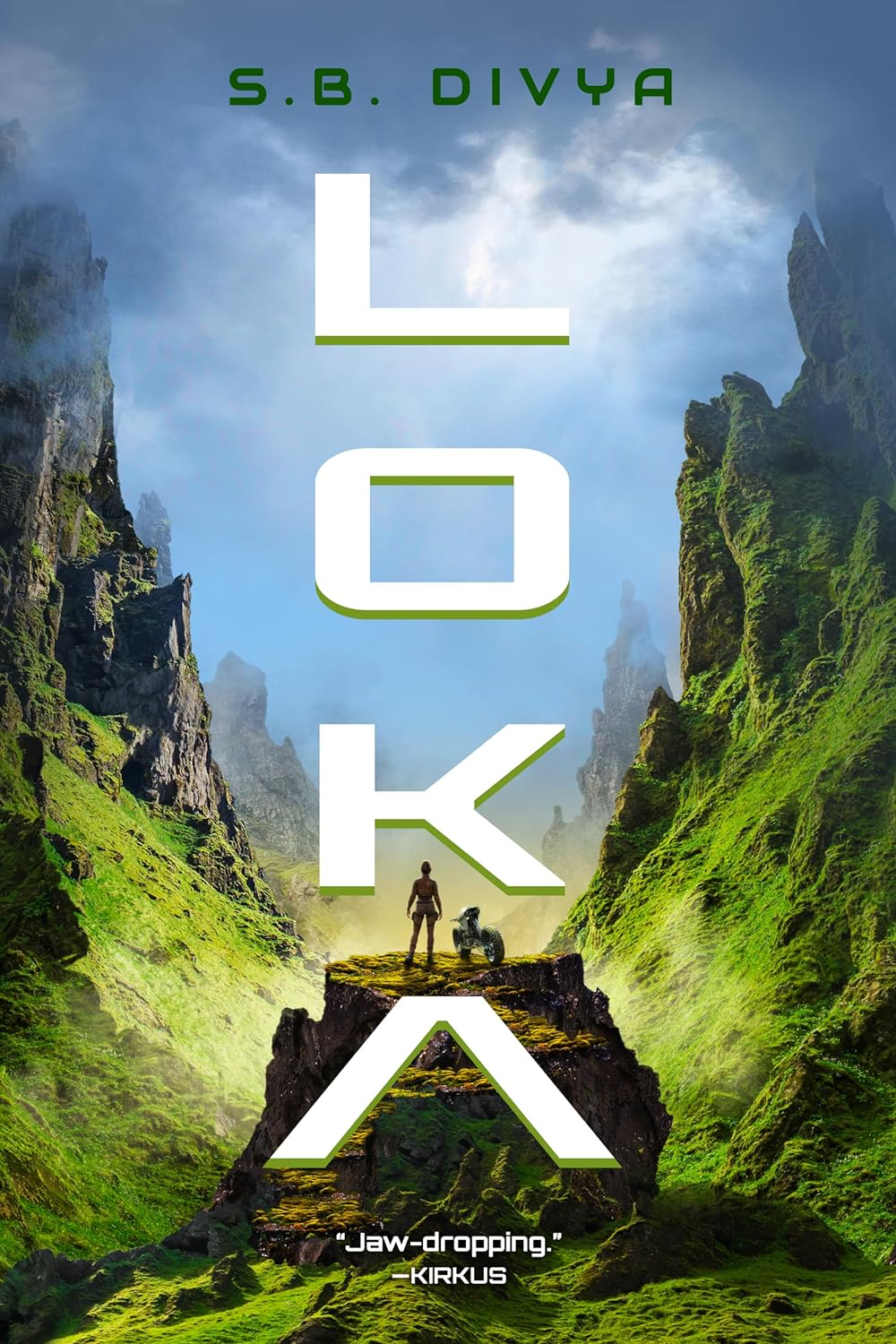
Book Review Tuesday (3/19/24) – The Monstrous Misses Mai

Happy Tuesday, bibliophiles!

Technically, this review is an early review, but I didn’t get it as an ARC—I got it through the Amazon First Readers program. Usually, the books they offer aren’t my cup of tea, but The Monstrous Misses Mai seemed intriguing, and I never say no to free Kindle books. I love a good story about witches, and though it was predictable at times, The Monstrous Misses Mai was an entertaining addition to the wide subgenre!

Enjoy this week’s review!

The Monstrous Misses Mai – Van Hoang

Los Angeles, the early ’50s. Cordelia Mai Yin is down on her luck. Disowned by her parents and out of work, she’s been finding it difficult to find a place to stay. The apartment she eventually finds is cramped and occupied with three other roommates, but they have more in common than just their middle names. They all have unfulfilled dreams—and they all need a way to pay the rent. Callum, a mysterious friend of their landlord, knows it too. He offers them the deal of a lifetime, in exchange for a small sacrifice. Now, Cordi has a stable income and the job of her dreams, but the spells binding her reality are quickly beginning to fade, and the girls are running out of sacrifices to appease them…

TW/CW: body horror (mild), murder, loss of loved ones, manipulation

WARNING: this review contains some spoilers!

I received a free copy of this book as part of the Amazon First Reads program!

In the grand scheme of things, I don’t blame these characters—mostly Cordi—for turning to witchcraft to find a way to pay the rent. You gotta do what you gotta do in this economy. And in the economy of L.A. in the ’50s too, I guess.

The Monstrous Misses Mai was such an entertaining novel! I love a good book about witches, but I would say that it’s slightly different than your typical witch novel in that none of the main characters know what they’re doing with their magic. They’re all but sucked into a magical pyramid scheme that requires greater and greater sacrifices as it drains them little by little. Magic always comes at a cost: we all know that from the get-go, and this novel is no exception. But not knowing what exactly would happen to the women of the Mai residence was what kept the tension up for this novel for me. Although I wanted more out of the eventual climax (more on that later), it was a great narrative tactic to keep the reader guessing—not necessarily about where the plot would go, but about how things would go wrong for the characters.

Van Hoang has excellent prose, and it especially served this novel when it came to describing both L.A. in the ’50s. Her descriptions are so vivid and colorful—there wasn’t a single image in this novel that I couldn’t visualize in almost cinematic detail. The way that Hoang described both the cramped loft that the Mai women share and the glitz and glamor of the fashion world that Cordi finds herself entangled in made the world feel so much more tangible, and the divide between the double lives that the characters lived felt so much more fleshed out and tense as a result. Having such a stark contrast made the creeping feeling of dread for the characters even more palpable—with the magic that they were dabbling, the glamorous lives that they were leading would no doubt catch up to them.

The Monstrous Misses Mai focuses on four women (Cordi, Tessa, Silly, and Audrey), but we’re reading entirely from Cordi’s perspective. Cordi was a compelling enough character, and her struggles—both financial and magical—fueled the plot and pacing in a steady way. However, I wish I could say the same for the other characters. Tessa was next in terms of the most fleshed-out character, but for most of the novel, she only felt like Cordi’s confidante, and not the magical accomplice that she was supposed to be. Silly and Audrey were barely characterized at all—Silly was only seen in sparing glimpses, and what we got of Audrey was entirely one-dimensional; Audrey was the token no-nonsense, “guys, maybe it’s a bad idea to be messing around with forbidden magic” character, and all the resolution gave her was an “I told you so” [strikes pose with hand on hip] moment and no development whatsoever. I feel like this novel could have worked better as a multi-POV novel; if we got into the heads of all four of the Mai women, we could have gotten individual ideas for their specific stakes, risks, and transformations.

Remember what I said about not knowing about the magic? It worked for most of the novel, but when it came to the ending, I found myself wanting more. The resolution felt so predictable—they’re finally too many spells deep to reverse their magic, leaving them in a worse situation than they were before. For a little while, I almost thought it was going to resolve in some kind of tired “oh, women and their vanity hahaha, you know how chicks are” ending, but luckily, it’s 2024, so not to worry about that; I do appreciate that the blame was placed squarely on Callum for being the one who instigated a magical pyramid scheme and nearly stole their souls. However, I feel like there wasn’t a whole lot that was original about Hoang’s take on this kind of story. I expected there to be something strange about what the magic cost them or how their transformations occurred, but all we get is their (very mild) bodily deterioration and some lost fingernails/hair loss. Which, yeah, the fingernails were pretty gross, but I found myself wanting a kind of unique magical toll that it took—something otherworldly that would ultimately expose them. It wasn’t bad, per se, but it wasn’t the most memorable take on this kind of story.

All in all, a story of witchcraft and deception with memorable prose but not-so memorable twists. 3.5 stars!

The Monstrous Misses Mai is a standalone, and Van Hoang’s adult debut. Hang is also the author of the Girl Giant and the Monkey King series (Girl Giant and the Monkey King and Girl Giant and the Jade War) and the forthcoming middle grade novel Hidden Tails.

Today’s song:

That’s it for this week’s Book Review Tuesday! Have a wonderful rest of your day, and take care of yourselves!
Posted in Book Review Tuesday

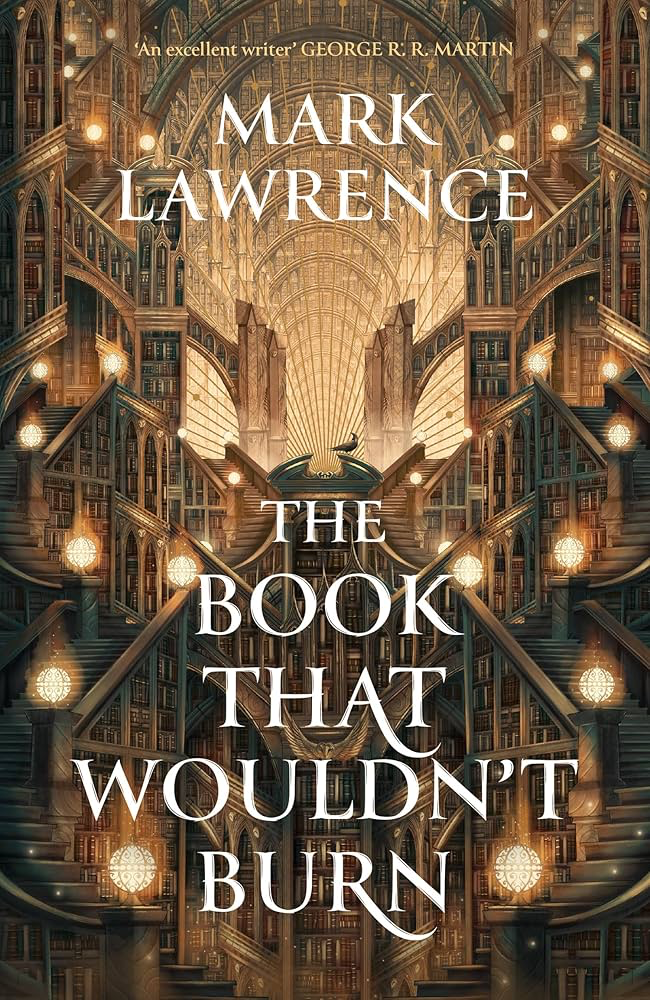
Book Review Tuesday (3/12/24) – Our Crooked Hearts

Happy Tuesday, bibliophiles!

I’ve been a huge fan of Melissa Albert ever since I fell in love with The Hazel Wood series way back when (2018? No way…I feel old…). I forget how or why it’s taken me so long to pick up her follow-up, Our Crooked Hearts, but it was worth the wait—this novel made me remember exactly what endeared me to Albert’s writing in the first place!

Enjoy this week’s review!

Our Crooked Hearts – Melissa Albert

Ivy has found herself at the center of string of unexplainable events. An eviscerated rabbit in her driveway. Secrets buried in the backyard. And now, a nude woman in the middle of the road that Ivy and her boyfriend almost hit with their car. The more she digs into these strange happenings, the more they lead to her mother, who dabbled in forbidden magic when she was a teenager. Ivy, now the age that her mother was when she started tapping into the supernatural, wonders if this magic has come back with a vengeance—and if there’s a way to control it before it comes back for her mother.

TW/CW: animal death/abuse/torture, blood, gore

I don’t know why it took me this long to pick up Our Crooked Hearts and how I could’ve possibly gone three years without reading something of Melissa Albert’s, because wow. This one toes the line between magical realism and horror, but either way you took it, there’s no doubt that Albert is the master of YA magical realism!

Let’s start with Albert’s obvious strength: the lyrical nature of her prose. Though Our Crooked Hearts wasn’t steeped in fairytales like the Hazel Wood duology was, it was no less enchantingly written. Every line feels like its own fairytale, full to bursting with metaphors so unique I found myself highlighting up and down the page. Albert has the ability to weave magic into the smallest of things, from the small moments in the suburbs to the unexplainable events that litter the plot like strange trinkets found on the side of the road. The Hazel Wood was already luscious, but Our Crooked Hearts feels like a maturation of everything that makes Albert’s writing good: a recognition of the magic in everything, but also of the darkness behind the glitter.

The way that Albert writes magic itself was just as compelling! Though the magic system itself is not gone into depth, it’s understood to be the kind of magic that only awakens in the shadows, summoned by girls left to their own devices without any clue of the consequences. I understood some of the unexplained bits to be a byproduct of how little Dana, Fee, and Marion understood of what they were getting themselves into—they knew about as much as we do. Like the relationships running through this novel (more on that later), it is an undercurrent to every decision that they make, rooted in revenge but later a series of bandages to throw over every little breadcrumb they leave behind by accident. On that note, I loved that this wasn’t simply a revenge story—it started as such, but that revenge grew into something so monstrous that it was spread down through generations. Hmm, sure feels like a metaphor to me…

Our Crooked Hearts is written in a dual POV between timelines, following our protagonist, Ivy, and her mother, Dana; Ivy’s perspective finds her in a quiet suburb, while Dana’s perspective is set in Chicago in the ’90s. I loved how the two of them evolved in tandem—dual POVs aren’t especially difficult to pull off, but having them set in different timelines was such a wonderful move to not only elevate the story, but deepen the mother-daughter relationship at the heart of the novel. In terms of literary fiction, I feel like there’s a trend of multigenerational novels (somehow they’re all set in New York) where they hop between time periods and family members; sometimes they’re successful (see: Elizabeth Acevedo), but often, they miss the nuance of familial connection and just focus on being literary. This is far from literary fiction (complimentary), but what this novel does that a lot of others don’t is make the timelines feel distinct. Ivy and Dana have radically different personalities, and though their journeys of dabbling in forbidden magic are similar, their goals—and endpoints—were so different that I found myself fully invested in both of them.

Mother-daughter relationships are at the heart of Our Crooked Hearts, and the dual POV makes for such a fascinating examination of when such relationships become toxic, and the events building up to the toxicity once Dana began raising Ivy. Dana’s perspective was one of constantly being pulled along—by her friends, by authority figures, and by forbidden magic beyond her comprehension. The guilt that resulted from living a life predicated almost entirely on the decisions of other people tragically informed how Ivy grew up—picking up the pieces, and discovering the pieces of her mother along the way. Without spoiling the ending, I loved how it was resolved—there’s no immediate absolution of guilt once familial ties are brought up (unlike a certain recent Disney film beginning with E), but there’s an understanding to how and why things turned out the way they did. Ivy is still left to sift through the wreckage, but all that she thought was lost was not far beyond reach.

Also, one thing that Melissa Albert can always be counted on is top-tier music references. All she had to do was mention Dana putting Liz Phair on the jukebox, and I was already foaming at the mouth.

All in all, a horrific and lyrical observation on magic and teenage girlhood, mothers and daughters. 4 stars!

Our Crooked Hearts is a standalone, but Melissa Albert is also the author of The Hazel Wood duology (The Hazel Wood, The Night Country, and the companion novel Tales from the Hinterland) and The Bad Ones. She is also the founder of the Barnes & Noble Teen Blog.

Today’s song:

That’s it for this week’s Book Review Tuesday! Have a wonderful rest of your day, and take care of yourselves!
Posted in ARC Reviews

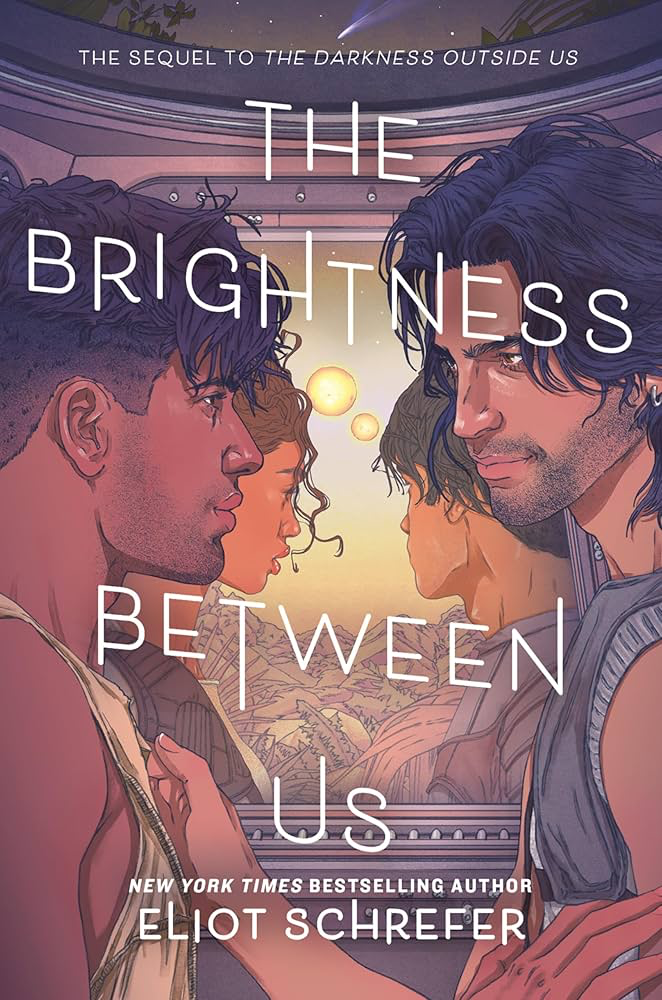
ARC Review: Kindling – Traci Chee

Happy Tuesday, bibliophiles!

And you may ask yourself…me? Doing ARC reviews again? Kind of. I did stop doing them in late high school because my schedule was getting too busy to stay on top of them, and now, I’m even busier than I was back then, so I doubt I’ll go back to Edelweiss. But I entered myself into a Goodreads giveaway for Kindling, and I was lucky enough to receive a physical ARC! I’m glad to say that Traci Chee’s latest fantasy novel doesn’t disappoint—innovative and heartbreaking in equal measure.

Enjoy this ARC review!

Kindling – Traci Chee

The war is over, but in the wreckage are kindlings. They are child soldiers, pawns imbued with unimaginable powers who fought and died on the front lines, all for a war effort they could not comprehend. Now, there is peace, but it is uneasy—the violence has not ceased, and those who were left stranded by the war have nowhere left to go. From the ashes, seven former kindlings have come out of the woodwork, ready to fight one last battle to ensure the safety of their country—and their futures.

I received this copy in a Goodreads giveaway. Thank you to HarperCollins publishing and Goodreads for this ARC!

TW/CW: graphic violence, child soldiers, blood, war themes, PTSD, loss of loved ones

Without a doubt, this is Traci Chee’s most experimental—and most tragic—book to date. It’s a book that manages to execute so many feats of acrobatics and lands every single one of them; in every way, Kindling is a success!

First off: the element that probably grabbed everyone straightaway. Not only does Kindling have seven POVs, all of them are written in second person. Both of those tricks are already a hefty load to take on, but to execute them both at the same time? That’s just madness. And yet Traci Chee pulls it off with flying colors. A lot of second-person fiction that I’ve read uses it as a way to draw the reader in, but after that, there’s nothing innovative about the story beyond a difficult POV to the story. But Chee utilizes it in such a unique way—it’s not just a clever trick, but a way to make us feel closer to these characters. You are the one witnessing these atrocities, war ravaging the land. You are the one watching your friends die. There’s an instant connection. And for the most part (with some exceptions), Chee manages to make all of the characters feel distinct while pulling off second person. Now that’s impressive.

I always love novels that explore the aftermath of war, or at least some kind of conflict; in a sea of both fantasy and sci-fi novels that have neat, happy endings in the wake of devastating wars, Chee really seems to understand the messiness of picking up the pieces after such a tragedy has ripped the world of Kindling apart. Everything happens after the war that changed the characters’ lives, and everything is still in chaos and turmoil. Aside from the “one last fight” trope, used as an homage to the inspirations for this novel (Seven Samurai and The Magnificent Seven), it gave a ripe opportunity to explore trauma—not just the inherent trauma that comes with being a child soldier, but the trauma of grappling with PTSD at a very young age, and the trauma of being deified by the war effort, in Amity’s case. Never at any point is Kindling an easy read—and that’s exactly the way it should be.

Kindling is squarely a found family novel, but Chee explores an aspect of it that is often overlooked—found families formed through trauma. Each of the characters, most of which are appropriately fleshed out, are given the individuality and arcs that they deserve, but all of them are informed by the war, and their status as ex-Kindlings is what binds them—and motivates them. They’re sticking together for survival, but the friendships that they form in the heart of hardship are what makes the core of this novel so emotional. There are so many tender moments shared between the characters, and they made the stakes of this novel so much more palpable—you felt, more than ever, that they really were children, and that they would never be the same after being used as pawns of war.

SPOILERS AHEAD

Tragically, Traci Chee also demonstrates in this novel the two most crushing ways of writing fictional deaths. Particularly with Emara and Amity, Chee is skilled at timing them just right to make the most impact on both the reader and the characters. Emara’s death was the most sudden, and it having it happen so quickly after building up that she might have been safe was a way to not just shake the characters, but up the stakes—if Emara wasn’t safe, then neither were the rest of them. Amity, on the other hand, was set up from the beginning to die from Kindling burnout (the result of overuse of her magical powers), but you got to know her so deeply and intimately that, even though you knew from the beginning that she was doomed, her death felt just as tragic as it would have been if it was completely unexpected, like Emara. What I’m trying to say is that this book destroyed me. Traci Chee knows how to do it a little too well.

All in all, a novel that balanced tenderness and tragedy in equal amounts, making for a poignant novel about war and the bonds that bind us. 4 stars!

Release date: February 27, 2024

Kindling is a standalone, but Traci Chee is also the author of the Sea of Ink and Gold trilogy (The Reader, The Speaker, and The Storyteller), We Are Not Free, and A Thousand Steps Into Night.

Today’s song:

That’s it for this week’s book review! Have a wonderful rest of your day, and take care of yourselves!

Posted in Book Review Tuesday

Book Review Tuesday (2/27/24) – The Melancholy of Summer

Happy Tuesday, bibliophiles!

I believe I heard about The Melancholy of Summer somewhere around the blogosphere when it first came out last May, and I figured it would be a good piece of fiction between several hefty fantasy reads. Louisa Onomé is a new-to-me author, and now that I’ve read her newest work, I don’t regret it—a coming-of-age story that pulls no punches.

Enjoy this week’s review!

The Melancholy of Summer – Louisa Onomé

Summer is alone. Waiting to turn 18 and gain her independence, she has been staying at friends’ houses after her parents were convicted of fraud and went on the run without warning. Left to her own devices, Summer has been able to keep her status a secret, but after her counselor discovers that she has been living alone, she’s sent to live with a cousin she barely knows. Struggling to balance her double life with a cousin who’s barely more independent than she is, Summer is faced with a myriad of difficult decisions for the future. But Summer is left with a burning desire to find out what really happened to her parents, and it will take her to places she didn’t bargain on going to.

TW/CW: parental abandonment, grooming, homelessness, emotional abuse

First off: this isn’t about the book itself so much as the marketing. About the marketing…whose idea was it to tag this book as “sad girl summer”? How do you see a book tackling a myriad of sensitive topics, including but not limited to parental abandonment, homelessness, and familial betrayal and go “ah, yes, ✨sad girl summer✨” WHAT? I just wanna talk to whoever made that decision. Just a quick chat. WHY? And I thought trope marketing couldn’t get any worse…

All this is to say that I’m saying these things because it’s more than The Melancholy of Summer deserves. Situated on the older side of YA, it’s not just a coming-of-age story: it’s an unflinching portrayal of the topics I discussed earlier. There’s no sugarcoating or dancing around the reality of issues here. It’s a heartbreaking novel, but it’s not one that employs horrific events for shock value—they’re an authentic consequence of Summer’s circumstances. I haven’t read a lot of novels—especially not YA novels—that have dealt with these kinds of subjects, but I really respect the route that Onomé chose to go down in terms of portraying them. Although I can’t speak to their accuracy, it feels like an unapologetic respectful depiction of parental abandonment and homelessness, along with the emotional turmoil that brings.

Going off of that, Summer’s character felt just as authentic. She really feels like a teenager, and not in a forced way; it really should be a given for a YA novel, but you’d be surprised at how many authors miss the mark. Summer isn’t just a teenager—she’s a messy one, an emotional one, and sometimes a brazen and impulsive one, but never once did it feel like Onomé was forcing it down our throats that she’s 17. Summer’s yearning for independence felt all too real, especially given her circumstances; none of the pent-up anger that she expresses felt out of place, and none of her emotional outbursts were without reason. Summer felt, more than anything, just how someone with teenage, volatile emotions would feel having to grapple with circumstances out of her control, and that’s a large part of why The Melancholy of Summer was so successful for me.

That being said, although most of the plot points did feel appropriately and respectfully handled, much of the development (or lack thereof) with the character of Olu felt very rushed and unresolved. The plot point about her being groomed, as well as the plot of Summer trying to help her out at the venue, felt like it was tossed in as a slice of filler, and therefore felt half-baked at best. With how authentically Onomé portrayed a lot of the topics in the novel, it seemed uncharacteristic that something as serious as grooming was brushed over so quickly and resolved in a way that could only be described as unsatisfying. It was all but a footnote, and it seemed like it wanted to be a major plot point, but with how unceremoniously it was shoved into the middle of the novel, it felt poorly handled.

This was a symptom of a larger issue in The Melancholy of Summer overall; other than Summer, hardly any of the side characters get the development that they need. Save for Summer’s aunt, the side characters that we’re meant to care for almost as much as Summer were often one-note and tossed aside whenever the plot called for it. Tanya, Summer’s cousin and guardian, could have been a vital character to explore, and although we do get the sense that she still feels like a kid and doesn’t know any more than Summer does about navigating life, she shows hardly any growth throughout the course of the novel. The same can be said for Olu, Sid, and many of the other people that we meet. It was clear that Summer got the most attention, and yes, she’s the protagonist, but that doesn’t mean that the side characters had to be left in the dust.

All in all, a heartbreaking and authentically-written novel with a vibrant protagonist but a not-so-vibrant supporting cast. 3.5 stars!

The Melancholy of Summer is a standalone, but Louisa Onomé is also the author of Twice as Perfect, Like Home, and Pride and Joy.

Today’s song:

That’s it for this week’s Book Review Tuesday! Have a wonderful rest of your day, and take care of yourselves!
Posted in Book Review Tuesday

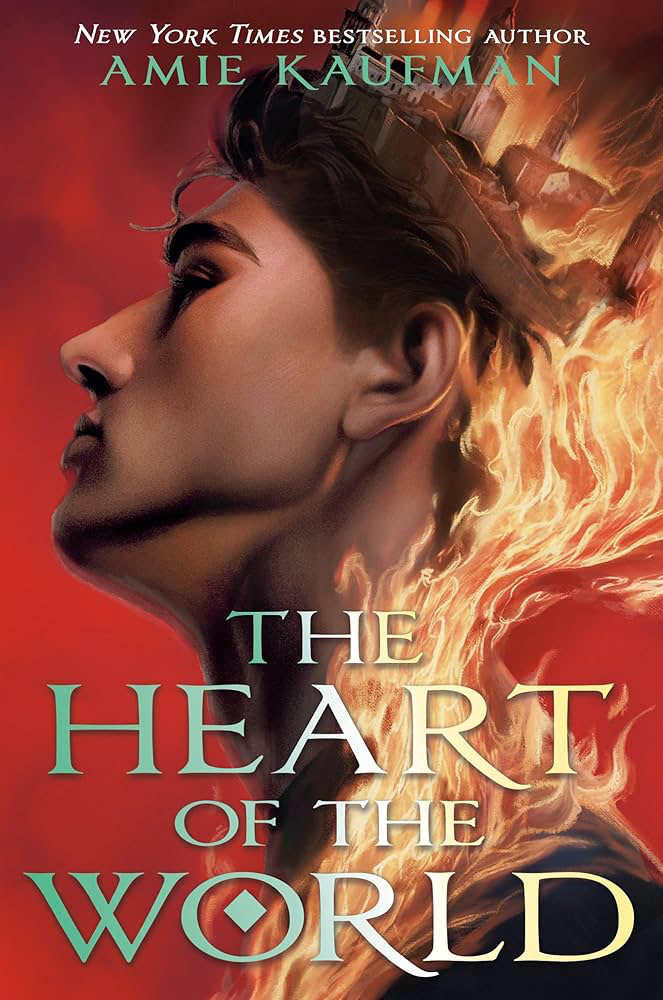
Book Review Tuesday (2/20/24) – No Gods, No Monsters

Happy Tuesday, bibliophiles!

I’ve had this book on my radar for a few years, as well as The Lesson; I almost read it earlier last week, but then I discovered that I could only read it on my phone, for some reason (nope). Coincidentally, I found it at Barnes & Noble later that week (on a very necessary detour I made with a friend), so I finally decided to pick up a copy for myself. Now, I’m so glad that I have a hard copy—No Gods, No Monsters is one of the most unique fantasy novels I’ve read in a while!

Enjoy this week’s review!

No Gods, No Monsters (Convergence Saga, #1) – Caldwell Turnbull

Around the world, strange creatures have come out of hiding from the shadows. Creatures of myth and legend, those thought to be confined to the imagination. In the wake of this unexplained event, known globally as The Fracture, the stories of people across America collide. A woman reckon’s with her murdered brother, unjustly killed by Boston cops, but learns that her brother’s life was more fantastical than she could have ever imagined. A professor goes in search of a friend presumed dead, but finds a schism between two cults in its place. A young girl must warm up to the presence of her adopted sister, who she grows to love despite her bloodlust. All of these events converge as the world of monsters is revealed, but can mankind reckon with their presence—and their demand to be seen?

TW/CW: police brutality, gun violence, gore, substance abuse/past mentions of an overdose, sexual abuse, domestic abuse

If I’m being honest, it’s a real shame that No Gods, No Monsters has an average rating of 3.45 on Goodreads. To be fair, it’s probably one of those “you love it or you hate it” books, but I absolutely loved it. Sometimes you love the book with an average rating over 4.00 and tens of thousands of reviews, but sometimes it’s those lower-rated and lower-reviewed novels that hit the spot. (see also: Spare and Found Parts – Sarah Maria Griffin)

No Gods, No Monsters truly felt dreamlike, and that’s what made this novel stand out to me. It’s not concerned with being overly coherent, and it drifts about in bits and pieces. I guess that’s the aspect that put a lot of people off, but it’s the kind of writing and storytelling that suits the story that Turnbull is trying to tell. It fits with the whole theme of “monsters have come out of hiding and we can’t do anything about it” theme—there’s global panic, sure, but first there’s the denial that anything is happening at all, and then the reality hits you, and you still try to deny it. This whole novel felt like navigating the haze of denial while the monsters creep out of the shadows: you know exactly what’s going on, but as long as you can help it, I’m not here, this isn’t happening.

I feel like No Gods, No Monsters could have just as easily worked as a short story collection. Each section, switching POVs from dozens of characters who are slowly woven together, works on its own, situated within worlds that are’ separate until the threads begin to tie themselves into an interlocking web of magic towards the end. They all felt like short stories, but I don’t think anything was taken away from them not being short stories—No Gods, No Monsters is a very non-traditional novel in several ways, and I liked that it toed the line between novel and anthology in order to flesh out the themes of community and the things that bound all of the characters together in the chaos.

My favorite section had to be that of Sondra and Sonya—their story was all at once chilling and tender, heartwarming, heartbreaking, and horrifying. Off of the top of my head, this instance in the novel is one of the few depictions I can think of where talking about complicated love in a fantasy/sci-fi setting really does feel complicated; the complication is very literal in the sense of depicting the drain (no pun intended—no spoilers, though) on Sondra, but her horror of both reckoning with the actions of Sonya in the present and how much they bonded in the past felt nuanced in a way that truly made me feel for Sondra. In general, this part of the novel is representative of what I loved about the novel as a whole: although there were some physical consequences to the monsters coming out of hiding, I loved that Turnbull chose to focus more on the emotional and interpersonal connections that happened in the aftermath.

Going off of that point, I loved how No Gods, No Monsters handled its expansive worldbuilding! The event that incites everything that happens in the novel is implied to be the start of a global upheaval, but Turnbull handles the complexities of it with aplomb. It doesn’t feel like every single action movie where we go instantly into mass panic and riots in the streets (although that is stated to have happened in the background), but instead gives us information in breadcrumbs through how it affects the many and varied characters of the novel. I did find myself wanting more of how the monster emergence is affecting the world, but a) I figured that the uncertainty is a consequence of the characters themselves not fully knowing what’s going on, and b) the fact that this is a series, so we’re bound to learn more in the books to come. I have We Are the Crisis downloaded, so I’m excited to find out more!

All in all, a truly memorable and inventive fantasy that explored the not-often-discussed areas of trauma and denial in the face of global upheaval. 4 stars!

No Gods, No Monsters is the first installment in the Convergence Saga, followed by We Are the Crisis. Caldwell Turnbull is also the author of The Lesson.

Today’s song:

my friend just got me hooked on indigo de souza, I’m OBSESSED

That’s it for this week’s Book Review Tuesday! Have a wonderful rest of your day, and take care of yourselves!