Posted in Sunday Songs

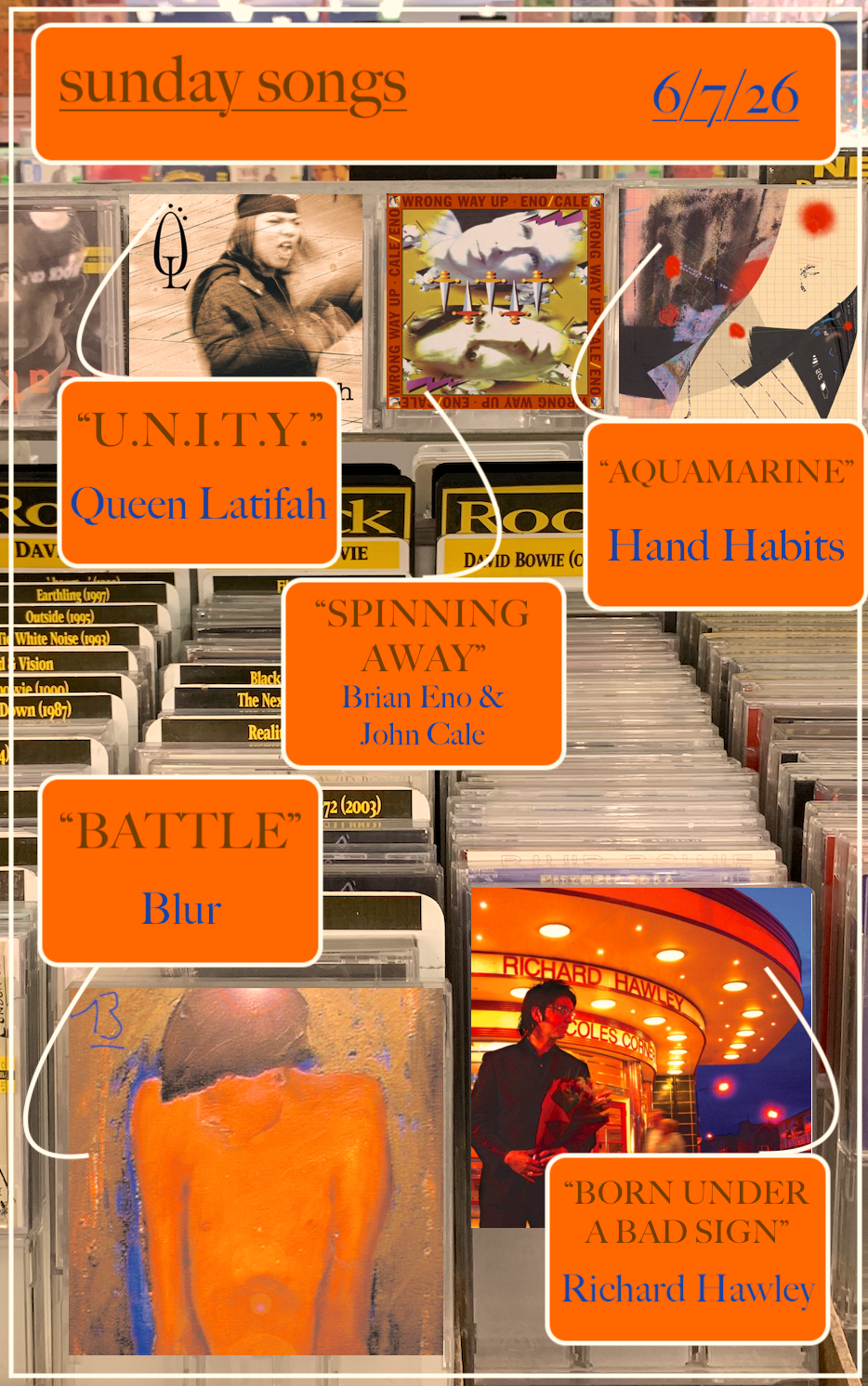
Sunday Songs: 6/7/26

Happy Sunday, bibliophiles! I hope this week has treated you well.

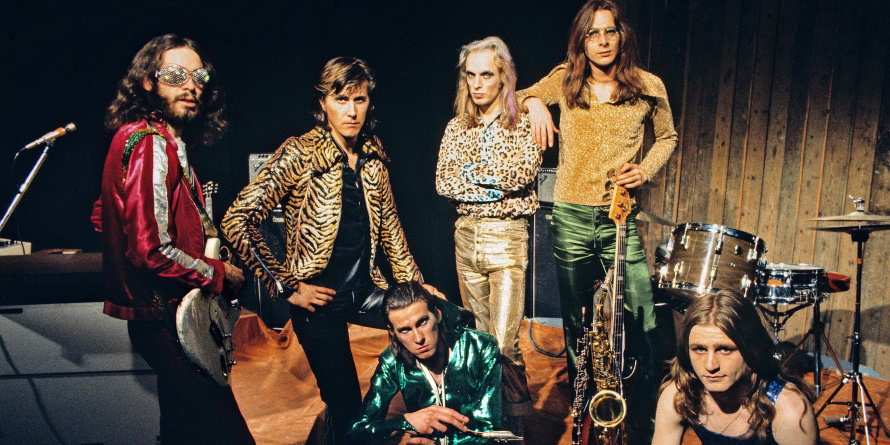
This week: happy pride from Damon Albarn, Queen Latifah, and Meg Duffy. Honorable mention to Brian Eno, whose outfits in the early ’70s slayed so hard that he deserves to be an honorary member of the LGBTQ+ community.

Enjoy this week’s songs!

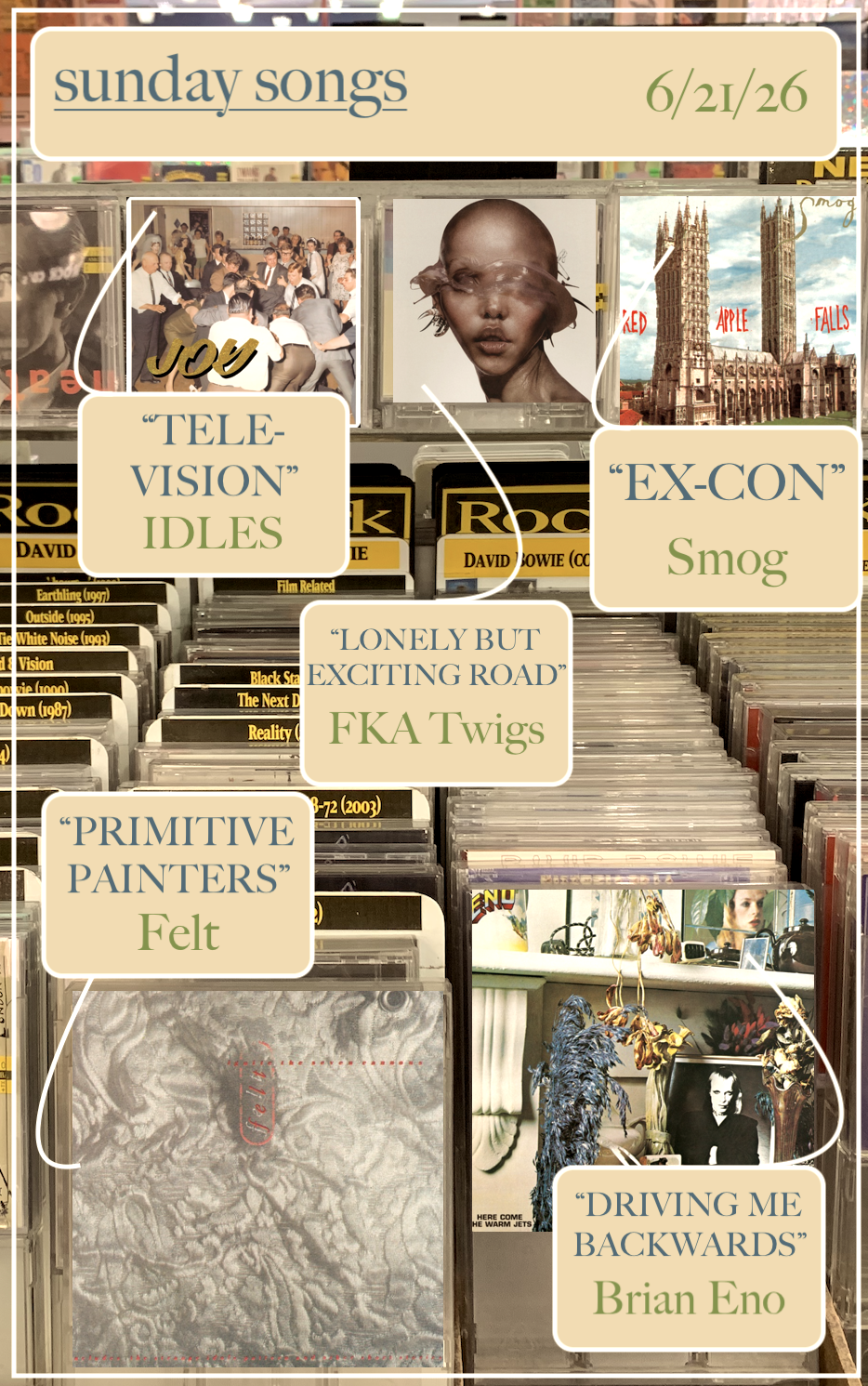
SUNDAY SONGS: 6/7/26

“Battle” – Blur

In addition to healing my 12-year-old self, I have begun healing my 18-year-old self…by getting a painfully spendy copy of 13 from my local record store. These damn European imports!! Hey, I had a bit of extra money from graduation…I swear to god that vinyl had been speaking to me like the Green Goblin mask every time I went inside. It had to happen eventually.

Of course, I knew it was going to be worth every penny—13 is still in my top 10 albums of all time. This was the first time I’ve listened to it all the way through in years (I played it to death in my senior year of high school), and it’s one of those records that I wish I could erase my memory of and re-experience listening to it for the first time. I seriously can’t imagine how much of a shock to the system it must’ve been to Blur fans in 1999; Even after their self-titled album—a bitter plunge into grunge after their burnout from Britpop fame—13 was truly nothing like what they’d previously done. One of the reasons it sticks out so much to me is how uninhibited they all feel. The harmony of Damon Albarn, Graham Coxon, Alex James, and Dave Rowntree continued to be as neat as a pin, but all four of them were bent on going into the most daring, experimental territory that the band had ever reached. By all accounts, all of them were…pretty miserable, unfortunately—a lot of 13 deals with the breakup between Albarn and his longtime girlfriend, Justine Frischmann, and tensions with Graham Coxon would lead him to leave the band a year later. Some of the stylistic deviations feel like middle fingers, like the jarring transition from the plaintive, heart-pouring “Tender” to the jagged howling of “Bugman.” You can’t tell me that wasn’t deliberate trolling on the band’s part. Yet even if it came from a burned out place, the experimental rebellion on this album left an undeniably positive mark on Blur’s legacy as a band.

“Battle” remains one of the more surprising tracks on the album. Clocking in at nearly eight minutes long, it’s the longest song on the album, but only by a single second—”Tender,” my favorite song from the album (and maybe of all time), is 7:41 long, while “Battle” squeezes past at 7:42. Like many of the unexpected twists and turns on the album, those tracks couldn’t be more different. The lyrics are pretty spare—the focus is on the sprawling, very sci-fi soundscape that unfolds over this song’s long runtime. What begins with a riff of dainty, spacey synth notes unfolds into an echoing, forming-and-reforming galaxy of sound. It really feels like you’ve been jettisoned into space at breakneck speed, watching the stars speed past. The deep rumble of Coxon’s guitar churns as Albarn’s voice, tweaked into oblivion with all manner of effects, seems to dissipate in real time. It seriously boggles my mind that this hasn’t been used in a big-budget sci-fi movie to soundtrack a tense dogfight in space. It’s eons away from the much more grounded, British social commentary that was their claim to fame in the mid-’90s, but that’s what makes it last to me. 13 was Blur breaking open the confines that the music industry had imposed on them, and “Battle” feels like all of that pent-up energy spiraling outwards into the potential that had always been incubating within them.

…AND A BOOK TO GO WITH IT:

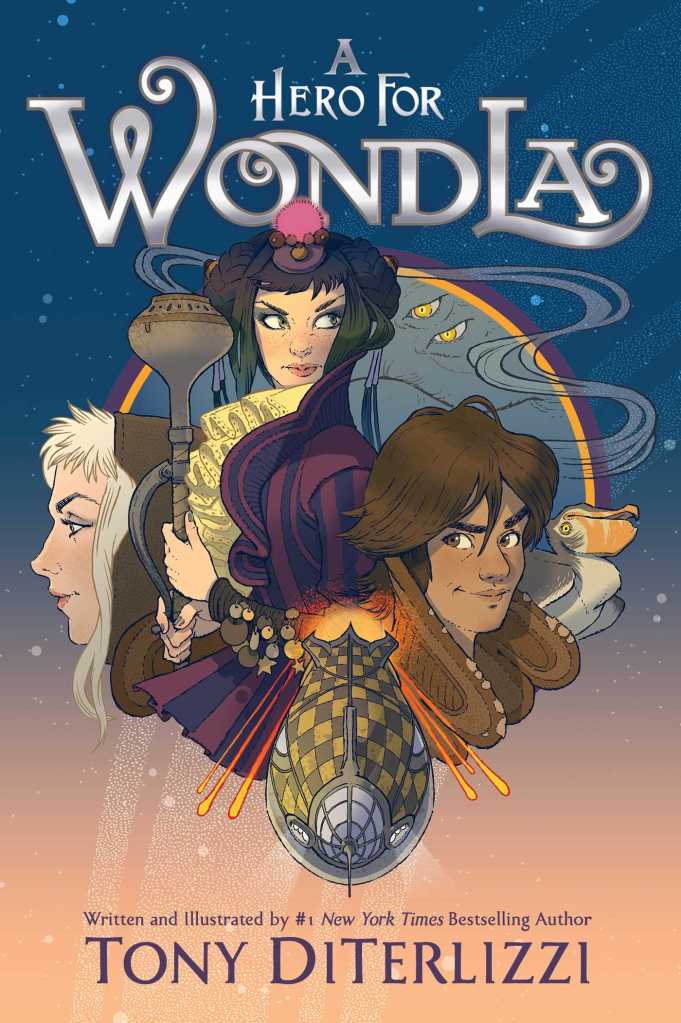
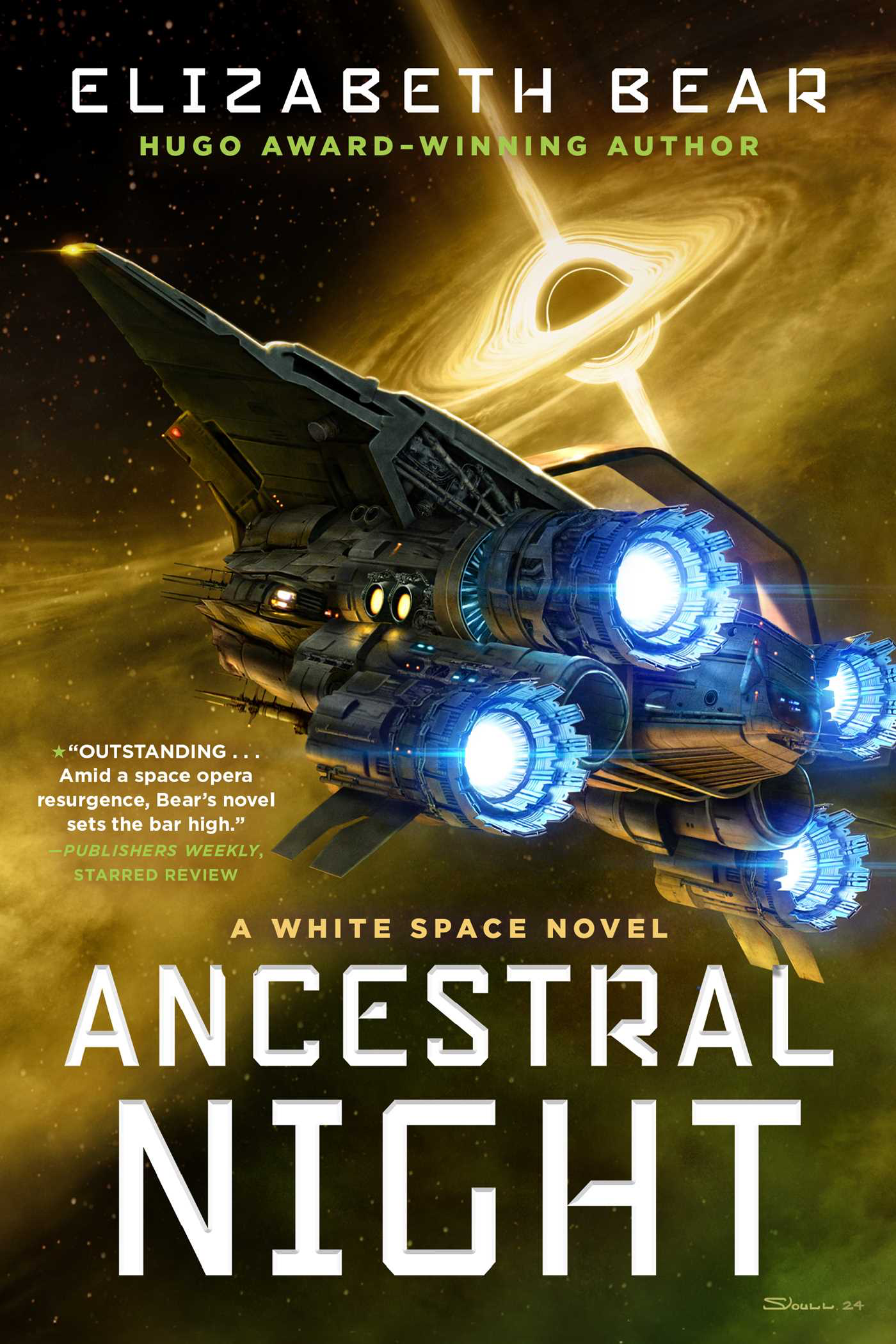
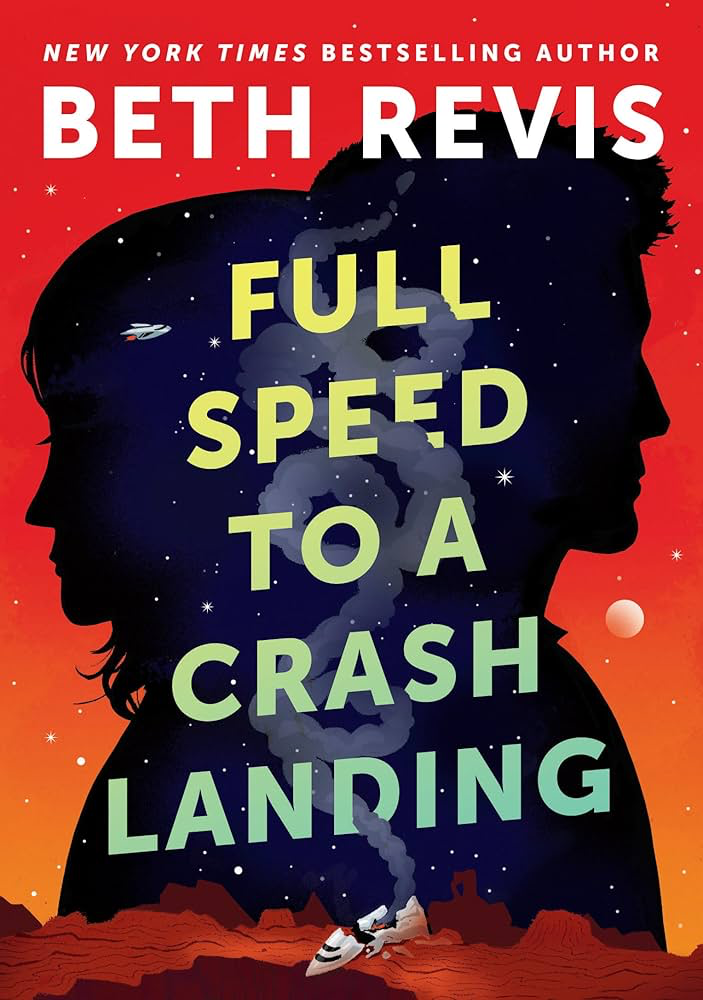
Ancestral Night – Elizabeth Bearthe perfect soundtrack for an adventure aboard a mysterious spaceship that encounters its fair share of borderline eldritch beings.

“Born Under a Bad Sign” – Richard Hawley

I might as well admit now that I’ve been leeching off my brother and his girlfriend, who have been going through the 1,001 Albums You Must Hear Before You Die list. That’s also how I got “Crosseyed and Painless” last month, although that was bound to happen eventually. Coles Corner, on the other hand, might’ve passed me by completely, even with my Britpop proclivities (he was a founding member of Longpigs and was a touring and session for Pulp for a time).

I only got a handful of songs from Coles Corner from my brother (he said some of them “got too Sinatra,” which makes perfect sense, honestly), but they’re all packages of British rock tracks that seem plucked from yesteryear. “The Ocean” was almost my pick this week, with its staggering, cinematic build, but I just keep returning to “Born Under a Bad Sign.” It’s a small wonder that this hasn’t been in a Wes Anderson movie, and not just because of their mutual connections with Jarvis Cocker—this seems like the exact kind of ’60s-inflected, slow ballad that would soundtrack Léa Seydoux wistfully smoking out the window, or something. The comfort that comes from “Born Under a Bad Sign” isn’t necessarily from the nostalgic air of it all. It just has this innate, warm texture, created by Hawley’s smooth vocals, that evokes being carefree and sprawled out in bed, fresh cups of rich coffee and day fading into night as you shut your eyes.

…AND A BOOK TO GO WITH IT:

The Cybernetic Tea Shop – Meredith Katz“Now you’re laying in the afterglow/And there’s something that she wants to know/Are you going be the one to say/You belong to me…”

“U.N.I.T.Y.” – Queen Latifah

Look, I’m not saying that this generation doesn’t have its fair share of fantastic, feminist artists—rappers in particular—but I maintain that some of these gen alpha/gen z boys and men have gotten too bold…they need to have the fear of Queen Latifah telling them “WHO YOU CALLIN’ A BITCH?” put in them, is all I’m saying.

God. So good. It’s so easy to see why “U.N.I.T.Y.” has become such an enduring classic for a myriad of reasons—its significance in a very male-dominated hip hop scene, it’s genuinely feminist message (no hollow girlboss anthems here), and the fact that it’s just so smooth and catchy. And I think the reason that it resonates to this day is because it calls attention to all of the ways that misogyny has infected society. It reminds me in structure of Lauryn Hill’s “Doo Wop (That Thing)” in that it presents its initial issue, and in subsequent verses declares: “oh, you thought I was done? Nope, sit back down, we’re deconstructing misogynoir from the top down.” From offhand catcalling to domestic violence, “U.N.I.T.Y.” pulls the curtain on just how deep misogyny runs in society.

And it also resonates because nothing that Queen Latifah talks about here has gone away. Just as it was in 1993, women—especially women of color—are subject to the worst of society’s misogynist tendencies. The domestic violence remains. The objectification, name-calling, and slurs remain. Neoliberal feminism would have you believe that since women (occasionally women of color) can become CEOs and whatnot that misogyny has been solved. One look at the world at large would tell you the exact opposite. A queer, Black woman publicly calling out this in the 1990’s was a vital wake-up call, and it remains so to this day, 33 years later, in an age of widespread misogyny. There hasn’t been a time since “U.N.I.T.Y.” was released where it hasn’t been relevant. Plus, it’s just catchy. I’m warming up to saxophone samples here. Every element of this song is incredible.

…AND A BOOK TO GO WITH IT:

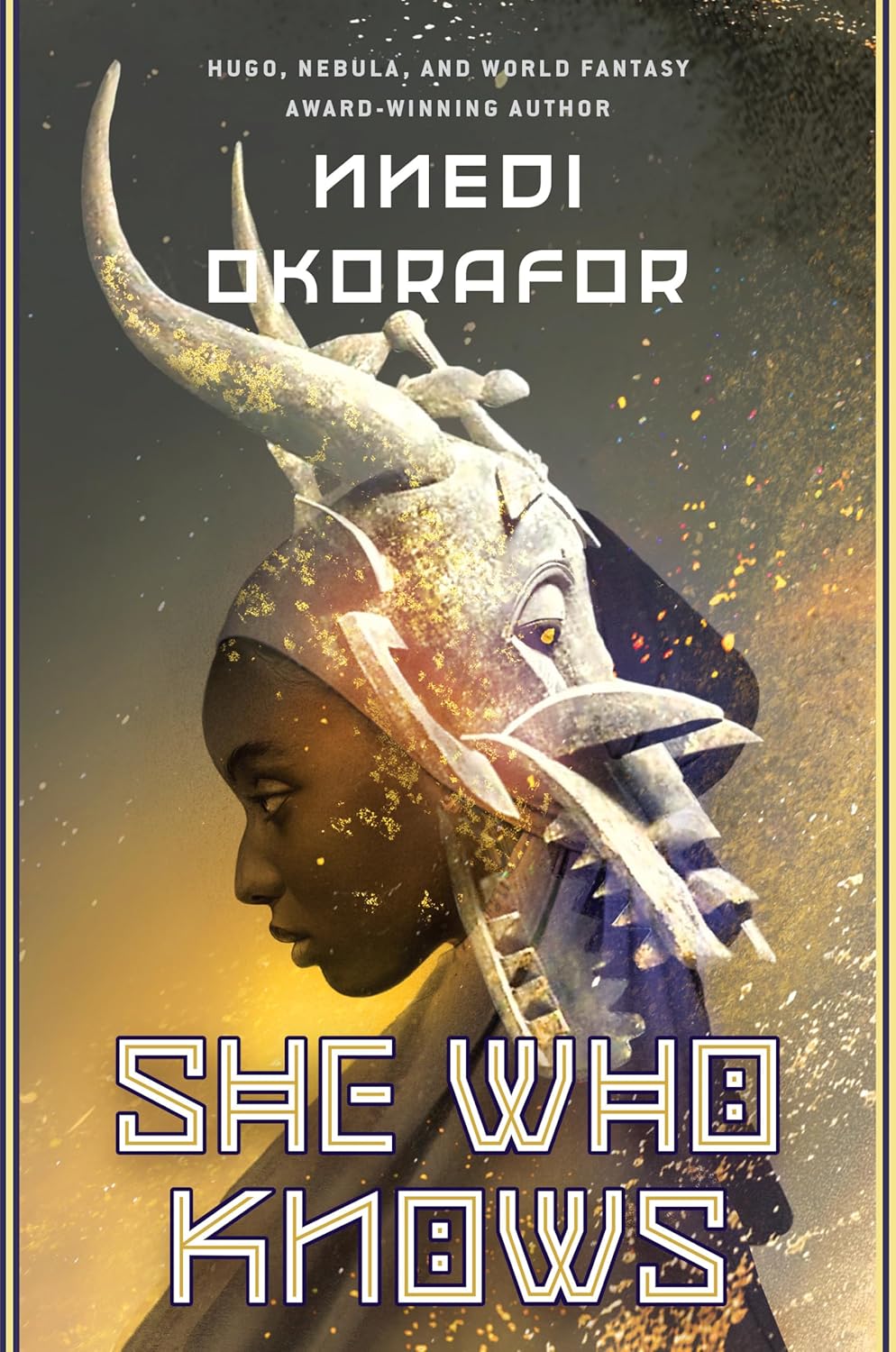
She Who Knows – Nnedi Okorafor – a story of strength, resilience, and one girl’s journey across the desert.

“Spinning Away” – Brian Eno and John Cale

You thought you could let your guard down again? Boom, get Eno’d, fuckers.

Like 13, Wrong Way Up has also been speaking to me like the Green Goblin mask whenever I go to my local record store, but not necessarily for the same reason. It’s way more reasonably priced, but I don’t want to buy it until I’ve actually listened to the album, y’know? But it’s Eno! And John Cale! “Spinning Away” keeps pushing me towards listening to it, and it’s convinced me that maybe warm weather is the perfect time to listen to it. Despite Eno and Cale purportedly wanting to kill each other while recording this album, both songs I’ve heard from Wrong Way Up (the other being “Lay My Love”) are nothing short of harmonious and enchanting. “Spinning Away” is also mostly Eno at the wheel; like “Lay My Love,” it has a circular, cyclical kind of groove that feeds into itself. The song seems to describe the process of making art—here, it’s an artist painting the sky, and it even references perhaps the most iconic painting of the sky of all time, Vincent Van Gogh’s “Starry Night.” The opening has to be some of Eno’s most evocative lyricism, and for him, that’s really saying something:

“Up on a hill/As the day dissolves/With my pencil turning moments into line/High above/In the violet sky/A silent silver plane/It draws a golden chain…”

How can you not picture such a vivid scene after hearing that? And every successive line creates such a vibrant image. I always picture those time-lapses of galaxies colliding once this song really kicks in. It’s so transportive. Describing stars as a “million-insect storm” might be one of my favorite ways space has been described in song. It’s an almost dreamlike narrative of both the painting and the landscape morphing (spinning away, even) as they scramble to capture the image. There’s an air of impermanence about “Spinning Away,” but the way Eno and Cale paint it feels nothing short of euphoric, with Eno’s wonderstruck vocals and Cale’s soaring strings. To me, it feels like a take on impermanence as a positive experience—it’s important to capture these fleeting moments in life, and it’s a privilege to see the world changing before you, even in the most minute sense.

…AND A BOOK TO GO WITH IT:

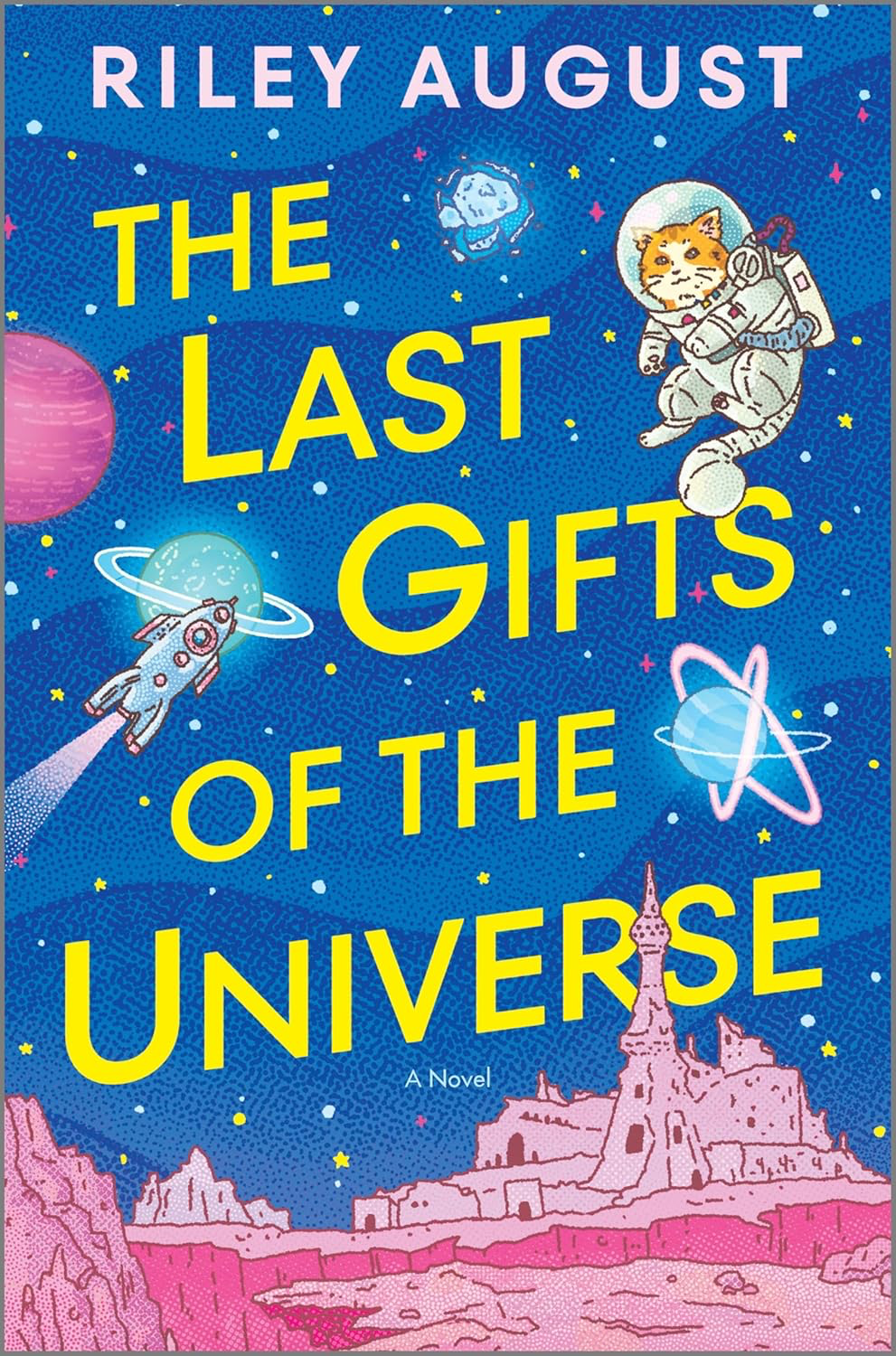
The Last Gifts of the Universe – Riley August“One by one/All the stars appear/As the great winds of the planet spiral in/Spinning away/Like the night sky at Arles/In the million insect storm/The constellations form…”

“Aquamarine” – Hand Habits

I discovered this song unexpectedly after watching Fruit Bats’ episode of What’s In My Bag? recently. It immediately cemented itself into one of my hypothetical playlists that only exists in my mind…that being “songs that seem engineered in a lab to be featured in Netflix’s Heartstopper.” It’s that very specific, indie-pop, reverbed synth sound that makes that connection work for me. Those synths! “Aquamarine” skitters along with all manner of them, creating a controlled frenzy that darts all over the place. Brief guitar interludes make you feel jolted back to reality after waking up from a vivid dream before Duffy plunges you headfirst back into the sleepless, electronic dreamworld—fitting for a song with lyrics unsure of their direction in the wake of emotional devastation. It’s such a lush track, bottling the feeling of breaking into a run and never looking back.

…AND A BOOK TO GO WITH IT:

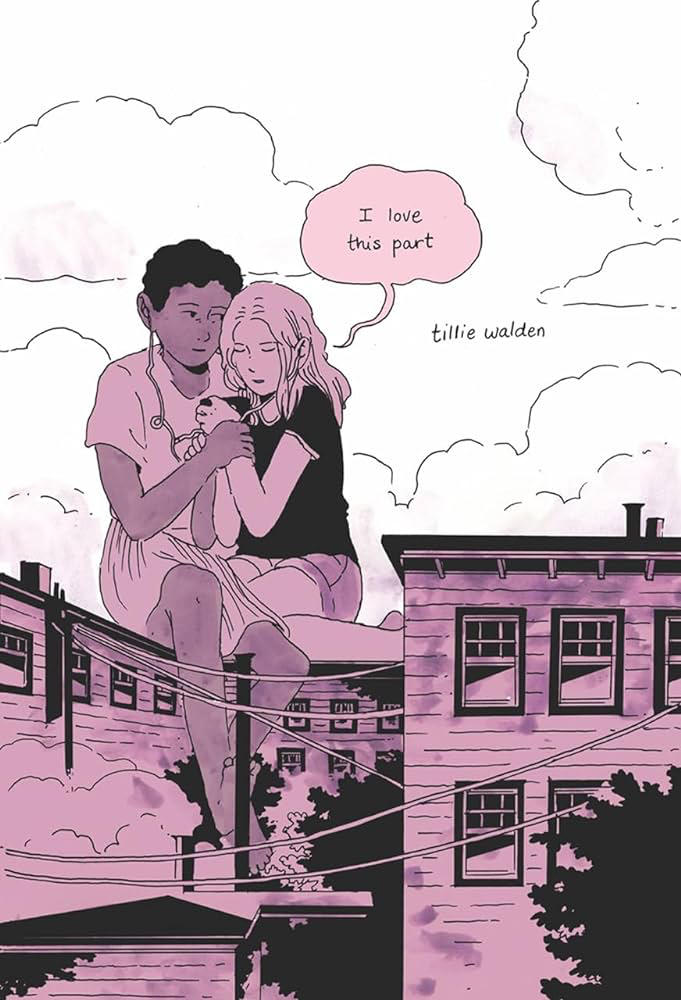
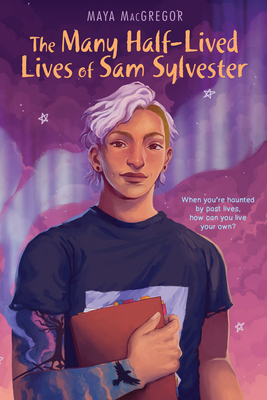
The Many Half-Lived Lives of Sam Sylvester – Maya MacGregor“Why can’t you talk about it?/I got used to being on the other side of truth/Now I never ask for details/Who the hell needs details?/When everything is burning/You light a fire on the grave…”

Since this post consists entirely of songs, consider all of them to be today’s song.

That’s it for this week’s Sunday Songs! Have a wonderful rest of your day, and take care of yourselves!

Posted in ARC Reviews, Book Review Tuesday

ARC Review: Mother & Slaughter

Happy Tuesday, bibliophiles!

Whew, this header’s been gathering some serious dust. I don’t do ARCs regularly anymore, but basically consider this my regular Book Review Tuesday installment…just with some more intrigue, since this book is less than a month away from release!

As I said before, I’ve gotten too busy to regularly review ARCs in the past few years, but this is an exception. The author of this upcoming novel (Liz Shipton) came across my blog and personally reached out to ask if I could review their ARC, so I said yes! Sadly, it pains me to say that this satirical fantasy was kind a miss.

Enjoy this week’s ARC review!

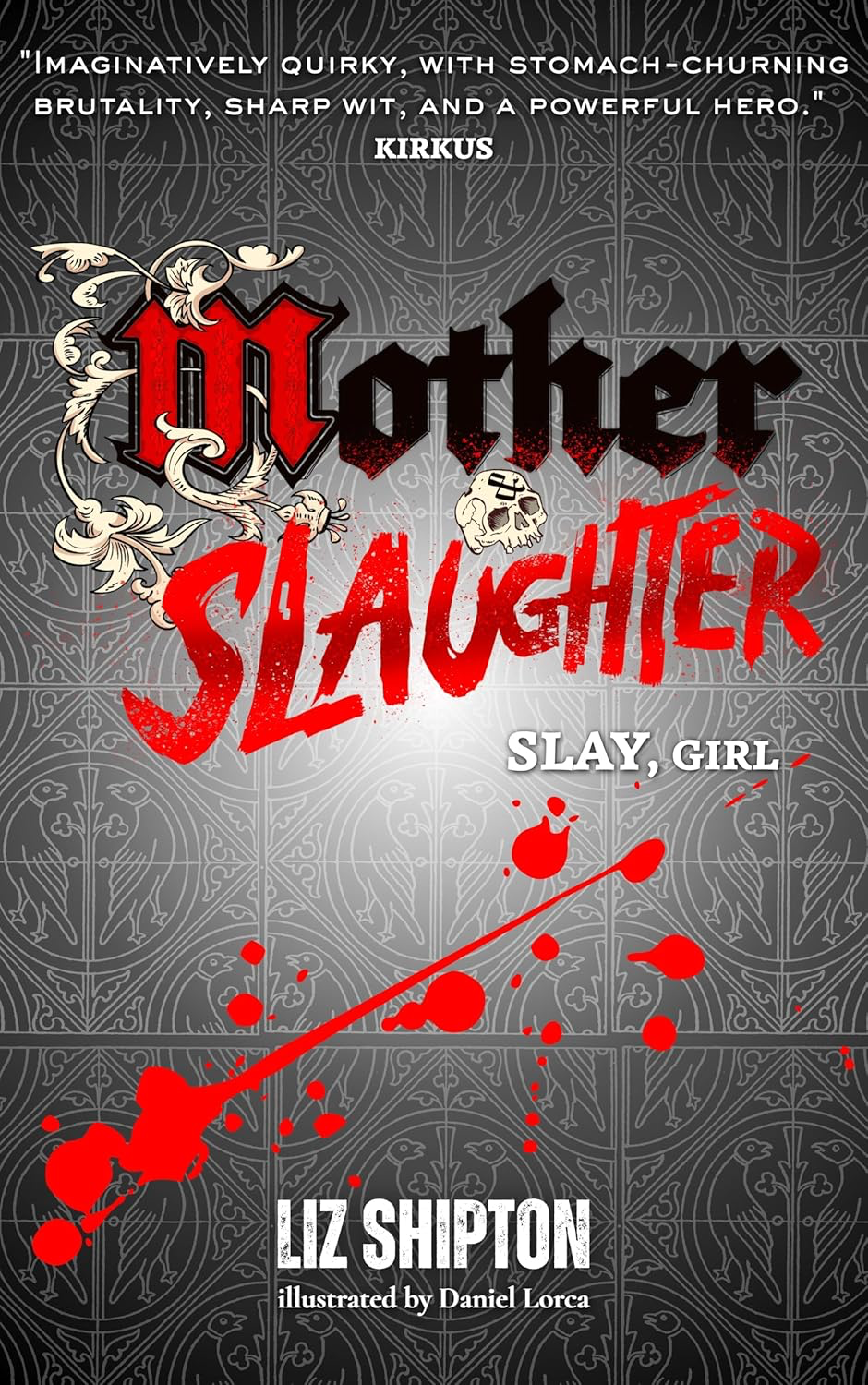
Mother & Slaughter – Liz Shipton

150 years ago, all of Draconia’s women were stripped of their magic. Now, their only options once they turn eighteen are to become mothers or gladiators. Eleanor Skinner was content to choose the latter, and has spent her days fighting her way to the top. At 35, she’s Draconia’s oldest gladiator, and proud to claim the title. But when she becomes pregnant after a one-night stand, her options are slim. Rumors have swirled about Draconia’s only magic-practicing woman left, who might be able to give her the abortion she’ll need. But Draconia is full of patriarchal monsters, and Eleanor will have to claw her way to freedom.

TW/CW: misogyny, violence, gore, blood, abortion themes, sexual content, racism, transphobia, xenophobia/anti-immigrant rhetoric, homophobia, ableism (internalized/external), animal death

Thank you to Liz Shipton for sending me this eARC in exchange for an honest review!

Giving an ARC a low rating is always tough. It’s especially tough since Liz Shipton was nice enough to reach out to me personally and give me this ARC, which I really appreciate. But with every ARC, I promise an honest review, and an honest review is what this is. I really wanted to like Mother & Slaughter, but it tripped over itself too many times to be truly successful.

If you’re going into Mother & Slaughter thinking that it’ll be subtle satire…it’s not. And honestly? That’s okay. There’s a place for both kinds of political allegory in this literary ecosystem. Mother & Slaughter is a revenge fantasy about tearing down the Trump administration, which I am 100% behind. Unfortunately, while I’m 100% behind Shipton’s politics, the delivery was not my cup of tea. This book basically feels like if we lived in a better, kinder universe where Quentin Tarantino was somehow woke. (For what it’s worth, I think Mother & Slaughter is the perfect book for anybody who was brutally grossed out by The Bride’s speech about “motherhood” at the end of Kill Bill: Volume 2. If Kill Bill: Volume 2 has no haters, then I am no longer here.) It’s a very bloody and irreverent novel, and it definitely tested my squeamishness for gore. The chemistry and banter between the characters was good, but it just wasn’t my kind of humor. There’s no shortage of swearing—we’re talking at least 5 f-bombs per page here, so that’s what you’re getting into. My issues with this aspect in particular are purely personal and not about the craft—it was written decently enough, but it just wasn’t the book for me in this regard.

Mother & Slaughter tackles almost everything you could think of that’s wrong with the Trump administration; misogyny and womanhood take center stage, but there’s also lots of discussions of homophobia, transphobia, xenophobia, racism, and the persecution of scientists and scholars. I think the depictions of misogyny and the struggles women have under this administration were well done and well-realized through Eleanor’s character. There was some nice disability inclusion with Eleanor and Roz, who both had sustained permanent injuries from being gladiators. I also liked how respectfully Sam (who is a trans woman) was handled as a character; Eleanor and Roz butt heads about how to treat her, but ultimately, they both come to respect her as her true self—and as a victim of the same patriarchal system that they’ve been fighting against. There’s some timely discussions about immigration and anti-immigrant rhetoric which was solidly done. Shipton also attempts to tackle racism through the character of Roz; I will say, although her character gained more depth later, my biggest complaint is that for the first half of the book, Roz felt like she was only there to teach Eleanor that racism existed. This was remedied later, but it’s still worth mentioning as a writing flaw. Additionally, I’m not sure if the racism commentary was done well, as we never really get any context for how racism is systemic in Draconia (as misogyny/transphobia/etc. are), and there’s only some offhanded comments about how women of color are oversexualized and discriminated against without factoring it into how the government oppresses people of color in Draconia.

Politics take center stage in Mother & Slaughter, which is as it should be. I’m not asking for this novel to be some masterfully-crafted, intricate world, because first and foremost, it’s a political satire. That being said, I think it would’ve been much more effective if there was more effort put into the worldbuilding. It’s basically your run-of-the-mill, vaguely medieval European fantasy setting, but with more anachronistic language and dialogue. (I kind of expected the anachronisms given that this book’s tagline is “Slay, girl,” but it’s worth noting.) Yet aside from the government’s strict control of women and immigrants, I really couldn’t tell you how the government works. In order for this kind of satire to work, there needs to be at least some scaffolding of the world in order for us to understand our own politics through the lens of a fantasy world. The real fun of satire in genre fiction is to warp our own reality into a fictional one, and in this case, it just felt like a cheap copy-and-paste of current U.S. politics onto a hastily thought-out fantasy world. Fiction holds a mirror to parts of our world, but it’s really not much fun if the mirror is indistinguishable from the real world itself.

This issue is exacerbated in the ending, in which we finally meet Draconia’s Trump stand-in, who is…blatantly just Trump poorly photoshopped into a fantasy world. Like I said, the real fun of ridiculing horrible demagogues like him is by warping them to fit a fantasy setting. Once again, I recognize that this book wasn’t meant to be subtle, but a lack of subtlety shouldn’t mean a lack of creativity. Reknaw says “yuge,” he calls the main characters “nasty women,” and he even mentions a “big, beautiful bill.” As much as I loathe the man, it just felt so lazy and cheap to have no effort whatsoever put into this Trump parody. This is an exceedingly niche reference here, but remember Hellboy: Blood and Iron? They have their stand-in, comically evil oligarch character (Oliver Trombolt) whose name is just multiple real-life oligarchs (Trump being one of them) mashed up, but at least he didn’t look like a clone of Trump (or any of his other inspirations)! the bar’s real low. Even the artwork looks exactly like him. It…gets to a point. Well-intentioned satire, once again, but it just felt so unoriginal when there’s a myriad of ways to critique this administration and the scumbags within it.

Overall, a satirical fantasy with good intentions but a bloody mess of an execution. 2 stars.

Release date: July 1st, 2026

Mother & Slaughter is a standalone, and will be released on July 1st, 2026. Liz Shipton is also the author of Dot Slash Magic, the Thalassic series (Salt, Sand, Soul, Paz, and Passage), and several other books for teens and adults.

Today’s song:

yes, I know this song has one of the most threatening auras of any Brian Eno track, but I just CANNOT STOP LISTENING TO IT god I love this album

That’s it for this week’s ARC Book Review Tuesday! Have a wonderful rest of your day, and take care of yourselves!

Posted in Sunday Songs

Sunday Songs: 5/24/26

Happy Sunday, bibliophiles! I hope this week has treated you well.

This week: inventive covers, timeless anthems, and some classic quirked-up white boy music.

Enjoy this week’s review!

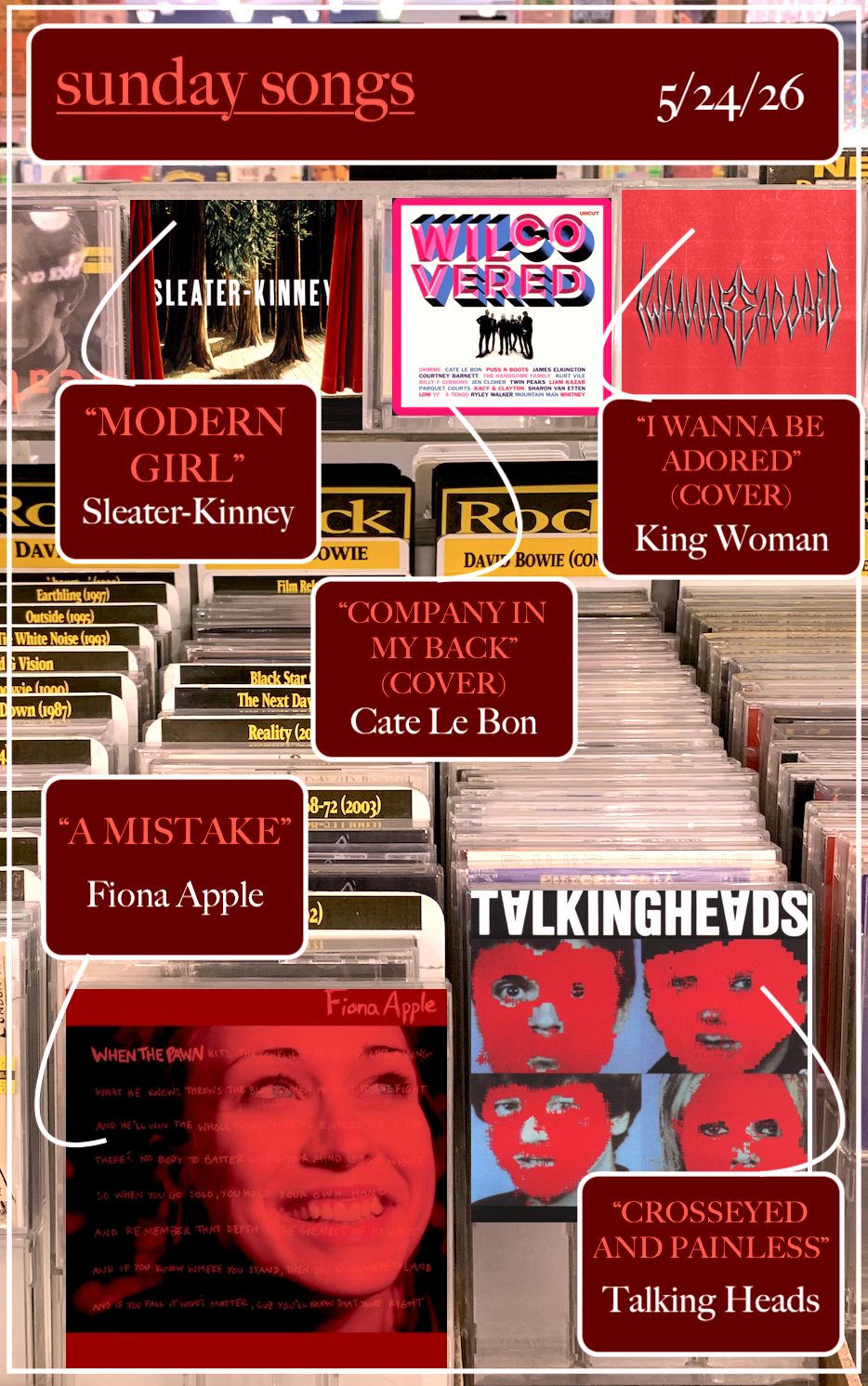
SUNDAY SONGS: 5/24/26

“A Mistake” – Fiona Apple

If we live long enough under the patriarchy, most of us women have the urge to permanently destroy something at least once in their lives. Once is generous, honestly…have you read the news lately? For Fiona Apple, who had been heavily scrutinized under the public eye and lambasted by music critics in the years leading up to When the Pawn…, the urge must’ve been constant. That’s why “A Mistake” feels so genuine. It’s a slinky, trip-hoppy track about breaking free of society’s expectation of a “good girl” and deliberately wrecking things, fully cognizant of the consequences but not caring in the slightest: “And when the day is done and I look back/And the fact is I had fun/Fumbling around/All the advice I shunned, and I ran/Where they told me not to run/But I sure had fun.” No matter if you act on it, Apple taps into that universal urge to raise hell after being boxed in and stymied by expectations of femininity (“I wanna make a mistake/Why can’t I make a mistake?”), societal control, and an urge to just rebel, even if you don’t know what against. And then there’s the element of deliberately going against good advice—Apple’s trail of destruction, by her own admission, isn’t entirely justified, but there’s that constant, biting urge to defy well-meaning advice anyway. After all, “And if you wanna make sense/Whatcha lookin’ at me for?/I’m no good at math.” It’s all wrapped up in a complex package, not always thoughtful, but from a messy, nonsensical place of rage with nowhere to go. Screeching guitars that give the effect of buzzing insects and a luscious synth loop to back it all up, creating a fully-fledged ode to giving into your most reckless urges.

…AND A BOOK TO GO WITH IT:

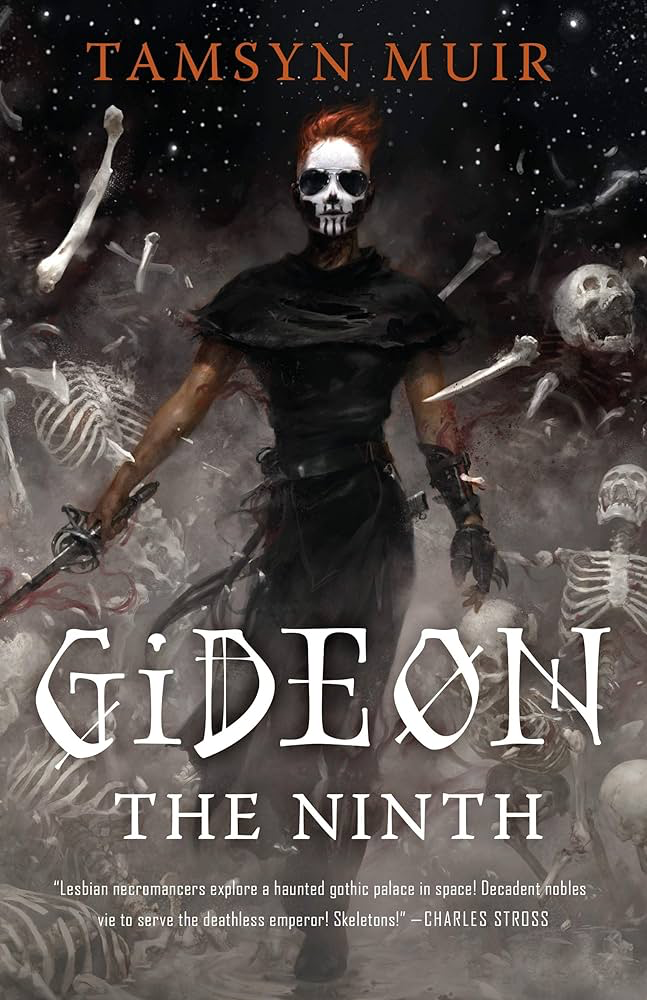
Gideon the Ninth – Tamsyn Muir“So I’m gonna fuck it up again/I’m gonna do another detour/Unpave my path/And if you wanna make sense/Whatcha lookin’ at me for?/I’m no good at math…”

“Crosseyed and Painless” – Talking Heads

This might be the moment where I finally, finally get into Talking Heads. My brother recently listened to Remain In Light and introduced me to a handful of songs from it; apparently, he’d also fully Mandela-effected the idea that I owned a Remain In Light t-shirt, so maybe I should just listen to it. So much has been said about the album: the fusion of rock, funk, and early hip-hop, the influence of Afrobeats, the early electronic instrumentals. And all of that’s there. But you know what strikes me immediately?

Brian Eno. This just reeks of Eno. I mean, he obviously produced this album, but his rhythmic influence is so clear. “No One Receiving,” one of my favorite songs of his, is very Talking Heads, and he’d worked with the band on several albums at that point. But the frantic, anxious rhythms of “Crosseyed and Painless” and the chirping electronics are so Brian Eno. (He also provides backing vocals on the chorus, and Byrne’s certainly got some “King’s Lead Hat” in the delivery.) Maybe I just love it because of the Eno by proxy. But I feel like that would be a disservice to David Byrne and co., whose unique touch seems to have made Remain In Light so iconic. First off—oh my God, Tina Weymouth’s bass playing is nothing short of phenomenal. Once she finds the groove, she grabs ahold and never lets go. I think Byrne is what separates this from Eno in the end—though they share the same kind of angular energy, Byrne’s seamless shifts between desperate crooning in the chorus to frantic, anxious proto-rapping in the bridge: “Facts all come with points of view/Facts don’t do what I want them to/Facts just twist the truth around/Facts are living with their insides out.” That’s just nothing but David Byrne, as is this song’s spirit, in the end. Eno bolstered it, but the sweaty-palmed sprint through a state of alienation is nothing but Talking Heads.

…AND A BOOK TO GO WITH IT:

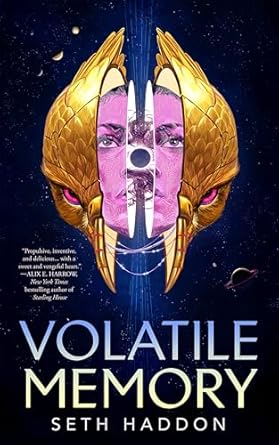
Volatile Memory – Seth Haddon“Nothing there/No information left of any kind/Lifting my head/Looking for the danger signs…”

“Modern Girl” – Sleater-Kinney

I hate to say it, but the strongest memory I have of hearing “Modern Girl” was hearing Sleater-Kinney play it live while co-headlining with Wilco about five years back. They did the classic “this is our big song, sing it with us!” thing and tried to get the crowd to sing the chorus…and only a handful of people did. Yeesh. Probably some of the largest-scale secondhand embarrassment I’ve ever felt. But they’re plenty successful, well-known, and presumably happy with their lives, so I can’t imagine that one (1) crowd in Colorado not singing along with them made much of a dent on their egos.

Nonetheless, “Modern Girl” is one of the songs I took away from that setlist all the way back in 2021. Despite the painful mix on the version I have (once it gets loud, it gets crunchier than a bass-boosted meme from 2018…somebody remaster this already, Jesus 😭), it has the same staying power. It’s an anthemic, gradually building story of mounting emptiness; every verse, happily sung until bitterly screamed, scrambles for meaning in a world of artifice. There’s a void (a donut hole, if you will) at the heart of “Modern Girl” that fruitlessly gets filled by consumerism, mass media, and hollow love. It’s a sort of universal story of filling the hole in your life with all the plastic that TV advertises, only to find that “My whole life/Looks like a picture of a sunny day”—beautiful on the surface, but really just a flimsy piece of film in the end. Where you end up is sprawled out, floundering in the drowning tide of distortion that gradually swallows Carrie Brownstein and Corin Tucker’s riffs and harmonicas. Sometimes, all you can do when faced with the emptiness at the heart of your life is shout at it—and shout Sleater-Kinney does.

…AND A BOOK TO GO WITH IT:

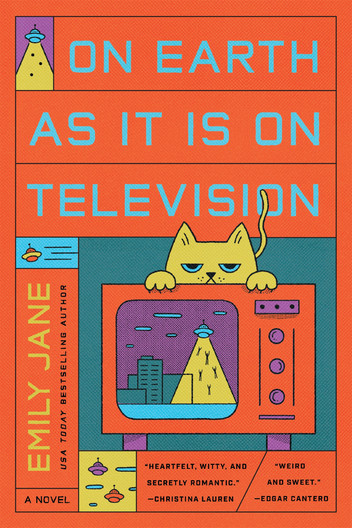
On Earth As It Is on Television – Emily Jane“My baby loves me/I’m so angry/Anger makes me a modern girl/Took my money/I couldn’t buy nothin’/I’m sick of this brave new world…”

“Company In My Back” (Wilco cover) – Cate Le Bon

Somehow, while spreading the gospel of Cate Le Bon to my family, I completely missed this cover, which my brother thankfully found. Wilco Covered, a limited-edition album only available on CD (and another big thank you to my dad for digging it up on eBay), was a real mixed bag, but this cover is a staggeringly good fit for both Le Bon and Wilco. “Company In My Back” comes from A Ghost Is Born, and Jeff Tweedy’s signature lyricism was already at some of its delightfully weirdest; “I attack with love/Pure bug beauty/Curl my lips and crawl up to you” is still one of the more memorable Wilco openings if we’re going by lyrics alone. Add in the wording of the chorus (“Holy shit/There’s a company in my back”) and some dulcimer, and you’ve got one of the more left field early Wilco songs out there. The original’s clattering percussion, like bug’s legs against tile, are equally so. It’s natural that Le Bon covered it, given her weirdo proclivities. Her moody lilt and agitated instrumentals fit in so naturally in her interpretation of this song. (I especially love the way she sings “They are hissing radiator tunes.” Pure magic.) This was recorded in 2019, and Reward has its footprints all over it, with blasts of saxophone to replace the acoustic guitars of the guitar. It’s such an excellent tribute, turning “Company In My Back” almost inside out while lovingly preserving the offbeat-ness of the original without sacrificing her own artistry.

…AND A BOOK TO GO WITH IT:

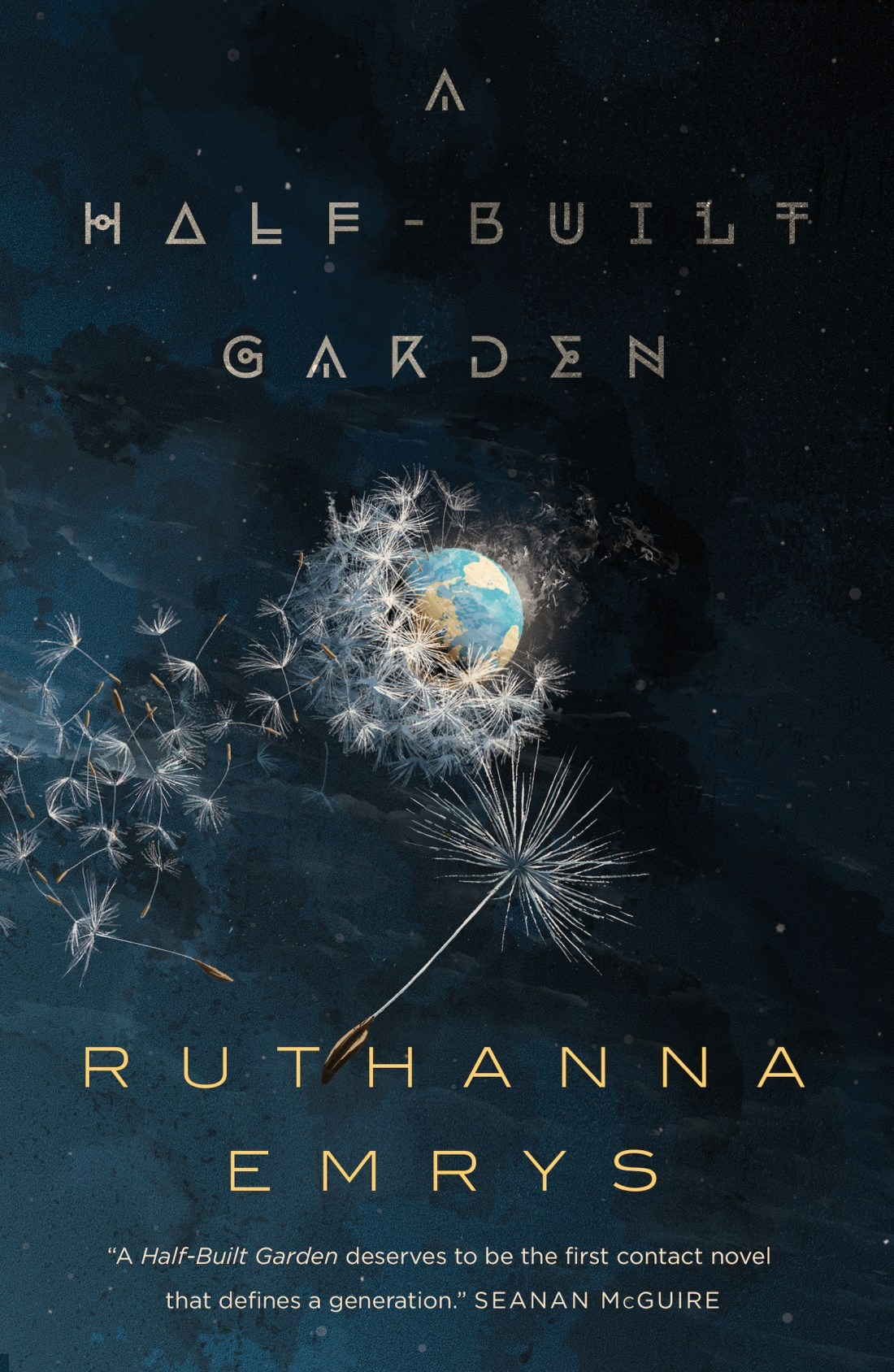
A Half-Built Garden – Ruthanna Emrys“You learn so slow, old radiant beauty/I’ll curve my flight…”

“I Wanna Be Adored” (Stone Roses cover) – King Woman

What makes a cover good to me is when it captures the song’s spirit; like I just talked about with Cate Le Bon’s take on “Company In My Back,” it messes around with the instrumentals but retains Jeff Tweedy’s soul beneath it. Though King Woman’s take on “I Wanna Be Adored” doesn’t reach those heights (and how could it, with the original basically defining a good portion of the alternative/indie rock sound of the ’90s?), I think it succeeds in the same way. While the Stone Roses’ original dips into a dreamy haze, King Woman’s cover basically sounds like Stone Roses by way of Chelsea Wolfe. It’s longer and more drawn-out, with sludgy guitars and a thick, foggy echo clouding everything. Kristina Esfandiari shouts the iconic chorus as though into the mouth of a canyon, pleading into a cold void, a stark contrast to the speed at which it’s sung in the original. It’s an exciting take on this song—one that clearly melds King Woman’s style into the original’s beating heart.

…AND A BOOK TO GO WITH IT:

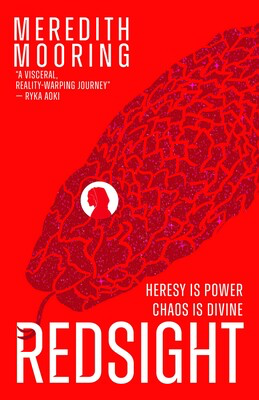
Redsight – Meredith Mooringthe sludgy, doomy atmosphere of this cover absolutely fits with this tale of dark magic in space.

BONUS: In addition to Programmes for Cools, Jim Noir has just released The DLC Tapes exclusively on Patreon—or you can buy it on his KoFi! It’s another album of polished releases from previous EPs and outtakes. Here’s the reworking of “Scene 2”:

Since this post consists entirely of songs, consider all of them to be today’s song.

That’s it for this week’s Sunday Songs! Have a wonderful rest of your day, and take care of yourselves!
Posted in Sunday Songs

Sunday Songs: 12/14/25

Happy Sunday, bibliophiles! I hope this week has treated you well.

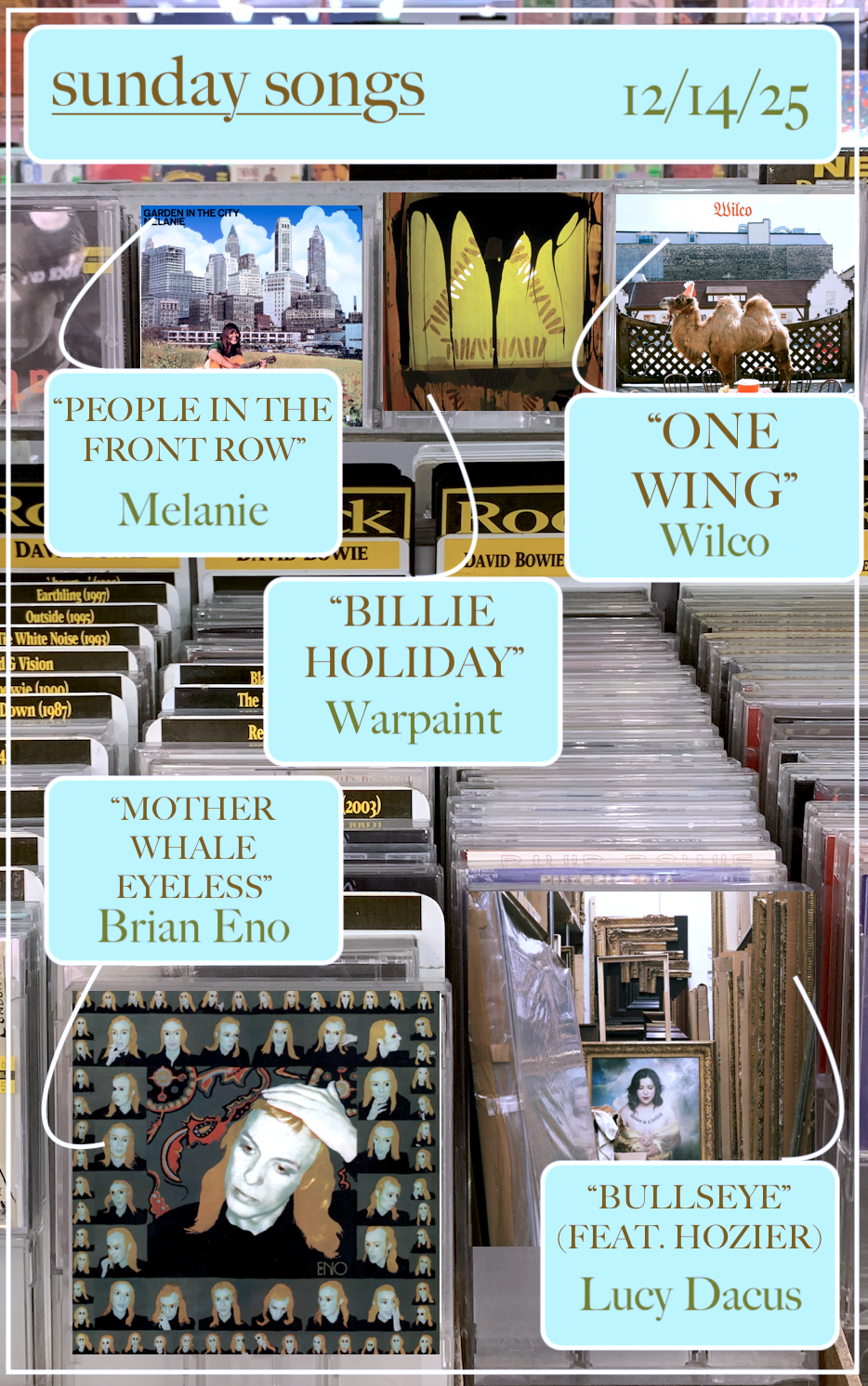
Since I had to hunker down for one more week for finals, here’s my graphic from that week:

12/7/25:

This week: Even more songs from Bad Sisters, circling back to Forever is a Feeling, and getting unexpectedly chucked back to November 2019.

Enjoy this week’s songs!

SUNDAY SONGS: 12/14/25

“Mother Whale Eyeless” – Brian Eno

Sorry, folks. It’s too early for me to draft my New Year’s Resolutions, but they probably won’t include “shut the fuck up about Brian Eno.” You’re in for a long few years.

Back in November, at the behest of my older brother, I finally got around to listening to Taking Tiger Mountain (By Strategy). Pardon the hyperbole, but to call it just an album feels like a disservice, mostly because there’s just so much crammed in there. It’s a whole stuffed Thanksgiving turkey of esoteric references and inspirations; the main defining threads are loosely centered around the Chinese Communist Revolution and general themes of warfare, but even that somehow doesn’t scratch the surface. Plane crashes, a Belgian town whose population is outnumbered by the patients in its local mental asylum, and a play dating back to the Chinese Communist Revolution (from which the album took its name) are just some of the scattered subjects that Eno covers in its 48-minute runtime. He verges from a campy satire of the military on “Back in Judy’s Jungle” to punk-precursor “Third Uncle” to the deeply moving “Taking Tiger Mountain,” a song that closes the album with the same huddled, melancholic yet triumphant feelingI always get listening to The Beach Boys’ cover of “Old Man River.” (Blame it on Fantastic Mr. Fox.) And yet, with all of those disparate images clanking about, it’s so cohesive. The thread, I think, is both Eno coming into his own as a solo artist, as well as his riotously creative imagination—it’s an album with such a distinctive style that could never be authentically replicated, no matter how hard somebody might try. There can never be another Eno, and there can never be another Tiger Mountain. It’s just so singular in its uniqueness.

Something that bubbled up in me while listening to Taking Tiger Mountain by Strategy was that although many of the lyrics are abjectly nonsensical, I found myself getting emotional out of nowhere. For “Taking Tiger Mountain,” I could pinpoint a more easily categorized reason—it’s got the feeling of relief, of victory at a steep cost, of the tearful end of a film. The other that got me misty on the first listen was “Mother Whale Eyeless.” Eschewed by the delightfully stream-of-consciousness lyrics, there’s something about a fundamental change—many have interpreted it as a relationship that can’t go on and the mounting fear of the inevitable implosion. Either way, something’s on the horizon, and it’s a shadow of dread—as in a “cloud containing the sea,” or the formidable shadow a whale might cast upon a school of passing fish. Yet what gets me about this song is that there’s some sort of near-euphoric feeling of ascent to it—you get the feeling like it’s piercing the very atmosphere like a rocket breaking the sound barrier; the only way it can go is higher, higher, higher still. There’s something anticipatory about it, yet there’s no explosive finale—you just break the sound barrier and are left with the fallout. The fallout is the euphoric journey that Eno takes you on, through winding turns buoyed by his Oblique Strategies (you’ll really get the meaning about his emphasis on repetition and/or lack thereof after listening to this song). Phil Manzanera’s guitar soars, aching of Low-era Bowie before it even existed, and Phil Collins’ pattering drums add jet fuel to the anticipatory nature of the track. (Also, I swear the electronic background noises in the very beginning sound a lot like the intro to St. Vincent’s “Big Time Nothing.” Just me?)

But the centerpiece for me is the refrain sung by Polly Eltes. This is where I got choked up out of nowhere. The entrance of Manzanera’s fuller guitar work allows for a breather and opens up the curtain for Eltes’ voice, in which she sings: “In my town, there is a raincoat under a tree/In the sky, there is a cloud containing the sea/In the sea, there is a whale without any eyes/In the whale, there is a man without his raincoat.” (I swear her voice reminds me a little of Régine Chassagne.**) There’s an uncanny feeling of poignant simplicity of it; it feels like a nursery rhyme, or a proudly recited line of an epic poem. To me, it almost feels like a declaration of purpose: an open defiance of interpretation, a thesis that even the most dreamlike and esoteric lyricism can be just as emotional as something that tackles a subject head-on. Either way, there is no denying the feeling that “Mother Whale Eyeless” gives me.

…AND A BOOK TO GO WITH IT:

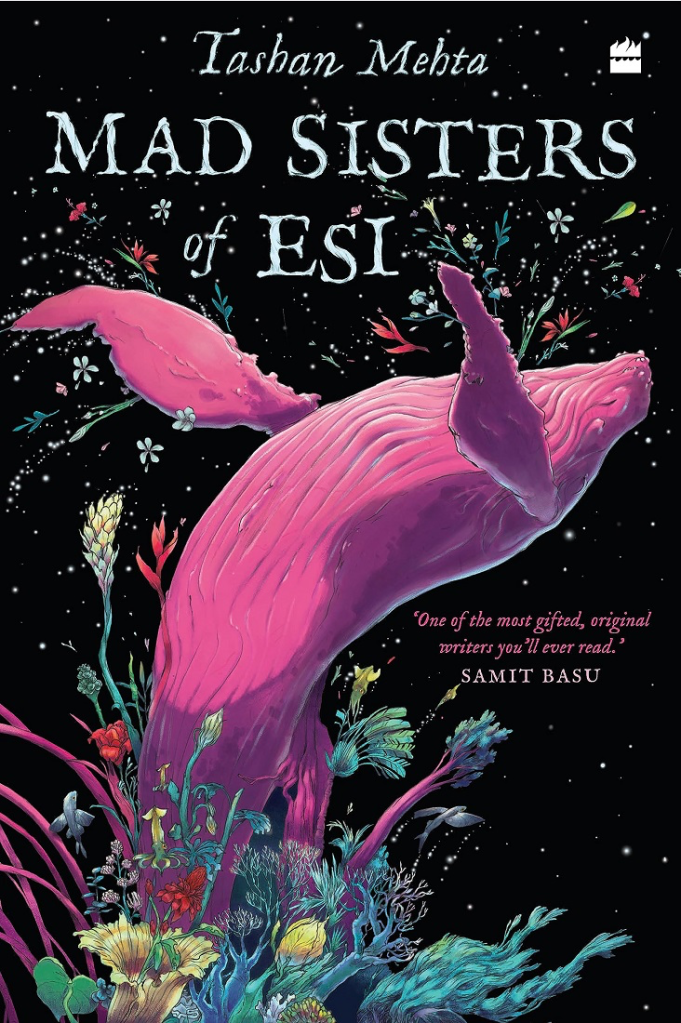
Mad Sisters of Esi – Tashan MehtaI promise I’m not putting this in here solely because of the whale…but I’m not saying they’re not connected. Either way, that surreal, imaginative quality of Eno pairs well with Mehta’s writing.

“Bullseye” (feat. Hozier) – Lucy Dacus

When Forever is a Feeling first came out, I felt like her having a Hozier feature added to the feeling that Lucy Dacus had begun to sell out. I suppose the overlap between their fanbases (read: gay people) was essentially a circle, so it probably was inevitable anyway. No disrespect to Hozier though—very talented guy, and I love his voice, but his music isn’t always my cup of tea.

To my surprise, “Bullseye” has become one of my most played songs from the album. There’s something so tender about it that reminds me of Dacus’ older work. I think what sets Dacus’ songwriting is that every emotion comes through in the most unexpected vignettes—the opening lines of “Next of Kin” (“Reading in the phone booth/Sucking on a ginger root”) come to mind. She has such a keen, observational eye that decorates her songs with the most unique setpieces, like some kind of musical bowerbird building a nest. While the ones in “Bullseye” stand out as more obviously romantic (carving locks into initials on bridges, reading annotations in your lover’s books), it’s so clear how much it shapes her songwriting. She admits it herself: “Found some of your stuff at my new house/Packed it on accident when I was movin’ out/Probably wrong to think of them as your gifts to me/More like victims of my sentimentality.” She’s a kind of museum curator of fleeting, stolen moments, which make up the core of “Bullseye.” And although Hozier isn’t normally my cup of tea, his voice with Dacus’ makes up such rich, heartstring-tugging harmonies that give the song an added layer of tender warmth.

Though I wasn’t able to catch her on this tour, the highlight has been seeing her perform this song, not just because of how lovely it is. She’s been making it her mission to duet with as many people as possible—David Bazan, Samia, Stuart Murdoch, and Jay Som, among others!

…AND A BOOK TO GO WITH IT:

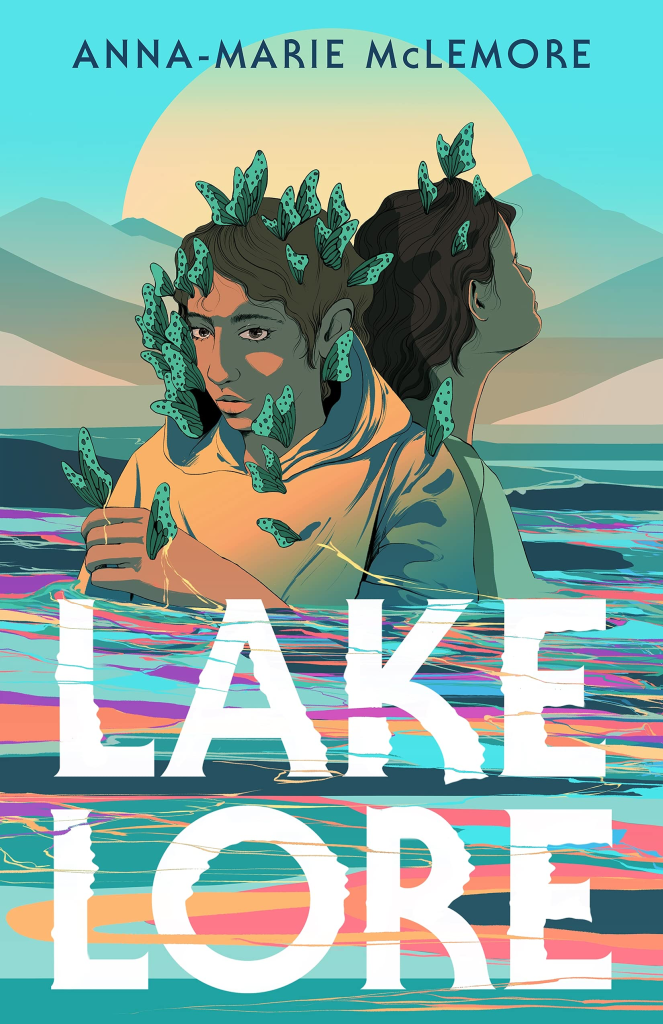
Lakelore – Anna-Marie McLemore“You’re a bullseye, and I aimed right/I’m a straight shot, you’re a grand prize/It was young love, it was dumb luck/Holdin’ each other so tight, we got stuck…”

“People in the Front Row” – Melanie

For the next two songs, we enter what I’m calling the Bad Sisters section. If I had a nickel for every Melanie song I’ve ripped from a season finale of Bad Sisters, I’d have two nickels, etc., etc.

Like many of Melanie’s more iconic songs, “People in the Front Row” is an anthem for sticking to your guns, even in the face of critics. It’s much more literal than others, and although her voice falters in wobbly ways, given the belts she’s capable of, it’s full of the same impassioned fervor of hits like “Look What They’ve Done to My Song, Ma.” The odd laugh-singing aside, it’s such a poignant, determined ode to the people who support your art through thick and thin, no matter how much critics kick you down.

…AND A BOOK TO GO WITH IT:

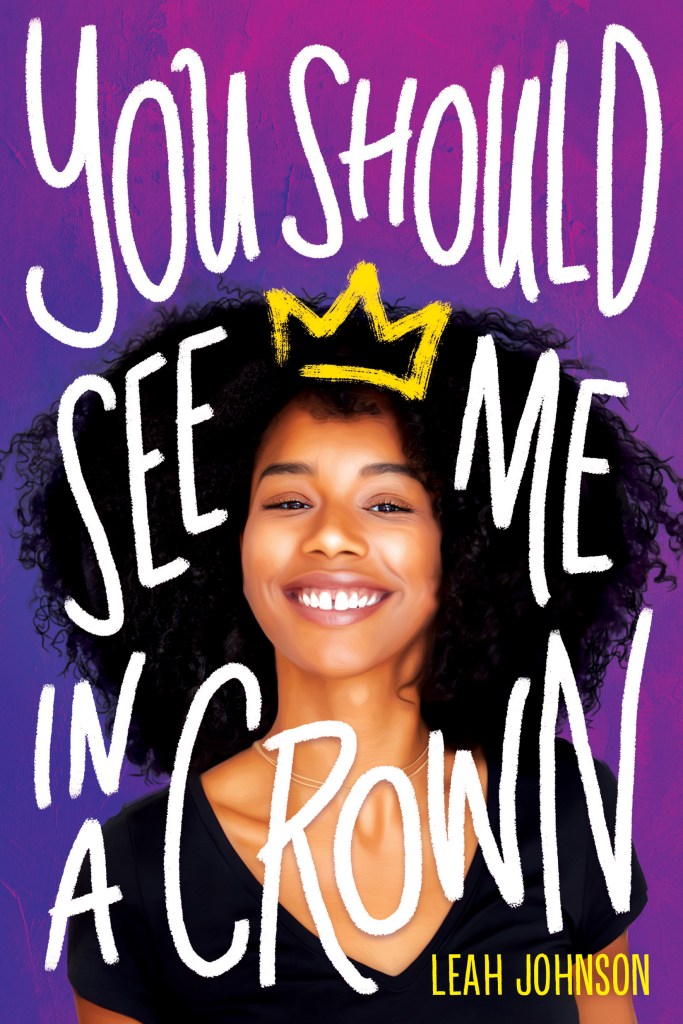
You Should See Me in a Crown – Leah Johnson“You know I looked around for faces I’d know/I fell in love with the people in the front row/Oh, how my predicament grew/Now I got friends, and I think that my friends are you…”

“Billie Holiday” – Warpaint

Warpaint have historically been hit-or-miss for me; I’ve loved their cover of David Bowie’s “Ashes to Ashes” since middle school, but most of their music has been rather lukewarm for me. I have a specific memory of trying to listen to their self-titled album on a whim several years ago and being, disappointedly, quite bored. But every once in a while, they’ll snag me out of nowhere (see also, from this EP: “Burgundy”).

This one came out of the blue in a scene in season 2 of Bad Sisters, ironically placed, given the context; it matches the eerie, melancholic tone of the scene, in which Becka finds out that she’s unexpectedly pregnant and, instead of telling her boyfriend, does what any sensible person does and…cheats on him with the guy that she’s insisted she’s over with. Naturally. (What the hell, Becka?? She’s a hot mess, if you couldn’t already tell.) There’s a deep irony behind using this song, which repeats various platitudes about staying loyal: “Nothing you can buy could make me tell a lie to my guy/Nothing you could do could make me untrue to my guy/I gave my guy my word of honor to be faithful and I’m gonna/You best be believing, I won’t be deceiving my guy.” [Ron Howard voice] Becka did, in fact, deceive her guy.

Maybe there’s a layer of irony to that beyond Bad Sisters, as although the melody is entirely original, around half of the lyrics, including the ones above, are interpolated from Mary Wells’ “My Guy.” When that much of the song is interpolated, it almost feels like cheating, even if the proper credit was given to Wells (as well as Smokey Robinson, who wrote the song). Yet it’s an entirely different atmosphere that they’re placed in, like a zoo animal let loose in a completely foreign biome; as opposed to Wells’ cheery, Motown organs, “Billie Holiday” is draped in reverb, misty strings, and acoustic guitars. It’s like wandering through a thick fog, where Wells’ song is as bright and clear as day. I suppose it’s a similar deal to Spiritualized’s use of “Can’t Help Falling in Love,” but that, to me, felt much more transformative, and used only one verse (as opposed to the three verses of Wells’ that Warpaint used). Easy way out it may be, but at least the end product is appropriately distinct, and compellingly dreamy.

…AND A BOOK TO GO WITH IT:

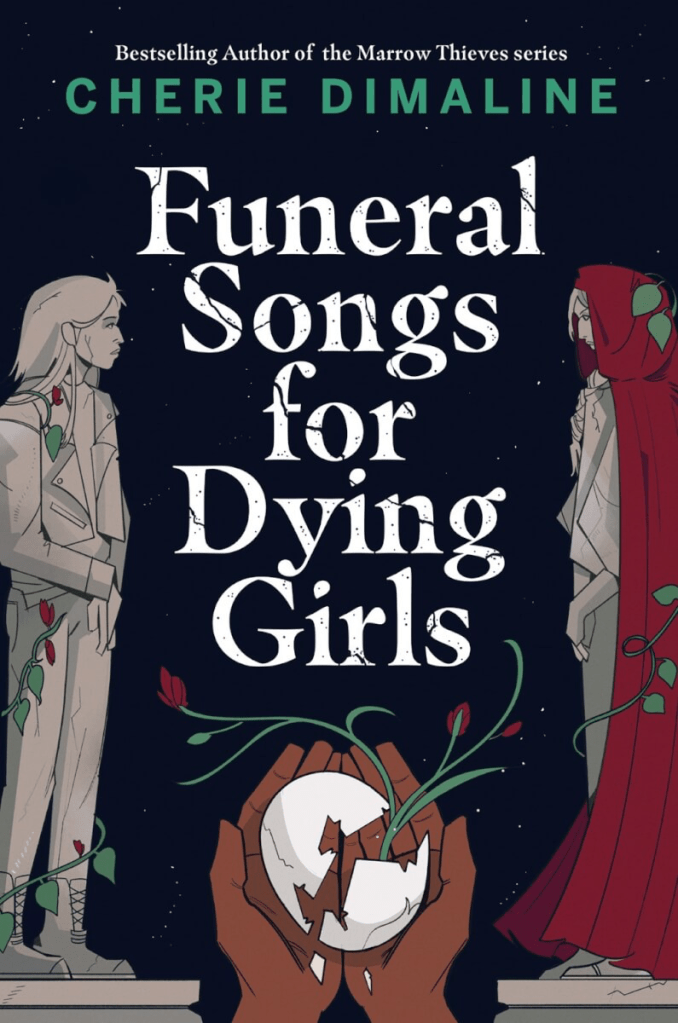
Funeral Songs for Dying Girls – Cherie Dimaline“As I walk this line, I am bound by the other side/And it’s for my heart that I’ll live/’Cause you’ll never die…”

“One Wing” – Wilco

Do you ever have those moments where a song hits you out of the park with some deeply vivid place in time that you didn’t see coming? Leave it to Wilco to throw another unexpectedly emotional curveball right into my face out of nowhere. Instantly, I had this feeling of being cold, of being in a gray parking lot. My mind placed it in November of 2019, by some uncanny instinct. I can’t place why, but I only just remembered that I had a borderline religious experience at the front row of a Wilco concert…in November of 2019. Maybe that parking lot was in the chill of the Mission Ballroom at night. My brain, inexplicably, just knew to place it at this time, even if “One Wing” isn’t in the setlist.

The brain truly fascinates me sometimes. There’s a part of me that wants to know everything about why it remembers what it does, and why it innately attaches feelings and memories to music out of nowhere. But somehow, I feel like that would ruin the magic of these fleeting, unexpected moments. I love the way my brain plays with memory and image the way it does, the way even the faintest whiff of an old tube of lipgloss or the notes of Nels Cline’s guitar is instantly transportive. I think it would ruin everything if I knew the precise logic of why my brain shuffles the cards and comes up with these vivid, dreamlike images. Sometimes, I think we ought to bask in that mystery. Tip our hats to the strange phenomena, etc. What a lovely, strange organ we have.

Oh, wait, I’m talking about a song, right? Oops. And what a song it is—I don’t know how this one completely passed me by, but Wilco always has the most moving surprises up its sleeve. From what I’ve heard of Wilco: The Album (featuring “Wilco (The Song),” there’s a lot of conflicting themes—said band theme song, more songs about murder, and determined love songs; but for an album like that, it makes sense for the songs to run the gamut of the range of the band. Next to “I’ll Fight,” “One Wing” makes clear sense—I’m not sure if it’s directly about Tweedy’s relationships, but there’s a clear undercurrent of wanting to rekindle faltering love and repairing something broken. (I’ve also seen interpretations that the “wings” allude to the divisions in American politics—literally the left and right wings—and while the broken relationship makes more sense to me personally, it makes me see things in a new light. A precursor to “Cruel Country” and “Ten Dead,” maybe?) That late-fall chill feels deliberate in the face of the haunted longing in “One Wing”—as the chorus picks up steam, it feels like icy wind buffeting against your cheeks, plucking tears from your eyes as you cling to someone for comfort. Nels Cline’s guitar, with a soaring tone reminiscent of A Ghost is Born, is as plaintive as Jeff Tweedy’s lyricism, all channeled into a plea for forgiveness against the friction of the world: “One wing will never ever fly, dear/Neither yours nor mine/I fear we can only wave goodbye.” It digs at such a tender, weak part in my soul…ouch, Jeffie.

…AND A BOOK TO GO WITH IT:

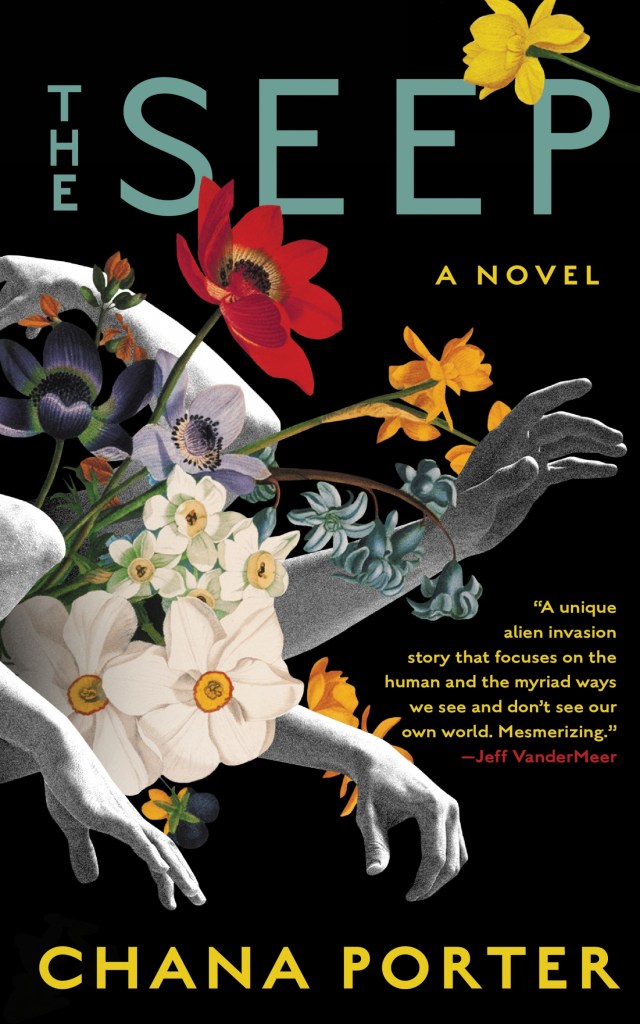
The Seep – Chana Porter“We once belonged to a bird/Who cast his shadow on this world/You were a blessing and I was a curse/I did my best not to make things worse for you…”

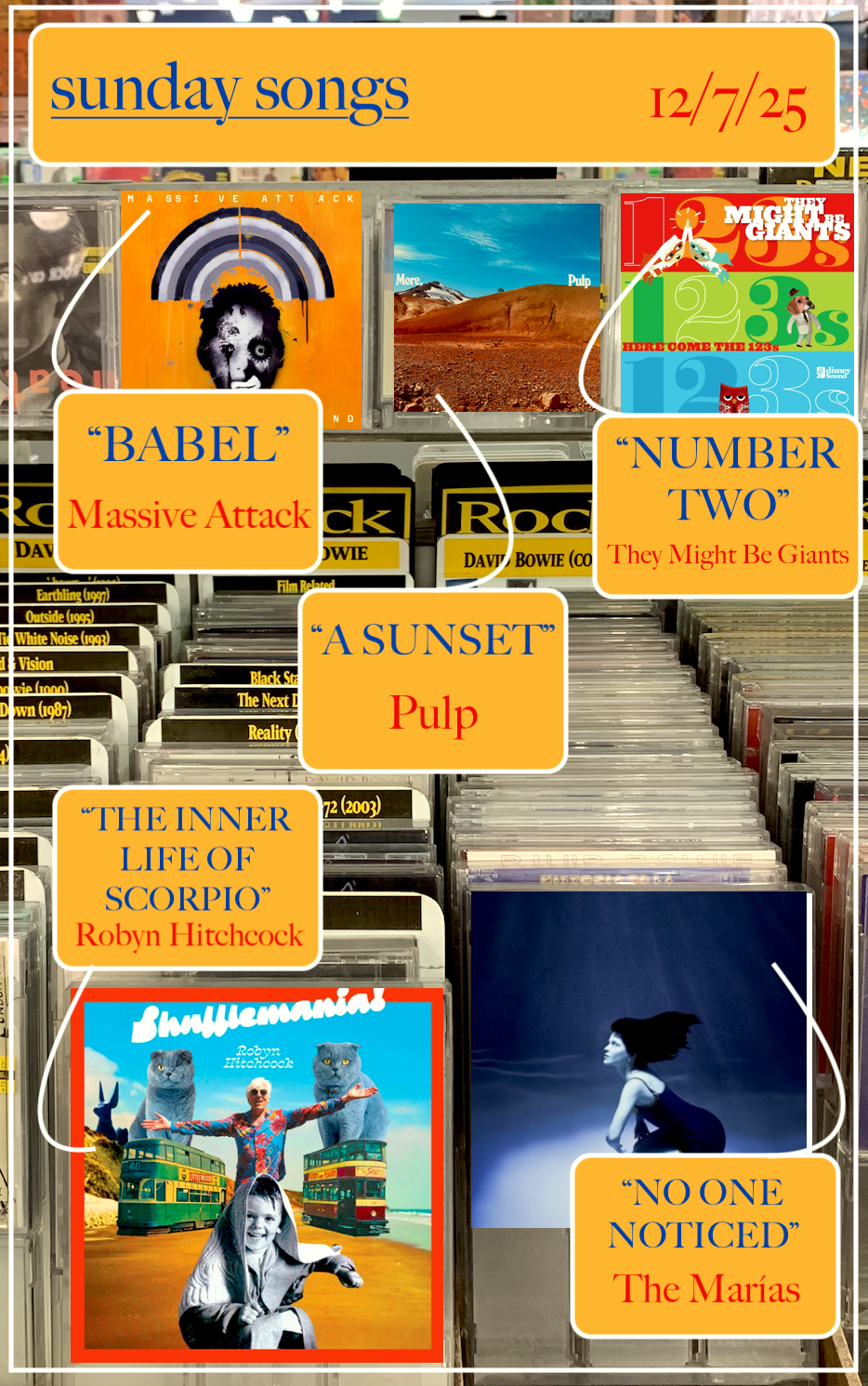
*”oh, haha, a goofy kid’s song!” without a shred of irony, this is an absolute banger. Somehow, it ended up being my most-listened to song for November, according to Apple Music. Never underestimate the power of They Might Be Giants writing about numbers.

**In other music news I haven’t gotten around to talking about…I try not to be in the active practice of hoping for people to get divorces, but I am so, so glad Régine Chassagne got out of there.

Since this post consists entirely of songs, consider all of them to be today’s song.

That’s it for this week’s Sunday Songs! Have a wonderful rest of your day, and take care of yourselves!
Posted in Sunday Songs

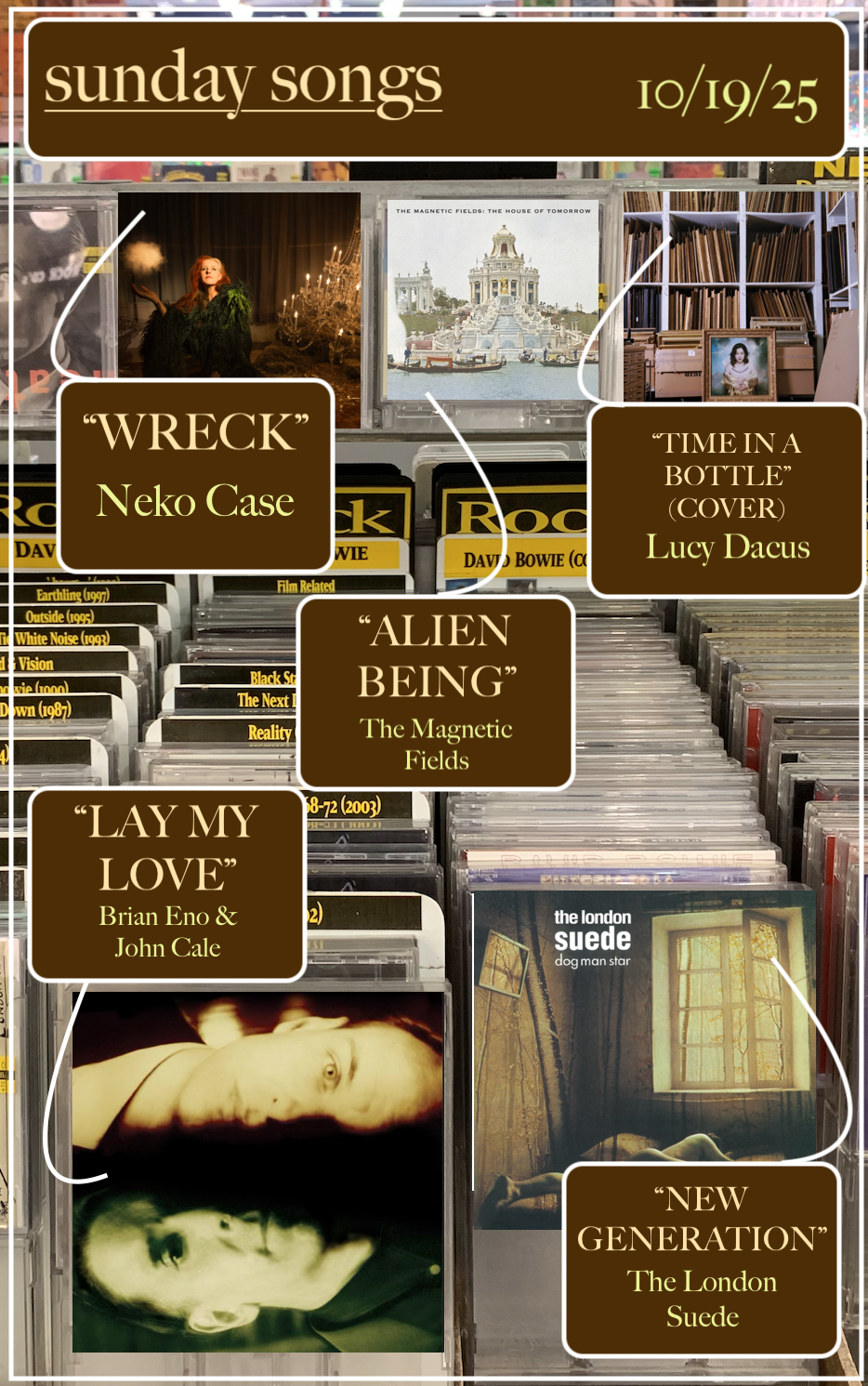
Sunday Songs: 10/19/25

Happy Sunday, bibliophiles! I hope this week has treated you well.

This week: the chances of being pursued by Brian Eno wielding chopsticks are low…but never zero.

Enjoy this week’s songs!

SUNDAY SONGS: 10/14/25

“Lay My Love” – Brian Eno & John Cale

While digging a bit about a song that I’m not even mentioning until next week, I stumbled upon something entirely different. All of those Pitchfork Best Songs of [insert decade] lists (this was from the ’90s one) are very subjective, but sometimes I appreciate looking at them simply by virtue of finding out about something new. Last week, it happened to be a collaboration between Brian Eno and John Cale from 1990, Wrong Way Up, and “Lay My Love” in particular. I was excited by the prospect of Brian Eno already, but man…I have been sucked in. I’ve listened to this one an unhealthy amount of time. It just swallows you whole in the best way possible!

By the ’80s, Brian Eno had built a decade’s worth of entirely ambient music, and there seemed to be no return for him to the more conventional (if you can call it that) rock of his earlier career, abandoning his own vocals almost entirely: in 1989, he told an interviewer that “I’m sure I could, if someone held a gun to my head, crank out a record of songs, but at this point in time I know it wouldn’t be any good.” And given the intensely argument-fraught recording of Wrong Way Up (Cale alleges that Eno once came at him wielding chopsticks, but Eno has insisted that Cale fabricated this), there’s a good chance that in another timeline, this album may not have seen the light of day after all. And yet there they were in 1990: Eno and Cale, frequent collaborators since the 1970’s, making an album consisting of just that.

You’d think that after abandoning singing for so long, Eno would appear rusty. In fact, he’s the exact opposite. “Lay My Love” feels like the distillation of the best qualities of his off-kilter vocals. Even though he’s known for his more removed, uptight vocal quality, this track presents him as warmer than he’s ever come across. It’s a song that makes you believe every word: as he sings “I am the yearning,” you can hear the pleading in his vocals, layered upon themselves ad infinitum. Cale’s rousing violins add an upbeat swing amongst the dizzyingly layered instrumentals. It’s an all-consuming slurry of glimmering sediment and flotsam, all warmed by the sun’s rays, equal parts hymn and experimental electronic music. Eno peppers in some of his most delightfully surreal, offbeat lyrics (“I am the termite of temptation”) with ones that make sense in some unarticulated part of your soul (“I am the wheel/I am the turning”). Above all, you really do feel as though this love is being laid around you like a blanket. It feels like the kind of song to soundtrack a quiet montage in a film of a house being built, or moss growing on a log: gradual, and yet hopeful in its certainty. You know that the love is coming around to you, and when it does, it will be as joyous as every note bursting from this track.

…AND A BOOK TO GO WITH IT:

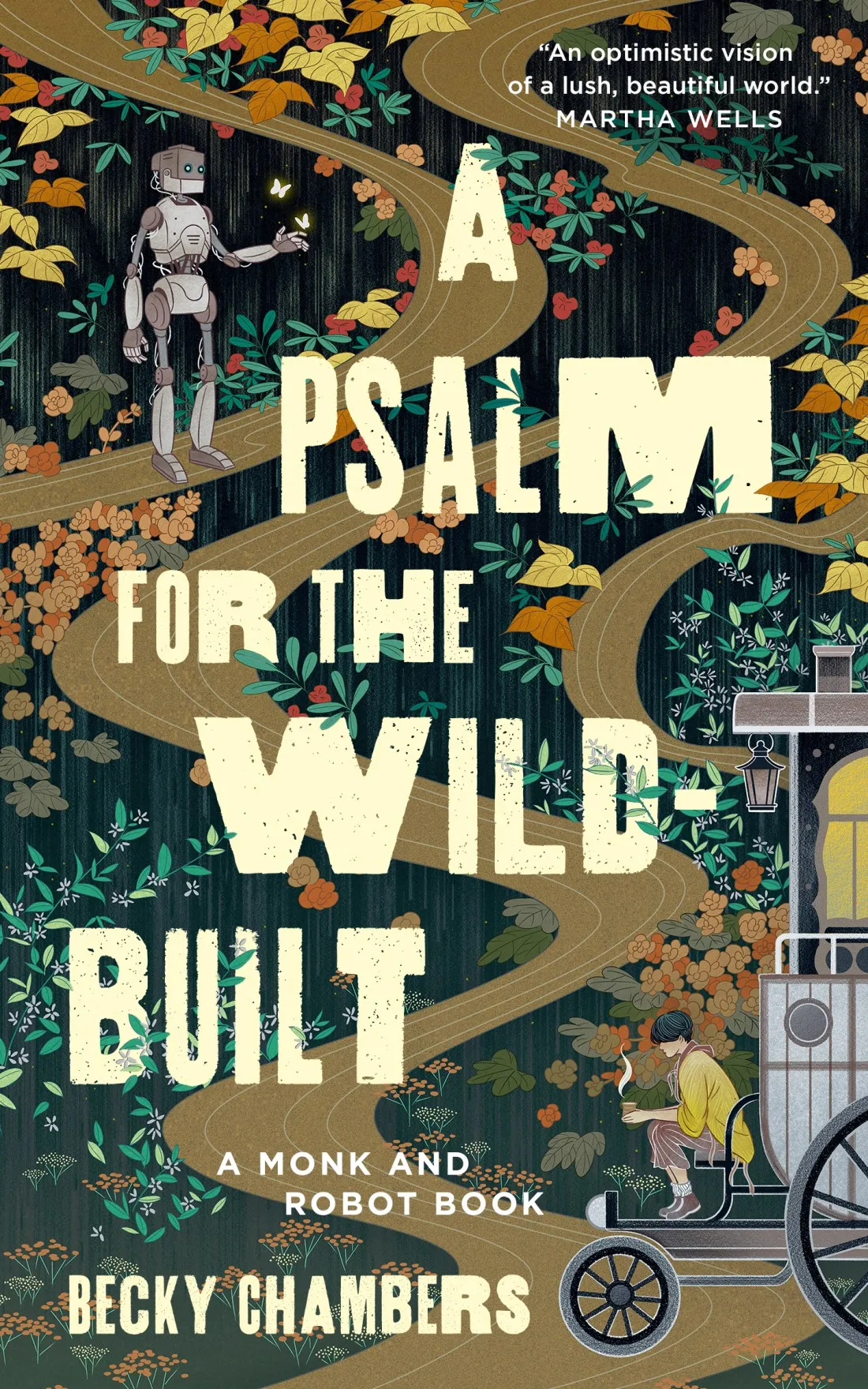
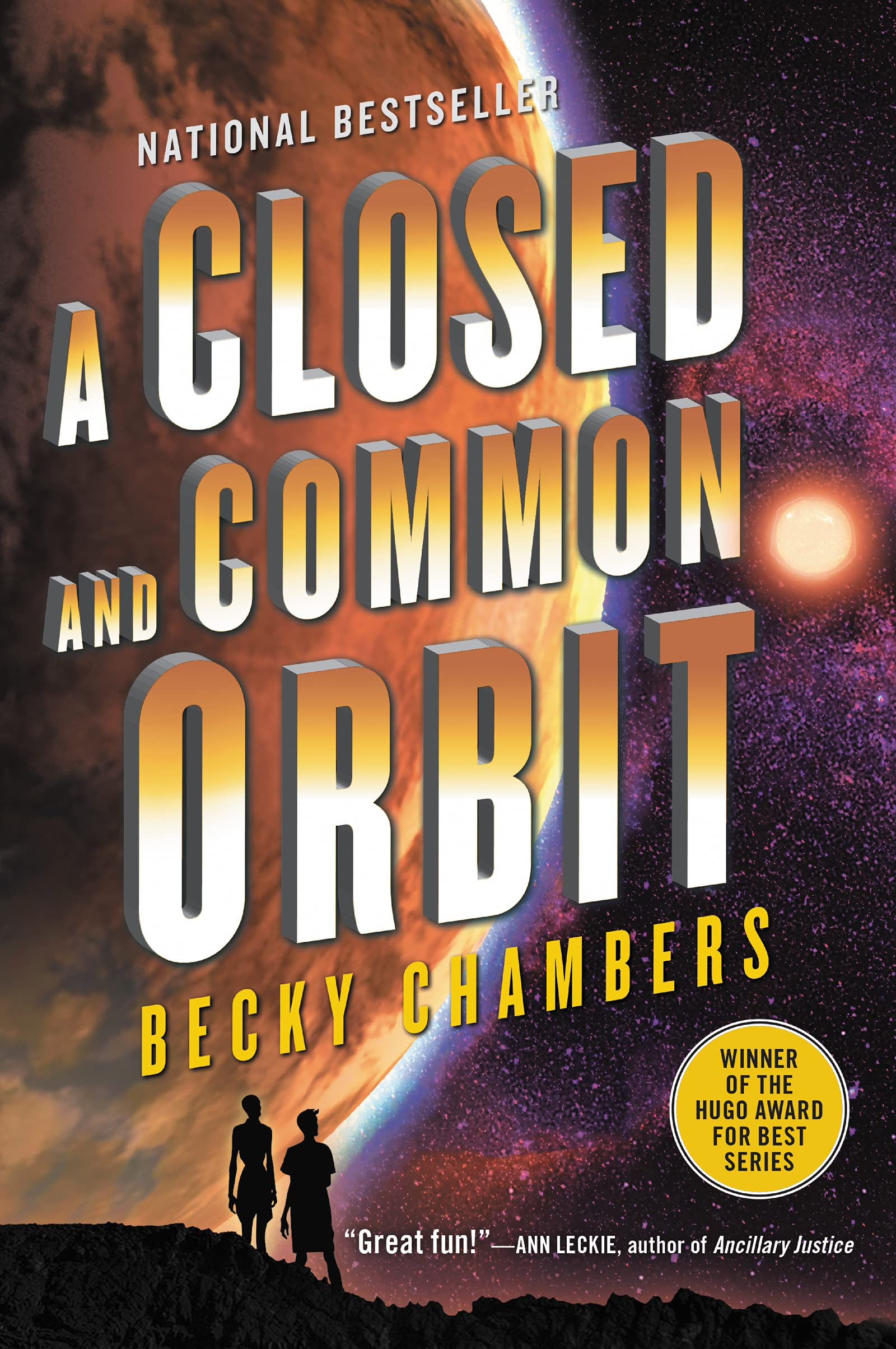
A Psalm for the Wild-Built – Becky Chambersthis seems precisely the kind of song that would soundtrack Sibling Dex and Mosscap’s quiet adventures through the woods.

“New Generation” – The London Suede

As far as the Britpop Big Four goes, The London Suede (known as just Suede in the UK) is the last frontier for me to explore; I’ve heard some of their songs sporadically and loved them (see: “Metal Mickey”), but reading The Last Party: Britpop, Blair, and the Demise of English Rock sparked some more interest in them. Add that to Neko Case’s episode of What’s in My Bag? and I was instantly hooked on “New Generation.” Along with “Lay My Love,” this song’s up there with the songs that I’ve been listening to an unhealthy amount of times. Who am I to deny my Britpop girlie urges?

I really should be a huge fan of The London Suede, given how influenced they were by David Bowie, but then again, not everybody influenced by Bowie is automatically good, of course. Brett Anderson and company seemed to worship the ground he walked on, which resulted in their melodramatic style and soaring vocals. Dog Man Star, which I’ve heard is an excellent album, was said to be inspired by a lot of Bowie’s early ’70s material, which makes perfect sense—”New Generation” feels like fanfiction set in the Hunger City of Diamond Dogs, and I fully mean that as a compliment. If Anderson’s vocals and just-so placed swoop didn’t tip you off, “New Generation” is high on the drama, but that’s part of why it works so well—it’s a strangely dystopian song that’s fit for draping yourself dramatically across the bed, full of distance and yearning. Anderson’s really doing some vocal somersaults here—he said himself that it’s one of the most difficult songs for him to sing—and amidst sepia-toned lyrics of disaffection and substance abuse, his vocals are outstretched arms beckoning for someone to swoop in and extricate him from it all.

…AND A BOOK TO GO WITH IT:

The Shamshine Blind – Paz Pardo“‘Cause like all the boys in all the cities/I take the poison, take the pity/But she and I would soon discover/We take the pills to find each other…”

“Wreck” – Neko Case

Today on incredibly specific comparisons: “Wreck” by Neko Case sounds almost exactly like this meme to me:

Maybe I do need to listen to more Neko Case after all. I’m a fan of the New Pornographers, but I really haven’t dived into any of her solo work, save for the misfire that was her cover of “Madonna of the Wasps.” You win some, you lose some. But this song, off of her new album Neon Grey Midnight Green (that’s got to be one of the better album titles I’ve heard in a while, for sure), easily falls into the win category.

For a beat, the a cappella intro lulls you into a false sense of security before dropping you headfirst into a churning, breathless whirlpool of head-over-heels romance. I can’t deny a love song that feels like you’re gleefully sprinting through a verdant field at full speed—there’s a bit of Hounds of Love Kate Bush in there somewhere in the unabashed drama that Case peddles: “I’m a meteor shattering around you/And I’m sorry/I’ve become a solar system/Since I found you/I’m an eruption/A wreck of possibilities/A volatility of stars/My clothes can’t hold together.” (Another shoutout is due to “Do I look like the sun to you?/Do I blaze freckles onto your face?”) And right after this, she breathlessly cries “And I know I can’t burn this bright forever!”—right about there, I imagine her smile splitting with reckless glee, a princess dress ballooning into endless layers of silk and tulle, a cry of nothing but sheer joy. It’s an easily addictive ode to absolutely drowning in yearning, and desperately wanting the echo to have an answer.

…AND A BOOK TO GO WITH IT:

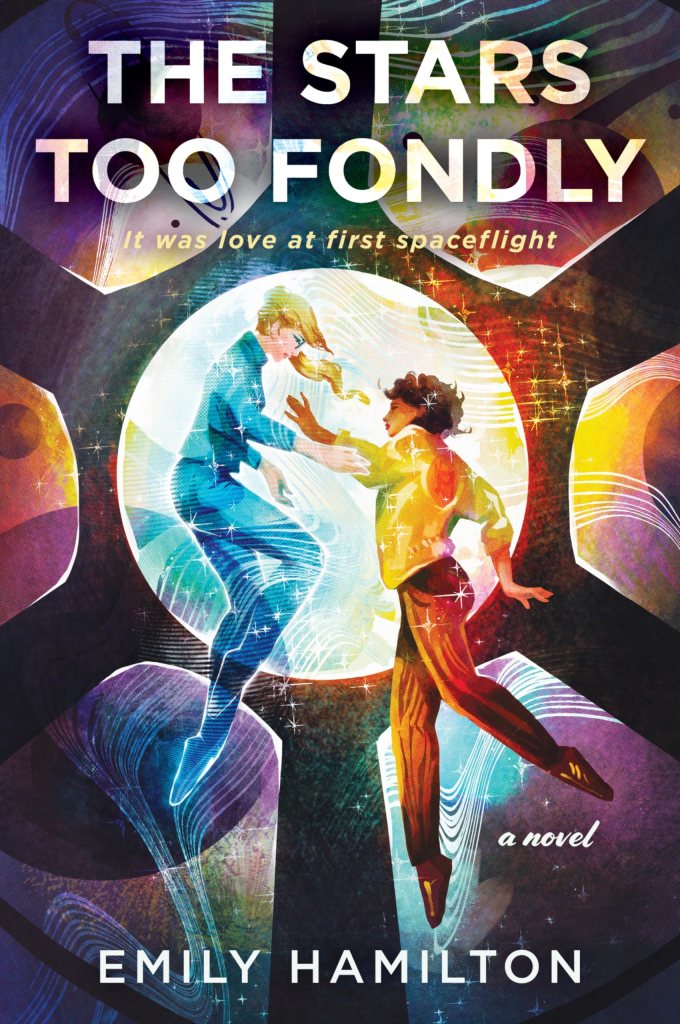
The Stars Too Fondly – Emily Hamilton“Do I look like the sun to you?/Do I blaze freckles onto your face/I bet I, bet I, bet I do/I’m a meteor shattering around you/And I’m sorry…”

“Alien Being” – The Magnetic Fields

There’s something truly beautiful about the fact that this song only has 10 likes on YouTube and a single comment that reads “being gay is awesome and you gotta try it!!!” Amen, brother.

The House of Tomorrow EP was released very early on in The Magnetic Fields’ career, and from 3/5 songs that I’ve listened to from it (this, “Either You Don’t Love Me Or I Don’t Love You” and “Love Goes Home to Paris in the Spring”), it’s clear that they’d all honed their talents very early. I suppose it helped that Stephin Merritt was in several bands before this, but it’s still very indicative of what a masterful songwriter he’s come to be. It’s also clear from the start that he’d started dissecting unhappy relationships very early on. The lyrics of “Alien Being” aren’t quite as laden with metaphor as they usually are, but they’re monotonous and repetitive—which feels like precisely the point. Almost all of them end with “nothing at all” (“You talk a lot about nothing at all/”Watch TV shows about nothing at all”), adding to the layered, grainy drone of the synths in the background. It’s a perfect encapsulation of being around someone who makes you feel like you’re talking to a wall—no feelings, no opinions, no independent thoughts, no nothing. Good thing Merritt has a lot of those things.

…AND A BOOK TO GO WITH IT:

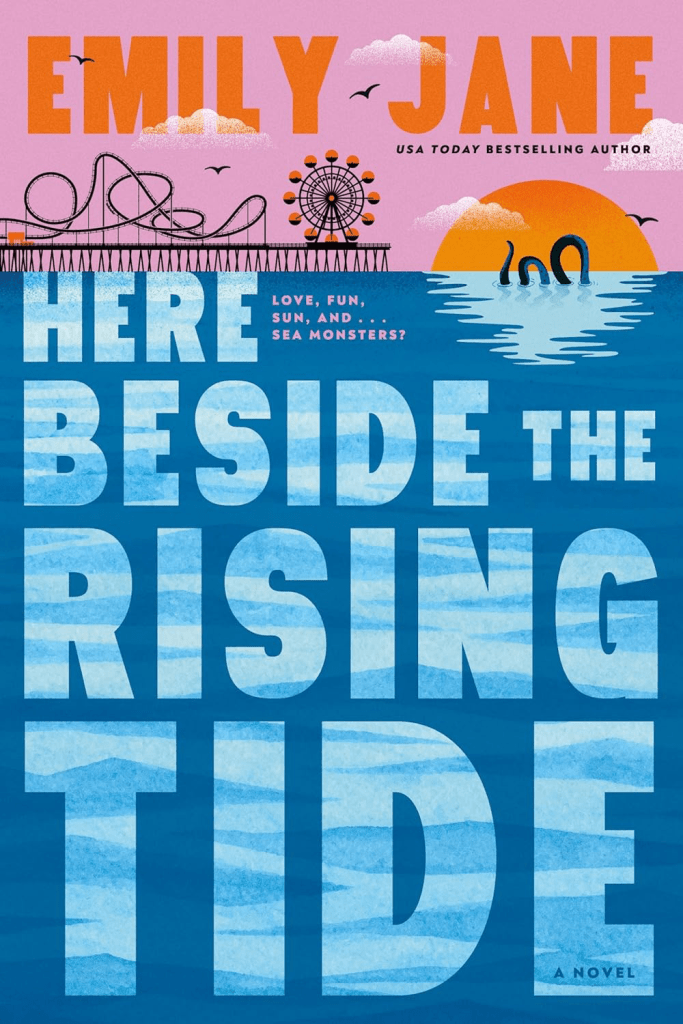
Here Beside the Rising Tide – Emily Jane“You have no feelings/I think you are an alien being/You won’t let me in/I think you are an alien being…”

“Time in a Bottle” (Jim Croce cover) – Lucy Dacus

The X-Men fan in me and the Lucy Dacus fan in me were both screaming when I found out that this was a thing…I don’t even have any sentimental feelings towards the original, but I just saw the title and got activated like a sleeper agent. Say what you want about the later Fox X-Men movies, but there’s one thing that they did best, and that was make immaculate slo-mo Quicksilver sequences with great needle drops.

I maintain that Forever is a Feeling bordered on being a disappointment, but I’m softening to some of it—especially now that we’ve gotten an expanded edition: Forever is a Feeling: The Archives. It’s mainly demos and live versions, but it had the poignant track “Losing” (should’ve been in the album, that’s my two cents) and this Jim Croce cover. Dacus’ tender, delicate fingerpicking style was practically made for this cover, as was the overall aesthetic of the album, combining acoustic guitar with gently swelling strings. I just can’t get enough of how she treats the guitar as an instrument—the way she plays on “Time in a Bottle” makes it feel like it’s not simply an instrument but a waltz partner. Her rich voice is on full display with this cover, making every note ring out with the yearning I’ve come to love her for. It’s tender in its sparing instrumentation, but her voice fills out all the empty spaces, creating a cover steeped in love and longing, just like the best parts of Forever is a Feeling.

…AND A BOOK TO GO WITH IT:

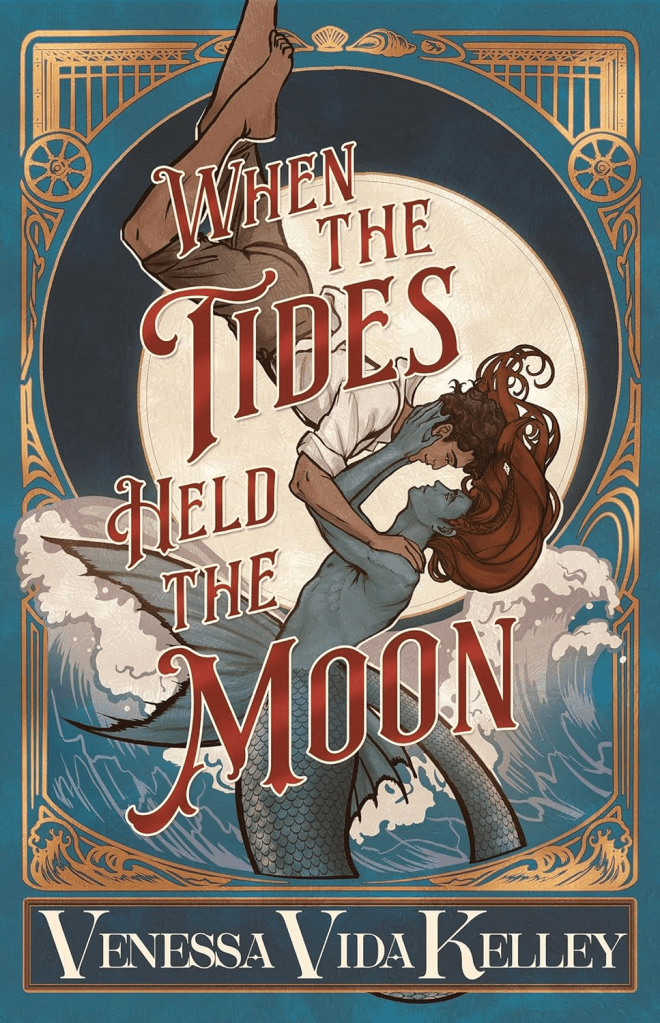
When the Tides Held the Moon – Venessa Vida Kelleythe tender feeling of this cover would fit right in with this heartfelt, moonlit romance.

Since this post consists entirely of songs, consider all of them to be today’s song.

That’s it for this week’s Sunday Songs! Have a wonderful rest of your day, and take care of yourselves!

Posted in Book Review Tuesday

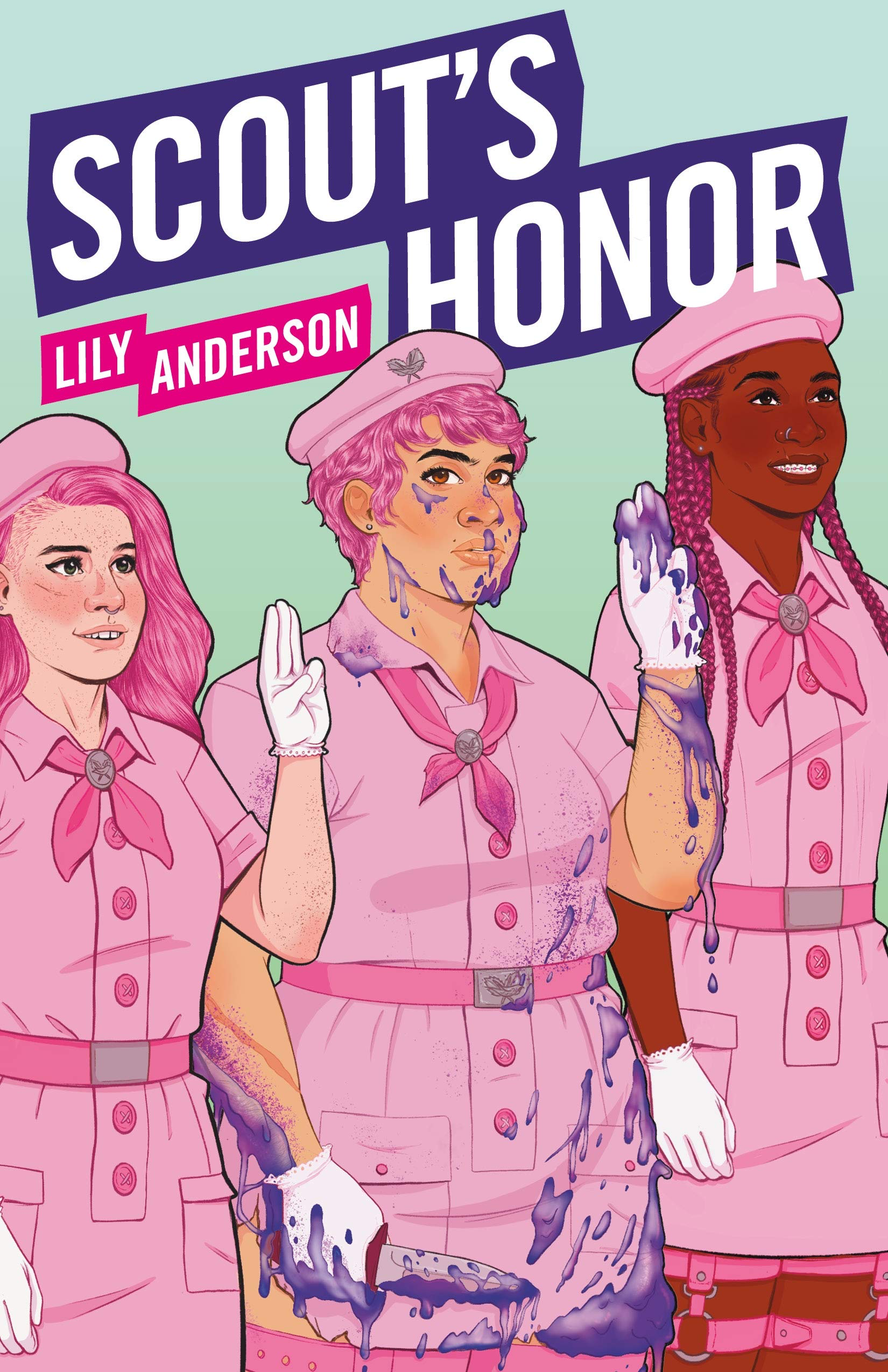
Book Review Tuesday (10/14/25) – Scout’s Honor

Happy Tuesday, bibliophiles!

To close out Latine Heritage Month, here’s a novel from an author I haven’t read in years! I’d totally forgotten about Lily Anderson since high school. I remember liking Undead Girl Gang a lot when I was younger, so I figured I might give her (somewhat) newer novel a chance. Scout’s Honor is a novel that leans into both the adventurous and the sensitive, a tale of sisterhood, coming of age, and carnivorous interdimensional monsters.

Enjoy this week’s review!

Scout’s Honor – Lily Anderson

Prue wants nothing to do with her family legacy. A third-generation Ladybird Scout, she is part of an elite circle of women trained to hunt Mulligrubs, interdimensional beasts who feed off of the emotions of humans—and sometimes their flesh, when they get hungry enough. After her friend was killed in a deadly Mulligrub attack, Prue swore off the Ladybird Scouts for good. But when a new crisis pulls her back into the fray, Prue must decide if her legacy is worth preserving—or if she needs to go her own way.

TW/CW: PTSD themes, panic attacks, violence, gore, loss of a loved one

Maybe the real Root is the friends we made along the way, amirite?

Though I can’t speak to the accuracy of the representation (Prue has PTSD), Scout’s Honor had such a deeply sensitive depiction of trauma. If the acknowledgements are anything to go by, Anderson drew a hefty amount of it from personal experience, and that authenticity shone through emotionally on the page. Narratively, you’re only fed breadcrumbs of Prue’s trauma (until you aren’t), but I feel like it mirrored Prue’s difficulties with confronting her past. There’s a lot of detail afforded to how she experiences panic attacks and how her trauma has manifested in the three years since her trauma began. Beyond that, Prue had such a poignant arc, and so much of it revolved around her trauma; the entire reason she returns to the site of her trauma is to find a way to forget it (to physically remove her ability to See the Mulligrubs via a special tea), and yet it shows her that no matter what, she can never forget the past: the only way to truly heal is not to easily overcome it, but to face it. It was such a poignant take on trauma and healing, so kudos to Anderson for that!

I also loved how Scout’s Honor tackled its themes of sisterhood! In an organization like the Ladybird Scouts, where a value like sisterhood is prized above all else, it’s bound to be perverted; any value put on that high of a pedestal is bound to be used for ill intent, which it often is in this novel—case in point with Faithlynn. But I loved how Anderson talked about what sisterhood really is—uplifting difference yet embracing commonality, and truly helping each other when we’re down. There’s Faithlynn’s sisterhood, which is just a word she can toss around while putting down the other girls around her, and there’s Prue’s sisterhood, who accepts the less conventional Ladybird Scouts like Sasha and Avi into the fold and celebrates their individual strengths in order to solve the problems throughout the novel. It’s a heartwarming exploration of the topic and a lovely depiction of how it can so easily be twisted—and an indictment of any woman whose path to success is only built on putting other women down (and in the path of danger).

For the most part, the world of Scout’s Honor was a treat! Though the worldbuilding wasn’t anything groundbreaking, there was so much surrounding the lore and the structure of the Ladybird Scouts that I loved dissecting and exploring. Anderson really nailed all of the idiosyncrasies and minute rules of this organization, from their front in the real world to the work they did behind closed doors. Anderson truly nailed the feeling of being a part of a tight-knit, insular community sworn to secrecy—there were so many laws and bylaws that had to be dodged, almost as much as the Mulligrubs, throughout the novel. Although I enjoyed the classifications of all the different Mulligrubs, I would have liked some more explanation as to how they came to Earth in the first place, and exactly what kind of dimension we’re talking about when Anderson calls them “interdimensional,” but that’s more of a me thing—the novel doesn’t necessarily need it since the worldbuilding of the primary location is already well-established.

My main issue with Scout’s Honor, however, lay in the pacing. Despite most of the emotional sections of the novel landing appropriately, Anderson didn’t seem to know how much time to allocate to certain scenes, which ended up making the pacing quite lopsided. Until the climax, it also lessened the stakes quite a bit; even though the mulligrubs are a very real threat in this universe, almost all of the battle scenes were over in what felt like the blink of an eye. If not for Prue’s trauma surrounding them, I wouldn’t have felt the tangible threat of them at all—aside from the aftermath, the characters seemed to deal with the Mulligrubs, no matter the size or strength, like that. On the flip side, although I love some character building, there were long stretches when not a ton happened, and hardly any of it serviced the plot or character development—there were just long stretches of banter that didn’t show anything that hadn’t already been established. Anderson is a strong writer for the most part, but the pacing dragged Scout’s Honor down for sure. It was really the only thing keeping me from rating it the full 4 stars.

All in all, a novel brimming with heart and heinous monsters, let down by pacing but lifted up by its depictions of trauma and sisterhood. 3.75 stars, rounded up to 4!

Scout’s Honor is a standalone, but Lily Anderson is also the author of The Only Thing Worse Than Me is You series (The Only Thing Worse Than Me is You and Not Now, Not Ever), Undead Girl Gang, The Throwback List, Killer House Party, and several other novels for teens and adults. She has also contributed to the YA anthologies The (Other) F Word: A Celebration of the Fat and Fierce, That Way Madness Lies: 15 of Shakespeare’s Most Notable Works Reimagined and All Signs Point to Yes.

Today’s song:

been unhealthily obsessed w this for the past few days…

That’s it for this week’s Book Review Tuesday! Have a wonderful rest of your day, and take care of yourselves!

Posted in Sunday Songs

Sunday Songs: 8/17/25

Happy Sunday, bibliophiles! I hope this week has treated you well.

This week: this semblance of a color scheme is hanging on for dear life, but I needed to talk about Biophilia IMMEDIATELY you must understand…

Enjoy this week’s songs!

SUNDAY SONGS: 8/17/25

“Virus” – Björk

Another Björk album down! I was highly anticipating listening to Biophilia from the sheer conceptual layers of it; though the original app is now defunct, it still exists as a glittering piece of music and science education, reuniting our understanding of the sciences with the emotion that was always inherent to it. Whether it’s the structure of our genes (“Hollow”) to the phases of the moon (“Moon”), the ability Björk has to weave personal narratives of the rocky parts of healing with the natural processes of the world never ceases to astound me. Admittedly, Biophilia took me another listen around to fully get with it, but that’s mostly because being stuffy and lethargic from a nasty cold whilst the Amen break comes hurtling at you at 90 mph isn’t ideal. The artistry of…well, every single music video of the album never ceases to astound me. It would be easy for the concept to supersede the actual contents of Biophilia, but Björk never fails to pull the rug out from under me every single time. GOD.

“Virus” was one of the most delightful tracks from the album, so gentle, yet carrying a sinister undertone. Wreathed in tinkling chimes and gameleste, it uses a virus as a metaphor for a parasitic, one-sided relationship: “Like a virus needs a body/As soft tissue feeds on blood/Someday I’ll find you.” The virus motif sings sweetly, with Björk’s vocals as delicate and crystalline (no pun intended) as the icy instrumentals surrounding her, reminiscent of Vespertine. It makes itself indispensable (“Like a flame that seeks explosives/Like gunpowder needs a war”) as it sucks the life from its host, but never betrays its true intentions. Everything is hidden under the sweetness—as things tend to be in parasitic, codependent relationships, if we’re taking the more literal route with it. Even when she takes on the persona of a virus slowly killing a host, Björk’s vocals have never sounded more emotive and warm, only getting richer with age, something that time has proven since 2011. Though she uses that same voice to portray much more genuine and non-parasitic feelings throughout Biophilia, the beauty of her voice never ceases to entrance me, no matter the narrative delivery and what it’s hiding—which is exactly the point. It’s intoxicatingly sinister.

…AND A BOOK TO GO WITH IT:

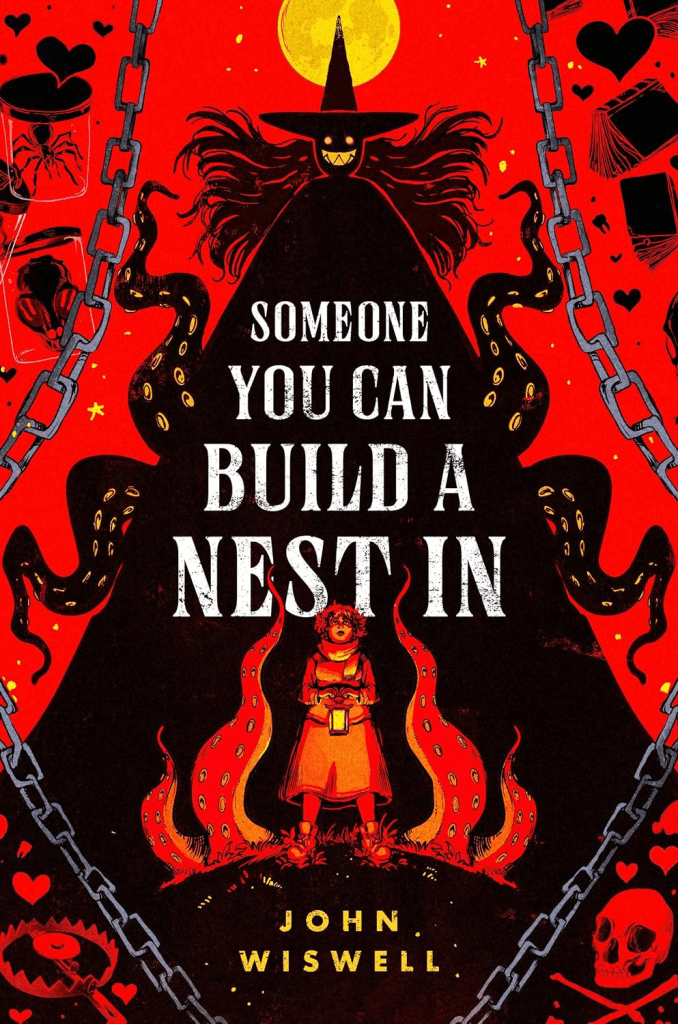
Someone You Can Build a Nest In – John Wiswell“Like a mushroom on a tree trunk/As the protein transmutates/I knock on your skin/And I am in…”

“Bus Back to Richmond” – Lucy Dacus

Nearly five months after Forever Is a Feeling came out (and about a month after Lucy Dacus got a license to start marrying people onstage…what a queen), I’ve cooled down slightly from the initial disappointment, even if only a few degrees. I still hold that it’s her weakest and most commercial album, but at the end of the day, it’s a Lucy Dacus album, and knock on wood, I’ve never encountered a bad Lucy Dacus album. I’ve warmed up much more to “Bullseye,” but most of the other tracks I wasn’t a fan of on the first listen have remained the same for me.

But not long ago, Dacus released two extra tracks that were meant for Forever Is a Feeling but were ultimately cut from the album. REJOICE!! She said that “Bus Back to Richmond” didn’t fit with the rest of the album, but to me, replace some of the weaker tracks with this one, and the album would’ve been more memorable. Though it falls instrumentally into the more introspective, acoustic side of her discography, “Bus Back to Richmond” is a soft, wintry ramble through missed opportunities and sparkling promises of the future. Dacus’ poetically observational lyrics shine in this one, from her descriptions of the “watercolor fireworks” bursting on New Year’s Eve and “eight of us left to the floor and the bed/and the futon that sunk in the middle.” In Christmas light-dappled vignettes, she paints with startling tenderness the coalescing of a future romance, the moments that slowly merged together to form something gleaming in the not-too-distant distance. Even in the heat of August, it feels like a woolen blanket wrapped around you as you stare at the embers of a crackling fire—the perfect winter song for summer.

…AND A BOOK TO GO WITH IT:

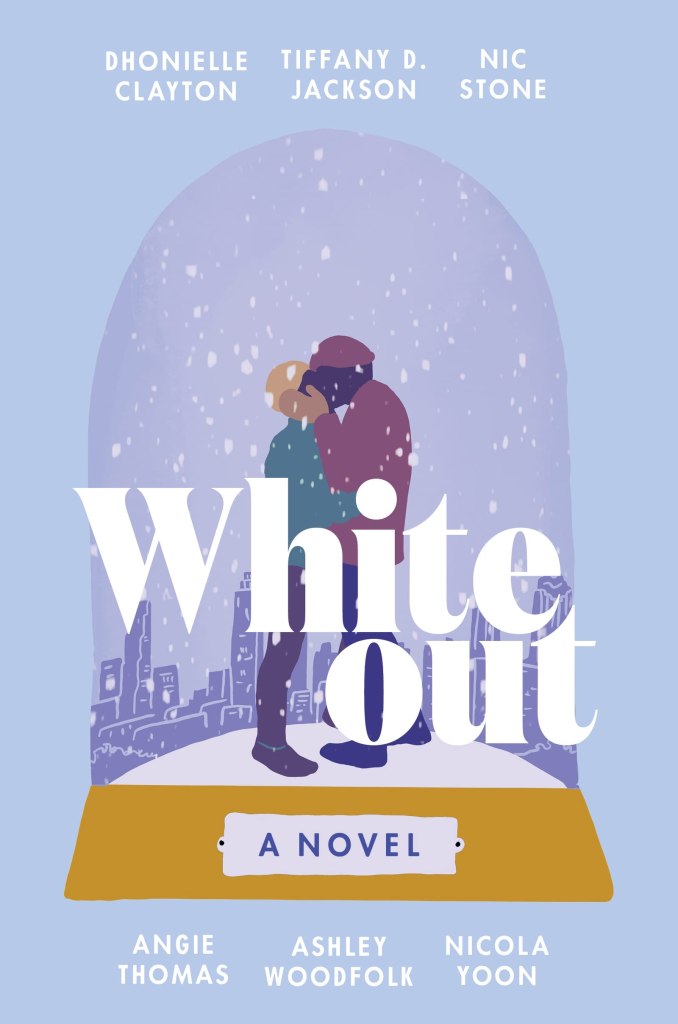
Whiteout – anthologyintertwining love stories that all converge in a record-breaking blizzard.

“Rabbit Run” – IDLES

New music from IDLES is always a welcome thing, but granted, it was quite disappointing that it was from the soundtrack for, of all things, Caught Stealing. I saw the trailer before seeing Superman (which was as wonderful as everybody has been saying it is. HOPE IS PUNK ROCK! I think Superman would love IDLES), and it basically just looked like a vague “punk rock” pastiche involving a slightly terrifying looking Matt Smith and a vague plot involving Austin Butler battling a bunch of ethnic stereotypes for…uh, reasons, I guess. Regrettably, the punk aesthetic fits with IDLES’ sound, and I hate to see them involved with something that looks so downright stupid, but…they do kind of fit the vibe.

“Rabbit Run” is one of four songs that will eventually appear on the soundtrack of Caught Stealing. Though it doesn’t seem to fall into the Arcane curse of “movie/TV soundtrack songs whose lyrics blatantly regurgitate whatever plot points they’re paired with,” it still feels restrained for IDLES; despite how cagey the lyrics are, it feels relatively free-flowing until the chorus kicks in. But the layers of Nigel Godrich-sounding production give it the perfect middle ground between slick and gritty, as do Joe Talbot’s vocals. The lyrics are certainly weaker than the typical IDLES far (“Beat you slow like your padre/Got you running like a jailbreak”), but when “Rabbit Run” hits the spot, it feels like the perfect score for high-octane chase scene, and a worthy display of Talbot’s vocal range.

…AND A BOOK TO GO WITH IT:

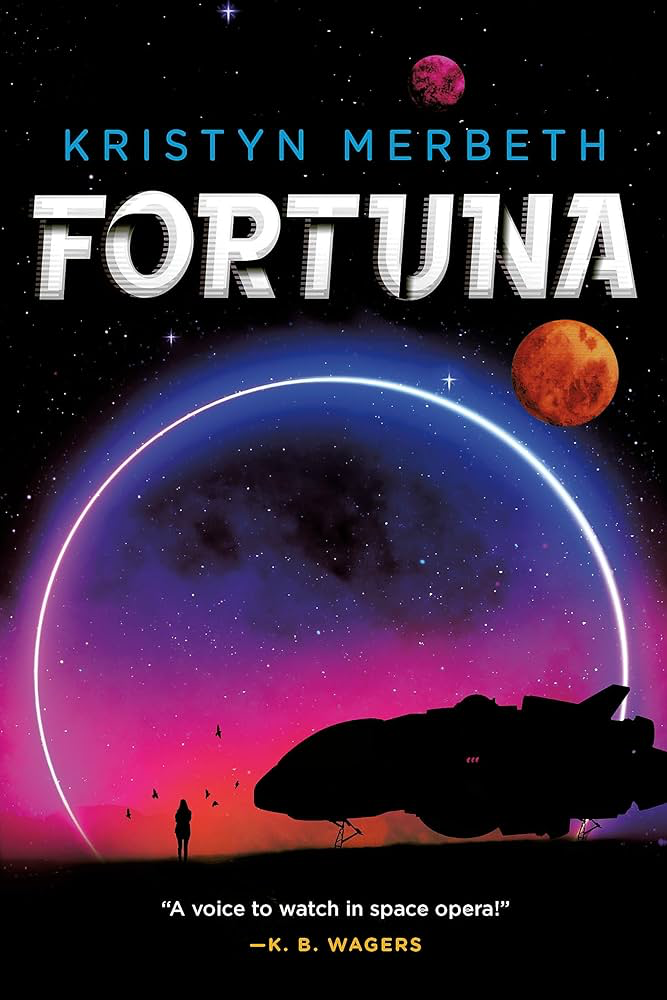
Fortuna – Kristyn Merbeth“Make way for collateral damage when I’m bored/Pick the scab on the arm of the beast til it’s ravaged when I’m bored/Oh so many things to do or not do when I’m bored…”

“Third Uncle” – Brian Eno

Today on “Madeline won’t shut the fuck up about Brian Eno,” we’re going back to the glammier days of the early ’70s. But in the case of this song, “glammier” feels like a misnomer, even though it’s placed both directly in the heyday of glam rock and Eno’s own heyday of his brand of glam rock. If it’s glam, it’s the zenith of uptight glam—it has the texture of touching guitar strings that are one wrong move away from snapping in half. It’s been wound up so severely that for all of nearly five minutes, it remains in the liminal space milliseconds before the tension breaks. With a thrumming bassline from Brian Turrington being the most freeform part of the song, every other part of “Third Uncle” is the music equivalent of squishing as many objects as possible into a box that will barely fit all of them—everything’s under the lid, but the seams are bulging. In the right mood, it’s energizing, and in the wrong mood, it’s borderline anxiety-inducing. To me, though, that’s proof that Eno’s rock experiment worked exactly as he calculated it: it’s an exercise in tension without release, only hints of freedom once the guitar swerves in one direction or the other. Even Eno’s nonsensical lyrics—a laundry list of items, some of which are burned—are uttered with the urgency of someone passing a secret code along through a burner phone.

Through this song, it’s easy to see just how much Eno’s influence spread. We mostly hear of Eno’s pioneering influence in the fields of glam rock, post-punk, and ambient music, but “Third Uncle” practically had a shockwave effect when it came to the early goth bands of the ’80s, starting in earnest after Bauhaus covered the track in 1982. It feels looser and less claustrophobic than the original, but it contains all of the trademark roughness around the edges carried over from Eno and into the grimier catacombs of what had just become goth. They achieve a balance of being hurriedly frantic (weirdly, I can hear the urgency of “It’s The End of the World As We Know It [And I Feel Fine]” in Peter Murphy’s vocal delivery) and yet mistier than looser than their forefather (or fore-uncle?), resulting in a rare cover that reinterprets the original way that somehow feels true to its original spirit.

…AND A BOOK TO GO WITH IT:

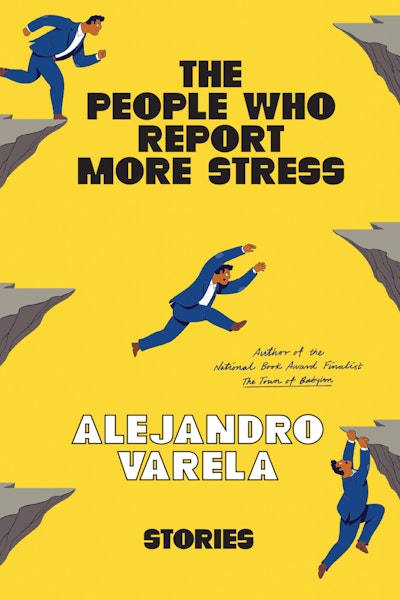
The People Who Report More Stress – Alejandro Varelaa series of interconnected stories who are as tightly-wound as the instrumentals of this song.

“mangetout” – Wet Leg

“mangetout” starts at about 3:59 in this video, but the whole Tiny Desk Concert is worth a watch!

I’m late to writing about moisturizer in whole by about a month; for me, it’s not making my hypothetical 2025 best-of list, but god, it’s such a fun album! Wet Leg have gotten even more energetic with their sound, never quite pushing the boundaries of their previous musical landscape outwards all the way, but introducing enough novelty to it that it feels fresh. It’s a perfect summer album with its glistening production and shouted lyrics. And honestly, anyone who shoves Oasis out of the #1 spot on the charts has an immediate seal of approval from me. Somebody had to humble those clowns.

Even though I’d already had a preview of “mangetout” from their Tiny Desk Concert, released days before moisturizer came out, for me, it represents the melding of where Wet Leg once was and where they are today. The lyrics could’ve come straight out of their self-titled debut, and though, admittedly, they’ve written this song in some variation at least four times, they always manage to keep it fun, whether it’s with the gleefully shouted end of the song that snaps away just before devolving into chaos, or the blatantly obvious but still hilariously random inclusive of the name “Trevor” just to rhyme with “clever.” (It’s a dirty job, but someone’s got to do it.) Of course, I know maybe…ten words tops in French, so I fully just thought they’d mashed together “man get out” into a single word, but as one of the comments says on this Tiny Desk, “there was always going to be someone to be first on the moon, and there was always going to be someone to be first to realize that the French word for sugar peas was spelled ‘man, get out.'” If anyone was to be trusted to deliver this knowledge accordingly, it’s Wet Leg.

…AND A BOOK TO GO WITH IT:

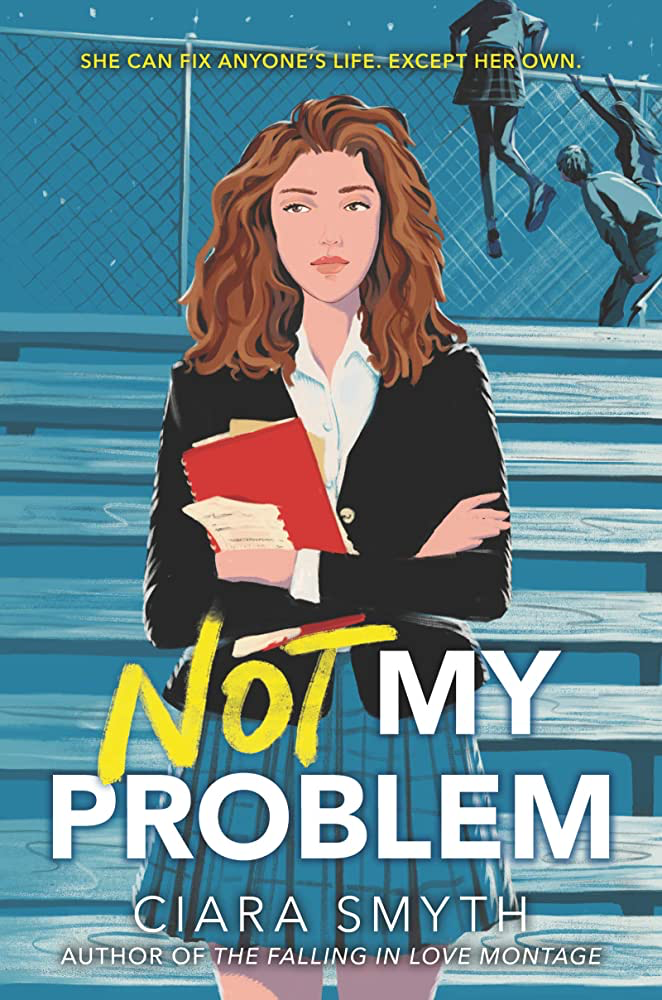
Not My Problem – Ciara Smyth“You think I’m pretty cruel/You say I scare you?/I know, most people do/This is the real world, honey…”

Since this post consists entirely of songs, consider all of them to be today’s song.

That’s it for this week’s Sunday Songs! Have a wonderful rest of your day, and take care of yourselves!
Posted in Sunday Songs

Sunday Songs: 7/6/25

Happy Sunday, bibliophiles!

This week: (Almost) three years of making Sunday Songs graphics! As for right now, baby’s on fire, better throw her in…la mer?

Enjoy this week’s review!

SUNDAY SONGS: 7/6/25

“Baby’s On Fire” – Brian Eno

I…oh, shit. It took me until I published this post to realize that I’ve talked about this song twice now on this blog. Welp…

Music hot take of the week: this song needs to be, like, 8 minutes long. At least. I love an album that has songs that smoothly transition into one another (as is the transition from “The Paw Paw [Redacted] Blowtorch”* to this track), but oh my god, it needs more time!! The way that the song builds up is so monumental—it’s a whole fizzing, crackling Rube Goldberg machine of compounding suspense. The intro needs to be at least a minute long to stretch it out, just to give the first lyrics the punch they need. It’s a glam rock/art rock masterpiece, but it feels like a study in buildup and release more than anything. The percussion stays steady throughout the entire song, giving way for every other instrument—most of which were apparently woefully out of tune when they recorded it—to spiral outwards into a tidal wave that doesn’t crash until three minutes in—it just looms for so long. Most of me wants that to be extended, but Eno is a master of creating such a layered atmosphere.

What most people rightfully remember “Baby’s On Fire” for, however, is that truly insane Robert Fripp solo. The Genius annotation on the lyrics where it denotes the solo simply says “holy fucking shit,” which I think sums it up better than most music critics have. It’s the moment that the tidal wave that Eno has built up fully crashes, sending a kaleidoscope of chaotic spray down on the listener. As the story goes, Fripp had the flu while recording this marvel of a solo…I can only imagine the kind of tricks he was able to pull off when his health was stable, because GOD. It really is chaos personified—you can never predict which direction it’s striking next, and the stark contrast between it and the consistent, steady build of Eno’s background instrumentals make it feel like modern art. I get the same feeling of listening to “Baby’s On Fire” as I do looking at abstract, geometric paintings. It’s a masterclass in contrast.

Eno’s lyrics, especially in this era, are rarely serious, mostly just surreal word-play. Dehumanization is at the heart of the story, with a figure actively ablaze whose suffering is being exploited for photos. Here’s where I feel like Eno’s genius working with glam rock really comes in. He’s got this disaffected, theatrical tone, but what he’s saying is so deeply sarcastic that I can’t help but read it as critique of how the fictional subject is being exploited while she’s actively suffering; “Photographers snip-snap/Take your time, she’s only burning” reads to me as the photographers seeing her pain as tabloid fodder, a spectacle to make money off of. His nasally, sarcastic tone feels like a cue to laugh at the clowns who would ignore her plight just to make an extra buck. But whether in the fictional realm or in reality, I’ve always admired that Brian Eno has always been committing to condemning dehumanization of all kinds, from the 1970’s right up until today. It’s always comforting when the best musicians have consciences to match.

*It’s more an outdated term than anything, and I really don’t think Eno used it with any disrespectful intent—it was normal for the time. However, it feels uncomfortable for me personally to type it here, so see for yourself.

…AND A BOOK TO GO WITH IT:

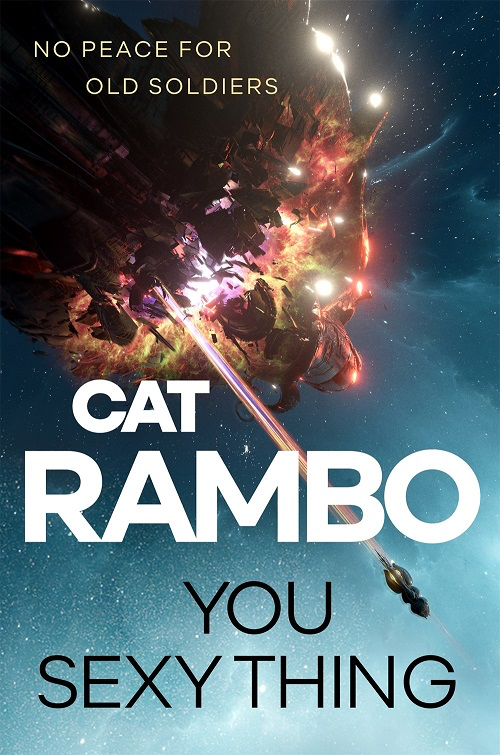
Some Desperate Glory – Emily Tesha fantastic sci-fi book that interrogates our casual comfort with dehumanization of others.

“davina mccall” – Wet Leg

BREAKING: Wet Leg actually has another song? I’m doing my best to not sound like a broken record whenever I talk about them, but I swear this feels like the most growth I’ve seen them have as far as songwriting range. It’s not a wild left turn for them, but it feels fresh.

Snuggled in between the ’90s and the 2010’s, somewhere between The Cardigans and early Wolf Alice, “davina mccall” stands out partly because it’s probably their first love song—and maybe their most sincere song. However fun they make their music, a lot of it is mostly the more maddening sides of modern life, whether it’s being bounced between stupid men or being apathetic and numb about the world. It’s never come across as abjectly doomery or irony-poisoned, mostly because they have a sense of humor about it. Yet they have kind of run themselves dry with the subject matter. I know that love songs are pretty much the most common kind of song you’ll hear these days, but for Wet Leg, it feels like a more vulnerable step. When your entire body of work is about being relatable and vulnerable about how silly and artificial modern life is, it feels significant for them to embrace the idea that vulnerability is not all phone addictions and bad sex. I might be getting too deep with it, but strip it all away, and “davina mccall” is just a lovely, summery love song, content to linger in the ordinary, quiet moments of romance.

Also, I can’t not talk about how delightful this music video is! Directed by Chris Hopewell—who I forgot I knew from the glorious stop-motion music video for Radiohead’s “There There,”—it reminds me of Fantastic Mr. Fox in the best possible ways. Luckily, none of them go the way of Thom Yorke in this video—the song’s too happy for that kind of thing. The members of Wet Leg are all rendered in claymation, and they all look an awful lot like Petey and the rest of his gang (at least it’s not weak songwriting this time). Wet Leg’s task force for bird-related crimes is nothing short of hilarious—and surprisingly sweet at the end.

…AND A BOOK TO GO WITH IT:

Love Letters for Joy – Melissa See“You know that I would/Do anything for you/It’s like a dream come true/Every day is spent trying to say something to make you smile…”

“Mer” – Chelsea Wolfe

I don’t talk about Chelsea Wolfe nearly as much as I should, even though, by my count, she’s featured on one of these posts/graphics…four times? Only four? Granted, she fell into that curse where every time I’d put one of her singles on a graphic, I’d be too busy to write about it. Shame, really, given that She Reaches Out to She Reaches Out to She was one of the best albums of 2024. Go listen to it—the album didn’t get nearly enough love as it deserved!!

As penance, let’s take a look back at one of her older tracks, 2011’s “Mer” from her album Apokalypsis, which has to have one of the most wondrously goth album covers ever (though her entire discography puts in a lot of great contenders). “Mer,” named for the French word for the sea, embodies its title, but not in the way you’d expect. The mer that Wolfe is channeling here isn’t the gentleness of waves lapping against the shore in July—it’s more the dread of looking out onto a roiling ocean as storm clouds gather over jagged, rocky cliffs. It’s a landscape that calls something along the lines of “Annabel Lee” for me. Even though I do play music, I’ve never been super keen about deciphering time signatures and the like, but I swear there’s something going on with “Mer”‘s timing—I swear there’s some syncopation going on with the percussion and the other instruments, but it all feels like each instrument is keeling ever so slightly to the side of the others, a sinking ship pulled in all directions. It all feels so off-kilter in Wolfe’s classic, sinister way. Even without the barely decipherable noises in the background, which for all the world sound like wailing Tim Burton-like spirits trapped in glass bottles, “Mer” would remain fundamentally eerie.

…AND A BOOK TO GO WITH IT:

House of Hollow – Krystal Sutherlandthough the sea doesn’t factor as much into this novel, the general eerie, misty atmosphere very much carries over.

“Big Drops” – Avery Tucker

I only found out that Avery Tucker was finally going solo when I was writing about girlpool back in June. Compared to the more pop direction that Harmony Tividad has embraced now, Tucker’s single reminds me more of mid-career, more guitar-driven girlpool—something close to Powerplant or the first half of What Chaos is Imaginary. As far as new directions go, the more electronic turn that girlpool took in their later years was hit or miss—when they hit it (see: “Like I’m Winning It”), they made fantastic, sultry, synthy indie-pop; when they missed (see: …uh, pretty much 75% of Forgiveness), it almost smothered their candid lyrics and how well they worked together as a duo. It felt plastic.

So I can’t help but be relieved that Tucker’s returned to the band’s roots. Even though he’s…well, he’s playing a tele during some of the acoustic parts of the song in the music video, which is admittedly a little silly, seeing Tucker back in his element makes the music feel more natural. Though some of his delivery and lyrics veer on being too earnest, “Big Drops” shines a light on some of the more candid, bare songwriting that made girlpool so memorable. Solely in his hands, he crafts a narrative from intimacy, late-night talking, and musing about unexpected events and the regrets that come from them. With the (mostly) acoustic guitar, it gives the song a tender, warm spaciousness that evokes the exact imagery he conjures—sitting on pool chairs, looking at the sky, and spouting off about your life.

…AND A BOOK TO GO WITH IT:

The Many Half-Lived Lives of Sam Sylvester – Maya MacGregor“Last night we talked about big drops/Big drop on the boardwalk ride/Big drop thinking about her life/Should we visit the two of them?/Or did the town get too violent?”

“My Baby (Got Nothing At All)” – Japanese Breakfast

In keeping with last year’s Sunday Songs anniversary, I am once again reviewing a song from a new movie that I haven’t even seen. (Update: I still haven’t seen I Saw the TV Glow. Someday…) Materialists doesn’t seem like my thing, but Japanese Breakfast certainly is. Ever since the trailer for the movie came out, I was enchanted by the way Michelle Zauner breathily sang “my baby.” I was fooled into thinking that this song was going to be on For Melancholy Brunettes (& sad women), so you can imagine my disappointment, as fantastic as that album was.

Regardless of whether or not you’ve seen Materialists, the swoony, rom-com feel comes away in waves on “My Baby (Got Nothing At All).” The more delicate range of Zauner’s voice shines through in this environment, accompanied by the gentle strum of acoustic guitars and swelling strings. As Zauner (and the protagonist of the movie, presumably?) affectionately admits that her lover is broke (but he gives it all to her anyway), she sings with the relaxed, daydreaming posture of someone leaning over a fire escape, watching the glow of the city lights below and the cool wind tossing her hair. As her voice climbs on the bridge (“You’re in love/There’s no doubt about it/There’s no use in messing up”), it cements the song as one of the more perfect rom-com songs—it’s not cloying or earnest, but it sounds appropriately like a lovelorn hand draped over a sighing forehead.

…AND A BOOK TO GO WITH IT:

Water Moon – Samantha Soto Yambaothe best parts of this novel have the same dreamy, swoony feel of watching the lights of a glittering city and falling in love.

Since this post consists entirely of songs, consider all of them to be today’s song.

That’s it for this week’s Sunday Songs! Have a wonderful rest of your day, and take care of yourselves!

Posted in Book Review Tuesday

Book Review Tuesday (4/15/25) – Afrotistic

Happy Tuesday, bibliophiles!

April is Autism Acceptance Month, and although I probably won’t have time to make a whole post about it (blame finals), I figured I would review a book with an autistic protagonist and an autistic author! This one’s been on my TBR for a few years, but I was only able to find a copy more recently. Although it wasn’t perfect, it’s a great book to introduce a younger audience to autistic issues, especially from a more diverse perspective.

Enjoy this week’s review!

Afrotistic – Kala Allen Omeiza

15-year-old Noa Ohunene Jenkins doesn’t know where she fits in—or if she can fit in at all. All of her life, she’s never felt Black enough or autistic enough. And now that she’s moving to a new high school, she doesn’t know if she’ll fit into either communities—much less her new school. Noa has her mind set on one thing: a place in the Dean’s Merit Society. The problem is, the only way she’ll get in is if she has leadership experience. Scrambling for answers, she decides to gather up fellow autistic teenagers and forms a group to discuss autistic issues. But will it be enough to show her peers and teachers that she’s just as worthy of praise?

TW/CW: ableism, racism, bullying, mentions of suicide (past), brief mentions of police brutality (in reference to police violence towards autistic people)

Afrotistic has been languishing on my TBR for way too long, but even though it wasn’t a perfect book, I think it’s a great book to introduce people—especially kids and young adults—to autism, ableism, and the intersection of race and disability! It’s already difficult to find neurodivergent representation in literature, but rarer within that category is autistic people of color—for that alone, Afrotistic is such an important book.

For some reason, I misremembered Afrotistic as being middle grade. Who knows why. I kept that assumption going in, and then I of course found out that Noa is 15 years old and a sophomore in high school. Whoops. That being said, going in with that mindset wasn’t all that bad, because I really feel like Afrotistic hits that sweet spot between middle grade and YA that’s so often unexplored. It appeals to a mid-teens age range because of its protagonist, but the writing is accessible enough that I feel like kids as young as 12 or 13 could comfortably read and relate to Noa and the other characters. (The fact that 12-18 is such a huge range of maturity for a single age group is whole can of worms, so I’ll save it for another time.) There are some more mature and sensitive topics that are briefly discussed (police brutality against autistic people of color, for one), but it’s brief enough that I feel like that age range could process and learn from it. Neurodivergent representation is hard to find in books aimed at all ages, and I feel Omeiza’s accessible writing style, as well as the relatability of Noa as a protagonist, makes for a book that could teach tons of pre-teens and young adults alike about Black and autistic identity.

Another reason I’m glad that Afrotistic exists is because of the intersectionality! The primary focus is on Noa’s identity as a young, Black, autistic girl, and how she’s struggled to make her voice heard because of how little attention is paid to neurodivergent (and disabled in general) people of color. Both through the essay excerpts in the story and through her real-time experiences not being believed by her peers and teachers, it was a poignant narrative about how neurodivergent people of color have to fight even harder to have their needs met and understood. Going off of that, I appreciated that within the Roaring Pebbles, there was a lot of intersectionality as well; as well as all of them being autistic, there was a mixed-race character with cerebral palsy, as well as men and women being present.

That being said, I wasn’t as charmed by the characters as the characters themselves seemed to be. I loved Noa and was rooting for her throughout the story, but I found myself less compelled by some of the other characters. It was clear that the friendship between Noa and Brayden was supposed to be one of the core friendships in the novel, but I really didn’t feel any kind of friendship chemistry between them. All Brayden seemed to do was make jokes that didn’t land and make awfully pushy remarks to Noa joining his youth group. I get that Noa is also Christian and doesn’t necessarily mind, but I feel like even if I was also Christian and I had somebody trying to get me to join their youth group that persistently, I’d snap. The issue with most of the other characters is that they were rather underdeveloped; this was inevitable with the amount of characters that were focused on in the Roaring Pebbles, but even the ones that had more page time were boiled down to one or two traits at most. I get that it’s difficult to juggle that many characters, but even the ones that were relatively more in the spotlight weren’t given enough traits to make them stand out. Going back to the whole pushy youth group thing with Brayden, I found it hard to believe that every single member of the Roaring Pebbles were completely fine with their group being filtered through said youth group and having a name with biblical inspiration. I get that if you’re strapped for resources, any venue you can have to gather is essential, but I would imagine that at least one of these characters isn’t Christian…

Additionally, what also soured me to some of these characters was the random side plots that weighed the story down. There’s a whole, completely unnecessary thread of two of the boys in Roaring Pebbles fighting over a girl that gets entirely too much page time and only served to derail the plot. About half of the conflicts that occur throughout Afrotistic felt of this nature—some of them were natural (like the inevitable issue that some of the autistic people have different triggers, which was something I appreciated being included and discussed), but others felt like filler. Here’s the issue: Afrotistic is only about 250 pages (on my Kindle edition), so there could have been so many more opportunities to discuss more aspects of Noa’s friendships, identity, or even her home life. Instead, we got problems that were solved far too quickly and didn’t contribute anything to the plot.

Also: I’m not completely sure how to feel about this, but I had to mention it. At some point, when Noa is surveying the different cliques in the lunchroom, she labels two of them the “woke kids” and the “cool woke kids.” It was…odd, to say the least? I can kind of see it as being a factor of her not feeling autistic/Black enough for those crowds, but I’ve never once heard cliques described as “woke” unless it’s some weird, insecure conservative person. I guess I’m so used to seeing “woke” being lobbed at anything vaguely liberal (or considerate of basic human decency) these days, but Afrotistic was published in 2022, and the same was true then. I’m just not sure how I feel about that.

All in all, a timely novel that deftly highlights the issues that autistic people of color face, but stumbled in terms of its characters and frequent plot digressions. 3.5 stars!

Afrotistic is a standalone novel, but Kala Allen Omeiza is also the author of Autistic and Black: Our Experiences of Growth, Progress, and Empowerment, and The Worst Saturday Ever.

Today’s song:

SO glad I found this song!! Brian Eno never gets old

That’s it for this week’s Book Review Tuesday! Have a wonderful rest of your day, and take care of yourselves!
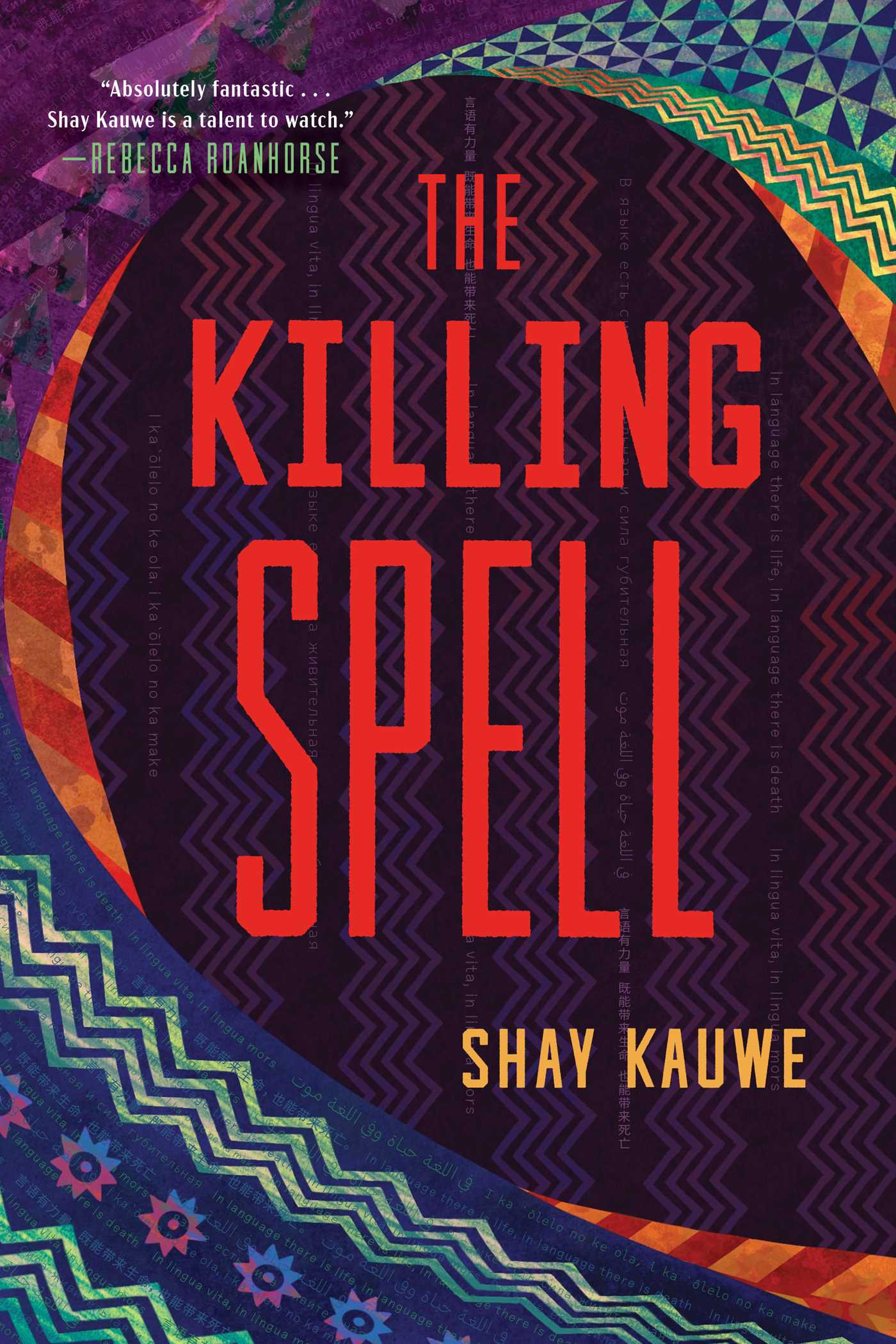
Posted in Sunday Songs

Sunday Songs: 2/2/25

Happy Sunday, bibliophiles! Hope you didn’t drive angry today.
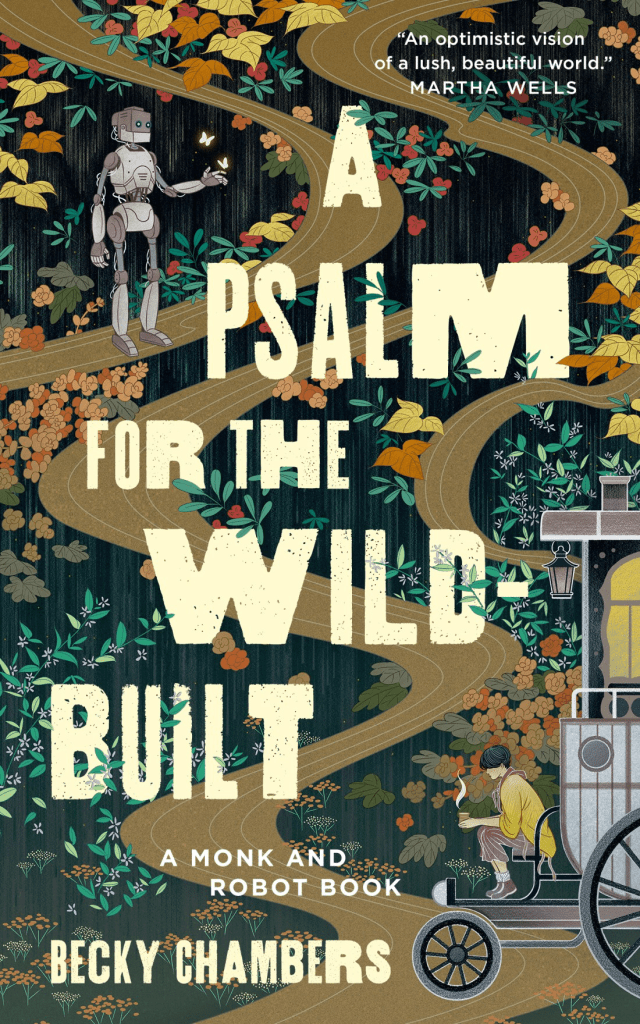
Since I’ve been absent for the past two(ish) weeks, here are my graphics and songs from the middle of January:

1/19/25:

1/26/25:

This week: shoutout to Brian Eno songs with vehicles in the names. Plus, Lucy Dacus is thinking about breaking your heart (but when is she not?).

Enjoy this week’s songs!
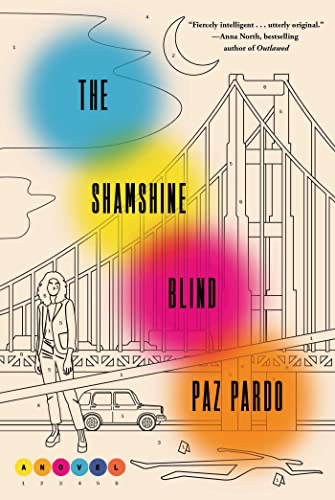
SUNDAY SONGS: 2/2/25

“Limerence” – Lucy Dacus

January. Love it or hate it, it’s that magical time of year when all of the singles and album announcements for the first half of the year start rolling in. Oh, the sweet sound of new music…especially when it’s from Lucy Dacus! It’s been known that she’s been cooking something up after previewing a handful of new songs post-the record (as is Julien Baker—new album from her and TORRES too!!), but mid-January, she officially announced her new album, Forever Is a Feeling, which will be out this March! Aside from…well, y’know (I know it’s a painting, which makes it more impressive, but what in the PicsArt is that album cover?? That font?? 😭 No hate to Dacus or to Will St. John, but…there could’ve been so many better choices…), I’m so excited for this new record—I’m loving the aesthetic of gilded museums and flowing dresses, as well as the orchestration that Dacus has brought to the record—or at least to “Limerence.”

The other day, I saw some reel or another about how a lot of modern songwriters see writing down explicit, confessional details (or details that sound authentic enough to be confessional) in their songs as an automatic way to get depth, and I halfway agree. I do think that with the steady stream of Phoebe Bridgers wannabes that have been pouring out of some factory in L.A. since 2021 has influenced that, but I don’t think it’s always lazy songwriting. Let’s just say that you can tell when it’s for soul-baring or clout-getting purposes. The key is knowing which details are important: vignettes or extended scenes that elevate the themes or contribute to evoking the intended emotion, something that Bridgers has always excelled at. I hate to say it, but the first lines of “Limerence” nearly feel like the anti-Bridgers method: “Natalie’s explaining limerence/Between taking hits from a blunt, high as a kite/While Roddy’s playing GTA/I swear, why is he so good at this game?/It should be cause for concern.” Against the delicate, piano-dominated orchestration of “Limerence” and the soaring warmth of her voice, such ordinary details feel shoehorned in, without as much connection to the rest of the song. It’s not as though she hasn’t written similarly observational lyrics, but the wording (and maybe the mention of some guy playing GTA with a harp in the background) doesn’t mesh with the rest of the track.

Key word here is nearly. I’ve been a fan of Dacus long enough to trust in the consistency of her songwriting—that bit really is a blip in the vast glory that is her catalogue. The rest of “Limerence” swiftly picks up the slack of those first handful of lyrics. Orchestral Lucy Dacus is, in my opinion, the best Lucy Dacus; guitar carries her humbly captivating gravitas perfectly, yet there’s something about strings, piano, and harp that carry it to new heights (see: “Body to Flame”). With the gentle tempo that recalls the reflection of silk off of marble floors during a ballroom waltz, Dacus drifts into melancholy rumination…as she often does, but it has yet to get old, especially since she’s at least self-aware of the fact (see: “The Shell”). Against the delicate plucking of harps and strings, she sings of drowning herself in distraction just to distance herself from the inevitable collapse of a relationship: “I want what we have/Our beautiful life/But the stillness, the stillness/Might eat me alive.” Carrying the leaden weight of wanting to break free, “Limerence” nervously toes circles around its subject, subtle enough between the folds of a voluminous dress to avoid the truth. The marriage of Dacus’ unbeatable voice and the almost hesitant restraint of the orchestra carve out that feeling of wanting to squirm free, but feeling the weight of severing the other person even more intensely. It’s no wonder that Dacus seemed to have the trouble she did releasing “Limerence” as a single—it was a last-minute call after releasing the much more lighthearted “Ankles” (also excellent), but I can imagine that it has that effect—too personal to keep close but also to release, yet a song that needed to be launched as one launches a satellite out into the vastness of space.

It’s…yeesh, huh? Couldn’t have expected less from Lucy Dacus…anyways, the music video is much more delightful, I promise (and see? 3:19, there’s your album cover):

…AND A BOOK TO GO WITH IT:

Can’t Take That Away – Steven Salvatore“Is there a difference between lying to you/If it feels just as bad as telling thе truth?/I know that there is/And I know what I’ll pick…”

“Here Come the Warm Jets” – Brian Eno

I’m about 6 months too late to make a “brat summer? Nah, Brian Eno summer” joke, but humor me, alright? We cling to what we can in these trying times. Let me have my shitty Brian Eno jokes. Brian Eno winter doesn’t have the same ring to it. (Now, Cocteau Twin-ter—okay, okay, fine, that one’s run its course, I know…)

Somehow, when compiling my list of my favorite album closers of all time, I forgot “Here Come the Warm Jets” entirely. At that point, it had been a solid year since I listened to Here Come the Warm Jets, and it had fallen off my radar. Only when I listened to Before and After Science: Ten Pictures did this track return to me. Obviously, the emotional impact of instrumental tracks can’t be understated, but it seems they’re often overlooked when they’re not film scores. Eno, to me, has a true gift of imbuing such clarity of emotion into his instrumentals (see: “The Big Ship”). Technically, “Here Come the Warm Jets” isn’t technically instrumental, but the vocals don’t come in at 2:33, and they’re so shrouded that they sound like vaguely nonsense chanting. (Eno has said that the lyrics are also meaningless and free-associative, as are many of the lyrics on the album.) Especially as a closing track, “Here Come the Warm Jets” is one of those songs that’s able to breathe life into its title without words. With the dense, buzzing hive of distortion, so thick you could stick your hand in it and feel the wings of millions of insects, it has the fuel and squeal of both tires screeching against the tarmac and the heat and urgency of a plane taking off.

Like “The Big Ship,” you can trace the slow, hopeful ascent of the song, a steady trajectory upwards as the music rises and fades into a cloud-streaked sky. And…okay, well, I know the dirtier interpretations of the whole “Here Come the Warm Jets” phrase, and the playing card on the album cover doesn’t help, but I’m choosing to believe that they’re jet planes, and I can feel the warmth of the rising, fiery hope propelling their engines skyward. Besides, Eno took the title from how he felt the guitar sounded—“like a tuned (warm) jet,” which he added into the track sheet. As with most anything he observes, it’s truly right on the money.

…AND A BOOK TO GO WITH IT:

Activation Degradation – Marina J. LostetterI can imagine the warm atmosphere of this song amongst the machinery of this novel, humming along with all of the engines and parts.

“Brean Down” – Beak>

Man, I admire committing to the bit, but how do you pronounce >>>>? Or >>>, where “Brean Down” is taken from, come to think of it? The only pronunciation I’ve seen is from BBC Radio, which, after some hesitation, called it “four chevrons.” I thought it was some sort of !!! (chk-chk-chk…don’t come for me, that’s all I know about them), but that doesn’t have the pretentious ring I thought it would have. Fascinating…you do you, Beak>. Can’t knock them, especially since one of their (now former, as of last year) members, Geoff Barrow, was from none other than PORTISHEAD back in the day…damn.

When my dad sent “Brean Down” to my brother and I, he described it as “if Radiohead and Shakey Graves had a baby,” and the more I listen to it, I can’t think of a more astute description. There’s a dread-inducing, dead-eyed drone aplenty, but with vocals from someone who’s practically a British Alejandro Rose-Garcia—it’s almost eerie how similar he and Billy Fuller sound. (The Britishness wasn’t even detectable…) Either way, it’s got a kind of creeping, cagey nausea to it that’s perfectly paired with the dusty brick walls and city streets of the music video, all while Fuller sings of alienation and empty absorption: “Tell me what I want and I feel like I do/Stuck in a cage and the people looking at you/Nobody’s perfect and even if you say so/We don’t like the music ’cause it ain’t up on the radio.” There’s your Radiohead for you…but really, Beak> excelled at making the song have the illusion of looseness, with the occasional pulse of the guitar and the drums, but still ultimate feel caged and immobile, as purposefully restrained as the artfully jerky moves of the music video’s danger, Vladislav Platonov. It’s not just the mechanical drone that haunts “Brean Down,” but the sensation as if something is slowly shadowing your figure—conformity, so it seems. Not a whole lot that induces dread as much as that.

…AND A BOOK TO GO WITH IT:

Junker Seven – Olive J. Kelley“Tell me what I want, and I feel like I do/Stuck in a cage and the people looking at you/Nobody’s perfect and even if you say so/We don’t like the music ’cause it ain’t up on the radio…”

“Switch Over” – Horsegirl

Only took me three singles to use the actual Phonetics On & On cover for one of these graphics…I do it for the color scheme. After months, it finally fit. Sorta.

With every single from Phonetics On & On that comes out, I’m continually blown away by just how much Horsegirl have grown and the incredible talent they’ve managed to accrue with experience and maturity. From the beginning, they’ve known how to throw together a tight groove, but “Switch Over” is one of their most striking ones yet. It shines in the way that only freshly polished wood does, creating a catchy, dynamic tapestry with lyrics that, when put together, only consists of about nine words total, repeated over and over. It’s not unusual for Horsegirl, but god, it’s sure been refined from greatness to something fantastic. In limbo between the ’70s (if that wasn’t evident from the Lou Reed poster at the beginning of the video), the ’90s, and something uniquely current. Even with the rhythm kept on such a tight leash, there’s an undeniably current of ease and whimsy running through it—I think it’s the lack of restraint. They’re throwing everything into making something deceptively simple and cooped up, but the passion that they throw into it makes the edges, rigid upon first glance, wiggle with every strike of Gigi Reece’s cymbals. (Also, gotta love how they just disappear into nothingness the minute they hit the cymbals. Peak comedy.) Maybe it’s too early to say so, but Phonetics On & On is shaping up to be one of the best albums of the year—“2468” and “Julie” were hits from the start, but “Switch Over” is proof that we can’t predict the breadth of talent that Cheng, Lowenstein, and Reece (and Le Bon) have up their sleeves.

Man, I’m glad to live in a world with Horsegirl in it. Their only sin so far is refusing to tour near where I live.

…AND A BOOK TO GO WITH IT:

Time and Time Again – Chatham Greenfieldrapid switching and repetition, but this time, it’s repeating the same day over and over (yes, this is basically lesbian Groundhog Day).

“Doo Wop (That Thing)” – Lauryn Hill

Aside from the crushing constraints of the music industry, especially for someone as influential as Lauryn Hill was at her peak…yeah, if I wrote anything as good as this, I’d be perfectly content to get it out there and then disappear from the face of the earth. Well, sure. The tax evasion and the random controversies aren’t exactly ideal. But again—if you release one album and become this influential, I don’t blame her. “Doo Wop (That Thing)” is an extension of that—it’s almost mythic in its construction, written and produced solely by Hill. Sure, I’m late to the party—it took me a minute to warm up to hip-hop as a whole, really—but better late than never.

In fact, I can’t think of a better time to return to this song. If there’s anything that’s essential in these times, it’s “Doo Wop (That Thing).” (The line “Talking out your neck/Saying you’re a Christian” comes to mind for…multiple reasons, related and unrelated to the song’s message.) You need armor against misogyny, materialism, and being seen only for your body and sexuality—it goes both ways, as Hill astutely points out. Patriarchy harms everybody. “Doo Wop (That Thing)” isn’t so much an anthem as it is instructional, and not even instructional in the “and THAT’S why…” way. It’s less of lines on a chalkboard than it is the calloused hand of a mentor, a mother, on your shoulder telling you not just to not make her past mistakes, but to know your damn worth. It’s critical. Men have always thought that they’re immune to the consequences of their actions (and the systems we have in place have reaffirmed that), but I’ve seen Trump’s reelection embolden them even more. Jesus Christ…if I had a son, I’d never kick him out of the house for being queer (a bit redundant, since I’m queer myself, but stay with me), but I WOULD if I found out that he was commenting “your body, my choice” under women’s posts online. CHRIST. Moments like these do seem like nothing has changed since 1998, but maybe that’s why Hill’s rallying cries resonates now more than ever. I want it on banners all across the country, from now until it’s no longer relevant: “Respect is just the minimum.” It’s a call for men to reconsider (and ENTIRELY reconstruct) how they treat women and for those women to realize the potential they have within themselves, restrained by misogynistic structures and societal expectations. The end of the first verse really does send chills down my spine: “Let it sit inside your head like a million women.” Remember those who came before you. You have your power, and their power.

…AND A BOOK TO GO WITH IT:

The Poet X – Elizabeth Acevedoa young girl reckons with being seen only for her body—and learning to use her voice.

Since this post consists entirely of songs, consider all of them to be today’s song.

That’s it for this week’s Sunday Songs! Have a wonderful rest of your day, and take care of yourselves!