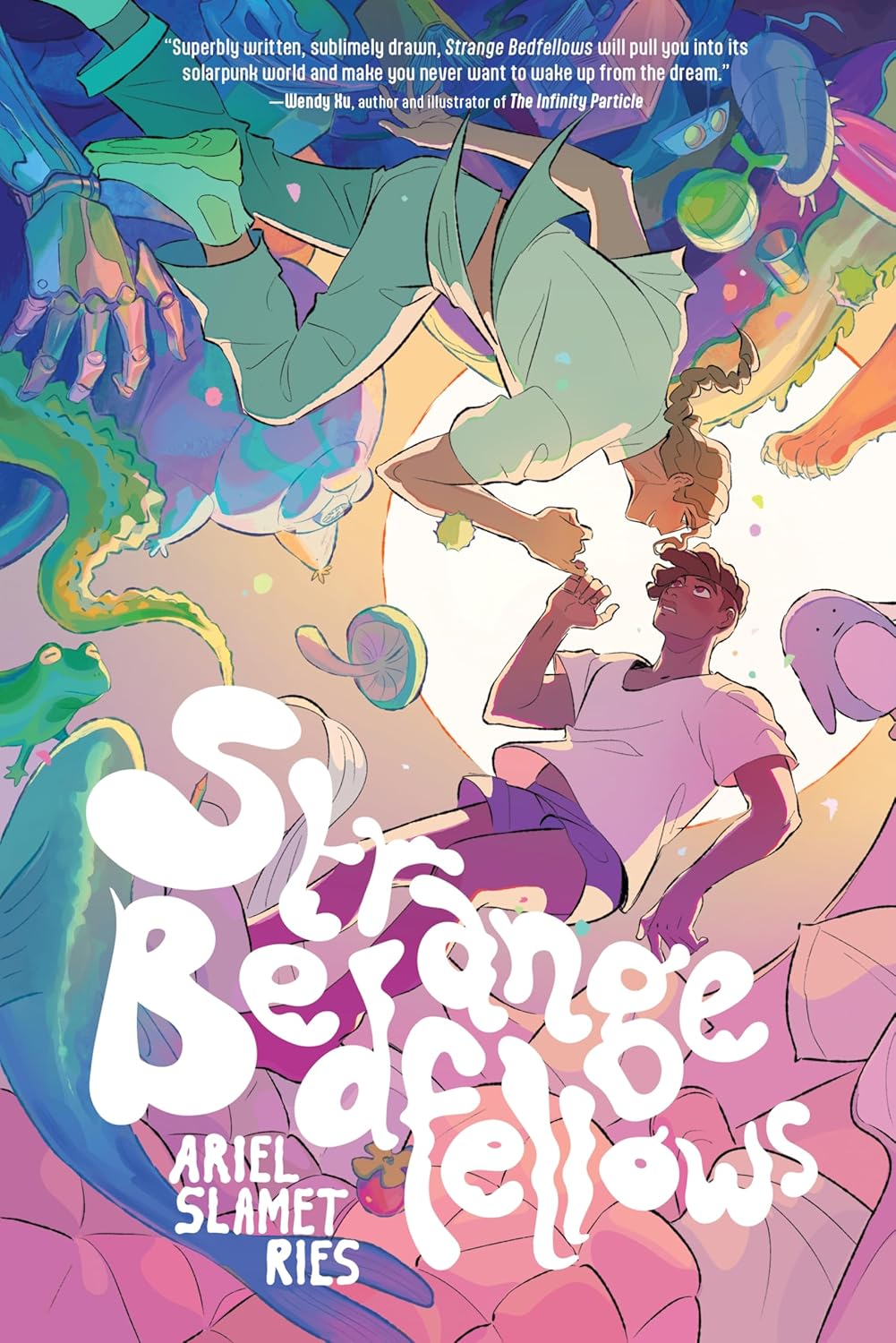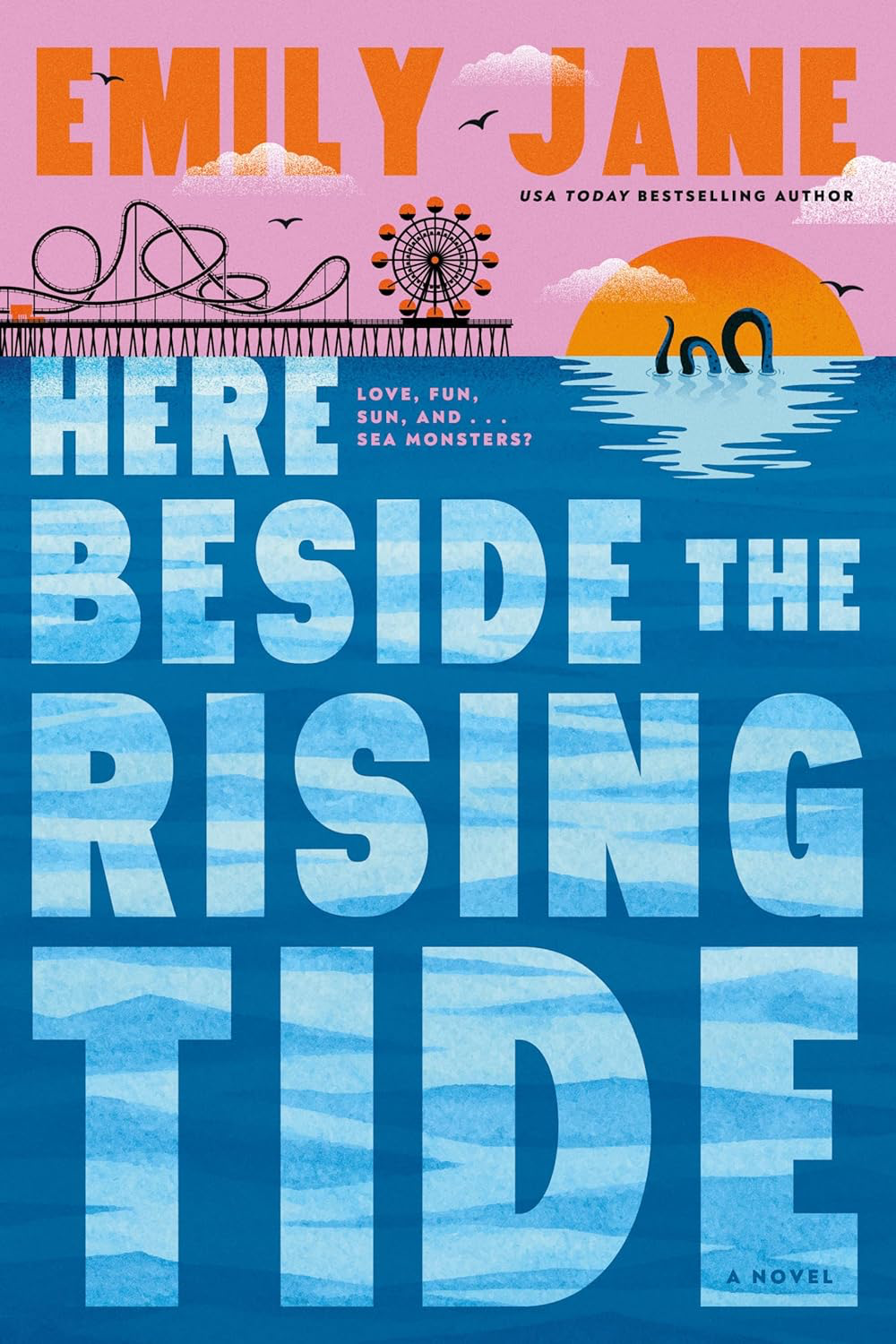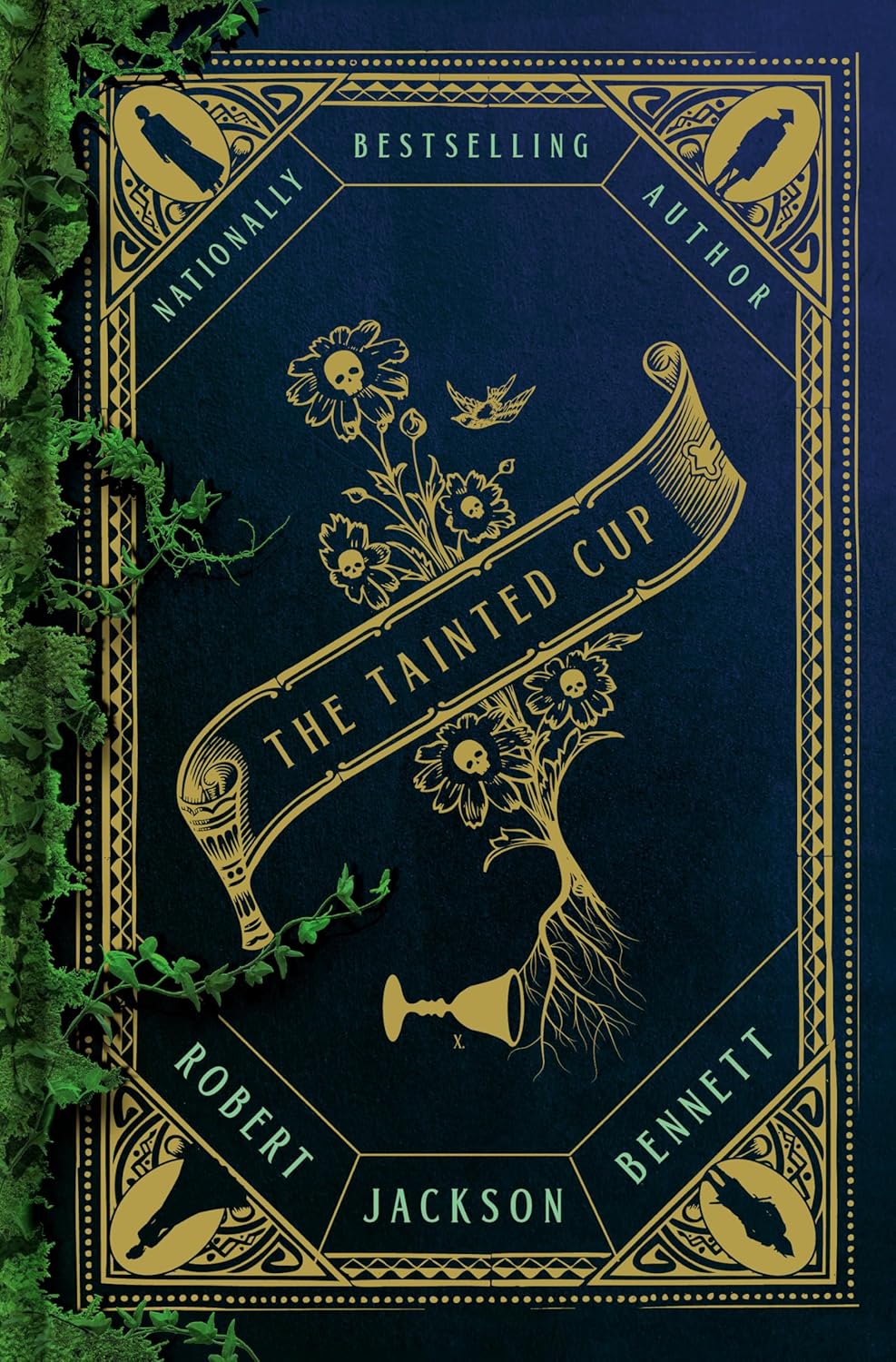
Posted in Sunday Songs

Sunday Songs: 8/16/26

Happy Sunday, bibliophiles! I hope this week has treated you well.

This week: Yes, I did, in fact, preorder a song for Sunday Songs because I knew that I’d have Things to say about Lost Weekend, even though it’s only been two days since it came out. No, I’m not trying to kill you by putting Sparklehorse, Mitski, and Phoebe Bridgers in the same post (I swear the Mitski is actually upbeat. No, really!).

Enjoy this week’s songs!

SUNDAY SONGS: 8/16/26

“Little Fat Baby” – Sparklehorse

In the aftermath of a near-death experience that gave Mark Linkous chronic pain for the rest of his life, this is what he said that he realized: “I started noticing all these things I’d forgotten about. I remember I was outside the rehabilitation place and I noticed a grasshopper, and I’d forgotten about grasshoppers…I just had this new perception of things I’d been oblivious to.” Sure, Sparklehorse is a hallmark of sad bastard music (a label that Linkous himself somewhat chafed against). But as I get older, what draws me back to Sparklehorse again and again is the encased eggs of hope beneath the sadness. His world is populated with dust and rotten wood and bones, but there’s lively insects hopping around, bird’s nests in the rafters of crumbling barns. There’s a liveliness that persists in spite of many sources of great strife in Linkous’s too-short life.

“Little Fat Baby” is one of the more somber songs in an already somber album, It’s a Wonderful Life. Yet it’s also one of the more empathetic songs. In the chorus, he ruminates on the song’s nebulous protagonist: “He got dragged/By a donkey/Through the glass/And the myrtle/But he was once/A little fat baby.” We never know what circumstances lead to this man meeting such an agonizing fate, but Linkous peers beyond the pain to see the inherent humanity in this character. The circumstances aren’t the pointβ€”the point is that all of us started off as helpless little creatures deserving of love. “Little Fat Baby” is a tender duet between Linkous and Sol Seppy, who provides fairylike accompaniment to Linkous’s already fragile voice. Quivering strings give this track a kind of grand reverence, amidst the quiet sympathy it weaves for the man who was once a little fat baby. There’s a strange comfort in “Little Fat Baby” amid the sadnessβ€”the feeling that you can always come home, no matter what you did before you stumbled onto the doorstep.

…AND A BOOK TO GO WITH IT:

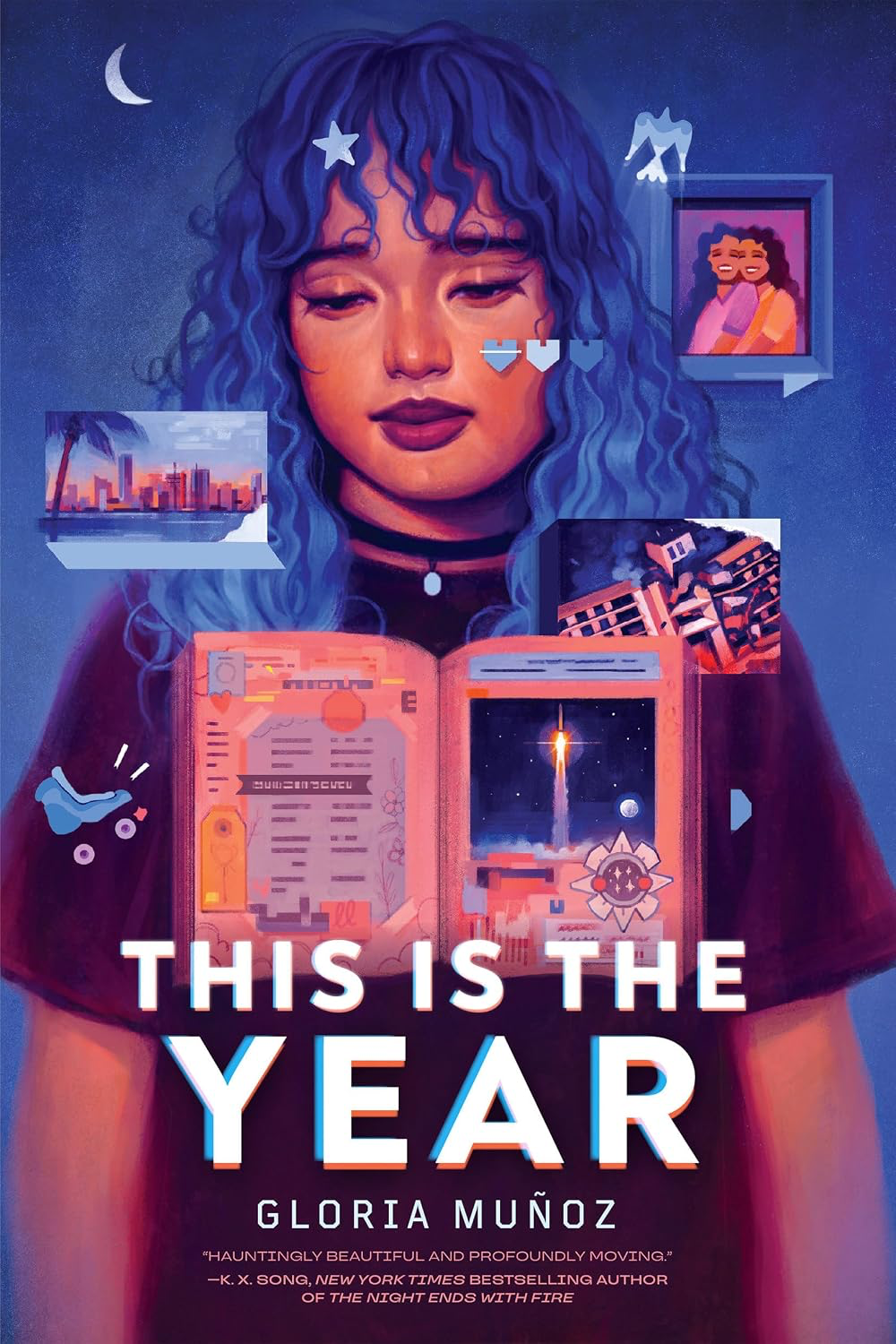
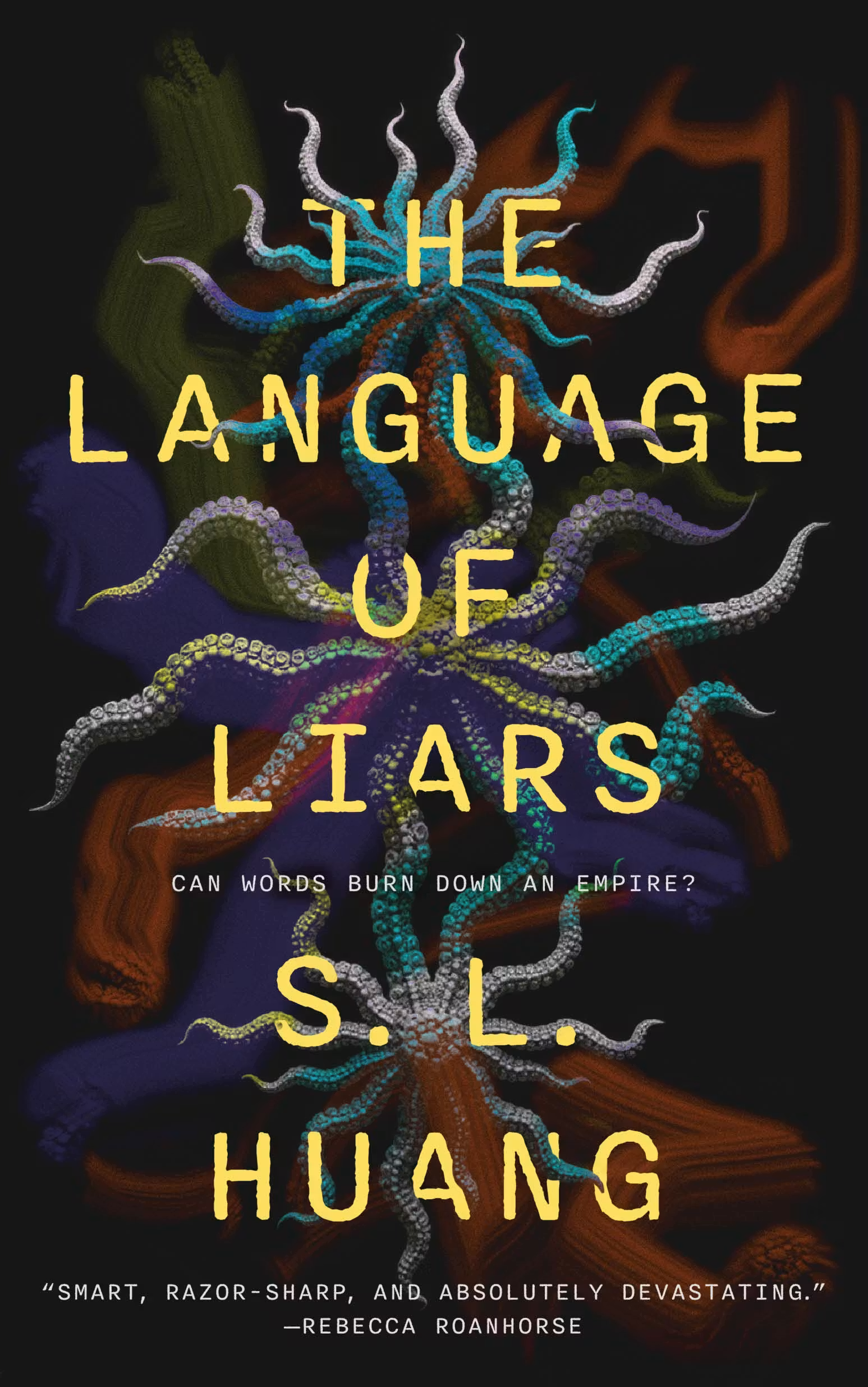
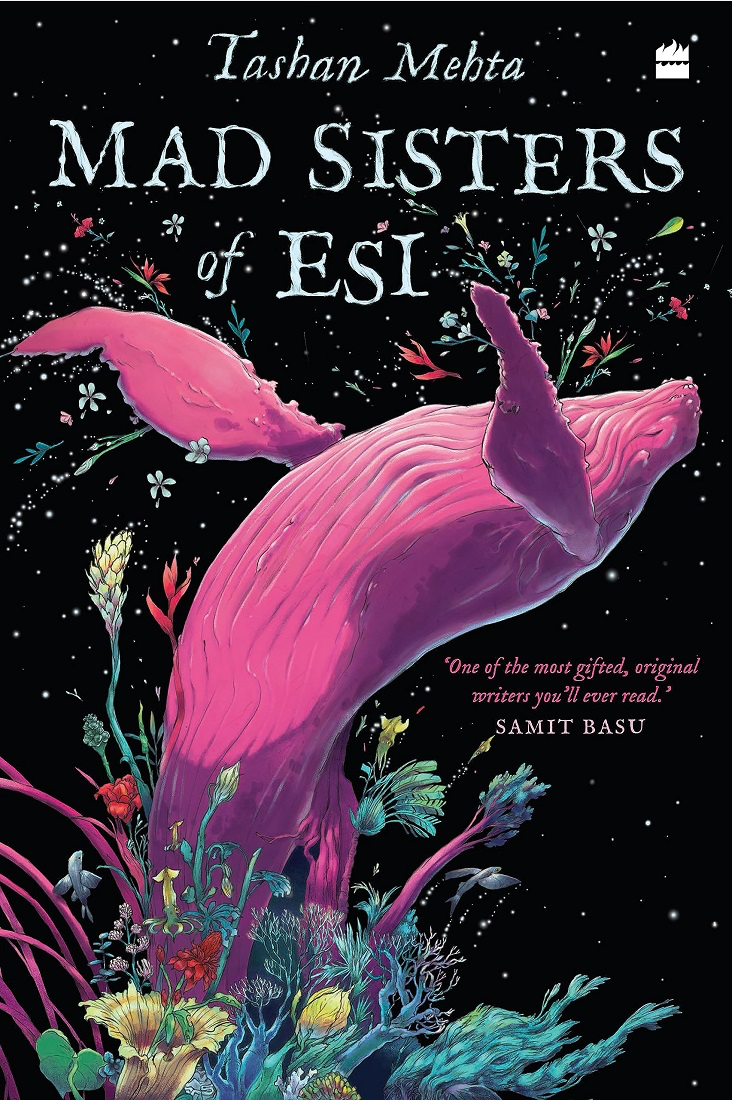
The Language of Liars – S.L. Huang“Did you make the city slickers laugh?/He got dragged by a donkey/Through the glass and the myrtle/But he was once a little fat baby…”

“Fireproof” (One Direction cover) – Mitski

Everything that Mitski touches turns to gold. Well, maybe not Laurel Hell, but they can’t all be winners. The recent tenth anniversary of Puberty 2 prompted her to release an edition with two new covers with whiplash-inducing source material: Frank Sinatra (which I talked about around a month ago) and One Direction. Of course, Mitski didn’t have to try in order to make “Fireproof” loads more fun than the original, which is pretty much the dictionary definition of milquetoast. (How do you make a song called “Fireproof” and then make it into the most sauceless, pallid excuse for a song possible? Jesus.) Mitski, on the other hand, made the vague promises of the lyrics into something tangible and fieryβ€”her breathless admission of “I’m feeling something deep inside/Hotter than a jet stream burning up” makes it feel real. Aided by the crunchy guitars of her Bury Me at Makeout Creek era, this cover feels like she means every word, even if they aren’t hers.

…AND A BOOK TO GO WITH IT:

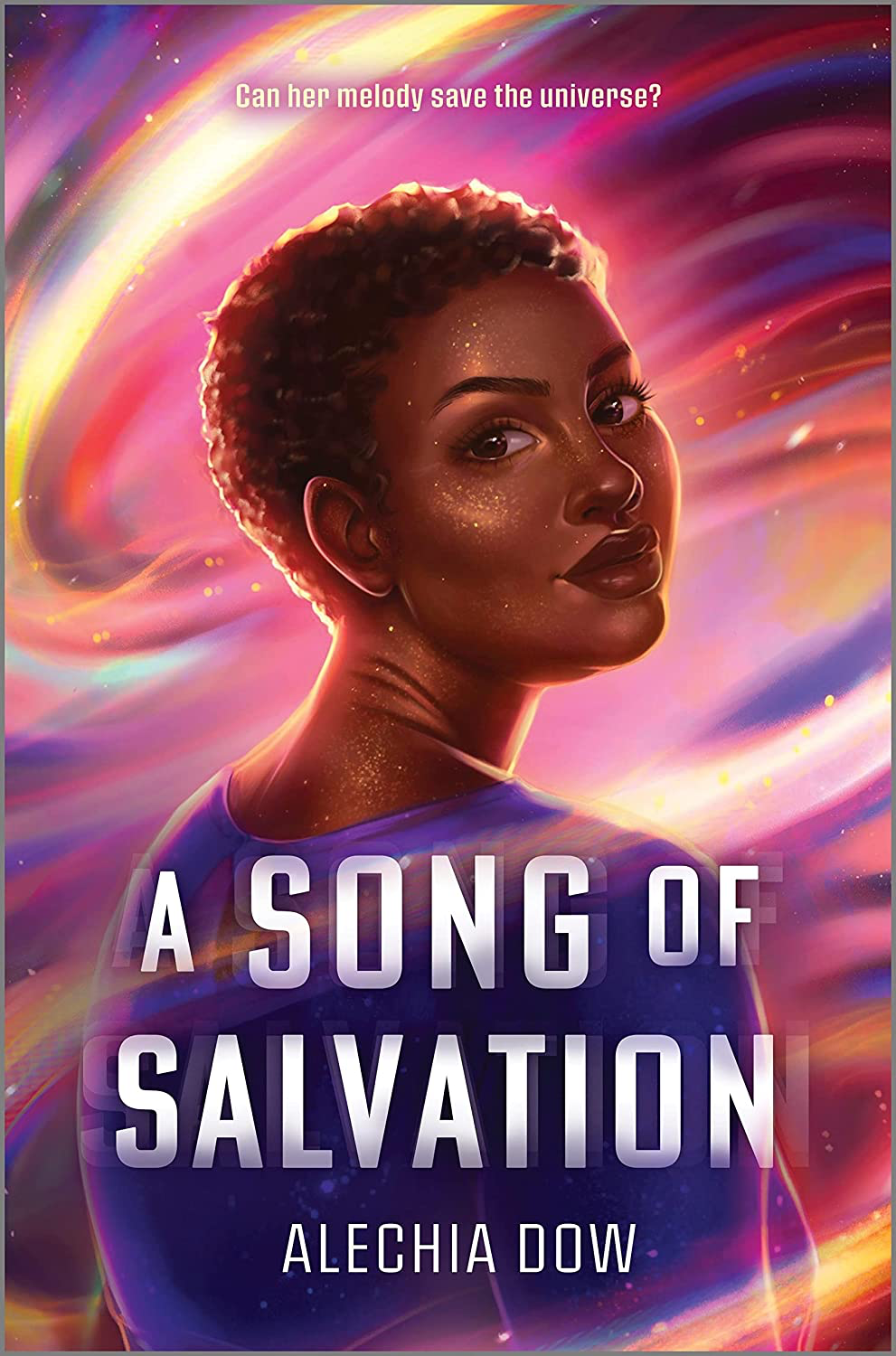
A Song of Salvation – Alechia Dow“I’m feeling something deep inside/Hotter than a jet stream burning up/I got a feeling deep inside/It’s taking, it’s taking all I’ve got…”

“Museum of Sex” – Robyn Hitchcock & The Venus 3

Having only seen him live twice, I can say in confidence that there’s a point in every Robyn Hitchcock show where it goes from a concert to a stand-up routine. The last time I saw him, he veered into a whole bit about how rock n’ roll was invented in the 1700’s aboard ships. There was a joke about “Horse Latitudes” somewhere in there. He quoted “Time and again, I tell myself/I’ll stay clean tonight” from Bowie’s “Ashes to Ashes” before segueing into “The Cheese Alarm.” The guy’s just naturally hilarious. This is the same man who casually used the interjection “yaysville!” multiple times in his memoir, after all. It felt nothing but natural.

What sticks to me about Robyn Hitchcock’s sense of humor to me is that yes, he’s got jokes, but he never half-asses them. He still puts his all into a song with lyrics like “I love that old museum of sex/You never know what’s happening next.” With the grooving, horn-laden accompaniment of the Venus 3, he launches into a track that winds along slinkily like a snake. He added in a lyric about said Museum of Sex closing at 4pm, to the laughter of the crowd, and all the while he’s chipping away at an artfully complex riff. He’s committed to the bit to a degree that most artists aren’t.

…AND A BOOK TO GO WITH IT:

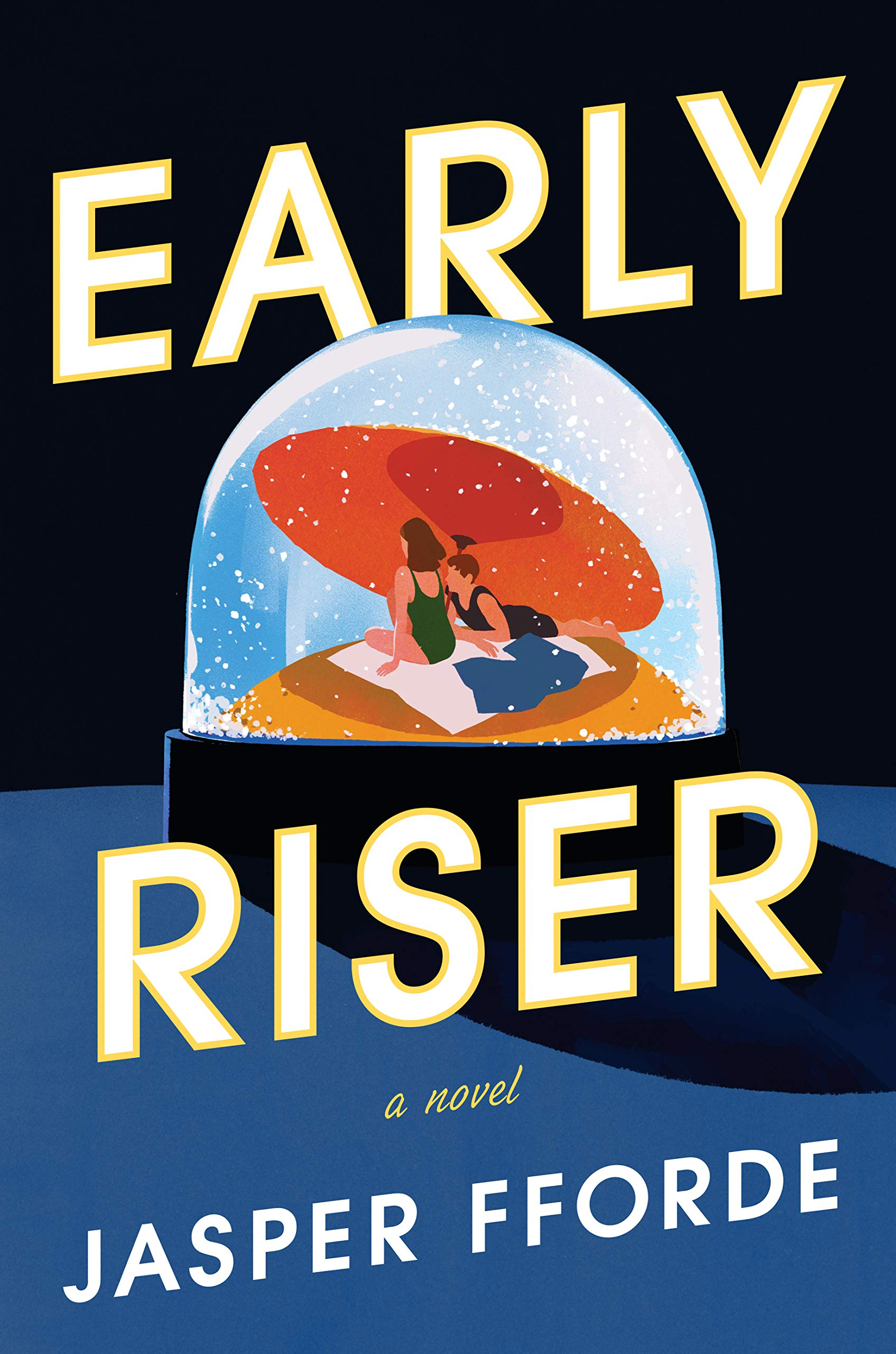
Early Riser – Jasper Ffordethere’s not a lot of books or authors I can think of that are similar to Hitchcock’s sense of humor, but Fforde’s quirky, dry wit and out of left field premises certainly comes close.

“The A Song (Laid In Your Arms)” – Spiritualized

“The A Song” is monumental. There’s no doubt about it. When I saw Spiritualized back in 2022, about a month before Everything was Beautiful was released, I remember being caught up in the towering tidal wave of noise. I could sense that “The A Song” was new, and all I could make out from the dizzying bee’s nest of sound was the line “One man’s crime is another man’s thrill”; the rest was just a shockwave.

It’s no wonder that I listened to Everything Was Beautiful to death when it came out. I had to take an extended break from it because it consumed me so much in mid-2022. To this day, I still think it’s one of Spiritualized’s best albums to date, nearly on par with Ladies and Gentlemen We Are Floating in Space, no less drugged-out but with the optimism that comes with ageβ€”and the revelation that you’re still alive, and there’s a myriad of things that you can do with your body and your life. Sure, “The A Song (Laid In Your Arms)” is probably as much about being high and watching your life slip away as any given Spiritualized song, but it’s a truly spectacular show of the amount of command that J Spaceman has of sound. Watching him at work is like watching a conductor with a 60-piece orchestra; squealing horns, screeching guitars, and percussion like pounding waves all convalesce into a marvelous, tidal force that knocks me off my feet, even when I’m sitting down. It’s so meticulously controlled and constructed, and yet there’s something so primal about how this song just swallows you whole. “The A Song” is a cosmic forceβ€”like the album title, it’s the kind of immaculate construction that, in spite of its lyrics, taps into the wonder of watching life itself unfold in front of your eyes, just like J Spaceman’s arresting compositions unfold in front of you. I think that’s the point of Everything Was Beautiful, in the end; it’s a celebration of the overwhelming shock of being alive.

…AND A BOOK TO GO WITH IT:

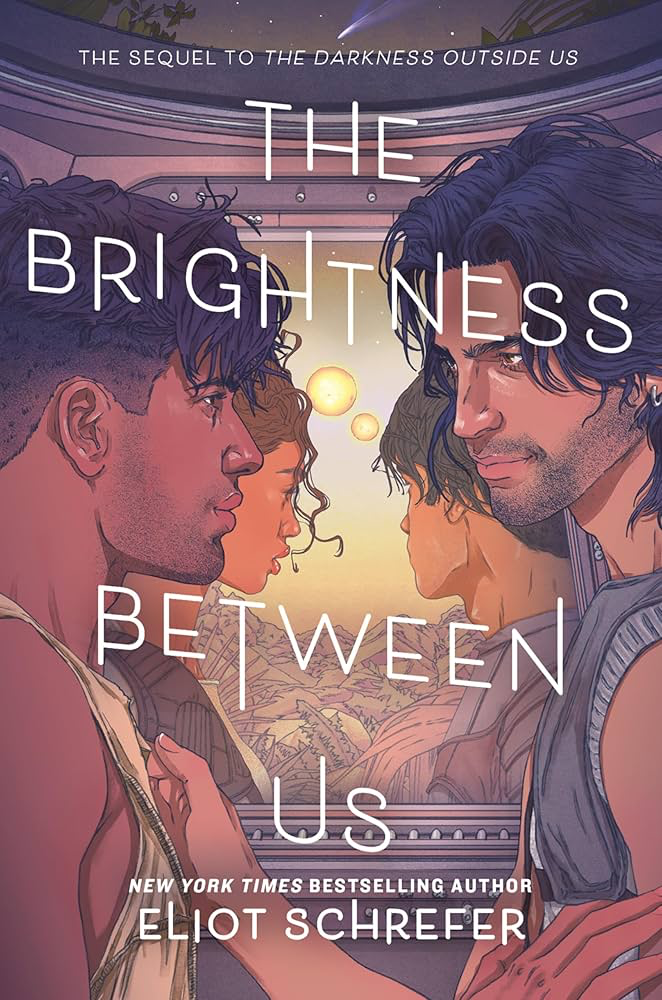
The Brightness Between Us (The Darkness Outside Us, #2) – Eliot SchreferI associate this duology a ton with Spiritualizedβ€”they have a very similarly epic quality to them.

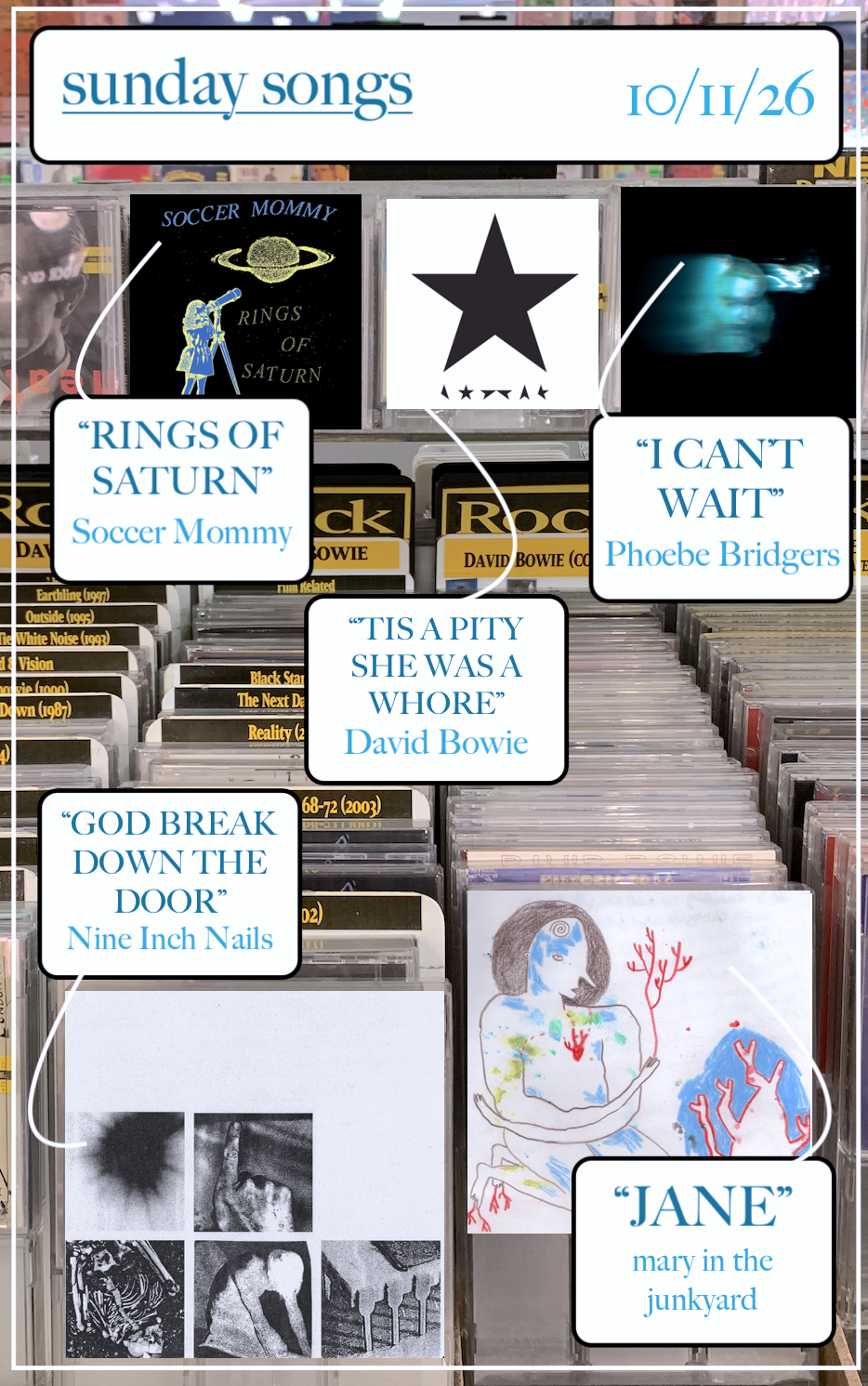
“Kill Me” – Phoebe Bridgers

Predictably, I’ve become insufferable about Lost Weekend. Phoebe Bridgers could’ve easily gotten away with releasing Punisher 2: Electric Boogaloo after six years of radio silence, but she’s easily defied it. It’s a different record, temporally and stylistically. I’m struck by how it sounds next to Punisher; the former was lonely in the way of expansiveness, intensely sparse, like the image of Bridgers staring up at the stars in the middle of nowhere on the album cover. Lost Weekend, on the other hand, is lonely in a way that only happens when you’re caught in the eye of a storm in a roiling sea of chaos. The album is all about upheaval and disorientation, both positive and negative, with the confluence of her father’s unexpected passing and her relationship with Bo Burnham. Add to that the unforgiving eagle-eye of the music industry and the tabloid press, it’s got enough hairpin turns to make somebody want to abruptly get off the ride and throw up.

Chaos is something that Bridgers takes full advantage of on Lost Weekend, with some of the stylistic detours feeling disorienting if not played in the right order. But in order, the cohesion is difficult to miss; it feels strung together in a more adventurous way, especially with the bevy of instrumentation and noise that’s been added to the soundscape. “Kill Me,” one of my standout tracks from the album, feels like the lodestone of the chaos and disorientation: the repetition of Bridgers’s breathy admission of “This is gonna kill me/Wait!” as the instrumentation blinks into momentary silence feels like stumbling off of a dizzying rollercoaster, not knowing which direction is up or down. (Fittingly, I had a similar feeling coming out of the accompanying laser show at the Denver Museum of Nature and Science. In a good way, for sure. Fitting.) Much of the song deals with time out of time, years bending and blending together: “My boys are getting married/Turning 21/I’m not, but I was once certain, always.” That sense of uncertainty feeds into the verse about a shared kiss at a costume party where “the veil is thinning.” (Admittedly, I thought that the “flower with chemical petals” line was corny, but it turned out to be a reference to David Foster Wallace.) All of it culminates in a propulsive turn into cascading shoegaze at 3:34 that sounds like the fabric of reality itself is fragmenting into fragile pieces, buoyed by Cameron Winter’s (!!!) backing vocals. Bridger’s rallying cry of “Let’s go missing” certainly puts “Lost Boys” in a new lightβ€”all of this upheaval and heightened visibility would make anybody want to go off the grid.

Lost Weekend, in the end, reads to me like a beautiful statement about facing the inherent unpredictability of life. Some days, it’s enough to make you want to disappear. But some days, it represents a promise of something wonderful that you’ll never see coming on the horizon. Life is full of this chaos, in all of its grief and turmoilβ€”there’s no use running from it, good or bad. Sometimes what’s on the other side is the very thing you’ve always wanted.

BONUS: Speaking of Cameron Winter [ahem] Son-John Johnson, here’s one of my other absolute favorites from the album, the duet “I Can’t Wait” and it’s newly released music video:

…AND A BOOK TO GO WITH IT:

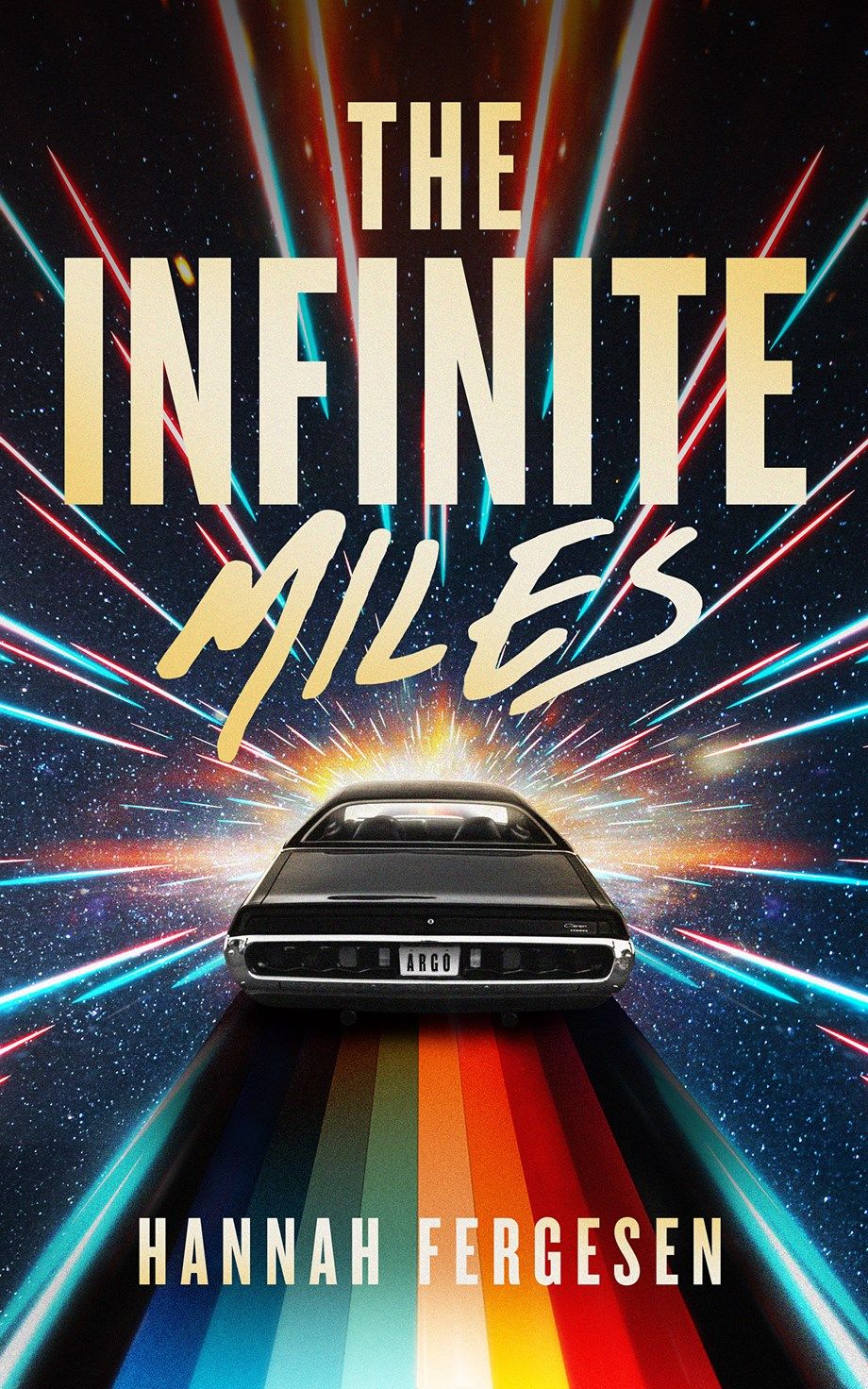
The Infinite Miles – Hannah Fergesen“Turning twenty-one/I’m not, but I was once certain, always/Now all I know is the ending…”

Since this post consists entirely of songs, consider all of them to be today’s song.

That’s it for this week’s Sunday Songs! Have a wonderful rest of your day, and take care of yourselves!

Posted in Sunday Songs

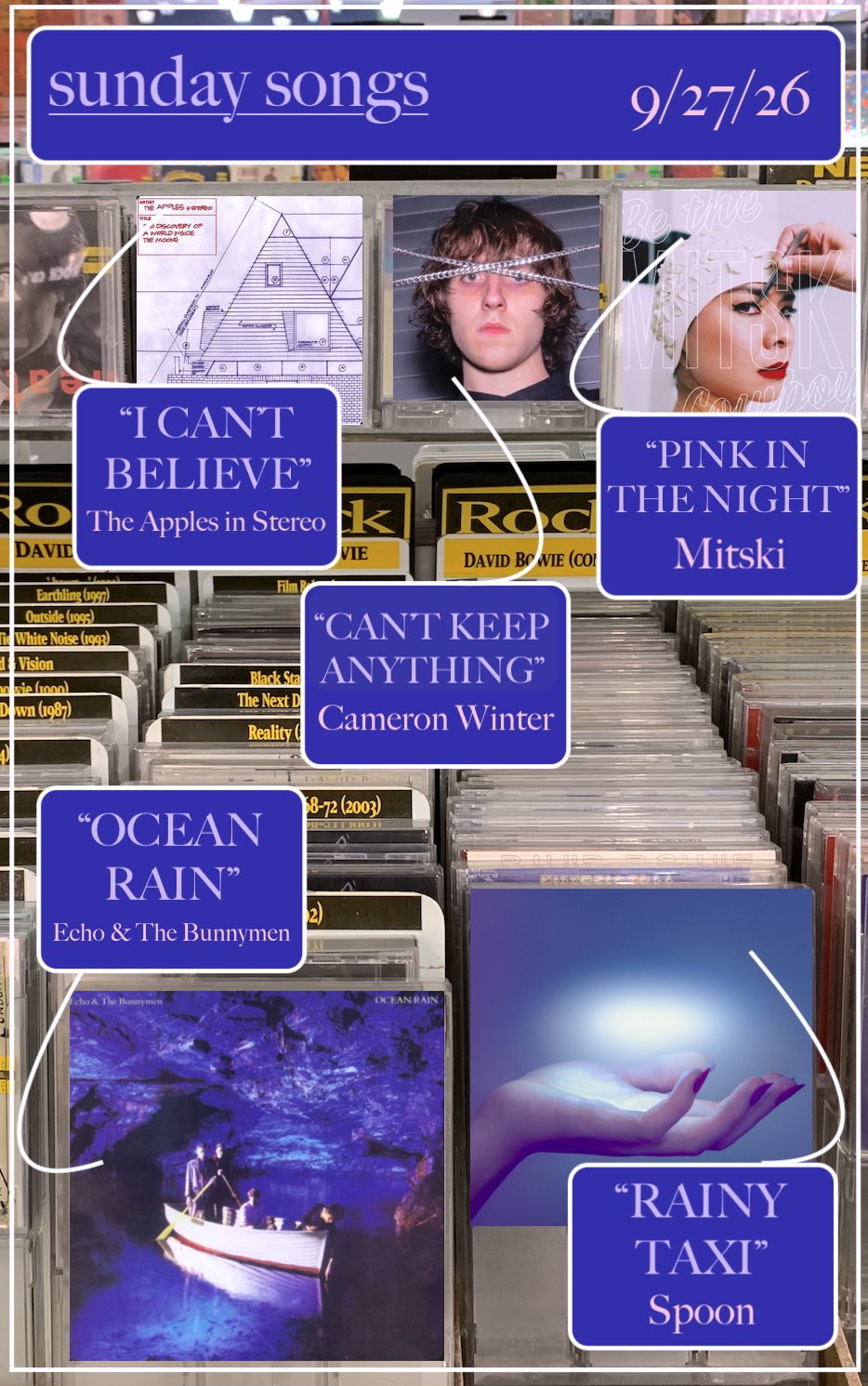
Sunday Songs: 7/12/26

Happy Sunday, bibliophiles! I hope this week has treated you well.

This week: four years of Sunday Songs (!!), and the vibes are nothing short of baffling. Buckle up. And if you happen to get unexpectedly bopped on the head by falling fish, don’t say I didn’t warn you.

Enjoy this week’s songs!

SUNDAY SONGS: 7/12/26

“The Earth Died Screaming” – Tom Waits

I know the expression “[xyz] could kill a Victorian child” is overused, but my shuffle recently made the transition from this song to “L to the OG,” and I feel like that could reasonably put a Victorian child into a coma. It almost put me into one.

I think I was destined to stumble upon more Tom Waits eventually. I guess he’s been having a bit of a minor moment, what with the recent needle drop in Wake Up Dead Man and his emergence from hibernation on Massive Attack’s biting anti-war track “Boots on the Ground” (which samples this song!). I’d also been familiar with him from his feature on Sparklehorse’s “Dog Door”; the words “gremlin,” “goblin,” and “chaos” have lost all of their meaning thanks to Tumblr, but if there’s anybody who actually sounds like a gremlin on that song, it’s Mark Linkous. And then here comes Tom Waits bellowing like an ogre. The whole experience of “Dog Door” is like witnessing some bog goblins performing a sacrificial ritual in an abandoned shed with some rusty nails and a fish skeleton. Great stuff. It’s peak, just trust me.

Bone Machine in particular vaguely fascinated me from afarβ€”it always seemed to pop up on my Apple Music recommended albums. Of course, my brother ended up being the impetus for me finding this song. Is the fact that I’ve had “The Earth Died Screaming” on repeat on and off for a few weeks a cause for concern? Probably. But it’s such a captivating herald of the apocalypse. Wait’s signature growl is probably the only voice that could properly convey the bleakness of this vision of the end of the world. We’re talking Biblical levels of apocalypse hereβ€”the Devil’s shoveling coal, for one, but the last line of the last verse invokes the plague of locusts, so we’re already off to a great start. Waits’ rasping delivery of “Bring me some water/Put it in this skull” might set the atmosphere more than any of the others. Some of the lyrics are truly spine chillingβ€”I don’t know why, but the invocation of army ants picking off the bones of whoever’s left after the initial onslaught of ungodly abominations gives me the willies. And the way that Waits’s lips seem to form around the words “it rained mackerel, it rained trout” cement this song’s feeling of being passed down as an omen of doom between haggard street preachers. The percussion, which marches on like a dirge, sounds like it’s being played on the dusty ribcage of a horse. I can almost imagine a Cab Calloway-like parade of skeletons marching along to this song. All of the instruments are sparse here, and the Lisa Germano-esque organ outro only adds to the feeling of foreboding. It all feels very Cormac McCarthy to me, and if not for the fact that I hated The Road, it would’ve been my book pairingβ€”it’s a bleak tale, a world populated by dust, bones, and dirt roads that haven’t seen human feet in years.

Wait’s storytelling is what keeps this from going fully into The Road territory, but more notably, I think it’s the romance. It’s not a ballad by any stretch. But the fact that the rotted connective tissue of the chorus, howled by Waits, is “The earth died screaming/While I lay dreaming/Dreaming of you” sets the tone for the songβ€”every post-apocalyptic trope is happening to Earth in an unrelenting barrage, but he’s still dreaming of that you. Amidst the horror, there’s fleeting bright momentsβ€””I walk between the raindrops” for one, one of my favorite lines from the whole songβ€”and maybe that’s the real human instinct of perseverance during the apocalypse, even while you’re getting pelted by locusts and fish.

…AND A BOOK TO GO WITH IT:

Anthem – Noah Hawley“And the great day of wrath has come/And here’s mud in your big red eye/The poker’s in the fire/And the locusts take the sky…”

“Peter the Dog” – mary in the junkyard

At long last…Role Model Hermit, everybody!! The album I’ve been anticipating for years has been out a little over a week now, and the shine hasn’t worn off. It’s such an excellent spread of the things I love best about mary in the junkyard. It’s a lovingly-sewn patchwork of remnants of their earlier sound and the more mature songwriters that they are now, full of off-kilter, Radiohead-esque chord progressions paired with whimsical lyricism evoking folklore and landscapes populated by weird little Jim Henson puppet creatures. Role Model Hermit is a world of vegetable gardens, reincarnated mice, hungry dogs, and men turning into trees. All of it showcases a kind of storytelling that’s more than comfortable veering into the fantastical while retaining the weepy, angry vulnerability that endeared them to me in the first place.

The one major drawback of Role Model Hermit is that the most memorable tracks were the singles. It’s kind of a rough move to release almost half of the album as singles before the release (six, if you count the fact that they frequently played “Thou Shalt Sprout” before the album came out), and although there wasn’t a bad song on the album, none of them live up to early standouts like “Crash Landing” or “New Muscles.” Even so, the album remained full of surprisesβ€””Peter the Dog” was a standout on the first listen. This is the aforementioned hungry dog, a comfortable but hungry creature that eats all of the narrator’s fears and anxiety. It’s one of the more painfully vulnerable songs on the albumβ€”it candidly captures that feeling when you think you’re out of the woods when it comes to anxiety or any other kind of issue, and then the feelings start to resurface: “I don’t understand my tears/I’ve been doing so well/And the big black dog ate all of my fear/And I was starting to smoke.” I love the imagery of the dog (Peter, apparently), because to an extent, these feelings are like a domesticated animal: you’ve learned how to treat them and lived with them, but even the most rigorous training can make old habits resurface. But the comfort that comes with this dog is that you can always train it more, and you can calm it down just as easily: “And I’m made of strong stuff/But I’ve always got this pain in my head.” mary in the junkyard have never shied away from this kind of vulnerability, and it’s resulted in so much fantastic songwriting; but their earlier songs were more scattershot in the lyrics, embodying their old Instagram bio of “angry weepy chaos rock.” But “Peter the Dog”β€”and Role Model Hermit as a wholeβ€”feel like the result of them really honing in on their songwriting, and the end product has resulted in their most impactful songs to date.

…AND A BOOK TO GO WITH IT:

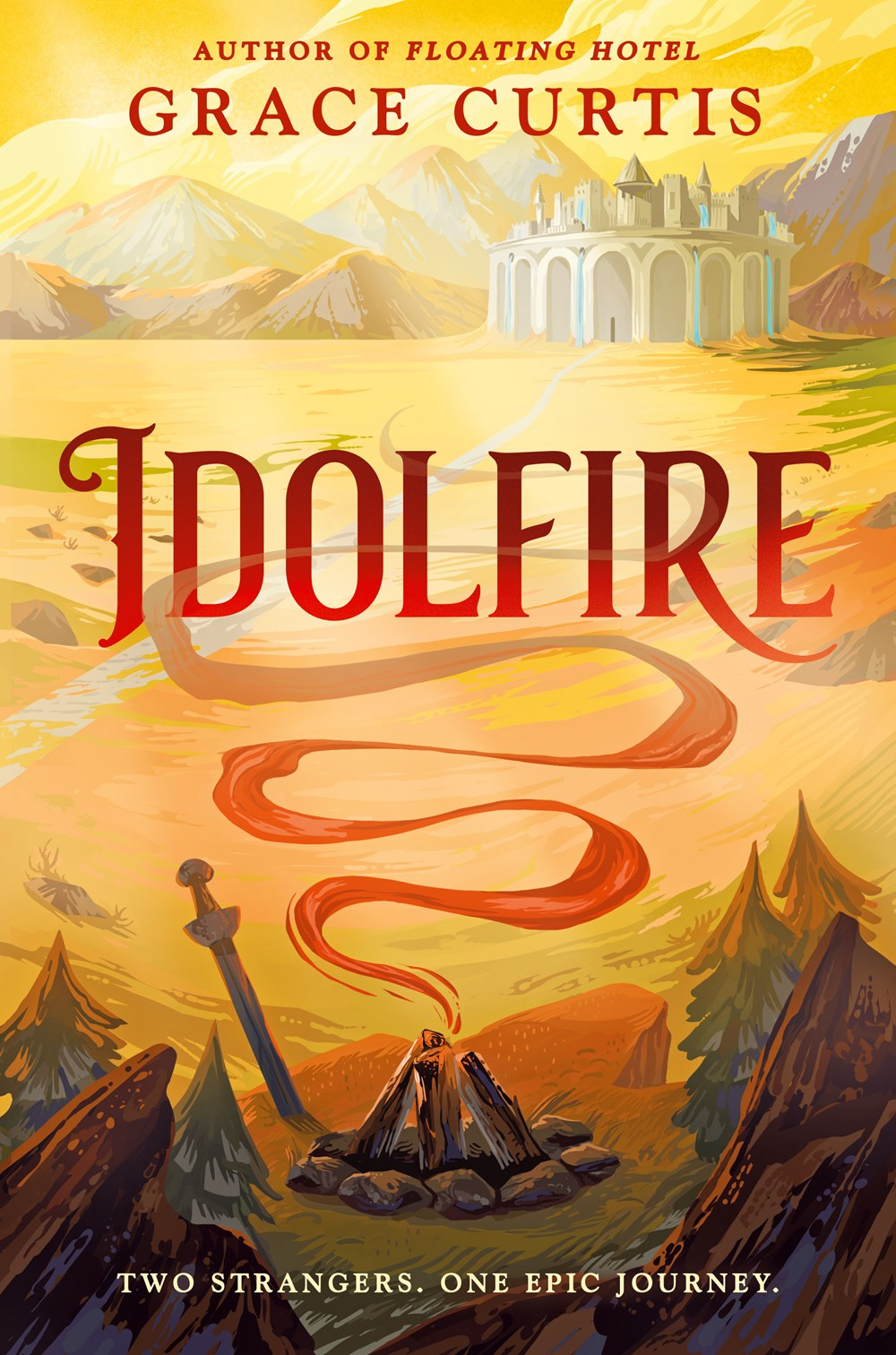
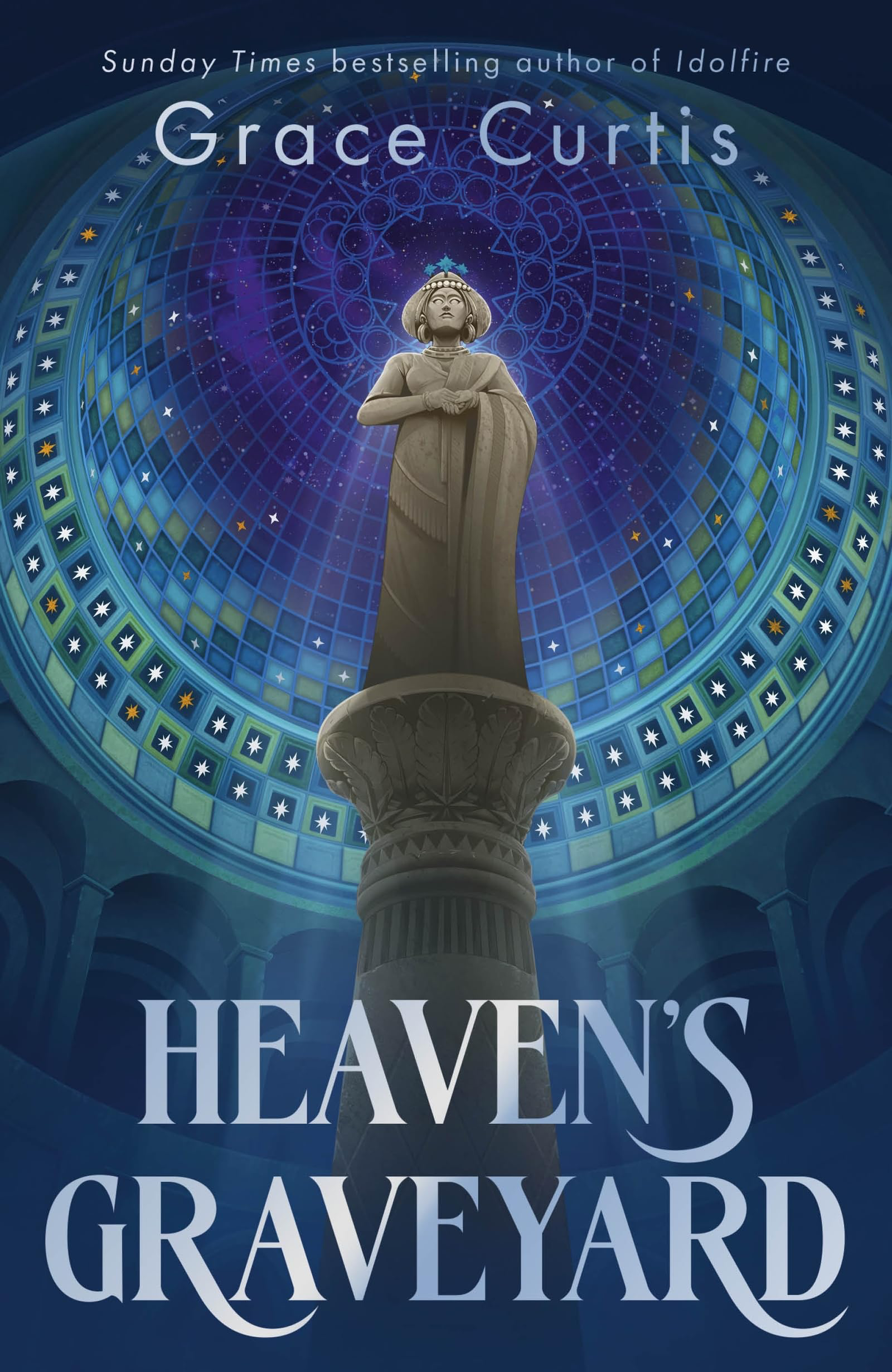
Heaven’s Graveyard – Grace Curtis“I don’t understand my tears/I’ve been doing so well/And the big black dog ate all of my fear/And I was starting to smoke…”

“Death is Not the End” – Chelsea Wolfe

SHE’S BACK!!

So there’s definitely an album on the way. There has to be, she’s already announced a tour! Chelsea Wolfe recently reemerged with two new singles, this track and “The Dark.” I liked “The Dark,” “Death is Not the End” was, without question, the stronger of the two; while the eerie, meandering goth-folk of “The Dark” is solid but listless, “Death is Not the End” feels like much more fortified vision of a song, coalescing into the best parts of what I like about Chelsea Wolfe. Her ethereal whispers and the pluckings of an acoustic guitar assemble themselves like a skeleton before the real skin and musclesβ€”the ascending, doom-y guitar as foreboding and ragged as a stormy cliffsideβ€”shield it. Amidst the crushing instrumentals in the latter half, she muses in her true gloomily poetic fashion, about the nature of death and transience: “This life heaves a sigh/Relief amid night/To water I return, in sea-dress/Seal-skin locked away for a time.” I, for one, fully support Wolfe’s selkie arcβ€”her visuals for this set of singles return to the well-trod ground of “Chelsea Wolfe looking like a modern-day goddess in various biomes,” but the video for “Death is Not the End” is perfectly suited to the lyrics, with Wolfe clad in frilly tulle amidst kelp and a stony beach with bony spires rising from the shore.

…AND A BOOK TO GO WITH IT:

The Soul Keepers – Devon Taylor“Let it wash over/Unspoken/Like the mouth that eats the tail/I keep hoping death is like the ocean…”

“Cancer of the Skull” – Cameron Winter

The last time I talked about Cameron Winter, he had a much sunnier outlook on life. Heavy Metal really seems to run the gamut of emotion, because we’ve gone from embracing the bumpy road of love to the battle between having to work an unsatisfying job and desperately wanting to create. Granted, enough of the lyrics have enough quirkiness to them to suggest that Winter at least has something of a humorous outlook on things: “Cancer of the ’80s/I was beat with ukuleles” sounds abjectly goofy out of context. For me, that’s what prevents “Cancer of the Skull” from being purely pessimistic for meβ€”like the swaying rhythm of the acoustic guitar, Winter documents the boat-on-the-sea pendulum swing between devoting yourself to work and devoting yourself to creativity. There’s a bevy of interesting instruments that work themselves into the fabric of the songs, from the warbling organ to the grasshopper boings of the barely-audible jaw harp, and they all serve to make this push-and-pull feel like Winter’s “pirate’s crazy-eyed quest,” adding a degree of sarcastic grandeur to something that most creatives have to grapple with once in their lives. Winter’s rich vocals, layered one on top of the others, make the thesis of “Oh, songs are a hundred ugly babies/That I can’t feed” into the kind of chorus you’d drunkenly sing around the fireβ€”and oof, yeah, that’s such a fantastic distillation of having millions of ideas but neither the time nor the patience to attend to them.

…AND A BOOK TO GO WITH IT:

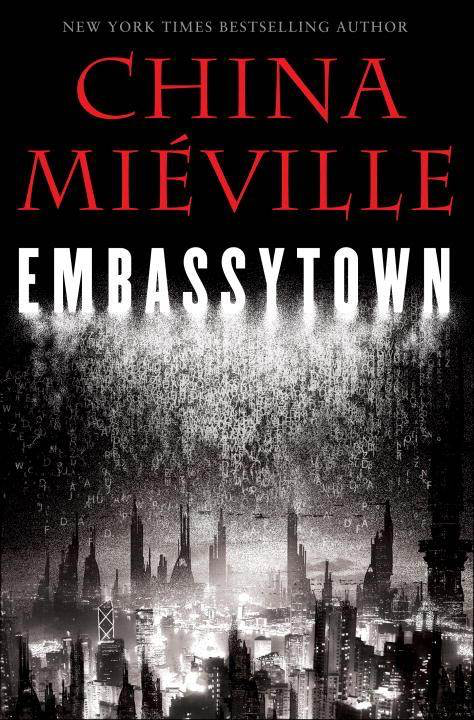
Embassytown – China MiΓ©ville“I came here to sleep in your infamous kitchen/You’re holding out a baby’s shoes/I can’t take ’em/I pray to a pirate’s maniac religion…”

“Voyager” – PJ Harvey

What is it about songs called “Voyager” that always end up gutting me one way or another? I think it’s just the inherent bittersweetness and cosmic smallness that comes with evoking Voyager I. Yowch. Granted, PJ Harvey’s version didn’t really destroy me until I looked closer at the lyrics, but boygenius? Yup. I’m still reeling from their “Voyager” three years later. Damn you, Phoebe.

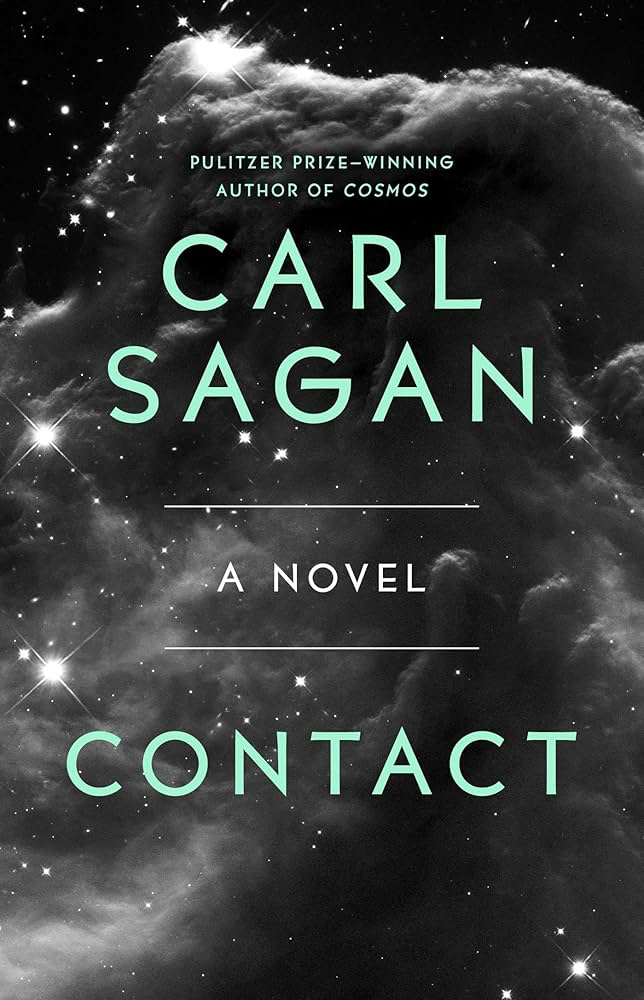
But we’re not here to talk about that “Voyager.” PJ Harvey’s newest track, a companion to an upcoming stage show by musician and physicist Professor Brian Cox, is a synth-driven slow-burn meditating on the probe that was launched into space nearly half a century ago. Amidst methodical keyboards that evoke the inner workings of a rocket, Harvey details its ongoing journey through the heavens: “Dark nights, dark days/Frozen, silent/Bearing Earth-songs.” The lyrics are simple and quite sparse, but it fits the construction of the song, a glacial build from keyboards into a grand orchestral hum. But then…ow, there was no need to gut me with the reference to Carl Sagan. Or, at least, that’s how I interpreted this line: “Look back at us/As a speck of dust/Darkness our home/Bear it through love.” It’s awfully similar to this line from page 371 of Contact: “For small creatures such as we, the vastness is bearable only through love.” …excuse me while I keel over into the fetal position for the next hour. FUCK.

…AND A BOOK TO GO WITH IT:

Contact – Carl Sagan“For small creatures such as we, the vastness is bearable only through love.”

Since this post consists entirely of songs, consider all of them to be today’s song.

That’s it for this week’s Sunday Songs! Have a wonderful rest of your day, and take care of yourselves!
Posted in Sunday Songs

Sunday Songs: 2/22/26

Happy Sunday, bibliophiles!

This week: even though I mention both Water Moon and Underwater Moonlight in this post, they’re somehow not paired together…sorry. Plus, songs about grief, love, and illegally keeping wild animals in your apartment.

Enjoy this week’s songs!

SUNDAY SONGS: 2/22/26

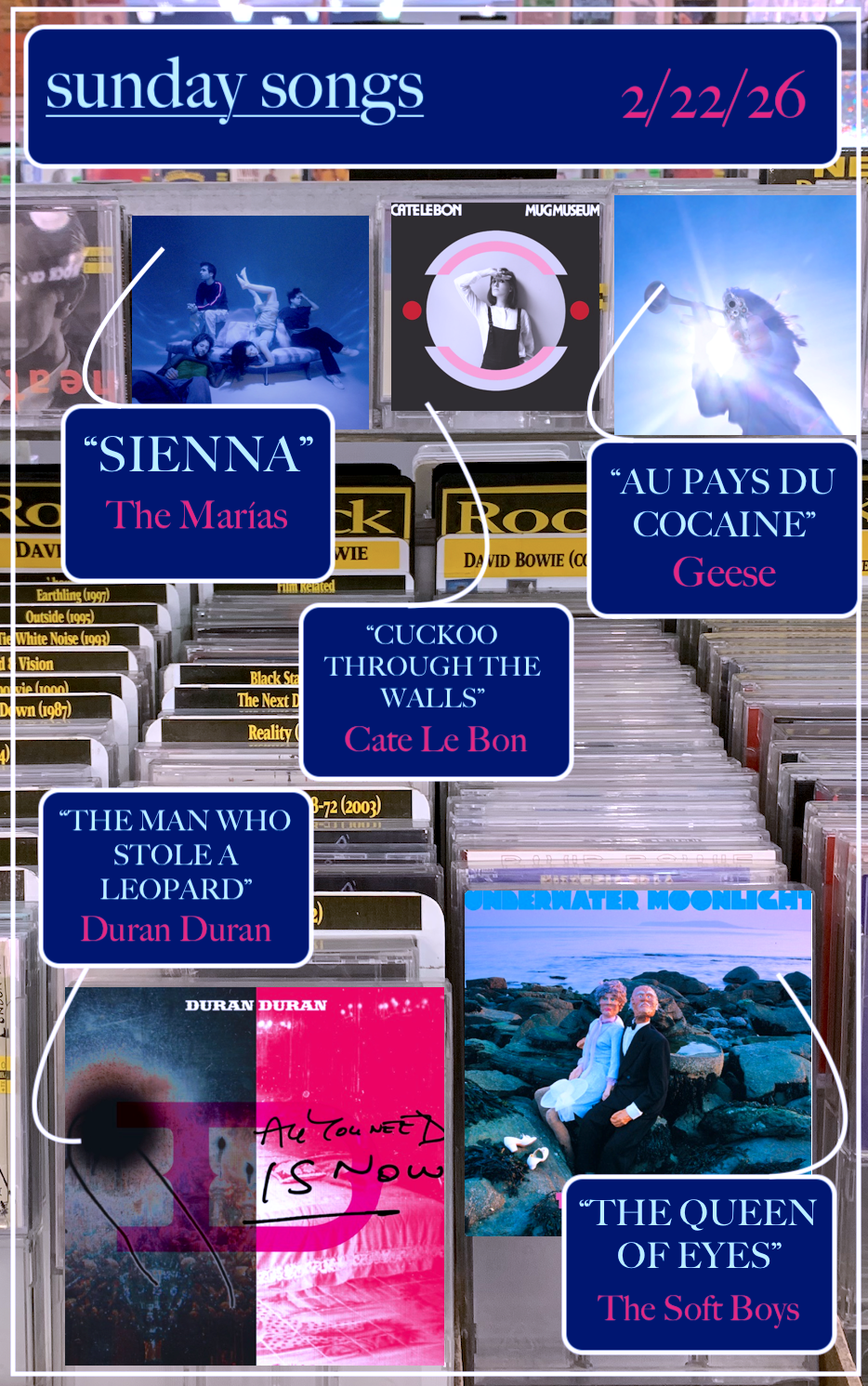
“The Man Who Stole a Leopard” – Duran Duran

I didn’t expect to be putting such critical Madeline Todd lore here on the blog, but it was recently dredged up from the annals of my mind after not thinking about it for, at minimum, a decade. So here you are.

I’ve been something of a Durannie from a young age. Second-generation Durannie on my mother’s side, if you will. My mom was at the critical point of fandom for Duran Duran, being a tween (and then a teen) in their heyday, and from an early age, she passed down that love to me. I have lots of fond memories of watching their music videos from a DVD on our old TV, along with listening to their CDs while we played with Barbies, some of which my mom had passed down to me as well. That brings us to All You Need Is Now, which came out when I was in elementary school; a lot of the tracks have heaps of nostalgia attached to them, including “The Man Who Stole a Leopard,” which I loved at the time. Fast forward a few years, and I now had my own iPod nano that I could listen to music with at night. “The Man Who Stole a Leopard” made its way onto the first playlist that my dad lovingly made. But at night, this song transformed into something that scared the shit out of me. Specifically, the violin sample beginning at 5:52. “Scared the shit out of me” is an adequate description, but what might be more accurate is that it gave me the absolute willies. My heebies were jeebied, dude. Something about the mild distortion of the violins, under cover of darkness, sounded so fundamentally wrong to my 10-year-old mind, huddled under blankets. Thankfully, I got my dad to remove the song from the playlist, and the nightmare ended.

Naturally, this was a very pleasant thing to remember when I woke up at 4 am a few weeks back. But when I revisited “The Man Who Stole a Leopard,” I found that my memory had completely distorted my perception of that violin sample that freaked me out all those years ago. Admittedly, I get a kind of knee-jerk sense of dread in the lead up to it, but I was pleasantly surprised that it sound completely innocuous to meβ€”a little distorted and reverby, but just a handful of fuzzy chords to give a flourish to the outro. I’m now hovering where I was in the pre-iPod era, when I was allured by this song. Despite what the fabricated (yes, FABRICATED, I’ve been living a lie since 2011) news broadcast might lead you to believe, this tale of the man who stole a leopard and kept it in his apartment is entirely fictional. (Granted, some of the wording in the broadcast clues me in to the fictionality of it now, but it’s still fairly convincing, especially considering that they got the real newscaster Nina Hossain to record it.) What stands out to me about this track, along with most of the tracks I fondly remember from All You Need Is Now, is that there’s hardly a sense of Duran Duran trying to put their youthful, ’80s glory days in amber and imitate it. Sure, there’s a very “Hungry Like the Wolf” sensibility to the subject matter, but its prolonged runtime (6:15) and more eery atmosphere better fits their earliest albums, before they became perennial pop icons of the ’80s. Like a prowling cat, it’s a drawn-out, seductive crawl through a tale of toxic seduction and love that isolates you from all else. But from all of these memories, there’s one crucial lesson I have to take from this: things tend to sound a lot more sinister when you’re in the dark. Shed some light on it, and this trackβ€”like so many other thingsβ€”will lose the fangs you thought they had. What a relief it is to not be 10 anymore. I love this song.

…AND A BOOK TO GO WITH IT:

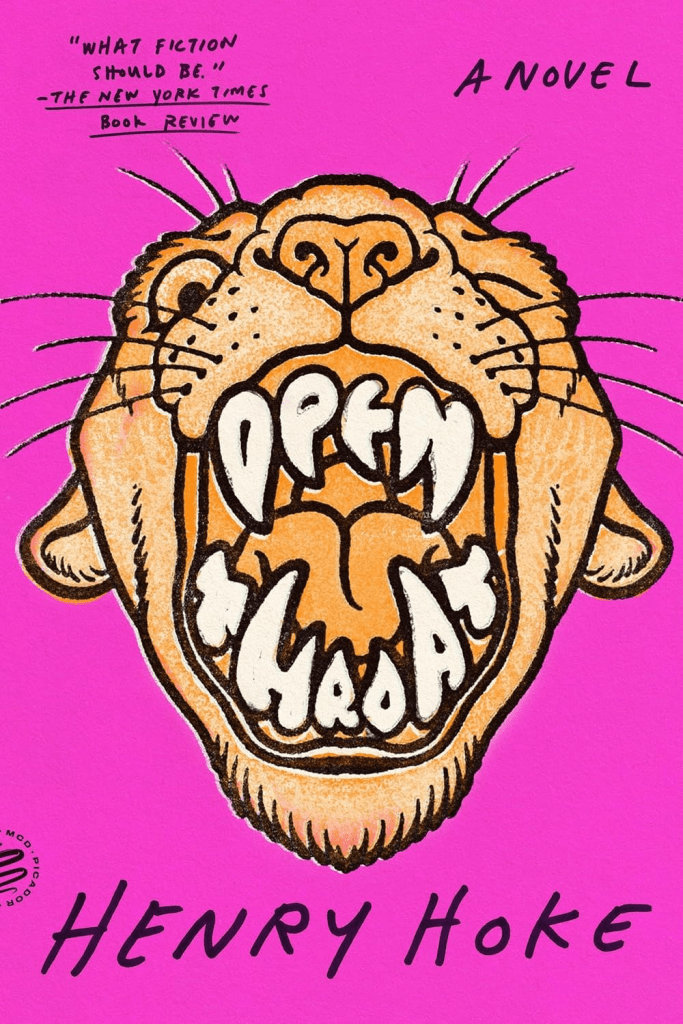
Open Throat – Henry HokeI think there’s enough overlap between a big cat being inside human houses and almost being domesticated to bridge the gap between a leopard and a mountain lion. Literary fiction isn’t always my favorite, but this was an excellent read.

“Queen of Eyes” – The Soft Boys

At its worst, a lot of punk music and culture became a caricature of itself; There was such a dogged determination to “sticking it to the man” that, in declaring that they were different from the mainstream, they created a different kind of conformity in sound and style. If you’re not exactly like x, y, or z, you weren’t punk. As insufferable as that is in retrospect (and today, presumably, though I don’t keep up with a lot of modern punk), it did breed a veritable garden of absolute weirdos who weren’t punk enough in a myriad of waysβ€”bands like XTC and The Soft Boys, whose quirky members adhered in some ways to punk’s musical style, but were too sincereβ€”and literary-mindedβ€”for punk, because punks don’t write about statues who come alive and wander out to sea. I’ve definitely been influenced by some aspects of punk bands and aesthetics over the years, especially when I started becoming more aware of politics; however, I feel like the bands I identify more with are the ones that were a little too soft, melodic, or just authentic enough for punk. And I think that’s where my expression falls tooβ€”I’ve always identified, in terms of my makeup and my clothes and my politics and my music, with “alt,” just because it’s an umbrella term for anyone who falls outside of those strictly-defined, often social media-enforced lines in the sand between one aesthetic from another. My music taste was bound to fall here eventually.

I’d loved about half of Underwater Moonlight ever since I saw Robyn Hitchcock for the first time, but now that I’ve started collecting vinyl, I picked up a copy of the album when I saw him again at the beginning of the monthβ€”AND GOT IT SIGNED BY THE MAN HIMSELF!! I’m still in shock, honestly, so on the off chance that you’re reading this, Mr. Hitchcockβ€”thanks again. It’s been in the background of my life consistently for the past month, and I can’t think of any downsides, other than my neighbors hearing the lyrics of “Old Pervert” through the walls. (Look, it’s not my fault that they made a song called “Old Pervert” but also made it an indisputable banger.) I was agonizing over which song to include here, since they’ve all more or less been on a loop in my brain, but “Queen of Eyes” stuck out to me, probably the sunniest inclusion on the record, especially on the heels of the jagged, leering stylings of “Old Pervert.” Even this early on, Hitchcock was nothing but himself: his half-nonsensical, half sweetly sincere and lovesick lyrics are wrapped in a wallpaper collaged from the psychedelic Beatles, Syd Barrett, and something that could have only come from his brain and his alone. Bright, jangly, and infectiously catchy, it embodies this line from the booklet that came from my record booklet, written by David Fricke: “the Soft Boys dared to ask: did punk rock and the end of the 1970s…also have to mean the end of joy, literacy, and bright voices?” That torch remains the same one that Hitchcock has carried for the rest of his prolific career. What struck me while listening to Underwater Moonlight is that this same spirit has always been thereβ€”his sprightly musical vitality has only brightened since his early forays into music.

…AND A BOOK TO GO WITH IT:

A Song of Salvation – Alechia Dow“Here I am again, it’s no surprise/Locked in orbit ’round the queen of eyes…”

“Sienna” – The MarΓ­as

Expect a lot more about The MarΓ­as in the coming weeksβ€”they’ve been a very calm anchor in the chaos of…well, everything in my life. I’ve spent the past week digging more into their music, but this song was one of the first I discovered, in no small part because it was the soundtrack to a recent art trend that went around Instagram and TikTok. (The one I linked is from @zaiciart on Instagram, who has such a wonderful style!) From what I’ve heard of the album, Submarine really was the best possible nameβ€”every song feels like it’s been submerged, crafted from trails of bubbles and that special kind of whispery echo that happens to your voice when you’re trying to talk to your friends in the pool. MarΓ­a Zardoya has such a uniquely ethereal voice, so much so that it was genuinely jarring to hear her normal, lower speaking voice on their (excellent) Tiny Desk concert. “Sienna” is a wistful track, but one that only really harpoons you in the gut out of nowhere once you look into the lyricsβ€”the backdrop is the fallout of Zardoya’s previous relationship, but specifically mourning the baby she imagined having with her partner: “she would have done all these things like us. But because we broke up, Sienna will never exist,” Zardoya said about the origin of the track. The track’s ghostly qualities crystallizes once you know that meaningβ€”this entire future that Zardoya imagined is nothing but mist now; it’s fitting that, as this future fades away, so does the song, and Submarine as a wholeβ€””Sienna” is the last breath before the album closes, an exhale of resignation before Zardoya’s wishes become ephemeral.

…AND A BOOK TO GO WITH IT:

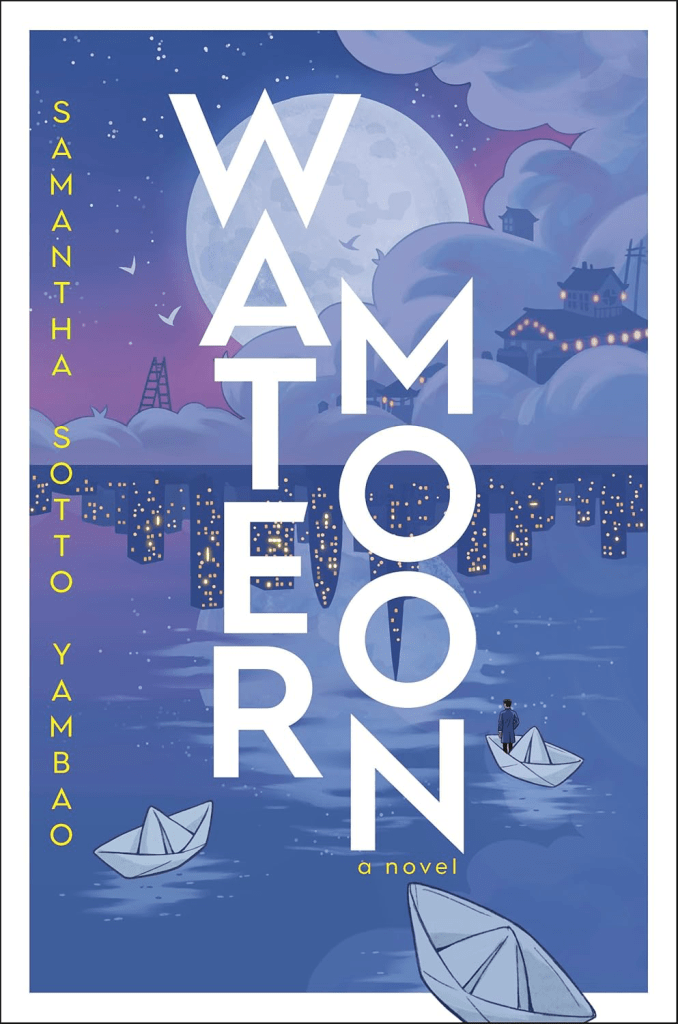
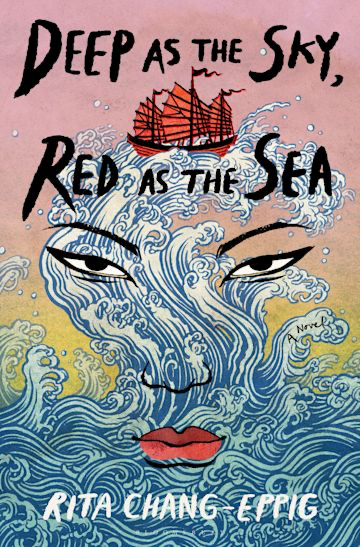
Water Moon – Samantha Sotto Yambao“And I smile when I think of all the times we had/On the beach in the winter, when the waves were mad/Down by the water, crystal clear/See her face in the forest, then it disappears…”

“Cuckoo Through the Walls” – Cate Le Bon

Sunday Songs has basically become one of those Scooby-Doo villain reveal scenes. You rip off the “Sunday Songs” mask, and it’s just a weekly excuse for me to blabber on about Cate Le Bon. You fools all fell for my trap!

Did Cate Le Bon just casually come out of the womb with years’ worth of fully-formed talent? I still have two albums of hers that I haven’t listened to, but I swear that she’s incapable of making a bad album. Mug Museum feels a lot more like a standard indie rock album than her more recent works, but even the more (marginally) accessible style couldn’t keep her from her quirky engine firing on all cylinders. Moments of somber contemplation (“Mug Museum”) are hand in hand with ragged rage (“Wild”), and yet all form the weave of Le Bon’s experiences surrounding the album. Most of it deals with the death of her grandmother and how Le Bon processed her sudden absence from the matrilineal line; for her, it was less about what her grandmother meant to her as an individual and more about how her family rearranged and shifted in wake of her absence. The titular Mug Museum is a kind of haunted house of sorts where memories live: she called it “an imaginary place where relationships are looked at and thought upon.” Walking through this album does feel like strolling through a museum built inside of someone’s old house; small objects hold centuries of memories, and every strand on a curtain or crack in a window holds a deep history. “Cuckoo Through The Walls” is one of the tracks that I felt exemplified this feeling the best. Its more restrained, steady pace feels like tentatively peering through all the corners of said aging, dusty house, glancing at the light illuminating unseen gaps in the floorboards. Le Bon describes a state where these memories have anchored her to the house, to the point where she almost becomes the house itself: “And I watched the dinner drown/I drank for hours/Never leave the house/Cuckoo through the walls/Lay still on the ground/Exhale the sound of symphonies.” Like her signature, left-of-center takes on the most universal emotions, her grief doesn’t keen, but sinks into all the hollows of her mind and bodyβ€”and that might be more of an honest depiction of it than most songwriters are willing to take.

…AND A BOOK TO GO WITH IT:

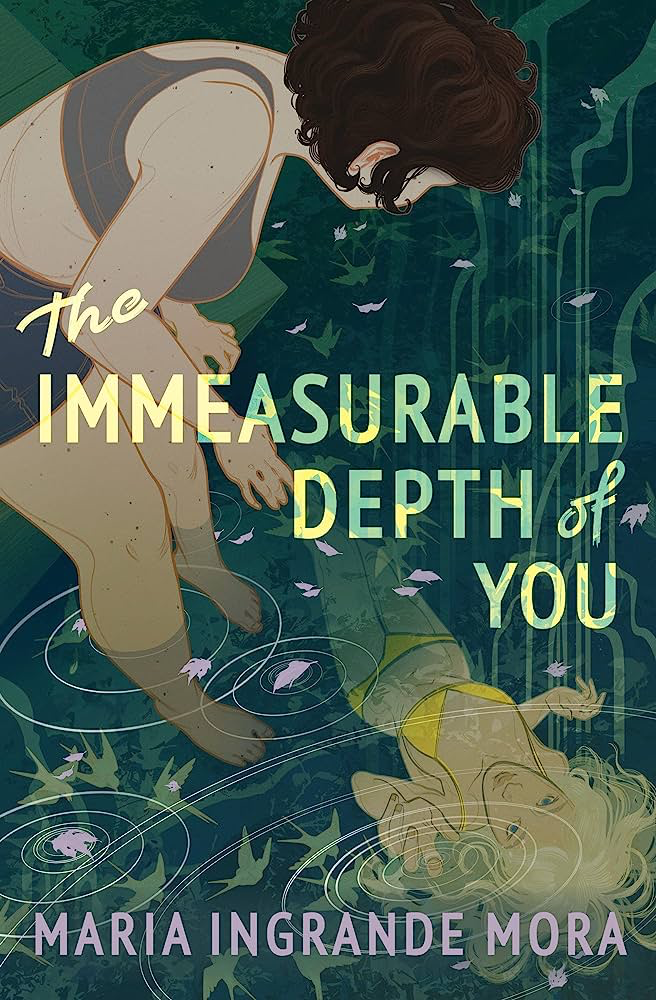
The Immeasurable Depth of You – Maria Ingrande Mora“I will not sing your name/And tie my heart to Jupiter/And watermelon dreams/I felt the fear of change…”

“Au Pays du Cocaine” – Geese

Alright, you got me. The jury’s still out if Getting Killed is getting lobbed onto the mounting pile of albums I want to listen to, but “Au Pays du Cocaine” makes me understand a modicum of the hype. Sometimes an album invades your Instagram feed for no reason, but half the time, there’s at least something to it, even if that something boils down to only a song or two. This song just makes me feel…safe. Yes, it’s seems more to be about a relationship with someone who’s ruined their life, but it feels so safe to me. It sounds like the friends you give you a ride when it’s too far to walk, and the people who texted me and offered their showers when the hot water shut off in my apartment. It’s a hastily-built up lean-to to give you a fleeting moment of shelter in the rain. The middle ground between my feelings about “Au Pays du Cocaine” and the more literal lyrics is that it’s a promise: believing that people can change, and being ready for them when they do. I’ve learned the hard way that for some people, you just have to let them heal on their own terms, but that you by no means have to forgive them, or even be there for that healing. There’s a hard-won freedom in that realization. But this song is for the ones that are worth sticking around forβ€”the people you love despite their faults. It’s rare to find those people worth sticking around for, but maybe that’s why I feel such solace in this songβ€”those people are few and far between, but this song is for them.

…AND A BOOK TO GO WITH IT:

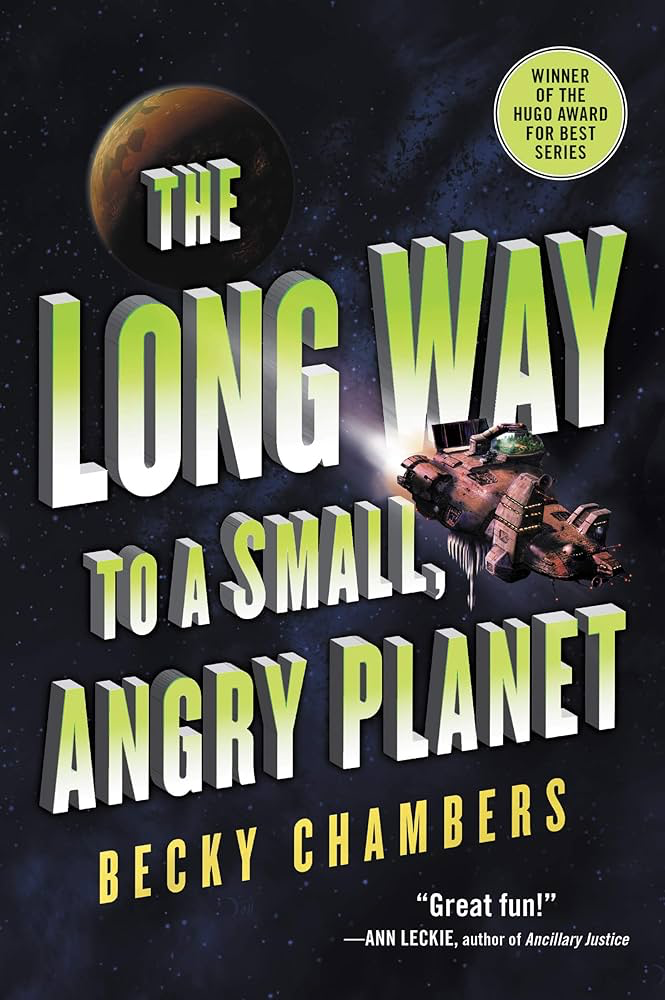
The Long Way to a Small, Angry Planet – Becky Chambers“You can be free/You can be free and still come home/It’s alright/I’m alright…”

Since this post consists entirely of songs, consider all of them to be today’s song.

That’s it for this week’s Sunday Songs! Have a wonderful rest of your day, and take care of yourselves!
Posted in Book Review Tuesday

Sunday Songs: 1/4/25

Happy Sunday, bibliophiles, and Happy New Year! I hope this week has treated you well.

This week: double-dipping on St. Vincent to start 2026 off right. Plus: songs you can effectively wallow in during cold weather, or if that’s not your speed, songs to keep you warm.

Enjoy this week’s songs!

SUNDAY SONGS: 1/6/25

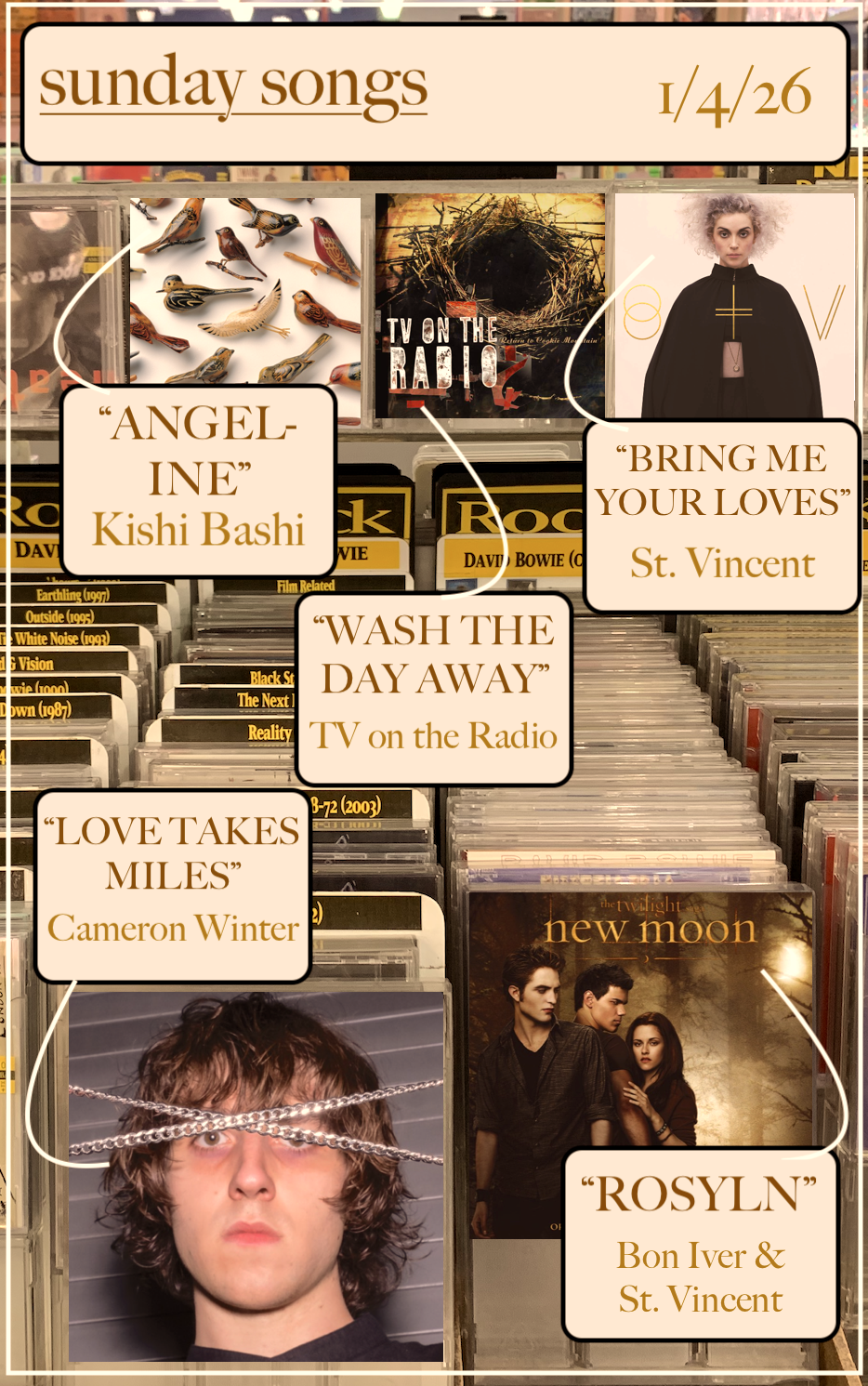
“Love Takes Miles” – Cameron Winter

As much as I’ve changed over the past decade, some things stay the same. When some pasty, mumbly white guy goes into alternative rock, I’M SEATED.

Other than a handful of songs, the Cameron Winter/Geese-mania seems to have passed me in fleeting glimpses. There’s nothing quite as wild as seeing some random band you saw open for Spoon in 2022 blow up all of the sudden. And good for them!! I’ve only heard “100 Horses” from the former, but it’s a solid art-rock song. No pun intended, but it’s honestly miles away from this song, but something about it snagged me immediately. Winter’s said white boy mumbling took a few minutes for me to a) get used to and b) decipher in the first place, but once it did, it put me in an undeniable chokehold.

The beautiful thing to me about “Love Takes Miles” is that it simultaneously sounds wise beyond its years, in the way that random encounters with old folks do, but so distinctly saturated with young love. I love a good yearner song, and this is prime yearning territoryβ€”even the strings sound like they’re also wistfully staring at the moon. “Love Takes Miles” is a breathless, lovestruck sprint, but one that’s ready to steady its pace into a marathonβ€”after all, “Love takes miles/love takes years.” Young love as it is, Winter fully embraces the commitment that comes along with love, and wholeheartedly throws himself into it. It’s an ode to being so in love that you know what it is to get really, really into the weeds with someone, knowing that there will be all manner of forks in the road. As far as I can see, Winter’s at the wheel, and he’s ecstatic about every bump on the merit that he’s spending it with the people he loves most. AMEN! YOU BETTER START A-WALKIN’, BABE!!

Do I agree with the endless YouTube comments comparing Winter to [checks notes] Brian Wilson and Beethoven? Jesus Christ, no, I’ve only heard…what, three songs? Beethoven? Goddamn. And yet, what a tender pearl of a song. I’ve played it countless times now, and every time, it gives me the urge to have an impromptu kitchen dance party. Heck, it makes me misty if it catches me in the right mood. That string section, man. And that’s talent I can’t deny.

…AND A BOOK TO GO WITH IT:

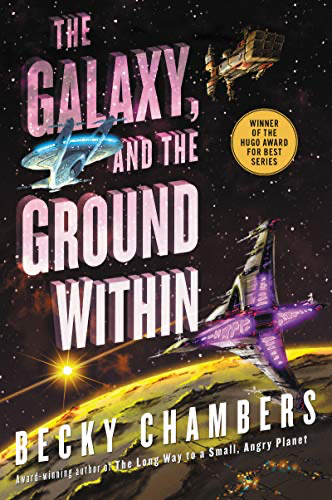
The Galaxy, and the Ground Within (Wayfarers, #4) – Becky Chambers“Love will call/When you’ve got enough under your arms/Oh oh, mama/Love will call/Love will make you fit it all in the car…”

“Rosyln” – Bon Iver & St. Vincent

My brother was brave enough to endure all four movies of the Twilight Saga for the bit, and I can’t say that I’m that brave. For both the books and the movies, Twilight is something I’ve absorbed bits and pieces of through meme osmosis. But if there’s one thing that I’ll give these movies, it’s that they have some bangers on the soundtrack (see: “Supermassive Black Hole”). It made me so mad as an 11-year-old to see that this was always the most popular of St. Vincent’s songs on iTunes, but that was probably because I was conditioned to be a Twilight hater. But I’m enough of a St. Vincent fan to realize how excellent of a song this is. Even though I’m writing this in January, “Rosyln” is such a distinct, perfectly autumn sound: it’s like the fog and chill were baked into the mix itself. Bon Iver and St. Vincent are an eery match in this duet, both of their voices cloaked in enough reverb to make them sound like they’re singing in tandem from the bottom of a well. “Rosyln” had been incubating long before Twilight: New Moon came out (the lyrics have nothing to do with the story), but it’s no wonder that they picked it for the soundtrackβ€”it’s so Pacific Northwest that you can feel the cold, damp earth beneath your boots and the dewy mist on your face.

…AND A BOOK TO GO WITH IT:

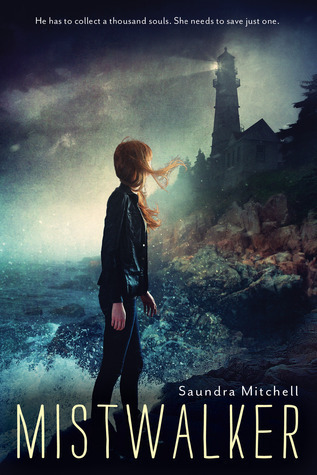
Mistwalker – Saundra Mitchell“Up with your turret/Aren’t we just terrified?/Shale, screen your worry/From what you won’t ever find…”

“Angeline” – Kishi Bashi

Intertwined with frequent listens to “Love Takes Miles” in the last hours of 2025 was Kishi Bashi. A ton of Kishi Bashi. You’ll be hearing more about him a lot more in the coming weeks (this is a threat). This song spurred it on, and it made me remember just how inventive he isβ€”there’s just such an intricacy to his compositions. Going through any given Kishi Bashi song feels like being in the middle of a woodcut illustration, ducking my way through all manner of delicately carved plants and watching wooden birds nestle in the branches.

Compared to most of the work of his that I know, “Angeline” is more restrained, and for good reasonβ€”Omoiyari, the album where it comes from, deals primarily with the climate of the United States in the 1940’s, particularly the Japanese Internment Camps (see: “F Delano”); It’s a somber album, collecting vignettes of the decade that lean into both the sorrow and conflict, but also the flickers of hope. The album’s inspiration mainly stemmed from the internment camps, but the more that Kishi Bashi researched about America’s fraught history with mass incarceration of minorities, the album grew beyond the experiences of Japanese-Americans and into people of color as a whole (with sobering parallels to Trump’s first administration…and today. God.) “Angeline” collects both the former and the latter like fireflies in a jar. Amid gentle acoustic strums, he weaves a tale of a Black man who falls victim to the Jim Crow-era practice of convict leasing, arrested for a petty misdemeanor and sent to work in the mines, all the while pining for the titular Angeline. For me, it’s songs like these that can be the most impactful; even if “Angeline” is fictional, by putting the human souls into historical events that the education system treats as vestiges of the distant past make them all the more realer, even if the characters are rooted in fiction. Education, for me, fails when it fails to recognize that within every historical event or system, large or small, there were innumerable lives and souls within it, not simply statistics or numbers.

…AND A BOOK TO GO WITH IT:

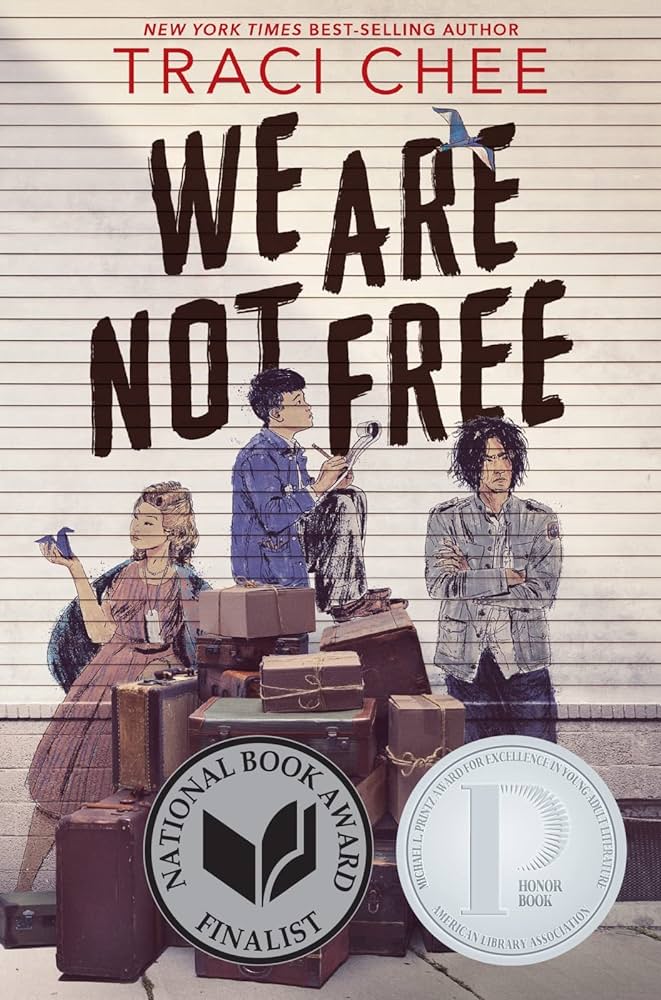
We Are Not Free – Traci Cheethough “Angeline” isn’t specifically about the Japanese Internment Camps, this novel deals with the same subject matter, also concerned with its parallels in the present day.

“Wash the Day Away” – TV on the Radio

There are closing tracks, and then there are Closing Tracks. Plenty of closing tracks can be appreciated on their own, but sometimes, a great closing track works as its primary function and nothing but. If this were anywhere else on Return to Cookie Mountain, it would be a foolish placement. “Wash the Day Away,” with its “Intruder”-esque drum intro and its grinding swirl of rusty sound, feels like a dilapidated airplane gently being guided onto solid ground. Although I still haven’t listened to Return to Cookie Mountain in its entirety, “Wash the Day Away” makes me want to listen to it more, just to get the full effect of this track; but back to back with the moving “Tonight,” it creates a crashing, sparking end to the album that collapses in a flurry of embers and scrap metal. Paired with “Tonight”‘s lyrics, it’s a bittersweet sendoff, pairing destruction and loss of innocence with accidental beauty: “We did believe in magic, we did believe/We let our souls act as canaries/Our hearts gilded cages be/Watched a million dimming lanterns float out to sea/Lay your malady at the mouth of the death machine.” (And oh my god, another lyrical win for Tunde Adebimpe! Man, he can really conjure an image.) It’s an explosion in slow motion, but Adebimpe and co. let you languish in the aftermathβ€”the last three minutes of this track’s 8-minute runtime are a slow fadeout from the barely-controlled cacophony, letting every bit of machinery run its course, guiding you gently out of the experience. Like I said: Closing Tracks.

…AND A BOOK TO GO WITH IT:

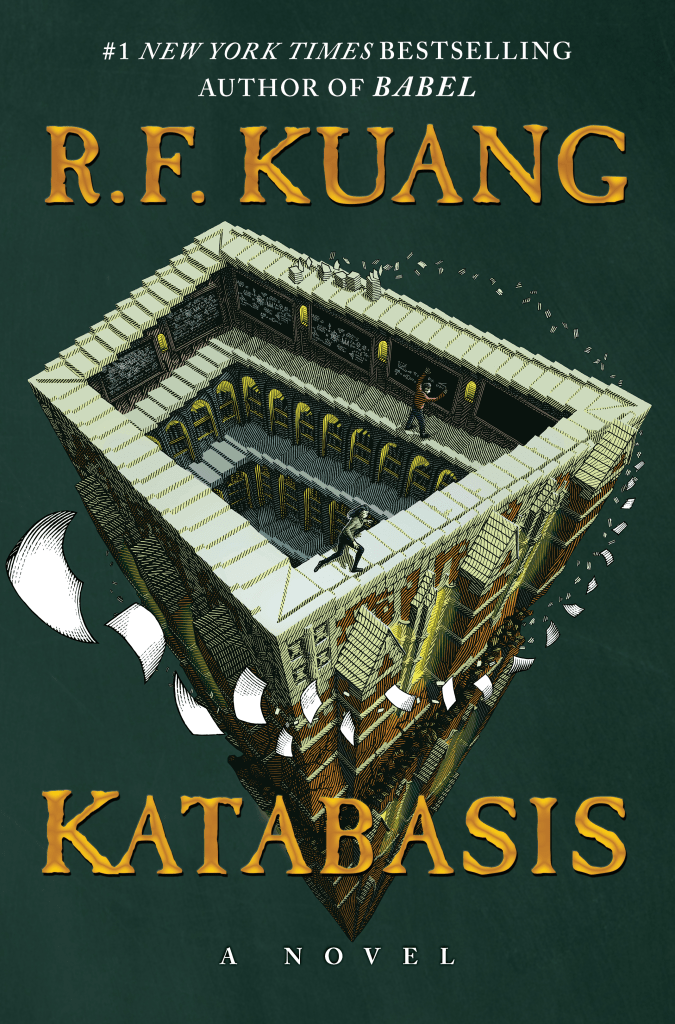
Katabasis – R.F. Kuang“We did believe in magic, we did believe/We let our souls act as canaries/Our hearts gilded cages be/Watched a million dimming lanterns float out to sea/Lay your malady at the mouth of the death machine…”

“Bring Me Your Loves” – St. Vincent

From 2015-2016, my laptop had three uses: schoolwork, Minecraft, and playing St. Vincent’s self-titled album and almost nothing else. I’ve talked extensively about how this album has permanently etched itself onto my consciousness, and 10 years after its release (as well as the release of the deluxe edition), it still holds up to me as such an out-of-the-box album, Annie Clark’s peak of creativity and jagged melodies. But back when I was in middle school, “Bring Me Your Loves” was my least favorite track on the album. On an album full to bursting with hit after hit, I still think that it’s the album’s weakest link. In contrast to the methodical process behind most of the album, it seems like all Clark herself has said about it was that it was “bananas. It’s just totally bananas.”

The more I listen to “Bring Me Your Loves,” the more it feels like foreshadowing for what was to come. It has a much more traditionally pop structure, and it’s less lyrically adept than the rest of the album, with a kind of baseline metaphor about feral and rabid love, leashes and dogsβ€”it feels like an early incarnation of the kinkier stylings of MASSEDUCTION, all leathery and sweaty and breathless. But it hasn’t reached that point yet, and strangely, it feels like the most suited to the vague concept surrounding St. Vincent’s persona at the time as a “near-future cult leader.” It’s very seductive, dealing in patterns of pushing and pulling, domination and resistance. Clark’s vocals on the chorus soar, twisting and turning from master to servant with every vowel. As is the norm with this album, “Bring Me Your Loves” pushes Clark’s guitar to places that you would never expect a guitar to go, turning it from an instrument into a futuristic siren song that ensnares you with its angular, jagged spell. It’s proof that even the weakest points on this album are better than your average song.

…AND A BOOK TO GO WITH IT:

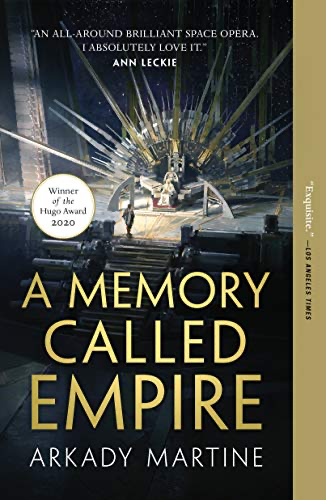
A Memory Called Empire – Arkady Martine“I, I took you off your leash/But I can’t, no, I can’t make you heel/Bring me your loves/Bring me your loves/We both have our rabid hearts/Feral from the very start start…”

BONUS: I couldn’t slip this in anywhere else, but speaking of St. Vincent and Twilight, here’s another song she contributed to the soundtrack of Twilight: Breaking Dawn, Part 2. Man, I wish it was a) on streaming, or b) available to buy without buying the whole album!! It’s another gem of that perfect, 2012-2015 era of St. Vincent trapped in amber. So, so delicious.

Since this post consists entirely of songs, consider all of them to be today’s song.

That’s it for this week’s Sunday Songs! Have a wonderful rest of your day, and take care of yourselves!
Posted in Books

The Bookish Mutant’s 5-Star Reads of 2025

Happy Tuesday, bibliophiles!
2025 is a year that defies any kind of platitudes for me, but it was a year full of upheavalβ€”good and bad. I’m nearly finished with college, I moved into an apartment, I had my golden birthday…all with the looming specter of fascism overhead. Too many people are concernedly fine with that last bit.

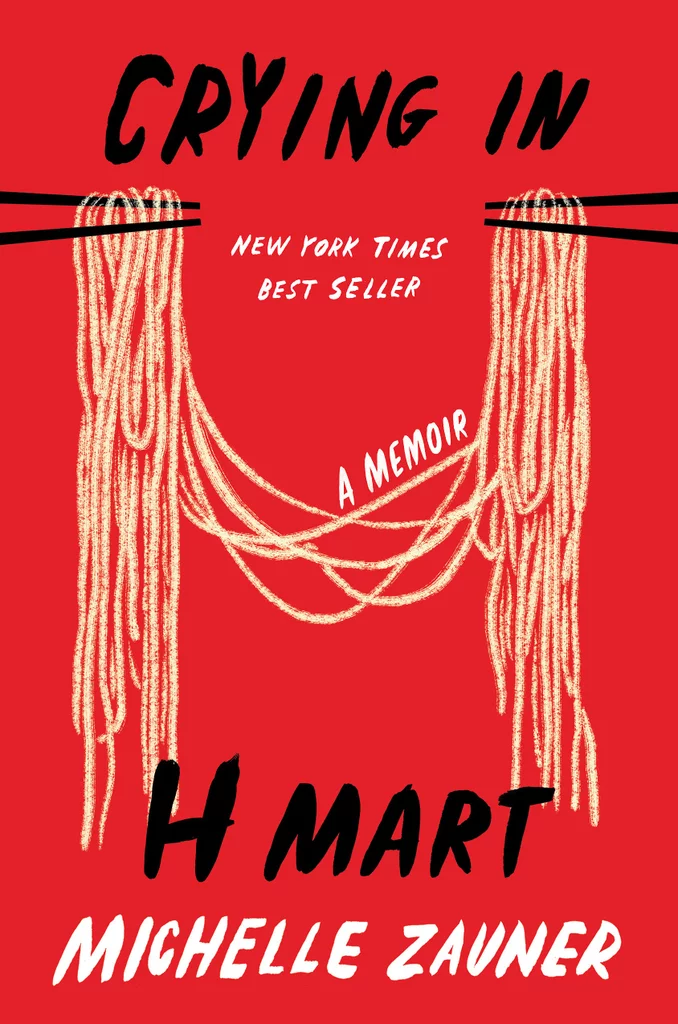
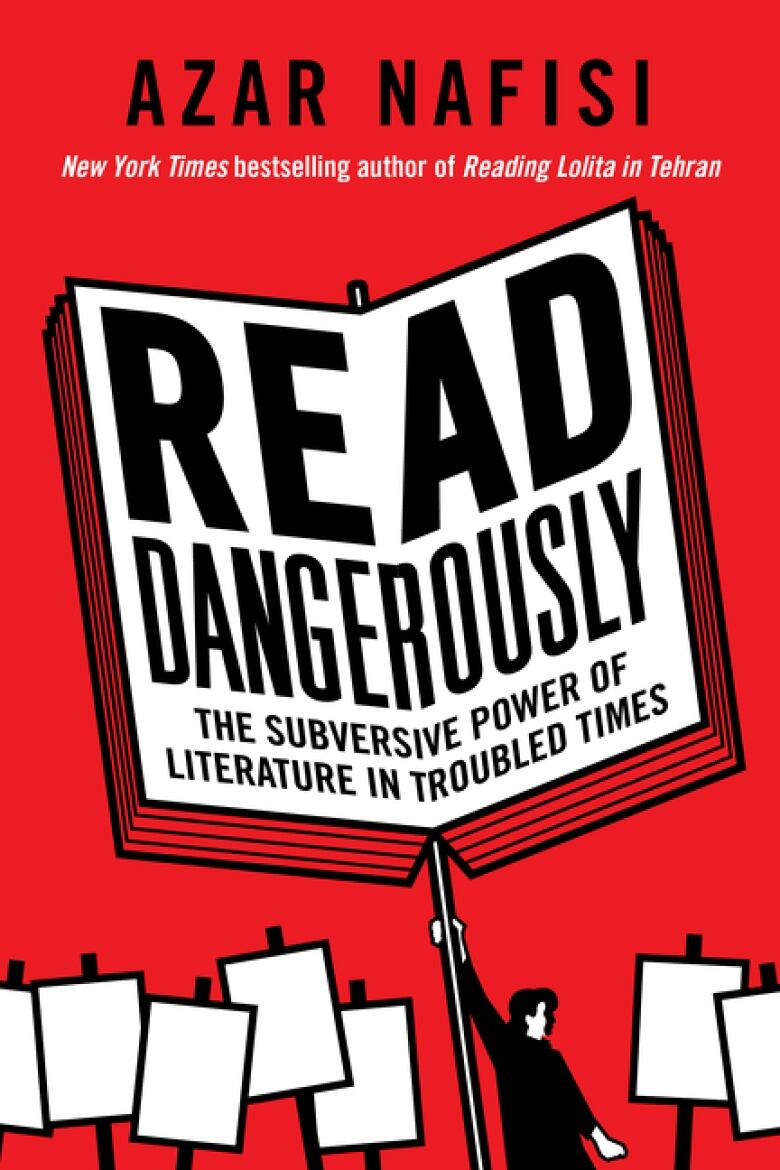
This year, I wanted to make a concerted effort to read more nonfiction. As of now, according to my Storygraph, my ratio of fiction to nonfiction is 88% to 12%, which…yeah, there’s still a pretty obvious bias. But compared to last year, where only 6% of what I read was nonfiction, that’s a significant jump up! 6% more than last year! Yet even still, most of my 5-star reads ended up being nonfiction this year, something that I did not see coming. Granted, not every nonfiction book I read was amazing, but there were some real heavy-hitters this year. Spanning from memoirs to essays on everything from grief, art, and identity, I feel like this nonfiction exemplifies my aim this year: to learn more, but to resist the kind of person that the government wants me to be, and that’s someone who is ignorant. I don’t want to thank the current administration for anything, but I will give them this: their insistence on dumbing down the population has only made me want to learn more.

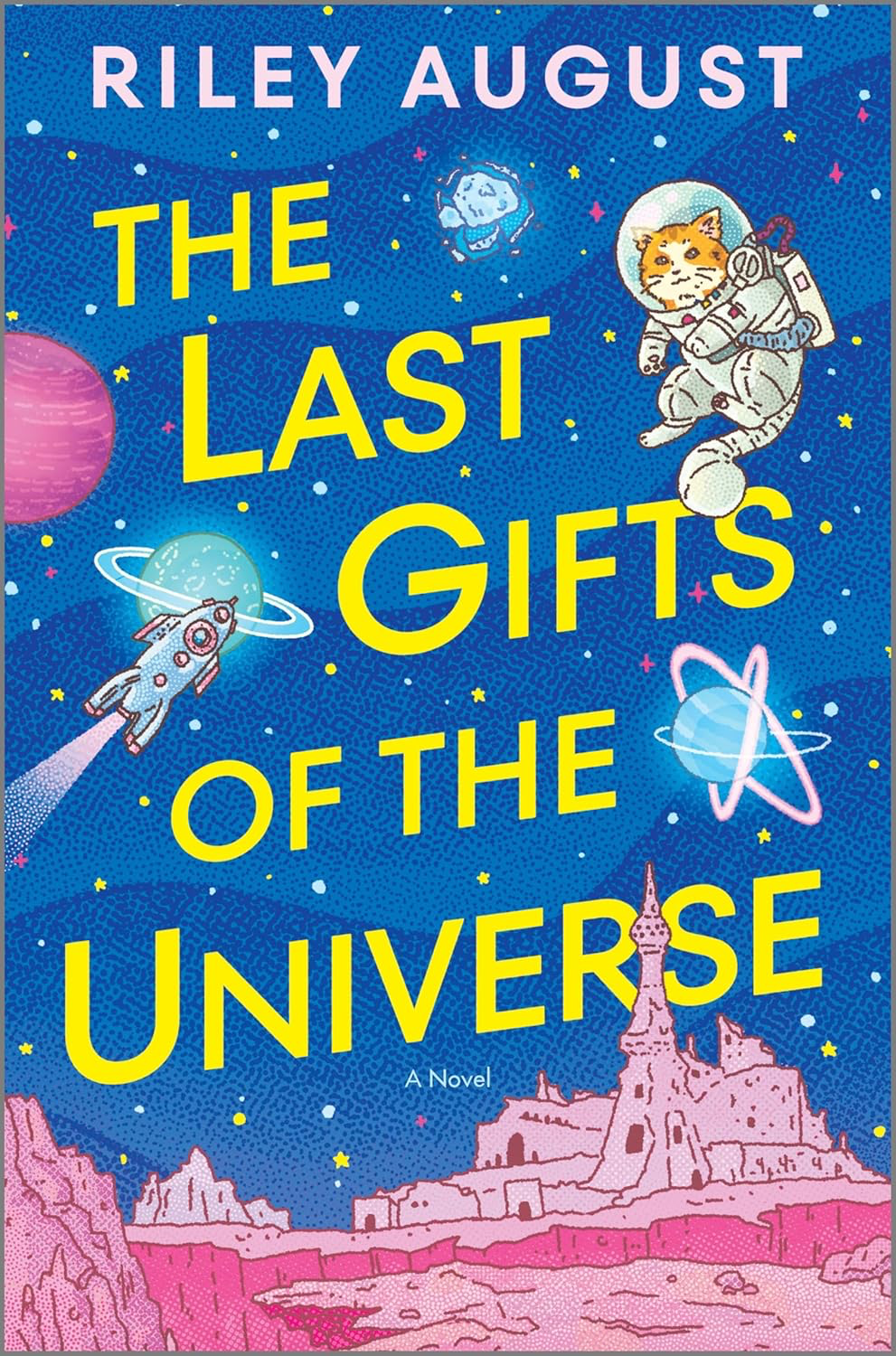
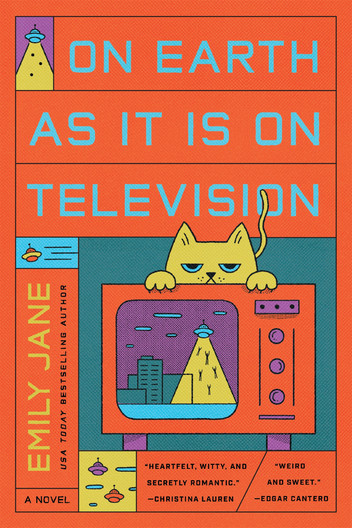
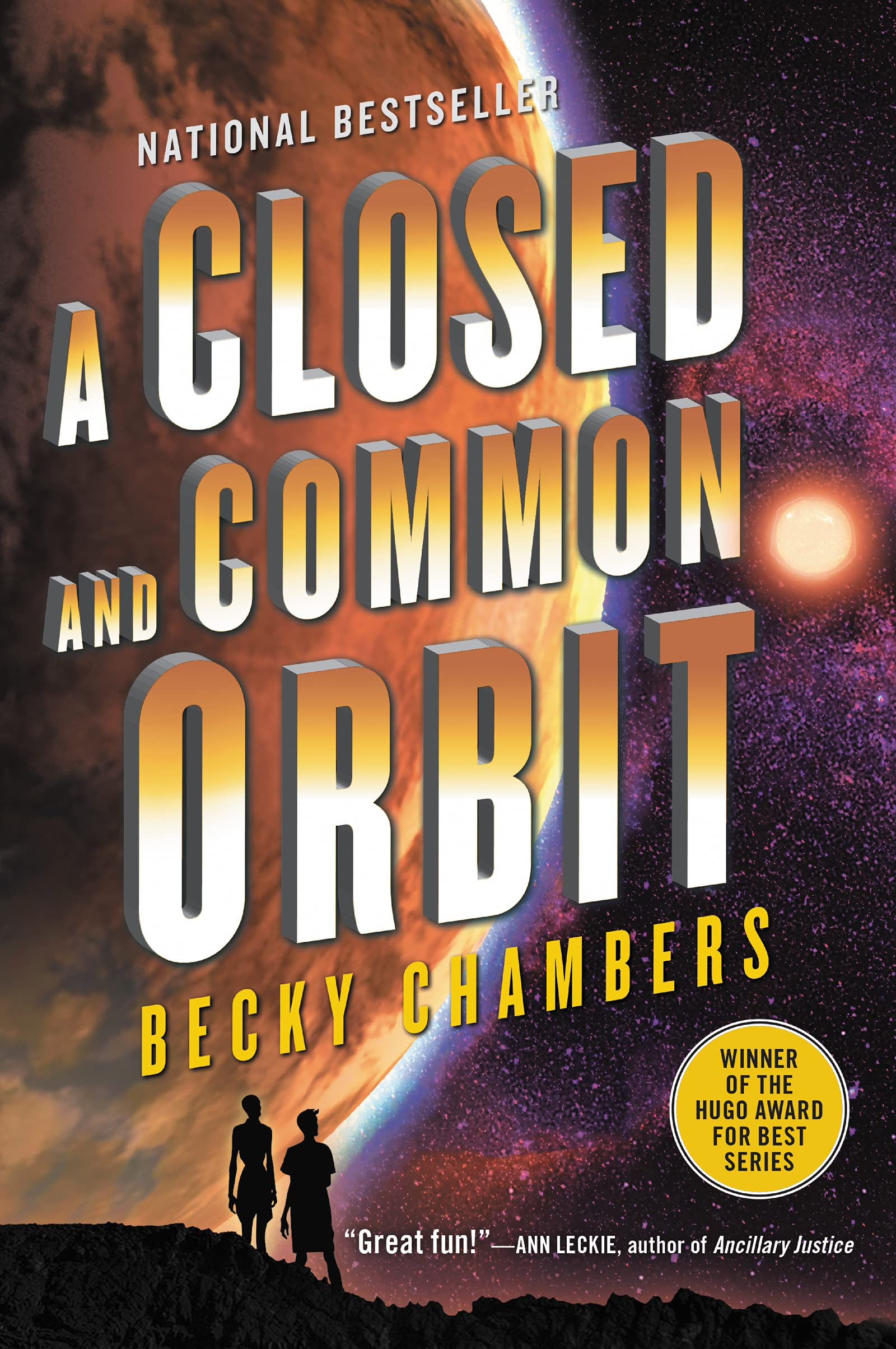
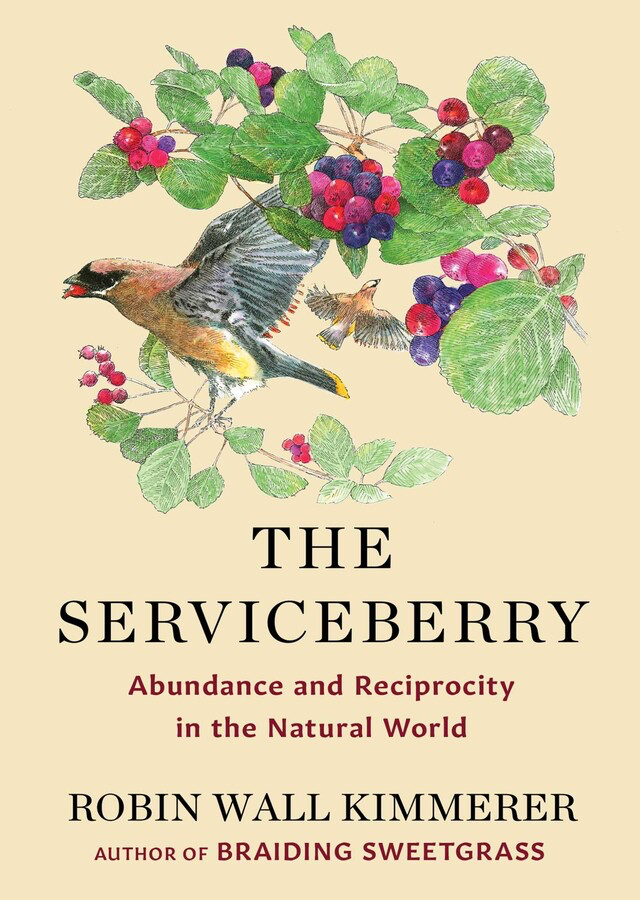
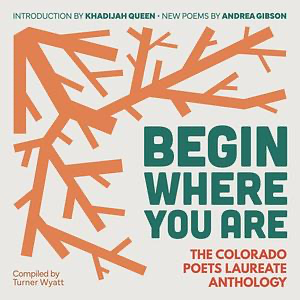
Last year, I talked about how my 5-star reads seem to shrink a little every year; I still maintain that it’s probably for the best, since I’m more selective now than I was before. (Also, it’s bound to be less since I read less and more slowly these days. I’m not blowing through 300 books a year like I was when I was 10 years ago.) And yet I noticed this year that sometimes, I was almost afraid to rate books 5 stars. I found myself second-guessing constantly: did it really move me that much? Was it that good to deserve full marks? Sure, I’ve retrospectively changed ratings of books here and thereβ€”it’s bound to happen as we ageβ€”but I just need to remember to go with my heart. And what spoke to my heart this year was an oddball bunchβ€”fiction, nonfiction, poetry, and science fiction featuring cats. All of it moved me in some strange way, giving me the liberatory knowledge to move forward and the strength to persist. So here’s to these amazing novels that moved me the most this year.

NOTE: Normally, I don’t include re-reads on my 5-star reads of the year, but in this case I’ll make an exception, since for one of them, I retrospectively changed my rating to 5 stars. There’s nothing like a book that’s even better the second time around.

⭐️⭐️⭐️⭐️⭐️THE BOOKISH MUTANT’S 5-STAR READS OF 2025⭐️⭐️⭐️⭐️⭐️

*I’ve bumped this up to the full 5 stars from 4.75 in retrospect. Deserved.

HONORABLE MENTIONS (4.5 STARS)

TELL ME WHAT YOU THINK! Have you read any of these books, and if so, did you enjoy them as much as I did? What were your favorite reads of the year? Let me know in the comments!
Today’s song:

That’s it for this wrap-up of books! Have a wonderful rest of your day, and take care of yourselves!