Posted in Sunday Songs

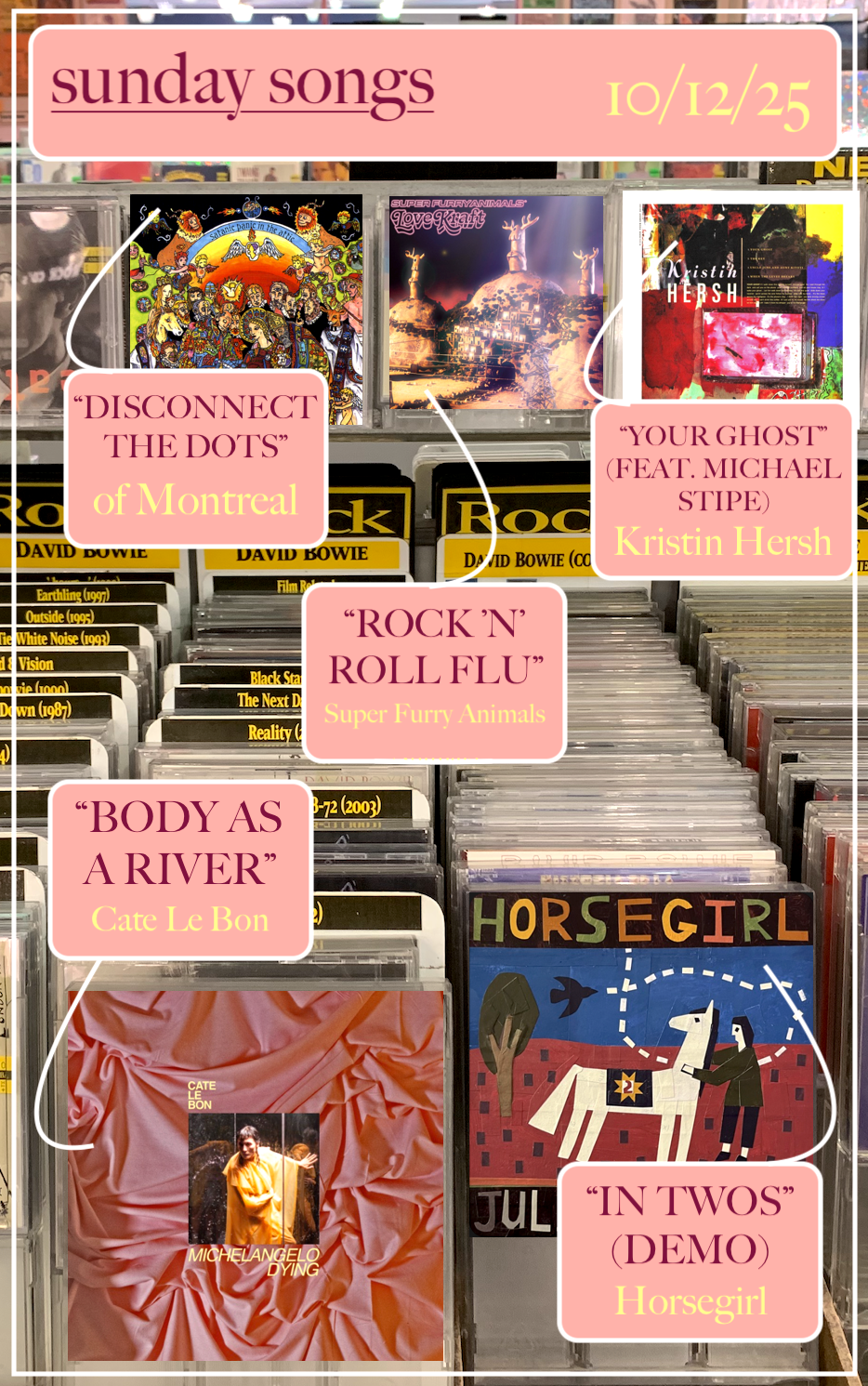
Sunday Songs: 10/12/25

Happy Sunday, bibliophiles! I hope this week has treated you well.

This week: shoutout to the Welsh for carrying alternative music at the moment. Also, I continue to eat up 99% of what Horsegirl does, and Michael Stipe appears in (somewhat) unexpected places.

Enjoy this week’s songs!

SUNDAY SONGS: 10/12/25

“Body as a River” – Cate Le Bon

Y’all. MICHELANGELO DYING! It’s a strong contender for my favorite album of the year at this point. I’m trying my best not to listen to it to death, but it’s so hard when this album has hidden sonic surprises every time I go back to it.

Since 2019, Cate Le Bon’s music has felt like an ever-expanding, tactile landscape. Listening to her last three albums feels like running your hands over a model village of an alien world, full of all manner of silken, rubbery textures charting out a world that only Le Bon has access to. Thankfully, she’s chosen to share that world with us, and her musical cartography has made me all the better. Michelangelo Dying in particularly made me feel like I was plunging through a sunlit creek, watching the sunlight dapple through the water onto my skin, watching pebbles, plants, and silvery fish dart through the current alongside me. As she maps out the prognosis of a personal heartbreak, she transforms her knotted mess of pain and grief into a vibrant swath of glistening sound; “Mothers of Riches” bobs up and down like birds vying for a mate, and “Ride,” with the help of John Cale (!!!), meanders into a searing climax and shows off Le Bon’s vocal and emotional range.

But it’s “Body as a River” that swept me off my feet and into the frigid creek waters—or the river, I guess I should say. Or maybe not: after all, “My body as a river/A river running dry.” There’s only a riverbed to speak of now, for Le Bon, a once rushing energy force now diminished by pain. It’s one of those songs that you instantly surrender to. Awash in thrumming pianos and guitars and saxophones so warped and bubbly that they cease to become instruments, Le Bon drags you along with the proverbial current. You can’t do much other than release yourself to the thrall of the music—and I’m glad to do it time after time. The entire album feels watery, but this feels like this musical concept pushed to its extreme; it all burbles and rushes like a waterfall, Le Bon’s voice layered, echoed, and pulled apart in all directions to linger in the feeling of exhaustion and transience. Her lyricism dwells in the real and the surreal in equal measure: “Do you see her/Falling on the wishing bone/Dripping like a candle?/In the pages lost/I’m holding on to sorrow and lust.” It’s a song that makes me glad to be alive in a time when, if you look hard enough, artsy people are honing their craft beneath the shadow of the mainstream, free to let their unique sound flow free like water. We don’t deserve Cate Le Bon.

…AND A BOOK TO GO WITH IT:

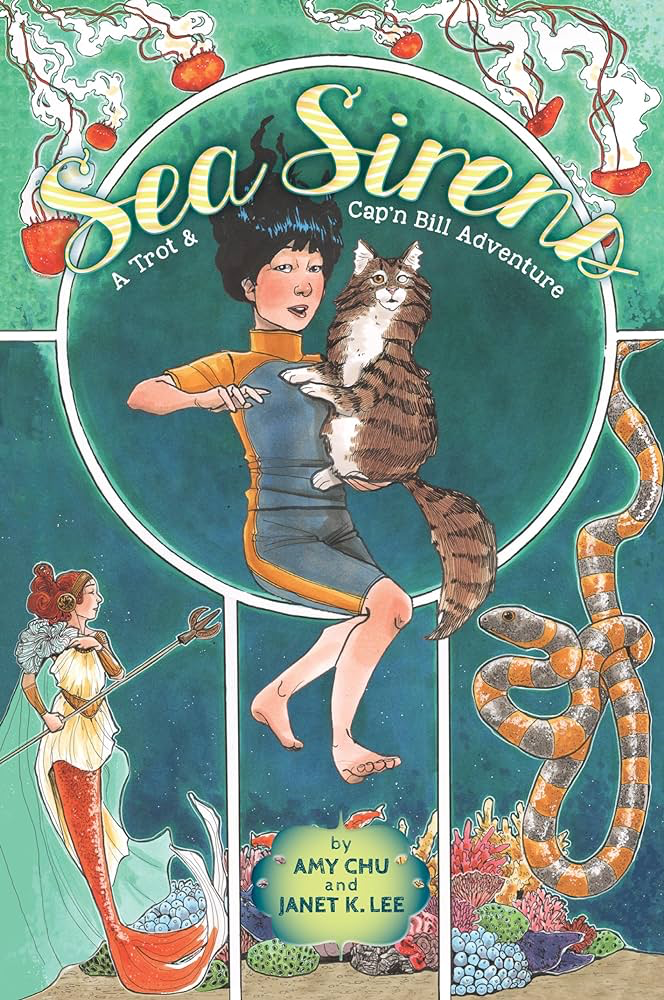
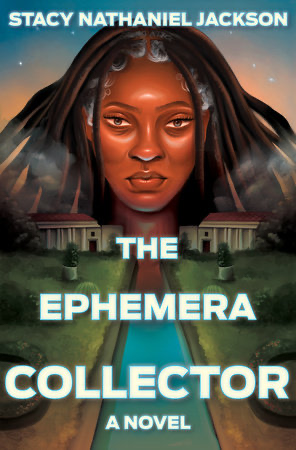
The Ephemera Collector – Stacy Nathaniel Jackson“See what you like/I read what I write/And it’s never without shame/My body as a river/A river running dry/And I’m sick all the time…”

“In Twos” (Demo) – Horsegirl

Phonetics On & On has had me in a chokehold ever since it came out on Valentine’s Day. Like Cate Le Bon’s new music, it just gives me so much joy that there are so many artists out there making music true to their quirky selves, and music that’s so catchy and creative at that. Somehow, even the demos are almost on the same level as the final products of the album—both versions of “Julie” were worthy, scratchy precursors to one of the album’s most introspective moments.

“In Twos” was a faintly melancholy bridge before the album really got up and started doing the dance from the end of Fantastic Mr. Fox, but it was one of the highlights for me in terms of songwriting. It was already a spectacular track, but somehow, this lo-fi, larval stage of it is almost better than the studio version. Practically, I feel like the lower key would’ve probably been more difficult to sing, but it feels more resonant and more fitting with the lyrics, a gentle, wistful ramble through crowded city streets. The spare instrumentals on the studio version made the melancholy more tangible, but on a personal level, I just love the more garagey sound that this demo has, chock-full of a more restrained version of the sounds of Versions of Modern Performance. Despite the wistfulness, they can never take the jangle away from Horsegirl.

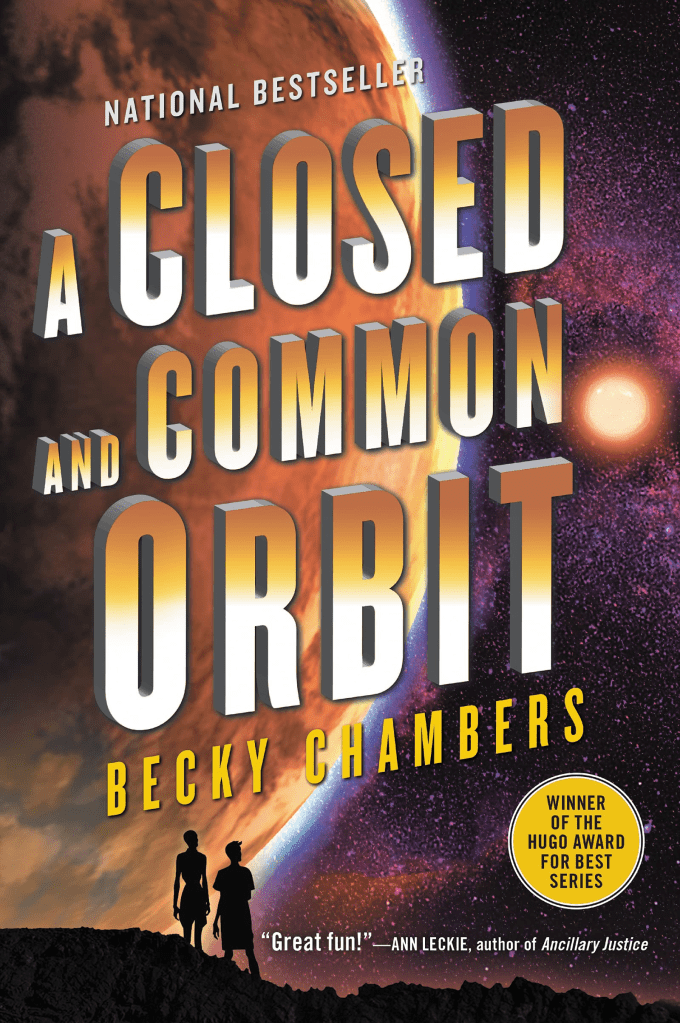
…AND A BOOK TO GO WITH IT:

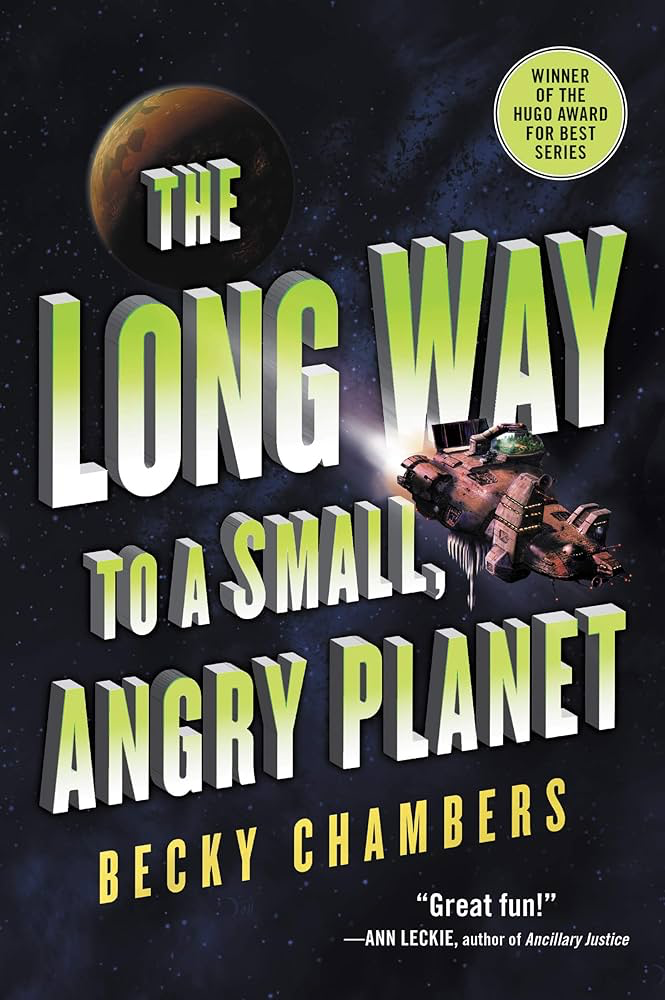
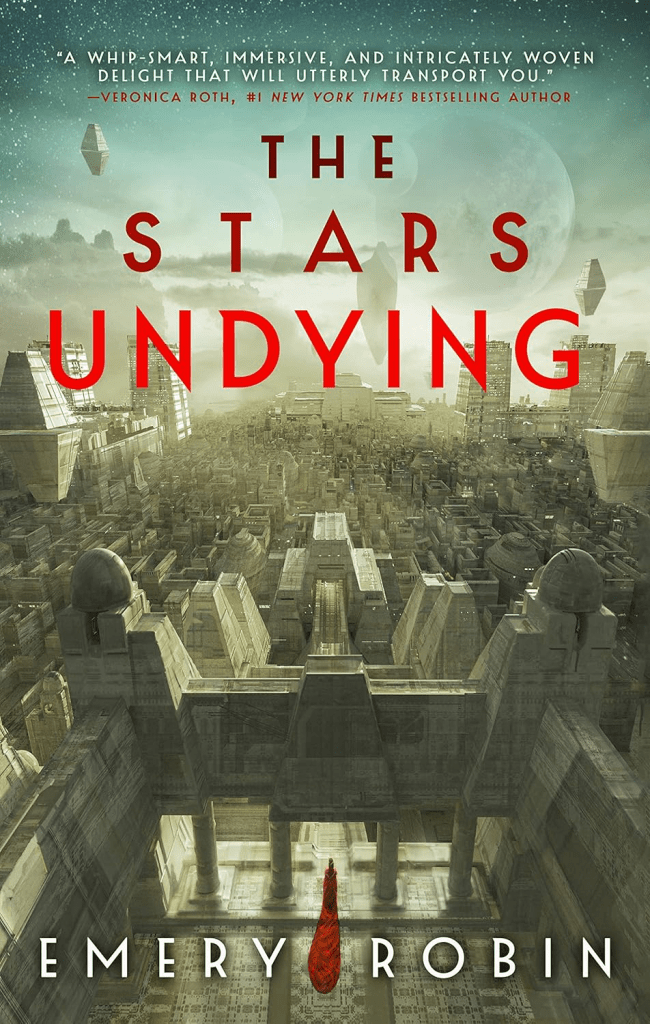
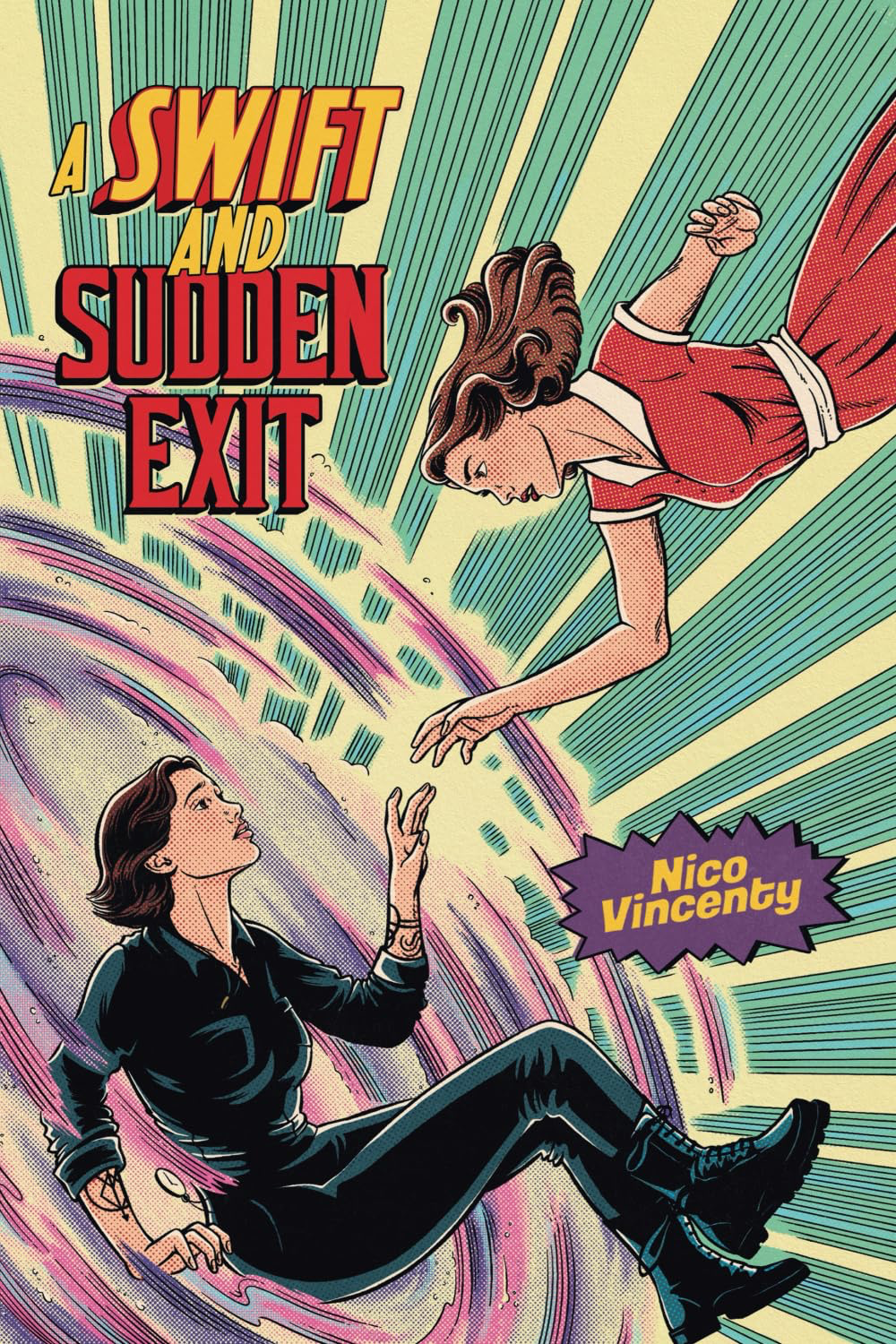
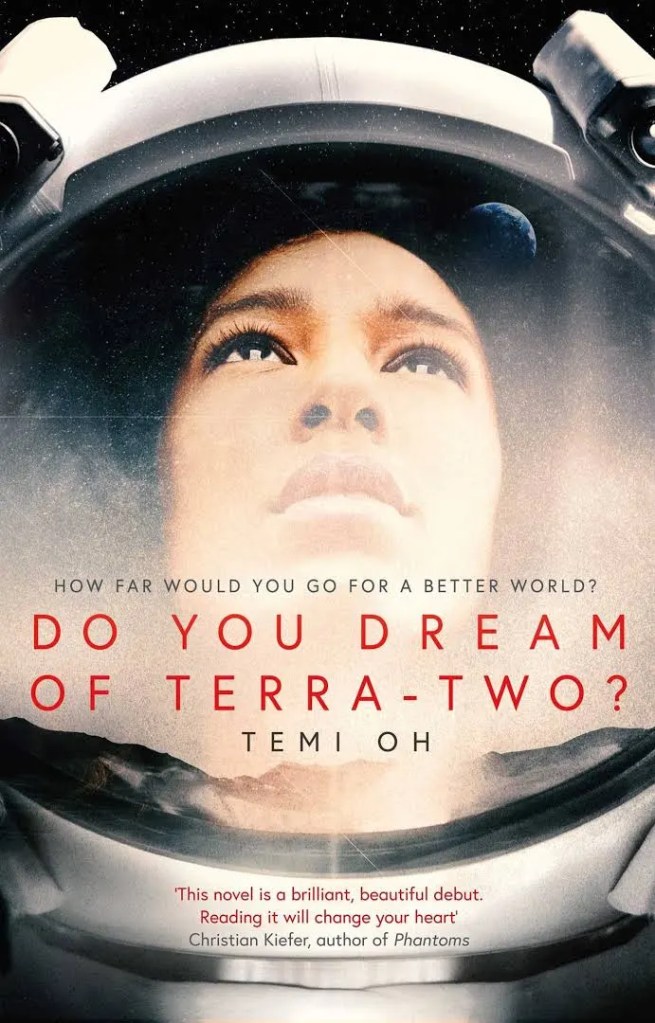
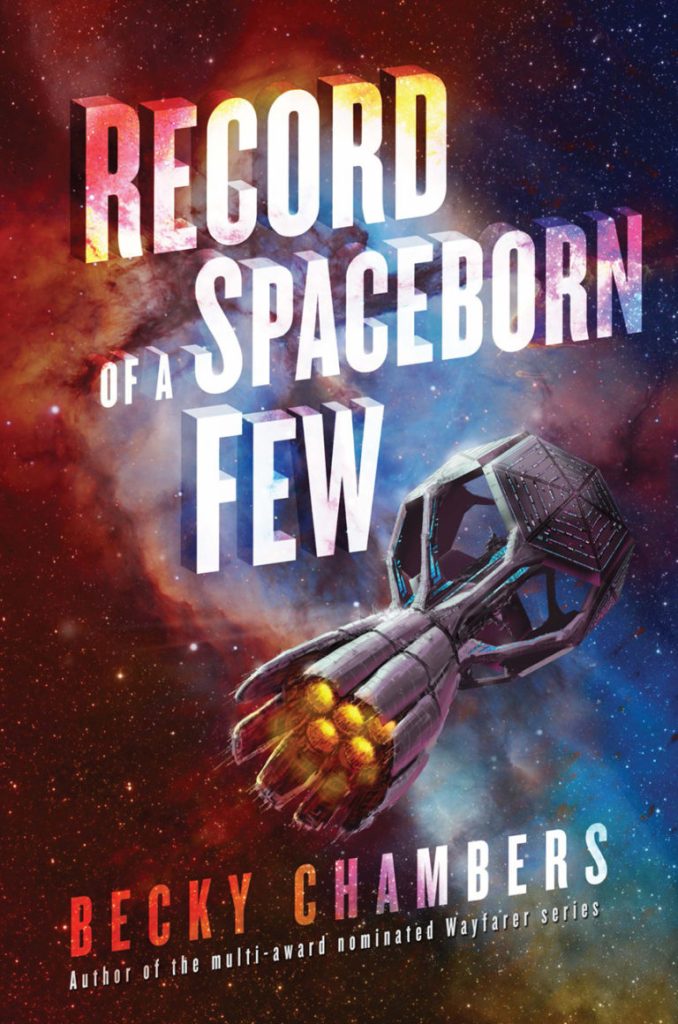
A Closed and Common Orbit (Wayfarers, #2) – Becky Chambers“Every car that passes by drives to you/Overlooked by any face just passing through/Your footprints on the street, they walk in twos/Every good thing that I find, I find I lose…”

“Disconnect the Dots” – of Montreal

Isn’t it so wonderful to look back on a musician’s sound to see exactly where the good stuff gestated? “Disconnect the Dots” is already the good stuff in question, but I swear it’s like peeling back a layer of age to see the future of where of Montreal would go in the next four years. I can practically hear an embryonic version of the anxious thrum of “Heimdalsgate Like a Promethean Curse” in the bouncing bass of this track and the ever-so-slightly off kilter, catchy dance music of The Sunlandic Twins. “Disconnect the Dots” comes right as Kevin Barnes had stepped off of the precipice of their potential; the lyrics haven’t gotten as English major delightful yet, but this feels like one of their dance songs, so it doesn’t really need those lyrics quite yet. What it does have, however, is Barnes saying “Come disconnect the dots with me, poppet”—I really should’ve seen “poppet” coming a mile away, but it’s such a quirky little additive to the song that exhibits a weirdness in Barnes that could never be suppressed.

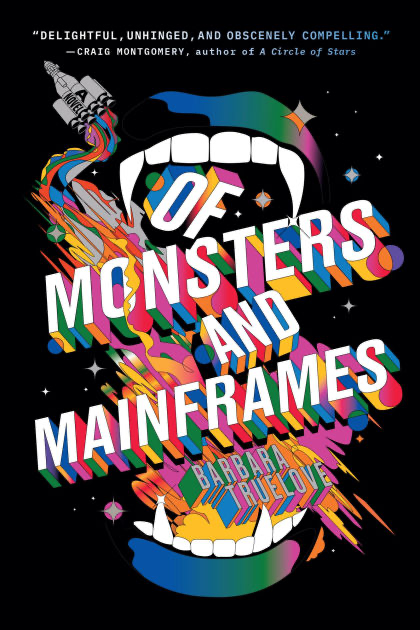
…AND A BOOK TO GO WITH IT:

Of Monsters and Mainframes – Barbara Trueloveonly a book as bonkers as this could be befitting of a song like this…

“Rock ‘n’ Roll Flu” – Super Furry Animals

“Rock ‘n’ Roll Flu?” That’s just what happened when I saw Gorillaz and then realized that I’d gotten RSV a few days later…thank you, thank you, I’ll be here all night.

Super Furry Animals have been all but dormant for the better part of a decade, having not released new material since 2016. Separately, most of the band has been active on different projects, but after an agonizing string of teasers that lasted a solid week, Gruff Rhys and co. announced a UK tour and a reissue of their 2005 album Love Kraft. The (extreme) optimist in me is hoping that they’ll do a US tour (and come to Colorado by some miracle), but…listen, I’m glad said super furry animals have emerged from their hibernation, at least for a fleeting moment. Big fan of whatever Super Furry Animal is in this visualizer too.

“Rock ‘n’ Roll Flu,” a joyous, harmony-driven stomper, was a B-Side from the Love Kraft sessions that has just now been released. Though I haven’t listened to any of the album, it’s got some of my favorite qualities of a good Super Furry Animals song. It’s got an absolutely glistening glam sheen to it; it really seems to shimmer like a just-washed car with a handful of water droplets clinging to the surface. With its spacey instrumentals and the seamless harmonies. It’s one of those songs that seems to encapsulate the art that Super Furry Animals surrounds itself with—it’s the exact kind of song to fit in the backdrop of their universe of bold colors and cartoon creatures on rocket ships.

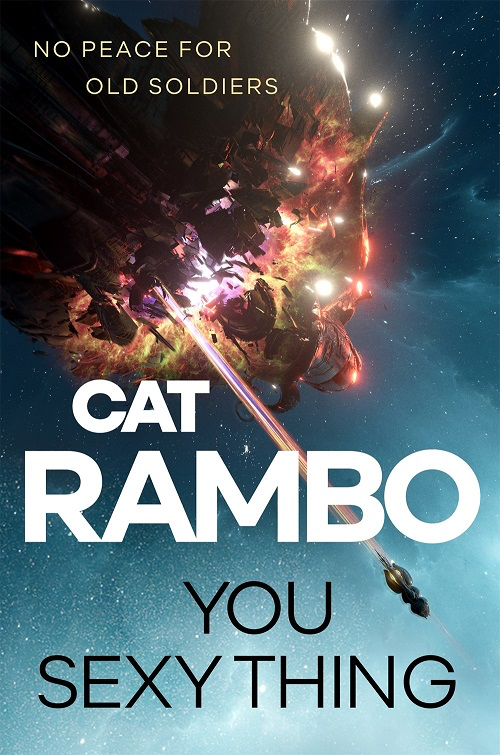
…AND A BOOK TO GO WITH IT:

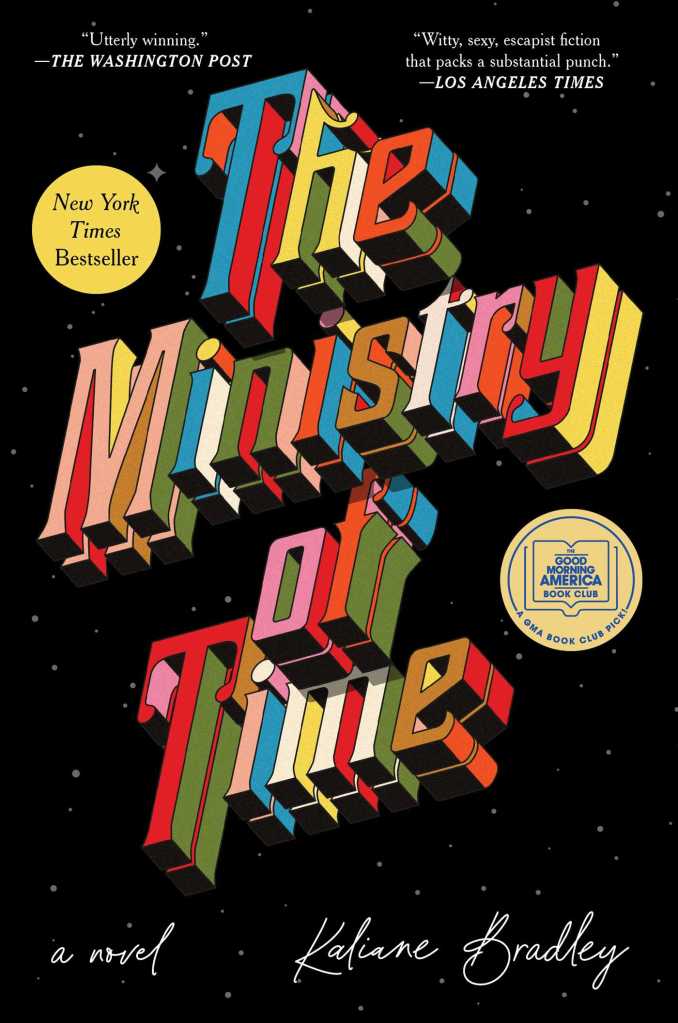
You Sexy Thing – Cat Rambothe perfect soundtrack to a bonkers yet heartfelt romp through the galaxy with a bunch of chefs.

“Your Ghost” (feat. Michael Stipe) – Kristin Hersh

There’s at least five different sayings about what you can do with three chords in a rock song, but some songs make you instantly understand every one of those sayings. It didn’t even occur to me that “Your Ghost” is comprised of only three main chords until I listened to it more closely. That might be a consequence of the cello in the background making it appear more lush and complicated, but it’d be lush without it. That’s that talent of someone like Kristin Hersh; she weaves a narrative so haunting and compelling that you barely even notice how deceptively simple the composition is.

Conflicting sources about this one have said that it’s either about Hersh’s struggles with schizophrenia as a teenager or grappling with the death of a close friend. Either way, the lonely yearning for something just out of reach resonates in every note. The music video, directed by Katherine Dieckmann, captures that feeling of an early 1900’s house with aging decorations that I associate with a solid handful of Hersh’s songs. This time, it’s cast in a more decaying light as Hersh sings of being mocked by memories and visions: “So I pad through the dark and call you on the phone/Push your old numbers/And let your house ring/Till I wake your ghost.” Her lyricism is nothing short of evocative, and the verbs are really doing the heavy lifting—her “pad[ding] through the dark,” and instead of simply waiting on the other line, she “slide[s] down your receiver/sprint[s] across the wire” as she yearns for someone to answer her. Nothing does, but this ghost, whatever it may represent, drives in circles around her in dreams, almost mockingly, as if taunting her with the reminder of mortality. When I first heard “Your Ghost,” I was floored by the fact that Michael Stipe and Hersh had crossed paths, but in retrospect, I really shouldn’t have been. I guess they did run in similar circles, and if you slicked up the production and added some mandolin, this could’ve been a cut from Green. But he proves a fitting duet partner for Hersh, whose voice echoes through the decaying wooden slats of her decaying house and onto a forlorn wind.

…AND A BOOK TO GO WITH IT:

What Happened to Ruthy Ramirez – Claire Jiménez“You were in my dream/You were driving circles around me…”

Since this post consists entirely of songs, consider all of them to be today’s song.

That’s it for this week’s Sunday Songs! Have a wonderful rest of your day, and take care of yourselves!

Posted in Book Review Tuesday

Book Review Tuesday (9/30/25) – Beasts of Carnaval

Happy Tuesday, bibliophiles!

Continuing with Latine Heritage Month, here’s a new release that caught my eye! The cover and premise seemed stunning, and I was intrigued by the inclusion of Taíno mythology. On almost all of those fronts, Beasts of Carnaval delivered instantly—I was hooked from page one!

Enjoy this week’s review!

Beasts of Carnaval – Rosália Rodrigo

Sofía has heard legends of Isla Bestia since she was a child. They say that enchanting performances and mysterious people populate the mysterious island, and those who come there are too entranced to ever return to the real world. Sofía is sensible enough to not believe the rumors. But when her twin brother goes missing, her trail leads to Isla Bestia. There, she’s drawn into a bizarre, luscious world of magic and shifting alliances. Caught up in a tangled web of intrigue, Sofía must keep her wits about her if she wants to find out which of her new allies are men—and which of them are monsters.

TW/CW: colonialism/imperialism themes, loss of loved ones (past), panic attacks, religious bigotry, blood, murder, racism/slavery themes, misogyny

Before I get into gushing about everything I adored about Beasts of Carnaval, I’ll get my one major pet peeve out of the way: fantasy worlds that are named so closely to reality that they basically are reality. Rodrigo’s world is essentially the Caribbean, except that the countries are named slightly differently—their colonizers are Hisperian, for instance. Real-word terms such as mestiza are used, so at that point…I dunno, it’s so close to historical reality, so why not just set it in the Caribbean of the past and just establish that there’s magic and some minor changes? Alternate history, anyone? I guess there’s a ton of fantasy novels that do that for European countries, but honestly, I’ve never liked it no matter the country that inspired the setting.

I dunno, the commentary would come across no matter the setting. Beasts of Carnaval isn’t the first book to have this, but for me, even though it peeved me, it didn’t take away from how lush the worldbuilding was; beyond the real-world hierarchies that were present, I loved the magic in this world, and it was integrated into the real world almost effortlessly. It’s a very fleshed out world rooted in historical themes and cultures, enlivened by vibrant and vivid magic inspired by Indigenous Taíno mythologies.

After reading Beasts of Carnaval, I’m absolutely going to be looking out for anything else that Rosália Rodrigo writes, because the prose of this novel was truly captivating! A Carnaval-inspired setting is bound to have some fun imagery, but Rodrigo wrung every ounce of magic out of it. With her prose, Isla Bestia wasn’t just abstractly a place that nobody wants to leave—she really makes you feel the seductive enchantment of the entire island! From the first description of the hummingbird dancer at the beginning, I was nothing short of captivated—I was hooked from start to finish, and I loved every minute of exploring the world that Rodrigo had crafted!

Compelling prose needs a compelling protagonist, and Sofía was just that! I adored her character, and she just seemed to leap off the page for me. From the start, I loved the many facets of her personality; she was strong-willed, determined, sensible, and sometimes practical to a fault, but I loved watching her adventures. Especially in contrast to the other characters around her, she was so focused on her mission of finding her missing brother that I got sucked in immediately. Hidden beneath her practical exterior, her deep caring for Sol made me root for her instantly, and I loved the way she fought back against the micro (and very much macro)aggressions that she experienced in daily life for being mixed-race. It’s rare that I love a character from the get-go, but Sofía captured my heart immediately!

A part of Sofía’s character that I also appreciated was the discussion of her mixed-race/mestiza identity! As a mixed-race person myself (though I’m very white-passing), I loved the nuanced discussions surrounding her conflicting feelings about her identity and how it positioned her in the highly stratified world around her. Rodrigo also had some excellent discussions about passing privilege and the treatment that Sofía got as this universe’s version of an Afro-Latina woman, especially with her being a former slave; Rodrigo did an excellent job of balancing her pride with the hurt she carries from enduring decades of racism from her peers and having to justify being a part of either of the communities she’s descended from. It was also especially poignant to have her arc revolving around discovering the magic of her Indigenous ancestors, inspired by Taíno mythology! It’s always so fulfilling to connect with one’s culture (speaking from experience), and to have that be physically manifested as healing magic was nothing short of emotional. I couldn’t get enough of it!

Overall, an enchanting and emotional novel that hooked me instantly. 4 stars!

Beasts of Carnaval is Rosália Rodrigo’s debut novel.

Today’s song:

MICHELANGELO DYING MY BELOVED

That’s it for this week’s Book Review Tuesday! Have a wonderful rest of your day, and take care of yourselves!

Posted in Books

The Bookish Mutant’s Books for Bisexual Visibility Week (2025 Edition) 🩷💜💙

Happy Tuesday, bibliophiles!

This past week, September 16-23, has been Bisexual Visibility Week, and today, September 23rd, is Bisexual Visibility Day! See me. I’m right here. Well, in your screen. Along with my Latine Heritage Month post, this is another one that I’ve neglected to do some years since it comes at a slightly dicey time in the school year, but I probably shouldn’t be neglecting, since it, y’know, directly correlates to my identity. Oops. A little embarrassing, but once again, no time like the present.

Every year. Every year, I swear to god. I’m much less online than I used to be, but from what I see snatches of, every other year, some discourse comes back about whether or not bisexuals are actually “queer enough” or if straight-passing bisexuals are allowed at pride, or something equally meaningless. (Also, I feel like everyone debating the latter should remember that Brenda Howard, a bisexual woman, was a key figure in creating Pride events and rallies as we know them here in the States.) Just seeing flashes of whatever’s going down on TikTok makes me lose a year off my life. But it brings up a point that I’ve often thought about when it comes to the queer community: the infighting needs to stop. Please. There’s no sense in playing the oppression olympics amongst ourselves, especially when the threats against the LGBTQ+ community at large are so much more pressing. Also, please stop being weird about bisexual people. This is coming from somebody who’s had the privilege of not experiencing any direct biphobia, thankfully, but has heard it in real life directed at friends and loved ones, as well as seeing it run rampant on the internet. All of this petty fighting is a distraction from what’s really happening: not long after they removed the word transgender from the Stonewall National Monument website, they removed the word bisexual from the “history and culture” section. As of now, they’ve since reinstated it (though the absence of trans people remains glaring…love to all my trans siblings, in light of, well, everything), but it sends a clear message: they’re bent on cutting our community up until they can conveniently erase it from American history. And we will not be erased.

To all of my fellow bisexuals: you are bisexual enough. No matter your relationship status, attraction, or partner, you will always be bisexual. Nobody can dictate your identity but you. Not the internet, not the people in your life—nobody. There is no one central bisexual experience, but every individual experience under the sun is valid, so long as you want to claim it. You’re the captain of this ship, and you are bisexual enough. And you are loved. I don’t know about you, but I’ve loved being bisexual in the nearly seven years (Jesus, has it been that long?)

For my lists from previous years, click below: 

Let’s begin, shall we?

🩷💜💙THE BOOKISH MUTANT’S BOOKS FOR BISEXUAL VISIBILITY WEEK (2025 EDITION)🩷💜💙

FANTASY & MAGICAL REALISM:

SCIENCE FICTION:

REALISTIC AND HISTORICAL FICTION:

or “dear god, how do almost all of these books have pink/purple pastel covrers?”

TELL ME WHAT YOU THINK! Have you read any of these books, and if so, what did you think of them? What are some of your favorite books by bisexual authors? Let me know in the comments!

Today’s song:

MICHELANGELO DYING IS UPON US, LET’S GOOOOO

That’s it for this recommendations post! Have a wonderful rest of your day, and take care of yourselves!

Posted in Sunday Songs

Sunday Songs: 8/10/25

Happy Sunday, bibliophiles! I hope this week has treated you well.

This week: a David Bowie double feature (who could’ve seen that coming?), upcoming artsy albums, and more reasons why I really just wish I had dual British citizenship, because apparently all of the good music related stuff happens exclusively in the UK.

Enjoy this week’s songs!

SUNDAY SONGS: 8/10/25

“Is It Worth It (Happy Birthday)?” – Cate Le Bon

I could really do with some more restrained excitement about Michelangelo Dying, but…these singles just aren’t letting me do it! They’re both so enchanting! I can’t get enough!! I’m really hoping they’re not the best of the bunch, but I have faith that Cate Le Bon has something quirkily artsy up her sleeve, if this and “Heaven Is No Feeling” are any indication.

“Is It Worth It (Happy Birthday)?” takes the palette of the album down a more subdued, melancholy route than “Heaven Is No Feeling,” trading the former’s synthy strut for glassy-eyed introspection. But even with the thematic shift, Le Bon’s signature modern touches are there. Awash in fizzling, electronic textures, this track is an outstretched bolt of lavish fabric, much like the pink background of the album cover. Silky and watery, it makes every instrument feel like it’s been drenched in sunlit water, from the gentle, barely perceptible bass to the saxophones. I’m not usually this big of a fan of saxophones, but the way Le Bon utilizes them, more for added sonic texture than for dramatic solos, make her world even more layered and delectable to pick apart. It’s distinctively her, but I can’t help but think of the dense, dreamy soundscapes of the Cocteau Twins when I listen to it. (“For Phoebe Still A Baby” jumps out in particular.) Yet drama is what this song quietly thrives on, as the lyrics muse on trying to make light out of abject sorrow: “Open up in hell/And dress the hall/It’s a holiday/It’s a birthday/Is it worth it?/Is it worth it?” The lyrics nearly get swallowed by the sheer magnitude of sounds woven into the production—including the signature, lilting cadence of Le Bon’s voice—but it almost seems exactly her intention. It feels both mean and inaccurate to call any of it window dressing, but next to the lyrics, all about trying to laugh heartbreak away and pretend it’s something that it’s not, it feels like exactly the kind of shrouding she’s singing about. At the end, she laments that she’s “Checking out/Even with my language in him,” just as the listener tries to extricate her from the vibrant sea of sound she’s crafted to shield herself. It’s easy to get washed away in, and if the rest of Michelangelo Dying is anything like this, I’ll be gladly losing myself in it come September.

…AND A BOOK TO GO WITH IT:

The Ephemera Collector – Stacy Nathaniel Jackson“Open up in hell/And dress the hall/It’s a holiday/It’s a birthday/Is it worth it?”

“Saviour Machine” – David Bowie

“David Bowie predicted ChatGPT” would’ve been a good headline for this post, but as much as I love him, he was far from the first to ponder about AI. But really…this song does basically predict ChatGPT, and in this song it’s “President Joe” who introduces it to the world, which is kind of a crazy coincidence. Had to do a double take when I first heard the lyrics, for sure. Drawing from much of the sci-fi media of his time, Bowie’s version of AI comes in the form of The Prayer, an AI system introduced by President Joe to make the population’s decisions easier for them, from stopping wars to simply thinking themselves. However, it’s The Prayer itself that calls for its own destruction, going insane after having such decisions weighing on its shoulders and pondering: “Please don’t believe in me/Please disagree with me/Life is too easy/A plague seems quite feasible now/Or maybe a war/Or I may kill you all!” Life is too easy for sure, now that everyone’s trying to flirt and make art and music and go through school entirely with AI. Sorry, but can’t you idiots stop and forgo convenience to experience the tedious pleasures of the human experience? Embarrassing. Jesus Christ. Remember, kids: you can’t stake your life on a savior machine.

“Saviour Machine” rings reminiscent of short stories of the likes of Ray Bradbury, but it also reflects the much darker tone of The Man Who Sold the World. Though it wasn’t like he hadn’t trod into darker lyrical subjects before, going from something like “Uncle Arthur” to an album comprised of insane asylums, the Vietnam War, and gay sex with Satan in the span of three years is a whiplash-inducing left turn for anyone. I don’t think it’s the edginess of the subject matter that makes it feel more mature, but the exploration—The Man Who Sold the World represents a critical turning point in Bowie’s storytelling ability, and he was willing to explore places that he hadn’t explored before, pushing himself out of his typical territory in order to create something wholly unique. It feels to me what he said when he spoke about art: “If you feel safe in the area that you’re working in, you’re not working in the right area. Always go a little further into the water than you feel you’re capable of being in. Go a little bit out of your depth, and when you don’t feel that your feet are quite touching the bottom, you’re just about in the right place to do something exciting.” Darkness was coincidental, and of course, not all of the album is necessarily dark—it was merely territory that he hadn’t scoured before, and that challenge led him to create some of his most innovative work, time after time, album after album. “Saviour Machine” feels like the prelude to that storyteller’s attitude, one that would guide him to untold heights in his career.

…AND A BOOK TO GO WITH IT:

The Outside – Ada HoffmannA few centuries in the future, when something like The Prayer gets out of control…

“Real Lovin” – Black Belt Eagle Scout

Katherine Paul has a distinctly whispery voice—everything they sing sounds like they’re singing it into a cool breeze. Most of her music pre-The Land, the Water, the Sky suits it perfectly; though she’s become more adventurous with her vocal capabilities later on, a lot of her songs had a slower, softer demeanor that suited the airiness of her voice. But if there’s any song to be characterized by this, it would be this one. I’d forgotten all about “Real Lovin” for years—I initially listened to At the Party With My Brown Friends around five years ago—until it popped back into my shuffle out of nowhere. Though Paul’s voice soars with more volume towards the end of the track, her whisper-singing is perfectly suited to the quiet tenderness of the lyrics: “Now that you can dream/What is it you see/When you wake up in the folds of blankets in your bed/In your room/In your house/By yourself?” It’s the sound of a sliver of dewy light sliding through the slats of shutters in the early morning as you blink away the threads of sleep. Paul’s voice is a comfortable sheet over me as I listen, and she delivers what’s easily the softest, tenderest uttering of “well that’s bullshit” I’ve ever heard in a song. But no matter the intensity, which rises with every passing minute as the instrumentals build up, I never have a doubt that Paul means exactly what she’s saying.

…AND A BOOK TO GO WITH IT:

Each of Us a Desert – Mark Oshiro“You’ve tried and tried/What seems a million times and you wonder how you’ll end up/Is it the moon?/Is it the stars?/Do they rule you and your heart?”

“Crocadillaz (feat. De La Soul and Dawn Penn)” – Gorillaz

While I froth at the mouth that I can’t go to the Gorillaz exhibit in London, I figured it would be fitting to talk about them…for the millionth time on this blog.

It was a strangely pivotal moment when, a week after Cracker Island released back in early 2023, three more songs were added to the lineup. I had middling thoughts about the album up until then; for me, it represented the point at which Gorillaz (and later Blur with The Ballad of Darren) became nearly indistinguishable from Damon Albarn’s solo work. There were a handful of fun tracks, but as a whole, it failed to hold as much water as something like their first three records, even with the star-studded list of collaborators. And when it seemed all hope was lost…Del the Funky Homosapien and De La Soul returned! (Two years later, “Captain Chicken” has no business being so good for a song with such a goofy title AND samples of chicken clucks. God, it’s so good.) Disregarding the “Momentz” haters (heathens, all of you), every time De La Soul and Gorillaz collaborate, a special kind of magic happens. Even with Trugoy the Dove’s too-soon death hanging over it, “Crocadillaz” was one of the unmistakable highlights of the album. For a song about constantly looking over your shoulder and the trappings of fame, it has a steady, easy calmness to it, propelled by Dawn Penn’s “Doo-doo-doo-doo-doo-doo-doo” chorus, which gets delightfully stuck in my head more often than not. Trugoy and Penn make for an unlikely but smooth pairing for this song, with the former providing the sharp-edged, quick-witted verses and Penn’s smooth, resonant vocals giving the song a simultaneously retrospective and playful chorus. I’m not usually a fan of the “Gorillaz but it’s just the collaborators” songs, but with a pairing as talented as these two, it’s easy to excuse.

…AND A BOOK TO GO WITH IT:

So Let Them Burn – Kamilah Cole“Could play the sheep, but beware of the wolf’s eye/Hypnotized by the crocodile’s smiles/The exchange is brief, but watch for the teeth…”

“Watch That Man” – David Bowie

Aladdin Sane has to be the most iconic album cover in David Bowie’s catalogue. If you know any album cover, it’s that one—the nondescript, asleep-looking Bowie with a glittering lightning bolt slashing across the front of his face. And that silvery bit on his collarbone—I always thought it was a bone fragment when I was a kid, and my dad thought it was something like mercury pooling on his skin. It raises questions! It sticks in your head! And yet, the album cover gets talked about much more than the actual album. Sure, it’s probably the weakest if we’re grouping it in with Hunky Dory and The Rise and Fall of Ziggy Stardust and the Spiders from Mars, but that’s because you’re grouping it with two of the greatest albums of all time. But it’s really such a disservice that the album only gets remembered for the cover—there are so many excellent cuts from the album, even if it never usually makes the cut for hit Bowie songs (except for maybe “The Jean Genie”). It’s slick as hell, incredibly funky…it just rocks. Listen to the album and you just know. And “Watch That Man” is what sets the tone, a rollicking dance floor rocker that begs for you to shake your hips with every word—not just the “shakin’ like a leaf” bit. Inspired by seeing the New York Dolls live, “Watch That Man” follows a lively party, with the lyrical camera roving over every participant as the music blasts. I never had any particular problem with the mix, but it was one of the more rushed songs on the album, and on reflection, doesn’t sound as clean as some of the other tracks—it’s all a bit muddy, with most of the instruments, Bowie’s voice included, being at a very similar volume. But for a song meant to emulate the rush of a concert or being on a crowded dance floor, it gets the job done spectacularly.

…AND A BOOK TO GO WITH IT:

Kings, Queens, and In-Betweens – Tanya Botejudancing, parties, and no shortage of glitter and makeup.

Since this post consists entirely of songs, consider all of them to be today’s song.

That’s it for this week’s Sunday Songs! Have a wonderful rest of your day, and take care of yourselves!

Posted in Sunday Songs

Sunday Songs: 7/27/25

Happy Sunday, bibliophiles! I hope this week has treated you well.

This week: Aquarium gravel music, driving-in-the-summer music, and music that I would’ve made a badly-animated Warriors AMV for in elementary school, if I had the capabilities.

Enjoy this week’s songs!

SUNDAY SONGS: 7/27/25

“Drunk Drivers/Killer Whales” – Car Seat Headrest

Yeah, yeah. I will not shut up about the Car Seat Headrest show two weeks ago. This is a threat. Consider this me gripping the sides of your head and forcing you to look at this screen and listen to a painfully awkward gay man’s earth-shattering voice cracks. You WILL listen.

After talking about how he doesn’t play much of his old music anymore, namely that of Teens of Denial, Will Toledo said that this song was one of the more optimistic songs he’d written during that period, where he described himself as an “angry young man.” This is going to sound incredibly corny, but stay with me. I knew all the words to “Drunk Drivers/Killer Whales” for years, but it wasn’t until then that it really hit me. That’s when I knew them. Granted, I was 13 and focused more on the enigmatic wails of Will Toledo and the raw wave of emotion that swept me up in the undertow, but I never quite considered that, in the midst of an album steeped in substance abuse, self-hatred, and depression, that this is a much more optimistic outlook on it all. (Speaking of said substance abuse, I really think that listening to Teens of Denial so much when I was younger was unironically very good drug prevention for me. Sure, a good 50-75% of their songs up to 2016 are about drinking and drugs, but they’re all about just how deeply miserable Toledo was while drinking and doing drugs. They need to implement this album in schools instead of D.A.R.E.) I wouldn’t be surprised if “Drunk Drivers/Killer Whales” was the last song of the album written; it takes a more retrospective look at the cycle of self-hatred and bad decisions that color Teens of Denial as a whole, and it offers a knowing look, a hug, and a rallying cry: “It doesn’t have to be like this.” From the outside looking in, Toledo looks at the wreckage of everything he’s done up to this point, and professes this to his own anxieties:

“Here’s that voice in your head/Giving you shit again/But you know he loves you/And he doesn’t mean to cause you pain/Please listen to him/It’s not too late/Turn off the engine/Get out of the car/And start to walk.”

GOD. OW. That’s another way homer. I suppose it’s taken years for it to hit me like it was likely intended to, but that’s probably for the best. I think of recent times, when I was so wrapped up in my own anxiety that I didn’t even realize that I could make the choice to work with it, to create a life for myself that would result in me being a happier, healthier person. I’m still on that road. Every day, it’s a little more effort. But it’s all worth it, brick by brick. As Toledo says, “But if we learn how to live like this/Maybe we can learn how to start again/Like a child who’s never done wrong/Who hasn’t taken that first step.” The power is always in your hands, whether you realize it or not. You can’t make every negative thing in your life disappear into thin air, but you can make those choices, take control of the wheel and start to steer your life in a better direction. It takes a monumental, gradual effort, but IT DOESN’T HAVE TO BE LIKE THIS. It never does. Looking back to a year ago, I can’t be more proud of myself for taking that leap, of leaning into my support system to try little by little to end the cycle of anxiety that I was falling into. This song couldn’t have come back to me at a better time. You can always learn to start again.

…AND A BOOK TO GO WITH IT:

The Seep – Chana Porterlearning to break free of a state of societal complacency in disguise as betterment, and learning to live with grief, love, and every other complicated emotion.

“Stay” – Shakespears Sister

There’s a brief window in every decade where the signature sounds haven’t yet been cemented. It’s a limbo that allows for the final bastions of the last decade’s sound to grab ahold. This song comes to mind, because this is quite possibly the most ’80s song of the ’90s.

My mom knew exactly what she was doing when she played this for me. I feel like I was around 8 or 9 when she first played it for me. I wished I remembered more of the specifics, because I definitely had some kind of elaborate Warrior Cats AMV planned in my head set to this, but I remember just being so enraptured. It was one of those songs that instantly marked its place in my memory: I was in the backseat of the car, at a gas station, and the sky was overcast, and I’d just had a revelation. My mom and I are definitely interlinked at critical points in my music history, and the more I think about it, “Stay” was absolutely one of them. Like…how did I not know that the album was called Hormonally Yours? I mean, what else is there to say other than fuck yea, that’s an album title??

“Stay” is pure drama, and as over-the-top and gloriously camp as it is, in the right amount, that’s my absolute catnip. Funny that I should mention catnip, because despite the ubiquitous lyrics, it was meant to be part of a concept album, all based around [checks notes] this ’50s sci-fi movie called Cat-Women of the Moon. (Hence this song.) “Stay” was intended to be about the love story between one of said Cat-Women and one of the human male crew members of the ship to the moon, with Marcella Detroit being the Cat-Woman in love and Siobhan Fahey taking the part of, one of the other Cat-Women who shuns their romance. Despite Shakespear’s Sister not being able to execute the concept album as they wanted to, “Stay” retains the high drama and yearning present in the original idea. Over-the-top as it is, I can’t help but be enraptured by it, the same way that I was when I was a little kid. The dueling voices of Detroit and Fahey craft a story of operatic proportions, cranking the yearning up to 11.

Even though the Cat-Women of the Moon never saw the light of day, what did survive is glorious—namely the music video for “Stay.” Instead, we’ve got a vague sci-fi setting, where Detroit is doting over a comatose man, and Fahey is Death tempting the man to come to the other side, complete with a star crown and some absolute Harley Quinn crazy eyes. It’s so camp. God, I love it.

Jenny Joyce could never.

…AND A BOOK TO GO WITH IT:

Death’s Country – R.M. RomeroI’m aligning more with the music video interpretation here, but what’s more high drama than going into the underworld to save your girlfriend from the brink of death?

“Re-Hash” – Gorillaz

Nothing like a great pop song about how much pop music sucks.

Gorillaz, at least in the early days, was a study in artificiality. The project famously came about because Damon Albarn and Jamie Hewlett had been watching a lot of reality TV and hearing the much more manufactured aspect of pop music at the time (“It’s the sweet sensation over the dub/A one-off situation that don’t wanna stop”), and wondered if they could take it to the extreme: an entirely artificial band. In a way, “Re-Hash” was them slyly taking a shot at what Albarn viewed to be the state of pop music at the time, before blowing it out of the water and making the most artful indie-pop music possible. That first album is almost a no-skip album, and there’s no shortage of tracks that I constantly revisit. I hadn’t listened to “Re-Hash” in quite some time, and I’d forgotten just how incredible of an opener it is. Admittedly, my association with their self-titled album will always be of summer, since I’m pretty sure I first listened to it in July or August back in high school, but everything about “Re-Hash” is soaked in sunshine, with a combination of acoustic guitars mixed with drum machines that begs for a rolled down window. That Ba-ba-ba-ba-ba-aaaaah repetition towards the last third of the song is just infectious—without a doubt, a very recent holdover the more playful side of Blur’s discography. What a propulsive start to such an iconic album.

…AND A BOOK TO GO WITH IT:

Hammajang Luck – Makana Yamamoto – I’m going more off of vibes and atmosphere than lyrics, but this would fit right in with the more lighthearted sides of Yamamoto’s sci-fi world.

“Miami” – Cate Le Bon

Oh my god, CATE LE BON!! Reward is an excellent album as a whole—I’d say that it’s just about equal to Pompeii as far as consistency, creativity, and the uniqueness of the soundscape. Although she’d begun to transition into the more synth-dominated part of her sound here, Reward has a more naturalistic feel to it. Even if the album cover didn’t have her bent over, walking over the contours of a time-worn cliff against an overcast sky, it has this inherent aura to it that feels like having the wind toss your hair as you walk along a pebbly beach as a storm brewing in the distance. The comparison that jumped out immediately to me was Damon Albarn’s The Nearer the Fountain, the More Pure the Stream Flows, an album with similarly rocky shore imagery on the album cover and throughout the lyrics. I wouldn’t expect such a feeling to brew in me from an album dominated by artsy brass and woodwinds and synth in equal measure (lots of great clarinet and saxophone action here, similar to Albarn).

In my exploration into her music, I’ve found a constant in Cate Le Bon’s more recent work: she’s damn good at making an opening track (see also: “Dirt on the Bed”). “Miami” sounds like being in a goldfish bowl. The bright, percussive synths in the background bubble like an aquarium filter, while others sound like water sliding against glass. Some of the more recognizable percussion hushes like aquarium gravel crunching in the palm of your hand. It’s all so strangely aquatic, even with the steady blast of saxophones in the background. It honestly feels far more appealing than the actual Miami, but then again, my only experience of Miami was a grotty hotel, so maybe that’s my overall Florida bias. But I’d be hard-pressed to think of a song on Reward that’s better suited to open up Le Bon’s peacefully avant-garde soundscape than this one. It lulls you into a state of calm while enticing you forward with breadcrumbs of her signature, off-kilter charm. The lilt of her voice is as much an element of the ecosystem as the brass or the synths; if anything, it’s the goldfish in this metaphor, her voice like the smooth, effortless flap of fins underwater.

…AND A BOOK TO GO WITH IT:

A Letter to the Luminous Deep – Sylvie Cathralla gentle and tender dispatch from a submerged world.

“You’re Damaged” – Waxahatchee

For all intents and purposes, I really should be into Waxahatchee. Stylistically, she’s often grouped in the company of Snail Mail, Adrianne Lenker, and Soccer Mommy, which should be a massive red cape to my sad indie rock bull. (In fact, my reigning association with her is this one tweet that reads “I would personally be afraid of snail mail because she’s friends with waxahatchee and waxahatchee looks like she open carries”) But the main thing that keeps me from enjoying her most of the time is her voice. It’s fully just personal preference, and I’m sure she’s very talented, but Waxahatchee feels like proof that singing in cursive isn’t exclusive to pop music. Please!! Sing without over-enunciating everything!! My god!!

Thankfully, there are exceptions to the rule. “You’re Damaged” fits snugly into the indie rock that I usually love, with Katie Crutchfield’s sparse, bare vocals. Here, her voice soars, free of expectations, dipping deftly from hard to soft as she runs circles around memories of a broken relationship: “And no I can not see into the future/No I cannot breathe underwater/Bit your last word, I call out to you/This place is vile, and I’m vile too.” It mirrors the album cover of Cerulean Salt, where Crutchfield is blurry and submerged underwater, her face obscured by her own hair and the ripples of the water; rambling through the misty glass shards of memory, she struggles to break away from an unhealthy relationship when she’s just as unhealthy as the other part, wanting them when everything around her screams for her to do the opposite. It’s the kind of song that only a raw voice and an acoustic guitar can capture, and it does so hauntingly.

…AND A BOOK TO GO WITH IT:

Desert Echoes – Abdi Nazemian – “And no I can not see into the future/No I cannot breathe underwater/Bit your last word, I Call out to you/This place is vile, and I’m vile too…”

Since this post consists entirely of songs, consider all of them to be today’s song.

That’s it for this week’s Sunday Songs! Have a wonderful rest of your day, and take care of yourselves!
Posted in Book Review Tuesday

Book Review Tuesday (7/8/25) – Something More

Happy Tuesday, bibliophiles!

I’ve been looking around for books to read for Disability Pride Month, and in general, trying to find some books by Palestinian/Palestinian diaspora authors. Something More fit both of those, so I figured I would give it a go! Though it wasn’t a perfect novel, it had all of the qualities of a classic YA romance novel—angsty, romantic, and heartfelt writing.

Enjoy this week’s review!

Something More – Jackie Khalilieh

Jessie is determined to turn over a new leaf. On the precipice of starting high school, she wants to show the world that she isn’t the girl who she was in middle school—lonely, awkward, and more importantly, autistic. Keeping her diagnosis a secret, Jessie quickly makes new friends—and new crushes—at Holy Trinity High. But when her friendships begin to unravel and her relationships start to crumble, Jessie questions whether it’s worth it to keep her authentic truth a secret after all.

TW/CW: ableism (external & internalized), xenophobia, racism, substance abuse, bullying

Dude. Jessie and I would’ve been best friends in high school. I would’ve gladly welcomed another neurodivergent Radiohead girlie to go sneak off to the library with during my lunch period.

Though I can’t speak to the accuracy of the representation, I loved how Something More explored Jessie’s identity! It’s something that I assume has a lot of personal importance to the author, and Khalilieh’s explored all of the facets of Jessie’s identity with such sensitivity and love. I’m not autistic, but I am neurodivergent (I have SPD), and I deeply resonated with a lot of her struggles with fitting in and adjusting to high school while being neurodivergent. I loved the arc of Jessie realizing that there’s no reason to hide her autism from her friends, and I also appreciated that a lot of her friends, despite their flaws, were respectful and accepting of her identity. The same goes with her Palestinian-Canadian identity—again, I can’t speak to the representation, but Something More had such a lovely exploration of Jessie’s experience growing up in an immigrant household and feeling like an outsider because of her Palestinian roots. It’s a deeply refreshing intersection of representation in YA literature that I adored!

I normally don’t advocate for things becoming Netflix movies, but I swear that Something More has the perfect recipe for becoming that kind of YA classic that gets a cute streaming movie. I can already see the Clueless-esque ’90s soundtrack from here, tailored towards Jessie’s special interest and the music integrated in the novel. From Jessie’s diary full of friend and boy-related (and getting her parents to get her a phone-related) goals to Jessie’s unique spark as a protagonist, it’s got the classic tropes down to a science, yet never makes them feel tired. She injects the right amounts of both the sass and the vulnerability that comes with a lovable YA rom-com protagonist. Khalilieh perfectly captures the awkwardness of entering high school and the rocky path to fitting in and finding your place. Jessie has so much great development, from realizing her self-worth in the face of her crush being dismissive of her, to realizing that she needs to stand up to her toxic “friends.” Jackie Khalilieh has clearly done her homework on YA, and with a little refinement, is well on her way to making a classic.

Despite what I loved about it, Something More suffered from a few key flaws. The most glaring of them was that…oh my god, there were so many wild, random subplots and side tangents that didn’t contribute much to the plot. Jessie’s grandma, who was almost never mentioned, randomly dies towards the end of the book, one of her friends gets involved with a creepy older man and gets dumped in a parking lot, and the rest of the friend group continuously gets tossed between several skeevy guys, seemingly with no resolution. Yeah, high school is weird, but by the end of the novel, the relationship/ex statuses between Jessie and her friend group looked like that one panel in Diary of a Wimpy Kid with the massive relationship diagram. And that’s just her friend group of FOUR PEOPLE. It was wild. Other than the gross Mel subplot, which…at the very least, I guess it gave some depth to Jessie and Levi’s relationship, none of them added to the plot, and nor did they have any ripple effects throughout the novel. I guess there was only so much time for Jessie to reflect on her grandmother dying, but if they were as close as we were blatantly told in a handful of sentences, why did it barely have an effect on Jessie? Wouldn’t she be…y’know, experiencing some form of grief? It all just felt rushed and took away page time that could’ve been used to develop the more central relationships in the novel.

Speaking of relationships…thankfully, as the cover might lead you to believe, there really isn’t much of a love triangle. (Cue a sigh of relief.) I guess you could technically make an argument for it, but honestly, up until the 80% mark, I fully thought that things between Jessie and Griffin were going to stay completely platonic. Yet even then, Levi would’ve been the worse choice…LEVI. What a piece of work! I know that Jessie had to learn, BUT GIRL! YOU CAN DO BETTER THAN HIM! Just because he’s vaguely nice and looks like Kurt Cobain doesn’t mean that he’s not a flaky, disrespectful asshole! I get that Jessie had to learn both her lesson and her self-worth when it comes to falling head-over-heels for guys, but I feel like the writing of their relationship needed some work. I feel like the time between them meeting and having their first kiss was way too fast, even if Jessie was infatuated; their dynamic over the rest of the novel felt repetitive, and it didn’t serve much to the novel save for building the case for Levi being insufferable. As for Griffin, I did like their relationship, but I honestly think it could’ve worked romantically or platonically—I did like them getting together at the end, but I also would’ve appreciated him being part of Jessie’s (abandoned) goal of getting a guy friend and having a healthy depiction of friendships of the opposite gender.

Overall, a diverse YA romance that nails all of the factors for a classic formula, but faltered in its overabundance of subplots and awkwardly-paced relationships. 3.5 stars!

Something More is a standalone and Jackie Khalilieh’s debut novel. Khalilieh is also the author of You Started It and the forthcoming Everything Comes Back to You, which is set for release in 2026.

Today’s song:

I love this song, it sounds like being in a goldfish bowl…

That’s it for this week’s Book Review Tuesday! Have a wonderful rest of your day, and take care of yourself!

Posted in Sunday Songs

Sunday Songs: 6/15/25

Happy Sunday, bibliophiles, and more importantly, Happy Father’s Day!! I always end up writing one of these posts on Father’s Day, what with it landing on a Sunday and all, but it’s fitting, given that my amazing dad is the one who not only is responsible for a lot of my music taste, but was also the one to encourage me to write these posts and wanted to hear my thoughts. So thank you to him, for all of the gifts he’s given to me, and to my family. I love you. 🩵

This week: before I go radio silent for a week for a road trip, how about a random kick in the pants from 2019? Plus, new Cate Le Bon, old(ish) Shins, and others.

Enjoy this week’s songs!

SUNDAY SONGS: 6/15/25

“Jellybones” – The Unicorns

Chances are, given my proclivities for Car Seat Headrest and other like lo-fi, awkward white boys, I probably would’ve stumbled upon The Unicorns eventually. It was an inevitability. Either way, I was introduced to it via Black Country, New Road’s episode of What’s In My Bag?, and I can’t call it much else other than a delight in the many times that I’ve listened to it since. “Jellybones” is a whimsical title as it is, but the rest of the song stays true to that silliness, complete with bone-related puns (“Drove up in my bone-ca-marrow,” ba-dum tsss); the entire song revolves around jellybones (an obscure sort of expression for nervousness) being a genuine malady worthy of going to the hospital and getting limbs amputated for. Everything has a juddering, garagey sound to it, from the engine-like startup to the guitars to the keyboards, which the intro warps into the sounds I feel like I’d hear aboard a clunky, malfunctioning spaceship on the cover of a ’50’s pulp magazine. 2:43 feels simultaneously too short and the perfect length for “Jellybones”—I need more, and yet this song could only ever be a sputtering little firecracker, spurting out sparks and then gently slipping out of existence.

…AND A BOOK TO GO WITH IT:

Madman Comics Yearbook ’95 – Mike AllredJellybones definitely seems like it could be a genuine illness in the Madman universe. (Least wacky Dr. Boiffard subplot, maybe?) Either way, the lyrics definitely fit with the kind of silliness in these comics.

“Heaven Is No Feeling” – Cate Le Bon

Getting the one-two punch (positive) of new Big Thief (to be discussed) and Cate Le Bon on the same day was almost too much…and just when I thought that we were finished with all of my most anticipated albums of the year! Cate Le Bon’s new album, Michelangelo Dying, comes out this September, and suffice to say, if it’s anything like this song, I’m all ears.

Taking cues from the synth-heavy sound of Pompeii, “Heaven Is No Feeling” opens with an intro too good for a track that’s right in the middle of the album: a murmur of “What does she want?” before launching into a flurry of rippling, watery synths and guitars slathered in enough effects to make them camouflage with the synths. In line with her very ’80s sound, there’s plenty of saxophone, but not enough that it overpowers any of the rest of the song. Gently groovy and keenly observational, Le Bon takes the position of a wallflower: there is a kind of emotional distance to it as she watches the subjects as they move like pawns across a chessboard: “I see you watch yourself/Walk the room/Stroking the air/Like this paint won’t dry.” As she observes the distant fallout of a failed love, the song feels like she’s watching someone through security camera footage, pretending to be distanced when she hasn’t fully gotten over the wreckage—much like the music video, where a buzzcutted Le Bon watches herself on an old TV. Every repetition of “I see you watch me” feels like a degree of separation from the body and from her feelings (surely that’ll end well…), and “heaven is no feeling” becomes a kind of blissful removal from one’s own emotions.

…AND A BOOK TO GO WITH IT:

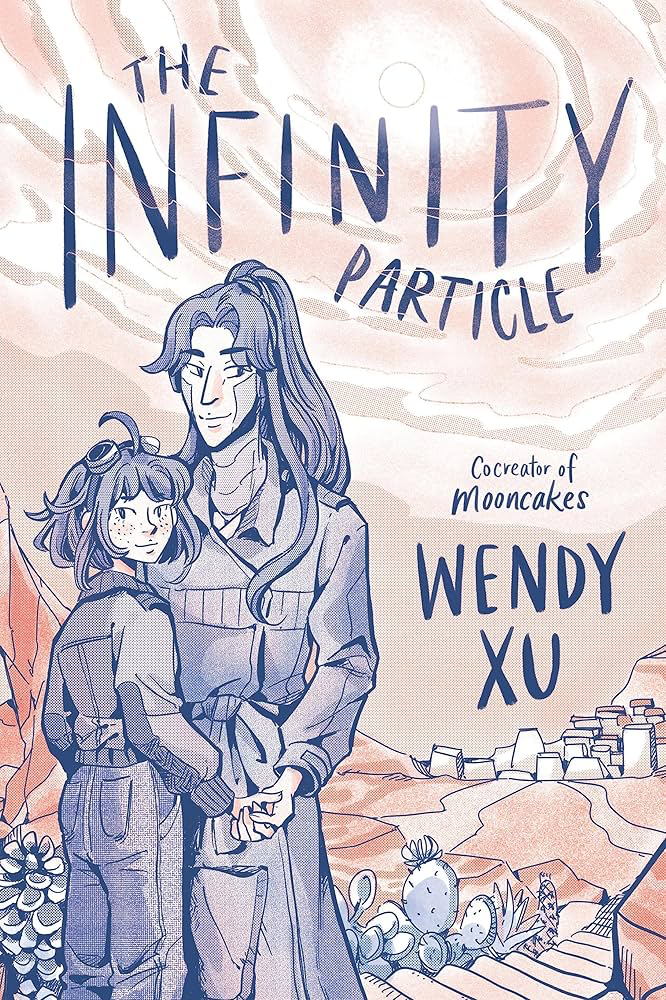
The Infinity Particle – Wendy Xu“I see you watch me watch you/Watch me move away/You occupy the space/Like a ribbon untied…”

“Chasing Shadows” – Santigold

Santigold, man. Nobody’s doing it like her. I often think of 99 Cents as being one of the only happy albums of 2016, but next to Blackstar, A Moon-Shaped Pool, and Teens of Denial, anything looks happy. But what makes me keep coming back to songs from 99 Cents is how she used the veneer of happy, bubblegum pop songs to further her message—they remain peppy pop songs, but they’re all armed with critiques about consumerism and the music industry. Santigold has often talked about her negative experiences in the music industry, whether it’s how unaccommodating the industry is to mothers, especially where touring is concerned, or how her music did not qualify to some critics as “Black music.” Despite how candid she’s been about the physical and mental toll it’s taken on her, Santigold has only used that to become even more herself than ever. Her last album, Spirituals, went fully into Afrofuturism and current politics, and she’s expanded her creativity into a podcast, Noble Champions, where she brings guests to talk about everything from said nebulous category of “Black music” to social media addiction. (From the episodes I’ve intermittently listened to, she’s also had a whole host of amazing guests, including Yasiin Bey, Questlove, Tunde Adebimpe, Mary Annaïse Heglar, and so many more. The only problem is that there’s not more Santigold, frankly.) I saw her perform live last August, and it’s one of the only concerts I can think of where a singer has been truly kind and candid with her audience; decades in the industry didn’t stop her from signing people’s records in between songs.

Like the album cover, where Santigold is shrink-wrapped and slapped with a price tag along with all manner of plastic junk, “Chasing Shadows” reckons with the human toll of commodifying artists. Contrary to Pitchfork’s assessment that the song “basically plods along inoffensively until it ends” (I’m sorry, the fuck?), it’s one of the more steadfast songs on the album, still fast-paced but providing a cooldown between some of the more in-your-face pop songs. Rostam Batmanglij (formerly of Vampire Weekend) produced the track, and knowing that, I can hear him all over the beat—I say this affectionately, but it’s the most 2016 pairing ever. I love it. Through rapidly-uttered lyrics, Santigold reflects on how quickly the industry moves on so quickly from artists once they’re out of fashion, summarized by one of the finals the second verse: “Why they eating they idols up now/Why they eating they idols up, dammit?” Reflecting on seemingly being left behind, her solution, as always, is to defy the standard, continuing to do what she’s doing. The video mirrors this back: she asserts herself in multiple places inside various houses: at the head of a table at a decadent Christmas feast, standing upright and fully clothed in a bathtub, and towering over a child-sized table with a child-sized tea set. No matter the location, she stands firm, defiantly staring the camera, returning the gaze—of the music industry who tried to put her in a box, to racist and misogynist detractors, or to anyone who has ever doubted her. No matter what, she’s looking directly at you, as though to cement her irreplaceable space of individuality that she’s created for herself.

…AND A BOOK TO GO WITH IT:

Victories Greater Than Death – Charlie Jane Anders“One thing about time, it waits for nobody, you told me, isn’t that what they say/Been batting ‘gainst it and getting nowhere, just racin’ got nothing to say to nobody…”

“Cut Your Bangs” (Radiator Hospital cover) – girlpool

What in the 2019 did my shuffle just pull? I hadn’t even thought of this song in years, and boom, suddenly I’m back in high school art class, diligently obeying the “only one earbud in if you want to listen to music” rule while drawing X-Men fanart because I blew through whatever I was actually assigned. God.

High school…and my first introduction to girlpool through Apple Music. Sure, I’m fully on board with the fact that streaming has harmed musicians more than it has helped them, but for a lot of people, myself included, it opened the floodgates for discovering so many musicians back when I was in high school. girlpool was one of the big ones, prominently soundtracking my sophomore year of high school, from their earlier work on Before the World Was Big (which turns 10 this year, Jesus) to their more current (at the time) What Chaos is Imaginary. Almost six years after I discovered them, girlpool since released one final (disappointing) album, Forgiveness, broken up shortly after, and then…Avery Tucker’s come back with a good solo single, but Harmony Tividad seems to have pulled a Gwen Stefani and now makes pop songs with the most chronically online lyrics you’ve ever heard. How the times have changed. But good for her, I guess? You do you…

Even though girlpool had moved past this inception of their music by the time I got into them, they fit too perfectly into the sad, acoustic indie that comprised most of my music taste, and still kinda does today. “Cut Your Bangs” is a cover, but to this day, it remains one of the best parts of this inception of girlpool. In contrast to the faster, more rock sound of the original by Radiator Hospital, girlpool take the chorus’ ending of “the small stuff” literally, slowing it to a crawl in order to wring the most out of the quietly introspective lyrics. I remember not liking the original when I first heard it, and on reflection, I don’t hate it, but I still think it’s a situation where girlpool knew exactly what to do with it. All of the lyrics need a gentler space to breathe, and the twin harmonies of Tividad and Tucker make them stand out. To this day, the way their voices know exactly which lyrics need a plaintive murmur and which ones need a higher-pitched belt feels almost telepathic—at their best, what made girlpool so successful is that they had such an instantaneous communication that allowed them to switch from gentle to jagged in the blink of an eye, but never once lose their synchronicity.

…AND A BOOK TO GO WITH IT:

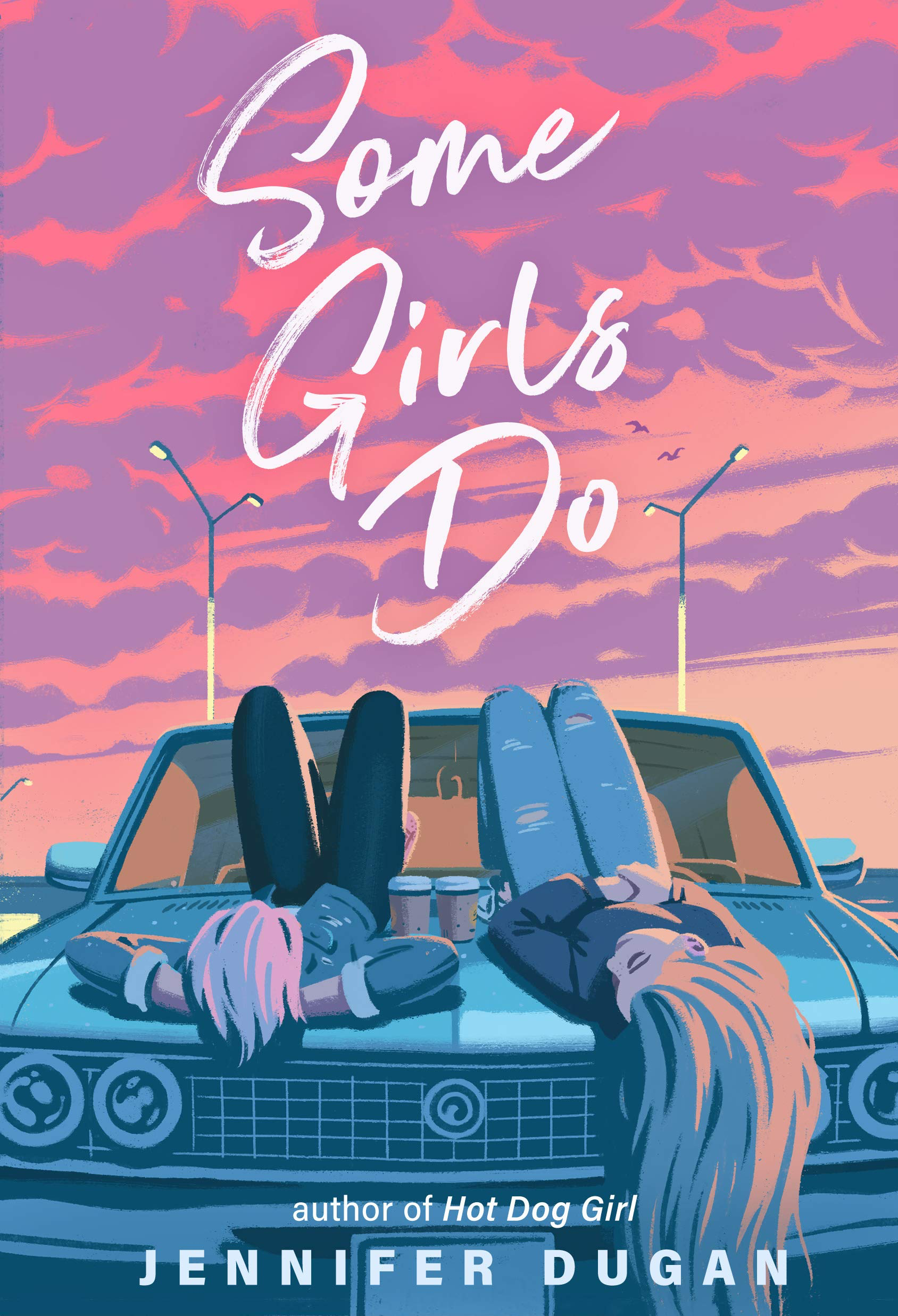
Some Girls Do – Jennifer Dugan“You say you’ll cut your bangs, I’m calling your bluff/When you lie to me, it’s in the small stuff…”

“Young Pilgrims” – The Shins

James Mercer just has such a unique way with words. As music history (and my personal music library) proves, there’s practically a million ways to say a sentiment along the lines of “I’m dissatisfied with my life and it’s cold and wet outside and I’m also depressed.” Mercer saw that and gave us these iconic lines:

“A cold and wet November dawn/And there are no barking sparrows/Just emptiness to dwell upon/I fell into a winter slide/And ended up the kind of kid who goes down chutes too narrow…” HE SAID THE LINE! GUYS, HE SAID THE LINE! CHUTES TOO NARROW!

Said barking sparrows came back to me completely at random, in the way that especially sharp lyrics or melodies do. Although Mercer’s narrator envies the “eloquent young pilgrims” passing by him, I struggle to find words other than eloquent to describe how he articulates such a near-universal feeling, a mess of regret and stagnation and the emptiness that comes with control slipping through your fingers and wanting to regain it. In a simple duet of acoustic and electric guitars, Mercer wrings some absolute poetry out of such a stagnant state, drawing every possible image from ice melting on a train window and the desire to “grab the yoke from the pilot and just/fly the whole mess into the sea.” I love a good literary-minded songwriter, which I guess it’s no surprise that I latched onto The Shins from such a young age. But with age, I appreciate the lyrics even more—James Mercer is one of those songwriters who prove that, at its best, music is eloquent poetry set to music. It doesn’t need to be (and rarely is), but when it hits that spot, I can’t help but relish it.

…AND A BOOK TO GO WITH IT:

Hammajang Luck – Makana Yamamoto“But I learned fast how to keep my head up, ’cause I/Know there is this side of me that/Wants to grab the yoke from the pilot, and just/Fly the whole mess into the sea…”

Since this post consists entirely of songs, consider all of them to be today’s song.

That’s it for this week’s Sunday Songs! Have a wonderful rest of your day, and take care of yourselves!
Posted in Music

Phonetics On and On – album review

Happy Thursday, bibliophiles! Finally had time to do an album review…unprecedented…

I first fell in love with Horsegirl in my senior year of high school. Back then, they were afloat on a handful of singles and on the cusp of a debut album. By the time Versions of Modern Performance came out, it was the soundtrack to the summer before I went to college. Their clever, endlessly creative style, informed by the ’70s and the ’90s in equal measure, enchanted me—it felt like almost nothing like what many other musicians of their generation were putting out. Along came 2024, and the promise of something somehow even better was on the horizon: a new Horsegirl album, produced by Cate Le Bon and recorded in The Loft, the famous (at least to me) Chicago studio owned by Wilco. What could go wrong? Almost nothing, as it turns out—Phonetics On and On is proof that the playful, inventive spirit of Horsegirl lives on, and that it’s beginning to mature into something spectacular.

Enjoy this album review!

PHONETICS ON AND ON – HORSEGIRL

Release date: February 14, 2025 (Matador Records)

TRACK 1: “Where’d You Go?” – 8/10

Just shy of two minutes long, “Where’d You Go?” is a song that lives up to the band name—the propulsive beat has the urgency of a racehorse speeding down a track. Drenched in tight, Feelies-esque (crazy) rhythms, it kickstarts the album with a jolt of sparking energy. Gigi Reece’s drumming has the lightning-fast patter of rabbit’s feet against the dirt, while the dueling voices of Nora Cheng and Penelope Lowenstein tug the track in two directions, a short leash that snaps to allow for a crayon’s scribble of a guitar riff to burst in at the 1:12 mark. The frenetic energy is a remarkable bridge from their work on Versions of Modern Performance to this album—vestiges of their earlier compositions, but the beginnings of a divergence into musical maturity. That’s how you start an album.

TRACK 2: “Rock City” – 7.5/10

Reining in the freewheeling energy of “Where’d You Go?”, “Rock City” mellows the album into the pace that much of the rest of Phonetics On and On settles into. It’s odd to have a more transitional track by only track two, but that feels like the function of “Rock City” is to me—it’s one of the weaker songs on the album, but nonetheless great; it serves to weave together the fluctuations in energy from track one to many of the others. That being said, it’s not a bad song by any stretch of the imagination. With its pastoral imagery and catchy, upbeat stillness, it’s the perfect track to relax the unbridled momentum of the opener. Cheng’s lighter vocals give it a gentle levity, while the sudden jumpstart in structure at 3:16 ensures a recurring theme on the album—you can’t be lulled into a false sense of security, because Horsegirl always has something up their sleeves.

TRACK 3: “In Twos” – 8/10

Initially, “In Twos” wasn’t a standout track for me. The slow pace didn’t bother me, but it didn’t grab me like many of the other tracks did. Yet the more I listen to the lyrics, the better it gets. Horsegirl are masters of crafting emotion from simplicity; much of Phonetics On and On was inspired by their collective experience of uprooting from Chicago to New York City to go to school at NYU, and the isolation of coming of age and moving to a new city. You can feel that understated alienation all over “In Twos,” a slow, wistful recollection of how “every car that passes by drives to you” and “your footprints on the street, they walk in twos.” It’s almost resentment, but feels to me more like a familiar feeling: watching people live normal lives as an outsider. The Rolling Stones-like repetition of “and I try” reminds me of that aching, to want to be accepted and feel normal and live a traditional life, but knowing that you’ll never fully mesh with them, and that life has a different destiny for you, no matter how hard you try to fight it.

Oof. Definitely got me there. Horsegirl lures you in with the “dadadadadada”s and then boom. ALIENATION! Seriously, this is starting to become one of the more impactful tracks on the album.

TRACK 4: “2468” – 8/10

Reviewed on Sunday Songs, 12/1/24 – a fascinating first taste of the album—Feelies worship, weird violins, Wes Anderson quirks, and above all, weird talent.

TRACK 5: “Well I Know You’re Shy” – 8/10

Picking up the pace that “2468” jumpstarted, “Well I Know You’re Shy” is just about the most Velvet Underground love song I’ve heard since Lou Reed tapped Moe Tucker to sing “After Hours.” I realize it’s hyperbole, but I can’t help but see the DNA woven between the two. Composed of old-timey phone cords and shyly open windows, it presents a love song that could only happen between two sharply-dressed Wes Anderson characters. Punctuated by Nora Cheng’s clean guitar riffs, it talks of a romantic looking out their window wishing to “sing for you/I wanna sing like I do/out your window,” continually rueing the fact that “what happened out there/I wish it was me.” There’s no tormented confessions of love or on-your-knees begging for a kiss, but a precocious, simple wish: “What happened out there/Well I know you’re shy/If you’ll listen to me/You’ll know I want to say hi.” I hesitate to call it childlike, but it has a doe-eyed purity to it that makes it so charming.

TRACK 6: “Julie” – 8.5/10

Reviewed on Sunday Songs, 12/29/24 – a glimpse into Horsegirl’s emerging introspective side, proof of their untapped ability to tap into tender emotion.

TRACK 7: “Switch Over” – 9.5/10

Reviewed on Sunday Songs, 2/2/25 – still the brightest, catchiest, and really the best song on the whole album.

TRACK 8: “Information Content” – 8/10

This is one of the brightest songs on Phonetics On and On, and I don’t mean that in intelligence—listen and you’ll understand. “Information Content” glows with the blinking spirit of a glass lightbulb. The brightness comes in no small part from how jangly they go with the guitars on this one—in between Reece’s soft drumming and egg shakers, Cheng’s voice is allowed to be so cheerful and airy, even when the lyrics might as well be crossing items off a grocery list or striking a day from the calendar. That’s the power of Horsegirl to me (Horsepower?)—they dredge so much playful joy from the mundane and ordinary, making a trip to the kitchen into a spring-stepped skip. There’s something about “Information Content” that feels distinctly Wilco to me as well—it seems that the influence of The Loft rubbed off on them. (How could it not?) At 2:58, the guitar solo kicks in, but gets crumpled into tinfoil chaos just as quickly; it’s so prickly and collapses in the blink of an eye, and I can’t help but be reminded of Nels Cline’s improvisations and swift-fingered touch to his guitar playing, or even the way that Glenn Koche’s drumming descends into madness during “Via Chicago.” Of course, nobody can come close to that level of masterful insanity (especially on their second album), but I can hear the influence loud and clear—and I love it.

TRACK 9: “Frontrunner” – 8.5/10

The last single to be released before the entire album came out, “Frontrunner” lies in the same vein as “Julie”—a slow-paced, more instrospective side to Horsegirl that’s unafraid to strip down to more raw, spare elements. On the composition, the band said that this gentler track was born after “[I] had just had a really terrible, emotional day…and Nora and I were like, ‘OK, we should just play guitar today, you need to do something.’ And we wrote that song together.” It’s so simple, yet so heartwarming to me that such a tender song came out of ordinary moments that we’ve all shared with friends; Even before I knew the context behind it, “Frontrunner” rang proudly as such a distinctly friendship song to me, and I loved it for just that. For me, it embodies another kind of college feeling, the post-freshman feeling of realizing “oh my god, I’ve got friends?” and that realization powering you through the day that you have so many new, wonderful people to share your life with who are only an arm’s length away. The repetition of “I can’t wait/And I can’t wait/And I can’t wait” is filled with a wistful, anticipatory glee despite the slower tempo of the track, but the happiness on the horizon is what made it such a winner for me. A frontrunner, if you—[gets dragged off the stage by a comically large cane]

TRACK 10: “Sport Meets Sound” – 7/10

Horsegirl claimed that they’re mostly finished with the “joke titles” that composed most of Versions of Modern Performance (“Rock City” is allegedly the last of its kind), but…if this isn’t the most Versions of Modern Performance title I’ve ever laid eyes on…

Taking cues from the more laid-back tone of “Frontrunner,” “Sport Meets Sound,” contrary to the speed that the title implies, eases the album close to hitting the brakes. With a steady, marching band-like drumbeat from Reece and strings of “dadadadadada’s” aplenty, it doesn’t do a whole lot to distinguish itself from the other tracks, in the grand scheme of Phonetics On and On; like “In Twos” and “2468,” it’s lyrically twins with “Rock City” (see the “Young man sickened by the sight” refrain), but unlike those two, it doesn’t stand out as much as the former two do. But if that’s a weaker Horsegirl song…man, I’m so impressed with their output, because even at their weakest, they can make a truly catchy indie rock song, and that’s just what “Sport Meets Sound” is. It’s a transitional song to the end, and it works perfectly as such.

TRACK 11: “I Can’t Stand To See You” – 8/10

Sliding in to give Phonetics On and On a final spark of momentum, this track lifts the smile of the album at large, a peppy victory lap that unites all of the best aspects of the album at large. The jangle-o-meter has been calibrated so much that it’s broken, the spring in their metaphorical step is even springier, the “da-da-da-da-da’s” unfurl out before you like a promising scroll. The lyrics become playfully self-aware both of the song’s status as an album closer: “Do you want to go home now?/The night’s almost through.” Yet with a sly wink, they promise that they’ve got more up their sleeve: “Just another walk around the block now.” It feels more like a closing theme to a children’s TV show than a closing track to an album; It declares that there’s one more bout of carefree fun to have before Horsegirl has to say goodbye. In a way, it’s a thesis of the album’s spirit: so aware of itself that it becomes a blast, and so carefully constructed that the joy is an integral part of the process.

I averaged out all of the ratings for each track, and it came out to an 8.1! Without a doubt, Phonetics On and On is set to become one of my favorite albums of the year…and it’s only February. Horsegirl bring a welcome, much-needed dose of free-spirited yet tightly-constructed craft into their art and to the world, piling catchy melody after catchy melody for a record that sees them maturing into fledgling artists, yet never denies the play that is central to their ethos. I’d go so far as to say that we’re all better for the joy they bring to their music. I know I am.

Since this post consists entirely of songs, consider all of Phonetics On and On to be today’s song.

That’s it for this album review! Have a wonderful rest of your day, and take care of yourselves!

Posted in Sunday Songs

Sunday Songs: 12/1/24

Happy Sunday, bibliophiles! I hope this week has treated you well.

This week: apologies for the whiplash lineup, but if your shuffle hasn’t whooped you with Julien Baker and Caroline Polachek back to back, have you even lived?

Enjoy this week’s songs!

SUNDAY SONGS: 12/1/24

“2468” – Horsegirl

2024 was such a powerhouse year of fantastic albums that I’ve found myself wondering how 2025 could possibly measure up. Of course, the future’s unwritten, to quote Phoebe Bridgers, but if the upcoming solo Tunde Adebimpe album and this are anything to go by, it’s gonna be another fantastic year of music. Or at least a fantastic February, now that we have new Horsegirl on the horizon! Their second album, Phonetics On & On (if there was ever a more Horsegirl album title) comes out on Valentine’s Day next year, so I’m officially spoken for, thank you very much. It’s produced by none other than Cate Le Bon (!!!), and no matter how utterly pretentious I sound for getting excited about Horsegirl being produced by Cate Le Bon, oh my gooooooood (nobody got that), I remain excited after finally listening to some of Le Bon’s weirder solo albums and knowing the magic she worked with Wilco on Cousin back in 2023.

Horsegirl have always been an artsy bunch, taking inspiration from everyone from Brian Eno to Built to Spill, but “2468” reminds me of their picks from their episode of What’s In My Bag?—specifically their last one, The Feelies’ Crazy Rhythms. Penelope Lowenstein described a moment on that episode where she was supposed to be doing homework in Spanish class and was listening to The Feelies instead and felt like “the coolest person in the world.” I’ve always respected The Feelies, but they just make me anxious. Props to them for having their music so sanded down that there’s no wrinkles whatsoever, but it feels like the point after you’ve enjoyed your coffee and the caffeine jitters start to set in, but you have to stay put in your seat. They feel itchy, weirdly. Like something’s trapped in the music and is clawing to get out, but The Feelies just won’t let it. Good for them, man, but the nervous energy transfers very easily. “2468” is proof that Horsegirl’s uptight needle is quivering in the direction of The Feelies, but for all of their toy-solider precision, I don’t think they could ever be that itchily nervous. All of the lyrics are spoken deadpan, in some sort of no-man’s-land between nursery rhymes and marching orders, complete with a little “da-da-da-da-da-da-da-da” in case it gets too strict. With the band decked out in their best Wes Anderson fits, they shuffle and paddy-cake around as their well-oiled machine skips along. They may be taking after their uptight forefathers, but they’ve left themselves plenty of leeway to jump around—and those artsy leaps are what make me the most excited for what the future holds for Horsegirl.

…AND A BOOK TO GO WITH IT:

Early Riser – Jasper Ffordedelightfully odd in both concept and writing.

“When the Sun Hits” – Slowdive

Dread it…run from it…shoegaze always arrives on this blog.

I guess I was too mired in Spiritualized (and a sprinkling of Beach House) to get into Slowdive sooner, but it was always at the back of my mind, even when I’d never listened to it yet. I’d seen them floating around in the same musical circles that I listened to, not to mention my awesome honors English teacher from high school wearing a Slowdive shirt out of nowhere for band shirt day during spirit week. (My high school’s English department happened to be very shoegazey. I bumped into that same teacher at a Spiritualized concert in my senior year.) I should’ve hitched a ride on the bandwagon after Soccer Mommy covered “Dagger” last year, but here we are. Look, I know “When The Sun Hits” is their most popular song, and I’m a poser, yada yada yada, but LORD, this is beautiful.

For me, what separates shoegaze is its ability to create an atmosphere. J. Spaceman is the undisputed king (in my mind) in that regard, with his ability to create cosmically lived-in music that sounds all at once intimately personal and wide enough to swallow the world whole. “When The Sun Hits” stirs up that same feeling; the production is nothing short of cavernous, capturing the dappled reflections of water on the walls of a cave and the stringy sunlight shyly peering in. Both the vocals of Neil Halstead and Rachel Goswell take a blinding backseat to the mounting ocean of sound that reduces all else to a wavering echo. Slowdive were one of many alternative bands inspired by David Bowie’s Berlin trilogy, citing Low and Lodger as key influences, but funnily enough, I discovered this song through this inspired mashup of this track and David Bowie’s “Heroes.” I’d be surprised if that missing album didn’t creep in there, given how seamlessly the chorus of “When The Sun Hits” glides into Bowie’s opening chords. Having the first line of the pre-chorus be “It matters where you are” is a choice that defines the song’s experience: when you’re in the midst of experiencing it for the first time, all else seems to fall away. You can’t help but be pulled into the undertow, to be in the present, just to experience this song. That’s shoegaze.

…AND A BOOK TO GO WITH IT:

The Heart of the World (The Isles of the Gods, #2) – Amie Kaufman“Sweet thing, I watch you/Burn so fast, it scares me/Mind games, don’t leave me/Come so far, don’t lose me…”

“Get Me Away From Here, I’m Dying” (feat. SOAK and Quinn Christopherson) [Belle and Sebastian cover] – Julien Baker & Calvin Lauber

If you’re able, consider supporting this album, TRANSA, a compilation album featuring over 100 artists organized by the Red Hot Organization to bring awareness to trans rights! The album features Jeff Tweedy, Adrianne Lenker, Bill Callahan, André 3000, Perfume Genius, and so many more amongst its ranks, with both original songs and covers ranging from Kate Bush to SOPHIE.

Predictably, I first heard of TRANSA through Julien Baker, who covered Belle & Sebastian’s “Get Me Away From Here, I’m Dying” with SOAK, Quinn Christopherson, and Calvin Lauber. Lauber, who also produced many of Julien Baker’s newer material as well as boygenius’ “Black Hole,” turns Belle & Sebastian’s melancholy, jangly yearning into an urgent spectacle, a sprint through the woods to a brighter future for all four minutes and 13 seconds. If there’s anything that Baker can always deliver on, it’s urgency—the urgency of trauma, the urgency of love. With the context of both Baker’s queer identity and the album’s overarching theme of the trans experience, “Get Me Away From Here, I’m Dying” takes on a whole new light; “Oh, I’ll settle down with some old story/About a boy who’s just like me/Thought there was love in everything and everyone/You’re so naive” becomes the loss of innocence in the face of homophobia and transphobia and finding solace in fiction, and “Here on my own now after hours/Here on my own now on a bus/Think of it this way/You could either be successful or be us” feels like a vignette of someone on the run after being kicked out of their home. Even the title becomes a rallying cry of wishing to break free of the confines of prejudice that so many queer people know like the back of their hands. SOAK and Quinn Christopherson, both trans artists, trade verses and backing vocals with Baker, creating a harmony of solidarity that gives Belle & Sebastian’s original words an even more emotional meaning.

…AND A BOOK TO GO WITH IT:

I Wish You All the Best – Mason Deaverheartbreak, new love, and a desire for a new life.

“Dang” – Caroline Polachek

Even with specific music categories being an illusion kept afloat by critics, I feel like what I’ve heard of Caroline Polachek aligns with my hazy definition of indie pop. It’s theoretically everything that should be popular, but like alternative or mainstream rock, it’s the label or the sensibilities that separates it. In the case of Caroline Polachek, she’s definitely too out there for the Top 40, but make no mistake: in the words of XTC, this is pop (yeah yeah, this is pop, yeah yeah, etc). The pop part is what prevents me from entirely getting into her music; as impressive as her vocal range is, it’s often too polished for me, and sometimes the isolated instrumentals feel like they could belong in a commercial. Not always my cup of tea.

But. But. I can’t not admire how weird she gets with it. I’m not seeing any other pop star willingly turn themselves into a chimera in their music videos, after all. And Polachek has more than a few excellent belts and screams in her. (Plus, she has my immediate respect for, after being called “this generation’s Kate Bush,” responding by saying that “SHE [Kate Bush] is this generation’s Kate Bush. Damn right.) “Dang” gets recommended to me in droves around every 6 months, and I can’t not be compelled by it. When I call it corporate, I mean it as a compliment—it feels like a strange distillation of disinterest and sanitized, company-wide messages saying something on the lines of “we’re all a family.” The intro of garbled vocals, followed by Polachek’s bored delivery of “Dang” feels like the pleas of low-level workers drowned out by an uncaring boss waving them off. “Aww, you don’t have enough to provide for your family? Dang. Get that spreadsheet on my desk by noon.” No wonder Polachek, in this live performance on The Late Show, is presenting an unconventional powerpoint, including but not limited to diagrams about “how many wolves are inside you” and a notes-app apology consisting of a paraphrased version of William Carlos Williams’ “This Is Just to Say.” (I’m wondering about the significance of replacing plums with grapes…maybe it’s not that deep?) Her music as a whole remains a bit too pop-polished for me, but I have nothing but respect for her unconventional spin on it—and her vocal range. The shriek beginning at 1:51? Autotune or not, either way, it’s enough to convince me that this is unedited:

good for you, Caroline…put those geese in their place

…AND A BOOK TO GO WITH IT:

Machinehood – S.B. Divyacorporate disinterest and neglect, with a dose of S.B. Divya’s signature weirdness (and a Christopher Nolan-style thriller).

“A Country Dance” – Joanna Sternberg

I write this as a light snow is falling outside my window, and even though this song was released in August (as was the film it was written for, Between the Temples), it’s so distinctly placed in that period between autumn and winter for me, as far as the sound. “A Country Dance” has a gentle, intimate warmth to it that could only come from the embers of a fireplace in late November or mid-December. It lands on the opposite spectrum of The Shins’ “Black Wave,” which I spoke about around a year ago; seasonally, it’s at the same time, but “Black Wave” feels more like huddling around a fire, exposed to the elements. “A Country Dance” is comfortably cozy, without any notion of the snow biting at your cheeks. For me, good folk music gives you the feeling that you’ve just eaten a stomach-warming, rich holiday dinner—maybe some kind of stew or soup—and that warmth stays in your bones long after you’ve digested it.

I fully thought that “A Country Dance” was a cover—it sounds like it could’ve come out of the ’60s or ’70s, but this is a Sternberg original, and that timelessness is hard to capture—it feels very ’60s and Adrianne Lenker at the same time. (Their music teacher voice certainly contributes to that effect as well.) As the leaves fall off of the trees, this track feels like the perfect antidote to the coming chill—warm, tucked inside of a log cabin, half-asleep and wrapped in woolen blankets. Not every Joanna Sternberg song captures me, but “A Country Dance” honestly makes me feel like the Celestial Seasonings Sleepytime Bear, and that’s not something I’d say about just any song.

…AND A BOOK TO GO WITH IT:

Any Way the Wind Blows (Simon Snow, #3) – Rainbow RowellEven if it is tumultuous in places, the quiet Christmas scenes here invoke this song.

Since this post consists entirely of songs, consider all of them to be today’s song.

That’s it for this week’s Book Review Tuesday! Have a wonderful rest of your day, and take care of yourselves!
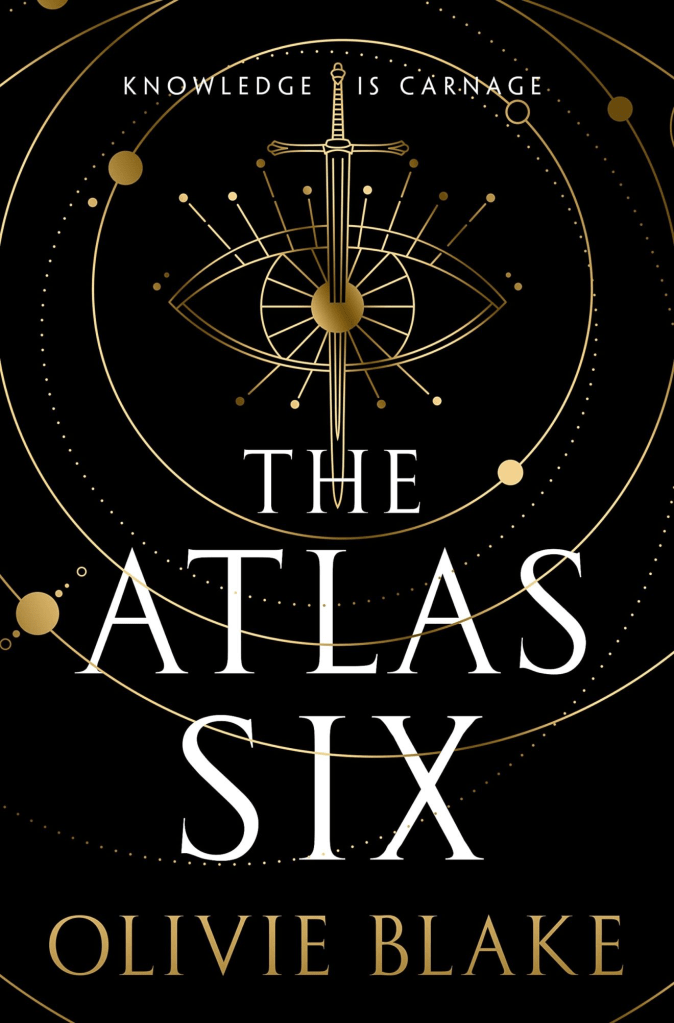
Posted in Sunday Songs

Sunday Songs: 11/24/24

Happy Sunday, bibliophiles! I hope this week has been treating you well.

Before I begin, here are the graphics for the past two weeks. I was so excited to write about Hounds of Love, because…well, it’s Hounds of Love, oh my god, self-explanatory, but alas…we all know what happened. Not ideal conditions to write under. Rest assured, it will come back eventually. You can hold me to that. Either way, more music:

11/10/24:

11/17/24:

Now, for this week: ignoring whatever’s going on in that Goldfrapp music video…have fun?

Enjoy this week’s songs!
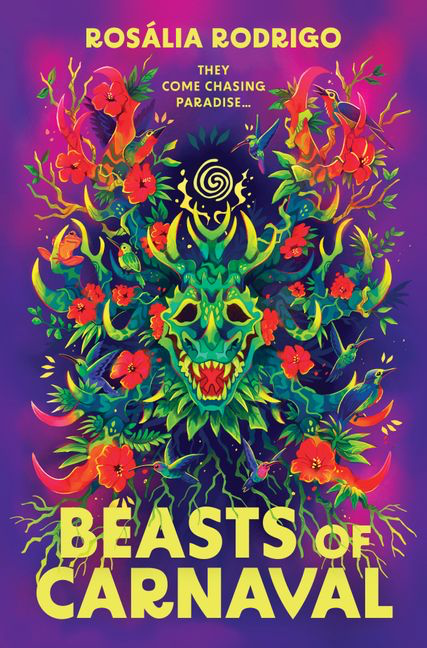
SUNDAY SONGS: 11/24/24

“The Drum” – Car Seat Headrest

“The Drum” is the first video in this setlist, so there’s no need for a timestamp. Watch at your leisure!
That frame at 1:25 sums up my 8th grade experience more than any words can: Will Toledo with the blurry image of St. Vincent’s self-titled album in the background.

Ah, this one’s a throwback. I remember watching this tiny desk concert in my parents’ bedroom with my mom, who always indulged my adolescent squealing about Will Toledo with the bafflement that “he looks like he’s in high school.” I didn’t fully realize it back then, not even being in high school myself, but…no offense, Will, I love you, but the amount of voice cracks throughout (“he don’t have shIiIiIiiiIIIT”) would make me think that he was 14 or 15 here, and not 23, weirdly. This whole Tiny Desk is a work of art in the art it produces in spite of the awkwardness about. Band? Sorta. Ethan Ives and Andrew Katz are there (it’s so far back that Seth Dalby hasn’t even shown up yet!), but Andrew’s the only one with his instruments beside Toledo. And you’d think the other two guys to the left of Toledo are part of the band, right? They’re just emotional support, which, to be fair, I’d love to have during one of those shows, but it gives the effect of a bunch of guys watching their friend play guitar in senior hall. In an endearing way, honestly. It’ll always be endearing to me. It’s Car Seat Headrest, after all. Nothing but love for our nervous young man.

“The Drum” was one of the earlier tracks that was constantly in my orbit during the peak of my Car Seat Headrest heyday in my early teens. Teens of Style was Car Seat Headrest’s full album as a band (still a three-piece by that point) and the first to be signed to a label, but it retains that lo-fi sound that characterized what gave Car Seat Headrest its name in the first place: being recorded by a deeply self-conscious Toledo in his car. It’s composed mostly of songs recycled and refurbished from his early days self-recording (“The Drum” originally appeared on My Back Is Killing Me Baby), and all of them get a kind of self-deprecating grandeur. Though the lyrics have been whittled away and refined, it’s the same old sad boy underneath, rest assured. “The Drum” doesn’t necessarily fall into that category, but it makes me realize…Will Toledo sure loves writing about drunk people, huh? He’s quite good at it, too, and he’d get even better after this song with “Vincent”: “It must be hard to speak in a foreign language/Intoxicado.” This track feels like the song version of that gag in Snatch where they cut back to clips of Frankie Four Fingers gambling and getting drunk out of his mind to the tune of “Viva Las Vegas.” It’s a hundred tiny vignettes of an off-the-walls character as he stumbles through a nonlinear, drunken reality: he’s reading James Joyce, he’s too high to listen to anyone (and even if he wasn’t, he still wouldn’t be listening), and he owes you $20. He’s a real piece of work, and Toledo is the faithful documentarian struggling to catch up with his antics. And somehow, the bridge gives the sense that said sloshed asshole, swimming in alcohol and ego, has elevated himself to think that he has transcended life itself: “This is our lifetime/And I am its creator/A young man slowly pulled apart/By separate poles of gravity.” This bridge came to Toledo in a dream (with the only difference being that “young man” was originally “snowman”), and it begins to close “The Drum” out as one stumbles through an inebriated dream.

…AND A BOOK TO GO WITH IT:

The Punch – Noah Hawleydrunk, dysfunctional people aplenty, all of which need to have their perfect and unparalleled opinions heard. Surely nothing will go wrong…

“Anymore” – Goldfrapp

Another throwback, although this one didn’t factor in changing my 13-year-old brain chemistry nearly as much. That’s not a slight against it—my first memory of Goldfrapp was when I was about 11 or 12, and since then, she’s been a consistent, behind-the-scenes favorite. Between their work with Tricky and Spiritualized, I should’ve been hooked in the first place, but they’re so consistent in her sound, and not in a way that grows tired. Aside from some of the production, “Anymore” could just as easily been from one of their albums from the 2000’s. Their brand of futuristic-sounding synths sounds like something you’d hear from a club in Blade Runner, and not in a way that feels dated. It’s almost like Alison Goldfrapp and Will Gregory are just as precise as the machines that they manipulate to create their music; everything is oiled down until not a single wrinkle remains, and the result feels simultaneously far in the future and timeless…

…if you can ignore the tamer PG (?) version of Feyd Rautha that is the music video. You do you…?

…AND A BOOK TO GO WITH IT:

The Three Stigmata of Palmer Eldritch – Philip K. Dick I feel like this is the kind of music that would play if you took Can-D and going to Philip K. Dick’s version of Barbie Land…

“Moderation” – Cate Le Bon

Several months out from listening to Pompeii for the first time, I find myself returning to it time and time again. I’ll cling to any new weirdness I can find, and Cate Le Bon, at least for this album, delivers. Back in July, I talked about how the first four songs on the album are a cascade of absolute successes; “Moderation” is the second of the four, and although it’s much poppier than the eerie “Dirt on the Bed,” it nonetheless has her oddball twist. The instrumentals, from the so-bright-they-shine guitars to the backing saxophones, are very ’80s, but they’re tweaked enough that they don’t sound like hollow copies; the gated reverb on the drums is gently quieted, while the production, like the music video, feels like everything has been recorded straight from the mouth of a cave.

Something about the lyrics strike me as oddly coy—not in meaning, but more of how they start to reveal themselves as something that makes sense, so vague that they could be applied to anything, and then mischievously peek back behind the curtains and return with something truly bizarre. They’re somewhere in between the matter-of-fact but nonsensical utterances of both Brian Eno and Robyn Hitchcock, and even some of early St. Vincent’s artier ventures. “I get by pushing poets aside/’Cause they can’t beat the mother of pearl.” I love it, and somehow it makes sense, but do I have any clue what that means? Nope. It feels like it’s meant to be poetry more than anything, words strung together for aesthetic effect. The music video gives the distinct feel of a performance piece you’d see projected in a curtained-off corner of an art museum, but the colors of it are the perfect match “Moderation.” Against a backdrop of a brewing storm at sea, Le Bon is cloaked in black, with only her face, arms, or legs visible at any given time. Aside from her “Life On Mars”-blue eyeshadow, the only hints of color she reveals are lacy cuffs on her sleeves or bright colors on her tights. Those pops of color feel like the bursts of oddities throughout “Moderation,” so vibrant that they pop out like cartoon bubblegum.

…AND A BOOK TO GO WITH IT:

Magonia – Maria Dahvana Headleyyou think you’ve got a typical 2010’s YA fantasy book on your hands, and then it gets bonkers…delightfully so.

“Banana Co” – Radiohead

With every successive Radiohead EP I listen to, I’m baffled at not just the sheer amount of output they had, but how good a solid 90% of it is. The Bends sessions seem like some of the most fruitful of their entire career, what with three EPs and a series of smaller singles released in the periods directly before and after the album’s release. I’ve yet to listen to My Iron Lung – EP or the “Fake Plastic Trees” single, but from what I can tell, they were just constantly cooking. They had to be forcibly removed from the kitchen because the cooking was just TOO GOOD. They just COULD NOT BE STOPPED.

In some ways, “Banana Co” feels like if “Karma Police” was released on The Bends; the term “sardonic wit” is overused these days, but it applies here for sure, as it does to quite a lot of Radiohead. Written about the corporate colonialism of the United Fruit company in various countries in Central and South America, Thom Yorke slathers his honeyed words in sarcasm with the repeated verse: “Oh, Banana Co/We really love you and need you.” Yorke has an almost sleepy register to his words, as though he’s being pulled under by the propaganda himself, before the guitars of Jonny Greenwood and Ed O’Brien coalesce in a controlled blast of everything that makes me miss listening to The Bends. Adding this one to the list of Bends-era songs that make me think “this is a B-SIDE?” (see also: “Maquiladora,” “My Iron Lung”). Luckily—at least for the fans who were alive to see this (cries in Gen Z)—”Banana Co” was a live staple pre-OK Computer, and Yorke has often addressed it towards other colonial problems of the day, including one in 1998 that was addressed to “the people of Indonesia, and the people who have money invested in that country.”

Wow, what a wonderful example of a band committed to calling out imperialism and violence around the world! Surely they would carry these values into this day and age…right? Right?

Uh…

Well. I’ll say that I am quite disappointed after hearing that Thom Yorke confronted a pro-Palestine protestor at one of his solo shows back in October; the protestor demanded that Yorke condemn the ongoing violence in Palestine, and he responded by calling the protestor a coward, then walking offstage. In Yorke’s defense, he has every right to withhold his political views (and also, I don’t think yelling at a celebrity at a concert is necessarily the best way to get people on your side, no matter how good the cause, nor is it going to solve any conflict), but there has to be a much more respectful way of dealing with this kind of thing. Calling this person a coward was not the right move, even if he did want to decline to speak. It’s just so odd and hypocritical to me that he would be a champion for human rights for so long, and then call somebody a coward for protesting the same human rights violations that he once sang about and condemned in the ’90s. Even if he doesn’t publicly condemn the thousands of needless deaths, I just hope that he realizes how hypocritical he sounds. What a shame, really. Again, no way that Thom Yorke’s reading this, but…maybe go listen to your old catalogue over again before you call people protesting the horrors of modern imperialism cowards. Just saying. Free Palestine.

…AND A BOOK TO GO WITH IT:

Countess – Suzan Palumbo being under—and breaking the spell—of imperialism and subservience.

“Duet” – Frankie Cosmos

We’re ending on a much lighter note, worry not. Frankie Cosmos is always reliable on that front (whether or not it’s preceded by one of my rants).

I finally caught up with this season of Heartstopper, and I’ve fully moved away from calling it any sort of comfort show, as I feel that would diminish the incredibly important (and tactfully delivered) depictions of eating disorders and mental illness. Nonetheless, it remains a wonderfully queer show, and it’s got plenty of sweet moments, often buttressed by light and bubbly indie pop. I’m only on brand with…a third of the songs that are picked (some of it’s a bit too pop for me), but I can always count on at least a handful of hits popping up—season 3 featured not one but two Arlo Parks songs (“Devotion” and “Pegasus”—Parks is just perfect for the Heartstopper atmosphere), Sufjan Stevens’ “That Was the Worst Christmas Ever!” (it sure was…Charlie cannot catch a break 😭), and, reliably, more Frankie Cosmos. Maybe, just maybe, Alice Oseman might be a fan? We can never really be sure…

Either way, Frankie Cosmos and Heartstopper are matches of media that are made for each other. “Duet” has some of the simplest of lyrics, but they’re delivered with the lovesick joy of doodling hearts in the corner of your notebook as a teenager. Packaged in bite-sized containers (I can’t think of a song of theirs that’s over 4 minutes), they really do feel like bubblegum—sweet, sometimes sickly so, and short-lived, but constructed from simplicity that produces, more often than not, a perfect pop song. Like both the comic’s and the show’s cartoon hearts and leaves that surround the characters, there’s a simple purity to them that’s been distilled to the core.

…AND A BOOK TO GO WITH IT:

Stars in Their Eyes – Jessica Walton and Aśkasimilarly pure and comforting, and full of color and first love.

Since this post consists entirely of songs, consider all of them to be today’s song.

That’s it for this week’s Sunday Songs! Have a wonderful rest of your day, and take care of yourselves!