Posted in Book Review Tuesday

Book Review Tuesday (7/16/24) – The Vela

Happy Tuesday, bibliophiles!

The Vela came on my radar again when I dredged my TBR for books to read during this year’s Disability Pride Month. Beyond the disability rep…what could possibly go wrong with Becky Chambers AND Rivers Solomon, right? I’m glad to say I was right—whether it was the work of new-to-me or longtime favorite authors, they all came together in stunning harmony in The Vela, a timely sci-fi epic that’s as observant as it is thrilling.

Enjoy this week’s review!
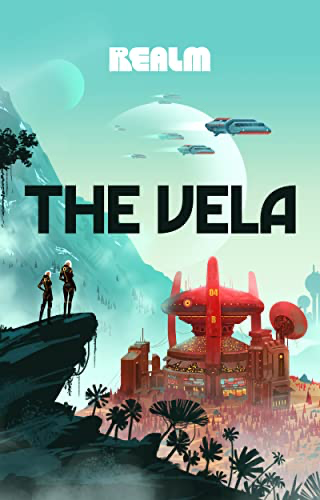
The Vela: A Novel – Yoon Ha Lee, Becky Chambers, Rivers Solomon, and S.L. Huang

Asala Sikou can’t afford to care about anybody but herself. Not when her star system is on the verge of collapse, and not when everyone she once knew is long dead. But when she receives a job to track down the Vela, a ship hauling thousands of refugees that mysteriously disappeared, Asala knows that there’s more than meets the eye to the incident. So does Niko, the smart but sheltered child of another planet’s president. The two unlikely companions will have to team up to track down the Vela—and all of its refugees—before they’re embroiled in a galaxy-wide war.

TW/CW: xenophobia, racism, themes of genocide, descriptions of death/corpses

The promise of Becky Chambers and Rivers Solomon in one novel was the main draw of The Vela for me, but by the time I finished the novel, I was fully invested in all four contributors. Their talents came together so seamlessly, making for a novel that wasn’t just coherent, but downright thrilling—The Vela is sure to satisfy whether or not you’re familiar with the authors.

Out of all of the authors who contributed to The Vela, I was the most hesitant about Yoon Ha Lee; the one book I’ve read of his was one that didn’t mesh with my style (but that was also his first attempt at middle grade, so that could have been my issue). I read a sample of Ninefox Gambit ages ago and liked it, but not enough to buy it. Consider me proven wrong about him! As the author who started off the novel, he was the perfect choice. His fast-paced prose made for an opening chapter that integrated the reader swiftly and effortlessly into the world of The Vela. Later on, his battle scenes were some of the highlights of the novel; every chase sequence and dogfight is so meticulous that I questioned whether or not he’d actually been in the thick of an intergalactic war. I’ll be seeking out more of his work after this!

Becky Chambers was, by far, the author I was most excited about seeing in The Vela. I’ve fallen head-over-heels in love with her cozy sci-fi, as many other readers had. What she contributed to The Vela, however, was a sense of complication. Like The Galaxy, and the Ground Within, where she piled a series of unlikely characters together and had them clash in terms of culture, politics, and personality, Chambers excelled at complicating the relationships between each character. Her cozy agenda made me forget how well she writes cold, fascist characters; the way she wrote General Cynwrig sent chills up my spine, conveying the dull distance she has from every other character. Every interaction with her is nothing but war room strategy, and that’s why she and Niko clashed so fundamentally. While toeing over making Cynwrig sympathetic, Chambers gave us a glimpse into her mind without justifying her actions. It’s a difficult dilemma to skirt around, but one that served to develop Niko incredibly; they had a very un-nuanced view of the galaxy, and although their views weren’t changed fundamentally, it allowed them to see different sides without excusing their horrific actions.

Rivers Solomon, the other author I was looking forward to reading in The Vela, gave us the novel’s best glimpse into the mind of the protagonist, Asala. Their prose here, which combines rough-edged anger with exceptional metaphor, fleshed out Asala in ways that the other chapters did not; Solomon had the weight of sculpting all of the events that made Asala as cool and calculated as she was, and by the end, I had a vision of her that was as clear as a map, with every mountain range and river of her life writ out. Her cold disillusionment was palpable, but by the time Asala begins to move more towards purpose and determination, we can see, with incredible clarity, every step that led up to it.

S.L. Huang was the only author featured in The Vela who I was completely unfamiliar with. Now that I’ve finished the novel, I’m keen on checking out her other works, because I can’t think of many other authors who are able to write war so poetically, but never romanticize it at any point. Nothing is ever glorified (as it should be, both in general and considering the themes of The Vela), but there’s something so silk-smooth and beautiful in the way she described battalions of ships on the horizon and the chaos of war as all of the parties scramble for a handhold. For a novel with a prominently anti-war sentiment, Huang’s prose served a valuable purpose—humanizing the consequences of war that many of the characters were unable to grasp, and writing it with such tact and heart that it bordered on poetry.

As a whole…what a timely novel, isn’t it? Surely, we couldn’t learn a thing or two from this world, where star systems and planets are being physically torn apart and destroyed because nobody considered that their enemies are also human…surely that’s not applicable to [checks notes] practically every issue we’re dealing with at the moment, no?

All in all, a seamless and cohesive sci-fi thriller that wonderfully harmonizes the unique talents of the authors that it displays. 4 stars!

The Vela is the first in an anthology series, followed by The Vela: Salvation, which features Nicole Givens Kurtz, Sangu Mandanna, Maura Milan, and Ashley Poston.

Today’s song:

my friend and I were discussing our favorite album intros last night, and they showed me this…they’re right on the money with this one (thanks!!)

That’s it for this week’s Book Review Tuesday! Have a wonderful rest of your day, and take care of yourselves!

Posted in Books

♿️ The Bookish Mutant’s Books for Disability Pride Month – 2024 Edition ♿️

Happy Monday, bibliophiles!

Here in the U.S., July is Disability Pride Month! In the three years that I’ve been making these lists, disability is still forgotten even in many intersectional feminist circles, and the importance for uplifting the disabled community has never been more important than know, what with the fallout of the COVID-19 pandemic, where disabled people, especially those who are immunocompromised, were disproportionately affected. Every year, even though I look in as many places as I can, it’s difficult for me to find books with disabled stories at the forefront that don’t center suffering or being “inspiring.” (As of now, I have only ever read one book with my disability, SPD, and heard of only one other. Inspiration for me to write my own stories…) So with these lists, I hope to provide disabled books with a wide range of representation, both in terms of disability and in the intersection of race, gender, and sexuality.

NOTE: my memory (and the internet) is imperfect, so if I’ve misrepresented/mislabeled any of the specific rep in these books, don’t hesitate to let me know!

KEY FOR TERMS IN THIS POST:

  • MC: Main character
  • LI: Love interest
  • SC: Side character

For my previous lists, click below:

Let’s begin, shall we?

♿️THE BOOKISH MUTANT’S BOOKS FOR DISABILITY PRIDE MONTH (2024 EDITION)♿️

FANTASY:

SCIENCE FICTION:

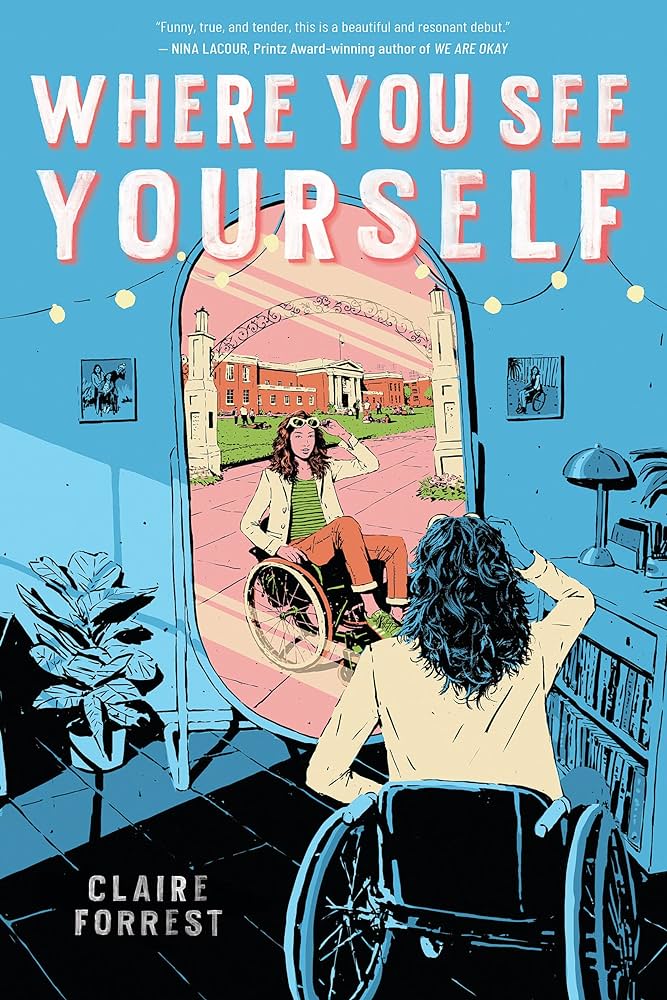
REALISTIC FICTION:

TELL ME WHAT YOU THINK! Have you read any of these books, and if so, did you enjoy them? What are some of your favorite books with disabled rep? Let me know in the comments!

Today’s song:

this song makes me SO so incredibly happy!! thank you to Horsegirl for recommending it!!

That’s it for this month’s recommendations! Have a wonderful rest of your day, and take care of yourselves!

Posted in Book Review Tuesday

Book Review Tuesday (1/16/24) – Godkiller

Happy Tuesday, bibliophiles!

Godkiller has been out for almost a year now, and it’s been on my radar since last December. Fantasy is second to sci-fi for me, especially where high fantasy like this is concerned, but the compelling characters and the lush, queer-normative world drew me in. Sure would be a shame if the second book wasn’t out yet…oh.

Enjoy this week’s review!

Godkiller (Fallen Gods, #1) – Hannah Kaner

In the kingdom of Middren, the worship or belief in gods of any kind is strictly forbidden. The gods of Middren grow bigger and stronger with every human that believes in them, but after a devastating war between the gods and humankind, Middren has deemed them too dangerous to continue living. In the aftermath, the last gods are hunted down by Godkillers. Kissen is a Godkiller; after her family was slaughtered by a fire god, she has taken up the mantle to ensure that what happened to her family never happens to anyone again. But when she stumbles upon Inara, a noble-born child with a minor god bonded to her, she knows that the only way to break the bond without killing her is to go to Blenraden, the last stronghold of the wild gods. The road ahead will be filled with unexpected allies and strange turns, but Kissen and Inara are weary. For a war is brewing once more, and they may be caught in the middle…

TW/CW: loss of loved ones (on- and off-page), fire, blood, violence, animal death, child death, sacrifice (human/animal), war themes, PTSD

It’s incredibly rare that I enjoy any kind of high fantasy these days, especially with the vaguely European setting and medieval technology level. But Hannah Kaner has managed to elevate all of those elements and create something truly special—a queer-normative high fantasy with no trouble being itself in a sea of carbon copies. I thoroughly enjoyed this one!

I’m all for a good trope subversion, and this presents an especially delicious one that even I’m aspiring to add into my own writing. I’ve seen a ton of posts/general discourse about how a lot of creators have shied away from making female characters that match common archetypes, but since many of the archetype’s traits are seen as more masculine, it’s almost entirely male characters that end up making up the demographic. In this case, you have the hardened warrior-type who reluctantly ends up taking a child under their wing who eventually melts their cold heart. It’s a trope I’ve always loved, but I’ve rarely seen it done with female characters. Along comes Kissen, and I’m reminded of how excellent the trope can be when it’s done exceptionally well. She has the classic personality of the archetype, but done in a way that makes her character feel fleshed out—she isn’t just hardened for the heck of it, and you get to see exactly how and why she became that way. Her interactions with Inara, from the initial reluctance (which, again, is developed more than “I don’t need a child around”) to her motherly role towards the end, felt tenderly genuine, and watching their relationship develop was one of the highlights of the book.

You know me. I’m all for queer-normative and disability-friendly sci-fi and fantasy worlds, but Godkiller feels so special precisely because of how high fantasy has historically treated both of those things. For disabled characters in particular, it’s practically an expectation that they have to be bitter and constantly in a state of suffering because being in a medieval setting where their disability is minimally understood automatically makes them a weakling. But Godkiller flips that entirely on its head—not only is the main character disabled (facial scars and a prosthetic leg), but it isn’t a main part of the plot; never do we see Kissen suffering for the plot because she’s disabled, and her disability is seen as something neutral, and something to be cared for accordingly. (There is some discussion about the discrimination that Kissen faces because of her scars, but it’s more on the front of being marked by a curse and not necessarily the scars themselves.) One of the side characters is also Deaf, and not only was she one of my favorite side characters, her scenes were explicitly shown so that the reader could see how happy she was with her wife! The fictional sign language was also treated in a similarly neutral/positive way—there’s even a bit of worldbuilding where Kaner explains that sign language isn’t just used by Deaf or mute people in Middren, but it’s used by pirates on the high seas to communicate when the roar of the ocean drowns out speech. 10/10 worldbuilding. 10/10 disabled representation, and 10/10 disabled people in happy relationships.

The god-killing premise was also one of the main draws for me about Godkiller, hence the name. It could have been easy for a book like this to ride on the premise being interesting and then proceed to do hardly anything out of the ordinary to it, but Kaner’s worldbuilding surrounding the gods of Middren was excellent! Every kind of god is explained, and I loved the wide variety of gods that we saw throughout the novel, from the more formidable ones that caused the war to minor gods like Skediceth, who were just little creatures with surprisingly formidable powers. I also loved the concept of gods tangibly feeding off of belief—the more shrines there are, the more powerful a god continues to be. Not only did this flesh out the worldbuilding, but it made a lot of elements that would have otherwise been forgettable contribute to the overall stakes of the novel.

My only major complaint about Godkiller was the ending. The pacing was solid for most of the novel, but the ending felt so much more rushed compared to the rest of it. The stakes got milder for a significant stretch, but it only felt like they were amped up in the last 5-10 pages just so that Kaner could tie in a thread to the sequel and remind the reader that Godkiller wasn’t a standalone. It was one of those endings that had me turning back to the last page and then back to the acknowledgements and wondering “wait, that it was it? that was the ending?” For how cleverly most of the novel was constructed, it just felt so sudden and sloppy compared to the rest of it.

All in all, one of the better high fantasy novels I’ve read in a while, with lovable characters, a refreshingly disability-friendly world, and neat, fascinating worldbuilding. 4 stars!

Godkiller is the first novel in the Fallen Gods series, followed by Sunbringer, which is slated for release this March. Godkiller is Hannah Kaner’s debut novel.

Today’s song:

That’s it for this week’s Book Review Tuesday! Have a wonderful rest of your day, and take care of yourselves!
Posted in Book Review Tuesday

Book Review Tuesday (7/11/23) – The Whispering Dark

Happy Tuesday, bibliophiles!

I’m willing to go out of my genre comfort zone when it comes to finding books with good disability rep, and that was the case for this book; dark academia usually puts me off (see my review of Victoria Lee’s A Lesson in Vengeance for the gist of my gripes about it), but I’m always here for books by disabled authors! In this case, it was worth it, but the experience wasn’t the one that I think the author intended—The Whispering Dark was a mess, but in kind of a fun way. For the most part.

Enjoy this week’s review!

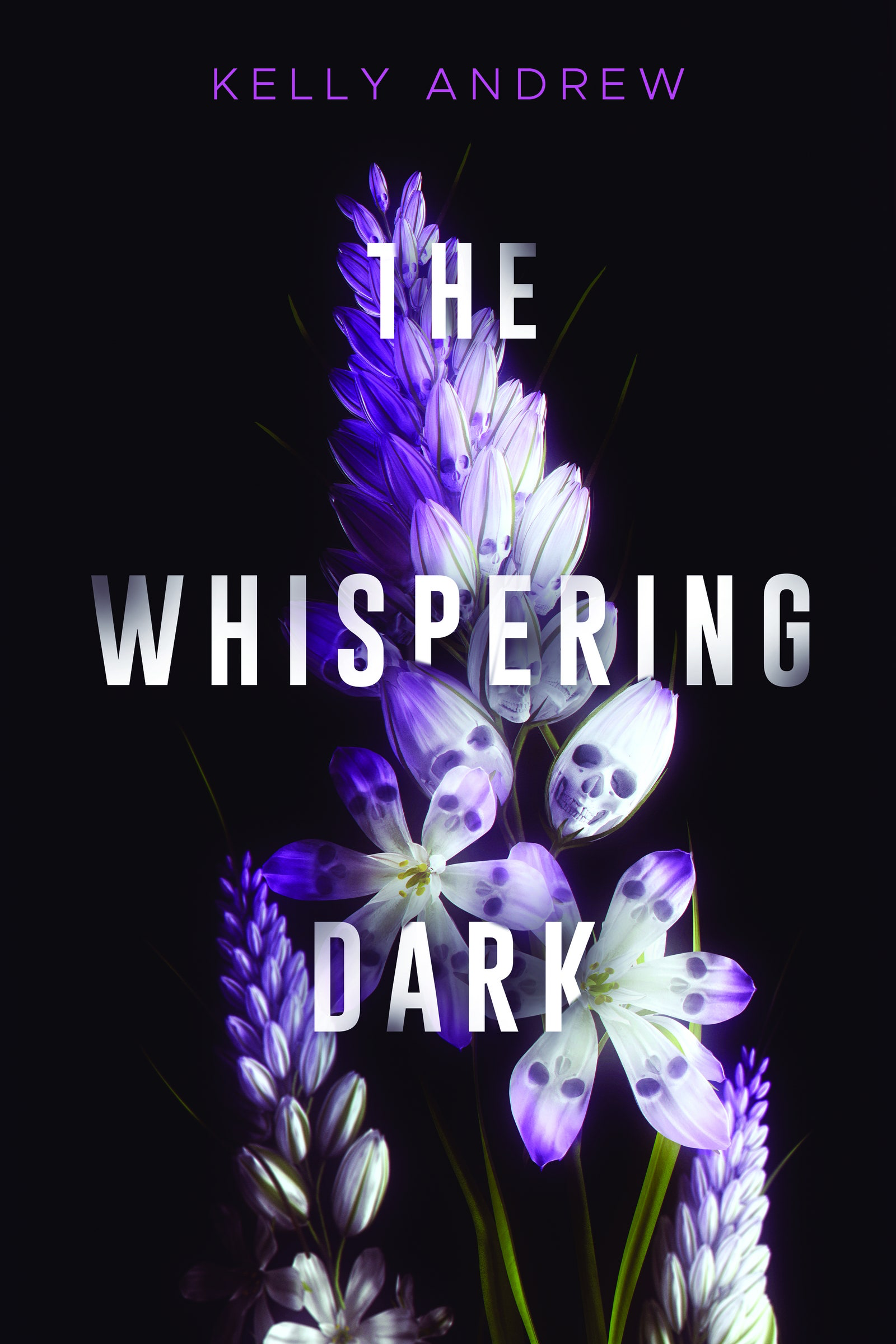
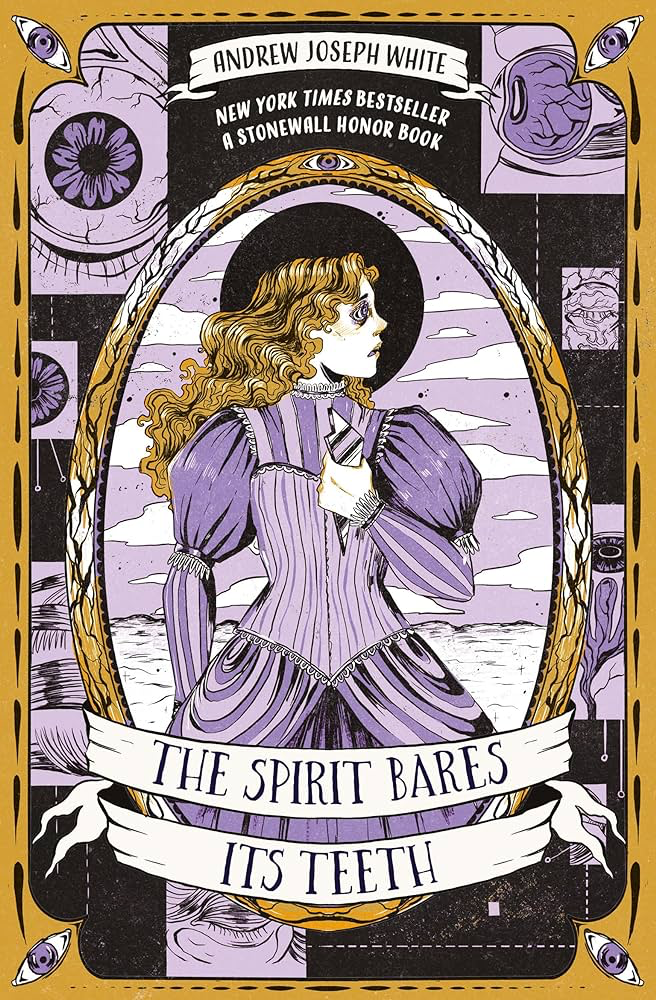
this cover is so goofy to me for no reason 💀

The Whispering Dark – Kelly Andrew

Delaney Meyers-Petrov is determined to prove herself. All of her life, people have perceived her as fragile because of her Deafness, but when she’s accepted into the famed, rigorous Godbole University, she knows that this is the ultimate chance to show the world what she’s really made of. But Godbole isn’t an ordinary college—its students are trained to jump between parallel worlds, tapping into arcane magic in order to travel through alternate dimensions. As Delaney faces ableism from her peers and professors, a boy from her past, and the pressure to get good grades, the sinister side of Godbole begins to show its face. For months, boys have been going missing, and the answer to their disappearance may be right in front of her. Will she be able to get to the bottom of what’s killing Godbole’s student body—and work with this mysterious boy?

TW/CW: ableism, murder, blood, gore, past descriptions of death, near-death experiences

Look, you slip the phrase “unholy affliction” into a sentence, and you’ll automatically make me think of Soccer Mommy. And the more I think about it, the more it feels like the vibe of that song is what this book really, desperately wanted to be, but…wasn’t. At all.

Normally, I steer clear of dark academia—the really bad stuff just feels like a bunch of Donna Tartt copycats writing about rich people being “morally gray” (read: smoking indoors, wearing turtlenecks and forming vague “secret societies”) and trying to capitalize off of a popular aesthetic. However, the fact that this one featured a disabled character written by a disabled author (!!!), convinced me to give The Whispering Dark a chance. Here’s the thing: the disability rep? It’s fantastic. Everything else? Not so much. The Whispering Dark was an absolute mess, but it got to the point where its utter ridiculousness was honestly kind of fun to read, so it wasn’t entirely a waste of time.

Let’s start off with the disability rep. Although I can’t speak to the accuracy of the specific rep (Delaney, the MC, is Deaf), it’s so refreshing to see disabled authors writing disabled characters—Kelly Andrew is also Deaf! And even without being Deaf, Andrew wrote some of the specificities of Delaney’s experience with her disability beautifully; I loved the details about how Delaney moved through life, from how the noises around her are described to subtle details like the change in sound when the battery runs out in her cochlear implant. Along with that, Andrew’s portrayal of being a disabled college student really resonated with me, from the nerves about personally confronting professors about accommodations to Delaney’s desire to prove herself.

Aside from that, it’s hard for me to find anything genuinely positive to say about The Whispering Dark. There are more positives in my eyes, to be fair, but they aren’t necessarily about how I think this novel was meant to be taken. In my experience, this book was SUPER campy, but the kind of campy that unintentionally resulted from taking itself so seriously that it becomes almost hilarious. I still can’t believe that all of this was played so straight—this book fell headfirst into every cheesy YA fantasy trope like a 5-year-old being pushed off of a diving board, and we were somehow expected to take it all seriously. You’ve got your edgy protagonist with her dyed hair and her edgy nickname, a mysterious, Ivy League school that teaches its students to jump between parallel worlds, students showing up dead, and a romance with a mysterious, dangerous older boy, who is compared by the MC to Patrick Bateman (I wish I was kidding), but still ends up being the one for whom the MC falls head-over-heels in love with. The way Andrew wrote it felt like she thought it was the most original idea in YA in the last decade, and honestly? I had to laugh. It felt like watching a terrible movie for the irony. Solid unintentional camp. I mean, look at how goofy that cover is.

And look—as campy as The Whispering Dark was, I at least expected there to be a little bit of worldbuilding. Here’s the thing: THERE WAS NONE. Interested in learning about Godbole University and how you can jump through parallel worlds with magic, according to Kelly Andrew? You’re outta luck. There aren’t any explanations for anything—you just get tossed around to parallel worlds without any explanation as to how. Want to know how the various types of magic factor into this world-hopping? Sorry, come back later. Want to know how the villain is using said world-hopping to kill unsuspecting students? Nope, looks like you’ve used up your three wishes. Again, it got to the point where it just felt so bad that it was funny—worldbuilding? Who is she? And it only proves my belief that dark academia, as a genre, suffers from “no plot, only vibes” syndrome time and time again.

All in all, a novel with great disability rep, but that took itself far too seriously for the campy train wreck that it was. We disabled readers deserve our mindless camp too. 3 stars.

The Whispering Dark is a standalone, and Kelly Andrew’s debut novel; her next novel, Your Blood, My Bones, is slated for release in 2024.

Today’s song:

That’s it for this week’s Book Review Tuesday! Have a wonderful rest of your day, and take care of yourselves!

Posted in Books

The Bookish Mutant’s Books for Disability Pride Month (2023 edition) ♿️

Happy Friday, bibliophiles!

Here in the U.S., July is Disability Pride Month! Although I’ve seen some more recognition for it in the past few years, I find myself saying this over and over—disability issues are left behind in intersectional feminism far too often. The larger representation in media of disabled people as otherwise white and cishet, the lack of accessibility at many pride events, and the hurdles that most disabled students have to go through in order to get accommodations at school is proof. And yet, around 27% of Americans have some sort of disability—myself included. As the literary world has slowly shown more stories with disabled characters, it’s more important than ever to uplift disabled voices.

Like some of my other themed lists this year, I’ve decided to expand it beyond YA, because I’d be remiss if I didn’t include some of the amazing Adult and MG reads with disabled rep over the years. I’ve separated all of these recs by age group, and included their genres, my rating, and the type of disability rep.

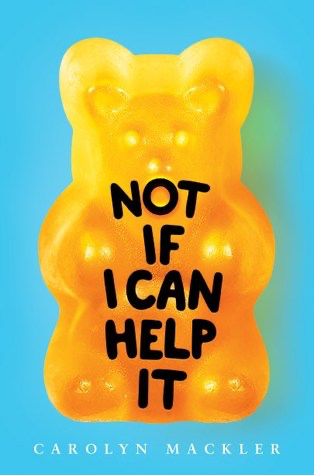
(SHOUTOUT TO NOT IF I CAN HELP IT, I FINALLY HAVE A MORSEL OF SPD REP)

for my lists from previous years, click here:

  • 2022 (+ on having SPD and the lack of representation)
  • 2021

Let’s begin, shall we?

THE BOOKISH MUTANT’S BOOKS FOR DISABILITY PRIDE MONTH (2023 EDITION)

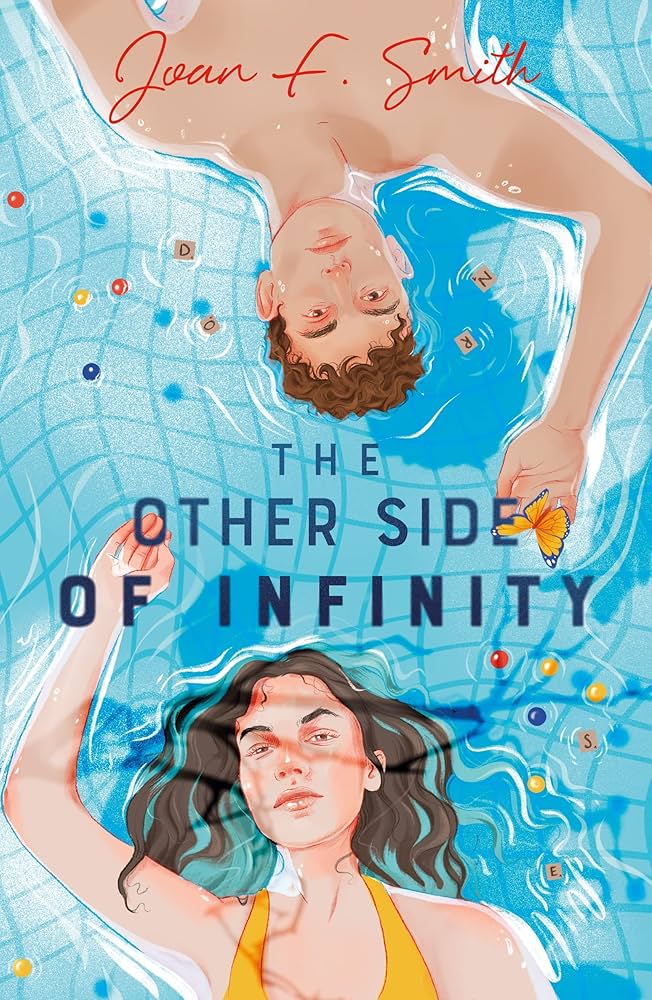
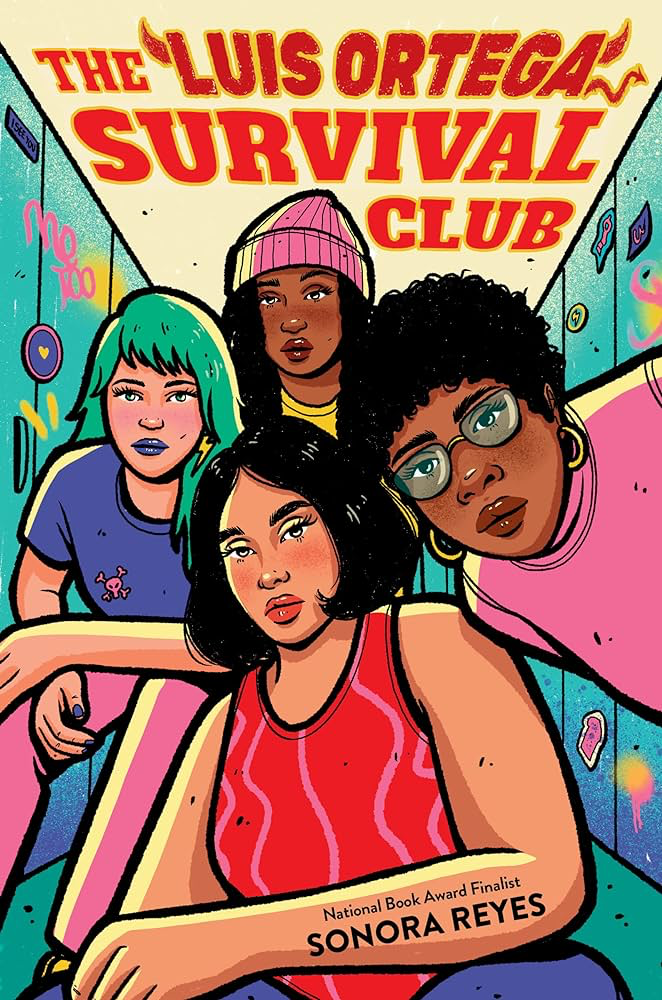
YA:

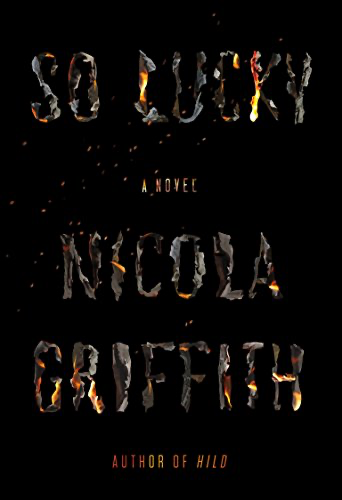
ADULT:

MIDDLE GRADE:

TELL ME WHAT YOU THINK! Have you read any of these books, and what did you think of them? What are your favorite books with disabled rep? Let me know in the comments!

Today’s song:

That’s it for this year’s Disability Pride recs! Have a wonderful rest of your day, and take care of yourselves!

Posted in Book Review Tuesday

Book Review Tuesday (7/12/22) – The Reckless Kind

Happy Tuesday, bibliophiles!

In my endless hunt for books with good disability rep, I found this one recommended in several places. I’m not usually one for historical fiction, but I was glad to see a disability book in a genre other than realistic fiction. To my surprise, it became a rare 5-star read for me—tender, heartfelt, and so unabashedly queer and disabled!

Enjoy this week’s review!

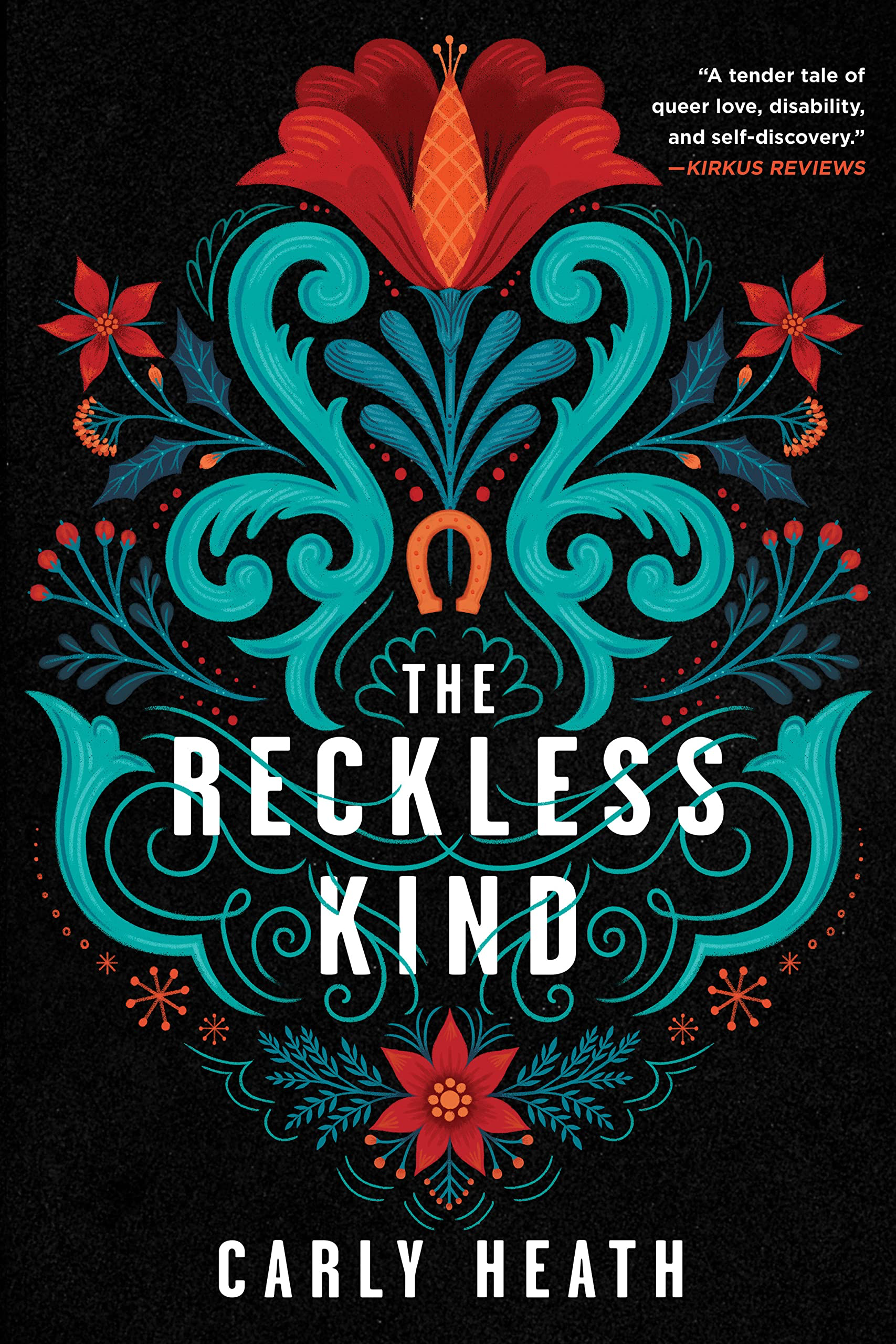
The Reckless Kind – Carly Heath

Norway, 1904. Even though marriage is what traditional society expects of her, Asta has no interest in marriage, and especially not in Nils, the rude boy her mother has set her up with. Her mother sees a life of domesticity as her only path, but Asta is determined to carve her own way. After Nils’ recklessness cements her wish to not marry, she runs away with her two friends, Gunnar and Erlend. They make a life caring for Gunnar’s family farm, but with the money running out and the rest of their village against them, it will take all of their strength to create their own destinies.

TW/CW (from Carly Heath, inside book): ableism, misogyny, homophobia, xenophobia, suicidal ideations, violence, descriptions of injury, references to alcoholism, abuse, and self-harm

what if 😳 I melted down a priceless family heirloom 😳😳 and made it into a prosthetic arm for you 😳😳😳 (and we were both boys)

I picked up The Reckless Kind for the promise of queer and disabled rep, but I didn’t expect it to become a 2022 favorite of mine so quickly! It’s rare that I enjoy historical fiction this much, but this novel was a success on every front imaginable.

The diversity of The Reckless Kind is what drew me in, and it was such a central and beautiful aspect of this novel! This book focuses on not one, but four characters who are disabled—Asta has Waardenburg syndrome (includes single-sided deafness), Gunnar has Brown-Séquard syndrome and has a prosthetic arm, Erlend has an anxiety disorder, and Fred, one of the secondary characters, has Post-Concussion syndrome! On top of that, Asta is asexual, Gunnar and Erlend are in an mlm relationship, and the three of them are in a queerplatonic triad! Does it get any better than that? I think not. Just what I needed as a queer, disabled reader.

Each and every aspect of said diversity is handled so thoughtfully and lovingly; you can tell from the first page just how much love and care Heath put into writing this story. Even though their traditional society looks down upon them for a number of reasons, the journey these characters take to make their own way is heartwarming to read. Everything from the special modifications on Gunnar’s car to the life they carve out for themselves on the farm is filled with such palpable determination and love that only a bunch of outsiders making their own way can make me feel. Found family trope for the win, as always.

All of that would work fantastically on its own, but it’s Heath’s characters that made The Reckless Kind truly shine. Asta was an absolute DELIGHT. Just an absolute sweetheart. Even though the world has beaten her down so much, she has this consistent spunk and contagious kindness to her that she brings everywhere she goes. I loved the way she cared for all of the animals on the farm, and her story is sure to resonate with so many. Gunnar and Erlend were equally wonderful, and they balanced each other out perfectly, what with Erlend’s theatrical charm and Gunnar’s droll, self-deprecating humor. Their relationship made me giddy more than not; I loved how Heath depicted all the messiness of relationships, as well as two characters who did their best to work with each other’s problems. All three of them together made for the recipe for a near-perfect book.

Through it all, Heath presents a story of persistence despite the odds and the love it breeds between outsiders. All three of the characters faced parents, peers, and others who shunned them for parts of themselves, but this book was all about self-love and living in a world that doesn’t love you. It’s fiercely queer and disabled, and it’s the perfect story for anyone who has ever felt like the world is against them.

All in all, a tender, powerful, and heartwarming story of disability, queerness, and making your own way that quickly found its way to my 2022 favorites. 5 stars!

The Reckless Kind is a standalone and Carly Heath’s debut novel.

Today’s song:

That’s it for this week’s Book Review Tuesday! Have a wonderful rest of your day, and take care of yourselves!
Posted in Books

YA Books for Disability Pride Month (2022 Edition) + my experience with SPD and why representation really, really matters

Happy Monday, bibliophiles!
It’s July again, which means—though it’s too often overlooked—that it’s Disability Pride Month here in the U.S.! Even as intersectional as feminism and diversity efforts have become in recent years, the disabled community has been left out of the picture more often than not. YA books are no exception—even now, it’s difficult to find good, solid disability rep, and even harder to find books from disabled authors. So uplifting disabled voices is always important, as with uplifting all kinds of marginalized voices.
I’ve talked a little about good and bad disability rep on this blog, but I haven’t talked about how it affects me—I did put it in my bio a few months ago offhandedly, but I’m disabled as well. I have sensory processing disorder (SPD), a neurological disability that causes me to over-respond to sensory input, mainly sound; My nervous system doesn’t translate stimulus like a neurotypical brain would, making me over-respond to certain sensory input. Big crowds, loud noises (fire alarms, stopping buses, and almost anything that you can find in a city) are major causes of anxiety and discomfort for me, and often cause me to go into a fight-or-flight position or overload entirely.

As a result, being in situations with lots of sensory stimuli, such as school or social gatherings, can be exhausting, what with trying to juggle keeping my cool with said stimuli and participating fully in an activity. It also affects how I go about ordinary tasks as well—driving, for instance, has been a struggle, what with my hypersensitivity combined with my iffy-at-best motor coordination. (Part of SPD is that the nervous system doesn’t fully integrate all of my senses, which is why tasks like these are difficult for me.) SPD makes me feel everything—sound especially—far more intensely than a neurotypical person might, which often overloads my system.

Here’s the thing: although I’ve seen other parts of my identity—bisexuality, being mixed race, or even just personalities like mine—represented in books, I’ve never seen SPD represented in a book. Not on TV, movies, or any other kind of media, either. Never. I’ve been looking for years, but most of the time, what comes up when I search for books with characters that have SPD usually ends up being help books for parents with SPD kids. (Not to dismiss the value of those books—just not what I’m looking for.) There have been a few, but even then, they haven’t been available at the library. (I’ve got one on hold though—let’s hope Not If I Can Help It is good) I could always be missing something (PLS IF ANYBODY KNOWS ANY KIND OF MEDIA WITH GOOD SPD REP DROP SOME IN THE COMMENTS BEGGING YOU), but it’s been frustrating going to google and getting something that decidedly wasn’t what you were going for.

Even though I’ve seen myself represented in other ways, it’s frustrating to not have book characters—even side characters—that have similar experiences to me. Growing up, I had my fair share of not-so-subtle teasing for expressing some of my symptoms, and in that respect, I had no role models, no fictional characters to really look up to in that respect. That’s part of why I’m writing books with protagonists that have SPD—there’s always a kid out there who just needs a fictional character to look up to when they have nobody else. This is why representation matters—for those who never saw themselves represented growing up, and for those to come who may have the chance to feel represented.

So here are my disability pride month recs for 2022—not all of them are from disabled authors, but I’ve done my best to compile a list from a variety of genres, a variety of backgrounds (POC, queer, etc.), and a variety of disabilities.

(for my list from 2021, click here!)

Let’s begin, shall we?

YA BOOKS FOR DISABILITY PRIDE MONTH

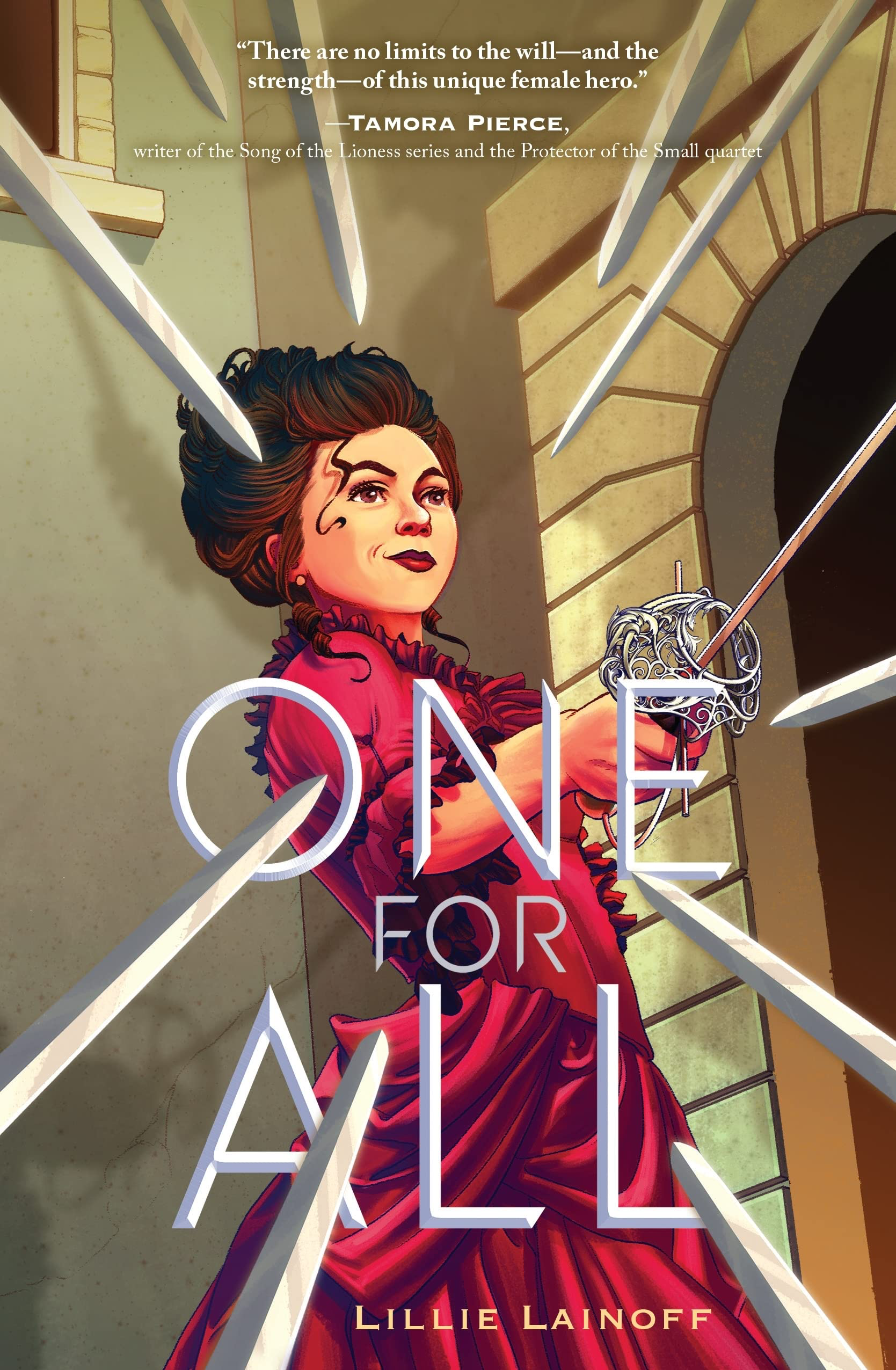
One for All, Lillie Lainoff

GENRES: Historical fiction, retellings

REP: MC with POTS (disabled author)

MY RATING: ⭐️⭐️⭐️.75, rounded up to ⭐️⭐️⭐️⭐️

A Three Musketeers retelling featuring a swordfighting, chronically ill protagonist!

The Reckless Kind, Carly Heath

GENRES: Historical fiction, romance, LGBTQ+

REP: MC with Waardenburg syndrome, MC with Brown-Séquard syndrome, MC with anxiety, side characters with post-concussion syndrome (disabled author)

MY RATING: ⭐️⭐️⭐️⭐️⭐️

I’ll be reviewing this one soon—a beautiful and tender tale of a disabled, queerplatonic triad in 1900’s Norway!

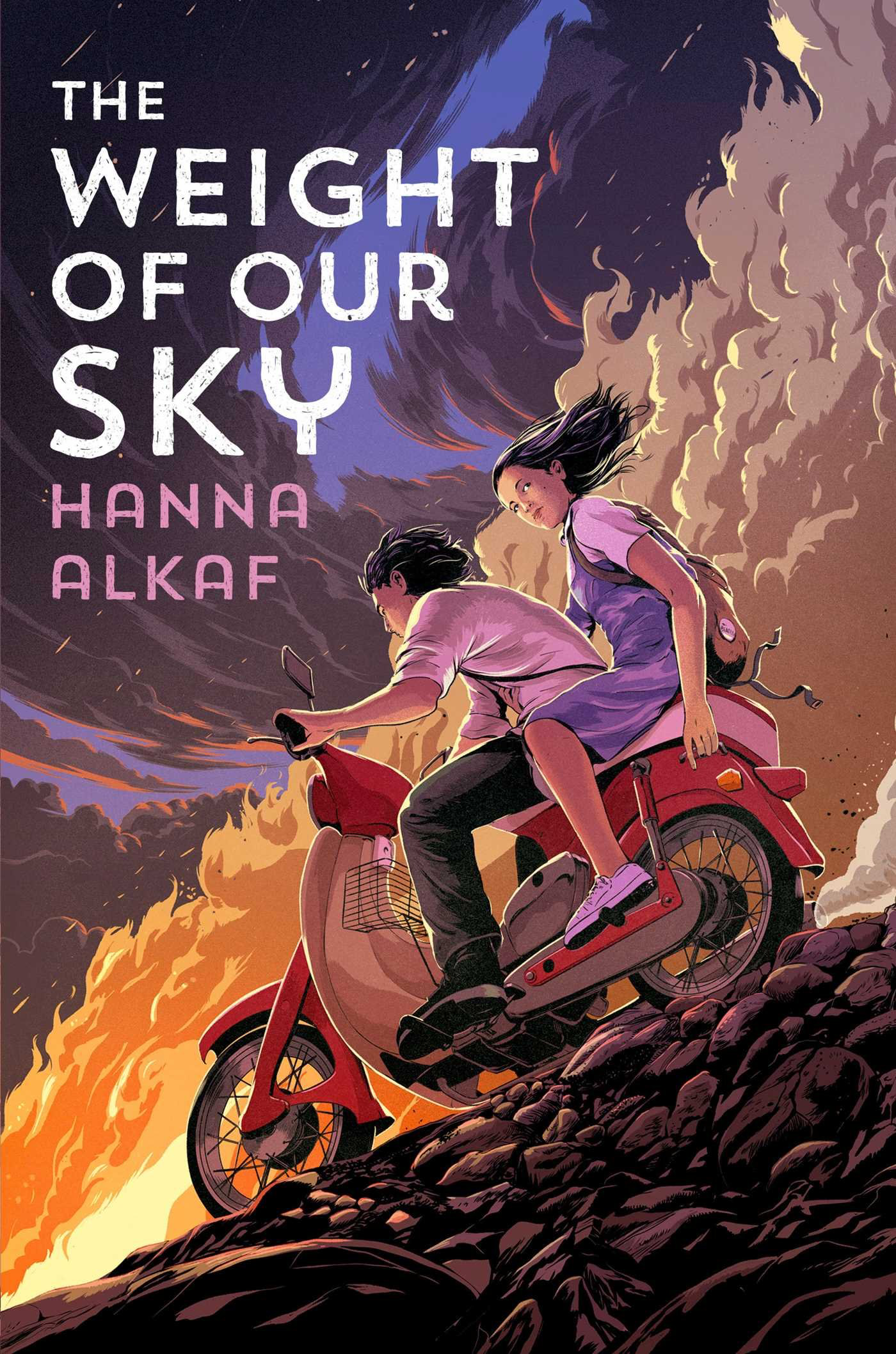
The Weight of Our Sky, Hanna Alkaf

GENRES: Historical fiction

REP: MC has OCD

MY RATING: ⭐️⭐️⭐️⭐️

A harrowing story of a girl with OCD in the Philippines searching for her mother during the race riots of 1969.

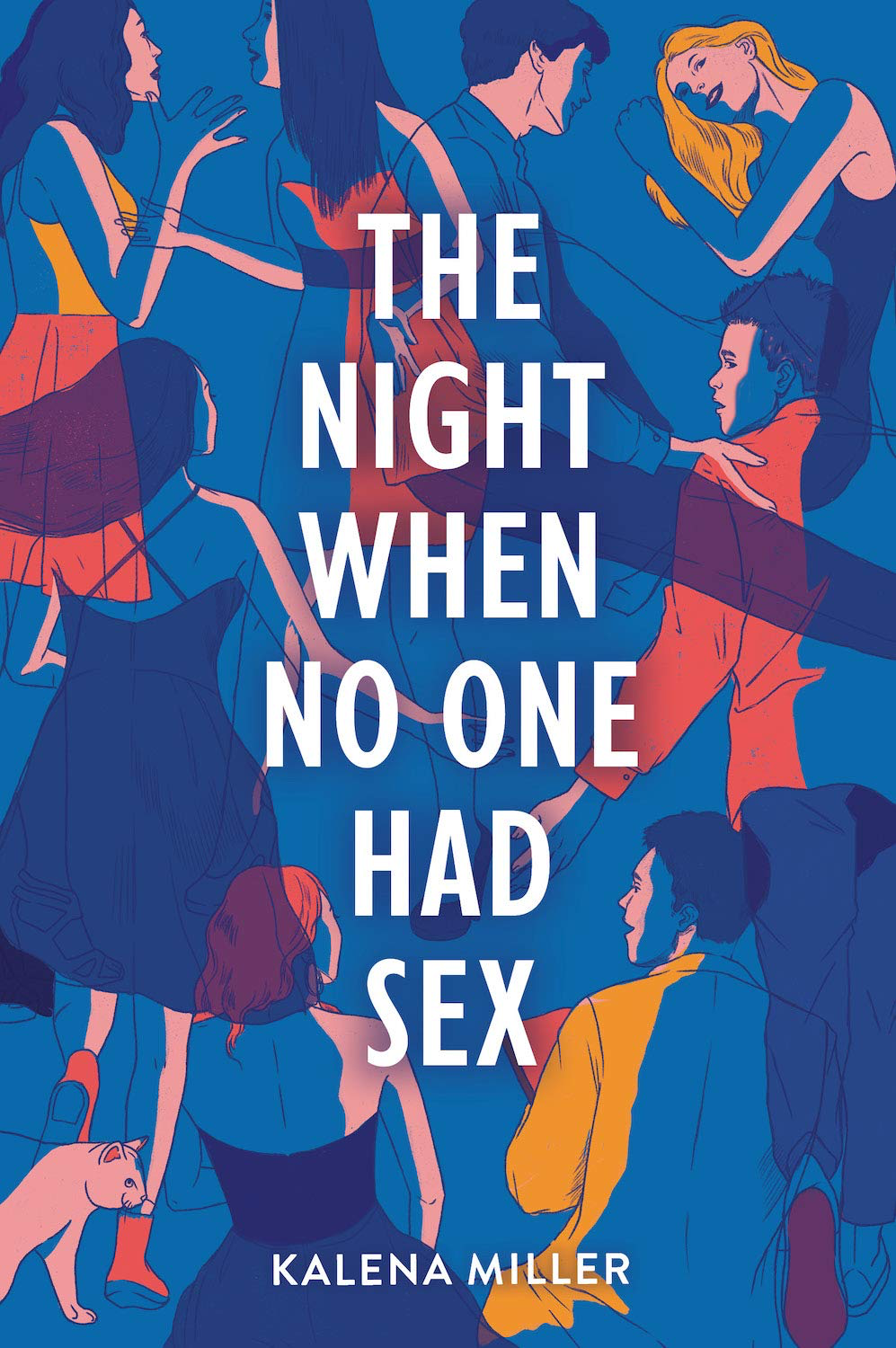
The Night When No One Had Sex, Kalena Miller

GENRES: Contemporary/realistic fiction, romance, LGBTQ+

REP: Multiple POVs; one MC has Lupus (chronic illness)

MY RATING: ⭐️⭐️⭐️.5

A diverse and funny story of four pairs of teenagers on prom night and a humorously failed sex pact.

The Boy Who Steals Houses, C.G. Drews

GENRES: Contemporary/realistic fiction, romance

REP: MC has anxiety, autistic side character (disabled author)

MY RATING: ⭐️⭐️⭐️.5

A messy and emotional story of a boy and his brother making their own in a world that turns its back on them.

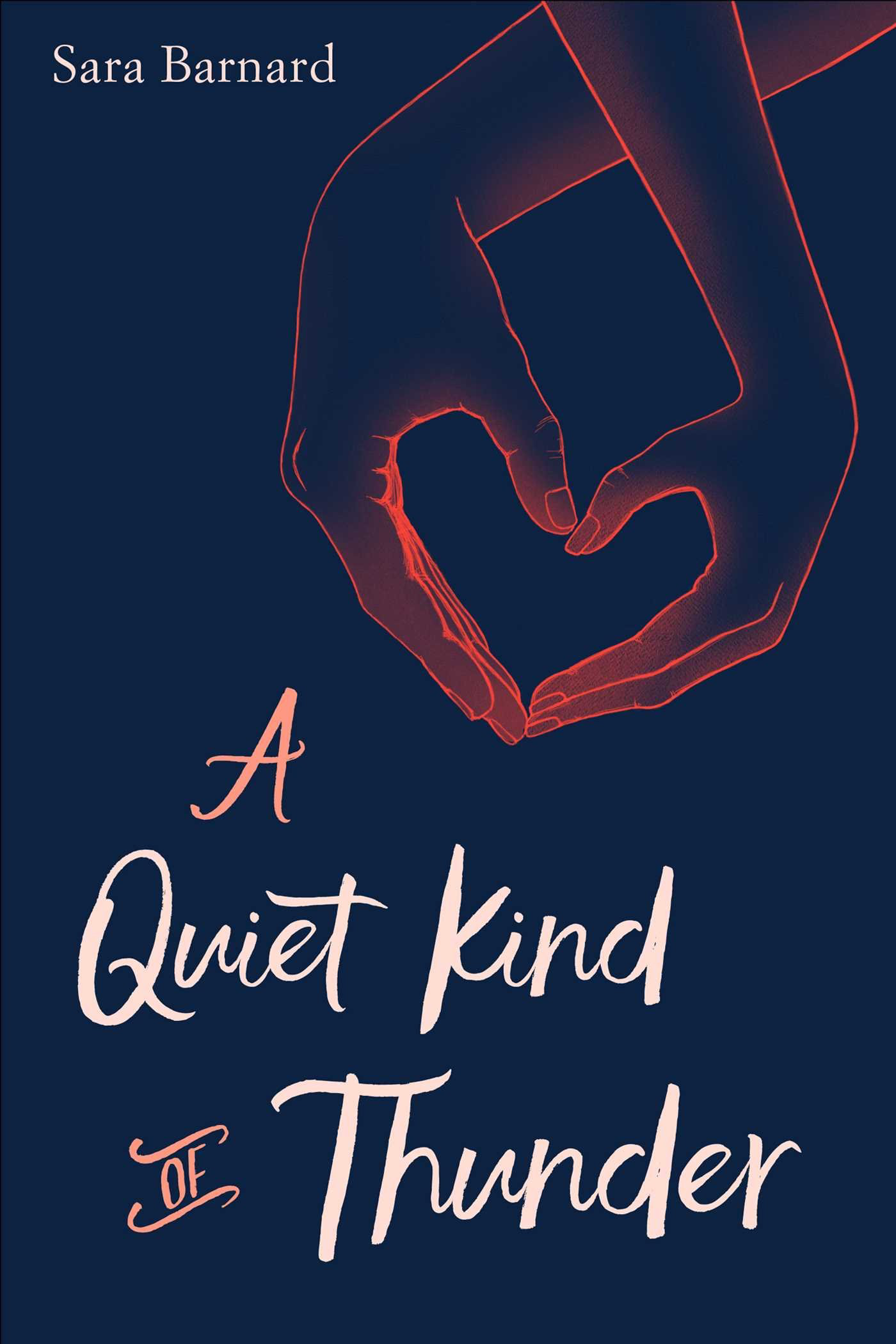
A Quiet Kind of Thunder, Sara Barnard

GENRES: Contemporary/realistic fiction, romance

REP: MC is selectively mute, Deaf love interest

MY RATING: ⭐️⭐️⭐️.5

A tender, sweet romance with disability front and center!

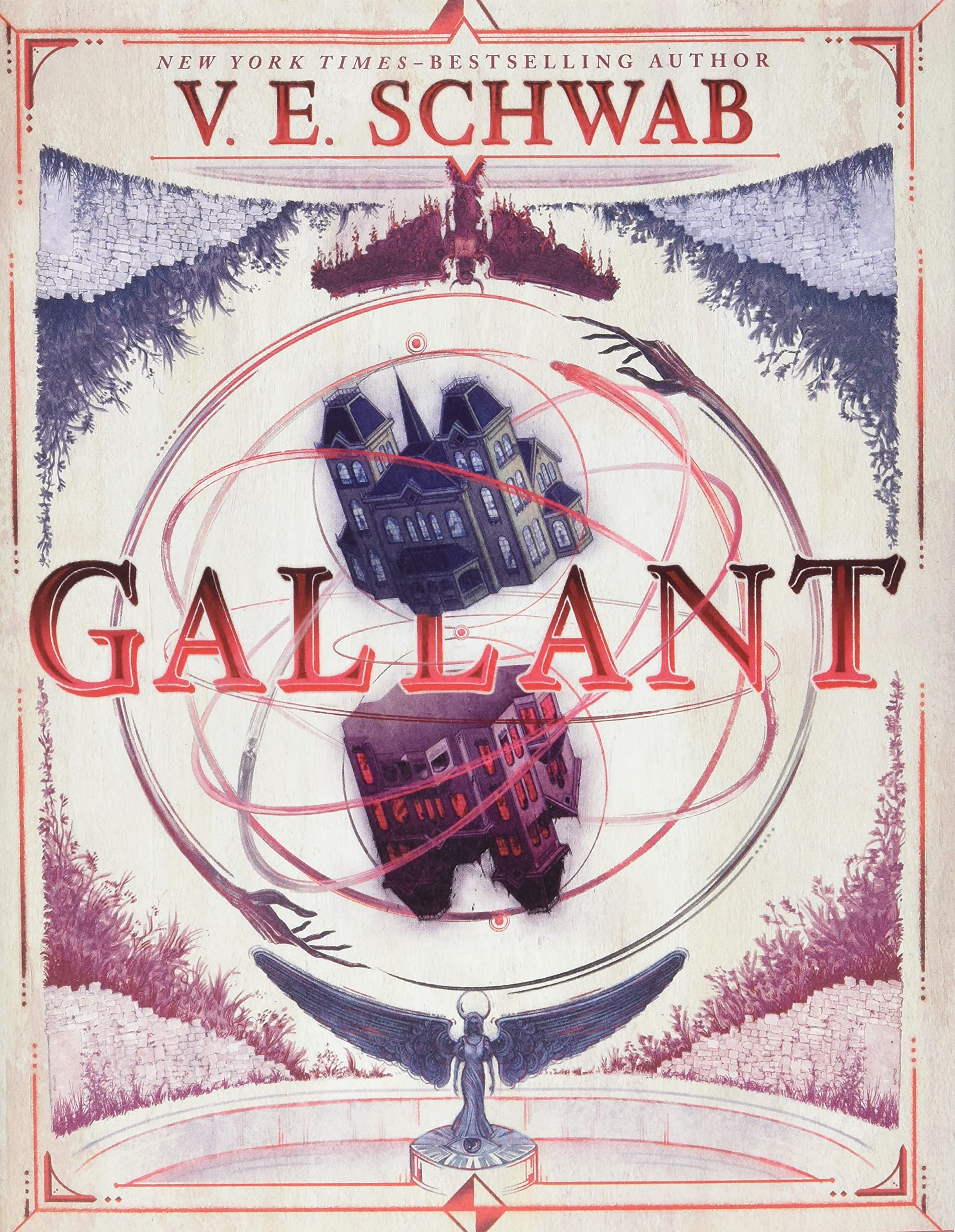
Gallant, V.E. Schwab

GENRES: Paranormal, fantasy

REP: MC is mute and uses sign language to communicate

MY RATING: ⭐️⭐️⭐️.75, rounded up to ⭐️⭐️⭐️⭐️

Though this wasn’t my favorite V.E. Schwab book, I loved its paranormal atmosphere!

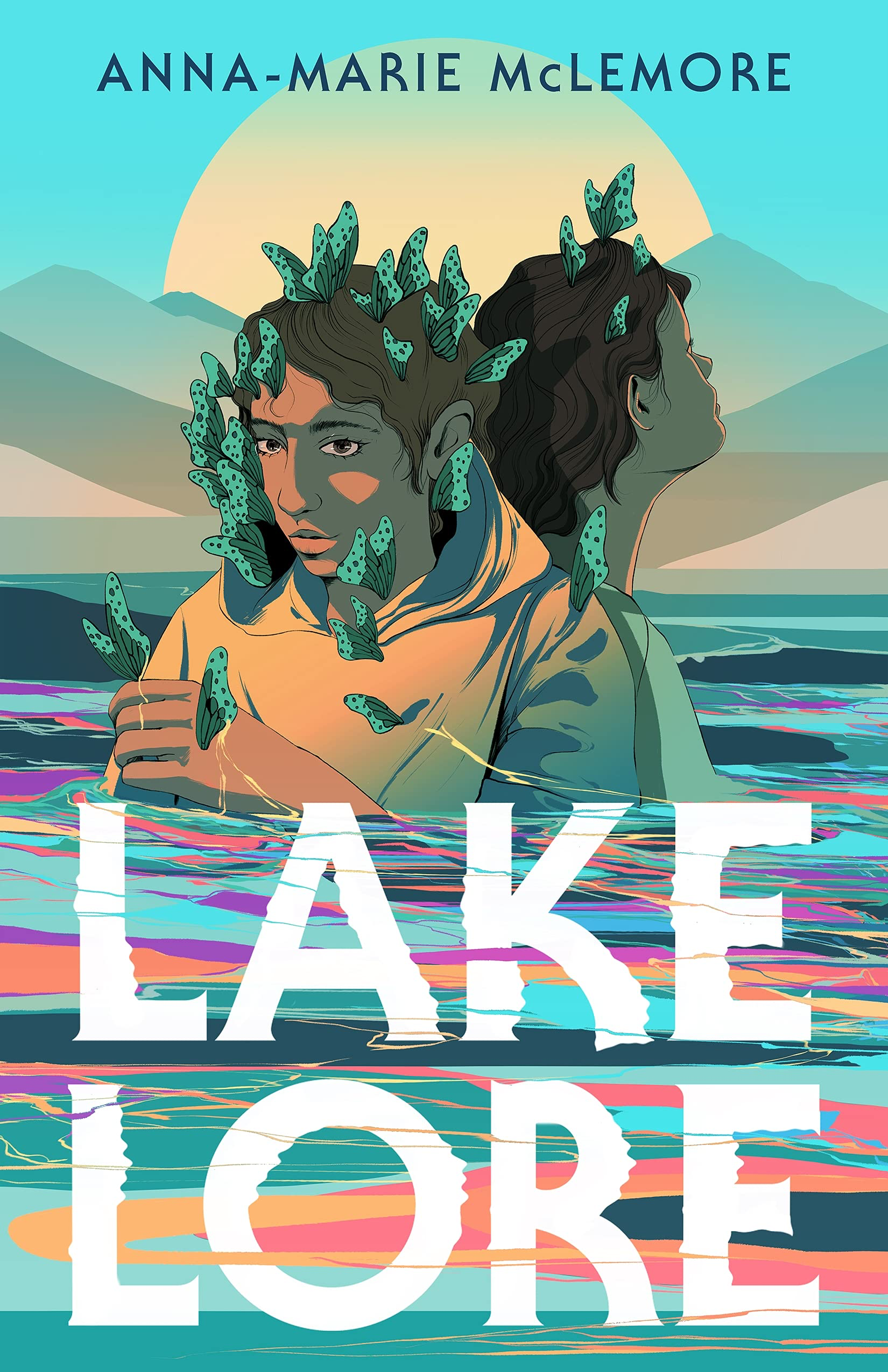
Lakelore, Anna-Marie McLemore

GENRES: Magical realism, fantasy, fiction, LGBTQ+

REP: MC with ADHD, MC with dyslexia (disabled author)

MY RATING: ⭐️⭐️⭐️.75, rounded up to ⭐️⭐️⭐️⭐️

Lakelore is one of the most intersectional pieces of magical realism or fantasy that I’ve ever read—both protagonists are nonbinary, Latinx, and neurodivergent!

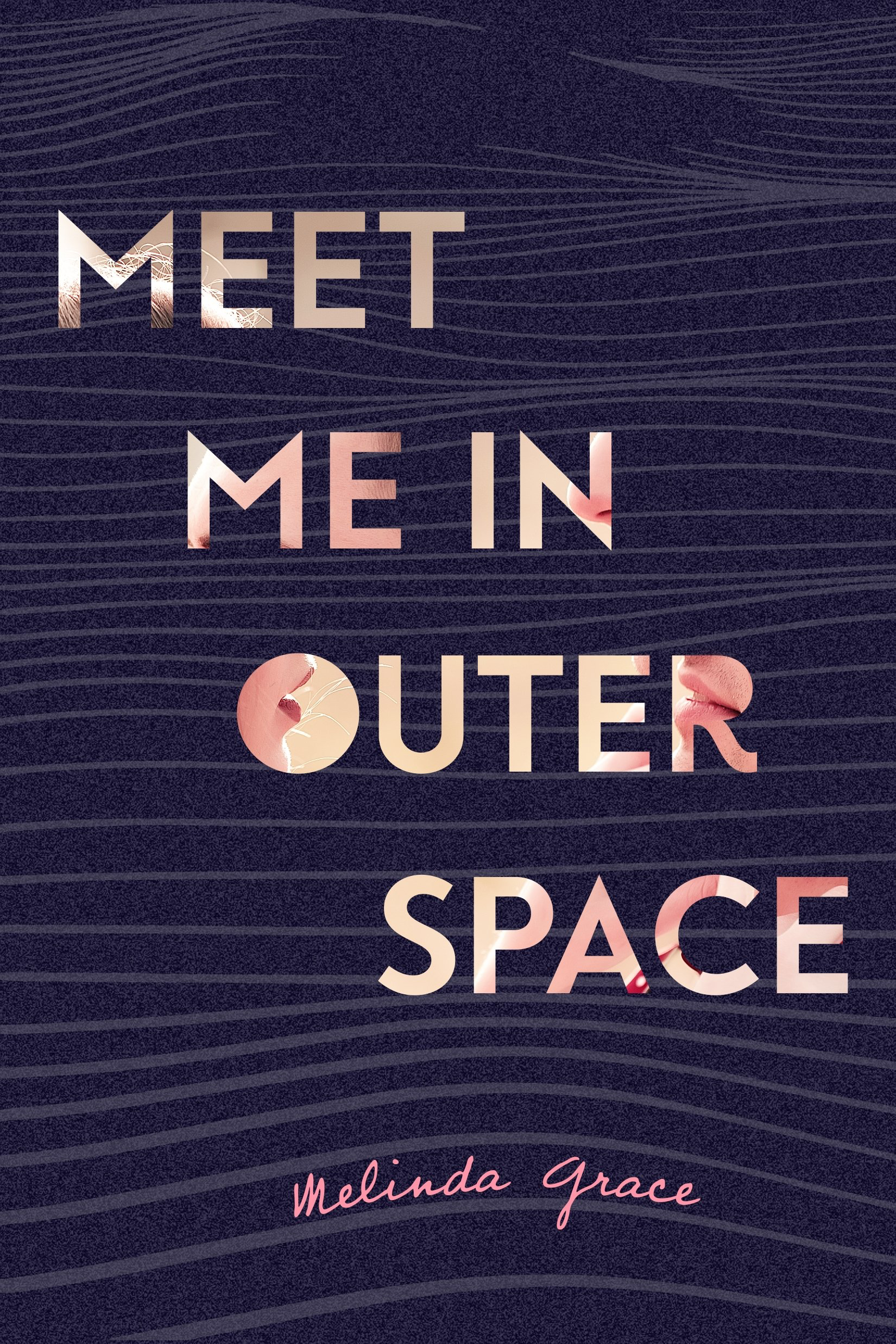
Meet Me in Outer Space, Melinda Grace

GENRES: Contemporary/realistic fiction, romance

REP: MC has Central Auditory Processing Disorder (CAPD) (disabled author)

MY RATING: ⭐️⭐️⭐️.75, rounded up to ⭐️⭐️⭐️⭐️

Although I wasn’t as big of a fan of the romance, I loved how Meet Me in Outer Space explored navigating disability in college!

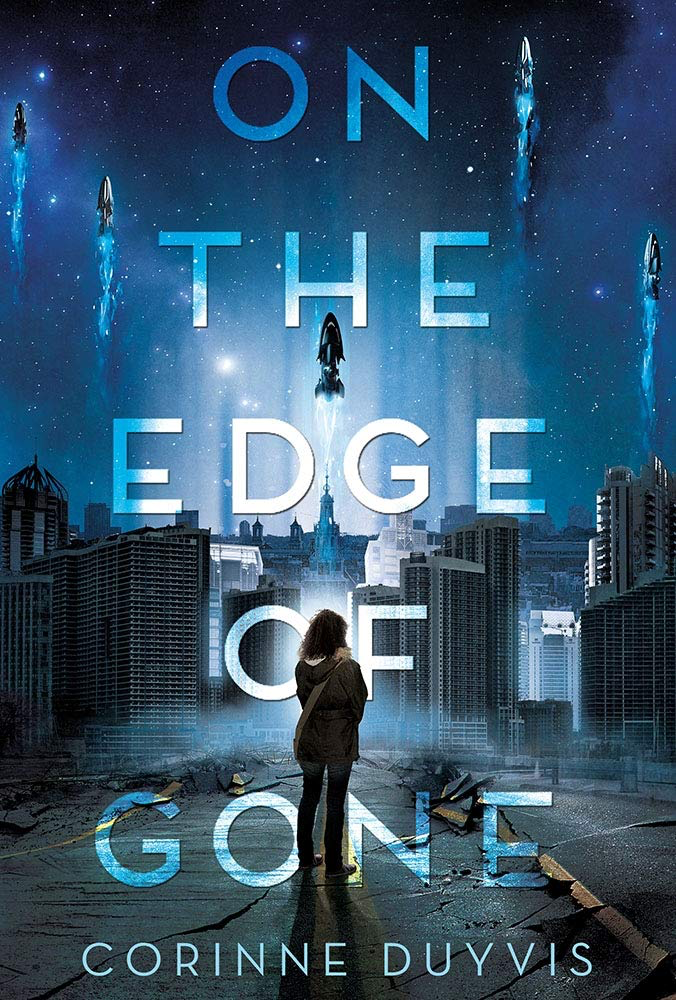
On the Edge of Gone, Corinne Duyvis

GENRES: Science fiction, survival, post-apocalyptic

REP: Autistic MC (disabled author)

MY RATING: ⭐️⭐️⭐️.5

A gripping post-apocalyptic book featuring a determined, Autistic protagonist!

TELL ME WHAT YOU THINK! Have you read any of these books, and if so, what did you think of them? What are your favorite YA books with disability rep? And please, does anybody have any recs for media with good SPD rep? Kinda desperate over here…

(I can only go with my headcanon that Jean Grey from X-Men has SPD for so long, folks, please…)

Today’s song:

I wanna hate Jack White so bad but HE JUST KEEPS PUTTING OUT SONGS LIKE THIS

That’s it for this post! Have a wonderful rest of your day, and take care of yourselves!