Happy Wednesday, bibliophiles, and happy New Year’s Eve!
I know this is probably the millionth wrap-up post you’ve seen today, but this is mostly in service of my love of bullet points and categorizing and such.
Let’s begin, shall we?
GENERAL THOUGHTS:
New Year’s Eve. It’s the time of the year when your social media is flooded with everybody making neat little wrap-up posts about everything that they achieved and how much fun they had in the past year. Now, I fully acknowledge the irony that I’m doing almost the exact same thing in written form. But with Instagram, I often find myself reluctant to post big end-of-the-year lists or posts like I do on here. With my art account, everybody seems to have stuff all ready for the holidays, but I’m just drawing whatever I see fit, rarely ready with anything festive for Christmas or the new year. All this is to say, it’s good to remember that this is, after all, social media. Even as the year ends, it’s okay to not have everything wrapped up in a neat bow. Social media’s all a sham anyway, so post at your own pace.
Compared to this time last year, when I felt like I’d gotten a proverbial pummeling from 2024, I’m at least grateful that I’m in a better place, even if 2025 was…god, it was certainly a year. And honestly, 2025 pummeled me too. But it was marginally better for me than last year, which is saying something. I’ve learned to take better care of myself. Even though keeping my head above water with everything going on in this country has been—and continues to be—an uphill battle, I feel like I’ve come so much further from the person I was last year. I moved into an apartment, I got another two semesters of good grades, I learned how to knit, and above all, I feel more independent. (I’m saying that in my head like they do in Rudolph the Red-Nosed Reindeer. In-dee-pendent!) Yet I’ve also been beaten down by stress, by school, by tragedy—preeminently a school shooting at my old high school back in September. Above all, it’s been a year of upheaval for me—not just the negative upheaval of the government (because they think that our Constitution is a suggestion, apparently), but a year of so much change. But I’m here. And hell, I’m so proud of myself. Half of the things I listed here (and many that I didn’t) are things that I never imagined myself doing even five years ago. But I’m here. I can ride the bus and make easy conversation sometimes, I know the way there and back to my record store, and I am surrounded by people who I love and who love me back. I am grateful.
Plus, the more important holiday is Ringo’s 4th birthday. Send your birthday wishes, or the birthday boy will bite your feet…
NOVEMBER READING WRAP-UP
In total, I read 174 booksin 2025!
I read 14 books in November! Though my reading count was buttressed by several re-reads and school books (and one unfortunate DNF), I encountered so many lovely books.
I read 13 books in December! Finals put me way behind my usual reading amount for the month, so I thought this would end up being my worst reading month of the year…and then my power went out for four days. I ended up reading two books in a single day, something I haven’t done since I was, what…9? 10? Either way, the power outage, as unfortunate as it was, gave my reading a bit of a boost.
Above all, thank you for everybody here. WordPress isn’t exactly the most popular site anymore, and I’ve considered moving platforms myself. But for the people who are still here, thank you for the likes, the comments, and the kind words. This year would’ve been ten times harder to endure without my family and friends here to support me—it is the privilege of a lifetime to have you all in my life. And to anyone who’s casually read any of my posts, thanks for stopping by. Keep reading dangerously, keep loving each other. Spread love, not fear, and go to your local record store or library or indie bookshop every once in a while. Smile at people. And celebrate this new year however you see fit.
2025 is a year that defies any kind of platitudes for me, but it was a year full of upheaval—good and bad. I’m nearly finished with college, I moved into an apartment, I had my golden birthday…all with the looming specter of fascism overhead. Too many people are concernedly fine with that last bit.
This year, I wanted to make a concerted effort to read more nonfiction. As of now, according to my Storygraph, my ratio of fiction to nonfiction is 88% to 12%, which…yeah, there’s still a pretty obvious bias. But compared to last year, where only 6% of what I read was nonfiction, that’s a significant jump up! 6% more than last year! Yet even still, most of my 5-star reads ended up being nonfiction this year, something that I did not see coming. Granted, not every nonfiction book I read was amazing, but there were some real heavy-hitters this year. Spanning from memoirs to essays on everything from grief, art, and identity, I feel like this nonfiction exemplifies my aim this year: to learn more, but to resist the kind of person that the government wants me to be, and that’s someone who is ignorant. I don’t want to thank the current administration for anything, but I will give them this: their insistence on dumbing down the population has only made me want to learn more.
Last year, I talked about how my 5-star reads seem to shrink a little every year; I still maintain that it’s probably for the best, since I’m more selective now than I was before. (Also, it’s bound to be less since I read less and more slowly these days. I’m not blowing through 300 books a year like I was when I was 10 years ago.) And yet I noticed this year that sometimes, I was almost afraid to rate books 5 stars. I found myself second-guessing constantly: did it really move me that much? Was it that good to deserve full marks? Sure, I’ve retrospectively changed ratings of books here and there—it’s bound to happen as we age—but I just need to remember to go with my heart. And what spoke to my heart this year was an oddball bunch—fiction, nonfiction, poetry, and science fiction featuring cats. All of it moved me in some strange way, giving me the liberatory knowledge to move forward and the strength to persist. So here’s to these amazing novels that moved me the most this year.
NOTE: Normally, I don’t include re-reads on my 5-star reads of the year, but in this case I’ll make an exception, since for one of them, I retrospectively changed my rating to 5 stars. There’s nothing like a book that’s even better the second time around.
⭐️⭐️⭐️⭐️⭐️THE BOOKISH MUTANT’S 5-STAR READS OF 2025⭐️⭐️⭐️⭐️⭐️
A Closed and Common Orbit (The Wayfarers, #2) – Becky Chambers | back in high school, this was my least favorite of the Wayfarers series, to which I say to my past self…how? Why? I re-read this for my science fiction course that I helped teach this fall (I can now count my professor as one of my Becky Chambers converts), and it touched me so profoundly. What a sensitive and raw depiction of trying to figure out what it means to be a human person when everybody else seems to have it down. (Spoiler alert: they don’t.)
The Serviceberry: Abundance and Reciprocity in the Natural World – Robin Wall Kimmerer | I finally got around to reading most of Robin Wall Kimmerer’s books this year, and this was my favorite. A case against capitalism and a case for a world embedded more with gratitude towards the abundance present in the natural world (despite what oil executives will tell you).
TELL ME WHAT YOU THINK! Have you read any of these books, and if so, did you enjoy them as much as I did? What were your favorite reads of the year? Let me know in the comments!
Today’s song:
That’s it for this wrap-up of books! Have a wonderful rest of your day, and take care of yourselves!
Happy Sunday, bibliophiles! I hope this week has treated you well.
This week: the last Sunday Songs of 2025 (good riddance), featuring one more song from Bad Sisters, early college memories, and Liz Fraser getting her money’s worth out of the letter ‘S.’
You know me—I’m a sucker for songs that are sweet, sincere, a little too sappy on occasion. I love a good ballad here and there. But there is a hair-thin line between being sincere and wholesome and being overly earnest and corny in a way that sounds disingenuous the minute you step an inch beyond that line. Being genuine doesn’t mean squinting more than usual when you sing into the mic and switching your guitar from electric to acoustic—unless the feeling’s there, it’s not going to sound sincere. So it’s always an acrobatic feat to make a song that’s earnest and sincere but doesn’t sound fake. Sometimes you have to be a bit of a cornball to get it across, but sometimes, being a cornball is better than thinking that you’re automatically moving people to tears by singing slightly louder.
I wouldn’t say that of Jeff Tweedy though, even if Sky Blue Sky’s legacy is that it’s the origin of the term “dad rock,” a kind of Frankenstein’s monster from Pitchfork writer Rob Mitchum, who now regrets what he created. Tweedy’s just a uniquely sincere kind of poet, no matter the lens he uses. “Hate It Here” is a long time coming on Sunday Songs ever since I discovered it this summer, after it became a setlist staple for Wilco on their most recent tour. The best way to describe it is that it’s wholesome without saccharine—Jeff Tweedy just misses his wife when she’s not there!! He’s lonely!! He loves his wife!! It’s this in song form:
It veers towards the sappy, but it’s delivered with the kind of longing you only get from a happy, stable marriage and a genuine affection—it can’t come across as anything other than wholesome. And like the house that Tweedy’s idly pacing around, there are all manner of quirky musical furnishings—this isn’t in the studio version, but on tour, when Tweedy sings “I’ll check the phone,” Mikael Jorgensen does this little riff on the keyboard that sounds like a phone ringing. And let me tell you, it instantly made me go “OH MY GOD!! HE DID THE THING!! THE PHONE!! THE PHONE IS RINGING!!” It just goes to show the ounces of care that Wilco puts into every song, no matter if it’s about the depths of addiction, existential crises…or missing the wife. Because every song deserves the same love.
I promise this’ll be the last of the music I’ve swiped from Bad Sisters for the foreseeable future. I can’t help it! Whoever was in charge of the music direction should’ve gotten a raise, both for the sheer volume of great songs included, but for the subtle focus on women, be it Melanie or Wet Leg, Nancy Sinatra or Bikini Kill.
If not for the fact that “Cold Was the Ground” plays in-scene while the Garvey sisters are listening to the radio, I fully would’ve thought that it was part of PJ Harvey’s score—those resonant, plucked strings at the beginning sound almost identical to the musical motifs she scattered throughout the series. It’s a song so perfect for the show’s atmosphere that the characters practically break the fourth wall and recognize it themselves—it plays on the radio while they’re disposing of a body, and they insist that Eva switch to another radio station and play something less blatantly topical. “Cold Was the Ground” is a sparse but cinematic song. If Fargo goes on for another season, this would fit perfectly in it; it has that same feel of an unsettling, Depression-era Americana standard, despite the Limiñanas being French. With Marie Limiñana’s breathy vocals, a husky whisper through the mist, you feel a kind of old-fashioned dread, evocative of a campfire story that you’re trying to pretend didn’t scare you, but becomes realer the more you look out into the dark night.
I just want to talk about the visual for the song here, because…why are we just zooming in on random parts of Joe Talbot’s face? Why is 1/3rd of this video just the camera slowly getting closer and closer to his hairline, and then zipping back down to his chin? I mean, zooming in on Marta’s eyes and smile during the “Saw it in your eyes/Sense it in your smile” line is a nice touch, but…everything else? Why does Joe Talbot’s picture look like a mugshot?? Why is Tricky’s picture so grainy compared to everybody else’s? No wonder those photos are so tiny on the Lonely Guest album cover…
Anyways. Lonely Guest is essentially just Tricky, but back in 2021, it was a collaborative side project under another name. I’ve only listened to a handful of songs from it, but it captures the modern incarnation of what Tricky’s music has bottled for me: agitation. He thrives on mining dread, anxiety, and all manner of creeping, looming feelings—Maxinquaye is a masterclass in taking that feeling and ballooning it up 10 times its normal size. Though “Pre War Tension” doesn’t musically give that feel—it’s more of a simple instrumental as far as Tricky goes—its guests do. Joe Talbot was the perfect mouthpiece for these lyrics, making the first verse sound like a less aggressive IDLES track; the opening lyrics (“There’s a Macy’s parade-sized pink elephant/In the room that renders me unintelligent”) sound straight off of Ultra Mono. But ultimately, it is still Tricky, and his signature rasp, spoken in an atonal whisper, articulates that tension of wanting to hunker down somewhere cold as the world around you slowly spirals towards ruination. Even Marta’s voice, the most even-keeled balance between Talbot and Tricky, has a kind of resignation to it despite its softness.
…AND A BOOK TO GO WITH IT:
Junker Seven – Olive J. Kelley – “Life devours/Then it sours/You wanna go/But you really can’t stay/Your trouble and strife…”
I doubt this is an applicable situation for anybody, but if you ever need to explain the definition of “sibilant” to someone (1. making or characterized by a hissing sound or 2. [of a speech sound] sounded with a hissing effect, for example s, sh), just use this song. This song was brought to you by the letter ‘S’: silly, saliva, sashimi, should’ve. Of course, I write down about half of those words without complete certainty that they’re in the lyrics, but either way, it’s a very sibilant song, silky and ethereal like the fabric draped over Treasure’s album cover. Due to that emphasis on ‘S,’ “Aloysius” is one of the more indecipherable Cocteau Twins songs for me—as used to their relative gibberish as I am, all of them blend together like watercolors with that consonant repetition. Frazer makes ‘S’ not even sound like a consonant anymore, with the airy treatment it gets, along with all of the vowels strung along with it. That’s the real talent of Frazer for me: words are malleable things in her hands, elevated beyond words and into strings of pearls.
I’ve manage to only double-dip on Sunday Songs sparingly through the years, but I’ve fallen for it again. To be fair, this one appeared before I was even writing about these and maybe 20 people saw them on my Instagram story, so we can pretend that this isn’t a repeat.
“Simulation Swarm” is so distinctly 2022 for me, and yes, I know, Dragon New Warm Mountain I Believe In You came out that year, but it’s a very specific part of 2022 for me. I remember listening to it while facing the lawn surrounding my freshman dorm in college, the sunlight on the fresh grass, the fear shaky in my legs as my headphones snaked over the worn strap on my purse. I was impressionable to my brother’s music taste then, and I still am now, but he and his girlfriend were guiding me through my first wobbly steps into college (god, THANK YOU GUYS), leaving Big Thief songs like crumbs along the way. I probably heard it at one of the coffee shops on campus too, but either way, if the local coffee shop run by college students isn’t playing Big Thief, what’s the point?
Cobbled together from a series of Lenker’s experiences—hospitalization, a childhood spent in a cult, and her separation from her brother—”Simulation Swarm” is so bursting with yearning that’s it’s difficult to pin down exactly how I feel about it on any given day. I’ve leaned towards an eagerness to escape myself, but it’s a tender little mood ring that burns a bit when you leave it on your finger for too long. Lenker’s lyrics are so poetic and surreal in nature that I can’t help but imagine a fantastical undercurrent to it; my heart always snags on the “last human teachers” bit, maybe just from the sci-fi image that it conjures up. Sure, the verse about “building an energy shield” in the backyard feels very much like kids playing pretend, but I can’t help but thinking of children on a faraway planet, scraping enough money together to make their energy shield out of scrap metal and hijack a spaceship and fly it far, far away, as far as they can get. That emotion, positive or negative, feels to me like the yearning for freedom—like the empty horses, it yearns to break free, and in the chorus, you get the feeling that something’s finally snapped, broken loose, and broken its chains: “I’d fly to you tomorrow/I’m not fighting in this war/I wanna drop my arms and take your arms/And walk you to the shore.”
Happy Sunday, bibliophiles! I hope this week has treated you well. Happy Hanukkah, Happy Winter Solstice, and in advance, Merry (almost) Christmas!
This week: speaking of which, I rarely end up aligning my Sunday Songs graphics to actually include any holiday-specific songs, but it worked out just right this year…you decide if it’s a pre-Christmas miracle.
Yet another song I’ve swiped from a movie I have no interest in seeing…listen, I saw ads for this movie exclusively through Pinterest and I had no idea it existed until these songs came out. At least we’ve got several Christmas classics reimagined by indie greats, even if the movie is an afterthought for me (see: Jeff Tweedy’s cover of “Christmas Must Be Tonight”).
When I first played this song, I was afraid, with the key, that we’d fall into “St. Vincent goes too far out of her vocal range; things get awkward” territory (see: her cover of Toadies’ “Possum Kingdom”). As much as I love her, she…clearly has her limits. But she slipped into this cover of a Christmas classic with relaxed, comforting ease. Though I like covers to deviate some from the original, I feel like the rule can be broken for Christmas songs—they’re holiday standards, and they’re standards for a reason. The soft keyboards and synths generate a cozy, fireplace atmosphere, and Clark’s warm voice adds that special layer of Christmas cheer that makes me feel as though I’m under a warm blanket watching snowflakes gather outside my window. Even though it’s far from the place for her signature shredding (though I’m not sure any Christmas song merits that), I love that she lent her voice to this song.
…AND A BOOK TO GO WITH IT:
Fangirl – Rainbow Rowell – I feel like I rarely read Christmasy books, but this one’s got lots of Christmas cheer.
Speaking of covers that barely deviate from the original…
There’s an element of “if it ain’t broke, don’t fit it” at play, especially since this is none other than The Beatles—there’s no denying that “Drive My Car” is an impeccable pop song, and a very nostalgic one for me as well. The other cover I can think of, by the exclusively-covers side project of Supergrass, The Hotrats, follows the same formula—and I love it. So sure, although it’s a little unadventurous that nothing’s really changed about The Donnas’ version of “Drive My Car,” sometimes covers don’t need all that much change. Some songs came out of the womb (or, in this case, out of the brains of Lennon and McCartney) nearly perfect, and there’s no point in trying to change it. The opposite can be true as well—“Cry Baby Cry” comes off of my favorite Beatles album, and yet I almost love Throwing Muses’ dreamy take on the song better than the original. (Apologies for the potential Beatlemaniac heresy.) And The Donnas’ cover retains exactly what made the original so fun—it’s catchy, it’s punchy, and the harmonization is as sharp as anything. Brett Anderson (no, not the Suede one) has the exact kind of vocals that “Drive My Car” needs—upfront, with a smooth yet sharp tone that demands to be front and center. You have to be a special kind of vocalist to pull off the iconic “beep beep, beep beep, YEAH!”—and Anderson absolutely is.
…AND A BOOK TO GO WITH IT:
The Monstrous Misses Mai – Van Hoang – “I told that girl I could start right away/When she said, ‘Listen, babe, I got something to say/I got no car and it’s breaking my heart/But I found a driver and that’s a start…'”
Tiny Desk has had a score of heavy-hitters this year, and what better to…kind of cap the year off than David Byrne? With both new material from his latest album, Who is the Sky? and Talking Heads classics, it was truly just a shot of joy to the veins—just the thing I needed to loosen up after getting finals out of the way. For somebody so renowned for having a cagey stage presence, he seemed surprisingly loose. Maybe it’s just come with age or comfort level, but nonetheless, the joy was contagious.
I’ve slowly been picking up Talking Heads hits like ripe fruits on the side of the road. They’re one of those bands that I feel automatically a fan of, even though I only know 10 of their songs tops, just because I’ve become so attached to some of their songs. God knows I’ve got a score of fond memories attached to “Once in a Lifetime.” One of their latter-day hits, “(Nothing But) Flowers” is an upbeat yet almost cynical take on the post-apocalypse. Like many visions of the future, it imagines our polluted, industrial landscape returned to the vegetation, with Pizza Huts and Dairy Queens grown over and plowed away to make room for fields of wildflowers and wheat. Obvious references to the Garden of Eden, the world has become a pastoral haven—and yet, we cannot adjust to this sudden change, and even though our capitalist environment was pretty obviously worse, everybody yearns for that familiarity—”If this is paradise/I wish I had a lawnmower.”
It’s no wonder that Byrne chose this song for this Tiny Desk Concert, nearly 40 years after its initial release: the line “And as things fell apart/Nobody paid much attention” is a little too on the nose considering…everything. And that’s not even considering the overt political messaging in the music video. Even when we’re faced with a world full of broken, corrupt systems, we’ve become so used to living with the horrors that we might flounder when faced with something better. I hesitate to say that it’s fully cynical, since the vision Byrne and co. conjure is certainly akin to paradise, and yet the song ends with the cry of “I can’t get used to this lifestyle!” I suppose it’s less a condemnation of us and more of a condemnation of how capitalism has groomed us into thinking that it’s the Best Possible Lifestyle! while actively plowing us into the ground. It’s a testament to capitalist propaganda, for sure, to think that our hellscape of five McDonald’s in a two-mile radius and factories belching out chemicals into the air is better than idyllic fields of flowers and breathable air.
But it is, after all, propaganda: words, systems, all created by human hands. Human hands can dismantle it right over again and build something better. To quote Ursula K. Le Guin, “We live in capitalism. Its power seems inescapable. So did the divine right of kings. Any human power can be resisted and changed by human beings.” Like the flowers, I believe that we can overrun what was once Pizza Huts and factories and make do with what springs from the ashes.
The lingering feeling I get with this song is that it has to be indicative of something. Something’s catching on. It could just be limited to Kai Slater, but I swear it’s proof that either Elephant 6, Jim Noir, or just weirdo, offbeat, ’60s-inspired indie is on the rise again. Radio DDR was released earlier this year, but if you hadn’t told me that this was Sharp Pins, I would’ve been fooled if you’d told me that this was a leaked Olivia Tremor Control demo from 1998. Either way you hear it, “If I Was Ever Lonely” is cloaked in pure, jangle-pop fun—there’s a very Brian Wilson-esque swing to it that makes you nod your head instantly. With the lo-fi production and the literal dizziness in the lyrics, listening to “If I Was Ever Lonely” strangely feels like staring into the sun. It’s not out of any sense of pain, but more of a carefree feeling of being so head-over-heels that everything is sunny and blurry at the edges.
…AND A BOOK TO GO WITH IT:
Just Your Local Bisexual Disaster – Andrea Mosqueda – “Watching from the back seat of your car/Wondering how far you can take it when I’m so lonely/Dancing in the ballroom hall/Seeing how far I can take it before I’m over you, girl…”
So I’ve found the second-most popular Feist song beginning with the word “one,” it seems. (All thanks to a good friend, by the way—thank you!!) I’ve heard scattered Feist songs here and there—“1234” was a childhood staple, and I discovered “Undiscovered First” through Legion, one of many, many songs from Noah Hawley’s playlist that I desperately need to steal, or at least have a look at. The glimpses I’ve gotten are disparate, but from what I can tell, that means that Feist has range, or is at least fairly exploratory in her style. There’s the indie pop of “1234,” the anxious build of “Undiscovered First” or “A Commotion,” and “One Evening,” which has a softer, more loungey feel to it. The entire production is soft and sly in places, a song composed out of stolen glances from across the bar and accidental brushings of the hands of strangers. With soft-sung harmonies, it’s such a tightly-woven groove in such an unassuming song—beneath the softness, it boasts an airtight, deeply catchy composition.
I’ve been a fan of R.F. Kuang’s work for years (though I’ve steered away from the Poppy War trilogy, given how many people I know have been emotionally eviscerated in its wake). As bored as I am with dark academia, if there’s anybody I trust with the genre, it’s Kuang—and for the most part, her latest venture into the bowels of academia (and Hell itself) was an adventurous success!
Professor Grimes is going to Hell, and it’s all Alice Law’s fault.
After a backfired spell sends their advisor to an early grave, two rival Cambridge grad students find a way to enter Hell to bring back Professor Grimes. Braving all manner of demonic horrors beyond their wildest nightmares, Alice Law and Peter Murdoch have agreed to risk it all for their beloved professor. Yet the further they travel through Hell, they must come to grips with the man Professor Grimes was—and if the man they idolized was really worth going to Hell for.
TW/CW: violence, gore, loss of loved ones, sexual assault/harassment, suicidal ideation/suicide, ableism
There’s really nobody doing it like R.F. Kuang. She isn’t my favorite author of all time, but nonetheless, I don’t think I’ll ever find another fantasy book that has both spooky scary skeletons sending shivers up my spine AND a well-placed dig at Jacques Derrida. That’s how it’s done.
Right after it was released, Katabasis seems to have made a major splash in the book community (namely BookTok)—partly because Kuang’s next novel was bound to be highly anticipated, but partly because it sparked some debate about anti-intellectualism. But compared to something like Babel, which is practically footnotes upon footnotes, I feel like this…isn’t that bad? Sure, it’s very esoteric, but most everything is so easily searchable online? Or in the library? Granted, I understood a fair amount of this solely because I took a literary theory course for my English degree, but even then…just google what you don’t know! And maybe you’ll learn something fun! I don’t know how one would go into an R.F. Kuang book and not expect something academically-minded, but maybe this is just the people who were only used to the strictly realistic fiction of Yellowface? Who knows.
Either way, the academic aspect of Katabasis was such a fun element for me. Whether or not that’s because I’m so hopelessly English-majoring it out here, but I loved all of the subtle nods to world mythologies and literature. (The bit about postmodern and poststructuralist magic cracked me UP. Poststructuralism slander healed my soul. Thanks, literary theory.) But ultimately, I loved what Kuang said about academia; there’s the satirical part that it can be Hell, but also that it demands an inhumanity of you that is systemically supported and produces such spectacular burnout. Being the genius that people like Grimes wanted required students like Alice and Peter to relinquish their humanity in pursuit of knowledge and prestige, and that’s something that you shouldn’t have to sacrifice to get what you want. Given Kuang’s accolades and track record, I’m sure she’s experienced this firsthand, but it was a potent statement on the pressure that’s put on students, especially in the Ivy Leagues and other prestigious institutions, magical or not.
Katabasis had a wild version of Hell, and so much of the fun of the book was exploring it. Granted, it is rather all over the place, but I feel like it emphasizes Kuang’s initial rule of Hell: there are no rules in Hell. There’s the parts that are just Cambridge but in Hell, carnivorous hordes of Tim Burton-esque skeletons, deities from all kinds of mythologies, and one very lucky cat. (Shoutout to Archimedes, I’m glad he survived!) Entire sections of Hell are made out of M.C. Escher’s structures, there’s impossible shapes everywhere, and all of it serves to make Alice and Peter get as close to snapping as possible—exactly what you’d expect from Hell. Tonally, it was also kind of all over the place; some of it was genuinely horrific, while other parts bordered on Beetlejuice-esque camp. But all of these disparate elements made sense as a sort of archive of all possible Hells; it’s a very academic Hell, but beyond that, it seems like an exercise in writing that Kuang had tons of fun writing. That passion poured off every page!
Alice and Peter’s relationship formed the core of the novel, and I loved following them as characters. They made such an odd couple of rivals to friends to…something more, I’d imagine, and their personalities bounced so well off of each other. The perspectives that both of them brought to Kuang’s satire of academia—Alice’s struggles as a woman of color and Peter’s as a chronically ill person—really hammered the commentary home. My main criticism of Katabasis has to do with the 75% mark (more on that later), but I feel like part of why it felt so off-balance for me was that Peter wasn’t there. Alice was a compelling character on her own, but Katabasis leaned so much on their shared dynamic, the scholarly banter they bounced off of each other and the warring struggles that eventually coalesced as they realized their dual mistake in idolizing Grimes. They had such effortless chemistry both as rivals and friends, making them easy to root for.
Of course, when you’ve created a Hell this dizzyingly intricate and complex, you’re bound to get lost. Alice and Peter did, and so did Kuang herself. There’s a point at the 75% mark where the plot, along with the characters, gets hopelessly lost. By this point, we’ve moved on past “we’re here to get Grimes,” but it seems like none of the detours served the novel in any way. The real kicker is that this part of Hell isn’t even that new or interesting—it’s even more academic commentary, which, while I liked it at first, was just repetitive and regurgitated the same satire about academia that Kuang had already talked about in the first third of the book. I’m all for taking detours to explore an unknown realm, but this one didn’t even feel new at all. My edition of Katabasis is around 540 pages, mind you, so it’s not like cutting too much of this would’ve made it too short. I feel like not every little thing about a novel directly needs to serve the plot, but I feel like it should at least develop the characters or show us something new, and this part of Katabasis did none of those things. Thank goodness we were whisked out of Hell soon after that.
All in all, an inventive and satirical journey into the depths of Hell—which, as it turns out, looks an awful lot like Cambridge. 4 stars!
Katabasis is a standalone, but R.F. Kuang is the author of several other fantasy and fiction novels, including Yellowface, Babel, and the Poppy War trilogy (The Poppy War, The Dragon Republic, and The Burning God).
Today’s song:
I just need everybody to know that this cover exists. That’s it.
That’s it for this week’s Book Review Tuesday! Have a wonderful rest of your day, and take care of yourselves!
Sorry, folks. It’s too early for me to draft my New Year’s Resolutions, but they probably won’t include “shut the fuck up about Brian Eno.” You’re in for a long few years.
Back in November, at the behest of my older brother, I finally got around to listening to Taking Tiger Mountain (By Strategy). Pardon the hyperbole, but to call it just an album feels like a disservice, mostly because there’s just so much crammed in there. It’s a whole stuffed Thanksgiving turkey of esoteric references and inspirations; the main defining threads are loosely centered around the Chinese Communist Revolution and general themes of warfare, but even that somehow doesn’t scratch the surface. Plane crashes, a Belgian town whose population is outnumbered by the patients in its local mental asylum, and a play dating back to the Chinese Communist Revolution (from which the album took its name) are just some of the scattered subjects that Eno covers in its 48-minute runtime. He verges from a campy satire of the military on “Back in Judy’s Jungle” to punk-precursor “Third Uncle” to the deeply moving “Taking Tiger Mountain,” a song that closes the album with the same huddled, melancholic yet triumphant feelingI always get listening to The Beach Boys’ cover of “Old Man River.” (Blame it on Fantastic Mr. Fox.) And yet, with all of those disparate images clanking about, it’s so cohesive. The thread, I think, is both Eno coming into his own as a solo artist, as well as his riotously creative imagination—it’s an album with such a distinctive style that could never be authentically replicated, no matter how hard somebody might try. There can never be another Eno, and there can never be another Tiger Mountain. It’s just so singular in its uniqueness.
Something that bubbled up in me while listening to Taking Tiger Mountain by Strategy was that although many of the lyrics are abjectly nonsensical, I found myself getting emotional out of nowhere. For “Taking Tiger Mountain,” I could pinpoint a more easily categorized reason—it’s got the feeling of relief, of victory at a steep cost, of the tearful end of a film. The other that got me misty on the first listen was “Mother Whale Eyeless.” Eschewed by the delightfully stream-of-consciousness lyrics, there’s something about a fundamental change—many have interpreted it as a relationship that can’t go on and the mounting fear of the inevitable implosion. Either way, something’s on the horizon, and it’s a shadow of dread—as in a “cloud containing the sea,” or the formidable shadow a whale might cast upon a school of passing fish. Yet what gets me about this song is that there’s some sort of near-euphoric feeling of ascent to it—you get the feeling like it’s piercing the very atmosphere like a rocket breaking the sound barrier; the only way it can go is higher, higher, higher still. There’s something anticipatory about it, yet there’s no explosive finale—you just break the sound barrier and are left with the fallout. The fallout is the euphoric journey that Eno takes you on, through winding turns buoyed by his Oblique Strategies (you’ll really get the meaning about his emphasis on repetition and/or lack thereof after listening to this song). Phil Manzanera’s guitar soars, aching of Low-era Bowie before it even existed, and Phil Collins’ pattering drums add jet fuel to the anticipatory nature of the track. (Also, I swear the electronic background noises in the very beginning sound a lot like the intro to St. Vincent’s “Big Time Nothing.” Just me?)
But the centerpiece for me is the refrain sung by Polly Eltes. This is where I got choked up out of nowhere. The entrance of Manzanera’s fuller guitar work allows for a breather and opens up the curtain for Eltes’ voice, in which she sings: “In my town, there is a raincoat under a tree/In the sky, there is a cloud containing the sea/In the sea, there is a whale without any eyes/In the whale, there is a man without his raincoat.” (I swear her voice reminds me a little of Régine Chassagne.**) There’s an uncanny feeling of poignant simplicity of it; it feels like a nursery rhyme, or a proudly recited line of an epic poem. To me, it almost feels like a declaration of purpose: an open defiance of interpretation, a thesis that even the most dreamlike and esoteric lyricism can be just as emotional as something that tackles a subject head-on. Either way, there is no denying the feeling that “Mother Whale Eyeless” gives me.
…AND A BOOK TO GO WITH IT:
Mad Sisters of Esi – Tashan Mehta – I promise I’m not putting this in here solely because of the whale…but I’m not saying they’re not connected. Either way, that surreal, imaginative quality of Eno pairs well with Mehta’s writing.
When Forever is a Feeling first came out, I felt like her having a Hozier feature added to the feeling that Lucy Dacus had begun to sell out. I suppose the overlap between their fanbases (read: gay people) was essentially a circle, so it probably was inevitable anyway. No disrespect to Hozier though—very talented guy, and I love his voice, but his music isn’t always my cup of tea.
To my surprise, “Bullseye” has become one of my most played songs from the album. There’s something so tender about it that reminds me of Dacus’ older work. I think what sets Dacus’ songwriting is that every emotion comes through in the most unexpected vignettes—the opening lines of “Next of Kin” (“Reading in the phone booth/Sucking on a ginger root”) come to mind. She has such a keen, observational eye that decorates her songs with the most unique setpieces, like some kind of musical bowerbird building a nest. While the ones in “Bullseye” stand out as more obviously romantic (carving locks into initials on bridges, reading annotations in your lover’s books), it’s so clear how much it shapes her songwriting. She admits it herself: “Found some of your stuff at my new house/Packed it on accident when I was movin’ out/Probably wrong to think of them as your gifts to me/More like victims of my sentimentality.” She’s a kind of museum curator of fleeting, stolen moments, which make up the core of “Bullseye.” And although Hozier isn’t normally my cup of tea, his voice with Dacus’ makes up such rich, heartstring-tugging harmonies that give the song an added layer of tender warmth.
Though I wasn’t able to catch her on this tour, the highlight has been seeing her perform this song, not just because of how lovely it is. She’s been making it her mission to duet with as many people as possible—David Bazan, Samia, Stuart Murdoch, and Jay Som, among others!
…AND A BOOK TO GO WITH IT:
Lakelore – Anna-Marie McLemore – “You’re a bullseye, and I aimed right/I’m a straight shot, you’re a grand prize/It was young love, it was dumb luck/Holdin’ each other so tight, we got stuck…”
For the next two songs, we enter what I’m calling the Bad Sisters section. If I had a nickel for every Melanie song I’ve ripped from a season finale of Bad Sisters, I’d have two nickels, etc., etc.
Like many of Melanie’s more iconic songs, “People in the Front Row” is an anthem for sticking to your guns, even in the face of critics. It’s much more literal than others, and although her voice falters in wobbly ways, given the belts she’s capable of, it’s full of the same impassioned fervor of hits like “Look What They’ve Done to My Song, Ma.” The odd laugh-singing aside, it’s such a poignant, determined ode to the people who support your art through thick and thin, no matter how much critics kick you down.
…AND A BOOK TO GO WITH IT:
You Should See Me in a Crown – Leah Johnson – “You know I looked around for faces I’d know/I fell in love with the people in the front row/Oh, how my predicament grew/Now I got friends, and I think that my friends are you…”
Warpaint have historically been hit-or-miss for me; I’ve loved their cover of David Bowie’s “Ashes to Ashes” since middle school, but most of their music has been rather lukewarm for me. I have a specific memory of trying to listen to their self-titled album on a whim several years ago and being, disappointedly, quite bored. But every once in a while, they’ll snag me out of nowhere (see also, from this EP: “Burgundy”).
This one came out of the blue in a scene in season 2 of Bad Sisters, ironically placed, given the context; it matches the eerie, melancholic tone of the scene, in which Becka finds out that she’s unexpectedly pregnant and, instead of telling her boyfriend, does what any sensible person does and…cheats on him with the guy that she’s insisted she’s over with. Naturally. (What the hell, Becka?? She’s a hot mess, if you couldn’t already tell.) There’s a deep irony behind using this song, which repeats various platitudes about staying loyal: “Nothing you can buy could make me tell a lie to my guy/Nothing you could do could make me untrue to my guy/I gave my guy my word of honor to be faithful and I’m gonna/You best be believing, I won’t be deceiving my guy.” [Ron Howard voice] Becka did, in fact, deceive her guy.
Maybe there’s a layer of irony to that beyond Bad Sisters, as although the melody is entirely original, around half of the lyrics, including the ones above, are interpolated from Mary Wells’ “My Guy.” When that much of the song is interpolated, it almost feels like cheating, even if the proper credit was given to Wells (as well as Smokey Robinson, who wrote the song). Yet it’s an entirely different atmosphere that they’re placed in, like a zoo animal let loose in a completely foreign biome; as opposed to Wells’ cheery, Motown organs, “Billie Holiday” is draped in reverb, misty strings, and acoustic guitars. It’s like wandering through a thick fog, where Wells’ song is as bright and clear as day. I suppose it’s a similar deal to Spiritualized’s use of “Can’t Help Falling in Love,” but that, to me, felt much more transformative, and used only one verse (as opposed to the three verses of Wells’ that Warpaint used). Easy way out it may be, but at least the end product is appropriately distinct, and compellingly dreamy.
Do you ever have those moments where a song hits you out of the park with some deeply vivid place in time that you didn’t see coming? Leave it to Wilco to throw another unexpectedly emotional curveball right into my face out of nowhere. Instantly, I had this feeling of being cold, of being in a gray parking lot. My mind placed it in November of 2019, by some uncanny instinct. I can’t place why, but I only just remembered that I had a borderline religious experience at the front row of a Wilco concert…in November of 2019. Maybe that parking lot was in the chill of the Mission Ballroom at night. My brain, inexplicably, just knew to place it at this time, even if “One Wing” isn’t in the setlist.
The brain truly fascinates me sometimes. There’s a part of me that wants to know everything about why it remembers what it does, and why it innately attaches feelings and memories to music out of nowhere. But somehow, I feel like that would ruin the magic of these fleeting, unexpected moments. I love the way my brain plays with memory and image the way it does, the way even the faintest whiff of an old tube of lipgloss or the notes of Nels Cline’s guitar is instantly transportive. I think it would ruin everything if I knew the precise logic of why my brain shuffles the cards and comes up with these vivid, dreamlike images. Sometimes, I think we ought to bask in that mystery. Tip our hats to the strange phenomena, etc. What a lovely, strange organ we have.
Oh, wait, I’m talking about a song, right? Oops. And what a song it is—I don’t know how this one completely passed me by, but Wilco always has the most moving surprises up its sleeve. From what I’ve heard of Wilco: The Album (featuring “Wilco (The Song),” there’s a lot of conflicting themes—said band theme song, more songs about murder, and determined love songs; but for an album like that, it makes sense for the songs to run the gamut of the range of the band. Next to “I’ll Fight,” “One Wing” makes clear sense—I’m not sure if it’s directly about Tweedy’s relationships, but there’s a clear undercurrent of wanting to rekindle faltering love and repairing something broken. (I’ve also seen interpretations that the “wings” allude to the divisions in American politics—literally the left and right wings—and while the broken relationship makes more sense to me personally, it makes me see things in a new light. A precursor to “Cruel Country” and “Ten Dead,” maybe?) That late-fall chill feels deliberate in the face of the haunted longing in “One Wing”—as the chorus picks up steam, it feels like icy wind buffeting against your cheeks, plucking tears from your eyes as you cling to someone for comfort. Nels Cline’s guitar, with a soaring tone reminiscent of A Ghost is Born, is as plaintive as Jeff Tweedy’s lyricism, all channeled into a plea for forgiveness against the friction of the world: “One wing will never ever fly, dear/Neither yours nor mine/I fear we can only wave goodbye.” It digs at such a tender, weak part in my soul…ouch, Jeffie.
…AND A BOOK TO GO WITH IT:
The Seep – Chana Porter – “We once belonged to a bird/Who cast his shadow on this world/You were a blessing and I was a curse/I did my best not to make things worse for you…”
*”oh, haha, a goofy kid’s song!” without a shred of irony, this is an absolute banger. Somehow, it ended up being my most-listened to song for November, according to Apple Music. Never underestimate the power of They Might Be Giants writing about numbers.
Happy Tuesday, bibliophiles! My finals are pretty much over, so it looks like I’ll be coming back.
Yeah, I thought I’d broken my “comes back from break, immediately writes a negative review” streak too. As always, I maintain that a balance is necessary.
For the most part, my quest to find more diverse sci-fi has been successful and has led me to find so many remarkable new books and authors. However, there are always some misses along the way, because as always, diversity isn’t a guarantee that a book will have a sound plot and characters. I’d seen Planetfall come up on several lists of science fiction with solid queer and disabled rep, so of course I snapped up a copy at the library when I had the chance. Unfortunately, Planetfall was lukewarm at best, and a jumble of unfulfilled promises at worst.
22 years ago, escaping the brink of certain extinction, the last remains of humanity formed a colony deep in the cosmos, on a mysterious planet home to a strange alien structure. Leading them was Lee Suh-Mi, a godlike figure who has retreated in recent years to live inside of the alien structure. Renata “Ren” Ghali, an engineer, has spent her life toiling away to make this new haven habitable for humanity. But when a stranger arrives on their doorstep bearing an uncanny resemblance to Suh-Mi, Ren must question everything she knows about her new planet—and her supervisors.
TW/CW: panic attacks/mental illness (PTSD, anxiety) themes, ableism,grief, death, murder, descriptions of injury, death of a child, substance abuse (alcohol)
Once I got past the halfway mark of Planetfall, my recurring thought was “This is just Prometheus if it sucked.” Prometheus is already a divisive film (I’ll always have a soft spot for it, I don’t care), but this novel feels like what would happen if you separated Prometheus from the Alien franchise…and then surgically extracted everything that was interesting about it.
I will say, even though my overall experience with Planetfall wasn’t the best, there were some significant positives. Newman’s prose had moments of being very clever and poetic, though they were few and far between. I liked the inclusion of Renata’s mental illness, and the pushback of the narrative of disability/mental illness needing a cure, especially in sci-fi settings. The casual inclusion of lots of characters who were queer and/or people of color was also a plus.
Yet once you get beyond that, there isn’t much to like about Planetfall. One of the worst things to fall short on in genre fiction in general is the sense of place. If you’re in the real world, you can let go of descriptions on the basis that your reader exists in this world and knows how it functions; when you’re creating something entirely new—say, an alien planet—grounding the reader in the setting is almost always an absolute necessity. I was so excited to explore the alien colony that Newman set up, but hardly any of it was expounded upon. Other than a few throwaway descriptions of Ren hearing alien creatures’ mating calls (how do you not follow up on that?? Tell me about the creatures!) while trying to fall asleep at night, I have almost no clue about how this planet looks. I think there’s…some caves? Maybe? All I can say with certainty is that there’s an ominous alien structure. That’s about all I can tell you. That also extends to the interior of the colonists’ base—I’m lost as to even what that looks like, even though that’s where we spend most of the novel.
This novel’s biggest pitfall is that it sets up far too many things—both in terms of plot and theme—and there’s practically no payoff for any of it. Newman clearly wanted to say something about religious fanaticism, but her analysis didn’t get further than “religious fanaticism is bad,” which, while that’s obviously true, really merits going deeper than that. The plotline about Ren’s guilt and mental illness was the closest Planetfall had to having something tangible to say, but even that got lost amidst the tangled mess of half-baked threads. Given the prominence of guilt and religion in this novel, there could’ve been something compelling for Newman to explore, but those dots were barely connected, if at all. The same is true of the plot. The entire foundation of the colony is upended? Nah, we’re dealing with that later, I guess. There’s a whole thread where they find evidence of an alien language, and…nothing happens. I kid you not. They just drop that thread and leave it there. If you go into Planetfall thinking that any of the plot threads will be resolved, prepare yourself for disappointment. Reading this novel made me feel like Darla from Finding Nemo shaking Nemo in a plastic bag, desperately trying to get him to “wake up!” Spoiler alert: it never did.
Part of what accentuated that feeling of narrative unresolution was the fact that the characters weren’t developed nearly enough for me to even care what happened to them. Ren came the closest, but I suspect it was more because she was actively being horribly mistreated by some of the other characters. I’m not sure if I know a lot about her other than what happens to her, even though Planetfall happens entirely from her point of view. To Newman’s credit, her guilt was written quite evocatively, and that was where I felt the glut of my sympathy for her. She was less of a character and more of a chess piece for things to unceremoniously happen to. Had she been characterized beyond her crushing guilt, I might have been much more interested in the story—guilt is an emotion, not a character trait.
The same can be said for all of the other characters. All Mack really did was act badly enough for Newman to have an excuse to slide him in as the antagonist in the eleventh hour. Sung-Soo didn’t have any discernible traits other than the fact that he upends what the colonists had believed for decades. Speaking of other colonists…other than maybe four other named characters, where were they? With the lack of description, I fully would’ve believed you if you told me that there were only seven people tops on this planet. Planetfall was just so painfully bare-bones in most regards. All of the promises of a good story are here, from the themes to the plot, but it’s all promises and no deliverance. It’s the literary manifestation of doing the least to get your readers to believe that there’s a story going on.
All in all, a sci-fi novel that promised intrigue, mystery, and devastating secrets, and delivered on…none of those things. 2 stars.
Planetfall is the first book in the Planetfall series, followed by After Atlas, Before Mars, and Atlas Alone. Emma Newman is also the author of several other series, including The Split Worlds (Between Two Thorns, Any Other Name, All is Fair,A Little Knowledge, and All Good Things), the Industrial Magic duology (Brother’s Ruin and Weaver’s Lament), The Vengeance, and many others.
Today’s song:
That’s it for this week’s Book Review Tuesday! Have a wonderful rest of your day, and take care of yourselves!
“this is my california” was my introduction to mary in the junkyard, but “Tuesday” was what convinced me to like them. [slides glasses up bridge of nose] Having listened to their entire discography now (read: a four-song EP and three singles), I gather that, whenever it comes time for them to release an album, I’ll be happy with the product, but I really, really hope that “Tuesday” is more the direction that they go in.
“Tuesday” might as well be three songs Frankensteined together into a neat five minutes, but in its shambling, stitched-up form, it packs an unexpected punch. Imagine: three figures hunched over a cauldron. One adds something adjacent to your typical sadgirl indie, one adds the juiciest bass-line you’ve ever heard, and another adds a skittering tribute to Radiohead’s “2+2=5.” Pieces of the patchwork monster reveal themselves in the light in the form of Clari Freeman-Taylor’s lyrics—a favorite of mine is “I feel like an alien here/Breathing from a separate hole.” As…gross an image that potentially conjures (no, not that hole, GET YOUR MIND OUT OF THE GUTTER), it’s apt for the jerkily combined spare and found parts of this song. It’s an urgent sprint through a foreign landscape, furtive as it darts into alleys and backroads as it tries to find its way around. The disheveled yeti in the music video seems more whimsical than the lyrics imply, but it’s nonetheless a story of a creature out of its element.
Freeman-Taylor, when interviewed for The Line of Best Fit, explained that “Tuesday” was written about living in the city for the first time: “[I] was feeling very small…I wanted to write about my yearning for chaos and realness—we all have wildness within us that we might be suppressing and we shouldn’t feel like aliens because of it.” Wildness and chaos are what stands out to me—”Tuesday” scampers with the speed of a frantic prey animal, cornered as it finds a new burrow to dart into. Cities and nature have a very different kind of chaos to them—a city’s chaos feels bred by the bustle of machinery and productivity, and it becomes so compressed and rushed that order births chaos; nature’s chaos comes only from the cycle of itself. That clash of opposite breeds of chaos is where “Tuesday” finds its not-so-happy, alien(ated) medium, the space between the shards of flint where the embers crack away.
First off: in concert with an excellent song, I have to praise this incredible music video by Daphna Awadish Golan! Her style melds so well with the collaged aesthetic of Horsegirl’s album covers and sound; the music video consists entirely of black and white footage of cities, animals, and people colored in with pastels that jump away from the grainy shades of gray.
As for “Julie” itself, the song makes me even more excited for Phonetics On & On just because I entirely can’t pinpoint the direction that Horsegirl are going in—and that excites me so much. Sure, albums have their more energetic points and their slower points, but this track is only one song away from “2468” and lands just past the halfway mark of the album. Their first album, Versions of Modern Performance, was fairly cohesive in its tempo and the invitations of different sounds and lyrical styles; aside from the instrumental interludes, there were never any slowdowns unless it was to watch a song crumble (“The Fall of Horsegirl”), but even that was crunched out and artsied-up to the extreme.
That’s not to say that “Julie” isn’t artsy, but it touches a more introspective side that the band have rarely reached thus far. The skeleton, aside from the slower tempo, is as Horsegirl as ever: guitar slides that dart around like frightened koi in a pond, buzzing synths, and a healthy dose of “da-da-da-da”s integrated throughout. (Is it really Horsegirl if there’s no da-da-da-da?) Yet the lyrics deviate from their usual style of sticking nonsense phrases together. Whether or not there’s a real Julie behind it, they extend reflection and comfort towards a figure: “Well, there’s something on your plate/You wish it was morе than you could take/We have so many mistakеs to make/What do you want from them?” It feels like an encouragement to break from monotony and form; the colored-over footage of subways in the music video emphasize that impression, but the mistakes to make feels to me like an encouragement to be human, to break free of a routine or lifestyle that isn’t necessarily crushing, but nonetheless doesn’t serve you either. With the way that the Horsegirl gang has with weird words, it doesn’t surprise me that they have something more emotional in them, but either way, it’s a promising glimpse of Phonetics On & On.
…AND A BOOK TO GO WITH IT:
Some Girls Do – Jennifer Dugan – “To have the same dream three times a week/Favors too big for you to keep/I have so many mistakes to make/Mistakes to make with you/You know I want them too…”
What is it with Scotland and cranking out soft-sounding indie pop bands in the late 90’s and early 2000’s? Does the weather necessitate that kind of tempo? No complaints of course, knowing that they produced this and Belle and Sebastian, who Camera Obscura were heavily influenced by. Even from all the way across the pond, “Dory Previn” has a nearly country twang, but it’s distinctly indie-pop, with its ever-stargazing, wistful delivery of Tracyanne Campbell’s lyrics or the muted instrumentals. The album title, Let’s Get Out of This Country, suggest more urgency, but “Dory Previn” implies that the sentiment is more out of quiet resignation; it’s a song at the crossroads, not ready to give up a lover, but at the same time “Sick of the sight of my old lover/Went under sheets and covers to get away from him.” Simultaneously wrapped up in the waning colors of the sunset and right smack in the emotional middle of 2 a.m., it feels like the exhausted yet determined position right after you’ve cried your eyes out; you’re embarrassed it took this long to decide, but you’re making a change—for Campbell, it’s the mantra-like repetition of “I think it’s time/I put him out of my mind.”
…AND A BOOK TO GO WITH IT:
Man o’ War – Cory McCarthy – “So I took a glimpse of Montana/Now nothing else matters/I’ll heal eventually…”
Can we talk about Green? Genuinely, I think the only thing wrong with the album is that the album cover isn’t green. Probably a joke between the band members and the album artist, but the burnt shade of yellow on the cover does somehow fit how the album feels—sunny, but in a humid, Southern way. Sometimes it’s the eager yellow of energy and intent (“Get Up,”“Stand”), and other times it’s the fading yellow of a sunset over memories curling up and going sepia (“I Remember California”).
I’ve loved this album since late high school, but “The Wrong Child” was one that I was so used to skipping when it came on shuffle that it became lost. To be fair, the beginning is one of the less listener-friendly ones of the album, immediately opening with the out-of-sync clash of the mandolins and the key that Michael Stipe is singing in. (Can we talk about those mandolins? If anything else, Green will make you appreciate what a mandolin can do.) Once you stay with it—and I’m so glad I did on that fateful night in early December—it contains some of Stipe’s most evocative poetry on the whole album. The first verse should be in masterclasses about the ability of music to set a scene:
“I’ve watched the children come and go/A late long march into spring/I sit and watch those children/Jump in the tall grass/Leap the sprinkler/Walk in the ground/Bicycle clothespin spokes/The sound the smell of swingset hands…”
The smell of swingset hands! It’s so specific, but I can smell exactly what Stipe is describing, the medley of the sweaty scent of skin with the tang of metal smeared all over it. There’s some gravel mixed in if I dig deep enough. I can feel the tickle of every blade of grass, each ray of sunlight. But more than that, I can feel the deep-seated aching of this song. Over the years, there have been a variety of interpretations of the song, everything from a burn victim reintegrating into society to a young gay boy’s experience of homophobia. In 2008, Stipe admitted that he’s “fine with any and all interpretations that aren’t manifested in real life as harmful, hateful or violent,” but that it was loosely centered around “a kid who is physically handicapped, and left it purposely undefined.” It is distinctly othered song. I can’t relate to the severity of what the subject experiences, but even some of it rings true for me; I did feel isolated from my peers for quite some time, in part due to my SPD, among the varied things that made me different. There was never that outright bullying, but I could see it all in the periphery, the kids that laughed behind their hands whenever I had what they saw as an overreaction to an unexpected sound—some of that “Hey those kids are looking at me/I told my friend myself/Those kids are looking at me” certainly put a bit of a knife in my gut. But this subject has become so removed from society for whatever reason that they yearn for the outside world, even if its occupants do nothing but torment them. They attempt to self-soothe, but in the end, they try to mold themself to the outside world instead of the other way around, repeating the chorus like a mantra: “I’m not supposed to be like this/But it’s okay.” And god, Stipe’s delivery of “it’s okay,” the bleeding rawness of it…oh, god. Yeah. It gets me every time. It delivers that sense that the subject is trying so hard to justify their existence and their right to play with the other kids that they’ve convinced themself that they are inherently wrong. They try and try, but never reach the happiness the other kids have, and the only way they know to try to reach it is to convince themself that they’re the problem, not the prejudice and taunting of the others. That is what any kind of prejudice does to you: it convinces you that, even if you were born in the same way as humans have been reproducing for millions of years, that you’re wrong, and not the fabricated idea of rightness taught from a young age. In the end, I’m glad that Stipe kept the subject undefined, because it does provide a kind of sanctuary, a reassurance that none of us are alone in this experience, whichever lyric rings true.
…AND A BOOK TO GO WITH IT:
The Reckless Kind – Carly Heath – “Hey those kids are looking at me/I told my friend myself/Those kids are looking at me/They’re laughing and they’re running over here/They’re laughing and they’re running over here/What do I do?”
“You don’t inspire a metric ton of trust/’Cause I’m on fire, and so is all my stuff.”
There. I could just leave it at that, and it would explain the whimsical cleverness of this song, kind of like “Little Bird,” which I talked about back in July. Once again, that wouldn’t work, simply because there are just too many good lyrics here. Leave some for the rest of us, Kristin! God. So selfish. Can’t we get some of whatever creativity inspired “If I lived in a pumpkin shell/I’d have the key/And if I had a daughter/She’d look a lot like me?”
I may use the word “whimsy” quite liberally, but there’s a kind of ethereal whimsy to “The Key” that I can only describe in images. This song was a frequent visitor in my dad’s car when I was young; I associate it the most with nights spent on the car ride back from dinner or road trips. As the sky darkened, so did the images in my mind—not in emotion, just in the amount of light that was let in. Kristin Hersh felt candlelit, the kind of music meant to soundtrack a child’s nursery in the early hours of night. The lyrics nearly call to mind Lewis Carroll—save for the absence of made-up words, I wouldn’t bat an eye if you attributed “Copper and snow/Make a dusky blue boy” to one of his poems, if he’d condensed them more. Less British, of course. (Maybe that’s for the best.) We’re not getting too “Walrus and the Carpenter” with it, but we sure are close. “The Key” is inherently soft; in that children’s bedroom, dated maybe 100 years ago, with flowery, peeling wallpaper and lacy curtains, I can see a pink, plush blanket over a bed tucked in the corner, yellowed by a lantern on the dresser. Hersh’s fingerpicking has a comforting repetition to it, chords blending into each other as gently as freshly-washed hair splays out across a pillow. In between all of these images, there’s a ballerina in a music box that squeaks as it spins in a circle. Sometimes it’s the one I had as a kid, sometimes there are subtle tweaks—longer hair, different painted eyes. Like that music box, the repetition is soothing in a way that few songs are—the song’s outro of “and we’d dance all night” is a promise, and one filled with golden-lit joy to come. As Hersh’s guitar fades out, I see that mother and daughter, dancing in circles. I didn’t quite get it when I was younger, but that repetition, that security, swaddled me up like a blanket.
…AND A BOOK TO GO WITH IT:
The Lost Story – Meg Shaffer – “If I lived in a pumpkin shell/I’d have the key/And if I had a daughter/She’d look a lot like me…”
Since this post consists entirely of songs, consider all of them to be today’s song.
That’s it for the last Sunday Songs of 2024! Have a wonderful rest of your day, and take care of yourselves!
Happy Tuesday, bibliophiles, and a merry Christmas Eve (and Christmas, in advance) to those who celebrate! No matter your beliefs, I hope you’re staying warm and spending time with your loved ones this week. Happy holidays! ❄️⛄️🎄🍪
I discovered Meg Shaffer’s debut novel, The Wishing Game, about a month back and loved it. (Bottom line: if you’re an adult who wished they could’ve gotten Willy Wonka’s golden ticket as a kid, READ IT.) Naturally, I moved onto The Lost Story the minute it became available at the library. Although it wasn’t as strong as Shaffer’s debut, The Lost Story is a testament to the healing power of fantasy.
When they were 15, Rafe Howell and Jeremy Cox went missing in the West Virginia woods. Six months after their disappearance, they came back, seemingly unscathed. What the rest of the world doesn’t know is that they escaped to a fantasy world hidden deep in the Red Crow State Forest. But only Jeremy remembers their odyssey. Now, distanced for 15 years, Rafe remembers nothing about what happened that day, and Jeremy has a magical knack for discovering missing persons.
Emilie Wendell has gotten wind of Jeremy’s talent for locating the missing, and enlists his help to find her older sister, who vanished in the same stretch of woods where he and Rafe went missing all those years ago. With Rafe and Jeremy in tow, Emilie discovers a magical world that could have only sprung from the mind of a child, only visible to those who look hard enough. But confronting this world and its secrets may lead to the very reason that Jeremy and Rafe never spoke of their time together—and the reason why Emilie’s sister never returned.
TW/CW: near death situations, discussions of child endangerment/kidnapping (past), abuse (physical and emotional), homophobia,loss of loved ones (past), fantasy violence, mentions of suicide (past)
I never got around to reviewing The Wishing Game (which I liked better than The Lost Story) here, but it’s safe to say that Meg Shaffer is out here doing the good work, and by the good work I mean writing books about reclaiming childhood innocence and joy via the stories we loved as children. Having read both books, Shaffer really gets the power of stories—and the power of rediscovering them in adulthood. The balance between childlike wonder and whimsy and the harrowing realities that come with adulthood are a difficult balance to strike, but The Lost Story lives in the reality between them and never denies either aspect. Rafe and Jeremy’s journey of healing, rescuing people who may not need to be rescued, and realizing their love for each other was a rickety, emotional ride, but one that, once the plot got going, paid off in spades. Plus, I love that Shaffer made this story a distinctly queer one—I always love queer books, but the fantasy escapism plot with their queer identities made so much sense when you consider how fiction can be a sanctuary for queer people.
Part of what madethat aspect of The Lost Story land so well was that Shanandoah truly felt like a child’s wonderland. There was a charm to the misplaced names (the Valkyries being only what a young girl would think of the real Valkyries of Norse myth, for instance) and the over-the-top magical ones, and each fantasy element had the nonsensical aspect of a child’s mind. This world is full of magical horses, impossibly sweet fruit, vengeful spirits, and everything a child could possibly populate a fantasy world with—and all of it is delightful. The Narnia influence was clear (it’s wonderful! Imagine C.S. Lewis without the proselytizing), but there was a whimsy to it that Shaffer excelled in—even if it was separate from the real world, she fully succeeding in making a world feel like it was ripped from the pages of a 13-year-old girl’s notebook.
However, I really didn’t see the point of Emilie being a part of the story. In contrast to Jeremy and Rafe’s complicated relationship, the only thread connecting her to the narrative was the fact that it was her sister who happened to have gone missing. Her personality bordered on grating—there wasn’t much to her other than a determination to find her sister and having her “teehee! so quirky”-isms when the plot called for it. (But did it really call for it?) My main issue with her is that she didn’t have the development that the other characters did. She witnesses the wonders and horrors of Shanandoah and comes out of it having barely changed, save for the fact that she’s reunited with Shannon. In contrast with Rafe and Jeremy, it just seemed increasingly obvious that she didn’t have as much business being there, even though she was purportedly the main character. The Lost Story might have been stronger if she had been nixed entirely—she was placed as the protagonist, but at its heart, it was the story of Rafe, Jeremy, and Shannon, not her.
Additionally, The Lost Story had some issues with its pacing. It took nearly halfway through the book for the characters to reach Shanandoah, the whole premise of the book. The first third or so, although Shaffer’s establishment of the exposition was spread out evenly, tended to drag. Instead of more development that could have lead more to the (excellent) arcs of the characters later on, we get drawn-out scenes of banter between the main characters once they reunite, as well as some tired training montages that could have been flattened out into a much shorter scene. As a result, the first half of the events in Shanandoah were rushed together—our heroes reach this famed fantasy land, and almost immediately, they’re separated and thrown on wildly different adventures that only converge in the last quarter or so. For such a grounded story, there needed to be more even allocation of events that truly mattered, which is why I couldn’t give it the full 4 stars.
That being said, I loved how the duality of the themes were tied together in the end. For all of the characters, the land of Shanandoah was escapism, but they had different ways of handling reality while in it. For Rafe and Jeremy, they couldn’t stay because there were real monsters they had to confront; Shanandoah worked both as a place for them to rekindle their relationship, but also to confront the very real demons back in the real West Virginia. For them, they had to return to the real world to heal. But for Shannon, Shanandoah was the realest part of her life. She had gotten into a situation that no child should ever be placed in, and for that, her childhood wish for another world came true, and it became her sanctuary. If The Lost Story had gone with either interpretation, I would’ve been happy, but I loved Shaffer’s approach in depicting both sides of fantasy and escapism. Fantasy can be a place to ignore all of your troubles, but also a place you return to when you need healing. Even if it’s fictional, it can be the truest, realest part of you. Both can be true.
All in all, a heartfelt and heartstring-tugging fantasy for all of the kids who wanted to return to Narnia. 3.75 stars, rounded upto 4!
The Lost Story is a standalone, but Meg Shaffer is also the author of The Wishing Game.
Today’s song:
That’s it for this week’s Book Review Tuesday! Have a wonderful rest of your day, and take care of yourselves!
Happy Sunday, bibliophiles! I hope this week has treated you well.
Before I begin, here are the Sunday Songs from the past two weeks, as I had to crawl my way through finals hell and didn’t have time to write here. As with Hounds of Love, I PROMISE that I’ll end up talking about Before and After Science: Ten Pictures someday, because that album is spectacular. In the meantime…
There’s nothing like looking through YouTube comments on this video and slowly piecing together that there was some kind of huge argument under them circa 2008 that, because of it beingso far back, is impossible to trace the beginning or end of because the reply function gets weird to track after 10 years or so. Not to be defeatist about these things, but it seems that so long as there arises new technology, humans will find a way to use them to engage in pointless arguments. Given the band, there’s probably some butthurt republican of yesteryear at the end of it, but the point still stands. (But also, who the hell goes into a Le Tigre song and thinks “ah, yes, this will align with my conservative views?”)
Le Tigre is going to prove a vital wellspring to tap into for the next four years or so. In these dark times, we look to the gospel of Kathleen Hanna. (Also to my mom, who was the one who remembered “Well Well Well” in the first place). This is one of the songs where Le Tigre’s switch from Bikini Kill’s guitars to synths makes perfect sense—it’s a song of going through the motions, not unlike a machine. Hanna and Johanna Fateman deliver the lyrics with all of the enthusiasm of reading an instruction manual: “Well, what do you like/And what do you need?/How should I act/And who should I be?” Never have I heard a song so delightful in its over-the-top performance of being perfunctory: there’s no pleasure to any of it.
Which brings me to the subject matter—given some of the subtle (and not so subtle) sexual references in the music video (which was incredibly made, so kudos to Elisabeth Subrin and her direction), there’s an overtone of women being expected to exist only to please men, especially when sex is concerned. It’s all about men’s pleasure, and as with the lyrics, there’s no regard of what the woman wants—it’s all just “What, where, when, how, when, who?” on the woman’s part. Even if, sadly, that one Ben Shapiro tweet is fake (we all know that the sentiment behind it is probably true), even now women are expected to always be receptive, anticipate of every single need of men, and exist only to fulfill their needs. Obviously, it extends far beyond sex and into any aspect of life, as any woman or AFAB person knows all too well. That’s part of the genius of Subrin’s music video—aside from the fact that the fonts and animations are gloriously early-2000’s, the corporate atmosphere of it does capture the restriction of being under those patriarchal expectations: going through the motions and constantly awaiting another mindless task that brings you no pleasure. Genius.
…AND A BOOK TO GO WITH IT:
The Luis Ortega Survival Club – Sonora Reyes – the story of an entitled boy who thinks that he can get away with anything—and the students who push back against his chauvinist actions.
A promise for the new year, or at least for the next few weeks: this is not the last you’ll be hearing of mary in the junkyard here on The Bookish Mutant. The band name (who’s mary and why’s she in the junkyard?) was what originally grabbed me, but discovering them turned out to be those once-in-a-blue moon finds—they combine a reverence for 90’s alt-rock with an artsy sensibility that’s distinctly 21st century, unafraid of letting their melodies collapse like a crushed-tin can and reform as an entirely different creature. They’re good. They’re the product of a collapse of sorts—founding members Clari Freeman-Taylor and David Allison were originally part of Second Thoughts, a band that found success on TikTok but grew increasingly stifled by the music that made them popular. Their move? Break up, switch around some members, and start anew.
“this is my california” is one of their gentler, more restrained efforts (you’ll see what I mean next week…stay tuned), but even their restraint feels fresh somehow. I’ve pinpointed several comparisons for mary in the junkyard, but the one that immediately comes to mind for this track is Luna. From the easygoing, sidewalk-ambling pace to the warm pulsation to guitars to…well, you can’t blame them for the California part. It doesn’t help that “this is my california” rings close to “California (All the Way),” but it doesn’t feel like a rip-off—in fact, that wide body of songs about California makes the pairing enhance the lyrics. Freeman-Taylor has never been to California, but described it in an interview with Northern Transmissions as “a paradise or idea of success that didn’t really resonate with me.” Her California, as it I’m sure it is for hundreds of people, owing to Hollywood and its side effects, is an ideality, but one that’s just out of reach—”My dream/Comes from the pale light of a bright blue screen.”
It feels like a critical part of growing up and realizing that your lifestyle doesn’t align with what you once thought it did. You’re stuck in that place and think that you’re the only one feeling this way, but you realize that the path before you is even clearer than before. That image of California is a place for other people’s dreams, but not yours—there’s a physical distance, too. Certainly fits with that separation from the earlier sound they were boxed into before forming this band. These lines sounded wistful to me at first, and there’s plenty of wist to go around, but one of the last ones sounds more liberatory now than anything: “If you go to California/We will not stay in touch/I’ve never been to California/And I will keep it as such.” I feel this song echoing through me in every transition—getting away from my middle school classmates in high school, then realizing in college that my high school classmates wanted a different kind of college lifestyle than I did and forging my own path. Not everybody needs California. Lots of natural disasters and whatnot.
If anyone on this Earth is deserving of being named Crystal, I think it’s a musician who makes a song like this. Her name is Crystal Dorval, and I really, really wish I remembered how I discovered her song, for the life of me. It was all a haze. I realize I’m talking like an aging stoner recounting the sixties. But no, it was the COVID lockdown, and to this day, I’ve never touched drugs of any kind, unless you count coffee. I floated from album to album, song to song, not quite absorbing all of them, but all of them sticking to me anyway. “Memories” is one such artifact from that time. I don’t remember where I found it, but it sticks—unpainfully and untainted thankfully—as a distinctly May 2020-or-thereabouts artifact.
“Memories” is one of those rare songs where the feel of the song, the album title and the album cover collide to create the most cohesive picture of the music possible; the pale blue and pink filter on the cover, combined with a lens flare that punctures the image of a person walking down a bridge into a forest, is as rippling and light as the music itself—Paradise Gardens is the name of the album, and, very likely, where that bridge leads. (Was this what George Bluth Sr. was missing all along?) As crystalline as Crystal Dorval’s name, “Memories” twinkles along in a dreamlike haze, untethered save for the thick baseline keeping it anchored. Even that anchor ripples with the rest of the glimmering, the edges blurred along with Dorval’s echoing vocals, which do sound like the whispers echoing from inside of a glittering geode split open. It took me until my Cocteau Twins summer to bridge the gap, but if you’re searching for something close to a modern analogue, look no further. Nobody can top them, of course, but Dorval has most certainly attended the Liz Frazer School of Dreamlike Music. I suspect the reason that she didn’t get a perfect score was because her lyrics are decipherable and have a concrete meaning. Either way, if you need to drift off for four minutes and five seconds, climb aboard.
…AND A BOOK TO GO WITH IT:
The Stardust Grail – Yume Kitasei – the album cover for Paradise Gardens, as well as the dreamy feel of the music, ripples in a similar way to how I imagined Auncle’s chromatophores. I promise it makes sense.
The joys of being a fan of a band with a treasure trove of B-Sides (or D-Sides, I should say) never end. It’s intimidating to see two whole albums of B-Sides from Gorillaz in particular, but if anything positive can be said about the Apple Music algorithm, it reminds me that they exist.
Being the B-Side for “Feel Good Inc.” has to be the worst job in the world for a song. It’s a dirty job, but someone’s got to do it. When I say that “Bill Murray” is an afterthought, I don’t mean it in a derogatory way at all. It does feel distinctly like a B-Side, but some songs are meant to be B-Sides—products from restless minds that were never meant to be center stage, but create a more nuanced picture of what came out of their famously fruitful sessions. Even the title is a bit of an afterthought—the lyrics aren’t much to go off of, but Jamie Hewlett suggested the name off the cuff after seeing his name in a magazine while discussing the song with Damon Albarn. Even though it only came to fruition during Demon Days, it traces its origins back to 1999, for the recording of Gorillaz’s self titled album. “Bill Murray” screams Phase 1, and that’s what so charming about it to me—Albarn’s wistful vocals, backed by The Bees, call back to the plaintive high notes of “Man Research (Clapper),” while the easygoing rhythm could fit right in with “Slow Country.” Had it been sandwiched between, say, “Sound Check (Gravity)” and “Double Bass,” it could have been a smooth transition—a temporary cooldown for an album brimming with energy. But on its own, “Bill Murray” proves that even the songs that Gorillaz cast aside in its early days were constructed with nothing but passion and intricacy.
As I said, even Gorillaz’s afterthoughts had plenty of polishing up on their own. Here’s an extra from the special edition of Bananaz, where you can see Albarn, Hewlett, and The Bees recording this song, complete with the usual antics (and chicken noises).
…AND A BOOK TO GO WITH IT:
Full Speed to a Crash Landing – Beth Revis – “Bill Murray” seems right at home in the atmosphere of this novella—even amidst all of the climactic space opera machinations, Ada has time to quip and slip into her easygoing personality.
Cousin, huh? It truly is the gift that keeps on giving. As full of hidden miracles as Cruel Country was, I think I’ll side with Cousin at the end of the day if we’re picking sides as far as 2020’s Wilco albums. (But why pit two Tweedys against each other?)
The more Cousin reveals itself to me, the more the album art makes sense. The original art is a photograph by sculptor Makoto Azura; this piece is Frozen Flowers 2023, and it’s one of his many botanical sculptures, many of which are frozen and propped into snowy landscapes. As much of a visual learner as I am, his sculptures immediately draw me to the sense of touch; with every separate flower frozen into its neighbor, I can imagine the ridges of icicles under my fingertips, of the curve of each individual petal and leaf as they were compressed into coldness. It’s so befitting of Cousin because the whole album is an exercise in textures. As with each individual shade of the vibrant botanicals in the sculpture, unique sounds blister and twirl next to each other, from the ear-popping cacophony (and possible all-time album opener, for me) “Infinite Surprise” to the dusty dewdrop softness of “Sunlight Ends.”
“A Bowl and A Pudding” was one of the Cousin tracks that flew under the radar for me. The bar was unreasonably high after some of the tracks that I mentioned, as well as “Pittsburgh.” No skips, the more I think about it, and this track adds to that pantheon. In comparison to some of the more in-your-face textures on the album, this song is more understated; it’s more of the woolen fibers of a sweater or the gentle trickle of water after you’ve left the faucet running by mistake. It’s softly cyclical. The acoustic guitar notes swallow themselves, the fingerpicking as gentle as sunlight through a window. Tweedy’s lyrics are similarly cyclical, every one parroting the other in whispers, laying bare the dissolution of a relationship. That calmness makes the title feel like a still life. It’s up to you whether the bowl and the pudding are two separate items or if the pudding is in the bowl by design…or maybe that’s the point of the lyrics. Is it? Is the togetherness of the bowl and the pudding meant to reflect the separation and alienation that Tweedy narrates as someone he loved slips away from him? The bowl loves the pudding because it fills up the empty space that was molded to hold something. The pudding loves the bowl for the security, but does the pudding want something more? Can it be contained? Is the pudding in question the kind that is even served in a bowl in the first place? Is the bowl sick of being created solely as a vessel to hold other things?
Oh, god. Got too English major with it. A note to my parents: I guess this means that my degree is going to good use?

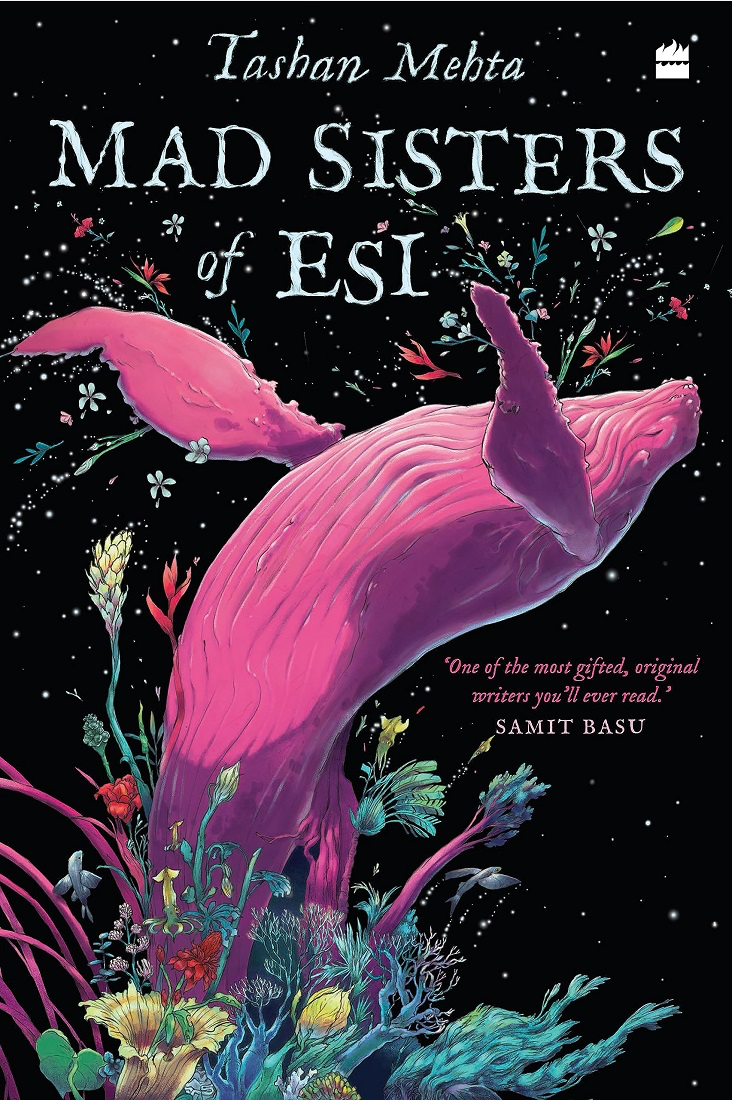
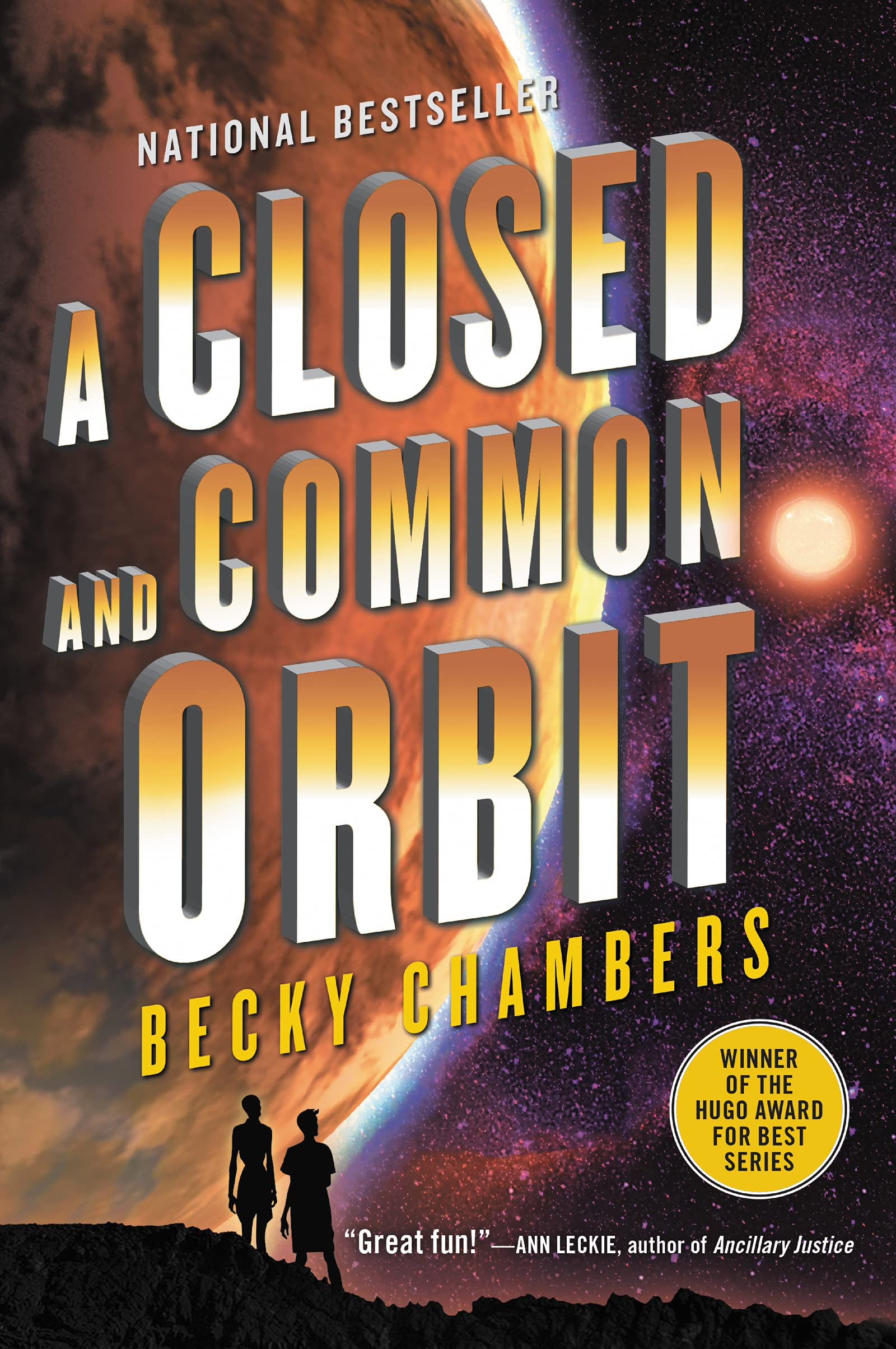
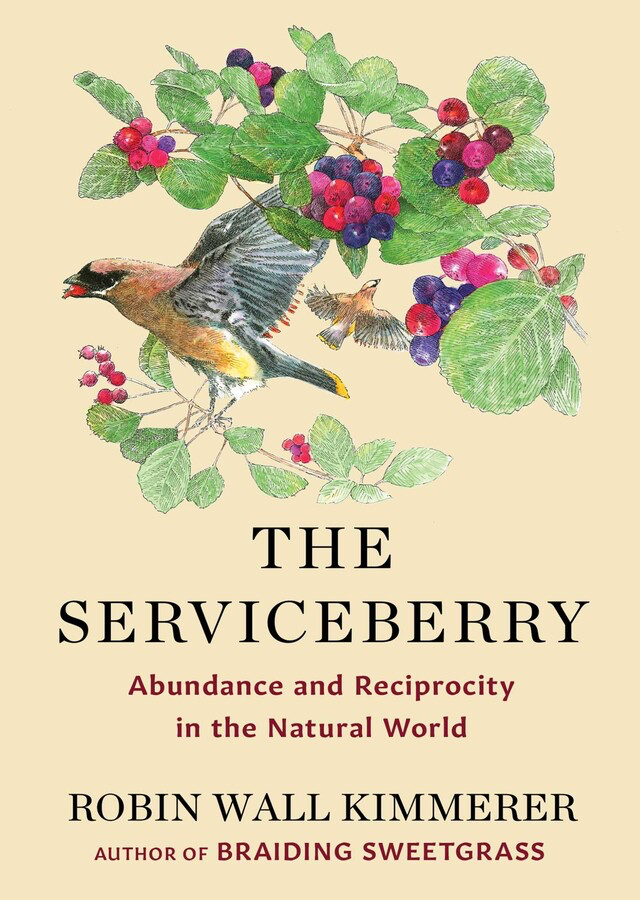
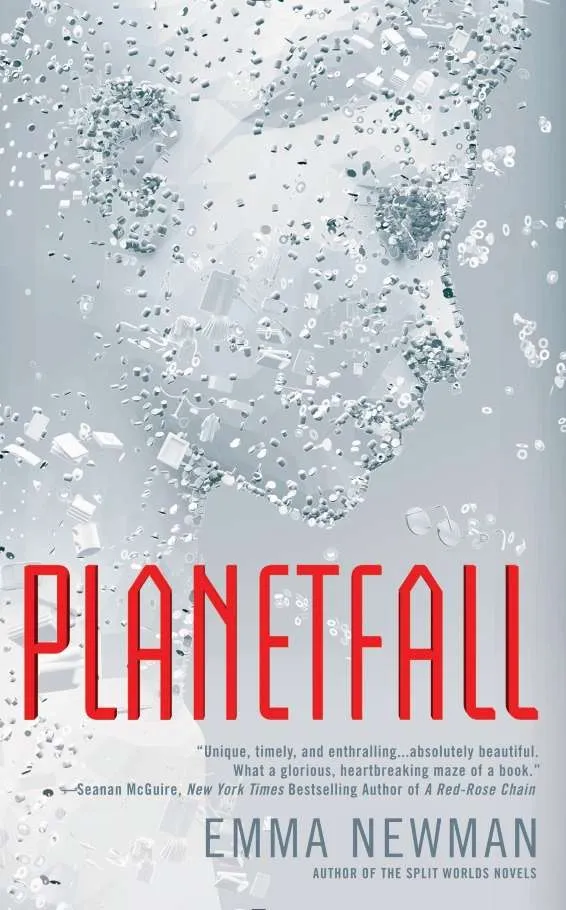

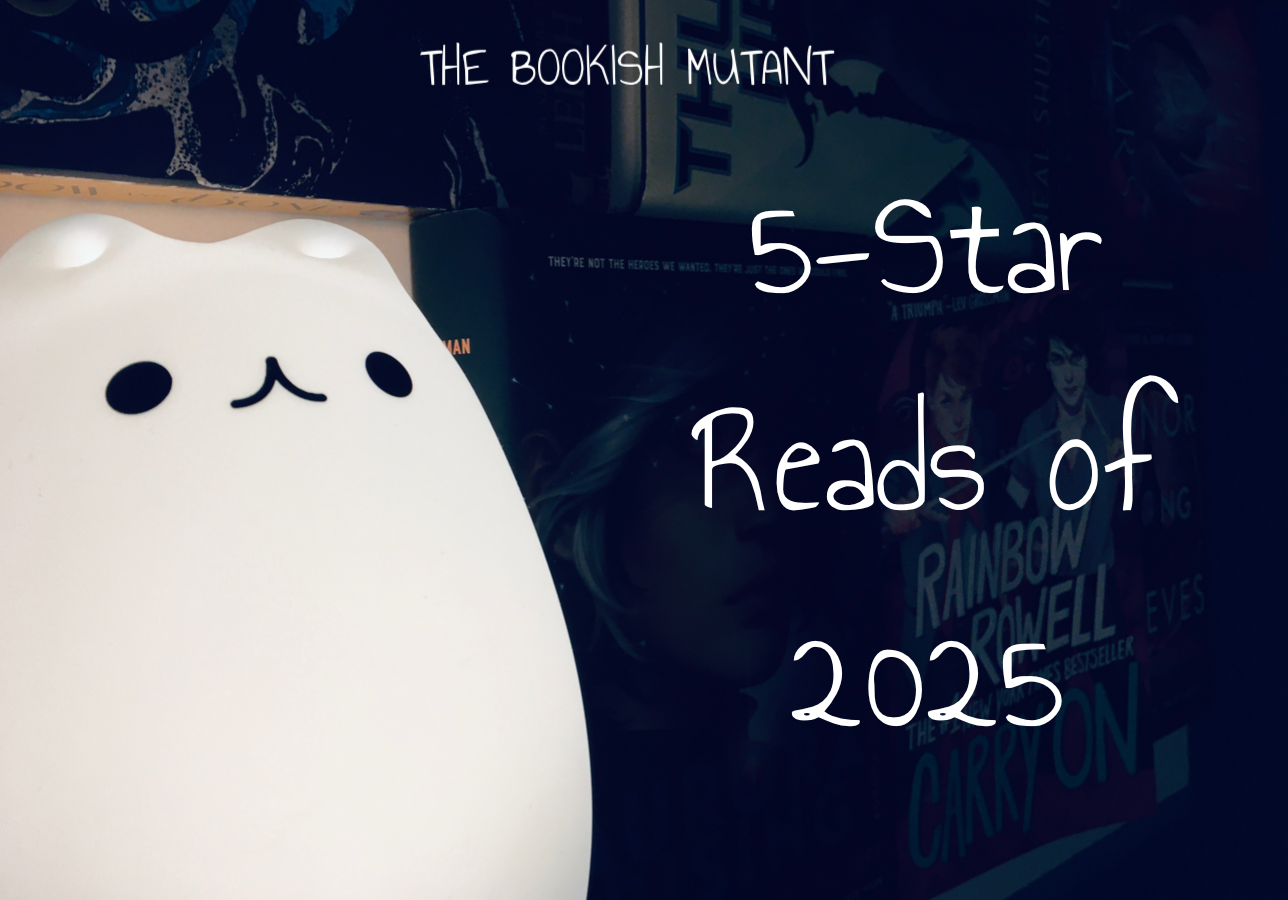
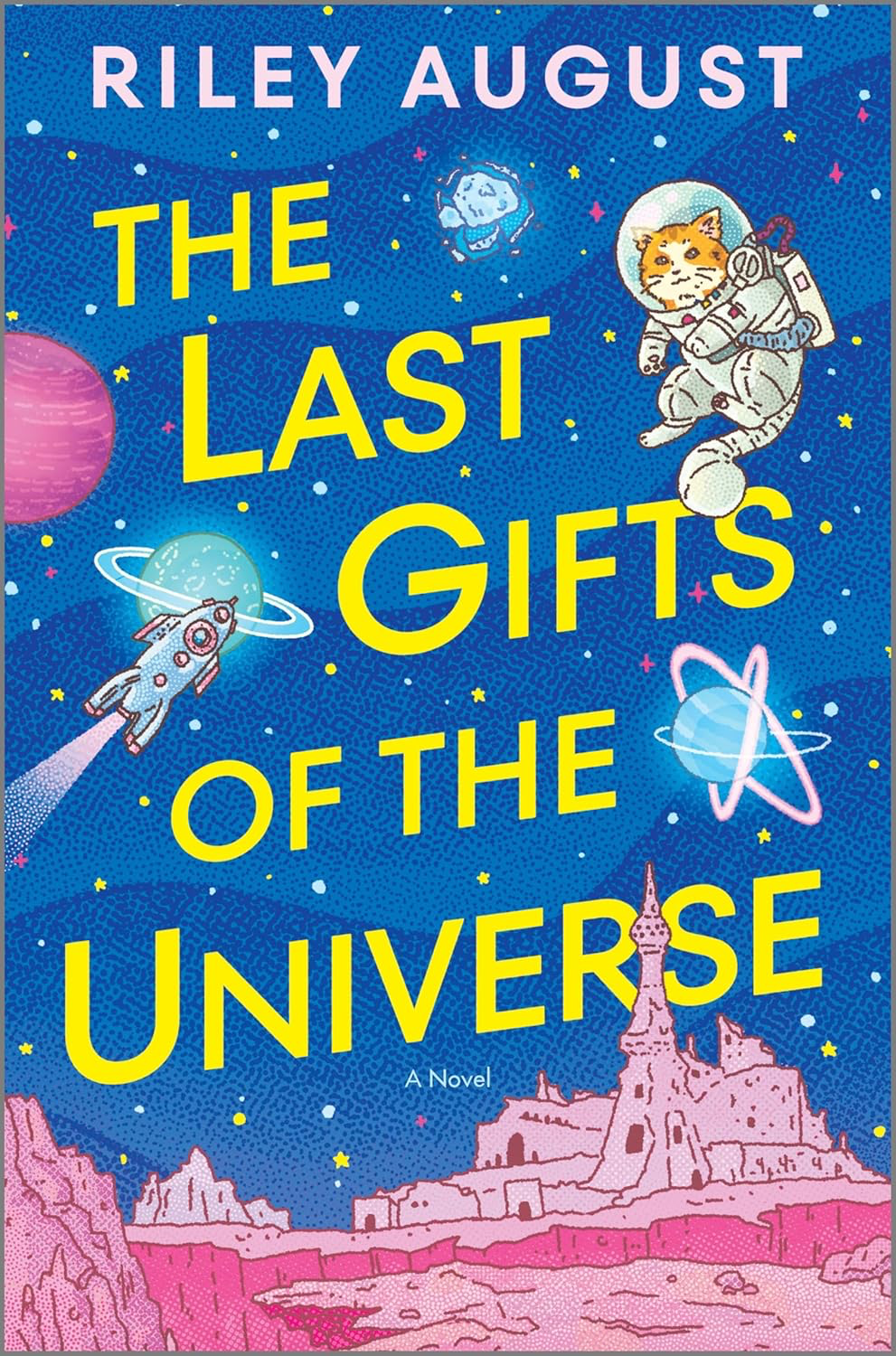
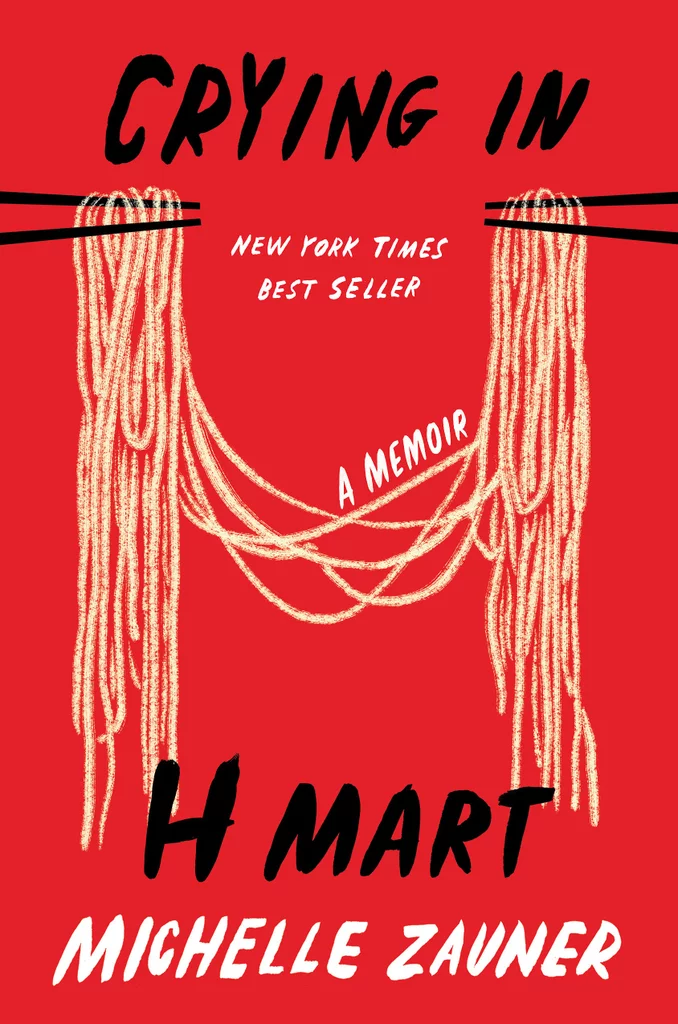
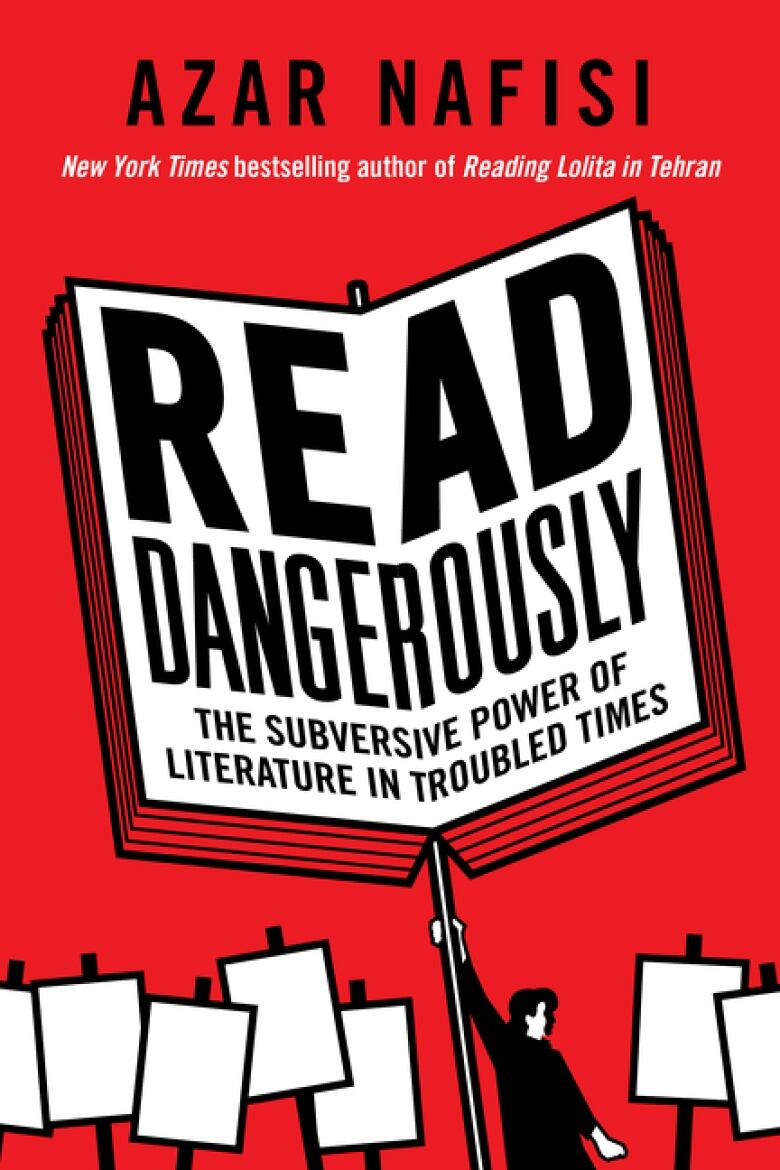
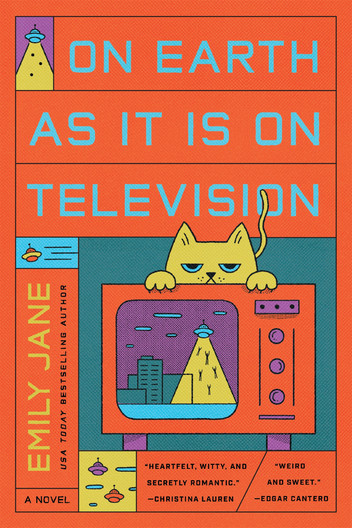
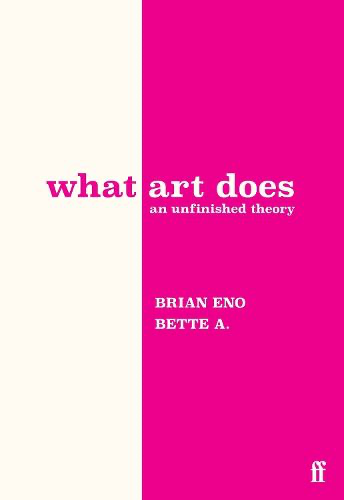
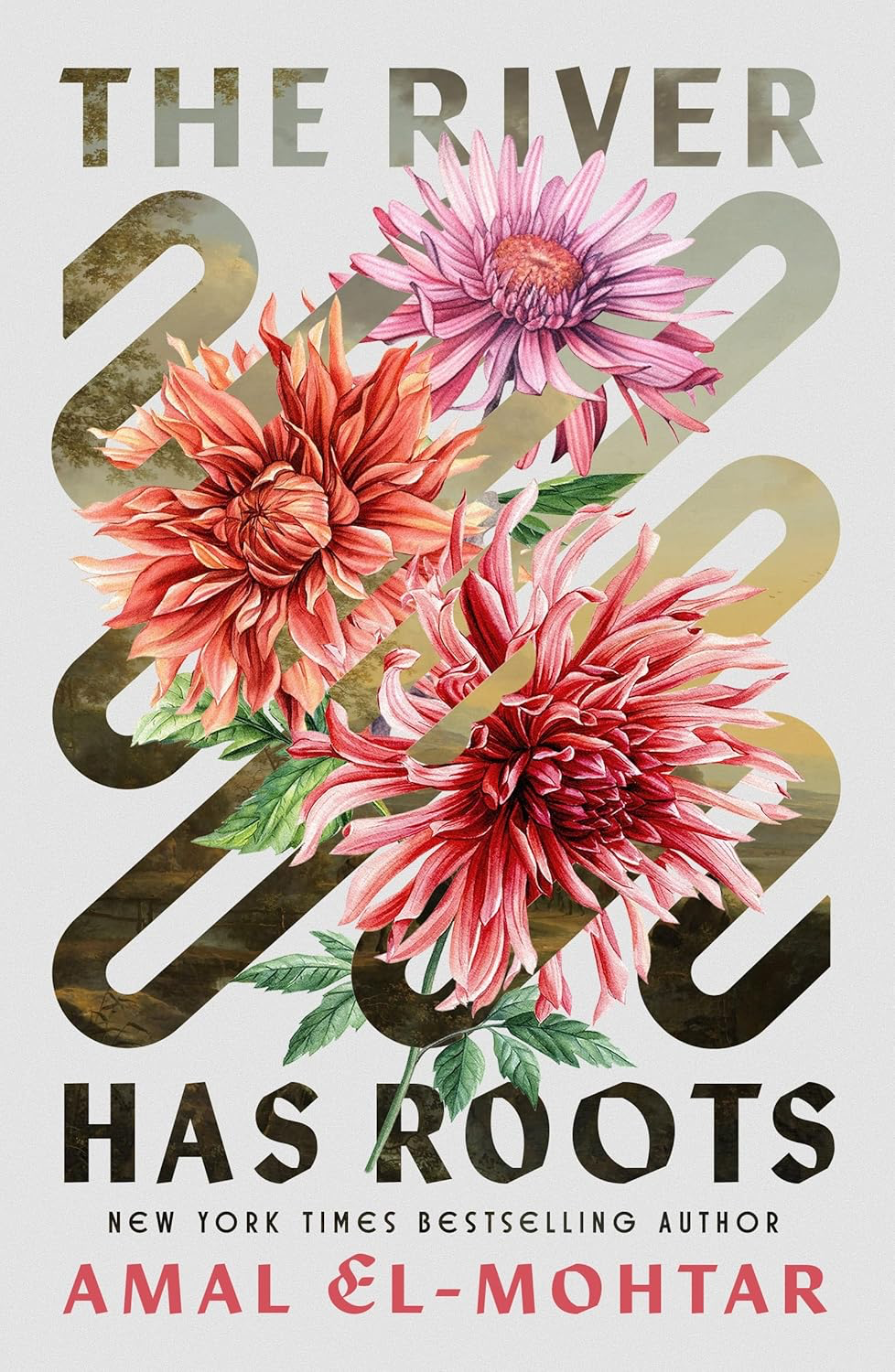
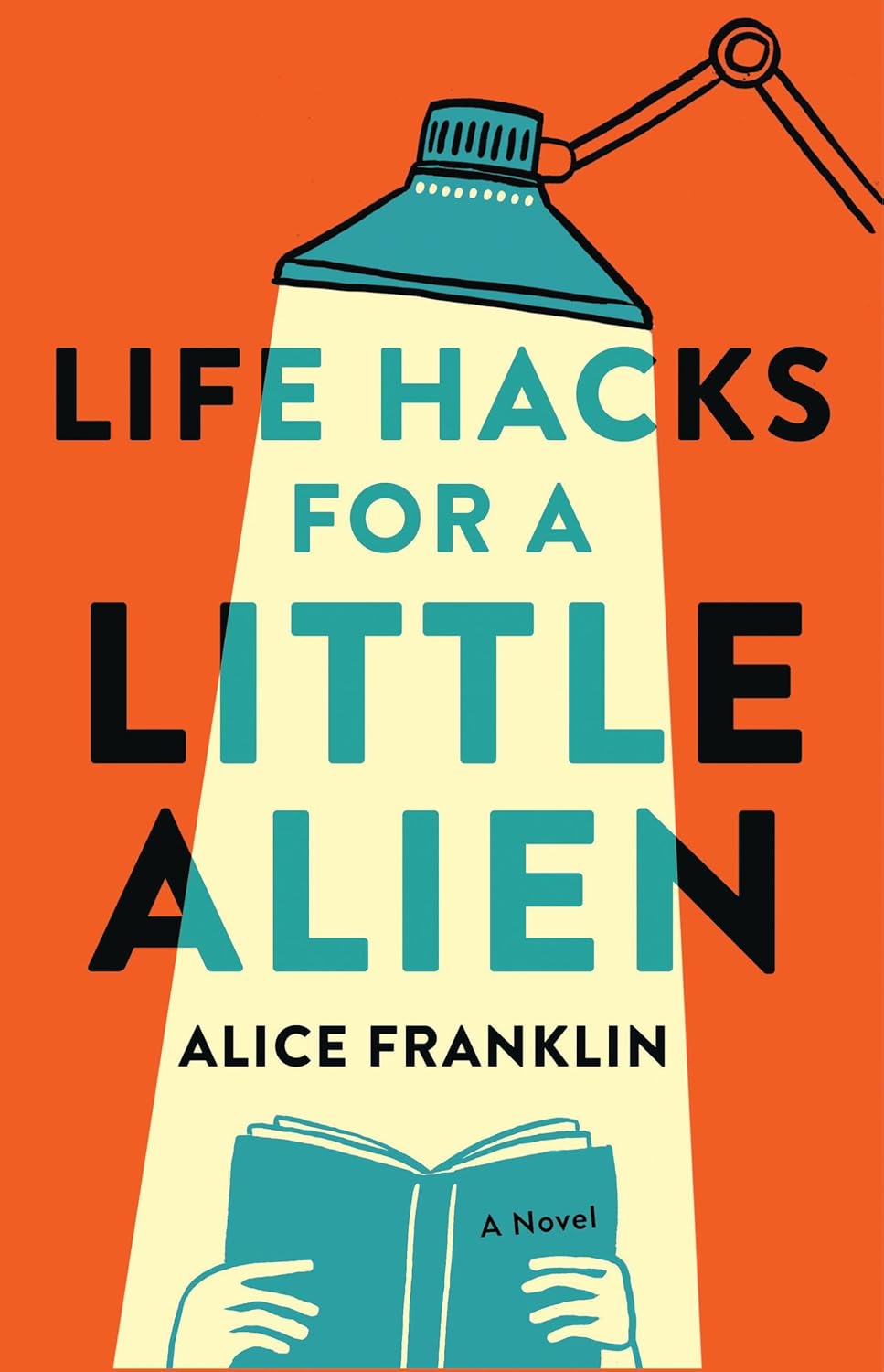
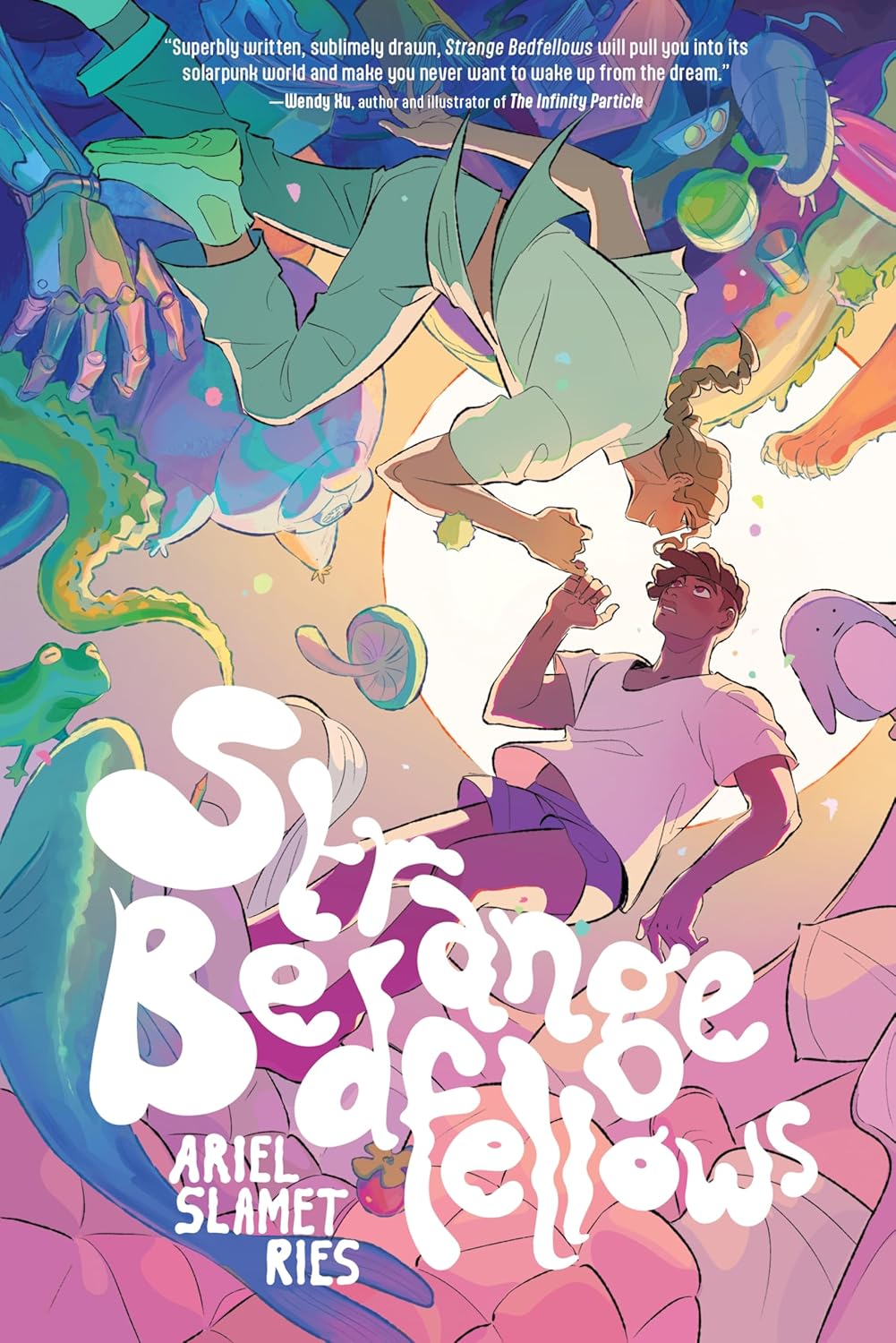
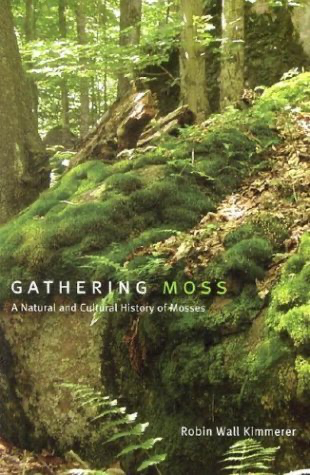

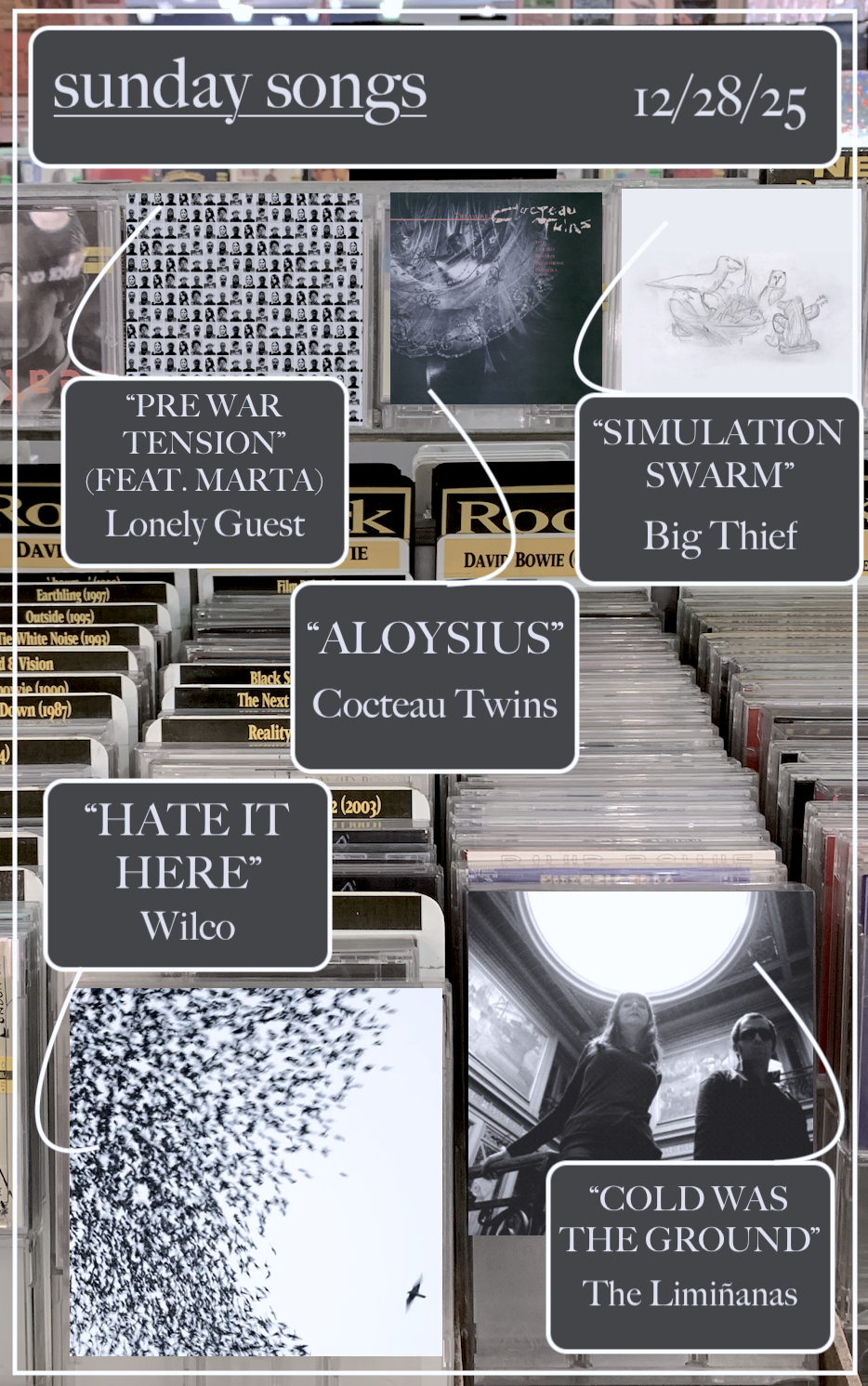
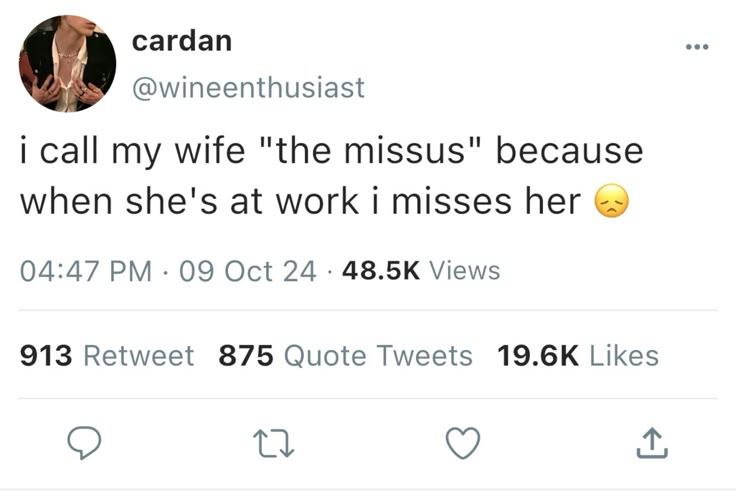
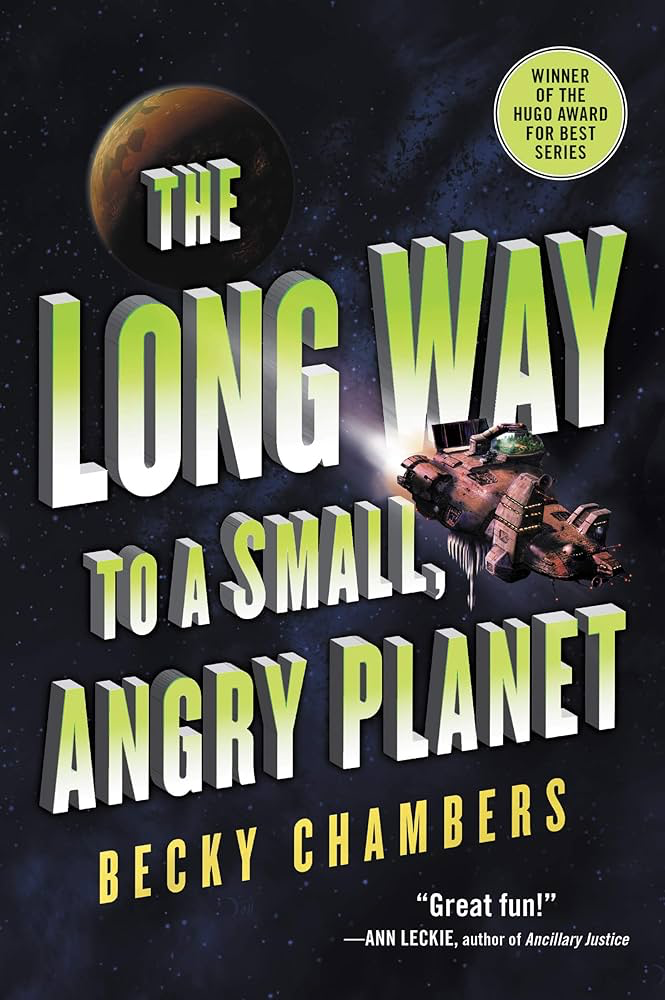
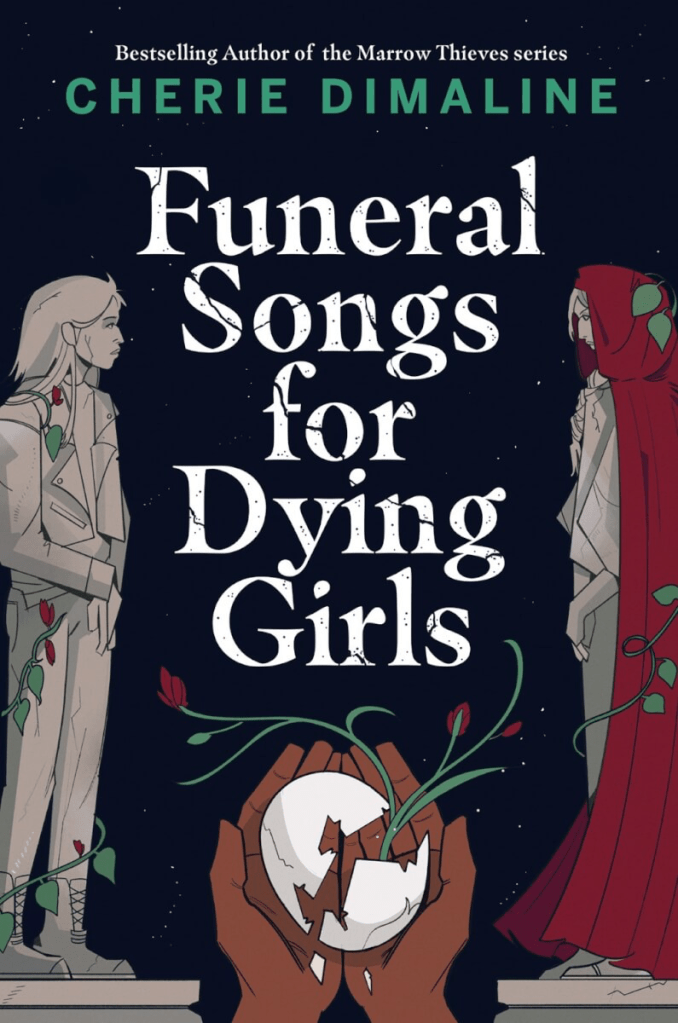

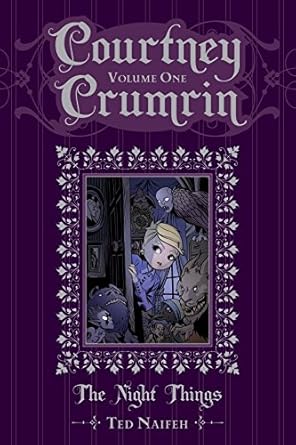


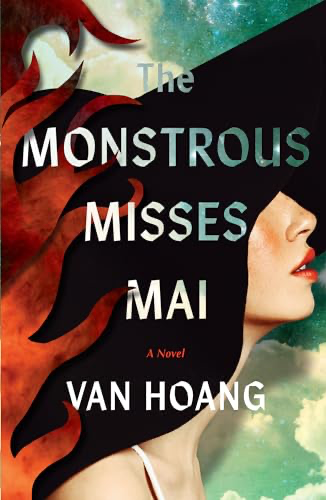
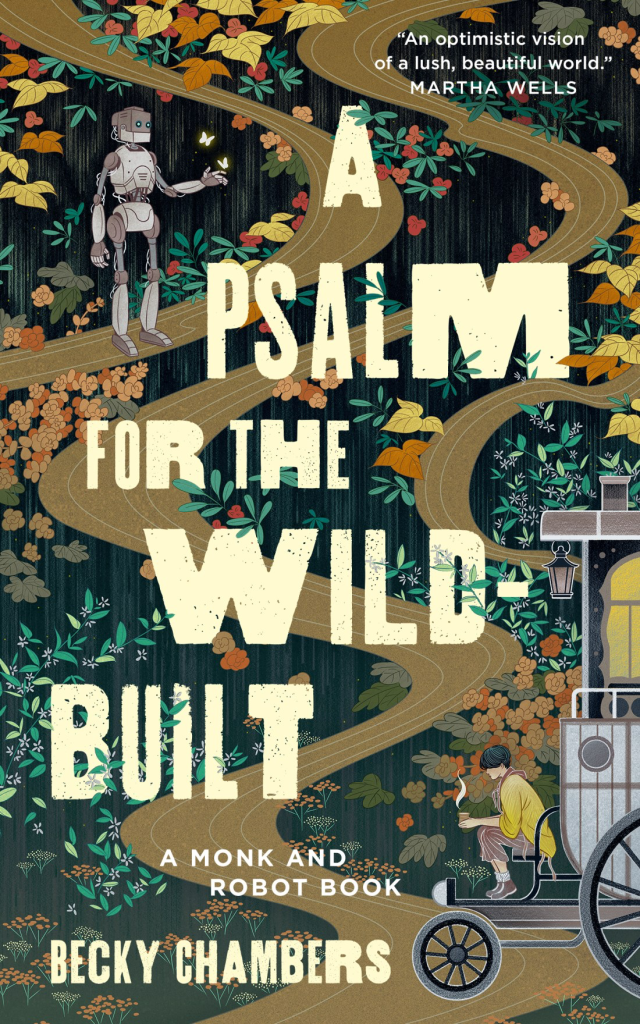


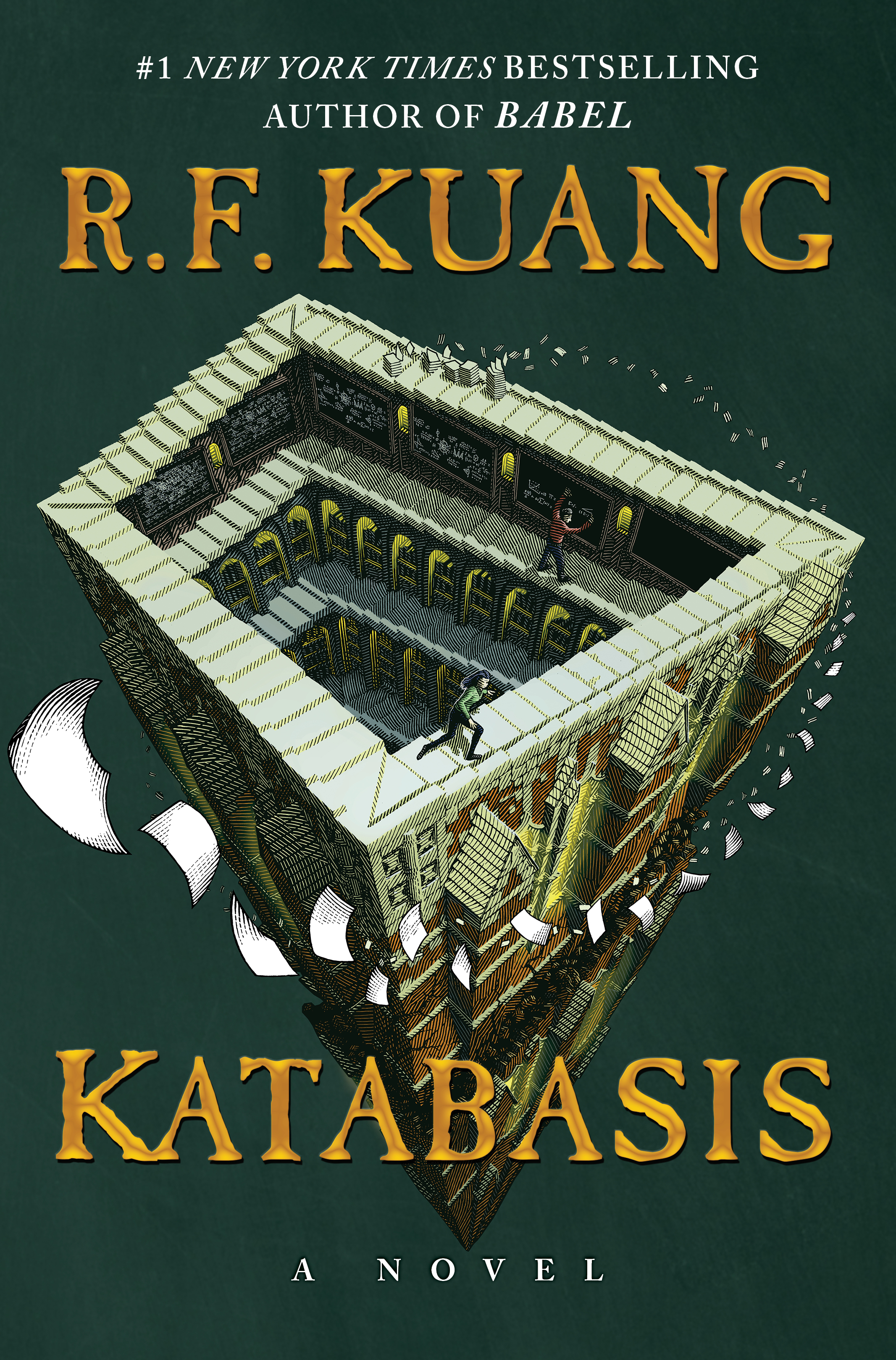
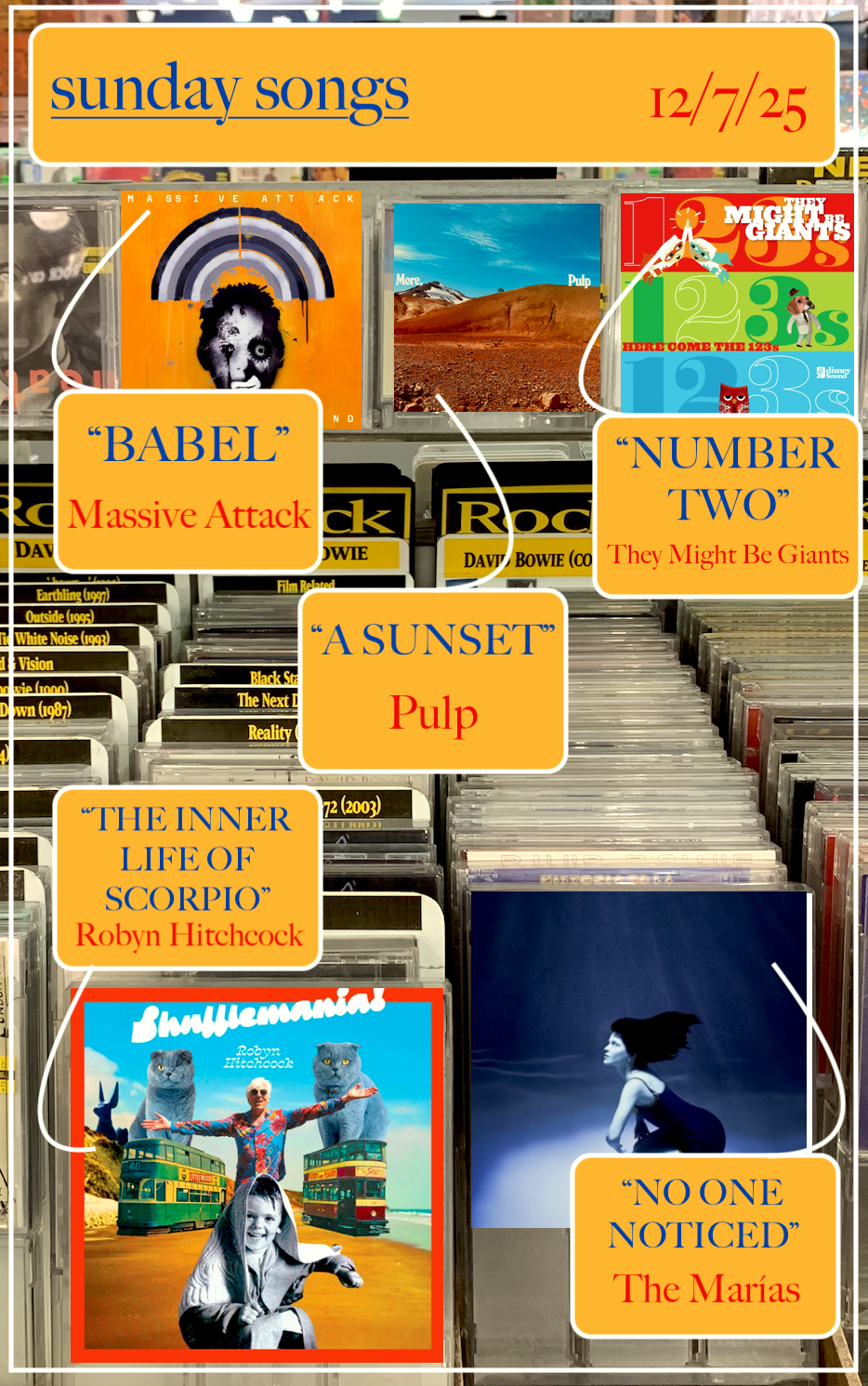
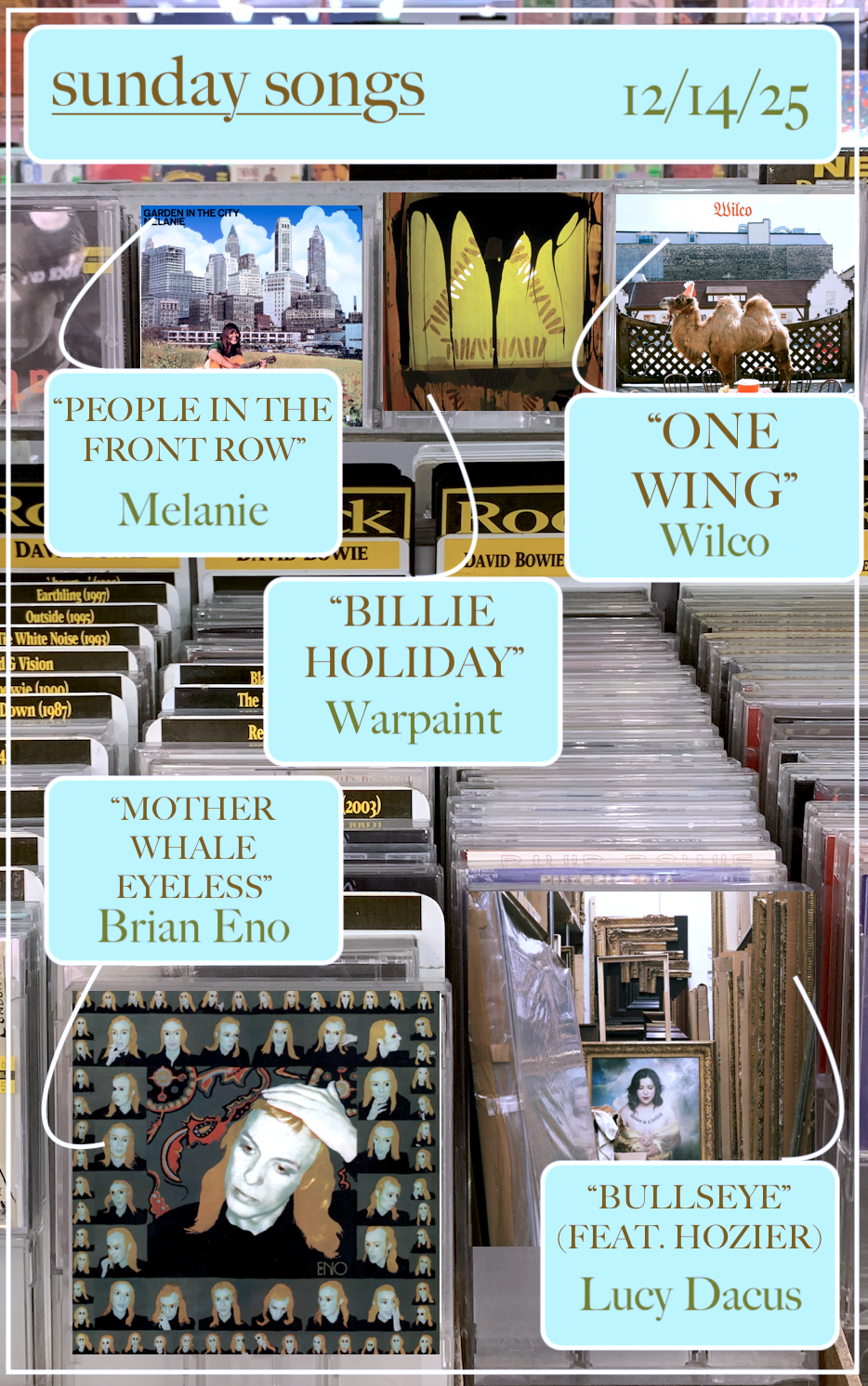
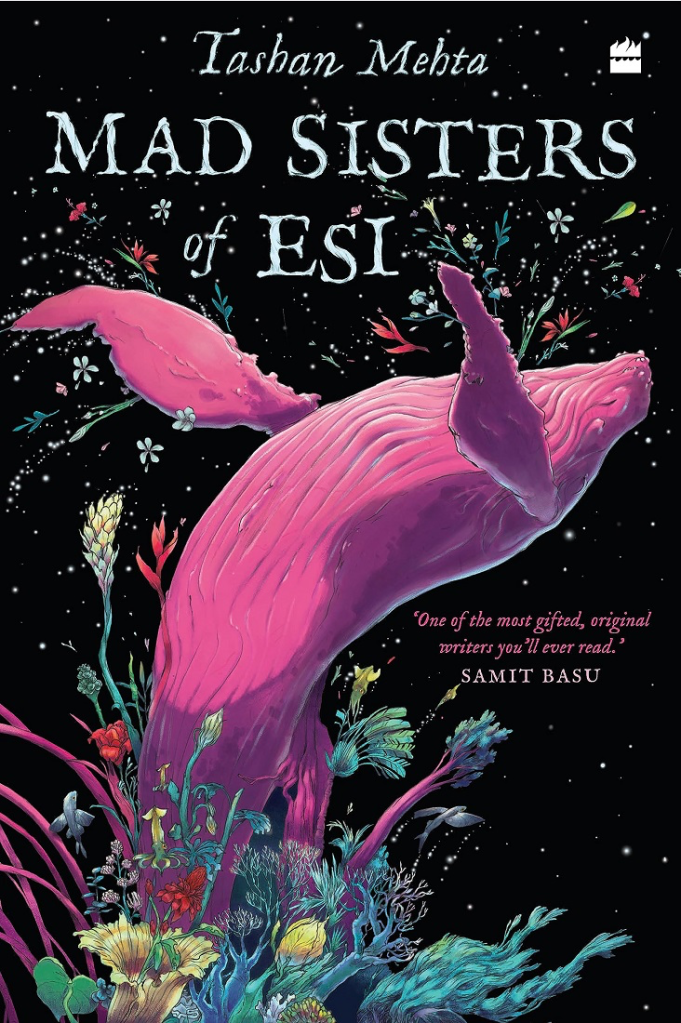
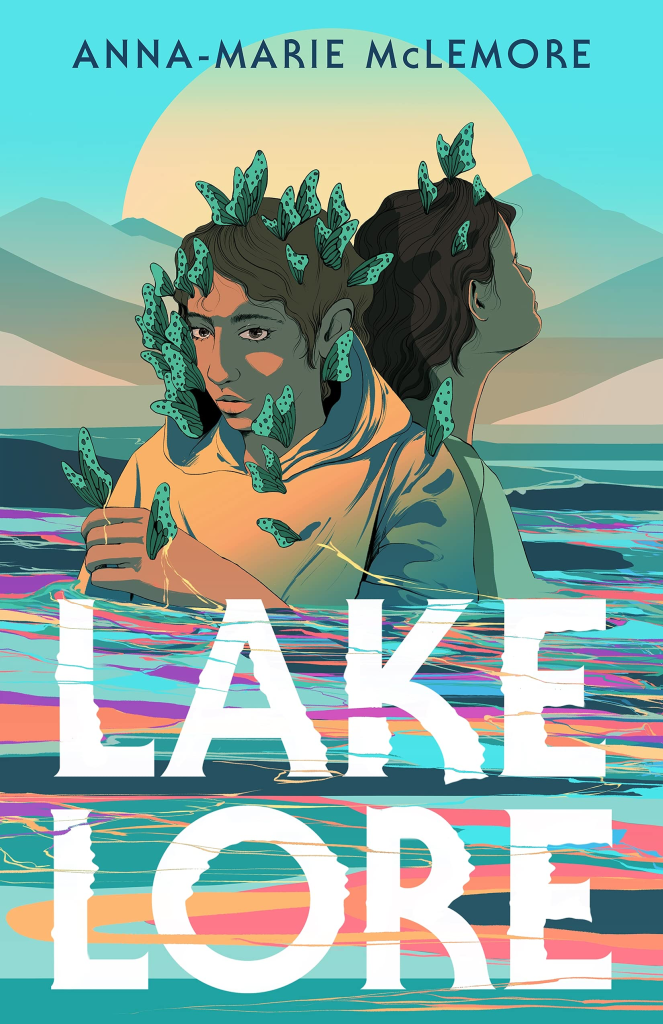
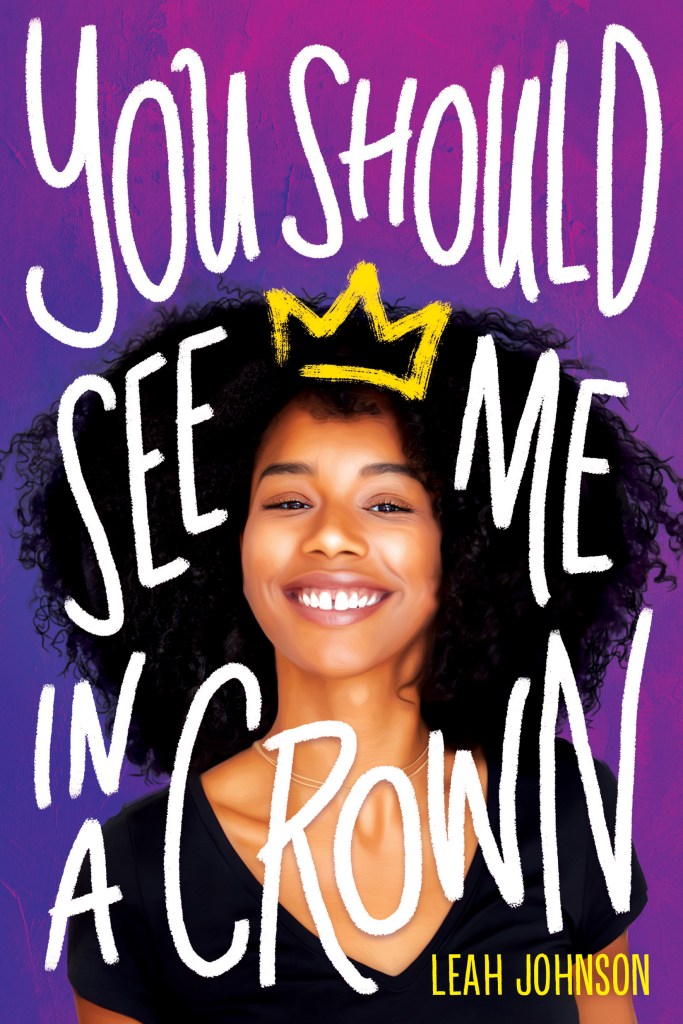
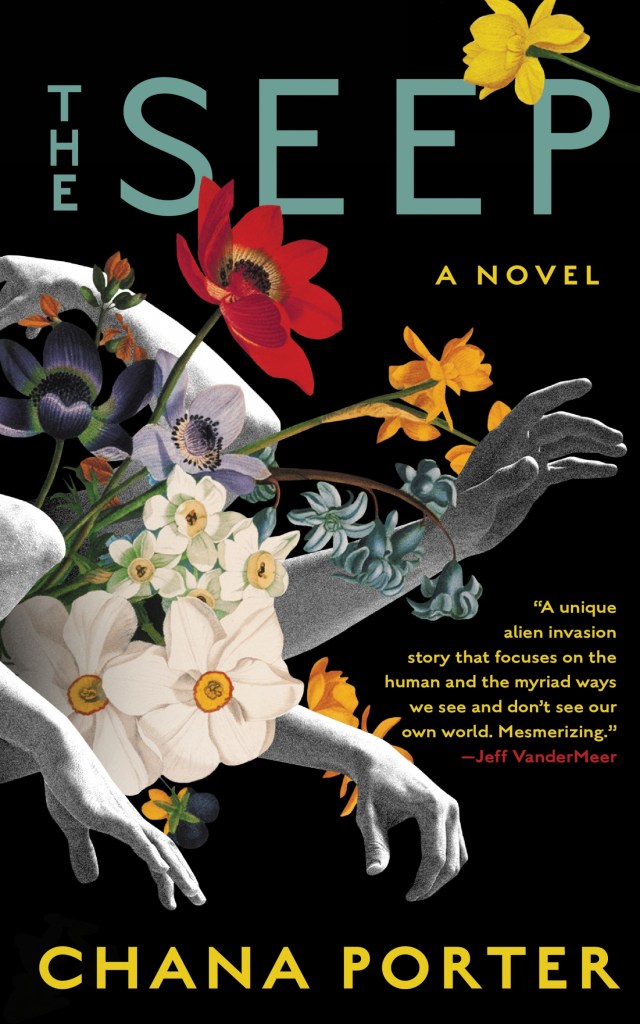
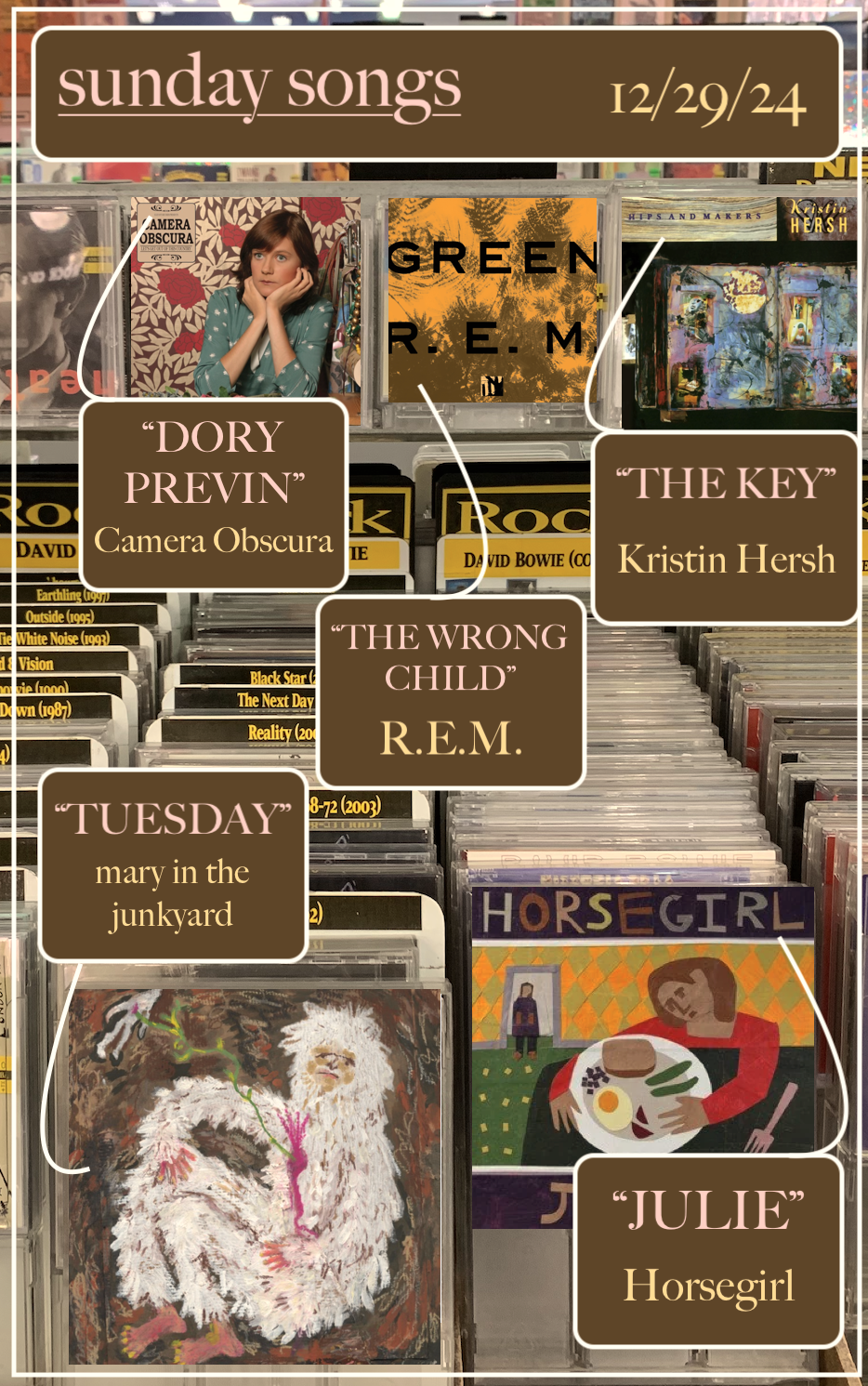
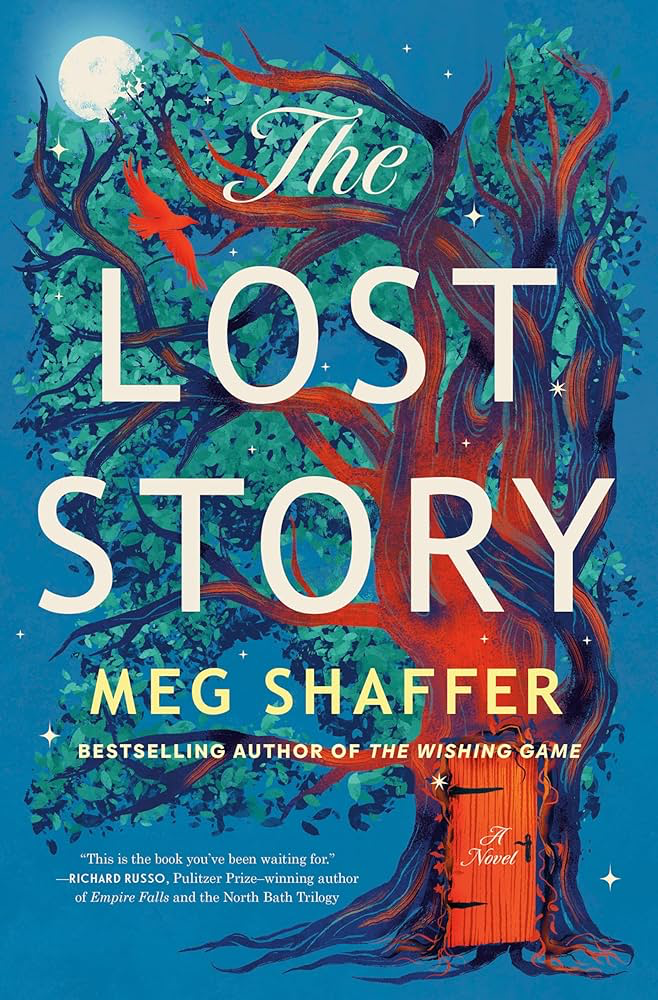
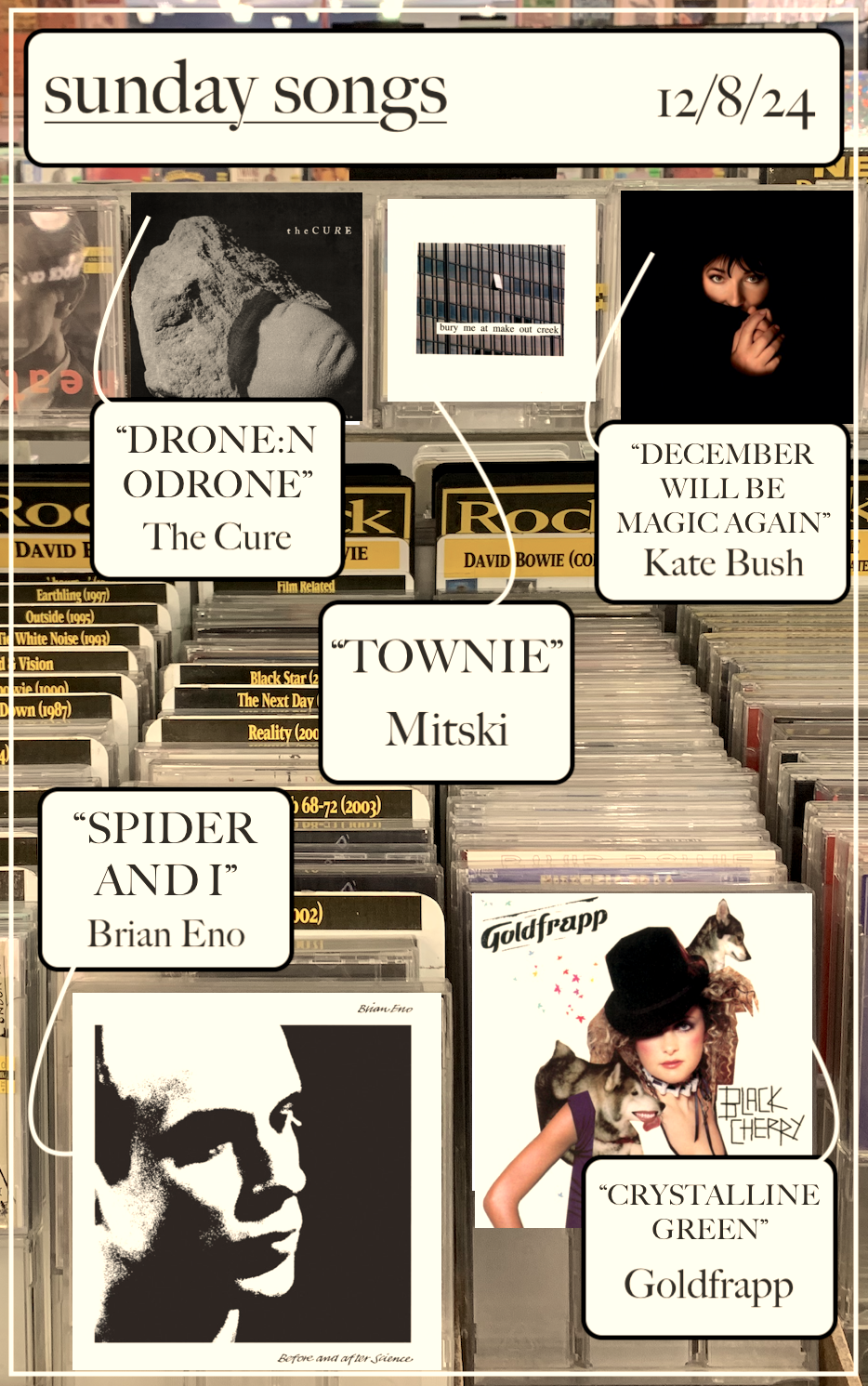
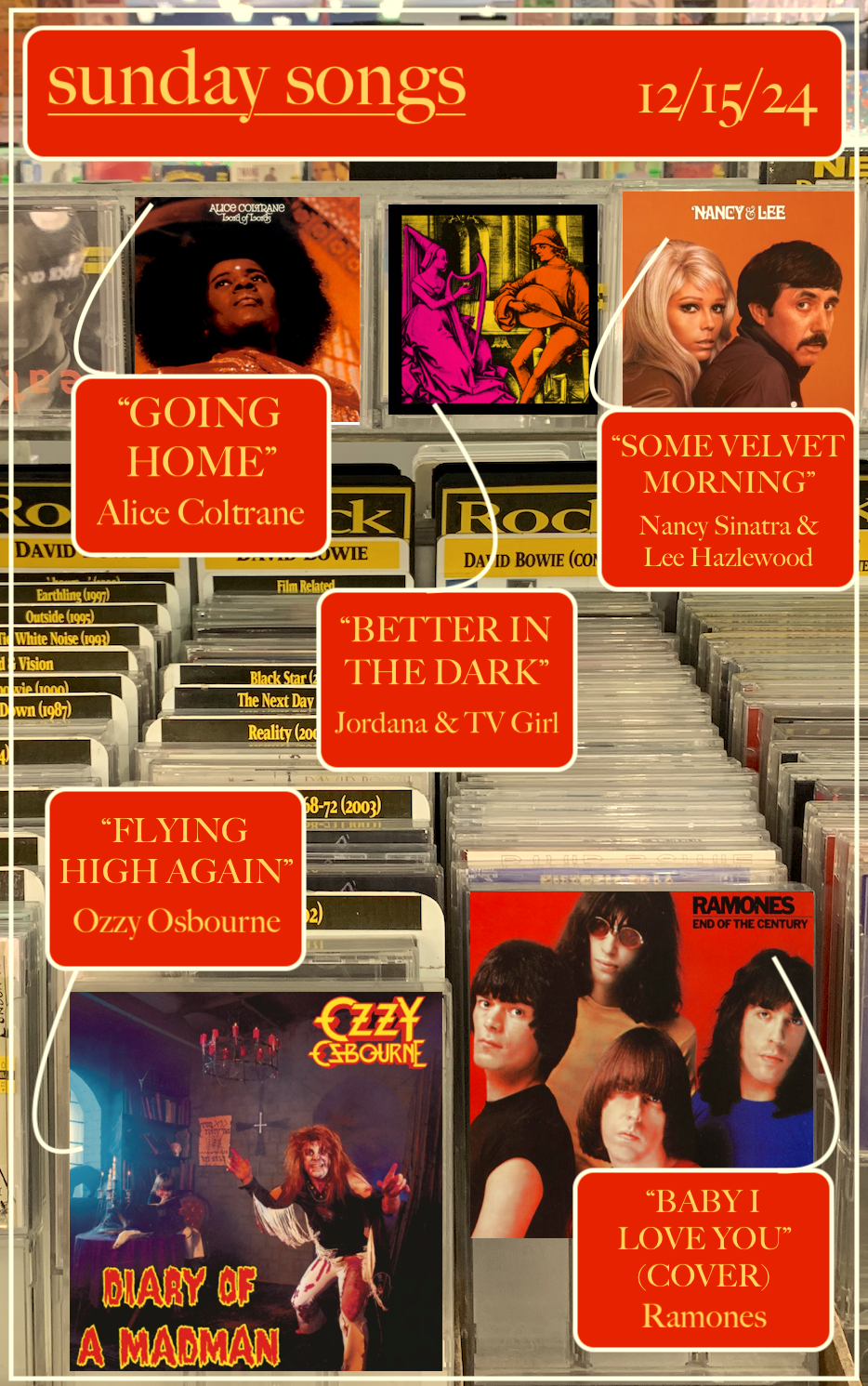
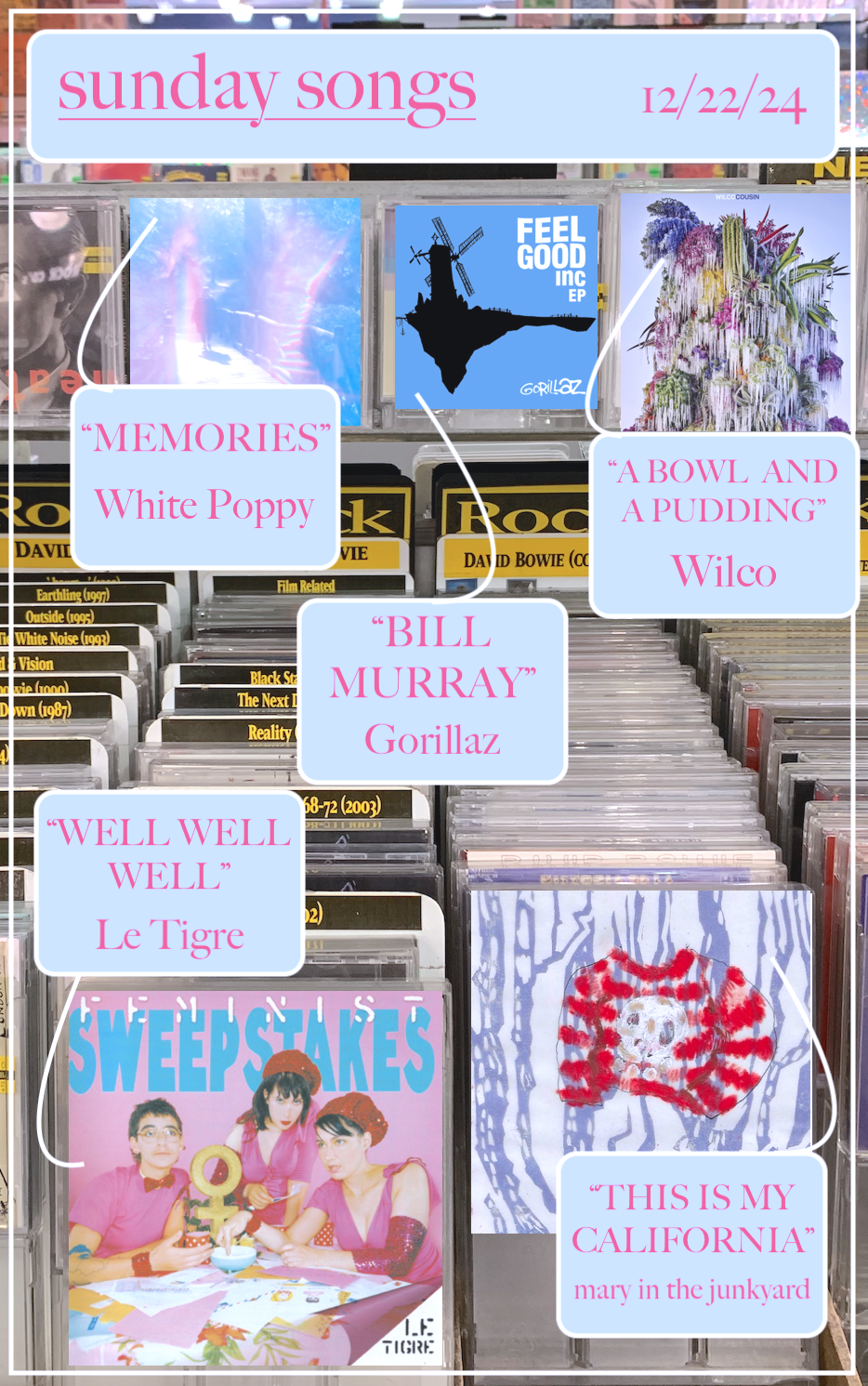
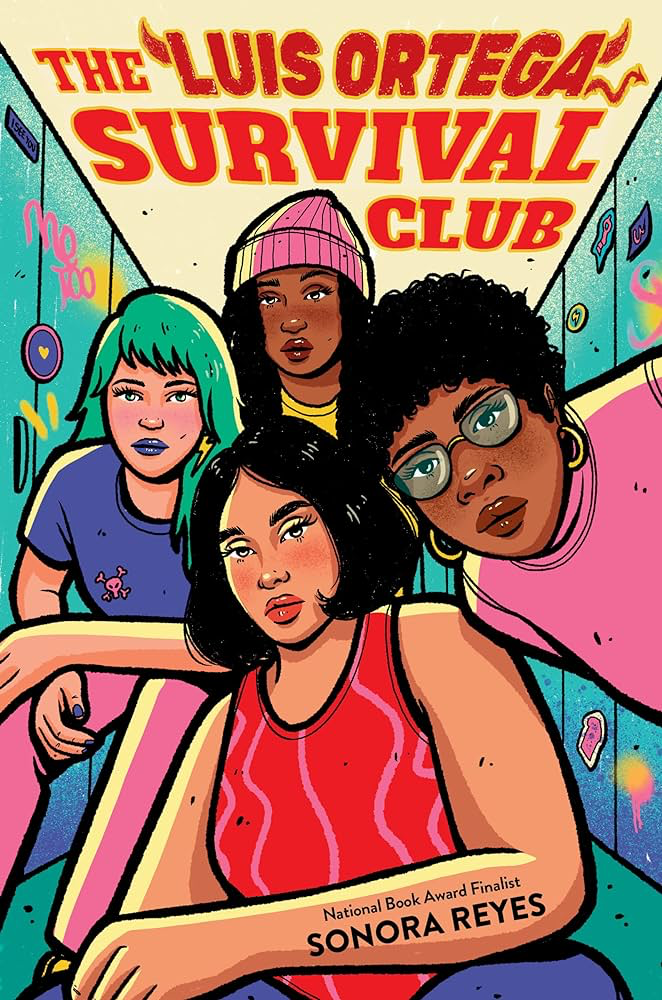
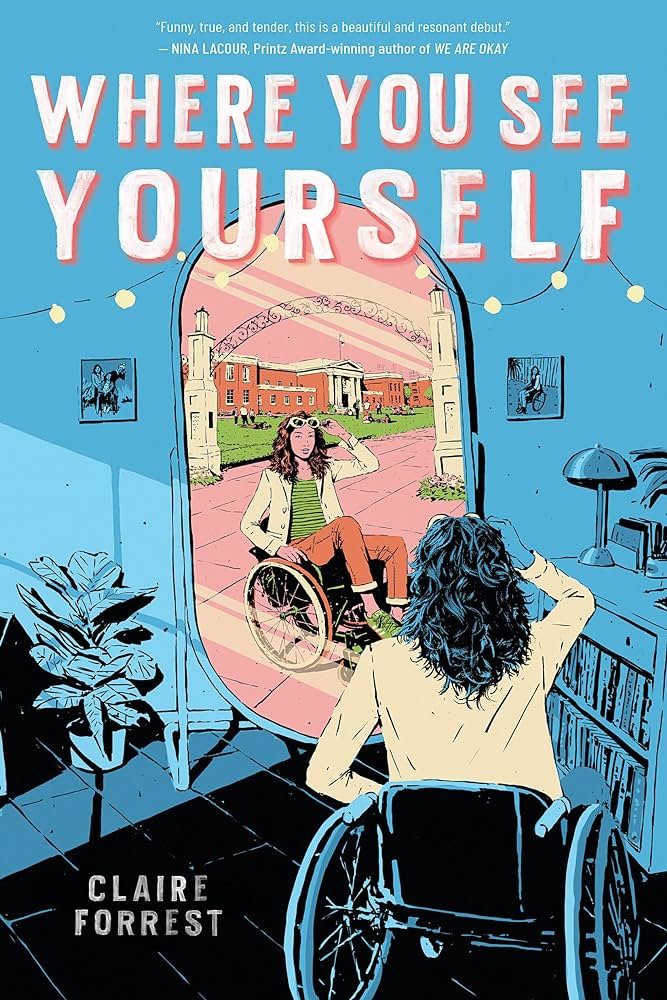
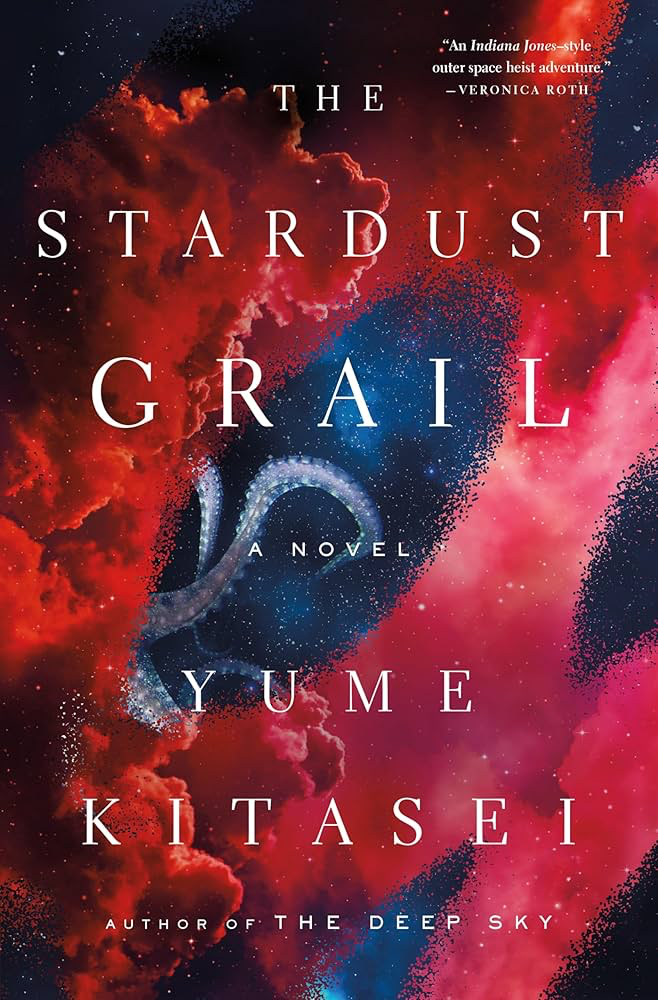
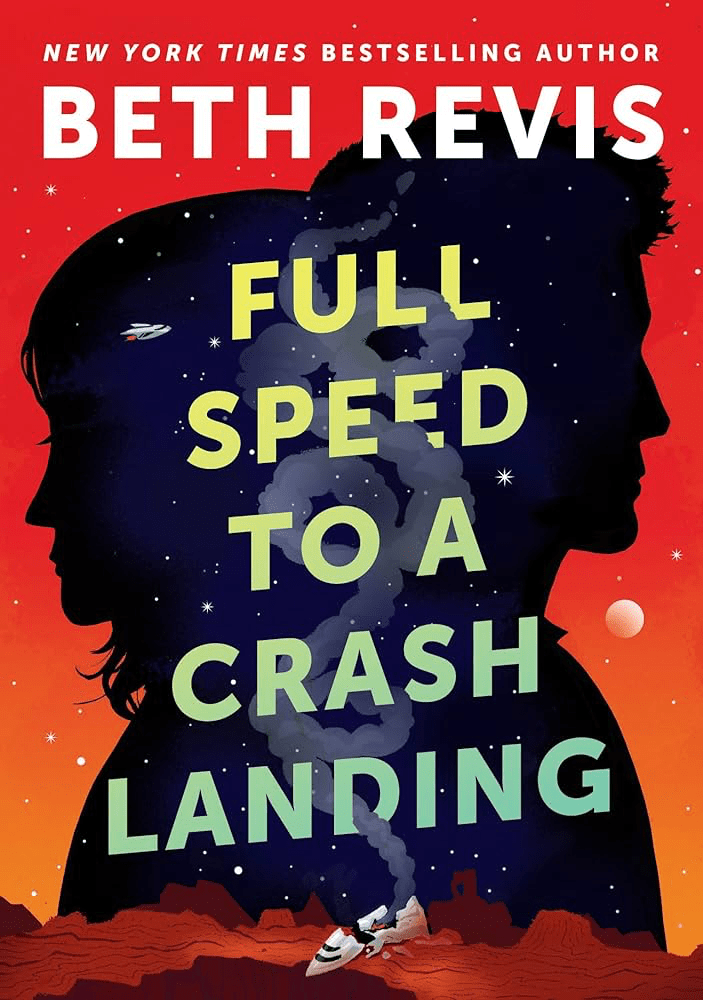
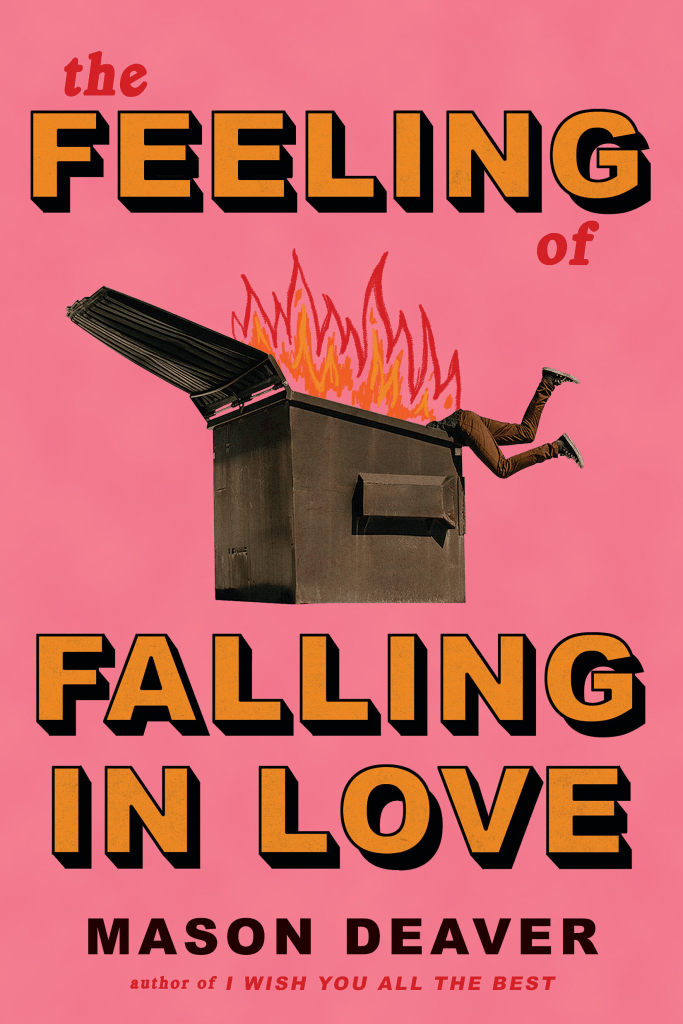
 The Bookish Mutant