Posted in Book Review Tuesday

Book Review Tuesday (7/7/26) – Climate of Chaos

Happy Tuesday, bibliophiles!

I wanted to kick off Disability Pride Month with something positive, but unfortunately, I don’t think that it’ll be the case. Whoops. They can’t all be bangers. I was intrigued by the concept of Climate of Chaos, and excited by the premise of a disabled main character navigating a dystopian world. Unfortunately, Climate of Chaos was not the Hunger Games successor that it purported itself to be.

Enjoy this week’s review!

Climate of Chaos – Cassandra Newbould

Fox LaRosa lives in the climate-ravaged wilderness of what was once Seattle. While the rich get to live in luxurious, climate-proof domes made by the infamous Aegis Corp, people like Fox and her sister Rabbit live on the edge of death—made worse by the mounting medical debt that Fox has been carrying ever since she became disabled. To make matters worse, a strange new virus is creeping its way up north, and if it hits Fox and her commune, it could spell disaster. But when Rabbit is kidnapped on a routine heist for medical supplies, Fox must fight her way into the rotten heart of Aegis Corp in order to find her sister—and figure out what Aegis wants with her.

TW/CW: medical trauma, violence, pandemic/epidemic, ableism, loss of loved ones, police brutality, loss of loved ones

The other day, I was watching BookLeo’s retrospective on the YA dystopian craze of the late 2000’s-early 2010’s, and she mentioned that one the most common plot elements throughout the books is that the inciting incident is that the protagonist has to find their missing sibling. I never even considered that, but it’s everywhere. If anything, Climate of Chaos is proof that the trope is alive and kicking today. It’s a foolproof inciting incident. Pour one out for all of the missing brothers and sisters that get put through the wringer for the plot in YA dystopias.

As a whole, I was disappointed by Climate of Chaos, but I’d like to acknowledge the positives, because there were some great aspects of this novel. We’re at least a decade out from the huge wave of Hunger Games copycats, but the issue that a lot of people had with them was that their dystopian worlds tended to be removed from real forms of oppression and didn’t make sense. Climate of Chaos, however, grounds its dystopia in two very real-world issues: climate change and medical debt. Newbould did an excellent job of going into all manner of ways that climate change could negatively impact our world in the future, from the more obvious weather changes to the spread of new diseases, the latter of which becomes very relevant to the plot. The discussions around medical debt and the poor treatment of disabled people under our healthcare system were very timely, and it pointed out that conditions for many disabled people are as dystopian today as they are in this fictional, far-flung future. And while I had my issues with Fox as a character, it’s so wonderful to see a disabled girl kicking butt in a YA book like this. Her cane being able to extend out of her belt and fold back into itself was indisputably badass, as was the fact that the cane had an extendable blade at the end.

Aside from those points, Climate of Chaos was unfortunately weak. There was some serious work that needed to be done with the characters. I hate to say it, but I think the only reason that Fox stands out from other teen dystopian protagonists is the fact that she’s disabled. Her entire personality is that unnecessarily gritty, edgy persona that you get when you’re trying to make a character sound “hardened,” to the point that it was overexaggerated. Half of her dialogue sounded straight out of Zack Snyder’s DC movies. It got old quickly. Apart from that, most of the characters were hardly characterized beyond a few base traits, and some—even the main characters—were only distinguished by the fact that Fox is friends with them. Cely at least had a distinct personality, but Asher and Eamon, despite being some of the central characters, didn’t get much beyond “boys who are friends with Fox.” Towards the end, there was also a faint indication that Asher and Fox had some sort of romantic chemistry, which felt forced, but more importantly, completely unearned—their relationship is a complete plateau from the beginning to the end of the book, and there was nothing that convinced me that there was any sort of romance brewing between them. It was all just the absolute bare minimum of character work.

The worldbuilding was largely hit or miss. I think Newbould did a decent job of establishing how the world (particularly Seattle) got to where it is in Climate of Chaos, and the structure of the different rungs of society made sense. The themes of inequality between disabled people and poor people were the only things keeping Aegis Corp from falling into the “the government is bad, but we’re not going to tell you anything except for that it’s bad” trap, but it was pretty close. Without spoiling, I think the reveal about Aegis Corp and the Vi (yes, that’s what they call the virus 🫩 peak YA dystopian cornball terminology lives, folks) was the most nonsensical part of the plot; with the established plot about the Harvest House, I feel like that erased all of the rationale for why Aegis Corp used the Vi in the way they did. At a certain point, there’s things that don’t even make sense for a comically mustache-twirling fictional government to do, just because the stuff that they’re doing would be such an unnecessary and unjustifiable drain on their resources.

Ultimately, I think the biggest issue with Climate of Chaos was that I never once felt like Fox or any of the other main characters were truly in danger. Despite them undergoing the notoriously dangerous Storm Runner trials with a ridiculously slim survival rate, all of the main characters came out without a scratch. Seriously! The main characters had a laughable amount of plot armor, and after about the halfway point, I just gave up on caring about any of them—Fox, Asher, Eamon, Cely, Trew, and all of the other main characters are completely fine, even though they’ve been exposed to a deadly virus, been in danger of being killed by their bloodthirsty teammates, and were almost gunned down by their Storm Runner superiors. Eamon is inside a factory that nearly explodes, and he comes out unscathed…give me a break. It just reeked of Newbould liking them too much and refusing to let any of them even get the smallest scrape on their knees. I didn’t even care that Fox had been taken to the Harvest House, because I knew by then that she’d come out the other side completely fine—and guess what? SHE DID. Along with the worldbuilding, this is what made me lose faith that any of the characters were actually in danger in this supposedly dystopian world.

A related sidenote: I don’t have chronic pain, so take this with a grain of salt, but other than Fox having to use her cane in a few situations, wouldn’t she be in excruciating pain during something as taxing as the Storm Runner trials? It’d be exhausting even for a nondisabled person. Granted, I remember an instance of her sneaking painkillers, but I feel like even that wouldn’t erase the pain of having to fight a bunch of other teenagers to the death day-in and day-out.

All in all, a YA dystopia that had its heart in the right place, but failed to make its dystopian world fully believable. 2.5 stars.

Climate of Chaos is a standalone, but Cassandra Newbould is also the author of Things I’ll Never Say and the editor of the anthology Every Body Shines: Sixteen Stories about Living Fabulously Fat.

Today’s song:

That’s it for this week’s Book Review Tuesday! Have a wonderful rest of your day, and take care of yourselves!

Posted in Books

♿️ The Bookish Mutant’s Books for Disability Pride Month (2026 Edition) ♿️

Happy Monday, bibliophiles!

Here in the U.S., July is Disability Pride Month! It seems like every year, representation—and all-around recognition—for disabled people only progresses by millimeters. Time and time again, it’s left on the back burner by so-called intersectional activists, continually ignored from unaccommodating public education to inaccessible infrastructure in the biggest cities and the smallest towns. It’s gotten bleaker still with the damaging rhetoric spread by R.F.K. Junior and by the Trump administration at large. And we’ve somehow let the r-word insidiously creep back into common use. I feel like it’s relevant that when I was in high school, I frequently heard people call their phones “autistic” when they were broken or not working—2019 wasn’t as long as ago as people would like to think. Dehumanizing disabled people has always been baked deep into the roots of our language and slang—and yet it’s so easy to just switch words around.

In short, the world hasn’t exactly gotten kinder to any of us in the disabled community. But recently my best friend sent me this hilarious (and wonderful) reel, and it reminded me of the endurance of our community:

Yes, this is totally goofy. But it’s true. Despite all of the rampant campaigns to dehumanize and outright eradicate disabled people in all aspects of life, we are still here. The disabled community is as diverse as our struggles, but we have weathered all of them. There are countless issues that we have to face, in the highest forms of government and even in the simple ways we interact with friends and strangers. But if there’s one thing that the disabled community has done, it is endure—and endurance is nothing without community. The strength of our community is what has allowed us to create a more accessible world, little by little, and it is the key for making the world a kinder and more accessible place to be.

Also, four years out from my installation of this post where I talked about the absolute dearth of SPD representation out there (see 2022 in the “previous lists” section below), I’ve finally read one more book with a main character with SPD. Halfway through 2026, and it was one of the best books I’ve read this year by a long shot. Thank you, Jamie Sumner. Representation matters. 🩵

NOTE: my memory (and the internet) is imperfect, so if I’ve misrepresented/mislabeled any of the specific rep in these books, don’t hesitate to let me know!

KEY FOR TERMS IN THIS POST:

  • MC: Main character
  • LI: Love interest
  • SC: Side character

For my previous lists, click below: 

Let’s begin, shall we?

♿️ THE BOOKISH MUTANT’S BOOKS FOR DISABILITY PRIDE MONTH (2026 EDITION) ♿️

FANTASY:

SCIENCE FICTION:

REALISTIC/HISTORICAL FICTION:

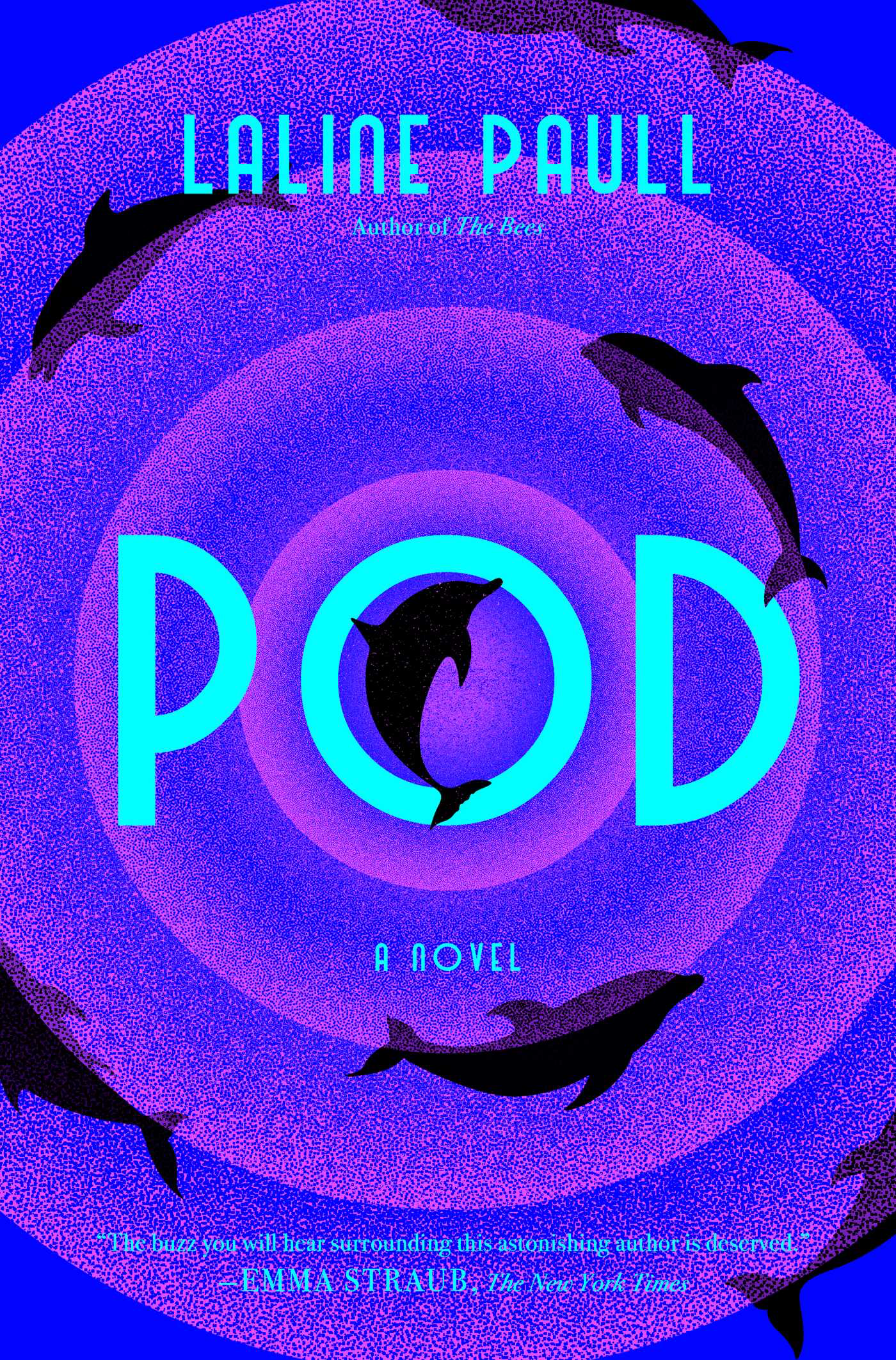
*the POV character in Pod is a dolphin, but I feel that the representation still counts.

NONFICTION:

TELL ME WHAT YOU THINK! Have you read any of the books on this list? What are your favorite books with disability rep? Let me know in the comments!

Today’s song:

THIS JUST IN, ROLE MODEL HERMIT IS A BANGER

That’s it for this post! Have a wonderful rest of your day, and take care of yourselves!

Posted in Book Review Tuesday

Book Review Tuesday (6/30/26) – Where Sleeping Girls Lie

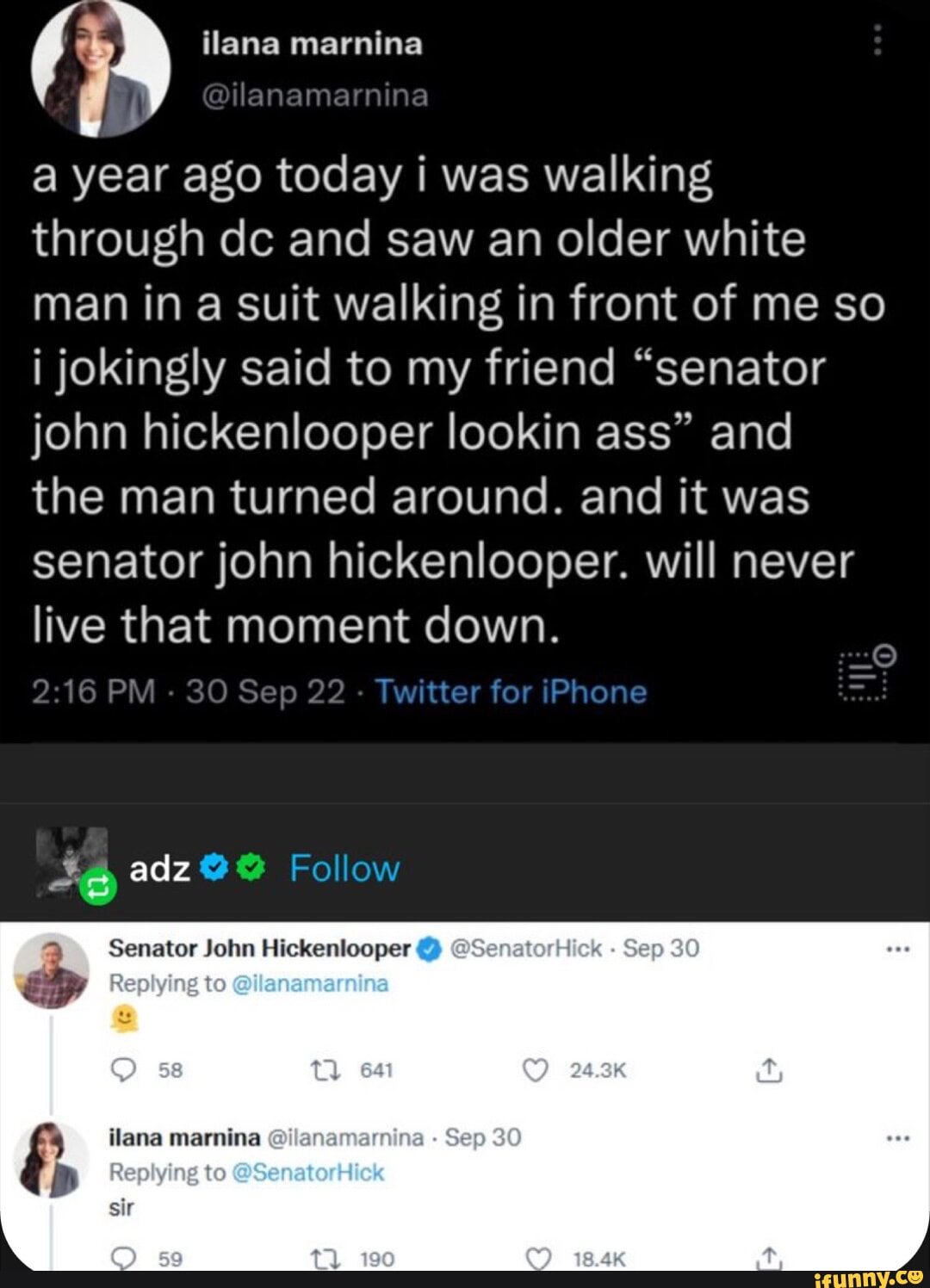
Happy Tuesday, bibliophiles, and if you’re a fellow Coloradan, happy Election Day! Get your ballots in by 7 pm today for them to be counted! (And preferably cast your vote for Julie Gonzales for Senate—we need somebody truly progressive, not another AIPAC-backed old white dude in office.)

we don’t need hickenlooper anymore, get him outta here…

I was a fan of Faridah Àbíké-Íyímídé’s Ace of Spades back when it first came out in 2021. Even though it’d been almost five years since I’d read a book of hers, I figured I’d give Where Sleeping Girls Lie a shot. Although it was by no means perfect, Where Sleeping Girls Lie was still a tense and fast-paced mystery.

Enjoy this week’s review!

Where Sleeping Girls Lie – Faridah Àbíké-Íyímídé

Sade Hussein is ready to start over—no matter the cost. Freshly an orphan and homeschooled all her life, she’s enrolled in Alfred Noble Academy, a cutthroat boarding school where only the most privileged earn a spot. She has her reservations, but she finds comfort in Elizabeth, her roommate and fellow outsider. But when Elizabeth goes missing and the faculty of ANA doesn’t seem to care, Sade knows that the school has something sinister lurking beneath the surface—and she’ll do anything to expose it.

TW/CW: rape/sexual assault themes, suicide, animal death, substance abuse, murder, loss of loved ones

WARNING: this review contains spoilers! Proceed with caution if you want to read this book and haven’t yet.

It’s been almost five years since I read Ace of Spaces. My tastes have inevitably shifted a bit. But it says something that Faridah Àbíké-Íyímídé’s writing feels just as sharp, even though I’m no longer in the target audience. Where Sleeping Girls Lie is a timely mystery that kept me hooked!

Faridah Àbíké-Íyímídé has still got it. Where Sleeping Girls Lie is, for the most part, both excellently plotted and paced. This book is just over 400 pages (on my Kindle edition, at least), and I managed to blow through it in only two days. (Yes, I know I’m a fast reader, but for me, that’s still saying something.) Every beat of the mystery of Elizabeth’s mystery—and the sinister underbelly of ANA that gets exposed in the process—was meticulously planned, and I loved how the back-and-forth between Sade and Baz developed along with the clues they discovered. It was so grippingly written, and Àbíké-Íyímídé did such an excellent job of spreading the mystery and reveals out in a logical but still fast-paced way, giving enough breathing room between reveals to keep me hooked for the whole novel.

I also really enjoyed the dynamic between Sade and the other characters. Although there were times when Àbíké-Íyímídé’s writing felt a little too YA and her humor didn’t always land, she did a fantastic job writing the effortless rapport between all of the main characters. The dynamic between Sade and Baz was sweet, but I think I enjoyed the slow-burn romance between Sade and Persephone the most; in an age group where it’s so easy to write halfhearted insta-love, Àbíké-Íyímídé’s gradual, will-they-won’t-they dynamic between the two girls was one that I was rooting for from the start. As with her other novels, there’s diversity aplenty—it’s always so cool to see protagonists like Sade (Black, Muslim, sapphic, and has depression and C-PTSD) in the spotlight, and the diversity in this novel felt so effortless and natural. And as Where Sleeping Girls Lie deals with all manner of slimy, predatory characters, I enjoyed the nuance that Àbíké-Íyímídé applied to the many gross characters (especially Jude and August)—they weren’t cardboard villains, but realistic manipulators who had built up charming exteriors and skirted around the blame for their reprehensible actions.

That brings me to the main theme of Where Sleeping Girls Lie; I put trigger/content warnings at the top of all my reviews, but I would highly suggest keeping them in mind before reading this book. This novel deals a lot with rape culture, sexual assault, and how systemic misogyny protects powerful men from ever facing the consequences of their actions. While this novel is technically a murder mystery, there isn’t a singular “villain” to pin the crime on: the villain is the system, which I think is the best way to do justice to this issue. The resolution isn’t neatly tied in a bow, and all of the bad guys don’t get paraded off to jail; while Sade and the others get some semblance of closure, I liked that Àbíké-Íyímídé didn’t shy away from the fact that more often than not, rapists and misogynists are allowed by our patriarchal system to get off scot-free. Sade also has depression and C-PTSD, and while I can’t speak to the accuracy of the representation, I appreciated Àbíké-Íyímídé’s depiction of how such traumatic events can become deeply embedded into a person like her. It’s a biting indictment of rape culture that pulls no punches—exactly as it should be.

However, Where Sleeping Girls Lie faltered in the handling of its twists. Ultimately, what happens in the next two paragraphs is the main reason this didn’t get the full four stars from me. From the start, there’s the matter of Sade being an unreliable narrator; while Àbíké-Íyímídé maintains this for a solid amount of time, it feels like she all but abandoned the twist with Jamila until the last minute. We get Sade’s hallucinations/dreams about Jamila early on in the book, which were excellent in terms of building up the eerie atmosphere. However, they’re then completely forgotten, and there’s no further indication of Jamila’s role in the story until we get the reveal about her—to say that it’s put on the backburner is an understatement. It’s like Àbíké-Íyímídé completely forgot about her existence and then had to scramble to include her during the Big Reveal (with a capital B). I’m all for a surprise twists, but it feels like after the first 30 pages of the book, there’s hardly any indication that Sade has something that drastic to hide. I find it hard to believe that Sade didn’t even have a handful of fleeting memories of her recently dead twin sister throughout this entire thing.

The same can be said about the twist about Francis at the end of Where Sleeping Girls Lie. I get that the message was supposed to be that the “culprit” of the mystery was meant to be the system of patriarchy/rape culture/misogyny, and I appreciated that choice. But the twist about Jude being offhandedly killed by Francis out of nowhere just didn’t make much sense. Like with Jamila, it felt like Àbíké-Íyímídé had built up this intricate web for the Fishermen plot, and then forgot that there was supposed to be a culprit to the murder, and just threw a dart at one of the more unlikable characters just so that the more nuanced characters didn’t have to take the fall. The rest of the mystery of Where Sleeping Girls Lie was so well plotted that it just felt cheap to pin it on a relatively inconsequential character and move on.

All in all, a gripping YA mystery that grabbed my attention, but failed to clinch the full four stars for the handling of its twists. 3.75 stars!

Where Sleeping Girls Lie is a standalone, but Faridah Àbíké-Íyímídé has also released Much Ado About Persephone, a short story set after the events of the novel. She is also the author of Ace of Spades, The Heirs, the co-author of Four Eids and a Funeral (with Adiba Jaigirdar), and has contributed to several short story anthologies, including The White Guy Dies First: 13 Stories of Fear and Power, Doctor Who: Origin Stories, Black Joy, and more.

Today’s song:

happy end of pride month. god, I love britpop.

That’s it for this week’s Book Review Tuesday! Have a wonderful rest of your day, and take care of yourselves!
Posted in ARC Reviews, Book Review Tuesday

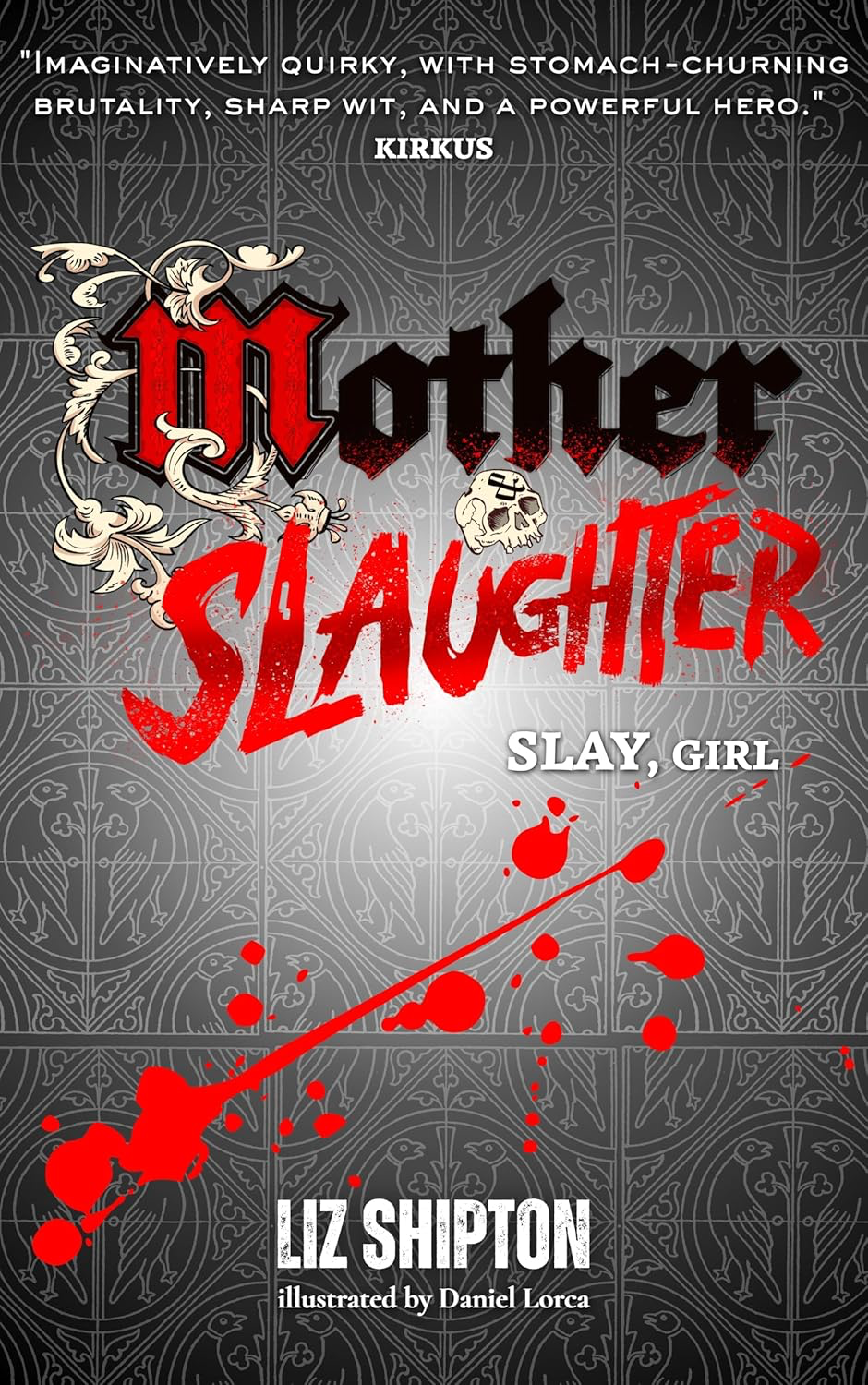
ARC Review: Mother & Slaughter

Happy Tuesday, bibliophiles!

Whew, this header’s been gathering some serious dust. I don’t do ARCs regularly anymore, but basically consider this my regular Book Review Tuesday installment…just with some more intrigue, since this book is less than a month away from release!

As I said before, I’ve gotten too busy to regularly review ARCs in the past few years, but this is an exception. The author of this upcoming novel (Liz Shipton) came across my blog and personally reached out to ask if I could review their ARC, so I said yes! Sadly, it pains me to say that this satirical fantasy was kind a miss.

Enjoy this week’s ARC review!

Mother & Slaughter – Liz Shipton

150 years ago, all of Draconia’s women were stripped of their magic. Now, their only options once they turn eighteen are to become mothers or gladiators. Eleanor Skinner was content to choose the latter, and has spent her days fighting her way to the top. At 35, she’s Draconia’s oldest gladiator, and proud to claim the title. But when she becomes pregnant after a one-night stand, her options are slim. Rumors have swirled about Draconia’s only magic-practicing woman left, who might be able to give her the abortion she’ll need. But Draconia is full of patriarchal monsters, and Eleanor will have to claw her way to freedom.

TW/CW: misogyny, violence, gore, blood, abortion themes, sexual content, racism, transphobia, xenophobia/anti-immigrant rhetoric, homophobia, ableism (internalized/external), animal death

Thank you to Liz Shipton for sending me this eARC in exchange for an honest review!

Giving an ARC a low rating is always tough. It’s especially tough since Liz Shipton was nice enough to reach out to me personally and give me this ARC, which I really appreciate. But with every ARC, I promise an honest review, and an honest review is what this is. I really wanted to like Mother & Slaughter, but it tripped over itself too many times to be truly successful.

If you’re going into Mother & Slaughter thinking that it’ll be subtle satire…it’s not. And honestly? That’s okay. There’s a place for both kinds of political allegory in this literary ecosystem. Mother & Slaughter is a revenge fantasy about tearing down the Trump administration, which I am 100% behind. Unfortunately, while I’m 100% behind Shipton’s politics, the delivery was not my cup of tea. This book basically feels like if we lived in a better, kinder universe where Quentin Tarantino was somehow woke. (For what it’s worth, I think Mother & Slaughter is the perfect book for anybody who was brutally grossed out by The Bride’s speech about “motherhood” at the end of Kill Bill: Volume 2. If Kill Bill: Volume 2 has no haters, then I am no longer here.) It’s a very bloody and irreverent novel, and it definitely tested my squeamishness for gore. The chemistry and banter between the characters was good, but it just wasn’t my kind of humor. There’s no shortage of swearing—we’re talking at least 5 f-bombs per page here, so that’s what you’re getting into. My issues with this aspect in particular are purely personal and not about the craft—it was written decently enough, but it just wasn’t the book for me in this regard.

Mother & Slaughter tackles almost everything you could think of that’s wrong with the Trump administration; misogyny and womanhood take center stage, but there’s also lots of discussions of homophobia, transphobia, xenophobia, racism, and the persecution of scientists and scholars. I think the depictions of misogyny and the struggles women have under this administration were well done and well-realized through Eleanor’s character. There was some nice disability inclusion with Eleanor and Roz, who both had sustained permanent injuries from being gladiators. I also liked how respectfully Sam (who is a trans woman) was handled as a character; Eleanor and Roz butt heads about how to treat her, but ultimately, they both come to respect her as her true self—and as a victim of the same patriarchal system that they’ve been fighting against. There’s some timely discussions about immigration and anti-immigrant rhetoric which was solidly done. Shipton also attempts to tackle racism through the character of Roz; I will say, although her character gained more depth later, my biggest complaint is that for the first half of the book, Roz felt like she was only there to teach Eleanor that racism existed. This was remedied later, but it’s still worth mentioning as a writing flaw. Additionally, I’m not sure if the racism commentary was done well, as we never really get any context for how racism is systemic in Draconia (as misogyny/transphobia/etc. are), and there’s only some offhanded comments about how women of color are oversexualized and discriminated against without factoring it into how the government oppresses people of color in Draconia.

Politics take center stage in Mother & Slaughter, which is as it should be. I’m not asking for this novel to be some masterfully-crafted, intricate world, because first and foremost, it’s a political satire. That being said, I think it would’ve been much more effective if there was more effort put into the worldbuilding. It’s basically your run-of-the-mill, vaguely medieval European fantasy setting, but with more anachronistic language and dialogue. (I kind of expected the anachronisms given that this book’s tagline is “Slay, girl,” but it’s worth noting.) Yet aside from the government’s strict control of women and immigrants, I really couldn’t tell you how the government works. In order for this kind of satire to work, there needs to be at least some scaffolding of the world in order for us to understand our own politics through the lens of a fantasy world. The real fun of satire in genre fiction is to warp our own reality into a fictional one, and in this case, it just felt like a cheap copy-and-paste of current U.S. politics onto a hastily thought-out fantasy world. Fiction holds a mirror to parts of our world, but it’s really not much fun if the mirror is indistinguishable from the real world itself.

This issue is exacerbated in the ending, in which we finally meet Draconia’s Trump stand-in, who is…blatantly just Trump poorly photoshopped into a fantasy world. Like I said, the real fun of ridiculing horrible demagogues like him is by warping them to fit a fantasy setting. Once again, I recognize that this book wasn’t meant to be subtle, but a lack of subtlety shouldn’t mean a lack of creativity. Reknaw says “yuge,” he calls the main characters “nasty women,” and he even mentions a “big, beautiful bill.” As much as I loathe the man, it just felt so lazy and cheap to have no effort whatsoever put into this Trump parody. This is an exceedingly niche reference here, but remember Hellboy: Blood and Iron? They have their stand-in, comically evil oligarch character (Oliver Trombolt) whose name is just multiple real-life oligarchs (Trump being one of them) mashed up, but at least he didn’t look like a clone of Trump (or any of his other inspirations)! the bar’s real low. Even the artwork looks exactly like him. It…gets to a point. Well-intentioned satire, once again, but it just felt so unoriginal when there’s a myriad of ways to critique this administration and the scumbags within it.

Overall, a satirical fantasy with good intentions but a bloody mess of an execution. 2 stars.

Release date: July 1st, 2026

Mother & Slaughter is a standalone, and will be released on July 1st, 2026. Liz Shipton is also the author of Dot Slash Magic, the Thalassic series (Salt, Sand, Soul, Paz, and Passage), and several other books for teens and adults.

Today’s song:

yes, I know this song has one of the most threatening auras of any Brian Eno track, but I just CANNOT STOP LISTENING TO IT god I love this album

That’s it for this week’s ARC Book Review Tuesday! Have a wonderful rest of your day, and take care of yourselves!

Posted in Book Review Tuesday

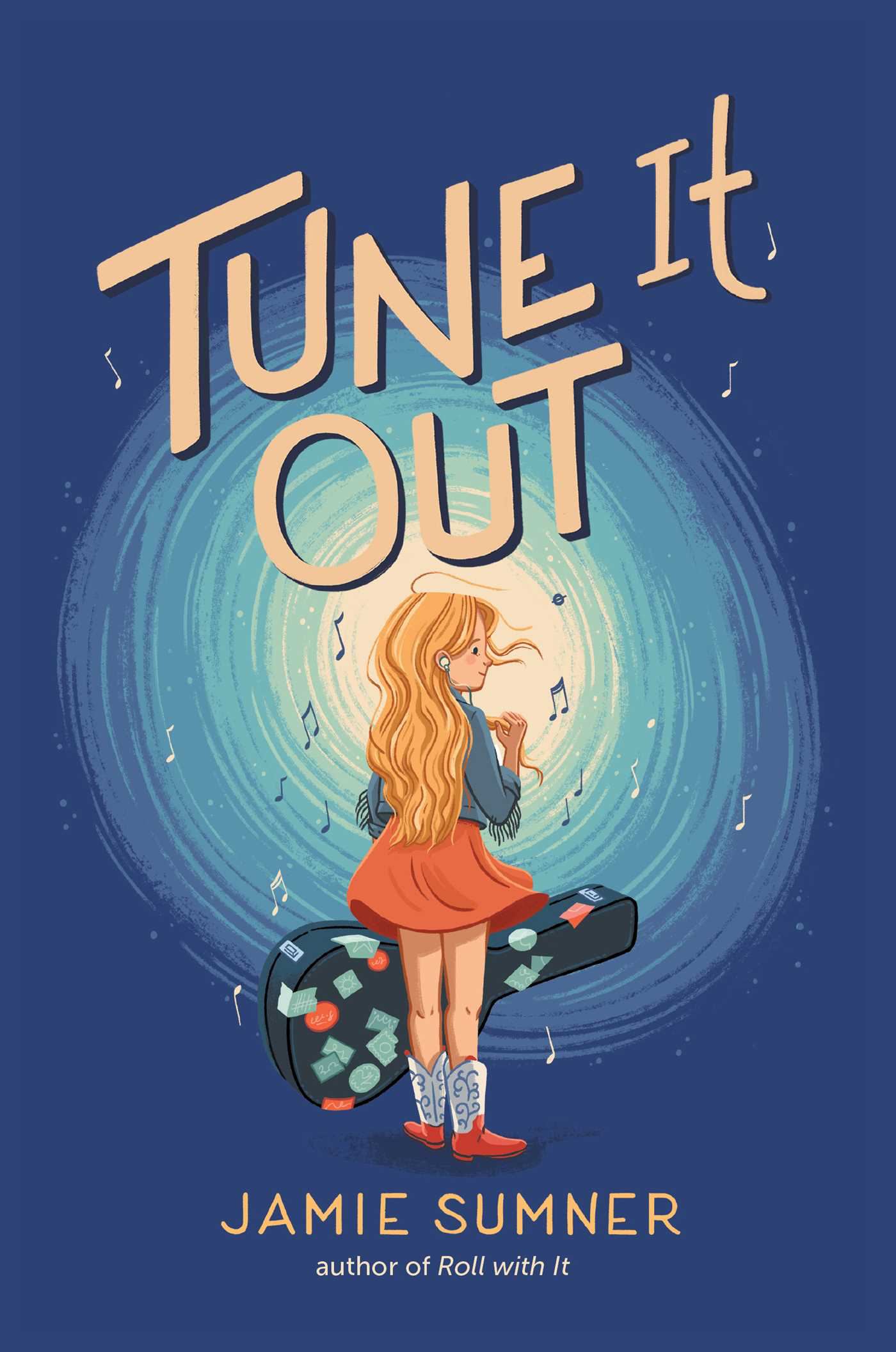
Book Review Tuesday (4/14/26) – Tune It Out

Happy Tuesday, bibliophiles!

Alright, let’s do this one last time.

My name is Madeline. I was diagnosed with SPD at age three, and I’ve talked about it fairly extensively on this blog, often in relation to what I usually talk about on here: books and music. Current research gives the estimate that around 1 in 20 people has some form of SPD, but it’s rarely talked about—much less depicted in pop culture. The representation of it in literature (and every other kind of media) is almost nonexistent. I’ve had the privilege of meeting more people with SPD in college, and that’s made me much less isolated and more confident. Nonetheless, the conversation around SPD tends to amount to crickets. Thankfully, progress in representation has inched forward. Last year, we got the documentary Sensory Overload, which was an excellent and intersectional window into all kinds of people with sensory issues, including SPD—I highly recommend it.

But until I read this novel, I’d only heard of one other fiction book on the subject (Carolyn Mackler’s Not If I Can Help It, which I also highly recommend), and that book only came out in 2019. So you can see why I grew up feeling more than a little alienated.

I rarely get excited to hear about books from authors I’ve never even heard of. But the minute that I found out that Tune It Out had SPD representation, I was itching to read it. Unfortunately, I couldn’t find it at the library or any bookstores for six years. So I had a little celebration when my library got a copy of it on Libby! I don’t even care that I’ve aged well past the middle grade target audience, because Tune It Out provided something for me that I’ve been searching for all my life.

Enjoy this week’s review!

Tune It Out – Jamie Sumner

As far as Lou Montgomery is concerned, she’s getting along just fine. Sure, she and her mother may be unhoused, but despite Lou’s intense aversion to crowds and loud noises, she’s been able to function, trying to get noticed by a talent scout so that her mother can finally get the big break they’ve always dreamed of. But when an incident leads to Lou being separated from her mom by CPS, she’s forced into an entirely new life—one with school, new people, and all sorts of sounds that she doesn’t like. What’s more, she finally has a name for her feelings—SPD. Lou isn’t sure if she likes it. But as Lou comes to face the facts about herself, her mother, and her new life, she realizes that finding her voice may not be as hard as she thought.

TW/CW: child neglect/abuse, ableism, panic attacks/sensory overload, car accident

Here’s the thing. I’ve gotten emotional over representation of all kinds. Seeing my experiences of being bisexual, mixed-race, and/or the general experience of being a woman have all touched me in ways that most books don’t. For SPD, it’s different. I was full on sobbing in my bed reading Tune It Out, because so few books—and any other kind of media—have addressed this part of me. I am so beyond glad that Tune It Out exists.

First, the obvious: the SPD representation! That was the entire reason I picked up Tune It Out, and I saw so much of myself in Lou. SPD is a varied diagnosis, but a lot of Lou’s symptoms were similar to mine, particularly her heightened sensitivity to sound. Her experience going to the airport for the first time, as well as the fire drill scene, really hammered home how harrowing sensory sensitivity is—every sound feels like an attack on you, and you feel that attack become pain in your body. Her aversion to touch and certain textures hit home too, especially with unwanted physical contact. Sumner’s prose made these sensations so embodied. Also, the scene where she gets an iPod for the first time and is able to use music to self-soothe truly struck me. I’ve still got my beat-up iPod nano from when I was about Lou’s age, and it serves the same purpose to this day. It’s a part of having SPD that’s always been a reliable way to help me calm down from sensory overload, and I loved that Sumner explored this in Tune It Out. I saw so much of my younger self in Lou. Sumner clearly did her homework in that regard, and I can’t thank her enough for that.

Another aspect of SPD representation that Tune It Out touches on is occupational therapy. Lou was diagnosed at an older age than I was, but the questionnaires and coping mechanisms that she learns at school were very accurate to my experience with SPD and therapy. A lot of the new challenges she faces at school, from crowded cafeterias to fire drills, were appropriately shocking to her (with the combined factor of her being formerly unhoused and not used to this particular school environment), and I loved how she learned to cope with these everyday struggles. I also appreciate that Sumner introduced the perspective of Lou having some internalized ableism; a lot of her mom’s beliefs about her “just being skittish” and that she could just “tough it out” without a problem were deeply embedded in her own belief system, which made her very reluctant to get diagnosed. Lou’s arc about realizing that SPD is nothing to be ashamed of and learning to cope with sensory issues in healthy ways resonated with me deeply, and I’m sure it will with so many other readers.

Tune It Out deals with some heavy topics, but I think it does it in a way that makes it perfect for older middle grade readers. One of the main conflicts of the book is that Lou is being controlled by her neglectful, manipulative mother; one of the main realizations that she has is that her mom has been using her singing talents to try and get them money, and she refuses to acknowledge that a) her daughter’s dreams are not her own, and b) her daughter isn’t just “skittish,” but has a disability that is not being properly accommodated. It’s definitely an older middle grade subject to realize that your parent might be emotionally abusive, but the way that Sumner handled it gave it the weight it deserves. Lou idolized her mother for so long, but she reacted exactly how I would imagine a 12-year-old would. It’s a difficult read in those portions, but I think it’s an important subject for younger readers to be exposed to.

In terms of the lighter, more classic middle school parts of the plot, Tune It Out reminded me of some of my favorite middle grade novels that I read in elementary and middle school. I loved the scenes with Lou and her new friends, especially Well, who read delightfully like a Wes Anderson character. The scenes of them bonding over music made me bawl. Lou’s fears about her new friends were relatable, but all of them coming together to support Lou taking control of her own narrative were so heartwarming. Sumner really captured that feeling of being in middle school and being fundamentally different from your classmates in a way that shook me to my core.

Ultimately, I think Lou’s arc in Tune It Out was incredibly powerful. Given that so many narratives about disability lean into “inspiration” plots, I think it’s so potent that Lou’s arc centers around her gaining autonomy over her life. She finally works up the courage to stand up to her neglectful, emotionally abusive mother—that scene was one of the most poignant in the book. But I think that the core of Lou’s arc—her life being controlled, and then her gaining control over her life—is so important for young, neurodivergent girls to hear. Honestly, it works for all kinds of young girls. When you’re neurodivergent and/or a girl, so many people will try to tell you how to live your life, and being told from a young age that you are the only one in charge of your story is something that needs to be heard and reinforced. My hope is that young girls will learn that from Lou, and I have no doubt that they will. I needed a Lou when I was 12, but I’m just glad that the generations of girls to come will have a Lou of their own.

All in all, Tune It Out was easy to love: full of heart, charm, and just the sort of representation that I’ve been searching for ever since I knew about the concept of representation. Thank you, Jamie Sumner. Representation matters. 5 stars!

Tune It Out is a standalone, but Jamie Sumner is the author of several other books for children, including Roll With It, The Summer of June, Glory Be, Please Pay Attention, and more.

Today’s song:

That’s it for this week’s Book Review Tuesday! Have a wonderful rest of your day, and take care of yourselves!
Posted in Books

The Bookish Mutant’s Books for Autism Acceptance Month (2026 Edition) ♾️🌈

Happy Monday, bibliophiles!

Here in the U.S., April is Autism Acceptance Month! Unfortunately, I’ve only done one of these recommendations lists in the past (April is usually a very busy month for me), but I figured I would make another, because like many of the other marginalized identities that the Trump administration has been going after, the autistic community, especially here in the States, has been under attack. RFK Jr. has repeatedly made claims that he will “cure autism” (as if it even needs to be cured in the first place) and has spread all sorts of harmful and baseless misinformation about autism and autistic people. What most of it boils down to is the concept that autism—and neurodivergence in general—is somehow a tragedy.

The truth is much more nuanced. While it isn’t a superpower, as some people try to sugarcoat it, autism is not a tragedy, and autistic people’s lives, experiences, and stories are worth celebrating. That’s what I hope to do with this list: here, we have narratives in many different genres about autistic people being the autonomous heroes in their own stories. And just like the experiences of autistic people, no two are completely alike—it is a spectrum, after all, and a multitude of experiences.

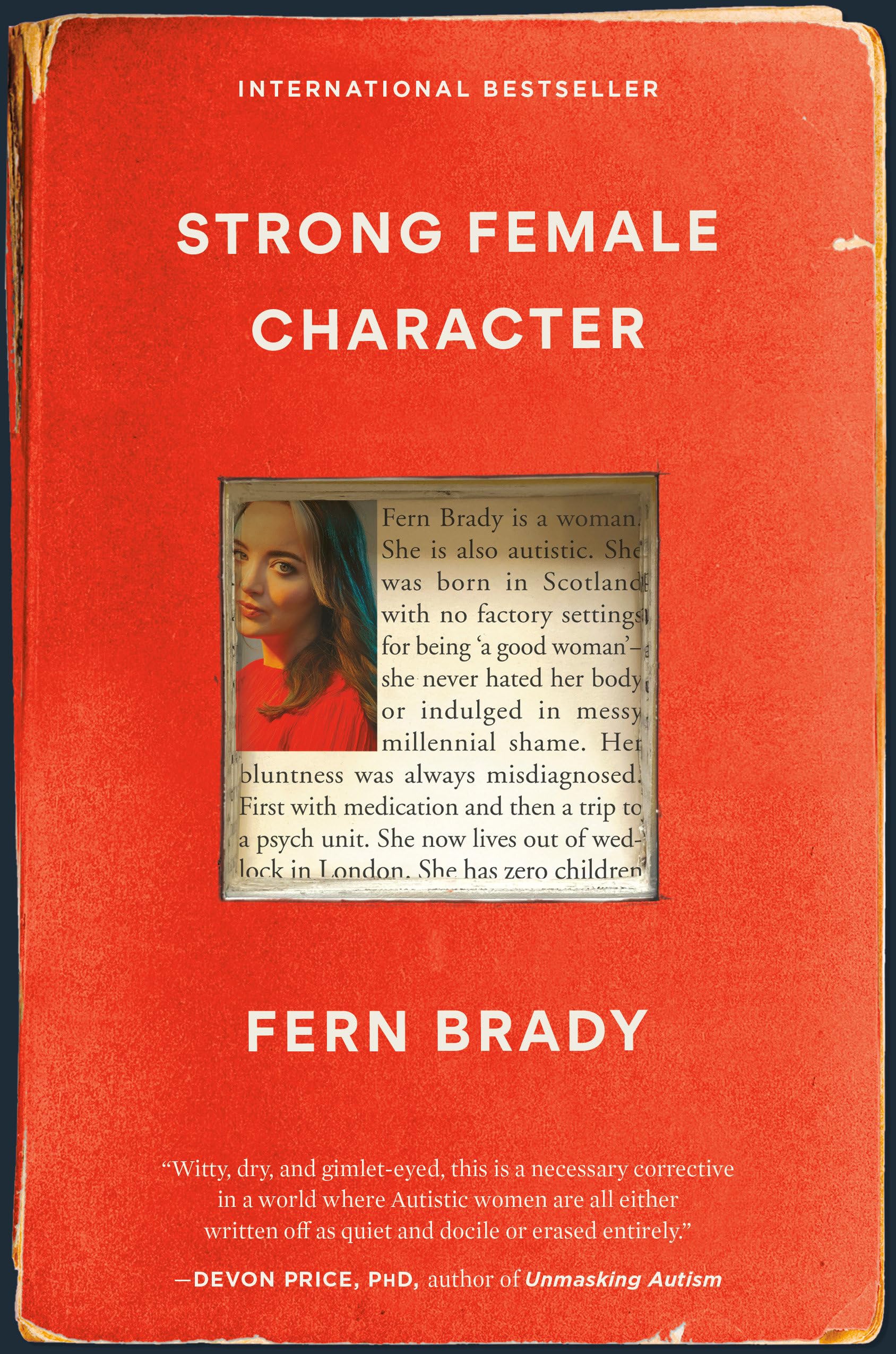
And because it’s evergreen (and relatable as a neurodivergent person), here’s this clip of Fern Brady on how people talk about autism:

For my list of recommendations from 2023, click here.

Also, if you’d like an opportunity to find even more books with autism rep, Ada Hoffmann (whose books I included on my last list) has compiled an exhaustive repository of them!

NOTE: most of these novels have explicit autistic representation, but some of them (The Book Eaters, A Big Ship at the Edge of the Universe, etc.) do not have autistic representation, but are written by autistic authors; I chose to include them, as this post is meant to uplift autistic authors and characters. Additionally, there are several books that aren’t directly focused on autism, but on disability in general, but still have contributions/stories from autistic authors, which I thought merited inclusion as well.

Let’s begin, shall we?

THE BOOKISH MUTANT’S BOOKS FOR AUTISM ACCEPTANCE MONTH (2026 EDITION)

SCIENCE FICTION:

FANTASY:

REALISTIC AND HISTORICAL FICTION:

NONFICTION:

TELL ME WHAT YOU THINK! Have you read any of these books, and if so, what did you think of them? What are some of your favorite books by autistic authors? Let me know in the comments!

Today’s song:

I haven’t thought about this song in ages…

That’s it for this week’s recommendations list! Have a wonderful rest of your day, and take care of yourselves!

Posted in Book Review Tuesday

Book Review Tuesday (2/24/26) – Every Variable of Us

Happy Tuesday, bibliophiles!

I’ve read a lot of great books this month, but a lot of the ones I’ve read recently are sequels to books that I haven’t reviewed, so it feels weird to review a book 2 or 3 when I haven’t even review book 1. Hence why there have been more negative reviews this month. However, I do feel like I have to get my feelings about Every Variable of Us off my chest, because it promised something so positive, but crashed in burned in so many ways. It was a sore disappointment for sure.

Enjoy this week’s review!

Every Variable of Us – Charles A. Bush

Alexis Duncan loves basketball—and she’s counting on it to get her the scholarship she needs to escape her impoverished neighborhood and turbulent home life. But when she’s injured in a shooting and can no longer play basketball, her dreams are crushed. With no other option, she turns to Aamani, the new student in her school. Aamani encourages Alexis to join their school’s STEM team to get the scholarship she needs. Alexis is skeptical—she knows nothing about the sport, and she’s reluctant to fit in with the nerdier crowd. But as her skills—and her confusing crush on Aamani—develop, Alexis realizes that there may be more to her than meets the eye.

TW/CW: racism, gun violence, homophobia, Islamophobia, xenophobia, ableism (internalized/external), drug abuse/addiction themes, mentions of child abuse

I’m a little ashamed to be giving this novel such a negative review, but I firmly believe that negative reviews have their place. This novel was clearly a labor of love for Bush, being a debut novel about a queer, Black, and disabled girl, a story that’s exceedingly difficult to get out there in this climate. There’s probably some kids out there who think that this is just the book for them. Without a doubt, Every Variable of Us is an important book to have out there. But I think there’s a lot of valid criticism to be had for this novel, and it’s important to note that a book being diverse doesn’t absolve flaws in its writing…of which this novel had many.

In theory, I think Alexis is a great character to have for a YA audience; there’s this expectation in the genre that even your characters can’t be flawed in terms of their worldview, because that might be “problematic.” It’s good for teens to see a character that starts off narrow-minded and comes out the other side more tolerant or understanding. I tried to roll with Alexis’s inner monologue with that in mind. There’s a lot that you have to put up with—in the beginning of the book, Alexis is…practically everything-phobic: Islamophobic, racist towards other minorities, fatphobic, homophobic, and ableist. There’s a clear setup for her to learn from her mistakes and be more understanding of other people’s cultures, and in turn, accept her own status as a disabled, bisexual person. However, there doesn’t end up being much development on her part, when both the novel and the marketing want us to believe that she undergoes this dramatic arc and becomes a whole new person. Alexis becomes more tolerant towards queerness and Aamani’s Indian heritage and traditions, but save for that (and her success in becoming an asset to the STEM team and getting a scholarship), her arc is practically a straight line. Her lack of self-reflection wouldn’t have been a problem if Bush wanted the reader so badly to think that she’d magically changed into a better person, when in reality, she was in a very similar place to where she was at the beginning of the novel. I’m all for flawed characters, but don’t tell me that a character’s had this monumental shift in her worldview when she really hasn’t.

Which brings me to the complicated issue of the diversity of this book. I really appreciate that Bush put a lot of effort into making Every Variable of Us have a diverse cast. However, a lot of the diverse characters ended up feeling like props to reinforce lessons for Alexis about being tolerant about other marginalized people. To be fair, Aamani had more development than the rest, but there were moments when she was clearly only there to teach Alexis about Indian people and Hindu traditions, as well as queerness. It was more blatantly evident in characters like Matthew; I appreciated the note at the beginning where Bush acknowledged that he’s not autistic and wanted to represent autism as respectfully as possible. I can’t speak to the autism rep specifically, but as a neurodivergent person, I found Matthew to be decently represented. That being said, it very much felt like he was there just so that he could challenge Alexis’s ableist worldview. At a certain point, I could see the checklist in Bush’s head: “oh, wait! Maybe we can add an Asian character here, jot that down!” Diversity can only be successful when its intent is to provide representation of minorities, but also minorities as people, not teaching moments for the main character; otherwise, it becomes disingenuous. Every Variable of Us unfortunately fell straight into this trap.

I’ve talked about this with several YA books, but there’s a very vocal camp in the YA world that’s staunchly against pop culture references in the story. I’ve never really understood the argument—why not have your characters engage with media that current teenagers like and/or that you liked as a teenager? Why not have something that a teenager can relate to or be introduced to because of this book? However, there is very much a wrong way to do it, and that’s to cram every possible reference into the narrative for no reason. Dear Wendy is another example where that approach nosedived (too many references, not enough actual story), but it pains me to say that Every Variable of Us is also a masterclass on how not to write pop culture references into the narrative. Every other sentence had a reference. Even when I was Alexis’s age, and deeply, deeply nerdy (especially about some of the same things that Aamani is passionate about, namely Marvel comics), my inner and outer monologue didn’t contain an Avengers reference every 10 seconds. It got to such a ridiculous point—nobody, not even nerdy people, talks like that at all. As a result, almost all of the characters ceased to become real to me. People just do not speak like that. It’s like Bush was trying to relate to every possible teenager by thinking of every possible thing that a teenager could like, and then translating it into dialogue, making it exceedingly hammy.

That issue of trying to relate to every possible teenager felt like the core of my issues with Every Variable of Us. It’s an issue that I often see in a lot of debut novels: authors want to cram every possible thing that they’re passionate about into a single novel; at best, it’s a labor of love, and at worst, it’s quite bloated. This novel suffered from this without a doubt. He just tried to tackle far too many issues, and as a result, the analysis of them was often surface-level. Bush talks about gang violence, abuse, having a parent with an addiction, homelessness, suddenly developing a disability, religious bigotry, and queerness all in one novel. While it’s admirable to write about this much (and there are of course people who live in these circumstances), Bush clearly didn’t have the page time to do justice to all of them without only giving an underdeveloped take on all but maybe…two or three of these issues. I do appreciate the handful of moments where the exploration of these topics actually did land; the moment at the end with Alexis’s mother was one of the only parts of the book that was emotionally impactful to me. But for the most part, this was just way too much for a single debut novel to be doing. In an attempt to try and address every issue that he seems to be outspoken about, Bush ends up hardly addressing them at all.

If there’s a lesson to be learned here, it’s that you can’t please everybody with a single novel, whether it’s the audience you’re appealing to or the groups that you’re trying to represent. Charles A. Bush just seemed too concerned with trying to make every possible reader in every parallel universe happy, which stretched the narrative thin. I get that there’s an insurmountable amount of pressure with a debut novel, but you do not need to please everybody! It’s okay! Breathe!

All in all, a debut novel that tried too hard to do too much, and ended up spiraling into a mess as a result. 1.75 stars.

Every Variable of Us is a standalone, and Charles A. Bush’s debut novel.

Today’s song:

That’s it for this week’s Book Review Tuesday! Have a wonderful rest of your day, and take care of yourselves!

Posted in Book Review Tuesday

Book Review Tuesday (1/20/26) – Ancestral Night

Happy Tuesday, bibliophiles!

I’d like to think that I’m a competent, capable adult, but a few months back, I picked up book three of this series without realizing that it was book three. Oops. All the same, I was motivated to read it, so I ended up getting a copy with some gift card money for Bookshop.org. Long haul as it was, I’m so glad I took the leap—Ancestral Night knocked me off my feet from the first few pages, and that momentum almost never stopped.

Enjoy this week’s review!

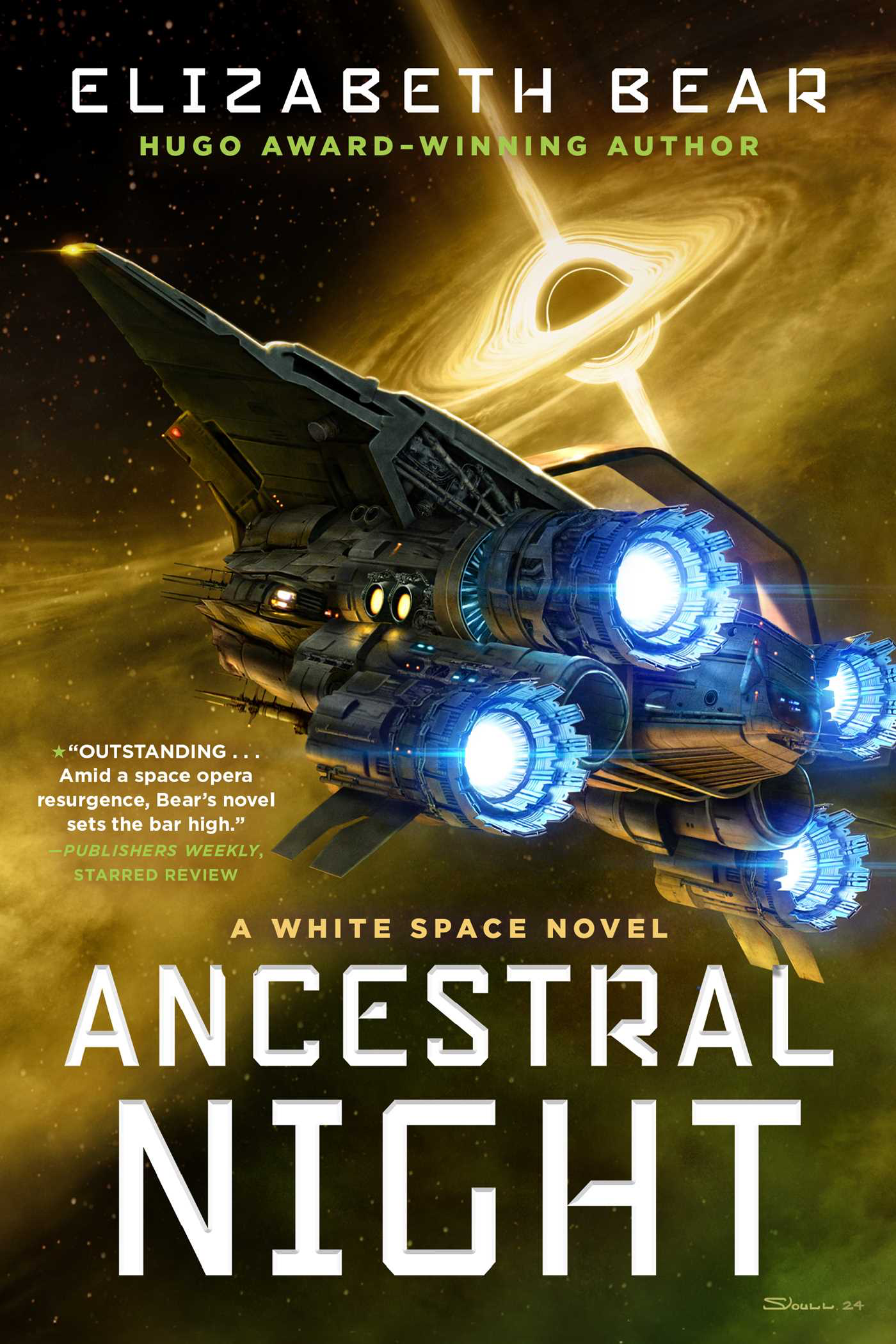
Ancestral Night (White Space, #1) – Elizabeth Bear

Haimey Dz and her small crew fly under the radar, making a living salvaging spaceships at the edge of the galaxy. But after a run-in with a gang of pirates and the discovery of a galaxy-changing revelation hidden inside a derelict spaceship, Haimey knows that she can’t let just anyone get ahold of this secret. Inside of the spaceship is illegal, ancient technology that could turn the tides for the worse if in the wrong hands—and judging from the spaceship, it was already in the wrong hands. Infected with a strange, ancient parasite and with pirates and the government hot on her heels, Haimey and her crew must get to the bottom of this mystery before this tech falls into the wrong hands.

TW/CW: descriptions of injury, violence, blood, emotional abuse, grief, suicide, mental health themes

I really need to put together some kind of list of sci-fi with cats on spaceships. There’s enough out there that it’s a Thing, and though it’s not enough to be a full-on trope, it never fails to make me smile, both as a sci-fi fan and a cat lover. Jonesy from Alien set the precedent, but I think it’s just that through line of historically having cats on boats for good luck that makes it so wonderful. Bushyasta and Mephistopheles deserve a spot in the sci-fi cats pantheon.

The world of Ancestral Night is truly something to behold. From the get-go, I got lost in it so easily—Bear’s prose kept me hooked for all 500+ pages. Part of that was just how intriguing the world was. Everything you could want in a space opera is here—mysterious, derelict spaceships with dark secrets, all manner of very alien aliens, two naughty cats on a spaceship, and perhaps best of all, eldritch, centuries-old seahorse creatures that live in the vacuum of space. Who could ask for more, really? There’s a dormant part of my high school brain that was obsessed with Aurora Rising that got beyond amped about salvaging spaceships, so that was an automatic win. I loved the Atavikha an unreasonable amount, as well as the aliens, but that’s not news at all. But I love the care that Bear took to make this world feel familiar in the right places, but appropriately alien where it was necessary. It’s a world where you can read George Eliot in your free time, but also come face to face with a creature so alien you barely have any appropriate human analogues for it. Balance is key, and Bear balanced it well.

With sci-fi like this, there’s a tendency to forget that no matter how much time you spend on worldbuilding, your universe still may feel like it isn’t lived in; everything’s too sterile and sleek, and you never get the sense that these strange planets and moons and whatnot are places where people spend their lives. Bear circumvented that issue from the get-go—everything about Ancestral Night felt lived-in, from the humble spaceships to the crowded space stations that Haimey and her friends navigated. Her spaceship wasn’t just a way to get around: it was a place where Haimey lounged around and read old books and petted her cats. Every corner that the crew explored was full of not just lore, but memories—everything in Ancestral Night had a story, and that did almost as much work as the worldbuilding in making sure that Bear’s world felt real.

Another aspect that made Ancestral Night feel real was Haimey herself. I’m all for representing marginalized people beyond stereotypes, but there’s something to be said for queer characters who are unapologetically messy and make decidedly terrible decisions—and Haimey makes terrible decisions aplenty. (I finished Pluribus not long ago, and I thought the same about Carol. I guess they’re both lesbians who fall for highly questionable pirate ladies, in the end.) If Ancestral Night was a TV show, I fully would’ve thrown something at the TV when she kissed Zanya. HAVE YOU LEARNED NOTHING? That being said, she felt so staggeringly real in the amalgamation of all her hopes and flaws. Even in this far-flung sci-fi world, this woman who reads ancient classics onboard her spaceship and dotes after her cats and falls for the messiest, scariest pirate women was so refreshingly real, and in spite of those flaws, ultimately lovable.

Ancestral Night is a space opera without question, but the worldbuilding will certainly appeal to the more hard science fiction-leaning readers for sure. Care for the worldbuilding obviously isn’t exclusive to hard sci-fi, especially as a cozy sci-fi/space opera/soft sci-fi defender and enjoyer, but not every space opera you come across goes into this much detail about accretion disks. Bear doesn’t shy away from getting esoteric with the worldbuilding, whether it’s in terms of astrophysics or politics. The politics form the core of the novel for me. My one major problem with the novel was that it had a tendency to go into Haimey’s philosophical musings about the nature of governments and freedom to a point where it was difficult to suspend my disbelief that nothing bad had happened to her while this was all going on, given everything else that happens throughout. (How did she not get conked on the head by pirates mid-digression during half of those scenes?) However, the nature of these digressions fed into the thematic elements of Ancestral Night really well, and I loved how they formed the backbone of Haimey’s character.

Even though not all of the philosophical musing landed, the setup of it, as well as the worldbuilding of Ancestral Night, set such a wonderful stage for Haimey’s character development. She’s caught between two very opposite poles: the Clade where she grew up, where her existence was placid but assimilated, and the pirates, whose messy anarchy is hyperindividualistic to a fault. Set against the backdrop of a flawed yet somewhat well-intentioned government, Haimey’s realization that her true self comes not from sacrificing her individuality or her obligation to do good for others in her community was so poignant. All her life, the notion of who she really is has been forced upon her from both sides, and yet what’s in her heart is where the two ideologies meet: retaining her uniqueness, but not kicking everybody else aside in the process. Haimey’s true spirit comes from how she decides her life should be, but also from the positive relationships around her. It was such a heartfelt message, and Haimey’s arc gave Ancestral Night a powerful emotional core.

All in all, a captivating space opera with real, lovable protagonists, a lived-in universe, and mystery that had me on the edge of my seat. 4.5 stars!

Ancestral Night is the first novel in the White Space series, followed by Machine and The Folded Sky. Bear is also the author of several other award-winning novels, including the New Amsterdam series (New Amsterdam, Seven for a Secret, The White City, Ad Eternum, and Garrett Investigates), the Jacob’s Ladder trilogy (Dust, Sanction, and Grail) and many others.

Today’s song:

That’s it for this week’s Book Review Tuesday! Have a wonderful rest of your day, and take care of yourselves!
Posted in Book Review Tuesday

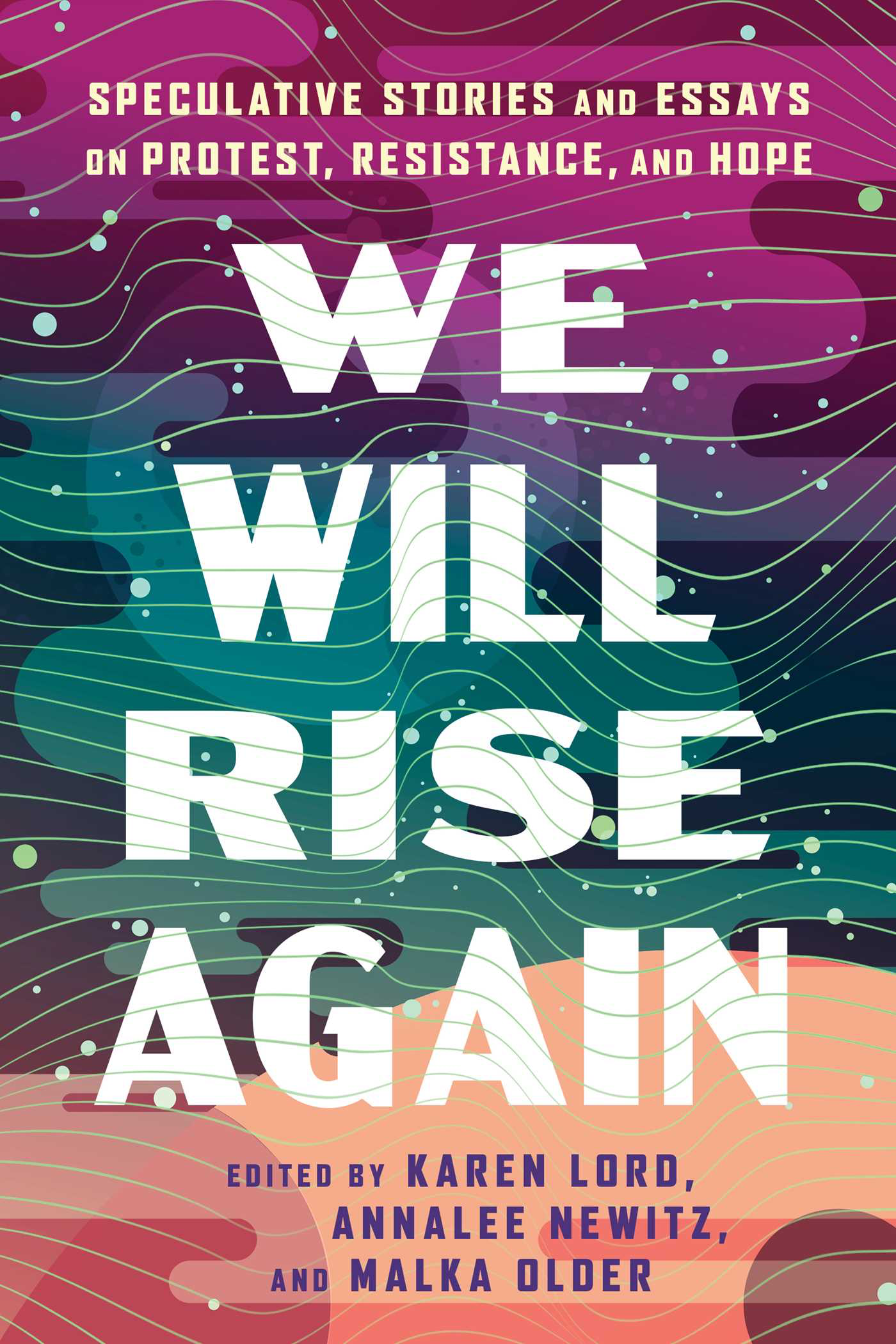
Book Review Tuesday (1/13/26) – We Will Rise Again: Speculative Stories and Essays on Protest, Resistance, and Hope

Happy Tuesday, bibliophiles, and from the bottom of my heart, fuck ICE. Rest in power, Renee Nicole Good. My heart goes out to everybody in Minneapolis right now. ❤️‍🩹

Whoo, look at me! Actually reviewing a book not long after it came out!!

I found out about We Will Rise Again soon after it came out, and it immediately caught my eye—in fact, it seemed almost specifically engineered for me. I mean, speculative fiction based on social justice? Come on. And while the stories and essays within it varied in quality, this anthology was a worthy endeavor and a much-needed collaboration.

Enjoy this week’s review!

We Will Rise Again: Speculative Stories and Essays on Protest, Resistance, and Hope – edited by Karen Lord, Annalee Newitz, and Malka Older

(description from The Storygraph:)

From genre luminaries, esteemed organizers, and exciting new voices in fiction, an anthology of stories, essays, and interviews that offer transformative visions of the future, fantastical alternate worlds, and inspiration for the social justice movements of tomorrow.

In this collection, editors Karen Lord, Annalee Newitz, and Malka Older champion realistic, progressive social change using the speculative stories of writers across the world. Exploring topics ranging from disability justice and environmental activism to community care and collective worldbuilding, these imaginative pieces from writers such as NK Jemisin, Charlie Jane Anders, Alejandro Heredia, Sam J. Miller, Nisi Shawl, and Sabrina Vourvoulias center solidarity, empathy, hope, joy, and creativity.

Each story is grounded within a broader sociopolitical framework using essays and interviews from movement leaders, including adrienne maree brown and Walidah Imarisha, charting the future history of protest, revolutions, and resistance with the same zeal for accuracy that speculative writers normally bring to science and technology. Using the vehicle of ambitious storytelling, We Will Rise Again offers effective tools for organizing, an unflinching interrogation of the status quo, and a blueprint for prefiguring a different world.

TW/CW: violence, transphobia, themes of oppression/marginalization, ableism, murder

Somehow, it’s so on brand that Ursula Vernon would be that hardcore about gardening. I always vaguely got that vibe from her work, but her essay was not a surprise in the slightest.

There were all kinds of speculative fiction authors featured in We Will Rise Again: familiar authors I’ve liked, familiar authors I haven’t been a fan of, and unfamiliar authors entirely; in fact, all three of the authors who edited the anthology (Karen Lord, Annalee Newitz, and Malka Older) are all hit-or-miss authors for me, but I stuck to this anthology because the concept was so compelling to me. Sure enough, not only were their stories fascinating, so were everyone else’s. Some of my favorites were Charlie Jane Anders’s “Realer Than Real,” a meditation on being transgender in the U.S. and poking fun at gender roles, Abdulla Moaswes’s “Kifaah and the Gospel,” a potent commentary about Palestinian resistance and the inherent absurdity of colonialism, and Malka Older’s “Aversion,” an excellent commentary about how to get people to pay attention and care about issues without having to expose them to a barrage of triggering, disturbing imagery. (The latter isn’t deeply relevant at all, no way! No way…) Whether in sci-fi, fantasy, or loosely speculative formats, all of them came together in a vibrant quilt of different perspectives and ideas.

The nonfiction in We Will Rise Again was, for the most part, equally potent. I was so excited to see Nicola Griffith featured in here, and her essay “Rewriting the Old Disability Script” was as timely as ever; even though disability representation in media at large, not to mention literature, has gradually gotten better, this was a potent reminder of the staggering lack of representation of disability of any kind in mainstream media. I’d already read N.K. Jemisin’s “How Long ‘Til Black Future Month? The Toxins of Speculative Fiction, and the Antidote That Is Janelle Monae,” but it fit perfectly in this anthology and was well worth a re-read. The very core of We Will Rise Again was that the fiction stories had tangible input from activists with real-world experience; without this, I still would’ve liked these stories, but with this added layer, they strangely gave me more hope. The faith of real-world activists embedded in fiction emphasizes what this anthology was really about, for me: educated, grounded hope for a better future.

However, with an anthology that cast such a wide net idea-wise, there’s bound to be some misses. I think the biggest issue with We Will Rise Again was that it verged on being too broad. Naturally, when you’re talking about social justice, there are so many things that you can talk about, and this anthology discusses the whole gamut of them in both fiction and nonfiction, from community care to transphobia to disability rights. For the most part, I could see the common thread through all of them easily. Some of them, however, bordered on being very loosely strung together; for instance, although I loved Vernon’s essay “The Quiet Heroics of Gardening,” the connection between it and the other stories was very, very loose. I think the issue was that not all of the fiction stories had nonfiction paired with them—the format they had with most of these stories could’ve cohesively been applied to all of them and given the anthology a better, more reasonable structure.

Overall, there weren’t any stories that I didn’t like, which is a rare thing in any given collaborate short story anthology. However, I did have a structural issue with some of them. Speculative fiction is a notoriously broad term, and I think some of the stories in this collection took that a little too seriously. While some of them were clearly sci-fi, fantasy, or at least had some speculation and change to the world, some of them barely felt speculative. For instance, if you took away the fleeting fantastical element of Vida James’s “Chupacabras,” I would’ve thought that it was only set a few years after the present—there wasn’t a ton that was new about it, and said fantastical element felt like an afterthought. (I had a similar issue with Sabrina Vourvoulias’s “Persefoni in the City.”) Even with some of the “this is only meant to be a few years from now” stories, I got that what was speculative was the politics (ex. with Izzy Wasserstein’s “The Rise and Fall of Storm Bluff, Kansas”), but with the ones I mentioned, hardly anything had changed. While I get that the focus wasn’t necessarily on the worldbuilding, with the anthology’s whole point being on genre/speculative fiction as a way of collective imagination and imagining better worlds, stories like those felt at odds with the intended message. “Speculative” was a bit generous of a term for some of those stories.

All in all, a diverse and hopeful anthology, both in terms of its contributors and its subject matter, all coming together to make powerful statements about how to survive in this landscape and dream of something better. 3.75 stars!

We Will Rise Again is a standalone anthology; Karen Lord is also the author of the Cygnus Beta series (The Best of All Possible Worlds, The Galaxy Game, and The Blue and Beautiful World). Annalee Newitz is also the author of The Terraformers, Autonomous, Automatic Noodle, and The Future of Another Timeline. Malka Older is also the author of The Investigations of Mossa and Pleiti series (The Mimicking of Known Successes, The Imposition of Unnecessary Obstacles, and The Potency of Ungovernable Impulses) and the Centenal Cycle (Infomocracy, Null States, and State Tectonics).

Today’s song:

LODGER 🙌

That’s it for this week’s Book Review Tuesday! Have a wonderful rest of your day, and take care of yourselves!
Posted in Book Review Tuesday

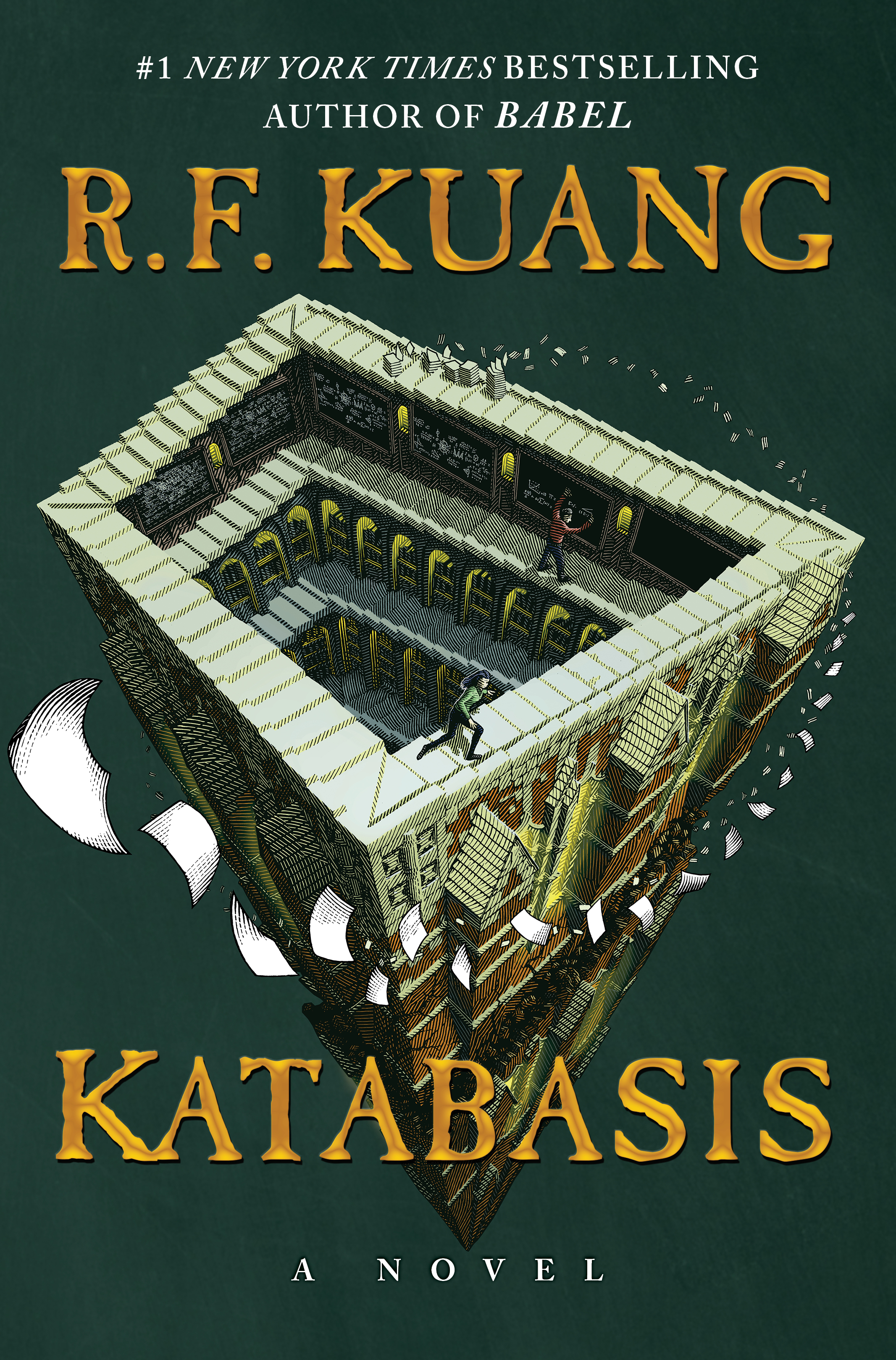
Book Review Tuesday (12/16/25) – Katabasis

Happy Tuesday, bibliophiles!
I’ve been a fan of R.F. Kuang’s work for years (though I’ve steered away from the Poppy War trilogy, given how many people I know have been emotionally eviscerated in its wake). As bored as I am with dark academia, if there’s anybody I trust with the genre, it’s Kuang—and for the most part, her latest venture into the bowels of academia (and Hell itself) was an adventurous success!

Enjoy this week’s review!
Katabasis – R.F. Kuang

Professor Grimes is going to Hell, and it’s all Alice Law’s fault.

After a backfired spell sends their advisor to an early grave, two rival Cambridge grad students find a way to enter Hell to bring back Professor Grimes. Braving all manner of demonic horrors beyond their wildest nightmares, Alice Law and Peter Murdoch have agreed to risk it all for their beloved professor. Yet the further they travel through Hell, they must come to grips with the man Professor Grimes was—and if the man they idolized was really worth going to Hell for.

TW/CW: violence, gore, loss of loved ones, sexual assault/harassment, suicidal ideation/suicide, ableism

There’s really nobody doing it like R.F. Kuang. She isn’t my favorite author of all time, but nonetheless, I don’t think I’ll ever find another fantasy book that has both spooky scary skeletons sending shivers up my spine AND a well-placed dig at Jacques Derrida. That’s how it’s done.

Right after it was released, Katabasis seems to have made a major splash in the book community (namely BookTok)—partly because Kuang’s next novel was bound to be highly anticipated, but partly because it sparked some debate about anti-intellectualism. But compared to something like Babel, which is practically footnotes upon footnotes, I feel like this…isn’t that bad? Sure, it’s very esoteric, but most everything is so easily searchable online? Or in the library? Granted, I understood a fair amount of this solely because I took a literary theory course for my English degree, but even then…just google what you don’t know! And maybe you’ll learn something fun! I don’t know how one would go into an R.F. Kuang book and not expect something academically-minded, but maybe this is just the people who were only used to the strictly realistic fiction of Yellowface? Who knows.

Either way, the academic aspect of Katabasis was such a fun element for me. Whether or not that’s because I’m so hopelessly English-majoring it out here, but I loved all of the subtle nods to world mythologies and literature. (The bit about postmodern and poststructuralist magic cracked me UP. Poststructuralism slander healed my soul. Thanks, literary theory.) But ultimately, I loved what Kuang said about academia; there’s the satirical part that it can be Hell, but also that it demands an inhumanity of you that is systemically supported and produces such spectacular burnout. Being the genius that people like Grimes wanted required students like Alice and Peter to relinquish their humanity in pursuit of knowledge and prestige, and that’s something that you shouldn’t have to sacrifice to get what you want. Given Kuang’s accolades and track record, I’m sure she’s experienced this firsthand, but it was a potent statement on the pressure that’s put on students, especially in the Ivy Leagues and other prestigious institutions, magical or not.

Katabasis had a wild version of Hell, and so much of the fun of the book was exploring it. Granted, it is rather all over the place, but I feel like it emphasizes Kuang’s initial rule of Hell: there are no rules in Hell. There’s the parts that are just Cambridge but in Hell, carnivorous hordes of Tim Burton-esque skeletons, deities from all kinds of mythologies, and one very lucky cat. (Shoutout to Archimedes, I’m glad he survived!) Entire sections of Hell are made out of M.C. Escher’s structures, there’s impossible shapes everywhere, and all of it serves to make Alice and Peter get as close to snapping as possible—exactly what you’d expect from Hell. Tonally, it was also kind of all over the place; some of it was genuinely horrific, while other parts bordered on Beetlejuice-esque camp. But all of these disparate elements made sense as a sort of archive of all possible Hells; it’s a very academic Hell, but beyond that, it seems like an exercise in writing that Kuang had tons of fun writing. That passion poured off every page!

Alice and Peter’s relationship formed the core of the novel, and I loved following them as characters. They made such an odd couple of rivals to friends to…something more, I’d imagine, and their personalities bounced so well off of each other. The perspectives that both of them brought to Kuang’s satire of academia—Alice’s struggles as a woman of color and Peter’s as a chronically ill person—really hammered the commentary home. My main criticism of Katabasis has to do with the 75% mark (more on that later), but I feel like part of why it felt so off-balance for me was that Peter wasn’t there. Alice was a compelling character on her own, but Katabasis leaned so much on their shared dynamic, the scholarly banter they bounced off of each other and the warring struggles that eventually coalesced as they realized their dual mistake in idolizing Grimes. They had such effortless chemistry both as rivals and friends, making them easy to root for.

Of course, when you’ve created a Hell this dizzyingly intricate and complex, you’re bound to get lost. Alice and Peter did, and so did Kuang herself. There’s a point at the 75% mark where the plot, along with the characters, gets hopelessly lost. By this point, we’ve moved on past “we’re here to get Grimes,” but it seems like none of the detours served the novel in any way. The real kicker is that this part of Hell isn’t even that new or interesting—it’s even more academic commentary, which, while I liked it at first, was just repetitive and regurgitated the same satire about academia that Kuang had already talked about in the first third of the book. I’m all for taking detours to explore an unknown realm, but this one didn’t even feel new at all. My edition of Katabasis is around 540 pages, mind you, so it’s not like cutting too much of this would’ve made it too short. I feel like not every little thing about a novel directly needs to serve the plot, but I feel like it should at least develop the characters or show us something new, and this part of Katabasis did none of those things. Thank goodness we were whisked out of Hell soon after that.

All in all, an inventive and satirical journey into the depths of Hell—which, as it turns out, looks an awful lot like Cambridge. 4 stars!

Katabasis is a standalone, but R.F. Kuang is the author of several other fantasy and fiction novels, including Yellowface, Babel, and the Poppy War trilogy (The Poppy War, The Dragon Republic, and The Burning God).

Today’s song:

I just need everybody to know that this cover exists. That’s it.

That’s it for this week’s Book Review Tuesday! Have a wonderful rest of your day, and take care of yourselves!