Here in the U.S., July is Disability Pride Month! Although I’ve seen some more recognition for it in the past few years, I find myself saying this over and over—disability issues are left behind in intersectional feminism far too often. The larger representation in media of disabled people as otherwise white and cishet, the lack of accessibility at many pride events, and the hurdles that most disabled students have to go through in order to get accommodations at school is proof. And yet, around 27% of Americans have some sort of disability—myself included. As the literary world has slowly shown more stories with disabled characters, it’s more important than ever to uplift disabled voices.
Like some of my other themed lists this year, I’ve decided to expand it beyond YA, because I’d be remiss if I didn’t include some of the amazing Adult and MG reads with disabled rep over the years. I’ve separated all of these recs by age group, and included their genres, my rating, and the type of disability rep.
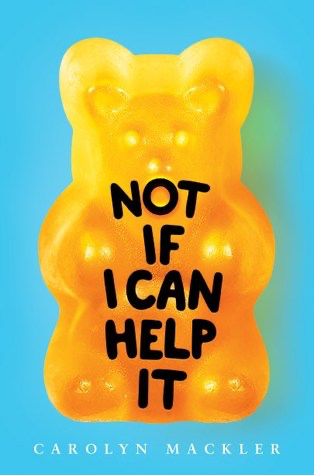
(SHOUTOUT TO NOT IF I CAN HELP IT, I FINALLY HAVE A MORSEL OF SPD REP)
for my lists from previous years, click here:
2022 (+ on having SPD and the lack of representation)
TELL ME WHAT YOU THINK! Have you read any of these books, and what did you think of them? What are your favorite books with disabled rep? Let me know in the comments!
Today’s song:
That’s it for this year’s Disability Pride recs! Have a wonderful rest of your day, and take care of yourselves!
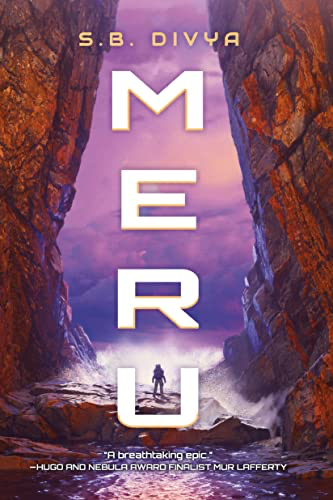
I’ve been eyeing this book for a while—I remember it being heavily advertised on Goodreads when it was first released, and normally, I don’t pay much attention to Goodreads ads or sponsored books, but all you had to say was “space opera” and I was hooked. I’m a woman of simple tastes. It was cheap on the Kindle library, so I bought it to read on vacation. To my excitement, it ended up being my favorite book that I read on vacation—so detailed and gripping!
Jayanthi, like all other humans in her day and age, are confined to Earth. Kept there by the Alloys, evolved human descendants with advanced capabilities, she has been raised by Alloy parents on her homeworld, but has always dreamed of seeing the wider galaxy. But when an opportunity arises for Jayanthi to explore the newly discovered planet Meru with the aid of an Alloy pilot, she jumps at the chance—what better way to show the galaxy that humans are more than their violent past?
With the help of Vaya, her Alloy pilot, Jayanthi touches down on Meru. Soon, they find themselves embroiled in a human-alloy conflict, seemingly engineered to separate the two of them. Will Jayanthi and Vaya beat the odds—and restore faith in the human race?
TW/CW: ableism, xenophobia (fictional), sexual content/pregnancy, descriptions of injury, sci-fi violence
I got carsick while reading this book, but I don’t hold it against it at all. That was on me and my hubris of thinking that I wouldn’t get nauseous on a long car trip just this once. Whoops.
Reading some of the lower-rated reviews of Meru is kind of cracking me up…listen. I get that zie/zir pronouns (and neopronouns in general) are somewhat obscure, but of all the absolutely wild, dense, and out-there concepts that this book throws at you, that’s what makes you jump ship? Not the exceedingly complicated…well, everything else?
That being said, Meru lived up to the hype I’ve seen it getting for the past few months! It hit a sweet spot for me that a lot of sci-fi and fantasy books rarely do—creating a complex and multilayered universe, but very delicately balancing when and where to deliver all of this information. Divya came very close to going over the edge, but she navigated the worldbuilding delivery with aplomb.
So, about said worldbuilding. I’d say that Meru isn’t for the faint of heart, even for longtime sci-fi fans—as I mentioned in the beginning of the review, there’s a lot to take in, from the post-human history of the Alloys to all of the machinations surrounding new genetic modification laws in the future. But even though we do get some of this information in larger chunks, Divya excels at navigating which information is actually relevant to the scene it’s informing, and not sledgehammering you with extra information that only becomes relevant elsewhere in the book. It also helps that every inch of said worldbuilding is truly fascinating—it’s clear to see how much care was put into the creation of this universe.
If you’re talking about disability in sci-fi, you’re generally bound to open a particularly dicey can of worms. There’s quite a lot of eugenics narratives that a lot of readers have let slide for years, and the narrative of curing all disabilities is seen as positive, when a lot of the disabilities being described never needed curing in the first place. For the sake of this review, I’ll keep it short, but the bottom line is that it’s gross. But Meru takes a refreshing perspective on disability in sci-fi—not only was Jayanthi, the protagonist, specifically engineered to have sickle-cell anemia (now THAT’S a subversion I like), her disability is depicted in a far more advantageous and positive light. Anyone who’s ever touched a high school biology textbook probably remembers this example: despite its drawbacks, those with sickle-cell also have increased resistance to many tropical diseases. That’s exactly the case for Jayanthi, whose sickle-cell anemia makes her more suited to the environment of the planet Meru than those without it. Positive disability rep is good enough, but having it specifically depicted as something that gives the character the edge is something special. That, along with the wonderful discussions around disability and bodily autonomy (both allegorical and literal), made Meru a wonderful experience for me as a disabled reader.
In addition, Divya has created such a vibrant cast of characters in Meru! Jayanthi was such an endearing and powerful protagonist, and her relationship with the equally endearing Vaha was full of tenderness, despite its ups and downs. Almost all of the cast added to the book’s masterful suspense and tension, making you feel deeply for all of the relevant characters before things got (very) hairy. Plus, the integration of Sanskrit, several Indian-coded (and other POC characters), and loads of casual queerness was a breath of fresh air from all of the white, male, cishet sci-fi that still dominates the market. We need more books like Meru.
All in all, an intricately-crafted sci-fi novel that dazzled with its detailed worldbuilding, diversity, and refreshing discussions around disability. 4 stars!
Meru is the first book in S.B. Divya’s Alloy Era series, continued by the forthcoming Loka, slated for release in July of 2024. Divya is also the author of Machinehood and Run Time, as well as a contributor to several short story collections.
Today’s song:
NEW SMILE IT’S SO GOOOOOOOOOOOOOOOD (does this mean that we’re closer to hearing “Read the Room” too?????
That’s it for this week’s Book Review Tuesday! Have a wonderful rest of your day, and take care of yourselves!
Earlier this month, I was looking for some books with autism rep for Autism Acceptance Month. I stumbled upon this one on a Goodreads list, and it seemed like a fun read. And while I did have some problems with the writing style, it was a solid romance through the lens of a young Autistic woman!
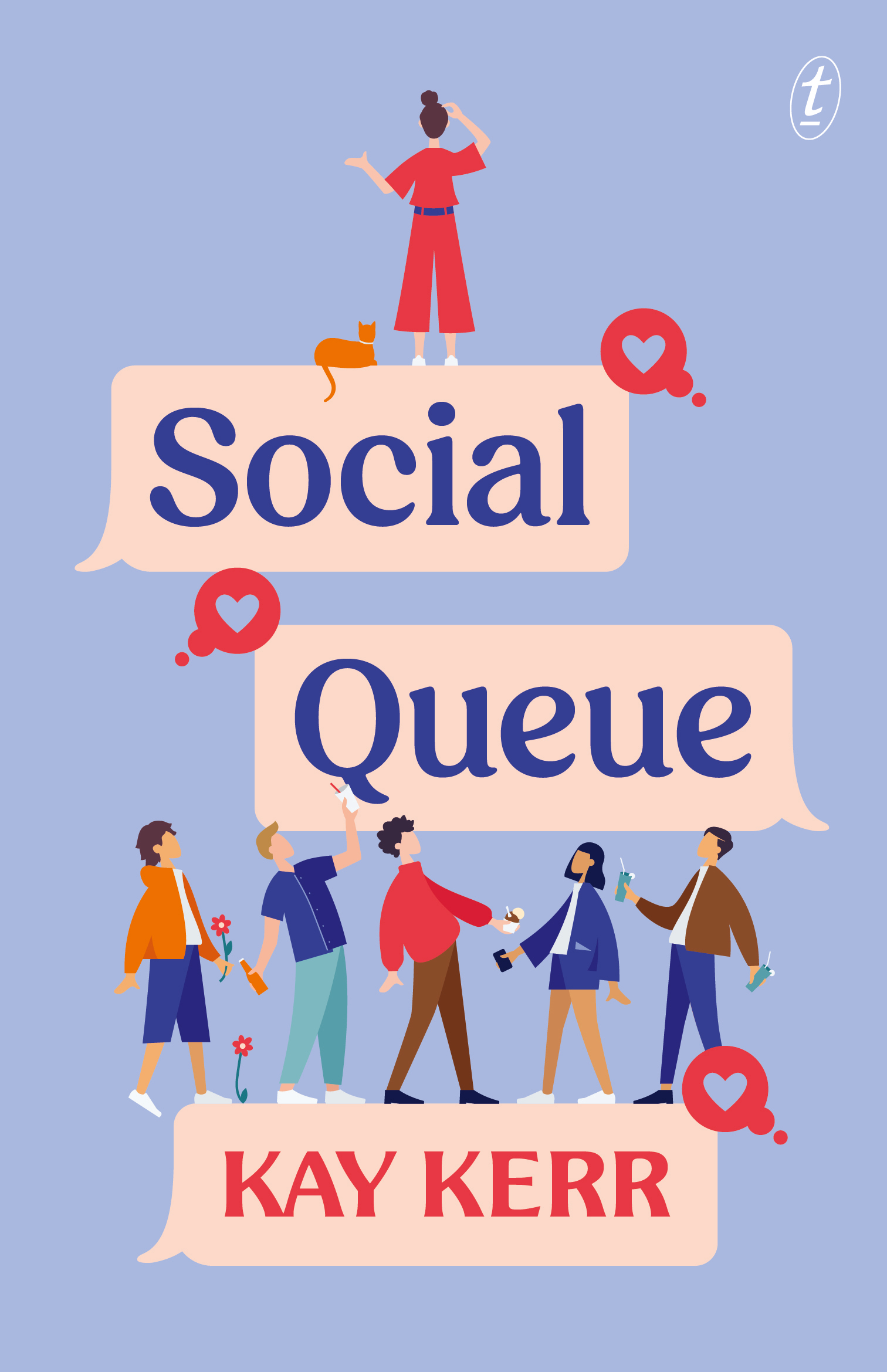
18-year-old Zoe is determined to turn over a new leaf. After a string of bad experiences in high school, she lands an internship at an online media company, where she writes pieces about her dating experiences—or lack thereof. But when these pieces get noticed by some of her old high school classmates, Zoe must reassess her idea of romance—and if taking second chances is worth it at all.
I found this one mostly on a whim (the quest for good disability rep never ends) and figured that it would be a good read for Autism Acceptance Month this year. And…I’ve come out of it with mixed feelings. I did like it, and I’d say it was a solid read. But I just had such a hard time getting into the writing, and while I loved all of the discussions around autism and disabled identity in general, they often came out very forced.
Let’s start with the good stuff. Zoe was a great protagonist, and she was the perfect fit for this kind of story. Although I wished we could have seen some more personality from her, I loved the journey of self-love and acceptance that she goes on over the course of this book. She had great character development, and her interactions with the other characters felt authentic and genuine. I can’t speak to how accurately her autism was depicted, but as a neurodivergent person, a lot of it felt very authentic, what with the sensory overload and whatnot. Either way, it’s always incredibly refreshing to see disabled characters/stories actually being written by disabled authors, so Kay Kerr deserves a thank you just for that.
There were some great conversations about autism and about disability in general as well in Social Queue! Zoe’s experiences—especially with her well-intentioned but ultimately harmful coworker trying to write about disabled issues—were so important to have in a book, and Kerr handled all of them very well. I loved the emphasis on restructuring the language we use around disabled people, especially removing the context of disability automatically being synonymous with suffering and doing away with the narrative of “overcoming” one’s disability. Social Queue raises so many questions that are so often left out of conversations about disability (and in feminism in general), and even as a piece of fiction, it works as a good primer for somebody looking into disabled issues.
That being said, some of the situations which Kerr tried to implement said conversations about disability came off as forced to me. For instance, early on in the novel, Zoe witnesses an instance of police brutality directed at an Autistic man. While this is a great starting point for conversations about disability and police brutality, it felt…blatantly like a plot device, like this horrifying instance of police brutality was set up just so that these conversations could be had in the book. Even though said conversations stemming from it were worth having, the placement and writing of it just made such a horrifying thing into nothing more than a conversation starter. Didn’t leave the best taste in my mouth.
I think part of why that instance didn’t work was because of Kerr’s writing style. Just like the cover, which looks like it was made in 15 minutes on Canva, nothing about it felt very distinct; none of the characters had unique voices, and most of the descriptions of the plot were mostly concerned with going from point A to point B without much embellishment. I’m not saying that Kerr should’ve gone headfirst with the purple prose, but the writing felt so dry that it needed some kind of embellishment, anything to make it more interesting. Even though Zoe was a solid character, this writing made for a significant amount of disconnect between her and some of the other characters that we were supposed to sympathize with.
Additionally, the romance aspect was iffy for me. I loved the premise of Zoe reconnecting with people from her high school and exploring her sexuality, but since the writing was so bland, most of said love interests were interchangeable to me. The only distinguishing factor was a) one of them was a girl (we love to see characters questioning their sexualities, though!! good stuff), and b) that one of them was a creep. That was pretty much it. Also, the fact that Zoe ended up with Gabe after all that infuriated me. I get forgiving and forgetting, but if a guy makes a WHOLE CLASS PRESENTATION about how you’re “so inspiring” just because you’re disabled, I WOULDN’T EVEN CONSIDER GIVING HIM A SECOND CHANCE. WHY. Apologies aren’t even enough at that point. That’s just disgusting. And I’m glad that they did cover that, but…Zoe. Bestie. You can do so much better than him. There was a lot of “he was mean to you because he had a crush on you, so it’s fine” action in Social Queue as a whole too, which rubbed me the wrong way, but Gabe was the most offensive for me.
All in all, a romance novel that did a good job of representing disabled and Autistic issues, but was let down on several occasions by its bland writing. 3 stars.
Social Queue is a standalone, but Kay Kerr is also the author of Please Don’t Hug Me and Love & Autism.
Today’s song:
BABE WAKE UP NEW PALEHOUND JUST DROPPED
That’s it for this week’s Book Review Tuesday! Have a wonderful rest of your day, and take care of yourselves!
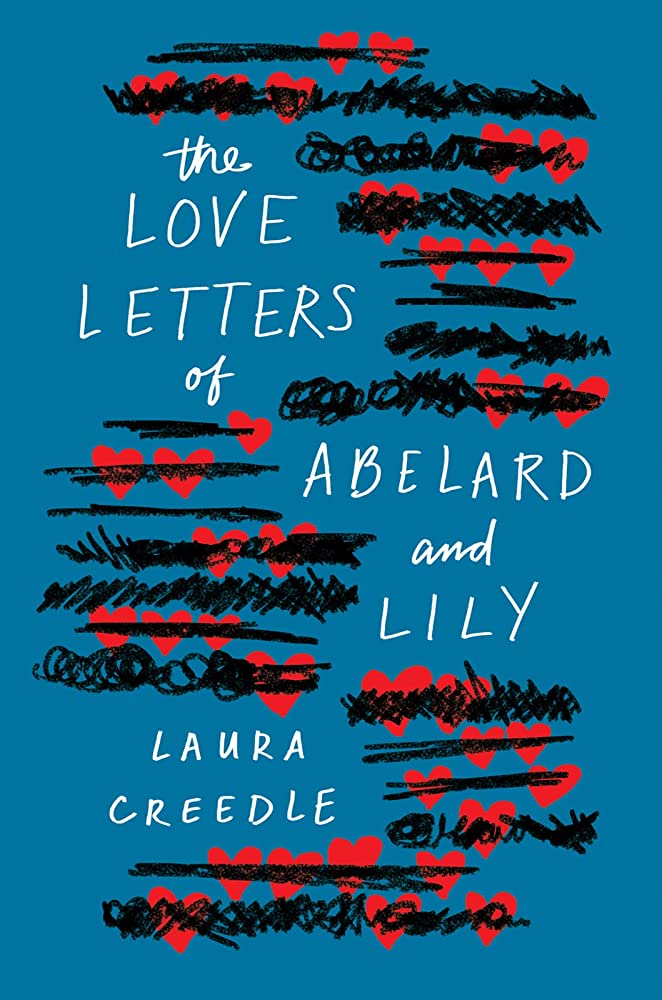
As some of you may know, April is Autism Acceptance Month here in the U.S.! I don’t think I’ve highlighted a book list for the occasion, but in my ongoing quest for disability rep in general, I’ve come across many great books with Autistic protagonists and stories. If you’re looking to diversify your reading, it’s always important to uplift every kind of marginalized voice, and disability rep in general often gets left in the dust. So I’ve compiled a list of books by Autistic (with one exception—the author is still neurodivergent, just not Autistic) for this month.
NOTE: some of the older books on this list may still use the term Asperger’s, but in recent years, the term has since been renamed to Autism Spectrum Disorder (ASD) in the DSM-5, in part because of its association with Hans Asperger, who was involved with Nazism. Some people still use the term, but it is still important to acknowledge the history behind the term.
Enjoy these book recs!
THE BOOKISH MUTANT’S BOOKS FOR AUTISM ACCEPTANCE MONTH
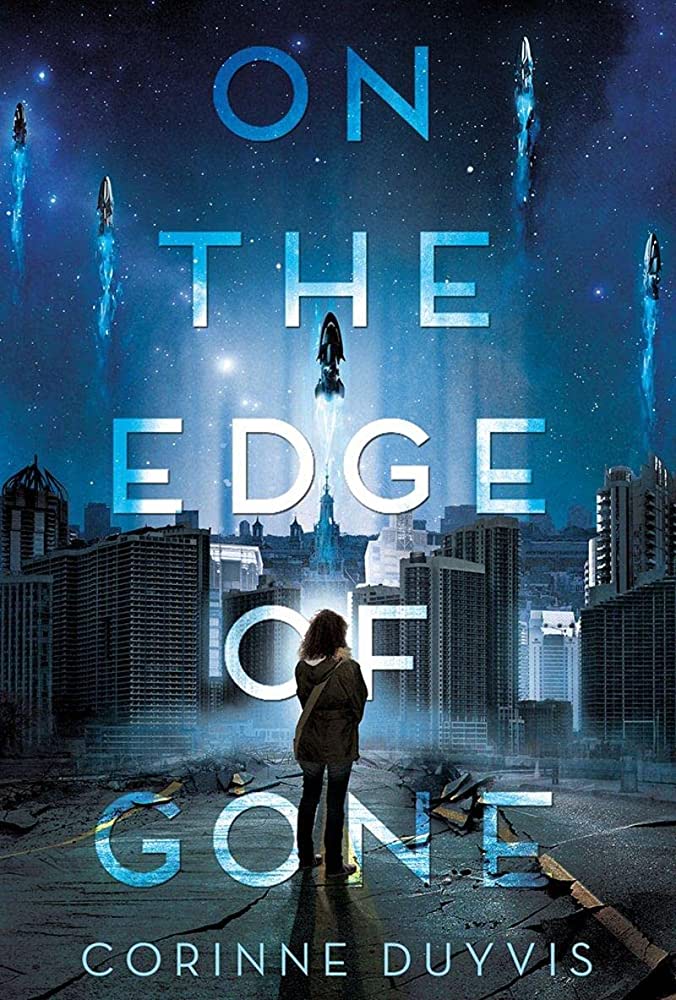
On the Edge of Gone – Corinne Duyvis: (YA, Sci-fi) a harrowing, dystopian vision of the world moments after a comet’s blast changes a girl’s life forever. | ⭐️⭐️⭐️.5
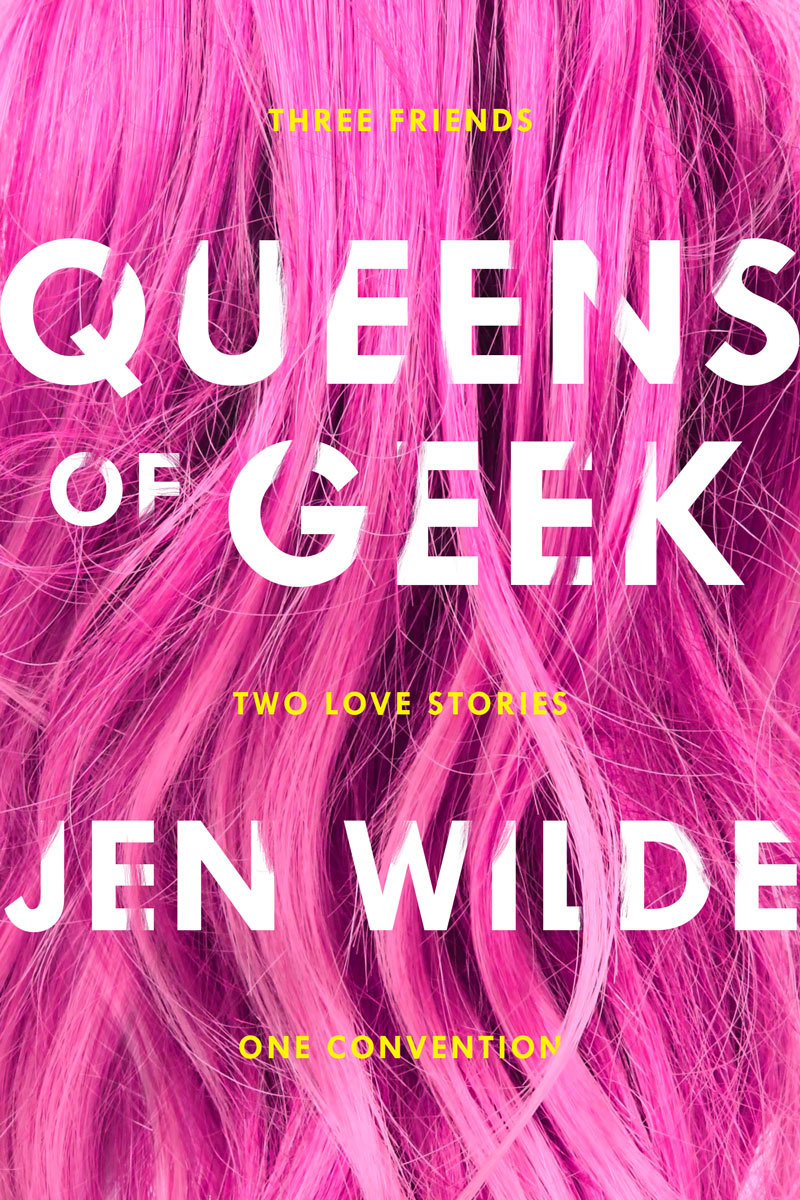
Queens of Geek – Jen Wilde: (YA, Fiction) a fun love letter to comic cons, fandom, and geek culture! | ⭐️⭐️⭐️⭐️
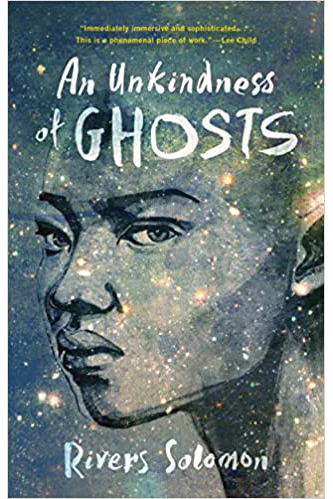
An Unkindness of Ghosts – Rivers Solomon: (Adult, Sci-fi) the raw, unforgettable story of a colony ship structured like the Antebellum South, and one woman’s quest to change things for the better. | ⭐️⭐️⭐️⭐️
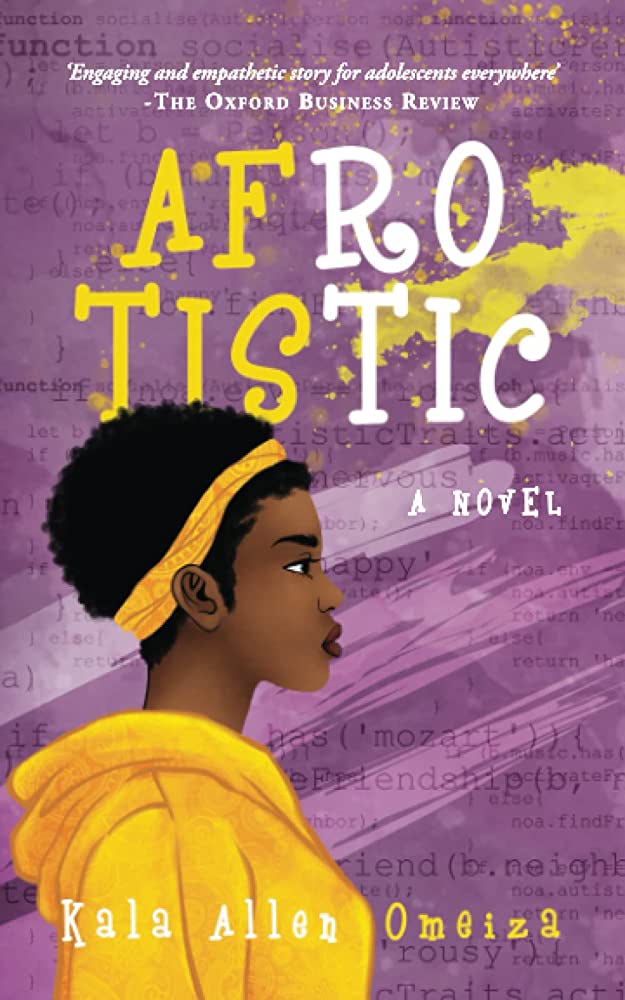
Afrotistic – Kala Allen Omeiza:(YA, Fiction) I love that this novel centers a young Black Autistic girl—it’s so refreshing to see disability rep that isn’t just white!
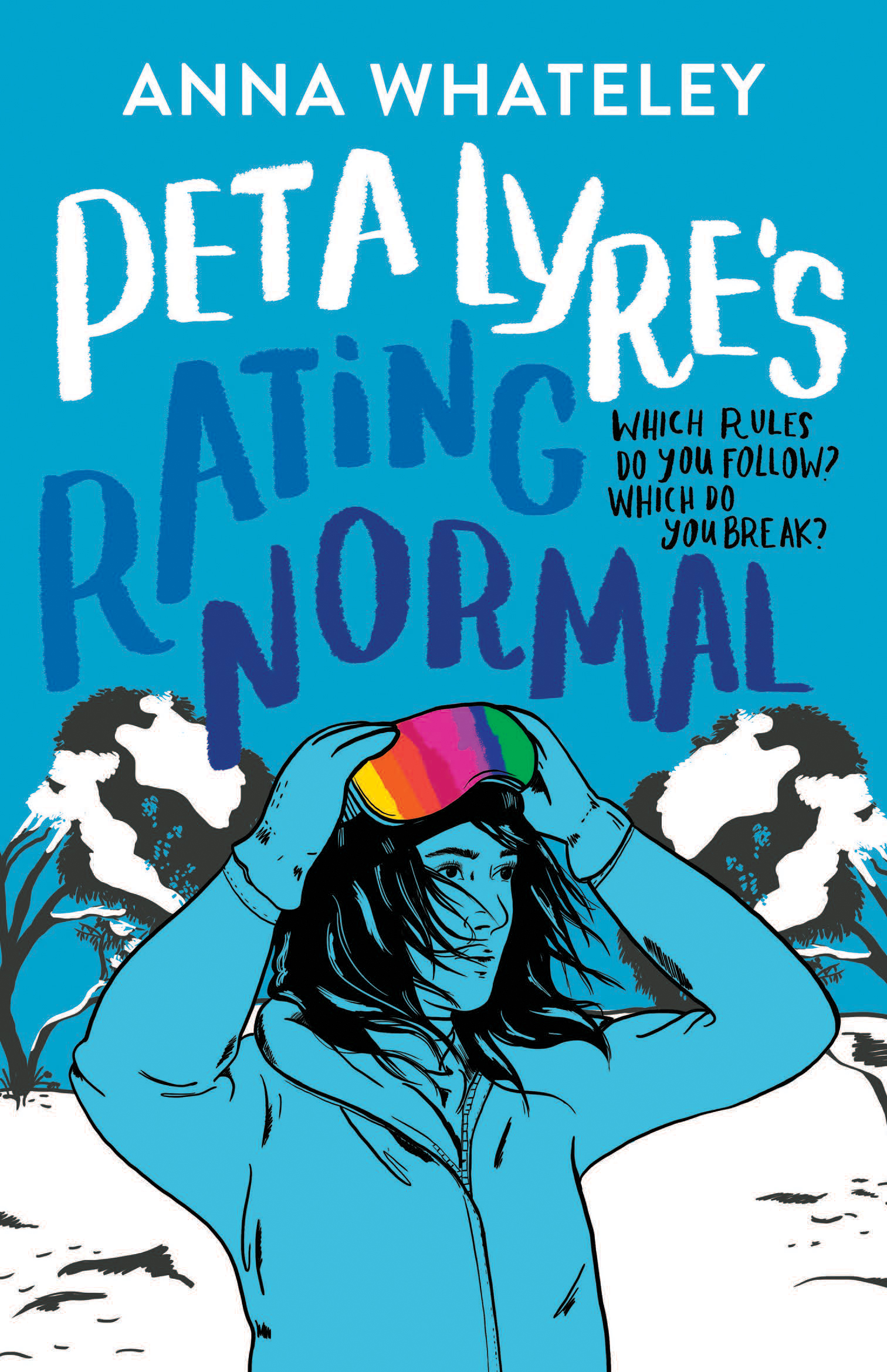
Peta Lyre’s Rating Normal – Anna Whateley: (YA, Fiction) I’m a woman of simple tastes. I see queer and neurodivergent rep, and I click “want to read” without a second thought.
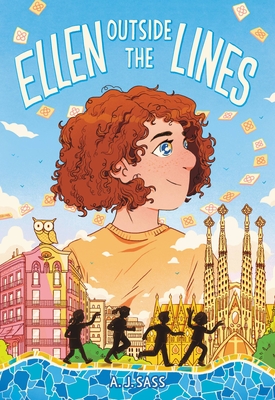
Ellen Outside the Lines – A.J. Sass:(MG, Fiction) I don’t read much MG these days, but I’m excited about the queer and Autistic rep in this one!
Social Queue – Kay Kerr:(YA, Fiction) I just started reading this one—I’m excited to see how it explores autism and dating!
TELL ME WHAT YOU THINK! Have you read any of these books, and if so, did you like them? What are your favorite books with Autistic rep? Let me know in the comments!
Today’s song:
That’s it for this list of recommendations! Have a wonderful rest of your day, and take care of yourselves!
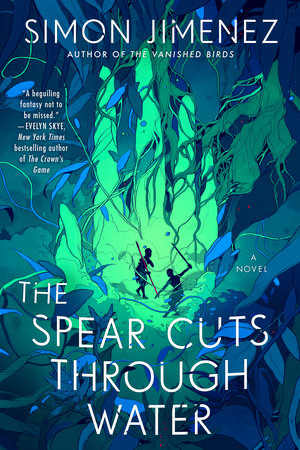
I was in a fantasy mood recently, so I decided to pick up The Spear Cuts Through Water after hearing some rave reviews from other bloggers. The gorgeous cover only added to the sell. But in the end, this novel ended up being a major disappointment—a murky, 500+ page slog that was only enjoyable for fleeting moments. I really need to stop setting myself up for disappointment with all these overly long high fantasy books…
The Emperor of the Moon Throne has terrorized the land of the Strangled Throat for centuries, aided by his three reckless sons, aptly dubbed The Terrors. But like everything else that he has seized, the Emperor’s power comes from an age-old moon god who has been locked under the palace against her will. But a god is not meant to be kept in captivity.
So she escapes. Aided by Jun, a disgraced palace guard, and Keema, a warrior from a distant, mysterious land, she sets off on a journey to find her freedom. But the Moon Throne will not let go of her so easily…
TW/CW: ableism, cannibalism, child abuse, murder, body horror, substance abuse, mentions of sexual assault (off-page), torture, loss of loved ones
This is one of those instances where I feel like I’ve read a completely different book than all of the 5-star reviewers. I really wanted to like it—and there were a few things that I did like—but ultimately, it felt like a 20-minute prog-rock song in book form: well-written, but so unneccesarily convoluted and full of itself that it became insufferable.
Before I go on my tirade, I will acknowledge that there were some wonderful, very bold and skilled parts of this novel. Jimenez’s writing had moments of being both beautiful and insightful—there were a few anchors to pull me through the slog, and his prose had moments of being incredible. 2nd person is always a bold choice, but unlike other aspects of this novel, it was executed very well, succeeding at being both immersive and fresh without feeling like it was bold just for the sake of being so.
“Bold” is generally I word that I could ascribe to most of this book. A lot of it was written in a fresh, nontraditional way, and I appreciated its execution in some sections. But a lot of it just felt like showing off—having unconventional chapter breaks and an infuriating structure just for Jimenez to show that he was capable of doing so. Most of these ended up being to the novel’s detriment. The random “chapter” breaks (there really weren’t any chapters in this book?), which mostly just ended up being sized-up font that was, essentially, what should have just the first sentence of the paragraph. And since they were all just first sentences of the paragraph, there were 2-3 of these breaks per page. POVs got switched without warning and without explanation, making the reading experience overcomplicated where it could’ve been an easy fix. It just felt like it was biting itself in the foot in the name of art—it could have been a beautiful story, if it wasn’t so intent on showing off how “different” it was.
As a result, so much of this novel got lost. Even though I was fairly lost trying to discern whose POV is it this time, I did notice one thing while reading The Spear Cuts Through Water—where’d the worldbuilding go? Other than the vague notion of a fantasy world (gods and goddesses, some talking animals/spirits, etc.), I had no idea of the layout of the world, the regions of the world, any kind of cultural cues or conventions, any kind of magic system…it just wasn’t there. At all. The same goes for the characters—they were all but cardboard, moved around like pawns for seemingly no reason. (I get that they were under oath by the Moon God, but the point still stands. They didn’t need to be that stiff.) Other than the reveal about Keema, nothing compelled me about either of them, or any of the other passing side characters. This novel was just so intent on chasing itself in circles that it forgot the essential elements that a novel needs.
All in all, a fantasy with great potential, but that ended up losing itself under layers of attempts to be daring and new. 2 stars.
The Spear Cuts Through Water is a standalone, but Simon Jimenez is also the author of The Vanished Birds.
As some of you may know, last week (March 20-27) was when the #TransRightsReadathon was hosted in response to a dangerous increase in anti-trans legislation across the U.S. Created by Simi Kern, the goal of the readathon was to give the spotlight to as many trans books and authors as possible to bring them awareness and support in light of the rampant transphobia across the country and beyond. It’s been frightening and heartbreaking to see what’s happening in other states, and I want to support my trans siblings in any way possible. So I’ve decided to include shorter reviews of all of the trans books I read this week—all of which were good!
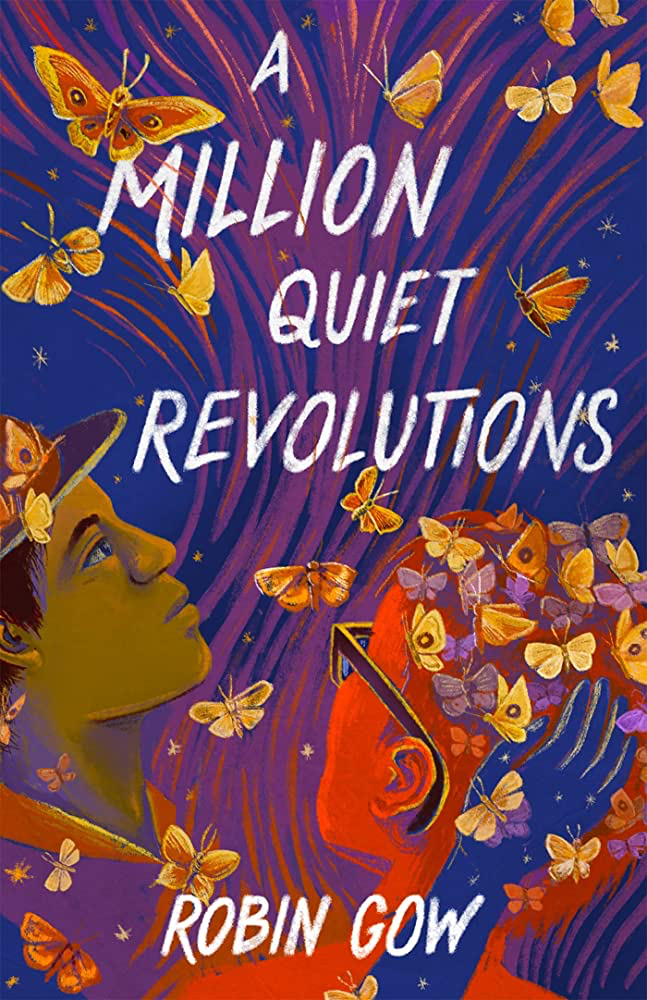
For as long as they can remember, Aaron and Oliver have only ever had each other. In a small town with few queer teenagers, let alone young trans men, they’ve shared milestones like coming out as trans, buying the right binders–and falling for each other.
But just as their relationship has started to blossom, Aaron moves away. Feeling adrift, separated from the one person who understands them, they seek solace in digging deep into the annals of America’s past. When they discover the story of two Revolutionary War soldiers who they believe to have been trans man in love, they’re inspired to pay tribute to these soldiers by adopting their names–Aaron and Oliver. As they learn, they delve further into unwritten queer stories, and they discover the transformative power of reclaiming one’s place in history.
TW/CW: transphobia, dysphoria, misgendering/deadnaming, homophobia, off-page sexual assault, religious bigotry
Novels in verse always get me when they’re done well, and A Million Quiet Revolutions was no exception. The story of Aaron and Oliver is one that was essential to be told, and it resulted in a beautifully poignant piece of verse!
The growing relationship between Oliver and Aaron felt so genuine, and the combination of pseudo-epistolary format (oh god, that sounded pretentious…) with verse emphasized the way that their relationship transcended barriers of both place and time. The interweaving of the past with the present gave me an insight into a queer part of history that I’m almost embarrassed that I didn’t consider until reading this—better late than never, I suppose. Their voices both leapt off the page, and the easy flow of Gow’s verse made the reading experience feel effortless, drifting like wind—good poetry, to me, doesn’t quite feel like poetry; the rhythm remains, but it doesn’t feel like going line by line in such a rote way.
Above all, the message of this novel in verse is one that’s so important, especially in a time where the narrative of LGBTQ+ people being trendy and new is being pushed so often—queer people have always been here, and we will always be here. Aaron and Oliver’s journey of researching their trans namesakes—cross-dressing soldiers in the Revolutionary War—was one that’s so necessary for understanding our own roots. The key to belonging is realizing that you have always been a part of history, no matter how many pains historians have taken to ignore or deliberately erase the queerness and transness that has always been there. For me, that’s why A Million Quiet Revolutions is such an important read.
Brimming with history and rich verse, A Million Quiet Revolutions is an ode to discovering your own roots, and finding solace in hidden histories. 4 stars!
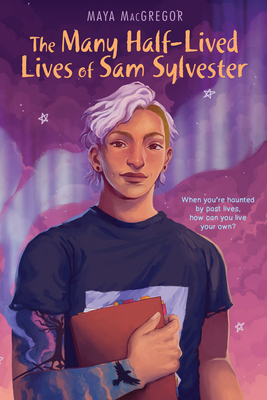
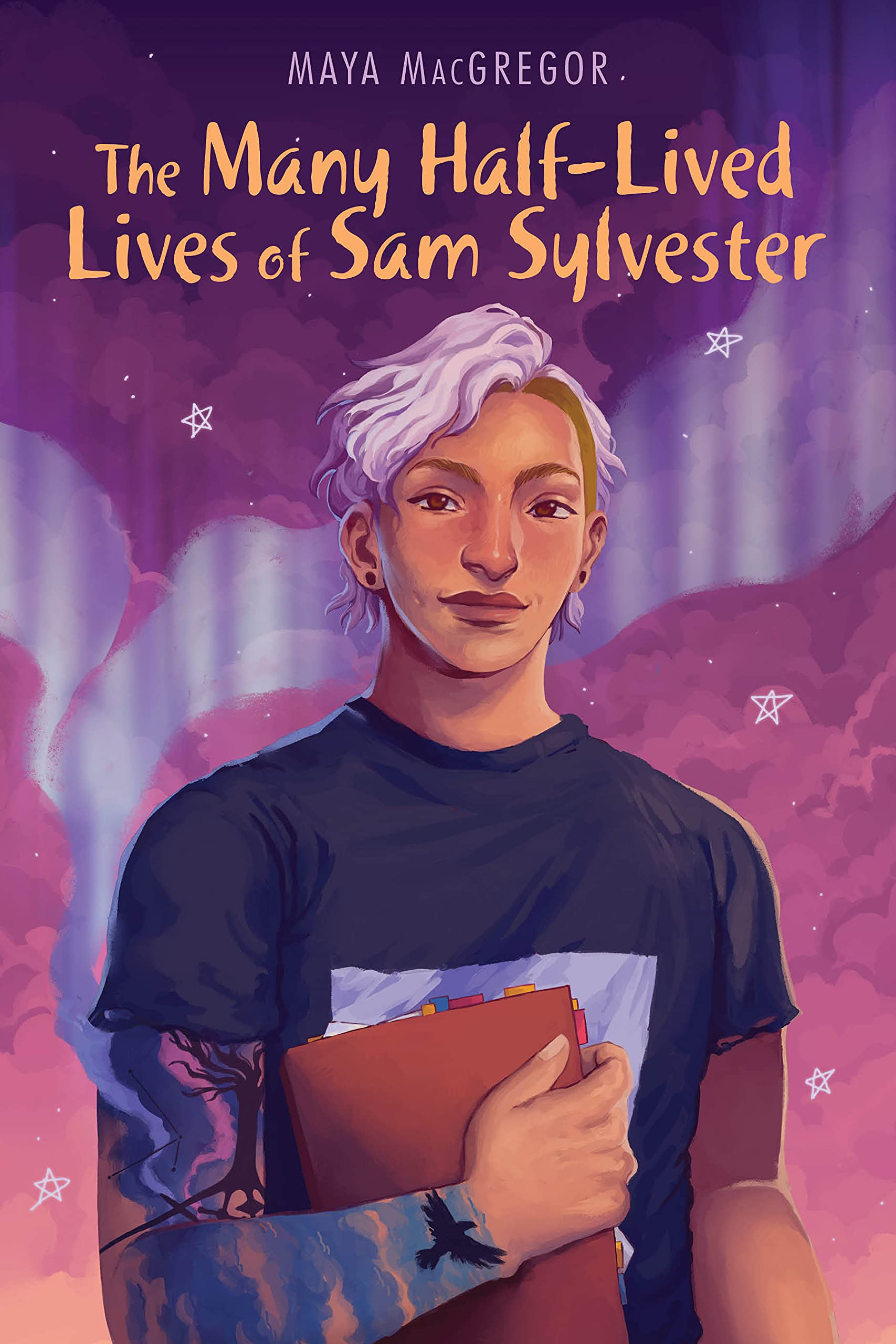
In this queer contemporary YA mystery, a nonbinary teen with autism realizes they must not only solve a 30-year-old mystery but also face the demons lurking in their past in order to live a satisfying life.
Sam Sylvester’s not overly optimistic about their recent move to the small town of Astoria, Oregon after a traumatic experience in their last home in the rural Midwest.
Yet Sam’s life seems to be on the upswing after meeting several new friends and a potential love interest in Shep, the pretty neighbor. However, Sam can’t seem to let go of what might have been, and is drawn to investigate the death of a teenage boy in 1980s Astoria. Sam’s convinced he was murdered–especially since Sam’s investigation seems to resurrect some ghosts in the town.
Threatening notes and figures hidden in shadows begin to disrupt Sam’s life. Yet Sam continues to search for the truth. When Sam discovers that they may be closer to a killer than previously known, Sam has a difficult decision to make. Would they risk their new life for a half-lived one?
My ultimate hope was that this book would be as well-crafted as its cover, and for the most part, it lived up to my expectations! The Many Half-Lived Lives of Sam Sylvester deftly toes the line between a coming-of-age story and a decades-old mystery, buoyed by a diverse and lovable cast.
Sam Sylvester has a batch some of the most diverse representation I’ve seen in a realistic fiction/mystery novel in a while—aside from having a nonbinary, asexual, and Autistic protagonist (more neurodivergent protagonists, please!!), there were so many different characters that were incredibly intersectional—queer, POC, and disabled characters all across the board, and not just the teen characters too! All of these identities were woven so well into the story, and I loved the journey of self-acceptance and reckoning that Sam experiences throughout the novel as they unravel the mystery of the boy who died in their room 30 years ago.
That being said, although I liked most every aspect of this novel, this really feels like a novel that’s going to date itself. I enjoyed a handful of the references (always extra points for David Bowie), but a lot of the more recent ones—the references to Tumblr, Gen Z slang, internet culture, and a Steven Universe gag every other page, read as very hackneyed and stilted. As authentic as the rest of Sam Sylvester was, those parts dragged down what would have otherwise been powerful and realistic dialogue. Most of the writing did its job and did it well, but the attempt to ground it in the present day only ended up making a novel that’s going to date itself far quicker than it was probably intended to.
Despite that, I’d say that Sam Sylvester is still a must-read—for the excellent representation, for the mystery, and for the coming-of-age story. 3.75 stars, rounded up to 4!
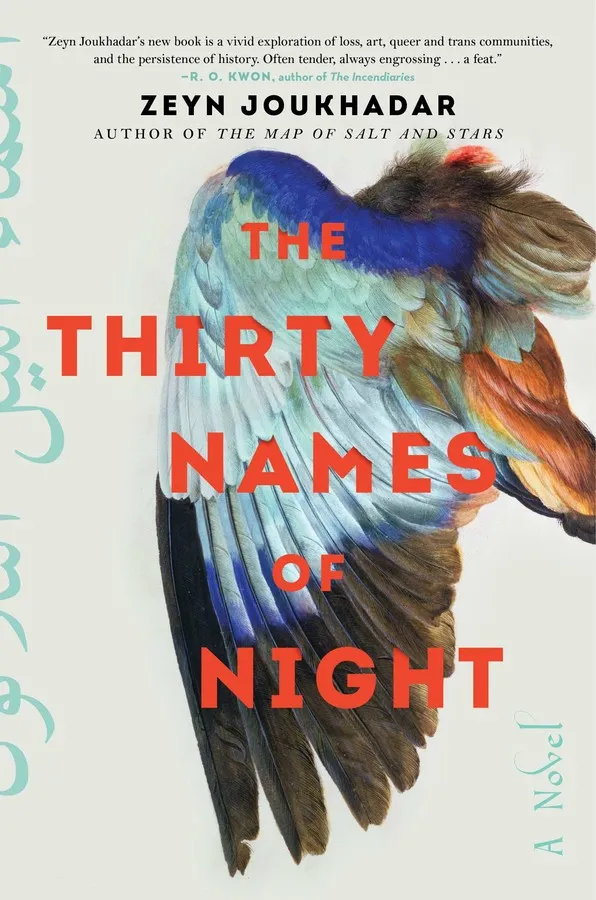
The author of the “vivid and urgent…important and timely” (The New York Times BookReview) debut The Map of Salt and Stars returns with this remarkably moving and lyrical novel following three generations of Syrian Americans who are linked by a mysterious species of bird and the truths they carry close to their hearts.
Five years after a suspicious fire killed his ornithologist mother, a closeted Syrian American trans boy sheds his birth name and searches for a new one. He has been unable to paint since his mother’s ghost has begun to visit him each evening. As his grandmother’s sole caretaker, he spends his days cooped up in their apartment, avoiding his neighborhood masjid, his estranged sister, and even his best friend (who also happens to be his longtime crush). The only time he feels truly free is when he slips out at night to paint murals on buildings in the once-thriving Manhattan neighborhood known as Little Syria.
One night, he enters the abandoned community house and finds the tattered journal of a Syrian American artist named Laila Z, who dedicated her career to painting the birds of North America. She famously and mysteriously disappeared more than sixty years before, but her journal contains proof that both his mother and Laila Z encountered the same rare bird before their deaths. In fact, Laila Z’s past is intimately tied to his mother’s—and his grandmother’s—in ways he never could have expected. Even more surprising, Laila Z’s story reveals the histories of queer and transgender people within his own community that he never knew. Realizing that he isn’t and has never been alone, he has the courage to officially claim a new name: Nadir, an Arabic name meaning rare.
As unprecedented numbers of birds are mysteriously drawn to the New York City skies, Nadir enlists the help of his family and friends to unravel what happened to Laila Z and the rare bird his mother died trying to save. Following his mother’s ghost, he uncovers the silences kept in the name of survival by his own community, his own family, and within himself, and discovers the family that was there all along.
TW/CW: transphobia, xenophobia, racism, Islamophobia, miscarriage, grief, sexual assault, animal death, loss of a parent
I didn’t go into The Thirty Names of Night with any expectations, but I was stunned by the writing! This novel is one of the best magical realism novels I’ve read in recent years, with writing as rich as a tapestry and a story that’s just as well-woven.
Joukhadar’s writing style was the star of Thirty Names; this is the first of his novels that I’ve read, but he has such a unique talent for finding unlikely comparisons and weaving them into the richest, most obvious but out-of-sight metaphors imaginable. I would never have compared the gray sky on a foggy day to the color of a kitchen knife, and somehow, it was right in front of me. His talent for metaphor suited the emotional depth of this story, as well as the almost fantastical element of the birds in New York—I will never claim to be the expert on him, but if there was any story that was suited for Joukhadar to tell, it’s this one.
That writing also made the emotional core of this story possible. There’s so much to Thirty Names: gender identity, grief, heritage, family, and the body itself, but all of it was handled with such grace and aplomb that made the story feel really, truly real. I might’ve even passed the aspect of the birds by as something that could feasibly happen with how this story was written. Every part of this novel is deeply moving, raw and beautiful, and the prose flows as smoothly as air over a bird’s wings.
All in all, a beautiful, literary tale of connections—to family, to gender, and to the world around us at large. 4.25 stars!
“If you control our sleep, then you can own our dreams…And from there, it’s easy to control our entire lives.”
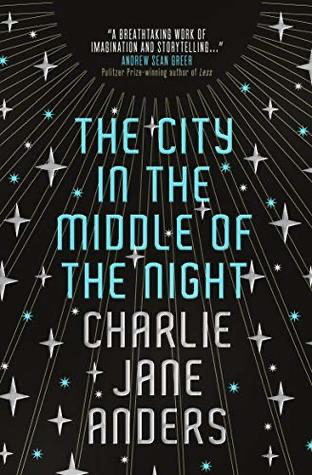
From the brilliant mind of Charlie Jane Anders (“A master absurdist”—New York Times; “Virtuoso”—NPR) comes a new novel of Kafkaesque futurism. Set on a planet that has fully definitive, never-changing zones of day and night, with ensuing extreme climates of endless, frigid darkness and blinding, relentless light, humankind has somehow continued apace—though the perils outside the built cities are rife with danger as much as the streets below.
But in a world where time means only what the ruling government proclaims, and the levels of light available are artificially imposed to great consequence, lost souls and disappeared bodies are shadow-bound and savage, and as common as grains of sand. And one such pariah, sacrificed to the night, but borne up by time and a mysterious bond with an enigmatic beast, will rise to take on the entire planet–before it can crumble beneath the weight of human existence.
TW/CW: animal attack/animal death, police brutality, body horror
Alright, so the only explicitly stated Latinx characters, specifically of Mexican ancestry, are named…Carlos and Maria? So most everybody else gets semi-unique names, but not them? It’s like Cho Chang all over again…[LOUD INCORRECT BUZZER}
If I hadn’t read Victories Greater Than Death beforehand, I would’ve been more suspicious, but it seems like Anders has gotten a lot better with diversity on that front, but…still iffy. Just saying.
That aside, The City in the Middle of the Night was one of the more inventive dystopias that I’ve read recently, but it fell victim to very convoluted writing. It’s obvious from every page that Anders put so, so much work into creating a fleshed-out world with an equally fleshed-out history—that was a riotous success on her part. The premise of society being divided by a tidally-locked planet felt eerily feasible, and I absolutely ADORED all of the alien life forms on the night side of January—the Gelet were obviously my favorites, but I would’ve liked to have seen more creatures. ALWAYS MORE CREATURES.
However, Anders’ writing choices ended up making parts of The City in the Middle of the Night something of a struggle. The story itself ended up being rather convoluted and tangled, and I found myself getting lost and confused about wait, which side of the planet are we on again? Why are we here in the first place? The additions of a boatload of characters that ended up having very little consequence to the plot at large didn’t help either. This story had the potential to be incredible, but it ended up getting so lost in itself that it became an ordeal to figure out where I was.
All in all, an inventively-conceived dystopia that excelled in worldbuilding but floundered in its writing. 3.25 stars.
Tell me what you think! Did you participate in the #TransRightsReadathon, and if so, what books did you read? What do you think of these books?Let me know in the comments!
Today’s song:
That’s it for this week’s Book Review Tuesday! Have a wonderful rest of your day, and take care of yourselves!
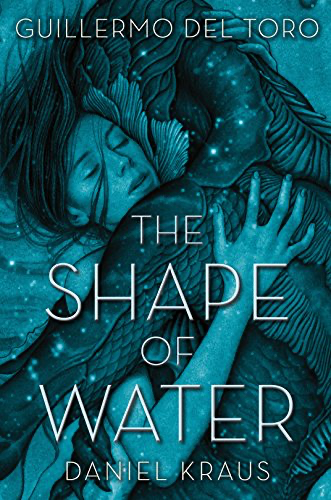
The Shape of Water has been my all-time favorite movie for several years now—I’m looking over my shoulder at the poster above my bed as I’m writing this. I had the novelization on my TBR for a few years, but only got around to it recently, probably for fear of it not living up to the film. I had no idea that it was a dual release with the film, but after reading it, the novelization of The Shape of Water struggled to live up to the poetic poignance of the film.
Visionary storyteller Guillermo del Toro and celebrated author Daniel Kraus combine their estimable talent in this haunting, heartbreaking love story.
The Shape of Water is set in Cold War-era Baltimore at the Occam Aerospace Research Center, which has recently received its most sensitive asset ever: an amphibious man captured in the Amazon. What unfolds is a stirring romance between the asset and one of the janitors on staff, a mute woman who uses sign language to communicate with the creature.
Developed from the ground up as a bold two-tiered release—one story interpreted by two artists in the independent mediums of literature and film — The Shape of Water weaves together fantasy, horror, and romance to create a tale that is equally gripping on the page and on the big screen.
TW/CW: racism, homophobia, xenophobia, ableism, misogyny, sexual harassment/assault, blood, gore, murder, animal death, loss of loved ones
The Shape of Water is a movie that’s touched my heart in a way that I doubt any other will. In summation, the film is a testament to the marginalized experience—any kind of marginalized or othered group—and self-love and acceptance. Guillermo del Toro is a storyteller without parallel, and maybe that’s why I was so hesitant to pick up the novelization for so long. I had no idea that it was a dual release with the film, but either way, my fears ended up being confirmed—Daniel Kraus’ novelization is faithful in the barest, structural way, but largely failed to capture the heart of the film’s message.
I’m not familiar with Daniel Kraus’ other novels, but even a quick scan on Goodreads tells me that he’s a frequent collaborator with Guillermo del Toro, which, after reading this, frankly surprises me. Del Toro’s storytelling, from this film to Pan’s Labyrinth and the most recent Pinnochio, has a consistently strong emotional core, something that anchors the fantastical elements to our most core human experiences. And somehow, Kraus chose to adapt this novel in the most flat, checklist-like way possible. Yes, all of the beats of the film were there, as well as some bonus content. But thanks to Kraus’ dry writing, the emotional core—what made the story so deeply impactful in the first place—apparently flew straight over his head.
Now, before I get into my major gripes, I will say this—the novelization picks up far more at the halfway point. The chapters that Kraus writes from the perspective of The Asset were an unmistakable highlight, charming, dreamlike, and refreshingly strange compared to most of the other perspectives. I almost find myself wishing that the scene with Bob Hoffstetler and The Asset made it to the film. And the very climactic events in the third act were dealt with the appropriate amount of weight, and the pace picked up significantly, unlike the steady pace of the movie. And as much as I love the dance scene, I completely get the decision to nix it from the novel—out of all of the scenes to translate from screen to page, that would be at the top of the page.
With that out of the way, I was bothered by how much emphasis Kraus places on the antagonist, Strickland. There were some fascinating scenes that never made it to the film of the process of him capturing The Asset in the South American rainforest; they were interesting additions, and although I liked them in general, it mostly ended up being Strickland being incredibly racist. It’s painfully on brand for his character, but beyond that, it seemed like his character got the most page time out of the whole cast. He is the main villain, sure, but given that this story is about the marginalized experience and he is the predatory antithesis to what the film stands for, the decision didn’t leave the best taste in my mouth.
My other main issue was how Kraus wrote the character of Elisa Esposito. For the most part, Kraus was somewhat faithful to her personality, but there were multiple instances where the descriptions of her were incredibly concerning. On several occasions, she is described as “childlike” and “[like] a kindergartener” in scenes where she is struggling to communicate her needs—for those of you who have not seen this film, Elisa is mute, and she uses ASL to communicate. It’s already offensive on the front that Elisa is such a treasured character to me, but Kraus seems to, once again, miss the message of the film by a mile, and ends up right smack in the middle of the all-too-common trope of infantilizing disabled people—especially disabled women. Elisa is in no way “childlike” for trying to communicate her needs—she is a grown woman, and she is frustrated by the struggle to communicate with her abled peers in a world that is not built for her. Let me say it again: Elisa Esposito is a grown woman. Even though Kraus was somewhat respectful in some of his other descriptions of her, but these instances all but negated everything else that he had established in the adaptation.
All in all, a structurally faithful, occasionally beautiful, but often frustrating adaptation of a film that will forever have the prime spot in my heart. 3 stars from a peeved Guillermo del Toro fan. Just watch the movie instead.
The Shape of Water is a standalone, as the film is, but Daniel Kraus has also collaborated with Guillermo del Toro on the novel Trollhunters. Kraus is also the author of The Life and Death of Zebulon Finch, The Teddies Saga, and several other books for all ages.
Today’s song:
saw these legends on Friday night—such a beautiful experience, and I’ve had this song on repeat ever since
That’s it for this week’s Book Review Tuesday! Have a wonderful rest of your day, and take care of yourselves!
Happy Wednesday, bibliophiles, and more importantly, Happy International Women’s Day!
Aside from that, the month of March in the U.S. is Women’s History Month! These past few years have been tumultuous for women here in the U.S. and elsewhere, with the attacks on bodily autonomy being some of the most violent in recent years. But despite it all, we cannot lose hope—by lifting each other up, we can foster an environment that respects women as equals. And as I’ve always said, literature is resistance: it isn’t just real-life heroes that can inspire us to incite change—fictional heroines can have just the same effect. So for the occasion, I’ve gathered even more feminist YA book recommendations.
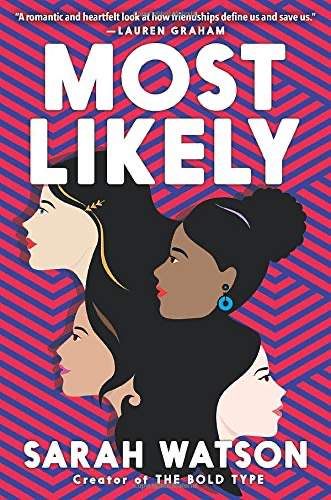
An intersectional story that weaves together the lives of four girls in their senior year of high school—one of which will become the president of the United States.
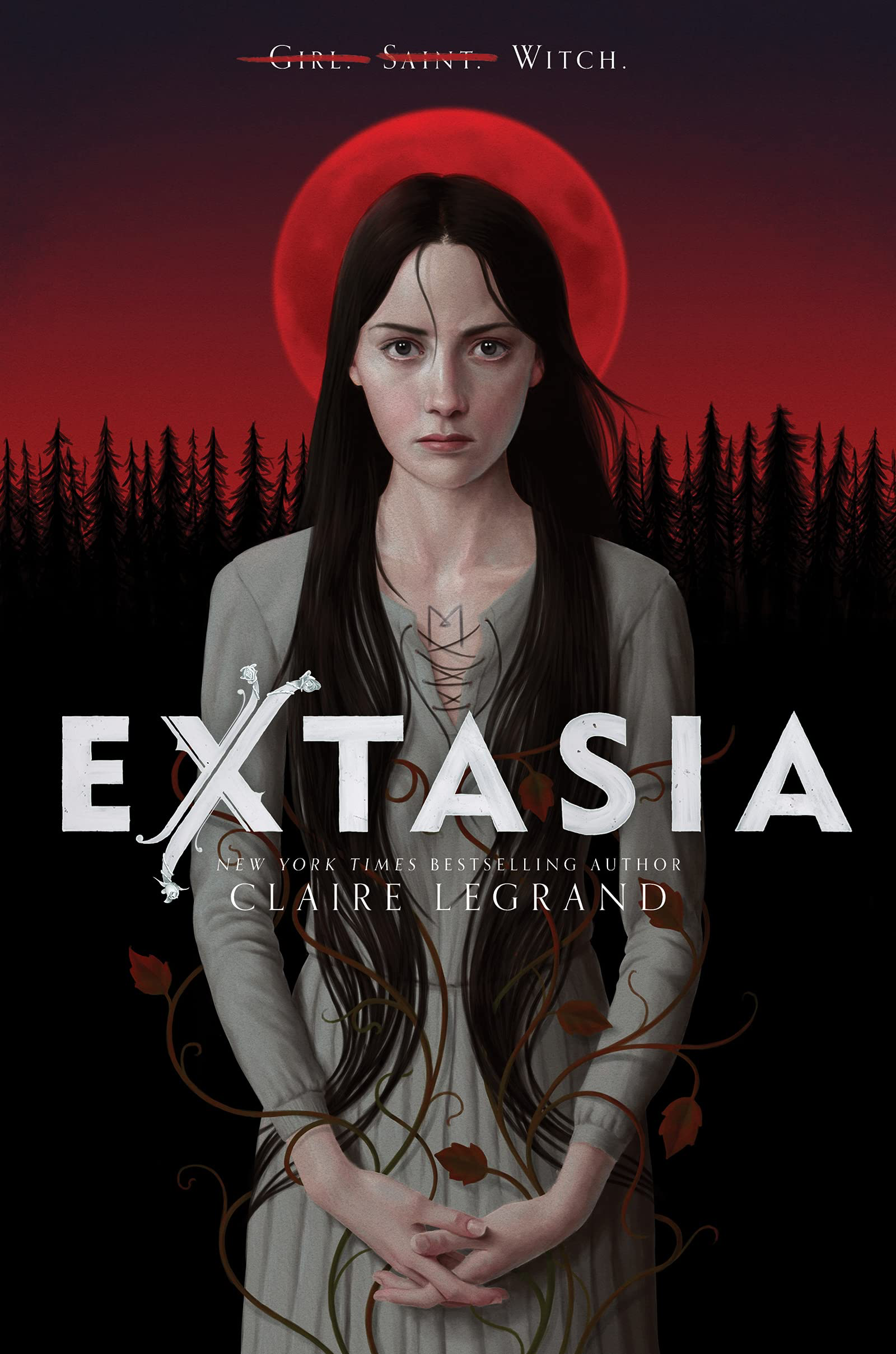
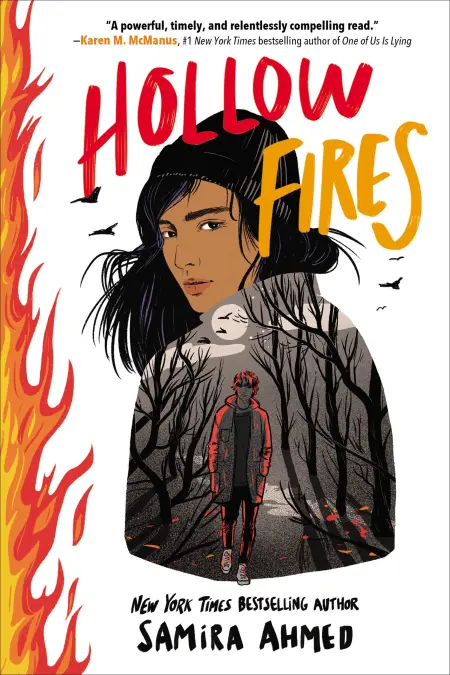
Samira Ahmed always ends up showing up on these lists, and for good reason—she’s never missed with any of her raw and fiercely feminist novels, and Hollow Fires is no exception.
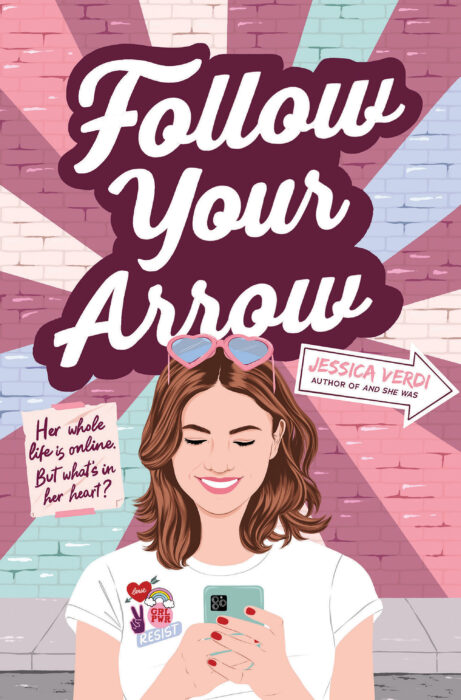
Though this book was far from perfect, I think it’s still worth it to put on this list; the writing and romance weren’t great, but Follow Your Arrow has plenty of timely discussions around bisexuality and how we treat queer women.
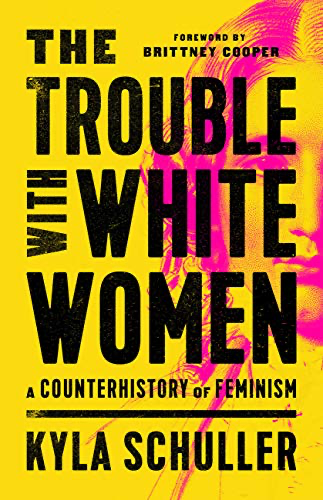
Although this list was intended to be just for YA and fiction, I’d be remiss if I made a post about feminism and didn’t include this book. The Trouble With White Women presents a view on feminism that is necessary for moving past simply white feminism, and presents the feminist movement through those on the margins, such as Frances Harper, Pauli Murray, and Alexandria Ocasio Cortez. It’s seriously one of the best nonfiction books I’ve read in ages—on any subject matter.
TELL ME WHAT YOU THINK! What did you think of the books on this list? What are your favorite feminist YA books? Let me know in the comments!
Today’s song:
Most of the Warpaint I’ve heard hasn’t done much for me (aside from their great cover of “Ashes to Ashes”), but I love the quietness of this one!
That’s it for this list of recommendations! Have a wonderful rest of your day, and take care of yourselves!
Ever since I realized that literature has been something I could see myself in, I’ve been looking high and low for books with SPD representation. For years, all I managed to find were help books for parents SPD children (again—not diminishing their value, I was just looking for something else) and hardly any fiction in sight. By some miracle, I ended up coming across this book recently, and I was elated to find a book that finally reflected my disability! I set my expectations hesitantly high, but I ended up adoring Not If I Can Help It; I wish I had it when I was Willa’s age.
Willa has Sensory Processing Disorder—she hates the texture of certain foods, tags and seams on clothes irritate her to no end, and she gets overwhelmed easily. With her occupational therapist, she’s been able to manage it—and keep it a secret from her 5th-grade class. But when her dad breaks the news that he’s engaged to her best friend’s mom, she struggles to handle the change—she loves her best friend Ruby, but being her sister would be another situation entirely. As 5th grade draws to a close, can she and Ruby work things out—as best friends, and as sisters?
TW/CW: sensory overload, bullying
I’m going to go so far as to say that Not If I Can Help It is a fairly monumental book for me. It’s the first book I’ve ever read with a protagonist who has SPD, and as somebody with SPD, it fills my heart to see myself in a book like this. I’m so, so, so glad this book exists.
I’ve been trying to find any kind of SPD fiction for years, and Not If I Can Help It surprised me with how realistically and respectfully SPD was handled. I related so much to Willa—even though our specific brands of SPD differed (Willa’s seems to be more tactile, whereas mine are mainly auditory), I related so much to Willa’s experience, from her experience with handling change to the everyday things she does with her parents to cope with her SPD. (I JUST GOT MY OWN BODY SOCK TOO??? we love the body sock in this house) I’ve been going back to OT in preparation for college lately, and I also loved the scenes with Willa and her therapist in the sensory gym—again, so respectfully written and authentic! Mackler mentions in the acknowledgments that Not If I Can Help It was partially based off of her experience with one of her sons, who has SPD, and this is bound to be a book that so many of us with SPD will relate to—I certainly did.
It’s been a while since I’ve read any middle grade, but the gap was a lot easier to bridge than I thought it would be. Mackler’s writing, along with our shared experience, made me instantly feel for Willa. She’s such a unique, determined character, so full of life and spirit. I loved her individual quirks, and her growth over the novel made me wish that I had this kind of book when I was her age—I could’ve used a Willa when I was going into middle school. (Also, kudos to Willa for managing her SPD on top of living in MANHATTAN, wow…)
The story was additionally a super sweet one. I completely related to Willa’s reticence to having change, and all of the changes she experiences (her dad getting married to her best friend’s mom, going to middle school, and her longtime babysitter moving, to name a few) served to help her grow so much as a character. All of the supporting characters were wonderfully unique in their own ways, adding not only to the story, but helping to emphasize the point, to paraphrase Ruby’s mom, that we all have our “things” going on—not everybody is as normal as you may think they are, and that there will be all kinds of people to support you along your journey.
All in all, a book that I sorely wished that I’d been able to read when I was younger, but one that I’m so glad I got to read here and now. This is the first book with SPD rep that I’ve read, and given how authentically it was represented, it will always have a special place in my heart. Thanks so much to Carolyn Mackler and Willa. 💗 4.5 stars!
Not If I Can Help It is a standalone, but Carolyn Mackler is also the author of several middle grade and YA books, including Tangled, Infinite In Between, Love and Other Four-Letter Words, and The Earth, My Butt, and Other Big Round Things.
Today’s song:
adding this song to my internal list of songs with god tier intros
That’s it for this week’s Book Review Tuesday! Have a wonderful rest of your day, and take care of yourselves!
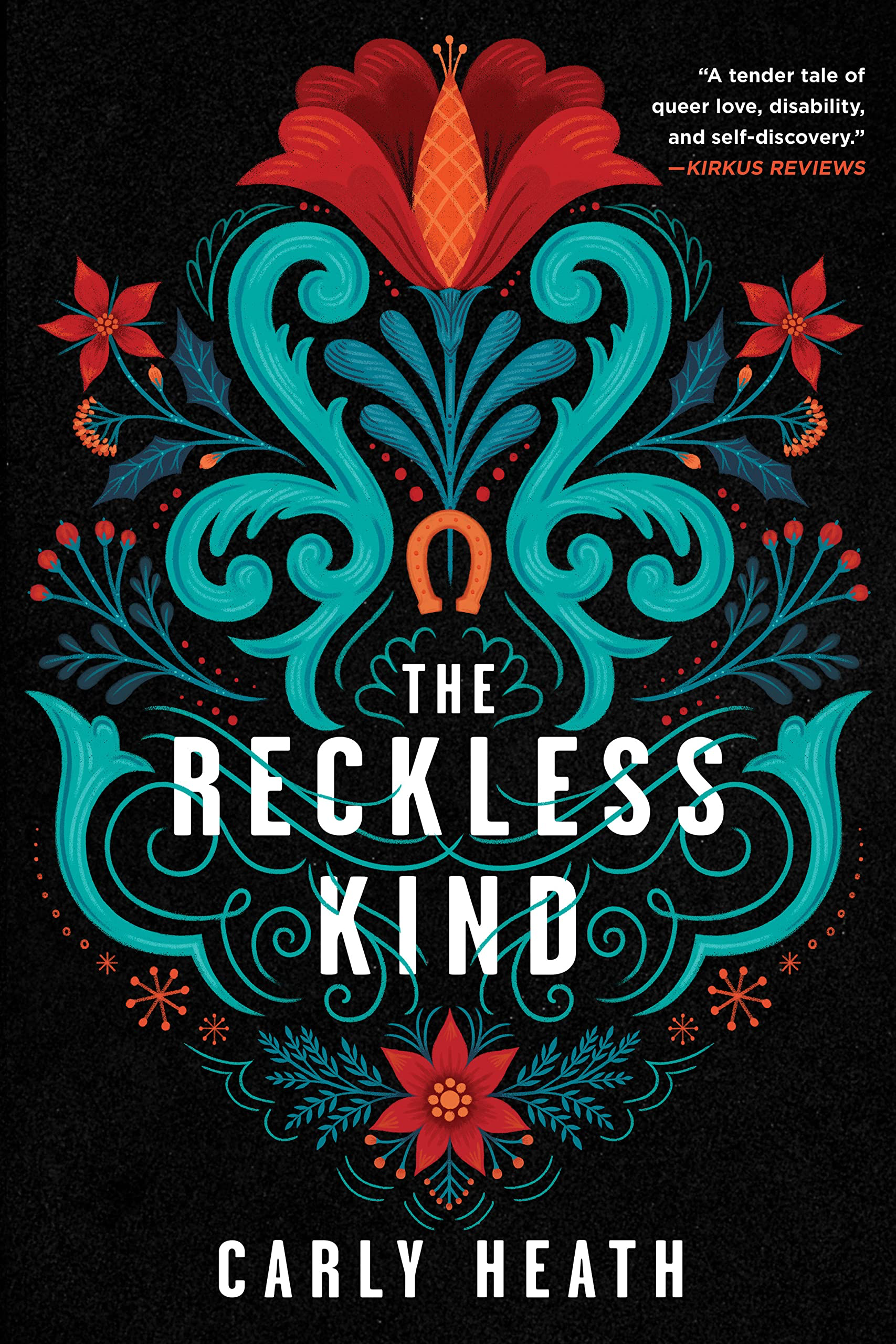
In my endless hunt for books with good disability rep, I found this one recommended in several places. I’m not usually one for historical fiction, but I was glad to see a disability book in a genre other than realistic fiction. To my surprise, it became a rare 5-star read for me—tender, heartfelt, and so unabashedly queer and disabled!
Norway, 1904. Even though marriage is what traditional society expects of her, Asta has no interest in marriage, and especially not in Nils, the rude boy her mother has set her up with. Her mother sees a life of domesticity as her only path, but Asta is determined to carve her own way. After Nils’ recklessness cements her wish to not marry, she runs away with her two friends, Gunnar and Erlend. They make a life caring for Gunnar’s family farm, but with the money running out and the rest of their village against them, it will take all of their strength to create their own destinies.
TW/CW (from Carly Heath, inside book): ableism, misogyny, homophobia, xenophobia, suicidal ideations, violence, descriptions of injury, references to alcoholism, abuse, and self-harm
what if 😳 I melted down a priceless family heirloom 😳😳 and made it into a prosthetic arm for you 😳😳😳 (and we were both boys)
I picked up The Reckless Kind for the promise of queer and disabled rep, but I didn’t expect it to become a 2022 favorite of mine so quickly! It’s rare that I enjoy historical fiction this much, but this novel was a success on every front imaginable.
The diversity of The Reckless Kind is what drew me in, and it was such a central and beautiful aspect of this novel! This book focuses on not one, but four characters who are disabled—Asta has Waardenburg syndrome (includes single-sided deafness), Gunnar has Brown-Séquard syndrome and has a prosthetic arm, Erlend has an anxiety disorder, and Fred, one of the secondary characters, has Post-Concussion syndrome! On top of that, Asta is asexual, Gunnar and Erlend are in an mlm relationship, and the three of them are in a queerplatonic triad! Does it get any better than that? I think not. Just what I needed as a queer, disabled reader.
Each and every aspect of said diversity is handled so thoughtfully and lovingly; you can tell from the first page just how much love and care Heath put into writing this story. Even though their traditional society looks down upon them for a number of reasons, the journey these characters take to make their own way is heartwarming to read. Everything from the special modifications on Gunnar’s car to the life they carve out for themselves on the farm is filled with such palpable determination and love that only a bunch of outsiders making their own way can make me feel. Found family trope for the win, as always.
All of that would work fantastically on its own, but it’s Heath’s characters that made The Reckless Kind truly shine. Asta was an absolute DELIGHT. Just an absolute sweetheart. Even though the world has beaten her down so much, she has this consistent spunk and contagious kindness to her that she brings everywhere she goes. I loved the way she cared for all of the animals on the farm, and her story is sure to resonate with so many. Gunnar and Erlend were equally wonderful, and they balanced each other out perfectly, what with Erlend’s theatrical charm and Gunnar’s droll, self-deprecating humor. Their relationship made me giddy more than not; I loved how Heath depicted all the messiness of relationships, as well as two characters who did their best to work with each other’s problems. All three of them together made for the recipe for a near-perfect book.
Through it all, Heath presents a story of persistence despite the odds and the love it breeds between outsiders. All three of the characters faced parents, peers, and others who shunned them for parts of themselves, but this book was all about self-love and living in a world that doesn’t love you. It’s fiercely queer and disabled, and it’s the perfect story for anyone who has ever felt like the world is against them.
All in all, a tender, powerful, and heartwarming story of disability, queerness, and making your own way that quickly found its way to my 2022 favorites. 5 stars!
The Reckless Kind is a standalone and Carly Heath’s debut novel.
Today’s song:
That’s it for this week’s Book Review Tuesday! Have a wonderful rest of your day, and take care of yourselves!







 The Bookish Mutant