Posted in Sunday Songs

Sunday Songs: 1/25/26

Happy Sunday, bibliophiles! I hope this week has treated you well.

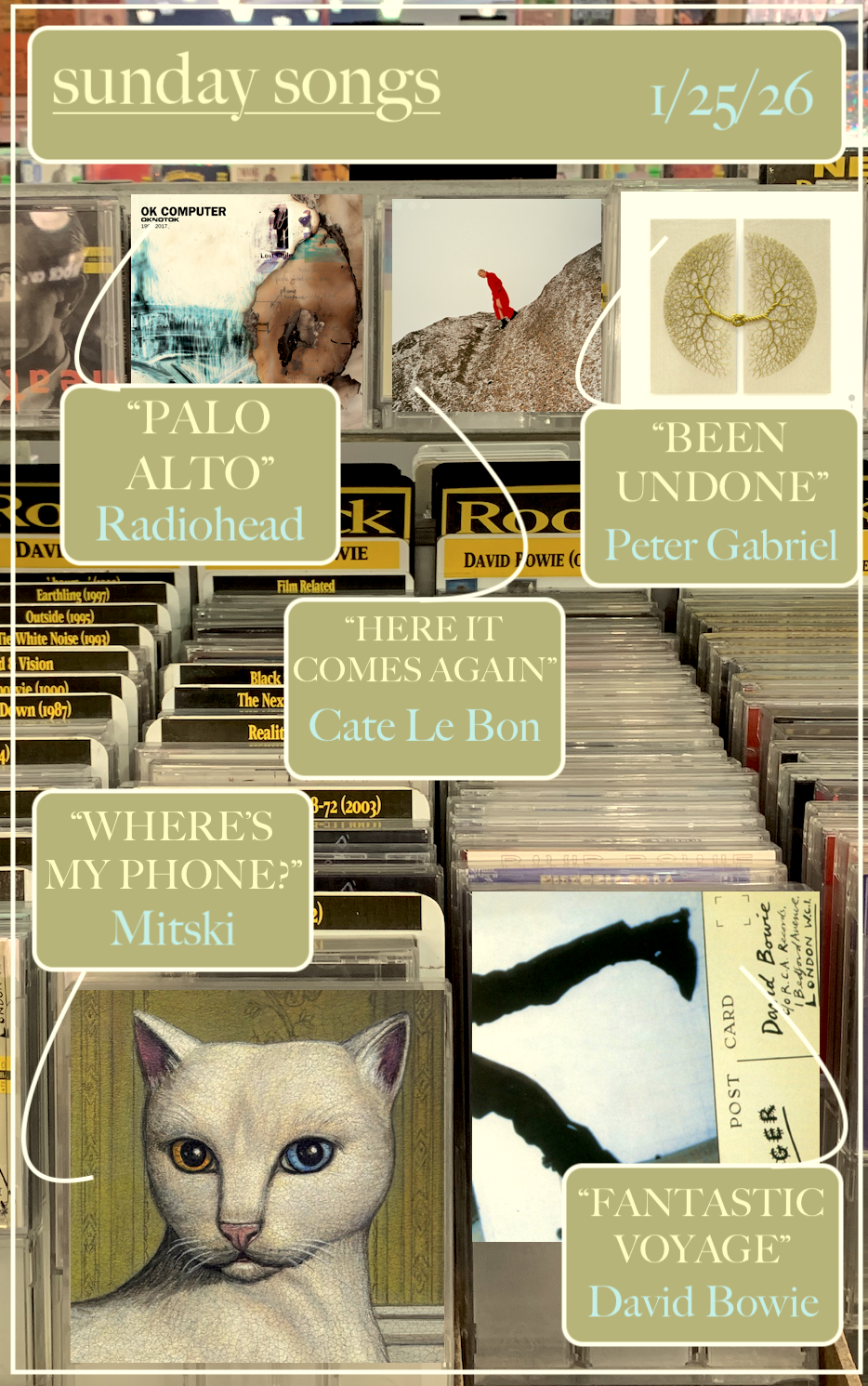
This week: Here it comes again; a fantastic voyage to Palo Alto to answer this essential question: where’s my phone? It’s been undone!

Enjoy this week’s songs!

SUNDAY SONGS: 1/25/26

“Where’s My Phone?” – Mitski

It’s finally come to that time of year when I start accumulating albums that I’m looking forward to. Nothing’s About to Happen to Me, which is set to release on February 27, is topping the list at the moment for sure! Mitski is back for her first album in two and a half years, and as usual, she’s set to put a pulse on the neuroses of the world; Nothing’s About to Happen to Me seems to be a concept album about a recluse who never leaves her cluttered house. With the aesthetics of cats and old wallpaper, this album has such a clear image—and an intriguing one. Mitski channels some of her heavier guitar work on “Where’s My Phone?”; it’s an exciting sonic callback, like she’s been dusting off the old Bury Me at Makeout Creek sounds (!!!). Adopting a falsely cheery tone, Mitski sings of this character desperately repressing every possible source of negativity, yearning to be “clear glass with nothing going on.” The sentiment of “I keep thinking surely somebody will save me/At every turn I learn that no one will” is pure Mitski all the way down, but it’s refreshing to see Mitski going headfirst into a new character; her introspection, fictional or nonfictional, is where her art shines. Plus, that music video, in which Mitski’s multigenerational home gets assailed by dozens of strangers, is nothing short of bonkers. Definitely somebody’s vivid anxiety dream, for sure.

For some reason, my mind got stuck on the classic censored beep sound on the “I would fuck the hole all night long” line. Sure, we are in the age of musicians proactively self-censoring, but of all musicians, Mitski seems like the last one to do that, especially with how she’s clawed to keep her individuality—and sanity—intact in the music industry. She’s not a Taylor Swift type, and she hasn’t shied away from profanity before. There’s no clean version of the song, and the music video has it too—and yet the official lyrics don’t censor it. So what’s the deal? Was it some sort of artistic touch for the album’s central character’s supposed shame and guilt? I still haven’t come to a conclusion myself, but I swear that it’s intentional. Whatever the case, “Where’s My Phone” buzzes with neurosis, crunching at the edges, an ember of anxiety.

…AND A BOOK TO GO WITH IT:

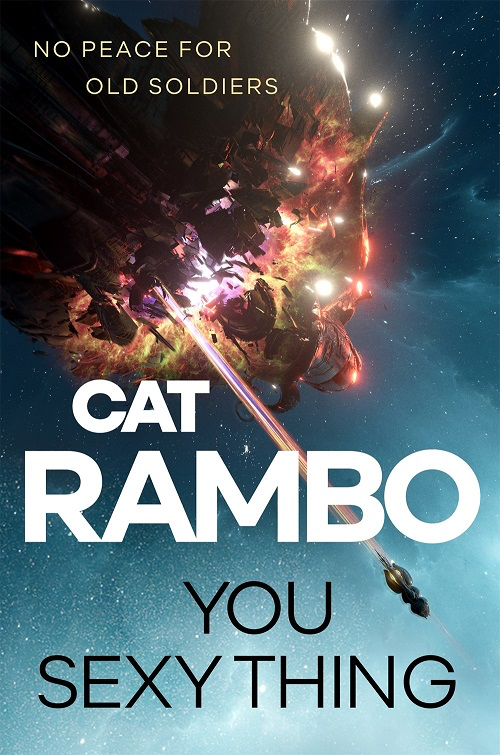
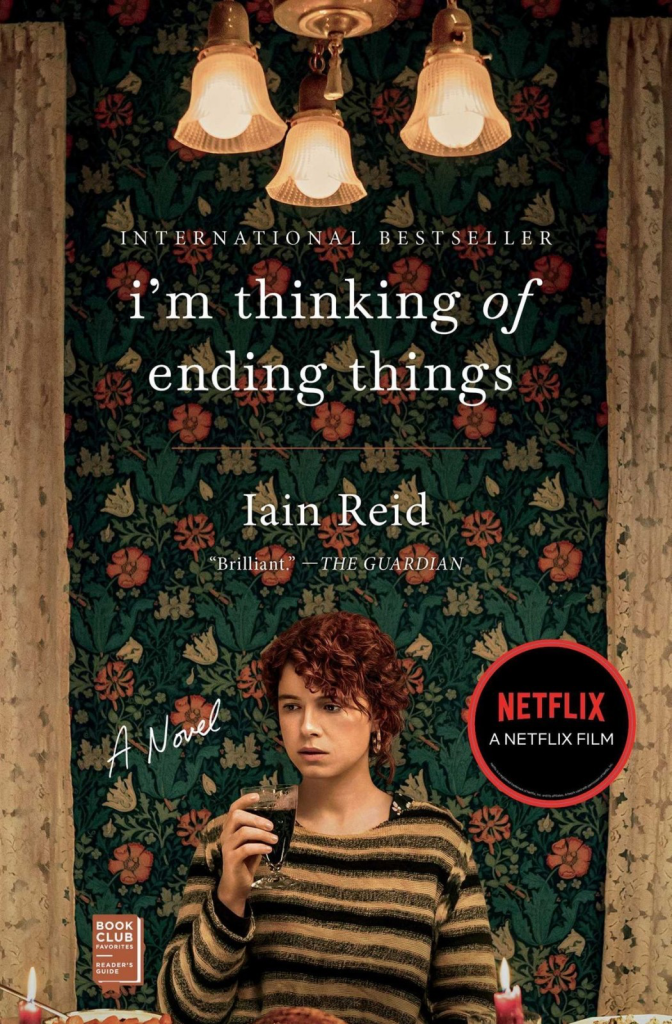
I’m Thinking of Ending Things – Iain Reid “I keep thinking surely somebody will save me/At every turn I learn that no one will/I just want my mind to be a clear glass/Clear glass with nothing instead…”

“Fantastic Voyage” – David Bowie

As calm of a song “Fantastic Voyage” is, it’s a certainly eerie start to Lodger. I finally got around to listening to the album in its entirety not long ago, while mourning 10 years since Bowie’s passing in 2016. Listening to Lodger not long after Taking Tiger Mountain By Strategy put me in an irreparable chokehold makes me realize the sheer impact of Eno on Bowie—his weirdness was all there, but after decades of being mainstream, it was Eno who resurrected the less palatable parts of weirdness. I’m sure it was less unexpected at the conclusion of the Berlin Trilogy, but expecting another “Starman” and getting…I dunno, “African Night Flight” must’ve been some unparalleled whiplash. And he’d keep the act going throughout his entire career. In a way, Lodger is a microcosm of what his career would later be. There’s no shortage of tricks up his sleeve, from the strange, often eerie left turns to the sneakier tricks; for one, “Fantastic Voyage” and “Boys Keep Swinging” have an almost identical chord progression, but their atmospheres are so radically different that I didn’t even notice. It’s a trickster kind of album, obstinate in its mission to not be boxed in.

After falling back to Earth, the Berlin Trilogy got much more worldly, and Lodger was its peak. The entire album reeks with the recollection that the world is rife with the unknown, be it in places unseen or the machinations of politics. “Fantastic Voyage” is the thesis of that song; it reads like a scrawled diary before the apocalypse, and it very well could have been, what with the threat of nuclear annihilation and the Cold War on Bowie’s mind. He pits the casual dehumanization of entire peoples against the plea for the dignity of all individuals. He looks skyward, pondering the missiles that could rain down on the population and end everything in an instant. But in the midst of all this turmoil, decades after 1979, the final verse rings truer than ever: “They wipe out an entire race and I’ve got to write it down/But I’m still getting educated/But I’ve got to write it down/And it won’t be forgotten.”

Oof. Certainly feels like a slap in the face, given that ICE has been snatching children off the streets and shoots unarmed civilians in Minneapolis, and I’m just holed up in my apartment trying to get my thesis done. Yet Bowie’s words feel like a guidebook. I’ve got to write it down—I interpret that both in the sense that we have to commit the crimes of these monsters to paper, lest the government conveniently paints them in a more pleasant light (as they already are), but also that in spite of everything, we have to keep on with our creativity. Sometimes, all we can do is write. Of course, that doesn’t make political action, however small, null and void, but sometimes it’s all you can do but journal everything around you to stay sane. All that matters, both for Bowie and for all of us, is to keep the pen moving—that keeps our minds sharp, it creates a record of the soul.

…AND A BOOK TO GO WITH IT:

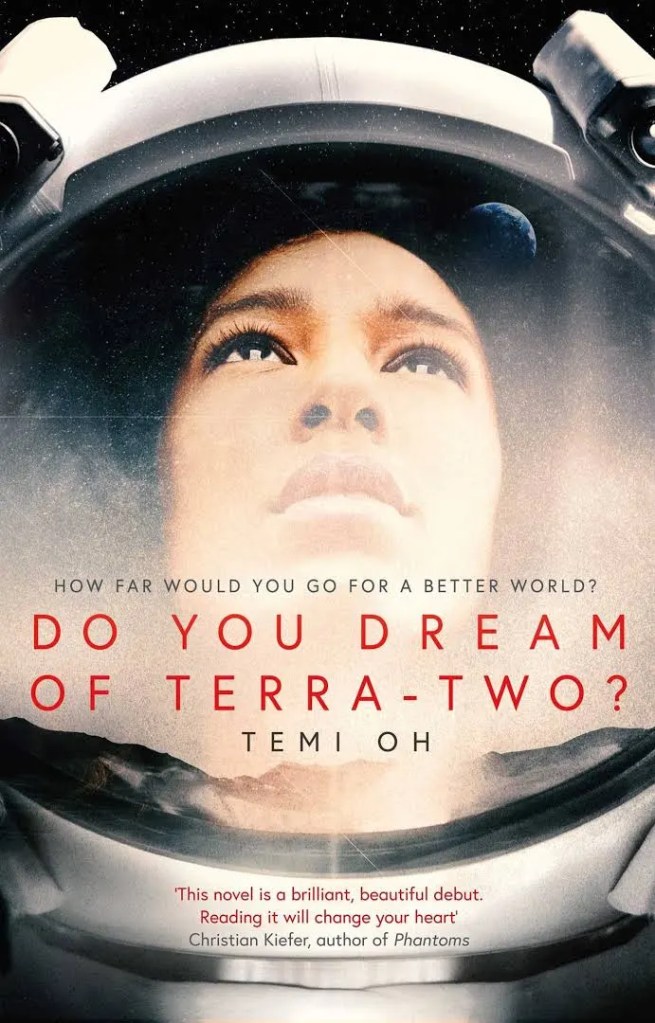
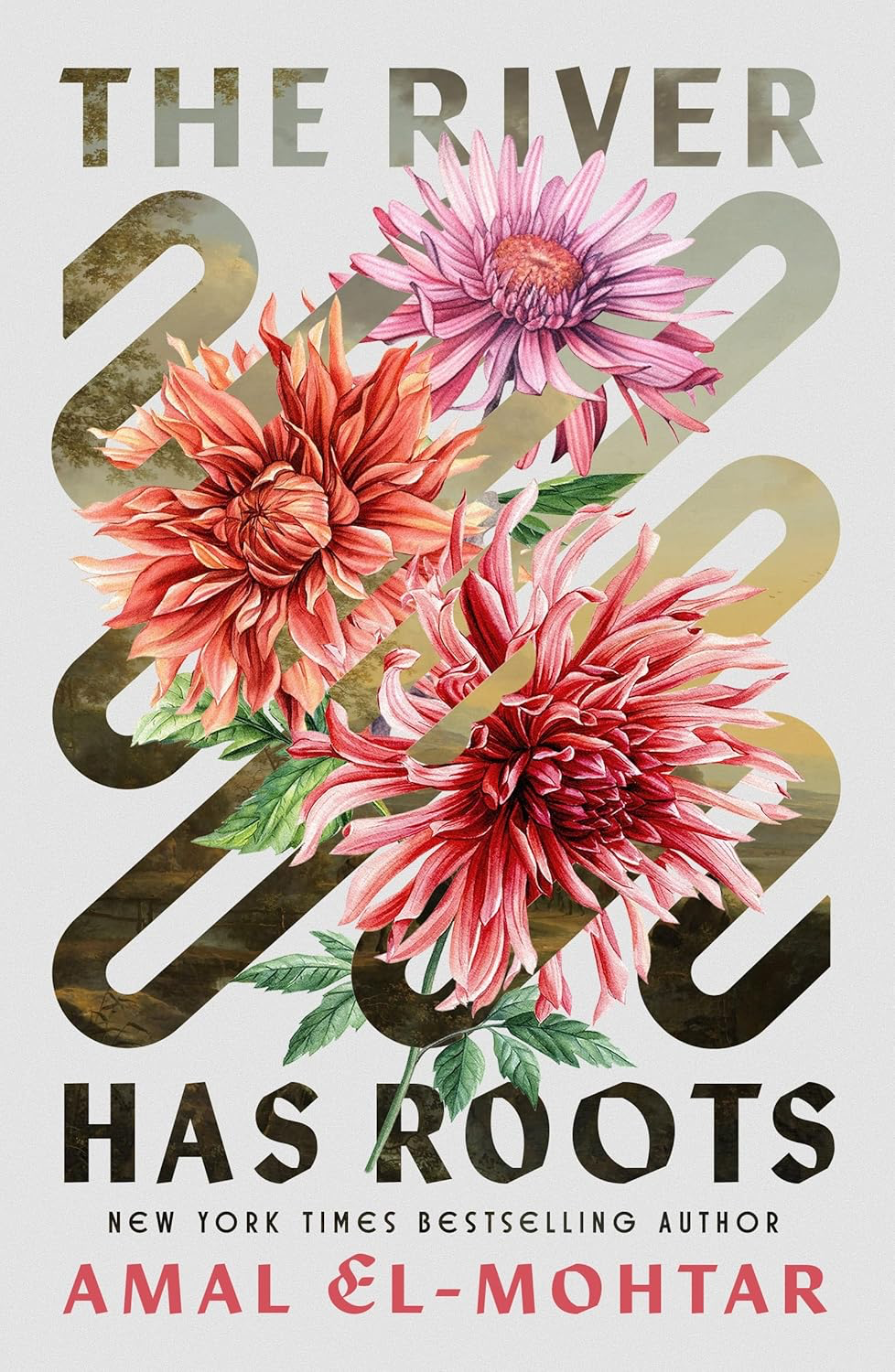
Do You Dream of Terra-Two? – Temi Oh“Remember it’s true/Dignity is valuable/But our lives are valuable too/We’re learning to live with somebody’s depression/And I don’t want to live with somebody’s depression/We’ll get by, I suppose…”

“Palo Alto” – Radiohead

In a move that’s probably stunned nobody, I’ve decided to become the insufferable neighbor and take up collecting vinyl; my parents were nice enough to gift me with a record player, as well as my two favorite albums: David Bowie’s Hunky Dory and Radiohead’s OK Computer. I can’t thank them enough. My neighbors, on the other hand, are probably rueing the day that they had to hear “Fitter Happier” through the walls without warning. Your honor, I plead “whoopsie daisies.”

OK Computer—specifically, the 2017 remaster with all of the b-sides, OKNOTOK—all but swallowed me whole in my freshman year of high school, and the version of me that got chewed up and spit out was irreparably, permanently changed. Whether it was for the best or the worst is up to interpretation, but either way, it’s given me a love of Radiohead that hasn’t waned to this day, more than seven years after I first listened to the album. However, at that age, I was still in the woeful process of immediately deleting whatever songs that didn’t hook me on the first few listens from my library. The destruction left in the wake was irreparable—and it also made me completely forget that this absolute gem existed. I can’t even put my finger on why it wasn’t a favorite at the time; the only reasonable explanation is that OK Computer is just so jam-packed full of songs that shattered my brain that brain-shattering became the standard. I was harsh back then.

Yet on my new record player, “Palo Alto” came out of left field. In the mindset of Thom Yorke, I can sort of see why this one got the axe back in the day—musically, it’s less adventurous than some of the other tracks. It’s very much of the same, more straightforward rock/Britpop crop of The Bends, despite the avalanche of fuzz and decorative beep-boops. Thematically, it’s on par with the anxiety of OK Computer, with the tiresome monotony of corporate life: “In a city of the future/It is difficult to concentrate/Meet the boss, meet the wife/Everybody’s happy, everyone is made for life.” Even if it’s not as compositionally inventive as some of the a-sides, even Radiohead’s more straightforward songs are a cut above the rest, and “Palo Alto” is proof. With the sudden, grinding assault of Jonny Greenwood and Ed O’Brien’s guitars against Thom Yorke’s exasperated delivery of regurgitated small talk, it encapsulates the exhaustion of being trapped in an endless cycle of work buttressed only with surface-level interactions.

…AND A BOOK TO GO WITH IT:

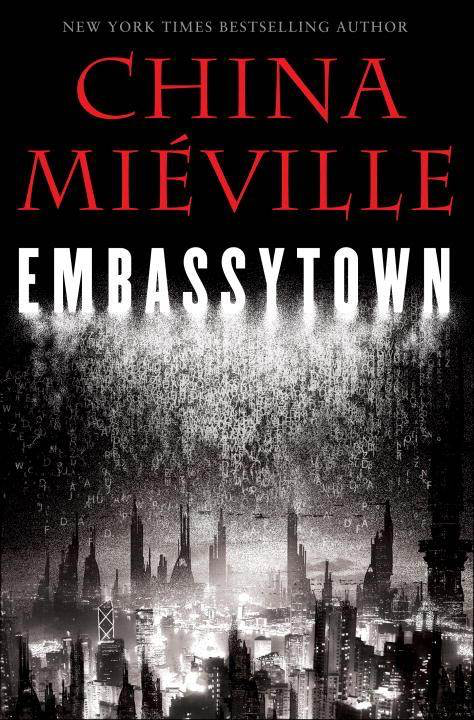
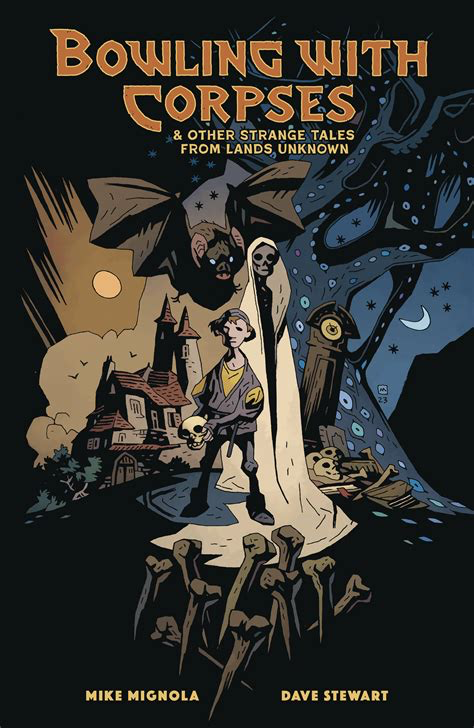
Embassytown – China Miéville“In a city of the future/It is difficult to find a space/I’m too busy to see you/You’re too busy to wait…”

“Here It Comes Again” – Cate Le Bon

I regret to inform you that I’ve been listening to way more Cate Le Bon again, but I can’t help it that it faintly fits the vibe of my honors thesis. Michelangelo Dying, Pompeii, and Reward all got revisited last week, and you will be hearing about it. This is, once again, a threat.

Among the many impressive things about Cate Le Bon is the myriad ways that she makes her music sound innately aquatic. I talked about how watery all of Reward feels when I first listened to it back in July, with “Miami” and its sounds of aquarium gravel and bubbles. Unlike a lot of her songs, “Here It Comes Again” feels more like water rhythmically; with an almost waltz-like rhythm, it feels like the motion of a plastic toy boat being carried out to sea. The melody continually repeats and lives by eating itself, a gently cyclical waltz across a flooded ballroom covered in algae. That precise quality of the melody is what enhances the lyrics. It’s implied in the title (and the chorus), but “Here It Comes Again” drowns in monotony, its sonic eyelids growing heavier with each repetition: “Man alive/This solitude/Is wrinkles in the dirt.” Very few artists make solitude and dreariness into such musical feasts like Cate Le Bon does—if it’s loneliness, she’s spun it into something as appealing as a bowl of candies with brightly-colored wrappers.

…AND A BOOK TO GO WITH IT:

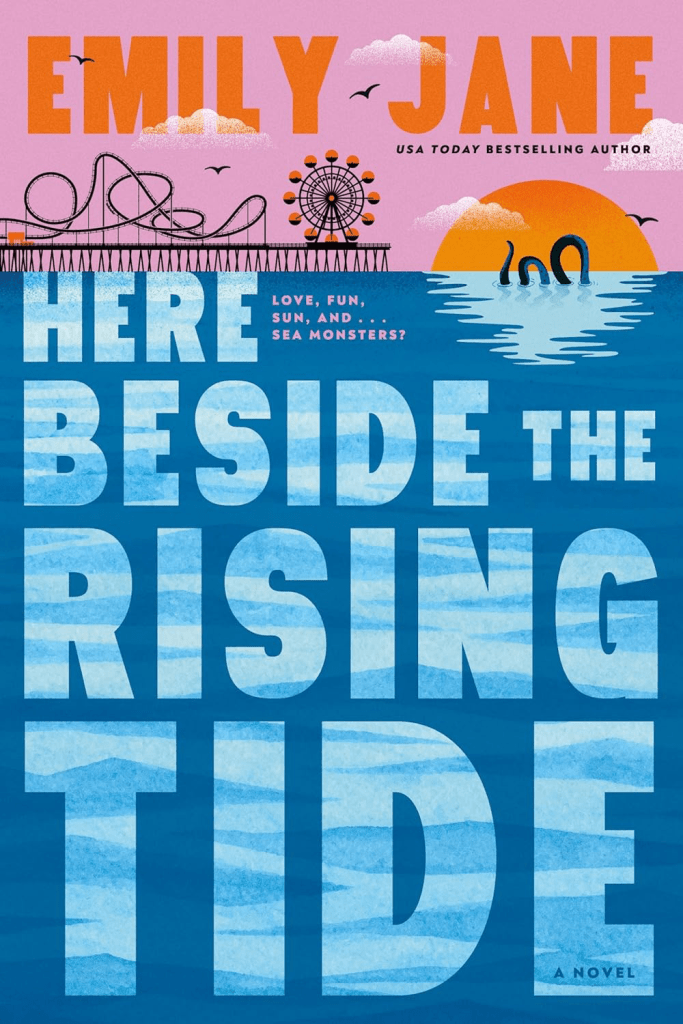
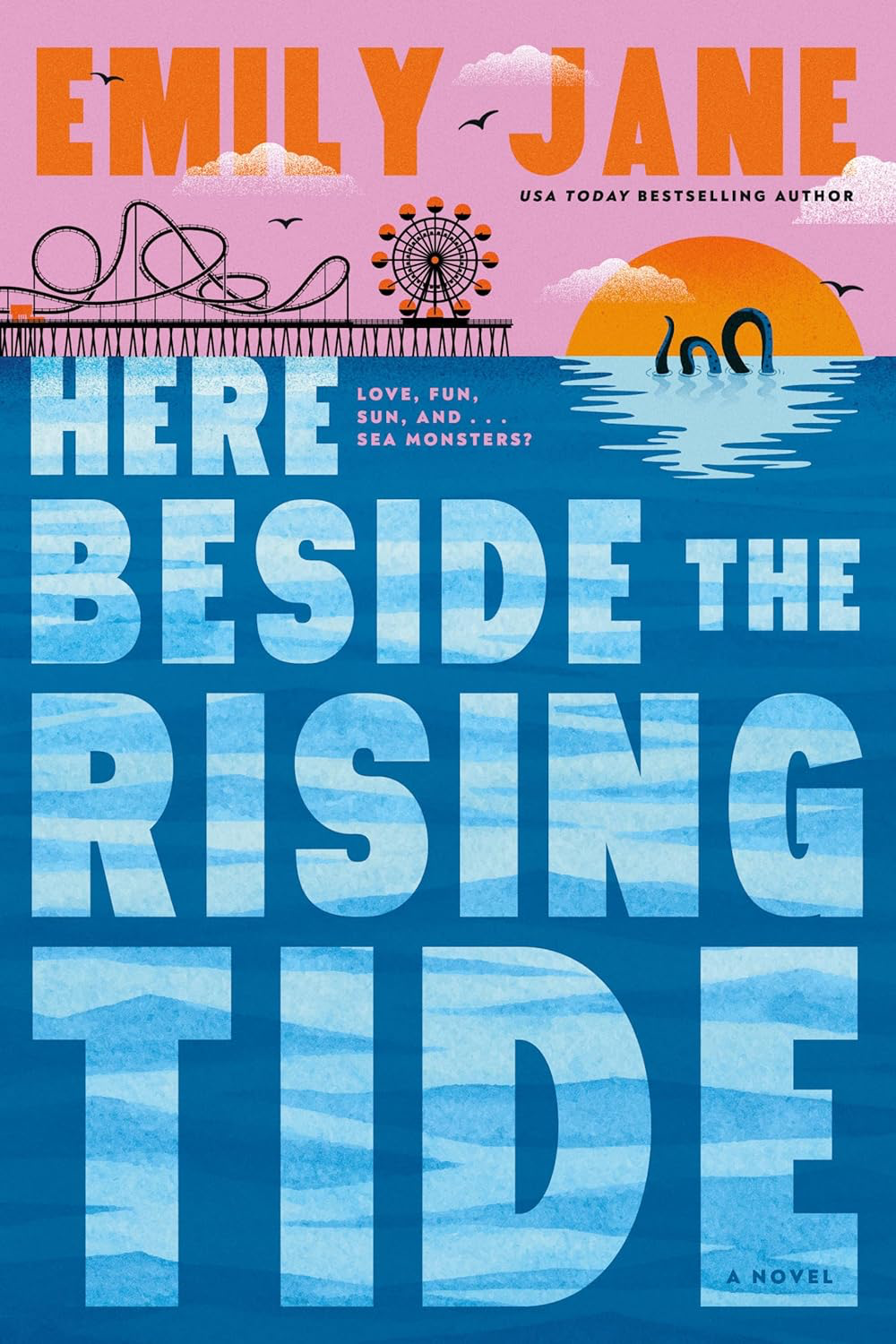
Here Beside the Rising Tide – Emily Jane“Man alive/This solitude/Is wrinkles in the dirt/I borrowed love from carnivals/Set it in a frame/Here it comes again…”

“Been Undone” – Peter Gabriel

HE’S BACK! PETER GABRIEL IS BACK TO SAVE 2026!

Once again culminating in an album coming out this December, o\i is being released in singles corresponding with each full moon of 2026. Three days into 2026, it gave me some hope—and a bittersweet full-circle moment for me. I spent the spring semester of my freshman year of college listening to i/o‘s singles, and I’ll be spending the spring semester of my senior year listening to its inverse. The songs comprise of both castoffs from the i/o sessions and from further back in his career; according to this video, the chord progression for “Been Undone” has been on the back burner for several decades. As the starting gun for the album, it’s an expression of some of what I love best about Gabriel: his boundless creativity and his grounded humility. “Been Undone” is all about learning moments—the ones that cause us pain or overwhelm us, but ultimately teach us something valuable: “By all the forms that you get from the Mandelbrot set/I’ve been undone/By the recursive slaves in the home of the brave/I’ve been undone.” I’m assuming the latter is in reference to the deeply broken U.S. prison system, but back to back with a mathematical concept that results in dizzying, fascinating patterns, it proves the song’s point: both great wonder and great pain can be the origin of learning. Musically, I thought it was going to be a more standard new-era Gabriel song, and it continues so for nearly 6 minutes; but at 5:59, he takes a left turn back into “The Tower That Ate People” territory, turning a pleasantly synthy tune into his personal brand of almost-industrial, proving that even at 74, he has no shortage of tricks up his sleeve.

Also, the bit where Gabriel was asked about the Bright/Dark-side mixes and if he allows the producers to play with the structure cracked me up—probably the clearest vocalization of “no <3” I’ve ever seen HAHA

…AND A BOOK TO GO WITH IT:

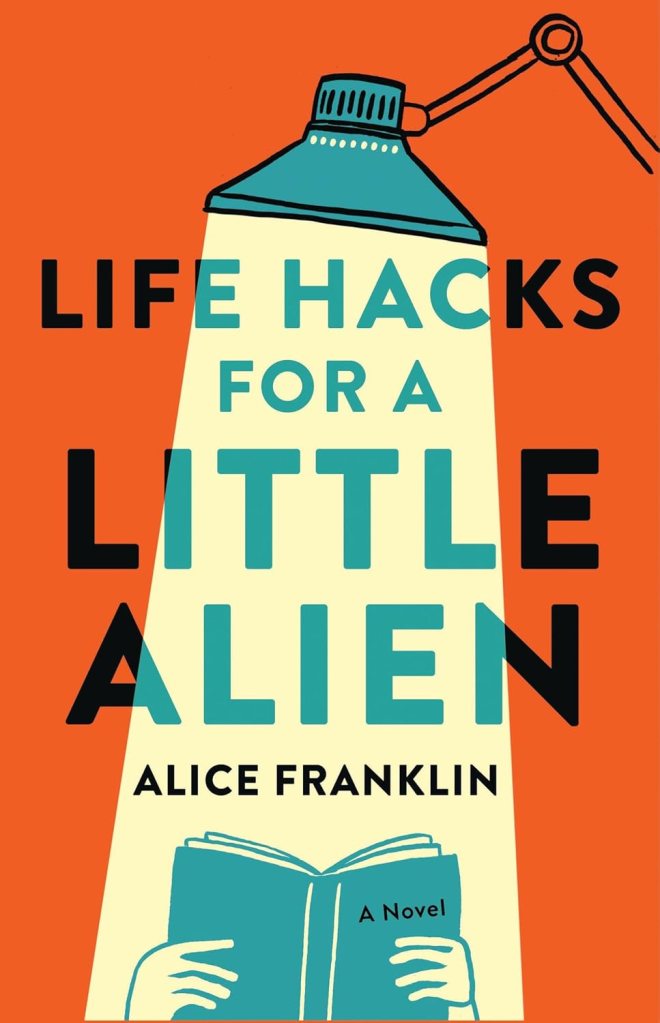
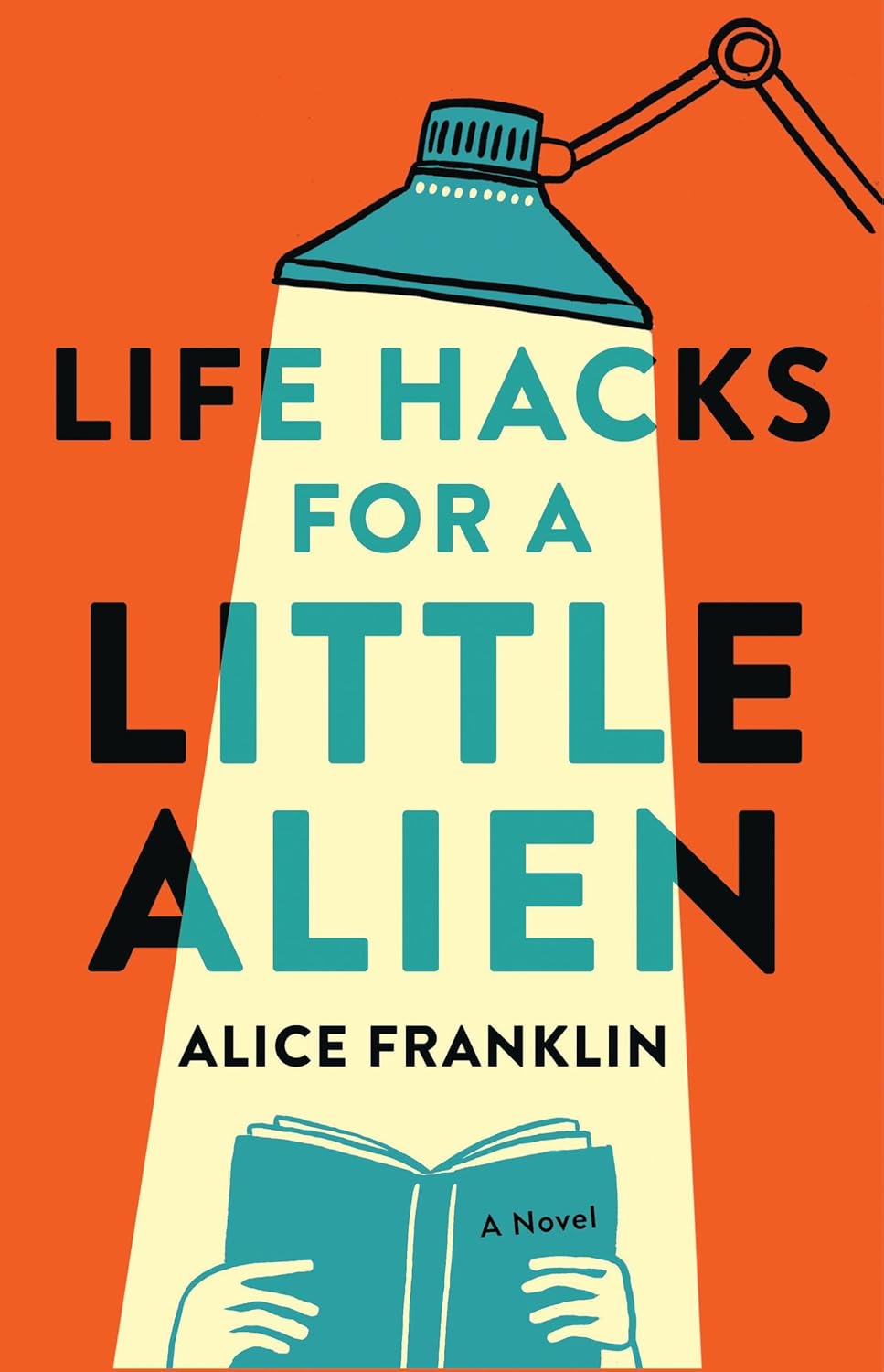
Life Hacks for a Little Alien – Alice Franklin“Though I want to observe, it keeps touching a nerve/And I’ve been undone/By the past that you trace, by a moment of grace/I have been undone…”

Since this post consists entirely of songs, consider all of them to be today’s song.

That’s it for this week’s Sunday Songs! Have a wonderful rest of your day, and take care of yourselves!

Posted in Monthly Wrap-Ups

November/December 2025 Wrap-Up 🧣

Happy Wednesday, bibliophiles, and happy New Year’s Eve!

I know this is probably the millionth wrap-up post you’ve seen today, but this is mostly in service of my love of bullet points and categorizing and such.

Let’s begin, shall we?

GENERAL THOUGHTS:

New Year’s Eve. It’s the time of the year when your social media is flooded with everybody making neat little wrap-up posts about everything that they achieved and how much fun they had in the past year. Now, I fully acknowledge the irony that I’m doing almost the exact same thing in written form. But with Instagram, I often find myself reluctant to post big end-of-the-year lists or posts like I do on here. With my art account, everybody seems to have stuff all ready for the holidays, but I’m just drawing whatever I see fit, rarely ready with anything festive for Christmas or the new year. All this is to say, it’s good to remember that this is, after all, social media. Even as the year ends, it’s okay to not have everything wrapped up in a neat bow. Social media’s all a sham anyway, so post at your own pace.

Compared to this time last year, when I felt like I’d gotten a proverbial pummeling from 2024, I’m at least grateful that I’m in a better place, even if 2025 was…god, it was certainly a year. And honestly, 2025 pummeled me too. But it was marginally better for me than last year, which is saying something. I’ve learned to take better care of myself. Even though keeping my head above water with everything going on in this country has been—and continues to be—an uphill battle, I feel like I’ve come so much further from the person I was last year. I moved into an apartment, I got another two semesters of good grades, I learned how to knit, and above all, I feel more independent. (I’m saying that in my head like they do in Rudolph the Red-Nosed Reindeer. In-dee-pendent!) Yet I’ve also been beaten down by stress, by school, by tragedy—preeminently a school shooting at my old high school back in September. Above all, it’s been a year of upheaval for me—not just the negative upheaval of the government (because they think that our Constitution is a suggestion, apparently), but a year of so much change. But I’m here. And hell, I’m so proud of myself. Half of the things I listed here (and many that I didn’t) are things that I never imagined myself doing even five years ago. But I’m here. I can ride the bus and make easy conversation sometimes, I know the way there and back to my record store, and I am surrounded by people who I love and who love me back. I am grateful.

Plus, the more important holiday is Ringo’s 4th birthday. Send your birthday wishes, or the birthday boy will bite your feet…

NOVEMBER READING WRAP-UP

In total, I read 174 books in 2025!

I read 14 books in November! Though my reading count was buttressed by several re-reads and school books (and one unfortunate DNF), I encountered so many lovely books.

1 – 1.75 stars:

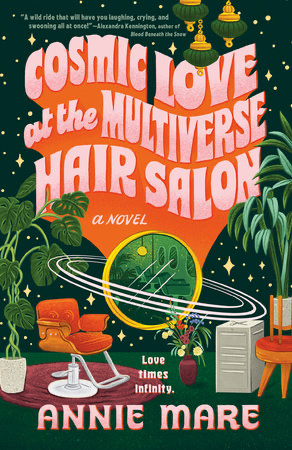
Cosmic Love at the Multiverse Hair Salon

3 – 3.75 stars:

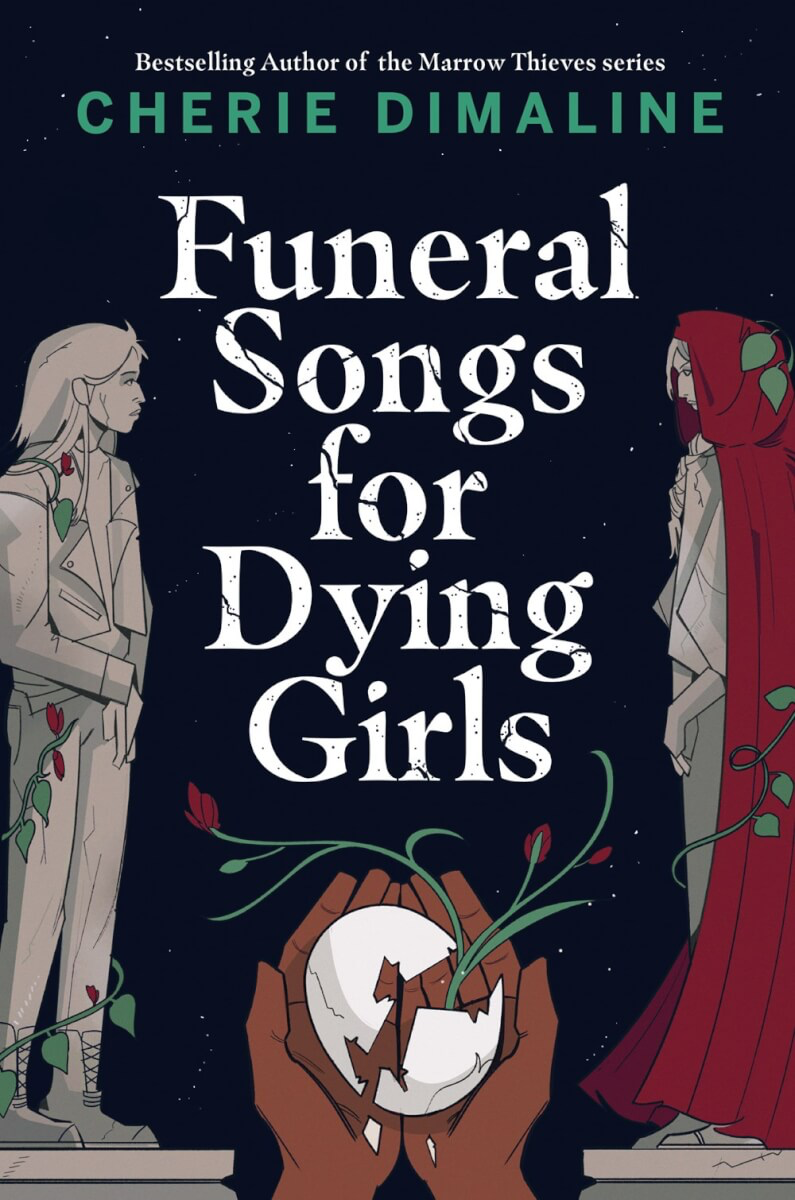
Funeral Songs for Dying Girls

4 – 4.75 stars:

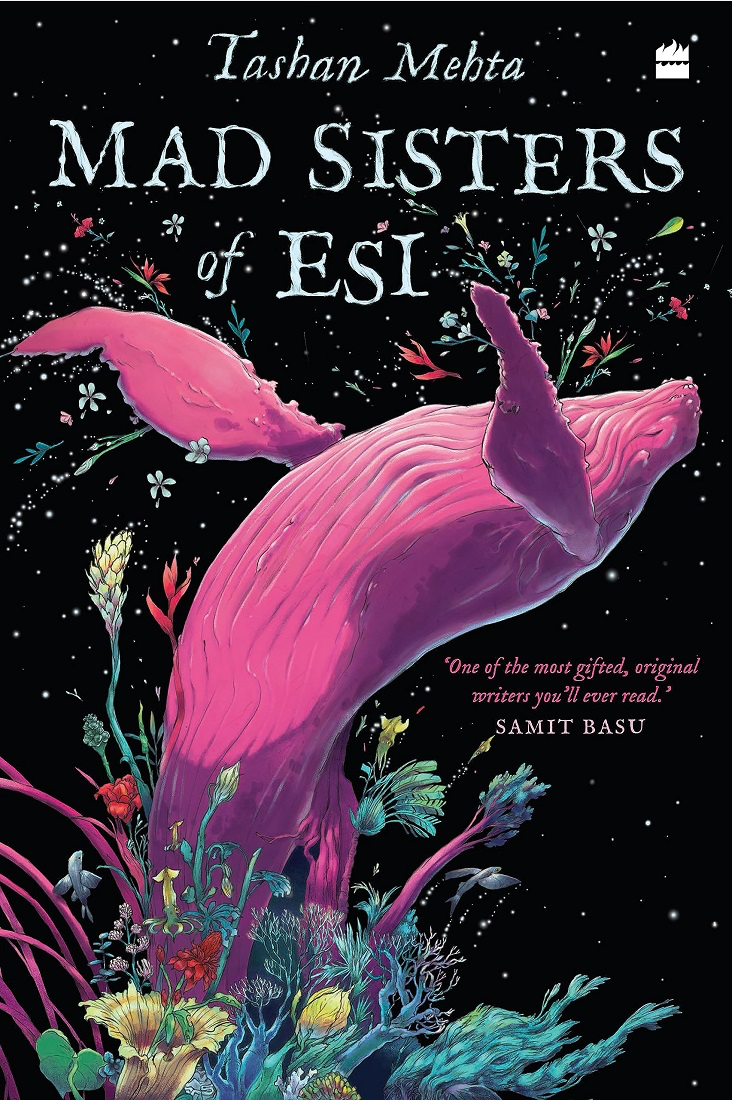
Mad Sisters of Esi

5 stars:

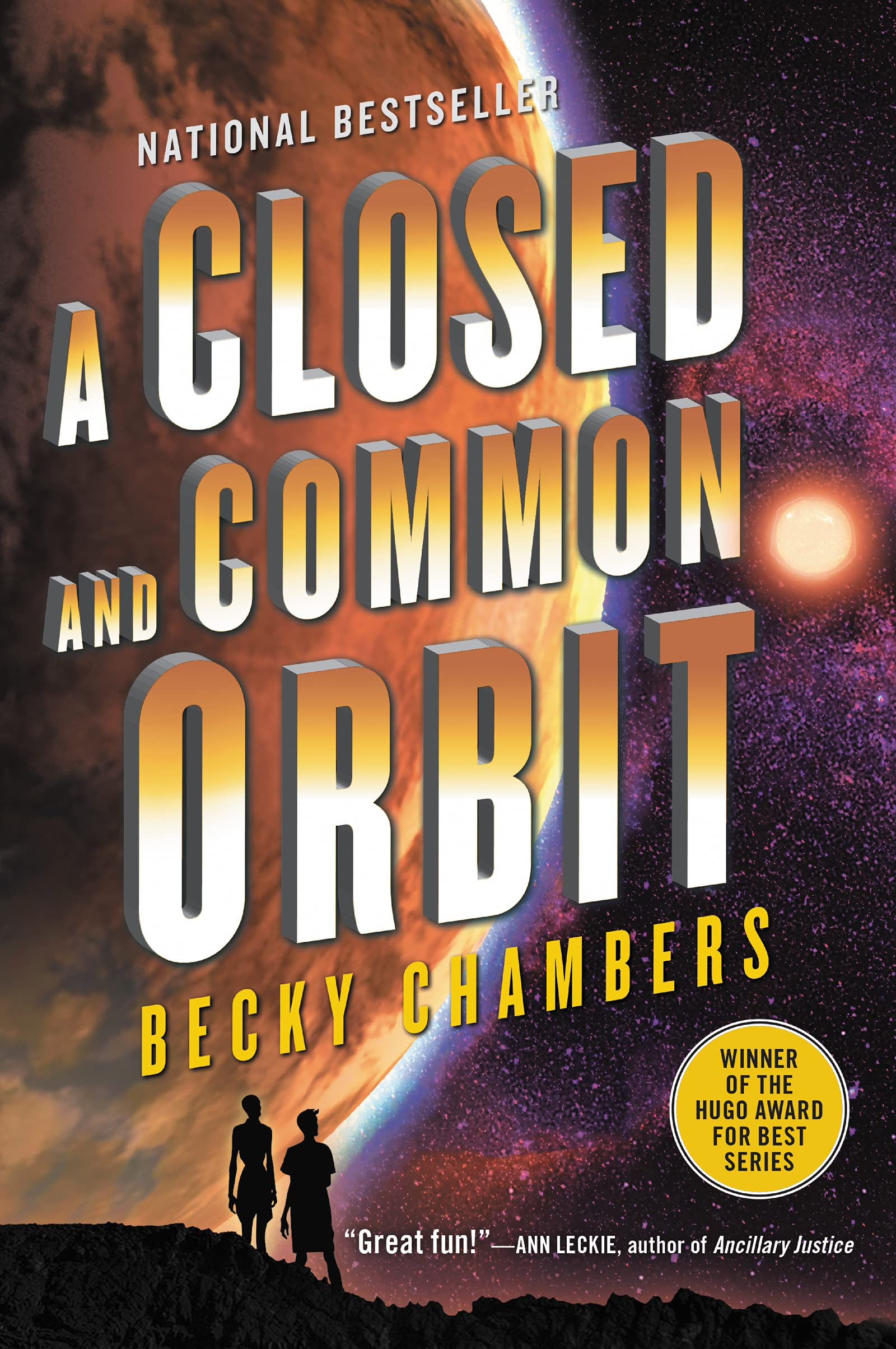
A Closed and Common Orbit

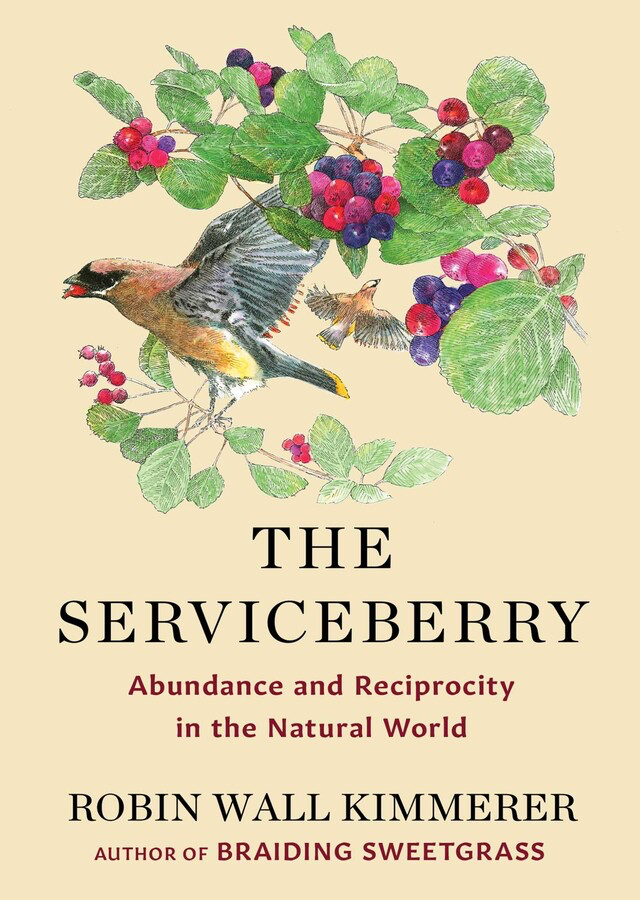
FAVORITE BOOK OF THE MONTH: The Serviceberry5 stars

The Serviceberry

REVIEWS:

SUNDAY SONGS:

DECEMBER READING WRAP-UP

I read 13 books in December! Finals put me way behind my usual reading amount for the month, so I thought this would end up being my worst reading month of the year…and then my power went out for four days. I ended up reading two books in a single day, something I haven’t done since I was, what…9? 10? Either way, the power outage, as unfortunate as it was, gave my reading a bit of a boost.

2 – 2.75 stars:

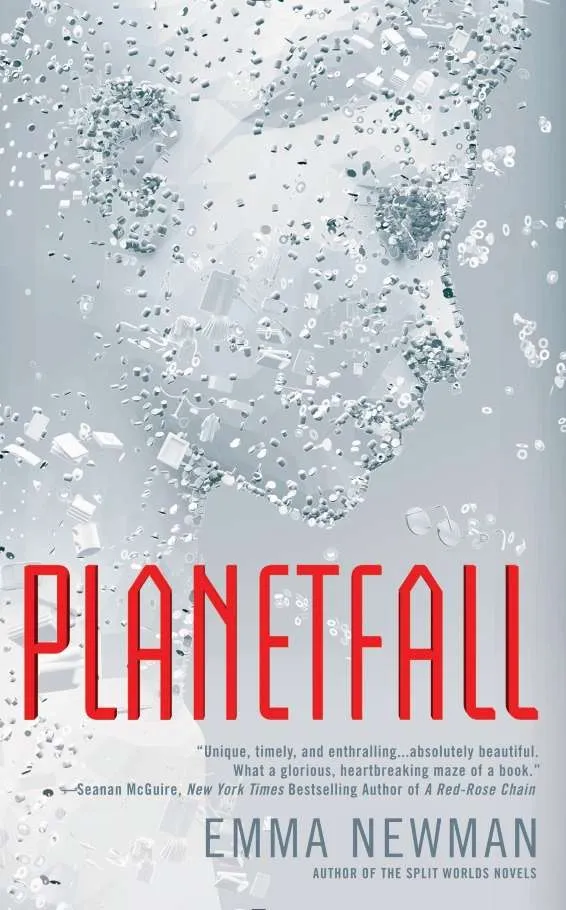
Planetfall

3 – 3.75 stars:

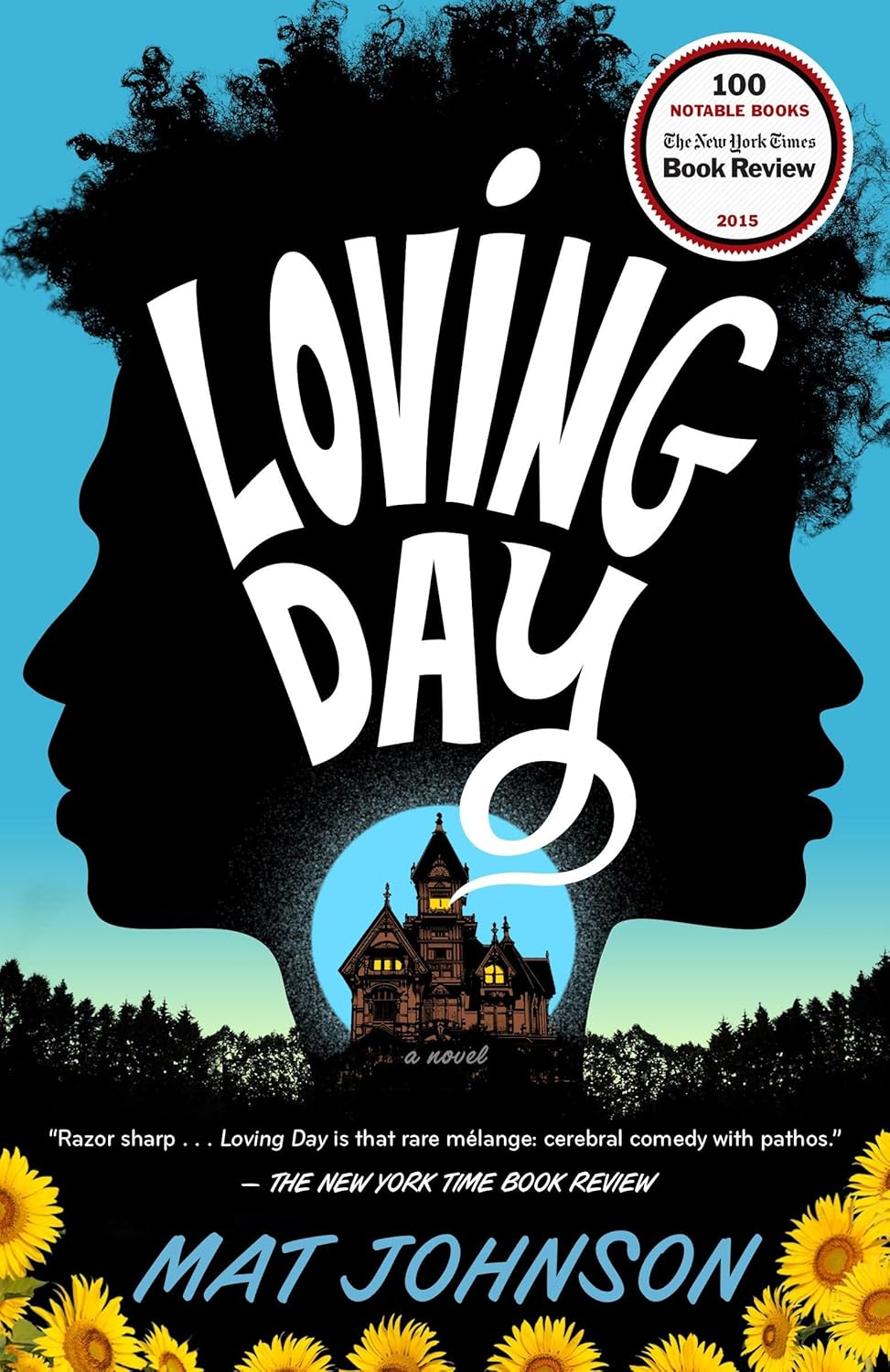
Loving Day

4 – 4.75 stars:

Embassytown

5 stars:

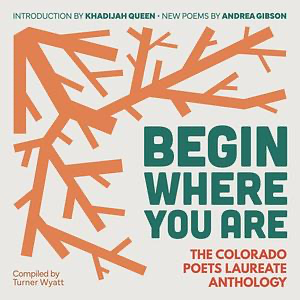
Begin Where You Are: The Colorado Poets Laureate Anthology

FAVORITE BOOK OF THE MONTH: Begin Where You Are: The Colorado Poets Laureate Anthology5 stars

Begin Where You Are: The Colorado Poets Laureate Anthology

REVIEWS:

SUNDAY SONGS:

BONUS:

Today’s song:

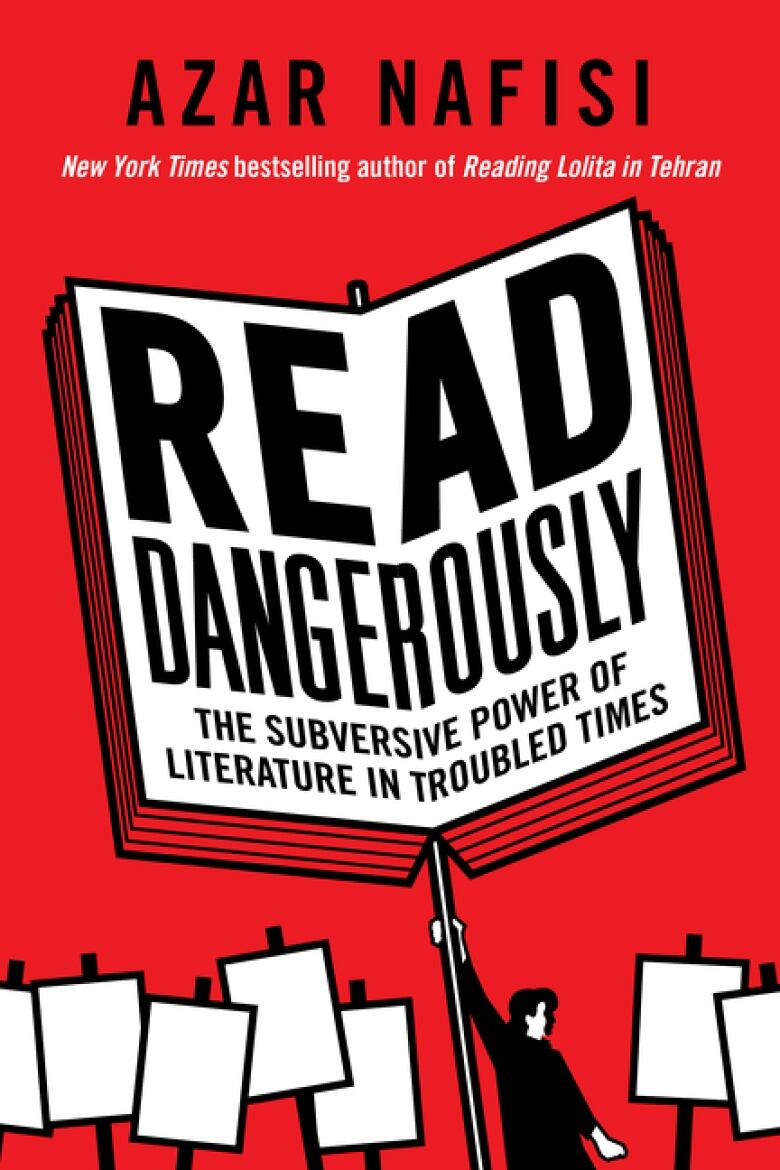
Above all, thank you for everybody here. WordPress isn’t exactly the most popular site anymore, and I’ve considered moving platforms myself. But for the people who are still here, thank you for the likes, the comments, and the kind words. This year would’ve been ten times harder to endure without my family and friends here to support me—it is the privilege of a lifetime to have you all in my life. And to anyone who’s casually read any of my posts, thanks for stopping by. Keep reading dangerously, keep loving each other. Spread love, not fear, and go to your local record store or library or indie bookshop every once in a while. Smile at people. And celebrate this new year however you see fit.

Posted in Books

The Bookish Mutant’s 5-Star Reads of 2025

Happy Tuesday, bibliophiles!

2025 is a year that defies any kind of platitudes for me, but it was a year full of upheaval—good and bad. I’m nearly finished with college, I moved into an apartment, I had my golden birthday…all with the looming specter of fascism overhead. Too many people are concernedly fine with that last bit.

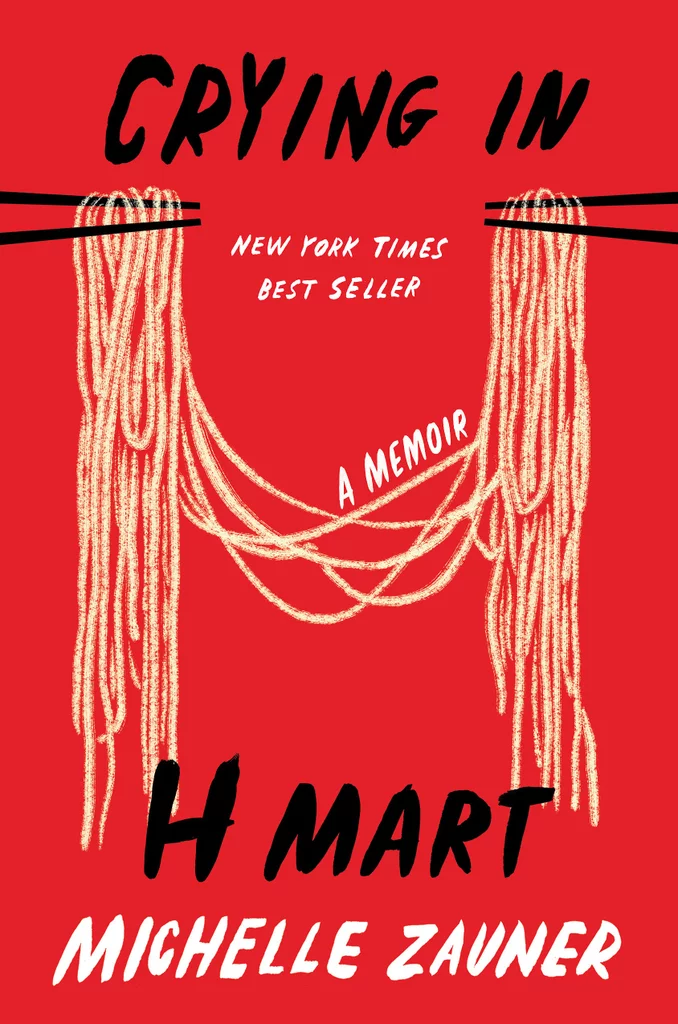
This year, I wanted to make a concerted effort to read more nonfiction. As of now, according to my Storygraph, my ratio of fiction to nonfiction is 88% to 12%, which…yeah, there’s still a pretty obvious bias. But compared to last year, where only 6% of what I read was nonfiction, that’s a significant jump up! 6% more than last year! Yet even still, most of my 5-star reads ended up being nonfiction this year, something that I did not see coming. Granted, not every nonfiction book I read was amazing, but there were some real heavy-hitters this year. Spanning from memoirs to essays on everything from grief, art, and identity, I feel like this nonfiction exemplifies my aim this year: to learn more, but to resist the kind of person that the government wants me to be, and that’s someone who is ignorant. I don’t want to thank the current administration for anything, but I will give them this: their insistence on dumbing down the population has only made me want to learn more.

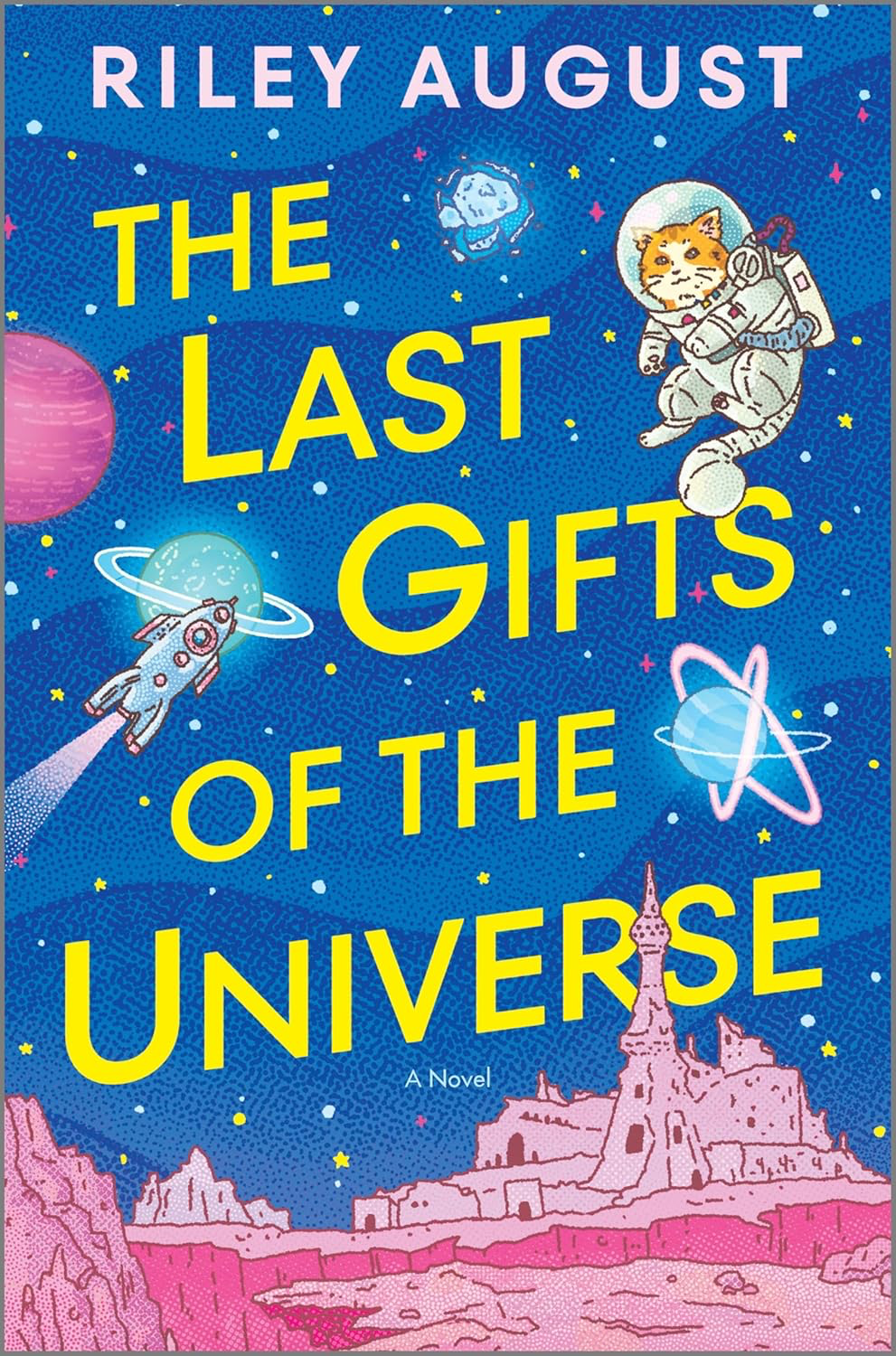
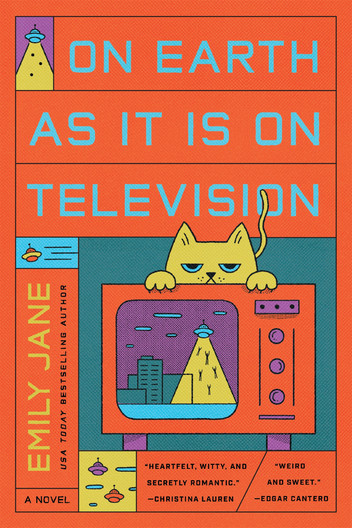
Last year, I talked about how my 5-star reads seem to shrink a little every year; I still maintain that it’s probably for the best, since I’m more selective now than I was before. (Also, it’s bound to be less since I read less and more slowly these days. I’m not blowing through 300 books a year like I was when I was 10 years ago.) And yet I noticed this year that sometimes, I was almost afraid to rate books 5 stars. I found myself second-guessing constantly: did it really move me that much? Was it that good to deserve full marks? Sure, I’ve retrospectively changed ratings of books here and there—it’s bound to happen as we age—but I just need to remember to go with my heart. And what spoke to my heart this year was an oddball bunch—fiction, nonfiction, poetry, and science fiction featuring cats. All of it moved me in some strange way, giving me the liberatory knowledge to move forward and the strength to persist. So here’s to these amazing novels that moved me the most this year.

NOTE: Normally, I don’t include re-reads on my 5-star reads of the year, but in this case I’ll make an exception, since for one of them, I retrospectively changed my rating to 5 stars. There’s nothing like a book that’s even better the second time around.

⭐️⭐️⭐️⭐️⭐️THE BOOKISH MUTANT’S 5-STAR READS OF 2025⭐️⭐️⭐️⭐️⭐️

*I’ve bumped this up to the full 5 stars from 4.75 in retrospect. Deserved.

HONORABLE MENTIONS (4.5 STARS)

TELL ME WHAT YOU THINK! Have you read any of these books, and if so, did you enjoy them as much as I did? What were your favorite reads of the year? Let me know in the comments!

Today’s song:

That’s it for this wrap-up of books! Have a wonderful rest of your day, and take care of yourselves!
Posted in Book Review Tuesday

Book Review Tuesday (12/23/25) – Embassytown

Happy Tuesday, bibliophiles! Merry Christmas Eve (Eve)—in advance, I hope you all have a lovely, safe, and restful remainder of the year.

This book was recommended to me around two years ago by a good friend of mine, and I’ve been trying to find it ever since. Last Wednesday, we had a power outage (it lasted four days 😵‍💫) because of some scarily high winds. Without anything to read on my Kindle, which was rapidly losing battery, my mom and I decided to make a Barnes & Noble run on day 2, where I finally happened on a copy. Lo and behold, Embassytown blew me away with its experiments in language, alienness, and communication—thanks, said friend!

Enjoy this week’s review!

Embassytown – China Miéville

Avice Benner Cho is many things: an interplanetary traveler, a politician, a former resident of a colony filled with all manner of alien species. But the most important of these distinctions is that she is a living simile in the language of the Ariekei, an alien race with a language that is impossible for humans to speak. The only way of communicating with them is through genetically modified ambassadors. Having left the alien-populated Embassytown as a child, Avice has returned just as tensions between the humans and Ariekei. Developments in language and communication have made leaps and bounds, but their consequences could spell war between the two species.

TW/CW: substance abuse, violence, gore, blood, war themes, suicide, infidelity, sexual content

One of my first thoughts after finishing Embassytown was “man, no wonder Ursula K. Le Guin blurbed this.” Even having only read a handful of her books, I could see how faithfully this follows in Le Guin’s footsteps. Embassytown is an experiment in language, but more than that, it’s a meditation on individuality and autonomy that blew me away with its creativity.

While I was helping teach another science fiction course in the fall, my students inadvertently got into a discussion about the hypothetical consequences of a society that couldn’t lie. I couldn’t help but think about it when I reflected on Embassytown. Of course, the reverse happens here: an alien species who evolutionary cannot lie suddenly breaks down the constructs of their language, and once they are able to lie, all hell breaks loose. (I’m not exaggerating. It’s very grim. The hopeful ending was an exceptional relief.) Some novels just have the inherent feel that they came from a series of thought experiments (say, what if you made first contact with an alien species that you can’t speak the language of without changing yourself, and they also can’t lie?), and Embassytown is one of them. But Miéville used this opportunity to really break down the effects of language and turned it into a meditation on religious fanaticism, autonomy, but most of all, communication. More often than not, this novel’s a dense mouthful, and I still don’t think I’ve processed and/or comprehended 100% of it, but what I have been able to chew on was breathtaking.

Since this is The Bookish Mutant…it’s once again the Creature Design Hour! And my god, this is some top-tier creature design here! The Ariekei were such a well-thought-out species, and the amount of detail that went into everything from their language to their culture knocked me off my feet. My mental image of them was plain fun, first off: I’m a huge fan of these spider-horse-coral-beetle creatures. Now that’s what I call a critter. One of my minor pet peeves about the novel was that most of the other aliens (or “exots,” as they’re called), are only scarcely described, but I think that’s a consequence of everything being an afterthought in the face of how detailed the Ariekei culture was. (Please, China, give me all the creatures!!) Case in point: they have several stages to their lifespan, and one of them, evolutionarily, was that when they grow old, their bodies break down in such a way that’s meant to feed their young, like many insects and arachnids do in real life; nowadays the Ariekei consider it barbaric, but their society adapts to accommodate their aging population instead of eating them. Even with the amount of real-world, familiar descriptors that were used to describe them, I think Miéville was so successful at creating them because they felt alien.

What also blew me away was how thoroughly Miéville examined how First Contact affects humanity—and not just that, it fundamentally changes it. Humans physically can’t speak the language of the Ariekei because the Ariekei have two mouths, and beyond that, a language constructed entirely differently than ours, completely absent of metaphor and the ability to lie. Our solution is to create genetically modified Ambassadors, doppelgängers raised in labs just so that they can speak the language—even their names are just halved versions of normal names (EzRa, CalVin, MagDa, etc.). The ripple effects that creates, from the Ambassadors’ fractured sense of identity to their interactions with unmodified humans, was so thoroughly examined that I could imagine the Charlie Kelly-esque, intricate corkboard filled to the brim with every possible ramification for first contact. (On reflection, I feel like Eddie Robson’s Drunk on All Your Strange New Words feels like a toned-down version of some of the stuff in this novel.) One of the reasons that kept me from rating Embassytown the full 4.75-5 stars was that I didn’t particularly care for Avice, or any of the other characters (even though Scile was an insufferable—and later downright horrible—mansplainer, the weird cheating love triangle with CalVin icked me out); yet in this case, their individual reactions to interacting with aliens made it worthwhile, especially when it came to picking apart their personalities.

That alienness that I mentioned earlier accentuated what, for me, was the primary experiment of the novel. For me, Embassytown was all about the consequences of losing oneself—autonomy, individuality, the like, but also what it takes to empathize with somebody wildly different than yourself. Both the humans and the Ariekei fundamentally have to change themselves in order to communicate with the other species, be it through genetic modification or the dissolution of the structure of their language. Taken too far, and war breaks out, nearly decimating both species. But what saves them from the brink is maintaining individuality while still being peacefully working around those cultural hiccups in order to unify and solve problems. Neither of them lose their cultural identity, but they find ways around them that benefit both parties. That’s how true cooperation comes about: communication that serves both sides, but also does not deny the individuality and humanity of the other.

I never thought I’d get emotional at a sentence like “I don’t want to be a simile anymore…I want to be a metaphor,” but man, here we are. I am nothing if not an overly sensitive English major. The leap from being like something to being is a leap into autonomy and self-determination, which, after all the bloodshed and bigotry at the climax of Embassytown, is what saves the day. When both species are left to pick up the pieces, they do so through mutual recognition of autonomy without tearing themselves in two just to please the other party. Nothing short of beautiful.

All in all, a multilayered and multifaceted exploration of the rocky road of communication—unexpectedly emotional and utterly alien. 4.5 stars!

Embassytown is a standalone, but China Miéville is the author of several other novels, including the New Crobuzon trilogy (Perdido Street Station, The Scar, and Iron Council), The City & The City, Railsea, King Rat, Kraken, and many others.

Today’s song:

That’s it for this week’s Book Review Tuesday! Have a wonderful rest of your day, and take care of yourselves!