Posted in Sunday Songs

Sunday Songs: 11/3/24

Happy Sunday, bibliophiles! I hope this week has treated you well.

This week: next stop, Big Feels™️ central…totally haven’t been anxious for the past week and a half, how’d you guess?

Enjoy this week’s songs!
SUNDAY SONGS: 11/3/24

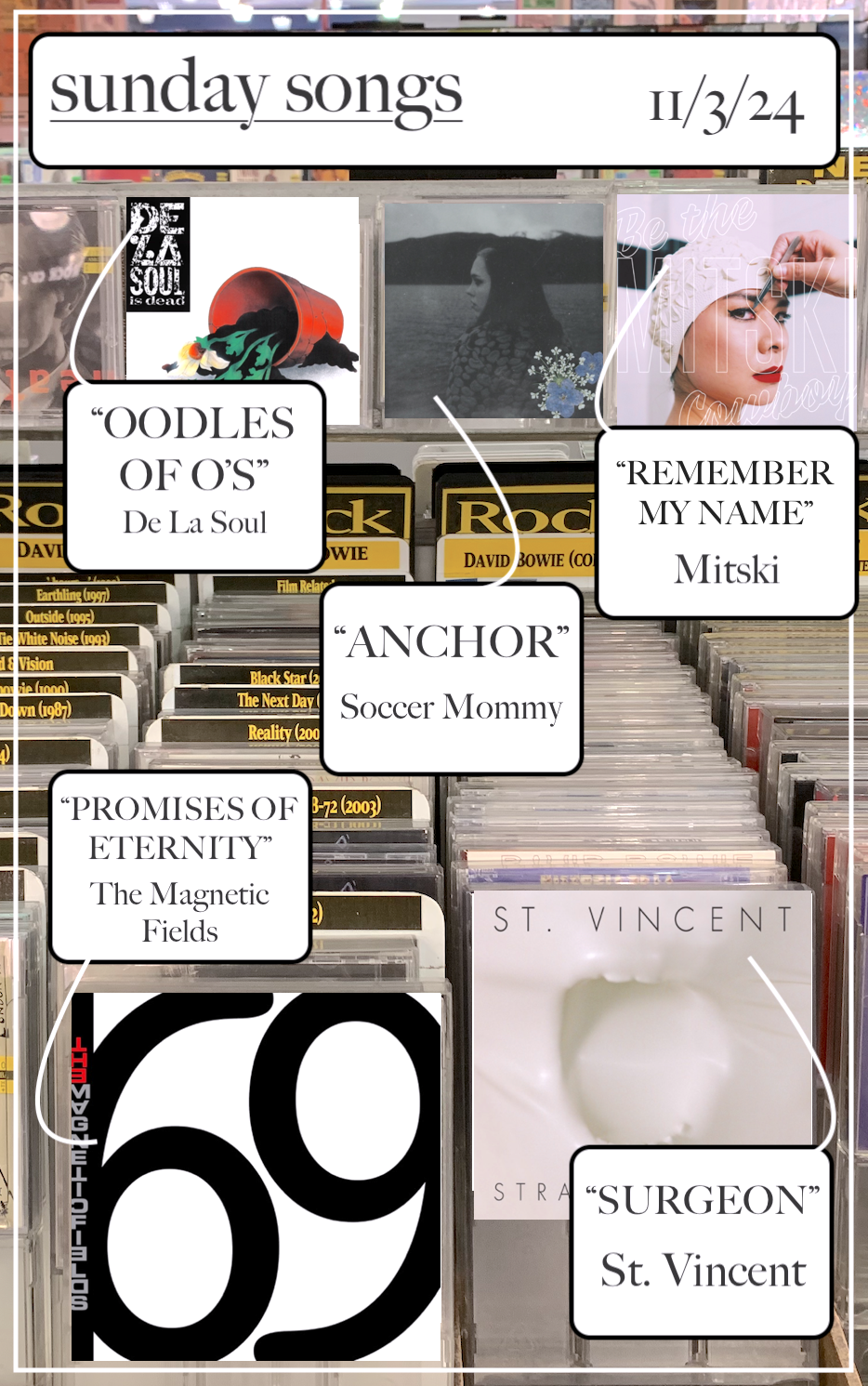
“Promises of Eternity” – The Magnetic Fields

I had the privilege of seeing The Magnetic Fields a second time last weekend; this year marks the 25th anniversary of an album that (from what I’ve heard) is not so much an album but a great balancing act of music itself: 69 Love Songs, a triple album consisting entirely of songs about love. (Make no mistake, they’re not all romantic. See: “How Fucking Romantic,” “Yeah! Oh, Yeah!” “I Think I Need a New Heart.”) I’ve yet to find the time to set aside a whole three hours and listen to the album in its entirety, but even a glimpse at around half of it over the course of my lifetime leaves me in awe of how Stephin Merritt and company pulled this off. Especially Merritt, as he wrote every single song—his songwriting never falters, but to not sputter out after 69 songs is a feat as awe-inspiring as his vocal range.

Somehow, “Promises of Eternity” slipped by my notice, but it hasn’t let me go since last weekend. Sung by Merritt on the album and by Anthony Kaczynski live, it immediately stuns. In both mediums, the synths just bowl you over—they don’t play as much as grandly announce their presence with the flourish of the same velvet curtain that the song speaks of. That chest-clutching drama defines the rest of the song—all of the lyrics detail the hypothetical collapse of the world if the narrator’s lover did not love them back: “What if no show ever happened again?/No seven, no eight and a half, no nine and no ten?” Most of Merritt’s singing has a sarcastic current to it that almost makes you question if the guy really believes in true love (though “The Book of Love” disproves that hypothesis quickly), but the way that he belts out “What if the clowns couldn’t be clowns?”, of all lines, gives you the feeling that he’s just fallen to his knees and is begging straight to your face. Apparently, the absence of clowns will signal the end? Who’s to say, really? Along with the circus imagery, the organ sound created by the synth makes “Promises of Eternity” feel like an elaborate, gilded carousel of lovesickness, with instrumentals that wouldn’t be out of place at a fairground, but lyrics fit for Romantic (in the Keats way, not the general way) poetry.

…AND A BOOK TO GO WITH IT:
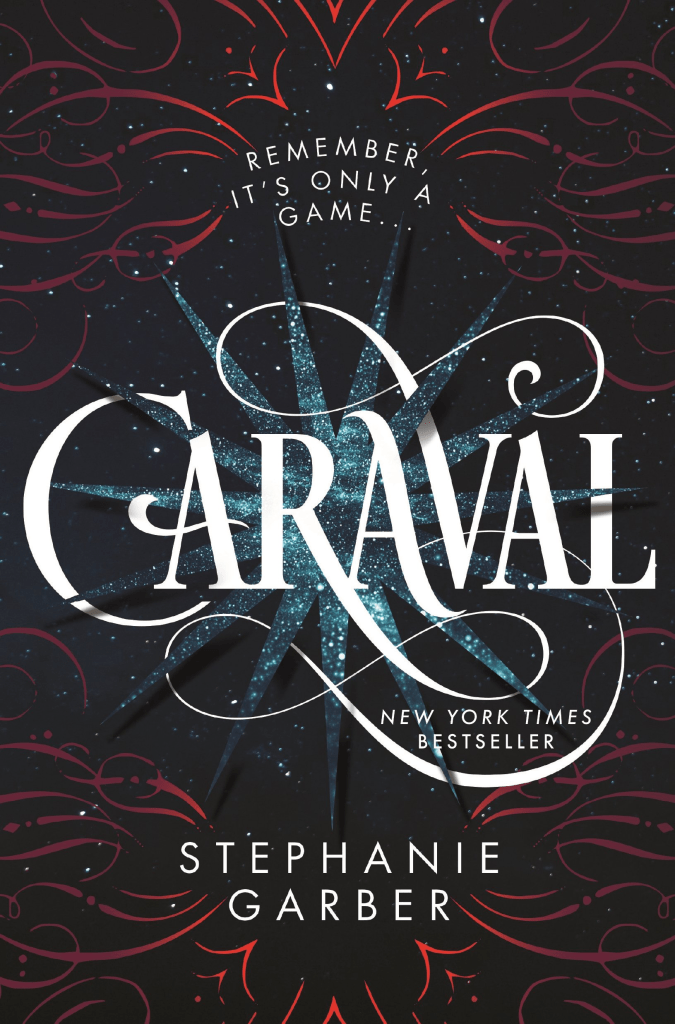
Caraval – Stephanie Garbercircus imagery aplenty, as is the levels of drama being off the charts.

“Surgeon” – St. Vincent

In the age where you can make a synth—and most any instrument, really—make almost any sound you want it to, I shouldn’t be surprised at the staggering achievements that music has made in the simple terms of what noises we can make. What sounds like “the future” feels entirely subjective when we’re talking about anything past the 2010’s—electronic music had exploded, and plus, what sounds futuristic to me might not sound futuristic to you.

My waxing poetic about St. Vincent has mostly been directed to her self-titled 2014 album, which, ostensibly fits that description for me. But with each successive listen to “Surgeon,” I’m blown away at just how much this sounds like the future. This was 2011, and aside from the percussion, most everything on this track sounds utterly alien. Watching the 4AD sessions recording that I linked above was genuinely eye opening—every few minutes, I just found myself going wait, that’s the instrument that’s making that weird noise? The synths are manipulated to the point where they could just as easily be the vocalizations of a children’s choir from another planet. Even the blink-and-you’ll-miss-it trill of a flute turns into a glitch in some kind of code. I can see the threads of Björk—especially Homogenic—throughout, yet it’s so distinctly Annie Clark. By far the most masterful of these manipulations should be obvious: Clark’s guitar solo beginning at 3:36 feels like she’s almost reached the extreme of what the instrument can sound like. It’s hardly even a solo anymore—it doesn’t just sound like a synth, it sounds like some kind of creature whose consciousness has been trapped in a computer and is howling to be freed. If you were to somehow visualize this music, I’d fully believe it if it came out fleshy and trailing with electrodes.

Oh, to spend a day in her mind…

…AND A BOOK TO GO WITH IT:
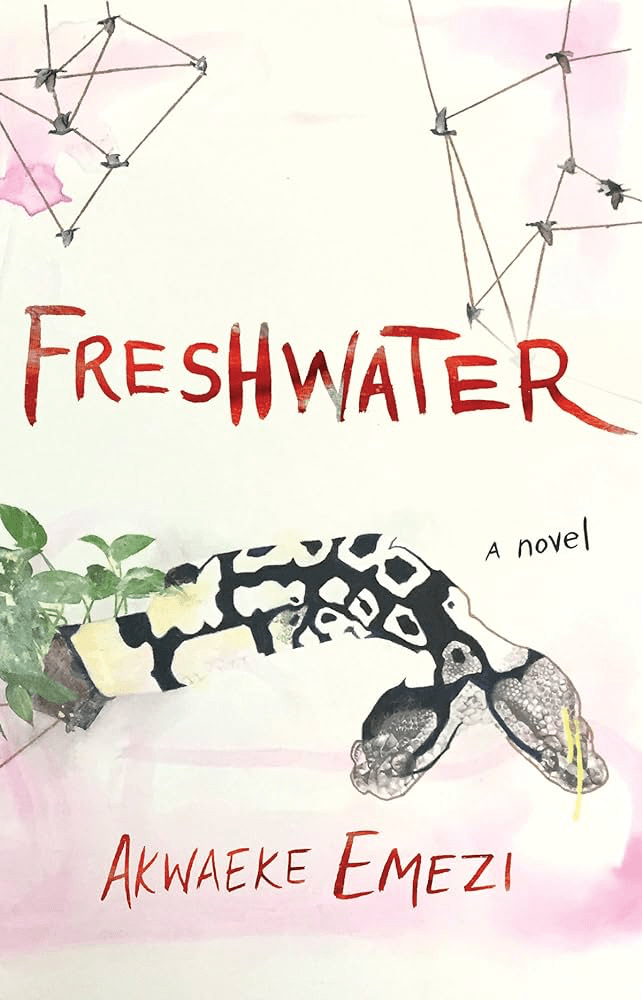
Freshwater – Akwaeke Emezistagnation, grappling with identities beyond the human, and the desire to free that identity with help of a surgeon.

“Oodles of O’s” – De La Soul

Is it possible for De La Soul to have a bad song? Well…okay, I haven’t gotten into their later catalogue, which seems to have a worse reputation (I don’t know, though, “Snoopies” is pretty fantastic), so that’s up for interpretation. But for me, De La Soul are one of those bands where almost every new song of theirs I find feels like digging up buried treasure. At least in the ’90s, their creativity seemed to come to them as easy it is for the average person to breathe. The lyrics? Deadly serious, but still full of whimsical, silly rhymes—nothing but De La Soul. The best part is that every single line ends in an o sound—quite literally oodles of o’s! The samples? That Tom Waits bassline sample is something to behold. This is my kind of hip-hop. Can’t say if their entire catalogue is perfect, but “Oodles of O’s” is. We need to bring back the word oodles. Carry on the spirit.

At the end of the day, it’s beautiful that this got the video that Dave wanted it to have, now around a year and a half after his passing. Maybe it’s not the grittiness he envisioned, but a donut shop more than makes up for it.

…AND A BOOK TO GO WITH IT:

Geekerella (Once Upon a Con, #1) – Ashley Postonadmittedly, a much fluffier take on fame, but an exploration of how it reduces you nonetheless.

“Anchor” – Soccer Mommy

With the workload I’ve been swimming through this semester, I’m not sure if I’ll get around to reviewing Evergreen, but rest assured—I LOVED it. After a few listens, Sometimes, Forever remains on top, but Evergreen is special. There’s a matured, bedroom-pop-grown-older familiarity to it, but as with every successive album, Sophie Allison always has something new to offer. Her fourth album is a cartography of grief, detailing the tangled web of loss, healing, and pining after your Stardew Valley wife, as it turns out. As with every one of her albums, it’s her introspection that shines—with every kind of grief that she experiences, it feels like a flag planted in the ground, a recognition of every hill and valley of the harrowing trek she’s been on, but recognition that it’s not the end, no matter how much of it is behind her.

In contrast to the largely acoustic (or at least traditionally guitar-driven) landscape of Evergreen, “Anchor” instantly singles itself out as the black sheep of the bunch. Though it covers some of the same ground as the rest of the album, the production doesn’t jump out at you so much as it pounces on you like some creature going after your ankles in the dead of night. I should’ve expected that Allison would retain some of the sound from Sometimes, Forever, but with how the rest of Evergreen sounded, it was a surprise—and a 100% welcome one. With synths and bells that wouldn’t sound out of place in a Chelsea Wolfe track, it has a jaggedness and fear that the rest of the album lacks. In a song about feeling so unmoored in the face of loss, it’s one of the most creative stylistic choices on Evergreen to me. In the same way that a simple object or scent or song can trigger a domino effect of memories that takes days or weeks to recover from, “Anchor” comes out of nowhere with its instrumentation. It has the static and crunch of watching yourself bolting through the woods through the lens of a trail cam, and that’s how grief can make you feel—cornered and in the dark.

…AND A BOOK TO GO WITH IT:
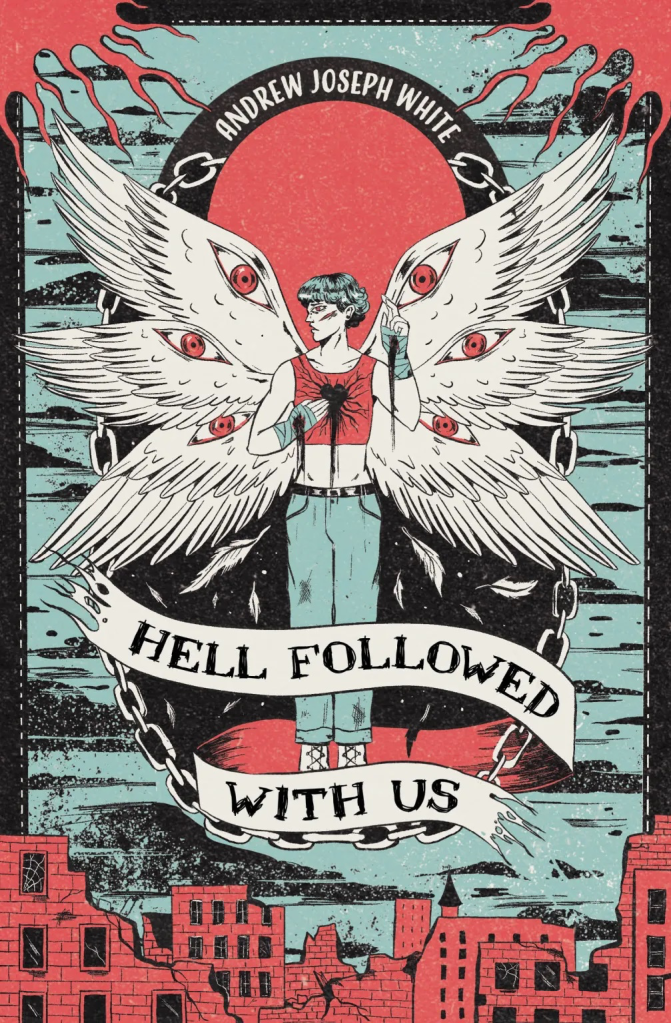
Hell Followed With Us – Andrew Joseph White“When we left the harbor/I was certain of my path/There’s no turning back/Now I long for something that/Could stop me in my tracks/An anchor to cast…”

“Remember My Name” – Mitski

Knowing that “Remember My Name” was released so close to the time that she almost quit music (back in 2019) really puts this song in perspective. Mitski’s still battling being in the spotlight, but this song presents the other side that’s been waging that war; deep down, she harbors a desire to be musically immortal, even at the steep cost: “I gave too much of my heart tonight/Can you come to where I’m staying/And make some extra love?/That I can save ’til tomorrow’s show.” With its crunching guitar riff that’s begging to be sampled and the way that the chorus consumes you in the same way that watching an approaching tornado on the horizon does, there’s so much urgency and volatility packed into just over two minutes. The best of Mitski speaks to that part of me that is so easily overcome by emotion and gives itself over to its throes—sometimes, whatever the situation, you do feel like you need something bigger than the sky. What works so well is that Mitski is dead serious—every song is an explosive, cathartic release. Of course, again, that’s probably what attracts so many parasocial weirdos to her shows, but I at least have the tact to not yell “MOMMY” at her, much less anybody else. That’s exactly the price of the fame she speaks of—she places her heart on a platter, people tear it to shreds, and the process repeats itself every day. I’m just glad that after The Land is Inhospitable and So Are We, she’s repaired that volatile relationship with music, or at least started to. Much as I love a good Mitski explosion, her best music comes when she’s healed, or at least processing it.

…AND A BOOK TO GO WITH IT:
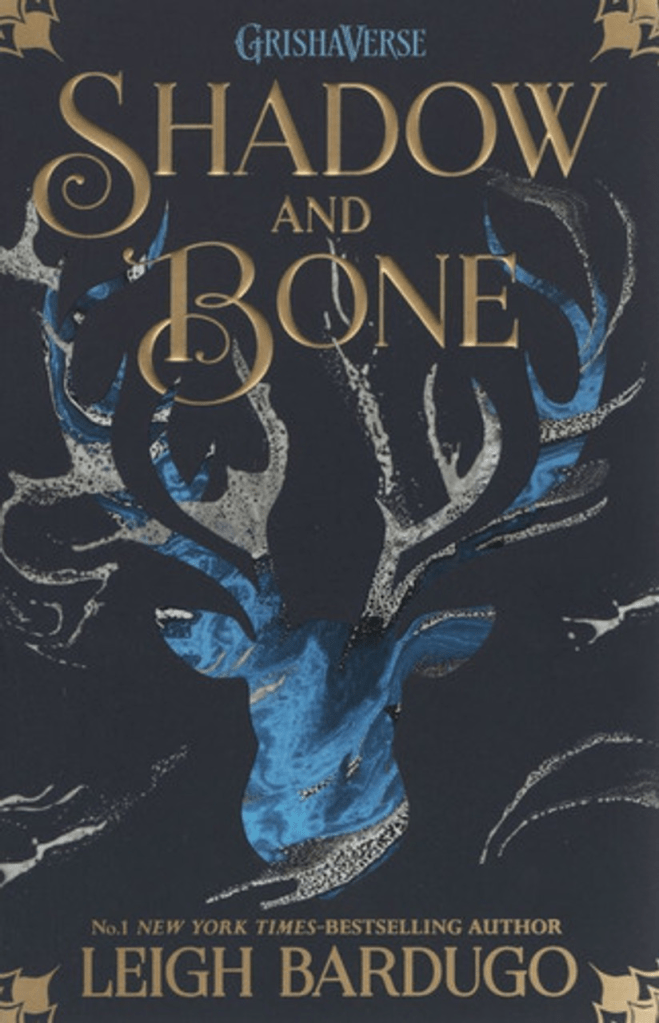
Shadow and Bone – Leigh Bardugo“I need something bigger than the sky/Hold it in my arms and know it’s mine/Just how many stars will I need to hang around me/To finally call it Heaven?”

Since this week’s post consists entirely of songs, consider all of them to be today’s song.

That’s it for this week’s Sunday Songs! Have a wonderful rest of your day, and take care of yourselves!

Posted in Book Review Tuesday

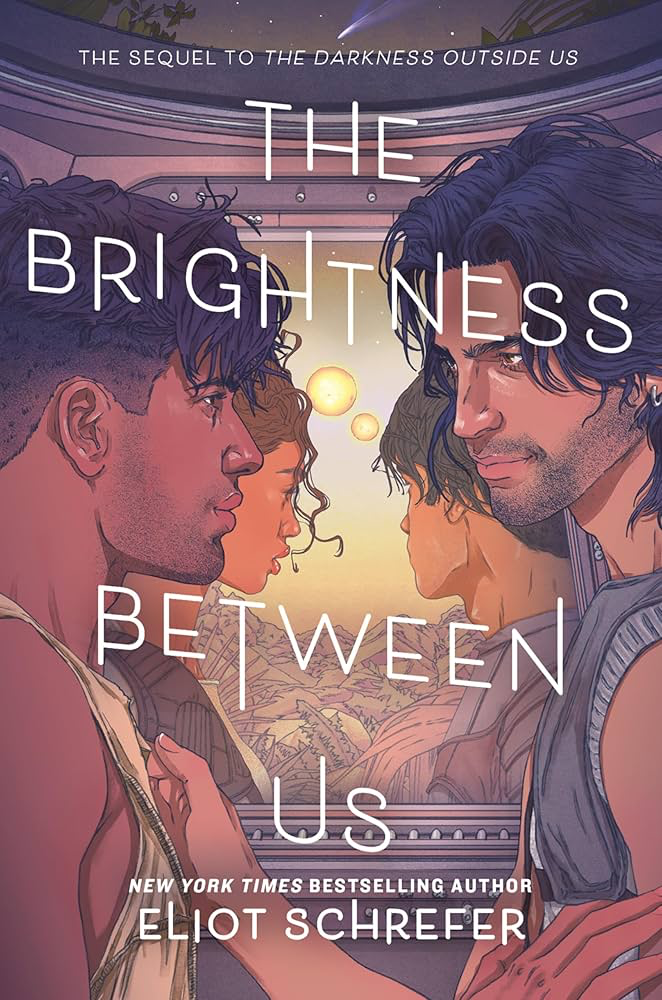
Book Review Tuesday (10/22/24) – The Brightness Between Us (The Darkness Outside Us, #2)

Happy Tuesday, bibliophiles!

We’re keeping up my sequel streak for the time being, so it seems. The difference between this and The Heart of the World is that I had no idea that The Darkness Outside Us, one of my favorite books of 2021, was even getting a sequel in the first place. That novel rocked my world—it really enraptured me in a way that not a whole lot of books ever have. But it was beautiful as a standalone—it had about as satisfying of an ending as you could ask for. So I was teetering towards hesitantly optimistic when I heard about The Brightness Outside Us, but in the end, I’m so glad I took the gamble; this novel is a different kind of twisty than its predecessor, but it’s worth taking the leap.

Enjoy this week’s review!

Now, tread lightly! This review contains spoilers for book one, The Darkness Outside Us. If you haven’t read it and intend on doing so, read at your own risk!

For my review of book one, The Darkness Outside Us, click here!

The Brightness Between Us (The Darkness Outside Us, #2)

In the 24th century, Ambrose Cusk is on the cusp of the greatest space mission mankind has ever embarked on. After losing his sister Minerva in a troubled gambit outside of the solar system, Ambrose is set to cross the universe itself in order to save her. But when he discovers that he won’t be on the ship—only clones of himself—he is determined to get to the bottom of what his true mission is—and what really happened to Minerva.

30,000 years in the future, the final clones of Ambrose and Kodiak have grown from the teenage clones they once were into fathers of two children. Owl and Yarrow live a peaceful but sheltered existence on the surface of Minerva. Owl yearns to learn what the rest of the planet holds, but her parents are keen on keeping her safe. But when her brother Yarrow begins acting strangely, the family suspects that a stranger thousands of years in the past may have sabotaged their mission.

TW/CW: violence, war, past mentions of child death, animal death, terrorism, intrusive thoughts

It didn’t even cross my mind that The Darkness Outside Us would have a sequel. I went into this novel with trepidation—how do you follow up a novel as twisty, complex, and heartwrenchingly beautiful as The Darkness Outside Us? By splitting the novel in two, as it turns out. I didn’t think that The Darkness Outside Us needed a sequel, but nonetheless, I’m glad I stuck around to see the result—of course Eliot Schrefer would have something fascinating up his sleeve.

The Brightness Between Us reminds me of how much I love a good “space colony gone wrong” story. As I said, I didn’t even think about The Darkness Outside Us getting a sequel, but this novel has the perfect setup for precisely this kind of plot. I should have trusted Schrefer from the start, given how masterful book one was, but wow, the Minerva plot amazed me! There was so much solid, hard sci-fi put into the terrain, climate, and wildlife of Minerva, and Schrefer did an excellent job of keeping the reader in the dark just enough to make everything suspenseful, even when the mysterious bones that Owl digs up in her exoplanet yard only turn out to be from a duck. From the research behind the wildlife, the weather, and the atmosphere, no stone was left unturned, each one its own Chekhov’s gun waiting to fire.

Although Owl wasn’t my favorite protagonist, she fits perfectly for the environment she’s in. Every “space colony gone wrong” needs a character who questions everything; there is always some part of the planet that has been unexplored, and someone needs to be curious and daring enough to want to discover what’s on the other side of the world. It can be even more effective when that character is a child; children are naturally curious, making it more than simply questioning authority—the authority is often their parental figures, and the excuses of them hiding things “for their safety” feel more tangible. Fifteen-year-old Owl was naturally curious, but also paired with her more obedient (at first) brother, Yarrow, giving her more resentment towards her parents. She wasn’t as likeable as Ambrose or Kodiak (I loved seeing them become parents), but they had the home field advantage of book one. But I can recognize when a character is perfect for the plot they’re in, and Owl was the perfect match for the plot of The Brightness Between Us.

After the pummeling of gut-wrenching twists that we call The Darkness Outside Us, the sequel was going to have to pull off a miracle to follow it up in terms of plot. The main twist was so earth-shattering that I thought it would be impossible to come up with anything better. I remain correct—I don’t think anyone, much less Schrefer, could come up with a twist that could top book one. But the main twist that we do have was excellent enough to propel me to finish the book in one sitting—just like The Darkness Outside Us! (The difference is that it was at a reasonable hour this time. I’ve matured since 2021, I promise.) Not only is this duology a love story 30,000 years in the making—it’s a conspiracy 30,000 years in the making! I loved the twist that Devon manipulated the frozen fetuses to develop violently aggressive traits as they grew—it gave even more stakes to an already gripping plot, and it made the days of present future half of the novel gripping as well. It gave the “space colony gone wrong” side of The Brightness Outside Us a truly unique twist—sabotage from 30,000 years in the past, and two versions of the main characters communicating across time to thwart it.

All this talk about the Minerva plot, and I haven’t even touched on the “present-day” Ambrose and Kodiak…oops. I don’t have a favorite child, I swear. The worldbuilding in this half of The Brightness Outside Us was my favorite part; getting a glimpse into the forgotten world that we only knew about in whispers in book one was fascinating. Schrefer’s vision of a world divided into a corporate hellscape of excess and a corporate hellscape of rigidity was one that was mapped out just as vividly as the alien world of Minerva. You really do see how it is that Ambrose and Kodiak got to be how they were at the start of book one. In terms of character development, it did tend to feel like listening to a broken record after book one, but that’s my only minor nitpick—Schrefer made sure that they had startlingly different—and almost as emotional—arcs as their clone counterparts in The Darkness Outside Us. Devon was a fascinating, slippery antagonist, and his sabotage was one of my favorite parts of the novel to witness unfolding.

All in all, a sequel that had a Herculean task to live up to its predecessor, but delivered a miracle in spite of the odds—just like Ambrose and Kodiak. 5 stars!

The Brightness Between Us is the second book in The Darkness Outside Us series, preceded by The Darkness Outside Us. Eliot Schrefer has also written several other books for children and young adults, including the Ape Quartet (Endangered, Threatened, Rescued, and Orphaned), The Lost Rainforest series (Mez’s Magic, Gogi’s Gambit, and Rumi’s Riddle), Queer Ducks (And Other Animals): The Natural World of Animal Sexuality, and many others.

Today’s song:

EVERGREEN COMES OUT THIS FRIDAY, ARE WE READY?

That’s it for this week’s Book Review Tuesday! Have a wonderful rest of your day, and take care of yourselves!

Posted in Sunday Songs

Sunday Songs: 9/22/24

Happy Sunday, bibliophiles! I hope this week has treated you well.

This week: I apologize in advance for every single driving mention and/or pun that I made in this post. I didn’t even notice it at a certain point…I just couldn’t…stop…

1:58-2:07

Enjoy this week’s songs!

SUNDAY SONGS: 9/22/24

“Bloody Ice Cream” – Bikini Kill

It’s been just under a month since I had the privilege of seeing Bikini Kill live, and even as someone who isn’t a hardcore fan of the band, I had SUCH a wonderful time! That’s owed in no small part to the commanding presence of Kathleen Hanna, not just in the history she carries, but in just how real she was. There she was, a pioneer of feminist punk, just onstage joking about how her bra was too tight and recounting a memory of rich girls pelting her with squirt guns before she walked into a job interview. Never at any moment was there a pretense of acting cool or punk. It was nothing but Kathleen Hanna, in all of her smudged-mascara and sequined glory. Bless Kathleen Hanna, really.

So when she introduced this song, which I was familiar with only in name, by saying that it was dedicated to “all woman writers,” you bet that I stood up and saluted her like it was the national anthem. And even as a fan on the sidelines, I’d accept “Bloody Ice Cream” as a new kind of anthem. It articulates in less than one and a half minutes what so many creators—chiefly women—are told about the profession: “The Sylvia Plath story is told/To girls who write/They want us to think/That to be a girl poet/Means you have to die.” The unspoken doctrine of your craft not being valid unless you sobbed and suffered over it permeates all kinds of media. I’ve been around so many people who think that trauma is the secret to good writing, whether it’s slapping it onto their characters or thinking that their hope in their message is invalid because it doesn’t show the bleakness of the real world. Counterpoint: ever experience happiness? Even once? Was that not in the real world?

The modern world may be far from perfect, but we have an understanding that could nurture and heal the Sylvia Plaths and Virginia Woolfs of tomorrow. And we have the recognition that there is no power greater than joy. In and outside of the writer’s world, we’re taught that to feel downtrodden is to experience the real world, competing each other for how exhausted we are, how much we have on our plates, and how sad and gloomy our projects are. Is this really what creativity is? It’s not like there’s no value in showing the darker aspects of life, but for how much it clogs the literary world, I feel like so many people have forgotten that writing—and imagination—isn’t just a contest for who can work themselves to the bone the most artfully. I write to put out the energy I want to see reflected in the world around me. And that energy is joy. The systems of oppression that surround us want to see people like us being so downtrodden that we have no energy to question them. So write. Write joy. Write what’s in your heart. Scream and dance like Kathleen Hanna. And don’t underestimate the value of kindness. They hate to see you joyous.

…AND A BOOK TO GO WITH IT:

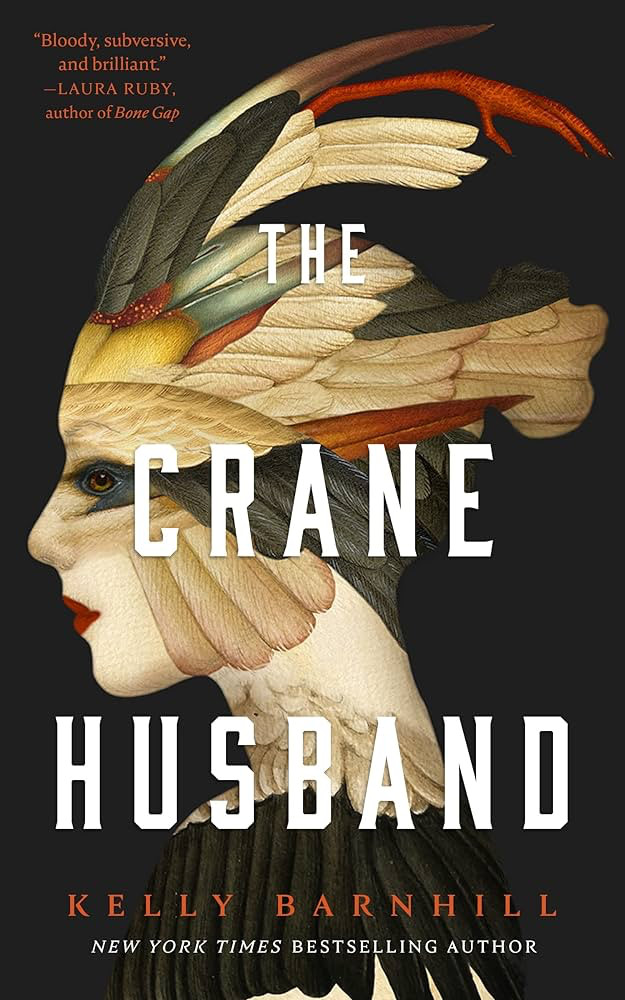
The Crane Husband – Kelly Barnhill“Who was it/That told me/All girls who write/Must suicide?”

“My Impure Hair” – Blonde Redhead

The best shoegaze sounds like you’re slipping in and out of a dream, that limbo best experienced from 1-4 in the morning when you’ve woken up from a dream, your eyes are gummy, and you’re not sure if the hazy shapes forming the walls and bed around you are part of another dream you’ve yet to wake up from. I guess that’s why it’s so easy for people to get high to this kind of music, but like…well, all things, sobriety is better suited to experiencing them. “My Impure Hair” is the closing track on 23 (I’m not even a diehard fan, but I just LOVE that album cover), and even from this tiny taste, it feels like an artfully placed closing track. It has the quality of a lullaby; every element, from the soft instrumentation to Kazu Makino’s vocals, is whispered, as though not to disturb a swaddled baby drifting off in their crib. Once you think you’ve heard a distinct sound, it bleeds into another like spilled watercolors, creating a pale wisp that floats, airless, on the passing wind.

…AND A BOOK TO GO WITH IT:

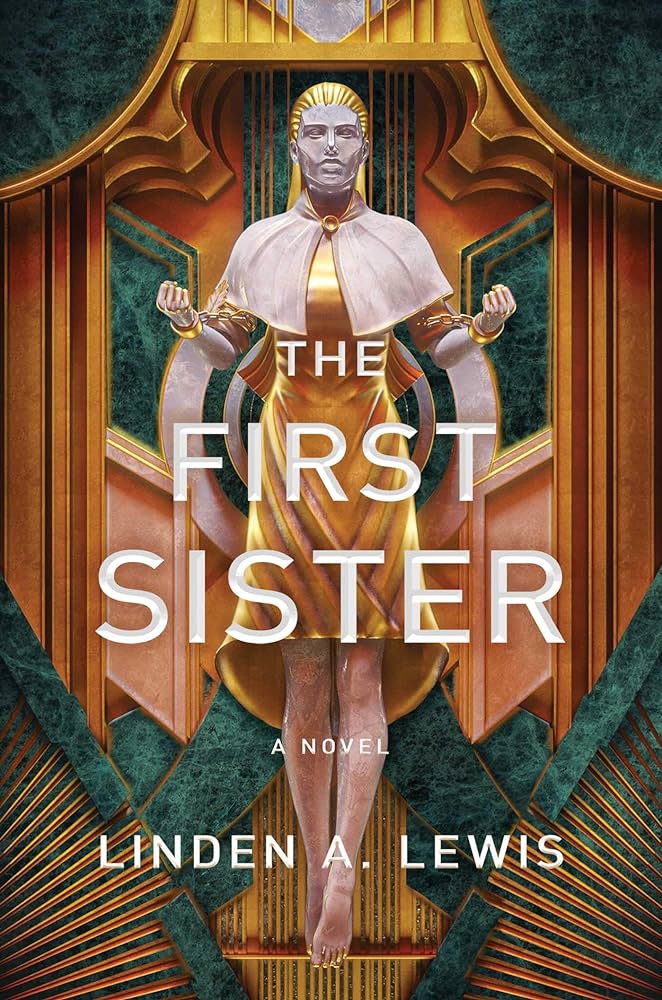
The First Sister – Linden A. Lewis“But in the end/We defend our decadence/You never wept like that/Whatever lost, I won’t forget about you…”

“Kanga Roo” – Big Star

Nothing baffles me more about “Kanga Roo” than the fact that, although it didn’t officially see the light until 1978, it was recorded sometime in 1974. I suppose there’s some ’60s psychedelic bands that got close to the sound here, but this kind of deterioration feels so modern. It doesn’t sound like 1974! It sounds like a less fuzzy Spacemen 3 or the first take of a Bends-era Radiohead b-side. One of the top comments on the official audio called it “the rough draft for Wilco’s Yankee Hotel Foxtrot, which is the most astute description I’ve ever seen ascribed to it—I don’t know how it never clicked, but suddenly, “Ashes of American Flags” makes eons more sense.

I can only imagine what hearing this in 1978 felt like—probably the musical equivalent of “mom, come pick me up, I’m scared” after expecting something more like “In The Street.” Jesus. That feeling certainly crept into me when I first heard this song, while driving home from a concert late at night, navigating a winding canyon road in near-pitch black. All of the shrill mechanical squeals sound much more menacing when you’re barely awake. “Kanga Roo” sounds like it’s actively pulling itself apart at the seams, a threadbare rag only attached to its halves by a few strands of fraying string. The drums are never on beat or consistent in volume, somebody’s banging on a cowbell for about 15 seconds, and all the electric guitars are doing is getting scratched and squealed into oblivion. It’s a bizarre experience, watching a song crumble like charcoal in a dead firepit the morning after a campfire. Yet there’s an innocence to it; Alex Chilton’s voice is the only clear sound in “Kanga Roo.” You’re hearing the instruments fighting for their lives while Chilton’s plainly singing “You was at a party/Thought you was a queen.” The iconic line that gave the song its name (“oh, I want you/Like a kangaroo”) almost makes no sense, and I’m not sure if Chilton has ever offered up an explanation, but somehow, I see it. I imagine one of those towering, buck kangaroos standing at full height, and feeling the desire to grasp someone in your arms with the strength of such a creature.

I included This Mortal Coil’s cover of “Kangaroo” in one of my past Sunday Songs that I didn’t get around to writing because I was occupied with moving and school; I have too much homework to fully go into who’s coming out victorious if we’re pitting the original against this one, but I’m at least partial to it for how sparse it feels, even with the soaring strings. It’s much more put-together than the original (not to disparage the artful chaos), but there’s something to be said for what it does with the negative space that the Big Star version drowns out. What can I say? They got me. They got me with the big feels.

…AND A BOOK TO GO WITH IT:

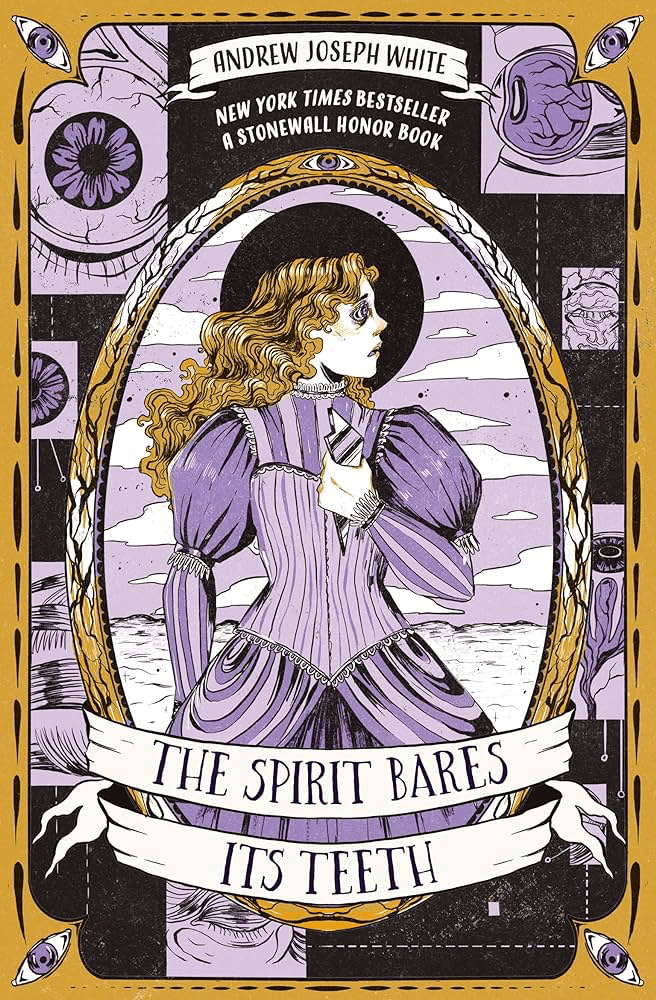
The Spirit Bares Its Teeth – Andrew Joseph Whitethe lyrics could match up with any number of books, but it’s the creaking, uneasy atmosphere that puts it squarely in this novel’s company.

“Driver” – Soccer Mommy

I’m so glad that Soccer Mommy has become a prominent enough artist that she has the means to do funny marketing campaigns, because whoever came up with the one for “Driver” had a stroke of genius. By calling a number that Sophie Allison posted, you could get a snippet of the track before it came out, followed by “how’s my driving?”-style call prompt. Maybe we are in an okay timeline.

Without a doubt, Sophie Allison has never been more sure of herself at the wheel. A departure from the expression of beauty in lingering grief that were the two lead singles, “Lost” and “M,” “Driver” presents a more lighthearted detour to the landscape of Evergreen. The backing guitars and effects have gained a grungier, grimier edge, but Allison’s sunshine puts them all in a dusty, golden light. As the guitars and drums thrum like gravel skipping across a dirt road, Allison turns her attention to the present loves of her life. You almost get the feeling that she’s slipping into the self-deprecation of her early career, but there’s nothing but affection for herself, but more in terms of her partner, who puts up with her “losing [her] concentration on every whim.” Allison presents herself as the more emotional, scatterbrained half of the couple, which her partner is playful about, but is also the one to ground her when she gets too far into her head with a reminder of “where are we going now?” She’s never completely blameless, but she’s full of nothing but love for her anchor that keeps her from veering off the path; it’s not like some of her earlier songs, like this would indicate that she’s in danger of slipping away entirely, but it’s an exercise in learning to rein yourself in—and find somebody who isn’t afraid to rest a hand on your shoulders and remind you where your feet are planted.

…AND A BOOK TO GO WITH IT:

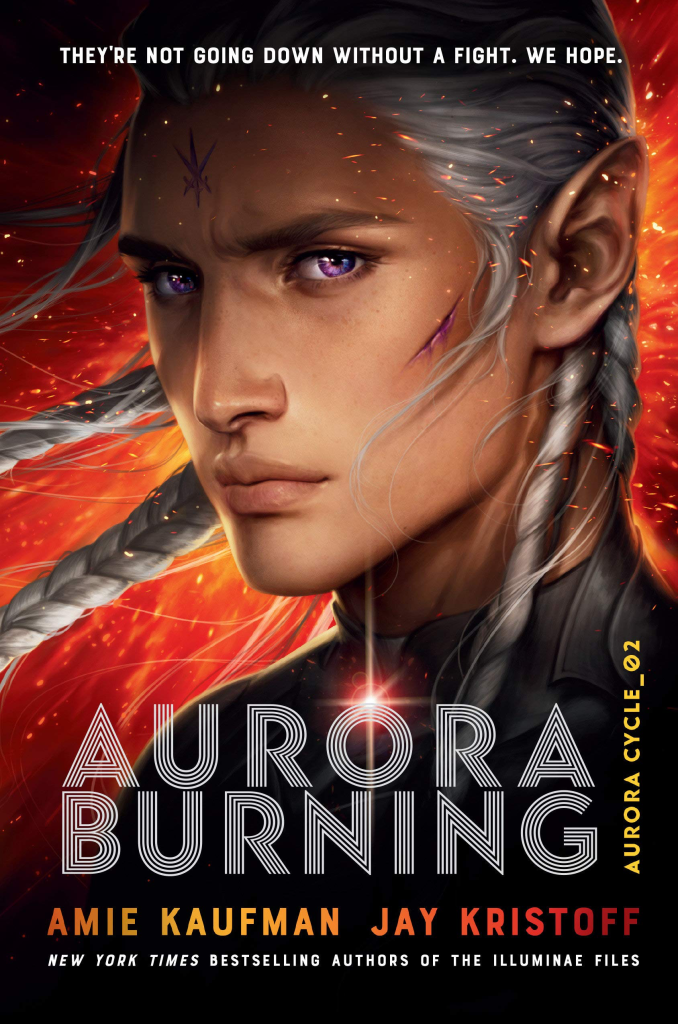
Aurora Burning (The Aurora Cycle, #2) – Amie Kaufman and Jay Kristoffnot to get all 2020 Madeline on you all, but…the Kalauri in this song…I’m gonna keel over…

“I’m a five foot four engine waiting to move/I’m a test of his patience with all that I do/‘Cause I’m hot and he stays cool, I don’t know why/But he puts up with my moods/And he makes me smile when he says/’Where are we going now?'”

“Bishop’s Robes” – Radiohead

The connection of inspiration between Radiohead and The Smiths never surprises me, but sometimes, with bands that inspire another, you find a single song that you know is the missing link in the evolutionary tree, the line of ancestry concretely delineating their music as kin. More specifically, it makes sense next to their cover of “The Headmaster Ritual,” though “Bishop’s Robes” takes a much more subdued turn.

Yorke’s raw lyricism thrives in both simplicity and complexity; he can weave any number of stories with denser, more prosey lyrics, but he knows just what kind of simple, unadorned phrases to stab you in the gut with. In this case, it’s the chorus, repeated like a shaky-voiced prayer in a dark corner: “I am not going back.” It becomes more of a reminder than a statement, as though to convince his brain that no, he’s not back in his pre-teen years under the reign of his “bastard Headmaster.” Volumes have been written about the horrors and abuse of the British education system back in the day (see: pretty much anything by Pink Floyd)—and some continuing into now, I would imagine—but what sets “Bishop’s Robes” apart is the mood. It might be more accurate to call it a lack, as the most overwhelming feeling you get from this track is not anger but numbness. There’s a resignation to it, weighing down the music, as though, even in adulthood, the experience has sapped him: Yorke doesn’t have the energy to fling insults along the lines of “spineless swines” or “belligerent ghouls” at his abusive childhood tormentors—all he can do is “bastard.” And it’s that eyebagged, forlorn crawl that sells the lasting effect it had on him. After years of unyielding discipline, I can imagine the fear of not raising your voice—a haunting presence that permeates every note of this track, constantly looking over its shoulder to guard innocent contraband that doesn’t exist.

…AND A BOOK TO GO WITH IT:

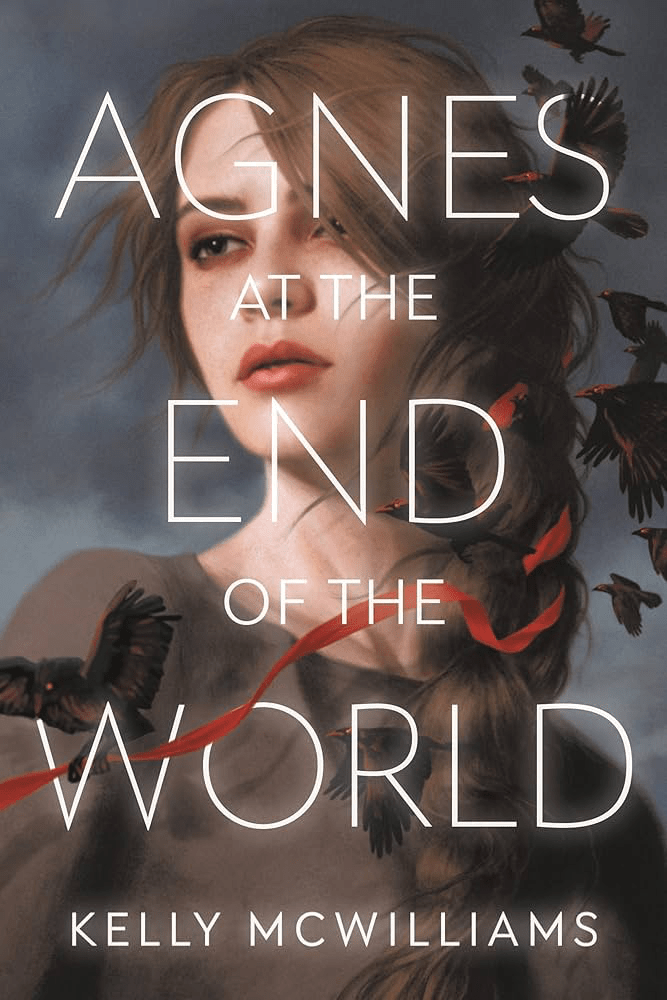
Agnes at the End of the World – Kelly McWilliamssecrecy, escape, and the horrors of a perverted version of Christianity in the hands of the wrong man.

Since this post consists entirely of songs, consider all of them to be today’s song.

That’s it for this week’s Sunday Songs! Have a wonderful rest of your day, and take care of yourselves!
Posted in Sunday Songs

Sunday Songs: 8/6/23

Happy Sunday, bibliophiles!

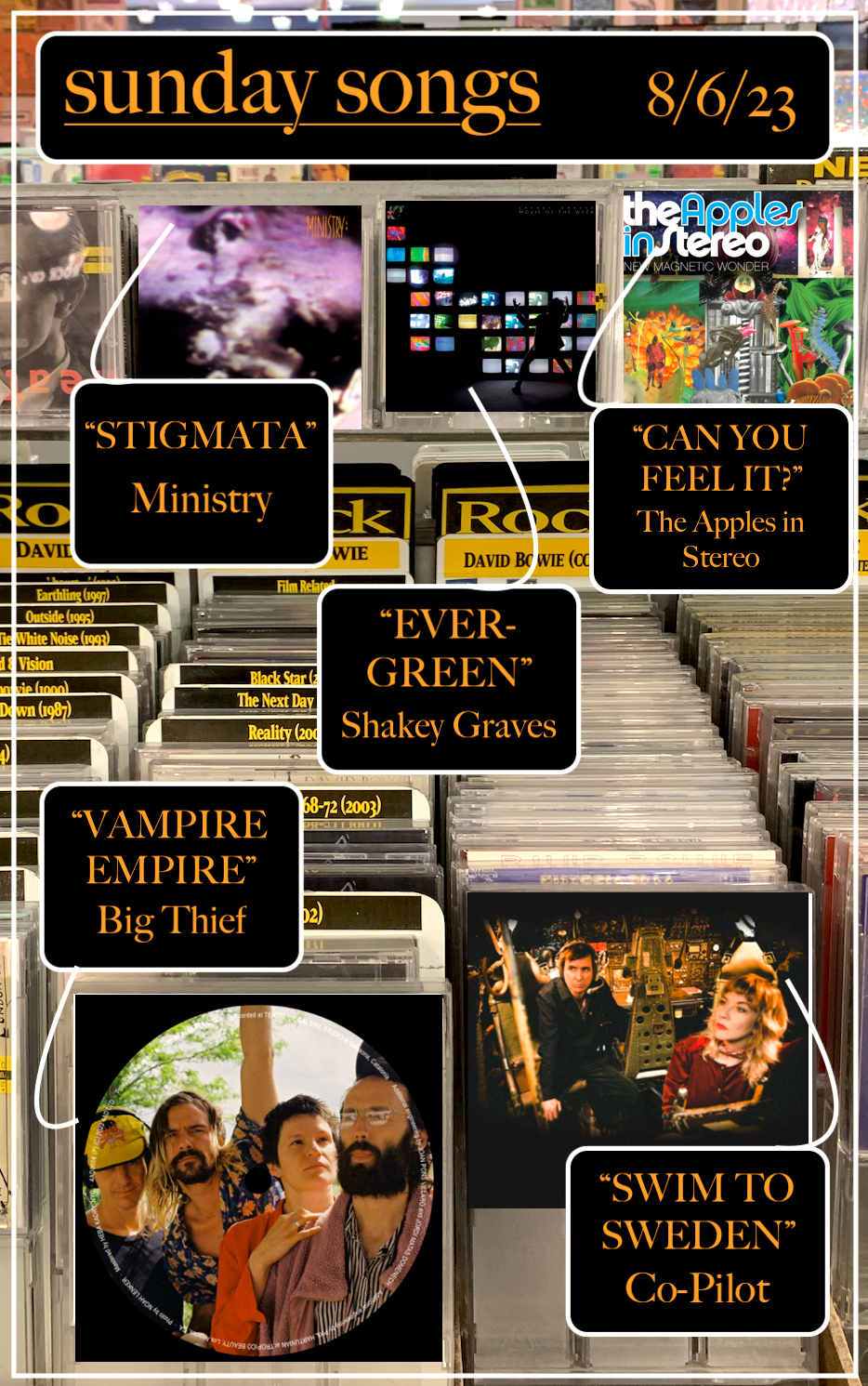
Here we are in the heat of August, and I bring you a batch of songs with a Halloween color scheme. I say, it’s my birthday month and I get to choose to color scheme, and I say that every day is Halloween over here at the Bookish Mutant. It’s only fitting that we have the band who probably originated that phrase on here. Plus some vampires. A whole empire of them, as a matter of fact.

Enjoy this week’s songs!

SUNDAY SONGS: 8/6/23

“Vampire Empire” – Big Thief

With almost every Big Thief song that I hear, I’m convinced more and more to go deeper into their discography. Plus, the sisterhood of queer women growing out buzzcuts has to stick together. 🫡

As I clumsily tried to explain to my dad with some tired, T-Rex arm moves before dinner the night that this song came out, “Vampire Empire” is a song that really feels like it’s pressing down on you. After the curtain lifts on the deceptively silent opening, the steadfastness of this song never lets up. With each drumbeat, I feel like I’ve been sucked into a water wheel, bobbing along with its machinery. Each punch of the impeccably rhythmic chorus feels like a spoke passing over me: “You give me chills/I’ve had it with the drills/I’m nothing, you are nothing, we are nothing with the pills.” And if there’s anything I love in a song, it’s that quality where everything feels like it’s teetering on the edge of collapse, but is reconstructed just as quickly. From the pots-and-pans banging sound of the percussion to the way that Adrianne Lenker’s voice strains, soars, then screams in the final verse: “You say you wanna be alone, and you want children/You wanna be with me, you wanna be with him.” Even if the now beloved version that they performed earlier this year on The Late Show with Stephen Colbert excelled in its indie tightness, the barely-contained fury of this version matches matches the lyrics so much more, with its unpredictable, pressing highs and lows. And as much as I loved the original “I’m a fish and she’s my gills” lyric, the way it was squashed right at the end of the chorus did feel like it was interrupting the flow of an otherwise impeccably rhythmic song.

“Swim to Sweden” – Co-Pilot

Rotate has been getting great reviews ever since it came out about a week ago, and even before that—and I’m so happy. I don’t know as much of the context behind Leonore Wheatley, it makes me so happy to see Jim Noir FINALLY getting more of the recognition that he deserves! If there’s anybody who deserves to have their album called “the album of the summer,” it’s him and Leonore.

Co-Pilot (Leonore Wheatley and Jim Noir, a.k.a Alan Roberts) make the perfect music for getting things done; I normally put on an album when I clean out my bathroom, but there are some albums that are…shall we say, better than others for doing such things. (Cue an Arrested Development-style cutback to me crying into the sink to “Don’t Give Up”.) I don’t know much about Leonore Wheatley or her other projects, but Jim Noir always makes that perfect kind of music—it can tickle your brain in a pleasantly creative way, but it makes for the perfect soundtrack to washing down the bathroom mirror or shelving books at the library. So Rotate was bound to be just like that, and that’s exactly how it turned out to be. But as with anything by Jim Noir, it’s so much more than just quirky background music—it’s the sonic equivalent of a Russian doll, layered with oodles of hidden samples, sounds, and fun. “Swim to Sweden,” the Rotate’s second single and opening track, is the perfect display of that explosive, wondrous weirdness. It’s a whole sensory experience; all of the many, layered synths make sounds that crackle, writhe, and, as the title suggests, swim around in your head as the song plays. It’s like a stimulating massage for the brain: the music grows fingers that wiggle all around you, invoking images of bubbles and pulsating lights. I’d be remiss if I didn’t say anything about Wheatley’s contributions, even with my minimal context; I don’t know how much of the instrumentation was from her, but her voice was clearly the anchor that steadied the whole record, richly lilting and magically suited to everything surrounding it. Wheatley and Noir’s vocals weave effortlessly together, diving and darting through the current between the synth melodies like fish.

Bottom line: if you’re looking for something refreshing and perpetually exciting to listen to, go listen to Co-Pilot. Rotate is out now on all streaming platforms! I almost put “Move To It” as this week’s pick, but I’ll direct you to this one too—it samples the same keyboard track that C418 sampled for Minecraft’s “Chirp.” And while you’re at it, I’d once again encourage you all to support Jim Noir’s solo work via his Patreon, if you can.

“Stigmata” – Ministry

With these Sunday Songs posts, I hope to give you all a glimpse into my shuffle. Some weeks, it’s fairly curated. On weeks like this, it really does feel like my shuffle. And by that, I mean four tangentially related songs that sort of fit together, and one of the two (2) Ministry songs in my library. Gotta keep you all on yours toes somehow.

I’ve never been the biggest fan of most metal or industrial music, but as I’ve gotten older and started to appreciate more of it, I’ve noticed a pattern. I doubt I’ll ever completely warm up to all of it (there’s only so much screaming in my ears that I can handle), but for a fair amount of those bands that I’ve been exposed to, there’s always 2 or 3 songs that I just inexplicably love. For Black Sabbath, it’s “N.I.B.” For Nine Inch Nails, it’s “Terrible Lie,” “Head Like a Hole” and “Reptile.” And for Ministry, who famously inspired the name of the latter, it’s “So What” and this song. (Don’t think I’ll quite warm up to Iron Maiden, though. I’ve tried. Apologies to my dad and brother. Bruce Dickinson is undeniably a king, though.)

I don’t really remember enough Ministry to see what separates this song from everything else I’ve heard and passed by. But “Stigmata” came back to me in one of those joyous moments where my shuffle decided to dredge something from the dusty depths of my iTunes library, to my surprise. And instantly, I remembered the rush it gave me in my sophomore year of high school, when I first remember hearing it and liking it. I know the word “feral” is tossed around more often than not these days, but…that’s exactly the way this song makes me feel. The instant the drums kick in, I just start grinning from the anticipation. Then comes one of Al Jourgensen’s many raspy shrieks (which he can keep up for a surprising amount of time), and then it all comes crashing into you. From there, it never lets up—it’s the very definition of abrasive, but the kind of theatrical abrasiveness that never holds back. You can just picture this guy maniacally grinning and wiggling his fingers as he draws out “I’m chewing on glass/And eating my fingers.” Again, who knows what line my mind drew between this and the rest of Ministry, but this song is just so fun. I’ve heard enough to know that metal probably won’t ever fully be my cup of tea, but my brain knows exactly what it likes, no matter the arbitrary, inexplicable distinctions it makes.

“Evergreen” – Shakey Graves

This song and “Vampire Empire” seem to be cousins in a lot of ways. Both of them were famed, unreleased songs that became live gems and staples for their respective bands, and, lo and behold, were released on the same day. Even though I’m far more familiar with Shakey Graves, Big Thief overshadowed my listening, out of the two—as you could probably tell, I couldn’t get enough of it. But “Evergreen” is just as uniquely wondrous, even if I’m admittedly overdue in appreciating it.

No matter how many times I listen to this song, I always fall into the trap of turning the volume up for the quiet acoustic plucking that makes up the beginning of the song. Then, of course, in true, modern Shakey Graves fashion, it’s all gone in a flash and a bang of static as the true beginning of the song kicks in. It’s exactly like the image on the album cover of the forthcoming new album Movie of the Week (!!!)—the silhouette of Alejandro Rose-Garcia, arms outstretched in ecstasy like the black and white monster movie version of Victor Frankenstein declaring “IT’S ALIVE!” The rest of the track continues in that unexpected trajectory. “Evergreen” is a sea of purple-hued fuzz and distortion, dreamy and explosive. Like the trees it’s named after, it’s a song that seems to lure you into the woods, tinged with dreams but hiding something faintly sinister: “Let me rest, yeah let me be/Overgrown and evergreen.” Guess we were all feeling that “I need to go off into the woods and let myself be covered in moss” feeling. It feels like the next natural progression from Can’t Wake Up, which saw Shakey Graves leaning more towards the alternative in alternative folk, with its array of spooky, adventurous tracks (see: “Aibohphobia,” “Dining Alone,” “Counting Sheep”). The folk part was never lost, and judging from Garcia’s penchant for cowboy hats, I doubt it ever will be, but either way, “Evergreen” is surely an exciting window into what’s to come.

Wilco, Shakey Graves, and Mitski this September? BUCKLE UP! And I’m seeing the first two live later this year, so that’s even more fun! (I doubt I could ever do a Mitski concert. I……yeah, I’ve seen so many articles linked to the fandom’s weirder-than-usual parasocial relationships with her and FAR too many “mommy” comments on posts about her. I couldn’t do it.)

(more on Wilco next week…)

“Can You Feel It?” – The Apples in Stereo

Chances are, if you thought of a creatively-inclined person having a sudden change in their career to pursue their passion, it would go something like this: person gets stuck in an office job crunching numbers, person writes songs in their spare time, person quits job in order to pursue music. Happens all the time. But it’s hard to think that the opposite might be true. And that’s the case for Robert Schneider, frontman of The Apples in Stereo, Thee American Revolution, and one of the founders of the Elephant 6 Collective. As his indie rock music gained traction, his hobby and eventual passion was math; while on tour, his bandmates often recollected him scribbling his way through equations in his spare time. And now, he teaches math for a living: in a 2018 interview with Atlanta Magazine, he described the relationship between math and music as such: “Music, art, poetry, and mathematics—these have the feeling of mysticism and religion to me…It’s more than just something you do or something you’re good at. These are things that to me are fundamentally as important as something could possibly be.”

Looking back at The Apples in Stereo, a delightfully weird staple of my hipster childhood, with this context makes their entire sound make more sense. “Delightful” is always the word I end up reaching towards with their music, with their bubbly, electronic sounds and penchants for adding in backing vocals made to sound like a choir of robots. But even if they haven’t been as active in a little over a decade, every time I rediscover one of their songs, it’s simultaneously like reuniting with an old friend and unearthing something wholly new. Like “Stigmata,” “Can You Feel It?” got dragged in by my shuffle, bringing with it a whole slew of pure, joyous childhood memories. Many a car ride was soundtracked by this song, electronic happiness and the impressively swift maneuver of my dad turning down the volume down and back up again just in time for my brother and I to miss the word “bullshit.” And to this day, no matter how many times I listen to it, “Can You Feel It?” remains supercharged with that pure joy. Even if his passion turned out to be math, there’s no denying that Robert Schneider could write an excellent pop song—instantly hooking, it bubbles with infectious joy, calling on you to “drown out the static on the FM radio.” As the call to “turn up your stereo” fades to near-a cappella, something about said choir of robots keeps the excitement of the whole song at a fever pitch, waiting for the instrumentals to crash down once again. Whatever the case, I’d say that Robert Schneider and company found the equation for indie rock joy, and it’s never once lost its shine.

Since this post consists entirely of songs, consider all of them to be today’s song.

That’s it for this week’s Sunday Songs! Have a wonderful rest of your day, and take care of yourselves!