Posted in Music

Phonetics On and On – album review

Happy Thursday, bibliophiles! Finally had time to do an album review…unprecedented…

I first fell in love with Horsegirl in my senior year of high school. Back then, they were afloat on a handful of singles and on the cusp of a debut album. By the time Versions of Modern Performance came out, it was the soundtrack to the summer before I went to college. Their clever, endlessly creative style, informed by the ’70s and the ’90s in equal measure, enchanted me—it felt like almost nothing like what many other musicians of their generation were putting out. Along came 2024, and the promise of something somehow even better was on the horizon: a new Horsegirl album, produced by Cate Le Bon and recorded in The Loft, the famous (at least to me) Chicago studio owned by Wilco. What could go wrong? Almost nothing, as it turns out—Phonetics On and On is proof that the playful, inventive spirit of Horsegirl lives on, and that it’s beginning to mature into something spectacular.

Enjoy this album review!
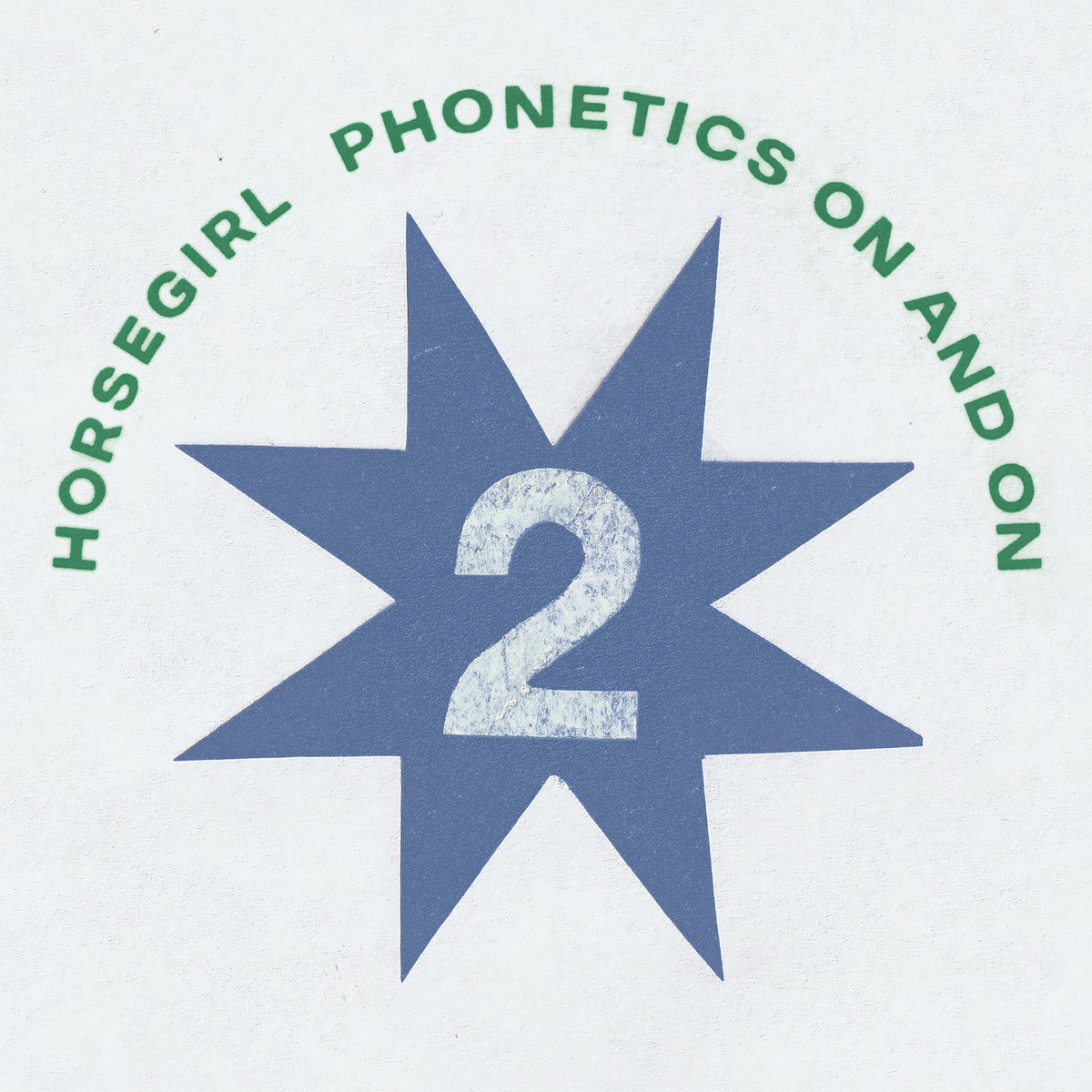
PHONETICS ON AND ON – HORSEGIRL

Release date: February 14, 2025 (Matador Records)

TRACK 1: “Where’d You Go?” – 8/10

Just shy of two minutes long, “Where’d You Go?” is a song that lives up to the band name—the propulsive beat has the urgency of a racehorse speeding down a track. Drenched in tight, Feelies-esque (crazy) rhythms, it kickstarts the album with a jolt of sparking energy. Gigi Reece’s drumming has the lightning-fast patter of rabbit’s feet against the dirt, while the dueling voices of Nora Cheng and Penelope Lowenstein tug the track in two directions, a short leash that snaps to allow for a crayon’s scribble of a guitar riff to burst in at the 1:12 mark. The frenetic energy is a remarkable bridge from their work on Versions of Modern Performance to this album—vestiges of their earlier compositions, but the beginnings of a divergence into musical maturity. That’s how you start an album.

TRACK 2: “Rock City” – 7.5/10

Reining in the freewheeling energy of “Where’d You Go?”, “Rock City” mellows the album into the pace that much of the rest of Phonetics On and On settles into. It’s odd to have a more transitional track by only track two, but that feels like the function of “Rock City” is to me—it’s one of the weaker songs on the album, but nonetheless great; it serves to weave together the fluctuations in energy from track one to many of the others. That being said, it’s not a bad song by any stretch of the imagination. With its pastoral imagery and catchy, upbeat stillness, it’s the perfect track to relax the unbridled momentum of the opener. Cheng’s lighter vocals give it a gentle levity, while the sudden jumpstart in structure at 3:16 ensures a recurring theme on the album—you can’t be lulled into a false sense of security, because Horsegirl always has something up their sleeves.

TRACK 3: “In Twos” – 8/10

Initially, “In Twos” wasn’t a standout track for me. The slow pace didn’t bother me, but it didn’t grab me like many of the other tracks did. Yet the more I listen to the lyrics, the better it gets. Horsegirl are masters of crafting emotion from simplicity; much of Phonetics On and On was inspired by their collective experience of uprooting from Chicago to New York City to go to school at NYU, and the isolation of coming of age and moving to a new city. You can feel that understated alienation all over “In Twos,” a slow, wistful recollection of how “every car that passes by drives to you” and “your footprints on the street, they walk in twos.” It’s almost resentment, but feels to me more like a familiar feeling: watching people live normal lives as an outsider. The Rolling Stones-like repetition of “and I try” reminds me of that aching, to want to be accepted and feel normal and live a traditional life, but knowing that you’ll never fully mesh with them, and that life has a different destiny for you, no matter how hard you try to fight it.

Oof. Definitely got me there. Horsegirl lures you in with the “dadadadadada”s and then boom. ALIENATION! Seriously, this is starting to become one of the more impactful tracks on the album.

TRACK 4: “2468” – 8/10

Reviewed on Sunday Songs, 12/1/24 – a fascinating first taste of the album—Feelies worship, weird violins, Wes Anderson quirks, and above all, weird talent.

TRACK 5: “Well I Know You’re Shy” – 8/10

Picking up the pace that “2468” jumpstarted, “Well I Know You’re Shy” is just about the most Velvet Underground love song I’ve heard since Lou Reed tapped Moe Tucker to sing “After Hours.” I realize it’s hyperbole, but I can’t help but see the DNA woven between the two. Composed of old-timey phone cords and shyly open windows, it presents a love song that could only happen between two sharply-dressed Wes Anderson characters. Punctuated by Nora Cheng’s clean guitar riffs, it talks of a romantic looking out their window wishing to “sing for you/I wanna sing like I do/out your window,” continually rueing the fact that “what happened out there/I wish it was me.” There’s no tormented confessions of love or on-your-knees begging for a kiss, but a precocious, simple wish: “What happened out there/Well I know you’re shy/If you’ll listen to me/You’ll know I want to say hi.” I hesitate to call it childlike, but it has a doe-eyed purity to it that makes it so charming.

TRACK 6: “Julie” – 8.5/10

Reviewed on Sunday Songs, 12/29/24 – a glimpse into Horsegirl’s emerging introspective side, proof of their untapped ability to tap into tender emotion.

TRACK 7: “Switch Over” – 9.5/10

Reviewed on Sunday Songs, 2/2/25 – still the brightest, catchiest, and really the best song on the whole album.

TRACK 8: “Information Content” – 8/10

This is one of the brightest songs on Phonetics On and On, and I don’t mean that in intelligence—listen and you’ll understand. “Information Content” glows with the blinking spirit of a glass lightbulb. The brightness comes in no small part from how jangly they go with the guitars on this one—in between Reece’s soft drumming and egg shakers, Cheng’s voice is allowed to be so cheerful and airy, even when the lyrics might as well be crossing items off a grocery list or striking a day from the calendar. That’s the power of Horsegirl to me (Horsepower?)—they dredge so much playful joy from the mundane and ordinary, making a trip to the kitchen into a spring-stepped skip. There’s something about “Information Content” that feels distinctly Wilco to me as well—it seems that the influence of The Loft rubbed off on them. (How could it not?) At 2:58, the guitar solo kicks in, but gets crumpled into tinfoil chaos just as quickly; it’s so prickly and collapses in the blink of an eye, and I can’t help but be reminded of Nels Cline’s improvisations and swift-fingered touch to his guitar playing, or even the way that Glenn Koche’s drumming descends into madness during “Via Chicago.” Of course, nobody can come close to that level of masterful insanity (especially on their second album), but I can hear the influence loud and clear—and I love it.

TRACK 9: “Frontrunner” – 8.5/10

The last single to be released before the entire album came out, “Frontrunner” lies in the same vein as “Julie”—a slow-paced, more instrospective side to Horsegirl that’s unafraid to strip down to more raw, spare elements. On the composition, the band said that this gentler track was born after “[I] had just had a really terrible, emotional day…and Nora and I were like, ‘OK, we should just play guitar today, you need to do something.’ And we wrote that song together.” It’s so simple, yet so heartwarming to me that such a tender song came out of ordinary moments that we’ve all shared with friends; Even before I knew the context behind it, “Frontrunner” rang proudly as such a distinctly friendship song to me, and I loved it for just that. For me, it embodies another kind of college feeling, the post-freshman feeling of realizing “oh my god, I’ve got friends?” and that realization powering you through the day that you have so many new, wonderful people to share your life with who are only an arm’s length away. The repetition of “I can’t wait/And I can’t wait/And I can’t wait” is filled with a wistful, anticipatory glee despite the slower tempo of the track, but the happiness on the horizon is what made it such a winner for me. A frontrunner, if you—[gets dragged off the stage by a comically large cane]

TRACK 10: “Sport Meets Sound” – 7/10

Horsegirl claimed that they’re mostly finished with the “joke titles” that composed most of Versions of Modern Performance (“Rock City” is allegedly the last of its kind), but…if this isn’t the most Versions of Modern Performance title I’ve ever laid eyes on…

Taking cues from the more laid-back tone of “Frontrunner,” “Sport Meets Sound,” contrary to the speed that the title implies, eases the album close to hitting the brakes. With a steady, marching band-like drumbeat from Reece and strings of “dadadadadada’s” aplenty, it doesn’t do a whole lot to distinguish itself from the other tracks, in the grand scheme of Phonetics On and On; like “In Twos” and “2468,” it’s lyrically twins with “Rock City” (see the “Young man sickened by the sight” refrain), but unlike those two, it doesn’t stand out as much as the former two do. But if that’s a weaker Horsegirl song…man, I’m so impressed with their output, because even at their weakest, they can make a truly catchy indie rock song, and that’s just what “Sport Meets Sound” is. It’s a transitional song to the end, and it works perfectly as such.

TRACK 11: “I Can’t Stand To See You” – 8/10

Sliding in to give Phonetics On and On a final spark of momentum, this track lifts the smile of the album at large, a peppy victory lap that unites all of the best aspects of the album at large. The jangle-o-meter has been calibrated so much that it’s broken, the spring in their metaphorical step is even springier, the “da-da-da-da-da’s” unfurl out before you like a promising scroll. The lyrics become playfully self-aware both of the song’s status as an album closer: “Do you want to go home now?/The night’s almost through.” Yet with a sly wink, they promise that they’ve got more up their sleeve: “Just another walk around the block now.” It feels more like a closing theme to a children’s TV show than a closing track to an album; It declares that there’s one more bout of carefree fun to have before Horsegirl has to say goodbye. In a way, it’s a thesis of the album’s spirit: so aware of itself that it becomes a blast, and so carefully constructed that the joy is an integral part of the process.
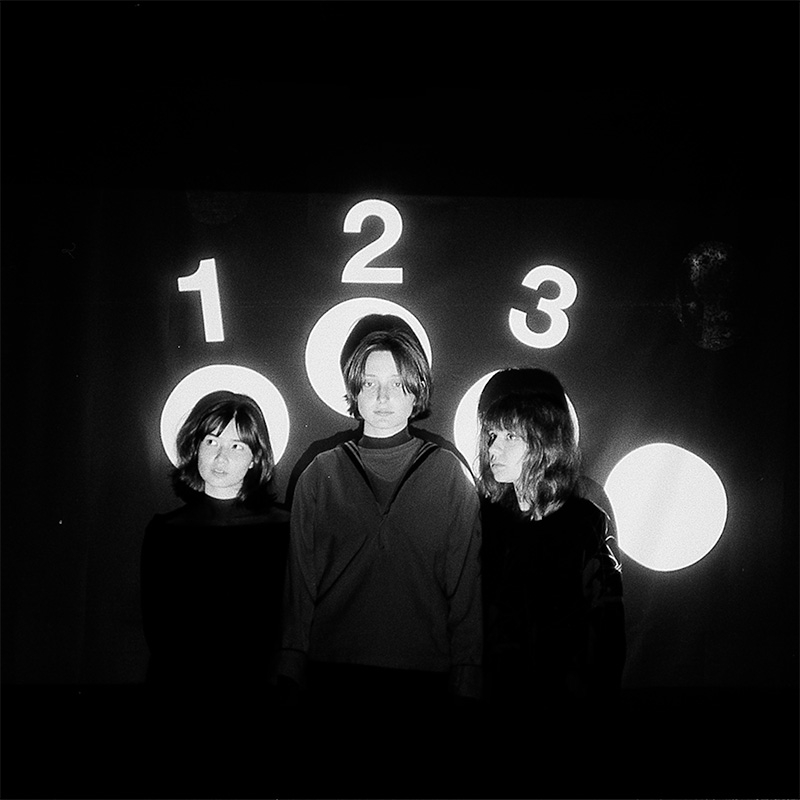
I averaged out all of the ratings for each track, and it came out to an 8.1! Without a doubt, Phonetics On and On is set to become one of my favorite albums of the year…and it’s only February. Horsegirl bring a welcome, much-needed dose of free-spirited yet tightly-constructed craft into their art and to the world, piling catchy melody after catchy melody for a record that sees them maturing into fledgling artists, yet never denies the play that is central to their ethos. I’d go so far as to say that we’re all better for the joy they bring to their music. I know I am.

Since this post consists entirely of songs, consider all of Phonetics On and On to be today’s song.

That’s it for this album review! Have a wonderful rest of your day, and take care of yourselves!

Posted in Sunday Songs

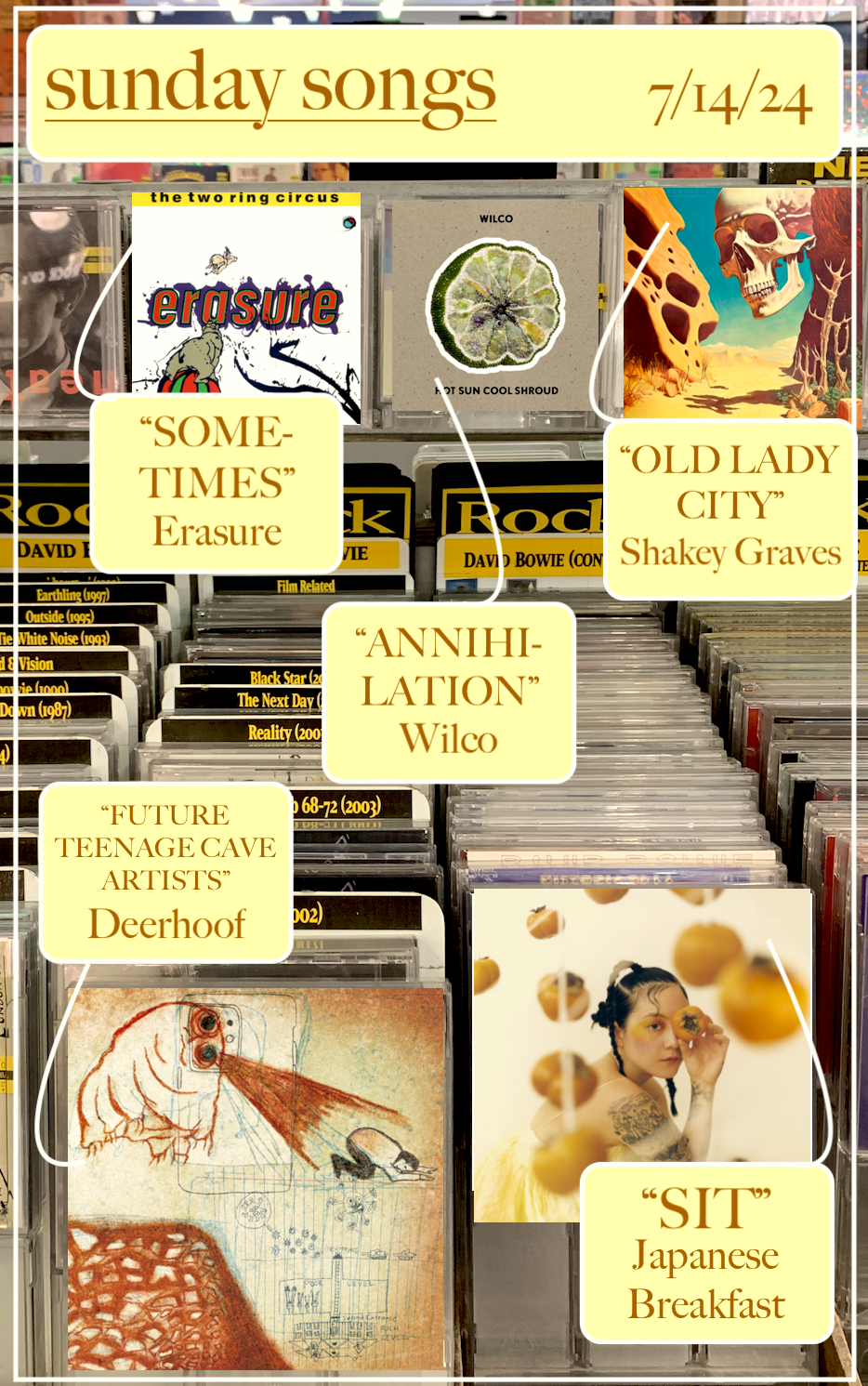
Sunday Songs: 7/14/24

Happy Sunday, bibliophiles! I hope this week has treated you well.

This week: would you like a nice sci-fi in these trying times?

Enjoy this week’s songs!

SUNDAY SONGS: 7/14/24

“Future Teenage Cave Artists” – Deerhoof

I don’t think I’d be alone in saying that we were all feeling apocalyptic in 2020. Fitting that Deerhoof would put out this album in June of that year, a concept album about teenagers making art amidst the collapse of society. Not intentional timing, I’m sure, but maybe too raw all the same. I wonder what it must have been like to listen to Future Teenage Cave Artists during lockdown, but what I can glean is from listening to Horsegirl; on their episode of What’s In My Bag? (worth watching for this and Sparks, The Feelies, and Brian Eno, among others), this was one of the albums that they picked, and drummer Gigi Reece shyly showed off that they’d stitched “Deerhoof” onto the flap of their book bag. So, besides thanking them for their excellent album, Versions of Modern Performance, thank you to Horsegirl for turning me onto this all-consuming song!

The title of Future Teenage Cave Artists reveals exactly what the concept behind the album is: during the collapse of society, cruelty and murder runs amok, but amidst all of this strife, a band of nomadic teenagers hold onto hope and make art. “Future Teenage Cave Artists” is that mission statement made manifest. The whole album was reportedly recorded entirely on laptops and phones (hence the iPhone/tardigrade hybrid on the album cover, drawn by Deerhoof’s vocalist, Satomi Matsuzaki), and I never thought such a simple act could have enhanced the song so much. The shaky, distorted quality of the recording sells the dystopian setting, like we’re not streaming music, but listening to it on some ancient, warped tape recorder leftover from the age of man. It gives it an almost uncanny quality, as though you’re holding onto the last vestiges of this music, and that the battery life on your device is going to run out at any second. It’s so urgent in its hope that I can’t help but play it over and over—amidst this societal collapse, every lyric is a declaration of defiance and purpose: “Gonna paint an animal on a cave wall/Gonna leave it there forever while empires fall.” Concept song or not, I didn’t expect this song to strike such a deeply resonant chord with me; not only does this society feel like it might collapse at any second, but even if it weren’t, we’re surrounded by people who lambast any kind of art as a career—what are you gonna do with that degree? Are you even going to make any money off of that? And in our capitalist landscape, I do have to get myself some money, but it’s separated the real purpose of art from art, the job—threading a piece of your soul out into the fabric of the world, and making art that reflects your image of the world, making contact with a well deep inside (and outside) of yourself. “Future Teenage Cave Artists” is a defiant ode to the lasting, breathless joy of making art—upfront and urgent, and running on an engine of joy. You can’t get a much better rallying cry than what Matsuzaki fills the jerky outro with: “try my sci-fi!”

…AND A BOOK TO GO WITH IT:

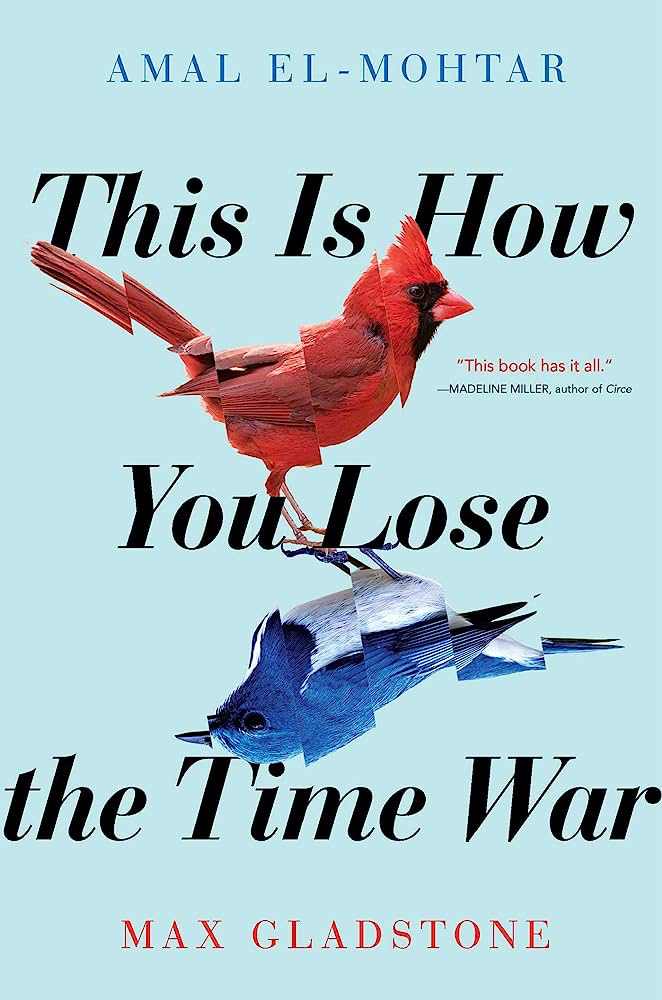
This Is How You Lose the Time War – Amal El-Mohtar and Max Gladstonetwo lovers bent on making a mark in a world where individuality is all but gone.


“Sit” – Japanese Breakfast

Having the pretentious music taste that I do, I remember when Jubilee was everywhere in the summer of 2021. Persimmons, Jeff Tweedy covers, and rave reviews as far as the eye could see. Back then, I had a faint memory of hearing in interview with her on NPR sometime in middle school, but it was ultimately the combination of Jeff Tweedy’s cover of “Kokomo, IN,” my mom’s deep-dive into Michelle Zauner after reading Crying in H-Mart, and a friend’s video of Zauner playing “Paprika” with a massive gong on stage to finally give this storied album a try.

“Paprika” remains my favorite, but “Sit” came out of left field; in all of the shining praises of Jubilee, I never heard anybody talking about it. With its almost shoegazy distortion, humming and throbbing like a swarm of restless cicadas, Zauner’s voice pierces the haze like a lighthouse though the fog. Every lyric is spoken like a final message communicated from an ethereal barrier between dreams, the last words of a stranger your brain fabricated while you were sleeping that will haunt you for weeks afterwards. And like a haunting dream, Zauner sings of the memory of somebody that has clung to her with the strength of burrs, no matter how hard she tries to shake them away: “It’s your name in my mouth I’m repeating/It’s the taste of your tongue I can’t spit out.” They walk through her life with all of the transience of a hologram, a trick of the light that appears in every corner, in unexpected places with unexpected people. And what perfect instrumentals to meld with this; any sense of clarity only comes when Zauner is faced with the reality that she’s “caught up in the idea of you,” but as soon as it dips back into painful reminiscence, she’s consumed by the buzzing distortion, closing her eyes as she’s pulled back into the undertow of memory and fantasy. It’s a track with more weight behind it than most people seem to give it credit for. You can’t lift its impenetrable, stinging fog—the fog is the point.

…AND A BOOK TO GO WITH IT:

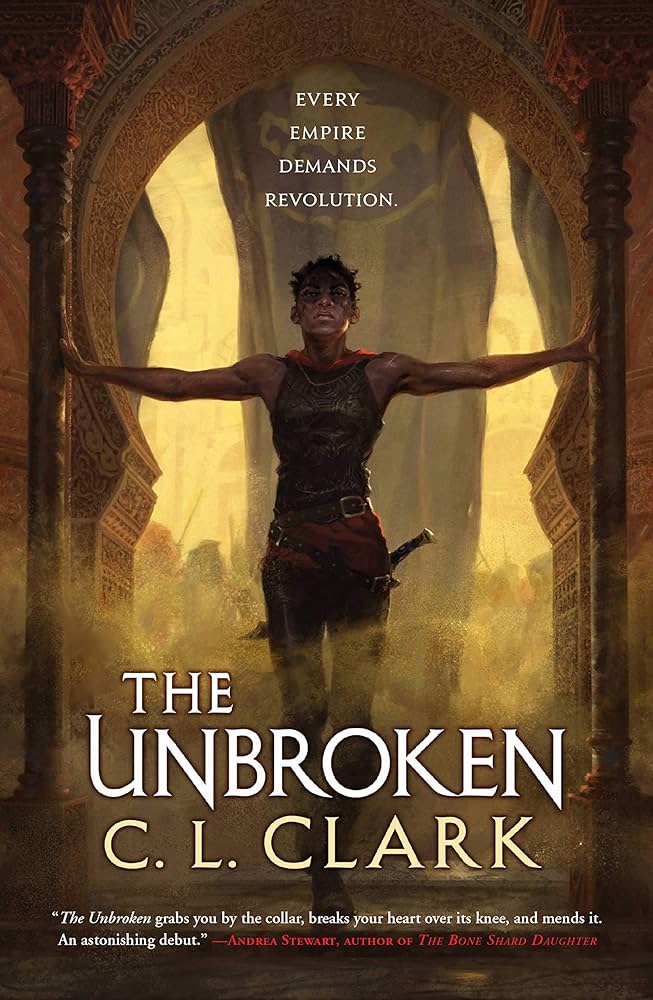
The Unbroken (Magic of the Lost, #1) – C.L. Clark“Caught up in the idea of someone/Caught up in the idea of you/That’s done too soon…”

“Sometimes” – Erasure

I’d posit that there’s almost no queer experience that is entirely universal, as the queer community is as multifarious as the identities that it encompasses. But one thing that I think most queer people can relate to is looking back on their life before coming out and thinking how did everybody not know I was gay? How did I not know I was gay? There’s an embarrassing amount for me, including but not limited to lesbian Barbie weddings and a pair of blindingly rainbow running shoes I wore almost daily in 6th grade. But the fact that I had such an extended Erasure phase when I was about 8 or 9…yeah, there’s no heterosexual explanation for that. That CD of Union Street that I briefly kept in my room and played on my Hello Kitty CD player was probably the first to catch on. The gays yearn for the synths.

I have nothing but admiration for Erasure, not just as queer icons, but for being so consistent in their musical exploration. Well…exploration probably isn’t the right word, since they’ve been making variations on the same sound since 1986. But never once has it seemed like they’re doing it out of trying to feel young or reliving fantasies of when they were at the height of their popularity. Andy Bell and Vince Clarke are just artists that were built for the late ’80s—nowhere else could they have flourished so vibrantly. The drama. The synths. The yearning, my god. They’re not just from the ’80s—they are the ’80s. They’ve been acting like it’s the ’80s for every single decade since, never once hopping on trends or changing their sound because they know exactly what they excel at. Listen to any song they’ve put out in the past 10 years, and it’s clear that they’ve still got it. But the cosmic alignment that placed Bell and Clarke in the late ’80s was beyond fate—nowhere else could you have “Sometimes”, with its lovelorn pining…and Andy Bell dancing in the pouring rain with a soaked white t-shirt. Does it get any better than that?

…AND A BOOK TO GO WITH IT:

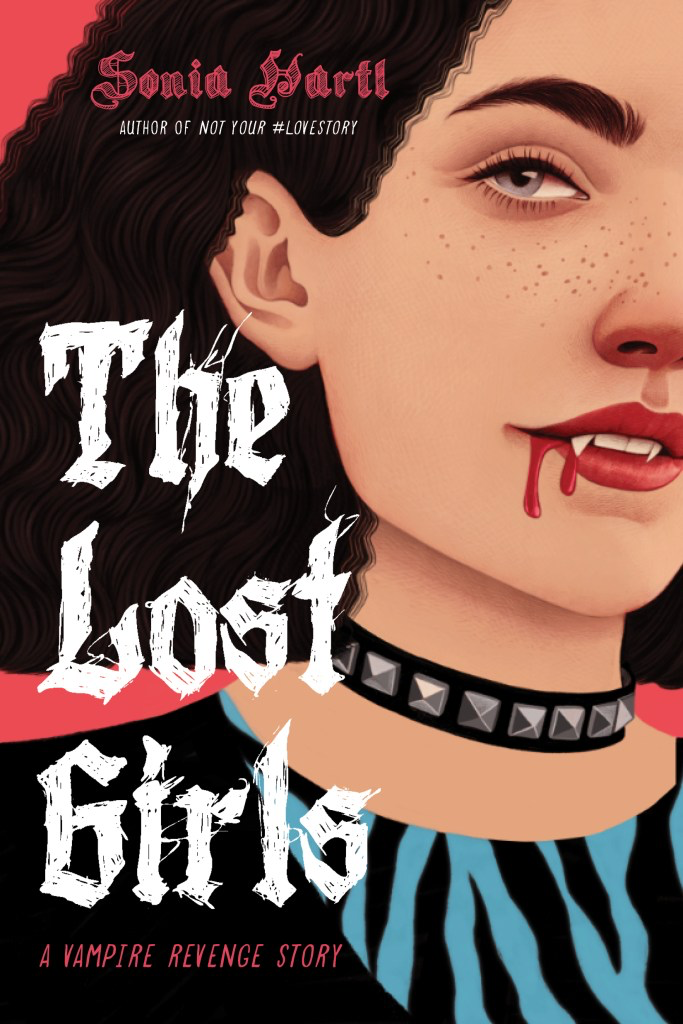
The Lost Girls – Sonia Hartl angst, queerness, romance, and ’80s holdovers. (And vampires.)

“Annihilation” – Wilco

HOT WILCO SUMMER IS HERE!!! Well, it’s been here for about two weeks, but I’m stubbornly committed to these color schemes. But the weather right now is more akin to the Hot Sun, Cool Shroud we’re talking about, so there’s no time like the present. Urgh. I’m not sure much more of this 90 degree heat I can take…

Hot Sun, Cool Shroud – EP proves just how wildly versatile Wilco are. I can’t think of a single band active today that are not only as prolific as they are, but as consistent in quality—and creativity. The prickling apprehension and Nels Cline’s pipe burst of a guitar solo on “Hot Sun” feed straight into “Livid,” a chase sequence-ready metal instrumental that rockets through the air, ricocheting off the walls like a deflating balloon set loose, complete with a barrage of Galaga-like flourishes. “Inside the Bell Bones” has the quiet, uncertain clatter of frigid water dripping from a cave ceiling, and “Ice Cream” and “Say You Love Me” ground the EP to a more emotional conclusion.

But I keep coming back to the chainlink that ties all of these vastly different songs together—”Annihilation.” Next door to “Ice Cream,” it kicks off the second half of Hot Sun, Cool Shroud, returning to a classic kind of Wilco that tugs a particularly tender heartstring. Even if it doesn’t have the sheer gut-punch of “Say You Love Me,” it reminds me of the more grounded moments of The Whole Love. Unlike “Livid”‘s riotous tailspin, this track spirals through the clouds, kept afloat by the wings of love: “A kiss like this/Is endless tonight/This kind of annihilation/Is alright.” Jeff Tweedy’s vocals bring another lyric of his to mind, from 2019’s “Hold Me Anyway”: “light is all I am.” There’s not an oomph behind it, like his voice often has, but this song is so airy and urgent that it can’t be sung any other way. Tweedy described the soundscape of Hot Sun, Cool Shroud as “a summertime-after-dark feeling…All the pieces of summer, including the broody cicadas,” and that makes the lovestruck urgency of “Annihilation” make perfect sense: it’s a secret kiss under the boardwalk as the sun goes down, the lights of the carnival slowly dying as the setting sun sets the sky alight. In that moment, there is nothing but the moment, in all of its humid, breezy warmth.

…AND A BOOK TO GO WITH IT:

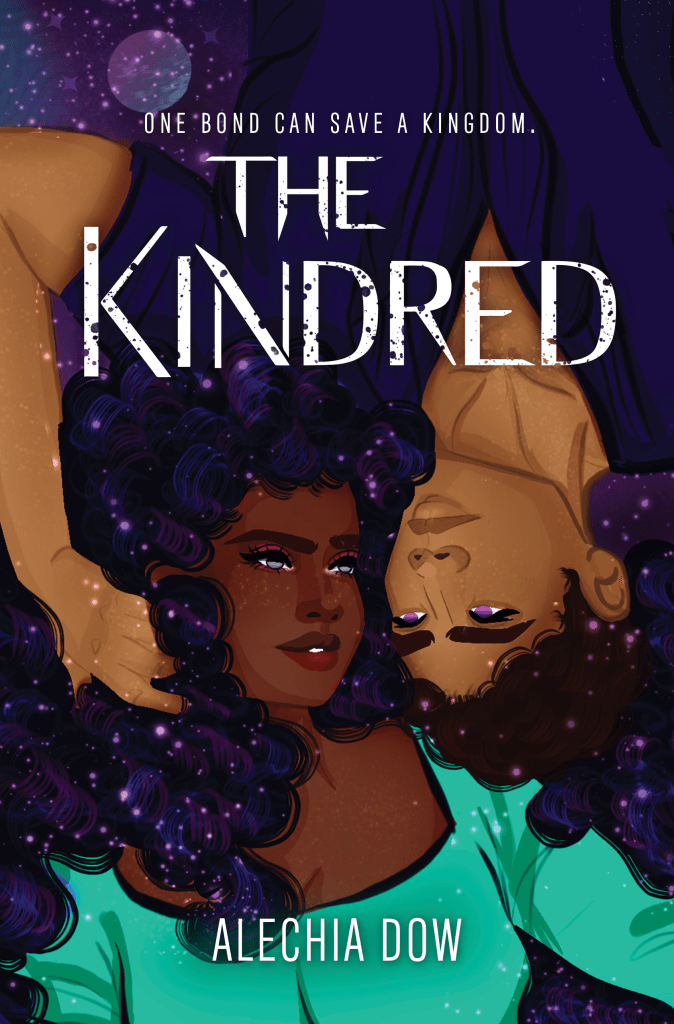
The Kindred – Alechia Dow“We’re boiling angels/Let’s kiss for hours/Equal power/Let’s make it art/This kiss is ours…”

“Old Lady City” – Shakey Graves

I’d all but forgotten about “Old Lady City” since I first listened to Deadstock: A Shakey Graves Day Anthology, and it seems that…judging from the lack of lyrics anywhere (which on the internet, the manifestation of too many people with too much time on their hands, is a rarity), so did everyone else. Tough crowd. But it’s so unlike any other Shakey Graves that I’ve heard, not even on Movie of the Week. Shakey Graves has never been afraid of being spooky, but this is a kind of off-kilter eery that he didn’t stray towards until now, or however long ago this was originally recorded. Maybe it was too risky to put it on an album for this reason, but this grittier, spookier side is one that I thoroughly enjoy. With vocals by Buffalo Hunt (Alejandro Rose-Garcia’s wife), “Old Lady City” is a scorched, rickety ball of spikes, no edges sanded down. In between twisted strains of nursery rhymes, purposeful breathing, and Buffalo Hunt’s cartoon witch-like cackle, the lo-fi recording makes for a crunching, off-kilter interlude. Rose-Garcia’s vocals are almost nowhere to be seen, but they float in ghostly tendrils in between the splinters, burnt paper, and charcoal of this B-Side.

…AND A BOOK TO GO WITH IT:

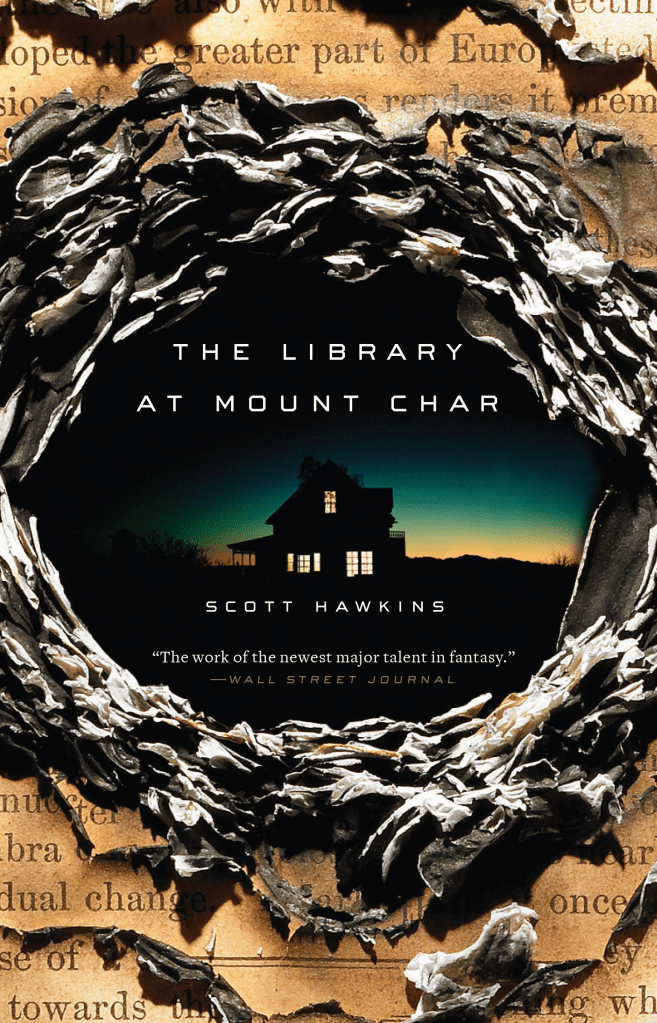
The Library at Mount Char – Scott Hawkinsa raw and rickety story that’s more than its appearances let on, just like its protagonist. (Doesn’t hurt that the book cover matches the feel of the song too.)

Since this post consists entirely of songs, consider all of them to be today’s song.

That’s it for this week’s Sunday Songs! Have a wonderful rest of your day, and take care of yourselves!