Happy Sunday, bibliophiles!
This week: This is a long one, but I did this to myself by putting Phoebe Bridgers, Soccer Mommy, and Bowie all in one week. You’ve been warned.
Enjoy this week’s songs!
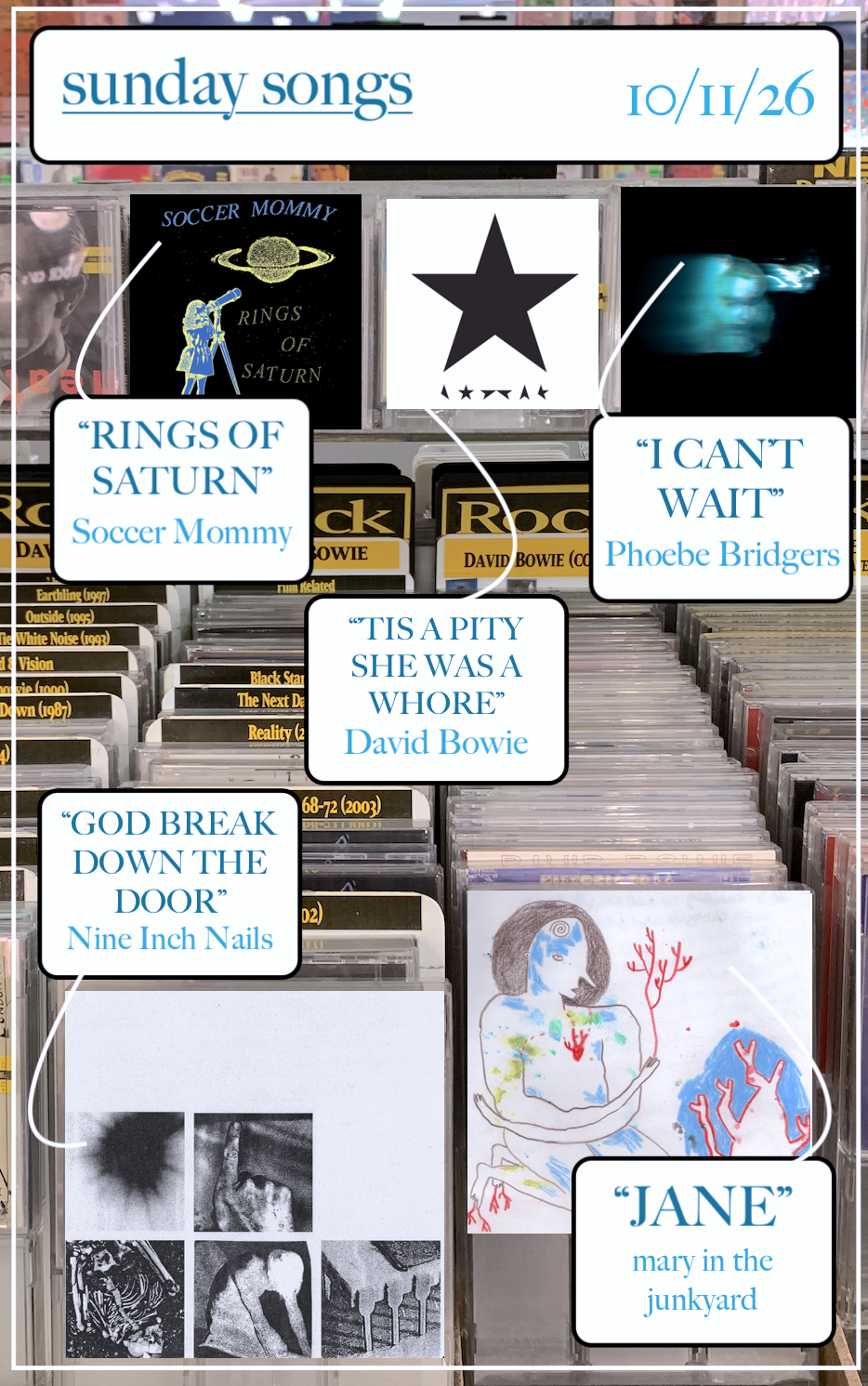
SUNDAY SONGS: 10/11/26
“God Break Down the Door” – Nine Inch Nails
Noisier, more metal-adjacent music isn’t usually my forte. I used to hate most forms of industrial or metal music when I was younger, up until about high school. This was true for all but a few Nine Inch Nails songs (admittedly, I did love a handful of songs from Pretty Hate Machine in middle school…fitting, and also, “Head Like a Hole” will always be a banger). To this day, I still can’t decide how much I regret not seeing them with the rest of my family back in 2018, at a Red Rocks show where they ended up playing one of the only live performances of “The Perfect Drug” up until that point. Cruelly, it took me until a few years ago to like that song, too.
Nowadays, I can appreciate Trent Reznor much more as an artist, having gone from the throes of addiction to sobriety but still keeping true to his mission of making art to exorcise pain and create a safe space for those working through similar issues. Anybody with that mindset automatically has my respect. But of course, everything goes back to Bowie with me—I think I heard “I’m Afraid of Americans” around the same time as I started sort-of-kind-of liking Nine Inch Nails, and I don’t think there’s a way that you can come away from that experience without thinking that Bowie and Reznor are the coolest people on Earth. Hearing “God is an American” for the first time in the Trump era was certainly pivotal. But to hear of their relationship—Bowie taking Reznor under his wing, seeing pieces of his younger self in him and helping Reznor work his way out of his addiction and help his artistry blossom—is such a critical part of the Bowie and Nine Inch Nails story that a lot of Bowie fans who only fixate on the ’70s or ’80s woefully miss. The ’90s marked a turning point for Bowie musically and personally, with his no-holds-barred dive into experimental music and the peace of his private life, which allowed him to become that stable mentor for people like Trent Reznor, and many others afterwards. And then, of course, there’s the legendary tour they did together.
So understandably, Bowie’s death left an indelible mark on Reznor. Even before I got into Nine Inch Nails, I could understand that if anybody could, nay should cover “I Can’t Give Everything Away,” it was him. That’s not even mentioning his concrete song about grieving Bowie, “This Isn’t the Place.” Yet even if “God Break Down the Door” wasn’t directly about Bowie, it kinda still is, in its warped way. It’s a writhing mass of tentacles frenetically squirming ever outwards towards entropy. Reznor’s blares of saxophone are the most obvious Bowie (specifically Blackstar) callback and a connection point between them, as they both played the instrument in their younger years. But amidst all of the seemingly disparate aspects of the track—the writhing beats (almost goes into yoinky sploinky territory), the marimba, the persistent drone of it all—it creates something so singly whole. That fleeting beat of silence amidst Reznor’s droning and the explosive exorcism of sound that comes afterwards bottles a kind of feeling that I can only describe as a black hole being reversed, like all of the matter of the universe being shot back out from the point of oblivion. It’s the door that God’s broken down, from my interpretation. But to me, it’s not just the sound of Bowie that Reznor inherits: it’s the floodgates of creativity being busted open in the ’90s, wiggling free of all corporate and fan expectations to create something nobody expects.
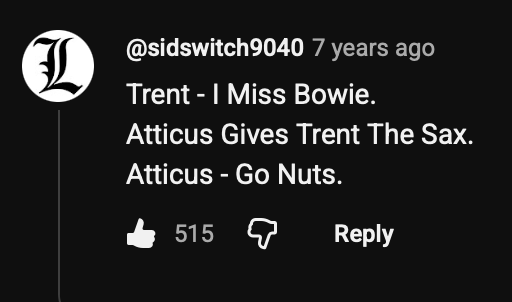
It’s very succinctly summed up in this YouTube comment:
…AND A BOOK TO GO WITH IT:
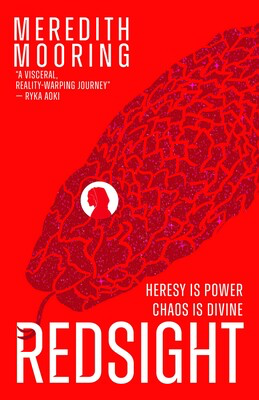
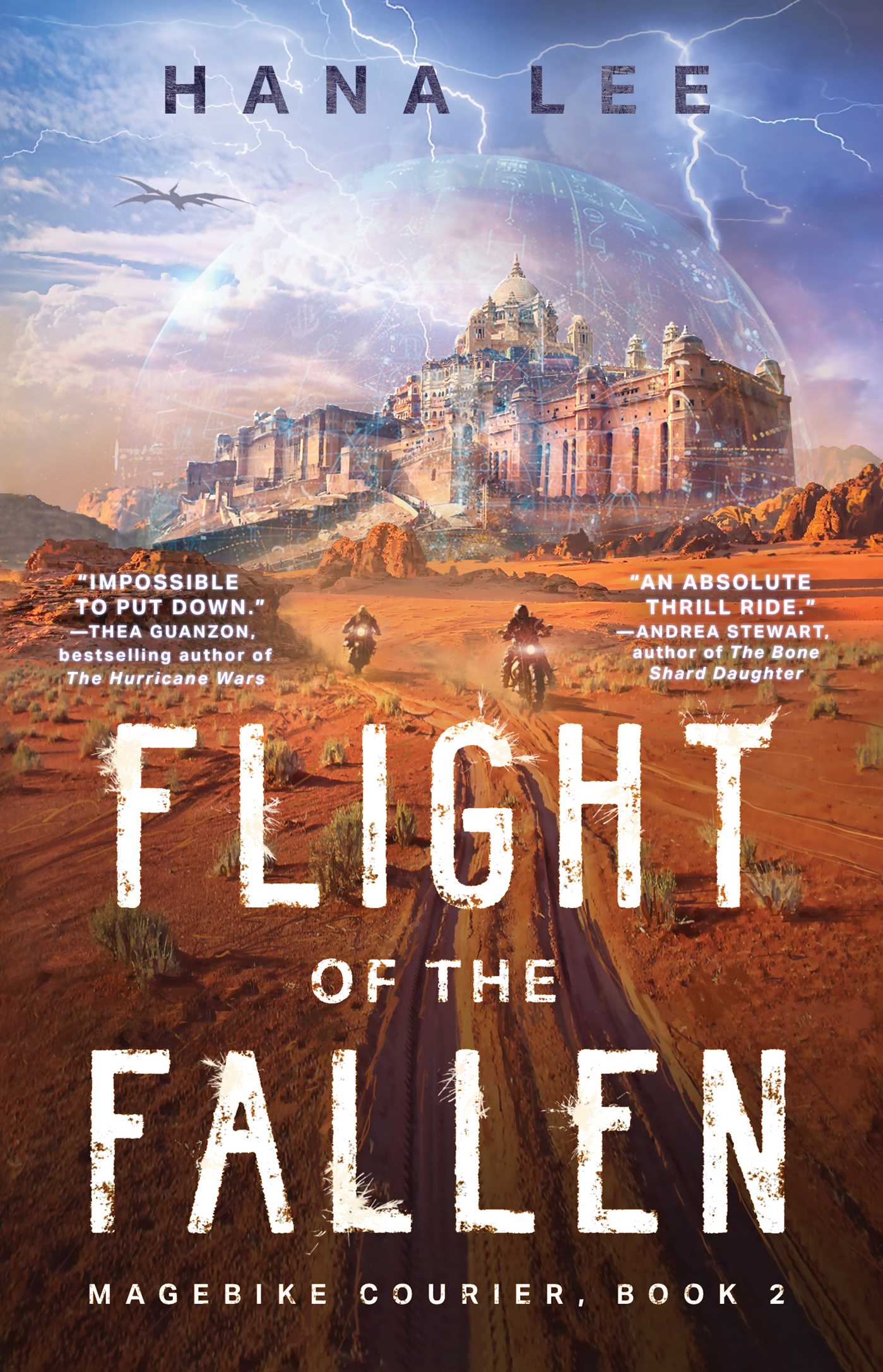
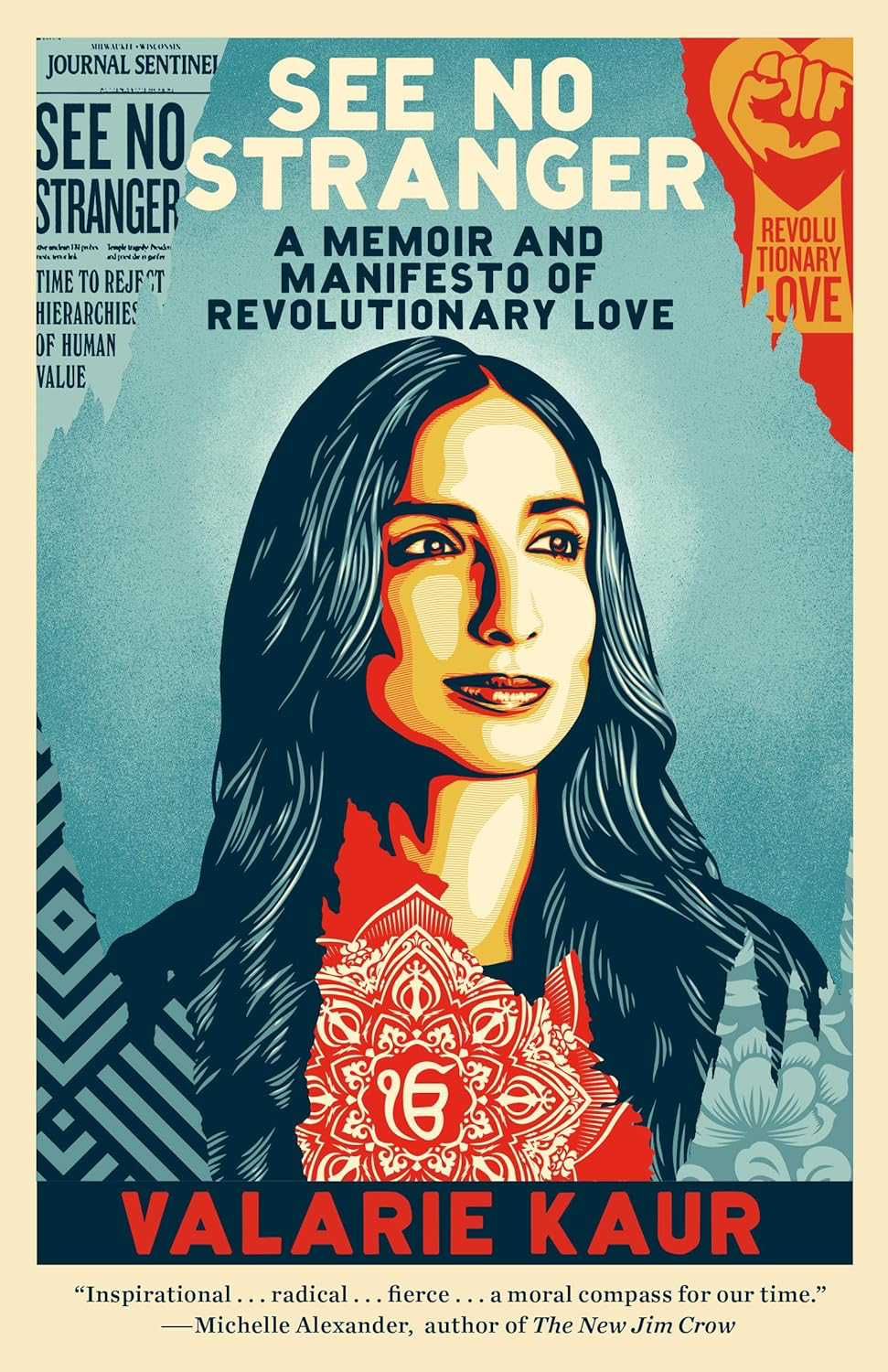
Redsight – Meredith Mooring – “God break down the door/Everything all at once/There aren’t any answers here/No, no, not anymore…”
mary in the junkyard is a band I expect to come forward with something fresh lyrically, whether it’s feral people in the woods, reincarnated mice, or people turning into trees. Clari Freeman-Taylor has an eye for the left-of-center, the unloved creatures and inherent weirdness that reveals itself once you peer beyond the space between branches; her songwriting cradles spiders, mice, and impish creatures and nurses them back to health, patting them on the head when most people would run away and abandon them. So it’s no surprise that “Jane” is similarly unique. It hung in unreleased but often played live-limbo, where it was introduced by Freeman-Taylor as a love song about her period, who she named Jane and is “too annoying and honest.” Ain’t that the truth.
Writing affectionately about your period is a daring undertaking, given that it’s the bane of pretty much every AFAB person’s existence. But I think that the same tenderness Freeman-Taylor offers to the unloved creatures translated naturally to menstruation, which frequently makes you feel like an unloved creatures, and is a kind of unloved creature in her hands. The understated combination of electric guitar and Saya Barbaglia’s plaintive viola makes it feel like an apology, the sort of intimacy of cupping your hands over somebody’s chin as they weep. (Which, once again, very much a period feeling.) For me, it evokes the fear when I went through puberty as a young girl, developing at a rate that felt entirely too fast for the uncertain body I was in, doddering around like a foal: “It’s hard to be a woman, is it harder to be here?/It’s hard to be someone when everything is new.” To me, it’s both about that womanhood/AFAB experience as well as Jane herself being new in the world, emerging like some nocturnal creature every month. I never considered that my sentient period didn’t want to be brought into this world either. Maybe I’m the bad guy. Nobody’s having a good time here. But that’s where “Jane” finds sympathy, for both herself and Jane being constant, confused, and cramping companions.
…AND A BOOK TO GO WITH IT:
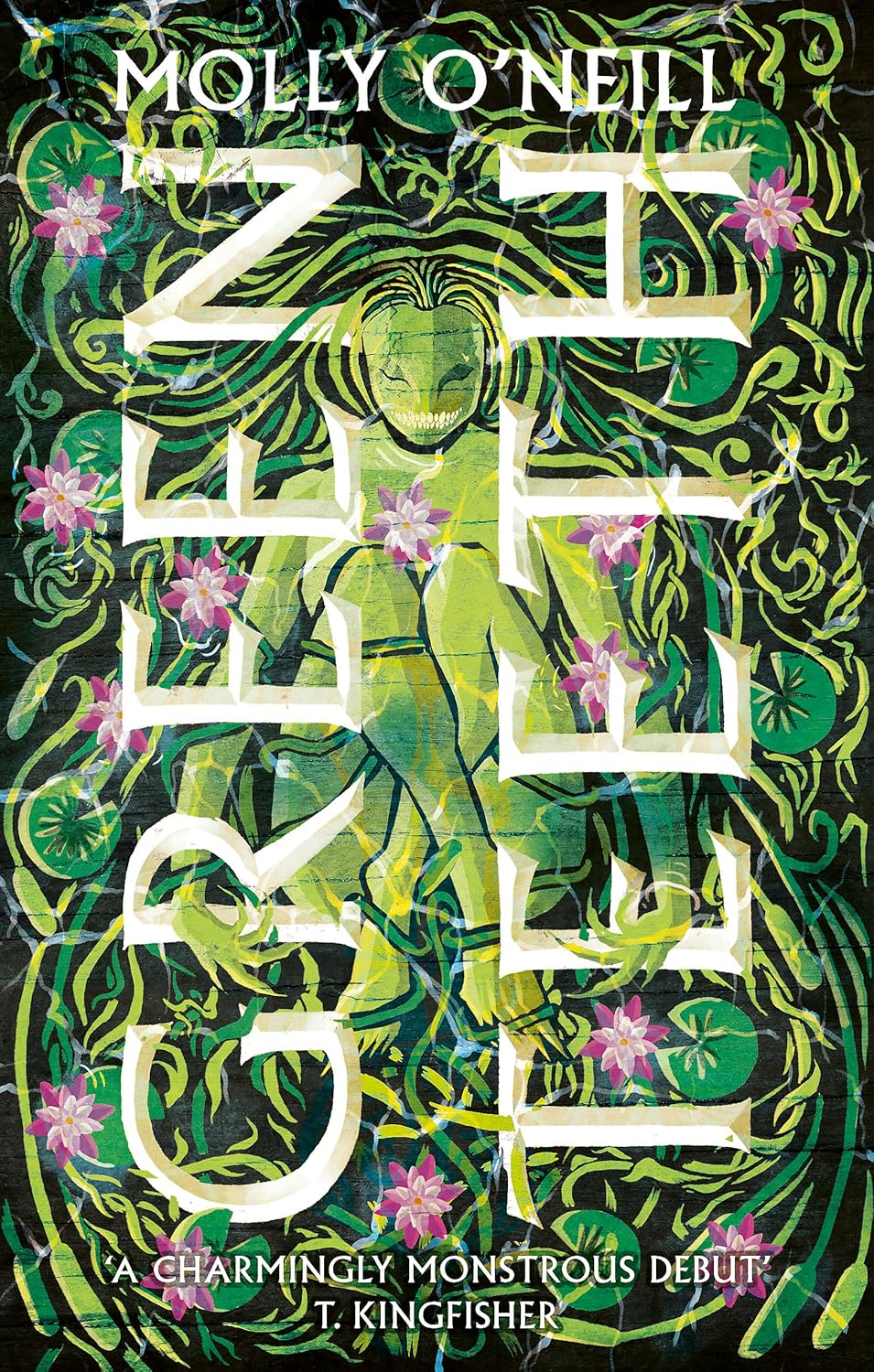
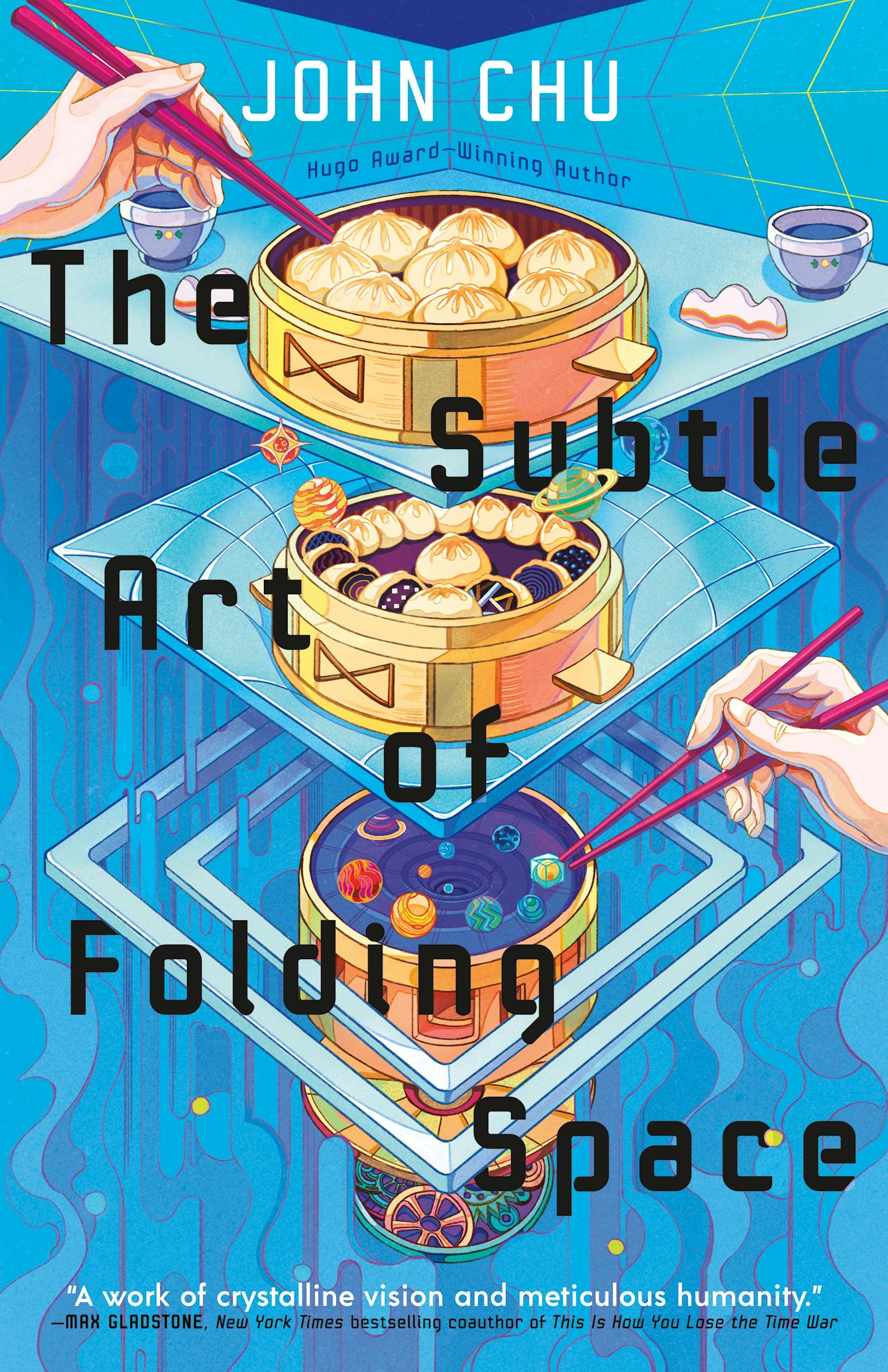
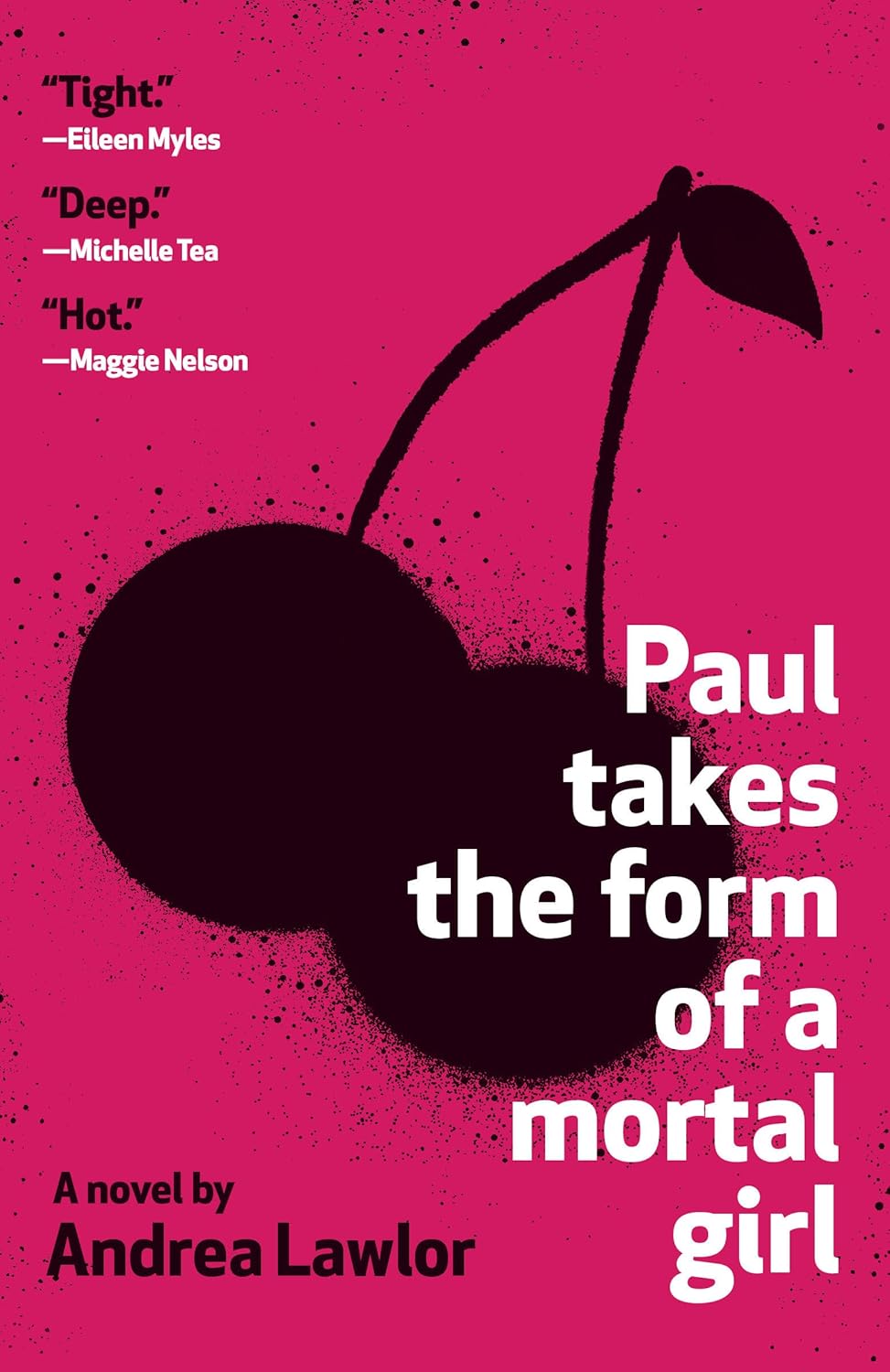
Greenteeth – Molly O’Neill – to be honest, I haven’t exactly read many books that are a) about menstruation, or b) sentient periods, but Greenteeth gives me the tenderly, whimsically dark yet sympathetic feel of a lot of mary in the junkyard songs.
“Rings of Saturn” – Soccer Mommy
Have I gotten to the point where I’m ambivalent about Soccer Mommy? I don’t think so, but I think I’m dangerously close. “Rings of Saturn” is a nice song. That’s about it. It’s a nice Soccer Mommy song. But I feel like it’s not a huge leap from any of her other work. I feel like this could be an outtake from color theory, which isn’t necessarily a complaint. Yet with somebody like Soccer Mommy, I expect at least something new with each new release—there was the color-coded concept behind color theory, the experimental daring of Sometimes, Forever, and the acoustic grief cataloguing of Evergreen. Other than the production, there’s not much that separates “Rings of Saturn” from the rest; but I do enjoy the production, with its spacey, retro graininess. The lyrics are solid too—certainly relatable, and they would’ve been even more so when I was in high school. “Rings of Saturn” is perfectly fine, but I just wanted more. At worst, Evergreen’s tracks blended together, and I’m just afraid that it’ll happen again. Then again, back when she released “Shotgun,” it felt like she was playing it safe, and then came Sometimes Forever. So who knows? I want more from “Rings of Saturn” because I know she’s capable of something more. Tentatively, I’ll follow Soccer Mommy wherever this constellation leads.
…AND A BOOK TO GO WITH IT:
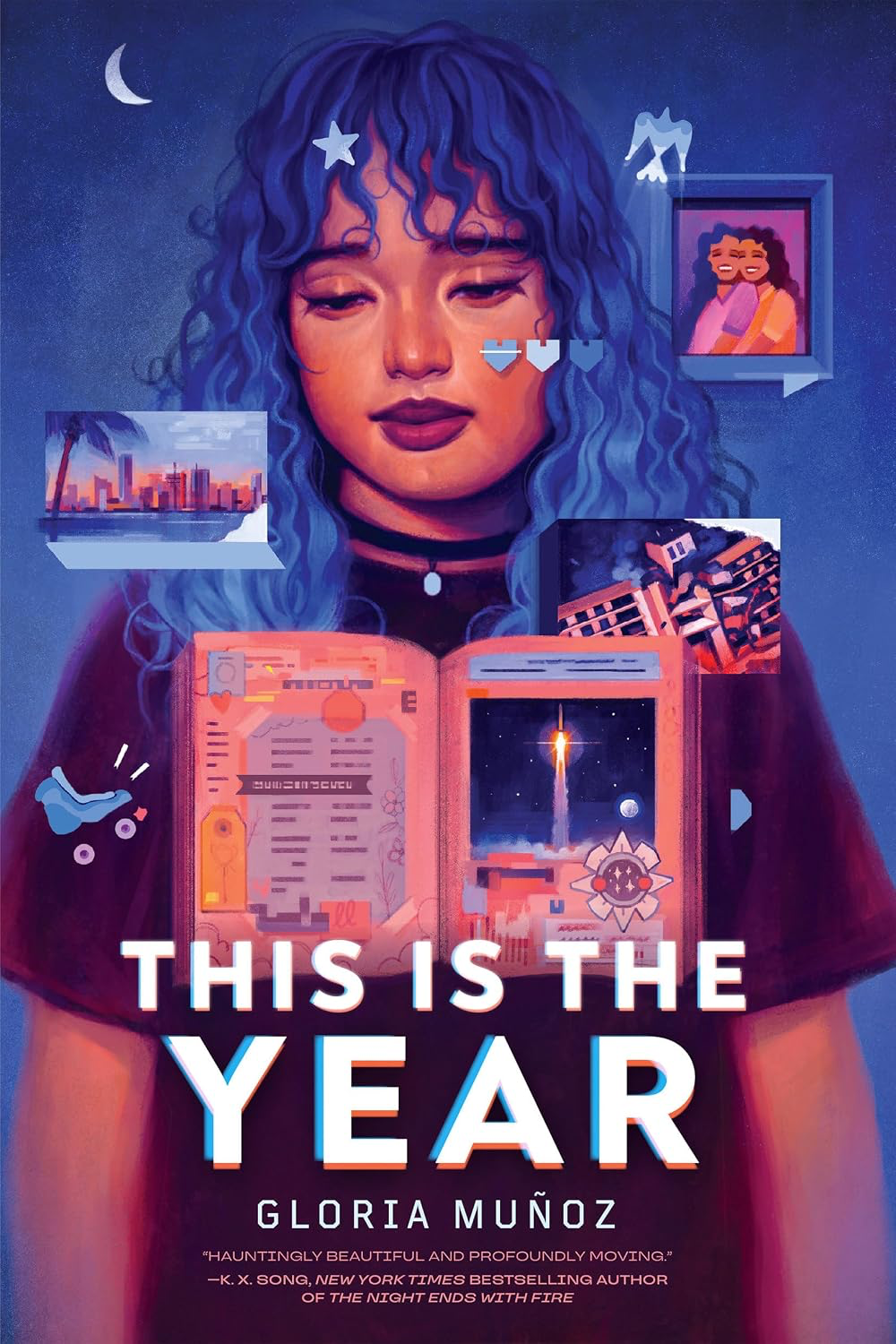
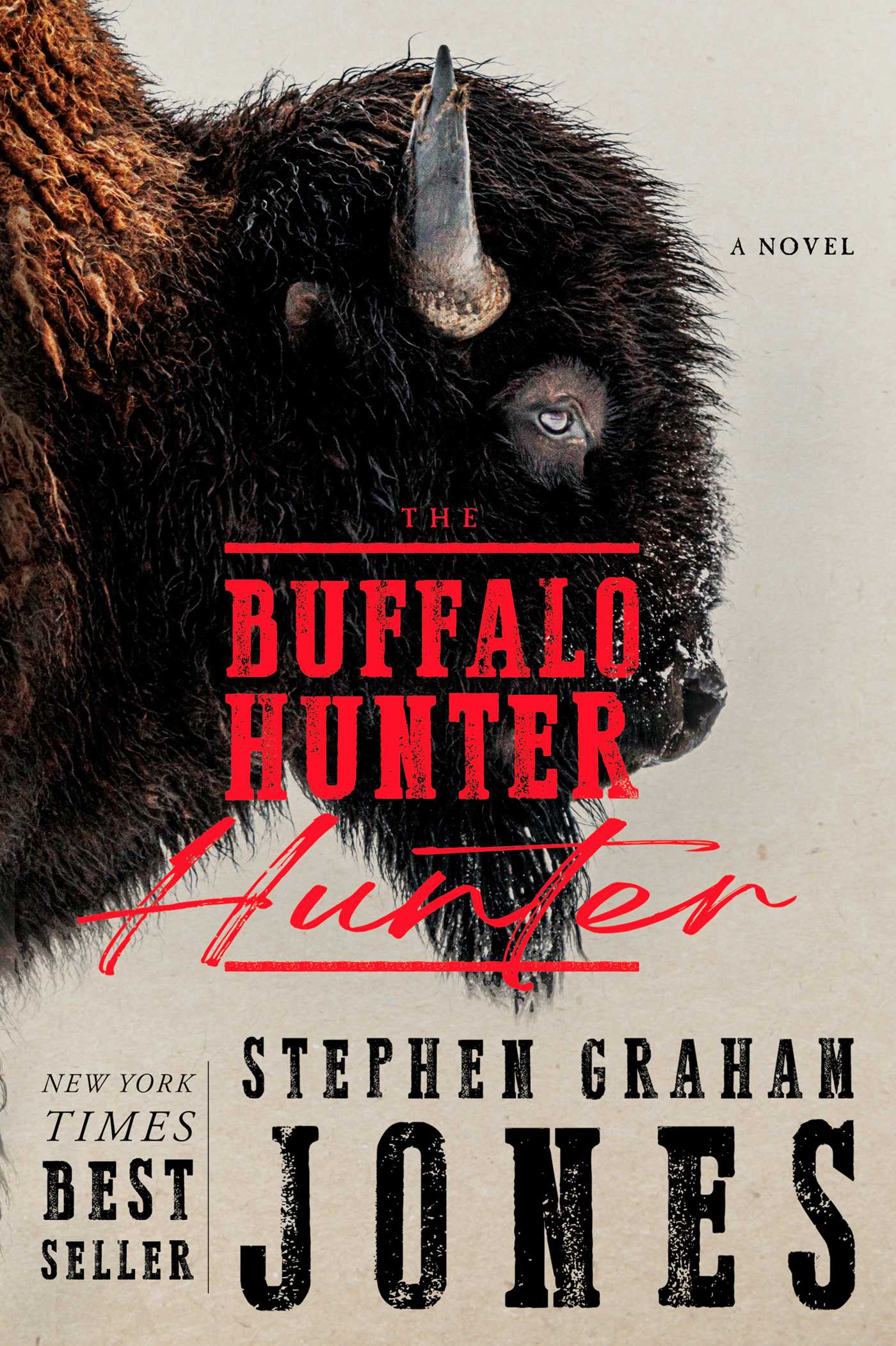
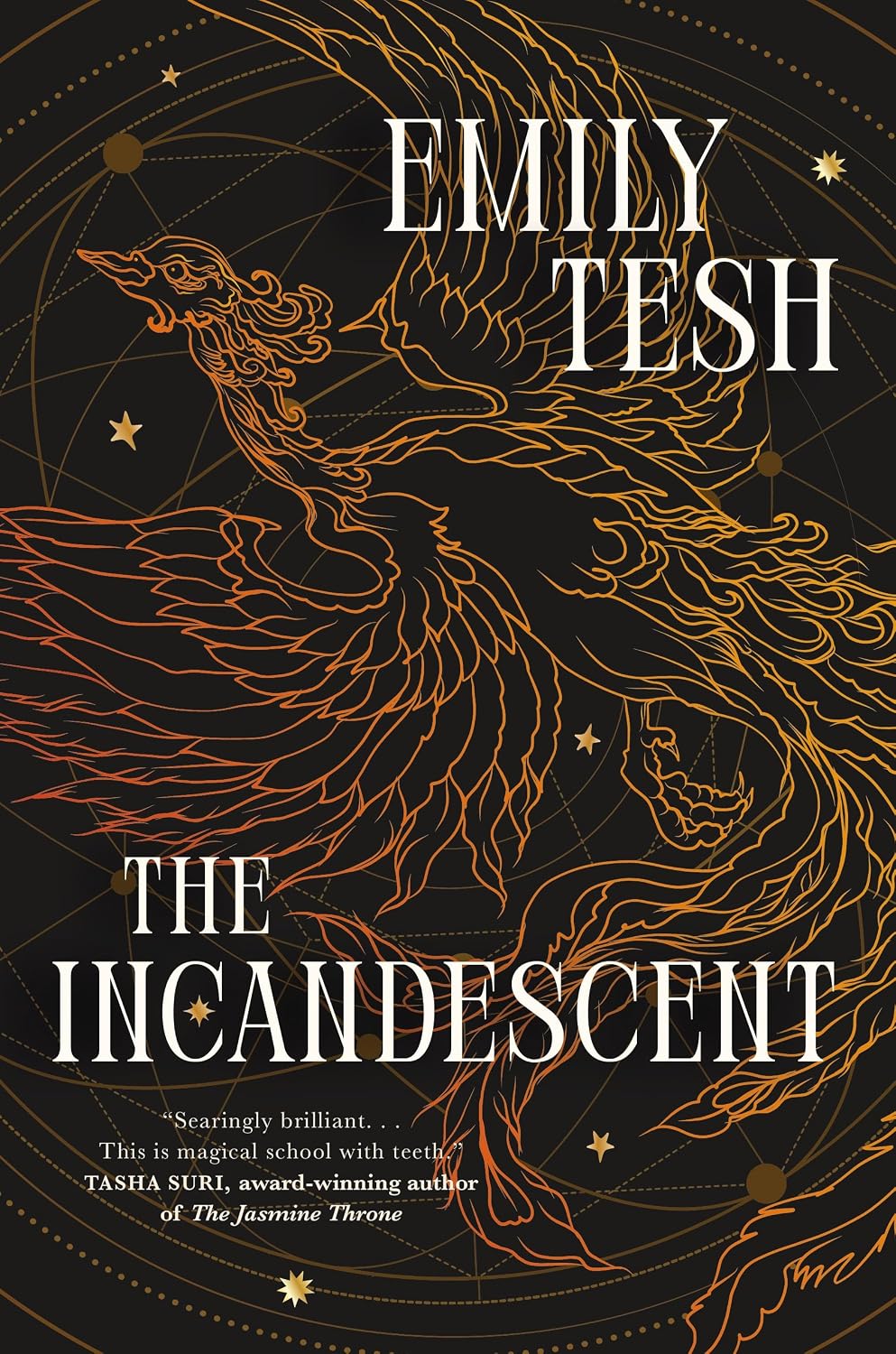
This Is the Year – Gloria Muñoz – “The stars, they hardly shine/In the city lights, but I/Point my finger to a halo in the sky, I see your light/Rings of Saturn, do you hear me when I cry?”
“‘Tis a Pity She Was A Whore” – David Bowie
Blackstar was always going to be an album that I needed to sit with. It took me years to even listen to it all the way through. A second time around, and I could barely handle the crushing weight of grief coupled with the ecstatic art-jazz-rock freakouts. And then I bought the record because it was within my self-imposed budget, a fine addition to my collection, etc., and that final piece clicked for me. Granted, most of the tracks still make me cry like a baby, but once I vomited up that initial onslaught of sadness, I could peek back and not just appreciate but genuinely enjoy the artistry behind it. It’s not that I didn’t get it before—even while I was actively weeping, I recognized all of the snatches of odd time signatures and how flooring pretty much all the lyrics are—but the immediacy of it had worn off.
I hate hearing the sound of breathing. Not even consciously heavy breathing, that’s obvious, but just any audible breathing. It’s very much a sensory issues thing, but hearing breathing (nay, any kind of mouth noises), chewing, sniffing, it all makes me fucking squirm. Something about it sets my perpetually askew nervous system on high alert. And that’s how “‘Tis a Pity She Was a Whore” begins. David Bowie breathes into the mic, then licks his lips. You can almost hear how chapped they are. It’s laborious. The exhaustion, the energy sapped out of him, is immediately apparent in seconds, and even when the saxophones and pounding drums kick in, you can hear him heaving. Bowie never gave a statement as to what the lyrics were about: all he ever said about the track was that “if Vorticists wrote rock music, it might have sounded like this.” Keeping the art movement in mind, characterized by cubism, harsh angles, and secrecy, it’s very apt. But that no-frills, human panting and breathing inclines me to believe one of the more popular interpretations of the song; Bowie describes a woman (in quite disparaging terms) who “punch[es] him like a dude” and “steal[s] his purse with rattling speed”…what could said “whore” be if not cancer?
Even if the language is more sparse than the usual flowery, cosmic Bowie epic, “‘Tis a Pity” is an epic in every sense. There’s no shortage of aspects to pick apart. There’s the gender dynamic of the cancer personification, clearly marked as a woman but whose violence takes on distinctly masculine language (“Man, she punched me like a dude”). There’s the title, taken from a 1633 play by John Ford, which is only tangentially related to the song’s themes, but nonetheless contains that same undercurrent of violence. The literary references continue with an interpolation of Robert Southey’s Sonnet 1, part of a collection of poems condemning the Transatlantic Slave Trade, where Bowie gets “hold your mad hands.” (Thanks are due here for the no doubt exhaustive research from the blog Pushing Ahead of the Dames.) Through it all, it paints an image of Bowie as a frail boxer, battered but impossibly full of energy until his last breath. It’s a harrowing song, especially with that final ragged yelp he lets out at the end. He sounds beaten. And yet, he was ready to throw those creative punches in the ring until the bitter end.
…AND A BOOK TO GO WITH IT:
The DSM-5 – American Psychiatric Association – we all need therapy after this, let’s be real…
“I Can’t Wait” – Phoebe Bridgers
Are you imagining me somehow serenely, sitting stationary while writing this post? Wrong. I’m still vibrating at the thought of Lost Weekend, mainly because I’ve got tickets to see Miss Phoebe (!!!!) very soon!! I’ve come back to the album constantly—easily one of my favorites of the year so far, and it only gets better every time I revisit it. This week’s pick was a real tossup—I could’ve easily gone with the enchanting slow dance (and brief Gracie Abrams diss) of “The Governor’s Waltz,” the bittersweet, country-fied healing of “Haunted,” or the visceral existential pleas of “As Above.” Now that I’ve had almost two months to sit with it, I think Lost Weekend represents the height of Phoebe Bridgers’s powers (no pun intended) so far. Dare I say that it’s better than Punisher? I do dare say it. She’s skyrocketed in fame and artistic ability, a rare combination; she’s only strengthened the emotional, raw pull in her lyrics without sacrificing a subtly adventurous spirit. The soundscapes have turned from artfully sparse to cosmically expansive, doffing shoegaze, country, and electronic hats with an ease that most musicians of her standing couldn’t attempt.
Yet I keep coming back to “I Can’t Wait.” There’s about a million puns I could make about this song and the fact that I can’t wait for the concert, but I’ll hold back. Another aspect of Lost Weekend that endears me is the fact that, in spite of the tragedy that led up to the album’s release, Bridgers has started finding peace of mind. Despite being labeled as such by the press and her fans, she’s frequently chafed against both a static sound and being pigeonholed as a sad girl; and, yes, while that’s part of why I love her, seeing her write songs of unabashed hope and love is like watching a depressed friend start healing and doing better for themselves. “Bobby” is the more obvious example, but “I Can’t Wait” hits me in the gut the most. With its juddering, harmonized sprint at the start, it’s brimming with anticipation. This time, it’s not the end-of-the-world prophecies of Punisher, but being excited for the first time about what’s on the horizon: romantically, emotionally. Bridgers paints herself as more than a little bruised and beat up, but she’s ready to run towards the finish line no matter how much dirt she’s got smeared over her bloodied knees: “I’m not good, but I’m better/Missed my cue, but whatever/It’s now or never.”
And of course, as if “I Can’t Wait” wasn’t one of Bridgers’s best already, it also solves one of the problems that she’s had for her whole career: her duet partners. She’s finally picked somebody with a lower vocal register than her to duet, and it actually works. They said it couldn’t be done…but if anybody could do it, it was obviously Cameron Winter uh [cough] excuse me, Son-John Johnson, my bad. The beat where the electronic skittering dissipates into folksy embers around a campfire, where Bridgers and Winter’s voices delicately intertwine, feels exactly like the song’s excellent music video; at that moment, the fly that the video’s POV has been from, gets gently cradled in Bridgers’s palms. It’s so secure, warm, and the moment that their voices coalesce feels like home, somehow. Incidentally, that’s where the real love song part of “I Can’t Wait” comes in, but that brimming, brilliant nucleus of hope and genuine excitement for the future gets me choked up. You can change your mind, but you can’t change mine…
…AND A BOOK TO GO WITH IT:
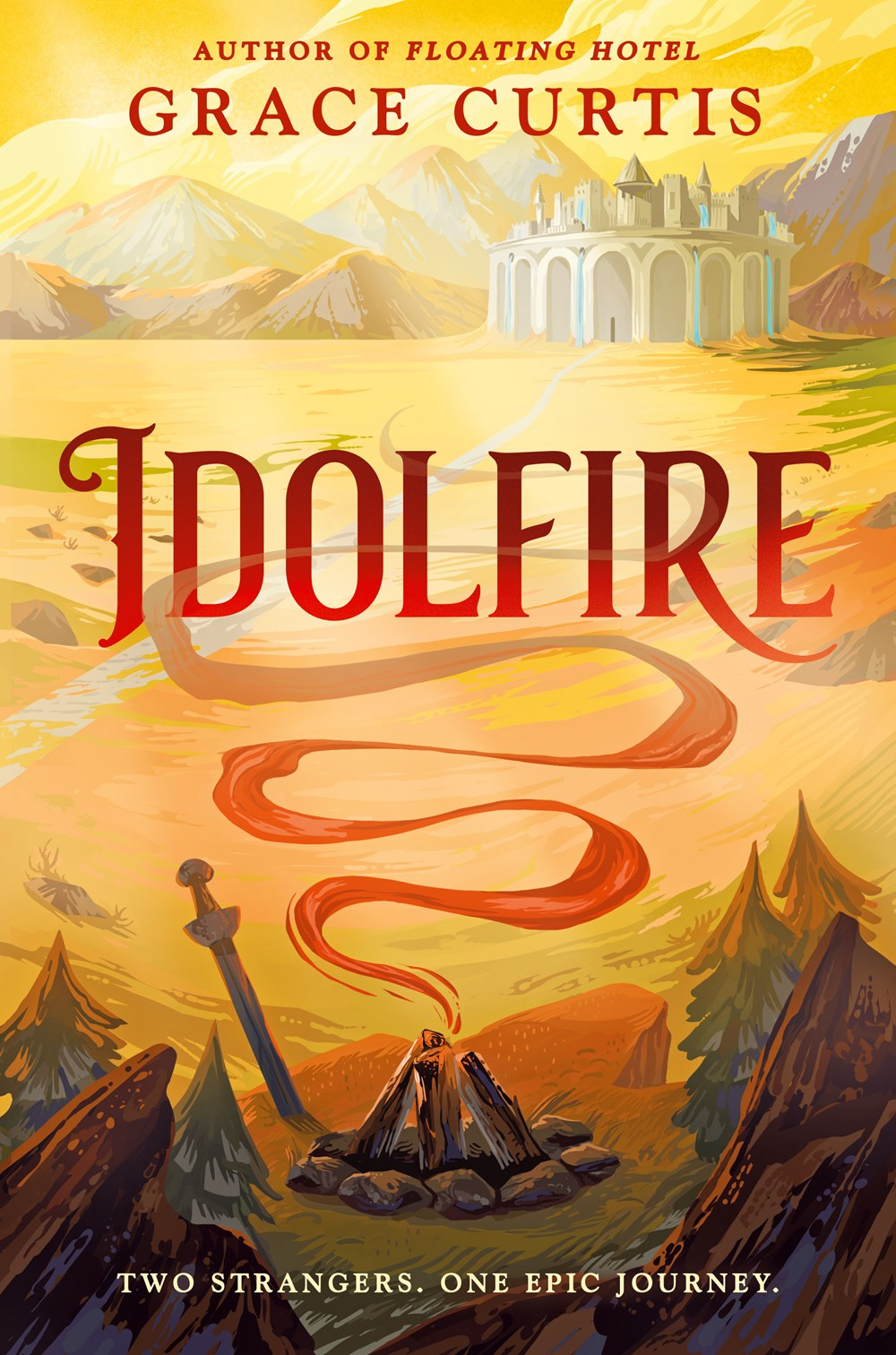
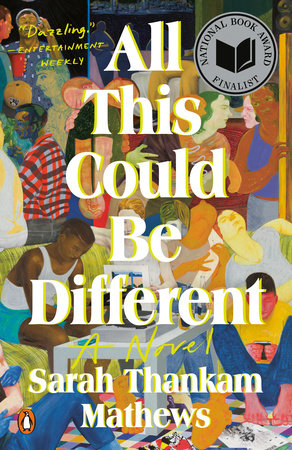
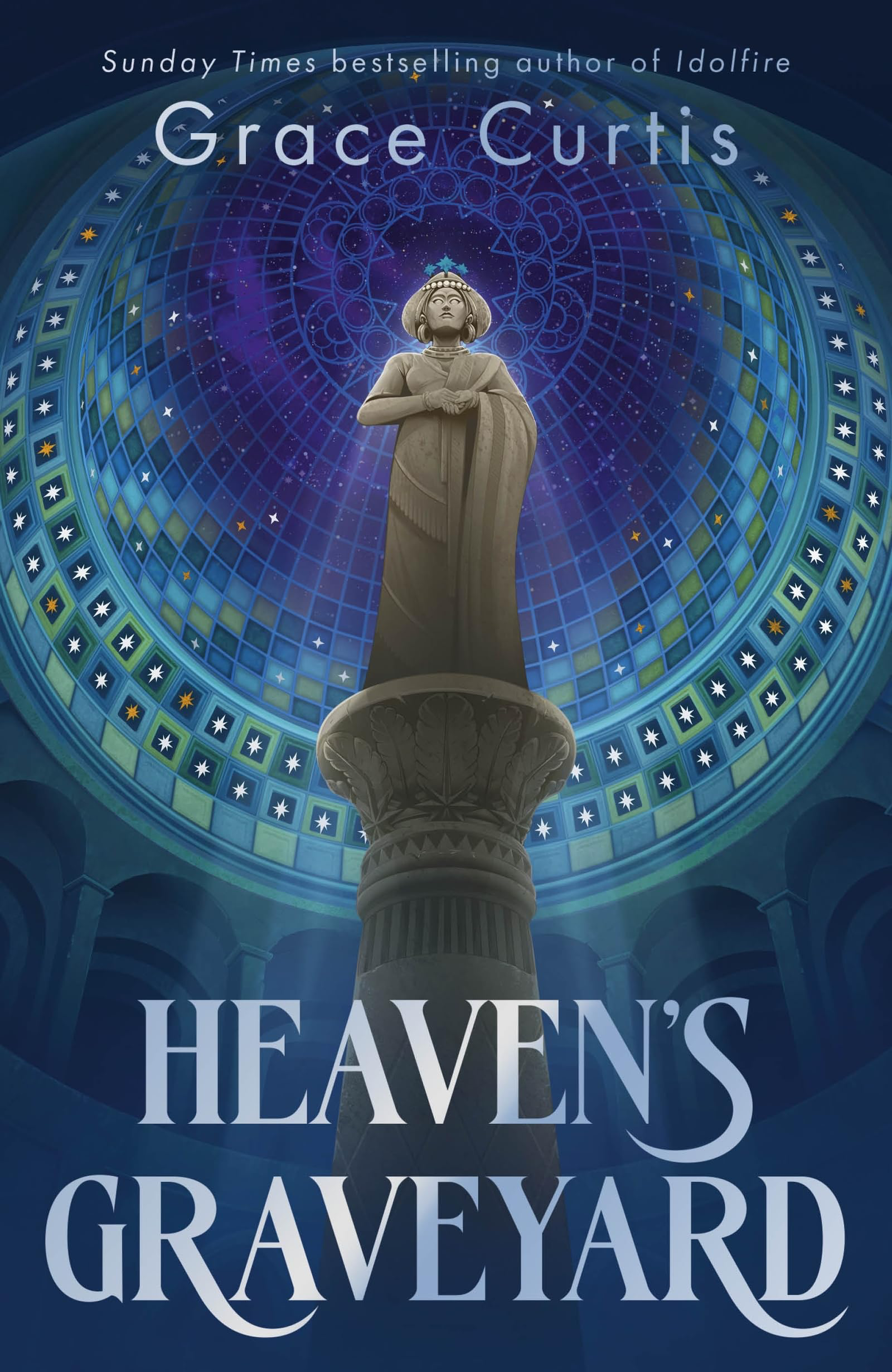
Idolfire – Grace Curtis – “Baby, baby, if you leave me/Can you take me with you?/I can sit in the back seat…”
Since this post consists entirely of songs, consider all of them to be today’s song.
That’s it for this week’s Sunday Songs! Have a wonderful rest of your day, and take care of yourselves!