Posted in Sunday Songs

Sunday Songs: 3/23/25

Happy Sunday, bibliophiles!

Since I haven’t been able to post in a few weeks, here are the Sunday Songs graphics from that time:
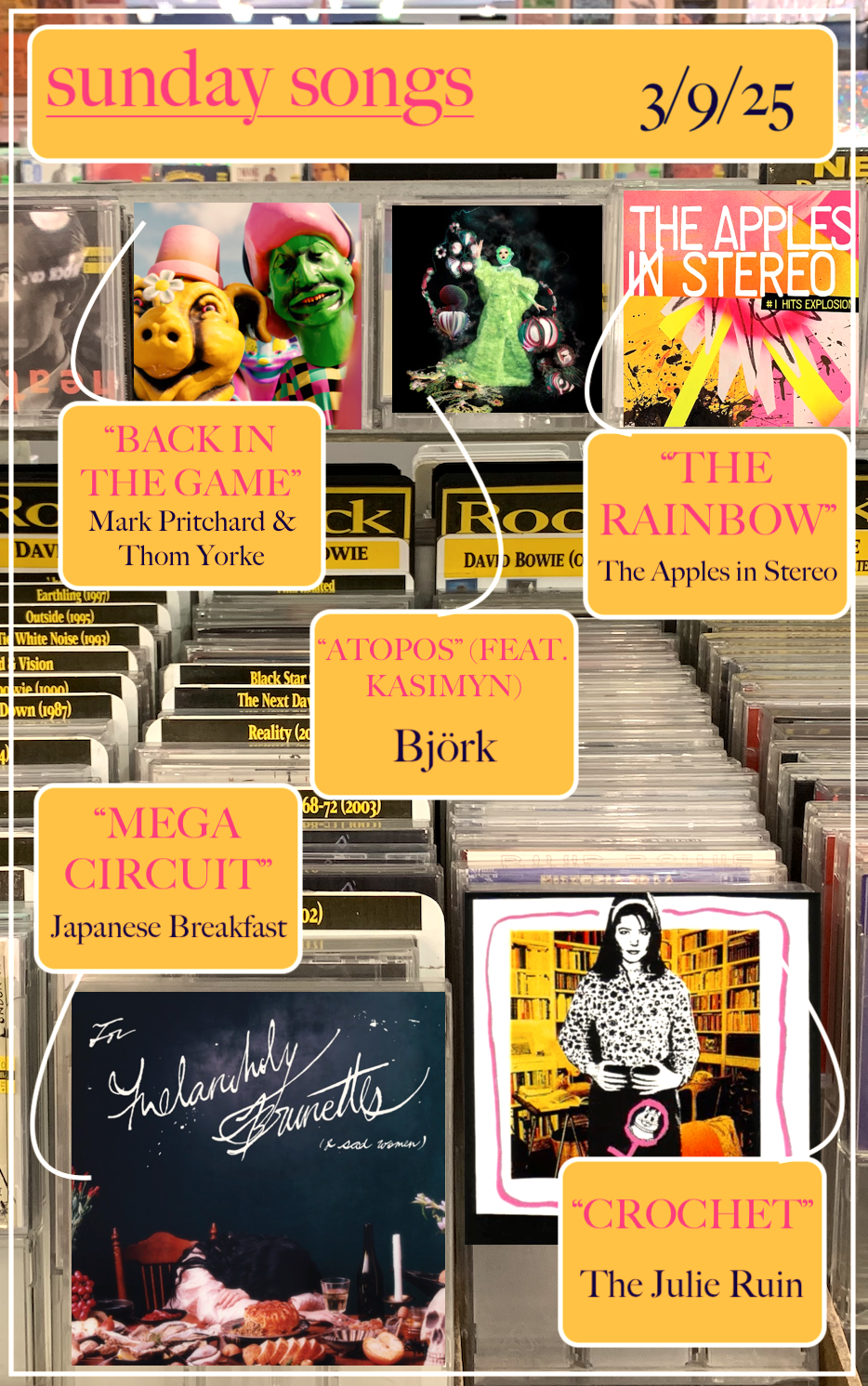
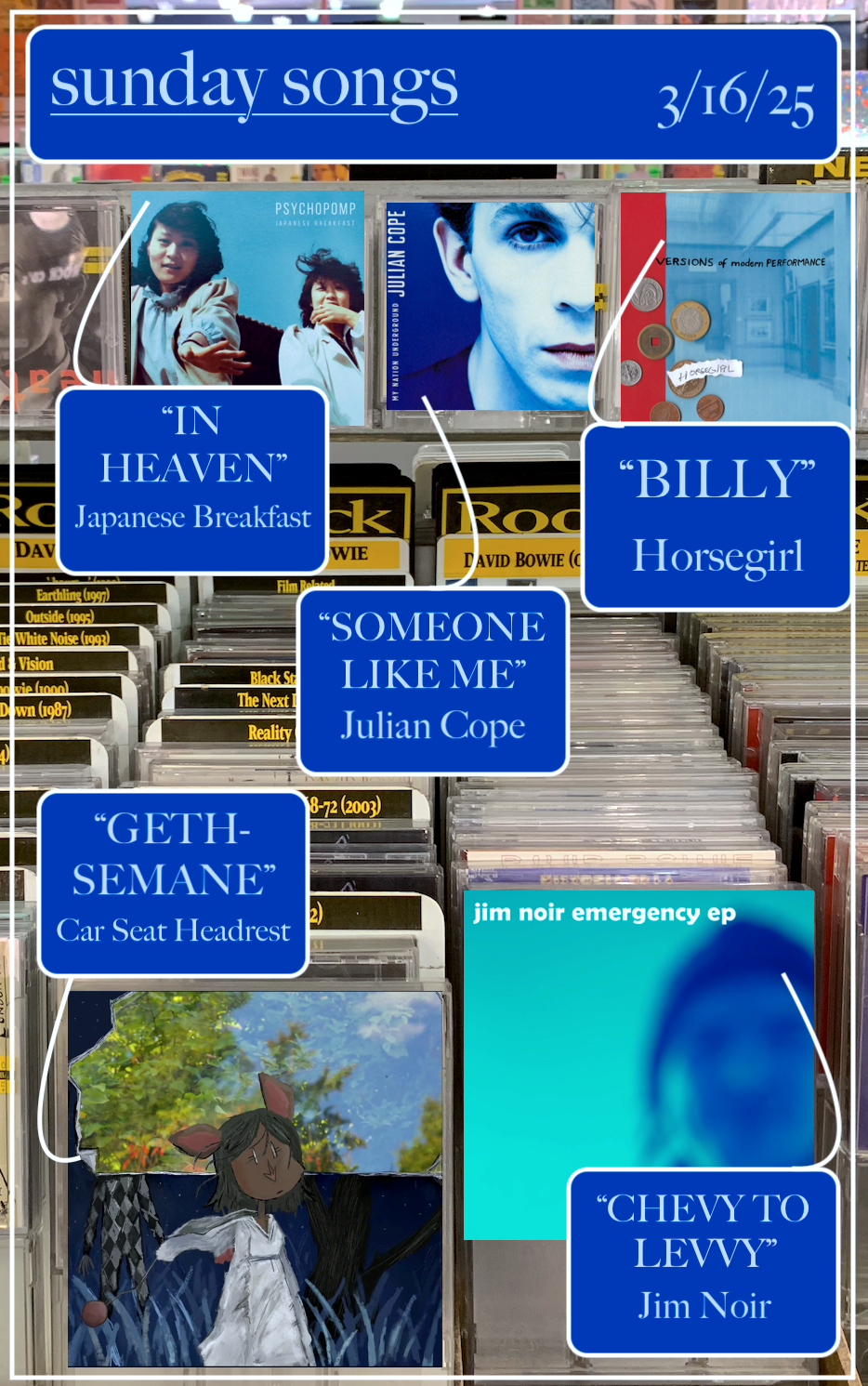
3/9/25:

3/16/25 (or, NEW CAR SEAT HEADREST IN MAY, WE ARE SO BACK):

This week: you thought this would be a quick post after I haven’t been able to write regularly for two weeks? WOE, TEN MINUTE SONG BE UPON YE!

Enjoy this week’s songs!
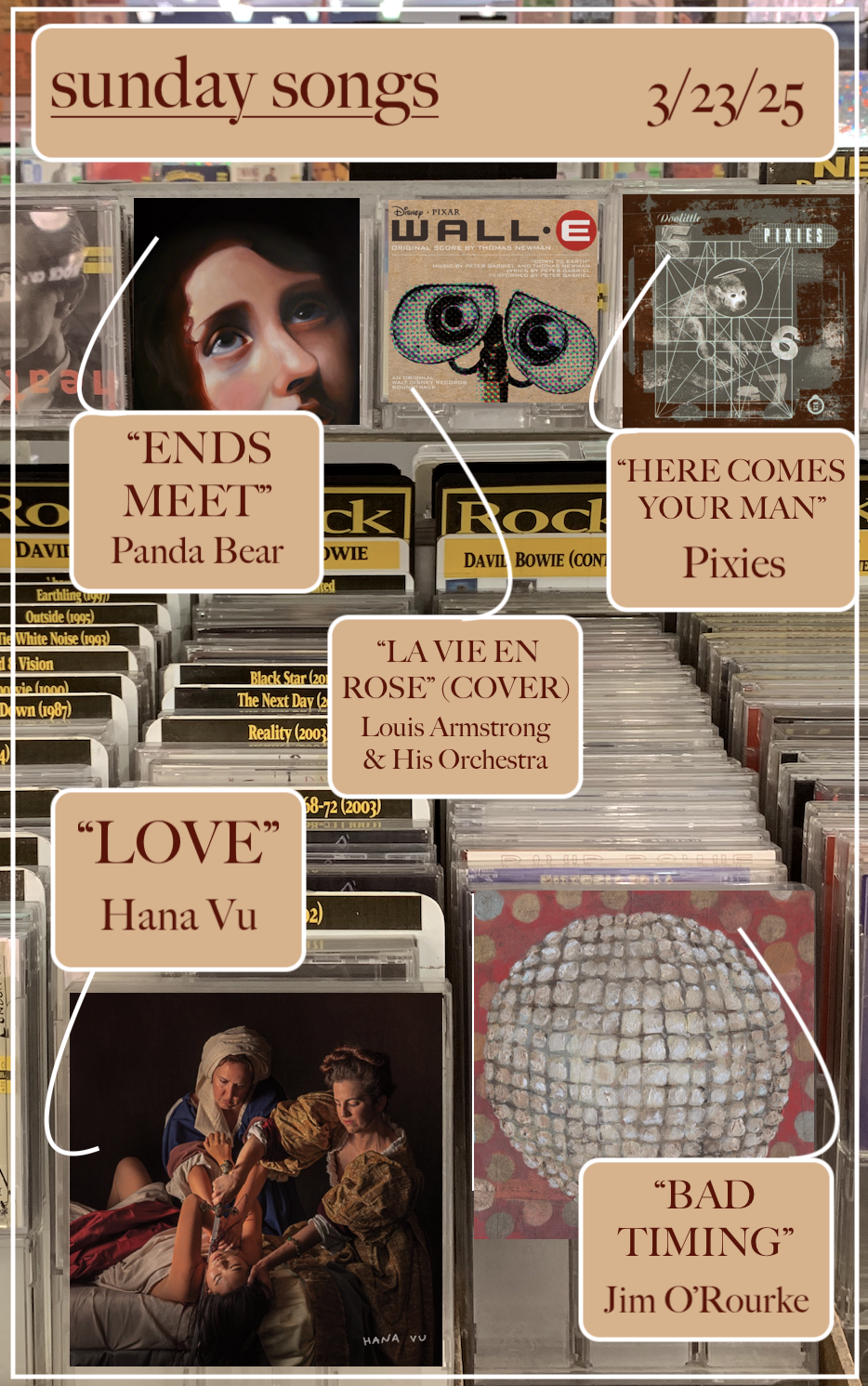
SUNDAY SONGS: 3/23/25

“Love” – Hana Vu

One of the best surprises a concert can have in store is a good opener. There are infinite jokes about bad openers, half of which…well, might be dogging on perfectly fine artists trying to get their foot in the door, and half of them are true. I really do try to at least go into openers with an open (no pun intended) mind, because everybody has to start somewhere, no matter how big of an artist they’re opening for. But sometimes it’s just up to your taste. Even with some cringy performances, you can at least tell that they’re trying.

I saw Soccer Mommy about two weeks ago (stellar performance!!!! as always!! and the crowd had basic human decency this time, unlike the parasitic frat bros that populated her crowd last time) with Hana Vu as the opener. I kept my expectations low. I expected to just nod along and twiddle my thumbs, but I think I may have found an excellent artist! She came off quite shy, mumbling to the audience and asking us what we had for dinner, but once she started performing, it was clear that Soccer Mommy had a worthy match to her sound. However, if I had to compare Vu to anyone, it would be to Lucy Dacus—they have a similar brand of indie rock, both bearing warm, rich vocals and guitar-driven angst with no shortage of heart. Nothing can come close to “Night Shift,” but Vu clearly studied how that song goes supernova at the end. The closer to her most recent album, Romanticism, “Love,” like Vu’s performance before Soccer Mommy, starts out unassumingly, but quickly becomes a dramatic landslide aided with thundering drumbeats, strings, and Hana Vu bellowing as though into a cavern. The lyrics, as sparse as they are, come sung clutching a bleeding heart in both hands, staining everything within arm’s reach. It truly lives up to the drama of the album cover, with Vu draped in robes and with a sword pressed to her neck, modeled after Artemisia Gentileschi’s “Judith Slaying Holofernes.” Either way, Hana Vu has earned a tally in favor of the good opening bands I’ve seen—and a place in my more regular rotation of artists. A big thank you to Soccer Mommy for giving a platform to Vu’s talent, and thank you to Vu for the fantastic opening act!

…AND A BOOK TO GO WITH IT:
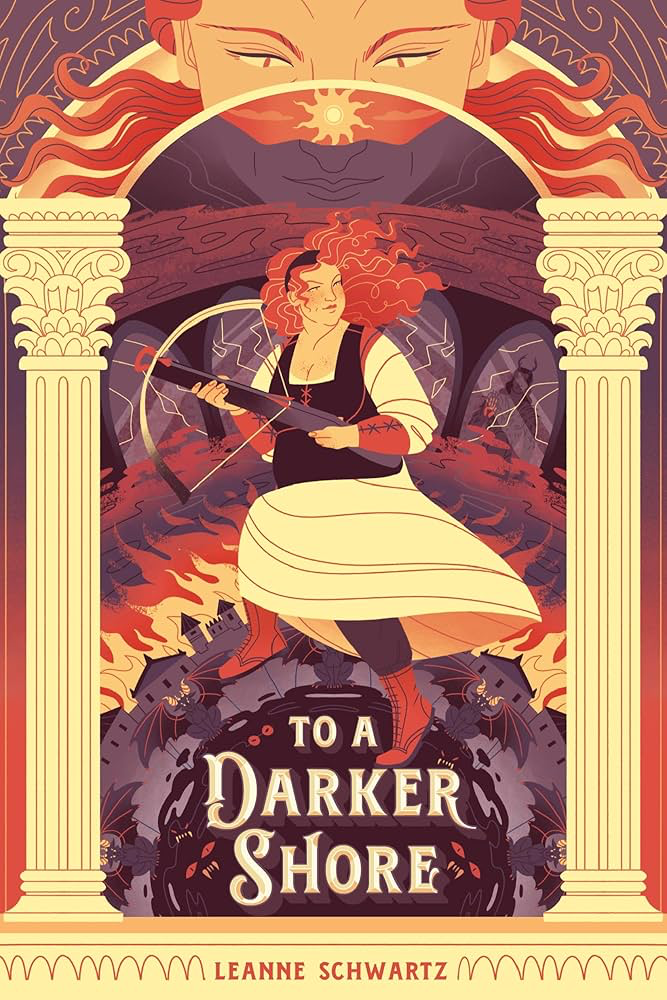
To a Darker Shore – Leanne Schwartz“I just want you to stay/You know I hate giving up/And oh, Well I guess it’s just me/Please don’t leave me alone/You know I can’t let you be…”

“Bad Timing” – Jim O’Rourke

Once my dad sent me this song, it was immediately relegated to my quiet instrumental study playlist. I shouldn’t say “relegated,” really. It’s a great song to peacefully study along with, but it keeps you on your toes. Ten minutes long and dense doesn’t make it sound appealing, but “Bad Timing” sounds like how those slow motion videos of flowers unfurling after the frost melts from their buds look. “Bad Timing” also proves my long song theory right with flying colors—the best ones have enough changes to keep you interested for ten minutes. This track in particular feels like two songs in one. The first is a homely, acoustic ditty, which peacefully bows out at the 2:50 mark, giving way to a chorus of plucked strings and, of all instruments that should sound shimmery, an accordion would be my last guess. Yet Jim O’Rourke pulls it off, making it shudder and glimmer along with the synths. You’re lured into a soft, ambient sense of security, but like rot climbing up the roots of a plant, O’Rourke tears away at the music, fiber by fiber, until the remnants are ablaze in distortion and ascending mayhem by the time you reach the eight and a half minute mark. It’s clear to me the magic O’Rourke made with producing almost all of Wilco’s albums—he has such a talent for taking a simple melody, stretching it out and contorting it as easily as a chef kneads dough. He put something entirely unassuming into the oven, and something wholly unexpected came out the other side once the experimental yeast rose.

On another note: I can’t for the life of me find who made the album art for Bad Timing, but it’s just so charming to me.

…AND A BOOK TO GO WITH IT:
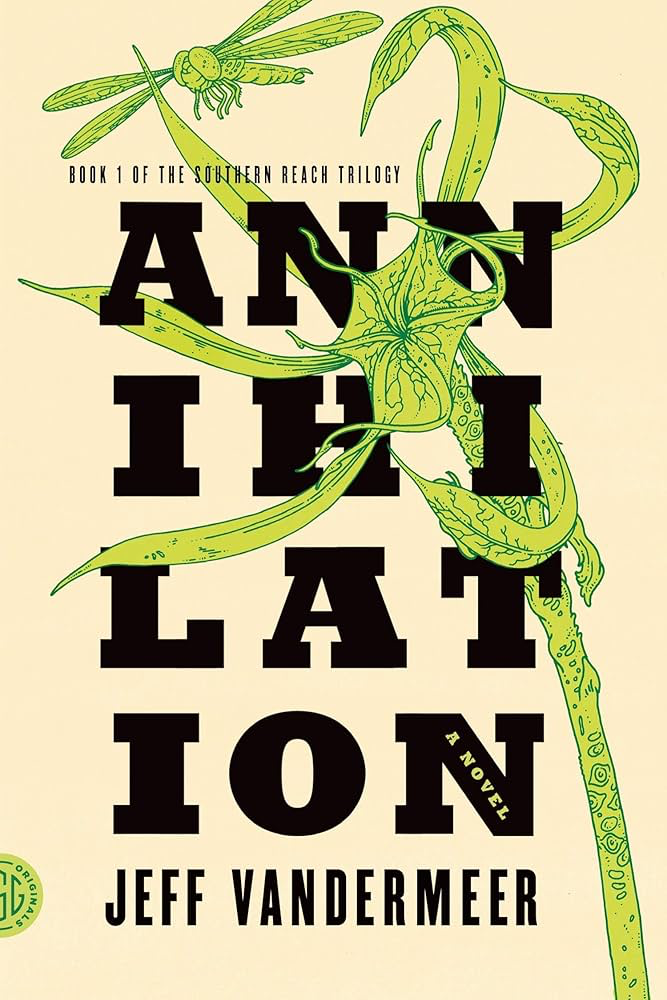
Annihilation – Jeff Vandermeereverything becomes slowly, gradually unrecognizable and strange, just like the progression of “Bad Timing”

“Ends Meet” – Panda Bear

Brian Wilson is alive and well, but what I’ve listened to of Sinister Grift feels like a glimpse into an alternate universe where Brian Wilson got temporally airlifted from the ’60s into the 2020s and had to find his way around. That, and if he’d been given nothing but a knapsack full of various synths and electronic knickknacks to carry with him on his time-out-of-time journey. “Ends Meet” is the definition of psychedelic, constantly fading in and out of focus like ripples over sunlit water. Noah Lennox’s voice also feels piped in from beneath the shallows of a reef—released this February as it was, everything I’ve heard of Panda has been carefully crafted to be specifically summery and aquatic, at least in sound (see: “Comfy in Nautica,” “Ferry Lady”*).

The existential lyricism feels at odds with the music at first glance: Lennox is confronting what we all have to confront at some point in our lives: we’re all gonna die, so what else is there to do? His answer is as simple and as difficult as any: appreciate everything in it, bad and good: “And when it is my time/Dig it all.” It’s a lesson I’ve been chipping away at for the better part of last year, what with my difficulty in staying present and not projecting myself into possible futures (not the time traveling Brian Wilson ones, unfortunately), but the way that Panda Bear takes it musically seems different than most. Sonically, “Ends Meets” feels so daydreamy and almost dissociative—its head isn’t in the clouds, it practically is the clouds. Even the face on the album cover of Sinister Grift looks like their mind is somewhere else entirely. But that in and of itself is putting that sentiment of being un-anchored into music and into words. It’s a jarring pairing in concept, tackling this subject matter with such an acid-tinged, vacation-like musical landscape, but to me, it’s the feeling of letting go of that burden, of knowing that all you can do in life is appreciate every facet of it.

*the “Ferry Lady” music video is about as trippy as you’d expect, so if you’re sensitive to flashing images or eye strain, you’ve been warned.

…AND A BOOK TO GO WITH IT:
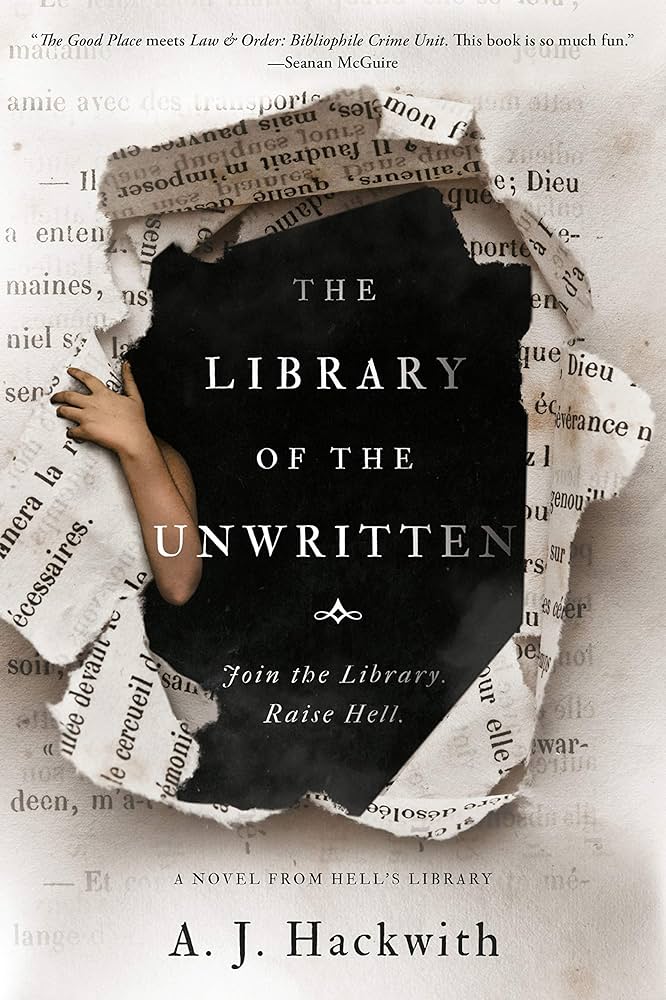
The Library of the Unwritten – A.J. Hackwith“They got a spot to bury you/It’s not news, you’re tremblin’ for what?/Just keep it in the groovе (Don’t let up)/But keep the doorways shut…”

“La Vie en Rose” (Édith Piaf cover) – Louis Armstrong & His Orchestra

I was never much of a Disney kid, but Wall-E, one of the first movies I saw in theaters as a kid, will always unlock a particularly special place in my heart. Star Wars was my true introduction to sci-fi, but the more I think about it, Wall-E was right up there in conditioning me to fall headfirst into the genre. Even now, in my twenties and watching Wall-E for a grade to analyze the gender dynamics for a class on Disney and gender…it broke me. I knew it would. Sure, Mark Fisher cites it by name in Capitalist Realism when he talks about how Hollywood has subsumed anti-capitalist resistance and yada yada yada, but…god, how could even the most shriveled soul not be moved by an almost newborn race of humankind returning to the same earth, babies treading over barren ground as the giddy captain gleefully lists off all the plants that can be grown in it? And you’re already crying? And then they hit you with “Down to Earth?” Diabolical.

Part of my class’s discussion on the gender dynamics of Wall-E, beyond how we’re socialized to see Wall-E and Eve as boy and girl even though they’re…intelligent machines with no gender to speak of, was how the viewer is socialized to show their relationship as romantic (and traditionally heterosexual) from the markedly older, “classic” media surrounding them. Notable songs and clips from Hello, Dolly! do the heavy lifting there, but in the barest sense, Louis Armstrong’s cover of “La Vie En Rose,” one of the more ubiquitously recognized love songs of this century, which plays when Wall-E first becomes romantically interested in Eve, adds to this effect. And while I see the argument, as women and gender studies/queer theory-pilled as I am, I really don’t think Wall-E is nearly as guilty as a whole cadre of other Disney movies who have improperly shaped particularly women and young girls’ views on how gender and romance should be. For me, “La Vie En Rose” feels as pure as Wall-E and Eve, in all of their innocent, nonsexual romance. Even as a little kid, only knowing Louis Armstrong from “What A Wonderful World” (and thinking that Grover from Sesame Street was behind the vocals), something about those piano flourishes unfurled a kind of petal inside of me. It’s one of the first examples I can name of a melody really scratching an itch in my brain. I’m next to illiterate when it comes to jazz, but Armstrong was clearly one of those rare people who could give his trumpet such an individual voice—by the end of the song, you could call it just as much of a vocalist as he is. Paired with the cinematography of Wall-E’s tire treads tracing neat lines in the trash-laden dirt, something about it felt so neat, so meant to be, a puzzle piece shifting into place. Both of them are clean, and yet not sanitized—they’re sweet, earnest, pure. A part of childhood me is warmed every time I hear this song, obviously, but even outside of that context, the soothing spell of this rendition is undeniable. As is Wall-E.

…AND A BOOK TO GO WITH IT:
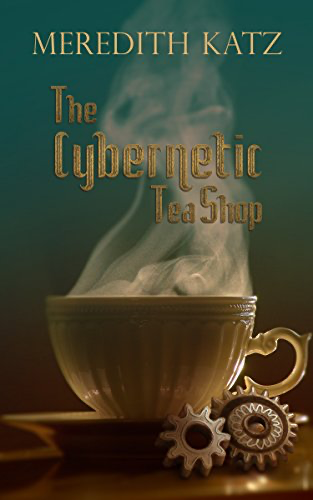
The Cybernetic Tea Shop – Meredith KatzLouis Armstrong’s take on “La Vie En Rose” is obvious coffee/tea shop music, but combined with my Wall-E association, why not return to this cozy, tender tea shop in a distant future?

“Here Comes Your Man” – Pixies

The music video for “Here Comes Your Man” has to be one of the more uncomfortable music video experiences I can think of, not because of any particular content, but more because you get the overwhelming feeling that nobody wants to be there. Every time they pan to Frank Black or Kim Deal (or Joey Santiago, honestly), they look like they’re trying to telepathically kill the cameramen, Professor X style. They don’t want to be there, the camera crew doesn’t want to be there, and they don’t want you there either…oh, my bad, sorry for the intrusion. I’ll see myself out. For good reason, though—they were averse to making music videos, and when their label pressured them to do so, they famously decided to stick it to the man and gape their mouths open like fish while the lyrics were playing. Given…well, everything I’ve heard about Frank Black, it could easily just be them being petty, but for an underground band who were achieving success they didn’t seem to want, it’s understandable.

I always feel a kind of odd shame when I like That One Song/Album That Got Popular with a certain band that the band openly hates with a passion. If I’d had the time to write a post last week, I would’ve said the same thing for Julian Cope and “Someone Like Me”My Nation Underground is one of his poppier albums, and one that he wasn’t satisfied with. (See also: “Me Myself & I,” a song I love, but that De La Soul inserts “we hate this song” into live performances of the lyrics…yeah, you get the picture.) For Pixies, they weren’t satisfied with this pop song to the point where they almost never performed it live. But…it’s so good. Sure, it’s simpler and more accessible than some of their work, but they knew how to make one of the most iconic alternative pop songs. Most alternative rock fans would probably be able to recognize that bassline immediately, all thanks to the timeless talent of Kim Deal. There’s layers to the genius of it—the harmonies of Deal and Black, the vague, surrealist lyrics about homeless people boarding a train before an earthquake, the faint comfort and hope in spite of that. The chorus of “here comes your man” was a last minute addition, but it’s always given a kind of solace for me, ever since I was a kid, before I understood the lyrics of the verse. Even with the bleak nature of the verse, it’s always implied a kind of salvation or relief to me. Bottom line: sometimes, even if That Song got popular, it’s obviously popular for a reason, but how talented a band’s craft is can often shine through in the charts.

Sometimes. We don’t talk about “Creep.”

…AND A BOOK TO GO WITH IT:
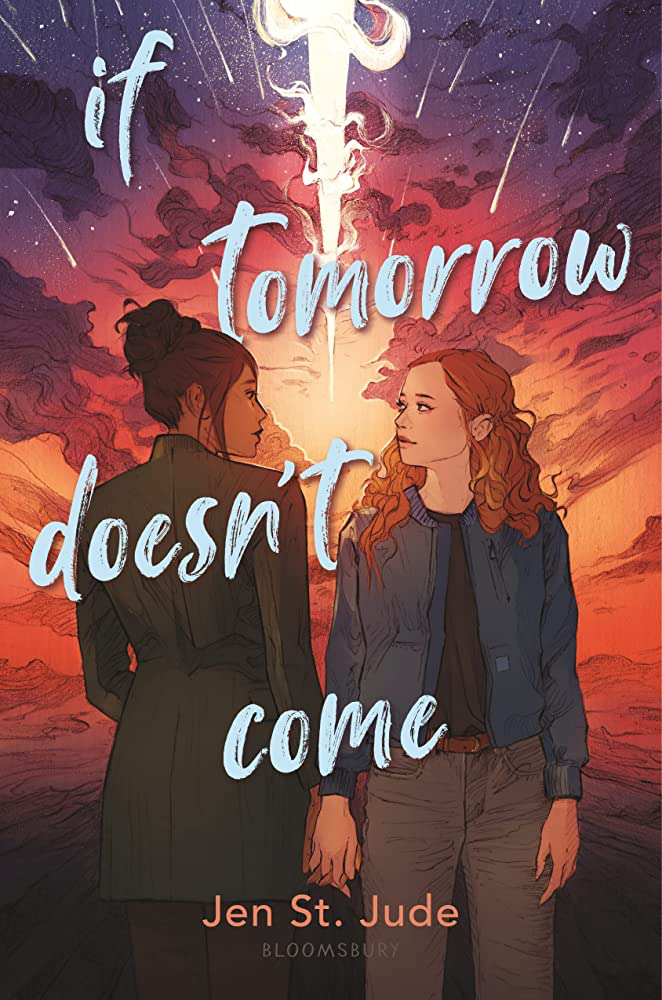
If Tomorrow Doesn’t Come – Jen St. Judea similar kind of disaster-oriented scenario to the song, of people scrambling to safety in the wake of a planet-destroying asteroid.

Since this post consists entirely of songs, consider all of them to be today’s song.

That’s it for this week’s Sunday Songs! Have a wonderful rest of your day, and take care of yourselves!

Posted in Sunday Songs

Sunday Songs: 3/3/24

Happy Sunday, bibliophiles! I hope this week has treated you well.

This week: spring green for March, old dogs, and the consequences of the fact that at least 90% of my friends are gay and their music tastes rub off on me.

Enjoy this week’s songs!

SUNDAY SONGS: 3/3/24

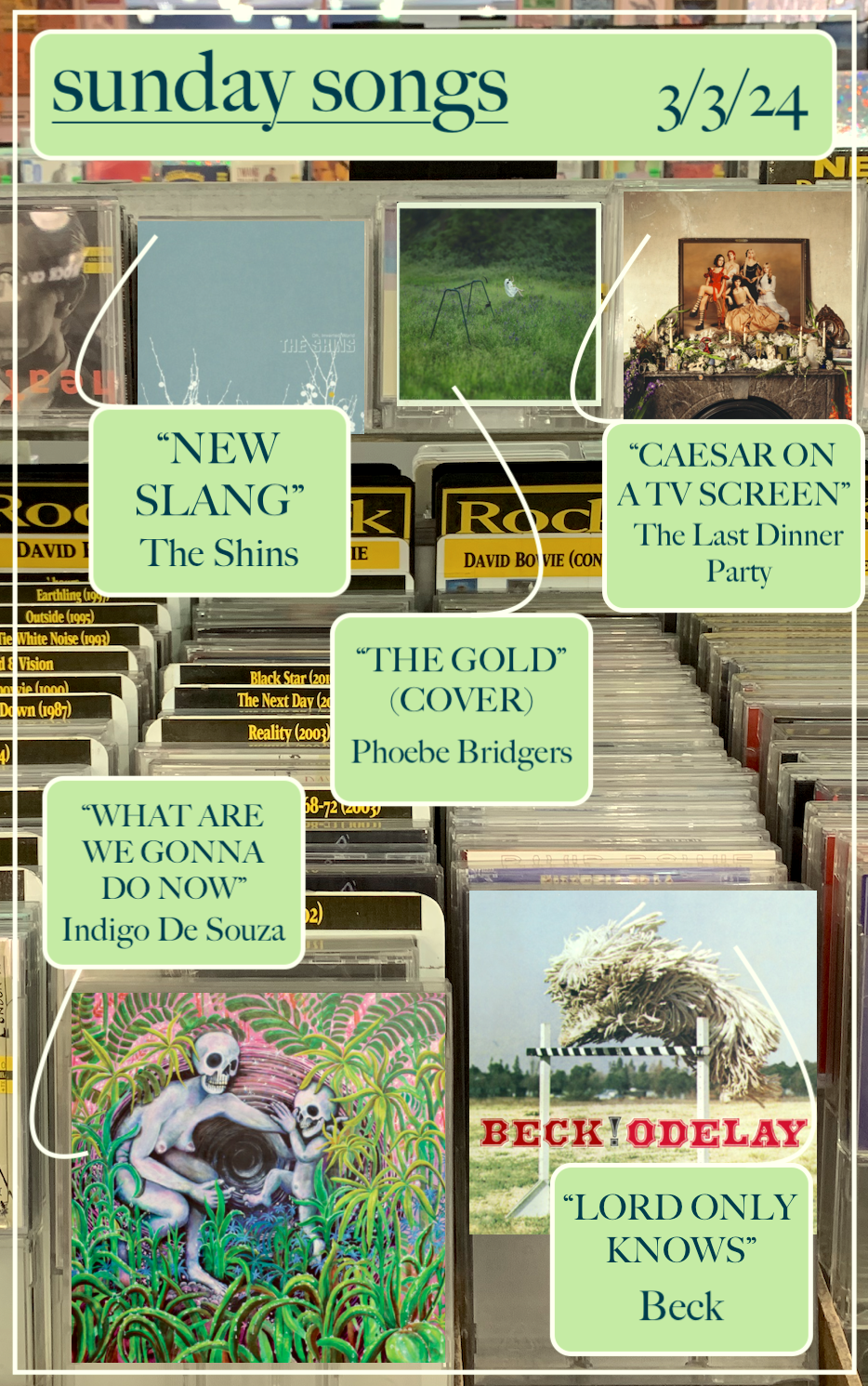
“What Are We Gonna Do Now” – Indigo De Souza

This just in: the sad girl kool-aid has never left my system, and it likely never will. Buckle up.

“What Are We Gonna Do Now” lives squarely in the liminal space of uncertainty, as the title implies. It feels like the tense opening to a film; I could just be stuck on this imagery of the line “and we’re still on call with the nurses,” but I can’t help but imagine an opening shot panning out from the slow spikes of a heart monitor, slowly letting out beeps as Indigo De Souza’s voice gently drips like an IV with that lingering, trailing question: “what are we gonna do now?” Almost everything is gradual about this song, as if the verses were frozen in time: a picture of a person standing on the street while snowflakes suspended in midair decorate the space around them. De Souza’s voice dips and dives into nooks and crannies that only a cat could fit into, army-crawling through the shadows as she describes the wear and tear of a relationship in the middle of turmoil—not necessarily on the verge of a fracture, but in the middle of the storm that they aim to push through together. Exhaustion and frustration tinges it (De Souza’s delivery of “and I’m never cooking up what you’re craving” remains one of my favorite parts of the whole song), but it’s never the kind so intense that would throw their love out the window—it’s the determination of trying to find out exactly how to fix things, and scrabbling around, searching for answers in desperation. Like the ebb and flow of love, the instrumentals swerve from a near standstill to a rousing, guitar-driven chorus and back to quiet again, but after the first verse, nothing is the same; it has the same kind of barely-contained chaos of songs like Wilco’s “Via Chicago” and Mitski’s “The Deal,” with a sense that the anxiety of making amends and grasping for solutions. As De Souza’s airy voice rises like she’s gasping for air after emerging from the ocean, trembling drums and tambourines slip in and out of time, ever so slightly off-kilter and teetering, like one sneeze would send them all into disarray. Unlike the former two songs, though, it never fully gives in, but the unraveling is always at the back of the song’s mind, like an overflow of fearful thoughts as they try to pick up the pieces, but a sense of deep-breathing control as De Souza picks themselves back up.

…AND A BOOK TO GO WITH IT:

If Tomorrow Doesn’t Come – Jen St. Judeone of the few apocalypse novels that really makes it a mission to focus on the human aspect.

“Lord Only Knows” – Beck

Full disclosure: I definitely ruined this album for myself. I knew it was going to be a good album, and it 100% is, but I’d already listened to about 3/4 of it, so there were no surprises left. All of the songs I remembered were already favorites, and the ones I hadn’t yet discovered weren’t as instantly classic as the others (sorry, “Derelict”). But that’s on me. Maybe on my parents for playing it so much in the car over the years, but mostly on me. Whoops.

That’s not to say that Odelay is a bad album at all—in fact, it’s quite the opposite. It makes me miss the old Beck, the one who didn’t scrub everything to an unnecessary polish, but instead made his music like a sculpture made from bits and bobs found in the junkyard—a bit of a tire here, an old, rusty car hood there, some nuts and bolts sprinkled on top for a finishing touch. It’s a collage, but not necessarily in the way that artists like De La Soul or The Beastie Boys make their collages: while their infinitely clever concoctions feel like they oil every sample into a unified organism of unlikely pieces, Beck’s method (for a while, at least) was to make every spare and found part stick out like sore thumbs, but so much so that all those sore thumbs eventually made a hand so absurd that it makes you think how does that even function as a hand? And yet it’s the perfect hand. There’s no other way that “Hotwax” would work without “I’m the enchanting wizard of rhythm.” In fact, the absurdity of all these samples make this mutant (no pun intended) record so memorable—nobody was doing it quite like Beck. Take this song, which starts out with a rasping scream, then descends into twangy and almost docile acoustic-guitar driven rock. It’s not the heat-waved calm that “Jack-Ass” (my favorite track on the album) exudes, but it’s got that same lazy drawl to it, every word curled at the edges like scraps of paper singed by a campfire. Odelay hadn’t yet reached critical mass of clever silliness that made ’90s-2000’s Beck so fun (that would be Midnite Vultures), but he had plenty of fun to spare—I always find myself laughing at the final lines that Beck sings as the track fades out like a car driving out of view, obscured by the wobbling lines of a heat wave: “Going back to Houston/Do the hot dog dance/Going back to Houston/To get me some pants.” You just can’t deliver the word “pants” with that much emphasis and have it not be funny. Them’s the rules. I apparently have the humor of a five-year-old, but evidently, so does Beck, and we’re all the better for it.

…AND A BOOK TO GO WITH IT:

Fortuna (Nova Vita Protocol, #1) – Kristyn Merbethall of the same lazy, summer-eyed charm, but make it space opera (as things usually are on this blog).

“New Slang” – The Shins

Whenever I go to write about The Shins, I always end up going straight for the purple prose. It’s like the way I get with Radiohead, except they invoke something akin to religious fervor in me. I’m too far gone. But there’s something about James Mercer and his perpetually rotating cast of characters that evokes the lyrical side of my writing. Perhaps it’s that part of me connecting to that part of him, because he’s certainly got songwriting chops for days.

“New Slang” has been lingering in my life for decades; I faintly associate it with a period sometime in elementary or middle school. I think it may have been at the end of a playlist I listened to frequently. The Shins are never all that far from my mind, but this was the perfect song to shuffle out of the blue, soft and smiling like an old dog with white patches threaded into the fur of its snout. And I ran right up to pet that dog—god, I missed this song. Hello, old friend. Mercer has long since mastered the art of the old heartstring-tugging acoustic song, and while its as hipstery as it gets, there’s a calmness to it, a serenity like no other. And yet, for all intents and purposes, it’s James Mercer’s equivalent of a pop-punk “I’m getting out of this town” song; the lyrics were inspired by his experiences separating from Albuquerque, New Mexico, where the first iterations of The Shins had tried to take root. Disillusioned by a scene that he described as “macho, really heavy, and aggressive,” Mercer and company branched outwards, where their lyrical folk could have more meaning. “New Slang” was Mercer’s way of “flipping off the whole city,” as he described it (“Gold teeth and a curse for this town”), but there’s something beautiful in how quietly this song shoots its bitter middle finger. It’s not the jerky angst of separation that pop-punk lends to the subject, but instead the moment of looking back into the sunset, knowing that everything you’ve left behind is in the dust with the approaching night. Perhaps that’s where that serenity I feel comes from—the serenity of knowing that what’s in the past is in the past, and that it has no control over your life anymore. It’s underfoot, only tire tracks in the dirt now. You can’t help but feel a wave of peace at the thought.

…AND A BOOK TO GO WITH IT:

Trouble Girls – Julia Lynn Rubinwhile Lux and Trixie’s reasons for ditching their town are more complicated, there’s no less of a feeling that they’re giving it the finger the whole way out.

“The Gold” (Manchester Orchestra cover) – Phoebe Bridgers

Full disclosure: I hate the original version of this song. Hate it. It stinks of that kind of that faux-earnest, country-leaning pop that forced itself down everyone’s throats in the mid-2010’s like a contagion. If this weren’t obviously a breakup song, I know my music teacher would have made my 5th grade class sing this. I hate to relentlessly dog on a song, but also…Christ. This made me throw up in my mouth a little.

Phoebe Bridgers, on the other hand? A godsend. Leave it to her to make the original lyrics, some of which were actually good sound good, and not like they were being shoved down through the godforsaken Mumford & Sons strainer. I will give Manchester Orchestra (posers, they’re not even from Manchester…) some credit: “you’ve become my ceiling” is genuinely a beautiful lyric. But I just wish it wasn’t being delivered with that smarmy, offensive excuse for authenticity. Again: Phoebe Bridgers is our savior. She grounds this song enough to make the turmoil within it feel real. Never once did this song need belting, stadium-rock grandeur: it needed clarity, a sense of calm amidst the chaos, and a steady hand on an acoustic guitar. It’s got slightly more effects than Bridgers usually allots to a song of this tempo, but it hits the balance of flourish and that acoustic sincerity that she’s come to be known for. It’s a breakup song, but although some of those call for grandiose declarations of sorrow, some of them need time to sit in silence and wallow it in, and that’s exactly the treatment that Bridgers gave “The Gold.” I’ll just go ahead and pretend that she wrote it. Yup. Manchester Orchestra? Who is she?

…AND A BOOK TO GO WITH IT:

Vinyl Moon – Mahogany L. Brownesimilarly, this novel in verse deals with the fallout of a relationship built on mistrust.

“Caesar on a TV Screen” – The Last Dinner Party

Before I listened to the full song, I distinctly remember seeing a snippet of this song advertised somewhere on Instagram and thinking something along the lines of “god, this is pretentious.” And I stand by that. It’s still pretentious. But in context, it’s a good listen.

I’ve heard a decent amount of buzz surrounding The Last Dinner Party, usually falling in one of two camps: that they’re out to save rock and roll and bring it back to its glory days, or that they’re just…okay? The former argument, while I like it in concept, reeks of the kind of mentality that “modern music isn’t good anymore” because it’s not all Pink Floyd, which…okay, cool if you like Pink Floyd, but also…creative rock didn’t die as soon as Y2K hit? You just have to look a little harder now that rock isn’t the reigning influence on popular music anymore. In the modern day, we treat rock music like we often treat women: as something to be saved, when all along, it’s been doing just fine, thank you. I doubt we’ll ever go back to those days, and maybe we shouldn’t—there’s no way you can completely replicate a movement in its full, temporal context, and maybe that’s okay. I’m all for bringing back glam rock, but chances are, anything you try to resurrect is going to feel displaced in our modern day context. You can take inspiration from them, but personally, it’s a hard thing to recreate in all of its flesh and blood.

Which…seems like a good deal of what The Last Dinner Party are going for. Frontwoman Abigail Morris has regularly emphasized how much she and the band enjoy being pretentious (if having their debut album titled Prelude to Ecstasy wasn’t enough of an indication), and if that’s what’s bringing them joy, then all power to them! They’re talented musicians, for sure. Weirdly, the other two songs of theirs that I listened to just sounded like…any old indie pop song, which I kind of hate to say, but if you’re all about “saving rock n roll” and just putting out that, then I feel like you have to keep your mission consistent. But you certainly get that feel from “Caesar on a TV Screen.” As far as the structure goes, it feels slightly disjointed, but the more I watch the music video, I get what they’re going for—a song with a distinct, three-act structure, emulating the epic, Shakespearean twists and turns that inspired it. There’s loads of drama to spare, from the rush of strings in the third act to Morris’ impassioned howl of “everyone will like me!” at the song’s exiting flourish, like she’s brandishing a prop sword with every word. It’s dripping with that kind of theatrical, ’70s and ’80s drama—there’s Queen written all over it, and I can’t help but think that some of that drama was informed by Kate Bush. And…yeah, Freddie Mercury, Kate Bush, and David Bowie, the latter of whom the band have repeatedly cited as one of their primary influences, are probably some of the most colossal shoes to fill in terms of musical artistry. But there’s no doubt that The Last Dinner Party are a skilled bunch in their own right—and god, they look like they’re having the time of their lives. It’s exactly the kind of excess, maximalism, and drama that their band name implies.

…AND A BOOK TO GO WITH IT:

Strike the Zither (Kingdom of Three, #1) – Joan He“When I was a child, I never felt like a child/I felt like an emperor with a city to burn” HMMM…

Since this post consists entirely of songs, consider all of them to be today’s song.

That’s it for this week’s songs! Have a wonderful rest of your day, and take care of yourselves!
Posted in Monthly Wrap-Ups

June 2023 Wrap-Up 🏳️‍🌈

Happy Friday, bibliophiles!

And just like that, we’re halfway through the year…I don’t want to jinx it, but I feel like it’s been a good one so far. Other than being sick for all of April, basically, but that’s in the past. Now the pollen allergies are kicking in!! Whee!!

Let’s begin, shall we?

GENERAL THOUGHTS:

June has been on the busier side, but in a good way, for the most part. I got my very first job as a page at my local library (!!!), and I’ll be working there part-time until school starts back up. As of today, I’ve just gotten my first paycheck!!

Right after that, I went on vacation in Olympic National Park! Washington is the prettiest—I loved seeing the rainforest and the ocean, and all of that nature really got my creative juices going.

I also went to my very first pride parade last weekend!! I only stayed for an hour to watch the parade itself (that’s on sensory issues), but it made me so incredibly happy to see my community gathered there and spreading so much joy. Unforgettable experience.

Now that I’m off school, I’ve tried to get back into my writing routine. I started on the first draft to the sequel of my main WIP. I’ve made some good progress so far, but I’m planning on taking it to Camp NaNoWriMo tomorrow! I’m shooting for the full 50,000 this time, so wish me luck!

Other than that, I’ve just been drawing, practicing guitar, seeing the Yeah Yeah Yeahs and Shakey Graves live (both of which were AMAZING GAAAH) binging even more Taskmaster (just finished season 6, looking forward to seeing how unreasonably angry James Acaster gets in season 7), watching Across the Spiderverse (can’t remember the last time a movie changed my brain chemistry THIS much, so beautiful) and Asteroid City (another win from Wes Anderson), and trying not to inhale every single mote of pollen in my room. Allergy season is a real Fun Time.

READING AND BLOGGING:

I read 16 books this month! June wasn’t off to a great start (see the DNF below), but I ended up reading a ton of fun books for pride month! You’d think that vacation would’ve given me more time to read, but I ended up buying three books on my Kindle, all of which were rather chunky, so…

1 – 1.75 stars:

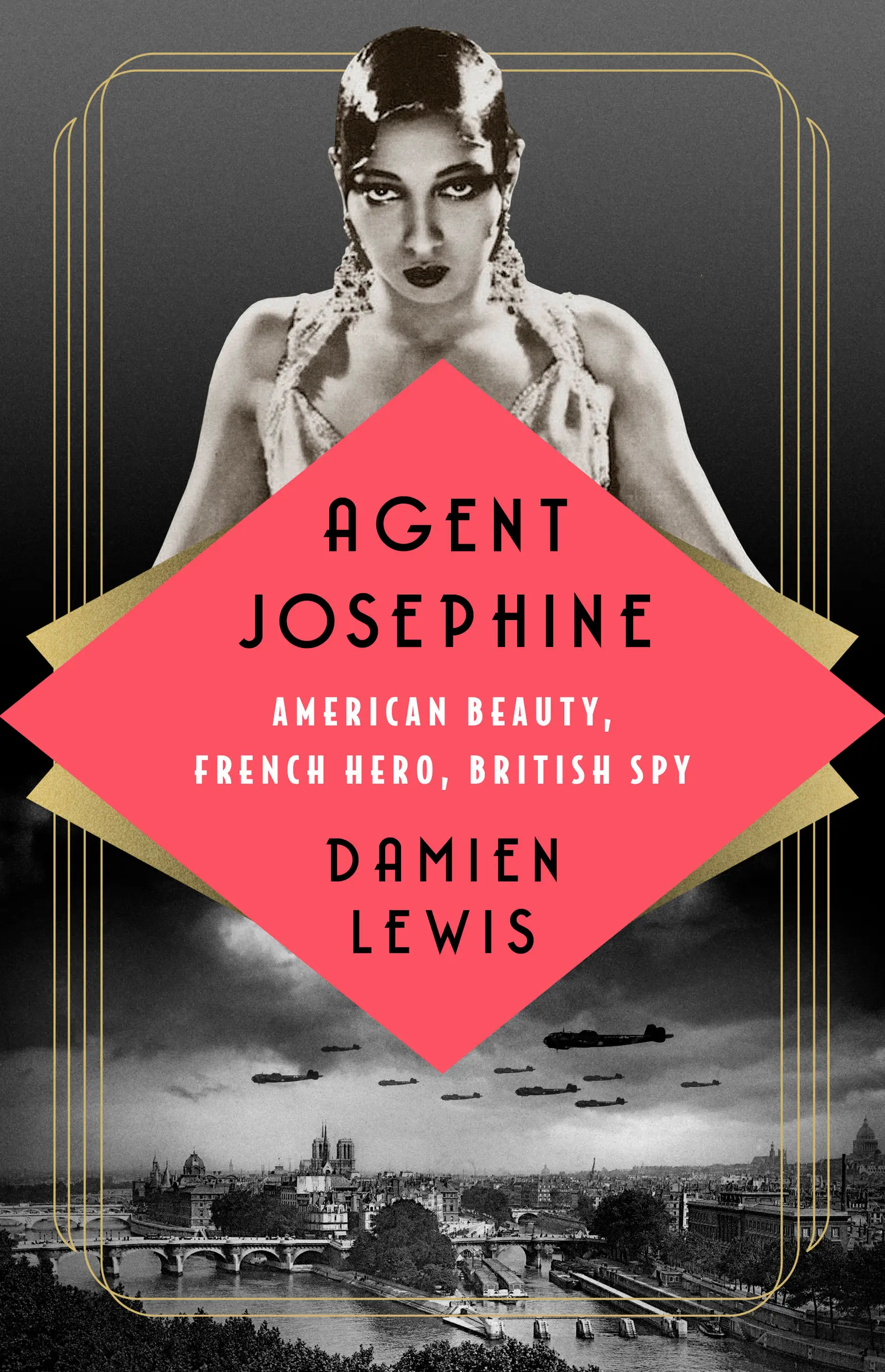
Agent Josephine

2 – 2.75 stars:

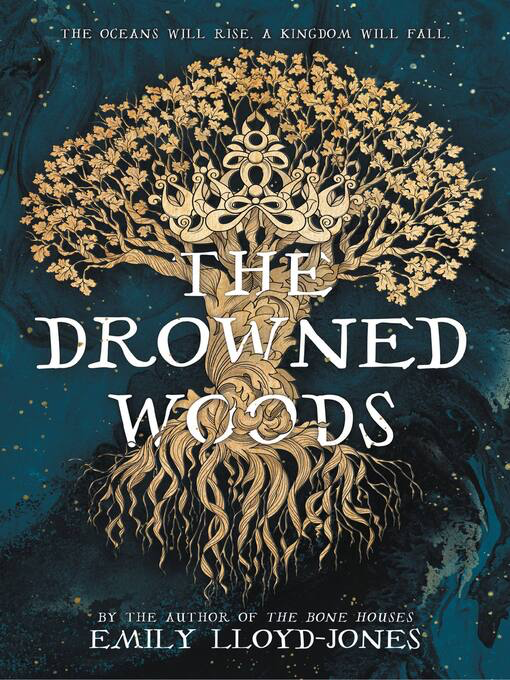
The Drowned Woods

3 – 3.75 stars:

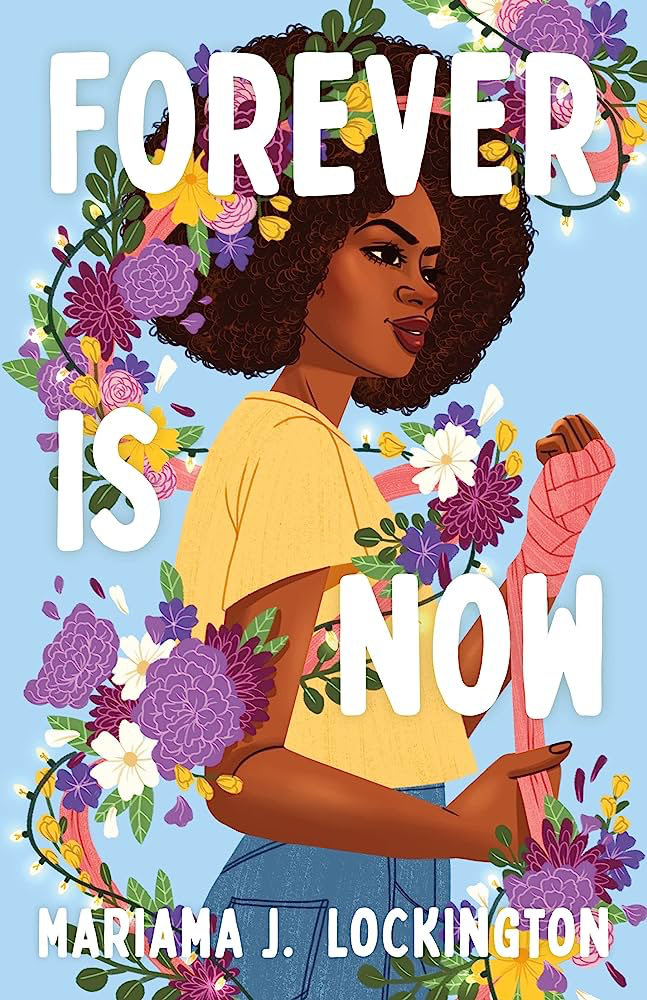
Forever is Now

4 – 4.75 stars:

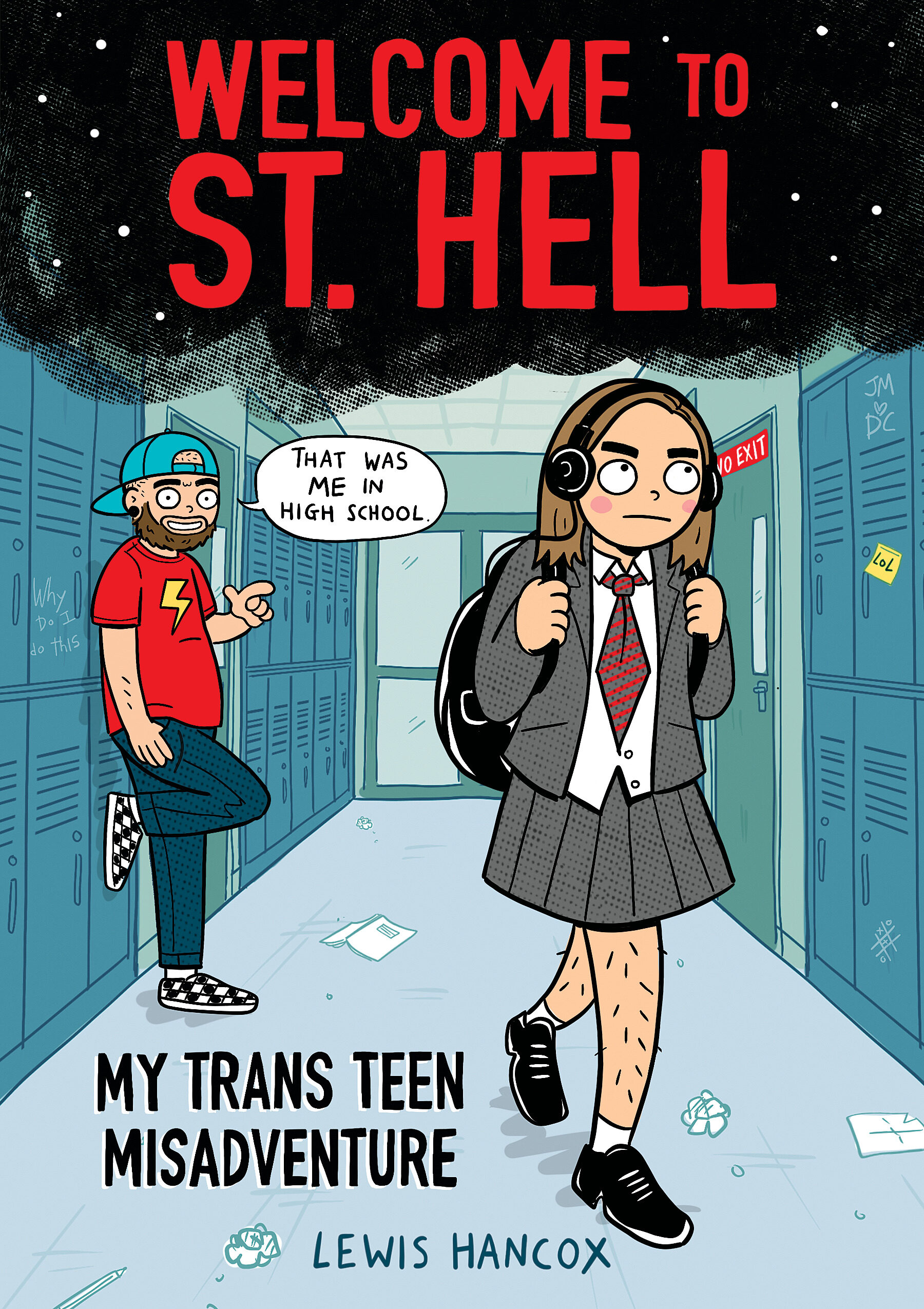
Welcome to St. Hell

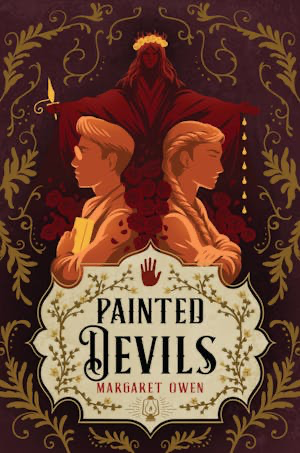
FAVORITE BOOK OF THE MONTH – Painted Devils4.25 stars

Painted Devils

POSTS I’M PROUD OF:

POSTS FROM OTHER WONDERFUL PEOPLE THAT I’VE ENJOYED:

SONGS/ALBUMS THAT I’VE BEEN ENJOYING:

obSESSED thanks Max
ever since this came to Bandcamp I have Not Been Okay
brain chemistry-altering movie, 10,000/10
delightfully weird album
NEW SMILE I REPEAT NEW SMILE
WHUHHHHHHHWHWHWHHWHWHHH LOVE THIS ALBUM

Today’s song:

now THIS is the Blur I missed

That’s it for this month in blogging! Have a wonderful rest of your day, and take care of yourselves!

Posted in Uncategorized

Book Review Tuesday (6/6/23) – If Tomorrow Doesn’t Come

Happy Tuesday, bibliophiles!

This book came out around a month ago, and I figured it would be a great read to start off pride month (after a very disappointing biography of Josephine Baker). If Tomorrow Doesn’t Come was my first exposure to Jen St. Jude (it’s her debut, after all), but after this, I’m ready to watch for anything else she writes.

Enjoy this week’s review!

If Tomorrow Doesn’t Come – Jen St. Jude

The news has just broken that an asteroid capable of wiping out the population is headed towards Earth in nine days. Avery Byrne had planned to drown herself on her college campus that day—being closeted from her religious parents, the mounting pressure of college, and undiagnosed depression had become too much to bear. But now, she’s forced to flee her college and face her family. Among them is Cass, her best friend and longtime crush, who she’s been hiding the truth from for years. With nine days until the end of the world, Avery must come face to face with everything that she wanted to run from, but must also realize the hope at the end of the world—maybe she finally has time to make things right.

TW/CW: suicide, suicide attempt(s), suicidal ideations, homophobia, religious bigotry, mental health issues (depression), natural disasters/end of the world scenarios (impending asteroid impact)

This is a heavy one. That can’t be understated enough—I always put trigger warnings before my reviews now, but these ones are really important to keep in mind. If Tomorrow Never Comes is a devastating novel—but a deeply important one, as long as you’re in the mental headspace for it.

That being said, one of the best parts about this novel is how Jen St. Jude handles such topics. It would’ve been easy to romanticize or otherwise dramatize Avery’s very real struggles with mental health and queer identity, but everything was handled with such care and grace. It’s clearly a very personal novel; nothing is glossed over, but nothing is overblown to amp up the tension needlessly. We’re very slowly coming out of the post-13 Reasons Why romanticization of suicide and mental health issues, so it’s very important that books like these exist to counteract that—presenting these subjects exactly as they are.

All of the relationships were also done so well in this novel! Each character was crafted with so much care, and the interactions that each one had with the other really made them stand out. The forced reunion of Avery, her friends, and her extended family in the event of the asteroid created so many moments that felt refreshingly human—messy and hard to read at times (part of the ending made me cry, full disclosure), but authentic and genuine. Again—in the face of an onslaught of very dramatic apocalypse-oriented YA in the past, it’s so nice to see one that’s full of emotion, but more in the way of real, interpersonal relationships and not 2012 love triangles in the face of impending doom.

That being said, I did have one major problem with this novel. I liked the format that St. Jude had where the novel was split into Avery’s past and present, but the flashback chapters felt somewhat stilted compared to the present day chapters. They leaned a lot more on telling—giving us information about Avery’s life, friends, and family in a very rote way, as opposed to letting all that bloom naturally. It’s even stranger considering that the present chapters didn’t have this problem at all—maybe it was just some kinks to work out when writing in Avery’s past tense. With all of the heart that this novel had, it just left me wishing for something as fluid as the other chapters.

I’ve seen some people complaining about the ending, but I feel like this novel couldn’t have ended any other way. This novel was always going to be about relationships during the apocalypse, and the mechanics of the apocalypse weren’t meant to be the star of the show. I will admit that I had to turn back to check that yes, this really was the end, it felt like the quiet, tender ending that this novel deserved.

All in all, an emotional and deeply personal story of love at the end of the world. 3.75 stars, rounded up to 4!

If Tomorrow Doesn’t Come is a standalone, and it is Jen St. Jude’s debut novel.

Today’s song:

SAW THE YEAH YEAH YEAHS LIVE LAST NIGHT IT WAS MAGICAL

That’s it for this week’s Book Review Tuesday! Have a wonderful rest of your day, and take care of yourselves!