I fully thought I reviewed the first book in this series…whoops. Did I just hallucinate writing a book review? In 10-ish years of writing book reviews, I guess it was bound to happen…
Suffice to say, I really enjoyed To Shape a Dragon’s Breath—it filled the void left by Harry Potter and rekindled my love for good old magic school YA, but without having to remember that J.K Rowling exists. ToShape a Dragon’s Breath is unabashedly Indigenous and queer, with a witty, delightful protagonist, a lovable supporting cast, and potent commentary on racism and colonization. And did I mention the dragons? Naturally, I was excited to see what the sequel had in store. And for the most part, To Ride a Rising Storm was a very rewarding sequel, full of the same heart that endeared me to book one.
Now, tread lightly! This review contains spoilers for book one, To Shape a Dragon’s Breath. If you haven’t read it and plan on doing so, you may want to skip this review.
Anequs has survived her first year at Kuiper Academy. Eager to return home with Theod, her only other indigenous classmate…who she may be developing feelings for. She intends to spend her summer break with her family, but what she returns home to is quite the opposite. The Anglish have begun to encroach on her homeland. Anequs is determined to assert her people’s right to govern themselves, but before she can intervene, she’s swept back to Kuiper Academy for another semester. With new friends and enemies, Anequs is determined to not let the idiosyncratic, nonsensical rules of Anglish society beat her down. But with a looming political threat mounting outside of her school, Anequs’s peace might be short-lived.
I love the Nampeshiweisit series—both books have been a delight to read. But for both books, I’ve been slightly torn about the worldbuilding. What you have to know right off the bat is that it’s not subtle, but also that it’s not trying to be subtle. Anequs and her people are Native American-coded, and the English stand-in is quite literally Anglish. You can see where we’re going here. But I wouldn’t be reading book two of this series if I wasn’t on board with it; and to be fair, the Anglish are basically a hybrid of England and a lot of Scandinavian countries in terms of their culture and folklore, even though they play the role of the English here.
However, I appreciate it more in the sense that it’s a political statement rather than a worldbuilding one—Blackgoose isn’t here to beat around the bush here when it comes to critiquing colonialism. Once you get past the names, there’s a rich fantasy world to be found here. It’s a world of dragons and secret societies and magic, and Blackgoose does an excellent job of explaining how they’re integrated into this world, and how they’ve affected geopolitics; this book gets even more into the politics of the world, which I greatly enjoyed. Plus, if you’re sick of how said magic schools have handled diversity (you all know who I’m talking about here), there’s so much diversity here, be it queer, POC, or disabled characters. And none of it feels like ticking off boxes—it all feels like how marginalized people would have lived and acted historically in a multicultural space.
One of the parts I most enjoyed about To Shape a Dragon’s Breath was Anequs herself. She’s just such a spirited and downright delightful protagonist, but one that easily holds her own against the obstacles that she faces. The Nampeshiweisit series is one that I’d recommend to readers of all ages, honestly, but especially younger readers who have just reached the age range of YA, and one of the main reasons I’d recommend it to younger readers (especially young girls) is Anequs. She’s such a good role model for young women, especially young, queer women of color: she’s determined, smart, and takes both her peers and the authorities to task for their racism and colonialism. Her personality practically bursts off the page. She isn’t without her flaws, either, and all the better—young girls are better off with role models who aren’t perfect. But so much of the draw for this series is how much I love being in her head and going on adventures with her and Kasaqua. Blackgoose really struck gold with Anequs—she’s a memorable protagonist in every way.
To Ride a Rising Storm was more character-driven than its predecessor, and for the most part, it greatly benefitted from it. For most of the novel, there’s not any hardcore, climactic action, but there are so many parts of the world and other cultures that get fleshed out that I can’t complain…mostly. (More on that later.) Either way, I loved the development of Anequs and her friends, old and new. Blackgoose’s characters are just so charming and compelling, and I loved that we got more page time with them. Jadzia was a great new addition, and I loved what she added to the friendship dynamic with Anequs, Theod, Sander, and the others. The glimpses we get of those on the margins of Anglish society outside of Kuiper Academy made the world feel even realer—there were so many pockets that we hadn’t seen before, and Blackgoose’s prose made me so much more immersed into the setting. Though some of the other parts of the book suffered from this focus, To Ride a Rising Storm felt like it was there to make the world more real.
However, there are drawbacks to having a book just for making the world feel more immersive. I’m torn about To Ride a Rising Storm because although I loved reading every second of it, there was a very clear pacing issue. While I enjoyed the more cozy, somewhat low-stakes approach that this book had, it was paced quite unevenly. We get some very serious action and stakes, but they aren’t introduced until halfway through the book. The final battle is crammed into the last 3% of the novel—I checked on my Kindle when this huge battle went down, and it started at the 97% mark! For a moment this climactic, it was introduced far too late. It just didn’t quite feel like Blackgoose quite knew whether she wanted to make this novel fully cozy or low stakes; either commit to the coziness or give the stakes more weight throughout the rest of the novel. Again, I enjoyed the pace until I didn’t—the last quarter of the novel proved that there was a serious issue with imbalance.
All in all, a worthy sequel with timely political commentary, tender friendships, and one of YA fantasy’s most memorable protagonists today. 4 stars!
To Ride a Rising Storm is the second book in the Nampeshiweisit series, preceded by To Shape a Dragon’s Breath.
Today’s song:
prepping myself to see Jeff Tweedy this friday…thanks to my dad for this one!
That’s it for this week’s Book Review Tuesday! Have a wonderful rest of your day, and take care of yourselves!
Happy Sunday, bibliophiles! I hope this week has treated you well.
This week: the last Sunday Songs of 2025 (good riddance), featuring one more song from Bad Sisters, early college memories, and Liz Fraser getting her money’s worth out of the letter ‘S.’
You know me—I’m a sucker for songs that are sweet, sincere, a little too sappy on occasion. I love a good ballad here and there. But there is a hair-thin line between being sincere and wholesome and being overly earnest and corny in a way that sounds disingenuous the minute you step an inch beyond that line. Being genuine doesn’t mean squinting more than usual when you sing into the mic and switching your guitar from electric to acoustic—unless the feeling’s there, it’s not going to sound sincere. So it’s always an acrobatic feat to make a song that’s earnest and sincere but doesn’t sound fake. Sometimes you have to be a bit of a cornball to get it across, but sometimes, being a cornball is better than thinking that you’re automatically moving people to tears by singing slightly louder.
I wouldn’t say that of Jeff Tweedy though, even if Sky Blue Sky’s legacy is that it’s the origin of the term “dad rock,” a kind of Frankenstein’s monster from Pitchfork writer Rob Mitchum, who now regrets what he created. Tweedy’s just a uniquely sincere kind of poet, no matter the lens he uses. “Hate It Here” is a long time coming on Sunday Songs ever since I discovered it this summer, after it became a setlist staple for Wilco on their most recent tour. The best way to describe it is that it’s wholesome without saccharine—Jeff Tweedy just misses his wife when she’s not there!! He’s lonely!! He loves his wife!! It’s this in song form:
It veers towards the sappy, but it’s delivered with the kind of longing you only get from a happy, stable marriage and a genuine affection—it can’t come across as anything other than wholesome. And like the house that Tweedy’s idly pacing around, there are all manner of quirky musical furnishings—this isn’t in the studio version, but on tour, when Tweedy sings “I’ll check the phone,” Mikael Jorgensen does this little riff on the keyboard that sounds like a phone ringing. And let me tell you, it instantly made me go “OH MY GOD!! HE DID THE THING!! THE PHONE!! THE PHONE IS RINGING!!” It just goes to show the ounces of care that Wilco puts into every song, no matter if it’s about the depths of addiction, existential crises…or missing the wife. Because every song deserves the same love.
I promise this’ll be the last of the music I’ve swiped from Bad Sisters for the foreseeable future. I can’t help it! Whoever was in charge of the music direction should’ve gotten a raise, both for the sheer volume of great songs included, but for the subtle focus on women, be it Melanie or Wet Leg, Nancy Sinatra or Bikini Kill.
If not for the fact that “Cold Was the Ground” plays in-scene while the Garvey sisters are listening to the radio, I fully would’ve thought that it was part of PJ Harvey’s score—those resonant, plucked strings at the beginning sound almost identical to the musical motifs she scattered throughout the series. It’s a song so perfect for the show’s atmosphere that the characters practically break the fourth wall and recognize it themselves—it plays on the radio while they’re disposing of a body, and they insist that Eva switch to another radio station and play something less blatantly topical. “Cold Was the Ground” is a sparse but cinematic song. If Fargo goes on for another season, this would fit perfectly in it; it has that same feel of an unsettling, Depression-era Americana standard, despite the Limiñanas being French. With Marie Limiñana’s breathy vocals, a husky whisper through the mist, you feel a kind of old-fashioned dread, evocative of a campfire story that you’re trying to pretend didn’t scare you, but becomes realer the more you look out into the dark night.
I just want to talk about the visual for the song here, because…why are we just zooming in on random parts of Joe Talbot’s face? Why is 1/3rd of this video just the camera slowly getting closer and closer to his hairline, and then zipping back down to his chin? I mean, zooming in on Marta’s eyes and smile during the “Saw it in your eyes/Sense it in your smile” line is a nice touch, but…everything else? Why does Joe Talbot’s picture look like a mugshot?? Why is Tricky’s picture so grainy compared to everybody else’s? No wonder those photos are so tiny on the Lonely Guest album cover…
Anyways. Lonely Guest is essentially just Tricky, but back in 2021, it was a collaborative side project under another name. I’ve only listened to a handful of songs from it, but it captures the modern incarnation of what Tricky’s music has bottled for me: agitation. He thrives on mining dread, anxiety, and all manner of creeping, looming feelings—Maxinquaye is a masterclass in taking that feeling and ballooning it up 10 times its normal size. Though “Pre War Tension” doesn’t musically give that feel—it’s more of a simple instrumental as far as Tricky goes—its guests do. Joe Talbot was the perfect mouthpiece for these lyrics, making the first verse sound like a less aggressive IDLES track; the opening lyrics (“There’s a Macy’s parade-sized pink elephant/In the room that renders me unintelligent”) sound straight off of Ultra Mono. But ultimately, it is still Tricky, and his signature rasp, spoken in an atonal whisper, articulates that tension of wanting to hunker down somewhere cold as the world around you slowly spirals towards ruination. Even Marta’s voice, the most even-keeled balance between Talbot and Tricky, has a kind of resignation to it despite its softness.
…AND A BOOK TO GO WITH IT:
Junker Seven – Olive J. Kelley – “Life devours/Then it sours/You wanna go/But you really can’t stay/Your trouble and strife…”
I doubt this is an applicable situation for anybody, but if you ever need to explain the definition of “sibilant” to someone (1. making or characterized by a hissing sound or 2. [of a speech sound] sounded with a hissing effect, for example s, sh), just use this song. This song was brought to you by the letter ‘S’: silly, saliva, sashimi, should’ve. Of course, I write down about half of those words without complete certainty that they’re in the lyrics, but either way, it’s a very sibilant song, silky and ethereal like the fabric draped over Treasure’s album cover. Due to that emphasis on ‘S,’ “Aloysius” is one of the more indecipherable Cocteau Twins songs for me—as used to their relative gibberish as I am, all of them blend together like watercolors with that consonant repetition. Frazer makes ‘S’ not even sound like a consonant anymore, with the airy treatment it gets, along with all of the vowels strung along with it. That’s the real talent of Frazer for me: words are malleable things in her hands, elevated beyond words and into strings of pearls.
I’ve manage to only double-dip on Sunday Songs sparingly through the years, but I’ve fallen for it again. To be fair, this one appeared before I was even writing about these and maybe 20 people saw them on my Instagram story, so we can pretend that this isn’t a repeat.
“Simulation Swarm” is so distinctly 2022 for me, and yes, I know, Dragon New Warm Mountain I Believe In You came out that year, but it’s a very specific part of 2022 for me. I remember listening to it while facing the lawn surrounding my freshman dorm in college, the sunlight on the fresh grass, the fear shaky in my legs as my headphones snaked over the worn strap on my purse. I was impressionable to my brother’s music taste then, and I still am now, but he and his girlfriend were guiding me through my first wobbly steps into college (god, THANK YOU GUYS), leaving Big Thief songs like crumbs along the way. I probably heard it at one of the coffee shops on campus too, but either way, if the local coffee shop run by college students isn’t playing Big Thief, what’s the point?
Cobbled together from a series of Lenker’s experiences—hospitalization, a childhood spent in a cult, and her separation from her brother—”Simulation Swarm” is so bursting with yearning that’s it’s difficult to pin down exactly how I feel about it on any given day. I’ve leaned towards an eagerness to escape myself, but it’s a tender little mood ring that burns a bit when you leave it on your finger for too long. Lenker’s lyrics are so poetic and surreal in nature that I can’t help but imagine a fantastical undercurrent to it; my heart always snags on the “last human teachers” bit, maybe just from the sci-fi image that it conjures up. Sure, the verse about “building an energy shield” in the backyard feels very much like kids playing pretend, but I can’t help but thinking of children on a faraway planet, scraping enough money together to make their energy shield out of scrap metal and hijack a spaceship and fly it far, far away, as far as they can get. That emotion, positive or negative, feels to me like the yearning for freedom—like the empty horses, it yearns to break free, and in the chorus, you get the feeling that something’s finally snapped, broken loose, and broken its chains: “I’d fly to you tomorrow/I’m not fighting in this war/I wanna drop my arms and take your arms/And walk you to the shore.”
Sorry, folks. It’s too early for me to draft my New Year’s Resolutions, but they probably won’t include “shut the fuck up about Brian Eno.” You’re in for a long few years.
Back in November, at the behest of my older brother, I finally got around to listening to Taking Tiger Mountain (By Strategy). Pardon the hyperbole, but to call it just an album feels like a disservice, mostly because there’s just so much crammed in there. It’s a whole stuffed Thanksgiving turkey of esoteric references and inspirations; the main defining threads are loosely centered around the Chinese Communist Revolution and general themes of warfare, but even that somehow doesn’t scratch the surface. Plane crashes, a Belgian town whose population is outnumbered by the patients in its local mental asylum, and a play dating back to the Chinese Communist Revolution (from which the album took its name) are just some of the scattered subjects that Eno covers in its 48-minute runtime. He verges from a campy satire of the military on “Back in Judy’s Jungle” to punk-precursor “Third Uncle” to the deeply moving “Taking Tiger Mountain,” a song that closes the album with the same huddled, melancholic yet triumphant feelingI always get listening to The Beach Boys’ cover of “Old Man River.” (Blame it on Fantastic Mr. Fox.) And yet, with all of those disparate images clanking about, it’s so cohesive. The thread, I think, is both Eno coming into his own as a solo artist, as well as his riotously creative imagination—it’s an album with such a distinctive style that could never be authentically replicated, no matter how hard somebody might try. There can never be another Eno, and there can never be another Tiger Mountain. It’s just so singular in its uniqueness.
Something that bubbled up in me while listening to Taking Tiger Mountain by Strategy was that although many of the lyrics are abjectly nonsensical, I found myself getting emotional out of nowhere. For “Taking Tiger Mountain,” I could pinpoint a more easily categorized reason—it’s got the feeling of relief, of victory at a steep cost, of the tearful end of a film. The other that got me misty on the first listen was “Mother Whale Eyeless.” Eschewed by the delightfully stream-of-consciousness lyrics, there’s something about a fundamental change—many have interpreted it as a relationship that can’t go on and the mounting fear of the inevitable implosion. Either way, something’s on the horizon, and it’s a shadow of dread—as in a “cloud containing the sea,” or the formidable shadow a whale might cast upon a school of passing fish. Yet what gets me about this song is that there’s some sort of near-euphoric feeling of ascent to it—you get the feeling like it’s piercing the very atmosphere like a rocket breaking the sound barrier; the only way it can go is higher, higher, higher still. There’s something anticipatory about it, yet there’s no explosive finale—you just break the sound barrier and are left with the fallout. The fallout is the euphoric journey that Eno takes you on, through winding turns buoyed by his Oblique Strategies (you’ll really get the meaning about his emphasis on repetition and/or lack thereof after listening to this song). Phil Manzanera’s guitar soars, aching of Low-era Bowie before it even existed, and Phil Collins’ pattering drums add jet fuel to the anticipatory nature of the track. (Also, I swear the electronic background noises in the very beginning sound a lot like the intro to St. Vincent’s “Big Time Nothing.” Just me?)
But the centerpiece for me is the refrain sung by Polly Eltes. This is where I got choked up out of nowhere. The entrance of Manzanera’s fuller guitar work allows for a breather and opens up the curtain for Eltes’ voice, in which she sings: “In my town, there is a raincoat under a tree/In the sky, there is a cloud containing the sea/In the sea, there is a whale without any eyes/In the whale, there is a man without his raincoat.” (I swear her voice reminds me a little of Régine Chassagne.**) There’s an uncanny feeling of poignant simplicity of it; it feels like a nursery rhyme, or a proudly recited line of an epic poem. To me, it almost feels like a declaration of purpose: an open defiance of interpretation, a thesis that even the most dreamlike and esoteric lyricism can be just as emotional as something that tackles a subject head-on. Either way, there is no denying the feeling that “Mother Whale Eyeless” gives me.
…AND A BOOK TO GO WITH IT:
Mad Sisters of Esi – Tashan Mehta – I promise I’m not putting this in here solely because of the whale…but I’m not saying they’re not connected. Either way, that surreal, imaginative quality of Eno pairs well with Mehta’s writing.
When Forever is a Feeling first came out, I felt like her having a Hozier feature added to the feeling that Lucy Dacus had begun to sell out. I suppose the overlap between their fanbases (read: gay people) was essentially a circle, so it probably was inevitable anyway. No disrespect to Hozier though—very talented guy, and I love his voice, but his music isn’t always my cup of tea.
To my surprise, “Bullseye” has become one of my most played songs from the album. There’s something so tender about it that reminds me of Dacus’ older work. I think what sets Dacus’ songwriting is that every emotion comes through in the most unexpected vignettes—the opening lines of “Next of Kin” (“Reading in the phone booth/Sucking on a ginger root”) come to mind. She has such a keen, observational eye that decorates her songs with the most unique setpieces, like some kind of musical bowerbird building a nest. While the ones in “Bullseye” stand out as more obviously romantic (carving locks into initials on bridges, reading annotations in your lover’s books), it’s so clear how much it shapes her songwriting. She admits it herself: “Found some of your stuff at my new house/Packed it on accident when I was movin’ out/Probably wrong to think of them as your gifts to me/More like victims of my sentimentality.” She’s a kind of museum curator of fleeting, stolen moments, which make up the core of “Bullseye.” And although Hozier isn’t normally my cup of tea, his voice with Dacus’ makes up such rich, heartstring-tugging harmonies that give the song an added layer of tender warmth.
Though I wasn’t able to catch her on this tour, the highlight has been seeing her perform this song, not just because of how lovely it is. She’s been making it her mission to duet with as many people as possible—David Bazan, Samia, Stuart Murdoch, and Jay Som, among others!
…AND A BOOK TO GO WITH IT:
Lakelore – Anna-Marie McLemore – “You’re a bullseye, and I aimed right/I’m a straight shot, you’re a grand prize/It was young love, it was dumb luck/Holdin’ each other so tight, we got stuck…”
For the next two songs, we enter what I’m calling the Bad Sisters section. If I had a nickel for every Melanie song I’ve ripped from a season finale of Bad Sisters, I’d have two nickels, etc., etc.
Like many of Melanie’s more iconic songs, “People in the Front Row” is an anthem for sticking to your guns, even in the face of critics. It’s much more literal than others, and although her voice falters in wobbly ways, given the belts she’s capable of, it’s full of the same impassioned fervor of hits like “Look What They’ve Done to My Song, Ma.” The odd laugh-singing aside, it’s such a poignant, determined ode to the people who support your art through thick and thin, no matter how much critics kick you down.
…AND A BOOK TO GO WITH IT:
You Should See Me in a Crown – Leah Johnson – “You know I looked around for faces I’d know/I fell in love with the people in the front row/Oh, how my predicament grew/Now I got friends, and I think that my friends are you…”
Warpaint have historically been hit-or-miss for me; I’ve loved their cover of David Bowie’s “Ashes to Ashes” since middle school, but most of their music has been rather lukewarm for me. I have a specific memory of trying to listen to their self-titled album on a whim several years ago and being, disappointedly, quite bored. But every once in a while, they’ll snag me out of nowhere (see also, from this EP: “Burgundy”).
This one came out of the blue in a scene in season 2 of Bad Sisters, ironically placed, given the context; it matches the eerie, melancholic tone of the scene, in which Becka finds out that she’s unexpectedly pregnant and, instead of telling her boyfriend, does what any sensible person does and…cheats on him with the guy that she’s insisted she’s over with. Naturally. (What the hell, Becka?? She’s a hot mess, if you couldn’t already tell.) There’s a deep irony behind using this song, which repeats various platitudes about staying loyal: “Nothing you can buy could make me tell a lie to my guy/Nothing you could do could make me untrue to my guy/I gave my guy my word of honor to be faithful and I’m gonna/You best be believing, I won’t be deceiving my guy.” [Ron Howard voice] Becka did, in fact, deceive her guy.
Maybe there’s a layer of irony to that beyond Bad Sisters, as although the melody is entirely original, around half of the lyrics, including the ones above, are interpolated from Mary Wells’ “My Guy.” When that much of the song is interpolated, it almost feels like cheating, even if the proper credit was given to Wells (as well as Smokey Robinson, who wrote the song). Yet it’s an entirely different atmosphere that they’re placed in, like a zoo animal let loose in a completely foreign biome; as opposed to Wells’ cheery, Motown organs, “Billie Holiday” is draped in reverb, misty strings, and acoustic guitars. It’s like wandering through a thick fog, where Wells’ song is as bright and clear as day. I suppose it’s a similar deal to Spiritualized’s use of “Can’t Help Falling in Love,” but that, to me, felt much more transformative, and used only one verse (as opposed to the three verses of Wells’ that Warpaint used). Easy way out it may be, but at least the end product is appropriately distinct, and compellingly dreamy.
Do you ever have those moments where a song hits you out of the park with some deeply vivid place in time that you didn’t see coming? Leave it to Wilco to throw another unexpectedly emotional curveball right into my face out of nowhere. Instantly, I had this feeling of being cold, of being in a gray parking lot. My mind placed it in November of 2019, by some uncanny instinct. I can’t place why, but I only just remembered that I had a borderline religious experience at the front row of a Wilco concert…in November of 2019. Maybe that parking lot was in the chill of the Mission Ballroom at night. My brain, inexplicably, just knew to place it at this time, even if “One Wing” isn’t in the setlist.
The brain truly fascinates me sometimes. There’s a part of me that wants to know everything about why it remembers what it does, and why it innately attaches feelings and memories to music out of nowhere. But somehow, I feel like that would ruin the magic of these fleeting, unexpected moments. I love the way my brain plays with memory and image the way it does, the way even the faintest whiff of an old tube of lipgloss or the notes of Nels Cline’s guitar is instantly transportive. I think it would ruin everything if I knew the precise logic of why my brain shuffles the cards and comes up with these vivid, dreamlike images. Sometimes, I think we ought to bask in that mystery. Tip our hats to the strange phenomena, etc. What a lovely, strange organ we have.
Oh, wait, I’m talking about a song, right? Oops. And what a song it is—I don’t know how this one completely passed me by, but Wilco always has the most moving surprises up its sleeve. From what I’ve heard of Wilco: The Album (featuring “Wilco (The Song),” there’s a lot of conflicting themes—said band theme song, more songs about murder, and determined love songs; but for an album like that, it makes sense for the songs to run the gamut of the range of the band. Next to “I’ll Fight,” “One Wing” makes clear sense—I’m not sure if it’s directly about Tweedy’s relationships, but there’s a clear undercurrent of wanting to rekindle faltering love and repairing something broken. (I’ve also seen interpretations that the “wings” allude to the divisions in American politics—literally the left and right wings—and while the broken relationship makes more sense to me personally, it makes me see things in a new light. A precursor to “Cruel Country” and “Ten Dead,” maybe?) That late-fall chill feels deliberate in the face of the haunted longing in “One Wing”—as the chorus picks up steam, it feels like icy wind buffeting against your cheeks, plucking tears from your eyes as you cling to someone for comfort. Nels Cline’s guitar, with a soaring tone reminiscent of A Ghost is Born, is as plaintive as Jeff Tweedy’s lyricism, all channeled into a plea for forgiveness against the friction of the world: “One wing will never ever fly, dear/Neither yours nor mine/I fear we can only wave goodbye.” It digs at such a tender, weak part in my soul…ouch, Jeffie.
…AND A BOOK TO GO WITH IT:
The Seep – Chana Porter – “We once belonged to a bird/Who cast his shadow on this world/You were a blessing and I was a curse/I did my best not to make things worse for you…”
*”oh, haha, a goofy kid’s song!” without a shred of irony, this is an absolute banger. Somehow, it ended up being my most-listened to song for November, according to Apple Music. Never underestimate the power of They Might Be Giants writing about numbers.
My Yo La Tengo knowledge is limited, considering how they theoretically line up with quite a bit of my music taste. They definitely seem to fit into my indie music sensibilities, and I even share a name with one of their songs, though they pronounce it differently than my name. (You win some, you lose some.) I do, however, know drummer and vocalist Georgia Hubley from the infectiously catchy and delightful 6ths track “Movies in My Head.” It’s a song about dreaming up fantastical scenarios and real life never measuring up, and Hubley’s airy vocals really do give it the feel like she’s never quite looking at the camera and never quite there, at least not fully. (Surely I don’t relate to that at all. Nah…)
That same dreamy quality of Hubley’s vocals blooms here, but in nearly the opposite environment. It feels like an adaptable houseplant to me: plant it in wildly different-shaped pots, and it still blooms just the same, and just as bright and healthy. I suppose that’s what you’d call versatility, but bear with me, I’m an English major. Let me have a metaphor or two…either way, this is just about the opposite end of the spectrum as Stephin Merritt’s sparkling indie pop. “Decora” is far noisier and grungier in the background, laden with crunching, distorted guitars that sound like the squealing of rusted machinery. It’s all rough edges and pockmarks, much like the collaged album cover of Electr-O-Pura. Yet Hubley’s voice drifts like a pastel balloon above a junkyard, sailing effortlessly through the clouds amidst the grime and squealing of the instrumentals. It’s beyond a perfect pairing—such disparate sounds meld together so seamlessly, and that’s magical to me.
…AND A BOOK TO GO WITH IT:
Skyhunter – Marie Lu – “It’s not the first time you’ll take a fall/Act like you’ve never seen double before/We tie deep into the past/Take this chance with me ’cause it’s the last…”
British men in 1987, for whatever reason: “I absolutely need to write a diss track about God RIGHT THIS SECOND” (see also: the more well known “Dear God”)
So. Saint Julian! Severely underrated album, right? It just reeks of this jangly, proto-Britpop sound that I can’t get enough of. I’d already listened to about half of the album by virtue of it being on heavy rotation in my dad’s car throughout my childhood, but the familiarity of it didn’t dull the sheen at all. It’s very much a pop album, but it’s a clever, horny, dramatic, literate, and downright catchy one—”Eve’s Volcano” has been on repeat for me since June.
Past the first half, the album takes a turn from literately horny to just literate, but the sound is just as consistent. Where he was just singing about how you need to hold onto his special feature (wink wink), he applies the same instrumentals to his personal beef with God. Which…entirely understandable, and given the rest of Cope’s discography, is actually much more common for him than the former, given his penchant for philosophy and the ideas of Jungian psychoanalysis. Amidst almost medieval-sounding woodwinds and an otherwise ’80s band, he characterizes God as deliberately smug, a God that all but slapped him in the face when he tried to seek him out for solace: “‘I’ve been looking around this world I created/It’s going so well!’/I looked, I stared, I said, ‘I think I’ve lost you!'” Cope’s got a lot of snark to spare, but it’s all leveled in such a sly, clever way—he feels almost like a kind of trickster deity with a smirk aimed at the camera knowing that he’s had God himself. And like a lot of tricksters, the narrative ends in Cope getting imprisoned by God for mouthing off, not knowing that he’s given him even more proof that God’s not all that: “Remind me not to pray to you!”
And talk about covers that sound eons away from the original! I didn’t even know it was a cover until a few days ago, but the original version by Cream from 1967 sounds worlds apart from Bowie’s interpretation in 1992. As Bowie tells it, in the early days of The Spiders from Mars, he and Mick Ronson would frequently cover this song—according to him, it didn’t sound very good, but I swear their ’70s sound would suit this cover perfectly. (It was also the final track that Bowie and Ronson recorded together before Ronson’s tragic, early death from cancer at age 46.) Instead of the peppy, very distinctly ’60s swagger of Cream, Bowie’s version of “I Feel Free” all but sounds like it was fast-tracked into the ’90s at startling speeds. It almost sounds more like the Pet Shop Boys than Bowie. It feels like his slicker, more commercial ’80s sound dialed up to a dizzying degree, complete with chrome-shininess abound, fluttering and frenetic saxophones, and soaring guitars, thanks to Ronson. And can we talk about his vocal range? Those low notes are just intoxicating.
There’s a very distinctly hippie flavor to Cream’s version, so it feels like a small wonder (or perhaps, a little wonder? Thank you, thank you, I’m here all night), and that feeling naturally lends itself to lyrics of carefree and ecstatic nature. Here, Bowie translates that feeling to something akin to cruising through the city in an expensive, silvery car, watching the city lights reflect off of the freshly-waxed doors, glimmering and luxurious. Just as easily as Bowie could shift personas and musical styles, he could also place that almost alchemical property onto any cover he touched, while still retaining the heart of the original—the core of the mouth percussion in the beginning remains fairly similar. But it just goes to show how deeply creative of a musician Bowie was, not just in interpreting his own work, but the work of others.
Everybody seems to have this heartwarming, cinematic experience of listening to this song the first time. Me, on the other hand? Found it in an edit of Kermit and Miss Piggy…how could I not immediately download it after that?
Unironically got misty watching this, which should probably tell you exactly the kind of person I am, but I’m not ashamed of it.
I really don’t know a ton of Neil Young (though “Cinnamon Girl” is an obvious classic), but sometimes…yeah, I can’t resist a good ballad sometimes. There was just this warmth to it the instant I heard it, the kind of warmth you only get when leaning next to the fireplace as you watch the sun fade into the clouds at night. Those sporadic, plucked notes on the dobro feel like they’re drifting skyward; who’s to say if they’re fireflies or embers from a campfire, but either way, they glow to me. And despite the slightly corny music video (the dude sweeping to the beat in front of the restaurant nearly ruined the vibe, I’m sorry), “Harvest Moon” has this autumnal comfort to me, tinged with the last colors of the sunset and the warm of somebody in your arms.
…AND A BOOK TO GO WITH IT:
You Sexy Thing – Cat Rambo – look, I know the cover has the polar opposite vibe of this song, but stay with me here…
This was one of those songs that was tucked into the absolute deepest, dustiest archives in my brain. I remember hearing it a lot in my parents’ cars when I was little—really little, there was always a big, bulky car seat in these hazy memories. I don’t know if I fabricated this memory, but I swear I remember hearing it as we passed down a run-down storefront somewhere along a highway in Denver. Maybe that strange, lingering feeling is why I can’t shake the feeling that “You’re My Thrill” has always come off a little bit eerie to me. I suppose it’s just the shifting standard of what’s considered the “right” way for a love song to sound and the more creeping tone of the song. With this instrumentation, Holiday’s crooning of “Where’s my will?” certainly feels a bit more like succumbing to something against her will than it does just being lovesick. And yet, still, still, it’s such a classic love song—it’s no wonder that Holiday’s legacy has become so solidly set in music history. Her voice is, without a doubt, one of the most captivating. It’s difficult for me to describe the exact cocktail of emotions that it evokes—enchantment, seduction, and in some cases, dread—but that’s the mark of an iconic vocalist.
…AND A BOOK TO GO WITH IT:
The Monsters We Defy – Leslye Penelope – I…whoops. The Venn diagram of when Billie Holiday had a career and the year this book is set is off by a few years, but I still feel like the jazz in this novel fits.
BONUS: it’s been a great week for indie rockers on late night TV. Here are some standouts:
Since this post consists entirely of songs, consider all of them to be today’s song.
That’s it for this week’s Sunday Songs! Have a wonderful rest of your day, and take care of yourselves!
It feels, in a warped way, like one of Wilco’s whole albums was: an ode to joy. Sonically, it’s very different from…well, about 75% of that album, but the spirit is so similar and still so necessary. I mean, maybe it’s all just a vehicle for Jeff Tweedy’s commendable Lou Reed impression, but I swear, it just feels like a riotous celebration of joy, of dancing, of togetherness. A triple album gave Tweedy loads of room to pack in even more of his ever-potent lyrics, but something about “‘Cause rock and roll is dead/But the dead don’t die” just makes me so giddy. It’s an ode to jumping around at a concert or in the basement of someone’s house, to getting a little sweaty and dancing next to a bunch of sweaty people, but having a blast together, goofing off, and embracing the mess of it all. From the varied voices that yell out the chorus to Tweedy’s growled “WOOOOO!” at the end of every verse, it’s a song that’s sole purpose was to be played loud and played joyously.
…AND A BOOK TO GO WITH IT:
Gearbreakers – Zoe Hana Mikuta – there’s definitely some of the messy, rough-around-the-edges joy in the friendship dynamic throughout this book.
I think I may have miraculously listened to “EVERYTHING” for the first time in the exact circumstances that it was meant to be listened to. My dear friend was driving us home after a concert. The day was fading away, and the only light came from the buildings along the highway and the headlights of the cars on the road. With this song as the soundtrack, it felt like the day was gently closing the curtain, preparing to fold itself into something new, just as this song came on shuffle.
I can never know if any of the translations of the lyrics online can ever really evoke the original intent and feeling of the song (apart from the chorus, “EVERYTHING” is sung entirely in Korean), but the power of real evocative music is that sometimes, you can feel the intent and the heart without understanding the lyrics. It’s such an effortlessly intimate and tender piece. There’s something sleepy-eyed about it, like a voice note to your lover before you go to bed while you look at the stars. Even the gentle reverb of the guitar feels yearning somehow. And though the first half of the music video does admittedly feel a bit like those dead wife montages in movies with the blurry filter, it really does fit the atmosphere of “EVERYTHING”—fading, rose-colored memories drifting through your heart.
I just can’t get enough of shoegaze. Part of it is, for me, that I love a song that feels tactile. (I can’t make any concrete promises, but I’ll probably be talking more about that quality next week with another album that came out in September 26th alongside Twilight Override.) Sometimes the lyrics hit me, but I can’t get enough of bands that set out to make songs that aren’t just songs, but fabric swatches of color, texture, and atmosphere. Shoegaze was the epicenter of that quality, in my opinion—just take the rich, all-consuming soundscapes of bands like Spiritualized or Slowdive. Either way, I’m just glad there were so many students of the Cocteau Twins School of Atmospheric Music.
If anybody was studying especially hard there, it was Miki Berenyi and Emma Anderson, the driving forces behind Lush. Though their lyrics are…hmm, about 30% more comprehensible than the average Cocteau Twins song, they’re cloaked in a vibrant, pink and purple glow of feedback and layers of reverb that feel like thin sheets of cocooning around you. Miki Berenyi’s vocals are borderline angelic, crystalline against the vivid, tapestried echo swirling around her. It feels like being caught in a bubble trail—almost like a Minecraft one, complete with that whooooosh (you know the one), but if we’re talking video game graphics, it’s always pixellated at the edges, but they’ve rendered in layers of sparkles along the surface of the water, glistening and bluish. It’s enchanting. Chances are, somebody’s eventually going to remaster that music video, but I say it needs to be kept as grainy as it was in the ’90s—Lush, in both music and in visuals, is nothing if it isn’t fuzzy and grainy.
…AND A BOOK TO GO WITH IT:
The Stardust Grail – Yume Kitasei – I guess this cover does almost have the same color scheme as Gala, but there’s a lot of vibrant, cosmic imagery here that would be befitting of Lush.
You thought I was done talking about Japanese Breakfast? Well…technically, yeah, I am. For now. But this song was a holdover from the songs they played before the show (along with “Telegram Sam” and “Goodbye Yellow Brick Road,” so…automatically based).
Strangely, I had some inkling of who Lykke Li was; she’s there with Waxahatchee in my mind. I always saw her lingering in the recommended portion of my iTunes library in middle school whenever I played St. Vincent or the Yeah Yeah Yeahs over and over, standing next to a legion of women I halfway knew. Her name was always there. Granted, the only other thing I know her music from is…uh, whatever this was, but my point is that I’d end up hearing one of her songs eventually. That eventually came, as I said, at the Japanese Breakfast show, and I’m glad that it snuck up on me like it did. I love how the intro just builds and burbles—it gives me the same antsy anticipation as the intro to Blur’s “Swamp Song,” though what comes after couldn’t be more different. (I guess they both have bodies of water. That could explain where they diverge.) Maybe I got nostalgia-baited by the very early-2010’s indie production, slick and cavernous, but I love that cavernous quality of “I Follow Rivers”—everything, from Li’s voice to the guitars, which sound piped in from the bottom of a cave lined with icicles. Tarik Saleh clearly clicked with the vibe of this song when directing the music video—it’s all very watery, but frosty and icy. The same goes for the breathless protagonists of the videos—”I Follow Rivers” is a sprint down the winding path of a river, leading who knows where.
…AND A BOOK TO GO WITH IT:
Sing Me to Sleep – Gabi Burton – “Oh I beg you, can I follow?/Oh I ask you, why not always?/Be the ocean, where I unravel/Be my only, be the water where I’m wading…”
The Spoon drought since 2022 (or 2023, really…lest we forget how good their cover of “She’s Fine, She’s Mine” was) has certainly been felt, and it looks like we may feel it for a little longer…but not much longer. Britt Daniel has confirmed that they’re working on their first album since Lucifer on the Sofa, but it’s not finished yet. While recording the sessions, Daniel and company decided that two tracks—this one and “Guess I’m Fallin’ In Love”—needed to stand on their own from whatever else they’re currently cooking. And any new Spoon is bound to be good Spoon—and these songs certainly are!
Sometimes, I don’t know how much I miss a band until they release new music. We really did need “Chateau Blues”—we needed Britt Daniel, we needed those crunchy, bluesy guitars, and we needed that relentless indie rock spirit. This track has a sandpapery edge to it, but it’s a timeless piece that could’ve come straight off of Lucifer on the Sofa, squeezed right next to “The Hardest Cut.” But if this is indicative of where they’re going next, I’m intrigued—they’ve seemed to pare their sound down to a grainier texture, calling back to their blues and rock forefathers that they frequently reference. And man, I’m here for it. If anybody else did that spoken-word “Where you wanna go today? I’m down on the drive, c’mon, get in 😏” interlude, I’d be totally annoyed, but Britt Daniel has built up such a genuine, troubadour-like stage presence that I didn’t even bat an eye. That’s just pure Britt Daniel right there—and so is “Chateau Blues.”
…AND A BOOK TO GO WITH IT:
Light Years from Home – Mike Chen – “If it’s a moment in time/How come it feels so long?/And it’s a moment in time/You’re paid in full/How could it really be so wrong?”
Since this post consists entirely of songs, consider all of them to be today’s song.
That’s it for this week’s Sunday Songs! Have a wonderful rest of your day, and take care of yourselves!
This song came out at the tail end of a terrible day for me…even though I’d experienced some pretty awful events in the past 24 hours, at least there was Gorillaz at the end of it. And a new album with Sparks, IDLES, and Yasiin Bey on it??? EVERYBODY SAY THANK YOU, GORILLAZ! March can’t come soon enough…
From the looks of it, Sparks are having a better 2025 than most of us, what with releasing MAD! and an accompanying EP—collaborating with Gorillaz just seems to be the cherry on top for them. It’s surprising that it’s taken so long for them to collaborate. Either way, they’ve come together to sprinkle some healthy satire and upbeat tunes on this dystopian hellscape, and I am all the better for it. As always, Albarn has an eye trained on…well, the trajectory of most of the world right now, but he weaves a tale of opulent tyranny, of dictators who shroud their dirty deeds in illusions of placidity, peace, and universal happiness; it was specifically inspired by a visit to Turkmenistan with his daughter, where the former dictator, Saparmurat Niyazov, “wanted everyone in Turkmenistan to only think happy thoughts and sleep unaffected by the doom of the world, and just keep everything upbeat, so he kind of banned all bad news.” Even though his rule ended decades ago, echoes of it can be heard the world over, and Gorillaz is once again here to critique them: “In a world of fiction, I am a velvet glove/I am your soul, your resurrection, I am the love.” It’s…well, frankly, if I emptied out all the parallels, this post would be impossibly long and I would be even more dismal about the news than I already am. At least, in these turbulent times, we can count on Gorillaz to weave some excellent art out of the collective suffering. Plus, if Russell Mael is the dictator in this situation, then y’know what? All hail our new overlord.
I promise I’ll stop blabbering about Japanese Breakfast soon, but the concert’s had me on such a kick of their music since the beginning of the month. I wasn’t familiar with any of Michelle Zauner’s soundtrack work before the concert, and I wasn’t familiar with the video game Sable at all. (I’m fairly video game illiterate, but it looks super cool, honestly—from what I can tell, you’re basically exploring the ruins of an ancient civilization on a desert planet, and the art was inspired by Moebius. You had me at Moebius!) This game was Zauner’s first foray into soundtracks.
At the Japanese Breakfast show, Zauner whipped this one out of nowhere solely because she’d heard somebody humming it before the show, which should tell you everything about how cool she is as a person. The instrumentation is fairly different than most of her work—it’s much more synth-based, but it works well with something like “Posing in Bondage.” It has a chiming, starry quality to it, just the kind of music I’d imagine hearing while wandering the desert on a sci-fi glider. Once her lyrics fade out of the recognizable and into the more abstract, pulled apart like putty by autotune and editing, it takes on an almost Cocteau Twins quality to it, but if they had been transposed into glaring sunlight and not the wintry sound palettes I usually associate with them. “Glider” is weightless, always looking skyward, yearning and hoping.
…AND A BOOK TO GO WITH IT:
The Light at the Bottom of the World – London Shah – I feel like “Glider” fits in a multitude of sci-fi settings, but somehow, it feels particularly at home in London Shah’s vision of a flooded England and submersible races.
Opening bands are always a gamble, but somehow, I’ve had unusually good luck with them this year—Hana Vu, Tyler Ballgame, and Black Country, New Road are some of the standouts. I went to Japanese Breakfast with a dear friend of mine, and neither of us really knew Ginger Root, and the only person we knew who knew him was a mutual friend. We looked on his Spotify bio, where he described his music as “aggressive elevator soul.” So, in a word, our expectations were…lowered? But we were morbidly curious.
Honestly? I wouldn’t go back and listen to everything of Ginger Root’s, but at the end of the day, I can’t deny how creative of a guy Cameron Lew is. Not only does he have this very polished indie pop act going, he’s also got an entire short film, which he played excepts of during his show. He’s a talented musician, and his band is too, and god, he’s got his hyperspecific vibe down to a science, so I can’t fault him for that. It ventured from more soul-oriented songs to instrumentals that sounded like they should’ve been in the background of MarioKart, but dammit, the guy’s got a vibe going. Plus, anyone who puts absolutely everything into getting an action shot of a melodica solo has my approval…as much as I hate to admit it. “Better Than Monday” was my immediate standout—the bassline is just so propulsive and bouncy, and it’s just such a bright, sleek song. It’s one of those songs where you know from the get-go how much fun Lew and company had making it—the enthusiasm radiates from every note, and that was half of the fun of their opening set. Catchy songs are great on their own, but they’re even catchier when you know that every part of the process was a blast.
…AND A BOOK TO GO WITH IT:
Finna – Nino Cipri – it feels odd to say that Ginger Root works perfectly for a book set in an inter-dimensional, legally-distinct IKEA, but life is full of surprises.
A song with the line “music is my savior” and a refrain repeating adages about rock n’ roll is bound to be a crowd favorite—hook, line, and sinker. Yet none of this song strikes me as cliched. Just because it rouses a crowd doesn’t mean there’s no truth to it. And who could be better than that than Jeff Tweedy?
That’s not even the real sunken treasure of “Sunken Treasure.” I’d only remembered this song when I saw Wilco play it live back in August, but it’s so jam-packed with showstopping lyrics that it made me astounded that I hadn’t listened to it more attentively when I’d heard it in my dad’s car…because I definitely had. It was an inevitability that I’d come back to this gem. Just…okay, it’s about to be a “just copying and pasting the lyrics” moment, because my god:
“There’srows and rows of houses/With windows painted blue/With the light from a TV/Running parallel to you/But there is no sunken treasure/Rumored to be/Wrapped inside my ribs/In a sea, black with ink…”
The fact that I’m now picturing the Muppet talking houses notwithstanding, I am once again asking Jeff Tweedy to save some poetic talent for the rest of us. Come on. It’s one of those songs with such a near-universal theme—melancholy and relationships sputtering out—and painted it in a way no other artist has. To some extent, we all go through a handful of the same experiences in our lives, and yet nobody can retell it in the exact same way as the person next to them, despite sharing 99% of their DNA with them. “Sunken Treasure” makes me think of that, because I doubt anybody else would pair that feeling with “If I had a mountain/I’d try and roll it over.” Roiling in the background is a veritable red-hot pot of soup boiling over—it feels like a quieter precursor to “Via Chicago” with distorted, crumbling-brick guitars collapsing in the background, strings pulled to the limits. It’s the instrumental epitome of insisting that you’re fine and unbothered, but deep down…there’s no sunken treasure rumored to be wrapped inside your ribs, etc.
…AND A BOOK TO GO WITH IT:
The Seep – Chana Porter – “But there is no sunken treasure/Rumored to be/Wrapped inside my ribs/In a sea, black with ink/I am so/Out of tune/With you…”
With the steady breadcrumb trail of singles that mary in the junkyard have been putting out since the end of last year, I can only hope that this mean that there’s an album on the way…or an EP, at the very least. Paired with “drains,” which came out this summer, they’re surely building up to something…something! But in the meantime, I’m just pleased to be getting new music from this burgeoning talent every few months. They’re like little spooky, rock treats.
That being said, “midori” feels slightly weaker than some of their other singles. It’s not bad by any stretch—the fact that this is weak for mary in the junkyard is a testament to how consistently good they are—but it feels like it could’ve been one of the songs from this old house – EP. It’s a double-edged sword: it could’ve been a great addition to last year’s EP, but I fear that at their worst, this song doesn’t stray as far from their older ones. On the other sides of their discography, “drains” took their sound to an extreme and “this is my california” took it in a softer, more introspective direction. Granted, they have an EP and a handful of singles to their name, so I hesitate to really call it a formula—only nine songs doesn’t really give anybody the full idea of their sound or what they have left in store.
And even if they’ve got a formula (which, again, very hesitant to say), it’s a damn good one. I say that as if I’m not eating up pretty much everything they do…mary in the junkyard are proving themselves to be masters of their atmospheric craft. Their electric guitars sound like they’ve been draped in a decaying bridal veil and left to get haunted for a century or so—everything echoes and brims with an untold history. “midori” was written entirely about plants coming out of concrete, and Clari Freeman-Taylor manages to transform the subject into the angstiest thing possible: “Could you help it?/With no god to bow down to/And no soil to grow down in/Could you help it?” Feeble sprouts become desperate, mewling spirits in her hands, and the echoing guitars and strings turn urban nature into a sweeping and creeping epic, shrouded in ivy with leaves wilting at the tips. It gives the air of something waiting to be free—you can just barely hear some squealing sounds in the background, the sound of something desperate to claw free—exactly the kind of fare mary in the junkyard expertly deals in.
Happy Sunday, bibliophiles! I hope this week has treated you well.
This week: even if Wilco wasn’t ever-present in The Bear, we’d have to physically restrain Jeff Tweedy just to stop him constantly cooking in that kitchen. Plus: lots of top tier album intros and some lyrics I probably should’ve reconsidered playing in the presence of my guitar teacher.
Both Alison Goldfrapp and Will Gregory had been musically active before they joined forces, but even then, to come right out the gate with a single like this is so impressive for a band just getting its start. “Lovely Head” was the first single that Goldfrapp ever released and eventually became the opening track for their debut album, Felt Mountain. The U.S. didn’t seem to see the wave of popularity it eventually gained, but in the U.K., it was used liberally in film, TV, and commercials in the early 2000’s. But if there was ever a song that was meant for all of those things, it’s this one. Everything about it is cinematic, from the Ennio Morricone-like whistling intro to the soaring, theremin-like melodies, which wasn’t actually a theremin at all—just Alison Goldfrapp’s voice filtered through a synthesizer. It’s just so deliciously eerie, cool and distant, with lyrics that seem romantic only from the furthest distance, but disaffected and almost scientific once you examine them more closely. “Frankenstein would want your mind/Your lovely head” is probably only romantic for…y’know, a serial killer, or something, but it’s the precise effect that I think the song is going for—a love song penned by a cold-blooded killer.
I promise I’ll shut up about Car Seat Headrest for a few more months after this week. Well…I can’t make any promises.
Though I never got around to writing an album review for The Scholars (or any other of the amazing albums that have come out this year…oops. Phonetics On & On is the only album to come out in 2025, folks! Rejoice!), I feel like it’d be a crime for me to not talk about “Devereaux” at some point. After the back-to-back slew of excellent singles, “Devereaux,” along with “Equals,” is the song I’ve come back to the most from The Scholars. It’s what duped me into thinking that the album was going to be a re-hash of Teens of Denial, but even though it calls back to the song, the rest of the album proved me dead wrong…though I wouldn’t complain about Teens of Denial 2: Electric Boogaloo. Despite being from the perspective of one of Will Toledo’s many characters, a crocodile named Devereaux, the themes of living under the roof of religious bigotry and longing for escape could’ve been plucked straight out of his early discography. Anthemic and pleading, I see it becoming a future crowd-pleaser at shows—the kind I’d see the fans emphatically jumping up and down to. Hell, I saw them doing that on this tour, and it was only the second song in the setlist. Toledo’s soaring vocals meld the yearning, melancholic lyrics into a cry of longing: “I wasn’t born to be this, I was born to fight dragons/With a cowl on my face/With an auspicious birthday.” If there was ever a more air-punch worthy song, chock-full of lyrics meant to be yelled into the spacious walls of a sturdy venue, or simply into the darkness of a firefly-tinged summer night, “Devereaux” is it.
BREAKING: water is wet, the sky is blue (sky blue sky, even? [gets dragged offstage by a comically large cane]), and Jeff Tweedy cannot stop cooking. Seriously! Even within a band, how is it possible that in the last five years, this man has put out one solo album, two albums (one of which is a double album) and an EP with Wilco, three reissues of past albums, and now a triple album out this September? It’s been a while since I’ve read Tweedy’s book, How to Write One Song, but if that kind of insane output—not only prolific, but consistently good to boot—doesn’t convince you that he can, in fact, teach you how to write one song, then I don’t know what will.
Out of the four singles that have been released so far, “One Tiny Flower” seems most like Tweedy’s mission statement with Twilight Override. It’s not his most lyrically complex song, but it evokes the most classic imagery of resistance and resilience possible: a tiny flower sprouting out from the concrete. It’s an ember of joy, a labor of intensive hard work to make the roots hold onto concrete, and a fuck you to whoever poured the concrete over the space where they didn’t want more plants to grow. Even without the rest of Wilco, “One Tiny Flower” reeks of Cousin, shifting from understated, softly sung acoustic melodies to a jingling, entropic dissolution before straightening itself back up again. The other three songs veer between different sides of Tweedy’s range, but if there are any more songs like this one, then I’ll be satisfied with Twilight Override.
I’m surprised that I’ve never talked about Guerilla Toss on any of these posts, but I think it’s mainly because my main heyday listening to them ended right around the time when I started making these graphics, several months after their last album, Famously Alive, came out. I don’t tend to habitually revisit them, minus most of the tracks from Twisted Crystal (see: “Come Up With Me,” which I swear needs to be the theme song for a quirky Cartoon Network show with a plucky girl protagonist on a bicycle exploring a magical realm). But even though I’d never place them among my most-listened to bands, I’m always happy to hear something new from them. You’re Weird Now comes out this October, but the truth is, Guerilla Toss have been weird all along—and that’s what makes them special. They’re doing nothing but their own thing, pasting together surreal lyrics with electronic and rock beats frankensteined together. “Psychosis Is Just a Number” mashes together thrumming bass and a surprisingly smooth brass section—I’d never think to compare Oingo Boingo and Guerilla Toss musically, but the madcap, off-the-walls excitement of this track is so wonderfully reminiscent of them. They throw everything at you (the chorus is borderline overstimulating if you listen to it over and over) but that’s just how their unfiltered, raw excitement and creativity shines through.
…AND A BOOK TO GO WITH IT:
Finna – Nino Cipri – this is a highly specific situation, but strangely, Guerilla Toss seems like the ideal soundtrack to being trapped in an interdimensional, legally distinct IKEA full of monstrous furniture.
I’ve loved “The Width of a Circle” for at least a few years, and I’ve been interested in learning how to play it on guitar. Unfortunately, though it has been a wonderful experience, I made a…uh, slight oversight, and didn’t realize how painfully awkward it would be to be in my guitar lesson and have my guitar teacher go through the whole “He swallowed his pride and puckered his lips/And showed me the leather bound ’round his hips” bit. Whoops.
As you probably gathered, “The Width of a Circle” is about as freaky as they come. Though the actual subject is somewhat ambiguous, it’s about Bowie encountering either God or Satan…and proceeding to have the most earth-shattering gay sex with him. (I’m more inclined to the Satan interpretation, as the figure fools the Bowie character into thinking he’s a humble, young God, then opens up the pits of Hell.) Even though The Man Who Sold the World didn’t get a ton of attention when it came out, it’s impressive that this got through any kind of censors and was released all the way back in 1970—just as impressive as the fact that Bowie was slaying in that dress on the front cover of the album. It’s honestly one of the queerest songs in his catalogue to me, and this was even before he made a whole album about a queer alien. The Man Who Sold the World didn’t gain much notoriety until Bowie’s career started picking up in earnest, but in retrospect, it’s the album where his storytelling really took a turn for the truly artful. Though the sound isn’t as cohesive, you can see the leap he took into going more daring places with his songwriting. “The Width of a Circle” truly is an epic in every sense of the word; originally two separate songs, it was tied together by the connective tissue of Mick Ronson’s jamming, expanding it into an eight minute long behemoth of a tale. The theatricality that would come to dominate Bowie’s work in only a few years blossoms here as he takes a journey through innocence and into shock and revelation. Even if it came to my disadvantage in that guitar lesson, this is the first time in Bowie’s career where his imagery takes on the quality of being so startlingly evocative—he’s a master of weaving worlds through song, and whether or not he’s selling them, each song is a Faberge egg of allusions and stunning songcraft.
…AND A BOOK TO GO WITH IT:
The Familiar – Leigh Bardugo – “And I cried for all the others until the day was nearly through/For I realized that God’s a young man too…”
Since this post consists entirely of songs, consider all of them to be today’s song.
That’s it for this week’s Book Review Tuesday! Have a wonderful rest of your day, and take care of yourselves!
I’ve finished the Sonic Symbolism podcast, and all it’s left me with is a rabid desire to do a deep dive of the rest of Björk’s albums. Medúlla is enticing as it’s the next one chronologically (even though I’ve given up on listening to her albums chronologically), but also because of the uniting concept behind it. Inspired by primal, prehistoric imagery of motherhood, family, and storytelling around campfires, Medúlla was constructed almost entirely from the human voice. Aside from some synths and piano, it’s almost all a-capella, but not in the way that you’d think. Each voice becomes percussion, scattered onomatopoeia, and rising tidal forces that lift something primal from your soul. And every possible voice ends up featuring on this album—Tanya Tagaq (throat singing), Rahzel, Dokaka (beatboxing), and Mike Patton (deep backing vocals that Pitchfork described as “demonic”) all feature in the varied vocal tapestry. I ended up being too busy to write about “Pleasure Is All Mine,” but that song, in its simultaneous feminist ode and playful toying with women’s capacity to be selfless, really does succeed in digging into something innate, almost instinctual within me.
In concept, “Triumph of a Heart” is almost as ridiculous as the music video. (Fun fact: Björk’s cat husband in this video spawned the “I should buy a boat” meme from way back when.) Forming the percussion of the song, alongside Dokaka’s melodic beatboxing, is what can only be described as restrained raspberry noises and sounds that are almost akin to somebody who’s only heard a cat once trying to make cat sounds. Yet it all works in such a familiar yet alien synchronicity that comes together in a way that only Björk can make it. The track is an ode to how music can make you feel and the joy of dancing, a pleasure shared since early humans were able to whack sticks together and harmonize around the fire; maybe it’s an obvious choice for this album, but using only bodily instrumentation is the perfect medium to explore the visceral nature of music and dance, the way that it sometimes vibrates your soul: “The nerves are sending shimmering signals/All through my fingers/The veins support/Blood that gushes impulsively towards/The triumph of a heart.” I always see such sentiments of people undervaluing the arts, even as they consume it by the truckload and think nothing of it; it’s not a viable, useful profession, more fodder for AI and mindless listening. It’s so easy for us to forget that art in all its forms, the same as the need for medicine and food, is innate to us, and has been since we were gathered in the shelter of the first fires.
As a bonus: here’s some behind the scenes footage of the recording of “Pleasure Is All Mine”:
…AND A BOOK TO GO WITH IT:
Binti – Nnedi Okorafor – this novella also falls into that merging of preserving cultures that have survived for thousands of years and alien technology, and it blends into a bizarre, delightful trilogy.
For Melancholy Brunettes (& sad women) sadly fell under the She Reaches Out to She Reaches Out to She curse on this blog, which roughly translates to “I wanted to write about at least 2-3 of the singles, but they all ended up landing on weeks where I didn’t have time to write.” Shame, really, because “Orlando in Love” and “Mega Circuit” were silk-drapingly romantic and creepily artful, respectively. Now that I’ve listened to the whole album, at its best, it embodies those qualities, oscillating from semi-autobiographical, tragic stories to some of the more fictional songwriting that Michelle Zauner drew on for Jubilee. She simultaneously leans into the notion of the “sad girl” while critiquing the fact that women are so often pigeonholed into this description (see the title), embroidering her own dramatic melancholy with orchestral arrangements and references to Greek mythology. Though it wasn’t always successful and the end dragged (see: “Men in Bars,” an faux-earnest, ballad-y duet with…Jeff Bridges? Huh?), For Melancholy Brunettes was, for the most part, an artistic leap that was a good 75%-80% successful in its feats of daring. It acknowledges its place amongst the traditionally emotional role of female musicians, but also acknowledges the light that peers in through the cracks (see: “Here Is Someone”—for maximum enjoyment, transition it with “Frosti” by Björk).
“Honey Water” was one of the standout tracks. I never thought of Japanese Breakfast as someone who could necessarily conjure up eeriness. Sure, she’s written plenty about all manner of unpleasant feelings, but I’ve never gotten dread as one of the most prominently featured ones. Zauner’s signature, breathy whisper takes on the feeling of a carnivorous plant laden with dew, ready to ensnare all manner of insects. Yet she’s not the one doing the ensnaring in this song—the narrative, toeing the line between fiction and reality, as her songs often do, speaks of an unfaithful lover repeatedly leaving her for someone else: “The lure of honey water draws you from my arms so needy/You follow in colonies to sip it from the bank/In rapturous sweet temptation, you wade in past the edge and sink in/Insatiable for a nectar, drinking ’til your heart expires.” The dread that Zauner dredges up is more a kind of stagnation, the sinking feeling of seeing the inevitable unfold around you, and yet somehow feeling powerless to move—or leave. The closing refrain, as the guitars rise in a crashing, insectoid drone, echoes Slaughterhouse-Five’s famous tidbit: “So it goes/I don’t mind”; the narrator convinces herself that all of her partner’s unfaithful transgressions are a fact of life. That tired powerlessness is what makes the dread so palpable, the music swallowing her as she mutters the last repetition of her exhausted mantra.
…AND A BOOK TO GO WITH IT:
The Familiar – Leigh Bardugo – “In rapturous sweet temptation, you wade in past the edge and sink in/Insatiable for a nectar, drinking ’til your heart expires…”
Remember how I was halfway chiding myself for hoping that Thee Black Boltz was just going to be TV on the Radio 2: Electric Boogaloo? Now that “God Knows” is out, I think that might honestly just be what the album is like regardless of expectations. “Magnetic” introduced us to a familiar, nostalgic sound full of energy, “Drop” was the point where Adebimpe seems to diverge, and now we’ve got “God Knows,” which sounds straight off of Nine Types of Light or even Dear Science. It’s giving me some perspective on how much Adebimpe made TV on the Radio—Dave Sitek constructed the scaffolding, but Adebimpe was the heart of it all, without a doubt. Balancing sharp acoustic strumming with synths that ripple and bubble, this track adds to “Drop” in the sense that both songs feel like they’re floating. It fits with the album cover for me—as Adebimpe clings to his geode island in the middle of an undefined void, he’s buoyed through it, like an ocean, propelled by nothing but the endlessly catchy hooks he’s been producing of late. “God Knows” stands out to me as the strongest of the three offerings so far—like “Magnetic,” it’s been sharpened to its tightest point to make indie rock tracks that wouldn’t be out of place 10 or even 20 years ago. Tunde is timeless.
Man, YouTube comments are so funny sometimes. I hope the Latina woman who posted “I love this white song, don’t tell my homegirls I listen to this” is doing okay and still listening to Wilco happily. Wilco really is the great unifier.
Here’s an album that I’ve probably listened to in full, but only remember about half of. The Whole Love soundtracked many a car ride to school or piano lessons and whatnot back in 2011. I even remember popping my dad’s borrowed CD into my old Hello Kitty CD player while I was playing with my Build-A-Bears in my room. That should give you a picture of the kind of hipster child I was, but I digress. The resulting tour was also the first time I saw Wilco—and my very first concert, at Red Rocks at the age of eight. So even if I haven’t mapped it out fully, The Whole Love was integral to my childhood, whether it was watching the music video for “Born Alone” on my dad’s old laptop (I distinctly remember saying that it “made my head spin”) or sitting on my dad’s shoulders on that summer night. Really, it boils down to my dad. Raising me on all that Wilco made me turn out alright, I think.
Back to “Whole Love” in particular. The song already carries a metric ton of nostalgia for me, but it never gets old with any successive playing. As far as The Whole Love goes, it feels like one of the more accessible tracks—it’s classic Wilco, but with the artsy twist that the album presents. There’s a passage in Steven Hyden’s This Isn’t Happening: Radiohead’s ‘Kid A’ and the Beginning of the 21st Century that talks about the significance of album openers setting the tone for the album as a whole. Hyden points to “Art of Almost” as an example—with all of the Thom Yorke-esque synth weirdness, it signals to the listener that this is gonna be the weird Wilco album. That experimental nature leeches into the most “accessible” sounding tracks—like this one. Even as Jeff Tweedy brings his gentle, acoustic sway into fruition, the background can only be described as fluttering—they jitter and judder like the freshly-dried wings of just-hatched butterflies, creating tiny fractals in the background. Yet even if you stripped that weirdness away, “Whole Love” would still be a classic—whether it’s craft or my nostalgia talking, there’s something so innately comforting about the layered harmonies, folded on top of one another like layers of fine fabric.
This song played before Soccer Mommy came on when I saw her a few weeks back, and for a split second, I confused it for some Apples in Stereo song that I somehow hadn’t heard in my childhood. Turns out, there’s probably no Apples in Stereo song that I missed when I was a kid, hence why I didn’t recognize it. (Cut me some slack, it was loud in there…) Yuck doesn’t have the same electronically-oriented whimsy as the Apples in Stereo, but they seemed to branch off of the indie sound of the early 2010’s, with their synth-like guitars, ’90s distortion, and the nasally vocals of Daniel Blumberg. Those guitars were what made me nearly mistake them for the Apples in Stereo, but they’re clearly more students of, say, Sonic Youth or Dinosaur Jr. But they had that sun-soaked, 2010’s indie aesthetic down to a science; even without the yellow filter on their music video, “Get Away” just oozes the sensation of a dream of being on a road with no speed limits while the sun beats down through the windshield. Even as Blumberg laments that he can’t get away, wrestling with negative thoughts, the track speeds along with a carefree freedom, kicking up gravel as it forges its own path. Certainly fits right in with Soccer Mommy’s sound too—she’s got an eye for good indie, that’s for sure….
…and so does the Academy, apparently? You’re telling me that this guy just won an Oscar for his original score for The Brutalist? That’s a connection I didn’t expect to make in this post…good for you, Daniel Blumberg!
Happy Sunday, bibliophiles! I hope this week has treated you well.
This week: were it not for me yapping about Horsegirl earlier this week, this post would be unfathomably long…sorry. Stick around for my rambling hitting concerning levels the minute I have more free time.
Since A Ghost Is Born got its anniversary reissue a few weeks back, I took the time to listen to the album in its entirety for the first time…surprising, I know! That being said, I’d basically listened to all but two tracks on the album, but I hadn’t gotten to listen to it all the way through in the right order. After a childhood being fed Wilco by my dad about as much as I was fed milk as a baby (both were nourishing and necessary for my development), only two tracks remained: “Wishful Thinking” and this track. It’s songs like “Less Than You Think” that make me remember how much of a poet Jeff Tweedy is. I don’t say that about every singer; in the abstract, music is poetry set to song, but it doesn’t often feel that way. In this case, it’s understandable that the poetry of “Less Than You Think” gets lost in the other masterpieces in Wilco’s catalogue. But it’s not just a case of an underrated track—there’s a reason this one gets lost in the fray so often. For three minutes, it’s any normal Wilco song—one of their sadder ballads, but standard Wilco fare…
…and then you realize that there’s 12 minutes left.
That 12 minutes is entirely composed of a shrill, grating stretch of electronic droning and background noise from the studio. To say that it’s excruciating to listen to, especially with the volume up after listening to the actual song part, is almost an understatement. It’s unpleasant in every sense of the word. Yet that’s precisely the point. Not to be the “🤓☝️ erm ackshually, this nigh-unlistenable 12 minutes of noise has a deep meaning that’s essential to the understanding of the song,” but…it does. It’s unlistenable because it’s meant to be unlistenable—Tweedy and the rest of the band used this song to recreate the experience of having chronic migraines, a condition Tweedy has had all his life, but was exacerbated by his painkiller addiction: “I don’t know why anyone would need to have that expressed to them musically. But it was all I had.” Tweedy put “Less Than You Think” out anyway, knowing that it’d be “the track everyone will hate,” saying that “I know ninety-nine percent of our fans won’t like that song, they’ll say its a ridiculous indulgence. Even I don’t want to listen to it every time I play through the album. But the times I do calm myself down and pay attention to it, I think it’s valuable and moving and cathartic. I wouldn’t have put it on the record if I didn’t think it was great.” And he’s right. Being so experimental with this catharsis brings us so much closer to the experience than words ever could, as much as a master wordsmith as Tweedy is. Catharsis for a pain as profound as this doesn’t have to be listenable or tolerable to be worth putting out into the world—it’s catharsis, after all. Sure, I’ve skipped it every time I’ve listened to it since, but once again…that’s the point. We’re meant to sympathize with Tweedy’s pain, but even he admits that it’s not exactly easy listening. (Some absolutely diabolical individual in the YouTube comments called it “the best song to tee up on the bar jukebox right before you leave…” Satan, is that you?)
But that glorious, incandescent three minutes before you get the worst headache you’ve ever experienced? Deeply moving, in an entirely different way. They got me. They got me good with the sad bastard music. The piano is played with such a heaviness that you can only imagine it being played with lead weights strapped to each finger. Delicate taps of the dulcimer climb up an invisible ladder, each strike coinciding with Tweedy’s repetition of “Lightly tapping/a high-pitched drum.” And for a song that Tweedy knew would be an instant skip for most of his listener, he packed it with some of A Ghost is Born‘s most downright poetic lyrics:
“As your spine starts to shine You shiver at your soul A fist so clear and climbing Punches a hole in the sky So you can see For yourself If you don’t believe me There’s so much less To this than you think…”
Yeah, I pulled a Lisa Hannigan again. I’m tempted to just copy and paste all of the lyrics. Punches a hole in the sky? More like punches a hole in my soul, ow. Though the lyrics toy with the chaos of the universe and the clarity of realizing that maybe everything hasn’tbeen choreographed by a higher power, I can’t help but connect it with Tweedy’s migraines—all the talk of shivering and “Your mind’s a machine” sounds an awful lot how I imagine living with both migraines and addiction must feel: a cycle of dullness and excruciating pain, exposing how much of the brain has been devoted to going through the motions. As for the solemn resignation to atheism, it connects to that experience—it seems pain that immeasurable makes you either seek out or entirely swear off of religion without a happy medium. With or without words, Tweedy conjures a pain he had to exorcise from his person, yet is able to resonate if you’re willing to dig through the earth to find it. Sometimes you have to make art from agony in order to make the burden lighter, whether or not you give it to the world. In any case, Jeff Tweedy makes the pain worth weathering.
…AND A BOOK TO GO WITH IT:
Two Girls Staring at the Ceiling – Lucy Frank – told in sparse verse, these two characters go through a similar pain as they work through chronic pain diagnoses in the same hospital.
Today, on: Madeline listens to Björk’s discography wildly out of order…we’ve come to Debut. It’s another one of those albums that I’d listened to about half of already, but it was just track after track of honed energy and happiness…seriously, this album couldn’t have come at a better time in my life. I think listening to Post about this time last year and Debut now feel aligned with my life in some way. A lot of Björk’s experience at the time was drawn from moving from Iceland to the UK in her late twenties, and being adventurous, putting out her feelers, and embracing the newness of it all, taking everything in (see: “Enjoy”). In some ways, I feel a connection to that kind of exploration. Now that I’ve shed most of the apprehension of freshman year (though definitely not all), I feel like I’m slowly beginning to grow into a new place, a new home, a new environment. I know I’m a little dramatic about that…I’m going to a college that’s less than an hour away from my hometown, so I can’t quite compare. But there came a time when I realized I was living in a whole new place, and I’d barely scratched the surface of everything in it. After the initial crisis, I’ve begun dragging my friends to whatever new place that I can find. Baby steps, but I’m slowly cataloguing new restaurants that I’ve tried. New routes to class. New coffee places on campus, now that Starbucks jumped on the DEI-stripping bandwagon. I’m not throwing myself headfirst into a new city, immersing myself in the early ’90s rave nightlife like Björk did, but I can’t help but connect to that apprehension, that excitement of really knowing you’re somewhere new, physically and emotionally. I’d do well to take it to heart the more I grow up.
“Big Time Sensuality” embodies Björk’s absorption of ’90s house music while in London, and even though it’s far from the weirdest part of her catalogue, you can’t take the weird out of Björk. Even amidst the house beats behind her, you can’t erase the skyrocketing highs and growls that, even for her firs solo effort, were already staples of her vocal style. Despite what the title would have you believe, there’s nothing necessarily sexual about it, yet it retains the ecstasy you’d think it would have. This ecstasy, however, comes from a common theme on Debut: reaching out and taking risks to soak the fullest out of life: “I don’t know my future after this weekend/And I don’t want to.” Its heart is imbued with the rush of friendship, throwing your passion into your music, and independence in a few environment: Björk told David Hemingway that the song’s inspiration came from “[Creating] pretty deep, full-on love relationships with friends…I can be a coward a lot of the time and there comes a moment when I write a song when I get quite brave.” “Big Time Sensuality” throws itself face first into uncharted waters, all with a dimple-stretching grin. Björk’s already diverse vocal range embodies the chorus of “It takes courage to enjoy it/The hardcore and the gentle.” And the music video, directed by Stéphane Sednaoui, embodies that daring joy, with Björk dancing on the back of a truck bed driving through New York City, baring her grin for all to see.
All the cool people like Wire. I’m not saying that to assert that I’m [snaps fingers] hip (that alone proves that I’m really not). It’s more that if you rattle off any creative, clever band from the past three to four decades, they all name Wire as an influence–Sonic Youth, R.E.M., and Soundgarden are just a handful of people touched by their music, and you can hear their genealogy in grunge, hardcore punk, and even Britpop. (Heavy on the Britpop. See Elastica’s “Line Up,” one of several songs that Wire took Elastica to court over claims of plagiarism.) Want proof? How about Wire playing with Jon Spencer and St. Vincent back in 2015? See what I mean? They’re the great uniters. All the cool people like Wire.
For all intents and purposes, Wire left their more punk sound behind with Pink Flag (see “12XU”), trading it for a minimalist, synth-dominated sound on Chairs Missing. To my ear, it sounds like the musical equivalent of brutalism; to the touch, every texture is rough as concrete, but every edge is sanded down to absolute straightness. Graham Lewis’ thick bass dominates the sound, rippled through with guitars, handclaps, and a wall of synth so dense that it becomes more percussion than the actual drums. I can’t help but hear some leftover punk not in the sound, but in the lyrics. Houseflies don’t sound particularly punk at first glance (nor does Graham Lewis’ apparent thing for writing about winged insects on this album)—they’re more for being stepped on by a pair of massive docs than the subject of a song. But yet, this simple animal becomes so deeply punk: “I am the fly in the ointment/I can spread more disease than the fleas/Which nibble away at your window display.” At its core, punk is has always been about disruption, whether that’s in the abrasive quality of the music or grating against the establishment. A fly is a fundamental nuisance, a tiny speck of a creature that, as the song says, spreads disease so easily, ripping up the threads in the fabric of something pristine and perfect. No matter how many swings you take at them with a flyswatter, they always come out, reproducing rapidly…just like disease, and just like resistance. Even with the dry intonation of the lyrics, it reads to me as a deeply proud song, a finger crossed behind the back and a smirk on the face as the time bomb counts down its last second. It’s a promise, and it’s a declaration of purpose: disturbance.
…AND A BOOK TO GO WITH IT:
Countess – Suzan Palumbo – “But there’s an air-pellet hole/I can crawl through to you/I am the fly in the ointment/I can spread more disease than the fleas/Which nibble away at your window display…”
How does it feel? How does it feel for those of you with the right names to share a name with a Cocteau Twins track? For all of the Loreleis, Amelias, Beatrixes, Ivos, Carolyns, etc…do you realize how lucky you are?
Out of all of the Cocteau Twins songs I’ve heard, “Amelia” is one that embodies their general qualities the most, taken almost to an extreme. Regardless of whether or not I could hear the lyrics even if they weren’t nonsensical, they’re sunken so deep into the production that they become a kind of fog-like mist. The unmoored, bass-less flow of the track reminds me of something off of Victorialand, a record where bassist Simon Raymonde was notably missing. Liz Fraser’s vocals are as textural as ever, uttering a whole menagerie throat-fluttering bird calls amidst a barrage of gated reverb that descends upon you like the patter of heavy rain on a windshield. Next to some of their other tracks, it feels slightly less cohesive—the intensity of the gated reverb, reverb’d into high heaven as it is, doesn’t completely mesh with the airiness of the vocals or the other instrumentation. Somehow, it’s almost comforting—the Cocteau Twins stand out to me as a band who truly found their niche and stuck to it, digging in their heels to make that niche as unique and them as possible in the most artistic and adventurous way. Weirdly, it comforts me that it took them time to get their rhythm down, and even then, their earlier steps still blow me away. “Amelia” certainly does—the sheer variety of vocal styles that Fraser layers over one another is proof that even on a record that the band famously hated, their nascent talent couldn’t help but shine in its own way.
…AND A BOOK TO GO WITH IT:
Meru – S.B. Divya – I can only imagine that the experience of being a god-like Alloy and floating in space sounds something like the Cocteau Twins.
Since this post consists entirely of songs, consider all of them to be today’s song.
That’s it for this week’s Sunday Songs! Have a wonderful rest of your day, and take care of yourselves!
Happy Sunday, bibliophiles! I hope this week has treated you well.
Before I begin, here are the Sunday Songs from the past two weeks, as I had to crawl my way through finals hell and didn’t have time to write here. As with Hounds of Love, I PROMISE that I’ll end up talking about Before and After Science: Ten Pictures someday, because that album is spectacular. In the meantime…
There’s nothing like looking through YouTube comments on this video and slowly piecing together that there was some kind of huge argument under them circa 2008 that, because of it beingso far back, is impossible to trace the beginning or end of because the reply function gets weird to track after 10 years or so. Not to be defeatist about these things, but it seems that so long as there arises new technology, humans will find a way to use them to engage in pointless arguments. Given the band, there’s probably some butthurt republican of yesteryear at the end of it, but the point still stands. (But also, who the hell goes into a Le Tigre song and thinks “ah, yes, this will align with my conservative views?”)
Le Tigre is going to prove a vital wellspring to tap into for the next four years or so. In these dark times, we look to the gospel of Kathleen Hanna. (Also to my mom, who was the one who remembered “Well Well Well” in the first place). This is one of the songs where Le Tigre’s switch from Bikini Kill’s guitars to synths makes perfect sense—it’s a song of going through the motions, not unlike a machine. Hanna and Johanna Fateman deliver the lyrics with all of the enthusiasm of reading an instruction manual: “Well, what do you like/And what do you need?/How should I act/And who should I be?” Never have I heard a song so delightful in its over-the-top performance of being perfunctory: there’s no pleasure to any of it.
Which brings me to the subject matter—given some of the subtle (and not so subtle) sexual references in the music video (which was incredibly made, so kudos to Elisabeth Subrin and her direction), there’s an overtone of women being expected to exist only to please men, especially when sex is concerned. It’s all about men’s pleasure, and as with the lyrics, there’s no regard of what the woman wants—it’s all just “What, where, when, how, when, who?” on the woman’s part. Even if, sadly, that one Ben Shapiro tweet is fake (we all know that the sentiment behind it is probably true), even now women are expected to always be receptive, anticipate of every single need of men, and exist only to fulfill their needs. Obviously, it extends far beyond sex and into any aspect of life, as any woman or AFAB person knows all too well. That’s part of the genius of Subrin’s music video—aside from the fact that the fonts and animations are gloriously early-2000’s, the corporate atmosphere of it does capture the restriction of being under those patriarchal expectations: going through the motions and constantly awaiting another mindless task that brings you no pleasure. Genius.
…AND A BOOK TO GO WITH IT:
The Luis Ortega Survival Club – Sonora Reyes – the story of an entitled boy who thinks that he can get away with anything—and the students who push back against his chauvinist actions.
A promise for the new year, or at least for the next few weeks: this is not the last you’ll be hearing of mary in the junkyard here on The Bookish Mutant. The band name (who’s mary and why’s she in the junkyard?) was what originally grabbed me, but discovering them turned out to be those once-in-a-blue moon finds—they combine a reverence for 90’s alt-rock with an artsy sensibility that’s distinctly 21st century, unafraid of letting their melodies collapse like a crushed-tin can and reform as an entirely different creature. They’re good. They’re the product of a collapse of sorts—founding members Clari Freeman-Taylor and David Allison were originally part of Second Thoughts, a band that found success on TikTok but grew increasingly stifled by the music that made them popular. Their move? Break up, switch around some members, and start anew.
“this is my california” is one of their gentler, more restrained efforts (you’ll see what I mean next week…stay tuned), but even their restraint feels fresh somehow. I’ve pinpointed several comparisons for mary in the junkyard, but the one that immediately comes to mind for this track is Luna. From the easygoing, sidewalk-ambling pace to the warm pulsation to guitars to…well, you can’t blame them for the California part. It doesn’t help that “this is my california” rings close to “California (All the Way),” but it doesn’t feel like a rip-off—in fact, that wide body of songs about California makes the pairing enhance the lyrics. Freeman-Taylor has never been to California, but described it in an interview with Northern Transmissions as “a paradise or idea of success that didn’t really resonate with me.” Her California, as it I’m sure it is for hundreds of people, owing to Hollywood and its side effects, is an ideality, but one that’s just out of reach—”My dream/Comes from the pale light of a bright blue screen.”
It feels like a critical part of growing up and realizing that your lifestyle doesn’t align with what you once thought it did. You’re stuck in that place and think that you’re the only one feeling this way, but you realize that the path before you is even clearer than before. That image of California is a place for other people’s dreams, but not yours—there’s a physical distance, too. Certainly fits with that separation from the earlier sound they were boxed into before forming this band. These lines sounded wistful to me at first, and there’s plenty of wist to go around, but one of the last ones sounds more liberatory now than anything: “If you go to California/We will not stay in touch/I’ve never been to California/And I will keep it as such.” I feel this song echoing through me in every transition—getting away from my middle school classmates in high school, then realizing in college that my high school classmates wanted a different kind of college lifestyle than I did and forging my own path. Not everybody needs California. Lots of natural disasters and whatnot.
If anyone on this Earth is deserving of being named Crystal, I think it’s a musician who makes a song like this. Her name is Crystal Dorval, and I really, really wish I remembered how I discovered her song, for the life of me. It was all a haze. I realize I’m talking like an aging stoner recounting the sixties. But no, it was the COVID lockdown, and to this day, I’ve never touched drugs of any kind, unless you count coffee. I floated from album to album, song to song, not quite absorbing all of them, but all of them sticking to me anyway. “Memories” is one such artifact from that time. I don’t remember where I found it, but it sticks—unpainfully and untainted thankfully—as a distinctly May 2020-or-thereabouts artifact.
“Memories” is one of those rare songs where the feel of the song, the album title and the album cover collide to create the most cohesive picture of the music possible; the pale blue and pink filter on the cover, combined with a lens flare that punctures the image of a person walking down a bridge into a forest, is as rippling and light as the music itself—Paradise Gardens is the name of the album, and, very likely, where that bridge leads. (Was this what George Bluth Sr. was missing all along?) As crystalline as Crystal Dorval’s name, “Memories” twinkles along in a dreamlike haze, untethered save for the thick baseline keeping it anchored. Even that anchor ripples with the rest of the glimmering, the edges blurred along with Dorval’s echoing vocals, which do sound like the whispers echoing from inside of a glittering geode split open. It took me until my Cocteau Twins summer to bridge the gap, but if you’re searching for something close to a modern analogue, look no further. Nobody can top them, of course, but Dorval has most certainly attended the Liz Frazer School of Dreamlike Music. I suspect the reason that she didn’t get a perfect score was because her lyrics are decipherable and have a concrete meaning. Either way, if you need to drift off for four minutes and five seconds, climb aboard.
…AND A BOOK TO GO WITH IT:
The Stardust Grail – Yume Kitasei – the album cover for Paradise Gardens, as well as the dreamy feel of the music, ripples in a similar way to how I imagined Auncle’s chromatophores. I promise it makes sense.
The joys of being a fan of a band with a treasure trove of B-Sides (or D-Sides, I should say) never end. It’s intimidating to see two whole albums of B-Sides from Gorillaz in particular, but if anything positive can be said about the Apple Music algorithm, it reminds me that they exist.
Being the B-Side for “Feel Good Inc.” has to be the worst job in the world for a song. It’s a dirty job, but someone’s got to do it. When I say that “Bill Murray” is an afterthought, I don’t mean it in a derogatory way at all. It does feel distinctly like a B-Side, but some songs are meant to be B-Sides—products from restless minds that were never meant to be center stage, but create a more nuanced picture of what came out of their famously fruitful sessions. Even the title is a bit of an afterthought—the lyrics aren’t much to go off of, but Jamie Hewlett suggested the name off the cuff after seeing his name in a magazine while discussing the song with Damon Albarn. Even though it only came to fruition during Demon Days, it traces its origins back to 1999, for the recording of Gorillaz’s self titled album. “Bill Murray” screams Phase 1, and that’s what so charming about it to me—Albarn’s wistful vocals, backed by The Bees, call back to the plaintive high notes of “Man Research (Clapper),” while the easygoing rhythm could fit right in with “Slow Country.” Had it been sandwiched between, say, “Sound Check (Gravity)” and “Double Bass,” it could have been a smooth transition—a temporary cooldown for an album brimming with energy. But on its own, “Bill Murray” proves that even the songs that Gorillaz cast aside in its early days were constructed with nothing but passion and intricacy.
As I said, even Gorillaz’s afterthoughts had plenty of polishing up on their own. Here’s an extra from the special edition of Bananaz, where you can see Albarn, Hewlett, and The Bees recording this song, complete with the usual antics (and chicken noises).
…AND A BOOK TO GO WITH IT:
Full Speed to a Crash Landing – Beth Revis – “Bill Murray” seems right at home in the atmosphere of this novella—even amidst all of the climactic space opera machinations, Ada has time to quip and slip into her easygoing personality.
Cousin, huh? It truly is the gift that keeps on giving. As full of hidden miracles as Cruel Country was, I think I’ll side with Cousin at the end of the day if we’re picking sides as far as 2020’s Wilco albums. (But why pit two Tweedys against each other?)
The more Cousin reveals itself to me, the more the album art makes sense. The original art is a photograph by sculptor Makoto Azura; this piece is Frozen Flowers 2023, and it’s one of his many botanical sculptures, many of which are frozen and propped into snowy landscapes. As much of a visual learner as I am, his sculptures immediately draw me to the sense of touch; with every separate flower frozen into its neighbor, I can imagine the ridges of icicles under my fingertips, of the curve of each individual petal and leaf as they were compressed into coldness. It’s so befitting of Cousin because the whole album is an exercise in textures. As with each individual shade of the vibrant botanicals in the sculpture, unique sounds blister and twirl next to each other, from the ear-popping cacophony (and possible all-time album opener, for me) “Infinite Surprise” to the dusty dewdrop softness of “Sunlight Ends.”
“A Bowl and A Pudding” was one of the Cousin tracks that flew under the radar for me. The bar was unreasonably high after some of the tracks that I mentioned, as well as “Pittsburgh.” No skips, the more I think about it, and this track adds to that pantheon. In comparison to some of the more in-your-face textures on the album, this song is more understated; it’s more of the woolen fibers of a sweater or the gentle trickle of water after you’ve left the faucet running by mistake. It’s softly cyclical. The acoustic guitar notes swallow themselves, the fingerpicking as gentle as sunlight through a window. Tweedy’s lyrics are similarly cyclical, every one parroting the other in whispers, laying bare the dissolution of a relationship. That calmness makes the title feel like a still life. It’s up to you whether the bowl and the pudding are two separate items or if the pudding is in the bowl by design…or maybe that’s the point of the lyrics. Is it? Is the togetherness of the bowl and the pudding meant to reflect the separation and alienation that Tweedy narrates as someone he loved slips away from him? The bowl loves the pudding because it fills up the empty space that was molded to hold something. The pudding loves the bowl for the security, but does the pudding want something more? Can it be contained? Is the pudding in question the kind that is even served in a bowl in the first place? Is the bowl sick of being created solely as a vessel to hold other things?
Oh, god. Got too English major with it. A note to my parents: I guess this means that my degree is going to good use?


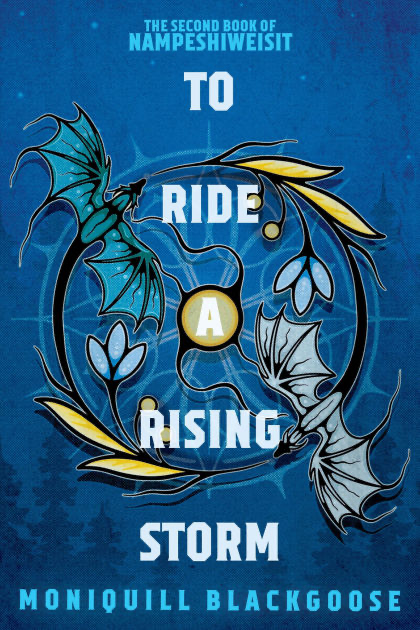


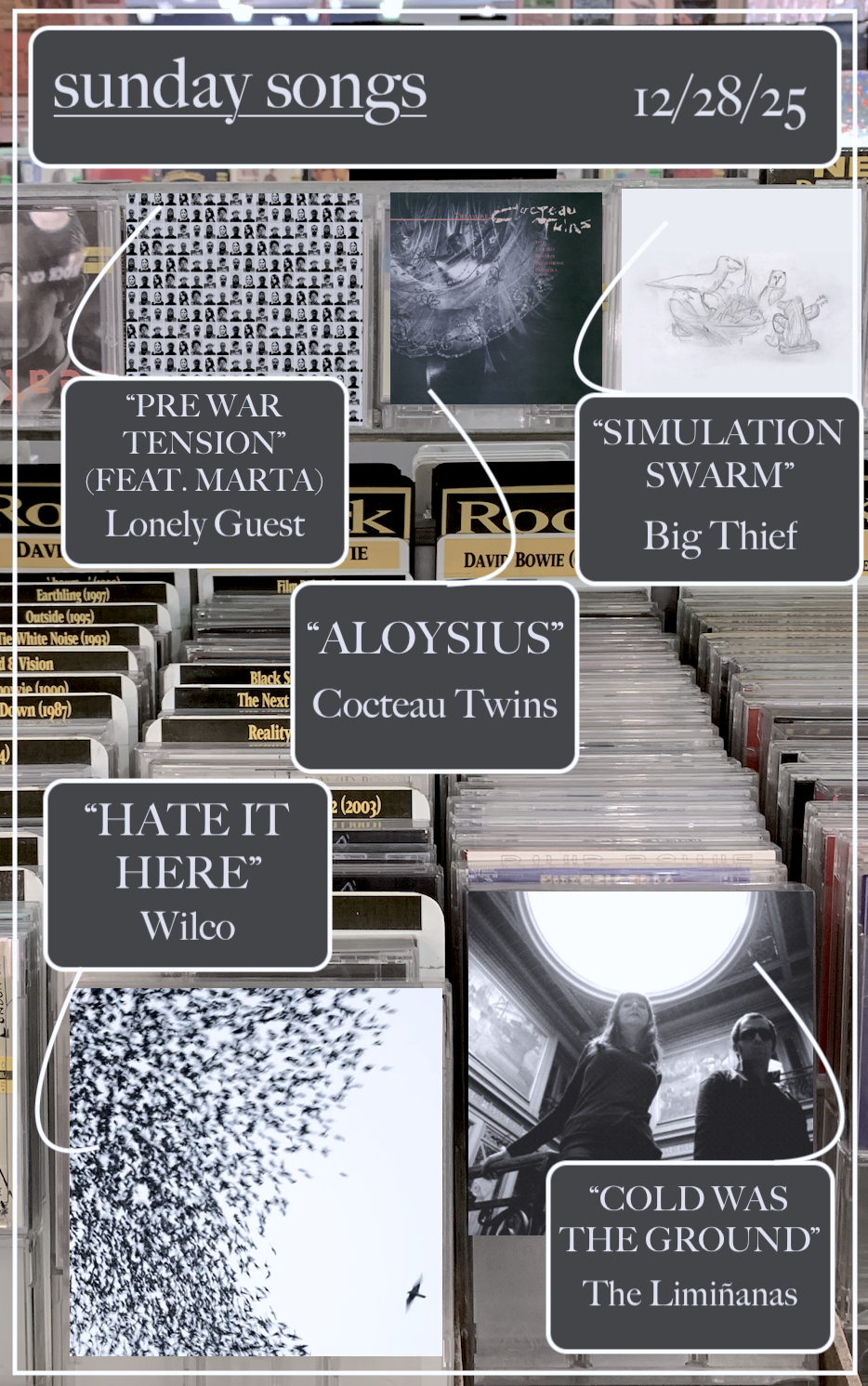
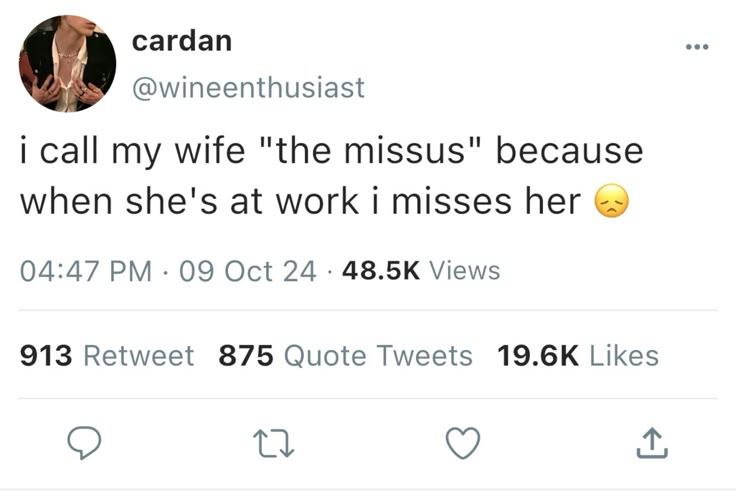
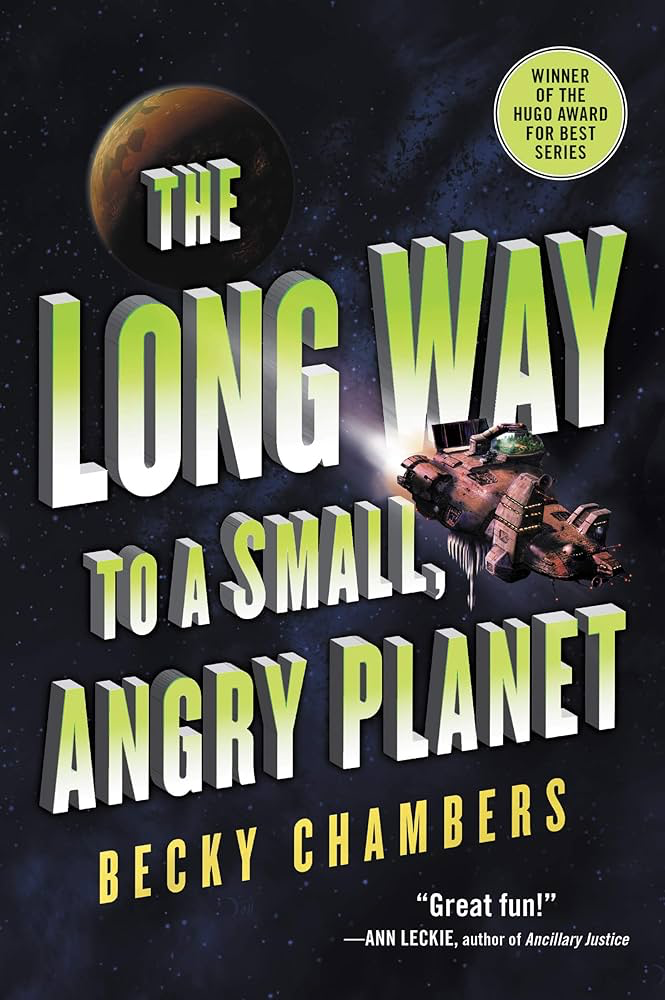

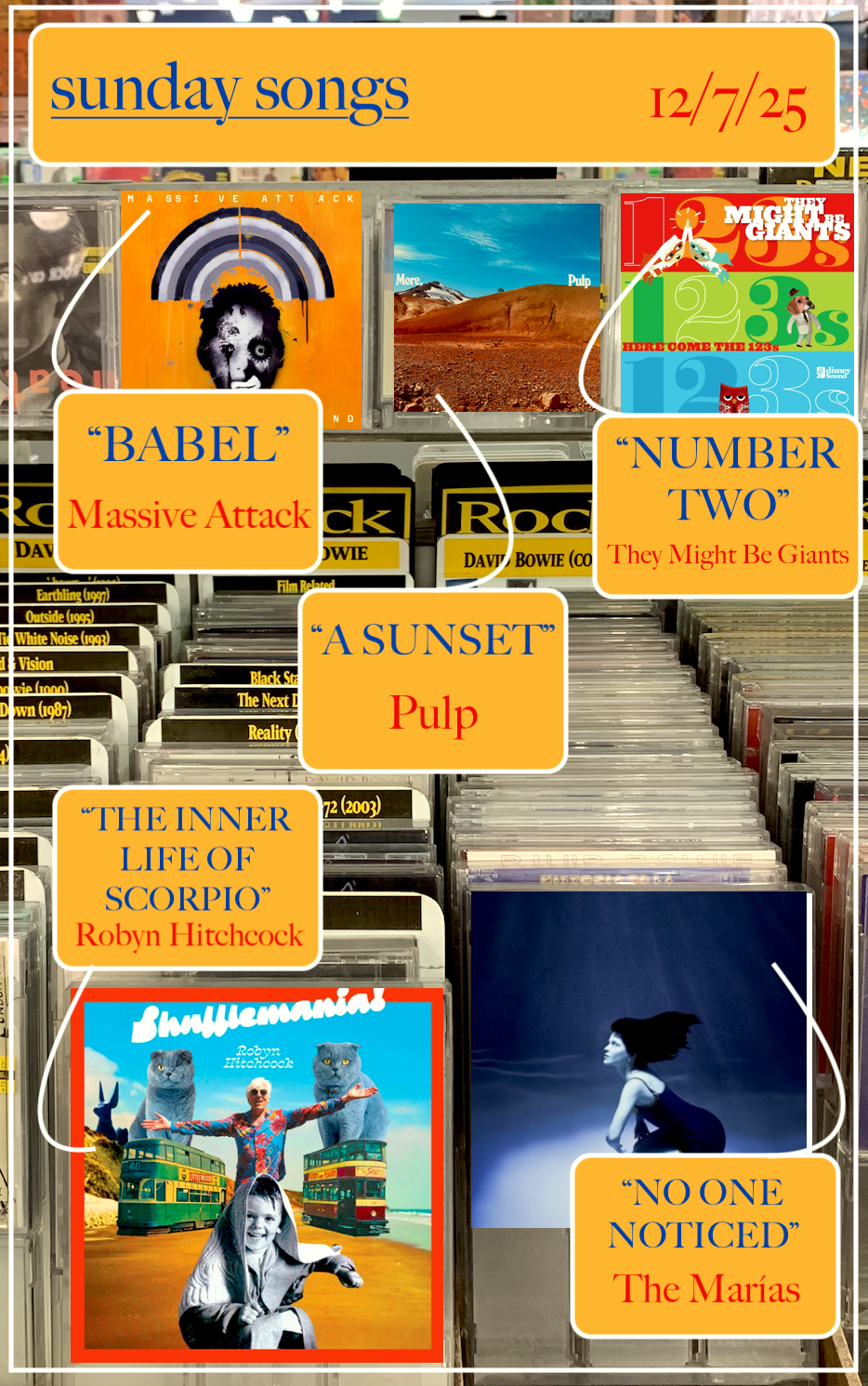
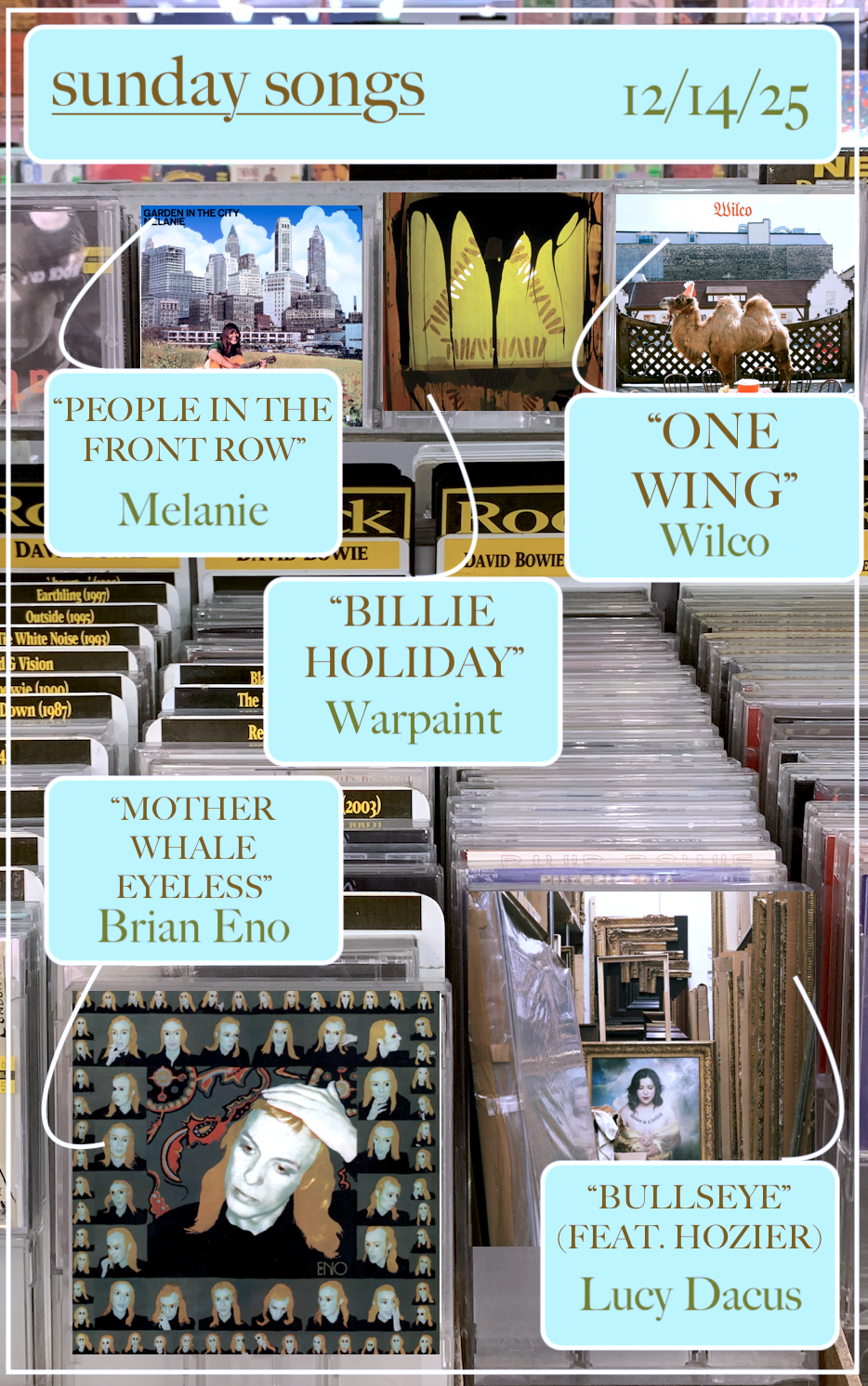
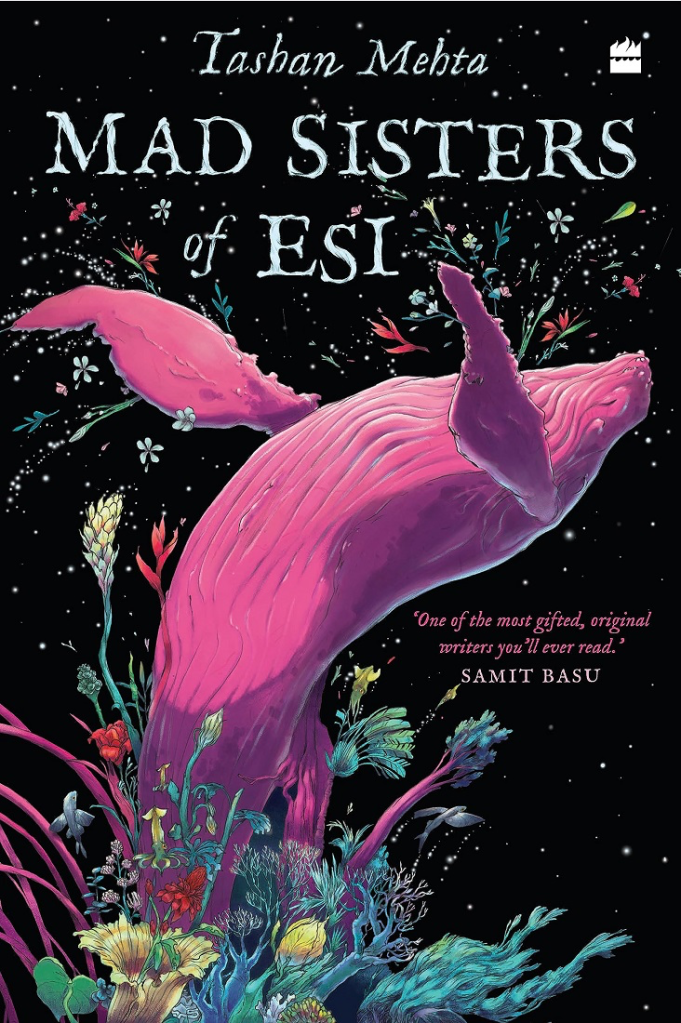
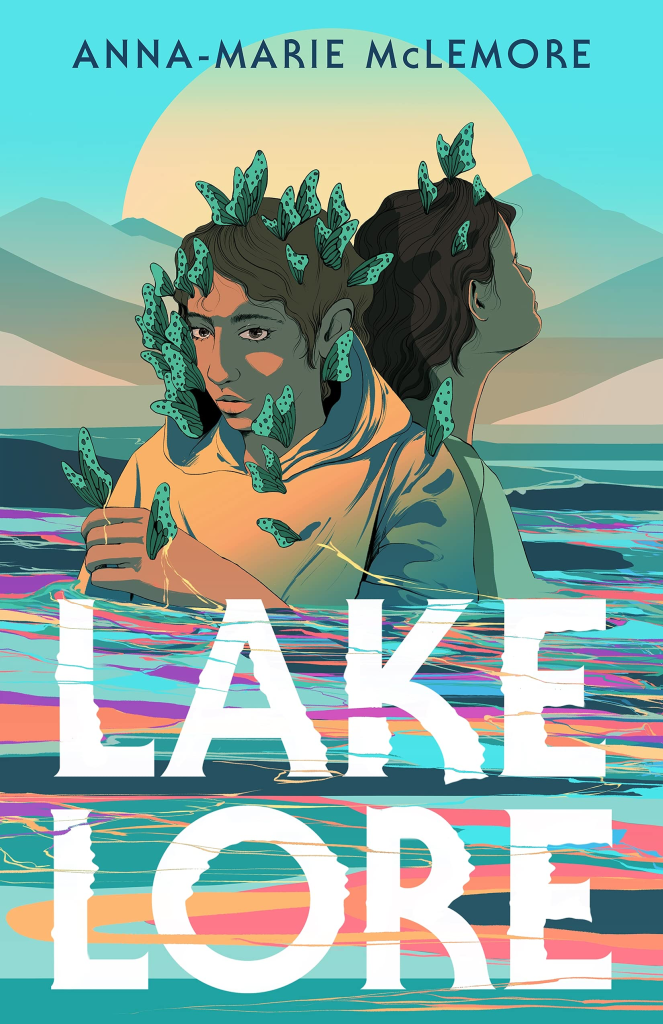
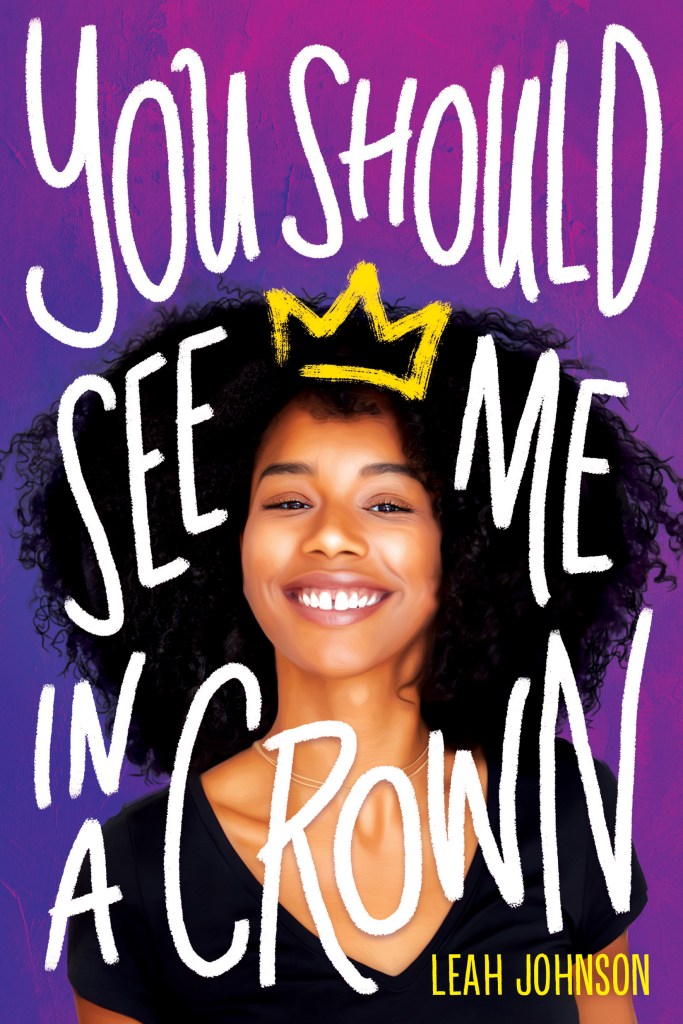
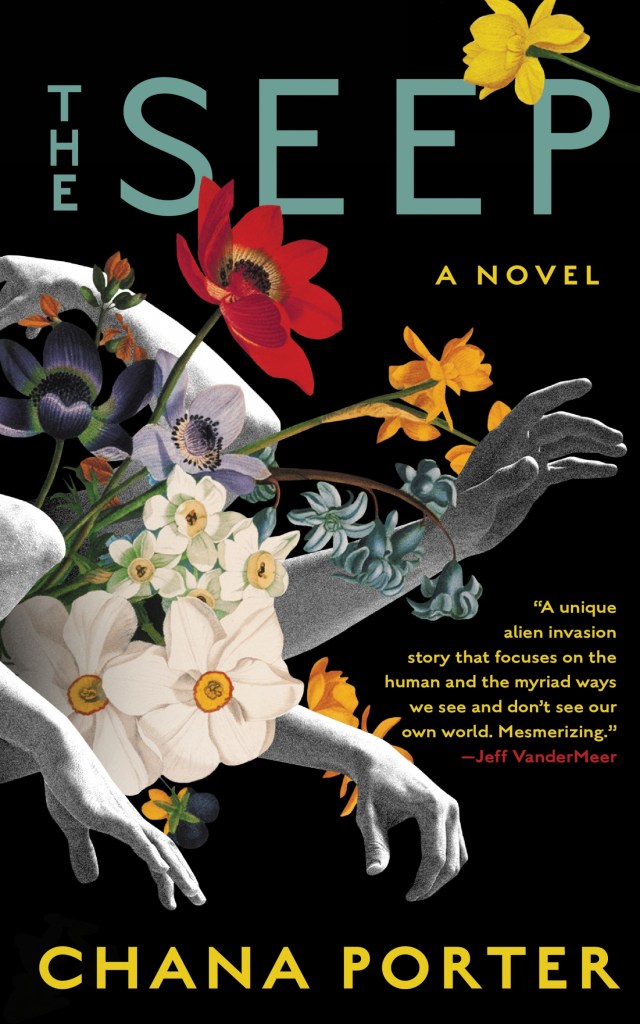
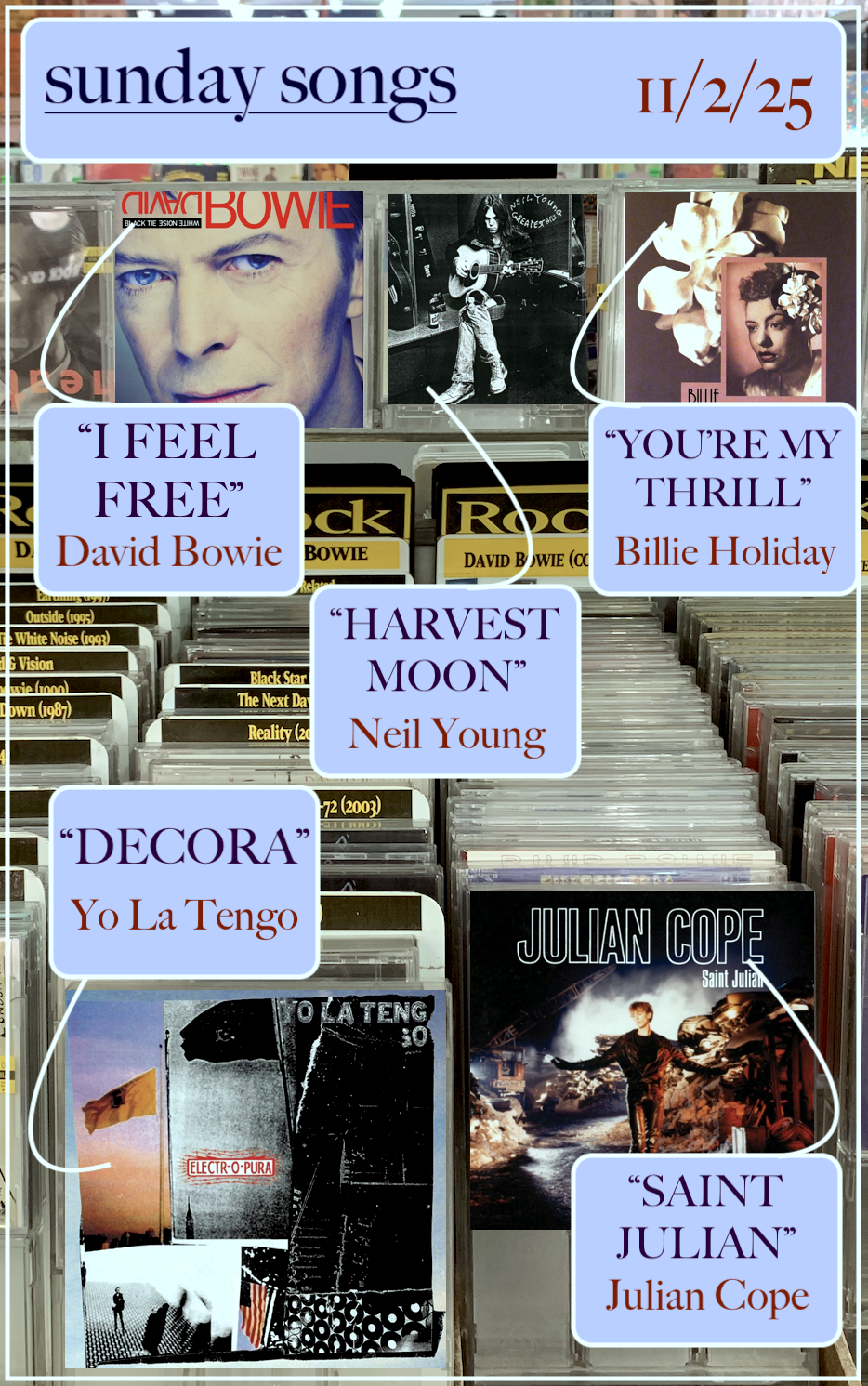
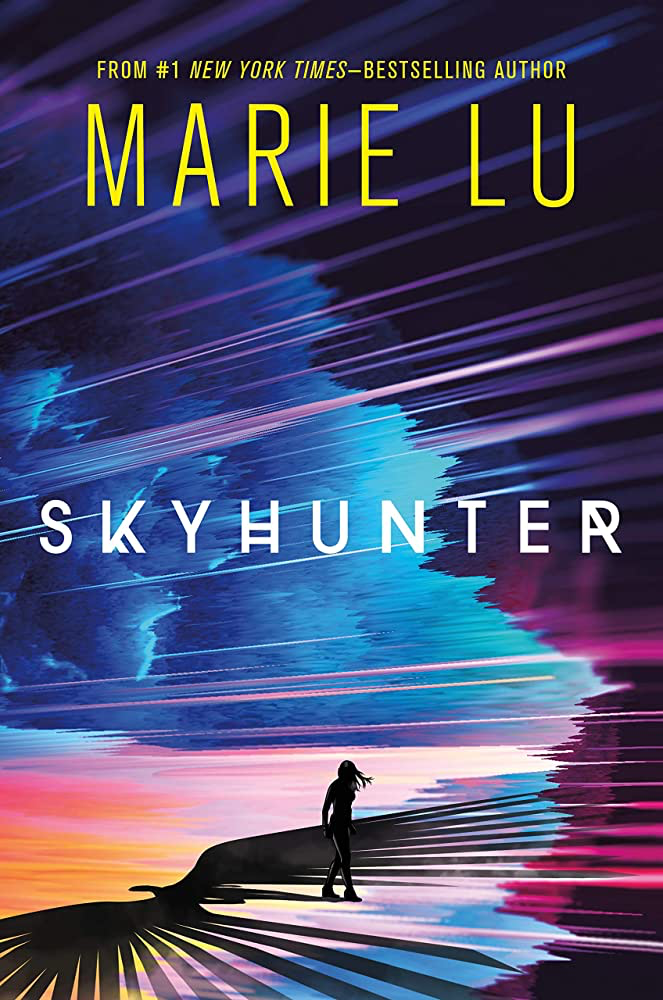
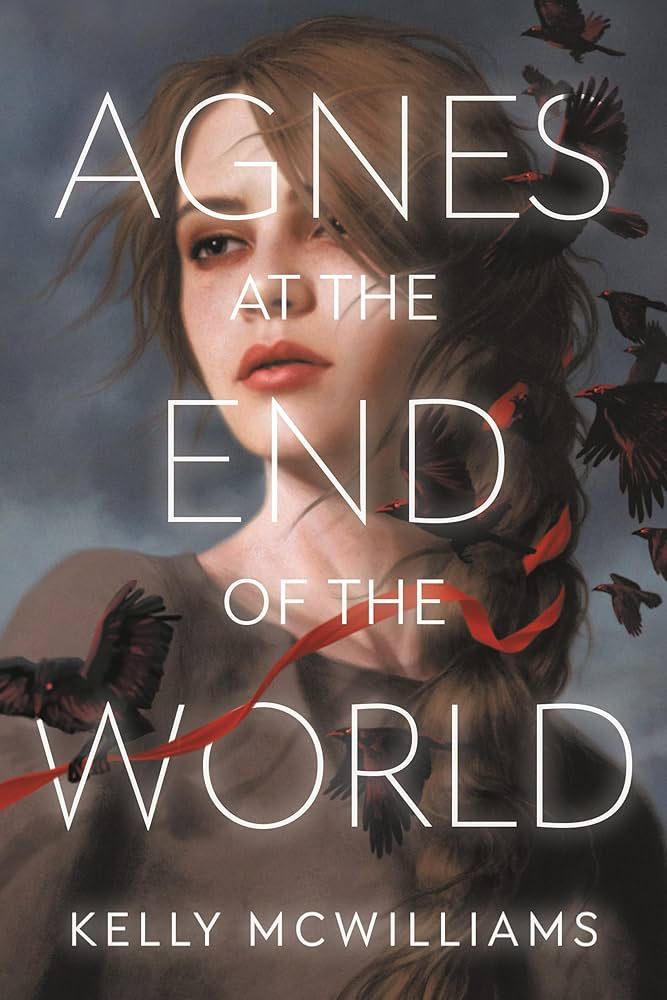
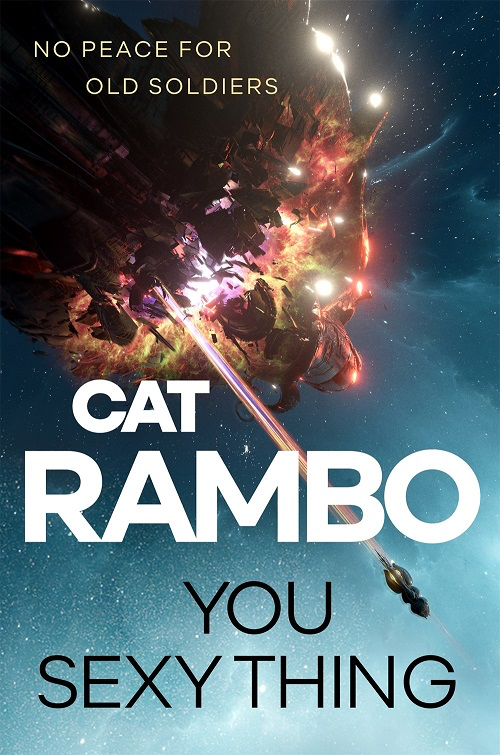
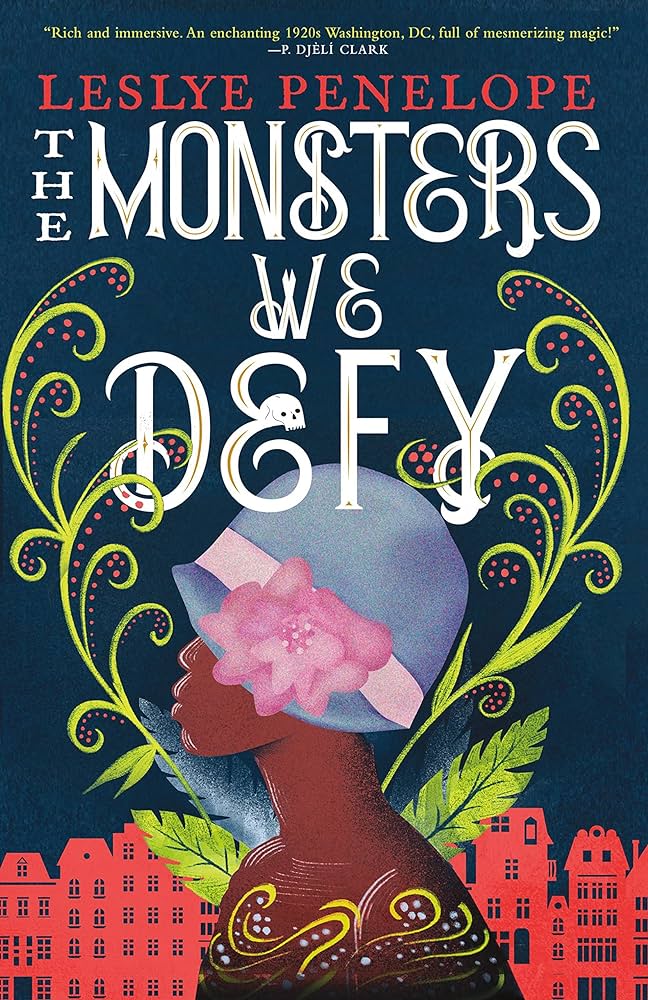
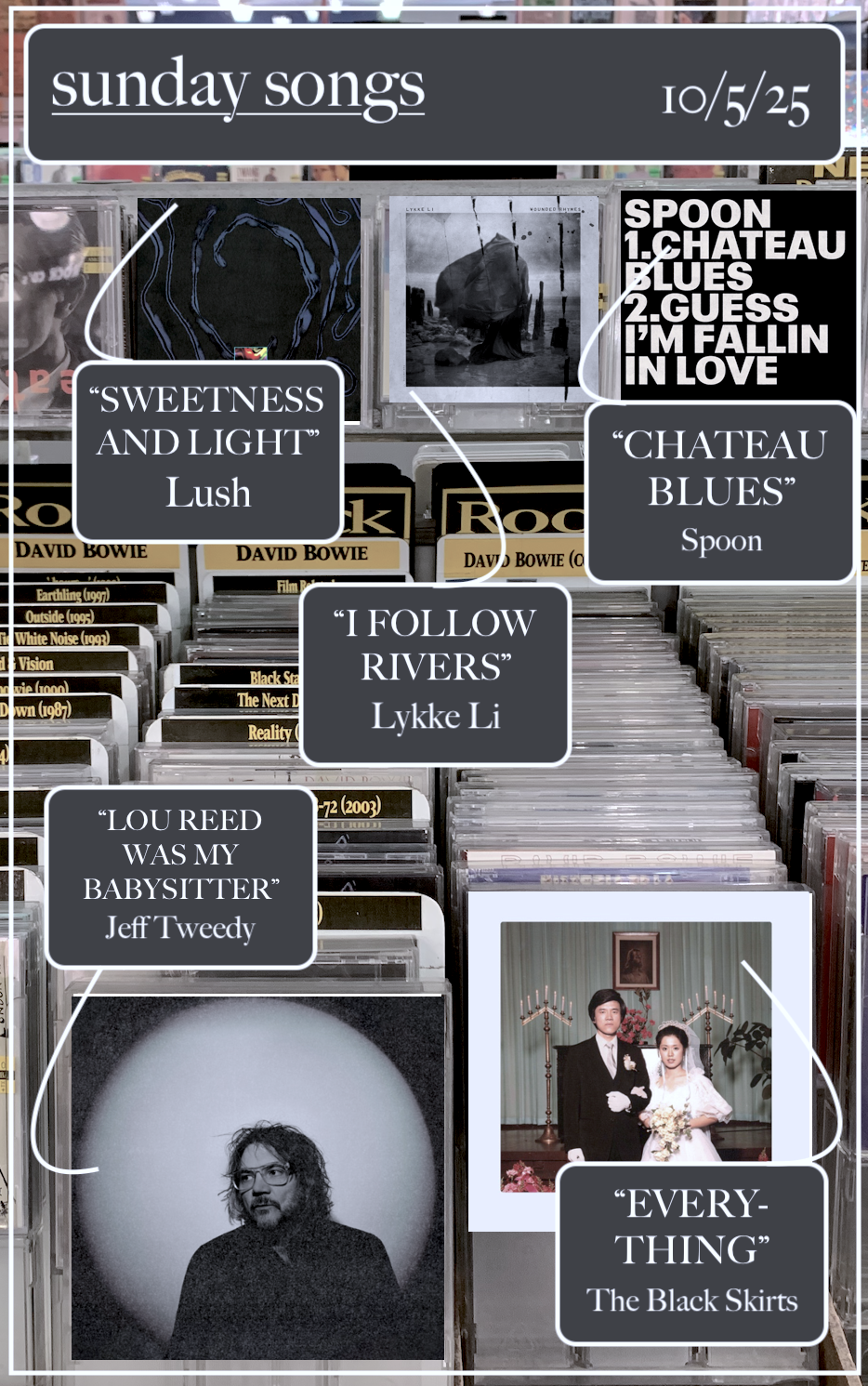

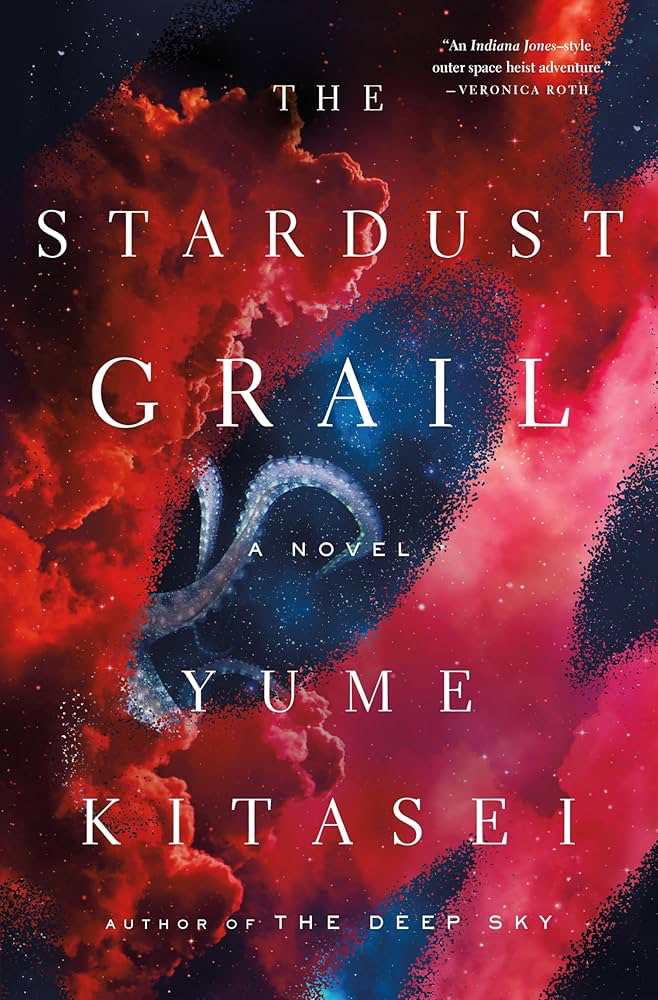
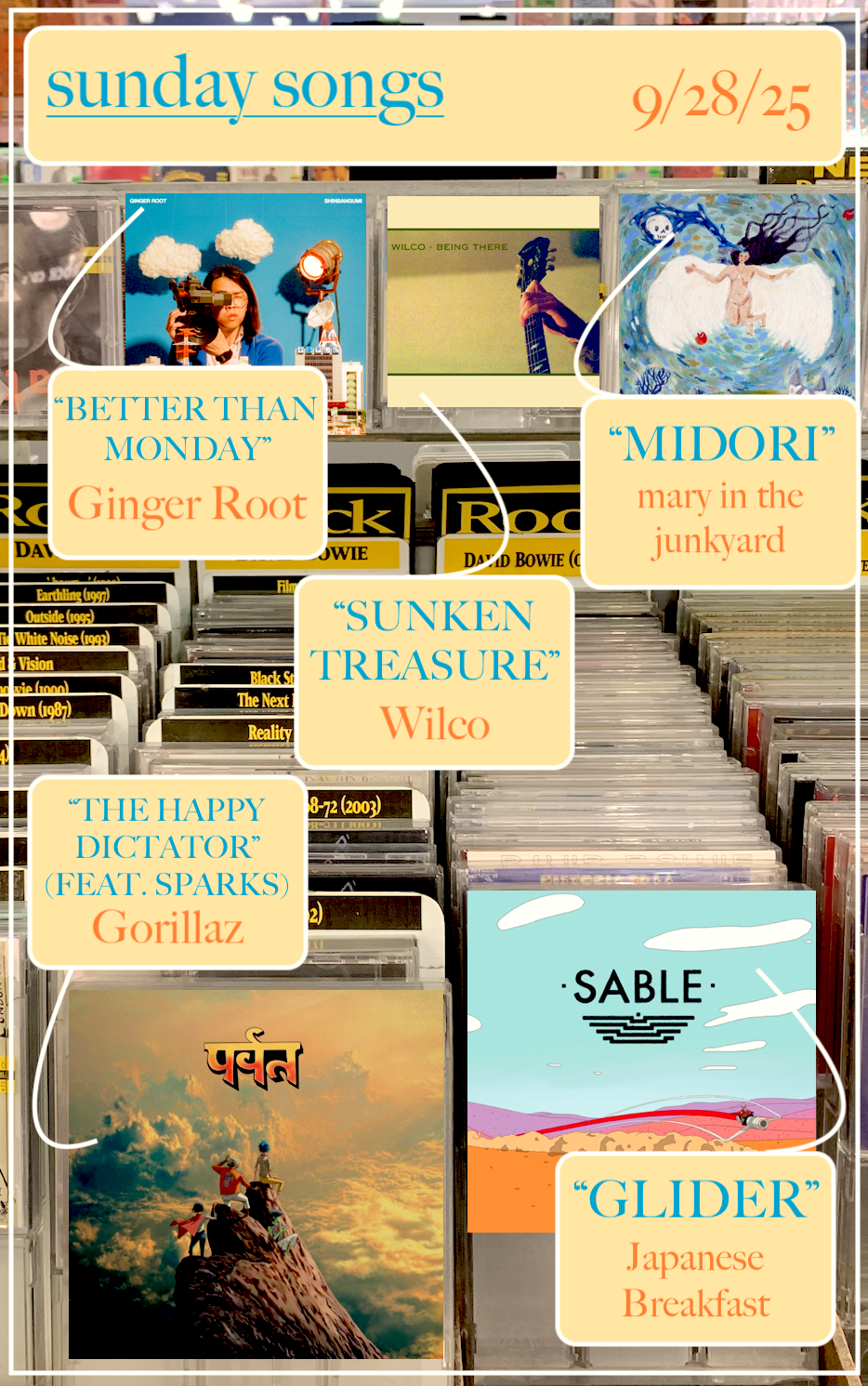
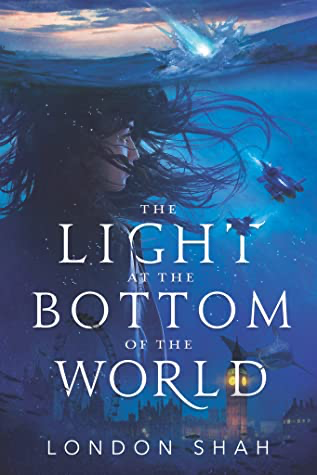
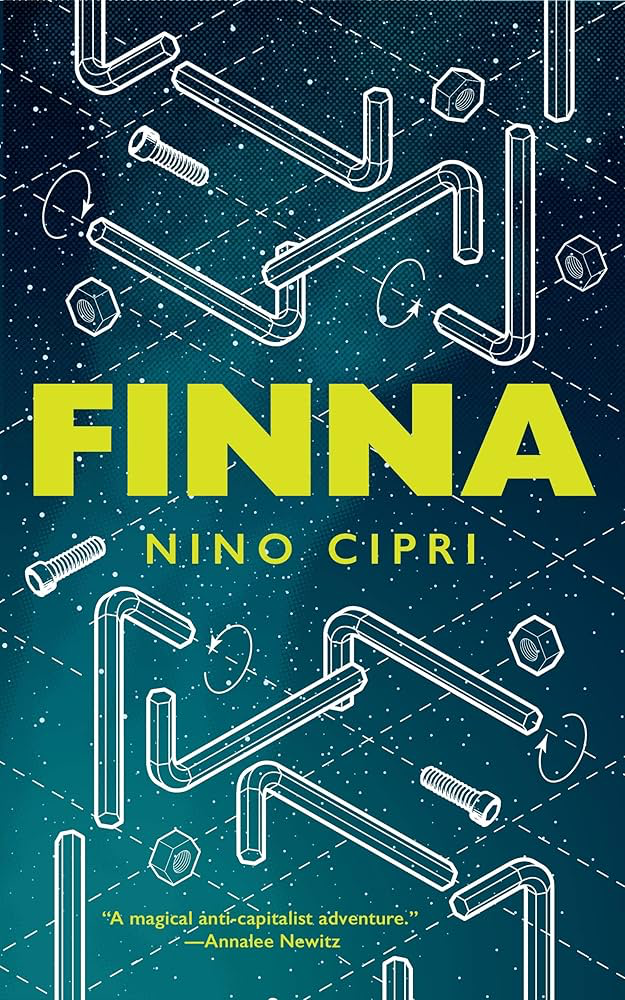

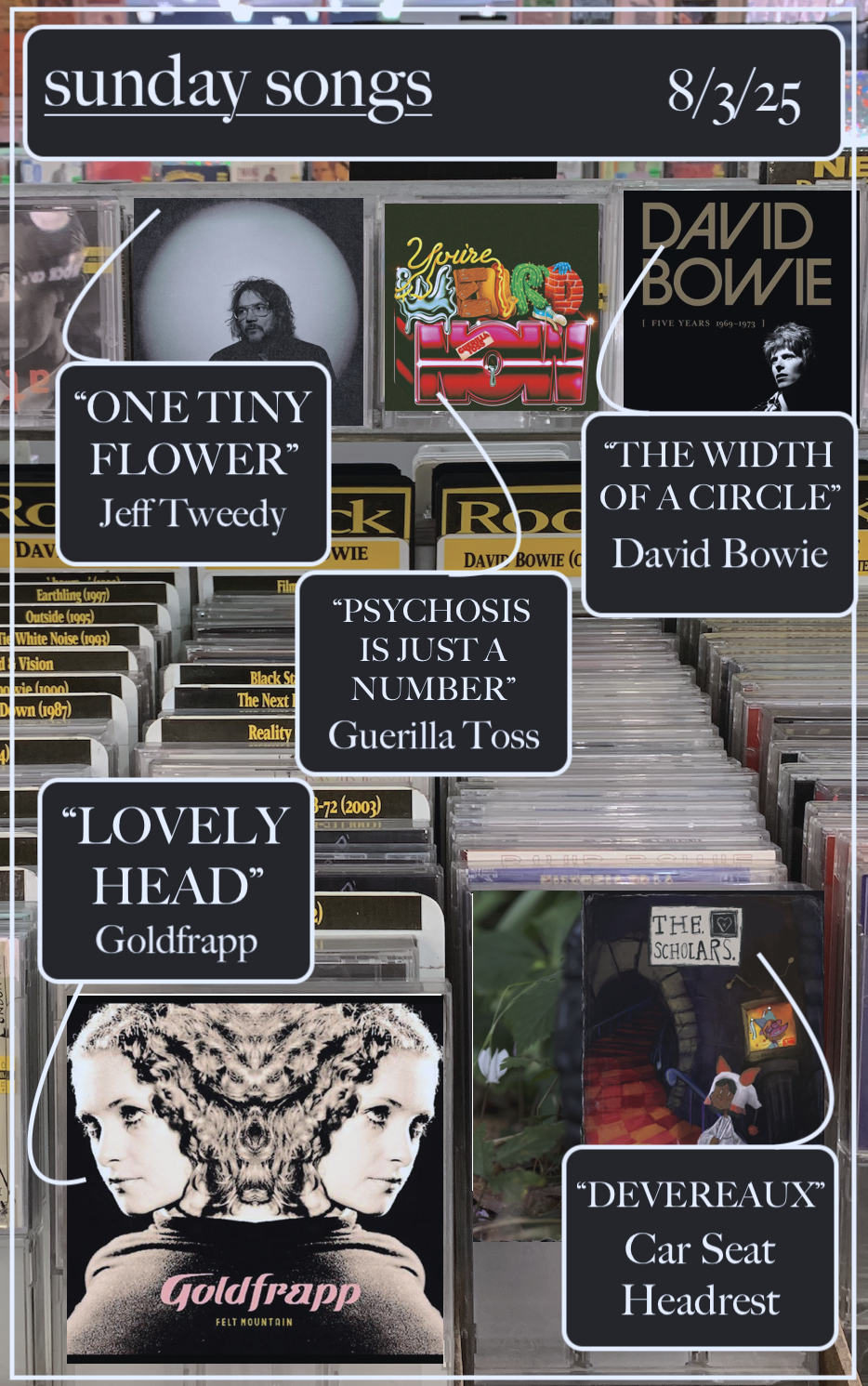
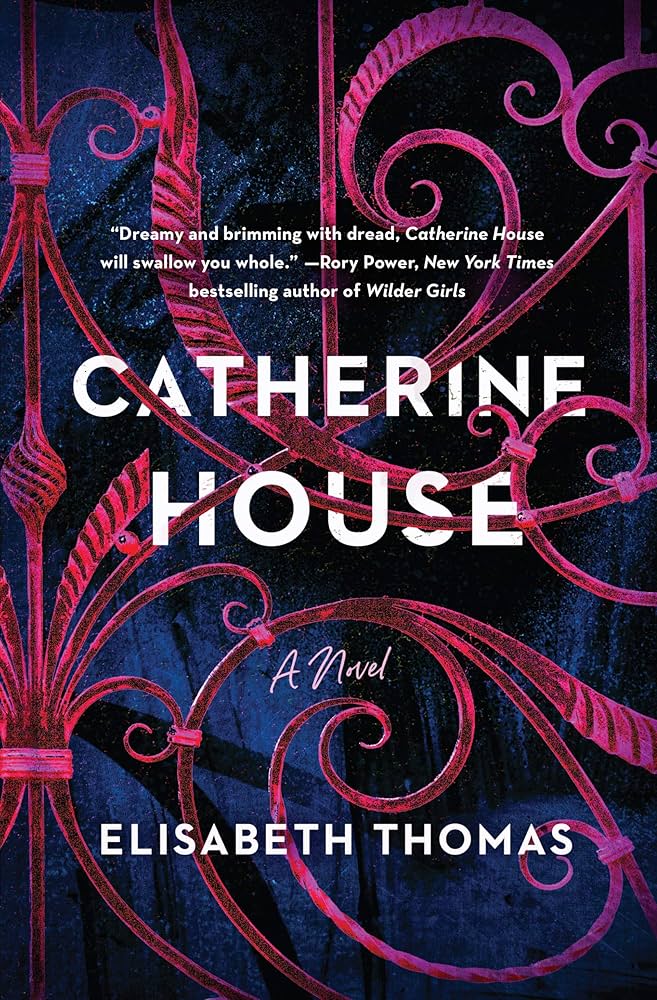
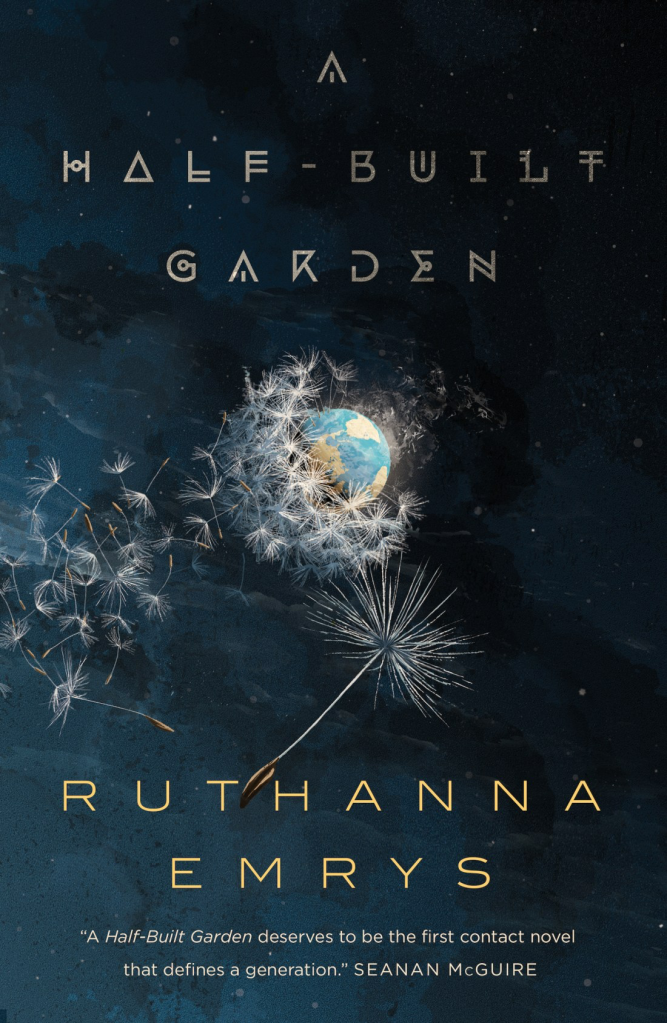

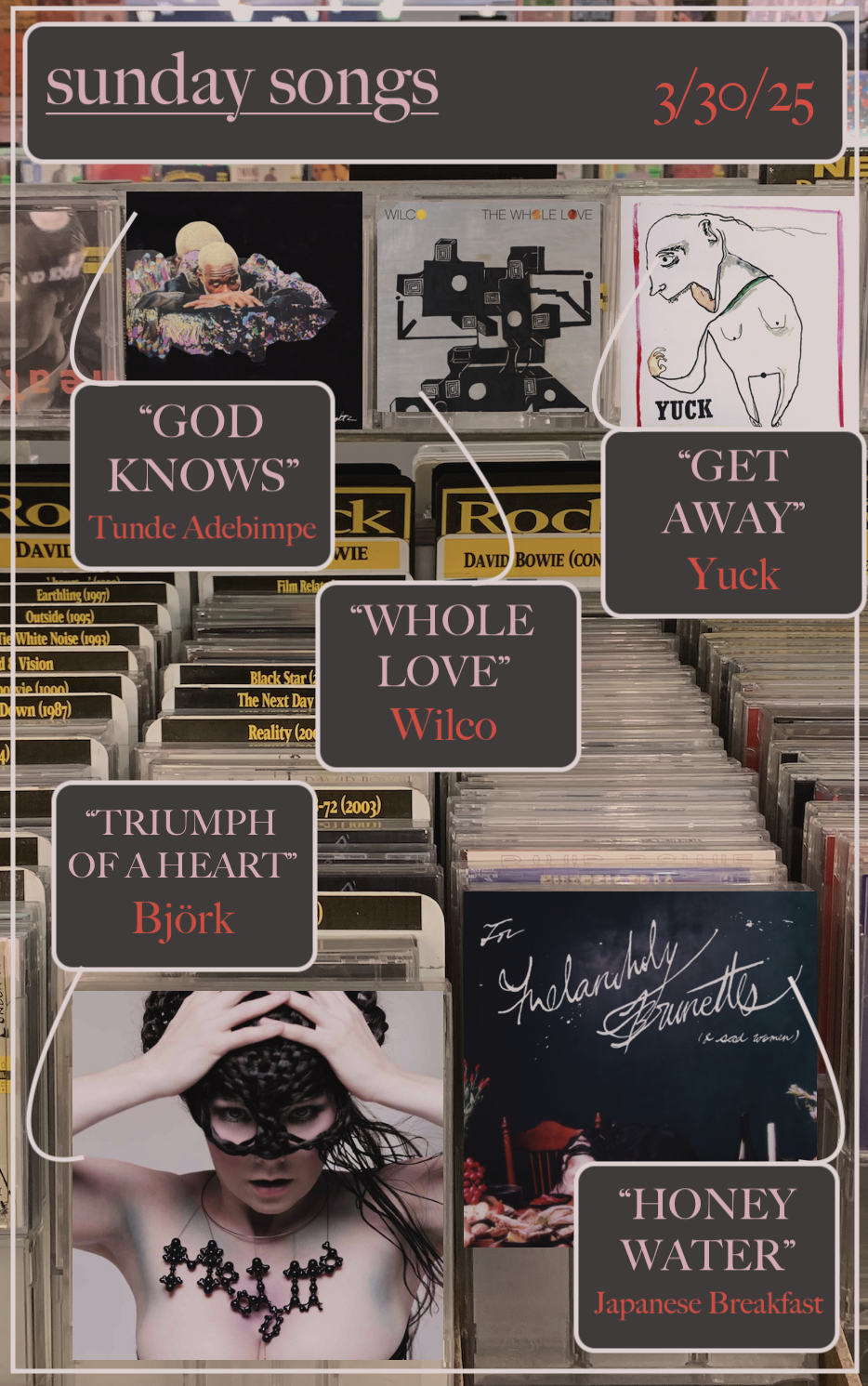
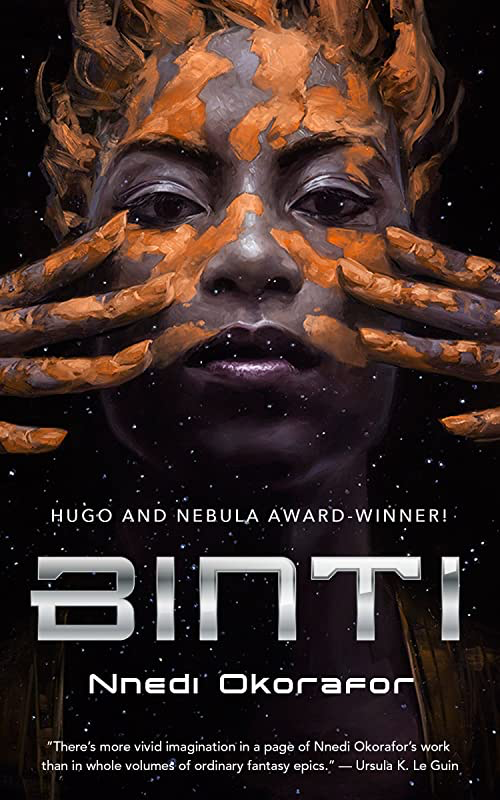
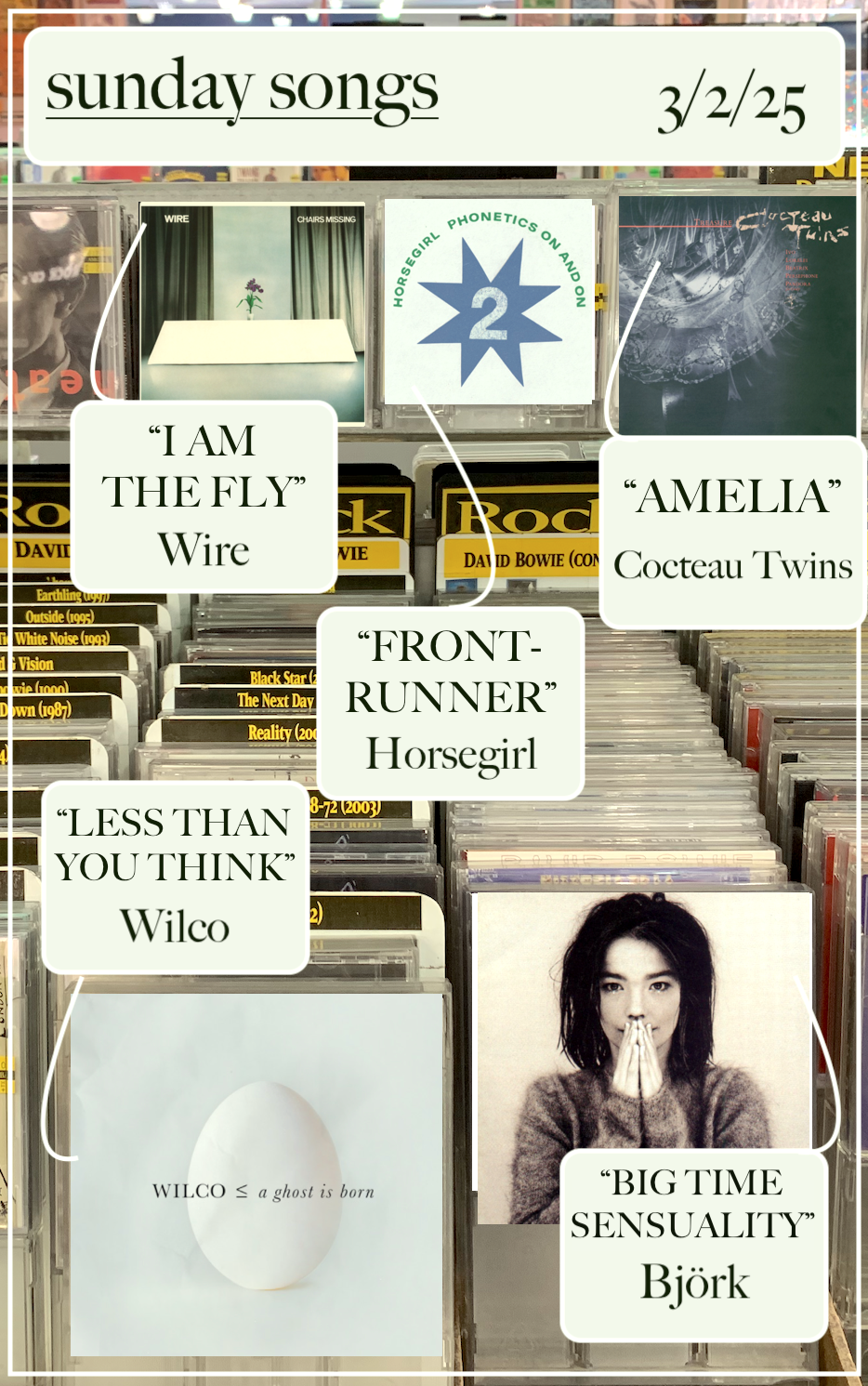
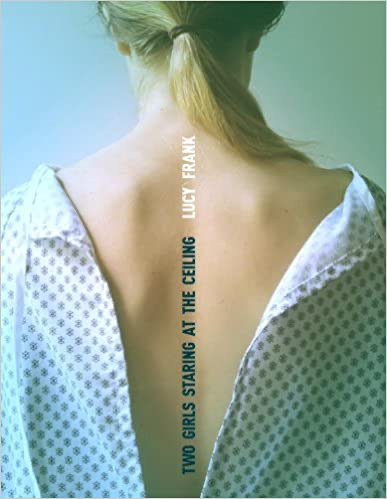
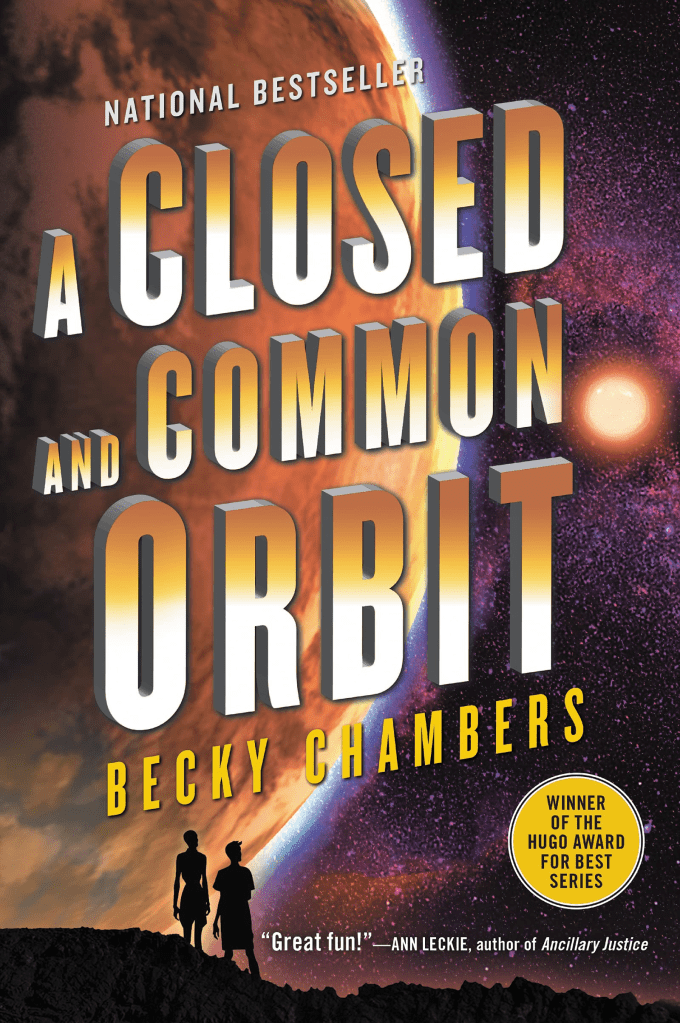
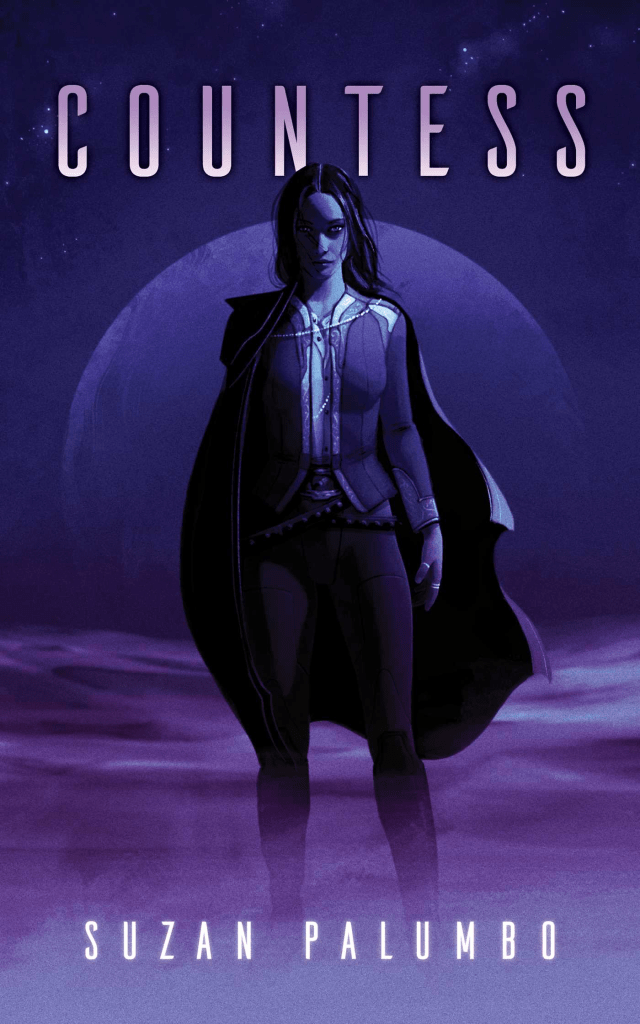
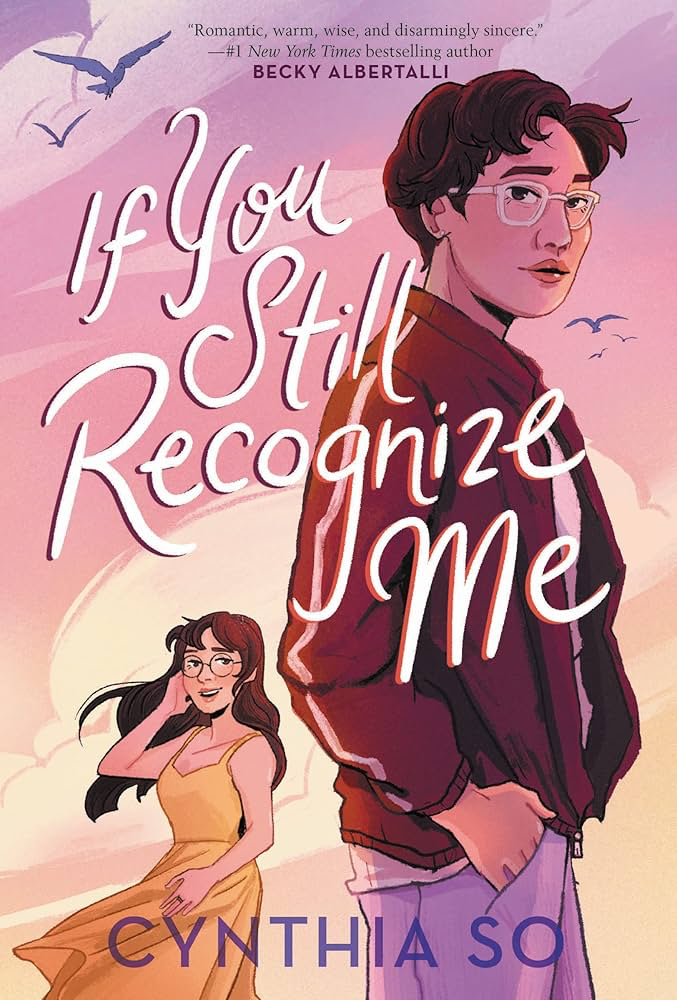
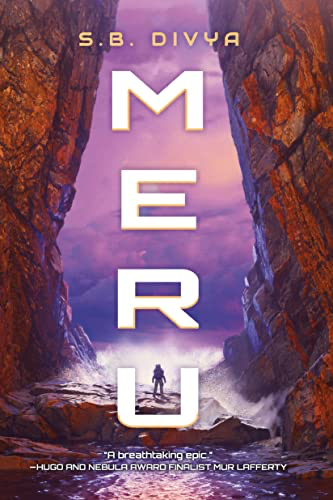
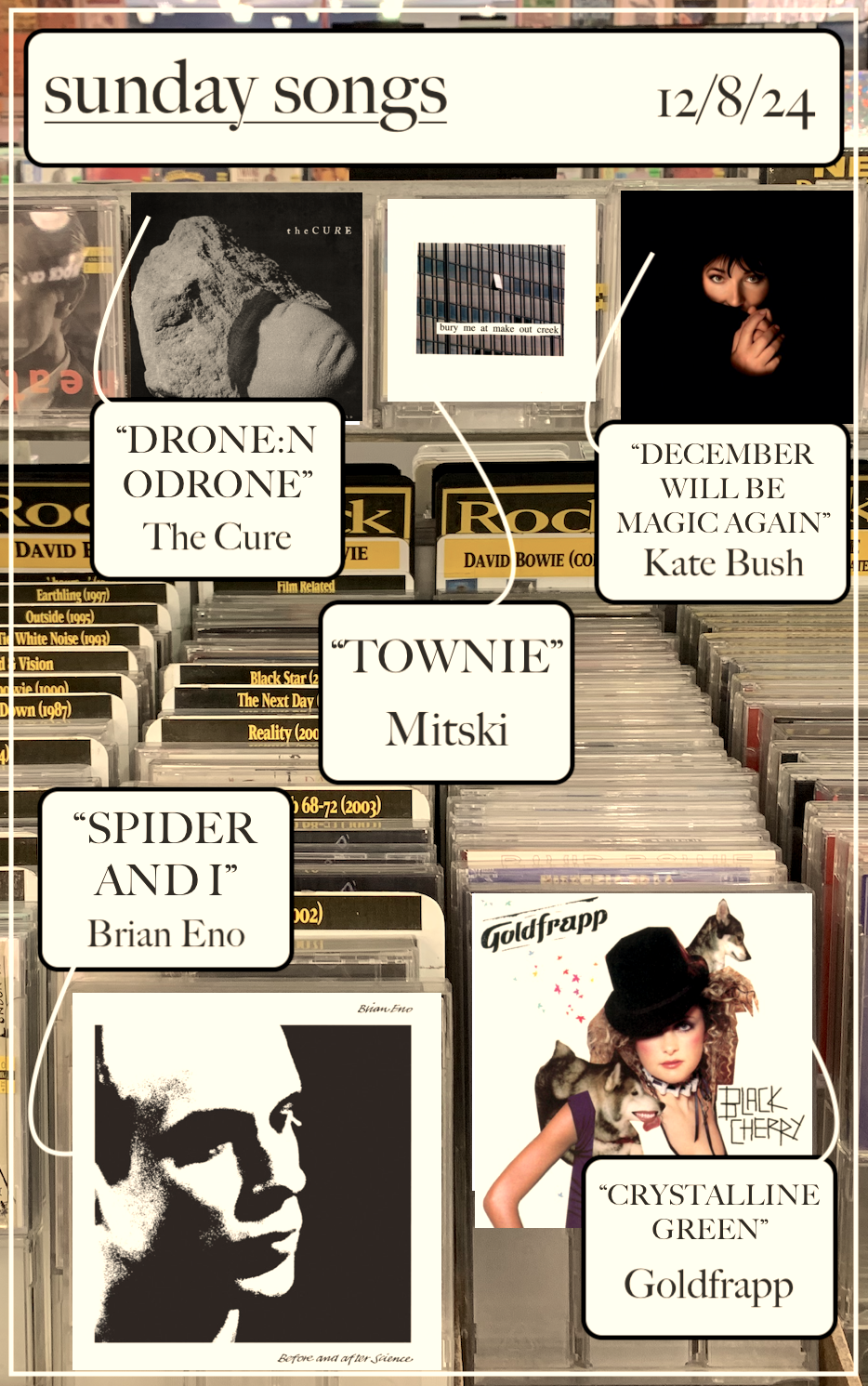
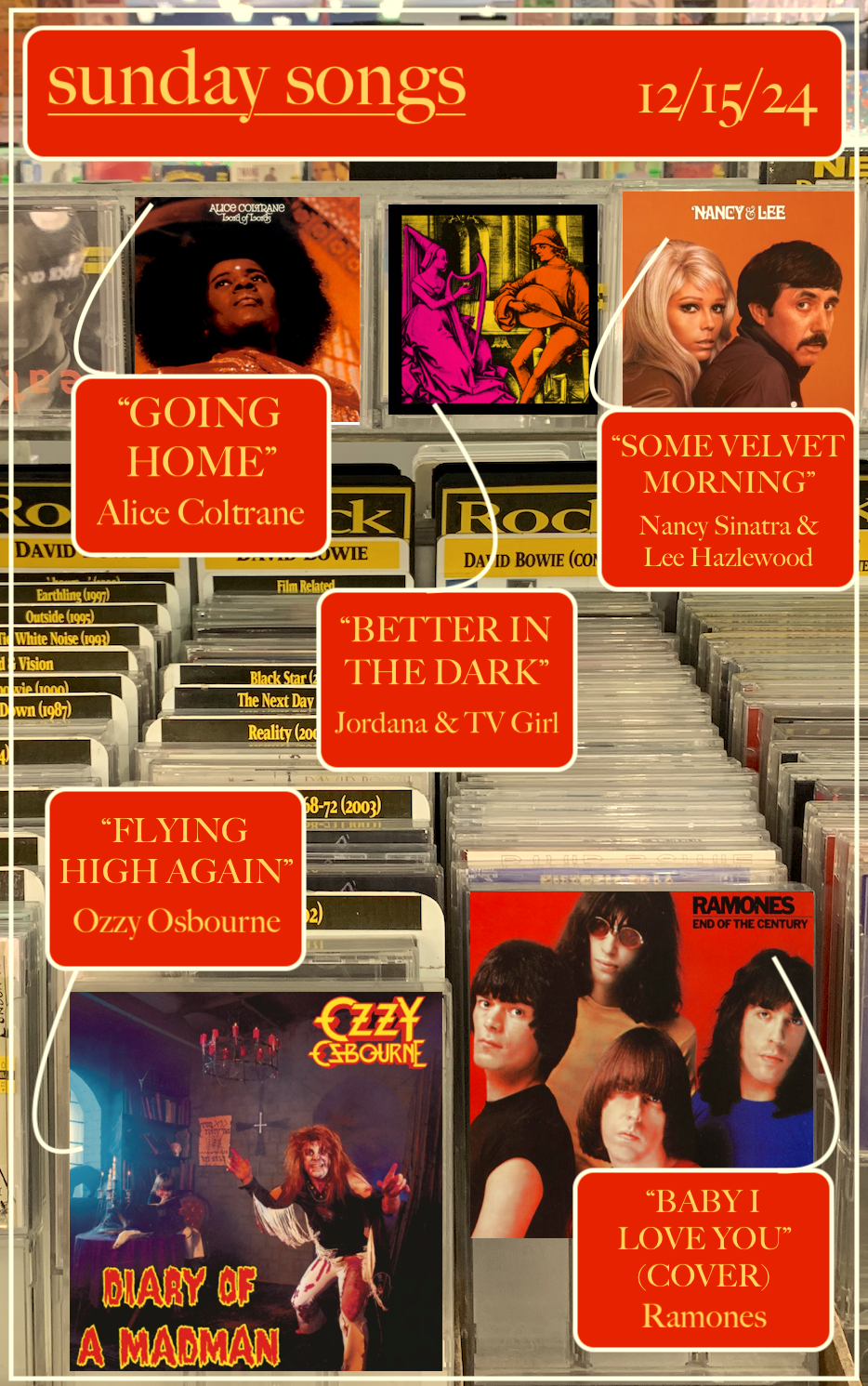
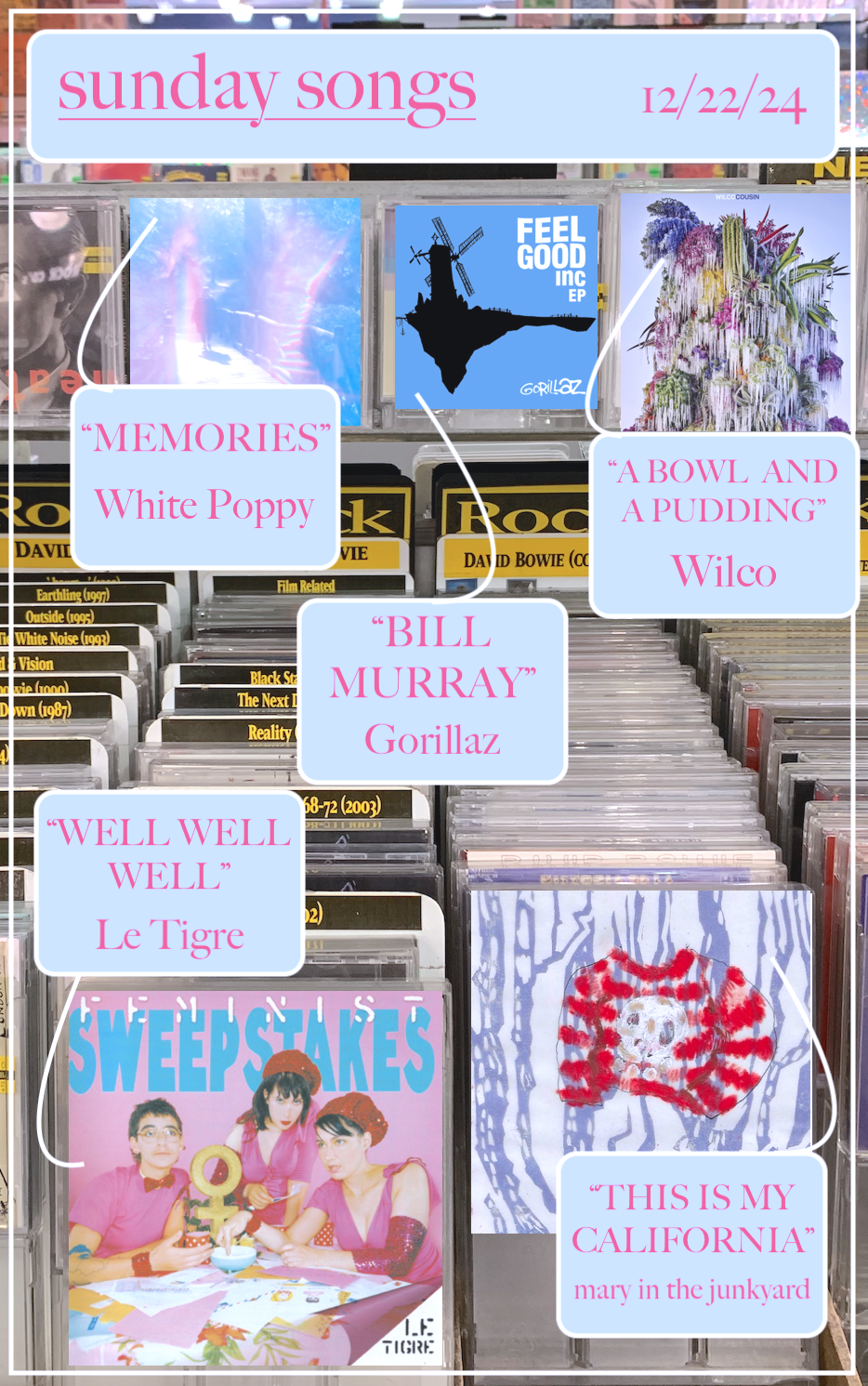

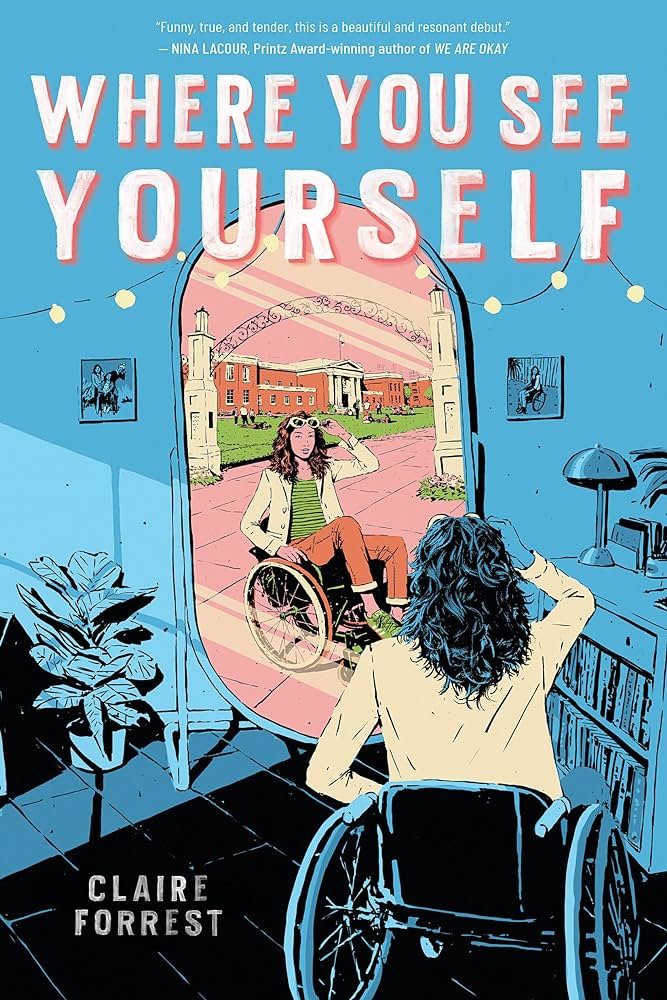
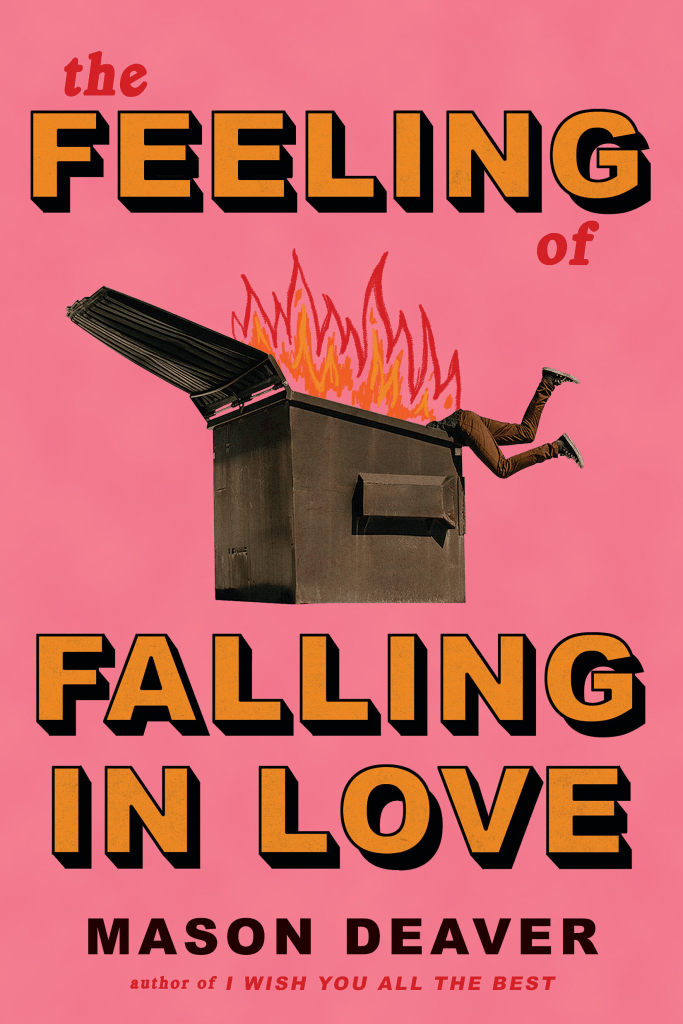
 The Bookish Mutant