Posted in Sunday Songs

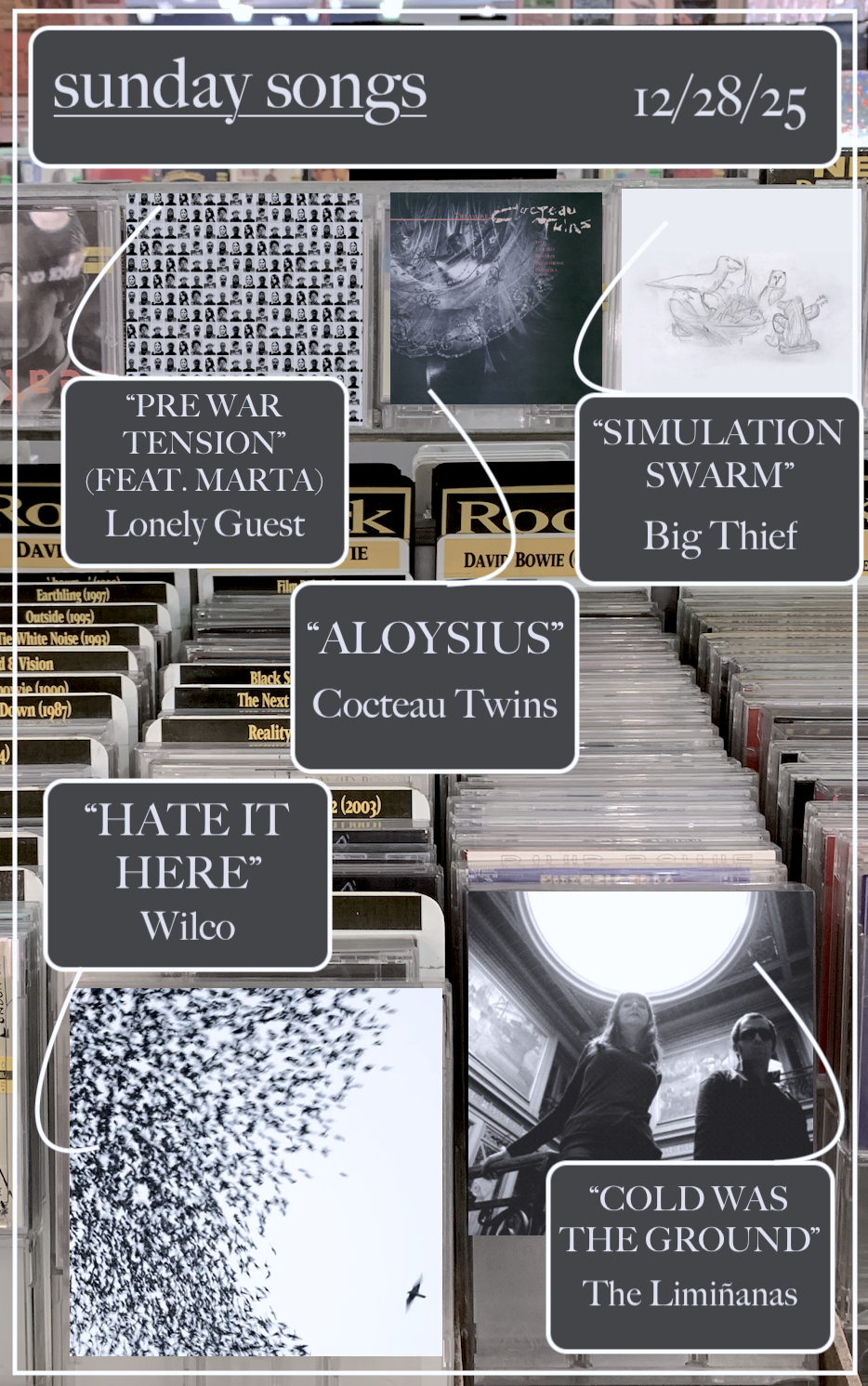
Sunday Songs: 2/2/25

Happy Sunday, bibliophiles! Hope you didn’t drive angry today.

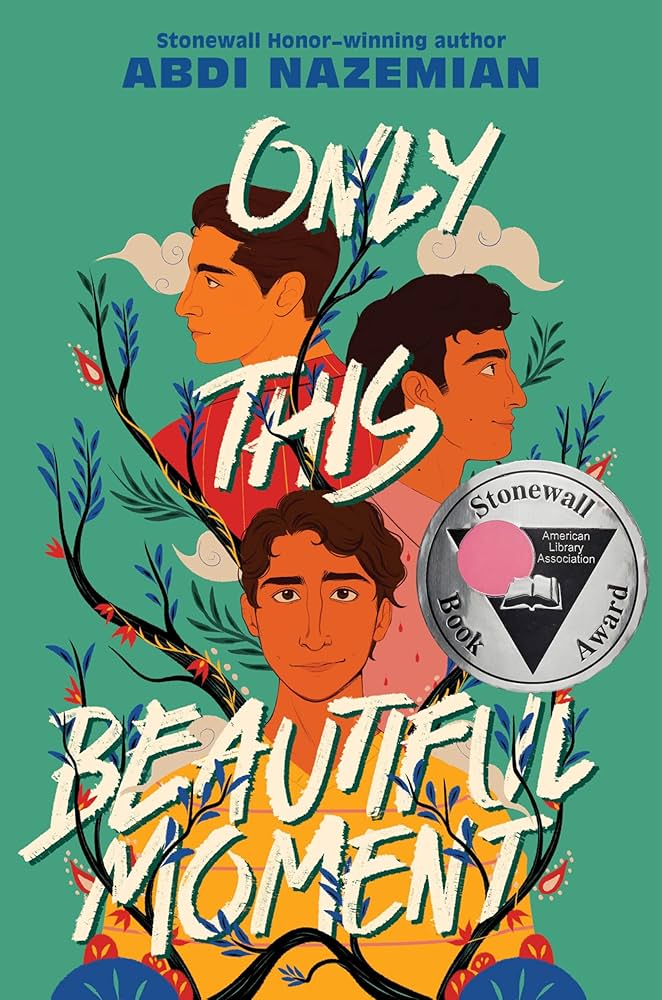
Since I’ve been absent for the past two(ish) weeks, here are my graphics and songs from the middle of January:

1/19/25:

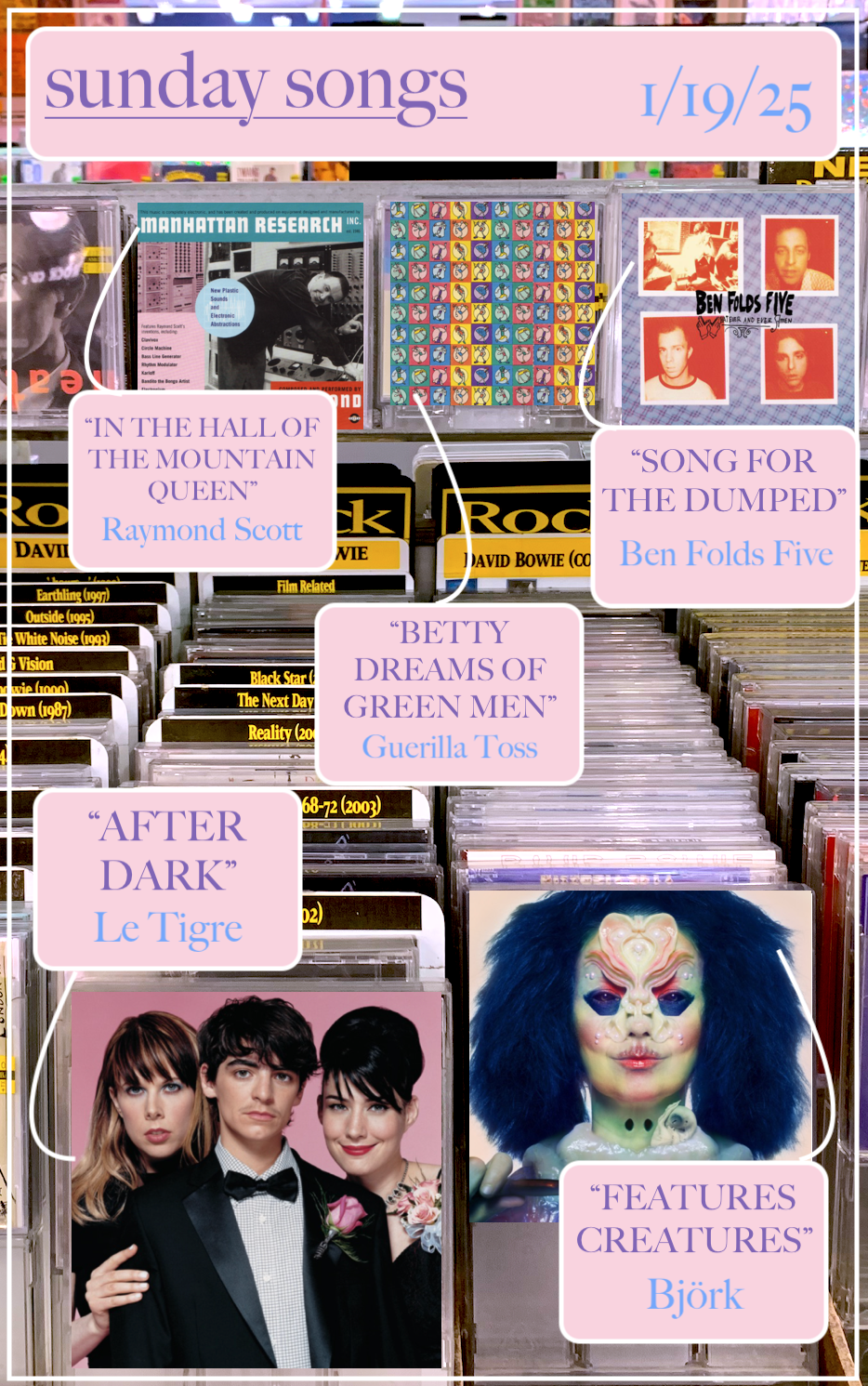
1/26/25:

This week: shoutout to Brian Eno songs with vehicles in the names. Plus, Lucy Dacus is thinking about breaking your heart (but when is she not?).

Enjoy this week’s songs!

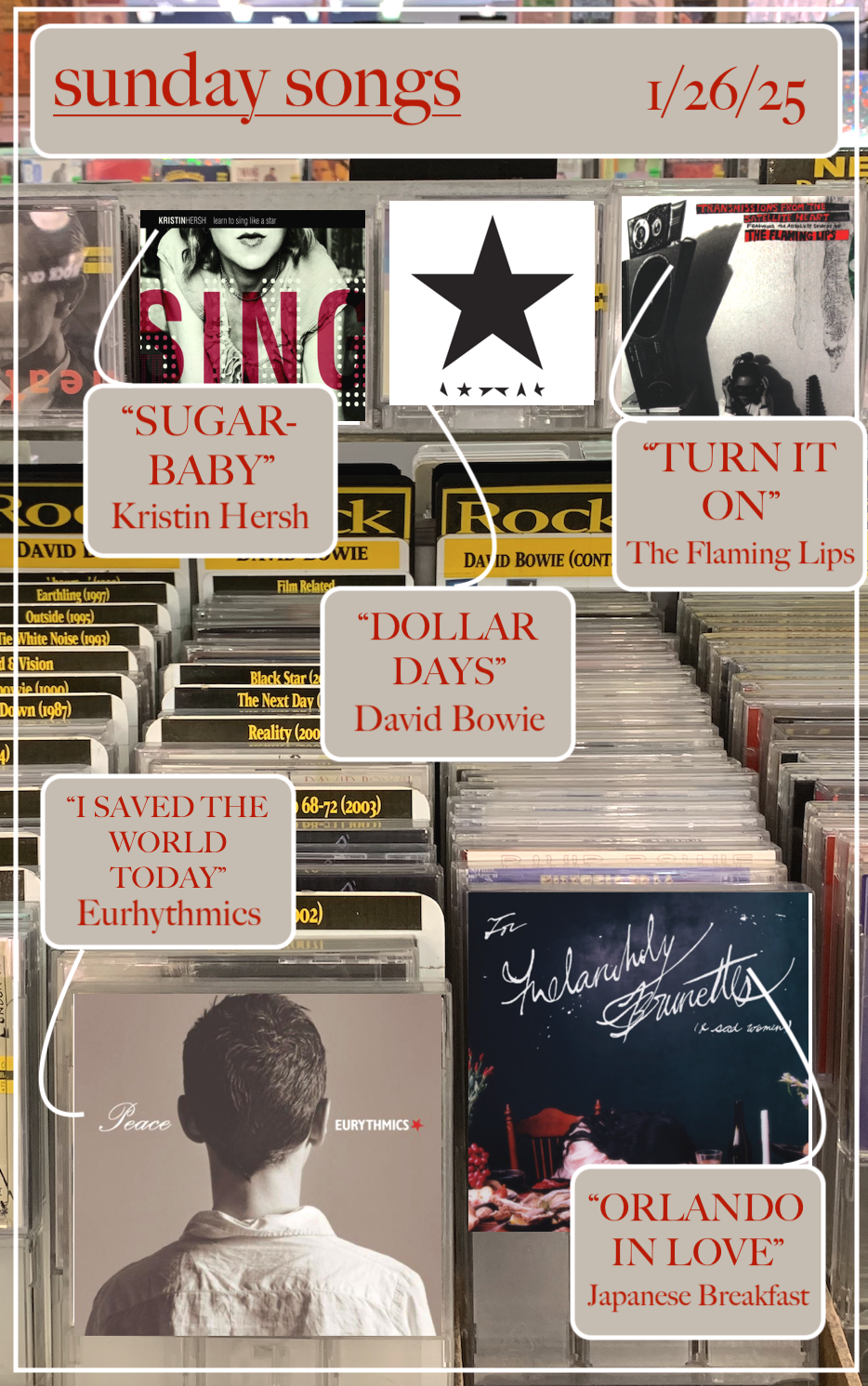
SUNDAY SONGS: 2/2/25

“Limerence” – Lucy Dacus

January. Love it or hate it, it’s that magical time of year when all of the singles and album announcements for the first half of the year start rolling in. Oh, the sweet sound of new music…especially when it’s from Lucy Dacus! It’s been known that she’s been cooking something up after previewing a handful of new songs post-the record (as is Julien Baker—new album from her and TORRES too!!), but mid-January, she officially announced her new album, Forever Is a Feeling, which will be out this March! Aside from…well, y’know (I know it’s a painting, which makes it more impressive, but what in the PicsArt is that album cover?? That font?? 😭 No hate to Dacus or to Will St. John, but…there could’ve been so many better choices…), I’m so excited for this new record—I’m loving the aesthetic of gilded museums and flowing dresses, as well as the orchestration that Dacus has brought to the record—or at least to “Limerence.”

The other day, I saw some reel or another about how a lot of modern songwriters see writing down explicit, confessional details (or details that sound authentic enough to be confessional) in their songs as an automatic way to get depth, and I halfway agree. I do think that with the steady stream of Phoebe Bridgers wannabes that have been pouring out of some factory in L.A. since 2021 has influenced that, but I don’t think it’s always lazy songwriting. Let’s just say that you can tell when it’s for soul-baring or clout-getting purposes. The key is knowing which details are important: vignettes or extended scenes that elevate the themes or contribute to evoking the intended emotion, something that Bridgers has always excelled at. I hate to say it, but the first lines of “Limerence” nearly feel like the anti-Bridgers method: “Natalie’s explaining limerence/Between taking hits from a blunt, high as a kite/While Roddy’s playing GTA/I swear, why is he so good at this game?/It should be cause for concern.” Against the delicate, piano-dominated orchestration of “Limerence” and the soaring warmth of her voice, such ordinary details feel shoehorned in, without as much connection to the rest of the song. It’s not as though she hasn’t written similarly observational lyrics, but the wording (and maybe the mention of some guy playing GTA with a harp in the background) doesn’t mesh with the rest of the track.

Key word here is nearly. I’ve been a fan of Dacus long enough to trust in the consistency of her songwriting—that bit really is a blip in the vast glory that is her catalogue. The rest of “Limerence” swiftly picks up the slack of those first handful of lyrics. Orchestral Lucy Dacus is, in my opinion, the best Lucy Dacus; guitar carries her humbly captivating gravitas perfectly, yet there’s something about strings, piano, and harp that carry it to new heights (see: “Body to Flame”). With the gentle tempo that recalls the reflection of silk off of marble floors during a ballroom waltz, Dacus drifts into melancholy rumination…as she often does, but it has yet to get old, especially since she’s at least self-aware of the fact (see: “The Shell”). Against the delicate plucking of harps and strings, she sings of drowning herself in distraction just to distance herself from the inevitable collapse of a relationship: “I want what we have/Our beautiful life/But the stillness, the stillness/Might eat me alive.” Carrying the leaden weight of wanting to break free, “Limerence” nervously toes circles around its subject, subtle enough between the folds of a voluminous dress to avoid the truth. The marriage of Dacus’ unbeatable voice and the almost hesitant restraint of the orchestra carve out that feeling of wanting to squirm free, but feeling the weight of severing the other person even more intensely. It’s no wonder that Dacus seemed to have the trouble she did releasing “Limerence” as a single—it was a last-minute call after releasing the much more lighthearted “Ankles” (also excellent), but I can imagine that it has that effect—too personal to keep close but also to release, yet a song that needed to be launched as one launches a satellite out into the vastness of space.

It’s…yeesh, huh? Couldn’t have expected less from Lucy Dacus…anyways, the music video is much more delightful, I promise (and see? 3:19, there’s your album cover):

…AND A BOOK TO GO WITH IT:

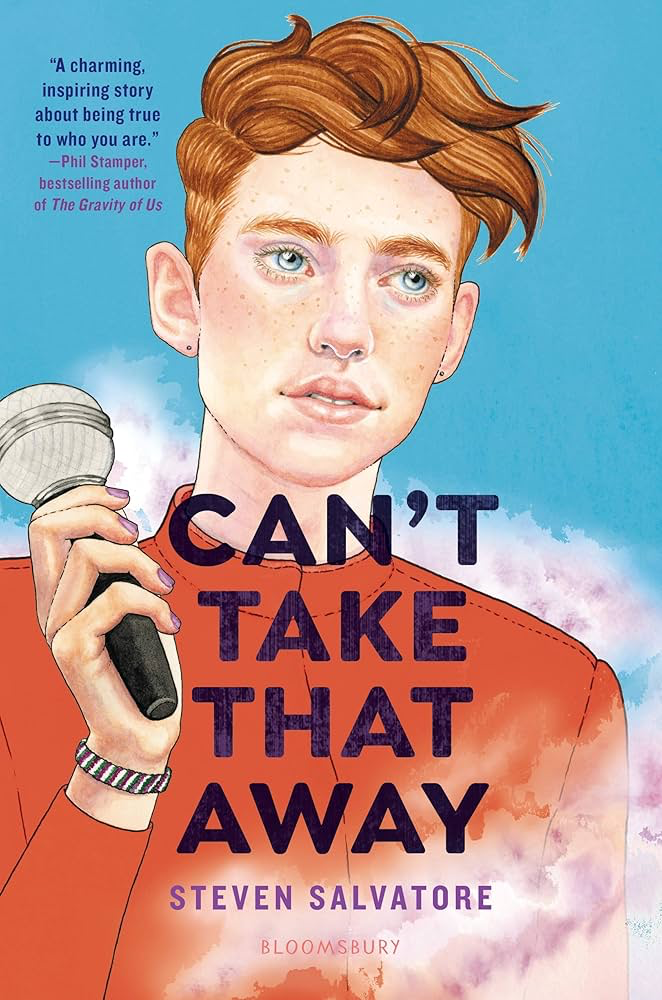
Can’t Take That Away – Steven Salvatore“Is there a difference between lying to you/If it feels just as bad as telling thе truth?/I know that there is/And I know what I’ll pick…”

“Here Come the Warm Jets” – Brian Eno

I’m about 6 months too late to make a “brat summer? Nah, Brian Eno summer” joke, but humor me, alright? We cling to what we can in these trying times. Let me have my shitty Brian Eno jokes. Brian Eno winter doesn’t have the same ring to it. (Now, Cocteau Twin-ter—okay, okay, fine, that one’s run its course, I know…)

Somehow, when compiling my list of my favorite album closers of all time, I forgot “Here Come the Warm Jets” entirely. At that point, it had been a solid year since I listened to Here Come the Warm Jets, and it had fallen off my radar. Only when I listened to Before and After Science: Ten Pictures did this track return to me. Obviously, the emotional impact of instrumental tracks can’t be understated, but it seems they’re often overlooked when they’re not film scores. Eno, to me, has a true gift of imbuing such clarity of emotion into his instrumentals (see: “The Big Ship”). Technically, “Here Come the Warm Jets” isn’t technically instrumental, but the vocals don’t come in at 2:33, and they’re so shrouded that they sound like vaguely nonsense chanting. (Eno has said that the lyrics are also meaningless and free-associative, as are many of the lyrics on the album.) Especially as a closing track, “Here Come the Warm Jets” is one of those songs that’s able to breathe life into its title without words. With the dense, buzzing hive of distortion, so thick you could stick your hand in it and feel the wings of millions of insects, it has the fuel and squeal of both tires screeching against the tarmac and the heat and urgency of a plane taking off.

Like “The Big Ship,” you can trace the slow, hopeful ascent of the song, a steady trajectory upwards as the music rises and fades into a cloud-streaked sky. And…okay, well, I know the dirtier interpretations of the whole “Here Come the Warm Jets” phrase, and the playing card on the album cover doesn’t help, but I’m choosing to believe that they’re jet planes, and I can feel the warmth of the rising, fiery hope propelling their engines skyward. Besides, Eno took the title from how he felt the guitar sounded—“like a tuned (warm) jet,” which he added into the track sheet. As with most anything he observes, it’s truly right on the money.

…AND A BOOK TO GO WITH IT:

Activation Degradation – Marina J. LostetterI can imagine the warm atmosphere of this song amongst the machinery of this novel, humming along with all of the engines and parts.

“Brean Down” – Beak>

Man, I admire committing to the bit, but how do you pronounce >>>>? Or >>>, where “Brean Down” is taken from, come to think of it? The only pronunciation I’ve seen is from BBC Radio, which, after some hesitation, called it “four chevrons.” I thought it was some sort of !!! (chk-chk-chk…don’t come for me, that’s all I know about them), but that doesn’t have the pretentious ring I thought it would have. Fascinating…you do you, Beak>. Can’t knock them, especially since one of their (now former, as of last year) members, Geoff Barrow, was from none other than PORTISHEAD back in the day…damn.

When my dad sent “Brean Down” to my brother and I, he described it as “if Radiohead and Shakey Graves had a baby,” and the more I listen to it, I can’t think of a more astute description. There’s a dread-inducing, dead-eyed drone aplenty, but with vocals from someone who’s practically a British Alejandro Rose-Garcia—it’s almost eerie how similar he and Billy Fuller sound. (The Britishness wasn’t even detectable…) Either way, it’s got a kind of creeping, cagey nausea to it that’s perfectly paired with the dusty brick walls and city streets of the music video, all while Fuller sings of alienation and empty absorption: “Tell me what I want and I feel like I do/Stuck in a cage and the people looking at you/Nobody’s perfect and even if you say so/We don’t like the music ’cause it ain’t up on the radio.” There’s your Radiohead for you…but really, Beak> excelled at making the song have the illusion of looseness, with the occasional pulse of the guitar and the drums, but still ultimate feel caged and immobile, as purposefully restrained as the artfully jerky moves of the music video’s danger, Vladislav Platonov. It’s not just the mechanical drone that haunts “Brean Down,” but the sensation as if something is slowly shadowing your figure—conformity, so it seems. Not a whole lot that induces dread as much as that.

…AND A BOOK TO GO WITH IT:

Junker Seven – Olive J. Kelley“Tell me what I want, and I feel like I do/Stuck in a cage and the people looking at you/Nobody’s perfect and even if you say so/We don’t like the music ’cause it ain’t up on the radio…”

“Switch Over” – Horsegirl

Only took me three singles to use the actual Phonetics On & On cover for one of these graphics…I do it for the color scheme. After months, it finally fit. Sorta.

With every single from Phonetics On & On that comes out, I’m continually blown away by just how much Horsegirl have grown and the incredible talent they’ve managed to accrue with experience and maturity. From the beginning, they’ve known how to throw together a tight groove, but “Switch Over” is one of their most striking ones yet. It shines in the way that only freshly polished wood does, creating a catchy, dynamic tapestry with lyrics that, when put together, only consists of about nine words total, repeated over and over. It’s not unusual for Horsegirl, but god, it’s sure been refined from greatness to something fantastic. In limbo between the ’70s (if that wasn’t evident from the Lou Reed poster at the beginning of the video), the ’90s, and something uniquely current. Even with the rhythm kept on such a tight leash, there’s an undeniably current of ease and whimsy running through it—I think it’s the lack of restraint. They’re throwing everything into making something deceptively simple and cooped up, but the passion that they throw into it makes the edges, rigid upon first glance, wiggle with every strike of Gigi Reece’s cymbals. (Also, gotta love how they just disappear into nothingness the minute they hit the cymbals. Peak comedy.) Maybe it’s too early to say so, but Phonetics On & On is shaping up to be one of the best albums of the year—“2468” and “Julie” were hits from the start, but “Switch Over” is proof that we can’t predict the breadth of talent that Cheng, Lowenstein, and Reece (and Le Bon) have up their sleeves.

Man, I’m glad to live in a world with Horsegirl in it. Their only sin so far is refusing to tour near where I live.

…AND A BOOK TO GO WITH IT:

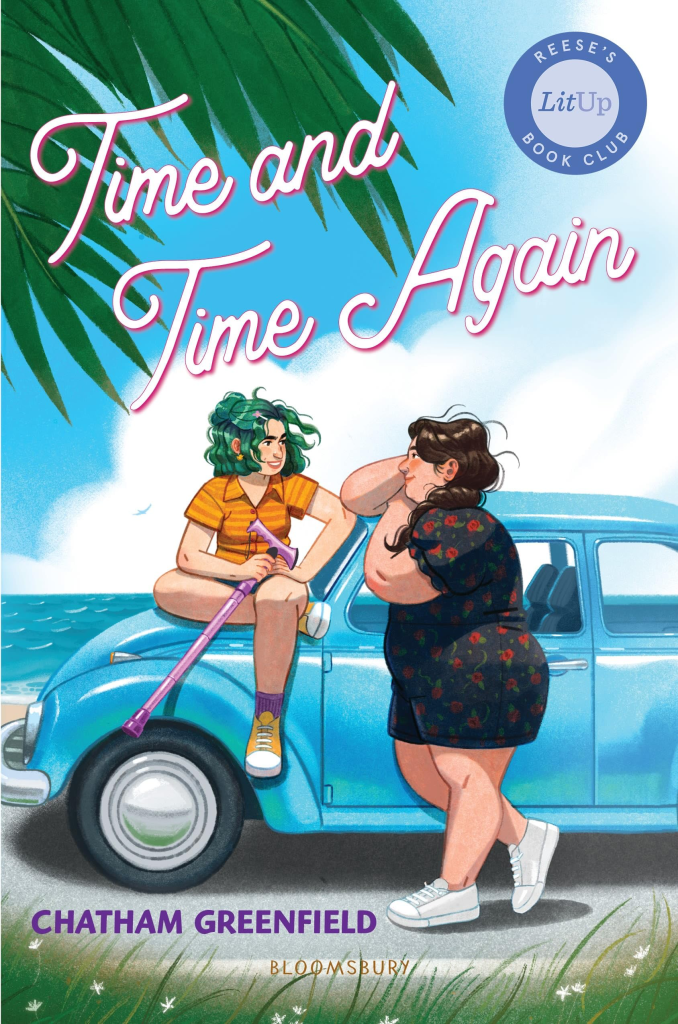
Time and Time Again – Chatham Greenfieldrapid switching and repetition, but this time, it’s repeating the same day over and over (yes, this is basically lesbian Groundhog Day).

“Doo Wop (That Thing)” – Lauryn Hill

Aside from the crushing constraints of the music industry, especially for someone as influential as Lauryn Hill was at her peak…yeah, if I wrote anything as good as this, I’d be perfectly content to get it out there and then disappear from the face of the earth. Well, sure. The tax evasion and the random controversies aren’t exactly ideal. But again—if you release one album and become this influential, I don’t blame her. “Doo Wop (That Thing)” is an extension of that—it’s almost mythic in its construction, written and produced solely by Hill. Sure, I’m late to the party—it took me a minute to warm up to hip-hop as a whole, really—but better late than never.

In fact, I can’t think of a better time to return to this song. If there’s anything that’s essential in these times, it’s “Doo Wop (That Thing).” (The line “Talking out your neck/Saying you’re a Christian” comes to mind for…multiple reasons, related and unrelated to the song’s message.) You need armor against misogyny, materialism, and being seen only for your body and sexuality—it goes both ways, as Hill astutely points out. Patriarchy harms everybody. “Doo Wop (That Thing)” isn’t so much an anthem as it is instructional, and not even instructional in the “and THAT’S why…” way. It’s less of lines on a chalkboard than it is the calloused hand of a mentor, a mother, on your shoulder telling you not just to not make her past mistakes, but to know your damn worth. It’s critical. Men have always thought that they’re immune to the consequences of their actions (and the systems we have in place have reaffirmed that), but I’ve seen Trump’s reelection embolden them even more. Jesus Christ…if I had a son, I’d never kick him out of the house for being queer (a bit redundant, since I’m queer myself, but stay with me), but I WOULD if I found out that he was commenting “your body, my choice” under women’s posts online. CHRIST. Moments like these do seem like nothing has changed since 1998, but maybe that’s why Hill’s rallying cries resonates now more than ever. I want it on banners all across the country, from now until it’s no longer relevant: “Respect is just the minimum.” It’s a call for men to reconsider (and ENTIRELY reconstruct) how they treat women and for those women to realize the potential they have within themselves, restrained by misogynistic structures and societal expectations. The end of the first verse really does send chills down my spine: “Let it sit inside your head like a million women.” Remember those who came before you. You have your power, and their power.

…AND A BOOK TO GO WITH IT:

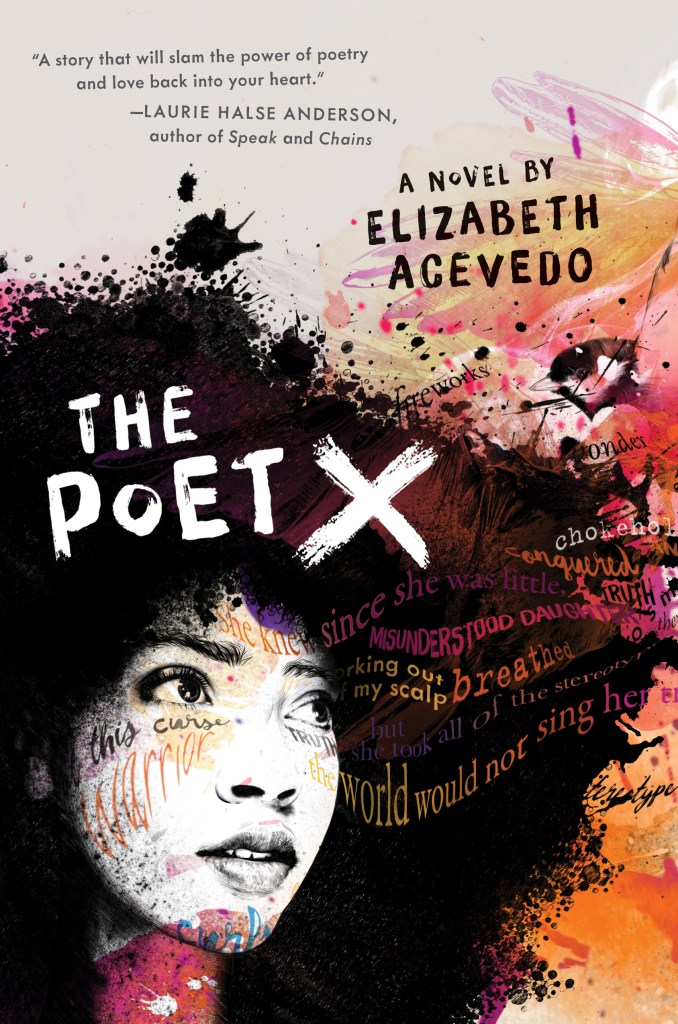
The Poet X – Elizabeth Acevedoa young girl reckons with being seen only for her body—and learning to use her voice.

Since this post consists entirely of songs, consider all of them to be today’s song.

That’s it for this week’s Sunday Songs! Have a wonderful rest of your day, and take care of yourselves!

Posted in Books

♿️ The Bookish Mutant’s Books for Disability Pride Month – 2024 Edition ♿️

Happy Monday, bibliophiles!

Here in the U.S., July is Disability Pride Month! In the three years that I’ve been making these lists, disability is still forgotten even in many intersectional feminist circles, and the importance for uplifting the disabled community has never been more important than know, what with the fallout of the COVID-19 pandemic, where disabled people, especially those who are immunocompromised, were disproportionately affected. Every year, even though I look in as many places as I can, it’s difficult for me to find books with disabled stories at the forefront that don’t center suffering or being “inspiring.” (As of now, I have only ever read one book with my disability, SPD, and heard of only one other. Inspiration for me to write my own stories…) So with these lists, I hope to provide disabled books with a wide range of representation, both in terms of disability and in the intersection of race, gender, and sexuality.

NOTE: my memory (and the internet) is imperfect, so if I’ve misrepresented/mislabeled any of the specific rep in these books, don’t hesitate to let me know!

KEY FOR TERMS IN THIS POST:

  • MC: Main character
  • LI: Love interest
  • SC: Side character

For my previous lists, click below:

Let’s begin, shall we?

♿️THE BOOKISH MUTANT’S BOOKS FOR DISABILITY PRIDE MONTH (2024 EDITION)♿️

FANTASY:

SCIENCE FICTION:

REALISTIC FICTION:

TELL ME WHAT YOU THINK! Have you read any of these books, and if so, did you enjoy them? What are some of your favorite books with disabled rep? Let me know in the comments!

Today’s song:

this song makes me SO so incredibly happy!! thank you to Horsegirl for recommending it!!

That’s it for this month’s recommendations! Have a wonderful rest of your day, and take care of yourselves!
Posted in Monthly Wrap-Ups

June 2024 Wrap-Up 🐻

Happy Sunday, bibliophiles!

Halfway through 2024…no! No we aren’t 😀😀😀😀😀😀😀😀😀😀😀😀😀😀😀😀

Let’s begin, shall we?

GENERAL THOUGHTS:

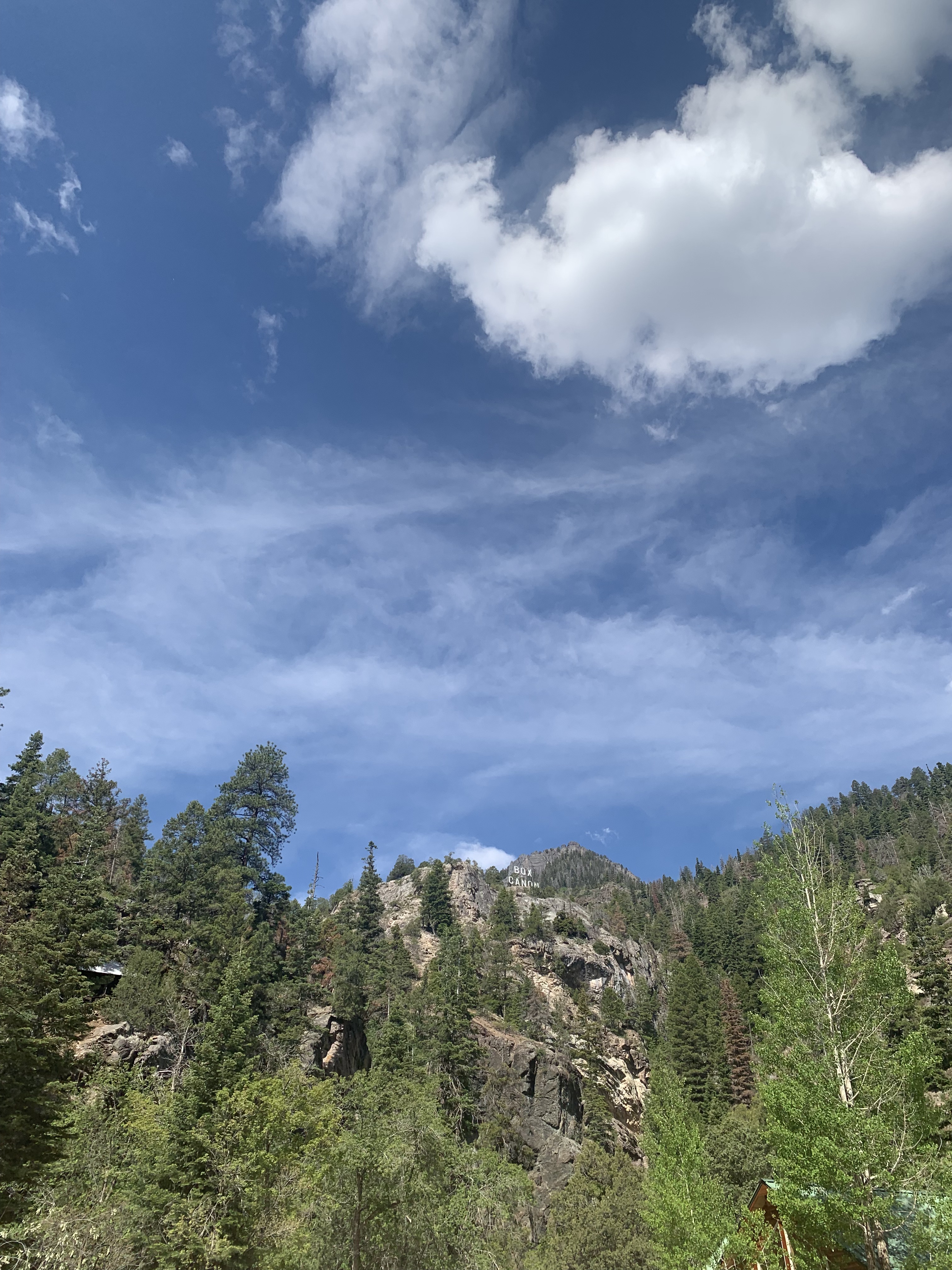
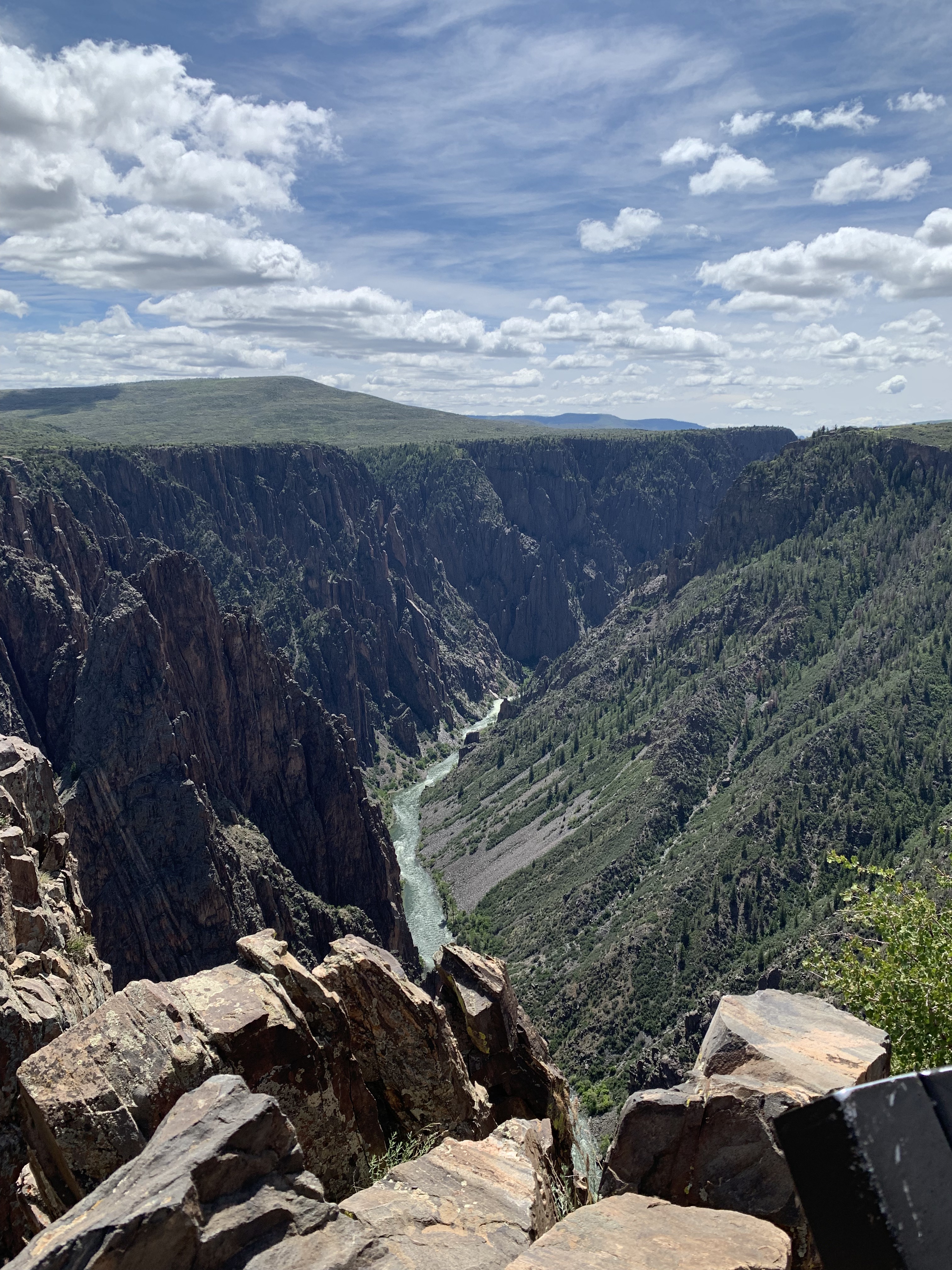
After how busy and hectic my sophomore year of college was, June has been a time to recharge in more ways than one. I went on a quiet vacation at the beginning of the month (Ouray and Black Canyon of the Gunnison—the latter is a very underrated national park, I highly recommend it!), and I’ve taken the rest of the month to…well, rest. I’ve tried to be on social media less and focus on art, writing, and generally nourishing my creativity. In preparation for Camp NaNoWriMo (I only ever do the July camp these days because November and April are both abysmally busy times for me now that I’m in college), I’ve decided to round out my sci-fi trilogy and write the first draft of book three; at this point, I’ve beefed up the outline like a grizzly bear before hibernation, so at least I’ll have some sense of direction…wish me luck!

My reading month started out slower, and it’s had some dips, as always, but I ended up reading loads of fantastic queer books for pride month! Predictably, one of my vacation souvenirs wasn’t something related to where we went…no, I bought a copy of The Familiar at a local bookstore (support ’em!) knowing that it would take eons for my hold to arrive at the library. Worth it. I also figured it was as good a time as any to re-read my favorite series from when I was a kid—the WondLa trilogy. My verdict? It healed my soul and reinvigorated my creativity. Some kid’s books don’t age well, but WondLa never gets old.

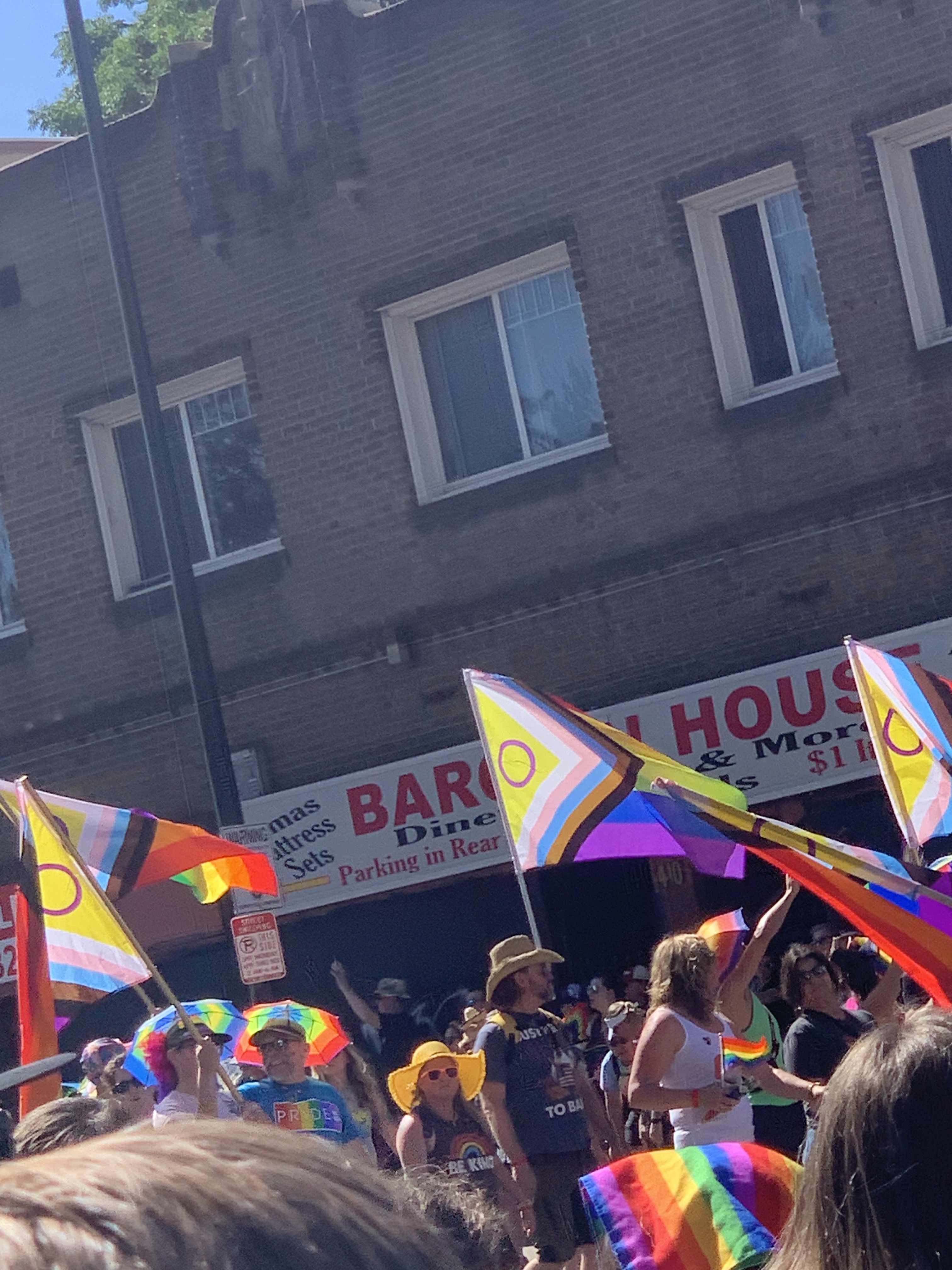
Other than that, I’ve just been making art, playing guitar, going to pride (so much fun!), watching Hacks, Succession (nearly finished with season 1, and all it’s done is made me fear business majors even more than I already do), and…morbidly, Apple TV+’s new show that they decided to call WondLa. I’m three episodes in, and it’s like watching a train wreck. Expect a retrospective on the WondLa trilogy and possibly a review of…whatever that show is that definitely isn’t WondLa.

On a lighter note, photos from my vacation and pride:

(The bear on the title of the post is in honor of a bear we saw crossing the road in Black Canyon. Could also represent bears in general? Happy pride.)

READING AND BLOGGING:

I read 18 books this month! It’s been another relaxed reading month, and although I had a slump towards the end of the month, I read several incredible books for pride month!

1 – 1.75 stars:

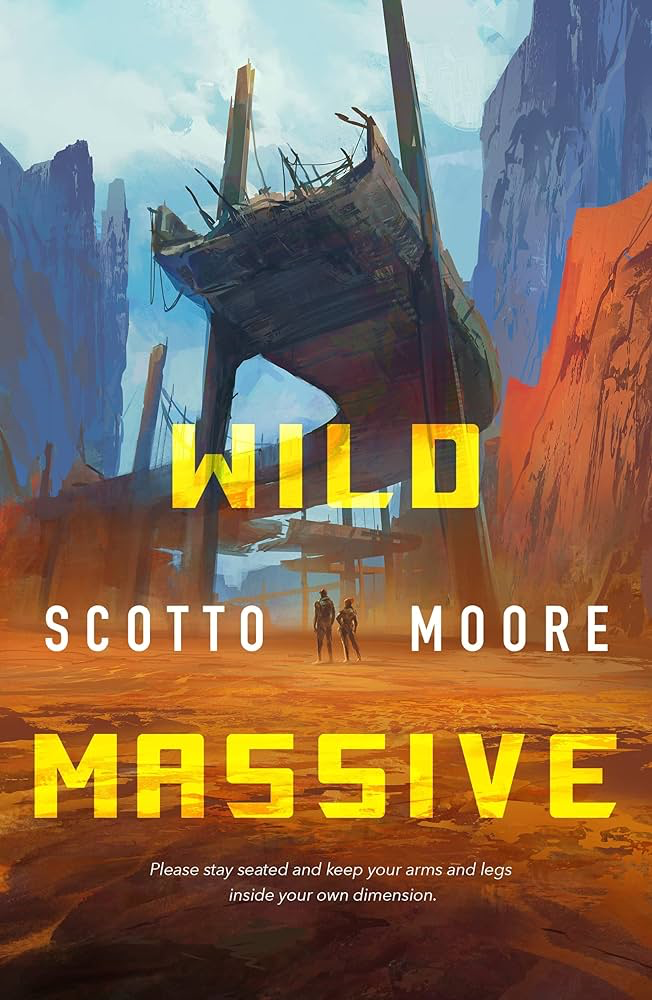
Wild Massive

2 – 2.75 stars:

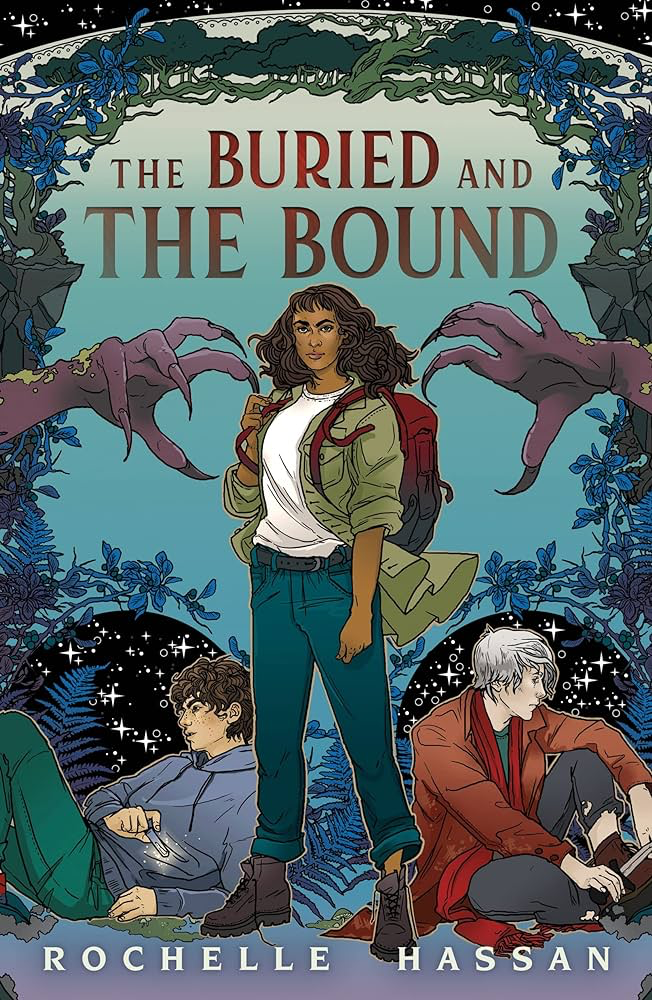
The Buried and the Bound

3 – 3.75 stars:

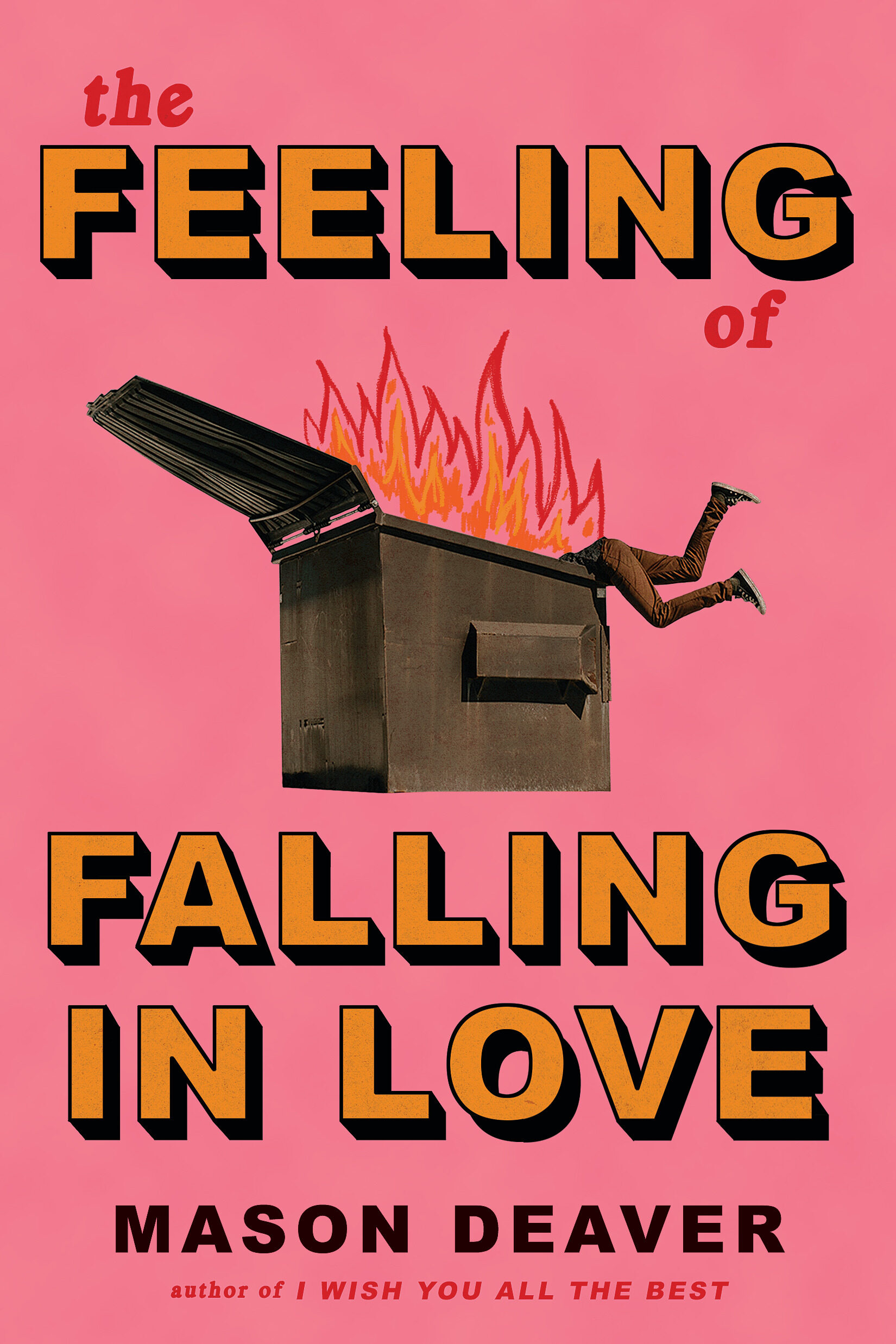
The Feeling of Falling in Love

4 – 4.75 stars:

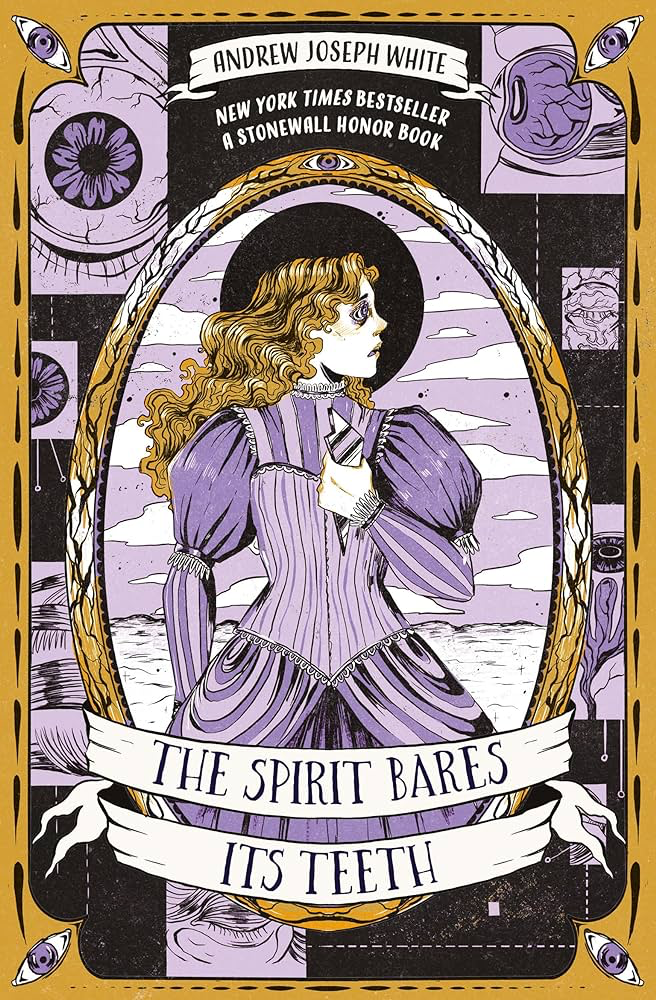
The Spirit Bares Its Teeth

5 stars:

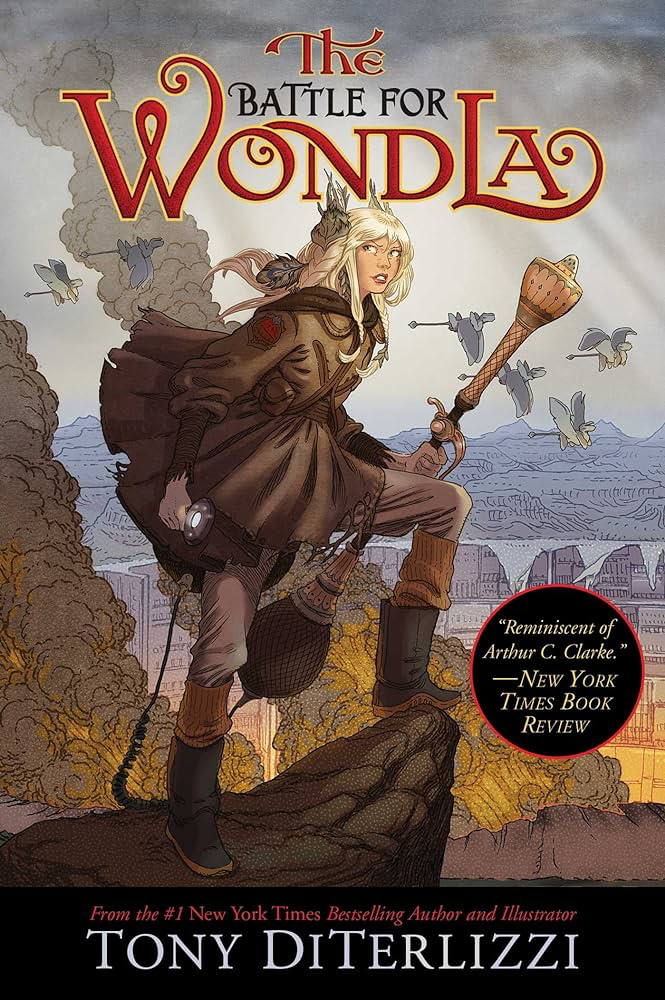
The Battle for WondLa

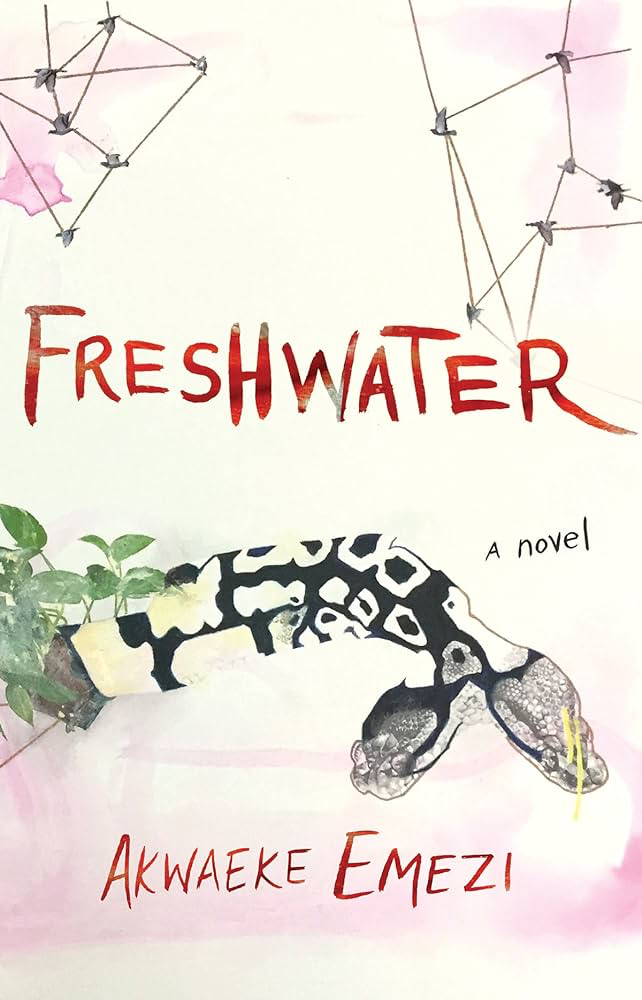
FAVORITE BOOK OF THE MONTH (NOT COUNTING RE-READS) – Freshwater – 4.5 stars

Freshwater

POSTS I’M PROUD OF:

POSTS FROM OTHER WONDERFUL PEOPLE THAT I ENJOYED:

SONGS/ALBUMS I’VE BEEN ENJOYING:

ADORE THIS ALBUM.
this song cracks me up…happy pride
forgot about this song for ages…thank you to my dad for resurrecting this one for me!
on a cocteau twins kick again…
LIVE LAUGH LISA GERMANO
great album!! with all the buzz it got when it came out, I’m surprised that I never heard anything about this one…
HOT WILCO SUMMER!!

Today’s song:

living for the Galaga noises at 0:26

That’s it for this month in blogging! Have a wonderful rest of your day, and take care of yourselves!
Posted in Books

🏳️‍🌈🏳️‍⚧️The Bookish Mutant’s Books for Pride Month (2024 Edition) 🏳️‍⚧️🏳️‍🌈

Happy Wednesday, bibliophiles!

Here in the U.S., June is Pride Month! And every month, I find myself having a downer of an introduction, just because the world only gets kinder to queer people in the smallest increments, it seems. The vocal minority in this country are still bent on erasing all evidence that queer people exist in the first place, like an offending stain on a white tablecloth. (A note to homophobes: has it ever occurred to you that you don’t have to look at pride flags or queer couples? You can just look away and not make it anybody else’s problem…life is so short, man.) But our community is one characterized by resilience: no amount of book bans, culture wars, or bigotry will wipe us off the map. We are are here, we have always been here, and we will always be here. Nothing you do will make us disappear. Don’t let the vocal minority distract you from the beauty created and progress made by our community.

So once again, here’s a list of YA and Adult books with queer characters and themes, curated by your local bisexual. I also added the specific representation of each book.

Just a refresher on my key:

MC: Main character

LI: Love interest

SC: Side character(s)

For my previous lists, see below:

Enjoy these book recs!

🌈THE BOOKISH MUTANT’S BOOKS FOR PRIDE MONTH (2024 EDITION)🌈

FANTASY

SCIENCE FICTION

REALISTIC FICTION:

TELL ME WHAT YOU THINK! Have you read any of these books, and if so, did you enjoy them? What are some of your favorite queer books that you’ve read in the last year? Let me know in the comments!

Today’s song:

That’s it for this year’s pride recommendations! Have a wonderful rest of your day, and take care of yourselves!
Posted in Book Review Tuesday

Book Review Tuesday (6/11/24) – Junker Seven

Happy Tuesday, bibliophiles! I’m back from vacation, and I’m feeling rested—and ready to review one of the books I read on my trip.
Junker Seven hung around on my TBR for about a year, and I ended up buying it on Kindle for my trip; as I’ve said ad nauseam, queer sci-fi is the stuff of life for me, so I’ll always lap it up when given the chance. Although I wish the worldbuilding (and the politics) were more creative, it was a solid tale of of love and the joy in reminding yourself that your existence is an act of resistance.

Enjoy this week’s review!

Junker Seven (Twin Suns duology, #1) – Olive J. Kelley

Castor Quasar makes a solitary but dangerous living as a junker, ferrying scrap—and fugitives—across the galaxy. They prefer to stay out of the business of others, whether that’s the widespread political unrest throughout the galaxy or simply making friends. But when Castor is offered a job with an exorbitant amount of money, they can’t help but be suspicious, even though the offer would mean valuable repairs for their ship—and an easier living. Their cargo is Juno Marcus, a trans activist with a target on her back and an urgent need to escape before the Intergalactic Peace Force finds her. Castor reluctantly agrees, but they soon find themself in over their head—and head over heels in love…

TW/CW: murder, loss of loved ones, transphobia, deadnaming, misgendering, ableism, police brutality

Junker Seven was by no means without its flaws, but if you’re looking for a love letter to trans love and identity, a slow-burn romance, and resistance in space, then you’ve come to the right place! Not my favorite, but this was a good book to start off pride month—unabashedly queer and political.

Structurally, there were a lot of odd worldbuilding choices (I’ll get to that later), but despite that, the world of Junker Seven felt wonderfully lived-in. The quiet moments where Castor was alone on their ship were what convinced me of this world being tangible; not everything is sleek, clean, and untouched. You never get the sense that the ship is cramped just because it was made so, but because of all of the choices that led Castor to the place they are today. It’s not just a plot device vehicle—it’s got special nooks and crannies that have been shifted over the years, and there’s a goldfish that’s been there through it all, Castor’s only constant companion. Details like this, as well as some of the pockets of resistance that Castor and Juno find throughout their journey, added a real human element to the story. Even with only two characters for most of the novel, Kelley did an excellent job of making the galaxy seem like a tangible place where humans have settled—and brought their unique ways into a new, far-future world.

If you’re looking for representation, especially trans representation, then you’re in the right place—Junker Seven has diversity in spades! Both the main character and the love interest are trans, as well as several side characters, and Castor is also disabled—they have burn scars, a prosthetic leg, and autism! The key part of said representation is that it never felt like a checklist; if the acknowledgements are any indication, Kelley’s goal was to create a resonant story of trans joy, love, and resistance, and though I’m not trans (disabled and queer, though), that love shone through; Junker Seven felt like a love letter to trans resistance all the way through, from Castor and Juno’s slowburn romance to Castor’s gradual radicalization. I love how the disability representation was handled as well! All of the details about Castor’s autism affects their job felt authentic as a neurodivergent person; no stone was left unturned, whether it was how wearing their prosthetic affected their sensory issues to how it affected their relationships. It’s clear from every page that the diversity in this novel wasn’t borne out of a need to tick off every possible marginalization—it was borne of a need to put authentic queer, trans, and disabled stories out into the world.
That being said, the worldbuilding of Junker Seven gets stranger the more I think about it. There are enough pockets that could convince you that, yes, this could be hard sci-fi that had some thought put into it, but the actual worldbuilding ends at the descriptions of the climates of the planets that Castor and Juno are hopping to and from. Other than that, the politics are the main focus, but given how political this book is, I was surprised at how unoriginal it was in terms of the evolution of politics and queer resistance. Junker Seven is set several hundred years from now, and yet the politics are all but copied and pasted from the U.S. politics of today—no changes whatsoever, save for being stricter when it comes to the treatment of trans people in particular. Yes, history does tend to repeat itself in terms of treatment of the marginalized, but it’s never in the exact same way twice; technology changes, rhetoric changes, leadership changes. None of that is reflected in Junker Seven; honestly, it was familiar to such a degree that it would have worked more if it were set in a less futuristic dystopia set on Earth. This story is set so far in the future that minimal changes in language and policy just makes no sense. It would have been so much more potent—and creative, frankly—to see how the adapted technology of the future actually factored into how trans people in this universe were being oppressed. There were a few throwaway mentions of more advanced technology that was being used to surveil trans people, but that was about the extent that anything changed. It all boiled down to unused potential—there were so many opportunities to explore how (possible) aspects like advancing technology, increased policing, and advancements in genetic modification could affect the status of trans people throughout the galaxy. And yet, Kelley chose to change almost nothing about our current political climate and paste it into space—to the detriment of my suspension of disbelief. Oppression of marginalized groups remains the same in its goals, but not necessarily in its methods—those change with the times.

What also suspended my disbelief was how little we knew about Marwood save for that he was horrible. Save for being a Trump stand-in, we knew almost nothing about him, save for that a) he’s evil (Trump), b) there’s a widespread news network that’s basically his mouthpiece that he uses to demonize trans people (Fox News), and c) did I mention? He’s evil. I will give Kelley some credit for at least establishing the Zephyr News aspect and the fact that his nepotistic predecessor both ended presidential term limits and instated Marwood in a corrupt, illegitimate election so that his fascist, ultra-conservative values would live on. That, at least, felt like a reasonable enough start for a villainous character, but that was it. The key word here is start. I wouldn’t say it completely falls into the dystopian trope of “we’re not going to say anything about the government, but you have to understand. They’re BAD, guys. BAD,” but it comes rather close. This circles back to my overarching issue of unoriginal worldbuilding, but I wanted to know what separated Marwood from any other run-of-the-mill fascist—did he come from a celebrity background and had no real political experience, like Reagan or Trump, or was he a more cold and calculating type with political prowess who knows exactly how to undo any kind of progress and twist the laws in order to abuse his power? A successful, frightening villain needs to be more than an evil cardboard standup that lurks in the shadows, and we never got more than fragments to show that Marwood was more than a stand-in fascist to move the plot along. (Also, did the entire galaxy, after blending into an almost universal accent after several hundred years, universally adopt a vaguely American two-party system and government? It’s…yeah, I have trouble believing that too.)

Although the disability representation is excellent, as I said before, I did find it odd that it wasn’t a part of Castor’s radicalization; being disabled in the 21st century is already a cyberpunk dystopia as it is, so I’m surprised that there wasn’t much discussion of not just Castor’s experience with being disabled, but how it affected their work or their perception of politics. Save for a throwaway line about an autistic person being driven to a life of crime because of how poorly said autism was treated and handled, there wasn’t much rumination on it other than that. I get that the main focus of Junker Seven was trans resistance specifically, I do wish we at least got more of it than what we got. Come to think of it…as diverse as Junker Seven was, there wasn’t a whole lot of intersectionality in terms of politics. I think there was…maybe one line about race and police brutality, and that was about it? I wouldn’t say that this is inherently a flaw of the book itself, but, once again, given how unabashedly political it was, I did find it odd that there wasn’t at least a small mention of the intersection of queer/trans issues with aspects like race, class, and disability.

All in all, a solid piece of queer sci-fi which suffered from unoriginal and nonsensical worldbuilding, but was nonetheless a shining ode to queer resistance. 3.5 stars!

Junker Seven is the first of the Twin Suns duology, followed by the forthcoming sequel Rebel Rising, which is slated for release in September. Kelley has also released D3F3CT: A Twin Suns Novella, set in the same universe as Junker Seven, as well as the novellas As the Light Goes Out and A Very Lighthouse Christmas. They have also contributed to Spectrum: An Autistic Horror Anthology and the forthcoming Dead Cowpokes Don’t Wrangle: A Weird West Anthology.

Today’s song:

why, why, WHY DID I PUT OFF LISTENING TO THIS ALBUM FOR SO LONG??

That’s it for this week’s Book Review Tuesday! Have a wonderful rest of your day, and take care of yourselves!