Posted in Sunday Songs

Sunday Songs: 12/22/24

Happy Sunday, bibliophiles! I hope this week has treated you well.

Before I begin, here are the Sunday Songs from the past two weeks, as I had to crawl my way through finals hell and didn’t have time to write here. As with Hounds of Love, I PROMISE that I’ll end up talking about Before and After Science: Ten Pictures someday, because that album is spectacular. In the meantime…

12/8/24:

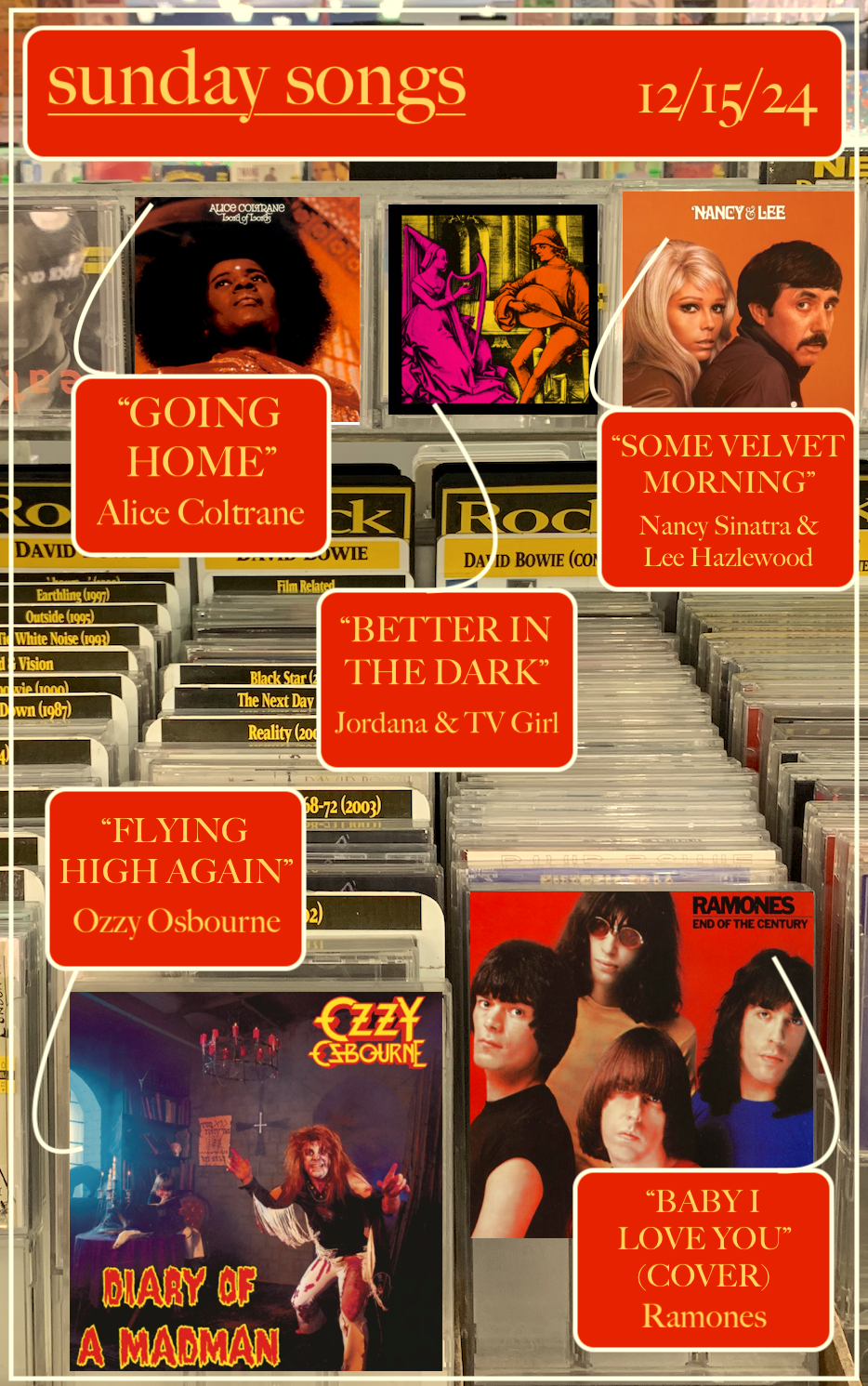
12/15/24 (or, “I haven’t seen Priscilla, I’ve just seen Suki Waterhouse’s episode of What’s in My Bag“):

This week: I didn’t intend for a) my color scheme to line up with the trans flag or b) the cover of this week’s Book Review Tuesday, but trans rights. Obviously.

Enjoy this week’s songs!

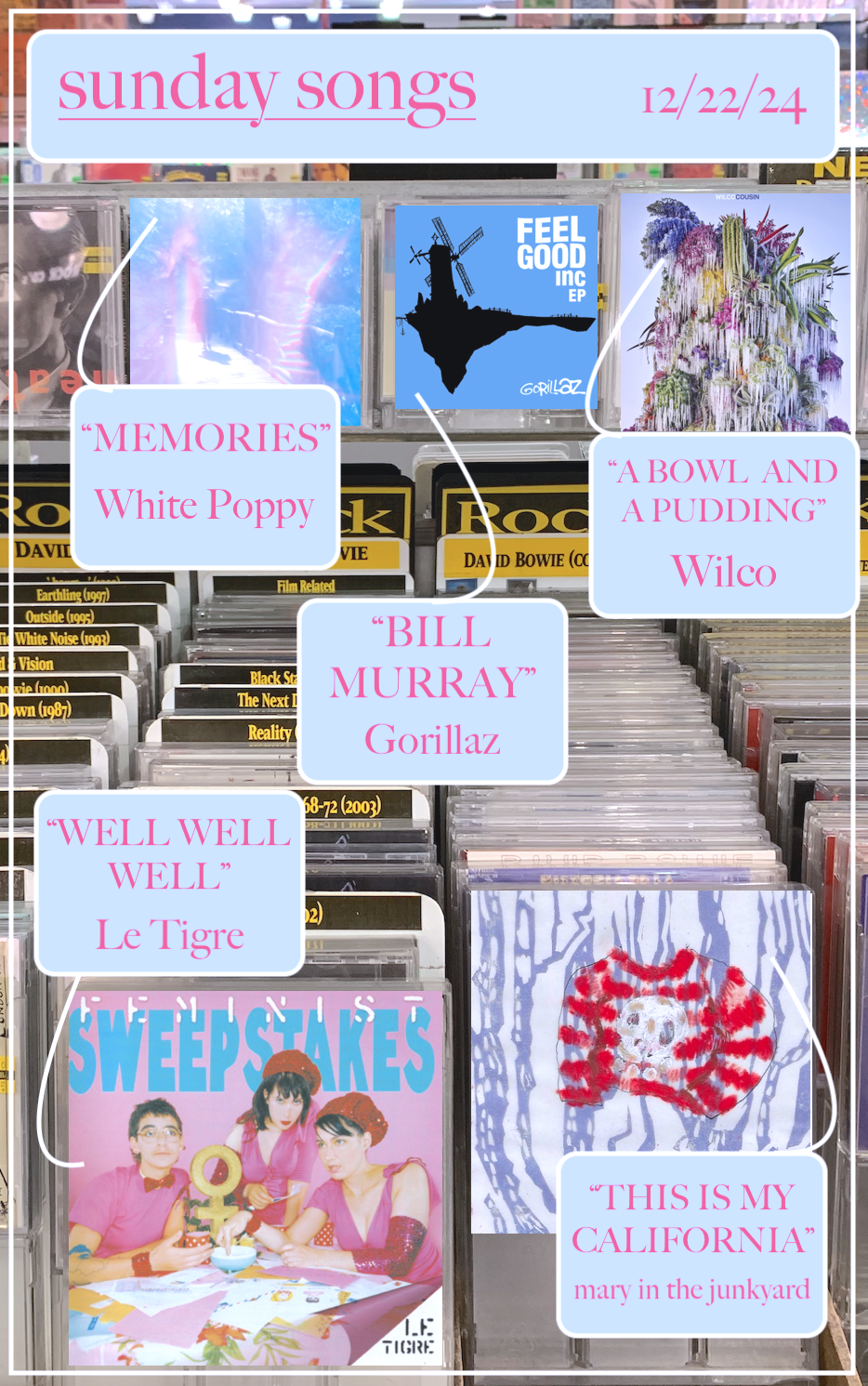
SUNDAY SONGS: 12/22/24

“Well Well Well” – Le Tigre

There’s nothing like looking through YouTube comments on this video and slowly piecing together that there was some kind of huge argument under them circa 2008 that, because of it being so far back, is impossible to trace the beginning or end of because the reply function gets weird to track after 10 years or so. Not to be defeatist about these things, but it seems that so long as there arises new technology, humans will find a way to use them to engage in pointless arguments. Given the band, there’s probably some butthurt republican of yesteryear at the end of it, but the point still stands. (But also, who the hell goes into a Le Tigre song and thinks “ah, yes, this will align with my conservative views?”)

Le Tigre is going to prove a vital wellspring to tap into for the next four years or so. In these dark times, we look to the gospel of Kathleen Hanna. (Also to my mom, who was the one who remembered “Well Well Well” in the first place). This is one of the songs where Le Tigre’s switch from Bikini Kill’s guitars to synths makes perfect sense—it’s a song of going through the motions, not unlike a machine. Hanna and Johanna Fateman deliver the lyrics with all of the enthusiasm of reading an instruction manual: “Well, what do you like/And what do you need?/How should I act/And who should I be?” Never have I heard a song so delightful in its over-the-top performance of being perfunctory: there’s no pleasure to any of it.

Which brings me to the subject matter—given some of the subtle (and not so subtle) sexual references in the music video (which was incredibly made, so kudos to Elisabeth Subrin and her direction), there’s an overtone of women being expected to exist only to please men, especially when sex is concerned. It’s all about men’s pleasure, and as with the lyrics, there’s no regard of what the woman wants—it’s all just “What, where, when, how, when, who?” on the woman’s part. Even if, sadly, that one Ben Shapiro tweet is fake (we all know that the sentiment behind it is probably true), even now women are expected to always be receptive, anticipate of every single need of men, and exist only to fulfill their needs. Obviously, it extends far beyond sex and into any aspect of life, as any woman or AFAB person knows all too well. That’s part of the genius of Subrin’s music video—aside from the fact that the fonts and animations are gloriously early-2000’s, the corporate atmosphere of it does capture the restriction of being under those patriarchal expectations: going through the motions and constantly awaiting another mindless task that brings you no pleasure. Genius.

…AND A BOOK TO GO WITH IT:

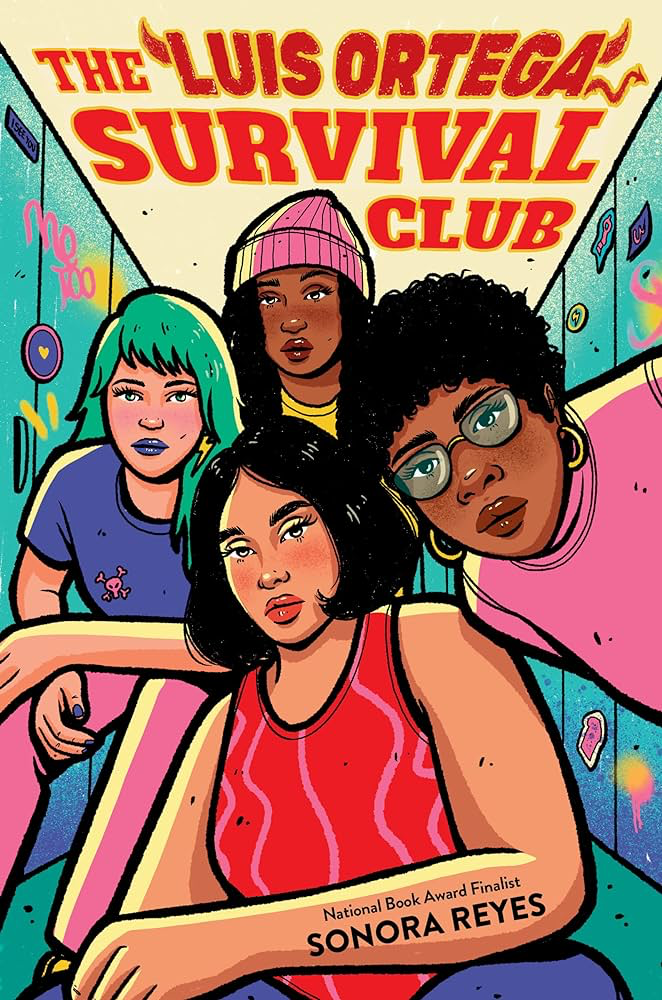
The Luis Ortega Survival Club – Sonora Reyesthe story of an entitled boy who thinks that he can get away with anything—and the students who push back against his chauvinist actions.

“this is my california” – mary in the junkyard

A promise for the new year, or at least for the next few weeks: this is not the last you’ll be hearing of mary in the junkyard here on The Bookish Mutant. The band name (who’s mary and why’s she in the junkyard?) was what originally grabbed me, but discovering them turned out to be those once-in-a-blue moon finds—they combine a reverence for 90’s alt-rock with an artsy sensibility that’s distinctly 21st century, unafraid of letting their melodies collapse like a crushed-tin can and reform as an entirely different creature. They’re good. They’re the product of a collapse of sorts—founding members Clari Freeman-Taylor and David Allison were originally part of Second Thoughts, a band that found success on TikTok but grew increasingly stifled by the music that made them popular. Their move? Break up, switch around some members, and start anew.

“this is my california” is one of their gentler, more restrained efforts (you’ll see what I mean next week…stay tuned), but even their restraint feels fresh somehow. I’ve pinpointed several comparisons for mary in the junkyard, but the one that immediately comes to mind for this track is Luna. From the easygoing, sidewalk-ambling pace to the warm pulsation to guitars to…well, you can’t blame them for the California part. It doesn’t help that “this is my california” rings close to “California (All the Way),” but it doesn’t feel like a rip-off—in fact, that wide body of songs about California makes the pairing enhance the lyrics. Freeman-Taylor has never been to California, but described it in an interview with Northern Transmissions as “a paradise or idea of success that didn’t really resonate with me.” Her California, as it I’m sure it is for hundreds of people, owing to Hollywood and its side effects, is an ideality, but one that’s just out of reach—”My dream/Comes from the pale light of a bright blue screen.”

It feels like a critical part of growing up and realizing that your lifestyle doesn’t align with what you once thought it did. You’re stuck in that place and think that you’re the only one feeling this way, but you realize that the path before you is even clearer than before. That image of California is a place for other people’s dreams, but not yours—there’s a physical distance, too. Certainly fits with that separation from the earlier sound they were boxed into before forming this band. These lines sounded wistful to me at first, and there’s plenty of wist to go around, but one of the last ones sounds more liberatory now than anything: “If you go to California/We will not stay in touch/I’ve never been to California/And I will keep it as such.” I feel this song echoing through me in every transition—getting away from my middle school classmates in high school, then realizing in college that my high school classmates wanted a different kind of college lifestyle than I did and forging my own path. Not everybody needs California. Lots of natural disasters and whatnot.

…AND A BOOK TO GO WITH IT:

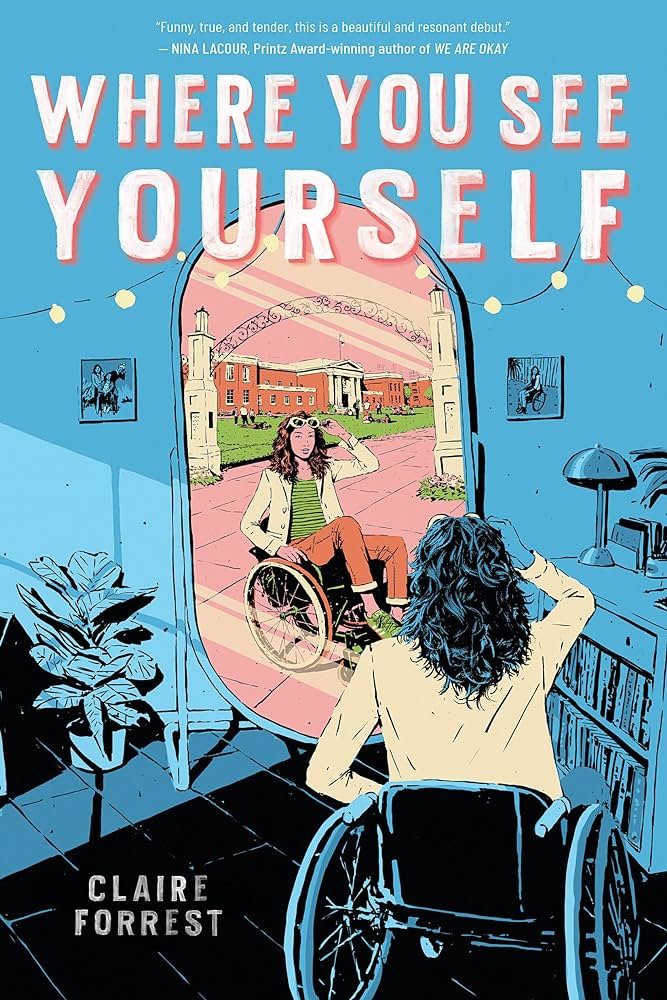
Where You See Yourself – Claire Forrestdiverging from other people’s expectations, but also the ones you’ve set for yourself.

“Memories” – White Poppy

If anyone on this Earth is deserving of being named Crystal, I think it’s a musician who makes a song like this. Her name is Crystal Dorval, and I really, really wish I remembered how I discovered her song, for the life of me. It was all a haze. I realize I’m talking like an aging stoner recounting the sixties. But no, it was the COVID lockdown, and to this day, I’ve never touched drugs of any kind, unless you count coffee. I floated from album to album, song to song, not quite absorbing all of them, but all of them sticking to me anyway. “Memories” is one such artifact from that time. I don’t remember where I found it, but it sticks—unpainfully and untainted thankfully—as a distinctly May 2020-or-thereabouts artifact.

“Memories” is one of those rare songs where the feel of the song, the album title and the album cover collide to create the most cohesive picture of the music possible; the pale blue and pink filter on the cover, combined with a lens flare that punctures the image of a person walking down a bridge into a forest, is as rippling and light as the music itself—Paradise Gardens is the name of the album, and, very likely, where that bridge leads. (Was this what George Bluth Sr. was missing all along?) As crystalline as Crystal Dorval’s name, “Memories” twinkles along in a dreamlike haze, untethered save for the thick baseline keeping it anchored. Even that anchor ripples with the rest of the glimmering, the edges blurred along with Dorval’s echoing vocals, which do sound like the whispers echoing from inside of a glittering geode split open. It took me until my Cocteau Twins summer to bridge the gap, but if you’re searching for something close to a modern analogue, look no further. Nobody can top them, of course, but Dorval has most certainly attended the Liz Frazer School of Dreamlike Music. I suspect the reason that she didn’t get a perfect score was because her lyrics are decipherable and have a concrete meaning. Either way, if you need to drift off for four minutes and five seconds, climb aboard.

…AND A BOOK TO GO WITH IT:

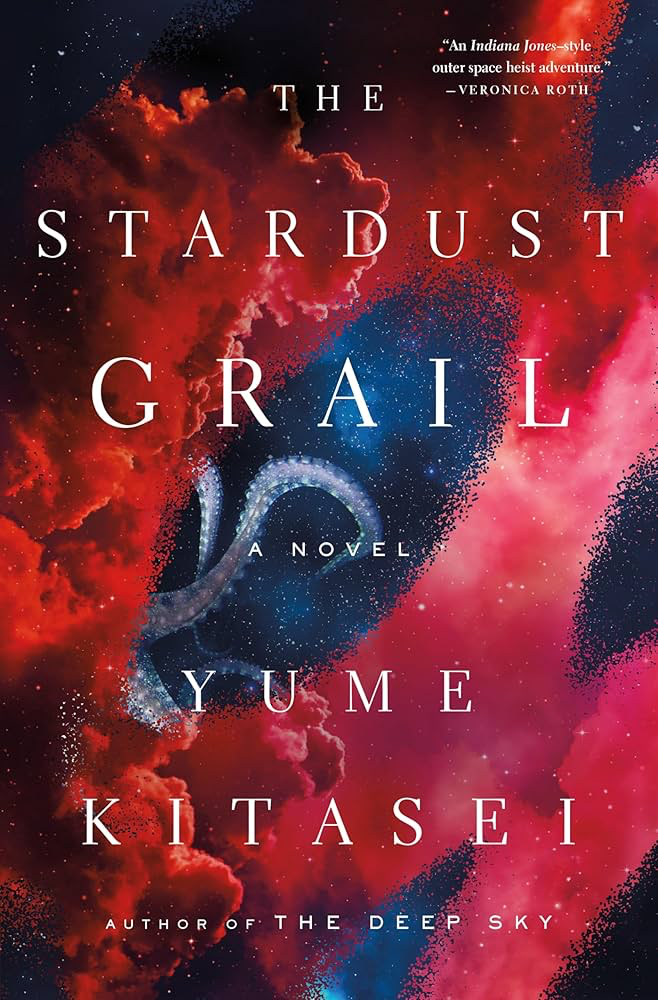
The Stardust Grail – Yume Kitaseithe album cover for Paradise Gardens, as well as the dreamy feel of the music, ripples in a similar way to how I imagined Auncle’s chromatophores. I promise it makes sense.

“Bill Murray” – Gorillaz

The joys of being a fan of a band with a treasure trove of B-Sides (or D-Sides, I should say) never end. It’s intimidating to see two whole albums of B-Sides from Gorillaz in particular, but if anything positive can be said about the Apple Music algorithm, it reminds me that they exist.

Being the B-Side for “Feel Good Inc.” has to be the worst job in the world for a song. It’s a dirty job, but someone’s got to do it. When I say that “Bill Murray” is an afterthought, I don’t mean it in a derogatory way at all. It does feel distinctly like a B-Side, but some songs are meant to be B-Sides—products from restless minds that were never meant to be center stage, but create a more nuanced picture of what came out of their famously fruitful sessions. Even the title is a bit of an afterthought—the lyrics aren’t much to go off of, but Jamie Hewlett suggested the name off the cuff after seeing his name in a magazine while discussing the song with Damon Albarn. Even though it only came to fruition during Demon Days, it traces its origins back to 1999, for the recording of Gorillaz’s self titled album. “Bill Murray” screams Phase 1, and that’s what so charming about it to me—Albarn’s wistful vocals, backed by The Bees, call back to the plaintive high notes of “Man Research (Clapper),” while the easygoing rhythm could fit right in with “Slow Country.” Had it been sandwiched between, say, “Sound Check (Gravity)” and “Double Bass,” it could have been a smooth transition—a temporary cooldown for an album brimming with energy. But on its own, “Bill Murray” proves that even the songs that Gorillaz cast aside in its early days were constructed with nothing but passion and intricacy.

As I said, even Gorillaz’s afterthoughts had plenty of polishing up on their own. Here’s an extra from the special edition of Bananaz, where you can see Albarn, Hewlett, and The Bees recording this song, complete with the usual antics (and chicken noises).

…AND A BOOK TO GO WITH IT:

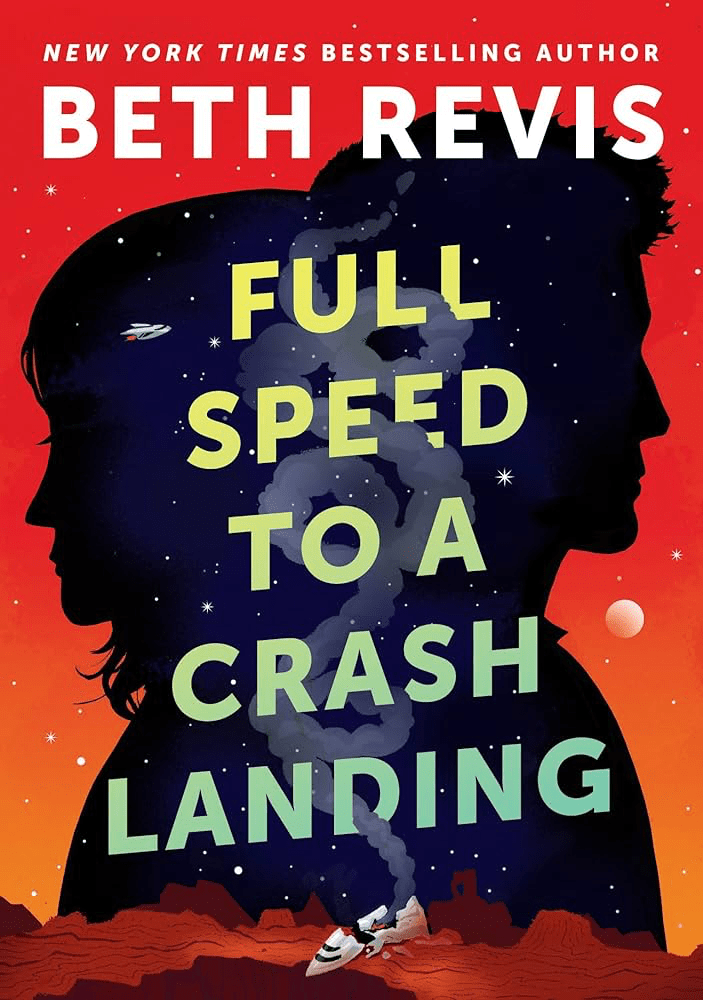
Full Speed to a Crash Landing – Beth Revis“Bill Murray” seems right at home in the atmosphere of this novella—even amidst all of the climactic space opera machinations, Ada has time to quip and slip into her easygoing personality.

“A Bowl and A Pudding” – Wilco

Cousin, huh? It truly is the gift that keeps on giving. As full of hidden miracles as Cruel Country was, I think I’ll side with Cousin at the end of the day if we’re picking sides as far as 2020’s Wilco albums. (But why pit two Tweedys against each other?)

The more Cousin reveals itself to me, the more the album art makes sense. The original art is a photograph by sculptor Makoto Azura; this piece is Frozen Flowers 2023, and it’s one of his many botanical sculptures, many of which are frozen and propped into snowy landscapes. As much of a visual learner as I am, his sculptures immediately draw me to the sense of touch; with every separate flower frozen into its neighbor, I can imagine the ridges of icicles under my fingertips, of the curve of each individual petal and leaf as they were compressed into coldness. It’s so befitting of Cousin because the whole album is an exercise in textures. As with each individual shade of the vibrant botanicals in the sculpture, unique sounds blister and twirl next to each other, from the ear-popping cacophony (and possible all-time album opener, for me) “Infinite Surprise” to the dusty dewdrop softness of “Sunlight Ends.”

“A Bowl and A Pudding” was one of the Cousin tracks that flew under the radar for me. The bar was unreasonably high after some of the tracks that I mentioned, as well as “Pittsburgh.” No skips, the more I think about it, and this track adds to that pantheon. In comparison to some of the more in-your-face textures on the album, this song is more understated; it’s more of the woolen fibers of a sweater or the gentle trickle of water after you’ve left the faucet running by mistake. It’s softly cyclical. The acoustic guitar notes swallow themselves, the fingerpicking as gentle as sunlight through a window. Tweedy’s lyrics are similarly cyclical, every one parroting the other in whispers, laying bare the dissolution of a relationship. That calmness makes the title feel like a still life. It’s up to you whether the bowl and the pudding are two separate items or if the pudding is in the bowl by design…or maybe that’s the point of the lyrics. Is it? Is the togetherness of the bowl and the pudding meant to reflect the separation and alienation that Tweedy narrates as someone he loved slips away from him? The bowl loves the pudding because it fills up the empty space that was molded to hold something. The pudding loves the bowl for the security, but does the pudding want something more? Can it be contained? Is the pudding in question the kind that is even served in a bowl in the first place? Is the bowl sick of being created solely as a vessel to hold other things?

Oh, god. Got too English major with it. A note to my parents: I guess this means that my degree is going to good use?

…AND A BOOK TO GO WITH IT:

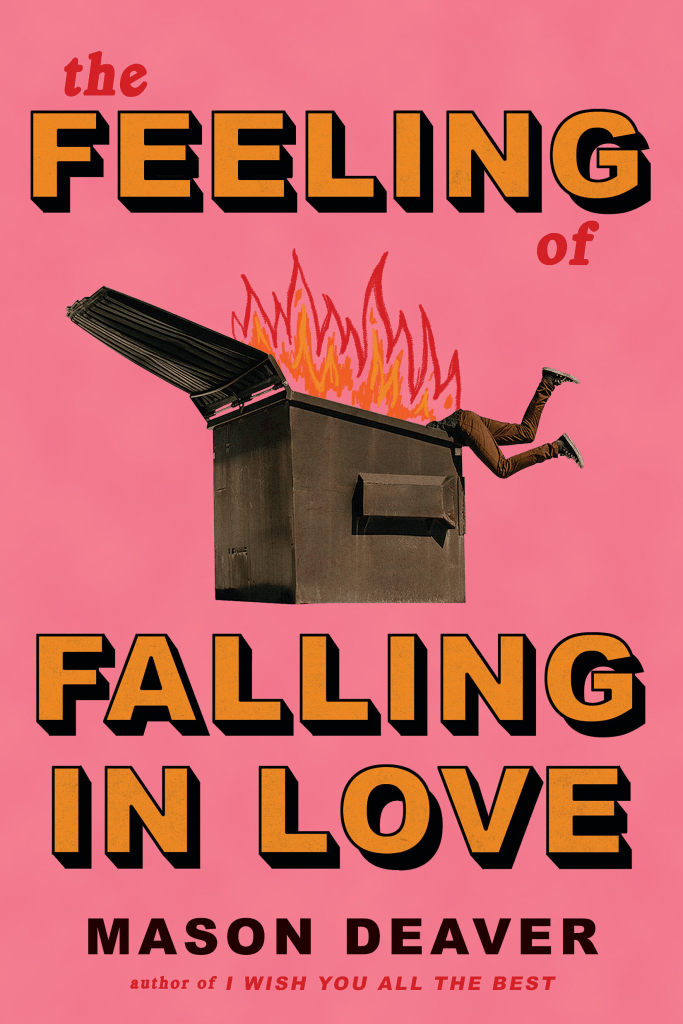
The Feeling of Falling in Love – Mason Deaver“I can tell/How long this night is gonna be/And the one you love/Is not me…”

Since this post consists entirely of songs, consider all of them to be today’s song.

That’s it for this week’s Sunday Songs! Have a wonderful rest of your day, and take care of yourselves!

Posted in Sunday Songs

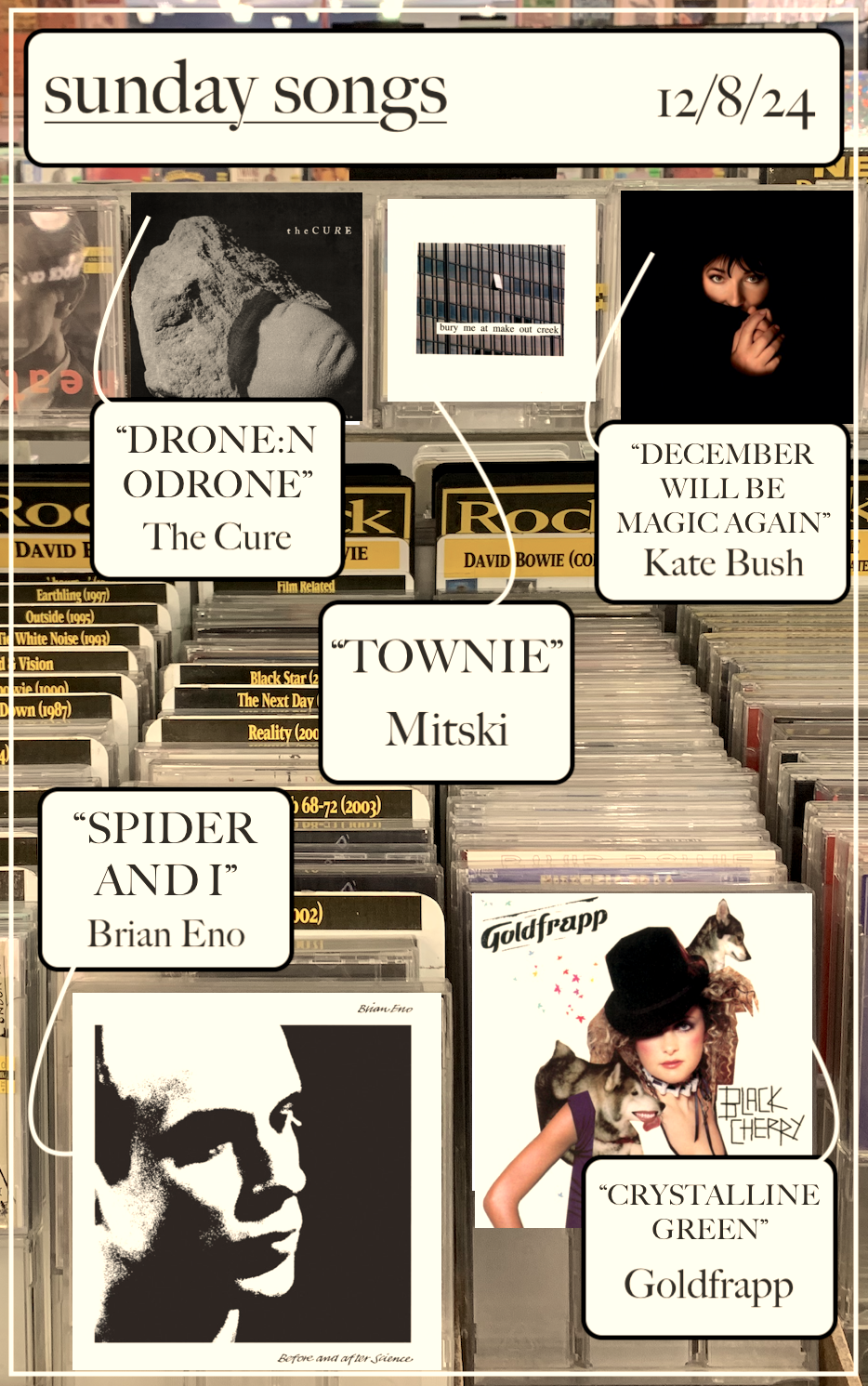
Sunday Songs: 9/22/24

Happy Sunday, bibliophiles! I hope this week has treated you well.

This week: I apologize in advance for every single driving mention and/or pun that I made in this post. I didn’t even notice it at a certain point…I just couldn’t…stop…

1:58-2:07

Enjoy this week’s songs!

SUNDAY SONGS: 9/22/24

“Bloody Ice Cream” – Bikini Kill

It’s been just under a month since I had the privilege of seeing Bikini Kill live, and even as someone who isn’t a hardcore fan of the band, I had SUCH a wonderful time! That’s owed in no small part to the commanding presence of Kathleen Hanna, not just in the history she carries, but in just how real she was. There she was, a pioneer of feminist punk, just onstage joking about how her bra was too tight and recounting a memory of rich girls pelting her with squirt guns before she walked into a job interview. Never at any moment was there a pretense of acting cool or punk. It was nothing but Kathleen Hanna, in all of her smudged-mascara and sequined glory. Bless Kathleen Hanna, really.

So when she introduced this song, which I was familiar with only in name, by saying that it was dedicated to “all woman writers,” you bet that I stood up and saluted her like it was the national anthem. And even as a fan on the sidelines, I’d accept “Bloody Ice Cream” as a new kind of anthem. It articulates in less than one and a half minutes what so many creators—chiefly women—are told about the profession: “The Sylvia Plath story is told/To girls who write/They want us to think/That to be a girl poet/Means you have to die.” The unspoken doctrine of your craft not being valid unless you sobbed and suffered over it permeates all kinds of media. I’ve been around so many people who think that trauma is the secret to good writing, whether it’s slapping it onto their characters or thinking that their hope in their message is invalid because it doesn’t show the bleakness of the real world. Counterpoint: ever experience happiness? Even once? Was that not in the real world?

The modern world may be far from perfect, but we have an understanding that could nurture and heal the Sylvia Plaths and Virginia Woolfs of tomorrow. And we have the recognition that there is no power greater than joy. In and outside of the writer’s world, we’re taught that to feel downtrodden is to experience the real world, competing each other for how exhausted we are, how much we have on our plates, and how sad and gloomy our projects are. Is this really what creativity is? It’s not like there’s no value in showing the darker aspects of life, but for how much it clogs the literary world, I feel like so many people have forgotten that writing—and imagination—isn’t just a contest for who can work themselves to the bone the most artfully. I write to put out the energy I want to see reflected in the world around me. And that energy is joy. The systems of oppression that surround us want to see people like us being so downtrodden that we have no energy to question them. So write. Write joy. Write what’s in your heart. Scream and dance like Kathleen Hanna. And don’t underestimate the value of kindness. They hate to see you joyous.

…AND A BOOK TO GO WITH IT:

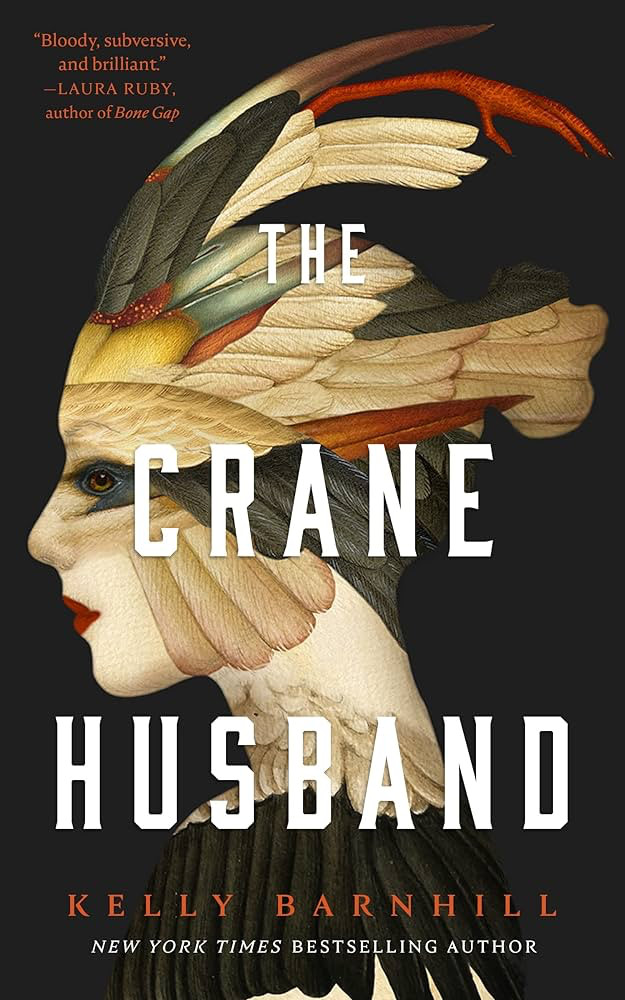
The Crane Husband – Kelly Barnhill“Who was it/That told me/All girls who write/Must suicide?”

“My Impure Hair” – Blonde Redhead

The best shoegaze sounds like you’re slipping in and out of a dream, that limbo best experienced from 1-4 in the morning when you’ve woken up from a dream, your eyes are gummy, and you’re not sure if the hazy shapes forming the walls and bed around you are part of another dream you’ve yet to wake up from. I guess that’s why it’s so easy for people to get high to this kind of music, but like…well, all things, sobriety is better suited to experiencing them. “My Impure Hair” is the closing track on 23 (I’m not even a diehard fan, but I just LOVE that album cover), and even from this tiny taste, it feels like an artfully placed closing track. It has the quality of a lullaby; every element, from the soft instrumentation to Kazu Makino’s vocals, is whispered, as though not to disturb a swaddled baby drifting off in their crib. Once you think you’ve heard a distinct sound, it bleeds into another like spilled watercolors, creating a pale wisp that floats, airless, on the passing wind.

…AND A BOOK TO GO WITH IT:

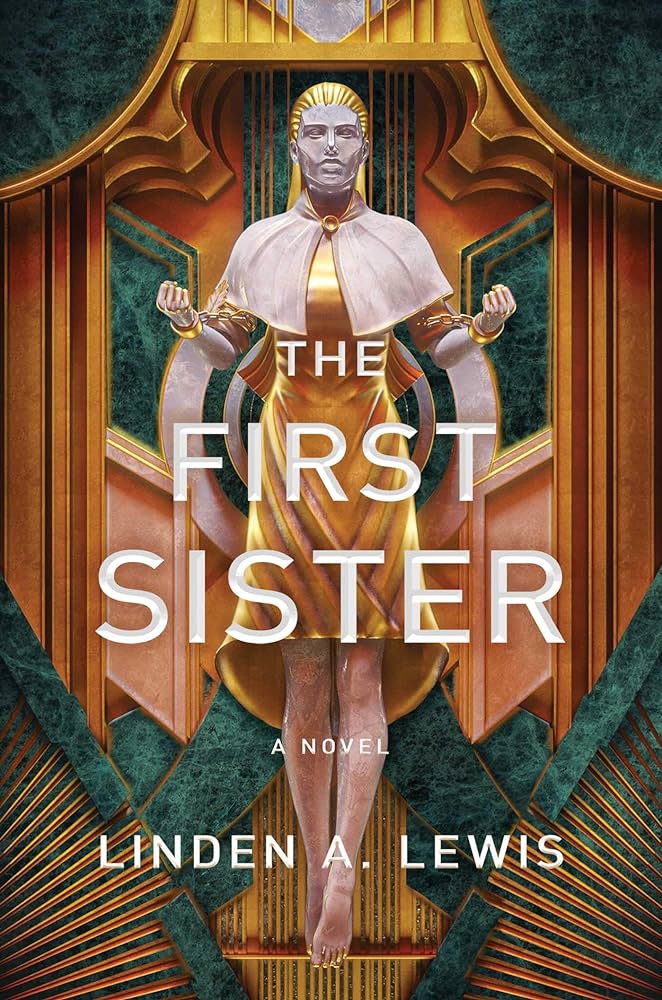
The First Sister – Linden A. Lewis“But in the end/We defend our decadence/You never wept like that/Whatever lost, I won’t forget about you…”

“Kanga Roo” – Big Star

Nothing baffles me more about “Kanga Roo” than the fact that, although it didn’t officially see the light until 1978, it was recorded sometime in 1974. I suppose there’s some ’60s psychedelic bands that got close to the sound here, but this kind of deterioration feels so modern. It doesn’t sound like 1974! It sounds like a less fuzzy Spacemen 3 or the first take of a Bends-era Radiohead b-side. One of the top comments on the official audio called it “the rough draft for Wilco’s Yankee Hotel Foxtrot, which is the most astute description I’ve ever seen ascribed to it—I don’t know how it never clicked, but suddenly, “Ashes of American Flags” makes eons more sense.

I can only imagine what hearing this in 1978 felt like—probably the musical equivalent of “mom, come pick me up, I’m scared” after expecting something more like “In The Street.” Jesus. That feeling certainly crept into me when I first heard this song, while driving home from a concert late at night, navigating a winding canyon road in near-pitch black. All of the shrill mechanical squeals sound much more menacing when you’re barely awake. “Kanga Roo” sounds like it’s actively pulling itself apart at the seams, a threadbare rag only attached to its halves by a few strands of fraying string. The drums are never on beat or consistent in volume, somebody’s banging on a cowbell for about 15 seconds, and all the electric guitars are doing is getting scratched and squealed into oblivion. It’s a bizarre experience, watching a song crumble like charcoal in a dead firepit the morning after a campfire. Yet there’s an innocence to it; Alex Chilton’s voice is the only clear sound in “Kanga Roo.” You’re hearing the instruments fighting for their lives while Chilton’s plainly singing “You was at a party/Thought you was a queen.” The iconic line that gave the song its name (“oh, I want you/Like a kangaroo”) almost makes no sense, and I’m not sure if Chilton has ever offered up an explanation, but somehow, I see it. I imagine one of those towering, buck kangaroos standing at full height, and feeling the desire to grasp someone in your arms with the strength of such a creature.

I included This Mortal Coil’s cover of “Kangaroo” in one of my past Sunday Songs that I didn’t get around to writing because I was occupied with moving and school; I have too much homework to fully go into who’s coming out victorious if we’re pitting the original against this one, but I’m at least partial to it for how sparse it feels, even with the soaring strings. It’s much more put-together than the original (not to disparage the artful chaos), but there’s something to be said for what it does with the negative space that the Big Star version drowns out. What can I say? They got me. They got me with the big feels.

…AND A BOOK TO GO WITH IT:

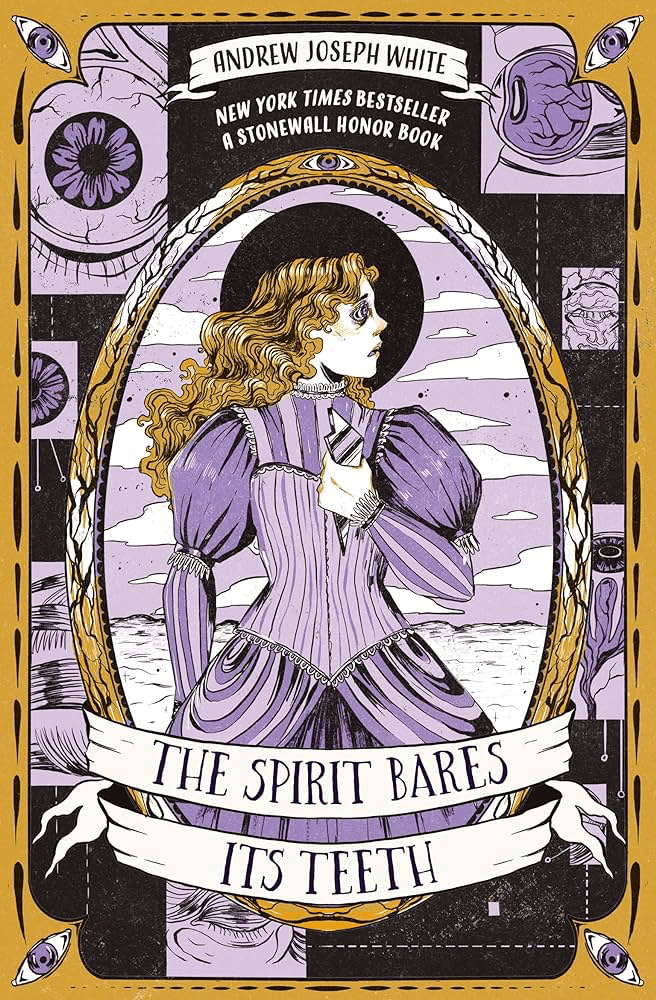
The Spirit Bares Its Teeth – Andrew Joseph Whitethe lyrics could match up with any number of books, but it’s the creaking, uneasy atmosphere that puts it squarely in this novel’s company.

“Driver” – Soccer Mommy

I’m so glad that Soccer Mommy has become a prominent enough artist that she has the means to do funny marketing campaigns, because whoever came up with the one for “Driver” had a stroke of genius. By calling a number that Sophie Allison posted, you could get a snippet of the track before it came out, followed by “how’s my driving?”-style call prompt. Maybe we are in an okay timeline.

Without a doubt, Sophie Allison has never been more sure of herself at the wheel. A departure from the expression of beauty in lingering grief that were the two lead singles, “Lost” and “M,” “Driver” presents a more lighthearted detour to the landscape of Evergreen. The backing guitars and effects have gained a grungier, grimier edge, but Allison’s sunshine puts them all in a dusty, golden light. As the guitars and drums thrum like gravel skipping across a dirt road, Allison turns her attention to the present loves of her life. You almost get the feeling that she’s slipping into the self-deprecation of her early career, but there’s nothing but affection for herself, but more in terms of her partner, who puts up with her “losing [her] concentration on every whim.” Allison presents herself as the more emotional, scatterbrained half of the couple, which her partner is playful about, but is also the one to ground her when she gets too far into her head with a reminder of “where are we going now?” She’s never completely blameless, but she’s full of nothing but love for her anchor that keeps her from veering off the path; it’s not like some of her earlier songs, like this would indicate that she’s in danger of slipping away entirely, but it’s an exercise in learning to rein yourself in—and find somebody who isn’t afraid to rest a hand on your shoulders and remind you where your feet are planted.

…AND A BOOK TO GO WITH IT:

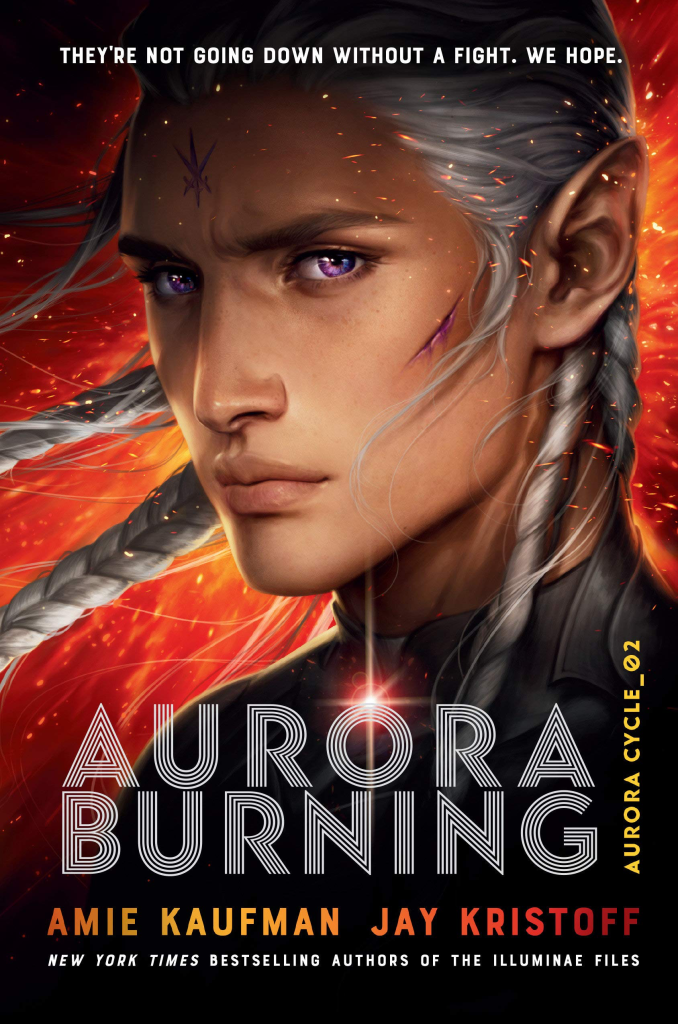
Aurora Burning (The Aurora Cycle, #2) – Amie Kaufman and Jay Kristoffnot to get all 2020 Madeline on you all, but…the Kalauri in this song…I’m gonna keel over…

“I’m a five foot four engine waiting to move/I’m a test of his patience with all that I do/‘Cause I’m hot and he stays cool, I don’t know why/But he puts up with my moods/And he makes me smile when he says/’Where are we going now?'”

“Bishop’s Robes” – Radiohead

The connection of inspiration between Radiohead and The Smiths never surprises me, but sometimes, with bands that inspire another, you find a single song that you know is the missing link in the evolutionary tree, the line of ancestry concretely delineating their music as kin. More specifically, it makes sense next to their cover of “The Headmaster Ritual,” though “Bishop’s Robes” takes a much more subdued turn.

Yorke’s raw lyricism thrives in both simplicity and complexity; he can weave any number of stories with denser, more prosey lyrics, but he knows just what kind of simple, unadorned phrases to stab you in the gut with. In this case, it’s the chorus, repeated like a shaky-voiced prayer in a dark corner: “I am not going back.” It becomes more of a reminder than a statement, as though to convince his brain that no, he’s not back in his pre-teen years under the reign of his “bastard Headmaster.” Volumes have been written about the horrors and abuse of the British education system back in the day (see: pretty much anything by Pink Floyd)—and some continuing into now, I would imagine—but what sets “Bishop’s Robes” apart is the mood. It might be more accurate to call it a lack, as the most overwhelming feeling you get from this track is not anger but numbness. There’s a resignation to it, weighing down the music, as though, even in adulthood, the experience has sapped him: Yorke doesn’t have the energy to fling insults along the lines of “spineless swines” or “belligerent ghouls” at his abusive childhood tormentors—all he can do is “bastard.” And it’s that eyebagged, forlorn crawl that sells the lasting effect it had on him. After years of unyielding discipline, I can imagine the fear of not raising your voice—a haunting presence that permeates every note of this track, constantly looking over its shoulder to guard innocent contraband that doesn’t exist.

…AND A BOOK TO GO WITH IT:

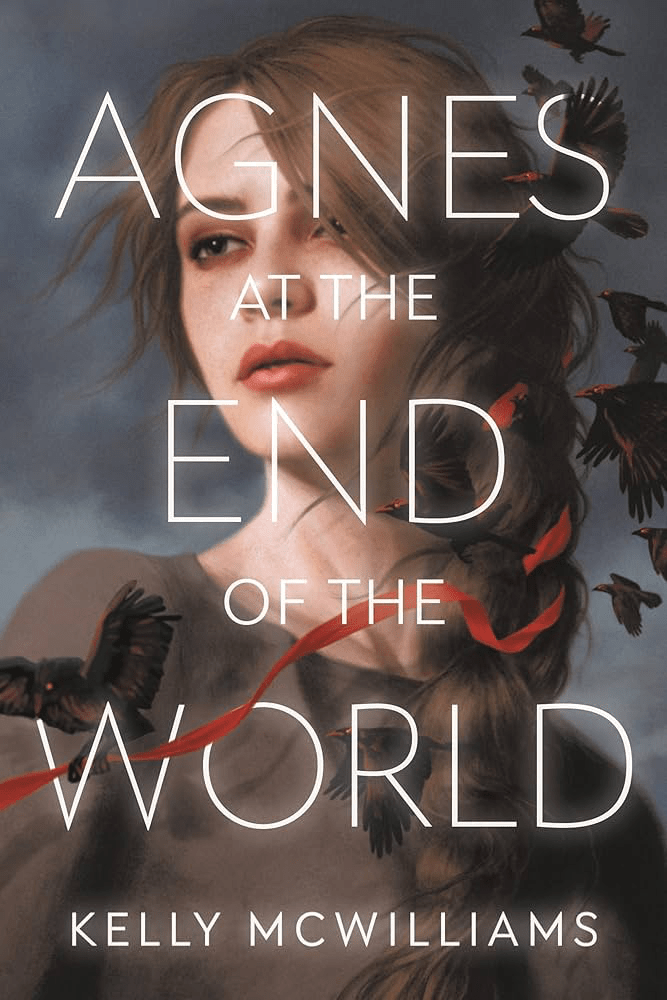
Agnes at the End of the World – Kelly McWilliamssecrecy, escape, and the horrors of a perverted version of Christianity in the hands of the wrong man.

Since this post consists entirely of songs, consider all of them to be today’s song.

That’s it for this week’s Sunday Songs! Have a wonderful rest of your day, and take care of yourselves!
Posted in Sunday Songs

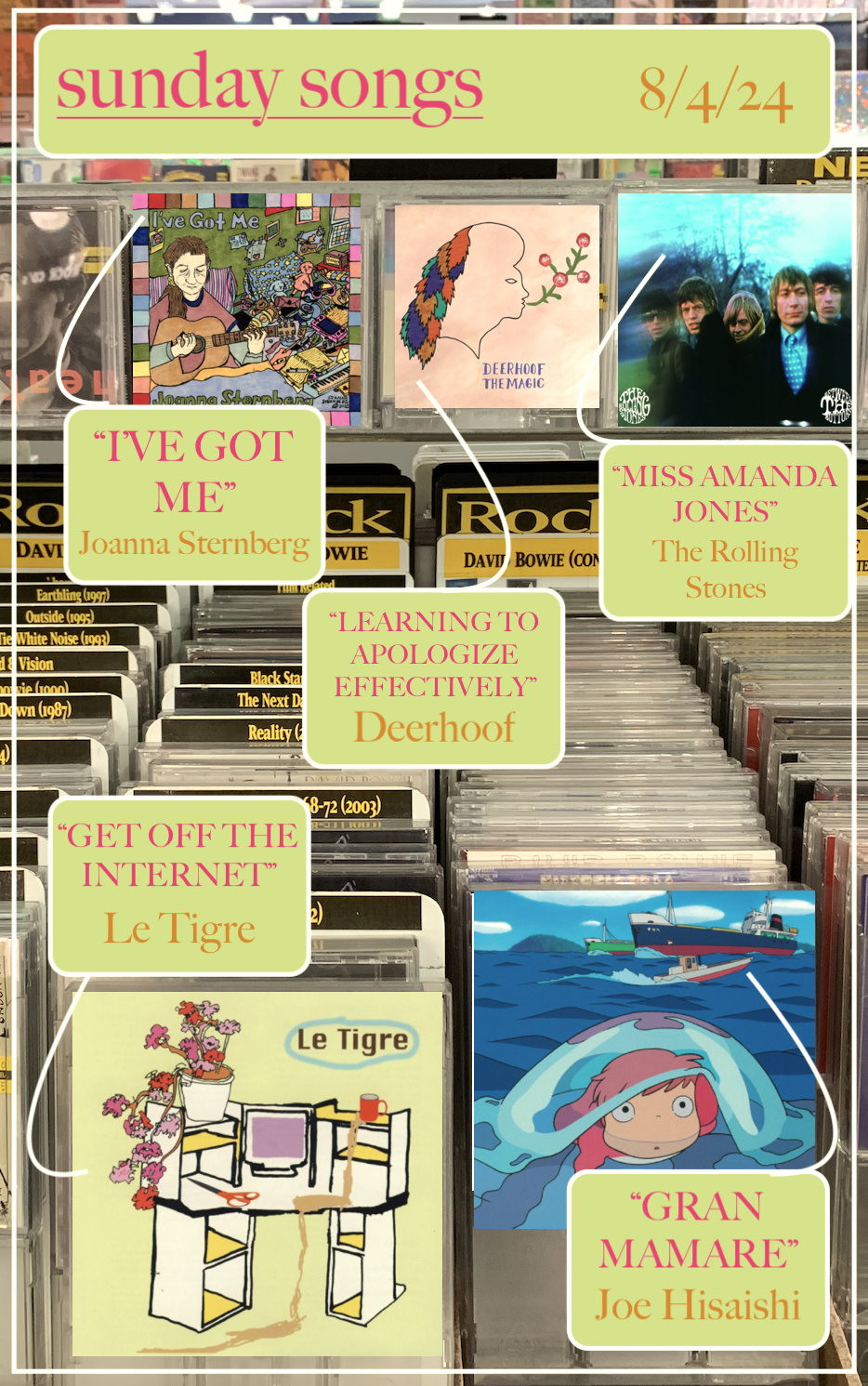
Sunday Songs: 8/4/24

Happy Sunday, bibliophiles!

This week: I fully see the irony of putting a song called “Get Off the Internet” on a blog post……….decidedly on the internet, but you get it, right? Right?

Enjoy this week’s songs!

SUNDAY SONGS: 8/4/24

“Get Off the Internet” – Le Tigre

I miss when people could get along despite their politics, but…have you seen Project 2025 lately? Were you not paying attention to Trump’s entire presidency? I wouldn’t be saying this if, y’know, they weren’t trying to take all of our rights away, but…

GET OFF THE INTERNET!! DESTROY THE RIGHT WING!!!!

…AND A BOOK TO GO WITH IT:

Our Stories, Our Voices: 21 YA Authors Get Real About Injustice, Empowerment, and Growing Up Female in America – edited by Amy Reedmodern accounts of femininity and feminism from a collection of incredible authors.

“Gran Mamare” (from Ponyo) – Joe Hisaishi

Watching Ponyo as an adult felt like watching it for the first time. Technically, my recent rewatch was my second time seeing it in over a decade. Every time I’ve thought about it before then, it felt like a fever dream…probably because my first viewing was something along those lines. I was about 5 or 6, and I’m almost positive that I was home sick from school. Either way, I was in my parents’ bed. All I could remember were faint glimpses of Ponyo underwater, the man, the myth, the legend, Fujimoto (close enough, welcome back David Bowie)…and Granmamare.

If there’s any gorgeously-crafted scene (of which there are many) to take away from that movie, it’s any scene with her. No wonder my five-year-old brain retained an image of such beauty, even when it was (probably) sick. Her first appearance isn’t necessarily emotional—all she’s doing is talking to Fujimoto about what to do with Ponyo—but all of the sudden, I found myself overcome with tears. All those years ago, and it took my breath away. (And who better to voice such a goddess of such beauty than Cate Blanchett? It had to be Cate Blanchett.) Maybe I was just in an emotional state, but something in the sheer beauty of that scene stirred up something hidden and beautiful in me. Joe Hisaishi’s sweeping score gives it an appropriately sparkling, John Williams-like grandeur, befitting of a character so powerful that she illuminates the whole ocean with her radiance.

Either way, I’m so glad that I rewatched it. Ponyo want ham.

…AND A BOOK TO GO WITH IT:

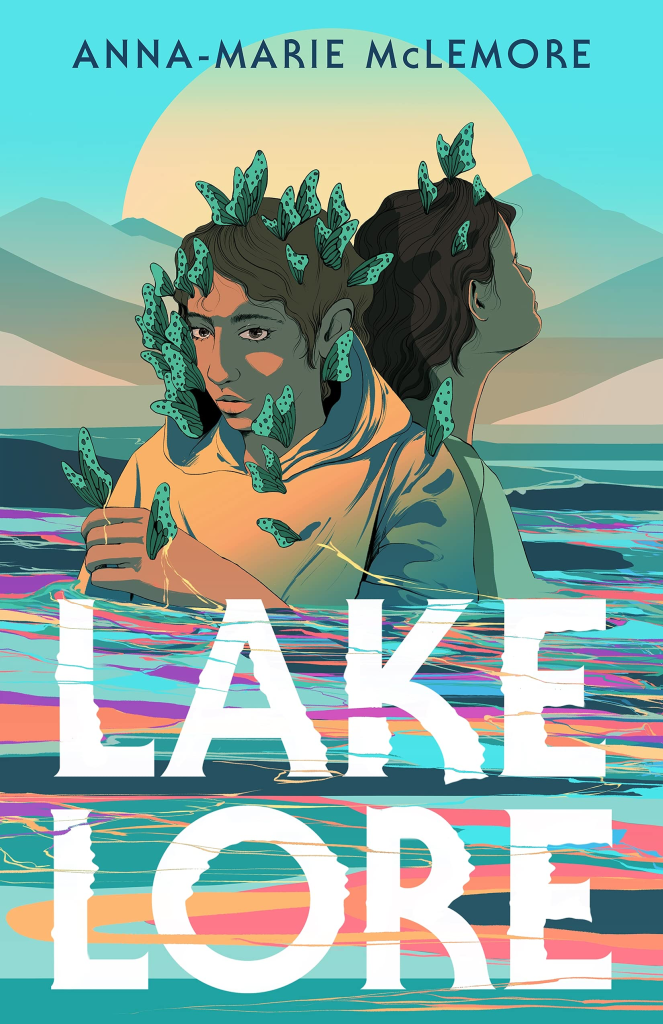
Lakelore – Anna-Marie McLemore – mysterious and magical underwater realms, anyone? (Admittedly, Ponyo delivers much more on that aspect, but you can’t beat Miyazaki.)

“I’ve Got Me” – Joanna Sternberg

The name of the video is a bit of a misnomer, in my opinion—yes, technically it is a lyric video, but the lyrics are accompanied by a full-color comic drawn by Sternberg, which makes it feel like a fully-fledged music video. It’s so worth a watch—they have such a charming art style.

When I say this, I say it with all of the affection in my soul, but it’s remarkable that at only 32, Joanna Sternberg sounds just like a kind, elderly music teacher. Again: nothing but affection. Their voice just emanates that comfort that I associate with the kind of person who teaches preschoolers how to use maracas and such. The album art, as well as the associated art only add to the vibe—the scratchy inking and pastel backgrounds only add to the feeling that I would find this CD in said music teacher’s collection. Heck, I can almost imagine having to sing “I’ve Got Me” in a preschool program, if not for lines like “between self-hatred and self-awareness is a very small, thin line.”

Nonetheless, all of this is to say that “I’ve Got Me” has a purity to it. It’s got the sing-songy sway of a children’s song, but in its touching vulnerability, brushes over a sentiment I’ve battled with for much of my life: “why is it so hard to be kind and gentle to myself?” (Boy, do I relate to the panel at 0:46 with a sullen-faced Sternberg wearing thick-framed glasses captioned “me looking through the file cabinet in my brain that stores all of my bad memories”—even better, it’s alphabetized.) Armed with nothing more than their acoustic guitar and a stand-up bass, they produce a solution that gives this even more of a children’s music feel: “Take the box of self-deprecation/Lock it and put it on the shelf/Then wait five days, take that box/And throw it in the fire.” Through said self-deprecation gathering dust and anxiety on the shelf, Sternberg retains an understated but resilient hope—”I’ve Got Me” as a title feels like an assertion that, no matter if you think you’re alone, you are all you’ve got. You have but one body and one mind, in all of its flaws, and you may not be able to control some of the inevitable bouts of self-deprecation, but it’s still you, in the end.

…AND A BOOK TO GO WITH IT:

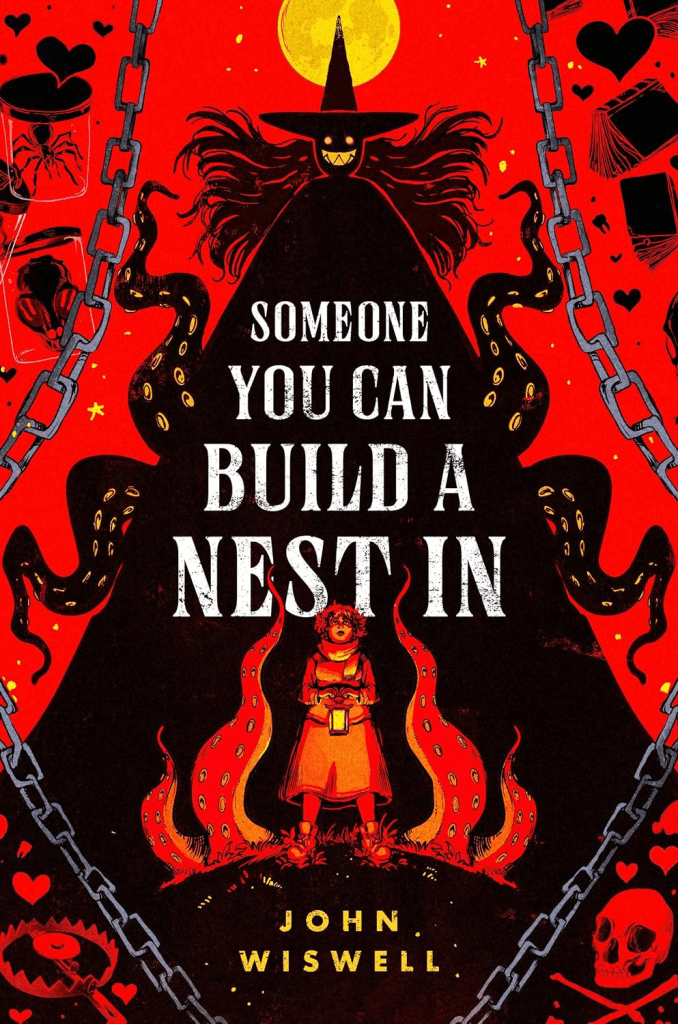
Someone You Can Build a Nest In – John Wiswellin both a literal and figurative sense, learning self-love after viewing yourself as monstrous.

“Learning to Apologize Effectively” – Deerhoof

Being a newcomer to Deerhoof is a unique experience because I can never seem to find a consensus about what they sound like—or what other people think they sound like, at any rate. One reviewer says this is a return to form, another critic says it’s some kind of new venture, like nothing they’ve ever done before. The only consensus I can seem to draw is that they’re bent on being weird—and I have nothing but admiration for that, especially after seeing the craft to their weirdness. (Learning “Future Teenage Cave Artists” on guitar and having to puzzle through not one but four odd time signatures with my guitar teacher sure was something.)

Either way, I’m almost ashamed to say that the YouTube algorithm spat this one up before me, but I’m not one to complain. I’m done being ashamed with how I found out about songs—so long as I have the song in my hands and I enjoy listening to it, what’s the issue, really? “Learning To Apologize Effectively” is much more rock-oriented (as its album, The Magic, seems to be in its entirety), with crashing. classic rock-recalling guitars. Yet even if their inspirations for this track lie more in mainstream rock, there’s that undeniable weirdness that seems to ooze from their music no matter what. Like with “Future Teenage Cave Artists,” Satomi Matsuzaki’s vocals have an uncanny quality to them, not necessarily in the sound of her voice, but in the ever so off-kilter timing of it—I can’t pin down a time signature, but in her “the song is waiting for another song” intro, each pause makes a deliberate form of obscurity, darting into an unexpected corner when you expect it to go down the well-lit hallway right in front of it. It feels like an imitation of rock from a band used to making the most deliberately strange music for most of their career—an imitation that feels almost authentic.

…AND A BOOK TO GO WITH IT:

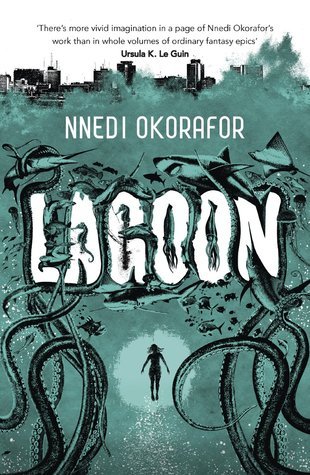
Lagoon – Nnedi Okorafor“And when we saw what we were doing wrong/We found the cause underwater, long/And then we saw what we were doing wrong…”

“Miss Amanda Jones” – The Rolling Stones

For a fleeting moment, I can pretend that this song exists in a vacuum, and that Mick Jagger hasn’t been acting like it’s 1967 for the past five decades or so. The fact that he (and Keith Richards) have actually survived long enough to act like they’re 20 for so long is almost impressive, but…yikes, dude.

As much as I rag on Jagger and company, I can’t deny that for at least a decade or so, he and the rest of the Stones could concoct some truly legendary songs. Of course they could, they’re the Rolling Stones! Yet somehow, I rarely see this one among the greatest hits—maybe it’s the rose-colored glasses shielding everything once more, but I feel like if it was good enough to name a whole character after it in Some Kind of Wonderful, that has to give it some street cred, right? (So real of them to name a character after a song just so that they could play said song in the movie. I feel like I’m gonna wind up doing that someday.) Aside from being a staple of car rides in my early childhood, it’s just so unbelievably tightly-wound. Not a single cog is winding out of sync, from the twin talents of Brian Jones’ rhythm guitar and Keith Richards’ spiky riffs—in 1966, we already had the precursor to my favorite, early-’70s guitar sound, warm and thick as a fresh pot of soup. It’s a bit too rough around the edges (for the ’60s, anyway) to really be truly jangly, but it’s got the swagger and sway that makes the rock of the ’60s so delightful to listen to.

…AND A BOOK TO GO WITH IT:

Little Thieves – Margaret Owen“Just watch her as she grow/Don’t want to say it very obviously /But she’s losing her nobility, Miss Amanda Jones …”

Since this post consists entirely of songs, consider all of them to be today’s song.

That’s it for this week’s Sunday Songs! Have a wonderful rest of your day, and take care of yourselves!