Posted in Sunday Songs

Sunday Songs: 10/12/25

Happy Sunday, bibliophiles! I hope this week has treated you well.

This week: shoutout to the Welsh for carrying alternative music at the moment. Also, I continue to eat up 99% of what Horsegirl does, and Michael Stipe appears in (somewhat) unexpected places.

Enjoy this week’s songs!
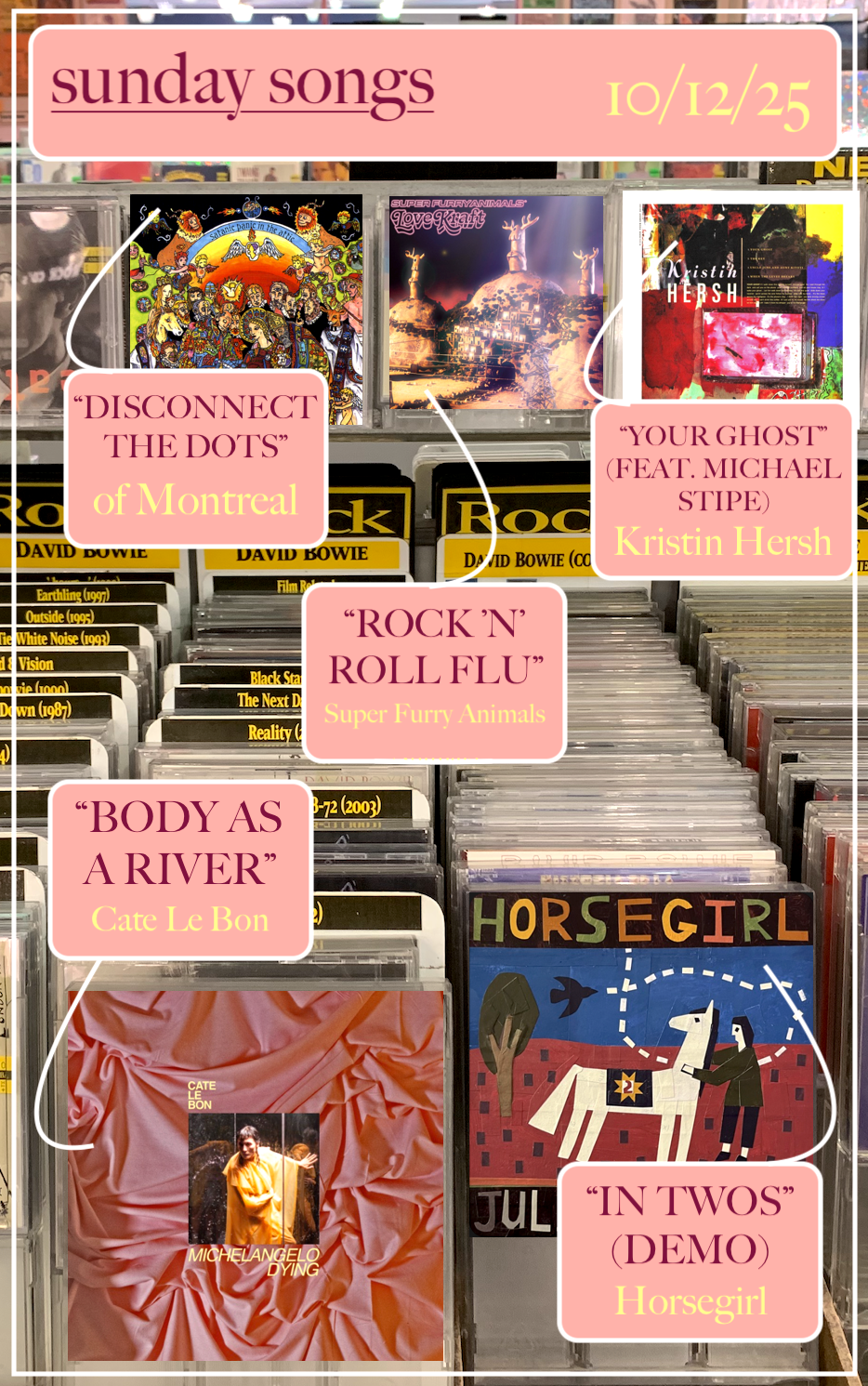
SUNDAY SONGS: 10/12/25

“Body as a River” – Cate Le Bon

Y’all. MICHELANGELO DYING! It’s a strong contender for my favorite album of the year at this point. I’m trying my best not to listen to it to death, but it’s so hard when this album has hidden sonic surprises every time I go back to it.

Since 2019, Cate Le Bon’s music has felt like an ever-expanding, tactile landscape. Listening to her last three albums feels like running your hands over a model village of an alien world, full of all manner of silken, rubbery textures charting out a world that only Le Bon has access to. Thankfully, she’s chosen to share that world with us, and her musical cartography has made me all the better. Michelangelo Dying in particularly made me feel like I was plunging through a sunlit creek, watching the sunlight dapple through the water onto my skin, watching pebbles, plants, and silvery fish dart through the current alongside me. As she maps out the prognosis of a personal heartbreak, she transforms her knotted mess of pain and grief into a vibrant swath of glistening sound; “Mothers of Riches” bobs up and down like birds vying for a mate, and “Ride,” with the help of John Cale (!!!), meanders into a searing climax and shows off Le Bon’s vocal and emotional range.

But it’s “Body as a River” that swept me off my feet and into the frigid creek waters—or the river, I guess I should say. Or maybe not: after all, “My body as a river/A river running dry.” There’s only a riverbed to speak of now, for Le Bon, a once rushing energy force now diminished by pain. It’s one of those songs that you instantly surrender to. Awash in thrumming pianos and guitars and saxophones so warped and bubbly that they cease to become instruments, Le Bon drags you along with the proverbial current. You can’t do much other than release yourself to the thrall of the music—and I’m glad to do it time after time. The entire album feels watery, but this feels like this musical concept pushed to its extreme; it all burbles and rushes like a waterfall, Le Bon’s voice layered, echoed, and pulled apart in all directions to linger in the feeling of exhaustion and transience. Her lyricism dwells in the real and the surreal in equal measure: “Do you see her/Falling on the wishing bone/Dripping like a candle?/In the pages lost/I’m holding on to sorrow and lust.” It’s a song that makes me glad to be alive in a time when, if you look hard enough, artsy people are honing their craft beneath the shadow of the mainstream, free to let their unique sound flow free like water. We don’t deserve Cate Le Bon.

…AND A BOOK TO GO WITH IT:
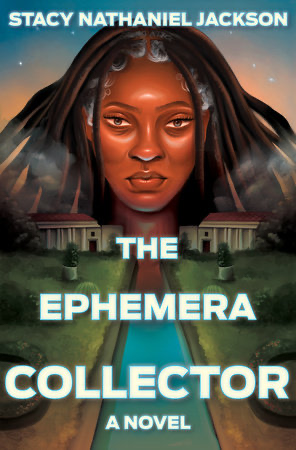
The Ephemera Collector – Stacy Nathaniel Jackson“See what you like/I read what I write/And it’s never without shame/My body as a river/A river running dry/And I’m sick all the time…”

“In Twos” (Demo) – Horsegirl

Phonetics On & On has had me in a chokehold ever since it came out on Valentine’s Day. Like Cate Le Bon’s new music, it just gives me so much joy that there are so many artists out there making music true to their quirky selves, and music that’s so catchy and creative at that. Somehow, even the demos are almost on the same level as the final products of the album—both versions of “Julie” were worthy, scratchy precursors to one of the album’s most introspective moments.

“In Twos” was a faintly melancholy bridge before the album really got up and started doing the dance from the end of Fantastic Mr. Fox, but it was one of the highlights for me in terms of songwriting. It was already a spectacular track, but somehow, this lo-fi, larval stage of it is almost better than the studio version. Practically, I feel like the lower key would’ve probably been more difficult to sing, but it feels more resonant and more fitting with the lyrics, a gentle, wistful ramble through crowded city streets. The spare instrumentals on the studio version made the melancholy more tangible, but on a personal level, I just love the more garagey sound that this demo has, chock-full of a more restrained version of the sounds of Versions of Modern Performance. Despite the wistfulness, they can never take the jangle away from Horsegirl.

…AND A BOOK TO GO WITH IT:
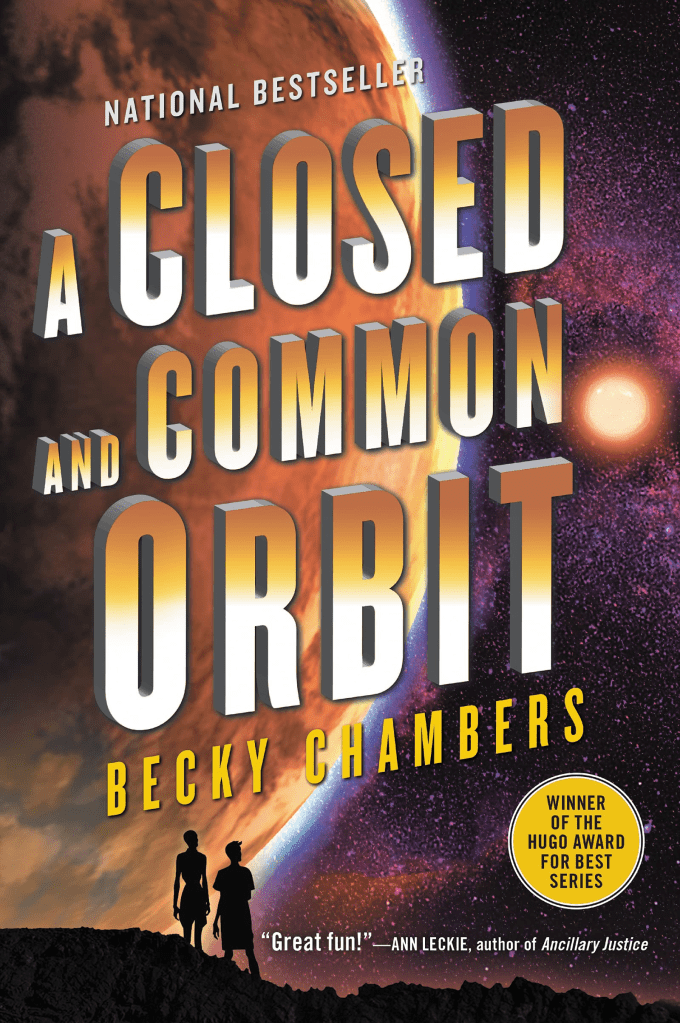
A Closed and Common Orbit (Wayfarers, #2) – Becky Chambers“Every car that passes by drives to you/Overlooked by any face just passing through/Your footprints on the street, they walk in twos/Every good thing that I find, I find I lose…”

“Disconnect the Dots” – of Montreal

Isn’t it so wonderful to look back on a musician’s sound to see exactly where the good stuff gestated? “Disconnect the Dots” is already the good stuff in question, but I swear it’s like peeling back a layer of age to see the future of where of Montreal would go in the next four years. I can practically hear an embryonic version of the anxious thrum of “Heimdalsgate Like a Promethean Curse” in the bouncing bass of this track and the ever-so-slightly off kilter, catchy dance music of The Sunlandic Twins. “Disconnect the Dots” comes right as Kevin Barnes had stepped off of the precipice of their potential; the lyrics haven’t gotten as English major delightful yet, but this feels like one of their dance songs, so it doesn’t really need those lyrics quite yet. What it does have, however, is Barnes saying “Come disconnect the dots with me, poppet”—I really should’ve seen “poppet” coming a mile away, but it’s such a quirky little additive to the song that exhibits a weirdness in Barnes that could never be suppressed.

…AND A BOOK TO GO WITH IT:
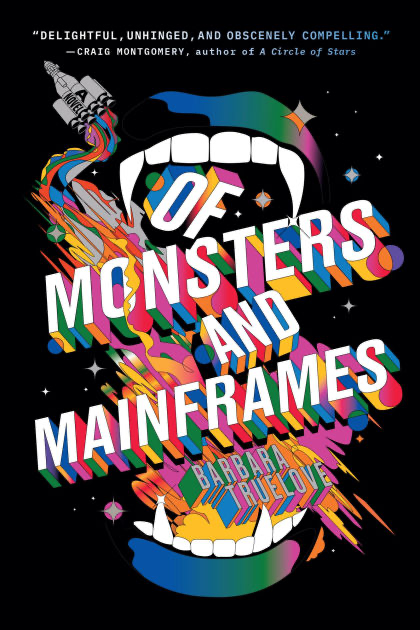
Of Monsters and Mainframes – Barbara Trueloveonly a book as bonkers as this could be befitting of a song like this…

“Rock ‘n’ Roll Flu” – Super Furry Animals

“Rock ‘n’ Roll Flu?” That’s just what happened when I saw Gorillaz and then realized that I’d gotten RSV a few days later…thank you, thank you, I’ll be here all night.

Super Furry Animals have been all but dormant for the better part of a decade, having not released new material since 2016. Separately, most of the band has been active on different projects, but after an agonizing string of teasers that lasted a solid week, Gruff Rhys and co. announced a UK tour and a reissue of their 2005 album Love Kraft. The (extreme) optimist in me is hoping that they’ll do a US tour (and come to Colorado by some miracle), but…listen, I’m glad said super furry animals have emerged from their hibernation, at least for a fleeting moment. Big fan of whatever Super Furry Animal is in this visualizer too.

“Rock ‘n’ Roll Flu,” a joyous, harmony-driven stomper, was a B-Side from the Love Kraft sessions that has just now been released. Though I haven’t listened to any of the album, it’s got some of my favorite qualities of a good Super Furry Animals song. It’s got an absolutely glistening glam sheen to it; it really seems to shimmer like a just-washed car with a handful of water droplets clinging to the surface. With its spacey instrumentals and the seamless harmonies. It’s one of those songs that seems to encapsulate the art that Super Furry Animals surrounds itself with—it’s the exact kind of song to fit in the backdrop of their universe of bold colors and cartoon creatures on rocket ships.

…AND A BOOK TO GO WITH IT:
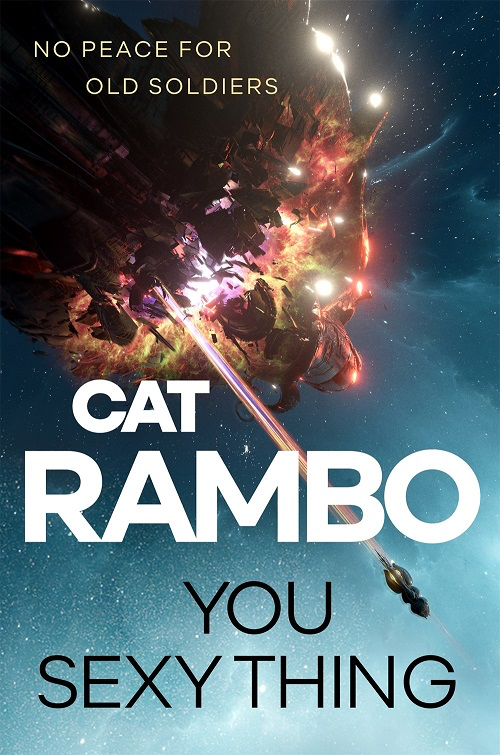
You Sexy Thing – Cat Rambothe perfect soundtrack to a bonkers yet heartfelt romp through the galaxy with a bunch of chefs.

“Your Ghost” (feat. Michael Stipe) – Kristin Hersh

There’s at least five different sayings about what you can do with three chords in a rock song, but some songs make you instantly understand every one of those sayings. It didn’t even occur to me that “Your Ghost” is comprised of only three main chords until I listened to it more closely. That might be a consequence of the cello in the background making it appear more lush and complicated, but it’d be lush without it. That’s that talent of someone like Kristin Hersh; she weaves a narrative so haunting and compelling that you barely even notice how deceptively simple the composition is.

Conflicting sources about this one have said that it’s either about Hersh’s struggles with schizophrenia as a teenager or grappling with the death of a close friend. Either way, the lonely yearning for something just out of reach resonates in every note. The music video, directed by Katherine Dieckmann, captures that feeling of an early 1900’s house with aging decorations that I associate with a solid handful of Hersh’s songs. This time, it’s cast in a more decaying light as Hersh sings of being mocked by memories and visions: “So I pad through the dark and call you on the phone/Push your old numbers/And let your house ring/Till I wake your ghost.” Her lyricism is nothing short of evocative, and the verbs are really doing the heavy lifting—her “pad[ding] through the dark,” and instead of simply waiting on the other line, she “slide[s] down your receiver/sprint[s] across the wire” as she yearns for someone to answer her. Nothing does, but this ghost, whatever it may represent, drives in circles around her in dreams, almost mockingly, as if taunting her with the reminder of mortality. When I first heard “Your Ghost,” I was floored by the fact that Michael Stipe and Hersh had crossed paths, but in retrospect, I really shouldn’t have been. I guess they did run in similar circles, and if you slicked up the production and added some mandolin, this could’ve been a cut from Green. But he proves a fitting duet partner for Hersh, whose voice echoes through the decaying wooden slats of her decaying house and onto a forlorn wind.

…AND A BOOK TO GO WITH IT:

What Happened to Ruthy Ramirez – Claire Jiménez“You were in my dream/You were driving circles around me…”

Since this post consists entirely of songs, consider all of them to be today’s song.

That’s it for this week’s Sunday Songs! Have a wonderful rest of your day, and take care of yourselves!

Posted in Sunday Songs

Sunday Songs: 12/29/24

Happy Sunday, bibliophiles! I hope this week has treated you well.

This week: Patchwork songs, and a few too many lyrics that hit me like a train. It’s the final Sunday Songs of the year…I might as well ramble.

Enjoy the final Sunday Songs of 2024!

SUNDAY SONGS: 12/29/24

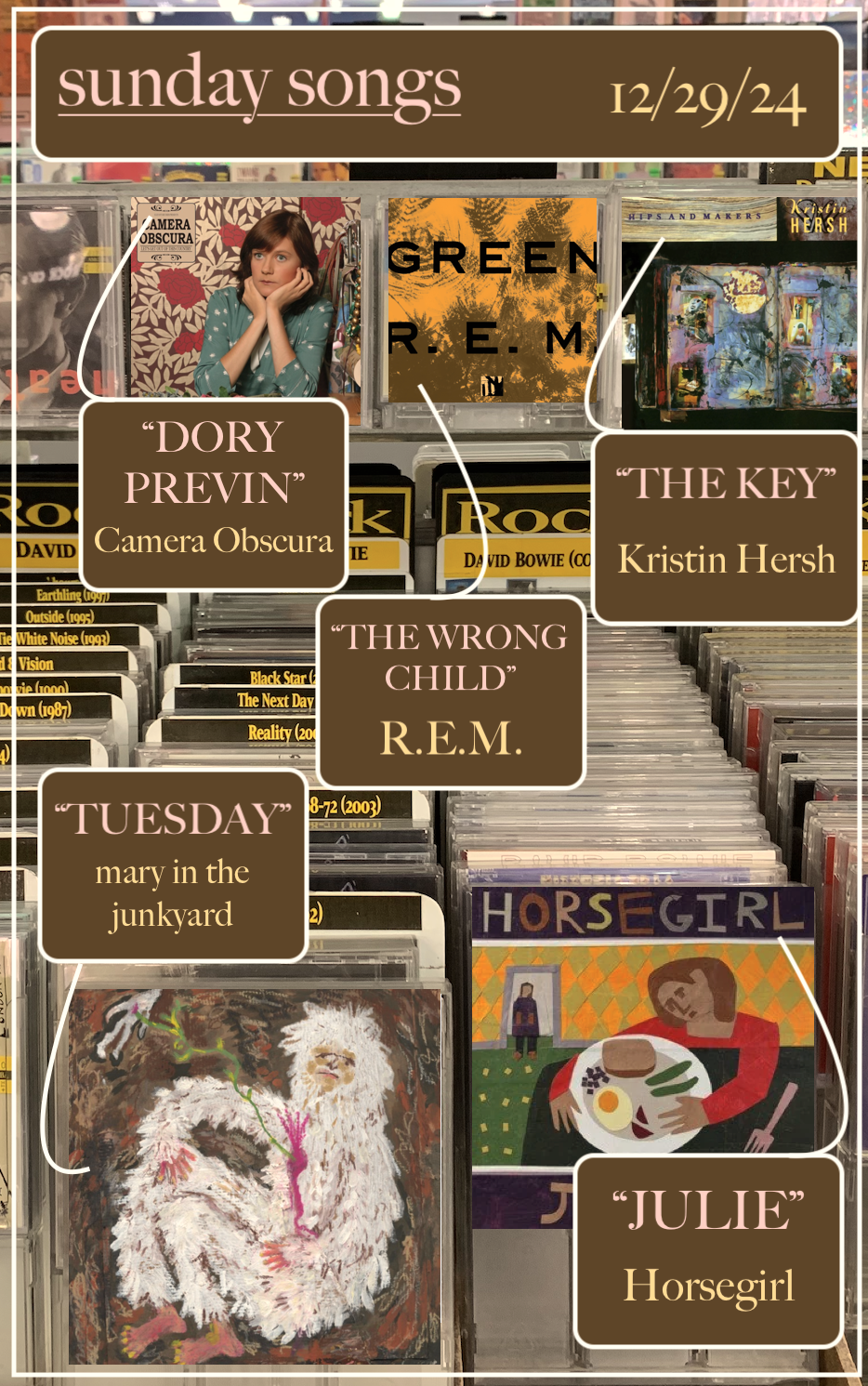
“Tuesday” – mary in the junkyard

“this is my california” was my introduction to mary in the junkyard, but “Tuesday” was what convinced me to like them. [slides glasses up bridge of nose] Having listened to their entire discography now (read: a four-song EP and three singles), I gather that, whenever it comes time for them to release an album, I’ll be happy with the product, but I really, really hope that “Tuesday” is more the direction that they go in.

“Tuesday” might as well be three songs Frankensteined together into a neat five minutes, but in its shambling, stitched-up form, it packs an unexpected punch. Imagine: three figures hunched over a cauldron. One adds something adjacent to your typical sadgirl indie, one adds the juiciest bass-line you’ve ever heard, and another adds a skittering tribute to Radiohead’s “2+2=5.” Pieces of the patchwork monster reveal themselves in the light in the form of Clari Freeman-Taylor’s lyrics—a favorite of mine is “I feel like an alien here/Breathing from a separate hole.” As…gross an image that potentially conjures (no, not that hole, GET YOUR MIND OUT OF THE GUTTER), it’s apt for the jerkily combined spare and found parts of this song. It’s an urgent sprint through a foreign landscape, furtive as it darts into alleys and backroads as it tries to find its way around. The disheveled yeti in the music video seems more whimsical than the lyrics imply, but it’s nonetheless a story of a creature out of its element.

Freeman-Taylor, when interviewed for The Line of Best Fit, explained that “Tuesday” was written about living in the city for the first time: “[I] was feeling very small…I wanted to write about my yearning for chaos and realness—we all have wildness within us that we might be suppressing and we shouldn’t feel like aliens because of it.” Wildness and chaos are what stands out to me—”Tuesday” scampers with the speed of a frantic prey animal, cornered as it finds a new burrow to dart into. Cities and nature have a very different kind of chaos to them—a city’s chaos feels bred by the bustle of machinery and productivity, and it becomes so compressed and rushed that order births chaos; nature’s chaos comes only from the cycle of itself. That clash of opposite breeds of chaos is where “Tuesday” finds its not-so-happy, alien(ated) medium, the space between the shards of flint where the embers crack away.

…AND A BOOK TO GO WITH IT:

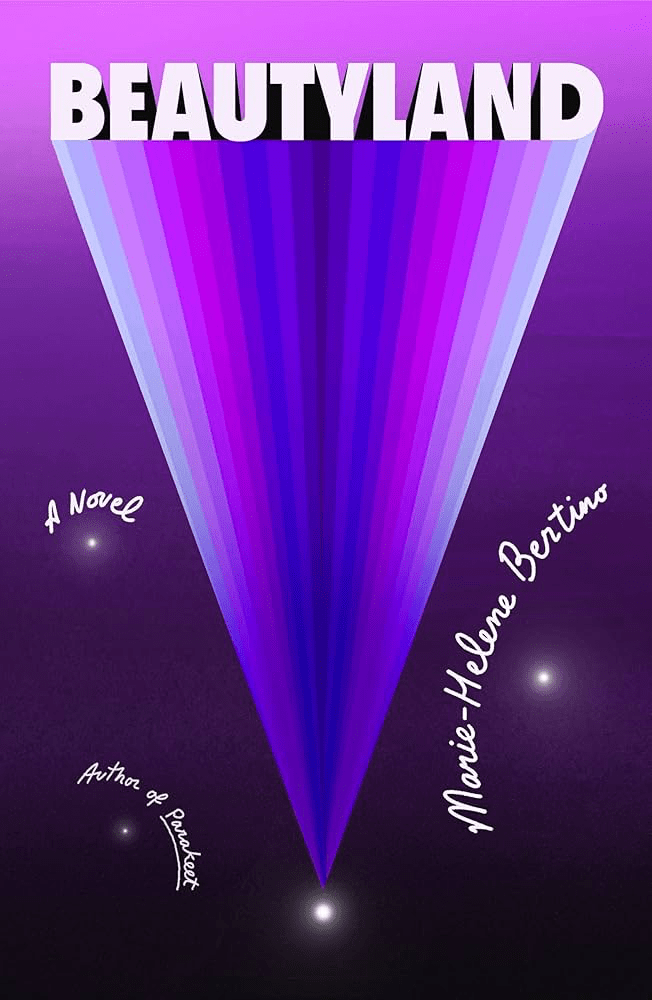
Beautyland – Marie-Helene Bertino – isolation, alienation, and surviving both from suburbs to big cities.

“Julie” – Horsegirl

First off: in concert with an excellent song, I have to praise this incredible music video by Daphna Awadish Golan! Her style melds so well with the collaged aesthetic of Horsegirl’s album covers and sound; the music video consists entirely of black and white footage of cities, animals, and people colored in with pastels that jump away from the grainy shades of gray.

As for “Julie” itself, the song makes me even more excited for Phonetics On & On just because I entirely can’t pinpoint the direction that Horsegirl are going in—and that excites me so much. Sure, albums have their more energetic points and their slower points, but this track is only one song away from “2468” and lands just past the halfway mark of the album. Their first album, Versions of Modern Performance, was fairly cohesive in its tempo and the invitations of different sounds and lyrical styles; aside from the instrumental interludes, there were never any slowdowns unless it was to watch a song crumble (“The Fall of Horsegirl”), but even that was crunched out and artsied-up to the extreme.

That’s not to say that “Julie” isn’t artsy, but it touches a more introspective side that the band have rarely reached thus far. The skeleton, aside from the slower tempo, is as Horsegirl as ever: guitar slides that dart around like frightened koi in a pond, buzzing synths, and a healthy dose of “da-da-da-da”s integrated throughout. (Is it really Horsegirl if there’s no da-da-da-da?) Yet the lyrics deviate from their usual style of sticking nonsense phrases together. Whether or not there’s a real Julie behind it, they extend reflection and comfort towards a figure: “Well, there’s something on your plate/You wish it was morе than you could take/We have so many mistakеs to make/What do you want from them?” It feels like an encouragement to break from monotony and form; the colored-over footage of subways in the music video emphasize that impression, but the mistakes to make feels to me like an encouragement to be human, to break free of a routine or lifestyle that isn’t necessarily crushing, but nonetheless doesn’t serve you either. With the way that the Horsegirl gang has with weird words, it doesn’t surprise me that they have something more emotional in them, but either way, it’s a promising glimpse of Phonetics On & On.

…AND A BOOK TO GO WITH IT:

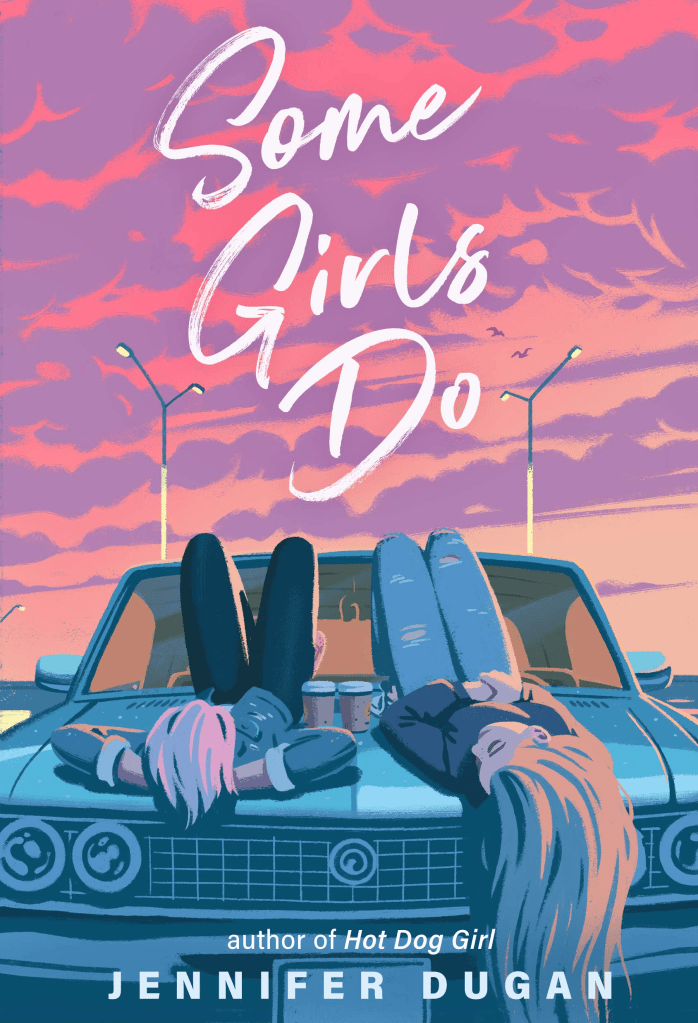
Some Girls Do – Jennifer Dugan“To have the same dream three times a week/Favors too big for you to keep/I have so many mistakes to make/Mistakes to make with you/You know I want them too…”

“Dory Previn” – Camera Obscura

The two-week gap between it doesn’t do it justice, but I’m reaping the benefits from Suki Waterhouse’s episode of “What’s In My Bag?” She’s got taste.

What is it with Scotland and cranking out soft-sounding indie pop bands in the late 90’s and early 2000’s? Does the weather necessitate that kind of tempo? No complaints of course, knowing that they produced this and Belle and Sebastian, who Camera Obscura were heavily influenced by. Even from all the way across the pond, “Dory Previn” has a nearly country twang, but it’s distinctly indie-pop, with its ever-stargazing, wistful delivery of Tracyanne Campbell’s lyrics or the muted instrumentals. The album title, Let’s Get Out of This Country, suggest more urgency, but “Dory Previn” implies that the sentiment is more out of quiet resignation; it’s a song at the crossroads, not ready to give up a lover, but at the same time “Sick of the sight of my old lover/Went under sheets and covers to get away from him.” Simultaneously wrapped up in the waning colors of the sunset and right smack in the emotional middle of 2 a.m., it feels like the exhausted yet determined position right after you’ve cried your eyes out; you’re embarrassed it took this long to decide, but you’re making a change—for Campbell, it’s the mantra-like repetition of “I think it’s time/I put him out of my mind.”

…AND A BOOK TO GO WITH IT:

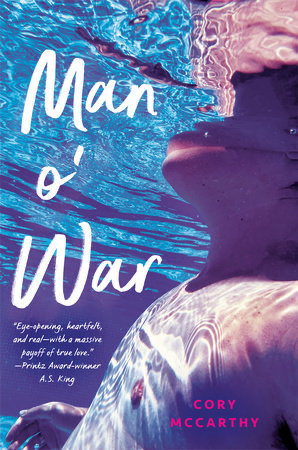
Man o’ War – Cory McCarthy“So I took a glimpse of Montana/Now nothing else matters/I’ll heal eventually…”

“The Wrong Child” – R.E.M.

Can we talk about Green? Genuinely, I think the only thing wrong with the album is that the album cover isn’t green. Probably a joke between the band members and the album artist, but the burnt shade of yellow on the cover does somehow fit how the album feels—sunny, but in a humid, Southern way. Sometimes it’s the eager yellow of energy and intent (“Get Up,” “Stand”), and other times it’s the fading yellow of a sunset over memories curling up and going sepia (“I Remember California”).

I’ve loved this album since late high school, but “The Wrong Child” was one that I was so used to skipping when it came on shuffle that it became lost. To be fair, the beginning is one of the less listener-friendly ones of the album, immediately opening with the out-of-sync clash of the mandolins and the key that Michael Stipe is singing in. (Can we talk about those mandolins? If anything else, Green will make you appreciate what a mandolin can do.) Once you stay with it—and I’m so glad I did on that fateful night in early December—it contains some of Stipe’s most evocative poetry on the whole album. The first verse should be in masterclasses about the ability of music to set a scene:

I’ve watched the children come and go/A late long march into spring/I sit and watch those children/Jump in the tall grass/Leap the sprinkler/Walk in the ground/Bicycle clothespin spokes/The sound the smell of swingset hands…”

The smell of swingset hands! It’s so specific, but I can smell exactly what Stipe is describing, the medley of the sweaty scent of skin with the tang of metal smeared all over it. There’s some gravel mixed in if I dig deep enough. I can feel the tickle of every blade of grass, each ray of sunlight. But more than that, I can feel the deep-seated aching of this song. Over the years, there have been a variety of interpretations of the song, everything from a burn victim reintegrating into society to a young gay boy’s experience of homophobia. In 2008, Stipe admitted that he’s “fine with any and all interpretations that aren’t manifested in real life as harmful, hateful or violent,” but that it was loosely centered around “a kid who is physically handicapped, and left it purposely undefined.” It is distinctly othered song. I can’t relate to the severity of what the subject experiences, but even some of it rings true for me; I did feel isolated from my peers for quite some time, in part due to my SPD, among the varied things that made me different. There was never that outright bullying, but I could see it all in the periphery, the kids that laughed behind their hands whenever I had what they saw as an overreaction to an unexpected sound—some of that “Hey those kids are looking at me/I told my friend myself/Those kids are looking at me” certainly put a bit of a knife in my gut. But this subject has become so removed from society for whatever reason that they yearn for the outside world, even if its occupants do nothing but torment them. They attempt to self-soothe, but in the end, they try to mold themself to the outside world instead of the other way around, repeating the chorus like a mantra: “I’m not supposed to be like this/But it’s okay.” And god, Stipe’s delivery of “it’s okay,” the bleeding rawness of it…oh, god. Yeah. It gets me every time. It delivers that sense that the subject is trying so hard to justify their existence and their right to play with the other kids that they’ve convinced themself that they are inherently wrong. They try and try, but never reach the happiness the other kids have, and the only way they know to try to reach it is to convince themself that they’re the problem, not the prejudice and taunting of the others. That is what any kind of prejudice does to you: it convinces you that, even if you were born in the same way as humans have been reproducing for millions of years, that you’re wrong, and not the fabricated idea of rightness taught from a young age. In the end, I’m glad that Stipe kept the subject undefined, because it does provide a kind of sanctuary, a reassurance that none of us are alone in this experience, whichever lyric rings true.

…AND A BOOK TO GO WITH IT:

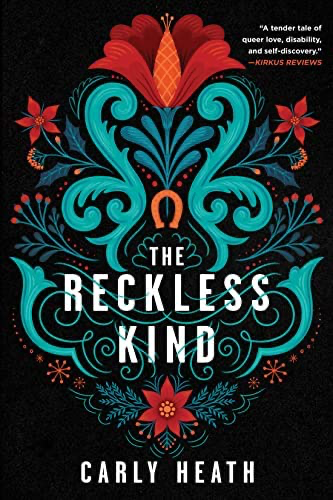
The Reckless Kind – Carly Heath“Hey those kids are looking at me/I told my friend myself/Those kids are looking at me/They’re laughing and they’re running over here/They’re laughing and they’re running over here/What do I do?”

“The Key” – Kristin Hersh

“You don’t inspire a metric ton of trust/’Cause I’m on fire, and so is all my stuff.”

There. I could just leave it at that, and it would explain the whimsical cleverness of this song, kind of like “Little Bird,” which I talked about back in July. Once again, that wouldn’t work, simply because there are just too many good lyrics here. Leave some for the rest of us, Kristin! God. So selfish. Can’t we get some of whatever creativity inspired “If I lived in a pumpkin shell/I’d have the key/And if I had a daughter/She’d look a lot like me?”

I may use the word “whimsy” quite liberally, but there’s a kind of ethereal whimsy to “The Key” that I can only describe in images. This song was a frequent visitor in my dad’s car when I was young; I associate it the most with nights spent on the car ride back from dinner or road trips. As the sky darkened, so did the images in my mind—not in emotion, just in the amount of light that was let in. Kristin Hersh felt candlelit, the kind of music meant to soundtrack a child’s nursery in the early hours of night. The lyrics nearly call to mind Lewis Carroll—save for the absence of made-up words, I wouldn’t bat an eye if you attributed “Copper and snow/Make a dusky blue boy” to one of his poems, if he’d condensed them more. Less British, of course. (Maybe that’s for the best.) We’re not getting too “Walrus and the Carpenter” with it, but we sure are close. “The Key” is inherently soft; in that children’s bedroom, dated maybe 100 years ago, with flowery, peeling wallpaper and lacy curtains, I can see a pink, plush blanket over a bed tucked in the corner, yellowed by a lantern on the dresser. Hersh’s fingerpicking has a comforting repetition to it, chords blending into each other as gently as freshly-washed hair splays out across a pillow. In between all of these images, there’s a ballerina in a music box that squeaks as it spins in a circle. Sometimes it’s the one I had as a kid, sometimes there are subtle tweaks—longer hair, different painted eyes. Like that music box, the repetition is soothing in a way that few songs are—the song’s outro of “and we’d dance all night” is a promise, and one filled with golden-lit joy to come. As Hersh’s guitar fades out, I see that mother and daughter, dancing in circles. I didn’t quite get it when I was younger, but that repetition, that security, swaddled me up like a blanket.

…AND A BOOK TO GO WITH IT:

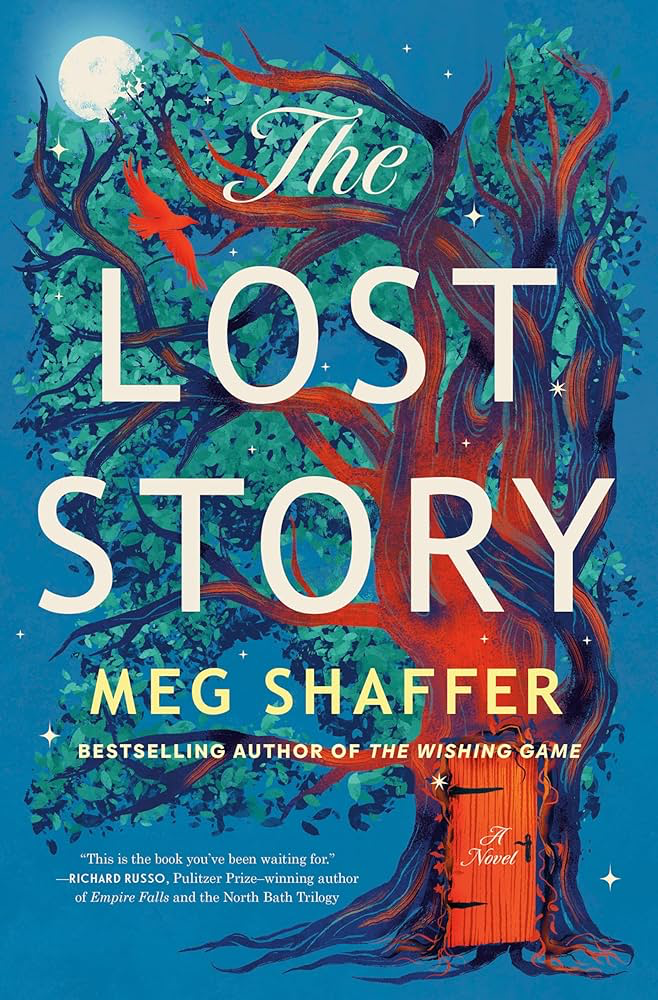
The Lost Story – Meg Shaffer“If I lived in a pumpkin shell/I’d have the key/And if I had a daughter/She’d look a lot like me…”

Since this post consists entirely of songs, consider all of them to be today’s song.

That’s it for the last Sunday Songs of 2024! Have a wonderful rest of your day, and take care of yourselves!
Posted in Sunday Songs

Sunday Songs: 9/15/24

Happy Sunday, bibliophiles! I hope this week has treated you well.

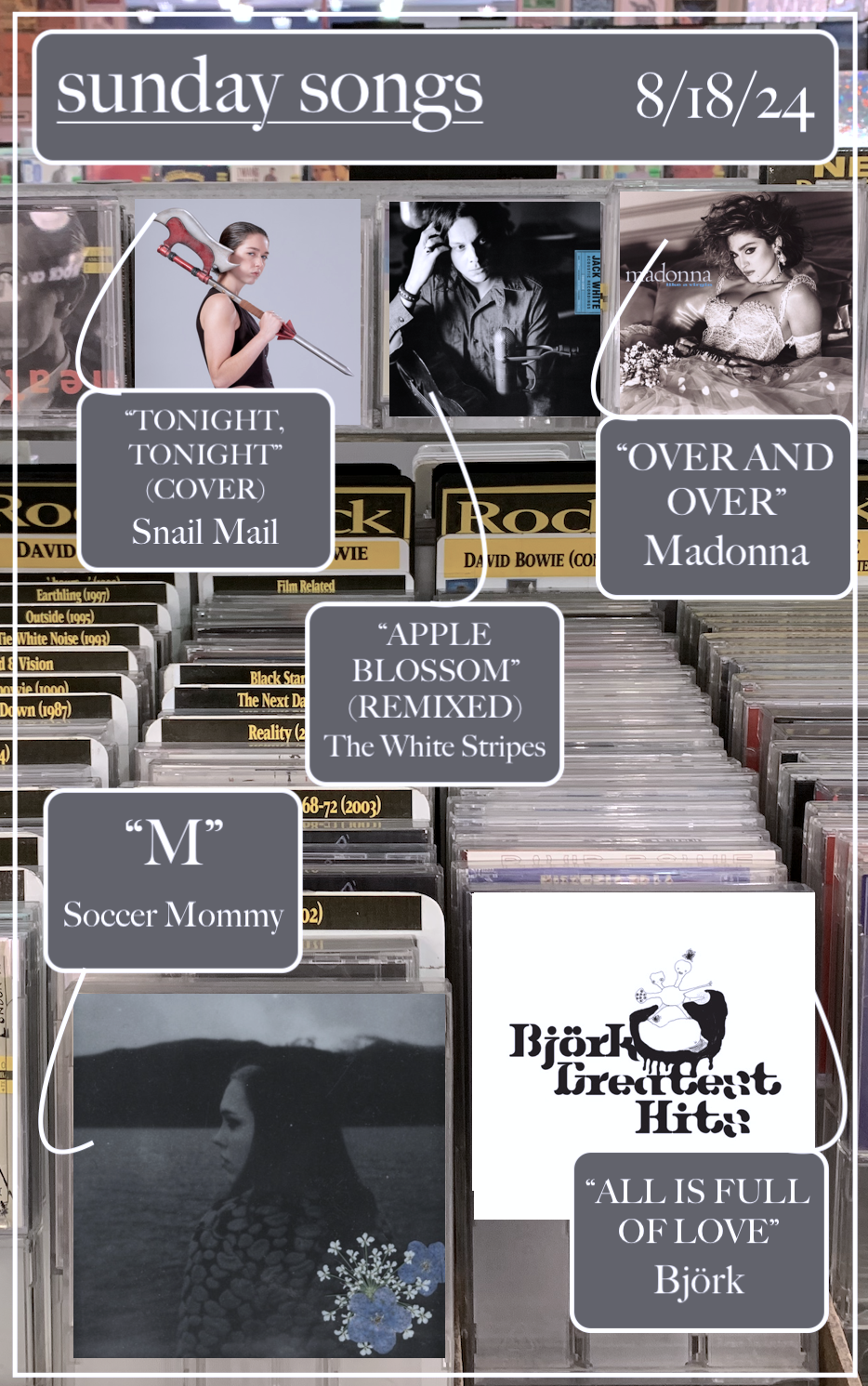
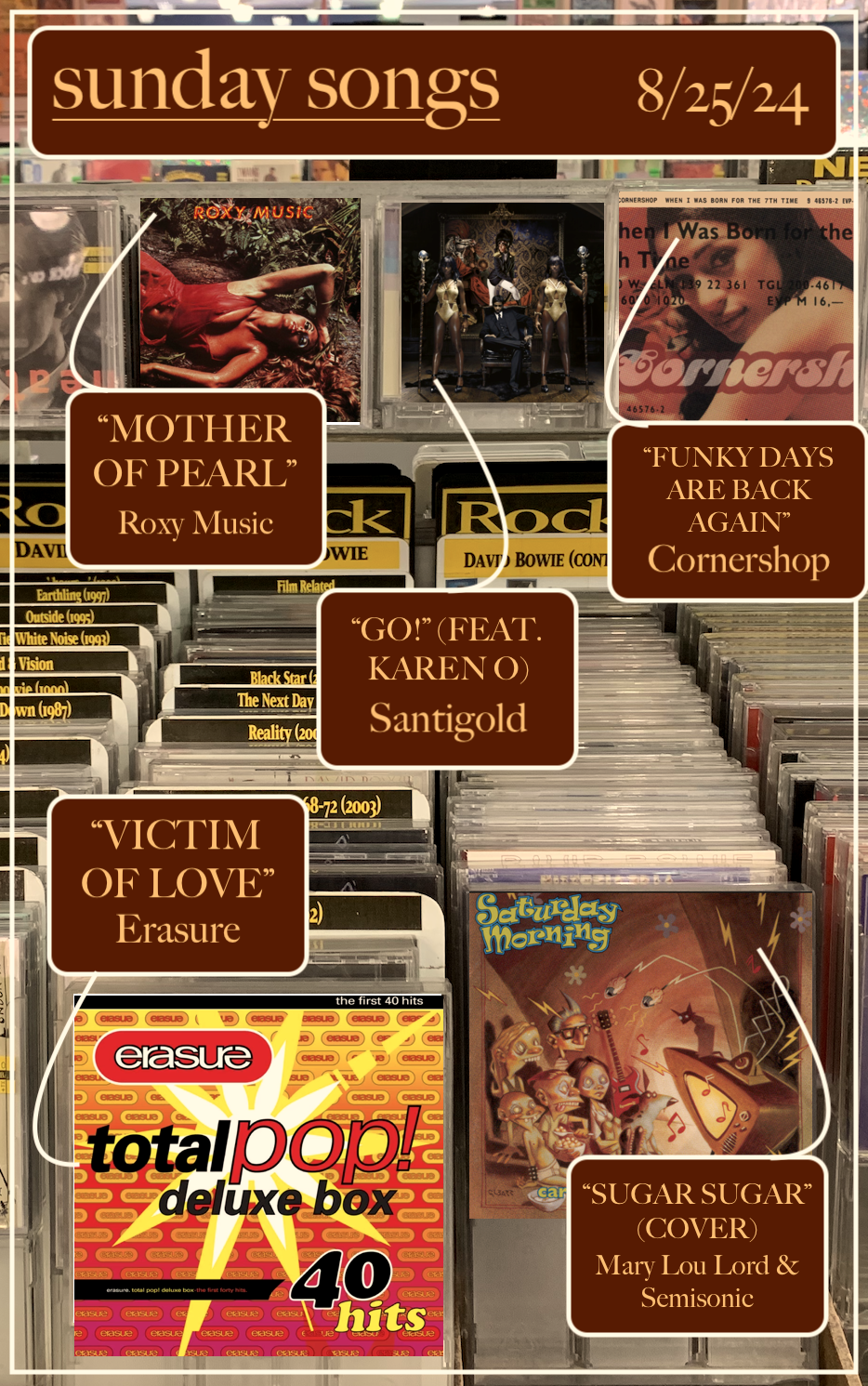
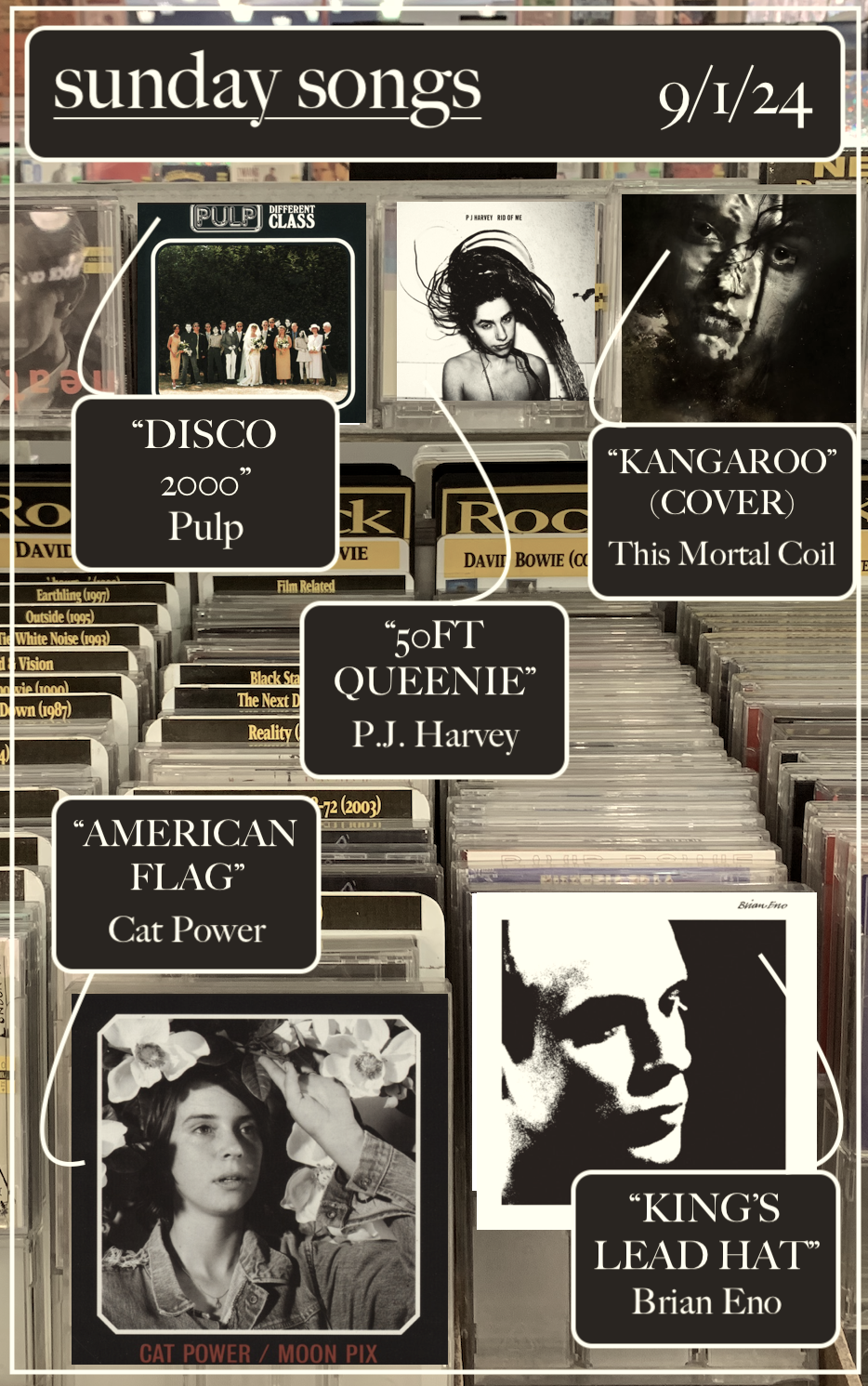
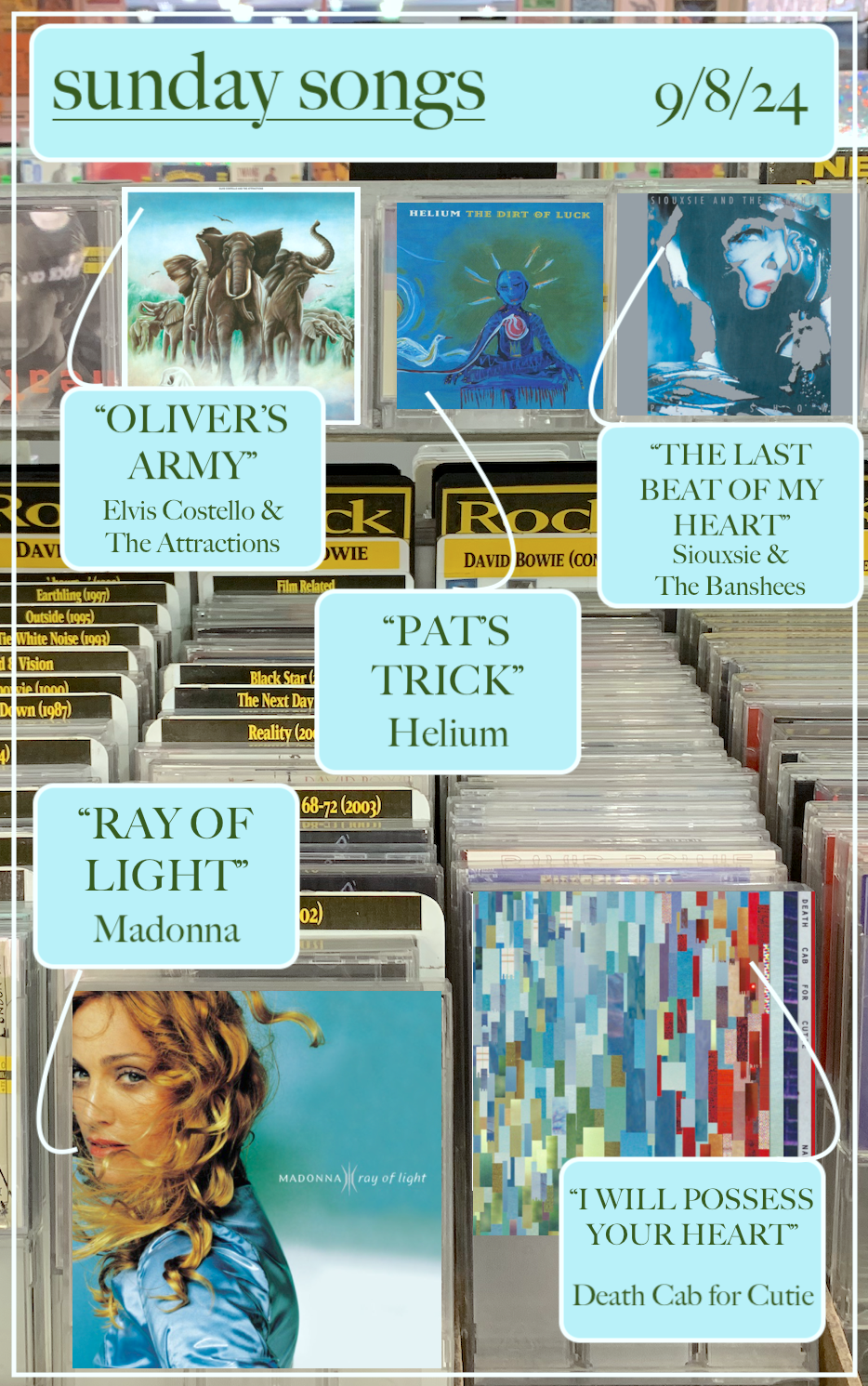
Before I get into today’s songs, I’ve also compiled my graphics for the last few weeks when things got busy. I made them (because I love making silly little graphics and giving them silly little color palettes), so, for your casual perusal, here they are:

8/18/24:

8/25/24:

9/1/24:

9/8/24:

This week: contradictions, distinctive voices, people who deserve to cover The Beatles, and…okay, the jury’s still out on whether or not what seems to be the final boss of hipster white boys can pull off mariachi, but that’s here too, I guess? I don’t know enough about mariachi to judge…

Enjoy this week’s songs!

SUNDAY SONGS: 9/15/24

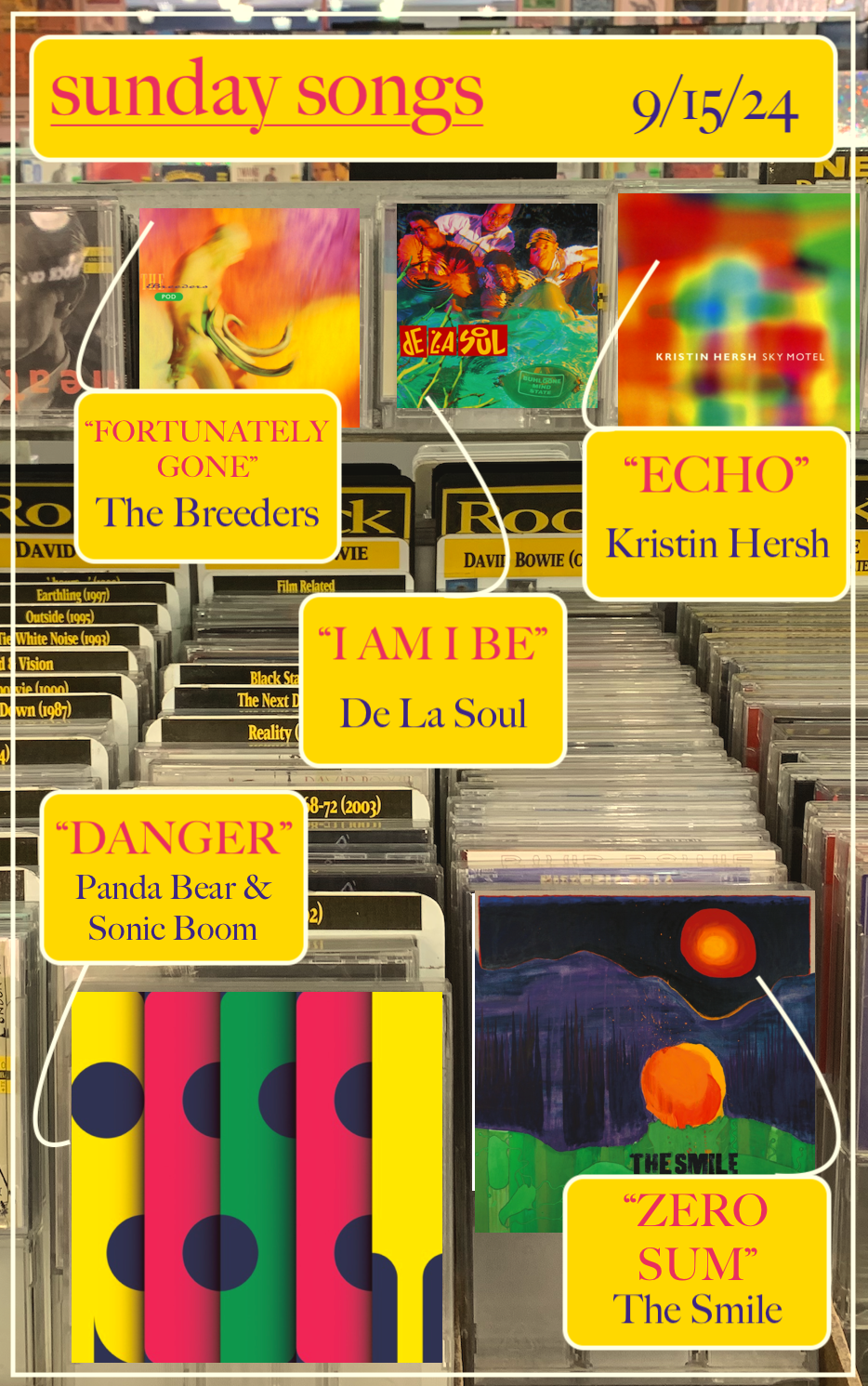
“Danger” – Panda Bear & Sonic Boom

There’s something to be said for how distinctive Panda Bear (a.k.a. Noah Lennox) sounds—so much so that, having only heard a handful of his songs, when I heard that he had a hand in “Danger,” my immediate reaction was oh, that makes complete sense. What made even more sense was Sonic Boom (a.k.a. Peter Kemper); I had no idea what his deal was until my dad explained that he was one of the original members of Spacemen 3…and all of the puzzle pieces came together in complete harmony.

Someday, in some future age, I’ll bet that some scientists will come up with a way for us to be able to physically touch music. (It physically touches us, in a way, so maybe the inverse isn’t all that far away…who knows.) Whenever they come out with the playlist and the associated objects or capsules of sensation, I dearly hope that “Danger” is among the first, because it’s already a step ahead of the game; it’s so textured and layered that you can almost feel its tendrils brushing against your ear. Technology and creativity have collided to the point where these two have made a song that sounds exactly how it feels to touch one a puffer ball—y’know, the squishy balls you get at Walgreens or something with all the noodles sticking out? All manner of electronic textures were thrown in the stew pot, and the result is so elastic yet so hard-edged, so malleable yet so solid, so transparent yet so dizzyingly dense. Panda Bear’s voice, whether it’s singing or just letting out a spontaneous pigeon’s coo, collapses into neon dust motes with every note.

I’d that imagine that somebody with synesthesia (specifically chromesthesia, the variety where the person links sound to colors, shapes, and movement) would have a field day with the densely-packed prize box of auditory textures in “Danger.” Even with the cries of danger, I feel myself pulled under, drowning in a sea of spores and rubber, with every listen. Maybe that’s the danger—slipping under as your senses surrender to the prickles of this song?

As if making a whole album of, presumably, the same layered insanity (see also: “Edge of the Edge”), Panda Bear and Sonic Boom released an EP with Mariachi 2000 de Cutberto Perez consisting entirely of mariachi renditions of several tracks from Reset, including “Danger”—now reworked as “Peligro.” I’m not sure if I’m fully on board, but…those visuals should’ve been with the original track in the first place! All the colors and morphing shapes…

…AND A BOOK TO GO WITH IT:

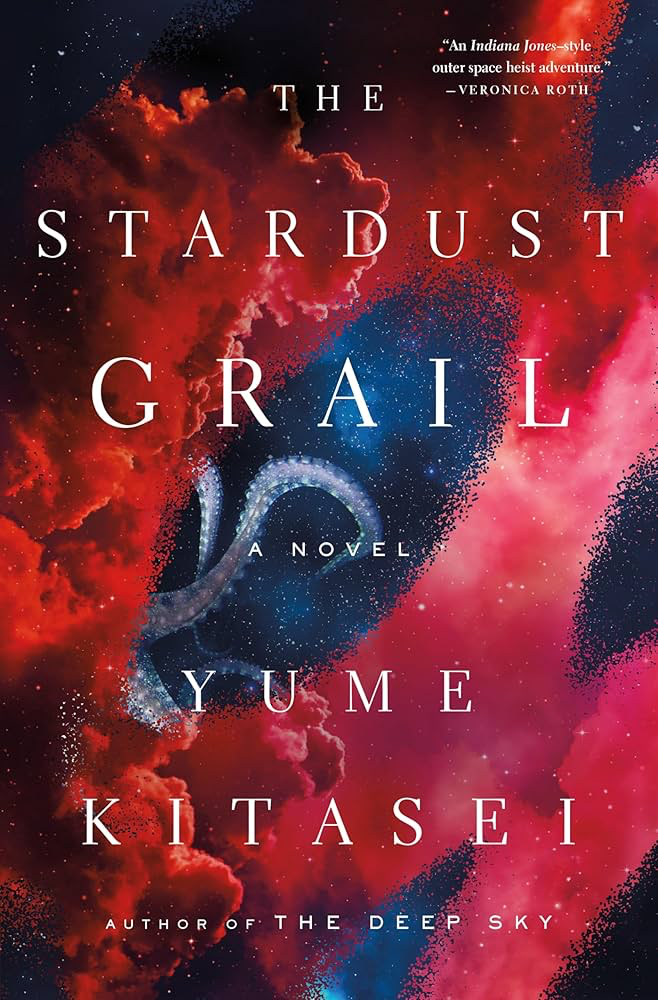
The Stardust Grail – Yume Kitasei“All that you do for me/Can’t you see what you do to me?/Gave you a pot for the tea to brew/Give me a spot for the art to grow…”

“Zero Sum” – The Smile

Here I was thinking all of my most anticipated albums of 2024 had come and gone…two Smile albums in one year? WE ARE SO BACK. THOM YORKE HAS BLESSED US!! Between this, the TV on the Radio reunion, new Soccer Mommy in a little over a month, and a Kim Deal solo album on the way…the party’s far from over! Days like the one with the trinity of TV on the Radio, Smile, and Kim Deal news make me remember how silly the people who claim that there’s “no good music anymore” truly are. That’s all on you, chuckleheads. Skill issue. Look harder. (Apply this mentality to all forms of modern media. Add water and stir. You’ll find what you’re looking for.) And sure, all of the bands I mentioned either are or have been a part of mainstays in the alternative scene, but that doesn’t negate the fact that innovative music is still being made, dammit. And if you’re looking for somebody truly new? Boom. Soccer Mommy.

I anticipated that there was going to be at least one more album from The Smile on the horizon, but it really does seem that Yorke, Skinner, and Greenwood just cannot stop their creative flow, and god, I am so grateful for it. Although their first offering, “Don’t Get Me Started,” was…weaker, though not bad by any stretch of the imagination, the official album announcement of Cutouts came with twin singles “Foreign Spies” and “Zero Sum.” The latter was the obvious standout, and not just because it’s the only fast-paced one of the bunch. The Smile and slow-paced songs are by no means a bad combination, but “Zero Sum” is just so supercharged with frenetic energy that it automatically stands out. Chances are, if you happened to inject this song in liquid form into the veins, it would probably have the effect of chugging 5 energy drinks in one sitting. It’s just so spidery, so rapid and skittering that you get eyestrain from trying to track just where the beat goes. I can already see Thom Yorke’s signature jerky, angular dance moves onstage once they slip this into the regular rotation for the tour. (You guys are doing an American tour, right? Right? Right?) Horns triumphantly blare amidst the mile-a-minute guitars and synths (now that’s some “FASTER, JONNY” for you), and Yorke, of course, has a dystopian, buzzword-filled collage of lyrics: “Thinking all the ways/The system will provide/Windows 95, Windows 95.” If there’s anybody who can get me dancing to a repetition of Windows 95, of all things, it’s these guys.

Oh, and…RADIOHEAD HAS BEEN REHEARSING, YOU SAY? I hereby apologize for my inevitable outbursts once a) Cutouts comes out, and b) whatever the hell comes out of this Radiohead Rebirth. WE ARE SO BACK!!!!!!!!!!

…AND A BOOK TO GO WITH IT:

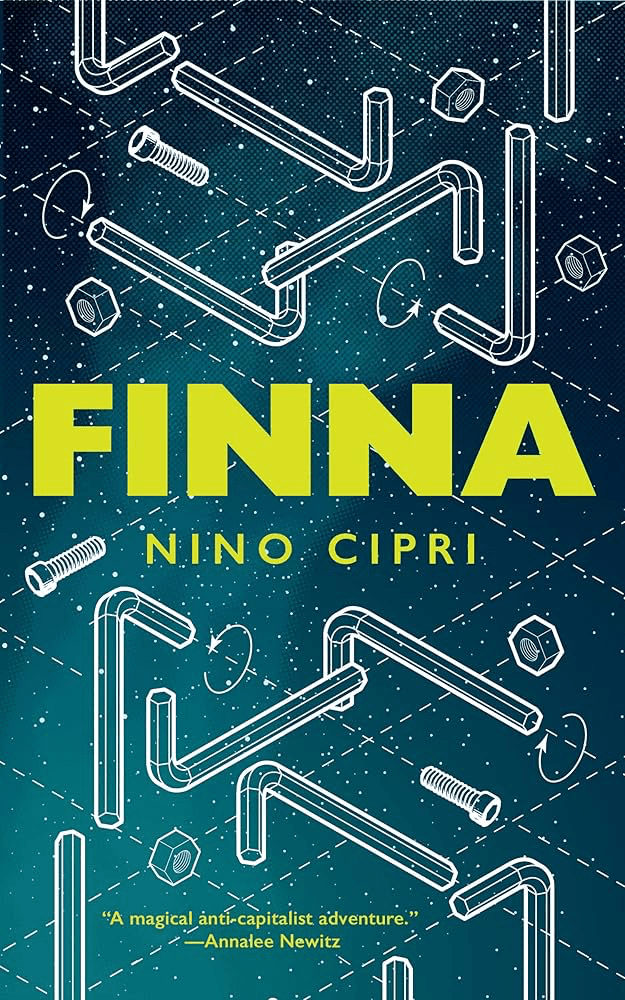
Finna – Nino Cipri“A clipped tongue, acting dumb/Somewhere in the past in a re-run/Thinking all the ways the system will provide…”

“Fortunately Gone” – The Breeders

I don’t typically associate The Breeders with any kind of whimsy. Not like they’re some kind of depression-fest or anything, but they’re not afraid to get on the heavier, crunchier side of things—listen to any track from Last Splash and you’ll know what I mean. So when I paid attention to the lyrics, it was a surprise to see how plainly and delightfully nonsensical they are; “Fortunately Gone” reveals its heart right in the opening verse: “I wait for you in heaven/On this perfect string of love/And drink your soup of magpies/In a pottery bowl.”

The more I think about it, the less surprised I should’ve been by this divergence into tenderly fantastical lyrics. I say that because Kim Deal’s voice feels molded for this purpose. No matter how much distortion you throw at her, there’s a bare-hearted openness to her voice. Her voice is the healing of a scar on your knee, always tender, but never without some semblance of hope, joy, or some manifestation that blood and bruises aren’t all there is to life. Even amidst the grit and ominous air they artfully paste over their cover of The Beatles’ “Happiness is a Warm Gun,” complete with the muted flick of a lighter brought to life, Deal whispers the title refrain with the tone of a child in an empty room watching sunlight peek through the slats of window blinds. That same hope is what buoys this tale, a story of a woman in heaven waiting for her past lover to die so that they may reunite: “Fortunately gone, I wait for you.” Kim Deal was made for the role of this lovelorn, afterlife-confined piner, and nudged into less than two minutes, every tender note lands just as the lyrics tell you so: “Sweetly as it drops upon your head/Just like it did today.”

…AND A BOOK TO GO WITH IT:

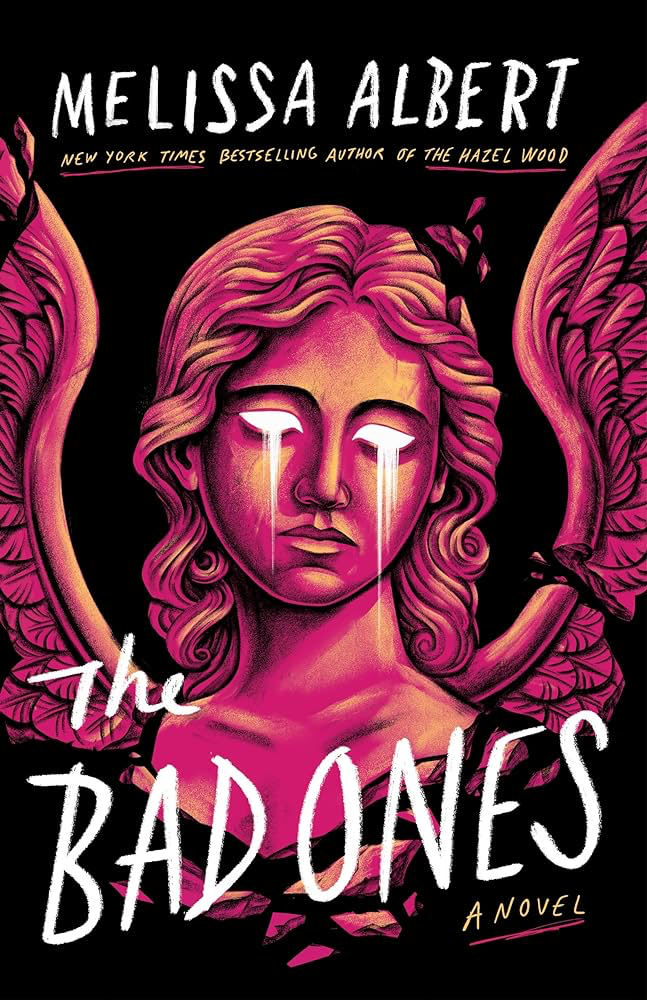
The Bad Ones – Melissa Albertreaching through the veil to find out the truth about your best friend’s death—not just in terms of what killed her.

“I Am I Be” – De La Soul

I’m inevitably getting all College™️ with this one, but can you blame me? I spent the other day talking about how this Richard III monologue displays the dissolution of the character’s sense of self. The amount of contradictions it has fits more with the next song I’m discussing (see below), but the clear-cut divisions reminded me of the title here—”I Am I Be.” It functions partly as a vehicle to add in some silly guest features and ad-libs throughout the song, starting with “I am Shortie, I be 4’11′” and devolving into silliness in the background as the song progresses (“I am Patrick, I be the biggest shrimp collector in the world,” and by the end “I am Bob, and I be really tired of doing this, guys”). After their hard left turn into cynicism of De La Soul is Dead, there’s no denying that their propensity for goofiness never faded away, however much they wanted to deny it.

But as a part of the lyrics, “I Am I Be” functions as parts of the self. After three albums, all three members of De La Soul had gotten squeezed like an empty tube of toothpaste to form an image, whether it was the flower power revival of Three Feet High and Rising or the pressure to crank out another classic post-De La Soul is Dead. From the snatches of Buhloone Mindstate that I’ve listened to, it seems like this album was the limbo outside the two—not completely happy-go-lucky again, but always willing to push the boundaries of what hip-hop could be. They were determined to not let the music industry grind them down, despite the bleak first lyrics: “I be the new generation of slaves/Here to make papes to buy a record exec rakes.” This is where, for me, the “I Am/I Be” division comes in. I’m really English majoring it up right now, but hear me out. I am represents the core of the (De La) soul, as dictated by Posdnuos (“I am Posdnuos”), whereas “I Be” is the circumstances where they find themselves (“I be the new generation of slaves…”). Neither negates the other, but together, they form a completed picture of the self. All after the latter lyric concerns Pos’s past, from collaborators abandoning him to his experience being beaten down by the music industry. But never at any point, amidst all this bleakness, does he crumble under the pressure; the end of the first verse is an assertion that no matter what life throws at him, he will pledge to stay true to himself: “If I wasn’t making song/I wouldn’t be a thug selling drugs/But a man with a plan/And if I was a rug cleaner/Betcha Pos’d have the cleanest rugs, I am.” There: bookending the last line, I am, the true self, returns. Dave’s second verse ends in a similar way: “I keep the walking on the right side/But I won’t judge the next who handles walking on the wrong/Cuz that’s how he wants to be/No difference, see I wanna be like the name of this song, I Am.” For a band that have been through the ringer (and largely emerged triumphant, though it took them decades to get there), it’s already a world-weary assertion, but one that never gives up the spirit—to this day, the surviving members of De La Soul continue to spread their artistry and positivity, now even further reaching thanks to their hard-won legal victories surrounding their music being on streaming. Through it all, they’ve stayed true to I Am.

…AND A BOOK TO GO WITH IT:

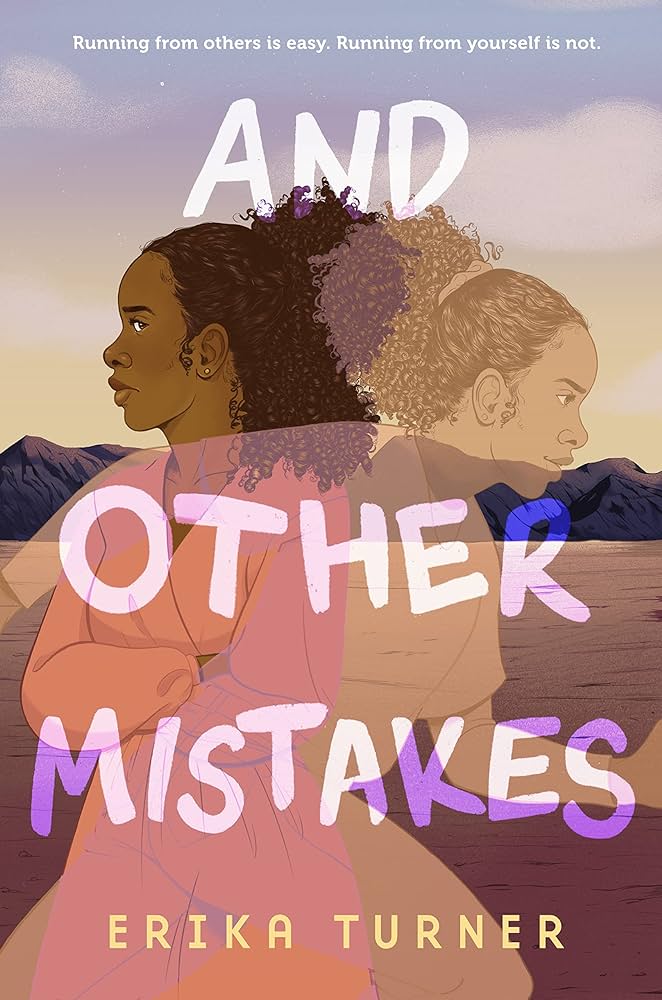
And Other Mistakes – Erika Turner“Every now and then I step to the now/For now I see back then I might have acted like a fool/Now I won’t apologize for it…”

“Echo” – Kristin Hersh

Crazy how I haven’t managed to talk about Kristin Hersh in one of these posts yet…I’m admitting my bias before I make a statement as sweeping as this, but I truly believe that Kristin Hersh has one of the most unique singing voices I’ve ever heard. It lies at an unusual confluence of the tiniest rasp, an understated Southern drawl, and a nasally tremble that, despite there not being words about it that sound complimentary (sorry, Kristin), is only a banner declaring her voice to be like no other. Separately emphasized, those elements would be off-putting (I only mean the Southern drawl in the way that modern country singers lay it on so artificially thick that it becomes meaningless to the All-American image they’re peddling), but where Hersh lies, they’re the perfect parts.

Whatever Hersh intended Sky Motel to mean (I’m between the sky over a motel or a floating, retro-futuristic motel with a rusty sign advertising vacancies on some kind of hover-buoy near the spaceship parking lot), it’s a fitting feel for “Echo.” Faint cricket songs decorate the intro, and combined with the gray, distorted smokestacks and skylines of the music video, it packages that feeling of staring up at the sky from a hotel parking lot, exhausted and operating on too little sleep. The opening lyrics also conjure the space directly before that—for me, somewhere in the dimly-lit back of a taxi from the airport: “White label on the backseat/glows an artificial green.” Amidst ambling keyboards, Hersh seems to stumble through the streets, torn between extremes; caught between the stability of “an empty lifestyle” and the allure of “the very loudest sound.” Every lyric is a contradiction: “I’m loving everybody/And hating everyone I see.” Hersh straddles the two poles just as the music does—each chorus roars from the bug-flecked quiet of the verses, and drunkenly stumbles back into tranquility just as quickly. Though she never lands on which direction she’s pulled towards, there’s a solemn acceptance that the middle ground is in sight, but just out of reach—”Do you hear the loudest sound/Floating out on the echo?” That violent oscillation of contradiction is what makes “Echo” stick so solidly, both in the inability to land between two extremes and only being able to see the most sparing glow of solace—a space I often find myself as such a sensitive person. It’s easy to get swept up in that turbulence, and easier said than done to reach out to that floating echo.

…AND A BOOK TO GO WITH IT:

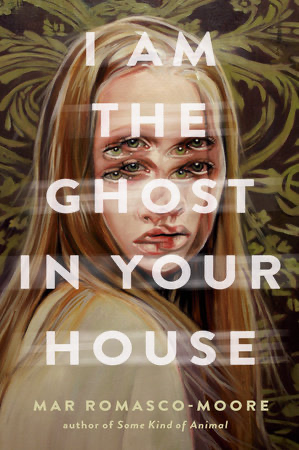
I Am the Ghost in Your House – Mar Romasco-Moore “I crave a midnight something/I crave and something hunts me down/I’m scaring everybody/I’m wearing everybody down…”

Since this post consists entirely of songs, consider all of them to be today’s song.

That’s it for this week’s Sunday Songs! Have a wonderful rest of your day, and take care of yourselves!