Posted in Sunday Songs

Sunday Songs: 10/11/26

Happy Sunday, bibliophiles!

This week: This is a long one, but I did this to myself by putting Phoebe Bridgers, Soccer Mommy, and Bowie all in one week. You’ve been warned.

Enjoy this week’s songs!
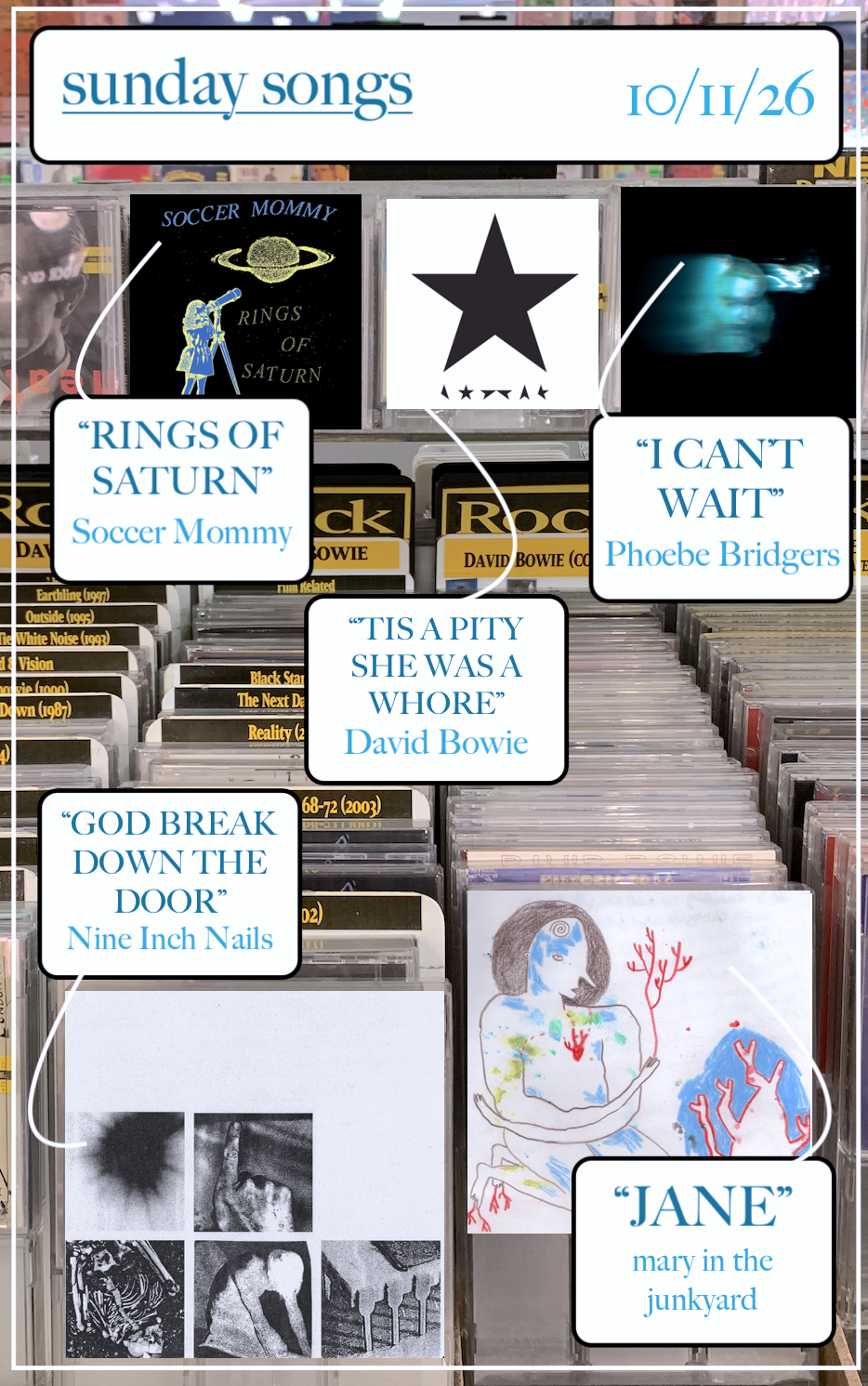
SUNDAY SONGS: 10/11/26

“God Break Down the Door” – Nine Inch Nails

Noisier, more metal-adjacent music isn’t usually my forte. I used to hate most forms of industrial or metal music when I was younger, up until about high school. This was true for all but a few Nine Inch Nails songs (admittedly, I did love a handful of songs from Pretty Hate Machine in middle school…fitting, and also, “Head Like a Hole” will always be a banger). To this day, I still can’t decide how much I regret not seeing them with the rest of my family back in 2018, at a Red Rocks show where they ended up playing one of the only live performances of “The Perfect Drug” up until that point. Cruelly, it took me until a few years ago to like that song, too.

Nowadays, I can appreciate Trent Reznor much more as an artist, having gone from the throes of addiction to sobriety but still keeping true to his mission of making art to exorcise pain and create a safe space for those working through similar issues. Anybody with that mindset automatically has my respect. But of course, everything goes back to Bowie with me—I think I heard “I’m Afraid of Americans” around the same time as I started sort-of-kind-of liking Nine Inch Nails, and I don’t think there’s a way that you can come away from that experience without thinking that Bowie and Reznor are the coolest people on Earth. Hearing “God is an American” for the first time in the Trump era was certainly pivotal. But to hear of their relationship—Bowie taking Reznor under his wing, seeing pieces of his younger self in him and helping Reznor work his way out of his addiction and help his artistry blossom—is such a critical part of the Bowie and Nine Inch Nails story that a lot of Bowie fans who only fixate on the ’70s or ’80s woefully miss. The ’90s marked a turning point for Bowie musically and personally, with his no-holds-barred dive into experimental music and the peace of his private life, which allowed him to become that stable mentor for people like Trent Reznor, and many others afterwards. And then, of course, there’s the legendary tour they did together.

So understandably, Bowie’s death left an indelible mark on Reznor. Even before I got into Nine Inch Nails, I could understand that if anybody could, nay should cover “I Can’t Give Everything Away,” it was him. That’s not even mentioning his concrete song about grieving Bowie, “This Isn’t the Place.” Yet even if “God Break Down the Door” wasn’t directly about Bowie, it kinda still is, in its warped way. It’s a writhing mass of tentacles frenetically squirming ever outwards towards entropy. Reznor’s blares of saxophone are the most obvious Bowie (specifically Blackstar) callback and a connection point between them, as they both played the instrument in their younger years. But amidst all of the seemingly disparate aspects of the track—the writhing beats (almost goes into yoinky sploinky territory), the marimba, the persistent drone of it all—it creates something so singly whole. That fleeting beat of silence amidst Reznor’s droning and the explosive exorcism of sound that comes afterwards bottles a kind of feeling that I can only describe as a black hole being reversed, like all of the matter of the universe being shot back out from the point of oblivion. It’s the door that God’s broken down, from my interpretation. But to me, it’s not just the sound of Bowie that Reznor inherits: it’s the floodgates of creativity being busted open in the ’90s, wiggling free of all corporate and fan expectations to create something nobody expects.

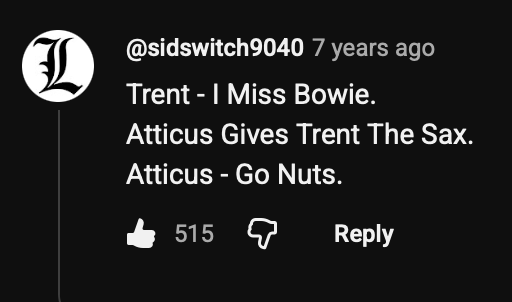
It’s very succinctly summed up in this YouTube comment:
…AND A BOOK TO GO WITH IT:
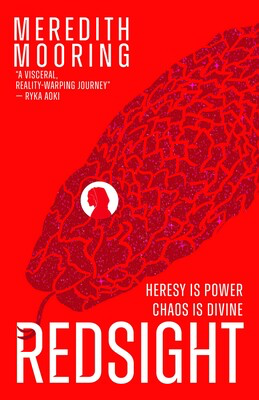
Redsight – Meredith Mooring – “God break down the door/Everything all at once/There aren’t any answers here/No, no, not anymore…”

“Jane” – mary in the junkyard

mary in the junkyard is a band I expect to come forward with something fresh lyrically, whether it’s feral people in the woods, reincarnated mice, or people turning into trees. Clari Freeman-Taylor has an eye for the left-of-center, the unloved creatures and inherent weirdness that reveals itself once you peer beyond the space between branches; her songwriting cradles spiders, mice, and impish creatures and nurses them back to health, patting them on the head when most people would run away and abandon them. So it’s no surprise that “Jane” is similarly unique. It hung in unreleased but often played live-limbo, where it was introduced by Freeman-Taylor as a love song about her period, who she named Jane and is “too annoying and honest.” Ain’t that the truth.

Writing affectionately about your period is a daring undertaking, given that it’s the bane of pretty much every AFAB person’s existence. But I think that the same tenderness Freeman-Taylor offers to the unloved creatures translated naturally to menstruation, which frequently makes you feel like an unloved creatures, and is a kind of unloved creature in her hands. The understated combination of electric guitar and Saya Barbaglia’s plaintive viola makes it feel like an apology, the sort of intimacy of cupping your hands over somebody’s chin as they weep. (Which, once again, very much a period feeling.) For me, it evokes the fear when I went through puberty as a young girl, developing at a rate that felt entirely too fast for the uncertain body I was in, doddering around like a foal: “It’s hard to be a woman, is it harder to be here?/It’s hard to be someone when everything is new.” To me, it’s both about that womanhood/AFAB experience as well as Jane herself being new in the world, emerging like some nocturnal creature every month. I never considered that my sentient period didn’t want to be brought into this world either. Maybe I’m the bad guy. Nobody’s having a good time here. But that’s where “Jane” finds sympathy, for both herself and Jane being constant, confused, and cramping companions.

…AND A BOOK TO GO WITH IT:
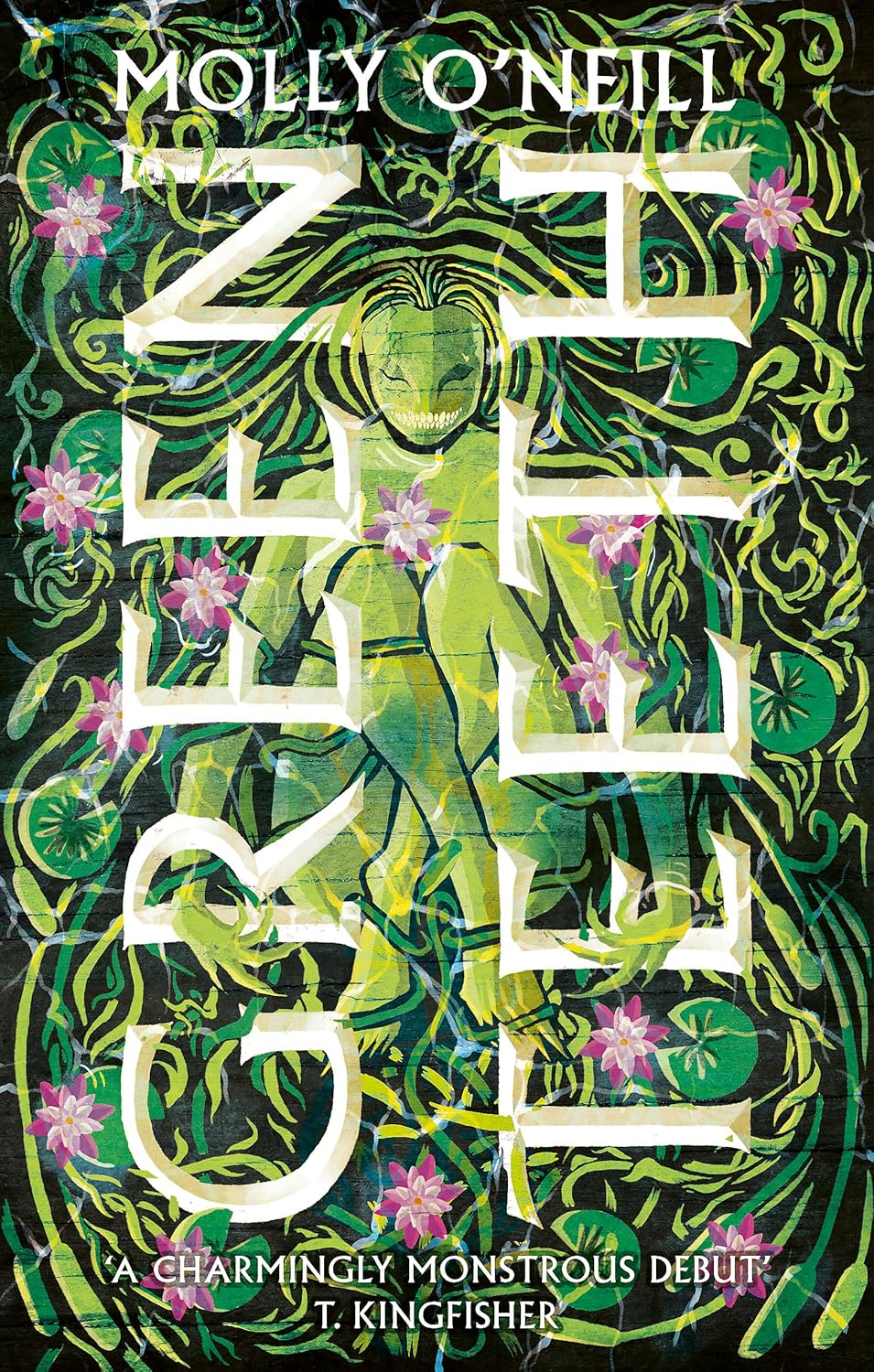
Greenteeth – Molly O’Neill – to be honest, I haven’t exactly read many books that are a) about menstruation, or b) sentient periods, but Greenteeth gives me the tenderly, whimsically dark yet sympathetic feel of a lot of mary in the junkyard songs.

“Rings of Saturn” – Soccer Mommy

Have I gotten to the point where I’m ambivalent about Soccer Mommy? I don’t think so, but I think I’m dangerously close. “Rings of Saturn” is a nice song. That’s about it. It’s a nice Soccer Mommy song. But I feel like it’s not a huge leap from any of her other work. I feel like this could be an outtake from color theory, which isn’t necessarily a complaint. Yet with somebody like Soccer Mommy, I expect at least something new with each new release—there was the color-coded concept behind color theory, the experimental daring of Sometimes, Forever, and the acoustic grief cataloguing of Evergreen. Other than the production, there’s not much that separates “Rings of Saturn” from the rest; but I do enjoy the production, with its spacey, retro graininess. The lyrics are solid too—certainly relatable, and they would’ve been even more so when I was in high school. “Rings of Saturn” is perfectly fine, but I just wanted more. At worst, Evergreen’s tracks blended together, and I’m just afraid that it’ll happen again. Then again, back when she released “Shotgun,” it felt like she was playing it safe, and then came Sometimes Forever. So who knows? I want more from “Rings of Saturn” because I know she’s capable of something more. Tentatively, I’ll follow Soccer Mommy wherever this constellation leads.

…AND A BOOK TO GO WITH IT:
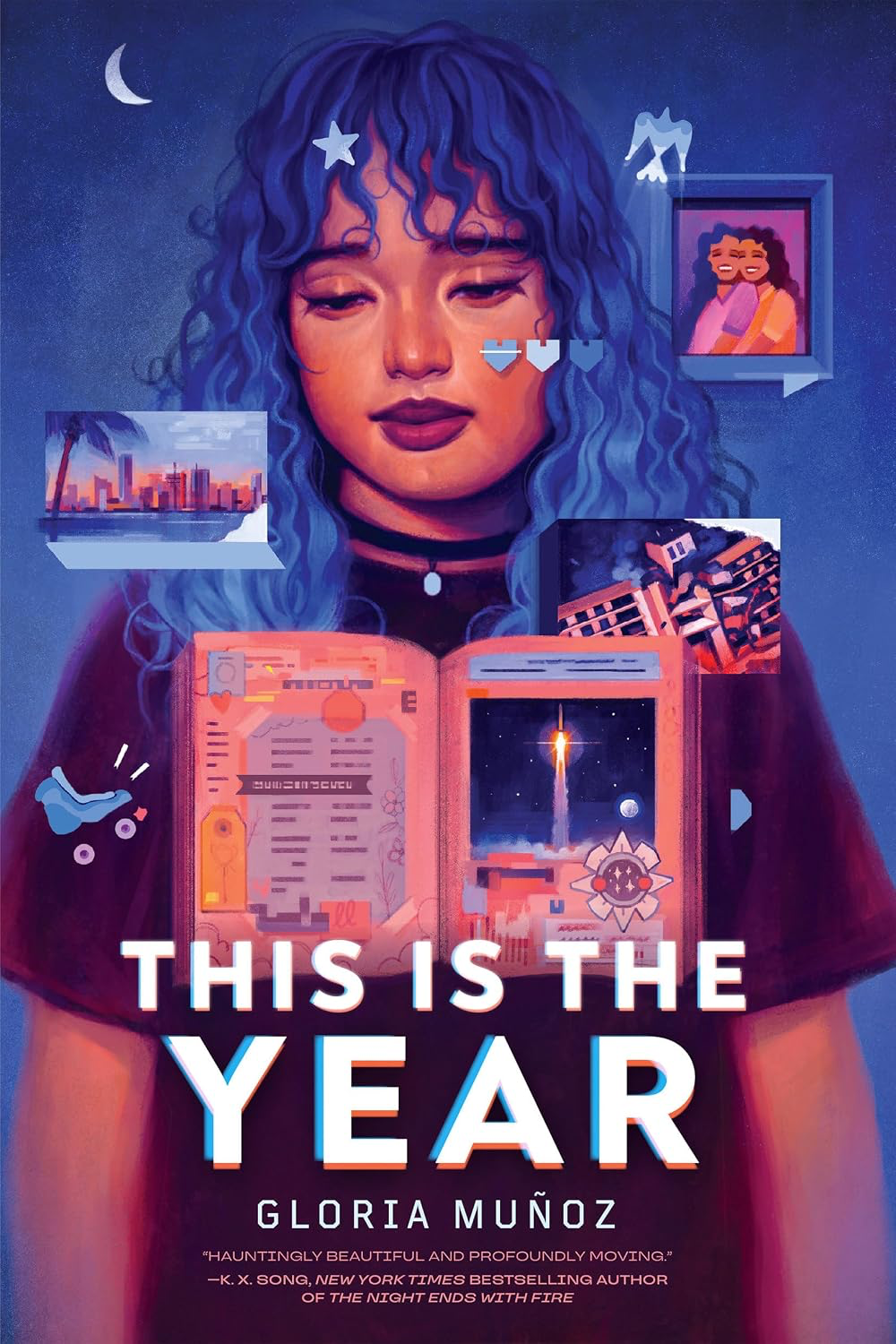
This Is the Year – Gloria Muñoz – “The stars, they hardly shine/In the city lights, but I/Point my finger to a halo in the sky, I see your light/Rings of Saturn, do you hear me when I cry?”

“‘Tis a Pity She Was A Whore” – David Bowie

Blackstar was always going to be an album that I needed to sit with. It took me years to even listen to it all the way through. A second time around, and I could barely handle the crushing weight of grief coupled with the ecstatic art-jazz-rock freakouts. And then I bought the record because it was within my self-imposed budget, a fine addition to my collection, etc., and that final piece clicked for me. Granted, most of the tracks still make me cry like a baby, but once I vomited up that initial onslaught of sadness, I could peek back and not just appreciate but genuinely enjoy the artistry behind it. It’s not that I didn’t get it before—even while I was actively weeping, I recognized all of the snatches of odd time signatures and how flooring pretty much all the lyrics are—but the immediacy of it had worn off.

I hate hearing the sound of breathing. Not even consciously heavy breathing, that’s obvious, but just any audible breathing. It’s very much a sensory issues thing, but hearing breathing (nay, any kind of mouth noises), chewing, sniffing, it all makes me fucking squirm. Something about it sets my perpetually askew nervous system on high alert. And that’s how “‘Tis a Pity She Was a Whore” begins. David Bowie breathes into the mic, then licks his lips. You can almost hear how chapped they are. It’s laborious. The exhaustion, the energy sapped out of him, is immediately apparent in seconds, and even when the saxophones and pounding drums kick in, you can hear him heaving. Bowie never gave a statement as to what the lyrics were about: all he ever said about the track was that “if Vorticists wrote rock music, it might have sounded like this.” Keeping the art movement in mind, characterized by cubism, harsh angles, and secrecy, it’s very apt. But that no-frills, human panting and breathing inclines me to believe one of the more popular interpretations of the song; Bowie describes a woman (in quite disparaging terms) who “punch[es] him like a dude” and “steal[s] his purse with rattling speed”…what could said “whore” be if not cancer?

Even if the language is more sparse than the usual flowery, cosmic Bowie epic, “‘Tis a Pity” is an epic in every sense. There’s no shortage of aspects to pick apart. There’s the gender dynamic of the cancer personification, clearly marked as a woman but whose violence takes on distinctly masculine language (“Man, she punched me like a dude”). There’s the title, taken from a 1633 play by John Ford, which is only tangentially related to the song’s themes, but nonetheless contains that same undercurrent of violence. The literary references continue with an interpolation of Robert Southey’s Sonnet 1, part of a collection of poems condemning the Transatlantic Slave Trade, where Bowie gets “hold your mad hands.” (Thanks are due here for the no doubt exhaustive research from the blog Pushing Ahead of the Dames.) Through it all, it paints an image of Bowie as a frail boxer, battered but impossibly full of energy until his last breath. It’s a harrowing song, especially with that final ragged yelp he lets out at the end. He sounds beaten. And yet, he was ready to throw those creative punches in the ring until the bitter end.

…AND A BOOK TO GO WITH IT:
The DSM-5 – American Psychiatric Association – we all need therapy after this, let’s be real…

“I Can’t Wait” – Phoebe Bridgers

Are you imagining me somehow serenely, sitting stationary while writing this post? Wrong. I’m still vibrating at the thought of Lost Weekend, mainly because I’ve got tickets to see Miss Phoebe (!!!!) very soon!! I’ve come back to the album constantly—easily one of my favorites of the year so far, and it only gets better every time I revisit it. This week’s pick was a real tossup—I could’ve easily gone with the enchanting slow dance (and brief Gracie Abrams diss) of “The Governor’s Waltz,” the bittersweet, country-fied healing of “Haunted,” or the visceral existential pleas of “As Above.” Now that I’ve had almost two months to sit with it, I think Lost Weekend represents the height of Phoebe Bridgers’s powers (no pun intended) so far. Dare I say that it’s better than Punisher? I do dare say it. She’s skyrocketed in fame and artistic ability, a rare combination; she’s only strengthened the emotional, raw pull in her lyrics without sacrificing a subtly adventurous spirit. The soundscapes have turned from artfully sparse to cosmically expansive, doffing shoegaze, country, and electronic hats with an ease that most musicians of her standing couldn’t attempt.

Yet I keep coming back to “I Can’t Wait.” There’s about a million puns I could make about this song and the fact that I can’t wait for the concert, but I’ll hold back. Another aspect of Lost Weekend that endears me is the fact that, in spite of the tragedy that led up to the album’s release, Bridgers has started finding peace of mind. Despite being labeled as such by the press and her fans, she’s frequently chafed against both a static sound and being pigeonholed as a sad girl; and, yes, while that’s part of why I love her, seeing her write songs of unabashed hope and love is like watching a depressed friend start healing and doing better for themselves. “Bobby” is the more obvious example, but “I Can’t Wait” hits me in the gut the most. With its juddering, harmonized sprint at the start, it’s brimming with anticipation. This time, it’s not the end-of-the-world prophecies of Punisher, but being excited for the first time about what’s on the horizon: romantically, emotionally. Bridgers paints herself as more than a little bruised and beat up, but she’s ready to run towards the finish line no matter how much dirt she’s got smeared over her bloodied knees: “I’m not good, but I’m better/Missed my cue, but whatever/It’s now or never.”

And of course, as if “I Can’t Wait” wasn’t one of Bridgers’s best already, it also solves one of the problems that she’s had for her whole career: her duet partners. She’s finally picked somebody with a lower vocal register than her to duet, and it actually works. They said it couldn’t be done…but if anybody could do it, it was obviously Cameron Winter uh [cough] excuse me, Son-John Johnson, my bad. The beat where the electronic skittering dissipates into folksy embers around a campfire, where Bridgers and Winter’s voices delicately intertwine, feels exactly like the song’s excellent music video; at that moment, the fly that the video’s POV has been from, gets gently cradled in Bridgers’s palms. It’s so secure, warm, and the moment that their voices coalesce feels like home, somehow. Incidentally, that’s where the real love song part of “I Can’t Wait” comes in, but that brimming, brilliant nucleus of hope and genuine excitement for the future gets me choked up. You can change your mind, but you can’t change mine…

…AND A BOOK TO GO WITH IT:
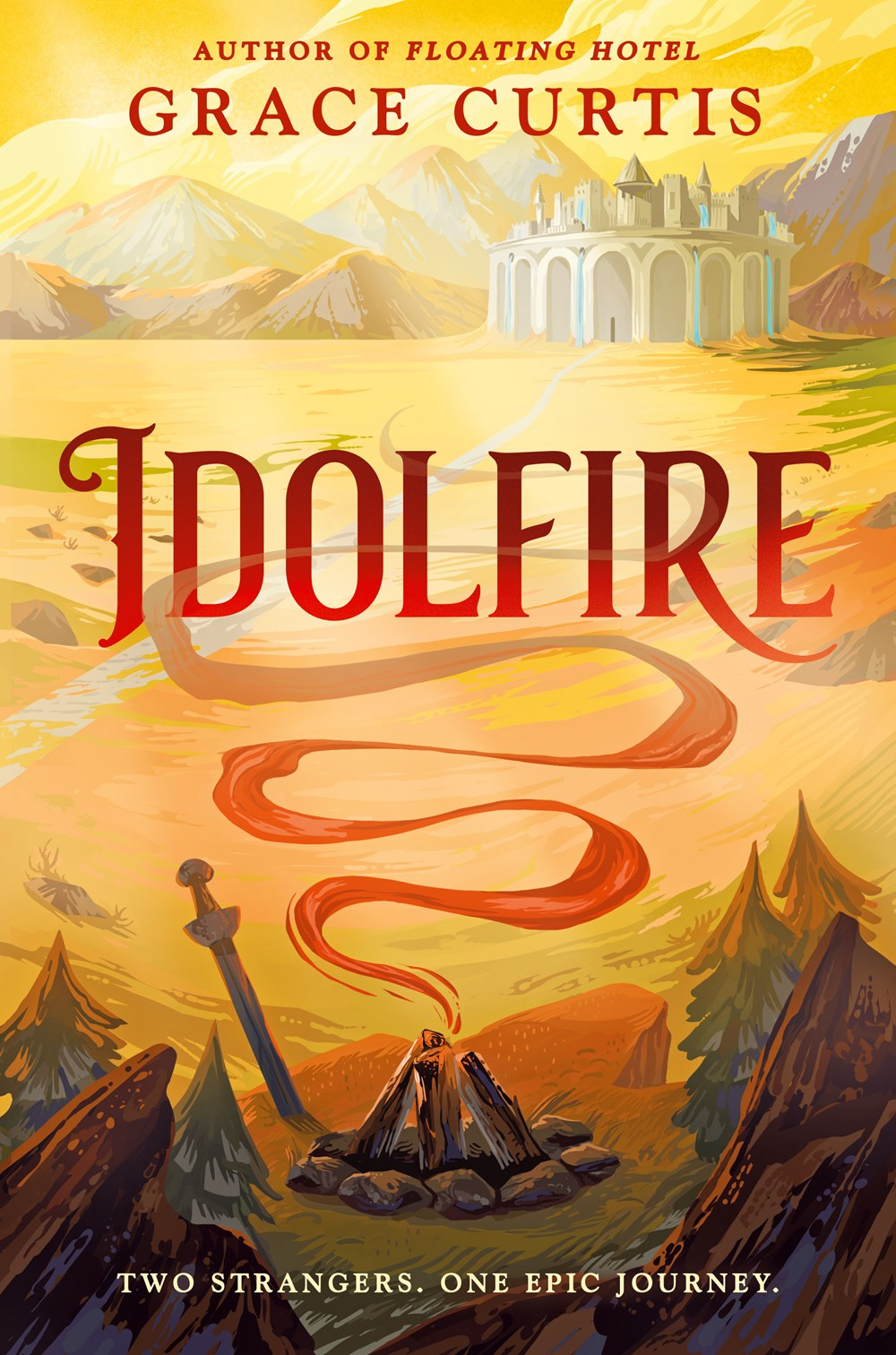
Idolfire – Grace Curtis – “Baby, baby, if you leave me/Can you take me with you?/I can sit in the back seat…”

Since this post consists entirely of songs, consider all of them to be today’s song.

That’s it for this week’s Sunday Songs! Have a wonderful rest of your day, and take care of yourselves!

Posted in Sunday Songs

Sunday Songs: 8/16/26

Happy Sunday, bibliophiles! I hope this week has treated you well.

This week: Yes, I did, in fact, preorder a song for Sunday Songs because I knew that I’d have Things to say about Lost Weekend, even though it’s only been two days since it came out. No, I’m not trying to kill you by putting Sparklehorse, Mitski, and Phoebe Bridgers in the same post (I swear the Mitski is actually upbeat. No, really!).

Enjoy this week’s songs!

SUNDAY SONGS: 8/16/26

“Little Fat Baby” – Sparklehorse

In the aftermath of a near-death experience that gave Mark Linkous chronic pain for the rest of his life, this is what he said that he realized: “I started noticing all these things I’d forgotten about. I remember I was outside the rehabilitation place and I noticed a grasshopper, and I’d forgotten about grasshoppers…I just had this new perception of things I’d been oblivious to.” Sure, Sparklehorse is a hallmark of sad bastard music (a label that Linkous himself somewhat chafed against). But as I get older, what draws me back to Sparklehorse again and again is the encased eggs of hope beneath the sadness. His world is populated with dust and rotten wood and bones, but there’s lively insects hopping around, bird’s nests in the rafters of crumbling barns. There’s a liveliness that persists in spite of many sources of great strife in Linkous’s too-short life.

“Little Fat Baby” is one of the more somber songs in an already somber album, It’s a Wonderful Life. Yet it’s also one of the more empathetic songs. In the chorus, he ruminates on the song’s nebulous protagonist: “He got dragged/By a donkey/Through the glass/And the myrtle/But he was once/A little fat baby.” We never know what circumstances lead to this man meeting such an agonizing fate, but Linkous peers beyond the pain to see the inherent humanity in this character. The circumstances aren’t the point—the point is that all of us started off as helpless little creatures deserving of love. “Little Fat Baby” is a tender duet between Linkous and Sol Seppy, who provides fairylike accompaniment to Linkous’s already fragile voice. Quivering strings give this track a kind of grand reverence, amidst the quiet sympathy it weaves for the man who was once a little fat baby. There’s a strange comfort in “Little Fat Baby” amid the sadness—the feeling that you can always come home, no matter what you did before you stumbled onto the doorstep.

…AND A BOOK TO GO WITH IT:

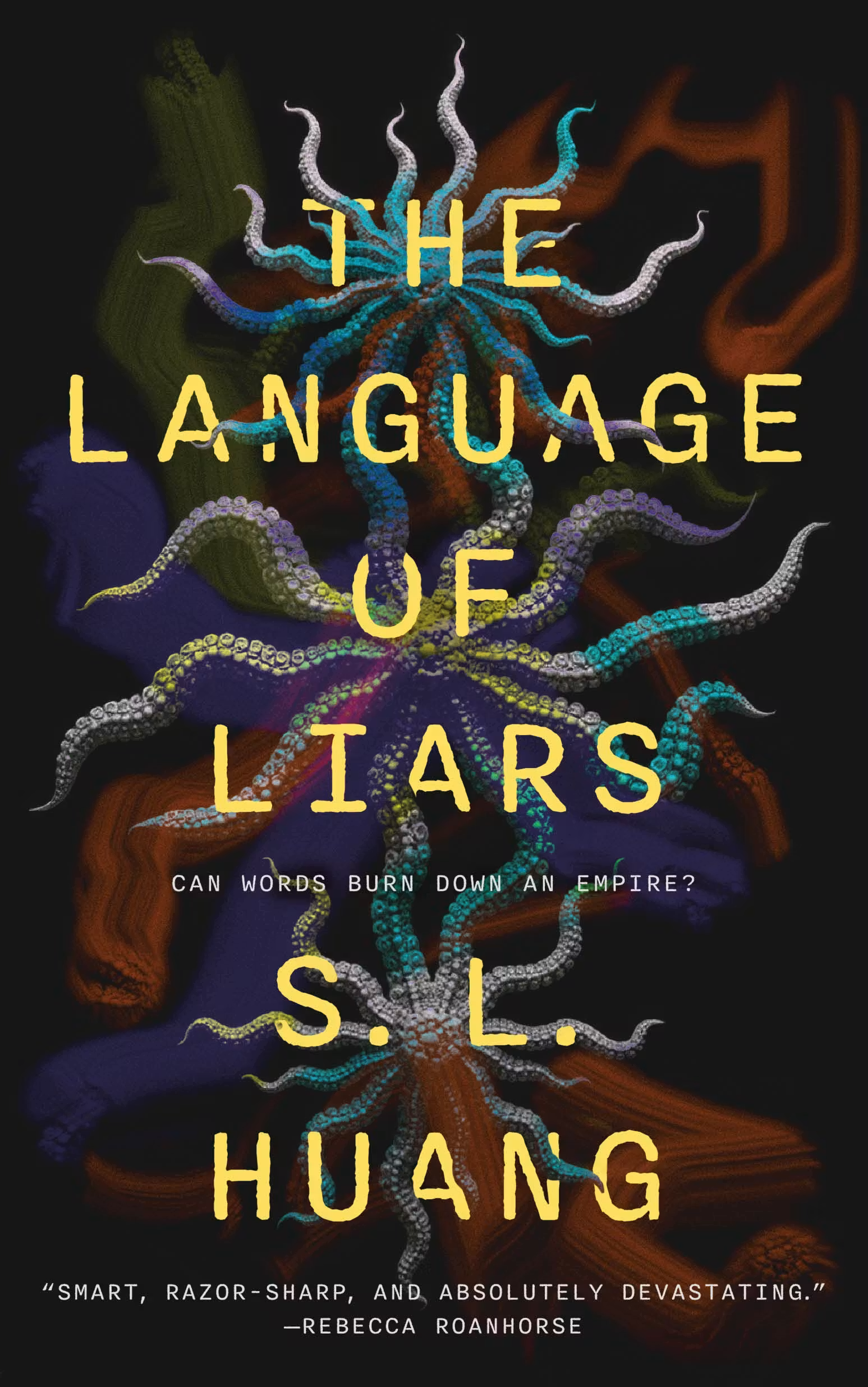
The Language of Liars – S.L. Huang – “Did you make the city slickers laugh?/He got dragged by a donkey/Through the glass and the myrtle/But he was once a little fat baby…”

“Fireproof” (One Direction cover) – Mitski

Everything that Mitski touches turns to gold. Well, maybe not Laurel Hell, but they can’t all be winners. The recent tenth anniversary of Puberty 2 prompted her to release an edition with two new covers with whiplash-inducing source material: Frank Sinatra (which I talked about around a month ago) and One Direction. Of course, Mitski didn’t have to try in order to make “Fireproof” loads more fun than the original, which is pretty much the dictionary definition of milquetoast. (How do you make a song called “Fireproof” and then make it into the most sauceless, pallid excuse for a song possible? Jesus.) Mitski, on the other hand, made the vague promises of the lyrics into something tangible and fiery—her breathless admission of “I’m feeling something deep inside/Hotter than a jet stream burning up” makes it feel real. Aided by the crunchy guitars of her Bury Me at Makeout Creek era, this cover feels like she means every word, even if they aren’t hers.

…AND A BOOK TO GO WITH IT:

A Song of Salvation – Alechia Dow – “I’m feeling something deep inside/Hotter than a jet stream burning up/I got a feeling deep inside/It’s taking, it’s taking all I’ve got…”

“Museum of Sex” – Robyn Hitchcock & The Venus 3

Having only seen him live twice, I can say in confidence that there’s a point in every Robyn Hitchcock show where it goes from a concert to a stand-up routine. The last time I saw him, he veered into a whole bit about how rock n’ roll was invented in the 1700’s aboard ships. There was a joke about “Horse Latitudes” somewhere in there. He quoted “Time and again, I tell myself/I’ll stay clean tonight” from Bowie’s “Ashes to Ashes” before segueing into “The Cheese Alarm.” The guy’s just naturally hilarious. This is the same man who casually used the interjection “yaysville!” multiple times in his memoir, after all. It felt nothing but natural.

What sticks to me about Robyn Hitchcock’s sense of humor to me is that yes, he’s got jokes, but he never half-asses them. He still puts his all into a song with lyrics like “I love that old museum of sex/You never know what’s happening next.” With the grooving, horn-laden accompaniment of the Venus 3, he launches into a track that winds along slinkily like a snake. He added in a lyric about said Museum of Sex closing at 4pm, to the laughter of the crowd, and all the while he’s chipping away at an artfully complex riff. He’s committed to the bit to a degree that most artists aren’t.

…AND A BOOK TO GO WITH IT:

Early Riser – Jasper Fforde – there’s not a lot of books or authors I can think of that are similar to Hitchcock’s sense of humor, but Fforde’s quirky, dry wit and out of left field premises certainly comes close.

“The A Song (Laid In Your Arms)” – Spiritualized

“The A Song” is monumental. There’s no doubt about it. When I saw Spiritualized back in 2022, about a month before Everything was Beautiful was released, I remember being caught up in the towering tidal wave of noise. I could sense that “The A Song” was new, and all I could make out from the dizzying bee’s nest of sound was the line “One man’s crime is another man’s thrill”; the rest was just a shockwave.

It’s no wonder that I listened to Everything Was Beautiful to death when it came out. I had to take an extended break from it because it consumed me so much in mid-2022. To this day, I still think it’s one of Spiritualized’s best albums to date, nearly on par with Ladies and Gentlemen We Are Floating in Space, no less drugged-out but with the optimism that comes with age—and the revelation that you’re still alive, and there’s a myriad of things that you can do with your body and your life. Sure, “The A Song (Laid In Your Arms)” is probably as much about being high and watching your life slip away as any given Spiritualized song, but it’s a truly spectacular show of the amount of command that J Spaceman has of sound. Watching him at work is like watching a conductor with a 60-piece orchestra; squealing horns, screeching guitars, and percussion like pounding waves all convalesce into a marvelous, tidal force that knocks me off my feet, even when I’m sitting down. It’s so meticulously controlled and constructed, and yet there’s something so primal about how this song just swallows you whole. “The A Song” is a cosmic force—like the album title, it’s the kind of immaculate construction that, in spite of its lyrics, taps into the wonder of watching life itself unfold in front of your eyes, just like J Spaceman’s arresting compositions unfold in front of you. I think that’s the point of Everything Was Beautiful, in the end; it’s a celebration of the overwhelming shock of being alive.

…AND A BOOK TO GO WITH IT:

The Brightness Between Us (The Darkness Outside Us, #2) – Eliot Schrefer – I associate this duology a ton with Spiritualized—they have a very similarly epic quality to them.

“Kill Me” – Phoebe Bridgers

Predictably, I’ve become insufferable about Lost Weekend. Phoebe Bridgers could’ve easily gotten away with releasing Punisher 2: Electric Boogaloo after six years of radio silence, but she’s easily defied it. It’s a different record, temporally and stylistically. I’m struck by how it sounds next to Punisher; the former was lonely in the way of expansiveness, intensely sparse, like the image of Bridgers staring up at the stars in the middle of nowhere on the album cover. Lost Weekend, on the other hand, is lonely in a way that only happens when you’re caught in the eye of a storm in a roiling sea of chaos. The album is all about upheaval and disorientation, both positive and negative, with the confluence of her father’s unexpected passing and her relationship with Bo Burnham. Add to that the unforgiving eagle-eye of the music industry and the tabloid press, it’s got enough hairpin turns to make somebody want to abruptly get off the ride and throw up.

Chaos is something that Bridgers takes full advantage of on Lost Weekend, with some of the stylistic detours feeling disorienting if not played in the right order. But in order, the cohesion is difficult to miss; it feels strung together in a more adventurous way, especially with the bevy of instrumentation and noise that’s been added to the soundscape. “Kill Me,” one of my standout tracks from the album, feels like the lodestone of the chaos and disorientation: the repetition of Bridgers’s breathy admission of “This is gonna kill me/Wait!” as the instrumentation blinks into momentary silence feels like stumbling off of a dizzying rollercoaster, not knowing which direction is up or down. (Fittingly, I had a similar feeling coming out of the accompanying laser show at the Denver Museum of Nature and Science. In a good way, for sure. Fitting.) Much of the song deals with time out of time, years bending and blending together: “My boys are getting married/Turning 21/I’m not, but I was once certain, always.” That sense of uncertainty feeds into the verse about a shared kiss at a costume party where “the veil is thinning.” (Admittedly, I thought that the “flower with chemical petals” line was corny, but it turned out to be a reference to David Foster Wallace.) All of it culminates in a propulsive turn into cascading shoegaze at 3:34 that sounds like the fabric of reality itself is fragmenting into fragile pieces, buoyed by Cameron Winter’s (!!!) backing vocals. Bridger’s rallying cry of “Let’s go missing” certainly puts “Lost Boys” in a new light—all of this upheaval and heightened visibility would make anybody want to go off the grid.

Lost Weekend, in the end, reads to me like a beautiful statement about facing the inherent unpredictability of life. Some days, it’s enough to make you want to disappear. But some days, it represents a promise of something wonderful that you’ll never see coming on the horizon. Life is full of this chaos, in all of its grief and turmoil—there’s no use running from it, good or bad. Sometimes what’s on the other side is the very thing you’ve always wanted.

BONUS: Speaking of Cameron Winter [ahem] Son-John Johnson, here’s one of my other absolute favorites from the album, the duet “I Can’t Wait” and it’s newly released music video:

…AND A BOOK TO GO WITH IT:

The Infinite Miles – Hannah Fergesen – “Turning twenty-one/I’m not, but I was once certain, always/Now all I know is the ending…”

Since this post consists entirely of songs, consider all of them to be today’s song.

That’s it for this week’s Sunday Songs! Have a wonderful rest of your day, and take care of yourselves!
Posted in Sunday Songs

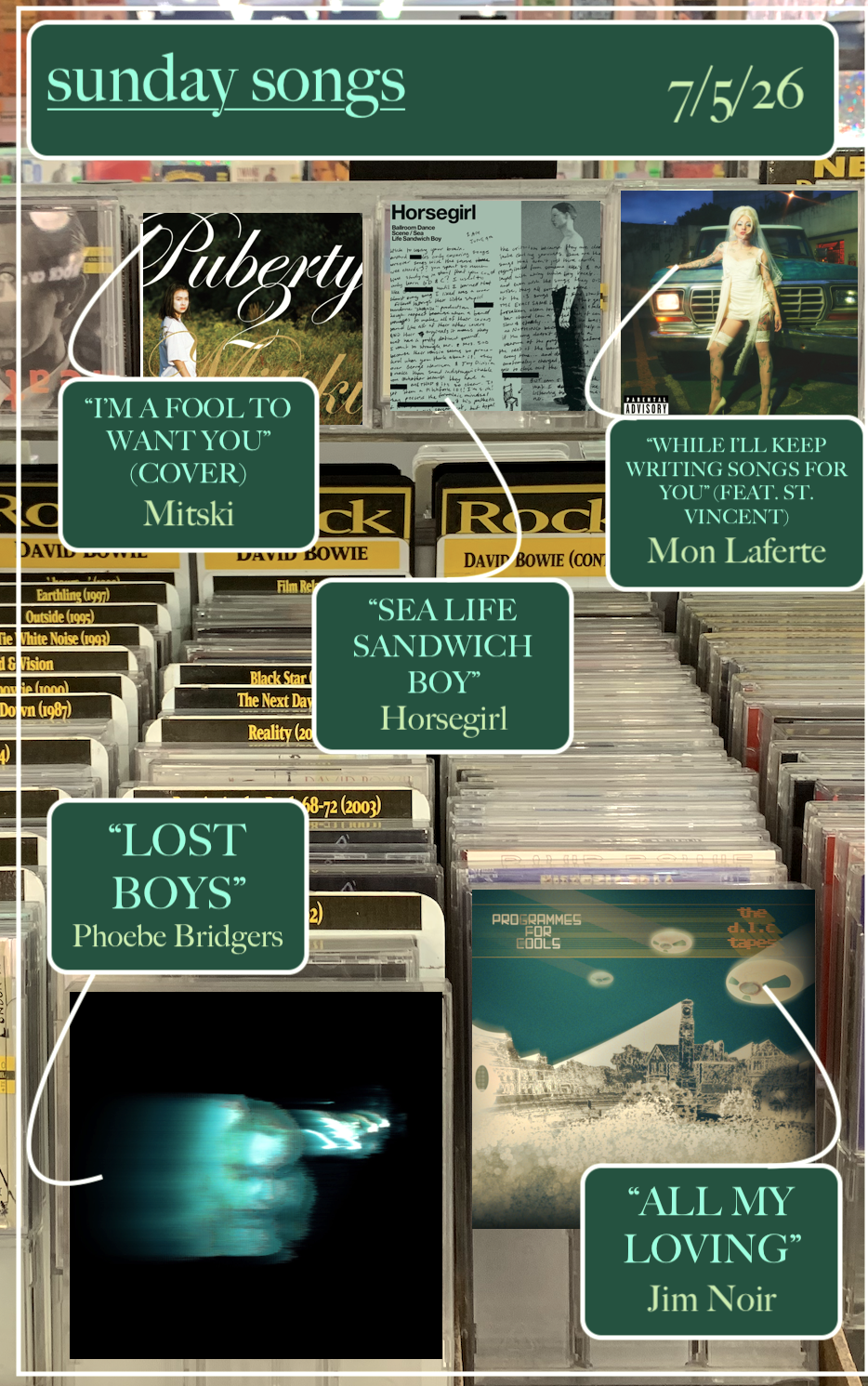
Sunday Songs: 7/5/26

Happy Sunday, bibliophiles! I hope this week has treated you well.

This week: in honor of the 250th anniversary of our glorious, flawless United States of America, I’ve concocted a color scheme that pairs well with the sickly algal green of the Reflecting Pool. God bless America, or something. Worry not: there’s enough women, queers, and people of color to give half of the White House a stroke. D.E.I.!

Enjoy this week’s songs!

SUNDAY SONGS: 7/5/26

“Lost Boys” – Phoebe Bridgers

SHE’S BACK!! SHE’S BACK, THIS IS NOT A DRILL! LOST WEEKEND COMES OUT THIS AUGUST!!!

Returning to music—and the public eye—was always going to be a tall order for Phoebe Bridgers. In the absence of new music since 2022, her fame has unexpectedly skyrocketed. It’s so bizarre to think that when I got into her music in 2019, she was on par with artists like Soccer Mommy, Snail Mail, or Jay Som in terms of recognition, and now she’s selling out arena shows…whiplash, for sure. Opening for Taylor Swift on the Eras Tour was likely the turning point. Either way, when she finally came back, there would be an inevitable torrent of naysayers and unwarranted speculation. I almost still can’t believe that she’s back.

Most of my thoughts about “Lost Boys” coalesced while I was listening to it on repeat while making a grilled cheese, which feels strangely fitting—here’s a song with themes of immaturity and not wanting to grow up, and there I stood with the ultimate kid’s menu dinner. (At least it wasn’t American cheese and white bread.) But the doubts kept swirling around in my head. Is the production too polished? Are the horns and tempo too much like “Kyoto?” Was Punisher the only trick up Phoebe Bridgers’s sleeve after all? Sure, I maintain that the production feels on the unnecessarily slick side (damn you, Jack Antonoff). And it does ring similarly to “Kyoto.” But “Lost Boys” feels like being invited into something new. It feels like the lulling into a false sense of security before the sound of Lost Weekend unfolds in earnest.

Yet even if it wasn’t, “Lost Boys” would be a worthy addition to Bridgers’s catalogue. The “Kyoto” comparison is apt because they have that same quality of feeling like a reckless sprint—both to escape something they should’ve confronted long ago. Imagery of fantasy and escapism melds with Bridgers’s usual structure of very modern vignettes—these lost boys are emblematic of the kind of escapism she longs for, but she’s equally damaged by being in the company of that amount of emotional stuntedness and immaturity. It’s a bittersweet concoction, made all the more so by the effortless shifts from whispery reflection to the raw-throated count-off before the final chorus. “Fun” isn’t the word I’d normally describe Phoebe Bridgers with, but I can’t help but feel a rush of excitement every time I listen to this song—there’s something ecstatic about it amidst the uncertainty. Maybe it’s the fact that both Julien Baker and Lucy Dacus quietly contributed backing vocals. Either way, “Lost Boys” is a strong start for Bridgers’s long-awaited return.

…AND A BOOK TO GO WITH IT:

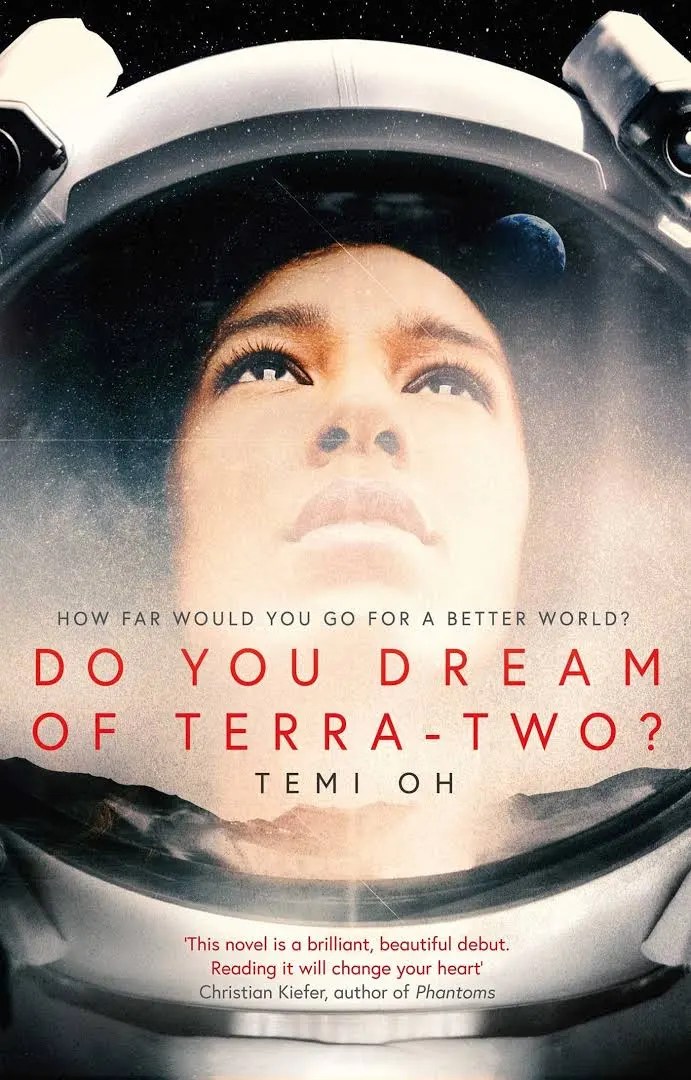
Do You Dream of Terra-Two? – Temi Oh – “To another life/Where they make you cut your hair/Impatient with a rifle and your papers/Weightless, but not scared…”

“All My Loving” – Jim Noir

Jim Noir’s new album, The DLC Tapes, is now available exclusively on Patreon and Ko-Fi! If you’re financially able, I highly recommend this album alongside Programmes for Cools.

After all this time…not one but TWO Jim Noir albums this year! We truly have a bountiful harvest on our hands. Alongside Programmes for Cools (now available on all streaming platforms), Jim Noir has released The DLC Tapes, an album of 13 more songs previously released as part of the Jim Noir EP Club. (This song is technically a double-dip that I featured all the way back in 2022, but it was well before I even started writing these posts. If any song deserves it, it’s this one.) From the start of the Programmes announcement, I was holding out hope that “All My Loving” (originally from EP 7) would make the cut—it was one of the best tracks from his entire run of EPs, a delightful piece of catchy, ’60s-indebted jangle-pop. Granted, the changes from EP 7 to The DLC Tapes are minimal—mainly just the production—but it was exactly what I was hoping for. “All My Loving” was already a prime example of just how neatly Noir has carved his niche over the years—it’s proof that his craft has only gotten better as the years have gone by. The cleaner production amplifies the cheery, dreamy mood of the track—the harmonies, the starbursts of space-age synth, and the warm organ all get their flowers with this fresh coat of polish.

…AND A BOOK TO GO WITH IT:

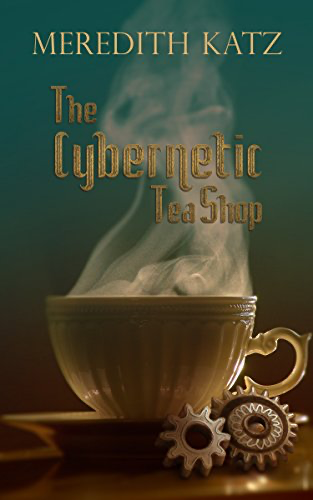
The Cybernetic Tea Shop – Meredith Katz – the lyrics are minimal, but the electronic, cozy feel of this track wouldn’t feel out of place in a tea shop run by robots.

“I’m a Fool to Want You” (Frank Sinatra cover) – Mitski

If there’s any artist who genuinely baffles me with the unexpectedness of their cover choices, it’s Mitski. Case in point: for the 10th anniversary of Puberty 2, Mitski released an extended edition that included two extra covers: one of One Direction, and one of Frank Sinatra. If I didn’t know any better, I’d say that Mitski was throwing darts at a board with all of the most popular artists of the past 70 years and covering whatever they landed on. But both of these covers—yes, also the One Direction one—show off the many different facets of her artistry that frequently show up in her original music. Her cover of “Fireproof” has notes of her more straightforward rock days, especially from Bury Me at Makeout Creek.

“I’m a Fool to Want You” is almost the exact opposite. Accompanied only by grainy, droning synths, she turned Sinatra’s swell of big band strings into some of her most desolate-sounding music. The comparison that immediately came to mind was This Mortal Coil’s cover of Syd Barrett’s “Late Night”; both are incredibly sparse in their instrumentation, letting both of their vocalists unnervingly tremble to their hearts’ contents, and shining a spotlight on the more abjectly dreary parts of the lyrics. The latter part is more applicable to “Late Night,” but Mitski’s interpretation “I’m a Fool to Want You” turns a lovelorn ballad into something weighed down with deep-seated shame. Without the backing of an orchestra and a chorus of voices, “I’m a Fool to Want You” becomes almost unbearably ominous and lonely…in typical Mitski fashion.

…AND A BOOK TO GO WITH IT:

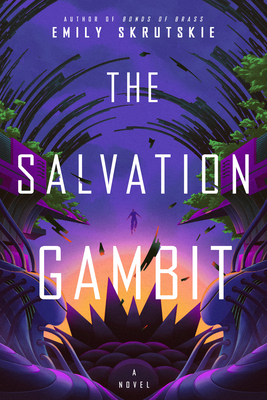
The Salvation Gambit – Emily Skrutskie – there’s a very “dark, ominous, abandoned spaceship” atmosphere that Mtiski creates with those droning synths.

“Sea Life Sandwich Boy” – Horsegirl

On the subject of songs that take me back to high school…

“Sea Life Sandwich Boy” occupies a brief but distinct place in my memory: sometime in the winter of 2021, during my senior year of high school—the start of my eventual Horsegirl awakening. This song will always be arm-in-arm with The Beatles’ “Oh! Darling”—I was listening to both of them on repeat at the time. It’s very indicative of Horsegirl’s early days—a very ’90s sound, a random, jokey title unrelated to the song, and vocals buried in grainy effects. No band starts out in their prime, but I’d say that Horsegirl started out damn near close—”Sea Life Sandwich Boy” could have easily been a standout on Versions of Modern Performance. Swimming in airy harmonies and precise riffs that make each note flicker like stars cut out of paper, “Sea Life Sandwich Boy” was an ambitious single for the band, but one that pays off to this day.

…AND A BOOK TO GO WITH IT:

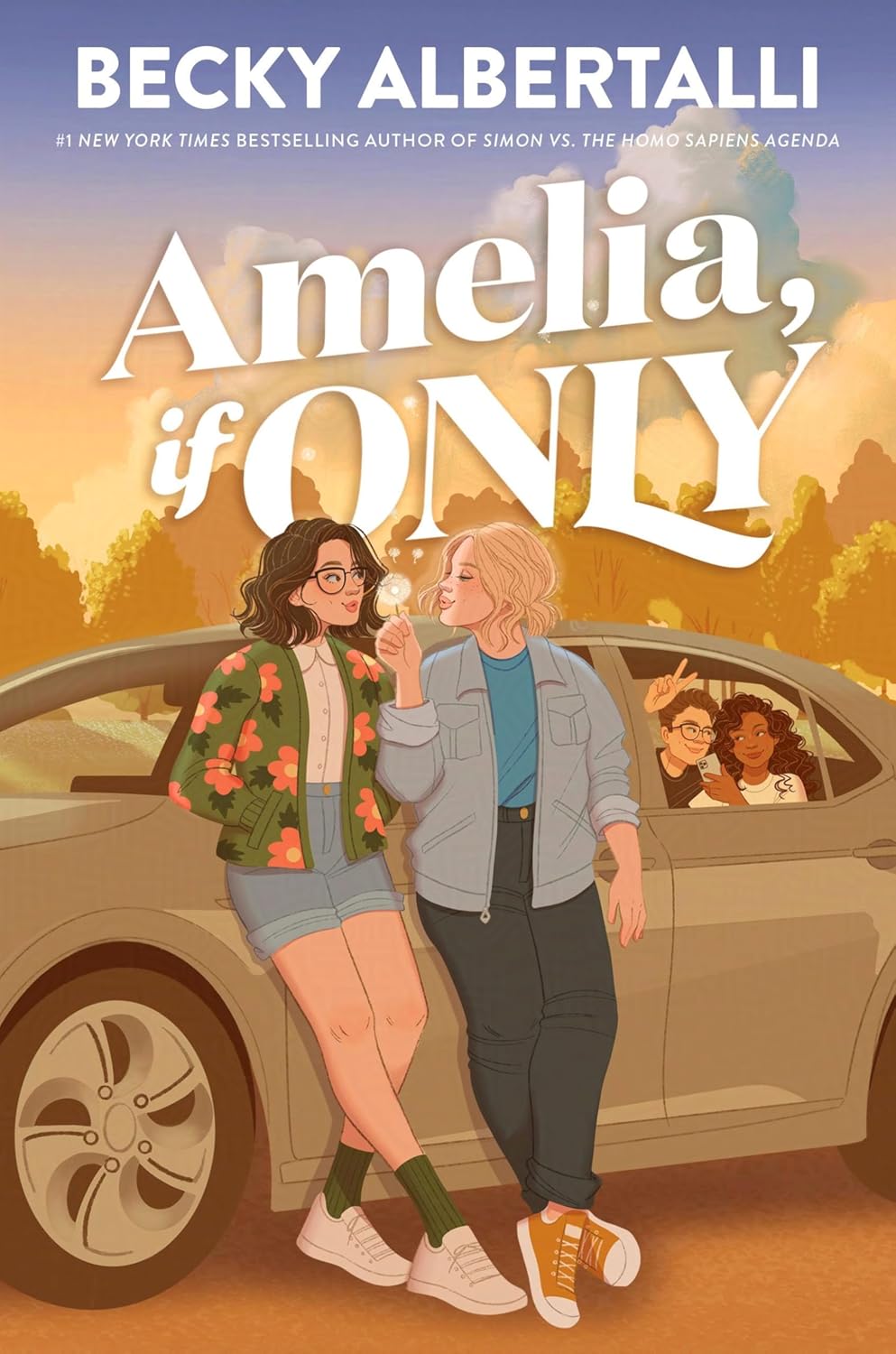
Amelia, If Only – Becky Albertalli – this is a very high school roadtrip playlist kind of song—exactly what this novel is.

“While I’ll Keep Writing Songs for You” (feat. St. Vincent) – Mon Laferte

Sure, this is Mon Laferte’s song, but it seems like a sign that St. Vincent is almost done ripping holes her tights and setting things on fire. Laferte and St. Vincent collaborated on “Tiempos Violentos” (“Violent Times“) off of Todos Nacen Gritando, her Spanish translation of All Born Screaming; There, Laferte delivers a visceral scream that rivals Annie Clark’s, but “While I’ll Keep Writing Songs For You” is worlds away from the battered rage of Todos Nacen Gritando. Instead, Laferte and Clark’s voices form harmonies that are nothing short of soul-warming—they’re seriously such a match made in heaven. “While I’ll Keep Writing Songs For You” is a somber, sleepless ballad about trying to cling to a static, depressed lover who barely seems to respond to her affection. Clark and Laferte’s wordless preludes almost say more than the lyrics, purely plaintive as though they’re trying to get the last word out in the emptiness of space. Laferte’s music video feels laser-attuned to the feel of the song—her she is, all dolled up and surrounded by flowers in her shopping cart, but the world beyond her borders on colorless.

…AND A BOOK TO GO WITH IT:

Our Wives Under the Sea – Julia Armfield – “Will we ever be ok?/You left hair in the shower again/Why don’t we laugh instead/There is no need/To argue over stupid things/You are still depressed/While I’ll keep writing songs for you…”

Since this post consists entirely of songs, consider all of them to be today’s song.

That’s it for this week’s songs! Have a wonderful rest of your day, and take care of yourselves!